PIONEERS OF FINE ARTS IN OMAN
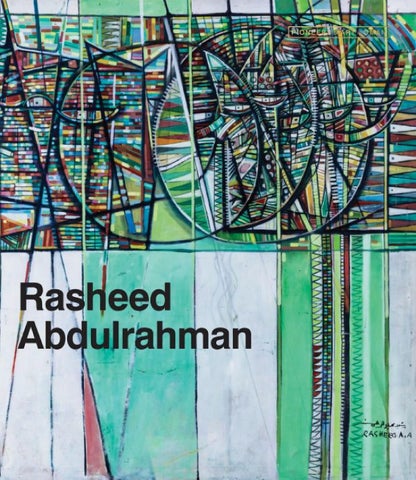
RASHEED ABDULRAHMAN
The Omani Environment: a Cultural Backdrop Oman formed the cultural setting in which Rasheed lived, though his life and artistic practice were rooted almost entirely in Masqaṭ. While the country’s geography is marked by sharp contrasts including mountains, deserts, coastlines and fertile regions, Rasheed’s experience of these environments was largely indirect. He grew up aware of the national landscape and its symbolic presence within Omani culture, even as his daily life unfolded within the rhythms of the capital. On rare occasions, Rasheed’s work gestures outward toward this broader environment. In one abstract landscape, where mountains merge with desert forms into a restrained composition of soft whites and greys, the image suggests endurance and stillness rather than a specific place (see figure 16). Such works do not document geography so much as acknowledge its presence as a shared cultural reference, filtered through abstraction and emotional restraint. Masqaṭ itself was the city Rasheed knew intimately. As the political and administrative centre of the country, it brought together people from diverse regions and social backgrounds. Rasheed grew up in modest circumstances, surrounded by markets, neighbourhoods and workplaces that reflected the realities of urban life. The city’s proximity to the sea, its gradual expansion and its mixture of older quarters and newer developments shaped the visual and social environment he observed daily. In this 1988 painting, Rasheed turns to the traditional Omani market. Here, the artist stands slightly apart from the crowd, observing the slow press of daily life under what feels like blistering heat. With broad, weighty brushstrokes, he withholds fine detail and allows the eye to complete the scene. What remains is the atmosphere of the market itself: heat, movement, and the quiet choreography of people gathered in the open light. Natural imagery appears occasionally in Rasheed’s paintings, but it is never dominant. In Manthar Tabi’yyi (Natural Landscape), a work attentive to light, water and atmosphere, the scene reflects a moment of calm rather than an attachment to rural life or national scenery (see figure 21). The painting stands as an exception rather than a foundation, offering a pause within a practice otherwise focused on human presence and lived reality. Architecture provided another layer of visual context. Oman’s built environment, including mosques, forts and traditional houses, reflects long-established responses to climate and community life. In Masqaṭ, historic structures exist alongside rapid urban development, creating a city shaped by both continuity and change. Rasheed occasionally incorporated architectural elements into his work, such as a minaret or repeated triangular forms, not as documentation but as part of the visual language of the city he inhabited. Animals also hold symbolic value within Omani culture, particularly horses, long associated with heritage and pride. Rasheed returned to the image of the horse in several paintings, where it appears less as a cultural emblem than as a vessel for movement, strength and personal meaning (see figures 22 and 76). These works sit between collective symbolism and individual expression.
20
One
O ri g i n s + E n v iro n m e n t
7
It is important to note that Rasheed’s inclusion of Omani nature and culture does not define his artistic practice. These elements function as background rather than subject matter. His work was shaped more decisively by the realities of urban life, by observation of people and social conditions, and by engagement with international artistic currents encountered through study and exhibitions. Oman’s landscapes, traditions and symbols provide essential context for understanding the world Rasheed inhabited, but his art follows its own trajectory. It reflects a personal negotiation with life as it was lived, immediate, social and human, rather than a sustained exploration of national identity or environment.
7 As-Suq, or The Market Oil on canvas 1408–09 AH/1988 CE 67.5 × 124 cm
21
PIONEERS OF FINE ARTS IN OMAN
RASHEED ABDULRAHMAN
The Omani Environment: a Cultural Backdrop Oman formed the cultural setting in which Rasheed lived, though his life and artistic practice were rooted almost entirely in Masqaṭ. While the country’s geography is marked by sharp contrasts including mountains, deserts, coastlines and fertile regions, Rasheed’s experience of these environments was largely indirect. He grew up aware of the national landscape and its symbolic presence within Omani culture, even as his daily life unfolded within the rhythms of the capital. On rare occasions, Rasheed’s work gestures outward toward this broader environment. In one abstract landscape, where mountains merge with desert forms into a restrained composition of soft whites and greys, the image suggests endurance and stillness rather than a specific place (see figure 16). Such works do not document geography so much as acknowledge its presence as a shared cultural reference, filtered through abstraction and emotional restraint. Masqaṭ itself was the city Rasheed knew intimately. As the political and administrative centre of the country, it brought together people from diverse regions and social backgrounds. Rasheed grew up in modest circumstances, surrounded by markets, neighbourhoods and workplaces that reflected the realities of urban life. The city’s proximity to the sea, its gradual expansion and its mixture of older quarters and newer developments shaped the visual and social environment he observed daily. In this 1988 painting, Rasheed turns to the traditional Omani market. Here, the artist stands slightly apart from the crowd, observing the slow press of daily life under what feels like blistering heat. With broad, weighty brushstrokes, he withholds fine detail and allows the eye to complete the scene. What remains is the atmosphere of the market itself: heat, movement, and the quiet choreography of people gathered in the open light. Natural imagery appears occasionally in Rasheed’s paintings, but it is never dominant. In Manthar Tabi’yyi (Natural Landscape), a work attentive to light, water and atmosphere, the scene reflects a moment of calm rather than an attachment to rural life or national scenery (see figure 21). The painting stands as an exception rather than a foundation, offering a pause within a practice otherwise focused on human presence and lived reality. Architecture provided another layer of visual context. Oman’s built environment, including mosques, forts and traditional houses, reflects long-established responses to climate and community life. In Masqaṭ, historic structures exist alongside rapid urban development, creating a city shaped by both continuity and change. Rasheed occasionally incorporated architectural elements into his work, such as a minaret or repeated triangular forms, not as documentation but as part of the visual language of the city he inhabited. Animals also hold symbolic value within Omani culture, particularly horses, long associated with heritage and pride. Rasheed returned to the image of the horse in several paintings, where it appears less as a cultural emblem than as a vessel for movement, strength and personal meaning (see figures 22 and 76). These works sit between collective symbolism and individual expression.
20
One
O ri g i n s + E n v iro n m e n t
7
It is important to note that Rasheed’s inclusion of Omani nature and culture does not define his artistic practice. These elements function as background rather than subject matter. His work was shaped more decisively by the realities of urban life, by observation of people and social conditions, and by engagement with international artistic currents encountered through study and exhibitions. Oman’s landscapes, traditions and symbols provide essential context for understanding the world Rasheed inhabited, but his art follows its own trajectory. It reflects a personal negotiation with life as it was lived, immediate, social and human, rather than a sustained exploration of national identity or environment.
7 As-Suq, or The Market Oil on canvas 1408–09 AH/1988 CE 67.5 × 124 cm
21
PIONEERS OF FINE ARTS IN OMAN
WILLPOWER: THE OLD MAN AND THE ROAD In this artwork titled al-Ajuz wa-l-Tareeq, or The Old Man and the Road, Rasheed skilfully melds Symbolism with a deep examination of humanity in a work that illustrates the richness of the human experience in the face of adversity. The central figure, an elderly blind man, bears the marks of time on his face, his wrinkles like a map narrating the tales of his life. His body, riddled with holes, alludes to the profound pain he has endured. These holes take the form of a keypad, symbolising a complex intertwining of physical and psychological anguish. This frail figure represents human vulnerability in the face of life’s harsh realities. However, within this fragility there exists a remarkable beauty: the inner strength and resolute will to persevere despite life’s obstacles. A walking stick is prominently featured, acting not just as an aid for movement, but also as a guiding compass that supports the elderly man in navigating the intricate labyrinths of life. The themes of suffering and perseverance are conveyed through different materials, such as vibrant acrylics that add drama and red clay that symbolises humanity’s deep connection to the earth. While the artwork vividly illustrates pain and toil, it also honours the resilient human spirit that seeks to adapt and endure. Amid the dark shadows on the central canvas, white emerges to signify that, even during life’s challenges, a flicker of hope is always present. Al-Ajuz wa-l-Tareeq invites contemplation of human resilience, emphasising the strength gained by confronting life’s challenges. It represents the essence of the human experience: a journey marked by adversity yet infused with the hope that shines through every brushstroke and choice of colour. This artwork conveys the narrative of humanity’s ongoing struggle. This work showcases the Expressionist style by emphasising deep human emotions through striking brushwork and contrasting colours. It is a superb portrayal of an elderly blind man’s battle against the harshness of life. Yet, more than just individual pain, it serves as a symbol of a collective experience that transcends geographical borders, celebrating the courage and resilience of all who face adversity with patience and determination. Al-Ajuz wa-lTareeq was produced in 1441 AH/2020 CE.
46
RASHEED ABDULRAHMAN
T hree
A J o u r n e y i n to a W orl d of A rt
MOVEMENT AND PAIN: A FRAGILE BALANCE IN CONFLICT The artwork titled al-Haraka, meaning Movement, encapsulates the intricate journey of human conflict. It embodies the journey’s contradictions while also symbolising hope, ambition and the hurdles humanity faces in the pursuit of self-realisation and coexistence. The piece’s thoughtful design conveys deep symbolic messages that highlight the complex bond between humanity and nature, as well as the dynamic interplay among individuals and society.
24
24 Al-Ajuz wa-l-Tareeq, or The Old Man and the Road Acrylic, wood, red clay and paste 1441 AH/2020 CE 144 × 153 cm Stick: 180 cm 25 Al-Haraka, or Movement Wood, plastic and tissue paper 1443 AH/2021 CE
25
47
PIONEERS OF FINE ARTS IN OMAN
WILLPOWER: THE OLD MAN AND THE ROAD In this artwork titled al-Ajuz wa-l-Tareeq, or The Old Man and the Road, Rasheed skilfully melds Symbolism with a deep examination of humanity in a work that illustrates the richness of the human experience in the face of adversity. The central figure, an elderly blind man, bears the marks of time on his face, his wrinkles like a map narrating the tales of his life. His body, riddled with holes, alludes to the profound pain he has endured. These holes take the form of a keypad, symbolising a complex intertwining of physical and psychological anguish. This frail figure represents human vulnerability in the face of life’s harsh realities. However, within this fragility there exists a remarkable beauty: the inner strength and resolute will to persevere despite life’s obstacles. A walking stick is prominently featured, acting not just as an aid for movement, but also as a guiding compass that supports the elderly man in navigating the intricate labyrinths of life. The themes of suffering and perseverance are conveyed through different materials, such as vibrant acrylics that add drama and red clay that symbolises humanity’s deep connection to the earth. While the artwork vividly illustrates pain and toil, it also honours the resilient human spirit that seeks to adapt and endure. Amid the dark shadows on the central canvas, white emerges to signify that, even during life’s challenges, a flicker of hope is always present. Al-Ajuz wa-l-Tareeq invites contemplation of human resilience, emphasising the strength gained by confronting life’s challenges. It represents the essence of the human experience: a journey marked by adversity yet infused with the hope that shines through every brushstroke and choice of colour. This artwork conveys the narrative of humanity’s ongoing struggle. This work showcases the Expressionist style by emphasising deep human emotions through striking brushwork and contrasting colours. It is a superb portrayal of an elderly blind man’s battle against the harshness of life. Yet, more than just individual pain, it serves as a symbol of a collective experience that transcends geographical borders, celebrating the courage and resilience of all who face adversity with patience and determination. Al-Ajuz wa-lTareeq was produced in 1441 AH/2020 CE.
46
RASHEED ABDULRAHMAN
T hree
A J o u r n e y i n to a W orl d of A rt
MOVEMENT AND PAIN: A FRAGILE BALANCE IN CONFLICT The artwork titled al-Haraka, meaning Movement, encapsulates the intricate journey of human conflict. It embodies the journey’s contradictions while also symbolising hope, ambition and the hurdles humanity faces in the pursuit of self-realisation and coexistence. The piece’s thoughtful design conveys deep symbolic messages that highlight the complex bond between humanity and nature, as well as the dynamic interplay among individuals and society.
24
24 Al-Ajuz wa-l-Tareeq, or The Old Man and the Road Acrylic, wood, red clay and paste 1441 AH/2020 CE 144 × 153 cm Stick: 180 cm 25 Al-Haraka, or Movement Wood, plastic and tissue paper 1443 AH/2021 CE
25
47
PIONEERS OF FINE ARTS IN OMAN
32
SILENT COLOURS: A CANVAS OF LOVE AND HARMONY In this painting, Rasheed beautifully depicts a heartfelt interaction between two individuals set against a backdrop of joy and harmony. The artwork skilfully blends geometric shapes with flowing lines, capturing a silent yet profound conversation through an enchanting palette of bright colours. Blue takes centre stage, transitioning from a soft sky blue to a deeper, richer hue. The dominance of blue evokes the sense of an expansive sky and endless horizon, instilling a feeling of calm and stability. It invites contemplation and tranquillity, embracing the moment with its intricate details. Interspersed within this ocean of blues are hints of pink and purple, which add a poetic warmth to the piece. These colours radiate joy and love, creating a gentle emotional harmony that reflects the happiness shared by the two figures. Rasheed masterfully arranges shapes, using overlapping circles to symbolise the warm, ongoing dialogue between these individuals, as if waves of connection were continually expanding and shifting in a rhythmic flow. The rectangles that echo the shape of a table anchor the scene in the reality of everyday life,
54
RASHEED ABDULRAHMAN
while the flowing lines infuse a sense of movement, intertwining the threads of a vibrant conversation that unites the two. All these elements come together in a glorious synergy, striking a visual unity while maintaining an air of spontaneity and simplicity. The painting not only captivates with its aesthetic appeal but also resonates on an emotional level that transcends the confines of its forms. The abstract depiction of the dialogue between the two figures is brought to life through the dynamic colours and lines, each element dancing to a joyful rhythm that signifies a deep human connection. In this scene, blue represents depth, while pink and purple convey feelings of affection and happiness. Here, the canvas invites viewers to pause amidst the chaos of everyday life and recognise the beauty found in fleeting moments: those small instances of radiant warmth that are so easily overlooked. It is a piece brimming with hope and beauty, illustrating art’s power to create a world filled with stirring emotion that directly touches the soul. This artwork’s abstract style distils realistic details into symbols that represent a profound emotional experience. The table, food and figures function as metaphors for the essential human connections we often take for granted. It serves as a touching reminder of the beauty in life’s little details, which ultimately lend significance to our existence. REFLECTIONS ON ART AND IDENTITY This painting stands as a powerful tribute to art and cultural identity, delivered through a lively abstract style rich in symbolism. It depicts the face of an artistic character, crafted in a creative and original manner. As such, this artwork not only pays tribute to artists, but also highlights art as a powerful medium for expressing beauty, history and community. The face is composed of bold geometric segments that blend zigzag, straight and curved lines, emphasising the balance between sharpness and fluidity in its design. Rasheed employs a lively colour palette that infuses the artwork with a vibrant energy. The background, awash in bright yellow, warm orange and soft white tones, radiates light and positivity, while the deep black accents in the face create a marked contrast with the warm colours. Intricate facial details present a rich tapestry of reds, yellows, oranges and whites, enhancing the visual depth and the harmony
T hree
A J o u r n e y i n to a W orl d of A rt
33
34
of its colours. The painting features abstract forms that evoke traditional symbols and African art, with Rasheed seemingly reinterpreting traditional motifs through a contemporary lens. The face acts as a symbolic mask, deeply connected to culture and identity, which adds further layers of meaning to the piece. The robe worn by the figure stands out as a significant element of the composition, perhaps signifying knowledge or artistic mastery. Rasheed balances various geometric shapes – such as triangles and lines – creating a delightful visual rhythm. The careful distribution of colours and lines reveals impressive attention to detail, highlighting remarkable talent and creativity. The contrast between the bright background and dark face reveals a subtle equilibrium between opposing elements, producing an appealing dramatic effect. While this artwork falls within the abstract style through its exploration of unconventional forms, it is also rich in symbolism, creating a unique blend of modernity and tradition. Rasheed thoughtfully presents a contemporary viewpoint that interlaces cultural connections with visual innovation, infusing the painting with the essence of identity.
INVISIBLE FEELINGS AND STORIES In this enchanting painting rich with symbolism and beauty, Rasheed exquisitely depicts three figures gathered around a table, capturing the essence of human connection and the intimacy found in shared conversations. The characters express their emotions, aspirations and challenges through a silent language, illustrated by entwining lines and vibrant colours that weave together a tapestry of meaning. On the table at the centre of the painting stands a vase, its leaves transformed into eyes: a silent witness to the unfolding events and a symbol of hopeful anticipation amid adversity.
32 Al-Iftar, or Breakfast 1442–43 AH/2021 CE 101.5 × 101.5 cm 33 Al-Muqabalah, or The Interview 1441–42 AH/2020 CE 100 × 100 cm 34 Al-A’ilah, or The Family 1441–42 AH/2020 CE 60 × 60 cm
55
PIONEERS OF FINE ARTS IN OMAN
32
SILENT COLOURS: A CANVAS OF LOVE AND HARMONY In this painting, Rasheed beautifully depicts a heartfelt interaction between two individuals set against a backdrop of joy and harmony. The artwork skilfully blends geometric shapes with flowing lines, capturing a silent yet profound conversation through an enchanting palette of bright colours. Blue takes centre stage, transitioning from a soft sky blue to a deeper, richer hue. The dominance of blue evokes the sense of an expansive sky and endless horizon, instilling a feeling of calm and stability. It invites contemplation and tranquillity, embracing the moment with its intricate details. Interspersed within this ocean of blues are hints of pink and purple, which add a poetic warmth to the piece. These colours radiate joy and love, creating a gentle emotional harmony that reflects the happiness shared by the two figures. Rasheed masterfully arranges shapes, using overlapping circles to symbolise the warm, ongoing dialogue between these individuals, as if waves of connection were continually expanding and shifting in a rhythmic flow. The rectangles that echo the shape of a table anchor the scene in the reality of everyday life,
54
RASHEED ABDULRAHMAN
while the flowing lines infuse a sense of movement, intertwining the threads of a vibrant conversation that unites the two. All these elements come together in a glorious synergy, striking a visual unity while maintaining an air of spontaneity and simplicity. The painting not only captivates with its aesthetic appeal but also resonates on an emotional level that transcends the confines of its forms. The abstract depiction of the dialogue between the two figures is brought to life through the dynamic colours and lines, each element dancing to a joyful rhythm that signifies a deep human connection. In this scene, blue represents depth, while pink and purple convey feelings of affection and happiness. Here, the canvas invites viewers to pause amidst the chaos of everyday life and recognise the beauty found in fleeting moments: those small instances of radiant warmth that are so easily overlooked. It is a piece brimming with hope and beauty, illustrating art’s power to create a world filled with stirring emotion that directly touches the soul. This artwork’s abstract style distils realistic details into symbols that represent a profound emotional experience. The table, food and figures function as metaphors for the essential human connections we often take for granted. It serves as a touching reminder of the beauty in life’s little details, which ultimately lend significance to our existence. REFLECTIONS ON ART AND IDENTITY This painting stands as a powerful tribute to art and cultural identity, delivered through a lively abstract style rich in symbolism. It depicts the face of an artistic character, crafted in a creative and original manner. As such, this artwork not only pays tribute to artists, but also highlights art as a powerful medium for expressing beauty, history and community. The face is composed of bold geometric segments that blend zigzag, straight and curved lines, emphasising the balance between sharpness and fluidity in its design. Rasheed employs a lively colour palette that infuses the artwork with a vibrant energy. The background, awash in bright yellow, warm orange and soft white tones, radiates light and positivity, while the deep black accents in the face create a marked contrast with the warm colours. Intricate facial details present a rich tapestry of reds, yellows, oranges and whites, enhancing the visual depth and the harmony
T hree
A J o u r n e y i n to a W orl d of A rt
33
34
of its colours. The painting features abstract forms that evoke traditional symbols and African art, with Rasheed seemingly reinterpreting traditional motifs through a contemporary lens. The face acts as a symbolic mask, deeply connected to culture and identity, which adds further layers of meaning to the piece. The robe worn by the figure stands out as a significant element of the composition, perhaps signifying knowledge or artistic mastery. Rasheed balances various geometric shapes – such as triangles and lines – creating a delightful visual rhythm. The careful distribution of colours and lines reveals impressive attention to detail, highlighting remarkable talent and creativity. The contrast between the bright background and dark face reveals a subtle equilibrium between opposing elements, producing an appealing dramatic effect. While this artwork falls within the abstract style through its exploration of unconventional forms, it is also rich in symbolism, creating a unique blend of modernity and tradition. Rasheed thoughtfully presents a contemporary viewpoint that interlaces cultural connections with visual innovation, infusing the painting with the essence of identity.
INVISIBLE FEELINGS AND STORIES In this enchanting painting rich with symbolism and beauty, Rasheed exquisitely depicts three figures gathered around a table, capturing the essence of human connection and the intimacy found in shared conversations. The characters express their emotions, aspirations and challenges through a silent language, illustrated by entwining lines and vibrant colours that weave together a tapestry of meaning. On the table at the centre of the painting stands a vase, its leaves transformed into eyes: a silent witness to the unfolding events and a symbol of hopeful anticipation amid adversity.
32 Al-Iftar, or Breakfast 1442–43 AH/2021 CE 101.5 × 101.5 cm 33 Al-Muqabalah, or The Interview 1441–42 AH/2020 CE 100 × 100 cm 34 Al-A’ilah, or The Family 1441–42 AH/2020 CE 60 × 60 cm
55
PIONEERS OF FINE ARTS IN OMAN
Rasheed invites viewers to engage with this visual music in their own unique ways, encouraging them to discover their individual voices within this symphony of colour. The orange sun at the top transcends mere decoration; it is the source of energy in this geometric landscape, radiating warmth and vitality, and serving as the gravitational centre around which all other elements of the artwork revolve. More than just a symbol of light, this sun elicits an emotional response: a moment of clarity amid the contrasting colours and overlapping lines. It is the interplay of these intertwining lines and contrasting colours that establishes the painting’s dynamic visual rhythm, while the grey background provides a neutral setting that allows the vivid hues to flourish. This neutrality gives the geometric forms the freedom to merge and interact, like tones harmonizing against a backdrop of silence. Blue suffuses the shapes, fostering a sense of tranquillity and balance, acting as an inner voice that steers movement and prevents it from slipping into chaos. Meanwhile red pulses through the composition with energy and warmth, perhaps
RASHEED ABDULRAHMAN
symbolizing the inner strength and passion that simmers beneath the surface. Black and white serve as visual anchors, offering a sharp contrast that enriches the painting and contributes to its structural balance. Masha’ir Mutanaqida (Contradictory Feelings) showcases the artistic style of geometric abstraction, where the arrangement relies on precise shapes and defined lines to maintain a sense of order, despite the seeming spontaneity of its movement. The influence of Cubism is also evident, as the forms are fragmented – and facial features simplified – which allows Rasheed to deconstruct reality and reconstruct it within a fresh visual rhythm. MOMENTS OF ANTICIPATION In Lahazat Taraqqub, or Moments of Anticipation, Rasheed takes us on an abstract visual journey that silently reveals the challenges faced by young people today. Three figures are depicted with expressions that mix anticipation with anxiety and ambition with hardship, reflecting a desire for growth despite their fractured circumstances. These go beyond simple twodimensional representations; the faces resonate with stories,
T hree
encapsulating moments filled with hope as they contemplate an uncertain future that yet holds the promise of change. The striking black background reflects inner unrest. Yet it also allows light to filter through, transforming the colours into rays of hope in the midst of surrounding darkness. Brilliant whites pierce through this gloom like bright ideas emerging from chaos, signifying purity and balance amid conflicting emotions. Vibrant shades of pink, purple, and light blue pulse energetically across the canvas. These offer more than mere ornamentation, conveying a rhythmic language that reflects the inner vitality of the three faces and embodying the hope that arises from within adversity. The faces are shaped from an array of overlapping geometric and abstract forms. There are no clear features, but rather a matrix of sharp, dynamic lines that reveal the internal struggles and challenges facing young people as they carve out their futures. The convergence of these lines can be read as a struggle between order and disorder, dreams and constraints, between what is possible and what is not. Yet, woven within this complexity lies a powerful message, as if the painting were gently whispering that change is not only possible, it is within reach. These lines are not intended to restrict; instead, they illustrate interconnected pathways, all leading toward a brighter future. Lahazat Taraqqub exemplifies contemporary abstract art, where geometric shapes and colours communicate emotions and meanings indirectly, encouraging viewers to seek their own interpretations. At the same time, traces of Cubism and Expressionism are clearly present, with the faces evolving into complex geometric forms while still conveying a profound sense of humanity. Through this artwork, Rasheed emphasises that, despite the hardships young people face, they shine as beacons of hope, even in the darkest times.
45 Masha’ir Mutanaqida, or Contradictory Feelings 200 × 199 cm 46 Lahazat Taraqqub, or Moments of Anticipation 200 × 199 cm 47 Wujuh Munhaka Lakin Mutafaʼila, or Exhausted But Optimistic Faces 131 × 150 cm 45
66
A J o u r n e y i n to a W orl d of A rt
47
EXHAUSTED BUT OPTIMISTIC FACES In Wujuh Munhaka Lakin Mutafaʼila, or Exhausted But Optimistic Faces, Rasheed draws viewers into a space of deep reflection and delicate elegance, where three figures gather around a table to contemplate the weight of reality and the challenges that lie before them. An unspoken dialogue emerges: a conversation that is arguably richer and more honest than mere words could express, as their exchanged glances tell stories that need no further elaboration. The table serves as a communal space for these individuals to share their concerns and ponder their private thoughts. Two cups and a vase unite the trio, grounding them in this silent yet significant moment. The cups, far more than simple drinking vessels, represent contemplation and belonging. The symbolism of the tea-drinking ritual fills the atmosphere with warmth and solace, providing a much-needed escape from the chaos of daily life. The vase, though simple, brings life and continuity to the setting; the plants within it embody renewal and growth, signifying hope in a space dominated by gravity and serene depths. Rasheed skilfully plays with colour, showcasing his artistic sensitivity through a range of blues. This palette imbues the
46
67
PIONEERS OF FINE ARTS IN OMAN
Rasheed invites viewers to engage with this visual music in their own unique ways, encouraging them to discover their individual voices within this symphony of colour. The orange sun at the top transcends mere decoration; it is the source of energy in this geometric landscape, radiating warmth and vitality, and serving as the gravitational centre around which all other elements of the artwork revolve. More than just a symbol of light, this sun elicits an emotional response: a moment of clarity amid the contrasting colours and overlapping lines. It is the interplay of these intertwining lines and contrasting colours that establishes the painting’s dynamic visual rhythm, while the grey background provides a neutral setting that allows the vivid hues to flourish. This neutrality gives the geometric forms the freedom to merge and interact, like tones harmonizing against a backdrop of silence. Blue suffuses the shapes, fostering a sense of tranquillity and balance, acting as an inner voice that steers movement and prevents it from slipping into chaos. Meanwhile red pulses through the composition with energy and warmth, perhaps
RASHEED ABDULRAHMAN
symbolizing the inner strength and passion that simmers beneath the surface. Black and white serve as visual anchors, offering a sharp contrast that enriches the painting and contributes to its structural balance. Masha’ir Mutanaqida (Contradictory Feelings) showcases the artistic style of geometric abstraction, where the arrangement relies on precise shapes and defined lines to maintain a sense of order, despite the seeming spontaneity of its movement. The influence of Cubism is also evident, as the forms are fragmented – and facial features simplified – which allows Rasheed to deconstruct reality and reconstruct it within a fresh visual rhythm. MOMENTS OF ANTICIPATION In Lahazat Taraqqub, or Moments of Anticipation, Rasheed takes us on an abstract visual journey that silently reveals the challenges faced by young people today. Three figures are depicted with expressions that mix anticipation with anxiety and ambition with hardship, reflecting a desire for growth despite their fractured circumstances. These go beyond simple twodimensional representations; the faces resonate with stories,
T hree
encapsulating moments filled with hope as they contemplate an uncertain future that yet holds the promise of change. The striking black background reflects inner unrest. Yet it also allows light to filter through, transforming the colours into rays of hope in the midst of surrounding darkness. Brilliant whites pierce through this gloom like bright ideas emerging from chaos, signifying purity and balance amid conflicting emotions. Vibrant shades of pink, purple, and light blue pulse energetically across the canvas. These offer more than mere ornamentation, conveying a rhythmic language that reflects the inner vitality of the three faces and embodying the hope that arises from within adversity. The faces are shaped from an array of overlapping geometric and abstract forms. There are no clear features, but rather a matrix of sharp, dynamic lines that reveal the internal struggles and challenges facing young people as they carve out their futures. The convergence of these lines can be read as a struggle between order and disorder, dreams and constraints, between what is possible and what is not. Yet, woven within this complexity lies a powerful message, as if the painting were gently whispering that change is not only possible, it is within reach. These lines are not intended to restrict; instead, they illustrate interconnected pathways, all leading toward a brighter future. Lahazat Taraqqub exemplifies contemporary abstract art, where geometric shapes and colours communicate emotions and meanings indirectly, encouraging viewers to seek their own interpretations. At the same time, traces of Cubism and Expressionism are clearly present, with the faces evolving into complex geometric forms while still conveying a profound sense of humanity. Through this artwork, Rasheed emphasises that, despite the hardships young people face, they shine as beacons of hope, even in the darkest times.
45 Masha’ir Mutanaqida, or Contradictory Feelings 200 × 199 cm 46 Lahazat Taraqqub, or Moments of Anticipation 200 × 199 cm 47 Wujuh Munhaka Lakin Mutafaʼila, or Exhausted But Optimistic Faces 131 × 150 cm 45
66
A J o u r n e y i n to a W orl d of A rt
47
EXHAUSTED BUT OPTIMISTIC FACES In Wujuh Munhaka Lakin Mutafaʼila, or Exhausted But Optimistic Faces, Rasheed draws viewers into a space of deep reflection and delicate elegance, where three figures gather around a table to contemplate the weight of reality and the challenges that lie before them. An unspoken dialogue emerges: a conversation that is arguably richer and more honest than mere words could express, as their exchanged glances tell stories that need no further elaboration. The table serves as a communal space for these individuals to share their concerns and ponder their private thoughts. Two cups and a vase unite the trio, grounding them in this silent yet significant moment. The cups, far more than simple drinking vessels, represent contemplation and belonging. The symbolism of the tea-drinking ritual fills the atmosphere with warmth and solace, providing a much-needed escape from the chaos of daily life. The vase, though simple, brings life and continuity to the setting; the plants within it embody renewal and growth, signifying hope in a space dominated by gravity and serene depths. Rasheed skilfully plays with colour, showcasing his artistic sensitivity through a range of blues. This palette imbues the
46
67
PIONEERS OF FINE ARTS IN OMAN
RASHEED ABDULRAHMAN
scene with a soothing mystique, evoking feelings of tranquillity, contemplation, and a hint of profound melancholy. Blue conveys inner peace while encouraging a broader perspective. In contrast, vibrant flashes of yellow inject vitality into the composition, like gentle rays of light breaking through the stillness, perhaps hinting at an elusive hope. Green weaves these colours together, representing renewal, nature, and inner calm, suggesting a balance amid restless thoughts and emotions, reminding us that life goes on despite the weight of our worries. The interaction of warm and cool tones establishes a visual balance that enhances the painting’s energy. While the scene may appear still, the colours hint at an underlying restlessness, reflecting emotional struggles that, although not immediately visible, resonate powerfully with the three figures. Wujuh Munhaka Lakin Mutafaʼila demonstrates the Cubist style, deconstructing the scene and rearranging its elements into intricate geometric shapes, introducing a new dimension to the artwork. The faces, akin to masks formed from sharp angles, are reminiscent of traditional African art, which carries deep spiritual meaning and powerful symbolism.
T hree
mere containers for beverages – embody a routine of quiet reflection, filled with unspoken emotions. In contrast, the vase suggests vitality amid a backdrop of heaviness, symbolizing hope, memory, or perhaps an absence. Rasheed employs a vibrant colour palette that oscillates between the warmth of emotion and the cool of contemplation, contrasting the busyness of life with the peace of reflection. Hues of yellow and orange inject gentle energy into the scene, while blacks and greys underscore life’s burdens, mirroring the challenges encountered and the insights gained through experience. At the same time, blues and purples evoke calm, representing lingering thoughts about the unknown, while reds and pinks pulse with suppressed emotions. Samtun Ya’ujju bi-l-Kalam captures the abstract essence of the Cubist style, deconstructing reality into geometric forms and reassembling them to unveil meanings that go beyond superficial interpretations. The influence of Expressionism shines through in the vivid colour choices, which offer no straightforward answers but instead encourage viewers to feel and reflect on their own experiences. 48
A SILENCE FILLED WITH WORDS In Samtun Ya’ujju bi-l-Kalam, or A Silence Filled with Words, Rasheed skilfully depicts a scene that brims with both silence and wonder. At its heart, a solitary figure sits at a table, deeply engrossed in thought and profoundly living in the moment, enveloped by a vibrant array of colours and intertwined ideas. This individual steals a fleeting moment of time to engage in quiet reflection. It is as if the table – decorated with cups and a vase – mirrors their inner world, creating a space for an internal dialogue filled with thoughts, worries, and existential musings. Rasheed’s portrayal of facial features moves away from traditional realism, instead opting for abstract geometric forms that convey both ambiguity and fragility. These shapes symbolise the strength needed to confront life’s central questions. The figure’s gaze, seemingly devoid of explicit meaning, invites viewers to project their own emotions onto the scene. One can envision this person carving out a space for contemplation amid the chaos of life and wrestling with the weighty realities of existence, caught between desires for understanding and escape. The table represents familiar rituals, yet conceals deeper significance beyond its surface. The cups – more than
68
48 Samtun Ya’ujju bi-l-Kalam, or A Silence Filled with Words 200 × 199 cm 49 Rihla min al-Mahd ila-l-Hulm, or A Journey from Cradle to Dream 150 × 600 cm
A J o u r n e y i n to a W orl d of A rt
A JOURNEY FROM CRADLE TO DREAM In Rihla min al-Mahd ila-l-Hulm, or A Journey from Cradle to Dream, Rasheed offers an abstract representation of life, using squares to symbolise its successive stages, each reflecting unique experiences and emotions. These squares do not display a sense of symmetry and perfect order, but rather echo the complexity of life through their interconnected movements, recognisable shapes, and underlying disorder. Each square serves as a timeline that continuously evolves within the broader context, which is shaped by conflict. Each square represents a fragment of a journey that may progress erratically yet ultimately converges into a unified whole. The recurring lines and patterns within these squares evoke a sense of internal movement, mirroring the daily rhythms of human existence. While the surface may present an appearance of order, hidden chaos brews beneath, hinting that while life strives for structure, it inevitably yields to the unpredictable nature of disorder. These lines mimic an erratic pulse, or perhaps the ripples of time, leaving lasting impressions on both our bodies and our souls. This contrast between external order and internal turmoil underscores the existential tension between the search for stability and the need for ongoing change. The dominant use of black casts a deep shadow, representing the challenges and struggles that accumulate over time. In contrast, white breaks through the darkness as a
49
69
PIONEERS OF FINE ARTS IN OMAN
RASHEED ABDULRAHMAN
scene with a soothing mystique, evoking feelings of tranquillity, contemplation, and a hint of profound melancholy. Blue conveys inner peace while encouraging a broader perspective. In contrast, vibrant flashes of yellow inject vitality into the composition, like gentle rays of light breaking through the stillness, perhaps hinting at an elusive hope. Green weaves these colours together, representing renewal, nature, and inner calm, suggesting a balance amid restless thoughts and emotions, reminding us that life goes on despite the weight of our worries. The interaction of warm and cool tones establishes a visual balance that enhances the painting’s energy. While the scene may appear still, the colours hint at an underlying restlessness, reflecting emotional struggles that, although not immediately visible, resonate powerfully with the three figures. Wujuh Munhaka Lakin Mutafaʼila demonstrates the Cubist style, deconstructing the scene and rearranging its elements into intricate geometric shapes, introducing a new dimension to the artwork. The faces, akin to masks formed from sharp angles, are reminiscent of traditional African art, which carries deep spiritual meaning and powerful symbolism.
T hree
mere containers for beverages – embody a routine of quiet reflection, filled with unspoken emotions. In contrast, the vase suggests vitality amid a backdrop of heaviness, symbolizing hope, memory, or perhaps an absence. Rasheed employs a vibrant colour palette that oscillates between the warmth of emotion and the cool of contemplation, contrasting the busyness of life with the peace of reflection. Hues of yellow and orange inject gentle energy into the scene, while blacks and greys underscore life’s burdens, mirroring the challenges encountered and the insights gained through experience. At the same time, blues and purples evoke calm, representing lingering thoughts about the unknown, while reds and pinks pulse with suppressed emotions. Samtun Ya’ujju bi-l-Kalam captures the abstract essence of the Cubist style, deconstructing reality into geometric forms and reassembling them to unveil meanings that go beyond superficial interpretations. The influence of Expressionism shines through in the vivid colour choices, which offer no straightforward answers but instead encourage viewers to feel and reflect on their own experiences. 48
A SILENCE FILLED WITH WORDS In Samtun Ya’ujju bi-l-Kalam, or A Silence Filled with Words, Rasheed skilfully depicts a scene that brims with both silence and wonder. At its heart, a solitary figure sits at a table, deeply engrossed in thought and profoundly living in the moment, enveloped by a vibrant array of colours and intertwined ideas. This individual steals a fleeting moment of time to engage in quiet reflection. It is as if the table – decorated with cups and a vase – mirrors their inner world, creating a space for an internal dialogue filled with thoughts, worries, and existential musings. Rasheed’s portrayal of facial features moves away from traditional realism, instead opting for abstract geometric forms that convey both ambiguity and fragility. These shapes symbolise the strength needed to confront life’s central questions. The figure’s gaze, seemingly devoid of explicit meaning, invites viewers to project their own emotions onto the scene. One can envision this person carving out a space for contemplation amid the chaos of life and wrestling with the weighty realities of existence, caught between desires for understanding and escape. The table represents familiar rituals, yet conceals deeper significance beyond its surface. The cups – more than
68
48 Samtun Ya’ujju bi-l-Kalam, or A Silence Filled with Words 200 × 199 cm 49 Rihla min al-Mahd ila-l-Hulm, or A Journey from Cradle to Dream 150 × 600 cm
A J o u r n e y i n to a W orl d of A rt
A JOURNEY FROM CRADLE TO DREAM In Rihla min al-Mahd ila-l-Hulm, or A Journey from Cradle to Dream, Rasheed offers an abstract representation of life, using squares to symbolise its successive stages, each reflecting unique experiences and emotions. These squares do not display a sense of symmetry and perfect order, but rather echo the complexity of life through their interconnected movements, recognisable shapes, and underlying disorder. Each square serves as a timeline that continuously evolves within the broader context, which is shaped by conflict. Each square represents a fragment of a journey that may progress erratically yet ultimately converges into a unified whole. The recurring lines and patterns within these squares evoke a sense of internal movement, mirroring the daily rhythms of human existence. While the surface may present an appearance of order, hidden chaos brews beneath, hinting that while life strives for structure, it inevitably yields to the unpredictable nature of disorder. These lines mimic an erratic pulse, or perhaps the ripples of time, leaving lasting impressions on both our bodies and our souls. This contrast between external order and internal turmoil underscores the existential tension between the search for stability and the need for ongoing change. The dominant use of black casts a deep shadow, representing the challenges and struggles that accumulate over time. In contrast, white breaks through the darkness as a
49
69
فــهرس األعــما ل
الر ا بــع
58
فــهرس األعــمال
الر ابــع
59
Four
62
C atalo g u e of W ork
63
61
60
64
61 Reborn 58 Foot of the Giant
قدم العمالق
1418–19 AH/1998 CE 30 × 30 cm سم 59 The Path to Salvation
طريق الخالص
1418–19 AH/1998 CE 30 × 30 cm سم
60 Blind Faith
الثقة العمياء
1418–19 AH/1998 CE 30 × 30 cm سم
79
الوالدة من جديد
1419–20 AH/1999 CE 69 × 69 cm سم 62 Faces in the Night
وجوه في الليل
1445–46 AH/2024 CE 75 × 73 cm سم 63 1445–46 AH/2024 CE 73 × 73 cm سم 64 1445–46 AH/2024 CE 76 × 73 cm سم
فــهرس األعــما ل
الر ا بــع
58
فــهرس األعــمال
الر ابــع
59
Four
62
C atalo g u e of W ork
63
61
60
64
61 Reborn 58 Foot of the Giant
قدم العمالق
1418–19 AH/1998 CE 30 × 30 cm سم 59 The Path to Salvation
طريق الخالص
1418–19 AH/1998 CE 30 × 30 cm سم
60 Blind Faith
الثقة العمياء
1418–19 AH/1998 CE 30 × 30 cm سم
79
الوالدة من جديد
1419–20 AH/1999 CE 69 × 69 cm سم 62 Faces in the Night
وجوه في الليل
1445–46 AH/2024 CE 75 × 73 cm سم 63 1445–46 AH/2024 CE 73 × 73 cm سم 64 1445–46 AH/2024 CE 76 × 73 cm سم
فــهرس األعــما ل
الر ا بــع
73
73 A Woman’s Excuse
عذر النساء
1442–43 AH/2021 CE 80 × 80 cm ســم 74 The Husband and the Wife
الزوج والزوجة
1442–43 AH/2021 CE 60 × 60 cm ســم
Four
C atalo g u e of W ork
74
فــهرس األعــما ل
الر ا بــع
73
73 A Woman’s Excuse
عذر النساء
1442–43 AH/2021 CE 80 × 80 cm ســم 74 The Husband and the Wife
الزوج والزوجة
1442–43 AH/2021 CE 60 × 60 cm ســم
Four
C atalo g u e of W ork
74
فــهرس األعــما ل
الر ا بــع
Four
C atalo g u e of W ork
78
77
77 Echoes of the Past
ذكريات من الماضي 1419-20 AH/1999 CE 200 × 195 cm سم
78 Party
حفلة
1443–44 AH/2022 CE 120 × 160 cm سم
فــهرس األعــما ل
الر ا بــع
Four
C atalo g u e of W ork
78
77
77 Echoes of the Past
ذكريات من الماضي 1419-20 AH/1999 CE 200 × 195 cm سم
78 Party
حفلة
1443–44 AH/2022 CE 120 × 160 cm سم
ر واد الفــن التشــكيلي فــي ُعُ مــان
ّ المعّقــدة ،تجعلهــا شــواهد صامتة على اســتمرار الحيــاة وغناها ،وكأّنّها صــوت الطبيعــة الــذي ُيُذ ّّكر اإلنســان بـ ّ ـأّن وراء كل صراع يكمن جمال بانتظار من يكتشــفه. ً ً ً تقنية الحفر على اللينو تمنح هذا العمل ُبُعدًا جمال ّّيًا فريدًا ،حيث
رشــيد بــن عبــد الر حمــن
المشهد ّ الّنابض ،يقبع شخص وحيد ،تغ ّّلفه عزلته المأسوّيّة بهالة من
لحظة الوفاء األبدي
الصمت .صمته ،على الرغم من خفوته ،يكاد يعلو فوق صخب الكلمات المتبادلة ،بينما مالمحه المثقلة بالتوّتّر والحزن تحكي عن وطأة الحديث
في لوحة بعنوان ”الوفاء“ ،يبدع رشــيد في رســم مشــهد إنســاني
معانــي الوفــاء كتجربــة إنســانّيّة تحمل في طّيّاتهــا معاناة حقيقّيّة. ُتُبــرز العالقــة بين طبيعة الخشــب واأللوان الزيتية المســتخدمة
الدافئة والقاتمة بالمجموعة ،مّمّ ا ُيُس ّّلط الضوء على التباين الالفت
التفاصيل الدقيقة تجذب العين للغوص في أعماقها ،حيث يبدو ّ أّن كل جزء منها يش ّّكل نغمة في سيمفونّيّة متناغمة.
بين العزلة الفردّيّة والدفء الزائف للتجمع .هذه اللوحة هي بمثابة دعوة للتفكير في تأثير الكلمات ،وكيف يمكن لجملة عابرة أن تترك آثار ًًا عميقة
التي تمزج بين الواقع والخيال بأسلوب مشحون بالرمز ّيّة والغموض،
كّل األشياء مع ًًا .يعود تاريخ اللوحة إلى عام 1411هـ1991/م. في تكامل ّ الحديث المدّمّ ر :عواقب النميمة في لوحة بعنوان ”النميمة“ ،يتأ ّّلق رشيد في خلق مشهد بصري مؤّثرّ يمزج بين عمق النفس البشر ّيّة وتعقيداتها ،مستعرض ًًا صراعاتها
الداخلّيّة والعالقات االجتماعّيّة بطريقة تعّبّر عن جوهر الوجود اإلنساني. تنبض اللوحة بحياة درامّيّة تتج ّّلى في شخصّيّات غارقة في حوار ّ مّتقد، تفيض وجوههم بتعابير متشابكة بين الفضول والسكينة الغامضة، وكأّنّها مرآة تعكس هشاشة الروابط اإلنسانّيّة .وفي ركن من هذا
عميــق ،يســتحضر قيمــة أزل�ي ـّة تتجاوز حدود الزمن والمكان .بأســلوب
الذي يتردد صداه في داخله كجرح غائر ،صامت ّ لكّنه نافذ.
تتداخل الخطوط الحادة لتعّبّر عن مزيج من الفوضى والنظام .التباين ّ وكأّن الجريء بين األبيض واألسود ُيُبرز أبعاد ًًا جديدة لكل عنصر، قّصة التوازن بين ّ ّ اللوحة تسرد ّ والّظل ،بين المعلوم والمجهول. الّنور
وهي بمثابة بوابة إلى عالم خفي يدعونا إلعادة التفكير في الروابط التي بكّل تفاصيلها ،لنكتشف ّ بأّن الّجّ مال الحقيقي يكمن تجمعنا بالطبيعة ّ
ا لثا لــث
الــدم األحمــر دالالت إضاف�ي ـّة ،ترمــز إلى األلــم والتضحية ،مّمّ ا يثري من
تتشابك األلوان والخطوط داخل اللوحة ،وتظهر درجات األلوان الّدّ اكنة حول ّ الّشخص المنعزل ،بينما ُتُحيط األلوان المتراوحة بين
ّ ّ تجّسد جوهر المدرسة السريالّيّة التعبير ّيّة، الفّنّيّة هذه القطعة
ر حلــة فــي عالــم اللوحــات
ـرّي ورمـ ّ تعبيـ ّ ـزّي فريــد ،يمــزج العمل بين العاطفــة النقّيّة والبنية ّ ّ ً ً ً الفّن�ي ـّة المعّقــدة ،ليقــّدّ م لنــا تأّمّ ًال جمال ّّيًا وفلســف ّّيًا في قّوّ ة الوفاء، التي ُتُعّدّ ركيزة أساسـّيّة للعالقات اإلنســانّيّة.
مهــارة الف�ن ـّان التقن�ي ـّة ،وتخلــق حوار ًًا بين الجوانــب المادّيّة والروحانّيّة للموضوع.اختــار رشــيد تكوينـ ًًا ير ّّكــز على التقارب الجســدي والعاطفي بيــن الشــخصين ،مّمّ ــا ُيُعـ ّـّزز من حميمّيّة العالقــة بينهما رغم ّ الّصعوبــات والمآســي التــي يكابدانها .كمــا تضيف التفاصيل المدهشــة في تعابير الوجهين واأليدي واقع ًًا شــعور ّّي ًًا غن ّّيًاً.
يتدفق شــعور بالحزن واأللم في كل زاوية من زوايا المشــهد، حيــث يظهــر الرجــل حزين ًًا ومنكســر ًًا لرؤية شــريكة حياته في وضٍع بائــس .وفــي لحظــة عاطف�ي ـّة عميقة ،يقّدّ م لها دمــه كعربون لحّب ٍّه
شــاركت هذه اللوحة في معرض بينالي الشــارقة األول
في قلوب اآلخرين. بلمسة ّ فّنّيّة وإبداع أدبي متقن ،يعيد رشيد رسم مالمح مفهوم
ً محاوًال إنقاذها من مأســاتها ،فالعالقة بينهما ليســت ووفائه،
1993م ،وفــي المعــرض الذي أقامه رشــيد فــي الجمعّيّة ُ الُعمانّيّة
ّ قوّي وصــادق يتجاوز كل الحدود مجـّرّد تواصــل ،بل هي إحســاس
النميمة في أفقها اإلنساني األعمق ،حيث تتجاوز كونها مجّرّد حديث
اللفظّيّة.
للفنــون التشــكيلّيّة فــي إبريــل 2006م .ترتبط هذه اللوحة بالمدرســة ّ معّقد. التعبير�يـّة الرمز�يـّة ،التــي تحتفي بالمشــاعر والرموز فــي تناغم
عابر لتغدو مرآة تعكس تعقيدات النفس البشر ّيّة وآثارها الممتدة. ّ تتخّطى حدود الزمان والمكان ،تفتح أبواب التأّمّ ل إّنّها أشبه بلوحة حّيّة
تتالعــب األلــوان فــي اللوحة بطريقة تثير عواطف المشــاهد، الحّب ّ الّشــديد حيــث تهيمــن درجــات األبيض والرمادي ،لتعكس ّ
ّ والّشــجن الممزوجيــن بثقــل عاطفــي عميق .بينما تضفي لمســات
على مصراعيها ،وتجعلنا ندرك ّ أّن الكلمات التي ننطق بها ليست سوى بذور ُتُزرع في تربة الحياة ،بعضها ينبت بالخير ،وبعضها قد يحمل
فــكل تفصيلــة هنــا تع�ب ـّر عــن معنى أعمق ،مّمّ ــا يمنح العمل ُبُعد ًًا فلســف ّّي ًًا وإنســا ّ نّي ًًا يمزج بين جمالّيّاته البصر ّيّة والحزن ّ الّســائد الذي يخ�ي ـّم علــى المشــهد .يعود تاريــخ اللوحة إلى عام 1411هـ1991/م.
أصداًءً تترنم في الوجود إلى األبد. شاركت هذه اللوحة في معرض بينالي الشارقة األول 1993م ،وهي
29
تنتمي إلى المدرسة الواقعّيّة التعبير ّيّة ،فتجمع بين تصوير التفاصيل اليومّيّة ونقل مشاعر نابضة بالحياة .تقّدّم اللوحة تجربة جمالّيّة وفكر ّيّة تدعو الّجّ ميع إلعادة التفكير في قّوّ ة الكلمة وهشاشة ّ الّنفس البشر ّيّة التي تعيش بيننا .يعود تاريخ اللوحة إلى عام 1411هـ1991/م.
28النميمة األلوان الزيتية على القماش ،والخشب 1411–12 AH/1991 CE 135 × 108.5سم
29الوفاء األلوان الزيتية على القماش ،والخشب 1411–12 AH/1991 CE 148 × 113.5سم
50
28
51
ر واد الفــن التشــكيلي فــي ُعُ مــان
ّ المعّقــدة ،تجعلهــا شــواهد صامتة على اســتمرار الحيــاة وغناها ،وكأّنّها صــوت الطبيعــة الــذي ُيُذ ّّكر اإلنســان بـ ّ ـأّن وراء كل صراع يكمن جمال بانتظار من يكتشــفه. ً ً ً تقنية الحفر على اللينو تمنح هذا العمل ُبُعدًا جمال ّّيًا فريدًا ،حيث
رشــيد بــن عبــد الر حمــن
المشهد ّ الّنابض ،يقبع شخص وحيد ،تغ ّّلفه عزلته المأسوّيّة بهالة من
لحظة الوفاء األبدي
الصمت .صمته ،على الرغم من خفوته ،يكاد يعلو فوق صخب الكلمات المتبادلة ،بينما مالمحه المثقلة بالتوّتّر والحزن تحكي عن وطأة الحديث
في لوحة بعنوان ”الوفاء“ ،يبدع رشــيد في رســم مشــهد إنســاني
معانــي الوفــاء كتجربــة إنســانّيّة تحمل في طّيّاتهــا معاناة حقيقّيّة. ُتُبــرز العالقــة بين طبيعة الخشــب واأللوان الزيتية المســتخدمة
الدافئة والقاتمة بالمجموعة ،مّمّ ا ُيُس ّّلط الضوء على التباين الالفت
التفاصيل الدقيقة تجذب العين للغوص في أعماقها ،حيث يبدو ّ أّن كل جزء منها يش ّّكل نغمة في سيمفونّيّة متناغمة.
بين العزلة الفردّيّة والدفء الزائف للتجمع .هذه اللوحة هي بمثابة دعوة للتفكير في تأثير الكلمات ،وكيف يمكن لجملة عابرة أن تترك آثار ًًا عميقة
التي تمزج بين الواقع والخيال بأسلوب مشحون بالرمز ّيّة والغموض،
كّل األشياء مع ًًا .يعود تاريخ اللوحة إلى عام 1411هـ1991/م. في تكامل ّ الحديث المدّمّ ر :عواقب النميمة في لوحة بعنوان ”النميمة“ ،يتأ ّّلق رشيد في خلق مشهد بصري مؤّثرّ يمزج بين عمق النفس البشر ّيّة وتعقيداتها ،مستعرض ًًا صراعاتها
الداخلّيّة والعالقات االجتماعّيّة بطريقة تعّبّر عن جوهر الوجود اإلنساني. تنبض اللوحة بحياة درامّيّة تتج ّّلى في شخصّيّات غارقة في حوار ّ مّتقد، تفيض وجوههم بتعابير متشابكة بين الفضول والسكينة الغامضة، وكأّنّها مرآة تعكس هشاشة الروابط اإلنسانّيّة .وفي ركن من هذا
عميــق ،يســتحضر قيمــة أزل�ي ـّة تتجاوز حدود الزمن والمكان .بأســلوب
الذي يتردد صداه في داخله كجرح غائر ،صامت ّ لكّنه نافذ.
تتداخل الخطوط الحادة لتعّبّر عن مزيج من الفوضى والنظام .التباين ّ وكأّن الجريء بين األبيض واألسود ُيُبرز أبعاد ًًا جديدة لكل عنصر، قّصة التوازن بين ّ ّ اللوحة تسرد ّ والّظل ،بين المعلوم والمجهول. الّنور
وهي بمثابة بوابة إلى عالم خفي يدعونا إلعادة التفكير في الروابط التي بكّل تفاصيلها ،لنكتشف ّ بأّن الّجّ مال الحقيقي يكمن تجمعنا بالطبيعة ّ
ا لثا لــث
الــدم األحمــر دالالت إضاف�ي ـّة ،ترمــز إلى األلــم والتضحية ،مّمّ ا يثري من
تتشابك األلوان والخطوط داخل اللوحة ،وتظهر درجات األلوان الّدّ اكنة حول ّ الّشخص المنعزل ،بينما ُتُحيط األلوان المتراوحة بين
ّ ّ تجّسد جوهر المدرسة السريالّيّة التعبير ّيّة، الفّنّيّة هذه القطعة
ر حلــة فــي عالــم اللوحــات
ـرّي ورمـ ّ تعبيـ ّ ـزّي فريــد ،يمــزج العمل بين العاطفــة النقّيّة والبنية ّ ّ ً ً ً الفّن�ي ـّة المعّقــدة ،ليقــّدّ م لنــا تأّمّ ًال جمال ّّيًا وفلســف ّّيًا في قّوّ ة الوفاء، التي ُتُعّدّ ركيزة أساسـّيّة للعالقات اإلنســانّيّة.
مهــارة الف�ن ـّان التقن�ي ـّة ،وتخلــق حوار ًًا بين الجوانــب المادّيّة والروحانّيّة للموضوع.اختــار رشــيد تكوينـ ًًا ير ّّكــز على التقارب الجســدي والعاطفي بيــن الشــخصين ،مّمّ ــا ُيُعـ ّـّزز من حميمّيّة العالقــة بينهما رغم ّ الّصعوبــات والمآســي التــي يكابدانها .كمــا تضيف التفاصيل المدهشــة في تعابير الوجهين واأليدي واقع ًًا شــعور ّّي ًًا غن ّّيًاً.
يتدفق شــعور بالحزن واأللم في كل زاوية من زوايا المشــهد، حيــث يظهــر الرجــل حزين ًًا ومنكســر ًًا لرؤية شــريكة حياته في وضٍع بائــس .وفــي لحظــة عاطف�ي ـّة عميقة ،يقّدّ م لها دمــه كعربون لحّب ٍّه
شــاركت هذه اللوحة في معرض بينالي الشــارقة األول
في قلوب اآلخرين. بلمسة ّ فّنّيّة وإبداع أدبي متقن ،يعيد رشيد رسم مالمح مفهوم
ً محاوًال إنقاذها من مأســاتها ،فالعالقة بينهما ليســت ووفائه،
1993م ،وفــي المعــرض الذي أقامه رشــيد فــي الجمعّيّة ُ الُعمانّيّة
ّ قوّي وصــادق يتجاوز كل الحدود مجـّرّد تواصــل ،بل هي إحســاس
النميمة في أفقها اإلنساني األعمق ،حيث تتجاوز كونها مجّرّد حديث
اللفظّيّة.
للفنــون التشــكيلّيّة فــي إبريــل 2006م .ترتبط هذه اللوحة بالمدرســة ّ معّقد. التعبير�يـّة الرمز�يـّة ،التــي تحتفي بالمشــاعر والرموز فــي تناغم
عابر لتغدو مرآة تعكس تعقيدات النفس البشر ّيّة وآثارها الممتدة. ّ تتخّطى حدود الزمان والمكان ،تفتح أبواب التأّمّ ل إّنّها أشبه بلوحة حّيّة
تتالعــب األلــوان فــي اللوحة بطريقة تثير عواطف المشــاهد، الحّب ّ الّشــديد حيــث تهيمــن درجــات األبيض والرمادي ،لتعكس ّ
ّ والّشــجن الممزوجيــن بثقــل عاطفــي عميق .بينما تضفي لمســات
على مصراعيها ،وتجعلنا ندرك ّ أّن الكلمات التي ننطق بها ليست سوى بذور ُتُزرع في تربة الحياة ،بعضها ينبت بالخير ،وبعضها قد يحمل
فــكل تفصيلــة هنــا تع�ب ـّر عــن معنى أعمق ،مّمّ ــا يمنح العمل ُبُعد ًًا فلســف ّّي ًًا وإنســا ّ نّي ًًا يمزج بين جمالّيّاته البصر ّيّة والحزن ّ الّســائد الذي يخ�ي ـّم علــى المشــهد .يعود تاريــخ اللوحة إلى عام 1411هـ1991/م.
أصداًءً تترنم في الوجود إلى األبد. شاركت هذه اللوحة في معرض بينالي الشارقة األول 1993م ،وهي
29
تنتمي إلى المدرسة الواقعّيّة التعبير ّيّة ،فتجمع بين تصوير التفاصيل اليومّيّة ونقل مشاعر نابضة بالحياة .تقّدّم اللوحة تجربة جمالّيّة وفكر ّيّة تدعو الّجّ ميع إلعادة التفكير في قّوّ ة الكلمة وهشاشة ّ الّنفس البشر ّيّة التي تعيش بيننا .يعود تاريخ اللوحة إلى عام 1411هـ1991/م.
28النميمة األلوان الزيتية على القماش ،والخشب 1411–12 AH/1991 CE 135 × 108.5سم
29الوفاء األلوان الزيتية على القماش ،والخشب 1411–12 AH/1991 CE 148 × 113.5سم
50
28
51
ر واد الفــن التشــكيلي فــي ُعُ مــان
على أهمية التفاعل مع ما قدمته كواقع في أنقى صوره ،خالي ًًا ظاهري ًًا من أي تزييف أو مبالغة. لقد أضحت الواقعّيّة بمثابة دعوة صادقة إلبصار الحياة بكل تناقضاتها وجمالّيّاتها ً البسيطةُ ،مُ س ّّل ً طًة الضوء على الطبقات العاملة وأوجه الحياة الريفّيّة ،وُمُ ظهرًة تفاصيل الحّي لإلنسانّيّة. يومّيّة ُتُش ّّكل النسيج ّ
ً صورًة للحياة ومن خالل مشاهد يومّيّة وأحداث قريبة من القلب ،رسمت الواقعّيّة تعكس شغف ًًا حقيق ّّي ًًا بالوجود ،حيث ُيُمكن للمرء أن يتأّمّ ل في عالمه ،ويعّبّر عن نفسه بحر ّيّة،
كما منحت الفنانين مساحة للتعبير عن قضايا اجتماعّيّة وسياسّيّة جوهر ّيّة. ً محوًال وجــد رشــيد فــي هــذه المدرســة أداة قو�يـّة اللتقاط جوهر الحيــاة اليومّيّة في ُعُ مان،
رشــيد بــن عبــد الر حمــن
10العجوز األلوان الزيتية على القماش ،والخشب
11
1419 AH/1999 CE الجزء أ 153 × 143.5 :سم الجزء ب 147 × 42.5 :سم الحذاء 37 × 40.5 :سم عصا 140.5 :سم
11الحياة األلوان الزيتية على القماش 1415 AH/1994 CE 68 × 83سم
فرشــاته إلــى نافــذة تطــل علــى الجمال الكامن في البســاطة وروعــة التفاصيل الدقيقة. ً أداًة تســتجلي الجمال المســتتر في بســاطة الحياة ،وتكشــف ما تزخر به أصبحت فرشــاة رشــيد ّ تجّســد امرأة تحمل التفاصيــل اليوميــة مــن ثــراٍء ومعنــى .وتعكــس أعمال مثل "الحياة" ،التي ٍ المــاء ،و"العجــوز" ،بمــا تقّدّ مــه مــن توظيــف متنّوّ ع للخامات في تناول موضوعي الشــيخوخة والصبــر ،حرصــه علــى إبــراز القــوة الكامنة في حياة الناس البســطاء وفــي الموضوعات التي ال تنــال مــا تســتحقه مــن اهتمــام .ومــن خالل هذين العملين ،يتج ّّلى انشــغاله بالقصص اإلنســانية المنبثقــة مــن المشــاهد اليوميــة ،واستكشــافه للجمال الذي يولــد من عفويتها وتلقائيتهــا .وكمــا يالحــظ الناصــري فــإن "أعمال رشــيد ال تبتعد عن الحكايات الشــعبّيّة أو المشــاهد ذات الطابــع االجتماعــي المعــروف وتصويــر المعاناة اإلنســانّيّة والمرأة وحياة البــؤس والفقــر واالهتمــام بالمنــاخ العــام للمدينة وعذابات اإلنســان بالدرجة األولى .هذا ّ للتوّغــل فــي أعماقــه واالنتقــال إلى ما بعده ،ولكن هــذا االنتقال لم يحدث االهتمــام دفعــه بصــورة عفو�يـّة ،بــل جــاء نتيجة تأّمّ ل للواقع ودراســته بعمق". لم تكن الواقعّيّة بالنسبة لرشيد مجّرّد وسيلة لرصد ما تراه العين فحسب ،بل كانت فلسفة تعبير ّيّة تعكس العالقة العميقة بين اإلنسان وبيئته المحيطة .وبحسب الربيعي ،فإن أعمال رشيد "تعتمد في أسلوبها التعبيري على اإلشارة والتلميح أكثر من التصريح" .ومن خالل التركيز على التفاصيل اليومّيّة ،أبدع رشيد في نقل عمق التراث ُ الُعماني، ُمُ حِّوِ ً ًال لوحاته إلى جسر يربط بين الماضي والحاضر. وما يمّيّز أعماله الواقعّيّة هو تلك القدرة الفائقة على تحويل العادي إلى استثنائي ،حيث أظهر جمالّيّات قد تبدو في ظاهرها عابرة. ُيُعتبر تأثير "المدرسة االنطباعّيّة" بمثابة نقطة ّ الفّني لرشيد .ظهرت هذه تحّوّ ل ُمُ لهمة في المسار المدرسة في أواخر القرن التاسع عشر ،بقيادة الرسام الفرنسي كلود مونيه وأقرانه ،بمنفيهم رينوار وديغا وبيسارو وسيسلي ،متحرر ًًا من القيود الكالسيكية ّ الفّن آنذاك .حيث ركزت التقليدّيّة التي كانت تحكم عالم على اللحظات العابرة وتأثيرات الضوء واللون ،وقّدّ مت رؤية حيوّيّة ومتدفقة للمشهد الطبيعي ،حققت من ً تواصًال عميق ًًا مع جمال اللحظة. خاللها
26
10
ر واد الفــن التشــكيلي فــي ُعُ مــان
على أهمية التفاعل مع ما قدمته كواقع في أنقى صوره ،خالي ًًا ظاهري ًًا من أي تزييف أو مبالغة. لقد أضحت الواقعّيّة بمثابة دعوة صادقة إلبصار الحياة بكل تناقضاتها وجمالّيّاتها ً البسيطةُ ،مُ س ّّل ً طًة الضوء على الطبقات العاملة وأوجه الحياة الريفّيّة ،وُمُ ظهرًة تفاصيل الحّي لإلنسانّيّة. يومّيّة ُتُش ّّكل النسيج ّ
ً صورًة للحياة ومن خالل مشاهد يومّيّة وأحداث قريبة من القلب ،رسمت الواقعّيّة تعكس شغف ًًا حقيق ّّي ًًا بالوجود ،حيث ُيُمكن للمرء أن يتأّمّ ل في عالمه ،ويعّبّر عن نفسه بحر ّيّة،
كما منحت الفنانين مساحة للتعبير عن قضايا اجتماعّيّة وسياسّيّة جوهر ّيّة. ً محوًال وجــد رشــيد فــي هــذه المدرســة أداة قو�يـّة اللتقاط جوهر الحيــاة اليومّيّة في ُعُ مان،
رشــيد بــن عبــد الر حمــن
10العجوز األلوان الزيتية على القماش ،والخشب
11
1419 AH/1999 CE الجزء أ 153 × 143.5 :سم الجزء ب 147 × 42.5 :سم الحذاء 37 × 40.5 :سم عصا 140.5 :سم
11الحياة األلوان الزيتية على القماش 1415 AH/1994 CE 68 × 83سم
فرشــاته إلــى نافــذة تطــل علــى الجمال الكامن في البســاطة وروعــة التفاصيل الدقيقة. ً أداًة تســتجلي الجمال المســتتر في بســاطة الحياة ،وتكشــف ما تزخر به أصبحت فرشــاة رشــيد ّ تجّســد امرأة تحمل التفاصيــل اليوميــة مــن ثــراٍء ومعنــى .وتعكــس أعمال مثل "الحياة" ،التي ٍ المــاء ،و"العجــوز" ،بمــا تقّدّ مــه مــن توظيــف متنّوّ ع للخامات في تناول موضوعي الشــيخوخة والصبــر ،حرصــه علــى إبــراز القــوة الكامنة في حياة الناس البســطاء وفــي الموضوعات التي ال تنــال مــا تســتحقه مــن اهتمــام .ومــن خالل هذين العملين ،يتج ّّلى انشــغاله بالقصص اإلنســانية المنبثقــة مــن المشــاهد اليوميــة ،واستكشــافه للجمال الذي يولــد من عفويتها وتلقائيتهــا .وكمــا يالحــظ الناصــري فــإن "أعمال رشــيد ال تبتعد عن الحكايات الشــعبّيّة أو المشــاهد ذات الطابــع االجتماعــي المعــروف وتصويــر المعاناة اإلنســانّيّة والمرأة وحياة البــؤس والفقــر واالهتمــام بالمنــاخ العــام للمدينة وعذابات اإلنســان بالدرجة األولى .هذا ّ للتوّغــل فــي أعماقــه واالنتقــال إلى ما بعده ،ولكن هــذا االنتقال لم يحدث االهتمــام دفعــه بصــورة عفو�يـّة ،بــل جــاء نتيجة تأّمّ ل للواقع ودراســته بعمق". لم تكن الواقعّيّة بالنسبة لرشيد مجّرّد وسيلة لرصد ما تراه العين فحسب ،بل كانت فلسفة تعبير ّيّة تعكس العالقة العميقة بين اإلنسان وبيئته المحيطة .وبحسب الربيعي ،فإن أعمال رشيد "تعتمد في أسلوبها التعبيري على اإلشارة والتلميح أكثر من التصريح" .ومن خالل التركيز على التفاصيل اليومّيّة ،أبدع رشيد في نقل عمق التراث ُ الُعماني، ُمُ حِّوِ ً ًال لوحاته إلى جسر يربط بين الماضي والحاضر. وما يمّيّز أعماله الواقعّيّة هو تلك القدرة الفائقة على تحويل العادي إلى استثنائي ،حيث أظهر جمالّيّات قد تبدو في ظاهرها عابرة. ُيُعتبر تأثير "المدرسة االنطباعّيّة" بمثابة نقطة ّ الفّني لرشيد .ظهرت هذه تحّوّ ل ُمُ لهمة في المسار المدرسة في أواخر القرن التاسع عشر ،بقيادة الرسام الفرنسي كلود مونيه وأقرانه ،بمنفيهم رينوار وديغا وبيسارو وسيسلي ،متحرر ًًا من القيود الكالسيكية ّ الفّن آنذاك .حيث ركزت التقليدّيّة التي كانت تحكم عالم على اللحظات العابرة وتأثيرات الضوء واللون ،وقّدّ مت رؤية حيوّيّة ومتدفقة للمشهد الطبيعي ،حققت من ً تواصًال عميق ًًا مع جمال اللحظة. خاللها
26
10