
BORN STORYTELLER AS A MUSICIAN , he can convey feelings and even various types of human interactions—from tense confrontations to romantic encounters—by means of a sequence of hot jazz riffs on his saxophone or clarinet. One can hear these rhythmic tales on his 2007 album, Play Me a Sad Song, which in my home is a frequent soundtrack to friendly gatherings or solitary moonlit evenings. In conversation, Cicero spins lively and comically nuanced stories of people, places, and novel situations that he has experienced and recalls in vivid detail. He expresses a wide range of human emotions and evokes complex social entanglements using an economy of words and gestures.
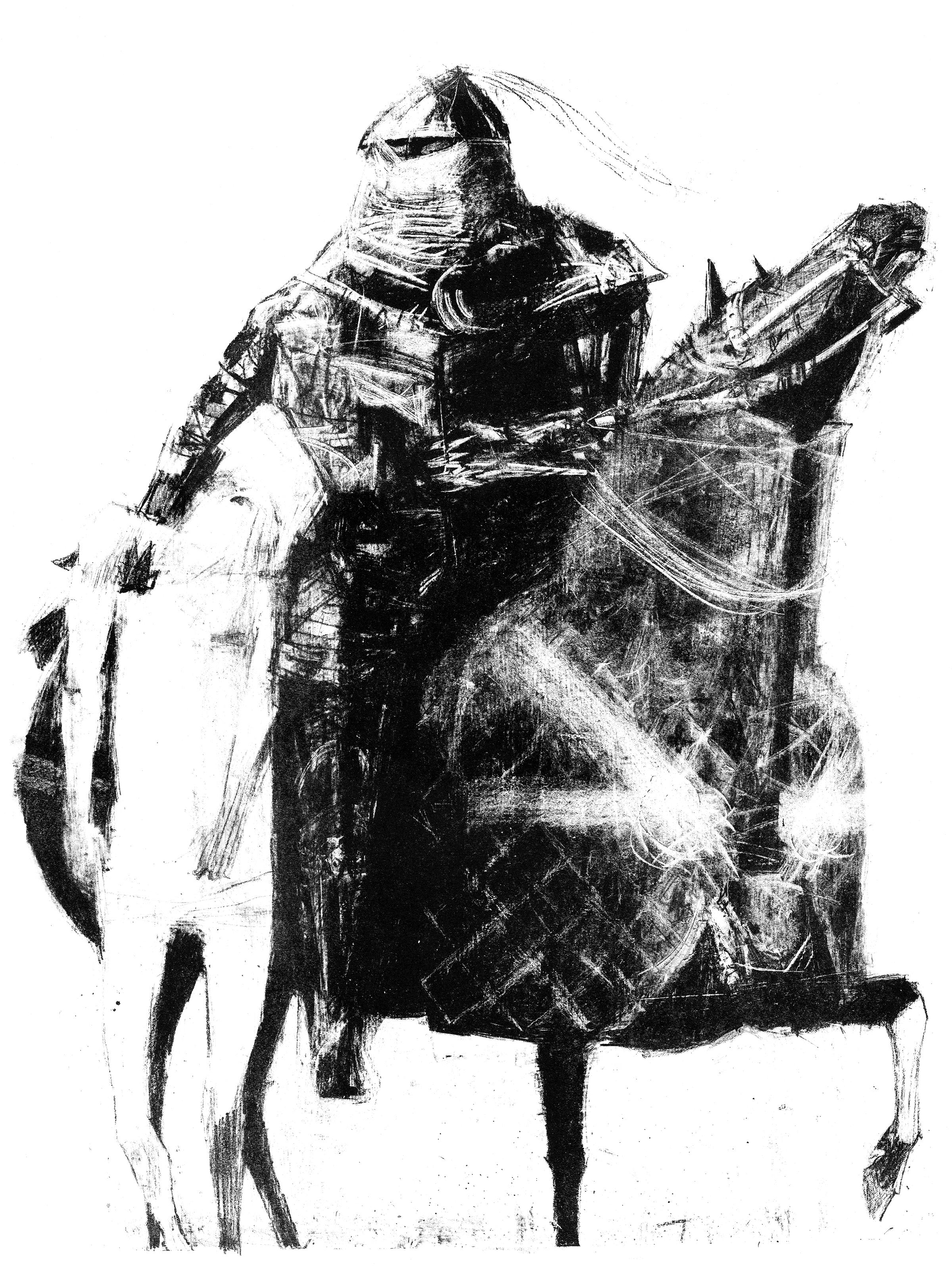
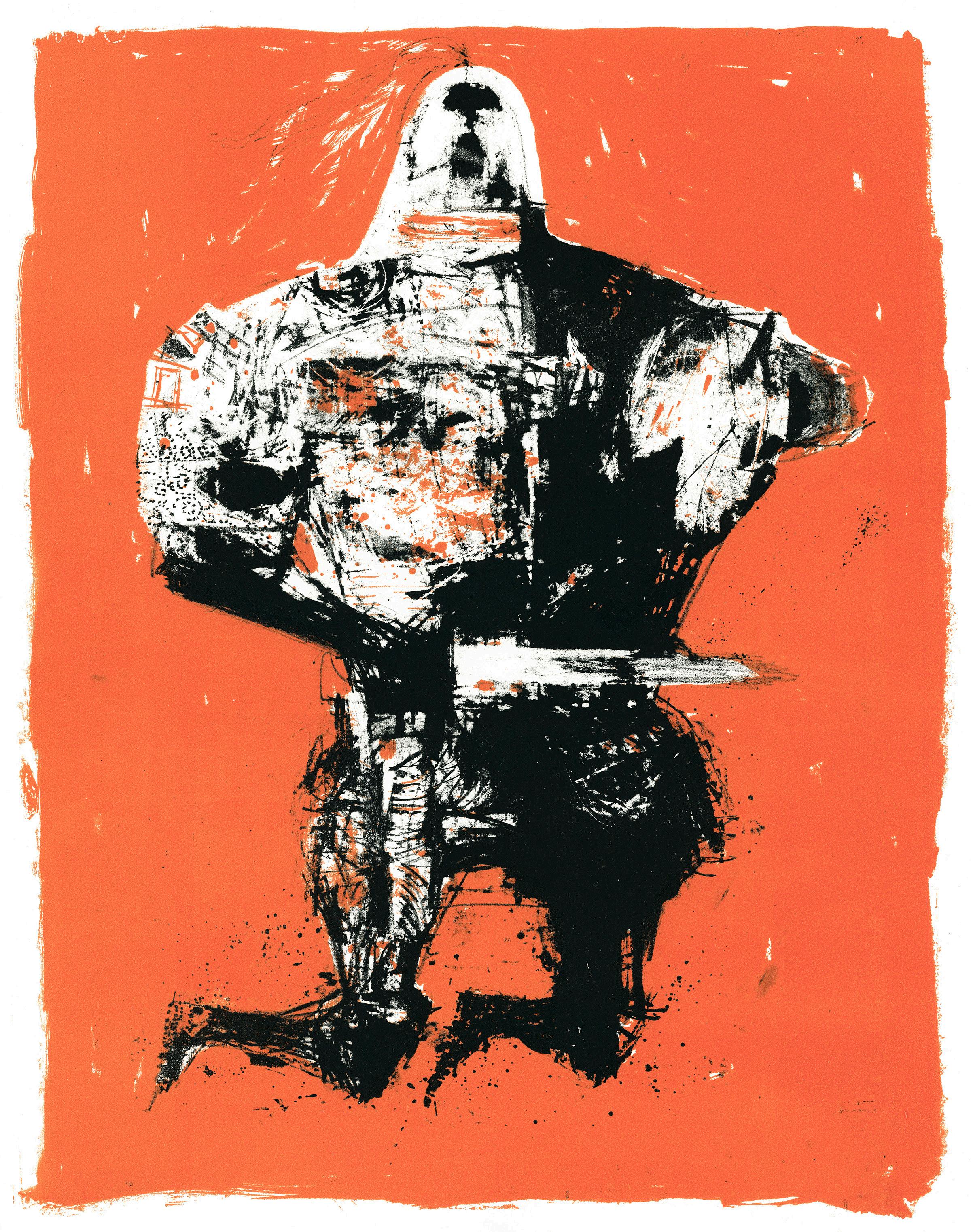
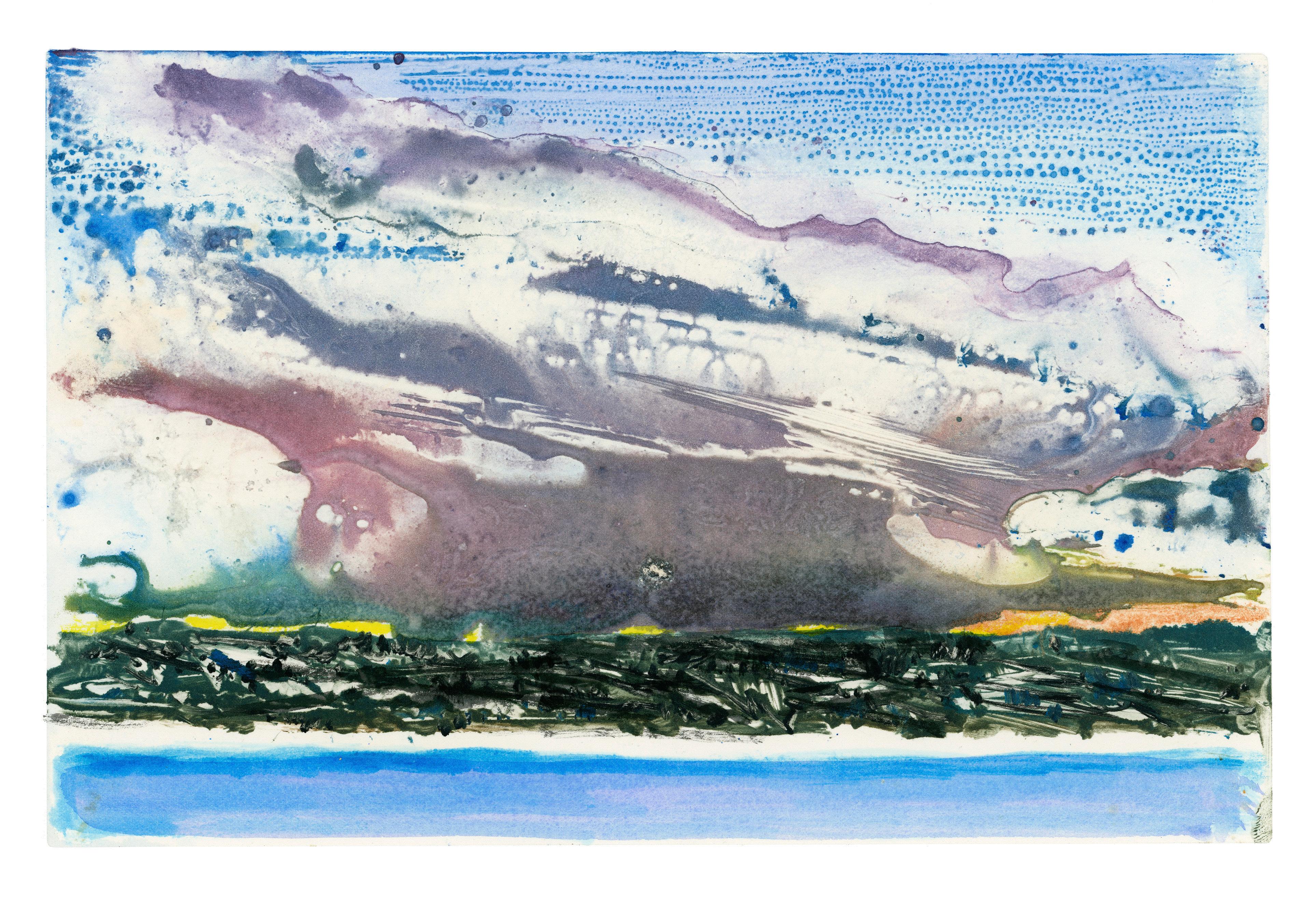
Imparting these tales in his visual art as well as in person, Cicero is never judgmental or sanctimonious. As he noted in “The Human Condition,” a statement he wrote in 2020, “Artists tell how it is; moralists tell how it ought to be.” The images he presents in his drawings and watercolors, as well as in his paintings, are full of dramatic proposals, complex social conundrums, and intriguing inuendo. Yet to complete the story, viewers are invited to find their own way to absorb, navigate, and reflect upon the quixotic ingredients he offers. The tale becomes the viewer’s as much as the artist’s.
Cicero’s process is intuitive, not unlike Michelangelo’s. As the Renaissance master expressed in his Sonnet 149, the material (in his case marble) already contains the concept. The artist’s task—which often requires a herculean effort to overcome all sorts of willful premeditation—is to simply let the hand follow the intellect in the realization of the work of art. Picasso was certainly attuned to this attitude and methodology. Model and Sculptor with his Sculpture, for instance, an etching from Picasso’s 1933 Vollard Suite (fig. 4), shows an intently focused artist with outstretched arms putting the final touches on his sculpture (an abstracted portrait bust), with his naked muse by his side.


Learning of Luise’s deepening interest in sculpture while she studies in Mexico, Morton urges her to apply to the Master of Fine Arts program at Syracuse to study under the pre-emi`nent Croatian sculptor Ivan Meštrović. She learns of her acceptance to the program by late April 1947. Proposes to Luise in early Spring 1947. When he asks Luise to marry him, she says, “There’s really so much waiting to do. You have to know, if it’s the white picket fence you’re looking for, I’m not the girl for you.” After a split second’s pause, he responds, “Okay, let’s do it all.”Resumes his studies at Syracuse where he is awarded a University Honor Scholarship for the 1947–1948 academic year.
After the previous two years of study, returns to find that the aesthetic philosophy of the institution has drastically changed. Chancellor William P. Tolley had removed faculty steeped in Realism and traditional techniques and hired Norman Rice, former Head of the Art Institute of Chicago, to prioritize Abstraction, and more contemporary approaches 2 to art. The new direction focuses on Modernism with an emphasis on color, design and originality of thought. Although initially shocked by these radical changes, the shift has a significant impact on his artistic development, an experience he later describes as “winning by losing.”
ABOVE
ABOVE
ABOVE
ABOVE
ABOVE
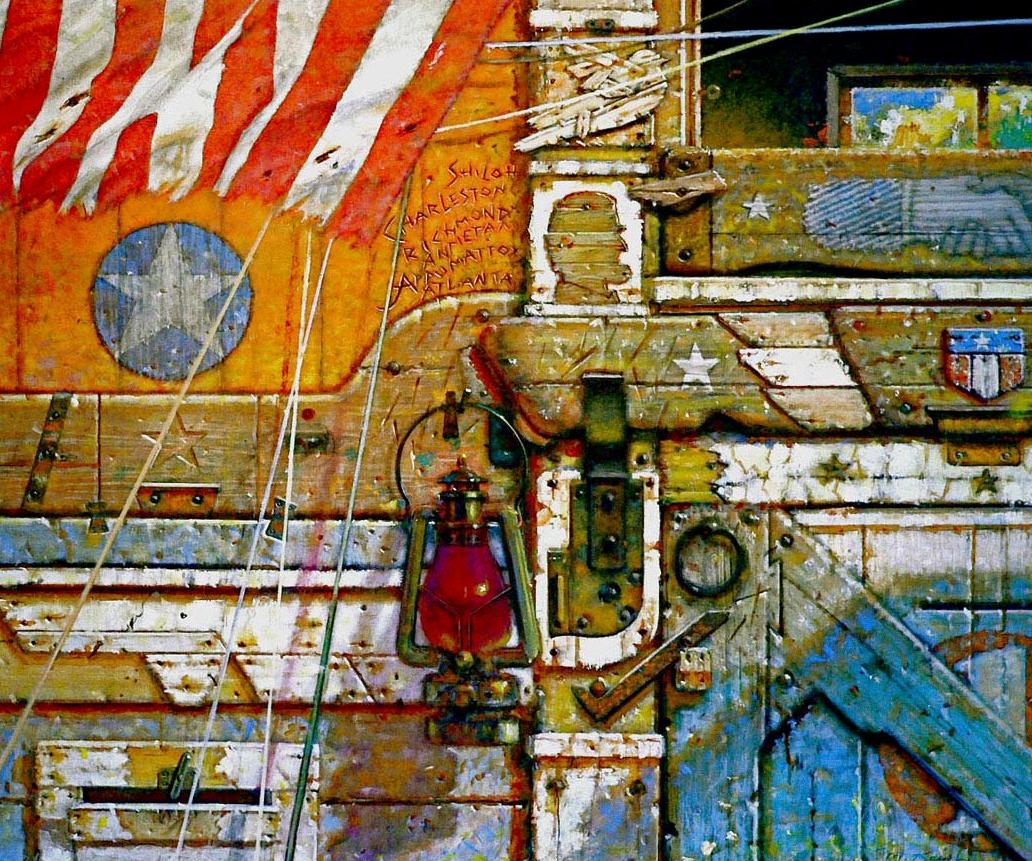
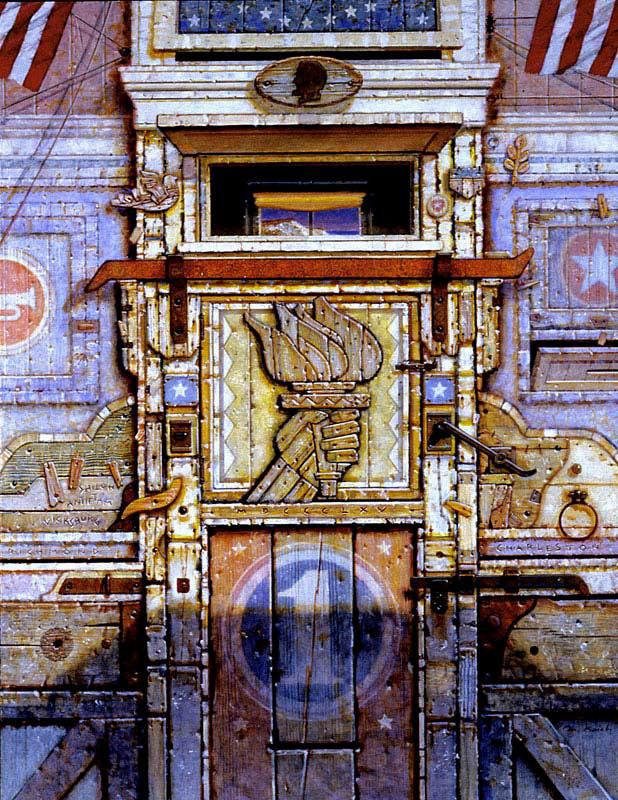
America Series: Stars and Stripes V, 1996
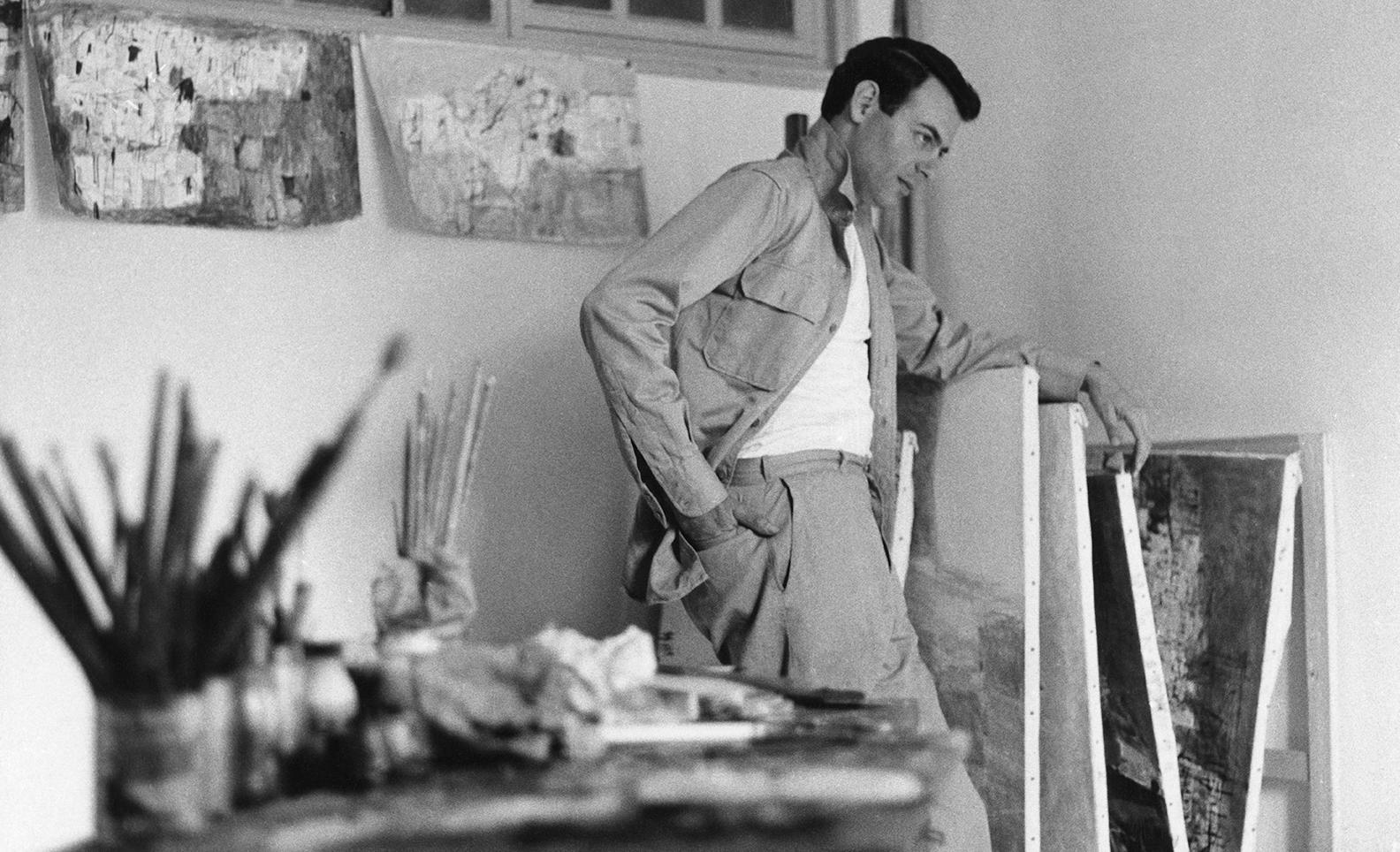
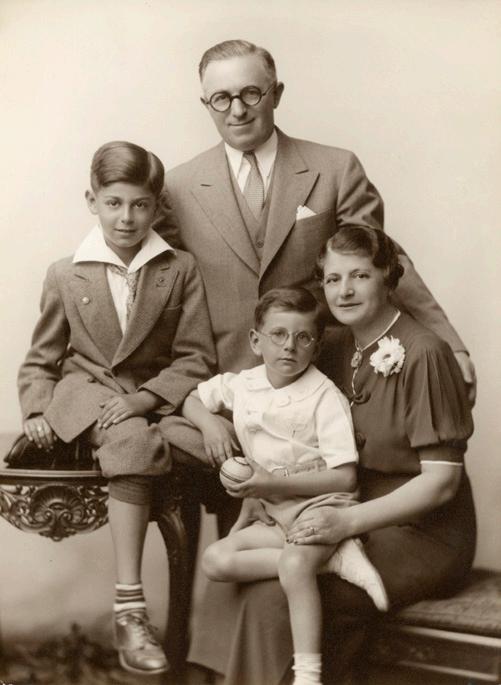
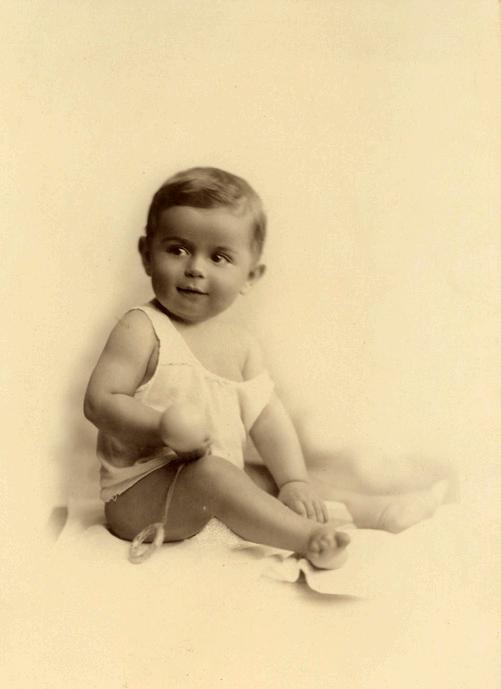
Born in Newark, New Jersey on January 8, the oldest child of Sophie and Morris Kaish, and young brother Stanley (b. 1931).
The family moves to Irvington, New Jersey where Morton attends school through third grade.
The Kaish family moves to Maplewood, New Jersey. Weekend trips to The Metropolitan Museum of Art with his father spark an early interest in painting and drawing. With his father’s encouragement, begins sketching every chance he can get. Also visits the Museum of Non-Objective Painting (later known as the Solomon R. Guggenheim Museum) where he is intrigued by the work of Wassily Kandinsky. Like other high school students of the time, participates in the war effort by harvesting crops. Receives a Certificate of Merit from the State of New Jersey Department of Agriculture in September 1943 and a Certificate of Patriotic Service from the United States Crops Corps of the Department of Agriculture in December of that year.
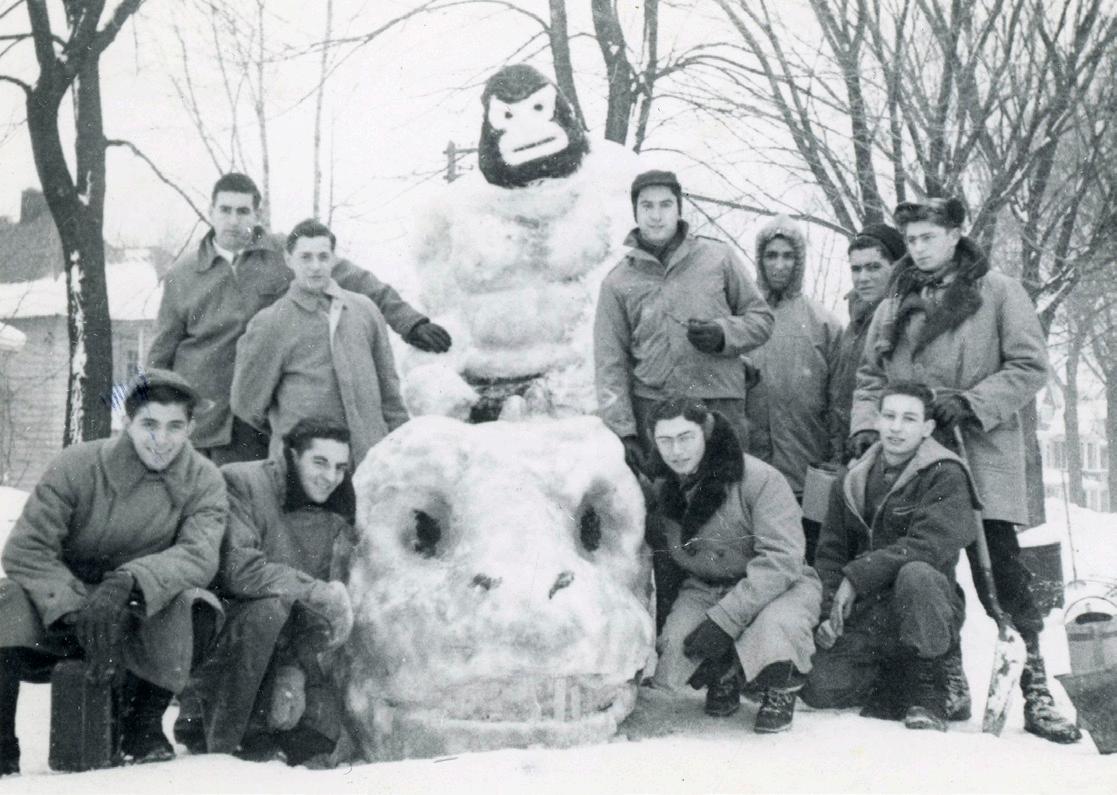
Accelerates his high school studies and graduates from Columbia High School on January 25, at the age of 17. Enrolls at Syracuse University, which is renowned for offering an academic arts education including studies in perspective, anatomy as well as drawing from the model and classical plaster casts.
Meets Luise Clayborn Meyers, a fellow art student. He finds her “more beautiful than anyone he’s ever known.” They begin a romance that blossoms into a lifelong partnership.
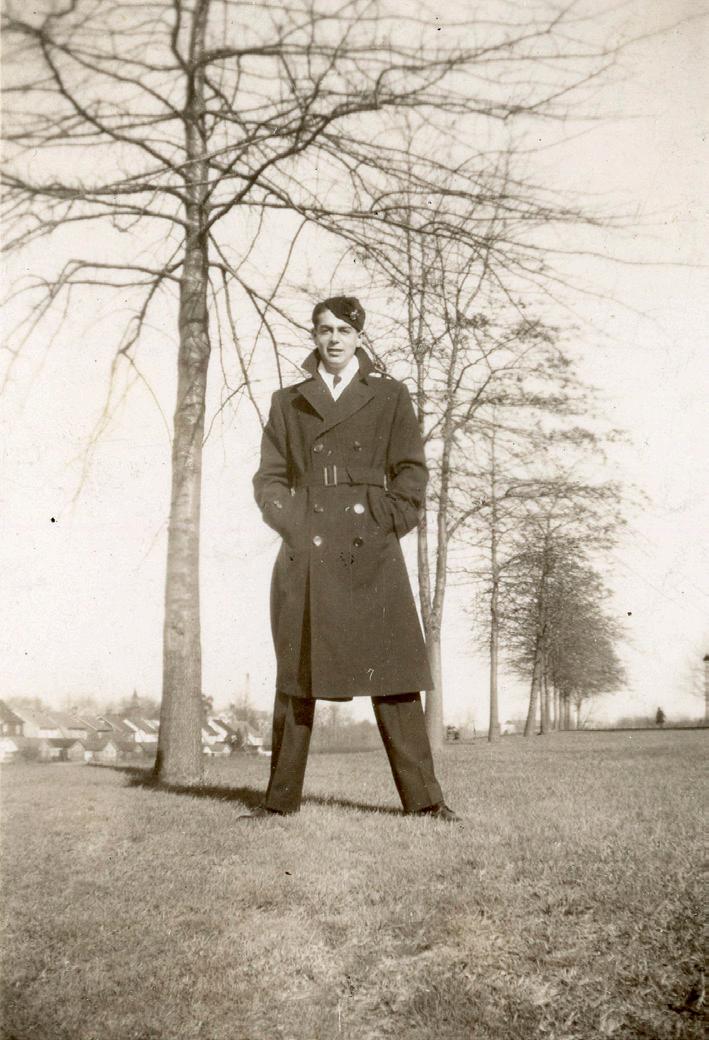
On June 18, interrupts his studies at Syracuse to enlist in the United States Maritime Service. Is initially stationed at the Sheepshead Bay Maritime Training Center in southern Brooklyn, where he works as a base artist. Creates portraits from photographs of sailors lost at sea after being torpedoed in the North Atlantic, to honor their service. Captain Seyfert1, the commanding officer, asks to pose for his own portrait, which becomes Morton’s first commission from life. The work is displayed and awarded in December at the 4th Annual Art Exhibition by Merchant Seaman of the United Nations (sponsored by the United Seamen’s Service and War Shipping Administration). The show will travel to art museums across the United States in 1946.
Though initially released from his duties on January 15, 1946, continues his service, which leads to a commission as an officer. Acts as an assistant to the ship’s captain and chief medical officer. Maritime trips aboard the S.S. Laconia Victory and the S.S. Helen Hunt Jackson bring him for the first time to France, Belgium and Germany. While on leave, he visits Paris and promises himself to return.