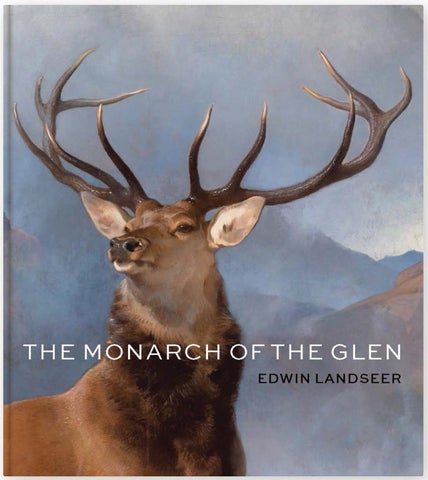
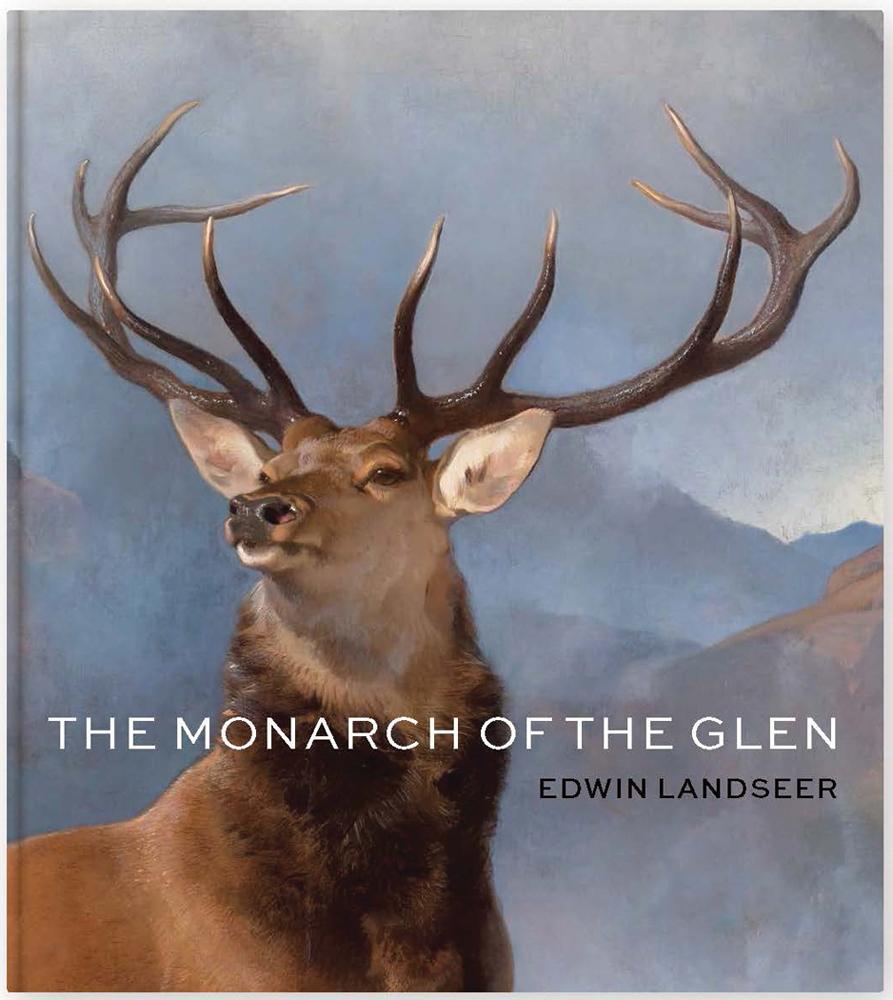
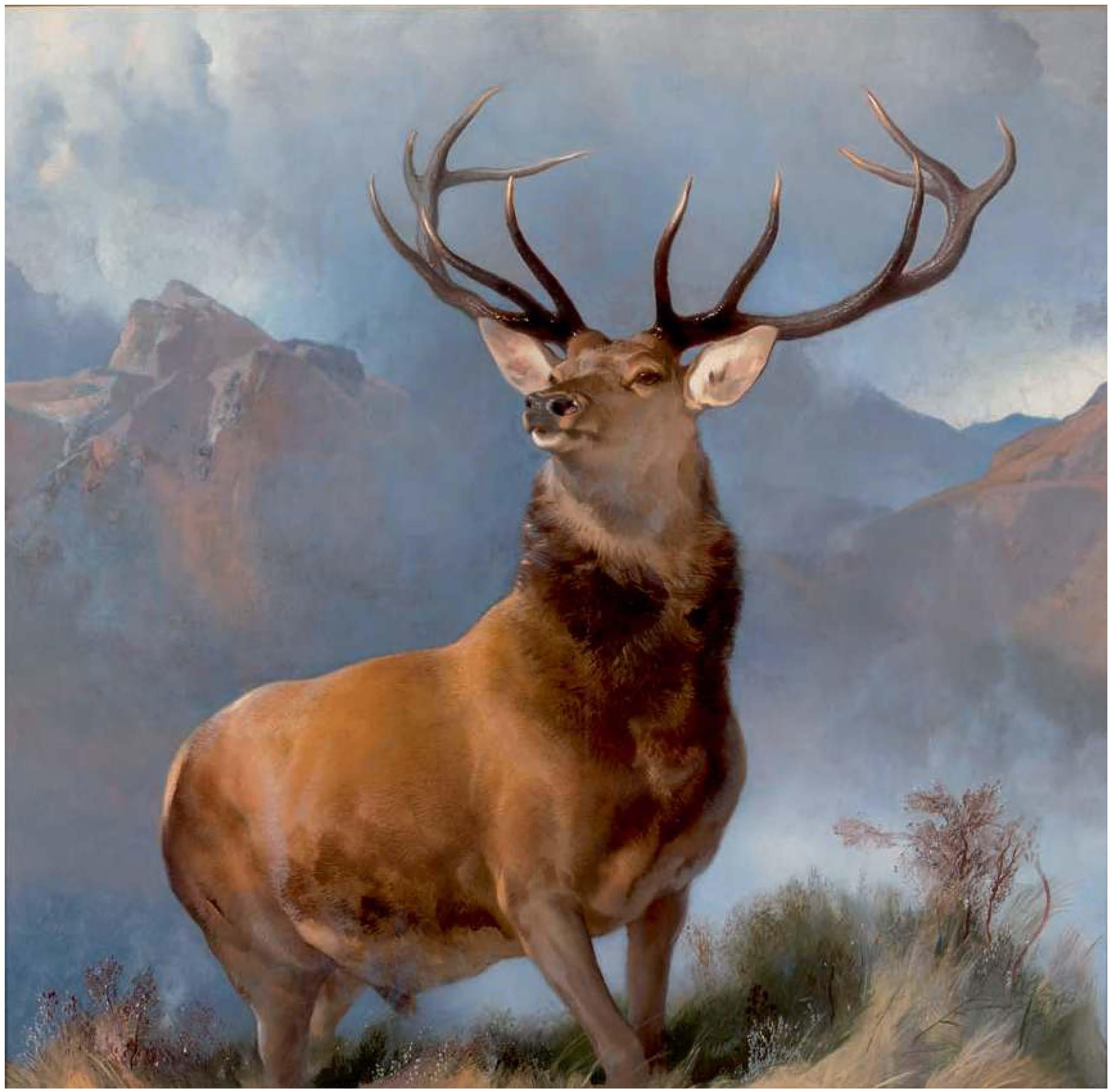
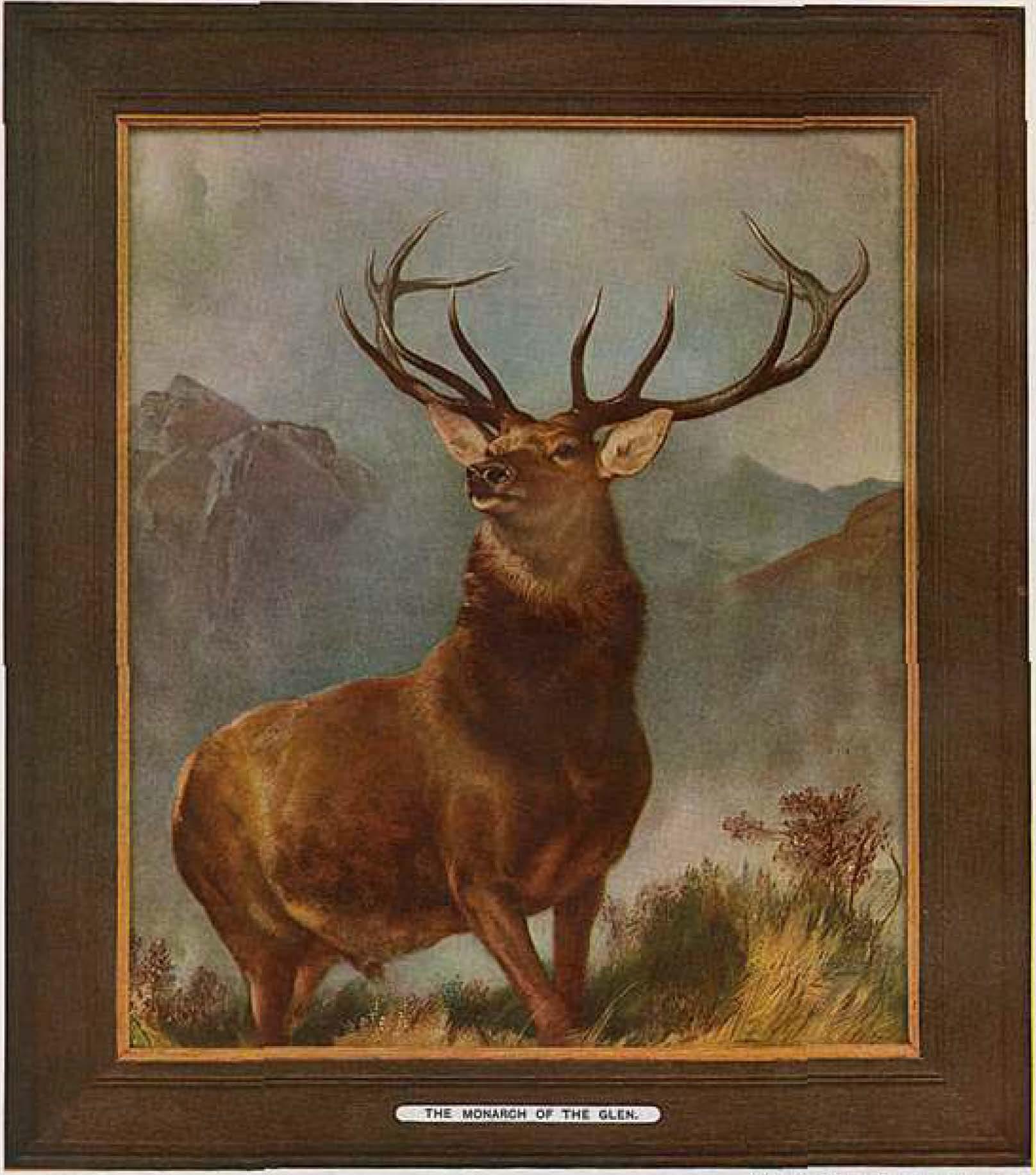
with Eastlakethatarefreshmentroommightnotbethemost appropriatesettingforhiswork. TheartistdevelopedThe Monarchofthe Glen [fig.16] tofulfilthecommission,butthe subjectshewasconsideringfortheothertwocanvasesin theseries remainobscure-thisisnotsurprisingashehad areputationfortakingalongtimeoverhispaintingsand sometimesleavingthemunresolved.
TherewasadebateintheCommonsabouttherisingcostsof theprojectstheCommissionwaspromotinganditwasdecided nottoendorsethegrowingexpenditureofthoseintendedforthe Lordsandso Landseernevercompletedhisproject. Alternative sitesatWestminsterwereconsideredfor hispaintingby Prince Albertand Eastlake,suchasastaircase,butthisprovedto beunworkable.Theartisthad, however,givensomecareful considerationtothewayinwhichitmighthavebeendisplayed; theevidenceforthisappearsinoneofSir Robert Peel's contributionstothedebateonthe10June1850. Peelexplained thatwithtwootherartists- ClarksonStanfield(1793-1867) and David Roberts (1796-1864)- Landseertookanexample ofhispaintingintotherefreshmentroom. Thethreemen experimentedbyplacingtheircanvasesoppositethewindows whichranallalongonesideoftheroom. Itwasconcludedthat thiswasnotasuitablesetting,butthatattheendoftheroom thepicturesmightbeadvantageouslyplacedwheretheywould be'lightedattheside.' Peelendedhisdiscussionoftheproject withthestatementthat'hedidnotbelievethereeverlivedan artistofgreatereminencethan Mr Landseer.'
Thepaintingmaynothaveendedupinthelocationitwas originallyconceivedfor; however, itsformatandcomposition areinpartexplainedbyitsintendedsetting. Itisstrikingthat itisalmostsquareinformat, whichissomewhatunusual amongtheartist'sworks. Thiswaspresumablydictatedby thespace available inthe panelling onthewalls aroundthe refreshmentroom. Furthermore, whenhung comfortablyabove tableheight,thestagwouldhaveappearedasacommanding
[16] SirEdwin Landseer
The Monarchofthe Glen, C.1849-51
Oil on canvas, 163.8 x768.9 cm
Scottish National Gallery Edinburgh
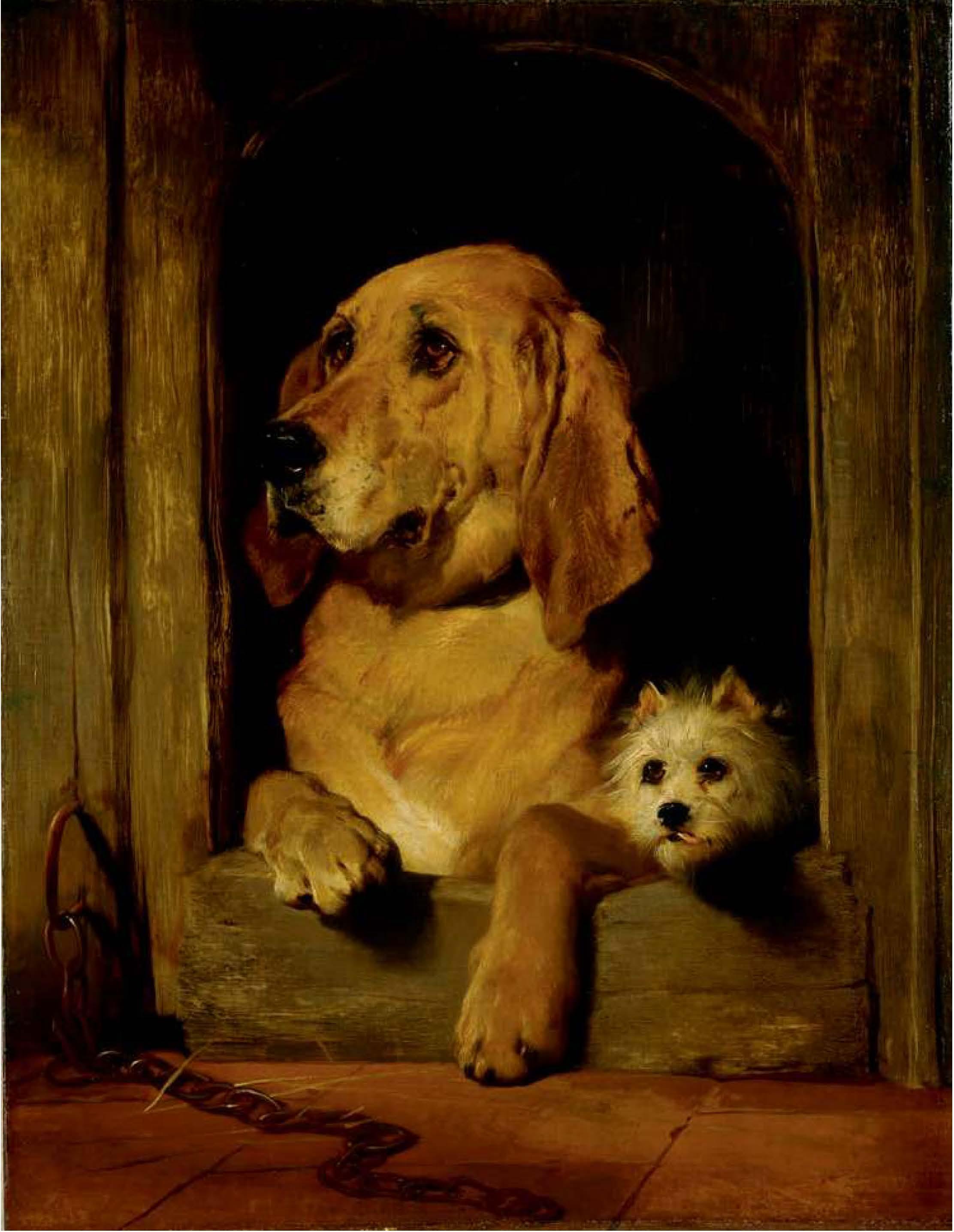
[10] SirEdwin Landseer DignityandImpudence, by1839
the royal couple's pets; perhaps the most accomplished of all was his portrayal of Prince Albert's favourite greyhound bitch, Eos [fig.9]. It combinesthe artist'suncannyability to replicatewithglowing precision the appearance of a specific animal, alongwith an unerring eyefor an elegant composition. Landseer's relationship with the royal family was friendly but strained, not leastbecause he felt it placed considerable demands on his time: The Queenknighted him in 1850and she recalled inthe 1870s how 'Hekindly had shown me how to draw stags' heads...', but he memorably described her ina private letter as 'a very inconvenient little treasure.'
Far beyond the drawing rooms ofWindsor Castle or Balmoral, the artist succeeded inkeeping a highprofile; heknew that to promote his work he needed to ensure its visibility and thereweretwokey ways toachievethis: through exhibitions thatwerewidely reported inthe pressand viathe print trade, whichprovided highquality andaffordablesteel engravings, thatreproducedhis paintings for an eager public. Anextraordinarilypopular work, suchas Landseer's Dignity and Impudence [fig.10], which is typical oftheanthropomorphic characterofa number of his most admired pictures, illustrates how these aspects ofthe art worldwerenavigated.The picturewascommissioned by Jacob Bell, a chemist and friendof Landseer, who ownedthe bloodhoundand terrier it immortalises. Itwas exhibited in London, Birmingham, Liverpool and Manchester before being bequeathedtothe nationin 1859andwasengraved by four different printmakers duringthe nineteenth century. Landseer controlled the quality of suchprintswithexacting care and receivedcopyright payments for them.His fame and income increasedintandem. The dashing, accomplished and wealthy painter appearedto have theworldat hisfeet. But hispublicsuccesseswerebrittle and in 1840 Landseersuffereda severe nervousbreakdown. There were probablya number causes, including thestress heexperiencedbecause of the pressure to finishpaintings,
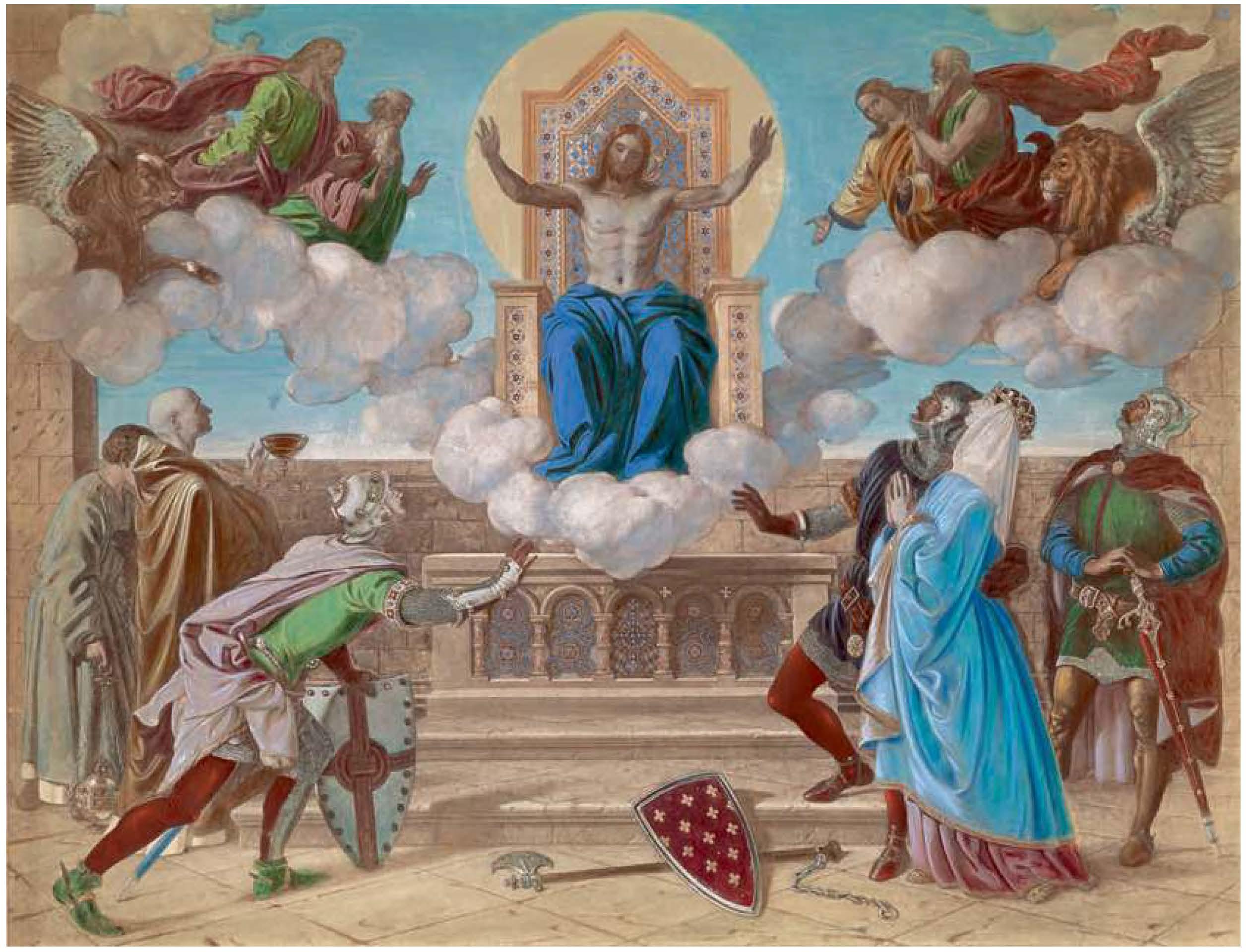
[14] AfterWilliam Dyce(1806-1864)
Religion:TheVisionofSirGalahadandhis Company(afterthefrescoof1as1intheRobing RoomintheHouseofLords)
Hand coloured albumen print, 29.1 x 26.2 cm
Scottish National Portrait Gallery, Edinburgh
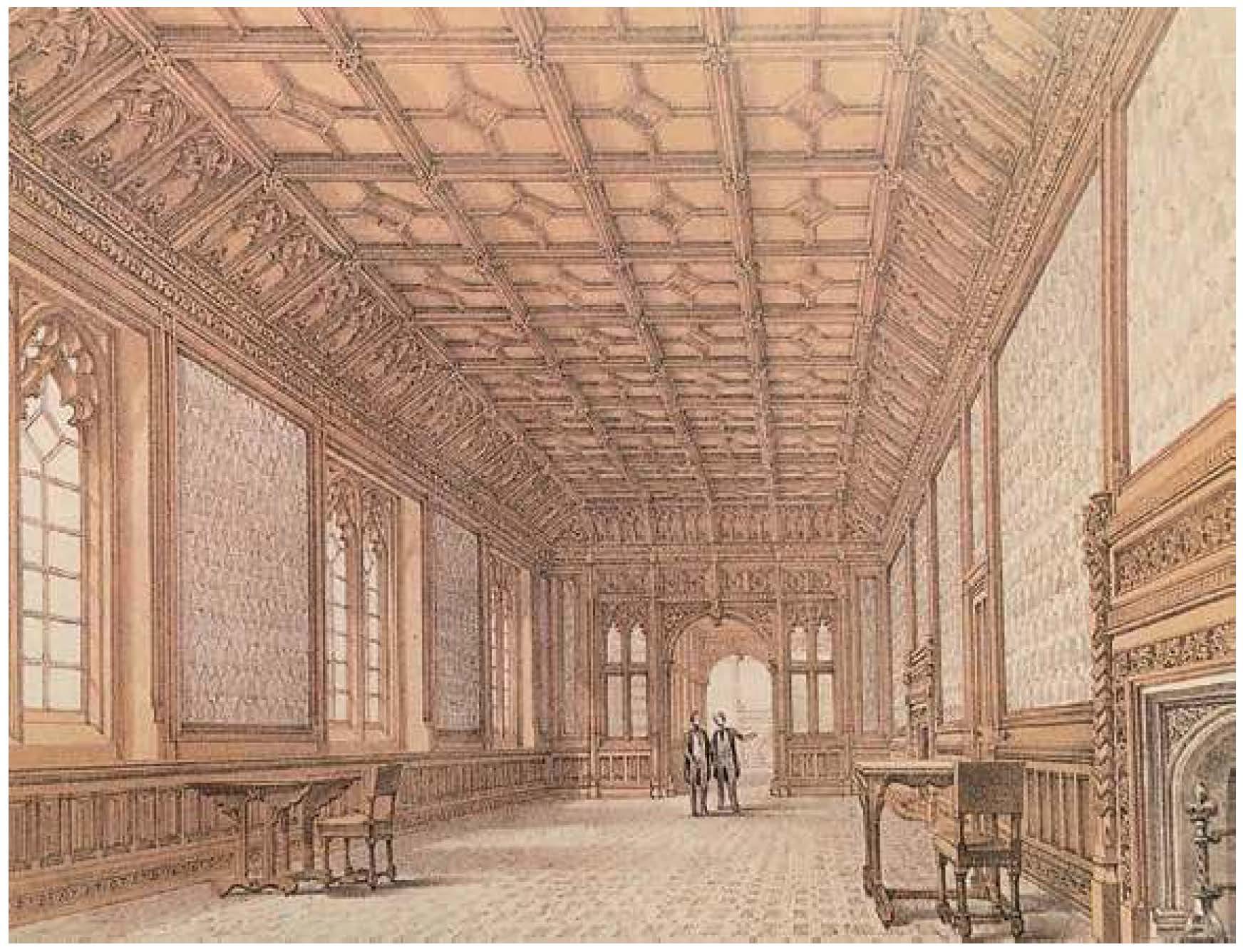
[15] A. Newman, after G.S.Clarke
ThePeers'Refreshment Rooms
Coloured lithograph, publishedin H.T. Ryde, lllustrationsoftheNew PalaceofWestminster, London, 1849
wereconsideredappropriate subjectsfor different rooms and oversaw theprocess ofinitiating competitions and commissionsinorderto populate them. Fromtheoutset, the Commissionespecially favouredhistoricalsubjectsandthe useoffresco- grandthemes, inspired by Italian Renaissance precedents [fig.14].Therewasaslightsofteningofthisrigorous agendahowever, whenproposalsabouttherefreshment rooms(diningrooms)wereconsidered [fig.15]. In1847the Committeedecidedthattheseshouldbedecoratedwith 'Viewsofimportantandremarkableplaces': inthe House ofCommonsthismeant'IndiaandtheColonies' andinthe Houseof Lords'the United Kingdom'.Itwasalsofeltthatthere shouldbespacefor 'subjectsconnectedwithruralscenery,the Harvest,theChase,etc.' Twoyearslater Landseerwasoffered acommissionthatwouldfocuson 'thechase',in otherwords hunting,asubjectwherehisstatusasanartistwasunrivalled. Hewastopaintthreepicturesandagreedtobepaidone thousandguineas, althoughhenotedinhiscorrespondence
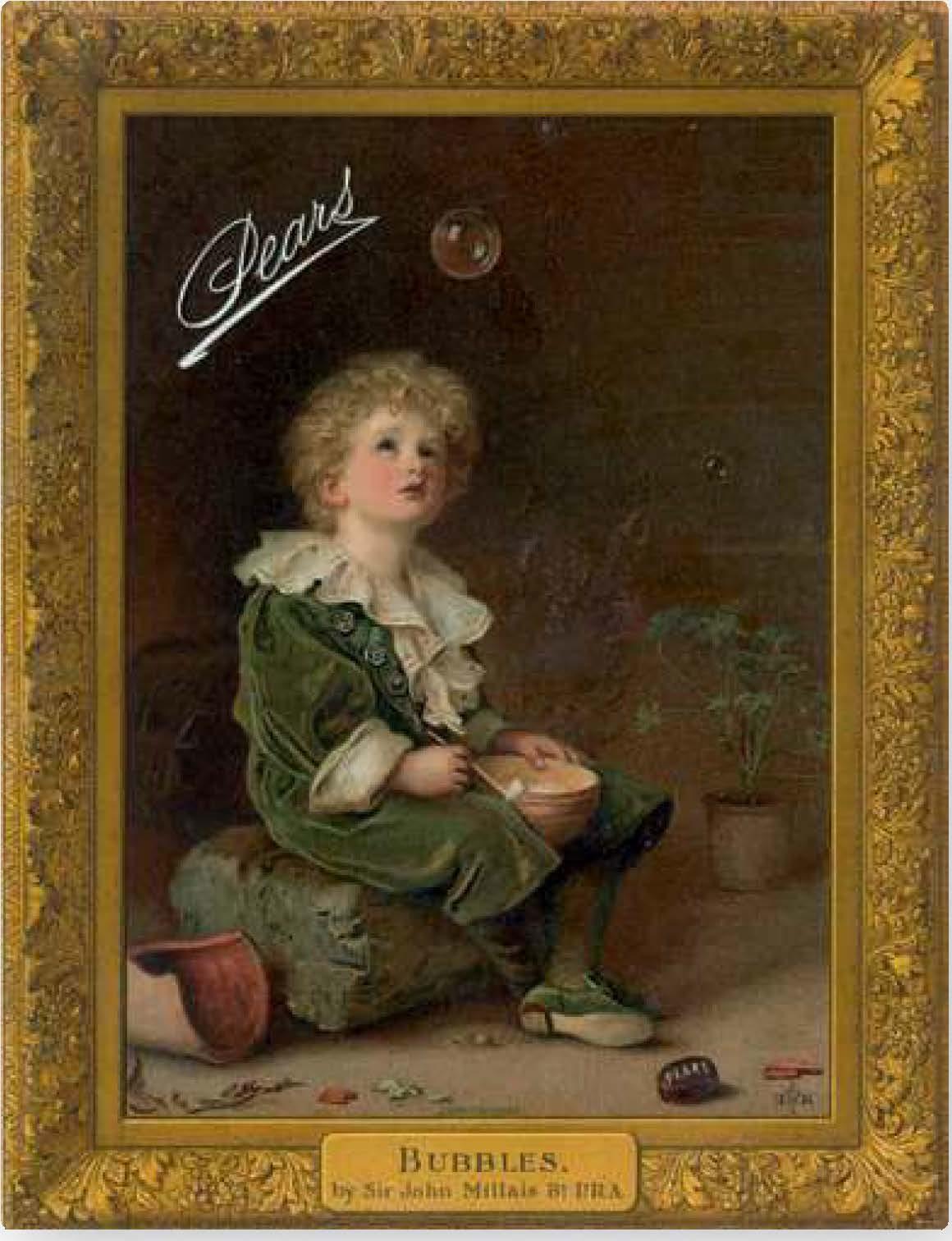
and soap - and Pears benefitedspectacularlyin terms of recognition and commercialsuccess[fig.26].There was though contemporary debate about whether such an initiative resulted in the democratisation of art or compromised an artist's integrity(Millais had in fact agreed to the use of his work in this manner).
This all formed the backdrop to the next episode in the remarkable history of Landseer's paintingwhen in 1916 it was acquired byThomas Dewar, 1st Baron Dewar(1864-1930). Dewar was a highly successful whisky distiller who, with his brother Lord Forteviot, cleverly blended whiskies and proved especially adept at marketing in a manner inherited from Barratt; he recognised the benefits of associating his products withScottishimagery. What could be better than to appropriate The Monarch ofthe Glen in this context? It was used subsequently to promote whisky in numerous adverts and the alignment between the painting and the product was notjust made visually, but alsothrough various catchphrases, such as 'Dewar'sThe Monarch of Whiskies' and 'A strong link of Companionship, and both fromthe Glens. One is Landseer's Monarch and the other Dewar's'. As Scottish whisky is globally appreciated, thisbranding led to an unprecedentedstatusfor Landseer's work as a world-wide marketing icon [fig.27]. It is unsurprisingthat in the wake of such success it was also appropriated by many other campaigns, ranging from the promotion of shortbread biscuits to butter, as well as being used oninnumerable Scottish souvenirs.
So the painting and its title gradually infiltrated the public consciousness far beyond the arena of exhibitions and collections.Therecognitionthis achieved
[26] AfterSirJohn Everett Millais (1829-1896) Pears'Soapadvertisement, using 'Bubbles\1886 Private collection
[27] Advertisement for Dewarswhiskey featuring Edwin Landseer's painting, The MonarchoftheGlen
The Illustrated London News, 10 September 1927
meant that it could also be employedtoserve a wide range of other artistic and political agendas, which were sometimes highly inventive. Back in 1914 Landseer's picture had been used as the source for a cartoon in Punch magazine which showedthe stag being ridden by the Liberalpolitician and
DEWAR'S
THE SPIRIT OF THE HIGElLANDS
There's a spirit from the Highland.,; that means so much to man. Redolent with glorious well-being. brimful of cheering optimism ond glowing with a. kindly helpfulness rhnt has endeared it co countless m)'rinds. And irs name is....,