Dear booksellers, book lovers, and art enthusiasts,
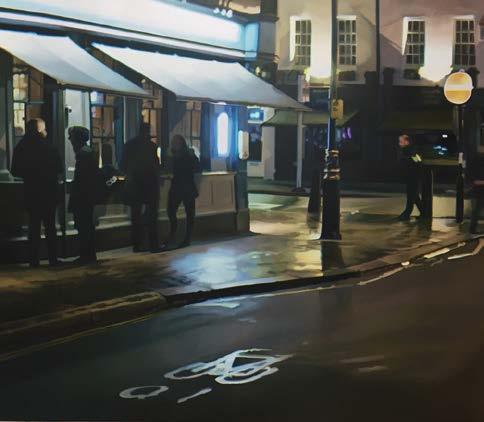
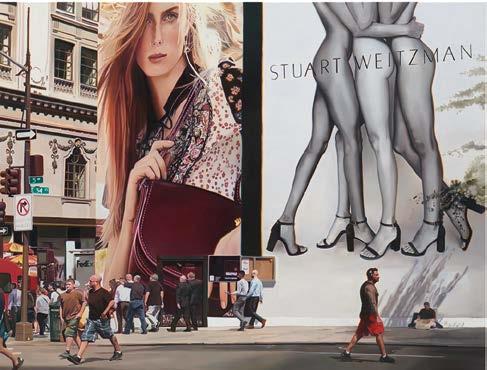
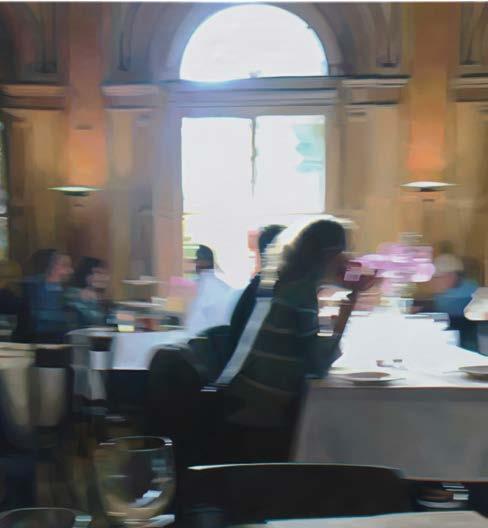
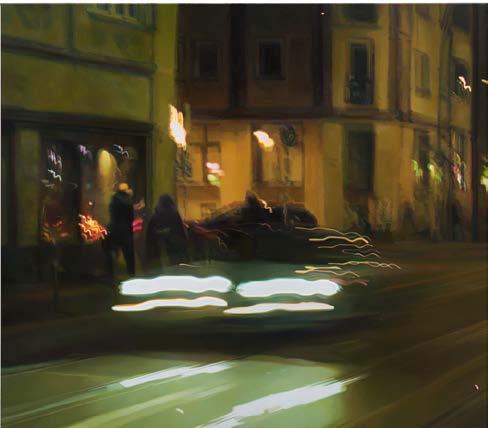
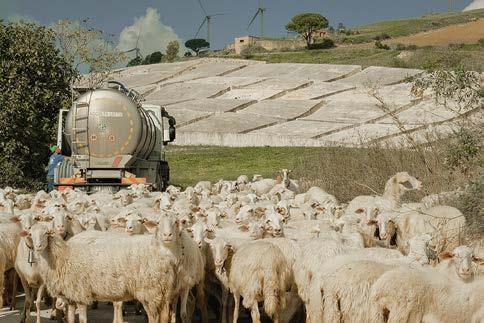
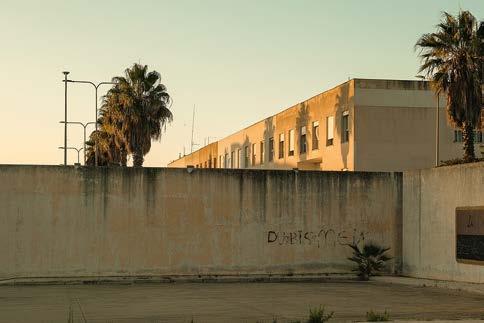
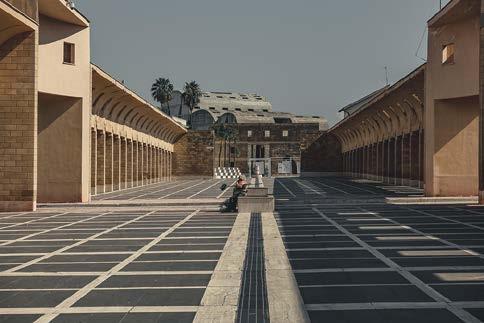
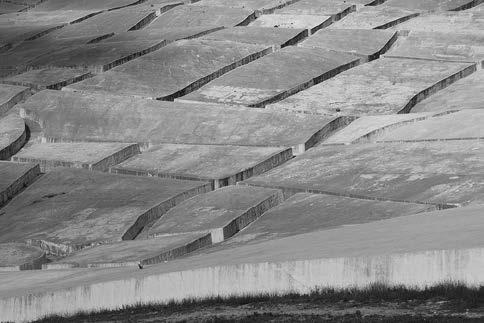
Change seldom happens abruptly; usually, it is a process that first questions the status quo, then gradually transforms structures and opens up new perspectives. This creates the opportunity to build on what has previously been successfully established while embracing new possibilities. Our 2026 Fall/Winter program is also centered on change and transition this time around. In Leere Plätze oder Gibellina come teatro (Empty Spaces or Gibellina come teatro ), Suna Ozankan explores the historic small town of Gibellina in Sicily, which was almost entirely destroyed by an earthquake in 1968, as a place between devastation, memory, and utopian redesign. In Letzte Runde (Last Round), Heike Zappe investigates the disappearance of village pubs and taverns. Her photographs invite us into these gradually disappearing spaces for social interaction and community, while simultaneously highlighting their enduring presence. Not one, but two publications focus on the LWL-Museum Hellerlecht in Detmold, which will be expanding this year to include a sustainable exhibition space. The two books titled Materia explore the question of how museum architecture, materiality, and exhibitions can be reimagined today. In States of Uncertain Domesticities , a building originally designed for residential purposes is used as an exhibition space. Here, the domestic space is viewed as a political arena within which social and societal tensions are revealed. Up My Street brings together a collection of Kate Waters’ striking paintings. Waters uses photography to capture everyday scenes that all too often go overlooked. By translating the images into paintings, she heightens our awareness of these fleeting moments and t ransitions.
Amidst all the changes, what remains constant is Kerber Verlag’s commitment to producing books with the utmost care and to showcasing artistic perspectives that offer a clearer view of the here and now, of history, and of societal change. This year, again, we would like to express our thanks to all of the institutions, artists, photographers, authors, designers, translators, editors, and our colleagues in the book trade for their ongoing trust and cooperation. Of course, we would also like to thank all of our readers. We are extremely grateful for your continued support of our publications, all of which are produced with the greatest dedication to quality and detail.
Your Kerber Verlag team
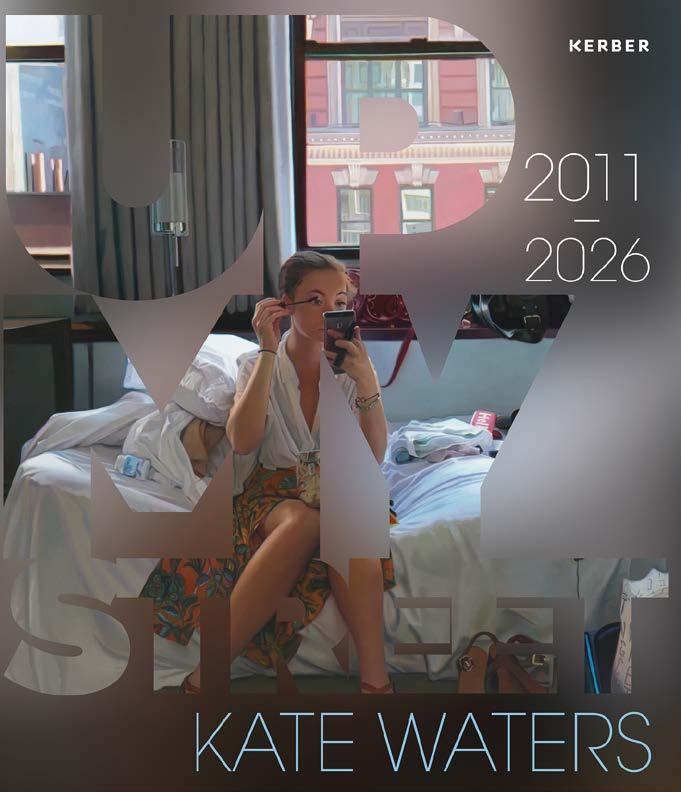
Art Kate Waters: Up My Street Selected Works 2011–2026
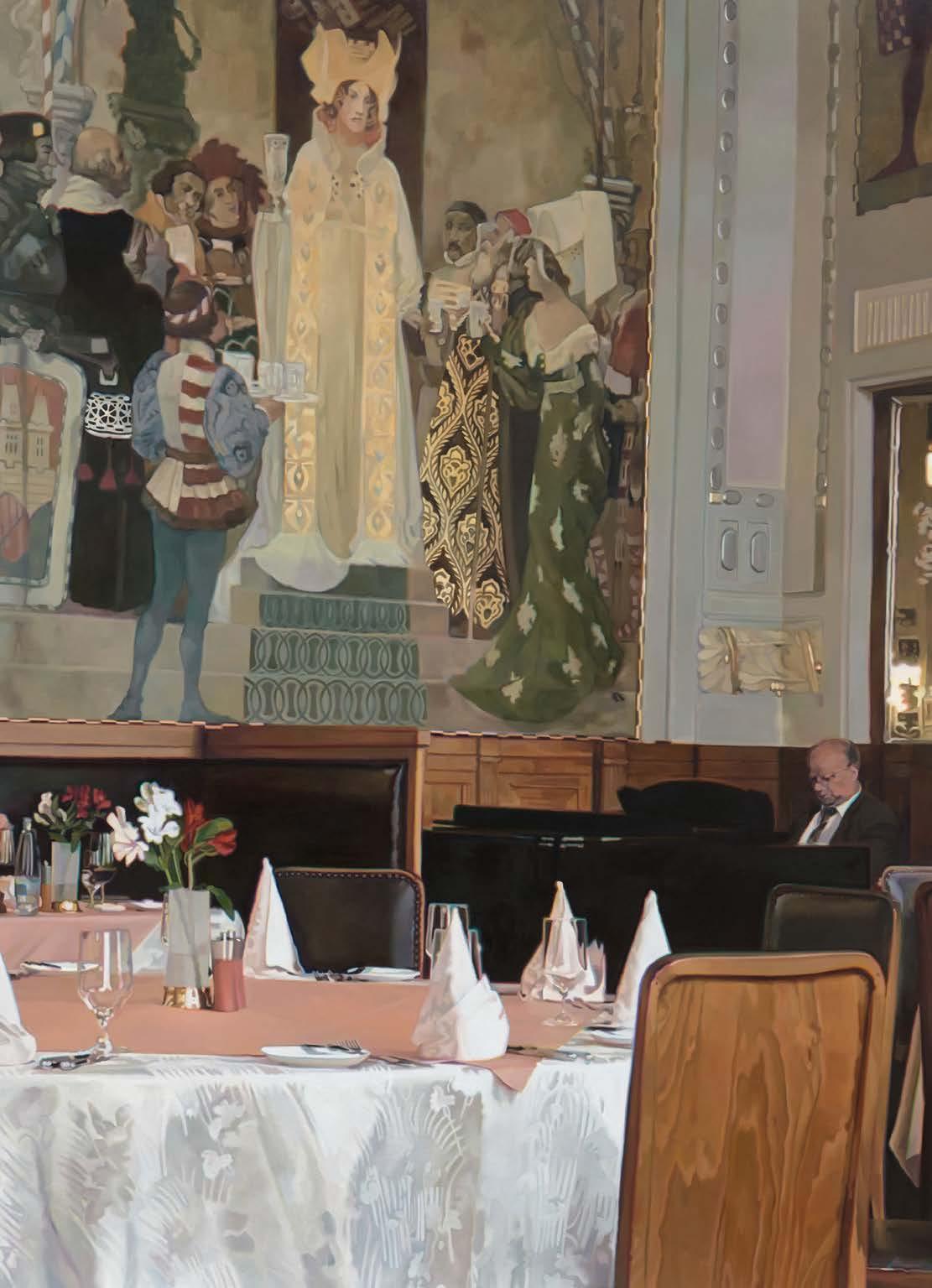
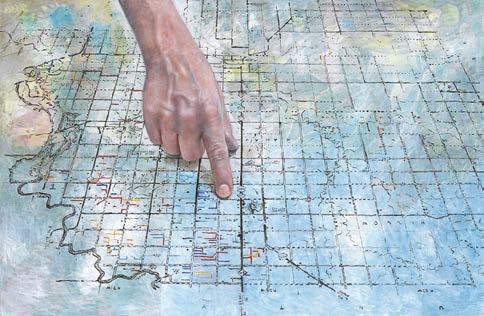
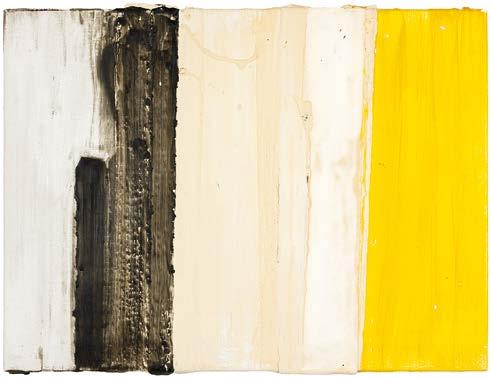
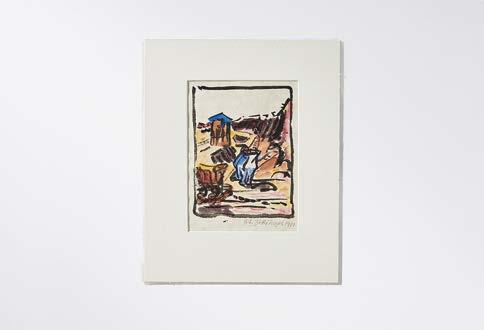
In her striking paintings, Kate Waters captures transient everyday moments. Photographs taken on her travels serve as the basis for her painting, as do current events. Watersʼ work is situated within the duality between belonging and otherness, structure and fluidity, painterly surface, and photographic presentation. Up My Street is the first comprehensive monography of the artist's work. It features a selection of pieces from over the past fifteen years. Large-scale reproductions and views from the artistʼs studio, as well as personal notes, allow the viewer a glimpse into Watersʼ large range of influences and provide an insight into her visual language and multifaceted creative process.
176 pages
120 color illustrations
ISBN 978 3 7356 1109 3
GER | ENG
ISBN 978-3-7356-1109-3
42 €
Design:
Hardcover
Edited by: Kate Waters
Texts: Heinz-Norbert Jocks, Seamus Kealy, Thomas W. Kuhn, Andrés Isaac Santana
Anja Stumpf Kreation
, Galerie Wolfgang Jahn,
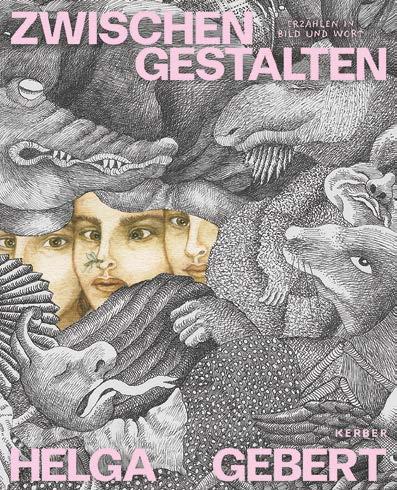
Gestalten: Helga Gebert
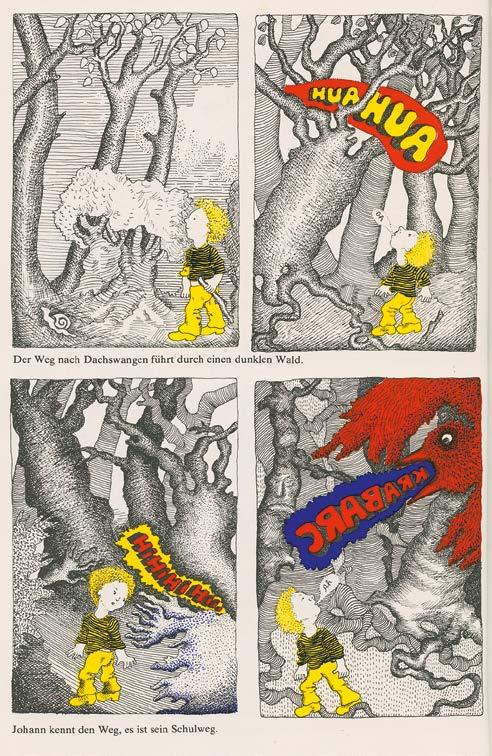
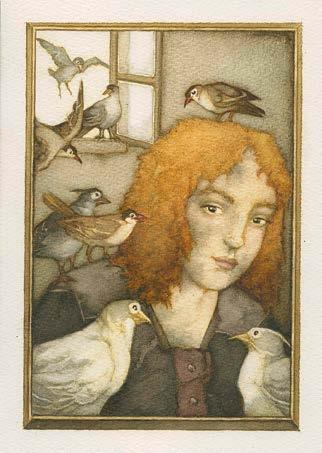
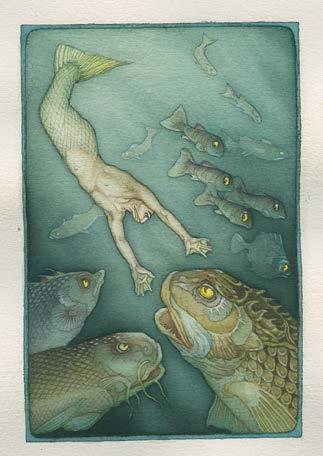
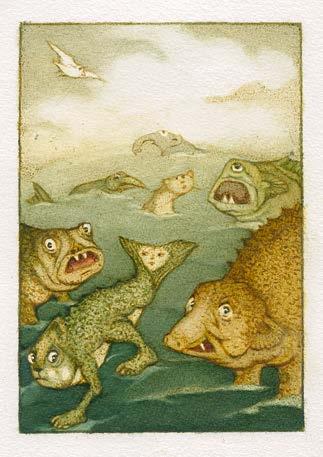
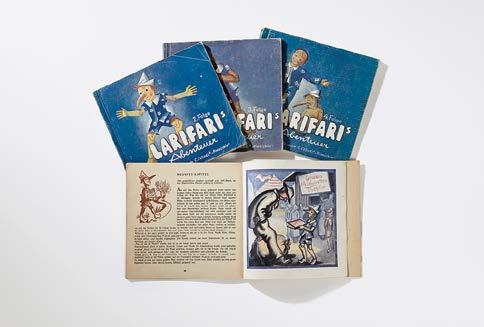
Storytelling is a lively exchange that transcends time and cultures. The fantastical worlds of Helga Gebert (b. 1935) encourage the audience to explore her narrative and aesthetic strategies within the context of contemporary discourse. Gebert’s humorous and consistently surprising works illustrate the delicate balance between familiar traditions and the potential for them to be subverted—be it with illustrations for Grimm’s Fairy Tales and The Arabian Nights or her own stories. The exhibition catalog explores for the first time the work of this illustrator and author, who became one of the leading figures in the revitalization of German children’s and young adult literature in the 1970s. This book features a large number of images together with written contributions from various perspectives: academic expertise is combined with insights from friends and colleagues into Helga Gebert’s life, commitment and working methods.
Softcover
21 × 26 cm
256 pages
250 color illustrations
ISBN 978 3 7356 1102 4
GER
ISBN 978-3-7356-1102-4
35 €
Edited by: GRIMMWELT Kassel gGmbH
Texts: Cornelia Funke, Jakob Gebert, Barbara Gelberg, Nazli Hodaie, Alexandra Karentzos, Hanna Krüger, Dennis Odukoya, Claudia Roßkopf, Jan Sauerwald, Iris Schäfer, Sven Schoeller, Andreas Wicke, Kirsten Winderlich
Design: Antonia Terhedebrügge, STUDIO TERHEDEBRÜGGE
Exhibition:
→ June 12, 2026 – January 24, 2027 Zwischen Gestalten: Helga Gebert. Erzählen in Bild und Wort, GRIMMWELT Kassel
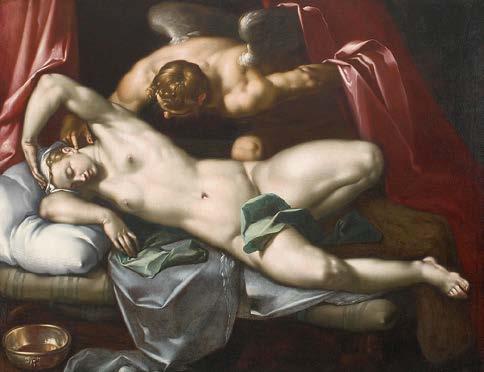
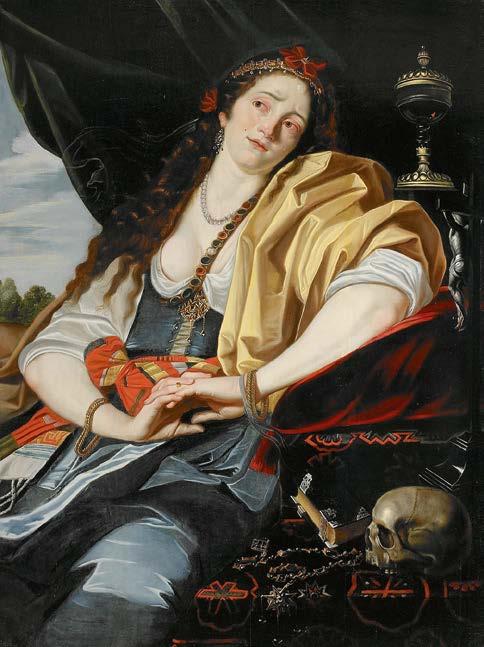
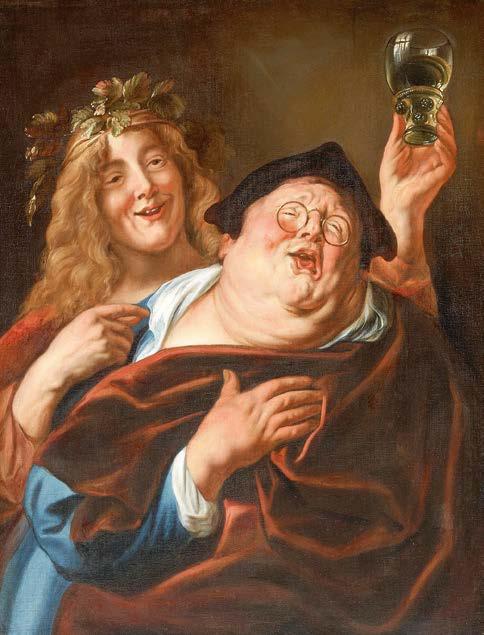
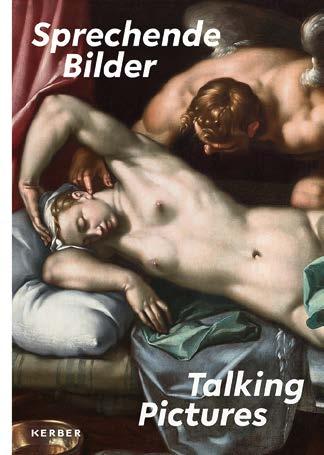
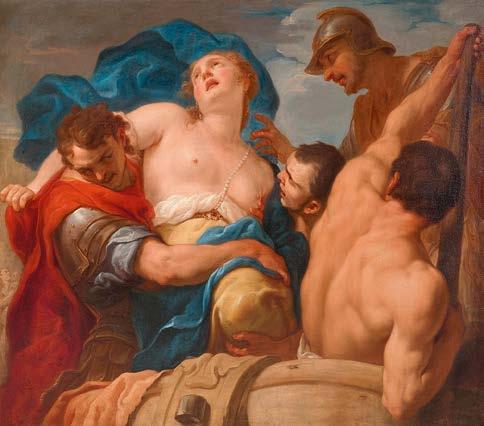
In the grand historical paintings of the Renaissance and the Baroque periods, the often moralizing narratives of antiquity and the Bible assume a powerful visual presence. Here, imagined and lived history converge—a convergence that was evident to all at that time. Talking Pictures 1400–1800 is being published to coincide with the eponymous exhibition at the Arp Museum in Rolandseck. The exhibition places thirty historical and genre paintings from the collection of the Musée national d’archéologie, d’histoire et d’art (MNAHA), Luxembourg, in artistic dialogue with masterpieces from the Rau Collection for UNICEF. Together, they offer a glimpse into the capacity for painting to depict both imagined and lived history and to shed light on timeless fundamental truths of human coexistence.
Hardcover
17 × 24 cm
128 pages
Numerous color illustrations
ISBN 978 3 7356 1110 9
GER | ENG
ISBN 978-3-7356-1110-9
30 €
Edited by: Landes-Stiftung Arp Museum Bahnhof Rolandseck und Musée national dʼarchéologie, dʼhistoire et dʼart (MNAHA)
Texts: Susanne Blöcker, Tania Brugnoni, Martina Liebethal, Michel Polfer, Ruud Priem, Theresa Rieß, Christian Schneider, Julia Wallner
Design: Mick Vincenz, Oliver Baldes
Exhibition:
→ September 27, 2026 – March 21, 2027
Talking Pictures 1400–1800 Arp Museum Bahnhof Rolandseck, Remagen
Daniel Engelberg: Eye Candy
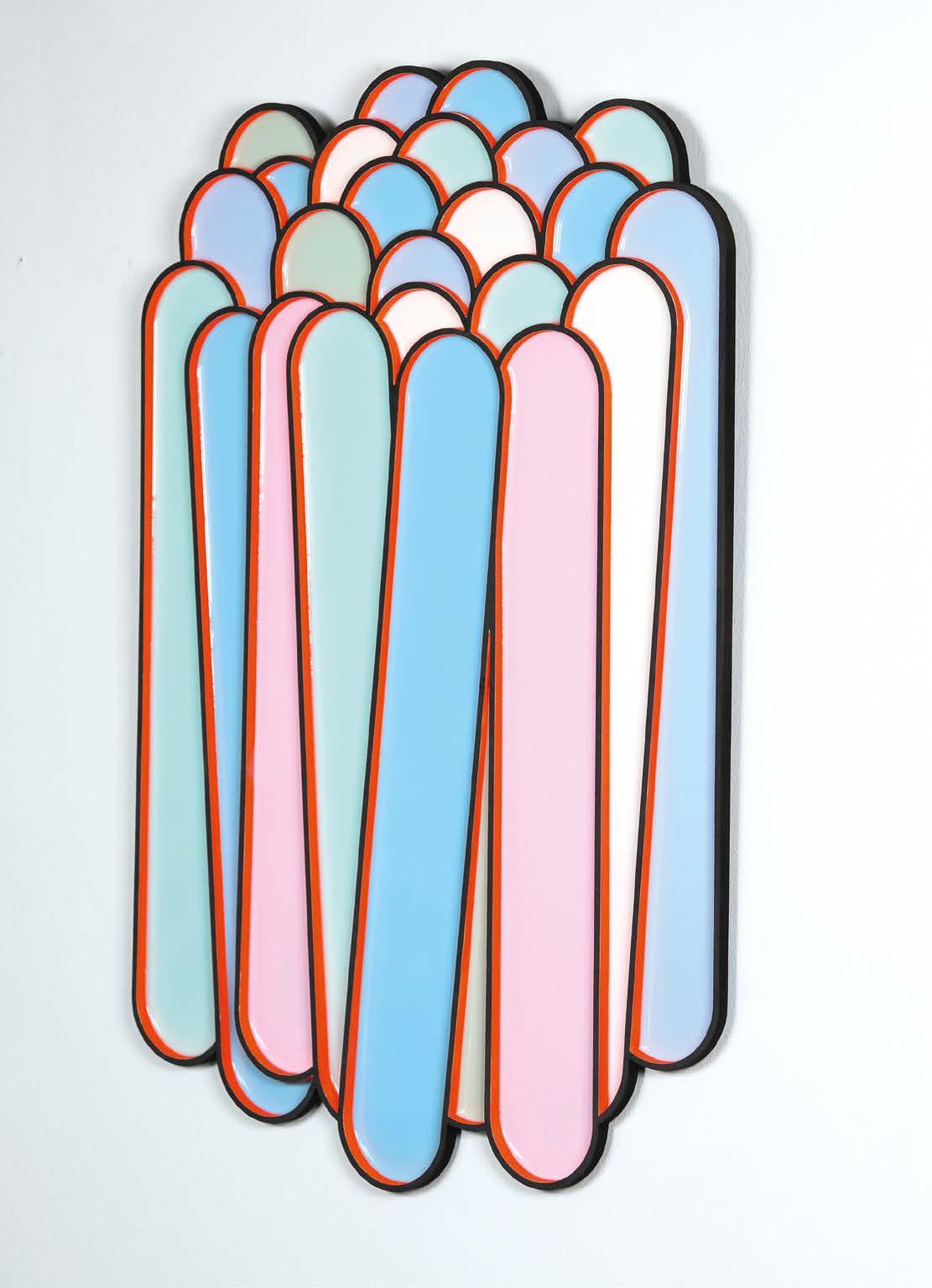
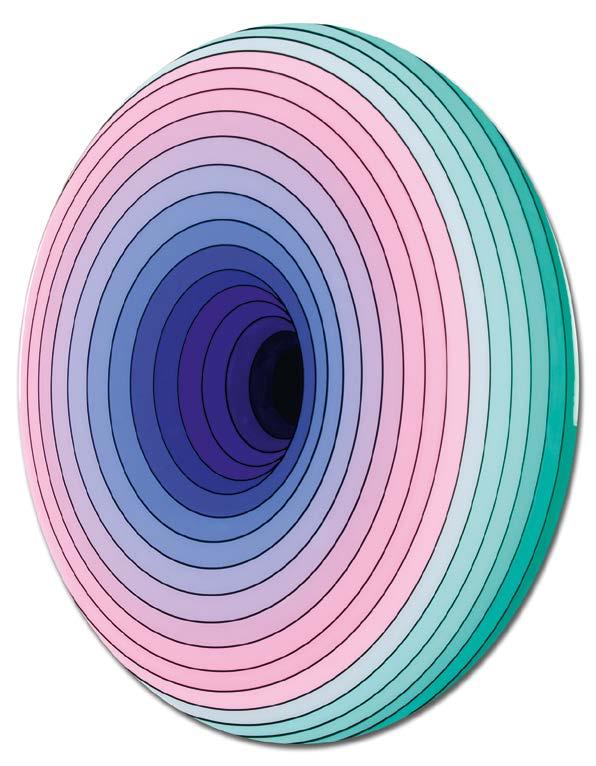
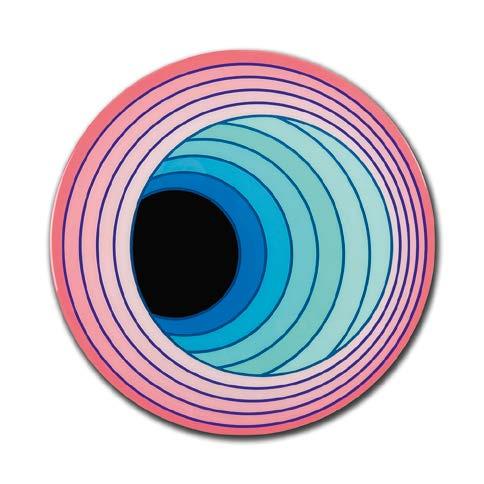
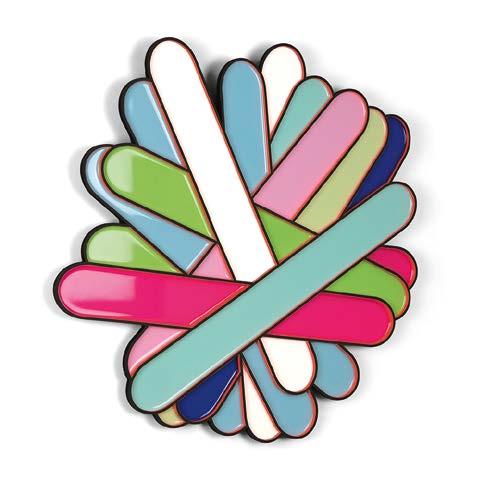
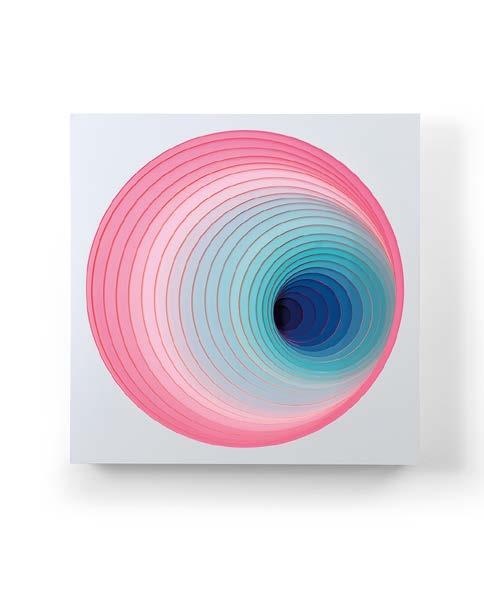
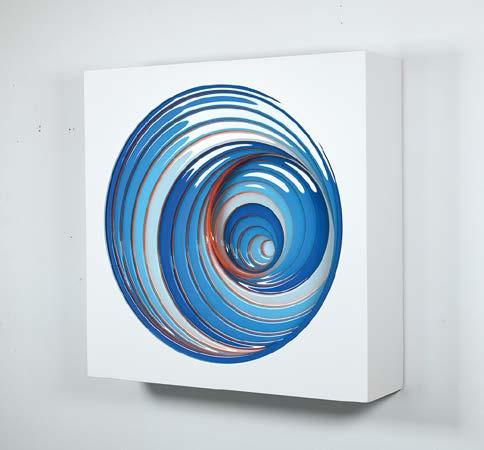
Daniel Engelberg’s first monograph brings together works from the last four years. Starting from his training as a sculptor, Engelberg has developed an oeuvre at the interface between painting and sculpture. His structural visual objects are made from sheets of MDF, acrylic paint, and epoxy resin and combine precise geometric constructions with vibrant color gradients and optical effects. Something between concrete art and Op Art, they challenge the audience’s perception as their appearance and spatial effect differ, depending on the location. Engelberg’s work references architectural structures and translates sculptural considerations into an apparent two-dimensional form. An essay by Theres Rohde provides a more in-depth understanding of Engelberg’s current artistic practice.
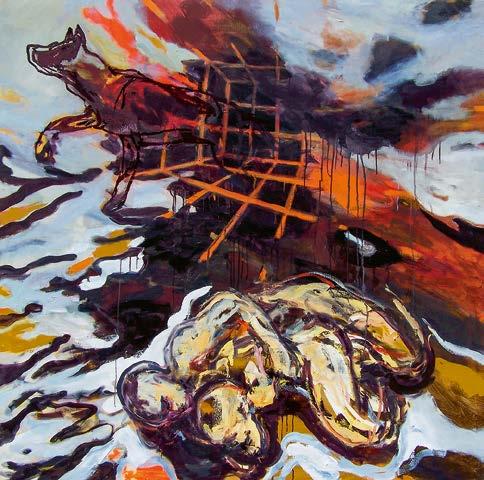
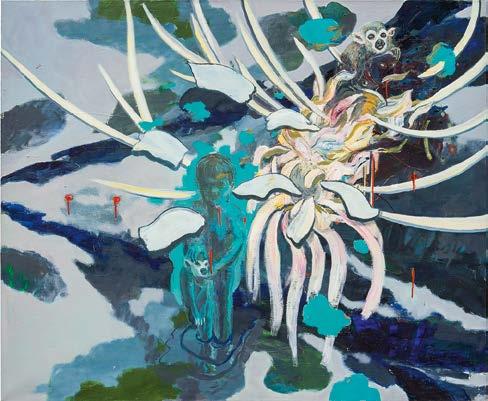
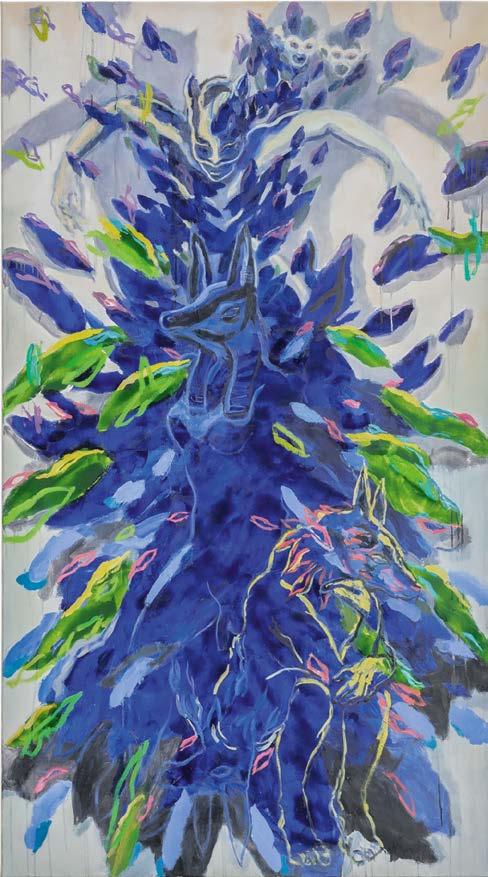
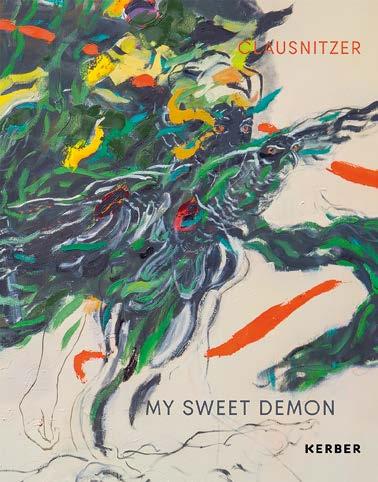
The publication Clausnitzer. My Sweet Demon brings together 80 images of oil paintings by the artist, most of them large-scale, and provides a comprehensive insight into her work. Over five chapters, this book presents key cycles of her work, which explores the fragmentation and overlaying of identities. Doubled and mirrored storylines unfold on various pictorial levels: figures interact across timelines and genres, transcending the boundaries between the physical and the spiritual, between the sublime and the mundane. Motifs from the collective visual memory, from the history of art and cinema together with elements from newspaper photographs combine to create complex pictorial worlds. The title hints at the simultaneity of light and dark, good and evil, of this world and the Hereafter, and shapes the works both in terms of content and form. An in-depth interview provides deeper insights into the artist’s working process, while an accompanying text by Ludwig Seyfarth situates her work in an art-historical context.
Hardcover
22 x 28 cm
136 pages
80 color illustrations
ISBN 978 3 7356 1096 6
GER | ENG
ISBN 978-3-7356-1096-6
42 €
Edited by: Ludwig Seyfarth
Texts: Clausnitzer, Beate Köhne, Ludwig Seyfarth
Design: Delia Keller
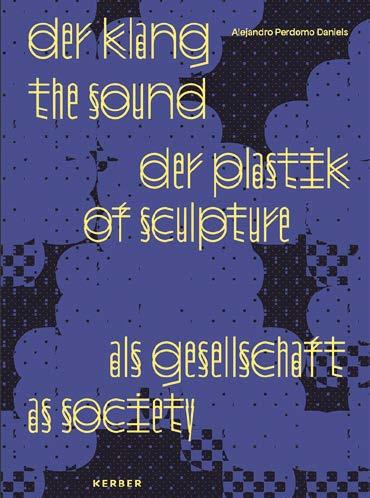
Art The Sound of Sculpture as Society
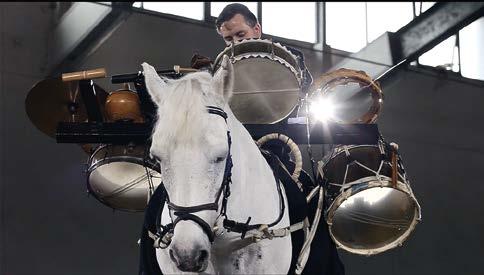
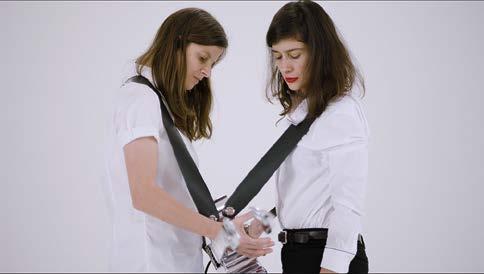
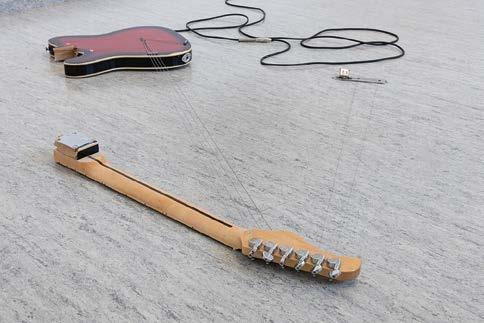
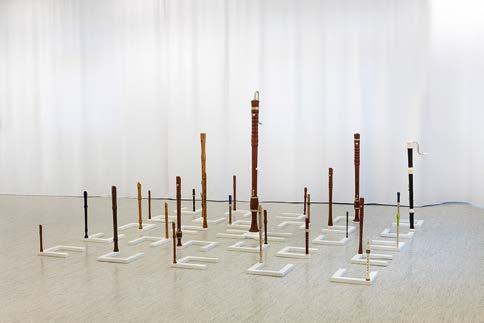
The Sound of Sculpture as Society is the catalog to accompany the eponymous exhibition at the Städtische Galerie Villingen-Schwenningen. The exhibition focused on art that distances itself from the familiar boundaries between sound and visual art, perception and performance, as well as space and situation, creating a field in which these categories intertwine and open up new aesthetic possibilities. The starting point was the question of how sound as a malleable material and space as a vibrating, tonal dimension can become factors in aesthetic production and reception. The six artists involved—Lamin Fofana, Hanne Lippard, Michaela Melián, Ari Benjamin Meyers, Raphael Sbrzesny, and Naama Tsabar—move freely in this open terrain. The featured works integrate sound not as an addition, but as a constitutive element: a physical vibration, cultural event, and liberating force. The works break away from the idea of autonomous objects and create situations in which material, sound, body, and perception are set in motion and reflect their social dimension.
Texts: Alejandro Perdomo Daniels, Dietrich Heißenbüttel
Design: Maria Gottweiss, Gottweiss –Visuelle Kommunikation
Majewski & Jen Tiger:
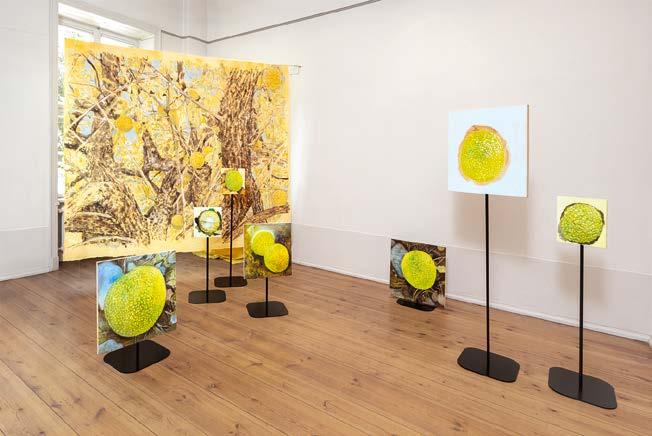
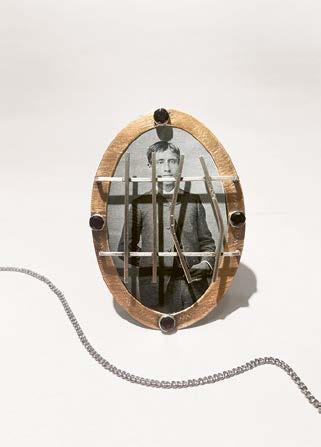
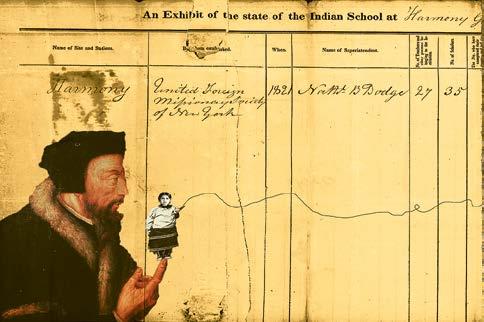
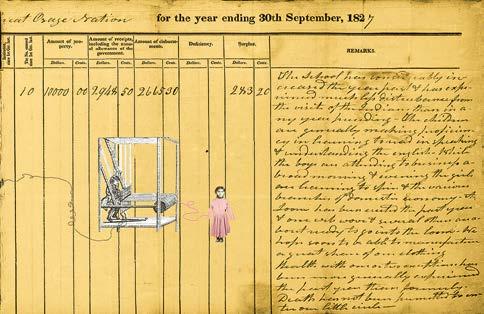
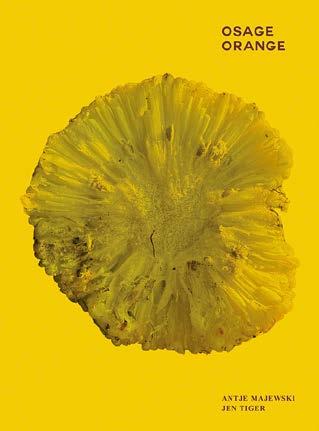
Osage Orange presents a long-term research-based project by Antje Majewski that has been developed since 2009 in various groups of work, all emanating from the fruit of the Osage orange tree. Beginning with this tree, a multi-voiced tale of indigenous culture, colonization, land use, and ecological destruction unfolds. Videos featuring the Osage elder and bowmaker Raymond Lasley, as well as forester Mark Bays, reveal the history of the displacement of the Osage Nation, the end of the buffalo hunt, and the settlers’ encroachment upon the prairie landscape. A dialogue with the artist Jen Tiger expands the project to include issues of disenfranchisement, forced assimilation, and cultural memory. In subtle text-image collages and jewelry designs, Tiger draws on archival materials to distill the history of her ancestors. New paintings by Antje Majewski, dedicated to the fruit itself in all its strangeness, stand at the culmination of the project.
Softcover with dust jacket
17 × 23 cm
208 pages
130 color illustrations
ISBN 978 3 7356 1108 6
GER | ENG
ISBN 978-3-7356-1108-6
32 €
Edited by: Brigitte Hausmann; Bezirksamt SteglitzZehlendorf von Berlin, Amt für Weiterbildung und Kultur, Fachbereich Kultur
Texts: Amy Patton, Sina Ribak Francis La Fleche, John Joseph Mathews, John Sibley, Frank Thone
Design: Buero NOC
Exhibition:
→ May 29 – October 18, 2026
Antje Majewski & Jen Tiger: Osage Orange, Galerie Gutshaus Steglitz, Berlin
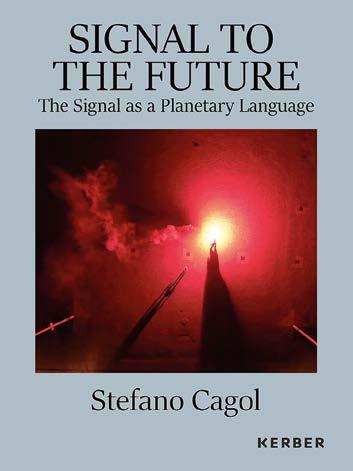
Stefano Cagol: Signal to the Future
The Signal as a Planetary Language
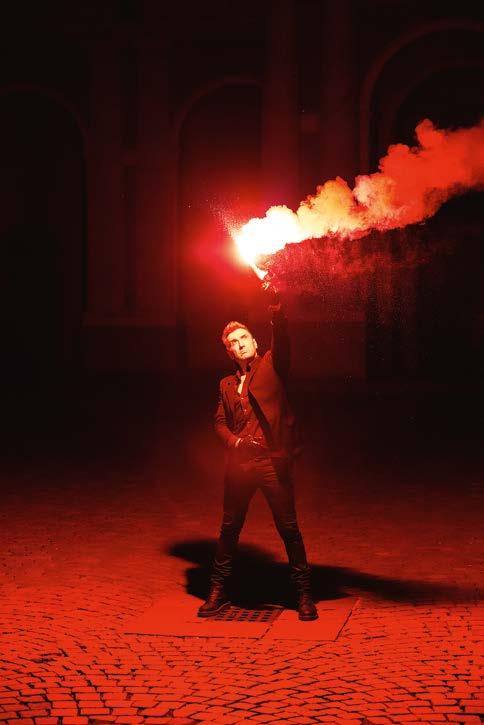
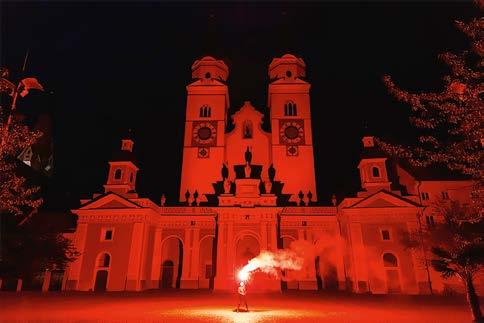
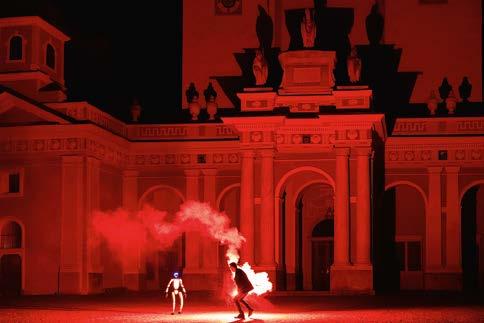
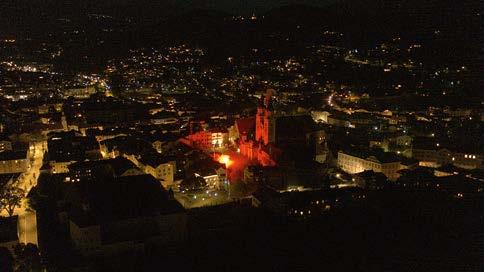
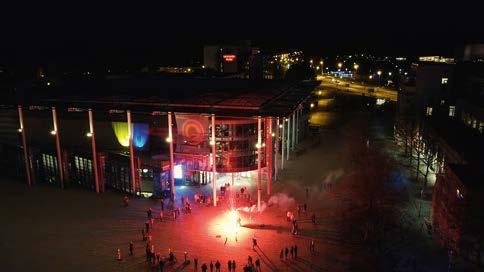
Whether in an Alpine or urban setting, Stefano Cagol views the signal as a universal language that transcends political, geographical, and symbolic borders. In his public space projects, the Italian artist combines light, ritual, and technology to create stunning scenes through which he demonstrates the global reach and societal relevance of contemporary art. This book focuses on Cagol’s central performances in Brixen, Wolfsburg, and Cairo, among other places. With the aid of critical essays and through numerous images, these performances are situated within the overarching context of an oeuvre shaped by the pressing debates of the Anthropocene age and the resulting limits to what the planet can withstand. Hardcover 19.5 ×
ISBN 978 3 7356 1113 0
ENG
ISBN 978-3-7356-1113-0 40 €
Edited by: Brixen Kultur, Italian Cultural Institute Zurich
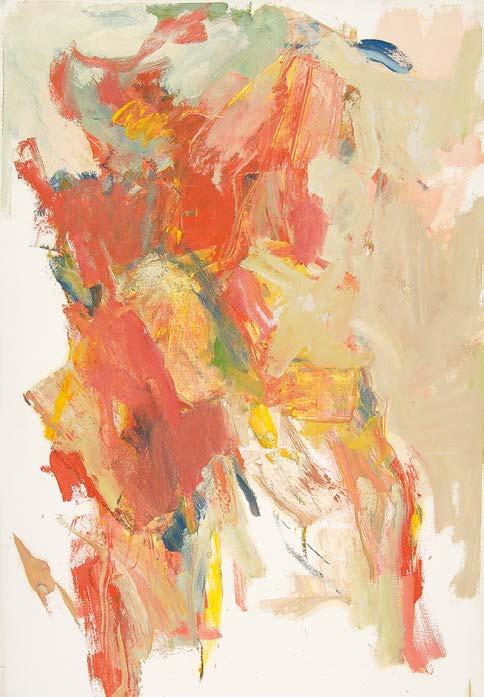
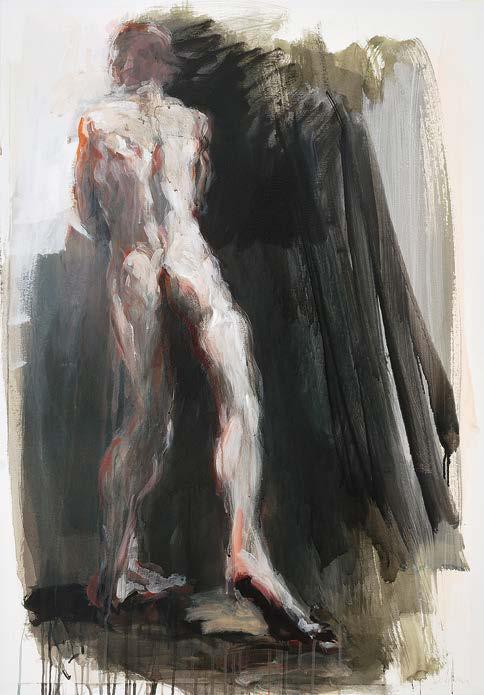
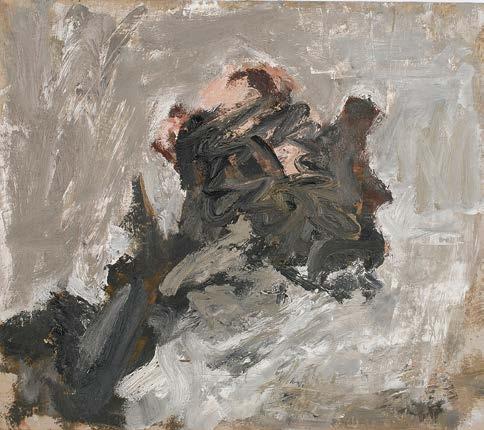
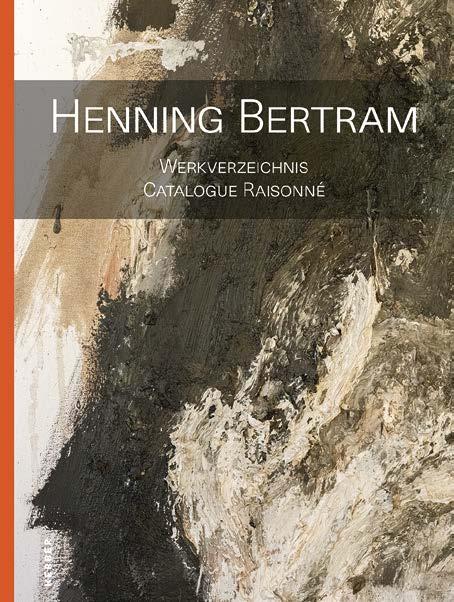
Henning Bertram’s work, which spans a period of around 50 years, ranges from perception, through abstraction, to figurative representation. Following the 2023 publication by Kerber Verlag featuring a selection of the painter’s works, this volume provides a complete catalogue raisonné of his drawings and paintings from 1967 to 2025. With around 2,000 illustrated entries, it documents Bertram’s varied career from his earliest beginnings, through his exploration of classical modernism whilst studying in Johannes Geccelli’s class at the Berlin University of Visual Arts (today UdK Berlin), to his architecturally-inspired large-format charcoal drawings, and the figurative elements in his most recent works. An honest and insightful look into the artist’s studio, illustrating the process-oriented nature of the artistic quest for insight. This is an autobiography in images.
Hardcover
24 × 32 cm
608 pages
2,172 color illustrations
ISBN 978 3 7356 1107 9
GER | ENG
ISBN 978-3-7356-1107-9
65 €
Edited by: Henning Bertram
Texts: Henning Bertram, Celestina Maviale
Design: Henning Bertram
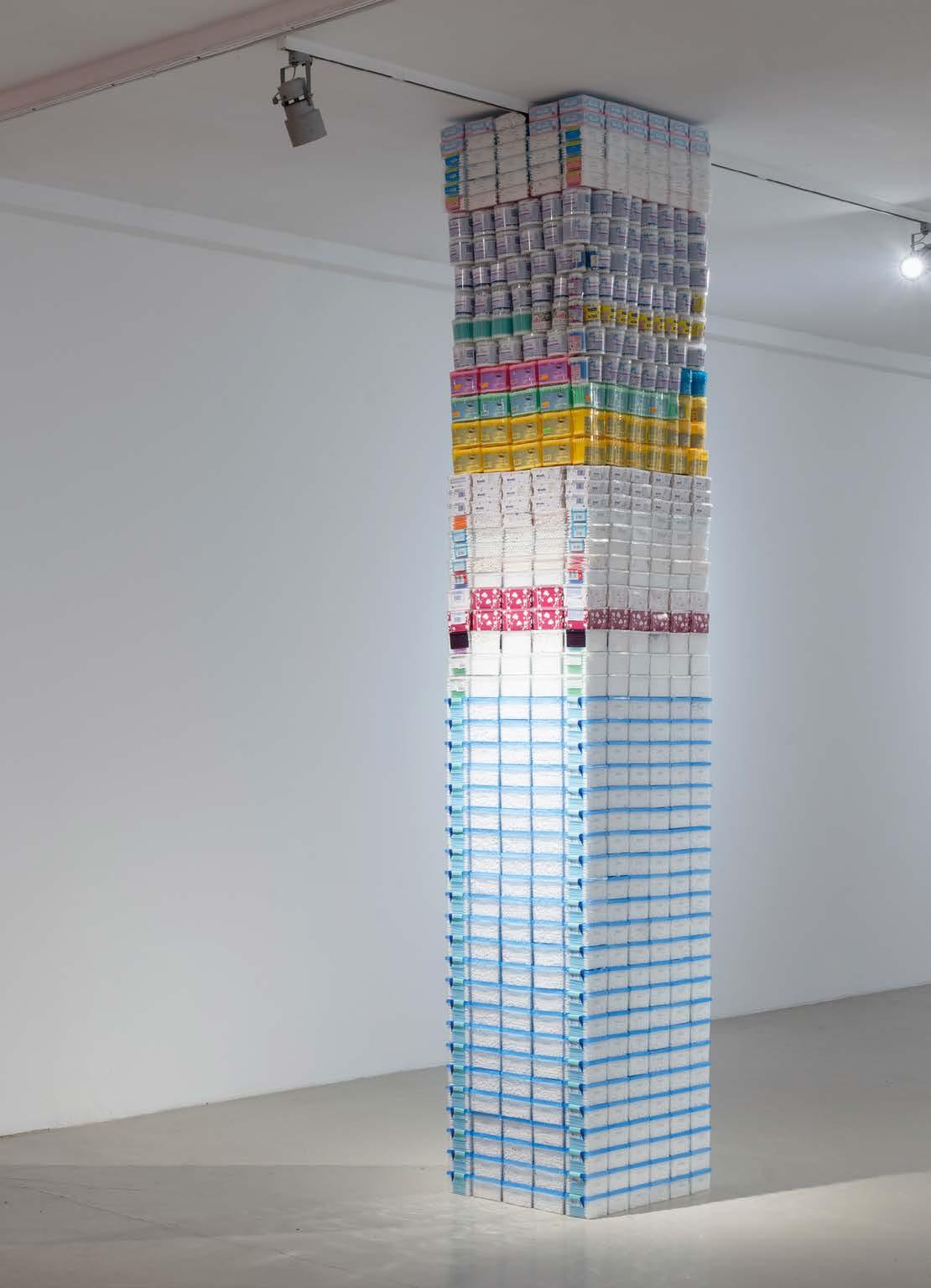
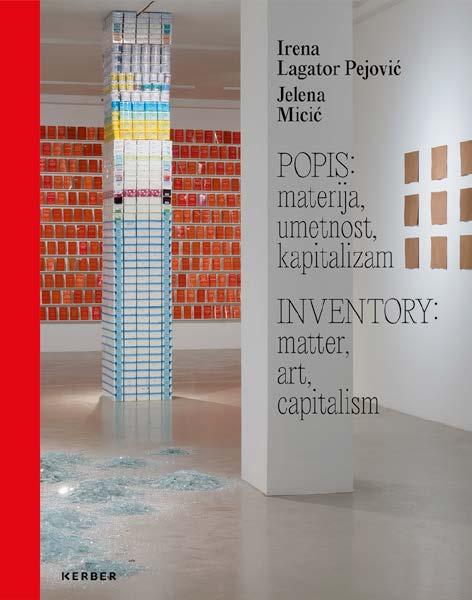
Irena Lagator Pejović, Jelena Micić: Inventory Matter, Art, Capitalism
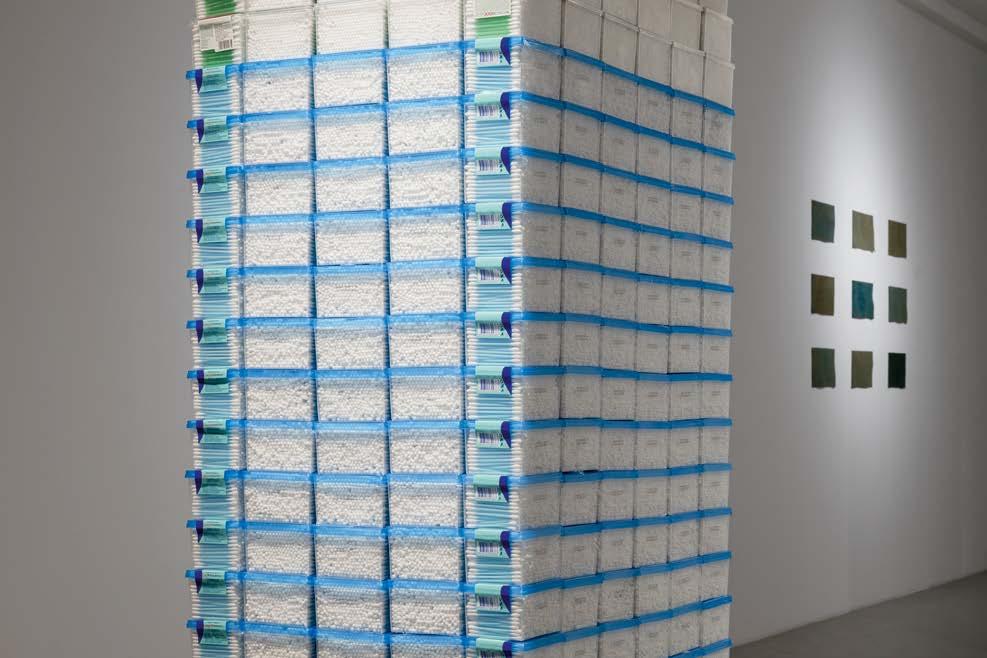
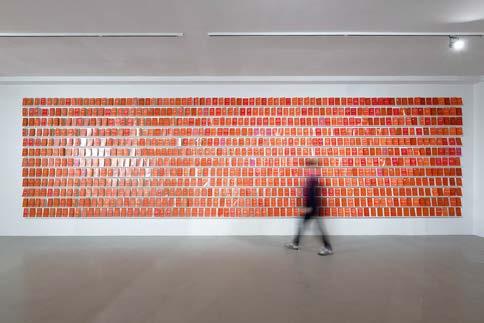
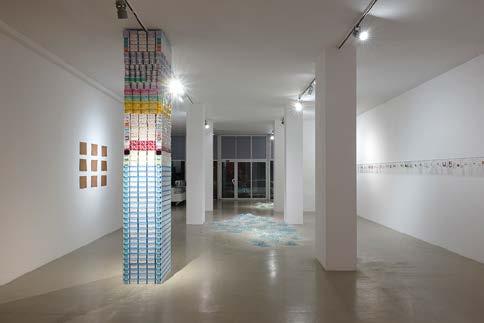
This book provides an overview of the artistic work of Irena Lagator Pejović and Jelena Micić to date. In their installations, art objects, and special interventions, the two artists examine the material conditions of the Anthropocene age. In this context, materiality serves not only as a medium, but also as a critical instrument. Their works reveal how close the links are between materiality and global capitalism, exploitation, inequality, and environmental crisis. Fragments of consumption are condensed into a visual language that questions dominant narratives on progress and links local stories with global processes. Through this approach, Lagator and Micić raise questions around responsibility, sustainability, and collective visions for the future.
Softcover
16.4 × 20.9 cm
176 pages
30 color illustrations
ENG | CNR | SR
ISBN 978-3-7356-1106-2
30 €
Edited by: Irena Lagator Pejović, Jelena Micić
Texts: Branislav Dimitrijević, Milena Jokanović, Miroslav Karić, Elke Krasny, Irena Lagator Pejović, Jelena Micić
Design: Andrej Dolinka
The Garden of Inner Light
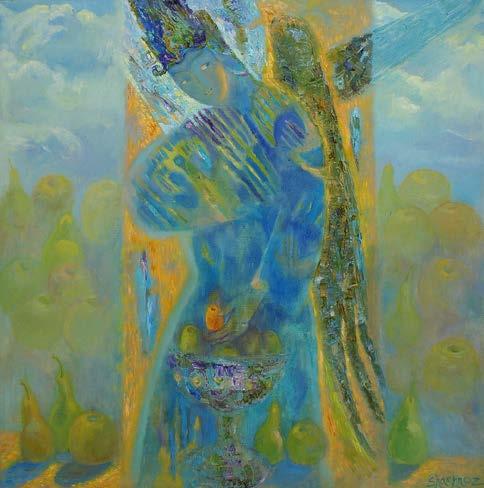
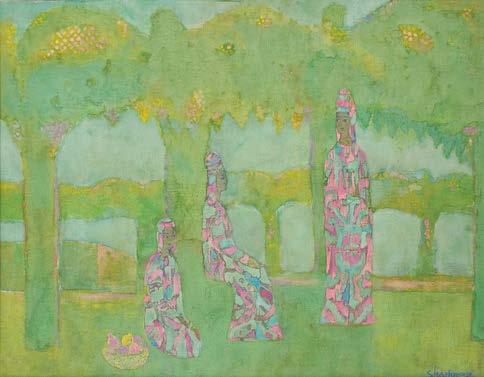
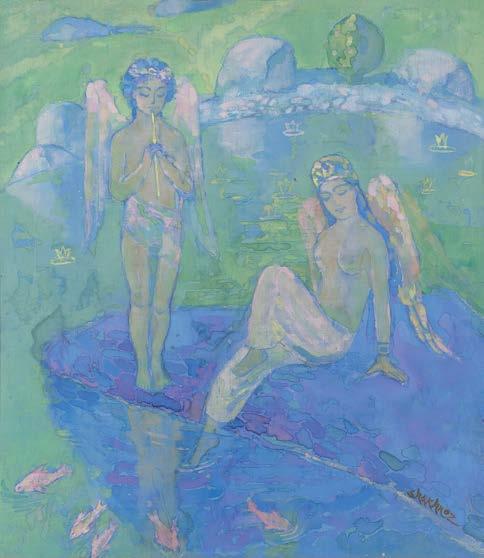
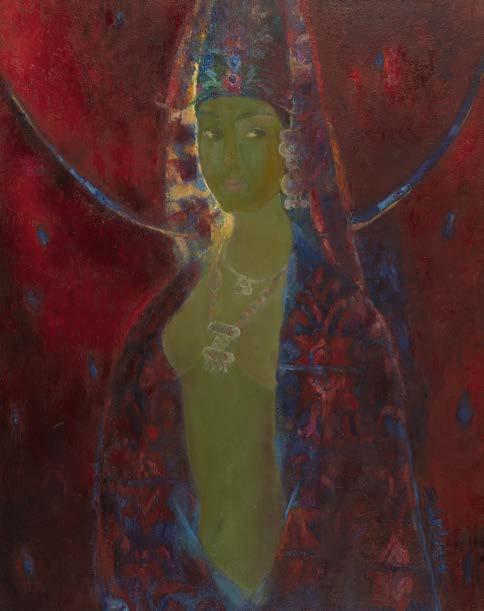
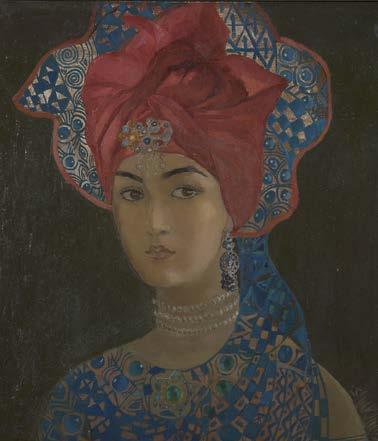
The Garden of Inner Light for the first time presents a comprehensive selection of works by the Uzbeki painter Shakhnoz Abdullaeva. Since the late 1980s, Abdullaeva has been developing a unique visual language that merges female figures, mythological motifs, and the symbolic world of Central Asia. Her works incorporate elements of Central Asian artistic tradition—such as colorful ceramics, textiles, and miniature paintings—and transforms them into a contemporary symbolic visual world. The publication traces this development with an art historical consideration by Nigora Akhmedova and permits a rare glimpse into painting that fuses the female experience, cultural memory, and spiritual visual poetry to create an inimitable artistic style.
On the Political in Private Life and the Fragility of the Home
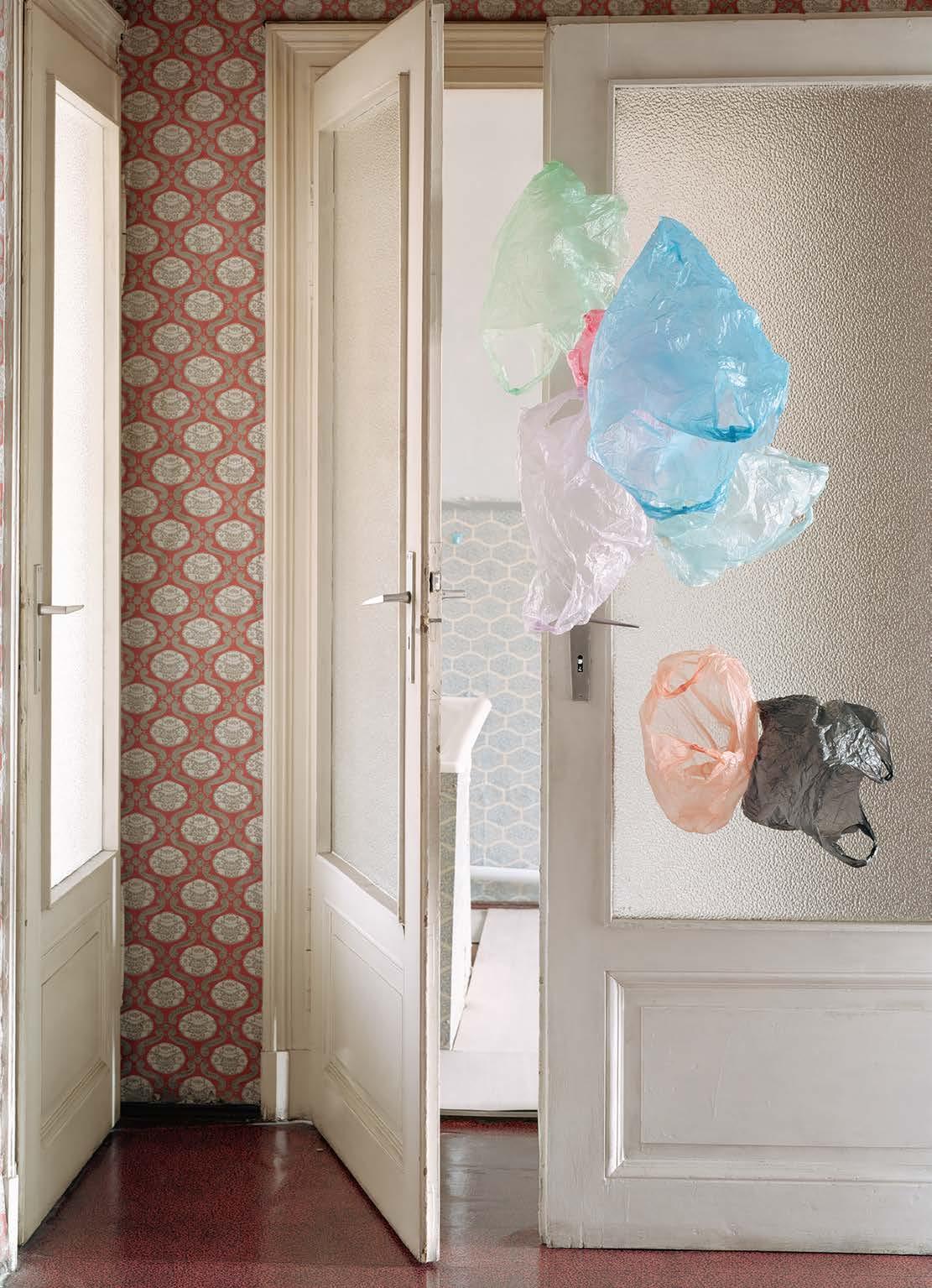
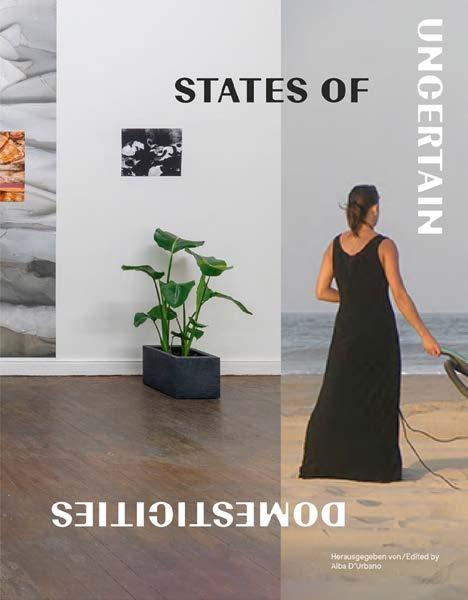
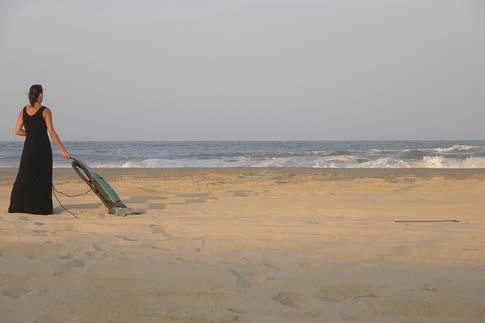
The publication States of Uncertain Domesticities documents and reflects on the performance-centered exhibition by the same name, which was shown at Haus.Kunst.Mitte. in Berlin. The building itself—a construction originally designed as a residential building which is now used as an exhibition venue—provided the starting point for the artistic interventions. Through performances and installation-based interventions, the curatorial team reactivated the original character of the house. In reference to the seminal feminist project Womanhouse (Judy Chicago and Miriam Schapiro, 1972), the domestic space was interpreted as a political arena within which social tensions are revealed. Forty-four international contemporary artists explored questions relating to housing, care work, violence, migration, and gentrification through various installations, performances, and media artworks. This publication transfers the spatial and physical experiences into the temporality of the book, inviting readers to engage more deeply with these themes.
978 3 7356 1098 0
Edited by: Alba D’Urbano; Haus.Kunst.Mitte.
Texts: Tina Bara, Alba D’Urbano, Anna Havemann, Barbara Krahé, Alice Münch, Nika Radić, Georg Spehr
Design: Kerstin Riedel
Volume 1: The Exhibition Building at the LWL-Museum Hellerlecht
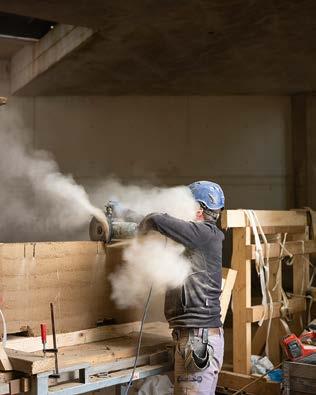
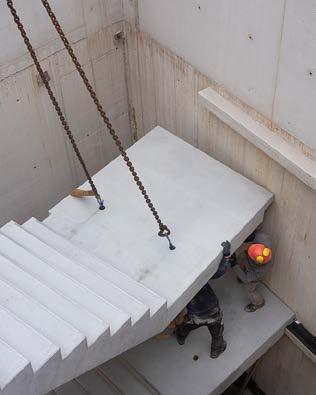
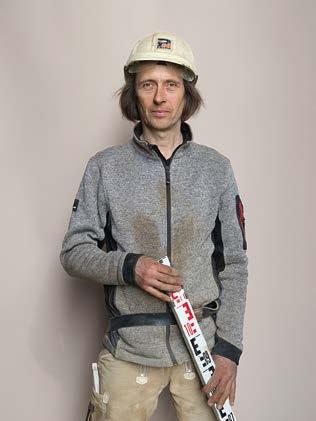
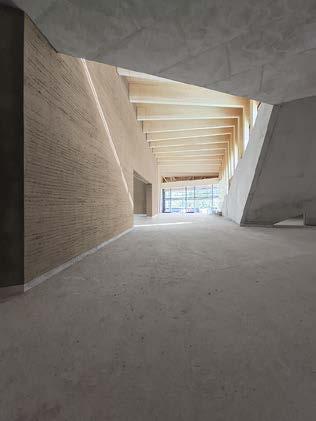
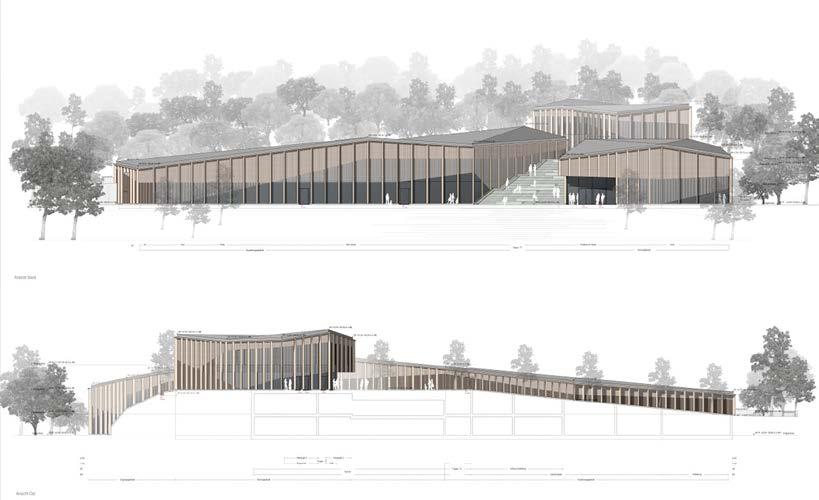
The LWL-Museum Hellerlecht in Detmold is one of Germany’s largest open air museums. With around 120 historic buildings, it provides an insight into the cultural history of Westphalia-Lippe. This outdoor exhibition has been expanded to include a new entrance and exhibition building. This new museum wing was designed by ACMS Architects, and is set to open in July 2026. It will be open to visitors year-round. The building itself is intended to serve both as an exhibition space and as a tangible example of sustainable building culture. This publication offers insights into the construction process through written contributions on sustainable museum architecture, the new context within which the collection is set, and the park, which is currently under development; these are complemented by planning materials, conversations with tradesmen, and an interview with the architectural firm. Sibylle Fendt’s striking photographs offer a glimpse into the construction process and the skilled craftsmanship involved in working with the materials used. Portraits of the artisans round off this volume.
Hardcover
24 × 16 cm
128 pages
Numerous color illustrations
ISBN 978 3 7356 1069 0
GER | ENG
ISBN 978-3-7356-1069-0
32 €
Edited by: LWL-Museum Hellerlecht. Westfälisches Landesmuseum für Kultur und Geschichte
Texts: ACMS Architekten, Marie Luisa Allemeyer, Oliver Becker, Christian Höing, Hermann Janssen, Björn Kastrup, Georg Lunemann, Torsten Näser, Barbara Rüschoff-Parzinger, Alice Anna Schröder-Klaassen, Susanne Schwickert, Florian Strob, Johannes Üpping, Uta Winterhager
Design: Anna Sukhova, Kerber Verlag
Volume 2: Wood, Clay, Straw, Concrete
We have lost the ability to see what the buildings around us are made of. Materiality seems to have become transparent, a mere means to an end. In this catalog to accompany its inaugural exhibition, the LWL-Museum Hellerlecht sharpens our gaze to these aspects. The new exhibition space is itself an exhibit—as are the materials from which it is made: rammed clay, wood, straw, and eco-concrete. Through essays, works of art, and objects from daily life, this volume traces a cultural history through materials, from Le Corbusier’s Maison Dom-Ino to Doris Salcedo’s sculptures and the xylotheque of the Thünen Institute. At the center is the relationship between material and time, growth, maintenance, and transience. This publication thus opens up a sensual and political perspective on the materials that we so often take for granted.
Hardcover
16 × 24 cm
272 pages
Numerous color illustrations
ISBN 978 3 7356 1114 7
GER | ENG
ISBN 978-3-7356-1114-7
38 €
Edited by:
LWL-Museum Hellerlecht. Westfälisches Landesmuseum für Kultur und Geschichte
Texts: Marie Luisa Allemeyer, Adrian Forty, David Riedel, Alice Anna Schröder-Klaassen, MIT
Digital structures research group, Leonie Pfennig, Heinrich Stiewe, Florian Strob, terra0
Design: Anna Sukhova, Kerber Verlag
Exhibition:
→ October 2, 2026 – April 4, 2027
Materia: Holz, Lehm, Stroh, Beton
LWL-Museum Hellerlecht, Detmold
Photo Suna Ozankan: Leere Plätze oder Gibellina come teatro
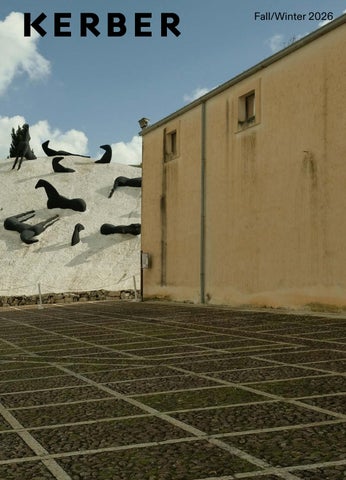
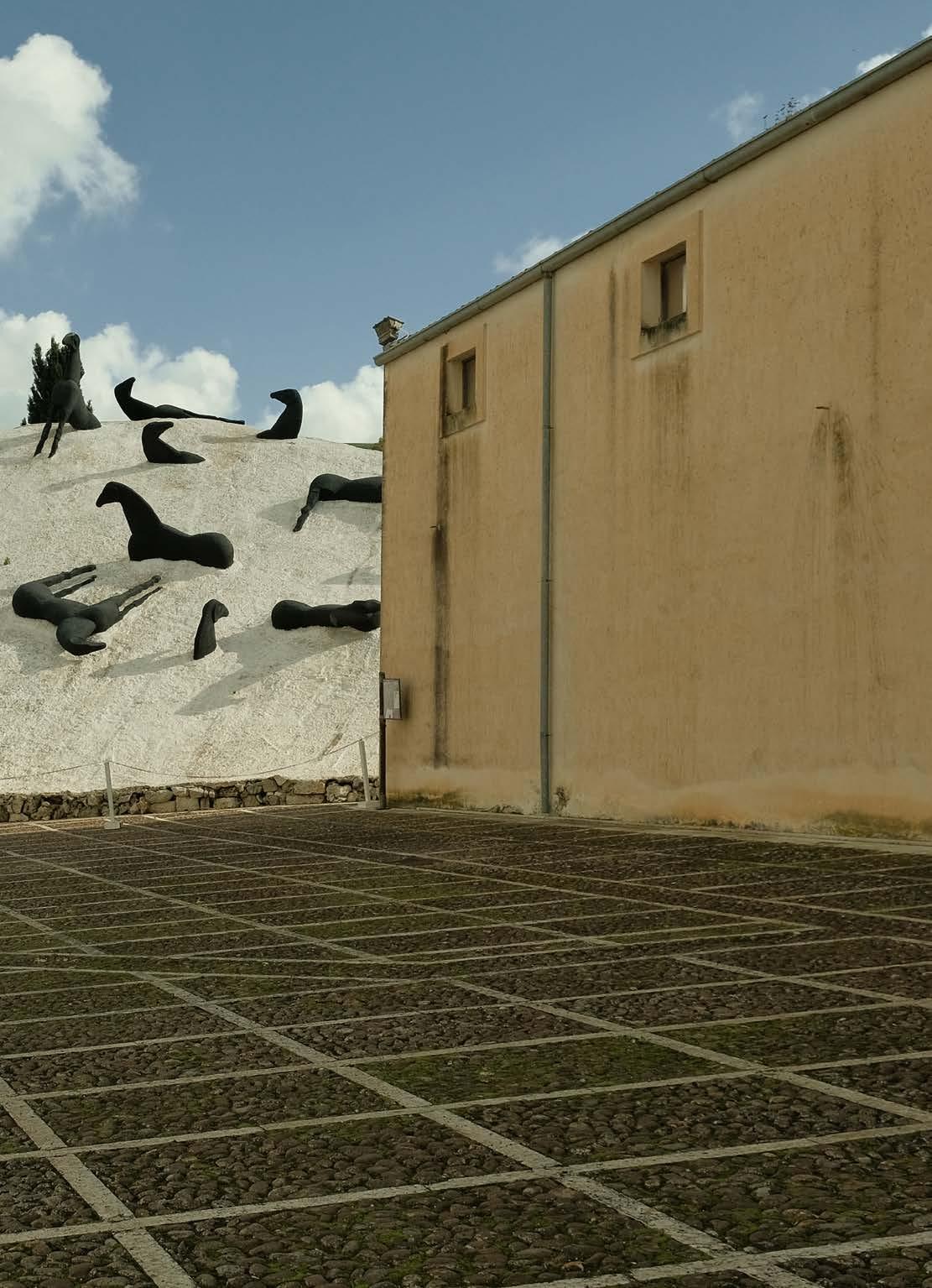
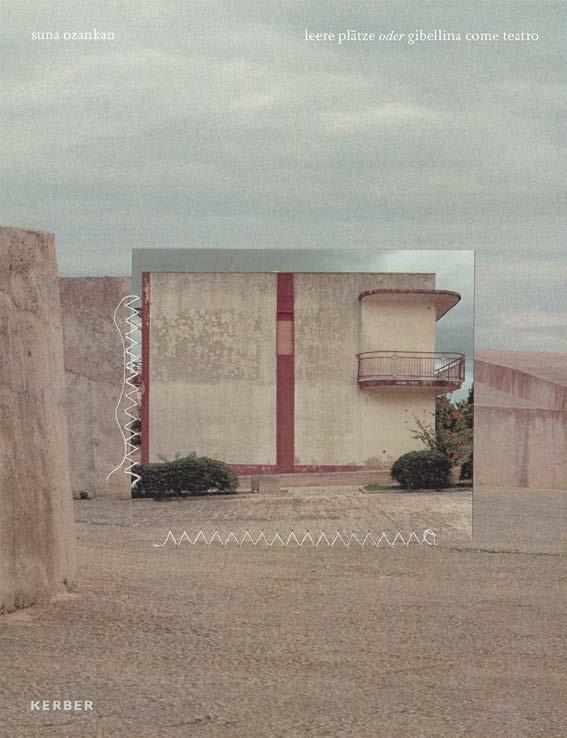
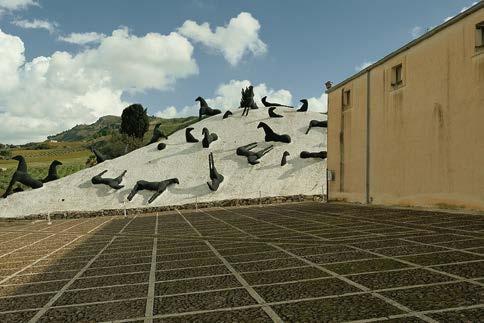
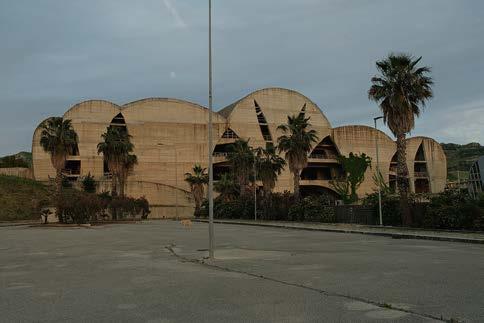
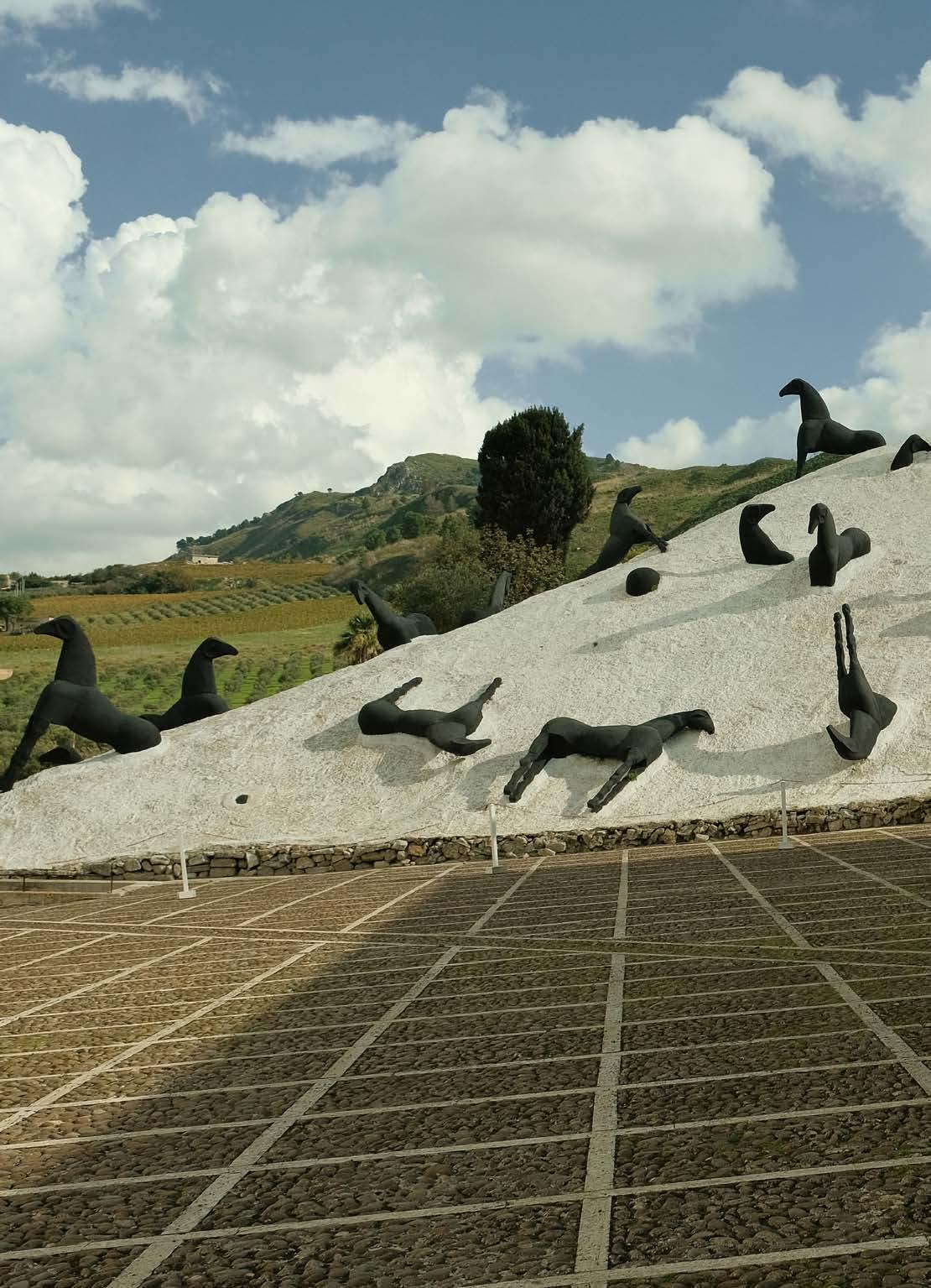
In Leere Plätze oder Gibellina come teatro (Empty Spaces or Gibellina come teatro), Suna Ozankan approaches the Sicilian city of Gibellina as a place between destruction, remembrance, and utopian redesign. The original city was completely devastated by the earthquake of 1968; the ruins were concreted over and replaced with a planned city by the same name. The project was never completed and to the present day wide streets, empty squares, and the construction shell of the theatre dominate the image of this contradictory place. How does one describe the fate of such a place? What words are capable of conveying this city that was destroyed, rebuilt, then simultaneously abandoned, and left unfinished? This publication develops a multimedia exploration that raises issues of home, loss, and identity in the context of living spaces that have been destroyed and unnaturally rebuilt.
978 3 7356 1103 1
Texts: Suna Ozankan Design: Suna Ozankan
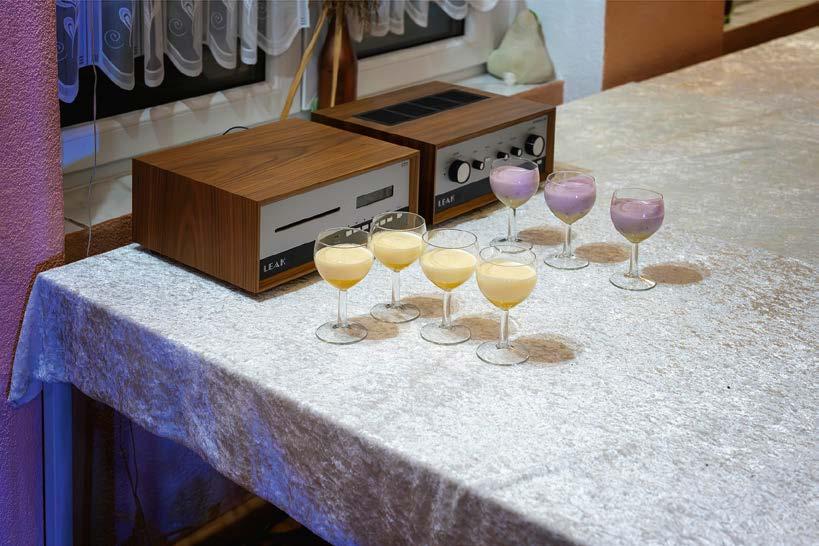
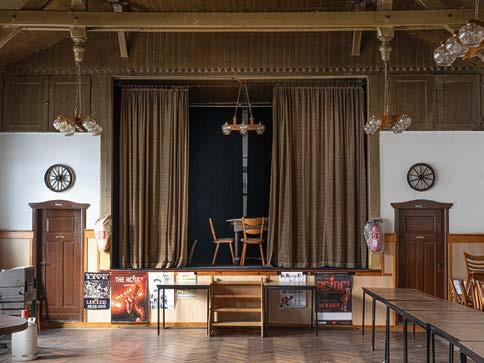
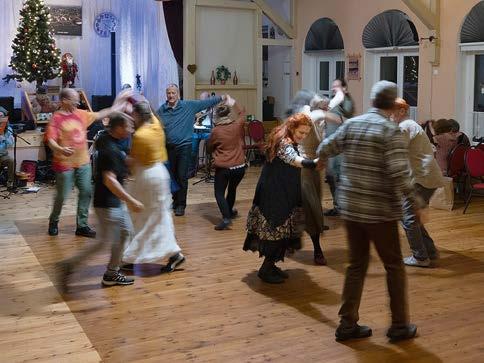
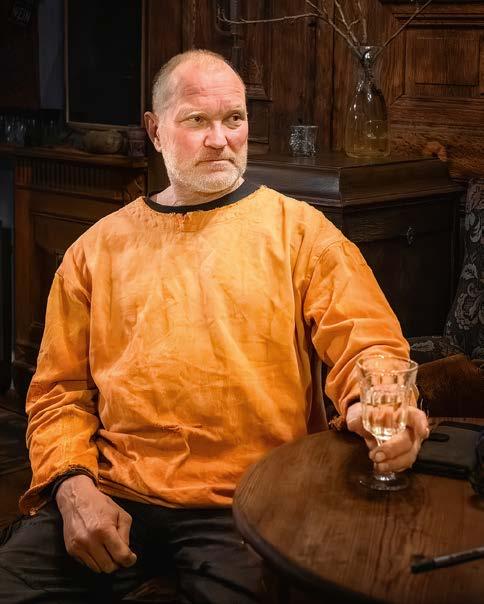
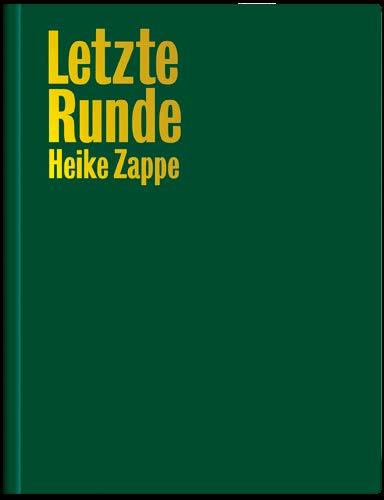
In the past, pubs served as a central hub for interaction, socializing, and community life. With their gradual disappearance, a piece of everyday culture is also fading away—a culture that has shaped the social fabric of many regions in Germany for decades. In her photographs, Heike Zappe follows the traces of these places, the abandoned rooms as well as those few pubs where people still gather for an afterwork beer, morning drinks, or dance night. Zappe’s images show not only the end of a familiar cultural institution, but also its enduring presence in gestures, interiors, and encounters. The result is an atmospheric portrait of rural life that tells the story of structural change while also offering a broader perspective on loss, memory, and community in present day Germany.
Edited by: Heike Zappe
ISBN 978 3 7356 1112 3
GER ISBN 978-3-7356-1112-3
36 €
Texts: Ulrich Seidler, Heike Zappe
Design: Troppo Design, Heike Zappe
Photo Benjamin Reding: Als Dortmund ein Vorort von London war 1986–1989. Fotografien eines 18-Jährigen
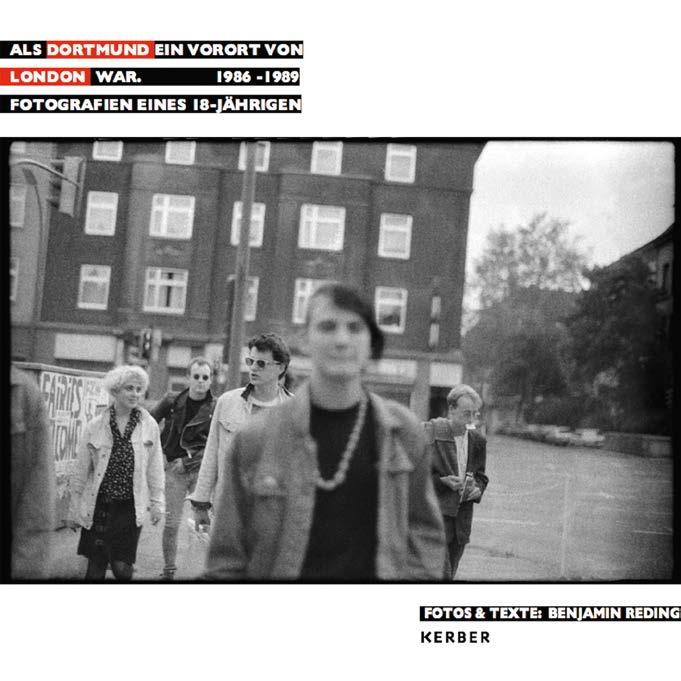
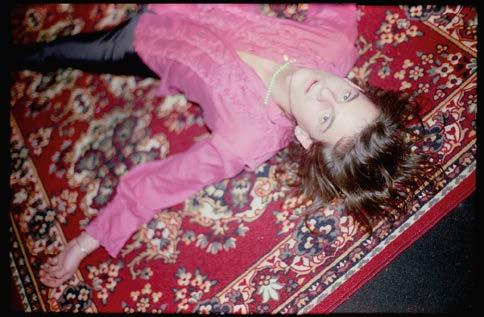
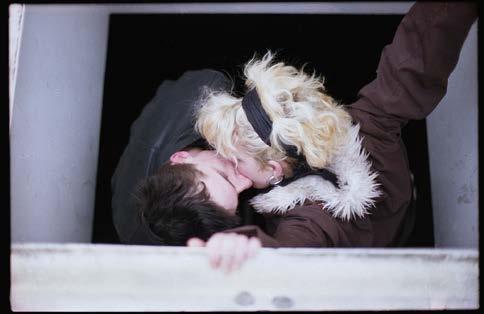
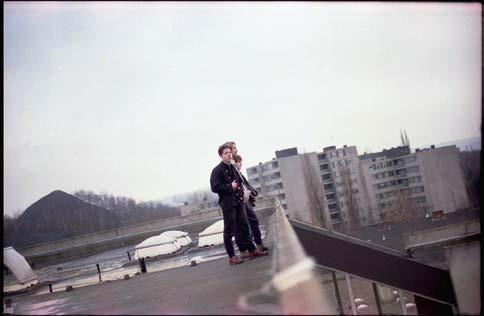
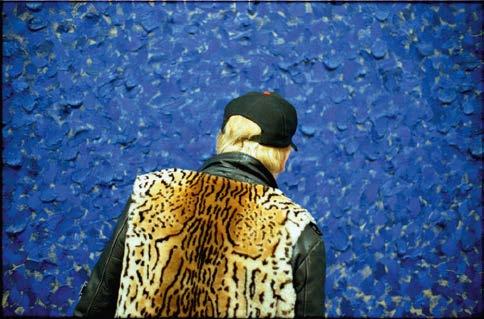
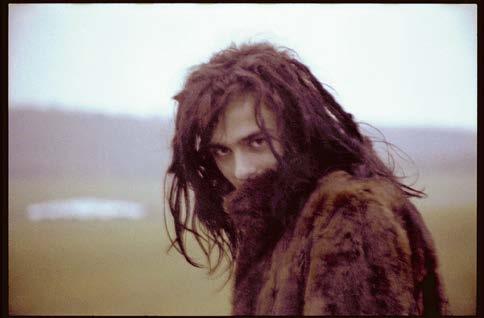
Als Dortmund ein Vorort von London war ( When Dortmund was a Suburb of London) features a collection of photographs taken by an eighteen-year-old Benjamin Reding in a city undergoing a process of transition. In late 1980s Dortmund—a city shaped by industrial decline, vacant spaces, and upheaval—he proposed an alternative to the common media depiction of youth culture. Instead of familiar cliches, his photographs depict a scene that straddles pop culture, performance, desire, and self-assertion, influenced by the visual culture of London yet firmly rooted in the Ruhr region. Reding photographed friends, musicians, subcultures, and urban spaces with an eye that not only documented reality but also reimagined and redesigned it. In his images, Dortmund appears as a projection space for diversity, role switching and the youthful avantgarde. For decades, the images remained unpublished. Today, they offer a surprisingly contemporary glimpse into a time when the possibilities of identity and belonging were beginning to emerge visually even before they had been established at the societal level.
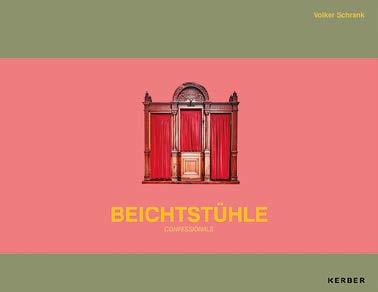
Photo Volker Schrank: Confessionals
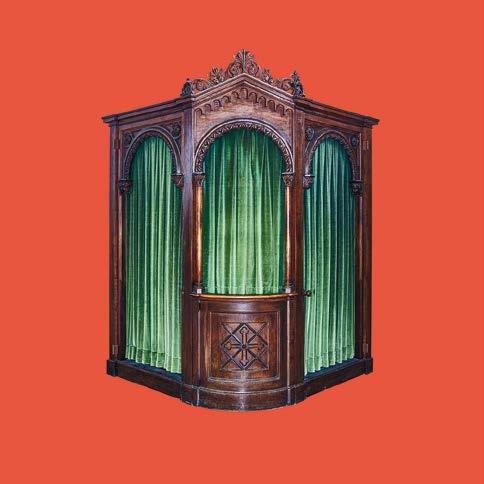
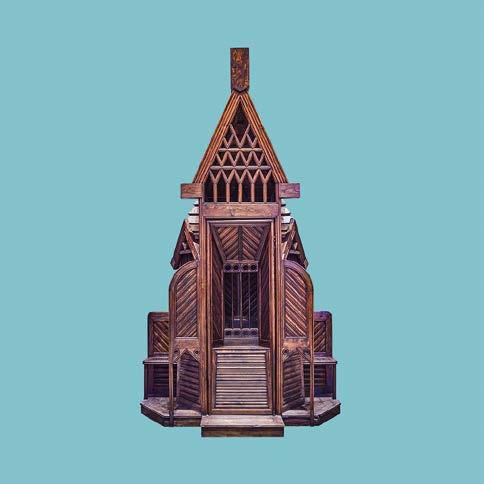
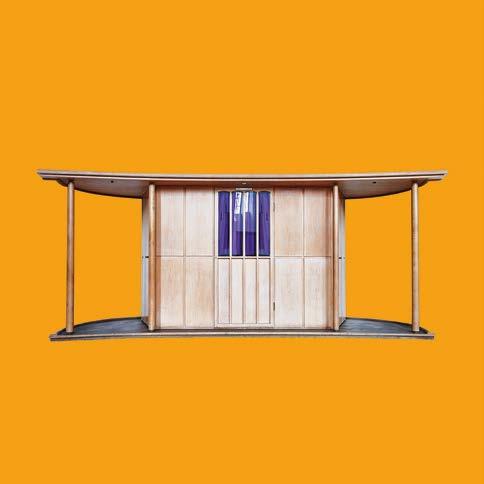
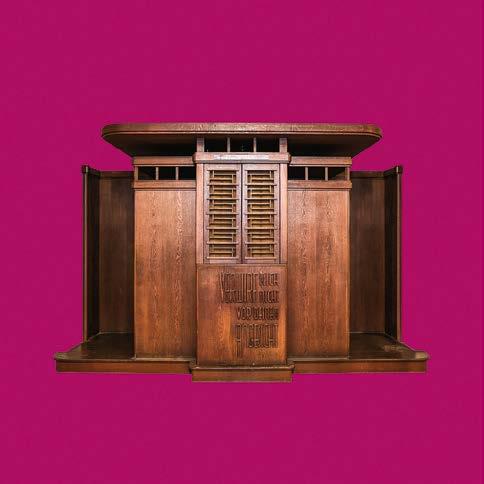
In his photographs, Volker Schrank removes confessionals out from the sacred space from which they originate. Set against monochrome backgrounds in bold colors reminiscent of medieval stained glass windows, they appear at once familiar and distant. But a confessional—however abstract and detached its depiction—is not merely a piece of furniture, but a place deeply charged with emotion. In Schrank's pictures, confessionals become ethereal objects, imbued with stories and experiences that go far beyond their function as the venue for admissions and absolution. The confessionals from around the world photographed by Volker Schrank are eloquent in their silence. What those who voluntarily sought them out or were compelled to do so said, confessed, or experienced within them remains their secret.
Text: Matthias Bullinger
80
49
ISBN 978 3 7356 1099 7
GER
ISBN 978-3-7356-1099-7
26 €
Design: Jutta Herden
Photo Vamos a ver
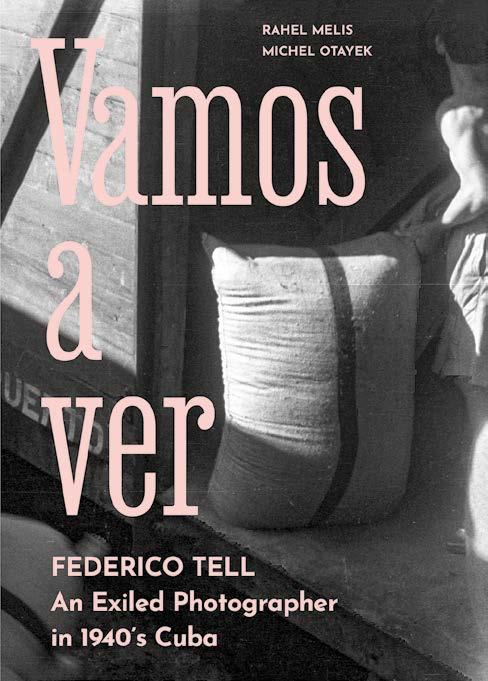
Federico Tell: An Exiled Photographer in 1940’s Cuba
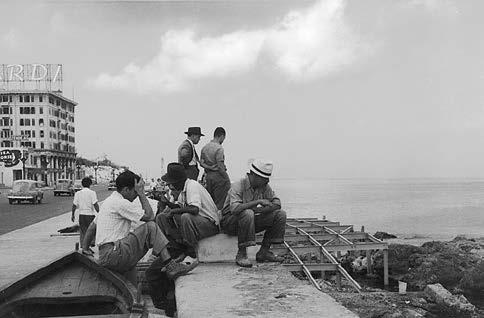
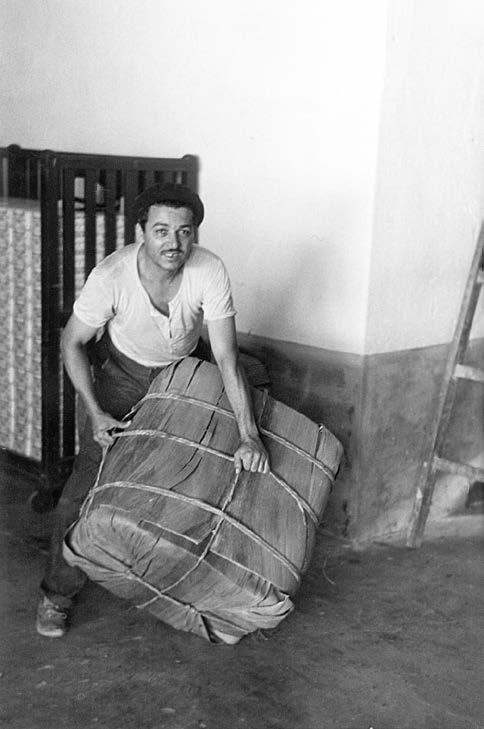
Vamos a ver explores the photographic work of Federico Tell, which was closely linked to his political awakening as an émigré in exile and his integration into Cuban society. Born in 1916 to GermanJewish parents, Tell, having grown up in Berlin, emigrated to Cuba via Spain and France in 1933, where he lived until 1950 and was an active participant in anti-fascist networks. Drawing on Tell’s extensive photographic archive, this publication sheds light on the perspective of a dedicated photographer whose images capture everyday life in 1940s Cuba while addressing questions of origin and societal emancipation. At the same time, the book opens up perspectives on migration and transcultural interconnections that gain new significance in the current political climate.
978 3 7356 1115 4
Edited by: Rahel Melis, Michel Otayek
Texts: Rahel Melis, Michel Otayek
Design: Rahel Melis
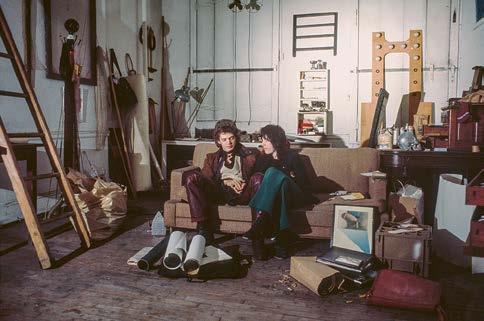
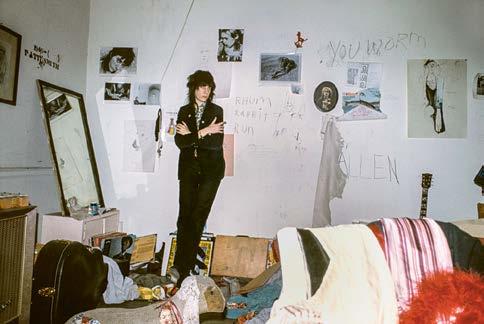
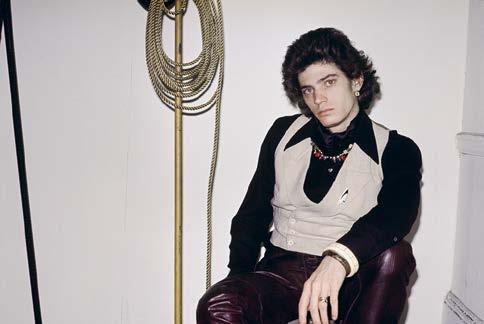
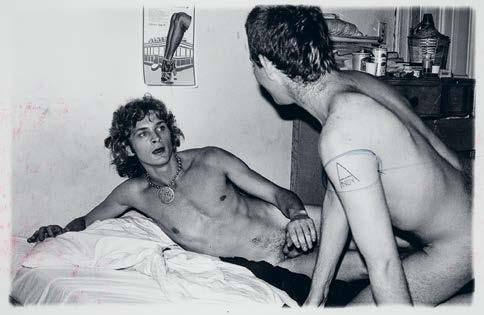
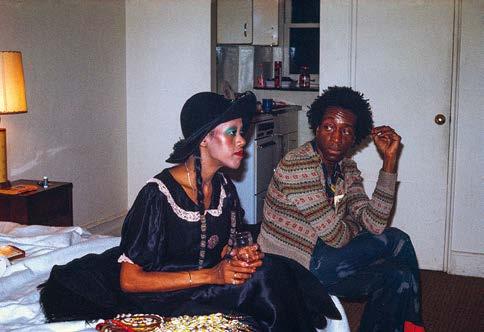
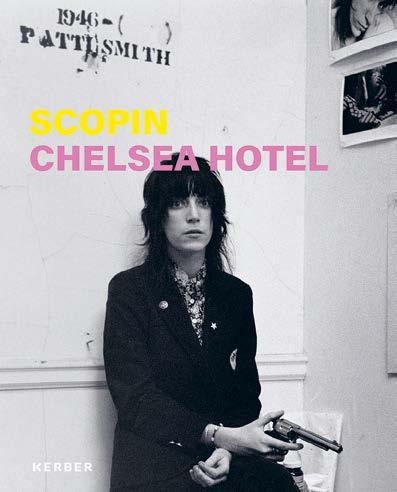
The Chelsea Hotel in New York has been an iconic spot for the art and music scene since the 1960s. From 1969 to 1971, the artist Albert Scopin, who was, at the time, an assistant to photographers Mikel Avedon and Bill King, also lived there. The hotel was always abuzz with activity and everyone who lived there seemed to be searching for something. What the young Scopin was searching for was an unfiltered view of the people who came and went. To capture the lively goings-on as discreetly as possible, he often didn’t even look through the viewfinder of his Kodak Instamatic. The resulting images depict an as-yet unknown Patti Smith and Robert Mapplethorpe as a fledgling couple, both individuals on their path to fame; film directors Wim Wenders, Rosa von Praunheim, Milos Forman and Jonas Mekas are there; the Warhol crowd performs a play; the hotel staff throw a crazy party in the basement; up on the roof, people contemplate what the future might hold, looking down on a city just waiting to be conquered. Brief accompanying texts by the artist as well as an interview complete the volume, which provides an unusually intimate look behind the façade of what is perhaps the most famous hotel in the world.
Texts: Albert Scopin Schöpflin, Michael Stoeber
Design: Arno Dietsche
Edited by: Albert Scopin Schöpflin; Galerie Ahlers, Göttingen
Backlist-Highlights
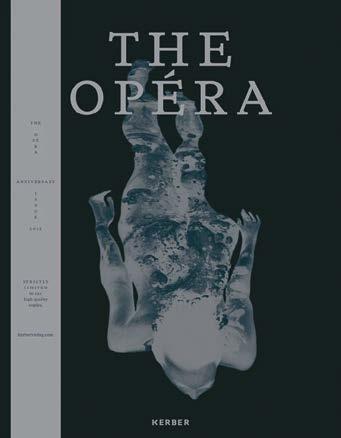
The Opéra Anniversary Issue – Best of Classic & Contemporary Nude
Photography
Edited by:
Matthias Straub
Hardcover (textured linen with silver print and banderol)
24 × 31 cm
320 pages
EN
ISBN 978-3-7356-0852-9
20 €
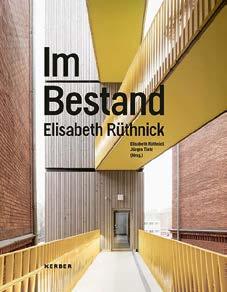
Im Bestand
Elisabeth Rüthnick
Edited by: Elisabeth Rüthnick, Jürgen Tietz
Hardcover 24 × 28 cm
200 pages
GER
ISBN 978-3-7356-1024-9
Edited by: Thomas Tabery and Kevin Schumacher-Shoji
Behind Closed Doors 55 Artworks from the Stahlberg Collection
Edited by: Stahlberg Collection
Hardcover 23 × 28 cm 144 pages
GER | ENG
ISBN 978-3-7356-1021-8 45 €
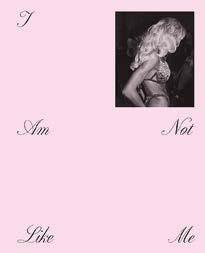
Lina Czerny: I Am Not Like Me
Versions of Becoming
Hardcover clothbound
21.6 × 27 cm 104 pages
ENG
ISBN
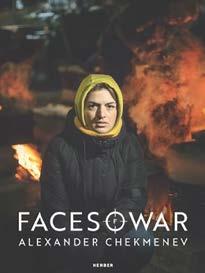
Alexander Chekmenev: Faces of War
Edited by: Galerie Clara Maria Sels
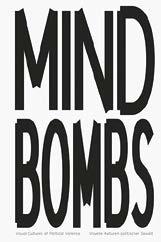
Mindbombs Visual Cultures of Political Violence
Edited by: Sebastian Baden, Larissa Diana Fuhrmann, Johan Holten unter Mitarbeit von Katharina Jörder, Kunsthalle Mannheim
1 → Kerstin Flake, Fake Spaces 03, 2006; C-print, 138 × 99 cm. Courtesy the artist
2 → Kathryn Cornelius, Resolve 2005; HD video loop, sound; 11:46. Courtesy the artist
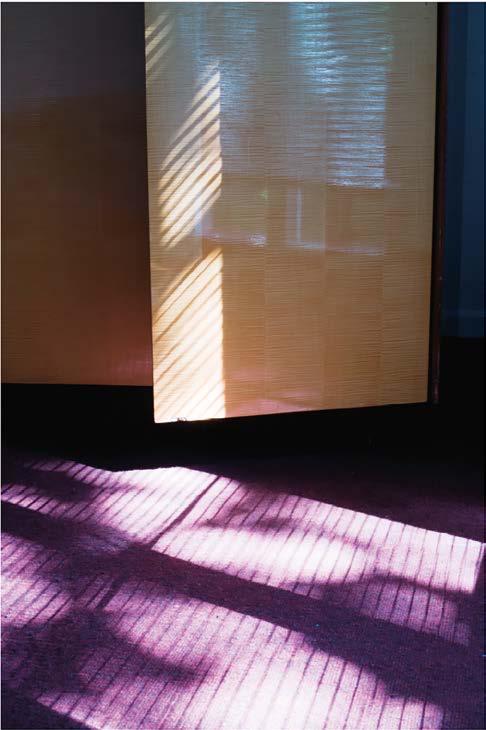
3 → Jakub Šimčik, Interior 2020; digital print; 150 × 100 cm. Courtesy the artist
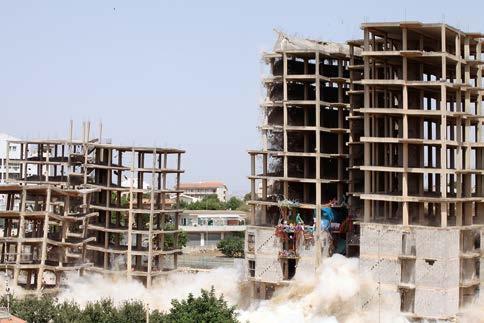
4 → Loredana Longo, Demolition #1 squatter, 2011; video stills, HD video, sound; 03:30. Courtesy the artist and Francesco Pantaleone Arte Contemporanea
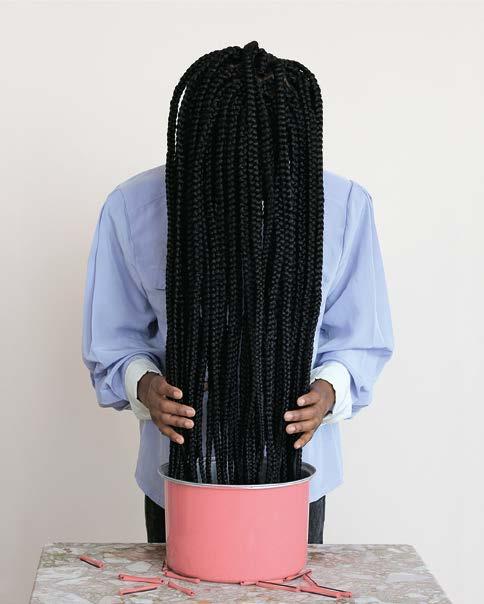
5 → Nakeya Brown, Hair Stories Untold: The Art of Sealing Ends Part II, 2014; Fine art print; 61 × 76 cm. Courtesy the artist