index of names ❖❖❖❖❖❖❖❖❖❖❖❖❖❖❖❖❖❖❖❖❖❖❖❖❖❖❖❖❖❖❖❖❖❖❖❖❖ 306
About the Author ❖❖❖❖❖❖❖❖❖❖❖❖❖❖❖❖❖❖❖❖❖❖❖❖❖❖❖❖❖❖❖❖❖❖❖ 311
HIntroduction
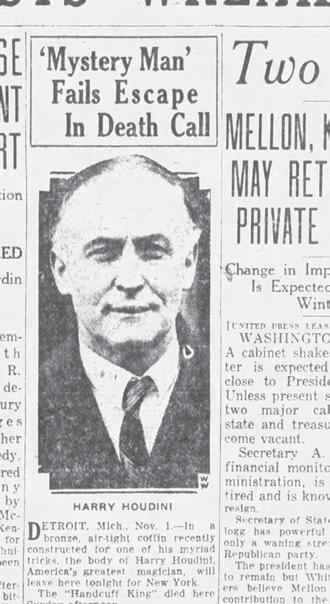
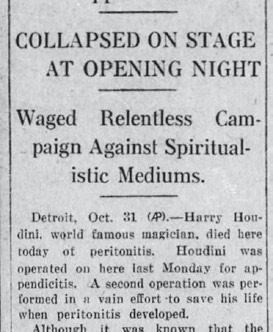
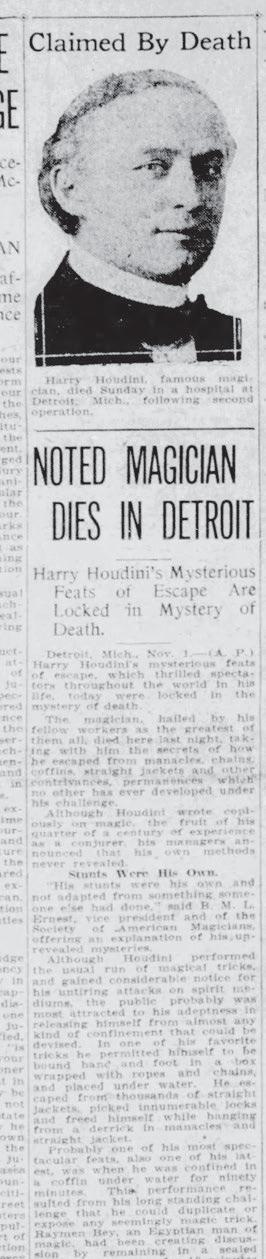
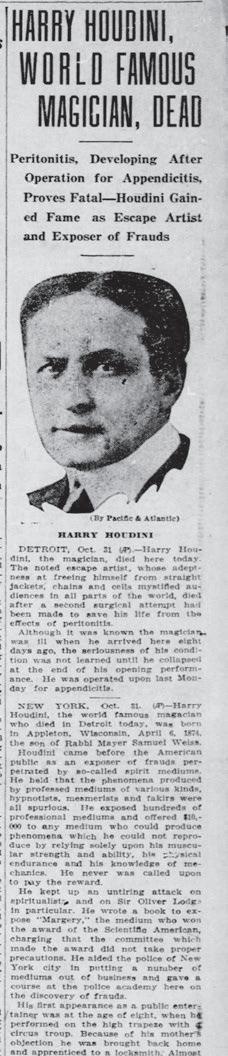
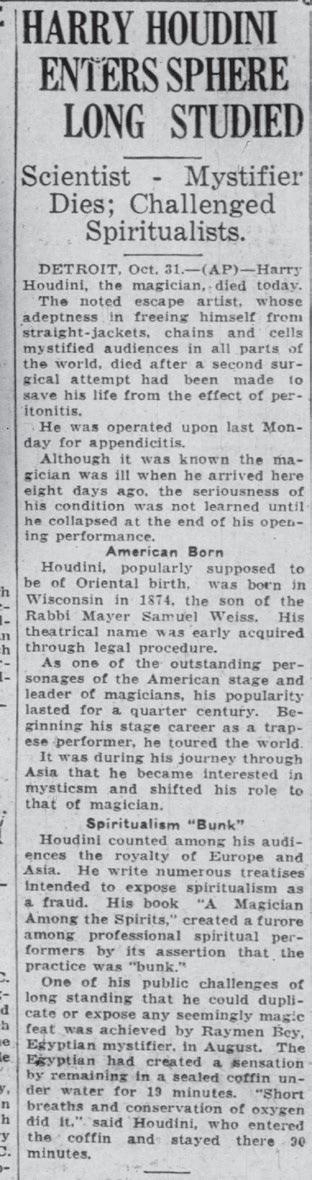
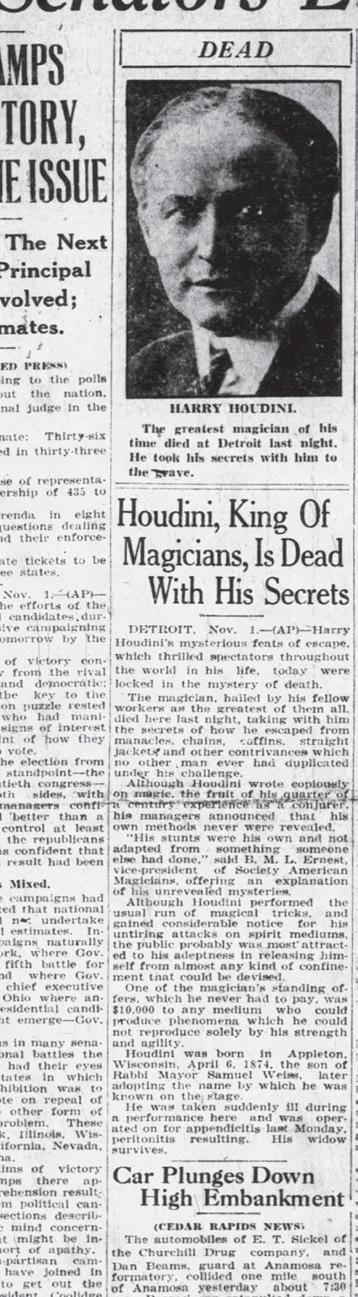
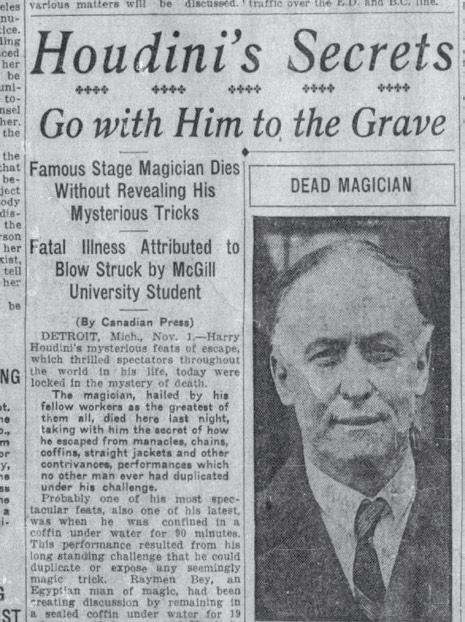
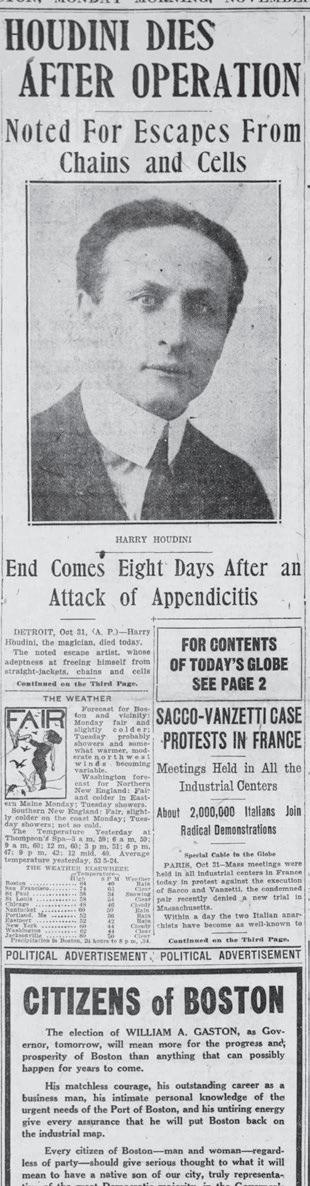
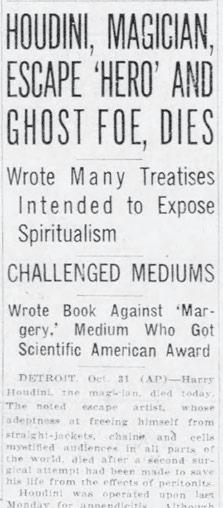
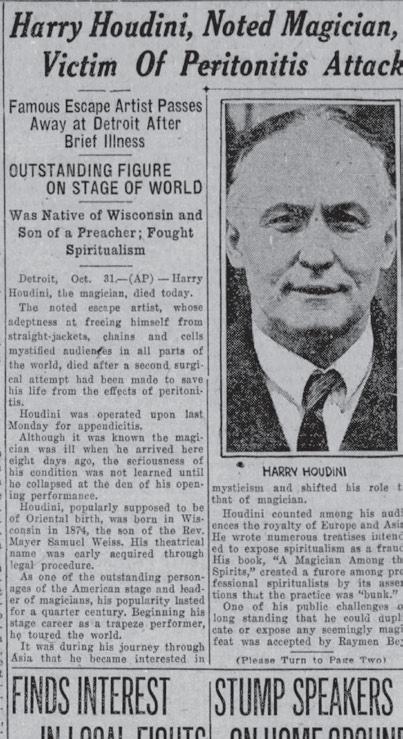
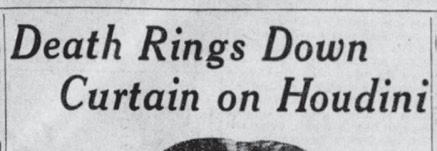
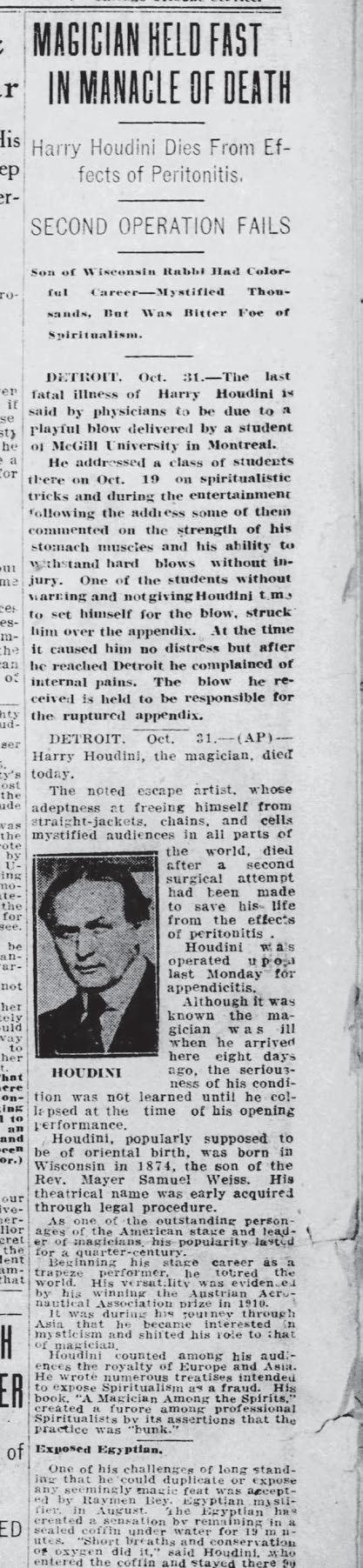
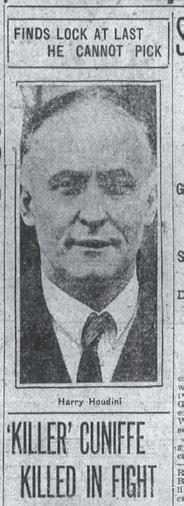
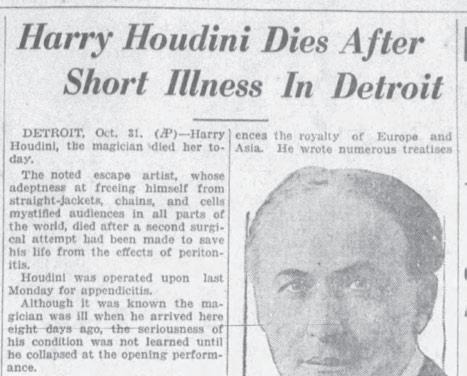
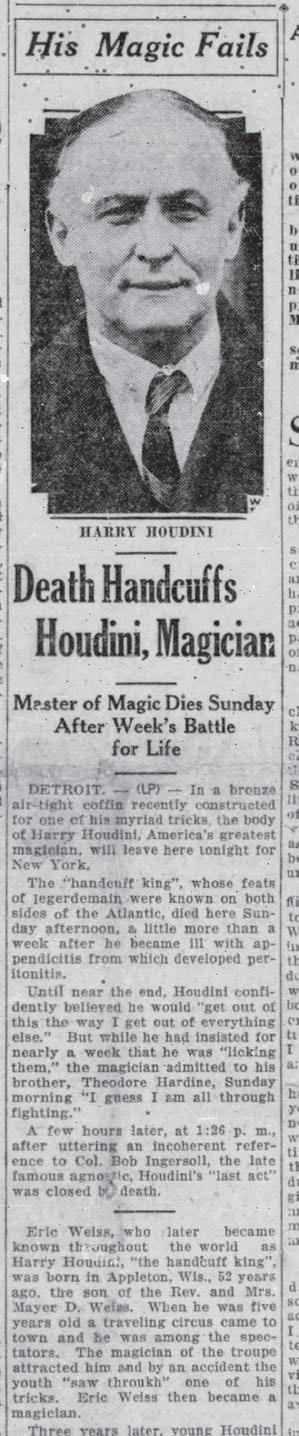
arry Houdini was dead. Headlines around the world announced the untimely passing of the master illusionist and escape artist. The public was in shock. Houdini had cheated death so many times, only to succumb to the ill effects of a ruptured appendix on October 31, 1926.
In the days following his passing, a reporter from the New York Sun sought the perspective of one of Houdini’s respected contemporaries, Max Malini. The stout and affable magician was approached in the lobby of the Waldorf hotel, where he made his home whenever he wasn’t traveling the globe. Like Houdini, Malini had emigrated from Eastern Europe in his youth and had risen to international prominence on his own merits, performing for kings, queens, and commoners alike. The two shared a mutual respect that grew from performing on many of the same stages and a shared dedication to the art and history of illusion.
With a cigar hanging from the corner of his mouth, Malini acknowledged the reporter.
“You want to talk about Houdini, eh?” he said, exhaling a thick plume of smoke that hovered in the ornate hotel lounge. “Well, I’ll tell you this: He was the greatest showman there ever was. There’ll never be another Houdini. I was sorry to see him go. Very sorry. He was only fifty-two years old, two years younger than I am. I’m only just starting. I’ve been around the world eight times. I’ve been in every country on the face of the globe, but I’m only just starting.”
Malini puffed on his cigar.
“Is it true that Houdini’s secrets died with him?” the reporter asked, his notepad poised.
“There is nothing new under the sun,” he said. “Houdini had a knowledge of more tricks than anybody else. He improved on them and did most of them better than anybody else, but he didn’t originate. His tricks have all been done before.”
Malini smiled. Secrets and skill had always been at the heart of magic.
“Look in those books of his—that wonderful library he collected from all over the world—you’ll find them there.”1
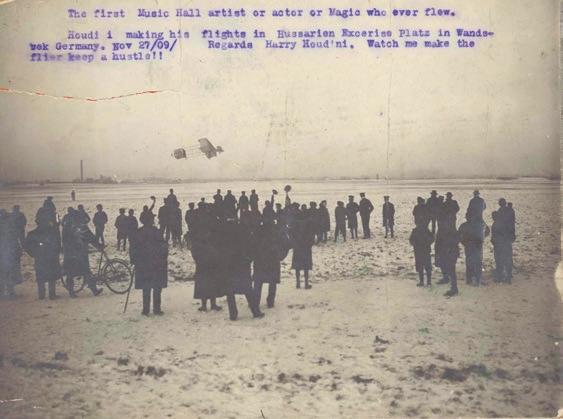
Houdini’s accomplishments were legendary, on and off the stage. Beyond his dramatic escapes from water tanks and straitjackets, he produced and starred in several silent films that showcased his daredevil stunts, at one point even owning a film processing company. Drawing on his extensive knowledge of magic, he exposed many fraudulent mediums and psychics who preyed on a trusting public. He lectured widely on spiritualism and trickery, and as president of the Society of American Magicians, he championed ethical standards for practitioners of the craft. He owned and edited a magic magazine and published numerous articles, pamphlets, and books during his lifetime. Houdini even earned accolades as one of the world’s earliest aviators, receiving a trophy for flying the first powered airplane in Australia. His name had become so synonymous with escaping the impossible that Funk & Wagnalls added Houdinize to its dictionary— meaning “to escape from something” or “to be placed under the greatest of difficulties.” In every arena he entered, Houdini pursued a relentless drive for excellence that underscored his reputation as one of the most versatile performers of all time.
Houdini practicing with his Voisin airplane in Germany before heading to Australia, 1909. Harry Ransom Center
Thomas Frost’s The Lives of the Conjurors
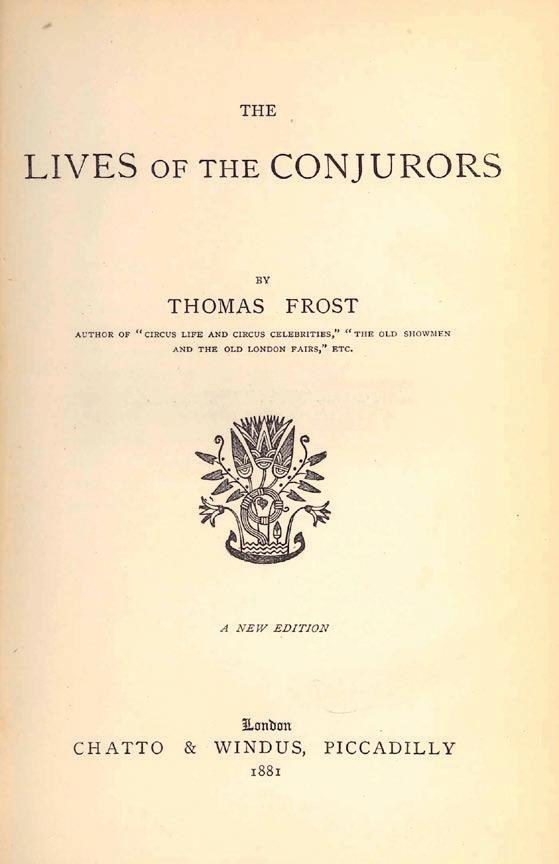
On April 28, 1902, while on a brief birthday break in New York during his European tour, Houdini acquired a copy of Thomas Frost’s The Lives of the Conjurors, first published in 1876. Houdini’s copy was the revised second edition published by Chatto & Windus in 1881.14 Frost’s work was one of the earliest substantial attempts to chronicle the history of magicians, prestidigitators, and stage illusionists. He offered anecdotal accounts of the feats and showmanship of street performers, court entertainers, prominent nineteenth-century headliners, and everything in between.
Title page of The Lives of the Conjurors, 1881.
Harry Ransom Center
Despite its pioneering ambition, the book contained several factual errors and dubious attributions that immediately infuriated Houdini. The Lives of the Conjurors was one of three books Frost wrote relating to the history of magic, the others being The Old Showmen and the Old London Fairs in 1874 and Circus Life and Circus Celebrities in 1875. “These were the best books of their kind up to the time of their publication,” Houdini remarked, “but they are marked by glaring errors, showing that Frost compiled rather than investigated, or, more properly speaking, that his investigations never went much further than Morley’s Memoirs of Bartholomew Fair.”15
In a June 1902 article in the magazine Mahatma, Houdini announced plans to write a massive biographical encyclopedia of conjurers dating back to Moses that would far surpass Frost’s efforts. To accomplish this, he knew he needed to assemble the primary sources that could support such research: playbills, posters, scrapbooks, clippings, photographs, engravings, and any document that traced the evolution of tricks and innovations across centuries.
“I was a young magician,” Houdini later recalled of this period. “I took my magicianship seriously. I saw myself one of the subtle necromancers of old times, full of mysteries, secrets, and secretiveness. I felt that the darkness and concealments of magic must be kept from the uninitiate, and grew earnest about it. I was young and visionary. On public stalls I saw books exposing magic, perhaps an old pamphlet detailing the secrets of a great fire eater, or a treatise upon the use of mirrors in conjury. These books filled me with misgiving. I should have liked to suppress their editions. The editions were past my reach, but the books before me were not. I could buy them and cast them in the flames. I bought them, but did not cast them into the flames. My father had been one of the earliest rabbis in the middle west, a Talmudic scholar of note, and a writer of speculative disquisitions. He had reared me in the love of books. I felt the sin of destroying a book, and I kept the offending volumes I bought. . . . I found myself with a growing library on magic, the bibliophile instinct I had inherited took hold of me, and I collected systematically.”16
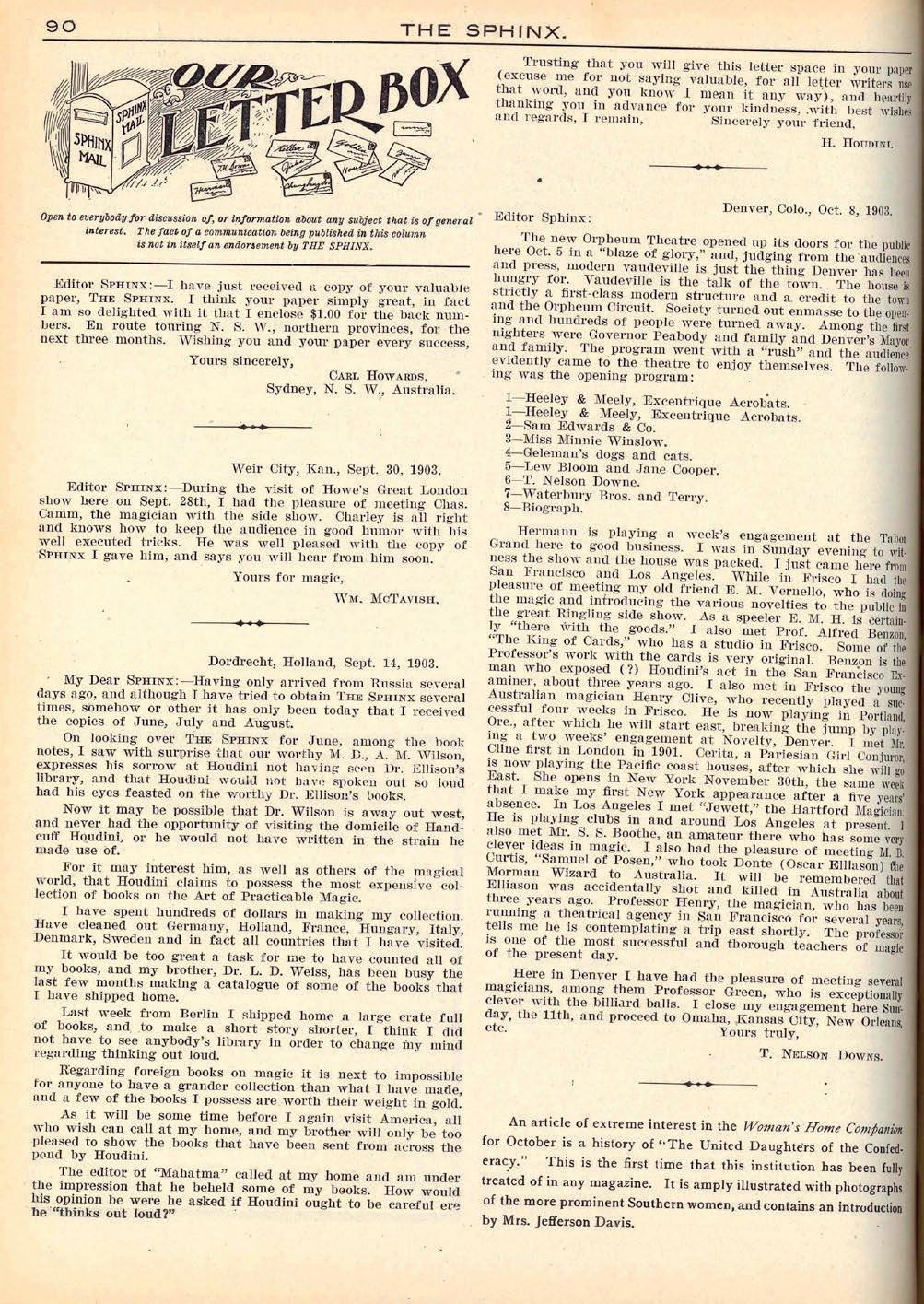
Whether motivated by the desire to protect the secrets of the craft or to build a research library that could correct the historical record, Houdini quickly amassed an extraordinary collection. By October 1903, he claimed in a letter to The Sphinx that he already possessed one of the largest magic libraries in existence.
Thomas Frost’s The
Letter from Houdini in The Sphinx, 1904. Harry Ransom Center
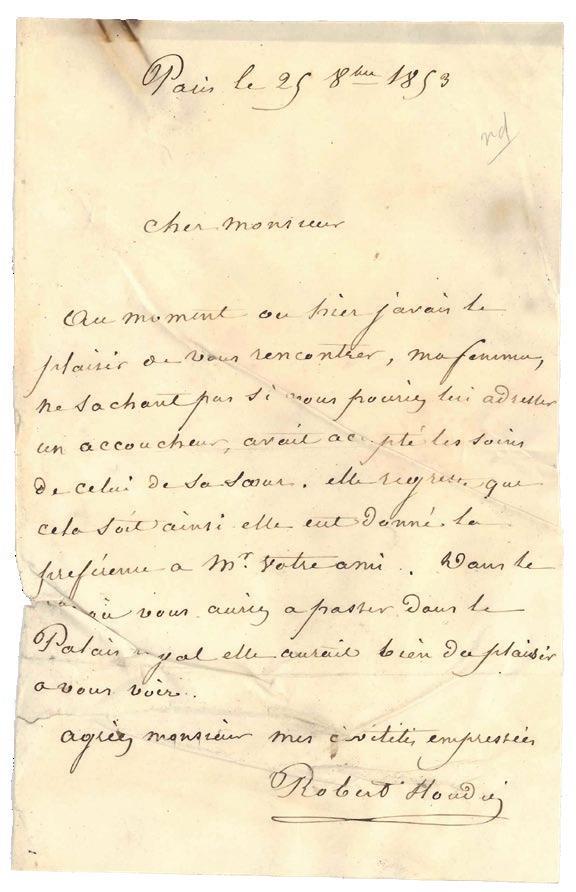
Letter from Robert-Houdin to a family friend apologizing for a perceived slight, 1853. Harry Ransom Center
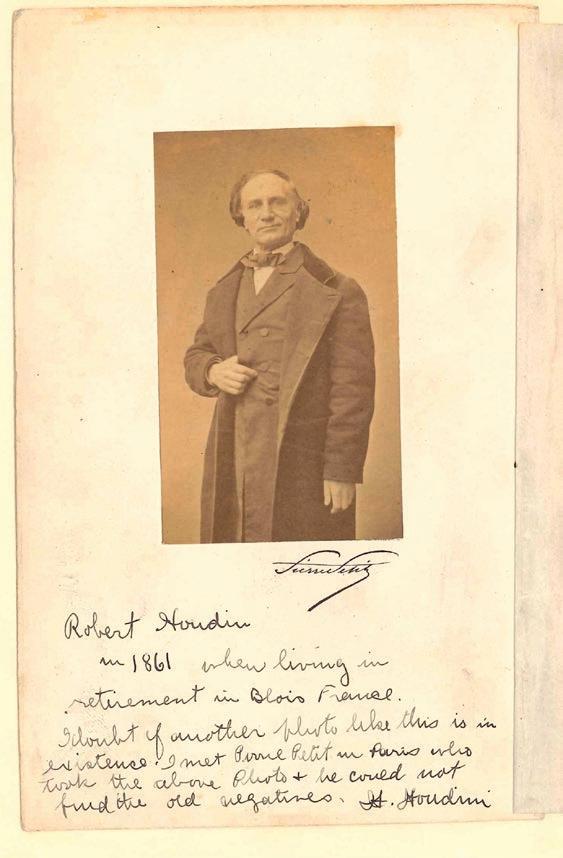
Portrait of Robert-Houdin given to Houdini by the original photographer, with Houdini’s note: “I doubt if another photo like this is in existence,” 1861. Harry Ransom Center
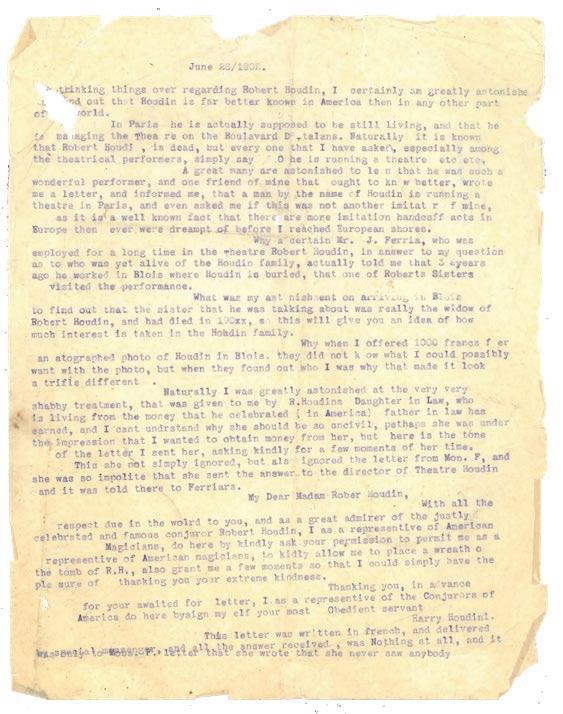
Houdini’s notes regarding his efforts to meet Robert-Houdin’s only daughter, 1902. Harry Ransom Center
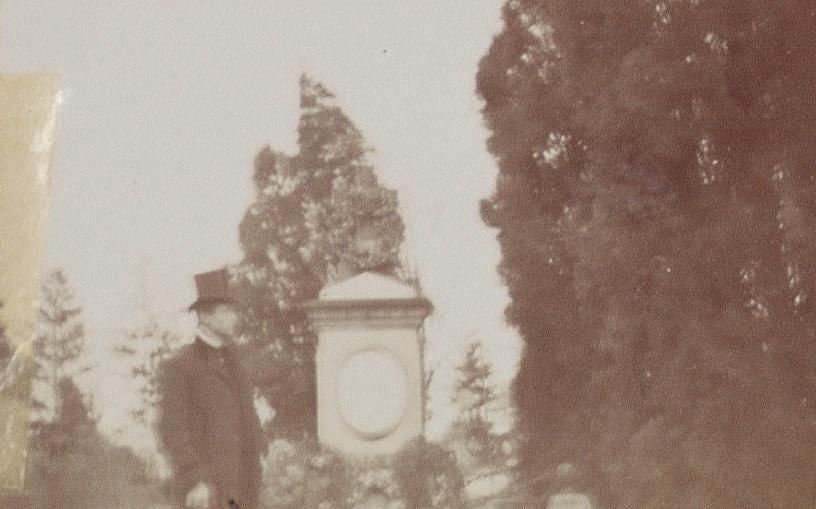
A rare surviving (though blurry) image of Houdini at Robert-Houdin’s grave, 1902. Harry Ransom Center
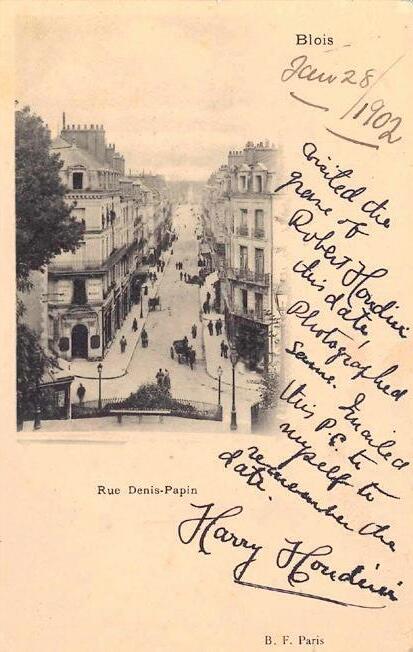
Houdini often sent postcards to himself to remember important dates. In this case, he has visited the grave of Robert-Houdin in Blois, France, on January 28, 1902. Harry Ransom Center
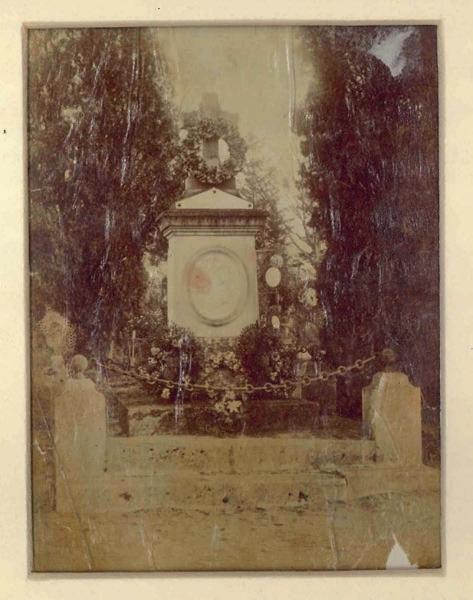
The grave of Robert-Houdin, 1902. Harry Ransom Center
Isaac Fawkes
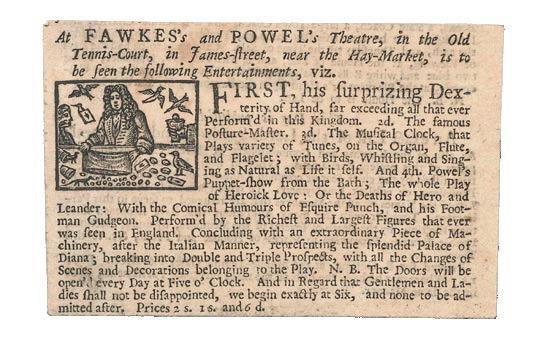
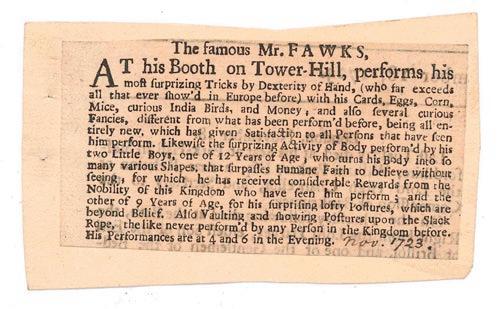
Houdini’s collecting revived the memory of many long-forgotten magicians, but few captured his imagination quite like the English conjurer Fawkes. Active from at least 1720 until his death in 1731, Fawkes openly rejected supernatural explanations for his feats. It was “dexterity of hand,” not diabolical assistance, that allowed him to perform his tricks.
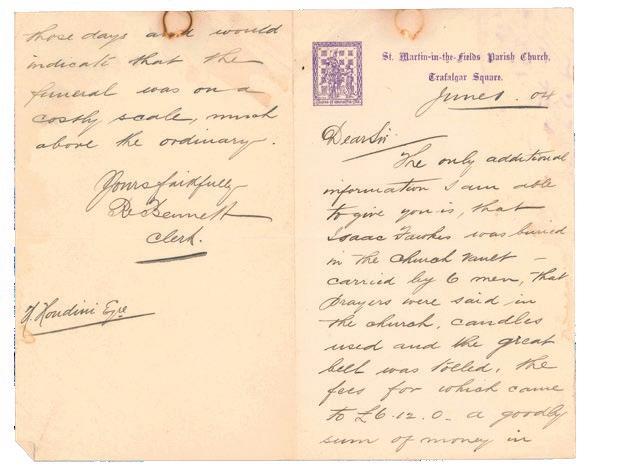
Much of what is now known about Fawkes derives from material Houdini gathered from Evanion and other sources, including newspapers, playbills, and broadsides. These were sources rarely consulted by earlier writers of magic history like Thomas Frost. Houdini was the first to discover that Fawkes’s given name was Isaac when he tracked down the burial register at St. Martin-in-the-Fields in London, dated May 1731. Before that, he had appeared in advertisements as simply Fawkes or Mr. Fawkes. The clerk at St. Martin-in-theFields also confirmed that he had been buried in the church vault, carried by six men, and that prayers were said in the church, candles were used, and the great bell had been rung. The fees for these services were “a goodly sum of money those days and would indicate that the funeral was on a costly scale, much above the ordinary.”
Houdini was also the first to locate Fawkes’s will, preserved at Somerset House, which bequeathed all possessions, including “plate, jewels, bills, notes, and bonds,” to his wife, Alice. Newspapers reported that he left a fortune of ten thousand pounds. In an era when magicians were often dismissed as itinerant tricksters, Fawkes appears to have died a wealthy man of status and means.
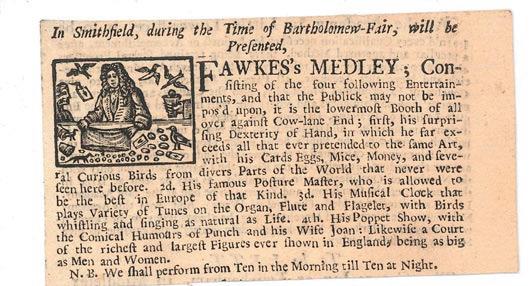
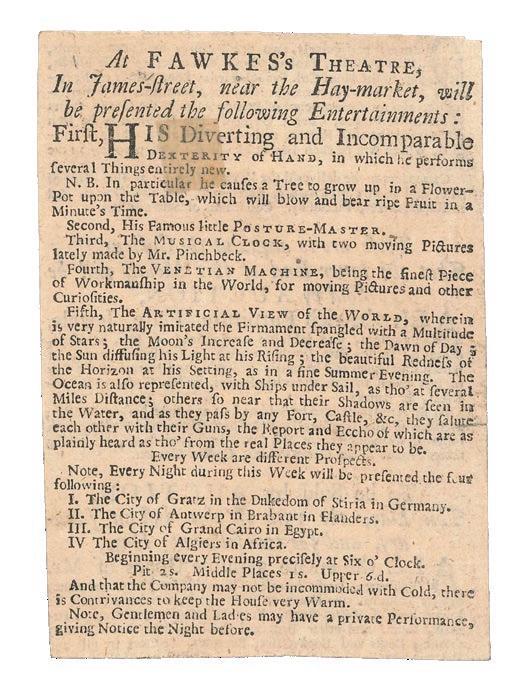
Early newspaper advertisements describing appearances of the conjurer Fawkes, 1720s. Harry Ransom Center
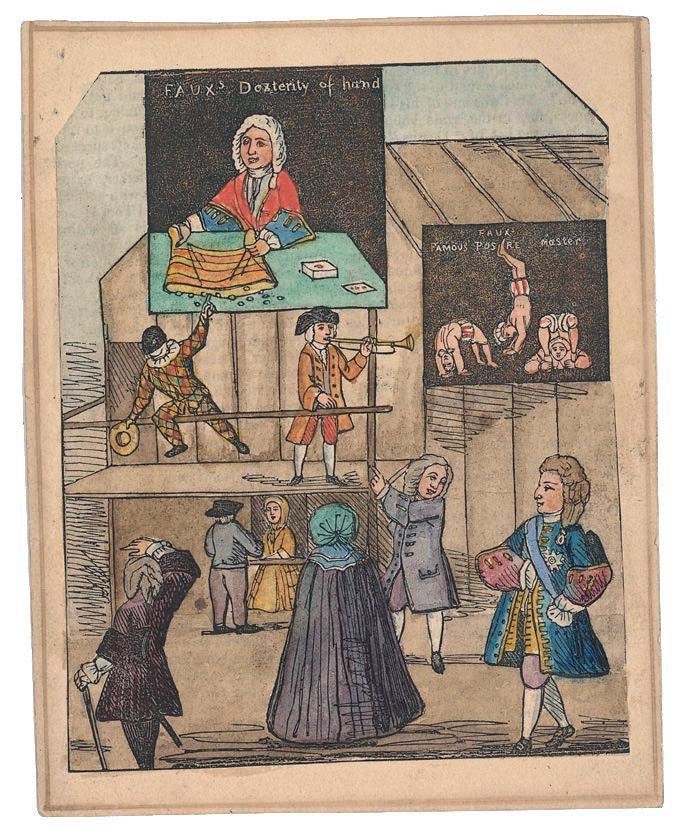
Nineteenth-century hand-colored illustration of Fawkes’s booth at Bartholomew Fair, based on an engraving by James Caulfield from 1819, undated. Harry Ransom Center
From these ephemeral traces, Houdini pieced together a portrait of a performer at the peak of his profession. As early as 1722, Fawkes had already performed for the Prince of Wales and a coterie of noblemen in the Haymarket of London. During the warmer months, his booth was among the greatest attractions at the Southwark and Bartholomew Fairs.
Houdini took particular delight in tracing the innovations in Fawkes’s act. In addition to sleight of hand with cards, coins, and eggs, Fawkes incorporated automata and mechanical birds through his collaboration with the clockmaker Christopher Pinchbeck. Their shows blended traditional conjuring tricks with mechanical music, whistling birds, and flowering trees that bore fruit in seconds. One notice describes a bag turned inside out, which then emitted “showers of real Gold and Silver,” followed by live birds and beasts spilling onto the table.
Houdini published some of these discoveries in his shortlived Conjurers’ Monthly Magazine and later expanded on them in The Unmasking of Robert-Houdin.
Letter from the Clerk of St. Martin-in-the-Fields to Houdini confirming the details of Fawkes’s funeral and internment, 1904. Harry Ransom Center
Philip Breslaw
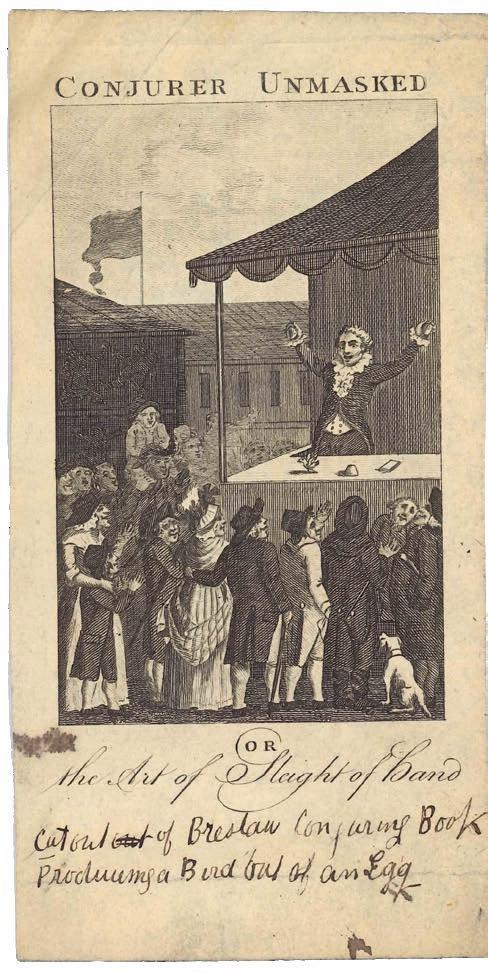
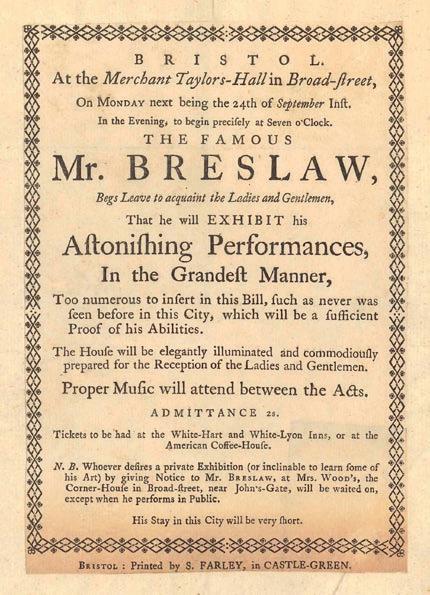
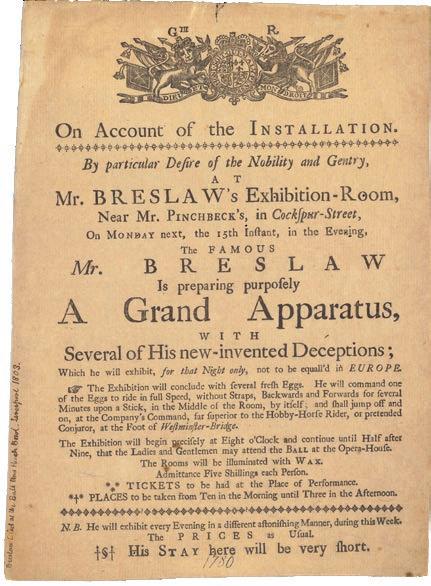
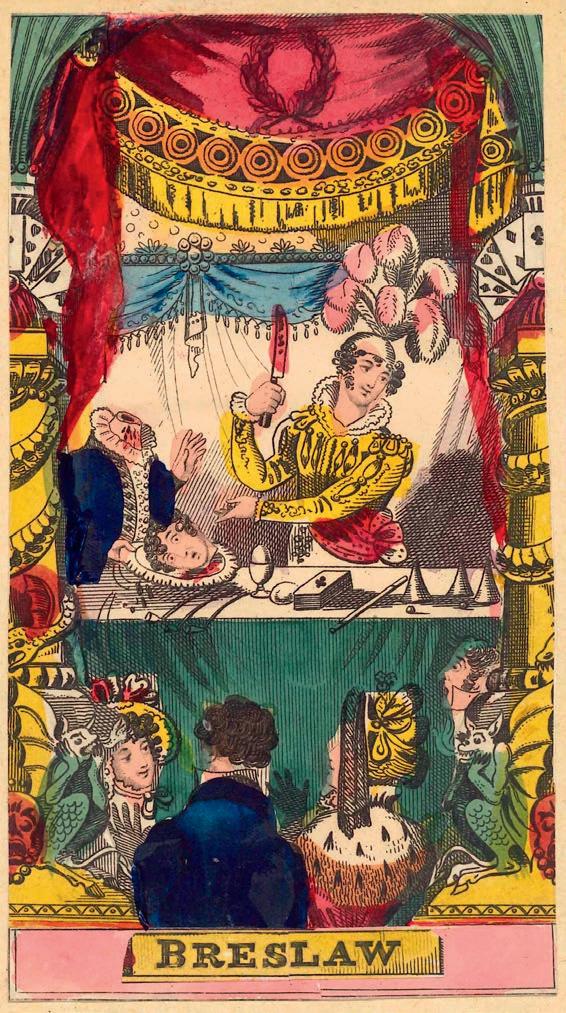
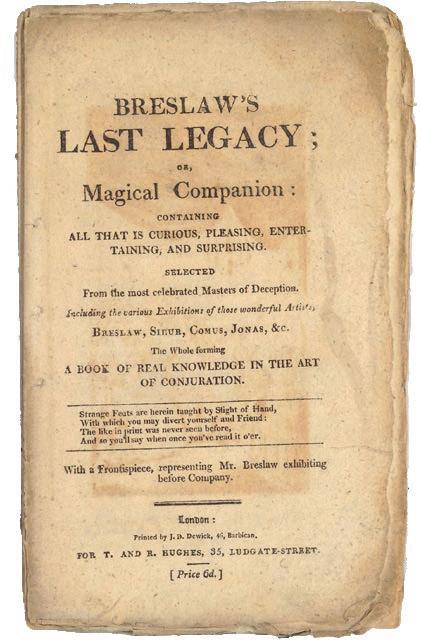
Philip Breslaw was one of the first professional conjurers to achieve widespread fame in London’s pleasure gardens and provincial theatres. He performed “philosophical recreations” that blended sleight-of-hand, automata, and mechanical curiosities. Breslaw’s Last Legacy, which appeared around 1782, influenced magicians for generations. Houdini drew heavily on his collection of material on Breslaw in The Unmasking of Robert-Houdin (1908).
Advertisement for Breslaw in Bristol, undated. Harry Ransom Center
Advertisement received by Houdini from Evanion for Breslaw’s Exhibition-Room in London, 1780. Harry Ransom Center
Conjurer Unmasked, ca. 1782. Harry Ransom Center
Houdini’s copy of Breslaw’s Last Legacy, ca. 1782. Harry Ransom Center
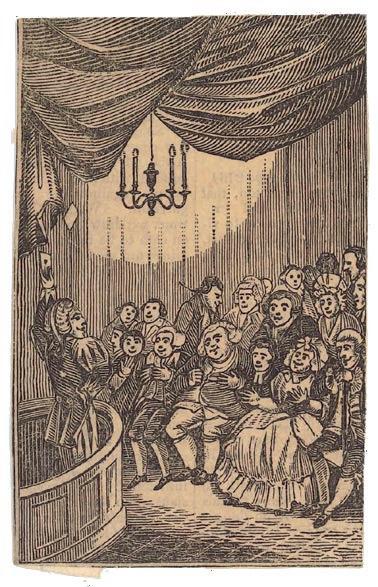
Breslaw performing a card trick, ca. 1782. Harry Ransom Center
Later color lithograph of Breslaw in stage costume, undated. Harry Ransom Center
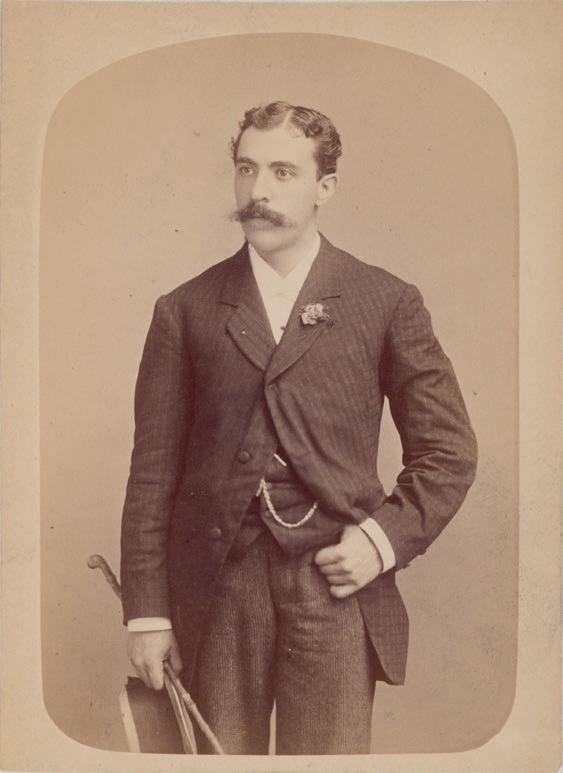
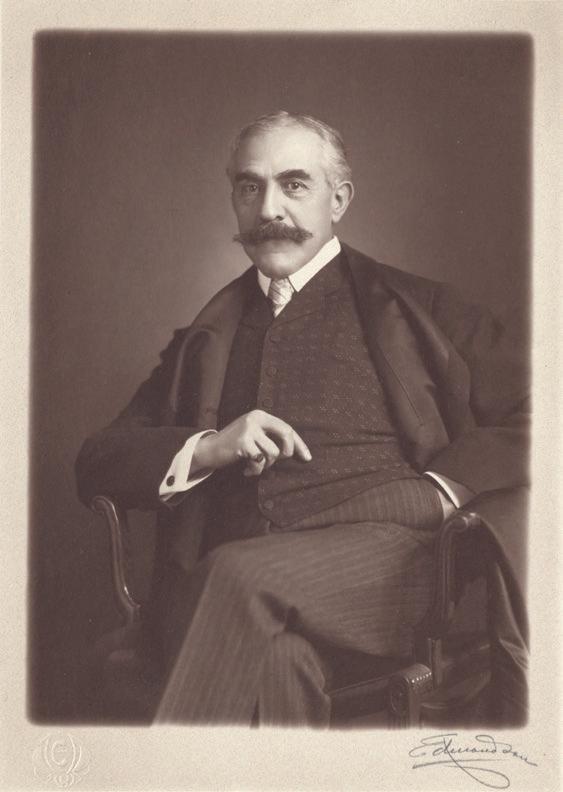
The Hartz Brothers Augustus “Gus” Hartz (1843–1929) trained in magic alongside his brother Joseph Michael Hartz (1836–1903) in England before they immigrated to the United States at the close of the Civil War. After the brothers founded one of New York’s first magic shops on Broadway, Gus launched his solo career in 1876 with a lavish touring show that combined mechanical illusions, ventriloquism, and comedy. He was among the first magicians to achieve national fame through the American vaudeville circuits, eventually retiring to Cleveland, where he managed major theatres and remained an influential figure in the country’s rapidly evolving entertainment industry.
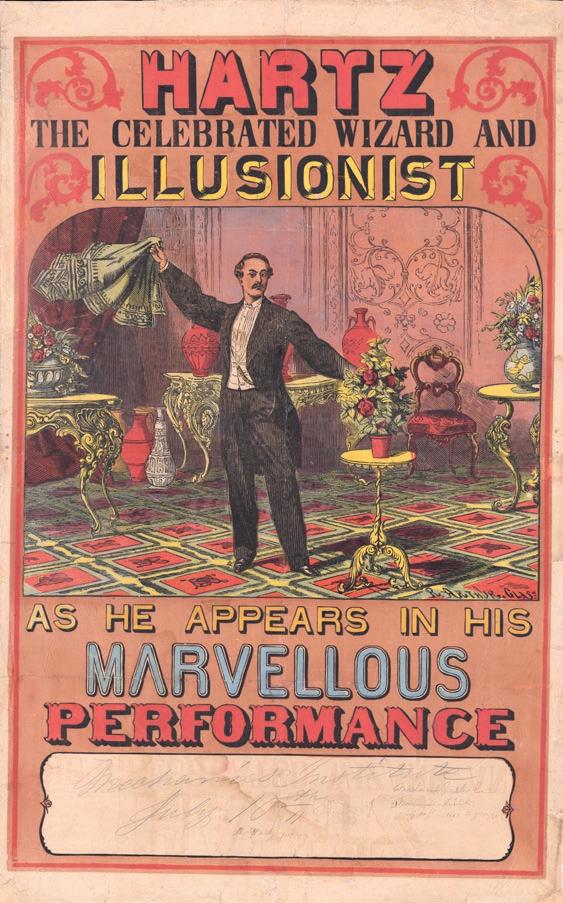
Poster for Joseph Michael Hartz at the Mechanics’ Institute, July 10, 1867. Harry Ransom Center
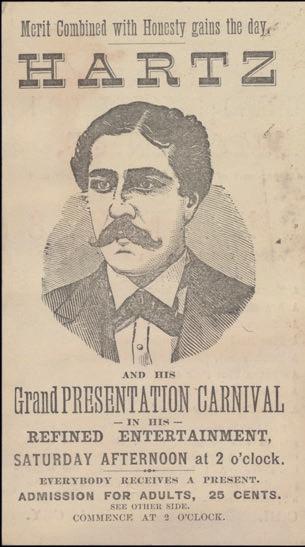
Advertisement for Joseph Michael Hartz, ca. 1868. Harry Ransom Center
Portrait of Gus Hartz, ca. 1880. Harry Ransom Center
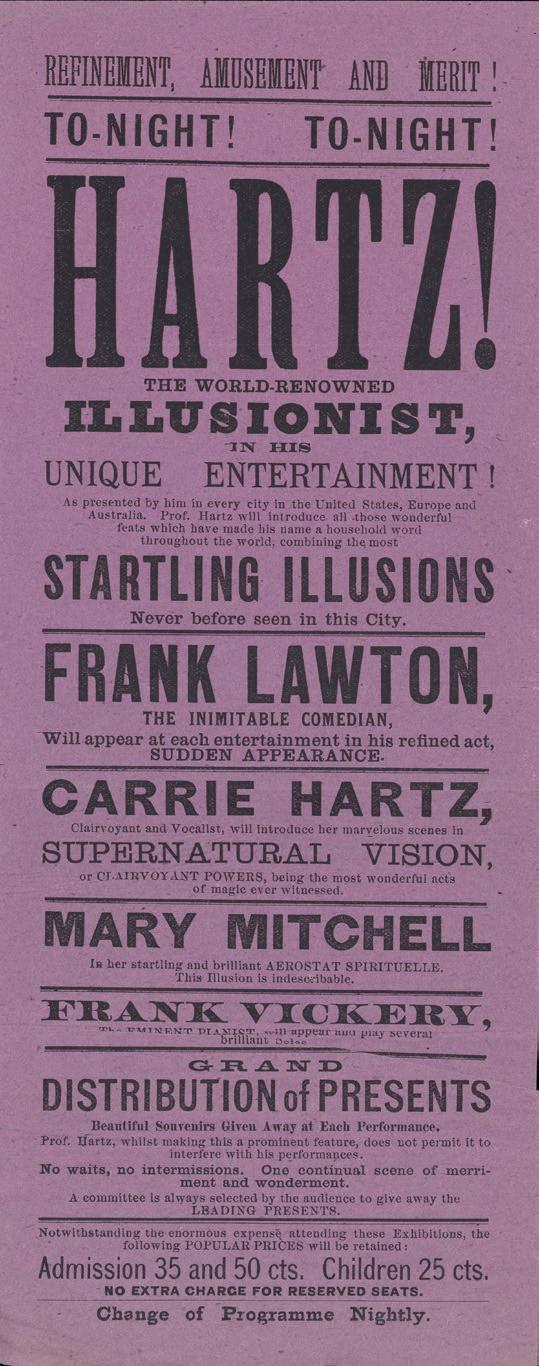
Playbill featuring Gus and Carrie Hartz, undated. Harry Ransom Center
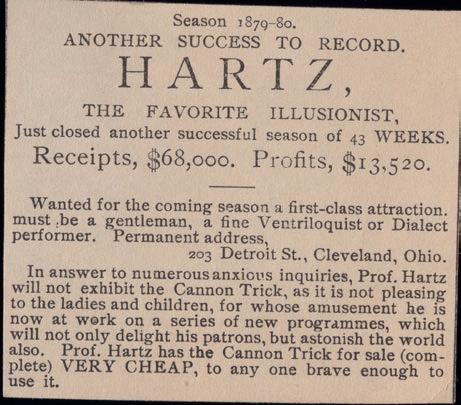
“Another Success to Record,” 1880. Harry Ransom Center
Gus Hartz at age seventy-four, ca. 1917. Harry Ransom Center
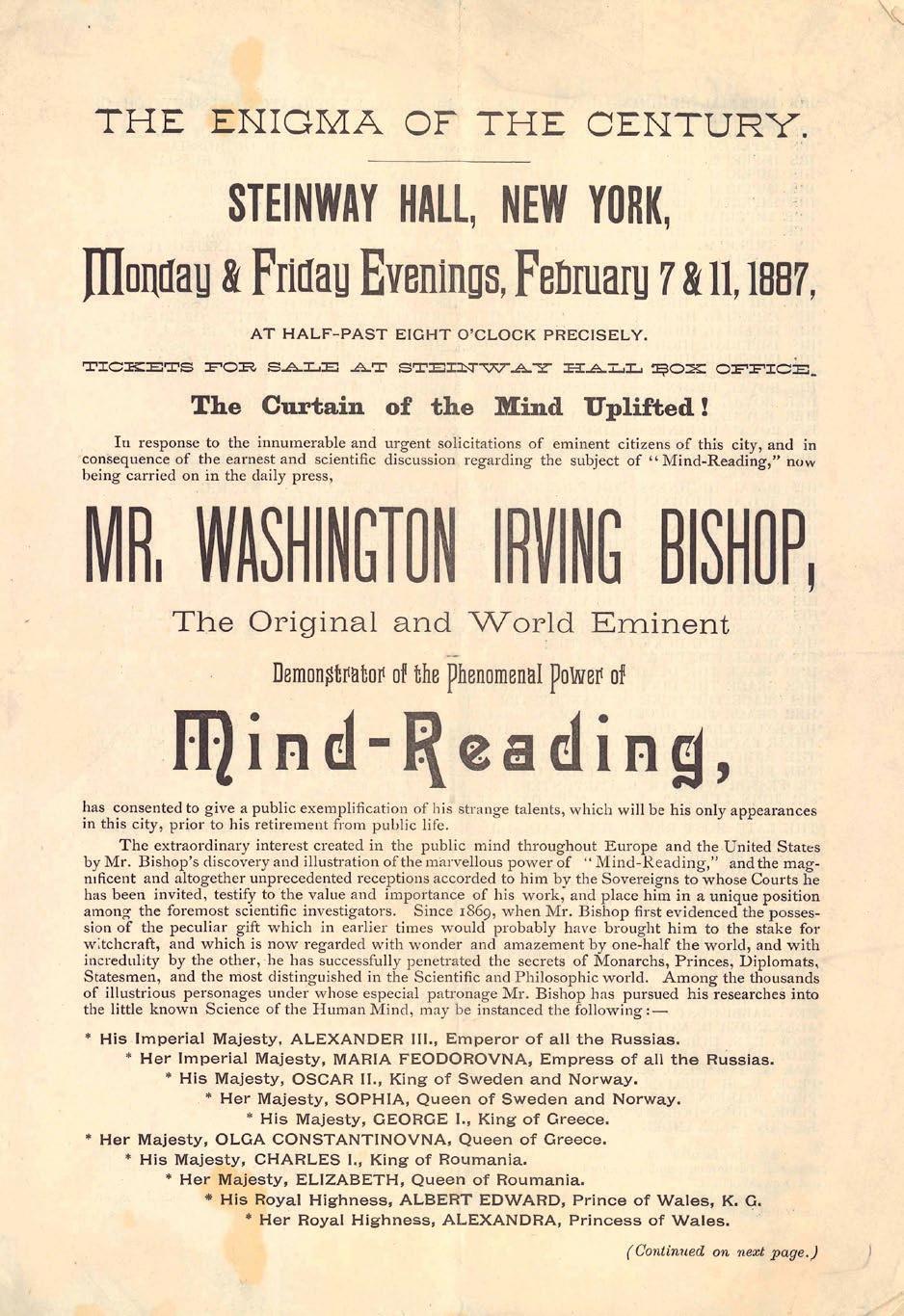
Advertisement for Washington Irving Bishop’s mentalism performance, 1887. Harry Ransom Center
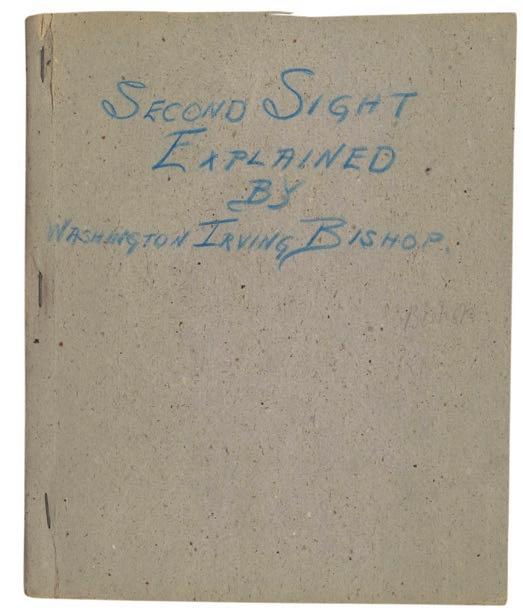
for “Second Sight Explained” by Washington
the
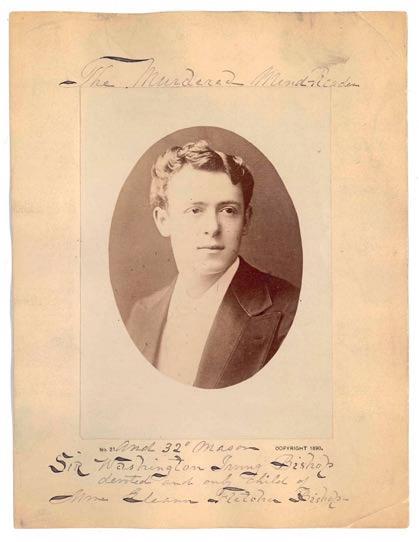
Portrait of Washington Irving Bishop gifted to Houdini by Eleanor Bishop, 1880. Harry Ransom Center
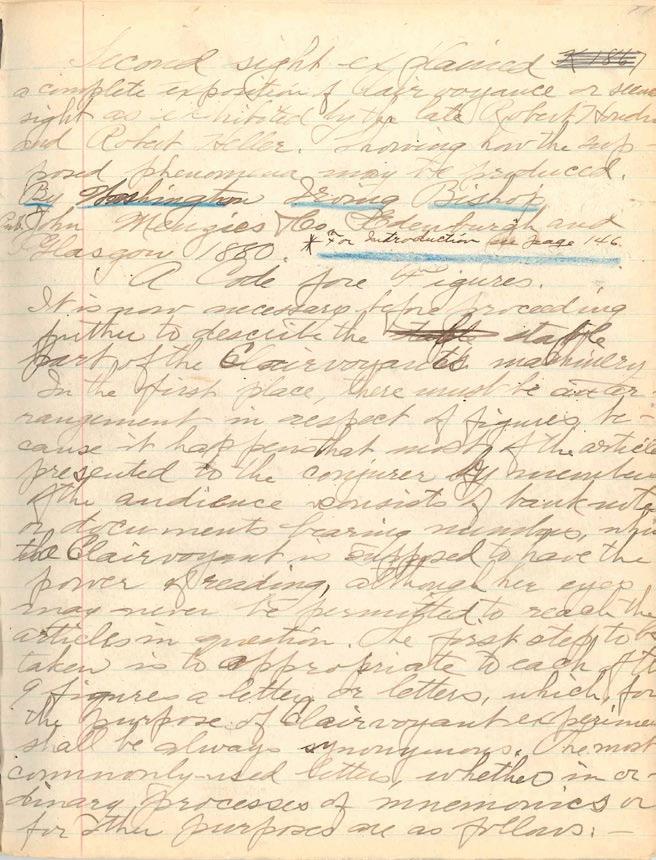
Manuscript
Irving Bishop, which exposed
mentalism tricks of Robert Heller and the Davenport Brothers, ca. 1880. Harry Ransom Center
“Martin Luther’s” Copy of the Sermons of Bernard de Clairvaux
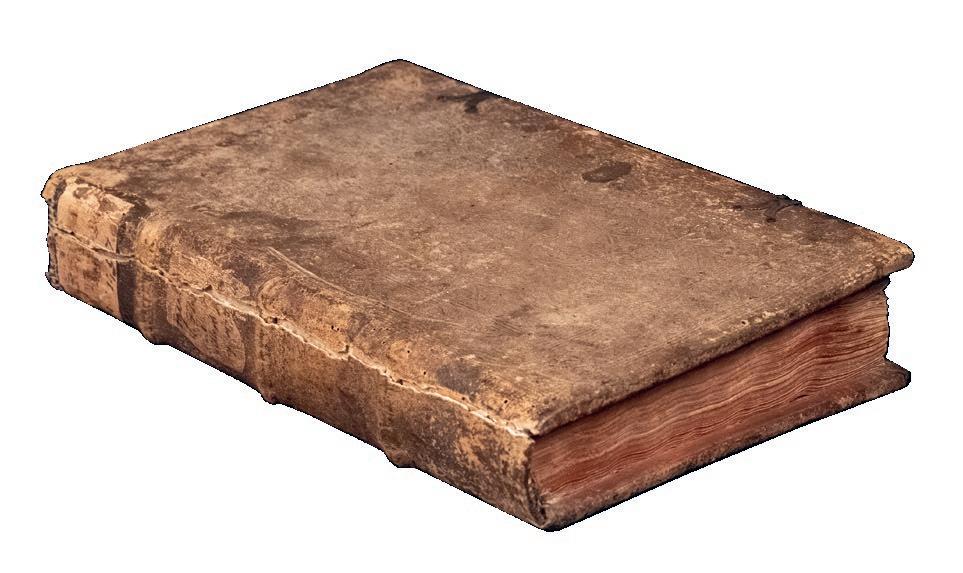
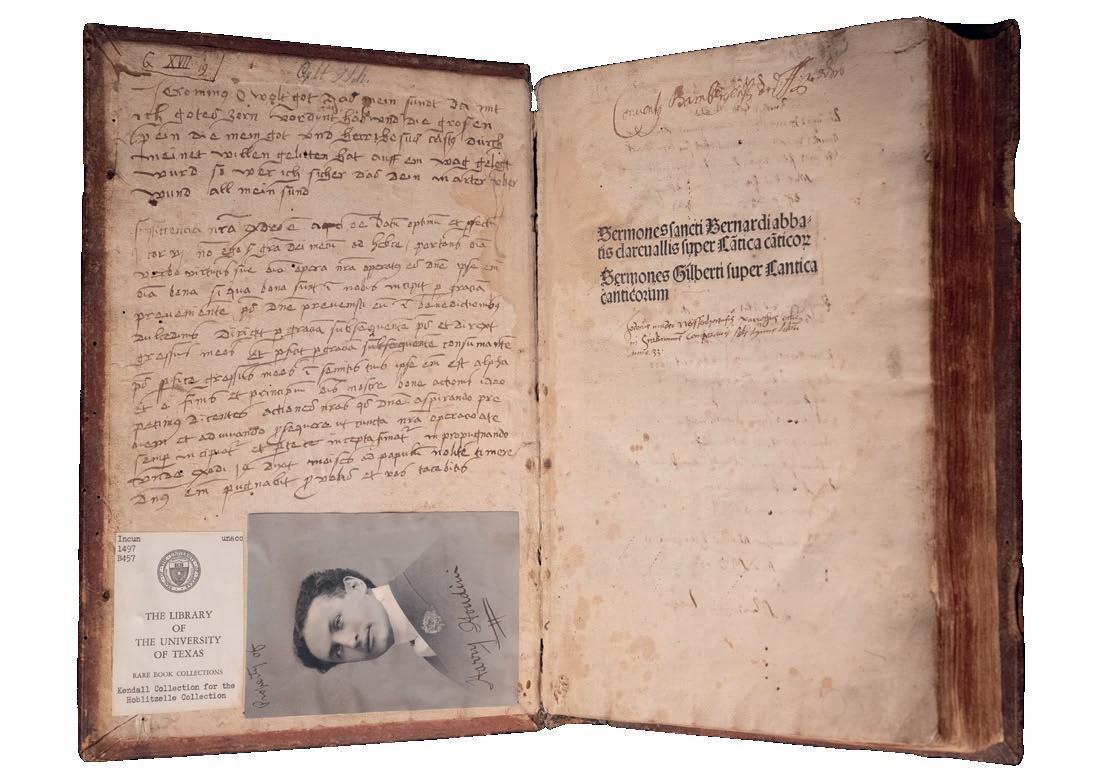
This early printed book was frequently mentioned in interviews about Houdini’s library as an example of the range and historical depth of his collection. Published in Strasburg in 1497, it carries a long and traceable provenance. One of its earliest recorded owners was Jodocus Mader of Weißenhorn, a parish priest in Sinbronn, who noted that he acquired the volume for his own use in 1533. It later entered the library of the Dominican Convent of Bamberg, belonging to the Order of Preacher Brothers.
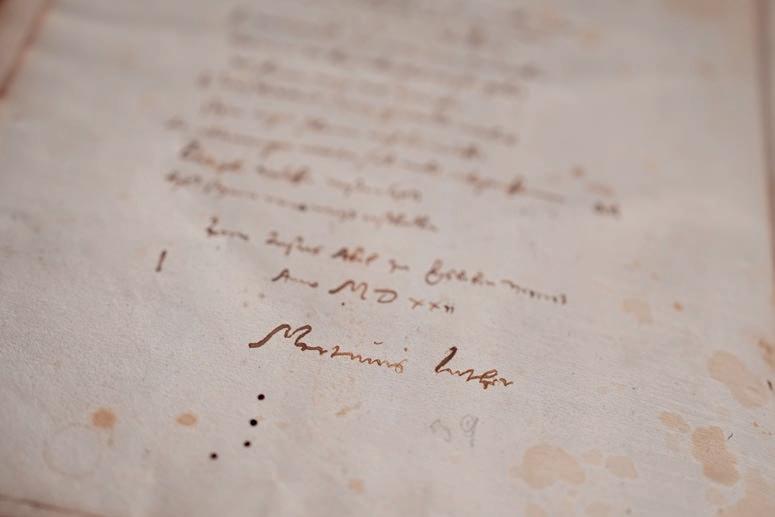
Public accounts of Houdini’s library often claimed that this copy had once belonged to the German theologian and reformer Martin Luther and that it preserved a manuscript letter in Luther’s hand. Some reports even confused the volume for Luther’s personal Bible. While the book itself is an authentic 1497 edition, the inserted letter is not. It was one of more than 130 forged Luther documents produced between
1893 and 1896 by the notorious forger Hermann Kyrieleis, whose activities came to light when he was arrested, declared insane, and committed to an asylum. In 1905, Max Herrmann, the German scholar of literature and theatre, published a list of ninety-one known Kyrieleis forgeries; this exact volume appears on that list.
How the book found its way into Houdini’s library remains something of a mystery. Houdini most likely purchased it during his extensive travels in Germany. The question is whether he acquired it believing in the authenticity of the Luther letter, as contemporary reports suggest, or whether he knew of the forgery and valued the item as a relic of one of the most notorious bibliographic hoaxes in recent European history. Either possibility underscores Houdini’s deep interest in the histories and controversies that shaped the rare books he collected.26
Houdini’s copy of the sermons of Bernard de Clairvaux. Harry Ransom Center
Interior “Luther” inscription
“Martin Luther’s” Copy of the Sermons of Bernard de Clairvaux
This book is published in conjunction with the exhibition Houdini’s Library at the Harry Ransom Center, The University of Texas at Austin, August 29, 2026 to January 24, 2027, organized by Eric Colleary.
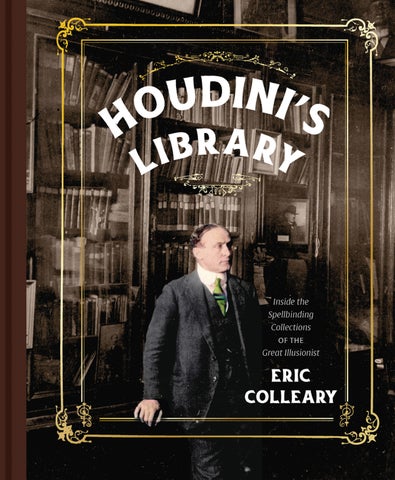
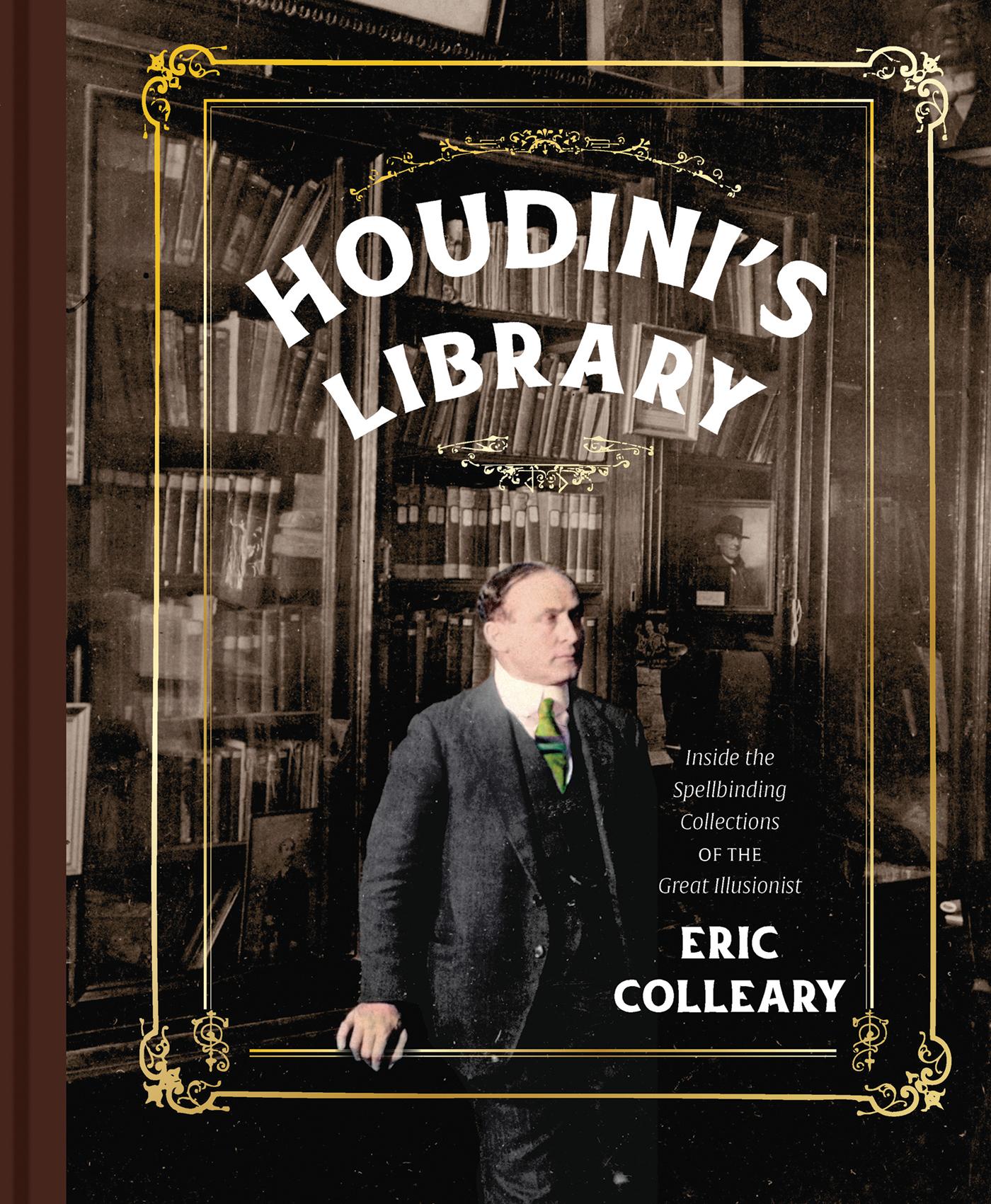
F R o N t C ove R : Houdini with his magic library at home, ca. 1920. Musée McCord Stewart
B AC k C ove R , le F t: Poster for Houdini’s milk-can escape, 1908.
Harry Ransom Center
B AC k C ove R , top R i G ht: Ernst Basch, ca. 1860.
Harry Ransom Center
B AC k C ove R , B ottom R i G ht: Joseph Clark, undated.
Harry Ransom Center
p AG e 2: Houdini’s magic and spiritualism bookcases in his home, undated (detail). David Copperfield’s International Museum and Library of the Conjuring Arts
p AG es 18–19: Maskelyne and Cooke’s Marvellous Entertainment, ca. 1887 (detail). Harry Ransom Center
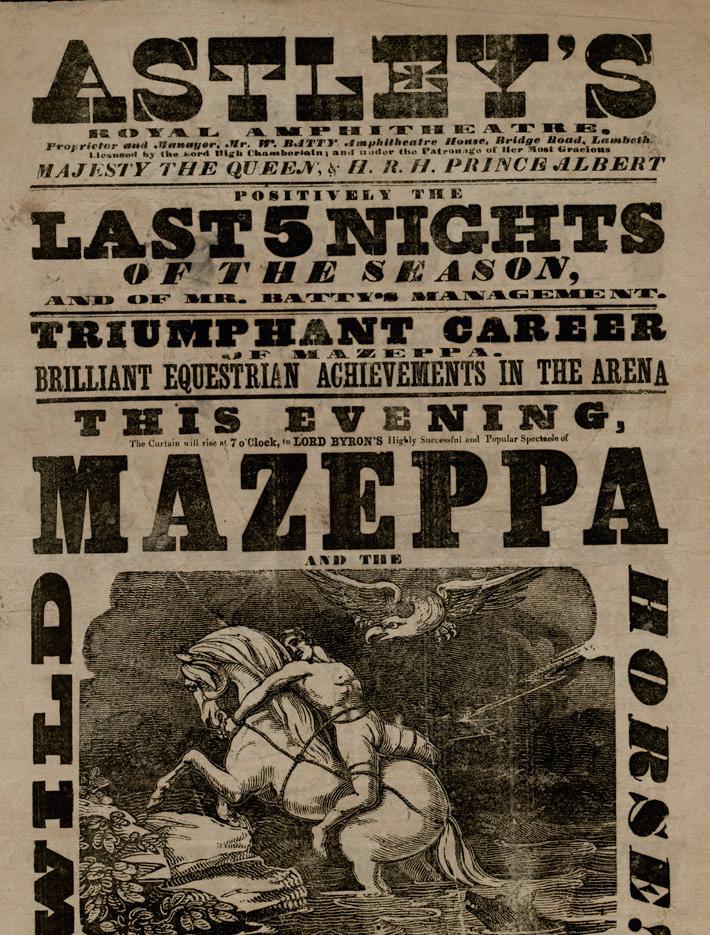
p AG es 238–39: Playbill for Astley’s Royal Amphitheatre (detail).
Harry Ransom Center
p AG es 266–67: Harry and Bess Houdini with Hardeen, Hardeen Jr., Joe Hayman, and Harry Day at Waterloo Station, London, 1911. Harry Ransom Center
Library of Congress Cataloging-in-Publication Data available upon request
For bulk and premium sales and for text adoption procedures, write to Customer Service Manager, Abbeville Press, 655 Third Avenue, New York, NY 10017, or call 1-800-ARtBook
Visit Abbeville Press online at www.abbeville.com.