Carmine Tripodi
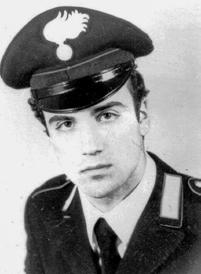
In a time and place where fear ruled the streets and the mountains hid threats, Carmine Tripodi emerged as a figure of courage and determination. He was born on 14 May 1960 in Torre Orsaia, a quiet town in Campania. By the end of the 1970s, he had arrived in Calabria as a young officer full of both ambition and resolve. He was first stationed in Bovalino, and in 1982 he became the commander of the Carabinieri in San Luca.
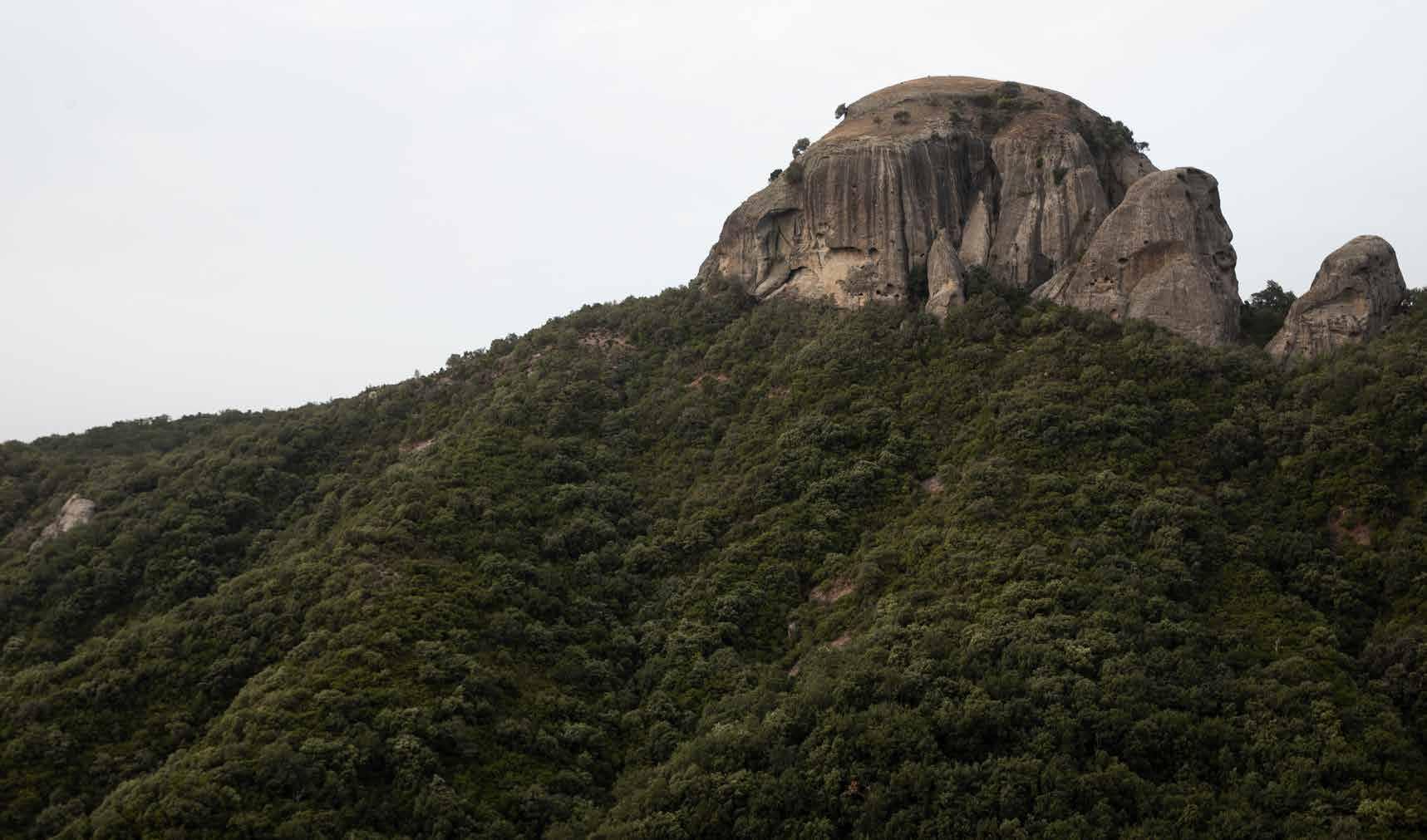
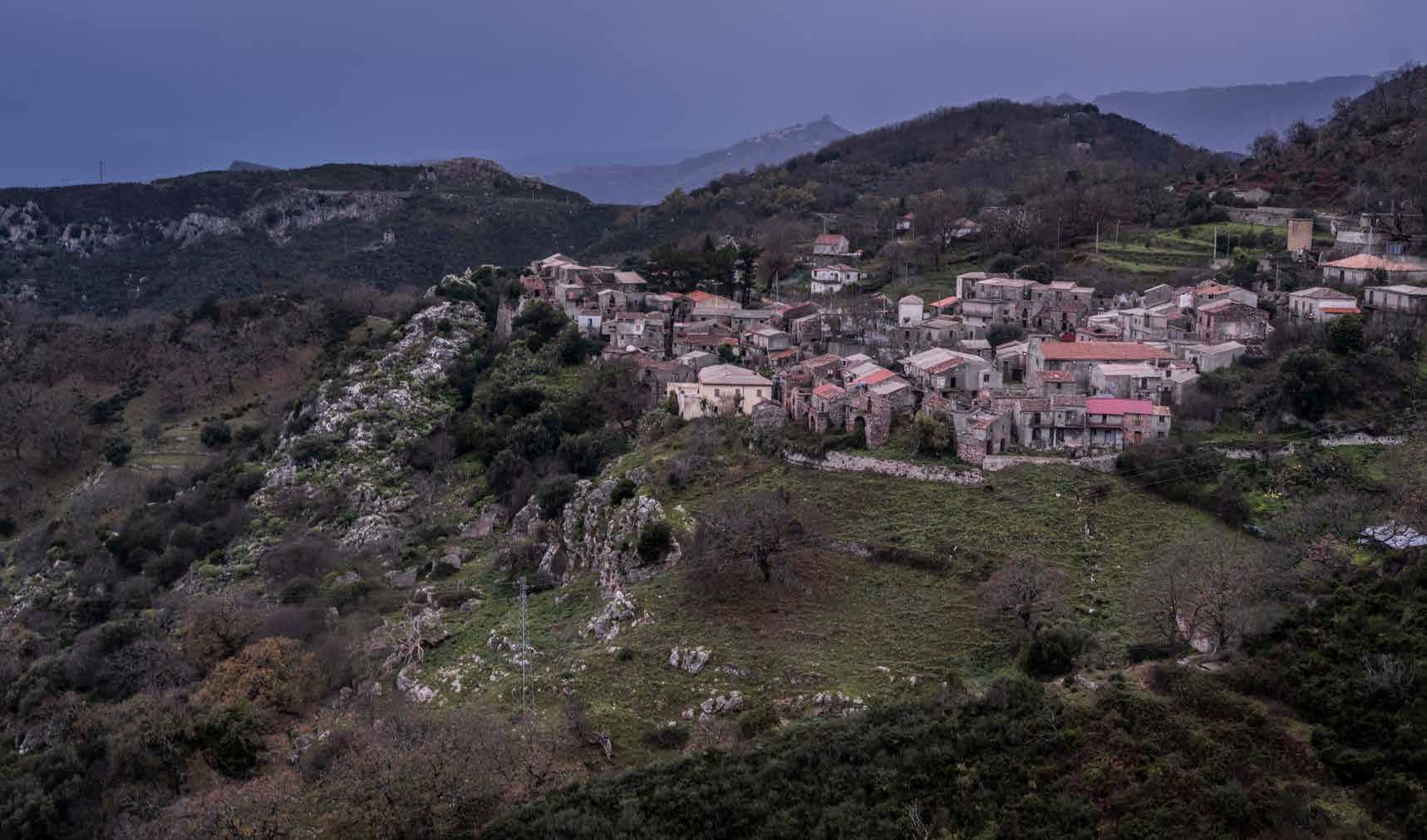
The region was gripped by fear and tormented by a wave of kidnappings that brought the ’Ndrangheta enormous wealth. Families lived under constant threat while Tripodi ventured into the hostile terrain of the Aspromonte mountains, searching for the missing, uncovering their captors, and bringing members of the criminal organisation to justice. His tireless pursuit of law and order angered the ’Ndrangheta, as it disrupted their profitable and secretive operations.
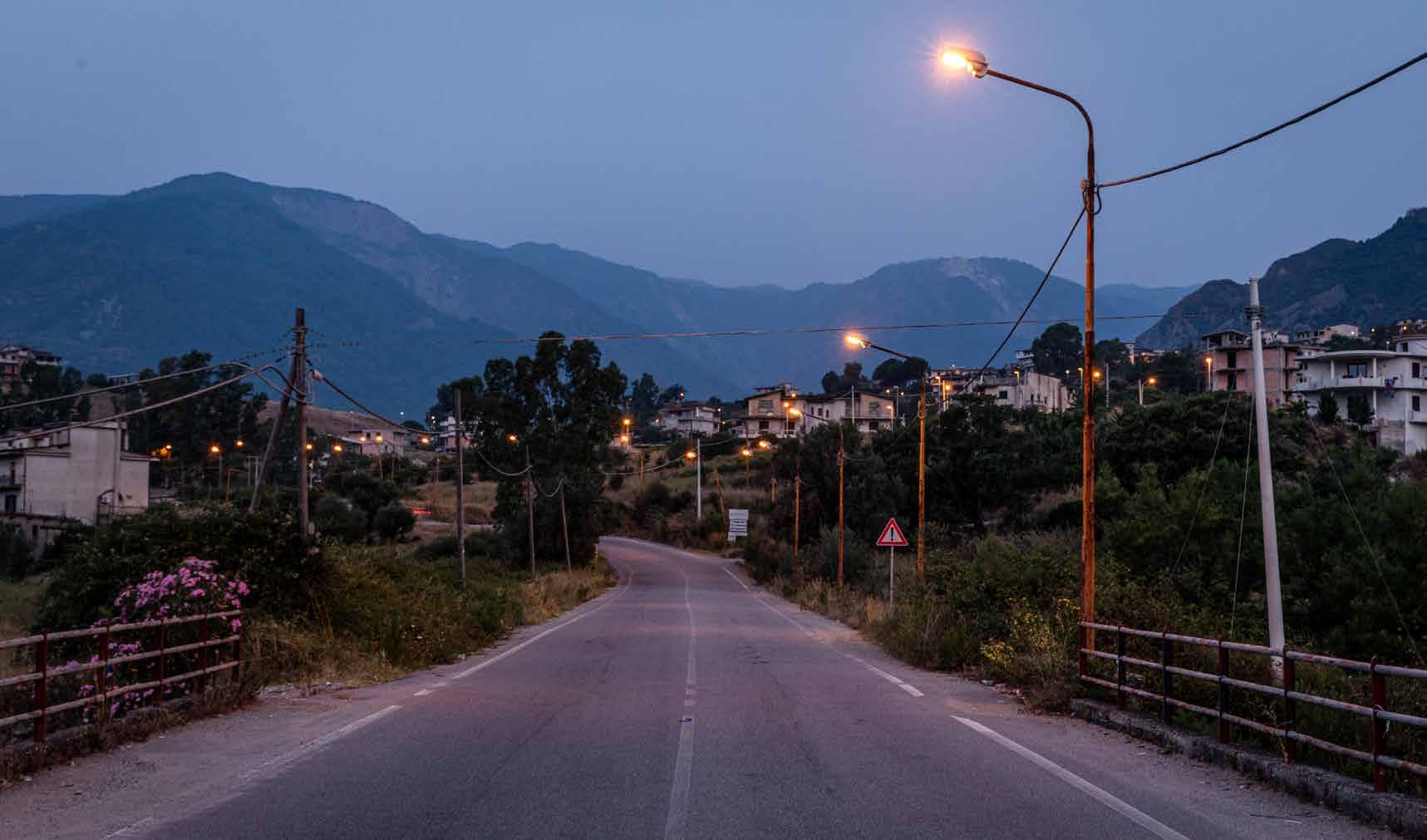
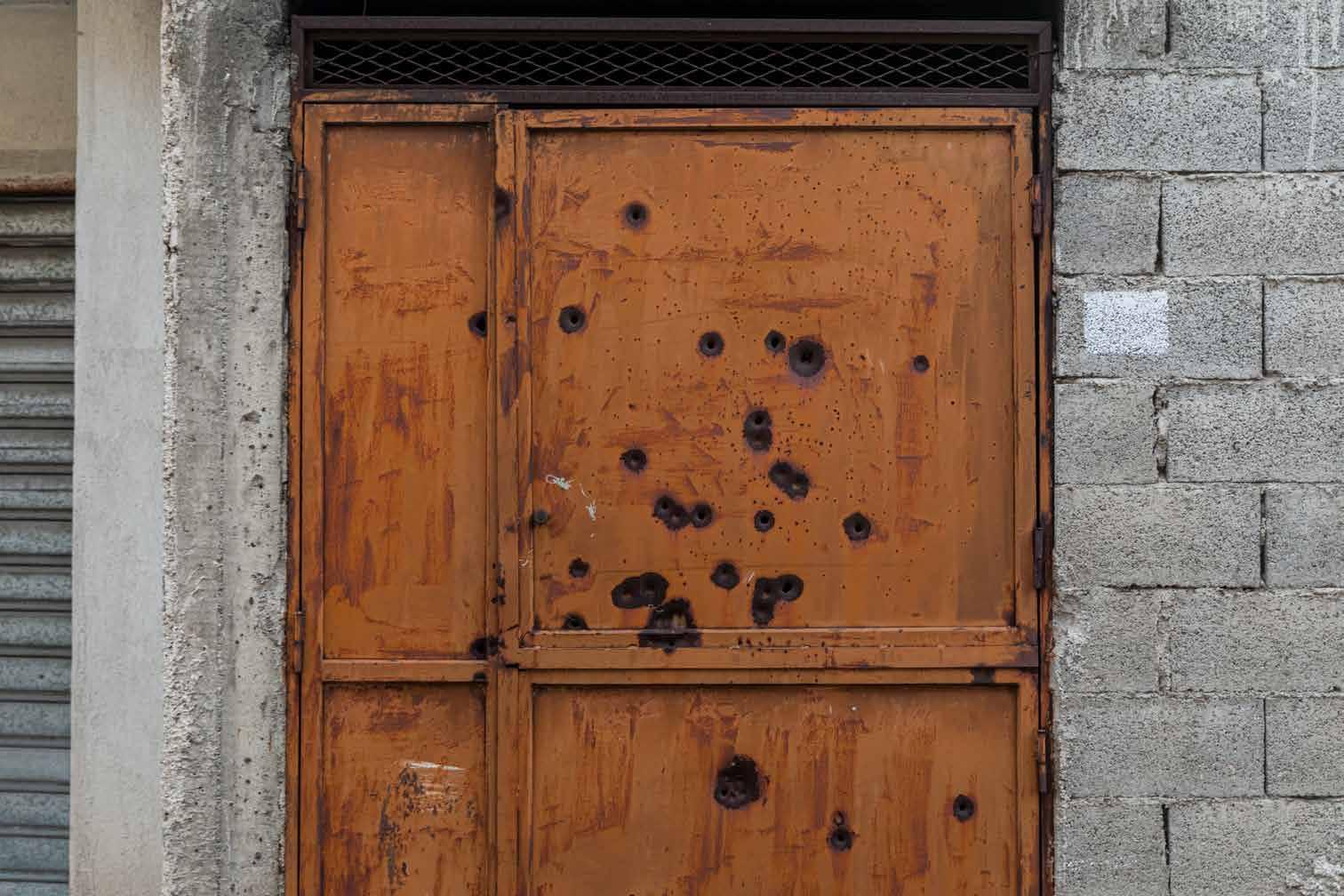
On the evening of 6 February 1985, Tripodi was driving home along the provincial road from San Luca to the marina. The night was still, but danger waited ahead. A group of men intercepted his car and opened fire. Despite being wounded, Tripodi did not give up. He drew his service weapon and wounded one of the attackers. Even though he fought bravely, he was ultimately overpowered and died that night, a young man struck down in the line of duty. The alleged perpetrators, all members of local criminal clans, were quickly identified and arrested. In the trials that followed, they were acquitted, and to this day, the murder remains officially unresolved.
Tripodi’s memory lives on. Since 2011, the San Luca station has borne his name, and in 2017, the new Carabinieri station in his birthplace of Torre Orsaia was also named in his honour. His courage, his dedication and his ultimate sacrifice remain a testament to the fight against organised crime.
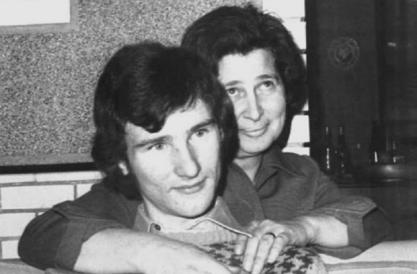
Pierangelo Bolis
On 17 January 1974, a sixteen-year-old boy was kidnapped while walking to the train station on his way to school in Bergamo. He spent twenty days in captivity, initially confined in a ramshackle hut on a property near Monza and Cinisello Balsamo. But there was always some uncertainty about whether he had also spent a week in a remote mountain hut in the Aspromonte region. During his captivity, even with a hood over his head, he recalled smelling oregano from a nearby kitchen, a herb rarely used in northern Italy at the time, suggesting that the kidnappers were from the south.
His father, a prominent industrialist and founder of a ribbon factory, immediately decided to pay the ransom, which amounted to half a billion lire. The family’s lawyer delivered the first instalment on 29 January at a location under a motorway viaduct, as instructed by the kidnappers. The second instalment was delivered to the same location on the night of 4 February. As agreed, two days later, shortly after one o’clock in the morning, the boy was released behind a supermarket. Outside the family home, his mother and siblings embraced him as photographers captured the reunion. The nightmare was finally over. Even decades later, the ordeal continued to cast a long shadow over his life. Each year, the memories returned with vivid intensity, and the trauma of those twenty days remained a powerful influence, a constant reminder of the fear and suffering.
One of the kidnappers, who had previously lived in Australia before being expelled as an unwanted foreigner, used a visit to his seriously ill mother as cover to transport a suitcase containing four hundred million lire, which he invested in cannabis cultivation. The amount was far too large for a simple family visit. Law enforcement arrested him a week after his return to Italy, triggering an investigation that uncovered the full network behind the abduction. Seven suspects were eventually charged with complicity in kidnapping for extortion and all were convicted, receiving prison sentences of up to fifteen years.
© 2026 Lannoo Publishers, Tielt, Belgium www.lannoopublishers.com
ISBN: 9789059962880
D/2026/45/174
THEMA: AJ
Photography by Steffi Reimers (2023-2026)
Texts by Antonio Nicaso, Steffi Reimers & Aya Musa
Editing by Heather Sills
Design by Tina De Souter Bookdesign
Lithography by Marc Gijzen
Special thanks to Bert Kamp, Aya Musa, Sandra Pijnaker, Nikki Reimers, Patrick van Vilsteren and all other friends and family.
All rights reserved.
No part of this book may be reproduced or transmitted in any form or by any means, electronic, mechanical or otherwise, without the prior written permission of the copyright owners and publishers. All rights are reserved, including those for text and data mining, AI training and similar technologies.
The origins of certain visual and documentary material could not be traced. If you have any questions or comments about the material in this book, please do not hesitate to contact our editorial team: art@lannoo.com