LEE MILLER’S BRITAIN AT WAR
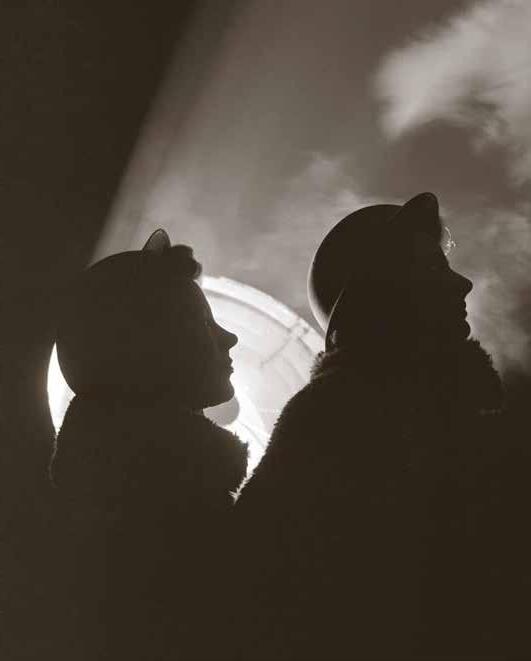
By Ami Bouhassane
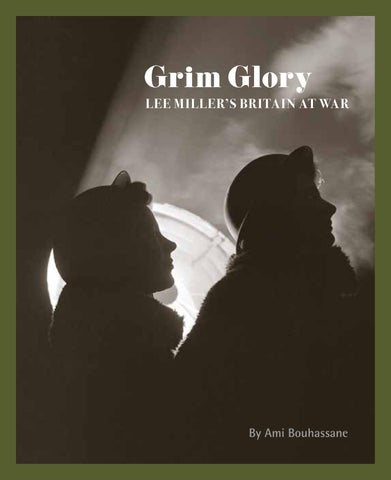
By Ami Bouhassane
‘If it’s war scares that makes you hesitate, all I can say is that here everyone is so used to them that they are beginning to treat them as weather forecasts, never to be relied on.’ i
By early 1939, the year Britain entered the Second World War, Lee Miller had been married to her first husband Aziz Eloui Bey and living mostly in Cairo, Egypt for nearly 5 years. Her early career as a top fashion model in New York and Paris during the late 20s and early 30s, successful photography studios in Paris and New York and involvement with the surrealist art movement were of a different world to the stiff British expatriate society she found herself living amongst in Egypt.
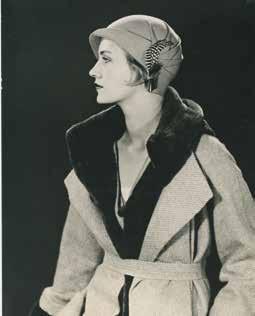
Self Portrait, modelling Mado-Dobb’s’ sports hat and Mirande coat, Paris, France 1930
Aziz was a successful businessman so there were social appearances that were expected to be upheld, but Lee was still a surrealist at heart with a thirst for adventure. Openly admitting that she was ‘so lousy at housekeeping I just don’t bother & when everything goes wrong, as its sure to, I get as much of a laugh as anyone.’ii In reality her social life was grim and she found it insufferably boring playing poker and bridge with the society women she referred to the ‘black satin and pearls set’.
During her first years in Egypt, to try and feed her intellect, she enrolled on a chemistry course and in Arabic lessons at the American University in Cairo. She stepped back from photography initially, having ‘got a loathing for it’iii after coming from the highly demanding role of running her own successful commercial
Front Cover of Wrens in Camera (Original)
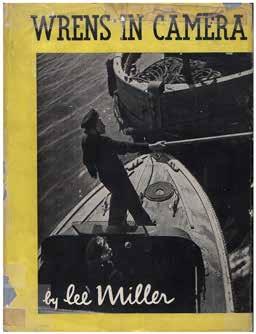
‘Wrens in Camera’ , a book dedicated to the recognition of the work of the WRNS during the war and illustrated solely by Lee’s photographs, was published just after the war ended in 1945 by Hollis and Carter. Images on pages 98, 103, 107, 108, 111, 113, 115, 118-120, 126-129 & 134 were all published in the book. Lee was still in Europe when it was released and was furious that they had gone ahead and published it without granting her request to wait to include some images of the Wrens that had been serving in Europe following the allied advance since August 1944. xxxiv Despite those that were omitted the book remains one of few acknowledgements of the serving WRNS personnel and is the only photo book solely of Lee’s work made in her lifetime.
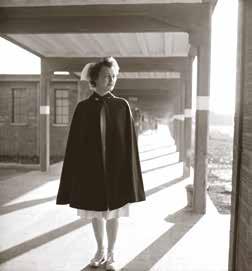
US Army nurse, Churchill Hospital, Oxford, England 1943
Lee’s next article in British Vogue was her first big written feature and almost double the wordcount of the American Nurses article. It was to be on Ed Murrow, broadcaster on short wave radio from London to America, for a feature that would run in American and British Vogue xxxv. Lee knew him already from their collaboration on the Grim Glory book. The photography session in Murrow’s flat was a convivial moment but later, after hours in the Vogue offices trying to write, she eventually turned in the piece with a note to her editor Audrey Withers;
‘Dear Audrey,
This was all a big mistake – after all, I’ve spent fifteen or so years of my life learning how to a take a picture – you, know the thing that is worth ten thousand words, and here I am cutting my own throat and imitating these people, writers who I’ve been pretending are démodé.
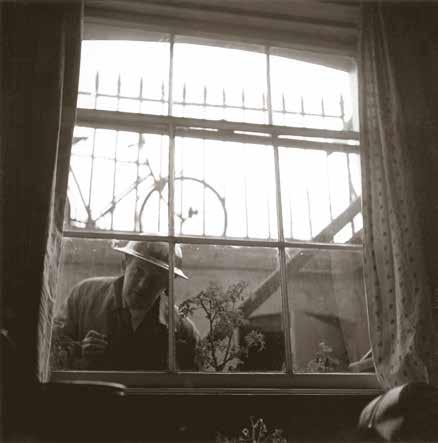
03 The warden may be anybody: plain Mr. Smith or a well known art dealer [Freddie Mayor], Hampstead, London, England 1940
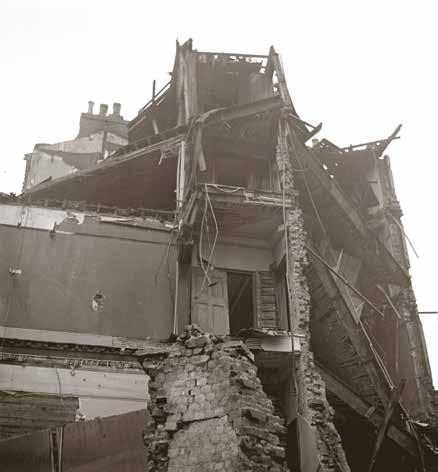
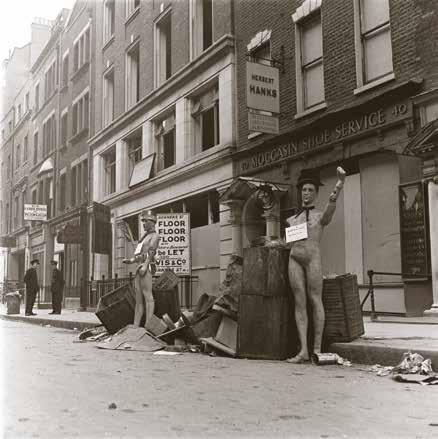
23 Indecent exposure?, Berners Street, Fitzrovia, London, England 1940
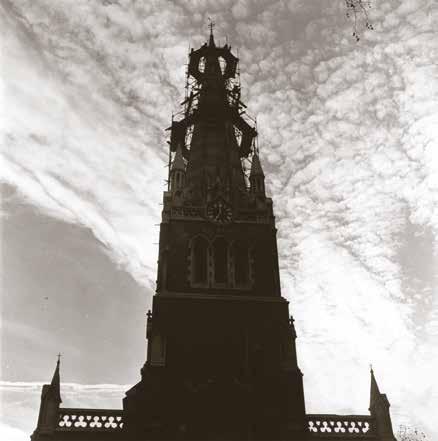
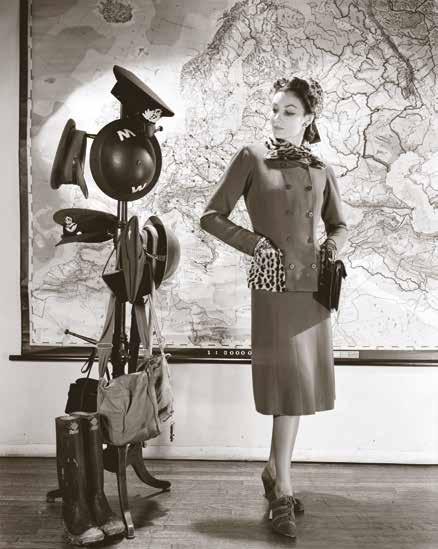
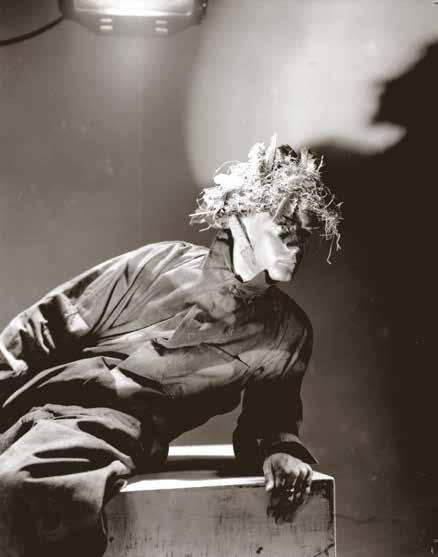
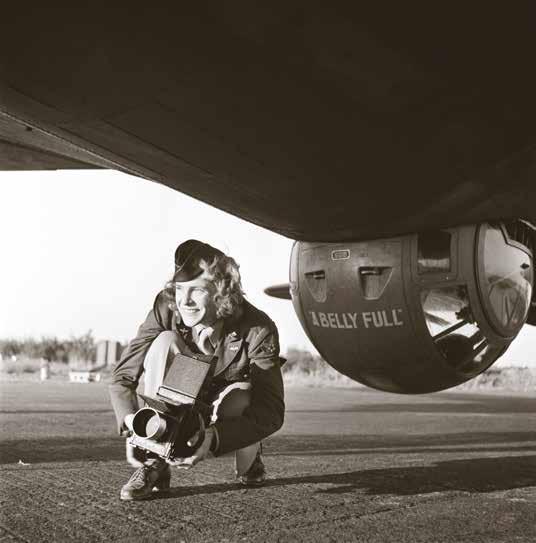
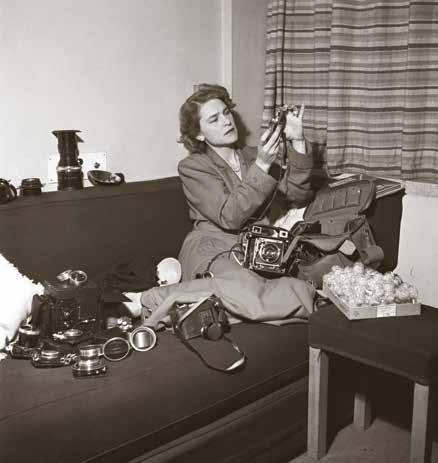
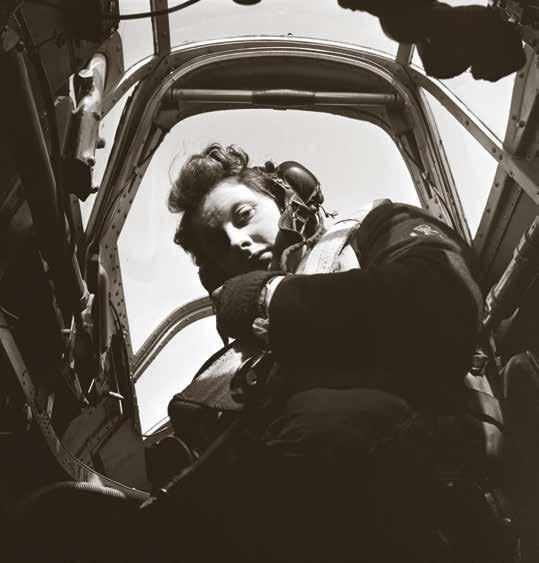
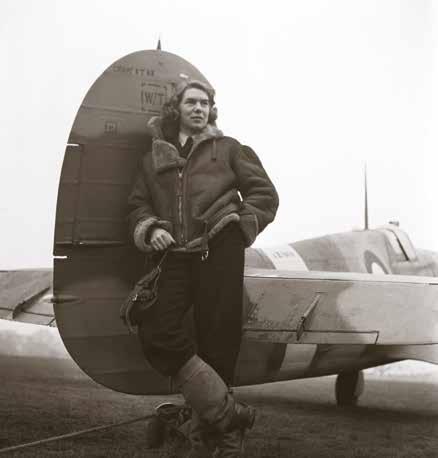
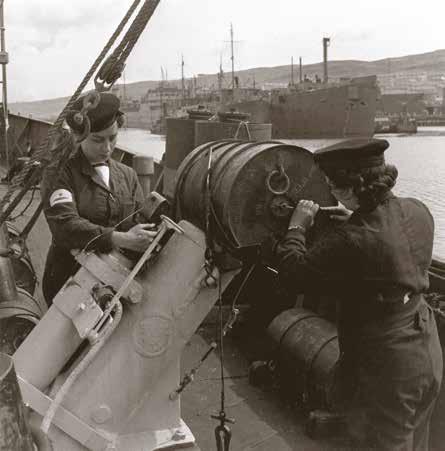
63 Wrens preparing depth charges, Scotland 1943
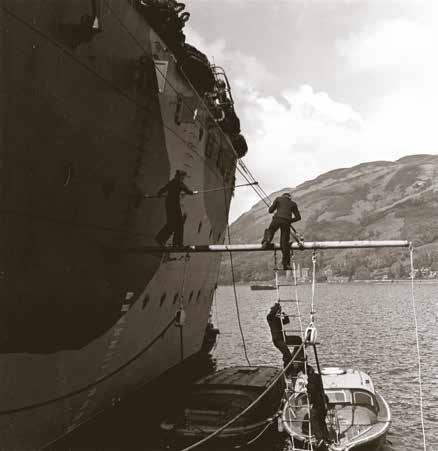
64 Wrens climb from the quarter boom, ‘Thirty seconds from deck to deck’, Scotland 1943
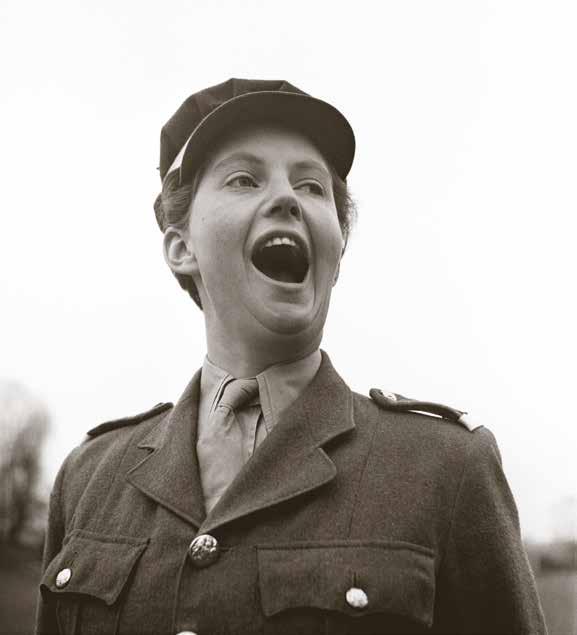
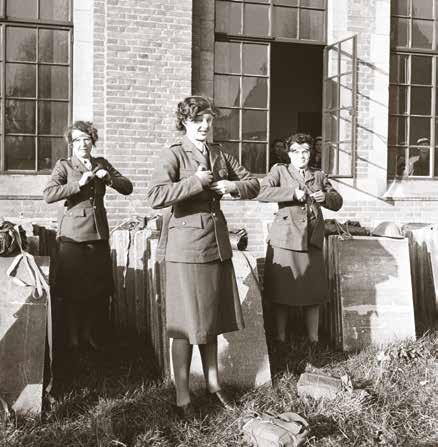
70 A.T.S., what it takes to become an officer, England 1943
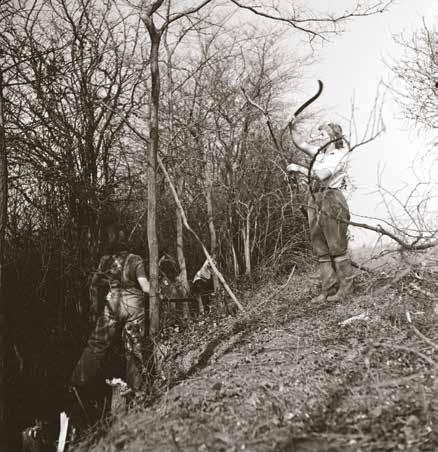
85 Girls buckheading and splitting England’s neglected hedges, Chessington, England 1943
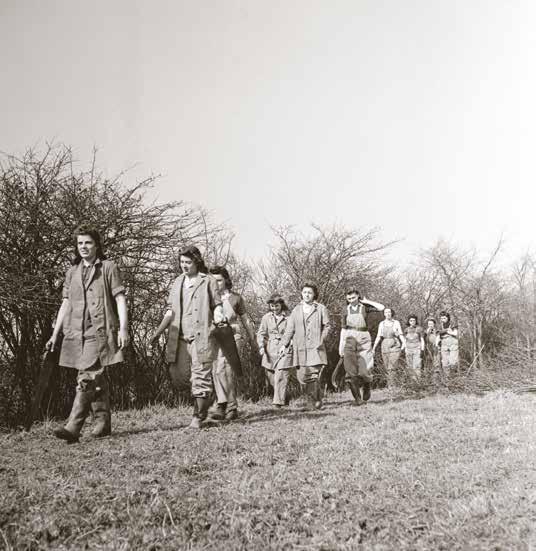
86 Girls buckheading and splitting England’s neglected hedges, Chessington, England 1943
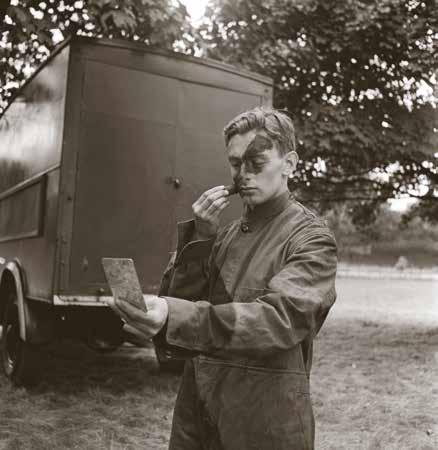
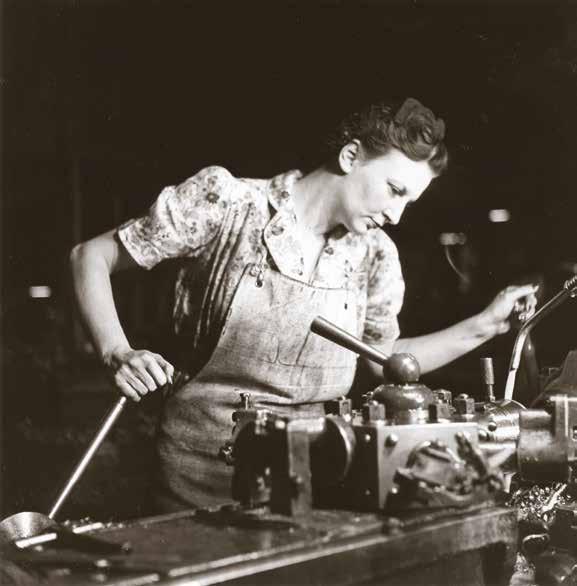
Arriving in Britain just as war was declared Lee Miller, an American with no permit to work, used her camera as her principle means of combat during World War II. Before Lee Miller left Britain to report in Europe she covered the Blitz, civilians braving the destruction around them and their contributions to the war effort as well as wartime fashion, camouflage and the women in the armed forces on the home front.
Credited for bearing the weight of Vogue’s studio production in the earlier war years in Britain by British Vogue’s editor Audrey Withers, much this earlier work by Lee Miller is often overlooked in favour of her European war reportage. This book containing over 100 full page images curated by the Lee Miller Archives to focus on Lee Miller’s photography in Britain during the war and is written by her granddaughter Ami Bouhassane.
Ami Bouhassane is Co-Director of Farleys House & Gallery Ltd, the organisation that manages the Lee Miller Archives and Farleys House, home of her grandparents Lee Miller and Roland Penrose. Trustee, curator and lecturer on both Miller and Penrose, Bouhassane has worked extensively with their material for over 21 years. Her first book ‘Lee Miller: A Life with Food, Friends and Recipes’, published in 2017 has won 3 awards, including the IACP (International Association of Culinary Professionals) Jane Grigson award for scholarship.