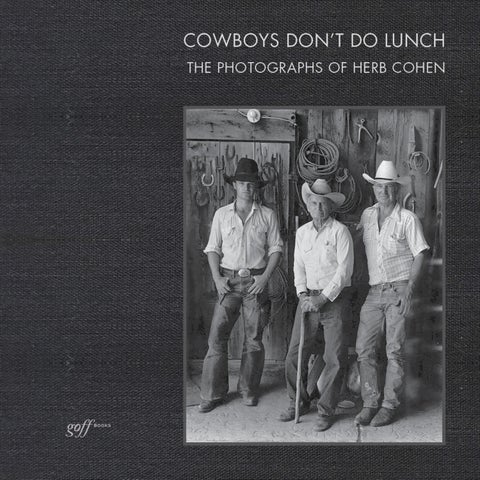
FOREWORD I live in Cave Creek, Arizona surrounded by magnificent saguaros, sentinels of the Sonoran Desert. When my family first moved here in 1970, this hole-in-the-wall was a live-and-let-live unincorporated outpost in the foothills north of the Scottsdale/Phoenix sprawl. Settled in the 1800s by prospectors, miners, and industrious cattle and sheep ranchers, it was a tight community comprised mostly of cowboys and construction workers, bikers, hippies, Golden Temple Krishnas, artists and craftsmen—a small town where everyone knew everyone and a trip to the grocery store was a social occasion so shopping could take a couple of hours. People didn’t lock their front doors. Your letter found its way to your mailbox even without a postal number or zip code, and cars were parked with ignition keys left on the floor below the steering wheel. The liquor store had a drive-through window and the local deputies were known to confiscate an open beer from the hand of a driver and pour it out before sending the scofflaw home. Most of the roads were dirt. Historically, Desert Foothills’ water supply lured many intrepid people to the area: canal-building Hohokam and the feared Tonto Apaches, trail-blazing post-Civil War calvary, wealth-seeking miners looking for gold, and livestock ranchers. Certainly since 1870 when Cave Creek was settled, the hardworking cowboys have always been here as part of the town’s landscape. American folk heroes, they are a revered and somewhat mythological symbol of the West. Throughout the 1970s vestiges of the old ways remained, especially in the attitudes of the local inhabitants. Gene Garrison was the features writer for the Carefree Enterprise Magazine that frequently published Herb Cohen’s photos on its covers. Both of them were captivated by the essence of Cave Creek, a community fueled by a shared resistance to change. Gene found the people here bold, daring, matter-of-fact, [who] handled every challenge that came up in their lives. According to her, Herbert W. Cohen saw the same things through his camera lens that I did through my eyes and mind. We both saw people, most of them in their seventies, who were so
7
FOREWORD I live in Cave Creek, Arizona surrounded by magnificent saguaros, sentinels of the Sonoran Desert. When my family first moved here in 1970, this hole-in-the-wall was a live-and-let-live unincorporated outpost in the foothills north of the Scottsdale/Phoenix sprawl. Settled in the 1800s by prospectors, miners, and industrious cattle and sheep ranchers, it was a tight community comprised mostly of cowboys and construction workers, bikers, hippies, Golden Temple Krishnas, artists and craftsmen—a small town where everyone knew everyone and a trip to the grocery store was a social occasion so shopping could take a couple of hours. People didn’t lock their front doors. Your letter found its way to your mailbox even without a postal number or zip code, and cars were parked with ignition keys left on the floor below the steering wheel. The liquor store had a drive-through window and the local deputies were known to confiscate an open beer from the hand of a driver and pour it out before sending the scofflaw home. Most of the roads were dirt. Historically, Desert Foothills’ water supply lured many intrepid people to the area: canal-building Hohokam and the feared Tonto Apaches, trail-blazing post-Civil War calvary, wealth-seeking miners looking for gold, and livestock ranchers. Certainly since 1870 when Cave Creek was settled, the hardworking cowboys have always been here as part of the town’s landscape. American folk heroes, they are a revered and somewhat mythological symbol of the West. Throughout the 1970s vestiges of the old ways remained, especially in the attitudes of the local inhabitants. Gene Garrison was the features writer for the Carefree Enterprise Magazine that frequently published Herb Cohen’s photos on its covers. Both of them were captivated by the essence of Cave Creek, a community fueled by a shared resistance to change. Gene found the people here bold, daring, matter-of-fact, [who] handled every challenge that came up in their lives. According to her, Herbert W. Cohen saw the same things through his camera lens that I did through my eyes and mind. We both saw people, most of them in their seventies, who were so
7
A BRIEF HISTORY OF CAVE CREEK Cave Creek was established as a Calvary Remount Station in 1870 to protect settlers and miners from the Native Americans who were fighting to keep their lands. Twentieth-century history in Cave Creek unfolded with the 1924 change in road alignment that moved the town center eastward from Cave Creek Station, past Howard’s Ranch (later Rancho Mañana), and further east into the desert. As Cave Creek became settled that little, narrow, dirt road was the life blood of the community. It wound in and out of the mountains, and was a full day’s trip one way, a trip not to be undertaken lightly. Everything had to be hauled in from Phoenix by wagon or pack animal—mine timbers, track, ore cars, building supplies, grocery staples and the like. Cave Creek Road connected to Camp Creek, the Cartwright Ranch at Seven Springs, and to the Red Rover and onyx mines. Later, workers traveled that same road to build Bartlett (1936-1938) and Horseshoe (1944-1946) dams on the Verde River. The town core developed between the 1930s and 1950s, with the Black Mountain Store and later the Cave Creek Inn serving as landmark entrances. Grocery stores, gas stations, a barbershop, restaurants, bars, guest houses, real estate offices, and tuberculosis sanitariums all dotted the landscape, neighbors to working ranches. (Was the barbed wire to keep critters out or protect the water supply?) The school moved from old New River Road to Schoolhouse Road. The post office, which had various locations, became the center of town activity. With sparse populations living in far-reaching locations, the post office was THE one place everyone visited not only for mail but to gather, play cards, gossip and post messages for sales, births, deaths, and dances. It was Cave Creek after dark, particularly on weekends, that contributed to the town’s early and continuing festive reputation. The Cave Creek Corral, originally built in 1936 and later purchased by Harold Gavagan and renamed Harold’s, was known around the Valley as the night spot for drinking and dancing. Harold himself serving and drinking, hosted cowboys, construction workers, ranchers, and even
15
A BRIEF HISTORY OF CAVE CREEK Cave Creek was established as a Calvary Remount Station in 1870 to protect settlers and miners from the Native Americans who were fighting to keep their lands. Twentieth-century history in Cave Creek unfolded with the 1924 change in road alignment that moved the town center eastward from Cave Creek Station, past Howard’s Ranch (later Rancho Mañana), and further east into the desert. As Cave Creek became settled that little, narrow, dirt road was the life blood of the community. It wound in and out of the mountains, and was a full day’s trip one way, a trip not to be undertaken lightly. Everything had to be hauled in from Phoenix by wagon or pack animal—mine timbers, track, ore cars, building supplies, grocery staples and the like. Cave Creek Road connected to Camp Creek, the Cartwright Ranch at Seven Springs, and to the Red Rover and onyx mines. Later, workers traveled that same road to build Bartlett (1936-1938) and Horseshoe (1944-1946) dams on the Verde River. The town core developed between the 1930s and 1950s, with the Black Mountain Store and later the Cave Creek Inn serving as landmark entrances. Grocery stores, gas stations, a barbershop, restaurants, bars, guest houses, real estate offices, and tuberculosis sanitariums all dotted the landscape, neighbors to working ranches. (Was the barbed wire to keep critters out or protect the water supply?) The school moved from old New River Road to Schoolhouse Road. The post office, which had various locations, became the center of town activity. With sparse populations living in far-reaching locations, the post office was THE one place everyone visited not only for mail but to gather, play cards, gossip and post messages for sales, births, deaths, and dances. It was Cave Creek after dark, particularly on weekends, that contributed to the town’s early and continuing festive reputation. The Cave Creek Corral, originally built in 1936 and later purchased by Harold Gavagan and renamed Harold’s, was known around the Valley as the night spot for drinking and dancing. Harold himself serving and drinking, hosted cowboys, construction workers, ranchers, and even
15
... Notice the dark spots on the photo of George Mileham’s hands. That’s bright red blood. He didn’t give it a second thought, but Herb Cohen did. Getting the job done is the goal. There is no time for anything as frivolous as lunch. You don’t worry much about the muscle men who risk a lot doing their jobs when you see them packing it away at dinnertime. Gene K. Garrison
... Notice the dark spots on the photo of George Mileham’s hands. That’s bright red blood. He didn’t give it a second thought, but Herb Cohen did. Getting the job done is the goal. There is no time for anything as frivolous as lunch. You don’t worry much about the muscle men who risk a lot doing their jobs when you see them packing it away at dinnertime. Gene K. Garrison
32
32
44
44
56
56
66
66
90
90
114
114
HERBERT W. COHEN Herbert “Herb” Cohen was as much a contrast as the light and shadows he highlighted in his photography. He was a brilliant businessman with a degree in accounting (left brain), yet he was also a very creative artist (right brain). He was not comfortable with physical affection yet he was incredibly sensitive. He was an intellectual with a keen attention to details, and also a professional athlete. Perhaps the unifying theme for all of these aspects of his life was the passion and study he put into each endeavor. He was an only child, born in Brooklyn, New York on April 23, 1930. His father, Irving Cohen, was a boxing manager and promoter, and Herb delivered the acceptance speech when his dad was posthumously inducted into the International Boxing Hall of Fame in 2002. His dad’s most famous fighter was middleweight champion, Rocky Graziano, whose story was made into the movie Somebody Up There Likes Me, with Paul Newman. Growing up, Herb showed impressive skills both in boxing and in baseball as a pitcher, and to keep him out of the boxing ring, Rocky and Irving sponsored a baseball team called the “Grazianos.” Between the exposure he got from that team as well as his high school team, he was signed to a minor league contract by the New York Giants baseball team. He once faced future hall-of-famer, Eddie Matthews, and was proud to say that he struck him out. He would follow that up with the fact that the next time Matthews was up, Herb threw the same pitch that struck him out, and Matthews hit the ball over 400 feet for a homerun. He played professional baseball until he was drafted into the Army and spent time fighting in Korea. While there, he started taking pictures of the locals, and those photographs hinted at the skills to come. Returning to New York he and wife, Diana, along with identical twin sons, Bruce and Stephen (born in 1956), lived in a fourstory “walk-up” (no elevators). After working as an accountant, he eventually started his own manufacturing business, which he ran for the rest of his life.
145
HERBERT W. COHEN Herbert “Herb” Cohen was as much a contrast as the light and shadows he highlighted in his photography. He was a brilliant businessman with a degree in accounting (left brain), yet he was also a very creative artist (right brain). He was not comfortable with physical affection yet he was incredibly sensitive. He was an intellectual with a keen attention to details, and also a professional athlete. Perhaps the unifying theme for all of these aspects of his life was the passion and study he put into each endeavor. He was an only child, born in Brooklyn, New York on April 23, 1930. His father, Irving Cohen, was a boxing manager and promoter, and Herb delivered the acceptance speech when his dad was posthumously inducted into the International Boxing Hall of Fame in 2002. His dad’s most famous fighter was middleweight champion, Rocky Graziano, whose story was made into the movie Somebody Up There Likes Me, with Paul Newman. Growing up, Herb showed impressive skills both in boxing and in baseball as a pitcher, and to keep him out of the boxing ring, Rocky and Irving sponsored a baseball team called the “Grazianos.” Between the exposure he got from that team as well as his high school team, he was signed to a minor league contract by the New York Giants baseball team. He once faced future hall-of-famer, Eddie Matthews, and was proud to say that he struck him out. He would follow that up with the fact that the next time Matthews was up, Herb threw the same pitch that struck him out, and Matthews hit the ball over 400 feet for a homerun. He played professional baseball until he was drafted into the Army and spent time fighting in Korea. While there, he started taking pictures of the locals, and those photographs hinted at the skills to come. Returning to New York he and wife, Diana, along with identical twin sons, Bruce and Stephen (born in 1956), lived in a fourstory “walk-up” (no elevators). After working as an accountant, he eventually started his own manufacturing business, which he ran for the rest of his life.
145