PENTECOSTAL DISTINCTIVE >

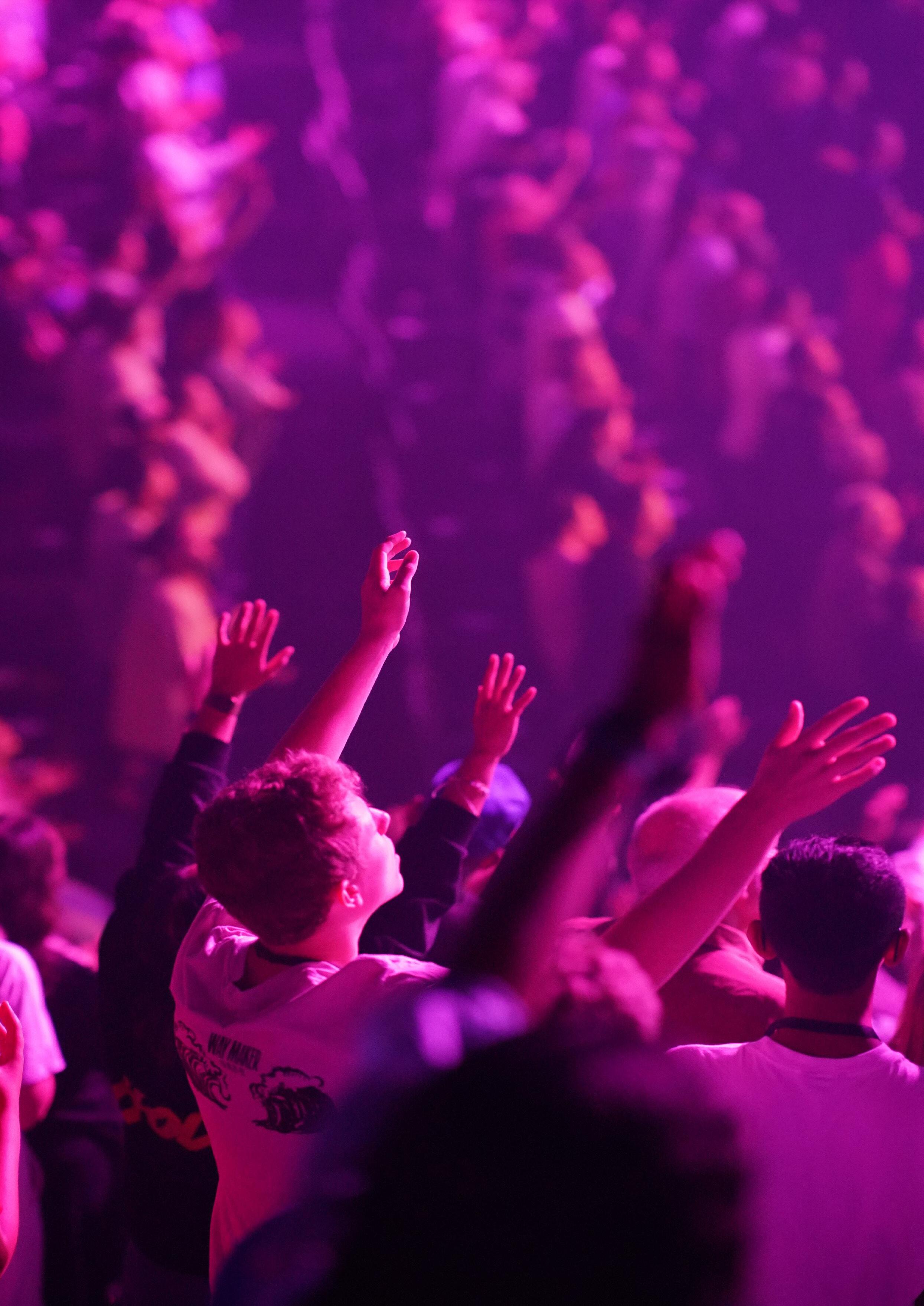
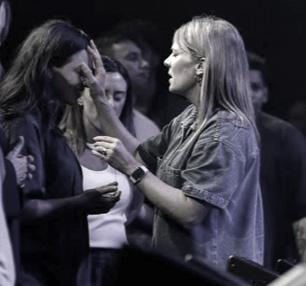

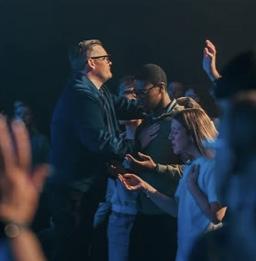

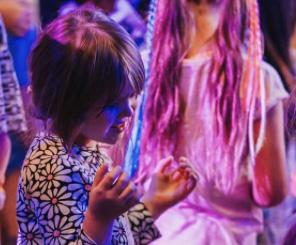


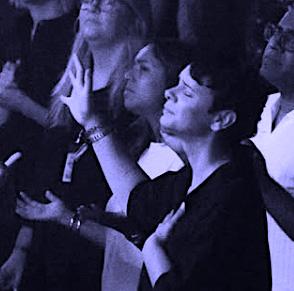

'But you will receive power when the Holy Spirit has come upon you; and you will be my witnesses in Jerusalem, in all Judea and Samaria, and to the ends of the earth.'
| Acts 1:8
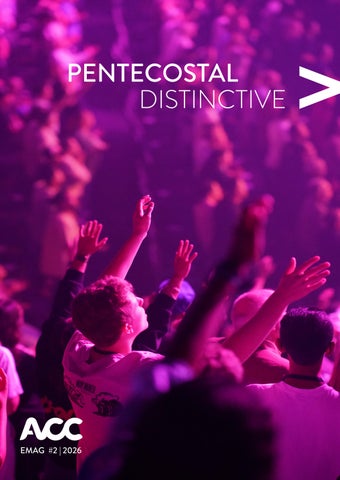
'But you will receive power when the Holy Spirit has come upon you; and you will be my witnesses in Jerusalem, in all Judea and Samaria, and to the ends of the earth.'
| Acts 1:8

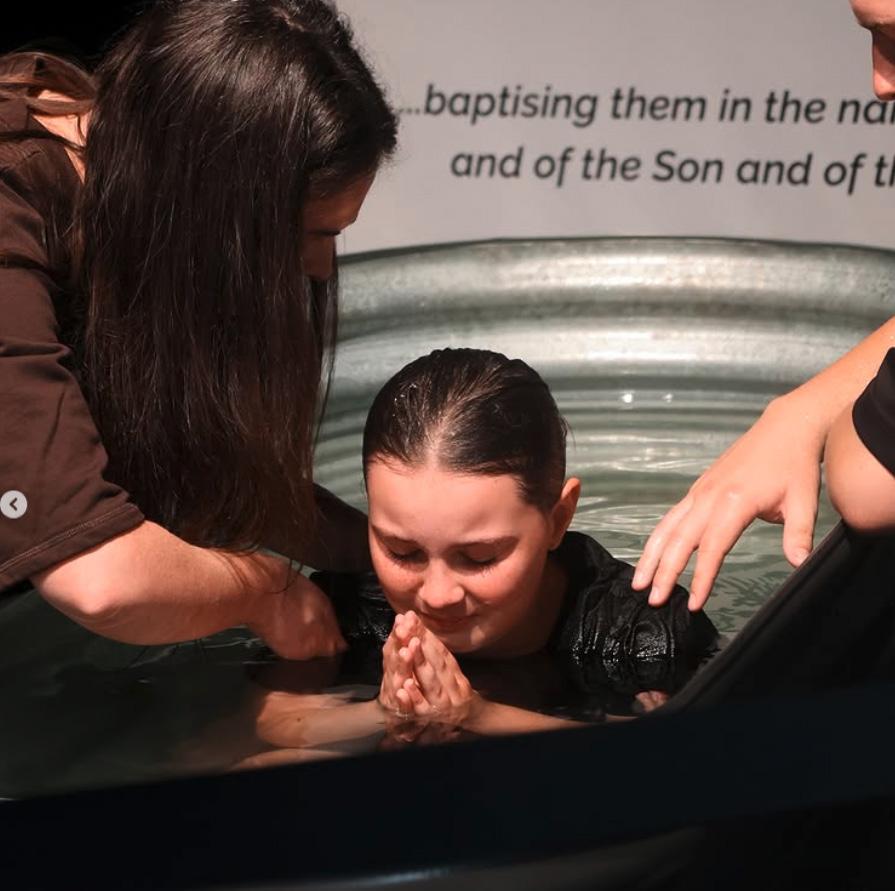
'Therefore go and make disciples of all nations, baptising them in the name of the Father and of the Son and of the Holy Spirit' | Matt 28:19
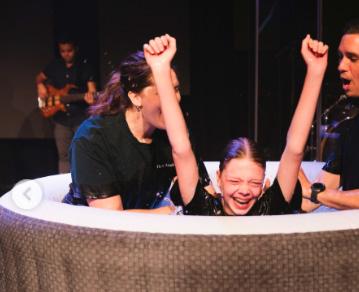
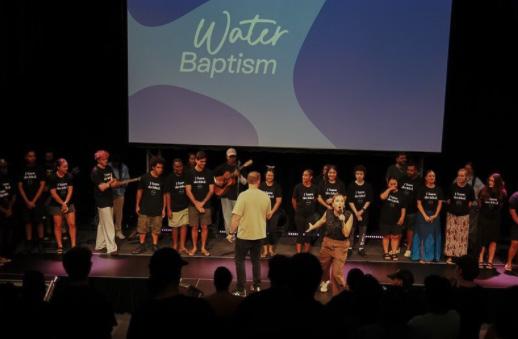
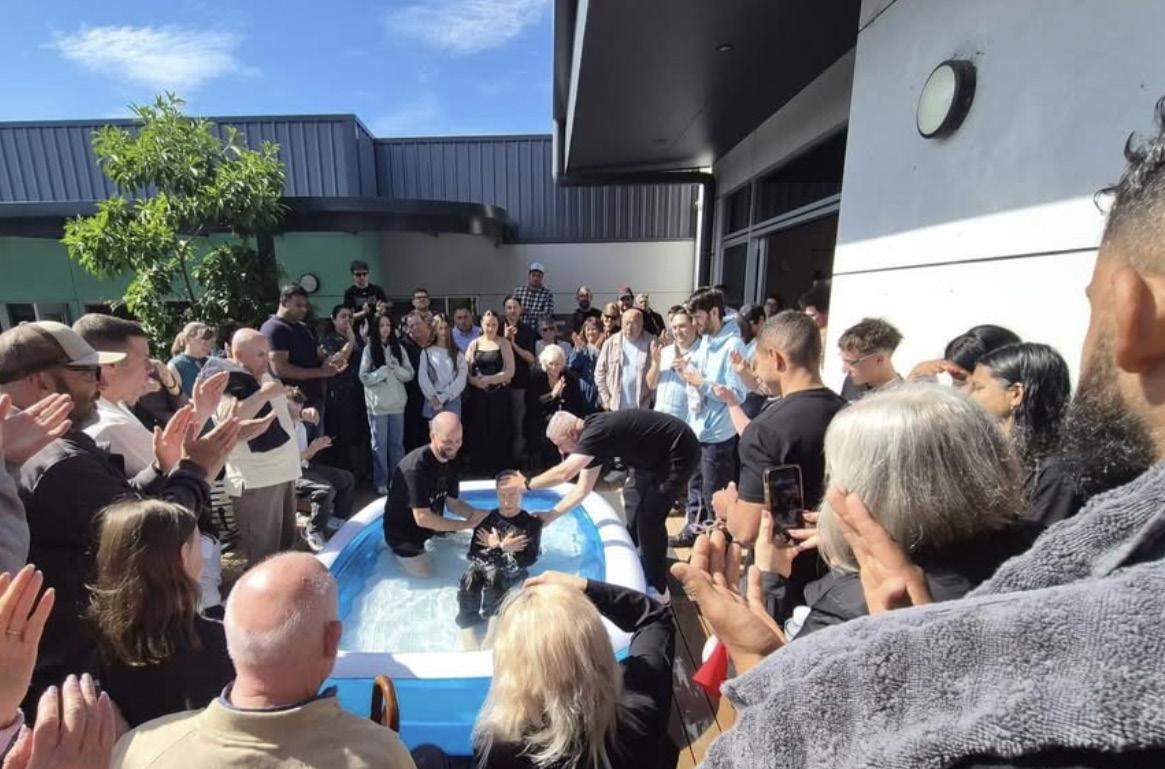
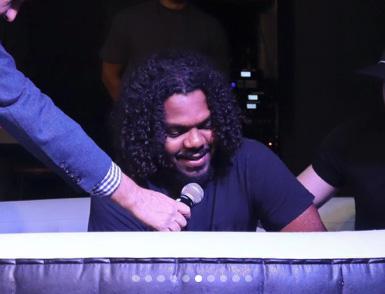
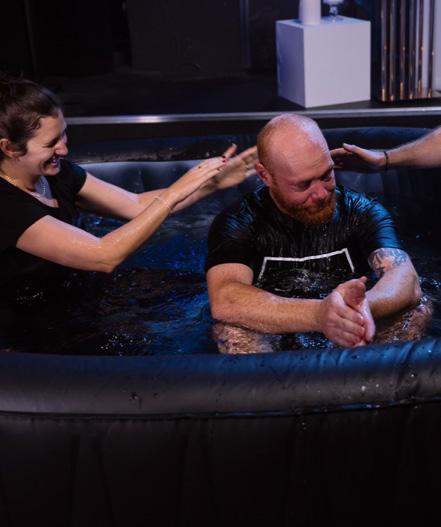
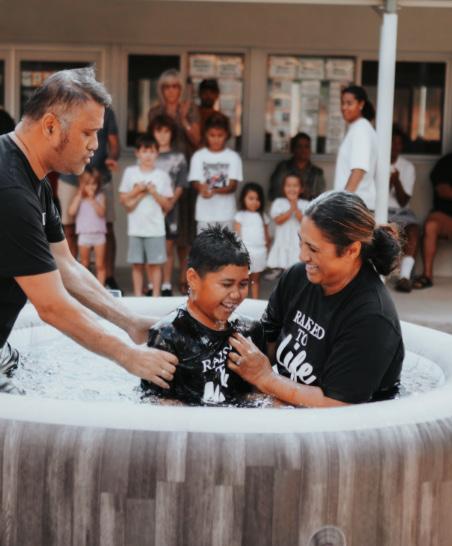
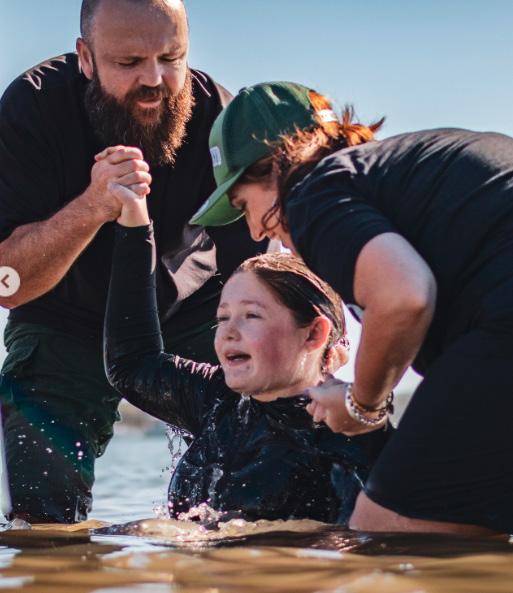
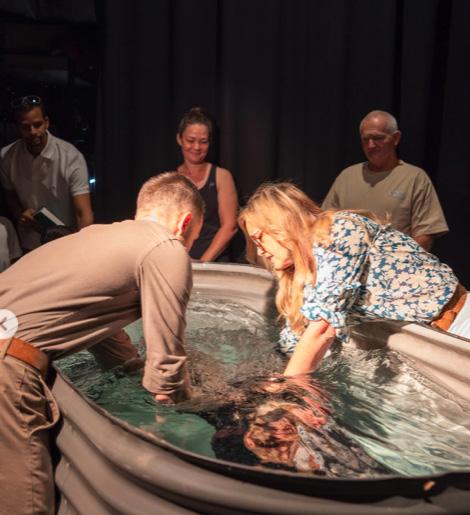
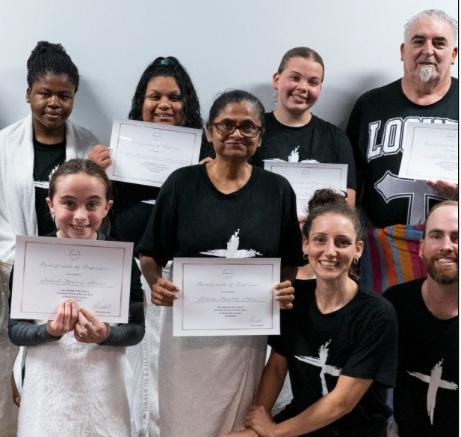
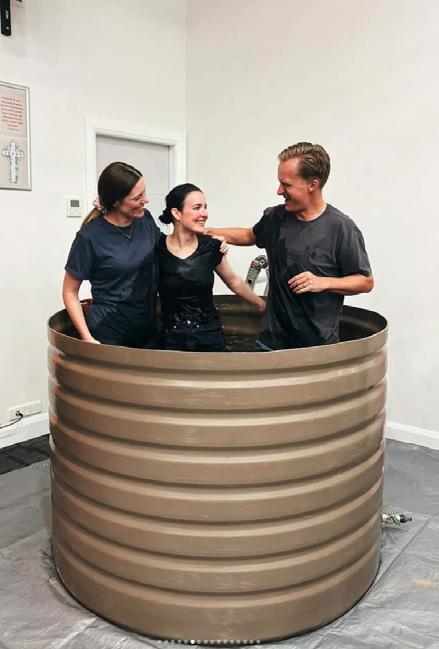
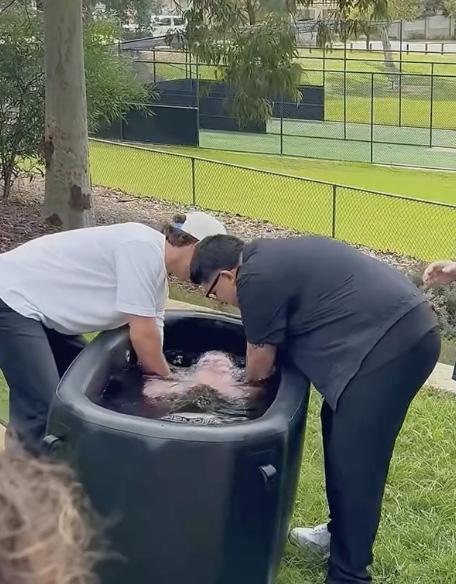
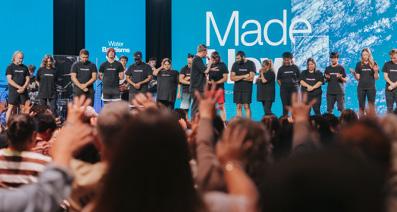
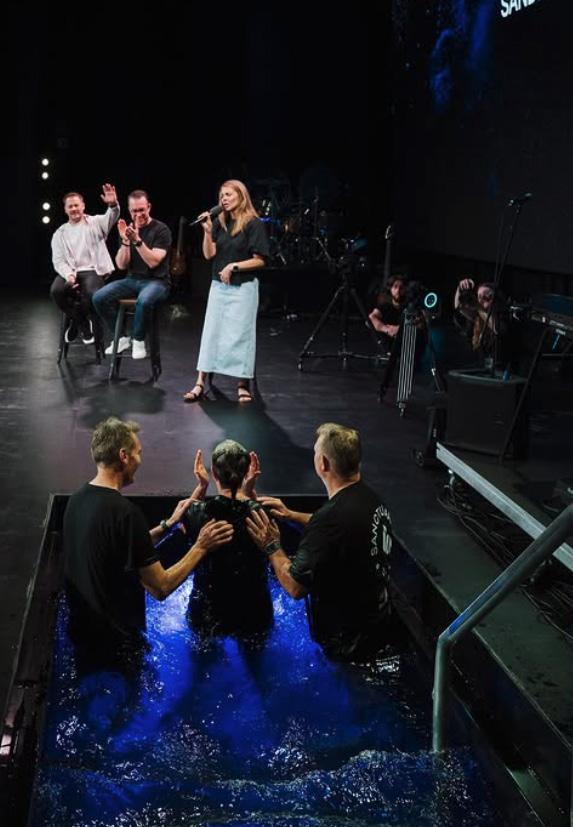
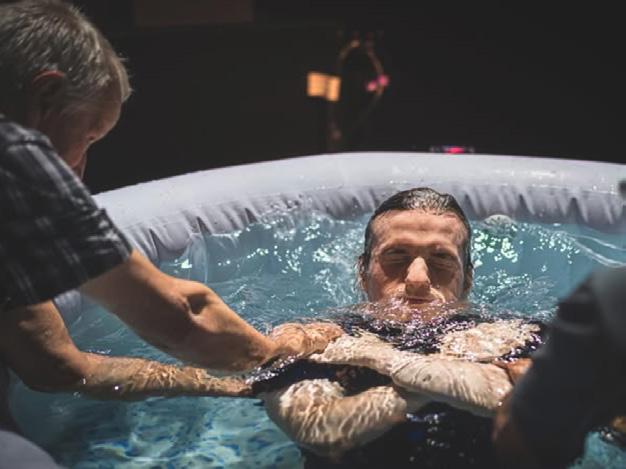
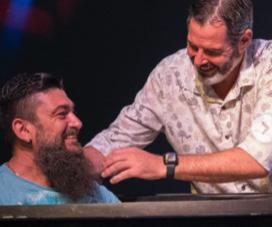
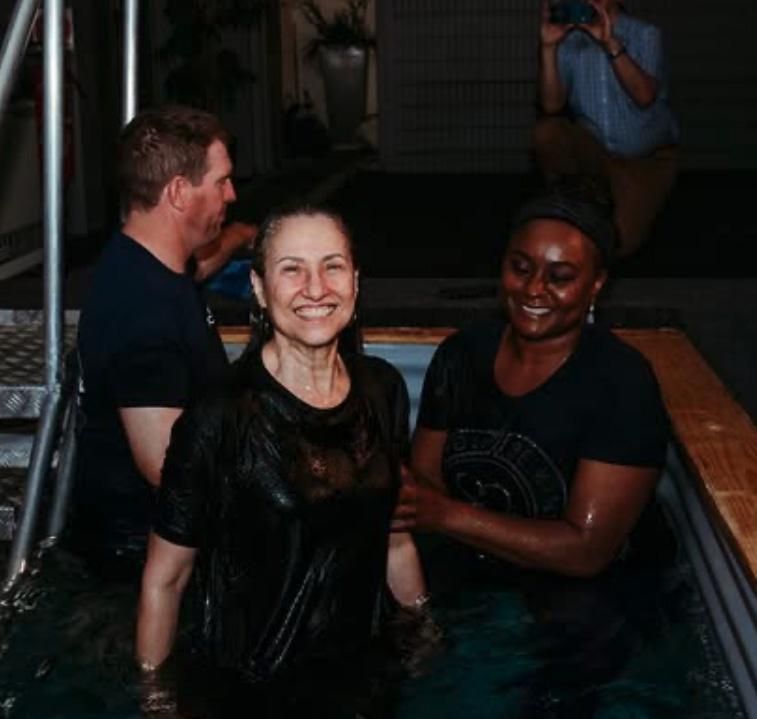
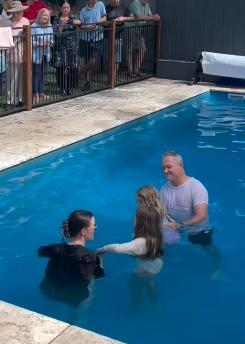
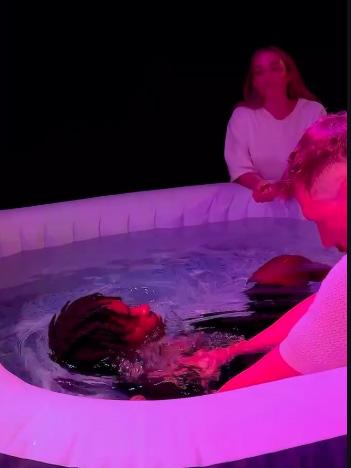
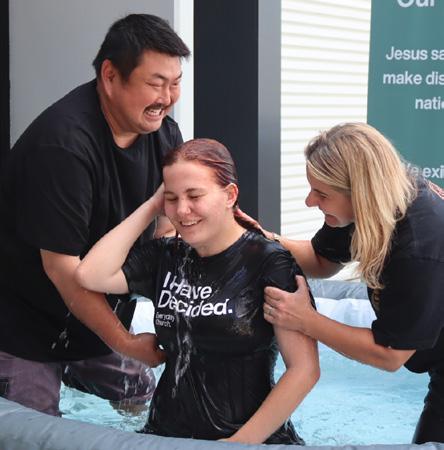
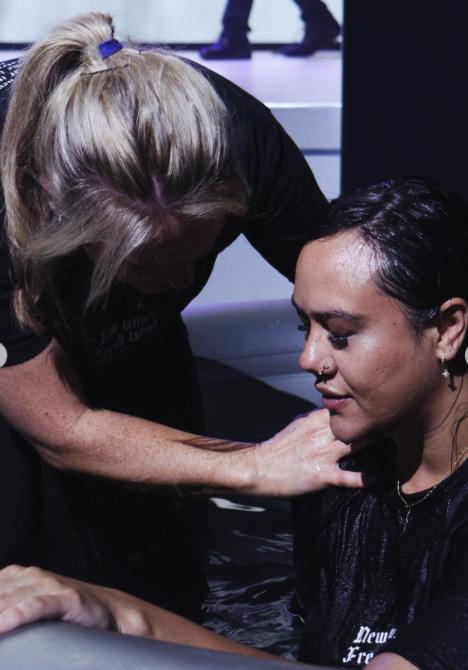
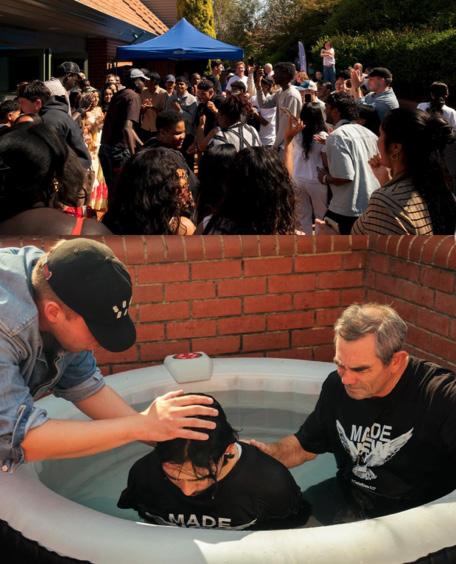
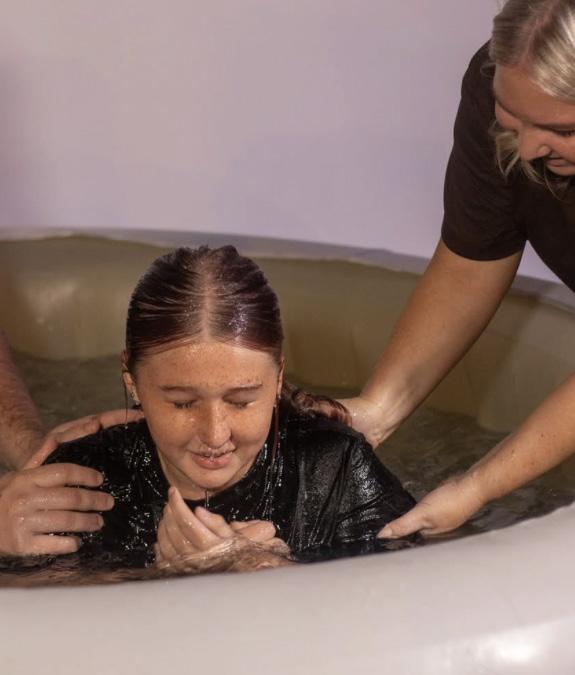
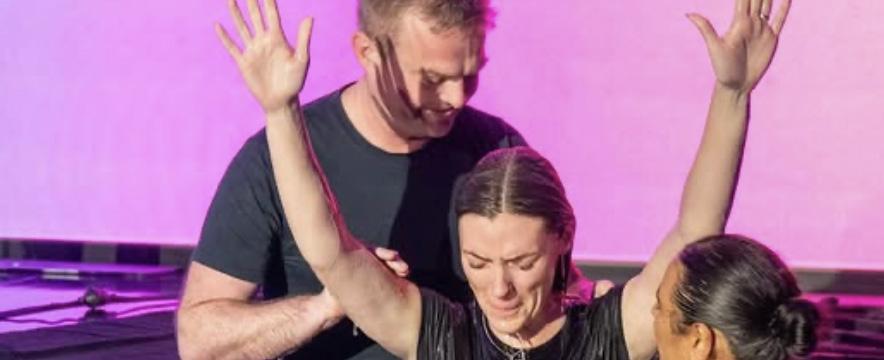
In swimming pools, water tanks, rivers and the ocean, hundreds of people – young and old – were baptised in ACC churches across Australia over the Easter weekend.
This included Australia's biggest mass baptism in the Swan River, Perth, where over 1,000 people were baptised on Good Friday.
Baptism is a significant public declaration for every believer, dying to their old life and proclaiming their new life in the resurrected Christ.




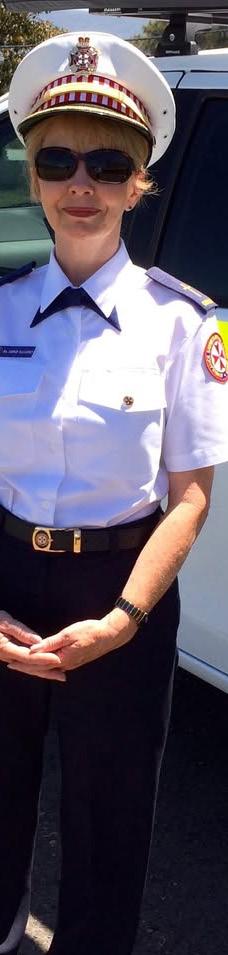
For the past ten and a half years, Pastor Anne Iuliano has donned the uniform of the NSW Ambulance Service and stood alongside the incredible women and men who serve as Paramedics.
She has been their Chaplain—celebrating their best days but also standing with them on their worst. She has unselfishly and sacrificially brought support and comfort to the ones who dedicate their lives to others, in the midst of all that they face. She has made an incredible impact, and has been an inspiration and a point of hope when it was most needed.
In 2024, Anne was awarded NSW Ambulance Chaplain of the Year in recognition of her service which was added to her Commissioner’s Certificate for exemplary service in 2019. But the medals and awards were not what inspired Anne. Her sense of call and her love of people compel her to make a difference. It's the little things, like arranging for hot soup to be delivered to Ambulance Stations on cold winter’s nights, that made her heart sing!
Anne is no stranger to making a difference. In 1999, she founded Chaplaincy Australia and spearheaded the ACC’s move into this ministry which today has over 650 Chaplains nationwide. She has stood with people in the midst of disasters, shared with them in the turmoil of intolerable loss and grief, and has been a beacon of hope to all.
We are so proud of the impact that Anne has made, and we thank God for her! She made the decision to step down as an Ambulance Chaplain because she feels that it is time for her to focus on other areas of life but in her own words 'my heart will always remain with them'.
There is so much yet ahead of her – but we want to take the opportunity to celebrate what one person can do when they respond to the voice and heart of God. We know that Anne would encourage everyone of us to think about how we might make an impact upon others. She would unashamedly point to Chaplaincy and say, 'There is room for you!'
Find out how you could add Chaplaincy to your life: chaplaincyaustralia.com — Ralph Estherby
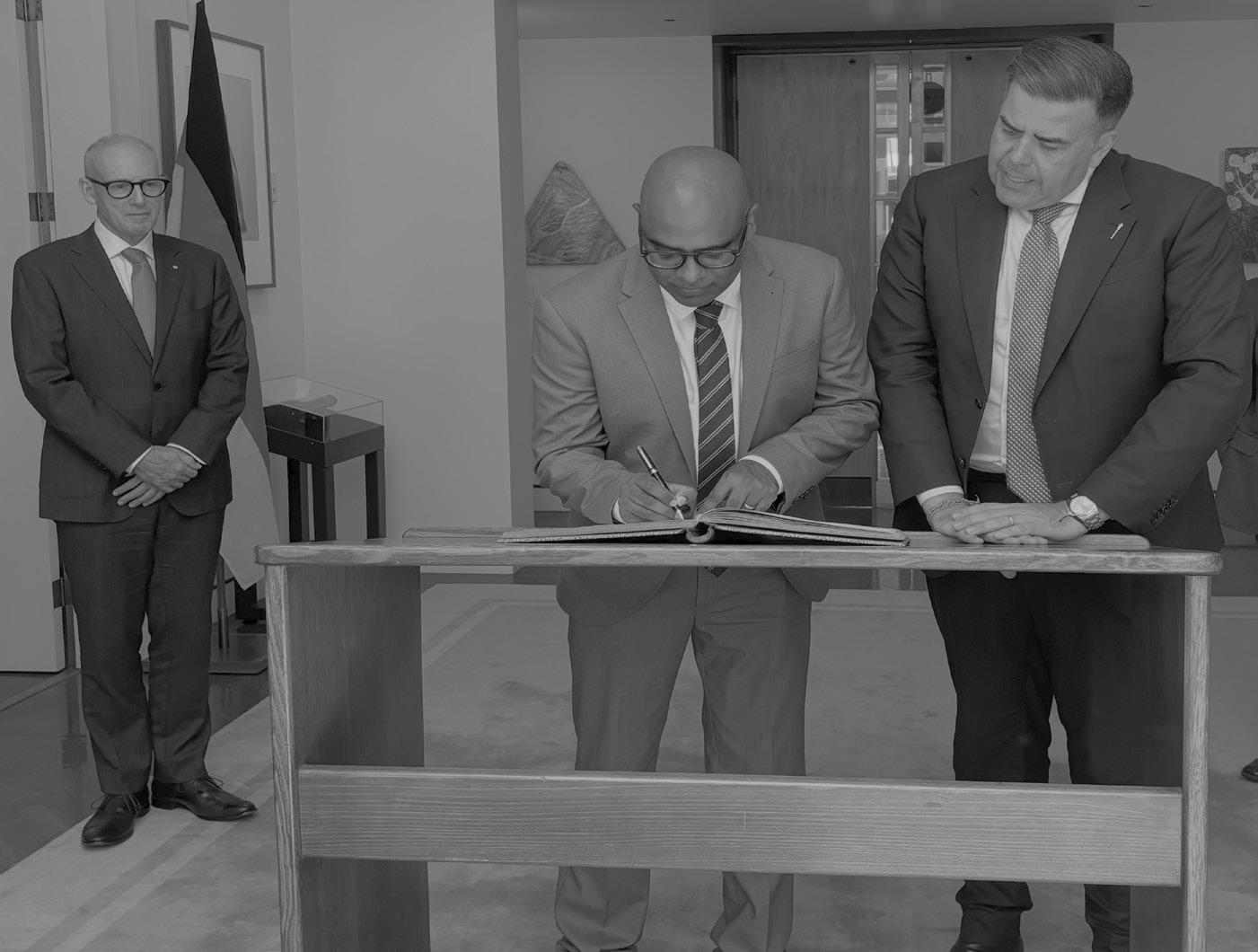
ACC National President, Joel Chelliah reports on being salt and light in our nation:
In February, I spent a day in Canberra meeting with Members of Parliament from both major parties. These conversations were a timely reminder that, regardless of political differences, our national leaders deeply need our prayers. Scripture urges us to pray for those in authority so that we may live peaceful and godly lives (1 Timothy 2:1–3). In this season, it is vital that we not only pray personally for our leaders but also mobilise our congregations to pray for our nation.
Following the tragic Bondi terror attack in December 2025, we publicly stood with the Jewish community in the face of rising antisemitism. Our support was sincerely appreciated, and it was encouraging to see the ACC’s voice heard and respected nationally.
We also continue to engage with significant legislative matters at both State and Federal levels.
Pastor Mark Edwards, our ACC Political Engagement representative, has prepared a large number of submissions on our behalf in recent months, including proposed amendments to the Hate Speech Act. We joined many others in calling on the Prime Minister to delay the Act for further scrutiny. While that request was not granted, we remain committed to representing our Movement with clarity, conviction, and respect.
There are also important justice issues before us. I attended a prolife rally in Brisbane in February, where approximately 3,000 people gathered to advocate for the protection of unborn children. The event renewed public attention on late-term abortion and the care of aborted babies who are born alive.
As Christian leaders, I encourage you to courageously and graciously use your voice and influence to be salt and light in our world. Let us not be overwhelmed by the challenges before us, but remain steadfast in prayer and faithful in our action for His Kingdom.
The vision of pastors Jeremy & Janita Fernando of Sapphire Life Church, Merimbula NSW was for a local charity to help vulnerable people in their community.
As a step of faith, Sapphire Life Opportunities (SLO) became a registered charity in November 2019. They had many volunteers available to serve, but had no finance or a building to operate from. What they did have was faith that God could move mountains.
SLO CEO Phil Elsey recalls how God can move mightily and quickly. 'One day we had no building; the next day we had keys to premises in the heart of Merimbula.'
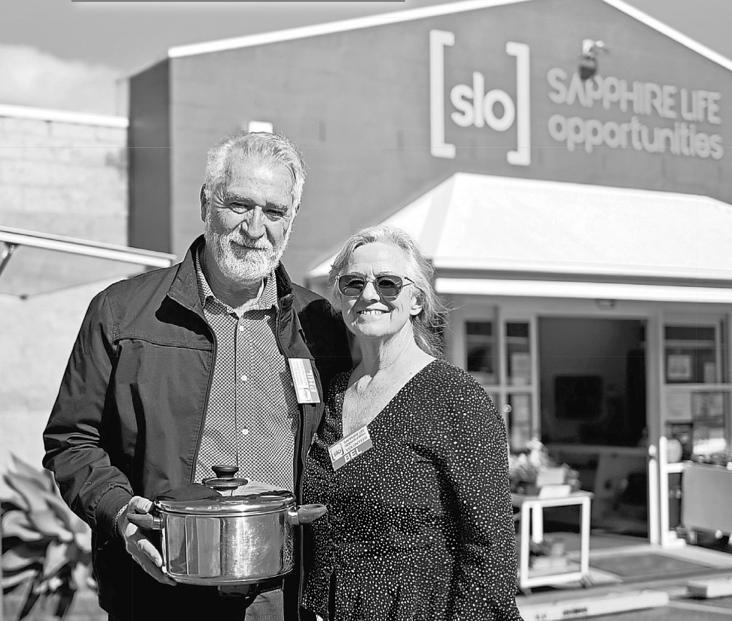
The black summer bushfires of late 2019 had resulted in a delivery of 40 pallets of donations of food and clothing. The local fire chief contacted the church to help with distribution, and within 24 hours, he had arranged the premises for them so that they became the local Disaster Relief Centre in the area.
Six years on, this location is the Food Pantry that supports those in great need.
Bushfires, followed by the pandemic, and the rising cost of living continued to impact the local community. In 2024, Phil and his wife Isobel became aware of a community grant available from one of the large Australian banks. With the church's prayers over them, they submitted an application for their proposed project of a food trailer that would provide free hot meals. Once again, the Lord blessed their step of faith. In October 2024, they received the news that they had been successful in receiving the grant.
The search for a food trailer resulted in finding exactly what they needed at a special price through a Greek Orthodox man in Sydney. The fully equipped trailer was ready for use, although they still needed to pay for the food and running costs every week. They applied for another grant, while praying for God's favour and blessing.
'We knew that God would not give us a food trailer without resources,' said Phil. 'Within two weeks, we heard that our submission for the grant was successful.
The food truck has been a great blessing, going beyond a traditional soup kitchen fare and providing fresh, nutritious meals, and even desserts. In just over a year, they have hosted 24 Free Hot Meals nights.
The provision of God continues over the SLO ministry as they have other service organisations and businesses wanting to be involved, including chefs volunteering to help.
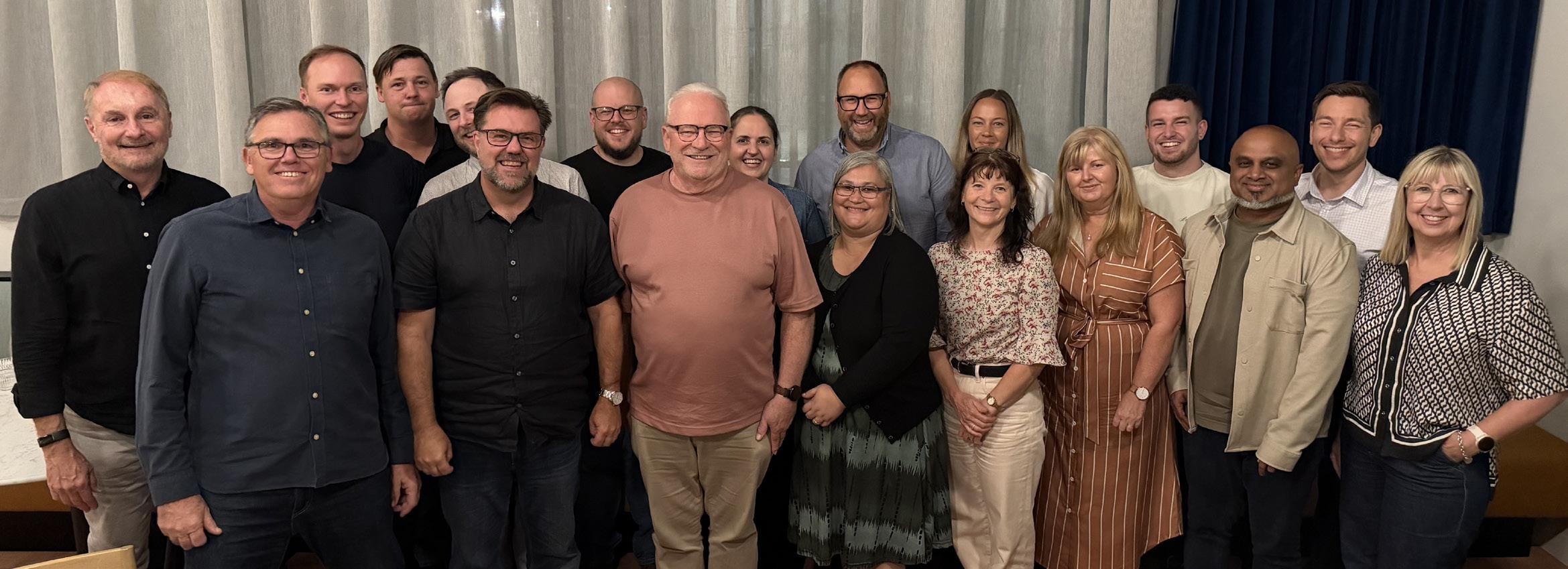
Our ACC National and State office teams are intentionally working not only to serve our pastors, churches and ministries today, but to position ACC well for the decades ahead. Much of this work happens quietly yet is focused on building strong foundations to support current and future leaders.
Since commencing as General Manager in 2025 I’ve been continually impressed by the calibre of our National and State teams with their wisdom, experience, and love for our Movement.
7 KEY AREAS OF FOCUS SHAPING OUR FUTURE:
• Streamlining credentialing application and training processes for the next generation
• Preparing for the 2026 ACC Census (NCLS) to inform long-term planning
• Updating national data systems to better support our pastors and churches
• Improving governance, legal and risk awareness
• Advancing Safer Churches practices
• Creating a church-planting assessment hub for future planters
• Enhancing grievance processes with independence, care and restoration at the centre
This work is all about serving well now and stewarding our future. – Peter Hammer, ACC GM
OUR PARTNERSHIP WITH AOG OCEANIA
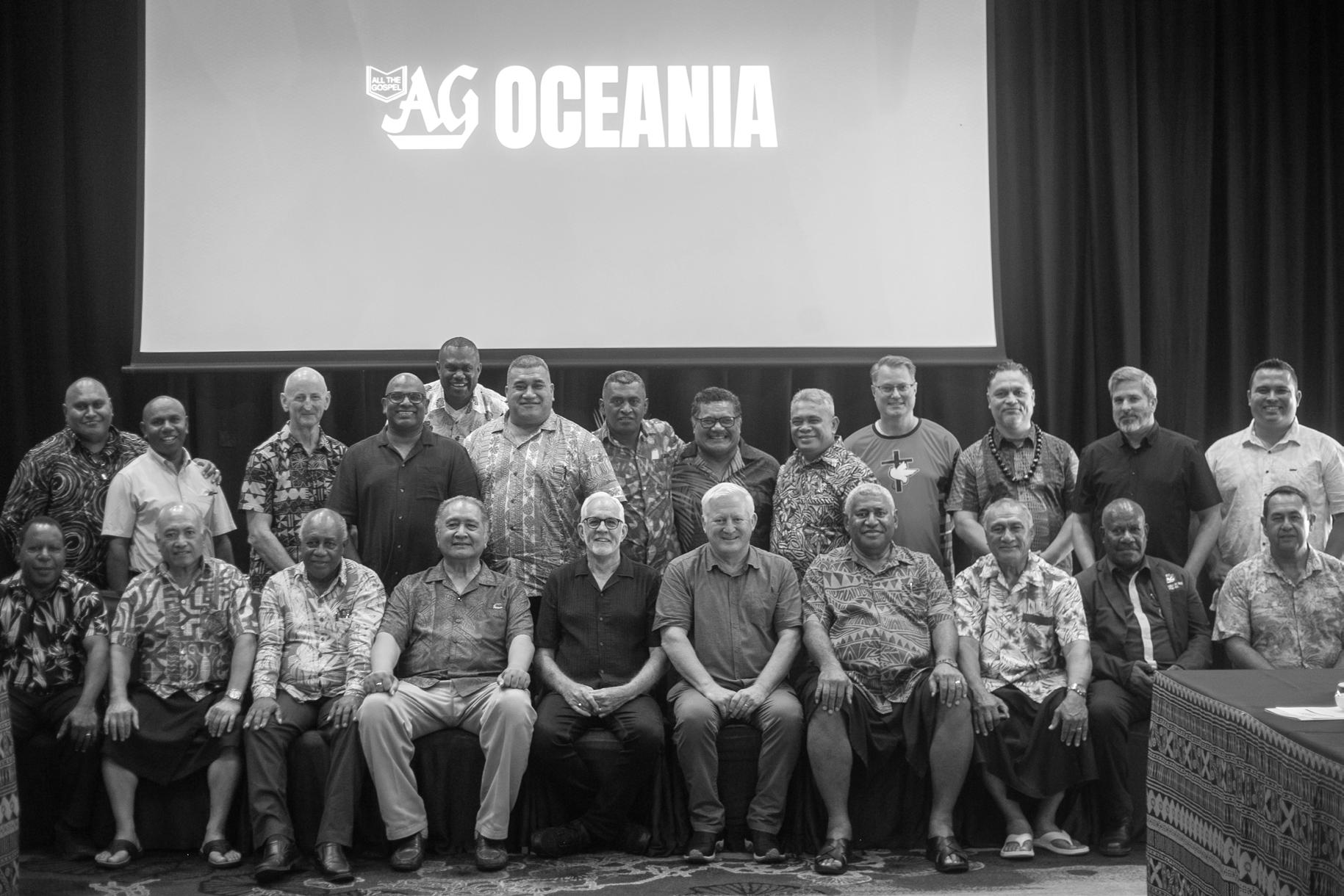
The third gathering of national leaders of the World Assemblies of God Oceania region was held in Fiji on 5th March 2026.
In attendance were leaders representing 12 Pacific nations – Papua New Guinea (PNG), Cook Islands, Fiji, French Polynesia (Tahiti), Tonga, Federated States of Micronesia (FSM), Vanuatu, Northern Marianas—Palau, Samoa, Solomon Islands, New Zealand and Australia (ACC).
The gathering continued to build stronger relationships, shared ministry collaboration and addressing common challenges. Inspiring reports from each nation showed a solid commitment to the WAGF MM33 goals.
Pastor Wayne Alcorn was honoured and thanked for chairing the region since its inauguration in 2024. Pastor Terry Bradley (AOG New Zealand) was elected the new chairperson, with Pastor Mosese Cackau (Fiji) as Deputy, and Pastor Joel Chelliah (ACC) as the Secretary/Treasurer.
FIND OUT MORE ... WAGF MM33 GOALS
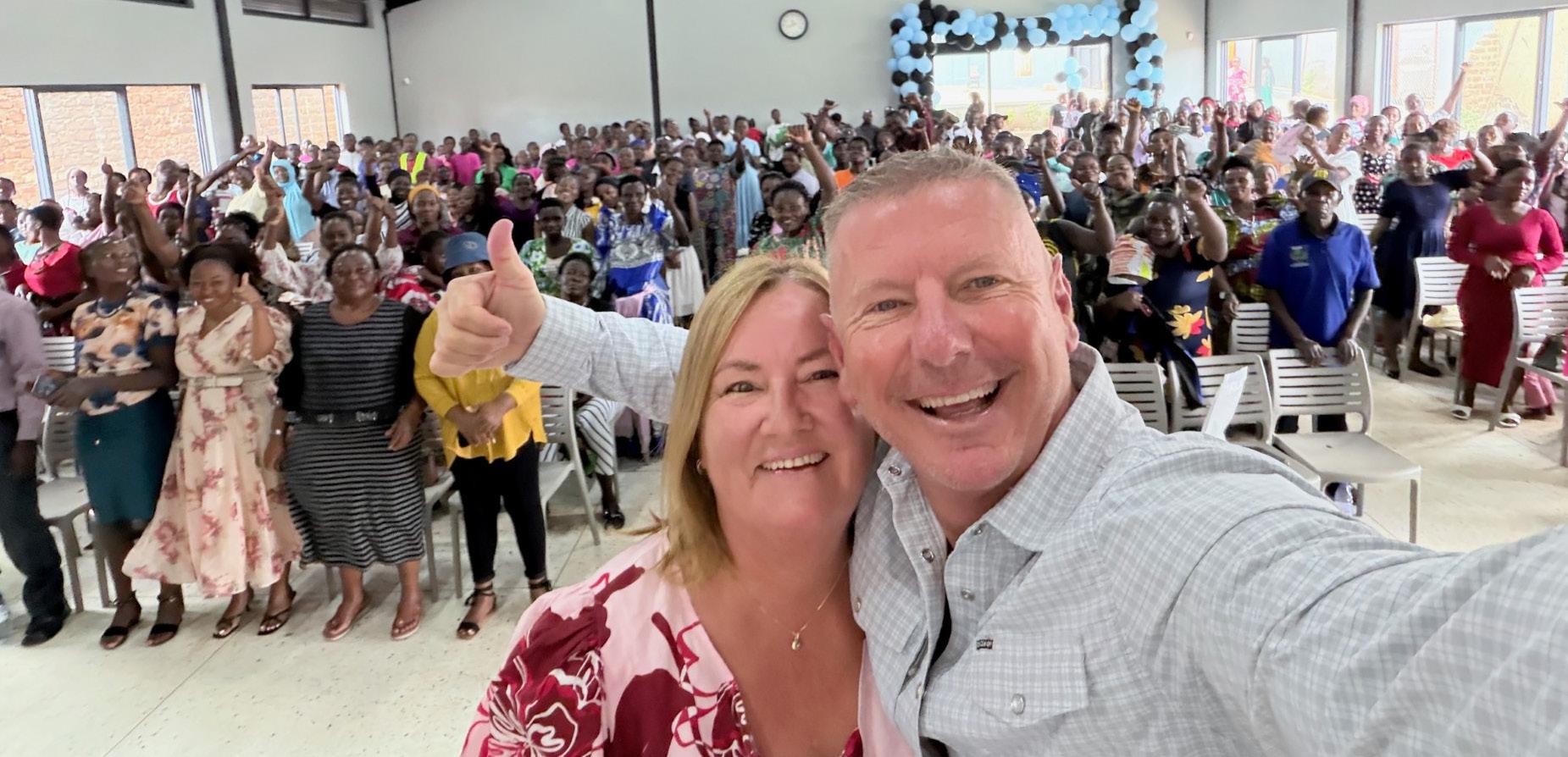
Russ & Jenny Barton are celebrating 20 years of Operation Uganda—a ministry transforming the lives of vulnerable and orphaned children in Kampala’s slums. Alongside education and community development, they lead a thriving church, with 400 adults and 300 children in kids’ church.
With 77% of Uganda’s population under the age of 25, youth ministry is also central—encompassing discipleship groups, mentoring, school-based Bible teaching and life skills courses.
The fruit has been remarkable: in the second half of 2025, 250 people made decisions for Christ and 350 were baptised in the Holy Spirit.
Russ and Jenny report: of what's been happening:
'We’re seeing a real openness among people in Uganda, especially teenagers and high school students who are hungry for faith, purpose and hope.
What has been exciting is that these moments haven’t just happened in traditional church settings. We’ve seen young people respond during school programs, youth gatherings and even community outreach events like our Christmas hamper distributions, where practical care opens the door for spiritual conversations.
The immediate fruit we often see after people are baptised in the Holy Spirit is a noticeable sense of joy, confidence and closeness to God. Many young people describe feeling a deep peace and assurance that God is with them. For some, it’s the first time their faith feels personal rather than just something they’ve heard about. They often talk about a new excitement to pray, worship and read the Bible.
Another thing we regularly observe is boldness. Young people who may have been quiet about their faith suddenly become eager to share what God has done in their lives with their friends or classmates. Some begin stepping forward in leadership within youth and church, helping pray for others or inviting friends to church.
One example is a high school student who came to one of our youth gatherings through a friend. He had grown up around church but had never really engaged with his faith personally. During a time of prayer, he asked to receive the Holy Spirit and afterwards he spoke about feeling a deep sense of peace and closeness to God that he had never experienced before.
We hear stories like this quite often – people who initially come because of a youth program, school connection, or practical support, and then experience a genuine encounter with God that leads to ongoing transformation in their lives.'
When the day of Pentecost had come, they were all together in one place. And suddenly a sound came from heaven like the rush of a mighty wind, and it filled all the house where they were sitting. And there appeared to them tongues as of fire, distributed and resting on each one of them. And they were all filled with the Holy Spirit and began to speak in other tongues, as the Spirit gave them utterance. | Acts 2:1-4
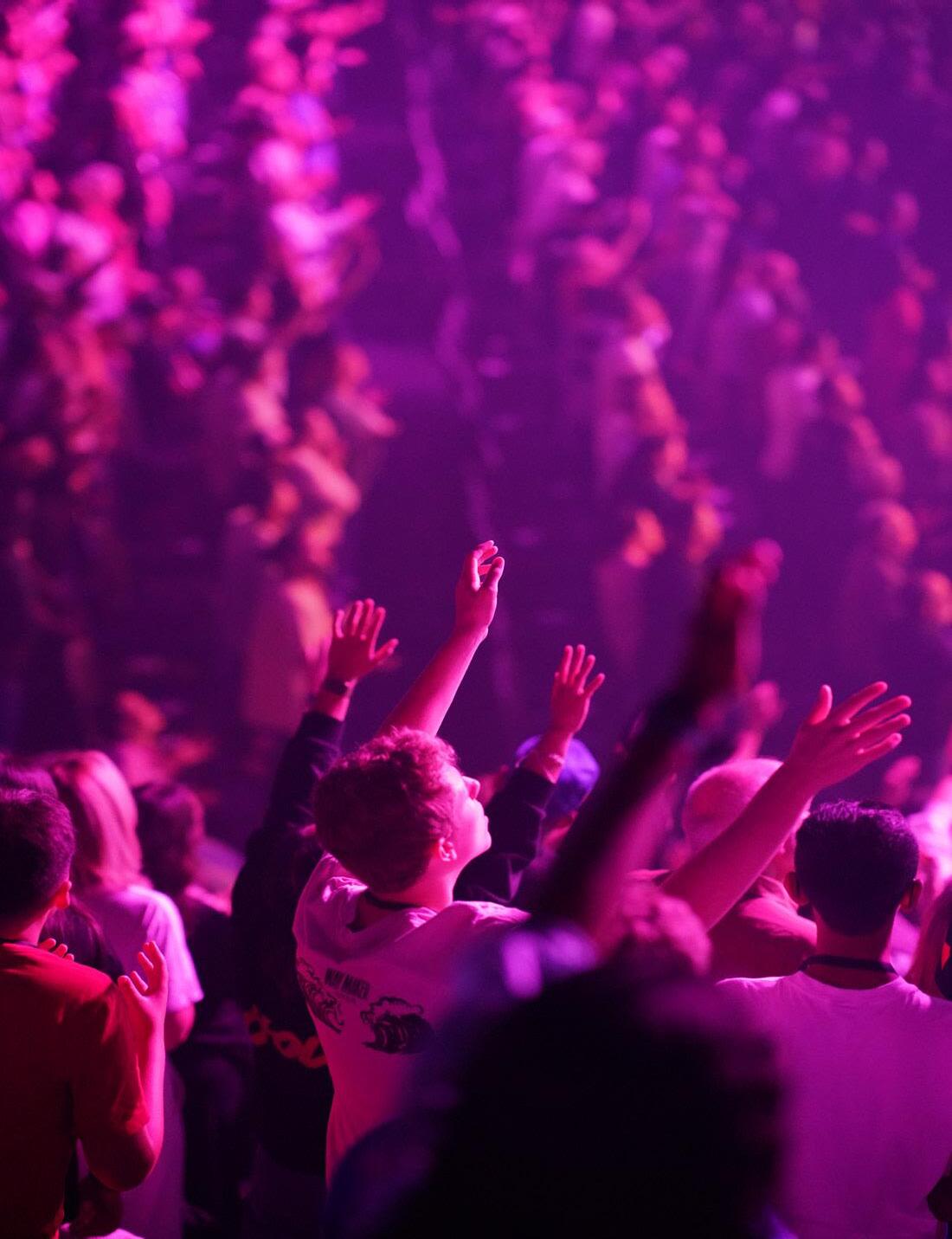
Fifty days after Easter presents a great opportunity to celebrate the Day of Pentecost and the birth of the Church. This year Pentecost Sunday is on 24th May 2026. Here are five ideas for your church to create a platform for ministry of the Holy Spirit.
1
Pentecost Sunday is the perfect time to preach on Acts 2 and teach your congregation about the baptism of the Holy Spirit. The ACC doctrinal statement provides pastors with all the biblical references for a solid teaching on the Day of Pentecost and baptism in the Holy Spirit.
> See the ACC Doctrinal Statement & Theological Supplement | Page 42
2
After teaching on the Day of Pentecost, include an altar call after the call for salvation. Invite believers to come forward and pray for them to be baptised in the Holy Spirit with the evidence of speaking in tongues.
3
Hold an anointing service on Pentecost Sunday, with leaders praying for and anointing the entire congregation with oil. Why not go one step further, and give full access for your congregation to lay hands and pray for each other, regardless of gender or age.
4
Acts 2: 6 describes how everyone 'heard them speak in his own language'. Celebrate the diversity of your congregation and involve the many nationalities by having bible readings and prayers in their home languages.
5
Prepare for a move of the Holy Spirit, accompanied by signs and wonders. Let your worship team lead in welcoming the Holy Spirit and the presence of God. Allow time for prayer, prophetic words, healing and ministry gifts.
We believe in the Holy Spirit, fully divine, who proceeds from the Father and the Son. He convicts, regenerates and sanctifies, and guides believers into all truth. (ACC Statement of Beliefs)
The Australian Christian Churches is the largest Pentecostal movement in the nation, with over 1100 churches and over 400,000 constituents attending our services.
As Pentecostals, we cherish the ongoing work of the Spirit through the gifts and baptism of the Holy Spirit, accompanied by signs and wonders. This isn’t just theology, it’s the power that colours every aspect of our ministry and mission.



BY JACQUELINE GREY AND KRISTY MILLS

Pentecostalism has exploded on a global scale. Pentecostals and charismatics, known for their vibrant worship and the Spirit’s power, are now one quarter of all Christians worldwide. We are young, beginning around the 1910s, but we have since flourished in hundreds of countries and cultures.
While there is diversity across the global Pentecostal church, there is also a family resemblance. You know when you’re in a Pentecostal community. We have both worshipped in Pentecostal churches abroad and felt quite at home, even singing familiar worship songs, only in Korean or Khmer!
Yet there is also a bold move of the Spirit across many mainline denominations. Anglicans and Catholics across Europe and Africa, for example, have experienced powerful moves of God in recent years. Many have also adopted the contemporary music and ministry expressions which are familiar to us. What then makes the Pentecostal movement unique?
Surprisingly, early Pentecostals did not set out to start a new denomination. They simply wanted to revive the existing church. Yet many of the mainline churches at the time when the momentum was building (in the 1910-20s and later in the 1960-70s) were resistant to the ministry of the Holy Spirit. Those who embraced the Spirit were often rejected by the church. This created a need for new Pentecostal church communities.
Now, with many mainline churches embracing a revival of the Spirit, the desire of the early Pentecostals is being realised as global Christianity turns charismatic.
Yet, Pentecostal communities still have a distinct identity. Three key features have consistently defined the Pentecostal Church as pentecostal:

1. HISTORICAL CONNECTION TO AZUSA STREET
Pentecostalism began as a global movement. It originated among those who anticipated an endtime revival which would herald the return of Jesus. There are records of Pentecostal-type meetings and speaking in tongues in Australia as early as the 1870s. However, it was the local revivals of the 1910-20s that birthed the Australian Pentecostal church. The Assemblies of God in Australia was officially formed in 1937.
Revival was also breaking out in many other places at this time around the world. The most famous was the Azusa Street Mission in Los Angeles (1906–1915). The relationship between the early Pentecostals from Azusa and Australia connects us historically with this global movement. The ACC is part of the historic movement, known as 'Classical Pentecostalism'.
A passion for saving the lost marked the early Pentecostals and this passion has endured. While Pentecostals are commonly known as 'Holy Spirit people,' our devotion to preaching Jesus and His gospel for the salvation of people also makes us 'Jesus people'. Outreach meetings, healing, evangelism and personal testimony are all expressions of this core passion.
The Holy Spirit testifies of Jesus, and Jesus is our focus (John 15:26; 1 Cor 12:3).
The early Pentecostals depended on the Holy Spirit. They were convinced that all believers were ministers and that the Spirit empowered them for this purpose. Men and women called by God and gifted by the Spirit were sent. It’s not surprising that because of this reliance on Spirit empowerment there were no barriers to women, the poor, or the young leading and ministering!
Baptism in the Holy Spirit was a return to the New Testament pattern – where signs and wonders followed believers just as in Acts. For early Pentecostals, speaking in tongues accompanied by love were the signs of Spirit baptism, an experience which followed salvation. Today Pentecostals continue this emphasis on the empowerment of the Holy Spirit, and many churches are experiencing a renewal of this priority.
The Spirit is moving across the globe. The Church across the planet is being awakened and revived by His love and power for mission. Pentecostals have a clear identity and place in the wonders we are seeing in our time. Our history reminds us of who we are and that God can move in power again!
Prof Jacqueline Grey is an ACC pastor and Professor of Biblical Studies at Alphacrucis University College.
Kristy Mills is an ACC pastor with Horizon Church.

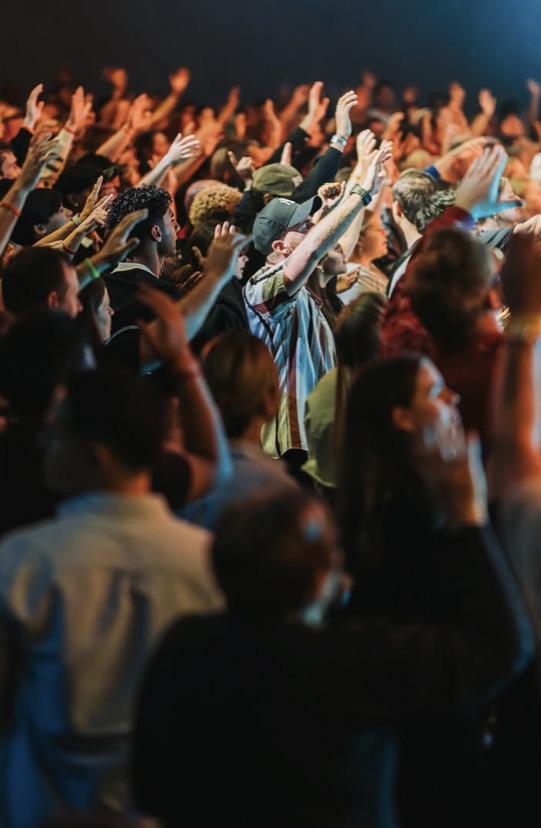
BY JOEL CHELLIAH
'Elisha died and was buried. Now Moabite raiders used to enter the country every spring. Once while some Israelites were burying a man, suddenly they saw a band of raiders; so they threw the man’s body into Elisha’s tomb. When the body touched Elisha’s bones, the man came to life and stood up on his feet.' | 2 Kings 13:20 - 21 NIV
What a remarkable moment in Bible history! A dead man comes into contact with another dead man and it sparks resurrection life. How? Because the power of God that rested on Elisha during his lifetime, left a mark on him that lasted long after his death. Something of God’s presence remained and lingered long after the initial encounter.
This is what some might call a residual anointing. A long lasting impact of a life saturated in the presence of God.
Elisha had spent years walking closely with God. He had developed an intimacy with His presence and cultivated a deep spiritual sensitivity throughout his years. So much so that even after his death, the residue of that relationship and intimacy with God, remained in his bones.
To understand this idea practically, consider a natural example. When the Chernobyl nuclear reactor exploded in 1986, it released radiation so potent that decades later, the surrounding region remains uninhabitable. The event had long passed but the effect continues.
In a similar (but far more life-giving way), the presence of God leaves a residue in those who consistently dwell with Him.
Every time we come into the presence of God in worship, fasting, solitude or praying in the Spirit, something happens in us. It’s not always visible and it doesn’t always have to be dramatic but something is deposited.
Moses experienced it after he spent time with the Lord on the mountain. It left a visible mark on his life. The presence of God changed him in a way that others could not ignore.
'When Moses came down from Mount Sinai with the two tablets of the covenant law in his hands, he was not aware that his face was radiant because he had spoken with the Lord.' | Exodus 34:29 NIV
Peter experienced the same thing but in a different way. He carried a tangible healing anointing that was so powerful that even his shadow became a point of contact for the miraculous.
'…people brought the sick into the streets and laid them on beds and mats so that at least Peter’s shadow might fall on some of them as he passed by.' | Acts 5: 15 NIV
This is the essence of the residual anointing: Every time you truly encounter the Lord, He changes you; and what God does in you, will flow through you.
This is why Scripture encourages believers to lay hands on the sick. It is not about your human effort or ability but rather what has been deposited in you, flowing out to bless others.
This type of transfer only happens when you have spent time in His presence. Without intimacy with God, we are left trying to produce spiritual results through natural means.
In Matthew 25, Jesus encourages his disciples to live a life full of oil. The oil represents the Holy Spirit. Using the parable of the ten virgins, he taught them that it is possible for believers to live their lives on empty. His closing encouragement is simple, 'Go to the one who sells oil and by some for yourself'.
Your refueling is your personal responsibility.
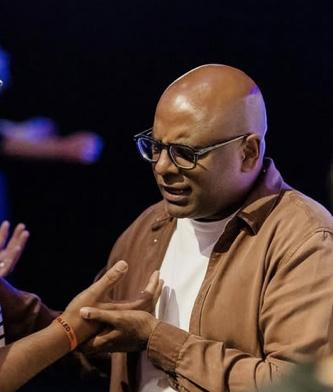
1. GO TO HIM.
A relationship with Christ is the starting point. Without Him, there is no true spiritual life or power. Without surrender and repentance there are no times of refreshing.
2. ASK OF HIM.
'…how much more will your heavenly Father give the Holy Spirit to those who ask Him!' | Luke 11:13 He is willing. The invitation is clear. Only those who ask will ever receive. Those who lack the hunger to ask, often stay empty.
3. WAIT ON HIM.
'Do not leave Jerusalem, but wait for the gift my Father promised, which you have heard me speak about.' | Acts 1:4 NIV
Before the disciples were filled with the Holy Spirit, they were instructed to wait. Waiting is not passive. It is a picture of one ready to receive. Standing in full expectation that the One who promised is faithful.
For those with pets, you will know how a dog waits for his dinner. It is not a passive experience but rather one full of excitement and expectancy. This is exactly how we should come into His presence - knowing that He wants to fill us afresh with His presence.
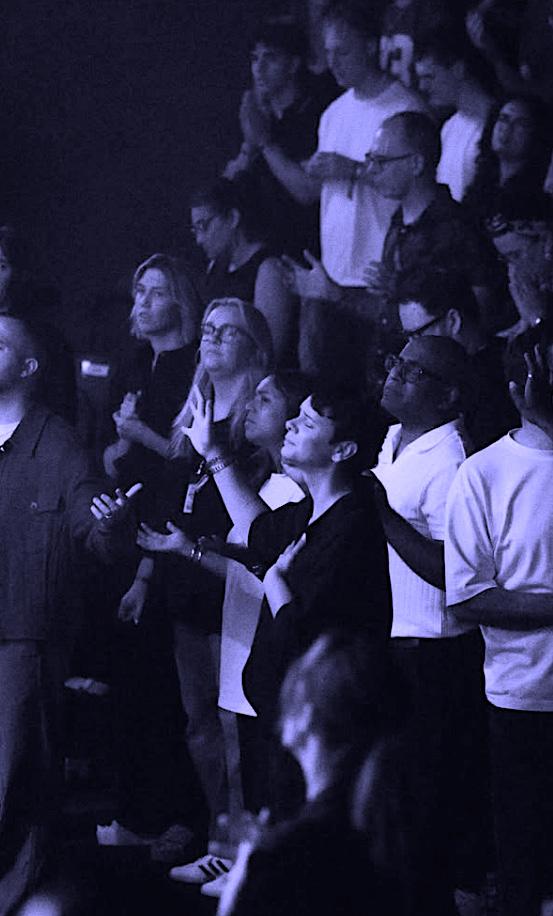
The Residual anointing is not something we manufacture. It is something we carry. It’s a by-product of knowing Jesus deeply and having spent precious time in His presence. When it is present, it changes everything:
Our words carry healing.
Our presence brings peace. Our prayers release power.
Our lives leave a mark.
Elisha’s story reminds us that a life lived in God’s presence, never truly stops impacting others. Long after the moment has passed, and after the person is gone, something remains.
The question is not whether we are leaving a residue the question is, what kind? May we be people who carry the presence of God so deeply that it overflows into every space we enter… and continues to speak long after we are gone.
Joel
Chelliah is the ACC National President.
BY SHARON CHELLIAH
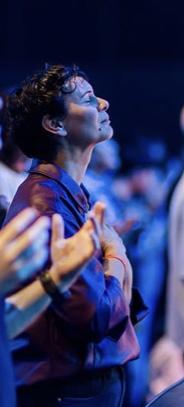
As Pentecostals, we believe that the gifts of the Spirit are available today for all believers. These gifts are precious and are given to us to benefit the body of Christ and ultimately to glorify God.
It is good that we desire spiritual gifts. But as we pursue an increase in the manifestation of these gifts may we also pursue an increase in the evidence of the fruit of the Spirit in our lives. That our lives would not just be about seeing the formation of one without the other, but rather that we would be fruitful and overflowing in both to the glory of God.
Paul encourages us to earnestly desire Spiritual gifts through what he describes as ‘the most excellent way’ – the most excellent way being the way of Love as described in 1 Corinthians 13.
'If I speak with the tongues of men and of angels, but have not [a] love [for others growing out of God’s love for me], then I have become only a noisy gong or a clanging cymbal [just an annoying distraction]. And if I have the gift ofprophecy [and speak a new message from God to the people], and understand all mysteries, and [possess] all knowledge; and if I have all [sufficient] faith so that I can remove mountains, but do not have love [reaching out to others], I am nothing.' | 1 Corinthians 13:1-2 AMP
Paul does not mince his words in this passage. In verse one I read that I could be the most talented communicator however if I do not have love I am likened to a noisy gong and a clanging cymbal. An annoying distraction! This is not God glorifying, this is the exact opposite of that. The beautiful gift without love is turned into an annoying, jarring, distressing sound. A far cry from its original, life giving and God glorifying intent.
In verse 2 of 1 Corinthians 13, Paul goes on to say that you or I could be the most renowned of prophets and have great faith and knowledge seeing the miraculous flow through our lives and yet if our life’s source is not love, then we are nothing!
Up-scaling ourselves in our gifting is so important. Being a faithful steward of the gifts and life God has given you and I is so important. Activating faith and stepping out in expectation for God to do the miraculous is so very important but perhaps not more important than cultivating a heart
and life of love – a love for others growing out of Gods love for me, as the Amplified puts it. This love is the soil in which His gifts are sustained and remain pure and unadulterated in our lives.
Love is not necessarily the fastest, the easiest or the most glamorous of paths in fact I’ve experienced it as the exact opposite of these. The standard of love in 1 Cor 13:4-7 is so high, most days I don’t get past the first part ‘Love is patient’ yet the wonderful thing is that this invites us to move beyond the bounds of our human insufficiency and draw on the Holy Spirit that Christ would be formed in us and His life and nature would be revealed through us.
May we be established in ‘the most excellent way’ that our lives will overflow and abound in both the gifts and the fruit of the Spirit to the glory of God.
Sharon Chelliah and her husband Joel are the senior pastors of Centrepoint Church.

'THE GREATEST OF THESE IS LOVE.'
BY JOHN HUNT
Have you ever had moments where you simply couldn’t be bothered? You see someone who doesn’t know Jesus, yet you feel no urgency to speak.
Many Christians recognise these feelings. But the good news is that it does not have to stay that way. Jesus sent the spirit so that our faith would not be dull, tired, or driven only by obligation. He came to fill believers with life and power through the baptism in the Holy Spirit.
John the Baptist declared, 'I baptise you with water; but someone is coming soon who is greater than I am… He will baptise you with the Holy Spirit and with fire.'
The word baptise was not originally a religious word. It was an everyday Greek term meaning to dip, to immerse, or to saturate. For example, if a white garment were dipped into purple dye, it would come out completely changed. It would no longer be a white garment; it would be transformed into a purple one.
That is the image John uses. Jesus does not merely improve people—He immerses them in the Holy Spirit until their lives are changed.
This fire is a confronting and powerful picture. Fire in the Bible often represents God’s presence—purifying, energising, and empowering His people. Biblical fire is not emotional hype. The fire of the Holy Spirit is deeper than that. It produces a lasting motive of joy.
It gives a heart that says, 'For joy I will serve.' It was experienced by believers as it was poured out on the day of Pentecost and Christ is still pouring today.
The fire of the Spirit sustains a person year after year. It produces boldness, generosity, and a deep desire to live for God. A Spirit-filled believer becomes open-hearted toward God and others.
Paul warns believers not to lose that fire: 'Don’t quench the Spirit.'
Many things can quench spiritual fire—worldly distractions, unhealthy relationships, the deceitfulness of money, disappointment, or sin. Over time these things can drain the joy and passion from our faith.
But God’s desire is not for His people to burn out. Jesus baptises with the Holy Spirit and with fire so that believers can live a supernatural life with His power, not their own strength.
If we believe in the second blessing, and if we’ve experienced the second blessing, it is only natural that it becomes a priority in teaching, preaching and practice of our local church.
John Hunt is the ACC National Vice-President, and Director of ACCI.

BY SEAN STANTON
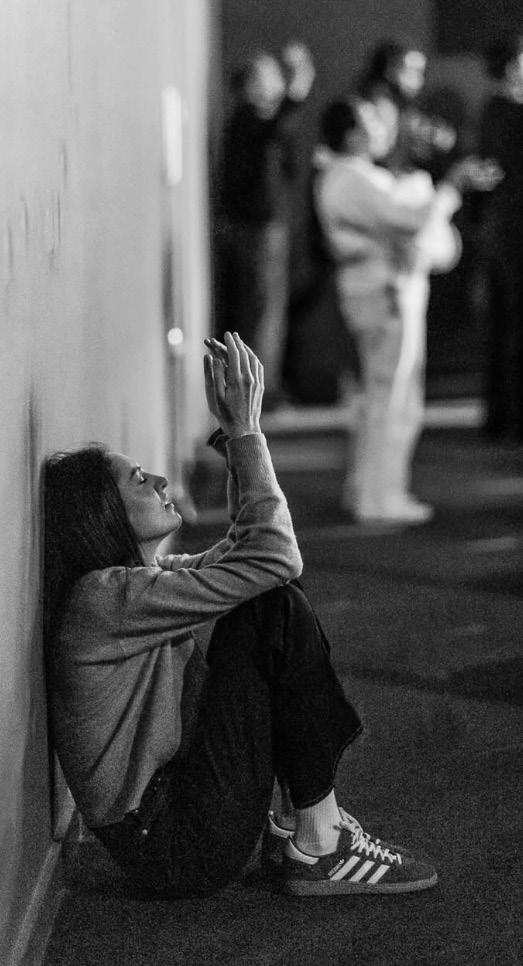
Pentecost is not merely a date on the calendar; it is an opportunity to recalibrate our dependency on the Holy Spirit. In the busyness of ministry, it is easy to reduce our faith to a religion of willpower where we seek to advance the Kingdom through strategic planning and professional excellence. But Jesus’ command to the early Church was pointed:
Wait. 'Do not leave Jerusalem, but wait for the gift my Father promised... You will receive power when the Holy Spirit has come upon you.' | Acts 1:4, 8
As Pentecostal leaders, we must remember Warren Wiersbe’s sobering reminder: 'It is not enough for us to have the Spirit; the Spirit must have us!' Following Jesus isn't just difficult; it is impossible without the indwelling work and anointing of the Holy Spirit.
We often call the fifth book of the New Testament 'The Acts of the Apostles,' but it is truly the Acts of the Holy Spirit. The Spirit is the one who initiates, interrupts, and directs.
Consider the collision of Peter and Cornelius in Acts 10. This wasn't a strategic partnership formed in a boardroom; it was a sovereign orchestration.
In Cornelius, the Spirit awakened hunger. In Peter, the Spirit dismantled prejudice.
Peter’s vision of the 'unclean' animals (Acts 10:11-15) was deeply unsettling. God wasn’t merely adjusting his theology; He was confronting deeply ingrained cultural boundaries to expand Peter’s world. The Spirit often offends our minds to reveal what is in our hearts.
For Peter, obedience meant traveling 50 km to the house of a Gentile, a move that was inconvenient, uncomfortable, and technically against Jewish law. Yet, a Spirit-led life requires a 'Yes' that moves beyond preference and predictability.
When Peter said 'Yes,' the miraculous followed. As he was still speaking, the Holy Spirit fell on all who heard the message. This was 'Pentecost' for the Gentile world. 'The circumcised believers who had come with Peter were astonished that the gift of the Holy Spirit had been poured out even on Gentiles. For they heard them speaking in tongues and praising God.' | Acts 10:45–46
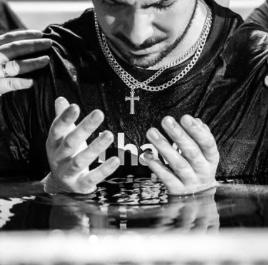
As we approach Pentecost Sunday, let us lead our congregations back to an 'Upper Room' posture of dependency. When we say ‘Yes’ to the Holy Spirit, He does what we cannot organise, manufacture, or manage.
The power of the Spirit isn't given to make us comfortable, but to make us effective. Let’s stop trying to 'manage' the move of God and start obeying the promptings that push us past our comfort zones. What is waiting for you on the other side of your 'Yes!' | 1 Corinthians 2:9-10
Take a moment this week to reflect on your current ministry rhythm. Ask the Holy Spirit to highlight any area where you have said 'No' or 'Not yet' to a prompting because it felt inconvenient, uncomfortable, or offensive to your current comfort zone.
Stanton is the ACC National Secretary.
BY NADIA CLARK
In October 2024, my husband Craig achieved a major bucket list goal—completing a 100km ultra-marathon. As family and friends, we rallied around him that day; we weren’t just there to watch, but to support him in every way possible.
We were here to replenish supplies, bring medical support— tape blistering toes, and constantly celebrating and encouraging at every checkpoint to give courage for the next leg ahead. Doing whatever we could to help him keep going and stay in the race.
At times, we were able to run alongside him—to bring companionship in the middle of the long and gruelling roads.
We would drive ahead, looking at what was coming, helping him navigate what lay before him.
By the end of the race, it was completely dark. He had been running since 5am, and there were no lights to lead him home. So our son ran down the track and began to whistle— guiding him, bringing clarity where there could have been confusion, and leading him all the way to the finish.
As a family, we crossed the finish line with him, and with great elation Craig declared, 'We did it!' One person ran the race, but together, we all shared in the victory.

I love that all throughout Scripture, the Holy Spirit is described by the Greek word Parakletos—the One who is called alongside to help.
Aren’t you grateful that Jesus didn’t leave us as orphans? He said He was sending us the helper, the Holy Spirit, who was sent to come alongside us. He doesn’t just leave us to run the race that He has called us to in our natural ability. No, He is the one who comes alongside and helps us in every way that it is needed.
This is especially the case when it comes to building his church. In Acts 9:31 it says of the early church…
'Then the churches throughout all Judea, Galilee, and Samaria had peace and were edified. And walking in the fear of the Lord and in the comfort (parakletos) of the Holy Spirit, they were multiplied.'
How incredible—they were multiplied because they walked with the Holy Spirit! They had the Helper alongside them, partnering with them to build His Church.
In building His Church I love that the Holy Spirit…
• Reveals to us divine insight. We have the wisdom from heaven (John 14:26) and the message of Jesus Christ to His church (Rev 2:7) through His Holy Spirit.
• Equips us for the work that He has called us to. It’s His gifts we are using to build the church, not our own. (1 Corinthians 12)
• Strengthens and encourages us when we feel weak and gives us supernatural ability to carry out the work that He has called us to. We aren’t just surviving in ministry, we are empowered by the Holy Spirit. (Ephesians 3:16)
• Brings conviction to people to move them towards God. He is the one doing the heavy lifting to turn people to repentance. (John 16:8)
• Gives us the words to say and the courage to say them. (Luke 12:11–12) We are not preaching, teaching and leading through our natural ability. We have the same God who spoke the earth in being, speaking through us!
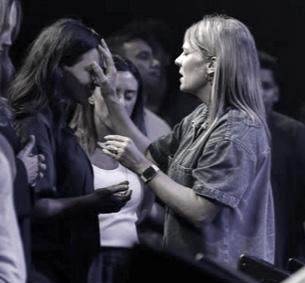
Nadia Clark is a member of the ACC National Executive. She and her husband Craig are the lead pastors of LIFE Melbourne.
So what a gift it is to know we have the Helper beside us, strengthening us as we build His church and see His Kingdom multiplied. We’re not running this race in our own—We have the ultimate helper alongside us and he is never going to tire out. So let’s continue to lean into His strength and supply, knowing that He is right there with us!
BY BEN NAITOKO
Sometimes, one of the greatest things we can do for people is to lay hands on them and pray for them!
In scripture there are a number of examples whereby laying hands on people will help them to receive God’s power. Some of the most powerful times of ministry I’ve experienced is when I have the opportunity to lay hands on people and see them encounter the power of God. However, sometimes people are unsure how to posture themselves when getting prayed for.
One of my favourite accounts in scripture is the one where Jesus heals the woman with the issue of blood. The thing I love most about this account is the fact that the woman was healed even though Jesus wasn’t expecting it. She was actually able to touch Jesus in such a way that she was able to extract the power of God from Him. Below are three simple keys I teach people to help them receive a touch of God’s power when getting prayed for.
Mark 5:27, 'When she heard about Jesus, she came behind Him in the crowd and touched His garment.'
The woman didn’t draw attention to herself, her entire focus was to touch Jesus' garment and be in 'receive mode'.
I always tell people, that when they get prayed for and have hands laid on them, it’s not the time to praise or pray loudly – it’s the time to be quiet and be ready to receive a touch from God. It’s hard to receive when you’re giving out.
Mark 5:28, 'For she said, “If only I may touch His clothes, I shall be made well.” '
She touched Jesus' garment with expectation. She wasn’t the only person to touch his garment, but she WAS the only person expecting something to happen when she did. I always encourage people that when they get prayed for they should have an attitude of expectation that God will touch their life.
Mark 5:28, “For she said, “If only I may touch His clothes, I shall be made well.”
Her expectation was that the moment she touched his clothes she would be healed. I tell people that the moment hands are laid on them, that’s the moment to expect that God’s power will touch them.
Ben Naitoko is a member of the ACC National Executive and State President of Queensland & Northern Territory.

BY CHRISSY LEE

'If Your Presence does not go with us, do not send us up from here… What else will distinguish me and Your people from all the other people on the face of the earth?'
| Exodus 33:15–16
The prayer of Moses in Exodus 33 reveals he understood something fundamental about God’s people: their true distinction was the presence of God among them.
By Exodus 40, the tabernacle had been completed, the cloud of God’s presence descended upon it, and His glory filled it. From that moment, Israel’s life in the wilderness was marked by God’s visible presence. All their travels were directed by the cloud in the day and fire at night. Moses’ heartfelt prayer had been answered. Israel had indeed become a people distinguished by God’s presence.
As remarkable as the presence-filled tabernacle was, Pentecost offers us far greater. The fact that Holy Spirit was poured out on all flesh means that God’s presence is no longer confined to a tent in the wilderness or a temple in Jerusalem, but now He dwells in us. We are the temple of the Holy Spirit!

In Galatians, however, Paul challenges us as Spirit-filled believers not just to live by the Spirit, but to keep in step with Him. That is, not only to enjoy our Spirit-filled reality but to allow His Spirit to direct every area of our lives, leadership, and churches— our conduct, our decisions, our direction, and our passions.
As Israel centred their wilderness wandering around God’s manifest presence, we can glean important lessons about what it means to live our lives, distinguished by His presence.
WITHOUT HIS PRESENCE, IT’S JUST A TENT.
The truth is that as intricate as the tabernacle structure was, as Godgiven as the design was, without His continually abiding presence, it was just a fancy tent.
This is true of all we do in our lives, leadership, and churches. We can have intricate, intelligent structures, the right words and the latest trends, but if God’s Spirit does not abide, they are not much more than tents. The fruit that remains, the truly transformative element, will always be His Spirit. We labour in vain when we settle for human structures not inhabited by His presence.
HIS PRESENCE MEANS HELP AND ASSURANCE.
God’s presence among Israel brought multifaceted benefit, both corporately and to individuals. They experienced the shade, the light, the warmth, protection from their enemies and the elements, as well as the deep assurance that God was with them.
So too for us, to live and lead distinguished by His presence brings blessing into every sphere - comfort in distress, counsel in confusion, assistance in prayer, strength in weakness, power for the impossible and so much more. The Holy Spirit is our Paraclete, perfectly fit for the purpose of loving, leading, and empowering our lives and ministry.
HIS PRESENCE LEADS, WE FOLLOW.
Numbers 9:17 says:
'Whenever the cloud lifted from above the tent, the Israelites set out; wherever the cloud settled, the Israelites encamped.'
Israel at this time kept constant awareness of where God’s presence was and purposed to move only when He moved. This speaks to us of living sensitively, watchfully, and obediently to God’s Spirit. To live distinguished by His presence is to maintain a constant enquiry before the Lord, 'What are you saying?' Where are you going?' Beyond the enquiry must come a preparedness to do what He says.
This Pentecost Sunday, of all that you desire, desire to be distinguished by His presence. Desire that He would fill all you are and all you do. Determine to respond to Him with sensitivity and draw deeply from the help He is so eager to give. Just like in Israel’s day, may the nations take notice of the One who dwells among us and be drawn to the knowledge of Him.
Chrissy Lee is a member of the ACC National Executive. She and her husband Ken are the senior pastors of Nations Church.

BY DAVID HALL
JESUS CHRIST IS THE SAME YESTERDAY, TODAY, AND FOREVER. | Hebrews 13:8
This is not just a comforting statement – it is the reality of who Jesus is eternally. The Jesus we see in Scripture is the Jesus we still encounter today. He has not changed, and neither has His mission and certainly not His power.
One of the clearest ways to describe that mission is through what has historically been called the Foursquare Gospel.
In 1922, Aimee Semple McPherson captured this idea while preaching from Ezekiel’s vision of four living creatures. Each face revealed a dimension of Jesus’ ministry.
• THE MAN. The suffering Saviour.
• THE LION The Baptiser with the Holy Spirit and fire.
• THE OX. The Burden-bearer who heals.
• THE EAGLE The Soon coming King.
She described it as a complete Gospel for body, soul, spirit, and eternity. A Gospel that faces squarely in every direction –north, south, east and west. A message proclaimed in four Gospels, Matthew, Mark, Luke and John. A power to touch Jerusalem, Judea, Samaria and the ends of the earth.
This idea has also formed what are known as the cardinal doctrines of the Assemblies of God: Jesus saves, Jesus heals, Jesus baptises in the Holy Ghost, and Jesus is coming again. Hallelujah!
I believe this is the most potent message we can be preaching!
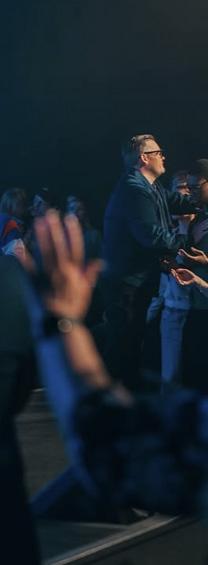

1. JESUS SAVES Scripture is clear that all have sinned and fallen short of the glory of God. Sin is not simply wrongdoing. It is missing the mark. All have missed the target and fallen short of God’s standard. The result is separation from God. The wages of sin is death, but the gift of God is eternal life in Christ Jesus.
God demonstrated His love in this, that while we were still sinners, Christ died for us. Salvation is not earned. It is received. Whoever calls on the name of the Lord shall be saved. This is where it begins.
3. JESUS BAPTISES in the Holy Ghost. The Christian life is not designed to be lived in human strength. John the Baptist declared that Jesus would baptise with the Holy Spirit and fire.
This is the empowering presence of God that enables believers to live boldly, witness effectively, and operate in the supernatural.
Tongue talking, anointed men and women of God, filled with the power of the Holy Ghost, shaping Australia for the glory of God.
2. JESUS HEALS. The ministry of Jesus revealed the heart of God toward human brokenness. He went about doing good and healing all who were oppressed. He is the Great Physician, ministering to every area of human need, physical, emotional, and spiritual.
From restoring sight to the blind, to cleansing lepers, to raising the dead, Jesus demonstrated that healing is not peripheral to the Gospel. It is central to it. What He did then, He still does now. He is the Great Physician!
4. JESUS IS COMING AGAIN
As Jesus ascended into heaven, the angels declared that He would return to take His Church to live with Him forever. This is the great hope of the Church. History is not random. It is moving toward a divine conclusion. I still believe in the rapture of the Church. I still believe in the great tribulation. I still believe in the second coming, and I believe there is a kingdom coming that will never end. The same Jesus who came will come again. This is the Gospel. It is good news!
A whole Gospel produces whole believers, which is exactly what our world needs today.
David Hall is a member of the ACC National Executive, and ACC State President of South Australia.
BY ANDY KIRK
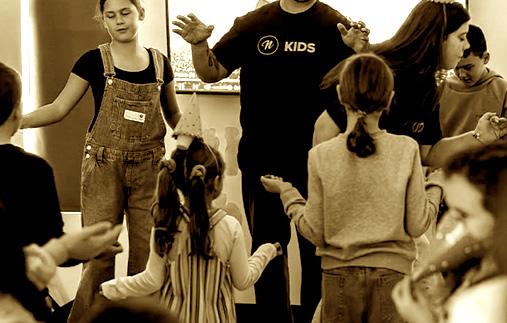
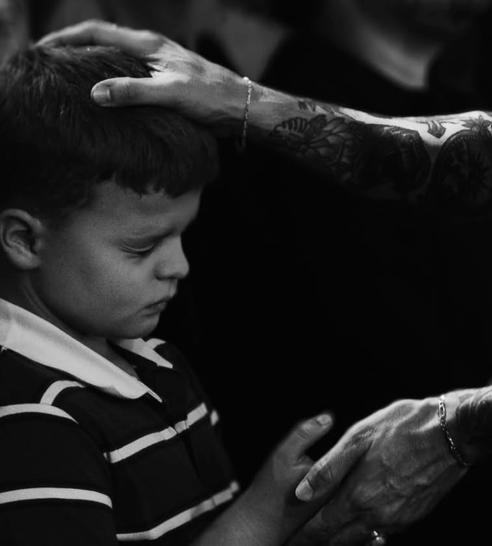
'There’s no such thing as a junior Holy Spirit. He doesn’t have to ‘grow up’ inside our kids. He is fully present and fully powerful now.' — Heidi Baker
One of the most powerful truths we must embrace as the Church is this: the Holy Spirit doesn’t come in childsized portions. The same Spirit who hovered over the waters in Genesis 1, who empowered Jesus in His earthly ministry, and who descended at Pentecost lives in every believer— including children.
From the very beginning, Scripture makes it clear that children are not half-humans or future disciples in waiting. Genesis 1:27 tells us, 'So God created mankind in his own image... male and female he created them'. This imago Dei, the image of God, is not something children grow into it is inherent from birth.
Jesus affirmed the spiritual dignity of children in powerful ways. He didn’t just welcome them; He honoured them. 'Let the little children come to me, and do not hinder them, for the kingdom of heaven belongs to such as these.' (Matthew 19:14). And again in Matthew 21:16, He said, 'From the lips of children and infants, you, Lord, have called forth your praise.'
Acts 2:17 gives us a vision of a Spiritempowered generation: 'In the last days, God says, I will pour out my Spirit on all people. Your sons and daughters will prophesy...' The inclusion of sons and daughters is not poetic—it’s prophetic. Children are not sidelined in God’s mission; they are central to it.
Paul affirms in Ephesians 1:13 that those who believe are sealed with the promised Holy Spirit. If a child has responded to Jesus in faith, the same Spirit dwells in them as in any adult believer. There is no "junior" version.
As Francis Chan reminds us, 'The Spirit who raised Christ from the dead lives in you. He is not muted or toned down in children. He’s fully Himself.'
If we believe this, it should shape how we disciple the next generation. Here are three practical ways we can nurture a Spirit-filled faith in our kids:
Children are often more open and sensitive to spiritual realities than adults. Teach them that God speaks today—through Scripture, a quiet prompting, or even a dream.
'My sheep listen to my voice; I know them, and they follow me.' | John 10:27
Create moments of silence in your services and Kids Ministries where children can simply ask, 'Holy Spirit, what are you saying?' Then listen.
Children don’t just need ministry; they can do ministry. Let them pray for others, speak encouragement, and share what they feel God is saying. When given the chance, kids will surprise us with how naturally they step into the supernatural.
'Now to each one the manifestation of the Spirit is given for the common good.' | 1 Corinthians 12:7
What if we expected our kids to pray with power, encourage with discernment, and serve with joy?
Children absorb more from what we live than what we say. Are we modelling a daily walk with the Spirit? Do they see us praying, repenting, listening, and obeying?
'Since we live by the Spirit, let us keep in step with the Spirit.' | Galatians 5:25
Let’s not keep Spirit-filled living in the 'adult' services. Let’s live it openly in front of the youngest in our community.
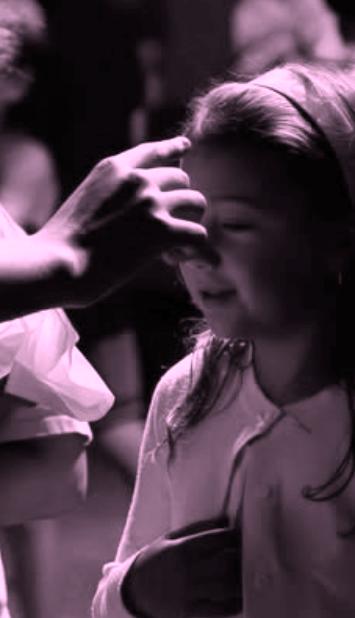
37
Children are the Church of TODAY! Children are not the church of tomorrow; they are the church of today and today’s church must be one that believes in the full participation of every believer, no matter their age. The Holy Spirit longs to speak to our children and work through them to bring life, healing, and truth to the world.
Let’s be a Church that raises a generation who knows the voice of the Spirit, walks in His power, and glorifies Jesus in every season of life.
'Don’t let anyone look down on you because you are young, but set an example for the believers…' | 1 Timothy 4:12
Andy Kirk is the national leader of ACCKids.
BY STEPHEN FOGARTY
A wind is blowing through the Church, and with it comes creative new possibilities for ministry and mission. The Day of Pentecost, that extraordinary moment when the Holy Spirit descended upon the early disciples, is not merely ancient history. It is the paradigm for all that we are and all that we do: the church is the church in the power of the Spirit.
In Acts 2:1-4, three phenomena attend the Spirit's coming, wind, fire, and tongues, each carrying profound significance for our ministry today.
THE WIND signifies empowerment. Just as the breath of God transformed Ezekiel's valley of dry bones into a mighty army, so the Spirit transformed dispirited disciples into effective evangelists who turned the world upside down. Peter, the man who denied Jesus in the hour of crisis, found his true shape in the force field of the Spirit and preached a sermon that saw three thousand converted. The Spirit creates the possibility of each of us fulfilling our God-given potential.
THE FIRE signifies God's intimate presence. In Exodus, God dwelt among Israel in the burning bush and the pillar of fire. At Pentecost, that fire came to rest on every individual, not upon a building or a priesthood, but upon each person. This is a radical democratisation of the divine presence. Our people are not spectators; they are temples of the Holy Spirit.
THE TONGUES signify giftedness. Peter quoted Joel: in the last days, sons and daughters, young and old, will all contribute to the whole. There are no favourites with God - all are anointed, all are gifted. In diverse tongues praising God and speaking to every nation, we see the reversal of Babel. Humanity divided by disobedience is being reunited in worship. The Spirit creates diversity within unity, breaking down barriers to advance the gospel.


The baptism in the Holy Spirit is not a relic of early Pentecostal enthusiasm. It is the most important rediscovery in the contemporary church, giving us power for witness, depth in prayer, and spiritual vitality that sustains us in the pressures of ministry.
Our calling as ministers is to lead our communities into the force field of the Spirit where character is shaped, gifts are released, and the mission of God advances. The same Spirit who fell at Pentecost is moving among us today, transforming neighbourhoods and nations. The question is simply this: What is God calling you to be and do in the power of His Spirit?
Professor Stephen Fogarty is the President of Alphacrucis University College.
BY ADAM DODDS
I remember hearing a story about a well-known prophet who often receives open visions. He prayed, 'Lord, show me all of the truth. I don’t want to see some of the truth, I want to see all of it.'
He felt the Lord reply, 'I have already given all of my truth.'
He responded, 'Lord, where have you given all of your truth.'
He felt the Lord reply, 'I have given all of my truth to all of my Church.'
This prophet interpreted that to mean that different parts of the body of Christ globally, different denominations and movements, had different insights into the one truth of Jesus Christ.
I love that story because it tells me that each part of the global Church has something to learn from, and something to offer to, the other parts. While the Pentecostal church no doubt has much to learn, as every part of Christ’s body does, we also have much to give. What follows are three things (amongst many) I think that we as Pentecostals are strong at.
1. WE BELIEVE IN THE NOWMOVING OF THE HOLY SPIRIT.
God is not only read about in the inspired pages of Scripture but is encountered in the person of the Holy Spirit. We believe He is present in our lives and gatherings, and we are expectant that He will move. Seeking and being open to prophetic words, going for and believing in divine healing, gives a ‘now reality’ to our faith that is alive, has a dynamic vitality, and is exciting. I don’t think walking with God was meant to be boring. We worship a God of the breakthrough.
wonderful saying from missionary pioneer William Carey: 'Expect great things from God; attempt great things for God.' Pentecostal churches in general, and the ACC in particular, are phenomenal at church planting. Pentecostals have an entrepreneurial-ness (if that’s a word) that is also expressed in starting new Christian schools, innovating in youth ministry and outreach, and dreaming with the Spirit of new ways to make Christ known. It’s awesome.
2. AS PEOPLE OF THE SPIRIT, WE ARE A PEOPLE ON MISSION.
J. Roswell Flower, the first general secretary of the Assemblies of God, said: 'When the Holy Spirit comes into our hearts, the missionary spirit comes in with it; they are inseparable.' The primary missionary is the Holy Spirit. He inspires us to be bold for the Lord because the Spirit’s job is to testify about Jesus (John 15:26), which He does through us. I think we Pentecostals embody well the
Let me explain. A weakness of Pentecostalism is we are not as well trained biblically and theologically as leaders from other denominations. However, a strength we have is we are more open to our lived experience with God informing our theology. One example of this is prayer.
Much traditional theology says that prayer changes us only, and that’s about it. While this is partly true, Pentecostals have found that when we pray, God moves, and things change.
Our operative theology is that in prayer we partner with God to bring about His will on earth as in heaven. As theologian Greg Boyd says, 'The Bible has more ‘If-then’ statements associated with prayer than any other human activity. IF my people pray, THEN I will heal their land.' That is worth pondering for a moment.
This is a Pentecostal corrective to the mainstream theological tradition, and I think it’s spot on. Theology is meant to be studied but it is also meant to be lived, tested, studied and refined, lived, tested, studied, and refined, again and again.
The now-moving of the Spirit, our mission-minded entrepreneurialness, and Pentecostal theology. I suspect God is calling us to be faithful to these core distinctives of who we are. Of course we praise God for the amazing things He is doing through other parts of the body of Christ (it’ll take the whole church to reach the whole world), and we have much to learn from them. But, especially in the areas God has gifted us in, we also have much to give.
Adam Dodds is Head of Theology at Alphacrucis University College. He is ordained with the ACC and is Teaching and Discipleship Pastor at Nexus Church, Brisbane.
The experience of the baptism in the Holy Spirit, and the resulting doctrine, is held by Pentecostal churches around the world and is a central distinctive of Pentecostal spirituality. The doctrine helps to frame our identity as a movement of Christian churches that share an emphasis on the working of the Holy Spirit in our midst.
In Matthew 3:11, John the Baptist proclaimed that Jesus would baptise 'with the Holy Spirit and with fire'. This baptism was also promised by Jesus in Luke 24:49 and Acts 1:4–8 and connected to the empowerment of the disciples to witness to the risen Christ: 'But you will receive power when the Holy Spirit has come upon you; and you will be my witnesses in Jerusalem, in all Judea and Samaria, and to the ends of the earth.' | Acts 1:8
We believe in the baptism of the Holy Spirit, which is a transformative experience, distinct from and subsequent to salvation. It is available to all believers and accompanied by the initial evidence of speaking in tongues. It results in empowerment for effective witness to the world.
The outpouring of the Holy Spirit at Pentecost in Acts 2:1–13 and subsequent accounts of baptism in the Holy Spirit in the Book of Acts bear witness to the Pentecostal experience. Along with the Pentecost event, this includes the case of the Samaritans in Acts 8:4–19, the story of Saul in Acts 9:1–19, Cornelius and his household in Acts 10:44–48 (see also 11:14–17), and the Ephesians in Acts 19:1–7. These accounts provide the basis for the Pentecostal understanding of baptism in the Holy Spirit, which upholds that the experience described in these texts is also available today.
When explained in detail, the doctrine has three distinct features. It describes the baptism of the Holy Spirit as an experience that is:
(1) distinct from and subsequent to salvation or the new birth (Luke 3:16; Acts 2:1–13, 8:4–19, 9:1–19, 10:44–48, 19:1–7);
(2)accompanied by and evidenced by the manifestation of speaking in tongues (Acts 2:4, 10:46, 19:6);
(3) for the purpose of empowerment for witness and ministry (Acts 1:8).
Speaking in tongues is considered the distinct and characteristic sign of confirmation of a person’s reception of baptism in the Holy Spirit. It is noted that of the five accounts of people being filled with the Holy Spirit in Acts, only three of them record speaking in tongues as initial evidence they had received the Spirit (Acts 2:4, 10:46, 19:6). This is most likely due to the way Luke has constructed the historical narrative by establishing Acts 2:1–13 as the paradigm or pattern for baptism in the Spirit accompanied by speaking in tongues. Luke does not repeat the description of the established paradigm except when there is a significant shift. Therefore, it is not surprising that the case of the Samaritans in Acts 8:4–19 and the story of Saul (later called Paul) in Acts 9:1–19 do not highlight the initial manifestation of tongues, though clearly Paul did speak in tongues (see 1 Corinthians 14:18) and there was a physical manifestation accompanying the Spirit baptism evident among the Samaritans (see Acts 8:18–25).
to witness to Christ beyond Jerusalem 'to the ends of the earth' (Acts 1:8) and continues this mission today. Speaking in tongues is also a spiritual gift for the benefit of the church (1 Corinthians 12–14).
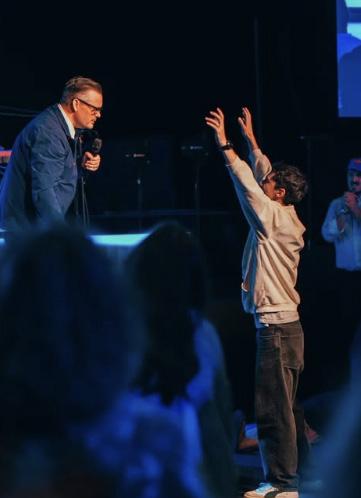
However, a significant shift occurs in Acts 10 where the Spirit is received by uncircumcised Gentiles. This shift in the expansion of the gospel arguably necessitates Luke to repeat the model established in Acts 2 to emphasise, with demonstrative proof of speaking in tongues, that both Gentiles and believers outside the geographic locality of Judea and Samaria are now included as full members of the people of God (Acts 10:44–48, 19:1–7). This is reinforced in Peter’s speech that “the Holy Spirit came on them as he had come on us at the beginning” (Acts 11:15) and then states that God gave them the same gift as he gave us' (Acts 11:17). The Spirit was truly empowering the Church community
Pentecostal Christians worldwide can testify to this experience of baptism in the Holy Spirit as a powerful and transformative encounter with the Holy Spirit that is received by faith and is available to all believers. However, Pentecostals also recognise that baptism in the Holy Spirit is not a substitute for the process of discipleship, nor a shortcut to spiritual maturity. The baptism of the Holy Spirit importantly encourages the ministry of every believer (Acts 1:8), regardless of age, gender, or social status (Acts 2:17–18). While each believer individually receives Spirit baptism, their empowerment is not for personal advantage (for example, Acts 8:18–25) or spiritual elitism but for the corporate purpose of loving service to the church and world. God’s love is poured into our hearts by the Holy Spirit (Romans 5:5), so in Spirit baptism we can be united together in Christ (1 Corinthians 12:13) to continue the ministry of Jesus (Luke 4:16–21) in the light of His imminent return. It is an experience that should be sought after and encouraged.
Source: ACC DOCTRINAL STATEMENT: Theological Supplement
BY JACQUELINE
When we think about Pentecost, a key word often emerges: power! Acts 1:8 promises 'But you shall receive power when the Holy Spirit has come upon you'. The disciples are given power to testify to Jesus. But there are also other types of power and levels of power in the Bible. There are spiritual powers at work in the world. There is charismatic power demonstrated through the gifts by the Holy Spirit, but also the 'natural' charisma of some personalities. There is military power. There are social powers and cultural hierarchies. There is also the positional power of leaders.
A significant challenge for leaders today is how to navigate issues of power. Our relationship with followers (people in our churches) is not equal. We cannot be ignorant of the potential for the misuse of our positions.
A common definition of power is the capacity to influence others to bring about change, whether good or bad. Interestingly, this is also often the definition of a leader. The classic definition of a leader by gurus like Yukl is that they influence others to achieve a goal. If power is about influence, and leaders are people who influence others, then leaders need to be careful how they use their power!
The misuse, or abuse, of power is to use one’s position or influence for personal gain. It can be easy to self-justify such behaviours. The Bible is full of examples of people who misuse their power.
• Pharaoh uses his authoritative power to exploit others and demand more productivity from his workers (Exodus 1).
• David uses his positional power and personal charisma to coerce a woman for his sexual needs and arranges for her husband to be killed (1 Samuel 15).
• Judas uses his role as treasurer to pocket some of the corporate funds (John 12). In each of these examples, the leaders benefit at the expense of others. Other behaviours might include bullying, intimidating others, or coercing staff into doing personal favours.
Jesus provides the model of positive use of power. Philippians 2 emphasises that the incarnate Jesus did not use his position of equality with God for his own benefit but humbled himself. During his ministry, at one point, the people wanted to make Jesus their king. He could easily have manipulated the crowd, but Jesus chose to slip out of the spotlight (John 6). Jesus regularly reminded his disciples that leadership is service (Matt 20; Mark 9, 10; Luke 9). This suggests Jesus thought about issues of power and was deliberate not to influence others for personal gain. He demonstrated this truth through an object lesson of washing his disciple’s feet (John 13). Following his death and resurrection (through the power of the Holy Spirit), Jesus shares that same Spirit with the Church as received at Pentecost (Acts 2). This costly service is the mindset we should mimic (Phil 2).
So, as we reflect upon Pentecost, it provides an opportunity to think about the power God has invested in us and our influence as leaders. May we be like Jesus and be deliberate not to influence others for personal gain, but to be true servant leaders.
Prof Jacqueline Grey is an ACC Pastor and Professor of Biblical Studies at Alphacrucis University College.
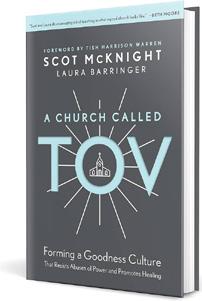
further reading: A Church Called Tov: Forming a Goodness Culture That Resists Abuses of Power and Promotes Healing by Laura Barringer and Scot McKnight.

The ACC is committed to promoting and building healthy church cultures that reflect the values and ministry of Jesus Christ. Jesus came to serve others, demonstrating God’s love for others.
Local pastors and leaders are given the responsibility to oversee the whole life of the local church. Any abuse of power or position is a violation of trust and contrary to the role of a minister as defined and modelled by Jesus.
Christ instructed His disciples to not be like the rulers of the Gentiles who 'lord it over' others. Instead, 'whoever wants to become great among you must be your servant' (Mark 10:42-45). Jesus modelled this through the washing of the disciples’ feet on the very evening before his crucifixion (John 13:1-17). He demonstrated that leadership is not about privilege or prestige but humble service. Misuse of power rejects these foundational teachings of Jesus. It seeks to use position and influence for self-gain or coercive control over others. Yet power itself is not the problem. The problem is when power is abused. Numerous examples in Scripture highlight the allurement of power and its abuse for self-gain and promotion of one’s ego.
It is essential that pastors and leaders recognise and acknowledge power dynamics in relationships and safeguard against misuse of pastoral authority by clear boundaries. Similarly, pastors and leaders should seek to practice regular self-examination, asking God to: Search me, God, and know my heart; test me and know my anxious thoughts. See if there is any offensive way in me, and lead me in the way everlasting. | Psalm 139:23-24 NIV
Accountability to others in this process, such as with a professional supervisor, can aid the process of working through our personal issues that can be exposed by temptations to misuse the authority entrusted to us.
Source: ACC Position Paper: Misuse of Power (18 March 2026)
How do we make sharing the Gospel simple, accessible for every believer and powerful?
Some years ago, Celebration Church pastors Benaiah & Charlie Halliday contemplated the solutions to this challenge with their youth ministry. The result was Love Is Our Weapon, a global evangelistic campaign equipping churches to reach their communities through practical acts of love.
Instead of starting with words, young people were encouraged to demonstrate the love of Jesus through practical acts of kindness in their schools and communities. They wrote encouragement cards to teachers, helped classmates, and served people around them. As they stepped out, conversations about faith opened naturally and invitations to church increased. The impact was so significant that the youth ministry doubled in size as students began bringing their friends along.
What started as a youth initiative soon expanded across entire congregations as churches began asking if they could run the same campaign. Love Is Our Weapon gradually developed into a church-wide evangelistic framework designed to mobilise whole communities of believers.
Many churches share a similar challenge. Leaders long to see their communities reached with the gospel, yet mobilising everyday believers can be difficult. Evangelism can feel intimidating and complicated, and congregations can easily drift into simply attending church rather than actively participating in mission.

The model is intentionally simple. Each week, churches focus on a specific 'act of love'. On Sunday, the biblical principle behind the act is taught, and during the week, people live it out in their everyday environments. Through each church's campaign microsite, participants can press a simple 'Done' button each time they complete an act of love, adding to their church's counter. Churches can also share stories through a testimony wall, creating a growing collection of encouragement and real-life impact across their communities.
Since its early beginnings, more than 100,000 acts of love have been recorded. Churches report renewed evangelistic momentum, deeper community engagement and noticeable cultural change within their congregations.
Campaign data shows encouraging outcomes, including 69% of salvations being first-time decisions for Jesus and 78% of those new believers remaining connected to the church community, compared with commonly reported retention rates of 20–30%.
Churches have also seen average attendance growth of around 30% during and following the campaign.
Part of the campaign’s growth comes from its accessibility. Love Is Our Weapon is designed to be simple, scalable and free for churches of any size.
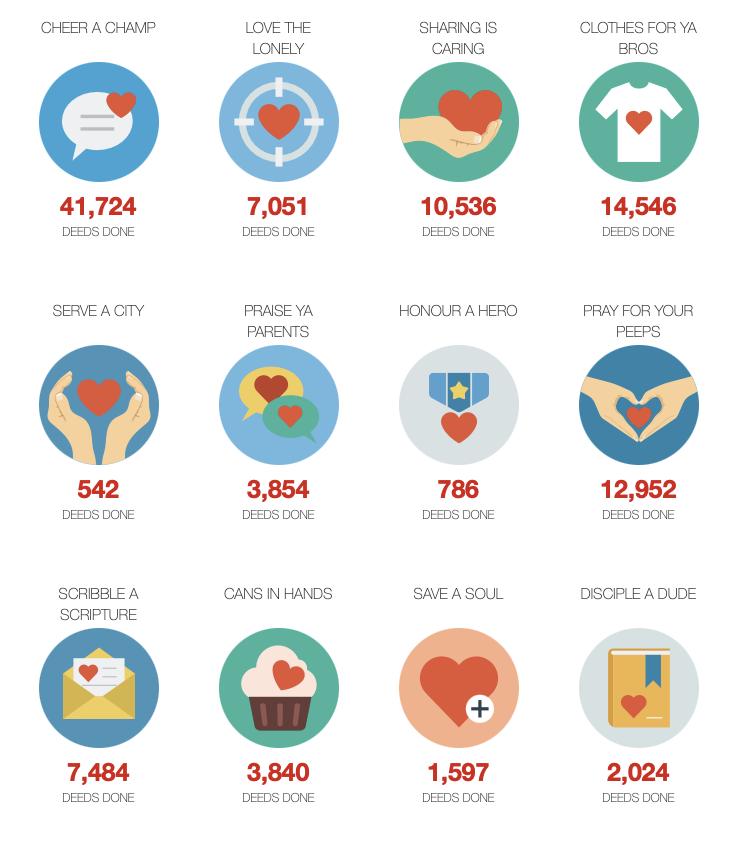
107,582+
ACTS OF LOVE DONE THROUGHOUT THE WORLD
LIOW Data: April 2026
The Love Is Our Weapon campaign includes a wide range of resources to support churches and leaders, including:
• Sermon outlines and preaching themes
• Small group and discipleship studies
• Kids and youth ministry curriculum
• Training for teams and leaders
• Media and promotional graphics
• A custom church microsite with a live deed counter and testimony wall where acts of love can be recorded and stories shared.
'More than a program, Love Is Our Weapon is helping churches rediscover a culture of outwardfocused faith,' says Charlie Halliday. 'As believers step into their communities with compassion and courage, simple acts of kindness are opening hearts to the message of Jesus and reminding the church that sometimes the most powerful evangelism is love in action.'
The Love is Our Weapon team would love to serve and support your local church. To learn more or to get your church involved, visit www.joinliow.com or contact hello@ loveisourweapon.com

By Gary Costello
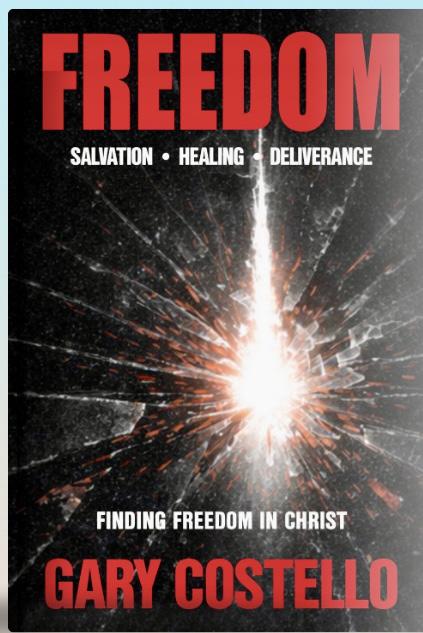
Salvation, Healing, and Deliverance in Christ are realities that every person can have in their lives.
'Freedom' by ACC Pastor Gary Costello was birthed out of hundreds of hours of ministry, research and experience over the past 30 years.
He says, ‘There is such a lack of teaching on spiritual warfare in the Body of Christ and it shows. Too many good Christians are struggling in silence with issues which affect their entire lives by evil forces in the spiritual realm. Demonic spirits, curses and strongholds of the mind are subjects not often taught in churches today leaving many followers of Christ hindered in their Christianity. I have written this book from a Pastor's heart for God’s people seeking true freedom in their lives.’
TAP HERE TO ORDER
> Baptized in the Spirit: A Global Pentecostal Theology – Frank Macchia (Zondervan, 2009)
> Pentecost: This Story is Our Story – Robert P. Menzies, (Gospel Publishing House, 2013)

By Reneé Ritchie
ACC Pastor and author, Reneé Ritchie sets her new book against a backdrop of confusion in the aftermath of the 1989 Earthquake in Newcastle, Australia. An unknown baby girl is found by Veronica, a lapsed foster carer. 'Ronnie' is pressed into service to look after the infant who hijacks her heart, along with everyone who meets her. Eerily, it almost seems like Ronnie was destined for the task. She cannot shake a feeling of responsibility for and a growing connection to the mysterious missing mother and hatches a plan to reach out. Public opinion is polarised, but community support proves to be integral to the reunification and creation of family.
The Case of the Unknown Baby holds in tension both human frailty and decency. Using poetry, letters and articles to advance the story and give character clues, the tale ends with a twist and a most pleasurable symmetry.
TAP HERE TO ORDER
> Gift & Giver: The Holy Spirit for Today – Craig Keener (Baker, 2020).
> Simply Spirit-Filled: Experiencing God in the Presence and Power of the Holy Spirit – Andrew Gabriel, (Emanate Books, 2019)
> The Church Who Hears God's Voice: Equipping Everyone to Recognize and Respond to the Spirit - Tania Harris, (Authentic Media, 2022)

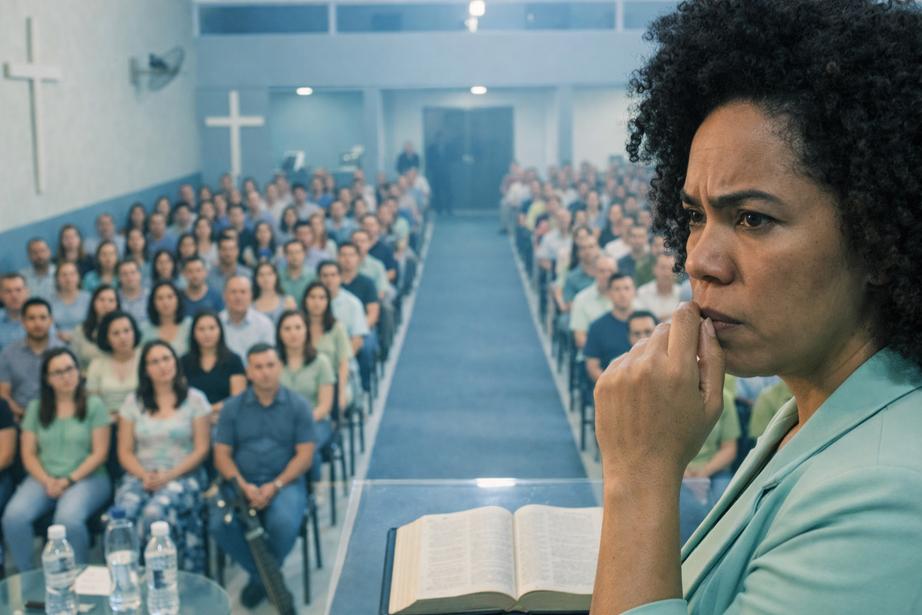

When this happens, the financial consequences can be substantial Your church may suddenly be left facing unexpected costs and difficult decisions even needing to ask the congregation to help cover the shortfall, when your focus should be on caring for and serving your community
The good news is you don’t need to navigate this alone ACS Financial has been serving churches, ministries and schools for over 30 years with insuranc & t ti l di d i t t solutions. We're here to help you thrive.











Every five years, each Australian household is required to complete the Australian Census conducted by the Australian Bureau of Statistics (ABS).
A question on religion has been included in all Australian Censuses since 1911. Even though the question is optional, it is answered by nearly all respondents.
All ACC churchgoers are asked to answer the question and write 'PENTECOSTAL' in the text field.
A nationwide survey of church attenders and leaders spanning 20+ denominations across Australia
All Australian churches are invited to take part in the eighth nationwide survey of churchgoers – the 2026 National Church Life Survey (NCLS).
Held every five years, the 2026 survey period will run from August to October 2026.
All ACC local churches are encouraged to sign up for the 2026 National Church Life Survey. It is a safe and effective tool to listen to churchgoers and local leaders. Results will help local churches focus on the future.
During August, one person from every church in Australia will complete a Church Activities Survey – at no cost to the local church. Please take part to help us all build an accurate picture of church life in Australia today in a post-COVID era.
FIND OUT MORE: 2026ncls.org.au




Whether a heartfelt talk between friends, or a spiritual dialogue within your congregation;
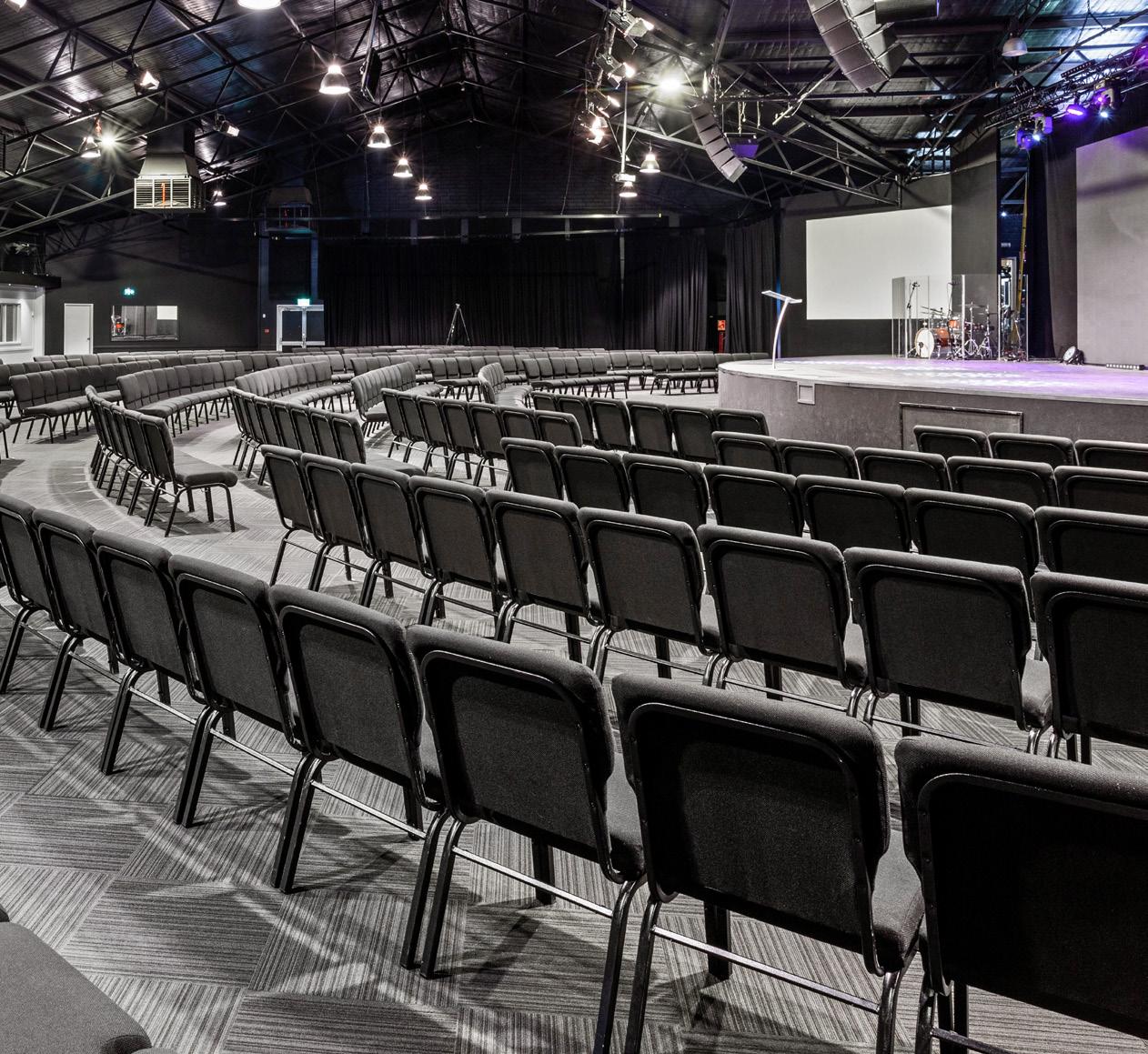
Seating is crucial in completing a worship space—it fosters connection, turning it into a true community hub where your congregation can gather comfortably to share, listen, and grow together.
As a social enterprise rooted in Christian ministry, Alloyfold understands what is needed to create an inspiring environment for your congregation.
Whether you are updating or building new, we will help you find the best seating solution for your church.
Start by viewing our range at www.alloyfold.com.au or by clicking below: The most important conversations take place sitting down.
We customise our seats to fit seamlessly into your space, offering various upholstery and configuration options tailored to your needs. Whether your style is traditional or modern, our versatile range will enhance and compliment your interior while providing vital comfort and support.

Contact us:
alloyfold.com.au | sales@alloyfold.com | 1 800 287 025
Alloyfold is an Australian registered social enterprise. 100% of our profits are invested into our ministry. Learn more about the charitable work we do at pathway.org.nz



8 FEBRUARY 1935 – 18 MARCH 2026
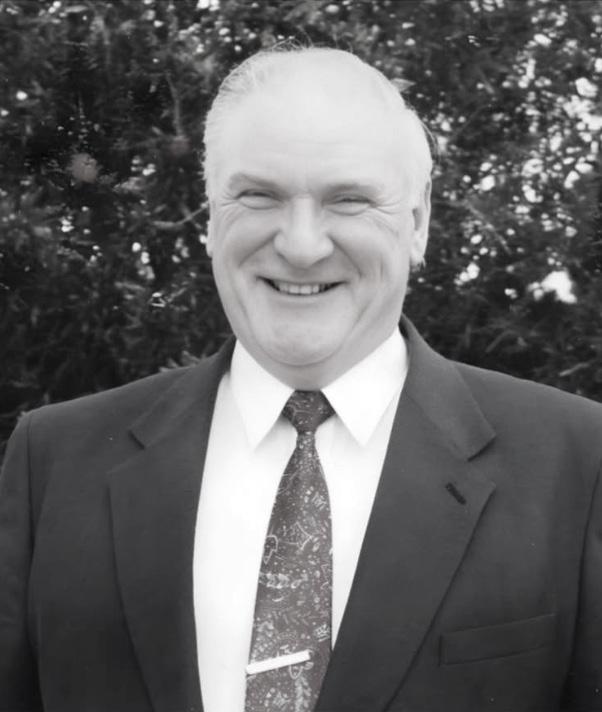
We honour the faithful life of Pastor Bill Cathie, a statesman of WA, who passed away at the age of 91 in March.
Bill's ministry portfolio extended more than 40 years in building God's church and serving His people.
In 1956, Bill pastored his first church in South Africa through the apostolic movement.
He relocated to Australia in 1959 and by the mid 1960s, became the AOG Home Missions Director, planting churches in Goondiwindi and Gladstone.
In 1969 Bill was appointed Dean of Men at Commonwealth Bible College. When the College moved to Katoomba, the Cathies settled in Perth.
From 1974 to 1984, Bill pastored Hyde Park AOG and served on the WA State Executive. He also sent Jim McCourt out with 50 people to plant Willetton AOG (now Kingdomcity Canning Vale).
Over the period 1984 to 1988, Bill served on the National Executive as Treasurer and Secretary. He then pastored Mount Gambier AOG from 1990 to 2000 before retiring.
Bill oversaw the Seniors Ministry with his wife at Edge Church during his retirement.
Our thoughts and prayers are with the Cathie family at this time.





ACC EMAG #2 2026
Published by Australian Christian Churches. Editor: Daryl-Anne Le Roux editor@acc.org.au
Media Assistant: Kieran Carlos
Proofreader: Elba Broadhead
Photography:
Cover: ACC25 National Conference
pg 4: Instagram ACC churches
pg 15: Nations Church
pg 16: ACC25 Natiional Conference
pg 18: ACCWA State Conference
pg 19: ACCWA State Conference
pg 20: ACCWA State Conference
pg 22: ACCWA State Conference
pg 23: Pexels - Aleksana
pg 25: Unsplash - Amonwat Dumkrat
pg 26: ACCWA State Conference
pg 27: Life UC
pg 28: Nadia Clark
pg 29: LIFE Melbourne
pg 30: Unsplash - Jon Tyson
pg 32: Nations Church
pg 33: Nations Church
pg 34: Revival City Church
pg 36: Hope UC; Nations Church
pg 37: LIFE Melbourne
pg 38: Unsplash - Tyler Lastovich
pg 40: ACC25 National Conference
pg 43: ACCWA State Conference
pg 45: Pexels – Lerner Soumya
pg 47: Love Is Our Weapon
pg 55: Unsplash - Jamie Davies
ACC EMAG is published four times a year. Visit www.acc.org.au/emag to read more editions.
ACC National Office
PO Box 8093 Norwest NSW 2153
No part of this magazine may be reproduced without the written permission of the publisher.
All rights reserved. ©2026 Australian Christian Churches.
ACC CHURCH PHOTOGRAPHERS
ACC Emag is always sourcing professional photos from ACC local churches. We'd love to receive any submissions for potential covers or articles. Contact editor@acc.org.au