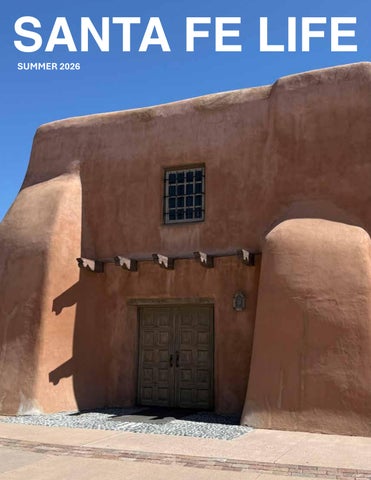
SANTA FE LIFE
SUMMER 2026
GEORGE BERNARD SHAW

GEORGE BERNARD SHAW
S an t a Fe + De n ve r


Santa Fe + Denver

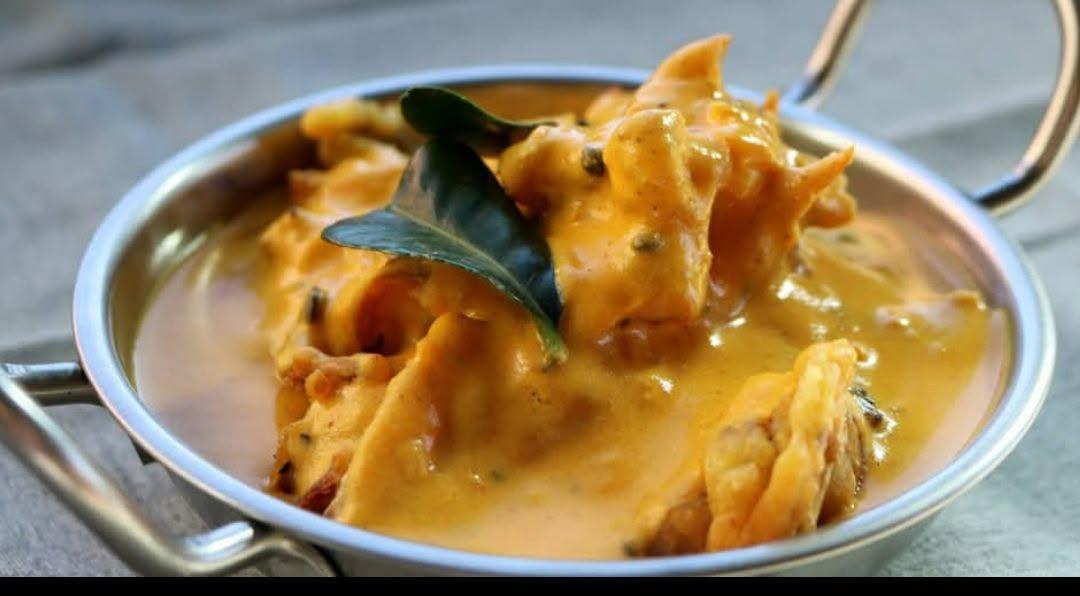
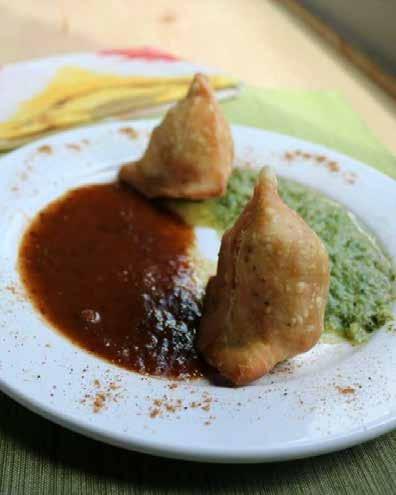
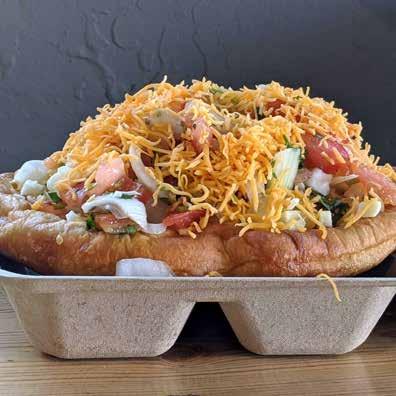
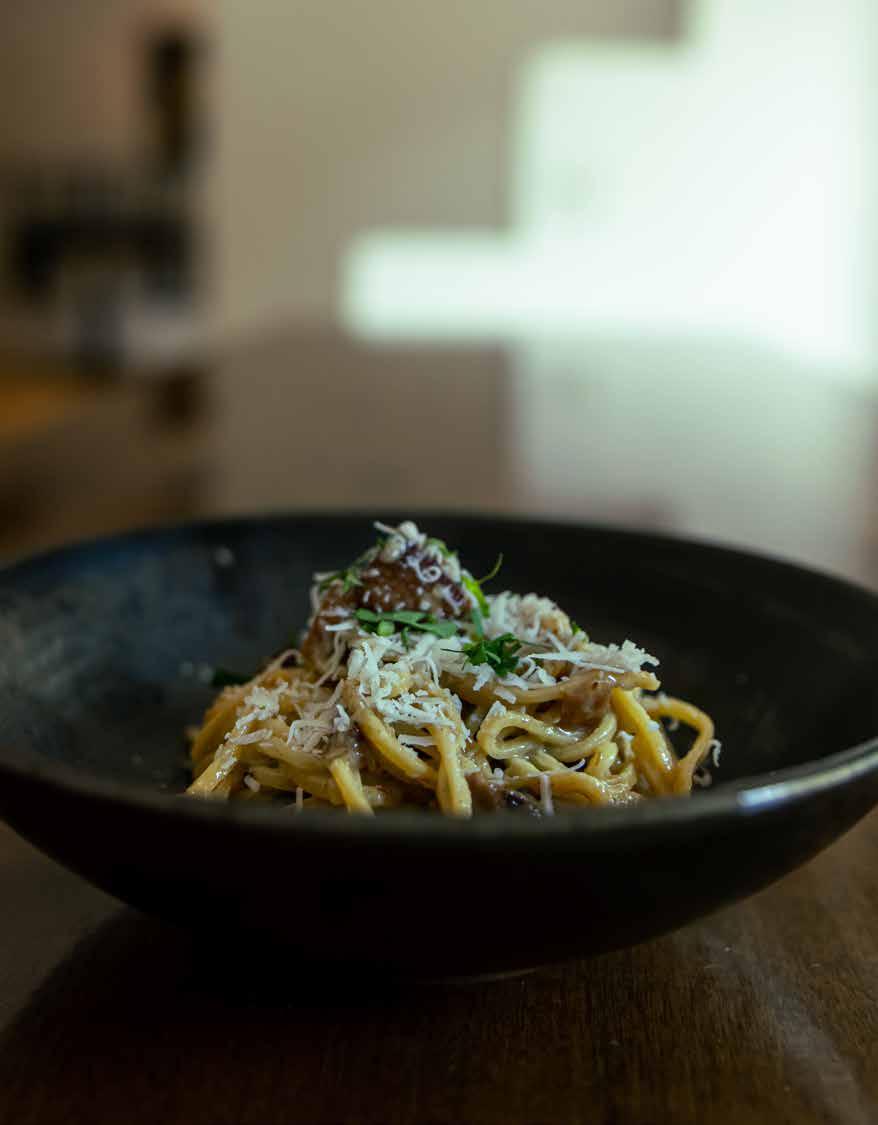
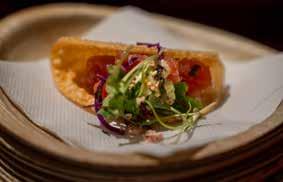
Redefining the national park dining experience. From the freshes ingredients to vibrant, globally-inspired daily specials and our traditional , every dish is crafted with uncompromising passion. Discover our —hailed as one of the best burgers in the state. Extraordinary flavor awaits deep within the canyon.
POUR & UNWIND
✦ Full Liquor License
✦ Rotating Craft Beers on Tap
✦ Four Varieties of Premium Non-Alcoholic Beer

REFRESH & REFUEL
✦ Fresh Protein Smoothies
✦ Signature Mango & Blueberry Lassis
✦ Hearty, Globally-Inspired Fare
Located right next to the visitor center in the canyon itself.






Introducing Santa Fe Life
Features
• Trains and Santa Fe: A Brief History
• Different Ways to Do a Spa Day
• Reconnecting with Nature
Around Town
• On the Big Screen
• Late Night Hangs
Music | Santa Fe Opera Preview
Dining
• Art Feast Santa Fe Recap
• On the Chocolate Trail
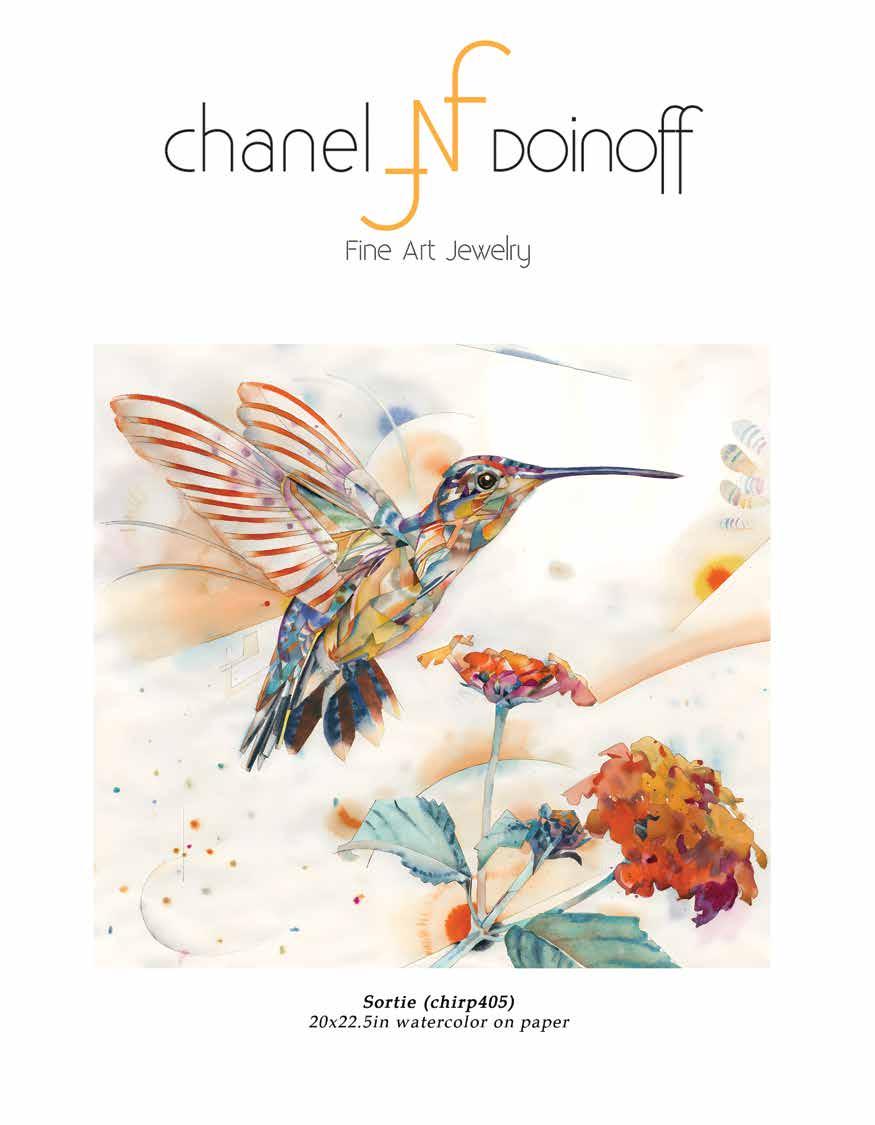
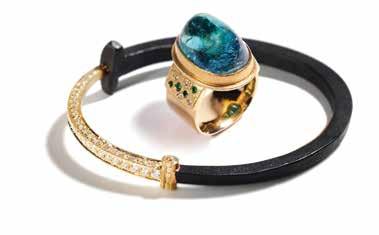
Jewelry | Chanel Doinoff
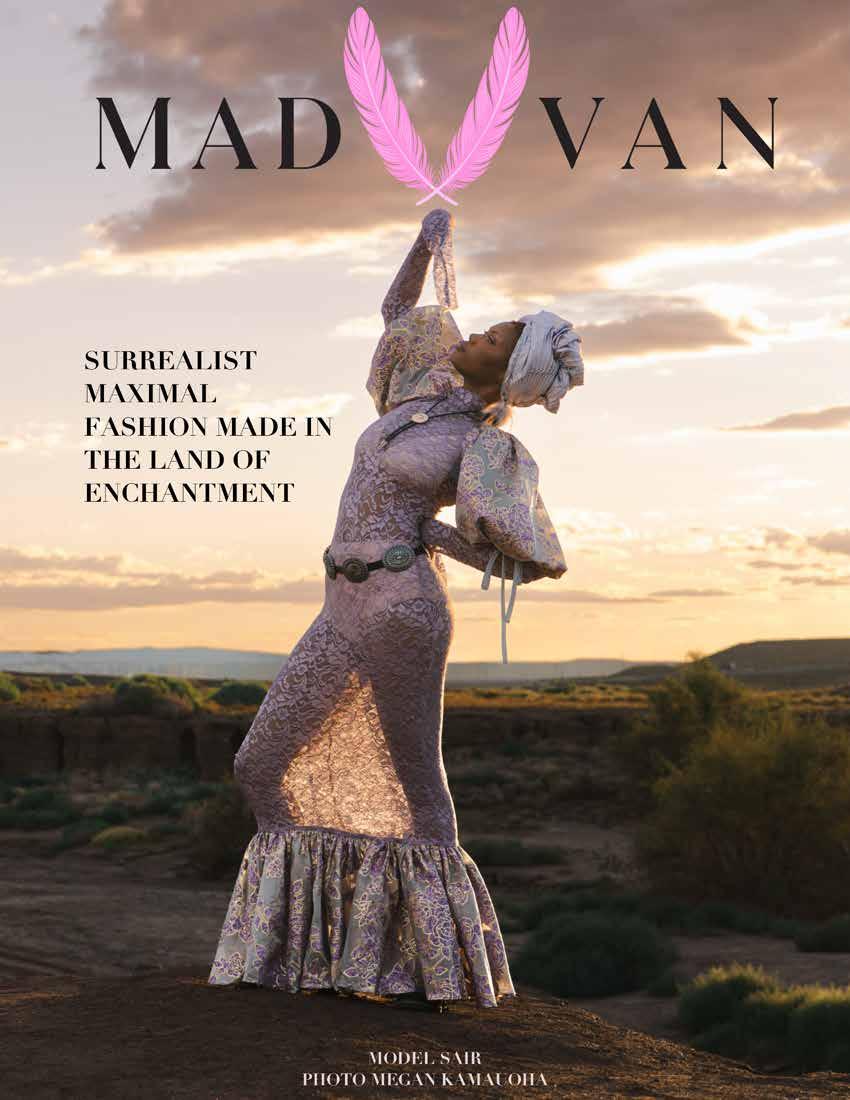
Fashion | MadVan at Art Feast
Art Focus
• John Beech Exhibition
• Emmi Whitehorse Retrospective
• David Rothermel: 50 Years
• Rose Masterpol
• Elizabeth Harris
• Brenda Zappitell
Quick Escape | Bandelier









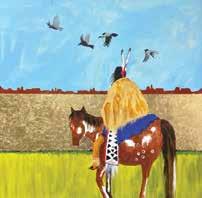




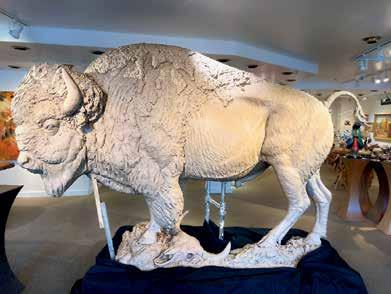
Today, as we celebrate the bison’s remarkable recovery as a species, we’re reminded of our own struggles. Much like the bison, we face our own hardships—whether personal, societal, or environmental. In the face of adversity, the spirit represented in Gibby’s powerful sculpture resonates deeply with the human experience. It captures not just survival but the strength and tenacity that we all possess to overcome life’s obstacles.


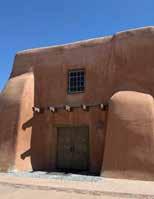

This magazine, in both digital and printed forms, will serve as a guide to the city and a celebration of the many elements that make it unique. In these pages, we hope readers will experience the arts of Santa Fe in all their forms, from the culinary to the visual, the wearable to the decorative, and seek them out in their own journeys around the city. Whether you are a long-time resident, a new arrival, or a visitor discovering Santa Fe for the first time, Santa Fe Life is for you.
This issue is just a starting point, a preview and a promise. As we navigate the city, meeting new people and discovering new places, we will cover more about what makes this city and region great, venturing beyond the Santa Fe that tourists see to highlight the local artists and artisans that underpin the city’s creativity. We hope to showcase the full breadth and richness of Santa Fe in these pages. We hope you’ll join us for this journey.
RICHARD KALISHER Publisher
O L F A N D
O A D R U N N E

and the Railroad That Missed Its Namesake Trains, Santa Fe,
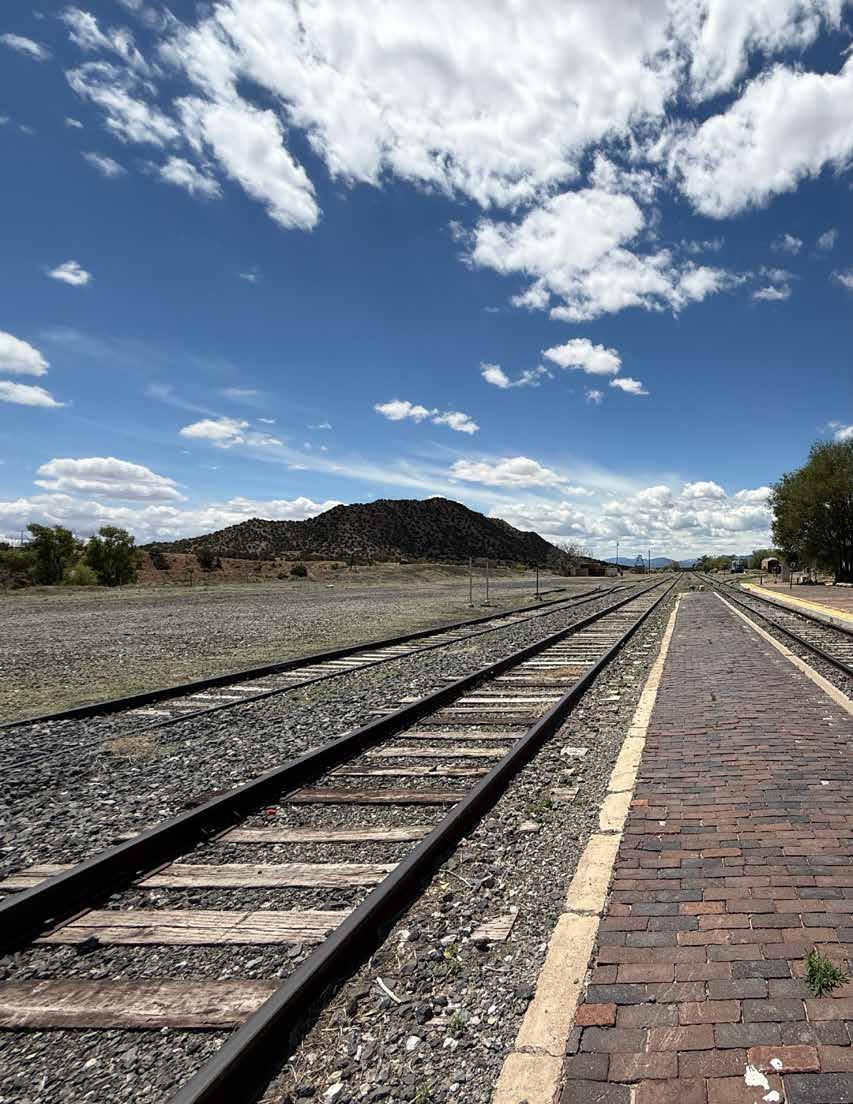
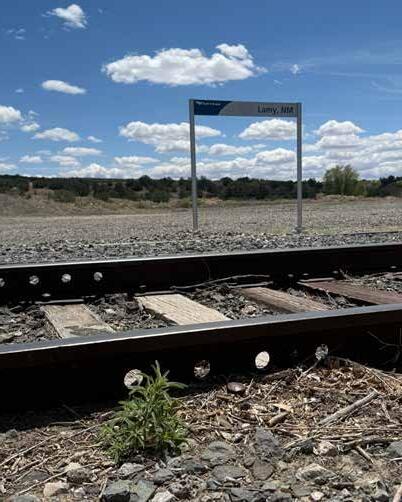
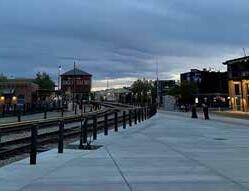
The story of railroads in northern New Mexico contains one of the great ironies of American transportation history: the Atchison, Topeka and Santa Fe Railway was named for Santa Fe, but its main line never actually reached the city. Instead, the railroad bypassed Santa Fe and built its principal route through the small settlement of Lamy, about 18 miles to the south.
When the railway was chartered in 1859 as the Atchison and Topeka Railroad (adding Santa Fe to its name in 1963), its founders envisioned a route connecting Kansas with Santa Fe, then an important commercial center at the end of the historic Santa Fe Trail. As railroad construction pushed westward in the 1870s, engineers encountered a problem: Santa Fe sat in rugged foothill terrain that would require expensive grades, curves, and
construction. Rather than force the main line into the city, the railroad chose a more practical route across the plains south of Santa Fe.
The result was a main line through Lamy. An 18-mile branch line was then constructed northward to Santa Fe, allowing the city to receive rail service without requiring every through train to navigate the difficult terrain. Thus, although the railroad carried Santa Fe's name, passengers traveling across the Southwest generally reached the city by changing trains at Lamy. For decades, Lamy served as the principal rail gateway to Santa Fe and an important branch-line junction.
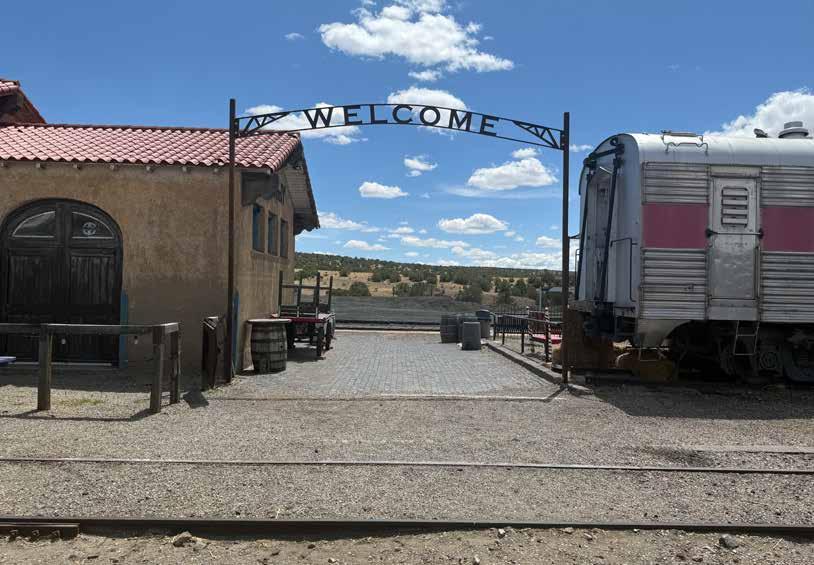
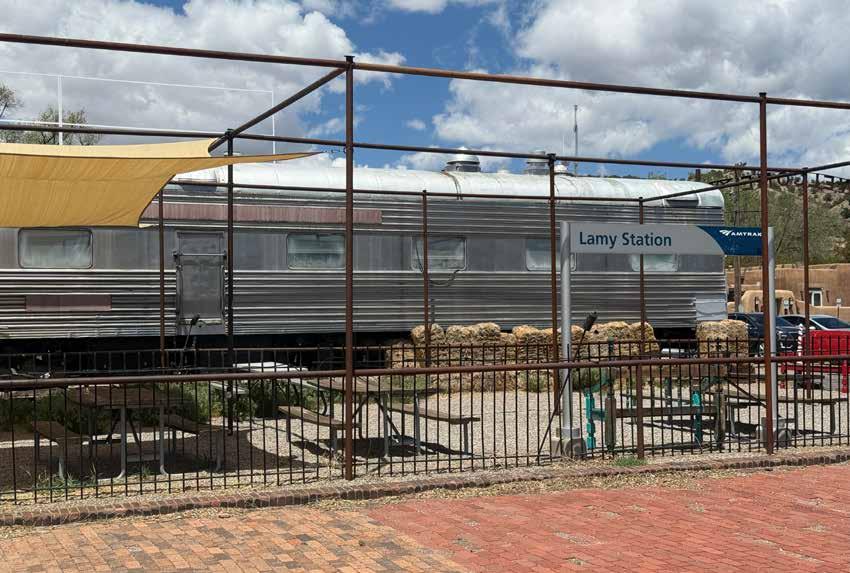
The original depot at Lamy opened in 1881. The current station, a Mission Revival-style structure completed in 1909, replaced the earlier wooden depot and remains standing today (serving Amtrak trains and Sky Ralway. During the height of rail travel), Lamy handled passengers arriving from Chicago, Kansas City, California, and Texas who were bound for Santa Fe and other northern New Mexico destinations. Because travelers often needed to wait for connecting trains, the railroad and the Fred Harvey
Company developed passenger facilities there, including a Harvey lunchroom and a hotel. Lamy became far more than a whistle stop; it was effectively Santa Fe's railroad front door.
Of course, the famous Harvey House system deserves further mention for its importance to Santa Fe railroading. Beginning in the 1870s, Harvey partnered with the Santa Fe Railway to create a chain of restaurants and hotels along the railroad. Before Harvey Houses, railroad dining in the American West was often inconsistent and poor. Harvey introduced standardized meals, clean accommodations, and professional service, helping transform rail travel into a comfortable experience. At its peak, the system included dozens of hotels and restaurants across the Southwest.
Lamy's principal Harvey facility was the El Ortiz Hotel, built in 1910 adjacent to the station. Travelers could eat, sleep, and wait for connections to Santa Fe. Although the hotel closed during World War II and was later demolished, it was once a centerpiece of the railroad experience in northern New Mexico. Santa Fe itself became home to one of the
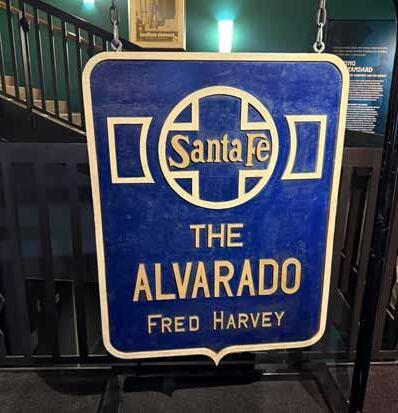
most famous surviving Harvey properties, La Fonda on the Plaza. Operated by the Fred Harvey Company beginning in the 1920s, La Fonda catered to railroad tourists eager to experience the culture, architecture, and landscapes of the Southwest. TheHarvey Houses played a major role in promoting tourism to New Mexico and shaping the region's image in the national imagination.
The Santa Fe Railway eventually became one of America's great transcontinental railroads. Its main line crossed Kansas, Colorado, New Mexico, Arizona, and California, linking Chicago with Los Angeles and the Pacific Coast. The route generally followed relatively gentle grades across the southern plains and the Southwest after crossing the Raton Pass.
In New Mexico, the railroad's principal east-west route passed through communities such as Raton, Las Vegas, Lamy, Albuquerque, and Gallup. Rather than turning north into Santa Fe, through trains continued west toward Arizona and California. The Santa Fe branch from Lamy served local passengers and freight moving into the capital city.
Following World War II, automobiles and airlines eroded railroad passenger business. The Santa Fe Railway's famous trains—including the celebrated Super Chief—gradually disappeared. In 1971, intercity passenger operations were transferred to Amtrak.
The Santa Fe branch line into the city survived, but service declined. Eventually the branch became disconnected from the national passenger network, leaving Lamy as the primary rail gateway to Santa Fe once again.
Today, Amtrak's Southwest Chief follows much of the historic Santa Fe Railway main line between Chicago and Los Angeles. It stops at Lamy, which remains the closest Amtrak station to Santa Fe. Passengers can transfer by shuttle or other transportation into the city.
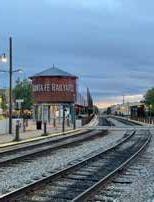
The most significant modern passenger service in the region is the New Mexico Rail Runner Express. Introduced in the 2000s, it operates between Santa Fe and Albuquerque, with service extending south to Belen. Trains terminate at the historic Santa Fe Depot, bringing rail service back into the heart of the city.
The Rail Runner uses portions of former Santa Fe Railway corridors and has become an important commuter and visitor transportation link between New Mexico's two largest urban centers.
Northern New Mexico has also seen a revival of tourist-oriented rail operations.
The Sky Railway operates excursions over the historic branch line between Santa Fe and Lamy. Using restored railroad equipment and themed excursions, it allows passengers to experience the route that once connected the capital to the national rail network. Lamy station serves as its southern terminus.
Farther north, the Cumbres & Toltec Scenic Railroad preserves a portion of the narrow-gauge railroad network that once served the San Juan Mountains. Although not directly connected to the Santa Fe Railway, it represents another important chapter in New Mexico rail history.
Nearby, the Durango & Silverton Narrow Gauge Railroad continues to operate historic steam trains through spectacular mountain scenery, attracting visitors from around the world.
Looking back, the decision to route the railroad through Lamy rather than Santa Fe permanently shaped transportation in northern New Mexico. What began as an engineering compromise created a unique railroad geography: a capital city served by a branch line while the nation's great transcontinental route passed nearby. Harvey Houses, luxury trains, and later Amtrak and the Rail Runner all grew from that choice.
More than a century later, travelers can still trace the same pattern. Long-distance trains stop at Lamy, commuter trains terminate in Santa Fe, and excursion railroads operate over the historic branch. The railroad may have missed Santa Fe's downtown, but it helped define the development, tourism, and identity of the region for generations.
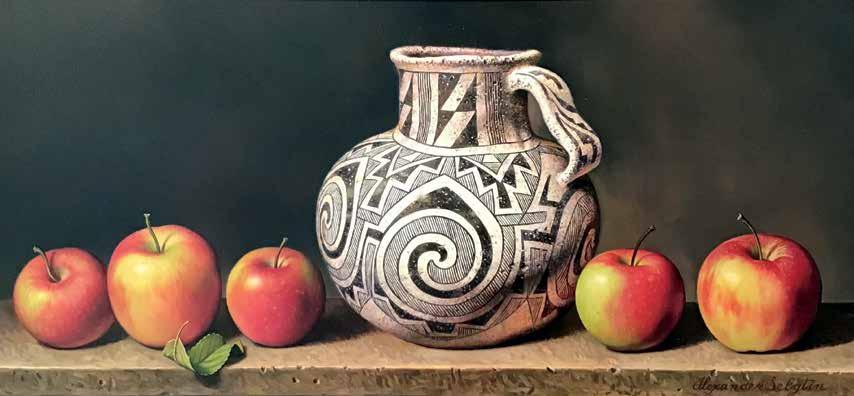
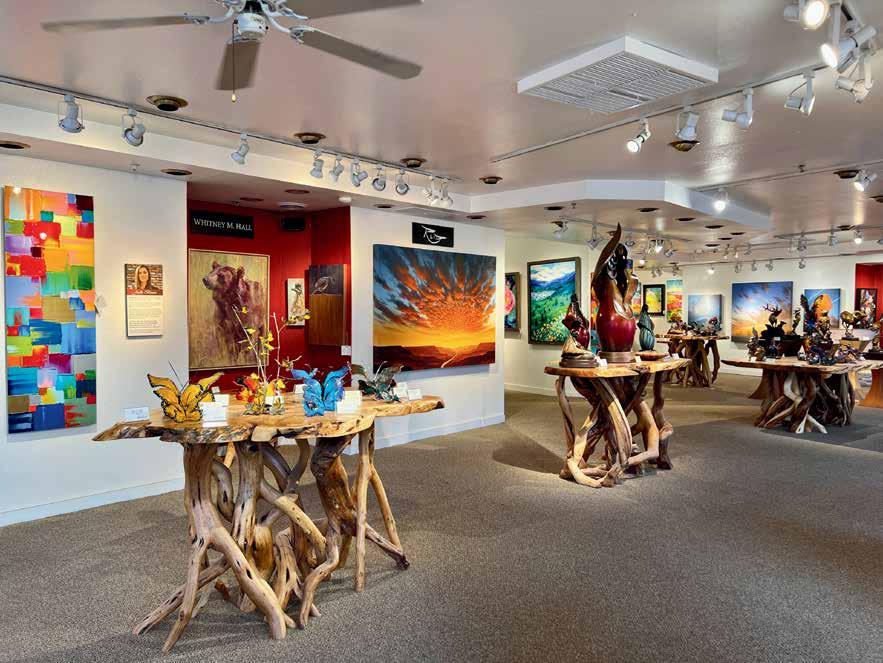
Santa Fe Trails Fine Art exhibits works from over sixty-five national and international artists.
We showcase Traditional, Native American, Western, and Contemporary art, including paintings, sculptures, and artifact reproductions, providing an immersive experience for both collectors and art enthusiasts.
We invite you to visit our gallery, open daily, to explore the artistry and heritage of the American West.
200 Old Santa Fe Trail, Santa Fe, NM 87501 • 505-983-7027
Info@SantaFeTrailsFineArt.com • www.SantaFeTrailsFineArt.com



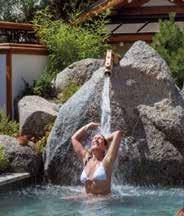
A spA dAy’s A greAt wAy to make all that stress go away. You relinquish your body and mind to a peaceful sanctuary, lost in the warmth of water and hands, almost feeling the regeneration in real time. Here in Santa Fe, the abundance of options allows you to pick the perfect spa day, whether it’s meandering through springs or indulging in a massage.
Santa Fe's spa culture has developed in close conversation with the landscape. Mineral water, mountain views, high-desert air, and a longstanding interest in wellness have produced a collection of spas that offer distinct experiences. Some lend themselves to long afternoons spent moving between soaking pools, while others encourage a slower pace centered on a single treatment and time spent in quiet surroundings. Choosing where to spend a spa day often comes down to deciding how you want the day to unfold.
The spa at Four SeaSonS rancho encantado appeals to visitors who enjoy pairing wellness experiences with time in nature. Located in the foothills north of the city, the property offers expansive views of the surrounding landscape, which become part of the overall experience from the moment you arrive. You can even begin the day with a walk or hike before heading to the spa. The combina-
tion of light physical activity followed by bodywork can feel especially restorative, and the hotel makes it easy to transition between the two. Treatments that focus on recovery and relaxation often pair well with a morning spent outdoors.
Allowing time after an appointment is equally important here. The scenery encourages lingering, whether that means sitting quietly with a drink, spending time near the pool, or simply enjoying the changing light across the mountains. A spa day at Rancho Encantado tends to reward visitors who resist the urge to build a tightly packed schedule.
BiShop'S Lodge offers a spa experience that can easily extend beyond traditional treatments. The property's wellness programming often includes activities such as yoga, meditation, breathwork, and other practices that complement massage and skincare services, making it a strong choice for visitors interested in a broader approach to self-care.
Planning ahead can significantly improve the experience, since many of the wellness offerings operate on a schedule separate from spa appointments. Reviewing available classes before booking treatments allows guests to create a day that feels cohesive rather than fragmented. Some visitors choose
a morning movement class followed by a treatment, while others prefer beginning with the spa and ending the day with a quieter wellness activity. The property's location near the edge of town also contributes to the atmosphere. The setting feels connected to the surrounding landscape while remaining accessible, creating a balance that supports a slower pace throughout the day. For visitors who prefer weaving a spa appointment into a broader exploration of Santa Fe, the Spa of the Five Graces offers a convenient downtown option. Located within walking distance of galleries, shops, and historic sites, it lends itself to a day that combines cultural experiences with time dedicated to relaxation.
Starting the morning on foot in the historic district and scheduling a treatment later in the day often creates a pleasant balance. The spa provides a pause between other activities while preserving the sense of discovery that draws many people to Santa Fe in the first place. Because downtown parking can become more difficult during busy periods, arriving early and leaving room for unstructured time can make the day more enjoyable.
Visitors frequently find that the surrounding neighborhood becomes part of the experience. A leisurely lunch, a visit to nearby galleries, or time spent wandering the historic streets can complement a spa treatment and create a day that reflects Santa Fe's distinctive character.
For visitors who enjoy a good soak and want to get the hot springs experience, ojo Santa Fe provides a different rhythm. The experience revolves around a series of soaking pools spread across landscaped grounds, creating a day outdoor that alternates between movement and relaxation.
The point here is to enjoy pools, moving between different temperatures, finding a quiet place to sit, and taking time to explore the grounds creates a pace that feels unhurried without requiring a detailed itinerary. A massage can fit easily into the day, although scheduling treatments after several rounds of soaking often allows muscles to relax more fully beforehand.
Because the property encourages spending time outside, bringing sun protection, a hat, and water can make the day considerably more comfortable, particularly during warmer months when the high-desert sun feels stronger than many visitors expect.
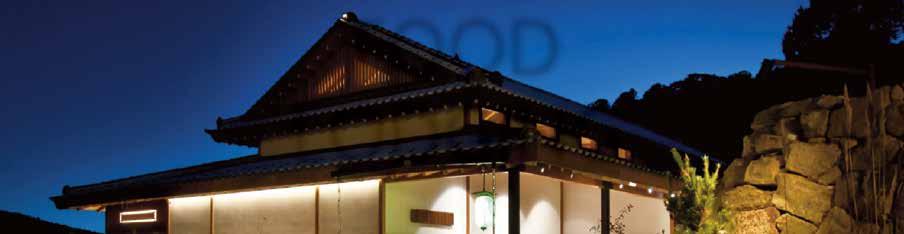
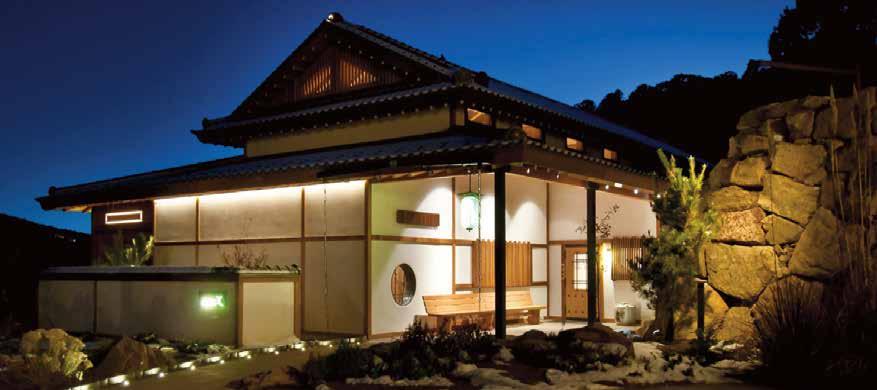
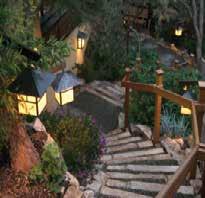
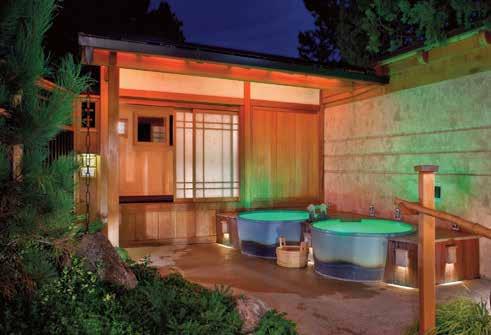
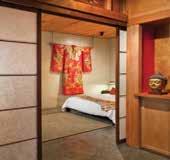
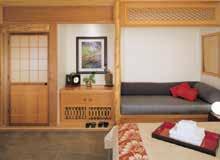
ten thouSand WaveS is also ensconsed in the foothills above Santa Fe, offers an immersive spa environments. The property’s winding paths, cedar structures, and Japanese-inspired design create a sense
of separation from daily routines, making it especially well suited to visitors who want to spend several hours focused on rest and recovery.
A successful day here usually involves leaving generous space between appointments. Rather than filling every available time slot with treatments, many guests find that booking a massage or body treatment alongside a private soaking tub creates a more satisfying ex-
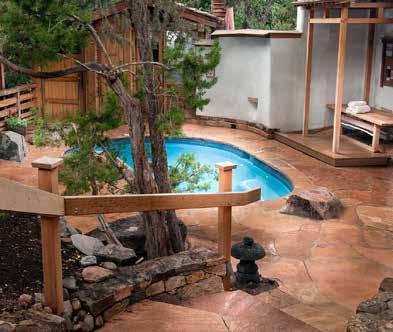
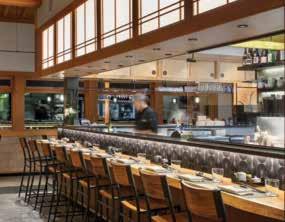
perience. Walking around the grounds often becomes part of the appeal. Planning lunch at the property’s restaurant, Izanami, allows the day to unfold at a comfortable pace and eliminates the need to rush back into town immediately afterward. Comfortable clothing is also worth considering, as the combination of soaking and bodywork tends to leave visitors feeling deeply relaxed for the remainder of the afternoon.
The variety of spa experiences in Santa Fe makes it possible to shape the day around personal interests rather than following a single formula. Ten Thousand Waves suits those drawn to secluded surroundings and extended relaxation. Ojo Santa Fe centers on soaking and outdoor time. Four Seasons Rancho Encantado pairs wellness with dramatic scenery. Bishop's Lodge emphasizes a broader wellness experience, while the Spa of the Five Graces works naturally within a day spent exploring the city.
Approaching each destination with an understanding of its strengths often leads to a more rewarding experience than attempting to fit every possible activity into a single visit. Santa Fe's best spa days tend to unfold gradually, leaving plenty of room for the landscape and atmosphere.

“Thank you Santa Fe for 20 years of love and support - it’s been a pleasure cooking for you since 2006. Come and celebrate with us!”
- James Campbell Caruso
TAPAS WINE SHERRY LUNCH DINNER LIVE MUSIC HAPPY HOUR 72 West Marcy St. Santa Fe (505) 982-3433 WED-SUN 11:30am-9:00pm








In addition to such mainstays as the Botanical Gardens, Santa Fe has an abundance of places where you can step out, reconnect with the natural world, get some exercise, and possibly even find a little inner peace. In this article, we highlight just a few of them.
aSpen groveS, hyde MeMoriaL State park
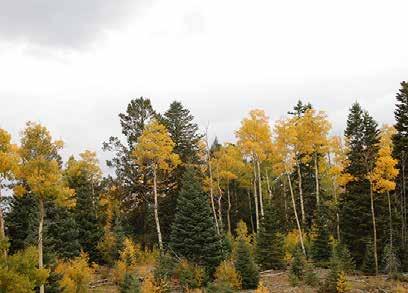
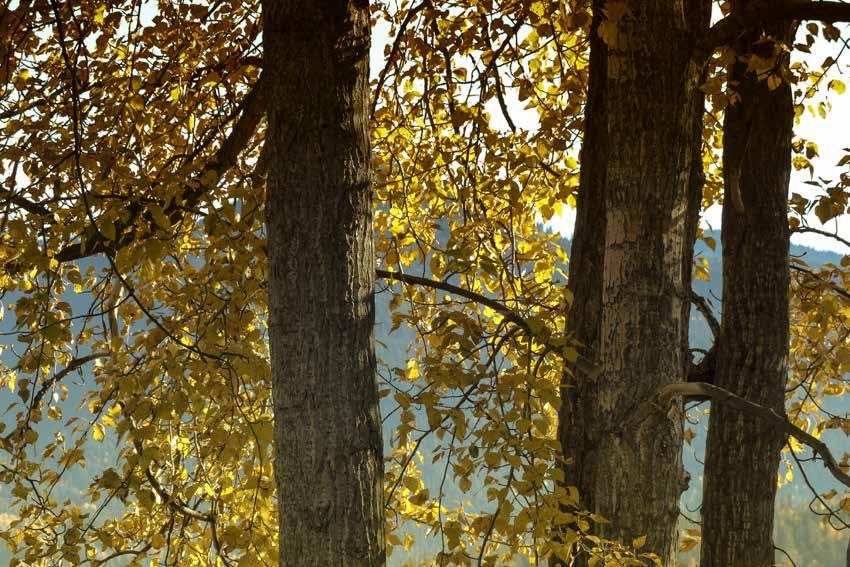
In autumn, the aspens above Santa Fe turn gold almost overnight. Their leaves tremble at the slightest breeze, creating a constant shimmer of movement and sound. Standing among them, it becomes difficult to hold onto urgency.
Aspen groves remind us that stillness isn’t always boredom. They have endured for decades without the stimulations we have. They have just the elements and their neighbors in the forest, flora and fauna. You may feel lighter, even though nothing tangible has changed. The park offers a lesson in impermanence, one that many of us spend years trying to learn elsewhere.
gaLiSteo BaSin
Our lives are often fixated on screens and the worlds they supposedly reveal. The Galisteo Basin takes you back to what humanity used to be hundreds, even thousands of years ago. Here the land opens in every direction. Vast skies dwarf roads, fences, and human plans. Distances become difficult to judge. Time becomes relative, at least if you avoid your phone.
Psychologists often speak about the emotion of the sublime the feeling of something so daunting in its physical scope that it reminds us of our limited place in the world--and our own mortality. The basin offers that experience without the fear
The landscapes around Santa Fe reveal themselves slowly, through long horizons, changing light, the scent of piñon after rain, and the stillness that settles over the high desert at dusk. Perhaps this is why so many people come here seeking renewal. The region and its terrain calls for a different pace of life and attention.
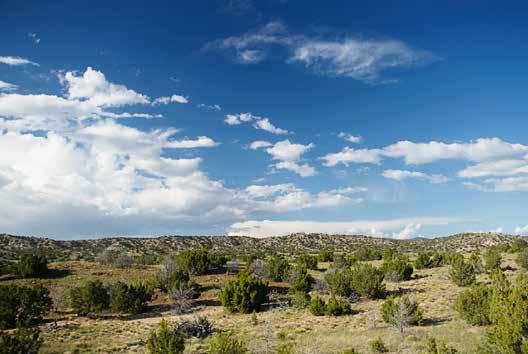
of death. Its spaciousness loosens the grip of self-importance and invites humility beneath an uninterrupted horizon.
the traiLS oF ataL aya Mountain
You don’t always need to take it easy to gain wellbeing. Sometimes you have to really move your body and test yourself. The climb up Atalaya Mountain asks for effort. The trail rises steadily through piñon and juniper before revealing broader views of Santa Fe and the surrounding ranges.
Physical exertion, though, can have a clarifying quality. The mind becomes occupied with immediate realities: the next step, the rhythm of breathing, the feel of sunlight on skin. They say it’s important to tune out your inner thoughts from time to time, and hiking a mountain trail surrounded by beauty is a perfect way to accomplish this.
At the summit, the reward is not only the view. It is the satisfaction of having made to the top, and perhaps giving yourself a re-
prieve from all the responsibilities and anxieties of modern life.
In the desert of New Mexico, water is a remains a rarity, which may explain why its presence feels so significant. It feels like it could go away. Along stretches of the Santa Fe River, cottonwoods gather where moisture lingers. Their shade creates small refuges from the brightness of the surrounding landscape. These are places where birds congregate. The air feels cool, and sounds either fill your consciousness in their quiet, natural symphony or you tune them out and hear only the tranquility.
Humans have always been drawn to water because it sustains life . But the sound of its movement also calms the nervous system. Think of the solace of the rain. A river corridor provides what the desert often withholds. A glass of water on a hot, dry day can be a relief, and so can a river as a refuge from sounds of traffic and tourists.
Much of modern life encourages us to think of the world as something built for human use. Bobcat Crossing Ranch Open Space offers a different perspective. Across its rolling grasslands and piñon-juniper woodlands, visitors are reminded that this landscape has long been home to countless species, each moving to rhythms older than our own. The property takes its name from one of the region’s most elusive residents, but bobcats are only part of a much larger community. Birds of prey circle overhead. Small mammals disappear into the brush. Deer, coyotes, and other wildlife leave traces of their presence even when they remain unseen. To walk through such a place is to recognize that we are not the sole occupants of the land. We are participants in a shared environment.
The natural world continues whether or not we are paying attention to it. Animals do not measure success by deadlines or schedules. They respond to seasons, weather, food, and instinct. Observing their presence can gently pull us out of our own concerns
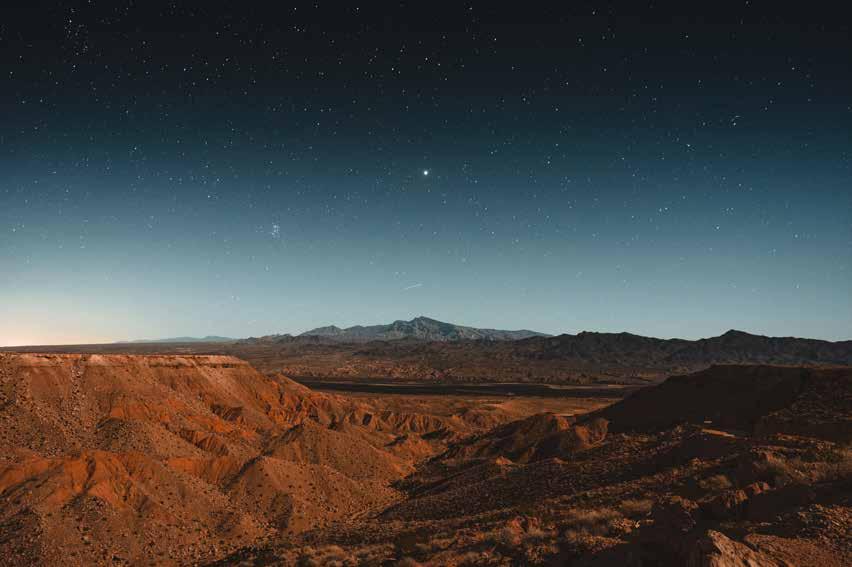
Perhaps the most restorative landscape around Santa Fe appears after sunset. With darkness, stars emerge by the thousands. Even if you don’t know your constellations, you can lost in expanse of tiny lights on clear nights.
There is comfort in that realization. We are reminded that we belong to something older and larger than our routines, anxieties, ambitions, and disappointments.
Each landscape around Santa Fe offers a different gift. The aspens teach acceptance, while the basin restores perspective. The mountain rewards effort; the river offers comfort; and the night sky inspires humility. None of these places promise transformation. But through reconnecting with nature, you can help ground yourself. Wellbeing is not simply the elimination of stress or anxiety or toxins. It is also a relationship with the place you live, with what season it is, and with the living world that continues beyond the edges of our attention. Reconnect with nature and discover yourself.
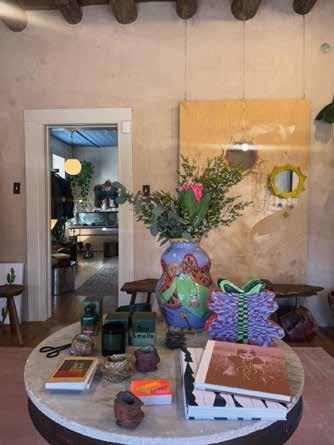
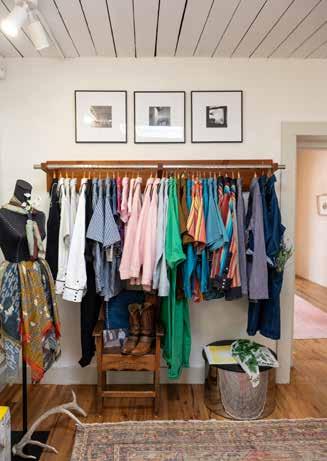
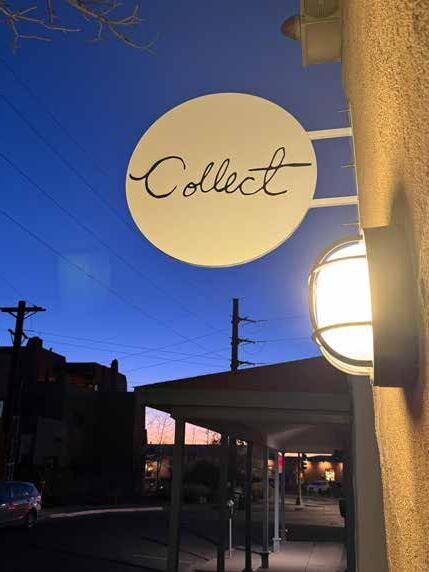
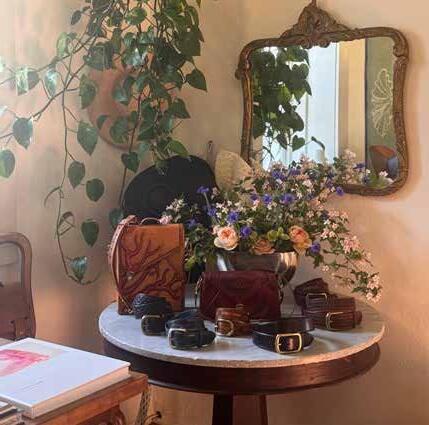


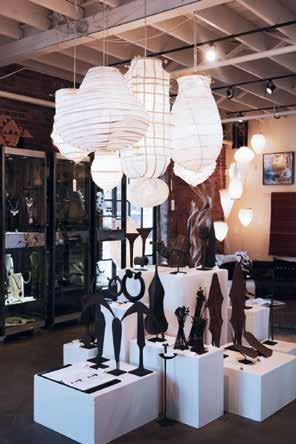
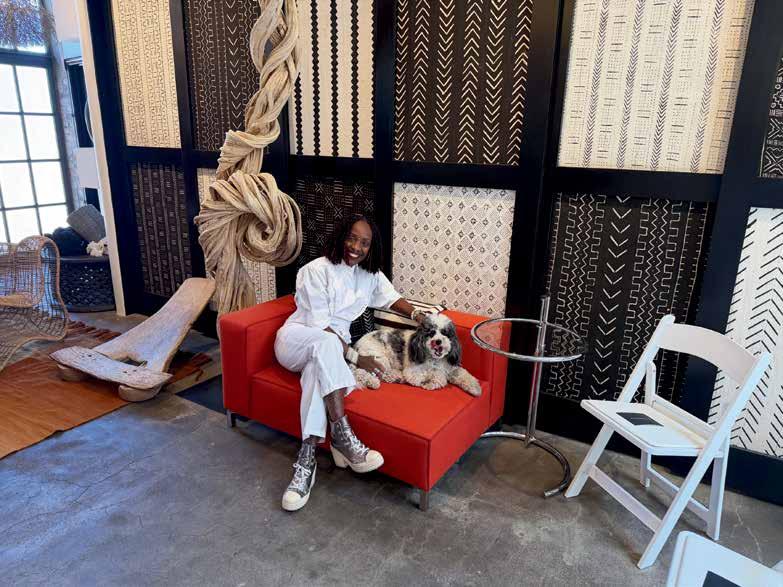
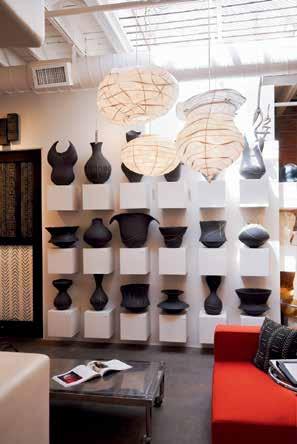
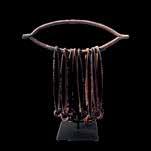
Vanna is built around a belief that art holds memory, bridges cultures, and affirms life. Founded by Nelly-Joy Irakoze, and named after her beloved pup, Vanna is both a visionary gallery and a devotional space for gathering. Guided by a global perspective and a deep reverence for African artistry, Nelly-Joy curates works that carry both lineage and contemporary vision. Vanna operates as a creative salon for the community, a living space where artwork, jewelry, and homegoods gather alongside events and cultural dialogue.

At a time when streaming services make it possible to watch almost anything from home, two cinemas in Santa Fe remind audiences why moviegoing still matters. The shared experience of sitting in a dark room with strangers, responding collectively to a story, and discussing it afterward cannot be replicated on a couch. Although the city is often associated with the fine arts, adobe architecture, and the outdoors, around town you can find many independent and classic films playing. The former can be found at Skyline Cinemas. But the city particularly excels in the latter category. Films by Pedro Almovódar mix with old silents from the 1920s.
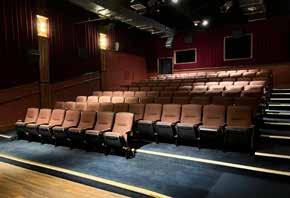
The jean cocteau theater, owned by George R.R. Martin and named after the great French poet, novelist, and filmmaker, programs film as well as comedy shows and other special events. The venue regularly hosts filmmaker appearances, author talks, live performances, and discussions that deepen the audience’s engagement with the work on screen. The theater often shows “cult” cinema. Recent screenings include Army of Darkness and The Adventures of Baron Munchausen, whereas June has A Nightmare on Elm Street Part 2: Freddy’s Revenge (now considered a camp classic), Hedwig and the Angry Inch, and Barbarella. Whether these films are ones you saw in theaters eons ago or watched on latenight TV as a kid or have never seen before but want to check out, the Jean Cocteau Theater has you covered. The theater itself has 74 seats plus a four-seat private booth available for an additional fee. In the lobby are a full bar and the standard movie concessions.
The center For conteMporary artS offers a complementary vision of what moviegoing can be. Long recognized as one of Santa Fe’s most important cultural institutions, the CCA combines visual arts, performance, and film under one roof. Its cinema program emphasizes independent, international, documentary, and arthouse films, providing audiences with access to works that rarely appear in mainstream theaters. Programming includes closer looks at classics, pairings of movies with live music, retrospectives, as well as Indigenous and Black film series. In June, for example, Pain & Glory and The Room Next Door by Almodóvar are playing, along with Gus Van Sant’s Mala Noche and new anime film Jinsei. One of the pleasures of seeing movies at the CCA is the diversity of the audience. Students, retirees, artists, and visitors frequently share the same screening room. Conversations in the lobby before and after films often become part of the experience, reinforcing the idea that cinema is a communal art form.

Jean Cocteau Cinema
Railyard 418 Montezuma Ave
Cult Classics, Horror, Comedy
Trail
Arthouse, Classics, Docs, World Cinema
Together, the Jean Cocteau and the CCA represent two sides of Santa Fe’s cultural identity. Both celebrate independent voices, artistic risk-taking, and the power of storytelling. Yet each maintains its own character. The Jean Cocteau cultivates an intimate, eclectic atmosphere where literature, film, and performance intersect. The CCA offers a broader multidisciplinary environment that situates cinema within the wider world of contemporary art.
Each allows you to see films the way they were meant to be seen: on the big screen, among fellow movie lovers, in a city that understands the value of art. In Santa Fe, that experience remains alive and flourishing.

Santa Fe may have a reputation for turning in early. The city's adobe-lined streets can feel surprisingly quiet by late evening. But for those willing to look beyond the closing hours posted on the Plaza, there's a thriving after-dark scene that keeps the night alive long after most visitors have called it a day. Santa Fe offers plenty of options for night owls, service-industry regulars, and those anyone to extend the fun. Whether you’re craving a craft cocktail, a dance floor, a game of pool, or some late-night bites, these are the spots where Santa Fe stays awake. If it’s been a while since you stayed out late, here’s your cue.
If your ideal night ends underground surrounded by punk rock vibes, look no further than The Matador. Located down a steep flight of concrete stairs near the Plaza, this iconic, cash-only basement dive is delightfully gritty, un-touristy, and wildly loud. Stiff drinks in a dark, entirely unpretentious space with greats playlists for your ears and oddball video for your eyes. // open untiL 2 aM except SundayS //
If your late-night cravings require substance alongside your spirits, Boxcar is the ultimate refuge. This high-energy sports bar flips the script on typical pub grub by serving up killer upscale comfort food (pork belly bao buns, ahi tuna tacos, and green chile burgers). When the rest of downtown Santa Fe starts winding down, Boxcar is just hitting its stride // open untiL 2 aM except SundayS //
A legendary, family-owned institution operating since 1971, Evangelo’s is the beating heart of Santa Fe’s live music scene. This multi-level space features tropical decor upstairs with blues and rock bands playing, while the subterranean basement level has pool tables. The crowd here is a mix of artists, bikers, and travelers out for a good time. Bring cash; don’t order Bud. // open untiL 2 aM except SundayS //
Nestled in the Railyard, Milk of the Poppy is an immersive, apothecary-inspired cocktail tavern that feels entirely otherworldly. Drawing inspiration from historical remedies and fantasy lore, this hideaway specializes has a cocktail program that uses ancient techniques and medieval flavors, and hyper-seasonal ingredients, accompanied by small bites.
// open untiL Midnight Wed-Sat //
Located a short walk from the Plaza, Desert Dogs Brewery and Cidery is a second-story hangout. Driven by Boese Brothers brews, their tap list features a rotation of craft beers, house-made hard ciders, and creative cocktails. It’s a favorite among local night owls looking to kick back, play a casual game of pool, or catch Thursday karaoke night.
// t-W 11 pM, th-Sa Mid, Su 10 pM //
For vintage vibes, head to the Railyard for Gatsby's, a speakeasy-style lounge blends 1920s opulence with a modern aesthetic. It’s a premier spot for a midnight rendezvous. Sip craft cocktails and step out onto the second-floor terrace to chat under the stars. With live music and a fusion menu, it offers an upscale late-night option.
// t-th 11 pM, Fri-Sat Midnight //
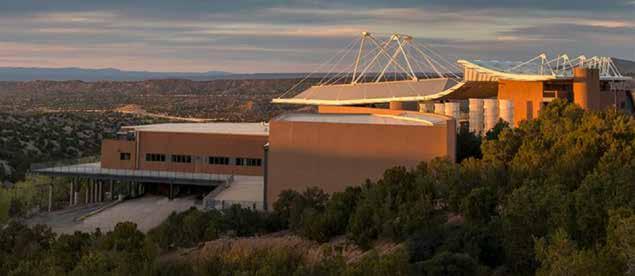
With opening night just weeks away, anticipation is building for the Santa Fe Opera’s 69th Festival Season, a summer lineup that balances beloved classics, a long-awaited company premiere, plus a major new American work. Running from July 3 through August 29, the 2026 season offers audiences five productions that show several different sides of the company, the proverbial something for everyone.
The season begins on Independence Day weekend with two audience favorites. On July 3, Puccini’s Madama Butterfly returns in a revival of Lee Blakeley’s acclaimed production of the tragic opera, revived by director Melanie Bacaling. Conductor John Fiore will lead an international cast headed by soprano Karen Chia-ling Ho in the title role, alongside Stephen Costello as Pinkerton. The following evening, July 4, Mozart’s The Magic Flute opens in a new co-production with England’s Garsington Opera. Directed by Christopher Luscombe, the staging draws inspiration from Edwardian pantomime and Victorian music hall traditions, combining theatrical illusion, fantasy and humor. Santa Fe Opera Music Director Harry Bicket conducts a cast that includes Josh Lovell as Tamino, Joélle Harvey as Pamina, Rainelle Krause as the Queen of the Night and Will Liverman as Papageno. A new English translation by Jeremy Sams aims to make Mozart’s final masterpiece especially accessible to contemporary audiences.
Midway through the season comes a revival of Tchaikovsky’s Eugene Onegin, opening July 18. Directed by Alessandro Talevi, the production first appeared during the company’s pandemic-affected 2021 season, when pandemic restrictions required significant creative adjustments. This summer audiences will finally experience the production as originally envisioned, complete with full chorus participation, expanded stage direction and newly built costumes. KeriLynn Wilson makes her Santa Fe Opera debut on the podium, leading a cast headed by Olga Kulchynska as Tatyana and Mattia Olivieri as Onegin.
On July 25 is the company premiere of Handel’s Rodelinda. Although considered one of Handel’s greatest operas, the work has never before been staged by Santa Fe Opera. Music Director Harry Bicket, internationally recognized for his expertise in Baroque repertoire, leads the production, directed by R.B. Schlather. Inspired by Schlather’s acclaimed 2023 staging at New York’s historic Hudson Hall, the production reimagines the political drama as a stylish noir-inspired tale of power, loyalty and redemption. Lucy Crowe stars in the title role, joined by celebrated countertenor Iestyn Davies as her husband Bertarido.
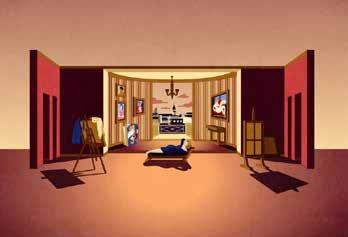
The season concludes with the anticipated American premiere of Lili Elbe, opening on August 1. Composed by Grammy Award-winning
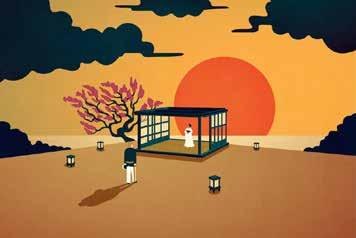

composer Tobias Picker with a libretto by Aryeh Lev Stollman, the opera tells the true story of Danish painter Lili Elbe, one of the first people to undergo gender-affirmation surgery in the early twentieth century. Recipient of the 2023 OPERA! Award for Best World Premiere, the work arrives in Santa Fe following international acclaim. The production carries special significance for the company. Thirty years ago, Santa Fe Opera presented the world premiere of Picker’s first opera, Emmeline. Now the composer returns with a work that reflects the company’s continued commitment to contemporary storytelling. Director James Robinson’s production explores themes of identity, authenticity and transformation while drawing parallels between Lili Elbe’s life as well as the myth of Orpheus and Eurydice. Former Santa Fe Opera Apprentice Singer Lucia Lucas stars in the title role while also serving as dramaturg. The production is notable as the first full-scale opera centered on a transgender protagonist written specifically for a transgender singer. Sylvia D’Eramo portrays Lili’s wife, Gerda Wegener, whose support forms the emotional center of the story.
Beyond the stage, Lili Elbe will serve as the focus of “Transformative Voices,” a month-long series of community events taking place throughout July in Santa Fe and Albuquerque. Organized in partnership with local cultural organizations, the series includes film screenings, panel discussions, chamber music performances and a free public symposium on July 26 examining the historical, artistic and cultural themes explored in the opera. Participants include members of the creative team, scholars and community leaders.
With five distinctive productions, an internationally assembled roster of artists and a robust schedule of public events, the 2026 Festival Season promises to be one of the company’s most compelling in recent memory.




Tucked inside Santa Fe’s Railyard District, Gatsby’s was created by brothers Pawan and Amrik Dhindsa with one goal in mind: to bring a new kind of nightlife experience to the city. Inspired by the glamour and mystery of the Prohibition era, Gatsby’s blends elevated dining, handcrafted cocktails, live energy, and era-centric atmosphere into one unforgettable destination.
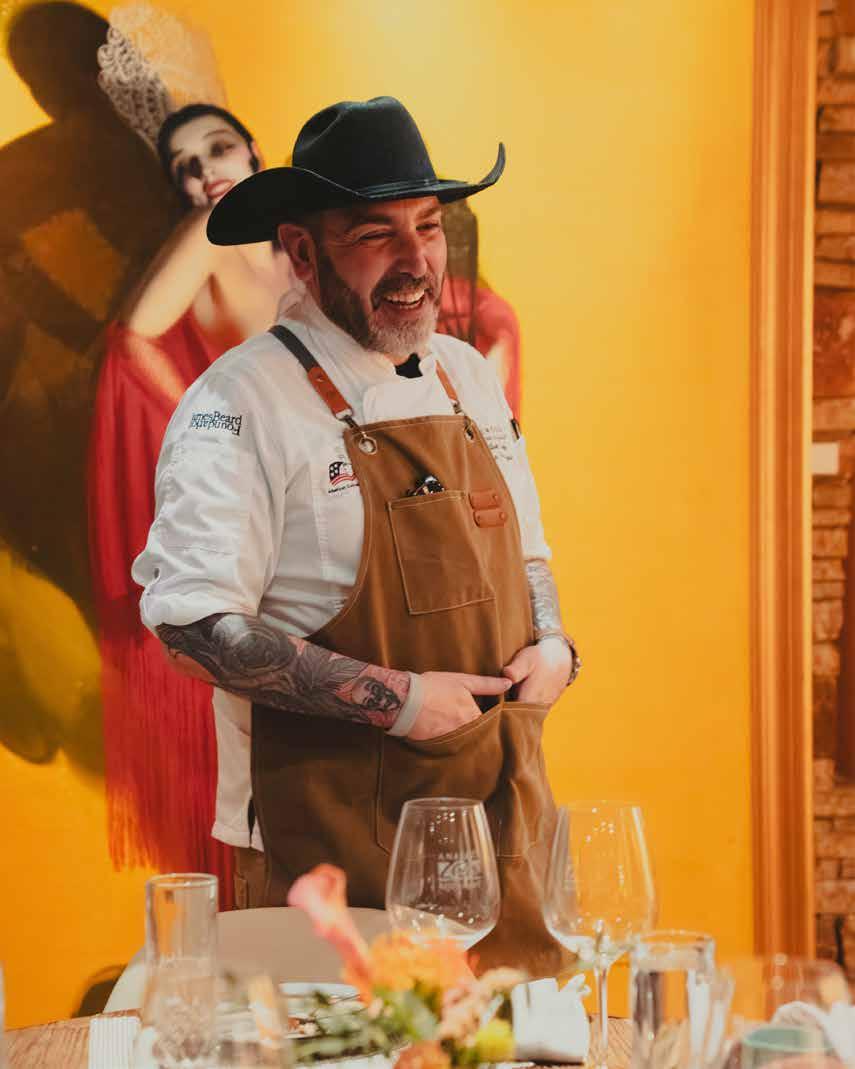
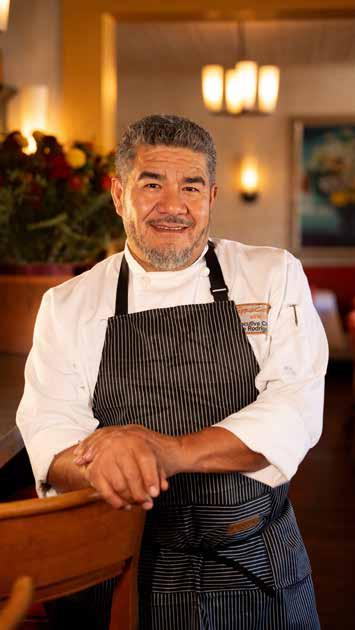
To bring the vision to life, the brothers partnered with Executive Chef Rafael Zamora, whose 36-year culinary career and globally inspired approach helped create the soul of Gatsby’s. When asked about the chef, Amrik Dhindsa stated, “Chef Rafael didn’t just help create the soul of Gatsby’s, he is the soul of Gatsby’s.”
Having owned the India House Restaurant for 30 years (1992-2022), the brothers hated not having anywhere to go after their restaurant closed With this in mind, opening at five pm, guests can experience a full menu dining experience all the way up to their closing at midnight On weekends, along with the full menus availability till midnight, after nine pm (Santa Fe’s unofficial closing time) at Gatsby’s..... the night is just getting started.
From intimate dinners and signature cocktails to late-night conversations beneath dim golden lighting, Gatsby’s was designed to feel immersive from the moment guests walk through the doors. Every detail the music, the ambiance the food the hospitality comes together to create an experience unlike anything else in Santa Fe. summer, Gatsby’s is turning up the energy even more

l lineup of special events, live entertainment, themed nights, and unforgettable t announcements, reservations, and updates will be shared through the Gatsby’s website and social media channels.
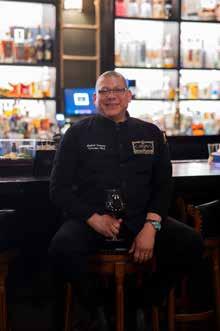

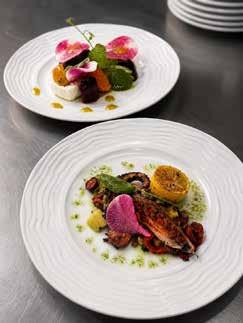
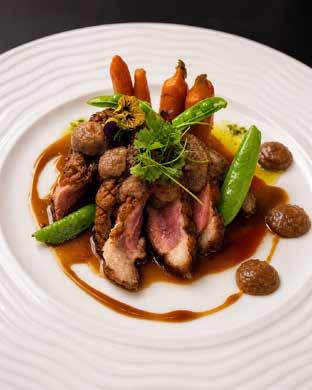
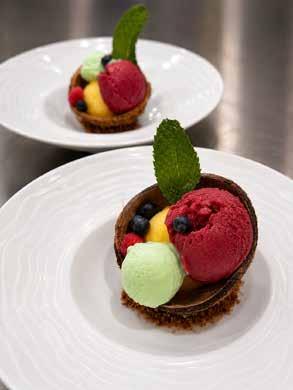

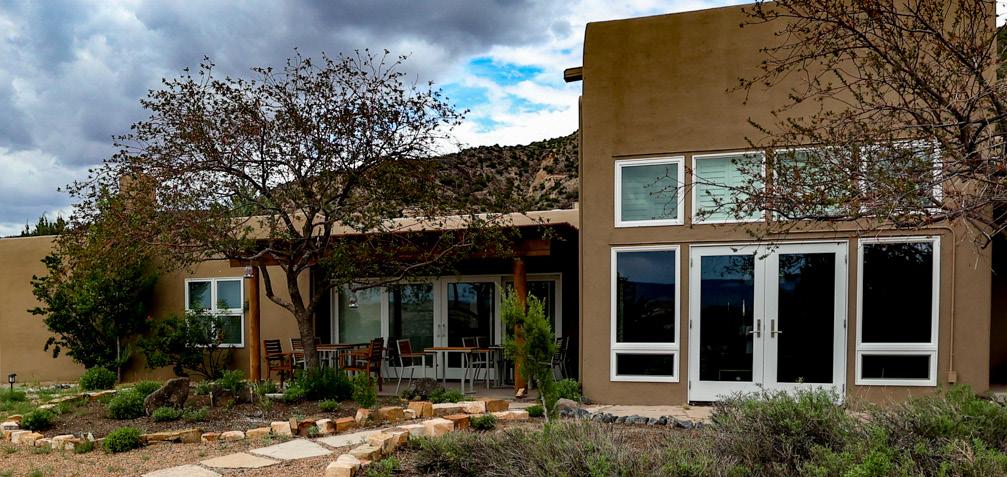
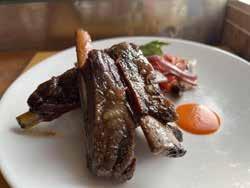
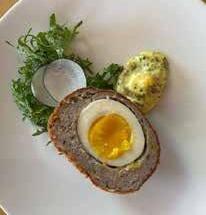
Chef Owner, Graham Dodds, welcomes you to NOSA Restaurant & Inn, set in the scenic Ojo Caliente River Valley overlooking the majestic Jemez Mountains, secluded and serene.
Du Jour Breakfast 9am seating by reservation
Prix Fixe Sunday Lunch 11:30 & 2:30 seatings by reservation
Prix Fixe Friday and Saturday Dinners 6:30 seating by reservation
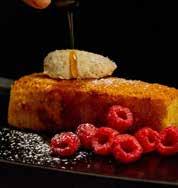
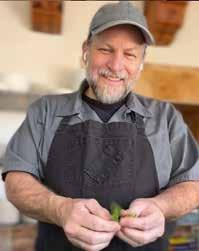

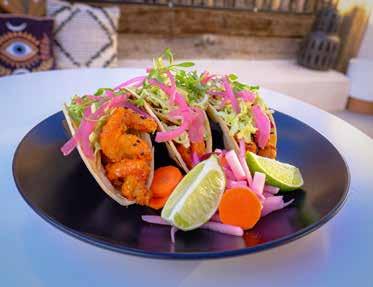
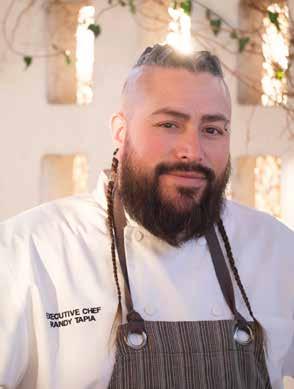
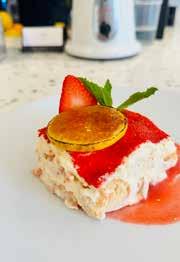
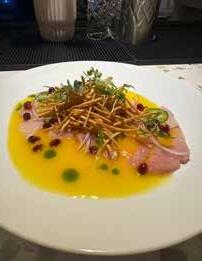
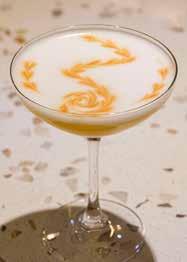
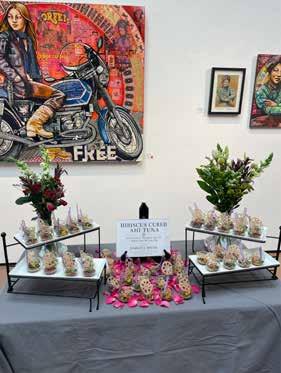
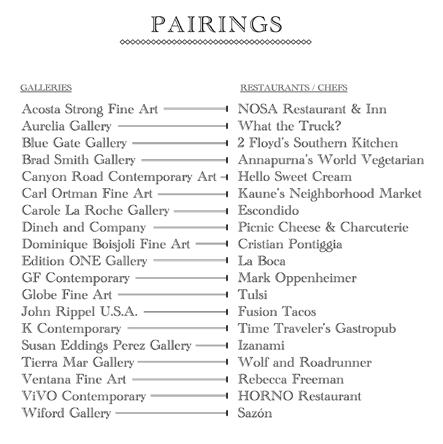
ART FEAST Santa Fe brought together over 80 restaurants, galleries, and boutiques across three locations on three evenings for a celebration of food and art. In reviving this tradition, we sought to bring the community together and give both residents and visitors the opportunity to experience the cultural richness that Santa Fe has to offer.
The following pages offer a recap of each event, including a few photos from each evening and a complete list of participating restaurants and galleries. Together, they provide a snapshot of Santa Fe’s art and dining scene.
ART FEAST was produced in association with Robert McCormick and Santa Fe Foodies. Below, learn more about the event’s culinary coordinator.
Robert McCormick is the founder of the highly influential Santa Fe Foodies, Albuquerque Foodies, and New Mexico Foodies communities, which collectively reach more than 250,000 members across New Mexico, the United States, and around the world. An accomplished musician, artist, home cook, and tech enthusiast, McCormick is widely known for his deep passion for community, local restaurants, small businesses, and regional food culture. Through his work, he has helped build one of the state’s largest and most engaged food-focused networks.
He has become a recognizable voice in New Mexico’s culinary scene, championing locally owned restaurants, chefs, food trucks, and community-driven dining experiences. Through his platforms, he spotlights the people, places, and flavors that define Northern New Mexico’s vibrant dining culture.
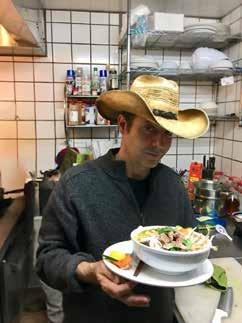



Nearly twenty restaurants and twenty galleries joined forces to welcome over three hundred attendees for this warm evening of food, art, and fashion in late April. Models dressed by MadVan Designs (see page 57) were present at various locations as part of the festivities.
APRIL 30, 2026 K

JOIN US NEXT WEEK FOR PART TWO! SCAN FOR TICKETS


APRIL 23, 2026


Patina

SCAN
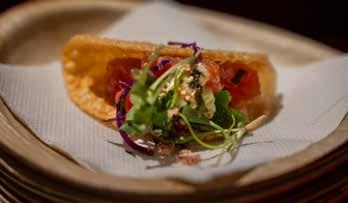
Fifteen restaurants and 16 galleries came together to welcome over 150 attendees the next Thursday.
Antieau Gallery
Chanel Doinoff Jewelry
David Rothermel Contemporary
deBella Jewelry
DeBilzan Gallery
Divine West Gallery
Galerie Zuger
Gift & Gourmet
Legends of the West Fine Art
Manitou Galleries
Patina Gallery
Rocki Gorman Gallery
San Francisco Street Gallery
Santa Fe Trails Fine Art
The Signature Gallery
Sugarman Peterson Gallery


Ceci’s African Kitchen
Peter O’Brien (High Mountain Cuisine)
Jo-Ji’s Sushi & Teppan Grill
What the Truck
Pineapple Sage Wellness
Terracotta Wine Bistro
Boxcar
What the Truck
Deccan Cafe
Randy Tapia’s Mystic Mesa
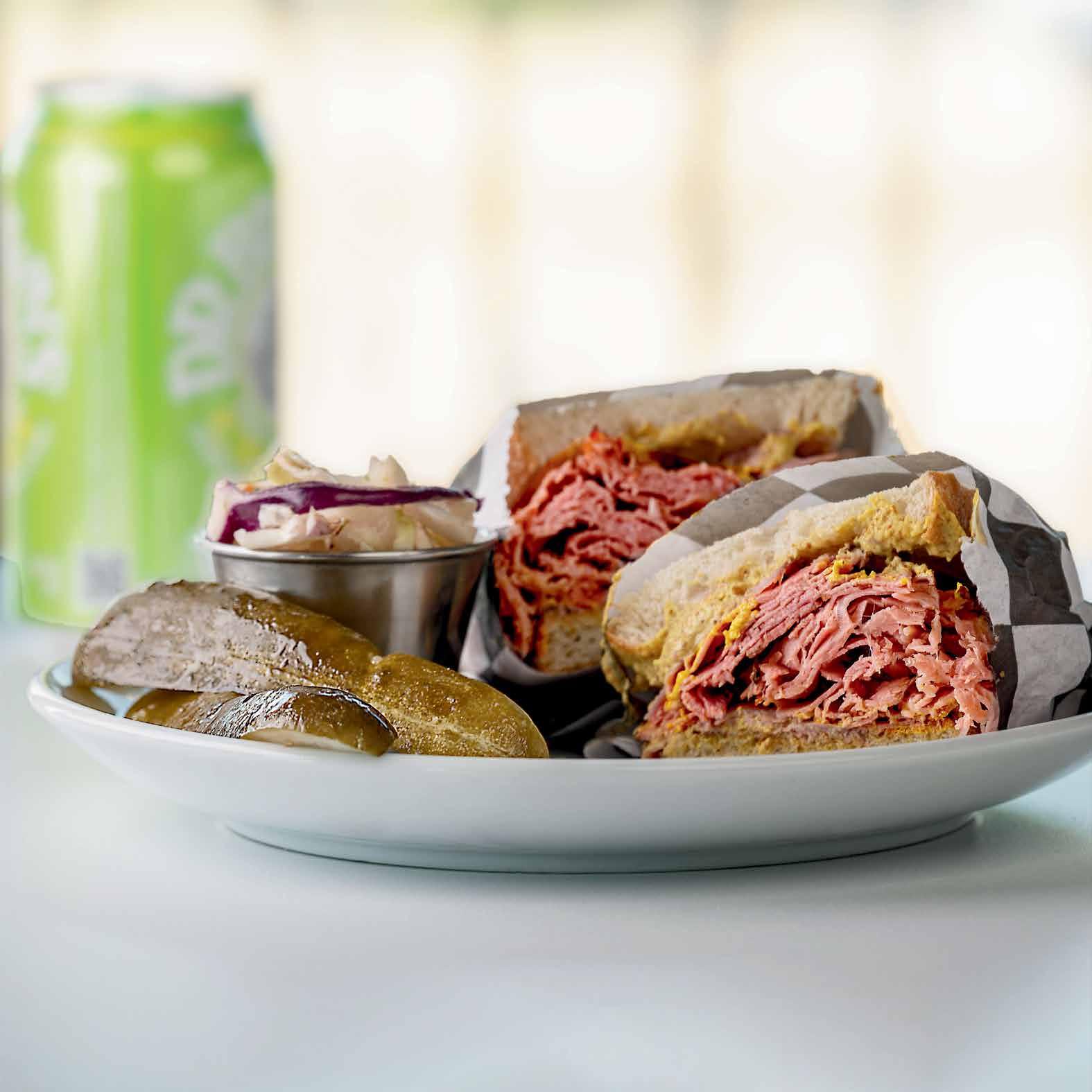
Manhattan Avenue Deli Life Bar
Gatsby’s
Snacking Panda
Hervé Wine Bar
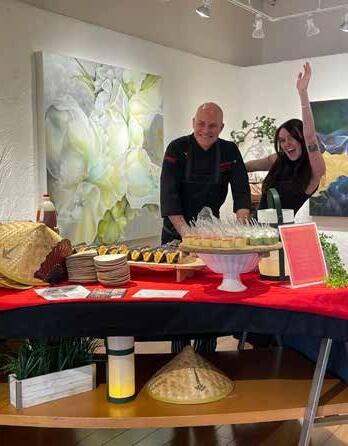
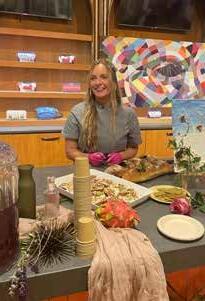
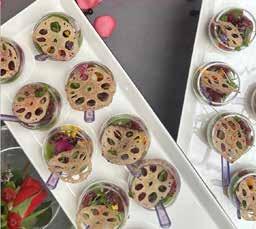
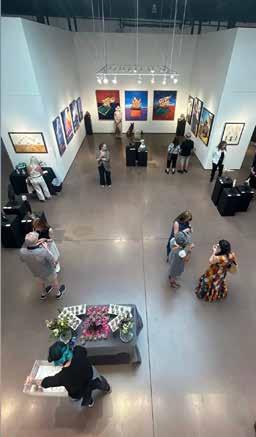
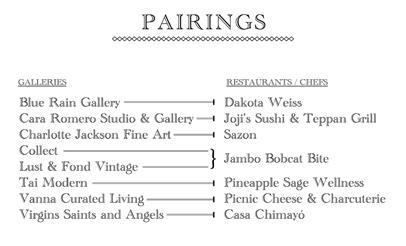
Over 100 people came out for this Thursday evening in mid-June that combined art galleries, boutiques, design, fashion, and amazing food.



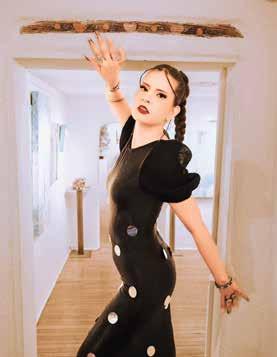
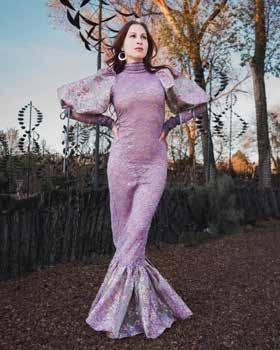
As part of Art Feast Canyon Road, model-volunteers were dressed by MadVan Designs from Albuquerque.
Madison Van Der Lingen of MadVan Designs was born in Taos and began her artistic journey as a painter before expanding into documentary filmmaking, pursuing a semi-professional path in cosplay, and ultimately evolving into the seamstress and fashion designer she is today. Now based in Albuquerque, Madison has become an influential creative force within the city’s arts and fashion community. She is a founder of PuffBuggs Closet, a design collective located along Route 66, where local sustainable fashion designers are given a platform to sell their handmade clothing and connect with the community. Through this initiative, she has helped foster a more accessible and collaborative space for ethical fashion in Albuquerque.

Her impact extends across major local events and immersive art experiences, including Albuquerque Fashion Week’s Night Aquatic showcase, programming connected to Meow Wolf’s House of Eternal Return such as Absolute Rubbish, and experimental creative gatherings like Unknown Garden. She received a Creative Bravos Award from the City of Albuquerque.

Madison now operates a new studio in downtown Albuquerque, where she continues to grow her practice while mentoring the next generation of designers. Through hands-on guidance and educational workshops, she teaches classes that emphasize both technical skill and sustainable design principles, helping emerging creatives develop their voice in an evolving industry.
Currently, she works as a freelance fashion designer, tailor, and digital marketer (and proud dog mom). Her designs embody the ethereal, whimsical spirit of “The Land of Enchantment,” blending elements of childhood nostalgia with a strong commitment to eco-conscious practices. Rooted in sustainability, her work challenges the norms of fast fashion by prioritizing reuse, thoughtful creation, and reducing waste in an industry often defined by excess.


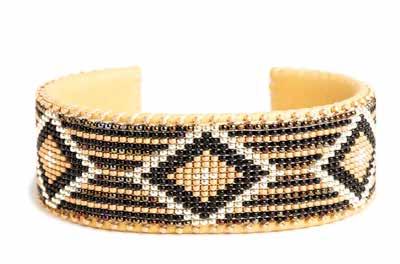


Fe,

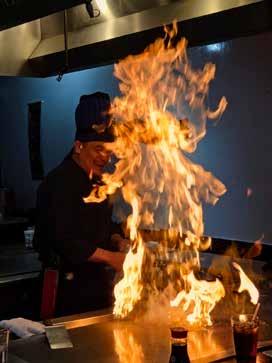
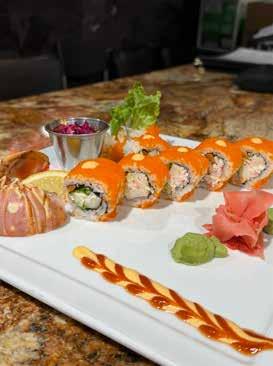
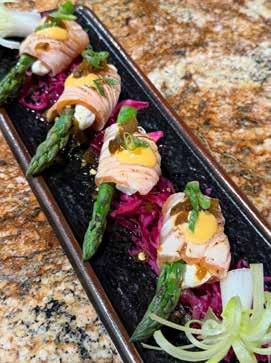
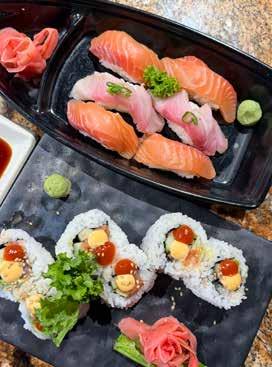

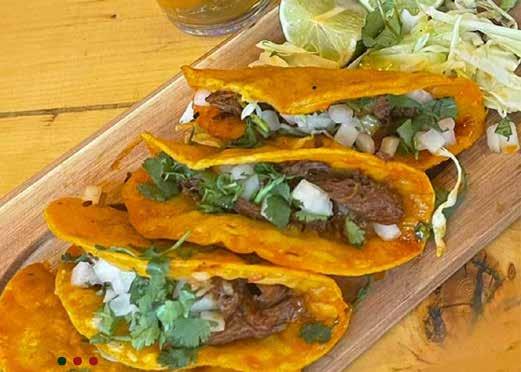

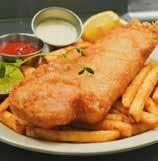

We welcome you to our proud “from scratch” kitchen where we are serving passionately crafted southern comfort fare inspired by all regions of the American South. Our menu features bold, craveable flavors that we’ve put together combining traditional family recipes with creative culinary fusion.
Grit Puppies (3) (gf)
creamy grits and minced shrimp rolled in panko, deep fried, served on low country sauce
Sweet Potato Tots w/ peach ketchup (gf, v)
w/ choice of side
Chicken & Biscuit
2FLoYDs hot & tangy or Korean spicy & sweet crispy fried boneless thigh with housemade pickles on buttermilk biscuit
Shrimp Burger
panfried panko-crusted shrimp patty, minced green onion, butter lettuce, spicy mayo, toasted brioche
Ahi BLT
blackened ahi tuna, bacon, butter lettuce, tomato, avocado mayo
Hanger
herb-marinated hanger steak, pickled red onion, arugula, spicy mayo, toasted brioche
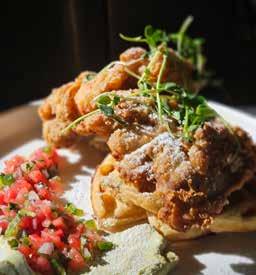
Chicken & Waffles:
Classic
crispy fried boneless thigh, buttermilk waffle, spicy maple syrup
2FLoYDs style
the classic w/ avocado butter & watermelon relish
Shrimp & Grits (gf)
seared shrimp, creamy low country sauce, grilled asparagus, blistered cherry tomatoes, crispy fried grit cakes
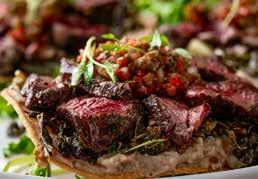
Hanger Tostada (3) (gf)
herb-marinated hanger steak, white bean purée, braised collards, chimichurri rojo
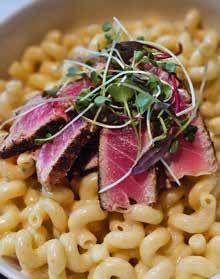
Mac & Cheese (v)
Seasonal Salad (gf, vg)
Add protein: fried chicken thigh
seared shrimp, blackened ahi tuna, herb-marinated hanger steak
Vegetarian Sampler (choice of 4 sides)
Buttermilk Biscuit w/ mayhaw jelly (v)
Braised Collards (gf)
Cornbread Casserole (v)
Fried Okra (v)
Sweet Potato Tots w/ peach ketchup (gf, v)
Mac & Cheese (v)
Side Salad (gf, vg)


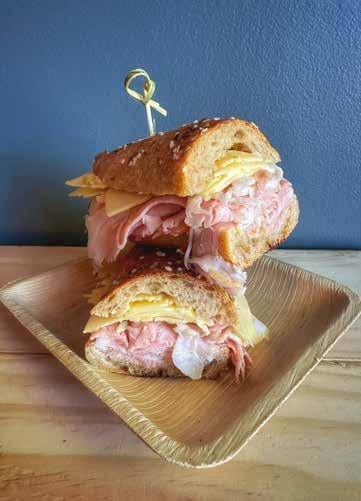
facebook.com/hellopicnicnm
instagram.com/picnic_nm
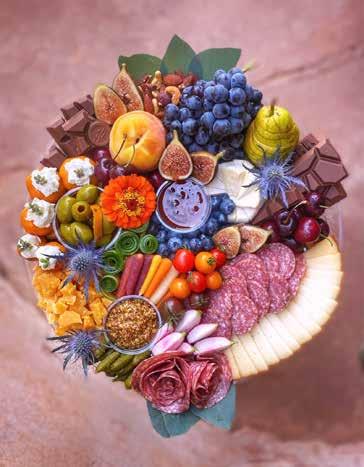
Every city has a food that tells you something about its personality. In Santa Fe it is probably the famous green and red chiles (or the famous “Christmas” combination). But it might also be the chocolate. Santa Fe’s chocolate proprietors approach it with creativity, craftsmanship, and a willingness to blend influences from many cultures into something unique.
To test this theory in full (or perhaps to just indulge), we took an impromptu chocolate tour. One late morning in April, armed with an empty stomach, a sweet tooth, and questionable selfcontrol, we ventured out on our journey.
The first stop was impossible to skip because everyone mentions it and recommends it. Of course, they were all right. At kakaWa chocoL ate houSe, chocolate is treated less like candy and more like history. The shop has become famous for its drinking chocolate elixirs, inspired by recipes that stretch from ancient Mesoamerican traditions to Colonial-era Europe. The hot chocolate is thick, rich, and intensely flavored. Some versions carry hints of chile, others spice, herbs, or citrus. It feels imbued with history. Halfway through the cup, I understood why visitors routinely leave carrying armfuls of truffles and bottles of elixir.
The walk back toward the Plaza felt required.
Fortunately, Santa Fe rewards wandering. Adobe walls glow in the morning sun. Galleries open their doors and courtyards invite detours. A chocolate tour in Santa Fe is as much about strolling as it is about eating.
A few blocks later, another temptation appeared. chocoL ate + caShMere is perhaps the most Santa Fe (or Boulder, where they also opened) concept imaginable: a boutique where fine chocolate shares space with luxury textiles, artisan goods, and gifts. The combination somehow makes perfect sense when you’re standing inside, as if they always belonged together.
The chocolates come in flavors like passionfruit mango, goat cheese, lavender caramel, and mezcal. Choosing is not easy. You arrive intending to buy a truffle or two but end up with a box and then, before you can leave, you start wondering whether you also need a handcrafted scarf. After walking away, you can’t wait to go back.

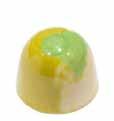
Not far from the Plaza, another chocolatier offered a different perspective on the craft. At chocoL ate en La pL aza, chocolate is approached with the enthusiasm of artisans who remain fascinated by the bean itself. Founded by husband-and-wife chocolatiers Sebastian and Victoria, the shop emphasizes small-batch, handmade confections crafted from simple ingredients and single-origin chocolate.
The display case rewards curiosity, with flavors ranging from lavender and honey to New Mexico chile. A

70 E San Francisco St Unit #2

128 E Marcy St
drinking chocolate or mocha makes an ideal companion for further wandering through the historic center. Like so many Santa Fe businesses, the shop balances craftsmanship with a welcoming spirit.
The city's greatest talent may be convincing visitors that indulgence is actually cultural exploration.
By early afternoon, the sugar-fueled confidence had set in. At this point, every pastry case looked promising. Every café menu containing the word "chocolate" seemed
worthy of investigation. Research standards became increasingly flexible. But we stayed strong and focused on the city as much as potential sweet indulgences.
In Santa Fe, chocolate rarely travels alone. It appears alongside piñon, local honey, cinnamon, and especially chile. The now-famous pairing of chocolate and New Mexico chile captures something essential about the region. The sweetness arrives first, followed by warmth and complexity. Neither ingredient dominates. Together they create something more interesting than either could achieve on its own. Tradition is key.
One stop that illustrates heritage particularly well is SWeet Santa Fe. The confectionery traces its roots to the legacy of longtime local chocolatier C.G. “Chuck” Higgins and continues the city’s longstanding affection for handcrafted chocolate. Cases filled with handdipped chocolates, truffles, and regional specialties make it difficult to choose just one treat. Flavors include Grand Marnier, strawberry champagne, Irish cream, and many more. There is Enchanted Biscochito!
What makes Sweet Santa Fe memorable is its sense of continuity. Santa Fe’s chocolate culture did not appear overnight; it evolved through generations of makers who adapted old recipes and local ingredients into something distinctly New Mexican. Sampling a truffle here feels less like discovering a trend and more like participating in an ongoing tradition.
By late afternoon, I found myself comparing chocolates the way wine enthusiasts compare vintages. It was all talk of brightness and subtle floral notes. We started talking about a truffle’s “finish”. It was all good fun and led to even more consumption.
As the day wound down, there remained one final tradition to observe, which entailed re-tracing our steps on the trail, a pleasant repetition. We had to partake in that noble ritual performed by chocolate tourists everywhere: buying gifts for friends. In theory, it’s simple. You buy boxes for friends and family back home. The practical challenge is that the gifts spend several days traveling in your possession. Visitors surely make promises to themselves about buying boxes for friends back home, only to finish them before the day ends, returning the next day for replacements.
After safely procuring these gifts and keeping them hidden away from our temptations, we reflected on all of our stops, the history, the blending and creativity, family spirit, and tradition. We also thought about the intersection of cultures and flavors throughout the city, as well as the respect for craftsmanship.
Spend a day on the chocolate trail and you may find it’s a great entry point into Santa Fe or just a reminder of what makes it great. Just be prepared to indulge.
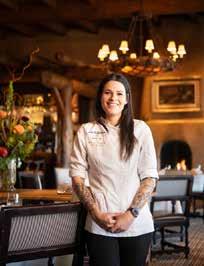
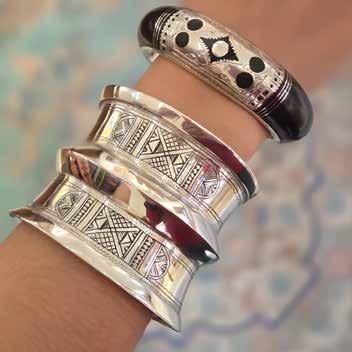
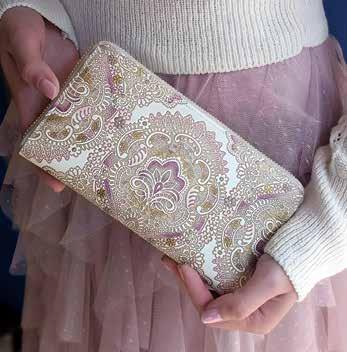
Have you ever had a dream that felt like it was only going to be a dream? Sometimes a life changes in the span of a single walk.
In late summer of 2025, jeweler Chanel Doinoff found herself wandering through downtown Santa Fe, following a simple intention: to view a set of display cabinets she had seen advertised online. Answering an ad she found exactly what she was looking for, and as she approached their location, something unexpected caught her attention. The storefront where they were kept stood empty, marked only by a “For Lease” sign in the window. What began as an errand became a moment of recognition laden with opportunity. Within months, that very space would transform into Chanel Doinoff Fine Art Jewelry, the realization of a lifelong dream.
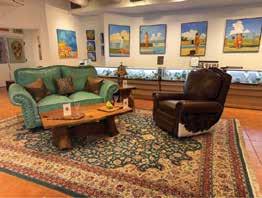
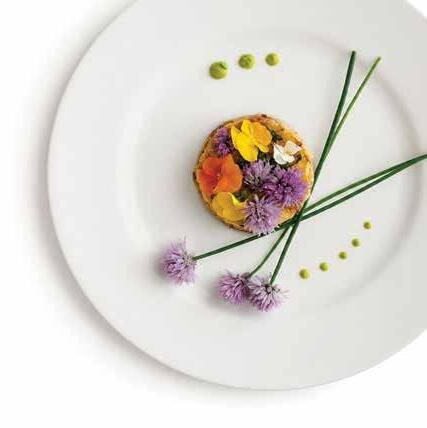
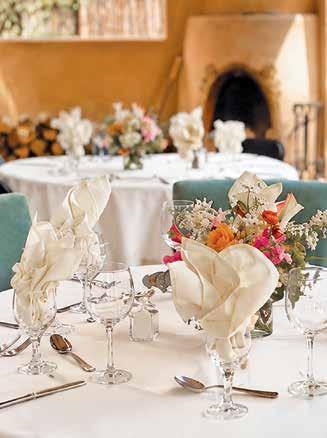
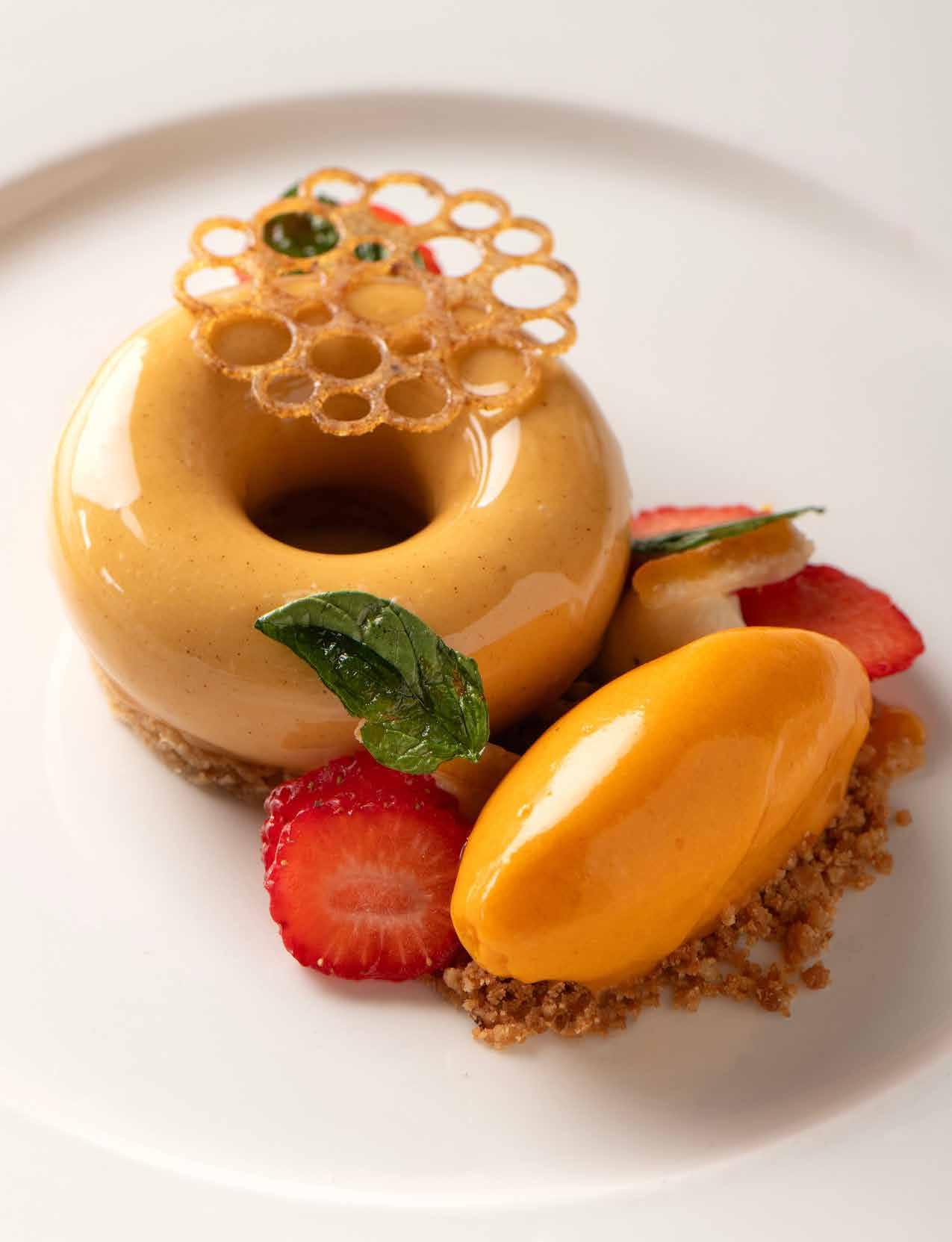
Located at 213 West San Francisco Street, beside the historic Lensic Theatre, the boutique unfolds as a vivid, immersive environment where color, texture, and form meet in dynamic expression. The gallery moves beyond the traditional retail experience, presenting a curated convergence
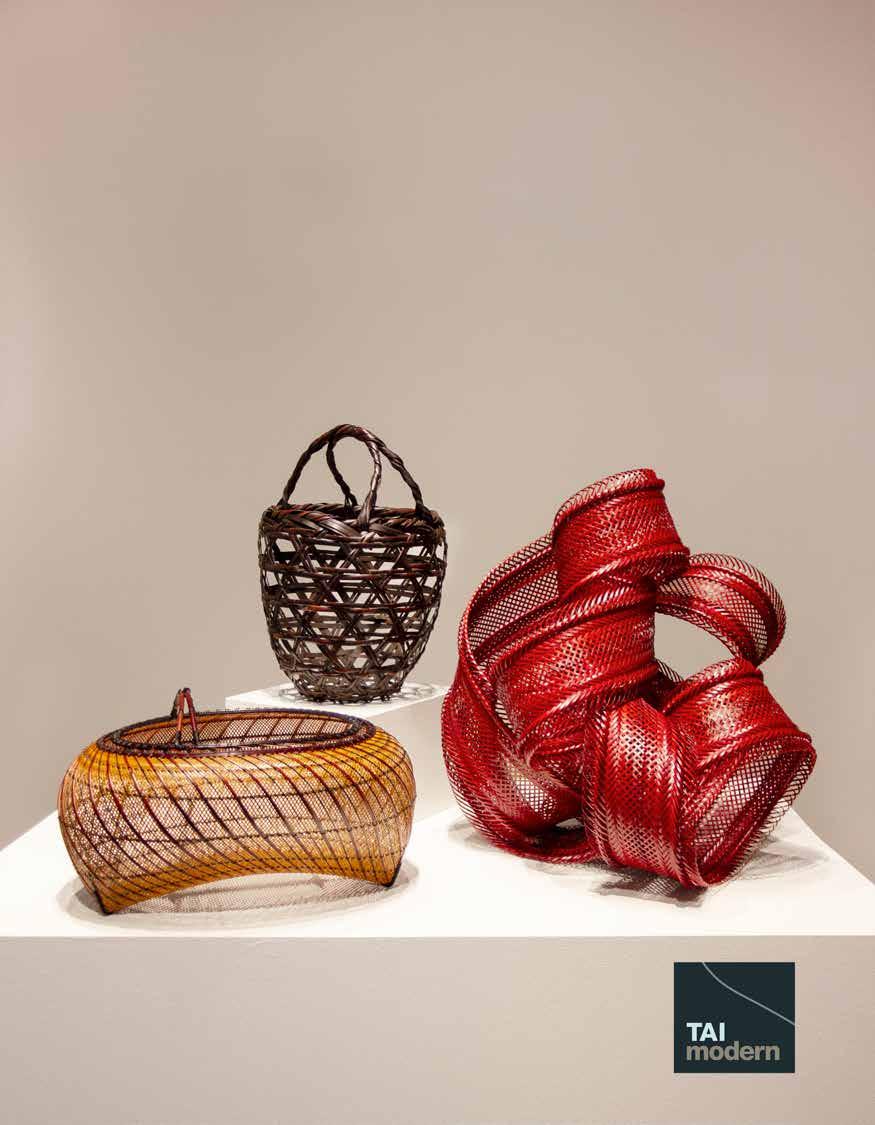
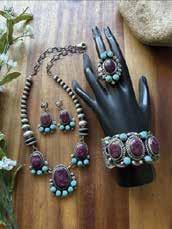
of global artistry and local innovation. Handwoven Italian purses introduce rich textile traditions, while Japanese silk scarves from a fourth-generation atelier bring lineage and refinement into the space. Contemporary jewelry by Doinoff stands alongside works from internationally recognized designers, while paintings and objects by local Santa Fe artists like Travis Black anchor the gallery in its immediate cultural landscape. Fine estate jewelry and cherished antiques on display add another dimension, where history and craftsmanship continue their presence through time.
The atmosphere carries an avant-garde sensibility, where contrast and cohesion exist within the same visual field. Color becomes a language, shifting from luminous metallic surfaces to saturated fabrics and expressive canvases. Each piece contributes to a broader dialogue, where design traditions from across the world intersect with experimental approaches to form and material. The result is a space that feels alive with movement and perspective, inviting exploration at every turn.
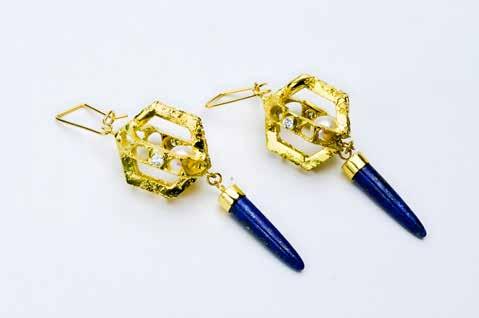
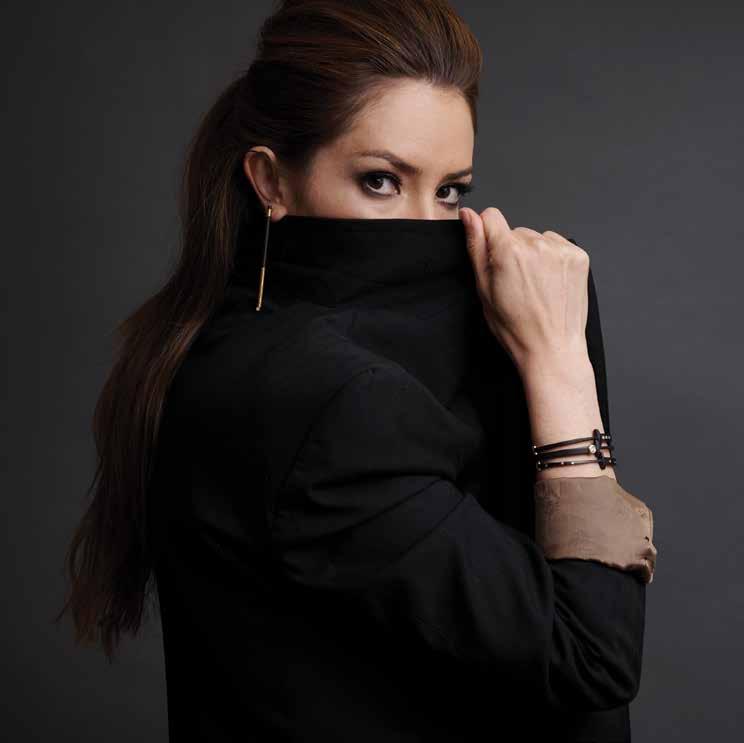
Doinoff’s artistic voice emerges from a bicultural foundation that continues to shape her work. Born to an American military father and a Japanese mother, and raised in Japan before relocating to New Mexico during her teenage years, she developed an awareness of how different cultures assign meaning to objects, materials, and presentation. This dual perspective informs both her design philosophy and her curatorial eye, allowing her to move fluidly between traditions while creating something distinctly her own.
Central to her work is the concept of Japanese wrapping culture, a practice rooted in the Edo period in which fabric served as both container and expression. Objects were carried within elaborately designed textiles, transforming the act of transport into a visual and symbolic gesture. Over time, this practice evolved into a philosophy in which the wrapping itself holds equal significance to what it contains, forming a unified whole rather than a hierarchy of value.
Doinoff translates this idea into her jewelry through an exploration of materials associated with protection, concealment, and structure. The geometric rhythm of corrugated cardboard, emblematic of American systems of packaging, appears alongside the fluid drape of Japanese crepe fabric, known for its minimalism and ver-
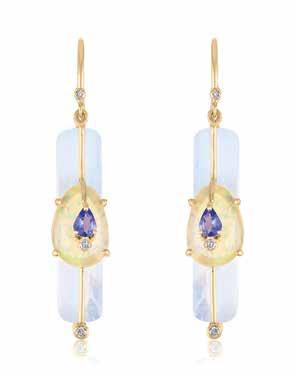
satility. These references move through her work as both influence and material language, forming layered compositions that shift between strength and softness, structure and movement.
Within this layered approach, the distinction between object and enclosure begins to dissolve. Value emerges through relationship, through the interaction of surfaces, textures, and forms. A piece of jewelry becomes an environment in itself, each element contributing to a unified expression.
The question arises with quiet persistence: where does value reside? Within the object, or within the layers that reveal and conceal it? In Doinoff’s work, the answer unfolds through experience, suggesting that meaning exists within the interplay itself, where every surface carries intention and every form participates in the whole.
Inside her gallery beside the Lensic Theatre, this philosophy takes physical shape. Color, light, and material converge into a space that feels both intimate and expansive, where local voices and global influences meet without boundary. It is a place that is simultaneously fun and where avant-garde design and traditional craftsmanship share the same stage, and where each object, whether newly created or carrying the weight of history, contributes to a living composition of art, identity, and imagination.



by Michaela Kahn, PhD
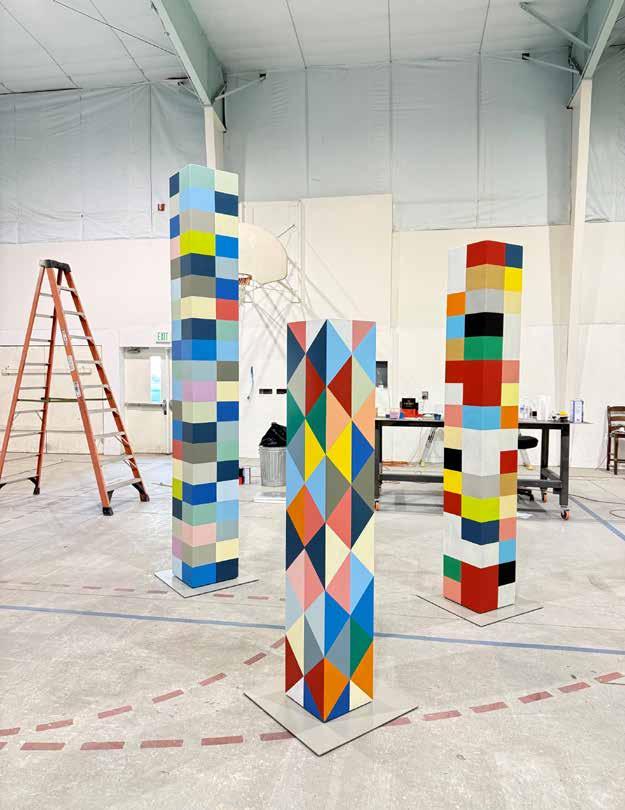
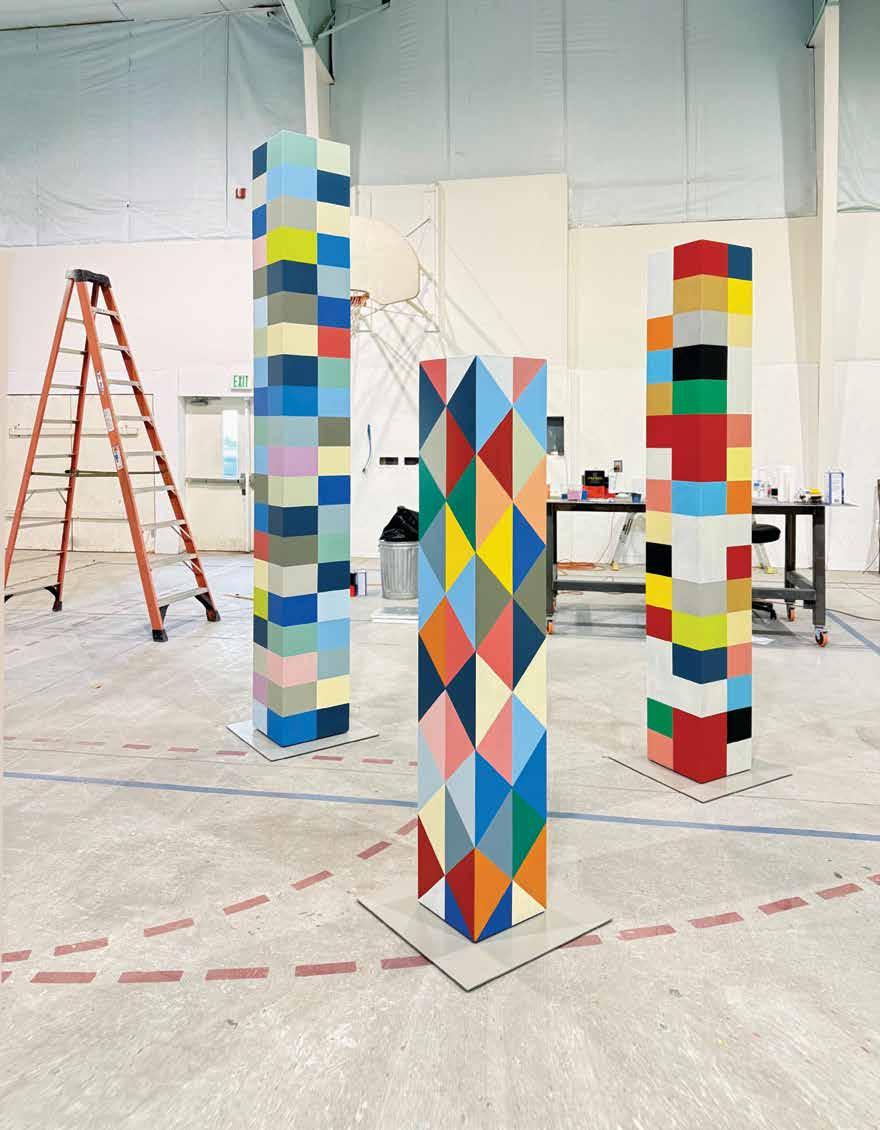
It is best to let yourself slowly wander through the gallery once, then circle back and walk through again, even more slowly. As the viewer engages with them in physical space, these painted sculptures radiate a sensation of aliveness, a persistent “beingness”. Walking among the columns (ranging from six to ten feet tall) in particular almost feels like moving through a group of people, or through a forest of tall trees. Move close. Look closer. They seem almost to be speaking to you.
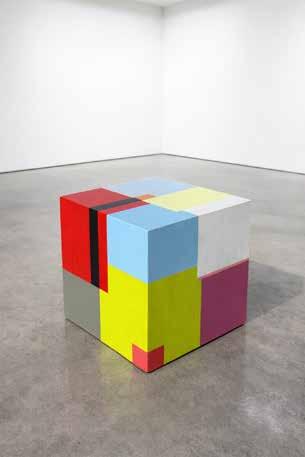
The language of Pard Morrison’s painted sculptures, whether the columns, cubes, or the stacked box wall piece included in this exhibition, is a complex interplay of minimal elements. There is the architectural nature of these 3/16” plate aluminum pieces, precisely cut and welded into geometric volumes. There is the juxtaposition of this industrial fabrication with the fact that, as the viewer notices on close inspection, the myriad colors of industrial Flouronar paint across the surface have been applied by hand. The marks of Morrison’s brushwork remain visible, belying that veneer of industrial “perfection” that they may seem to have from a distance. The colors themselves are painted across the surfaces as if the sculpture were a canvas in elaborate patterns of shapes and bands and puzzle pieces.
It is this interweave of pattern and color—the groupings, rhythms, contrasts and emotional freight of the colors themselves—that forms the most complex aspects of Morrison’s sculptural language. Morrison has spoken about color as providing a form of “emotional architecture” within his works. His sense of the emotional and psychological, as well as of the aesthetic qualities of color is utilized to create dialogue and movement across the planes of these surfaces. For example, the interlocking diamonds and triangles of the six-foot column draw the eye upward, while the alternating of brighter and more saturated colors with softer, lighter hues creates a visual rhythm of movement and rest. Meanwhile, the cube utilizes irregular and overlapping shapes, and the
appearance of a thin black bar and small orange rectangle seems almost like notations, or punctuation, against the larger pale gray-blue shapes of the piece. Added to all of this is the fact that changes in the light and atmosphere, as well as the angle at which the viewer is approaching the piece, will cause shifts in the colors, softening, deepening, and altering the way they interact with each other.
Each of these aspects of the work can be taken in turn: the traces of Morrison’s “imperfect” mark making, the human-sized volumes of the pieces, the variation of light and season, the patterning, geometries, puzzle-like weaving, the emotionality, movement, and energy created by the colors. But the magic truly happens when the viewer begins to take in the relationships between all these disparate aspects, to see the whole.
Unsurprisingly, Morrison has an affinity for the work of the nature poet Mary Oliver. He says that one particular quote has stayed with him for years: “Attention is the beginning of devotion.” It is an apt quote. Life is at root an interplay between order (structure, repetition, reproducible rules and laws of biology and physics) and chaos (the genetic slip, the missed connection, the butterfly flapping its wings). What minimalism does so well, what Morrison is offering with his work, is to strip out the extraneous, leaving behind a composition that provides a more accessible entry point for humans to slow down and practice attention. To see. To see how infinitely complex even one tiny space, one piece of art, can be. The relationships ripple out from there.
“Everlove” offers the viewer a chance to slow down. To see differently. To begin to learn a language made of color and shape, of space and light. To feel the significance of the human hand amid a world of tech and noise. As Morrison says: “I believe that mark making is a form of prayer. My work is an accumulation of prayers.”
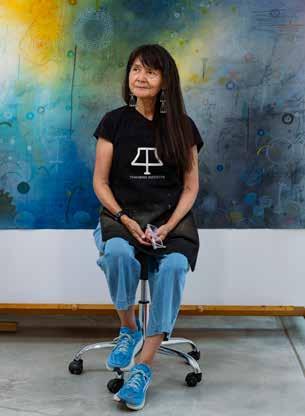
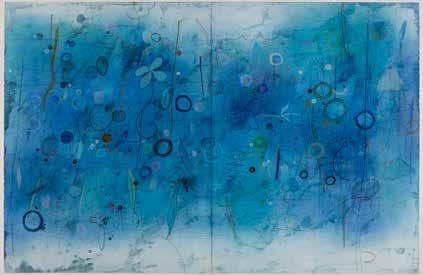
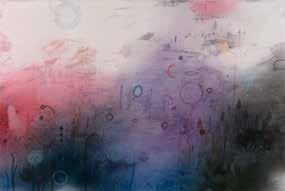
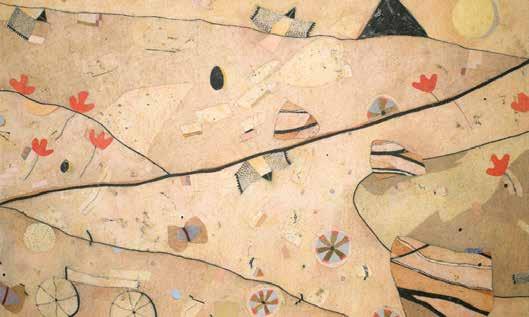
The Wheelright’s Museum retrospective of Emmi Whitehorse art, Intimate Landscape, continues with a second series of work from the Navajo artist. While the first exhibition focused on themes of light and space (featuring work from the 19802000s), this one has a theme of line and form (work from 1990 to the present).
The overall exhibtion was develooped in dialogue with Whitehorse, seeking to explore her unique approach to sensory abstraction. In the context of the exhibition, this term refers to the process of recording sensory experiences through visual art. Her work is notable for how it “invites a combination of sensory responds,” notes curator Hadley Jensen. “For her, each composition evokes the feeling of being within a landscape. Her work is grounded in and reflects Diné cultural concepts, but I think she is more interested in suggesting rather than explaining those meanings.”
The twenty-two pieces in the first exhibiton were drawn from the Wheelwright Museum’s permanent collection, representing one of the largest assemblages of Whitehorse’s early work in any public or private collection. This selection was complemented by six pieces on loan from the artist, four of which are drawn from her Water Series.
Part II showcases her work from the 2000s, with five pieces on loan from the artist as well as others from private lenders, all alongside the debut of a new work, Marsh Grasses (see next page).
“I am building a sense of depth through drawing,” Whitehorse says, “looking at how things can move on a flat surface.” The airiness and abstraction that defined earlier periods have become more fixed as she extracts and magnifies certain details, focusing the viewer’s eye. Through a considered relationship between mark-making and color application, Whitehorse constructs a way of seeing. Her perspective is both intimate and distanced, operating on a micro and macro scale. Each composition, in her words, is like a “photographic memory,” inscribing specific moments, places, and experiences. This idea is reflected in the exhibition’s title, which was chosen by the artist.
Whitehorse was invited to participate in the 2024 Venice Biennale, titled Stranieri Ovunque (Foreigners Everywhere), for which she created her largest work at the time (60 inches by 90 inches). Since then, working in this format has inspired her artistic trajectory with compositions that have grown in scale and complexity. While earlier paintings were made in a smaller format, the
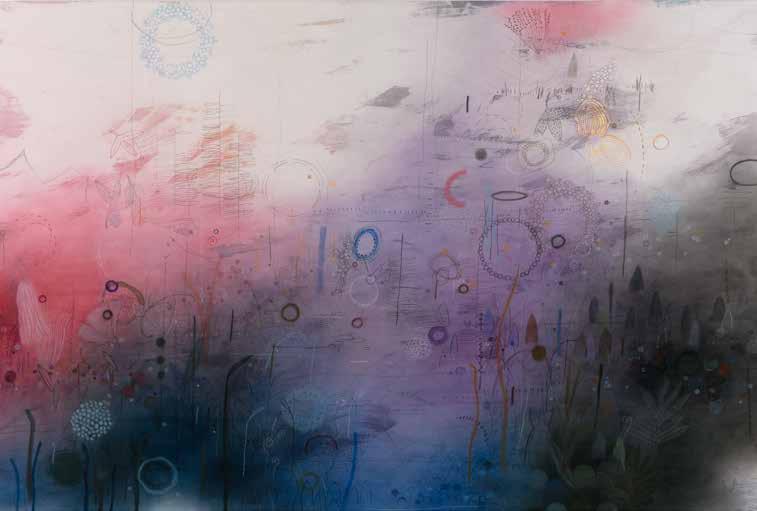
expansive grandeur of her latest work maintains this intimate quality across a wider terrain.
Whitehorse’s more recent works project surface details while the focus pulls one close, almost inside the color. The negative spaces that are present in these paintings are not vacant or empty, but she uses them to help create the intended atmosphere. While her process may be spontaneous and intuitive, she is incredibly adept at working with her chosen materials to precise effect.
Overall, the two-part exhibition traces the arc of Whitehorse’s artistic practice over four decades. As she says, she changes very slowly, but those changes become noticeable over time. A short film made by Diné filmmaker Kelso Meyer accompanies the exhibit. The museum also produced a book with contributions from Whitehorse; Jensen; Henrietta Lidchi, former Wheelwright Museum Executive Director; and Diné art historian Kathleen Ash-Milby.
Intimate Landscapes Part II is on view from June 19 - October 3, 2026
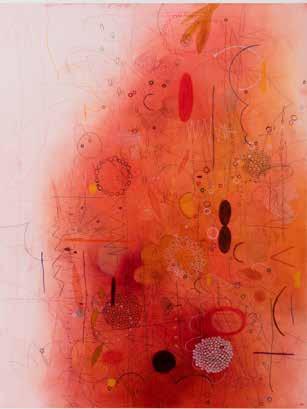
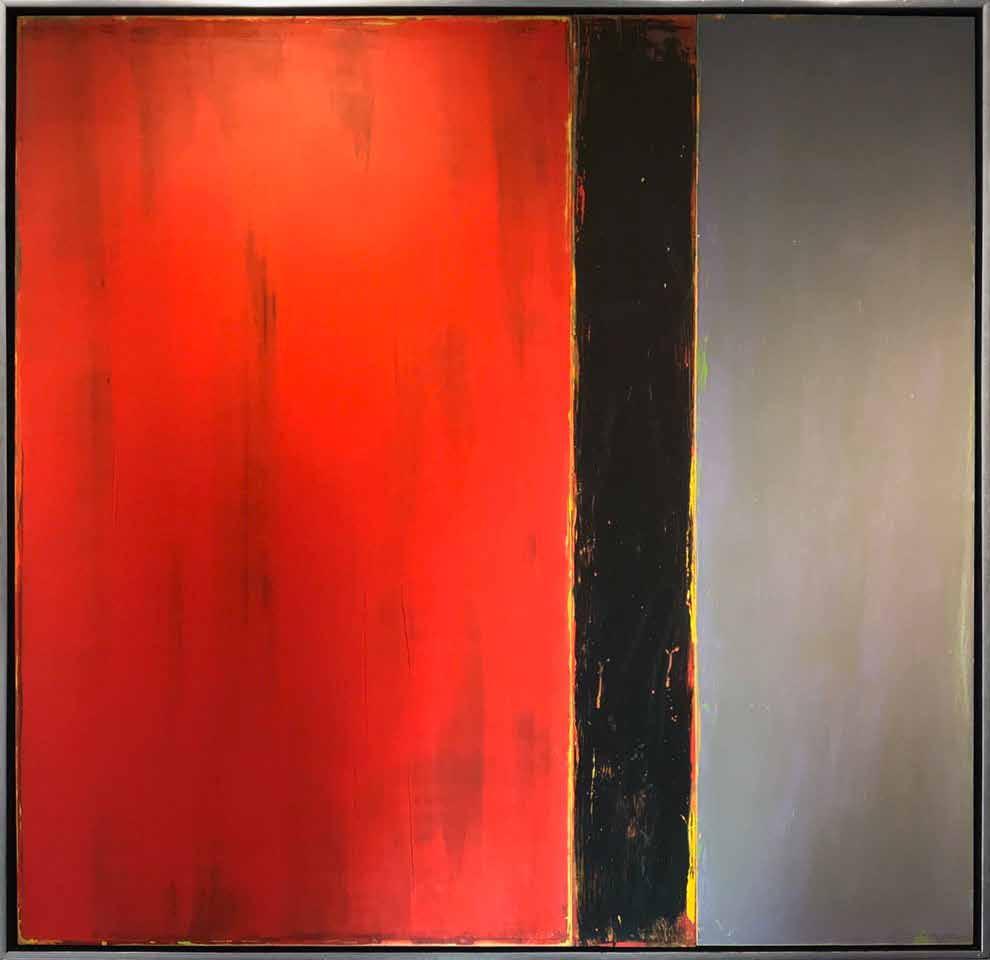
This summer, David Rothermel celebrations his 50-year career with an exhibtion at his gallery downtown. “As an artist, I am calling on my past experience in my 50 year career to bring a sense of maturity, harmony and spacial continuity to my compositions in painting.
“I’m really a spiritual being, and trying to get the breadth of abstraction to where it works and has spatial continuity is really important to me. In other words, the painting is not done until it has spatial continuity, until it breathes. It has a breath, and it has its own identity. That is called ‘revealing the sublime.’ That’s one of the deepest feelings you can find. You must reveal the sublime, because if you don’t, it’s just decoration.”
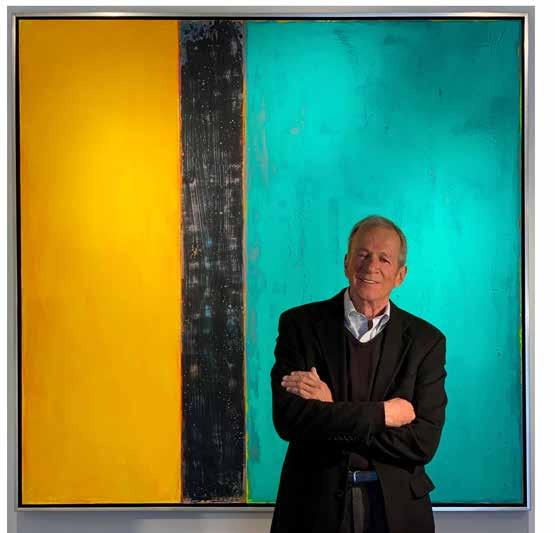
David Rothermel first studied art at York Academy of Arts and later graduated from the Pennsylvania Academy of Fine Arts in Philadelphia. He went on to study for two summers in Maine under Brice Marden and other preëminent American masters at the Skowhegan School of Painting & Sculpture.
It was in 1981 that Rothermel moved to New Mexico, working initially as an art director, fulfilling his yearning for large-scale painting on 10’ x 40’ billboards. Rothermel’s abstract and landscape paintings are included in numerous private and public collections and are represented in galleries. Recently two of his watercolors were added to the nationally recognized permanent collection of the Farnsworth Art Museum in Rockland, Maine.
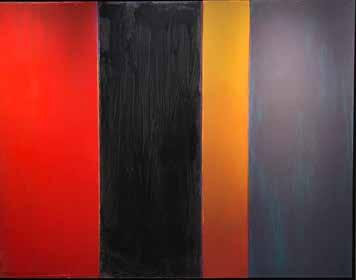
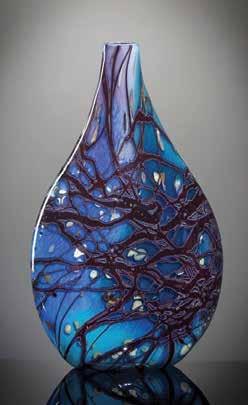
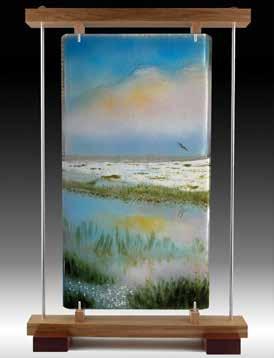
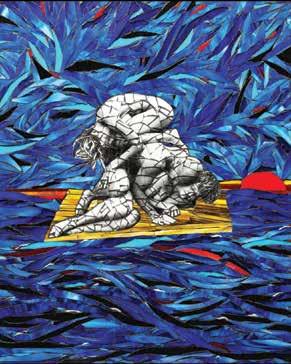
ViVO Contemporary is a distinguished gallery located on historic Canyon Road in Santa Fe, proudly showcasing a prominent collection of local contemporary artists for over 20 years. The gallery is committed to presenting art that is truly All Local, featuring artists who live and work in Santa Fe, thereby fostering a deep connection with the community through events such as gallery openings, artist talks, and demonstrations. Their definition of All Contemporary spans a diverse range of styles and mediums, including contemporary figurative painting, abstract and non-objective painting and sculpture, mixed media, mono prints, and kiln glass. All Unique: what sets ViVO Contemporary apart from other galleries on Canyon Road is the unique use of materials and distinctive subject matter found in each artwork, ensuring an experience that feels both fresh and authentic. Visitors are invited to enjoy a museum-like atmosphere within a relaxed, well-lit two-level space that embodies the vibrant culture and rich artistic history of Santa Fe. ViVO Contemporary offers an immersive experience that highlights the innovative spirit and exceptional talent of the local art community.
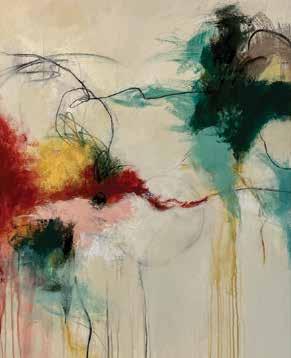

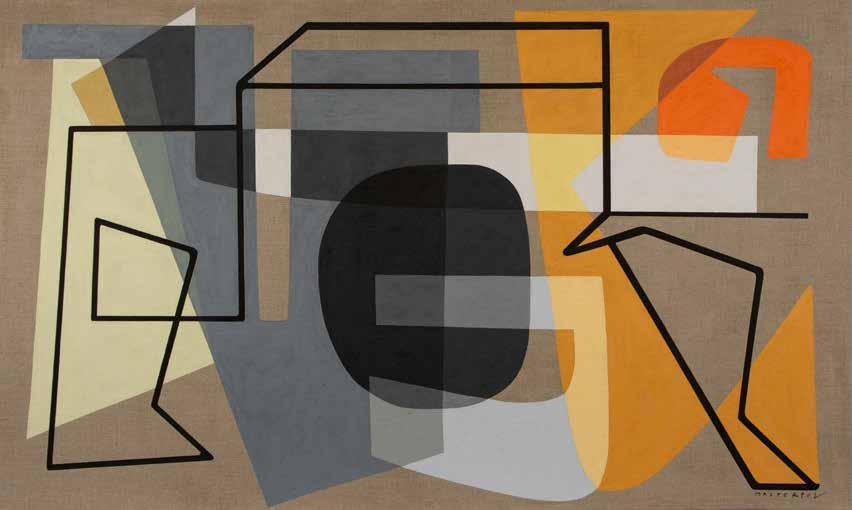
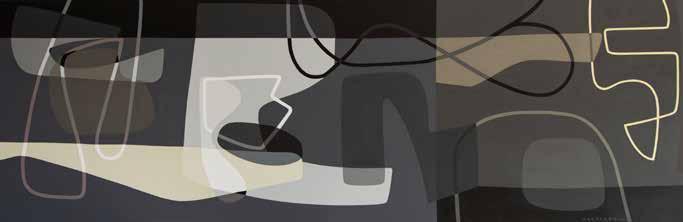
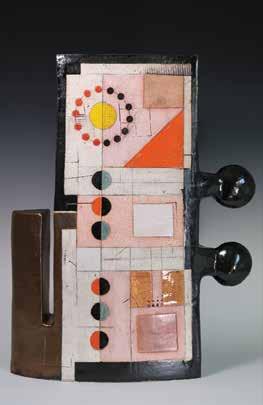
Connection—both formal and symbolic—is the driving concept in my work. I establish connection abstractly, through color, form, and spatial relationships.
We live in a harsh world, physically and socially. Division, isolation, and alienation surround us, yet we are never far from moments of love, gratitude, and transcendence. My work seeks to awaken awareness of these possibilities. Through intuitive, abstract compositions, I aim to manifest harmony and energy—visual expressions of renewal and shared humanity.
My style draws deliberately on the formal language and optimistic spirit of 20th-century modernism. I am not nostalgic for that past, but I find inspiration in its idealism and its faith in abstraction as a way to communicate complex ideas to both intellect and soul. That spirit empowers me to weave together diverse elements—form, line, and color—into visual experiences that center emotion and establish a creative dimension of connection: connection between myself and my work, between my work and its viewers, and ultimately among all of us through a shared expansion of awareness. I offer not just an image, but an invitation—to feel our common humanity, to connect to oneself and others.
“I am not nostalgic for [modernism]. I find inspiration in its idealism and its faith in abstraction”
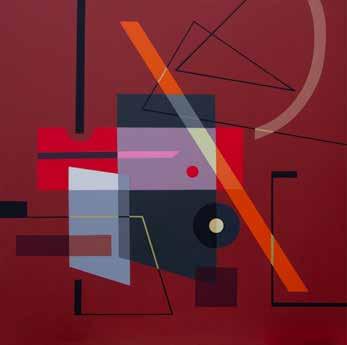
The Geometrix Series embodies this ongoing visual engagement. Geometric and architectural forms interact dynamically in space, creating a realm to inhabit—a world of energy in constant renewal. These living forms connect, overlap, and entangle as they evolve, their lines migrating into affirmations of intertwined understanding. They declare, in visual terms, a manifesto of vital symmetry—a higher order of balance that emerges from the dialogue between harmony and tension. Through this interplay, I hope to bind our vision to a shared sense of human and spiritual synchronicity.
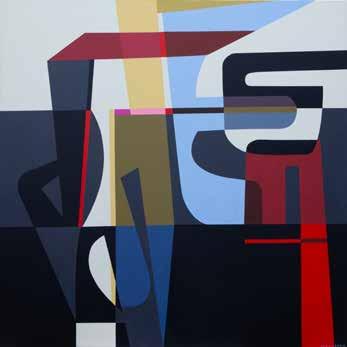
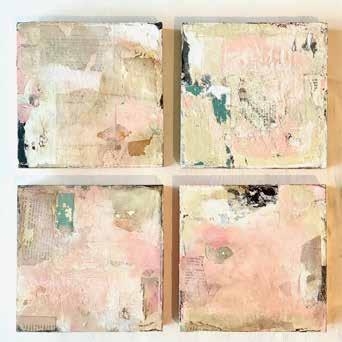
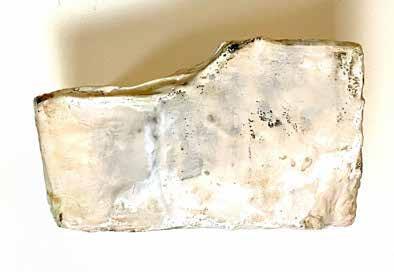
Elizabeth Harris is a Southern California–based artist whose practice is shaped by her training as a physician. Working between art and medicine, she draws on observation of the human condition, vulnerability, and resilience. She combines painting and sculpture, most often working in the ancient wax-based medium of encaustic.
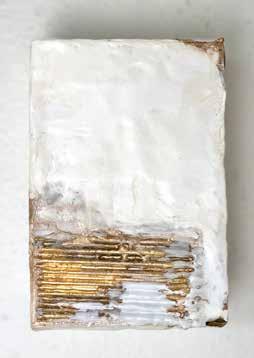
Harris is interested in revealing the hand of the maker and the passage of time.
Surfaces are cut, burned, torn, drilled, and punctured, carrying visible traces of their own histories. Layers are repeatedly applied and partially removed in a continual process of building and dismantling, allowing form to emerge through both intention and erasure. Each step is an intuitive response to the last.
Through this physical, process-driven approach, Harris explores themes of impermanence, healing, and transformation. Her work has been featured in numerous solo and group exhibitions and is held in several international collections.
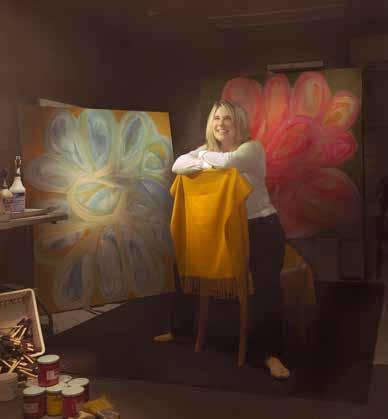
Visual artist Brenda Hope Zappitell was born in South Florida and lives and works in Santa Fe, New Mexico. She creates abstract, intuitive paintings rooted in healing, memory, and transformation. Her work emerges from a contemplative practice that blends meditation, emotional presence, and embodied listening, using layered color and mark-making to explore inner landscapes shaped by loss, recovery, and renewal. Brenda’s work invites viewers to slow down and feel their way through uncertainty. Below, she talks about her latest work.
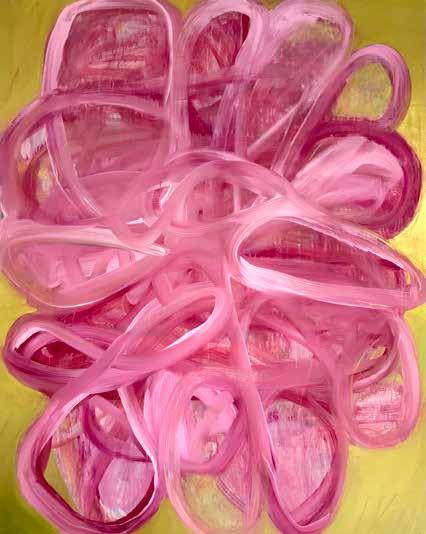
Finding My Way is a series of paintings that grew from a desire to return to a looser sensibility, guided by movement, gesture, and flow. While the work holds a familiar form I have been in conversation with for some time, it is also shaped by the personal trajectory I am moving through. These paintings reflect an unfolding, marking where I am and what I am learning to release and trust. I invite the viewer to enter the movement of the work and discover what resonates within their own experience.
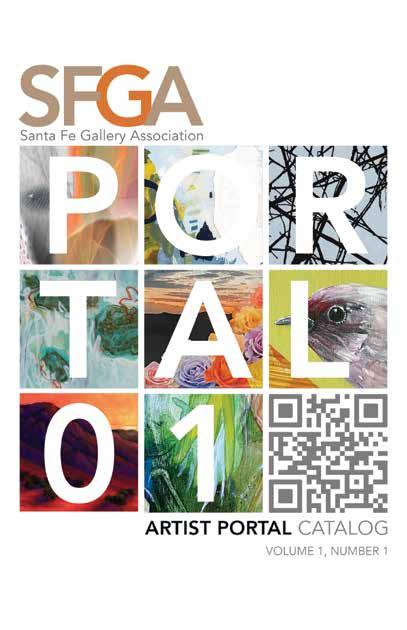
The Santa Fe Gallery Association Artist Portal offers artists around the world a unique opportunity to showcase their work to some of the most influential gallerists and curators in the United States. This digital submission platform allows artists to present their artwork to a jury, and those accepted are entered into an exclusive, password-protected online Catalog. Only members of the Santa Fe Gallery Association (SFGA) in good standing can view this digital Catalog, which features three selected works from each juried artist.
Through this portal, artists benefit from valuable third-party validation, as being juried into the SFGA Catalog enhances their professional reputation and opens doors for potential gallery representation or exhibition in Santa Fe. The SFGA was delighted to learn that three artists from last year’s Catalog who were chosen by a new gallery, saw $100,000 in sales in its first month of business. By providing an efficient, cost-effective path to Santa Fe’s vibrant art scene, the SFGA Artist Portal fosters fresh connections and sustains the city’s artistic legacy. For artists seeking broader visibility and new opportunities, this portal is an inviting first step.
Guidelines, Terms & Conditions and more information are available on our website: SantaFeGalleryAssociation.org/artist-portal
The Santa Fe Gallery Association (SFGA), founded in 1982, supports the art market in Santa Fe by assisting gallery owners, museum directors, and art-related businesses. Its mission is to foster art tourism, provide marketing support, and advocate with local and state governments to build a thriving and sustainable art community that enriches Santa Fe’s cultural landscape. Rooted in honesty, integrity, creativity, and excellence, the SFGA promotes an engaged community through networking and services like the Artist Portal, the annual ARTmap publication, and the Airport Art Collection program. These initiatives strengthen local and global connections within Santa Fe’s vibrant arts scene.
The association offers comprehensive marketing support, networking opportunities, a resource-sharing problem-solving network, invitations to the annual member meeting, party, and awards ceremony, and roundtable discussions on relevant topics and cooperative planning. We actively foster collaborative programs among our members and direct inquiries from journalists, tour operators, and visitors to member galleries, who display official window clings to inspire buyer confidence.
SFGA advocates on behalf of the commercial art market by working with city and state officials. Members gain exclusive access to the juried Artist Catalog, connecting artists seeking representation with galleries. The association also promotes Santa Fe as a premier destination art market through participation in national art fairs. The SFGA was awarded Best Booth Design for its installation: A Breath of Fresh Art at this Summer’s Contemporary Art Fair; Art Santa Fe.
Together, these efforts sustain a dynamic art ecosystem that supports both members and the wider Santa Fe community.


The Airport Collection series of exhibitions at Santa Fe Regional Airport offers travelers a unique chance to experience fine art in an unexpected setting. Curated by the Santa Fe Gallery Association and funded by the City of Santa Fe Arts and Culture Department, this rotating series showcases original artworks in the airport terminal, turning a busy space into a calm environment. The exhibitions highlight Santa Fe as a destination known for artistic excellence and world-class galleries. The artwork spans a wide range of styles and mediums, including antique Navajo (Diné) weavings, glass sculptures, Modern and Contemporary paintings, bas relief, photography, and mixed media. Each exhibition has a distinct theme to showcase diverse art.


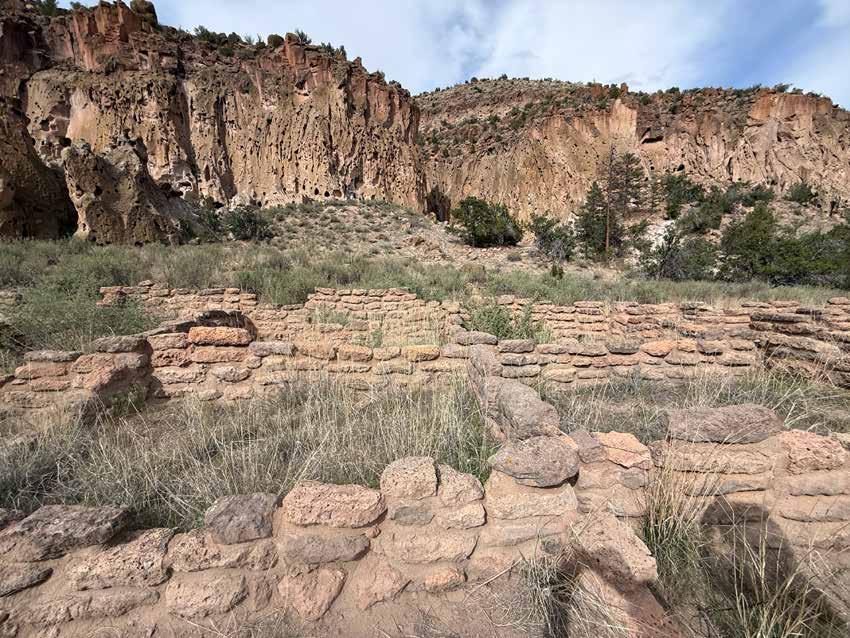
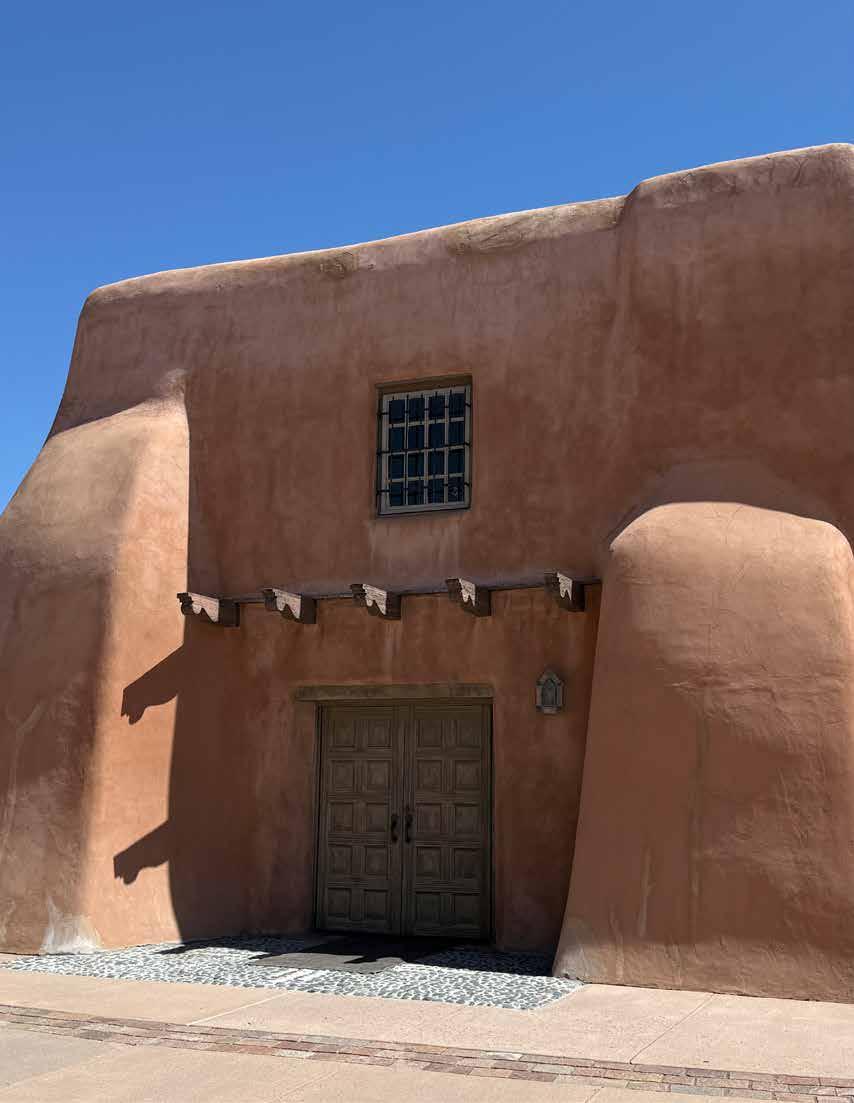
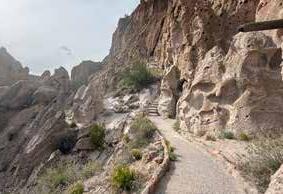
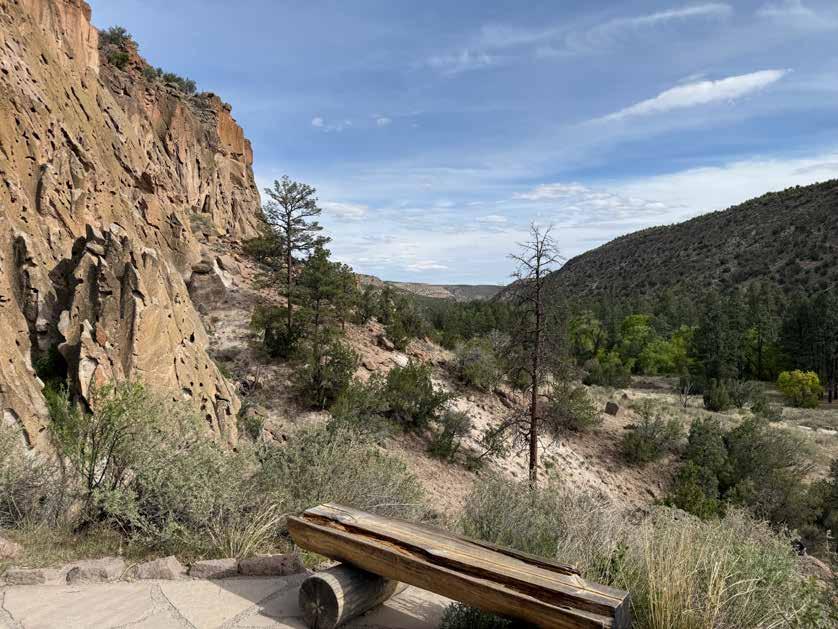
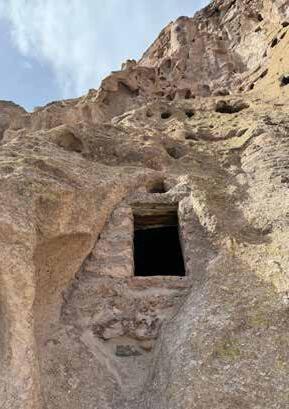
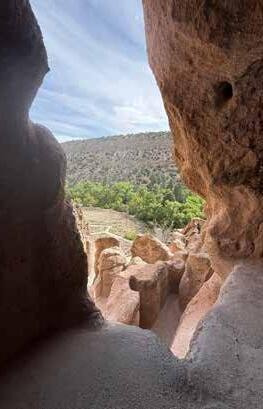
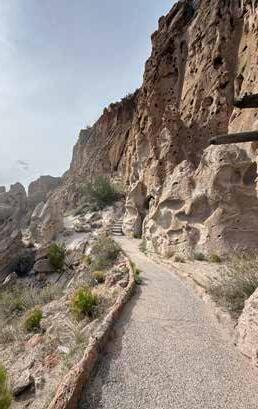
BandeLier nationaL MonuMent preserves one of the most significant cultural landscapes in the American Southwest. Established in 1916 and named after anthropologist Adolph Bandelier, the monument’s 33,000 acres of canyons, mesas, archaeological sites, and wilderness is most famous for the homes and ceremonial spaces built by the Ancestral Pueblo people between approximately 1150 and 1550 CE. Explore Frijoles Canyon, where volcanic tuff cliffs contain cavates—human-carved dwelling
spaces connected to masonry villages. The site also includes Tyuonyi, a large circular pueblo that once served as a thriving community center.
While you’re there, don’t forget to stop at at Sirphey and grab some of the restaurant’s fantastic food, including its award-winning burger, The Doug, which includes cheddar and mozzarella cheese, caramelized onions, bacon, Hatch green chile, and a fullsize chile relleno on a brioche bun.
Coming in the Fall Issue of
We look at the galleries, museums, design studios, restaurants, watering holes, and boutiques in this arts district.

From sound baths to tuning forks, from skincare to yoga, a special supplement to Santa Fe Life has all your wellness needs covered.
Profiles of artists, architects, designers, farmers, carpenters, potters, painters, photographers, jewelers, chefs, musicians, preservationists, entrepreneurs, and other artisans from Albuquerque to Taos and all the communities in between.

Submissions, editorial ideas, and advertising / rkpublisher@gmail.com