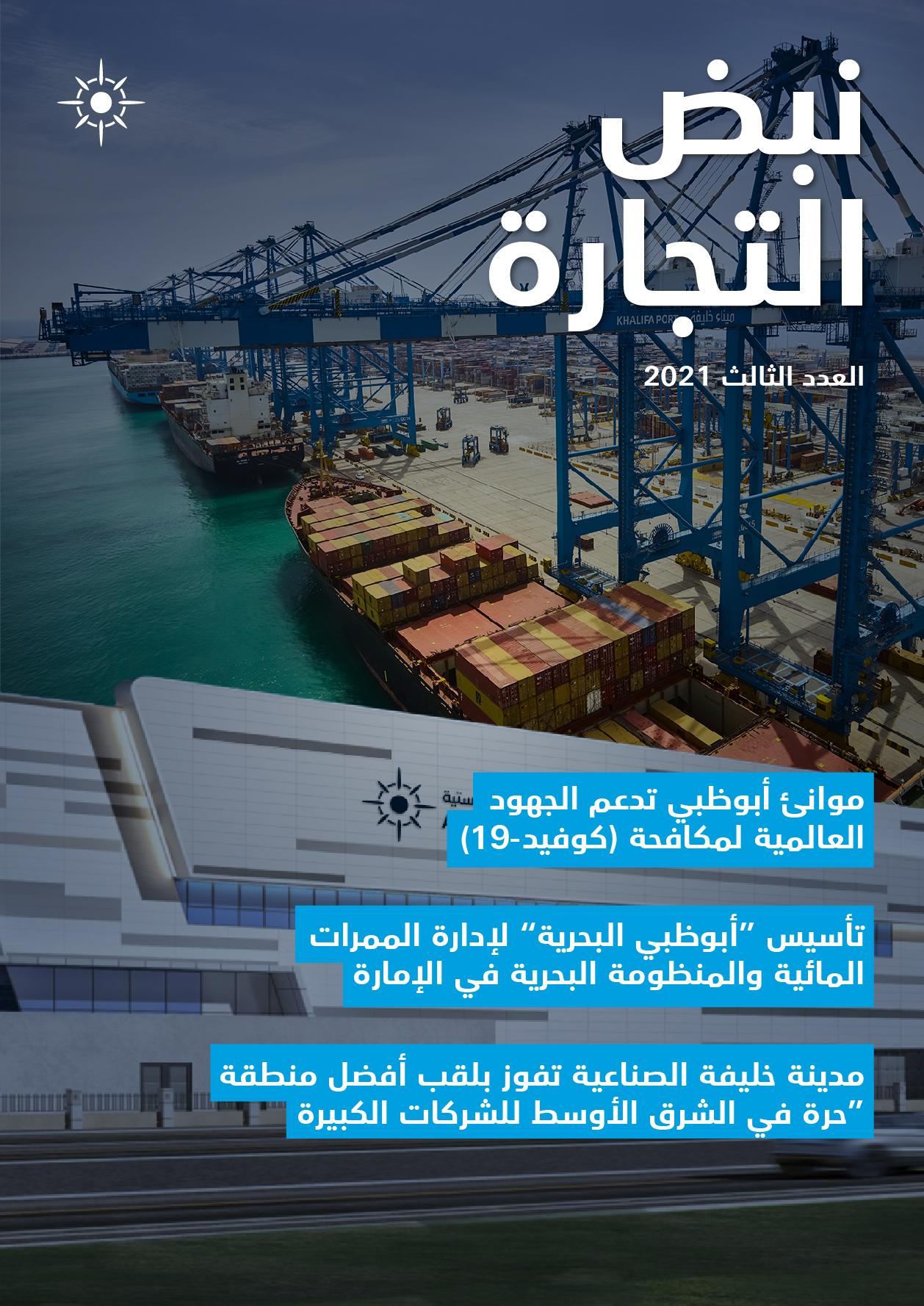
Issue 3, 2021

New Entity Formed to Enhance Abu Dhabi’s Marine Infrastructure Abu Dhabi Ports Supports Global Fight Against COVID-19
KIZAD named Best Middle East Free Zone for Large Tenants

Issue 3, 2021
New Entity Formed to Enhance Abu Dhabi’s Marine Infrastructure Abu Dhabi Ports Supports Global Fight Against COVID-19
KIZAD named Best Middle East Free Zone for Large Tenants
The extraordinary events we lived during the course of the past year have taught us that crisis and opportunities are two sides of the same coin. Our agility to respond, our belief in ourselves and our stakeholders were key factors that proved instrumental in our endeavours to overcome the challenges presented by the COVID-19 pandemic.
Over the past year, we have witnessed a unified effort from a global community to confront the pandemic head-on and discover a viable vaccine for COVID-19. I am delighted that this is now a reality, and we have now reached a stage where our foremost priority is the global distribution of this vaccine. Producing ample supply of the vaccine, however, is just the first step of the process — transporting and distributing it around the world is the bigger challenge. Our success in overcoming the pandemic is largely dependent on the implementation of robust logistic capabilities, which in turn, will support the efforts of healthcare organisations who play a major role in humanity’s fight against this pandemic.
Hence, we will require coherent and integrated planning to ensure effective vaccine storage, handling, and stock management, as well as rigorous temperature control capabilities within the cold chain. This can only be achieved through the combined efforts of the public and private sectors in providing adequate logistics operations, which requires exceptional capability and a sophisticated technological system to ensure the safe transportation and distribution of the vaccine.
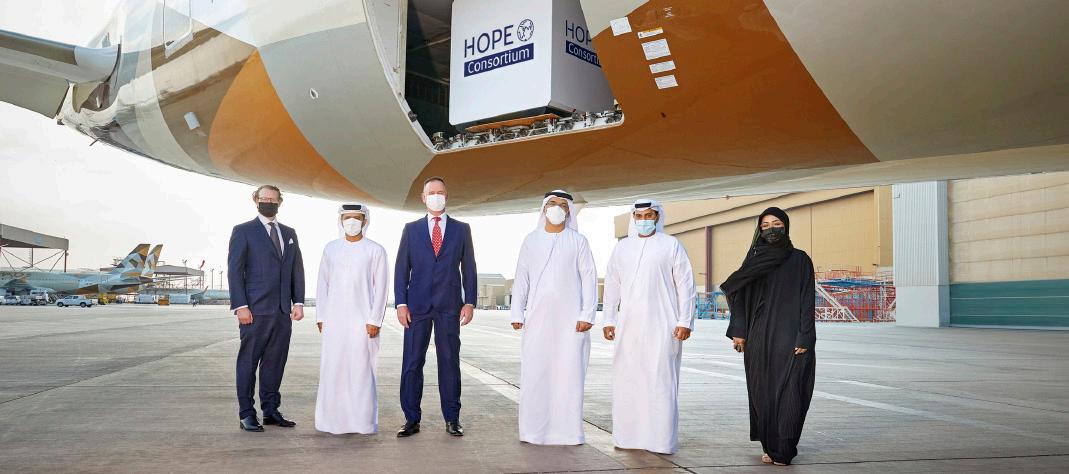
The recently launched Abu Dhabi-based Hope Consortium is a combination of all these vital elements. It includes leading local and international organisations that have joined forces to provide an end-to-end solution for the global logistics supply chain, in-line with the UAE leadership’s vision to support humanity in its battle against COVID-19.
As the key partner of the Hope Consortium, spearheaded by the Department of Health (DoH), Abu Dhabi Ports is playing a leading role in the Consortium thanks to its agility, advanced logistics capability, and innovative technological solutions. These unique capacities allow us to effectively store more than 70 million vaccines at any given time across 19,000 square metres of temperature-controlled warehousing located in the heart of the Khalifa Industrial Zone Abu Dhabi (KIZAD). As a result, Abu Dhabi will become a pivotal logistics hub in the global effort to deliver millions of vaccines to different areas of the world over the coming months.
While pandemic-related disruption will continue for the foreseeable future, we are confident that our collective efforts will allow us to spearhead the global recovery and assist others in recovering from what has been a challenging year for all.
With the beginning of the new year, we hope for a world free of COVID-19, the recovery of global economies, and the restoration of our way of life prior to the pandemic.
Enjoy this issue of Trade Pulse!

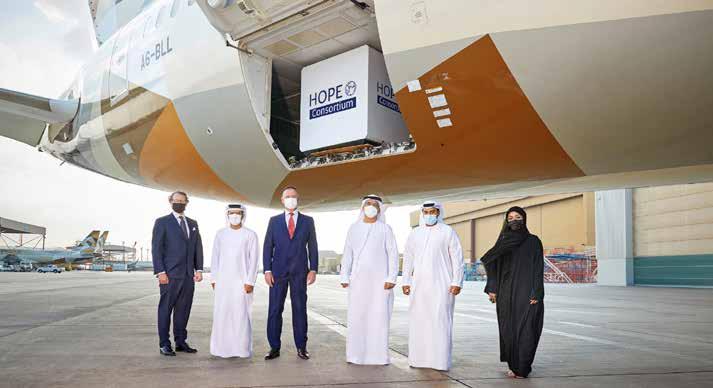
Amid the anticipated surge in the demand for distribution of the vaccine, the Hope Consortium, Abu Dhabi’s privatepublic supply-chain collaboration, is poised to tackle the distribution of billions of COVID-19 doses around the world.
As a leading partner of the consortium, Abu Dhabi Ports, who possess the region’s largest capacities for cold chain and ultra-cold storage at KIZAD, will leverage its logistics capability as an innovation epicentre, as well as help position Abu Dhabi as a supply chain gateway connecting East and West, serving both the Middle East and the wider world.
Spearheaded by the Department of Health, Abu Dhabi, the Consortium also includes Etihad Cargo, Rafed, and Switzerland’s award-winning SkyCell, which develops nextgeneration, temperature-controlled logistics containers for the pharmaceutical industry.
The Department of Health will oversee regulatory compliance, while Rafed, a group purchasing organisation, will procure the vaccine for distribution.
“This collaboration is in line with our ethos of creating innovative ideas, concepts, solutions, and opportunities,” said Captain Mohamed Juma Al Shamisi, Group CEO of Abu Dhabi Ports.
“Abu Dhabi Ports plays a key role in supporting Abu Dhabi’s vision in advancing logistics services in the emirate and leading the post-COVID-19 revival and economic recovery through robust partnerships.
“Our expansive and technologically advanced operations at KIZAD are among the largest cold chain and ultra-cold storage facilities in the region, which enable us to support the emirate’s drive to spearhead global immunisation efforts that will positively impact millions of lives,” added Captain Al Shamisi.
Maqta Gateway’s digital technology infrastructure will be used to manage storage and distribution, while the transport will be overseen by Abu Dhabi Ports Logistics and Etihad Cargo.
Dr. Noura Al Dhaheri, Head of Digital Cluster – Abu Dhabi Ports, and CEO of Maqta Gateway, said: “Supporting the uninterrupted flow of critical cargo, such as medical and food supplies, has been crucial in Abu Dhabi Ports’ story during 2020, but the distribution of the vaccines will form our most significant success to date.
“Maqta Gateway is committed to creating innovative digital solutions to boost the transparency and integrity of the region’s supply chain.”
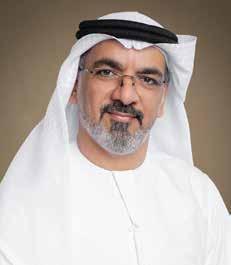
What is your organisation’s role in the Hope Consortium?
The consortium was spearheaded by the Department of Health – Abu Dhabi and represents a complete supply chain solution developed to facilitate the availability of COVID19 vaccines across the world.
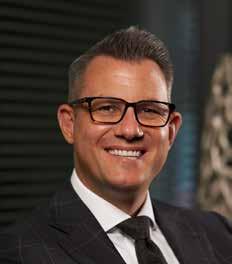
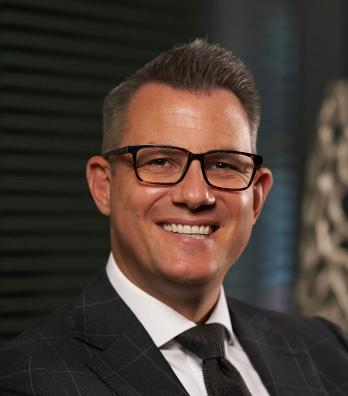
Martin Drew Senior Vice President Sales & Cargo Etihad Aviation Group
Comprised of leading Abu Dhabi based and global entities, the consortium will expedite vaccine transport processes, demand planning, sourcing, training, digital technology, and infrastructure, and facilitate the vaccine’s availability internationally.
What is the greatest logistical challenge you believe that you will face in undertaking your expected Hope Consortium member role?
Developing a vaccine is a crucial first step. Delivering the vaccine to the international community, while maintaining needed temperatures (controlled across three bands and as low as 2-8, -20 and -80 degrees Celsius) is an equally formidable challenge. The Hope Consortium will provide that solution while ensuring the highest quality.
The Hope Consortium’s collective expertise has given way for a multi-faceted capability to move and store more than 600 million
vials – whether in single or multi doses – in cold and ultra-cold conditions in 2021. This will rise to over 18 billion vials by the end of next year – the largest capacity and capability regionally and one of the largest globally.
What is the desired impact you intend to achieve through your Hope Consortium participation?
Abu Dhabi’s response efforts have, and always will be for the greater good of the international community. Since the start of the pandemic, Abu Dhabi has taken a leading role in the global fight against the pandemic, be it through supporting research, hosting clinical trials for the vaccine, and now providing a robust solution for vaccine storage and delivery. seeks to participate in this development by engaging and partnering with manufacturers and producers in terms of co-investments, raw material supplies and off-take agreements.
What is your organisation’s role in the Hope Consortium?
Etihad Cargo’s role will ensure transporting the vaccine according to the highest standards in accordance to all the relevant global healthcare organisations, being IATA CEIV Pharma certified, from airport to airport.
What is the greatest logistical
challenge you believe that you will face in undertaking your expected Hope Consortium member role?
The extreme difference in temperatures ranges from region to region, we must ensure the required temperatures are maintained throughout the whole cold chain journey, and ensure that the vaccines are delivered in perfect condition for the end users.
What is the desired impact you intend to achieve through your Hope Consortium participation?
The Hope Consortium signals a significant milestone in Abu
Dhabi’s position as a global hub for the logistics and transportation of the COVID-19 vaccine. Etihad Cargo’s role as the UAE’s national carrier and cargo partner in the consortium is vital to this success and jointly with our partners in this consortium, we will work on addressing the global demand in assisting with the humanitarian program of the current pandemic.
What is your organisation’s role in the Hope Consortium?
As part of Abu Dhabi government and DOH efforts to support the global supply of COVID-19 vaccines, Rafed, the UAE’s healthcare group purchase organisation, has a pivotal role to play in the Hope Consortium.
That is to manage the sourcing and procurement activities of COVID19 vaccines, lead and coordinate the consortium members in order to provide an end to end solution for the vaccine distribution across the world.
What is the greatest logistical challenge you believe that you will

Richard Ettl CEO of SkyCell
face in undertaking your expected Hope Consortium member role?
Connecting all moving pieces within multiple supply chains has always been a logistical challenge.
Rafed’s leading role in steering the consortium and leveraging the collective expertise of all members, poses a great opportunity to support the sector in this critical mission and overcome any logistical challenge.
What is the desired impact you intend to achieve through your Hope Consortium participation?
Successfully lead the consortium efforts by spearheading the
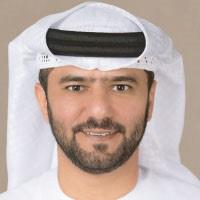
Rashed Saif Al Qubaisi Chief Executive Officer, Rafed
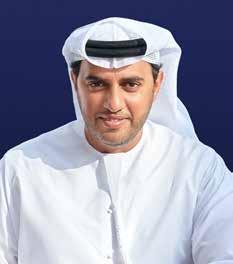
collective efforts and develop the operational synergies which will secure the delivery of COVID19 vaccines on time in full, while maintaining and securing product integrity throughout the supply chain.
What is your organisation’s role in the Hope Consortium?
SkyCell is a Swiss-based, award-winning provider of temperature-controlled container solutions with a special focus on serving global pharma companies and sustainability. Working with some of the largest vaccine suppliers in the world, SkyCell brings
in its expertise in securing vaccine supply chains and safely delivering vaccines to more than 90 countries. SkyCell will leverage its hybrid containers for the safe, secure and sustainable transport of the COVID-19 vaccines. As part of the Hope Consortium, SkyCell will establish a regional service centre in Abu Dhabi with a dedicated container fleet in the temperature
ranges of 2-8°C, and -60°C to -80°C.
What is the greatest logistical challenge you believe that you will face in undertaking your expected Hope Consortium member role?
When transporting sensitive vaccines to emerging markets, extreme temperatures and poor infrastructure can be a challenge. With this challenge in mind, SkyCell has developed containers that do not rely on mechanical components (e.g. power sockets), are easy to handle and protect the goods under extreme conditions with a long independent runtime.
This is crucial to avoid temperature excursions that could lead to product loss or delays in the supply chain.
What is the desired impact you intend to achieve through your Hope Consortium participation?
To end the pandemic, there is no room for failure. Our mission is to ensure that there is no loss in the vaccine supply chain. SkyCell’s hybrid containers will ensure the full effectiveness of the vaccines in the race to eradicate COVID-19 while reducing long-term business and environmental costs across the board. We are delighted to
contribute to the HOPE Consortium with our deep expertise in transporting highly sensitive pharmaceutical products. As we stand on the cusp of having a variety of vaccines ready to ship around the world, ensuring that as many doses as possible reach their destinations in pristine condition will be critical for the smooth and timely execution of vaccination programmes. SkyCell’s hybrid containers significantly reduce intransit spoilage, safeguarding the full efficacy of vaccines, and also the reduce operational and environmental costs of pharmaceutical logistics over the long term.
Under the Hope Consortium, Abu Dhabi Ports, as key strategic logistics enabler, is well positioned to positively impact millions of lives around the world through its technologically-advanced storage and distribution facilities. See some recent examples of local and international media coverage below.

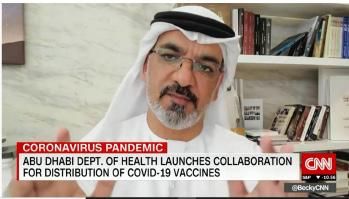
CNN International reports on the announcement by the Department of Health - Abu Dhabi, on the Hope Consortium, a wide umbrella of leading local and global entities including Abu Dhabi Ports, that is combining its collective expertise to facilitate the global transportation and delivery of COVID19 vaccines under cold and ultra cold conditions in 2021.


Dubai Eye’s award-winning morning radio news show, the Business Breakfast, speaks to Robert Sutton, Abu Dhabi Ports Head of Logistics, about the Hope Consortium’s base of operations: the expansive and technologically advanced temperature-controlled vaccine distribution facilities based at Khalifa Industrial Zone Abu Dhabi (KIZAD).

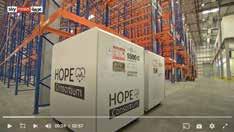
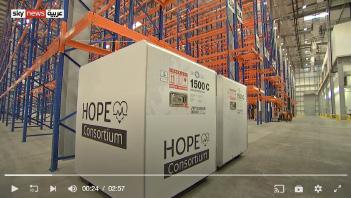
Sky News Arabia pays an exclusive visit to KIZAD’s vast dedicated 19,000 sq metre temperature-controlled warehouse storage facility with enhanced logistics capabilities for the additional storage and distribution of more than 70 million COVID-19 vaccines around the world.
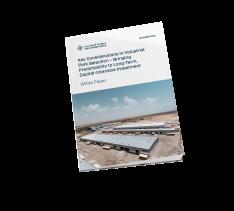
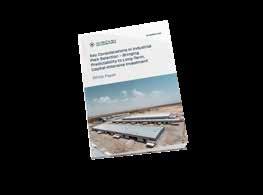
Our latest ‘Key Considerations in Industrial Park Selection – Bringing Predictability to Long-Term, Capital-Intensive Investment’ whitepaper argues that while the Middle East and North Africa (MENA) region is replete with more than 100 industrial zones, local and global companies
setting up manufacturing facilities most often look to service delivery — using customer requirements as a baseline — and on that basis, there are wide variances in available features that may end up being attractive for some but not for others. We speak to and ask industry experts:
How have the region’s industrial zones evolved to ensure investor predictability?
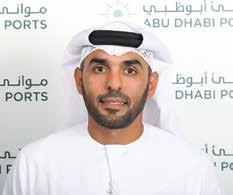
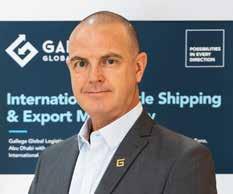

“Understanding that policies need to be set in place with the acceptance that they are to continuously evolve is important. It is a critical viewpoint that has enabled the UAE to find success with the development of Economic Zones.
“This has been particularly the case with Abu Dhabi within the industrial parks sector, where the emirate, under the guidance from its leadership, has established a robust economic climate with one major objective — achieve competitiveness for investors and businesses to operate by offering value-driven products.”
“Free zones have their own unique offerings and a specific role to play, while also serving as a major driver of imports and exports, as well as the logistics economy of the country.
“What KIZAD is doing differently is that they are creating a free zone bonded area — like where we are located — and you have a port that is in a fenced area.
“Immediately on top of that you have the industrial park, which is clustered to serve markets.”
“The major change within the industrial sector is related to automation and connectivity to cyberspace. As a paper manufacturing facility there has been no major changes in the industry except in automation. It used to be very labour intensive and today its less so.
“As we have seen in the recent COVID-19 pandemic, industrial zone infrastructure, connectivity and provision of bandwidth is key to fulfilling operations. At ICAD (Industrial City Abu Dhabi) we are well connected and were able to
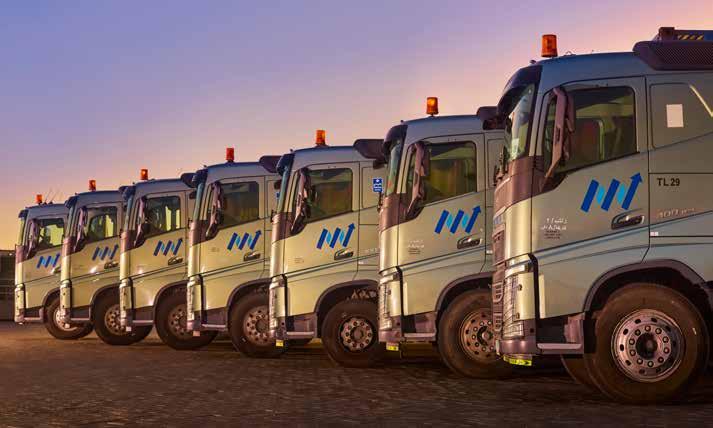
Abu Dhabi Ports’ recent acquisition of MICCO Logistics marks another step in its drive to enhance the emirate’s rank as an international hub for trade and logistics. With the integration of MICCO as part of Abu Dhabi Ports Logistics, the Group’s logistical arm is setting itself apart from the competition. Abu Dhabi Ports Logistics leverages MICCO’s experience and capabilities as the emirate’s first provider of end-to-end logistics solutions.
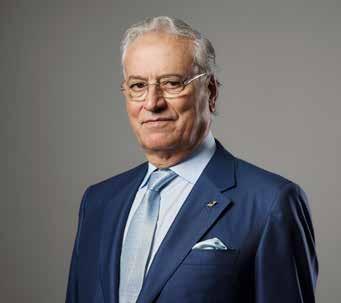
Capt. A.M Simreen President & CEO of MICCO
Thanks to the powerful combination of MICCO’s international and regional logistics solutions, its large and diversified transportation fleet, and a network of temperature-controlled warehouses, along with the Group’s extensive multi cargo handling and industrial zone capacity, Abu Dhabi Ports is in a unique position to serve its customers along every segment of the supply chain.
Trade Pulse had an interview with Capt. A.M Simreen, President & CEO of MICCO, and Clifford D’Souza, Executive Vice President and COO, respectively, to talk about MICCO in general, and the importance of this step. the full details are listed below:
What were the key motivations behind the integration of MICCO under the umbrella of Abu Dhabi Ports?
The integration of MICCO into our ranks is a prime example of our continued efforts to expand the capabilities of our logistics services portfolio and to elevate our position as a holistic, fully integrated, and innovative provider of logistics solutions both in the Gulf and beyond. In addition to bringing over 40 years of experience operating within the region’s logistics market, MICCO has opened many new doors for us so we are now better placed to target new opportunities within the oil and gas sector, as well as other strategic sectors such as healthcare and FMCG.
How exactly will the addition of MICCO transform Abu Dhabi Ports’ operations as an organisation?
By leveraging MICCO’s experience and capabilities as the emirate’s first provider of end-to-end supply chain solutions, and with our strategic position as a port operator and a facilitator of global maritime trade and logistics, Abu Dhabi Ports is uniquely placed to serve existing and prospective customers along every step of the value chain.
For starters, the increased capacity enables us to manage all customer touch points that include sourcing, PO management, freight, and clearance, local, regional and international transportation as well as storage, order fulfilment and handling solutions via MICCO’s extensive network of distribution warehouses.
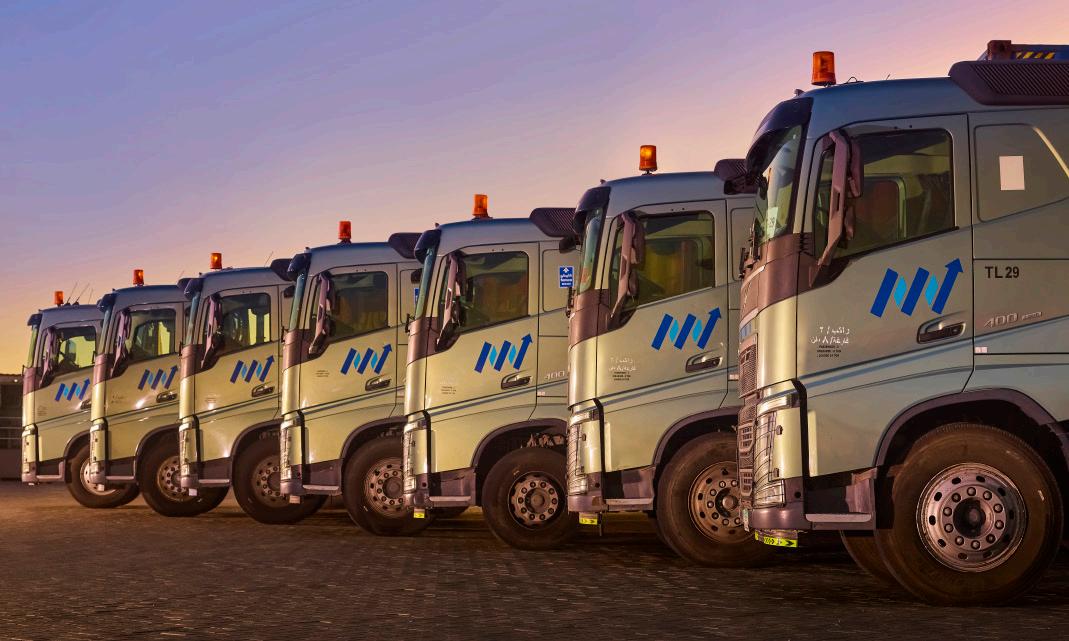
Bringing to bear one of the largest fleets operating in the Middle East — 350 vehicles to be exact — along with a mix of open, closed, and temperature-controlled warehousing solutions across the UAE and Oman, we are now capable of capturing a broader share of region’s logistics market and contribution to the nation’s efforts to diversify the economy.
What do you see as being the principal drivers that will spearhead the industry over the next couple of years?
What I think you will start to see — and we have already seen to a certain extent — is the expectation from customers that logistics need to be more agile, transparent, and faster.
One way this is being achieved is through technological integration within the supply chain, a key trend area that is rapidly gaining momentum. While there are disruptive innovations on the horizon, such as delivery drones and driverless vehicles, currently, data is the hot commodity that is transforming dayto-day operations.
By collecting, storing, and analysing patterns within one’s supply chain, users can glean a full range of insights that not only improve transparency, but also provides actionable intelligence for improving efficiency, resilience, and ultimately cost savings. This opens the door for technologies such as artificial intelligence and blockchain, which can streamline and secure the movement of goods along the entire value chain.

Clifford D’Souza Executive Vice President and COO MICCO
Can you provide an overview of MICCO, and how your current services aim to meet the demands of the Abu Dhabi
Since its inception in 1978, MICCO has steadily grown to become an integrated supply chain solution provider with a logistics services portfolio that includes international freight forwarding, stevedoring, 2/3/4PL, customs clearance and freight management, warehousing, road feeder services for airlines and several industry verticals. These services are delivered through a fleet of over 400 different types of vehicles including double trailers, desert trucks, and reefer trucks (temperature-controlled). Additionally, MICCO is now firmly establishing itself in stevedoring and manpower activities at Ruwais and Khalifa Port. Our vision is to become the leader in offering these services across Abu Dhabi Ports and beyond.
The logistics sector is a fast-growing industry, and MICCO is well positioned to offer diversified services to meet the demands of increasing reliance on service-based industries and constant changes in business requirements. MICCO’s ability to adapt to the varied requirements of its customers is the secret to the company’s constant and sustained success. For 4PL services, we currently have the capability to handle around 600 containers per day in Khalifa Port, which includes inventory and shipping management with similar activities being performed for Etihad Rail and Borouge in Ruwais. With advanced warehouse management systems, we are able to handle a large volume of transactions without errors and omissions, and at the same time, increase technical expertise for customers in automating their business processes and management.
How will the development of the export sector impact the local logistics and shipping industry in Abu Dhabi?
Abu Dhabi is becoming an attractive destination as a manufacturing hub for SME’s as well as large-scale manufacturing companies for heavy industrial products, such as aluminium, industrial machinery, steel manufacturing, and food processing. In KIZAD, for example, a large manufacturing hub is being established through cluster-based development of various sectors. In addition to international investment, many of these industries are homegrown. We see the export sector playing an increasingly important role in the diversification of Abu Dhabi’s economy from oil to non-oil industries in the future.
What is your outlook for MICCO in the next five to 10 years?
MICCO has always strived to be one-step ahead of the market and industry needs. Our existing growth is healthy, and we aim to move in parallel with technological advancements. I see the logistics industry changing fundamentally over the next decade, especially in terms of fleet and warehouse management, where we will see the broader effects of automation. This trend will continue, and technology will further streamline many of the processes associated with logistics and cargo handling. Our diversification and willingness to adapt and adopt changes will keep propelling us to provide a multitude of services in the future. Since its inception, MICCO has constantly been on the lookout for opportunities and development in trade, and we have never shied away from re-examining the value we can add to meet the evolving trends of business.
In a move designed to elevate Abu Dhabi’s position as a world-leading centre for maritime activities, Abu Dhabi Ports, has been named the primary custodian of all of Abu Dhabi’s waterways and marine ecosystems, through the creation of Abu Dhabi Maritime. The new body was formed based on an agreement between Abu Dhabi Ports and the Department of Municipalities and Transport (DMT), in
which both entities agreed to cooperate in launching a wide variety of integrated services and facilities.
The joint effort is in line with Abu Dhabi Government’s strategy to integrate and streamline governance and oversight of priority growth sectors and deliver on the leadership’s vision as reflected in the Abu Dhabi Plan Maritime.
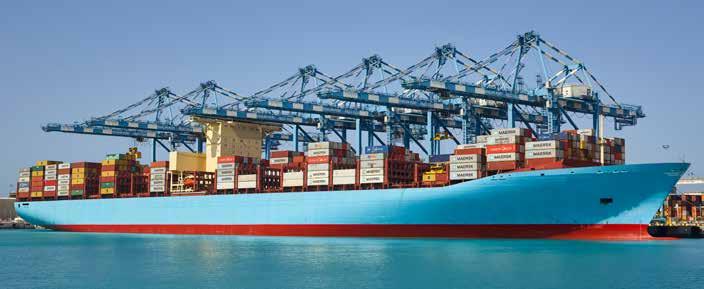
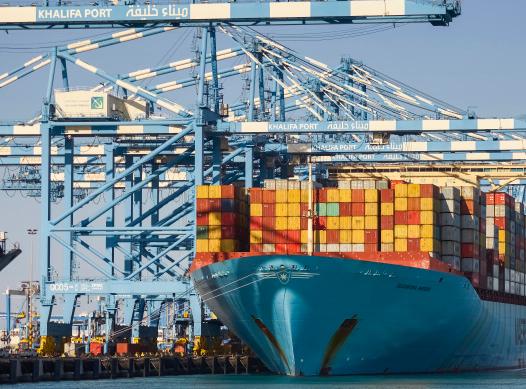
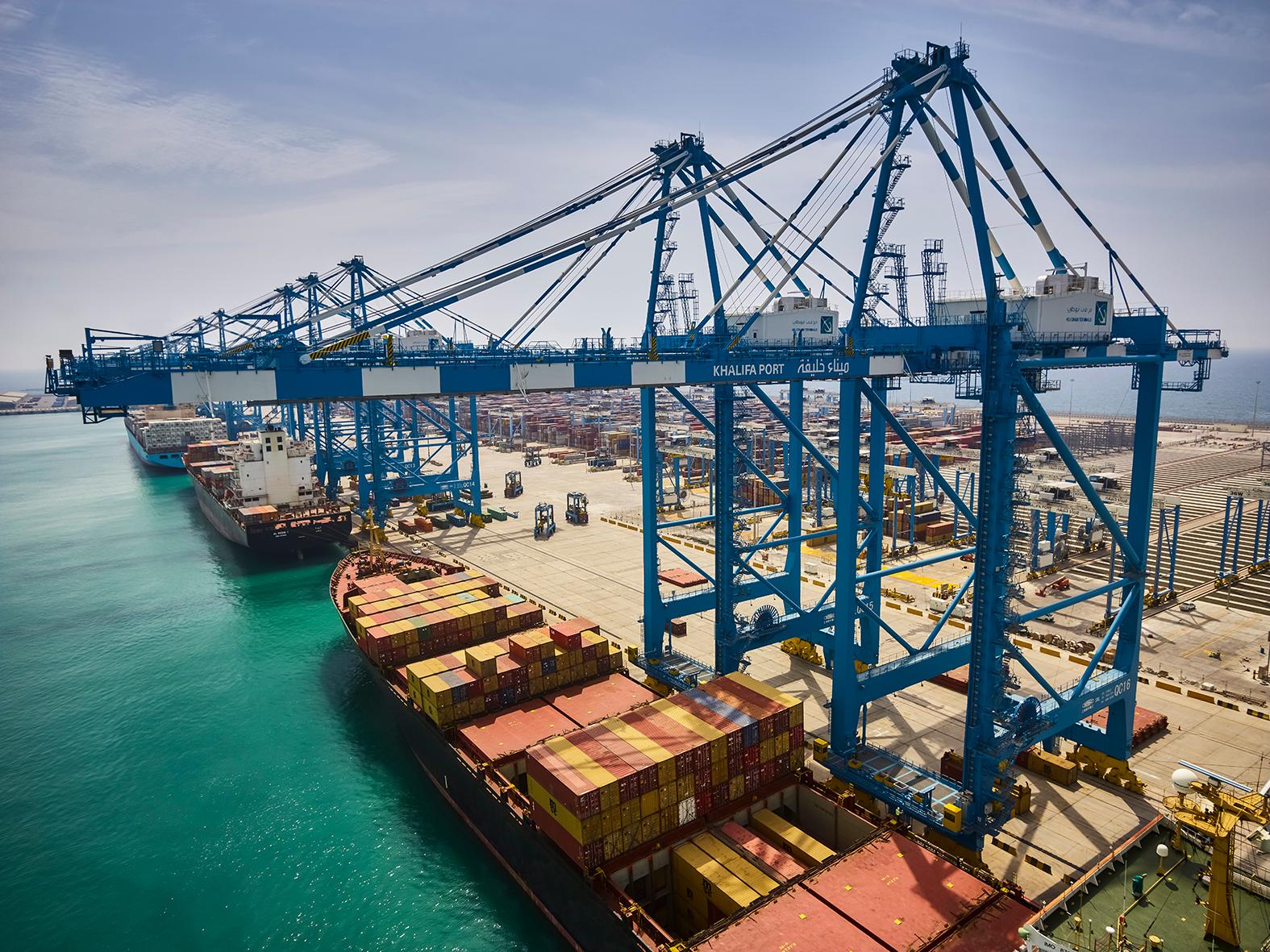
The Khalifa Port expansion, announced in December 2019, aims to attract new business and significantly boost capacity in line with evolving customer expectations. The expansion has progressed significantly since its inception despite the challenging economic conditions presented by the global pandemic. Upon completion, the project is expected to substantially increase handling volumes by providing additional deep-water access
and enhanced infrastructure. To date, 200 metres of quay wall and almost 175,000 sqm of land within Khalifa Port Logistics (KPL) have been handed over ahead of the project’s full phase one completion in Q1 2021.
At the same time, considerable progress has been made on the first phase of Khalifa Port’s South Quay development.
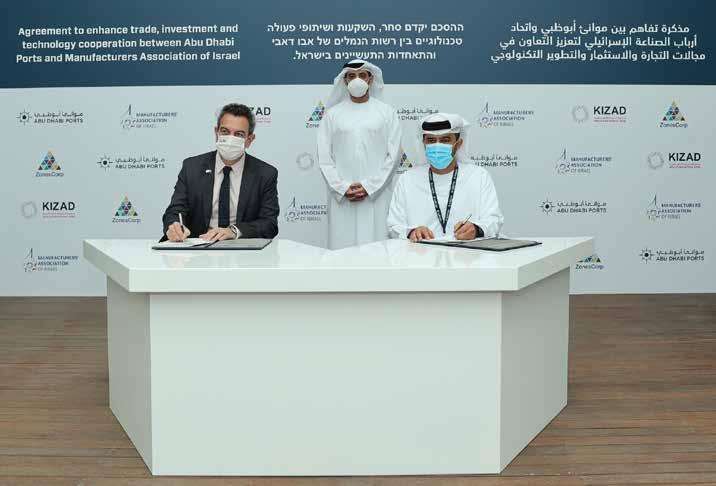
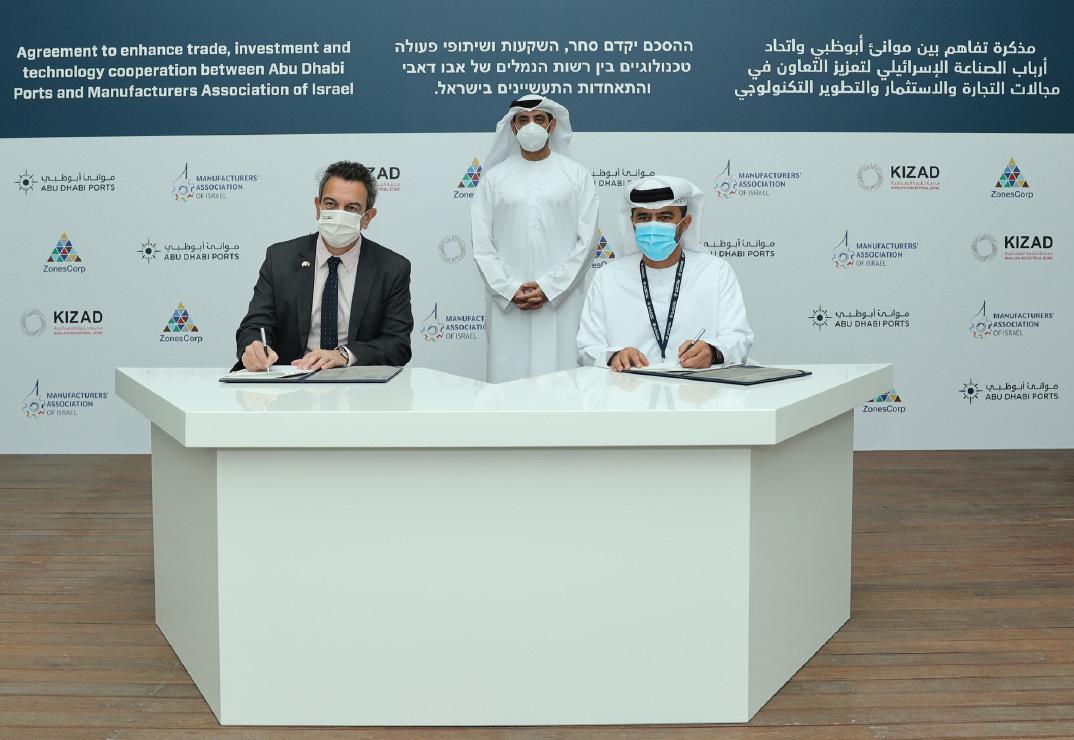
Abu Dhabi Ports and the Manufacturers Association of Israel (MAI) have signed an agreement to enhance trade, investment and technology cooperation between the United Arab Emirates and Israel, in the presence of His Excellency Falah Mohamed Al Ahbabi, Member of the Abu Dhabi Executive Council and Chairman of Abu Dhabi Ports.
The MoU was signed by Captain Mohamed Juma Al Shamisi, Group CEO, Abu Dhabi Ports and Dr. Ron Tomer, President of the Manufacturers Association of Israel at Khalifa Industrial Zones Abu Dhabi (KIZAD) to agree on the cooperation and trade enhancement. The Memorandum of Understanding (MoU) opens a dialogue between Abu Dhabi Ports’ subsidiaries
KIZAD and ZonesCorp, which are under its Industrial Cities and Free Zone portfolio, and MAI to contribute to the reciprocal expansion of trade, investment, and technological development, as well as improve research and development (R&D), innovation and cooperation in technology.
Abu Dhabi Ports will be engaging with members of the MAI, to apprise them of trade, industrial and collaboration opportunities available in the emirate and specifically within the Industrial Cities and Free Zone. With a membership of over 2,000 organisations and industrial plants, MAI members are responsible for more than 95% of the industrial production across Israel.
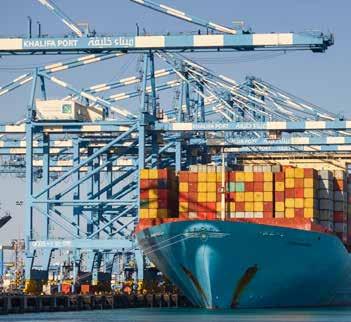
CSP Abu Dhabi Terminal, the first overseas greenfield project of COSCO SHIPPING Ports Limited (CSP), has announced the start of a direct, weekly service to several ports in Europe and the Indian Subcontinent.
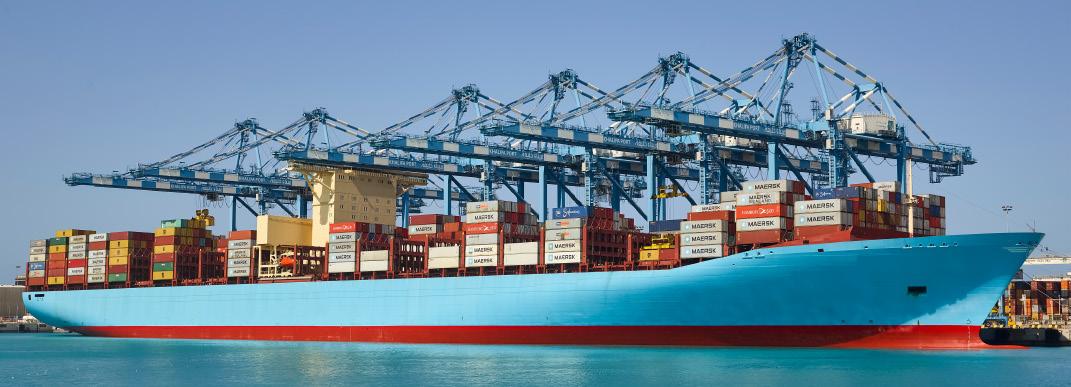
Operating from Abu Dhabi Ports’ flagship deep-water port, Khalifa Port, where the terminal was established as part of a 35-year agreement with CSP to serve as a regional base for COSCO SHIPPING Ports’ global network of 37 ports, the new direct service will be serviced by a fleet of eight vessels on rotation, ranging in capacity between 10,000 and 13,000 TEUs.
Direct exports from Abu Dhabi to the ports of Rotterdam, Hamburg, London, Antwerp, and Le Havre, will consist primarily of polymers. On their return journey, the vessels will carry a mix of general and project cargo imports. The ports of Karachi, Nhava Sheva, and Mundra will also benefit from the new service.
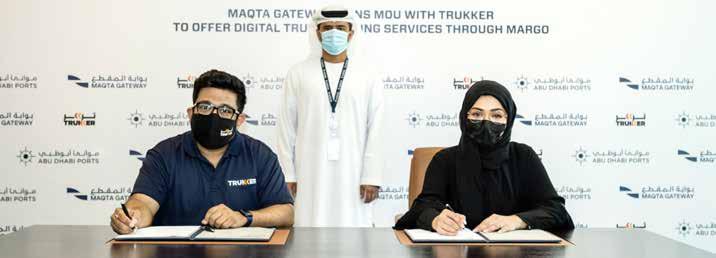
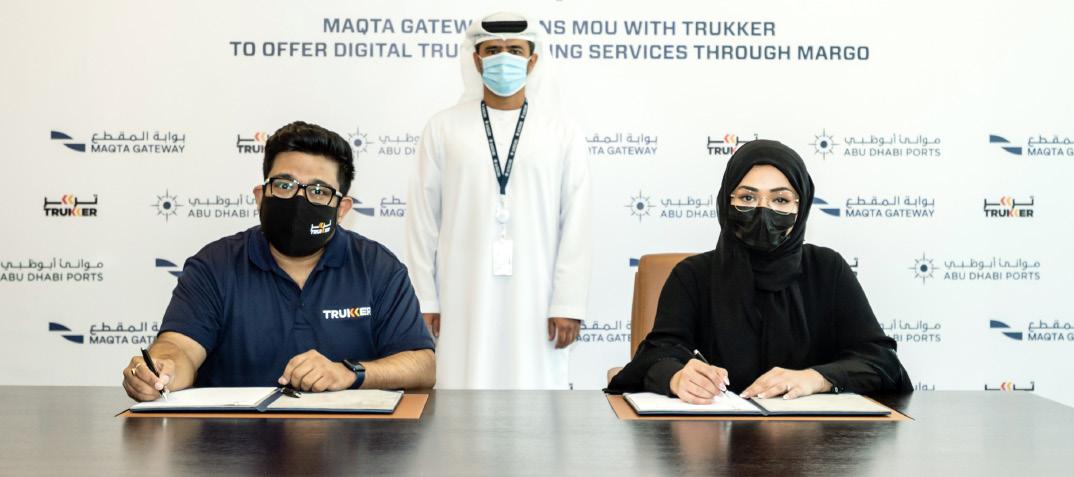
Maqta Gateway, the digital arm of Abu Dhabi Ports, and TruKKer, the region’s first and largest digital truck booking marketplace, based in Abu Dhabi Global Market (ADGM), have signed an agreement to digitally transform truck logistics through Maqta Gateway’s digital logistics solution platform, MARGO.The Memorandum of Understanding (MoU) enables Maqta Gateway to fully integrate
MARGO with TruKKer’s expansive fleet of onboarded truck drivers and trucks situated across the Middle East.
Digitising Abu Dhabi’s land freight process will improve operational efficiencies for all customers who trade with the emirate by enabling last-mile delivery to anywhere in the emirate or the wider region.
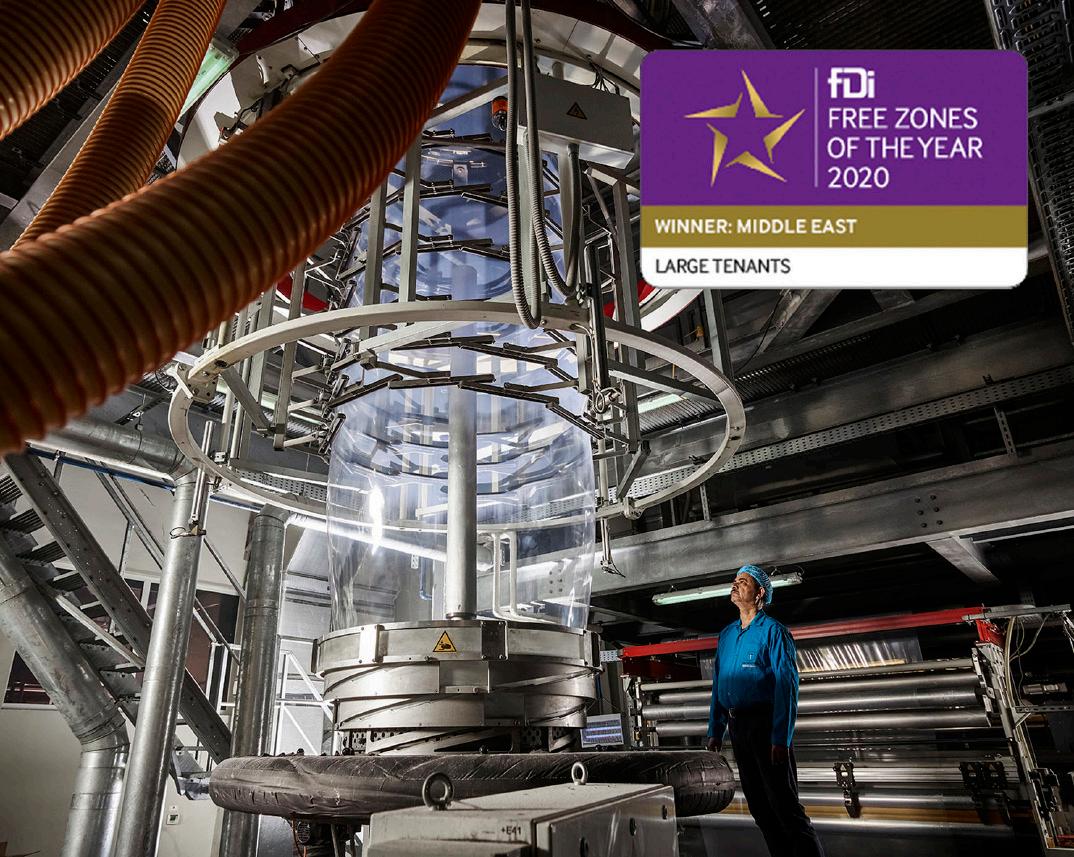
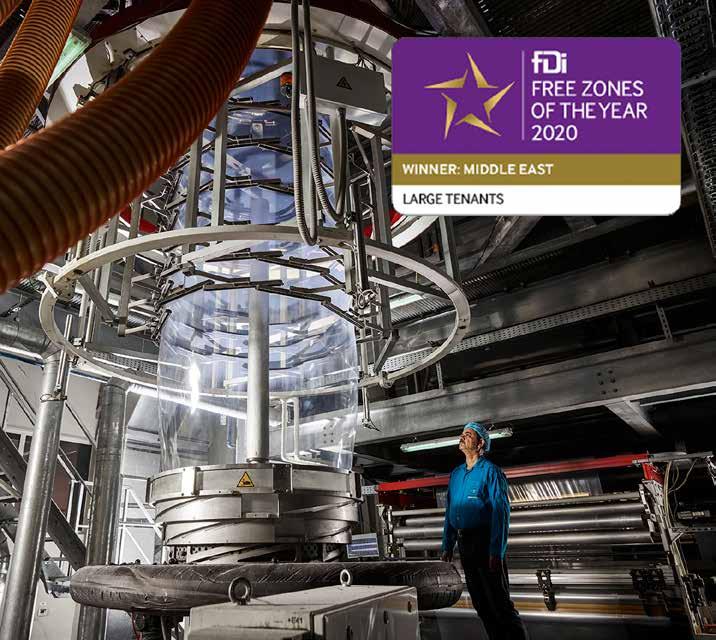
Khalifa Industrial Zone Abu Dhabi (KIZAD), the largest integrated trade, logistics, and industrial hub in the region has been named the winner across multiple categories at the fDi Global Free Zones of the Year 2020 Awards. including in fDi Magazine’s Middle East – Large Tenants category.
The fDi Magazine Awards, part of the Financial Times Group, cited KIZAD for its outstanding growth within its community of large companies. The Industrial
Zone is currently home to more than 600 companies and some of the largest organisations in the world.
KIZAD was also highly commended for Free Zone of the Year, SME, for its innovative initiatives to support small and medium enterprises. Its continued focus on providing cost-effective infrastructure solutions and building an ecosystem that encourages companies of any size to expand their operations within its free zone, was also recongised.
Abu Dhabi Maritime is the custodian of all of Abu Dhabi’s waterways, which comprise 45,000 sq. km along 2,400 km of coastline, that is equivalent to the distance between the UAE and Egypt!

Over the past two years, Abu Dhabi Ports has successfully rescued more than 70 turtles within its waterways, and returned them to the sea.
Abu Dhabi Ports’ container cargo capacity is planned to reach 9.1 million TEUs* by 2024.

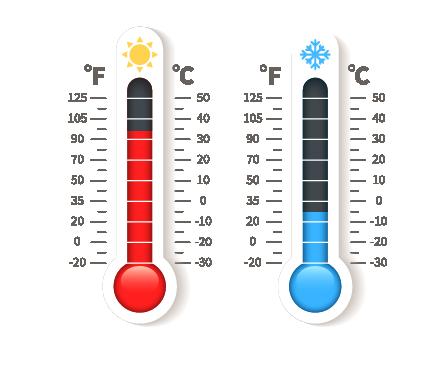
Abu Dhabi Ports Logistics, offers multi temperature storage solutions that can go to minus 80 Celsius, which is almost twice as cold as the North Pole in winter.
In 2020, CSP Abu Dhabi Terminal’s container terminal marked several milestones including the handling of over 540,000 TEUs.