
Khalifa Port Undertakes
Coral Relocation Project
MICCO Expands Fleet with Refrigerated Vehicles

Khalifa Port Undertakes
Coral Relocation Project
MICCO Expands Fleet with Refrigerated Vehicles
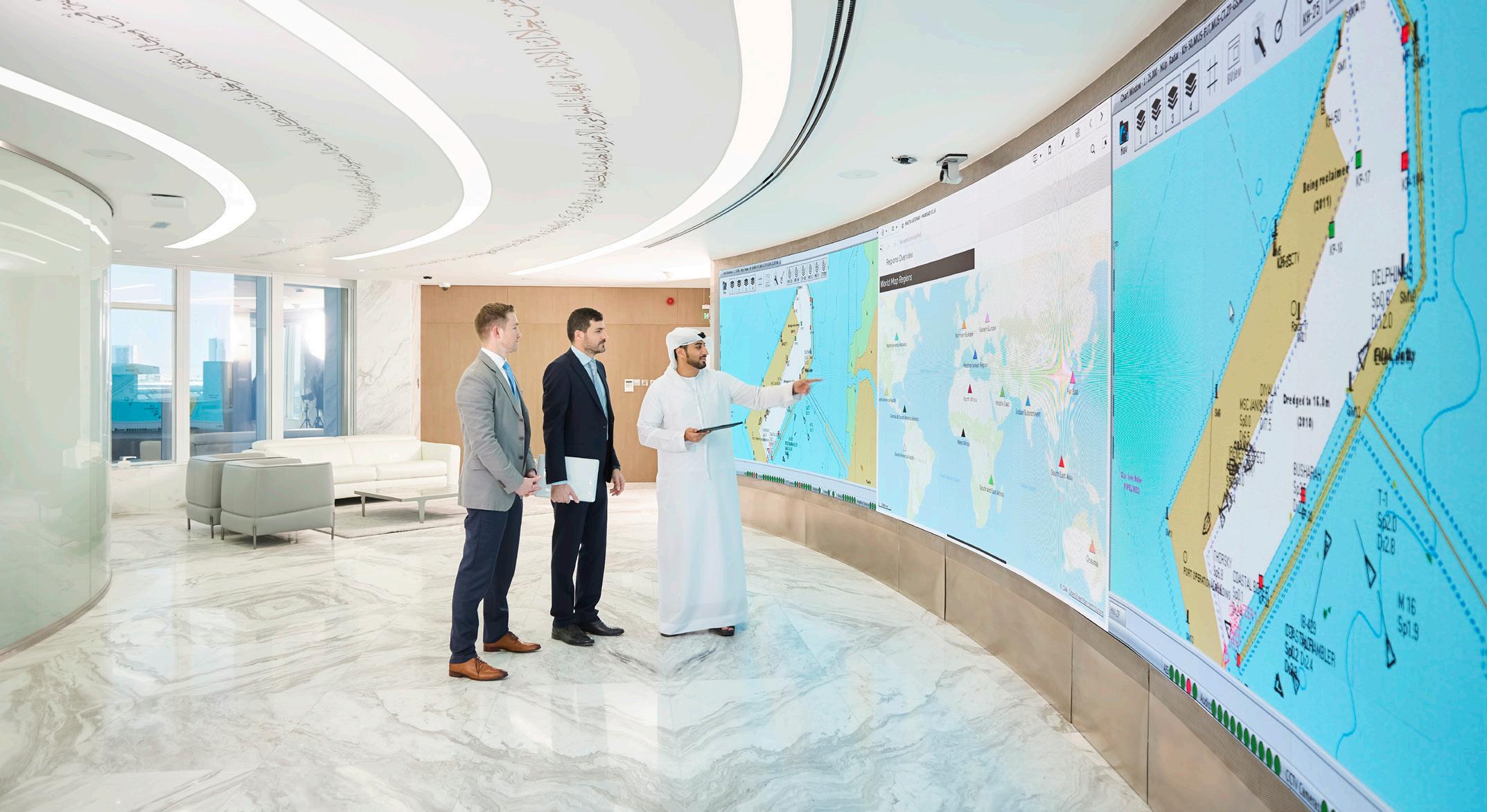
Since its establishment, Abu Dhabi Ports has distinguished itself by instilling a dynamic ‘can-do’ culture that harnesses the collective imagination of its people to shape the future of maritime trade, industry, and logistics. Innovation is part of our DNA.
In our pursuit of innovation, we are inspired by the strong foundations made possible by our leadership’s long-term strategic vision, which has seen the UAE emerge as a highly competitive, skilled, productive, and sustainable knowledge-based economy.
Indeed, the country is one of the most innovative societies in the world today, ranking 34th internationally and first in the Arab world in the 2020 Global Innovation Index, underscored by a National Innovation Strategy that supports investment in research, science, and technology to stimulate economic growth and direct foreign investment, as well as creating new job opportunities.
Adapting an innovative mindset has been crucial in the UAE’s ongoing success story; it has enabled us to think big and is creating limitless possibilities for our future, especially over the next 50 years.
You can already see the remarkable social impact of innovation within Abu Dhabi Ports’ leading role in the HOPE Consortium, the complete supply chain solution that is positioning Abu Dhabi as a global COVID-19 vaccine distribution centre.
Thanks to Maqta Gateway’s new propriety customer-build digital system mUnity, Abu Dhabi Ports’ digital infrastructure is successfully overcoming vaccine logistics challenges via supply-chain authentication based on blockchain. The partners are working together to increase the Hope Consortium supply chain’s capacity to handle 18 billion vaccine doses per year.
Across our portfolio, the drive towards discovery is also accelerating the diffusion of sustainable autonomous smart technology, such as our pioneering work at Khalifa Port, home to the region’s first semi-automated and most technologically advanced container terminal.
Through our knowledge, curiosity, and collaboration, reinforced by our commitment to streamlining processes, generating novel ideas, increasing R&D opportunities, and enhancing connections with our partners, we will continue to work to transform Abu Dhabi into a leading international maritime, trade, and logistics hub.
This issue of ‘Trade Pulse’ provides some insight into the people and projects that are delivering these remarkable results. I hope you enjoy it.

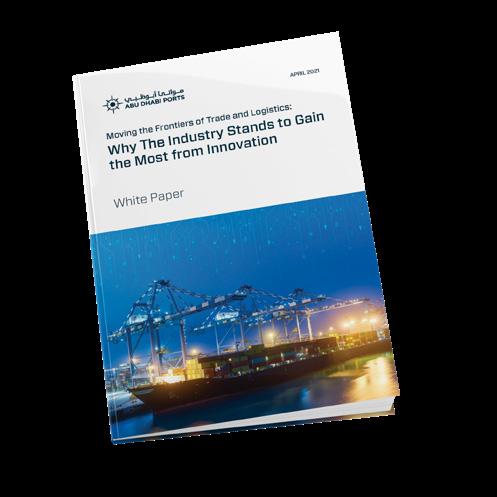
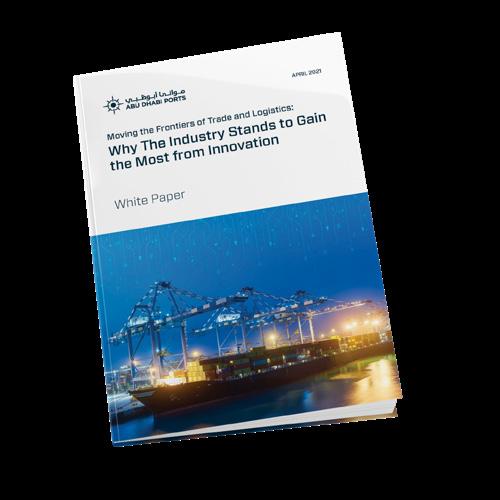
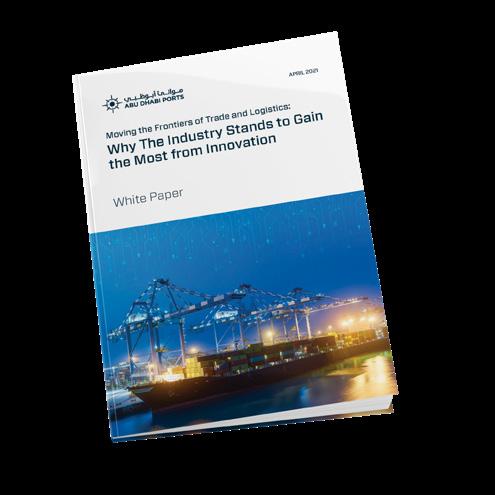
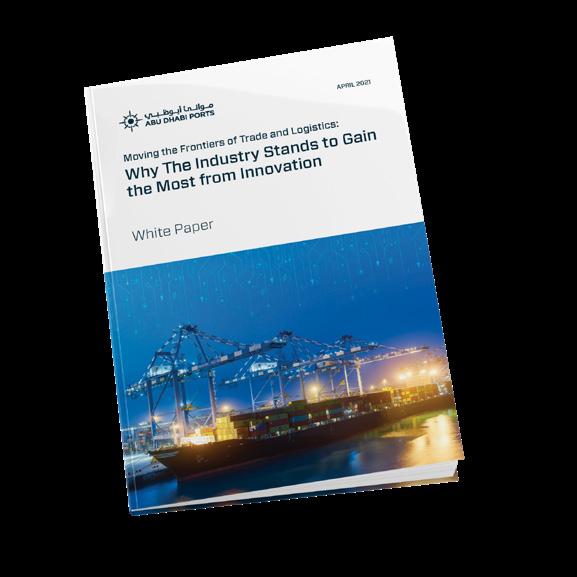
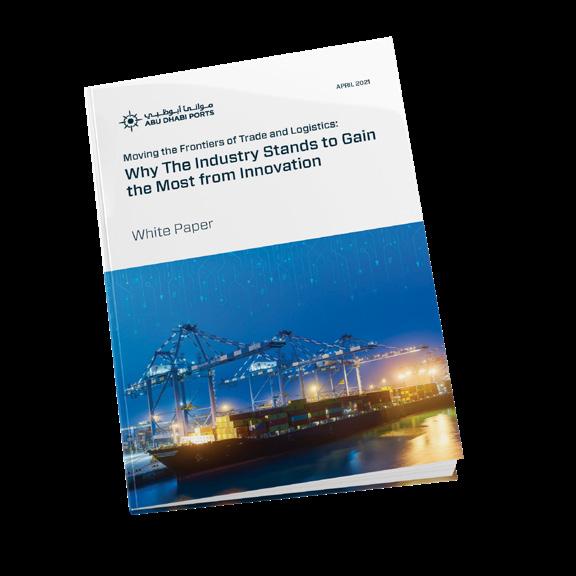
Abu Dhabi Ports’ latest white paper “Moving the Frontiers of Trade and Logistics: Why The Industry Stands to Gain the Most from Innovation” identified several distinct facets that truly set innovative organisations apart from their competitors.
These included embracing a culture of innovation across all aspects of an organisation, aligning research and development efforts towards the introduction of new technologies, as well as linking innovative processes with the rest of the global ecosystem, to name a few.
Together, these factors enable organisations to not only discover new opportunities to improve how they operate and engage with the increasingly digitally powered world of trade and logistics, but it also lays the foundation needed to cultivate true innovation by giving those with a vision a voice in which to speak.
As part of this edition of Trade Pulse, we connected with industry experts for a more in-depth discussion on this topic, and asked: How can innovation help accelerate the development of global trade and logistics?
Click here to download Abu Dhabi Ports’ latest white paper ‘Moving the Frontiers of Trade and Logistics: Why The Industry Stands to Gain the Most from Innovation’.

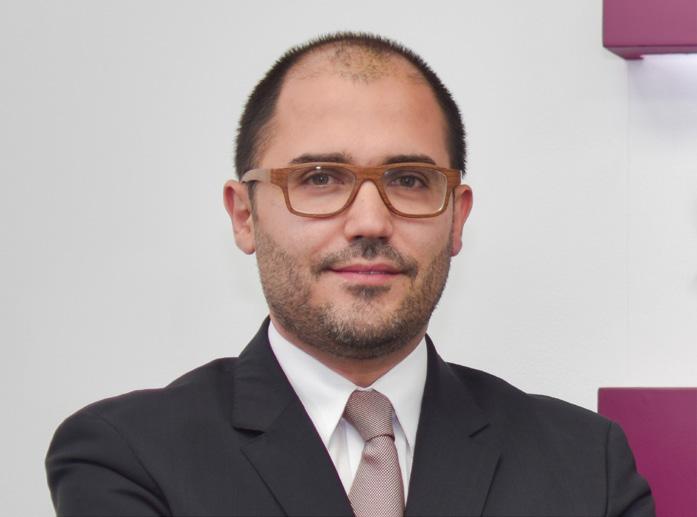

Innovation comes in many forms but if I had to choose a single dynamic that has recently influenced progress within the arena of global trade and logistics, I would have to point towards digital transformation. Whether spurred on by necessity due to the realities of a digitally powered future, or by a simple desire to improve one’s operations and efficiency, many involved in the industry have begun to fully embrace the possibilities offered by the digital era.
One example where innovation can truly change how the industry operates lies with artificial intelligence (AI). Combining machine learning with a rich depository of data and real-time analytics enables organisations to become more effective in dealing with demand fluctuations. As a case in point, managers will find themselves better able to plan supply-chain processes and reduce operating costs.
The technology will also serve as the basis for AI-powered cognitive automation technology that will help streamline administrative tasks, as well as service automation solutions such as self-driving warehousing robots.
The sector of logistics has never been a stranger to innovation — from the early beginnings in the 1950s when Malcom Mclean introduced what could be considered the sector’s first disruptive innovation (the shipping container) to today’s world where highly advanced robots and algorithms are a common reality.
The future of the sector is digital, automated, focused on the omnichannel and powered by start-ups.
As such, organisations cannot innovate only on the inside — they truly need to open their innovation process to their entire ecosystem.
All professionals in the sector need to understand that innovation is not about technology development — it is about establishing a process that allows individuals, teams, and organisations to find new ways to generate and capture value.
Professionals need to be equipped with the tools and mechanism to ideate, iterate, experiment, and scale.
Common language, digital connectivity, financial systems, and faster transportation are just a handful of the leading innovations that have facilitated the rise of trusted transactions across global trade and logistics. Focusing on trusted transactions provides insights on how two very different parties can transact with each other with confidence.
People’s desire for goods not found locally will only increase in the future and systems that provide greater trust between buyers, sellers, and middlemen, will emerge as the winners. Blockchain holds great promise for the segment offering a better chain of custody of the cargo, while sensors with digital connectivity and computations can enhance tracking and traceability of goods.
Other innovations in the works include autonomous ships, forklifts, and trucks, robotics for moving cargo and conducting onsite manufacturing, as well as the implementation of cryptocurrency and blockchain as part of the payment process. We can also expect to see an increase in common systems and language exchange between innovation ecosystems across borders.
As a company specialising in vertical farming, how can technology help countries overcome agricultural challenges?
Vertical farming has many advantages when combined with controlled environment agriculture and hydroponic growing. When you use these methods together, you find that you are not as restricted by the local weather nor the environment, as the climate inside such vertical farming facilities is well regulated. At Madar Farms, we utilise approximately 90 to 95 percent less water than traditional farming. This enables us to grow and produce our products throughout the year no matter what the current climate conditions are, and that is what agricultural technology is all about. This is especially crucial to the Gulf and the UAE because water scarcity is a huge challenge in the region. Agtech or vertical farming provides a viable solution to help improve food security, and moving forward, it will become even more important due to increasing population growth and its potential impact on the nation’s food supply line.
What is the method of farming adopted by Madar Farms and how effective is it as an agricultural process?
We use a method called controlled environment agriculture, which is more commonly known as CEA. The process comprises several solutions including the use of soils, hydroponics, and vertical growing. Facilitated within an enclosed growing structure that captures sunlight and retains heat allows one to produce plants all year-round utilising 30 percent less water than even the most advanced greenhouses. With the added capability of controlling a variety of environmental factors within this closed space including humidity and carbon dioxide levels, as well as nutrient concentration, CEA is a more advanced form of agriculture than using traditional technologies found in greenhouses because it is a fully encapsulated process.
What are your strategic objectives of building the world’s first commercial–scale indoor tomato farm using only LED lights in KIZAD?
The facility at KIZAD in Abu Dhabi — which will be roughly 5,000sqm in size — will enable us to grow up to one tonne of tomatoes, while also tripling the quantity of microgreens that we are producing at this

time. And this is, for us, a major milestone because it will significantly increase our supply and expand our presence within the UAE.
Our decision to invest in this new facility falls in line with our commitment to promote local production for local consumption. One of the core issues that we face is food security and our contribution to meeting that challenge is doing our part to ensure that everyone has equal access to food that is produced locally. Part of that of course involves ensuring food is of high quality and the technology utilised within this facility can help achieve that.
Not only will our new facility utilise natural resources responsibly and benefit the people of both the UAE and GCC region from a strategic perspective, but we have also aligned our efforts with the wider industry so that our focus is in line with the objectives of the UAE government in fostering a robust and sustainable national food supply line capable of supporting future population growth, whilst decreasing dependence on food imports.
Additionally, we follow a business model that focuses on consistency and delivering excellent reviews. We regularly monitor and review every aspect of our process. From identifying which technologies are best suited to grow our products to selecting the ideal seeds to plant, all the way through to discovering the right packaging for our customers and transporting goods for consumption, we review and choose the right local suppliers to support our needs.
How can innovation help accelerate development in the manufacturing sector?
Innovation in any sector is very important. And while it is often the case that organisations will only consider potential profit and loss, innovation can contribute a lot more than that — it can potentially provide greater responsiveness to customer demands. It is about how to clearly differentiate yourself in terms of products and services that you can provide your customers.
In terms of the manufacturing process, one could explore how innovation can help sharpen the process, make turnaround times event faster, as well as reduce wastage. As any manufacturer knows, a sizeable chunk of the cost of sales is always waste handling. Only a small portion of the raw materials can be utilised to produce a usable product. The rest is discarded.
And when it comes to the customer experience, innovation can help improve both product design and quality, and it is also here that you can truly differentiate yourself from the competition.
What is the role of research and development in tomorrow’s real estate industry?
Research and development in any industry is very important — it makes you understand why and how you are going to develop something. In terms of real estate, you need to understand exactly why and who you are building it for. And a big part of the equation means having the right data.
With such insights one can understand the behavioural patterns of tenants and create different profile categories. For example, what would a tenant with technological needs require to operate? If this is a typical corporate office environment, what kind of facilities will be needed and what kind of content could be introduced to assist in increasing performance and productivity for occupants?
You need to understand the reason you are developing that building and who you are building it for. And this can only be answered through extensive research and development.
Only then will you be able to create something that is both comfortable and capable of meeting the exact needs of the targeted tenants.
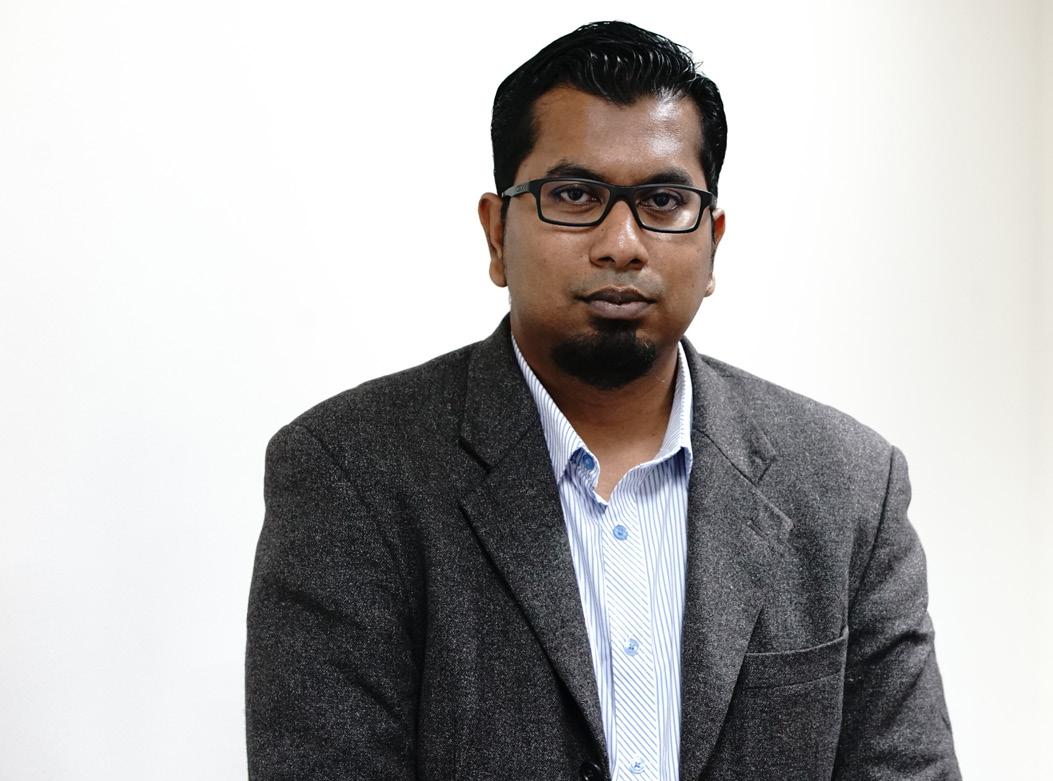
What are the key considerations in building Smart Cities?
When we design smart cities, it is important to begin by postulating the basic design pillars. What would be the unique selling point and what makes this city smart?
For example, when we were designing the Block 7 Innovation Hub, we wanted to make a smart city our unique selling point, and from our extensive research we discovered that our key design pillars should be centred on the human element, dynamics, and intelligence. This is because the purpose of smart cities should be to attract and retain the best local and global talent.
Design pillars should be structured in such a way that they promote social networking activation and serve as a melting pot for innovation.
And what kind of place should smart cities be? The key here is the “experience”. Smart cities should be able to introduce a unique experience for those who reside within that also responds to their needs. A smart city will comprise several multimodal and spatial environments that can support a multitude of activities.
Other equally important facets include being sustainable, highly secure, driven by digital innovations powered by rich data, an enabler for international engagements and global communications, while also promoting the health and wellness of its occupants.
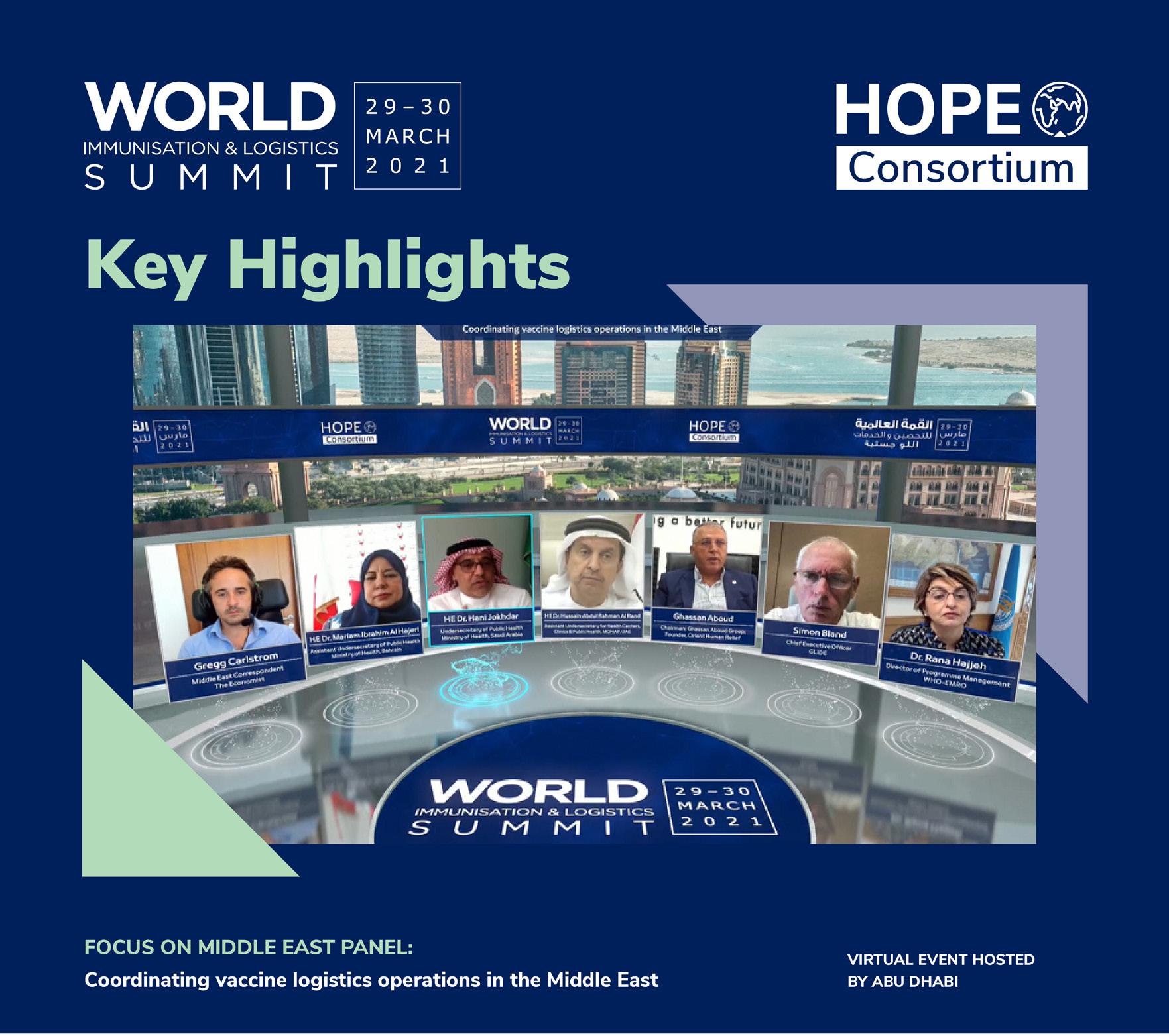
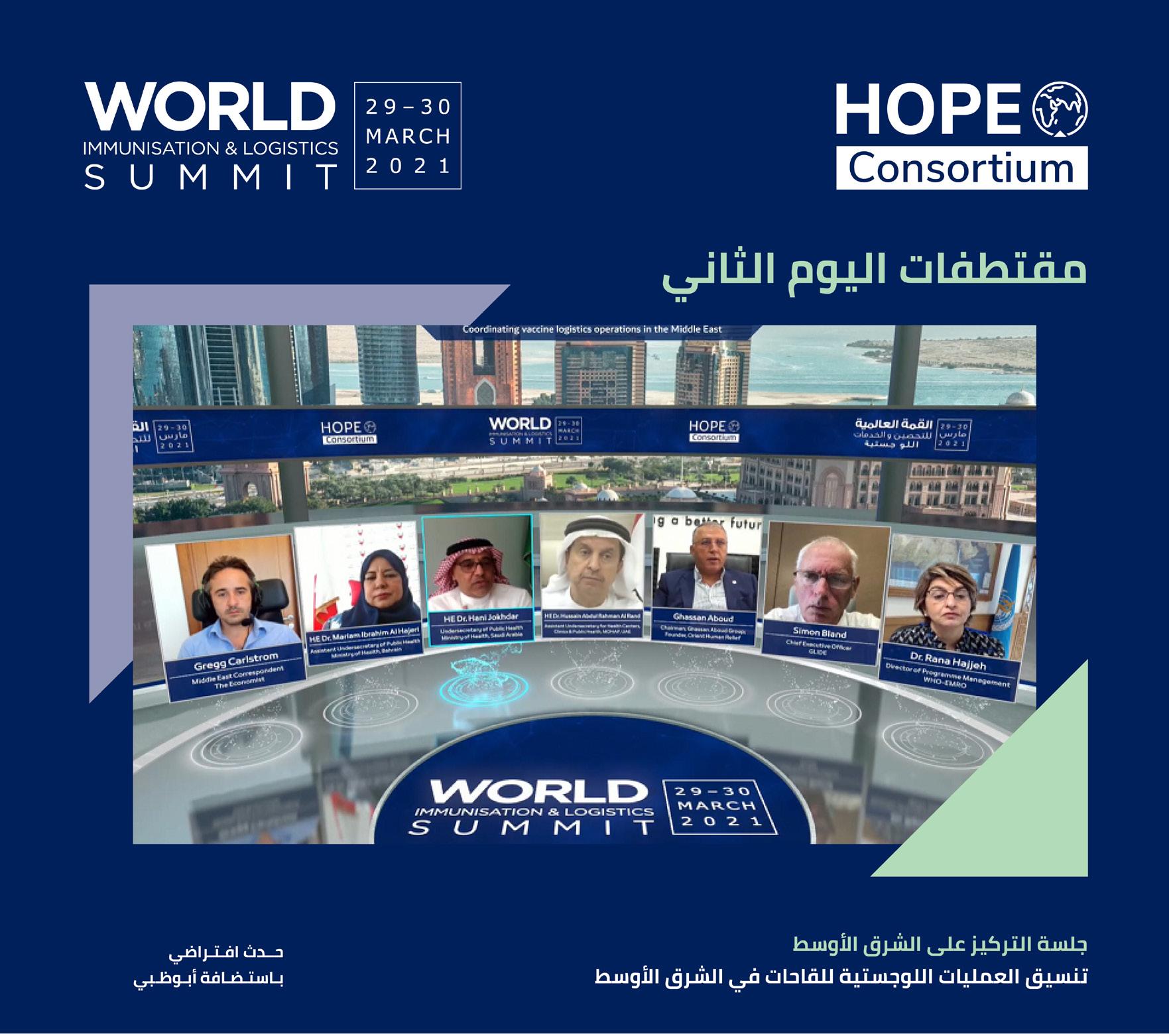
From the 29 - 30 March 2021, Abu Dhabi’s Hope Consortium, an Abu Dhabi led publicprivate partnership, hosted the first World Immunisation & Logistics Summit, an open forum that was attended by an assembly of international front runners and senior decision-makers involved in the global effort to combat the COVID-19 pandemic.
Over the course of the two-day online summit, over 1,000 attendees, made up of government representatives, key multi-national NGOs, IGOs, members of the pharmaceutical sector, and global
supply chain players, engaged in discussions focused on identifying scalable, real-world solutions to facilitate the mass global vaccine delivery and immunisation.
In addition to the various keynotes and panel engagements, the event also featured a virtual exhibition that provided attendees with one-onone networking and interactive exhibition booths, enabling them to connect with key stakeholders around the globe.

Over the course of February, Abu Dhabi Ports held a four-week festival celebrating innovation that ran in parallel with UAE Innovates that ran this year from 21-27 February.
Comprising a series of events and activities, Abu Dhabi Ports’ celebrations covered several innovation-charged themes, such as smart and green port technologies, space logistics, portsemirates duality, and futuristic trade zones and logistics. Several proprietary innovations and proof of concepts currently being explored by the
organisation were showcased, which included smart containerised data centres, real-time technology, autonomous technology, robotics, AI, as well as efficient and sustainable energy solutions.
The month also highlighted more than 2,100 ideas submitted by Abu Dhabi Ports’ employees and stakeholders in 2020, and included the launch of Innovation Café, a dedicated platform that featured several speaker sessions and technology workshops hosted by leading executives from partner organisations.
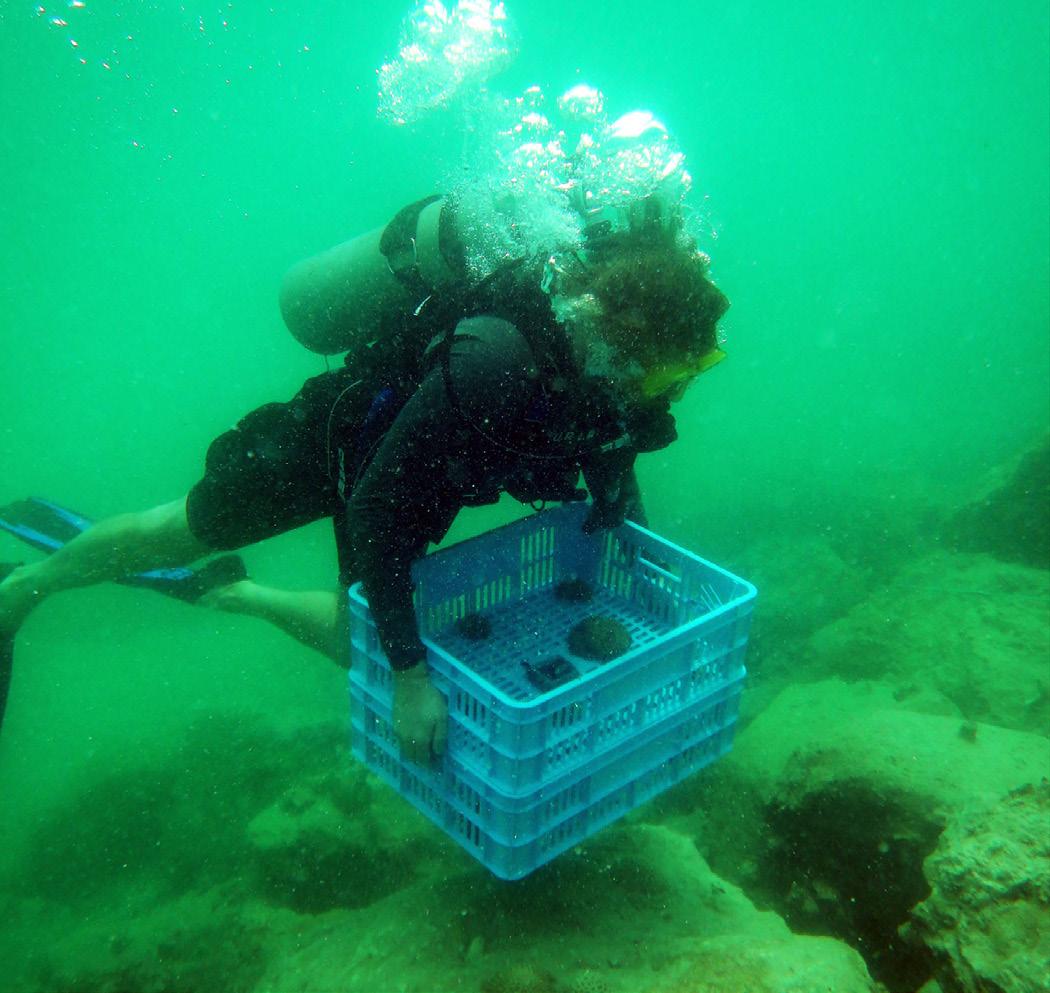
In close collaboration with the Environmental Agency – Abu Dhabi (EAD), Abu Dhabi Ports announced the launch of a coral relocation and conservation project in the waters surrounding Khalifa Port, its flagship, deep-water port.
Part of a series of mitigation measures enacted to reduce the environmental impact from dredging, the coral relocation project will also reclaim waters that the separate the offshore port’s breakwater from the nearby Ras Ghanada coral reef.
The project will also prepare the maritime facility for future expansion developments, which include the development of a heavy rail terminal that will link directly with UAE’s rail network, Etihad Rail. In addition to the relocation, all data collected as part of the coral harvesting and transplantation will be analysed for
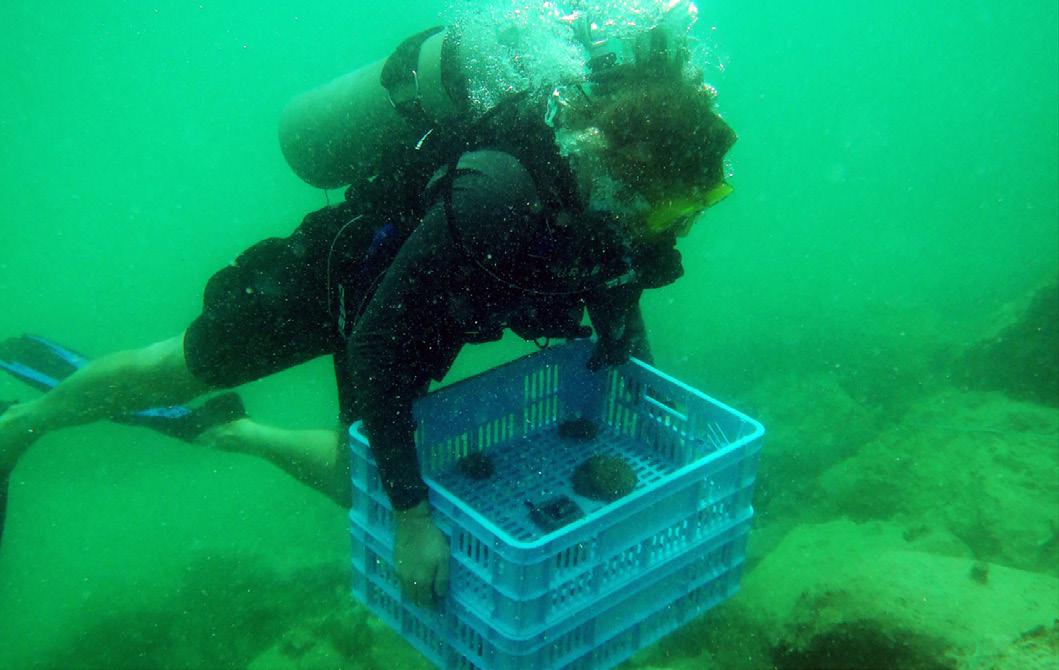
a technical paper to be published by Dr. John Burt, a leading marine biologist and the Associate Professor of Biology at the New York University Abu Dhabi (NYU-AD).

Abu Dhabi Maritime and the Abu Dhabi National Oil Company (ADNOC) signed a five-year agreement to work together to improve navigational safety and maritime regulations related to the emirate’s waterways.
In addition to exchanging information and expertise related to the regulation and management of maritime activities and infrastructure development within the emirate, the collaboration also takes in several measures intended to improve safety, and streamline vessel movements.
This includes responsive monitoring, riskmitigation, the introduction of business continuity and crisis management systems, along with marine traffic and infrastructure project developments in Abu Dhabi’s waters.
The cooperative agreement between Abu Dhabi Maritime and ADNOC is expected to greatly boost the sustainable development of the emirate’s maritime ecosystem, while also elevating Abu Dhabi’s profile as a global maritime centre.
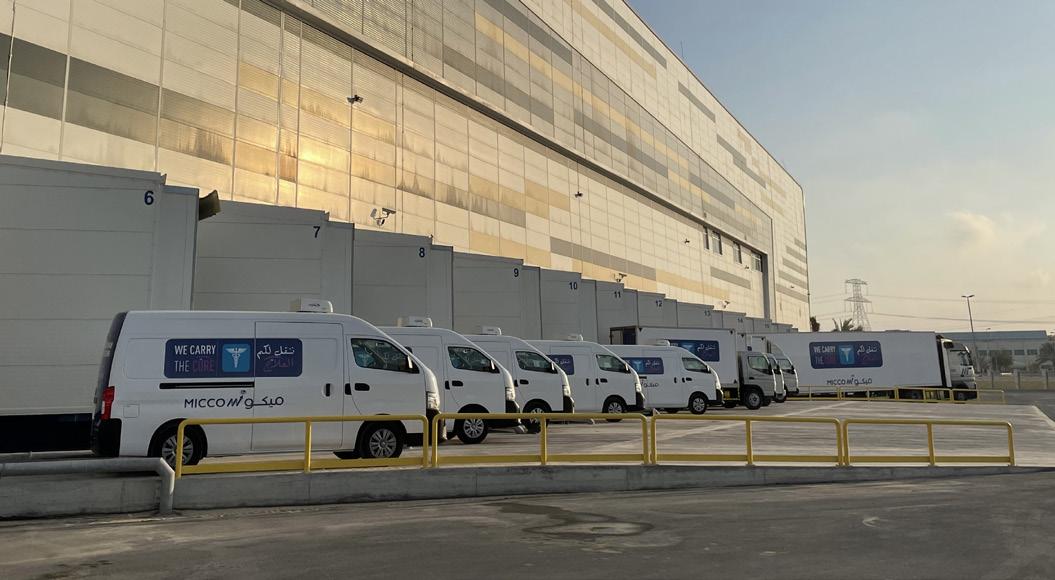
In support of Abu Dhabi’s efforts to facilitate the safe and efficient delivery of COVID-19 vaccines, Abu Dhabi Ports’ MICCO Logistics acquired a new fleet of 11 specialised refrigerated vehicles.
Part of a long-term vision to expand the company’s delivery capacity to over 1.1 million doses per day, the new specialised vehicles have further enhanced the company’s last mile capabilities, while also supporting the ongoing efforts of HOPE Consortium, the Abu Dhabi-led public-private partnership devised by the Department of Health – Abu Dhabi (DoH) to oversee the global delivery of large quantities of vaccines. Additionally, the new vehicles will be linked
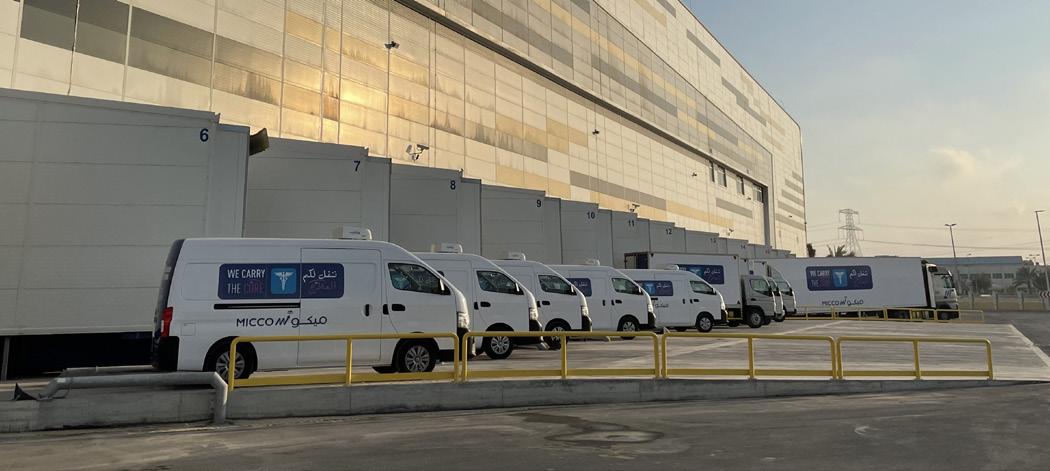
directly to Maqta Gateway’s mUnity platform, a digital blockchain-powered solution developed in support of the Consortium’s mission that tracks the journey of vaccines in real-time.
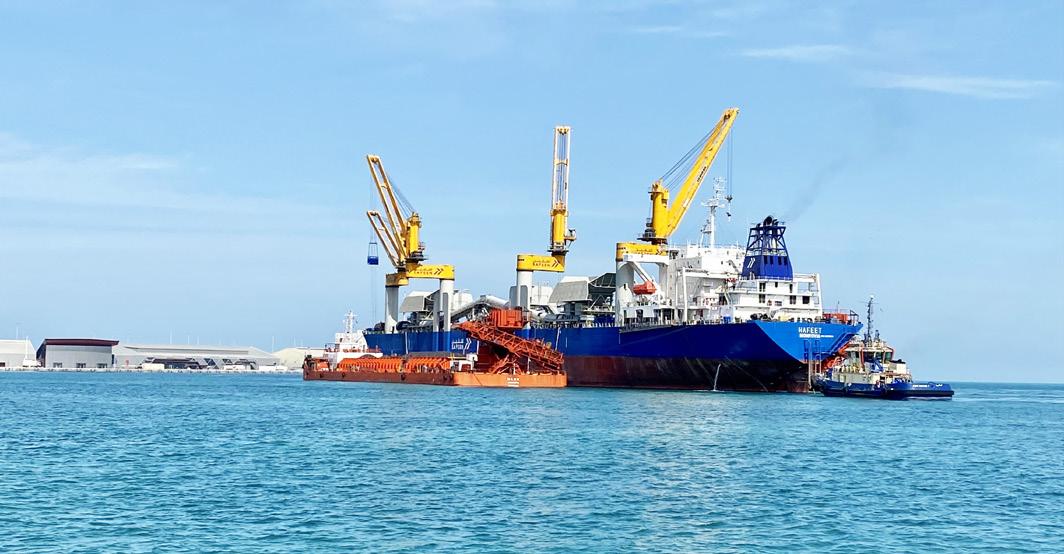
Abu Dhabi Ports’ maritime service arm, SAFEEN Group, announced the start of its first transshipment contract serving Emirates Steel as part of a 10-year agreement previously signed between the two organisations.
The new transshipment service fleet, which comprises a converted Post-Panamax bulk carrier, as well as three self-propelled and self-discharging barges, and a host of support marine assets, will facilitate the discharge and transshipment of arriving cargo to Emirates Steel’s jetty in Musaffah.
The commencement of the new service marks not only SAFEEN Group’s latest venture into the transshipment business vertical, but it also serves as one of the largest active transshipment agreements (by volume) in the region.
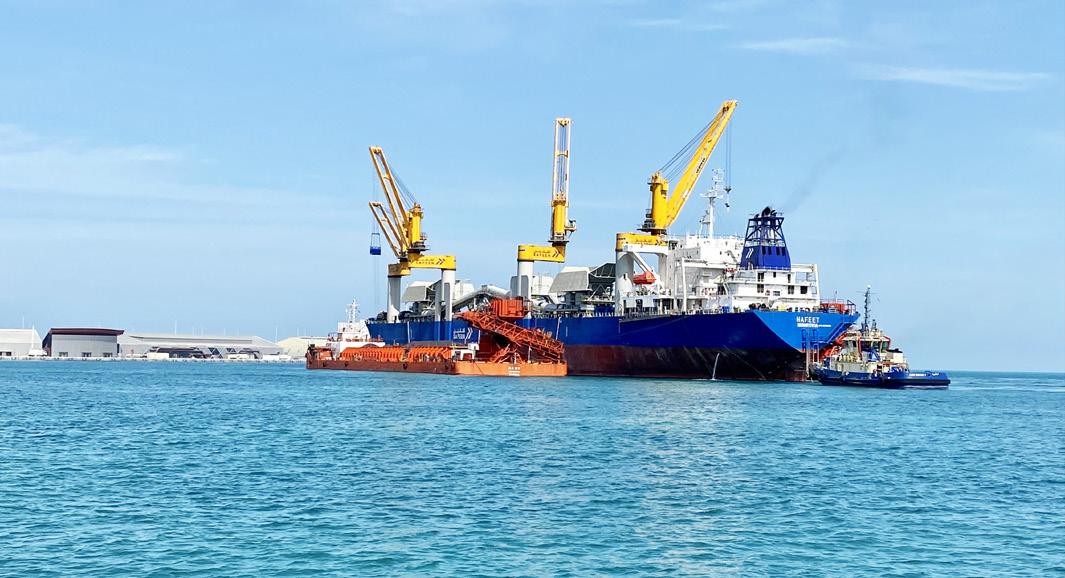
Heading the new fleet will be the M/V HAFEET, the largest bulk commercial vessel ever registered under the UAE flag, which recently completed a major retrofit that saw the addition of several enhancements geared towards enabling the vessel to fulfil the requirements of its new role.
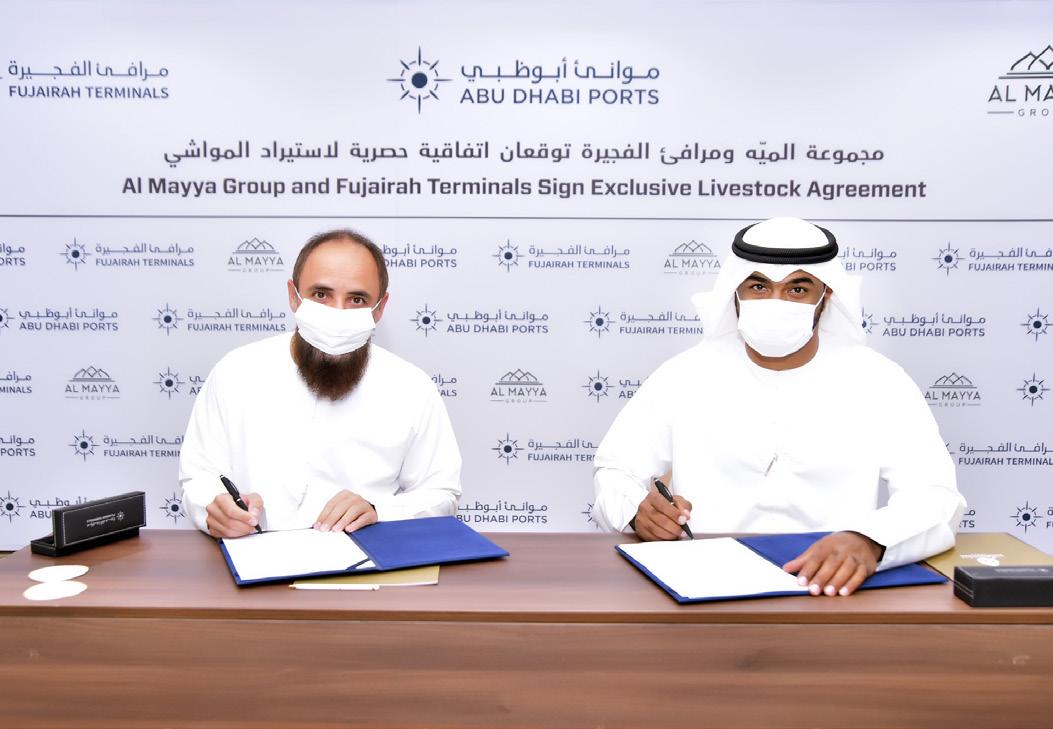
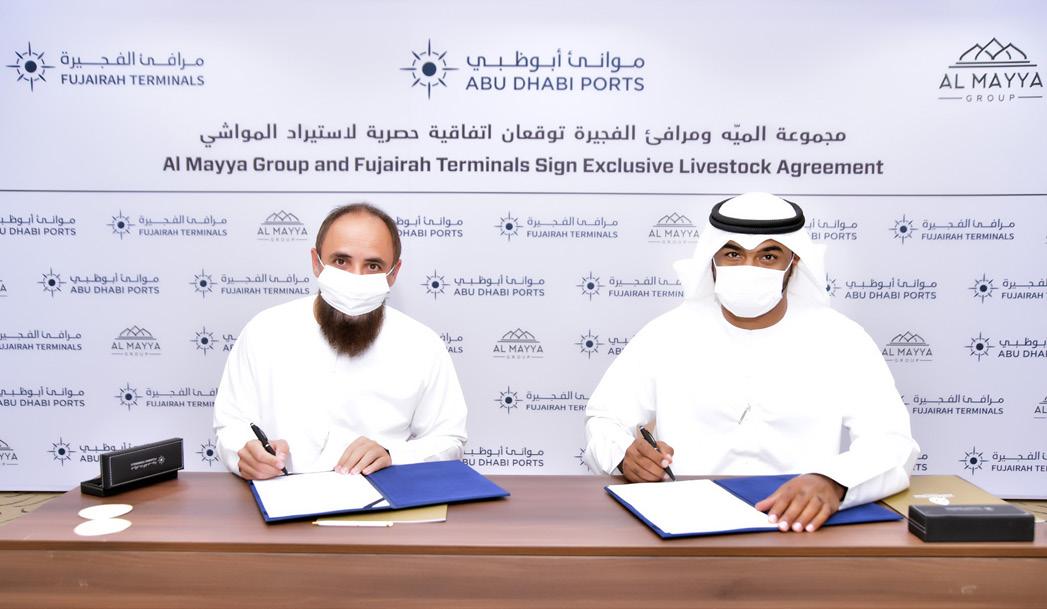
Fujairah Terminals and Al Mayya Group LLC have announced the signing of an agreement to handle the livestock logistics for the annual import of more than a million sheep, goats and cattle into the UAE.
In one of the largest contracts of its kind in the UAE, Fujairah Terminals will grant Al Mayya Group exclusive rights to service livestock at a specially designated quarantine and berth area situated within its terminal facilities at the Port of Fujairah.
Fujairah’s strategic location on the UAE’s eastern seaboard ensures a much shorter sailing time to and from key destinations including East Africa. The port, situated on the Arabian Sea, lies within 300km of all seven emirates.
Thanks to the country’s highly advanced road network, it will easily connect Al Mayya Group’s allocated port-side area to its other inland facilities across the UAE.
In a significant recognition of its ongoing efforts to advance the highest standards of sustainability and ethical business practices, Abu Dhabi Ports has become the first-ever company from the Middle East to win a prestigious international CSR award from the UK-based CSR Accreditation (CSRA).
The awards body granted its highest Gold Accreditation for excellence in corporate social responsibility (CSR) to Abu Dhabi’s premier global trade and logistics enabler following an independent assessment by an accreditation panel.
Abu Dhabi Ports was rated across four areas: environment, philanthropy, community, and workplace.
CSRA highlighted the company’s progressive policies with respect to its promoting of environmentally sound and sustainable climate change mitigation measures, including energy efficiency and water optimisation; its

philanthropic partnerships with leading international bodies such as Make-A-Wish-Foundation and the Red Crescent; as well as the organisation’s wide range of engaging training programmes and activities dedicated to advancing the wellbeing, education, and health and safety of both its employees and Abu Dhabi’s wider community.
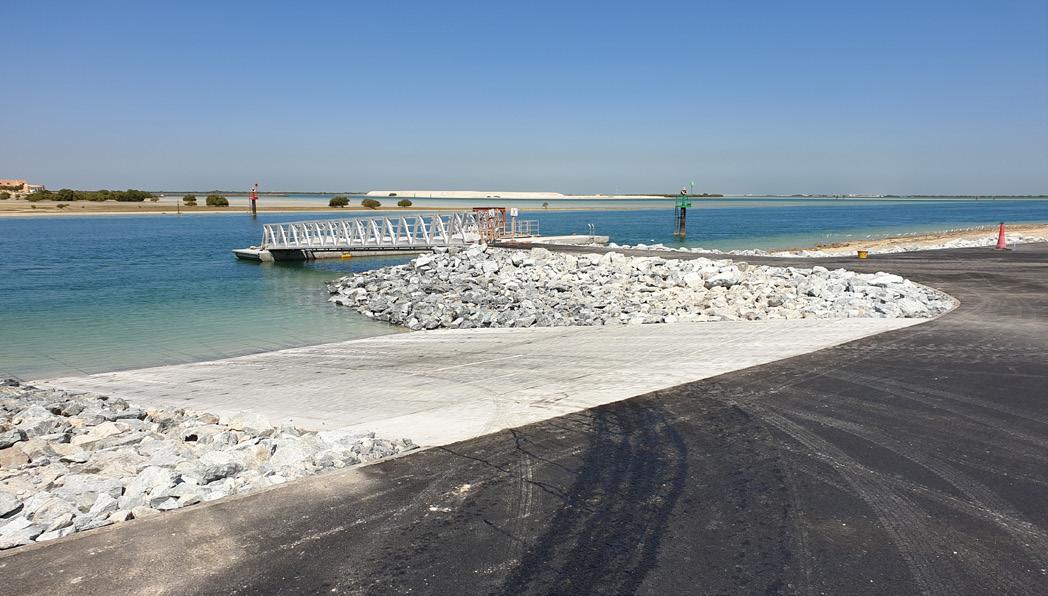
Abu Dhabi Maritime has announced the launch of a new digital service to streamline the management of Abu Dhabi’s slipways — ramps for moving boats and other watercrafts to and from the water — while also easing congestion at peak times.
As the emirate’s dedicated custodian of all its waterways and marine ecosystems, Abu Dhabi Maritime’s introduction of its online booking portal, publicly available at admaritime.ae, will allow users of pleasure boats and personal watercraft, such as jet skis, to easily locate and access key information on how public services are accessed and booked.
Most importantly, the new fully interactive portal, developed by Maqta Gateway, Abu Dhabi Ports’ dedicated digital subsidiary, will provide direct digital access to all slipways owned and managed by Abu Dhabi Maritime, and services available at those locations.
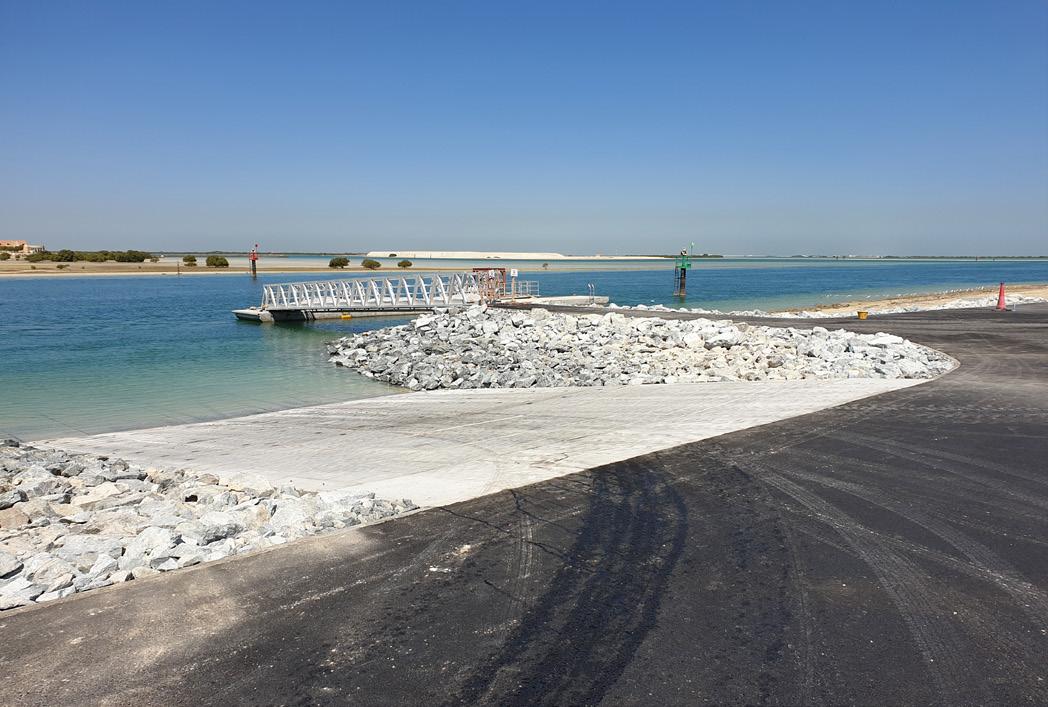
The portal will enable the emirate’s recreational maritime users to book their slipway reservations and submit payments from the comfort of their computer or mobile device, while also providing key information regarding parking and an additional suite of services soon to be added.
Abu Dhabi Ports connects trade with more than 4.5 billion consumers — 55 percent of the world’s population.
Truck turnaround time at Khalifa Port Container Terminal (KPCT) is just 7 minutes — the most efficient in the region.
Based in KIZAD, the National Catering Company produces more than 54 million premium meals a year — roughly 150,000 meals a day!
To date, Maqta Gateway has processed more than 40 million digital transactions.