
Khalifa Port Marks
8 Years of Milestones
Abu Dhabi Ports and DNV GL
Tackle Sustainable Development of the Emirate’s Maritime Ecosystem
SAFEEN Establishes JV with OFCO - Offshore International Issue 4, 2021

Abu Dhabi Ports and DNV GL
Tackle Sustainable Development of the Emirate’s Maritime Ecosystem
SAFEEN Establishes JV with OFCO - Offshore International Issue 4, 2021
The emirate of Abu Dhabi made giant strides in 2020 in respect to modernising its infrastructure and strategic assets, which were critical factors in successfully generating the plethora of outstanding achievements we bore witness to last year – accomplishments that ultimately strengthen the emirate’s position as a leading global trade and industrial hub.
One of the key underlying elements in these efforts is the trust the wise leadership has vested in several national institutions including Abu Dhabi Ports. Since our nation’s inception half a century ago, the leadership has been keen to promote and empower institutions such as ours. They have accomplished this by providing these institutions the necessary means to play their role and achieve their objectives in line with the UAE’s overarching strategic goal to elevate the country to the top of the world’s most developed and advanced nation rankings.
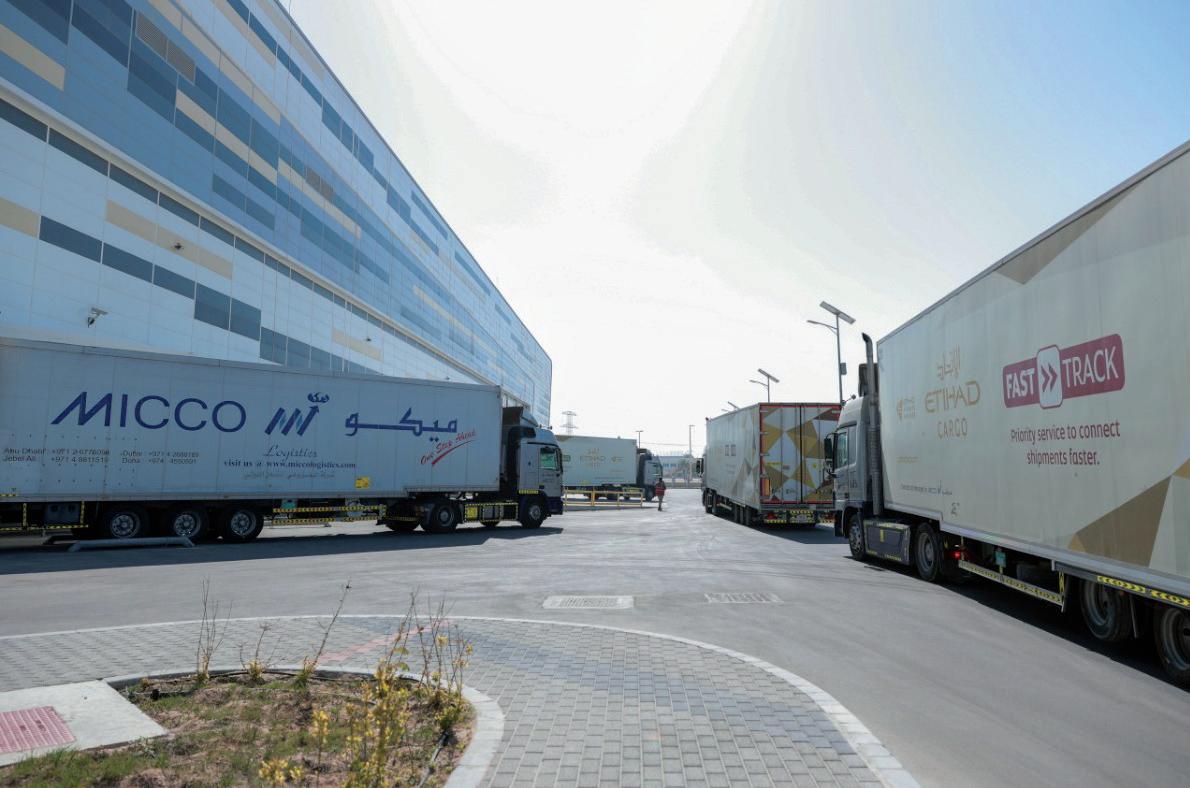
For its part, Abu Dhabi Ports has made significant inroads over the past 12 months across its multiple business units. It succeeded in expanding its industrial zones portfolio with the integration of ZonesCorp, promoted its logistics capabilities by acquiring MICCO Logistics, and continued the expansion of its advanced deep-water terminal Khalifa Port by launching operations on its new South Quay.
The company has also established several new companies and entities including SAFEEN FEEDERS for feeder services, OFCO International, the provider of integrated maritime logistic services, and Abu Dhabi Maritime as the primary custodian of all of Abu Dhabi’s waterways and marine ecosystems. In another significant step toward further enhancing the nation’s future food security, Abu Dhabi Ports enlarged its grain storage and processing facilities at Khalifa Port.
However, our achievements during 2020 were not exclusively economic; they also extended to humanitarian issues. This was most strikingly evident in the leading role we are now playing in the “Hope Consortium,” Abu Dhabi’s ambitious public-private partnership, tasked with coordinating the safe and efficient delivery of vaccines worldwide to positively impact the lives of billions. Indeed, achieving economic and human development and prosperity is intrinsically
linked to our nation’s long-term collective effort and vision. Abu Dhabi Ports’ stellar performance exemplifies the confidence of the Government in our institution and its staff. Thanks to this crucial support, not only have we been able to promote the role of the company, but have also sharpened its competitive edge and elevated our contribution to accelerating economic diversification across the emirate.
This year, we are determined to pay particular attention to a number of business sectors with an added emphasis on digital and logistics. In recognition of the tremendous role partnerships continue to play in positioning the emirate of Abu Dhabi as a global trade and logistics hub, we will also concentrate on fostering relationships with a wide range of local, regional, and international public and private institutions. As we approach the UAE’s Golden Jubilee, I am confident that we will continue to build capacities that enable us to not only cope with coming challenges, but to excel and stay ahead of them; ensuring a bright future for Abu Dhabi, and crystallising its place it among the best and most attractive global locations for living and investing.
These towering achievements do not stand alone. All of us have our own part to play in maintaining momentum towards progress and future prosperity.
Indeed, 2020 has been an exceptional year for us in Abu Dhabi Ports, not only due to its unprecedented challenges but also due to the remarkable accomplishments on all fronts.
Abu Dhabi Ports was able to achieve steady growth in all its business sectors, and succeeded in consolidating its position as a trusted global partner in international maritime transport and logistics, as well as a preferred destination for foreign direct investment. Therefore, it gives me great pleasure to thank all our customers and stakeholders for their outstanding efforts and valuable contributions to our ongoing successes.
In addition, 2020 has witnessed the completion of several projects that support the steady ascendancy of the UAE’s national economy, as well as that of the emirate of Abu Dhabi, thanks to the support of our
wise leadership.
These projects supplement the economic sector with the necessary means that will promote and advance Abu Dhabi’s position as a prominent trade, logistics, and economic hub in the region and the wider world.
One highly significant achievement worth noting is Abu Dhabi Port’s leading role in the “Hope Consortium”, which aims to unify all global efforts in combating the COVID-19 pandemic that is continuing to profoundly affect our lives.
As we move into 2021, which coincides with the UAE’s Golden Jubilee, we have decided to build upon our growth accomplishments, especially as they relate to our logistics capabilities. This year, we are firmly committing our energies towards growing key business

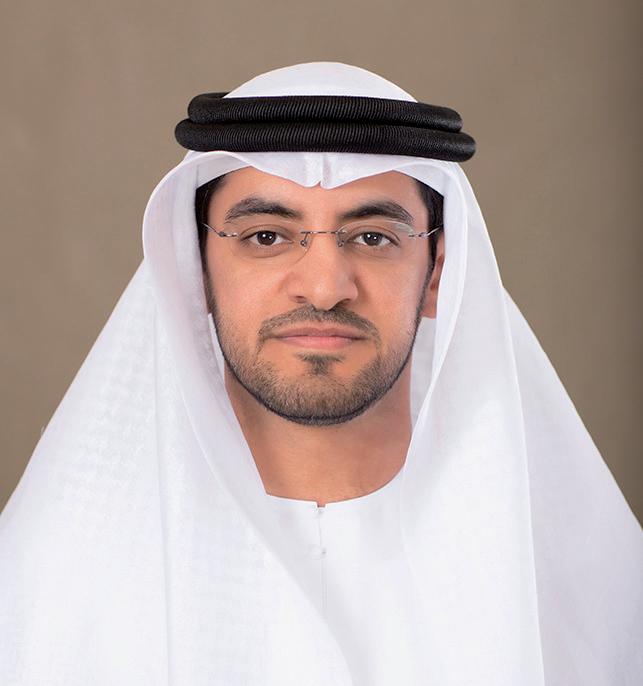
Juma Al Shamisi Group CEO Abu Dhabi Ports
segments across our portfolio, adopting leading-edge ultra-modern technologies and innovations to maximise the effectiveness of our operations, and providing solutions and additional services to our local, regional, and global partners.
Our ambitions extend far beyond the short term: we are determined to develop our business, and yours. Only by ensuring our sustainability and readiness, will we prosper over the next 50 years.
We will accomplish our objectives through a collective effort with our partners in the public and private sector to fulfill the promise of the UAE’s future, so it is fully aligned with our leadership’s vision of elevating our economic, social, and developmental landscape.
Enjoy this issue of Trade Pulse!

Abu Dhabi Ports newly released “The Future of Ports: What’s Behind a Global Port Matters Most to its Stakeholders” white paper found that maritime hubs co-located with industrial zones can serve as highly successful drivers of national economic development, while also supporting the growth of landside communities.
Formulated with insights from some of the industry’s leading experts, the white paper identifies several services and infrastructure essentials that would enable
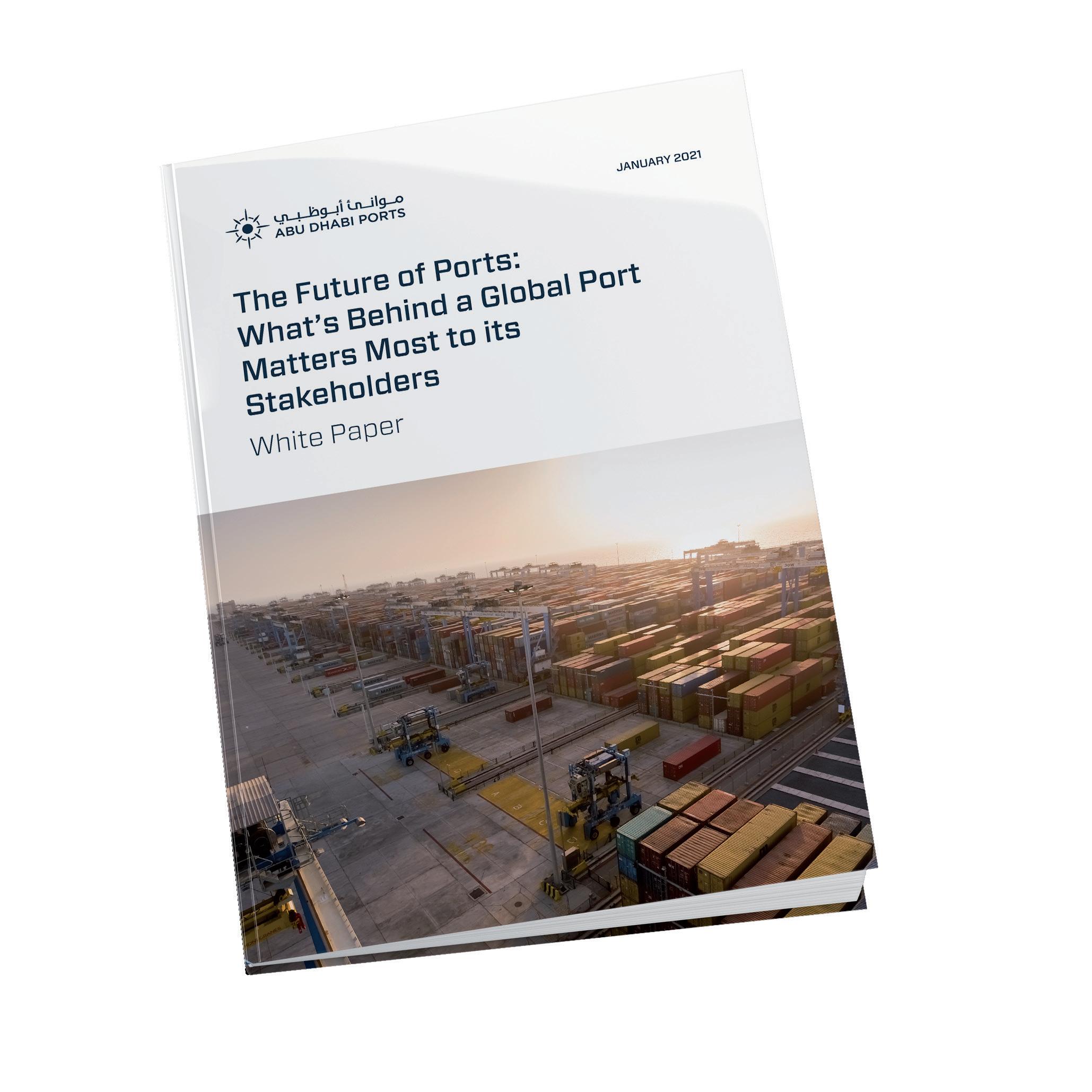
global port operators to retain their competitiveness over the long run, and also attract strong international partnerships in the future.
Key facets of the winning formula combine multimodal connectivity, a unique offering of diversified portside services, integrated customer services and the adoption of sustainable practices.
In this edition of Trade Pulse, we asked industry experts what ports of the future look like.


“Across the world’s maritime industry, many believe that for the global port of tomorrow to succeed and meet its full potential, it must commit to transforming into becoming greener, cleaner, bigger, faster, automated, and smarter.
“As we have seen in 2020, ports remain crucial assets that are critical to keeping the flow of goods moving, as well as the world’s economies and supply chains open.
“Increasingly maritime trade players, including Abu Dhabi Ports, are embracing technology, such as Big Data and AI, while at the same time strategically cultivating worldclass logistics and industrial trade propositions as key differentiators, to enable them to successfully unlock new opportunities and discover competitive advantage.
“We should be upbeat about the future of ports and our maritime industry in general.
“Over the next ten years, the growth of new trade routes, particularly in Asia, the focus on sustainability, the increase in synergised partnerships, and emerging opportunities to distribute cargo to niche markets will lead to an era of economic diversification and technological innovation.”
“Ports have historically been standalone assets providing services to passengers and cargo alike. Over time, as the economies of countries across the globe have become more integrated and as global supply chains develop, the role of ports is changing.
“From being standalone siloed asset classes, they are now viewed as an integral part of the entire logistics chain, whose competitiveness is as critical as any other link in the chain. Ports, therefore will increasingly forge collaborations and alliances with upstream and downstream elements of the logistics chain such as inland logistics, aggregator platforms, service intermediaries, and manufacturing.
“All these requirements are forcing ports to transform in the way they function, deliver user experience and be compliant with a wider set of laws and regulations.
“So, we will see ports adopt technology and automation in a major way to be able to deliver on the demanding and complex requirements in the coming years, as well as co-invest, co-develop, and comanage many asset classes along the logistics chain.”
Ports of the future will be better connected to the multiple stakeholders that depend on them, including shipping lines, consignees, logistics companies, and customs authorities, so that they can work in a more synchronised way.
“This harmonisation will happen automatically a lot more than it does today as the various players gradually exchange more information and innovative software solutions are deployed.
“Exceptions will continue to arise – such as a ship being delayed, a crane being inoperative, or a customs procedure being delayed – but less than today and with fewer consequences thanks to better real-time information flow and continuous improvement initiatives.
“Ports of the future will also be –and it is certainly my strong wish – more respectful of our environment and safer to work in.
“Automation and electrification will also play a huge role.
“Streamlining internal operations, so that a ship cuts its stay at port or so that distances driven within a container yard are reduced, will play a considerable role in improving a port’s environmental footprint.
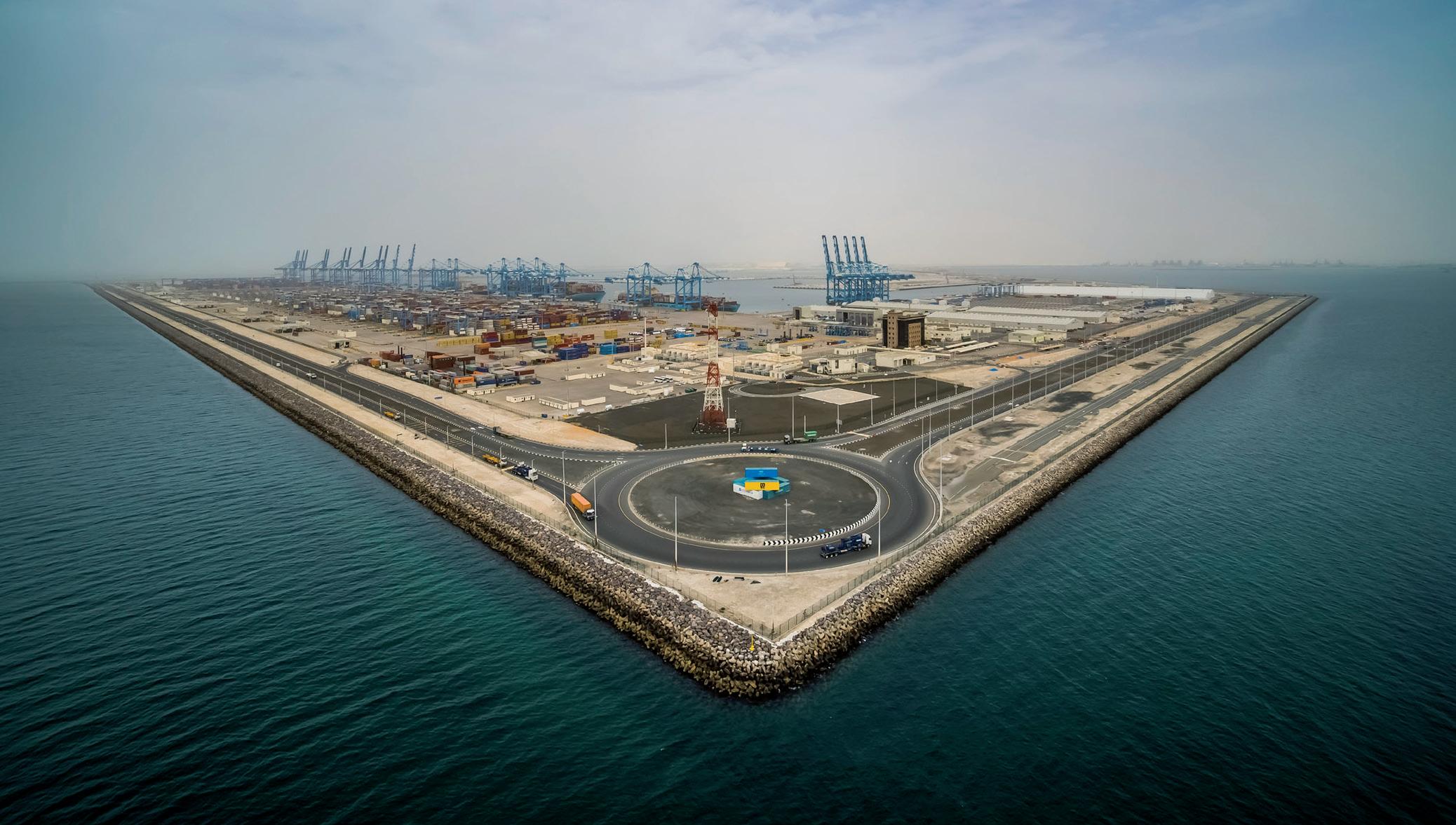
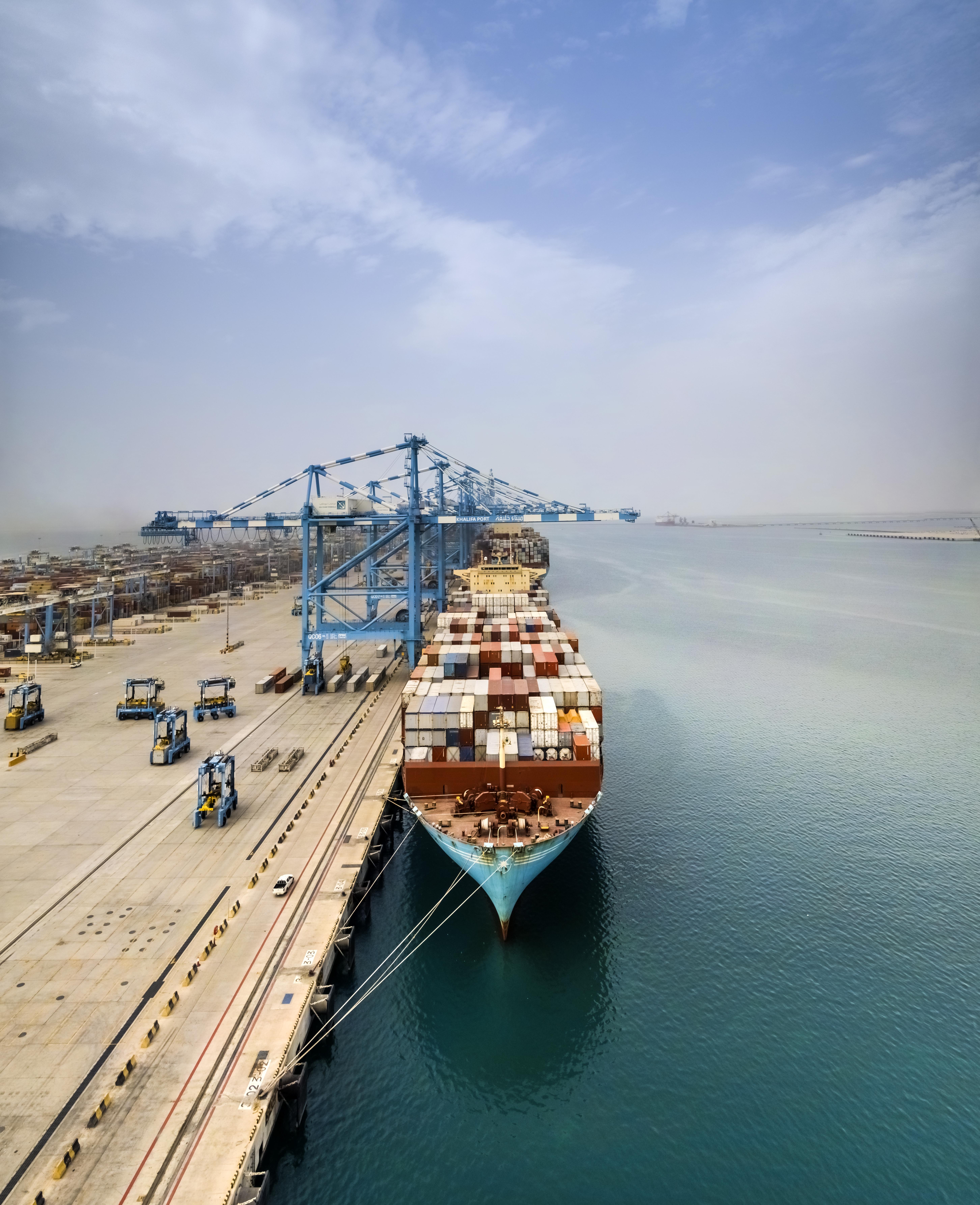
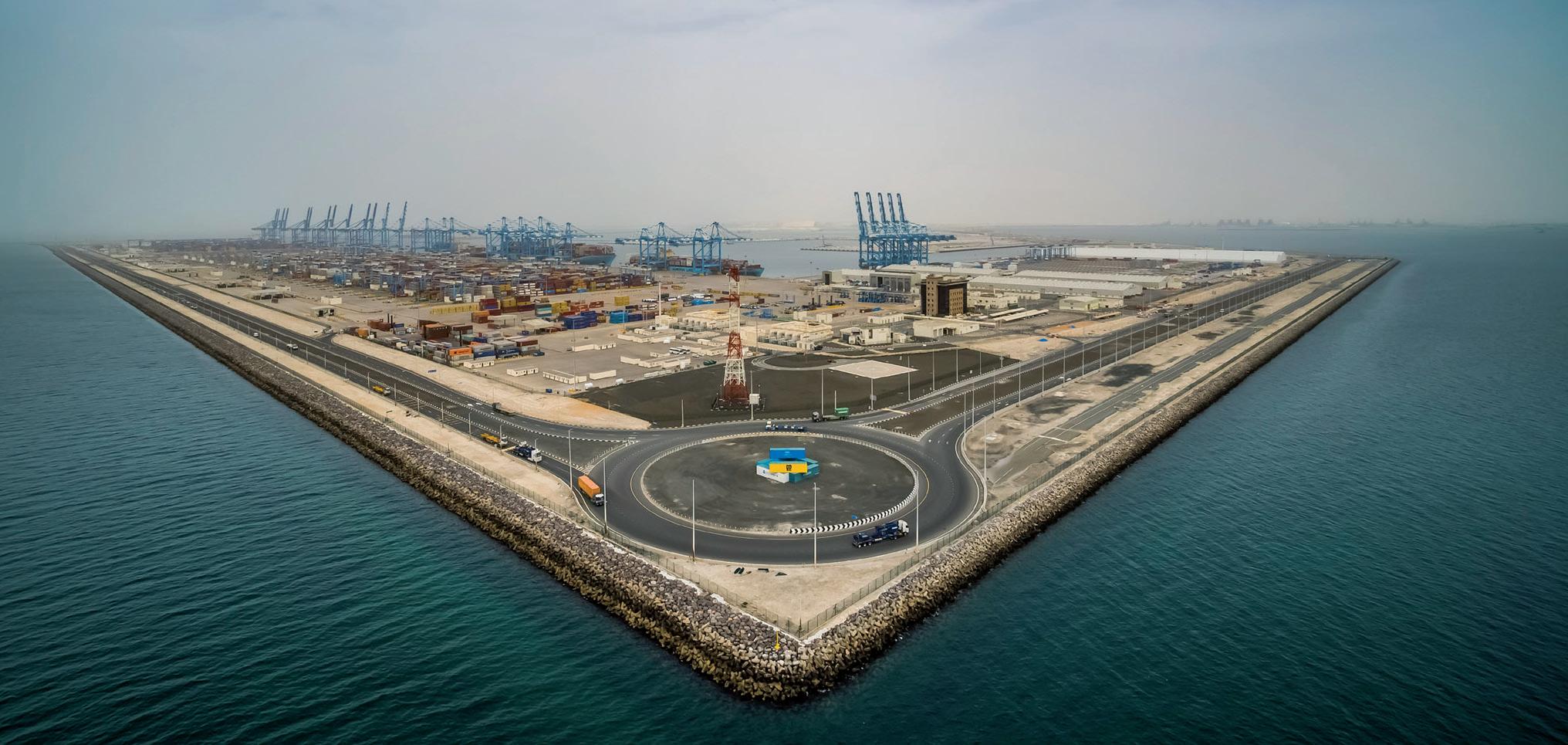
Across the global maritime industry, there was a palpable sense that Khalifa Port, Abu Dhabi Port’s flagship deep-water port, came of age in 2020.
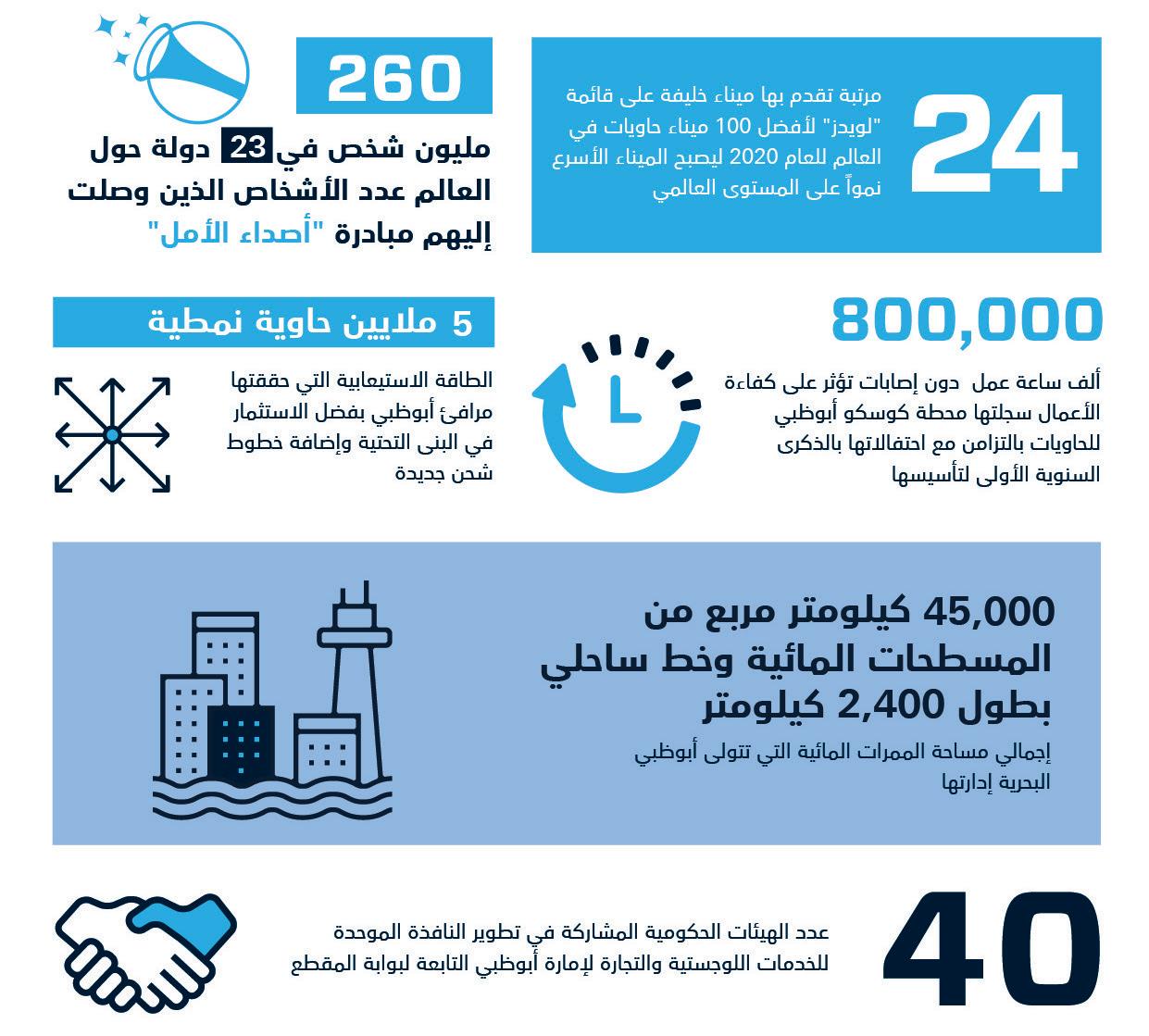
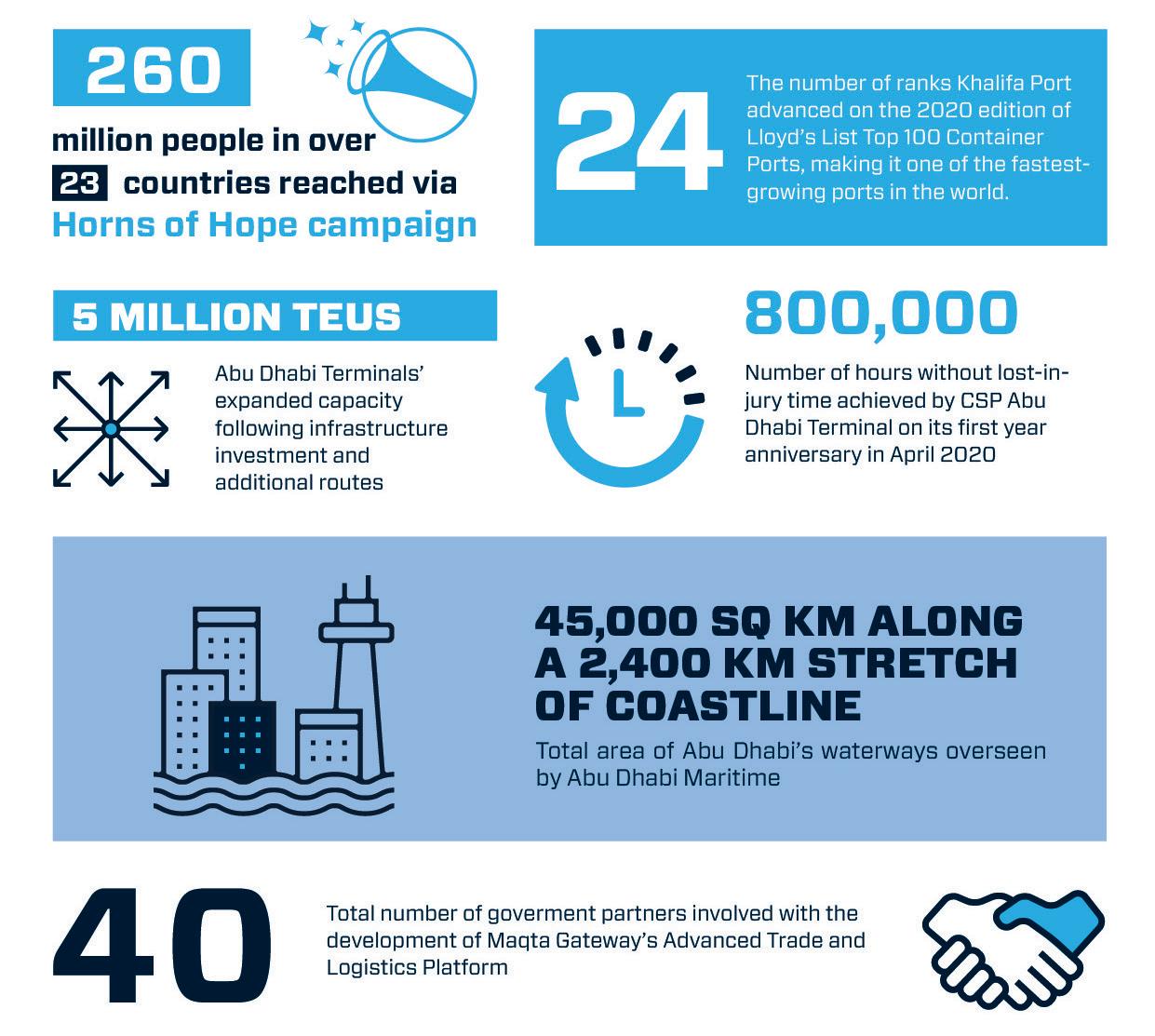
In Lloyd’s List One Hundred Ports 2020, the port shot 24 slots up the rankings from the previous position, posting the highest growth in percentage terms among all global entrants. Eight years since its inauguration on 12 December 2012, Abu Dhabi’s ultra-modern,

“The infrastructure and the port location itself were the key factors our choice of Khalifa Port, which enable ease of access in and out, and the ability to connect shipping lines globally to enable importers receive their goods from place of origin in less than 23 days.
“Khalifa Port’s promise is realised by its strong connectivity to manufacturers based in KIZAD that use CSP as their hub to import and export their goods globally and regionally as well.”

“Khalifa Port presents an opportunity for us to grow, and to save on costs, by providing us with superior infrastructure.
“Several factors, whether it be the terminal’s strategic geographic location in the centre of the Middle East, or its deep-water capabilities, its access to main roads and rail [in the future] actually make it unparalleled to any other port built in the region.”
technologically-advanced trade hub bears testament to the UAE leadership’s foresight and planning in dedicating substantial resources to improving the nation’s infrastructure and facilities, while connecting businesses to more than 4.5 billion consumers across the globe.
Trade Pulse took the opportunity to ask some of Abu Dhabi Ports’ partners what were the critical factors in their decision to invest in Abu Dhabi Ports’ flagship deep-water terminal.

“The development of Khalifa Port has laid the strongest possible foundation for the future of logistics and global trade to thrive in Abu Dhabi.
“We are proud to carry on this important legacy and continue to work hard at upholding Abu Dhabi’s reputation as the preferred logistics hub of the Middle East. Khalifa Port’s continuing achievements is a true testament to the competitiveness of Abu Dhabi Ports and ADT on the global stage.”

“Some years ago, Autoterminal decided to focus on the GCC for its international development and visited most of the premier ports of the region, and we quickly selected Abu Dhabi as the best option. Khalifa Port’s access and location are just simply outstanding, but, what finalised our decision was a partner; and we found in Abu Dhabi Ports a partner that shares the same vision and ambition to develop a premium service for automotive logistics.”
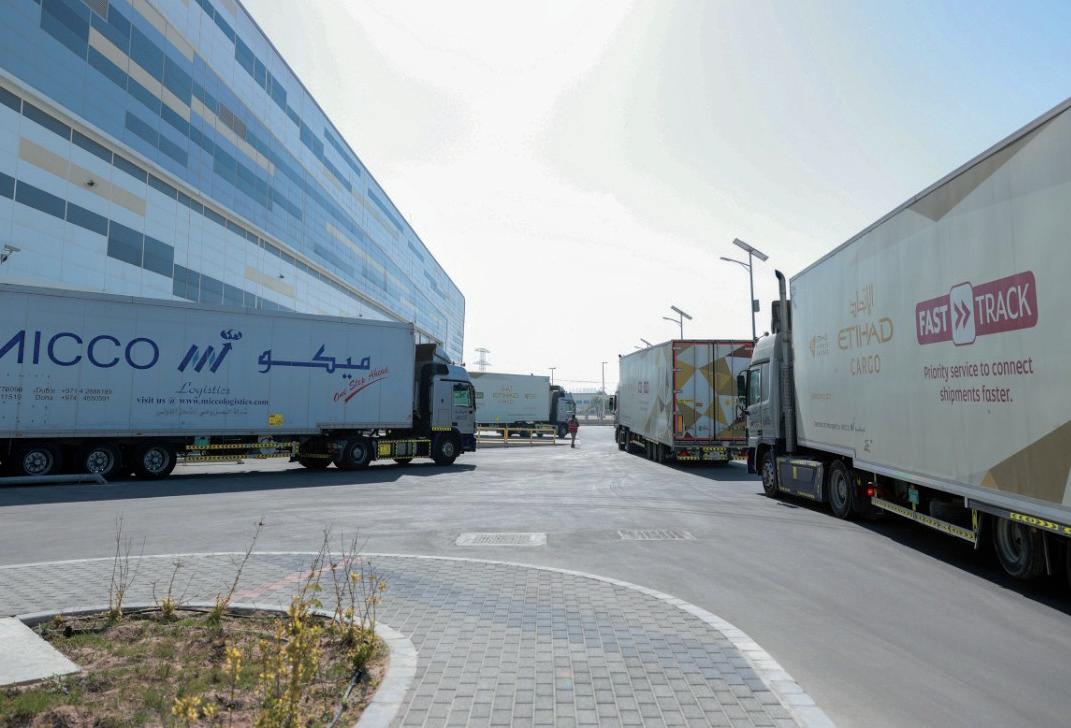





The Hope Consortium, the UAE-based publicprivate partnership that is overseeing the global distribution of billions of the COVID-19 vaccine vials, has announced the addition of several worldrenowned freight forwarders under its banner.
Aiding the immense logistical challenge of safely storing and efficiently delivering vaccine doses, the newest additions to the Hope Consortium include Agility, Aramex, Bolloré Logistics, CEVA Logistics, DB




Schenker, DHL, FedEx Express, Hellmann, Kuehne + Nagel, MICCO Logistics, RSA Global, and UPS.
Through their combined expertise, infrastructure, capabilities, and global reach, the freight forwarding companies will aid in facilitating the delivery of COVID19 vaccines, whose storage requires specific cold conditions — temperature bands ranging from 2-8oC, -20oC and -80oC — in order to maintain their integrity and efficacy.
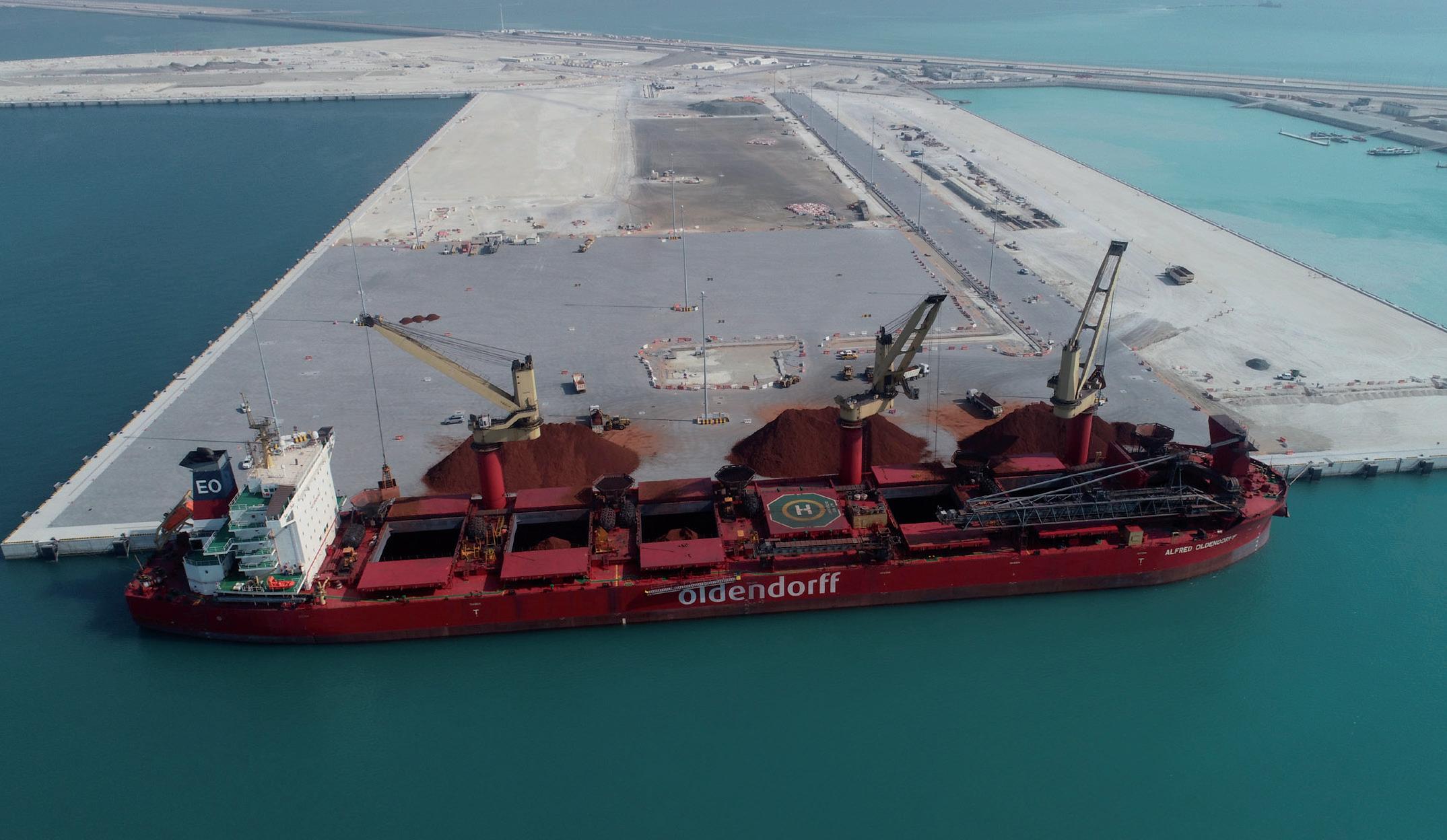
Following the official commencement of operations at Khalifa Port’s South Quay, the first shipment, carrying bauxite destined for Emirates Global Aluminium (EGA)’s Al Taweelah alumina
refinery, arrived on the bulk carrier, MV Alfred Oldendorff. Serving as the first of several shipments bound for EGA via the South Quay, the arrival of the Alfred Oldendorff was quickly followed by two large general cargo consignments. The vessels made use of the recently completed first phase of South Quay, which offers a total of 650m of quay wall, two berths, and 37,000 sqm of terminal yard.
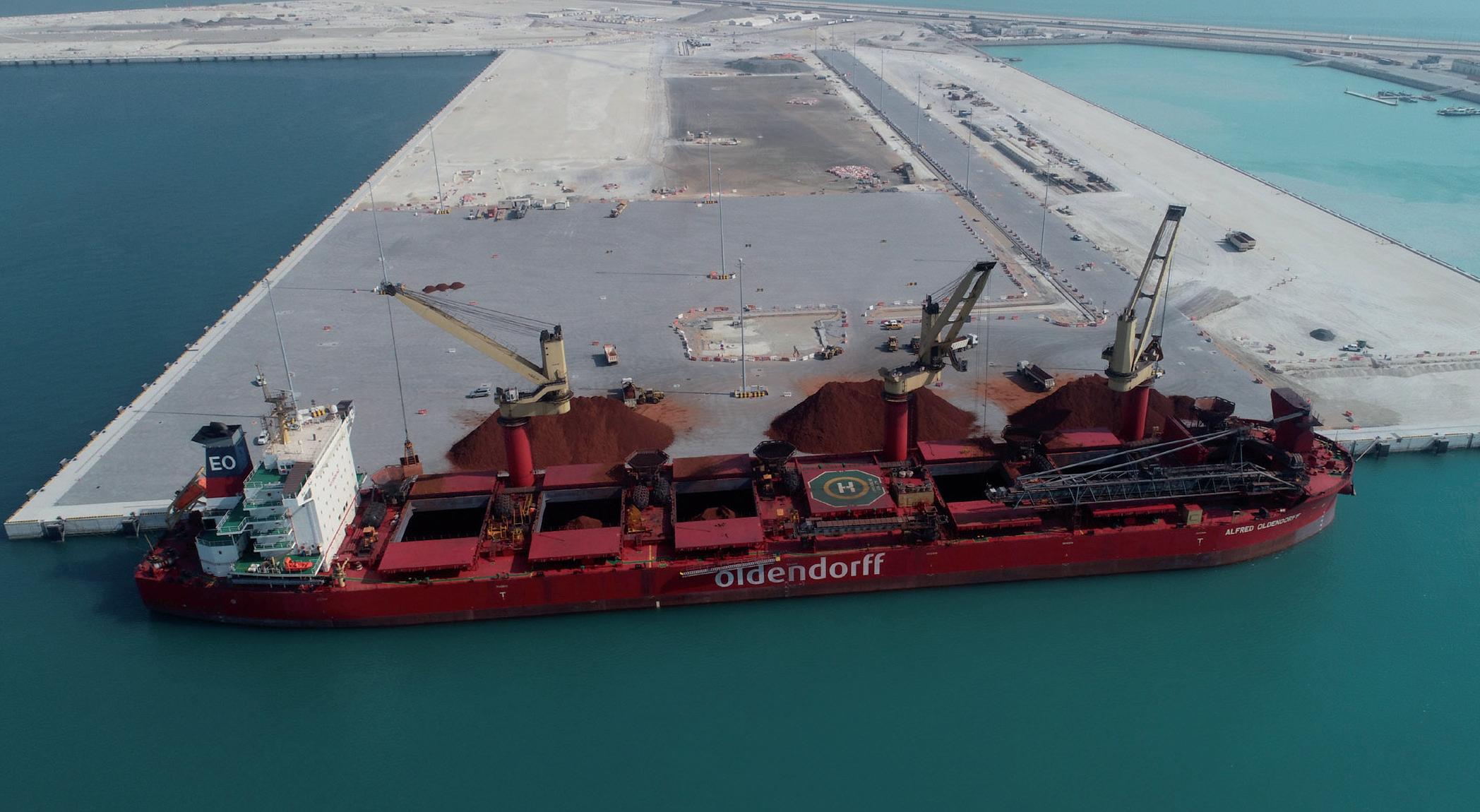
ATogether with the ongoing development of the adjacent Khalifa Port Logistics (KPL), Abu Dhabi’s dedicated flagship deep-water port is set to benefit from expanded capacity and capabilities.
To date, approximately 800m of quay wall and almost 175,000 sqm of land within KPL has been handed over ahead of the project’s full phase 1 conclusion in the first quarter of 2021.
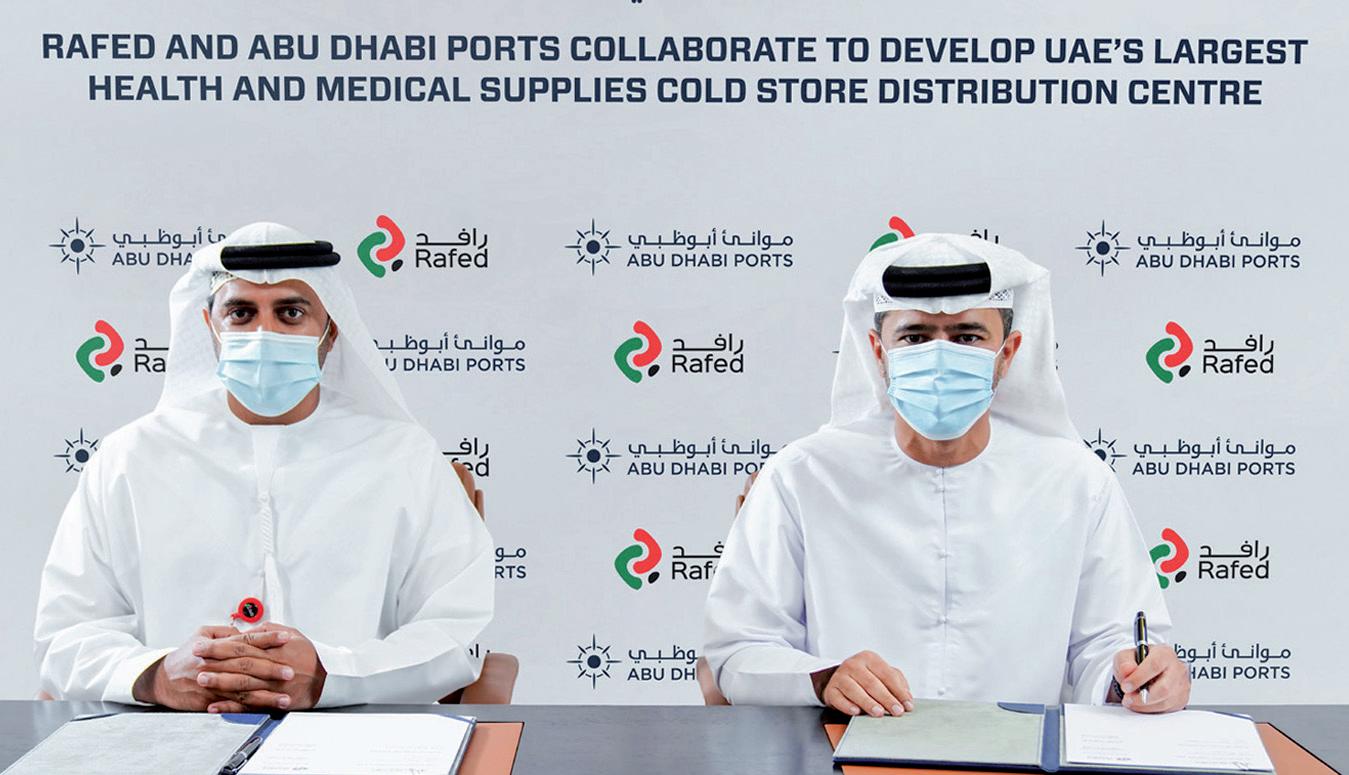
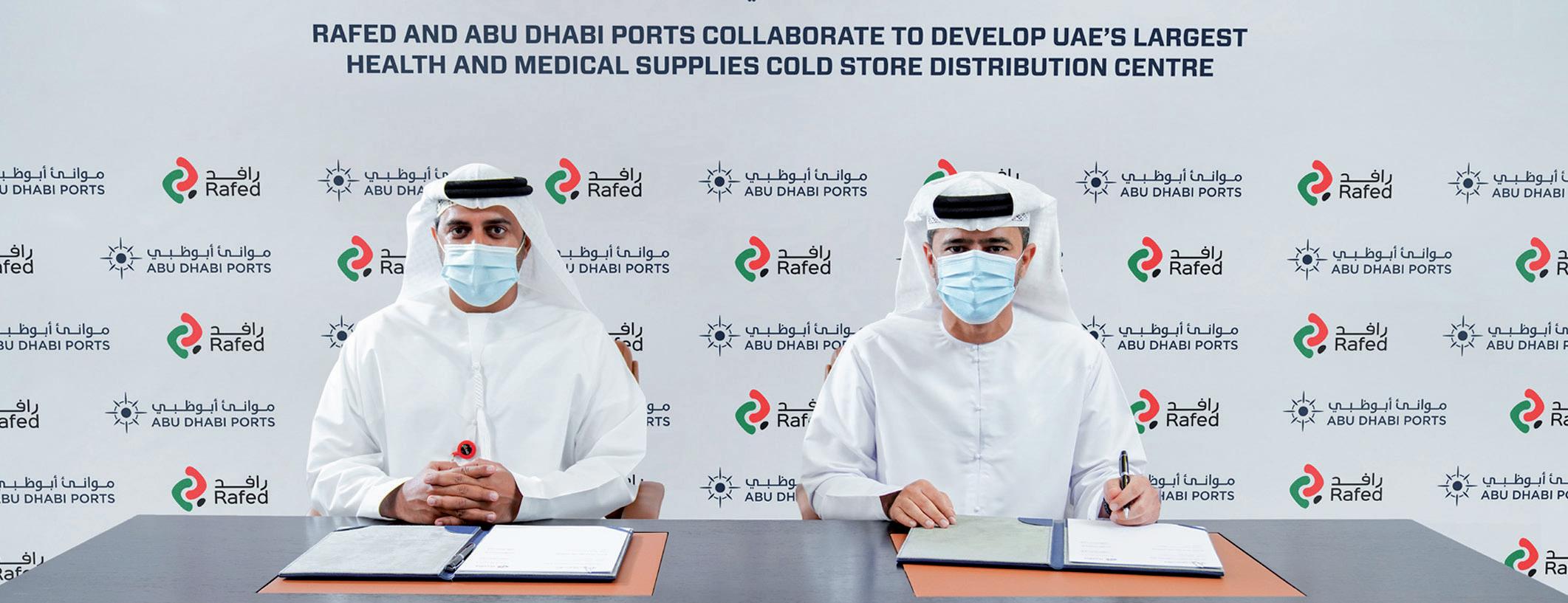
bu Dhabi Ports has joined forces with Rafed, an Abu Dhabi-based healthcare procurement provider, to jointly launch the largest healthcare and medical supplies cold store distribution centre in the UAE.
As per the agreement, Abu Dhabi Ports is tasked with supporting Rafed’s fourth-party logistics (4PL) needs with an industry-leading warehouse and inventory management solution designed for upstream, midstream, and downstream operations.
The new distribution centre will be the largest, most technologically advanced centre in the United Arab Emirates.
Furthermore, the partnership will provide stakeholders access to a wide range of services and will unlock operational benefits across a multitude of business functions including the capability to deliver pharmaceuticals, medical equipment, and consumables across the local and regional supply chains.
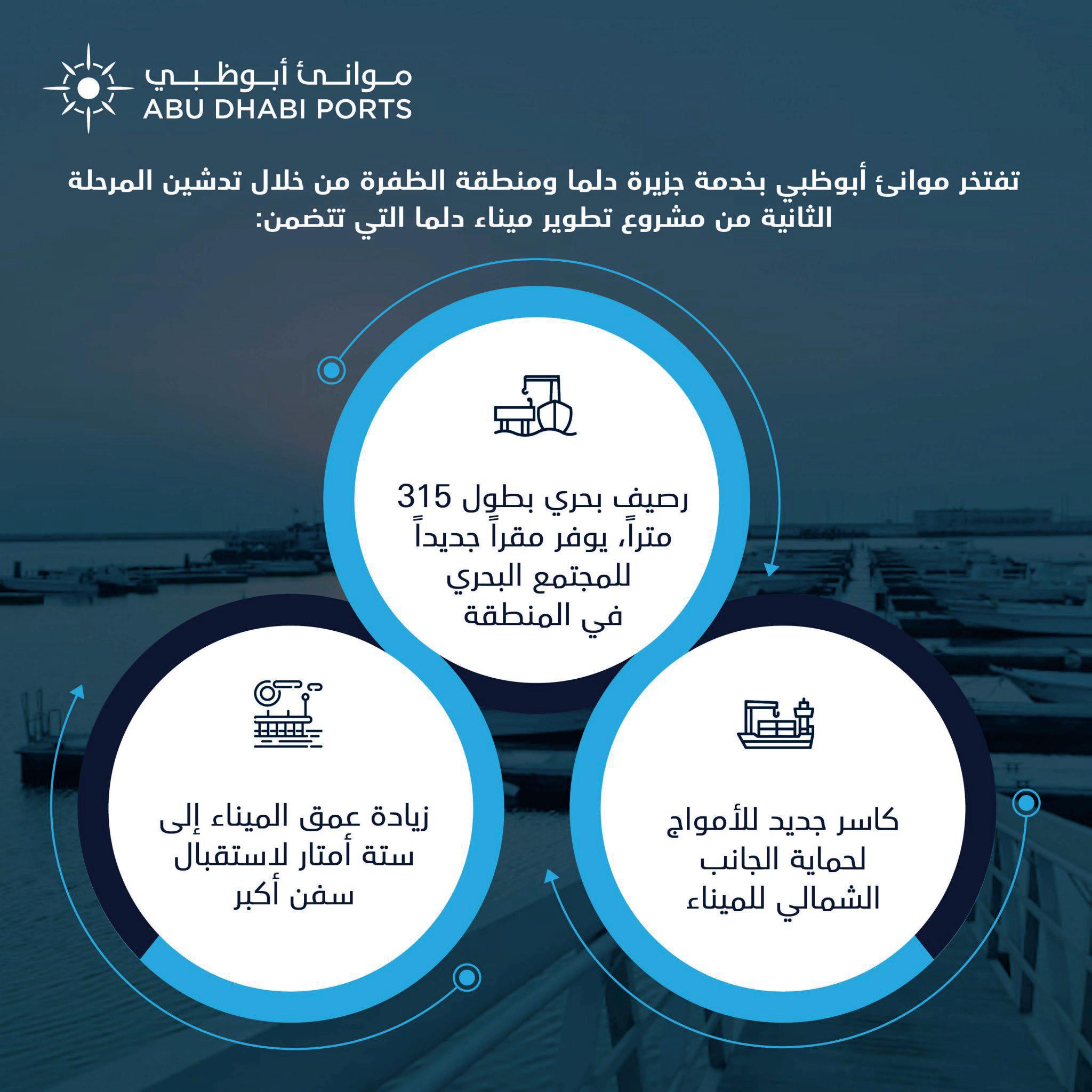
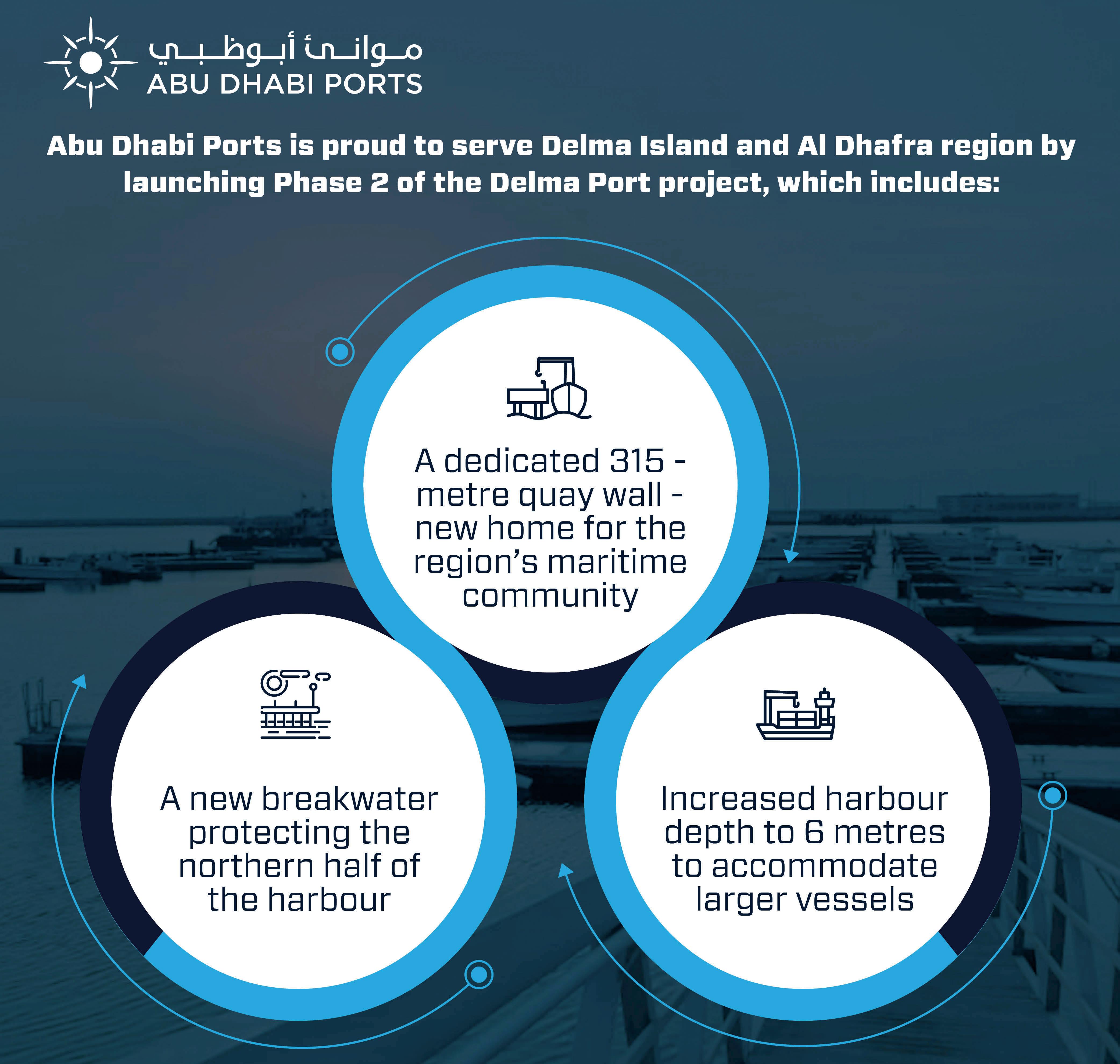
As parts of its ongoing efforts to develop ultramodern maritime infrastructure in Al Dhafra Region, Abu Dhabi Ports has announced the completion of the second phase of development at Delma Port.
Comprised of a dedicated 315-metre quay wall and several onsite facilities, the new expansion is aimed at extending the port’s capability to support the evolving needs of the region and the local maritime community’s recreational, fishing, and commercial needs.
A variety of landing craft vessels, passenger ferries, pleasure boats, and fishing boats will experience greater ease of movement within the port following the development.
With the capacity to accommodate up to 60 boats, the expansion project has enabled the region’s recreational and commercial vessels to easily transfer and relocate from the old Delma Port to the new port.
Abu Dhabi Ports remains the primary driver of development projects at several Al Dhafra region ports
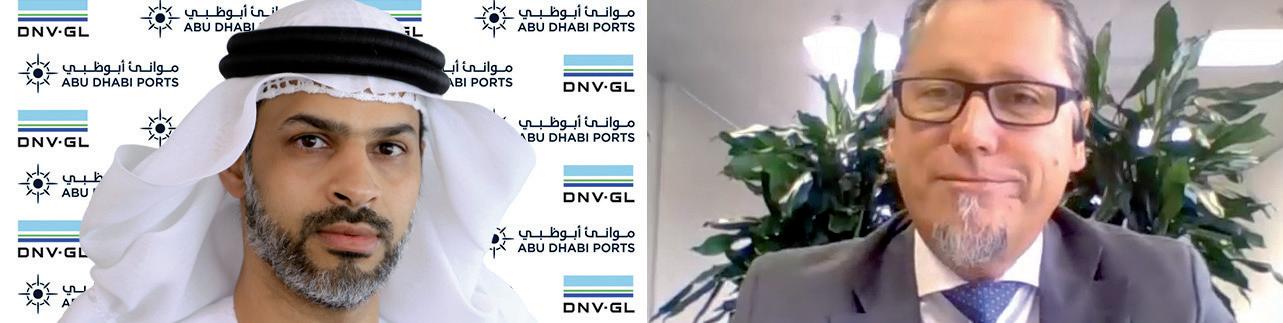
Abu Dhabi Ports has recently joined forces with DNV GL, a renowned consultancy of independent maritime and energy experts, to identify novel innovations that can help rapidly transform the sustainable development of Abu Dhabi’s maritime ecosystem.
The two parties will advance the digital transformation and further economic development of Abu Dhabi’s maritime sector through the possible application of innovative technologies, such as automation, AI, and machine learning.
Both companies will also explore the benefits of logistics and supply chain authentication solutions powered by blockchain technology.
In addition to playing a role in the digital transformation of the emirate, the partnership will also create
opportunities for the development of home-grown talent.
With the goal of encouraging Emirati graduates to pursue a career within Abu Dhabi’s maritime trade ecosystem, the project will offer research and development opportunities in the field of decarbonisation including alternative fuels and renewable energy usage.
Abu Dhabi Ports has announced a freeze on rent escalation for all businesses operating within its Industrial Cities & Free Zone (IC&FZ) cluster for 2021 to provide additional relief to its customers challenged by the current economic landscape, and help boost the Abu Dhabi’s economy overall.
Effective for the entire year, the rent freeze is in line with the company’s core philosophy of enabling businesses to remain competitive within their target markets. The measure will benefit more than 1,400 companies in KIZAD and ZonesCorp, and follows
similar steps taken throughout 2020 to provide relief, such as ZonesCorp customers being exempted from ‘Musataha’ contract registration, utility payments based on actual consumption, the waiving of application and documentation fees, as well as a unique offering with a 25 percent price reduction for new investors.
Last year also saw the introduction of several relief packages from KIZAD that offered up to 36 percent savings for Free Zone businesses and SMEs.
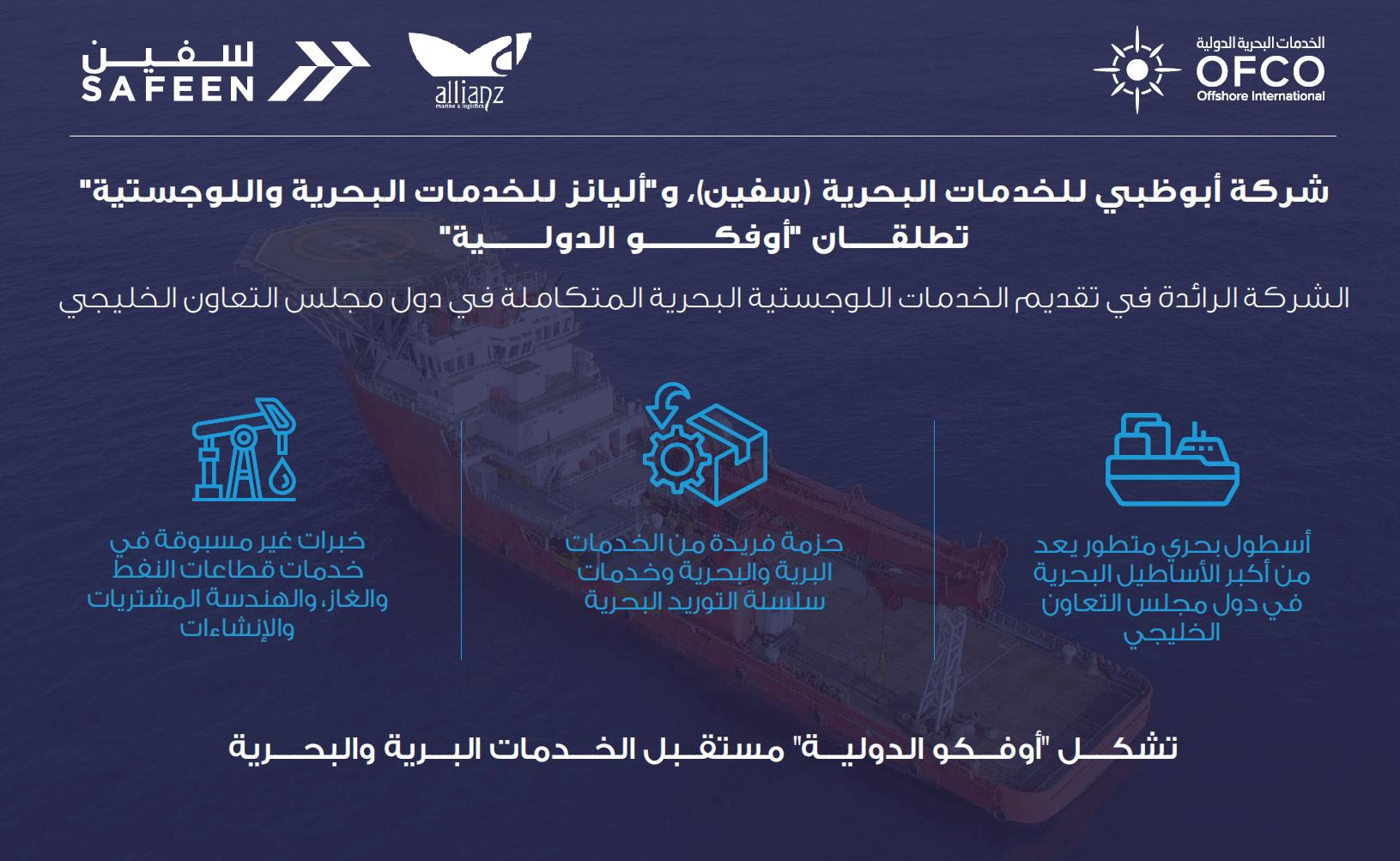
SAFEEN, Abu Dhabi Ports’ maritime arm, has penned an agreement with Allianz Marine & Logistics Services (AMLS), to establish a new joint venture aimed at delivering global integrated maritime logistic services.
Headquartered in Abu Dhabi, Offshore Support and Logistics Services Company (OFCO – Offshore International) will serve as the largest specialised and cost-efficient provider of onshore and offshore integrated logistics solutions and subsea services in the GCC region and beyond.
Leveraging SAFEEN’s strategic position and experience as a port marine operator, together with AMLS’ diversified fleet and expertise in offshore logistics and supply chain management, OFCO’s
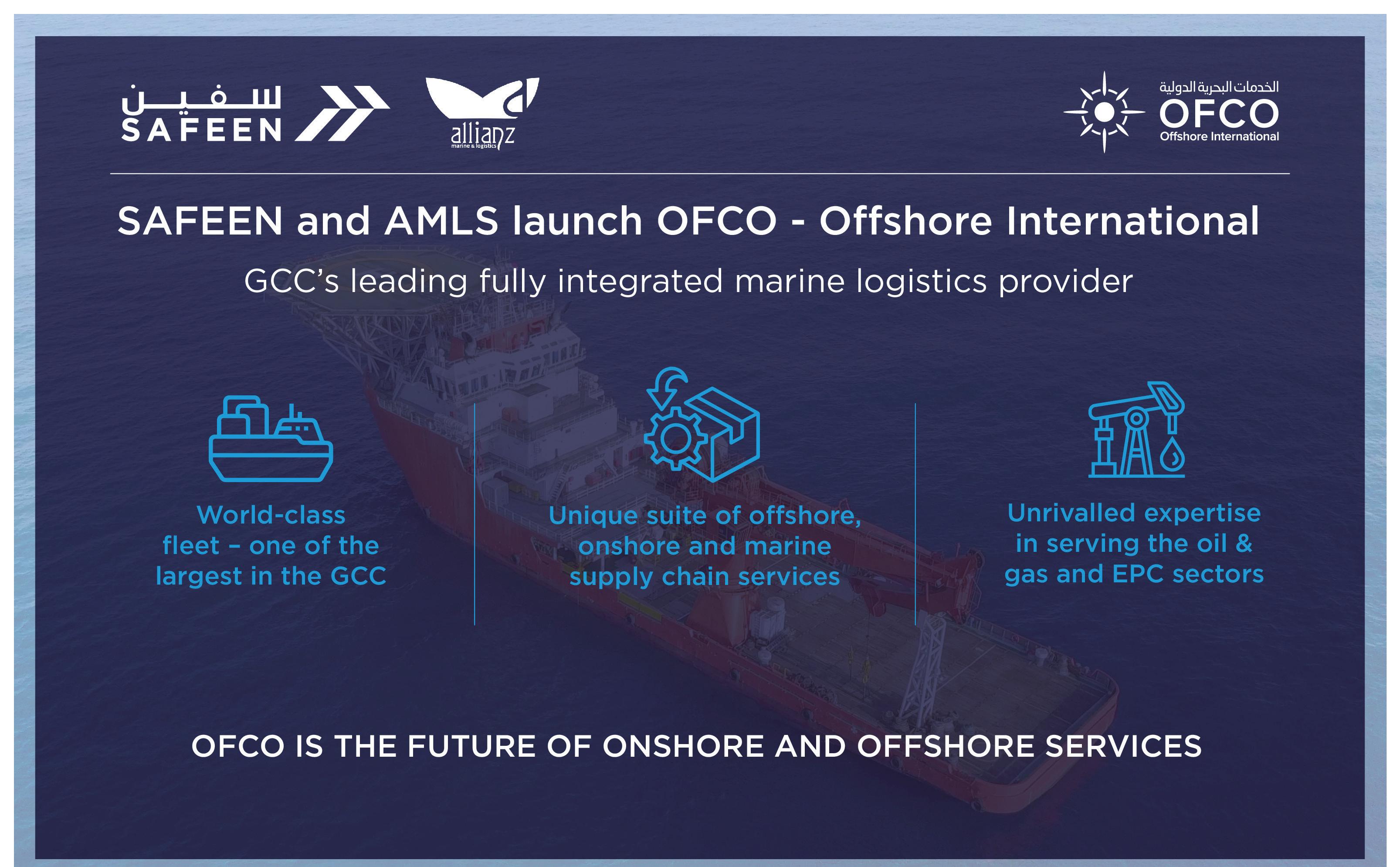
broad range of services will be aimed at servicing large offshore infrastructure projects, particularly ongoing operations within the region’s oil and gas sector.
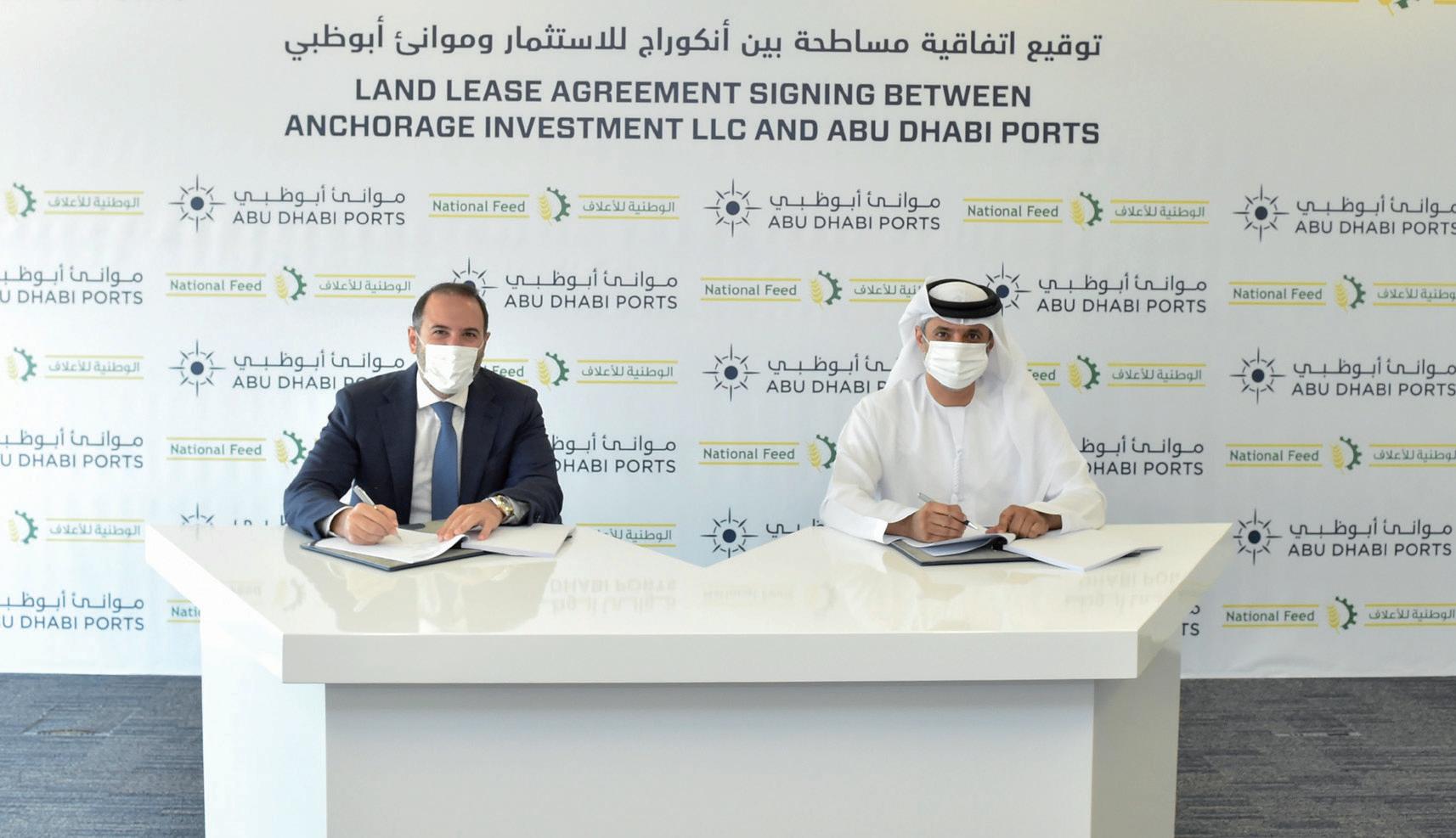
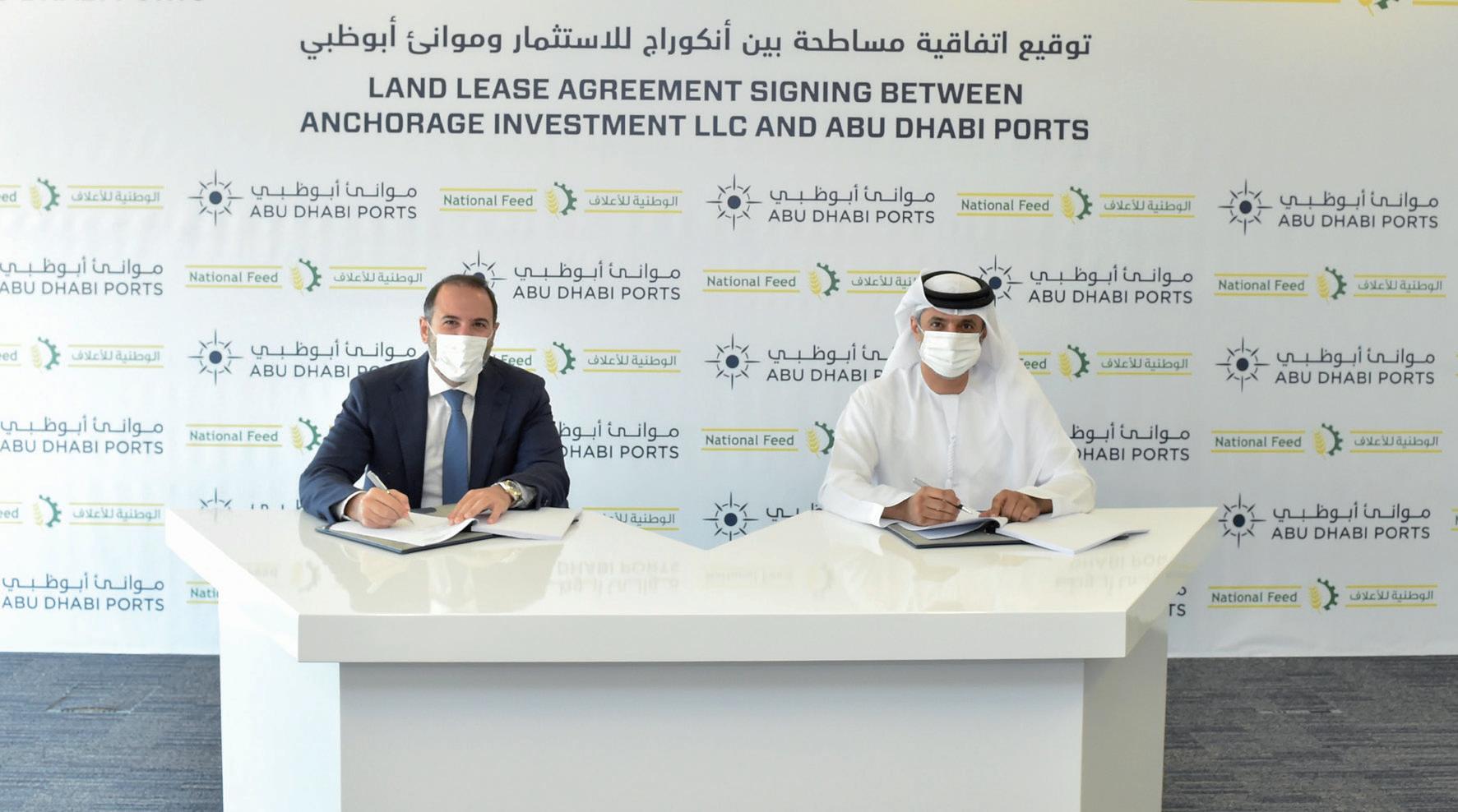
Abu Dhabi Ports has inked a 50-year land lease agreement with Anchorage Investment, for the development of grain storage and processing plants at Khalifa Port, to be managed by National Feed, one of the largest Agro commodity processors in Abu Dhabi.
Set to be developed on a 100,000-sqm plot, and with an initial design capacity of 300,000 metric tonnes, the facility will introduce grain storage and processing capabilities to the multi-purpose port for the production of key food and animal feed ingredients.
Providing Abu Dhabi Ports’ customers with direct access to competitive food ingredients, the facility will utilise grain resources to convert wheat into flour for baked goods, corn into starch and glucose, barley, corn, and wheat by-products into animal feed.
Following the official handover of the land plot in the first quarter of 2021, the new project will house several grain silos capable of storing grain for an extended period, providing Abu Dhabi and the wider UAE with a long-term storage solution
contributing to national food security.
Abu Dhabi Ports has witnessed a tremendous increase in demand for food storage solutions across its ports and industrial zones and has been quick to respond to demand.
As such, it has also developed ultra-modern cold and dry storage installations that provide importers and companies involved in food distribution with robust, efficient, and sustainable services, along with local and regional distribution centres for handling food and medical supplies.
After the completion of the new facility, Abu Dhabi Ports will leverage the capabilities of the new food storage and processing plant to extend its food supply chain activities within the region.
In addition to expanding Khalifa Port’s role beyond handling food containers and livestock, the new facility will support the operations of world-leading food production brands that have established themselves in Khalifa Industrial Zone Abu Dhabi (KIZAD).
In 2020, 1 million tonnes of cargo were handled by Abu Dhabi Ports, which is roughly equal to twice the weight of Burj Khalifa skyscraper!
Annual production capacity at China’s Roadbot tyre factory in KIZAD will reach 10 million passenger car tyres by 2022, roughly four times the number of ALL passenger vehicles sold annually in the UAE.
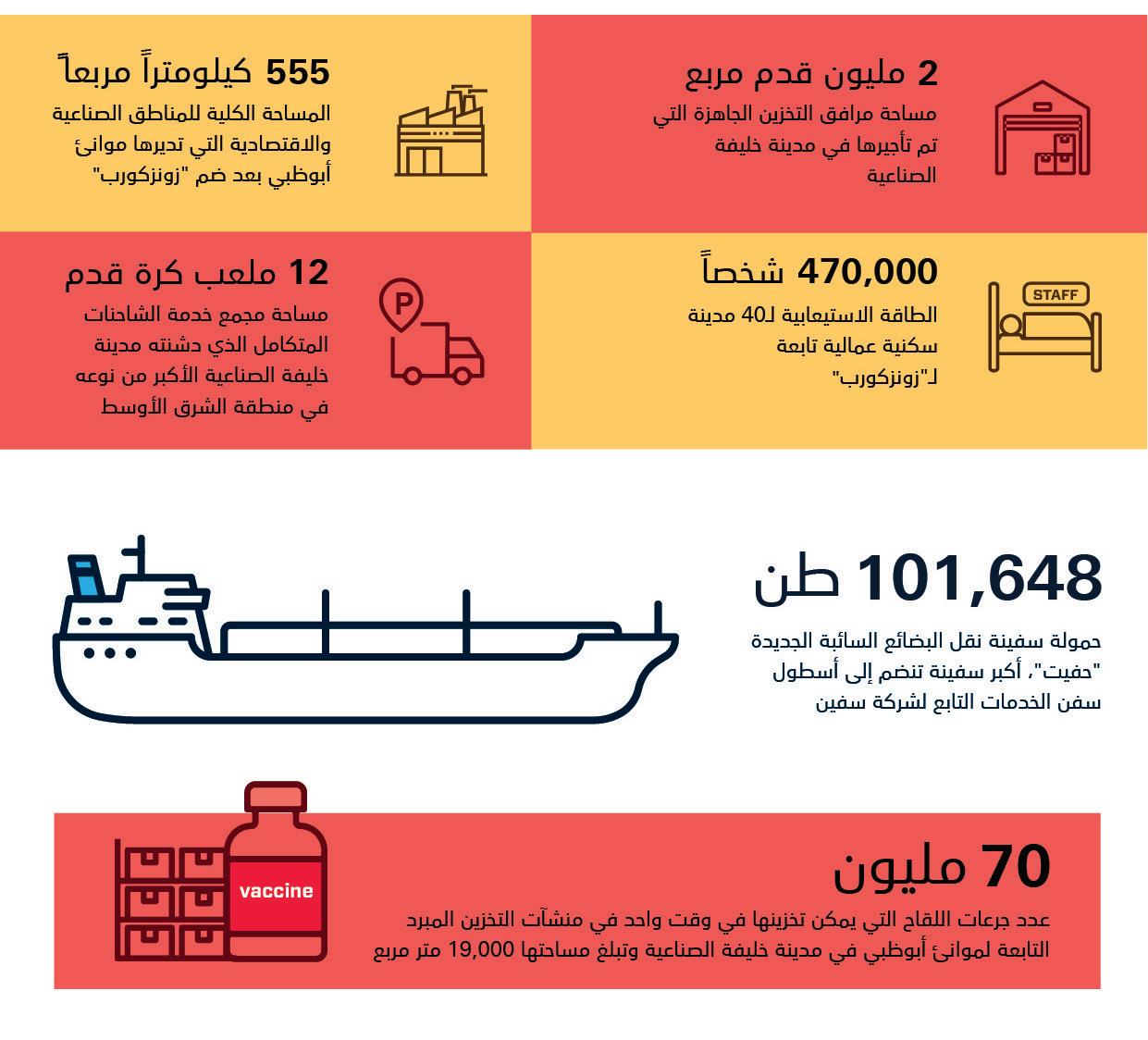
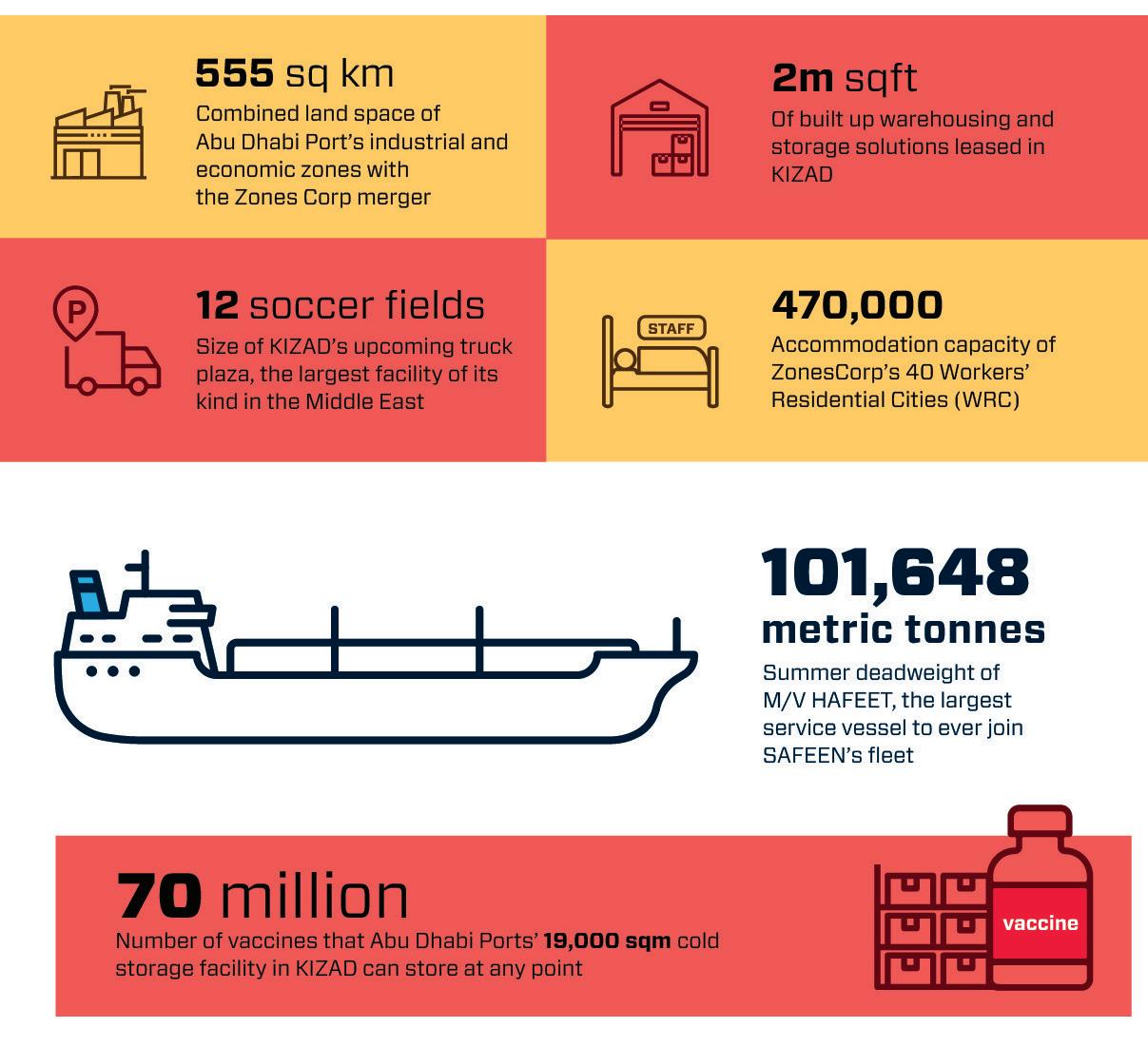
ZonesCorp Workers’ Residential Cities (WRC) has increased capacity to house residents up to roughly 470,000 people, equivalent to one out of every 20 people in the UAE.
National Feed’s grain silos at Khalifa Port have the capacity to store 300,000 metric tonnes of grain which is more than a sixth of the annual consumption of the UAE.
In 2019, Abu Dhabi Ports successfully removed 70 tonnes of marine debris, a weight that is equivalent of up to 26 SUVs!