Abrasive Blasting Equipments by ABSS Australia | Advanced Surface Preparation Solutions for Industry

Page 1


Air Preparation Pre Filter Systems

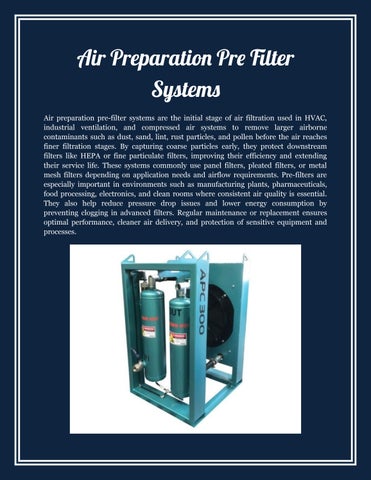
Air preparation pre-filter systems are the initial stage of air filtration used in HVAC, industrial ventilation, and compressed air systems to remove larger airborne contaminants such as dust, sand, lint, rust particles, and pollen before the air reaches finer filtration stages. By capturing coarse particles early, they protect downstream filters like HEPA or fine particulate filters, improving their efficiency and extending their service life. These systems commonly use panel filters, pleated filters, or metal mesh filters depending on application needs and airflow requirements. Pre-filters are especially important in environments such as manufacturing plants, pharmaceuticals, food processing, electronics, and clean rooms where consistent air quality is essential. They also help reduce pressure drop issues and lower energy consumption by preventing clogging in advanced filters. Regular maintenance or replacement ensures optimal performance, cleaner air delivery, and protection of sensitive equipment and processes.
What Is an Air Preparation PreFilter System?

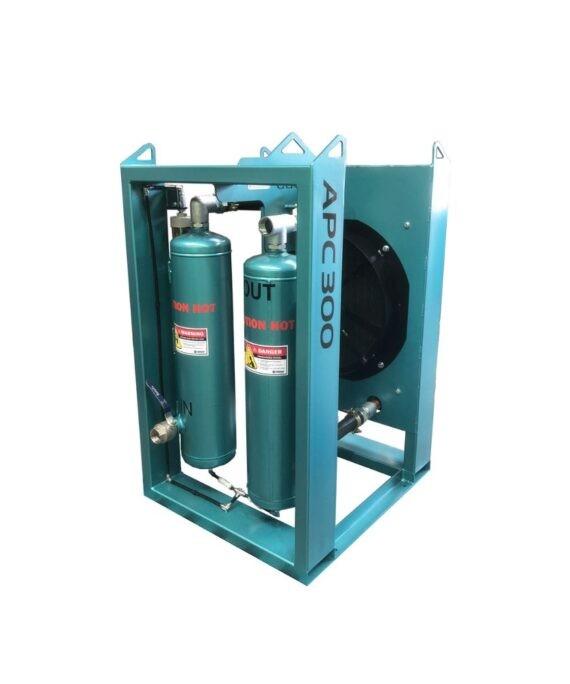
An air preparation pre-filter system is a primary filtration unit used in compressed air systems to remove large contaminants before the air passes through finer treatment stages. It is typically installed immediately after the air compressor or air receiver tank. Its main function is to capture solid particles like dust, rust, and pipe scale, as well as liquid contaminants such as water droplets and oil mist. By doing this early-stage cleaning, it protects downstream equipment like dryers, fine filters, regulators, and pneumatic tools from clogging, wear, and performance loss. Pre-filters often use mechanical filtration and centrifugal separation to efficiently remove impurities while maintaining airflow. They are essential in industrial applications such as manufacturing, food processing, pharmaceuticals, and automation systems where clean and stable compressed air is critical for operational reliability and product quality.
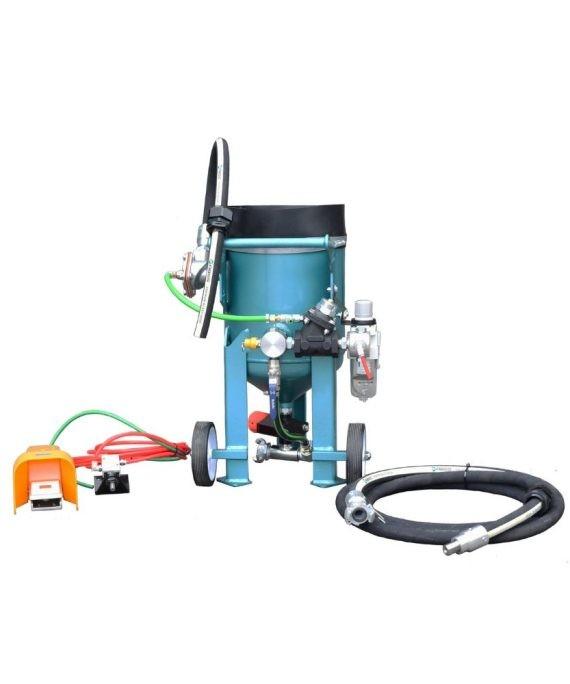
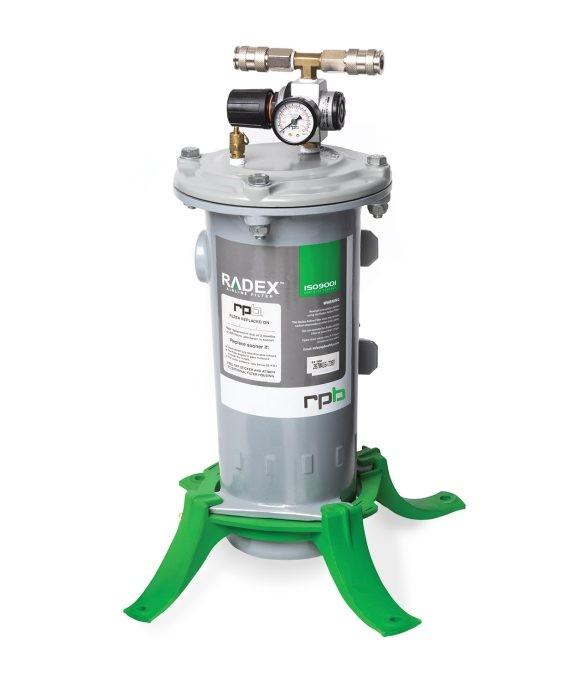
How Air Preparation Pre Filter

Air Intake and Contaminant Entry

The process starts when ambient air is drawn into the system. This air usually contains dust, dirt, moisture droplets, oil mist, and other airborne contaminants. The pre-filter system is designed to handle this unclean incoming air before it reaches sensitive equipment

Primary Filtration Stage

In the first filtration layer, larger particles such as dust, rust, and debris are removed using a mesh or coarse filter element. This stage prevents heavy contaminants from entering deeper filtration layers and reduces overall system load.

Moisture Separation Process

After removing large particles, the air passes through a separator section where moisture is extracted. This is often done using centrifugal force or baffle plates that cause water droplets to condense and collect at the bottom of the unit.

Our services

Consultation

We provide expert consultation and customized design solutions for air pre-filter systems based on your industrial or commercial air quality requirements, ensuring optimal filtration performance from the start.

Installation of Pre Filter Units

Professional installation services for air pre-filter systems, ensuring correct setup, proper airflow alignment, and maximum efficiency for HVAC and industrial air handling systems.

Filter Replacement Services

Regular maintenance and timely replacement of pre-filters to maintain consistent air quality, reduce system load, and extend the life of downstream filtration equipment.

System Up gradation

Upgrading existing air filtration setups with advanced pre-filter technology to improve dust capture efficiency, reduce energy consumption, and enhance overall system performance.

Essential Tips for Better Performance

1. Choose the Right Filter

Select a pre-filter that matches your airflow requirements and contamination levels to ensure effective filtration and system efficiency.

2. Inspect Regularly

Check filters frequently for dust buildup, damage, or wear to maintain consistent performance and airflow.

3. Replace on Time

Avoid using clogged filters for too long, as they can reduce efficiency and increase energy consumption.

4. Ensure Proper Fit

Install filters correctly and verify that seals are secure to prevent unfiltered air from bypassing the system.

Conclusion

Air Preparation Pre Filter Systems are a vital component of modern air quality management. Acting as the first stage of defense, they remove larger contaminants before air reaches more sensitive filtration equipment. This not only improves indoor air quality but also protects HVAC systems, extends filter life, reduces energy consumption, and lowers maintenance costs.

Whether used in commercial buildings, hospitals, pharmaceutical facilities, food processing plants, or industrial manufacturing environments, a properly designed and maintained pre-filter system contributes significantly to operational efficiency and environmental control. As filtration technologies continue to advance, organizations that invest in high-quality pre-filtration solutions will benefit from cleaner air, improved performance, and long-term cost savings.

Turn static files into dynamic content formats.

Create a flipbook
Abrasive Blasting Equipments by ABSS Australia | Advanced Surface Preparation Solutions for Industry by Abrasive Blasting Service and Supplies | ABSS - Issuu