When we launched the Top 50 Executives stable of titles, we did so with the intention of introducing the personalities behind their respective professions. So while the editorial pieces giving an overview of the various sectors at the beginning of this title are deeply researched and authoritative, courtesy of our real estate editor, Gary J. Morrell, and for all that the listings at the end are a goldmine of business data, it is the biographies that separate those bookends that are the real heart of this magazine.
This year, as I edited the submissions, I was struck by several common themes, but also by how much thought our real estate executives have given to their subject. When we asked them to pick a project other than their own that they admired, some chose not to engage with the question and focused on their own work, while others spoke not of envy but of enjoyment at developments that lift Budapest as a whole. Some even gave us concrete (please pardon the pun) examples.
But what really stuck with me were the answers we got to the question about improving Budapest’s urban cityscape. Common themes included making the city more “livable” (a word that came up time and again), better integration of the public transport, better use of brownfield sites, greater provision of communal green spaces, more car-free streets and pedestrianized areas. There was even a suggestion to introduce a congestion charge applicable to all except
residents and local businesses. But I was most struck by the number of executives who talked of making great use of Budapest’s Danube waterfront. One memorable phrase described, and I paraphrase slightly, giving Budapesters back their river. In many cases, these weren’t throwaway lines; it was clear a great deal of thought had gone into how the capital could go about making more of the riverfront, pedestrianizing the rakparts, the embankments on either side of the Danube, introducing more cafés and terraces, some of them floating, and putting more focus on water taxis and water buses for getting around both along the riverfront and across it to the other side.
As our executive experts acknowledged, there would be a cost element to “giving the people their river back,” not least in where to redirect the traffic that currently uses the embankments (a couple of people even suggested taking the traffic underground), but held out a prize of improved livability for residents, and a standout attraction for tourists. It’s worth considering, even without tunneling below the rakparts. I hope you find this issue of Top 50 Real Estate Executives as interesting – and stimulating – as I did. Happy reading!
Robin Marshall Editor-in-chief Budapest Business Journal
Low Speculative Office Pipeline Restricts Availability of Quality Product
The low level of the speculative office pipeline in Budapest is widely expected to result in a reduced supply of modern, high-quality, well-located contiguous office spaces that meet tenant demands, ESG expectations, and EU Taxonomy regulations, despite rising overall vacancy rates. Analysts argue that only the best-designed and located projects will be successful in a rapidly changing and ever more demanding market.
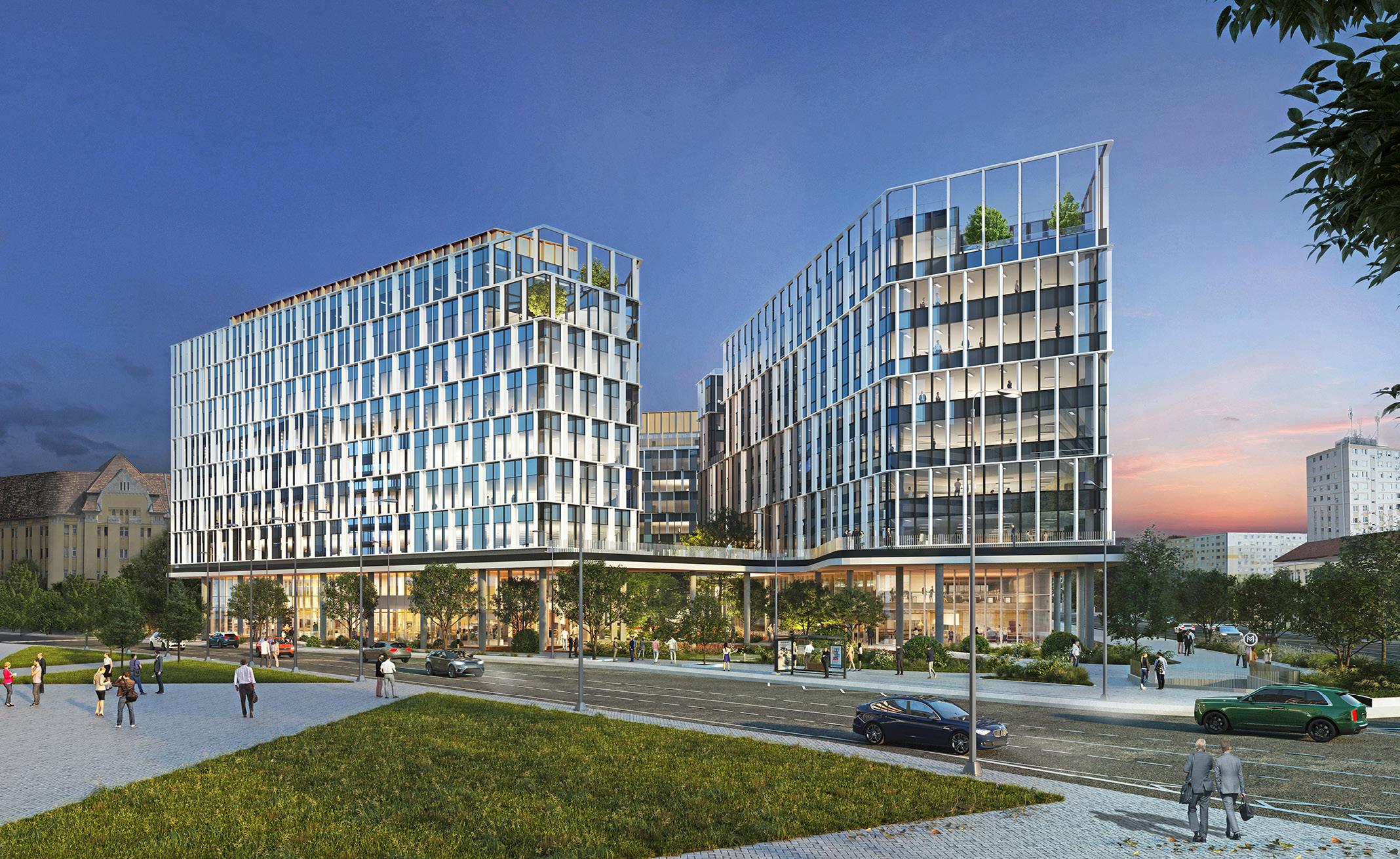
The second phase of H2Offices by Skansa is one of the few speculative developments in the Budapest market.
Industrial and Logistics Sector Continues to Boom
Industrial and logistics developments are booming with leading CEE regional industrial park developers and operators, as well as Hungarian firms, active. The sector has grown on the back of increasing logistics demand and the need for space to meet significant foreign direct investment, notably in the electric vehicle and EV-related industries.
By Gary J. Morrell
Analysts see fewer speculative development project starts, but built-to-suit projects, particularly in the production sector in the Hungarian countryside beyond Budapest, are gaining momentum. I&L market players are developing and operating ever more highly specified, energy-efficient, ESG-compliant and BREEAM- and LEED-accredited complexes to meet tenant demands.
“We see high-quality, BTS solutions increasingly sought by the hi-tech, automotive, electronics, and pharmaceutical sectors, while data centers and green energy integration emerge as key growth areas,” comments Zsófia Korda, chief sales officer and general deputy of Wing Industrial, on current development models in the industrial market. “There remains an essential differentiation between demands from the logistics and industrial sectors. Modern
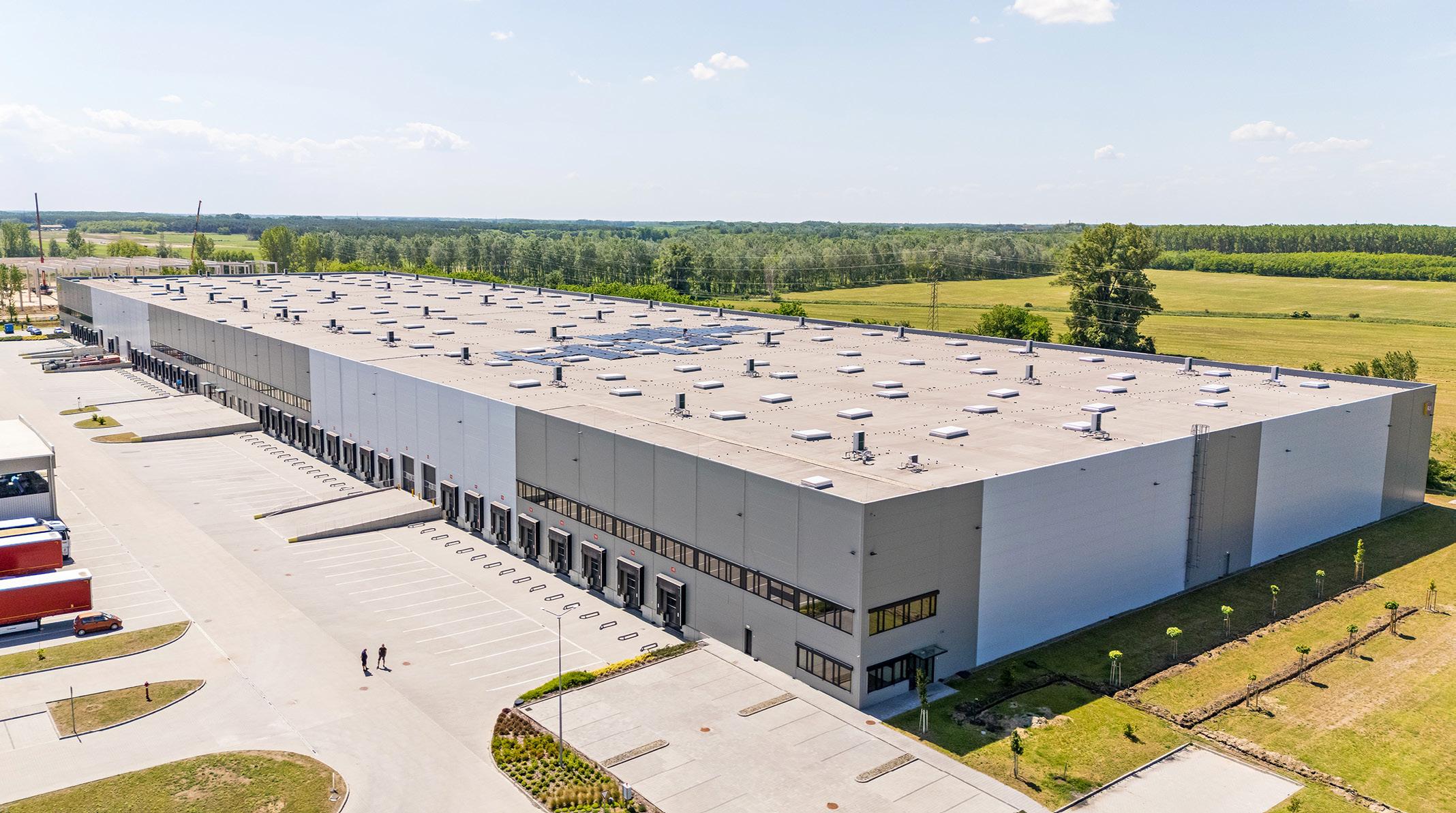
CTPark Budapest Vecsés.
Mixed-use and Strip Malls Champion Retail Development in 2026
Shopping center development in Hungary remains constrained against a backdrop of concerns about the economic environment, spending power, and the growing use of e-commerce. There are no major Budapest mall projects in the pipeline, and none have been delivered since September 2021. Shopping center owners are striving to redevelop and upgrade their retail, leisure and service offerings to meet ever more sophisticated consumer demands. Consumer (and therefore tenant) demands include an improved F&B offering, a more varied tenant mix, and a more imaginatively designed retail setting that provides an enhanced shopping and leisure experience. Owners are also facing rising operational costs to meet ESG-related expectations.
By Gary J. Morrell
“Hungary’s retail market is structurally underserved compared to its regional competitors. Retail supply (sqm per 1,000 people) in Hungary is significantly lower than in Poland, the Czech Republic, and, more recently, even in Croatia and Romania. This also limits the entry opportunities for new brands,” comments Erika Garbutt-Pál, head of advisory and transaction services retail at CBRE Hungary. “The number of international tenants is lower, resulting in a less dense, less competitive market. The development of new retail formats in Hungary has been slower so far, partly due to the over-bureaucratized and constantly changing regulatory environment, which has stalled many developments or led to their implementation in a compromised format and size. As a result, the growth of the modern retail stock was significantly lower than that of its regional competitors,” she notes.
“For retailers already established on the Hungarian market, retail parks have become the preferred format because lower fixed costs, better parking facilities and daily shopping functions characterize them. The supply and development pipeline of retail parks is narrower than in Poland or Romania, for example. The strategy of retailers is increasingly focused on the ‘best houses’ in regions with strong purchasing power,” Garbutt-Pál adds.
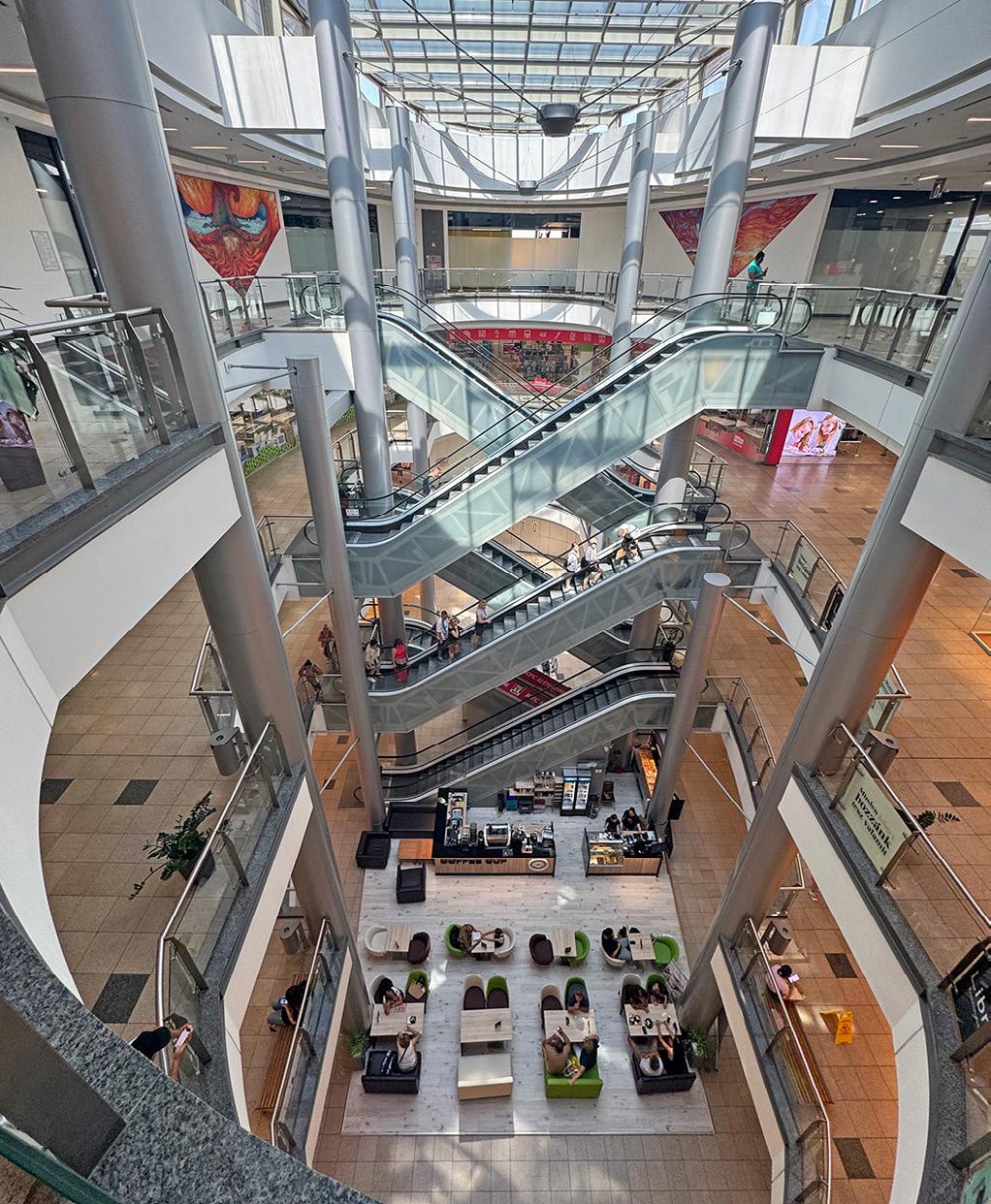
TriGranit and DRFG Investment Group recently acquired the 18,000 sqm Korzó Shopping Center in Nyíregyháza.
Hotel an Ever-more Popular Development and Investment Option
The hotel sector is an increasingly popular development and investment option, with Budapest attracting a rising number of visitors. Budapest Ferenc Liszt International Airport attracted 19.6 million passengers in 2025, representing a 12% annual increase in passenger traffic according to the operators, Budapest Airport. As a result of growing visitor demand, there is a significant hotel pipeline in the capital, with a number of international brands entering what is considered a long-term, attractive market. Several high-end hotel redevelopment and renovation projects have been undertaken in the historic center of Budapest, while the mid- to high-level strata are also attracting developers and leading hotel brands.
By Gary J. Morrell
“We expect continued strengthening across the hotel market over the next year, supported by further growth in inbound tourism, alongside increases in both ADR and RevPAR performance indicators,” comments Mihály Schrancz, CEO and founding
partner at Realis WAM, an alternative investment and real-estate asset management company focused on premium residential, office, hotel, and healthcare projects. “Traditional investors typically do not possess in-house real estate development capabilities and therefore tend to focus primarily on acquiring completed hotel assets rather than participating in development risk,” he says.
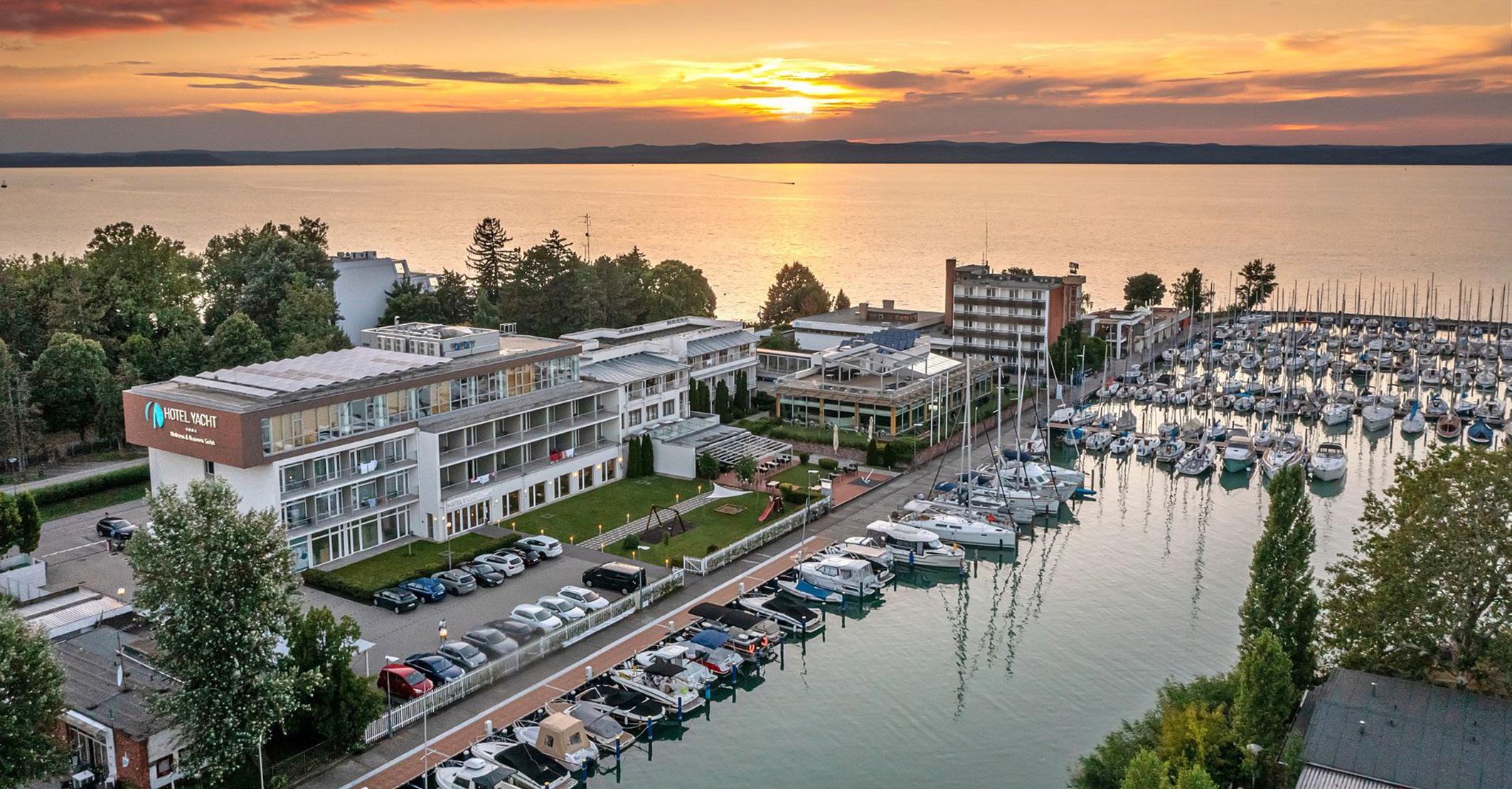
From January 2026, a joint venture by Accent Hotel Management and Wing has taken over management of the Hotel Yacht Wellness & Business Siófok on Lake Balaton.
Residential Sector Attracting Developers and Investors
The residential or “living” sector is playing an increasingly significant role in the real estate development and investment markets in Hungary and the wider Central and Eastern European region. Urbanization and increasingly more sophisticated housing requirements have led to demand for quality housing in Budapest and across Hungary, notably in emerging industrial and economic hubs. Further, the rental market is growing, with the private rented sector seen as a promising sub-sector for long-term investment.
By Gary J. Morrell
Low residential supply combined with rising demand for quality assets has led to rising prices as the living sector attracts players to an increasingly appealing development sector. The existing housing stock in Budapest is under strain and, in many ways, outdated. With rising prices, there are concerns over the growing affordability gap. The government is under pressure to increase the supply of affordable quality housing and the means to acquire debt finance, a common theme
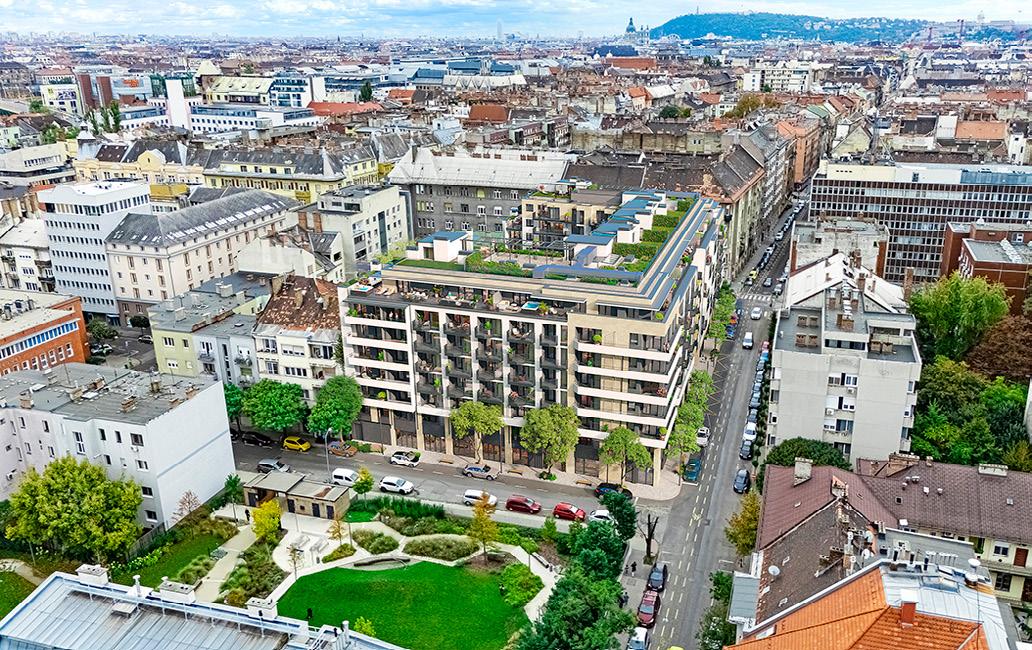
Cosmo Residence is one of several large-scale residential projects that Biggeorge is developing in Újlipótváros (District XIII). It is within walking distance of the Danube embankment, Westend City Center, Margaret Island, Lehel tér, and the restaurants and cafés of Pozsonyi út.
across major cities in Europe. Analysts say that long-standing issues with the permitting and construction framework and the provision of quality, well-located housing need to be urgently addressed through targeted, supportive regulation.
“Demand fundamentals remain robust, driven by structural housing undersupply, urbanization, and rising household incomes. Despite a temporary slowdown in price growth following the interest rate shock of 2022–2023, transaction activity is recovering, with new-home sales in some markets expected to increase by 10–15% year-on-year,” comments Tibor Nagygyörgy, CEO of Biggeorge Property, one of the leading residential developers in Budapest. “At the same time, affordability constraints persist, reinforcing demand for rental housing and institutional products. In response to demand, Biggeorge Property has 11 ongoing residential developments in Budapest’s most popular districts, such as Amphora Garden in District III and Waterfront City 5-6 in District II.”
“Different types of residential demand are clearly a strong driving force across Europe, which originates mainly from the fact that market supply cannot keep pace with continuously evolving needs; the market is simply not functioning efficiently,” says Géza Germán, deputy CEO of Óbuda Group.
Analysts estimate that Hungary needs at least 25,000 new homes annually to stabilize prices and alleviate shortages. Subsidized mortgages have been seen as a vehicle to narrow the gap. Even so, reaching a sustained 25,000 new apartments per year looks unlikely before the late 2020s. While the 2026 supply will improve on previous years’ results, it will still fall short by approximately 30-50%, according to Nagygyörgy.
“Hungary needs to consistently deliver significantly more new homes annually over a long period. Short-term stimulus
Investment Market Showing Signs of Recovery
Hungary promotes itself as offering quality assets in a promising economic and political environment with a significant yield premium over Western Europe, and, crucially, a yield differential relative to Poland and the Czech Republic. As part of the Central and Eastern European region, the country is seen as an attractive long-term real estate investment destination. Essentially, Hungary occupies an attractive position between core Western European markets and higher-growth emerging markets.
By Gary J. Morrell
While activity remains below pre-pandemic levels, the market has moved significantly closer to 2022 volumes, signaling a clear recovery phase, according to Cushman & Wakefield. Gábor Borbély, head of CEE business development and research at CBRE, agrees with that assessment. “CEE in general has potentially stronger economic growth than the western part of the continent for the reason that we are still converging economies; there is economic potential in this, which is a long-term story that could continue for a minimum of 10 years,” he says.
The recovery in the investment market is already underway, although it remains selective rather than broad-based. Hungarian commercial real estate investment volumes reached approximately EUR 880 million-910 mln in 2025, representing a year-on-year increase of more than 100% compared to 2024. However, the total remains significantly below the annual volumes of EUR 1.5 billion–2 bln achieved during peak years.
“For a sustainable upturn, we need continued interest rate normalization, improved financing conditions, stronger economic growth, and a further narrowing of the bid-ask spread between buyers and sellers. Investors also need greater certainty regarding inflation, government policy, and the broader geopolitical environment,” comments Valter Kalaus, managing partner of Newmark VLK Hungary. Analysts anticipate an improvement in investment market activity in the coming year. “We have already experienced a significant upturn in transactions since the second half of 2025. The trend was confirmed in the first quarter of 2026, with some EUR 300 mln transacted, and we expect the 2026 volume to pass the EUR 1 bln level. Volumes are expected to be up for the CEE region in 2026 in a range of 10-15%, which would bring the transaction volume to around EUR 12.5 bln-13 bln,” comments Benjamin Perez-Ellischewitz, principal at Avison Young Hungary. Assuming continued macroeconomic stabilization and improving financing conditions, Kalaus expects Hungarian investment volumes to reach approximately EUR 900 mln-1.2 bln this year. A more optimistic scenario, supported by stronger international capital inflows and additional large-ticket transactions, could push volumes above EUR 1.3 bln, he estimates.
MOST ACTIVE Q1
“First quarter transaction volumes marked the most active first quarter since 2007. In light of the recent political shift, we expect the Hungarian real estate to gain further momentum with liquidity set to improve,” says Gábor Zeller, head of capital markets at iO Partners Hungary. The consultancy has recorded EUR 340 mln for the first quarter of the year, with a 75% domestic and 25% international split.
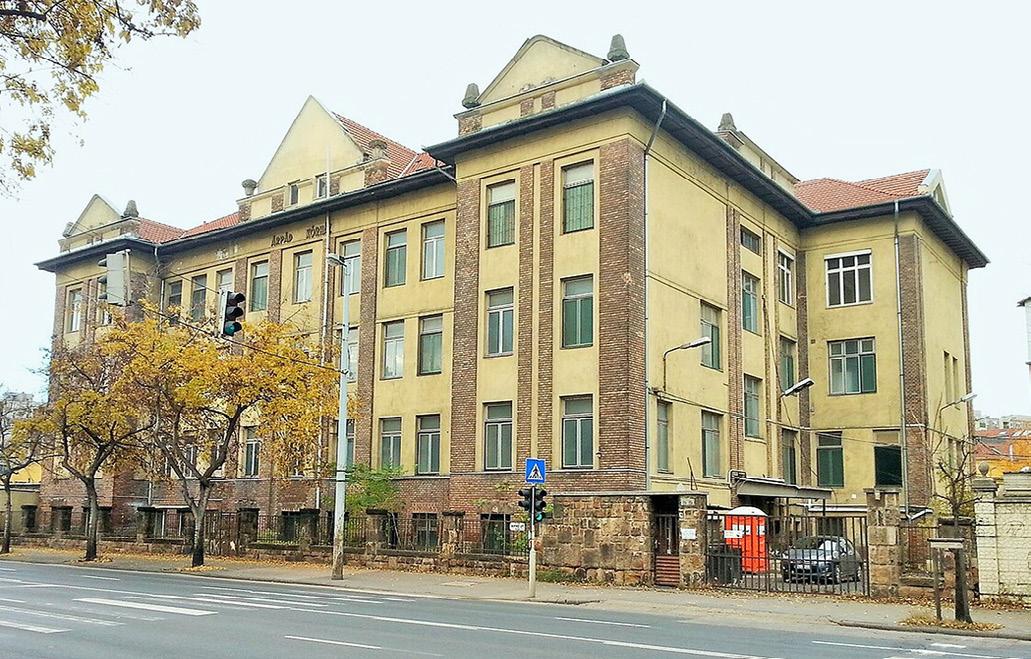
The former Árpád Hospital building, purchased by Biggeorge Property.
Main ESG Driver Moves from Regulation to Capital Markets
Analysts say that ESG has moved from being primarily driven by regulation to increasingly being demanded by the capital markets. Access to financing, cost of capital, leasing, market viability of product, and asset liquidity are all linked to ESG alignment. Further, investors are now actively pricing sustainability performance into their decisions. ESG expectations and processes have become the norm in the higher strata of the real estate investment sector, driven by demands from tenants, staff, lenders and investors, as well as regulatory requirements from the EU taxonomy and other multinational bodies.
By Gary J. Morrell
ESG-related issues have become a key factor in creating a distinct differentiation between assets that are seen as commercially viable and of investment-grade quality and those that are at risk of obsolescence in the office and, increasingly, the industrial, residential and hotel sectors.
“ESG has clearly moved beyond pure regulation and is now increasingly driven by capital markets, including in the CEE. While EU frameworks initially positioned ESG as a compliance exercise, financial institutions and investors are now actively pricing sustainability performance into their decisions,” comments Zsombor Barta, founding partner
of Greenbors Consulting. In Central and Eastern Europe, this shift is largely led by international capital, which is importing expectations from more mature Western markets. Although data quality and consistency are still developing, the overall direction is clear: ESG is no longer just about meeting regulatory requirements, but about maintaining competitiveness and securing capital, the consultant says.
“There is no single ‘most effective’ ESG vehicle; each serves a different function. But in practice, the EU taxonomy is the most impactful driver of real ESG outcomes, particularly in the CEE market. While the CSRD [Corporate Sustainability Reporting Directive] ensures transparency and the SFDR [Sustainable Finance Disclosure Regulation] improves market discipline, the taxonomy directly links sustainability performance to capital allocation,” Barta explains.
“It provides a common, finance-grade definition of what qualifies as ‘sustainable,’ which banks and investors can use in lending, underwriting, and portfolio construction. This makes it a practical decision-making tool rather than just a reporting framework. In CEE, where markets are still developing, this clarity is critical. The taxonomy is increasingly shaping which assets receive favorable financing and which do not, effectively steering investment toward more sustainable projects. In that sense, it is currently the strongest mechanism for translating ESG ambition into measurable market behavior,” he adds.
The most effective driver of ESG in Budapest is protecting cash flow stability, as stable operating costs lead to predictable service charges, according to Hubert Abt, CEO
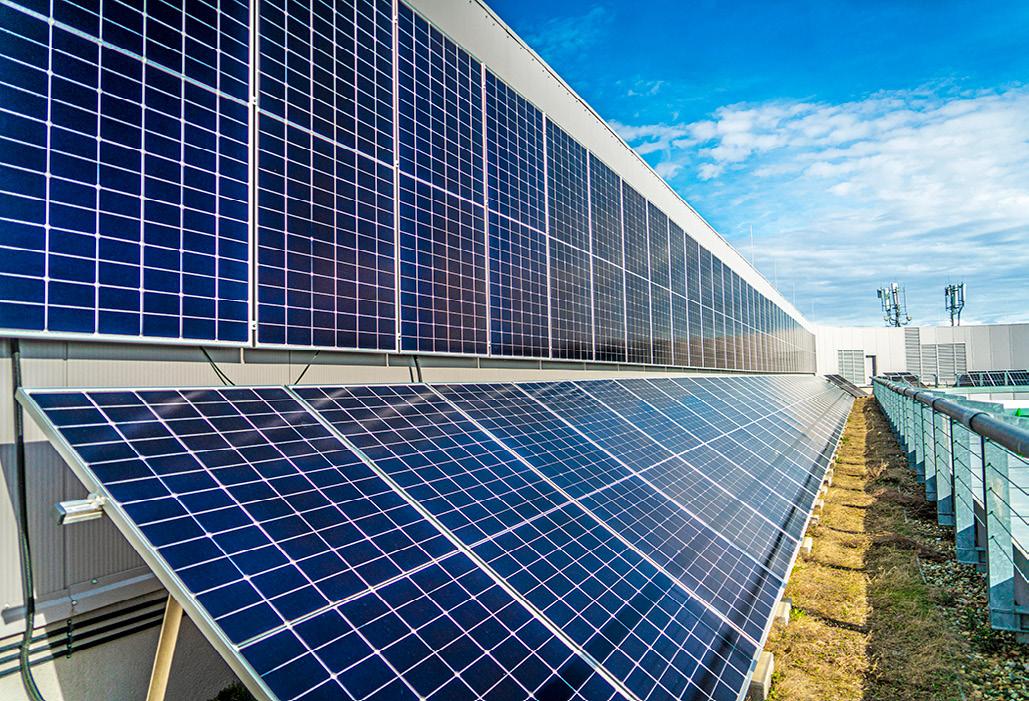
Solar panels on the roof of Futureal’s WELL “Platinum” and BREEAM “Excellent” accredited Budapest ONE project.
REAL ESTATE EXECUTIVE BIOGRAPHIES
Photo by Korawat photo shoot
REAL ESTATE EXECUTIVE BUSINESS CARDS
HUBERT MÜHRINGER
ADDVAL KFT.
Business Name AddVal Kft.
Top Executive Hubert Mühringer
In charge of position since 2004
Description of Business or Services Facility management
With a highly skilled professional team, AddVal delivers real estate project solutions. It endeavors to add value and boost the performance of its assets. It provides complete consultancy and management services for real estate development and utilization. The group employs 35 highly skilled professionals and is 100 % owned by local management. Its stable income and profitability over many years ensure a solid financial standing.
Photo by Garun
Category ‘A’ Office Buildings in Greater Budapest
RANKED BY NET OFFICE SPACE
1
2
3 Telekom Campus www.wing.hu
4 Budapest ONE www.futurealgroup.com/hu/ projects/budapest-one/