
LOW DEVELOPMENT PIPELINE AND LIMITED AVAILABILITY OF QUALITY PRODUCTS
The low speculative office pipeline in Budapest is widely predicted to result in a limited supply of quality contiguous office space, despite rising overall vacancy rates. Any new office development projects will need to be designed to comply with increasingly comprehensive ESG requirements and staff demands and expectations to attract tenants successfully. Thus, only the best-designed, most sustainable and well-located office developments will succeed in a changing, ever more demanding Budapest office market, according to market analysts.
By Gary J. Morrell
Historically, Budapest office development has been undertaken by a relatively small number of established Hungarian and leading international office developers. There has been a recent trend of assets being purchased by leading Hungarian institutional investors in the absence of international money. The leading office landlords in the Budapest office market are CPI, OTP Real Estate Investment Fund, Erste Real Estate Fund, GTC, CA Immo, and Wing.
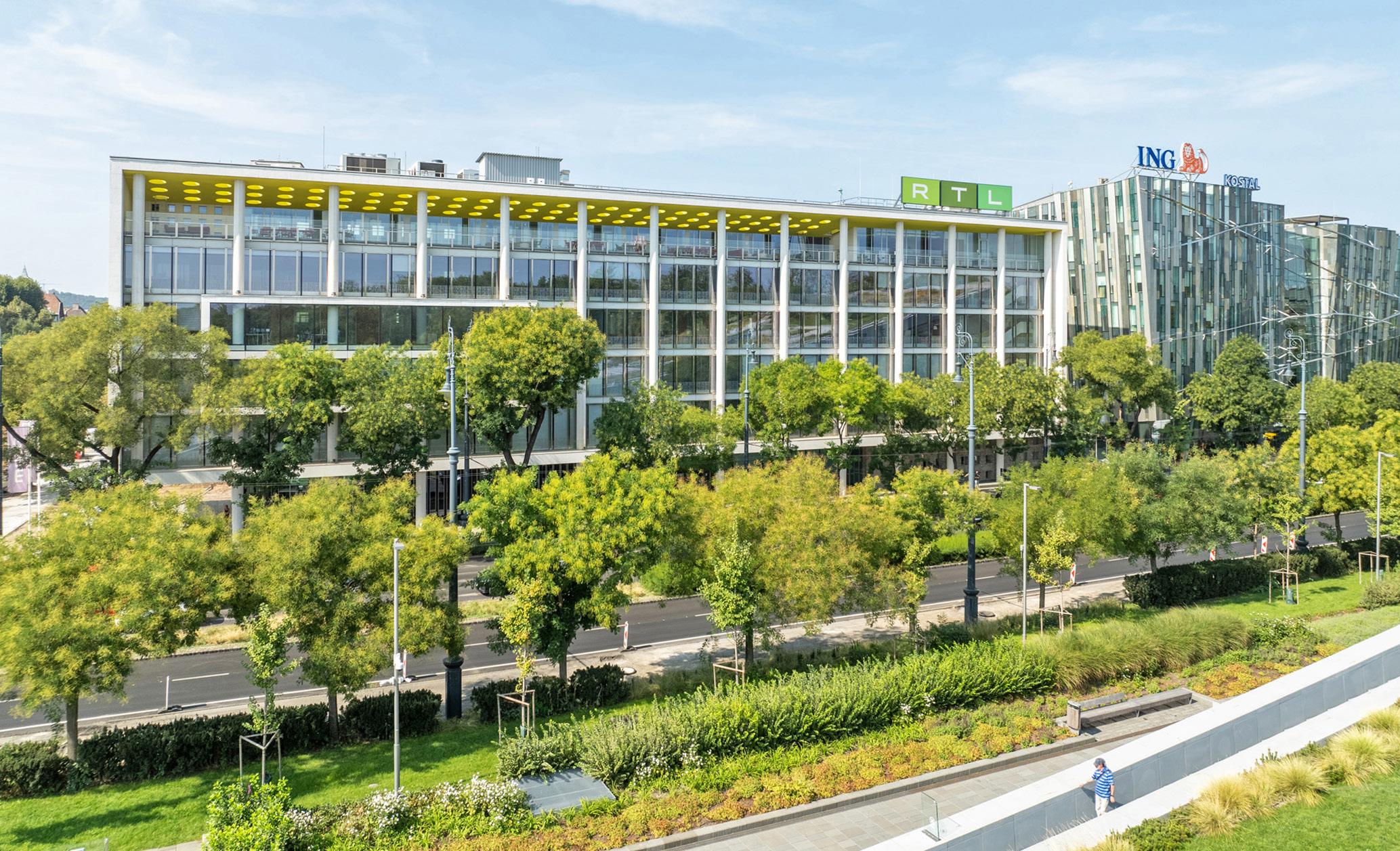
The Liget Center was a high-profile office redevelopment project by Wing, located opposite Városliget (City Park) in District VI (Terézváros).
FM AND PM GOING THROUGH AN ‘UNPRECEDENTED TRANSFORMATION’
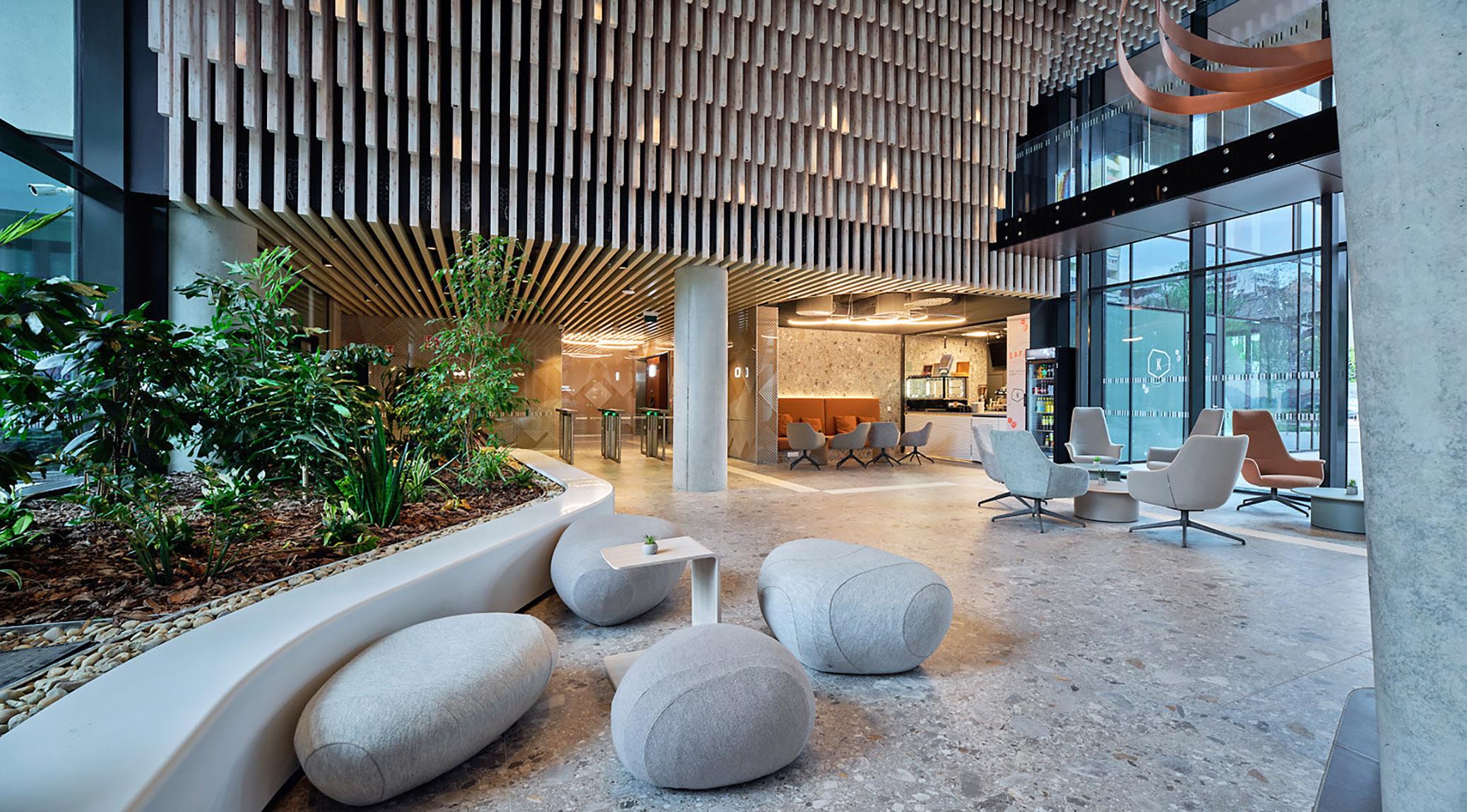
Office interior elements and processes related to design, layout, amenities, resource use, occupier well-being, and both property and facility management are an intrinsic element of the development cycle through all its stages. As developers strive to deliver ever more interesting, highly specified and sustainable office complexes, interior and exterior design have essentially become part of the same overall process.
By Gary J. Morrell
A hybrid work model, whereby employees have a combination of in-office and remote days, has become the norm in modern office complexes. Driven in part by this, the office is undergoing fundamental changes regarding work habits and usage, interior environment and amenities, ESG requirements and efficiency concerns, comments Valter Kalaus, managing partner of Newmark VLK Hungary.
“The office in 2026 is no longer a place you go to do your job; it is a place you go to be with your people,” says Regina Kurucz, managing director of Rewell Consulting and a WELL consultant.
“In recent years, the relationship between work and place has been fundamentally redefined: it became clear that individual, focused work can happen anywhere. What cannot be replicated at home, or on a screen, is the quality of human connection,” she notes.
Continued on page 28 ▶ ▶ ▶
The Corvin Innovation Campus by Futureal.
LOCATION IS CRITICAL, BUT SO ARE SPACE, SERVICES, AND GREEN AND BLUE VIEWS
Given Budapest’s urban structure, several business districts have emerged, spread across the city on both the Buda and Pest sides of the river. There are few office projects in the Central Business District, reflecting the lack of plots in the UNESCOprotected center of the city. As a result, Budapest lacks a CBD skyline dominated by high-rise towers, unlike other CEE capitals such as Warsaw.
By Gary J. Morrell
Those development possibilities that do exist in the historic center of Budapest tend to involve the redevelopment and upgrading of classic Central European buildings. However, suitably sized buildings can be difficult to source, and the development process is often
protracted with a number of heritagerelated permissions required. There is also competition for these structures, with investors keen to redevelop them into hotels and residential complexes.
“Location remains critical, with an emphasis on excellent public transport connectivity, especially metro and tram
access. Proximity to a skilled workforce, as well as nearby retail, food, and lifestyle services, is essential. Increasingly, locations that support a ‘live-work-play’ environment are preferred, especially in attracting younger talent,” comments Valter Kalaus, managing partner of Newmark VLK Hungary. The office should not just be easy for workers to reach, but also well-served by surrounding services such as restaurants, cafés and shopping facilities that can be visited during a break or after work, he says.
“Work is changing. Employees want flexibility and convenience. They want office space in locations where they choose to live, and want it to cater to their needs. Having affordable space in a downtown area is how you attract today’s top talent,” adds Avison Young.
There are generally considered to be eight office submarkets spread across Budapest. Non-Central Pest (District XIV) is currently the largest office development area, with approximately 150,000 sqm of owneroccupied space under construction at the Zuglo City Center. However, this was initiated as a built-to-suit project for government offices, and it distorts the market. It is closely followed by the leading speculative office submarkets in the Váci Corridor and South Buda. The overall vacancy rate is 12.5% in a total office stock of 4.46 million sqm, according to the Budapest Research Forum, which comprises CBRE, Colliers, Cushman & Wakefield, Eston International, iO Partners and Robertson Hungary.
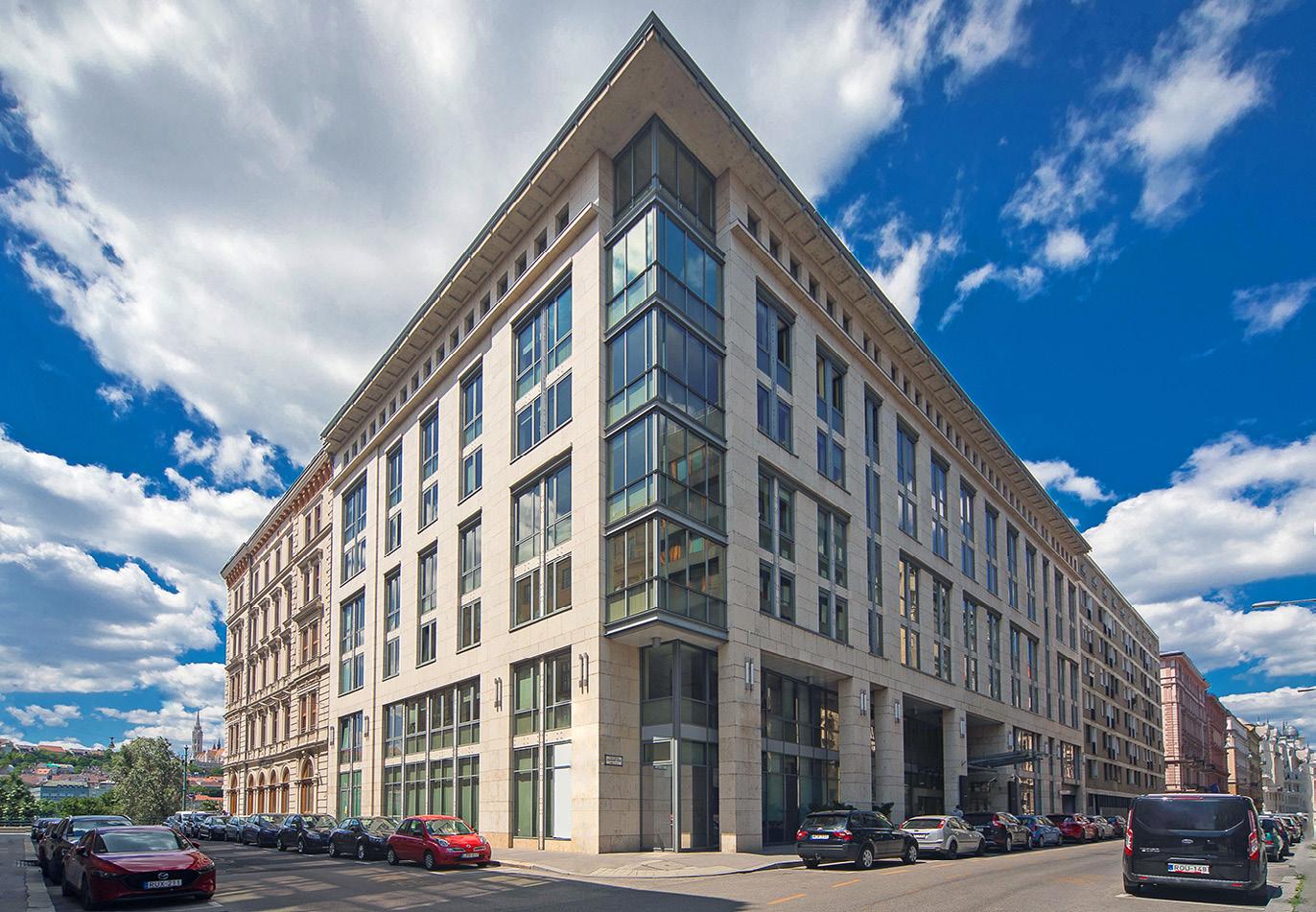
The Academia office building in District V is an example of a renovated building given an upgrade and new value.
INDUSTRIAL AND LOGISTICS DEVELOPMENT CONTINUES TO FLOURISH
The industrial and logistics sector has been booming with both leading CEE regional industrial park developers and operators and Hungarian players active in a market that has grown on the back of increasing logistics demand and, subsequently, the need for space to meet the significant foreign direct investment, notably in the electric vehicle and EV-related industries.
By Gary J. Morrell
The market is continuing to thrive despite concerns over moderating demand expressed by some analysts, notably in the logistics segment. Analysts see fewer speculative development project starts, while BTS projects, particularly in the production sector in provincial hubs, are expected to gain momentum. All industrial developers at the higher end of the market are developing in line with the requirement for highly
specified, sustainable industrial and logistics space, given the more complex market demands, ESG-related expectations, and regulations.
“Industrial demand in Hungary is undergoing qualitative rather than purely quantitative change. While overall activity remains solid, the composition of demand has shifted toward higher value-added manufacturing and assembly operations,” comments Ferenc Gondi, managing director of CTP Hungary. “Traditional distribution-
driven logistics demand is more selective, whereas productionlinked requirements are increasingly dominant. I see growing demand from automotive suppliers, electronics manufacturers, and companies connected to nearshoring strategies within Europe. Additionally, Asian, particularly Chinese, capital continues to show interest in Hungary as a regional manufacturing and distribution base within the EU,” he adds.
Significant industrial demand from Asian manufacturers and automotive suppliers is expected, with 472,000 sqm under construction, according to consultancy Cushman & Wakefield. At the start of 2026, Hungary’s total modern industrial stock amounted to 6.1 million sqm. In Greater Budapest, the modern industrial stock exceeded four million sqm, while Hungary’s provincial stock has surpassed two million sqm, according to the Budapest Research Forum, which consists of CBRE, Colliers, Cushman & Wakefield,
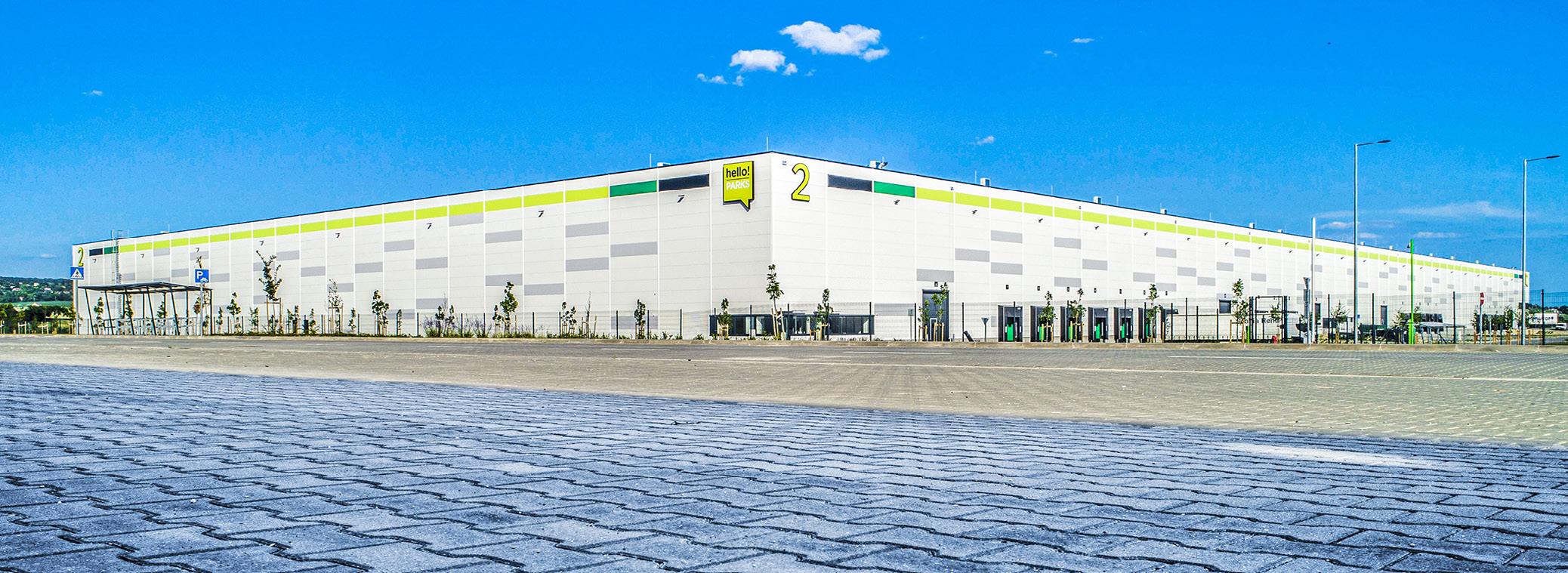
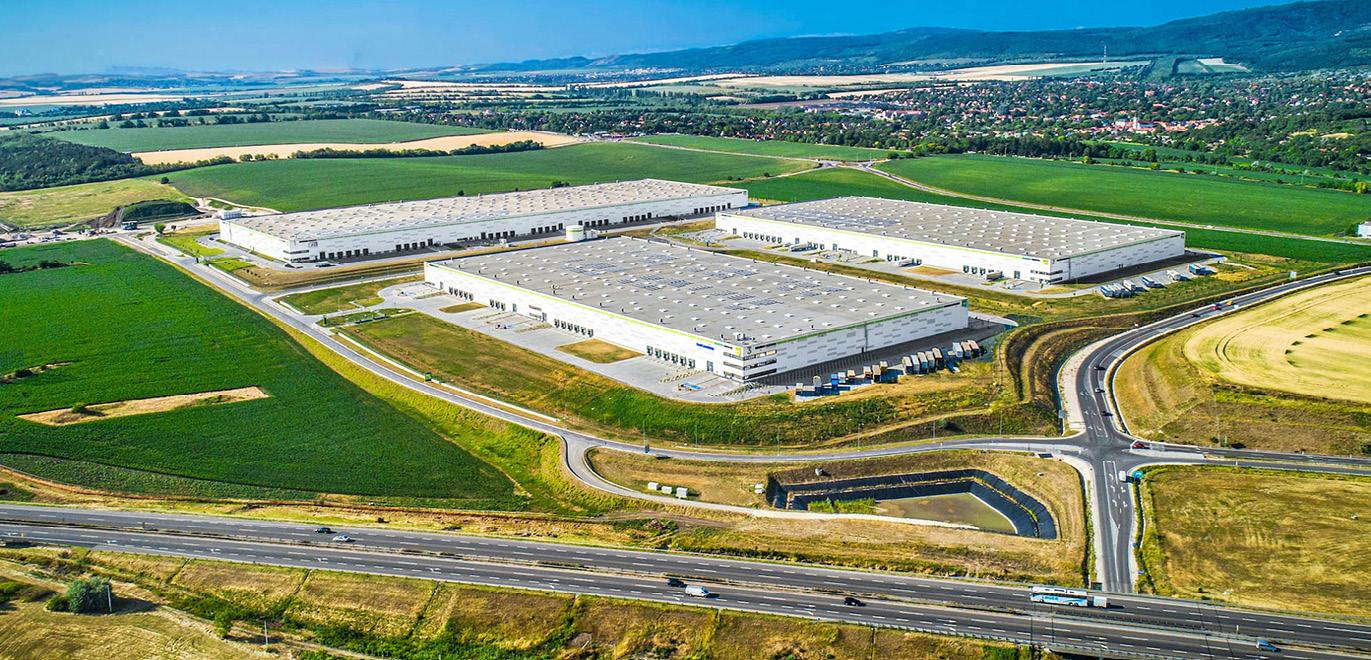
HelloParks Páty, on the western outskirts of Budapest.
RESIDENTIAL SECTOR PLAYING INCREASINGLY SIGNIFICANT ROLE IN REAL ESTATE DEVELOPMENT
As the cranes around the city testify, the residential or “living” sector is playing an increasingly significant role in the real estate development and investment markets in Hungary. Urbanization, growing sophistication, and environmental concerns about housing have led to increased demand for high-quality housing. Further, the tenancy market is growing, with the private rental sector seen as a promising sub-category for investment.
By Gary J. Morrell
Low residential supply combined with rising demand for quality assets has led to rising prices as the living sector attracts more developers and investors. The housing stock in Budapest is seen as being under strain and, in many ways, outdated due to relatively low new supply. Further, with rising prices, there are concerns about the growing affordability gap, which the incoming Tisza government will need to legislate against, a common theme across major cities in Europe. Arguably, housing issues affect the city's look and livability more than any other real estate sector, and therefore, the development process requires systemization and regulation.
“Residential demand in Hungary is no longer purely market-driven; now, it is policy-led,” comments Tibor Nagygyörgy, CEO of Biggeorge Property. “Government subsidies and preferential loan schemes are successfully reactivating demand
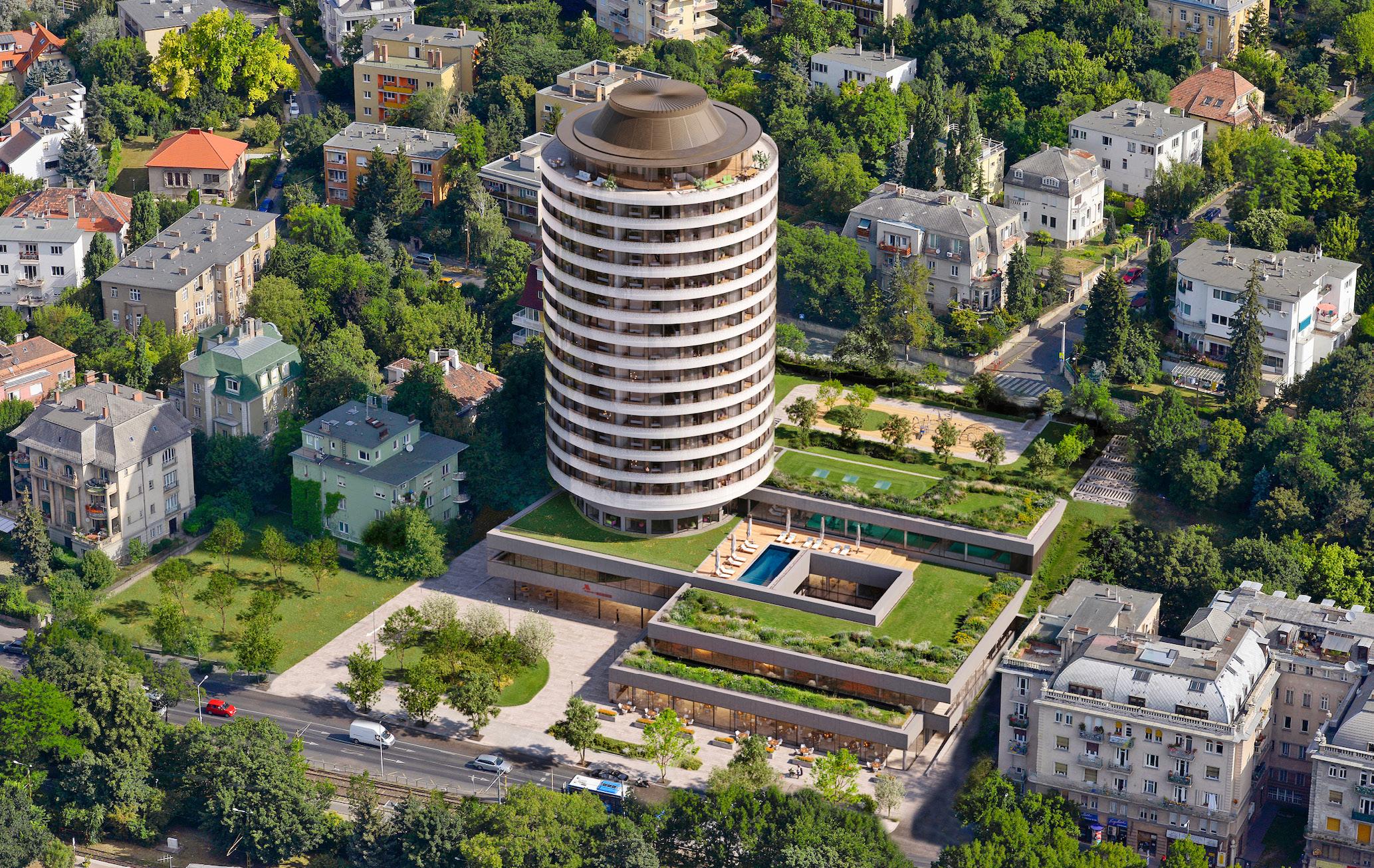
Market Asset Management is redeveloping the iconic 1970s former Hotel Budapest cylindrical “tower” (its Hungarian nickname, Körszálló, literally means “circular hotel) in Buda as The Icon by Marriott Residences Budapest. It won the “Project of the Year” special award at February’s Real Estate Awards gala.
HOTEL SECTOR SEEN AS A MATURE DEVELOPMENT AND INVESTMENT OPTION
Hotel is becoming an increasingly popular development and investment option, with Budapest attracting an ever-rising number of visitors. Budapest Ferenc Liszt International Airport recorded more than 19 million passengers in 2025 and is expected to hit 25 million by the end of the decade, according to its operators. There is a significant hotel pipeline in Budapest, with several international brands entering the market.
By Gary J. Morrell
Several high-end hotel redevelopment and renovation projects have been undertaken in the historic center of Budapest, while the mid- to high-level strata are also attracting developers and leading hotel brands. Despite the potential complexities of hotel development, maintenance, management and investment, the hotel and hospitality industry is attracting leading investors from the more established sectors of the real estate market. Another reflection of
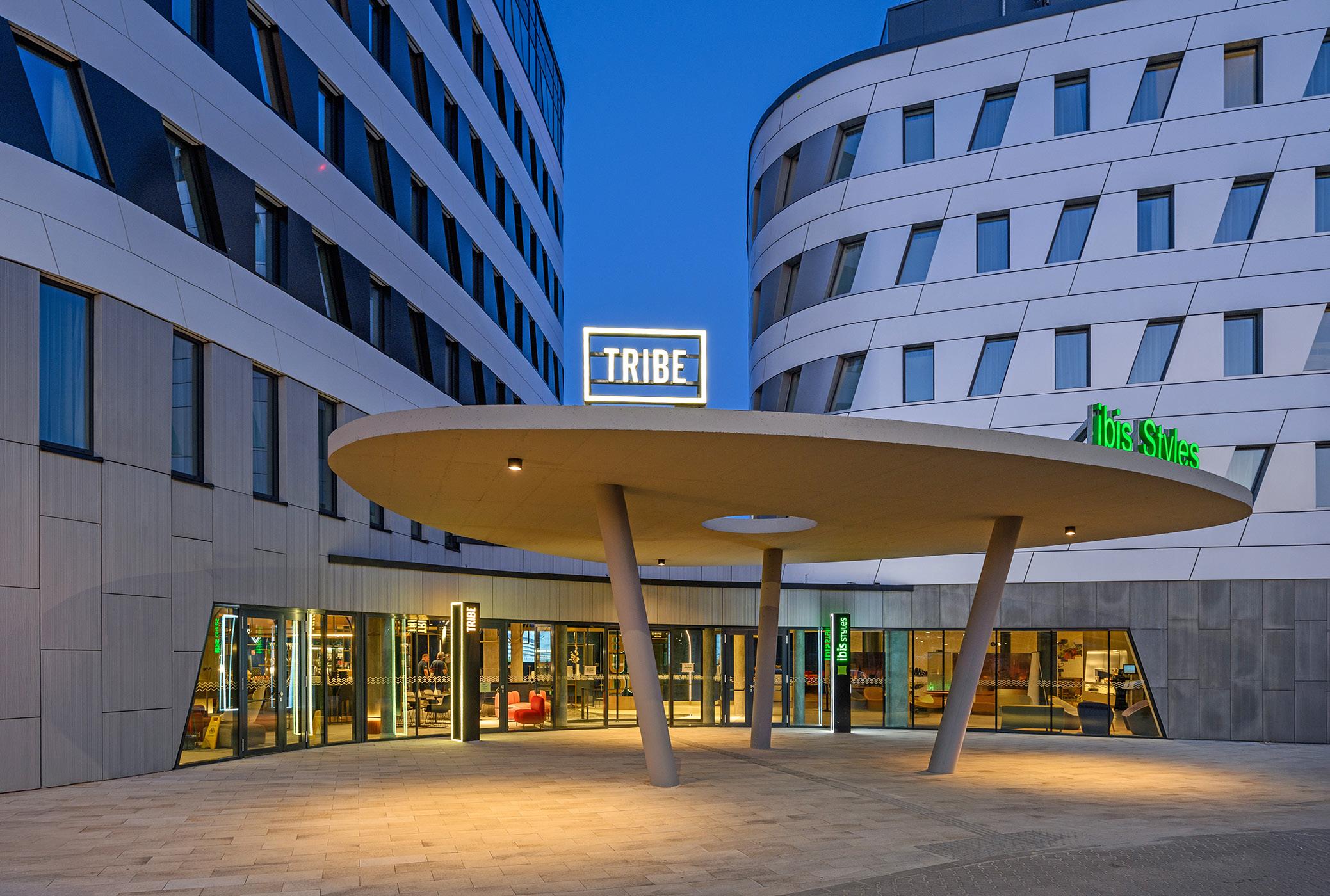
The shared entrance to the Tribe and Ibis Styles hotels at Budapest Ferenc Liszt International Airport.
Photo by Tamás Pál
RETAIL DEVELOPMENT REMAINS CONSTRAINED
Shopping center development remains constrained in Hungary, given concerns about the economic environment, spending power and the increasing use of e-commerce. No major Budapest shopping center projects are in the pipeline, and none have been delivered for several years. Center owners are essentially concerned with redeveloping and upgrading the retail, leisure and service offerings of existing malls to meet increasingly sophisticated consumer demands.
By Gary J. Morrell
Consumer (and therefore tenant) demands include an improved F&B offering, a more varied tenant mix, and a more imaginatively designed retail offer that provides an enhanced retail or leisure experience. In addition to the perception that retail demand has been under pressure, rising operational costs
pose ongoing problems for retailers, as center owners are passing on increasing energy prices to tenants. The limited ongoing retail development is essentially focused on the street-level service and leisure component of mixed-use projects, often with residential and office elements, and in regional retail parks in population hubs considered otherwise underserved.
Mall owners are undertaking the redevelopment and refurbishment of earlier-generation shopping centers to meet these more sophisticated shopper demands and ESG and EU Taxonomy requirements. From a positive perspective, analysts believe that this year could mark a turning point for Hungarian retail, with multiple factors supporting a potential rebound across the CEE region, with growing investor interest in assets, according to Cushman & Wakefield.
In 2026, both the high street and the consistently well-performing retail park segments, characterized by low vacancy rates, are expected to remain attractive to investors, says Anita Csörgő, head of retail at Colliers Hungary. Development activity in the retail sector remains subdued mainly due to the so-called plaza stop regulation, which limits the size of new projects. One of the open questions about the change of government following the Tisza Party’s overwhelming victory over Fidesz in April’s general election is whether the law will remain on the statute books or be swept away.
“Hungary’s retail market enters 2026 with modest development activity and a stable supply outlook. Retail park supply remained unchanged at 1.7 million sqm, though the pipeline is set to pick up, with 55,000 sqm planned through 2026,” says Cushman & Wakefield.
“A stable and transparent regulatory environment around tenant protection, lease terms, and planning permissions is the foundation for a healthy retail property market. With this in place, the new government support should focus on urban regeneration programs that revitalize high-street retail environments
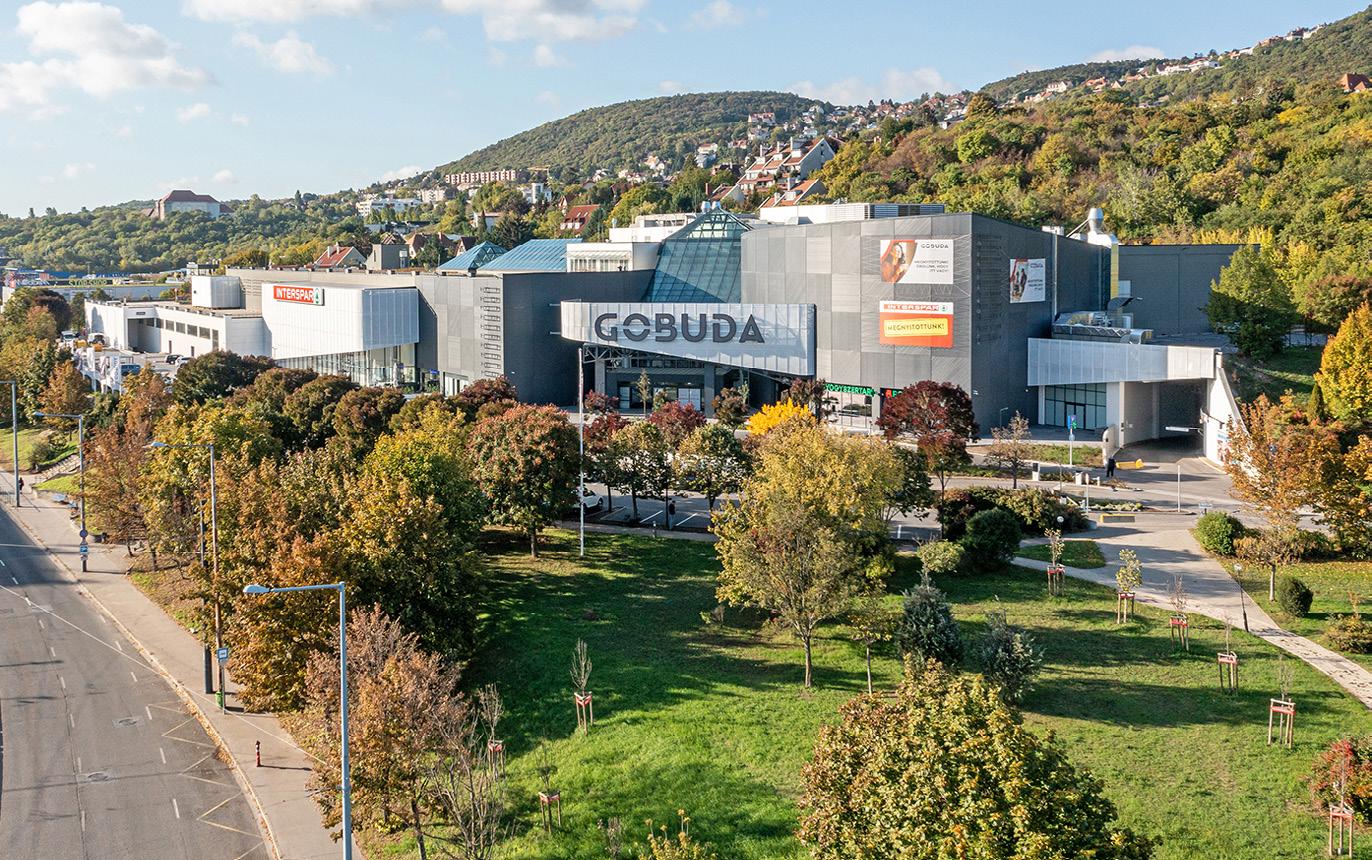
The EuroCenter mall, originally built in the 1990s, was reopened in 2022 as GoBuda following an almost total redevelopment by Wing.
INVESTOR SENTIMENT SHOWING SIGNS OF IMPROVEMENT
Analysts view improving investor sentiment as an ongoing process in the Hungarian investment markets. This optimism could be further enhanced by the new government, which is expected to improve further international perceptions of the opportunities in the Hungarian real estate market. Hungary is seen as an attractive long-term destination as domestic and regional players compete with international money for a relatively limited supply of investment-grade stock. Poland and the Czech Republic have dominated investment volume in Central and Eastern Hungary in recent years.
By Gary J. Morrell
“Hungary emerged as one of the strongest performers in the first quarter of 2026, with investment volumes exceeding EUR 325 million, nearly double the level recorded a year earlier and marking the country’s strongest start since 2018,” says Colliers. “This rebound comes amid a politically significant election year, which has reignited discussions about institutional direction and relations with European partners. Rather than deterring investment, this environment has encouraged selective risk-taking,” the agency adds.
Fellow consultancy CBRE agrees with that assessment. “The recent election outcome provides the new government with an exceptionally strong democratic mandate. Voter participation was the highest seen in modern democratic elections, and the result was clear not only in Budapest but nationwide. This creates a solid political foundation for institutional renewal, economic stabilization and the rebuilding of investor confidence,” it says.
“Predictability, transparency, and institutional credibility are fundamental for the real estate market and the
entire business community in Hungary. A stable regulatory framework, consistent application of rules, and a clear mediumterm policy horizon are generally more important for development activity than sector-specific incentives,” CBRE points out. “Early signals suggest that the new government intends to focus on restoring institutional checks and balances, strengthening the rule of law, and reducing political interference in economic decision-making. These measures, once implemented, would improve the operating environment for all developers regardless of sector,” the agency adds.
The CEE region has the potential for stronger economic growth than Western Europe, as its economies are still converging and are likely to continue doing so for at least 10 years, according to Gábor Borbély, head of CEE business development and research at CBRE. Domestic capital undertakes half of the investment volumes in the region, and a further quarter is by CEE investors. That means the markets are less reliant on Western European, American or Asian capital than they once were. That said, Chinese capital is important for Hungary, in particular, and the Nordic countries are extending into CEE, starting in Poland and filtering further south.
The most important step the new government can take is to restore predictability and trust in the investment environment. Its earlier commitments to rebuild relations with the EU and its institutions and to re-establish an environmental ministry are already strong positive signals for investors, comments Zsombor Barta, founding partner at Greenbors Consulting. These moves suggest a more stable, transparent and cooperative policy direction, which is essential for all real estate sectors.
The HelloParks Páty PT2 and PT3 buildings were sold to the Erste Open-Ended Real Estate Investment Fund in March 2025.
ESG MOVES FROM REGULATION TO BUSINESS NORM
Analysts say that ESG has, to a large degree, shifted from being driven by regulation to being demanded by capital markets. Access to debt finance, cost of capital, and asset liquidity are all linked to ESG alignment, in the view of many. Further, investors are now actively pricing sustainability performance into their decisions.
By Gary J. Morrell
ESG features and processes have become the norm in the higher strata of the real estate and property-related investment sectors, as a requirement from tenants, staff, lenders and investors, in addition to regulatory
requirements from the EU taxonomy and other national and multinational bodies. Crucially for the capital markets, ESG is now a key factor in creating a clear distinction between assets seen as investment grade and those at risk of obsolescence. Developers and building owners are seeking higher-level
third-party sustainability accreditations from the likes of BREEAM, LEED and, increasingly, WELL, with regard to interiors. Whereas ESG requirements used to be limited to the office and industrial and logistics sectors, they now also impact hotel, residential and public buildings. The all-embracing nature of ESG has raised concerns about companies' ability to keep up with data collection and reporting requirements, and whether there are enough market participants in PM and FM with the required skills to meet the expected level of transparency in performance data.
A report by the Society of Industrial and Office Realtors (SIOR) Europe and the University of the Built Environment has found cautious optimism among commercial real estate professionals but warns of a growing divide between prime and secondary stock. The report sees that ESG compliance is becoming a crucial factor in attracting finance, tenants and investment across Europe. The research finds that ESG considerations are essential for access to finance, occupier demand and long-term asset viability. “European real estate markets are entering a quality reset, where asset performance depends on ESG compliance, data transparency and professional capability,” commented Matthew Leguen de Lacroix of SIOR at the MIPIM conference in Cannes earlier this year.
“ESG has shifted from a reputational consideration to a practical gatekeeper for financing, leasing and longterm viability. Yet members report ongoing uncertainty, concerns about ‘certification theater’ and difficulties evidencing clear pricing impacts. Non-compliant buildings already face exit risk,” concludes the report.
ESG elements apply throughout the lifespan of a real estate project, from planning and permitting, through project financing, construction and material sourcing, leasing, PM & FM,
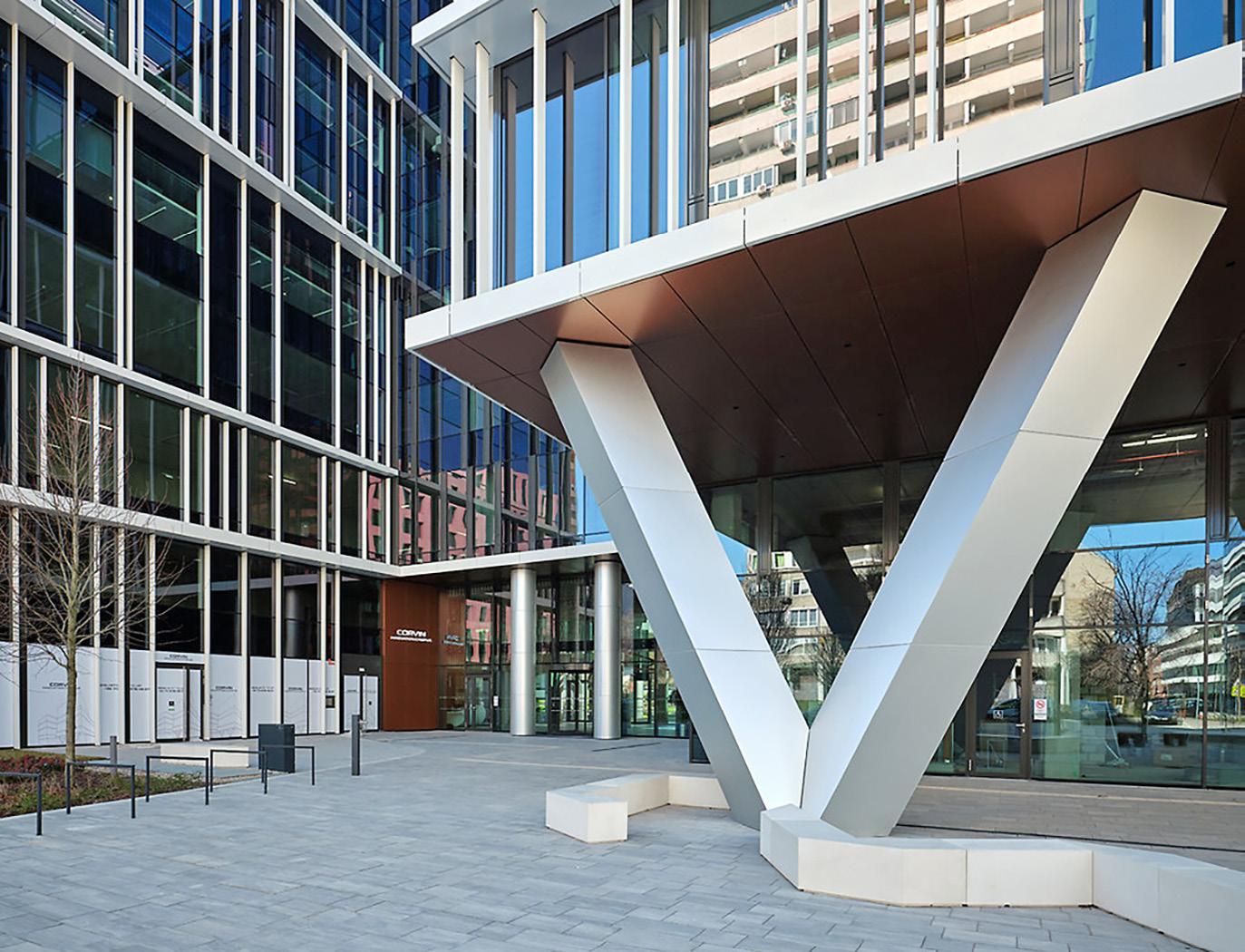
The Corvin Innovation Campus is the latest Futureal project to achieve the rare BREEAM “Outstanding” certification.
TRANSPARENCY AND INSTITUTIONAL CREDIBILITY CENTRAL TO BUDAPEST’S DEVELOPMENT
Budapest continues to face the challenge of preserving its classical Central European look and atmosphere while further developing its role as a business center and tourist destination, alongside becoming a healthier and more pleasant place to live, work and visit. Further, projects must adhere to increasingly stringent environmental regulations and more sophisticated demands from the population. The hope for many is that, with a new government backed by a landslide majority committed to respecting due process, combating corruption, and greater EU integration, concerns regarding the future of the city can be more constructively overcome.
By Gary J. Morrell
“Predictability, transparency, and institutional credibility are fundamental for the real estate market and the entire business community in Hungary. A stable regulatory framework, consistent application of the rules, and a clear medium-term policy horizon are generally more important for development activity than sector-specific incentives,” comments CBRE. “The early signals suggest that the new government intends to focus on restoring institutional checks and balances, strengthening the rule of law, and reducing political interference in economic decision-making. These measures, if implemented, would improve the operating environment for all developers regardless of sector,” the agency says.
“The key to attracting new real estate developers is creating a predictable, transparent and investor-friendly environment,” Zsombor Barta, founding partner at Greenbors Consulting. “First and foremost, this means stable regulation; developers need to see that rules won’t change unexpectedly mid-project. Simplifying and speeding up permitting processes would also make Hungary significantly more competitive compared to other regional markets,” he says.
“Equally important is reinforcing Hungary’s openness to international investors. Clear alignment with EU standards, legal certainty, and consistent economic policy all help reduce perceived risk. Targeted incentives, such as tax benefits,
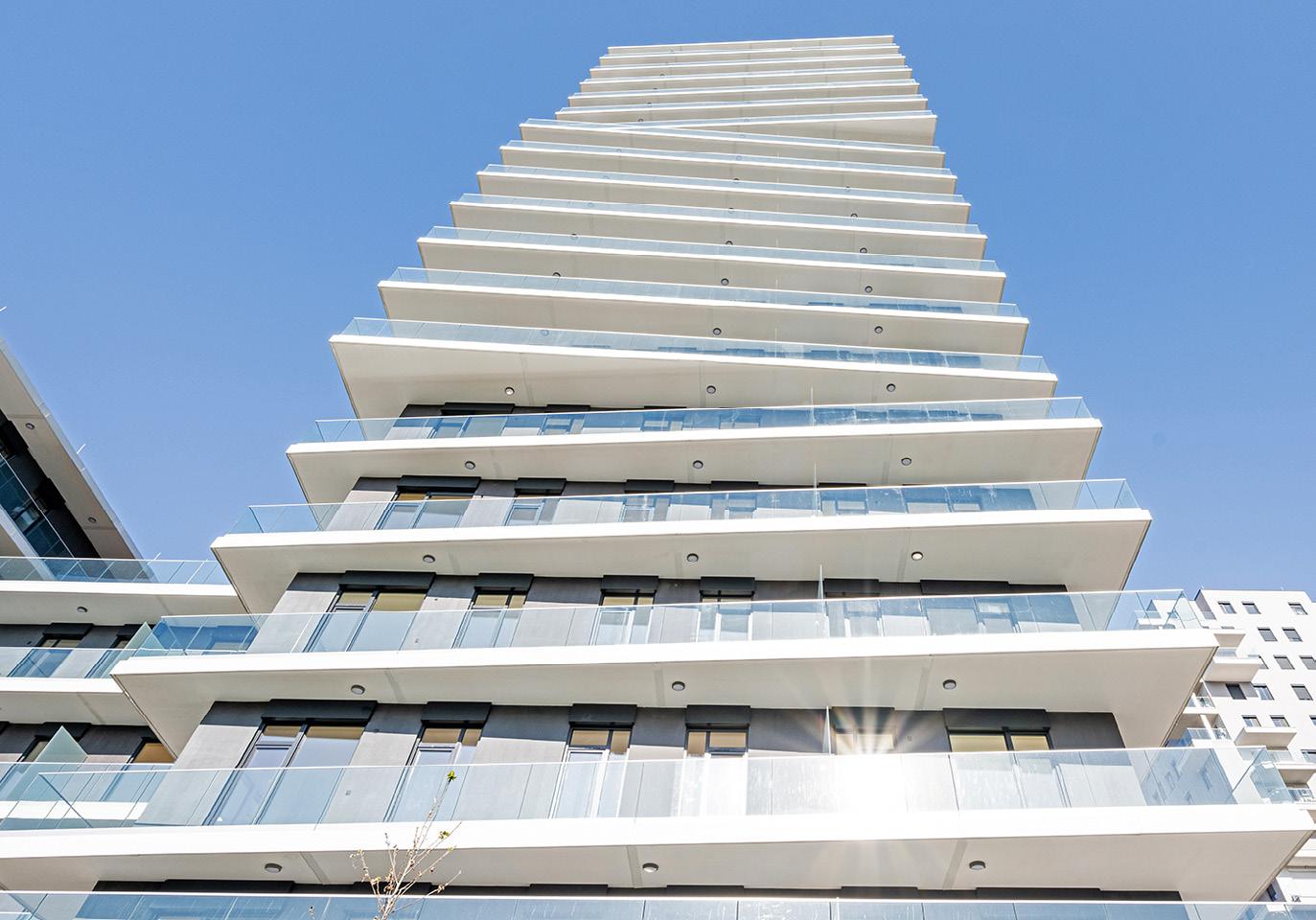
A residential tower designed by Óbuda Group as part of the BudaPart development.