The marine and offshore sectors are undergoing significant technological transformations. Developments in the areas of digitalization, evolving energy sources and applied research are drastically impacting the way the industry designs, builds and operates assets.
Change traditionally does not come easily or quickly for maritime. The rate of change of recent technological development is challenging the heavily rule-based and regulatory requirementsdriven world these sectors inhabit. In many cases, such advances are outpacing designers, shipbuilders, operators and regulators’ ability to incorporate them. By the time a new vessel is on the water, a further wave of technologies promising even greater benefits and efficiencies is already on the way.
These challenges were already apparent when the first Technology Trends publication was released in 2022, offering a glimpse of what the industry could look like by 2050. Putting a spotlight on how fast things change was the public release of a generative artificial intelligence (AI) chatbot just a few days before the report was published. The chatbot is now very well-known and set records for the fastestgrowing user base in mere months. Today, that chatbot is just one of many AI-based tools on the market. It’s difficult to overstate the impact AI has had in the last few years.
Recognizing this substantial evolution, ABS set out to provide an update on the industry’s technology landscape. While preparing this edition of Technology Trends, it was clear that we needed to explore the intersection of AI with the core areas of digitalization, sustainability and applied research. We also explored key advancements across many of the topics covered in the first edition while highlighting some new innovations.
These elements are not merely industry trends. They are foundational shifts that are reshaping how the world operates. It is essential that stakeholders embrace this evolution and recalibrate both short- and long-term strategies to navigate the complexities of emerging regulations, technological readiness and operational boundaries.
The integration of AI and other technologies is enhancing operational efficiency, safety and environmental stewardship. However, the pace of this transformation also brings challenges, including cybersecurity threats, regulatory uncertainties and the need for workforce adaptation. Addressing these challenges is crucial for unlocking their full potential.
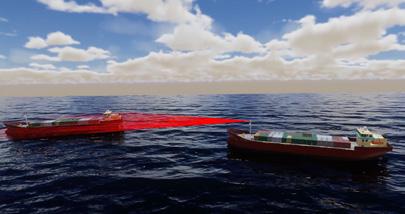
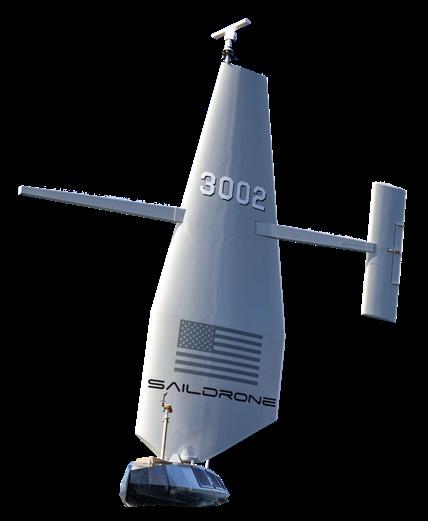
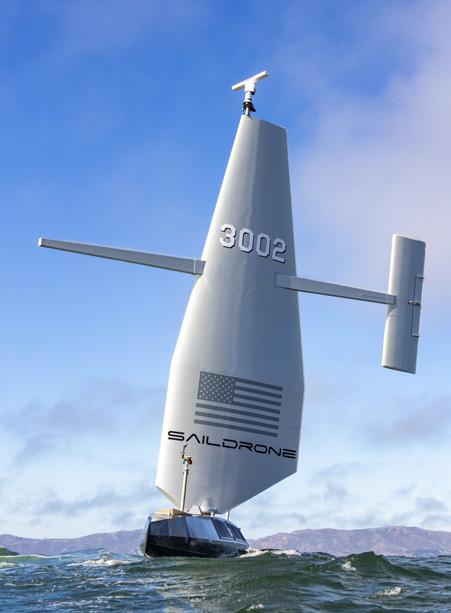
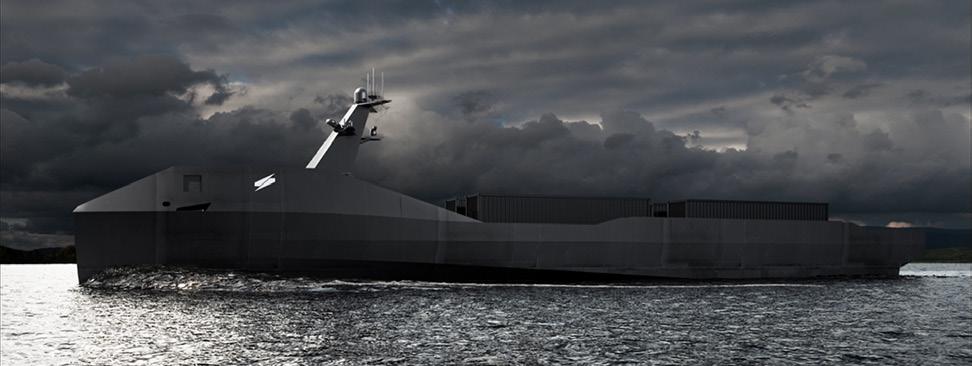
One of the most intriguing developments is the rise of autonomous vessels. Equipped with advanced navigation systems, these vessels have the potential to significantly reduce human error and optimize fuel consumption. They are redefining the roles of human operators, necessitating a focus on upskilling and adapting to new technologies. Similarly, offshore platforms are increasingly using AI-powered decision-making tools to support operations and advanced maintenance strategies, helping minimize downtime and enhance reliability.
Even as regulations shift and evolve, the trend toward improving efficiency remains a central theme driving technological change in the marine and offshore sectors. Companies are investing in alternative fuels such as liquefied natural gas (LNG), methanol and ammonia, integrating battery and electrification technologies into their assets to reduce fuel consumption, while also integrating renewable energy sources like wind and solar into their operations. The reintroduction of nuclear technology is also gaining traction, alongside new approaches to support the emerging blue economy.
The publication also explores how technologies are creating new processes and affecting the way the industry works. Innovations in advanced materials and additive manufacturing are revolutionizing production methods. The life cycle use and adoption of modelbased approaches, simulation and digital twins are enhancing operational efficiency. Digital twins are emerging as pivotal tools in this transformation. These digital models, supported by links to actual asset data, enable performance simulation, health monitoring and energy optimization. Additionally, the use of remote inspection technologies and robotics is streamlining operations and improving safety.
These innovations are not just enhancing efficiency. They are fostering a culture of resilience within the marine and offshore sectors. As we navigate this transformative landscape, it is critical for stakeholders to remain agile, embracing new technologies and methodologies that will shape the future of operations.
The industry is looking at a range of pathways to regulatory compliance and energy resilience. Methanol offers near-term practicality. Ammonia engines are expected to reach commercial application in 2026, hydrogen engines potentially by 2028. Electrification is gaining traction in tugboats, ferries and offshore support vessels. Small modular reactors could provide decades of power without refueling. Over 620 carbon capture initiatives are in development globally. The pace will depend on regulation, economics, infrastructure and how well these technologies work together.
CLEAN ENERGYTRANSITION
Utilization for Short Haul
• Hydrogen fuel cells
• Onsite/onboard energy storage
• Port and o shore buoy charging stations
• Lithium-ion batteries
• Non-lithium-ion batteries
• Ceramic batteries
Research and Early Adoption
• Commercialization of amine-based technology
• Onsite/onboard portable carbon capture units
• Direct air carbon capture
ARTIFICIAL INTELLIGENCE
Advanced Nuclear Development
• Molten salt reactors
• Gas, lead, or sodium cooled fast reactor
• Modular design concepts
Testing and Early Adoption of Alternative Fuels
• Ammonia
• Methanol
• Biofuels
• Hydrogen
Scaling
• Hydrogen hub
• Reduced carbon emissions managed through use of alternative fuels and carbon capture
• Dominant zero-carbon fuel generation
Limited Deep-Sea Shipping
• Charging infrastructure
• Improved onsite/onboard storage
Technology and Infrastructure
• Utilization of solid pellets
• Storage in empty oil or gas reservoirs, natural caverns
Asset Development and Deployment
• Floating nuclear power plants
• Commercial propulsion licensing
Alternative fuels generation and adoption at scale
Mature green electrification infrastructure
Mature carbon capture value chain
Green maritime ecosystem
Green Infrastructure
• Green port operations
• Increased adoption of green corridors
• Green cargo management
Green Vessel Trending
• Vessel design and construction
• Vessel operation
What the first Technology Trends explored as a single slice of a bigger pie now touches nearly everything: predictive maintenance, generative design, fleet optimization, autonomous decision-making. The most consequential development is agentic AI, systems that can make decisions and pursue goals with minimal human intervention. That shifts AI from a passive tool to a proactive enabler. Adoption at scale still depends on trust, transparency, cyber resilience and a workforce prepared to use these tools responsibly.
Deployment of Maritime Commercial Nuclear Energy
Carbon neutral blue economy
O shore Infrastructure to Support Blue Economy
• Floating windfarms at scale
• Build out of charging substations infrastructure
Diversified Use of Ocean Space
• O shore spaceports and recovery vessels
• Windfarms
• Aquafarms
• Wave energy conversion
Remote Inspection and Dashboards
• 3D scanning
• Virtual training simulators
• Drone inspection
Improved Visualization Tools
• High-fidelity virtual simulators with AIgenerated scenarios
• Inspections with edge computing
Virtual immersive ship models
Remote Inspections and Human Interfaces
• Robotic drones and ROV
• Sensor development
• Haptics and wearables
Next Generation Sensor Technologies
• Embedded smart sensors
• Nanotechnology
• Self-healing technology
Humanoid Robots for Asset Integrity
Self Learning Digital Twins
• Data-seeking
• Environmentally aware
• Self-replicating digital twins Fleet level control via interconnected digital twins
• Control of physical asset
Connected unmanned autonomous vessels
Real-time fleet performance optimization
Application of advanced materials and processes
New Materials and Applications
• Onsite additive manufacturing for spare parts
• Lower cost/fit for purpose materials
• Self-healing materials
Increased Ship Connectivity
• Complex autonomous functions
Reduced manning
• Seafarer knowledge, skills and ability transition
Vessel System Level Performance Optimization
• Fast solvers for high-fidelity models
• Advanced SIM-based decision-making
New Materials Manufacturing Methods
• Onsite additive manufacturing for non-critical parts
• High magnesium steel
DIGITALIZATION
Realtime Vessel Monitoring
• Voyage planning and optimization
DIGITALIZATION
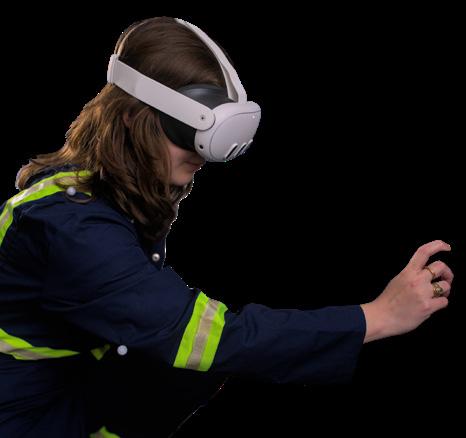
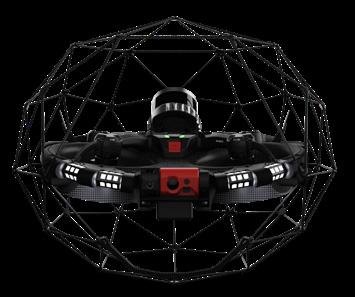
Crew wearing augmented reality headsets are guiding remote surveyors through live diagnostics. Drones equipped with thickness measurement devices are assessing cargo tanks without scaffolding. Digital twins are tracking fuel consumption and engine performance in near real time. Robotic systems, including ROVs and crawlers, are advancing toward broader use in hazardous and confined spaces. Autonomous functions are growing beyond navigation into docking, machinery monitoring and engine room management. These capabilities are converging, and expectations around connectivity and cybersecurity are growing with them.
• Day-to-day operational decision support
• Enhanced reliability, availability, maintainability and safety (RAMS)
Ship Connectivity Infrastructure
• Smart and autonomous functions
• Increased support activity with low orbit satellites
Component Level Performance Optimization
• Multiphysics/multi-domain optimization
• Virtual testing and commissioning
APPLIED RESEARCH
Modeling and simulation are helping the industry evaluate efficiency technologies, optimize designs and understand how complex systems behave under real conditions. Advanced materials like high-manganese steels are proving critical for next-generation fuel carriers. Additive manufacturing is enabling on-demand part production that could cut downtime. Beyond the vessel, the green ecosystem now spans floating wind, wave energy and green shipping corridors. The blue economy is expanding into commercial space support, subsea mining and offshore aquaculture.
In recent years, artificial intelligence (AI) has emerged as a transformative force across various sectors, including in the marine and offshore sectors. Advancements, especially in generative AI, are reshaping entire industries, enhancing efficiency, streamlining operations and driving large-scale innovation.
The first Technology Trends publication explored AI as a single slice in a bigger pie. While it was clear then that AI was an enabler for many of the digital technologies discussed in the report, AI has evolved to play a much broader role in the future of maritime.
The growing accessibility and affordability of processing power have been key drivers of evolving and expanding AI capabilities. Machine learning (ML) algorithms have grown more sophisticated, enabling the analysis of vast amounts of data in real time. Natural language processing has also seen significant improvements, allowing machines to understand and interpret human language with greater accuracy. These advancements have led to the creation of AI systems that can monitor marine assets, predict failures and optimize operations, helping reduce downtime and maintenance costs.
DID YOU KNOW?
The foundation of artificial intelligence was laid in the 1940s and 1950s when scientists first started researching the potential for an “electronic brain.”
The integration of AI with other emerging technologies, such as Internet of Things (IoT), robotics and digital twins, has created a synergistic effect. For example, AI sensors are devices that combine traditional sensing technology (like cameras, temperature sensors, motion detectors, etc.) with AI algorithms. Instead of just collecting raw data, they process and interpret it locally or in the cloud to make decisions or provide insights.
These advances can all support agentic AI, which are systems that can make decisions and pursue set goals without human intervention. These AI agents mark a significant shift for the technology from passive tools to proactive enablers.
DID YOU KNOW?
The term “artificial intelligence” covers a broad range of technologies and applications, not just the large language models that have captured public attention today.
A 2025 survey by Thetius and Marcura found that 81 percent of maritime operations are running pilot AI programs, while 82 percent of professionals believe AI can drive efficiency gains.
Artificial intelligence is already being used in various ways to enhance the marine and offshore sectors.
One of the most significant applications is predictive maintenance. By analyzing sensor data, AI can help detect anomalies and predict equipment failures before they occur. This proactive approach minimizes downtime and maintenance costs, allowing operators to optimize their resources effectively.
Generative design is another area enabled by AI. By using physics-informed models, AI can rapidly evaluate design alternatives, allowing engineers to explore multiple options and optimize solutions tailored to specific requirements. This capability accelerates innovation, pushing the boundaries of traditional design methods.
Artificial intelligence can also be used to support the development of more efficient energy systems. For example, it can transform battery system design by enabling smarter performance optimization and robust life-cycle management. Through advanced predictive analytics, AI can deliver accurate, real-time insights into critical parameters such as State of Charge (SOC) and State of Health (SOH), helping ensure reliability and efficiency.
Additionally, AI-driven predictive maintenance anticipates degradation and potential failures before they occur, reducing downtime and extending battery life. By combining data-driven modeling, AI not only improves operational performance but also supports safety and costeffectiveness in energy storage solutions.
Artificial intelligence is also transforming rule verification and compliance processes. The conversion of static regulations into dynamic, machine-readable formats may enable automated compliance checks within design and construction workflows. This can enhance accuracy, transparency and efficiency. In addition, AI-powered chatbots can assist users in navigating complex regulatory requirements, helping ensure that safety standards are met. Artificial intelligence can also be used to automate model setup for engineering analysis, reducing turnaround times.
ABS is leveraging AI to improve classification processes, integrating scalable, transparent data sources to help ensure trustworthy performance. Artificial intelligence can streamline engineering workflows, helping to enable faster reviews and more efficient information gathering.
For surveyors, intelligent tools and visualization enhance survey preparation and documentation, supporting quicker, more informed decisions.
While nuclear energy for maritime uses is still developing, AI is being used in reactor development and design (modeling and simulation, digital twins), plant operation (optimization, monitoring, autonomous systems) and safety/risk (smart detection, smart risk assessment) for land-based nuclear applications. It is also helping with the design of smaller, more commercially viable reactors with enhanced safety.
DID YOU KNOW?
Agentic AI is a system that can make decisions and act with minimal or zero human intervention. They can adapt to changing conditions to achieve a given goal. Agents can use a range of AI techniques depending on the operational requirements.
At an operational level, AI is helping enhance real-time optimization of emissions, fuel use and life-cycle impacts. Improving connectivity, which was also covered in the previous Technology Trends, supports optimization across entire fleets, boosting efficiency and safety at scale.
The integration of sensors, ML and robotics is transforming operational efficiency. These technologies enable real-time asset monitoring, predictive maintenance and reduced downtime. Robotics and AI could potentially support autonomous inspections, maintenance and repair. Artificial intelligence can also enhance digital twins, enabling continuous monitoring, simulation and data-driven decisionmaking across complex systems.
Looking ahead, the potential for AI in the marine and offshore sectors is vast. As AI technologies continue to evolve, maritime can expect even greater integration with other digital tools. This could lead to even more streamlined operations and enhanced decision-making capabilities. The future may see AI systems that can automate risk analysis, assist with safety monitoring, and optimize operations based on real-time data and environmental conditions.
However, with these advancements come critical considerations including:
The ABS Harsh Environment Technology and Digital Research Center (HET&DRC) in St. John’s, Canada, is working with researchers and industry leaders on the AI-based ICESIGHTS system.
The reliance on AI systems necessitates rigorous validation processes to help ensure that these technologies operate reliably and ethically. Stakeholders must prioritize the development of trustworthy AI, focusing on transparency, accountability and the ability to explain AI-driven decisions. This is particularly important in high-stakes environments like marine operations, where safety is paramount.
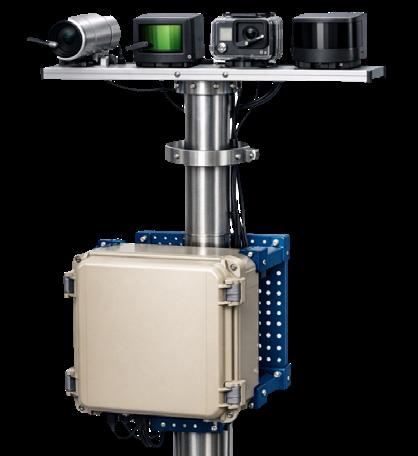
Developed in collaboration with Memorial University, Newfoundland and Labrador — Intelligent Systems Lab and Aker Arctic Technology Inc., ICESIGHTS integrates optical equipment, LiDAR, and advanced sensors with AI to identify hazardous ice features and recommend safer, more efficient routes.
The ICESIGHTS project is in an early, data-intensive development stage.
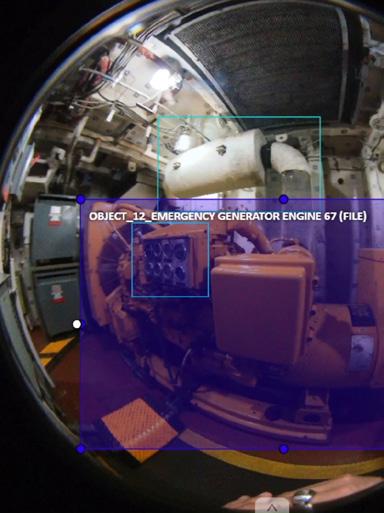
ABS and Texas A&M University are working together to use AI for rapid component detection and labeling.
For owners and operators, the ability to efficiently and accurately survey and inventory offshore facilities is critical. By analyzing images and video, AI can help improve asset and equipment accounting while reducing the time and effort required for inspection.
Meanwhile, AI-enabled systems introduce new security vulnerabilities. While good data security is a must for any connected systems, AI tools bring new challenges as users must be mindful of the type and sensitivity of the data input. This ties into the critical need for upskilling for crew who interact with AI tools, both in terms of how to get the most out of the technology and with regard to how to use it in a safe manner.
Artificial intelligence is no longer just a piece of the puzzle; it has become a fundamental thread woven throughout the fabric of the marine and offshore sectors. As it continues to advance, its
role in enhancing efficiency and safety will only grow. By embracing these technologies and prioritizing their responsible implementation, maritime can unlock new levels of innovation and operational excellence, paving the way for a more efficient and sustainable future.
Success will depend on a human-centric implementation that emphasizes training, trust and explainability. Strong cyber resilience and regulatory alignment are also critical. A phased deployment approach is essential, starting with assisting crew operations before gradually progressing toward full autonomy.
NEXT: Digitalization
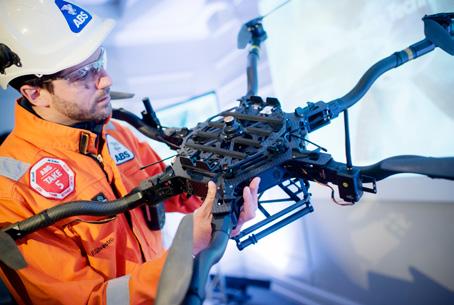
Ghost Robotics is developing systems to help optimize operations in industrial environments, specializing in hazardous areas and hard-to-reach locations like inspecting power lines, monitoring gas leaks and managing assets in challenging terrain.
NOTABLE ADVANCEMENTS
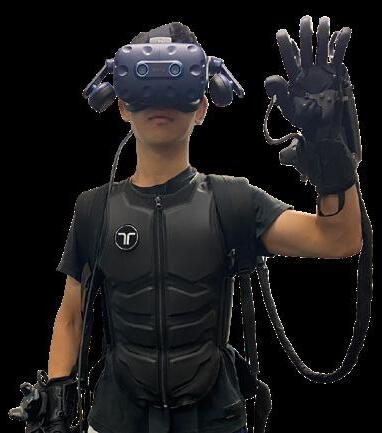
• Haptic systems let remote users “feel” what they’re interacting with virtually.
• Artificial intelligence is accelerating how robotic systems learn from gathered data, enhancing their capability and operational efficiency.
Digital technologies are reshaping the world around us in remarkable ways.
Visualizing a new sofa in your living room through augmented reality (AR), using a robot vacuum that maps your home or riding in an autonomous taxi used to be futuristic experiences. Today, for some, they are part of everyday life.
This same wave of innovation is transforming the marine and offshore sectors. Shipowners, managers, shipyards and crew are leveraging advanced digital tools to enhance efficiency, strengthen safety and drive sustainability across the entire life cycle of a vessel or asset. What
• Advanced data uplinks are helping to inform and enable digital twins in real time, even when a vessel is far from shore.
• Virtual testing will be crucial in helping maritime, class and regulatory bodies trust autonomous systems.
were once emerging concepts are now essential capabilities for modern operations.
Breakthroughs in visualization, robotics, digital twins and autonomous systems have accelerated rapidly, evolving from experimental pilots into proven, real-world applications. These technologies increasingly integrate with one another, and with AI, unlocking powerful new opportunities to solve today’s most complex challenges.
This section highlights the digitalization trends shaping the future of maritime operations and showcases how these advancements are redefining the way the industry works.
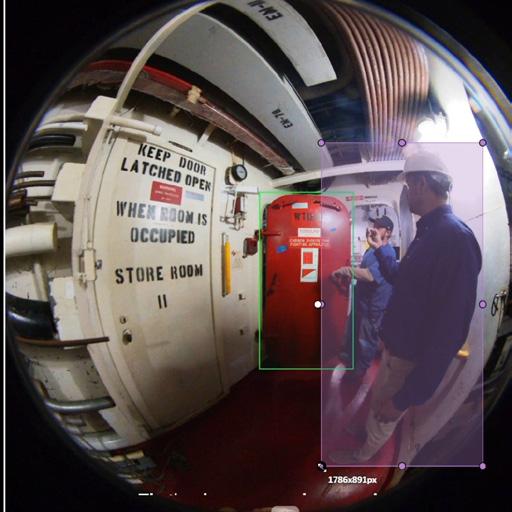
While remote work and training opportunities were the initial drivers behind virtual reality (VR), AR and mixed reality (MR) in maritime, new tools are now supporting live operational workflows. Activities like remote inspections, live troubleshooting and maintenance execution, and collaborative engineering reviews are becoming increasingly common. For example, a remote surveyor can visit a vessel or asset virtually, guided by on-site crew equipped with AR headsets. They can see real-time equipment diagnostics through digital overlays.
Advancements in hardware, such as lighter and more durable wireless headsets, have made these visualization technologies more accessible. Improvements in connectivity, along
with cloud and edge computing, have minimized communication lags and enabled real-time data overlays, even in areas with limited bandwidth. This is helping users discover new applications, expanding the technology’s potential.
Many of the technologies discussed in this publication intersect. For instance, visualization technology can integrate with digital twins, allowing personnel to interact with fully modeled, real-time updated systems. Engineers can visualize fluid dynamics inside a pump, simulate how systems behave under load or duress, or rehearse emergency procedures using real telemetry, all without being on board the asset.
ABS is working with the University of Florida to qualify a remote-operated vehicle (ROV) haptic control system, giving pilots better feedback on environmental conditions like currents.
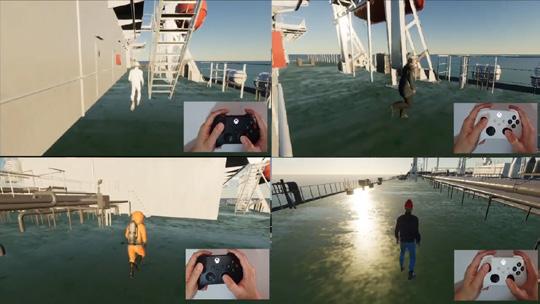
The ABS Singapore Innovation Research Center (SIRC) has developed an immersive, multi-player virtual drill framework to rehearse and strengthen emergency response procedures for risk mitigation operations, enabling repeatable training, faster learning cycles, and more consistent readiness across crews and shore teams.
Training applications for visualization technologies have also advanced quickly. Artificial intelligenceenhanced learning environments can adjust to user responses and simulate rare or complex events in realistic scenarios. Training for emergency evacuations, familiarization with new vessels and step-by-step maintenance walkthroughs are increasingly part of regulatory compliance programs and onboarding processes. This reduces training costs and improves retention.
Emerging developments point toward even deeper immersion for remote operations. Haptic feedback systems, once experimental, are now in prototype stages. These systems allow users to “feel” interactions with valves, cables or surfaces in a virtual space.
These technologies are expected to mature in the coming years, especially for roles that require precision handling, such as subsea operations or autonomous vessel piloting.
DID YOU KNOW?
Extended reality systems can receive data from sensors on machinery to create a realistic view of what’s happening inside for the wearer.
Advanced visualization is no longer a futuristic concept. As visualization hardware becomes more rugged and connected, and as AI and simulation technologies continue to evolve, the industry is set to embrace a truly immersive, remote-first operational model.
Another key development is the close integration between extended reality (XR) platforms and autonomous ship systems. Ship operators can monitor and manage semi-autonomous vessels from land-based control centers using MR interfaces that visualize navigation, machinery performance and health, and adapt to environmental inputs in real time.
In the coming years, maritime could see advancements in:
Wearable AI copilots: Onboard AR assistants providing real-time diagnostics and procedural guidance.
Voice and gesture control: Integration with MR platforms, allowing hands-free operation in rugged environments.
Multi-user XR collaboration: Enabling designers, operators and regulators to interact within a shared virtual vessel.
In the future, and as the regulations evolve to adapt to these technologies, a vessel might be managed by a globally distributed team, with some crew on board and support staff thousands of miles away, all connected to the same real-time, interactive environment. The bridge, engine room and training center may soon share the same virtual space.
ROBOTICS AND REMOTE INSPECTION TECHNIQUES
“Safety first” is a fundamental principle in the marine and offshore sectors. Today, robotic and remotely operated systems are reducing the exposure of personnel to risk. This is especially true with the development of remote inspection techniques (RIT), which help limit the need for surveyors and inspection crews to access hazardous or confined spaces directly.
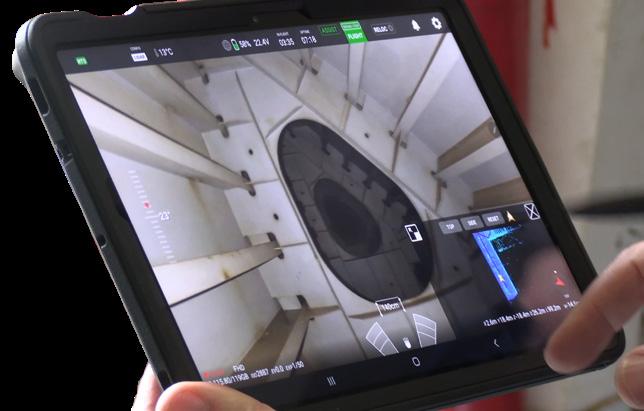
Advances in high-fidelity cameras, thickness measurement tools and autonomous navigation have helped enable the use of drones, ROVs, and robotic crawlers in various inspection and maintenance roles. These tools can access and inspect areas like ballast tanks without requiring extensive accommodations for human inspectors. This can lead to a faster and more efficient inspection process.
For example, drones equipped with thickness measurement devices can assess the inside walls of multiple cargo tanks without needing scaffolding for traditional measurements. This can reduce downtime, save costs and improve operational efficiency.
DID YOU KNOW?
Drones can be used in dangerous or confined spaces, mitigating risk for human inspectors.
Resident robotics could become permanent fixtures on future assets. With robotic quadrupeds, often called “dogs,” and bipedal humanoid robots developing quickly, these machines could monitor compartments, assess damage, clean structures, perform maintenance and collect condition data, all while the vessel is underway.
Over time, advances in sensors could help expand robotic applications to include monitoring machinery condition and identifying structural flaws. Information gathered by robots could also help enhance an asset’s digital twin, providing valuable insights for operators.
Improvements in navigation and multi-robot systems would be key to enabling even faster and more efficient robot-based inspections. Currently, robotic or remote inspections are conducted using one unit at a time. The ability to use multiple units cooperating simultaneously would drastically reduce inspection times for larger spaces and support less intrusive surveys.
Artificial intelligence and ML algorithms are also playing a growing role in RITs. Since these technologies can collect vast amounts of data, AI can help process and analyze the input and identify anomalies or issues that may require further investigation. By filtering out unnecessary data, this application can help decision-makers focus on the most critical findings, greatly reducing the time spent by a human reviewing the collected data in its entirety.
The global ABS Technology team is evaluating emerging robotic and remote operation technologies for compliance with ship survey requirements.
The ABS SIRC is investigating the use of quadruped robots to support shipyard inspections. The ABS Global Ship Systems Center in Athens is looking into using unmanned aerial vehicles to map and assess corrosion in cargo tanks.
Assessing these technologies will be key for vessels utilizing alternative fuels, which can pose significant safety risks.
As the applications of robotics and RITs grow, ship and asset design could evolve to better accommodate these technologies. Tank structures could be designed with robotic access and navigation in mind. Markings inside tanks, like those used for underwater inspections, could assist in orientation. Improved integrated cleaning systems could reduce the need for personnel to remove hard scale and sludge.
As these technologies advance, they have the potential to enhance safety, efficiency and data-driven decision-making for the industry.
The ABS Offshore Technology Center in Brazil is working with project partners to develop and integrate strategies for unmanned tank entry systems for inspections on floating production storage and offloading vessels.
By using drones or robotic crawlers, this approach reduces human exposure to hazardous environments.
DIGITAL TWINS
DID YOU KNOW?
Digital twins can be created to represent everything from individual machinery parts to entire vessels or assets.
Digital twins are fast becoming a key tool in enabling many cutting-edge digital technologies impacting maritime. These virtual representations can model everything from an individual marine engine to an entire offshore platform, using real-time data from physical assets and systems.
Advancements in sensor technology and IoT have made it possible to gather vast amounts of data from vessels in real time. This data feeds directly into digital twin models, often coupled with numerical methods that help process and analyze the data in near real-time, allowing operators to continuously monitor performance metrics. For example, a digital twin of a ship can track fuel consumption, engine performance and operating conditions, providing users with actionable insights to optimize operations.
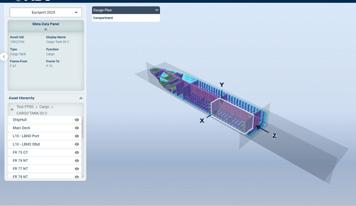
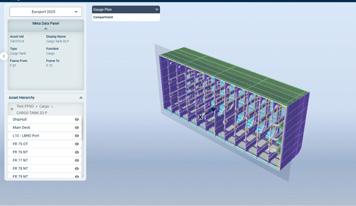
ABS EagleTwinTM is a web-based structural digital twin solution that aims to improve safety for offshore operations. EagleTwin provides an interactive 3D digital representation of an offshore asset to help enable more informed decisionmaking for repair and inspection operations.
Digital twins can also simulate various scenarios, such as changes in load, weather conditions or equipment failures. This capability allows operators to test different strategies and make informed decisions without risking actual assets. By using advanced modeling techniques, engineers can visualize how a vessel will perform under different conditions, leading to better design and operational choices.
The intersection of digital twins with AI and ML technologies is creating new possibilities for predictive maintenance. By analyzing historical data and real-time inputs, AI algorithms can identify patterns and predict potential failures before they occur. This proactive approach not only reduces downtime but also enhances safety by addressing issues before they escalate.
The ABS Engines and Controls Center in Denmark developed a digital twin for a ship’s central cooling system with variable frequency drives installed, helping to reduce specific fuel oil consumption.
In the next two decades, digital twins are expected to become standard practice across most heavy industries, including maritime. Every vessel may have a digital twin that is continuously updated with real-time data, allowing for seamless monitoring and management.
As AI and ML technologies evolve, digital twins will incorporate more sophisticated predictive analytics. This can enable operators to anticipate maintenance needs and operational challenges with greater accuracy, leading to improved safety and efficiency.
The future may see digital twins integrated with smart port technologies, allowing for real-time coordination between vessels and port operations. This could streamline logistics, reduce waiting times, and enhance overall efficiency in marine transport.
Digital twins could also facilitate multi-user collaboration, allowing teams from different locations to interact with the same virtual model. This would enhance communication and decision-making among designers, operators and regulators, leading to more effective project management.
AUTONOMOUS FUNCTIONS
The LNG carrier Prism Courage operated autonomously for roughly half of a voyage across the Pacific Ocean in 2022, marking a key milestone in the fast growth of this technology.
While autonomous technologies often evoke images of fully unmanned vessels, humans remain a key part of the process. These systems can do much more than navigate, including supporting decision-making, optimizing vessel performance, reducing safety risks and more.
The ABS SIRC is developing a standardized testing framework for autonomous navigation solutions. Concurrently, the ABS Laboratory for Ocean Innovation at Texas A&M University is researching the critical factors associated with the transition between manual and autonomous modes of operation.
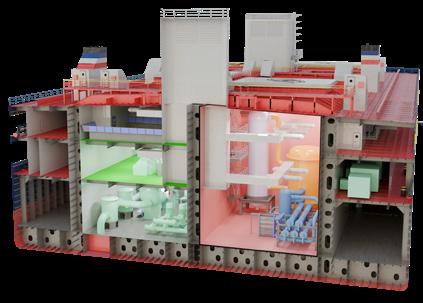
The ABS Engine and Controls Center in Denmark worked with leading shipbuilders on the design for an extendedduration uncrewed ammonia engine room. This system received ABS approval in principle and is designed to monitor engine health and manage ammonia dispersion, reducing crew exposure to toxic risks.
DID YOU KNOW?
Unmanned surface vessels are already serving growing roles in defense, hydrographic surveys, offshore inspections and port security operations.
Advancements in AI, computer vision, sensors and real-time analytics are supporting modern bridge navigation assistance systems to help detect and track obstacles in low visibility or congested environments. Artificial intelligence plays a crucial role in analyzing large amounts of data quickly to provide navigational insights, reducing the cognitive workload for the bridge crew.
Notable autonomous functions currently moving from design to practical applications include docking, machinery health monitoring and engine room management. This growing toolbox is reshaping shipboard operations and critical tasks at sea to enhance safety.
Advancements in connectivity are improving the stability of remotecontrol operations beyond near-shore applications. Shifting some operational responsibilities to a shore-based remote operations center for real-time control and monitoring could help address crew shortages and enhance safety in offshore energy production. With real-time, AIbased analysis, remote operators can make proactive decisions while focusing on overall operations.
As vessels become more connected, cybersecurity threats extend across navigation systems, remote communications, onboard networks and AI decision-making modules. In response, the industry is aligning with International Association of Classification Societies (IACS) Unified Requirements (UR) E26 and E27. These requirements establish a baseline cyber resilience standard for autonomous and remote-control systems. Future systems will embed cybersecurity as a core design element to help ensure integrity.
Regulations are essential for safe and scalable adoption of autonomy. Technology is advancing rapidly, while regulations are catching up. The International Maritime Organization’s (IMO) Maritime Autonomous Surface Ship (MASS) code will form the foundation for international alignment, while building stakeholder trust in how these systems perform. Virtual testing offers a scalable method to validate system behavior before sea trials, and standard frameworks for measuring safety and reliability are developing in parallel.
The ABS
Technology
supporting the development of autonomous systems through design assessments, new technology qualifications and pilot projects. Classification societies play a crucial role in bridging the gap between regulatory bodies, flag States and industry leaders in the safe adoption of autonomous systems.
The expansion of autonomy also depends on advancements in supporting digital infrastructure, including edge computing, data systems and reliable vessel-tovessel communication.
Equally important is preparing seafarers for these changes. Crew training remains vital as seafarers must acquire new skills in system oversight, remote control operations, AI interactions and cybersecurity management. The industry must establish new training standards to prepare crews for hybrid roles.
With regulatory bodies, technology developers and industry stakeholders aligned, the next two decades could see full or partially autonomous vessels and offshore assets becoming increasingly common.
NEXT: Applied Research
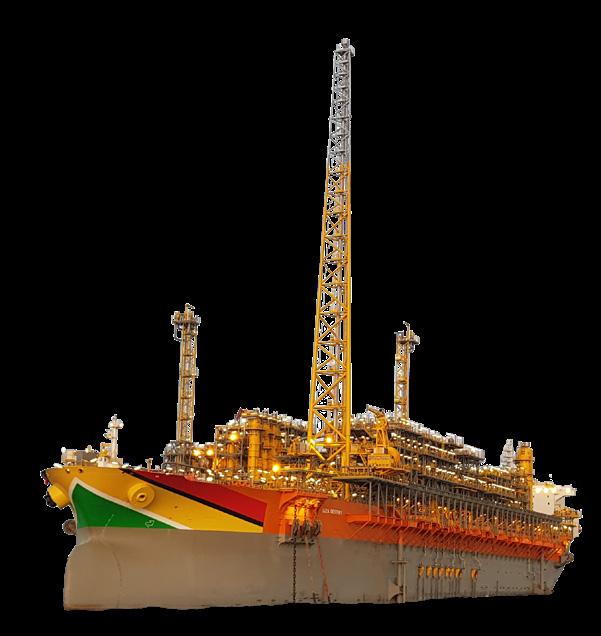
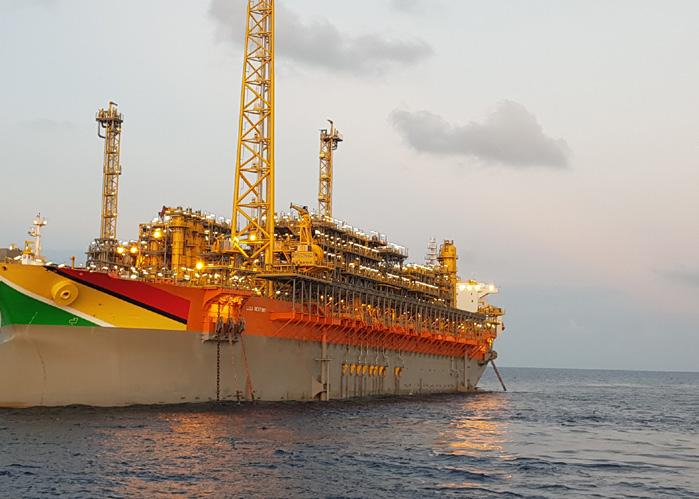
Remote-control functions are becoming an important part of offshore operations, helping improve safety, efficiency and asset oversight. SBM Offshore’s Liza Unity became the first FPSO to receive ABS’ REMOTE-CON notation, recognizing its alignment with remote-control capabilities and highlighting the growing role of digitalization in offshore asset management.
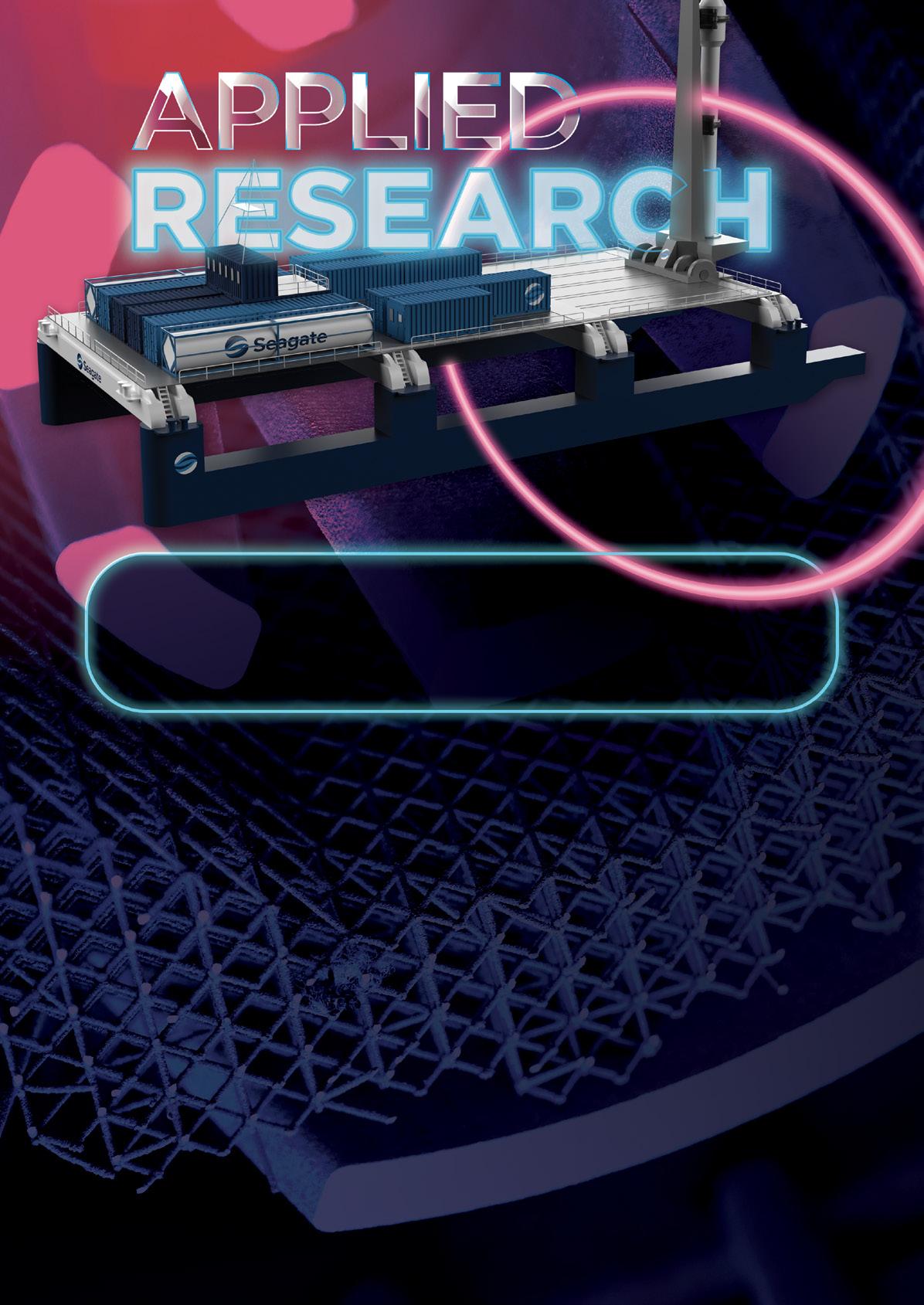
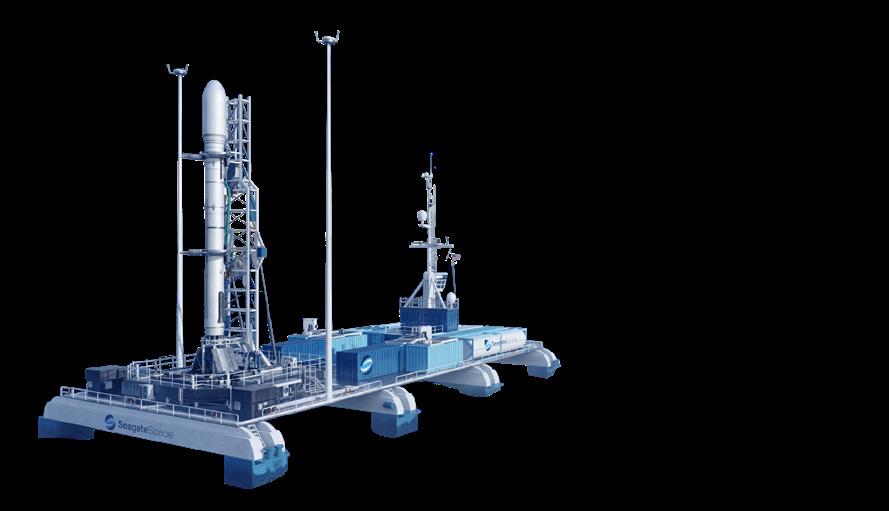
ABS has granted approval in principle (AIP) to Seagate Space for their unmanned semisubmersible launch platform – the first offshore asset to receive AIP under the ABS Requirements for Offshore Spaceports
NOTABLE ADVANCEMENTS
• Recent joint development projects have successfully evaluated new design concepts that integrate various energy efficiency technologies (EETs), demonstrating significant potential for increasing efficiency and reducing emissions.
Improving efficiency in maritime goes beyond just meeting regulations. It’s about managing costs and boosting performance. This has always been important in business, but new research is driving significant advancements for the marine and offshore sectors. Innovations in materials, manufacturing processes, computer modeling and simulation, and the blue economy and green ecosystem are creating new efficiencies.
For example, when developing storage tanks for liquefied carbon dioxide (LCO2) or hydrogen,
• The advancement of high-performance computing has enabled modeling and simulation technologies to assist design evaluation and optimization of complex systems.
advanced materials are essential. If you need a replacement part that is back-ordered, additive manufacturing can help reduce downtime. When navigating EETs, modeling and simulation can evaluate and optimize retrofitting strategies.
Understanding these innovations is crucial for decision-makers. They support safer and more effective technology deployments and operations. This section will showcase real-world examples of technology applications emerging from advanced research and highlight how they’re shaping the future.
MODELING AND SIMULATION
DID YOU KNOW?
Advanced simulation technologies such as multiphase computational fluid dynamics are being used to reveal the safety impact of gas releases on board a vessel.
Commercial ships and offshore assets are growing increasingly complex, both in design and in the deployment of advanced technologies. With this growing complexity often comes a requirement for a high level of optimization. Even minor deviations from intended operating windows can impact performance and, potentially, regulatory compliance.
Modeling and simulation have emerged as a crucial technology in helping the industry understand and address the complexity of its systems and assets. For individual components of a vessel, such as the hull, a rudder bulb or a propeller fin, computational fluid dynamics powered by modern high-performance computing technology can provide full or local hull optimization, which will help vessel operators mitigate rising operational costs and support compliance with evolving regulations.
High-fidelity simulations are also being used to evaluate or optimize the performance of novel energy efficiency devices such as wind-assisted propulsion devices, air lubrication systems, hull surface elements and so on. Computational fluid dynamics is also assisting designers to evaluate and improve the power efficiency of offshore renewable energy devices, which are used to extract wind, wave and tidal energy from the ocean.
While individual models tackle specific challenges, model federation breaks down disciplinary barriers, enabling multi-physics simulations that span equipment, systems, vessels and fleets. By sharing assumptions and data, federated models could support life cycle coverage across the entire marine value chain. For more complex systems or systems of systems, both high-fidelity simulation and reduced-order models can be used in
Advanced simulations are now incorporating human behavior, such as creativity and context awareness, alongside physical models. This holistic approach could enhance understanding of operational strengths and limitations, such as a captain’s navigation practices.
The ABS Global Electrification Center (GEC) in Singapore and the ABS Ship Design Innovation Center (SDIC) in Shanghai teamed up to help clients understand the operational impact of combining varied EETs, highlighting the need for a system-ofsystems approach to implementation. ABS supported a joint development project for a hybrid LNG carrier incorporating a range of EETs.
optimizing system performance. The application of modeling and simulation can be further boosted by the adoption of machine learning and artificial intelligence and leveraging the rapid development of industrial software packages.
Looking ahead, modeling and simulation technology will continue to power the integration of cross-disciplinary design work. This drives closer collaboration among stakeholders, including shipowners, shipyards, suppliers and class societies.
The ABS SDIC leads research and development efforts in carbon capture, transportation and offshore storage. It also drives advancements in digitalization for vessel performance and clean fuel supply systems. Advanced simulations used by the SDIC have supported the development of LCO2 carriers, LNG carriers and oil tankers equipped with wind propulsion systems.
A closed-loop system can be envisaged to bridge the virtual and physical worlds, using real-time sensor data to dynamically calibrate models for predictive maintenance and adaptive control. By integrating live weather, machinery and human data, operators could adjust parameters to maximize efficiency and extend asset life span.
While maritime has long focused on improving operational efficiency as a business practice, recent advancements in materials and manufacturing technologies are driving a new wave of innovation.
Lighter, stronger and corrosion-resistant materials serve as a key puzzle piece in the industry’s shifting landscape. A core part of this shift is the anticipated growth of ammonia, hydrogen and carbon dioxide (CO2) carriers in the coming decades. Whether compressed or liquefied, these chemicals require carefully designed and manufactured storage tanks. For example, high-manganese steels have emerged as a cost-effective alternative to traditional steels for cryogenic environments.
Meanwhile, advances in additive manufacturing are opening avenues to more efficient supply chains and, potentially, production of large structures. Additive manufacturing is helping to enable on-demand part production that could mitigate downtime from waiting for replacement parts. The growing use of metallic materials in additive manufacturing has broadened its potential applications and helped reduce waste compared to subtractive manufacturing.
technologies. High-performance alloys, fiberreinforced polymer (FRP) composites and smart materials are set to revolutionize the industry. High-performance alloys offer exceptional corrosion resistance and strength, while FRP composites are increasingly used in superstructures and gas storage tanks due to their lightweight and durable nature. Advanced marine coating or cladding technologies can incorporate anti-fouling, anti-corrosion, and wear-resistant features for eco-friendly and durable performances for vessel hull surfaces, pipelines and containment systems.
Additive manufacturing is also evolving to embrace digital twins and data-driven frameworks. This will allow for data-driven certification, where captured real-time production parameters provide insight into component printing quality results, which can replace traditional material test results. Generative design, when integrated with additive manufacturing, unlocks unprecedented design freedom — enabling the creation of complex, lightweight structures optimized for performance and efficiency. This synergy accelerates innovation, reduces material waste and shortens development cycles, transforming how products are conceived and built. Digital warehouses will support digital manufacturing by housing prequalified component models and material libraries.
In the coming years, maritime could witness a significant shift as these technologies mature. The integration of advanced materials and additive manufacturing could potentially enhance operational efficiency and support a more sustainable future.
DID YOU KNOW?
Additive manufacturing, commonly known as 3D printing, is increasingly harnessing the power of data-driven technologies like AI and ML to enable in-production anomaly detection and generative designs.
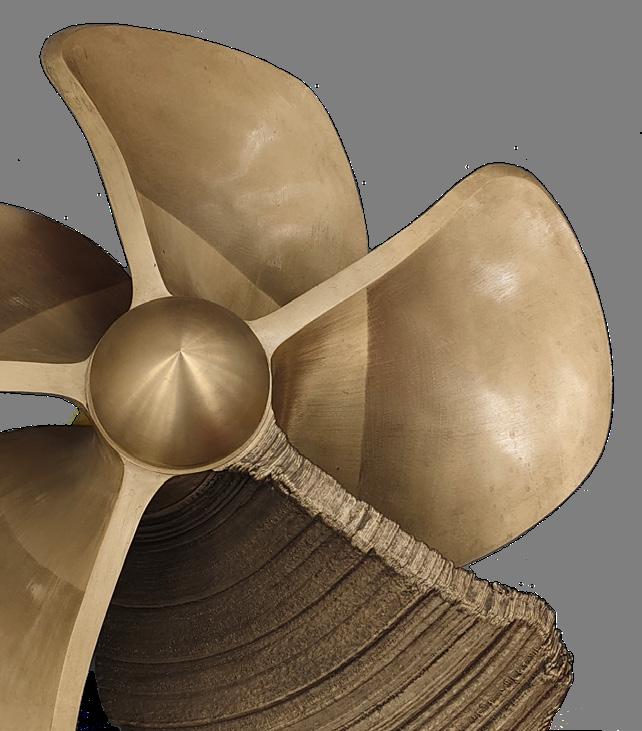
ABS is working to advance the rapid verification and validation of additive manufactured parts for the maritime industry, including ship propellers. A project with A*STAR and Mencast Marine is exploring a model-based qualification framework to reduce approval time and cost.
GREEN ECOSYSTEM
As regional and international regulations continue to evolve, the green ecosystem around shipping and offshore operations is expanding beyond fuel alone. It now includes the offshore energy systems, infrastructure and operating models that can support cleaner industrial activity at sea.
Floating wind is a part of that shift in some regions. Unlike fixed-bottom wind farms, floating systems can be deployed in deeper waters where wind resources are often stronger and more consistent. That opens new areas for development and gives coastal states more options for large-scale offshore power generation. New floating wind projects are proving that large turbines can be stabilized, moored and connected to shore in challenging environments. At the same time, designers are improving anchors, dynamic cables and platform concepts to reduce motion, simplify installation and support larger machines. Digital modeling is playing a major part here, helping developers understand how platforms, moorings and cables will behave under combined wind, wave and current loads.
Green shipping corridors also have a potential role to play in this budding ecosystem. These efforts bring together ports, fuel suppliers, cargo interests, shipowners and regulators to create practical pathways for compliant operations on specific trade routes. Their success depends on more than fuel supply alone. Corridor planning requires a clear view of infrastructure needs, vessel deployment, logistics, energy availability and emissions impact. That makes digital tools, including modeling and simulation, increasingly important in helping stakeholders test scenarios and understand tradeoffs before investing.
Wave energy is also advancing. For years, wave power was seen as promising but difficult to scale because of the harsh and variable conditions these devices must operate in. Designs typically focused on generating power in ideal conditions. That is beginning to change. Many developers are moving beyond early
proof-of-concept work and focusing more on system optimization, survivability and reliability. Several have progressed from tank testing to open-water demonstrations and grid-connected pilots. New devices are being designed to survive storms, reduce maintenance demands and improve power output in real sea states. At the same time, developers are increasingly engaging with certification bodies, such as classification societies, early in the process to support technology qualification and eventual commercialization.
The broader trend is integration. Offshore power is increasingly being discussed not as a stand-alone asset, but as part of a larger system. Floating wind and wave energy could support offshore charging, green fuel production, desalination and other energyintensive processes located closer to where the resource is produced. In some future concepts, floating nuclear could add another layer to that ecosystem. While still at an early stage for broad maritime adoption, interest is growing in concepts for floating nuclear power plants (FNPPs) utilizing small modular reactors (SMRs) that could one day supply steady power to offshore industrial hubs, ports, remote coastal regions or even floating data centers.
The ABS SIRC is leveraging its modeling and simulation capabilities to support the development of green corridors, enhancing corridor design and logistics planning.
ABS worked with Herbert Engineering Corporation on the design of a FNPP as an auxiliary electrical power source for ports with cold-ironing capabilities. Additional port power capacity can help reduce emissions from port infrastructure and equipment.
Looking ahead, the green ecosystem will depend on how well these technologies work together. The challenge is no longer just generating cleaner power. It is connecting generation, storage, transport and end use into systems that are reliable, safe and commercially practical. For shipping and offshore operators, that could reshape how energy is produced, moved and consumed across the marine environment.
Over time, this has the potential to change where offshore industries are located and how they are designed. Energy-intensive activities that once depended on land-based power or fuel delivery
could move closer to offshore energy sources. Green fuel production, desalination, offshore processing and data infrastructure could increasingly be planned as part of integrated marine energy hubs rather than as stand-alone assets.
That future is far from settled. Costs, reliability, regulation and public acceptance will all shape the pace of change. Still, the direction is becoming clearer. The green ecosystem has the potential to evolve from a collection of separate projects into a more coordinated maritime network.
BLUE ECONOMY
The blue economy is widening fast. It still includes familiar sectors such as shipping, fishing and offshore energy, but ocean space is now being used in new ways that would have seemed niche only a few years ago.
Commercial space operations provide a clear example of cross sector convergence. As launch activity increases, offshore platforms and purpose built vessels are playing a growing role in aerospace support, landing and recovery. Sea based launch concepts are also under development. Offshore locations offer several advantages, including reduced congestion at land based spaceports, larger safety exclusion zones, reduced impact to coastal communities and greater flexibility for launch and recovery missions.
This capability is already moving beyond the concept stage. Operators are designing and modifying barges and offshore structures specifically for rocket landing, recovery and launch support. These assets combine established elements of marine and offshore engineering with newer
requirements for thermal protection, automation and remote operations. The result highlights how space and maritime industries are increasingly intersecting.
Subsea mining is another area drawing attention. The deep ocean seabed contains significant deposits of critical minerals used in batteries, electrification and advanced manufacturing. To date, the International Seabed Authority has issued 31 exploration contracts. Commercial-scale extraction has not yet been authorized, but recent years have seen early trials of subsea collection systems, often using converted drillships, risers and remotely operated seabed vehicles. These efforts have highlighted the technical promise of deepwater mineral recovery, and the challenges tied to system reliability, environmental impact and regulatory approval.
As interest grows, subsea mining concepts continue to draw on experience from offshore energy and shipping. That includes station keeping, riser systems, subsea robotics and marine transport.
Offshore aquaculture is also evolving beyond nearshore fish farming. New systems are being designed for more exposed waters, where stronger currents and greater water exchange can improve growing conditions and reduce some local impacts. Recent advances include automated feeding, remote monitoring, submersible cages and even vessel-based fish farming concepts that can move to avoid rough weather or poor water quality. Some projects are also exploring how aquaculture can share space and infrastructure with offshore energy systems, pointing to a more multi-use model for the ocean.
Looking ahead, the blue economy will be defined by competition for space, as well as by smarter co-use of that space. Offshore rocket launch and recovery support, aquaculture, seabed resource activity, renewable energy and marine transport are no longer developing in isolation. They are starting to overlap in infrastructure needs, data requirements and operating areas. For maritime leaders, that matters because the ocean is no longer just a route for trade or a site for extraction. It is becoming a more crowded, more connected operating domain with new challenges, new business models and new demands on marine technology.
DID YOU KNOW?
Orbital space launches are occurring at five times the rate of 20 years ago, driving the need for tailored offshore vessels that can support rocket launch and recovery.
Over time, this could lead to a very different view of offshore development. Ocean space may increasingly be planned in layers, with energy generation, food production, logistics and industrial activity operating in parallel within the same region. That would require better digital planning tools, more flexible marine infrastructure and clearer rules for how different users interact.
The longer-term opportunity is significant, but so is the uncertainty. Some concepts will remain niche. Others may move quickly if economics, policy and technology align. What seems likely is that the blue economy will continue expanding beyond its traditional boundaries.
ABS and Fleetzero have signed a memorandum of understanding (MOU) to explore the technical requirements for containerized marine battery systems.
NOTABLE ADVANCEMENTS
• The ferry Sea Change was launched in 2021 as the first commercial hydrogen fuel-cell ferry.
• Innovative designs for battery systems and rooms offering enhanced safety features are supporting next-generation electric harbor craft.
As international and regional regulations continue to evolve, crucial technological and infrastructure developments are shifting views on how vessels could be powered and operated. As stakeholders across the marine and offshore sectors seek innovative solutions, several emerging technologies are promising great potential, though with notable hurdles and critical safety considerations.
Nuclear energy, alternative fuels, electrification and carbon capture technologies each offer unique advantages and challenges. Alternative fuels, such as ammonia and hydrogen, are potential zero-
• Advances in modeling and simulation are helping stakeholders better understand and prepare for battery thermal runaway events.
• The first ammonia-fueled two-stroke marine engine was recently delivered to a shipyard in Korea. The engine has been installed on a new 46k m3 liquefied petroleum gas (LPG)/ ammonia carrier, marking a significant milestone for ammonia as a marine fuel.
carbon solutions, while nuclear energy presents a long-lasting power source for various applications. Electrification can potentially mitigate or even remove fuel costs from the equation, while carbon capture technologies could play a key role in reducing emissions across the value chain.
By understanding these advancements, stakeholders can better navigate the complexities of new energy sources. This is critical if deployments are to be successful in the long term. Together, these innovations could redefine maritime energy systems, supporting a more efficient and resilient industry.
NUCLEAR ENERGY
Outside of potential maritime applications, the nuclear energy sector is already undergoing a significant transformation. The technology is shifting from traditional gigawatt-scale, land-based light water reactors to more compact and transportable systems, including microreactors and small modular reactors (SMRs). As existing energy infrastructure is pushed to its limit, there is a growing demand for clean and reliable energy. Nuclear energy offers a potential answer.
The reasons that make nuclear energy an intriguing option for land use also appeal to leaders in the marine and offshore sectors. Nuclear systems are being explored for applications such as floating nuclear power plants (FNPPs), offshore production facilities, data centers and nuclear-powered commercial ships.
DID YOU KNOW?
Small modular reactors could potentially provide electrical power ranging from 10 to 200 megawatts and remain in operation for decades without refueling.
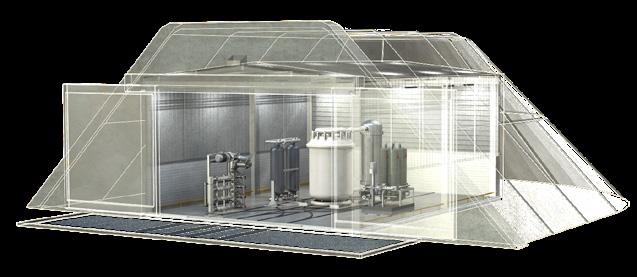
This rendering shows an example microreactor deployment application.
Advancements in Generation IV reactor concepts are enabling the development of compact and resilient energy systems that have the potential for ocean conditions. Innovative fuels, such as tri-structural isotropic ceramic-coated particles and metallic fuels, are being designed to extend reactor core life and enhance safety. These are critical factors for floating or sea-going systems with small emergency planning zones.
Small modular reactors could be particularly well-suited for off-grid, marine and remote coastal zones, with power outputs ranging from 10 to 200 megawatts electric. They could support energy-intensive applications, including base-load grid connections, desalination, district heating and shore-side industrial processing. Their high-capacity factor, long refueling intervals and reduced location constraints make them ideal for the industry, addressing the growing demand for clean, reliable energy in coastal and offshore environments.
Looking ahead, the maritime nuclear sector is poised to transition from concept to implementation through technological advancements, demonstration projects and evolving regulatory frameworks.
Early deployments, such as offshore nuclear power barges, are paving the way for broader adoption. These platforms benefit from simpler
regulatory integration, setting the stage for nuclear-powered floating data centers and industrial facilities where high energy demand and grid independence are critical.
Over time, the marine sector could see the emergence of government-backed ships, domestic propulsion systems and eventually international commercial nuclear shipping, all driven by advanced reactors with passive safety features.
While SMRs hold great potential for the industry, several technological and regulatory hurdles must be overcome. Challenges such as reactor safety, shielding, fuel handling and reliability under dynamic ocean conditions are being addressed. Progress is being made to tackle issues like high-assay, low-enriched uranium supply, life-cycle costs and decommissioning. Organizations focused on bridging technology gaps and advancing integrated licensing are working to harmonize international standards, unlocking the potential for civilian use.
Ultimately, advanced nuclear reactors, particularly SMRs, have the potential to revolutionize marine energy systems by providing long-lasting and efficient power solutions. The ongoing technological innovation and evolving regulatory landscape will be key drivers for adoption.
ALTERNATIVE FUELS
DID YOU KNOW?
The first ammonia-capable marine engines are already on the market, meaning the challenge is shifting from engine development to deployment, fuel supply and port infrastructure.
Maritime is facing a significant transformation as it considers alternative fuels. Evolving regulations and company-specific strategies have put a focus on emissions, prompting advancements in research and development of new energy sources and the infrastructure needed to support them.
Ammonia and hydrogen, both zero-carbon fuels, have emerged as key candidates beyond 2040, but come with notable challenges. Safety concerns, the complexities of liquid hydrogen storage, infrastructure development and cost competitiveness are critical factors that the industry is navigating.
Methanol is emerging as one of the more convenient alternative marine fuels, offering scalability, lower emissions and compatibility with existing ship technologies. However, challenges remain around cost, supply and infrastructure. Methanol offers a strong balance of technical readiness, environmental benefits and operational practicality, but its future as a mainstream fuel depends on scaling green methanol production and reducing costs. Also, vessel operators have lots of options as many types of dedicated methanol engines are available on the market, including retrofit kits for existing engines.
The ABS SIRC has developed an agent-based simulation tool to evaluate alternative fuel emergency response planning by modeling human actions, procedures and decision-making during scenarios such as ammonia/ methanol dispersion, mitigation and evacuations.
The biofuel B100 is another promising alternative fuel. It is made from renewable sources such as vegetable oils (soy, canola, palm), animal fats, used cooking oil or non-edible plant-based oil (e.g., algae) without blending any petroleum fuel. Chemically, it’s a mixture of fatty acid methyl esters or hydrotreated vegetable oil. Compared to regular diesel, B100 generally reduces CO2 life-cycle emissions and many tailpipe pollutants. It has higher lubricity but slightly lower energy content, which leads to slightly higher fuel consumption. It has cold-flow and material compatibility issues, so not all engines or climates are suitable without specific approvals. The third-generation B100 biofuels are essentially 100 percent biodiesel produced from advanced, non-food, high-yield feedstocks derived from algae or other engineered microorganisms, rather than food crops (1st gen) or conventional wastes/residues (2nd gen). The primary limitations for B100 include lack of wide availability, high costs and incompatibility with some engines and machinery. In most cases, B100 is still going through pilot programs, demos or used for a dedicated trade route based on availability and compatibility.
Recent years have marked a pivotal phase of collaboration, research and pilot testing as the marine sector works to align regulatory frameworks with the technological readiness of alternative fuels.
Countries such as Japan, Singapore, Norway and the Netherlands are leading the development of ammonia fuel infrastructure, while Belgium, Korea and Japan are integrating hydrogen into their maritime strategies. Meanwhile, key industry players are actively developing ammonia-capable engines, dual-fuel systems and hydrogen fuel cell technologies. Commercial applications of ammonia engines are already entering the market. Hydrogen engines are projected for deployment no earlier than 2028.
Looking ahead, the next decade is expected to see widespread demonstration projects as well as commercial deployments of ammonia and hydrogen as marine fuels. As regulations evolve, the adoption of these fuels could accelerate significantly.
Retrofitting conventional ships with dual-fuel engines, developing green ammonia and hydrogen production hubs, and establishing a global alternative fuel distribution network will be crucial enablers.
AMMONIA
TECHNICAL AND OPERATIONAL ADVISORY
The ammonia and hydrogen value chains are closely linked, as ammonia can act as a crucial hydrogen carrier, mitigating the challenges of storing and transporting pure hydrogen. Meanwhile, green hydrogen is an essential building block in the production of green ammonia. If the fuels are to see widespread use, the production and transportation infrastructure will need to develop in tandem.
ABS is proactively updating its Rules to support the industry as it begins adopting alternative fuels. The ABS Ammonia Bunkering: Technical and Operational Advisory was an industry-first publication, providing crucial insights to stakeholders considering ammonia as a fuel.
While shipping may see a diversified fuel landscape in the coming decades, ammonia and hydrogen could play complementary roles. Ammonia has the potential to become a leading fuel for long-haul vessels, while hydrogen could gain traction in short-sea routes. This transition is predicted to be gradual but will gain momentum if the economics of alternative fuels improve.
The ABS Engines and Controls Center is working with industry leaders on a European-funded project to develop a new internal combustion engine that can run on the zero-carbon fuels hydrogen and biomethane, with the potential to operate on 100 percent hydrogen. As part of this project, a 24,000-gross-ton vessel with a total installed capacity of 17.6 megawatts will be fitted with a hydrogen engine as its main propulsion engine.
June 2024
BUNKERING:
ELECTRIFICATION
Electrification is steadily transforming the maritime industry, enhancing vessel propulsion and onboard systems while enabling more efficient power management. This shift is characterized by the increasing adoption of advanced technologies, such as shaft generators, electric propulsion systems and electric motor-driven pumps, which are redefining how vessels operate.
Battery energy storage systems are becoming integral to modern asset design, often supplementing or replacing traditional combustion engines in certain applications. All-electric vessels are gaining traction in segments like tugboats, ferries and offshore support vessels, where they offer operational advantages and improved performance.
When powered by renewable energy sources, these vessels not only enhance operational efficiency but also contribute to lower operating costs, making them an attractive option for shipowners looking to optimize their fleets.
The integration of alternative energy sources, such as hydrogen fuel cells and photovoltaic panels, is another key benefit of electrification, making vessels more adaptable to future energy landscapes. However, this transition is not without challenges. New safety measures are essential to address risks, such as the fire risk of lithium-ion batteries in battery rooms or spaces on board hybrid or electric vessels.
Looking ahead, the marine sector is poised for further adoption of battery technologies, driven by declining costs and advancements in safety innovations to prevent thermal runaway, like immersive cooling.
The ABS GEC is addressing the key adoption barriers of electrification technologies in the marine and offshore sectors. The GEC is working with the Maritime and Port Authority of Singapore on a feasibility study on the local implementation of electrified harbor craft, including those powered by hydrogen fuel cells.
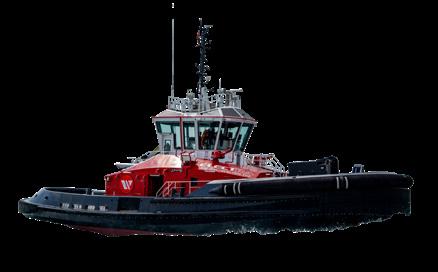
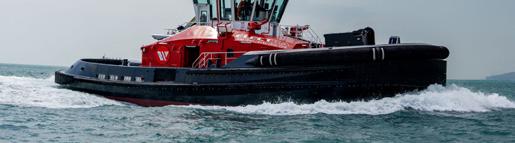
Tugboats and offshore support vessels have been among the first vessels to embrace hybrid or fully electric propulsion systems.
Emerging battery chemistries, including sodium-ion and solid-state batteries, promise enhanced performance and safety. Standardized, swappable containerized batteries could reduce charging times and costs for large cargo ships, streamlining operations.
Direct current power architectures are regaining popularity due to their compactness and efficiency, bolstered by advancements in semiconductor technologies. However, transitioning from traditional alternating current systems presents challenges in safety and protection, necessitating ongoing technological development.
ABS is working with Siemens Energy to advance the understanding of thermal runaway in lithium-ion batteries through modeling and simulation. The collaboration aims to create new insights into how lithium-ion battery systems behave under extreme conditions, ultimately enhancing design verification, safety assurance and risk mitigation for next-generation applications.
Shore-side charging infrastructure is critical for the successful electrification of vessels. Industry efforts to standardize high-power chargers and swappable battery systems aim to enhance usability, safety and return on investment.
These collective advancements position electrification as a transformative force in the marine and offshore sectors, driving sustainability and innovation.
Ultimately, electrification could redefine the maritime landscape, fostering a cleaner and more efficient future for the industry.
ABS has worked with HD Korea Shipbuilding and Offshore Engineering (HD KSOE) and HD Hyundai Heavy Industries (HD HHI) to explore medium-voltage direct current (MVDC) power systems on ships.
The collaboration led to a New Technology Qualification for a next-generation electric propulsion solution, the Breakerless-MVDC Power System.
CARBON CAPTURE
The fundamentals of carbon capture technology have been relatively mature since the first commercial projects emerged in the 1970s. However, the broader carbon capture, utilization and storage (CCUS) value chain and its intersection with maritime is reaching a pivotal moment, with significant growth and development underway.
DID YOU KNOW?
The global CCUS industry has over 620 initiatives in development with a planned capacity exceeding 400 Mtpa.
According to the Global CCS Institute’s Global Status of CCS 2025 report, as of late 2025, there were more than 77 operational on-land carbon capture facilities worldwide, with a combined capture capacity of about 64 million tonnes per annum (Mtpa). The global project pipeline includes over 620 initiatives at various stages of development, with a total planned capacity exceeding 400 Mtpa.
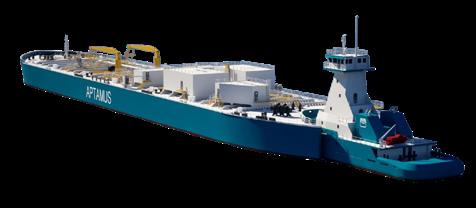
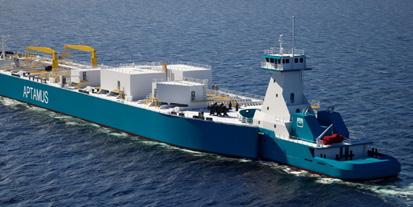
ABS awarded approval in principle for the preliminary design of an LCO2 barge unit developed by Aptamus Carbon Solutions. The articulated tug and barge concept is the first of its kind designed to support carbon capture projects in the U.S.
Technological advancements in CCUS for shipping are focused on three interrelated domains: onboard carbon capture systems, CO2 transportation and offshore storage. Opportunities exist to adapt mature, land-based carbon capture technologies for compact, mobile offshore environments.
While chemical absorption using amine solvents remains the primary capture method for the technology, alternative approaches such as membrane separation and cryogenic processes are being explored to improve energy efficiency and operational flexibility.
Looking ahead, the industry is expected to transition from early-stage deployment to broader commercialization over the next three years. This shift will be underpinned by the development of integrated value chains that connect capture sites with transport and storage infrastructure in a costeffective and scalable manner.
In the CCUS value chain, infrastructure would play a critical role. The decision-making process for shipowners to invest in new vessels is closely tied to the maturity of onshore carbon capture projects and the operational readiness of offshore sequestration sites. As carbon capture projects gain momentum and storage sites become more defined, the marine sector is poised to emerge as a key enabler of largescale deployment.
While pipelines remain the primary mode of transport for large-scale CO2 movement, shipping is gaining traction as a flexible and scalable alternative, particularly for cross-border and offshore applications. In the United States, projections indicate a need for an additional 17,700 to 37,000 kilometers of CO2 pipelines by 2050. However, the capital intensity and permitting challenges associated with pipeline development make shipping an attractive complement.
Liquefied carbon dioxide carriers, adapted from LPG vessel designs, are being developed to comply with international safety codes. These ships utilize various tank configurations, including low-pressure, medium-pressure or elevatedpressure systems. Each has its own trade-offs in cost, safety and operational complexity. The presence of impurities coupled with the unique thermodynamic properties of CO2 presents challenges for liquefaction, compression and suitability of containment materials, prompting significant research and development efforts to optimize these systems for marine use.
The expansion of CCUS in the coming years will be shaped by regulatory, economic and technological factors. Cost-effectiveness remains a critical determinant of adoption, necessitating innovation and system integration.
NEXT: Conclusion
The ABS Offshore Floating Injection Facilities technical paper provided an analysis of the critical offshore technologies supporting CCUS. The report explored the shift to dedicated CO2 injection and storage facilities from existing enhanced oil recovery processes, and technologies enabling the evolution.
Change is constant, but over time, the pace of technological change has gone from millennia to centuries to decades to years to months. Technological change in weeks, days and hours may even be possible in the age of AI. Technology, for maritime or otherwise, is advancing faster now than at any point in human history.
As a result, the tools of the future often develop faster than society and industry can understand and fully address the risks they pose. Regulations tend to follow in the wake of the latest and greatest advancements. However, regulations are not roadblocks to development but enablers. They have a pivotal role to play in supporting safer deployments and helping protect the environment and life and property at sea.
Artificial intelligence represents a generational opportunity that could underpin many of the innovations covered in this report and could contribute to advances no human has yet considered. However, it is also an example of why we must all take the time to understand both the opportunities and challenges ahead.
Safety risks must be considered and mitigated. Workers must be trained to effectively implement new technologies. Cybersecurity risks must be addressed. Regulations must be understood and complied with.
Addressing these challenges will be critical to fully realizing the potential of the transformative technologies facing maritime. It’s also at the core of everything ABS does.
As the industry pushes forward, we remain anchored by the same vision, mission and core traits that have helped our members and clients find clarity from complexity for more than 160 years. It may have taken shipping a bit longer to advance from steam engines to diesel power than the implementation of today’s innovations, but our commitment remains the same in the face of ongoing change.
A global leader in classification services, ABS is focused on delivering a safer, more efficient future for the marine and offshore sectors. For almost two centuries, ABS has been setting standards for safety and excellence and continues to innovate in the fields of clean technology, digitalization and artificial intelligence, providing industry-leading technical advisory services.
With a global network of surveyors, engineers, technology specialists and support staff, ABS works with you to improve safety in operational performance and efficiency with innovative solutions for the complete life cycle of your assets. Contact ABS today to learn more about how we can support your technological transformation.