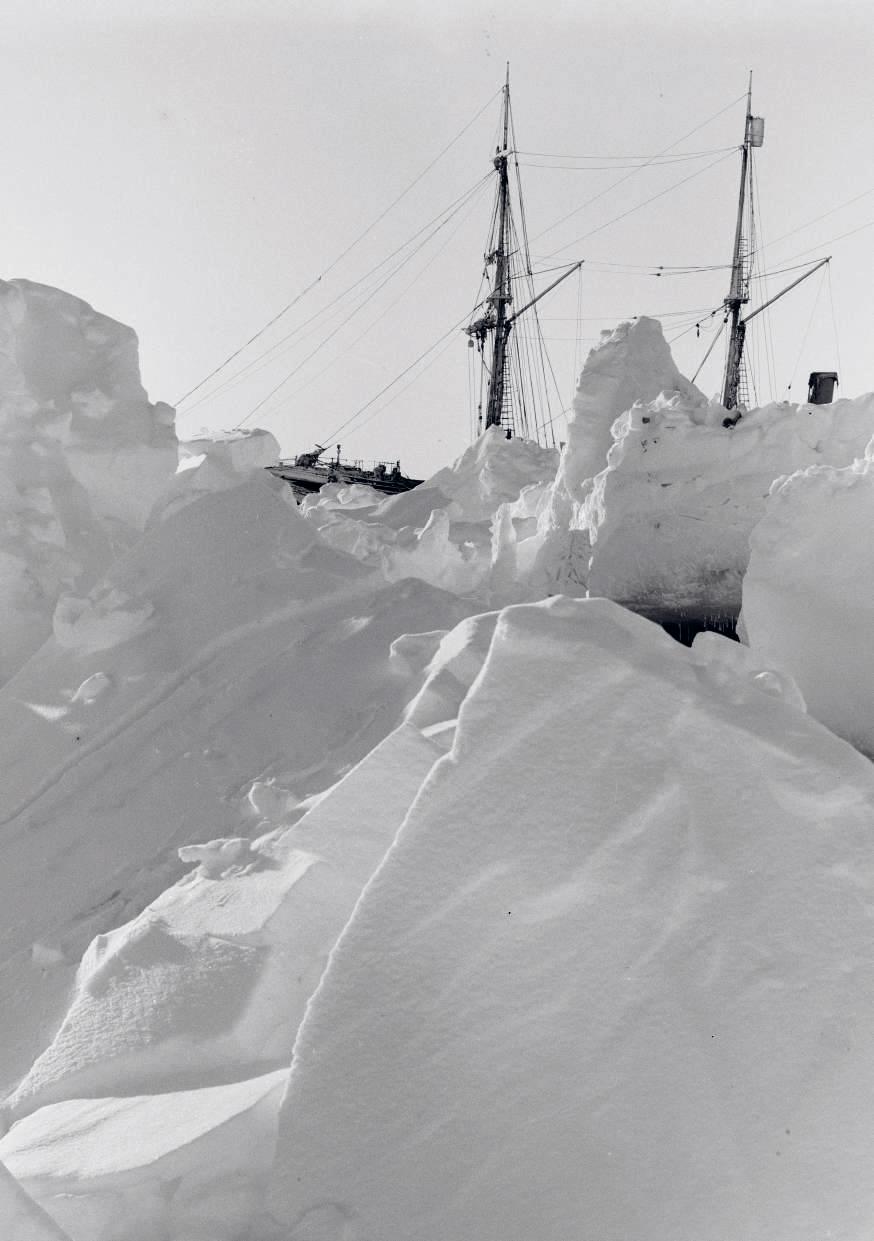
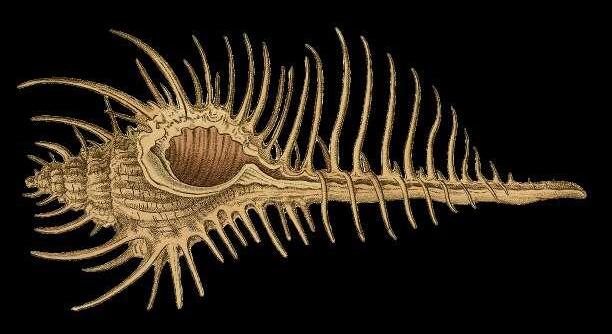
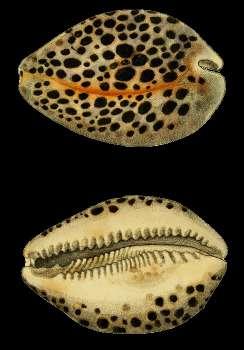
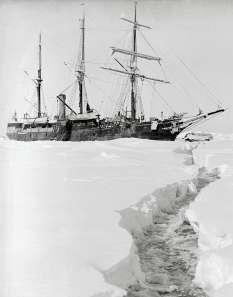
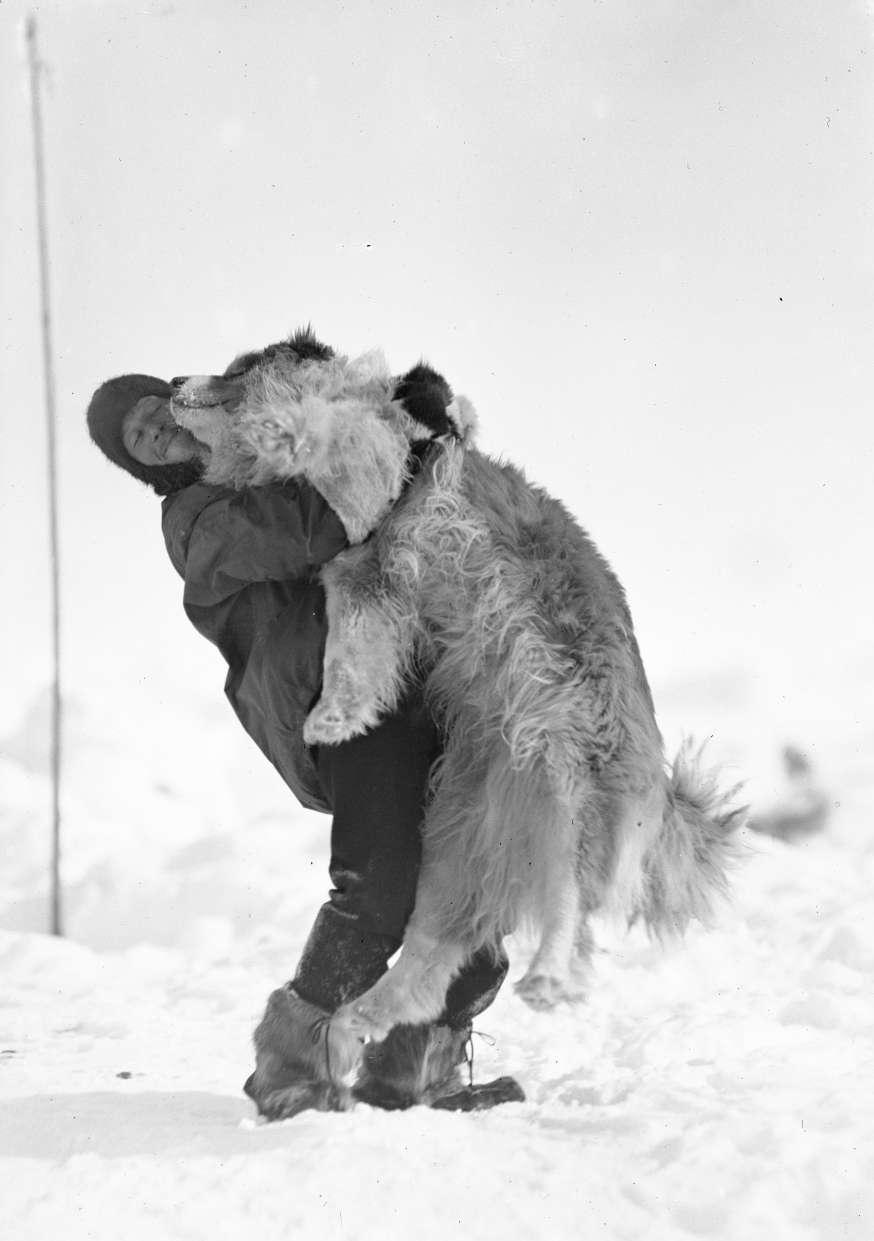
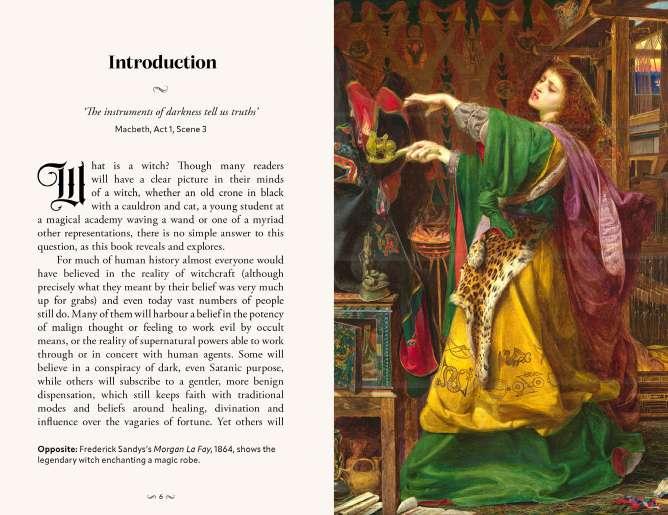
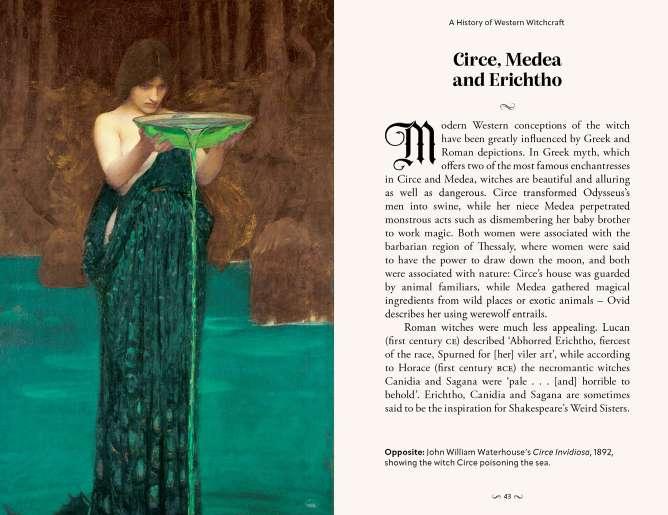
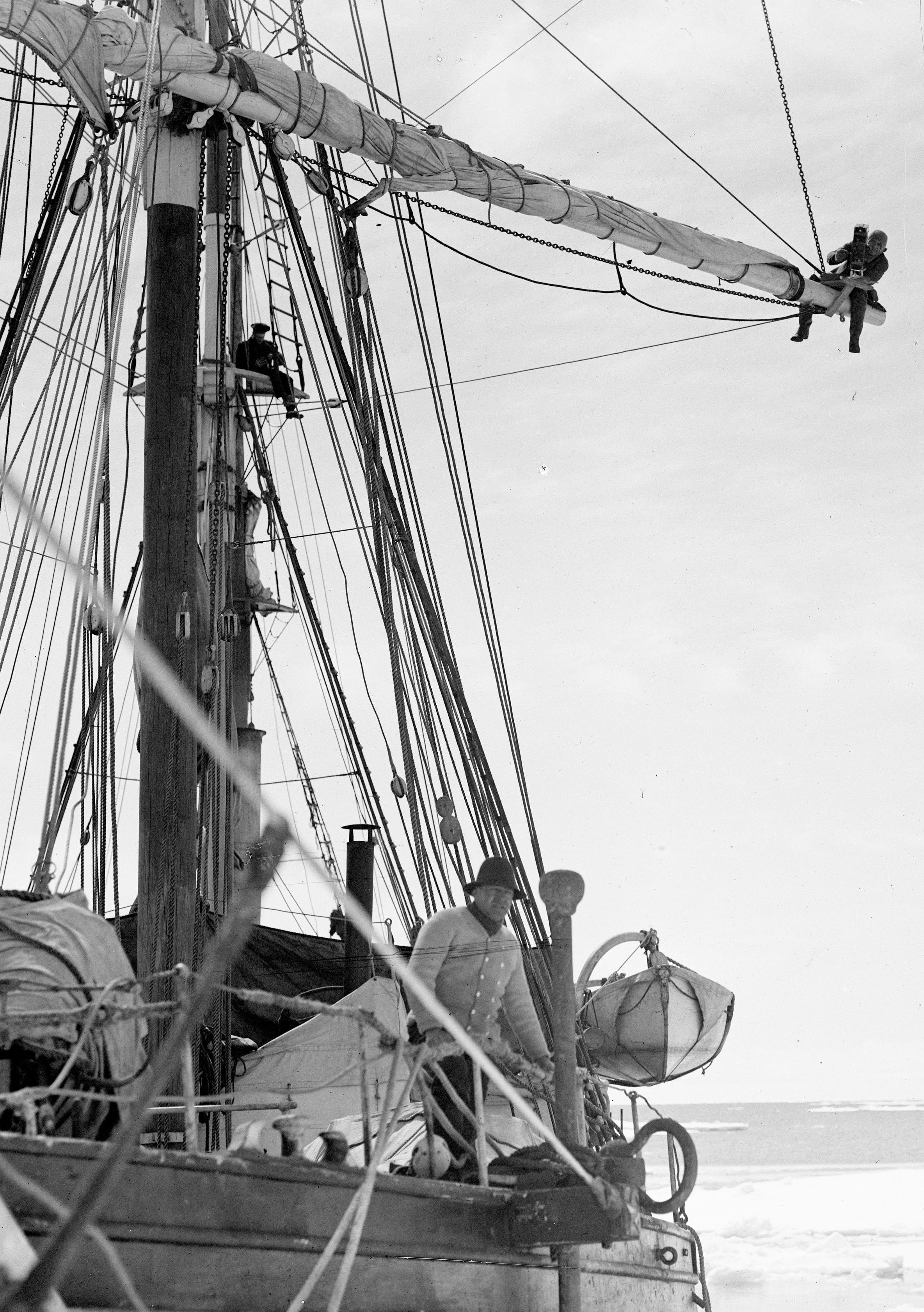
Images from The Endurance Photographs , reproduced by kind permission of the Royal Geograhical Society.
“Those who contemplate the beauty of the earth find reserves of strength that will endure as long as life lasts.”
— Rachel Carson, The Sense
of Wonder
Our new list builds on our storytelling successes: while continuing to celebrate our connection to the natural world, we also consider our place in history, myth and legend. Following the dizzy trajectory of our bestselling Pocket Book of Dragons, we offer the next in our series of enchanting depictions of magical beings and their mythical worlds: the highly collectible and giftable Pocket Book of Witches . We enjoy an enlightening journey around the marvellously illustrated flora of the Brontë novels, and we offer two new timely graphic guides to help readers navigate and decipher the complex worlds of philosophy and democracy.
We hope you like our Riverside Press titles as much as we enjoy creating them. With thanks as ever to the authors, illustrators and photographers who share the skill and the passion to tell great stories.
Jenny Manstead Founder
215 x 148 mm (53/4 x 81/2) 192pp, hardback
Four colour throughout 90 images
35,000 words
978-1-917226-17-2
£17.99
Publication March 2026
Forty Ways to Know a Tree Meeting Trees to Understand Nature
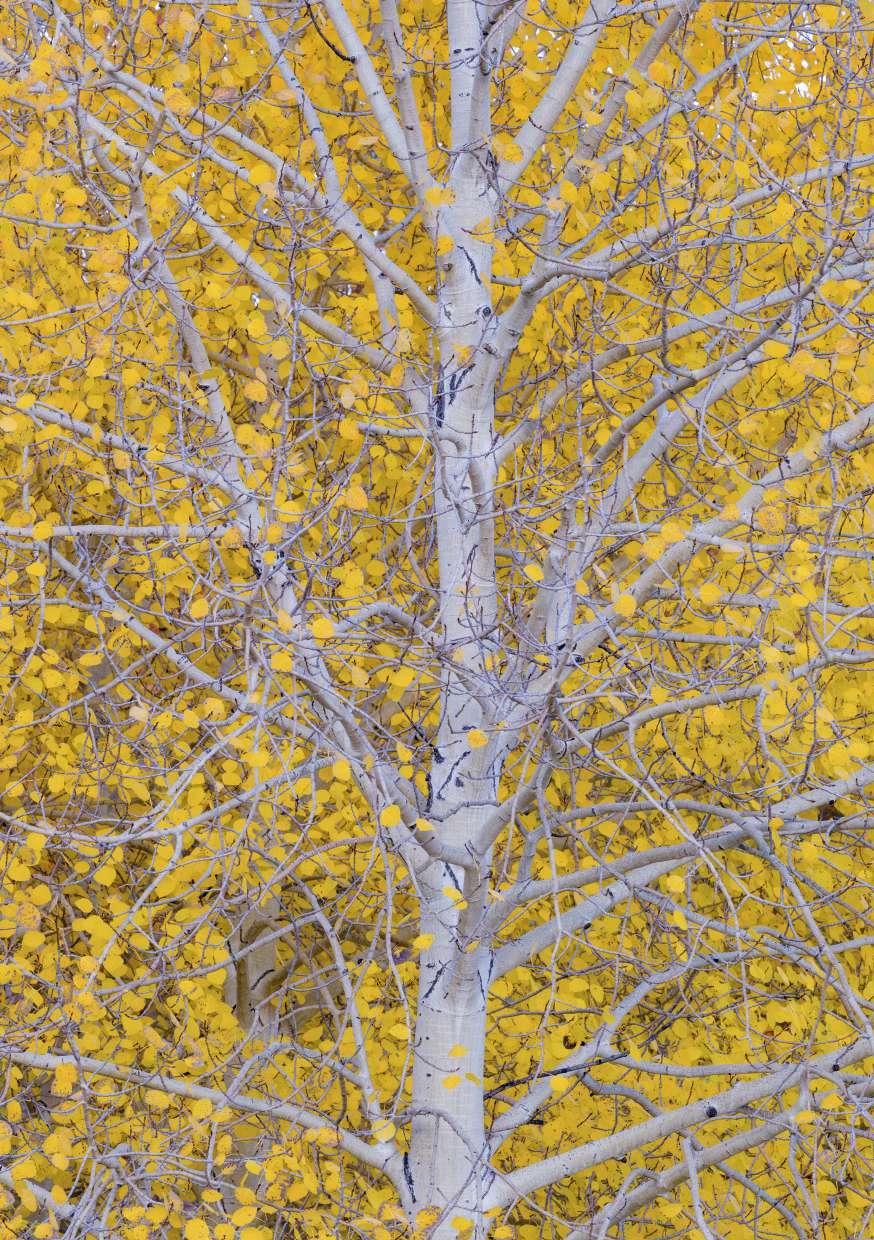
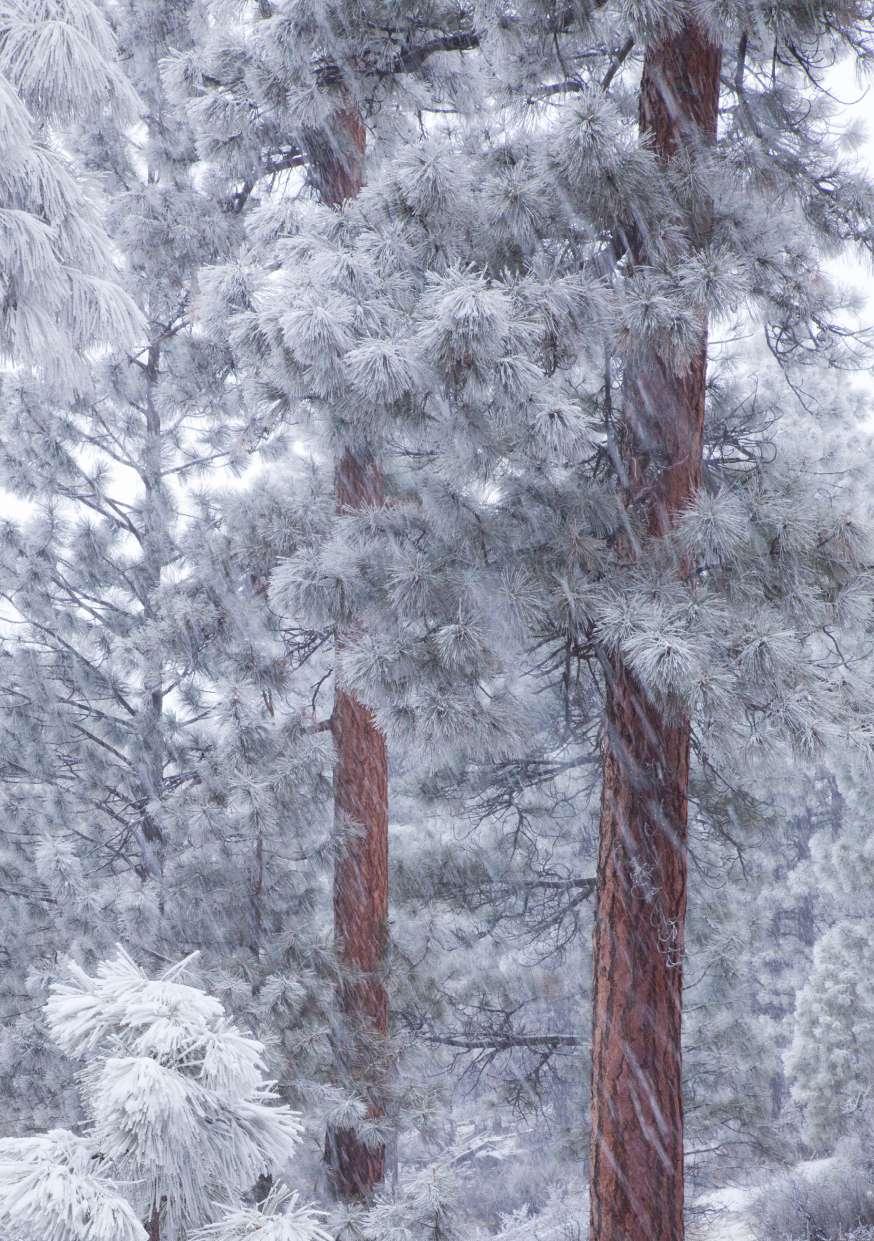
Trees are the living, breathing monitors and maintainers of Earth’s health. There are an estimated 3 trillion in the world, half as many as there once were. Trees are the lungs of the planet, with a mature example absorbing over 20 kg of carbon dioxide every year. Their growth-rings chronicle drought, fire, and flood. Their roots form an underground ecosystem with mycorrhizal networks of fungi. Their trunks, branches, and canopies provide shelter and sustenance to an abundance of mammals, birds and invertebrates. Their very presence bestows upon humans a sense of wellbeing.
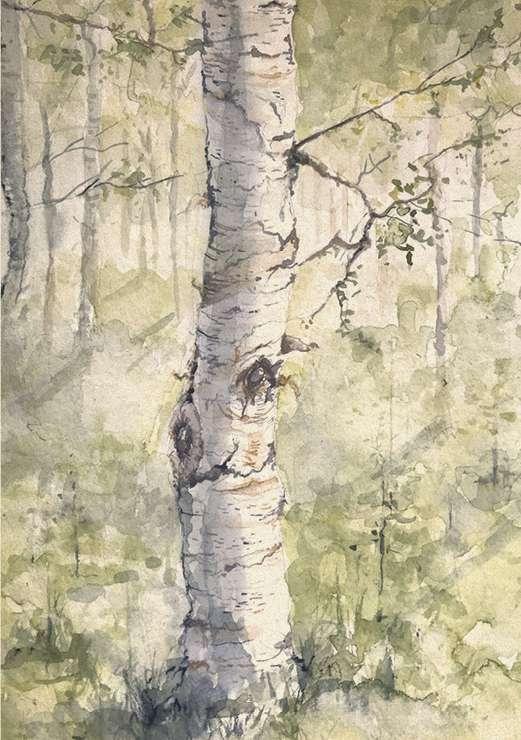
Forty Ways to Know a Tree offers 40 distinct ways of encountering, exploring and knowing a tree. You might know it at its birth or by its breathing; by its roots or its rings; by its shade or even by its song. Each meeting is illustrated with artwork of a particular species, to convey a broad canvas of tree knowledge. With elegant writing turning tree science into storytelling, and beautiful photographs and watercolour art, this is the perfect gift for tree lovers.
Author
Joan Maloof is Professor Emeritus of Biology at Salisbury University, Maryland, and founder of the Old-Growth Forest Network, which is working to create a national network of protected old-growth woodlands. Her work has been featured in The New York Times and The Washington Post and she is the recipient of prizes including the 2014 Mary Byrd Davis Award. She is the author of a number of published titles, including Treepedia, Nature’s Temples (both Princeton University Press), and The Living Forest (Workman).
213 x 136 mm (51/3 x 81/2)
256pp, hardback
Full colour throughout
Over 100 illustrations
40,000 words
978-1-917226-35-6
£18.99
Publication April 2026
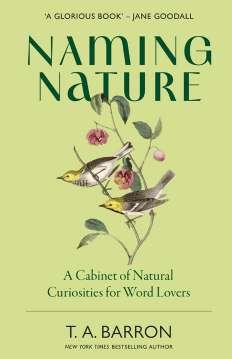
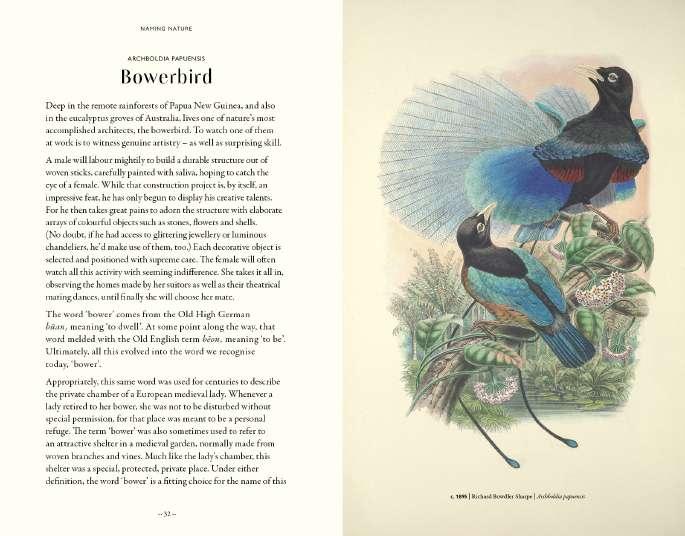
Naming Nature
A Cabinet of Natural Curiosities for Word Lovers
Every language has its own words for the “endless forms of beauty” that make up our natural world. Human ways of seeing nature have flowered into words loaded with hidden meanings, twisted roots, and magical resonance.
Take elephants, for instance. African languages often focus on the power of the animal; Tswana and Tsonga refer to “the unstoppable one”, and Zulu to the “one crashing through”. In ancient European languages, however, elephants were seen as commodities. When Homer and Hesiod spoke of eléphâs in the 7th century BCE, they simply used the word for ivory.
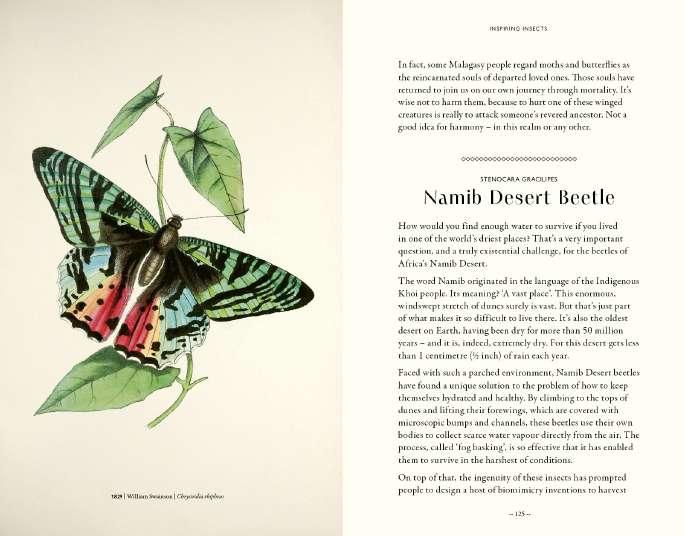
Naming Nature explores the immense variety of language used to describe the landscapes and creatures with which humans have lived for millennia. From butterflies and hummingbirds to narwhals and leopards, the book celebrates our wondrous natural world through the many different ways we have interpreted it.
Author
T. A. Barron is a passionate conservationist and New York Times bestselling author. He has won various literary prizes including the Nautilus Award Grand Prize and the de Grummond Medallion, and his popular children’s series The Merlin Saga is currently being adapted into film by Disney. Barron’s lifelong love of the natural world has led him to found various initiatives to encourage environmental awareness, including scholarships in environmental law at Harvard University and a biodiversity research fund. Born in Massachusetts, he studied at Princeton, Oxford, and Harvard before moving to Colorado, where he now lives with his family.
230 x 180mm (7 x 9 in)
256pp, hardback
Full colour throughout 60,000 words
Over 60 illustrations
978-1-917226-39-4
£21.99
Publication May 2026
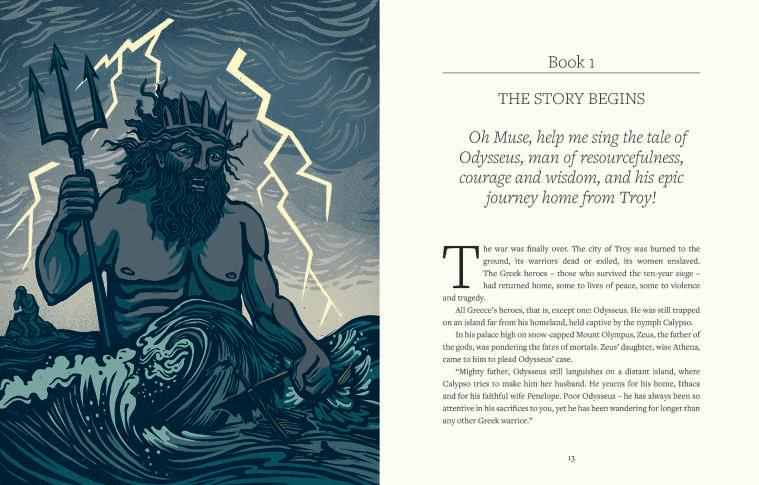
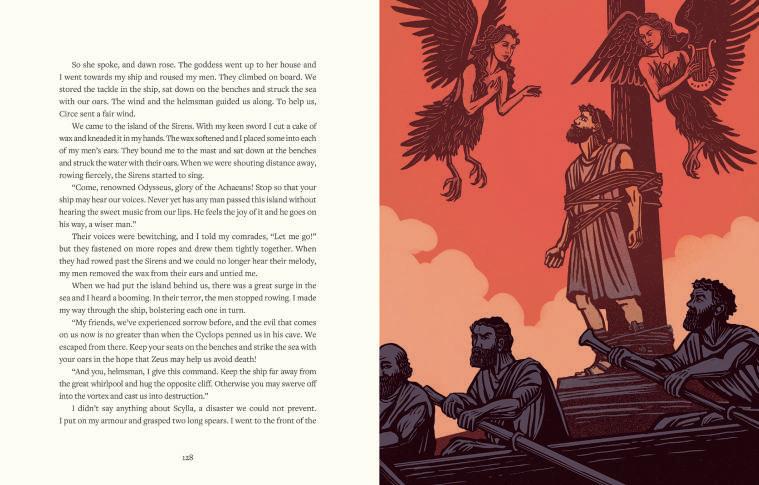
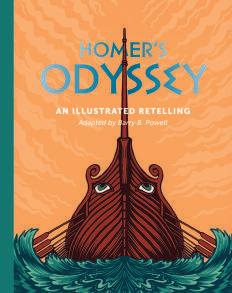
Homer's Odyssey
An Illustrated Retelling
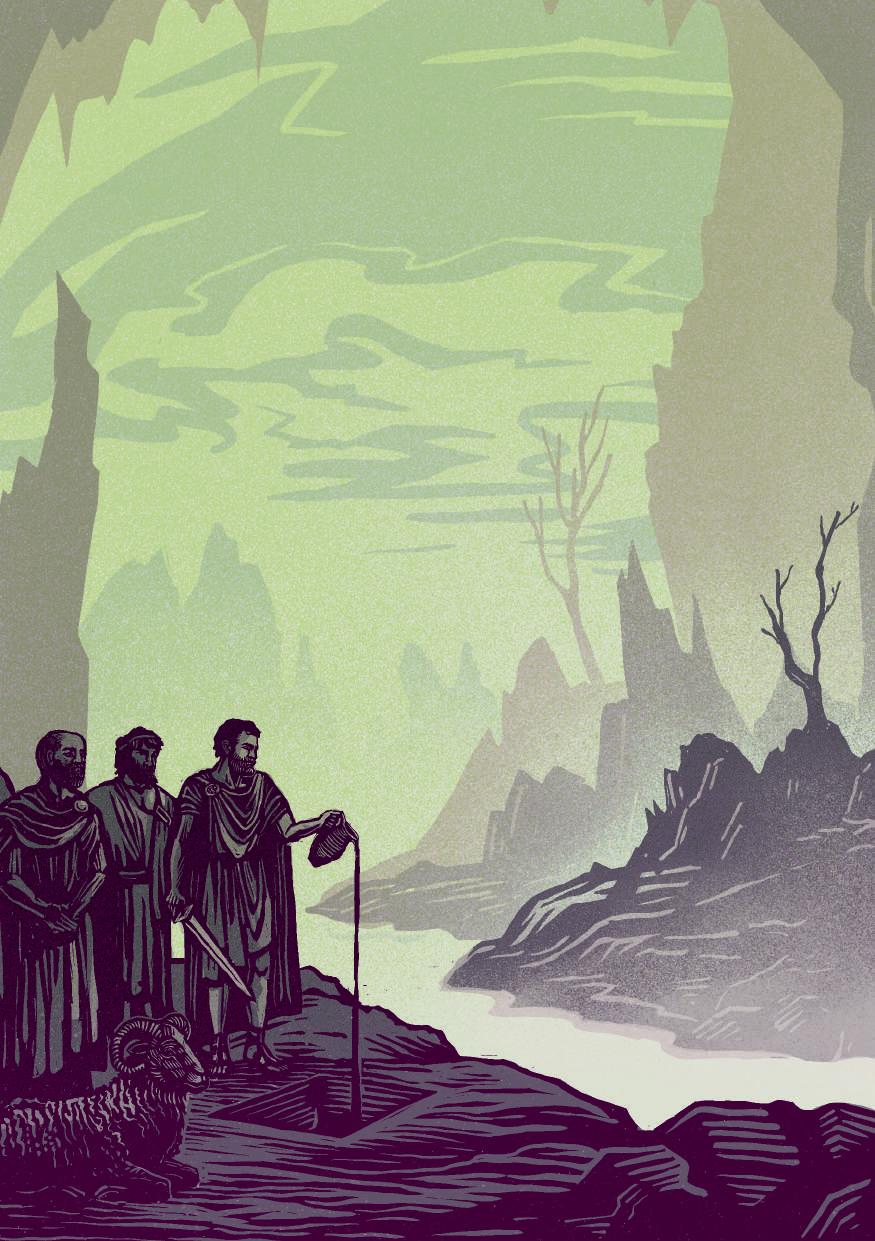
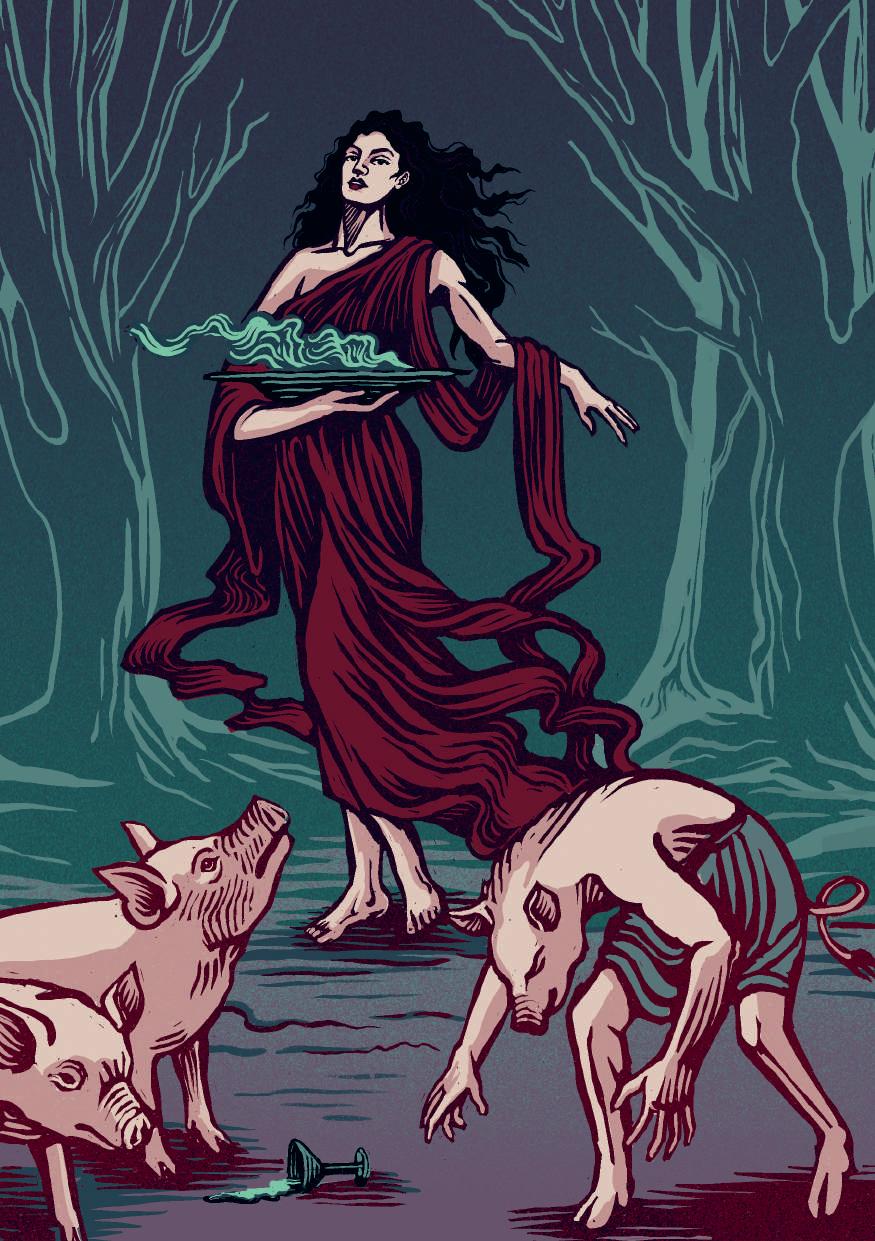
Homer’s Odyssey is one of the world’s oldest and most famous works of literature. It has enthralled readers for almost three thousand years with its tales of gods and monsters, warriors and witches, family, faith, and the universal longing for home.
This stunning new edition of Homer’s epic features a brand new retelling by celebrated classicist Barry Powell, who has studied, written about, and lectured on Homer for over three decades. Barry’s retelling is accompanied by sixty newly commissioned artworks, bringing the iconic scenes and characters to life, from the brutish Polyphemus, to the monstrous Scylla and Charybdis, mysterious Circe, faithful Penelope, and Odysseus himself.
Author and Illustrator
Barry Powell is the Halls-Bascom Professor of Classics Emeritus at the University of Wisconsin-Madison, where he taught for 34 years. He has translated the Iliad, the Odyssey, and the Aeneid for Oxford University Press. He has also written short fiction (The House of Odysseus and Other Short Fictions), novels (Ramses in Nighttown, A Land of Slaves, The Berkeley Plan, Return to California), poetry (Rooms Containing Falcons), and a screenplay (Helen of Troy).
Joanna Lisowiec is an award-winning illustrator and designer. Originally from Poland, she lived in the US and Switzerland before settling in Yorkshire, UK. She is known for her bold style, which focuses on the beauty of nature and narratives inspired by folklore.
264 x 206 mm (8 x 101/2 in)
320pp, hardback
Full colour throughout 70,000 words
Over 125 images
978-1-917226-19-6
£36.99
Publication April 2026
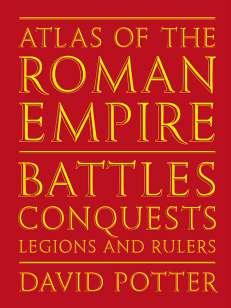
Atlas of the Roman Empire Battles, Conquests,
Legions and Rulers
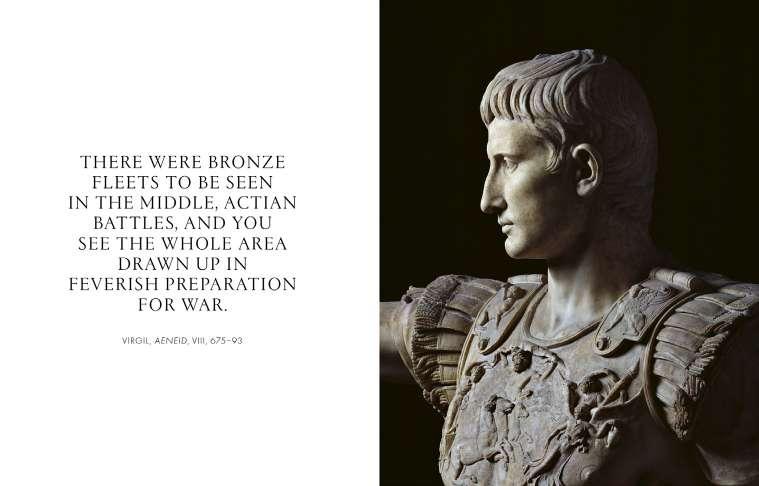
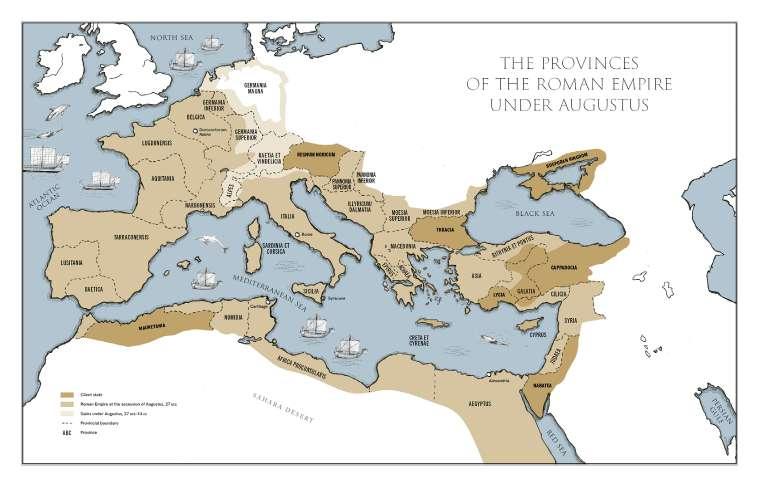
At its peak, the Roman Empire stretched from the borders of Scotland to the shores of the Persian Gulf, and boasted a population of over 100 million people. Its mercurial emperors and generals include some of the most famous – and notorious – figures in history, from Julius Caesar to Marcus Aurelius, Commodus, Caligula and Nero.
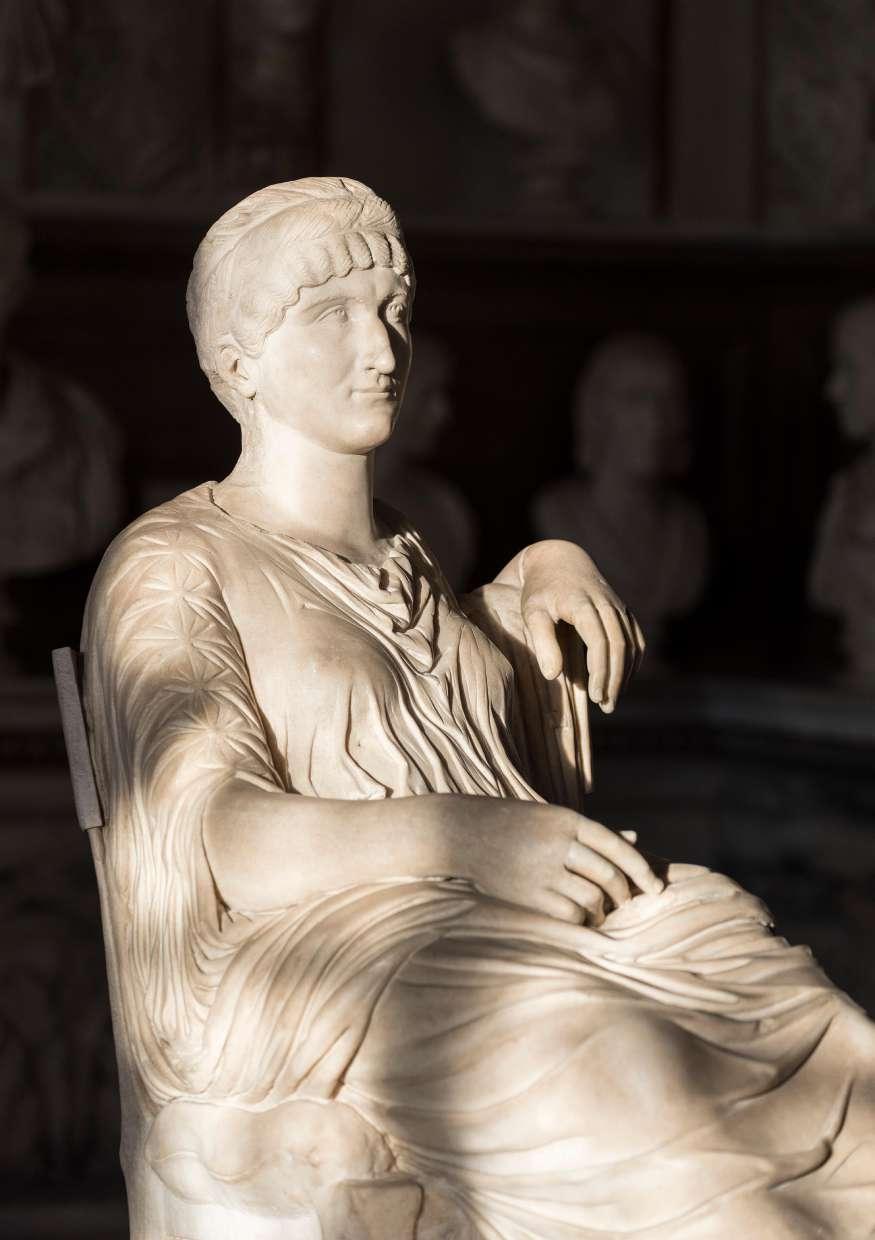
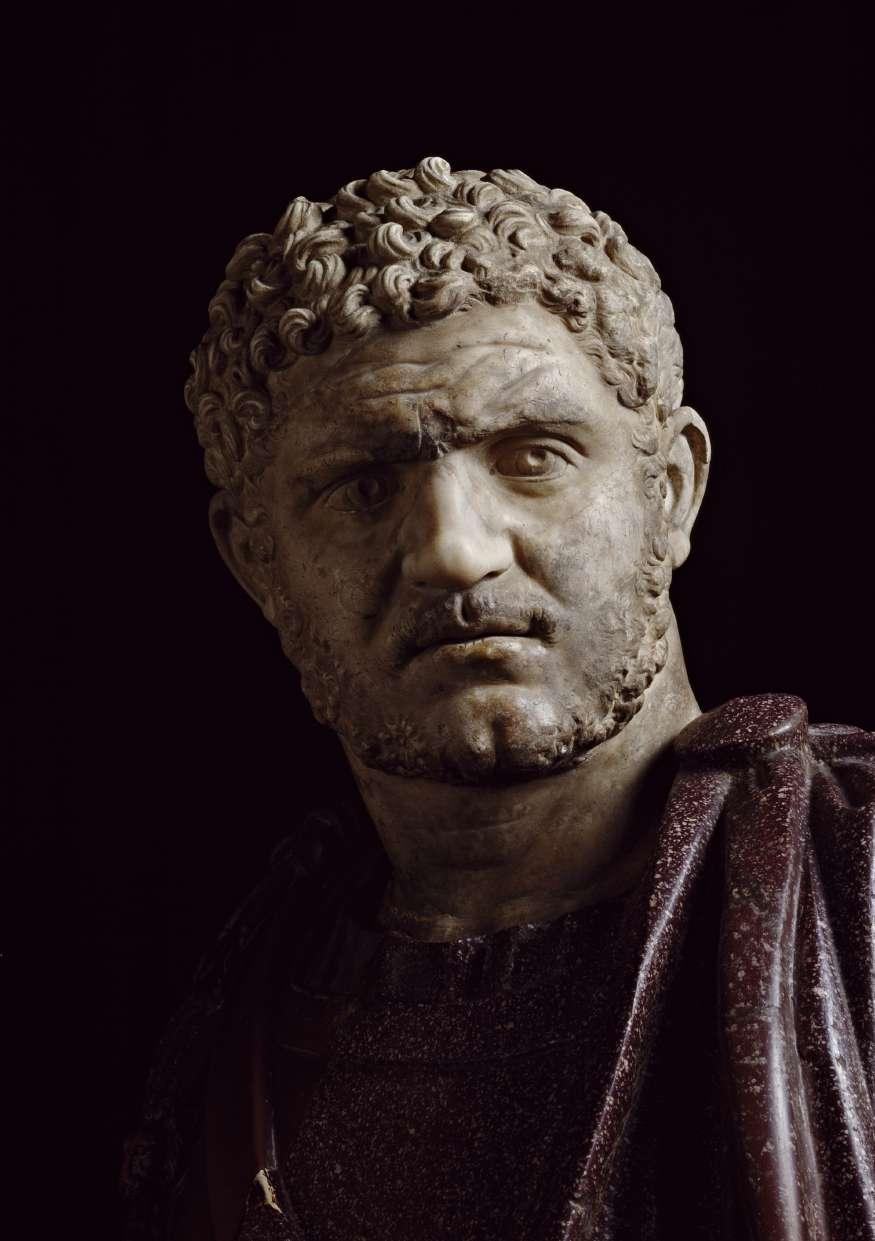
The Atlas of the Roman Empire maps the rise and fall of Rome in stunning detail, with hand-drawn maps showing the ebb and flow of conquest and resistance across continents, regions and individual battlefields. Stunning photography of classical art and statues brings key figures of the era to life.
Renowned classicist David Potter provides a thrilling narrative, covering not only the grand politics of empire, but also the personal rivalries, conspiracies and scandals of Roman imperial life.
Author
David Potter is Francis W. Kelsey Collegiate Professor of Greek and Roman History and Arthur F. Thurnau Professor in the Department of Classical Studies at the University of Michigan, where he has taught for more than 25 years. He is the author of more than 10 books on Roman history and appears regularly on the History Channel
Should We Collect Shells?
You find a shell on the beach. It’s lovely. It feels wonderful in your hand. But then you pause. Should you take it home? It’s a question that comes with real considerations and here are some guidelines that might help with the decision.
A shell’s primary role is as a home for an animal. Initially, the resident is the animal that built the shell. But even after the first occupant is gone, hermit crabs can move in. Shell surfaces are also habitat for mollusks, sea slugs, worms, sea anemones, and seaweeds. If there’s something living in or on the shell, it’s best to return it.
As shells weather, they turn into sand. Globally, increased storms and sea level rise are eroding beaches faster. As much as half of the world’s sandy shoreline could disappear by 2100. Especially where tourism is high, remember that shells are key to the beach’s future. Always check local regulations about removing shells.
If you decide not to take a shell, you can still find ways to remember it. Posing a shell in front of waves, dunes, or the rising sun can make for standout photos. Or try sketching shells. Start with the general form, focusing on how the scale of its parts relate to the whole. Add the whorls and ridges next, then focus on the ways that light and shadow play across the curves to create depth. With some practice, you might just create an even more meaningful memento.
2
Juno’s Snail
SCAPHELLA JUNONIA
CLASS Gastropoda
RANGE Caribbean
HABITAT Sand or mud seafloor to depths of 361 feet (110 m)
SIZE Up to 6 inches (15 cm)
OF NOTE Subject of a collecting craze
DISCOVER MORE
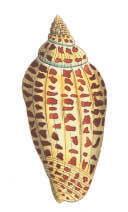
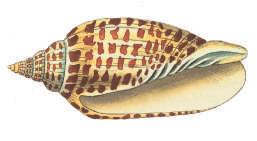
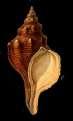
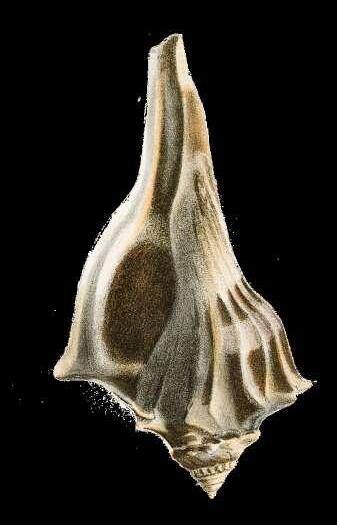
Juno’s snail is an elegant spindleshaped shell with a smooth aperture that may have teeth along a short section of its length. The whorls leading the shell’s point have an interesting texture, not unlike a thumbprint. The shell is patterned in square dots of different colors—blue, red, and purple on a cream-colored canvas.
Long considered one of the rarest finds, junonia, as many in Florida call it, is revealing itself more often these days. The slight increase in the possibility of finding one has sparked a collecting craze. Some speculate that deeper seafloor dredging may be dislodging
the snails from their deepwater habitat, or perhaps stronger storms and hurricanes scour the seafloor and kick the shells ashore. Finding a Juno’s snail has taken on mythical qualities and collectors describe the search as an almost spiritual experience, stating “The shell will find you when it’s ready.”
Where the snail’s divine name came from is up for debate. Sources claim it was either named for the goddess Juno, protector or home and women, or the bird of Juno (the peacock). Perhaps the animal’s canary yellow foot with vivid black splotches in combination with the polka-dotted shell was behind that choice of appellation.
SPECIOUS SNAILS
Gastropods are the most diverse of the mollusks, with 75,000 species. Their varied forms reflect great evolutionary creativity.
The range of Juno’s snail extends from Florida to Texas and Mexico and includes two subspecies. Scaphella junonia butleri is found off of Mexico’s Yucatan Peninsula. Its shell is a lighter cream and has smaller spots and it looks like a sun‑faded version of Juno’s snail. Scaphella junonia johnstoneae has spots that are darker and closer together than Juno’s snail.
This subspecies lives exclusively off the coast of Alabama and was named for that state’s most famous amateur conchologist, Kathleen Yerger Johnstone (1906–96). Johnstone was a dance teacher who made shelling popular by giving speeches and writing books on seashells. In 1990, she became even more celebrated when her namesake was declared the state shell.
“Should the wise legislators of Alabama decide to take meaningful public relations action, I hope their choice will be an attractive shell that is unique to the waters of Alabama,” said Tucker Abbott, director of the Shell Museum and Educational Foundation, Inc. at the time. “I can think of no more appropriate shell than the beautiful Johnstone’s Junonia.”
The Shell Seeker
The Shell Seeker
210 x 147 mm (5 3/4 x 8 1/3 in)
192 pages
Paperback with flaps
Four colour throughout 30,000 words
100 images
Features a spinning wheel built into the cover
978-1-917226-37-0
£14.99
Publication June 2026
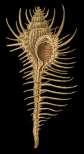
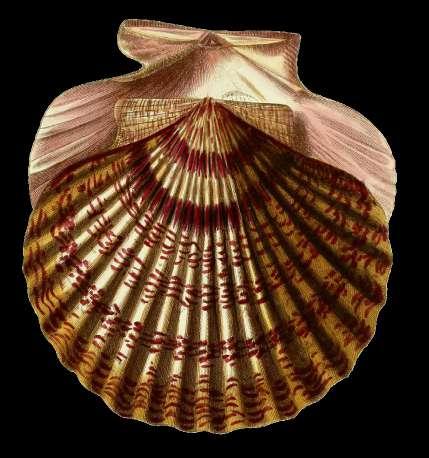
Encounters with Thirty Seashells
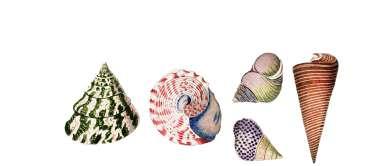
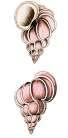
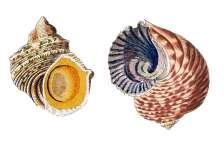
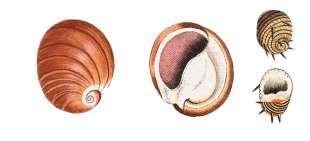
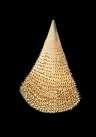
Seashells are uniquely appealing; from beachcombing adults to children exploring rockpools, everyone can appreciate the natural beauty they embody. From the vast Australian trumpet shell to the exquisitely tiny Ammonicera minortalis, with colours ranging from dazzling blue to palest pink, shells are among the most beautiful and varied objects in our natural world.
The Shell Seeker is a unique way of discovering these enticing forms. With an entrancing volvelle set into the cover, the book introduces a wonderful selection of shells from all seven continents. Juli Berwald reveals the remarkable and sometimes surprising features of shells, including bioluminescence, camouflage, gigantism and more.
Taking a new spin on this perennially popular subject, The Shell Seeker i s the perfect gift for beachcombers and seasoned conchologists alike.
Author
Juli Berwald is a celebrated ocean scientist and author based in Austin, Texas. Her 2022 book Life on the Rocks: Building a Future for Coral Reefs was a finalist for the LA Times Book Prize and was named a Book of the Year by The New Yorker, while her memoir Spineless: The Science of Jellyfish and the Art of Growing a Backbone received rave reviews from The Guardian, The New Statesman and The New York Times. Juli is a regular contributor to National Geographic, Time Magazine and The New York Times; she also holds a PhD in Ocean Science from the University of Southern California.
345 x 270mm (101 / 2 x 131 / 2 in)
128pp, hardback with jacket
Four colour throughout
50 full-page showcase photographs
Catalogue of over 150 thumbnails
8,500 words
978-1-917226-23-3
£35.00
Publication
June 2026
The Endurance Photographs
A Definitive Visual Record of Shackleton’s Expedition
The 1915 wreck of the Endurance, and the rescue of her crew after more than two years stranded on the Antarctic ice, is one of the great survival stories of our time. Every step of the journey was recorded in vivid detail by the expedition's photographer, Frank Hurley.
The Endurance Photographs showcases fifty of Hurley’s iconic images of the voyage, digitally scanned from negatives rescued from the ice. Created by the Royal Geographical Society, the new scans uncover never-before-seen details, revealing the beauty and hostility of the Antarctic landscape, and the resilience of the men who explored it.
Fifty showcase images are accompanied by a catalogue of Hurley’s surviving photographs from the expedition. Additional context comes from a portfolio of essays by leading experts, exploring the significance of the voyage, Hurley’s artistry as a photographer and the remarkable 2022 discovery of the wreck of Endurance herself.
Authors
Professor Dame Jane Francis is President of the RGS and Director of the British Antarctic Survey. Alexandra Shackleton is Ernest Shackleton’s granddaughter and president of the James Caird Society. Eugene Rae is the Principal Librarian of the Royal Geographical Society. Dr Jean de Pomereau is a renowned expert on the visual culture of Antarctica. Shane Murphy is a leading expert in Frank Hurley’s photographic archive. Frans Lanting is a multi-award-winning photographer. Mensun Bound is a maritime archaeologist, and director of the expedition that located the wreck of the Endurance
162 x 105mm (4 x 61 / 2 in)
160pp, hardback
Four colour throughout 60 images
20,000 words
978-1-917226-41-7
£12.99
Publication September 2026
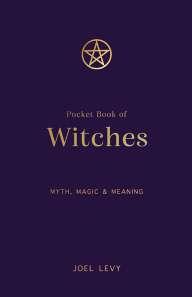
Pocket Book of Witches
Myth, Magic & Meaning
Witches lurk beneath the surface of every culture and age, viewed with fascination and fear in equal measure, revered as keepers of natural wisdom or persecuted as disciples of the Devil. Today, the practice of witchcraft has never been more popular, whether in the guise of paganism, herbalism, Wicca or the occult.
The Pocket Book of Witches is a compact guide to the complex and compelling world of witchcraft. It will show you how to tame a familiar, master the power of flight, weave a nature charm, cast a love spell, and tap into the true potency of Hallowe'en. Packed with the finest historical artwork, fascinating folklore and essential traditions, the book travels between cultures and continents to explore the origins, history, practices, powers and perceptions of witches. A little book brimful with a vast world of magic, this is an essential guide for every student of art and witchcraft.
Author
Joel Levy is a writer specialising in the intersection of history, science and the unexplained. He was the author and creative force behind the groundbreaking 2000 book, Fabulous Creatures and Magical Beings , described by one reviewer as the nearest thing to Harry Potter’s biology text book; and has written on topics from Atlantis to Stephen Hawking. His published titles include Gothic Science: The Era of Ingenuity and the Making of Frankenstein; Poison: A Social History ; and Reality Ahead of Schedule: How Science Fiction Inspires Science Fact
234 x 153mm (6 x 91 /4 in)
160 pages, flexibound
Two colour throughout 50 illustrations
30,000 words
978-1-917226-25-7
£12.99
Publication October 2026
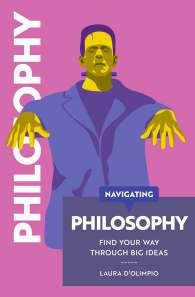
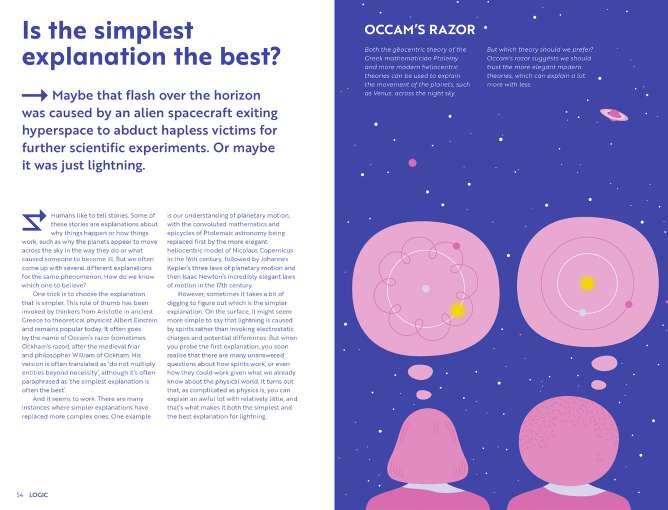
Navigating Philosophy
Find Your Way Through Big Ideas
Navigating Philosophy is a thought-provoking journey through the wonders of philosophy, from the mysteries of existence and the nature of knowledge to the power of ethics and the hidden assumptions that shape our world views. Whether you’re grappling with moral dilemmas or exploring the complexities of consciousness, philosophy is a fascinating realm brimming with profound ideas. But how to find your way through this abstract and often puzzling terrain?
Edited by acclaimed philosopher Laura D’Olimpio, Navigating Philosophy is your essential guide to making sense of these important concepts. With clear explanations to help chart your course, this book offers the necessary tools to confidently tackle even the most challenging philosophical questions. Featuring one-stop visual guides that break down key theories, and route-map glossaries that clarify important terms and connections, Navigating Philosophy is your ultimate companion for unlocking the secrets of philosophical thought.
Consultant Editor and Illustrator
Laura D’Olimpio is Associate Professor of Philosophy of Education at the University of Birmingham, UK. She is co-founder and co-editor of the open access Journal of Philosophy in Schools . Laura’s first book, Media and Moral Education, won the 2018 Philosophy of Education Society of Australasia Annual Book Award.
Robert Fiszer is an illustrator who specializes in creating artworks that convey complex topics more immediately than words. His preferred style is clean and minimalist so the viewer is not distracted by embellishment, instead being drawn directly to the essence of the image and the point being conveyed.
234 x 153mm (6 x 91/4 in)
160pp, flexibound
Two colour throughout
50 illustrations
30,000 words
978-1-917226-43-1
£12.99
Publication October 2026
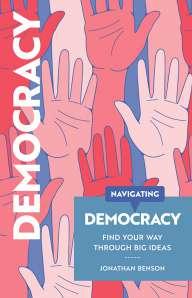
Navigating Democracy
Find Your Way Through Big Ideas
From freedom of speech to censorship, populism to protest, social media to conspiracy theories, the modern landscape of democracy is a crowded, contested, and often confusing place. So, how are you expected to find your way in an extreme and rapidly changing world? Navigating Democracy provides the map you need to start exploring the big ideas that shape politics and society today.
Provocative questions prompt concise answers written by an expert author, each one serving as the starting point to chart a course through the promises and paradoxes of democratic thought. With onestop graphics signposting memorable ideas for each topic, and route map glossaries explaining key terms and their connections, this is your expert guide to discovering whether democracy is the ultimate safeguard of freedom, or a fragile system forever at risk of breaking down.
Author and Illustrator
Jonathan Benson is Assistant Professor in Political Theory at the University of Manchester and a member of the Manchester Centre for Political Theory (MANCEPT). His research explores pressing contemporary challenges to democracy, both theoretical and practical. His book Intelligent Democracy was recently published by Oxford University Press.
Hayley Watson is a Scottish illustrator based in Sydney, Australia. After obtaining a BA (Hons) from The Glasgow School of Art in 2019, she worked in a variety of roles before moving to Paris to pursue her work as an illustrator. She has rapidly built her career, working internationally across editorial, advertising, branding and publishing projects.
234 x 156mm (9 x 6 in)
224pp, hardback
Four colour throughout 60 images
25,000 words
978-1-917226-49-3
£18.99
Publication October 2026
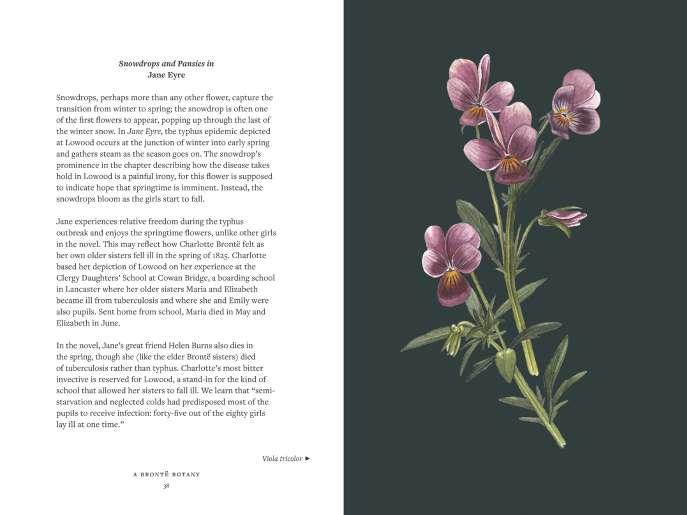
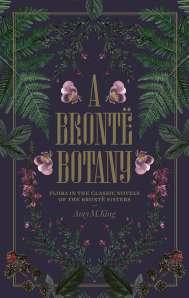
A Brontë Botany
Flora in the Classic Novels of the Brontë Sisters
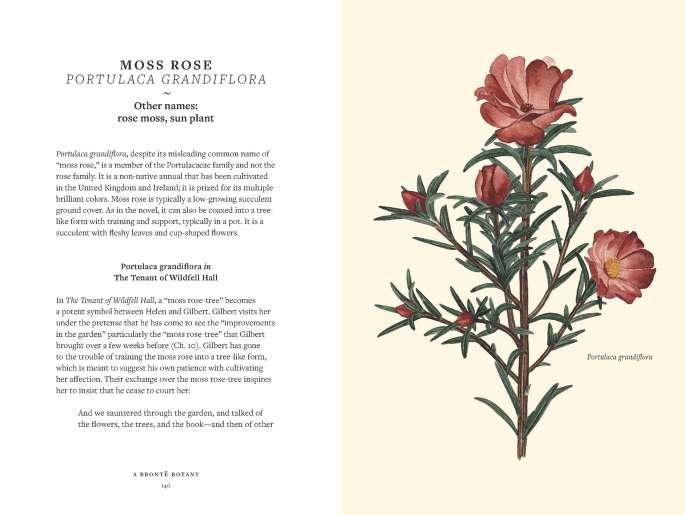
The celebrated novels of the Brontë sisters are well known for their Gothic settings and wild landscapes filled with literary symbolism. Attention to the natural world was part of the Brontë milieu. From the wild heather of the Yorkshire moors to the cultivated roses of manor house gardens, the flora pervading each novel reflect the rebellion, romance and resilience in the Brontës’ literary landscapes and lives.
In A Brontë Botany, explore the vivid and symbolic world of plants through the pages of classic novels such as Jane Eyre, Wuthering Heights and The Tenant of Wildfell Hall. This beautifully researched volume uncovers how Charlotte, Emily and Anne wove the natural world into their storytelling – not just as picturesque scenery, but as living, breathing symbols of emotion, character and fate.
Author and Illustrator
Amy King is Professor of English at St John’s University. She specialises in Victorian literature and has published widely in the field of the nineteenth-century novel, including the acclaimed Bloom: The Botanical Vernacular in the English Novel and The Divine in the Commonplace. She is a contributor to The Cambridge Companion to George Eliot and The Oxford Companion to Victorian Literary Culture, and has written essays for journals such as Victorian Studies, NOVEL, Victorian Review, Common Knowledge, and BRANCH
Tugce Okay is a natural history illustrator who works primarily with watercolours. Her work has appeared in many books and magazines.