
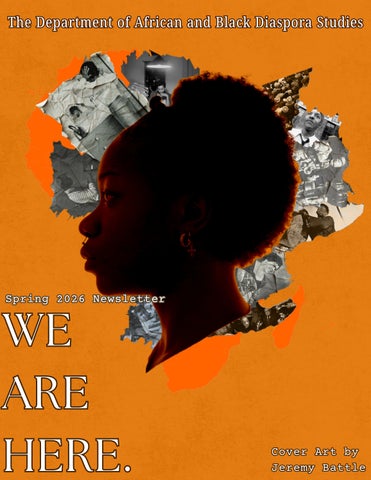


















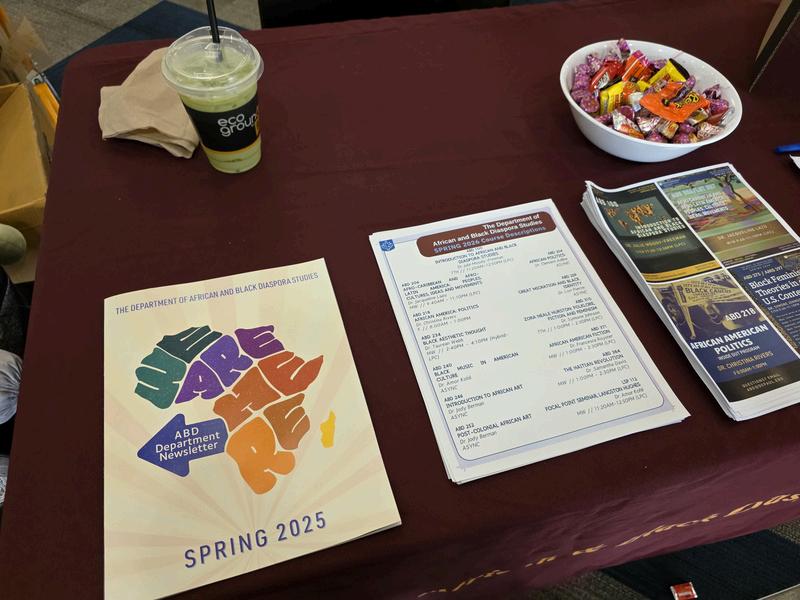
Welcome to the Spring 2026 issue of We Are Here, the African and Black Diasp nd, yes, despite these interesting times, “We Are Here!”
First, I want to highlight the determined effort of ABD student and office assista , , etter happen. This publication is due entirely to her effort. Thank you Charisse!
As the new Chair of ABD, I stand in the footsteps of giants. This, my first year as the new chair of ABD, follows from an important history that requires a brief retelling. In spring of 2002, funding was approved to start what was then, the African and Black Diaspora Studies program. Dr. Daryl Moore and Dr. Francesca Royster were the first Directors of this inaugural Program. In 2003, ABD hired its first dedicated full-time faculty, Dr. Julie Moody-Freeman and Dr. Amor Kohli. Pioneers of ABD, Dr. Moody-Freeman served as Chair from 2012 to 2015 (and as Interim Chair during 2023-2024) with Dr. Kohli taking the reins of leadership for 3 successive terms, from 2015 to 2025. Three years after becoming Chair, Dr. Kohli lead ABD from program to department. I thank Dr. Moody-Freeman and Dr. Royster for helping to build a vibrant and dynamic academic unit that is vital to DePaul’s self-understanding as a mission driven university. And special thanks to Dr. Kohli. Even as he stepped away from ABD leadership, he continued laboring in various and critical ways to ensure my smooth transition into the position of chair. Again, thank you, Dr. Royster, Dr. Moody-Freeman, and Dr. Kohli!
Thank you to all the ABD majors and minors for their support of ABD inside and outside the classroom this year! And congratulations to the graduating ABD majors and minors!
A special congratulations goes out to Karmen Johnson who, this year, was awarded the Emmett Till Scholarship and named the ABD Outstanding Senior. Karmen has been accepted to law school, and ABD will miss her! However, Karmen is leaving us with words of wisdom. Dig further into this issue to read her reflections on ABD and DePaul.
ABD is excited that two of its term faculty are coming back next year! Dr. Samantha Davis is returning as the ABD Ida B. WellsBarnett Postdoctoral Fellow, and Dr. Taurean Webb is coming back as the ABD Humanities Postdoctoral Fellow in Comparative Race and Ethnicity Studies.

ABD wants to congratulate Dr. Symone Johnson and Dr. Julie Moody-Freeman for both being awarded DePaul’s Social Transformation Research Collaborative Faculty Fellowship! And as they step away, in the fall, ABD will welcome back Dr. Xorla Ocloo, who was a recipient, last year, of the Social Transformation Research Collaborative Faculty Fellowship. ABD also wants everybody to know that Dr. Lori Pierce has begun her phased retirement. Please take the time to catch up with Dr. Pierce as she gets closer to ending a great career at DePaul.
ABD wishes you a great summer, and as you begin your summer, we invite you into this issue, where you will find student art work and reading recommendations from ABD faculty and friends.
See you in the fall!




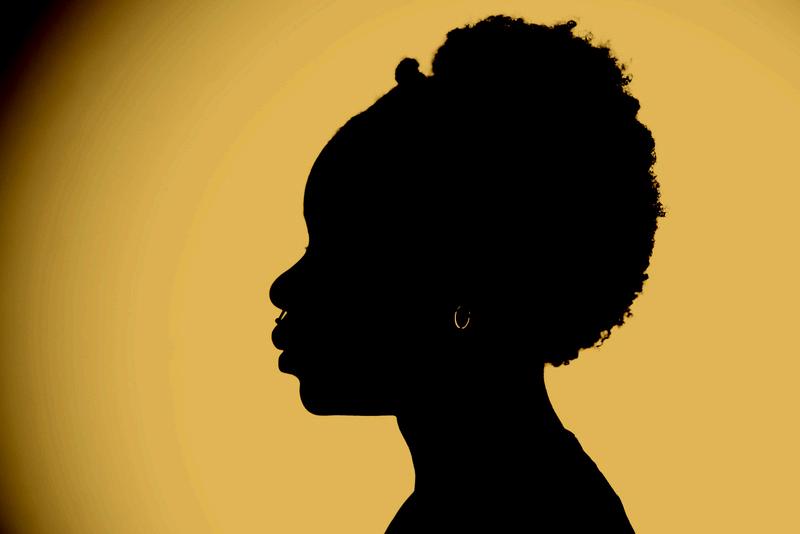
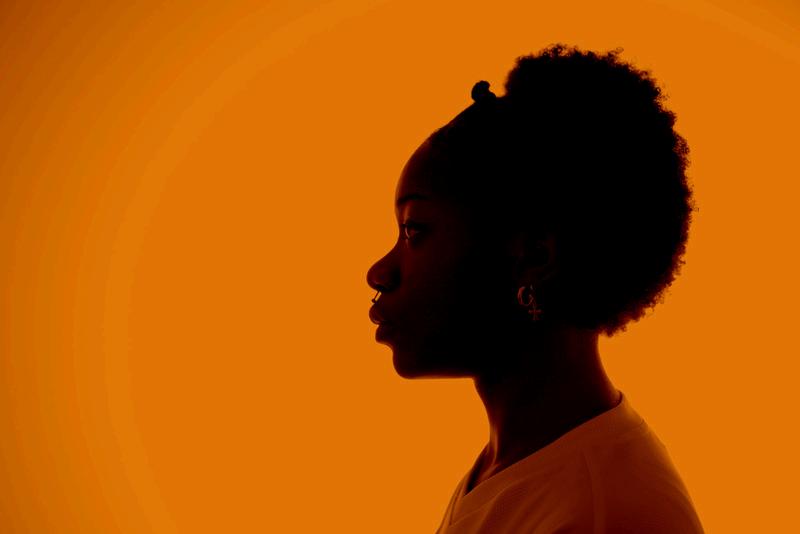
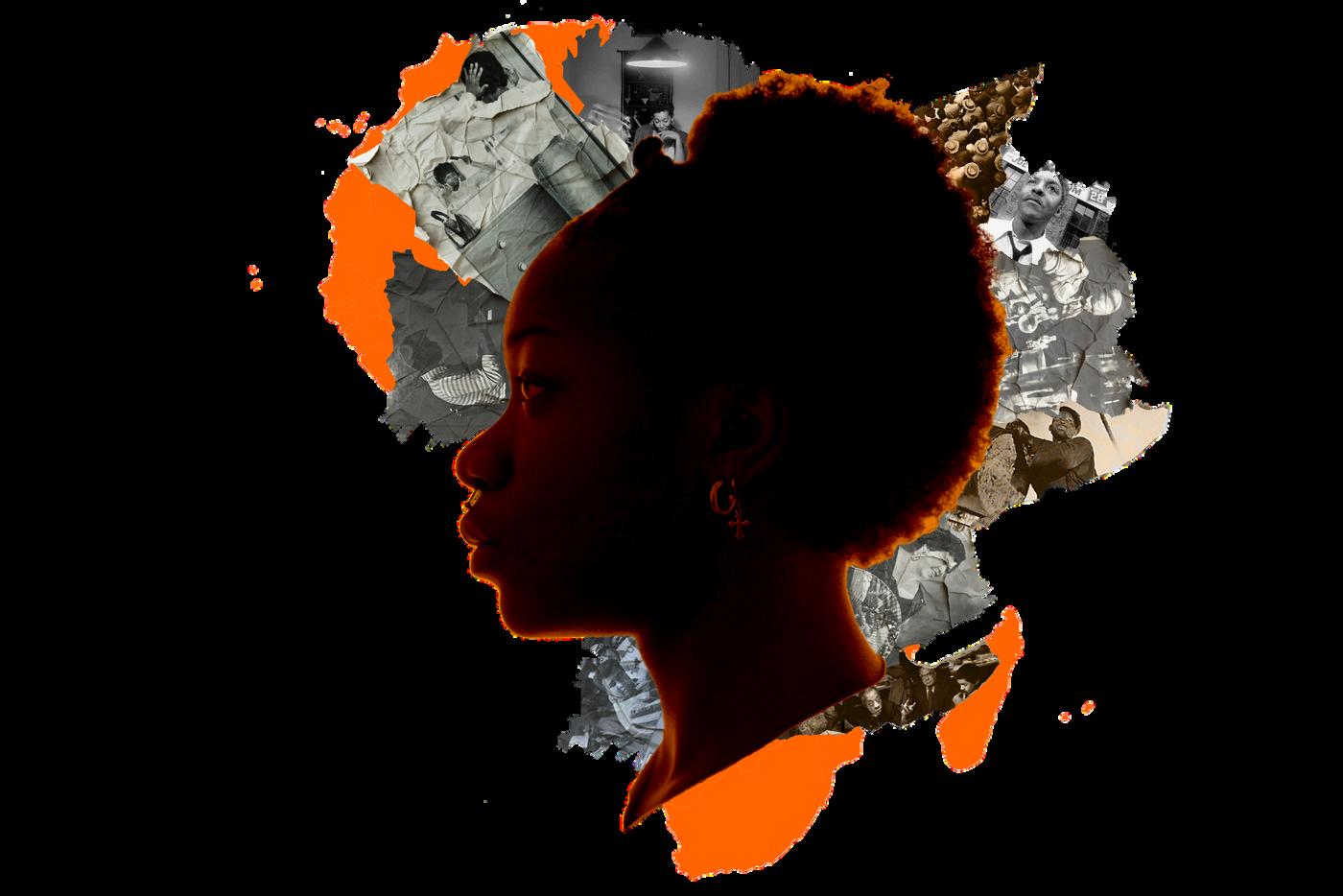
For decades, darkskin has been a blind spot in photo education. Where light skin reflects light, dark skin absorbs it, and the two need to be lit differently. Often without knowing why, Black people everywhere know the feeling of seeing themselves in a school picture or group photo where they just look a little off. It's a subtle form of racism that pervades our most accessible form of visual art. This piece draws attention to light and features the work of trailblazing Black photographers like Gordon Parks and Michelle Agins, who understood this problem intuitively.
Jeremy Battle
Whatinitially attractedyoutoABD?
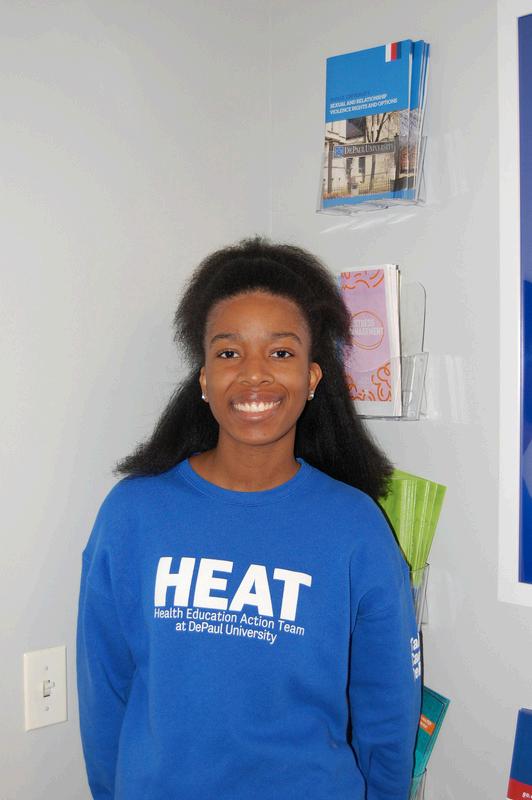
I was a DePaul Social Transformation Research Collaborative (STRC) summer student and met a lot of ABD faculty. The ABD faculty were very welcoming and encouraged me to explore the major further One class during my first fall quarter made me decide ABD was for me HowdidABDshapeyourcollegeexperience?
I believe if I majored in anything else I would not have had as many unique experiences that deeply connected with my identity I was able to do research of female genital mutilation and even go to South Africa. I don’t think I would have had those experiences or opportunities if I chose a different major.
HowdidABDshapeyourcareergoals?
Ifyouhadafavoriteprofessororprofessors,who were they and what impact or impacts did they haveonyou?
The ABD department has so many great professors! I had a few classes with Professor Moody-Freeman, and she truly is a ray of sunshine, so encouraging and helpful Professor Sesay is very knowledgeable about religion and its role in the Black community which helped with some of my class research. Professor Ocloo’s class inspired my research topic of Female Genital Mutilation in Africa. Finally, one of the best professors at DePaul as a whole is professor Oppong Wadie. She has encouraged me so much throughout my time at DePaul. Although she isn’t an ABD professor, I learned so much about Black history and culture through our chats
WhatweresomeofyourfavoriteABDcourses?

Why should any student at DePaul become an ABDmajororminor?
The ABD department is what I would call small but mighty. All professors in the department truly want you to succeed and will work with you. The ABD major is a major where you will not only learn about Black history, but about law, religion, history all over the world, art, and more. It’s an allencompassing major, a little bit of everything
Some of my favorite ABD classes were Black Feminist theory, African history 1800s1900s, and my study abroad class about segregation and the South African system of apartheid, with Dr Valerie Johnson
My classes, especially classes focused on the civil rights era, always connected the law to how Black people position themselves in society. Fighting for freedom, good jobs, nice homes, basic human rights, etc and how laws continue to oppress minorities is so transparent. My classes taught me about the direct and indirect ways laws target Black people and other Minorites, which helped me solidify my interest in Civil Rights law. What advice would you give to your past selfpriortoattendingcollege?
I’d tell myself it’s a marathon not a race. There’s plenty of time to find your interests and make an impact on campus. Take your time and give yourself grace.



ABD 100: INTRO TO ABD
ABD 200: AFRICA
ABD 206: AFRO-CARIBBEAN & LATIN AMERICA
ABD 208: AFRICAN AMERICA four core classes
four 300-level courses
200-LEVEL AND ABOVE 13COURSES
four electives
senior capstone

6 COURSES
ABD 100: INTRO TO ABD
ABD 200: AFRICA
AT 200-LEVEL OR ABOVE one of the following
ABD 208: AFRICAN AMERICA four additional courses one core course
ABD 206: AFRO-CARIBBEAN & LATIN AMERICA
CONSULT WITH ABD ADVISOR
Double Majoring
Fulfill the ABD major
Fulfill your additional major
Double count domain credits
4+1: combined ABD B.A. + Critical Ethnic Studies M.A.
Still graduate on time Complete

CompleteABDBA requirementsin3years
3yearsforDePaulCollege ofLawJD degree
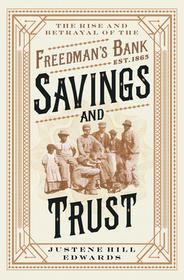
Fully informed by new archival findings, historian Justene Hill Edwards unearths a major turning point in American history in this comprehensive account of the Freedman’s Bank and its depositors She illuminates the hope with which the bank was first envisioned and demonstrates the significant setback that the sabotage of the bank caused in the fight for economic autonomy A page-turning story filled with both well-known figures like Abraham Lincoln, Frederick Douglass, Jay and Henry Cooke, and General O O Howard, and less well-known figures like Dr Charles B Purvis, John Mercer Langston, Congressman Robert Smalls, and Ellen Baptiste Lubin Savings and Trust is necessary reading for those seeking to understand the roots of racial economic inequality in America
Recommended by Dr. Lori Pierce
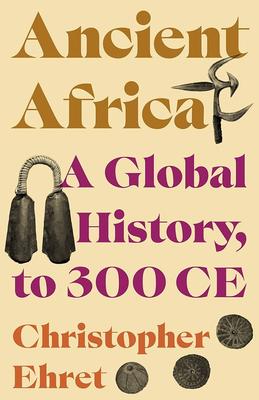
Christopher Ehret
This book brings together archaeological and linguistic evidence to provide a sweeping global history of ancient Africa, tracing how the continent played an important role in the technological, agricultural, and economic transitions of world civilization Christopher Ehret takes readers from the close of the last Ice Age some ten thousand years ago, when a changing climate allowed for the transition from hunting and gathering to the cultivation of crops and raising of livestock, to the rise of kingdoms and empires in the first centuries of the common era
Recommended by Dr. Mark DeLancey
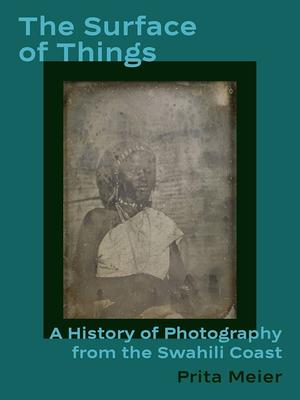
Prita Meler
Immersing readers in the globally interconnected networks of eastern Africa’s port cities, Prita Meier demonstrates how photographs are not static images but mobile objects with remarkable shape-shifting qualities Featuring more than two hundred images published here for the first time, The Surface of Things repositions the continent’s islands and archipelagos at the center of global photographic histories and shows how the people of the African Indian Ocean world experienced photography as a force of both oppression and freedom
Recommended by Dr. Mark DeLancey
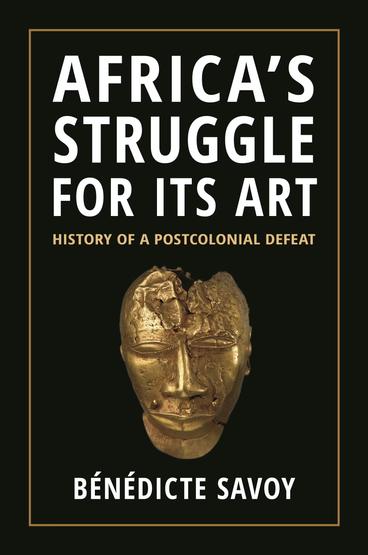
For decades, African nations have fought for the return of countless works of art stolen during the colonial era and placed in Western museums In Africa’s Struggle for Its Art, Bénédicte Savoy brings to light this largely unknown but deeply important history One of the world’s foremost experts on restitution and cultural heritage, Savoy investigates extensive, previously unpublished sources to reveal that the roots of the struggle extend much further back than prominent recent debates indicate, and that these efforts were covered up by myriad opponents Making the case for why restitution is essential to any future relationship between African countries and the West, Africa’s Struggle for Its Art will shape conversations around these crucial issues for years to come
Recommended by Dr. Mark DeLancey

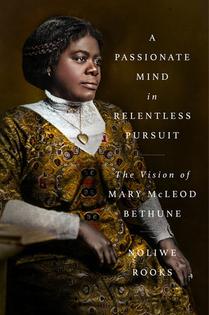
APASSIONATEMINDINRELENTLESSPURUIT:THEVISIONOF MARYMCLEODBETHUNE Noliwe Rooks
When Mary McLeod Bethune died, tributes in newspapers around the country said the same thing: she should be on the Mount Rushmore of Black American achievement Indeed, Bethune is the only Black American whose statue stands in Statuary Hall in the US Capitol, and yet for most, she remains a marble figure from the dim past Now, seventy years later, Noliwe Rooks turns Bethune from stone to flesh, showing her to have been a visionary leader with lessons to still teach us as we continue on our journey toward a freer and more just nation.
Recommended by Dr. Julie Moody-Freeman
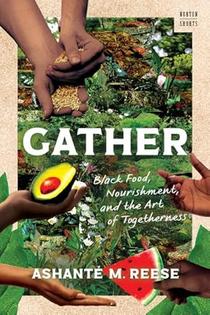
Ashanté M Reese
In Gather, anthropologist Ashanté M Reese argues for a vibrant new vision of food justice that places Black communities at the center and offers us a visionary, delicious path forward Reese reveals that to truly create equity in our food systems, we must embrace the abundance that already exists around us and recognize that the social body is as important as our individual health
Gather presents rich, on-the-ground stories of gathering around food in four spaces gardens, family reunions, repasts, and protests Blending rich storytelling with analysis, these chapters argue for the political power of food and invite us to learn from the tactics Black communities have long used to create sustainable, systemic change.
Recommended by Dr. Symone Johnson
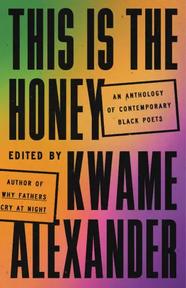
Kwame Alexander
In this comprehensive and vibrant poetry anthology, bestselling author and poet Kwame Alexander curates a collection of contemporary anthems at turns tender and piercing and deeply inspiring throughout Featuring work from well-loved poets such as Rita Dove, Jericho Brown, Warsan Shire, Ross Gay, Tracy K Smith, Terrance Hayes, Morgan Parker, and Nikki Giovanni, This Is the Honey is a rich and abundant offering of language from the poets giving voice to generations of resilient joy, “each incantation,” as Mahogany L Browne puts it in her titular poem, is “a jubilee of a people dreaming wildly ”
Recommended by Dr. Symone Johnson
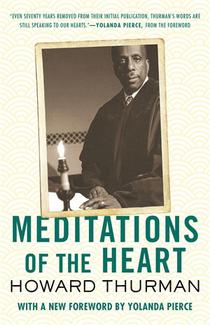
Howard Thurman, Yolanda Pierce
Howard Thurman’s Meditations of the Heart is a beautiful collection of over 150 prayers, poems, and meditations on prayer, community, and the joys and rituals of life by one of our greatest spiritual leaders Thurman, a spiritualist and mystic, was renowned for the quiet beauty of his reflections on humanity and our relationship with God. In a new foreword, Yolanda Pierce, dean of Howard University’s School of Divinity, calls attention to the justice-centered theological framework of Thurman’s words. Pierce notes how Thurman brings to light an image of God who can always be found “in and among the struggling,” both in times of weariness and in strength
Recommended by Dr. Symone Johnson
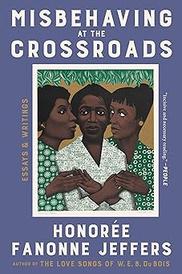

Honoree Fanonne Jeffers
In Misbehaving at the Crossroads, Jeffers explores the emotional and historical tensions in Black women’s public lives and her own private life. She charts voyages of Black girlhood to womanhood and the currents buffeting these journeys, including the difficulties of racially gendered oppression, the challenges of documenting Black women’s ancestry; the adultification of Black girls; the irony of Black female respectability politics; the origins of Womanism/Black feminism; and resistance to White supremacy and patriarchy As Jeffers shows with empathy and wisdom, naming difficult historical truths represents both Blues and transcendence, a crossroads that speaks
Recommended
by
Dr. Julie Moody-Freeman
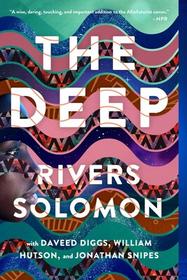
By Rivers Solomon, Daveed Diggs, William Huston, and Jonathan Snipes
Octavia E. Butler meets Marvel’s Black Panther in The Deep, a story rich with Afrofuturism, folklore, and the power of memory, inspired by the Hugo Award–nominated song “The Deep” from Daveed Diggs’s rap group Clipping. The Deep is “a tour de force reorientation of the storytelling gaze a superb, multilayered work,” (Publishers Weekly, starred review) and a vividly original and uniquely affecting story inspired by a song produced by the rap group Clipping
Recommended by Dr. Francesca Royster
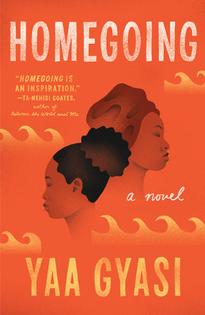
Yaa Gyasi
Ghana, eighteenth century: two half sisters are born into different villages, each unaware of the other One will marry an Englishman and lead a life of comfort in the palatial rooms of the Cape Coast Castle The other will be captured in a raid on her village, imprisoned in the very same castle, and sold into slavery
One of Oprah’s Best Books of the Year, Homegoing follows the parallel paths of these sisters and their descendants through eight generations: from the Gold Coast to the plantations of Mississippi, from the American Civil War to Jazz Age Harlem Yaa Gyasi’s extraordinary novel illuminates slavery’s troubled legacy both for those who were taken and those who stayed and shows how the memory of captivity has been inscribed on the soul of our nation
Recommended by Dr. Francesca Royster
Bernadine Evaristo
Girl, Woman, Other follows the lives of twelve very different people in Britain, predominantly female and black Aged 19 to 93, they span a variety of cultural backgrounds, sexualities, classes and occupations as they tell the stories of themselves, their families, friends and lovers, across the country and through the years
“Bernardine Evaristo demonstrates in an impressive way how we can learn to recognise and perceive ourselves despite superficial differences.”
Barack Obama, 2023
Recommended by Dr. Francesca Royster
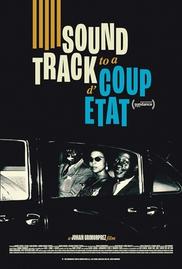
Soundtrack to a Coup d'Etat is a 2024 documentary film directed by Johan Grimonprez about the Cold War episode that led American musicians Abbey Lincoln and Max Roach to crash the UN Security Council in protest against the murder of Congolese leader Patrice Lumumba It features excerpts from My Country, Africa by Andrée Blouin; Congo Inc by In Koli Jean Bofane; To Katanga and Back by Conor Cruise O'Brien; and audio memoirs by Nikita Khrushchev
Recommended by Dr. Symone Johnson
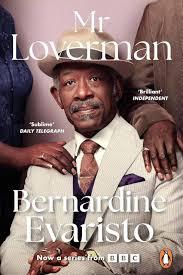
MR. LOVERMAN
Nathaniel Price
Mr Loverman is a British television drama series based on the novel of the same name by Bernardine Evaristo and stars Lennie James in the lead role James won Best Leading Actor at the Royal Television Society Programme Awards in March 2025
Antiguan-born Londoner Barrington Jedidiah Walker (James) has his marriage collapse after a decades-long affair with his male best friend is revealed.
Recommended by Dr. Francesca Royster
André 3000
André 3000 describes his new EP as a collection of improvisational piano sketches created by randomly exploring the keys until he finds appealing sounds He doesn't focus on specific notes or chords but enjoys the mechanics of playing Influenced by composers like Thelonious Monk, McCoy Tyner, Philip Glass, Stephen Sondheim, Joni Mitchell, and Vince Guaraldi, these pieces were recorded informally at home and shared with family and friends rather than intended for public presentation
Recommended by Dr. Symone Johnson
GOLLIWOG(2025)
Billy Woods
GOLLIWOG is billy woods’ first album in two years, preceded by 2023’s Maps, his second collaboration with producer Kenny Segal. That nimble travelogue has little in common with woods’ newest work, despite the fact that Segal shows up a couple times in the credits. GOLLIWOG is a haunting collection that weaves horror, humor, surrealism and Afropessimism into a cinematic tapestry, aided and abetted by a murderer’s row of producers African zombies, time traveling trap cars, malevolent ragdolls and a dying Frantz Fanon are just a few of the revelers in woods’ danse macabre
Recommended by Dr. Heidi Nast



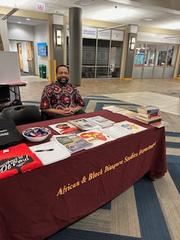
T T T for for for hop hop hop

For the fall, and the winter, and spring quarters, ABD participated in quarters, ABD participated in quarters, ABD participated in the IDS Fest. Big thanks to Dr. the IDS Fest. Big thanks to the IDS Fest. Dr. Heather Montes-Ireland and Heather Montes-Ireland Heather Montes-Ireland and Dr. Allison McCracken for Dr. Allison McCracken for Allison McCracken for organizing these great organizing these great organizing these great
For the fall, winter, and spring
y y y

Blossoming Seeds is ABD’s podcast where we interview ABD alumni, current students, and faculty. Our most recent episode features ABD alum, Ashli Funches. Below is a sneak peek!
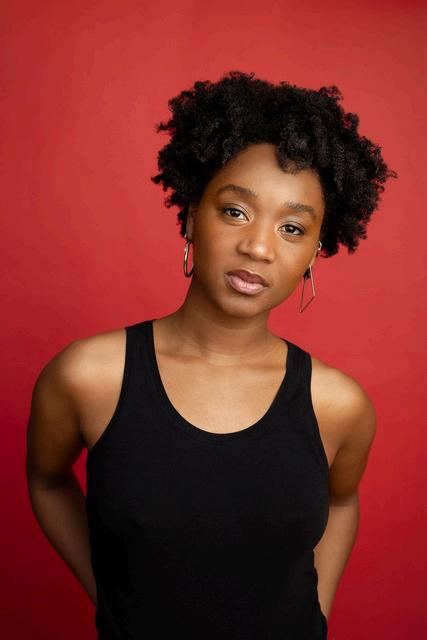
“ABD has given me the ability to curate Black work. I know what makes a great Black work in the sense of it being intellectually aware that it's Black, but also in the same sense of, like, this person is exploring themselves and who they are, and the diasporic nature of us--how we have had to disperse.”
- Ashli Funches
Ashli is currently working as an Actor, Educator, and Florist Ashli is a teaching artist with Timeline, Lifeline, Writers Theatre, and a touring artist with Pegasus Ashli’s recent credits include: IS GOD IS (Red Orchid), Native Son (Lifeline), Notes from the Field (Timeline), Stew (Shattered Globe), For Colored Girls (Fleetwood-Jourdian), A Drop in the Bucket (Jackolope), and Detroit 67 (The Theatre School) Ashli received their BFA in Acting and an BA in African and Black Diaspora Studies from DePaul University She wrote, produced, and portrayed Amari in the film, A Yellow Circus (premiered at the Black Film Festival New Orleans, Micheaux, Black Alphabet, and Black Harvest Film Festival) Ashli also portrays Z in a feature entitled, The Lapse (Nicholas Merchant, 2025), an independent film Ashli has also appeared in Chicago PD