
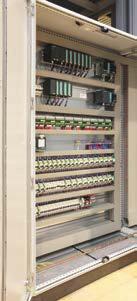


























THD and Power Factor Measurement








High-resolution loop testing now with three-decimal-loop accuracy
Voltage Drop Testing and more Harmonic analysis up to the 50th order for voltage and current





THD and Power Factor Measurement
High-resolution loop testing now with three-decimal-loop accuracy
Voltage Drop Testing and more Harmonic analysis up to the 50th order for voltage and current
Our cloud-based energy management platform is designed for complex, multisite operations, helping you monitor energy and carbon performance in real time.
Visualise your energy like never before
Optimise effortlessly for sustainability and cost savings
Scan or click the code to book your free demo




PUBLISHER: Ralph Scrivens ralph@ energymanagermagazine.co.uk
PRODUCTION: Sarah Daviner sarah@ energymanagermagazine.co.uk
ACCOUNTS: accounts@ energymanagermagazine.co.uk
PRINT: Mixam Print
ENERGY MANAGER MAGAZINE is published 10 times a year by Energy Manager.
www.energymanagermagazine.co.uk
42 Wymington Park, Rushden, Northants, NN10 9JP
Email: mail@energymanagermagazine.co.uk
REGISTRATION: Qualifying readers receive Energy Manager free of charge. The annual subscription rate is £80 in the UK, £95 for mainland Europe and £115 for the rest of the world.
Single copies £10.
Some manufacturers and suppliers have made a contribution toward the cost of reproducing some photographs in Energy Manager.
PAPER USED TO PRODUCE THIS MAGAZINE IS SOURCED FROM SUSTAINABLE FORESTS.
Please Note:
No part of this publication may be reproduced by any means without prior permission from the publishers. The publishers do not accept any responsibility for, or necessarily agree with, any views expressed in articles, letters or supplied advertisements.
All contents © Energy Manager Magazine 2026
ISSN 2057-5912 (Print)
ISSN 2057-5920 (Online)
MARCH 2026



Research reveals that many local authorities in England are making significant strides in retrofitting their buildings, adopting renewable energy and electrifying infrastructure as part of their net-zero journeys.
Despite this, two-thirds are not confident they will achieve targets by 2050, with 79% citing budget constraints as a significant barrier. This is according to Freedom of Information (FOI) data from 199 local authorities in England, released by Schneider Electric, the global energy technology leader.
Local authorities across England are advancing towards their netzero goals by retrofitting buildings, embracing renewable energy, and electrifying infrastructure in their efforts to meet net zero targets.
• The vast majority (95%) have retrofitted existing buildings to improve energy efficiency
• 83% have electrified infrastructure such as EV charging points, buildings and heating systems
• 82% have invested in renewable technologies to decarbonise
• 61% are measuring real-time energy usage and performance metrics to identify where costs can be reduced and efficiencies gained
Whilst nine in ten local authorities (89%) have received either government or private funding for decarbonisation or energy efficiency initiatives in the past three years, there are challenges, particularly around funding, that could hold them back. Budget constraints are the most significant barrier according to 79% of local authorities
• Technology is an issue for over a third (37%)
• Skills shortages and insufficient knowledge also a challenge for one in three (33%)
“Local authorities have a vital part to play in meeting our national netzero targets and our research shows they are making significant progress. But they cannot do it alone,” said Alice Williams, Schneider Electric’s VP Digital Energy, UK&I. “There is an urgent need for continued investment and support to ensure they can hit their targets, delivering a sustainable future for their communities whilst at the same time reaping the financial rewards that energy efficiency brings at a time when budgets are tight.”
These findings are based on an FOI request which received 199 responses from local authorities in England.
Discover EcoStruxure Building. https://www.se.com/uk/en/work/ software/ecostruxure-building/ EcoStruxure™ Power Monitoring Expert (PME). https://www.se.com/ uk/en/work/products/productlaunch/power-monitoring-expert www.se.com
The new Unlocking Flexibility guide provides local authorities with a practical, easy to understand introduction to how energy flexibility works and the benefits it can unlock.
It outlines the assets councils can use, the markets they can access, and the simple steps needed to get started, whether acting directly through their own estate or enabling flexibility across their communities.
Flexibility allows councils and households to shift when they use, generate and/or store electricity, helping manage local networks and unlocking new revenue streams.
As the UK shifts to a cleaner, more renewables-led energy system, flexibility presents a growing opportunity for local authorities. It has an important role to play in balancing supply and demand. Local authorities are being supported to take advantage of these opportunities through the guide – a practical way to reduce costs, generate income and
support local Net Zero plans.
This resource highlights the dedicated support available from UK Power Networks DSO, including oneto-one discussions, events, webinars, and guidance through the Localflex platform, plus digital planning tools such as LAEP+ and ChargePoint Navigator which help councils build longterm, locally-tailored energy strategies.
The guide was created with input from both local authorities and flexibility providers, making sure it reflects real experiences from across the community, is practical, down to earth and genuinely helpful for anyone getting started.

The guide, launched at UK100's Lunchtime Learning webinar, features UK Power Networks DSO, ADE and Shuffle Energy. You can access the guide here: https://www.
at Oxfordshire County Council, said:
“It’s refreshing to feel that the voices of local authorities have genuinely been listened to and reflected in this work.
“Cutting through the jargon in the flexibility space can be challenging, so having a guide that speaks our language – and creates a space we can genuinely inhabit alongside network operators – is invaluable. The focus on both how councils can participate directly




























• TNUoS charges are the fees paid to use the UK’s high-voltage electricity transmission network.
• We can expect enormous increases in supplier network costs this year, and these are forecast to almost double. As a result, businesses can expect a substantial rise in standing electricity charges.
• Grid upgrades will help support shifts to renewable energy and help fund new transmission lines and modern infrastructure.
• Energy-intensive businesses will be most affected, and higher standing charges wlll apply.
As part of Utility Bidder’s research, the business energy experts have ranked the top 10 local authorities with the biggest increase in business electricity consumption. The results are shown in the table below.
In addition to being 2024’s largest consumer of non-domestic electricity by Utility Bidder, Slough recorded the largest increase in business electricity usage, rising by 51.67% between 2020 and 2024. Electricity demand in Slough has continued to grow while usage in many other regions has remained stable or declined.
The London borough of Hillingdon recorded the second-largest increase, with business electricity usage rising
by 51.09% over the same period.
Average consumption increased from 118,957 kWh in 2020 to 179,737 kWh in 2024, moving the area from 20th to 4th place nationally.
In third is Newport, Wales Since 2020, the average business electricity usage in the Welsh town has increased from 114,867 kWh to 168,010 kWh – a rise of 46.26%.
Further findings from the study:
• Slough is the UK’s highest consumer of business electricity according to the latest figures, with the average business using 407,840 kWh per year – more than six times the national average.
Pembrokeshire has seen the largest decrease in non-domestic electricity usage, dropping more than 35% between 2020 and 2024.
• Moray in Scotland is the UK capital for business gas usage, with 3.47 million kWh per meter consumed annually – nearly five times the national average.
• Gas consumption by businesses in East Cambridgeshire has more than doubled, increasing by 156% since 2020 – the steepest increase of any UK local authority. In 2024, the average UK business spent an estimated £43,000 on gas and £17,000 on electricity.
Voltalis helps homes and businesses cut electricity use automatically — with no disruption, no upfront cost and no compromise on comfort.
Voltalis is Europe’s leader in Demand Response, connecting over 1.7 million devices across 300,000 homes and businesses.
Our Demand Response technology transforms everyday electric appliances into smart assets enabling us to offer innovative flexibility services on all electricity markets in Europe and beyond, while optimising energy consumption for consumers.
Fully funded, proven at scale, and already accelerating the UK’s flexibility markets.
Why choose Voltalis? Find out more at voltalis.co.uk Over 1.7 million devices connected in 300,000 homes and businesses.
On average 15% electricity savings & significant carbon emission reduction 1GWp VPP – 2 GWp VPP by 2026
Unlocks commercial & residential flexibility for capacity, balancing & energy services
Active in 11 European countries 700+ partners globally Zero costs, no subscription. Free today, free forever



Last year was a significant year for business energy users. The government’s Modern Industrial Strategy put clean energy firmly at the centre of economic growth. With Clean Power 2030 targets fast approaching, the industrial strategy set out how investment in networks and energy infrastructure will accelerate.
But this energy transition will come at a cost. Our 2025 Business Energy Tracker, which tracked the views of more than 130 of the UK’s largest energy users, found strong support for Clean Power 2030 but also growing concern about the network, system and policy costs required to deliver it.
So, as we move through 2026, here are three developments organisations should be preparing for.
Analysis from our Optimisation Desk shows that 2026 will be a significant year for industry costs, with several increases expected to start feeding through to invoices from May 2026. Together, these could add around £25 per megawatt hour (MWh) to business energy prices.
The largest increase comes from Transmission Network Use of System (TNUoS) charges, which are set to rise sharply as the first year of the RIIO 3 regulatory period begins. At the end of January 2026, the National Energy System Operator published its final TNUoS rates for the charging year starting in April. While these broadly matched expectations, many businesses will see TNUoS charges increase by more than 60% year-on-year.
Gas network charges published for the first year of RIIO 3 follow a similar pattern. While essentially unchanged from draft rates, they still represent a notable increase compared with current levels.
September 2026 is also expected to be a significant month, as decisions affecting some April 2027 costs are likely to be taken then.
Taken together, 2026 is the year when rising industry costs begin to materially impact business energy invoices as the transition to clean power accelerates.
The Modern Industrial Strategy included two initiatives designed to help energy-intensive industries manage rising non-commodity costs.
The British Industry Supercharger will increase the level of electricity network charge discounts available to eligible energy-intensive industries. Currently set at 60%, this discount is due to rise to 90% from April 2026.
In addition, the British Industrial Competitiveness Scheme aims to extend support to a broader range of businesses. Under current proposals, around 7,000 additional organisations could benefit from reduced charges and levies from 2027. The consultation on how this scheme could work closed in January 2026, with outcomes expected later this year.
While these measures are welcome, they will only apply to a relatively small proportion of businesses. Rising network and system costs will affect organisations of all sizes, which is why continued engagement between government and industry remains essential.
The Market-wide Half-Hourly Settlement (MHHS) programme reached a major milestone in September 2025, when the systems underpinning the new arrangements went live. The aim is to support a more accurate, efficient and flexible electricity system that is ready for Clean Power 2030.
During 2026, migration will continue
for businesses of all sizes. All electricity meters, including traditional meters, will move into new market segments, alongside changes to metering services to reflect the new settlement framework.

While businesses are not required to change their meter as part of MHHS, upgrading from a traditional meter to an automated meter reading (AMR) or smart meter can unlock access to half-hourly data. This level of insight improves understanding of consumption patterns and creates opportunities to enhance energy efficiency.
Organisations that actively engage with MHHS and use its data are likely to see the greatest benefits over time.
Although businesses cannot control industry-wide cost increases, they can take steps to manage their impact. Improving understanding of energy data can help identify opportunities to reduce consumption, while online data visualisation tools can support informed investment in energy efficiency measures. Some organisations may also consider on-site generation. Energy generated behind the meter is not subject to industry costs such as balancing or capacity charges, while also supporting participation in flexibility markets.
Finally, reviewing and reducing network capacity can lower Distribution Use of System (DNUoS) and TNUoS charges.
2026 will bring both opportunity and uncertainty. Short-term cost pressures sit alongside the long-term benefits of a cleaner, more secure energy system. Businesses that prepare early will be best placed to navigate the year ahead. www.npowerbusinesssolutions.com























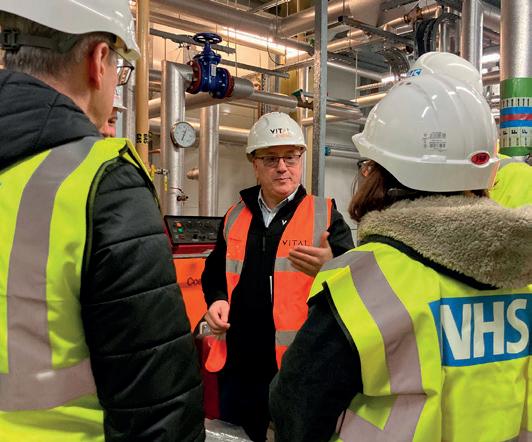



Every day our expert teams at Salix are committed to supporting organisations achieve their carbon reduction targets, improving the lives of communities across the country.
We’re committed to working with governments across the UK to reduce our carbon emissions. Our job is to deliver and administer grant and loan funding on behalf of the Department for Energy Security and Net Zero, Scottish and Welsh governments and more. This is delivered across the public sector as well as housing with schemes including the Social Housing Decarbonisation Fund and Public Sector Decarbonisation Scheme.

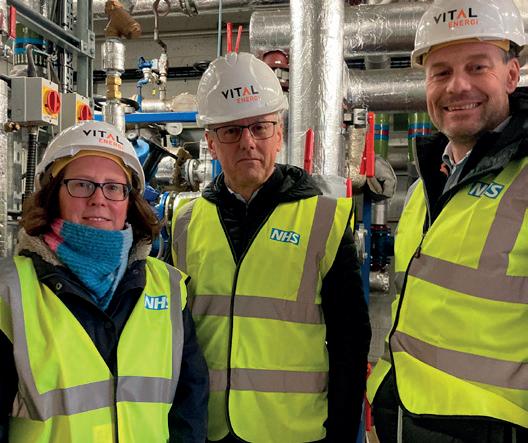




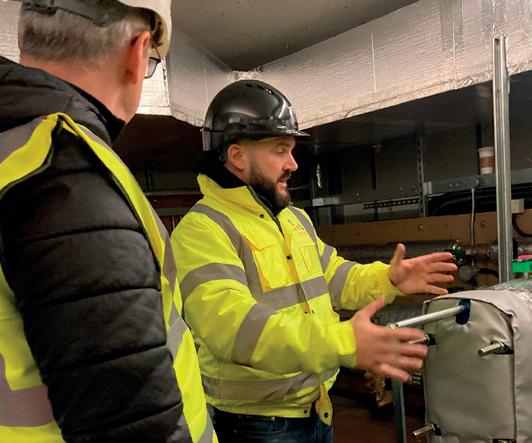
We’re also proud to be work in partnership with Greater Manchester Combined Authority (GMCA) supporting the new Public Building Retrofit fund.
We are passionate about delivering energy efficiency projects across the UK, making buildings across the public sector as well as our homes better places in which to live, work and enjoy.
We are keen to help create spaces where people can thrive, whether it’s hospitals, schools, leisure centres or homes.



Energy managers in 2026 are navigating a fundamentally different landscape.
Electrification is accelerating across estates, heat pumps are replacing gas systems, smart meters are embedded across portfolios, and battery storage is becoming more common. Yet as buildings decarbonise, electricity demand is rising – and with it, exposure to volatility, peak pricing and grid constraints.
The central challenge is no longer simply how to reduce consumption. It is how to manage electrified estates intelligently, in real time, without compromising operational performance or occupant comfort.
Efficiency upgrades remain essential. However, without flexibility, electrification can increase risk rather than reduce it.

Across the UK and Europe, heating systems are shifting towards electric solutions. Heat pumps are being deployed at scale in housing and public buildings. Electric heating remains prevalent in hospitality and residential portfolios. EV charging infrastructure is expanding rapidly. Each of these technologies supports decarbonisation, but they also concentrate demand onto the electricity network.
Renewable generation continues to grow, yet it is weather-dependent. Grid reinforcement takes time and significant capital. As a result, peak demand periods are becoming sharper and more expensive. For estates reliant on electric systems, this creates financial exposure during high-price periods and operational vulnerability during system stress.
This is where demand-side flexibility is increasingly becoming a structural layer within energy strategy.
A practical example can be seen at Brit Hotel Morlaix, where rising winter electricity bills were placing growing pressure on operating margins. The 49-room hotel relies on electric heating
to maintain consistent comfort for both leisure and business guests throughout the year. However, ageing standalone equipment, limited central control and continuous heating in unoccupied rooms were driving unnecessary consumption. During colder months, electricity bills could reach €2,500 per month.
Rather than undertake disruptive retrofit works, the hotel partnered with Voltalis to deploy smart electricity control across all guest rooms. Connected thermostats were installed in just two days without construction work or disruption to operations. The solution was fully funded, requiring no capital investment from the hotel.
The technology enables centralised, room-by-room heating control and automated optimisation during peak grid periods. Staff can adjust temperatures remotely, anticipate arrivals and departures, and avoid heating empty rooms unnecessarily. Between April 2025 and January 2026, Brit Hotel Morlaix reduced heating electricity consumption by 30 percent, saving 12 MWh during the winter period alone. Importantly, guest comfort was unaffected. The project demonstrates that measurable reductions in electricity use can be achieved without
adding operational complexity.
The same principle applies to heat pump deployment. Heat pumps are central to decarbonisation strategies across public and residential estates, yet their widespread adoption increases electricity demand at precisely the time when grids are under pressure. Without intelligent coordination, electrification can amplify peak pricing exposure.
To address this, Voltalis partnered with Passiv to integrate demand response technology into 10,000 new UK heat pump installations. Passiv’s smart thermostat technology enhances heat pump performance through intelligent scheduling and tariff optimisation, improving efficiency significantly. Voltalis adds a flexibility layer that connects these systems to a virtual power plant, enabling short, automated adjustments during periods of grid stress. This integration does not alter the existing installation process and does not introduce additional cost to the end user.
By pairing efficiency with flexibility, heat pumps shift from being passive electrical loads to becoming active contributors to system stability. For estate managers planning electrification programmes, this ensures that carbon reduction does not come at
the expense of financial resilience.
Monitoring and metering also play a foundational role. Many estates discover that a significant proportion of electricity consumption occurs during unoccupied periods. Smart monitoring provides the visibility required to identify inefficiencies, validate savings and strengthen carbon reporting. However, monitoring alone does not reduce consumption. Data must be paired with automated optimisation to deliver sustained results.
Demand response technology enables precisely this transition from visibility to action. By integrating with existing electric heating systems, heat pumps and connected devices, it allows micro-adjustments in demand that are imperceptible to occupants but meaningful at grid scale. When aggregated across portfolios, these adjustments form part of a wider virtual power plant capable of supporting renewable integration and reducing reliance on carbon-intensive peak generation.
Energy storage, combined heat and power systems and district heating networks all contribute to supply-
The most forward-looking energy managers are not simply installing new assets. They are asking how those assets can interact dynamically with the wider energy system. “ “
side resilience. However, they often require significant capital expenditure and long planning horizons. Demandside flexibility complements these investments by reducing peak demand, enhancing renewable utilisation and lowering overall system costs without major infrastructure upgrades.
Across Europe, Voltalis now connects more than 1.5 million appliances across 250,000 buildings, forming one of the largest aggregated flexibility platforms in operation. In the UK, the ambition is to develop up to 5 GW of demand response capacity by 2030, supporting grid stability while delivering direct savings to households and commercial estates.
The strategic shift for 2026 is clear. Electrification is necessary, but it must be orchestrated. Heat pumps, electric heating, EV charging and storage technologies deliver

their full value only when connected through intelligent control.
The most forward-looking energy managers are not simply installing new assets. They are asking how those assets can interact dynamically with the wider energy system." Flexibility provides a practical route to reduce electricity consumption, mitigate peak price exposure, strengthen carbon performance and future-proof estates against continued volatility.
For estates exploring heat pump rollouts, smarter electric heating management or enhanced monitoring strategies, the next step is not necessarily new hardware, but smarter coordination of what already exists.
To explore how demand-side flexibility could support your estate strategy in 2026, visit voltalis.co.uk



Police and Fire Services are the backbone of public safety, operating tirelessly across the country, but it’s not just the people that work around the clock. From national headquarters to local stations, control rooms, and training facilities, these estates never sleep and that means energy demand never stops. For blue-light organisations, reliability isn’t optional, it’s mission-critical. Yet, rising energy costs, carbon reduction targets, and aging infrastructure create a perfect storm of challenges. How can these services maintain operational readiness while meeting sustainability goals?
National programmes are already steering emergency services toward greater energy efficiency through estate decarbonisation and smarter energy use. But many organisations still face a major hurdle: fragmented data and limited visibility. Without a unified view of energy performance, inefficiencies go unnoticed, costs spiral, and compliance becomes a headache.
But visibility is only the first step. The real question is – how do you turn that insight into measurable results?
For blue-light organisations, the stakes are high. Every pound saved on energy can be reinvested into frontline operations. Every kilowatt-hour avoided reduces carbon emissions and brings services closer to being energy efficient. Yet, achieving these outcomes requires more than monitoring, it demands a strategy powered by actionable intelligence.
E.ON’s Optimum is a cloud-based energy management platform designed for complex, multi-site operations. It brings together data from Smart Meters, SubMeters, Building Management Systems (BMS), and HVAC plant controls into one intuitive dashboard. This single source of truth empowers estates teams to monitor energy and carbon performance in real time, benchmark stations, and detect anomalies before they become costly failures.


possible, helping teams act fast, prevent breakdowns, and plan maintenance proactively. In critical environments where downtime is unacceptable, this level of insight ensures uninterrupted operations during both routine shifts and emergency activations. Beyond resilience, Optimum drives measurable savings. By reducing baseload waste and targeting poor-performing assets, services can cut energy costs significantly, freeing up funds for frontline priorities.
When it comes to compliance, Optimum takes the pain out of reporting. Automated carbon and energy reports provide consistent, audit-ready evidence to support budget planning and operational decisionmaking. No more manual spreadsheets, just accurate, timely data at your fingertips and colleagues free to focus on meaningful work.
Imagine spotting an HVAC system running off-schedule or identifying baseload waste at a custody suite. Optimum’s real-time monitoring and alerting features make this
You can start by connecting meters at a few key sites to understand current energy
use. Then, use Optimum’s analytics to rank stations by savings potential and build a data-driven action plan like upgrading lighting or adjusting HVAC schedules all backed by data for maximum efficiency. Police and Fire Services deserve more than an energy management system; they need a partner that drives transformation. Optimum delivers visibility, intelligence, and control to cut costs, reduce carbon, and strengthen readiness across vital 24/7 operations in partnership with E.ON – helping from visualisation through to large asset replacement. Are you interested in learning more? Visit https://eon.li/UL9OHtdm or scan the QR code to complete our online form for a tailored energy management package.



The recent completion of JPMorgan Chase’s new Manhattan skyscraper typifies how far the built environment sector still is from a sustainable level of environmental performance. Constructed with enough steel to wrap around the Earth twice, engineers have also estimated that subtle design changes could have reduced its overall carbon footprint by 20-30 per cent.
The built environment is full of missed opportunities for energy reduction like this. While many can be found in the construction stage, it’s a similar story once buildings enter their operational phase. Heating and cooling technologies, for example, currently account for 15 per cent of global carbon emissions according to the World Economic Forum. Yet the potential impact of areas such as temperature monitoring are often overlooked.
Major asset replacements and deep retrofit projects have long been go-to solutions for reducing carbon output. Under net zero strategies, organisations will typically consider replacing gas boilers with heat pumps, upgrading to high-efficiency chillers, implementing solar photovoltaic and battery storage, and overhauling entire insulation networks.
But while these solutions can deliver effective results over time, their impact must be appropriately contextualised. Each requires significant investment, often depends on lengthy grant funding or board approval processes and can then take years to plan, procure, and implement.
In the meantime, as buildings continue to operate day to day, they’re wasting significant levels of energy across their heating and cooling systems due to avoidable inefficiencies that
more precise temperature monitoring could address immediately.
Poor sensor calibration is a common issue. While most thermometers are initially accurate, they can easily drift after installation without regular calibration checks. Even small inaccuracies of just a few degrees can have a disproportionate impact on asset output. HVAC systems, for example, often respond over-aggressively to slight deviations, where they keep running at an unnecessary intensity for longer than required. The result is huge amounts of unnecessary carbon output.
Temperature sensors are also carelessly placed in many workspaces, ending up next to heat sources, in direct sunlight or in draughty air pockets. As a result, their measurements don’t reflect actual conditions and assets begin compensating for issues that don’t exist. A sensor placed next to a window, for instance, will likely record lower averages and then instruct a HVAC to pump out more heat than required.
Even when sensors are well placed, many building managers fail to monitor temperature with the level of detail required. Readings are often taken from a single set point that serves as an average for an entire space. Unusually hot or cold spots, as well as inevitable fluctuations throughout the day, go consistently unnoticed, once again resulting in inaccurate system outputs and unwarranted carbon emissions.
Ultimately, all these inconsistencies erode trust in the data over time. And when this happens, decision making over optimum temperature levels shift to guesswork, with vague rules of thumb replacing any rational, dataled approaches. Building managers and their occupants begin relying on manual overrides and abandon energy optimisation strategies.
By correctly positioning sensors, performing routine verifications and calibrations and checking whether representative readings are being recorded, building managers can start achieving instant carbon savings.
This means system faults can be detected earlier. With reliable data to work with, identifying broken sensors, valves that are stuck open and zones that are behaving inconsistently all become easier. Carbon savings are uncovered that would have otherwise remained hidden.
Assets can then perform better, for longer. When they aren’t instructed to aggressively respond to false temperature fluctuations, their output remains more consistent over time, extending lifespans and ultimately reducing the need for costly replacements.
Precision also eliminates those concerns over data reliability. In the cold winter months, facilities teams don’t need to ramp up the heating ‘just in case’, while in the summer they can stop pre-empting employee complaints by unnecessarily overcooling their spaces. Decision making remains data-driven and more aligned with live workspace conditions.
All these changes are relatively inexpensive and quick to implement, making them essentials for any carbonconscious building management team. While large-scale retrofit projects often take centre stage, accurate, representative and consistent temperature monitoring delivers its own, often underestimated, decarbonisation benefits. These solutions simply cannot be overlooked in the built environment’s efforts to reduce its carbon footprint.
RISING HARMONICS OVERLOAD
NEUTRAL CONDUCTORS.
DETECT RISKS BEFORE THEY CAUSE DOWNTIME!


PROTECTION FOR WHAT’S NEXT.
Harmonic-induced neutral overload
Panel and cable overheating
Voltage imbalance
Equipment damage

Costly reactive maintenance

This technical article describes a neutral current overload problem caused by harmonic currents in a modern electrical installation. It further highlights how monitoring at a resort site helped identify the issue and why neutral conductors can become the most heavily loaded conductors in harmonic-rich systems.
Power quality monitoring was carried out at a resort site to measure phase currents, neutral currents, and voltages. The logged data showed a very high neutral current caused by harmonics. This allowed the issue to be quantified and corrective actions to be planned.
Elliot Ajose, Regional Sales and Technical Manager for CA UK, reviewed the data and confirmed the harmonic-induced neutral load condition as he explains below.
Phase currents, neutral current, and voltages were recorded using a Chauvin Arnoux power and energy logger installed at the main distribution board supplying guest rooms, lighting, HVAC, and common facilities.
The neutral current averaged nearly double the typical phase current and peaked at 410.3 A, higher than any individual phase maximum. This pattern, shown in Figure 1, is a classic sign of harmonic-induced neutral overload, common in modern setups where most equipment is non-linear and draws current in small, abrupt pulses.

The data shows that the neutral conductor was heavily loaded even when phase currents were moderate – indicating significant Triplen harmonics in the system.
The green fundamental currents at 50Hz are separated by 120 degrees and canceled in the neutral. The red harmonic alignment effect as seen in Figure 2., harmonic currents at 150Hz (3rd harmonic) align in phase and add in the neutral. The same effect occurs for the 9th,15th, 21st and all other triplen harmonics.
This harmonic multiplication effect on the neutral can overload the neutral conductor. Many neutral conductors are the same size as phase conductors, which are no longer suitable in harmonic rich environments. In older installations, the neutral was sometimes reduced in size, which is dangerous in modern systems.
If the neutral overheats, insulation can fail, connections can burn, and the neutral can be lost. This can cause serious problems for the entire electrical system and connected equipment.
Site data showed stable phase to neutral voltages, averages are shown in Figure 5.
Although voltage was stable during monitoring, the high neutral current indicates a potential failure risk. Without monitoring, a neutral failure could go undetected until equipment damage occurs. Continuous monitoring is required to detect abnormal neutral current and voltage imbalance conditions.
Analysis of consumption showed a strong third harmonic component on all three phases, with ninth and fifteenth harmonics also present but at lower levels. The third harmonic was clearly the dominant component, which explains why the neutral current was so high.
The captured waveforms were heavily distorted, with sharp current peaks. This is typical of LED drivers, switched-mode power supplies, and other electronic loads. Harmonic distortion was not constant and increased during the


evening period, when lighting and guest room loads were at their highest.
Load trends showed that phase currents followed expected daily patterns, with peaks during morning HVAC operation and evening guest activity. Neutral current followed a different pattern. Neutral current remained high even when phase currents were moderate, indicating that neutral loading was driven by harmonic content rather than fundamental load imbalance.
During low occupancy periods, neutral current remained elevated due to continuous electronic loads such as servers, networking equipment, security systems, and control systems. This behaviour is typical in modern commercial facilities where electronic loads operate continuously.
To be noted – the CA 6117 multifunction tester is a good alternative to run harmonic analysis. It was recently used at a large manufacturing plant, where the maintenance team noticed
overheating of the neutral conductor in one of the main distribution boards.
Using the CA 6117 Multifunction Tester and clamp, they checked the three-phase supply for harmonics: Voltage and current harmonics up to the 50th order were measured. 56% of the load profile was identified on the 3rd harmonic adding in the neutral conductor.
• The 9th and 15th harmonics were found at a smaller magnitude but still present, causing significant neutral overload.
• Harmonics issues pinpointed towards the UPS system, and a passive harmonic filter was fitted.
Most protective devices are installed on phase conductors only. Neutral conductors often have no overcurrent protection. Residual current devices detect leakage but not neutral overload. Overcurrent relays typically do not measure neutral currents.
This means neutral overload can exist without triggering alarms or trips.

Monitoring equipment is required to measure neutral current directly. Permanent monitoring systems or a Chauvin Arnoux PEL113 Power and Energy Logger can provide alarms when neutral current exceeds thresholds and helps prevent failures.
Power and energy monitoring was carried out at the resort site to measure phase currents, neutral current and voltages. The monitoring identified very high neutral current caused by harmonics. The data confirmed that the neutral conductor was overloaded and at risk of overheating or even worse a lost neutral.
Want the full story on field insights, operational and safety compliance tips, and how customers can benefit from locating harmonic issues? View the complete case study on our website: www.cauk.net

The UK Government has set an ambitious goal to achieve a clean power system by 2030. This will involve the development of a huge amount of renewable infrastructure, including a significant increase in wind and solar capacity.
Due to the intermittency of renewables, energy storage is also set to play a huge role in supporting this goal, to first capture renewable power on windy days, then export it when it’s cold and dark – delivering both a low carbon and a secure energy system.
Energy storage takes many forms, and we have seen plenty of high-profile grid-scale assets being developed. These projects can be hundreds of megawatts, covering dozens of acres.
The big projects help to balance our electricity system at a national level, but our local electricity networks also have an urgent need for reinforcement and support as we connect heat pumps and electric vehicles. Therefore, smaller scale and local energy storage projects are also set to play a vital role in our clean energy future.
This presents a unique opportunity for local authorities and other public sector bodies. How? By turning small plots of unused land into sites for a small Battery Energy Storage System (BESS).
THE ENERGY STORAGE OPPORTUNITY
Local authorities will play a vital role in the road to net zero.
However, when it comes to spending on sustainability, local councils and other public sector bodies are under intense scrutiny.
Many local councils are also, sometimes unknowingly, sitting on a huge amount of ‘orphaned’ land that can’t be used for anything productive. These can include grass verges, sites such as small parcels of land between buildings, or even unused car parking spaces.
These sites often have little or no development potential and can be expensive to maintain. However, innovations in energy storage technologies mean that this surplus land could be given a new lease of life by installing a small BESS.
Doing so benefits local councils in three key ways:
1. Supporting sustainability plans and economic growth – many local authorities are leading the way with plans to reduce their impact on the environment through carbon emissions reduction initiatives. Energy storage provides a way of supporting these plans, particularly when budgets are under scrutiny, to both meet climate goals and support economic growth. For example, independent estimates show that one of our Battery Box storage facilities saves around 160 tonnes of CO2 per year.
2. Providing renewable power to local networks and supporting grid resilience – as we make the transition to renewable power, energy storage will be crucial to maintaining security of supply in local areas by preventing power cuts, particularly during times of low wind and solar output. And, by reducing the amount of investment needed to upgrade local networks, it can reduce the impact to bills.
3. Proving the opportunity to earn long-term income – perhaps most importantly, installing a small scale asset on a piece of unused land comes at no cost to a local council. Rather, it provides a source of long term indexed rental revenue that can be reinvested in local communities.

So, if a local authority has a suitable piece of land, how does a small-scale asset work?
Each BESS connects directly into the local electricity network, the same network that supplies homes, businesses, schools, and hospitals. Needing just 24m2 of land, they charge when the cost of electricity is low, which is normally on windy or sunny days when there is excess renewable power, or overnight when the demand for power is reduced. They then discharge electricity back into the local network when the demand for power is high, normally early evenings or weekdays.
Being small and connecting locally means they can be built almost anywhere. We are working with many local councils to deliver projects, having signed leases with over a dozen local authorities and organisations such as the Canal and River Trust and the National Football Trust.
Small-scale distributed energy storage will play a vital role in supporting the roll out of renewable energy and the increase in electrification. For local authorities with surplus unused land, this presents a real opportunity to not only lower emissions, support the low-carbon transition and help local economic growth, but to also earn longterm revenue. A win-win for everyone.
For more information about AMP’s Battery Box technologies, visit https://www.ampcleanenergy. com/grid-flexibility/battery-box/




Christmas is behind us, and we’re now entering the time of year when many of us start looking ahead to spring and summer – longer days, warmer temperatures, and (hopefully) a few well-earned breaks.
For building services, the shift into warmer weather can feel like a relief.
Heating demand reduces, boilers run less, and energy consumption falls – all positive outcomes for both sustainability and operating costs.
However, for steam heating systems, the move from winter fullload conditions to spring and summer part-load operation can introduce a less obvious challenge: stall.
And in critical environments such as hospitals, a stall-related failure can be expensive, disruptive, and entirely avoidable.
Many steam-using building services applications – particularly hospitals and healthcare estates – rely on steam coils in air handling units (AHUs) for frost protection and heating.
In winter conditions, when the ambient temperature is low, the AHU requires significant heat. That means: high steam demand higher steam pressure at the coil
• strong flow through the control valve
• sufficient differential pressure to discharge condensate through the steam trap
Under these conditions, the steam pressure is usually high enough to push condensate out of the coil and across the trap, even if there is some backpressure downstream.
As ambient temperatures rise, less heat is required, steam demand falls and the control valve begins to close.
This is where the risk begins.
With reduced steam demand, the pressure at the coil can drop significantly. If there is also backpressure in the condensate return line – for example due to: rising pipework (“lift”) long condensate runs a pressurised return system undersized condensate lines then the steam pressure may no longer be sufficient to push condensate through the trap.
The result is condensate backing up into the coil.
This condition is known as stall
Stall occurs when a steam coil is operating at low load, causing the inlet steam pressure to drop, therefore the steam trap does not have enough differential pressure to discharge condensate.
It’s important to be clear on this point:
Stall is not a steam trap failure. It is a differential pressure problem.
Even a perfectly selected and fully operational steam trap cannot discharge condensate if the available differential pressure is too low.
If condensate cannot drain, it accumulates inside the coil.
This can lead to:
reduced heat transfer and poor temperature control erratic heating performance
• corrosion and premature coil degradation
• waterhammer risk
• freezing risk during unexpected cold snaps
• damage to the coil, valves and associated ancillaries
For a hospital or large building services site, a failed frost coil or damaged AHU can be hugely inconvenient and costly particularly if it affects ventilation performance,
infection control requirements, or downtime across critical areas.
Stall risk can be made worse when a control valve is not performing correctly.
One common issue is seat erosion, often caused by:
• an oversized control valve
• poor steam quality
• wet steam and condensate carryover
• debris in the line
When the seat erodes, the valve may no longer shut tightly. This can allow low-pressure steam to “weep” continuously into the coil even when there is minimal heating demand.
That creates two major problems:
1. Energy waste – steam is being supplied unnecessarily
2. Increased stall risk – the coil may sit at low pressure while still generating condensate, which cannot be discharged
In the worst cases, this combination can accelerate damage significantly.
The good news is that stall can be predicted, and the risks can be reduced with a combination of good design, correct selection, and practical system checks.
A correctly sized control valve, protected by the right upstream components, can significantly reduce the risk of erosion and leakage.
Key considerations include:
• correct valve sizing for the application
• protection from debris using a strainer
• improved steam quality using a separator

If steam quality is exceptionally poor, upgrading to a leak-tight control valve may be worth considering –such as a polymer-seated design.
2. STEAM TRAP PERFORMANCE AND SUITABILITY
Even though stall is not a trapping problem, the trap must still be correctly selected and fully operational.
Ask:
• Is the steam trap working correctly?
• Is it the correct type for the coil?
• Does it have the correct capacity for the load?
3. DIFFERENTIAL PRESSURE ON LOW-LOAD CONDITIONS
This is the critical question:
Does the trap have sufficient differential pressure to evacuate condensate when the coil is at low load?
If not, condensate will back up – regardless of trap condition.
4. BACKPRESSURE AND CONDENSATE LIFT
Backpressure is often the
https://www.pexels.com/photo/shallow-focus-photography-of-bird-414181/
hidden culprit, especially in building services systems.
Check:
• Is there a lift in the condensate line downstream of the trap?
• Is condensate being returned to a pressurised line?
• Is the return pipework correctly sized?
Even a relatively small lift can create enough backpressure to prevent condensate discharge when the coil pressure drops.
If differential pressure is too low, or backpressure is unavoidable, replacing the trap with an Automatic Pump Trap (APT) can provide a reliable solution.
An APT is designed specifically to:
• discharge condensate under low or zero differential pressure
• prevent stall
• improve coil drainage and performance
Stall can result in significant damage to heat exchangers, coils and associated equipment, and it prevents the system from doing the job it was designed to do.
But the key takeaway is this: Stall is a differential pressure issue not a trap issue and it can be predicted with a simple calculation.
If you operate steam coils in AHUs particularly for frost protection spring is the ideal time to review stall risk before the next seasonal change catches you out.
Speak to your Spirax Sarco Area Engineer today to discuss a stall risk analysis and identify practical solutions for your site. www.spiraxsarco.com/uk
Each EU state is legally required to reduce emissions by the year 2050, yet each European country will face individual pathways of decarbonisation due to the separate geographical, geopolitical, and financial status of the respective examined economies. Current European law ensures that every member state must contribute towards the EU becoming climate neutral by 2050 whilst reducing net emissions by 55% by 2030.
To put the progress of Spain, Portugal, and Italy into context, it is worth mentioning the advancement of the world’s leading nation in terms of clean electricity introduction – China.
Clean Chinese electrical generation is advancing far beyond any other nation with rapid construction of multiple renewable installations. The Guardian newspaper reported in June 2025, that China had installed 93GW of solar capacity in May 2025 “100 solar panels every second.” Between January and May 2025, China had included 198GW of solar and 46GW of wind capacity into domestic operations, producing as much electricity as Turkey or Indonesia.
In Spain, its housing stock consists of around twenty-seven million dwellings and can be considered old. Ninetyfive percent of Spain’s housing stock was built before 2009 – 22% of which were constructed between 2000 and 2009. This results in many buildings being more suitable towards traditional methods of heating and hot water production, such as gas and electricity.
There are four differing climates in which building stock must accommodate towards: inland, centrally positioned areas experience extreme conditions – very cold winters and intense summers. The southern coast region also has hot and dry summers with milder winter months. The Northern coast is more comparable towards Western European countries that have plentiful rain, cooler summers, and mild winters. The Mediterranean coast also has mild winters with summers that are not as intense as inland areas.
The effect this has on choices of heating and hot water means that different options are more suitable
Chris Goggin looks at the modes & methods of heating and hot water provision to domestic and commercial properties in the Latin Euro countriesSpain, Portugal, and Italy. A comparative analysis of national approaches will demonstrate how each economy is making progress in their NetZero targets and how properties in each country uses energy and appliances.
towards the region that you preside in. However, as Spain consists of old housing and building stock traditional avenues of heating and hot water are primarily used.
Natural gas is the most common energy used in Spanish homes, of which around 40% use natural gas as the main source of energy. Thirty percent of Spanish building stock relies on electricity to deliver heating and hot water to domestic and commercial buildings, making electricity the second in demand energy in Spain. Seventeen percent of Spanish properties employ renewables as
a main provider of heat and hot water. Renewables are a fast-growing source of domestic and commercial power in Spain, renewables expanded by 15.1% in 2023 and is responsible for 50.3% of domestic power generation. Wind is the biggest contributor to this statistic accounting for 23.5% of electrical power, whilst nuclear is second at 20.3%, combined cycle power plants are the third largest provider of electricity at 17.3%. Solar PV is fourth, responsible for 14% of clean fuel.
Heat pumps installations are also
gaining traction, in 2022 185,000 heat pumps were sold across Spain – a 24% increase from the previous year. The total amount of installed units that are spread across Spanish regions is around 1.28 million. This is equal to 29 people out of 1,000 owning a heat pump.
Western neighbours to Spain, Portugal – have 3.6 million buildings and a further six million residential dwellings. Portugal’s population is estimated to be in between 10.4 and 10.8 million people. Like Spain, the Portuguese weather system also differs from the cooler north to the hotter south. Despite separate climates in Portugal’s regions, a shared and successful approach has been adopted towards Portuguese renewable power production.
Portugal is a European leader in providing renewable energy to its citizens and has outlawed coal-fired power since 2021. Portugal has electrified its domestic power and relies on natural and clean resources to power the country. It could be argued that Portugal is the European leader regarding domestically incorporating renewables.
In 2024 renewables as an umbrella term accounted for 71% of national electricity consumption and has been driven by an expansion of solar PV and hydropower capacity. The primary components of Portugal’s energy mix that created electricity in 2024 consisted of hydropower 28%, wind energy 27%, solar PV energy 10% and biomass energy 6%.
To achieve a high percentage of domestic renewable electricity generation Portugal has significantly increased renewable power production. Solar PV energy has undergone a yearly growth of 37% by integration of new infrastructure into the national grid whilst hydropower also made a substantial impact recording a 24% annual increase.
Portugal has gone from 27% renewable electricity production in 2005, 54% in 2017 and now, as mentioned earlier 71% in 2024. In April 2024 ,95% of all electricity produced in Portugal derived directly from renewable sources. Portugal has also been documented as producing enough renewable energy to supply electricity for six straight days. This means that 100% of Portugal’s power requirements were met by clean energy only during that period.
Other forms of energy assist in providing domestic and commercial heating and hot water. Portugal still has 1.5 million households that use a gas boiler for heating whilst heat pump usage is also rising. 40,000 heat pump units were sold and installed in 2022, an increase of 24% from

the previous year. There are twentyseven heat pumps in use every one thousand people across Portugal.
Italy has around thirty-five million dwellings whilst commercial properties are thought to make up 7% of Italy’s total property market. A north-south divide in terms of climate is also apparent. The Mediterranean south experiences hot and dry summers with wet and mild winters whilst the north also has hot summers but with a colder and wetter winter period. Italy’s Alps region will maintain regular snow fall throughout the winter months and have a warmer and wetter spring as well as summer.
Most of Italy’s power still derives from natural gas usage and fossil fuels – according to statistics released by the European Commission around seventeen million households used gas as a primary source of heat and hot water in 2022. In 2024, 51% of electrical production was still reliant on fossil fuels.
However, gas use is falling – it has been reported by global news agency Reuters that Italy’s gas consumption has fallen to the lowest levels in 15 years, recording an annual drop of 2.5%.
Renewables are becoming a key part of the Italian energy mix, by 2030 Italy is working towards a target of 69% renewably generated electricity. In 2024 Italy experienced a 13% increase in renewable production which covered 41% of domestic power demand. In 2023 Italy’s renewable contribution covered 37% of Italian power demand also highlighting an annual expansion. Both hydropower and solar energy were increased by 30% and 19% respectively but wind extraction had a 5.6% decrease due to below average wind conditions.
According to data released on the Statista website Solar power in Italy is used by over 1.6 million dwellings across the country in 2024, up from over 1.3 million in 2023.

Residential solar have experienced a 10-fold increase since 2010.
Italy’s heat pump use assists in Italy’s provision of heating and hot water in both domestic and commercial properties. 515,000 heat pumps were sold in 2022, an increase of 35% compared to the previous year. Italy now has a total of reaching a total stock of around 3.25 million installed heat pumps, equivalent to fifty-five residents out of one thousand owning and operating an active heat pump unit.
All countries Spain, Portugal and Italy still incorporate fossil fuels into their energy mix but are all shifting towards cleaner energies, more notably carbon neutral electrification. Heat pump sales are an accepted technology across all three countries whilst solar is a viable option in Italy yet is not viewed as an ideal technology to Spanish or Portuguese customers.
Rinnai is actively searching for content that could equip the contractor, specifier, installer, and UK customer with information on global energy news that could affect UK energy and technology. www.rinnai-uk.co.uk
Griff Thomas, Executive Director
Director
As the push to decarbonise the built environment accelerates, hybrid heating systems are attracting more attention. For the commercial property sector, which is facing tighter carbon targets, rising energy costs, and increasing regulatory pressure, an important question remains: are hybrid systems simply a transitional measure on the road to net zero, or a viable long-term solution in their own right?
In my view, hybrid heating systems are more than just a stopgap. Unlocking their real value depends on a clear understanding of how they work, careful deployment, and aligning them with broader energy and carbon goals.
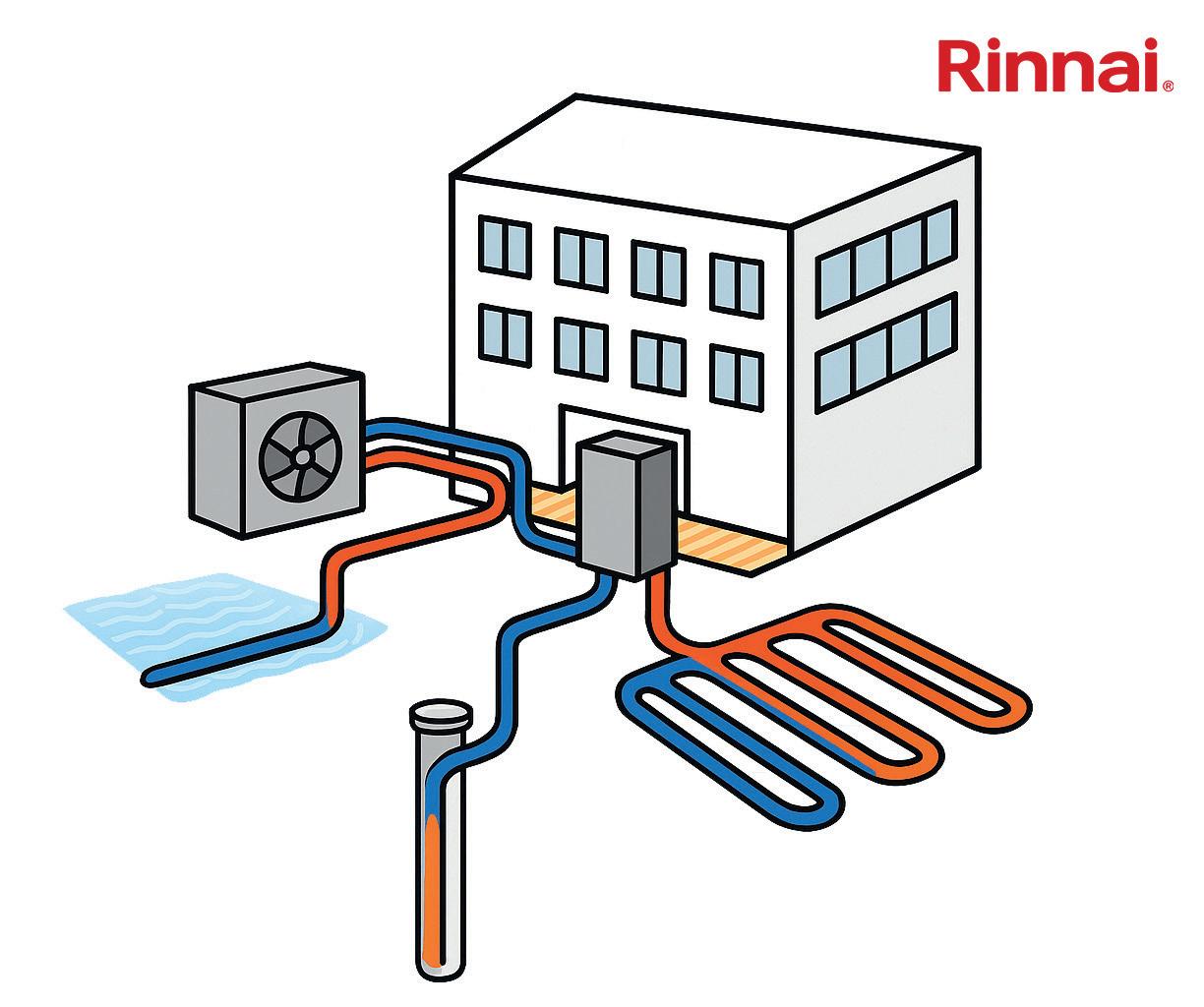
A hybrid heating system usually combines a renewable technology (most commonly a heat pump) with a traditional fossil-fuel-based boiler. The system is designed to switch between heat sources to optimise for efficiency, carbon emissions, and cost, depending on demand, external conditions, and energy prices.
In commercial buildings, hybrid systems typically run heat pumps when conditions allow, switching to boilers when demand is high or temperatures drop sharply. While this flexibility is seen as a benefit, it raises debate about whether hybrids offer a realistic approach or delay the switch to full electrification.

The commercial property sector accounts for a large portion of built environment emissions, and decarbonising heating in this space presents a tough challenge. There are three key reasons why hybrid heating systems have become more appealing for facilities managers, engineers, and sustainability leaders:
While heat pumps are an efficient renewable option, their performance can suffer in extreme cold and installing them in existing commercial buildings can be complicated and costly. Hybrid systems provide a more pragmatic route, enabling organisations to use heat pumps for a large share of their heating needs while utilising boilers for peak demand.
This step-by-step approach can make a real difference. For buildings with fluctuating or high heat loads, hybrids can significantly reduce emissions today instead of waiting for full electrification to become practical.
Energy markets are still unpredictable, with gas prices, grid limitations, and balancing costs all putting pressure on commercial energy spend. Hybrid systems help manage this uncertainty by intelligently switching between energy sources to balance costs and performance. As tariffs fluctuate, this adaptability can provide a mix of financial and environmental resilience.
When electricity is cheap, such as when renewable energy is ample, the heat pump does most of the work. When prices go up and demand is higher, the boiler takes over to keep costs down and homes comfortable.
Hybrid systems may not be the end goal, but they are an effective way to move forward. They make it possible to phase out fossil heating gradually, spread investment, and give operators space to build confidence with new technologies. This transition aligns more naturally with how commercial organisations tend to manage budgets and risk.
Rather than an all-or-nothing shift to electrification, hybrids offer a sensible middle ground that cuts carbon without disrupting day-to-day operations.
That said, decarbonisation goes beyond new technology and depends on broader systemic change and wellinformed decisions at every level.
Hybrid systems are inherently more complex than single-source systems. They require sophisticated controls, robust commissioning, and knowledgeable operators. Unfortunately, the commercial heating sector faces a significant skills gap. Many engineers have deep experience with boilers, but limited exposure to heat pumps and hybrid logic.
This is where skills development becomes strategic. In order to take full advantage of hybrid technology, training requires emphasis on both the technical installation of hybrid systems and the operational understanding and optimisation required to deliver real performance gains.

Every commercial property is different, and hybrid system design should account for building fabric, occupancy patterns, existing plant, and future flexibility. Off-the-shelf solutions are rarely sufficient. Instead, integration with data from building management systems (BMS), weather forecasting, and predictive analytics can unlock the true potential of hybrids.
Buildings with poor insulation or large distribution losses may experience reduced returns from heat pumps unless fabric improvements go hand-inhand with technology upgrades. When the two are viewed holistically, hybrid systems become one element within broader decarbonisation planning.
So, are hybrid heating systems transitional technology or a long-term solution? The answer is both.
As a transitional technology, hybrids provide a feasible route to immediate carbon reductions while accommodating existing infrastructure and market realities. They buy valuable time, reduce risk, and help estate managers align with near-term regulatory deadlines.
As a long-term solution, hybrids will be relevant for years to come in many commercial contexts. Particularly in mixed-use facilities, sites with diverse load profiles, or buildings where full electrification is financially impractical today, hybrid systems can offer sustainable efficiency and resilience.
The future of commercial heating won’t follow a single template. It will be shaped by a mix of technologies that are smart, flexible, and able to adapt to different buildings and needs. Hybrid systems capture this approach by connecting existing infrastructure with the low-carbon solutions that are coming next.
As part of the wider decarbonisation effort, hybrid heating plays a practical and strategic role. Its benefits go beyond cutting emissions, helping organisations stay flexible, manage costs, and build the skills needed across the industry.
To realise their full potential, we must invest in people as much as technology, empowering engineers, designers, and estate managers with the knowledge to design, operate, and optimise hybrids effectively.
Decarbonisation is a marathon, not a sprint. Hybrid heating systems give us both a sensible pace and a sustainable path forward, so let’s make them count. https://gtec.co.uk/


Refrigerants are often overlooked contributors to climate change, yet their impact is considerable. High Global Warming Potential (GWP) refrigerants, most commonly hydrofluorocarbons (HFCs), are widely used across refrigeration, air conditioning and heat pump technologies.
While these substances were originally introduced as less harmful alternatives to ozone-depleting chemicals, their high heat-trapping potential has pushed them to the front of global climate policy. As regulatory pressure intensifies across the UK and Europe, the phasing down of high GWP refrigerants is beginning to reshape the energy and built environment sectors.
As part of my role at Salix, I must ensure we’re always ahead of the technology shaping how best we can ensure the most energy efficient solutions that are kind to our planet.
HFCs (hydrofluorocarbons) can have GWPs hundreds or even thousands of times greater than carbon dioxide over a 100year period. Common refrigerants such as R-410A, commonly seen in air conditioning and heat pump units, have a GWP of more than 2,000. This means that over time, with general wear and tear and poor upkeep, small leaks during operation, servicing or disposal can result in disproportionately large climate impacts. As the public sector moves towards decarbonising its buildings, heat pumps are increasingly important as low carbon heating sources, increasing the need to address refrigerant emissions.
From January 2025, new restrictions came into force banning the sale of certain air conditioning systems that use refrigerants with a GWP above 750. This effectively removes several commonly used HFCs from new installations and signals a decisive shift toward lower-GWP alternatives. Looking further ahead, UK government proposals intend to reduce HFC availability by almost 99% by the late 2040s, supplying a clear path forward for manufacturers.
These measures are meant to futureproof the UK’s energy infrastructure for the electrification of heating systems, particularly in the context of our work at Salix, where the use of more natural refrigerants in heat pumps is helping position manufacturers ahead of the trend toward phasing down HFCs.
The phasing down represents both an obstacle and an opportunity. Heat pump manufacturers are being forced to innovate and transition to refrigerants with significantly lower GWPs, such as R-32, CO2, ammonia, and hydrocarbons like propane (R-290). Each alternative comes with challenges. Natural refrigerants offer exceptional climate performance, though they can introduce design complexities due to higher operating pressures or flammability considerations.
As a result, each system design must include appropriate upskilling for fitters and updated industry-wide safety standards when carrying out our refurbishments or maintenance. Contractors and engineers must upskill to work confidently with these new technologies, while clients are being encouraged to think beyond upfront cost and consider the operational life of the heat pump. At the same time, the cost of high-GWP refrigerants has risen sharply, further supporting the financial case for early adoption of compliant alternatives.
The impact of refrigerant regulation is particularly visible within publicly funded decarbonisation programmes, including the Public Sector Decarbonisation Scheme – a programme we deliver at Salix on behalf of government. This has been designed to support public sector organisations in lowering emissions across their estates and has funded thousands of projects since 2020. These projects have involved the installation of a low-carbon heating system involving a heat pump, and supported building retrofitting and energy efficiency upgrades.
We’re currently delivering Phase 4 of the Public Sector Decarbonisation Scheme with numbers of projects completing in 2028.
The Phase 4 guidance placed a greater emphasis on refrigerant selection. This means that applicants were expected to demonstrate that systems use lowGWP refrigerants wherever possible
and provide commentary as to their choice.

Buildings across education, healthcare facilities, and local authorities have been affected by this shift, with some projects opting for natural refrigerant systems that better align with long-term regulatory and compliance requirements.
The phasedown of high-GWP refrigerants across the energy and buildings sectors is a structural change in how we think about emissions. As operating efficiency improves and the national grid continues to decarbonise, emissions from refrigerants are coming under greater scrutiny. This is driving a more thorough approach to system design, considering refrigerant lifecycle impacts and resilience alongside energy performance.
In the long term, early engagement with low-GWP refrigerants reduces risk, supports future compliance for Public Sector Decarbonisation Scheme projects, and pushes forward with net zero. As cooling and heating demand continue to grow, refrigerant policy will play an increasingly central role in determining whether net-zero ambitions can be met.
Salix’s role is to support the UK government in driving the transition to a low carbon future and meet challenging net zero targets. See our website and discover how we deliver and administer grant and loan funding on behalf of the Department for Energy Security and Net Zero, and the Scottish and Welsh governments. This is delivered across the public sector as well as housing.
We also play an important role in increasing awareness of energy efficiency and heat decarbonisation across the public sector throughout the UK. Our teams work closely with the public sector organisations throughout their decarbonisation journey; from the moment a grant is allocated to the moment the scheme is fully operational. www.salixfinanance.co.uk
For energy and asset managers operating high-occupancy residential schemes, hot water remains a significant and often under-optimised load. In electrically heated buildings, conventional immersion cylinders can account for substantial energy, water and maintenance costs. A recent case study from a 393-bed, campus-style student accommodation scheme illustrates how upgrading to a cylinder with integrated sensors and meters can deliver rapid financial and carbon returns without major infrastructure change.
The five-storey property, opened in 2009, is served by individual electric immersion tanks within flats. A centrally controlled infrastructure for heating was already in place, providing a foundation for enhanced monitoring and system visibility. The project involved replacing ageing immersion cylinders with factoryassembled, pre-wired and pre-plumbed units incorporating intelligent controls that collected data for incoming, in-tank, and output supply of water temperature, and metering of both energy and water.
Measured data showed annual energy consumption of 501 kWh per bed for water heating. Benchmarking against comparable residential sites operating intelligent cylinders for several years established a longterm achievable performance of 369 kWh per bed. This represents a 26% reduction. Across the scheme, this translates to reducing electricity costs by £13,000 (at an assumed tariff of 25.6p/ kWh). For larger portfolios, savings at this scale accumulate quickly into material reductions in both operational expenditure and emissions.
Water performance was assessed against guidance from the Chartered Institution of Building Services Engineers, which benchmarks comparable residential buildings at 125 litres per person per occupied day. Actual incoming meter data indicated significantly higher consumption. By tracking how spaces are being used, and continuous monitoring, the new system identifies hidden leaks, faulty valves,

dripping taps and outlets, and unusual discharge events, such as tundish flow as a result of pressure issues.
With remote alerts enabling timely intervention, projected annual water savings are calculated to be 12,879m³. This reduced annual water costs by £32,198 (at an assumed £2.50 per cubic metre). Beyond the financial impact, early fault detection reduces the risk of consequential damage and disruption, an important but often overlooked benefit in student and multi-occupancy accommodation.
Operational efficiency gains were also evident. Continuous temperature logging and automated reporting reduce the need for manual inspection visits and support compliance with water hygiene regimes. On medium-to-large schemes, removing just a 15-minute monthly inspection per cylinder can save several thousand pounds per year in labour costs. Maintenance shifts from routine attendance to exception-based intervention, allowing in-house teams to prioritise assets that genuinely require attention.
Carbon reductions were calculated using UK grid electricity intensity (124gCO2/kWh) for Scope 2, and BEIS/ Defra intensity (1.05kgCO2/m³) for Scope 3. The annual impact equates to 6.4 tonnes of CO2 from reduced
electricity use and a further 13.5 tonnes from avoided water consumption. For organisations reporting under ESG frameworks or progressing toward net-zero targets, these measurable and auditable reductions provide credible evidence of improvement.
From a capital expense perspective, the comparison was made between the incremental uplift over like-forlike cylinder replacement, as the existing assets were approaching end of life, and the new SmartTanks.
With a total project cost of £221,000 and a like-for-like replacement cost of £144,000, the upgrade premium was £77,000. Combined annual savings across energy, water and labour were calculated at approximately £53,000, producing a simple payback of around 1.4 years under conservative assumptions, including 5% inflation.
For high-occupancy buildings reliant on electric immersion systems, this case study demonstrates that intelligent cylinder upgrades represent a low-disruption, quick-payback investment. The outcome: reduced operating cost, improved compliance assurance and meaningful carbon savings, delivered through better data, earlier intervention and more precise control rather than wholesale system redesign. www.prefectcontrols.com
Great British Energy aims to turn the energy transition into a major economic opportunity for the UK. This is a rallying cry for community energy groups, local authorities and innovators that want to access support for energy projects that create value locally.
Success goes beyond reaching carbon targets. It’s about building modern, resilient energy systems. And it requires new delivery models, collaboration and ways of mobilising investment – opening the door to community benefit and shared ownership.
While project design and implementation can be complex, Energy Systems Catapult has spent the last decade helping local authorities, communities, innovators and industry navigate the process, turning opportunity into reality.
Three initiatives we’ve worked on stand out:
• Smart Local Energy Systems (SLES): identified emerging business models and showed how partnerships can be structured to deliver genuine community benefit.
Unlocking Clean Energy in Greater Manchester (UCEGM) programme: coordinated clean energy deployment across the region, creating local jobs and stimulating supply chains.
• Leicestershire CAN (Collaborate to Accelerate Net Zero) demonstrator: delivered a local area energy plan for the region that identified thousands of potential projects and strengthened collaboration among local stakeholders.
These show how local generation and smarter approaches to matching local demand are already helping places and innovators unlock the economic, social and system benefits at the heart of Great British Energy’s mission.
SLES: CREATING INVESTABLE, SCALABLE LOCAL ENERGY MARKETS
One of the most powerful
opportunities in the energy transition lies at the local level. Smart local energy systems (a way to bring together different energy assets and infrastructure in a local area and make them operate in a smarter way) can reduce bills, create skilled jobs and unlock opportunities for public ownership. Yet many local authorities and community energy innovators face fragmented markets and unclear routes to scale.
Great British Energy’s strategy recognises this challenge and places strong emphasis on ‘GBE Local’, a commitment to empower communities, support local authorities and ensure that the benefits of clean energy flow directly to people and places.
Through the Prospering from the Energy Revolution (PfER) programme, the Catapult evaluated 25 pioneering smart local energy systems projects across the UK. From this, we identified five emerging business models that make local energy systems more investable, scalable and replicable:
marketplace models that connect local projects with investors
• local energy markets that link local generation with local demand local flexibility markets that reduce grid constraints
• virtual network management approaches that optimise local energy flows
anchor asset models that derisk emerging technologies such as heat networks, electric vehicle (EV) hubs and storage
These models demonstrate how local authorities and communities can take on different roles – convenor, investor and operator – depending on their capacity and ambition. They also show how to structure partnerships that deliver real community benefit and unlock wider social and economic value.

Cities and regions across the UK have ambitious Net Zero plans, but many struggle to turn strategy into delivery. Barriers include limited access to capital, complex procurement processes and uncertainty around commercial viability. Yet the economic opportunity is enormous. Local clean energy projects can create skilled jobs, reduce long-term energy costs and stimulate local supply chains. Increasing revenue certainty through power purchase agreements (PPAs) is also key to unlocking investable business models.
The UCEGM programme showed what is possible when local ambition meets whole system expertise.
Working with five Greater Manchester local authorities, the Catapult helped deliver a coordinated programme that deployed clean energy across the region, alongside the design and validation of PPA business models.
The results speak for themselves:
10 MW of new renewable generation capacity
• 8,881 MWh of clean electricity generated annually
15 renewable energy assets delivered across the region
These assets included solar panels, battery storage and EV charging infrastructure, demonstrating the breadth of opportunity available when supported by the right expertise.
UCEGM is a powerful example of how public sector leadership, supported by Catapult expertise, can unlock deployment at pace and scale. It also shows how regional collaboration can accelerate delivery and maximise public benefit, a theme strongly echoed in Great British Energy’s strategy.
To build on this success, Great British Energy could provide capital to replicate UCEGM style programmes across the UK, support local authorities to identify investable sites and business models, and enable blended finance approaches that crowd in private investment. Backing regional delivery bodies to coordinate multi-authority programmes would also help accelerate progress.
Local authorities often face fragmented governance, inconsistent data and limited capacity, making it difficult to identify where to target interventions. At the same time, community energy groups have the passion and local legitimacy to deliver projects. But they often lack access to high quality data or clear routes to ownership and action.
Great British Energy’s strategy emphasises local empowerment and public benefit, and the Leicestershire CAN demonstrator shows how

Local Area Energy Planning (LAEP) and community energy can work together to deliver exactly that.
Leicestershire CAN brought together local government, universities, community partners, energy networks and the Catapult to accelerate Net Zero delivery. The project delivered a full, wholesystem LAEP, alongside a Community Energy Pathway developed with Green Fox Community Energy, which built the capacity of local groups and strengthened collaboration across the region.
The link between LAEP and community energy is particularly powerful:
LAEP identified hundreds of thousands of potential projects across heat, power, transport and buildings.
• the LAEP Lens visualisation platform democratises access to this data, giving community groups the same visibility as developers and network operators.
• the Community Energy Pathway helps groups act on those opportunities, turning insights into real, locally owned projects.
Together, this creates a best practice, replicable model for other regions: LAEP provides the evidence base, and community energy provides the delivery mechanism, ensuring community benefit and empowerment.
Great British Energy’s strategy is a welcome signal of national ambition, but delivery will depend on evidence, capability and practical models that work on the ground.
The Catapult has been supporting the sector to build this foundation.
We’ve shown how to design, finance and deliver clean energy projects that create jobs, reduce bills and strengthen local economies.
If you’re exploring opportunities aligned with Great British Energy’s mission, whether you’re working for a local authority, a community energy innovator or regional body, the Catapult team would be delighted to discuss how we can support you.
Email us to start a conversation and take the next step: netzero_places@es.catapult.org.uk

Rinnai Director Chris Goggin looks at some of the unreported details of the politics of NetZero, more specifically the ideological challenges to carbon neutrality and climate change policies coming from all areas of the global political spectrum. Mr Goggin reports on how China, Europe, UK and the US are fielding their climate change policies. Additionally, there are further observations on what pledges and agreements could be sacrificed for an approach that relies on the continuing use of fossil fuels.
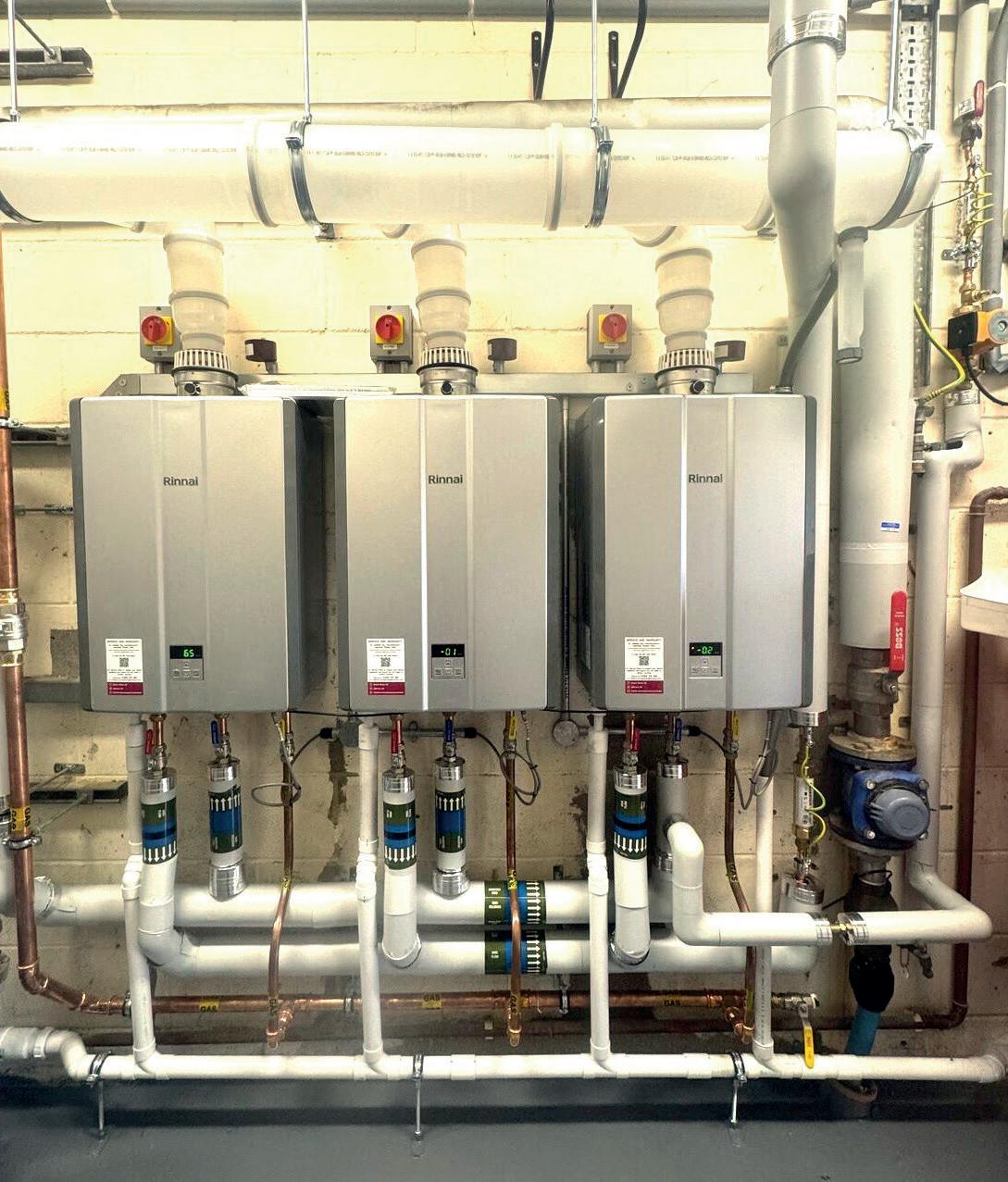
The evidence behind a global march towards clean and carbon-minimised energies is not doubted by the scientific community.
There is a global consensus from the overwhelming majority of scientists who work in this arena that carbon emissions are a huge factor contributing towards global warming.
It is unilaterally agreed that the “Greenhouse effect” has increased surface temperatures. The data of fast-rising temperatures is open to all interested parties to see without any restrictions. Trapped heat has been the cornerstone of biological life on this planet in the past but now threatens the well-being of all plant and animal life.
The greenhouse effect is a natural process where Earth’s atmosphere traps heat, warming the planet to a habitable temperature. Solar radiation heats the Earth’s surface, which then emits infrared radiation (heat) back out.
Greenhouse gases, such as carbon dioxide and water vapor absorb some of this outgoing heat and re-radiate it back towards Earth, warming the lower atmosphere. This effect can be intensified by human activities, leading to global warming and climate change.
Sunlight is the primary source of energy that allows the existence of human life. As sunlight reaches our planet it travels through the atmosphere and is then reflected by water, clouds and ice upwards towards space.
Some light travels back into outer space whilst other parts are captured by the atmosphere and redistributed across all directions maintaining warmer, more human friendly temperatures. Any disturbance to this cycle will alter the temperature on Planet Earth.
Adding any more greenhouse gasses to this process like carbon dioxide and Methane lessens our planet’s ability to release energy which is converted to heat. Further greenhouse gasses that fossil fuels perpetuate also spread captured heat and therefore creates rising sea levels, increased natural disaster probability and drought.
This is the supporting science behind global warming. However, there are vocal
elements within the range of political parties that are either denying these recorded and calculated observations or ignoring them all together.
For example, China, although an acknowledged culprit in utilising fossil fuels, is working towards widespread renewable energy introduction. Although China’s political system cannot be considered by western values as a democratic state, China is not diminishing the science behind NetZero. According to figures released by the International Energy Association (IEA), as of 2023 China’s domestic energy mix included a 60.9% share of fossil fuels – but is working diligently towards transitioning to clean energy.
UK mainstream media has reported that China had installed 93GW of solar capacity in May 2025, enough to power 70 million homes for an entire year. This equivalates to 100 solar panels every second. Between January and May 2025 China had included 198GW of solar and 46GW of wind capacity into domestic operations, producing as much electricity as Turkey or Indonesia, which are countries with populations of 100 million plus.
One recent BBC article stated that China is: “way ahead in clean energy growth, adding more solar and wind capacity than the rest of the world combined.” The same article says that China has outpaced rising domestic electricity demand through renewable production and reduced its fossil fuel generation by 2%. And it is considering this as a commodity export.
European politics, in comparison, is fractured, with every major economy inside the EU and the UK containing virulent and vocal opposition towards NetZero and clean energy introduction. The main reason behind these objections appears financially based and not science led.
There are strong calls inside of UK politics to abolish NetZero ambitions in favour of North Sea fossil fuel extraction. A government opposition think tank report released last year prefers a less time stringent approach to a domestic cleaning of the national grid.
There is a populist belief that the UK outright owns all the gas and oil remaining in the North Sea and therefore should have cheap fuel prices. But we live in a global market economy where producers want the best price for their product and hence the price of fuel is global and not local.
Companies from many different nationalities own North Sea oil, with the UK holding the largest combined equity
stake at 46.5%. However, significant stakes are also held by companies from the US, France, Spain, Israel, the United Arab Emirates, China, Russia and Norway, among others.
The recently released report “Decarbonising the Grid Three Scenarios for Achieving Net Zero Power” presents three pathways that explore different routes towards providing clean and cheap energy for UK customers. An independent energy market analytics company – Aurora Energy Research, has reviewed each pathway and has provided their interpretation of feasibility for Policy Exchange, a current government think tank.
Current plans to decarbonise the UK's power grid by 2035 will require £8.2 billion a year of additional investment until 2030 – a total of £49.3 billon. A further £11.1 billion a year of additional investment from 2031-2035 a total of £55.3 billion. The total accumulative investment over 11 years will amount to £104.6 billion over next 11 years.
The current government aims to acquire huge amounts of capital investment to achieve their aim of decarbonising. Aurora has calculated that £15.6 billion a year until 2030 is required (total £93.5 billion) and a further £4.4. billion a year from 20312035 (£22.5 billion) equating to a total of £116 billion over the next 11 years.
The opposition to government is arguing that a more pragmatic approach should be adopted to ensure a process that creates less financial turbulence to customers and investors. However, some types of pragmatism are now evident in the politics of other large economies inside of the European block. France has banned low emission zones in towns and cities as of May 2025.
These low emission zones are designed to reduce traffic congestion and pollution levels in well populated urban areas of 150,000 inhabitants. Although low emission zones are still in effect, a ban has been imposed for pragmatic reasons of regional financial growth.
Although banned – a total abolishment of low emission zones is still not guaranteed as a series of legislative measures must be drafted and approved by various political entities before being approved. However, a ban on low emission zones has been passed in French parliament.
Germany is also attempting to revise climate objectives through a newly acquired coalition government between the Conservative Christian Democratic Union and the centre-left

Social Democratic Party. New coalition policy adaptations could impact climate ambitions, these include reviewing and possibly reducing land area reserved for wind energy, a rollback on electric vehicle sales targets and a possible repeal of the Building Energy Act –which replaces oil and gas heating with renewable technologies.
The United States of America has rapidly retracted policies that the previous administration had put in place. For example, the Trump administration has publicly voiced its intention to withdraw $13 billion of funds made available by former President Biden’s green investment strategy.
Additional climate friendly policy reversals include subsidies for offshore wind projects being stopped by the current American administration. Construction on Equinor’s 810MW Empire Wind project was halted last month due to a change in policy.
The United States Department of Agriculture (USDA) will no longer fund solar panels or allow equipment produced by foreign companies on USDA approved projects. Economic future relating to agricultural land and domestic energy independence are cited factors in this decision.
Direct interference of clean energy initiatives appears to be motivated by an ideological position whilst European states have begun withdrawing from ecological pledges for reasons of financial pragmatism. The UK push towards a less intense energy transition contains elements of both ideology and monetary concerns. It could be argued that American influence can be denoted inside of UK populist political opinion.
Rinnai is continuously monitoring all news relating to energy finances, policy, construction and direction. Any information that could affect appliance or energy options will be shared so that the consultant, specifier, installer and UK customer can adjust any potential purchase accordingly. www.rinnaiuk.com
The Royal Institution of Chartered Surveyors recently revealed that demand for both sustainable buildings and routine carbon measurement is slowing. Just 16 per cent of the real estate and construction professionals surveyed said that carbon measurement meaningfully informs material choices in their projects. Yet, decarbonisation is now firmly embedded within industry regulations and guidelines:
• The NHS is aiming to reach Net Zero by 2045 through its Net Zero Building Standard. The Government Property Agency has published fresh sustainability requirements for workplace designers as part of the government’s general Net Zero 2050 plan.
• In the 2025 edition of the Academy Trust Handbook, the Department for Education introduced new requirements for monitoring and reporting environmental performance. Clearly, there remains a gap between policy ambition and day-to-day practice across the built environment sector. Bridging that gap starts with conducting thorough energy audits across estates – a key opportunity to identify energy wasters and reduce power consumption, cutting costs and lowering carbon emissions as a result.
An energy audit firstly establishes a baseline of current performance, identifying where energy is being used inefficiently and which issues require urgent attention. From this insight, a range of cost-effective changes can be implemented, some of which provide immediate savings. Examples include:
• Traditional lighting units are often energy-intensive and should be replaced with modern LED alternatives. Occupant sensors will ensure these lights are only on when needed. Thoroughly cleaning the entire heating system and replacing outdated radiator valves can deliver immediate improvements to system efficiency and heat distribution.
• Resealing air leaks and draught points around windows, doors and roof hatches helps reduce uncontrolled heat loss.
These quick wins become part of a bigger picture, helping to fund the major retrofit projects that will make the greatest difference over time. These may include
Kevin McGuane, Energy Services Director for DMA Group, discusses why making an energy audit should be considered an essential first step in any sustainable building upgrade.
transitioning from gas or oil boilers to high-efficiency heat pumps, alongside major upgrades to insulation, flooring, roofing, windows and doors to minimise heat loss further. Installing solar photovoltaic (PV) systems and battery storage, can then reduce grid reliance and improve resilience.
One of the most critical – but frequently overlooked – parts of an energy audit is a comprehensive BMS review. Too many estates currently rely on poorly configured BMS that simply aren’t performing optimally.
For instance, heating, ventilation and air conditioning schedules are often not aligned with live occupancy patterns or building timetables; they switch on too early and continue operating during periods when buildings or rooms are empty. Research shows that heating a space by just one degree above requirement can increase energy consumption by up to 10 per cent. When this occurs overnight, outside operational hours or for long periods of inoccupancy – during a school’s summer holiday period, for example – the cumulative energy waste and cost is substantial.
AI compatibility is now another important consideration in any BMS review. Automation

is becoming increasingly important to modern building services, with SFG20 recently reporting that AI-optimised facilities can outperform traditional operations by 20-30 per cent. Yet many buildings still rely on legacy software that is incompatible with these technologies. In such cases, an entire BMS upgrade may be required to maximise savings, future-proof services and support long-term decarbonisation targets.
AI is only as good as the data its fed, so any plans for digital transformation – through upgraded BMS or other workflow and maintenance software solutions – must begin with ensuring data collection is accurate and robust.
The journey towards Net Zero is a complex, long-term and often capitalintensive one. A thorough energy audit is the perfect starting point, providing the clarity, confidence and evidence needed to begin the transition in a structured and cost-effective way. Establishing a clear baseline of current performance, identifying quick wins and unlocking funds for deeper retrofit projects all depend on this essential first step. https://dma-group.co.uk/
Rye Memorial Hospital is now the UK’s first carbon neutral Community Hospital.
The starting point of this journey was an energy audit, which DMA conducted in 2021, identifying several ‘quick win’ opportunities for low-cost improvements. For example, the team replaced existing lighting with LED units and introduced an electrical monitoring system, enabling more accurate energy tracking and data-driven decision-making.
These initial changes helped fund largescale retrofits: the installation of a new BMS to improve system control and monitoring; the integration of solar PV panels with battery storage to generate and store energy on site; and upgrades to pumps to
improve the efficiency of water circulation
Together, these measures have delivered measurable decarbonisation impacts:
A 40 per cent reduction in energy usage
Overall CO2 emissions cut by 260 tonnes
Becoming the UK’s first carbonneutral community hospital
• Improved patient services funded by reduced energy bills


Large energy and water users across the UK are dealing with a utilities system that has become far more complicated than simply finding the best price. Markets remain unpredictable, noncommodity charges continue to rise, and ongoing reforms are changing how costs appear on bills. On top of that, organisations are under greater pressure to show resilience and sustainability while still keeping spending under control.
Wholesale prices may draw the most attention, but for many organisations they are no longer the element that shapes overall costs. A growing share now comes from networks, system charges, policy schemes, settlement processes and data quality issues –areas that are often poorly understood and difficult to influence. At the same time, grid constraints, climate impacts and ageing infrastructure mean that energy and water resilience can no longer be treated as side concerns. These risks affect daytoday operations just as much as budgets.
This situation leaves energy managers, procurement teams and
finance leaders with decisions that must hold up for years, not just for the next contract. Yet many of these decisions must be made while rules, relief mechanisms and longerterm strategies are still uncertain. The problem isn’t a shortage of information - it’s the lack of clear connection between market changes, real costs, shifting risks and the practical steps that can help organisations stay ahead.
This is the focus of Buying and Using Utilities Live, returning this April. MEUC’s Spring Conference and Exhibition brings together major users, practitioners and specialists for a day designed to give organisations clearer footing in a complicated system. Instead of treating energy, water and sustainability as separate subjects, the programme shows how cost control, resilience and longterm planning are now tightly linked.
Sessions will look at how bills are changing beyond the commodity element, how settlement and data reforms can
create avoidable charges if not actively managed, and where efficiency, flexible demand and onsite solutions can provide real operational and financial benefits. Later discussions explore procurement strategies when noncommodity costs dominate, how policy relief works in practice, and how to build investmentready approaches to PPAs, renewables and flexibility that finance teams can trust.
Equally valuable is the chance to compare experiences with other major users. In a system defined by continual change, shared insight and open discussion often provide as much value as formal presentations.
For organisations aiming to regain control, strengthen resilience and make wellfounded decisions amid shifting conditions, the conversation continues at MEUC’s Buying and Using Utilities Live on Tuesday 21 April at IET Savoy Place, London. More details can be found at: https://meucnetwork. co.uk/events/buu-live-spring26/
Charlie Mowbray, Senior Product Manager, Ideal
While modern condensing boilers are designed to achieve high levels of efficiency, their realworld performance can vary dramatically depending on system design, maintenance and method of operation. Here we explore several key factors that influence commercial boiler efficiency and how best practice can help achieve optimal results.
Over time, heating systems naturally accumulate debris, sludge and particles from corrosion which can restrict water flow and reduce heat transfer, forcing boilers to work harder to maintain the required output. Poor water quality can also contribute to premature component failure.
When installing a new boiler into an older system, it’s good practice to isolate the new plant from the existing system. Plate heat exchangers provide full separation between the boiler plant and the secondary system, preventing contaminated water from circulating through the new equipment. On the secondary side, system protection can be enhanced with filters, strainers, or air and dirt separators. These help remove particulate matter and air pockets, improving the overall efficiency of heat transfer. Low loss headers and magnetic low loss headers can also play a role in maintaining hydraulic balance and cleanliness, though they do not provide full separation on their own.
The quality of the water circulating in a heating system has a direct impact on performance. Limescale deposits, for instance, act as an insulating layer within heat exchange equipment,
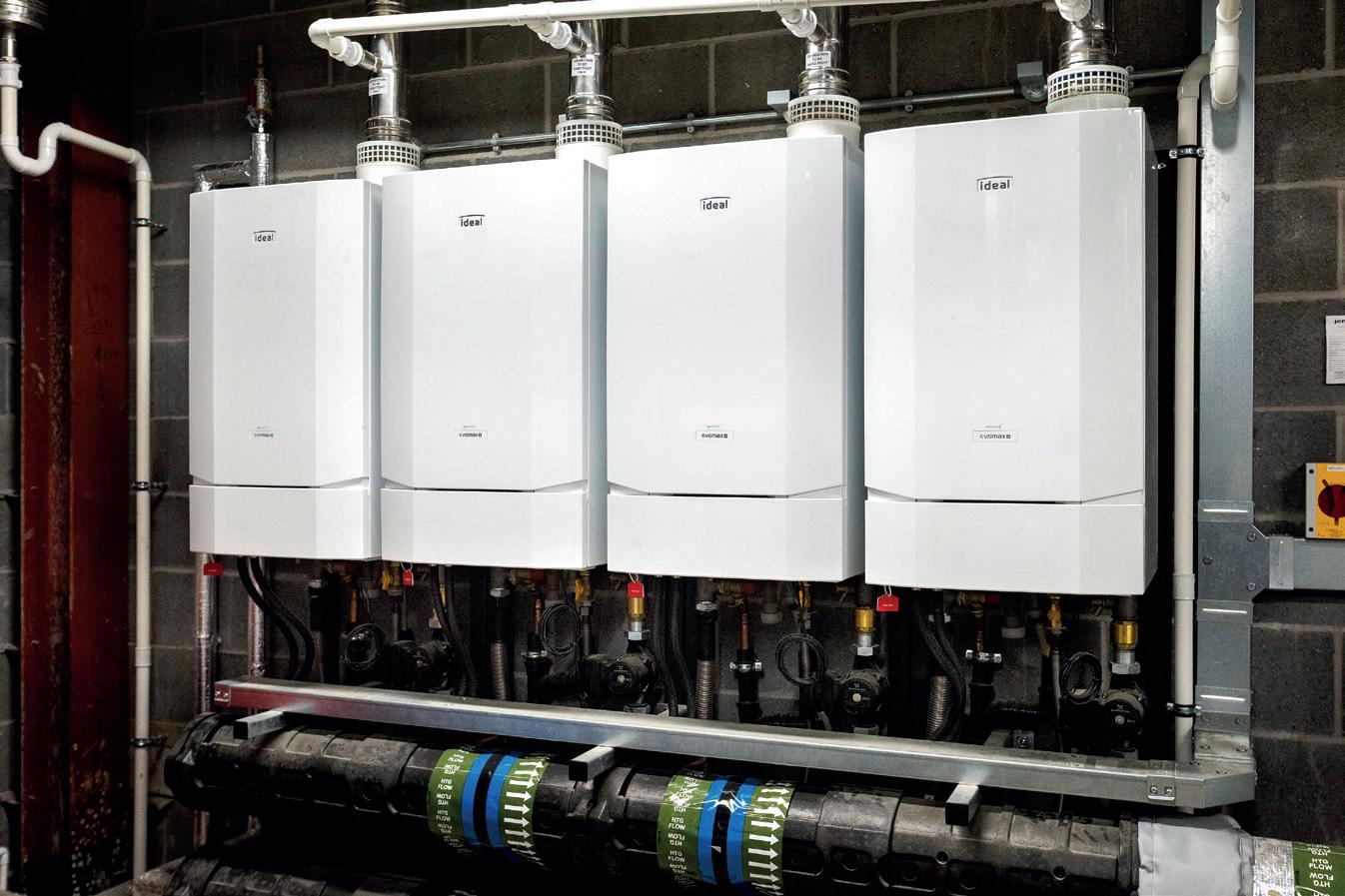
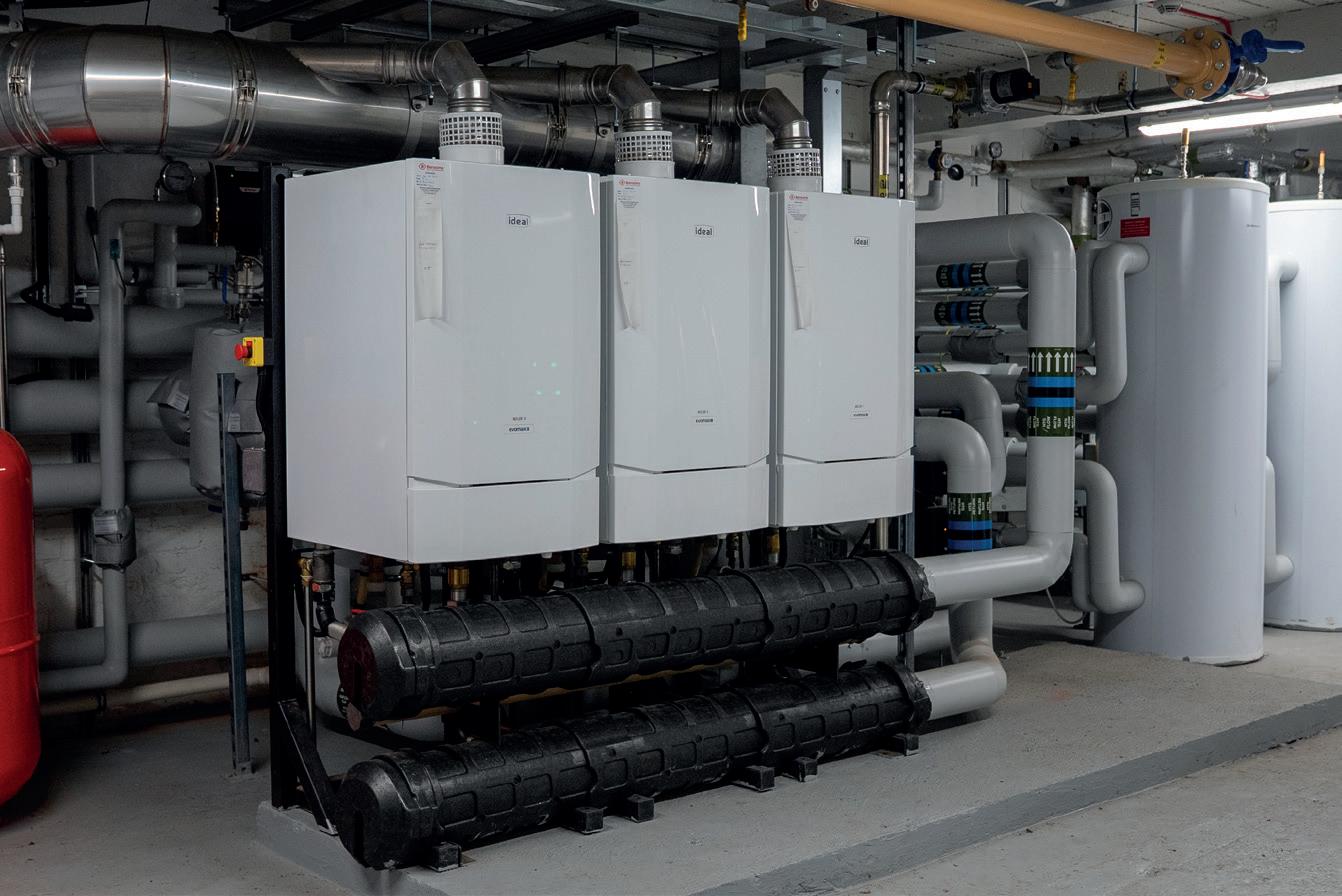
impeding heat transfer. Corrosion, meanwhile, produces debris that can block pipework and strainers. Adopting a proper water treatment regime is therefore essential. Industry guidance, such as that provided in the CIBSE and ICOM water treatment publications, should be followed to ensure correct treatments are applied, together with ongoing monitoring and maintenance. Consulting a water treatment specialist can help identify appropriate treatments and filtration systems based on system size, materials and water hardness.
Insulating the heating distribution system remains one of the most straightforward and effective efficiency measures. Without adequate insulation, valuable heat energy is lost from pipework, valves and distribution manifolds before it ever reaches occupied spaces. All accessible sections of pipework and equipment installed in the pipework should be insulated with suitable materials rated for the operating temperature. Where
possible, preformed insulation kits for plant items can simplify installation and ensure consistent coverage.
Air trapped within heating systems can have a significant effect on both efficiency and comfort. Air pockets reduce water circulation, create cold spots in emitters and increase noise within pipework. As a result, heating plant may cycle or operate more frequently to maintain the required output, increasing wear and energy use.
During commissioning and maintenance, it’s essential to ensure that all air is removed from the system. Manual bleeding of radiators and emitters, along with the installation of automatic air vents at high points such as risers and on top of boilers, can help maintain stable system operation.
Even the most advanced boiler will not perform efficiently without proper maintenance. Annual servicing by a Gas Safe registered engineer is essential, both to comply with regulations and to maintain optimal performance. A typical service should include inspection of combustion settings, cleaning of heat exchangers, checks on flue integrity, and verification of control function.
Regular maintenance also provides an opportunity to identify emerging issues before they develop into major problems.
Installing appropriate time and temperature controls ensures that the system only delivers heat

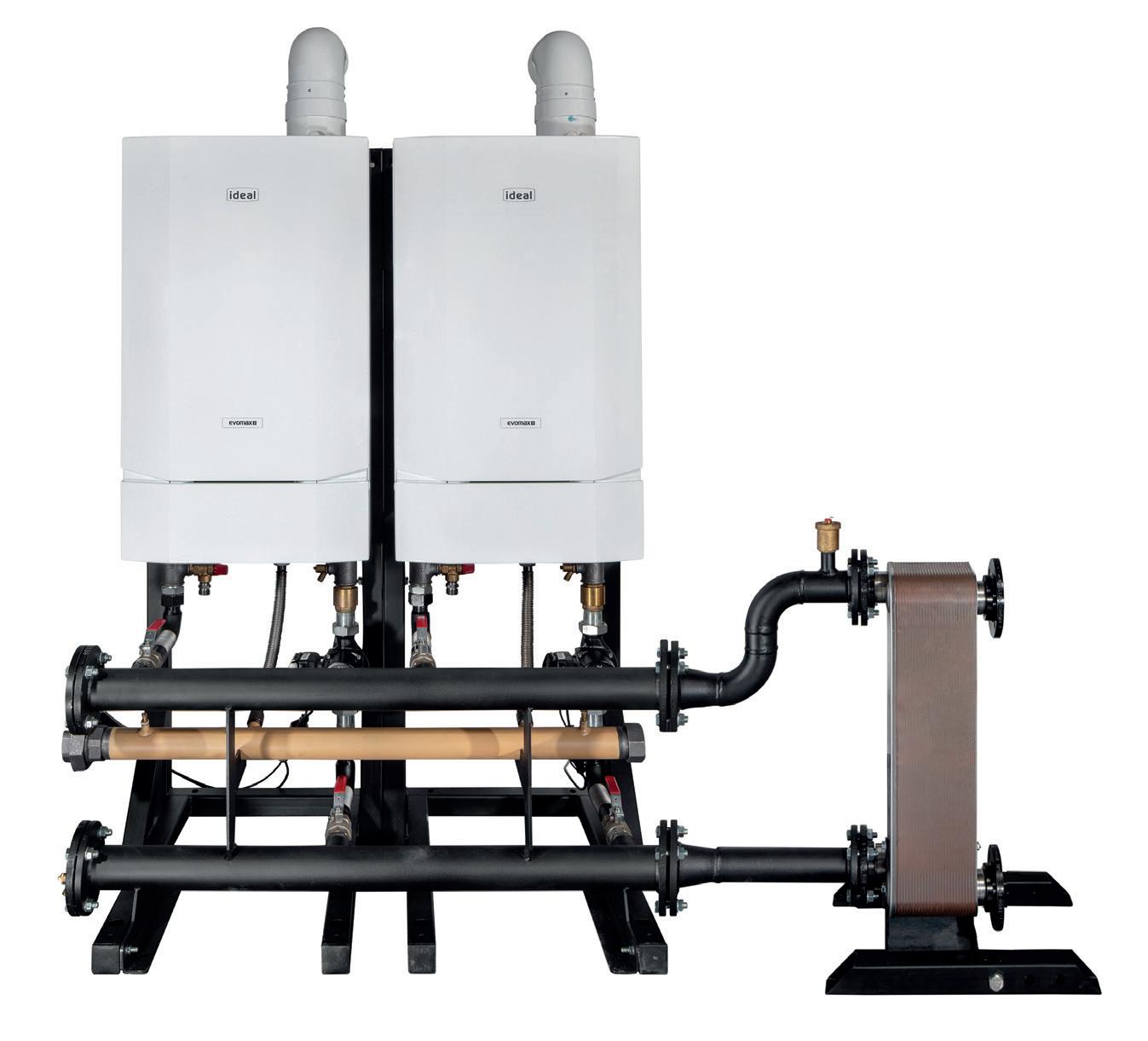
when and where it is needed. Weather compensation controls can further enhance efficiency.
For large sites or multiple-boiler installations, incorporating the heating system into a wider building or energy management platform can yield further efficiency gains. Energy management systems enable real-time monitoring of energy use, boiler sequencing, and performance trends. They can identify periods of high demand, highlight anomalies, and support predictive maintenance strategies.
The efficiency of a commercial boiler system depends not only on the technology itself but also on
the people operating it. Building managers and maintenance staff should understand how to manage controls, interpret operating data and perform routine checks effectively.
With energy prices high and carbon reduction now a defining goal of building management, optimising the performance of commercial boilers makes sound operational and environmental sense. Whether through effective system design, routine maintenance, or intelligent control, each improvement contributes to lower emissions, reduced costs, and a more sustainable built environment. idealcommercialboilers.com


The UK’s electricity infrastructure is undergoing a quiet but profound transformation, as developers across the country start to implement microgrids on projects from housing estates to electric vehicle charging hubs. These localised electricity networks are usually a combination of solar generation and battery storage, and increasingly, intelligent energy management.
We’re seeing this shift accelerate month by month, driven by compelling economics and practical necessity.
Firstly, the retirement of older gas-powered combined heat and power (CHP) plants is removing a power generation option that many developments might have relied upon. Secondly, the electrification of heat is dramatically increasing power demands on sites, as heat pumps replace gas boilers. Thirdly, and perhaps most significantly, access to the national grid is severely constrained, with connection waiting times and capacity limitations forcing developers to look elsewhere for solutions.
The result is a rethinking of how we power new developments, with more developers looking to behind-the-meter solutions to reduce the cost of building their electricity networks. And it’s a trend that will continue to grow as more developers recognise how
In response to growing grid constraints and rising sustainability ambitions, developers are increasingly turning to microgrids to deliver more resilient, cost-effective and future-ready developments. Brian Loft, director of operations at Leep Utilities, looks at how this works.
microgrids can enable them to increase the viability or value of a site.
The financial case for microgrids has reached a tipping point. By generating and storing electricity onsite, developments can significantly reduce their reliance on the national grid. The potential cost savings of this approach are already recognised at a consumer level – solar panels generate power during the day,

battery systems store excess capacity, and the stored power is used in preference to expensive grid power. The principle remains the same for larger developments, but as the size of the development increases, so can the size and output of the microgrid. With the right planning, equipment and installation, microgrids make it possible to shrink the overall capacity of grid connection a development needs. This can reduce the overall cost of development, while also speeding up timescales currently affected by long grid connection wait times. This tactical
use of microgrids can help developers meet increasingly stringent planning requirements, and achieve core business objectives around sustainability.
A good example of this is EV charging hubs, where we’re seeing solar and battery elements becoming standard rather than optional. The financial viability of these sites improves dramatically when they can generate their own power and avoid costly grid reinforcement charges. For housing developments, the economics work similarly – a microgrid reduces both the developer’s infrastructure costs, and residents’ ongoing energy bills. Later savings can be sizeable, particularly for developments with substantial common areas, EV charging infrastructure, or heat pumps.
Although a welcome transformation, the use of microgrids brings challenges that the industry must address. Perhaps the most critical is safety. Utility companies have traditionally assumed that a site disconnected from mains supply is safe to work on. That assumption no longer holds. With battery storage and solar panels potentially continuing to generate and store power even when grid supply is isolated, work practices must evolve.
At Leep, we’re updating our safety protocols to account for this new reality. Every site now requires a thorough assessment of behindthe-meter generation before work begins – our teams are being trained to identify and safely isolate all potential power sources, not just the grid connection. It’s a significant shift in operations that needs to be adopted across the entire utilities sector.
Monitoring presents another challenge. Networks need enhanced capabilities to track behind-the-meter generation, understand load patterns, and maintain system reliability. The traditional model of centralised grid management is giving way to a more distributed approach, where intelligence sits at the edge of the network as well as the centre.
For developers, the message is clear: microgrid solutions should be considered from the earliest stages of project planning, not retrofitted as an afterthought. The optimal configuration of solar capacity, battery storage and grid connection will depend heavily on the site’s specific
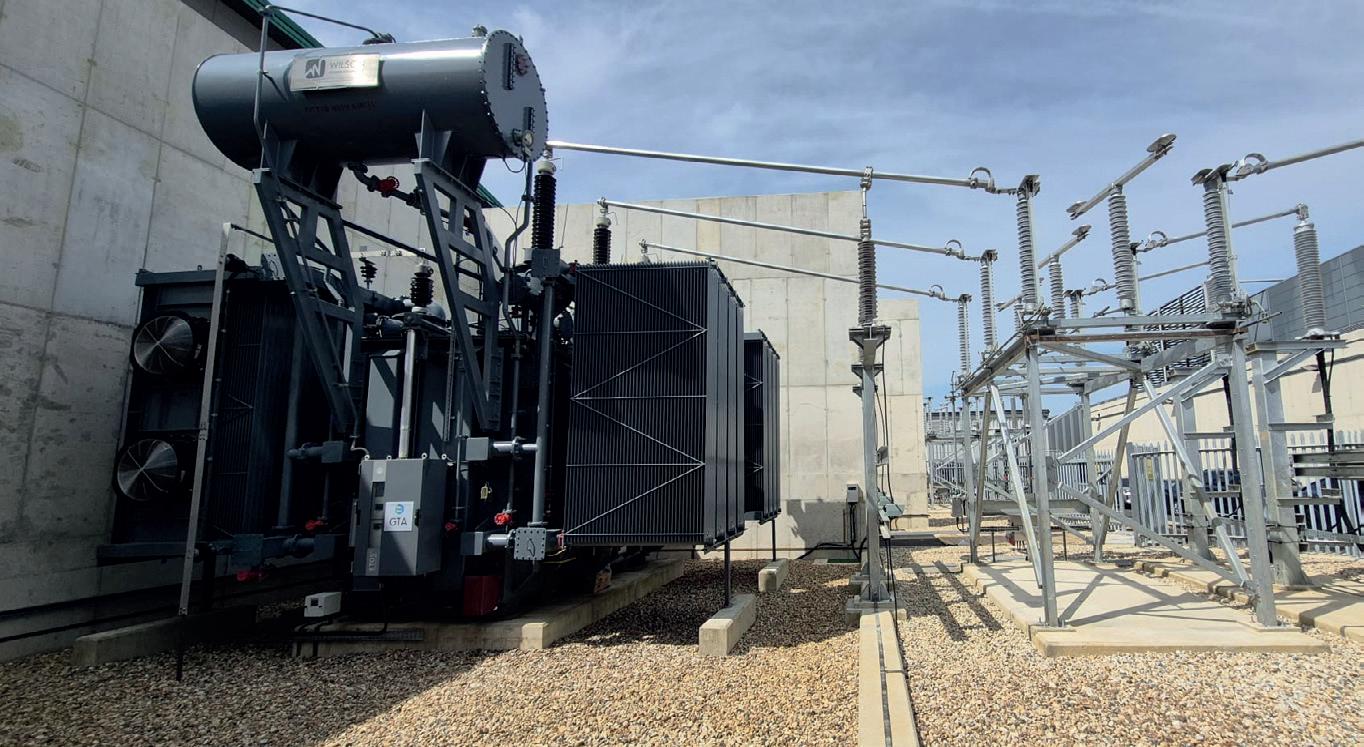
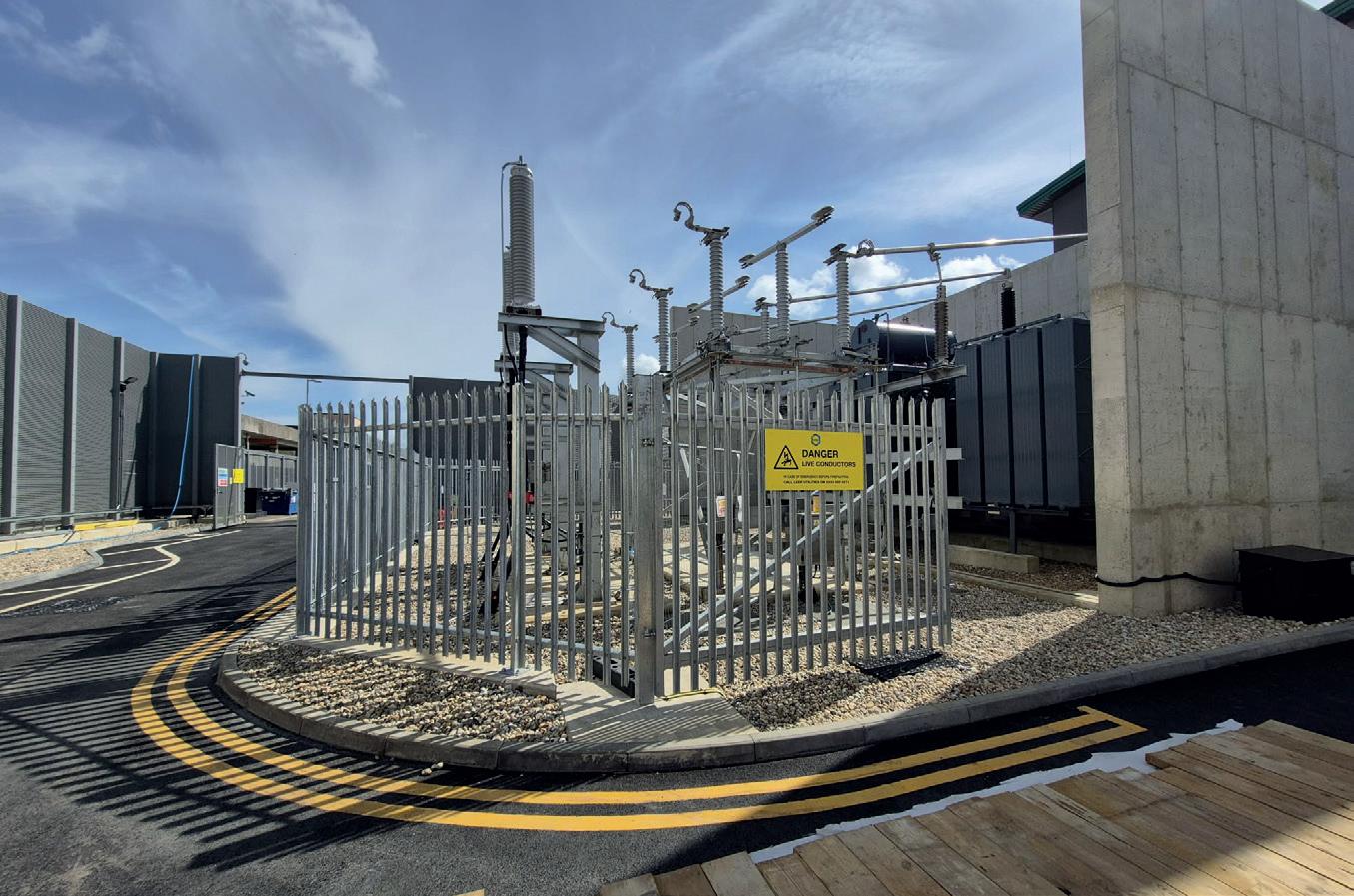
characteristics – the mix of residential and commercial space, the presence of EV charging, the building orientation, and local planning requirements.
For residents in these developments, the implications of microgrids are largely positive. Energy costs should be lower than in traditional developments, which is of great value in a time when electricity prices remain volatile. The infrastructure is typically managed by the IDNO or residents’ management company, making it largely invisible to individual households. However, homeowners should understand that their energy system is more sophisticated than a simple grid connection. Maintenance requirements differ, and the presence of solar panels and batteries may affect ongoing maintenance and service charges. Transparency from developers about how these systems work and who maintains them will be crucial.
All this is true for more than residential projects – microgrids can also deliver significant benefits to commercial projects ranging from charging hubs, small commercial sites, or even an eHGV depot. In short, behindthe-meter solutions can often make viable a site that would otherwise face
prohibitive grid connection costs or impossibly long waiting times. They can also help satisfy planning conditions around sustainability and carbon reduction. As grid constraints worsen, we expect these solutions to transition from a competitive advantage to basic necessity for many developments.
The microgrid trend reflects a broader shift toward decentralisation in energy systems. As renewable generation becomes cheaper, battery technology improves, and grid constraints persist, the logic of generating and storing power close to where it’s consumed becomes clear. We’re moving towards a hybrid model where local generation and storage work in partnership with the wider network.
For the utilities sector, this requires adaptation. Our infrastructure designs, work practices, monitoring systems and commercial models all need to evolve. At Leep Utilities, we’re embracing this change, working with developers to design and implement microgrid solutions that deliver reliability, sustainability and value. www.leeputilities.co.uk/developers
What are the fuels that presently matter most to the UK consumer and what roles do they fulfil in the current UK energy market? When responding to this question it would be impossible not to mention natural gas despite the unfashionable label the energy source has been designated by the mainstream media. The simple truth, at this moment in time, is that natural gas is as relevant to the UK as any form of energy or power.
Molecules whether they be Natural or LPG still play a central role in everyday life across the UK, from heating and hot water to powering commercial properties, industrial processes and agriculture.
Although work is underway in transitioning towards cleaner energies Natural gas still provides 85% of UK properties with essential warmth and water heating capabilities. According to figures released by the International Energy Agency (IEA) Natural gas still contributes 36.8% of final UK energy provision in 2024.
LPG and Bio-LPG also have traction in their respective markets as do hybrid systems. Gas in other less carbon intensive forms could very well provide a solution to the future UK clean fuels market. It can be realistically argued that despite the uptake in renewable energy installations and customer access to green power becoming easier, the UK is still heavily dependent on natural gas and other molecules.
The UK is second behind Germany in Natural gas consumption, in a European context, whilst also ranking second in gas generated electrical power in 2024, with 30.3% of final electricity being produced through natural gas. Market statistics published by trusted sources and media show that in 2024 there were 1.5 million gas boilers installed across all sectors in the UK, most of which were replacements.
Legislation was expected to be published in late Autunm 2025, in the
Rinnai’s Director Chris Goggin takes a close look at the role of natural gas, LPG and BioLPG in the current and near future UK energy market.
Future Homes Standard 2025 and future building standard, although these standards are fully expected to arrive soon, they are not here yet (at the time of writing). These publications will eliminate gas fired systems from new builds.
Domestic gas boiler installs were greater than heat pump connections by more than 15 to 1 throughout 2024. Although standards will reduce the installs of gas boilers and water heaters in new builds, it is obvious that by numbers alone gas boilers will continue to play a prominent role in UK heating.
Although traditional energies like Natural gas are still dominant, alternative electrified technologies such as heat pumps are beginning to become viable for UK consumers as the go-to option for property heating and hot water in both a domestic and commercial application.
By 2028 the UK seems determined to install 600,000 heat pumps per year nationwide. That is a huge amount of work set against skills shortage, lack of consumer attention and the logistics involving several levels of infrastructure -not least of all, the electric grid coping with that surge in demand.
In 2024 the number of heat pumps that had been installed in households across the UK stands at around 320,000. More than 65,000 have been installed from January 2024 to May 2025. UK heat pump installations throughout 2024 experienced a 40% increase.
One in eight newly constructed homes were equipped with low carbon alternative technological options. Of the new build homes constructed in the UK throughout 2024, 13% were finished with heat pumps as a primary source of heating and hot water,

UK heat pump adoption is slower when compared to other European markets. Just 19 households per 1,000 households in the UK had installed UK heat pumps last year. Norway had 632 per 1,000 domiciles whilst the number of Finnish households that contain heat pumps is 524 per 1000. These figures reveal that there are fertile conditions for the UK heat pump market to grow – specifically the commercial sector.
One factor that could prove to be influential in increasing heat pumps sales across the UK is the decarbonising of the national electricity grid. Once this is completed UK national energy distribution will be suited towards electrical appliances like air source heat pumps.
Off grid customers of fuels have a range of energies to select from, namely LPG and Bio-LPG. LPG was the lowest carbon emitting source of fuel for the 15% of UK businesses and domiciles that function off grid. Emissions from
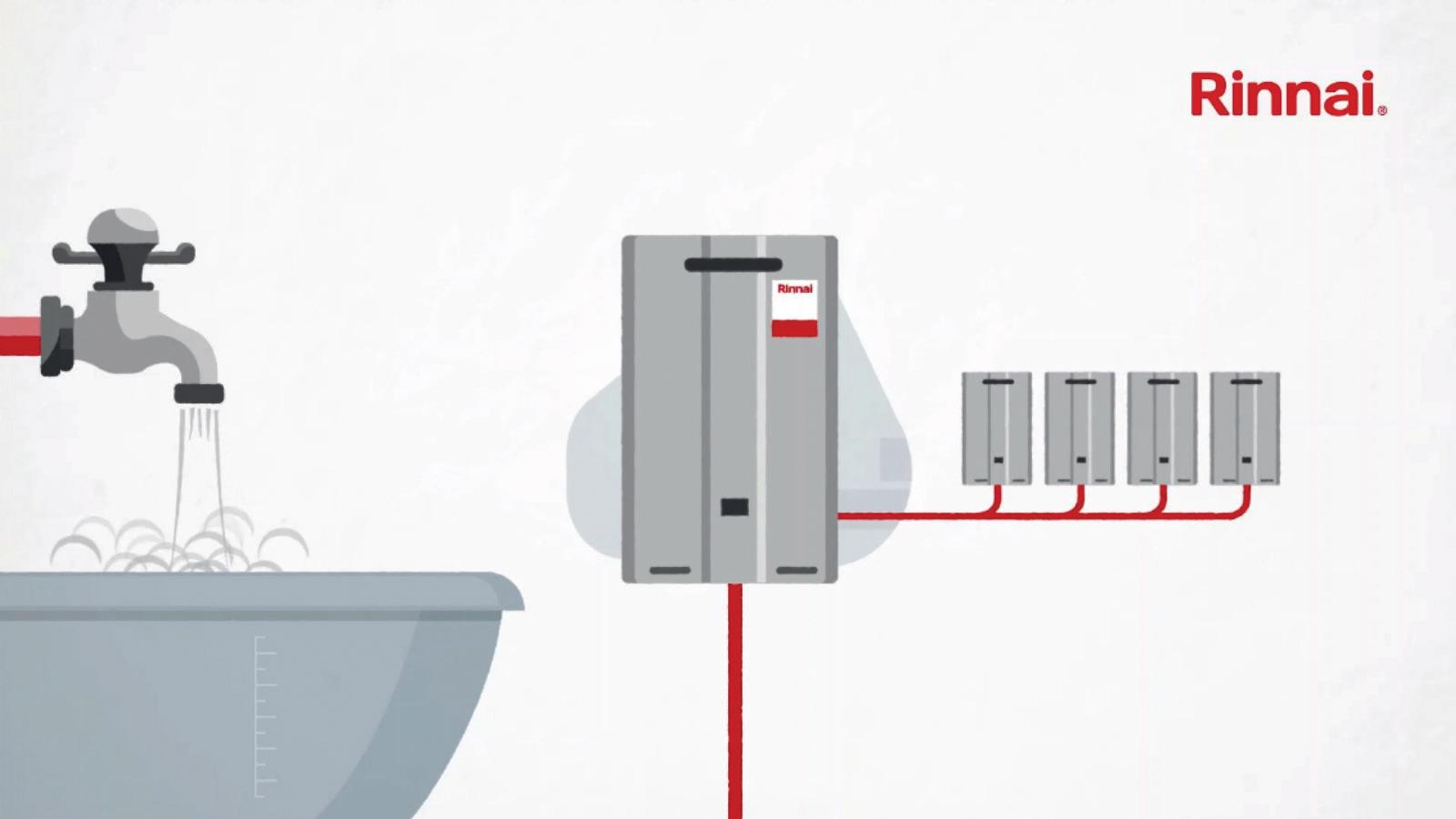
LPG are 33% less than coal and 15% lesser than oil. From 2023 and 2033 the UK LPG market is expected to grow by 12.82% and has attracted £600 million of investments between 2022 and 2025.
BioLPG can significantly reduce emissions when compared to oil and LPG. Liquid Gas UK – the trade association for the LPG and biopropane industry – has published an industry census revealing over £100 million is currently being invested in Bio-LPG, whilst the European market for this fuel LPG is expected to expand by 19.80% during 2026 and 2035.
Together, both BioLPG and LPG can reach and decarbonise off grid properties that other fuels and technologies find difficult to locate and effect.
Other notable synthetic gasses that are worth exloring are e-methane and biomethane. E-methane is the abbreviated name given to electromethane, a gas which is created by extracting captured carbon dioxide and then blended with green hydrogen, itself produced via renewable energy. Essentially, green hydrogen electricity is converted into a storable low carbon gas – e-methane.
Biomethane is produced in a separate process – methane is captured from natural biological waste and forms during a natural process called “anaerobic digestion.” In the absence of oxygen microorganisms will begin to break down matter yielding a gas – methane. Once impurities are
removed the methane gas becomes upgraded and biomethane is created.
Both biomethane and e-methane are capable of identical operating behaviour when compared to fossil fuels and can therefore be placed into existing infrastructure. Biomethane and e-methane can immediately fulfil the role of fossil fuels without any fracture towards appliance operating efficiency, commercial activity or societal cohesion.
Natural gas will maintain a role in UK energy demand for the foreseeable future. It could be argued that carbon neutral gasses could play a significant role in UK power consumption in the present and future. There are 176,000 miles of pipeline infrastructure and there is yet to be any mention of plans to excavate for resale value.
As decarbonising the UK electricity grid faces major structural, operational, and financial challenges, even under the more realistic 2035 target. Significant grid capacity and connection delays remain one of the most serious barriers along with reinforcing transmission networks, clearing long connection queues, and shifting from a first-come, first served to first ready, first connected model are essential but progressing slowly, creating uncertainty for investors and slowing renewable deployment.
Both independent and parliamentary analyses emphasise that reaching a fully decarbonised grid requires building and integrating vast new volumes of
low carbon generation, offshore wind, onshore wind, solar, nuclear, and large-scale storage at installation speeds far exceeding anything in our history.
At the same time, electricity demand is projected to rise by 50% by 2035, driven by the electrification of heating, transport, industry and the rapid expansion of data centres. Financing the transition is another massive challenge, reports highlight the need for capital investment in generation. grid reinforcement and storage with annual spending requirements in the tens of billions and long lead times that heighten risk.
Long duration energy storage, vital for balancing intermittent renewables, still faces high costs, slow deployment, and undeveloped regulatory frameworks. Finally, the planning system remains slow and cumbersome, with renewable and transmission projects often taking years to secure consent an obstacle repeatedly identified as incompatible with rapid decarbonisation timelines.
Together, these challenges mean that grid decarbonisation is technically achievable but demands unprecedented acceleration in delivery, robust policy certainty, and major system wide upgrades.
What are your views of the role of natural gas and the roll out of low carbon electricity? Write to us at https://www.rinnai-uk.co.uk/ contact-us/ask-us-question

by
1. How does water scarcity affect business?
Water scarcity – where demand outstrips supply – can have a negative impact on businesses by driving up operating costs, disrupting supply chains (particularly in sectors like manufacturing, agriculture and energy) and even halting production altogether if your operations are heavily reliant on water.
Further costs can also be incurred by adopting specific measures to ensure business continuity if water supplies are interrupted.
Additionally, if supplies continue to see disruption over a prolonged period, business expansion plans can be affected as a result, putting a cap on growth.
You may also see your business reputation damaged if you’re a heavy water user and you aren’t seen to be
doing all you can to act sustainably in the face of drought, which can again have an impact on profits.
Failure to proactively manage water usage and consumption can also put you at a competitive disadvantage.
Factories make heavy use of water for a range of different production processes, including cooling, washing and diluting. When drought conditions arise, operations can either slow or be halted altogether.
For example, in 2018 a heatwave in Europe saw cargo ships struggle to navigate the River Rhine, which led to chemical and pharmaceutical production in Germany dropping by ten percent between September and November.
Elsewhere, in California –which experienced one of its most severe droughts in history last year – the state’s food processing, beverage manufacturing and semiconductor production factories were also badly affected.
Some sites in Silicon Valley, for example, found they had to pay up to 40 per cent more for water than in previous years.
And the energy sector saw hydroelectric output drop by 35 per cent because reservoir levels reached record lows, meaning that California had to then rely more on natural gas and imported electricity, pushing up prices for both consumers and businesses.
Other issues that factories can face as a result of drought include infrastructure damage as a result of soil shrinkage and coinciding subsidence.
As the biggest consumer of freshwater around the world, using around 70 percent of all freshwater resources, agriculture will be most affected by drought conditions.
Most of the water used by this industry goes towards irrigation.
The impact of drought for businesses in this sector includes:
• Reduced crop yields and lower crop quality
• Crop failure
• Stressed plants (which can affect growth and function)
• Increased feed costs for livestock
• Herd size reduction
• The need to transport water to ensure livestock have sufficient resources
Significant financial losses through crop destruction/yield reduction
Higher food prices for consumers
Supply chain disruption
Soil degradation
As climate change continues to take hold, drought conditions will become more frequent, potentially slowing economic growth, driving migration, affecting tourism and international travel and disrupting transportation networks.
As previously explained, agriculture will be one of the hardest hit by drought, with figures showing that the actor makes up for almost 50 percent of all economic losses linked to drought.
However, energy production can be severely hindered, as well, particularly for hydropower and thermal energy plants, both of which require ready access to water for electricity generation and cooling processes.
In China, for example, which was badly affected by drought in 2022, the Yangtze River saw water levels fall to record lows, forcing Sichuan province to reduce or suspend power supply to thousands of factories.
As for tourism and leisure, any businesses reliant upon water-based activities will see these rendered impossible if water levels drop, which will have an impact on visitor numbers, booking cancellations and inevitable lost income.
Similarly, hotels, shops and restaurants in tourism-dependent areas will be affected, having a significant impact on local economies.
Last year, Sicily was faced with widespread water shortages and tourists were turned away by hotels and guesthouses because basic amenities like showers and toilets couldn’t be guaranteed. The residents themselves had to ration water in response to restrictions, limited rainfall and ageing infrastructure.
5.
Considering drought as a risk that will increasingly impact business operations is wise, influencing decisions such as: Location planning and where to build new facilities, taking into account climate risk
• Reevaluation of supply chains to ensure operations are resilient in the face of drought-related disruption
• Investment in water-efficient technologies and processes to reduce water consumption
• Emergency preparedness, with contingency plans developed to safeguard against disruptions (such as ensuring that there are alternative methods of production that can be used)
If you don’t have working or running water at your place of business, it is typically not reasonable (or even legal, in some instances) to continue operating, particularly if you work in a sector that requires cleaning of any kind.
For most organisations, water supply disruption will mean a complete halt to operations, but office-based companies may still be able to continue business as usual.
How long a business can stay open without water will, again, depend on the nature of the work being done.
Construction companies, for example, will likely have to close within a few hours if water supplies are interrupted.
The reason for the water outage is important to bear in mind. For example, if it’s down to a burst pipe you will need to have this resolved, either by calling the water company to come out and fix it if it’s on their network or by calling your own plumber.
You may also have to arrange alternative working options if working toilets cannot be ensured, as well as providing drinking water alternatives if the taps run dry.
Ultimately, you’ll likely find that if you are unable to provide access to clean running water for washing, drinking or flushing, then you’ll probably be breaching workplace welfare standards
Furthermore, if you operate a sensitive site (such as a medical centre, hospital or veterinary clinic), you will need to have contingency plans in place to prevent downtime if water shortages occur.
7. How can businesses save water?
Saving water as a business is an ongoing endeavour and it’s likely that you’ll have to adjust your conservation strategies over time as operational requirements change over time.
Different measures to adopt include rainwater harvesting, installing an Off Grid Water Supply, water leak detection and repair, greywater recycling and so on… but in order to identify the most effective methods, you’ll need to have a water audit of your site carried out so you can find the most vulnerable areas across your business.
If you’d like to find out more, get in touch with the SwitchWaterSupplier.com team today.
The Energy Savings Opportunity Scheme (ESOS) Phase 3 introduced several changes that increased the complexity, time and cost of compliance for many organisations. These included a reduced de minimis threshold, the introduction of energy intensity matrices, mandatory Action Plans and annual progress reporting. Lateevolving guidance and stretched internal and external resources compounded these changes, leading to duplication of effort and increased delivery risk.
For Phase 4, only minor changes have been announced to date. No major structural changes to the ESOS framework have been confirmed, providing continuity and allowing organisations to apply lessons learned from Phase 3 rather than adapt to a fundamentally new scheme.
Phase 3 showed that challenges rarely stem from the technical requirements themselves. Instead, issues most often arose from timing, data quality and unclear ownership. As organisations enter Phase 4, these lessons provide a clear opportunity to reduce risk and extract greater value.
Many organisations delayed engagement until the compliance year, leaving insufficient time for audits, data validation and approvals. ESOS audits can be carried out at any point during the four-year cycle. Organisations that started earlier benefited from higher-quality audits, fewer data gaps and more opportunity to implement savings before the deadline.
Poor or unverifiable data was a major cause of delay and rework in Phase 3. Issues around organisational boundaries, missing energy data and

unclear accountability reduced confidence in recommendations. Strong performers invested time early in defining scope, validating data and assigning clear responsibility for data collation and sign-off.
The introduction of Action Plans was a positive step, but plans created purely to meet compliance requirements often failed to gain traction. Where audits were completed early and aligned with wider business priorities, Action Plans became effective delivery tools, supporting capital planning, Net Zero strategies and operational decision-making.
Strong governance consistently led to smoother outcomes. Early director engagement, clear accountability and structured progress tracking reduced compliance risk and improved confidence. JRP Solutions’ Phase 3 assessments identified 1,055 energy efficiency opportunities, equating to approximately £29.56 million in potential savings, highlighting the value available when governance supports delivery.
Phase 3 saw increased enforcement activity from the Environment Agency. Late submissions increased risk, errors required resubmission and enforcement action rose, with 36 financial penalties issued at the time of reporting. Indicative penalties included:
• Up to £5,000 for record-keeping or notification breaches
• Up to £50,000 plus £500 per day (capped at £40,000) for failure to complete audits
• Total potential exposure of up to approximately £90,000, excluding publication and enforcement costs This reflects greater scrutiny, reduced tolerance for delays and clearer expectations going into Phase 4.
A large multi-site food manufacturer audited 15 sites, identifying 100 opportunities, with 70 implemented. Behaviour change was a major opportunity alongside technical
measures. Despite challenges around data quality, increased production and competing priorities, the programme delivered £6.3 million per year in identified savings, an 18% potential energy reduction and over 15,000 tCO2e in emissions reductions. Phase 4 will focus on earlier engagement, improved data quality and clearer ownership.
A large private healthcare provider with around 50 UK sites audited nine representative sites. Implemented measures have already delivered over £600,000 per annum in savings and reduced emissions by 488 tCO2e, with further opportunities identified totalling £2.2 million in annual savings. Phase 4 priorities include early engagement, regular progress reviews and earlier implementation.
Engage an experienced ESOS Lead Assessor early, ensure auditors understand your sector and confirm organisational structure and site portfolios at the outset. Early director engagement helps avoid sign-off delays.
DATA
High-quality, verifiable data is critical. SECR and GHG reporting can provide a strong starting point, but boundaries, metrics and asset data must be clearly defined. Poor data significantly increases risk and rework.
Complete audits early to enable implementation and savings. Align ESOS with Net Zero and wider business objectives, review opportunities from previous phases and ensure Action Plans are realistic, prioritised and delivery-focused.
JRP delivers ESOS Phase 4 as a structured, proportionate programme that adds value beyond compliance. With experience across all ESOS phases, JRP focus on early readiness, robust data and delivery-focused Action Plans. JRP can also help you implement your plans. To receive a tailored ESOS Phase 4 Readiness Checklist, email info@jrpsolutions.com with “ESOS Readiness Checklist” in the subject line and your company name in the email body.
Bruce Towers & Sons, based in the heartlands of East Anglia, recently completed a major refit of Rinnai hot water heating units in four separate plant rooms across two big schools over a half term.
Rinnai’s N Series hot water heating units were installed in cascade arrangements so that the schools and their thousands of staff and pupils had unlimited volumes of on demand temperature controlled hot water.
Says Bruce Towers, “We were able to install all the Rinnai units in the required arrangements in four plant rooms. Plant rooms come in all shapes and sizes, rarely are two even remotely similar. The Rinnai units are easy to work and are, in our long experience, a ‘fit and forget’ unit, apart from planned service and maintenance."
He adds,” We use Rinnai because they do what they say they will – virtually limitless supplies of hot water on demand and in an extremely energy efficient manner. They are space saving, fuel saving and time saving on site. We are a family business and give priority to installing any gas fired appliances in a safe, sustainable way. There is no compromise. We specialise in high quality service and installation. Although we are a regional business we can handle bigger jobs. We are plumbing and heating engineers, not number crunchers.”
The Rinnai N series includes the N1600i and N1600e, and both can deliver almost 1000 litres per hour at 50 degrees. The two 1600s have load profiles of XXL and are also water efficiency class A rated. The N1600i and N1600e models weigh 29kg and can both disperse 37 litres of clean temperature controlled hot water per minute.
All of N series models have an additional flow booster setting which allows even higher volumes once prerequisite conditions are met (dynamic water pressure of over 3 bar and water heater set to 40 or below). Other features benefits include:-
• Stainless-Steel Primary Heat Exchanger increasing durability and providing market leading warranties (Up to 12 years)
• Low-Nox burner technology futureproofing Rinnai continuous
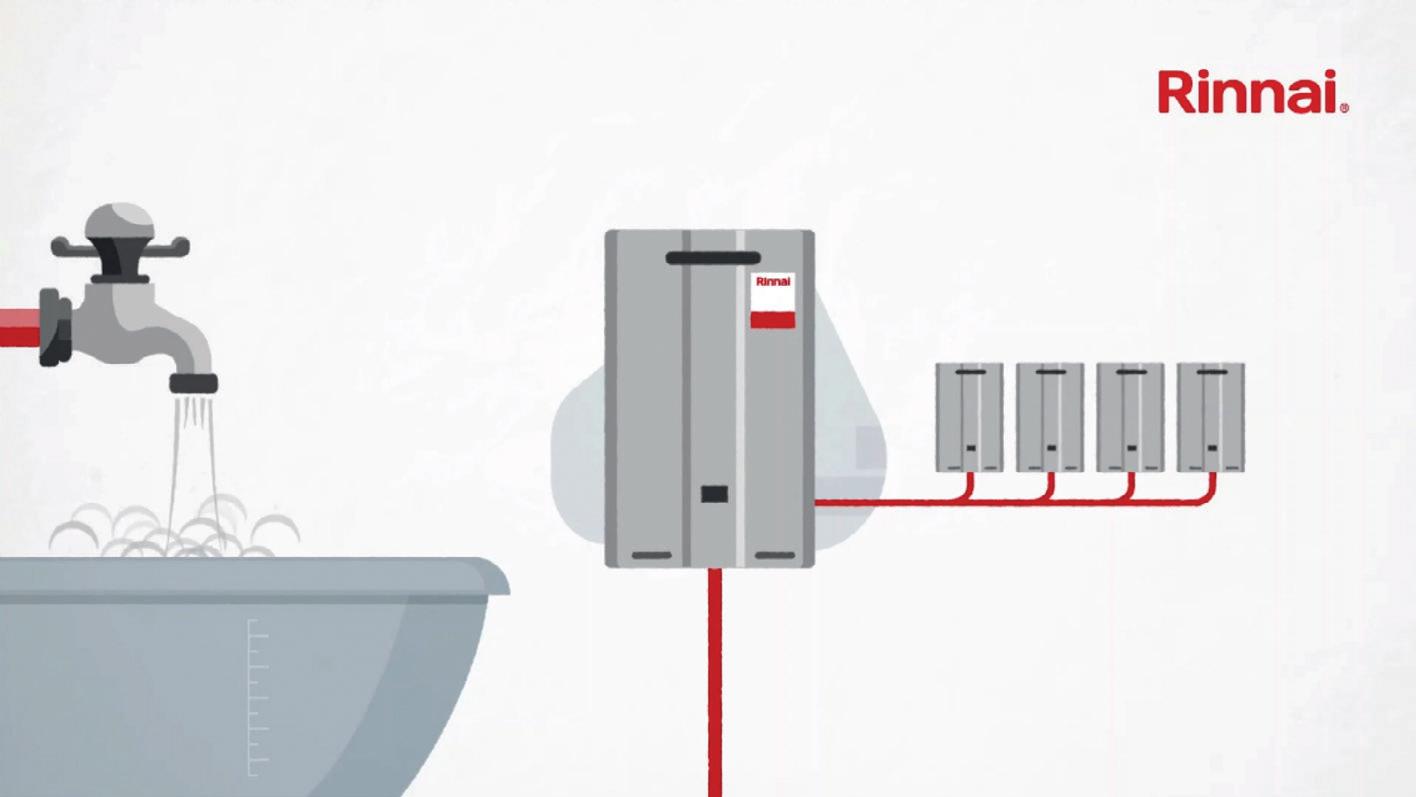
flow water heaters through the utilisation of patented advanced burner technologies. 13-1 turndown ratio – the largest available on the market
Extremely quiet operation
• Powerful fan motor to allow for longer flue runs to be achievable as well as a built-in flue damper. Increasing the flexibility of the appliance when it comes to flueing options.
• Any number of Rinnai water heaters can be cascaded to supply the biggest of hot water demands.
The Rinnai Sensei N Series is designed for small or large commercial applications such as restaurants, hotels, care homes and gyms. Each unit can distribute large volumes of clean and safely delivered hot water that. Rinnai specialise in designing and manufacturing cost-effective domestic and commercial appliances that reliably perform to an optimum standard.
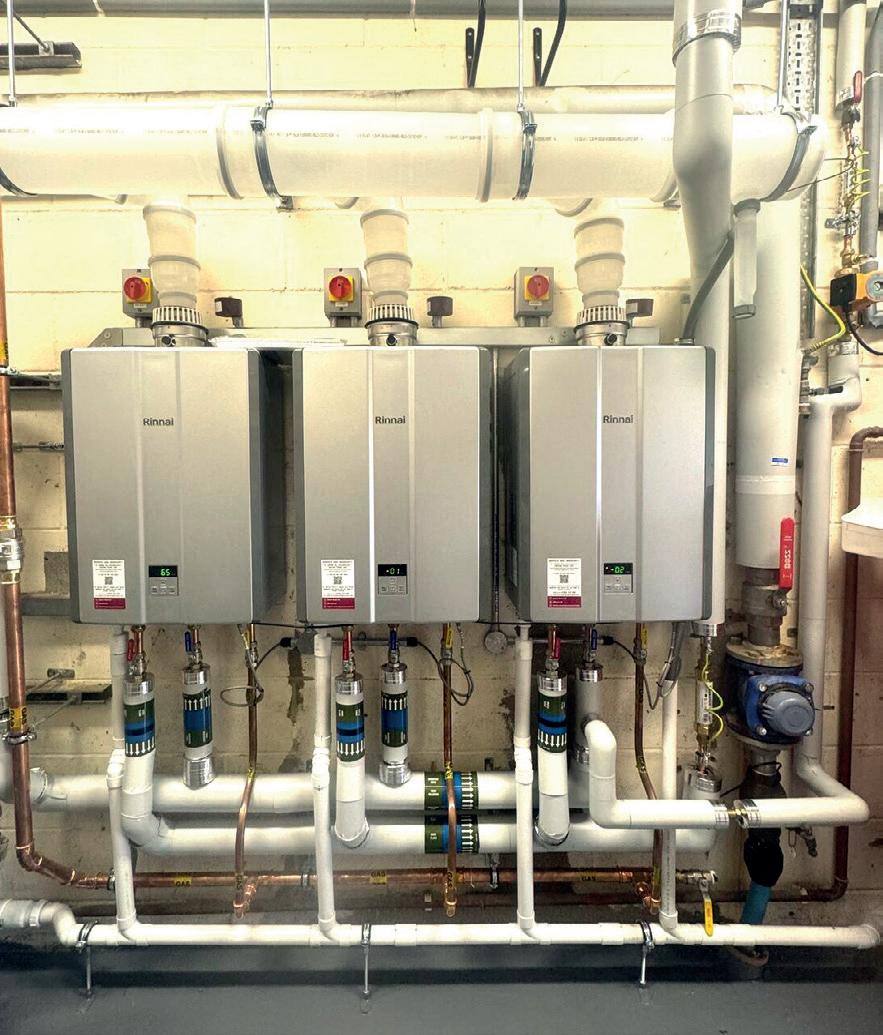
Cambridgeshire, Essex and London.
“All engineers are fully trained and qualified in the areas they work in, so customers are assured of the highest quality standard”, says Bruce Towers,
Bruce Towers and Sons are a family run plumbing and heating business established for coming on 35 years, specialising in both domestic and commercial plumbing, heating and gas services. Based in Norfolk the company’s work extends to the north Norfolk coast, Dereham, Norwich, Kings Lynn, Thetford and surrounding areas. The company also covers other counties including Suffolk,
“We cover all types of plumbing and heating work including commercial and domestic projects from design to install and maintenance, so if it’s a tower block to a tap waste we can cover it. There’s no project to big or small, so whether it’s an annual service to a full plant room up grade and heating install we can assist you. These projects could include hotels, schools, surgery and leisure centres.”
www.rinnaiuk.com
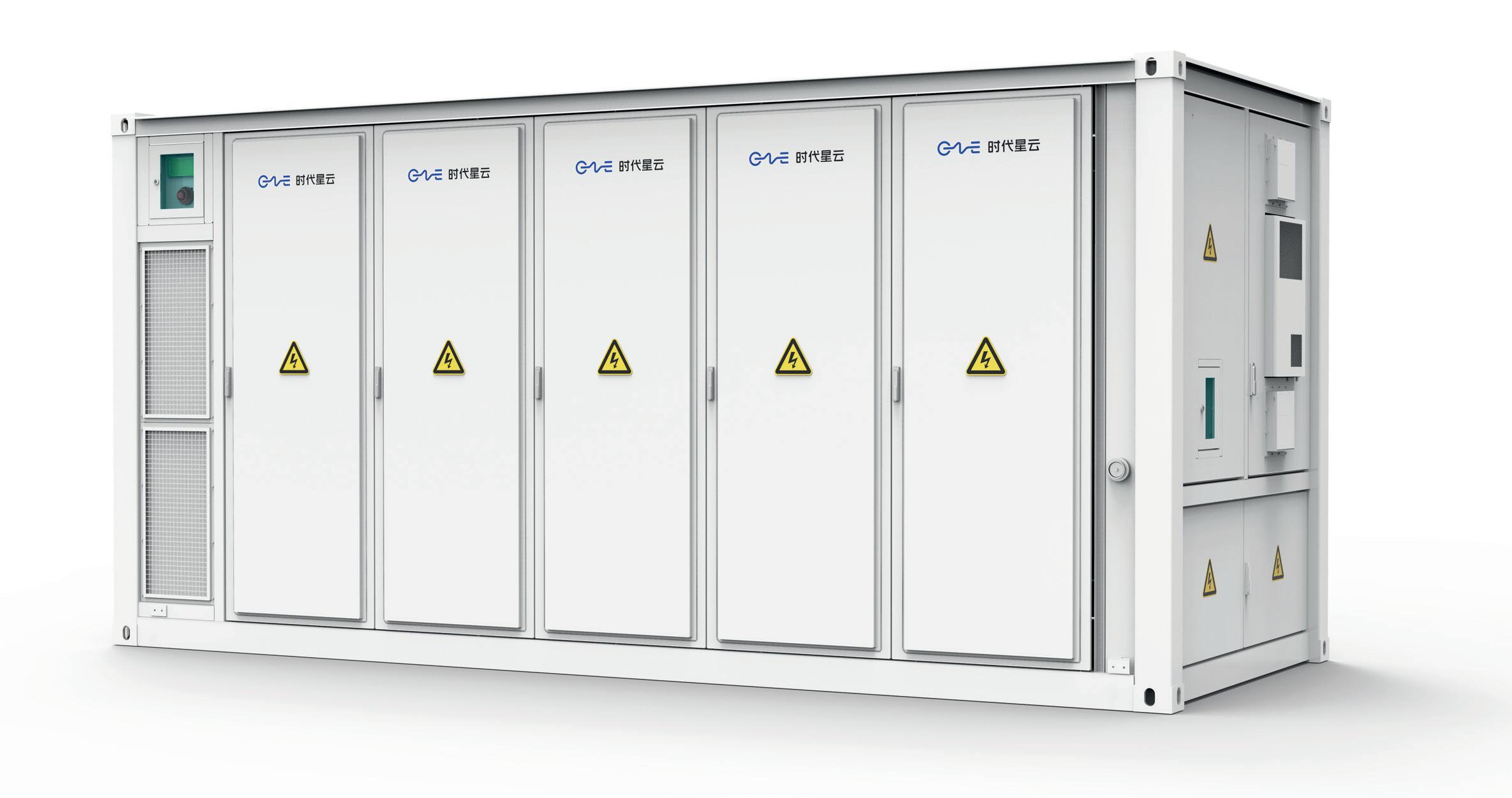
Veloris, formerly Ecobat Battery, is Europe’s largest battery distributor and as it continues its journey, which began more than 70 years ago, it remains committed to delivering energy with certainty for its many customers across the energy storage system (ESS) industry, supplying them with premium quality products and prominent brands, thereby supporting businesses throughout Europe.
Endorsing its position as a versatile service and supply partner for the ESS sector, Veloris is highlighting the fact that within its comprehensive range are options from Contemporary Nebula Technology Energy (CNTE), that provide fully off grid and back up ready solutions for efficient commercial and industrial power storage.
All CTNE products use market leading CATL cells and each cabinet is equipped with either air or liquid cooling, fire suppression, venting panel and a heat detector. As the units can be linked in parallel, they also provide flexibility when it comes to the scope and scale of the project requirements.
The CTNE Star Q, Star Q-Plus and Star H are cabinets, with the Star T being either a 285 Ah, or
306 Ah, container system.
Going into further detail of the all in one, one tap start, Star Q-Plus cabinet, this versatile 306 Ah system can accept solar, grid or generator power input and its 125kW hybrid inverter can provide a muti scenario solution for self use, off grid or emergency back up power.
Another factor that provides its customers with great peace of mind, is the fact that Veloris’ engineers are also fully trained in various battery technologies, covering both the batteries themselves and the charging regimes that need to be followed.
With the experience inherent within a specialist business that has been trading for more than 70 years, along with the high quality training each engineer undertakes, the company is also able to provide its customers with an economical breakdown repair or short term resolution, to ensure they have a first fix solution that means that equipment downtime is reduced to an absolute minimum.
This customer service benefit is further enhanced by the truly national coverage that Veloris is able to provide through its 12 branch network across the UK and Ireland. This results in shorter lead times, which also positively contributes to
reducing costly equipment downtime.
In parallel with the service and supply side of the equation, Veloris’ in depth knowledge also comes into play when it comes to the important factors that need to be considered when choosing the most appropriate solution.
These include technical matters such as battery life and runtime, fast charging capabilities to maximise equipment availability, and the like.
Operational factors, including durability and reliability, must also be considered, as does the ease of retrofitting into existing equipment and battery monitoring and diagnostics. Naturally, business related matters such as cost and return on investment, warranty and support, and sustainability must also come under the microscope.
These are the added value customer service benefits that the company can provide across every sector, because Veloris is more than simply a battery distributor, it is a power storage specialist that is able to consider the requirements, analyse the objectives and deliver the solutions.
As is evident, Veloris has the necessary credentials to underline its position as the battery partner to the ESS industry. www.veloris.com
Kingspan, a global leader in high-performance building envelope systems, has partnered with Zestec Renewable Energy, a wholly owned business within Octopus Energy Generation funds, to deliver a groundbreaking solution for building owners: funded solar roofing for refurbishment projects. This innovative approach combines roof renovation with integrated solar PV technology, enabling owners to future-proof their assets without the burden of significant upfront capital expenditure.
Ageing roofs often prevent building owners from capitalising on the benefits of solar. This new combined offering addresses this challenge head-on by integrating roof refurbishment with renewable energy generation. Using PowerPanel, owners can replace or overclad existing roofs with FM-approved insulated panels that incorporate advanced photovoltaic technology. These systems deliver exceptional thermal performance, fire safety, and energy output, up to 475 Wp per module, while enhancing the building’s aesthetics and market appeal.
Kingspan’s technical excellence underpins the solution. QuadCore® insulation technology delivers U-values as low as 0.11 W/m²·K, improving thermal efficiency and compliance with evolving regulations. PowerPanel is tested to FM 4478 standards, confirming resilience against fire, wind uplift, hail, and structural loads.

For projects where over-cladding is the preferred route, Kingspan also offers the Elite Refresh Roof System, designed to work seamlessly with solar PV installations. This system maintains coating warranties, meets stringent fire classifications, and provides a lightweight, durable solution for extending roof life while enabling renewable energy generation.
At the heart of this solution is a flexible Power Purchase Agreement (PPA) model. Under this model, Zestec funds 100% of the solar PV installation, along with a significant proportion of any roof upgrades aligned to the overall project investment, often covering the entire project value. Where total project costs exceed the maximum investment criteria, the building owner contributes the remaining balance, creating a pragmatic partnership that unlocks both renewable generation and critical building upgrades.
Rather than funding the full project cost upfront, building owners simply purchase the solar electricity generated and consumed on-site at predictable rates below market prices. This PPA structure delivers immediate cost savings, long-term price stability and increased energy resilience, while removing traditional financial barriers to investing in on-site renewable infrastructure.
Zestec takes responsibility for the entire project lifecycle, spanning design, funding, installation and long-term operations and maintenance, simplifying delivery and materially reducing complexity and risk for building owners. Underpinned by Octopus Energy Generation’s long-term investment strategy, the model prioritises quality, safety and performance over the long term, providing lasting reassurance and alignment for clients and building owners alike.
Beyond energy savings, this approach strengthens ESG credentials, improves EPC ratings, and enhances asset value – critical factors for attracting tenants and investors.
Kingspan and Zestec have launched a funded solar roofing solution for commercial refurbishment projects.
By combining refurbishment with renewable energy, building owners can demonstrate a tangible commitment to sustainability while mitigating the risk of stranded assets.
“Our Renovate + Generate approach is designed to remove barriers for building owners who want to upgrade their assets and embrace renewable energy,” said Phil Smith, Managing Director at Kingspan Insulated Panels. “By partnering with Zestec, we can offer a funded model that makes critical refurbishment projects financially accessible while delivering long-term performance and sustainability.”
"This partnership is about removing the structural barriers that have historically held back both roof refurbishment and onsite solar,” said Simon Booth, CEO of Zestec Renewable Energy. “By combining Kingspan’s roofing expertise with our long-term funded PPA model, we’re enabling building owners to upgrade critical infrastructure and access lower-cost, clean energy through a single, trusted solution backed by Octopus Energy Generation.”
Kingspan and Zestec’s collaboration represents a new era in building refurbishment. With a funded model, technical expertise, and long-term operational support, owners can transform their roofs into energy-generating assets – without compromising budgets or timelines.
Please contact: UK: +44 (0) 1352 716100 IRE: +353 (0) 42 9698 500 Web: https://www.kingspan.com/gb/en/campaigns/ innovative-solar-roofing-solutions/ LinkedIn: https://uk.linkedin.com/company/ kingspan-insulated-panels
Rinnai’s N series range of continuous flow water heaters have been installed by Midlandsbased Aquagas at the newly refurbished training ground of Coventry City FC.
The new installation consists of five Rinnai N 1600i capable of delivering nearly 5000 litres per hour of temperature accurate hot water flexible flue configuration; cascade frame to streamline installation; Nexus by Aquabion water treatment to ensure lifetime system efficiency & all supported by market leading warranties.
This innovative system was designed to replace a floor standing 2000L stored heated water configuration. As the inherent nature of the Rinnai instant water heaters is to modulate the gaseous fuel input relative to the system demand Coventry City F can expect significant energy savings from this upgrade.
Ollie Quiney commented for Aquagas, "the site is undergoing a rolling series of works to improve all facilities – including the provision of plentiful amounts of hot water for laundry, showers, personal hygiene and all other usual uses.
"The installation is an integral part of a massive investment scheme to upgrade the sky blues Ryton training ground, where the championship club has trained since the early 1960s.
"Our firm has almost 20 years’ experience of installing and servicing both residential and commercial gas fired heating & hot water systems. We take pride in our work with customer satisfaction being the number one aim."
Speaking on behalf of Rinnai client support specialist Justin Allen commented “working with Aquagas is always a pleasure and we are confident that not only will the Rinnai system provide copious amounts of hot water for the
varied ablutions – it will also result in significant cost savings for Coventry City FC”
The Rinnai N series is one of the best-selling products of its kind with millions of installations globally. Rinnai’s N series is designed to ensure reliable hot water delivery for commercial applications that require limitless loads of hot water, like Coventry City FC.
Rinnai support product excellence with design support such as capital, operational expenditure and carbon modelling to ensure that cost and carbon savings can be realised. Coventry City is another high-profile sports facility that has adopted Rinnai technology to improve performance and lower costs.
In addition to the reliable hot water and energy savings, football clubs and sports facilities integrating Rinnai can benefit from a range of practical advantages tailored to the demands of modern high-performance facilities.
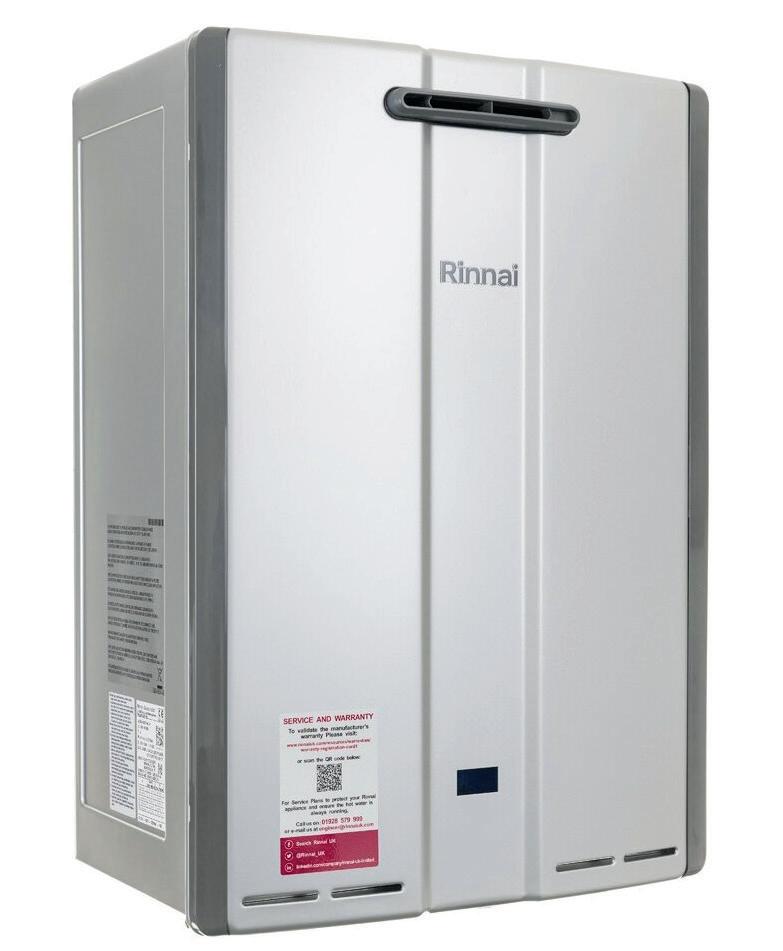
Rinnai’s advanced continuous flow water heaters deliver rapid recovery, ensuring that players, staff and visitors always have access to hot water, even during peak usage periods such as back-to-back training sessions.
The modular design of the Rinnai specification allows for scalability and optimisation with minimal disruption. Furthermore, the robust construction and market leading warranties guarantee long last performance
To take advantage of free Rinnai design support services for your next commercial heating or hot water project contact https://www.rinnai-uk.co.uk/ contact-us/help-me-choose-product
Frustrated by the lack of clarity over how your water service charges break down? Keen to learn whether you might be due a refund for incorrect billing?
YOU HAVE COME TO THE RIGHT PLACE
H2O Building Services is the UK’s leading water cost reduction specialist. Since 1997, we have saved commercial customers millions of pounds in excess water supply and waste water charges, working with some of the most high profile companies in the country1.
With more than 30 years’ experience in water engineering and consultancy services, our professional team has the expertise to help you reduce your water usage and costs significantly.
From site surveys and bill validation through to project management and finance, our mission2 is to help you reduce your water footprint and save you money from a critical business overhead.
H2O offers a full end-to-end consultation service3 on commercial water usage and cost reduction. We are recognised experts in:
• Water audits4: No matter if you run one site or many, we can give you full visibility as to where and how your business uses water, including auditing your waste water and property drainage charges.
• Water bill validation5: Once we have the full picture of how your business uses water, we will check your billing history to make sure you have been charged correctly, arranging refunds if you have been overcharged.
Water cost reduction reports: Our specialist consultants are experts at identifying where you can save money on your water bills, as well as highlighting how you can reduce your environmental impact by cutting water use6
Share:


If you want to put our recommendations into practice, we can help change and upgrade your on-site water systems, from arranging project finance to installation. Our services7 include:
Water leak detection
• Water leak repairs
• Online flow monitoring – smart metering, or automated meter reading (AMR), a web-based water monitoring system.
Water recycling systems, effluent treatment and disposal.
• Alternative water supplies – abstraction of water from boreholes and rivers.
• Supply and installation of water-saving devices such as water-saving showers, taps, and urinal flush controls.
Our expert water consultants can help to:
• Lower your water bill
Secure refunds for water supply and waste water overcharging
Provide visibility for how your business uses water
Make billing less complex
Reduce water waste
• Boost your green credentials
• Find alternative water supply and waste water solutions.
Why not read some of our client testimonials8 and case studies9 to see real-life examples of how we have helped customers save money and improve water efficiency, and what they have to say about the services we provide.







Savings of £500,000 Savings of £100,000
Call our expert water consultants today on 0845 658 0948 alternatively, you can email us at info@h2obuildingservices.co.uk.

PIONEERING STEAM AND THERMAL ENERGY INNOVATIONS TO BUILD A MORE SUSTAINABLE WORLD IS PART OF WHO WE ARE.
To engineer a more efficient, safer, and sustainable healthcare future, you need the right partnership, with a bond as strong as the strands of DNA. Spirax Sarco is your trusted steam and thermal energy partner, here to help you reach your decarbonisation targets with smarter, greener technologies.