Integrated roofing & solar for public sector estates
Roofing & Solar Solutions
Built for performance, designed for longevity
Plan With Confidence
Budget forecasting and ROI planning for your estate
Complete Asset Management
Condition surveys, lifecycle costing and expert technical guidance
Book a free roof survey and solar ROI report today
Fully Compliant Specs Safe2Torch ready, designed to UK building regs
Dedicated Technical Manager On-site support, from project design to completion
Protected For The Future Up to 30 year Single-Point Guarantee
PUBLISHER: Ralph Scrivens ralph@ energymanagermagazine.co.uk
PRODUCTION: Sarah Daviner sarah@ energymanagermagazine.co.uk
ACCOUNTS: accounts@ energymanagermagazine.co.uk
ENERGY MANAGER MAGAZINE
is published 10 times a year by Abbey Publishing Ltd. www.energymanagermagazine.co.uk
19 Browning Close, Rushden, Northants, NN10 0YW
Email: mail@energymanagermagazine.co.uk
REGISTRATION: Qualifying readers receive Energy Manager free of charge. The annual subscription rate is £80 in the UK, £95 for mainland Europe and £115 for the rest of the world.
Single copies £10.
Some manufacturers and suppliers have made a contribution toward the cost of reproducing some photographs in Energy Manager.
PAPER USED TO PRODUCE THIS MAGAZINE IS SOURCED FROM SUSTAINABLE FORESTS.
Please Note:
No part of this publication may be reproduced by any means without prior permission from the publishers. The publishers do not accept any responsibility for, or necessarily agree with, any views expressed in articles, letters or supplied advertisements.
DELINKING GAS AND ELECTRICITY: WHAT THE GOVERNMENT’S ANNOUNCEMENT REALLY MEANS FOR BUSINESS
The UK government has announced decisive action to break the link between gas and electricity prices. Currently, gas sets the price of electricity in roughly 60% of trading half-hours, meaning every spike in gas markets has a direct impact on business electricity bills. By cutting that link, costs should fall.
The obvious question is: by how much, and when?
The answer, for now at least, is not much, and not soon. But understanding why still matters, because the gap between the headline and the detail of what was announced is going to shape how organisations think about their energy strategy in the months ahead.
WHAT WAS ACTUALLY ANNOUNCED?
Energy Secretary Ed Miliband set out two main measures on 21 April 2026:
1. The voluntary Wholesale Contract for Difference (WCfD), where existing renewable and low-carbon generators like wind, solar, and nuclear that are not already on a fixed-price contract will be invited to swap their gas-linked wholesale revenues for a longterm fixed price. Consultation opens this year, with the first allocations targeted for 2027.
2. Supporting this is an increase to the Electricity Generator Levy (EGL), the windfall tax on low-carbon generators earning above a certain threshold. From 1 July 2026, the rate rises from 45% to 55% on revenues where wholesale prices exceed £75/MWh. A portion of the additional revenue the EGL creates will be recycled directly to limit bills for households and businesses, though the precise mechanism hasn’t yet been specified.
Kelly Lovesy, Sales Director, DCC Energy Management Services
WHAT WILL BE THE SHORT-TERM IMPACT?
The critical word in the WCfD is voluntary. Generators are likely only opt-in if the fixed price on offer is more attractive than their existing arrangement. Older wind and solar projects operating under the Renewables Obligation (RO) scheme, which together account for around 30% of UK electricity generation (source: UK government RO Indexation), currently receive both RO subsidy income and gas-linked wholesale revenues. At current prices, that combination significantly exceeds what today’s fixed-price WCfD auctions offer. A voluntary scheme that only touches the wholesale element, leaving the RO subsidy intact, unfortunately narrows the scope for bill reduction.
Independent analysis from UKERC (the UK Energy Research Centre) suggests the reforms could deliver meaningful savings at scale, but that near-term impact “could be relatively modest”, particularly for businesses. The real value of the scheme is in insulating electricity prices against future gas price shocks, rather than reducing costs materially today. That is still an important outcome, especially with gas spot prices elevated following recent geopolitical disruption. But it’s not the same as a lower bill this quarter.
Real market structure change, where the electricity price is increasingly set by fixed-price low-carbon generation rather than gas, in our view is realistically something we won’t see until the late-2020s. Gas is likely to remain the dominant price-setter through the remainder of 2026, at a minimum.
WHAT THIS MEANS FOR BUSINESSES RIGHT NOW
For organisations on flexible or variable arrangements, the case for locking in forward pricing through wellstructured fixed contracts is as strong as it has been for some time. But the headline unit rate is only part of the picture. How pass-through clauses work, what volume tolerances apply, and how non-commodity charges are treated in the contract all matter as much, as noncommodity charges are rising regardless of what happens to the gas price.
Looking ahead, the announcement strengthens the long-term case for Power Purchase Agreements. As more low-carbon capacity moves to fixedprice WCfDs, the pool of genuinely gas-decoupled electricity available through corporate PPAs will start to grow. For businesses with sustainability commitments, that presents a dual argument worth building toward, that offers price stability and credible decarbonisation credentials.
On-site generation and storage offer the same benefit behind the meter. Every unit produced on-site avoids both wholesale cost and the non-commodity charges sitting above it, and battery storage extends that control into timing, reducing peak grid draw and making better use of lower-cost periods.
The government’s long-term vision is important too. Over time, a structurally delinking electricity market will reward organisations that have built diversified, resilient energy strategies already.
But the greatest benefit is building your own resilience now, not waiting for delinking to do the heavy lifting. www.dcc.ie
MITSUBISHI ELECTRIC CALLS FOR REGULATORY REFORM TO ACCELERATE HEAT PUMP ADOPTION ACROSS UK HOMES
Mitsubishi Electric’s new white paper, Unlocking High Temperature Heat Pump Adoption, outlines how next-generation high-temperature capability heat pumps can play a pivotal role in decarbonising home heating while reducing the cost, disruption and complexity often associated with retrofit projects.
The paper comes as the government seeks to accelerate progress towards its legally binding 2050 net zero target and increase heat pump deployment to 450,000 installations per year by 2030. While heat pump sales continue to grow, Mitsubishi Electric recognises that significant barriers remain for homeowners, landlords and social housing providers seeking to transition away from fossil fuel heating.
According to the white paper, many of the challenges associated with heat pump adoption stem from concerns around upfront costs, installation disruption, compatibility with existing heating systems
and uncertainty about performance. These barriers are particularly acute in retrofit projects, which will account for the vast majority of homes requiring decarbonisation over the coming decades.
Buildings are responsible for around 21% of the country's greenhouse gas emissions and four out of five homes that will exist in 2050 have already been built. Retrofit solutions are therefore essential to meeting legally binding climate targets.
Mitsubishi Electric believes that advances in high-temperature heat pumps that use R290 refrigerant offer a practical solution for retrofitting a home.
Unlike low-temperature heat pumps, Mitsubishi Electric's Ecodan R290 heat pump can deliver flow temperatures of up to 75°C, enabling many homes to retain existing radiators and pipework, including microbore systems commonly found in UK housing stock.
According to the report, this approach can significantly reduce installation costs, shorten installation times and
minimise disruption for homeowners and social housing residents.
The white paper also highlights successful collaboration with Sovereign Network Group (SNG), one of the UK's largest housing associations. Pilot projects using Ecodan R290 heat pumps demonstrate that existing radiators and microbore pipework could be retained, reducing installation times by up to 40%, lowering costs and improving the household experience.
However, Mitsubishi Electric warns that current regulations have not kept pace with technological advances.
The report identifies key regulations that restrict the deployment of hightemperature heat pumps. Mitsubishi Electric is calling on policymakers to review and amend these regulations so that they reflect the capabilities of modern heat pump technology. The White Paper can be found here
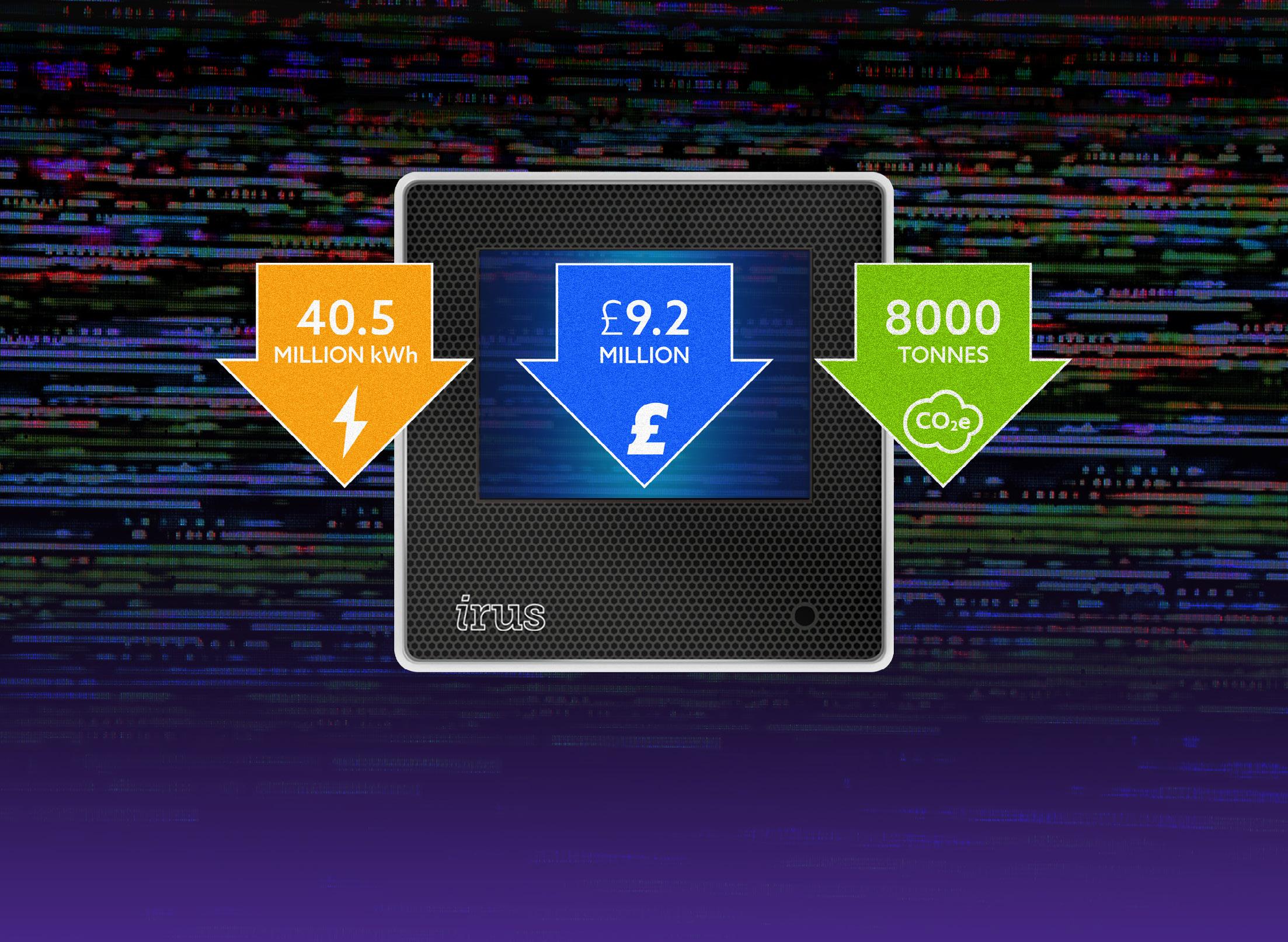
In the last 12-months irus has saved
BEYOND THE HEATWAVE: WHY THE FUTURE OF BUILDING COMFORT IS ABOUT CONTROL, NOT JUST ENERGY SUPPLY
Chris Reilly, Founder and Director, Zeuner Ltd
The current heatwave has brought an important issue into sharp focus for businesses and facilities managers alike: how do we maintain comfortable working environments as Britain’s climate becomes increasingly unpredictable?
For years, much of the conversation around energy has focused on generation – where our power comes from and how we can make it cleaner. During recent Prime Minister’s Questions, Sir Keir Starmer highlighted the role renewable energy will play in helping the UK gain greater control over its energy future.
However, there is another side to the story: how we use energy within our buildings
The challenge facing building owners today is no longer simply keeping warm in winter. Increasingly, it is about maintaining comfortable environments throughout the year to ensure employee wellbeing whether it be a cold January morning or in the midst of increasingly frequent spring and summer heatwaves.
Historically, the UK has been a heating-focused market with buildings designed to retain warmth.
But as hotter summers become more common, new challenges are emerging for architects, specifiers, developers, business owners and facilities managers alike.
Buildings that perform well in winter can quickly become uncomfortable during prolonged periods of high temperatures. Offices, schools and other occupied spaces can become difficult environments in which to work, learn and operate effectively.
The question building owners should now be asking is not simply, “How do I heat my building efficiently?” but “How do I maintain comfort all year round irrespective of the elements in the most cost-effective way?”
Reliability, performance, cost efficiency and comfort are all key considerations with control playing a pivotal role in achieving this.
The most successful buildings of the future will be those that can respond to changing conditions without excessive energy consumption or spiralling costs. That
requires systems that are flexible enough to provide warmth when temperatures fall and cooling when temperatures rise.
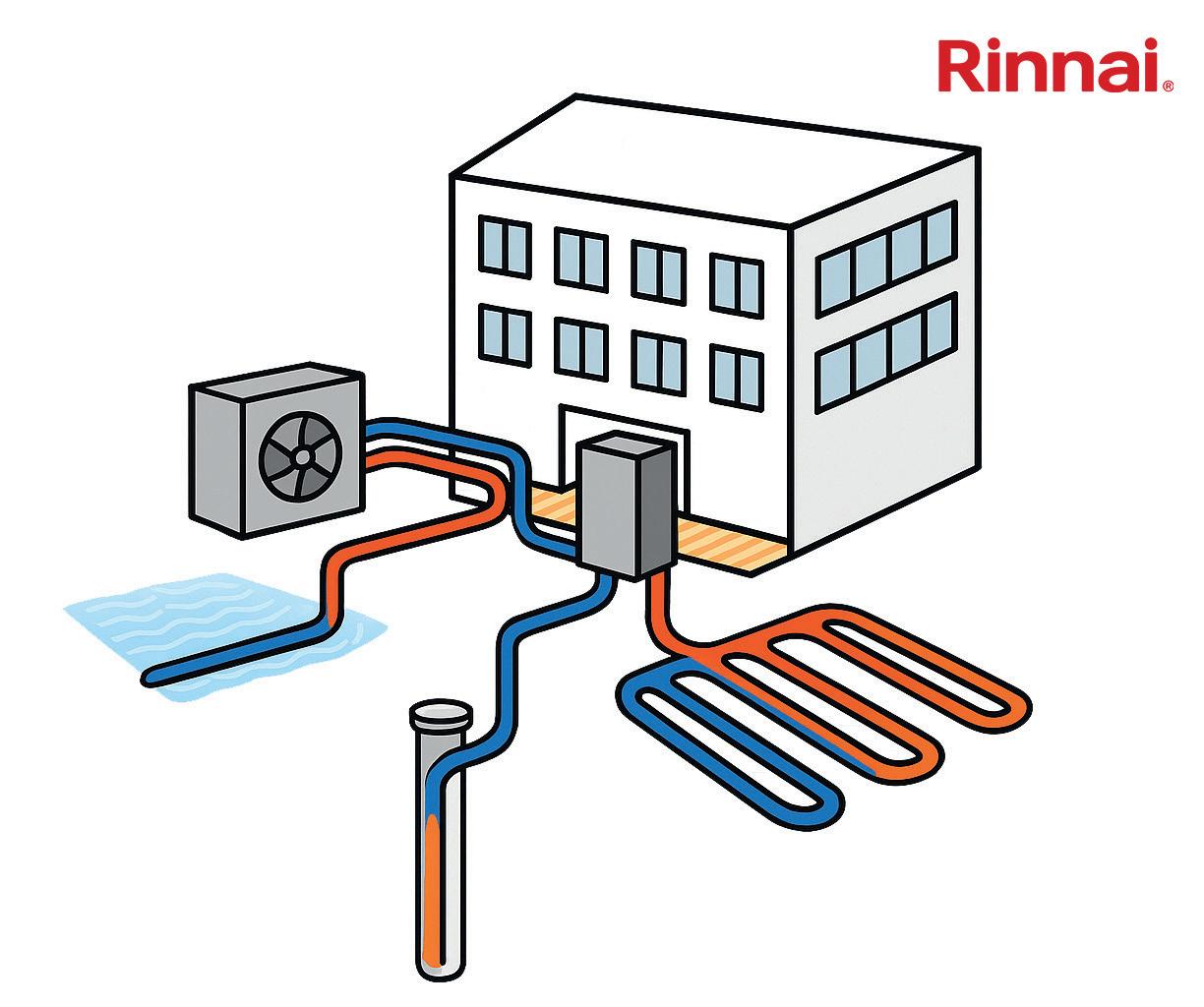
One of the greatest strengths of ground source heat pumps is their ability to provide cooling as well as heating.
As temperatures continue to rise, this capability becomes increasingly valuable.
A properly designed and maintained ground source heat pump system can eliminate the need for separate heating and cooling infrastructure, enabling a single solution to deliver year-round comfort. The result is a building that remains comfortable through every season, while reducing reliance on multiple standalone systems, improving energy efficiency, strengthening resilience against changing climate conditions and helping to lower long-term operational costs.
manage fluctuating energy costs while meeting sustainability targets and occupant expectations.
The UK’s energy transition will see renewable energy playing an increasingly critical role in delivering a cleaner and more secure energy future.
Most importantly, it gives building owners and facilities managers greater control over their internal environment.
However technology alone is not the answer.
One of the biggest lessons we have learned through maintaining, optimising and integrating ground source heat pump systems is that performance depends on how effectively systems work together.
Heating and cooling technologies must be integrated with controls, building management systems and occupancy requirements to ensure energy is used intelligently. Systems should not be viewed as individual components but as part of a coordinated strategy that is designed, maintained and continuously optimised.
This becomes even more important as organisations seek to
As our climate evolves, building owners need solutions that provide flexibility, efficiency and year-round comfort, regardless of the season.
Ground source heat pumps are uniquely positioned to meet that challenge. By delivering both heating and cooling from a single system, they provide the adaptability modern buildings increasingly require.
In a world of rising temperatures, evolving energy markets and growing expectations around sustainability, the ability to control the internal environment efficiently may become one of the most valuable assets any building can possess.
Chris Reilly is Founder and Director of Zeuner Ltd, specialists in the maintenance, optimisation and integration of ground source heat pump systems. https://zeuner.co.uk/
We’re creating better places to live and work
Every day our expert teams at Salix are committed to supporting organisations achieve their carbon reduction targets, improving the lives of communities across the country.
We’re committed to working with governments across the UK to reduce our carbon emissions. Our job is to deliver and administer grant and loan funding on behalf of the Department for Energy Security and Net Zero, Scottish and Welsh governments and more. This is delivered across the public sector as well as housing with schemes including the Social Housing Decarbonisation Fund and Public Sector Decarbonisation Scheme.
We’re also proud to be work in partnership with Greater Manchester Combined Authority (GMCA) supporting the new Public Building Retrofit fund.
We are passionate about delivering energy efficiency projects across the UK, making buildings across the public sector as well as our homes better places in which to live, work and enjoy.
We are keen to help create spaces where people can thrive, whether it’s hospitals, schools, leisure centres or homes.
THE HEATING TRILEMMA"HEAT PUMP OR BOILER" ISN'T THE RIGHT QUESTION TO ASK
To say that the war in Iran has shifted people's opinions on energy would be quite the understatement. Fuel prices skyrocketed by 90% in the first week of the conflict alone, exposing just how vulnerable gas can make a business or a consumer to financial struggles. It's hardly surprising then that renewable heating solutions have dramatically increased in popularity. For example, Octopus Energy reported that its heat pump sales had increased by more than 50% within a month of the conflict starting. This could well be a watershed moment for the provision of clean heat, and it's very welcome given 75% of the world's heating is provided by fossil fuels.
However, the debate all too often is being framed as whether you should stick with a boiler or get a heat pump, especially for businesses. Heat pumps are absolutely essential for the net zero transition, but all too often they present financial and operational hurdles when considered as the primary method of on-site heat production.
Businesses face a 'heating trilemma' when deciding how they should heat their buildings; sustainability, affordability and security. It's clear that sustainability is pushing the de-gassification agenda, and while heat pumps are certainly more sustainable than gas boilers, they do not necessarily grant affordability or security.
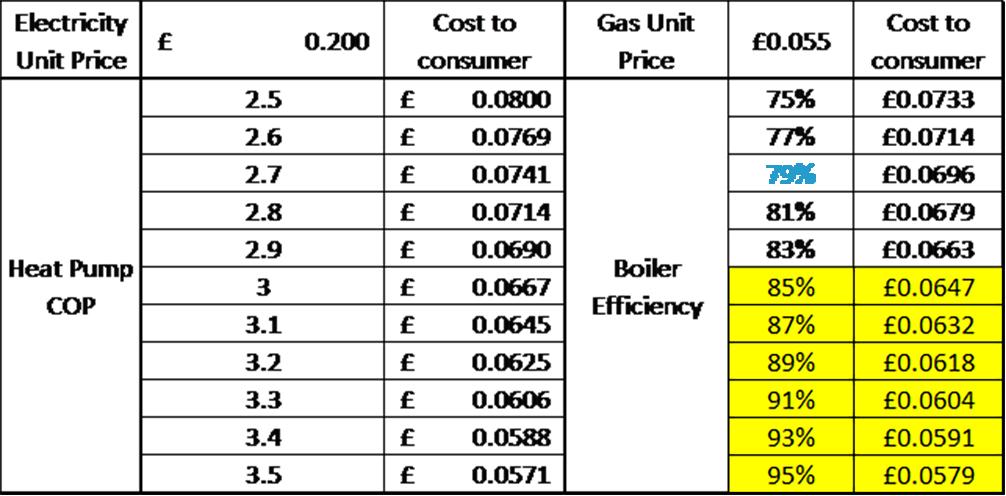
On affordability, businesses need huge amounts of capital to decarbonise their heating supply. For example, for a large industrial site it can cost upwards of £10 million to install a low or zero carbon heating system. No matter how desperate they may be to switch to get off gas, the upfront cost makes switching impossible for many. Beyond the upfront investment, in markets where the spark gap is similar to a heat pump COP, there can be limited or even negative OPEX impacts and therefore no financial savings with which to pay back the CAPEX.
Operationally, electrification of heat also presents a perceived risk to business critical heat supply, whether the site is a hotel with domestic hot water or pool heating demands, or a large industrial site using steam for critical process heating.
Transitioning from the familiar gas boiler to a new technology raises questions on security of supply and resilience. Everyone from corporate engineers through to site facilities managers need confidence in rigorous design, integration, and operational strategies.
Security is more than just consistency of supply, it also relates to commodity markets. Heat pumps have a key limitation related to security in that they rely on the grid to power them. Given gas still sets the price of electricity (for now), businesses relying on heat pumps aren't actually insulated from geopolitical price shocks.
Furthermore, Neso is currently dealing with a huge backlog in projects waiting to get connected to the National Grid, with some projects waiting up to 15 years. For businesses who need to boost their security now, this simply isn't good enough.
The war in Iran could be a watershed moment for renewable heating, but if the most common solution doesn't provide affordability or security, the reality is that many businesses will not switch.
That's why we must think bigger than simply 'heat pump vs boiler', and instead incorporate grid-edge technologies into the mix.
These solutions generate energy at or near the point of demand. They are distributed solutions operating independently of the grid, providing several answers to the heating trilemma. They're sustainable because they harness energy from the environment to produce renewable power or heat, they're affordable as the energy is free once you have the equipment on-site, and they give security through reduced commodities exposure and embedded energy storage solutions.
What's more is that these technologies are not just pie in the sky ideas, but are already out there making a difference. Solar thermal is a clear example. By capturing the sun’s energy directly as heat, solar thermal systems can deliver high-quality low-carbon heat for businesses without adding any electrical demand onto the grid.
What's more, they allow us to think beyond the 'heat pump vs boiler' debate because grid-edge technologies can easily be integrated with existing
heating systems. For example, you can use solar thermal to act as a source for a heat pump rather than relying on ambient air, which requires less power needing to be drawn from the grid.
Many design engineers already specify solar photovoltaics alongside a heat pump to reduce the amount of grid power demand, but they have not considered that you can also reduce grid demand by raising the temperature of a heat pump’s heat source from ambient. For industrial customers this is a huge opportunity, as many of them also have low-grade waste heat sources which can be harnessed and stored alongside heat from the solar thermal array. This free heat has huge value if captured and solar thermal is an enabling technology to upgrade the temperature into a usable heat source. For commercial customers with simultaneous heating and cooling demand such as hospitals, heat can be recovered from the condenser side of a chiller and paired alongside solar thermal as an effective heat pump source. Heat recovery and solar thermal are both hydronic systems so thermal storage can be leveraged across 2 assets, improving project ROI.
Customers who are on gas can also use grid-edge technology to slowly transition towards a completely renewable heating solution by gradually installing more tech to displace portions of gas. This has the short-term effect of reducing bills, which frees up funds to be saved over the long-term for the eventual shift to a heat pump.
The 'heating trilemma' is not an easy task to solve. It's quite clear that gas boilers are not the future, and while heat pumps have a large part to play in resolving the trilemma, we can't expect them to be the silver bullet to fix this problem on its own. Achieving sustainability is straightforward, but to achieve affordability and security one must consider the full system arrangement and evaluate symbiotic measures such as heat pump with solar thermal and waste heat recovery. This will help to address affordability through significantly reduced OPEX, and security through higher efficiency systems which are less grid reliant https://www.nakedenergy.com/
WIDER ELECTRIFICATION: WHY COMMERCIAL HEAT PUMPS CAN BE THE FUTURE
Rinnai Director
Chris Goggin looks at current domestic energy policy and the undertaken UK direction towards widespread electrification. He looks at how commercial sites will benefit from the installation of a heat pump once the UK electrical grid becomes fully decarbonised.
Current UK energy policy is aiming to introduce wider electrification for issues that relate to domestic energy security and lessening carbon output. One, if not the, reason for this shift in direction away from fossil fuels is due to the potential geopolitical weaponisation of oil and natural gas. How will this influence commercial property owners and their energy options?
Exorbitant cost spikes perpetuate fossil fuels reputation as being unreliable in terms of remaining as a secure source of energy that supports domestic fuel security. As the situations in Ukraine and Iran continue to destabilise trade routes that transport much needed energies across the globe, work to establish alternative and secure fuels that are not sensitive to geopolitical workings is well underway.
Presently the UK is to pursue a route that will see wider electrification
being introduced with the expressed aim of advancing renewable energy cultivation and dispersal through the UK electrical grid. The current cabinet and opposition to government hold separate plans to achieve a decarbonised grid.
The recently released report “Decarbonising the Grid Three Scenarios for Achieving Net Zero Power” presents three pathways that explore different routes towards providing clean and cheap energy for UK customers. An independent energy market analytics company – Aurora Energy Research has reviewed each pathway and has provided their interpretation of feasibility for Policy Exchange, a current government think tank. A think tank is a research institute that aims to influence domestic and international policy by highlighting ideas and attitudes associated with each political party.
The three scenarios chosen by this report are: Net Zero 2030 plans under the opposition; Net Zero 2035 guided by the current government and Businessas-Usual. The third “Business-As-Usual"
model follows the current trajectory of policy development and market conditions for the British power sector.
This article will ignore the “Businessas-Usual" model as this would also fall under current government plans. These paths focus on Net Zero status being achieved in 2030 and 2035 and what action must be undertaken to realize this ambition.
The main argument of this report states that the British energy grid is better placed to decarbonise in the year 2035 using the opposition plan rather than the 2030 strategy that the current government prefer. However, there are objectives that both parties agree upon in principle, such as the expansion of capacity in renewables.
Differences in approach is evident in the separate timeframes each party believe can deliver feasible and tangible results. The current government plan to decarbonise the grid by 2030 whilst the opposition to the government say that a 2035 would be more
appropriate. The report summarises the 2030 approach as follows:
“Aurora’s modelling shows that NZ 2030 is deemed an infeasible scenario, justified by an insufficient time available to conduct what would be a radical overhaul of the power system, policy, planning systems and investment landscape. The speed required to build critical technologies – including offshore wind, onshore wind and solar – would need to increase to multiple times their historical installation speed, as would investment in grid capacity.”
Both commercial and domestic heating will be heavily influenced by a preference towards wider UK electrification. Gas and electrical transmission networks are busy upgrading high voltage cables and overhead wires as part of a £30 billion investment package over five years. This means that work has begun on adapting existing infrastructure to be able to transport greater amounts of renewable power from source to end-user.
To prepare for the implementation of UK electrification, property owners of either domestic or commercial buildings should consider a heat pump as their primary source of heating and hot water.
The current government will require huge amounts of capital investment to achieve their aim of decarbonising. Aurora has calculated that £15.6 billion a year until 2030 is required (total £93.5 billion) and a further £4.4. billion a year from 2031 – 2035 (£22.5 billion) equating to a total of £116 billion over the next 11 years.
The opposition to government plan to decarbonise the UK’s power grid by 2035 and will require £8.2 billion a year of additional investment until 2030 - a total of £49.3 billon. A further £11.1 billion a year of additional investment from 2031 – 2035 a total of £55.3 billion. The total accumulative investment over 11 years will amount to £104.6 billion over next 11 years.
The 2035 approach is regarded by Aurora as more achievable due to the rate of introduction required in new and updated technology and policy amendments. The investment landscape is also considered more viable within this timeframe.
Both the current government and opposition party are dedicated to decarbonising the energy grid;
however, they are yet to agree on an appropriate pathway that secures beneficial economic and societal benefits. The current government believes decarbonising the UK energy grid by 2030 can be achieved through capacitating £116 billion of investment, whilst the current government’s opposition plan to extend the 2030 timeline to 2035 and absorb £104 billion of additional subsidy. Time and finance are central issues to both strategies.
Commercial heating will be dictated by the decision to embrace wider electrification throughout the UK. To prepare for this transition commercial and domestic property owners should be aware of the various heat pumps that are available on the open market.
Rinnai’s range of R290 and lowGWP high temperature commercial
heat pump technology consist of a wide range of models extending from our large residential air source heat pump range, which includes models between 6kW to 27kW, making them a flexible option for your hot water and central heating needs.
Rinnai’s commercial heat pumps are available from 40kW to 410kW models that are proven to lower energy bills versus some conventional heating systems including fossil fuel boilers. The commercial range also used natural refrigerants such as R290.
To take advantage of Rinnai Design Support Services and review the ideal solution to reduce energy costs, maximise return on investment and apply renewable energy sources and lower carbon footprints, use this; - https://www.rinnai-uk.co.uk/ contact-us/help-me-choose-product
A PRACTICAL ROUTE TO SMARTER ENERGY MANAGEMENT
Energy management often comes down to the same question: can you see what is happening in your building, and can you act on it quickly? A boiler cycling unnecessarily, a pump running out of hours, or a temperature issue that keeps returning. Each may look small in isolation, but across a building or portfolio, the impact can be significant.
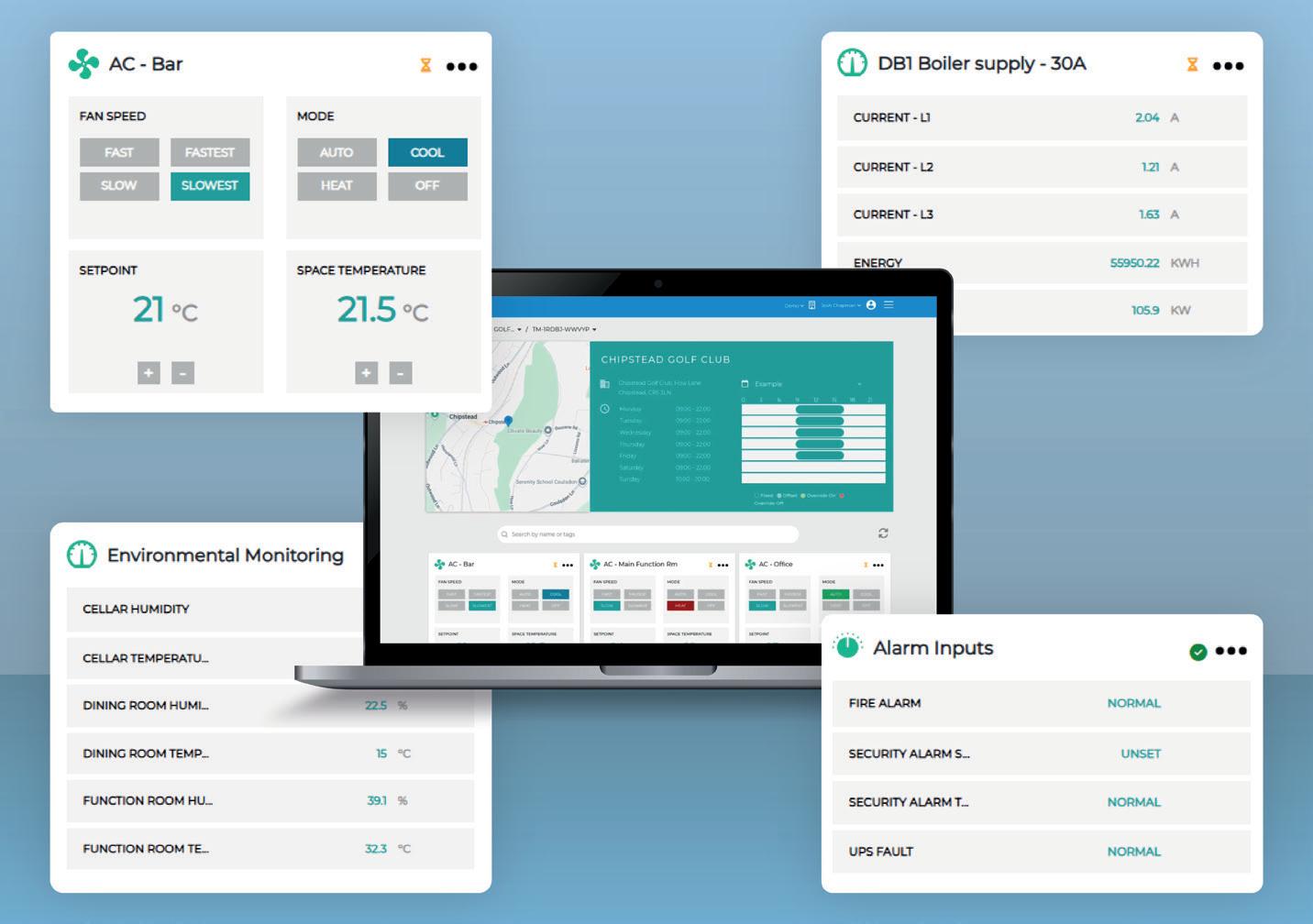
t-mac’s cloud-connected BEMS panel is designed to make a real and practical difference in this area.
In practice, the panel has been installed across hotels, schools, commercial properties and public sector buildings to control and monitor boilers, pumps and other plant room equipment.
Across those environments, installed panels are already being used to bring plant room performance into view through the cloud portal. Live alerts are generated when monitored points fall or rise outside specification, giving teams earlier visibility of issues that may otherwise go unnoticed. These alerts can also inform changes to control strategy and how sites are operated.
Rather than relying on a large, traditional controls project, the panel provides a lower-cost route into building energy management. Installation is deliberately simple, helping reduce disruption and typically offering a meaningful cost saving compared with conventional BEMS solutions.
That practical balance of functionality and cost was one of the reasons t-mac’s BEMS panel was selected as the controls solution for the refurbishment of the Jockey Club at Goodwood Racecourse. As part of the project, the entire plant room was replaced, with the system installed by the M&E Contractors and commissioned remotely.
Ease of use is just as important. Through a cloud-based dashboard, users can view plant performance, equipment status, alarms, temperatures and historic records without needing to be on site. The interface is built to make energy management more accessible, not more technical.
This accessibility also extends to configuration. Simple logic can be programmed quickly, and dashboards or control strategies can be added with significantly less engineering than would traditionally be required. By reducing the
Mark Longley, Technical Operations Director, t-mac.co.uk
work required across both hardware and software, the panel can offer a significant cost saving at both ends of the journey.
The real strength, however, is flexibility.
As a primarily software-led solution, t-mac’s BEMS panel can be integrated into new or existing infrastructure and scaled from small monitoring requirements to wider multi-site control. With API-integration functionality, it can also connect with other platforms and data sources, helping organisations build a clearer
view of how buildings are performing. For businesses working towards decarbonisation, optimisation and cost control, that visibility is critical. A BEMS panel will not solve every challenge on its own; however, it will go a long way in energy usage reduction, and will also help identify issues earlier supporting better decisions and turning building data into action. Join t-mac Technologies at the Smart Buildings Show, 14-15 October. Visit us at stand D28.
WHY HEALTHCARE ESTATES NEED AN INTEGRATED APPROACH TO SUSTAINABILITY
Ross Crighton, Senior Aftermarket Sales Manager, Grundfos Commercial Building Services, North West Europe
Healthcare buildings are among the most demanding environments in the built sector. Hospitals and clinical facilities operate continuously and must maintain strict standards for air quality, hygiene, and resilience, which creates significant pressure on infrastructure and, inevitably, on energy and water consumption.
At the same time, healthcare providers are under growing pressure to reduce operational emissions and modernise ageing estates. According to NHS England,
the healthcare industry is estimated to account for 40 per cent of public sector emissions in England1, with buildingrelated energy use, water consumption, waste, and refrigerants responsible for a considerable proportion of that footprint.
The challenge is that sustainability in healthcare cannot be approached in the same way as it might be in a standard commercial office. Hospitals cannot simply reduce ventilation rates or scale back operations in pursuit of lower energy use. Patient safety and operational continuity must always come first.
This is why the conversation is shifting away from isolated efficiency measures and toward whole-building optimisation. Recent research carried out independently by Evalueserve
suggests healthcare facilities could reduce energy consumption by up to 30 per cent through improved integration and optimisation of energy, ventilation, and water systems.
That finding reflects a wider issue across the sector. In many healthcare environments, inefficiencies are not caused by a single system failure. Instead, they develop gradually through ageing infrastructure, disconnected controls and fragmented upgrades that no longer operate efficiently together.
Many hospitals still rely on legacy plant infrastructure that was never designed to support modern energy management strategies. HVAC systems, pumps, ventilation equipment, and water systems often operate independently rather than as part of an integrated building approach. The result is unnecessary energy use, inconsistent performance and rising operational costs.
One of the clearest opportunities
ENERGY MANAGEMENT
lies in building management and automation systems. Modern Building Management Systems (BMS) provide facilities teams with greater visibility of how buildings are performing in real time. Rather than relying solely on reactive maintenance, operators can monitor demand patterns, identify inefficiencies earlier and optimise systems dynamically.
Evalueserve’s research notes that healthcare facilities implementing advanced BMS strategies can achieve energy savings of between 20 and 30 per cent, while also improving operational reliability and predictive maintenance capabilities.
This is not simply about reducing energy bills. Improved system visibility supports compliance requirements, helps maintain stable indoor conditions and reduces operational risk.
Ventilation remains one of the most significant pressures on healthcare estates. Healthcare facilities require high air exchange rates to maintain sterile environments and control airborne contaminants. Those requirements create substantial heating and cooling demand, particularly in older buildings where systems may
already be operating inefficiently.
As a result, there is growing interest in technologies such as Energy Recovery Ventilation (ERV). These systems recover heat from outgoing air and transfer it to incoming fresh air, reducing the load on HVAC systems while still maintaining required ventilation standards.
Smart ERV systems can also adjust ventilation rates dynamically based on occupancy, humidity, and indoor air quality conditions. According to the report, energy recovery systems can typically deliver reductions of 10 to 15 per cent in water and energy consumption.
Finally, water management warrants closer attention. Healthcare buildings consume substantial amounts of water for sanitation, sterilisation, cooling, and general operational use. In many older facilities, hidden leaks, ageing pipework, and inefficient fixtures contribute to avoidable wastage.
The report identifies several strategies becoming increasingly relevant across healthcare estates, including leak detection, pressure optimisation, rainwater harvesting, and greywater recycling. Many of these measures can be introduced
incrementally as part of wider refurbishment and decarbonisation programmes, rather than requiring full infrastructure replacement.
Alongside operational pressures, government policy is accelerating the need for action, with initiatives including the NHS Net Zero Strategy and the Public Sector Decarbonisation Scheme increasing focus on building performance and infrastructure upgrades across healthcare estates.
What is clear is that healthcare sustainability is no longer just an environmental discussion. Building performance now directly affects operational resilience, maintenance planning, long-term running costs, and patient environments.
The strongest outcomes are typically achieved when building systems are treated as interconnected rather than separate disciplines. Energy, ventilation, and water systems all influence one another, particularly in complex healthcare environments operating continuously under variable demand.
As pressure grows to deliver lowercarbon healthcare infrastructure without compromising operational performance, optimisation of existing buildings is likely to become one of the most important priorities across the sector. www.grundfos.com
Follow EM on social media
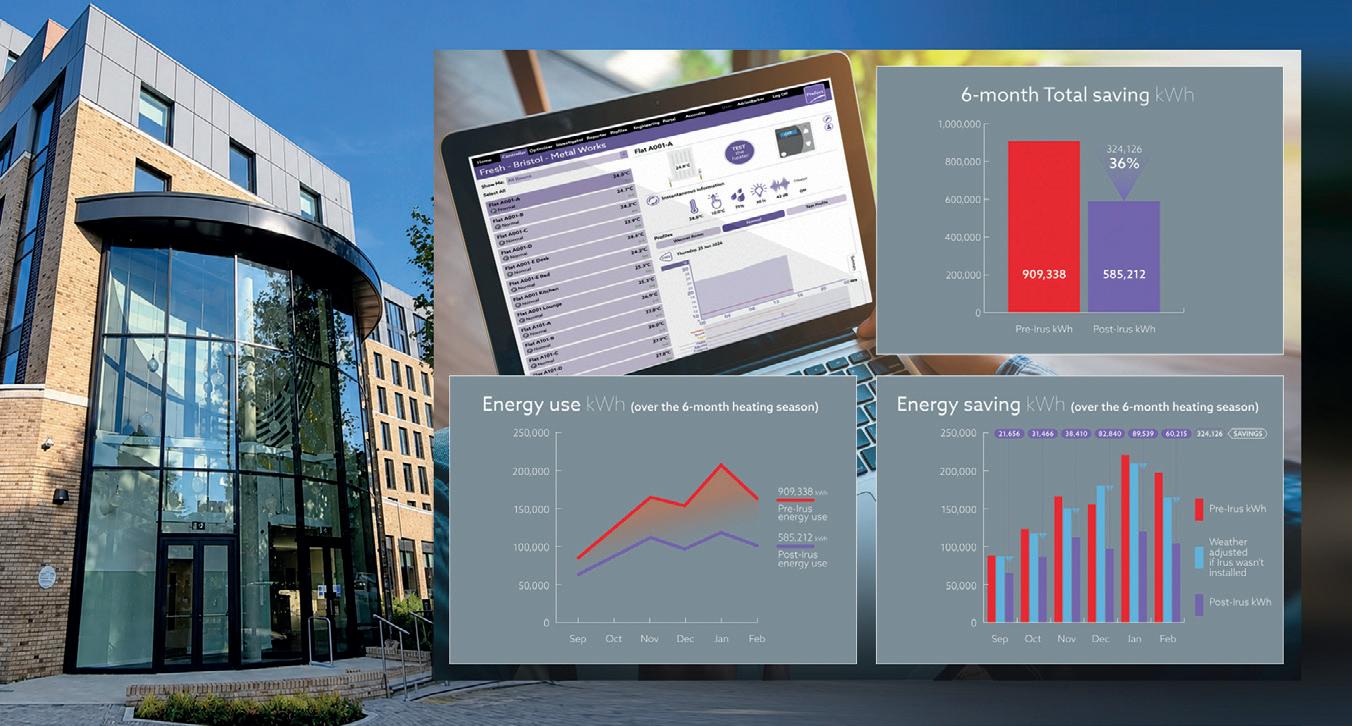
36% HEAT NETWORK ENERGY REDUCTION
As heat network operators seek to improve efficiency, reduce carbon emissions and lower operational costs, attention is increasingly turning to energy management at point of use. While much focus remains on generation and distribution infrastructure, significant savings can often be achieved by controlling how heat is used within individual rooms.
Arecent project at Metal Works, Bristol, demonstrates the impact intelligent room-level control can have on performance.
Developed by Watkin Jones and operated by Fresh Student Living, Metal Works provides 819 student bedrooms across a large purpose-built student accommodation development. Asset management is overseen by inhabeo, which commissioned the installation of the Prefect Controls Irus intelligent building services management system.
TACKLING HEAT NETWORK INEFFICIENCY
Like many residential developments, Metal Works uses a wet radiator heating system connected to a communal heat network. While reliable, these systems can be vulnerable to unnecessary energy consumption when occupants have unrestricted control of heating.
In student accommodation, where residents are not directly responsible for energy bills, overheating, heating with windows open and excessive thermostat settings can all contribute to increased heat demand.
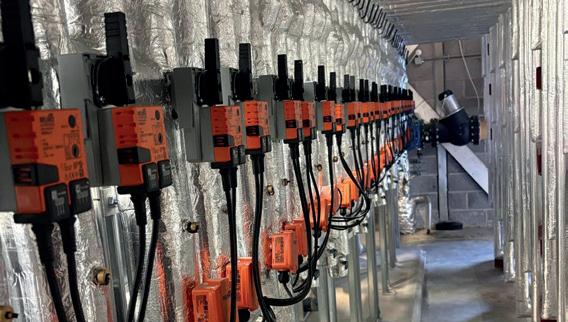
To address this challenge, Irus was installed to provide intelligent room-level control and monitoring. Each radiator is fitted with a valve actuator linked to a room controller, enabling heating to operate within pre-defined comfort parameters while still allowing occupants flexibility through temporary boost settings.
The system also monitors room occupancy, temperature, humidity and other environmental conditions, allowing heating demand to be matched more closely to actual room usage.
PROVEN RESULTS
Following a successful pilot, the system was rolled out across the entire development in September 2025.
An analysis comparing the first six months of operation against the equivalent period before installation delivered a clear result: a 36% reduction in district heating energy consumption.
Both direct consumption analysis and weather-normalised evaluation methods were used to validate the findings. Similar weather conditions across the two periods provide strong confidence that the reduction was achieved through improved control rather than seasonal variation.
HOW THE SAVINGS WERE ACHIEVED
Several factors contributed to the reduction in heat demand:
• Occupancy-based temperature management
• Automated setback temperatures during periods of low use
Reduced overheating in underutilised spaces
Prevention of unnecessary heating when rooms are vacant
• Remote monitoring and optimisation of heating profiles
• Identification of unusual energy consumption patterns
• Improved operational visibility
Importantly, these savings were achieved without any changes to the heat generation plant or distribution infrastructure. Instead, the reduction came from controlling demand at the point of use.
Helen Kings, Managing Director, Asset Management, commented: “This project highlights how Irus can unlock substantial efficiencies in a traditional wet heating system. By retrofitting state-of-the-art control technology, we have achieved a significant 36% reduction in energy use, supporting both cost savings and carbon reduction goals. We look forward to tweaking the system over time to improve this building’s performance even more!”
LESSONS FOR HEAT NETWORK OPERATORS
The Metal Works project highlights an important opportunity for heat network operators and asset managers. While significant investment is often directed towards plant upgrades and low-carbon heat sources, reducing unnecessary demand within occupied spaces can deliver substantial and immediate benefits.
For both new-build and retrofit projects, intelligent room-level controls provide a practical route to lower heat consumption, reduced carbon emissions and improved operational insight.
As heat networks play an increasingly important role in decarbonising buildings, projects such as Metal Works demonstrate that the greatest efficiency gains may not always come from generating heat more efficiently, but from ensuring only the heat that is genuinely required is used in the first place. www.prefectcontrols.com
CA 6117 MFT
NOT FOR DOMESTIC ELECTRICIANS
RISING HARMONICS OVERLOAD
NEUTRAL CONDUCTORS.
DETECT RISKS BEFORE THEY CAUSE DOWNTIME!
PROTECTION FOR WHAT’S NEXT.
Harmonic-induced neutral overload
Panel and cable overheating
Voltage imbalance
Equipment damage
Costly reactive maintenance
HYBRID WATER HEATING: THE COST-EFFECTIVE ROUTE TO COMPLIANCE?
Rinnai Director Chris Goggin espouses the financial and ecological benefits of adopting hybrid technology in heating & hot water delivery. Hybrid systems are an innovative decarbonising solution that provides a first step towards the limiting of emissions on projects that may not be able to fully adopt decarbonising technology.
UK energy policy is aimed towards the reduction and eventual nullification of fossil fuels. During this transition away from coal, oil, petrol and high carbon gases towards renewables and alternative energies, how can the UK projects comply with future governmental policy in a retrofit environment and still ensure a plentiful supply of hot water?
A possible solution is to invest in a hybrid system that accepts two forms of fuel or power to ensure cost-effective and smooth operational performance that produces heat and hot water. What is a hybrid system and how do they operate to the benefit of the end-user. Hybrid technology that accepts two separate forms of fuel or power, one
Learn more about Rinnai Hybrid solutions and how they have delivered a practical, economical and technically feasible solution. https://www.rinnai-uk.co.uk/ about-us/case-studies/hybrid-solutions
would be either natural gas or LPG for example, alongside solar thermal or a heat pump. Hybrid systems are designed to optimise factors such as outside temperature, current energy prices, property heating and DHW demand. Rather than relying on one fuel source or technology such as renewable electricity and heat pumps, hybrid options instead use two forms of power
or heat generators to complete daily functions inside commercial applications. For smart DHW hot water systems such as continuous flow water heaters used with heat pumps, the renewable heat generator provides the base load as the water heaters “top up” the temperature. This approach is inherent within the system and ensure optimal performance.
HEATING
Using two separate energies offers a range of benefits for UK retrofit projects. The first advantage is from a financial viewpoint: as electrical costs are higher than natural gas, utilising a system that accepts both renewable electricity and traditional fuel sources means that costs could be lower and more manageable when compared to an exclusively electrical system. From a capital expenditure perspective, the cost of a hybrid is often lower than a full electric system creating lower whole of life costs.
In terms of operational performance, a hybrid heating and hot water system combines two technologies that ensures energy efficiency whilst supporting operational consistency. A hybrid system will benefit from the incorporated heat pump or solar thermal technology during favourable weather conditions whilst using the auxiliary appliance during periods of colder conditions. This will optimise the strengths of each technological approach in separate weather condition circumstances; the addition of a combustion-based water heating technology will boost the renewable base load to ensure DHW performance.
A further benefit for the end-user is that both lifecycles of each technology is lengthened. As each technology does not have to apply full effort to satisfy demand, component and overall system longevity will be increased due to a lessening of required workload.
Hybrid systems offer a practical route for environmental objectives to be accomplished. As not all customers can fully financially commit to
decarbonising practises, an alternative mix of technologies that incorporates both renewable and traditional technologies and fuels is offered to bridge this gap. This practical approach introduces customers to alternative and clean energies whilst maintaining control over energy costs by still relying on conventional and more costeffective methods of energy usage.
The Hybrid approach can also be instrumental within buildings that do not have the space, infrastructure or plant room facilities for full electrication and the increase in store hot water volumes.
A hybrid system is comprised of several features, components, technologies and fuels. The main elements of a hybrid heating and hot water system is listed below.
• Heat Pump: The renewable backbone of the system. Most hybrid systems utilise air source heat pumps (ASHPs). Ground source heat pumps (GSHPs) are also viable for specific applications, particularly in commercial settings.
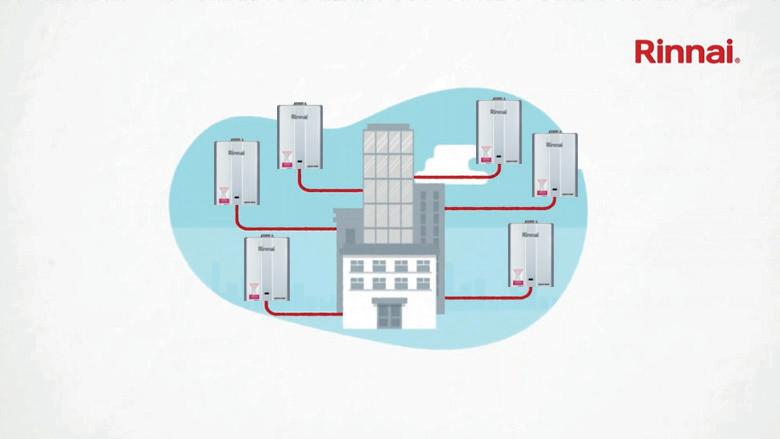
• Condensing Gas Boiler / Water Heater: A high efficiency water heater serves as the auxiliary heat source. Modern condensing water heaters are designed to extract as much heat as possible from combustion gases, increasing energy efficiency.
Solar Panels: When solar thermal collectors are included, they can contribute heat to the system directly or to a buffer tank. This heat can then be drawn upon before the system calls
for either the heat pump, gas boiler and water heaters making it more energy efficient.
Control Unit / Smart Thermostat: The ‘brain’ of the hybrid system, responsible for deciding which heat source to use based on real time conditions. Many units are integrated with weather compensation and predictive algorithms.
• Buffer Tank / Hot Water Cylinder: Optional but recommended for systems that provide domestic hot water (DHW). The buffer tank helps to smooth out demand fluctuations and improve efficiency. Other cylinders can include buffers for minimum water content and for additional hot water demand.
• Sensors and Meters: These measure temperature, flow rates, and energy consumption, feeding data back to the control system to enable automated switching. Hybrid system water heating is a viable method of cost and carbon reduction that offers seamless operational performance. UK customers who cannot afford to fully comply with current UK decarbonising energy policy should consider investing in hybrid technology that can provide hot water for either a domestic or commercial dwelling.
Contact the Rinnai design team for a free of charge site assessment for your next project: www.rinnai-uk.co.uk/ contact-us/help-me-choose-product
CONTINUOUS FLOW HOT WATER HEATING – STILL PART OF THE FUTURE
Rinnai looks at the continuing role of natural gas and alternative gases in the current energy offering
Geopolitical strife and military conflicts in the Ukraine and the Middle East theatre continue to impact global energy costs, so what alternative gaseous fuels can fill the void that fossil fuels previously inhabited? Furthermore, despite natural gas attracting and maintaining a reputation for being easily manipulated on the global market, traditional energy sources still hold many user benefits.
UK energy provision is operating under several mitigating circumstances: the first issue confronts uncertainty regarding viable and renowned alternative energies. Although wider electrification is being introduced, there are numerous challenges to adding towards grid capacity, such as – insufficient grid connection time scales for new projects and inadequate infrastructure that suffers from a lack of investment.
A further issue when thinking of UK energy provision, is the dominance of natural gas. Media outlets fail to mention the viability of an evolution in UK power dispersal that gaseous forms of power can introduce.
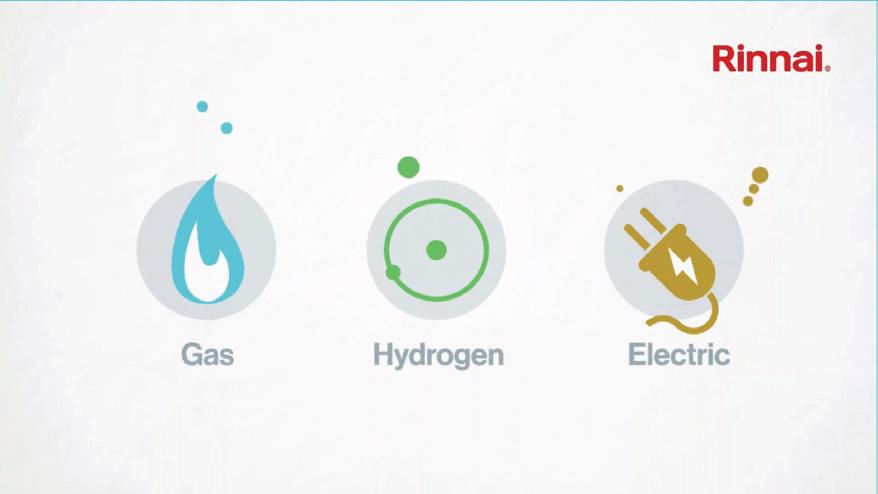
The acceptance and usage of gas-based energies like renewable methane, hydrogen, LPG, or BioLPG, as opposed to large-scale electrification is a conceivable option when you consider the scale of active gas infrastructure.
When the observer aggregates all information regarding current energy infrastructure and governmental
direction that favours electrification, compatibility between the two weakens.
The UK is second behind Germany in natural gas consumption, in a European context, whilst also ranking second in gas generated electrical power in 2024, with 30.3% of final electricity being produced through natural gas. Market statistics published by trusted sources and media show that in 2024 there were 1.5 million gas boilers installed across all sectors in the UK, most of which were replacements.
Natural Gas is integral to grid flexibility by fulfilling the role of a reliable baseload energy source. When alternative renewable energies such as solar or wind are low on production levels, Natural Gas can be easily accessed to provide adequate power to UK customers.
As natural gas is still highly relevant to the UK customer, continuous flow technology is the practical, economic and technical solution for hot water provision to any and every site throughout the UK. Natural gas appliances such as continuous flow water heaters are an innovation that instantly provides hot water upon command and demand.
Gas is only combusted when required which means that the customer only pays when hot water is being used, unlike a storage tanker system that must retain water temperature through constant heating therefore creating higher costs.
As a continuous flow water heater only operates when required system efficiency becomes optimised whilst costs and emissions are reduced. The size dimensions of an instantaneous water heater mean that a wall mounted installation is quicker and leaves less material waste whilst installation space is also reduced.
Natural Gas also offers a pathway towards alternative technologies such as renewable gas blends such as hydrogenblends ready hot water heaters, gas boilers, and hybrid systems. Hydrogenblends ready equipment and hydrogen gas mixes could play a role in future UK gas usage and assist in reducing emissions. Along with other renewable gases such as Biomethane and BioLPG.
Just last year Centrica and National Gas completed a 2% hydrogen gas blends trial at Brigg Power station in Lincolnshire, demonstrating technical and end-user feasibility. The hydrogen gas blends were
HEATING
used to generate electricity that provided power to local businesses and domiciles, with no reported issues.
The UK is considering plans to introduce a 2% - 5% hydrogen gas blends with further plans to extend the gas mix ratio to 20% sometime in the future. There are also interesting developments with Biomethane as another viable alternative.
Although work is underway in transitioning towards cleaner energies Natural gas still provides 85% of UK properties with essential warmth and water heating capabilities. According to figures released by the International Energy Agency (IEA) Natural gas still contributes 36.8% of final UK energy provision in 2024.
Off grid customers of fuels have a range of energies to select from, namely LPG and Bio-LPG. LPG was the lowest carbon emitting source of fuel for the 15% of UK businesses and domiciles that function off grid. Emissions from LPG are 33% less than coal and 15% lesser than oil. From 2023 and 2033 the UK LPG market is expected to grow by 12.82% and has attracted £600 million of investments between 2022 and 2025.
BioLPG can significantly reduce emissions when compared to oil and LPG. Liquid Gas UK – the trade association for the LPG and biopropane industry – has published an industry census revealing over £100 million is currently being invested in BioLPG, whilst the European market for LPG is expected to expand by 19.80% during 2026 and 2035.
Together, both BioLPG and LPG can reach and decarbonise off grid properties that other fuels and technologies find difficult to locate and effect.
Other notable synthetic gasses that are worth exploring are e-methane and biomethane. E-methane is the abbreviated name given to electromethane, a gas which is created by extracting captured carbon dioxide and then blended with green hydrogen, itself produced via renewable energy. Green hydrogen electricity is converted into a storable low carbon gas – e-methane.
Biomethane is produced in a separate process – methane is captured from natural biological waste and forms during a natural process called “anaerobic digestion.” In the absence of oxygen microorganisms will begin to break down matter yielding a gas – methane. Once impurities are removed the methane gas becomes upgraded and biomethane is created.
Both biomethane and e-methane are capable of identical operating behaviour when compared to fossil fuels and can therefore be placed into existing infrastructure. Biomethane and e-methane can immediately fulfil the role of fossil fuels without any fracture towards appliance operating efficiency, commercial activity, or societal cohesion.
Gas fired appliances and natural gas infrastructure all still offer UK
customers a solid role in the present, near and future. Innovations such as the continuous flow water heater have reduced energy costs whilst providing savings on fuel consumption and carbon output. Although unfashionable, natural gas and related technologies will continue to provide domestic and commercial applications with a cost effective and limitless supply of clean hot water.
If energy supplies become restricted there are numerous alternative gaseous energies capable of fulfilling the role of natural gas. LPG, BioLPG, e-methane and hydrogen all possess the potential of maintaining the role the natural gas occupies.
Join the free Rinnai newsletter for updates on energy and policy https://www.rinnai-uk.co.uk/ contact-us/newsletter-sign
PRICE VOLATILITY: A PERMANENT FEATURE OF THE ENERGY LANDSCAPE
In a volatile market, the aim is not to remove risk entirely, but to manage it in a way that is clear, deliberate and aligned to business objectives.
Energy prices have become a more significant cost for organisations to manage over the last 4 to 5 years.
Non-commodity charges have risen rapidly, wholesale prices have become more volatile, and the wider energy buying landscape has become more complex as organisations balance affordability, security of supply and sustainability expectations.
In this environment, energy managers need to consider how to buy energy effectively while also looking for opportunities to reduce consumption from the grid.
While flexible energy contracts can help organisations to manage wholesale price risk, for many organisations, energy procurement is also only one part of a wider operational picture. The right strategy will depend on demand, operations and wider business priorities.
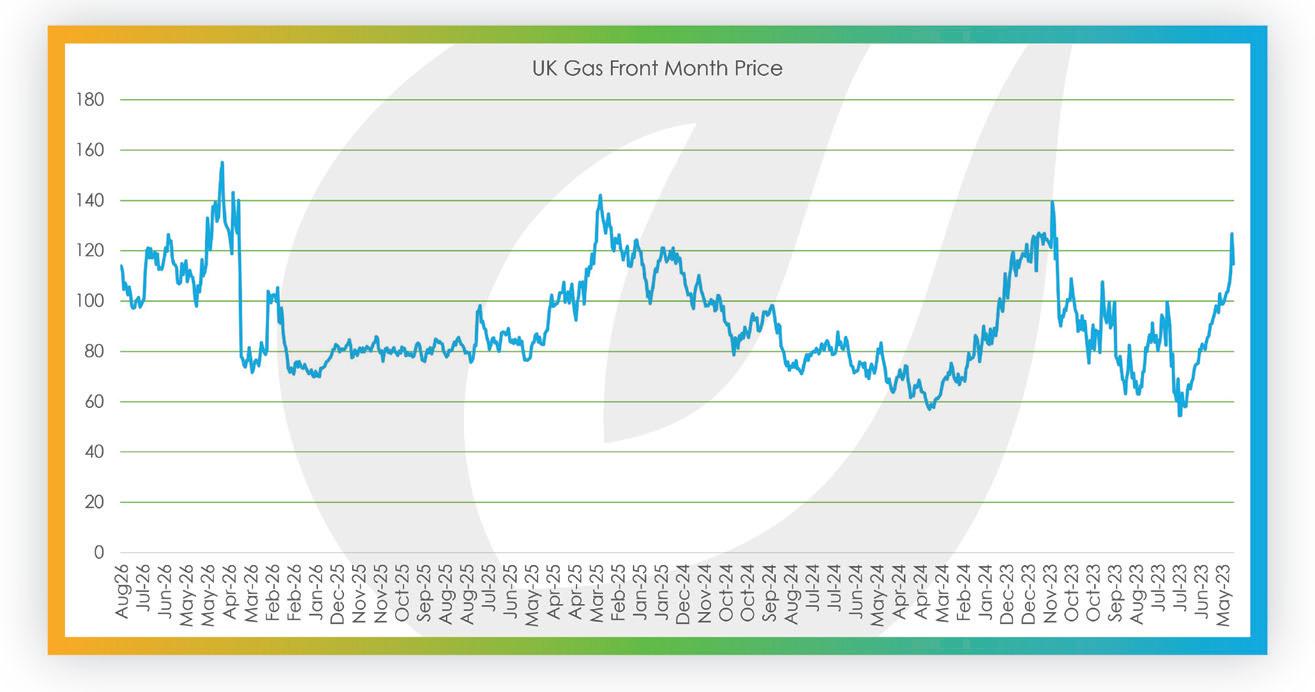
Figure 1 illustrates how quickly market conditions can change, reinforcing the need for buying decisions shaped by risk, timing and strategy; not price alone.
WHY IS THERE AN EXPANSION IN PRICE VOLATILITY?
The recent expansion in energy price volatility is largely a legacy of the Russia-Ukraine gas crisis, which has left the gas market more sensitive to supply disruption, geopolitical developments and shifts in demand. Several factors now reinforce that volatility, as outlined below.
Increasing renewable generation, greater interconnectivity and geopolitical instability have also changed the way
John Dawson, Energy Trader & Market Intelligence Manager, eic.co.uk
energy is supplied and traded. This has also attracted more speculative trading activity, which can amplify short-term market movements. These main drivers can be broken down as follows:
1. Greater exposure to global LNG markets. Europe’s move away from stable pipeline gas has increased reliance on globally traded LNG, making prices more sensitive to international supply risks. Disruption to production or shipping, competition from Asian buyers during periods of high demand, or issues at LNG facilities as far away as the U.S. or Australia can all influence gas prices in the UK.
2. Gas still sets the marginal power price. In the UK power market, lower-cost generation such as renewables and nuclear is used first, but the final market price is often set by the most expensive source needed to meet demand. Because that source is frequently gas, movements in gas prices continue to feed through into power prices.
3. Weather and Renewables Dependence. A transition to cleaner energy is susceptible to supply fluctuations based on weather conditions, such as wind speeds and solar hours. When wind or solar output dips, gas-fired generation often fills the gap.
4. Storage reserves.
The market remains highly sensitive to gas storage levels, whether that is the pace of refilling over summer or available reserves during winter. Storage acts as an important buffer against unexpected supply disruption, but the UK has had limited domestic capacity since the closure of the Rough Gas Storage facility, increasing reliance on LNG and imports from Europe to top up supply.
WHAT ARE THE MAIN ENERGY BUYING CHALLENGES?
Choosing the right type of energy contract, understanding your objectives and staying informed about market conditions are essential. There are several areas that can form part of a long-term strategy, including onsite generation and Power Purchase Agreements. However, where organisations continue to import electricity from the grid, they remain exposed to unpredictable and volatile commodity markets.
USING FLEXIBILITY TO MANAGE MARKET RISK
Unlike fixed contracts that tie you to a single rate, flexible contracts create opportunities to buy strategically, respond to price dips, and protect your budget from unnecessary risk. The right hedging strategy can help secure prices for part of your energy demand while leaving room to benefit from future market falls. Organisations need to make decisions in line with a clear, robust and realistic strategy that reflects their objectives, risk appetite and operational requirements. That means balancing certainty, flexibility and wider business priorities.
If you would like to understand the price drivers and how to manage the risk, please join our Energy Market Outlook webinar in late September/early October. To view our previous webinars, please visit eic.co.uk
HOW TO SPOT A FIXED PRICE ENERGY CONTRACT THAT IS TOO GOOD TO BE TRUE
When planning a summer holiday abroad, the temptation is sometimes to opt for the cheapest flights. However, once all the hidden extras are counted, from choosing a seat to adding hold luggage, it often becomes apparent the initial price was just too good to be true. A similar scenario is being faced by organisations with fixed price energy contracts, which may look competitively priced, but can be designed in a way that means overall costs are far from fixed.
Procurement teams and energy managers are increasingly opting for fixed price contracts to safeguard against uncertainty in a volatile market, but if misunderstood, this approach can lead to unexpected costs. That is why it is essential to know how to interrogate contracts and ask for clarity from suppliers if terms remain unclear, alongside understanding how non-commodity and potential pass-through costs work.
WHEN IS A CONTRACT TRULY FIXED?
It is often assumed fixed energy contracts mean the same thing across suppliers, but in reality, they vary greatly, with important implications for risk exposure. To take non-commodity charges as an example, there are regulatory levies, which some suppliers may not include in the upfront fee, but instead pass through later. One timely non-commodity charge is Nuclear RAB, which came into force in December 2025 to help fund the development of nuclear power stations such as Sizewell C. Regulatory levies such as this are important to be aware of, and are common across fixed price contracts because they are introduced at short notice, meaning they are more likely to be passed through by suppliers trying to control abrupt spikes in costs.
Those levies differ from Transmission Network Use of System (TNUoS) charges, which have been in place for decades,
Nathan Smith, VP SME Business, SEFE Energy UK
and are revised annually to cover the cost of installing and maintaining the transmission system. The National Energy System Operator (NESO) has estimated that around £10 billion a year in investment is needed for electricity transmission between 2025 and 2030 to meet the UK Clean Power 2030 goals. As a result, TNUoS charges are expected to rise and for many organisations that will mean greater pass-through costs that they may not be expecting if they have not understood how this is being accounted for in their contract.
Another less-understood charge is unidentified gas (UIG), which encompasses losses of gas across the system, whether stolen or consumed through unregistered meters. Suppliers must account for these losses and may pass through the costs to their customers on fixed price contracts. UIG can often go unnoticed in a stable market, but where wholesale natural gas prices rise, organisations could be exposed to unforeseen costs.
These non-commodity costs should not necessarily deter organisations from selecting a particular contract because the certainty of energy costs or another benefit may outweigh the risks. What matters most is making an informed decision, where organisations are clear about the level of risk they are taking on, so they avoid being blindsided by unforeseen costs.
DEVIL IN THE DETAIL
It is important that organisations scrutinise different options available to them before signing up to a contract. To do that, they should check the “charges” section within the terms and conditions; suppliers have a legal obligation to outline which costs are fixed or passthrough for the duration of a contract.
Terms and conditions are available to potential buyers before price quotes are provided, so supplier options can be properly reviewed and potentially dismissed from the process at an early stage. This helps organisations avoid the trap of going too far down the path with a batch of supplier options that have attractive headline rates but include unexpected costs. Even when these risks are identified before the contract is agreed, there can be time pressures close to the point of signature that hamper clear decision-making. Therefore, it is important to rule out unsuitable options at an early stage.
Where contract terminology is unclear, organisations have the option to ask their broker or supplier to explain the implications of certain charges and clarify whether costs are fixed or not. Suppliers have an obligation to provide transparent pricing and offer dedicated support to make sure their customers can always make an informed decision on their contracts, so procurement teams and energy managers shouldn’t shy away from asking any questions they have.
NEW CONTRACT STRATEGY
Due to the complexities and potentially unexpected costs involved, contract assessment is now a more strategic decision than before, with the risk of incurring serious costs. Yet there is also an opportunity to successfully mitigate risks. Despite new due diligence challenges, the organisations that know where to look and feel empowered to ask questions can reduce uncertainty in a volatile market. Much like a holiday booking, there is peace of mind in knowing your costs are truly fixed. www.sefe-energy.co.uk
FINANCING ENERGY PROJECTS IN A WARMING CLIMATE
At Salix we work across the public sector and housing portfolios to support the implementation of energy efficiency and heat decarbonisation projects.
Alongside homes, one of the key programmes we deliver is the Public Sector Decarbonisation Scheme which we administer on behalf of the Department for Energy Security and Net Zero.
Under this scheme, public sector organisations apply for grant funding for heat decarbonisation and energy efficiency projects, historically through an annual application cycle. Following the Spending Review in June 2025, the government announced that there would be no further investment beyond currently awarded projects.
The sector response seemed mixed: some reported that energy projects across the public sector would stall, while others saw an opportunity to rethink the financial model on which these projects had typically depended. One year on and, as we bear witness to the UK struggling to operate its infrastructure during repeated heatwaves, it continues to be an interesting and challenging time to consider what’s next for financing energy projects, particularly for the public sector estate. Before considering the available opportunities for public sector organisations, it’s important to reflect on how we can make progress beyond the Public Sector Decarbonisation Scheme.
Firstly, it is clear that some organisations need greater support than others. As an example, schools can struggle with resources and as a result have historically been underfunded - they often don’t have in-house energy teams and networks to access and deliver large capital grants. Consequently, funding awards are not based on a level playing field and it shows, particularly given recent school closures as a result of climbing temperatures. Schools are one of the cornerstones of our communities, often acting as a key public space where people have the most interaction; demonstrating their resilience through investment in building fabric, energy efficiency and generation upgrades is one way to build public trust in retrofit.
Another area when thinking about what could be beyond the Public Sector Decarbonisation Scheme, is the
Becca Weight, energy and programme carbon manager, Salix
opportunity of cooling. The Public Sector Decarbonisation Scheme did not fund cooling where it did not already exist, as per the energy saving remit of the scheme. However, it is becoming increasingly likely that existing buildings will need to implement some sort of mechanical cooling where passive techniques are not practicable. In short, rebalancing the funding mechanisms for organisations and considering the co-benefits, or trade-offs, as well as identifying the most valuable technologies to invest in for a sustainable and resilient future, are key steps to take in meaningfully accelerating public sector decarbonisation at scale.
This strategy would not only unlock energy savings and support the public sector’s net zero target of reducing carbon emissions by 75% by 2037 but also inspire and support the next generation and ensure there are safe, reliable public spaces upon which communities can rely. However, the gap that the Public Sector Decarbonisation Scheme has left is hard to ignore, as acknowledged by the Climate Change Committee’s progress in reducing emissions report.
So, what can public sector organisations do to develop and deliver energy projects against this backdrop?
Energy efficiency and generation projects such as the installation of LEDs, solar PV, and improvements in monitoring and controls can have short paybacks and make a straightforward business case for investment utilising existing, albeit constrained, budgets.
Once the benefits are realised, greater stakeholder buy-in can catalyse further support for larger and more impactful heat decarbonisation projects, whilst concurrently building the expertise of internal teams. For larger projects or programmes, organisations are beginning to reconsider the merit of public private partnerships. Loan and grant schemes are often fragmented, relying on different evidential requirements and ongoing commitments that public sector organisations can struggle maintaining. Public private partnerships, like energy performance contracts (EPCs) and
energy as a service (EaaS), operate by transferring the ownership and risk onto a private organisation to then realise the benefits of that investment – whether that results in lower carbon emissions, more aesthetic and resilient buildings or social value. These models are becoming increasingly attractive in this landscape but procurement, and specifically complying with the Procurement Act 2023, will be critical in getting the approach right.
Place-based funding is increasingly climbing the political agenda and is something we have actively supported at Salix through Greater Manchester Combined Authority Public Building Retrofit fund. This fund is exclusively available to public sector organisations in Manchester and allows the GMCA to target funding towards projects that meet local strategic priorities. The issue is that regional support for energy projects differs, which may result in some areas facing a ‘postcode lottery’ when it comes to investment in their public buildings. What is clear from this discussion is that there is no silver bullet, and that professionals from a wide variety of backgrounds – politics, economics and the social sciences to name a few – must jointly consider and identify a strategy to decarbonise the public sector over the long term, allowing other critical benefits to be realised.
The Public Sector Decarbonisation Scheme has no doubt supported many public sector organisations to get started in advancing complex energy projects, and it’s important that the momentum created is not lost but capitalised on by inventive mechanisms. If we take the lessons learnt from a successful scheme of this scale and leverage existing partnerships and knowledge communities, even with the current gap in policy, there are opportunities to be realised. At Salix we’re excited about the opportunity this presents and are readily looking to explore how we can further support public sector organisations on their net zero journeys. www.salixfinance.co.uk
WHY YOUR ESTATE’S ROOF REFURBISHMENT STRATEGY MIGHT NEED A RETHINK
Roof refurbishment and solar PV are typically planned by different teams, against different budgets, on different timelines. Facilities management owns the roof. Sustainability or energy management owns the solar target. The two rarely sit in the same capital planning conversation until a solar feasibility study is already underway, at which point the roof is treated as a fixed condition rather than a variable to be assessed.
This sequencing creates a specific and avoidable risk. A solar yield analysis tells an estate what a roof could generate. It says nothing about whether the roof will survive long enough to generate it. If a roof is closer to the end of its service life than the solar panels are to the end of theirs, the panels will eventually need to be removed and reinstalled to allow the roof beneath them to be repaired. That means a second capital outlay, a second period of disruption, and lost generation while the system is offline, on top of whatever the original solar business case promised.
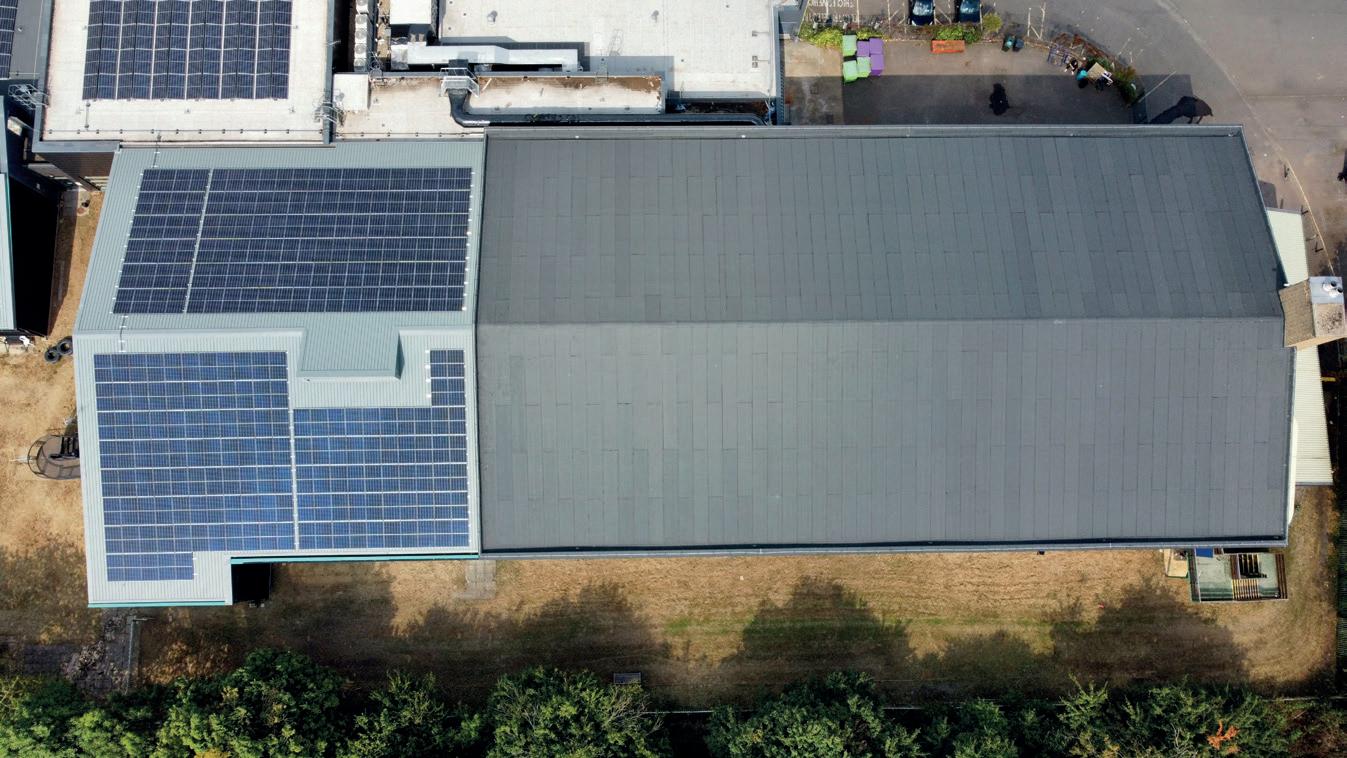
This is not hypothetical. At Carr Junior School, a roof condition survey commissioned alongside a solar feasibility study found cutedge corrosion across the existing steel roof panels severe enough that the roof would not have outlasted a newly installed solar system. At Towers School, a roof condition survey commissioned during a wider refurbishment project uncovered the same underlying issue that, if left unaddressed, would have undermined any solar investment made on top of it. In both cases, the roof and solar works were combined into a single programme once the roof’s condition was properly understood, rather than being treated as sequential projects.
The pattern holds outside education too. At Hambridge industrial estate, a combined roof overclad and solar installation, delivered under a single guarantee, produced first-year energy savings of £13,500 and a projected cash flow of £1.2 million over 25 years, while diverting 37 tonnes of asbestos from landfill through safe encapsulation. None of that return would have been available on the original timeline had the roof and solar elements been procured separately.
What links these projects is not the buildings but the sequencing. In each case, a roof condition survey and a solar yield analysis were carried out together, before either project was specified, rather than the roof being assumed suitable because it was
structurally sound enough to bear the weight. A roof can be structurally capable of supporting solar panels yet still be unfit to host them for their expected lifespan if the waterproofing or cladding beneath is degrading.
Combining the two also changes the guarantee position.
Where roof and solar are specified and installed as one programme, both can sit under a single guarantee covering design, materials, and installation. That removes the ambiguity that arises when a roofing contractor and a solar installer are each responsible for interdependent parts of the same building envelope, and it means a single point of contact if a defect occurs, rather than two parties disputing which system is at fault.
For estates teams building an internal business case, life cycle costing provides the evidence. Set out in BS/ ISO 15686-5:2017, it accounts for construction, renewal, operation, maintenance, and end-of-life costs using net present value, and consistently shows that a combined programme reduces total cost of ownership compared with treating roof and solar as separate line items years apart.
The practical implication for any estate with both roof and solar decisions on its capital plan is to commission the
roof condition survey and the solar yield analysis together, before either is scoped, regardless of whether the two projects currently sit in the same budget line. What that survey finds should determine the sequencing, not the other way round.
Garland UK carries out both assessments together as standard roof project practice, a roof condition survey alongside a solar yield analysis, so estates teams are working from one evidence base rather than two reports arriving on separate timelines. www.garlanduk.com
WHAT IS ENERGY FLEXIBILITY AND HOW CAN IT CREATE REVENUE?
Andrew Langlands, Chief Commercial Officer, Flexitricity
A recent survey of our LinkedIn followers found that over a quarter of respondents said their biggest barrier to unlocking revenue from electricity flexibility markets was a lack of understanding. A further fifth said that they had difficulty identifying assets that could provide flexibility. This article provides a guide on what flexibility is, why we need it, who can provide it, and the benefits of doing so.
WHAT IS FLEXIBILITY?
“Flexibility is a key tool that helps us manage growing network demand while keeping costs down for everyone. It supports the UK’s Net Zero goals by encouraging customers to adjust how and when they use electricity.
“Flexibility works by offering payments to customers who can change their energy use during busy times on the network. For example, a homeowner might charge their electric vehicle at a quieter time, or a business might turn on a generator to help ease demand.
“By shifting energy use, flexibility reduces strain on the network, making it more efficient. It also avoids costly network upgrades to handle temporary demand spikes.” – National Grid
WHY DO WE NEED FLEXIBILITY?
In a traditional electricity system, there is no co-ordination between generation and consumption: the system operator must adjust power station output in response to variations in demand. As the electricity system becomes greener, this becomes more challenging because – in the simplest terms – you cannot tell the wind when to blow or the sun when to shine. With less control over generation, the system operator requires more flexibility from the users consuming the electricity. This is demand-side flexibility.
HOW CAN I PROVIDE FLEXIBILITY?
Anything that can pause consumption for a period (from a few minutes to a few hours) or start consumption earlier than planned, can deliver useful flexibility. For example:
• An electric vehicle charger at a workplace car park can charge more slowly to reduce consumption or reschedule its charge to a more optimal time, while still ensuring the battery is charged ready for when the employee drives home.
A commercial refrigerator or freezer – whether in a cold store or as part of a manufacturing setting – can be turned off for short periods of time, with thermal inertia keeping temperatures within required ranges.
• A factory may be able to defer an energy-intensive step in its process for a short period without affecting production targets. LED grow lights, used to artificially light plants, can be turned down or off for short periods without affecting growth as the plant stores a certain amount of energy.
• The time at which a water company operates pumps for
water treatment and transport can be deferred, especially in winter months when water consumption is typically lower.
• Large-scale heat pumps connected to district heating networks can produce heat when electricity prices are at the most attractive and turn down or turn off generation during times of peak demand, with heat stores providing addition flexibility to store and draw down heat. For those district heating networks with combined heat and power, the engine can be called upon to generate electricity to create flexibility, and the heat stored for use later.
These are just some of the hundreds of assets across a wide range of industries that can provide energy flexibility. To date, Flexitricity has worked with customers across water, chemicals, recycling, food and drink, datacentres and others, and has identified and monetised flexibility in all of them. In the past this has sometimes been limited by the rigid requirements set out in advance by the electricity system operator and the networks. However, the market is transforming, making it easier to access and to benefit from.
WHAT IF PROVIDING ENERGY FLEXIBILITY DOESN’T ALWAYS SUIT MY OPERATIONS?
If an energy customer doesn’t want to shift their consumption at a particular moment, they can simply not offer to do so. This might be because – for example – the cold store is at the lower end of its temperature range, the tomatoes really need the light, or there are production targets which simply must be met
WHAT ARE THE BENEFITS TO PROVIDING ENERGY FLEXIBILITY?
When we asked our LinkedIn followers what they thought the biggest benefit to being flexible with energy assets is, fifty-two percent said earning revenue, and forty-six percent said reducing costs. Only two percent said reducing emissions.
The great news is that providing energy flexibility can achieve all three of these benefits, creating revenue streams and reducing costs – potentially worth tens of thousands of pounds per MW per year – while contributing to a more sustainable energy system.
WHAT NEXT STEPS SHOULD I TAKE?
Contact us! Flexitricity has devised a simple way for commercial and industrial users to unlock flexibility from their assets without disrupting core operations.
Central to our offer is that we provide an end-to-end service from identifying which assets can provide flexibility, through to market participation and payment. Here is a step-by-step guide of what we do:
1. Asset integration. Flexitricity identifies which assets to connect and then connects to them directly via low-cost FlexGO Devices for most sites, with full outstations for large, complex facilities, or via API for multiple smaller assets such as charge points or domestic flexibility. This ensures precise control beyond just “on/off” switches, using real operational data such as temperatures or tank levels.
2. Metering and data capture. Flexitricity monitors the power consumption of your site.
Operational metering tracks real-time consumption (secondslevel data) for system balancing and performance checks.
Settlement metering aggregates
ENERGY FLEXIBILITY
half-hourly totals to underpin financial settlement. Increasingly, operational meters can also serve as asset-level settlement meters, offering higher accuracy.
3. Availability modelling. Using live and historical data, Flexitricity forecasts how much flexibility can be offered at any given time. This modelling accounts for sitespecific rules, operating conditions, and recent usage patterns.
4. Market participation and settlement. Flexitricity manages the complexity of energy markets, including auctions, trades, and balancing services with the National Energy System Operator (NESO). After each event, contributions from individual assets are calculated precisely, ensuring accurate and transparent payments to you.
FlexGO is a groundbreaking new product that will offer a smarter way to unlock revenue from energy flexibility at a lower cost of connection, with no disruption to your daily business operations.
If you want to discover what flexibility potential you can unlock, visit flexgo.energy to get started.
BEYOND THEORY: GRID BALANCING PROVEN AT SCALE
Manufacturers of heat pumps and other DERs (Distributed Energy Resources) are increasingly supporting and in some cases leading on trials to prove how assets can participate effectively in demand-side response activities, which is big news for the UK’s energy managers, says Peter Spurway, Head of Key Accounts & Strategic Partnerships at Viessmann Climate Solutions UK.
The electrification of heat is gathering pace across the UK, driven by decarbonisation targets, policy support and growing adoption of heat pump technology. Yet alongside the opportunities presented by this transition comes a significant challenge: how can the electricity grid cope with the additional demand created by millions of electrically powered heating systems?
For several years, demand-side response (DSR) has been touted as part of the answer. Instead of consuming electricity whenever heat is required, it uses smart heating systems to respond to signals from the grid, shifting loads away from peak periods to help balance supply and demand.
Until recently, however, much of the evidence supporting this approach came from modelling exercises and theoretical studies. Questions remained about whether residential heat pumps can reliably provide flexible grid balancing in the real world without compromising household comfort or system
performance. These concerns have limited enthusiasm for DSR deployment.
STRONG EVIDENCE
The recent completion of the three-year ViFlex project by Viessmann Climate Solutions in Germany now offers some compelling answers.
Working with German transmission system operators TenneT Germany and TransnetBW, Viessmann integrated more than 100 homes equipped with heat pumps directly into live network management systems. The aim was to explore whether live flexibility would impair household comfort levels.
Through fully automated controls, the heat pumps were able to respond dynamically to signals from the electricity network, relieving congestion and avoiding curtailment of surplus renewable energy. Over three consecutive winters, the programme delivered flawless grid reliability while maintaining desired service levels for residents throughout.
This represents the first solid,
practical evidence that DSR can be delivered through decentralised heating systems without negatively affecting building users, and as such it’s of real relevance to energy managers in the UK.
WHY FLEXIBILITY MATTERS
The challenge facing the country’s energy infrastructure is increasingly one of timing rather than overall generation capacity. As more renewable energy from e.g. wind and solar sources comes onto the network, supply becomes more variable. At the same time, electrification of transport, heating and industry is greatly increasing demand.
Managing these competing pressures requires greater flexibility across the entire energy system. Buildings effectively become thermal batteries, storing heat when electricity is plentiful and reducing consumption when the grid is under pressure.
For organisations with residential portfolios, public sector estates or commercial buildings, this creates opportunities that extend beyond carbon reduction. Flexibility services could potentially reduce exposure to peak electricity costs, improve resilience and create new revenue streams through participation in flexibility markets.
THE TECHNOLOGY BEHIND VIFLEX
A key element of the ViFlex project was interoperability. Historically, participation in flexibility schemes has generally required bespoke integration between individual building systems and energy management platforms. This complexity can limit scalability and increase costs.
ViFlex instead relied on standard application programming interfaces (APIs) that are already built natively into Viessmann products. These interfaces enable communication between the
heat pumps and any other Viessmann or third-party technology such as aggregation platforms, battery storage, solar generators, or MHVR systems.
The API approach demonstrates how flexibility can potentially be embedded within heating systems from the outset, using technology that is readily available today. Numerous elements can be conveniently monitored and controlled via a single platform. This opens up the possibility to decarbonise buildings and equipment incrementally as budget and priorities dictate, with no limitations on which vendors’ products can be used.
For energy managers evaluating future heating investments, interoperability and digital connectivity are likely to become increasingly important considerations alongside traditional factors such as efficiency, reliability and capital cost.
IMPLICATIONS FOR THE SSES
The timing of the ViFlex project is particularly relevant given the government’s Smart Secure Electricity System (SSES) initiative which will
DEMAND SIDE RESPONSE
ensure distributed energy resources, including heat pumps, battery storage and EV chargers, play a growing role in load sharing and balancing the grid.
The SSES framework will govern how these smart domestic energy appliances are built and used, with requirements for intelligent capabilities, consumerled flexibility (CLF) provisions, and a licensing regime for load controllers - the aggregators responsible for dispatching demand-side flexibility.
The ViFlex model, in which Viessmann acts as aggregator and controller, is precisely the type of architecture the SSES proposals are moving towards. For policymakers, network operators and technology providers, ViFlex offers a practical blueprint for how decentralised heating assets could contribute to future energy system resilience.
LESSONS FOR ENERGY MANAGERS
As electricity systems become increasingly dynamic, the ability to respond intelligently to network conditions will grow in importance. Flexibility is becoming a core capability
rather than a niche innovation.
Connectivity is key to this. Buildings equipped with smart, interoperable systems will be far better positioned to participate in future flexibility markets than those relying on isolated technologies. Viessmann (part of Carrier) has an enormous installed asset base across Europe and can play a significant role for supporting tranmission networks and reducing green power curtailment – products such as the Vitotron electrode boiler, used predominantly for industrialised processes and heat networks, are available in sizes of up to 60mWth. Those solutions can unlock vast amounts of grid flexibility.
The ViFlex project itself highlights the importance of viewing heating systems as active energy assets rather than passive power consumers. Heat pumps are no longer simply a means of delivering warmth. Increasingly, they are becoming part of a wider energy ecosystem capable of supporting grid stability, reducing costs and contributing to net-zero objectives. https://www.viessmann.co.uk/
SAVE CARBON AND EARN REVENUE: WHY ONSITE GENERATION MAKES FINANCIAL AND SUSTAINABLE SENSE
Energy has become a pressing issue for organisations across the UK. Wholesale markets remain uncertain, non-commodity costs (the network, policy and system charges needed to fund the lowcarbon transition) are rising, and organisations are now regularly exposed to energy price volatility.
In fact, in our latest Business Energy Tracker, energy was ranked as the most significant business risk by 65% of respondents for the fourth consecutive year, while 79% expect their energy invoices to rise over the next 12 months.
With fluctuating costs, regulatory changes, and pressure to decarbonise, energy managers have multiple considerations when it comes to managing their costs and consumption.
However, they should not lose sight of a bigger opportunity: energy can become a positive asset for those organisations that invest in on-site generation.
GREATER CONTROL OVER ENERGY USE
On-site generation gives organisations more control over how they generate, use and manage power. Solar PV, wind, and battery storage can all help reduce reliance on imported electricity and keep costs down.
The starting point is visibility. By using half-hourly data, sub-metering and asset-level insights to identify where demand is highest, when peaks occur and how best to match generation to operational needs, energy managers can access greater insight into how and where they use their energy.
Energy visibility is already a priority for many organisations. Our Business Energy Tracker found that 71% are increasing energy efficiency to manage energy risk, while 40% are using energy management tools, and 40% are shifting demand to offpeak times. Among larger energy users with annual spend above £1 million, 40% are looking to invest in on-site generation.
Vish
Sharma, Head of Power Purchase Agreements, npower Business Solutions (nBS)
SUPPORTING RESILIENCE AND EMISSIONS REDUCTION
Business continuity has become a bigger priority for many organisations. Energy disruption, market volatility and pressure on the wider electricity system can all create operational risk.
On-site generation can help reduce that exposure and provide an additional layer of resilience. When combined with battery storage or flexibility measures, they can help sites manage peak demand, maintain critical operations, and reduce reliance on imported power during costly peak periods.
This is particularly valuable for organisations with continuous or sensitive operations, such as healthcare, cold storage, logistics, manufacturing and data-led environments. For these sites, energy resilience is central to service delivery, safety and operational confidence.
On-site renewable generation can also reduce Scope 2 emissions by lowering the amount of electricity imported from the grid. In addition, it can support wider decarbonisation plans, including electrified heating, electric vehicle charging and more efficient building systems.
TURNING POWER INTO VALUE
For some organisations, on-site generation creates an opportunity beyond managing their own consumption. Where a site produces more electricity than it needs at certain times, exporting excess power can create an additional revenue stream. A Power Purchase Agreement (PPA) can provide a route to market for this exported electricity while supporting other businesses seeking access to renewable power.
PPAs are a bilateral contract – typically between one and 20 years – between a generator and a buyer. They encompass all the commercial terms required to deliver a route to market for generation, including start dates, delivery schedules, pricing mechanisms, and payment terms.
The best choice of PPA for a renewable generation asset will depend on several factors. These include the level of annual output, the nature of the generation source, a company’s risk appetite and ultimately, whether there is a desire for a steady revenue stream or a wish to optimise profits with a flexible agreement.
While energy managers should carefully consider export capacity, grid connection, metering arrangements, generation profile and contractual terms, they can unlock significant commercial potential by selling their excess power.
A STRATEGIC OPPORTUNITY
On-site generation is becoming an increasingly popular and practical option for organisations seeking greater control over their energy. For energy managers, the benefits span cost management, emissions reduction, resilience, building performance, and long-term planning, as well as the opportunity to earn revenue via selling their excess power to other commercial organisations.
The most successful projects start with a clear understanding of the site, its energy profile and its operational priorities. By bringing together operational insight and strategic energy planning, energy managers can help their organisations reduce risk, unlock value and build sustainable estates for the future. npowerbusinesssolutions.com/ corporate/generation
THE UK’S GREEN ENERGY TRANSITION CAN BE A CATALYST FOR REGIONAL TRANSFORMATION AND A PLATFORM FOR REGENERATION
Ongoing geopolitical uncertainty and soaring oil prices have placed energy security, renewable generation and infrastructure high on the UK’s agenda, and both the public and private sector are investing in the transition from fossil fuels to create a more resilient, independent, carbon neutral, and prosperous climate.
Scaling the green energy transformation will require significant financing, development and beneficial, effective public and private partnerships. These developments are already taking place on the ground, and across the country, government entities and private companies are partnering to repurpose long-abandoned coal mine sites into clean energy hubs, providing a productive use for derelict wastelands, and a solution for generating affordable, sustainably-sourced energy locally.
Former mine sites are highly suitable for large-scale renewable energy and digital infrastructure projects, as the areas covered are large and exposed, with access to essential infrastructure, such as transmission lines and roads. Research has found that transforming recently closed coal mines into solar energy plants could add almost 300GW of renewable energy by 2030.
Projects across the UK are beginning to demonstrate what this transformation looks like in practice. For example, in Stoke-on-Trent, the former Chatterley Whitfield Colliery, a disused coal mine, is set to become a state-of-the-art eco-park. Owned by Stoke-on-Trent City Council, the site comprises 10.5 hectares of former mining buildings and structures within a wider setting of a country park. This project aligns with the region’s wider strategy, and the Silicon Stoke Prospectus, which established the strategic vision and framework for making Stoke-on-Trent a digitally-advanced city and a future hub for clean tech
Andrew Briggs, Head of Sustainability and Energy at Stoke-on-Trent City Council
and smart infrastructure investment.
The value proposition is twofold. Firstly, the site has substantial electricity grid headroom for digital developments. The city council, working with National Grid, has estimated that the grid has 50MW available quickly with a planned route through 100MW to 150MW being economically deliverable. This would enable rapid data centre rollout, driving digital business growth and diversification onsite, across the city and into North Staffordshire.
The second foundation will be the planned integrated renewable energy scheme. This includes a 10MW solar photovoltaic (PV) farm and a 49MW battery storage system. At its core is The Mine Energy Heat Project, which will recover low-grade geothermal heat from former mine workings and upgrade this through the application of heat pump technology to highergrade heat. The scheme will recover low-grade mine heat and excess heat from digital infrastructure to also feed a city-wide District Heat Network (DHN).
In common with other local authorities, Stoke-on-Trent City Council is dealing with financial pressures linked to inflation, levels of demand for local services, and abnormally high energy prices. To address the global climate change crisis and significantly increase the region’s capacity to generate and supply local, commercially useful decarbonised energy, the Council aims to emerge as a trailblazer and use case for UK green energy innovation and digital connectivity. For example, Stoke-on-Trent City Council’s Energy Strategy 2023-2033 is driving low-carbon energy generation capabilities and assets harnessed to achieve energy self-
sufficiency, transforming its financial sustainability and becoming an influential beacon for decarbonisation.
The Chatterley Whitfield project has a significant role to play in achieving this goal, and the next phases of investment will look to simultaneously safeguard outstanding heritage while delivering a unique sustainable energy facility.
Increasingly, green energy projects will play a vital role in regional regeneration, offering economic renewal to communities and local people. For example, expanding regional renewable energy generation capacity will provide clear benefits to the local community, including lower energy bills due to the reduced costs associated with solar power, combined with predictable daily outputs. The development of the large site will also lead to more, wellpaid jobs, and new training, skills and employment opportunities, particularly in green industries, for local people.
The transformation of sites like Chatterley Whitfield demonstrates what is possible when a joined-up approach is taken to energy, infrastructure and place-based regeneration. By combining renewable energy, digital capacity and innovative solutions, large scale projects can unlock financial, growth sustainability and energy benefits. Now, collaboration, investment and public and private partnerships need to be encouraged to realise the potential of the green energy transformation at scale. With the right support, former industrial landscapes can become the foundations of a more resilient, self-sufficient and sustainable energy system helping to power regional growth. https://www.stoke.gov.uk/
HYBRID SYSTEMS CONTROLS – DESIGNED FOR PEAK PERFORMANCE AND OPTIMUM ECONOMY
Rising fuel costs, volatile energy markets plus the prices of appliances and installations in the UK as well as many other countries are all part of the equation making the achievement of NetZero a very difficult goal. One of the areas the UK is looking to decarbonise is the Heating and Hot Water delivery sector. Heating and hot water in buildings account for approximately 37% to 38% of total UK carbon emissions (or around 32% of all greenhouse gases). Direct emissions from heating homes and commercial buildings specifically make up about 17% to 23% of the UK's total emissions. Legislation has moved towards electrification for new buildings but these only account for a small percentage of the UK’s building stock with the vast majority being existing buildings. These buildings are going to be the hardest area to decarbonise, as simply removing gas altogether can pose challenges. Factors such as building suitability (insulation), available capacity (electrical), available space and cost (equipment and
Pete Seddon, Rinnai’s Head Of Technical, details the steps and logic for ensuring maximum practical, economic & technical results for commercial and residential hybrid heating hot water delivery systems.
operational) are all obstacles to overcome for existing buildings. One technology marketed as a solution to help achieve decarbonisation are Heat Pumps. These come as Air Source, Water Source or Ground Source with Air Source being the most prominent. The main reasons legislation advocates for Heat Pumps is because they can generate more heat output per unit energy which makes them more efficient than a gas burning appliance, and in addition, the UK is setting targets to decarbonize the national grid. One of the biggest issues heat pump systems
face is not the product itself or efficiency but the cost per unit of electricity versus gas. There is a general opinion that although heat pumps have a far superior efficiency than gas appliances, they generally cost a lot more to run. I will provide a table of some examples below to demonstrate that this is not unduly true, heat pumps can be cheaper to operate but when they aren’t, the difference in cost is minimal.
Contact the Rinnai design team today to explore hybrids for your next retrofit project https://www.rinnai-uk.co.uk/ contact-us/help-me-choose-product
Heat Pumps efficiency is shown as COP (Coefficient of Performance). This is the useful energy out / energy consumed to operate.
Boiler efficiency is shown as a percentage and uses a similar calculation, useful energy out / energy consumed.
What this table shows is the higher the COP, the less an end user/ consumer will pay for electricity per kWh of heat delivered to the system. It also portrays that as the boiler efficiency decreases, the cost of gas per kWh of heat delivered increases.
There are two main factors that affect the COP of a heat pump, the set flow temperature and the outside air temperature. Generally, the higher the flow temperature the lower the COP and the colder the outside air temperature is the lower the COP.
On the other hand, with boilers, efficiency will reduce as the flow temperature increases. Typical existing buildings operate at 80 degrees flow and 60 degrees return temperature. A boiler’s efficiency can range from as low as 70% for older models to over
90% for modern condensing boilers that recover heat from flue gases below 55 degrees, operate using advanced burner technologies and have smart controls integrated to avoid overheating.
To make buildings (systems) more efficient we are seeing these operating temperatures reduce to a level which maximises appliance efficiency. To achieve these lower temperatures, buildings may require additional works to insulation and heat emitters (radiators).
This reduction in temperature benefits both Heat Pumps and Boilers with their respective efficiencies, where flow temperature and COP will dictate whether heat pumps are more cost effective than boilers, as seen by figure 1.
For example, let’s consider a typical Care Home with a peak heat demand of 100kW, operating its heating system throughout the year (except for the hotter months).
If the Heat Pumps are used in a Hybrid system with boilers, we can maximise the efficiency of both technologies with effective design and control. This can be achieved
by having the system operate at lower temperatures and by allowing the heat pumps to remotely enable the boilers when required.
Predetermined outdoor air temperatures can be set up to activate the boilers to work in conjunction with the Heat Pumps or solely to enable the boilers by themselves. These predetermined temperatures can be set up to optimize the running cost of the system as the COP of the heat pump reduces at lower temperatures. The three main working conditions of the hybrid system will be:
• External ambient temperature is high, heat pumps sized to operate alone as cost per unit of heat delivered is best.
• As external temperature starts to drop, the heat pump will enable the boiler to work in conjunction with the heat pump until the price gap becomes too large. At this point, the heat pumps will turn off and the boiler will solely operate as it’s the most cost-effective technology to meet the heating demand. This allows end users to continue our collective journey to decarbonisation by introducing heat pumps, while maintaining back up boilers for instances when operational cost would be too high. www.rinnaiuk.com
CARBON REDUCING HYBRID HOT WATER AND HEATING SYSTEMS: WHAT THEY ARE & HOW THEY CAN ASSIST THE UK CUSTOMER
Rinnai’s Pete Seddon reviews the benefits of purchasing a low carbon hybrid heating and hot water system and provides a detailed exposition of the separate energies that can power a hybrid system.
One of the emerging options within the UK heating and hot water market is the hybrid system. In this context, “hybrid” typically means two heat sources operating under a single control strategy (for example, an air source heat pump combined with a gas/LPG boiler or water heater), which can be configured to share load across space heating and/or domestic hot water (DHW).
Hybrid heating and hot water systems may draw on electricity (including on-site generation such as solar PV), solar thermal, heat pumps, and combustion fuels such as natural gas, LPG or oil. Some systems may also be compatible with lower-carbon fuels (for example BioLPG) and, where available and certified, hydrogen-blended gas supplies. Rather than relying on one heat source, most hybrid options use two heat generators to meet daily demand in commercial applications.
Hybrid systems typically combine a traditional combustion appliance (e.g., natural gas, oil or LPG) with a lowercarbon technology such as a heat pump or solar thermal. Properly designed controls can optimise operation based on outside temperature, flow temperature requirements, energy prices/tariffs, and space-heating and DHW demand, while still meeting comfort and hot water performance requirements.
For DHW systems such as continuous flow water heaters used alongside heat pumps, the heat pump can be sized to cover a significant proportion of the
annual base load, with the combustion appliance providing “top-up” heat for peak demand, high setpoints, or resilience. This approach can help maintain consistent DHW delivery, provided it is correctly sized and commissioned for the application.
This type of system was installed at the Mere Leisure complex in Cheshire, with reported reductions in carbon emissions and capital expenditure while maintaining high levels of DHW for bedrooms and catering facilities (find out more below).
One advantage can be financial: where electricity unit rates are higher than natural gas, a hybrid system can be operated to target lower running costs versus an all-electric solution, depending on heat pump seasonal performance (COP/SPF), required flow temperatures, tariffs, and site demand profile. From a capital expenditure perspective, some hybrid configurations may also reduce up-front costs compared with a full electrification approach, particularly where existing plant or distribution temperatures would otherwise require substantial upgrades. Outcomes will vary by site and design.
In terms of operational performance, a hybrid heating and hot water system combines two heat sources under a control strategy intended to maintain efficiency and reliability. In practice, the control system should select the heat source based on a defined “balance point” (for example, minimising cost, carbon, or both) using inputs such as outside temperature, tariff/price
signals, and delivered heat efficiency at the required flow temperature. Where DHW demand is high or rapid recovery is required, a combustion-based water heating technology can boost the renewable/low-carbon base load to help ensure consistent DHW performance.
A further potential benefit for the end-user is improved asset utilisation. If the system is correctly sized, commissioned and controlled (including avoiding excessive cycling), the workload can be shared between technologies, which may reduce stress on individual components and support long-term reliability. Actual service life will still depend on operating conditions, maintenance, and product selection.
Hybrid systems can offer a practical route towards Net Zero objectives, particularly where full electrification is constrained by budget, space, electrical capacity, or emitter temperatures. Carbon reductions depend on how the system is designed and operated (including the proportion of annual heat delivered by the heat pump and the carbon intensity of the electricity supply), but a well-controlled hybrid can reduce emissions while maintaining service continuity and giving operators flexibility to manage running costs.
A hybrid system is comprised of a number of features, components, technologies, and fuels. The main elements of a hybrid heating and hot water system is listed below.
1. Heat Pump: The renewable backbone of the system. Most hybrid systems use air source heat
pumps (ASHPs) due to their ease of installation and affordability. Ground source heat pumps (GSHPs) are also viable for specific applications, particularly in commercial settings.
2. Condensing Gas / Hydrogen-blend compatible boiler / water heater: A high efficiency water heater serves as the auxiliary or backup heat source. Modern condensing water heaters are designed to extract as much heat as possible from combustion gases, increasing energy efficiency. Where applicable and certified, some appliances are compatible with hydrogen blends (for example up to 20% hydrogen by volume), subject to local gas-network availability and manufacturer specifications.
3. Control Unit / Smart Thermostat: The 'brain' of the hybrid system, responsible for deciding which heat source to use based on real time conditions. Many units are integrated with weather compensation and predictive algorithms.
4. Buffer Tank / Hot Water Cylinder: Optional but recommended for systems that provide domestic hot water (DHW). The buffer tank helps to smooth out demand fluctuations and improve efficiency. Other cylinders can include buffers for minimum water content and for additional hot water demand.
5. Sensors and Meters: These measure temperature, flow rates, and energy consumption, feeding data back to the control system to enable automated switching.
Smart solar, smart heat pump and smart condensing gas (including hydrogen-blend compatible where available) technologies can be integrated with controls that select the most appropriate heat source for prevailing conditions and objectives (for example cost, carbon, resilience), which can help reduce running costs and support long-term reliability when correctly designed and maintained.
Hybrid heat pump systems provide practical, economic, and technical solutions as best exemplified by a recent installation at a luxury complex at Farringdon in the City of London. At this site, a hybrid water heating array of Low-GWP 50kW heat pumps plus bespoke thermal water stores, with optimised coil transfer to maximize heat pump performance, have been combined with ten cascaded Hydrogen blends ready (I2HY20 certified) continuous flow water heaters.
The systems were delivered direct to site in one complete consignment, ready for installation. This expansive complex comprises a new, luxury hotel, prestigious & contemporary office space alongside affordable housing units.
The expansive retrofit site will pay respect to this heritage with many of the original features retained in the 150+ bedroom luxury hotel, almost 20,000 sq ft of opulent capital city office space and nine new-build affordable residential units. The hotel group running the site already has one other unit in London with two others planned.
In addition to the City of London site, hybrid systems have successfully been installed and continue to offer seamless operational efficiency at alternative locations. A national chain of gyms has successfully piloted a LOWGWP commercial ASHP (Air Source Heat Pump) with the aim of replacing their existing carbon intensive electric storage water heater systems which rely on multiple electrical immersions.
The flexibility of a bespoke hybrid system design has ensured that some of the existing electric water heaters can stay remain in place as part of a cost saving hybrid heat pump system – saving the end user on cost and reducing carbon emissions.
Each gym studio that has been measured revealed different kW load limits ranging from 8kW to 20kW. The gym owners were advised and then decided on the necessary
decarbonizing technology required for each individual gym, these included.
• LOW-GWP R290 ASHP’s
• Electric Storage water heaters
• Optimised Heat Pump Cylinder Coil cylinder or plate heat exchanger. Unvented kit (cold water feed).
System controls
Consultants, contractors, specifiers, and installers are advised to consider using manufacturers and suppliers of decarbonising technology with proven records of successful installations of hybrid systems that equip locations with the ability to reduce costs and emissions.
As energy prices can be volatile, a hybrid system may be better suited to managing financial outgoings than a system that relies on a single energy source, because operation can be adjusted to reflect tariffs, performance and demand. A hybrid system investment can support ecological and economic aims as well as providing a property with hot water and heating at an optimised level of performance, subject to appropriate design and commissioning.
Rinnai aims to inform all UK customers and end-users of a wide variety of technological options, including and specifically, hybrid systems - that can supply all properties with hot water and heating requirements whilst decreasing carbon output and operational costs.
For free of charge design support contact the Rinnai design experts today: www.rinnai-uk.co.uk/ contact-us/help-me-choose-product
DECARBONISING TRANSPORT: HOW CAN BUSINESSES NEGOTIATE THE ROADBLOCKS TO ELECTRIFICATION AND TAKE ADVANTAGE OF GOVERNMENT SUPPORT?
Electrification of transport is critical if we are to meet net zero and – despite government plans to roll back on EV sales targets – there is increased funding to support businesses and public sector organisations switch to EV. But what happens if you don’t have the energy infrastructure to support this? James Hampshire, Principal Engineer at Powerstar, looks at latest funding support and explains how Battery Energy Storage can drive sustainability.
SUPPORTING THE ENERGY TRANSITION
The Grid requires significant improvement to meet electrification demands. Transport poses a problem: it’s the UK’s highest-emitting sector, with cars and light vehicles making up 70% of these emissions1. There are now an estimated 2 million EVs on the roads in the UK,2, and NESO forecast that EV demand for electricity may reach 60 TWh per year by 20353. The UK’s high energy prices can hinder businesses’ investment in electrification generally, and particularly in decarbonising vehicle fleets. Government support can be critical to make the move to EVs viable.
£1 BILLION
NEW FUNDING AND INCREASE TO EXISTING SUPPORT
The government has signalled a continued commitment to decarbonising transport through an extension to the Workplace Charging Scheme, covering
up to 75% of purchase and installation of up to 40 charging points for eligible businesses; increasing the cap from £350 to £500, and extending funding until next April. And, in March, the Department for Transport and the Office for Zero Emission Vehicles announced a £1 billion funding package to support businesses operating trucks and vans. This includes up to £81,000 towards purchase of large-scale zero-emission trucks; up to 40% funding towards purchase price for eligible electric HGVs; continued discounts for van purchasers of up to £5,000, and up to £1 million (up
to 70%) towards charging infrastructure for eHGVs, coaches, and vans. The Depot Charging Scheme has also been boosted with a further £170 million. This support is aimed at removing high upfront costs, but it doesn’t solve the critical issue of grid capacity, which hampers decarbonisation and impacts business confidence. Nearly 40% of businesses state that the grid doesn’t provide the energy supply, connectivity, and future-proofing they need4. Where
companies are looking to invest in additional grid connection – when installing EV charging may take them over agreed capacity with their DNO — costs can be prohibitive, with protracted timescales and some firms reporting connection dates in the mid-2030s or later. In this context, to utilise current EV funding schemes, Battery Energy Storage (BESS) can offer a solution.
ENERGY STORAGE FOR IMPROVED SUSTAINABILITY AND GREATER FLEXIBILITY
For EV charging, a BESS can reduce or totally mitigate the need for costly grid connection upgrades by buffering demand locally and discharging stored energy in the BESS to support charging during peak periods or low
grid availability. Pairing the BESS asset with an intelligent Energy Management System (EMS) allows site operators to deliver higher charging power than the grid connection alone would support, without the time and expense of upgrading grid infrastructure. Flexible storage also helps manage exposure to charging costs, which is particularly valuable in today’s volatile energy market.
Where businesses have on-site renewable assets, a BESS stores energy as generated for use when most efficient or most needed, and can store grid energy purchased when prices are lowest – and generally less carbon-intensive – avoiding peak energy costs and improving sustainability. And engaging with grid payback schemes or Demand Side Response can provide a new income stream.
For one Powerstar customer – one of the UK’s largest telecoms companies, who wanted to electrify their fleet – an
area where they operated was heavily grid constrained, meaning the network could not support the additional demand the rapid-charging facilities required. Installing a BESS has allowed the customer to electrify their fleet in a shorter time frame and at a reduced cost compared to increasing installed grid capacity. Optimising the site’s energy with Powerstar’s EMS allows better utilisation of flexible energy tariffs and has opened up a new revenue stream through grid contracts, while enabling rapid charging for their new EV fleet.
The UK faces significant infrastructure challenges if we are to transition fully to EVs. For businesses and organisations at any stage of their net zero journey, transportation is a major emissions contributor – hence the current funding. Grid constraints are an issue for the foreseeable future, making investment in BESS a compelling proposition for those looking to take advantage of government support, and to make the most of renewable assets while maximising savings on grid supply.
To find out more about how Powerstar help customers achieve their EV ambitions, contact us: W: www.powerstar.com E: info@powerstar.com T: 0114 257 6200
Inside a BESS
WATER OUTAGES ARE NOW MORE COMMON: IS YOUR BUSINESS AT RISK?
WHEN WATER STOPS, BUSINESS STOPS
For many organisations, water is not simply a utility bill. Restaurants need it for food preparation and cleaning; hotels rely on it for guest comfort and hygiene. Manufacturing facilities use water in production processes.
Healthcare providers, schools, gyms, leisure centres and offices all depend on a reliable supply to operate effectively. When interruptions occur, even for a relatively short period, the impact can be significant.
Recent reports from Kent highlighted how businesses and local communities were affected by supply shortages during periods of high demand. Some customers were asked to use water only for essential purposes while storage levels recovered. Although outages on this scale remain relatively uncommon, they demonstrate how critical water infrastructure is to everyday operations.
For businesses, the question is not simply whether outages can happen. It is whether they have the right supplier support, account management and efficiency measures in place when challenges arise.
A WIDER PATTERN ACROSS THE INDUSTRY
The South East Water incident is not an isolated example. Over the past year, several water companies have faced scrutiny over service interruptions, ageing infrastructure, environmental concerns and customer communications.
Earlier outages in Kent and Sussex left tens of thousands of properties without water for extended periods and prompted regulatory investigations.
While most businesses will never experience a prolonged water outage, these events highlight the importance of having confidence in the organisations responsible for managing customer relationships and providing support.
MANY BUSINESSES STILL DON’T KNOW THEY CAN SWITCH
One of the most surprising aspects of the UK water market is how many business owners remain unaware that switching is possible.
Since the opening of the non-household water market in England, most businesses, charities and public sector organisations have been able to choose their water retailer.
Importantly, switching does not mean changing pipes, disrupting supply or altering the physical infrastructure serving the property. The same water
continues to flow through the same network. What changes is the company responsible for:
• Billing
• Customer service
• Account management
• Water efficiency support
• Metering assistance
Consumption reporting
Multi-site account administration
In many cases, businesses can complete the switching process with minimal disruption.
WATER COSTS OFTEN GO UNCHALLENGED
Most businesses regularly review energy contracts, insurance policies, telecoms providers and banking arrangements, yet water bills are frequently overlooked. Partly this is because water often represents a smaller proportion of overall expenditure than electricity or gas. But that can create a false sense of security. Across multiple sites or waterintensive operations, inefficiencies can accumulate unobserved over time.
Common issues include:
• Incorrect billing
• Estimated meter readings
• Undetected leaks
Inefficient water usage
Poor account management
Missed opportunities for cost savings Without comparison, many businesses have little idea whether they are receiving competitive rates or quality service.
COMPARING SUPPLIERS IS ABOUT MORE THAN PRICE
While reducing costs is often the main motivation for switching, the best water retailers offer value in several other areas.
• Better customer support. When billing disputes, leaks or account issues arise, responsive support can save considerable time and frustration. Many business-focused retailers provide dedicated account managers and specialist support teams.
• Improved visibility. Modern water retailers often provide online portals, usage reporting and consumption monitoring tools. These can help organisations identify unusual usage patterns before they become expensive problems.
• Sustainability support. Environmental performance is increasingly important for businesses of all sizes. Many retailers now offer water efficiency programmes,
consumption audits and sustainability reporting to help organisations reduce waste and demonstrate environmental responsibility.
• Simplified multi-site management. For businesses operating from several locations, managing multiple accounts can become unnecessarily complex. Consolidated billing and centralised account management can significantly reduce administration.
• Small savings become significant over time. Because water costs are often relatively modest compared with other utilities, businesses sometimes assume there is little to gain from reviewing suppliers. However, savings should not be viewed in isolation. A business with several sites, high water usage, or inefficient consumption patterns may uncover substantial opportunities over time.
In addition, the operational benefits of improved service, better reporting and stronger account support can often be just as valuable as direct financial savings.
The most effective cost reduction strategy is often a combination of competitive pricing and improved water management.
SWITCHING WATER SUPPLIER: A GOOD MOVE FOR 2026
The recent water shortages in Kent demonstrate how essential reliable water services are to homes and businesses alike.
While the underlying causes may vary, from heatwaves and demand spikes to infrastructure failures and severe weather, the impact can be considerable when supplies are disrupted.
For many organisations, comparing water suppliers takes only a small amount of time but can deliver long-term benefits through improved service, better visibility, stronger support and potential cost savings.
For more information go to www.switchwatersupplier.com
Image by Jonas KIM at Pixabay
ENERGY MANAGEMENT SUMMIT EXPANDS TO MANCHESTER FOLLOWING
SUCCESS OF LONDON EVENT
Following the continued success of the Energy Management Summit at the Radisson Hotel & Conference Centre London Heathrow, organisers Forum Events have announced the launch of a second annual event, taking place on 10-11 May 2027 at The Manchester Deansgate Hotel. The expansion will provide even more opportunities for energy professionals and solution providers to connect, collaborate and do business in a highly focused environment.
The established London edition will continue to take place on 21-22 September 2026 at the Radisson Hotel & Conference Centre London Heathrow, while the new Manchester event has been introduced in response to growing demand from both buyers and suppliers for additional opportunities to engage throughout the year.
For more than a decade, the Energy Management Summit has provided a unique platform for connecting senior decision-makers responsible for energy, sustainability, facilities, procurement and environmental management with the suppliers offering the latest technologies, services and solutions. The event has built a strong reputation for facilitating meaningful business conversations through a programme of pre-arranged one-to-one meetings, educational seminars and networking opportunities. The Summit has been running for 11 years and facilitates more than 1,280 business meetings at each event.
Unlike traditional exhibitions, the Summit is designed around a personalised matching process. Buyers provide information about their forthcoming projects, current challenges, budgets and procurement requirements, enabling organisers to create bespoke schedules that connect them with relevant suppliers and seminar sessions. This approach ensures that every meeting is based on genuine business interest and has the potential to deliver measurable value.
The event attracts senior professionals from across the energy landscape, including Heads of Energy, Sustainability Directors, Facilities Managers, Procurement Professionals, Property Managers and Environmental Leaders. Attendees gain direct access
to innovative suppliers while staying informed about evolving industry trends, technologies and best practices.
For suppliers, the Manchester launch offers direct access to an audience of pre-qualified buyers who are actively reviewing solutions and seeking new business partnerships. Through a schedule of 25-minute pre-arranged meetings, suppliers can engage with decision-makers responsible for significant energy-related investments and projects, delivering a far greater return on time and resources than traditional exhibition formats.
Alongside these business meetings, attendees will benefit from a programme of expert-led seminar sessions covering the key issues shaping the sector. Discussions are expected to focus on areas including energy efficiency, carbon management, renewable technologies, energy storage, sustainability strategies, monitoring systems and data management, providing delegates with practical insights they can take back to their organisations.
Networking remains a cornerstone of the Summit experience, with attendees able to build valuable relationships during refreshment breaks, networking lunches, evening drinks receptions and hosted dinners. These informal conversations often lead to new partnerships, collaborations and business opportunities
long after the event concludes.
As organisations continue to navigate rising energy costs, evolving regulations and ambitious sustainability targets, the launch of the Manchester edition demonstrates the growing importance of effective energy management across all sectors. Building on the proven success of the London event, the new May 2027 Summit promises to deliver the same high-quality business connections, industry insight and commercial opportunities that have made it a staple of the energy management calendar.
Event Dates
• 21-22 September 2026 –Radisson Hotel & Conference Centre London Heathrow
• 10-11 May 2027 – The Manchester Deansgate Hotel
FIND OUT MORE
Energy professionals interested in attending as delegates can request further information here
Suppliers interested in showcasing their solutions and securing meetings with senior buyers can request information here
For general enquiries about the event, please contact the Forum Events team via 01992 374100, Email: energysummit@forumevents.co.uk energymanagementsummit.co.uk/
Explore how our event unfolds here
m eet ings
Charge up your energy strategy
21st & 22nd
September 2026
Radisson Hotel & Conference Centre, London Heathrow