

We are a leading provider of custom solutions for the handling of bulk materials for processing businesses across various industries. Dynamic Air has over five decades of expertise in designing and manufacturing pneumatic conveying systems and equipment for handling dry bulk solids.
We never take a cookie-cutter approach just to cut costs up front; we know that the right solution will save you money in the many years to come. Our tailored solutions involve thoughtful planning, meticulous engineering and precise manufacturing that optimize efficiency and productivity.
At Dynamic Air, we set the standard for excellence in bulk solids handling. With a relentless focus on quality, reliability, and customer satisfaction, we deliver reliable, high-quality pneumatic conveying systems, equipment, and custom solutions that exceed expectations.
Sales Director: James Scrivens
Production: Sarah Daviner
Accounts Manager: Avery Hudson
Office Manager: Katie Brehm
BULK SOLIDS TODAY is published 6 times a year by Abbey Publishing Ltd
ADVERTISING & EDITORIAL
Please contact us at: Tel: 01933 316931
Email: editorial@bulksolidstoday.co.uk advertising@bulksolidstoday.co.uk Web: www.bulksolidstoday.co.uk Twitter: www.twitter.com/ BulkSolidsToday
CIRCULATION
To receive a copy free of charge, please send your details to subs@bulksolidstoday.co.uk
No part of this publication may be reproduced by any means without prior permission from the publishers. The publishers do not accept any responsibility for, or necessarily agree with, any views expressed in articles, letters or supplied advertisements.
ISSN: 1365/7119

- BOBCAT IS SHOWING ITS NEXT EVOLUTION R-SERIES AND NEW T650 LOADERS FOR THE FIRST TIME IN EUROPE AT SAMOTER 2026 -
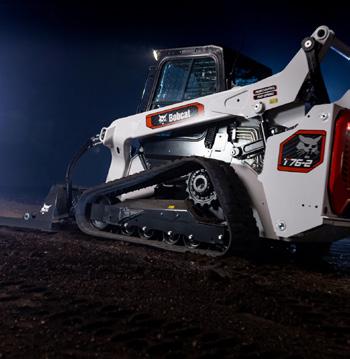
At the SaMoTer 2026 Fair in Verona in Italy from 6-9 May, the star attraction of the impressive product display on the Bobcat stand is the first showing in Europe of the latest evolution of the company’s R-Series Compact Loaders. To further demonstrate the company’s leadership of the compact loader market in Europe, Bobcat is also presenting a new version of the company’s T650 compact tracked loader at SaMoTer.
R-SERIES: ELEVATED OPERATOR EXPERIENCE AND GREATER AGILITY
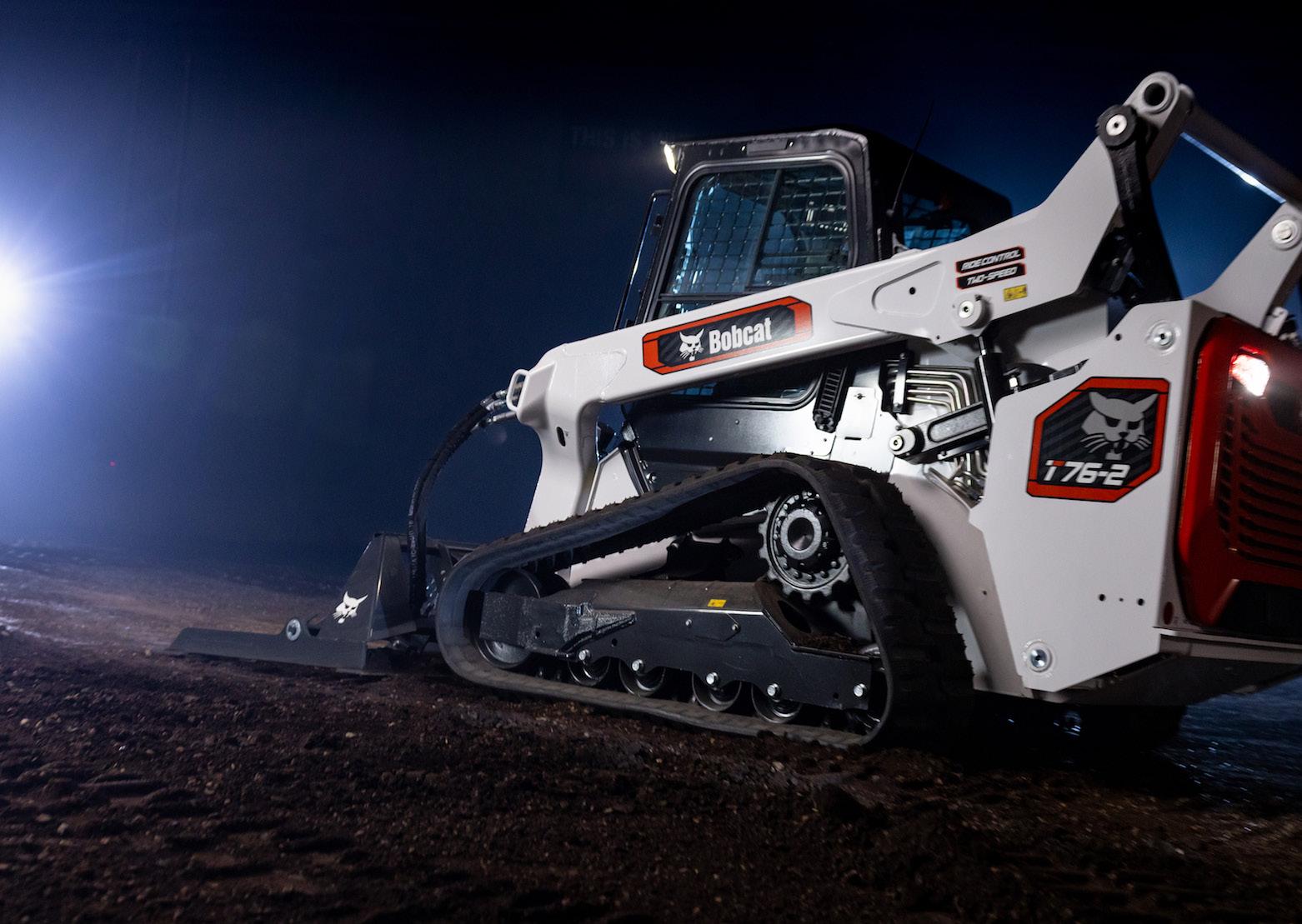
The next generation R-Series skid-steer and compact track loaders introduce significant enhancements in reliability, performance and operator experience. In recognition of these changes, Bobcat has updated the nomenclature of its R-Series models to identify the latest generation of machines. This approach supports continuous advancement at the model level, allowing new technology and performance enhancements to be introduced more frequently. As updates are rolled out, model name changes provide customers with confirmation that they are getting Bobcat’s most current innovations.
R-Series models include: Compact Track Loaders: T66-2, T76-2, T86-2
Skid-Steer Loaders: S66-2, S76-2, S86-2
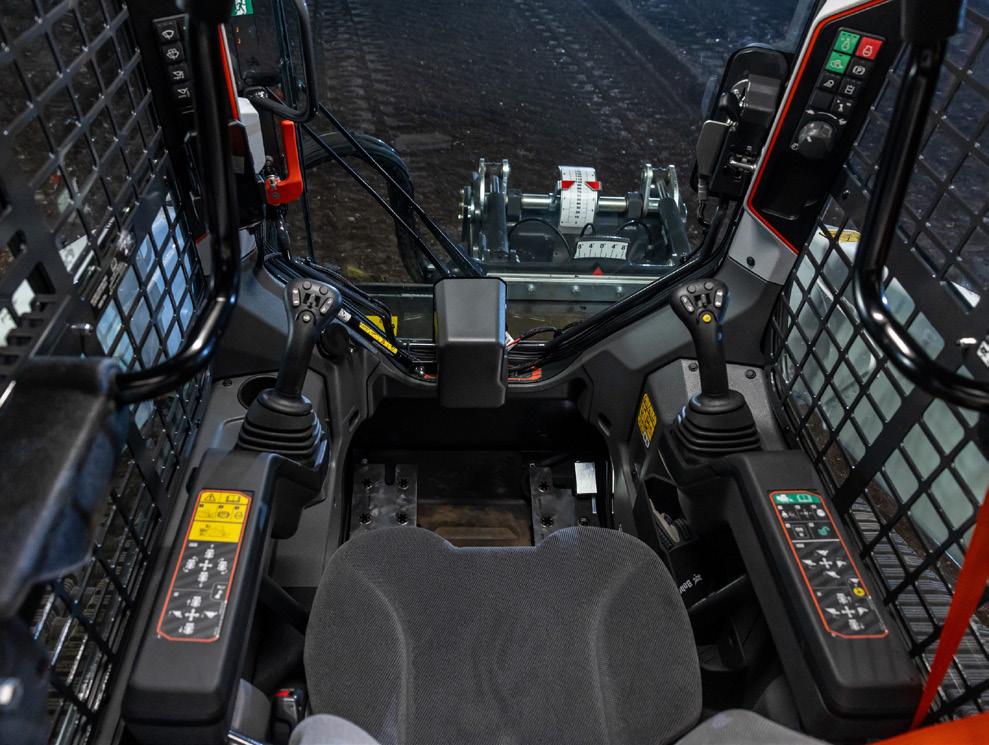
This latest R-Series evolution brings a redesigned electrical system for improved durability, a suite of quality and uptime improvements, the addition of up to 3.7 m (12 ft) lift height capability on the S86/T86-2 models, a new 8-inch touchscreen display with integrated technology and four selectable drive modes that let operators customize machine responsiveness.
REFINED INTERIOR AND OPERATOR COMFORT ENHANCEMENTS
The R-Series evolution also brings a suite of interior upgrades designed to improve operator comfort, convenience and productivity throughout the workday. Key enhancements include a Redesigned Cab Layout; Modern Charging Options; Enhanced Control Interfaces and Improved Visibility and Accessibility. These updates reflect Bobcat’s focus on delivering a premium operator environment that supports productivity and satisfaction - for long shifts or quick tasks.
8-INCH TOUCHSCREEN DISPLAY AND ADVANCED INFOTAINMENT
To elevate the operator experience, R-Series loaders now come equipped with a state-of-the-art 8-inch colour touchscreen display. This highresolution display (1280x720) is glove-friendly and designed for intuitive navigation, putting more machine information and controls at the operator’s fingertips. The touchscreen and infotainment upgrades modernize the R-Series loaders, offering operators experience more akin to an
automotive or heavy equipment cockpit.
FOUR SELECTABLE DRIVE MODES FOR CUSTOMIZED CONTROL
Another exciting addition in the R-Series refresh is the introduction of four distinct drive modes that the operator can select to adjust the loader’s driving and responsiveness characteristics. This system lets operators choose a mode that best suits their skill or the task at hand, from smooth and steady to fast and aggressive. The four modes - Balanced, Agile, Dynamic and Charged - replace the previous 3-setting drive response with a more noticeable range of options.
3.7 M (12 FT) LIFT HEIGHT ON S86/T86-2 MODELS – NO COMPROMISES
For the S86-2 and T86-2 large-frame models, Bobcat has boosted the lift height to approximately 3.7 m (12 ft) at the hinge pin. This is up from roughly 3.4 m (11 ft), equating to the ability to easily load high-sided dump trucks or stack materials a full 30 cm (one foot) higher than before. Additionally, the S86/ T86-2 models now feature an engine power increase from 77 kW (105 HP) to 85.75 kW (115 HP), delivering more raw power for demanding applications.
ENHANCED DURABILITY AND MAINTENANCE IMPROVEMENTS
In addition to the electrical updates, Bobcat has implemented several quality improvements on the R-Series loaders to increase durability and reduce maintenance needs such as Factory-Installed Frame Seals; Improved Harness and Hose Protection; Relocation of the Hydraulic Sight Gauge and the use of Upgraded Exterior Decals.
“As the industry continues to shift, with a significant portion of the construction workforce projected to retire in coming years, Bobcat is introducing solutions to support operators of every experience level through intuitive controls, smarter systems
and simplified operation. This is all aimed at enhancing reliability, durability and user experience of Bobcat R-Series loaders, ensuring dealers and customers see tangible benefits: less downtime and enhanced capabilities on the job,” said Katinka Kincses, Bobcat Product Manager for loaders.
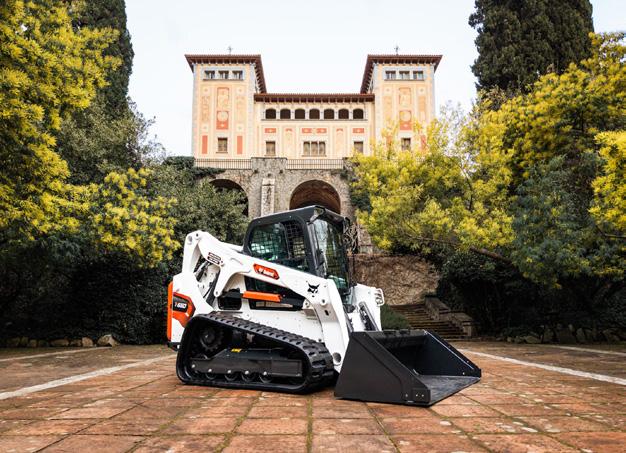
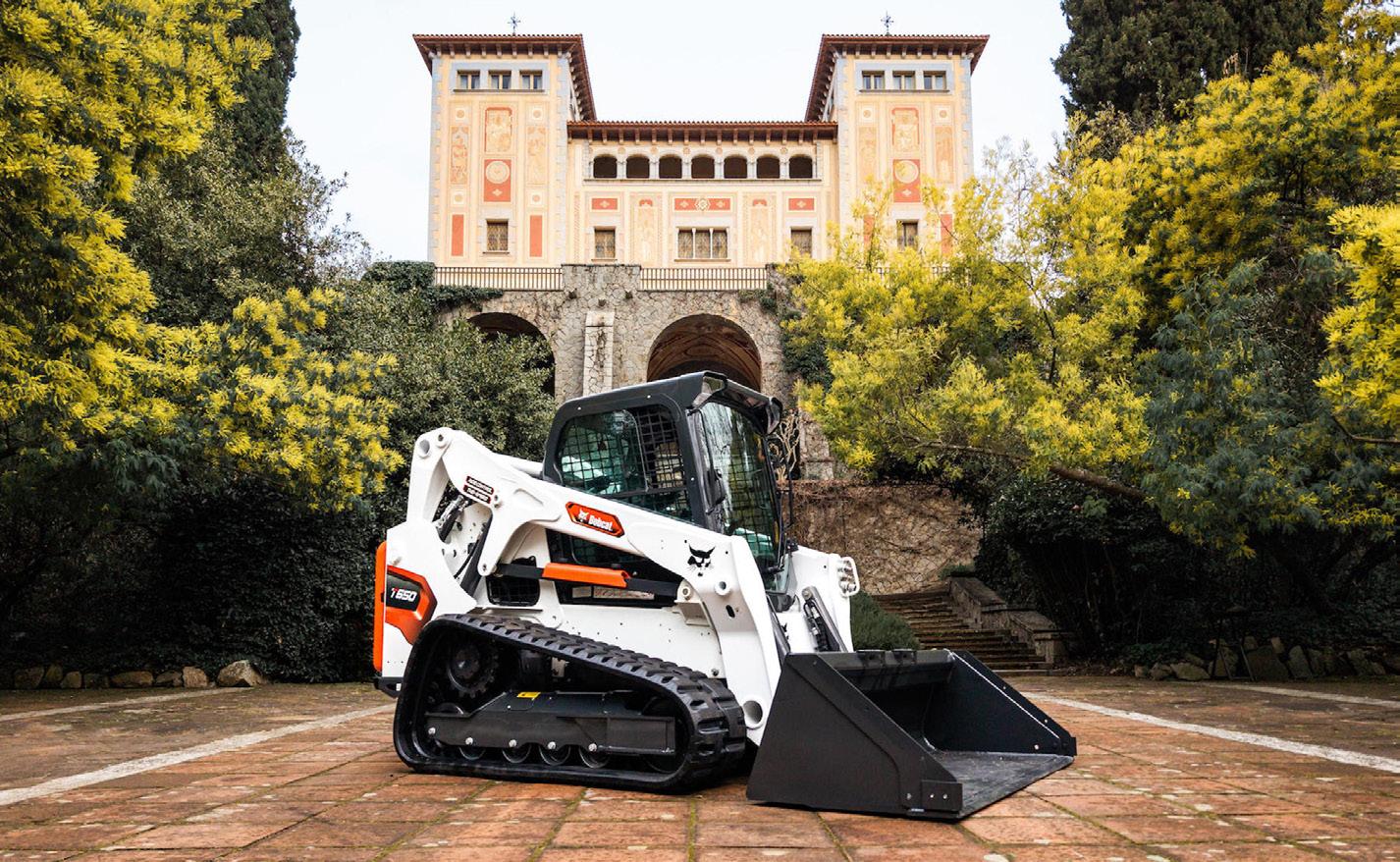
Bobcat is expanding its portfolio with the new T650 Stage V compact track loader, engineered for highly regulated markets across Europe and other Stage V regions. Built at the Bobcat plant in Dobris in the Czech Republic, the T650 combines the proven performance of this 600-frame M-Series loader with full Stage V emissions compliance – without the need for AdBlue. Powered by a reliable 2.4-litre Bobcat engine delivering 55 kW (74 HP), the machine offers strong, efficient performance for demanding applications.
Despite its compact footprint, the new T650 delivers impressive work capacity with a vertical lift path and 1192 kg rated operating capacity, making it ideal for truck loading, pallet handling and earthmoving in confined or sensitive job sites.
Designed for durability and uptime, the T650 features a robust steel frame, efficient cooling, broad attachment compatibility
with the proprietary Bob-Tach™ mounting system, optional HighFlow hydraulics and standard Machine IQ telematics for smarter fleet management. Operator comfort and precise control complete the package, making the T650 a versatile, dependable solution for year-round work.
Productivity and comfort meet signature Bobcat toughness in the T650, which packs a lot of power and refinement in a compact body. This model can be used in any application, as it offers unmatched agility, precise controls and best-in-class cycle times.
The T650 is also an excellent tool carrier, making use of customers’ existing Bobcat attachments with unrestricted compatibility. Thanks to the forward cab position and fully transparent door, operators always have a full and direct view of the attachment and the job site. And with the powerful LED working lights, they will continue to be productive even in low-light conditions.
Katinka Kincses commented: “The compact track loader sector is highly important in Italy and the rest of Europe due to the nature of the work in progress such as road maintenance, infrastructure construction or the laying of fibre optic networks. Bobcat is very well positioned thanks to its range of models and in particular the T650 and now the new T76-2 and T86-2 track loaders.”
State-of-the-art resource recovery facility demonstrates how industry is delivering sustainable construction capability, with additional policy support needed to scale
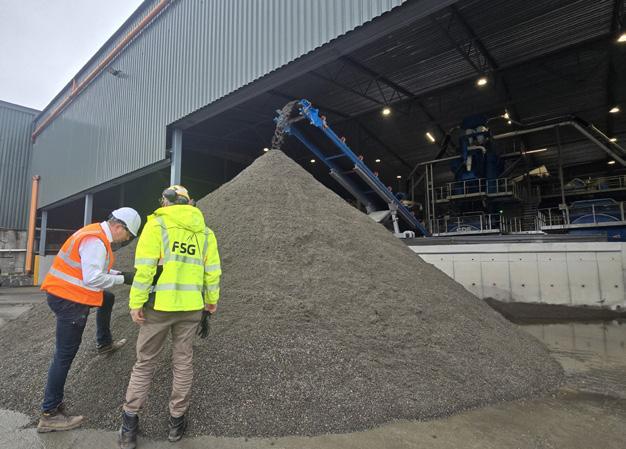
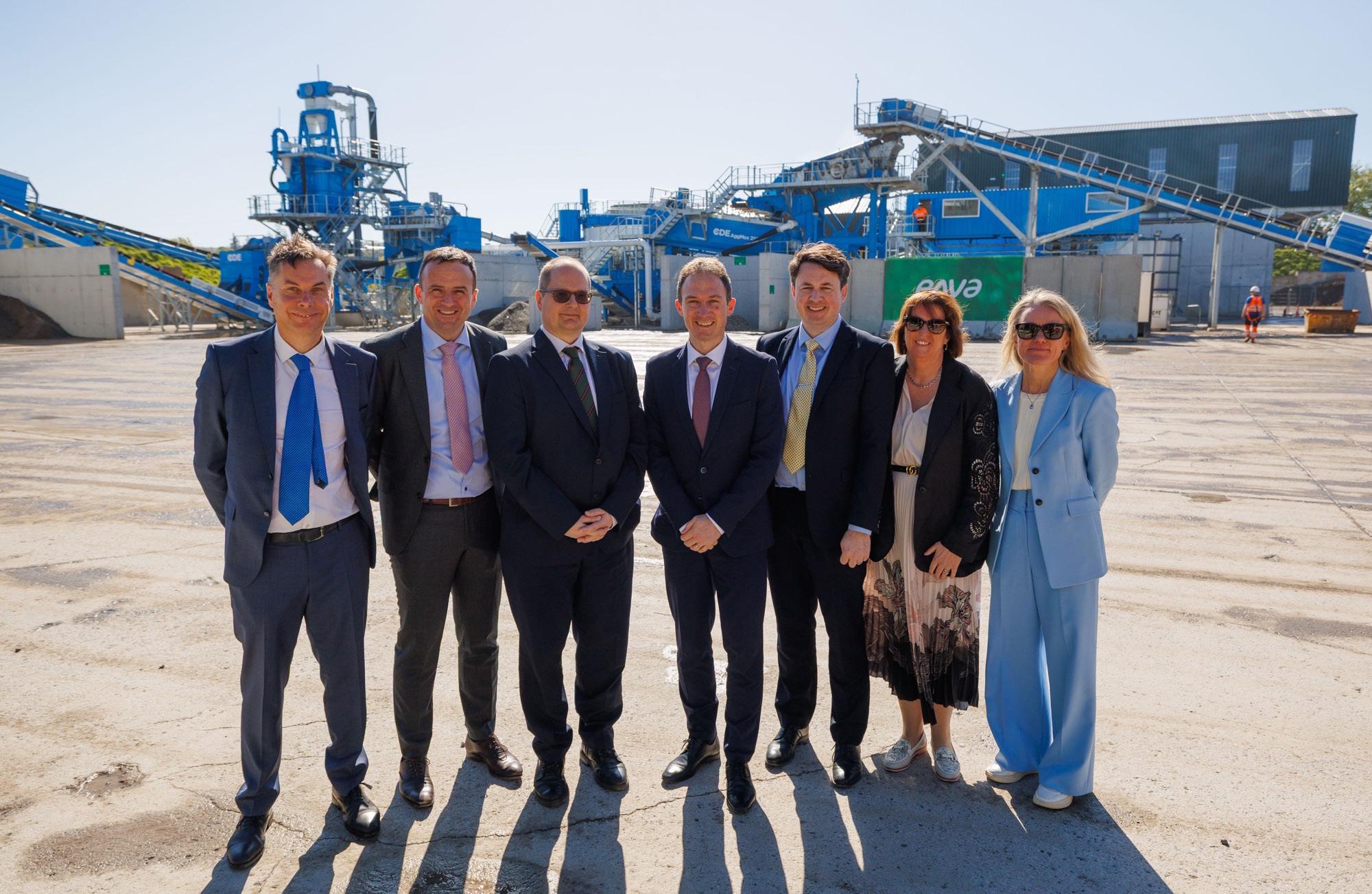
Enva, one of the UK and Ireland’s leading recycling and resource recovery specialists, welcomed Alan Dillon, Minister of State at the Department of Climate, Energy and the Environment with responsibility for the Circular Economy, to its Walshestown Resource Recovery Facility in Co. Kildare on Wednesday, 28 April, showcasing how private sector investment is delivering the infrastructure needed to support Ireland’s housing, climate and resource ambitions.
Located in Co. Kildare, the facility represents one of the most advanced construction and
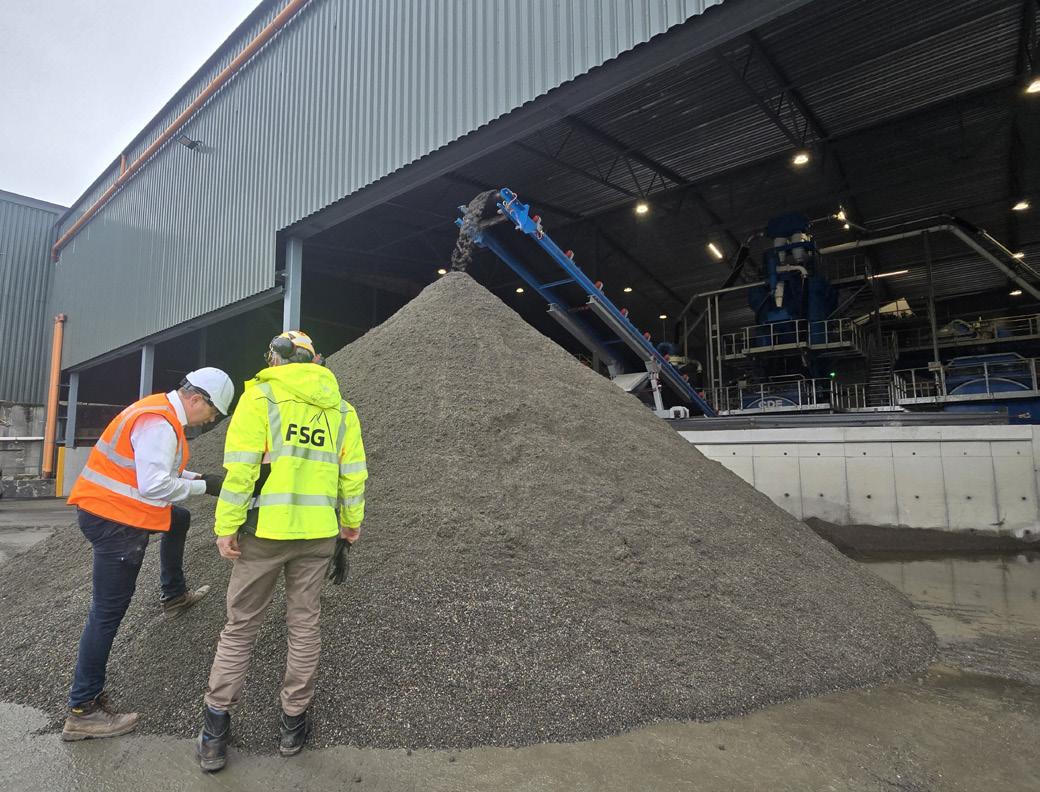
demolition (C&D) waste recovery operations in Ireland. Designed to recover high-quality recycled sand, soil and aggregate products, Walshestown demonstrates how waste can be transformed into valuable secondary materials, reducing reliance on virgin resources and lowering the carbon footprint of construction and infrastructure projects.
With over €100 billion in planned infrastructure investment and a target to deliver 300,000 homes by 2030, Ireland faces growing demand for materials while construction continues to be its largest waste stream. Meeting these challenges requires domestic circular infrastructure at scale.
Developed in partnership with CDE and backed by I Squared Capital, a leading infrastructure
investor in Enva, the 180 tonnesper-hour wet-processing facility demonstrates how private sector investment, enabled by clear policy and regulation, is already delivering the infrastructure required to support Ireland’s circular transition.
Operating under EPA licensing and End-of-Waste frameworks, the facility processes up to 330,000 tonnes per annum and recovers around 70% of incoming material into reusable aggregates, reducing landfill dependency and supporting a more resourceefficient construction sector.
ENABLING CIRCULAR ECONOMY DELIVERY AT SCALE
Walshestown provides a clear example of how circular solutions are being delivered in practice, supported by stable regulatory frameworks that enable long-
term investment in environmental infrastructure.
Roger McDermott, Chief Executive Officer, Enva, said: “Walshestown demonstrates how Ireland can translate circular economy policy into real, functioning infrastructure that supports housing delivery and climate objectives.
By recovering high-quality materials from construction and demolition waste, we are helping to reduce reliance on finite resources while supporting our customers in lowering their environmental impact and advancing their decarbonisation programmes.
To fully realise this potential, it is essential that regulatory pathways remain clear and consistent, End-of-Waste approvals are progressed efficiently, and public procurement continues to support the adoption of recycled materials across infrastructure delivery.”
Mohamed El Gazzar, Senior Partner, I Squared Capital, said: “Ireland offers a strong market for long-term infrastructure investment underpinned by clear policy direction and a growing need for sustainable solutions. As a long-term investor in Enva, we are proud to support the continued growth of the business through investments like Walshestown. This facility reflects the rising demand for sustainable, low-carbon solutions and highlights the critical role that resource recovery infrastructure can play in enabling the circular economy.”
Alan Dillon, Irish Minister of State at the Department of Climate, Energy and the Environment with special responsibility for the Circular Economy, stated: “I welcome that Enva and I Squared Capital are leading the way in providing recycling and resource recovery solutions that supports the full life cycle of products. Construction and demolition waste makes up half of all waste generated in Ireland, with 75% sent for backfilling. The Circular Economy
Strategy sets the ambition to reduce this by 12% by 2030.
This facility delivers a fully aligned circular infrastructure solution, supporting Government objectives, enabling national housing and infrastructure delivery, reducing reliance on virgin resources, lowering carbon, and attracting long-term, sustainable investment to support enterprise.”

now exists, scaling this model to meet national demand will require continued support across policy, regulation and market frameworks.
As Ireland continues to scale up housing and infrastructure delivery, Walshestown highlights the need to scale the use of recovered materials within the construction supply chain. By reducing reliance on virgin aggregates, lowering embodied carbon and enabling the recovery of valuable materials, facilities like Walshestown will play a critical role in supporting national climate targets and resource security.
Ireland has a significant opportunity to lead in circular construction through the continued alignment of policy, regulation, procurement and industry investment.
While facilities like Walshestown demonstrate that this capability
Delivering this at scale will require continued clarity and consistency in regulatory pathways, accelerated End-ofWaste approvals, stronger public procurement signals for recycled materials, and long-term policy stability to support infrastructure investment.
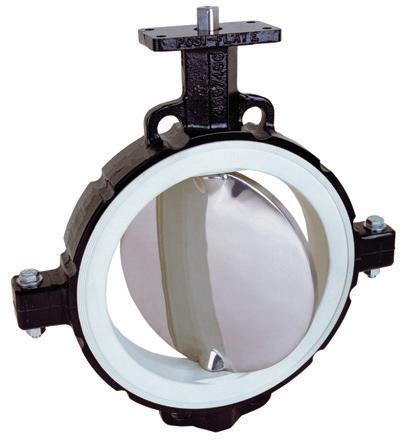
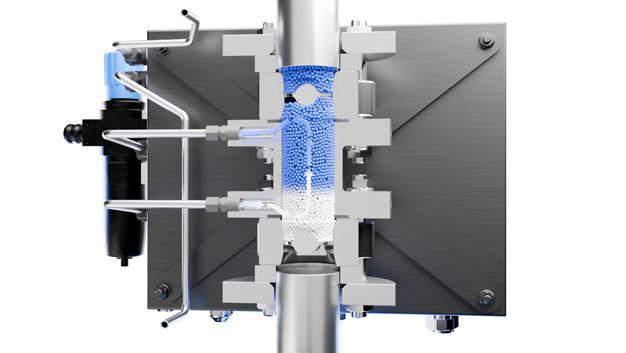
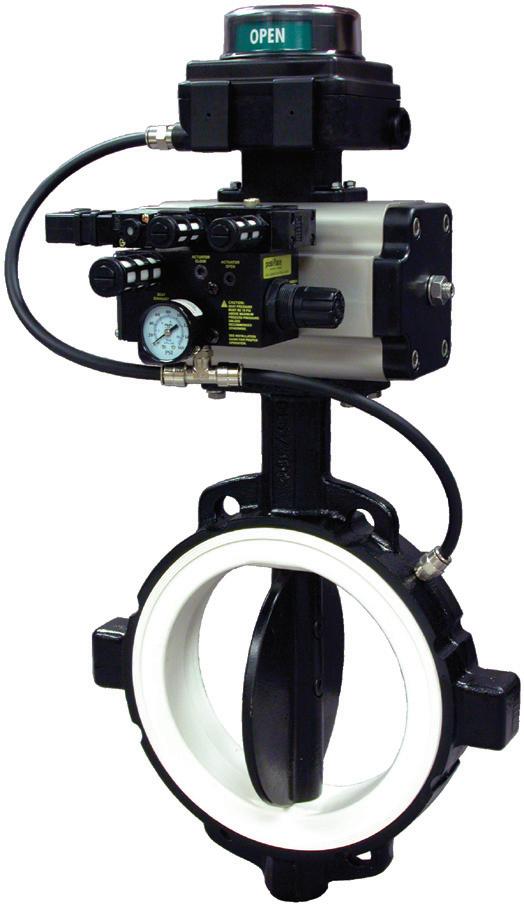
Unlike other valves that seal with friction, Posi-flate’s unique butterfly valve uses an inflatable seat to seal with air pressure. Thus it requires less torque and a smaller actuator, resulting in lower cost. Plus, the seat automatically compensates for wear, providing longer life. Some users have reported over six million cycles and the valves are still going strong.
• Less friction
• Low torque
• Low maintenance
• Lower actuator costs
• Longer valve life
• More reliable
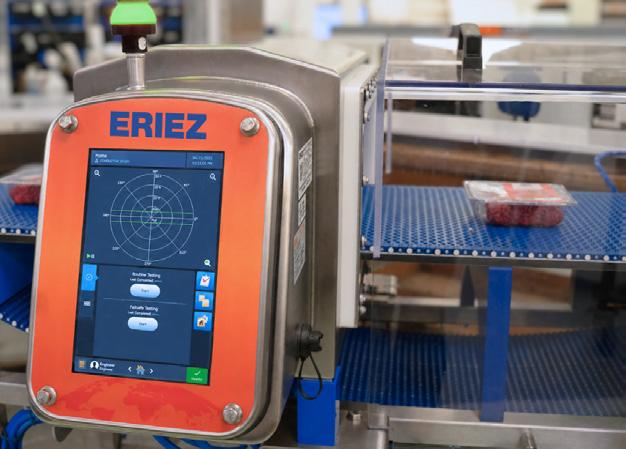
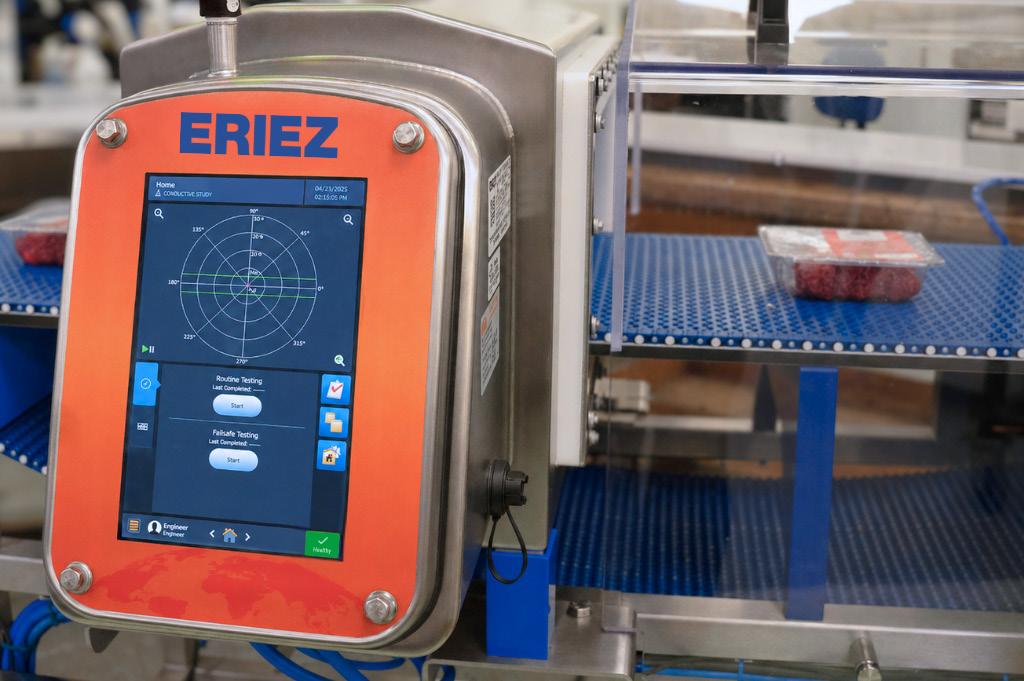
Eriez® today announced its X8-SF Simultaneous Frequency Metal Detector, expanding the company’s PrecisionGuard X8 inspection platform with technology engineered to improve detection performance and reduce false rejects in demanding food processing applications.
The X8-SF incorporates simultaneous frequency capabilities, transmitting and receiving multiple frequencies at once to adapt to variations in product characteristics. This approach helps overcome inconsistencies in conductivity and composition, often referred to as ‘product effect,’ which can limit the effectiveness of conventional metal detectors.
By using a broader frequency spectrum, the X8-SF delivers more stable inspection performance across a wide range of food products, including fresh meat, poultry, and dairy. The result is improved sensitivity to metal contaminants while reducing unnecessary product waste caused by false rejects.
“Product effect has long challenged processors trying to balance sensitivity with stability,” said Emmett Keim, Global Product Manager – Inspection Systems at Eriez. “The X8-SF changes that equation by maintaining consistent detection performance, even when product composition or temperature varies.”
Like all models in the X8 line, the X8-SF features a robust hygienic design, an intuitive touchscreen
interface, and integrated data capture to support traceability and compliance. Each system also includes Eriez’ Quality Retail Compliance Kit (QRC) as standard, providing automated performance verification, audit-ready reporting, and documented inspection records to help processors meet strict retail and regulatory requirements.
The X8-SF will be on display at interpack 2026 (Hall 12 / C05), May 7-13, where visitors can see the system in action through live demonstrations.
For more information about the X8-SF Simultaneous Frequency Metal Detector, visit eriez.com/X8-metaldetectors.
Established in 1942, Eriez is a global leader in separation technologies. Our commitment to innovation has positioned us as a driving market force in several key technology areas, including magnetic separation, flotation, metal detection, X-ray inspection, and material handling equipment. The company’s 1,000+ employees are dedicated to providing trusted technical solutions to the mining, food, recycling, packaging, aggregate, and other processing industries. Headquartered in Erie, Pennsylvania, USA, Eriez designs, manufactures, and markets on six continents through 12 wholly owned international subsidiaries and an extensive sales representative network. For more information, visit eriez.com.


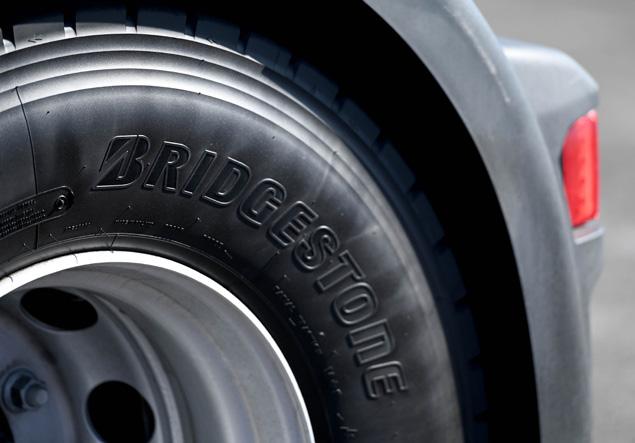
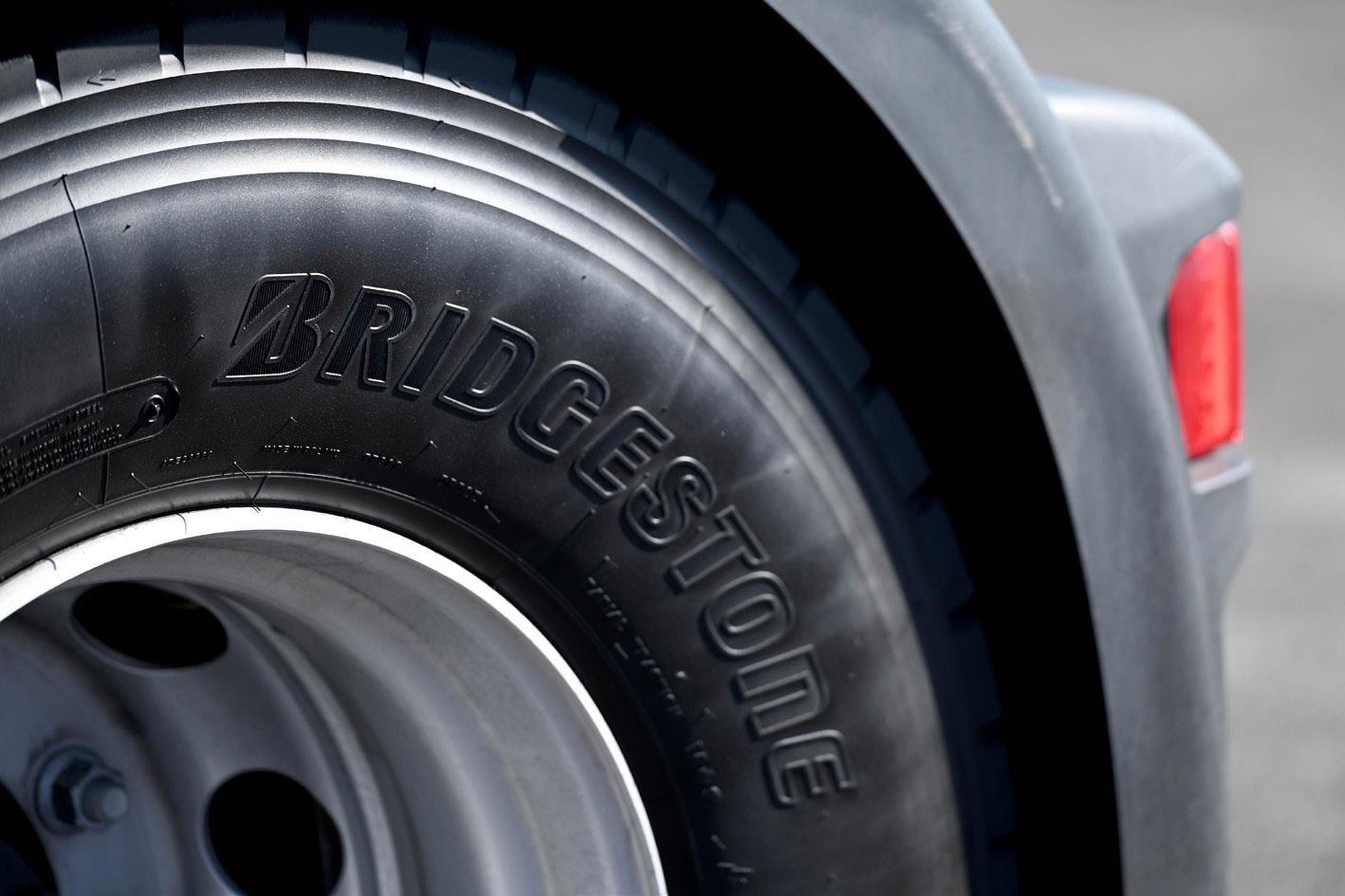
With fuel costs continuing to squeeze commercial fleets and pressure mounting to cut costs, Bridgestone has outlined a series of practical steps to deliver measurable gains in day-to-day operations.
At the heart of fleet efficiency is the driver. Smooth, consistent driving, better anticipation and the intelligent use of engine braking can all significantly reduce fuel consumption and vehicle wear.
There are added benefits too, with less strain placed on key components such as brakes and transmissions. Bridgestone says targeted training and regular performance feedback are essential to unlocking this potential and embedding best practice across fleet operations.
Route planning also plays a critical role. Factoring in traffic conditions, route profiles and loading times can help minimise downtime and keep vehicles moving efficiently.
Telematics systems provide operators with the data needed to make informed decisions, helping to reduce empty running, improve utilisation and ultimately lower fuel consumption per job.
Bridgestone points to integrated solutions such as Fleet Care, which connect tyre and vehicle data to give operators a clearer picture of fleet performance. This enables earlier identification of maintenance needs, improved planning and better overall vehicle availability.
TYRES: AN UNTAPPED EFFICIENCY LEVER
Tyres remain one of the most influential - and often overlooked - factors in fleet efficiency. As well
as being critical to safety, they have a direct impact on rolling resistance and fuel consumption.
Bridgestone continues to develop application-specific solutions to meet different operational demands. For longhaul fleets, the Ecopia range with Enliten technology delivers low rolling resistance and high mileage, helping to drive down fuel costs over extended distances.
For regional operations, the Duravis R002 offers durability and even wear, supporting consistent performance across mixed conditions. Meanwhile, the M-Series 002 is designed for more demanding on- and off-road use, offering strong traction and a robust construction. Firestone’s Regional range provides a costeffective alternative, balancing efficiency with competitive cost per mile.
Correct tyre pressure is another critical factor. Even small deviations can increase rolling resistance, impact handling and accelerate wear. Regular monitoring, ideally through
automated systems, is key to maintaining performance.
Bridgestone Fleet Care uses sensor-driven data to provide real-time alerts when tyre pressures fall outside optimal levels, helping operators take immediate corrective action.
Alongside this, a consistent maintenance regime, including wheel alignment and balancing, ensures even wear and sustained performance across the tyre lifecycle.
Retreading continues to play a vital role in improving fleet efficiency. Bridgestone’s Bandag solutions allow operators to reuse premium casings multiple times, extending tyre life and reducing overall cost per kilometre.
As well as delivering clear commercial benefits, this approach also supports sustainability goals by reducing raw material use and lowering emissions over the tyre’s lifecycle.
For more information about Bridgestone’s commercial tyre solutions, visit https://www. bridgestone.co.uk/truck-and-bus
If you would like to subscribe to receive a regular copy of the digital edition of Bulk Solids Today magazine, you can subscribe on our websitewww.bulksolidstoday.co.uk
If you are interested in advertising within Bulk Solids Today magazine or supplying editorial content, please feel free to get in touch using the details on our website or below.
Bulk Solids Today is sent to our digital readership of over 9,000 Chief Engineers, Operations Managers and Technical Managers from within sectors including Chemicals, Food & Drink, Mining, Quarrying, Transport/Distribution, Recycling & Waste Management and more.
www.bulksolidstoday.co.uk bst@abbeypublishing.co.uk

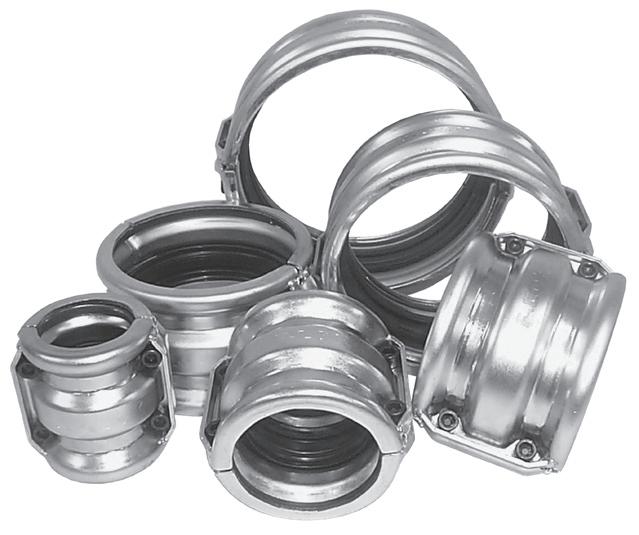
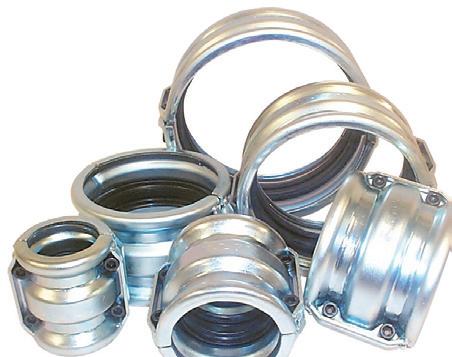
Tuf-Lok ring grip pipe and tube couplings are rugged, heavy duty, self-aligning and self-grounded couplings with a high end pull. They can be used for almost any application where pipe or tube ends need to be connected. The Tuf-Lok self-aligning couplings install quickly and easily with little effort.
Features
• Self-aligning
• Self-grounding
• High pressure rated
• Full vacuum rated
• Stainless or mild steel
• Usable on thin or thick wall pipe or tube
• Low cost
• Reusable
• Absorbs vibration
• Externally leakproof
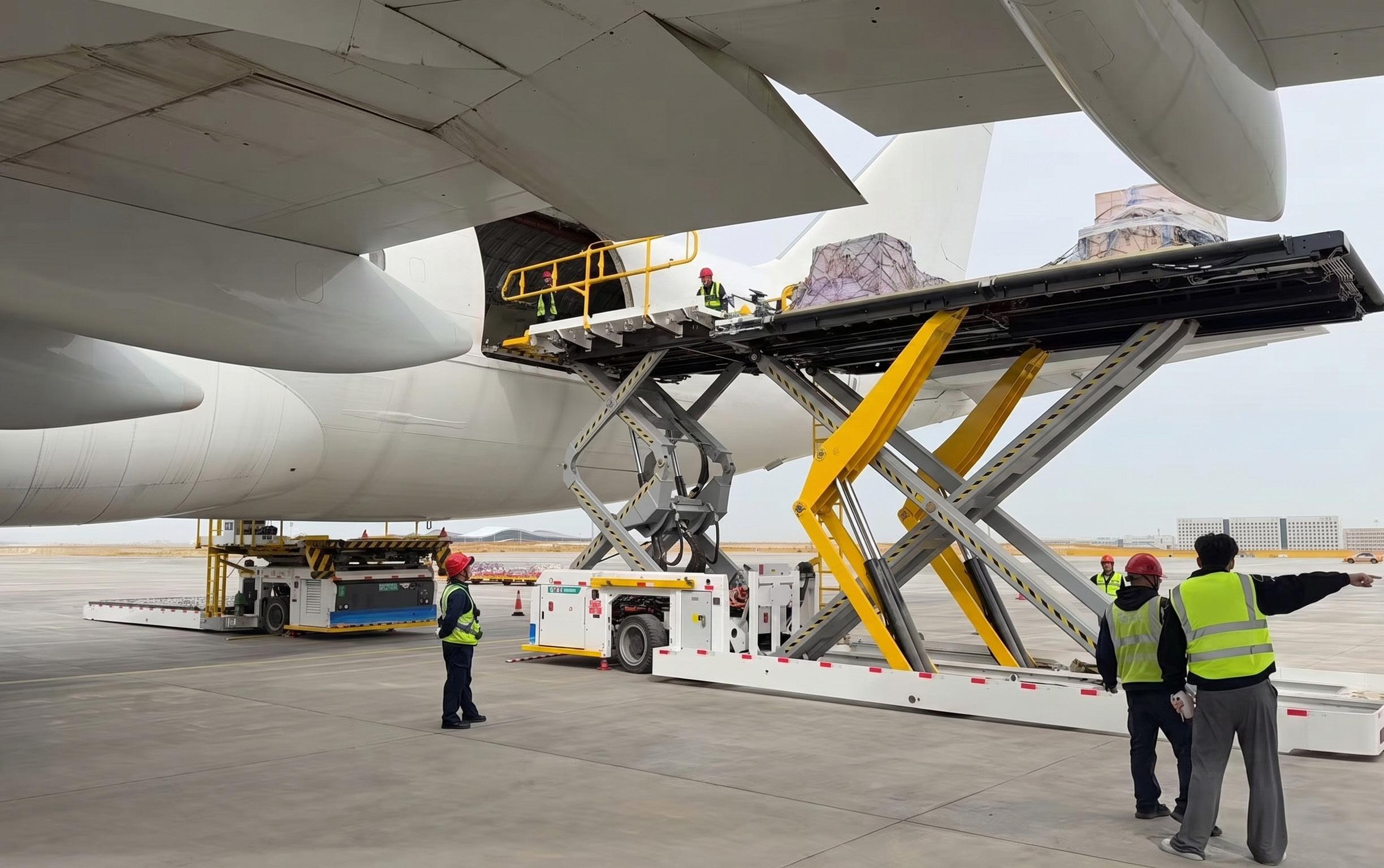
Chapman Freeborn, the global air charter specialist and part of Avia Solutions Group, Chapman Freeborn has completed a timecritical cargo charter, transporting oversized oilfield equipment from China to Saudi Arabia.
The shipment was arranged for a client in the oil and gas sector that needed to urgently replenish operational stock, as ongoing global shipping delays and airfreight backlogs began to impact operations.
The cargo included industrial pumps, precision spare parts, and oversized units measuring up to 8 metres in length. In total, 90 tonnes were transported using main-deck capacity on a Boeing 747 freighter, selected for its ability to handle heavy and outsized cargo.
Getting the cargo to departure was not entirely straightforward.
Due to fuelling constraints at the original airport, the shipment first had to be moved inland to an alternative location. Chapman Freeborn’s team in China arranged overnight trucking and handled the full freight forwarding process to keep everything on track.
From there, the operation remained tight. Limited aircraft availability, routing restrictions, and slot coordination at destination all added pressure to the timeline. The team worked closely across locations to manage each stage and keep the flight aligned with schedule.
The cargo arrived as planned, allowing for immediate onward transport and helping the client avoid disruption to ongoing operations.
“This was a highly time-sensitive operation with several moving
parts across locations,” said Ronny Samaey, Cargo Charter Manager at Chapman Freeborn. “From arranging overnight trucking in China to managing routing constraints and final slot approvals in Saudi Arabia, the teams worked around the clock to keep everything on schedule.”
“Capacity remains tight in the current market, and projects like this require close coordination and flexibility at every stage,” added Gerhard Coetzee, Vice President Cargo – IMEA at Chapman Freeborn. “It’s a strong example of how our global network and local expertise come together to deliver when timelines are critical.”
The project highlights Chapman Freeborn’s ability to handle time-sensitive cargo movements, combining global coordination with local execution.
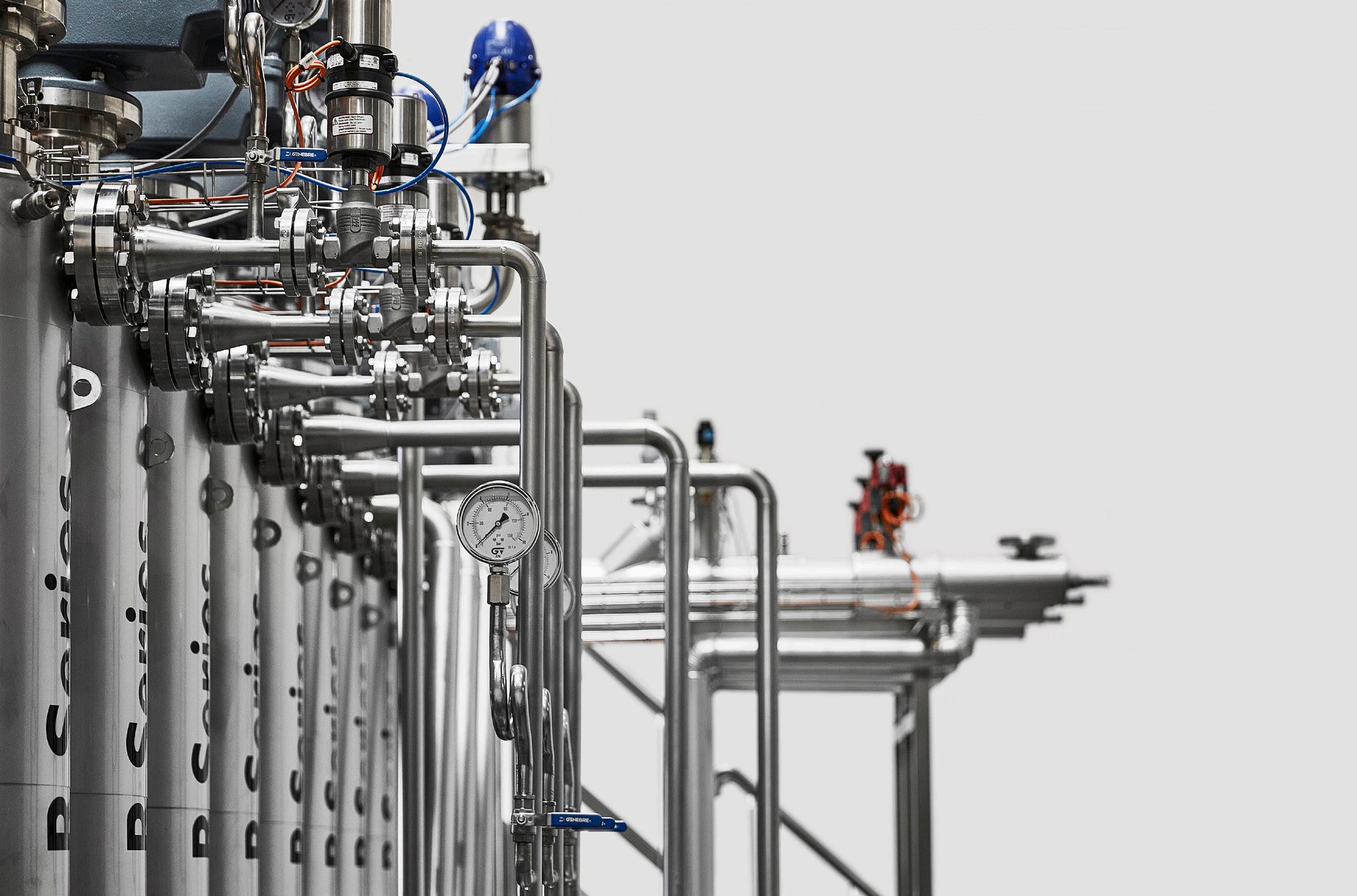
Corrugated tube heat exchangers are reliable and efficient, offering a number of advantages over plate and smooth tube heat exchangers. However, for some products and applications, scraped surface heat exchangers are required to prevent fouling or maximise heat transfer. The HRS R Series has been designed for situations where products are extremely viscous or need thorough mixing.
The HRS R Series uses a rotary scraper bar which features a helical screw which rotates at high speed. This enhances product flow, prevents fouling and minimises the pressure drop and back pressure. It can also aid mixing and blending of certain types of product. The design also means that, when configured correctly, the screw can be run in reverse, helping to empty the heat exchanger tubes of product.
Available in single and triple versions and two standard lengths, the R Series can be configured horizontally or vertically and offers heat transfer a reas between 0.35 m2 and 4.2 m2. The multi-tube version uses a uniquely engineered gearbox system to transfer the energy from a single electrical motor to the scraper rods in each individual tube.
In addition, removable inner tubes ensure easy inspection, maintenance and replacement, while baffles in the service fluid side of multi-tube models maintain heat transfer and allow for counter-current flow if required. One advantages of the R Series’ design is a unique sealing system removing the need for product end mechanical seals, reducing complexity, and maintenance and servicing costs.
Although the R Series has been purposely designed for extremely
viscous materials, some very solid products like low temperature peanut butter are too thick for the standard unit, resulting in undue strain on the scrapers, gearbox and mounts. To overcome this, HRS developed the HRS RHD Series for heavy duty applications. The RHD Series features a larger motor (7.5 kW compared to 4 kW on the R Series), as well as a larger scraper rod with additional supports, and heavy-duty bearings and seals to accommodate increased torque. An extra external support at the motor end supports the extra weight.
The R and RHD Series have been developed for both hygienic and industrial applications, including heating, cooling, pasteurisation and evaporation of everything from concentrated dairy products and nut butters to sauces, minced meat and viscera, pet food, as well as thick cosmetics like creams and gels.

In high-critical manufacturing, particularly across food and pharmaceutical production, maintaining efficiency during cleaning and product changeovers remains a persistent challenge. Extended downtime, limited equipment access, and inconsistent cleaning outcomes can all impact productivity and compliance.
Addressing these issues requires equipment that is not only accurate in operation but also designed to simplify cleaning and reduce disruption to production. The QR Tec screw feeder technology from Trantec Solids Handling has been developed to address these requirements, combining practical usability with 30 years of expertise in bulk solids handling.
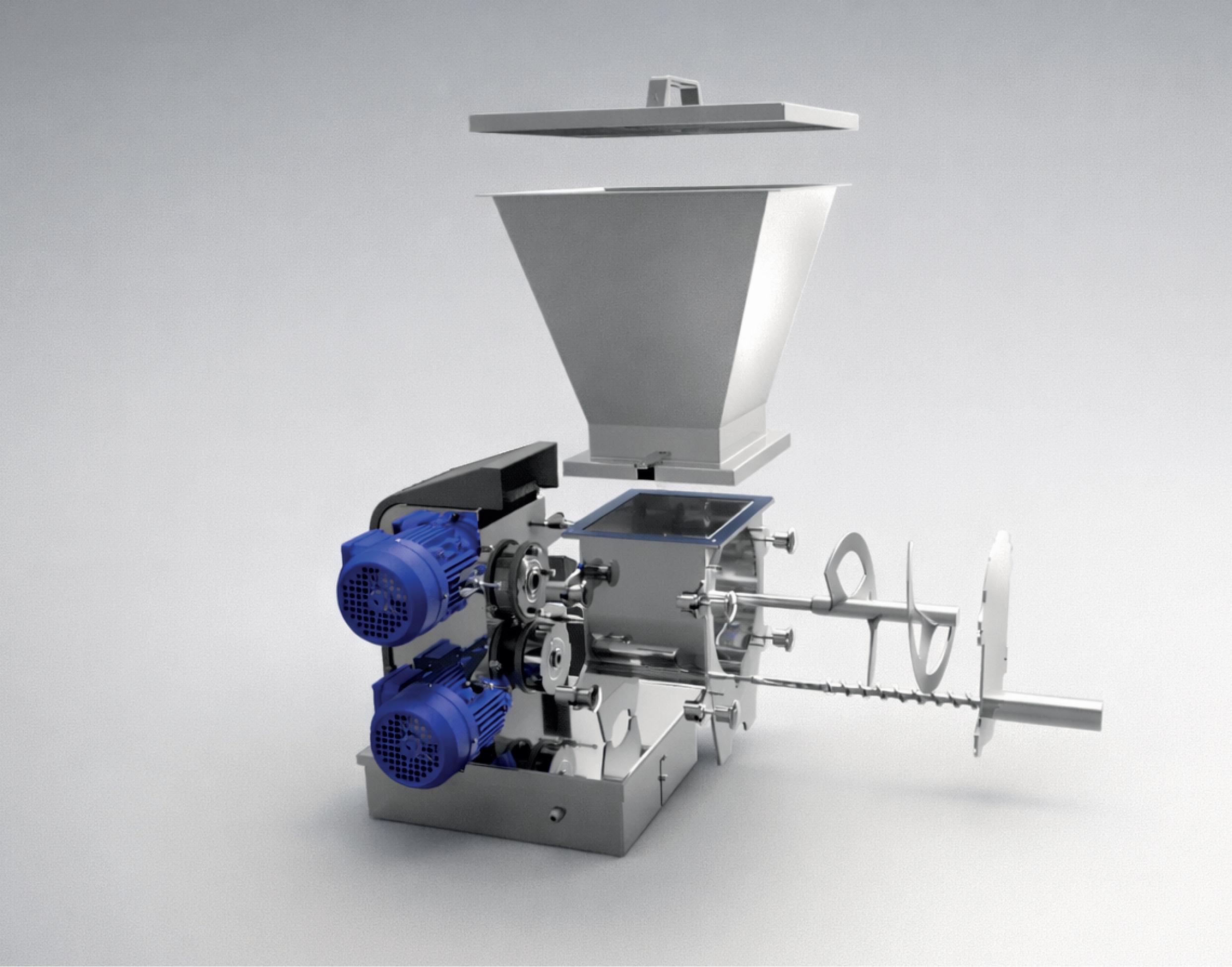
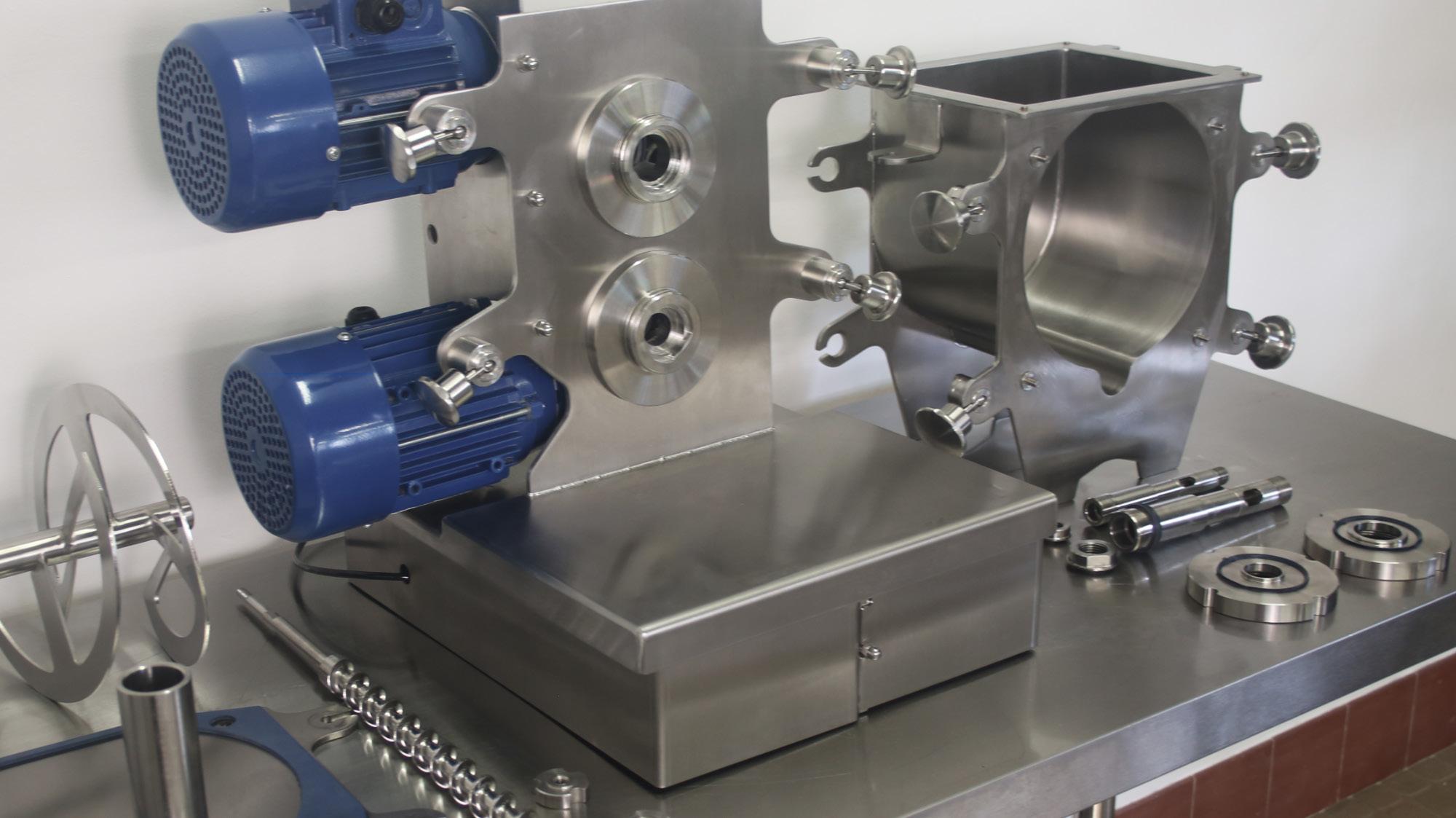
A key limitation in conventional screw feeder design is restricted access to internal components, often leaving areas difficult to clean. The QR Tec feeder addresses this through a fully accessible design, enabling complete, tool-free disassembly in under two minutes, including the feeder body. This level of access allows all product-contact surfaces to be reached directly, improving cleaning and inspection while supporting hygiene control.
Crevice-free construction and smooth surfaces further reduce material retention and simplify validation procedures.
All removable components are suitable for autoclave cleaning, ensuring consistent, repeatable sanitation. Where frequent product changeovers are required, pre-cleaned spare components can be introduced immediately, enabling system restart in under ten minutes and limiting disruption to production.
Consistent material flow is essential to maintaining process stability. The QR Tec range incorporates a contra-rotating agitator to reduce the risk of bridging and promote a steady feed into the auger, including when handling more challenging materials.
Interchangeable augers provide flexibility across a wide range of products, allowing the feeder to be adapted to suit specific material characteristics. Auger selection is supported by material testing to verify suitability and ensure optimal performance for specific product characteristics. Each auger is precision-machined using advanced CNC technology, ensuring tight tolerances and reliability.
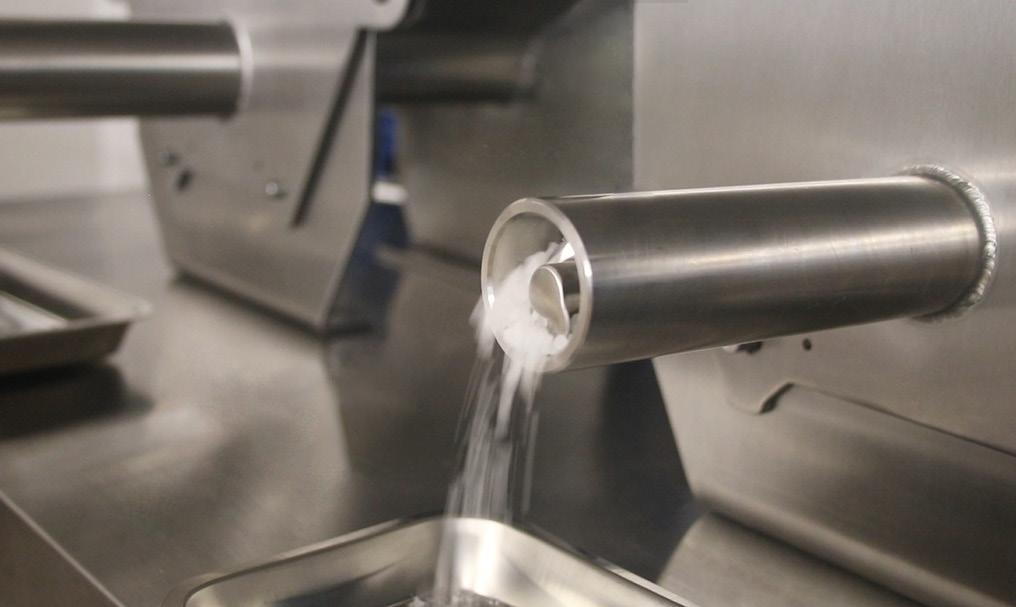
With volumetric and gravimetric configurations available, the system supports varying accuracy requirements while maintaining consistent, repeatable output.
Trantec’s capability is built on decades of industry experience, supported by in-house design and manufacturing. This ensures consistent quality, close control over production, and the ability to tailor solutions to specific process requirements.
Customers are supported through material testing and flow analysis to ensure each feeder is correctly specified. Whether handling fine blends or
coarser ingredients, the system delivers consistent, repeatable output, reducing commissioning risk and supporting reliable operation.
In practice, improved access, controlled material flow and application-specific design reduce downtime and enhance operational stability. Cleaning is faster and more consistent, while dosing remains reliable. The QR Tec range supports efficient, repeatable production in hygiene-critical environments.
For more information, visit www.trantec.net or email sales@trantec.net

Bulk Solids Today is the bi-monthly digital journal covering the storage, processing and handling of materials ranging from fine powders to the heaviest raw materials. To subscribe to Bulk Solids Today magazine or for more information, please feel free to visit www.bulksolidstoday.co.uk
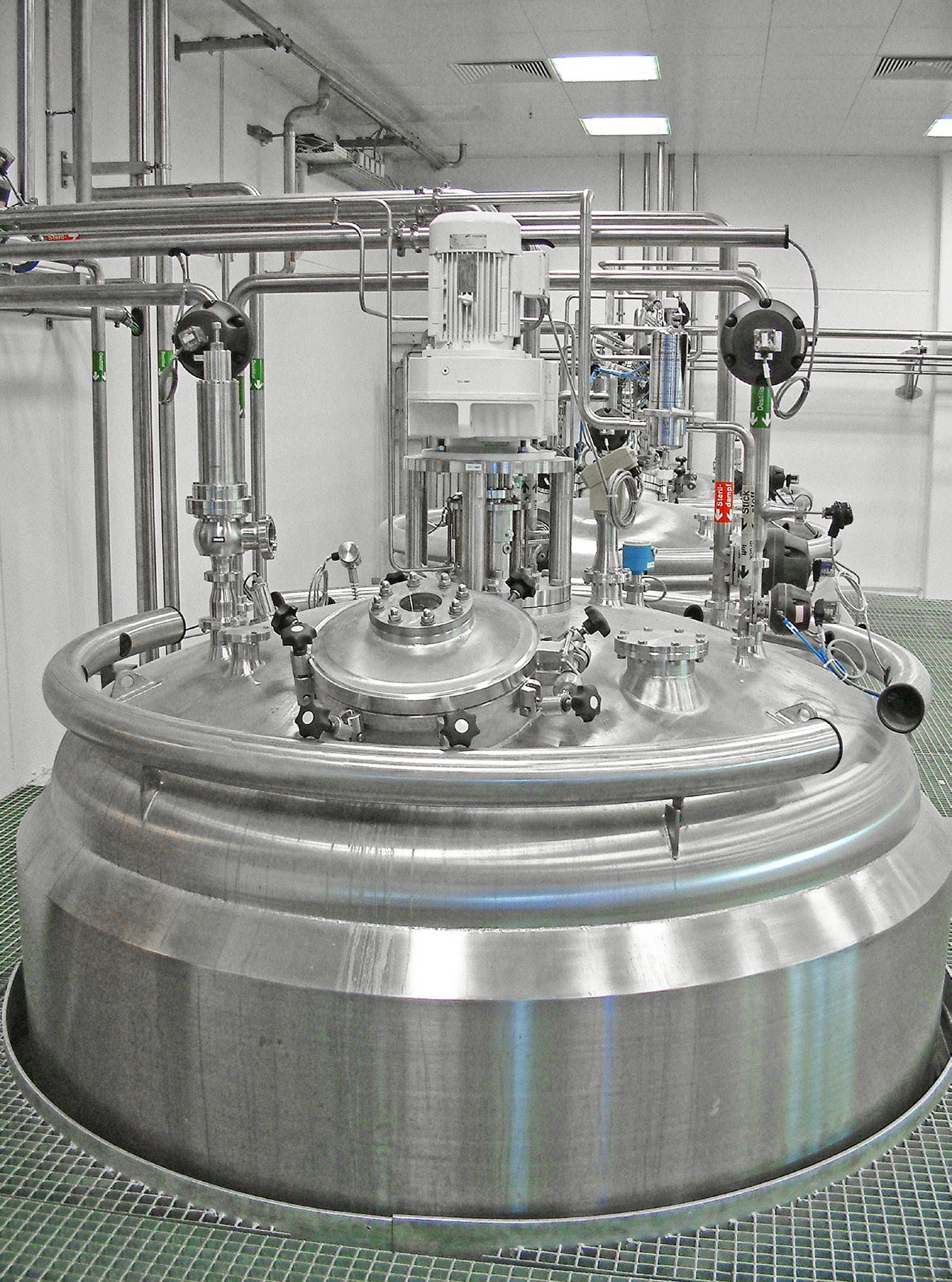
Pneumatic conveying opens up new possibilities for the safe and automated filling of reactors in the chemical and food processing industries. With this technology, bulk materials such as powders, granulates or mixtures are reliably fed into stirred tanks or reactor vessels without manual intervention: A decisive contribution to occupational safety and process optimisation.
Thanks to the flexible system design, both unpressurised and pressurised reactors can be filled efficiently and without dust. Containers such as big bags, drums or silos are emptied via a dusttight docking system, and the product is transported directly and without loss to the reactor by means of gas flow. Depending on the process requirements, suction or pressure conveyance is used. Integrated weighing technology and precise dosing ensure exact batch sizes. Conveying distances from a few metres to over 100 metres can be easily achieved, depending on the system design.
Vacuum conveyors are ideal for distances of 10 to 20 metres and offer two proven variants: either the product is collected in a vacuum receiving container above the reactor or sucked directly into the reactor. The choice of method depends on the design of the reactor and the space available. Both solutions enable safe, dust-free and automated filling – even in demanding processes.
increased back pressure can be handled safely and efficiently.
Pressure conveying offers a powerful alternative for demanding reactor processes. The product is blown into either a receiving vessel or directly into the reactor by means of overpressure, regardless of the operating pressure of the reactor. With dilute phase conveying in combination with a rotary valve, the products are transported at high conveying speeds, while dense phase conveying with a pressure vessel enables gentle and gas-reduced conveying. This means that even sensitive products and processes with
Gas-tight pressure vessels also allow the product to be introduced in a targeted manner against existing pressure conditions or below the liquid level – a plus in terms of process reliability and flexibility. Positive pressure conveying can also save significant space on top of the reactor.
With Gericke’s pneumatic conveying technology, manual reactor filling is a thing of the past. The technology stands for safety, efficiency and process accuracy – and sets new standards in industrial production.
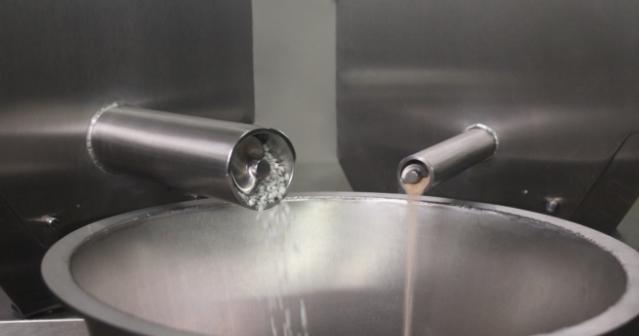
Coperion has optimized the EGR eccentric pelletizer for use with its two-stage Kombiplast compounding system, improving the system’s overall design, air supply, material conveying and pellet handling. In its new design, the EGR delivers significantly better pellet quality, particularly when processing temperature- and shear-sensitive plastics. In addition, Coperion has successfully reduced the pelletizing system’s energy consumption.
New smart features also make the redesigned EGR easier to operate compared to the previous model. Heating the pelletizing system and carrying out product changes, including die plate exchange, can now be performed more quickly, increasing the compounder’s overall equipment effectiveness (OEE).
The EGR eccentric pelletizer connects seamlessly to Coperion’s two-stage Kombiplast compounding system. Coperion has specifically designed both technologies for manufacturing soft PVC, hard PVC, or HFFR formulations.
Processing and pelletizing temperature- and shear-sensitive plastics presents significant challenges for the compounding process. The material must be treated as gently as possible throughout the entire process to ensure consistently high pellet quality.
Based upon comprehensive simulations and practical tests, Coperion has optimized the air supply system of the EGR pelletizer. As a result, pellet conveying now takes place under considerably lower feed pressure, resulting in gentler handling of the material. The optimized conveying process not only improves product quality, but also effectively
reduces the risk of agglomerate formation.
These enhancements also deliver clear economic and environmental benefits for operators. Compared with the previous model, the new EGR reduces energy consumption for material conveying by up to 75 percent. In addition to contributing to lower operating costs, the improved efficiency also results in a reduction of the CO₂ footprint.
Coperion has also redesigned the die plate heating system so that it can now be easily separated from the die plate. Die plate assembly and disassembly are now significantly faster, an important advantage during recipe changes. At the same time, the pelletizer can be heated up much more quickly, minimizing delays in production.
These enhancements have increased uptime for both the EGR as well as the entire compounding system, increasing the overall equipment effectiveness (OEE).
The redesigned EGR pelletizer stands out in particular for its simplified handling. For operating personnel, work safety during die plate changes has been further enhanced. Moreover, a divided, pivoting pelletizer hood provides easier access to the EGR’s knife blade, enabling faster, more precise adjustments to the pelletizing knives which in turn improves cut quality. At the same time, the optimized design simplifies both maintenance and service operations, reducing the time required for routine tasks and helping to minimize downtime.
Another important enhancement is the relocation of the EGR drive to the front of the pelletizer hood. This design change makes it easy to install a
screen pack changer between the Kombiplast’s discharge and the EGR pelletizer, as is commonly necessary when manufacturing cable compounds.
With its two-stage Kombiplast compounder and the EGR eccentric pelletizer, Coperion offers a technology specifically adapted to the manufacture of temperature- and shearsensitive plastics such as PVC or cable compounds. The system is designed to ensure particularly gentle product handling throughout the compounding process, while also delivering high economic efficiency and maximum flexibility.
First, the raw materials are fed into the process section of a ZSK twin screw extruder using a twin screw ZS-B side feeder where they are conveyed, plasticized, mixed and homogenized. In its ZSK Mv14 design with an increased torque of 14 Nm/cm³, the extruder handles the product extremely gently and achieves very high throughput rates. Product discharge takes place via the ES-A single screw that builds up the required pressure for the EGR eccentric pelletizer.
In the pelletizing step the EGR cuts the cylindrical product strands exiting the die plate into uniform pellets using revolving pelletizing knives. The pellets are then removed by pressure conveying, with the help of new inflatable seals installed for this purpose. The pelletizing knives are mounted onto a blade that is eccentrically attached to the die plate. The blade’s rotation is infinitely adjustable. Coperion customizes the quantity, diameter and geometry of the die plate holes according to the material properties and individual customer requirements.
Rapid construction at a major heavy-duty Sheffield industrial facility has seen main sub-contractor Cidon Construction continue with advancing the development. In order to facilitate high quality work, rapidly, efficiently and safely, the company has been working with National Pile Croppers (NPC), which has supplied Quad L and QXL pile croppers and round the clock support for the project.
The ongoing redevelopment of a heavy-duty industrial facility in Sheffield is part of a contract valued at £138 million, which will support construction of a 13,800m2 building. VINCI Building will deliver the project to provide foundations, a 40 metre high superstructure and building service solutions for the facility, alongside teams of subcontractors and supply chain partners.
Due to the structure of the building, with its high load bearing walls and superstructure, secant piles were initially chosen due to their ability to be constructed and form excavations in areas of high-water table. They are also able to be high load carrying whilst suffering from less vibration during construction. These were cropped by VINCI Building using a NPC monster cropper, the QXXL, which proved ideal for dealing with the 1,050mm piles.
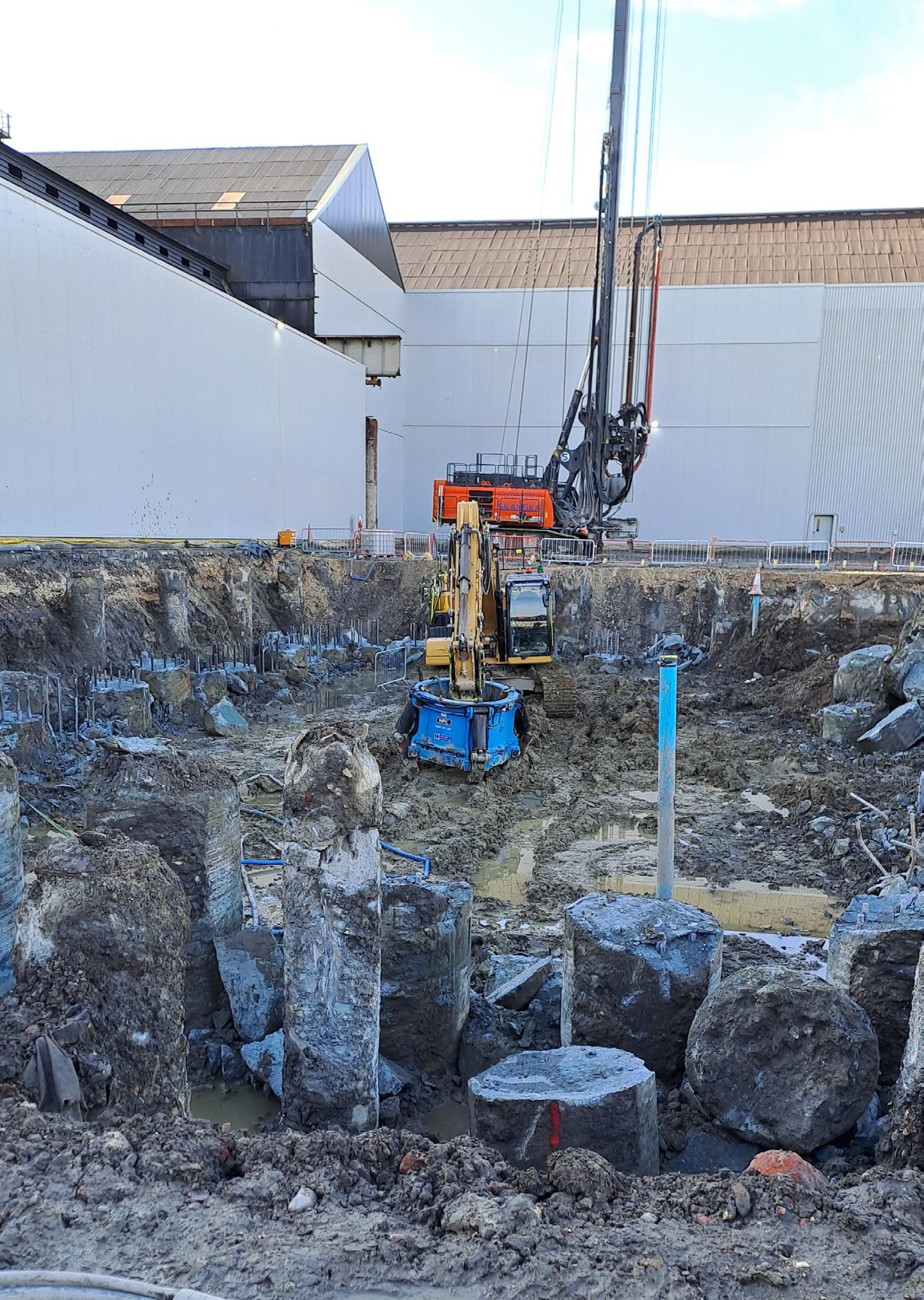
The initial cropping of the secant piles was undertaken using a NPC Quad XXL, which has been designed and developed to deal with piles of between 1,050mm and 1,200m. “The
development of the Quad XXL has proved to be the ideal tool for this project. It has the size to get over the 1,050mm piles and reduce them effectively. It is the only piece of kit capable of fitting in between the primary/secondary piles that have a range of 1,050mm – 1,200mm. Piles of this size often come oversized generally at the top,” explains NPC company director
Scott Fitchett. This work was undertaken by VINCI Building working in conjunction with NPC.
The pile cropping of the other non-secant tiles is being undertaken by sub-contractor, Barnsley headquartered Cidon Construction, which is a specialist reinforced concrete contractor with over 20 years’ experience in the delivery of complex concrete structures. For dealing with the smaller 600mm to 750mm bearing piles until the end of Jan 2026 an NPC QL was used. Following on from that, and for cropping the larger 750mm to 950mm piles, an NPC QXL will be used.
QUAD DESIGNED TO BE PRODUCTIVE
All three members of the NPC Quad family work in a similar fashion. The cropper is lowered over the top of the pile to recommended height – on ‘de-bonded’ piles this could be 500mm or more. The jaws are closed until a pile section pops free, with the reinforcement bars being kept straight for ease of removal, with the broken pile section easily lifted to dumper or an identified safe area. The Quad family uses four powerful and fully synchronised rams with specially designed blades to give a superb pile cut. Best utilised on piles with ‘debonded’ reinforcement bars, the Quad design gives it a very small footprint to enable access into tight spaces.
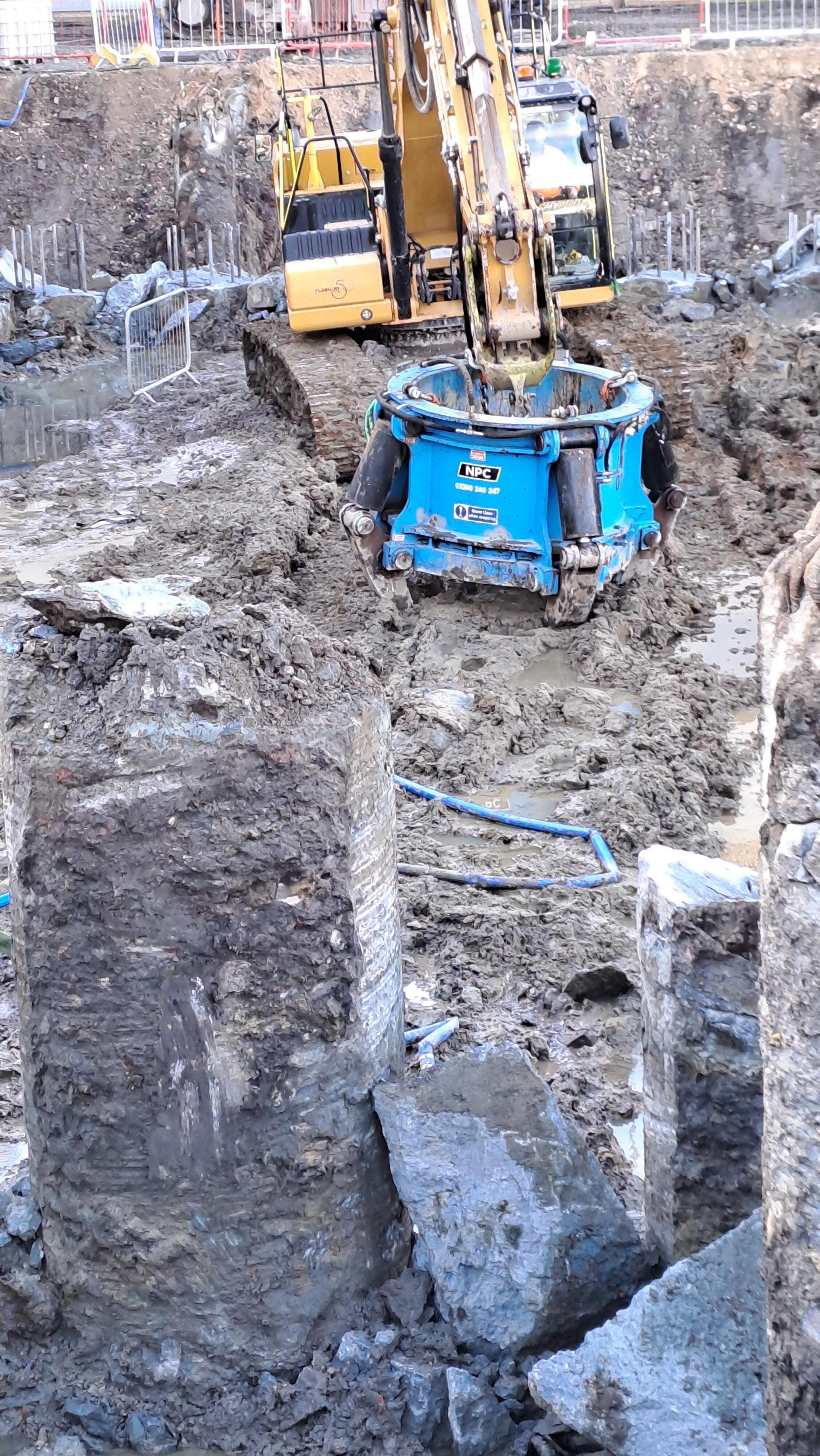
“The Quad family has certainly delivered on the Sheffield project. Both VINCI Building and Cidon Construction have been impressed with the
performance. It’s been a pleasure to work with both companies on what has proved to be a demanding project,” concludes Scott Fitchett.

As the date of CDE’s landmark CIRCLE symposium nears, the wet processing experts have revealed that after years of research for a solution to remediate soils contaminated with PFAS, it has made significant progress.
“When it comes to PFAS, we’re once again at the forefront, just as we have consistently been ahead of the curve in tackling some of the industry’s most complex waste challenges, from contaminated soils to hydrovac waste and trommel fines. Our focus has always been on pushing the limits of what materials can be safely recovered and reused for high-value applications within the construction industry,” CDE’s director of business development, Eunan Kelly, said.
For over seven years, CDE has invested millions in the pursuit to engineer a solution for PFAS contamination, one of the most pressing environmental and public health challenges of our time. As part of this work, CDE formalised a PFAS Taskforce, a team of 15 dedicated engineers headed up by Eunan that has been working tirelessly to analyse 60 contaminated sites throughout Europe, conduct hundreds of laboratory tests on samples of materials, and develop 30 trial solutions.
The result of this concerted effort is one million tonnes of material recovered across six customer projects, and two patent-pending solutions.
With between 5,000 and 10,000 different
compounds, the scale of PFAS is made even more challenging by an emerging field of research: PFAS precursors.
PFAS precursors are man-made chemicals that can break down over time into what are known as legacy PFAS. Precursors are often missed by conventional testing that only look for legacy PFAS, making them
an underestimated source adding to long-term contamination.
“CIRCLE is the precursor to a bigger movement in the industry,” Eunan commented.
“It’s the incubator for a new connected community of global experts with a singular focus: to improve the implementation of the circular economy and tackle PFAS. The event is just the beginning; a space where we’ll come together to share insights. It’s beyond May 7th when the real work starts. That’s when the community we’re building will come to the fore and lead the charge on forever chemicals.”
Eunan emphasised the immense scale of the PFAS problem: “There are some 30,000 sites in Europe and the United States that are contaminated and it’s said 99% of the global population has measurable levels of PFAS in their bloodstream. The urgency of addressing PFAS can’t be overstated.”
As reported by the European Environment Agency, the Forever Pollution Project has estimated that there are around 23,000 PFAS-contaminated sites in Europe; of these, approximately 2,300 are considered ‘hotspots’ with high levels of pollution that may pose a threat to human health[1].
It will cost €2 trillion and take 20 years to get rid of all PFAS, according to the Forever Lobbying Project[2].
Much of CDE’s work in the field of PFAS contamination will be centre stage next month at CIRCLE, an online symposium exploring the future of waste recycling and circularity.
With dynamic sessions led by industry pioneers, policymakers, and innovators, the event will offer a rich programme designed to spark ideas and drive action. Attendees will gain exclusive access to globally recognised keynote speakers, in-depth case studies, and forward-thinking discussions that tackle the most pressing challenges in waste, construction, and materials management.
CIRCLE symposium takes place online on 7th May. For more information and to secure your place, register online today at www.cdegroup.com/ circle2026.

Bulk Solids Today is the bimonthly digital journal covering the storage, processing and handling of materials ranging from fine powders to the heaviest raw materials.
To subscribe to Bulk Solids Today magazine or for more information, please feel free to visit www.bulksolidstoday.co.uk
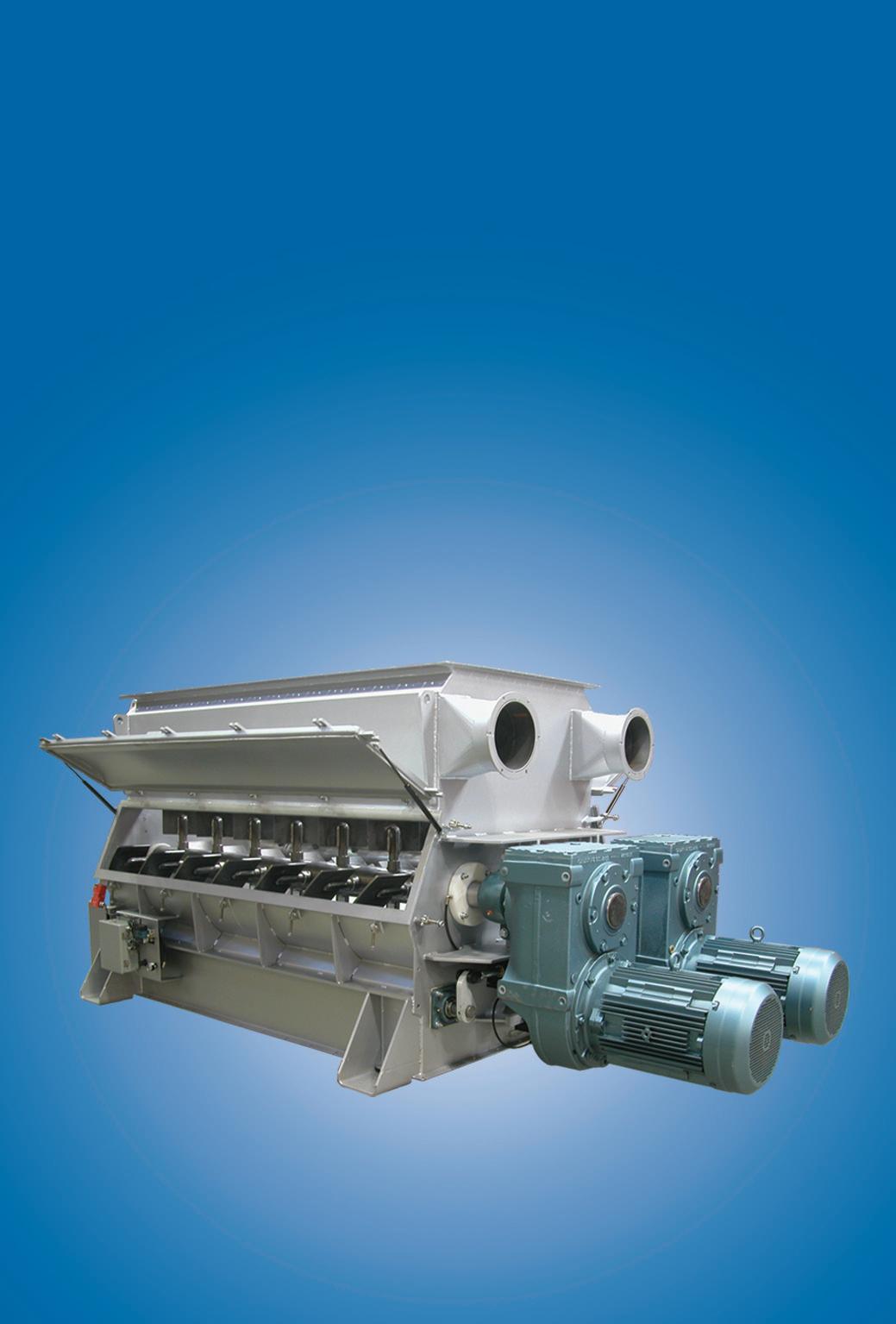
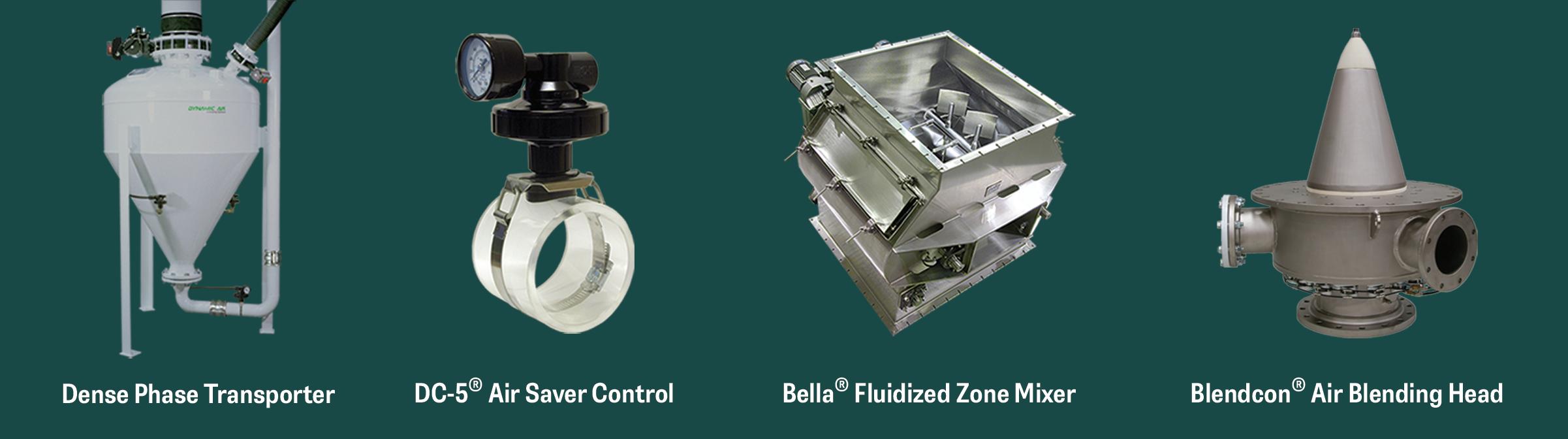
The Bella dryer/cooler offers thermal efficiencies to 80 percent or better because air flows around material while it is suspended in the weightless zone. The result is a more consistent material.
With the launch of the DewTector®, Coperion introduces an innovative moisture measuring device designed to provide reliable, automated online measurements of surface moisture content in bulk materials, particularly plastic pellets. The patentpending device offers an economical, simple and reliable method to help plastic manufacturers and recyclers monitor moisture levels more efficiently. It addresses a critical challenge faced by processors in maintaining both product quality and maintaining compliance with industry standards.
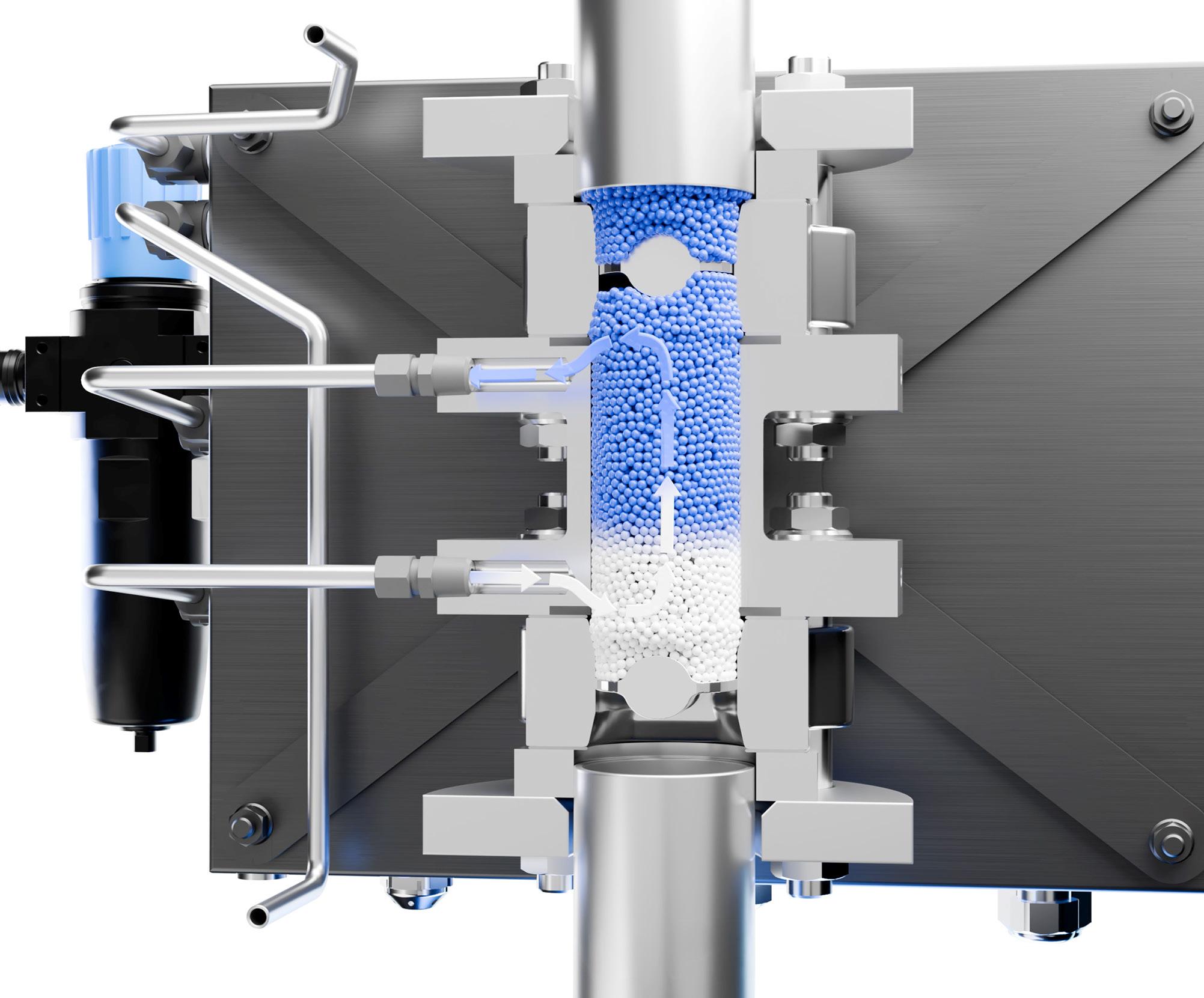
The DewTector uses a straightforward approach ─ it introduces a partial flow of bulk solids into a pressure-tight product chamber. The system determines the moisture content by analyzing the moisture released into the airflow. As the air absorbs moisture, it is analyzed by a hygrometer that measures only water content. This targeted detection ensures reliable results unaffected by other substances or changes in material composition. The system neither requires extensive calibration, nor the use of chemicals for different materials or recipes, making it easy to operate and maintain. The system achieves an accuracy of +5% to −15% across moisture levels ranging from several thousand ppm to a few hundred ppm, with up to ten measurements per hour.
For more information about the DewTector and its applications, visit www.coperion.com or contact us at info@coperion.com. ENSURING
and the recycling sector requires dry input materials for effective processing.
Plastic manufacturers often face the challenge of moisture entering their final products, which can originate from various sources such as insufficient drying, defective water separators, leaking wash nozzles, or environmental factors like rain and condensation. If moisture levels go undetected, it can lead to costly product complaints and reputational damages. Additionally, processors must adhere to strict moisture content limits to ensure high-quality output,
Traditionally, moisture measurement has been laborintensive and prone to inaccuracies, often relying on sporadic manual assessments of relative humidity in bags and containers. Existing automated methods, such as capacitive and microwave resonance techniques are typically complex, expensive, and require extensive calibration for different formulations, making them impractical for many users.
By simplifying moisture measurement and reducing the labor and time spent on manual sampling and analysis, the DewTector enhances operational efficiency while providing accurate, real-time data critical for process control.
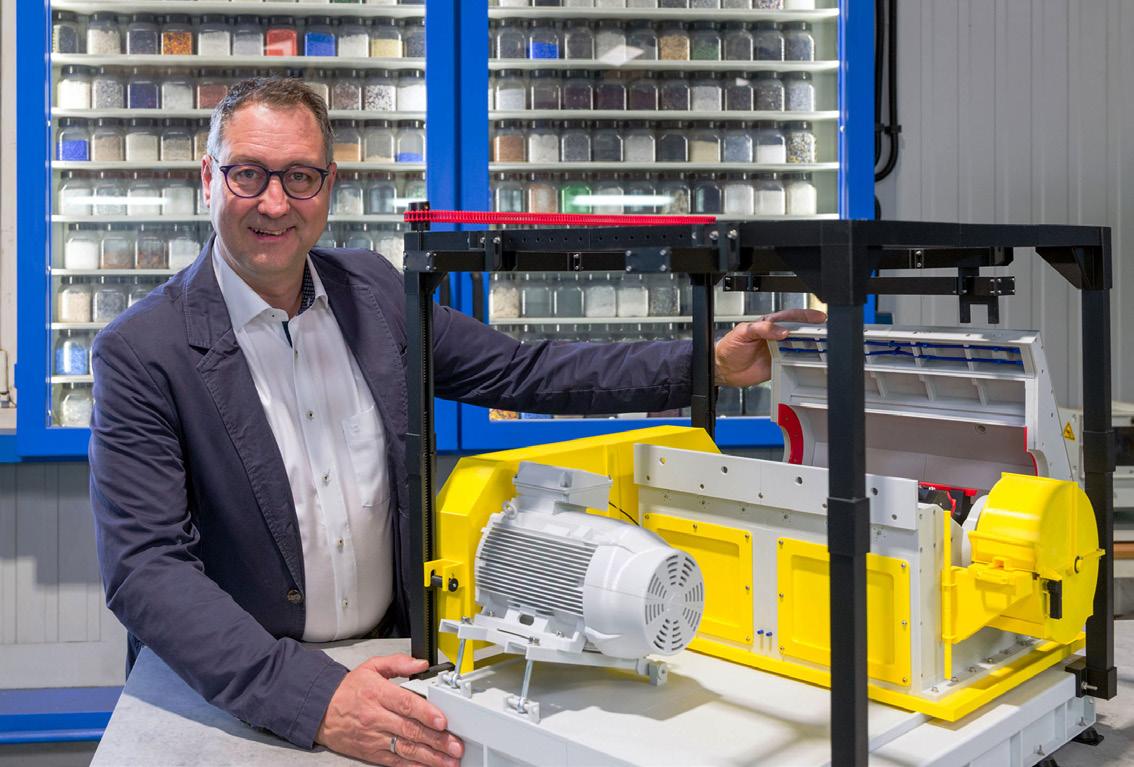
At prs Europe, taking place in Amsterdam on 5 and 6 May, Hellweg Maschinenbau will be presenting the latest developments in its range of digitally controlled, efficient and energy-saving grinders for plastics recycling. The focus will be on innovations in high-performance wet grinding and advances in digitalisation. The expanded range of grinding results on display at the trade fair includes films, high-performance plastics and technical fibres, demonstrating the grinders’ virtually unlimited range of applications.
The wet grinder with its forced feed system, launched at the end of 2023, remains at the forefront of film recycling. With its drive concept, which comprises motors with an output of 45 kW to 110 kW, and its low power consumption of just around 70 kWh to 90 kWh, it continues to set new cost-effectiveness standards for throughput rates of up to 5,000 kg of film. New findings show that this high energy efficiency can also be achieved when processing materials such as non-wovens, textiles, and pulp.
The double shear cutting process produces flakes of consistently high quality with a perfect particle size distribution and geometry. Thanks to their sharp-edged and, above all, flat shape, the flakes are ideally suited for further processing. The special blade arrangement and associated pulling cut minimise the amount of unwanted fines. The newly available, advanced closure and operating concept enables the machine to be closed and locked hydraulically. In daily use, this results in significant time savings during maintenance.
Digitalisation boosts efficiency
All Hellweg grinders can be fitted with the smart control system, which monitors parameters such as power consumption, motor speed and bearing temperatures. Operating hour counters are used to record and analyse the service life of blades, screens and V-belts. Furthermore, Smart Control is capable of continuously optimising the ratio between motor load and throughput.
Among the latest developments in the digitalisation of grinders, Hellweg highlights the smart sonic add-on module, using ultrasound to measure the material flow in the feed system. The results are then used to regulate the flow and ensure consistency. Thanks to the reduction in power consumption fluctuations, energy consumption is lowered while the quality of the ground product improves.
Another recent success in the field of developments is the smart flow module, an online throughput measurement system that uses microwave technology. It was unveiled for the first time at K 2025. A maintenance-free sensor positioned in the riser pipe of
the extraction system measures the flow of bulk material without physical contact. The smart control system uses these signals to determine the machine’s current output in terms of mass ground per hour, as well as its grinding output over a given period, such as a day, week or month. This data can be used to plan maintenance work and avoid unplanned downtime, for example.
Grinders for (almost) every application
Hellweg’s grinders can shred all types of plastic, whether they are hard, soft, brittle or tough, and can reduce dust and fine particle content by up to 90%. At the same time, the grinding process uses up to 75% less electricity than conventional mills. Hellweg’s expertise extends beyond plastics shredding to include textiles and non-wovens, as well as products for the cosmetics, food and pet food industries, including the grinding of tendons, bones, etc.
Hellweg’s range of grinders includes small laboratory and benchtop systems for milling sprues, as well as high-performance systems for solid parts, films and sheets with a throughput of five tonnes per hour or more. The range also includes edge strip grinders and servo-motor-driven edge trimming systems for film or sheet production.
Shortage of virgin material as an opportunity
Commenting on the current situation in the raw materials market, Managing Director Mark Hellweg says: “Stringent recycling requirements and the tight supply of virgin plastic make the availability of regrind a crucial factor for the recycling cycle. The quality of the regrind is a key determinant of the cost-effectiveness of its use. Hellweg’s mills have traditionally set the standard in terms of productivity, energy efficiency, low dust emissions and the ideal geometry of the regrind for further processing. At prs Europe, we will be demonstrating how the use of state-of-the-art grinding technology can help recyclers capitalise on the current circumstances.”

HOW DIAGNOSTICS OPTIMIZE PACKING LINES TO ACHIEVE PERFECT FLOW
By Klaus Siewecke, Head of Customer Support at HAVER & BOECKER
As technology continues to evolve, many equipment manufacturers across a variety of industries have added remote monitoring to their machines to track equipment output and maintenance needs. The packing industry is no different. Highly specialized packing equipment manufacturers now offer fullservice diagnostics plans to optimize the packing line, set up and use resources, enhance health and safety
standards and boost energy efficiency.
A full-service diagnostic plan should include shortterm and long-term production data collection as well as optimization plans. These diagnostics services come together to improve output and increase equipment uptime.
Short-term and long-term data collection processes track connected machines to combine performance and maintenance reports into a single dashboard

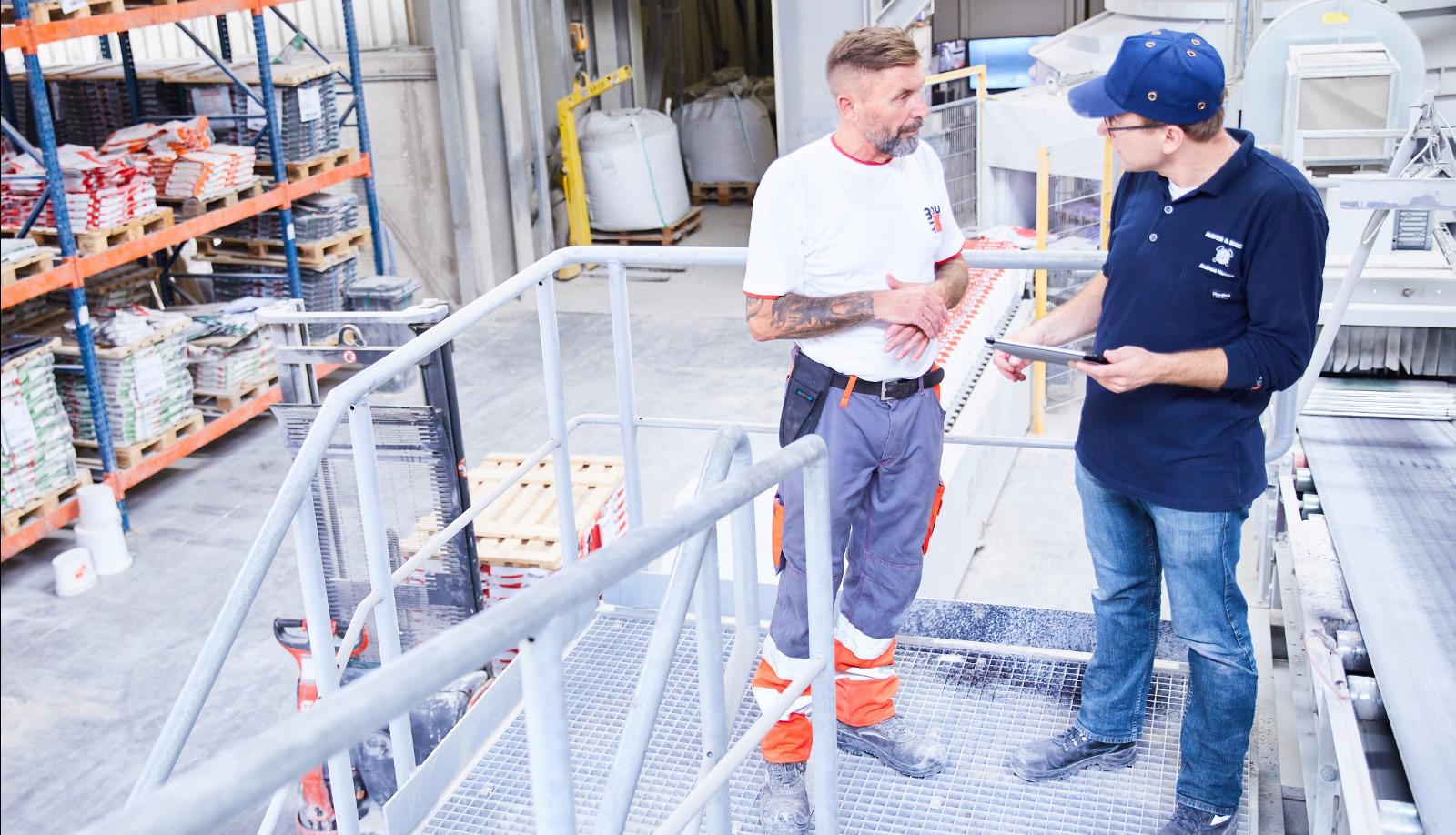
to make monitoring equipment settings simple. Operators can monitor machines’ production rates in real time to see how equipment is performing. The results can be used to identify productivity challenges and inefficiencies, such as bottlenecks on the packing line, so an operations team can quickly address them.
Some systems store all data in a single online portal with customizable alert systems and reports. The portal keeps track of maintenance intervals for all assemblies and components and sends early notifications as a reminder to order wear parts. These systems can alert operators to any discrepancy in the packing or palletizing machines to allow faster maintenance and increase efficiency on the packing line. Some systems also provide service teams a direct line to the equipment manufacturer’s experts to address any concerns.
Having these systems integrated into packing lines from the outset can help set the system up for success in the future and provide a solid base of information that optimization plans can build from.
While automated options track machine performance, nothing can replace the expertise of human input. Some manufacturers will send system specialists to visit customer plants and provide a full plant audit. These experts observe the operation and recommend enhancements classified by level of urgency. The full plant audit considers all areas, from product storage and handling to packing, bag transport, palletizing and loading lines, as well as surrounding machines and environmental factors. Look for a manufacturer that has its specialists then put together a full report with a tagged system that
marks areas for improvement, ensuring critical updates are prioritized. The goal of this report is to give plant managers a thorough idea of how their plant is currently performing and where critical updates need to be made.
Another optimization option offered by some manufacturers focuses on all aspects of the bag. Specialists test and analyze the bag and the product to optimize the remaining of the three major factors in the packing process — machines, bags and products — resulting in recommendations to achieve the highest levels of productivity and efficiency. The manufacturer will include things like a bag volume test, bag valve check, visual pallet checks and a bag specification check. These tests check the chemical composition of the product, how the machine can aerate the product for maximum efficiency in filling and which bags provide the best protection for that specific product. The goal is to have a cohesive packing line that works together in the most efficient way possible.
To get the most productive packing plant, cement plants should work with specialized manufacturers who offer a full-line approach. Diagnostics are just the first step in getting a fully optimized packing line with as few inefficiencies as possible. Operators, maintenance managers, reliability engineers and plant managers should all look for a manufacturer who takes a holistic view of the packing line, from diagnostics and equipment to spare parts and process engineering, to ensure cement plants get the perfect flow.
www.haverboecker.com

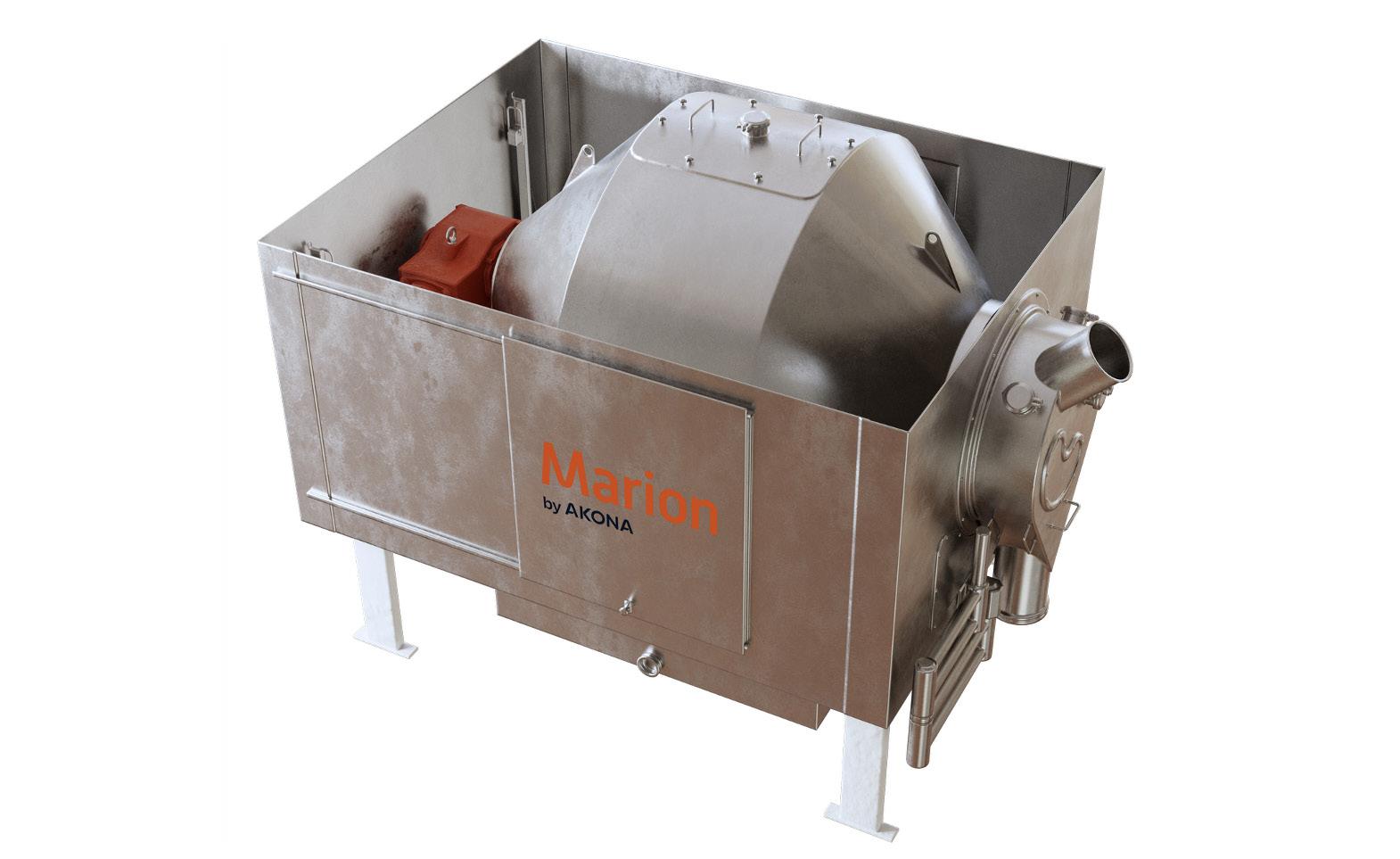
Leading material processing and material handling solutions company, Akona Process Solutions, has launched its Rotary Batch Mixer, expanding its mixing and blending portfolio with a batch solution engineered for consistent blend quality, gentle material handling and simplified sanitation across dry bulk processing environments.
The new machine utilises a gravity-driven rotary tumbling process rather than internal paddles, ribbons or agitators. This low-shear mixing method minimises particle damage, segregation and heat generation, while achieving uniform blends in short cycle times, including applications involving minor or trace ingredients.
Unlike conventional mixers that rely on internal shafts and seals, the Rotary Batch Mixer features a shaft-free internal geometry with no submerged seals or agitator components. This design significantly reduces maintenance requirements and allows for faster, more effective cleaning between batches, supporting higher uptime and improved batch-tobatch repeatability.
According to Matt Banowetz, VP Engineering and Product Development at Akona Process Solutions: “From an engineering standpoint, the Rotary Batch Mixer was designed to remove common sources of maintenance and variability found in traditional batch mixers. By relying on controlled vessel rotation and
internal mixing flights, we’re able to deliver consistent blending while reducing mechanical complexity, cleaning time and product loss.”
Suitable for processing dry powders, granules, pellets and fragile or friable materials, it is used across industries, including food and bakery, nutraceuticals, coffee, spice blends, agricultural products, plastics and chemical powders.
The Rotary Batch Mixer is available in multiple capacities and can be configured to meet specific process requirements. Optional features include liquid spray systems for coating or flavour addition, load cells for batch weight verification, dust-tight inlet and discharge valves, and PLC-ready controls for integration into automated production lines.
The new Akona mixer builds on the established performance of Marion mixing technology, combining durable construction with straightforward mechanical design to deliver reliable batch blending with minimal downtime.
Designed for manufacturers seeking predictable batch performance, gentle handling and efficient changeovers, the Rotary Batch Mixer provides a practical solution to improve blend consistency while simplifying operations and maintenance in dry bulk processing applications.
For more information, visit our website.
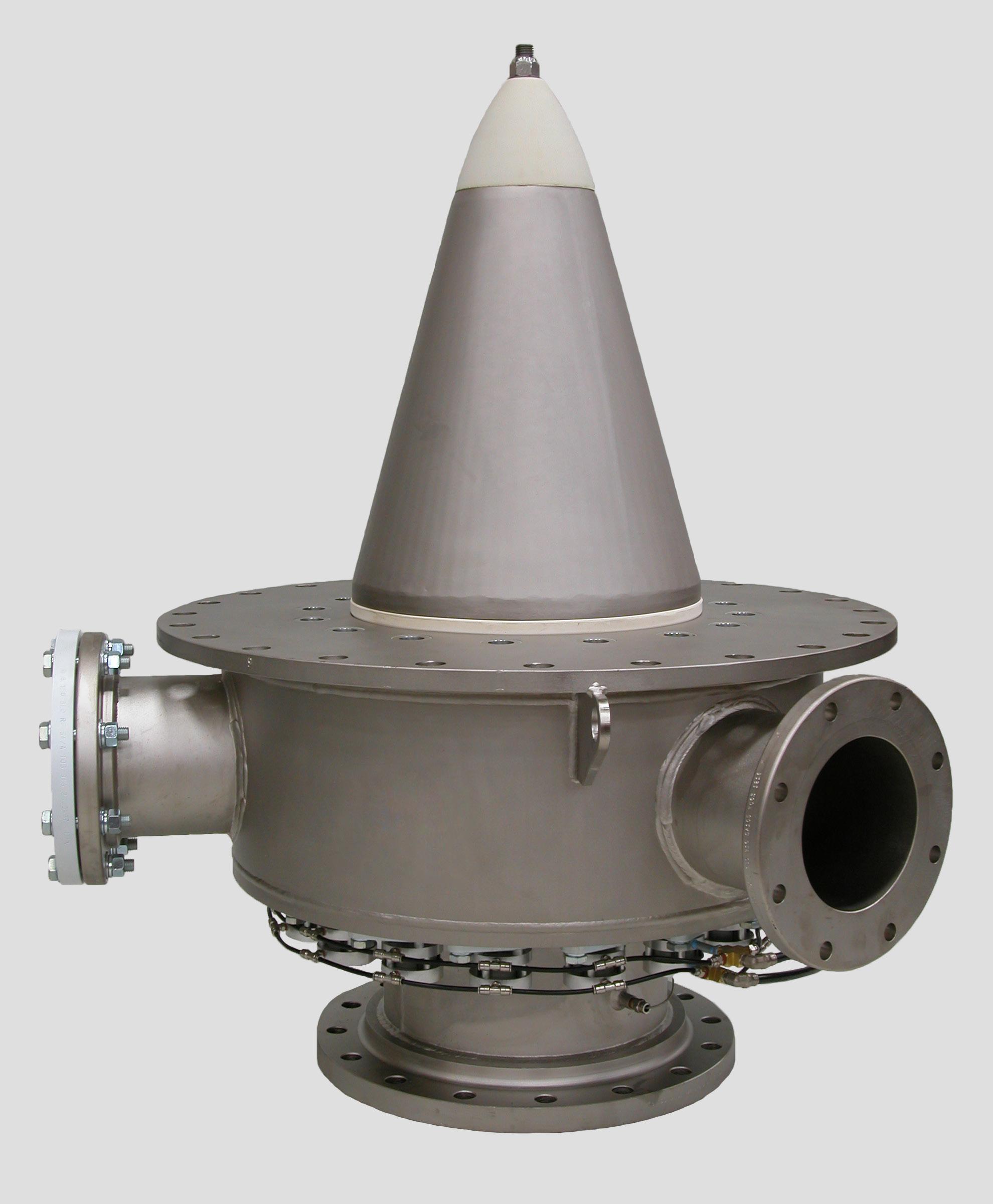
The Blendcon® air blender by Dynamic Air is a fast, efficient blender for mixing batches from 5 cubic feet to over 4000 cubic feet of dry bulk materials. The blender is unique in that it lacks moving parts required to displace the material in the mixing process. Instead of shafts, paddles, or agitators, compressed air is pulsed into the material in an upward circular pattern to lift, turn, and tumble dry materials. This makes the Blendcon air blender especially effective for abrasive blends such as glass batch, tile grout, and concrete mixes. Since the process area is a cone-bottomed vessel, the Blendcon air blender empties nearly 100%, making cleanup easy. Plus, the Blendcon air
blender’s blending method is so effective, the ratio of horsepower to blended material is very low, resulting in high energy efficiency.
https://www.dynamicair.com/product/ blendcon-air-blender/
Dynamic Air Ltd. Milton Keynes, United Kingdom +44-1908-622344
e-mail: sales@dynamicair.co.uk
www.dynamicair.com













Feeders, Mixers & IBC Systems

Equipment Ltd Tel: 01204 386723 Fax: 01204 363706 www.ajax.co.uk email: solids@ajax.co.uk