Subscriptions are available via www.bfmmagazine.co.uk/subscribe No
The productivity conversation is missing something
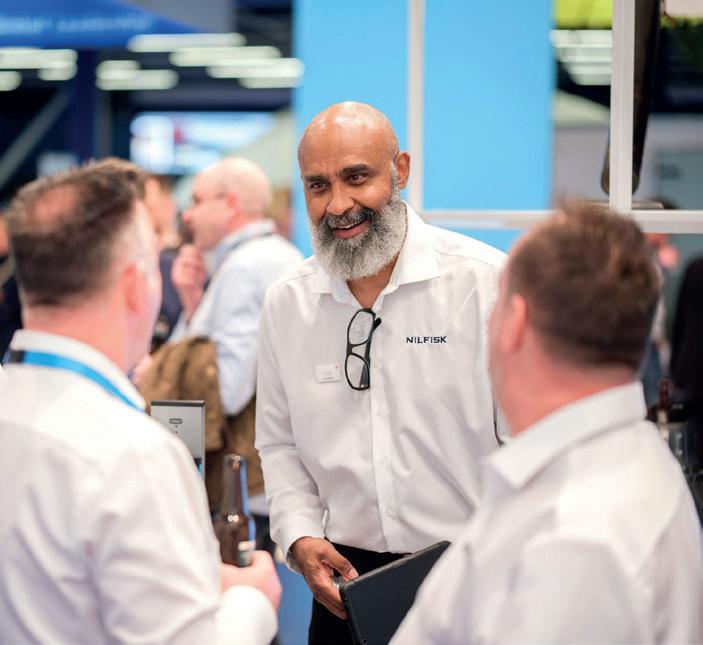
Al Davis, Senior National Accounts Manager at Nilfisk, explores why continuity of service and strong partnerships play an important role in sustaining productivity.
It will come as no surprise that productivity remains one of the biggest challenges facing facilities management and contract cleaning. Labour pressures continue to affect service delivery, operational costs remain high and customers increasingly expect more for less. As a result, facilities managers are looking for ways to improve efficiency while maintaining service standards.
Technology features heavily in that conversation. Automation is being adopted across a range of environments, helping teams reduce the time spent on repetitive tasks and allowing resources to be deployed elsewhere. The benefits are clear, but technology is only one part of the productivity conversation. What often receives less attention is what happens after a machine arrives on site.
Productivity depends on continuity
Equipment can only contribute to productivity when it is available and working as expected. When a machine is out of service, the effects can be felt across the wider operation. Cleaning schedules need to be adjusted, and attention is diverted away from planned work.
The disruption created by downtime is often underestimated. Even when a machine is returned to service quickly, the effects can linger across an operation. Time is spent adapting schedules and reorganising work, making it harder to maintain productivity. This is why continuity of service
deserves greater attention in the productivity conversation. Organisations invest significant effort in selecting equipment that is right for their operations, but productivity can be quickly affected when equipment becomes unavailable. Keeping machines operating effectively plays an important role in reducing disruption and maintaining performance over time. Achieving that consistency is often supported by a strong partnership between customer and manufacturer, with ongoing service and technical expertise helping to keep operations running smoothly.
Supporting the people behind productivity
Autonomous cleaning equipment can deliver significant benefits when introduced appropriately. However, technology does not remove the need for skilled and experienced operatives. Cleaning remains a people-led service, and productivity is influenced by how effectively teams are able to work alongside the equipment available to them.
Introducing new technology often changes established ways of working, which is why training remains an important consideration. Organisations need to ensure operatives are comfortable using new equipment and understand how it fits into the wider operation. The benefits of automation are much easier to achieve when teams have the confidence to use it effectively.
The experience held within cleaning teams also continues to have real value. Experienced
operatives understand the standards expected within a site and can quickly identify when something is not working as it should. At a time when many employers continue to face recruitment challenges, retaining that knowledge is becoming increasingly important.
Keeping productivity on track
As automation becomes more common, the productivity gains it delivers increasingly depend on equipment remaining available when it is needed. When machines become unavailable, disruption can quickly be felt across an operation and expected efficiencies can be difficult to maintain.
For facilities managers, productivity depends on work being completed as planned. Continuity of service, supported by strong partnerships with manufacturers, helps create that consistency and sustain productivity over time.
Selecting the right equipment is only part of the productivity equation. Long-term performance depends on the relationship that follows, with ongoing support helping organisations keep equipment working as expected and reducing the operational impact when issues do occur. That continuity allows facilities managers to focus on delivering consistent service rather than reacting to unnecessary disruption.
Find out more about Nilfisk’s service and maintenance solutions at www.nilfisk.com
protect | maintain | improve
YOUR TRUSTED PARTNER
WHATEVER THE WEATHER BRINGS
Keeping sites safe, tidy and well-presented requires a maintenance partner that can adapt quickly to changing conditions and understands what your site needs throughout the seasons.
At OUTCO, we help businesses stay ahead with proactive grounds maintenance, responsive support and nationwide coverage you can rely on, whatever the weather brings.
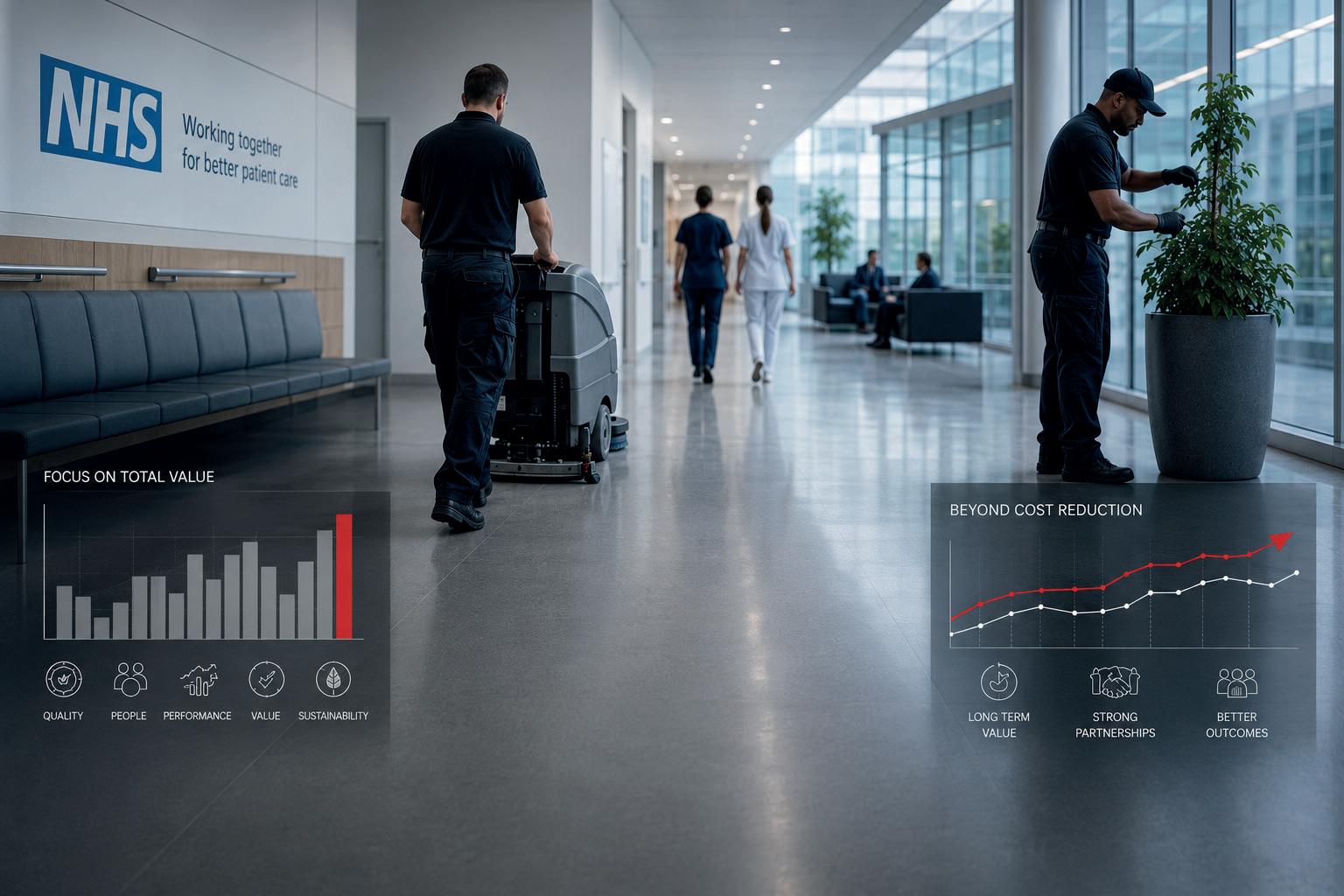
NHS Cost Improvement Programmes –Why They Don’t Apply To Outsourced FM
This is a plea to NHS Trusts considering FM procurement exercises.
A cursory search of search engines will show you that NHS Cost Improvement Programmes (CIPs) are “strategic plans adopted by Trusts to reduce expenditure, generate income and increase overall efficiency”.
Of course, this is a simple and worthy aspiration… ensuring the highest proportion of the NHS’ purse is dedicated to providing the highest quality healthcare outcomes for patients has to be a good idea. Nobody, or certainly nobody I’ve ever met, would say this is an incorrect focus for Trusts.
So, although the strategic intent of the initiative is not in question, the application and delivery of it – and the genuine application of strategic rationale – often can be.
It is still common for CIPs to find their way into NHS FM procurement commercial structures – presumably under the notion of “if these cost reductions are enforced on us, we need to enforce them on our supply chain”.
The result… please provide me a price for delivering these services in this environment and, even when nothing changes to either of those inputs, reduce your price in the second year of the contract. How and, I suppose, why, would service providers do that?
The outsourced healthcare FM market is enormously mature. That is to say that many Trusts have outsourced their FM services for a considerable amount of time and through a number of iterations of contract with different suppliers. Given the remaining fundamental principle that FM is delivered by people, it is difficult (impossible) to see how different
iterations of contract, let alone different contract years within the same contract, can identify and realise increasing efficiency.
The result is, generally, one of two things. Either they increase their price from the outset on the basis that a reduction in subsequent years gets them back to where they would have started. Or the service providers suck it up, reduce their price in year two (and again in subsequent years) and in doing so their profitability.
Both approaches cause problems. In the first, the Trust has got exactly the opposite of what they implemented the measure for… a higher cost initial service. In the second approach, standards will likely reduce. Either because the service provider will have to lose resource from the contract or because their profit margins are reduced and management focus on the contract reduces and changes.
FM providers are less likely to go with the first of these approaches as they are simply less likely to win the bid. In the second, the
“partnership” is likely to be headed for failure either because service standards slip or because interest in the contract does. Either way it leads to a less than transparent contract relationship and that can’t be good for anyone.
Of course, all this ignores the fundamental point of the original procurement process. They will have achieved the “best” price that their quality criteria demands. The importance the Trust places on the cost element of the bid is reflected in the evaluation criteria and the market test to find the right price point at that stage.
For the sake of the credibility and sustainable future of outsourced FM in the healthcare sector, set the business case up properly to establish the strategic rationale for the procurement, make sure everyone knows what it’s going to deliver and, whatever you do, please avoid passing CIPs to service providers as mandated commercial terms of contracts. It doesn’t work.
https://cadaema.com/
SWEDISH BRILLIANCE FOR FACILITIES
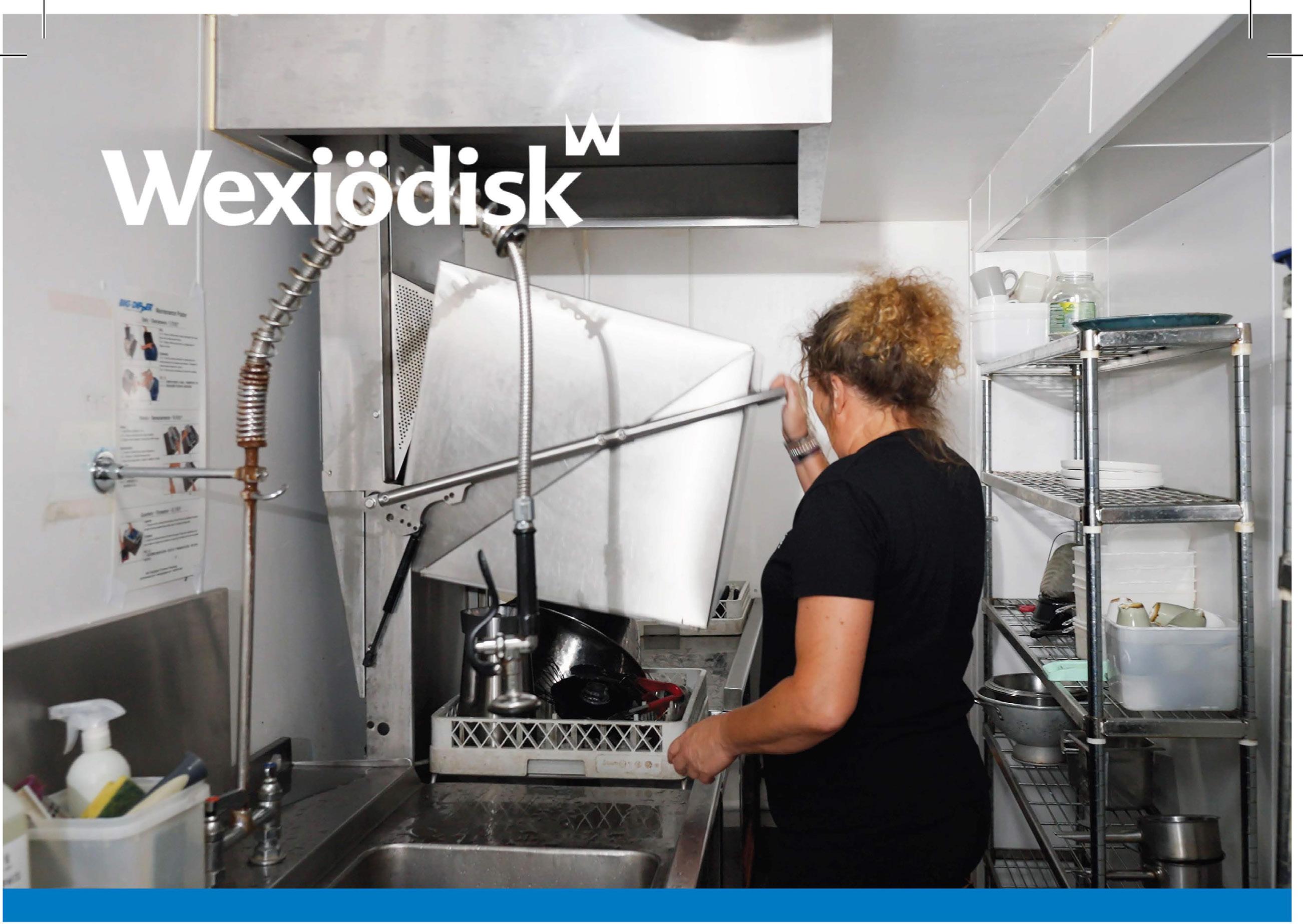
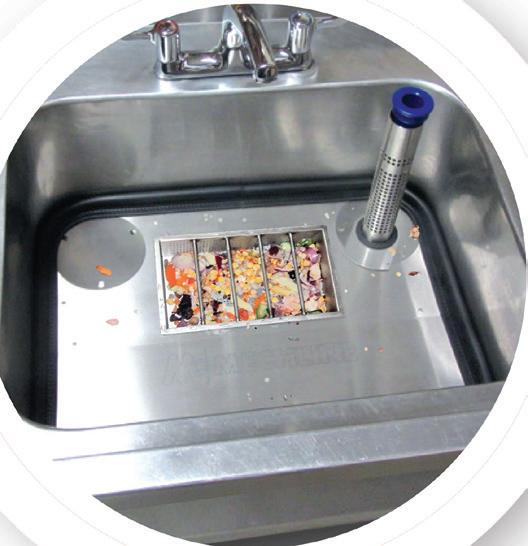
''After completing a series of tests, Wexiodisk's WD-6 Duplus came in with around 40% less energy consumption than the closest competitor. W hat's more, water and chemical savings were significant too with water consumption being nearly 50% less than the closest competitor! Projected across Butcombe's entire estate and looking at the life cycle of the appliance made the decision very simple. The figures speak for themselves especially when over a million pounds is projected to be saved over 10 years.,,
-Ed Barlow, M and E Manager, Hi-Tee
Ifyou want to get up to speed with some ofthe latest, most sustainable warewashing options, please contact david.glover@wexiodisk.com or visit www.wexiodisk.com/en
Total Pressure Solutions Expands Product Portfolio with New Irrigation Valve Range
Total Pressure Solutions (TPS) is pleased to announce the launch of its new Irrigation Valve range, marking an exciting expansion of the company’s offering to customers involved in water management, irrigation and agricultural automation applications.
For the last few years, TPS has been recognised as a trusted supplier of instrumentation solutions, providing flow measurement, level monitoring, pressure sensing and temperature measurement technologies to customers across a wide range of industries. The introduction of the new irrigation range represents a natural progression for the business, enabling TPS to support customers with a broader range of water management and control solutions.
As demand continues to grow for efficient water usage, automated irrigation systems and sustainable resource management, the new product range has been carefully selected to meet the needs of modern agricultural, horticultural and landscaping projects. The range also supports emerging
applications such as smart agriculture, vertical farming, lift irrigation schemes and automated water distribution networks.
The new portfolio includes a comprehensive selection of irrigation control and distribution products, including:
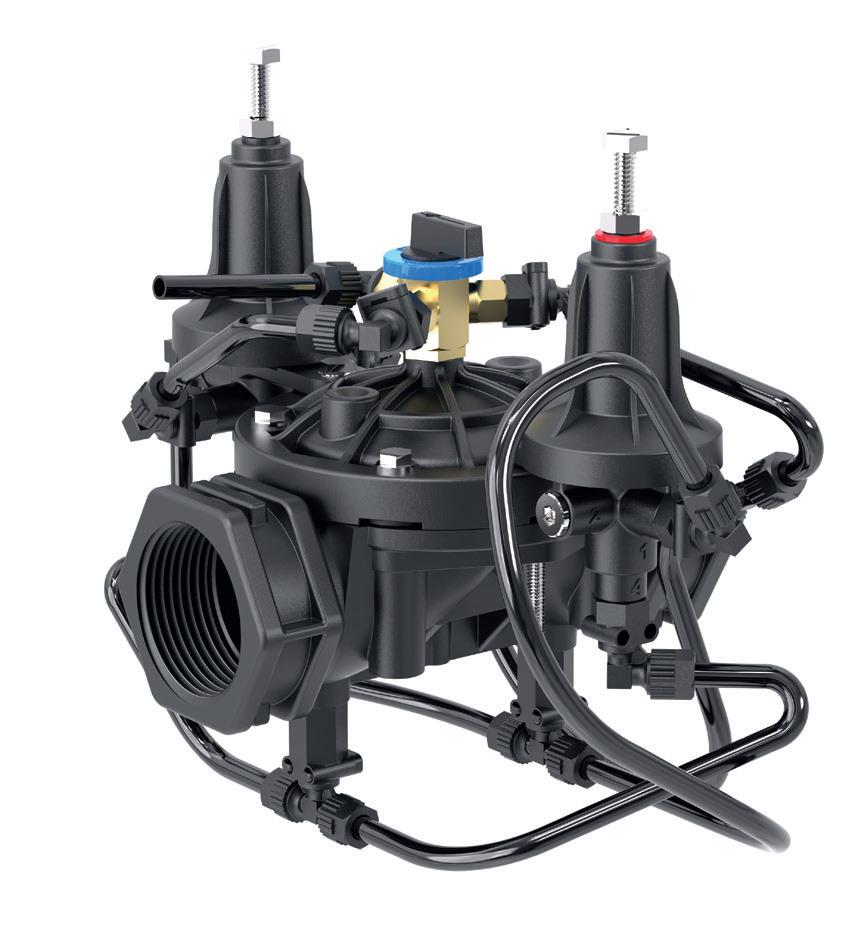
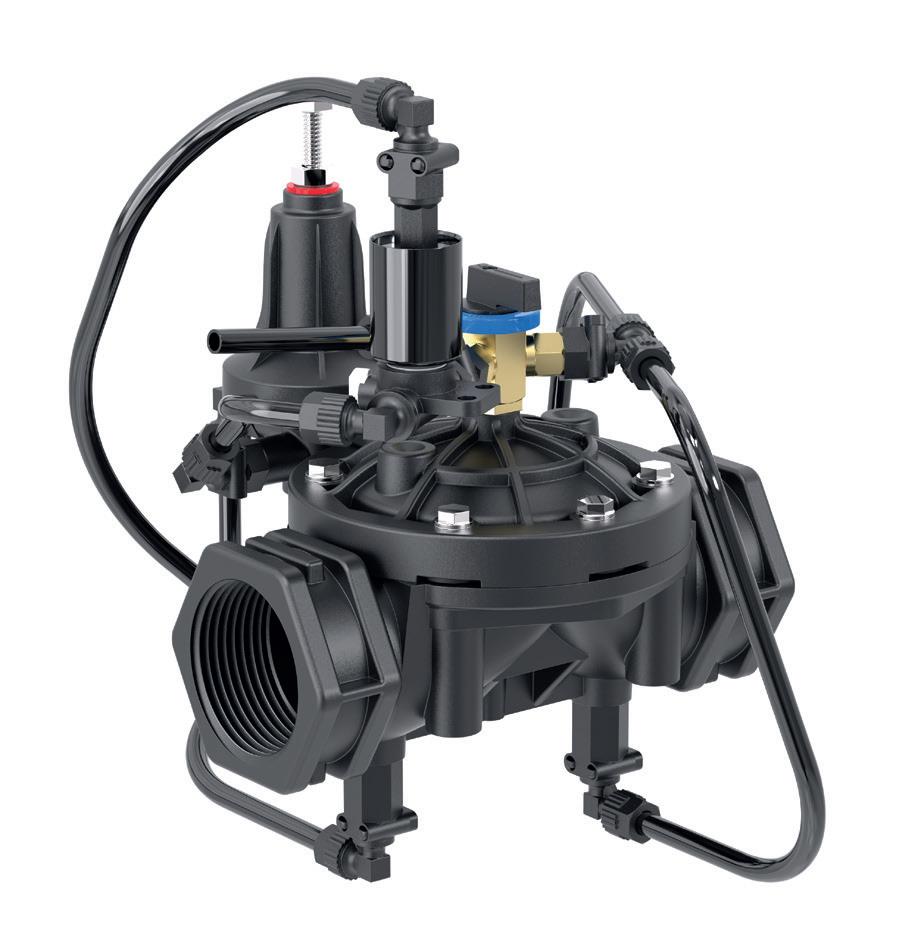
• Irrigation solenoid valves
• Pressure reducing valves
• Pressure sustaining valves
• Quick pressure relief valves
• Air release valves
• Butterfly valves
• Ball valves
• Y-strainers and filtration solutions
• Inlet and outlet manifolds
• Flow control and automation components
Designed for demanding water management applications, the products offer reliable operation, long service life and low maintenance requirements. Many of the valves feature corrosionresistant construction materials, integrated flow control capabilities and compatibility with automated control systems, making them ideal for both standalone and smart irrigation installations.
Recognising that no two irrigation projects are identical, TPS can also provide customised solutions tailored to specific site requirements, operational objectives and system designs. This flexible approach enables customers to select the most effective combination of valves, controls and supporting equipment for their application.
increasingly important across many sectors, and the addition of our irrigation valve range allows us to support customers with complete solutions that combine measurement, monitoring and control technologies.”
The new irrigation range is backed by TPS’s commitment to technical support, competitive pricing and dependable delivery performance. Working closely with experienced manufacturing partners, TPS can provide highquality products supported by application expertise and responsive customer service.
“At TPS, we are always looking for ways to deliver greater value to our customers,” said Steve Morecroft European Sales Director at Total Pressure Solutions. “Water management is becoming
The launch reinforces TPS’s position as a solutions-focused provider, offering customers access to both advanced instrumentation products and the critical control components needed to optimise water management systems.
For more information about the new Irrigation Valve range or to discuss your project requirements, contact the TPS team today.
For more information about Total Pressure Solutions Ltd, please visit www. totalpressuresolutions.co.uk
Save Energy with AKCP Sensors
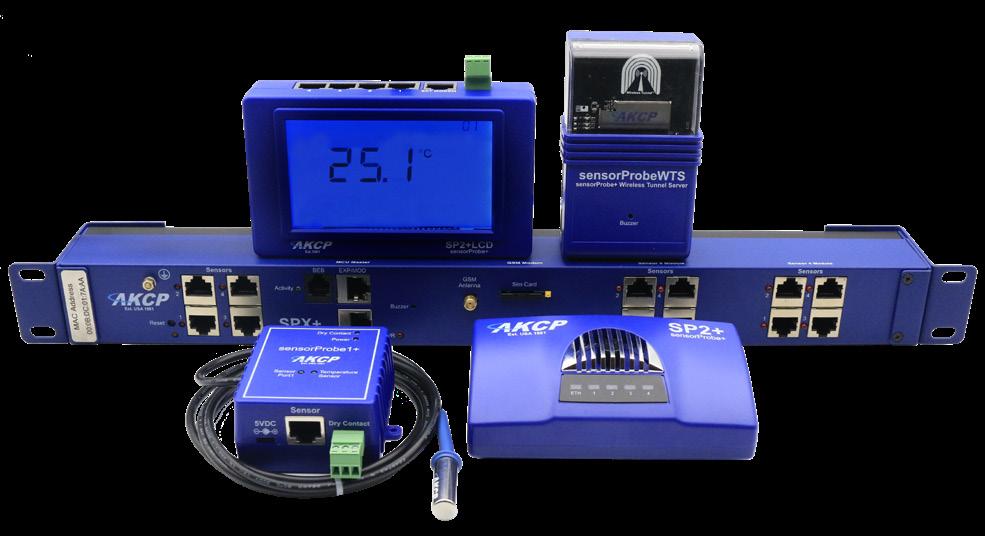
Contact us for a FREE site survey or online demo to learn more about our industry leading environmental monitoring solutions and how they can help to reduce your energy costs. Scalable, with Ethernet and WiFi connectivity, over 20 sensor options for temperature, humidity, water leakage, airflow, AC and DC power, a 5 year warranty and automated email and SMS text alerts.
Environmental monitoring experts and the AKCP partner for the UK & Eire.
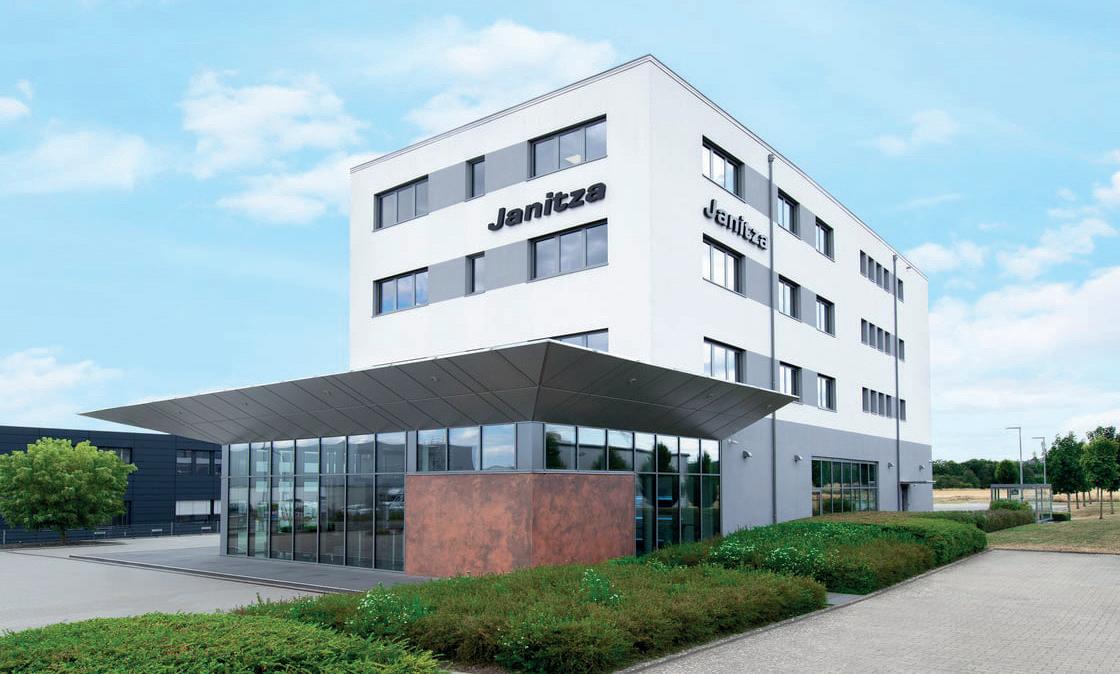
Janitza Marks 40 Years Amid Growing Global Demand for Power Quality
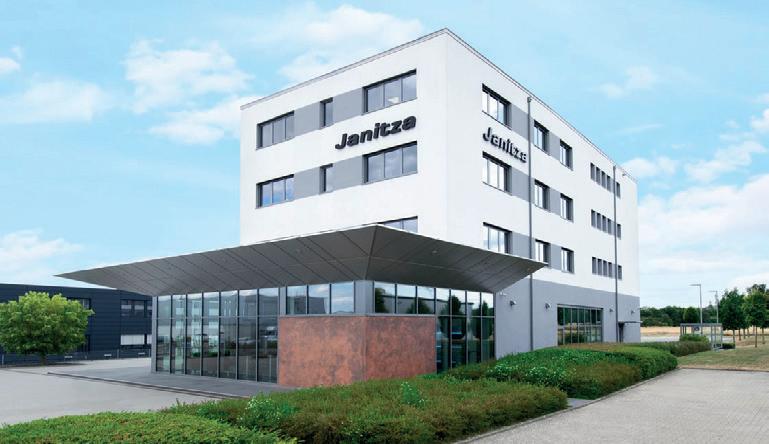
As energy infrastructure becomes increasingly complex, power quality specialist Janitza is continuing its international expansion strategy during its 40th anniversary year, including investments in local subsidiaries and customer support capabilities in key markets including the UK.
Energy monitoring specialist Janitza is marking its 40th anniversary at a time of growing global demand for power quality, energy transparency and resilient electrical infrastructure. As electrification, AI-driven data centres and increasingly complex power grids reshape energy systems worldwide, the company continues to expand its international presence and local customer support capabilities in key markets including the UK, North America and Australia.
“The requirements for modern energy infrastructure have changed dramatically over recent decades,” says Markus Janitza, founder and CEO of Janitza. “As power grids become more dynamic and energy systems more complex, transparency and power quality are becoming increasingly critical, particularly in sectors such as data centres, industry and critical infrastructure. This is exactly where we continue to support our customers globally with precise measurement and monitoring technologies.”
Founded in Germany in 1986 with around 30 employees, Janitza has grown from a regional manufacturer into an international provider of energy monitoring and power quality solutions operating in more than 90 countries worldwide. Today, the company supports customers in sectors where resilient electrical infrastructure and reliable power
quality are mission-critical, including data centres, industrial environments, healthcare and energy infrastructure.
“Over the years, Janitza has always identified technological developments at an early stage and translated them into practical solutions for customers,” says Alexander Veidt, CEO at Janitza. “We will continue to follow this path consistently in the years ahead.”
Throughout this international growth, Janitza remains a family-owned company with long-term strategic focus. Alongside continued investment in engineering and production capabilities in Germany, the company is further expanding its international sales and support network to strengthen customer proximity in key markets worldwide.
Janitza celebrates its 40th anniversary on 19 June 2026 with an industry event at its headquarters in Germany. Looking ahead, the company expects continued global demand for energy transparency, resilient electrical infrastructure and power quality solutions, particularly in sectors such as data centres,
industry and critical infrastructure. A dedicated microsite to celebrate the anniversary can be found at https://40.janitza.com/en/
Janitza UK Limited
Janitza delivers smart measurement solutions for transparent energy – for greater efficiency and longterm sustainability.
Janitza offers energy measurement technology that helps customers to increase energy efficiency and monitor power supply reliability. The company, headquartered in Germany, provides a portfolio of versatile measuring devices and the matching GridVis® Power Grid Monitoring software – complemented by highquality system components.
Customers around the world benefit from Janitza solutions in the fields of energy data management, power quality monitoring, load management, and residual current monitoring – all within a single system environment. Made in Germany. https://www.janitza.com
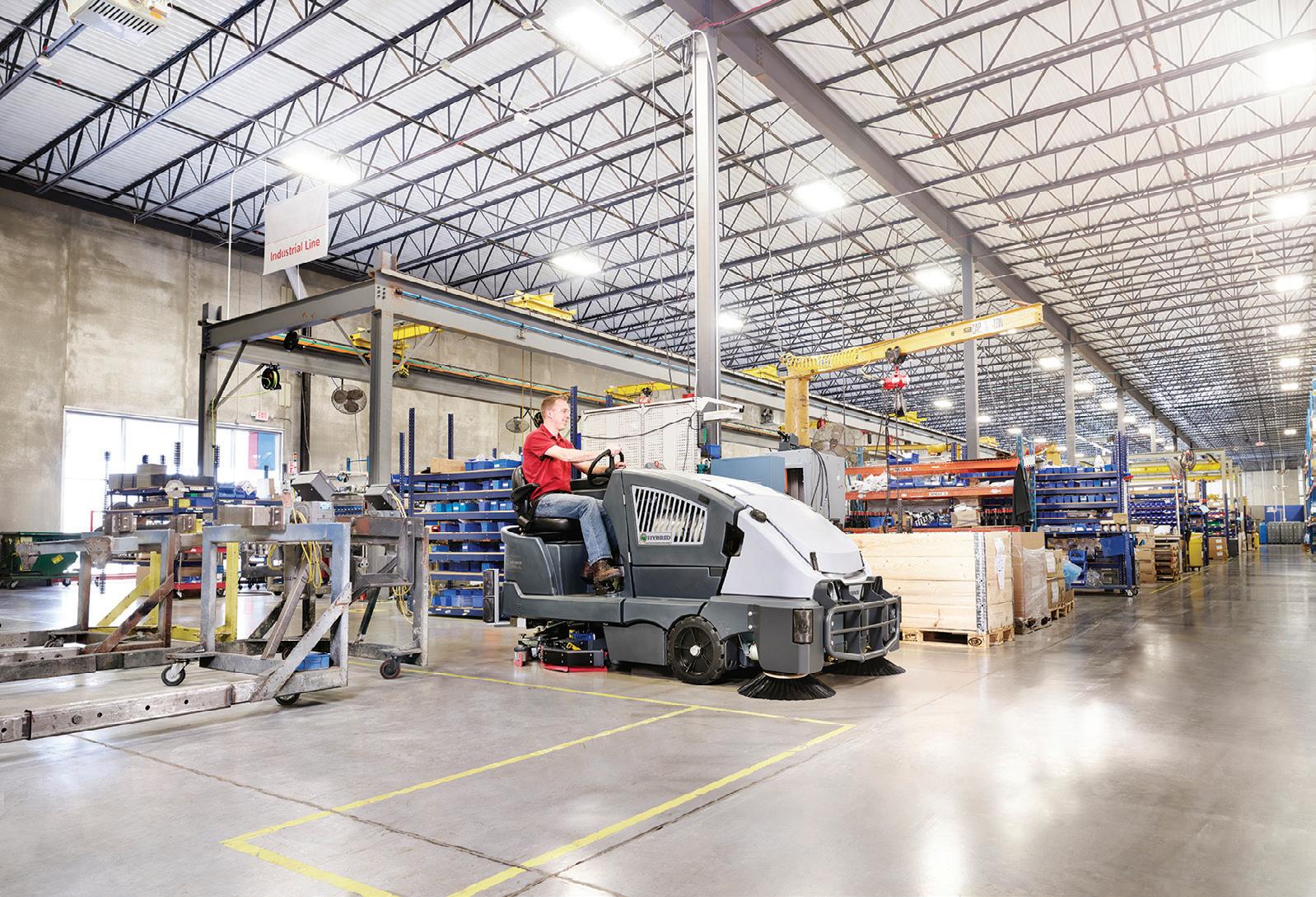
Nilfisk CS7010
Greener. Cleaner. Smarter.
CS7010 reinvents an entire class of equipment by reducing total cost of ownership, including operation, labour and maintenance, while effectively increasing fuel economy and runtime efficiency. Now the most economical solution is also the most ecological.
Sweep, scrub and dry in a single pass – a combination machine designed to maximise cleaning productivity while reducing labour time.
High-capacity 285-litre debris hopper with high-lift system for extended cleaning time and efficient waste disposal.
CHSA Excellence Awards 2026: Celebrating the Industry’s Best
The Cleaning & Hygiene Suppliers Association (CHSA) has proudly announced the winners of the 2026 CHSA Excellence Awards, recognising outstanding achievement, innovation, and commitment across the cleaning and hygiene industry.
The winners are:
• Manufacturer of the Year: Cromwell Polythene Ltd
• Regional Distributor of the Year: Newhall Janitorial
• National Distributor of the Year: Jangro
• Rising Star: Emily Downing of Cleenol Group Ltd
• Outstanding Contribution: Paul Fleetwood of Cromwell Polythene Ltd
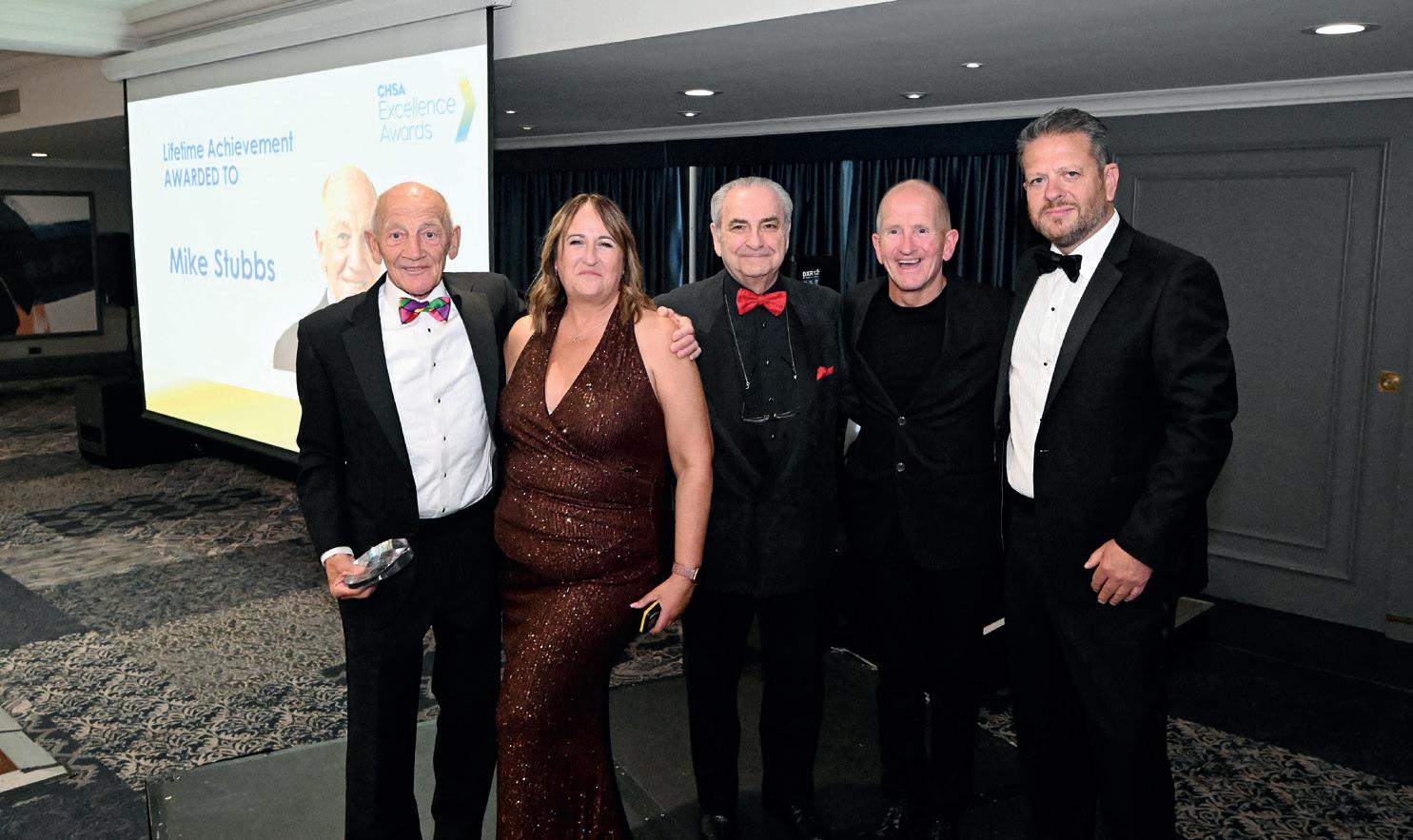
The CHSA also made the occasional award for Lifetime Achievement, naming Mike Stubbs. During his long career in the cleaning and hygiene sector, Mike Stubbs has played a pivotal role in developing the industry and driving up standards. He worked tirelessly to create and develop the CHSA’s Accreditation Schemes and in doing so transformed standards in the industry. He also mentored many individuals in the industry, recognising their talent and supporting their progress.
The winners were revealed at the CHSA’s annual Gala Ball on Thursday 18 June at VOCO St John’s, Solihull, in front of leading industry professionals.
CHSA members were invited to nominate their candidates for the awards, the final selection being made by a panel of industry leaders comprising Stephen Harrison, Jo Long, Mike Revell and David Garcia. The panel members were recused from the category relevant to their business.
The Distributors of the Year and Manufacturer of the Year were assessed according to their values, quality and commitment, and their approach to sustainability. Their values had to support and embody the CHSA’s values. They had to demonstrate their commitment to maintaining standards and ethical practice and promote sustainability best practice.
Cromwell Polythene has been a long-standing supporter of the CHSA, active on the CHSA’s Governing Council and the working group taking forward the Accreditation Scheme for Plastic Sacks. Cromwell Polythene is also vocal about the value of its membership of the CHSA and is an active contributor to the CHSA’s Roadmap to Sustainability.
Newhall Janitorial was recognised as an outstanding independent distributor, operating with strong ethical principles and delivering exceptional service across all areas of its business. Under the leadership of the Powells the company has successfully transformed a traditional janitorial operation into a modern, forwardthinking organisation.
Jangro was acknowledged as a highly active supporter of the CHSA, playing an important role in the ongoing development of the Association and the wider industry. The company also demonstrates a strong commitment to sustainability, embedding it as a core pillar across its entire network.
The Rising Star evidenced exceptional performance, impact, rapid growth, initiative, a commitment to development, and professionalism and collaboration. The winner of Outstanding Contribution to the CHSA has a track record of going above and beyond, making a significant impact on the CHSA and the cleaning and hygiene industry.
Rising Star Emily Downing, joined Cleenol as the most junior member of the technical team 18 months ago and is already developing an industry reputation. She consistently goes above and beyond her immediate responsibilities to identify improvements and new possibilities. Within three months of joining the business, Emily was representing the technical department in meetings with external suppliers and
customers. When the person holding the post took maternity leave, Emily stepped into the role of Lead Chemist, her reliability, technical ability and maturity making her very capable despite her relative lack of experience. Outside her core role, she works with the marketing team to deliver a more effective and engaging education strategy to internal and external audiences. Emily continually seeks to improve her knowledge and personal growth, regularly attending British Chemicals Association seminars and exhibitions. Outside her company role, Emily tutors young people in STEM. Emily also supports Cleenol’s CSR initiatives by taking part in the Day to Make a Difference scheme. Last year she completed the Oxford Half Marathon raising over £700!
Paul Fleetwood has been a long-standing, passionate and key influencer in the CHSA’s Accreditation Scheme for Plastic Sacks. He has been on the CHSA’s Governing Council since April 2009 and is as big of an advocate for the today as he has ever been. He is committed to the Association consistently attending and contributing to Council and Panel discusses. His focus has always been and remains on the importance of the CHSA and what it represents.
Tracey Black of SC Johnson, CHSA Council member and the driving force behind the creation of the awards, said: “The CHSA Excellence Awards celebrate the individuals and organisations driving our industry forward. These winners exemplify exceptional performance, commitment, and leadership, and we are proud to recognise their contribution.”
• Manufacturer of the Year: sponsored by Nationwide Hygiene Group
• Regional Distributor of the Year: sponsored by Greyland
• National Distributor of the Year: sponsored by Greyland
• Rising Star: sponsored by Harrison Wipes
• Outstanding Contribution: sponsored by Evans Vanodine
www.chsa.co.uk
Kodaa and HID mobile wallet gains momentum for building access as landmark 101 Collins Street tower proves the model
Building access through mobile wallet enables a frictionless user experience by taking processing requests, approvals, updates and revocations from days to minutes
HID, a global leader in trusted identity and access control solutions and Kodaa, a leading Australian digital consultancy, today announced that Melbourne’s iconic 101 Collins Street tower is emerging as a live example of how mobile credentials are moving from pilot projects to everyday building operations – with thousands of tenants and visitors now accessing one of the city’s most prestigious commercial towers through their mobile wallet, without the need for a physical card.
The Collins Street building is setting a new benchmark for commercial buildings after deploying HID Mobile Access at scale across entry points, elevators, lockers, and end-of-trip facilities.
The deployment, delivered by Melbourne-based digital consultancy Kodaa with HID Mobile Access, has been live for nearly a year and is supporting thousands of active users across more than 35 tenancies. Rather than introducing new hardware or layered systems, the integrated solution embeds access directly into the mobile wallet, with HID providing the trusted identity backbone through secure mobile credentials.
Steve Katanas, Head of ANZ for HID Physical Access Control Solutions said the shift from plastic cards to mobile credentials is one of the most significant changes the industry has seen in decades. “Through HID’s proven
ecosystem of credentials and readers, we enable partners like Kodaa to deliver frictionless, mobile-first experiences at scale,” Katanas said.
“There’s often a perceived trade-off between security and convenience, but mobile access solutions remove that compromise entirely by combining strong identity and device-level security, which sets a new benchmark for workplace access control.”
Kodaa founder, Seth Khouri, said the results confirmed the growing demand for mobile wallet access to secure buildings.
“A year on, we’re supporting thousands of active users, and the feedback is overwhelmingly positive. People don’twant to go back. Also, the project didn’t require a full infrastructure overhaul. The integrated solution is built to work with existing systems and HID ensures modernisation without disruption, making the transition low risk and the results immediate.”
The 101 Collins Street deployment has reshaped the way teams manage access administration, with access requests, approvals, updates,
and revocations now handled digitally through a central portal.
“As hybrid work continues to influence tenant expectations, office buildings are under increasing pressure to deliver smarter, more seamless experiences from the moment someone arrives. What 101 Collins has shown is that digital credentials can be deployed at scale without disrupting existing infrastructure,” Katanas said.
What began as a flagship deployment at one of Australia’s most iconic commercial towers is now being viewed as a model for how HID and its partners can help modernise access control for the next generation of workplaces.
To watch the video case study to learn more about the 101 Collins Street deployment, visit: https://campaigns. hidglobal.com/101-collins
Scan for more information or to order your
ONE OF THESE PANELS IS NOT LIKE THE OTHERS...
This picture was taken 24 months after all the panels had been professionally cleaned, but only one had been treated with Aqua Fend® F after cleaning.
This real-life result shows that Aqua Fend® has been developed to PROTECT your building’s façade and flooring, PREVENT longterm damage caused by water ingress and urban pollution, and PRESERVE the original structure and colour for as long as possible after cleaning.
The Aqua Fend® range helps you to reduce cleaning and maintenance costs while keeping your walls and floors clean.
FREE sample of Aqua Fend*
Building & Refurbishment
CASE STUDY: Café Portrait, National Galleries Scotland: Portrait
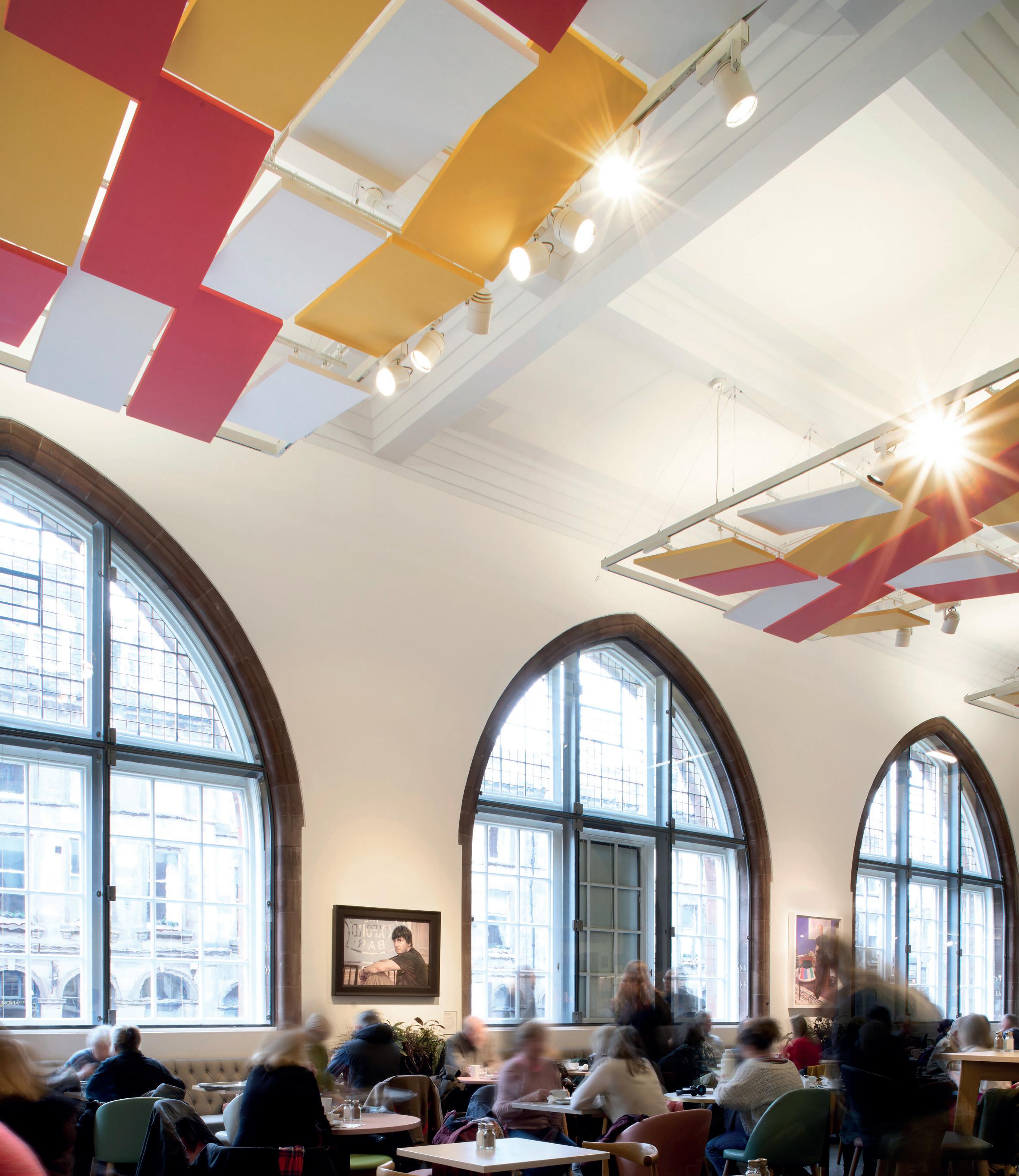
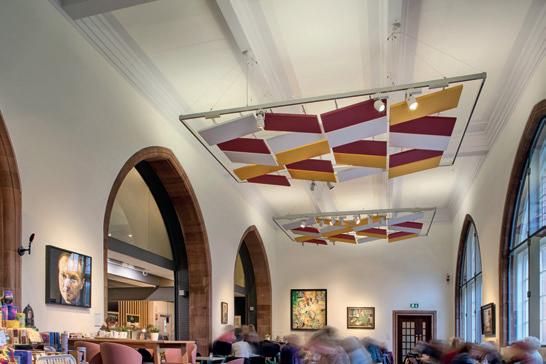
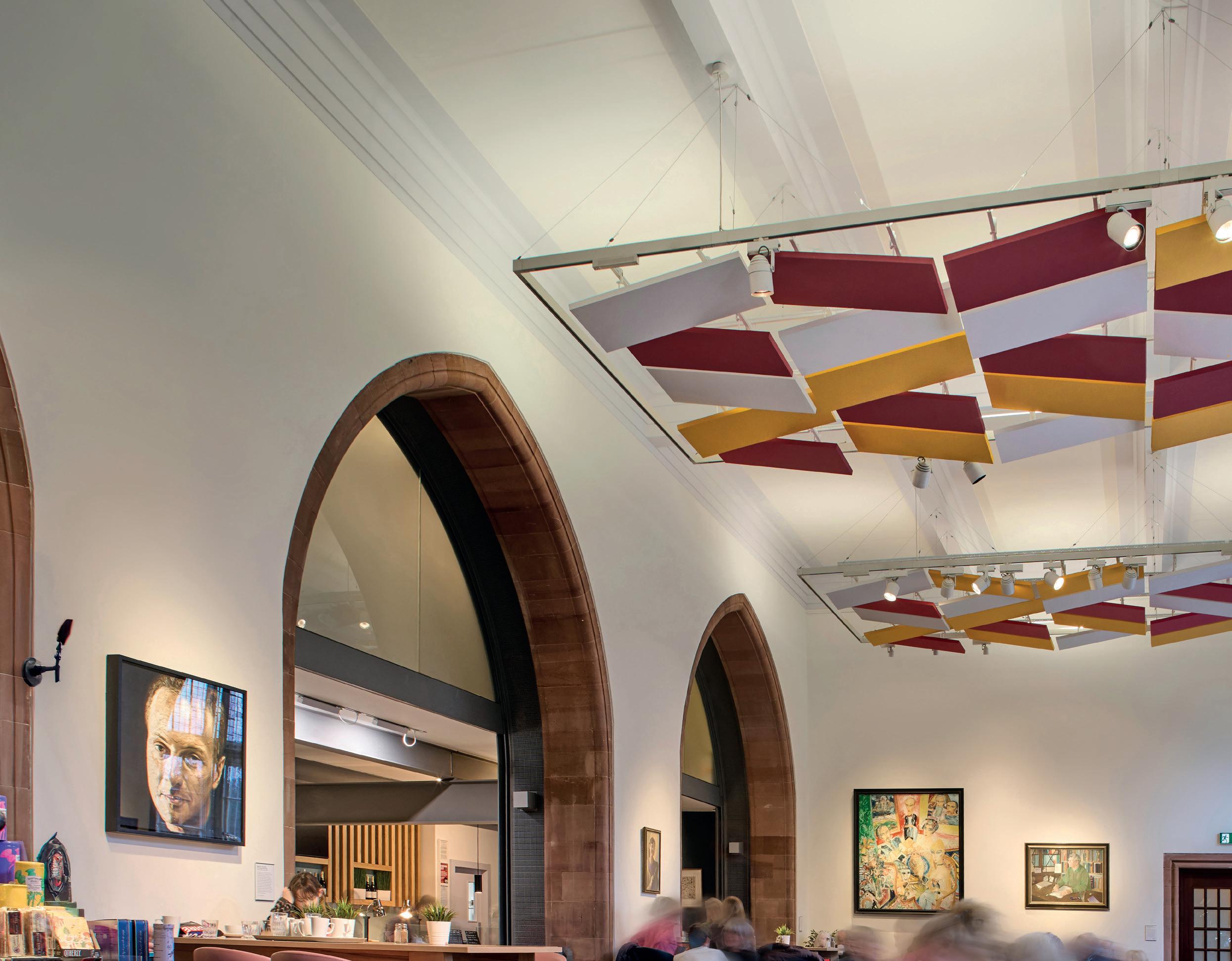
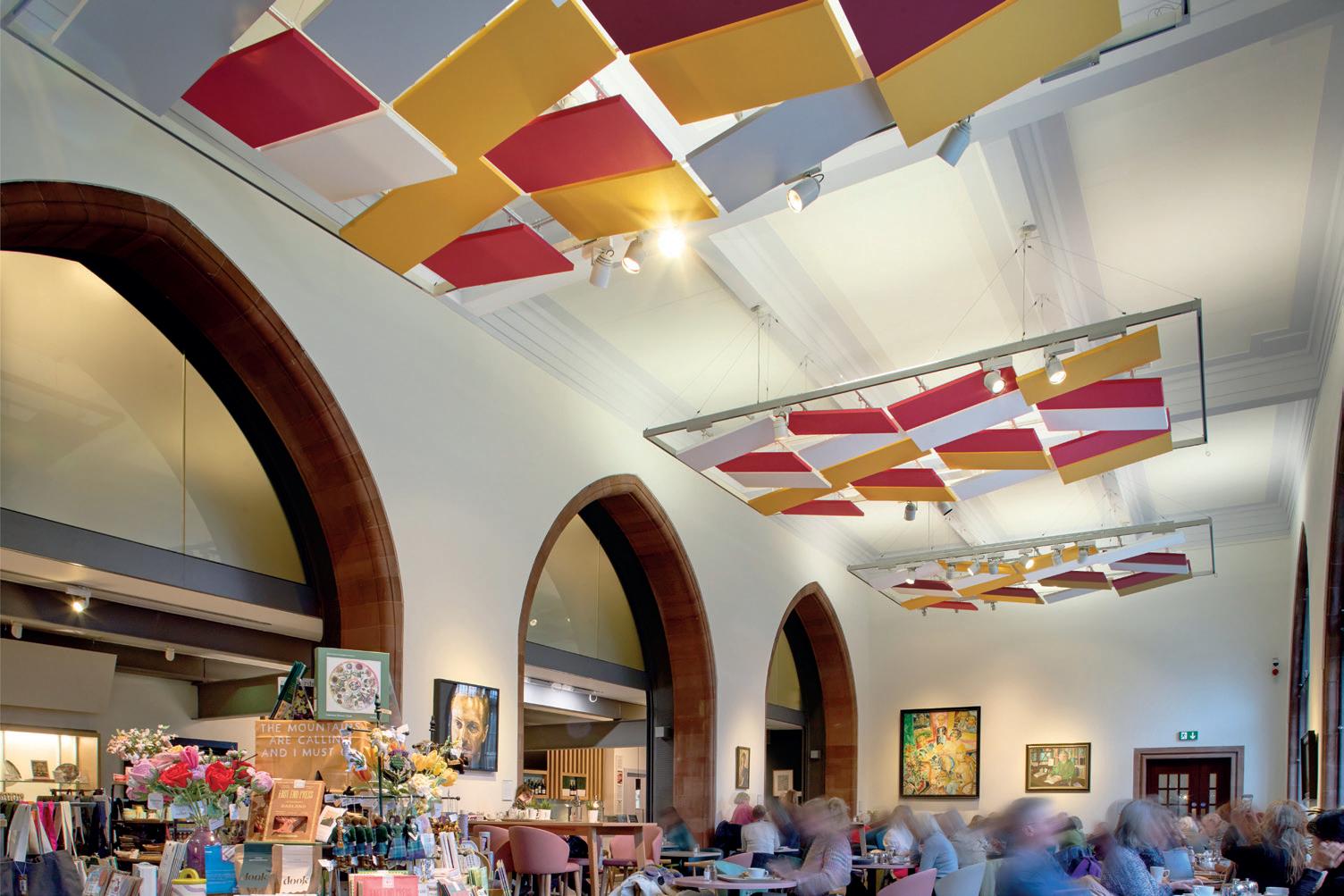
The National Galleries Scotland: Portrait in Edinburgh, a grand, neogothic listed building, offers visitors a journey through the country’s past and present with a remarkable collection of paintings, sculptures, photography, and film. The cafe, managed by Heritage Portfolio is a popular destination for visitors, set in a light and spacious area. Space Solutions led the design and refurbishment of the café, to modernise the space while preserving the historic character
of the building. The aim was also to create an improved user experience in a multi-purpose space that could easily host casual day-time visitors, serve as a destination for small groups and meetings, and transform at night to host larger gatherings and events.
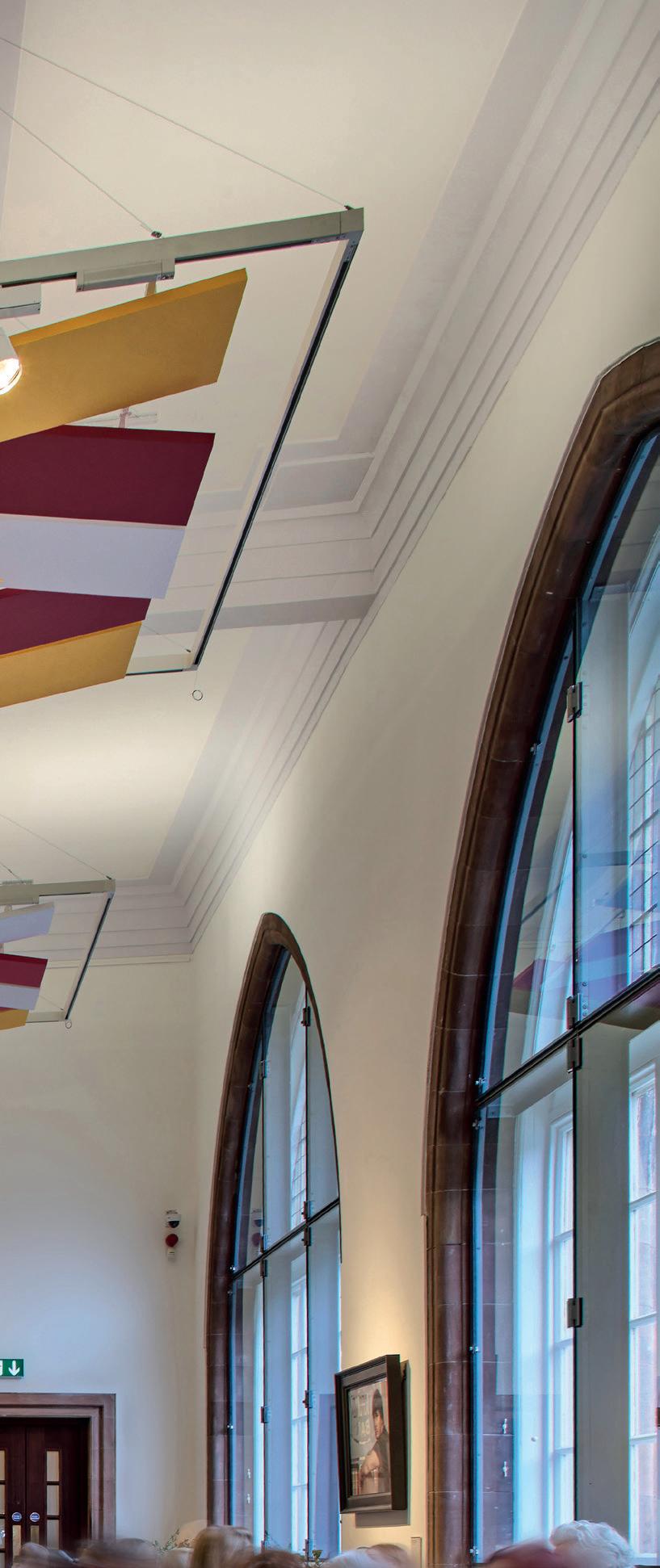
The open-plan café had ongoing noise issues that needed to be addressed, requiring innovative solutions to control sound without compromising aesthetic. As a listed building,
securing a ceiling solution directly to the soffit was not permitted. The challenge was to create a modern, visually appealing
environment that harmonised with the building’s heritage while enhancing acoustic performance.
Solution
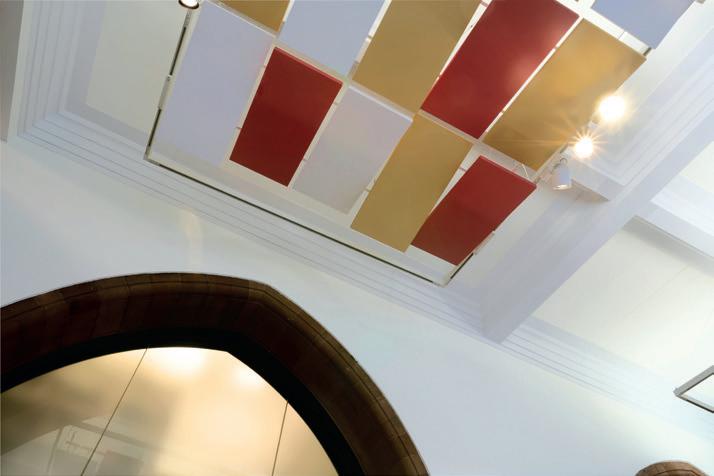
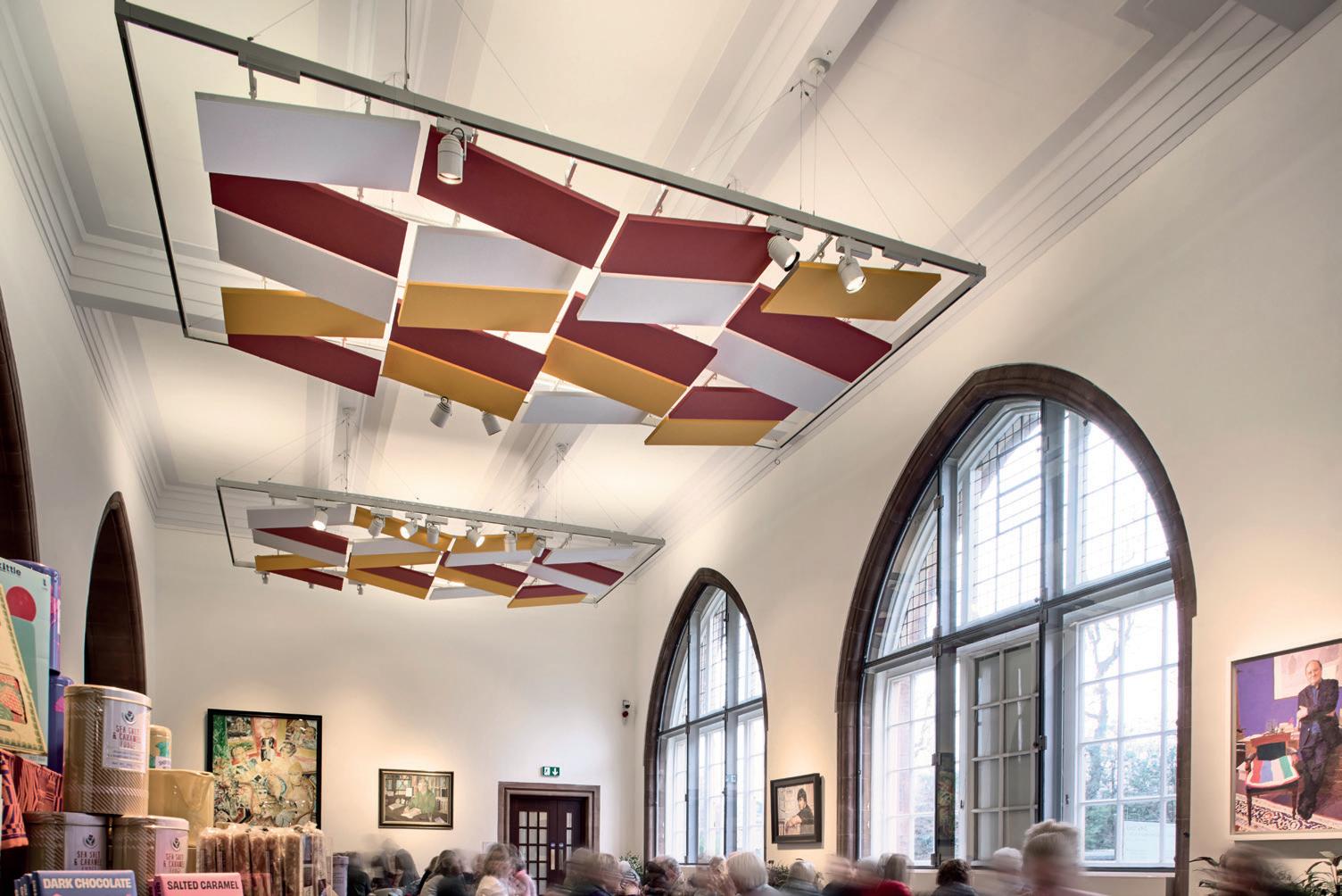
Space Solutions designed three art installations in the existing lighting tracks that could also function as acoustic rafts. Featuring multi-coloured panels at different angles, these rafts not only address acoustic challenges but also complement the Gothic architecture.
The acoustic rafts were made up of three Zentia Sonify Tilt canopy rafts, delivering on both aesthetic and functional requirements. The Sonify rafts are rated Class A in sound absorption and were chosen for their ability to control reverberation and noise levels in the café’s open-plan layout. The rafts were specified in a mixture of YE3 (pale yellow), RE5 (soft red), and WH1 (white).
To comply with the building’s listed status, a primary Unistrut structure was used to suspend the grid system sufficiently, ensuring that no alterations were made to the soffit.
The installation, carried out by 2T Joiners Ltd, was completed in January 2025. The Sonify Tilt canopy rafts have improved the acoustic quality of the space while maintaining the design’s artistic integrity. The rafts provide better sound management, ensuring a more pleasant experience for the café’s customers.
This project exemplifies how thoughtful design and modern solutions can transform a historic space without compromising its original charm.
To find out more about Zentia visit: https://www.zentia.com/
Building & Refurbishment
Historic Whitby Abbey facilities benefit from lift modernisation
One of England’s most famous historic monasteries, Grade I Whitby Abbey, has invested in a lift modernisation by Stannah to offer reliable step-free access to visitors.
Originally founded in AD 657 and occupied by the Anglian community, Whitby Abbey was later rebuilt as a Benedictine monastery. Today, the 7thcentury ruins remain a popular heritage landmark in North Yorkshire, now housing an award-winning visitor centre repurposed from a 17thcentury banqueting hall.
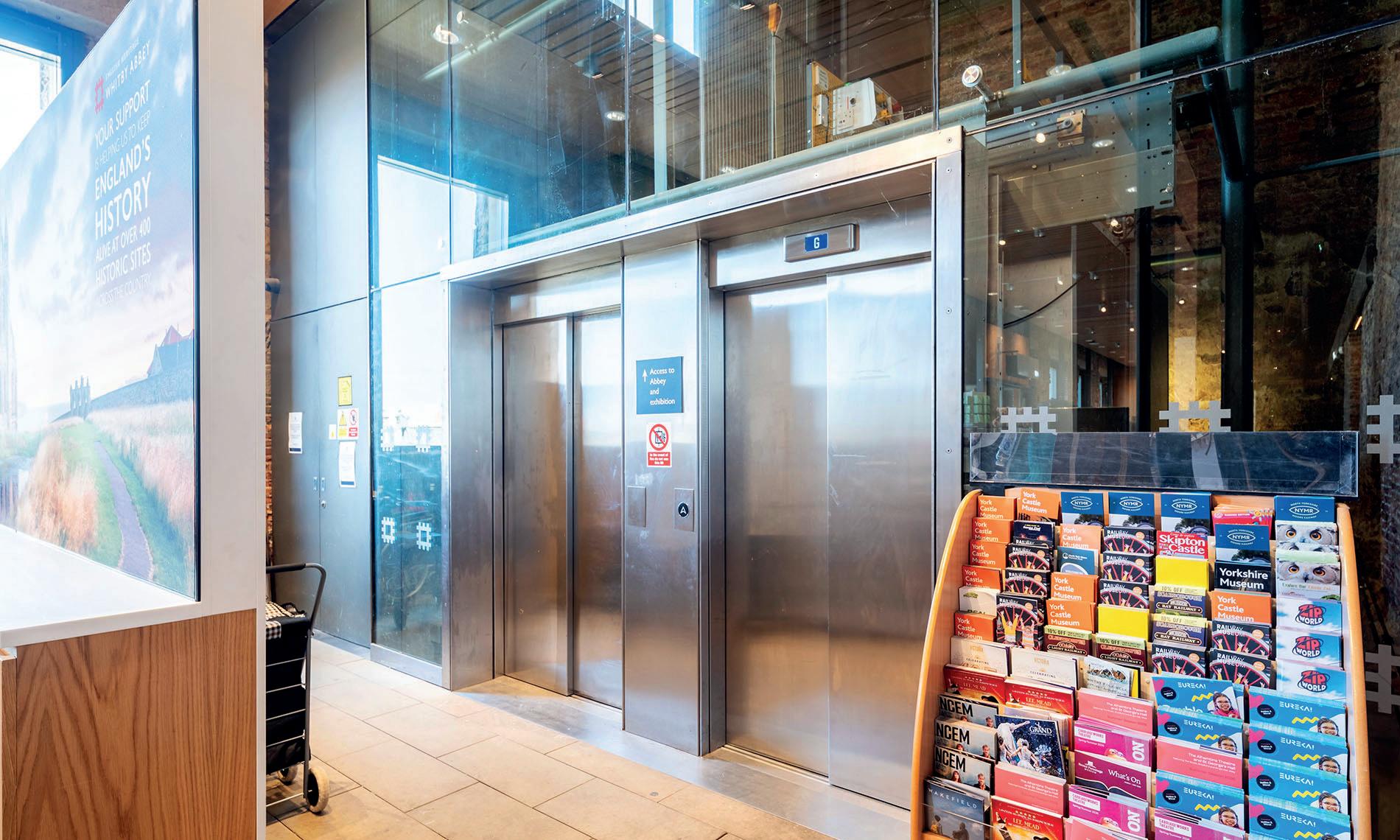
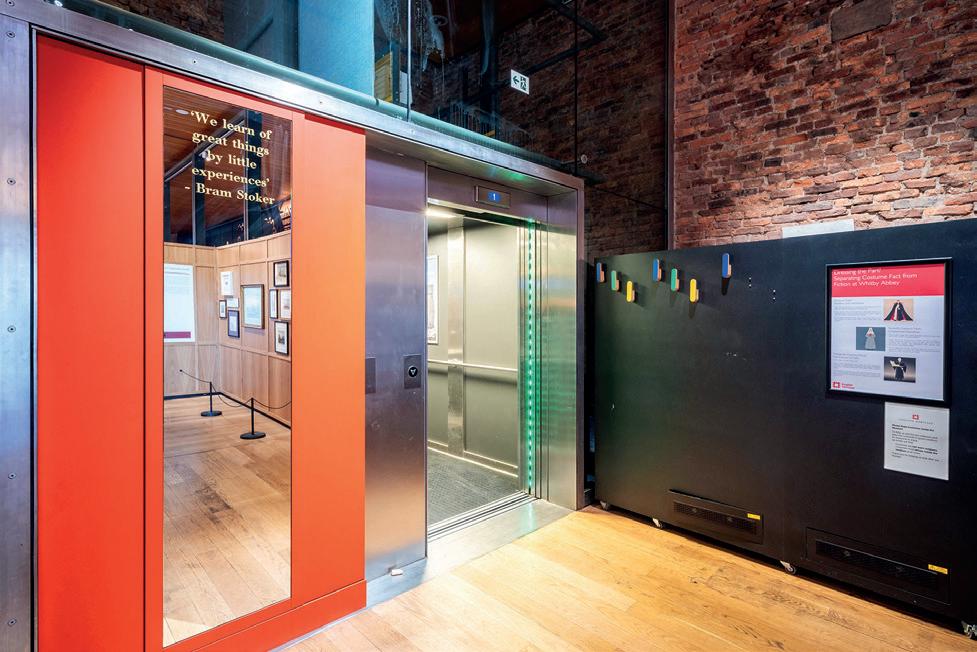
Whitby Abbey House Visitor Centre, developed in the early 2000s beside the abbey ruins, includes a souvenir shop, museum and café. The passenger lift is located on the ground floor, providing access to the museum and exhibition area on the first floor.
Due to the age of the existing lift, modernisation work was needed to maintain smooth and reliable operations for visitors who require step-free access.
Whitby Abbey is managed and maintained by English Heritage, who issued a tender for the lift works. Following a rigorous tendering process, Stannah, acting as the lift supplier, worked with Cundall consultants to determine the best approach for this modernisation project.
The challenge
Whitby Abbey attracts over 150,000 visitors each year, so keeping the visitor centre open was important to fulfil the customer experience. The shop’s closure was kept to a minimum to ensure the safe transportation of equipment and initial start of works. This also allowed the on-
site team to establish a safety perimeter, prioritising visitor safety. Following this, the shop remained open for the duration of the project.
As this was the only functioning lift in the building, it was important to complete the modernisation as quickly as possible to avoid long disruptions to shop operations and visitors.
The solution
Working collaboratively with Cundall, lift modernisation was proposed in place of full replacement, a recommendation supported by Stannah Lifts to achieve a costeffective outcome with minimal impact on daytoday operations.
By upgrading key mechanical and control components, the lift’s reliability, performance and longterm serviceability are improved while shortening installation time and minimising downtime.
The lift modernisation solution included a new Hydroware control panel to improve reliability and lift response times, a hydraulic tank unit for more efficient system
operation, and a borehole ram to provide safer and smoother travel.
A new stainless steel car operating panel (COP) and landing push stations were installed to improve passenger usability, accessibility and lift reliability.
The installation of a variable voltage variable frequency (VVVF) electronic drive improves ride comfort by delivering smoother acceleration and deceleration, reducing any jerking movements and mechanical wear, while also improving energy efficiency. The shaft lighting was also upgraded to LED to improve visibility for engineers during future maintenance work.
New vinyl flooring was chosen to enhance the interior appearance while providing a durable, hardwearing, and easy-to-maintain surface suitable for high-traffic use.
The modernisation package covered all major components, offering a practical solution that optimised performance and restored reliability.
Images by Ben Harrison Photography
Results
The lift modernisation was completed within five weeks. Overall, these modernisation upgrades successfully enhanced the lift’s reliability, operational efficiency, ride comfort, safety and energy performance, while reducing the risk of breakdowns frequently associated with ageing components.
The new stainless steel COP, updated indicators and vinyl car flooring also modernised the appearance of the lift car, providing a more durable, accessible, and user-friendly experience for passengers.
Upgraded lift components, such as the VVVF drive, help to deliver a smoother ride while also reducing operating costs by more efficient motor control and reduced energy consumption.
Ryan Smith, Field Repair Manager at Stannah North & North East England Service Branch in Gateshead, said: “Working within a heritage site required careful planning and consideration, so we
worked closely with onsite teams throughout to ensure the lift modernisation was delivered safely and successfully. Through the upgrade of key lift components, we were able to significantly enhance the lift’s reliability, efficiency, and passenger experience, while also helping to reduce ongoing operational costs for our customer.”
Matt Bishop, National Project Manager at English Heritage, adds: “We are pleased with how all the teams involved came together throughout the lift upgrade. Stannah Lifts kept in consistent communication at every stage, particularly around delivery schedules and installation timelines, which helped everyone to stay aligned and manage our expectations. As a result, visitors were able to regain step-free access to upper floors as quickly as possible once the project was completed.”
Visitors can now enjoy reliable transportation from the only lift on site to the museum, where they can explore the heritage of one of the UK’s iconic landmarks through its exhibits and displays.
Lift modernisations are particularly effective for systems experiencing frequent callouts, breakdowns, repeated repairs, high running costs from outdated systems that consume a lot of power and worn finishes. For more information on lift modernisations, visit: https:// www.stannahlifts.co.uk
Outdoor Estate Maintenance
Navigating the Elements:
Dean Pearson, Senior Operations Manager at OUTCO discuses
how
changing seasons demand a culture shift in Outdoor Facilities
Management.
Maintaining outdoor spaces requires far more understanding of the environment, climate and external conditions than just planning to a strict calendar. Effective management of external environments requires organisations to recognise two key realities: our seasonal patterns have fundamentally changed, and the regimented culture of internal FM cannot simply be exported outdoors. As we start to look ahead to autumn and winter, keeping these realities in mind is key to successfully managing your outdoor estate and ensures the most productive relationship with your contractors.
The shrinking calendar: From four seasons to two
Historically, grounds maintenance followed a predictable, bell-shaped curve linked to “growth degree days” – a metric widely used in farming and horticulture that links the expected pace of plant growth to likely temperatures and external factors. There was a slow tail-off in autumn, a dormant winter, a gradual spring reawakening, and a plateau of active growth in the summer. Today, we’re seeing that predictable curve being replaced by erratic, “up down up down” weather cycles and prolonged stagnation in external environments.
In other words, we have effectively transitioned from a climate of four seasons to just two; autumn and spring have shrunk, while summer and winter have expanded. This volatility is making traditional horticultural calendars increasingly obsolete. As an example, you might experience a 22-degree week followed immediately by an
unseasonal
frost, causing early-blooming plants like daffodils to emerge in February only to be wiped out by snow in April. Because of these extended growing periods, the traditional spring downtime we once used to prep borders no longer exists; grounds maintenance teams are now constantly battling active growth at all times, all while dealing with day-to-day requirements of external FM management.
that dictate strict service frequencies – for both statutory and non-statutory compliance (i.e. if a schedule dictates that emergency lights must be checked on a Tuesday, they are checked on a Tuesday, regardless of the weather or any external factors).
Looking ahead to this winter, we can anticipate a particularly volatile period. The World Meteorological Organisation has warned that the next phase of the world’s periodic El Niño weather pattern could be one of the strongest on record, with the Met Office predicting this could produce a milder start and colder end to the British winter. At the best of times, unsettled seasons have become the rule – this year could be even more erratic.
The culture clash: Internal vs. external FM mindsets
This volatility presents a unique challenge to the world of FM, where it collides head on with a culture that is highly regimented and standards driven: One of the biggest hurdles in modern grounds maintenance is overcoming the traditional internal FM mindset that’s often guided by industry standards such as SFG20
The fundamental error many FMs make is assuming the outside operates just like the inside. You simply can’t manage a living, external landscape with the same templated, standards-based mindset used to maintain a boiler tagged with an asset number. Outdoors, teams are dealing with growing, living organisms and highly variable conditions. Meanwhile, aside from wear and tear, indoor assets pretty much stay as you’ve left them. Even inert outdoor assets like bike racks or pavements (which will probably not have a useful asset tag connecting them to an orderly digitised management platform) will require a dynamic approach as they’ll be interacting with natural detritus like leaves and moss or with subsurface roots and drainage systems. When FM managers try to apply a rigid internal culture to external environments, the mismatch can result in a bit of culture shock.
Outdoor Estate Maintenance
Embracing agility for winter preparation
This disconnect can be especially evident when planning for winter. We’ll often have clients ask for exact dates for when grass cutting will cease or when specific winter tasks will begin. However, external maintenance must be dictated by natural conditions, not fixed calendar dates.
Given the breakdown of the neat four-season pattern, a truly effective winter preparation strategy must rely more on natural triggers. Let’s look at a few key events and aspects to consider:
• The First Frost and Leaf Fall: Everything goes dormant when the first frost hits. Deciduous trees react by dropping their leaves, making leaf collection the primary task that guides teams into winter. In ideal conditions, clearing leaves by Christmas creates a “blank canvas” so that hard winter works can commence without obstruction. This is a case in point regarding unpredictability, we can often find ourselves still clearing leaves into the New Year.
• Reactive Site Management: Because weather is so unpredictable, ground teams must operate with an agile mindset. They may arrive on-site with a predetermined checklist of tasks, but that list changes the moment they step out of the van and assess the live conditions and receive on site client requests that supersede the planned requirements. If November is unusually hot, teams can still actively spray weeds because the plants are still growing and capable of absorbing the treatment.
• Timing Specialist Winter Works: Certain maintenance jobs cannot be deferred until the depths of winter – but even so, it’s the specific conditions that matter. For example, line-
marking and permanent pothole repairs should be completed before harsher conditions set in and often the timings are determined by the products being used. Manufacturer specifications, guarantees and aftercare requirements often prevent laying these materials in freezing or wet conditions. This means that an FM provider can’t simply schedule these repairs during a hard frost without risking immediate failure or limiting the lifespan of the repair. Other tasks, like jet washing bus shelters or road sweeping, are better avoided in sub-zero temperatures to avoid leaving hazardous frozen pools of water creating unnecessary further issues on site.
As our seasons become more extreme and unpredictable, rigid maintenance schedules are even less appropriate in outdoor FM. To successfully manage and prepare external environments for winter, clients and FM providers must shift away from the regimented internal mindset.
However, doing so can feel risky – especially when discipline and order can be key to managing budgets and contractor activity. An agile mindset that delegates more decision-making powers to outdoor FM experts can seem like losing control. Squaring this circle demands another mindset shift. It means trusting your grounds teams
and contractors to step away from the “turn up and do” approach to acting with the right level of flexibility and autonomy to properly deliver year-round care of sites – all while keeping visibility and accountability.
In other areas of business, there’s an ethos of “trust, but verify”. This can be applied to grounds maintenance too: Adopting this approach means working with trusted, dependable partners that have the right depth of horticultural and outdoor maintenance experience and that also have robust reporting and communication processes to ensure transparency and effective budget oversight.
Some of this involves better technology: leading outdoor FM providers such as OUTCO deploy the latest technologies such as client apps and portals to provide an unprecedented level of visibility to simplify management of reactive works and dynamic situations on the ground. But no matter how things change, we know that some things remain the same. You’ll always need great people on the ground you can trust your sites to. By finding the right combination of mindset, management tools and experience people, you can be sure that your outdoor spaces remain safe, healthy, and properly maintained no matter what the climate does.
For more information contact 0800 0432 911 email enquiries@outco. co.uk or visit www.outco.co.uk
Cleaning & Hygiene
EGO WDV0300E Wet & Dry Vacuum – A Practical Cordless Solution for Public Sector Facilities Teams
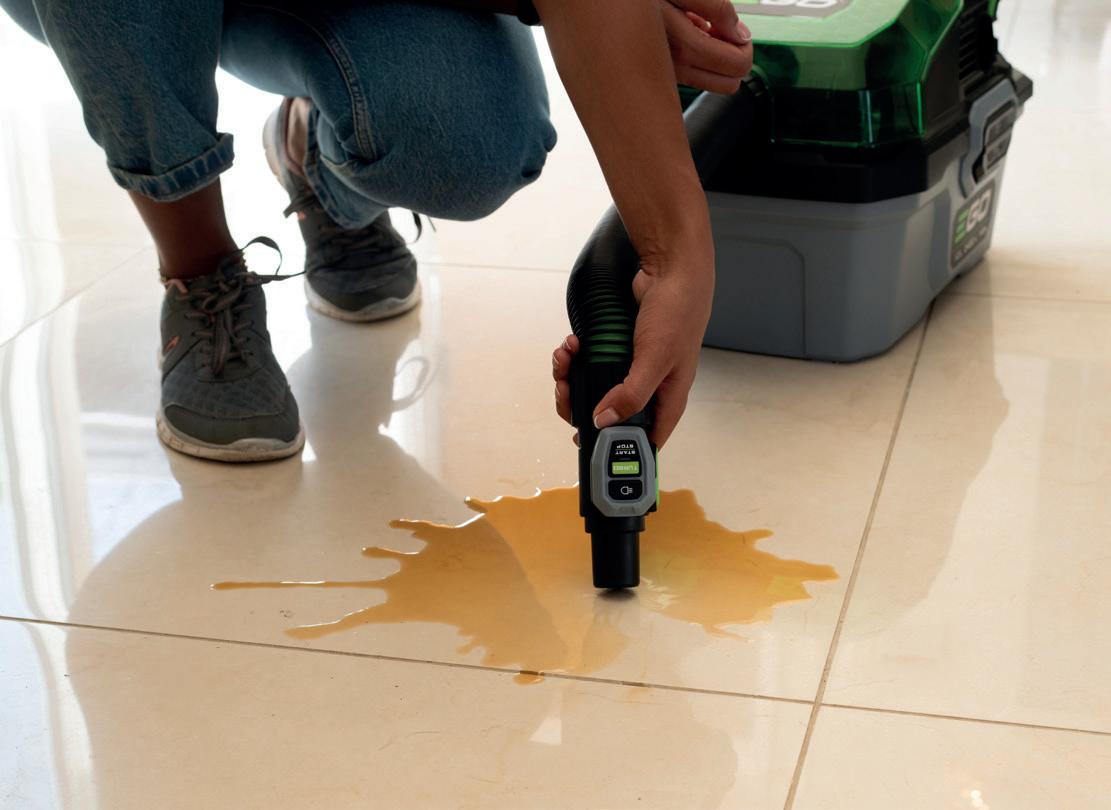
For facilities managers responsible for maintaining schools, NHS buildings, council offices and other public sector estates, the EGO WDV0300E offers a compelling alternative to traditional corded wet and dry vacuums. Its combination of cordless convenience, strong suction performance and compatibility with the wider EGO Professional range makes it particularly well suited to mobile maintenance teams.
One of the biggest advantages is the elimination of trailing power leads. Whether clearing up after reactive maintenance, cleaning plant rooms, dealing with minor water ingress or tidying workshops, operatives can begin work immediately without locating power outlets or managing extension leads. This not only improves efficiency but also reduces trip hazards in occupied buildings.
Performance is impressive for such a compact machine. The vacuum provides strong suction for both dry debris and liquid spills, making it versatile enough to handle everything from plaster dust following repairs to routine workshop cleaning and emergency spill response. The multiple power settings allow users to balance runtime with performance depending on the task.
The compact design is another strength. Engineers moving between multiple sites or carrying equipment through schools, leisure centres or office buildings will appreciate its portability. It stores easily in maintenance vehicles, and the integrated accessory storage helps ensure all tools remain together, reducing the likelihood of misplaced components.
A particularly useful feature is the wireless remote control built into the hose. This allows users to start and stop the vacuum without repeatedly returning to the main unit, saving time during repetitive cleaning tasks. The integrated LED light is also beneficial when working in ceiling voids, under sinks, service risers or poorly lit plant areas.
For organisations already investing in the EGO Professional battery platform, the WDV0300E represents good value. Sharing batteries across landscaping equipment, blowers, hedge trimmers and cleaning equipment reduces the number of chargers and battery systems that facilities teams need to manage, simplifying fleet management and lowering long-term ownership costs.
From a facilities management perspective, the cordless design also contributes to safer working
practices by reducing cable-related trip risks and allowing cleaning to take place in locations where power access is limited or inconvenient. The brushless motor operates relatively quietly, making it suitable for use in occupied environments where disruption should be kept to a minimum.
While the machine’s 11-litre capacity means it isn’t intended to replace larger workshop extraction systems for heavy-duty applications, it excels as a highly portable maintenance vacuum for day-today reactive and planned maintenance work.
Overall, the EGO WDV0300E is a well-engineered, professional-grade wet and dry vacuum that delivers the portability, flexibility and performance required by modern public sector maintenance teams. For facilities managers seeking to improve operational efficiency, reduce cable-related safety risks and maximise the value of an existing EGO battery fleet, it is a strong investment that is likely to prove its worth across a wide range of estate maintenance tasks. https://egopowerplus.co.uk/
Could Poor Supplier Carbon Data Increase Your Cost of Debt?
Why Scope 3 emissions are moving from the sustainability report to the lender’s risk model. Graham Paul, Service Delivery Director, TEAM Energy
For years, Scope 3 emissions have been viewed as the most challenging part of corporate sustainability reporting. They are difficult to measure, complex to manage and often sit outside an organisation’s direct control.
As a result, many organisations still treat Scope 3 reporting as a compliance exercise, one that needs improving over time, rather than a priority today.
That mindset may be about to change.
A growing number of lenders are incorporating ESG performance into lending decisions, and supply chain emissions data is becoming part of the conversation. What was once a sustainability reporting challenge is rapidly evolving into a financing issue. Organisations that lack visibility of their Scope 3 emissions may find themselves facing more difficult discussions with investors, lenders and procurement teams in the years ahead.
The emissions challenge hiding in plain sight.
Most organisations are surprised when they calculate their first comprehensive Scope 3 footprint
According to the Carbon Trust, Scope 3 emissions often account for between 70% and 90% of an organisation’s total carbon footprint. Research from CDP and Boston Consulting Group found that supply chain emissions are, on average, 26 times greater than combined Scope 1 and Scope 2 emissions. Yet only a relatively small proportion of organisations have set formal Scope 3 reduction targets.
For many businesses, the largest environmental impact does not come from their own buildings, vehicles or energy consumption. It comes from purchased goods and services, outsourced operations, logistics
networks and supplier activities.
This means that the quality of an organisation’s sustainability reporting increasingly depends on the quality of information it receives from suppliers.
Why lenders care about Scope 3
Historically, lenders focused almost exclusively on financial performance when assessing risk. Today, many are taking a broader view.
With evolving sustainability reporting requirements, financial institutions are finding themselves under pressure to understand the climate-related risks within their portfolios. This includes the emissions associated with the organisations they lend to.
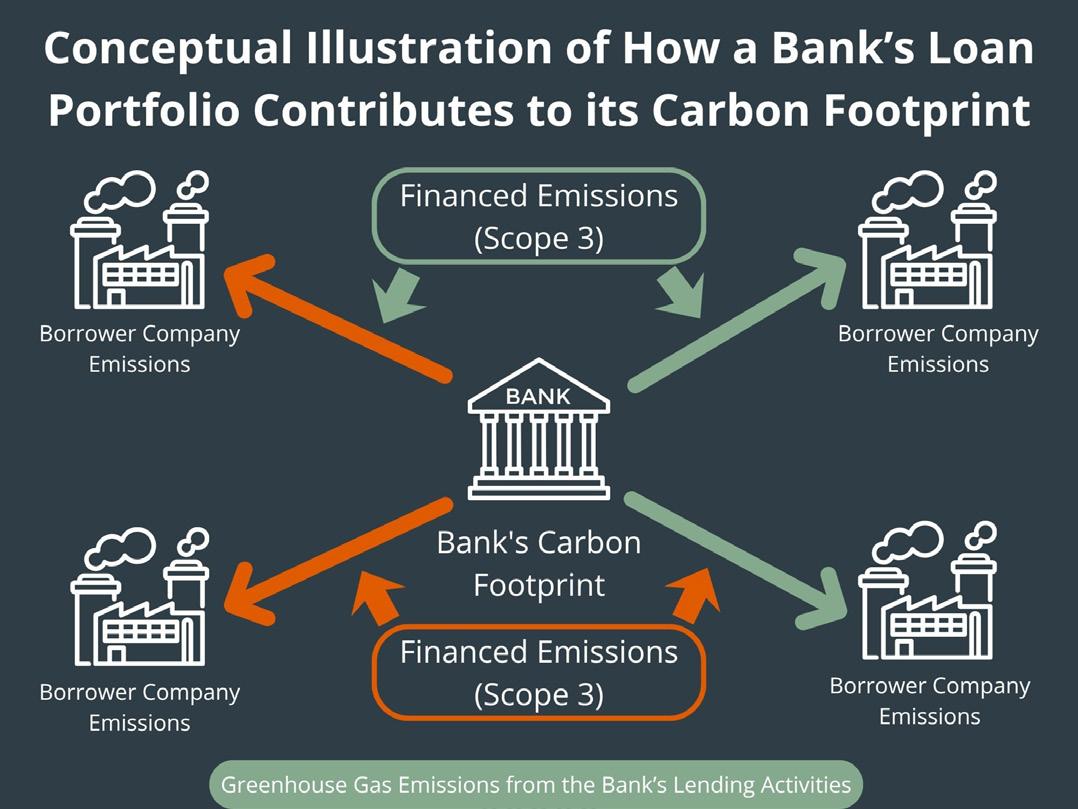
More often, banks and investors are being asked to account for financed emissions. To meet their own sustainability reporting obligations, they require credible information from borrowers on both direct operational emissions and material supply chain impacts. Under the GHG Protocol, financed emissions reporting can include emissions associated with lending portfolios, making access to robust borrower data more important.
Recent research suggests that 73% of UK mid-market lenders now have a formal ESG lending strategy, while 81% expect ESG performance to play a more important role in lending decisions over the next five years.
In other words, sustainability
information is no longer sitting on the periphery of financial decision-making. It is moving closer to the centre.
The emergence of the “carbon credibility” test
The most interesting shift is not whether organisations can produce a carbon footprint. It is whether they can stand behind the quality of the data used to calculate it.
Lenders, investors and procurement teams are becoming more sophisticated in their assessment of ESG claims and want to understand how emissions figures have been calculated whether supplier data has been verified and what governance structures support reporting processes.
Two organisations may publish nearly identical carbon footprints, yet one is underpinned by verified supplier data, active engagement programmes and a clear decarbonisation strategy, while the other relies heavily on broad estimates. As ESG expectations mature, stakeholders are looking beyond the headline numbers. The focus is shifting from the emissions figure itself to the quality and credibility of the data behind it. Organisations with
transparent methodologies, robust governance and a clear roadmap for improving data quality are likely to earn greater trust from lenders, investors and customers alike.
A business borrowing issue
This is where the conversation becomes particularly relevant for boards, finance directors and business owners.
Many organisations still view ESG as the responsibility of the sustainability team. In reality, some of the most significant implications sit within finance, procurement and risk management.
There is growing evidence that sustainability performance can influence access to capital. Sustainability-linked lending products already link financing terms to environmental performance targets, while some lenders are introducing preferential terms for qualifying sustainability initiatives. Conversely, weaker ESG performance can create the perception of increased business risk.
Whether businesses face an explicit pricing adjustment today is less important than recognising the direction of travel.
As climate-related financial risks become more embedded in lending frameworks, organisations with stronger data, clearer governance and credible transition plans are likely to be in a stronger position during funding discussions.
Credibility is more important than perfection
The good news is that businesses do not need perfect data from every supplier before taking action. In fact, attempting to achieve complete precision from day one is often one of the biggest barriers to progress.
Leading organisations typically start by identifying emissions hotspots, prioritising high-impact suppliers and improving data quality incrementally. Over time, they move from broad estimates towards more detailed supplier-specific information, focusing effort where it
delivers the greatest value. The goal is not perfection. It is credibility. Businesses that can demonstrate an understanding of their supply chain emissions, active supplier engagement and a clear plan for improvement are likely to be viewed more favourably than those waiting for perfect information before they begin.
For organisations seeking growth, investment or external finance, the question may soon extend beyond “What are your emissions?” Instead, the question may become: “How confident are you in the data behind them?”
Those that can answer that question with confidence may discover that effective sustainability reporting does more than satisfy ESG requirements, it helps strengthen business resilience, stakeholder trust and financial credibility.
Design, Supply & Service Of Sustainable Hot Water Systems For Public Sector Projects
Sustainability
5 Reasons Why Liquid Cooling Systems Are Integral to the Future of Data Centres
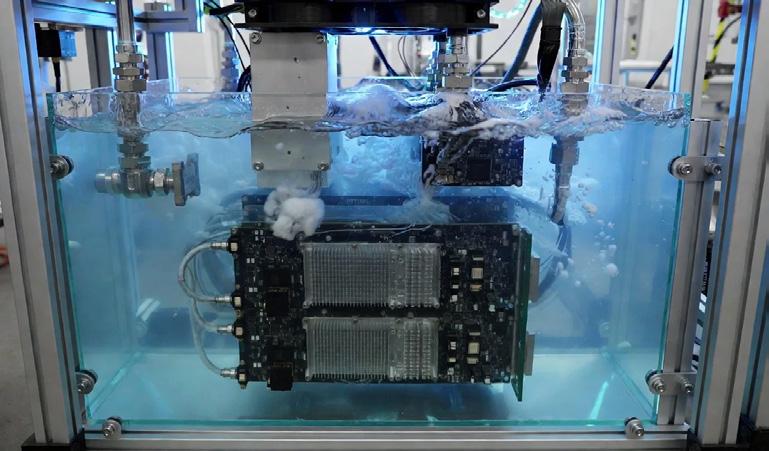
As AI, machine learning, and high-density computing continue to drive demand for more powerful data centres, liquid cooling infrastructure is rapidly becoming a critical part of modern digital environments.
Traditional air cooling systems are struggling to keep pace with the thermal demands of nextgeneration processors and GPUintensive workloads. As a result, data centre operators, OEMs, and infrastructure providers are increasingly turning to liquid cooling technologies to improve efficiency, reliability, and sustainability.
There is growing demand for reliable instrumentation and process monitoring solutions across a wide range of liquid cooling applications, including:
• Coolant Distribution Units (CDUs)
• Pump skids and manifolds
• Heat exchangers
• Leak detection systems
• Pressure and flow monitoring
• Thermal management systems
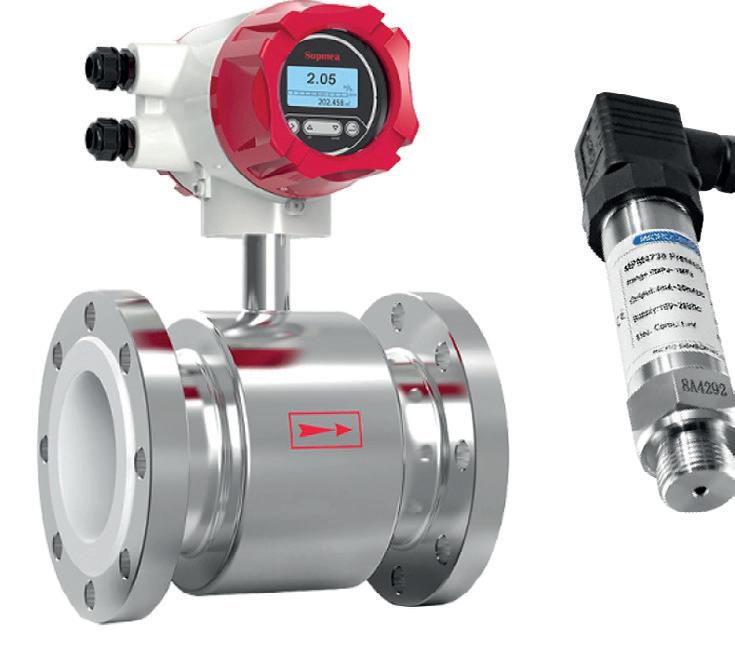
As an official distributor for SUPMEA, Total Pressure Solutions supports OEMs, system integrators, and infrastructure providers with robust instrumentation designed for demanding cooling and process applications.
Here are five reasons why liquid cooling systems are becoming integral to the future of data centres.
1. AI Workloads Are Increasing Heat Density.
AI-ready infrastructure requires significantly more processing power than traditional data centre environments. High-performance GPUs and accelerated computing platforms generate far greater heat loads, making conventional air cooling less effective.
Liquid cooling provides a far more efficient method of transferring heat away from critical components, enabling
data centres to support higher rack densities while maintaining stable operating temperatures.
2. Energy Efficiency Is Becoming a Priority.
Energy consumption is one of the biggest challenges facing modern data centres. Cooling systems account for a significant proportion of overall power usage, placing increasing pressure on operators to improve efficiency.
Liquid cooling systems can reduce energy consumption by improving thermal transfer performance and reducing reliance on large-scale air handling systems. This helps operators lower operational costs while supporting sustainability targets and carbon reduction initiatives.
3. System Reliability Depends on Accurate Monitoring.
As cooling infrastructure becomes more advanced, accurate instrumentation and process monitoring are becoming essential to maintaining uptime and protecting critical equipment.
From pressure transmitters and flow meters to temperature and level instrumentation, reliable monitoring solutions provide operators with greater visibility and control across liquid cooling systems.
Total Pressure Solutions work closely with customers to deliver high-quality, fit-forpurpose instrumentation solutions with quick turnaround times — typically within three weeks.
4. Leak Detection and System Protection Are Critical.
In liquid-cooled environments, system integrity is vital. Early leak detection and differential pressure monitoring help prevent downtime, equipment damage, and operational disruption
Reliable process instrumentation enables operators to identify issues quickly, optimise system performance, and maintain safe and
stable cooling conditions across complex infrastructure environments.
5. Liquid Cooling Is Becoming the Industry Standard.
What was once considered a future technology is quickly becoming a standard requirement for AI-ready infrastructure.
Steve Morecroft, Sales Director at Total Pressure Solutions, commented:
“Liquid cooling is no longer a future concept — it’s becoming a critical requirement for AI-ready infrastructure. As demand grows, we see a significant opportunity for OEMs and integrators to improve efficiency, reliability, and monitoring through smarter instrumentation solutions. At Total Pressure Solutions, we work with our partners to understand their exact needs and deliver a high-quality, fit-forpurpose solution at a competitive rate with a quick turnaround.”
The shift toward liquid-cooled environments is creating exciting opportunities across industrial automation, OEM machinery, and critical infrastructure sectors — and Total Pressure Solutions is proud to support customers as this market continues to evolve. www. totalpressuresolutions.co.uk
Specifying CFA members for your flooring projects means you’ll be gaining a wealth of experience from vetted contractors with the knowledge and products to fulfil your specification with a sustainability criteria.
CFA members are part of a supply chain that includes specialist contract flooring contractors, manufacturers and distributors, all of whom promote the highest standards and expertise.
Decarbonising Hot Water Without the Bespoke Price Tag
For the public sector the mandate to decarbonise is clear. However, the path to Net Zero is often obstructed by aging infrastructure, limited plant room space, and the high capital expenditure associated with bespoke engineering.
In commercial settings, domestic hot water (DHW) can account for up to 30% of a building’s daily energy consumption. While transitioning to electrical alternatives is a pillar of sustainability, high-temperature water heating remains a challenge. To meet peak demands and strict anti-legionella regimes, FMs often feel trapped between costly, oversized heat pump installations or high-operatingcost direct electric systems.
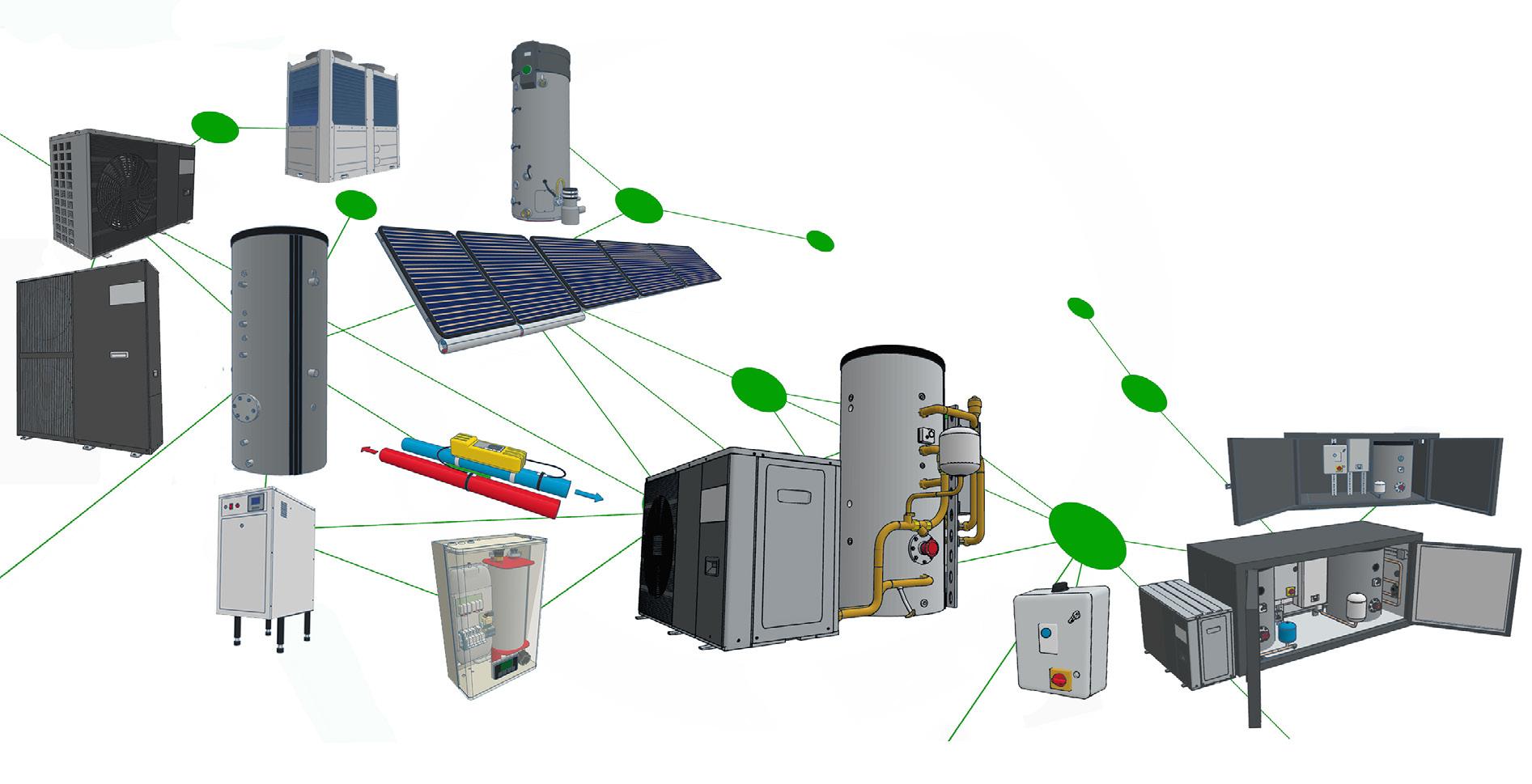
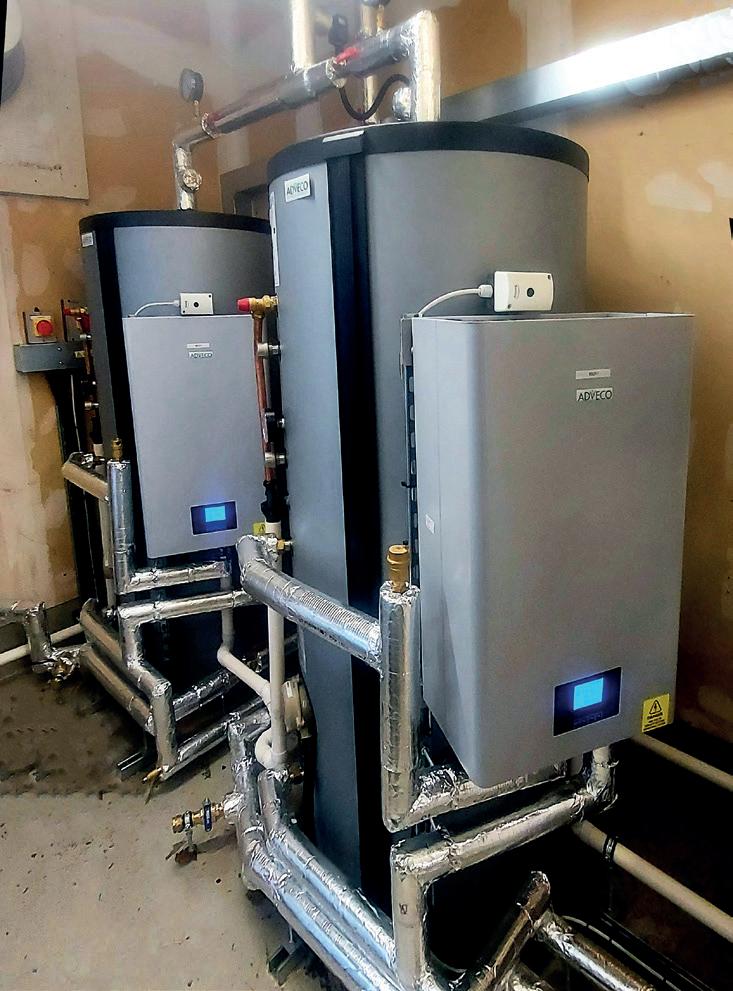
Adveco’s FUSION TW/TWplus reimagines this transition. It offers a packaged, pre-sized hybrid approach that slashes emissions while bypassing the complexities of bespoke design. Redefining the Hybrid Approach
FUSION serves as an alternative for new builds and gas-to-electric retrofits. Rather than relying on a single large, expensive heat source, it harnesses a hybrid architecture. By offsetting primary heating with a low-carbon alternative, it reduces grid demand, driving savings superior to both gas and standard direct electric systems.
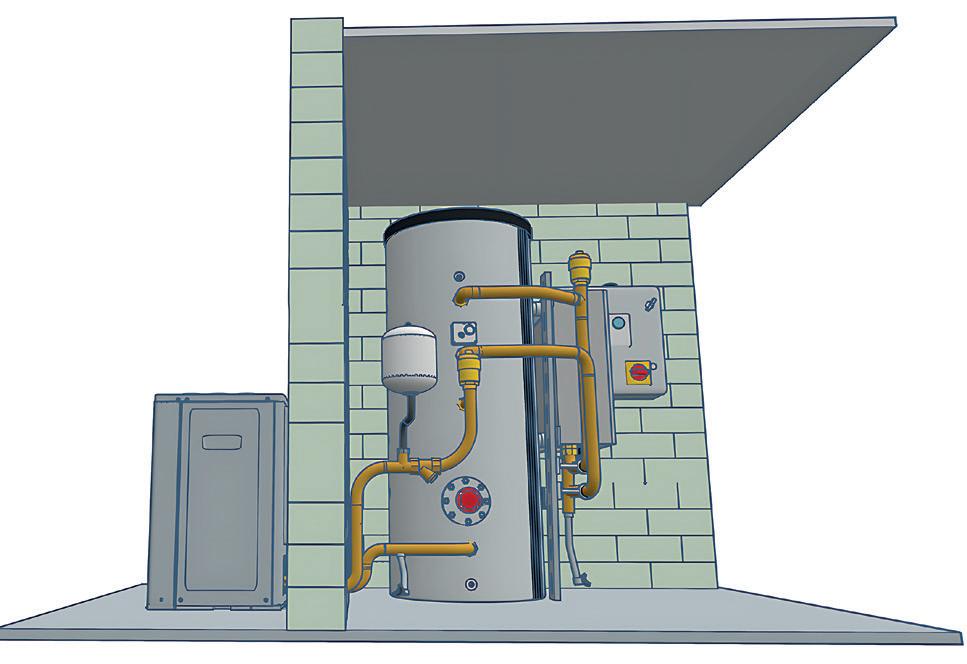
At the heart of the FUSION TW/ TWplus is the integration of an ADV-W series air source heat pump (ASHP) and the ARDENT electric boiler. These units work in tandem with a 750-litre ATST twin-coil cylinder to create a highly efficient indirect water heater. The TWplus incorporates an additional backup immersion for assured operation with no single point of failure.
A common pitfall in commercial
HVAC is the drop-off in efficiency when heat pumps are forced to work at high temperatures. To reach required flow temperatures (+55°C), heat pumps need to work harder, drawing more energy and increasing costs. Adveco’s heat pumps maintain high seasonal efficiency while delivering a continuous 60°C output. This ensures a consistent pre-heat, allowing the top-up heating to easily reach the +65°C required for legionella protection.
Furthermore, the use of R32 refrigerant reflects a commitment to safety and the environment, whilst enabling use of a single monobloc outdoor form factor which is lower cost to purchase, install and operate. Supporting the ASHP is the ARDENT electric boiler. Unlike traditional immersion systems prone to limescale, the ARDENT operates in a sealed ‘primary loop’ configuration. By recirculating a finite amount of water through a heat exchanger, it eliminates scale issues, extending the unit’s lifespan and reducing maintenance callouts. New enhancements, including a larger primary heating coil within the cylinder means even greater power, up to 24 kW, is now available from ARDENT in the same compact 400 and 580 litre form factors. In such an iteration it is possible to meet instantaneous draw off demands of up to 225 litres or maintain continuous flow rates of up to 855 litres/hour for the most demanding applications.
The greatest risk in a hybrid system is ‘contention,’ where two sources work against each other. FUSION excels through smart control which deploy intelligent climate curves, adjusting water temperatures based on external conditions (-20°C to +43°C).
potentially covering 70% of total heat requirements – before blending in the ARDENT boiler. For the FM, the system ‘thinks’ for itself, managing stepped power control to reduce start-up current. With an included GSM module, fault notifications are sent via BMS or text, allowing for remote management.
Tangible Savings
FUSION’s adoption is driven by verified data. Compared to direct electric DHW systems, FUSION delivers an average carbon saving of 36.3%. The figures are even more striking when moving away from gas, delivering an average of 60.8% carbon savings, with some variants reaching 67.86%.
For organisations with specific goals, the base TW variant can even deploy solar thermal pre-heat. Adveco’s controls ‘cheat’ the system in favour of solar input, providing an ultra-low-carbon solution with a minimal rooftop footprint.
The system maximises the heat pump’s contribution -
Perhaps the most compelling argument is the cost-to-performance ratio. Currently, high-temperature heat pump specifications can be prohibitively expensive; Adveco has demonstrated that a centralised FUSION system can match these specs for a tenth of the cost. By offering 25 pre-sized TW variants, FUSION removes the need for bespoke engineering, providing an off-the-shelf, ready-to-go system that reduces installation downtime. For public sector facilities managers, FUSION TW/ TWplus is a scalable, reliable resolution to the most pressing challenge in modern building services. https://adveco.co/
Moving towards a cleaner, more sustainable future
At Nilfisk, sustainability is both a shared responsibility and a strategic priority integrated throughout our business. It guides how we operate, serve our customers, and invest, demonstrating our efforts to address real-world cleaning challenges while reducing our impact on people and the planet.
Use the Nilfisk CO2 calculator to estimate the carbon footprint of your Nilfisk machine while in use, to support your ESG reporting and sustainable procurement of cleaning machines.
Nilfisk Ltd
Nilfisk House • Bowerbank Way • Gilwilly Industrial Estate
Powering the Future: Farnham Leisure Centre’s move to low-carbon energy
We are excited to announce a major upgrade to Farnham Leisure Centre’s heating system, replacing ageing gas boilers that have reached the end of their useful life with a new energy efficient Net Zero Pod® system in partnership with principal contractor, Leisure Energy.
The existing boilers have become increasingly inefficient and costly to maintain, with rising running costs. Continuing to rely on this system would have required significant ongoing investment while locking the centre into higher carbon emissions for years to come.
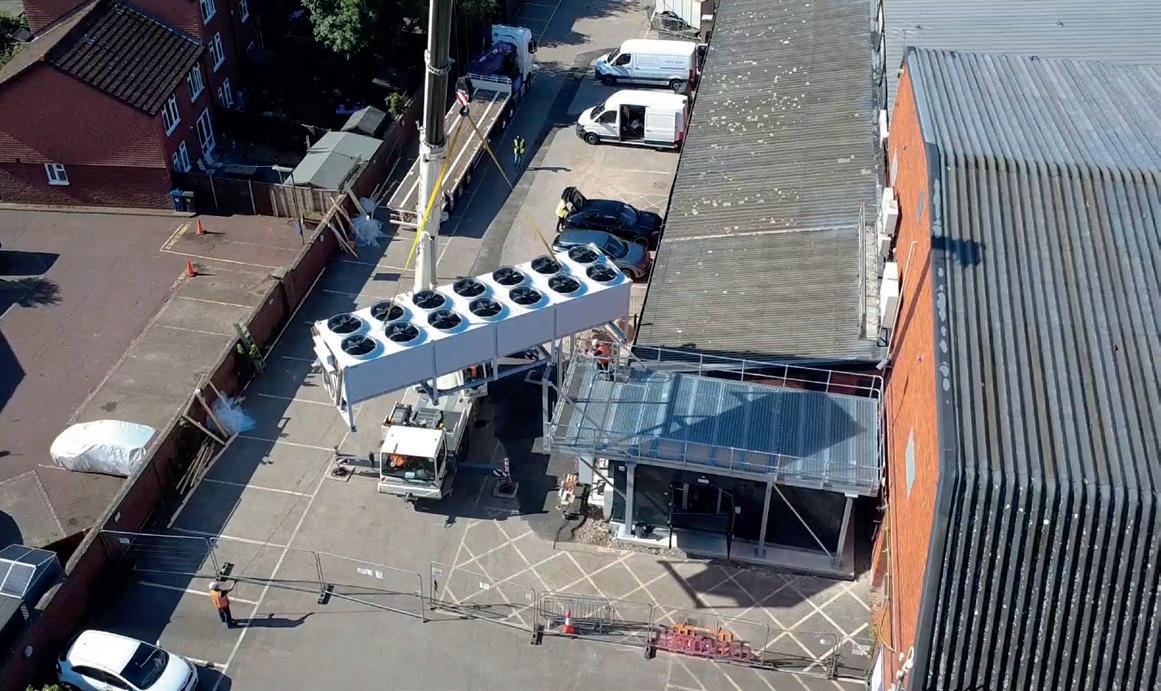
Following a detailed energy audit, a range of energy efficiency improvements were identified. The replacement of the existing boilers with air source heat pumps was highlighted as the most effective long-term solution. The new system – Leisure Energy’s Net Zero Pod® – is an external packaged plant room incorporating advanced air source heat pump technology. The project has recently reached a major milestone with both the Net Zero Pod® and fan decks now being in place. When the installation is fully complete, it will significantly improve energy efficiency while reducing the centre’s carbon emissions by an estimated 134 tonnes of CO₂e per year.
While the project represents a major capital investment, it is expected to deliver long-term savings through lower running and maintenance costs. It will also help future-proof the facility, offering better value for money than continuing to operate outdated gas infrastructure.
Councillor Adam Duce, Waverley Borough Council’s Portfolio Holder for Environment and Sustainability,
said: “This project demonstrates how environmental responsibility and financial prudence can go hand in hand. By replacing end-of-life equipment with modern, efficient technology, the council and Everyone Active are reducing emissions, lowering long-term costs and supporting our shared ambition to become carbon neutral by 2030. At the same time, we are continuing to invest in vital community facilities for our residents.”
Farnham Leisure Centre currently accounts for around 9% of Waverley Borough Council’s total carbon emissions and was identified as a priority project in the Council’s Carbon Neutrality Action Plan (2024). The total cost of the scheme is approximately £2.1 million, with £1.875 million secured through external funding, including government grants. The remaining balance will be funded by Waverley Borough Council.
Ash Davison, Project Manager at Leisure Energy said, “At Leisure Energy, we believe the installation of the Net Zero Pod® is about more than upgrading technology- it is about creating healthier, more resilient places for people and communities. We are proud to work alongside Waverley Borough Council and Everyone Active to install the Net Zero Pod® at Farnham Leisure Centre, replacing its ageing heating system with efficient air source heat pump technology.
This project will significantly reduce the centre’s carbon emissions, future-proof an important community facility and help ensure it can continue supporting local people for many years to come. It is a powerful example of what can be achieved when organisations share ideas, embrace innovation and work together with a common purpose.”
Peggy Lee, Group Sustainability Manager at Everyone Active, added: “We are delighted to support Waverley Borough Council in delivering this important investment at Farnham Leisure Centre. Replacing the ageing gas boiler system with modern air source heat pump technology, will improve energy efficiency, reduce carbon emissions and help secure a more sustainable future for the centre. This project will deliver long-term benefits for both our customers and the local community.”
To find out more about our commitment to making the borough a greener, healthier, and more sustainable place to live, you can visit our sustainability and conservation webpage where you will find some of our key actions and strategies in place: Sustainability & Conservation | Waverley Borough Council. www.leisure-energy.com
Steve Juson, Managing Director,
KoolDuct Installed on Net Zero Carbon Office – Island, Manchester
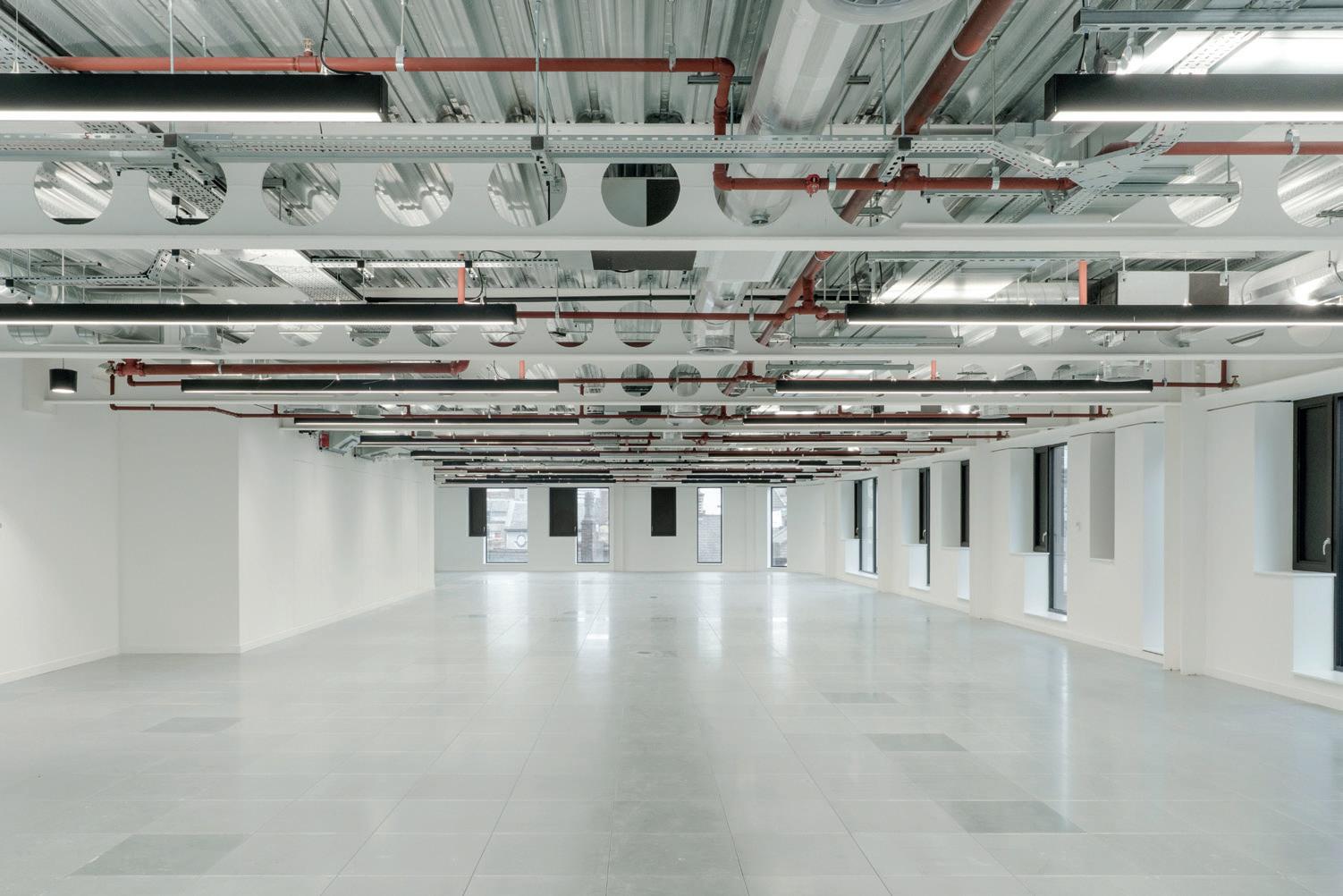
Phenolic ductwork fabricated from The Kingspan KoolDuct System has been installed as part of Island, a 100,000 sq ft. office development in central Manchester, which has been designed to leading standards, including NABERS 5* and BREEAM ‘Excellent’, and to achieve net zero operational carbon performance.
The Kingspan KoolDuct System was fabricated and installed by EcoDuct on the property, which is situated on John Dalton Street in the heart of the city. The development has been designed by architects Cartwright Pickard, and is a joint venture partnership between HBD, part of Henry Boot, and Greater Manchester Pension Fund (GMPF). In addition to a range of Grade A office spaces, the 10-storey building also features a rooftop terrace, break-out spaces and a wellness room. The Island is smart technology-enabled, with its building management system linking to sensors throughout the office and displaying live energy performance data to occupants via screens across the building.
In addition to targeting net-zero operational carbon, the project team also looked to integrate healthy building principles in its design. To achieve both these aims, they settled on a highly airtight design — with leakage rates better than 3.0 m3/(hr.m2) — using central air handling units (AHUs) to provide ventilation. These units help to filter the city centre air to maintain internal air quality, feature variable speed drives to reduce energy demand and use heat from outgoing air to warm incoming fresh air. To further support air quality within the office space,
CO2 sensors have been placed throughout the building. These link to the AHUs via the building management system, allowing fan speeds to be modulated in targeted areas based on occupancy and air quality data.
EcoDuct fabricated all fan coil ductwork within the building from the Kingspan KoolDuct System to further limit energy demand.
The innovative KoolDuct System is formed from panels
with aluminium foil facings and a rigid thermoset phenolic insulation core. This pre-insulated design avoids the need for a separate lagging stage and can weigh up to 70% less than ductwork constructed from galvanised sheet steel and then insulated with mineral fibre. This allowed EcoDuct to rapidly fabricate and install the insulated ductwork in long-lengths with a single
Images by Mark Newton Photography
operation. As the phenolic boards can be easily modified with hand tools, EcoDuct were easily able to modify the runs where required – avoiding potential delays from design alterations.
Alongside these practical benefits, testing has also shown that air-leakage rates from The KoolDuct System can be reduced to a fraction of those of conventional galvanised steel ductwork. This airtight design should help to lower energy demand for the Island by allowing system fans to operate at a lower rate than might otherwise have been needed.
The use of The KoolDuct System supported the project’s aim of achieving a BREEAM “Excellent” rating. Alongside supporting energy-efficient operation, ductwork fabricated from The KoolDuct System can also contribute to projects achieving credits under Mat
01 - Life Cycle and Mat 03 - Responsible sourcing of materials. The phenolic panels are manufactured under a management system certified to ISO 9001: 2015 (Quality management systems), ISO 14001: 2015 (Environmental management systems), ISO 45001: 2018 (Occupational health and safety management systems) ISO 50001: 2018 (Energy management systems)
and BES 6001 (Framework standard for responsible sourcing). A BIM object for The KoolDuct System is freely available from NBS Source. An Environmental Product Declaration (EPD) certificate for the product can also be accessed at kingspanductwork.co.uk. Tel: +44 (0) 1457 890 400, Email: info.kti@kingspan.com, kingspantechnicalinsulation.co.uk