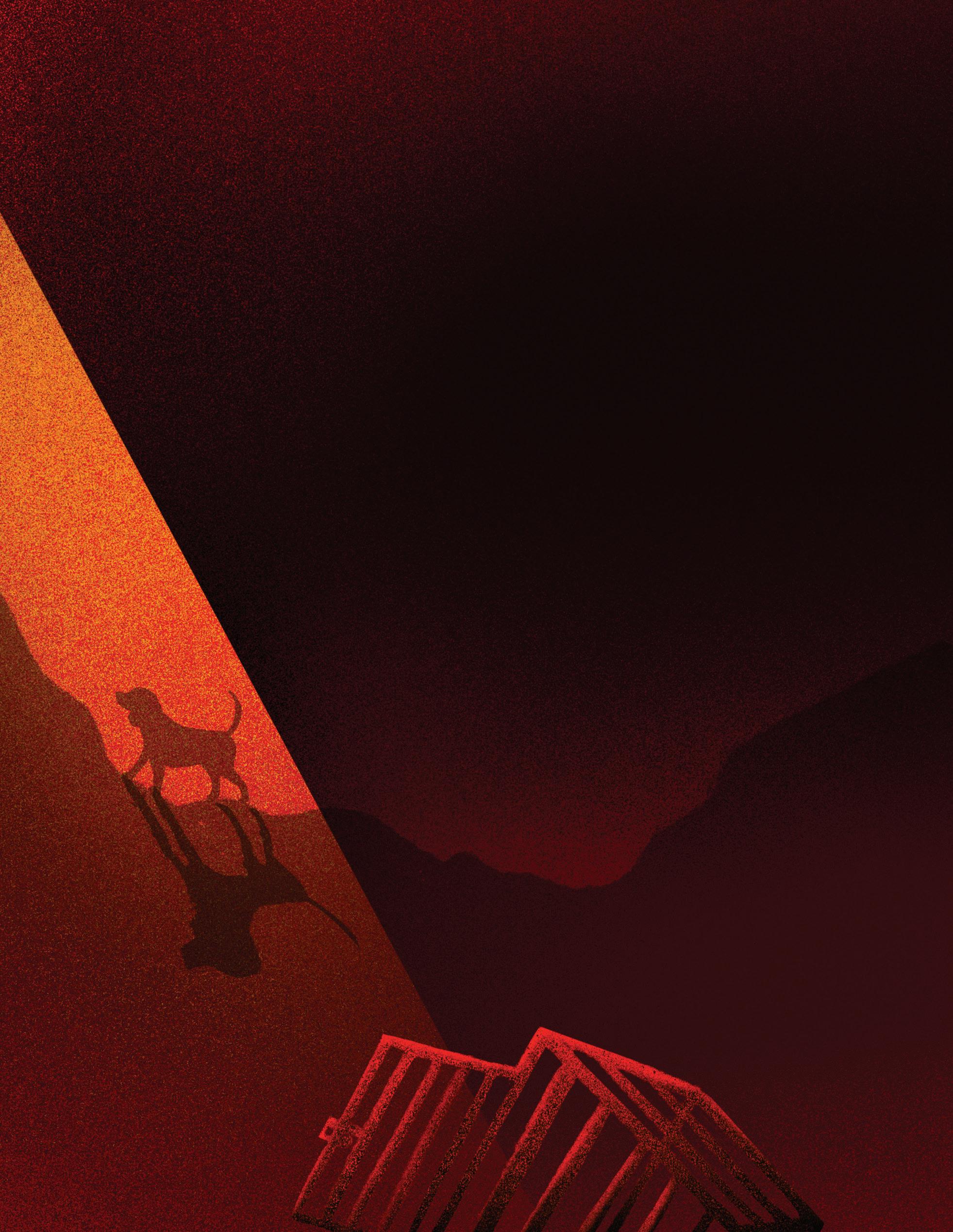
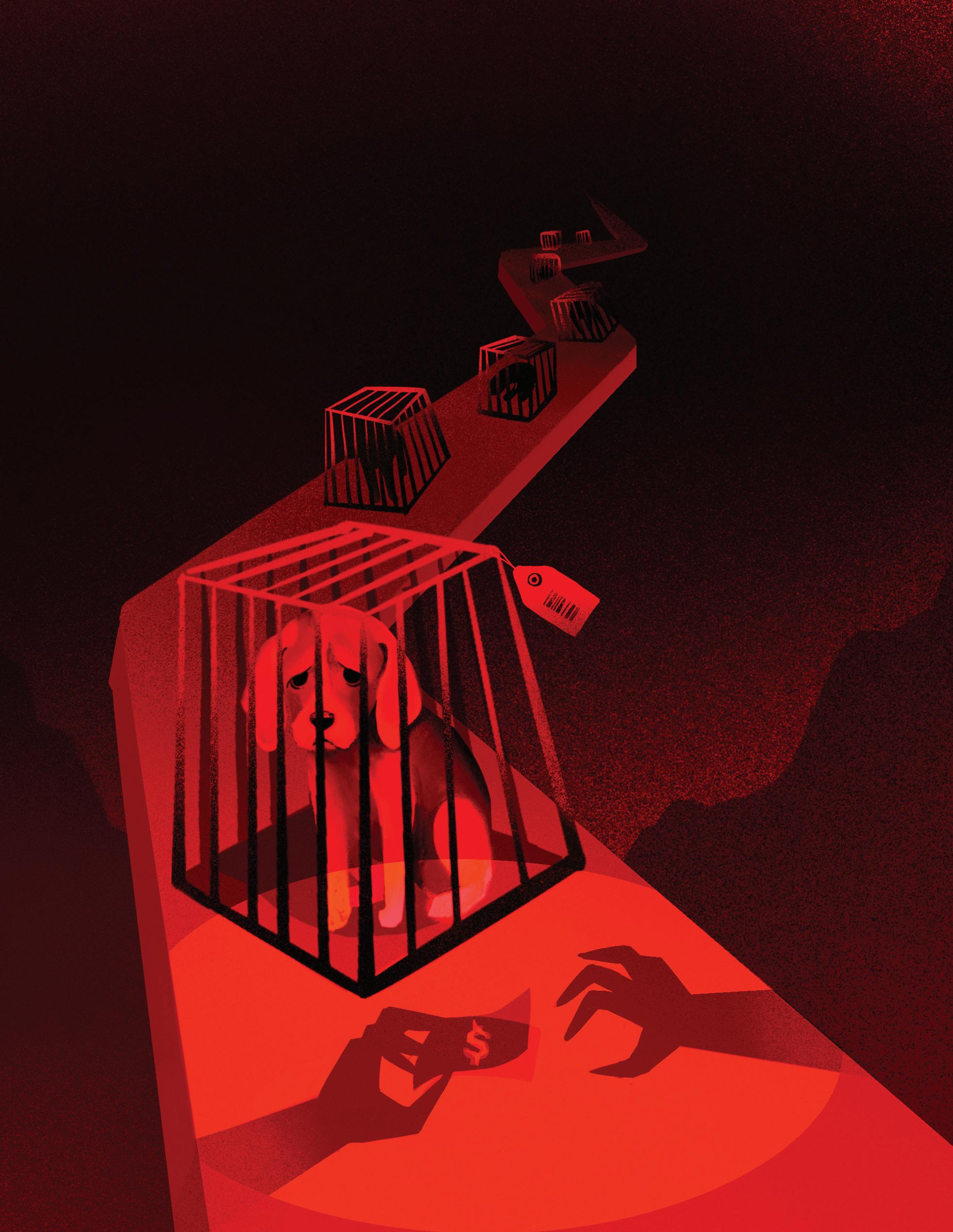
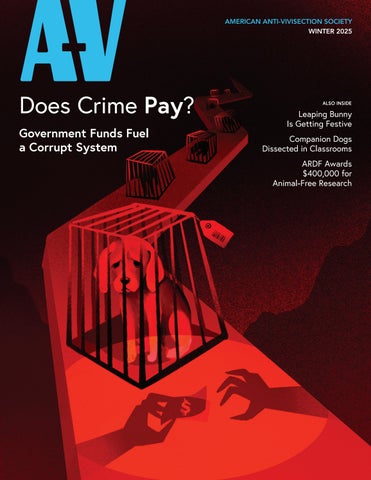
Does Crime Pay?
Government Funds Fuel a Corrupt System
Leaping Bunny Is Getting Festive Companion Dogs
Dissected in Classrooms
ARDF Awards
$400,000 for Animal-Free Research
Government Funds Fuel a Corrupt System
Leaping Bunny Is Getting Festive Companion Dogs
Dissected in Classrooms
ARDF Awards
$400,000 for Animal-Free Research
Government agencies and public universities continue to do business with the research conglomerate that pleaded guilty to major animal welfare crimes.
By Eric Kleiman
8 Exploitation by the Numbers
Hundreds of thousands of animals, millions in taxpayer dollars.
10 Leaping Bunny Is Getting Festive
Special holiday deals on cruelty-free gifts make shopping extra merry.
By Kim Paschen
11 Companion Dogs Dissected in Classrooms
Biological supply companies still acquire deceased dogs from animal shelters and profit from selling them for archaic exercises.
By Nicole Green
12 ARDF Awards $400,000 for Animal-Free Biomedical Research
The Alternatives Research & Development Foundation's annual grants are funding eight research projects to advance human health using newer and more humane technologies.
By Angela Hvitved
13 Using Philosophy to Pioneer a Movement
AAVS President Emerita Sue Leary helped honor 19th-century campaigner Frances Power Cobbe at the annual Tom Regan Memorial Lecture.
By Jill Howard Church
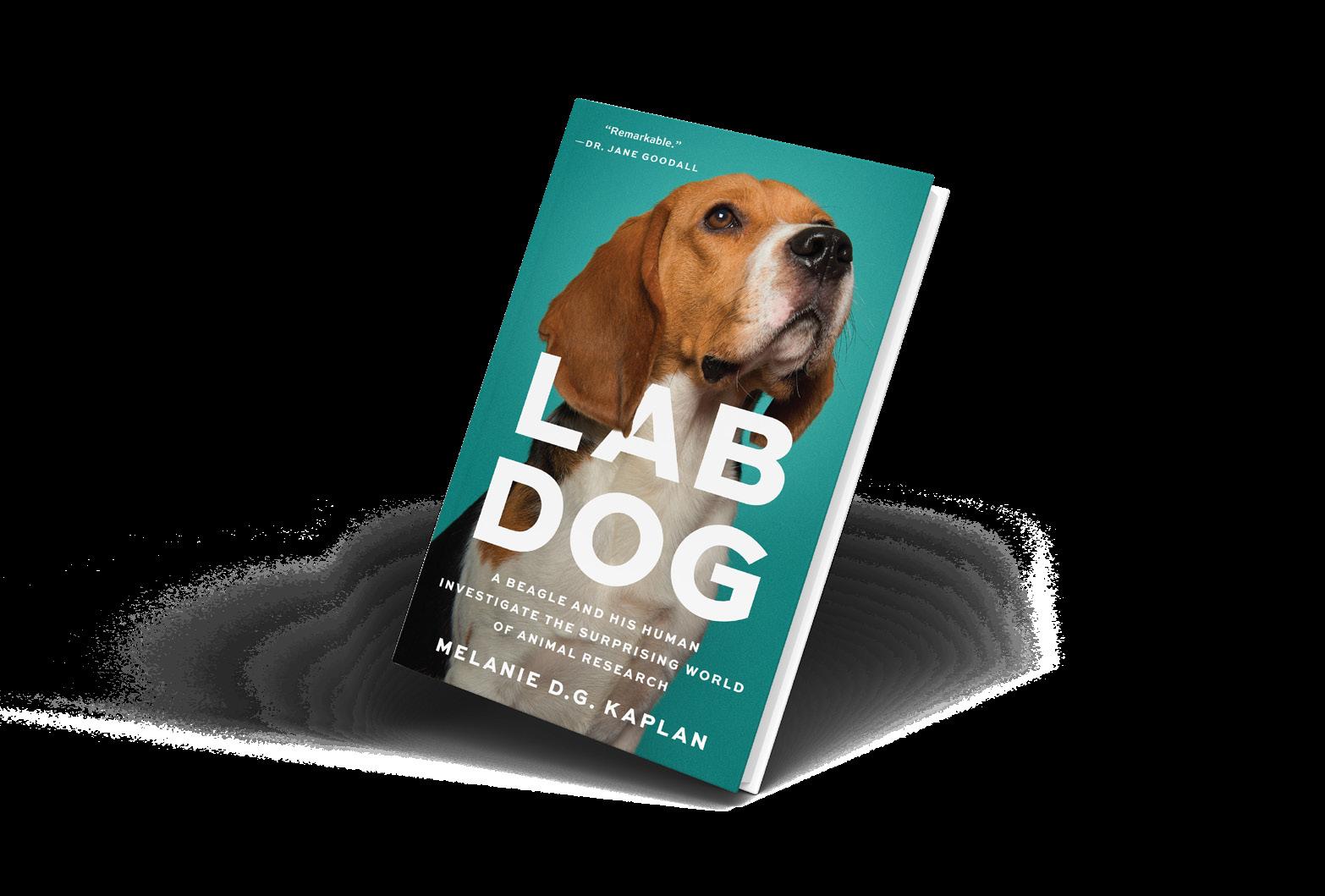
14 From Our Bookshelf: Lab Dog
The saga of a beagle named Hammy reveals the heartbreaking toll of lab life and the healing power of love.
1 A Note from Luke
2 News to Know
Who's Behind the Lab Door?; Long-Tailed Macaques Remain Endangered; Facing Criminal Charges, Research Supplier Gives Up Dog Breeding License; NIH Establishes Organoid Center; $2.2M Designated for Bat Lab and Breeding; For the Birds
16 Celebrating Sanctuaries
AAVS's Sanctuary Fund supports lifelong care for animals given a second chance at life.
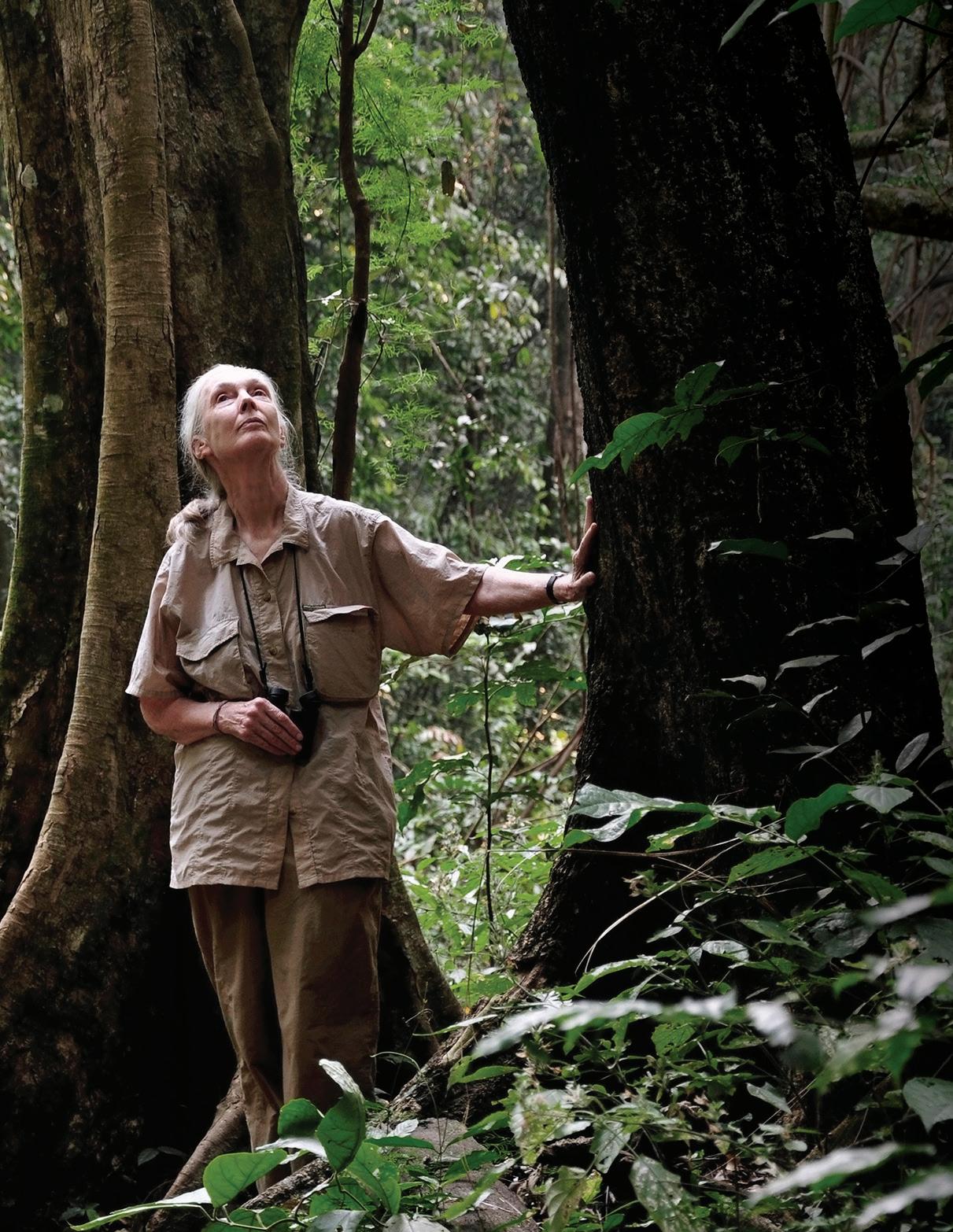
15 Remembering Dr. Jane Goodall
We cherish the memory of a humane friend and inspiring ally.

ALSO INSIDE
Humane Science Allies
Join our heroine, Aly, and her new friend, Benny, as they guide us through fun activities in this issue.

Volume CXXXII ISSN 0274-7774
EXECUTIVE EDITOR
Luke Klein
MANAGING EDITOR & COPY EDITOR
Jill Howard Church
ART DIRECTOR & DESIGNER
Emily Charniga
STAFF CONTRIBUTORS
Alisa Brooks, Jill Howard Church, Nicole Green, Angela Hvitved, Julia Kielmeyer, Eric Kleiman, Kim Paschen, Crystal Schaeffer
A-V (USPS 002-660) is published by the American Anti-Vivisection Society for the benefit of its members and has been in continuous publication since 1892.
OFFICE OF PUBLICATION
801 Old York Road, Suite 204 Jenkintown, PA 19046-1611 215-887-0816 | editor@aavs.org | aavs.org
AAVS welcomes requests to reproduce articles that appear in A-V. In all cases, we will require that the credit be given to the author and to AAVS. The individual views and claims expressed in A-V are not necessarily those of the organization. All inks are vegetable based, and all waste from the printing process is recycled. Humane Science Allies is printed on paper made with 100% postconsumer waste.
Dear Friends,
At AAVS, our mission bridges two essential goals: helping animals who need us today and transforming the systems that put them at risk tomorrow. This issue of A-V reflects that dual commitment.
You’ll read about the troubling case of the research company Envigo, whose historic guilty plea for Animal Welfare Act violations hasn’t stopped the flow of public funding to its operations. It’s a stark reminder that meaningful oversight is still urgently needed. You’ll also learn about dogs like Max and Hammy, whose stories illustrate how our connection to our companions can motivate us to fight the reduction of living, feeling animals to “specimens” or “models” in classrooms and laboratories, and why humane alternatives are so vital.
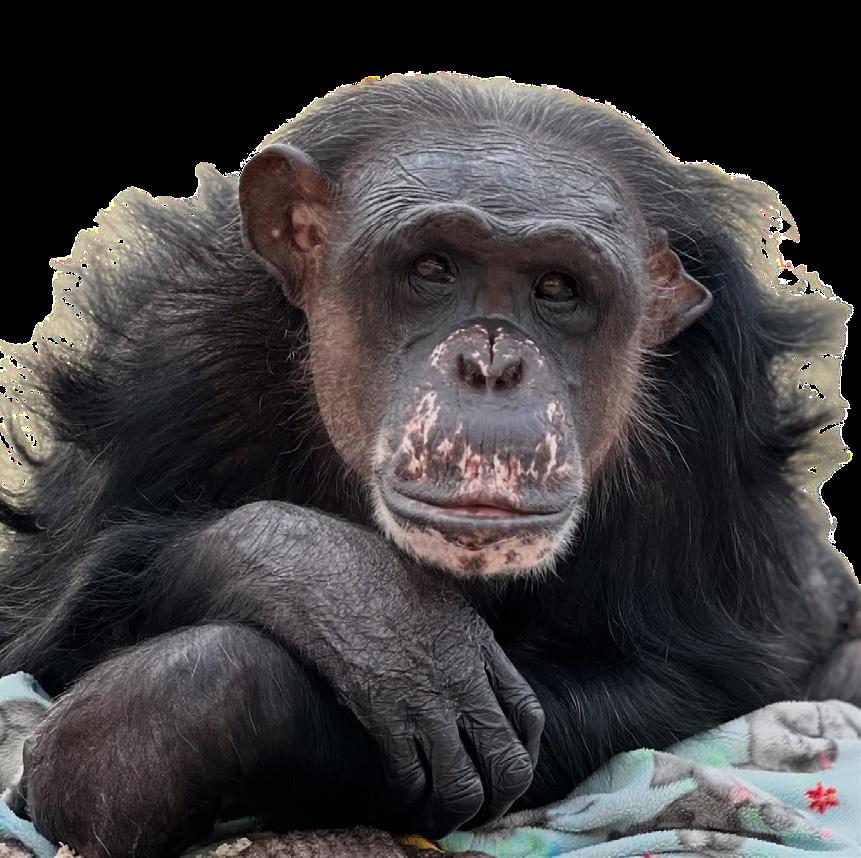
There is also real progress to celebrate. Our affiliate, the Alternatives Research & Development Foundation, continues decades of support for scientists developing human-relevant, non-animal research methods that improve science while sparing lives. And our “Celebrating Sanctuaries” feature highlights chimpanzees and other animals whose lives have been transformed because compassionate people like you made their rescues possible.
And if you need some tips for last-minute holiday shopping, you’ll find updates from Leaping Bunny with a link to some fantastic deals that will help you support cruelty-free companies.
Thank you for standing with us. Your generosity helps individual animals right now and fuels the long-term work needed to build a better future for all.
For the Animals,
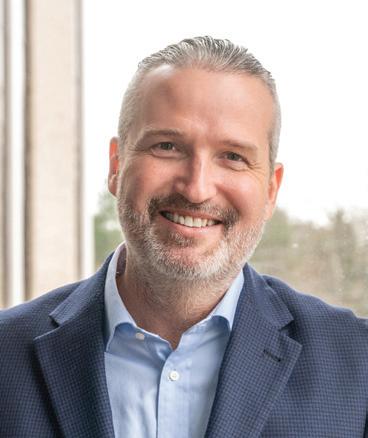
Luke Klein, President American Anti-Vivisection Society
By Crystal Schaeffer
The need for transparency in animal research
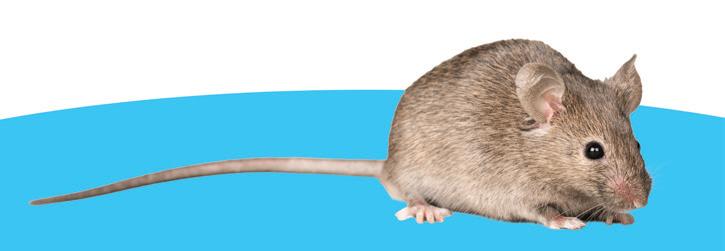
Although the National Institutes of Health (NIH) funds animal research with taxpayer dollars, we don’t know details about the animals being experimented on. Those most often used—mice, rats, and birds, bred for research, as well as fish—are not covered by the Animal Welfare Act but account for approximately 95% of all animals in research. Consequently, we don’t know their exact numbers and what levels of pain and distress they are forced to endure. There’s little transparency or accountability, leaving the full scale of their suffering hidden.
However, the Federal Animal Research Accountability Act would help provide transparency to an industry that would rather hide the painful realities of animal experiments behind closed doors. It would require NIH-funded facilities to report, in a public database, how many animals they use, house, and breed each year; the pain and distress animals are forced to endure; and whether pain relief was provided.
Knowing more about what happens to animals in labs would provide increased transparency and, hopefully, more accountability. Please contact your Representative and urge them to support the Federal Animal Research Accountability Act. Take action at aavs.org/accountability.
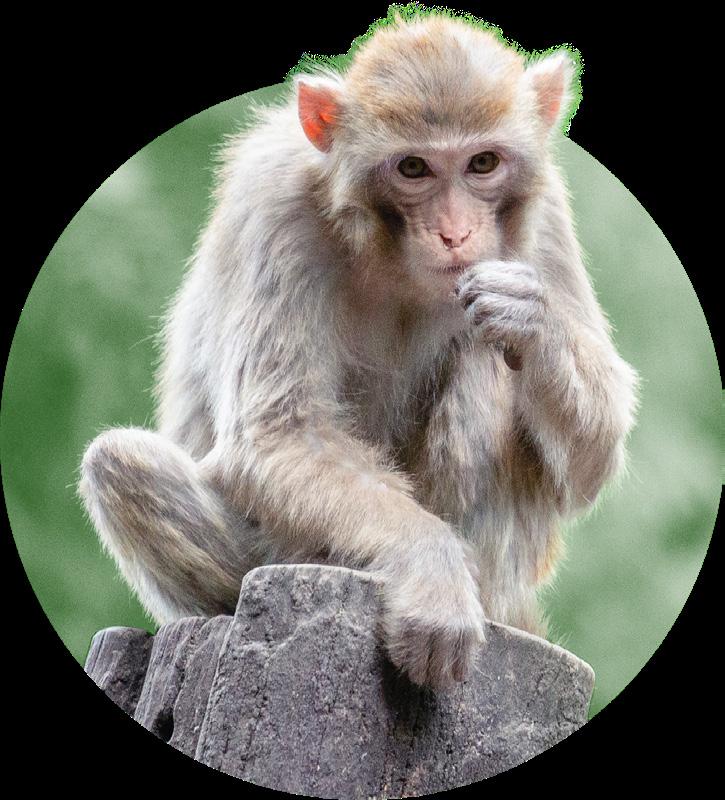
Long-tailed macaques will retain their endangered status on the International Union for the Conservation of Nature’s Red List, despite a 2023 complaint filed by the industry-funded National Association for Biomedical Research challenging the listing. A reassessment of the species found that wild populations of longtailed macaques have declined 50-70% over the past three decades, largely due to the demand for their use in research. This includes the illegal trade of wild monkeys being sold as captive bred, which was the subject of a 2022 indictment alleging an international conspiracy to smuggle thousands of long-tailed macaques into the U.S. for experimentation.

The journal Science reports that Ridglan Farms, the second largest breeder of dogs for research in the U.S., will give up its Wisconsin license and stop selling dogs by July 1, 2026, instead of facing criminal charges for 311 alleged animal welfare violations, including dogs with untreated injuries and eye surgeries performed without anesthesia or a licensed veterinarian. Wisconsin also suspended the license of Ridglan’s lead veterinarian, whom the company publicly defended. However, Ridglan can continue to breed dogs for its own experiments.
This development underscores the growing ethical debate surrounding facilities that sell animals for research, especially following the abuse and neglect uncovered at Envigo, a dog breeding company that pleaded guilty in June 2024 to the crime of conspiring to knowingly violate the Animal Welfare Act. In both the Ridglan and Envigo cases, states (as well as the Department of Justice in the case of Envigo) stepped in after the USDA’s Animal and Plant Health Inspection Service failed to act.
The National Institutes of Health has announced the launch of its Standardized Organoid Modeling (SOM) Center. Organoids are tissue models that mimic the structure and function of human organs and have great potential to replace animal tests. Using artificial intelligence, robotics, and a variety of human cell sources, the SOM Center will develop standardized organoid models to be used by researchers to help overcome reproducibility challenges that slow drug discovery and to instead provide more precise tools to create models that more accurately mimic human disease. While the initial focus will be on the liver, lung, and heart, there are plans to develop organoids for more organ systems and even disease-specific models.
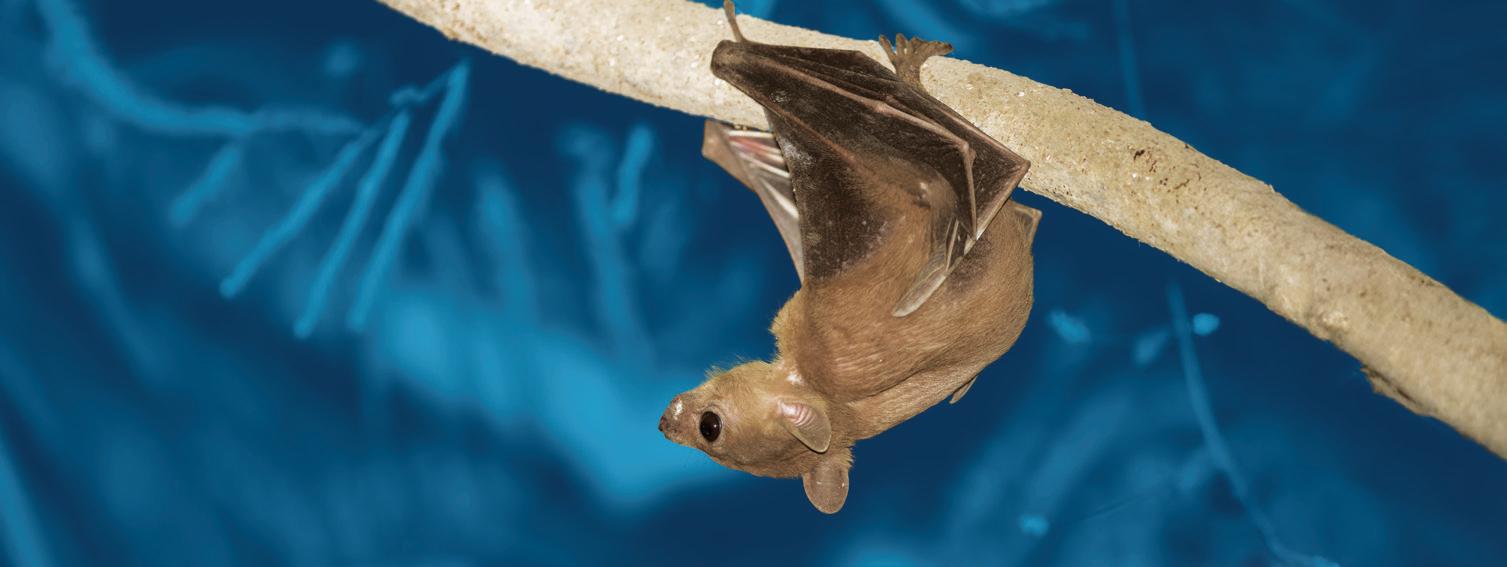
Despite recent announcements to reduce its reliance on animal experimentation, the National Institutes of Health has awarded Colorado State University (CSU) nearly $2.2 million to expand its bat breeding facilities and research. This funding is also questionable because CSU is one of only two U.S. labs since 2011 that has paid three U.S. Department of Agriculture fines under the Animal Welfare Act. The university has a long history
Our new feature “For the Birds” spotlights developments involving birds in experimentation—because concern “for the birds” is anything but unimportant.
Animals used in experiments don’t only die as part of research protocols; others perish from “unintended” causes. A U.S. Department of Agriculture (USDA) inspection report from August 19 at the University of California-Riverside (UC-Riverside) documented the death of a hummingbird named Ash, who “died after becoming entangled in [his] monitoring harness.” Two weeks earlier, Ash “got his bill stuck in the neck loop” of the same harness design. Another bird, Momo, suffered
the same fate but survived. The USDA concluded that at least two birds “likely experienced behavioral stress and unnecessary discomfort, and one bird, death.” It was the university’s second critical citation for animal deaths in two years; a 2023 report cited inadequate veterinary care that caused multiple vole deaths.
We would not know about Ash and Momo without the successful lawsuit brought by AAVS and the Avian Welfare Coalition, which compelled the USDA to issue long-delayed regulations for birds not bred for research.
In 2024, UC-Riverside reported using 98 Anna’s hummingbirds in experi-
of failing to provide adequate veterinary care, handling, sanitation, and housing. Two of its three fines involved the negligent deaths of 23 bats—all from the same cause—and other deaths have included sheep and rabbits.
In addition to supplying bats to other institutions, CSU will continue to use the animals for its own invasive experiments into infectious diseases caused by such zoonotic viruses as Ebola, coronavirus, and influenza. CSU has a history of killing bats in these studies.
ments. The university has received millions of dollars in National Science Foundation funding for studies involving hummingbirds, including tests in which researchers removed honeybees’ legs to study avian smell. One prominent UC-Riverside researcher has stated that the university “is one of the best campuses in the world” for hummingbirds.
Ash and Momo might disagree.
By Eric Kleiman
In a stunning development in late October, Wisconsin-based dog breeder Ridglan Farms agreed to give up its state breeding license to avoid criminal cruelty charges [see page 2].
In 2022, Ridglan had become the second-largest U.S. seller of dogs for experimentation. There are striking lessons for what this means when considering the company Ridglan replaced as second-largest: the international research conglomerate Envigo, owned by Inotiv. That company still exploits dogs, as well as hundreds of thousands of other animals they hold, use, or sell for research. Even under this new deal, Ridglan can—like Envigo—still continue its own animal experimentation.
Incredibly, eighteen months after Envigo also agreed not to breed or sell dogs anymore—the result of its historic 2024 guilty plea for conspiring to knowingly violate the Animal Welfare Act (AWA)—the company continues to receive millions of dollars in federal and state funding.
Envigo’s guilty plea came after the U.S. Department of Justice (DOJ) and the Commonwealth of Virginia seized 445 beagles in “acute distress.” This led to the shuttering of the facility, with the company pressured to adopt out 4,000 dogs, plus a record $35 million fine and multiple guilty pleas for criminal conspiracy.

What did this not lead to? The end of the company’s profiting from the use of dogs and other species through invasive experimentation—its own, as well as others. Indeed, this exploitation continues to this day, despite the unprecedented criminal pleas, public outrage, international media scrutiny, and overwhelming evidence of abuse and neglect. And it is enabled by ongoing government funding.
This exploitation continues to this day, despite the unprecedented criminal pleas, public outrage, international media scrutiny, and overwhelming evidence of abuse and neglect.
In fact, since Envigo’s multiple guilty pleas, federal and state agencies have provided millions of dollars in new taxpayer funding to Inotiv and its subsidiaries, leading to the disturbing question: Does crime pay?
From 2021 to 2022, the U.S. Department of Agriculture’s Animal and Plant Health Inspection Service (APHIS) documented appalling AWA violations and animal suffering at Envigo’s Virginia beagle breeding facility. Violations included the discovery of records of more than 300 deceased puppies for whom Envigo had not determined a cause of death (because they were so decomposed), as well as documentation describing dozens of puppies dead from exposure to the cold.
After APHIS failed to take a single enforcement action, the DOJ and Virginia authorities intervened, seizing 445 dogs in “acute distress,” basing their unprecedented actions on the very same inspection reports that APHIS had refused to act on. This also led to the company’s
unprecedented guilty pleas last year (as well as a federal grand jury investigation of APHIS). According to the DOJ documentation:
It was the purpose of the conspiracy for ENVIGO and its coconspirators to unlawfully enrich themselves by, among other things, avoiding (1) millions of dollars in infrastructure upgrades, and (2) the hiring of the requisite trained and competent human resources necessary to bring the Cumberland Facility into compliance with the AWA.
One such staff member was the attending veterinarian with “inadequate veterinary skills” who was responsible for botched surgeries, falsified records, inadequate exams, and failure to show up for work. The Envigo guilty plea documentation states that despite repeated requests from staff, the company refused to replace her, even though the “Executive Leadership team knew [she] was not providing adequate veterinary care to the dogs,” which “contributed to 445 animals classified in acute distress and needing immediate medical attention” in May 2022. Further underscoring the crime to which Envigo pleaded guilty, in June 2025, a grand jury in Virginia indicted this same veterinarian on 17 counts of criminal animal cruelty related to her tenure at the company.
Moreover, the DOJ stated that from at least July 2021, Envigo’s leadership team “knew the Cumberland [Virginia] Facility was operating in violation of the AWA.” Seven months after “being on notice” for the issues documented by USDA inspectors, one member of senior management actually stated that the conditions were “worse than I had seen” in July 2021. As the DOJ wrote in a devastating indictment of Envigo's criminal conspiracy:
The conspirators established a business culture that prioritized convenience and prof-
its over compliance with the AWA and the humane treatment of animals.
Envigo also pleaded guilty in June 2024 to the felony of conspiring to knowingly violate the Clean Water Act at its Virginia dog breeding facility, following an investigation by the Criminal Investigation Division of the Environmental Protection Agency (EPA). Like Envigo’s AWA crime, the DOJ stated that the company and its co-conspirators conspired to “unlawfully enrich themselves” by avoiding costs to bring the facility into compliance, while “continuing to breed and sell animals” despite Envigo’s inability to manage the waste generated.
In its press release announcing the guilty pleas, the EPA stated that “Envigo compounded the heartbreaking nature of its animal welfare crimes by committing egregious Clean Water Act violations that undermined public health and the well-being of the animals in their care.”
Envigo and other Inotiv subsidiaries received millions of dollars in funding from multiple federal and state agencies.
Incredibly, even though both APHIS and the EPA provided the evidence for Envigo’s unprecedented convictions for multiple criminal conspiracies, both agencies initiated new funding even after the guilty pleas. In fact, during this same period, Envigo and other Inotiv subsidiaries received millions of dollars in funding from multiple federal and state agencies.
SEPTEMBER 2024—DEPARTMENT
Just three months after Envigo’s guilty pleas, the Department of Health and Human Services awarded the company a contract worth up to $6.9 million for the housing, management, and transportation of 338 nonhuman primates.
OCTOBER 2024—APHIS
Just months after Envigo pleaded guilty to conspiring to knowingly violate the AWA,
APHIS—the department that conducted the inspections upon which this guilty plea was based, and the very department charged with enforcing the AWA—purchased 8,000 mice for rabies experimentation from Envigo for $57,700.
Six months after Envigo pleaded guilty to the felony of conspiring to knowingly violate the Clean Water Act, the EPA’s Office of Water awarded Inotiv subsidiary Integrated Laboratory Systems $105,000 to conduct acute oral tolerability studies in animals. This is listed as a “new procurement” for a federal contract valued at $7.4 million that began in 2022 (the year Inotiv acquired the company).
The Department of Defense (DOD) awarded Envigo $2 million, with a $4.5 million ceiling, for acquisition and husbandry of nonhuman primates, including long-tailed macaques. The agency that provided this funding was the Joint Program Executive Office for Chemical, Biological, Radiological and Nuclear Defense, which conducts horrific chemical, biological, radiological, and nuclear experiments on animals.
The DOD initiated a blanket purchase agreement, with a ceiling value of $35 million through July 2030, for the purchase of “small laboratory research animals.” According to the federal spending database GovTribe, this agreement with Envigo covers “barrier-raised rodents, specialized animal diets, hardwood sanichip bedding, and custom research animal services.”
Other federal agencies that have provided new funding to Envigo since the company’s 2024 guilty pleas—or continued funding from existing agreements—include the Food and Drug Administration, the USDA’s Agricultural Research Service, and various entities of the National Institutes of Health (NIH)—including the National Institute of Environmental Health Sciences, which works closely with the EPA.

If the $35 million ceiling in the DOD’s blanket purchase agreement sounds familiar, it’s because that is the same amount that Envigo paid to the DOJ for the company’s multiple guilty pleas for criminal conspiracy. With this one DOD blanket purchase agreement executed only a year after the plea deal, Envigo can make up the entirety of the record fine for its criminal conduct that resulted in the horrendous suffering of an untold number of beagles. Even the record $11 million AWA portion of that $35 million criminal fine—which was 30 times what 23 research facilities paid to the USDA in civil penalties since 2020—is less than one third of the amount of this $35 million blanket purchase agreement. It is also the second-highest single federal funding amount Envigo has received in the past five years.
The single largest federal funding amount awarded to Envigo in the past five years was a $47 million contract in 2021 with the NIH for the procurement, testing, transportation, and housing of nonhuman primates, including long-tailed macaques. The company continues to receive funds from this contract even after its multiple guilty pleas for criminal conspiracy to knowingly violate federal law for unlawful enrichment.
Other primate-related federal contracts have sent millions of additional taxpayer dollars to Envigo, including the government’s purchase of hundreds of long-tailed macaques from Cambodia.
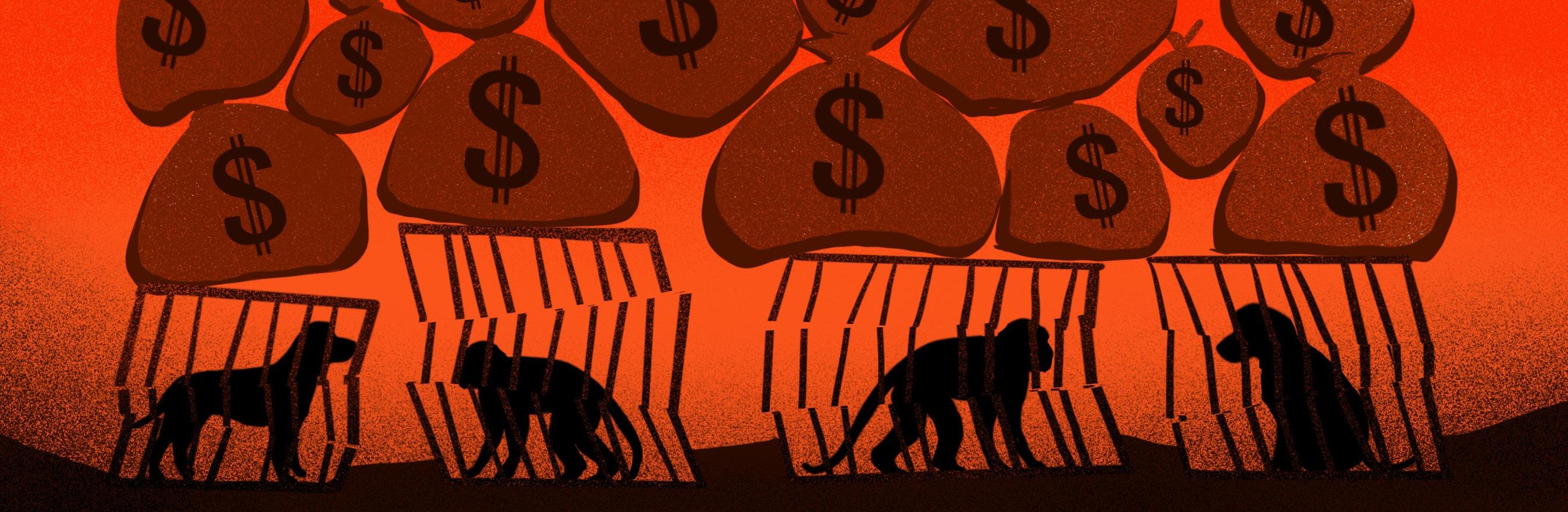
The sale of such monkeys accounted for 25% of all Inotiv revenue in late 2022. A landmark indictment filed by the DOJ in November 2022 alleged an international criminal conspiracy to smuggle thousands of wild-caught long-tailed macaques from Cambodia into U.S. labs; they had been falsely labeled as captive-bred. That same month, Science magazine reported that Inotiv had received allegedly smuggled long-tailed macaques from Cambodia.
In September 2025, Inotiv reported that its revenue related to primate boarding and breeding had increased 18% from 2022—perhaps some of it attributable to these lucrative federal contracts.
Multiple state universities have continued to purchase animals from Envigo. Despite Virginia’s central role in the execution of the search warrant at Envigo and the seizure of the 445 beagles in acute distress, institutions such as the University of Virginia (UVA), Virginia Commonwealth University (VCU), and Virginia Tech (VT) have made 140 separate documented purchases—totaling over $2.5 million—of animals, bedding, and food from the company since the 2024 plea deal. Importantly, this $2.5 million came from just one state, raising the question of possible similar purchases from research facilities in other locations.
Virginia Tech purchased rats, mice, rabbits, and hamsters from Envigo after the company’s guilty pleas last year. The invoices clinically describe the “quantity,”
“unit of measure,” and “unit price” of these living, breathing, sentient animals. In 2024—the same year as Envigo’s multiple guilty pleas—the university also paid the fourth-largest USDA research facility penalty since 2020 ($18,950) for multiple animal deaths and other failures, including the starvation death of a piglet. And in 2025, VCU provided Envigo with $634,095 for the purchase of “Fiscal Year 25 Rodents.”
Notably, all three of these Envigo customers have opposed a Virginia bill that would mandate increased transparency in publicly funded experimentation, arguing that it would be too costly. Virginia Tech has claimed costs would exceed $1.8 million, with VCU alleging $557,000, and UVA $374,000. As the Virginia Coalition for Open Government stated, “This isn’t a good look.” In fact, AAVS obtained the information regarding continued public university purchases from Envigo because Virginia’s government maintains a publicly accessible procurement database. This underscores the importance of transparency—which the animal research industry routinely fights.
Inotiv’s forced closure of the Virginia beagle breeding site did not stop it and its subsidiaries from holding or using 1,226 dogs in experimentation last year. Moreover, 1,029 long-tailed macaques were also among the 5,638 AWA-covered animals used or held for experimentation by Inotiv and its subsidiaries in 2024.
Inotiv’s forced closure of the Virginia beagle breeding site did not stop it and its subsidiaries from holding or using 1,226 dogs in experimentation last year.
According to USDA inspection reports in 2025 and annual reports for fiscal year 2024, Inotiv and its subsidiaries housed—for experimentation or sale— more than 25,000 animals among species covered under the AWA. Similarly, animal welfare assurances filed with the NIH from 2021 to 2024 show that Inotiv and its subsidiaries housed—for experimentation or sale—over 381,000 rats and mice, based on approximate average daily inventories.
Inotiv’s business model revolves around the exploitation of animals. The appalling continuation of government funding enables it, despite the company’s guilty pleas for multiple criminal conspiracies to knowingly violate federal law. This is illustrated by Inotiv’s August 2025 filing with the Securities and Exchange Commission outlining possible risks to shareholders after the 2022 passage of the FDA Modernization Act 2.0, which specifically encourages a shift away from animal tests. Yet Inotiv declared that “[a] shift away from animal research could negatively impact our business, operations, or financial condition…”
In our Fall 2025 A-V article “The Canaries in the Coal Mine,” we described the
huge difference between regulation and enforcement. But there is another fundamental aspect to oversight and animal protection: funding decisions.
We have seen the spectacle of the two federal agencies—APHIS and the EPA—central to providing the evidence that resulted in Envigo’s criminal conspiracy guilty pleas nevertheless initiating new funding to the company even after Envigo’s convictions. At the same time, other agencies have provided Inotiv and its subsidiaries with millions of dollars in federal and state funding. It is as if this criminal scandal and resulting animal suffering—which sparked public outrage and international media coverage—never happened. Or worse, didn’t matter.
As for Ridglan Farms, it did not plead guilty to a single crime, yet it has given up its Wisconsin license in order to avoid criminal charges. Nor did Moulton Chinchilla, and Ryerson Chinchilla, and Santa Cruz Biotechnology (suppliers of animals and animal-derived antibodies) plead guilty to anything, but their USDA licenses were permanently revoked.
So why does Envigo have USDA licenses? Could the company’s status as one of the world’s largest research suppliers have anything to do with it? Supplying animals accounted for 63% of its revenue in the third quarter of 2025, although Inotiv is now reducing its breeding facilities to focus more on the lucrative experimentation the company conducts.
Stopping all government funding flowing to a company convicted of multiple criminal conspiracies would not fix a profoundly broken system that has enabled animal abuse at the likes of Envigo and elsewhere.
But wouldn’t that be a good start?
Eric Kleiman is Senior Policy Advisor for AAVS.
The 2024 plea agreement with the DOJ outlined how Envigo "prioritized convenience and profits over…the humane treatment of animals."
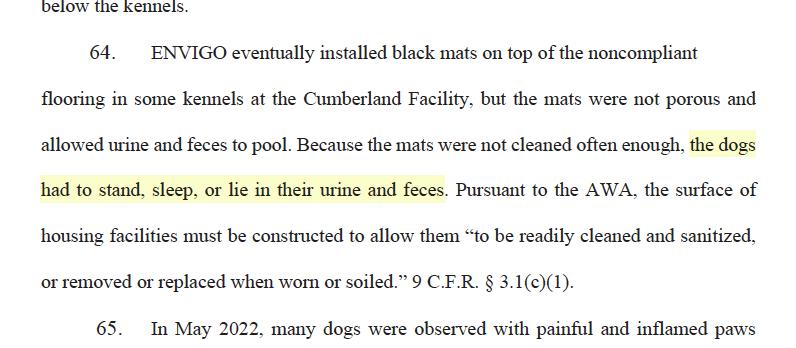
“the dogs had to stand, sleep, or lie in their urine and feces.”
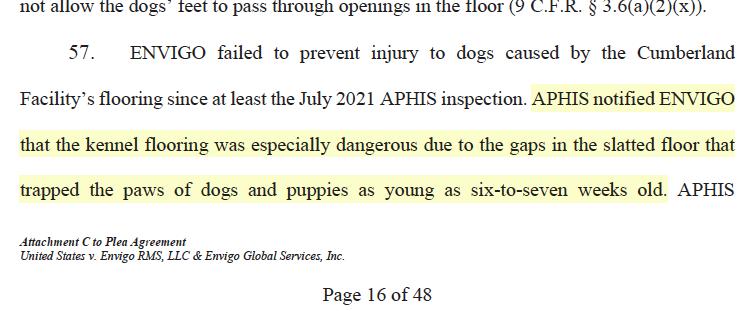
“kennel flooring was especially dangerous due to the gaps in the slatted floor that trapped the paws of dogs and puppies as young as six-to-seven weeks old.”
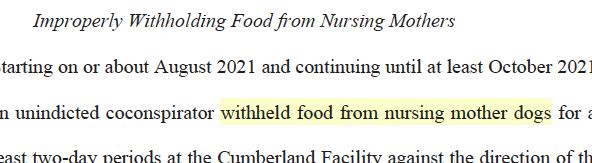
“withheld food from nursing mother dogs…” and “falsely told APHIS inspectors nursing mother dogs were being fed every day…”
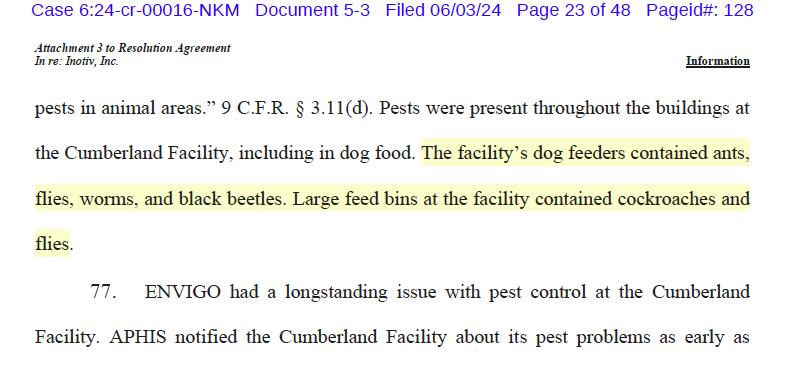
“The facility’s dog feeders contained ants, flies, worms, and black beetles. Large feed bins at the facility contained cockroaches and flies.”
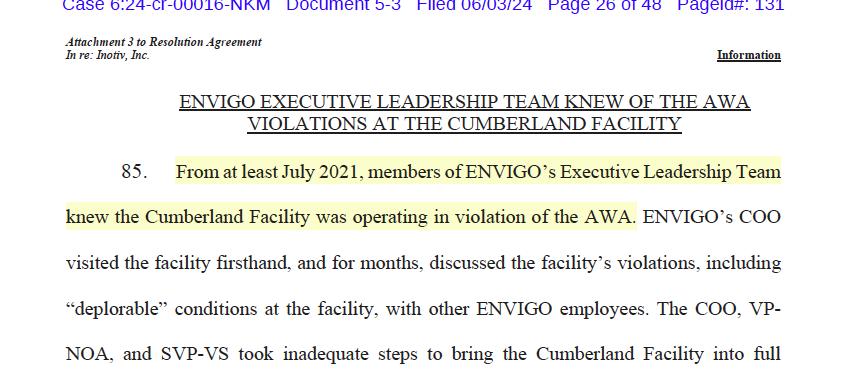
“From at least July 2021, members of ENVIGO’s Executive Leadership Team knew the Cumberland Facility was operating in violation of the AWA.”
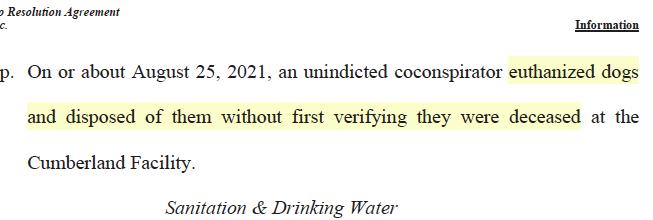
“euthanized dogs and disposed of them without first verifying they were deceased…”
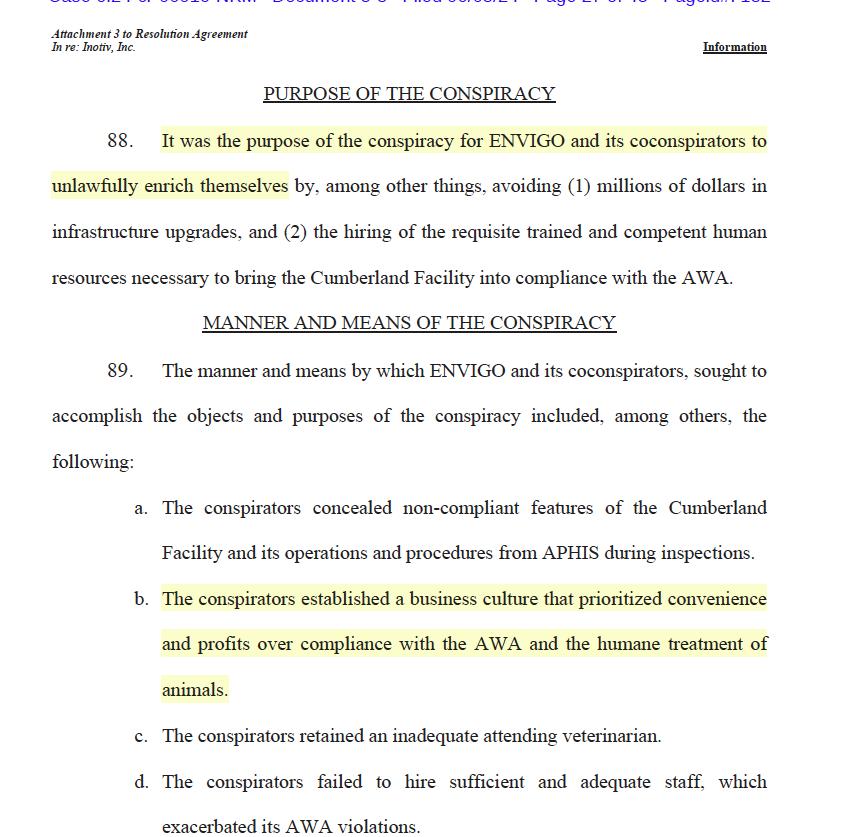
“It was the purpose of the conspiracy for ENVIGO and its coconspirators to unlawfully enrich themselves…”
“The conspirators established a business culture that prioritized convenience and profits over compliance with the AWA and the humane treatment of animals.”
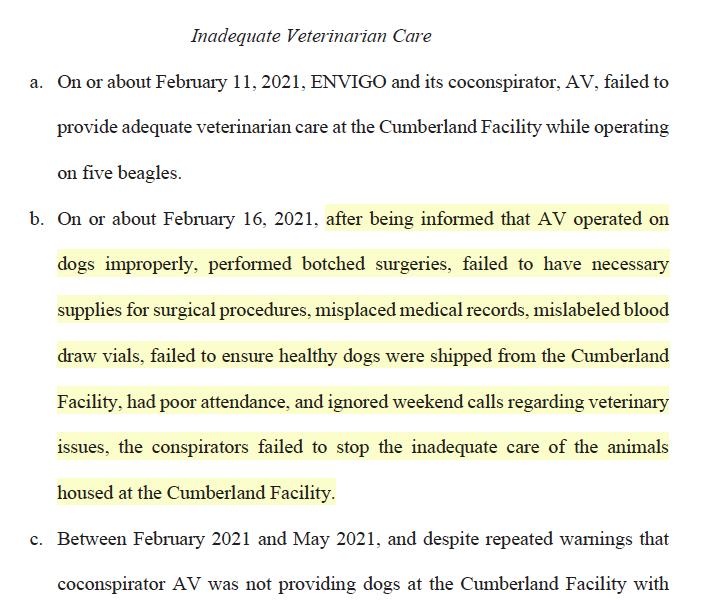
“[the attending veterinarian] operated on dogs improperly, performed botched surgeries, failed to have necessary supplies for surgical procedures, misplaced medical records, mislabeled blood draw vials, failed to ensure healthy dogs were shipped from the Cumberland Facility, had poor attendance, and ignored weekend calls regarding veterinary issues…”
Figures from 2025 USDA inspection reports, fiscal year 2024 annual reports, and approximate average daily inventories from NIH animal welfare assurances (2021-2024)
15,240
3,154 216
CHICKENS
HAMSTERS RABBITS MICE RATS
242,114
Envigo RMS
130,165
830 COTTON RATS
Envigo Global Services
Inotiv LAMS West
1,566
PRIMATES
5,866
PRIMATES
–Inotiv SEC filing, August 2025
By Kim Paschen
If you’re one of those last-minute shoppers, we’ve got you covered! Check out our one-stop cruelty-free shop (leapingbunny. org/holiday) where we list dozens of promotions all on one page so you can easily hop from deal to deal in no time. There’s something for everyone here!
We know how easy it is to go down the rabbit hole trying to figure out whether or not a product is cruelty-free, but Leaping Bunny takes the guesswork out of the equation because companies’ ingredients, formulations, and finished products must all be free of animal testing to get certification.
But that’s not all—don’t miss the “12 Days of Leaping Bunny,” featuring a dozen extraordinary giveaways from beloved
certified brands. Make sure to enter by December 31 for your chance to win.
Follow us on Facebook, Instagram, or TikTok for all the updates on our holiday promotions, or subscribe to our monthly e-newsletter at leapingbunny.org/enews.
Kim Paschen is Director of the Leaping Bunny Program. Learn more at leapingbunny.org.
The list of Leaping Bunny certified brands is updated daily on both our website and our free Cruelty Free Shopping Guide smartphone app (leapingbunny.org/app). Use the app’s scanner to check individual products while you’re shopping to see if they are certified.
Did you know these brands are all Leaping Bunny certified?
AESTON WEST
ALCHEMISTRY ESSENTIALS
BEARDED COAST
BEAUTY TECH CORP
BEECOS
BIOSSANCE

CHARLIE'S SOAP
COVE SUNCARE
ESTEYA INTIMATE
GOLDN BEAUTY
HARVEY HAVEN LAVENDER FARM
HEARTH AND HOMESTEAD
JUST THIS - FEMININE CARE EST 2024
LILY & MARIGOLD BOTANICAL SKINCARE
MINE LINE
MISS FIORENTINA
NUVADERMIS
OLYANNA SKINCARE INC.
ONE COMPASS BEAUTY
ORGANIC SIGNATURES
PHARMAGEL INTERNATIONAL
PHERA
POLISH ME UNBOTHERED
SAAVI
SAFO HAIR
SALTWORKS INC
SANIDERM MEDICAL
SAYLA
SETU
SILKENN
SOAP ORGANICALLY
TERNS
WILD ROMAN
By Nicole Green
“You
cannot share your life with a dog and not know perfectly well that animals have personalities, minds, and feelings.”
—
Dr. Jane Goodall
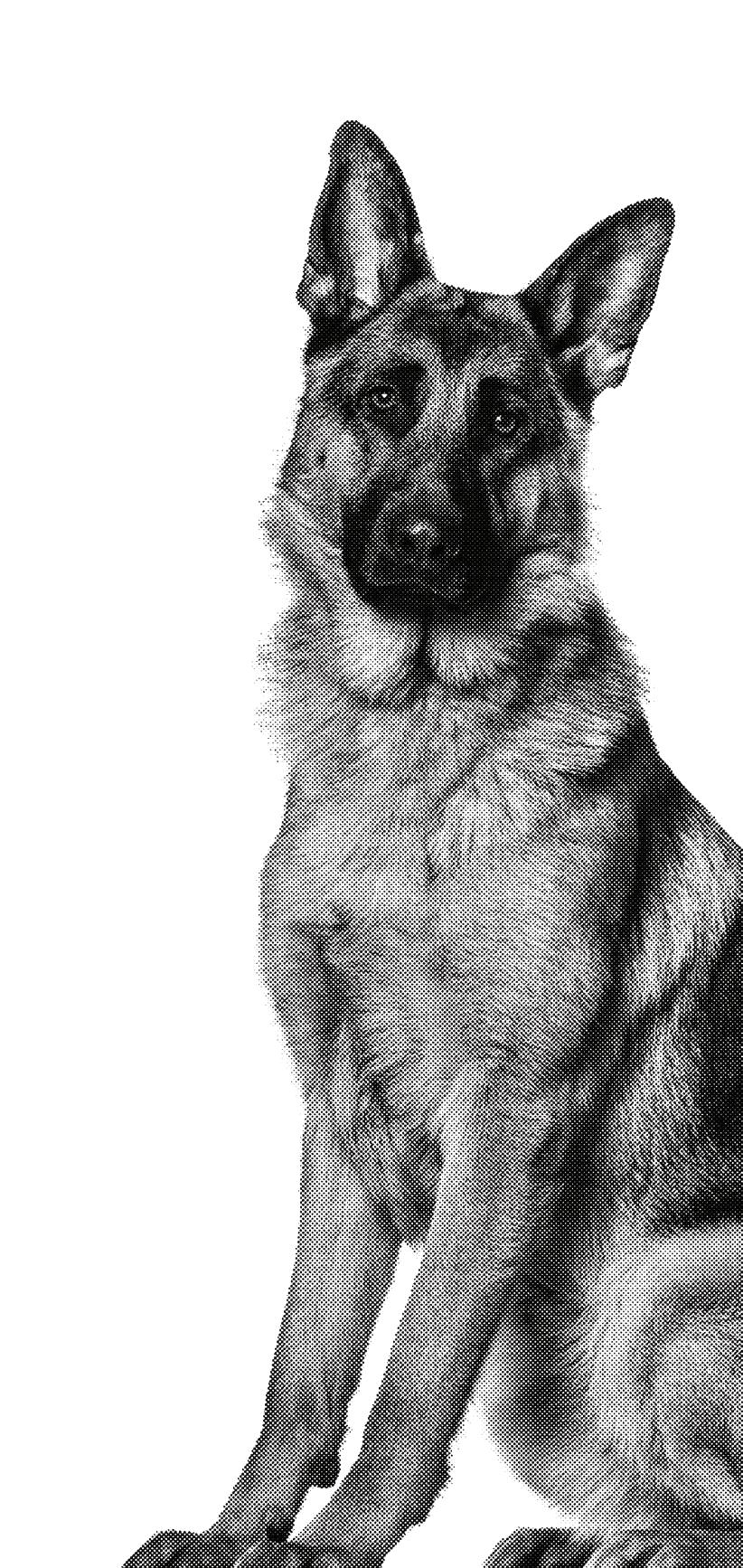
My love for dogs started with a beautiful German shepherd named Max, my aunt’s companion. He was such a happy boy who loved to run, play catch, snuggle, and give lots of kisses. The best part of visiting my aunt was spending quality time with Max—a cherished member of the family.
Sadly, the bodies of dogs like Max are still used for dissection in science education. In some states and counties, municipal animal shelters are permitted to sell the bodies of euthanized companion animals to biological supply companies, and their bodies may end up sold for dissection in middle school, high school, or college courses or used in veterinary training.
Carolina Biological Supply, a company that sells preserved dog specimens, acknowledges that “governmentally operated or regulated humane shelters furnish euthanized dogs that would be destined for the landfill were they not reutilized for science classrooms.” The company currently sells preserved dog specimens for $218-$242 each. Another major supplier, Ward’s Science, notes on its website that it offers varied breeds for sale to schools, stating that “canines are sourced from pounds and shelters....Animals that are not adopted are euthanized at the shelters and preserved for dissection.” This system can create financial incentives for animals to be killed and funneled into classrooms.
In 2009, Animalearn published Dying to Learn: Exposing the Supply and Use of Dogs and Cats in Higher Education, which revealed that many schools were harming and killing dogs and cats to meet educational objectives that could easily be achieved with humane alternatives. Sixteen years later, dogs are still used in science education, but there are hopeful signs of humane change.
For instance, many veterinary programs have replaced so-called terminal dog labs—in which healthy dogs were subjected to multiple practice surgeries and then euthanized—with humane alternatives. These include realistic simulation models such as the SynDaver Canine, 3-D printed anatomy models, and shelter medicine programs where students perform sterilization surgeries that genuinely help animals in need. The 2022 guidelines from the American Association of Veterinary Medical Colleges recommend against euthanizing animals solely for teaching purposes and encourage the use of humane alternatives.
Animalearn’s free lending library, The Science Bank, offers numerous dog alternatives for anatomy lessons, CPR training, and advanced veterinary skill practice. Some of our favorites include:
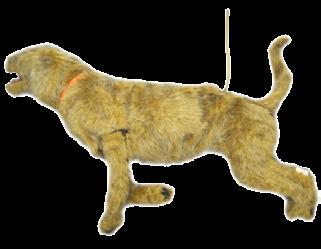
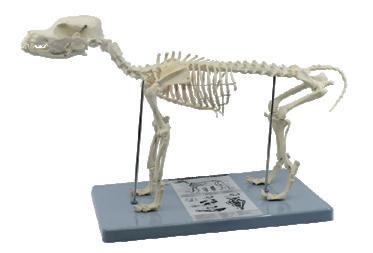
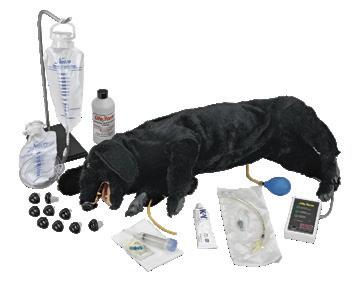
All of these resources can be borrowed for free at thesciencebank.org/collections/dog.
Currently, only 18 states and Washington, D.C., prohibit the release of shelter animals—living or deceased—to laboratories or biological suppliers. To truly protect companion animals, similar laws must be enacted nationwide, and we will continue our work advocating for this change.
Nicole Green, M.A., is Director of Animalearn. Learn more at animalearn.org and TheScienceBank.org.
CRITICAL CARE JERRY MANNIKIN
A realistic, full-size canine mannikin featuring an artificial pulse, functional lungs, and a realistic airway for practicing endotracheal placement, compressions, and mouth-to-snout resuscitation. It can also be used for IV draws and injections.
DOG SKELETON MODEL
A life-size skeletal model with detailed structures. The skull and articulated tail are removable, and the movable mandible demonstrates natural motion.
ADVANCED SANITARY CPR DOG
A plush canine model designed for practicing life-saving techniques, including chest compressions, pulse detection, mouth-to-snout ventilation, and endotracheal intubation.
By Angela Hvitved
The Alternatives Research & Development Foundation (ARDF) is proud to announce the awardees for its 2025 Annual Open Grant program, which funds researchers who are developing or implementing innovative alternative methods to reduce or replace the use of animals in research, testing, and education.
“This year’s awards highlight the value of applying alternative methods in exciting and promising research areas,” said ARDF President Emerita Sue Leary. “I have seen stunning progress in this field and have no doubt that our support of new non-animal, human-relevant approaches is contributing to advances in biomedical research.”
The Foundation received 173 letters of intent, toppling last year’s record of 74 applications, and increased the amount of each award to $50,000 (over the previous $40,000 maximum). We will continue to do what we can to support our researchers in this uncertain funding environment and support those at the forefront of advancing non-animal methods. We are grateful to our external scientific reviewers whose expertise is crucial for this program’s success.
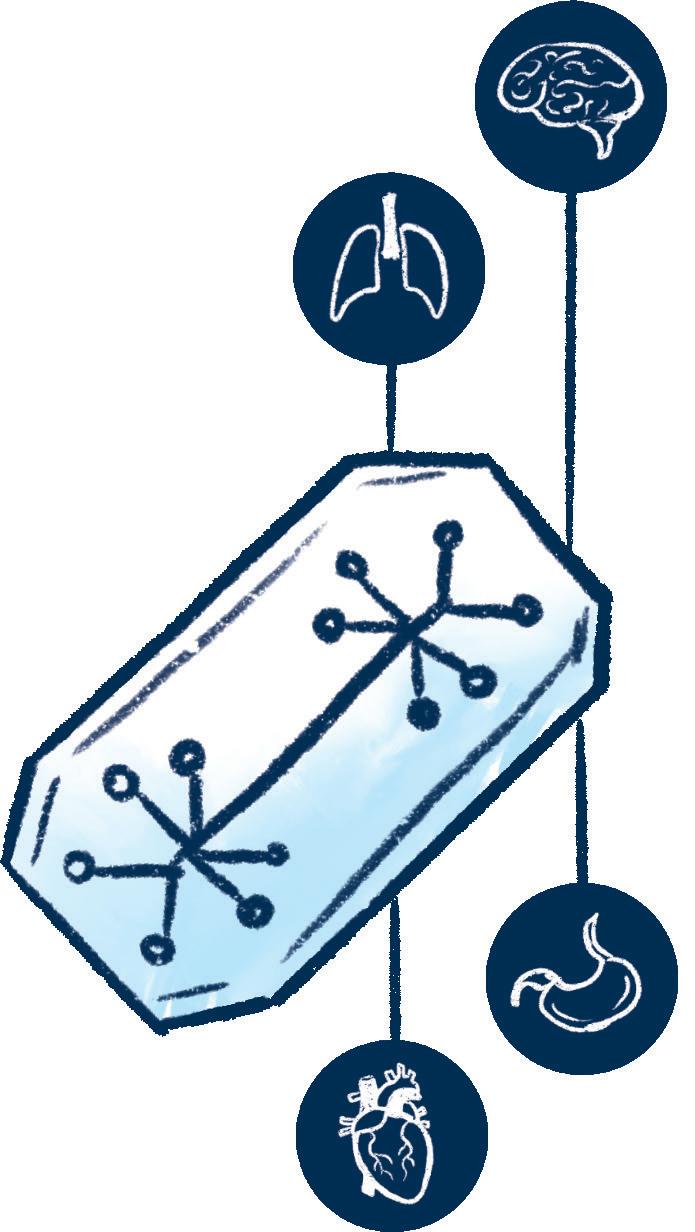
The eight funded projects cover a broad range of topics, with many focused on developing human-based models to answer key questions of human health and disease; others are aimed at improving drug development and testing.
Learn more about ARDF’s Annual Open Grant program and this year’s funded projects at ardf-online.org/ardf-grants.html.
Angela Hvitved, Ph.D., is Director of ARDF.
Dr. Aitor Aguirre at Michigan State University will use human-based heart organoids that closely resemble embryonic hearts to study the effects of medications that could be taken during early pregnancy and assess whether they might contribute to the development of congenital heart defects.
Dr. James Hagood at the University of North Carolina at Chapel Hill will use precisioncut lung slices to study idiopathic pulmonary fibrosis, a progressive and fatal lung disease that currently can only be treated by a lung transplant.
At the University of Arizona, Dr. Jian Gu will develop a model to study how a new method of focused ultrasound creates temporary openings in the blood-brain barrier to deliver drugs to targeted locations in the brain, allowing for new treatment options for neurological diseases.
Dr. Jason Tchieu at the Cincinnati Children’s Hospital Medical Center will create a human-based model to study olfactory sensory neurons to understand the role of olfactory dysfunction in neurodegenerative diseases, and whether the loss of smell is an important marker for such diseases as Alzheimer’s and Parkinson’s.
Dr. Aránzazu Villasante at the Institute for Bioengineering of Catalonia in Spain will refine a “neuroblastoma-on-a-chip” model that allows for real-time monitoring of tumor migration in order to examine the efficacy of three anti-metastatic therapies. Neuroblastoma is the most common extracranial solid tumor in children, and this model could improve drug screening and accelerate development of treatment for pediatric cancers.
Dr. Maria Karlgren at Uppsala University in Sweden will continue a project to benchmark methods for growing different types of cells used in pharmaceutical testing without fetal bovine serum, a common additive obtained from fetal calves. These methods will contribute to more reliable, animal-free drug development studies.
At Johns Hopkins University, Dr. Fenna Sillé will use brain organoids to examine chemicals known as developmental immunotoxicants in order to understand how neuroinflammation might alter brain development.
Also at Johns Hopkins University, Dr. Lena Smirnova will create brain organoids that integrate two different brain regions and use electrical readouts to observe neural activity related to learning and memory. This work has the potential to advance our fundamental understanding of neuroscience and reduce the need for animals in this critical area of research.



tle of anti-vivisection” during the 1913 International Anti-Vivisection and Animal Protection Congress in Washington, D.C., and even credited her with inspiring the formation of AAVS.
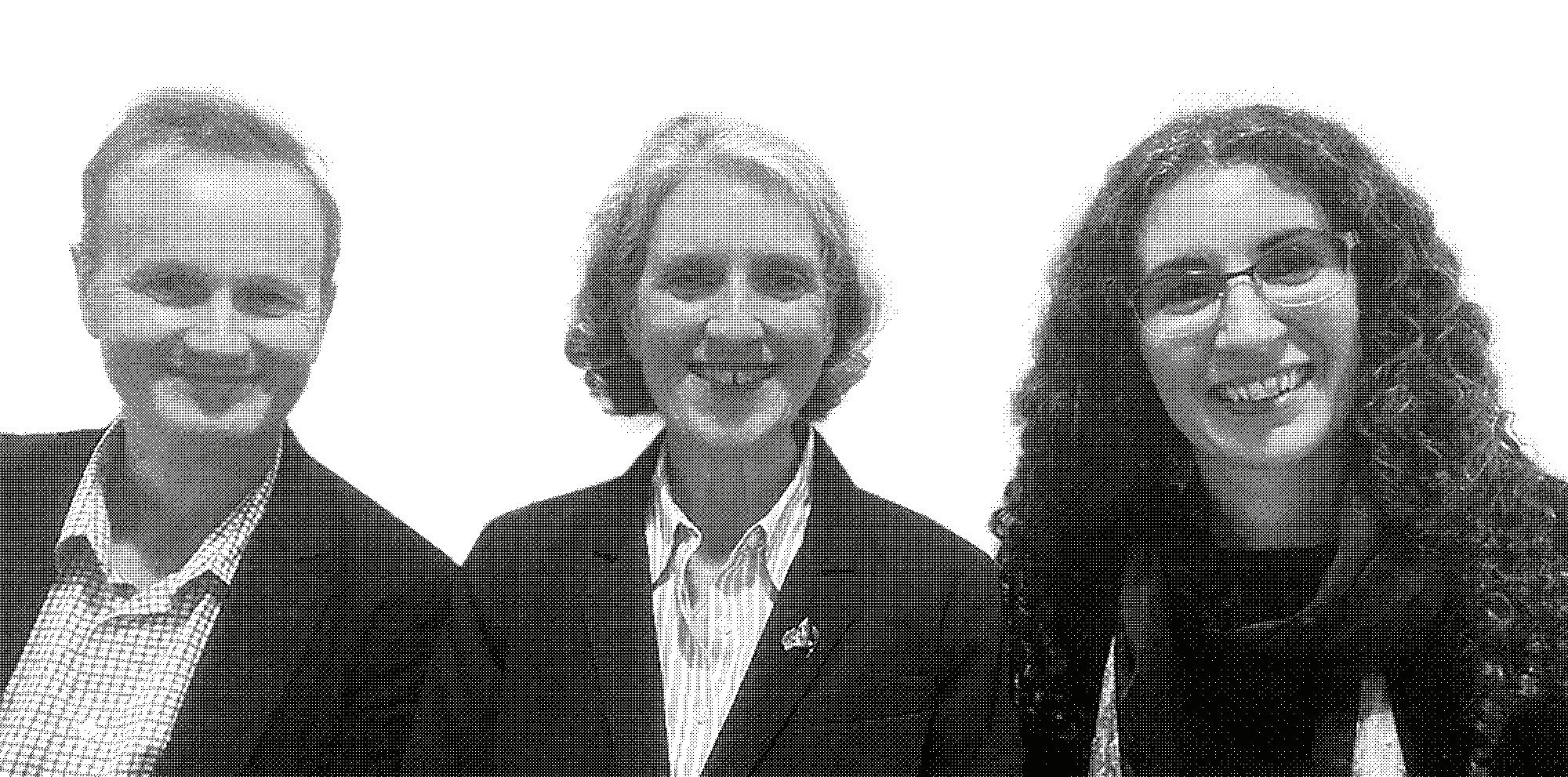
One of the early pioneers of the anti-vivisection movement was heralded at the Culture & Animals Foundation’s eighth annual Tom Regan Memorial Lecture, held October 30 at Manhattan College in Riverdale, New York. The gathering, named in honor of CAF’s co-founder, featured philosophy professor Sarah Scott recounting the life and work of Irish campaigner Frances Power Cobbe (1822-1904). AAVS’s President Emerita Sue Leary served as the respondent, offering her perspective on the last several decades of American activism.
Cobbe was a philosopher herself as well as a theologian and social reformer whose writings and speeches galvanized public support for ending animal experiments in addition to fighting for women’s rights at a time when both concepts were just gaining traction as societal concerns. She published approximately 300 articles and pamphlets against vivisection, including “Light in Dark Places” (1883). Cobbe also founded and led what became England’s National Anti-Vivisection Society
in 1875 and the British Union for the Abolition of Vivisection in 1878 (now Cruelty Free International).
In an 1863 article “The Rights of Man and the Claims of Brutes,” Cobbe declared that “we are bound to consider the welfare of the brutes for their sakes, not ours, and because they are so constituted as to suffer and enjoy.” In 1884, her organization published a directory of British vivisectors that included their names, affiliations, and quotes from their published reports of experiments on animals, to hold accountable those responsible for the cruelties she sought to stop.
Scott noted that Cobbe’s message of “intuitive moral philosophy” galvanized public attention to the practice of using live animals for education and research, and in so doing effectively threw open the laboratory doors to expose cruelty and oppose torture.
Leary shared how Caroline Earle White, AAVS’s founder, called Cobbe “the apos-
Now, more than a century later, Leary noted how the high-profile campaigns of the 1970s and ’80s led to greater progress for animal protection, which eventually resulted in bans on the use of chimpanzees in invasive research as well as laws and policies to reduce or eliminate animal use in chemical testing.
In closing, Leary said, “Science moves very quickly and is highly complex and interests diverge, which creates friction and tension. We need to be fully engaged to ensure progress for animals. That can only happen with informed, dedicated, and principled advocacy.”
CAF Executive Director Martin Rowe said the lecture “encapsulated several things important to CAF’s mission: to remember that philosophical thinking about our obligations to animals did not begin in 1975*; to showcase how advocates need to know, honor, and protect their history; to recognize that appeals to both sentiment and logic are essential; and to observe how animal advocacy is part of other social movements.” The lecture also offered a terrific way to highlight the grants for artists that AAVS and CAF will offer in the annual cycle that begins on January 1, 2026.
(*when Peter Singer published Animal Liberation)

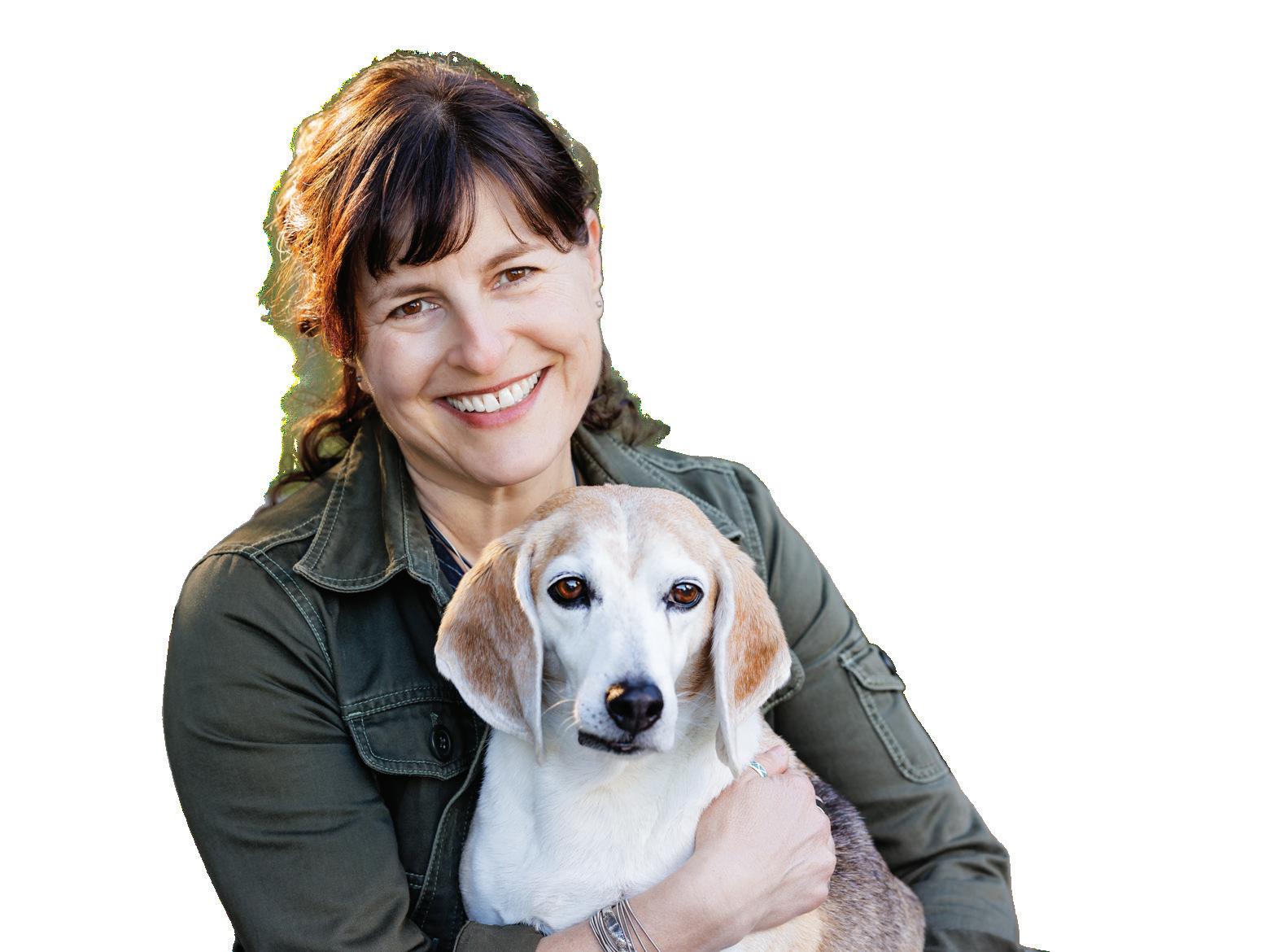
In 2013, three years after the death of her beloved beagle, Darwin, Washington, D.C.-based writer Melanie D.G. Kaplan volunteered to foster a 3-year-old beagle who was among seven dogs previously used in research but released for adoption. Details of his origins were largely unknown, but like the other “DC7” dogs, who were named for U.S. founding fathers, he would need extra care adapting to a normal life. After falling in love with and adopting him, Kaplan set off on a cross-country quest to understand how Alexander Hamilton—whom she called Hammy—fit into the much larger and disturbing world of dogs used in biomedical research and testing.
Hammy was tall and slender for a beagle. Compared to Darwin, his body, legs, and snout seemed awkwardly stretched. His tail curved in a funny way, I thought, and his long ears gave him a perpetually gloomy look, like Eeyore. But then I’d remember that this dog—who was born in some unknown place [almost] four years earlier, when Darwin and I were blissfully unaware of dogs in laboratories—had just been sprung from the equivalent of dog prison.
The day after I brought Hammy home, he barely moved from his curled-up position on the square green bed. He ate heartily but seemed empty inside—withdrawn and unresponsive. I looked at him and sighed, my first hint of surrender. Here I was, trying to be aloof, trying to protect my heart, keeping this dog at paw’s length, emotionally. And there he was, beating me at my own game.
Turns out I didn’t need the dog gate by the stairs because Hammy didn’t go near them and wouldn’t have known what to do with a stair if he had. I tried to imagine how I’d feel being released from a small bedroom after twenty years. Hammy was a puppy in an adult dog’s body. He didn’t, for one example, understand reflections on the sides of cars we passed on our short walks.
But unlike a puppy, who explores what he doesn’t understand and then shuffles off to the next shiny object, Hammy froze with fear. Walking on my block, the sounds of motorcycles, sirens, trash trucks, helicopters, and slamming car doors petrified him. Swaying branches, bobbing balloons, and fluttering flags were his archenemies. When they caught his eye, he trembled and paced, and every time, I crouched down to hold him or carried him home.
In the house I rolled out the rug I’d set aside before his arrival. He shook. I brought him upstairs and wheeled away my office chair. He shook. My swim bag lurked in the hallway. He shook. I looked at him and asked, “What did they do to you?”
On the hardwood floor, I curled around him, his silky soft head tucked under my chin. I felt his ribs rise and fall against me and whispered in his ear, “We call this spooning.”
Excerpted from Lab Dog by Melanie D.G. Kaplan, copyright © 2025 by Melanie D.G. Kaplan. Used with permission of Seal Press, an imprint of Basic Books Group, a division of Hachette Book Group, Inc.
No more invasive biomedical testing should be performed on sentient and complex animals like primates, dogs and cats. Even rats have been proved highly intelligent and capable of feeling fear and pain. Animals can’t talk for themselves so we need to be their voices and bring their plight out into the daylight.
— Dr. Jane Goodall

So many animals released from labs are in need of sanctuary homes. AAVS’s Sanctuary Fund was established to help ensure these animals are given the second chance at life they so deserve. Your support is vital to their continued care. Support the Sanctuary Fund and the place they can call home! 100% of your donation will go toward helping animals. CALL (800) SAY-AAVS OR VISIT AAVS.ORG/SANCTUARYFUND
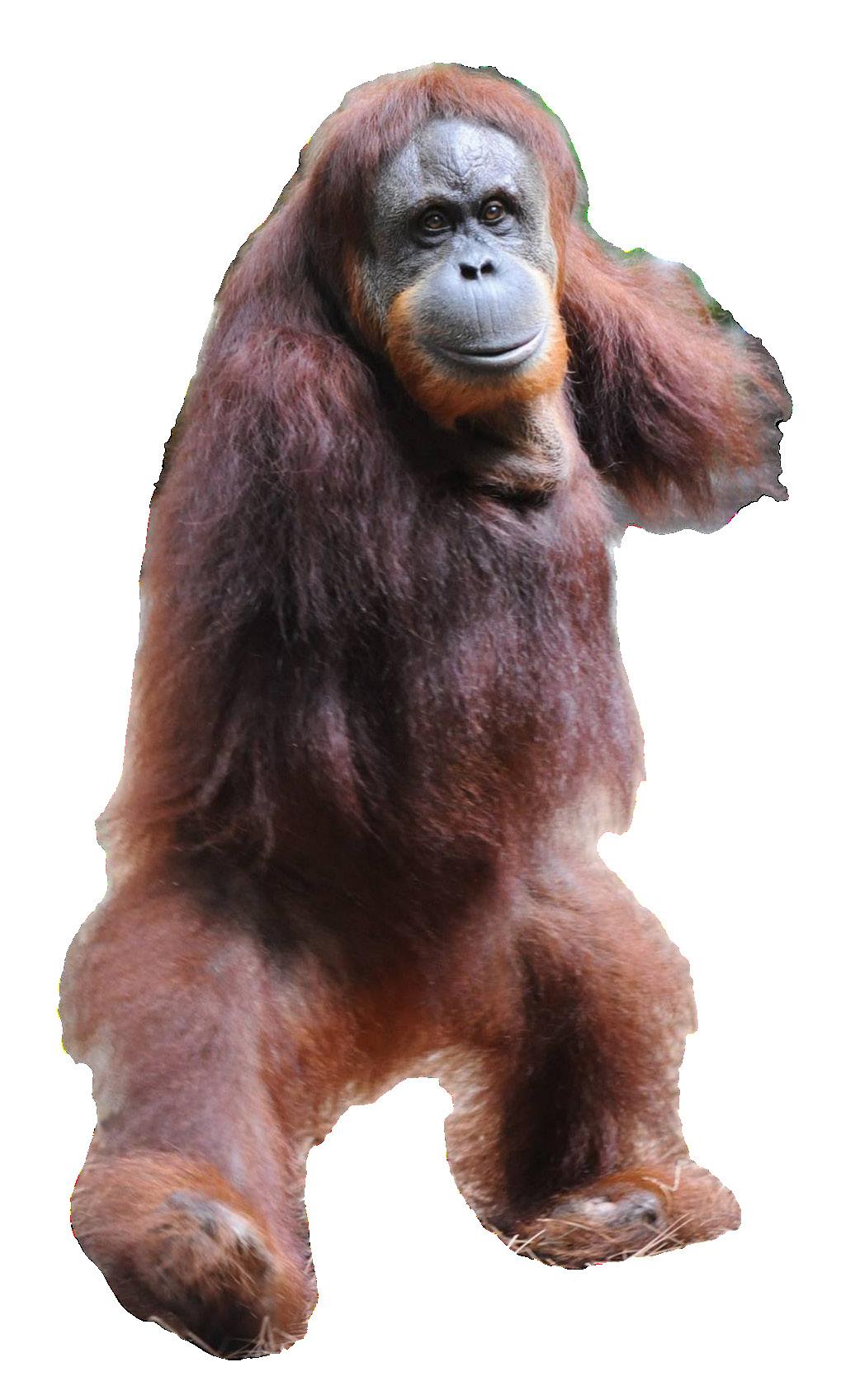
CENTER FOR GREAT APES, FLORIDA
Mari lost both her arms at just 12 weeks old, when her mother accidentally injured her. Despite this trauma, Mari was used in language and cognition experiments for 15 years before arriving at the Center for Great Apes, where she doesn’t let her disability slow her down.
PHOTO: JO-ANNE MCARTHUR
CHIMPANZEE SANCTUARY NORTHWEST, WASHINGTON
Negra’s nickname is “Queen” because she knows what she wants and commands respect. She can often be found napping in her nest, wrapped in fluffy blankets, or enjoying her favorite snack, peanuts. Born in Africa, Negra was used in hepatitis vaccine research and for breeding for 35 years.
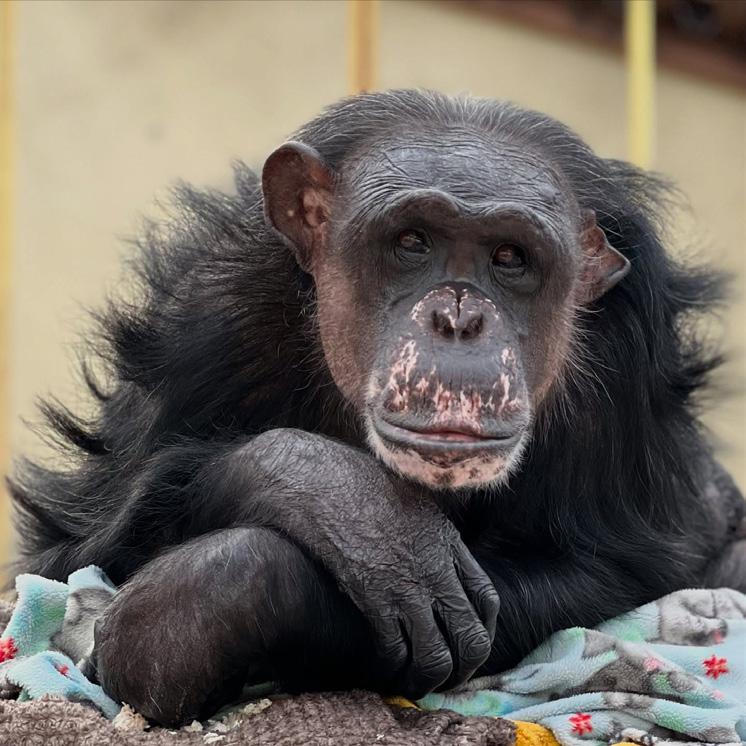
SAVE THE CHIMPS, FLORIDA
Although born in a lab where she was able to stay with her mother until she was a year old, Jean’s life took a dramatic turn when she was sent to the National Institutes of Health campus in Maryland. At just 24 months, the age of a human toddler, Jean was used in hepatitis experiments and suffered multiple invasive liver biopsies until Save the Chimps came to her rescue in 2004.
PHOTO: ANNA CROCITTO/ SAVE THE CHIMPS

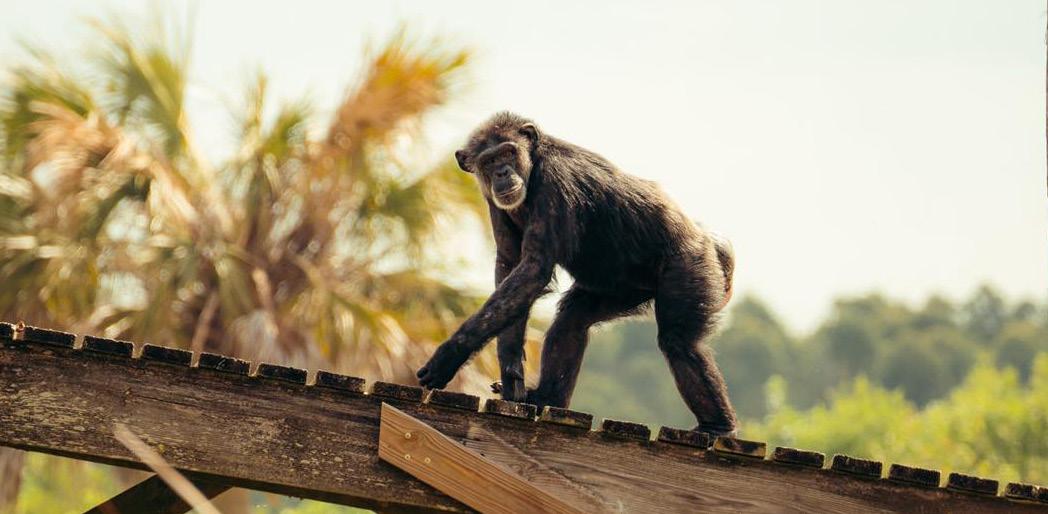
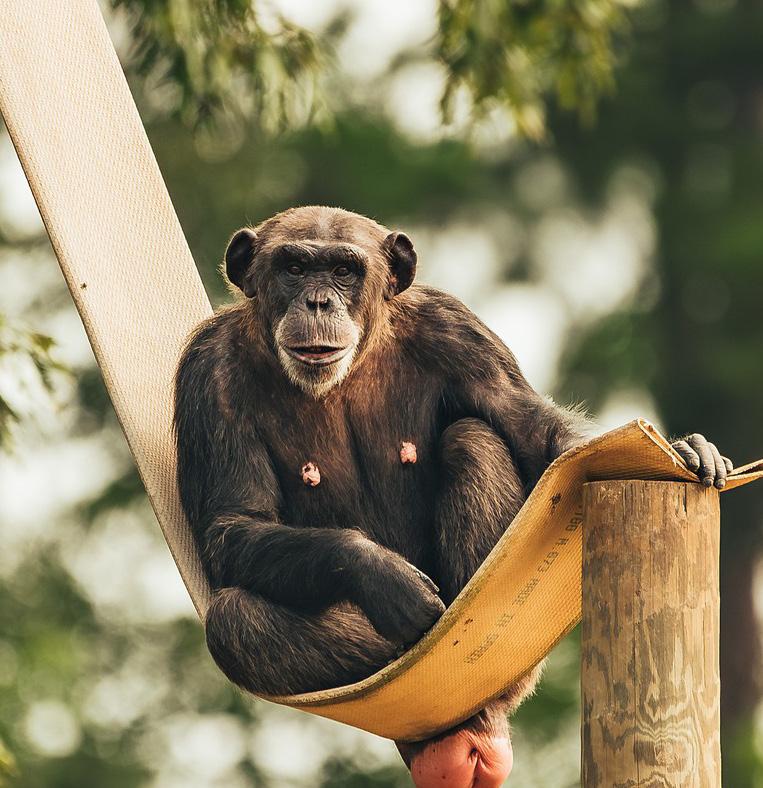
CHIMP HAVEN, LOUISIANA
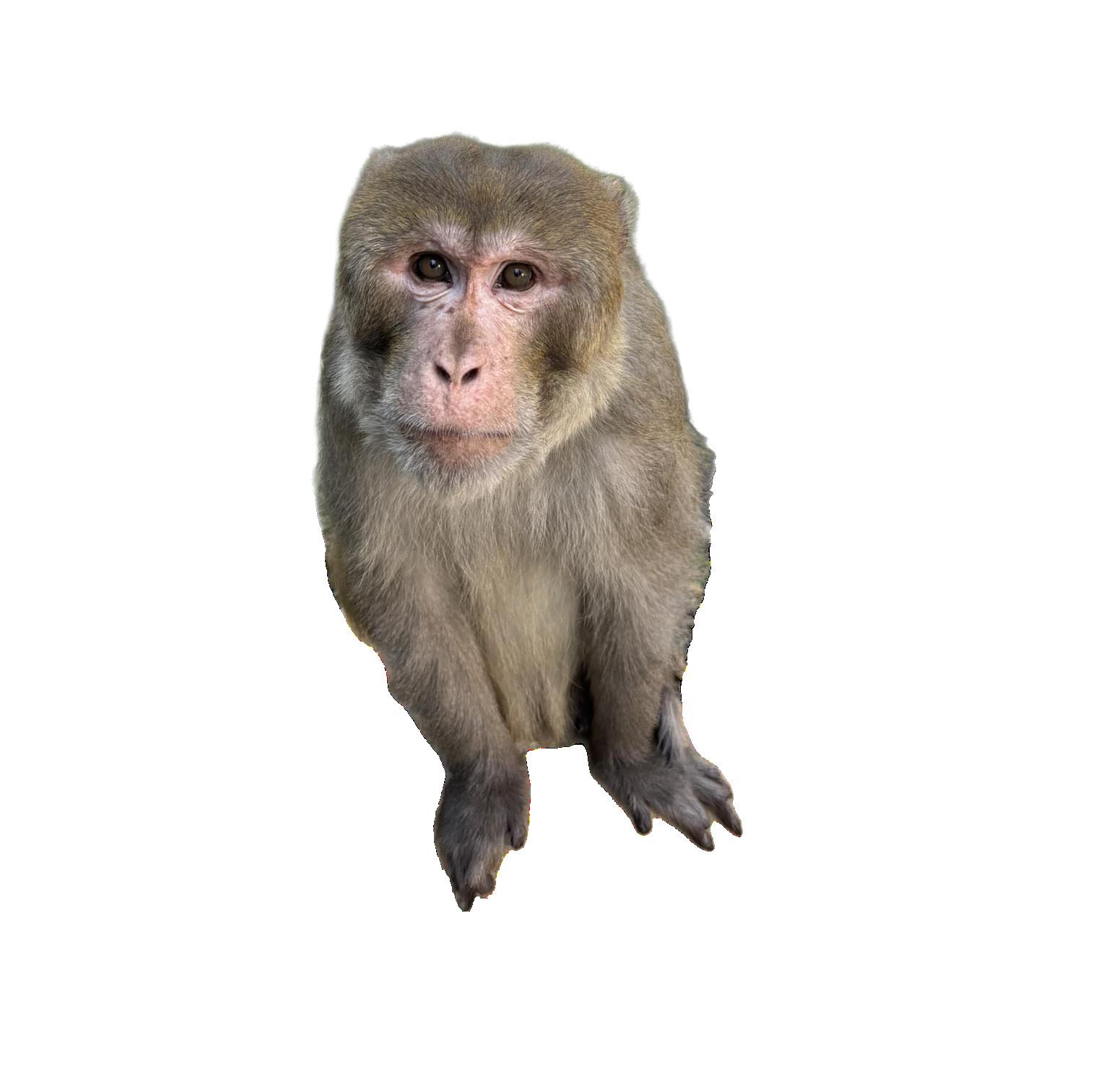
2023. He enjoys watching the other monkeys at the sanctuary and loves veggies and nuts. Hanuman is diabetic and needs special care, including twice-daily medications and a sugar-free vegetarian diet.
PHOTO: PRIMATES INCORPORATED
Most chimpanzees born in labs were denied their mother’s love after being taken from them soon after birth. But Quilla was lucky. Although born at the New Iberia Research Center, she and her mom, Becky, were rescued together by Chimp Haven, where Quilla has been raised by her mom. She is one of seven chimpanzees benefiting from AAVS’s Total Lifetime Care (TLC) for Chimps program.
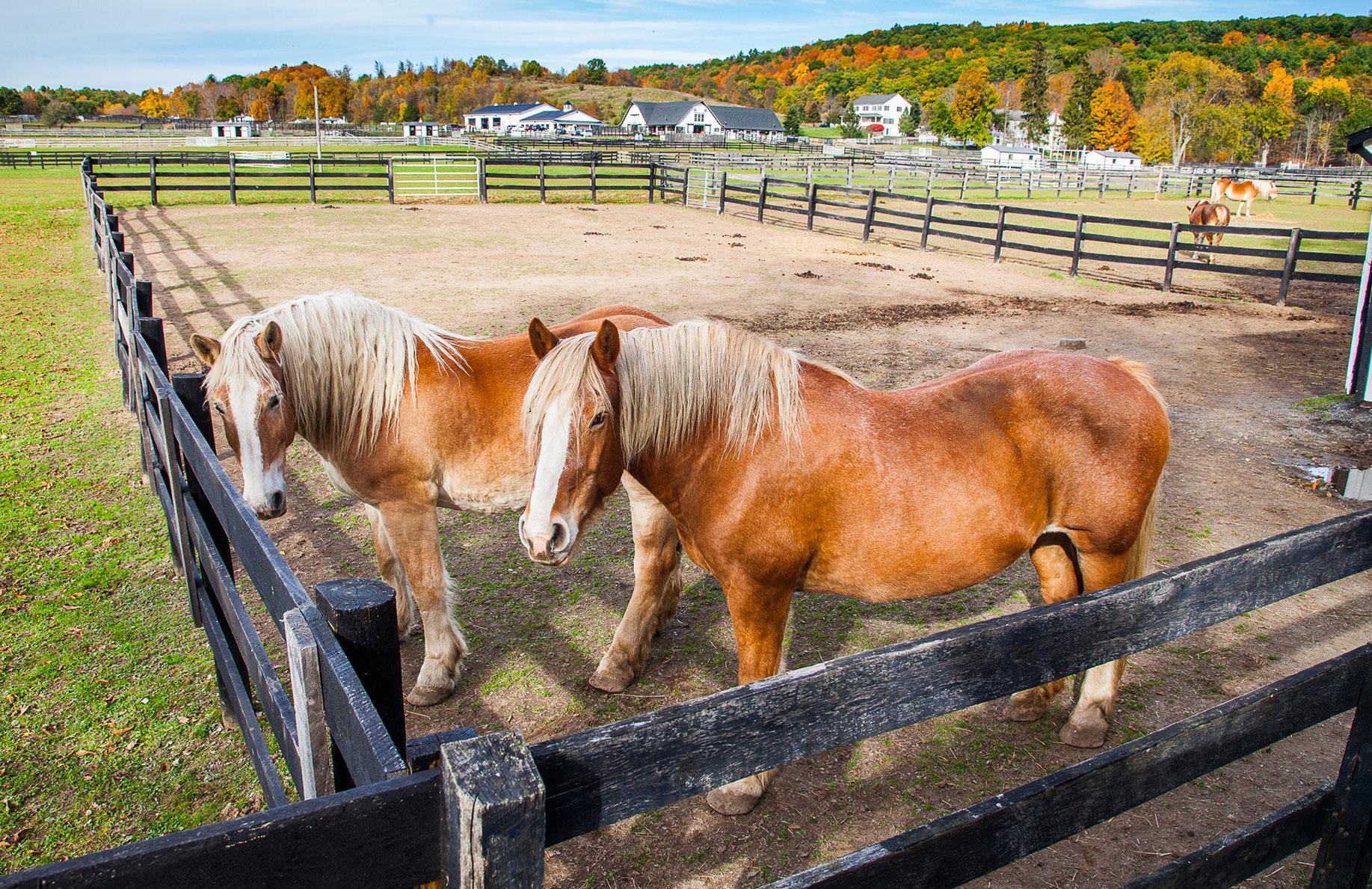
EQUINE ADVOCATES, NEW YORK
Before being rescued by Equine Advocates, Annie was used to collect pregnant mares’ urine (PMU), an ingredient in certain hormone replacement drugs. Melanie’s mom was also rescued from a PMU farm, while pregnant with her. Melanie is lucky, since PMU foals are usually either sent to slaughter or doomed to replace older mares on the farm. We’re thankful Melanie was spared!
PHOTO: JIM CRANER/EQUINE ADVOCATES
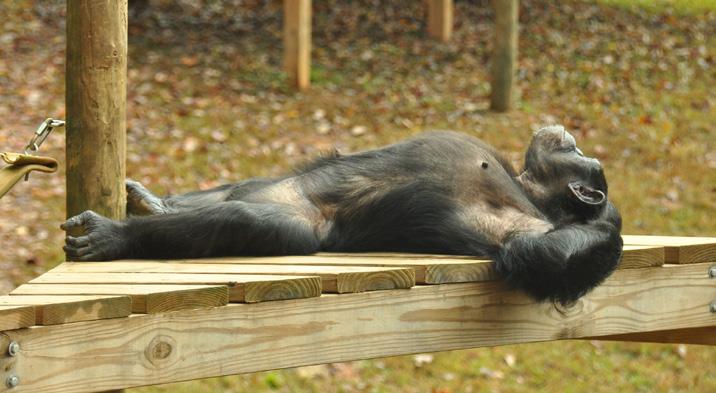
PROJECT CHIMPS, GEORGIA
Chloe seems like a laid-back chimp, but she’s very curious and loves to watch her caregivers work. Preferring to be in her outdoor habitat even while other chimpanzees are inside, Chloe will often make a picnic for herself at lunchtime. She’s not a troublemaker, but is quick to take a seat to watch any drama unfold.
PHOTO: PROJECT CHIMPS
PHOTO: KIERSTIN LUCKETT/CHIMP HAVEN Chloe
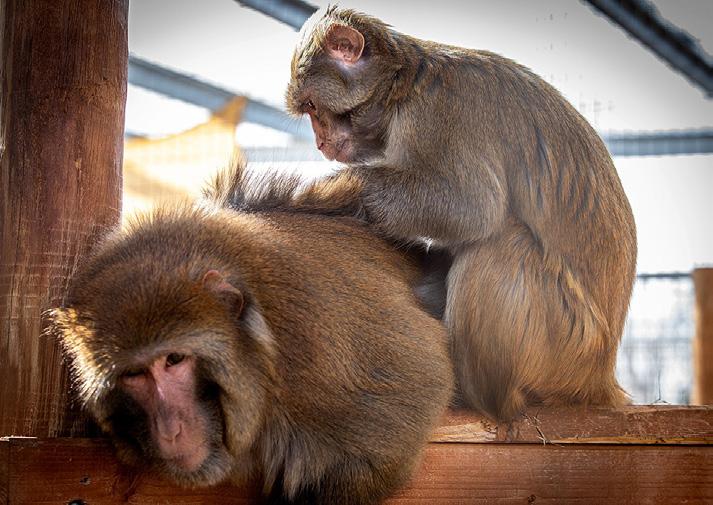
OKLAHOMA PRIMATE SANCTUARY, OKLAHOMA Retired from research in 2021, macaques Janice and Cognito are enjoying sanctuary life to the fullest. Primates are smart, social animals who suffer when isolated and confined, especially during experiments, so it’s incredibly gratifying to see the strong bond between them. It’s why support for sanctuaries is such an important part of AAVS’s mission.
PHOTO: TIM AJAX/OKLAHOMA PRIMATE SANCTUARY