by Ken Symon, Editor
Going away to spend a week focused on training day-in, day-out is a great way to deepen your practice in the internal arts.
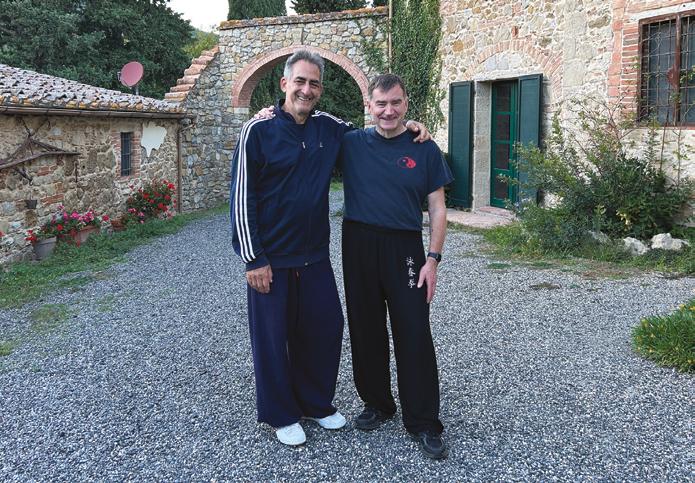
I have had two significant in-depth experiences this year: at Tai Chi Caledonia in July with a variety of quality teachers, and in a week-long Bagua Zhang Retreat in the glorious setting of the Agriturismo Terenzana, at the heart of the Tuscan countryside, in October with Tom Bisio. Both events are covered in this magazine.
“Cale” is a way to both sample new areas of the arts in the opening weekend taster sessions and to focus on two in more depth in ten hours of teaching over the week. It is a tried and tested formula that delivers year by year, keeping our practice fresh and developing. The ‘slate’ of those teaching at the 2026 event is covered in our News pages.
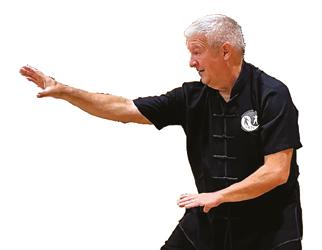
'50 years of Wu Style Tai Chi was marked in Ontario, attended by a team from Wu’s Academy in Bethnal Green.'
The Terenzana event featured training sessions in the early morning, later morning, afternoon and evening. A positive feast of Liang Style Bagua in a fabulous setting, which was by turns exciting, horizon-expanding and exhausting. I have many of Tom Bisio’s 30 plus books on Bagua, Xingyi Quan and Chinese Medicine. It was fascinating to meet, train with and interview Tom. I learned loads and it has transformed my practice of the arts.
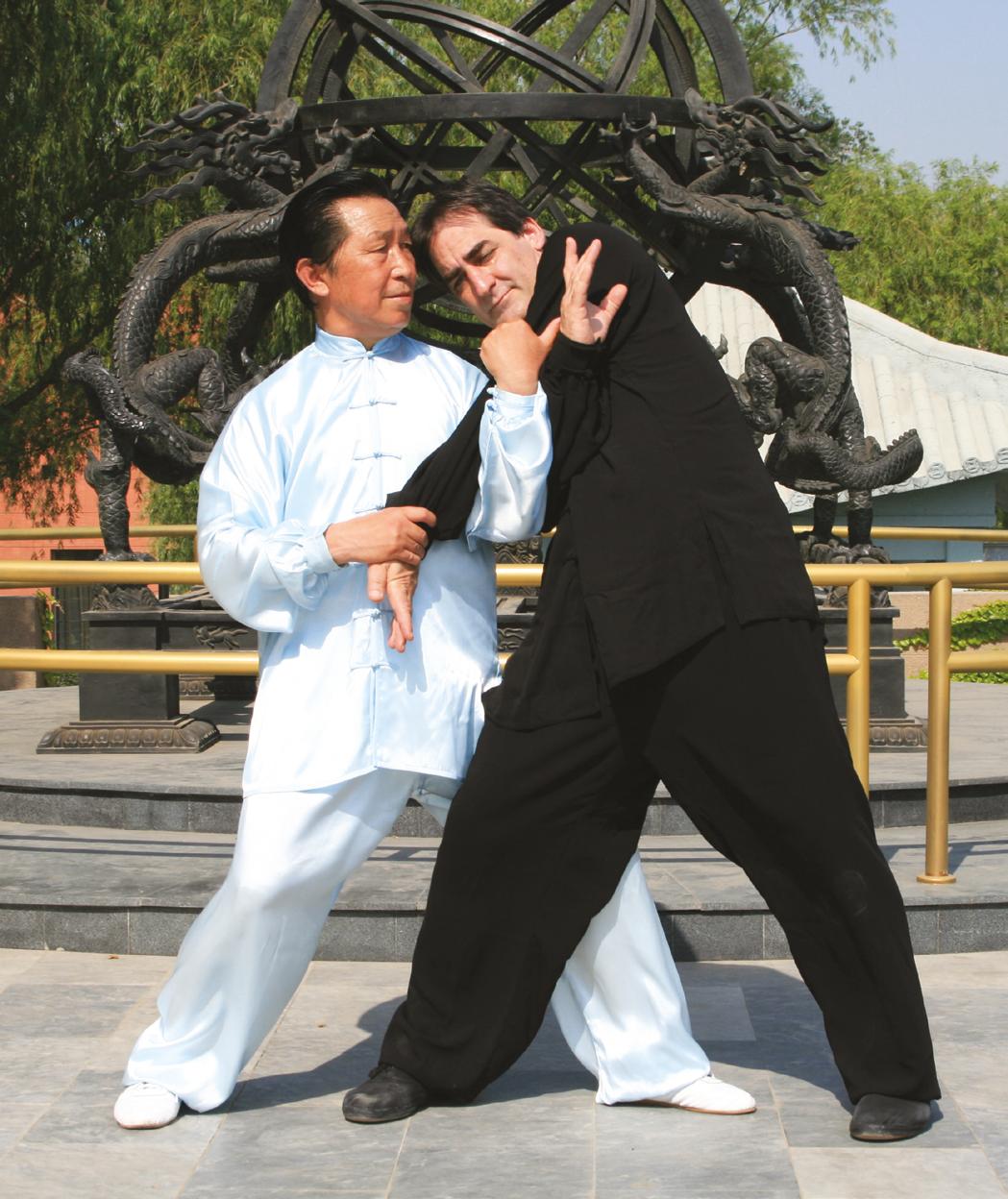
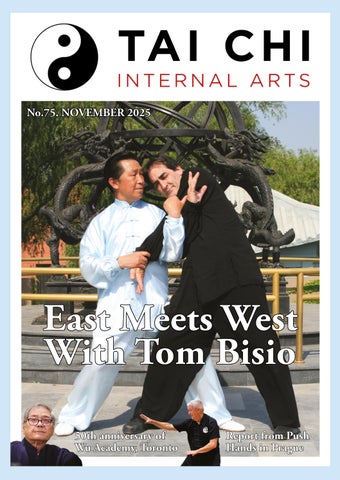
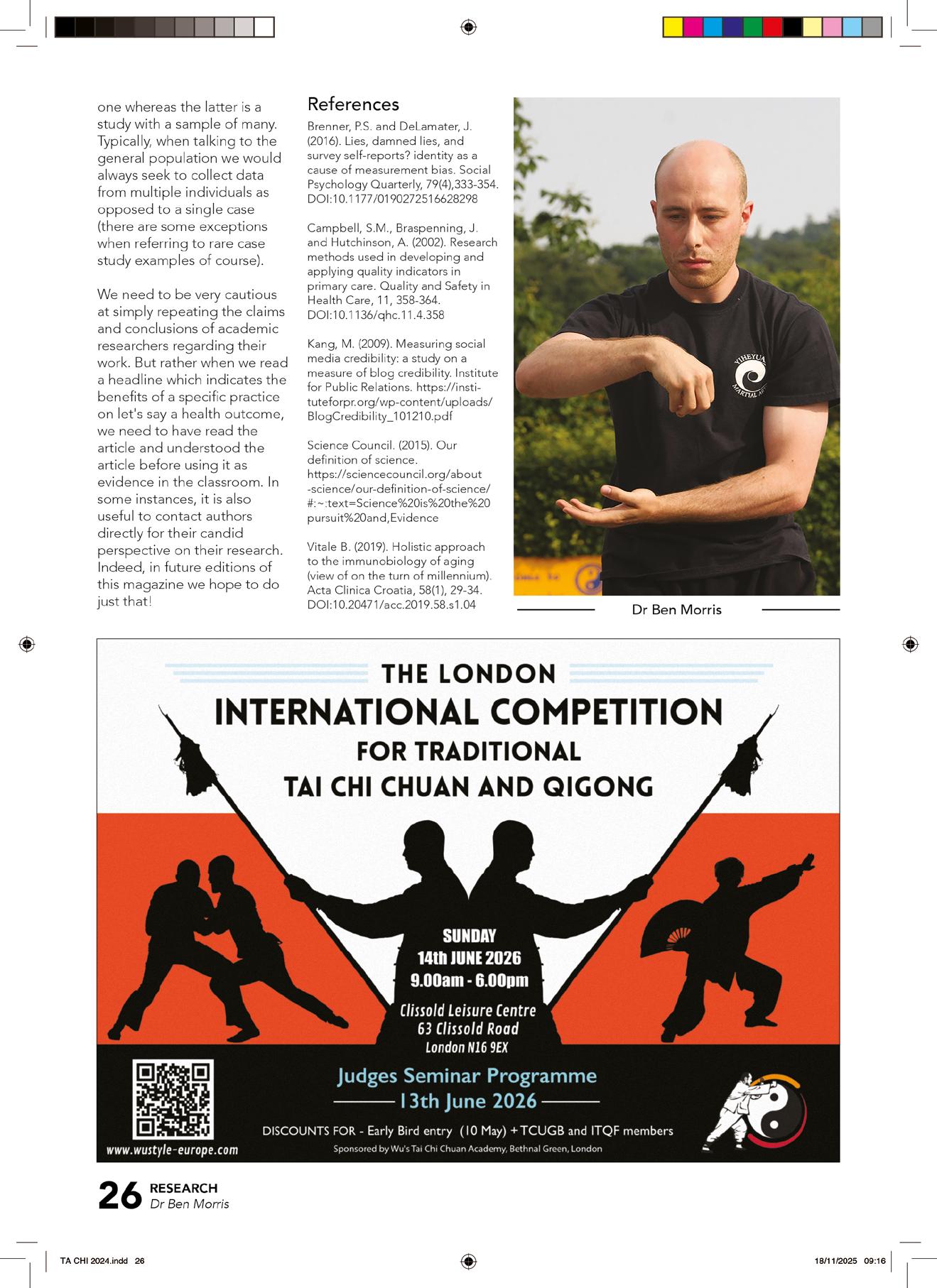
The cover photograph of Tom Bisio training with Chinese Bagua Zhang Master Gao Ji Wu is by Valerie Ghent, Tom’s partner and fellow teacher and host of the event.
An incredible 50 years of teaching Wu Style Tai Chi was marked at an event in Ontario, Canada attended by a team from Wu’s Academy in Bethnal Green in London and other academies form around the globe.
Talking of significant contributions to the arts, in this issue we have tributes both to prolific Tai Chi and Qigong author and teacher Stuart Alve Olson and to our own Aileen Mandić, the Union’s membership secretary and treasurer and one of the main organisers of Tai Chi Caledonia. They will be much missed. We also have a report from this year's Caledonia, with a surprising revelation from
our ‘roving workshops reporter' Paul Thomas. What research can contribute to the growth of the arts is covered in an article by Ben Morris (below), who explains his Union Board role as Health and Research Director.
This issue marks the start of my second year as Editor and I want o say a huge word of thanks to all who have contributed to the magazine in so many different ways. One thing to mention in passing is to repeat the offer that if an article is published, then the author can have a free half-page advert. This offer is on the usual professional publication basis that the article is exclusive and has not appeared widely before publication.
I hope you enjoy this issue and continue to practise these arts that offer so much.
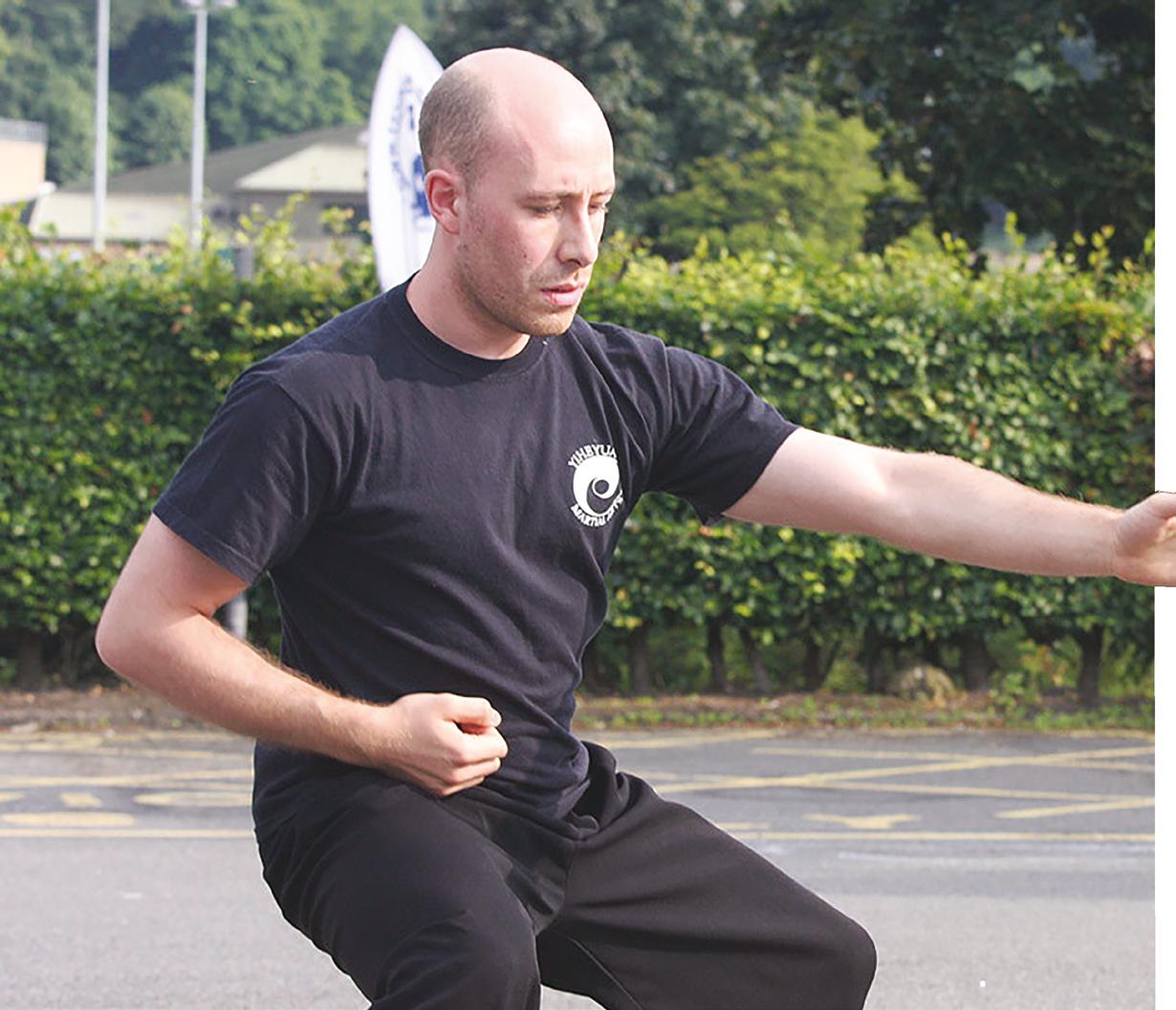
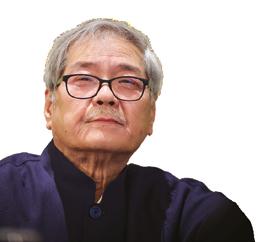
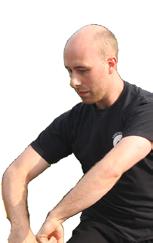
Dr Ben Morris rejoined the Tai Chi Union Board in October 2024 as health and research director.
How long have you been a teacher and what teaching are you currently doing?
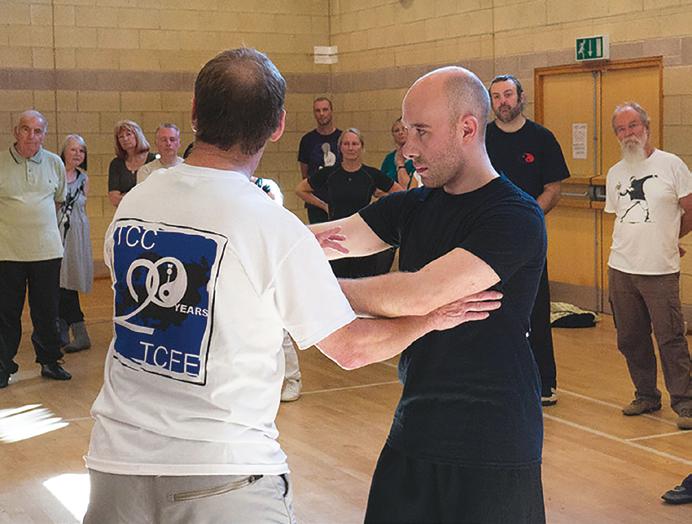
I've been formally teaching martial arts independently since around 2013 having helped with my teachers’ classes for many years prior to that. My current focus is on making push hands more accessible across our community and in reaching different groups in the general population.
Ben Morris
What first sparked your interest in looking at research into Tai Chi and the related arts?
I began Tai Chi shortly after starting a master’s degree in health psychology and my training in being critical and objective was a good fit with teachers who take a disciplined, pragmatic approach to teaching. So, for me the two go hand in hand.
Research can mean different things to different people and certainly context setting is important. For example, my experiments on developing root in specific postures or generating power through the limbs will be different from my experiments on, for example, how different breathing patterns affect my mental state.
There will also be differences in how I privately explore these ideas and how I might include them in a class. When looking at health in its broadest terms we are dealing with a complex and often integrated biomechanical system, so precision in definition and practice is essential. When we look at Tai Chi practice we are dealing with a very broad system of mind-body interaction, often culturally and philosophically bound and catering to a wide spectrum of individuals.
Scientific research has clear definitions and hierarchies and the peer review process ensures a high bar for the publication of new insights.
There is certainly a large body of anecdotal evidence to support some significant benefits to engaging in Tai Chi and the internal arts. Many of us are drawn to these arts because of these claims. I am always happy to hear how our arts have transformed lives, and I can personally attest to this. However much of this is naturally framed within the terminology and framework of eastern philosophical ideas and the paradigm of traditional Chinese medicine, which may be less familiar to a ‘western ear’.
My research training, even in my early days in Tai Chi, enabled me to ask questions to illuminate my practice. The application of western ‘thinking’ is certainly not to detract from the traditional Chinese medical approaches to explaining why these practices work, but rather to affirm for the western audience using the language of the western audience, so that these practices can be more widely adopted in the general population.
How widely will you look in terms
Typically, with a topic that has such breadth as Tai Chi and internal arts it's useful to start by looking at existing systematic reviews that bring previous studies together and evaluate them. From the position of understanding what has already been done, one can then address the issue of quality in the existing work and ‘gaps in the literature’. A first task therefore is to determine what has been done and what the typical claims being made are.
The more common claims that a Google search will identify are Tai Chi’s effects on blood pressure and resting heart rate, on balance (aiding in falls prevention), in pain management and cognitive functioning. These claims are rarely found to refer to specific research studies, and where research is cited, it can be a challenge to track down the original work. While there is a large volume of literature currently reporting benefits of Tai Chi and internal arts practices some of this work is of poor quality.
There are ‘gold standard’ approaches to research and being able to identify these hallmarks of quality are
important for us to discern between research that might have potentially exciting implications but poor methodology, from those studies that make perhaps quiet claims underpinned by a better methodology.
'I am always happy to hear how our arts have transformed lives, and I can personally attest to this.'
Ben Morris
How do you see your role on the Board actually working?
First and foremost, I hope that my role on the board, in the capacity as health and research lead, will provide not only the board but the entire membership with useful information to enable them to make the best use of current data.
More specifically in the first year I will be focusing upon the area of open science which will be to provide the membership with useful information enabling them to understand literature around Tai Chi and internal arts better. Secondly, I will aspire to provide examples of ‘good’ research with reasonable conclusions regarding the benefits of Tai Chi and internal arts on an individual's health
and well-being. Thirdly, to develop a working group of individuals with expertise whom we can defer to for specific subject related research insights.
Finally, I would hope to commission research with the involvement of the membership to demonstrate benefits of Tai Chi and internal arts to the general population.
What uses can and should Tai Chi and Qigong teachers make of research in promoting the arts and their classes in particular?
So here we have perhaps two branches. The first branch is the teachers' direct experience, often through anecdotes, of the benefits of these practices and I would certainly encourage teachers and students to share these as they are supportive and borne out of lived experience. However, we must be cautious at assuming that the benefit that one individual has in a practice will necessarily have the same consequence or outcome in another individual (humans are complex).
The second branch is not the anecdotal only, but rather the conclusions derived from scientific research on a topic. One might characterise the former evidence as being a study with a sample of
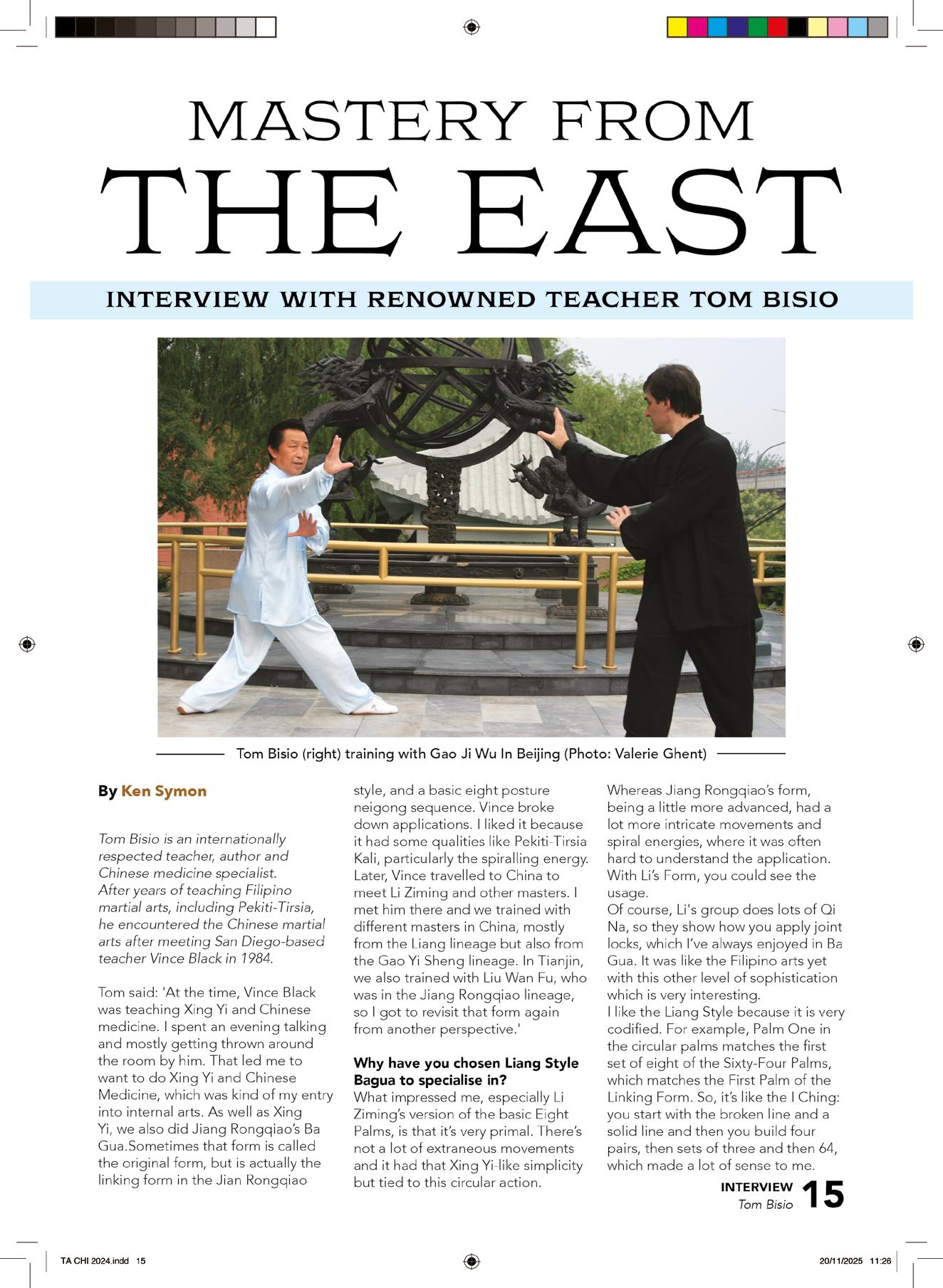
The Board of the Tai Chi Union for Great Britain
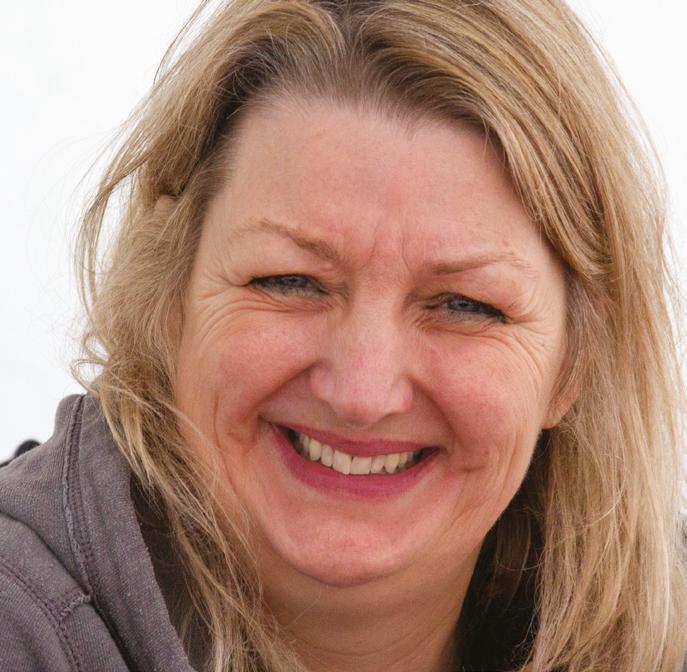
We start our column with the sad news that Aileen Mandić, our long-standing treasurer and membership secretary, died in September.
It is impossible to do justice to the amount the Union owes her although we have done our best with her obituary (opposite). Over the years, she was known to hundreds of our members and we will remember her for her kindness, humour and hard work. Many of you will have known Aileen personally, and we share in your sadness at her passing.
Much of what we are now able to report builds on the dedication and stability that Aileen helped create. We’re pleased to say that the Tai Chi Internal Arts Union continues to make steady progress, with several projects based on member feedback now well underway, ranging from professional training and online events, to new outreach partnerships and improvements to how we manage membership and communication.
After months of preparation, our first professional development programme has gone live. The first phase includes Safeguarding Adults, Safeguarding Children, Data Protection (GDPR) and How to Carry Out a Risk Assessment. These are practical, accessible modules that help instructors meet duty of care, keep up to date with legislation, and demonstrate professionalism when working in community, education, or health settings.
This initiative came directly from member feedback, and we see it as an important step towards providing a structured approach to continuing professional skills training within the Union. Once the pilot is complete, we’ll review your feedback to guide how we expand access to the wider membership in 2026.
'It will be possible for members to manage their own listings.'
We recently held our first live online session with Fabrice Piché, assisted by Union Instructor Jane Launchbury. The members-only event gave members an introduction to the advanced Shibashi Set 8, as passed to Fabrice by its creator, Professor Lin Housheng. The event was well attended, and the response showed there is strong appetite for more online sessions with senior teachers.
We’re keen to share more member-only events that showcase the diversity of the internal arts. If your teacher or lineage representative might be willing to share their knowledge through a short livestream, please contact us.
Soon, every member will receive a personal login to the TCIA website. This will make it possible for members to manage their own listings directly to update venues, timetables and contact details without emailing administration. For some information, a simple approval process will help ensure accuracy, but the result will be a more dynamic, up-to-date directory for the public, and a more flexible promotional tool for instructors.
This login also opens the door to exclusive content. Magazine back issues, downloadable templates, and key documents will move into the member area, alongside additional benefits such as recordings of livestreams, premium articles, videos to help members applying for instructor status, and more.