This report contains general information only and is based on information from reliable sources; though no representation, warranty or undertaking is given or made in relation to the accuracy or completeness of the information presented. The report is provided solely for information purposes and relates to AAM’s sustainability initiatives and activities generally and is not specific to any particular AAM business or fund. This report is not a recommendation or offer to invest in any fund managed or operated by AAM, is not provided in connection with any investment offer in any AAM managed or operated fund and is not intended to be utilised or relied upon in making a decision to invest in any AAM managed or operated fund.
The information contained in this report is subject to change without notification. No responsibility is accepted by AAM or any of its related entities, employees, agents or advisors, for any of the information or for any action taken by you on the basis of the information or opinions expressed in this Report. The information may not be reproduced, disclosed or distributed to any third party or published in whole or in part for any purpose.
About this report
This report has been collaboratively prepared by AAM, in partnership with various entities within AAM and within our managed funds portfolio. This report represents the efforts by AAM and covers activities conducted during the 2025 financial year, across AAM-owned, managed, and operated assets in Australia, unless otherwise specified. It should be read in conjunction with previous AAM Sustainability Updates.
Forward-looking statements
This report may contain forward-looking statements that express our intentions and expectations for the future. These statements are not guarantees of future performance, and actual results may differ materially from what is expressed or implied in these statements. We base our forward-looking statements on current knowledge and information available at the time of reporting, and we are not liable for future events or outcomes that do not align with these statements. We caution against relying solely on these futureoriented statements when making decisions or drawing conclusions.
Report boundary
Throughout this report, the terms 'AAM,' 'our business,' 'organisation,' 'we,' 'us,' 'our,' and 'ourselves' refer to AAM Investment Group Pty Ltd (AAM) and all subsidiaries of AAM. This report encompasses information pertaining to all assets owned, managed, and operated by the AAM group of companies, and does not relate to any specific fund or asset managed or operated by AAM.
Glossary
‘AAM’ in this document refers to AAM Investment Group Pty Ltd ABN 28 612 701 274 and its subsidiaries including entities managed and operated by AAM.
‘AAM Board’ is the AAM Investment Group Pty Ltd board of directors.
Feedback
We welcome feedback on this Sustainability Report. For enquiries or comments, please reach out to us at: sustainability@aamig.com.au
Message from our Managing Director
Welcome to our third Sustainability Report
It is once again my pleasure to share with you the initiatives we have undertaken over the past year to advance our operations, highlights include:
• Expansion in timber product offerings, diversifying our production capabilities within our timber mill operations (page 25)
• Launched a new integrated beef and lamb business, Australian Beef & Lamb Co (page 24)
• Completed a new solar project at Legune Station, saving 70,000 litres of diesel (page 17)
• Continued to focus on the safety of our people, leading to a 61% improvement in Lost Time Injury Frequency Rate (LTIFR) compared to our baseline in 2022 (page 20)
• Contributed to $405m in estimated economic impact nationally
The past year has not been without its challenges. From domestic market fluctuations and volatile global geopolitical landscapes to unpredictable weather patterns, Australia has not been immune to these external pressures.
As we reflect on our journey and achievements to date, maintaining a balanced and pragmatic approach to sustainability has been essential.
This approach ensures that our initiatives not only deliver tangible outcomes on the ground but also minimise risk and create lasting value for our investors and stakeholders.
These achievements would not have been possible without the dedication and expertise of our team, individuals committed to driving operational efficiencies and delivering meaningful impact across the portfolio.
With this in mind, it gives me great pleasure to present AAM's latest Sustainability Report and to share with you our contribution to a positive future for agriculture, and our rural and regional communities.
Yours sincerely,
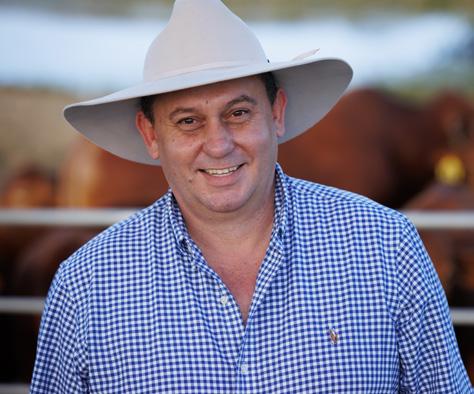
Garry Edwards Managing Director
30 October 2025
About AAM
AAM is a large-scale, wholly Australian-owned operator of strategic investment, asset management and operational management services to Australia’s agricultural industry. At the heart of the AAM business is a belief in the strength and long-term performance of Australian agriculture.
This is supported by AAM’s foundational philosophy to diversify investments across food and fibre supply chains and geographical production areas and actively
Snapshot
~1.2 million hectares of land under management
manage them by focusing on creating operational efficiencies through scale and developing their potential for capital growth.
Our national team operates across five states and territories, overseeing assets in diverse agricultural sectors such as beef, sheep, poultry, fodder and softwood timber processing.
$947 million under management
5 States and Territories where AAM assets are located
463 people (FTE), 84% live in rural and regional areas
Our values
SAFETY FOCUSED
Safety is at the forefront of our decisionmaking. We ensure safe work practices and strive for zero harm to people and the environment.
ACT WITH INTEGRITY
We build credibility, act ethically, treat others with respect, and uphold professionalism in our actions.
VALUE OUR PEOPLE
We recognise and celebrate the unique contributions, knowledge, and skills of each team member, fostering a culture of high performance and collaboration.
WORK TOGETHER
We achieve more when we work together. By fostering trust, respect, and open communication, we create a culture where collaboration thrives, challenges become opportunities, and shared success is celebrated.
LEAD WITH PURPOSE
We take ownership of our future by leading with vision, embracing innovation, and staying focused on what matters most. Every person is a leader, proactively driving change and delivering value.
INTERGENERATIONAL THINKING
We make sustainable and responsible decisions to make a difference now whilst building opportunities for future generations.
Our asset portfolio and operations1
Our vision is to promote investment that leads change in the agricultural industry to create a positive and sustainable legacy.
Indonesia Livestock Operations, Lampung, Indonesia
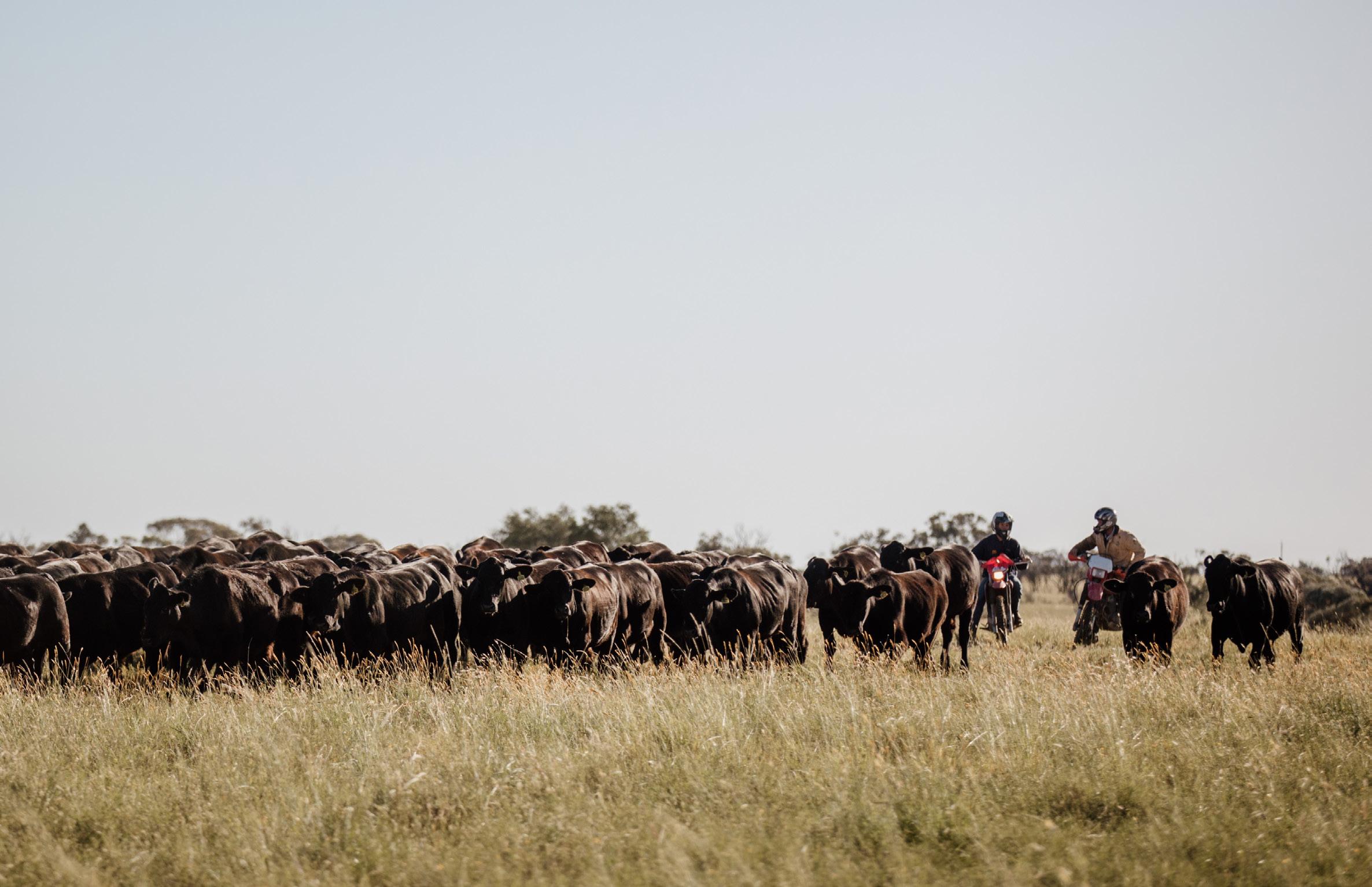
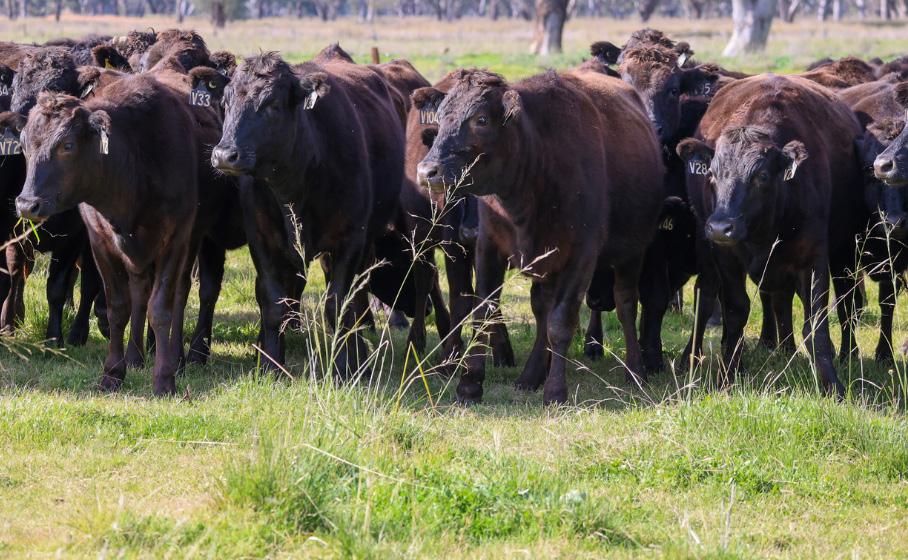
Beef operations encompass cattle breeding, backgrounding and finishing operations, including rangelands beef production in the Northern Territory, a Wagyu seedstock herd at Bective Station, Tamworth and cattle finishing in Indonesia.
Sheep
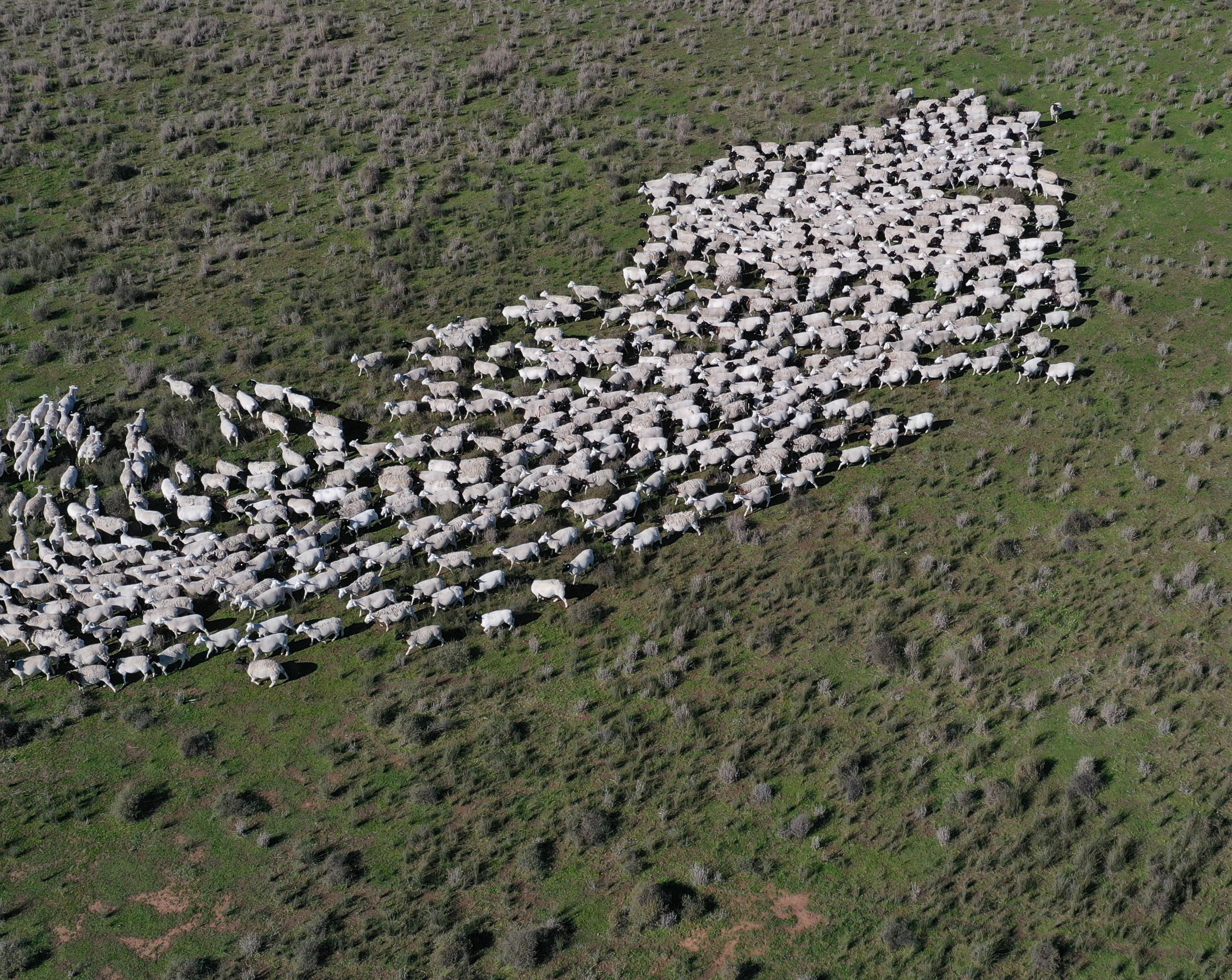
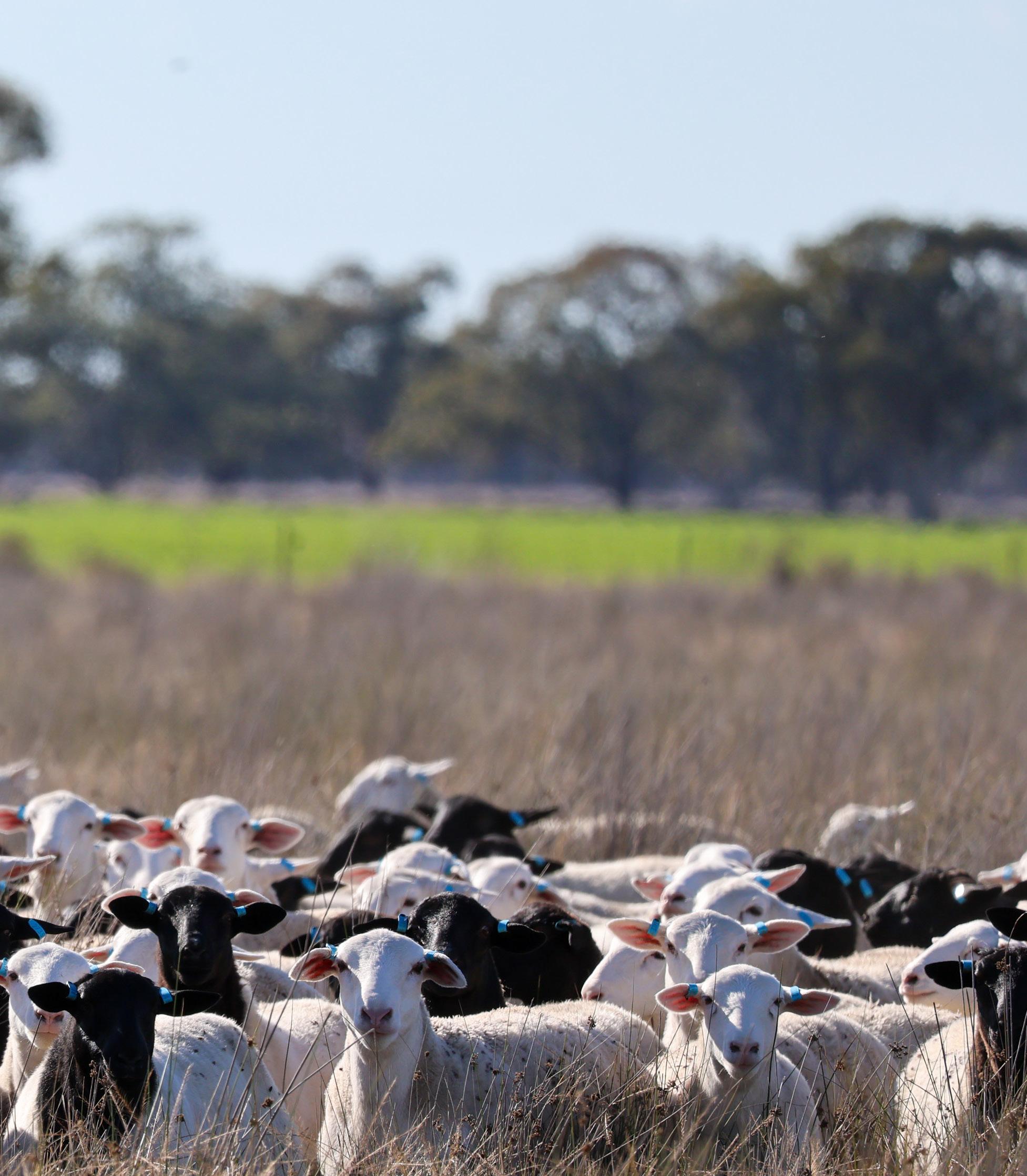
Dorper sheep operations are run across multiple locations, including commercial flocks on the Blackall Aggregation in western Queensland and Bective Station in New South Wales, along with a dedicated seedstock breeding program at Burrawang Dorper and White Dorper Stud in central west New South Wales.
Poultry
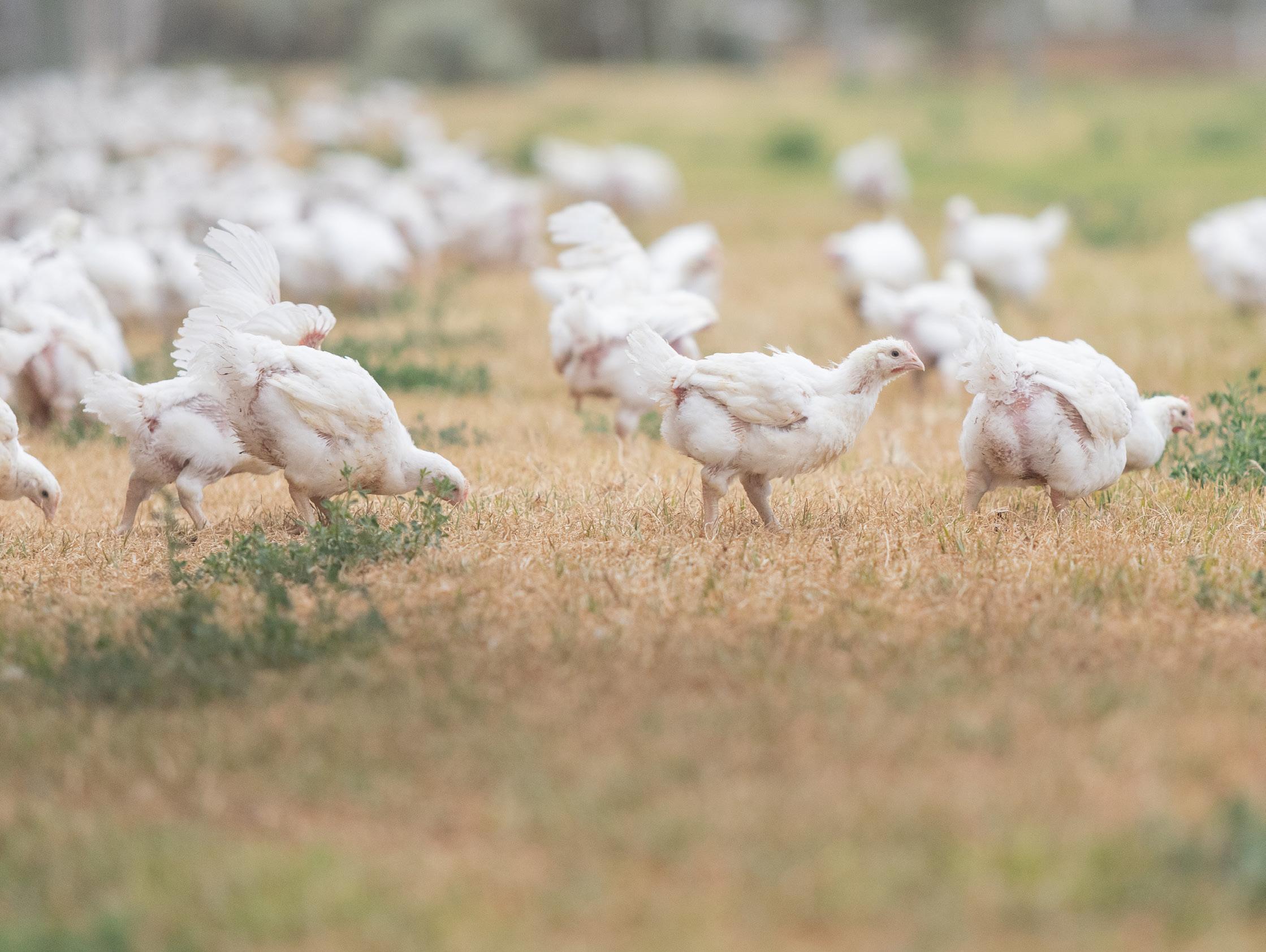
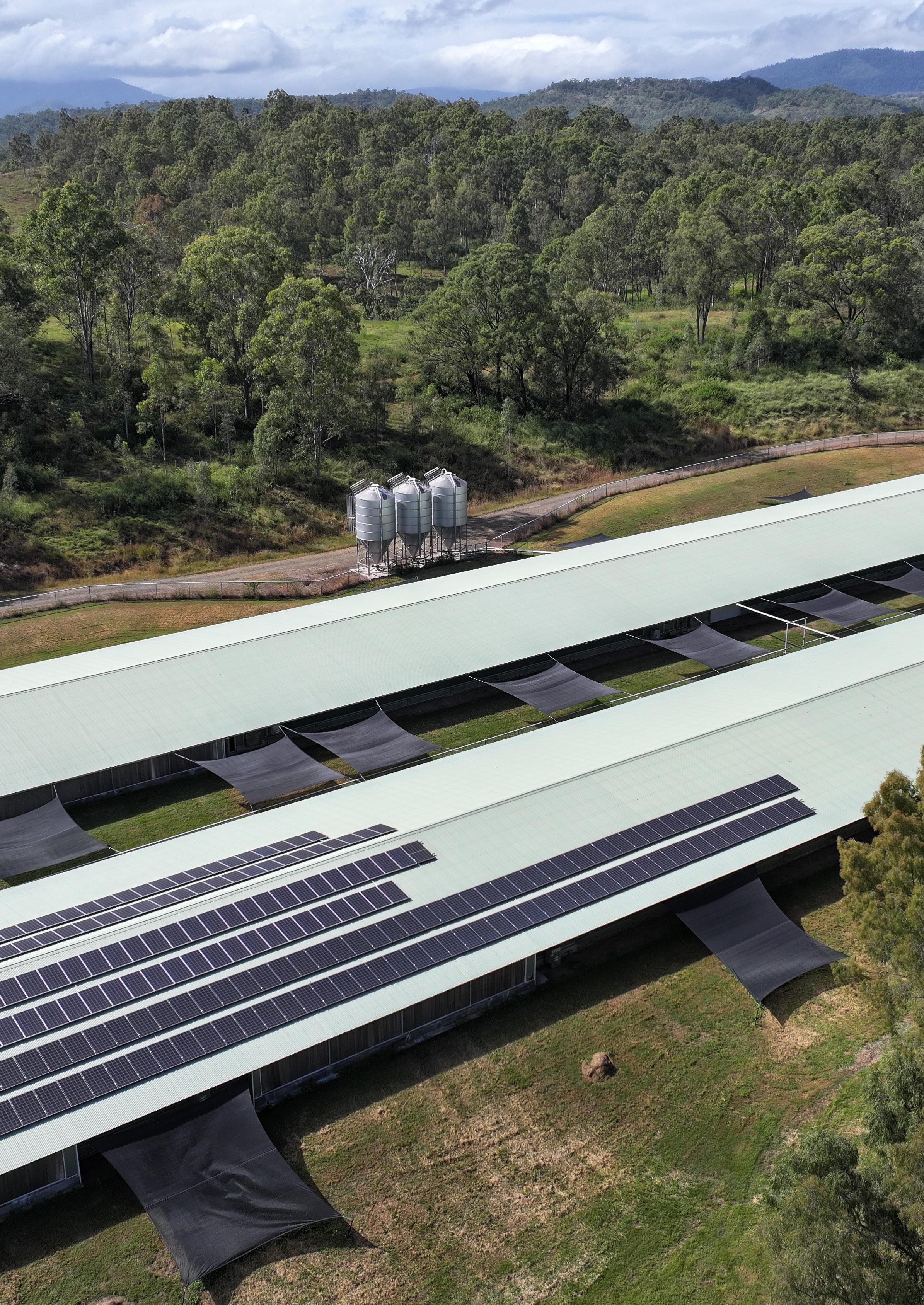
We manage one of the largest meat chicken growing operations in Australia, with 100% of our farms being certified to a third-party animal welfare assurance program. Our poultry operations grow out ~25 million birds a year across four locations, which includes our free-range operations at Riverlands and Rathdowney.
Farming
Fodder and grain crop production is undertaken alongside sheep and cattle grazing operations to enhance productivity outcomes while also creating additional streams of revenue.
Softwood Timber
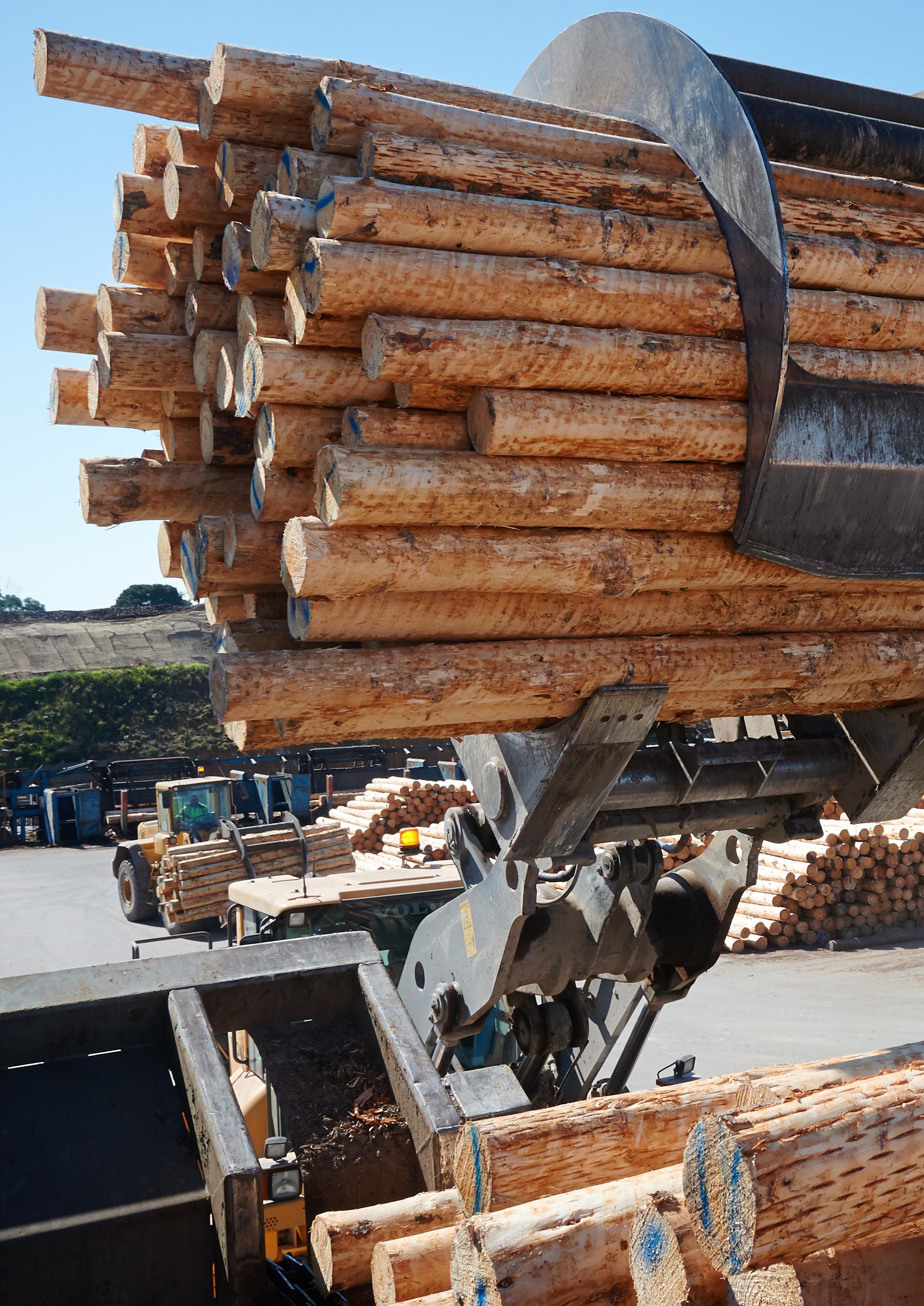
Comprising five sawmilling facilities, located in Queensland, New South Wales and South Australia. These mills process renewable softwood timber for use in pallets, outdoor products including fencing and landscaping, house construction materials, and value-added residue products. Additionally, a small number of softwood timber plantations are part of the asset portfolio in Victoria.
Australian Beef and Lamb Company (ABL Co)
A joint venture which operates as a wholesale, export and distribution red meat business. With offices in Australia and the United States, ABL Co sources red meat tailored to meet the needs of diverse global markets.
StockLive
An online auction, livestreaming, and data services platform, is wholly owned by AAM. Since 2017, StockLive has supported both the seedstock and commercial livestock sectors, working dog, and equine industries by providing cutting-edge technology to add value to physical auctions and enhance the overall auction experience.
AAM Operations
A subsidiary of AAM focused on delivering precision management across the company’s operational services, including saleyard management services in Longreach and Murgon.
Australian Beef and Lamb Co
StockLive Online Auction
Our priorities and progress
Planet
People
Prosperity
We foster a resilient production system by prioritising animal welfare, managing climate impacts and stewarding natural resources to ensure our livestock, landscapes, and communities thrive.
We invest in our people and culture by fostering a safe, inclusive, and rewarding workplace, while building long-term, positive relationships with the local communities where we live and work.
We drive economic resilience through active management, innovation and governance that delivers high-quality food and fibre.
How we contribute to the United Nations sustainability goals
As a protein producer, we support the production of safe, nutritious protein for consumers in Australia and key international markets, including Indonesia. In 2025, we delivered over ~3,800 tonnes of beef into the Indonesian market.
We promote and invest in mental health and wellbeing services for both our employees and the local community through our Employee Assistance Program and national initiatives such as This Is A Conversation Starter (TIACS), Dolly’s Dream and Common Ground Foundation. Through our contribution, TIACS can deliver an additional 936 counselling sessions every year.
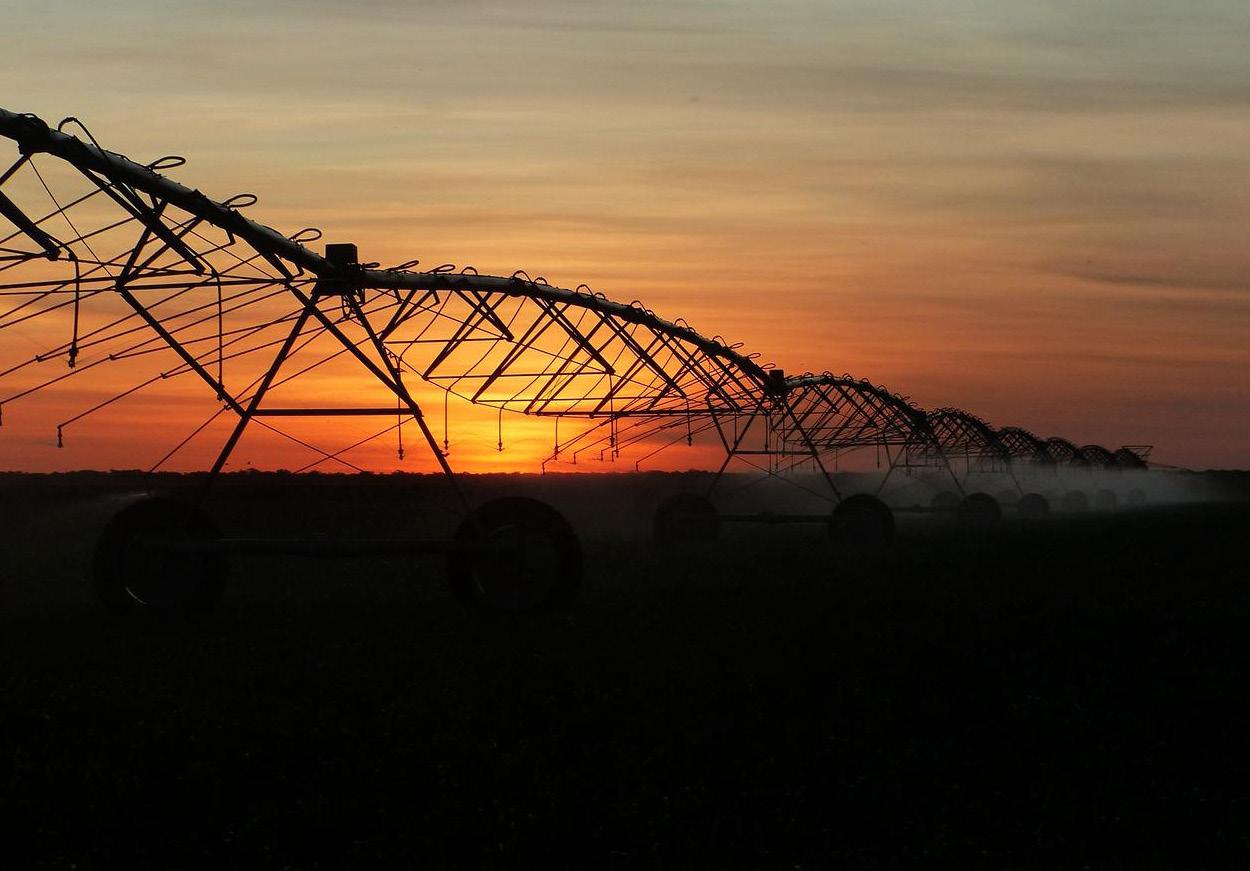
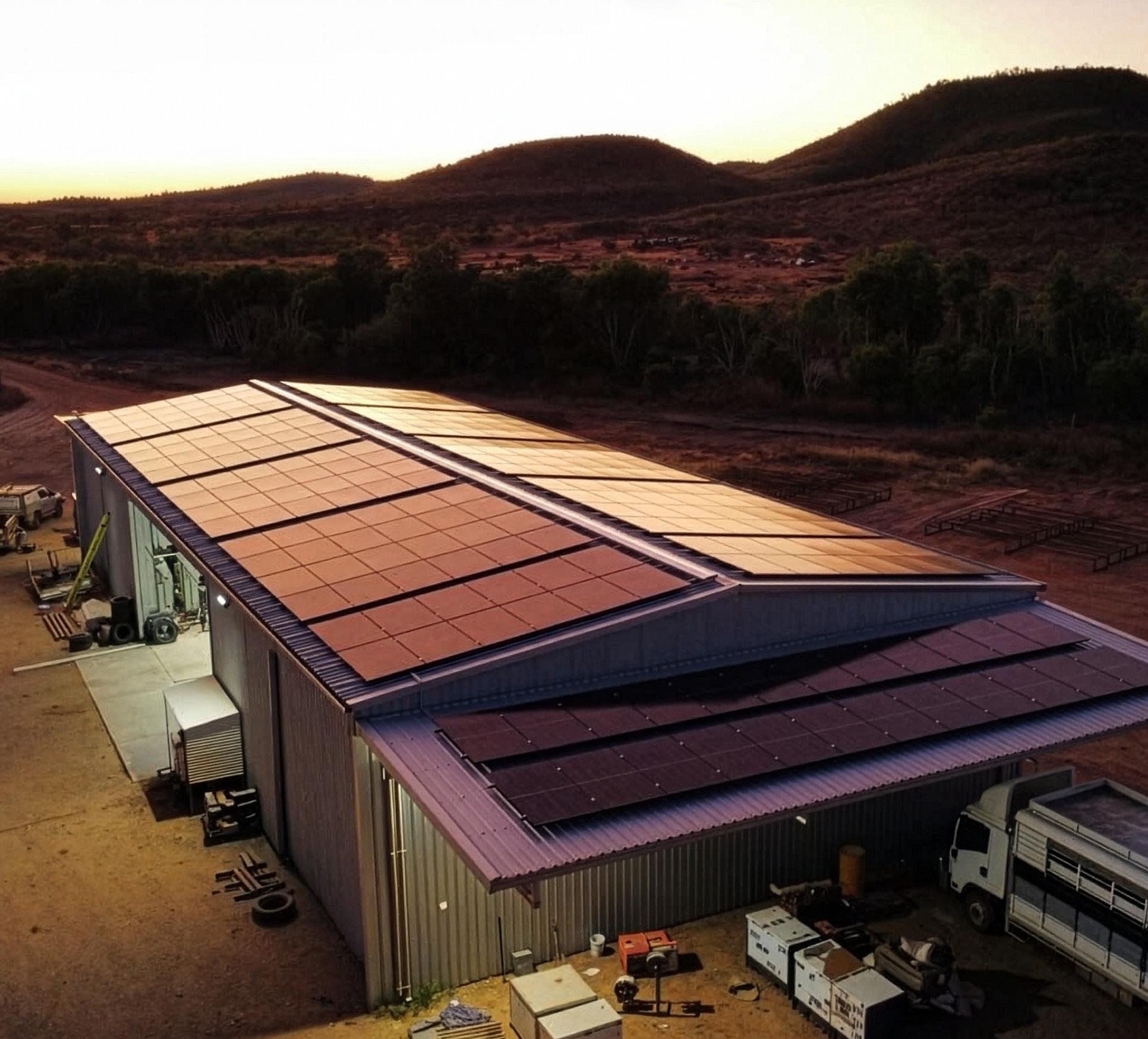
Collectively, our Northern Territory stations and poultry farms generated greater than 1.8M+ kWh of solar electricity this year. During the year, we completed the solar installation at Legune Station, contributing a saving of approximately 70,000+ litres of diesel annually, a 60% reduction in diesel used compared to the previous year.
As an employer of 463 people, with 84% of our people living in regional communities, we are committed to creating a safe and secure working environment for our team. We are focused on providing quality jobs, with fair wages and working conditions for our employees. This includes strengthening local economies in regional and rural areas through partnerships and community initiatives.
Investing in and upgrading infrastructure across our assets is central to our investment strategy. This year, we enhanced our softwood processing facilities with machinery upgrades to boost efficiency and throughput, while in the poultry sector we invested in flooring upgrades and modernising heating systems.
Riverlands Free Range poultry is reducing waste generation through converting poultry litter into certified organic biological fertilisers, through an innovative vermiculture (worm) system. This year, 25,000m3 was converted into fertiliser products.
Demonstrated strong collaboration and partnerships with government, research institutions, and industry networks, including participation in biosecurity simulations, research trials, and hosting industry events and engagements.
Animal welfare
Improving chicken welfare through automated monitoring
In collaboration with the University of Southern Queensland, Riverlands Free Range poultry supported the next wave of innovation in Australian poultry farming to automate chicken monitoring. Supporting on-farm trials, the project looked at a camera-based system that tracks flock weights and movement using image analysis.
The trial was funded by the AgirFutures Australia Chicken Meat Program and the University of Southern Queensland, and aimed to explore technology solutions to reduce the need for manual handling, reduce stress on birds, and deliver accurate, real-time data.
Strengthening biosecurity preparedness
With Commonwealth Government support, Legune Station took part in a biosecurity simulation coordinated by the Northern Territory Government through the Northern Australian Coordination Network, involving participation from the Western Australian and Queensland governments as well as industry bodies. The exercise tested government and on-farm emergency animal disease response systems for their readiness and robustness in responding to disease threats.
Held over three days, the exercise strengthened understanding of biosecurity protocols, emergency coordination, and the importance of collaboration between government and industry. Participation provided valuable insight and hands-on experience in biosecurity risk management for station personnel.
Livestock handling training
Stock handling schools were delivered across our Northern Territory and Queensland properties to improve animal husbandry processes and enhance staff skills. Focused on low-stress handling techniques, the training enhanced our teams understanding of animal movement, aiming to reduce the risk of staff injuries and livestock stress in handling processes.
The program supports safer, more efficient operations and reinforces our commitment to animal welfare, safety and continuous improvement.
Climate
Climate-related reporting update
During the year, AAM has continued monitoring the Australian Government's implementation of new climate-related financial disclosures. The Australian Accounting Standards Board has developed Australian Sustainability Reporting Standards (ASRS) for the disclosure of climate-related financial information for large businesses.
Under the current reporting thresholds, certain entities within the AAM group are anticipated to be captured in the third tranche of reporting from 1 July 2027 and will be required to align with the ASRS. As a business, we are taking steps to progress toward meeting this reporting timeline, including capacity building for our teams in preparation for these new reporting requirements.
A split-gas approach
Building on last year’s report, which emphasised the need to acknowledge that not all greenhouse gas sources are equal, we have now adopted a split-gas approach. Split-gas accounting is a method used to separate and report different types of greenhouse gases based on their origin and characteristics, including:
• non-biogenic emissions released from fossil fuel extraction and use, such as combustion of fuels from machinery and equipment use, fertiliser usage and livestock supplements
• biogenic emissions produced through natural processes such as enteric fermentation, livestock manure, burning woody debris and wildfires.
This distinction matters because biogenic methane behaves differently in the atmosphere (see depicted biogenic carbon cycle). Although it is a potent greenhouse gas, it breaks down in about 12 years1, unlike carbon dioxide, which can last for centuries. As such, its warming impact has a shorter-term and can be part of a natural cycle when well managed.
The Global Warming Potential over a 100-year period (GWP100) of biogenic (CH4 ) is smaller than that of nonbiogenic (CH4), 27 compared to 29.836, respectively. Therefore, distinguishing the biogenic and non-biogenic CH4 sources is essential to determine the mitigation strategies.
The biogenic carbon cycle2
Hydroxyl Oxidation
After approximately 12 years in the atmosphere Methane (CH4) is converted into carbon dioxide (CO2) through hydroxyl oxidation
Photosynthesis
Plants capture Carbon Dioxide (CO2), during photosynthesis
12 YEARS (APPROXIMATELY)
Cows release carbon (C) as methane (CH4) into the atmosphere through belching and manure
Carbon Plants store Carbon (C) as carbohydrates, which is eaten by livestock
Greenhouse Gas Emissions
Greenhouse Gas Emissions (GHG) results have been calculated for our portfolio of managed assets in Australia. This year, we commissioned our third assessment1, including estimated scope 1 and scope 2 emissions2. This assessment included estimates of all major sources of emissions including:
• Corporate emissions generated from our operational teams, including offices in Brisbane and Sydney
• Portfolio emissions generated from our managed assets, including livestock and farming assets, poultry farms, softwood timber processing facilities and saleyards
The characterisation of GHG emissions sources is based on the GHG Protocol Corporate Standard3 and GHG Protocol for Agriculture Guidance4
Scope 1 Direct emissions, such as combustion of fuels for machinery and equipment use, fertiliser usage, livestock supplements and biogenic methane emissions, primarily from the digestive process (enteric fermentation) and manure management of cattle and sheep.
Scope 2 On-farm grid electricity consumption
Scope 3 (not calculated)
Our GHG account
Upstream and downstream emissions were excluded from this assessment due to limited data and information
In FY25 our Scope 1 and 2 emissions were estimated to be 255,682 tonnes CO2-eq, which is a 6% decrease on last years emissions. This decrease is attributable largely to the reduction of our northern cattle herd, due to the ceasing of the Manbulloo Aggregation lease. Of the total emissions, 88% was attributable to biogenic methane from enteric fermentation and animal waste, 6% to carbon dioxide mainly from energy used (fuel and electricity), and 6% to nitrous oxide attributable primarily from animal waste and applied fertilisers used on-farm. The details of GHG emissions sources are as follows:
1This assessment included estimates of all major sources of emissions, using the Carbon Friendly® Agricultural Standard V1.4, which complies with ISO14064-2 and the GHG Protocol Corporate Standard. All input data is self-declared and checked by Carbon Friendly, 2Emissions related to operations in Indonesia and burning of woody debris or wildfires has not been accounted for in this assessment, 3A Corporate Accounting and Reporting Standard, The Greenhouse Gas Protocol, World Institute and World Business Council for Sustainable Development, March 2004, 4GHG Protocol Agriculture Guidance, Interpreting the Corporate Accounting and Reporting Standard for the agricultural sector, The Greenhouse Gas Protocol, World Institute and World Business Council for Sustainable Development, 5FY23 and FY24 GHG emissions totals have been adjusted to reflect changes in emissions factors in line with the FY25 assessment.
Boosting productivity in northern Australia
The Crops for Cattle project aims to improve the efficiency of northern Australian cattle production systems by integrating locally grown crops into feeding systems. Legune and Maryfield Station are involved in the project, trialling crop-based feeding strategies to
Solar infrastructure
Collectively, our assets generated 1.8M+ kWh solar electricity this past year. We completed the rollout of solar energy infrastructure across our Northern Territory stations, reducing the reliance on diesel powered generators. During the reporting period, we completed
enhance growth rates, reduce emissions intensity, and support more sustainable production. This initiative aligns with AAM’s focus on innovation, productivity, and regionally tailored solutions for the northern pastoral industry.
the solar installation at Legune Station, contributing a saving of approximately 70,000+ litres of diesel annually, a 60% reduction in diesel use compared to the previous year.
Natural resources
Biodiversity at Burrawang
Under a Conservation Agreement, 826 hectares of native vegetation along the creek system at Burrawang West is leased to the New South Wales Biodiversity Conservation Trust. This area is periodically grazed to assist in biodiversity management, in particular the
Circular economies
Bective Station is demonstrating the benefits of circular economy principles by repurposing manure by-products from Bective feedlot operations into natural fertilisers for our livestock pastures. By applying aged animal manure back onto pastures, we aim to improve soil structure, increasing soil microbial activity, and boosting water retention. This approach is closing the loop on nutrient use while reducing the reliance on synthetic fertilisers.
Early soil test results show noticeable improvements in soil organic carbon and nutrient levels, supporting increased pasture growth and long-term productivity.
In the timber portfolio, the team has developed a new kindling product to lift the value on aged products from milling operations. To support our zero timber waste approach, aged logs are being repurposed into packaged kindling for retail sale. Made from untreated timber, the product offers a clean-burning, firewood
Planting for the Future
Last year, the AAM Timber team planted 750+ trees along the boundary of our Suttontown site as part of a National Forestry Day initiative. Once established, these trees will provide wind protection for the site and provide an aesthetic visual screen around the site.
control of weeds and reduction of bushfire risk. This is a practical demonstration of the important role grazing livestock can play in environmental management. Plans are underway to establish a pilot tree planting program to support ongoing regeneration efforts.
option based on a renewable regrowth plantation product. It’s a simple, effective step toward turning byproducts into a marketable solution.
Poultry waste generated from our farms is repurposed as fertiliser, generating additional revenue streams. At Riverlands Free Range poultry operations, chicken manure is transformed into certified organic fertiliser through an innovative vermiculture system that uses worms to break down organic waste.
Simply, the worms turn manure generated from the poultry operation into a nutrient rich product that closes the loop on farm waste, aiming to improve soil health, and deliver solutions for growers of all scales.
A cyclical process
In Australia, more than 70 million seedlings are planted each year by Australia’s plantation owners. It is the continuous cycle of growth that makes plantation forest management The Ultimate Renewable™.
SOFTWOOD SUPPLY CHAIN1
Softwood plantation timber is a continuous cycle of growth. Radiata pine is a fastgrowing softwood that is a major timber source in Australia, typically grown over a 30-35 year rotation. After harvesting, seedlings are replanted and the cycle starts again.
FIREPROTECTION
People
Workplace
Community
Keep our people safe and continue to make AAM a great place to work
Safety focused
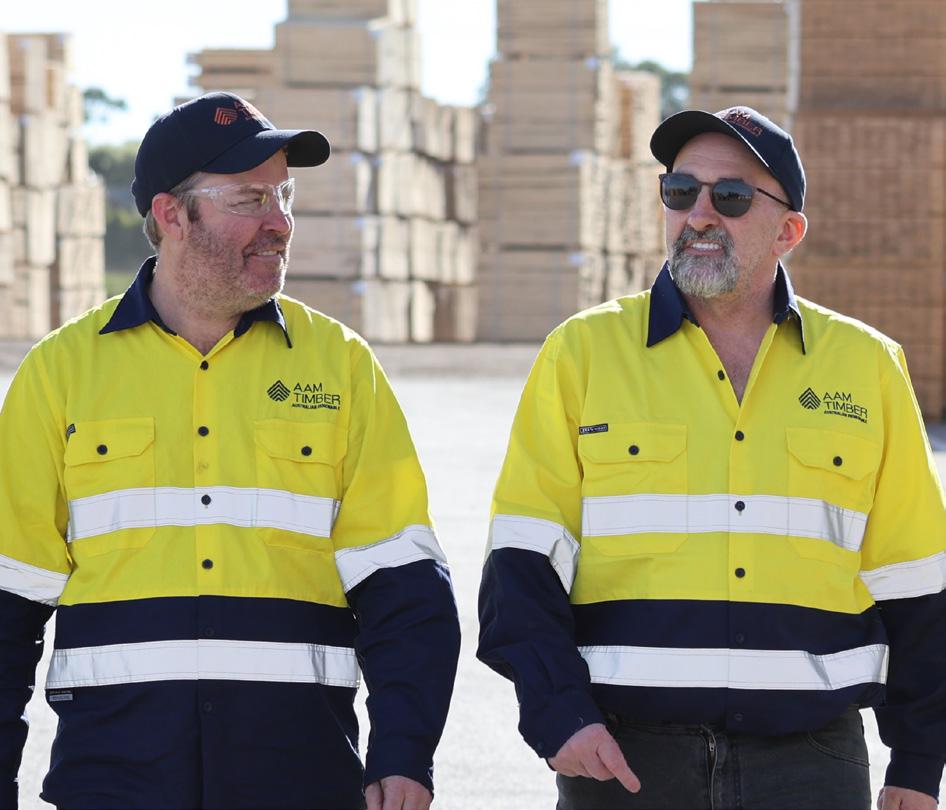
Safety is a fundamental value that shapes every aspect of our operations. Our commitment goes beyond compliance, fostering a culture where safe practices are embedded in everyday decisions. Supported by a dedicated safety team, we empower our teams to take ownership of safety, prioritise risk awareness and identification, continually seeking opportunities for improvement. By integrating safety into the way we think and work, we are creating a safer workplace, reflected in our strong safety performance.
Our efforts to reduce safety risks across the workplace have delivered a 61% improvement in Lost Time Injury Frequency Rate (LTIFR) compared to our baseline in 2022. This outcome has been achieved through a multi-layered approach that combines proactive risk identification, strengthened safety systems and processes, targeted training and awareness programs, and reinforcement of a safety-first culture.
Together, these initiatives have created a safer working environment and contributed to ongoing improvements in our overall safety performance.
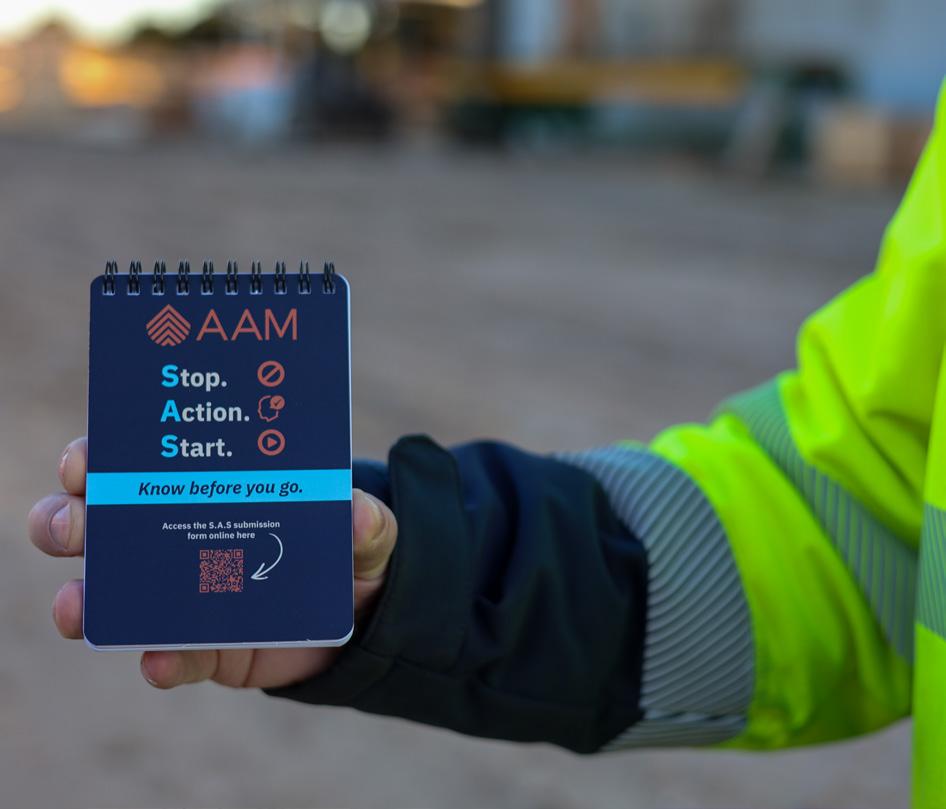
As an example, we are trialling the Hit Not Detection System at AAM Timber – Suttontown to evaluate its potential in improving onsite safety. The system uses wearable sensors and machine-mounted detectors to alert workers and operators when personnel enter highrisk zones. The technology has proven to be a valuable tool for preventing incidents, with plans underway to expand its use across sawmilling facilities.
61% improvement in LTIFR compared to our baseline in 2022
Safety Smart Broiler Chicken Farming Award
Our team was recognised with a Highly Commendable Certificate in the Safety Smart Broiler Chicken Farming Awards, presented by the Australian Chicken Meat Federation. The award acknowledges our commitment
to maintaining high safety standards in broiler operations, with a focus on proactive risk management, staff training, and continuous improvement.
Human rights
We respect and support the human rights of our team, customers, and communities, and we expect our suppliers and partners to share these values. Our operations and extended supply chains cover a large geographical footprint, with a diverse range of suppliers that support our agricultural operations. We recognise our responsibility to proactively manage risk within our
operations. We are working to take meaningful steps to embed governance structures to address potential risk to human rights, to demonstrate continuous improvement. This included the development and rollout of a Modern Slavery Awareness training module for internal employees to increase awareness of modern slavery risk.
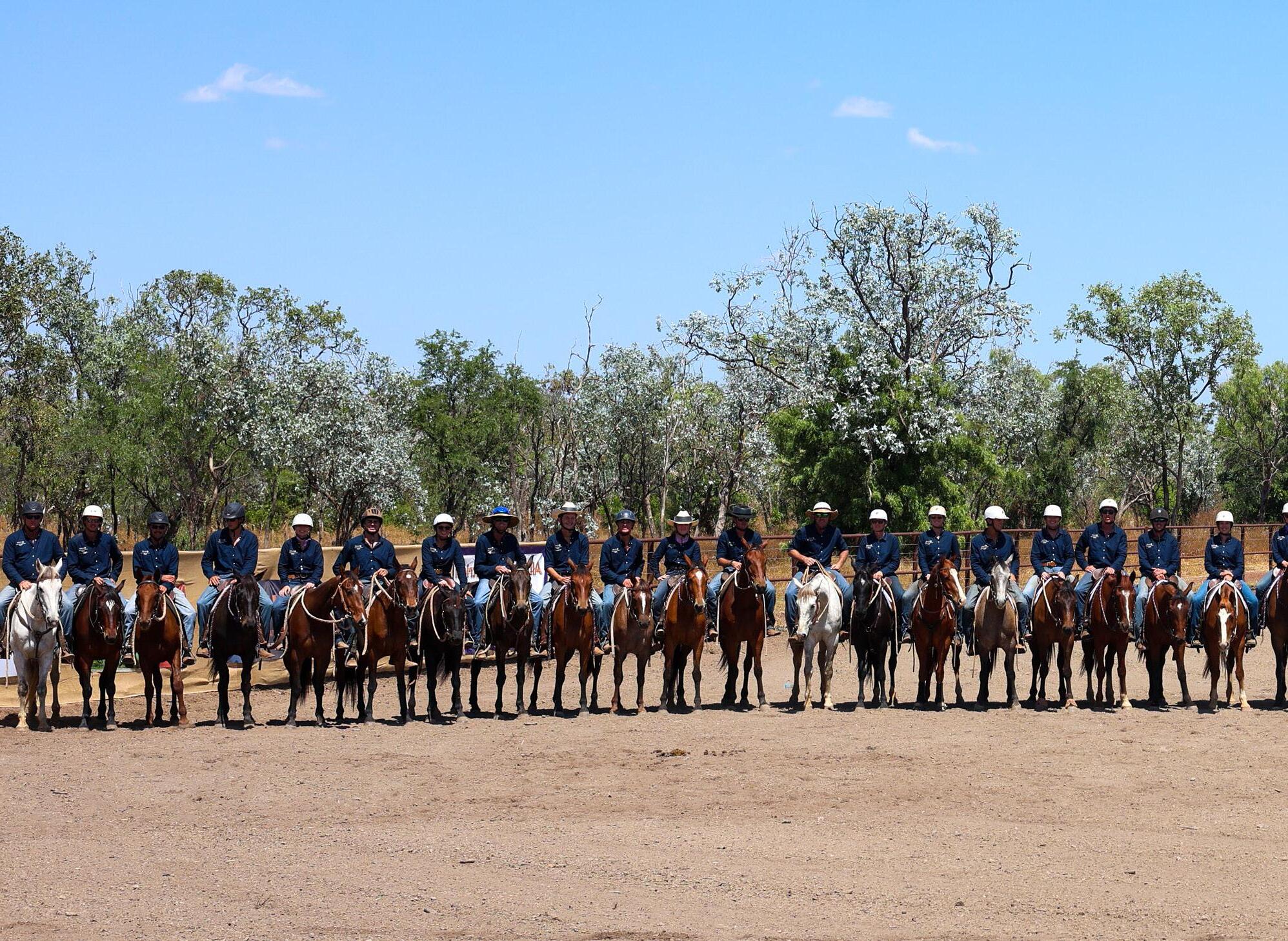
AAM Northern Company Challenge
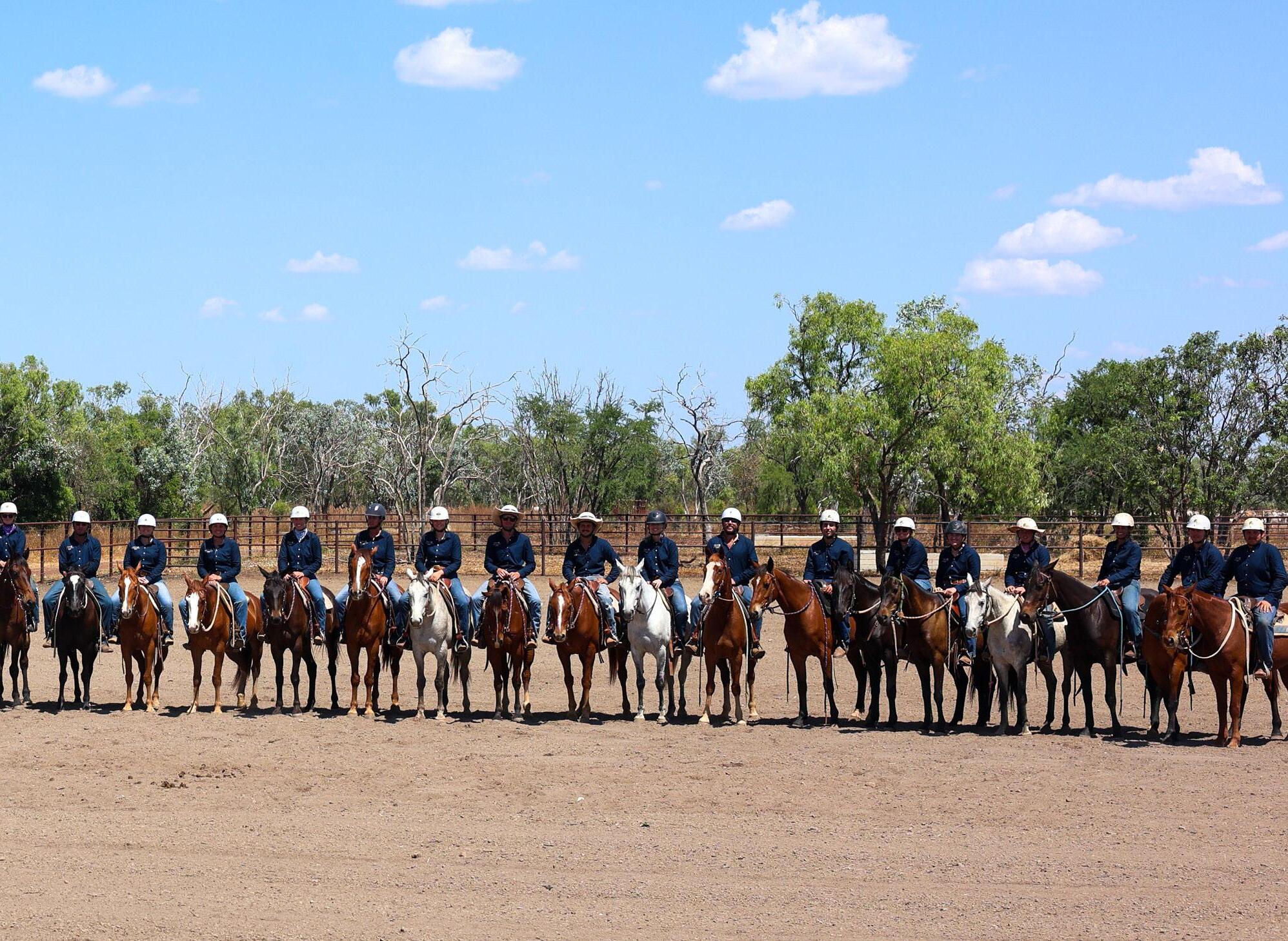
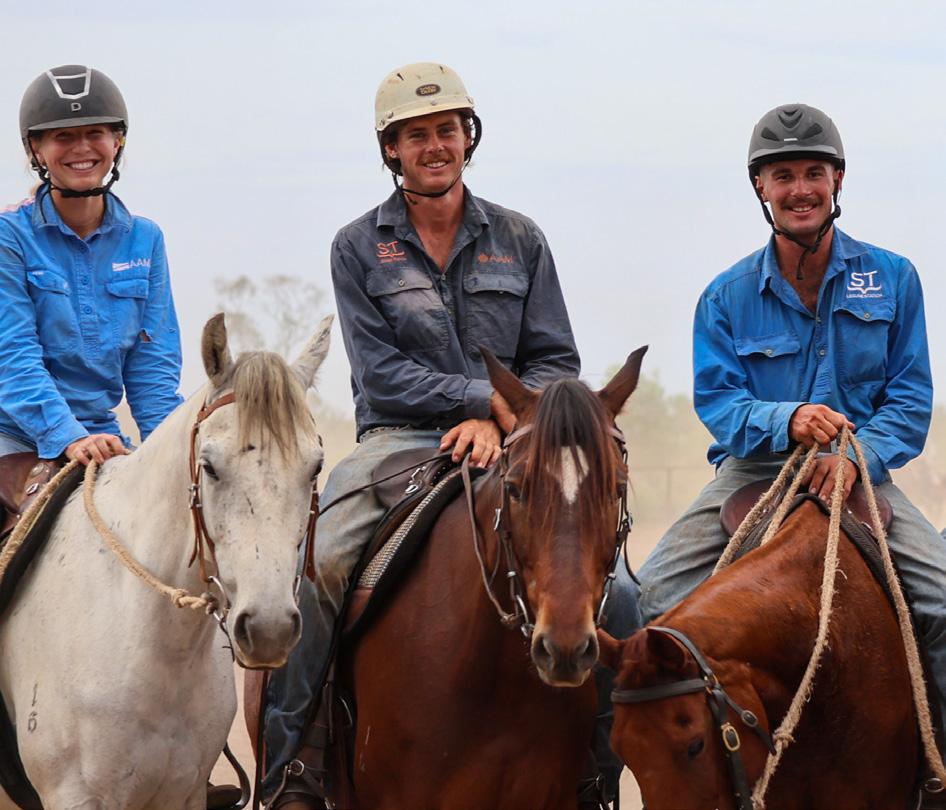
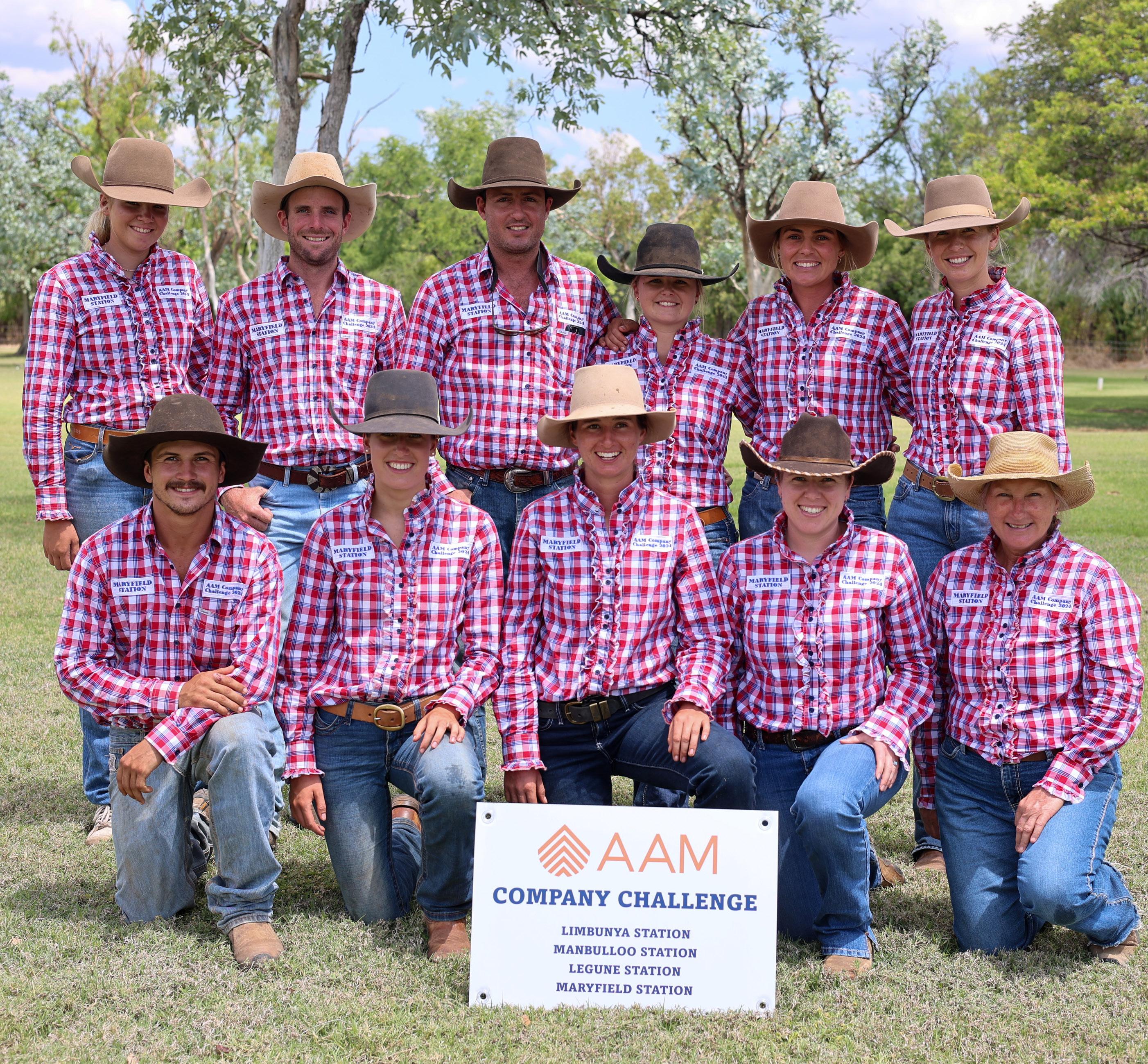
AAM hosted its inaugural Northern Company Challenge at Maryfield Station, bringing together teams from Legune, Limbunya, Manbulloo, and Maryfield Stations. The event centred on horsemanship and teamwork,
with staff competing in team and individual events. The challenge celebrated teamwork, skill development, and AAM’s strong community culture, with plans to make this an annual event.
Create a long-term positive legacy in the communities where we operate
Over the past year, we proudly supported a diverse range of charities and not-for-profit organisations, reflecting our ongoing commitment to giving back to the rural communities in which we operate. These partnerships spanned a variety of causes and sectors, including health, rural and regional development, and community wellbeing. Some of the organisations we supported include:
This is a Conversation Starter (TIACS)
As a sponsor of TIACS, our employees are encouraged to access a free phone and text counselling service offering mental health support.
Dolly's Dream
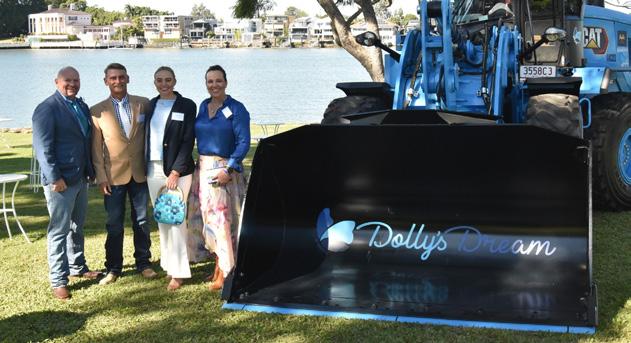
As a sponsor of the AACo Dolly’s Dream Long Lunch, we were proud to play a part, donating the Bective Station Experience as an auction item and providing the StockLive platform to connect bidders from across the country.
Ekka
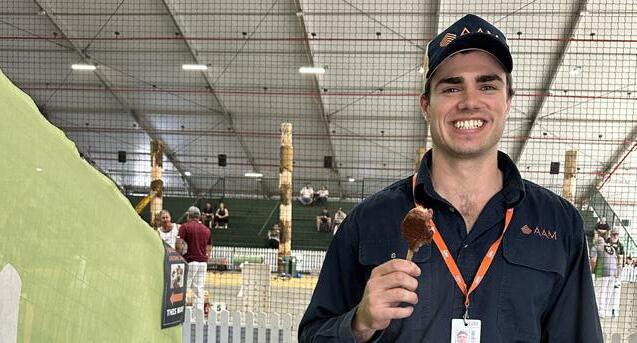
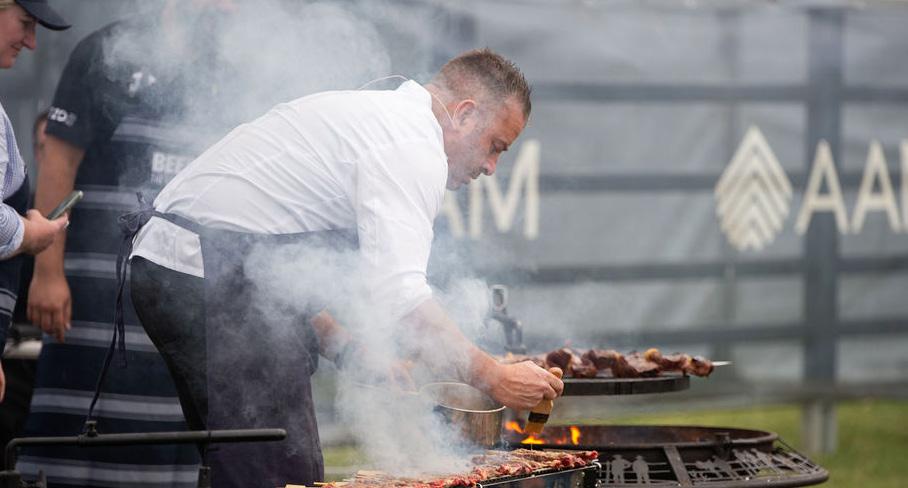
This year, AAM proudly featured its LAAM brand at the Brisbane Ekka, serving lamb cutlets and connecting directly with consumers to share the paddock-to-plate story of our lamb. AAM’s involvement at the Ekka included the StockLive team broadcasting beef cattle judging to audiences across regional Australia, the supply of softwood timber bedding for the livestock pavilion, and sponsorship of the iconic Wood Chop and Sawing event.
Cattle Connect Conference
Bective Station proudly hosted the inaugural Cattle Australia Cattle Connect Conference in November 2024, bringing together over 400 members of the Australian cattle industry for an event focused on connection, learning, and collaboration. Held alongside an industry Methane Roundtable, the event engaged stakeholders from across the red meat sector and supply chain to discuss methane research, policy, and strategic priorities.
Local and community events
We continue to support long standing local community events via donations, resources, equipment and volunteer support, including campdrafts, agricultural shows, sporting events and youth development programs.
Prosperity
Product quality
Economic resilience and productivity
$405 million1 is estimated economic impact nationally
1Based on REMPLAN, a software tool used in Australia for regional economic analysis and planning.
Illustrating how the portfolio’s diverse production contributes to the supply of food and fibre.
tonnes of pastureraised beef and lamb (liveweight) grown, equivalent to 140 million serves of red meat
294,000+
27,000+ 66,000+ 25,000+
cubic metres of sawn softwood timber production, enough to build 20 thousand timber house frames
tonnes of chicken (liveweight) grown, equivalent to 460 million serves of chicken
cubic meters of organic vermiculturecomposted fertiliser, equal to 550,000 bags of fertiliser
Estimated based on production (not finished product) between 1 July 2024 - 30 June 2025
Produce quality food and fibre
Moving down the value chain
This year, we launched a new joint-venture, Australian Beef and Lamb Company (ABL Co), a dedicated wholesale, export and distribution business. With representatives in Australia and the United States, ABL Co sources red meat tailored to meet the needs of diverse global markets. This expansion further down the red meat value chain creates an opportunity to access value-added markets for the beef and lamb production we are managing.
FSC certification in timber processing
This year we expanded our Forest Stewardship Council® Chain of Custody (FSC® C133622) Certification to AAM Timber – Yahl and AAM Timber – Compton processing mills, increasing our FSC eligible timber to 80% of our finished timber products. Expanding our eligibility provides our consumers with confidence that our timber products are sourced from responsibly managed forests.
Drive economic resilience through active management and innovation
Timber Infrastructure
Investing in our processing infrastructure across our timber assets remains central to our investment strategy, ensuring we capture the full value of both the resource and the market. This year, we have advanced this strategy through a series of targeted investments in our softwood processing operations aimed at improving efficiency and expanding processing capacity.
AAM Timber – Bathurst, with the support of a government grant, has successfully delivered several key projects, including the implementation of automated log sorting equipment. This project features a 3D scanner and 16 sorting bins that autonomously separate delivered logs by length, orientation, and grade. Additionally, the business has completed a project to diversify its treatment offerings through the establishment of a
Sustainability governance structure
Light Organic Solvent Preservative (LOSP) plant. This treatment process, commonly used for outdoor timber products such as decking and pergolas, enables further product diversification and allows the business to leverage existing downstream processing assets at the site. These system enhancements build efficiency through increased production capacity, automation, and product diversification.
Investing in rural connectivity
Access to telecommunications in the Northern Territory is an ongoing challenge. To improve connectivity, we invested in a new telecommunications tower at Maryfield Station, providing our station team and the nearby community with phone service within proximity to the station. This infrastructure is an investment in safety, streamlining communications and a benefit to remote communities.
The AAM Board is responsible for the overall governance of AAM, providing strategic direction and oversight of business risks and opportunities including those related to sustainability, with managerial oversight from the Director of Timber and Sustainability.
AAM enforces policies and procedures to ensure compliance with its Australian Financial Services License (held by AAM Licensees Pty Ltd) for its managed funds and maintains robust governance structures for decision-making activities.