02.05.2022
We flew to Imphal from Mumbai on a crisp summer morning. 33,000ft above, the view was breathtaking-roads, buildings, fields everything seemed like lines, toys. As we approached closer to the destination, the pulsating Loktak Lake spread beneath us. The water bowl that fed the state of Manipur was formed by mountains surrounding the region. Numerous masses of vegetation adorned the water body. Little did we know that these were floating islands that sailed along with winds, almost like clouds hovering in the sky.
We flew to Imphal from Mumbai on a crisp summer morning. 33,000ft above, the view was breathtaking-roads, buildings, fields everything seemed like lines, toys. As we approached closer to the destination, the pulsating Loktak Lake spread beneath us. The water bowl that fed the state of Manipur was formed by mountains surrounding the region. Numerous masses of vegetation adorned the water body. Little did we know that these were floating islands that sailed along with winds, almost like clouds hovering in the sky.
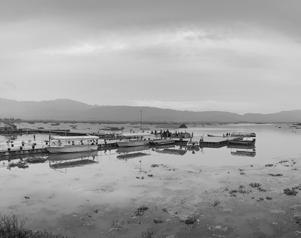
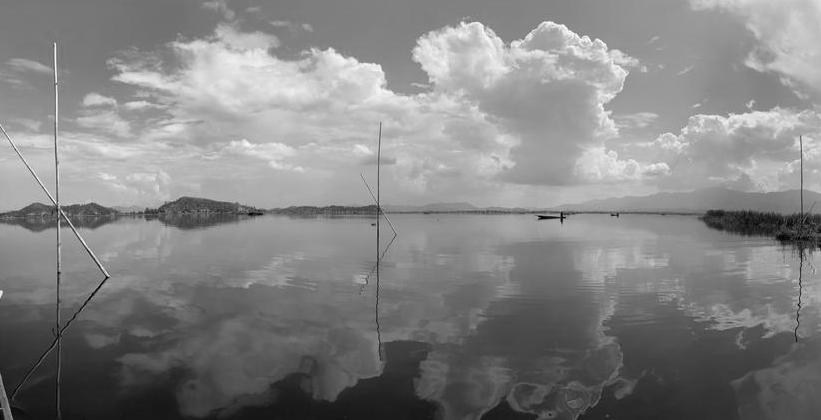
The Phumdi was a sailing continuum of ing depths. One could feel the wetness seeped upwards to moisten the feet in thinner regions more like a sponge, while the thick portions were more stable. It was a curated garden-tall grass at the edge swayed along with the winds and radial growth of delicate, edible plants surrounded the house. Cats frequent visitors. At places, the rhythm island was further elaborated by capillary-like ingress, almost as if water made its way reach the field!
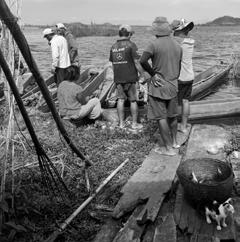
of vary as water thinner thick curated along delicate, Cats were of the capillary-like way to
Extending and thickening the biomass were everyday practices of the fisher people which crafted the dynamism of the lake. It breathed with these small interventions and without its people the garden would stagnate.
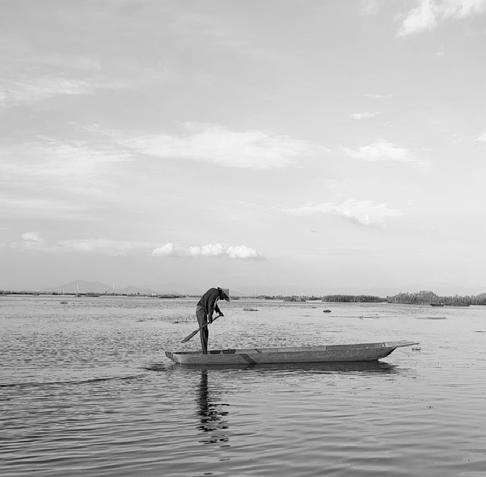
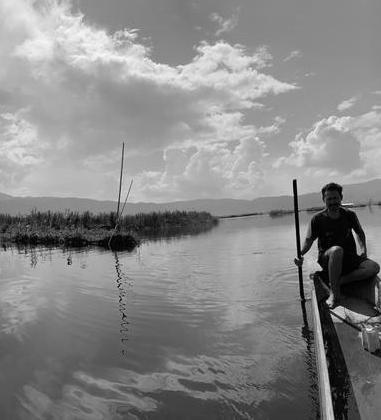
It was a canvas painted by the locals year by year, one day at a time...I wonder how is it any less than a festival? The largest freshwa ter lake was one of a kind. There was something more than what met the eye!
At times, a gust of wind caused the islands to drift away followed by instances where the wind was completely non-existent and everything stood still. As if the roar of the wind gave way to warmth and quiet to feel the essence of each moment.
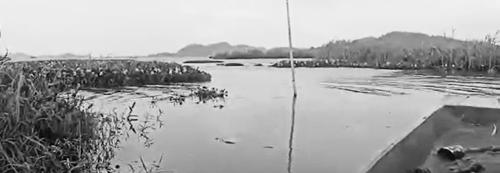
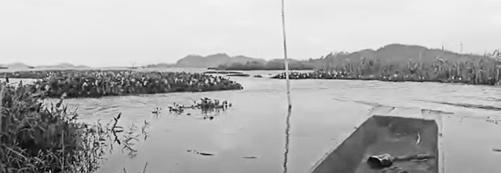
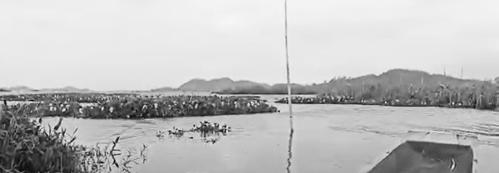
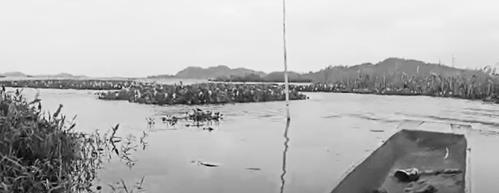
Hence, the move causes stability and the map is ever changing. The idea of time was important here. Although slow, it was the guiding factor to their practice of livelihood- the routine was informed by what time of the year it is and which fish they would be able to fetch. Narrow, ring-like biomass called the phum was devel oped for large scale fish farming during winters.
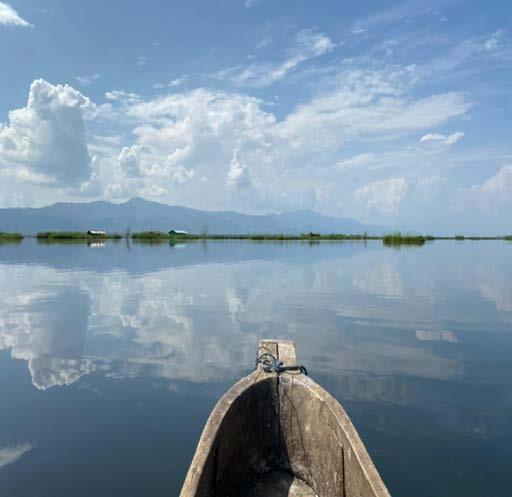
Long, slim wooden boats with a single paddle captained by a fisherman or woman drifted out onto the water carefully checking fishing nets held by floating phumdis. These were stable and wobbly at the same time. While the fishermen had found the perfect balance, we feared that the boat would topple. Although this boat ride in the vast expanse of the lake felt surreal. The horizon was the only line, the rest was just so delicately inter twined with one another that it almost blurred the idea of a threshold. One could merely see the roofs from a distance amidst tall grasses. We came to understand that only a few bamboo members touched the soft bed and anchored the smaller mass that held another phum di with a tie.
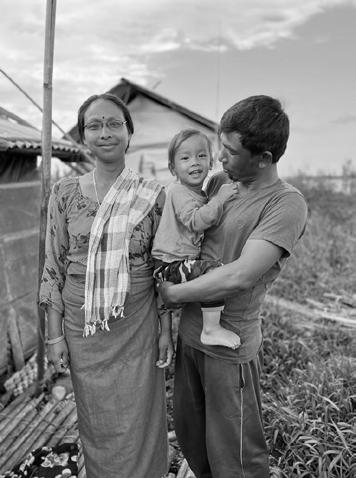
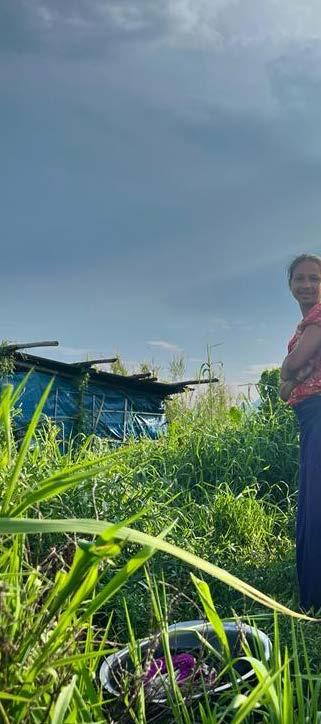
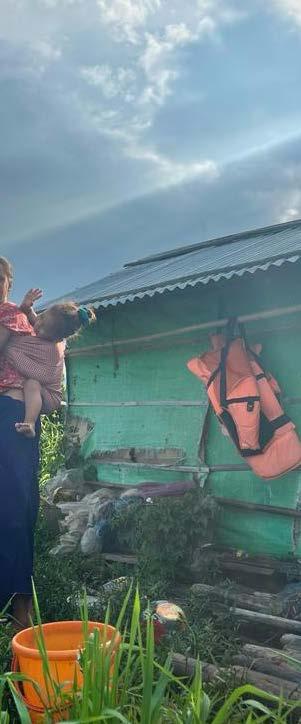
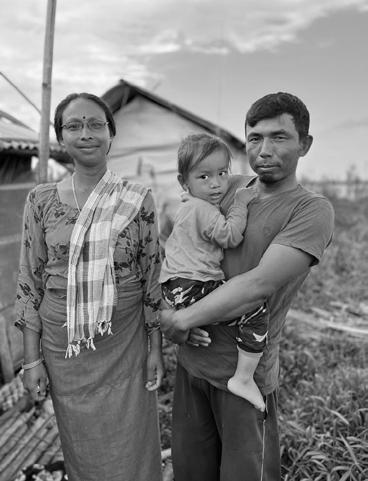
The house was filled with the smell of fresh fish after a good catch which meant a sumptuous meal for the day. The stark contrast between poros ity and impermeability was evident with all storage materials resisting wetness while the wooden floor still felt like a scented moist surface. Gazing at the moving masses through the door was probably the kind of leisure they pursued, unlike the city dwellers who built elaborate infra structure for recreation. The home extended beyond the enclosure and thereby included the lake and fishing masses that formed the ecosystem.

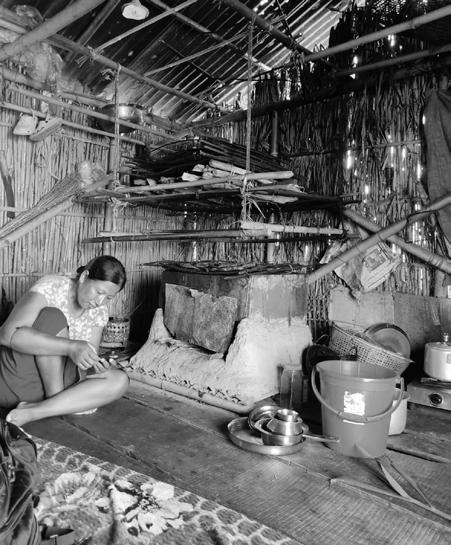
Moirang served merchants who homeS to procure Located in the spread along for the exchange at the edge of shops during year old market the men in the ment servants
served as an anchor for vendors and who traveled between markets and procure and sell goods of various kinds. the north eastern part of the town, it along the main road making it a junction exchange of goods and services. Homes of the market open out and become work hours i.e 3 am to 6 pm. The 60 market is majorly run by women, while the family either worked as govern servants or in the army.
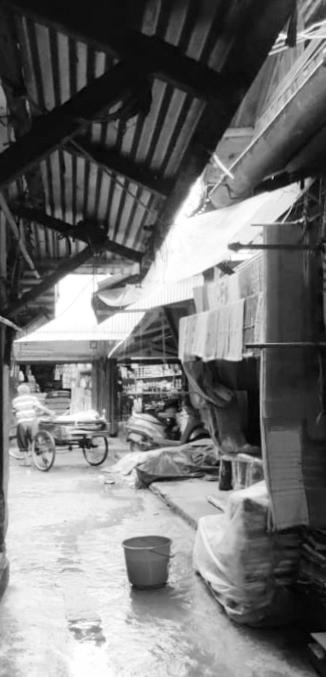
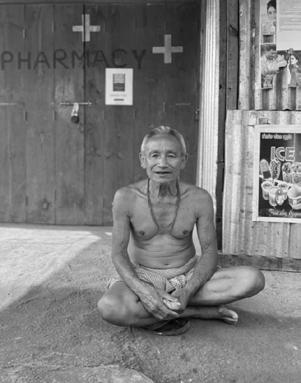
Phubala-a market village located 13 KM South of Bishnupur district and sprawled along the fringes of the Loktak lake. The houses were sparsely situated and built with materials such as bamboo, thatch, GI sheet, brick, and con crete. The idea of incrementality was evident in the way the roofs were constructed-an RCC frame with a GI roof which would later be removed to build vertically.
The market was filled with vendors selling fish, fruits and vegetables, clothes, and shoes that were sourced from Loktak Lake, Imphal, Mum bai, Delhi, and Guwahati. It also served lunch 11 am onwards to the locals from the nearby market with an approximate preparation for about 50-100 persons.