SPECTACLE
Issue Five

01 02 03
Spotlight
• AAH Board Update
• Allied Organizations: The Center for Health Design
• A Framework for Change: Inside the AIA AAH Professional Practice Toolkit
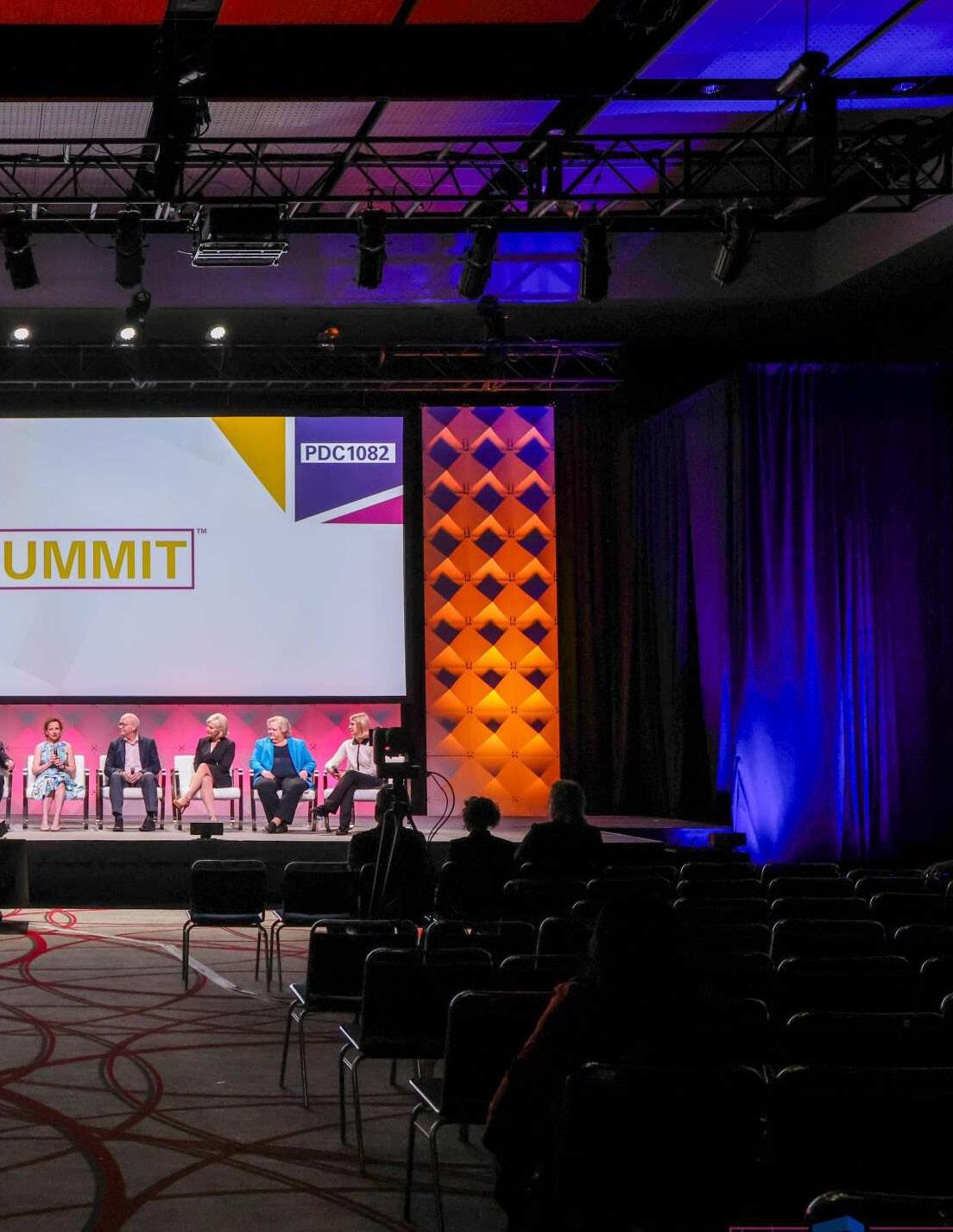
• 2026 PDC Summit Recap
Sub Committee Work
• Committee Spotlight: Inside the HCD Student Charrette
• 2026 AAH Sub-Committee Updates
AAH Celebrates
• Educating the Future of Healthcare Architects: Why Specialized Healthcare Design Programs Matter
• AIA/AAH & ASHE PDC Student Design Challenge
ACA DEMY
Cover and PDC photos in this issue by Natalie Hugie
ABOUT SPECTACLE
Spectacle is the official journal of the Academy of Architecture for Health celebrating healthcare environments and those who are passionate about their design and operation.
We invite you to join us on a journey to discover how our community is enhancing the built environment, improving the quality of life for patients and caregivers, and shepherding values of health and wellness into the future.
From the President’s Desk
Happy summer, and welcome to the 5th issue of Spectacle!
Our team has been hard at work gathering all the latest news and updates from the Academy of Architecture for Health, and this issue is full of activity, insight, and celebration.
Inside, you’ll find a comprehensive look at what’s happening across the Academy—from organizational updates to ongoing initiatives. We’re also spotlighting one of our allied partners, The Center for Health Design, offering you a closer look at their mission and impact. You’ll learn more about how the Academy is advancing our Diversity Initiative, including the release of our new equity toolkit, and you can catch up on highlights from this spring’s PDC.
If you’ve been considering getting more involved with the Academy, this issue is a great place to start. Our feature on committee structure and engagement offers a clear picture of how our committees are organized, what they focus on, and the people who lead them. You may even recognize a few familiar faces. The HCD spotlight further illustrates the meaningful work our committees take on throughout the year.
We also celebrate the creativity and dedication behind the Student Design Challenge, recognizing the individuals who make it possible. And we’re proud to share how Howard University and Ball State University are emerging as leaders in advancing excellence in architecture and health equity through their healthcare design programs.
We are looking forward to the upcoming Summer Leadership Summit, taking place in mid-July in Minneapolis. The 2026 theme, “Bridging the Gaps: Advancing Health Care for All,” promises to spark thoughtful dialogue and inspire new ideas. I hope to see you there.
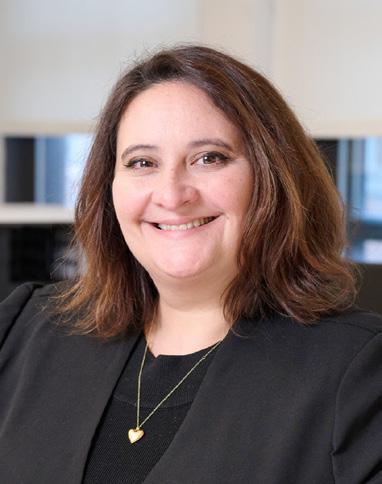
Pierce McVey, AIA, LEED AP Academy of Architecture for Health President
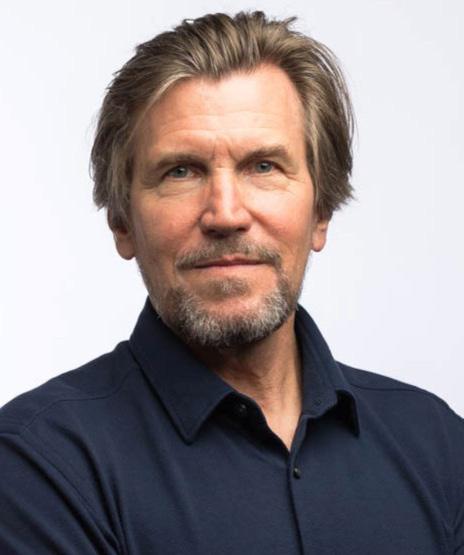
Pierce McVey President
From the Communication Team
With summertime comes an opportunity to embrace the vibrancy and warmth in ideas and community. For this edition of Spectacle we’re celebrating the past six months of academy work and sharing opportunities to get involved with committees and causes. It’s a hefty issue, which is a testament to the excellence of our members like you and the those you engage with.


Please enjoy the most recent ideas of students at the PDC Student Design Charrette, now in it’s 38th year. Learn more about Howard University and Ball State University’s healthcare design program. Take a deeper dive into the history and work of one of our six allied industry partners: the Center for Health Design. Meet the 2026 board and chairs of the sub-committees and understand each one’s unique mission in connection with the whole academy.
As we look to fall, we welcome any story ideas or accolades that you might have to share. Send a message to Jenny or Eugene and we’ll be in touch. Until the next issue, keep an eye on the AAH LinkedIn page for ongoing updates and ways to get involved.
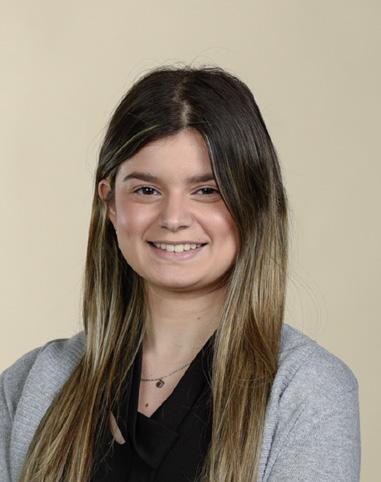
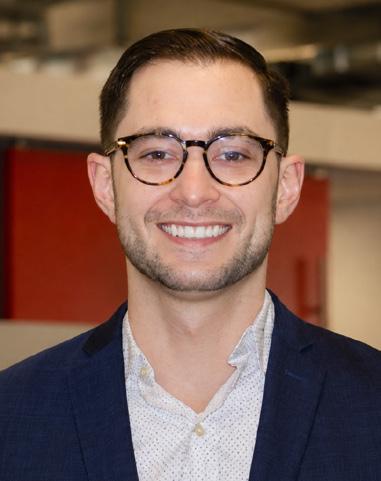
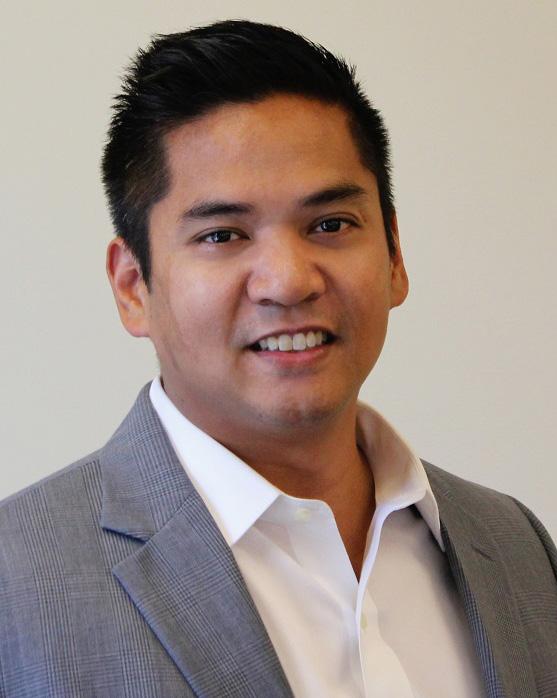
Eugene Damaso Board Member
Jen Cagide-Alexander Board Member
Jenny Cestnik Chair
Gozde Yildirim
Maite Bruno Matthew Gins
Spotlight
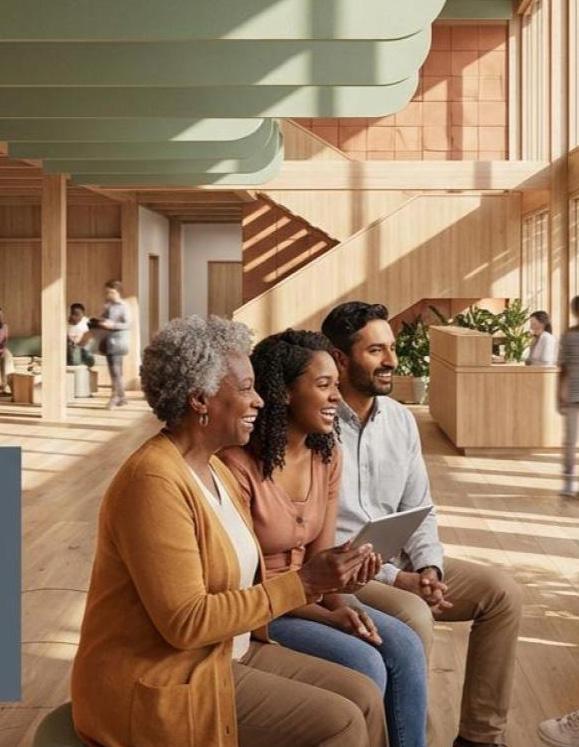
See the work, ideas, and camaraderie of healthcare design industry leaders and emerging professionals
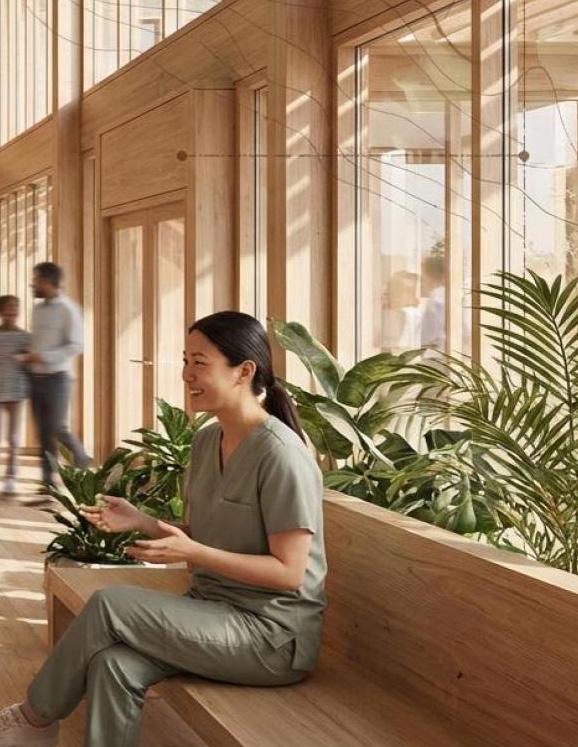
AAH Board Update
The Academy of Architecture for Health (AAH) serves as the premier professional home for architects and allied practitioners dedicated to the design of healthcare environments. The AAH Board of Directors provides the strategic leadership and organizational infrastructure that sustains the Academy’s mission — advancing knowledge, elevating practice, and shaping the future of healthcare architecture at a national and global scale.
Strategic Leadership & Governance
The Board sets the Academy’s direction, ensures fiscal and operational accountability, and aligns the organization’s programs with the evolving needs of its membership and the broader healthcare design community. Board members bring deep expertise across practice, research, and advocacy, collectively representing the full spectrum of healthcare facility typologies — from ambulatory and acute care to behavioral health, senior living, and beyond.
The Academy’s strength lies in its committee structure, through which hundreds of volunteer practitioners contribute specialized knowledge and sustained effort. The Board provides the oversight and coordination framework that keeps these committees aligned, resourced, and productive. Committees spanning research, advocacy, education, and membership ensure that the Academy’s work is driven by subject-matter expertise rather than institutional inertia — translating member engagement into tangible outputs with real-world impact.
Thank you for your service
Michelle!
The Academy of Architecture for Health extends its deepest gratitude to Michelle Trott for her years of dedicated service to the organization. Her leadership on the Board, tireless support of our committees, and genuine investment in the growth of our members left a lasting mark on everything the Academy does. Michelle’s contributions — spanning governance, conferences, codes and standards, and member engagement — reflect a commitment to this community that will be felt for years to come. We are honored to recognize her service and grateful for the impact she brought.
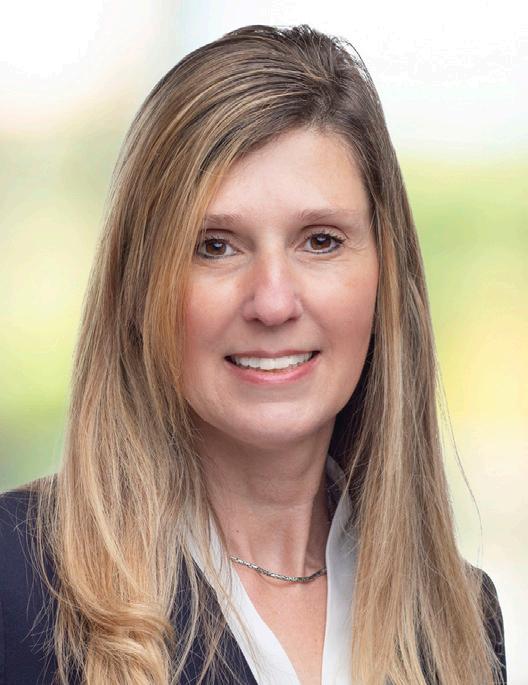
Michelle served as the Academy President in 2024
2026 Board of Directors
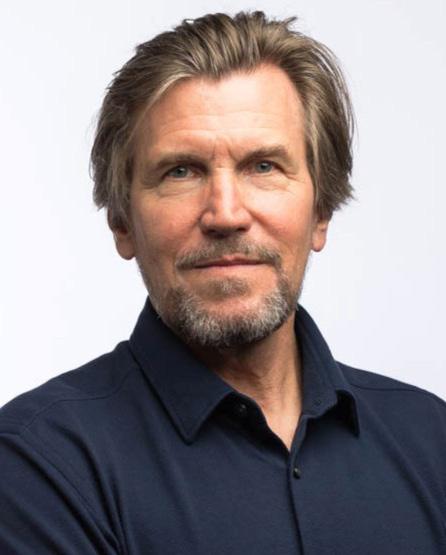



Pierce McVey President
Executive Committee Member and oversees Governance & Collaboration Sub-Committees
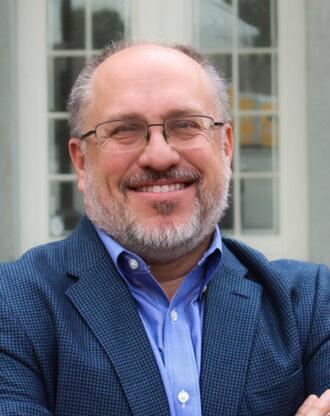
Southern Ellis Past President
Executive Committee Member and oversees the Operations & Recruitment Sub-Committees
Roderic Walton President Elect
Executive Committee Member and oversees the Education Sub-Committees

Karthik Ramadurai President Elect Elect
Executive Committee Member and oversees the Recognition Sub-Committees
Steve Template Board Member
Oversees the Codes & Standards Sub-Committees
Eugene Damaso Board Member
Oversees the Marketing & External Visibility Sub-Committees
Corie Baker Board Member
Oversees the Conferences Sub-Committees
Jennifer CagideAlexander Board Member
Oversees the Connections Sub-Committees
Maximizing Health Through Informed Design: The Center for Health Design
For more than 30 years, through research, education and community building, the nonprofit Center for Health Design – together with 25,000+ healthcare and facilities professionals, architects and designers, product and solutions providers, educators and students worldwide – has advanced its mission of maximizing health through informed design.
Founded in 1993, The Center has been the healthcare design industry’s leading proponent for the use of an evidence-based design process to improve health, safety, wellness and business outcomes. Its work positively impacts planning and design across the continuum of care including hospitals – general acute care and specialty, ambulatory care and community clinics, environments for healthy aging, and other care settings.
Research
Healthcare design research is the cornerstone of The Center’s mission. Led by an expert team, The Center conducts research and makes research accessible and actionable through innovative programs, resources and tools.
Launched by The Center in 2000, the Pebble Project brought together like-minded healthcare organizations to guide them in the use of an evidence-based design process in their capital projects, encouraging them to document and share their outcomes.
Since 2012, The Center’s Knowledge Repository database has been curated and maintained by The Center’s research team. Developed in partnership with the Academy of Architecture for Health, the Facility Guidelines Institute, and ASHE, it provides free, searchable access to nearly 7,000 healthcare design research citations, 1,250 Key Point Summaries and multiple video summaries.
Additional research initiatives include:
• The HERD (Health Environments Research & Design) Journal, the field’s first peer-reviewed journal, first published in 2007.
• The open-access Safety Risk Assessment Toolkit and Functional Program Process Guide
• Support of emerging researchers through the Joseph G. Sprague New Investigator Award
• Interactive Design Diagrams, funded by the Angelo Donghia Foundation, that link the evidence base of design strategies and desired outcomes in a visually intuitive format
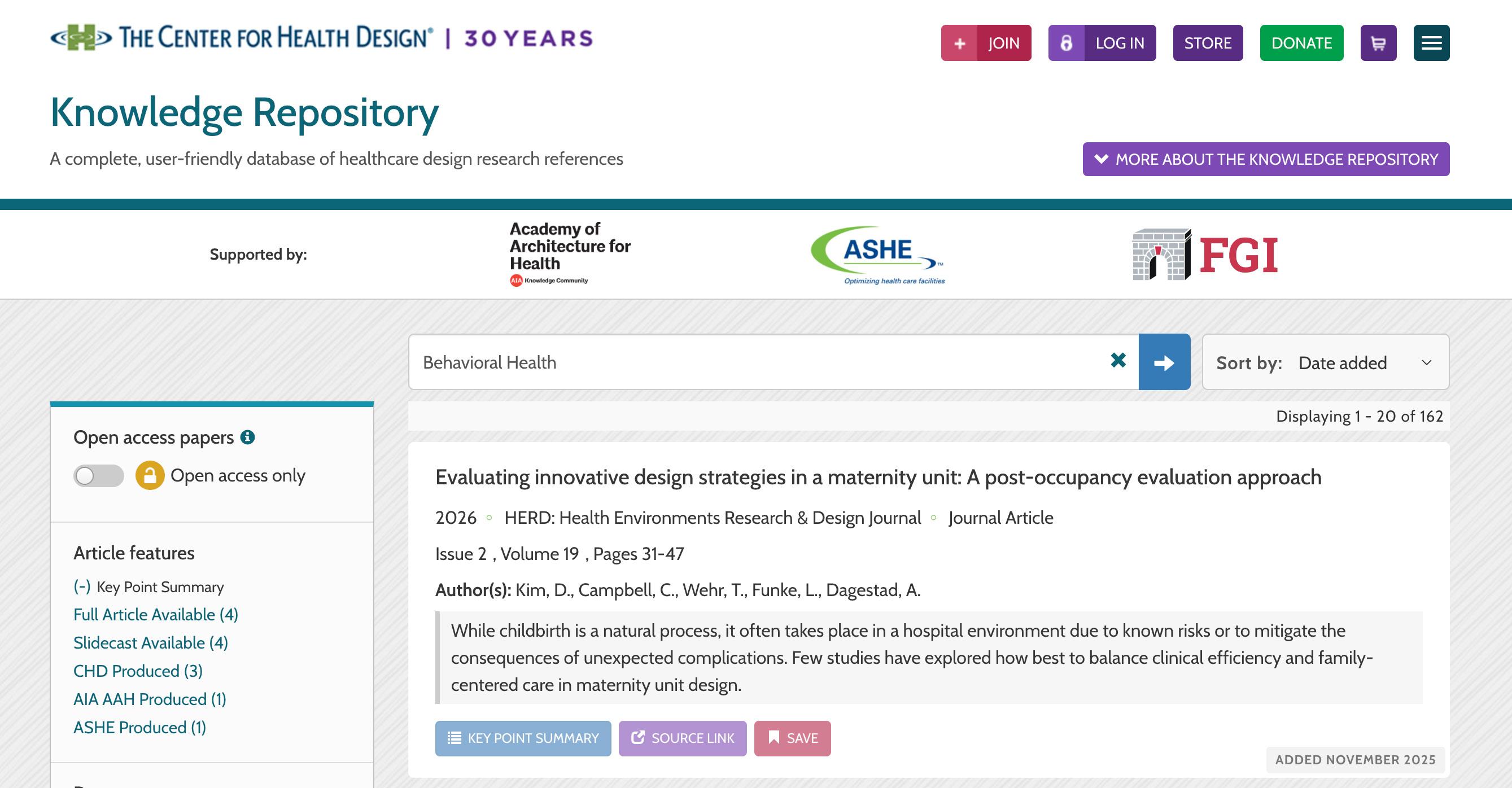
Search nearly 7,000 design research citations in the open-access Knowledge Repository
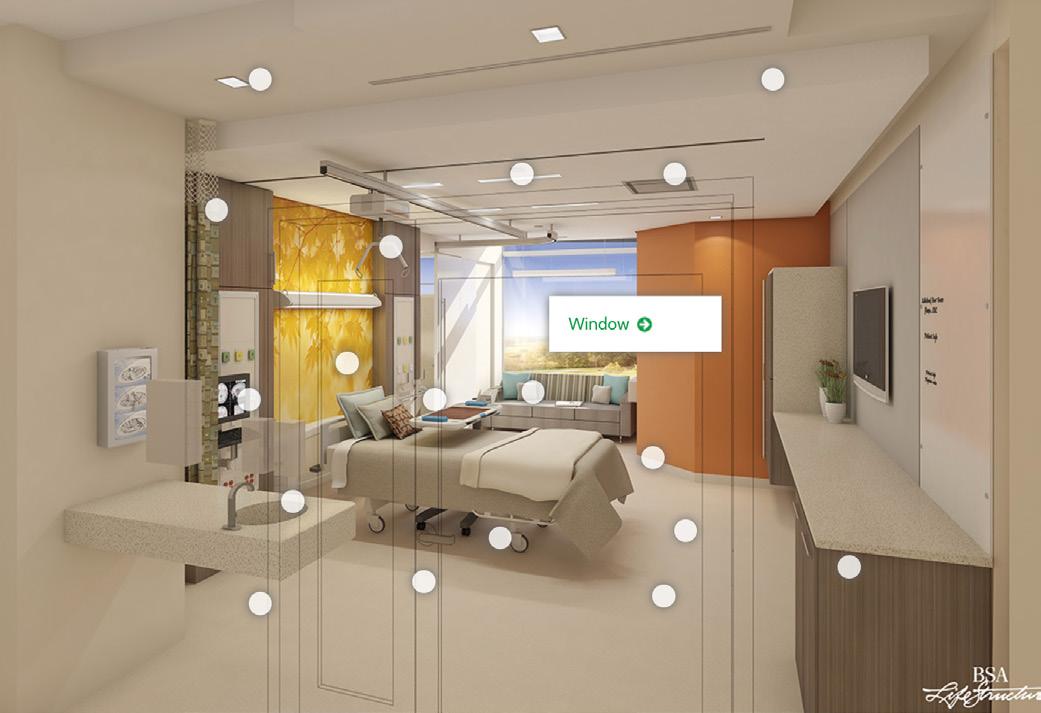
One of over a dozen Interactive Design Diagrams on The Center’s website
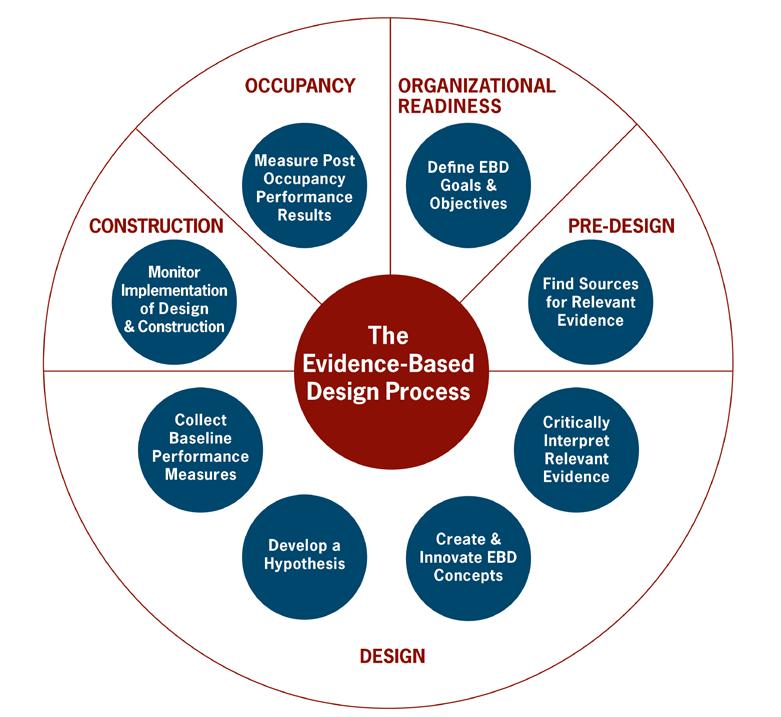
The eight-step foundation of the evidence-based design process
Education and Certification
A focus of The Center has been its long tradition of high-quality, insightfilled education and certification. The Center helped create the industry’s first professional conferences and publications: the Healthcare Symposium, Healthcare Design and Environments for Aging.
Since becoming the Strategic Educational Collaborator for ASHE (American Society for Health Care Engineering) and the PDC Summit in 2024, The Center has produced the annual Research, Design and Outcomes educational track, with 28 sessions in 2026. The partnership strengthens the role of research-informed healthcare planning and design, while fostering collaboration among healthcare, design, and facility professionals.
The Center offers numerous virtual and inperson learning and sharing events every year, most at no cost. These include:
• Icons & Innovators webinar series
• Deep-dive virtual and in-person workshops
• Voices of the Industry series
• Evidence-Based Design in Practice and Coaching workshops
• Evidence-Based Design Journal Clubs
• Health Design Collaboratives
The Center’s website also offers a vast, open-access library of healthcare design resources – design strategies, best practices, issue briefs, interviews and podcasts, webinars, topic toolboxes and more. These address most care settings, and topics such as technology, safety, infection control, noise, lighting, biophilia, and staff wellbeing.
To train and support professionals in using an evidence-based design process in their projects, The Center developed and, in 2009, introduced the EDAC –Evidence-Based Design Accreditation and Certification program.

Since then, more than 3,500 industry professionals in over 20 countries – from healthcare, architecture, design, engineering, product and research organizations large and small – have achieved the EDAC credential, advancing their skills, their organization’s expertise, their project outcomes, and the industry as a whole.
EDAC study guides help candidates prepare for the certification exam.
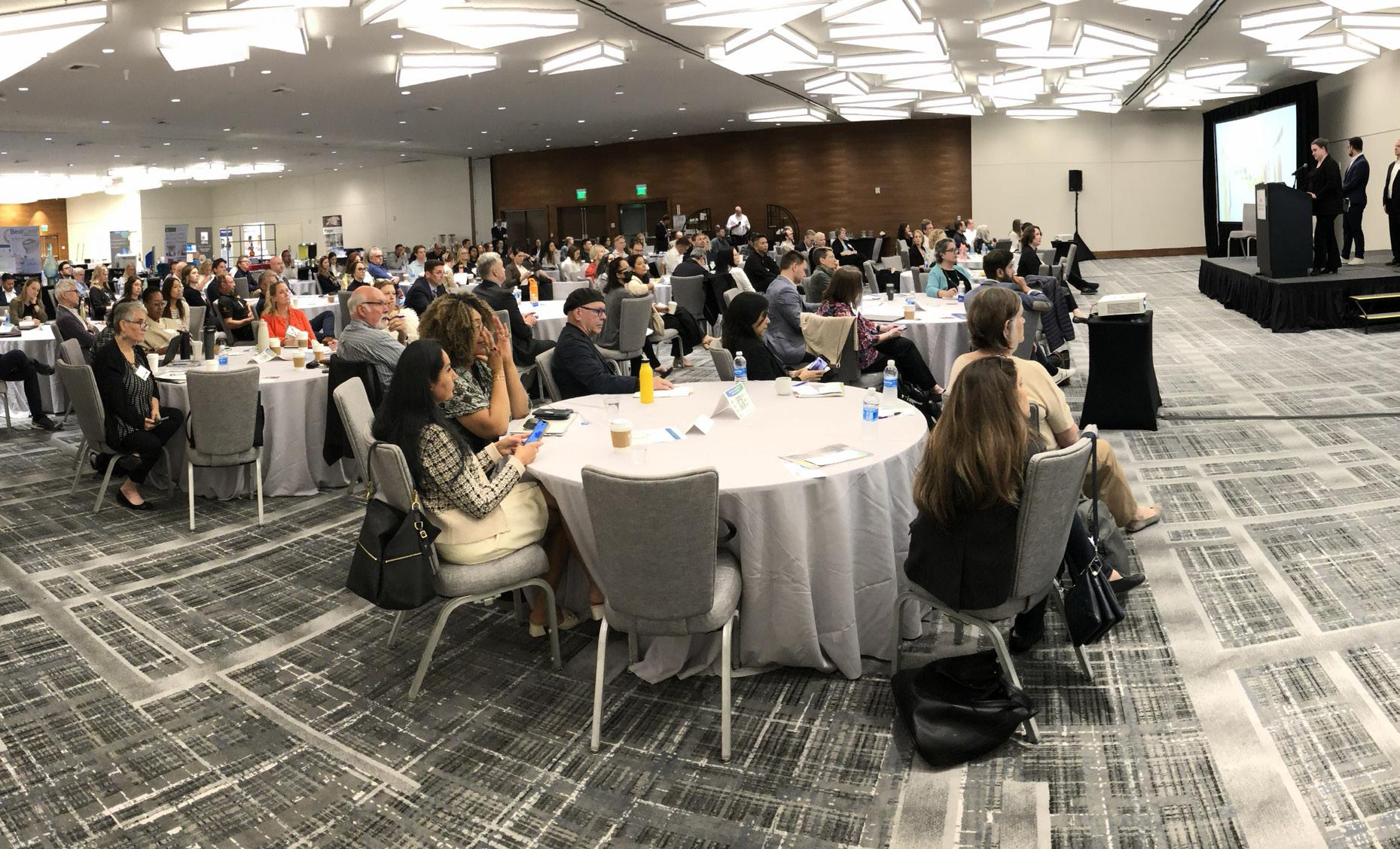
The MindSpaces behavioral and mental health design workshop is now in its tenth year
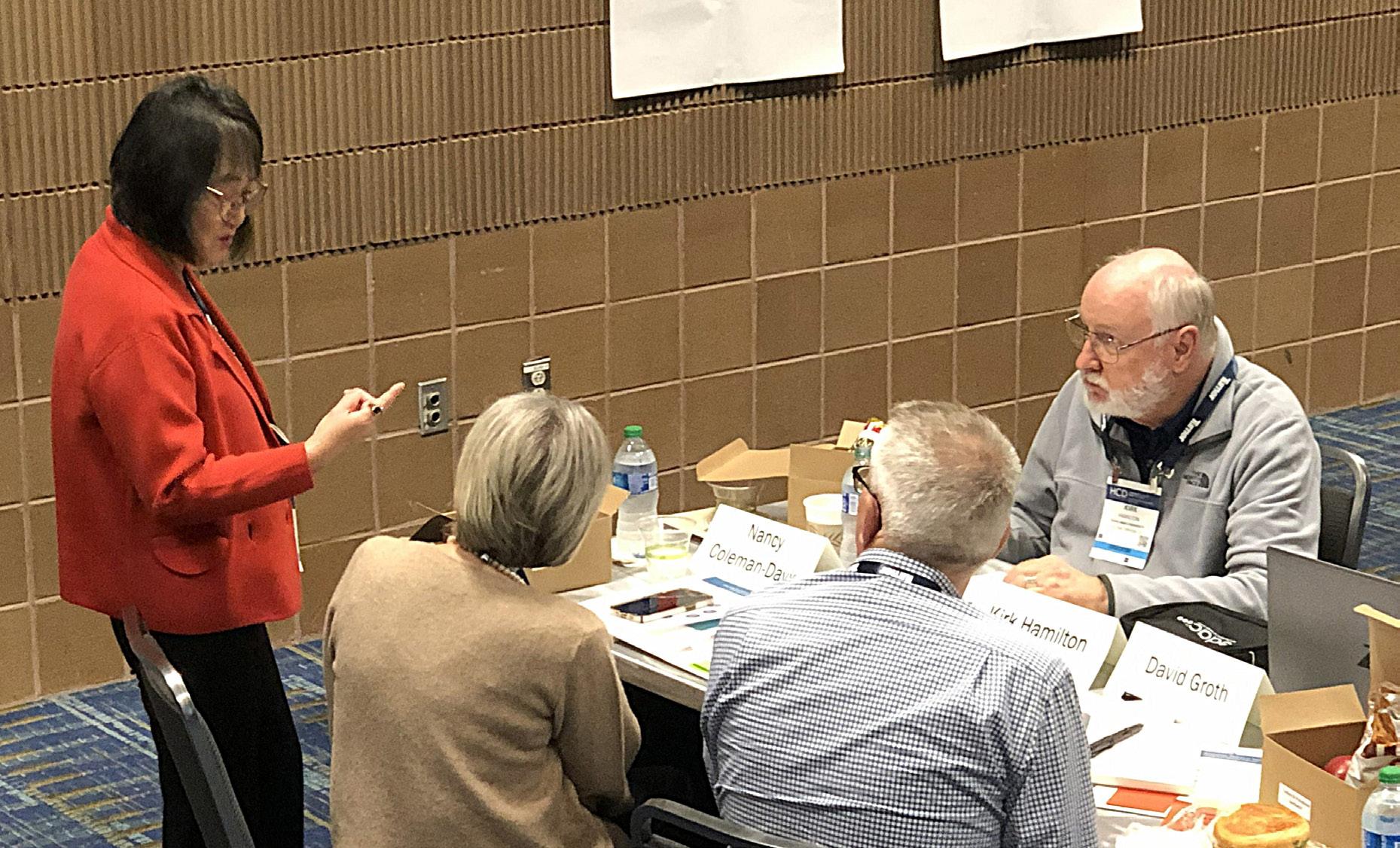
Evidence-based design coaching workshops pair practitioners with industry veterans like Kirk Hamilton
Community Building
The Center isn’t just about programs, tools and resources, it’s about people, and as a convener and community builder, The Center has built a world-wide legion of over 25,000 healthcare, architecture and design professionals, clinicians, product and solution providers, researchers, educators, students and policy-makers who are passionate in their shared commitment to improving healthcare outcomes and experiences through design.
These communities include:
Center for Health Design Affiliates – Begun in 1994, individuals and organizations of all types and sizes, in return for their support of The Center and its mission, receive a wide array of benefits, content and tool access, and event and program discounts.
Environment Networks – these collaborative and collegial groups of senior executives from architecture and design, healthcare and product/solutions organizations – the first of which launched in 2010 – meet throughout the year to explore, share and solve common challenges, and advance the industry. They include:
• Built Environment Network (BEN)
• Pediatric Environment Network (PEN)
• Behavioral & Mental Health Environment Network (BMH-EN)
• Resilient Aging Environments Network (RAEN)
• Emergency & Trauma Environments Network (ETEN)
Environmental Standards Council (ESC)
– One of The Center’s first organized communities, formed in 1994, the ESC has focused on change related to codes and guidelines (such as the expansion of the Environment of Care to the 2002 FGI Guidelines) and continues to broach new topics including the relationship of advancing technology to healthcare environments.
We celebrate our community’s accomplishments every year on the main stage of the PDC Summit where we present The Center for Health Design Annual Awards Ceremony and Changemaker Keynote.
Through the support, experience and expertise of volunteer jury panels, we identify and celebrate the exceptional work and commitment to evidence-based design by organizations and individuals, over the past year and over lifetimes. These highly respected awards include:
• Touchstone Awards – recognizes exemplary use of an evidence-based design process.
• Healthcare Environment Awards –recognizes strategic and innovative design concepts, collaborative team processes, and evidence-informed decision-making.
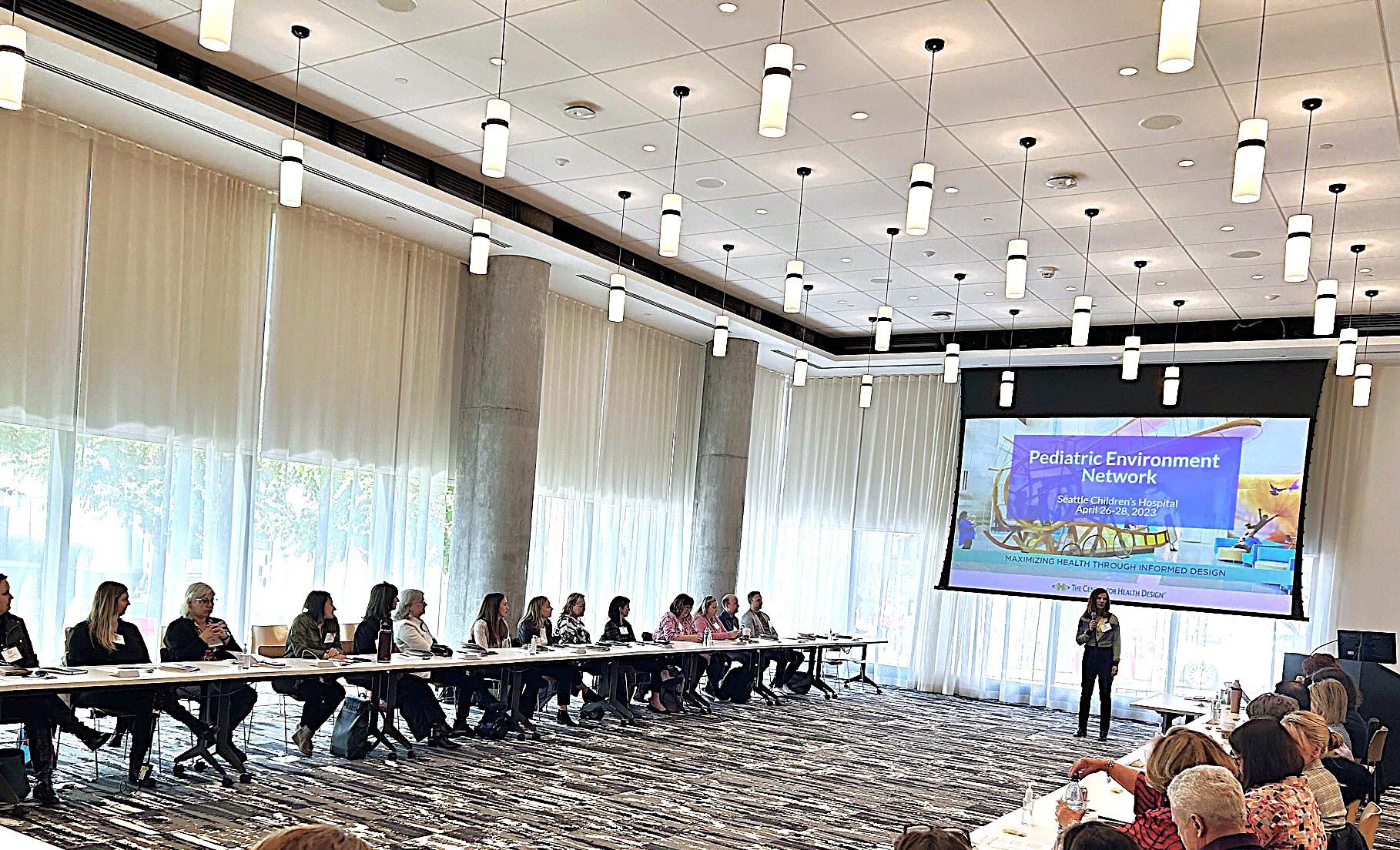
The annual in-person meeting of the Pediatric Environment Network
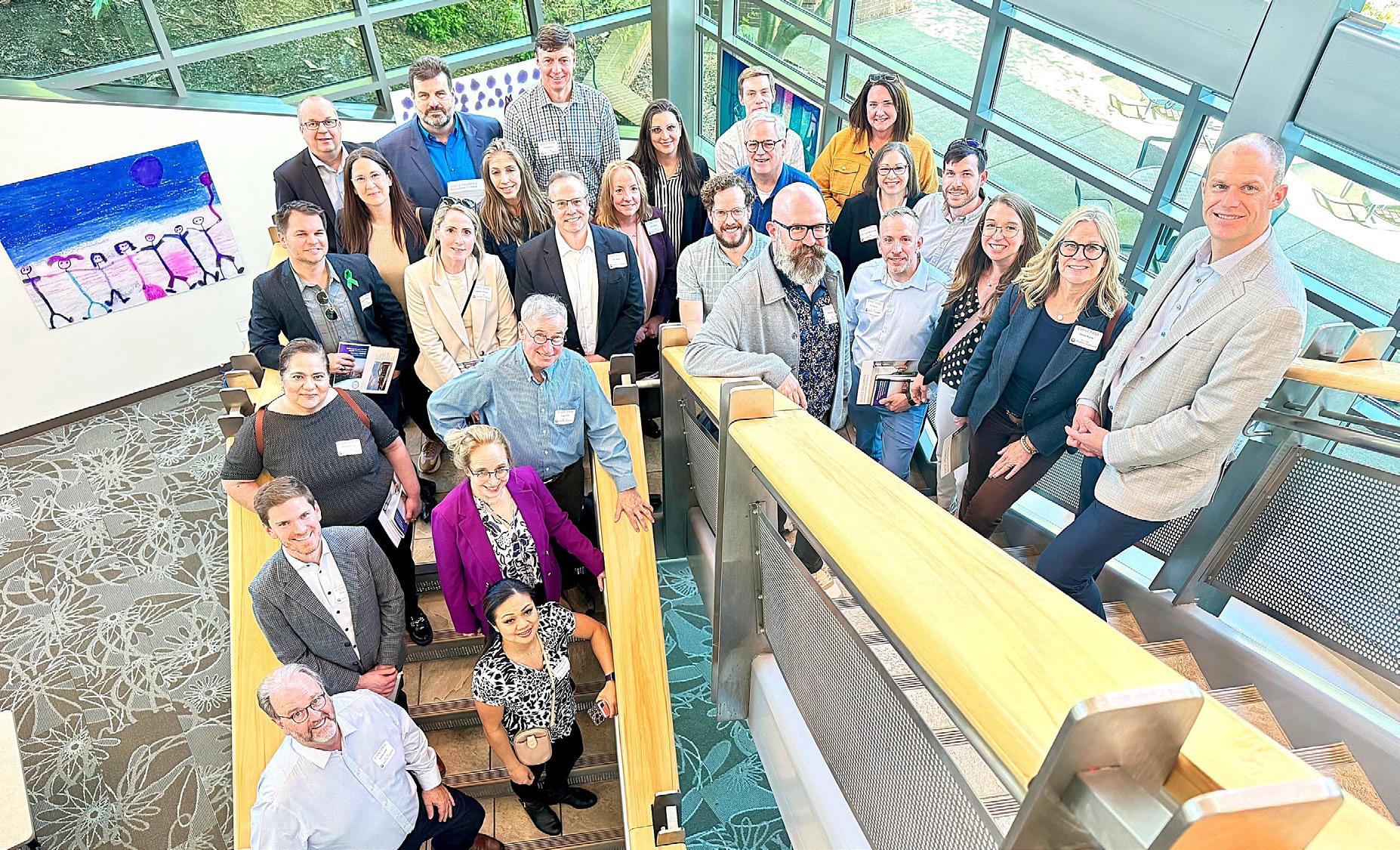
Behavioral & Mental Health Environment Network members annual meeting
• Changemaker Award – honors individuals or organizations that have demonstrated exceptional ability to change the way healthcare facilities are designed and built, and whose work has broad impact on the advancement of healthcare design.
• Joseph G. Sprague New Investigator Award – supports and recognizes highquality research by new investigators in evidence-based healthcare facility design.
• Russ Coile Lifetime Achievement Award -- recognizes individuals who have dedicated their careers to the advancement of the healthcare design field.
Today, The Center is strengthening its role as a community builder by focusing our experience, time and resources on expanding and enhancing engagement between the healthcare design and healthcare provider communities. Shared learning, problem solving, innovation development and outcomes data are key to creating powerful networks of change to achieve next-generation advances in design and care.
Learn More, Join Us And Get Involved
There are many ways to engage with The Center to learn about the use and benefits of evidence-based design, advance your ability to apply the EBD process to your projects, meet and collaborate with other like-minded colleagues, or gain visibility and credibility for you, your firm, your projects or your products.
• Become an Affiliate member to stay current with healthcare design research, strategies, best practices, case studies, resources and tools.
• Get EDAC certified to demonstrate your understanding of how to apply an evidence-based design process to improve outcomes.
• Share your knowledge by becoming a speaker, panelist or contributor to our webinars, workshops, conference tracks and other educational programs.
• Partner with The Center to demonstrate alignment between your organization and The Center’s mission, reputation and accomplishments as a Sponsor Partner for Center programs and events.
To learn more about The Center’s many programs, tools, resources, communities and opportunities to partner, visit healthdesign.org and sign up to receive Center newsletters, or email info@healthdesign.org
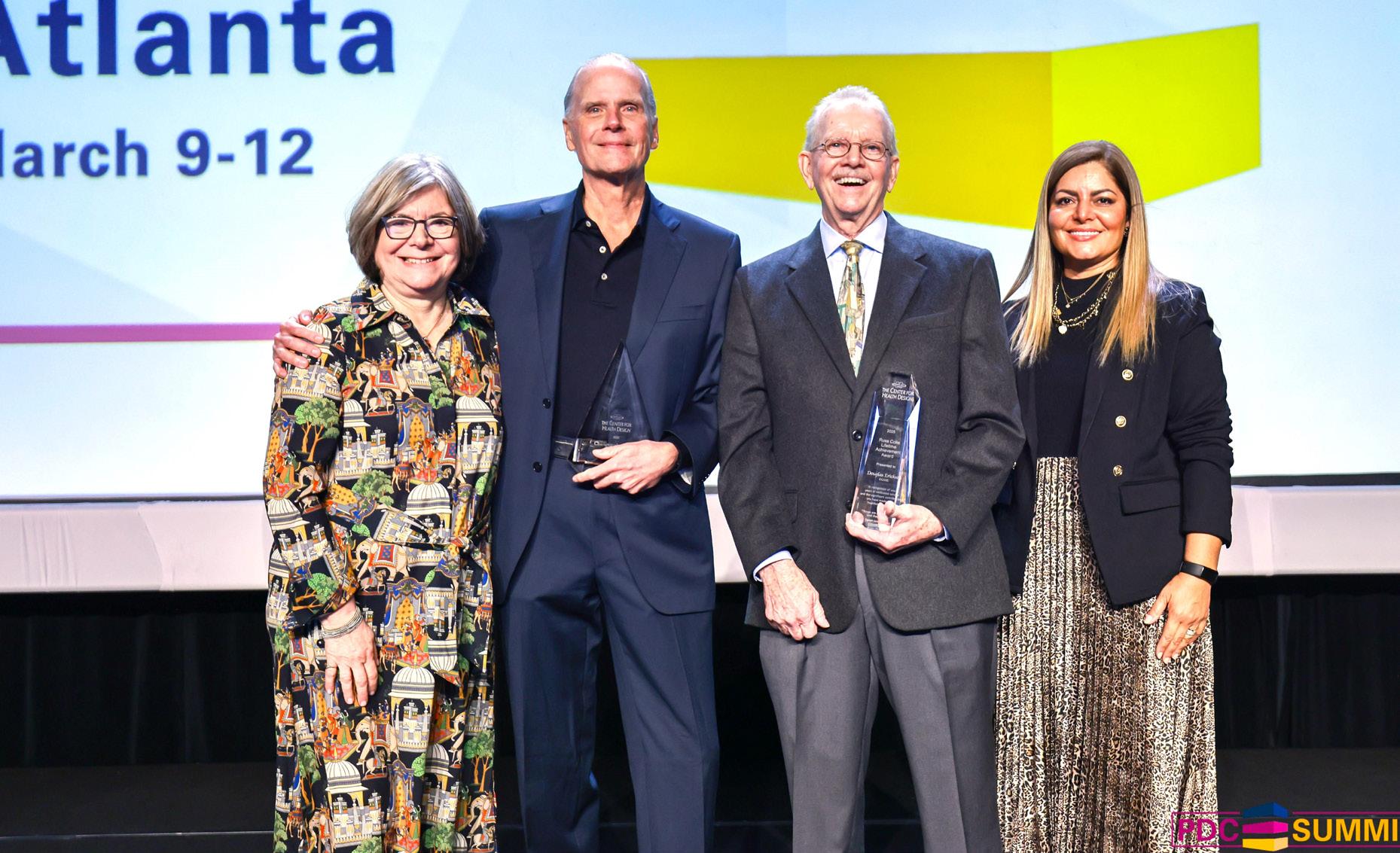
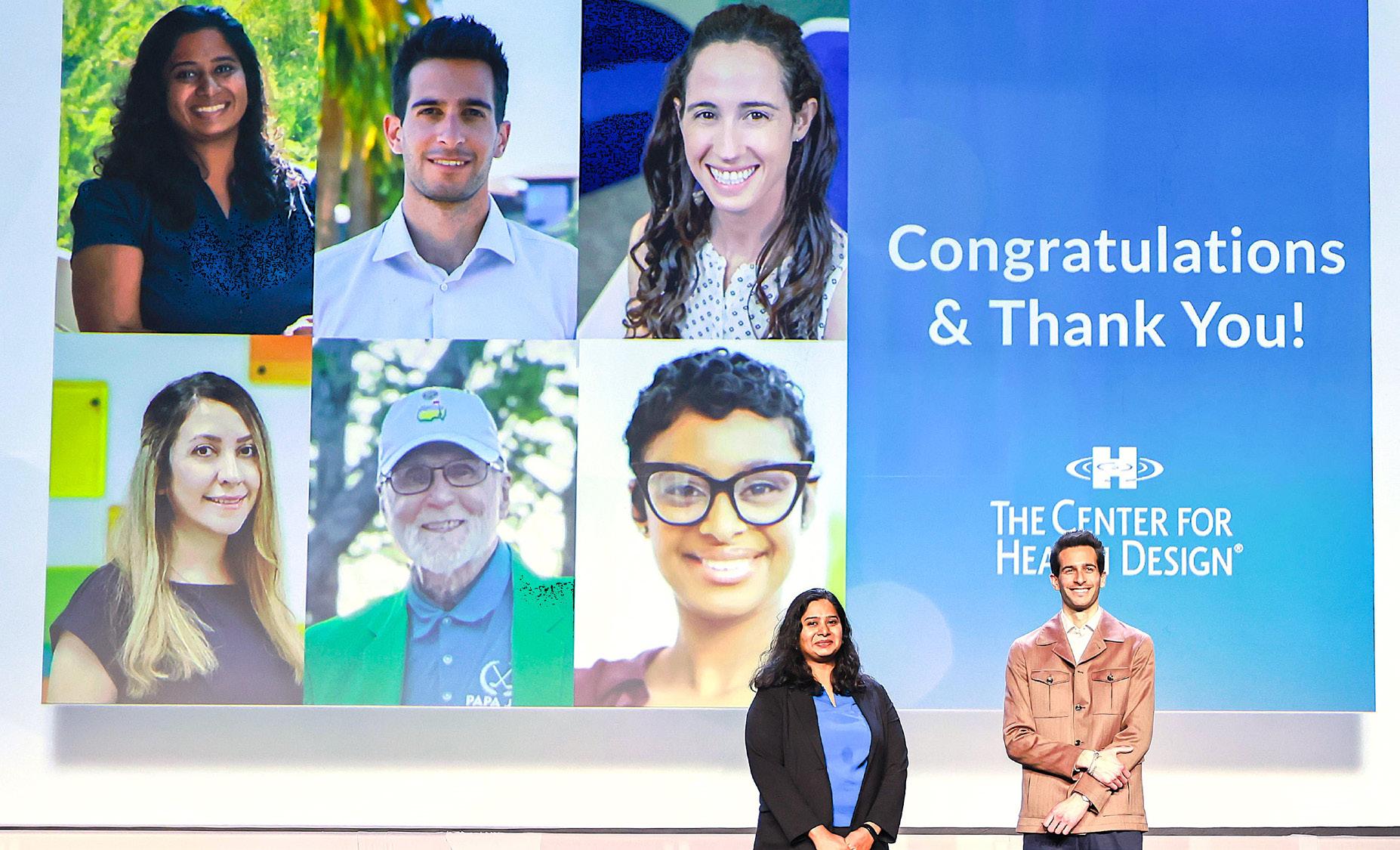
Changemaker and Lifetime Achievement award recipients Henry Domke and Doug Erickson
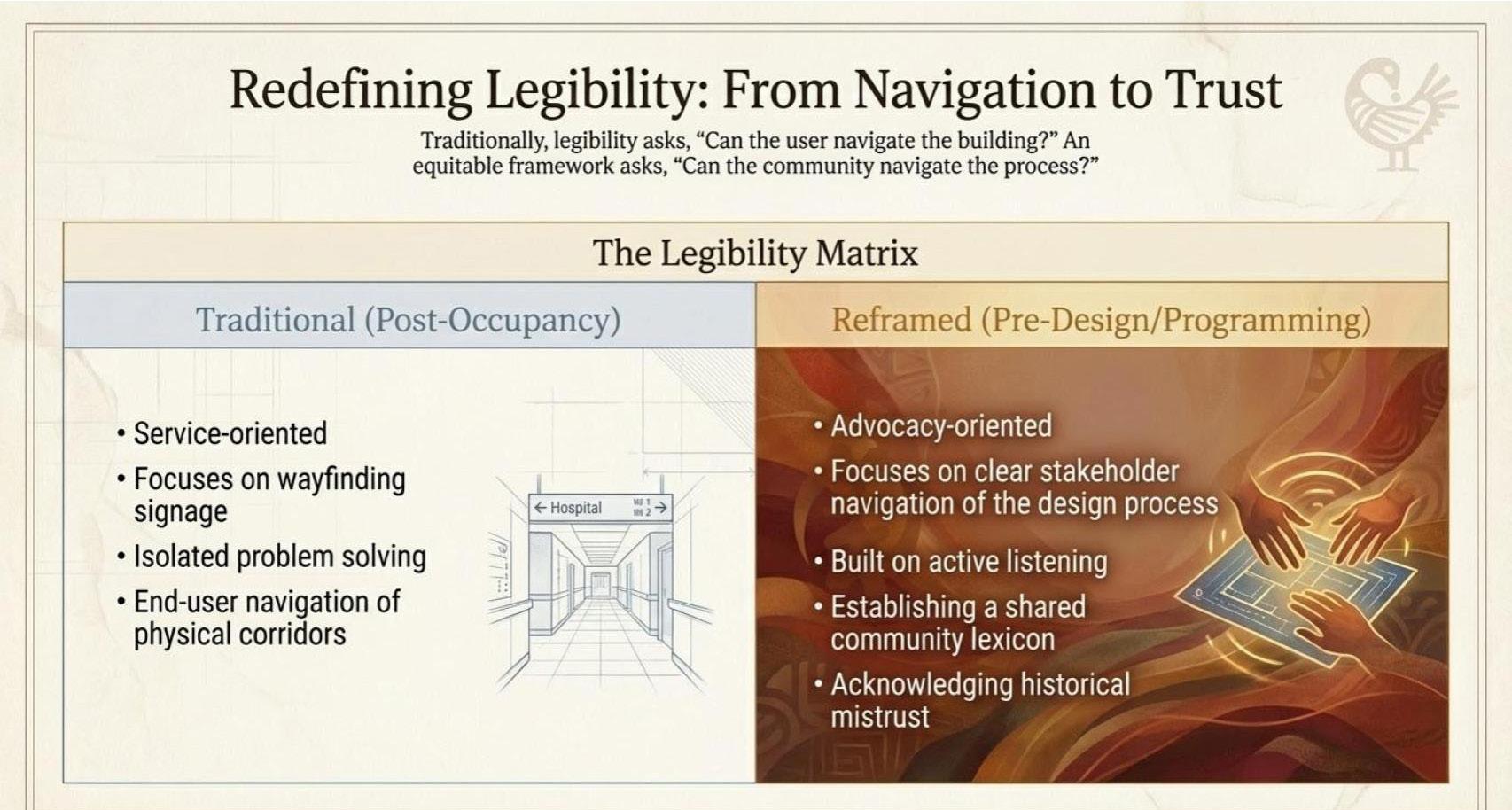
A Framework for Change: Inside the AIA AAH Professional
Practice Toolkit
The AIA Academy of Architecture for Health is marking a defining moment in its effort to elevate healthcare design practice. The initiative, founded and led by Roderic Walton, FAIA, NOMA, NCARB, LSSYB, has evolved into a collaborative, volunteer-driven effort shaped by a broad cross-section of the profession, including co-contributors Sanchali Dutta, Assoc. AIA, LEED Green Associate, and Meredith Benz, AIA, EDAC. From the outset, the ambition was clear: to create a resource that helps architects navigate the growing complexity of healthcare design while advancing equity, clarity, and shared understanding.
What distinguishes this effort is the depth of engagement behind it. The toolkit’s development and peer review brought together approximately 30 industry leaders spanning architecture, clinical practice, and academia. Contributors included principals from major national firms such as Moody Nolan, CannonDesign, HKS, LS3P, Stantec, and HOK, alongside clinical quality leaders and academic researchers. This multidisciplinary collaboration ensured the toolkit reflects both design excellence and the realities of healthcare delivery.
The journey began in late 2024 with a nationwide listening effort designed to uncover where practitioners most needed guidance. What emerged was both candid and revealing. Participants described gaps in knowledge, challenges in aligning stakeholder expectations, and a lack of consistent frameworks for integrating community perspectives into design decisions.
Beneath these challenges was a deeper industry paradox. “While architects and clients genuinely want to engage local neighborhoods, they often avoid doing so for fear that community outreach will derail rigid project timelines and inflate capital budgets,” Walton notes. This hesitation has historically limited meaningful engagement and constrained the potential impact of healthcare projects.
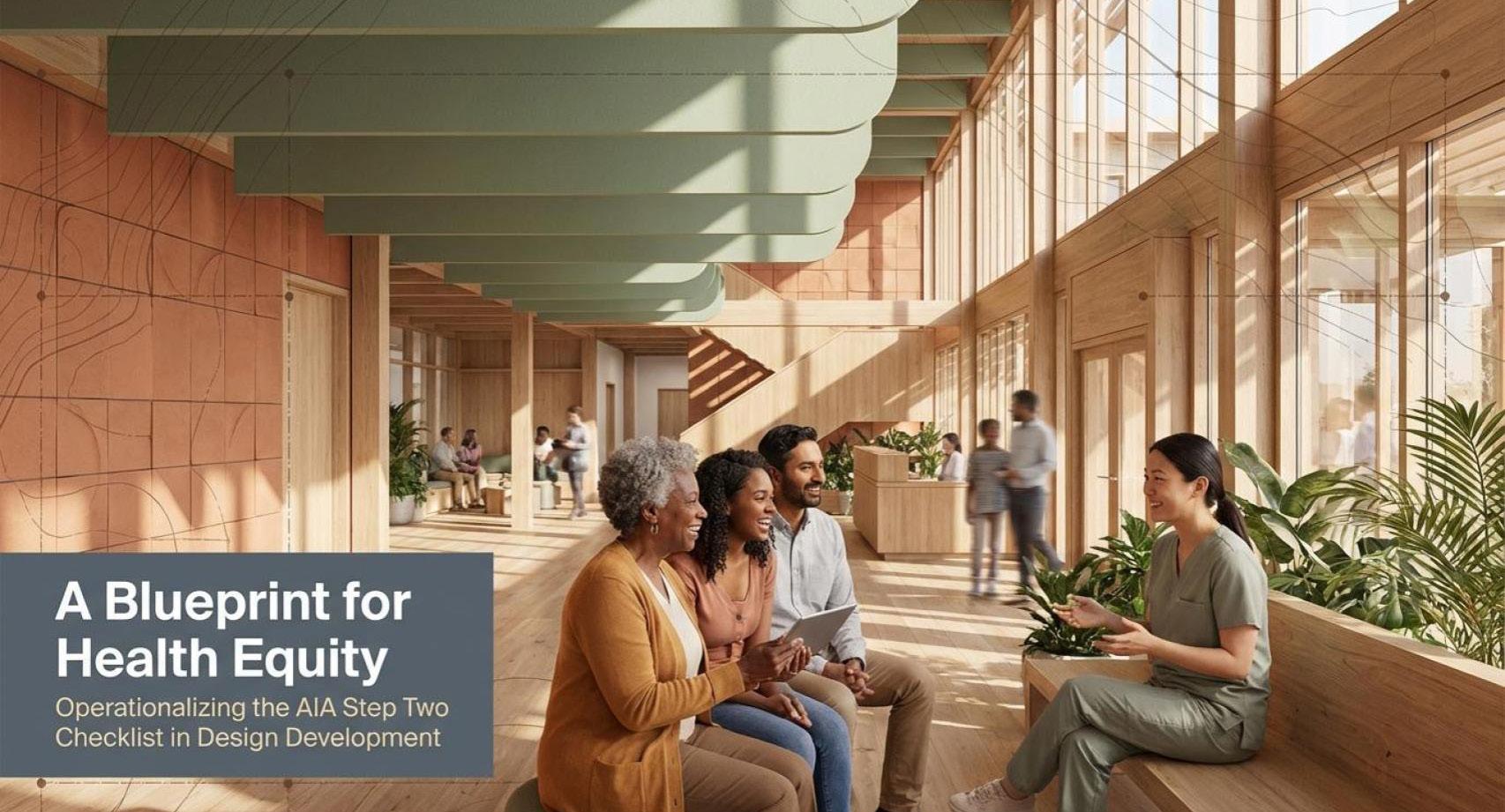
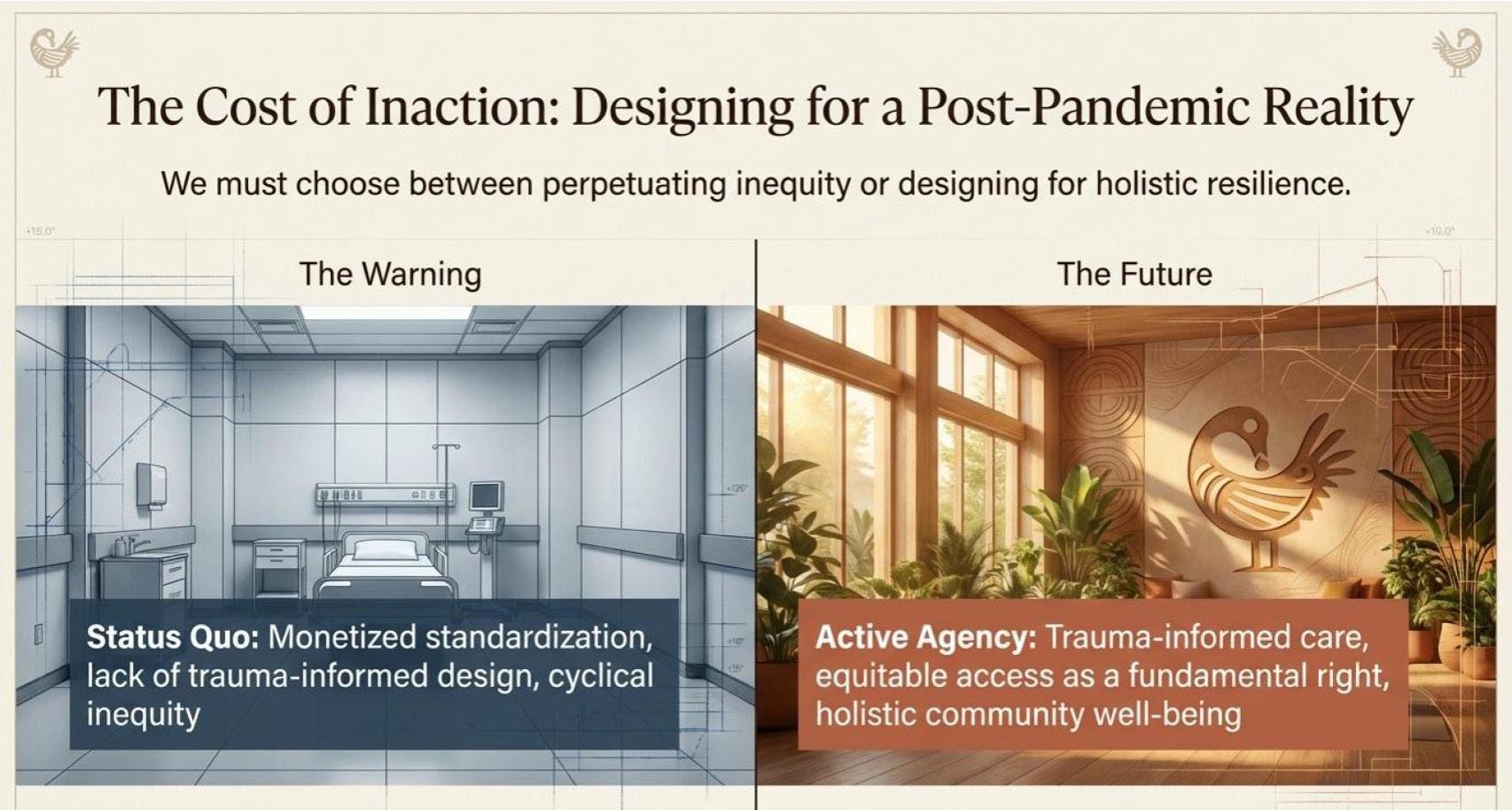
The toolkit directly responds to this tension by reframing community engagement as a structured and measurable component of project delivery. Rather than an optional or ideological exercise, it becomes a defined phase with clear value. Without this framework, projects risk becoming institutional fortresses dropped into neighborhoods from the top down, completely isolated from local realities and eroding community trust.
The development process itself reinforced this philosophy. It unfolded through three major milestones: an initial launch event and work session, a nationwide feedback phase, and a final validation session focused on human narratives and community context. These stages intentionally align with the toolkit’s core methodology.
One of the most significant insights to emerge from the listening sessions was the limitation of relying solely on quantitative data. While metrics such as GIS-based health patterns or the CDC’s Social Vulnerability Index help establish important baselines, they offer only a partial understanding.
“The most powerful recurring theme was that quantitative data alone only tells a fraction of the story,” Walton says. He emphasizes that real insight comes from validating data against lived experience. In many cases, communities identified as highly vulnerable also possess strong networks of social capital, with trusted gathering places functioning as informal centers of care and support. Recognizing and designing these assets represents a shift toward a more holistic and equitable approach.
In early 2025, the team reconvened to refine the framework, bringing greater focus to social determinants of health and the responsibility architects carry in shaping equitable outcomes.
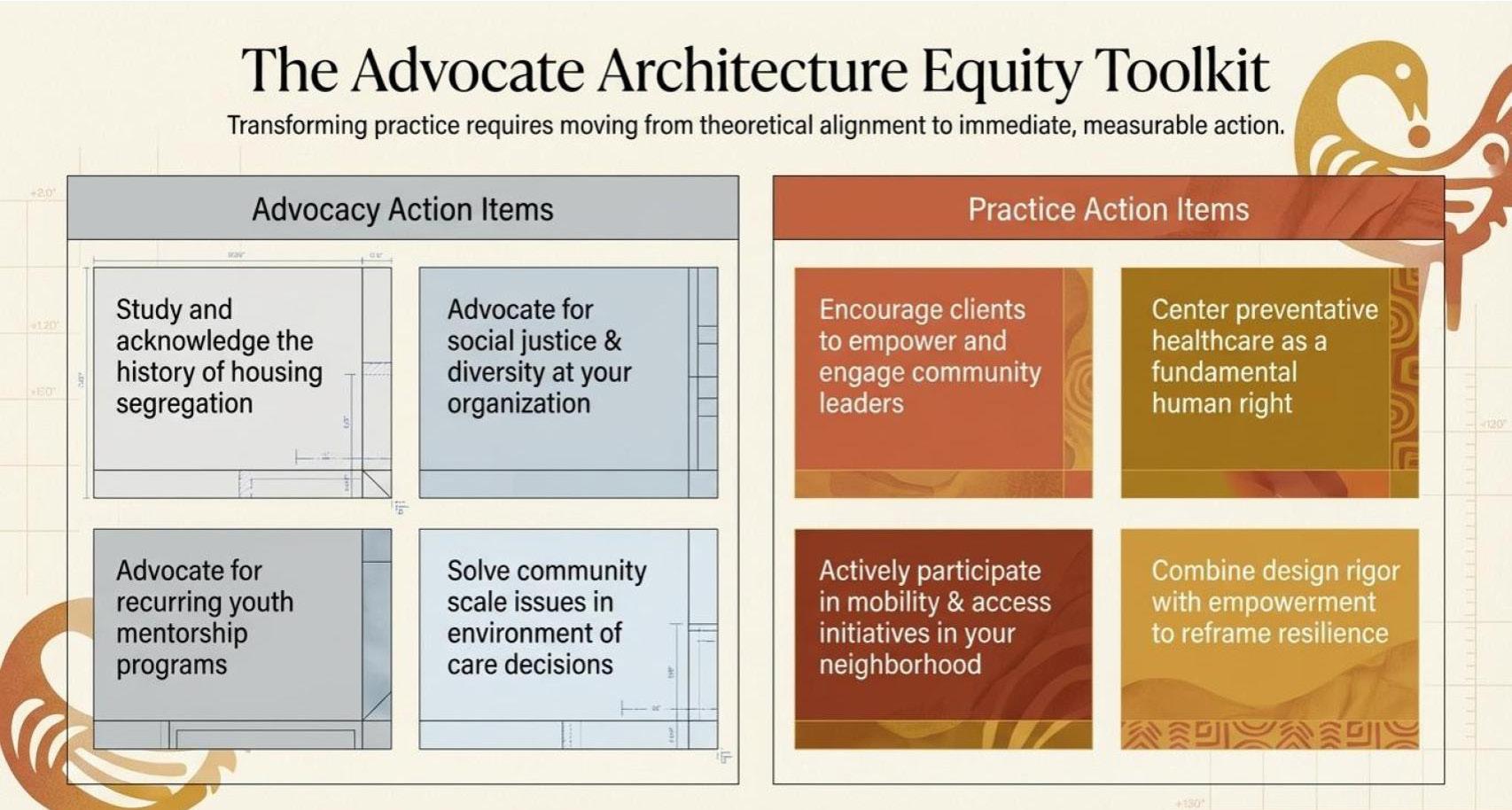
A dedicated subcommittee then advanced the work throughout the year, prioritizing clarity, accessibility, and usability for a broad audience that includes students, emerging professionals, and experienced practitioners.
By early 2026, the project reached a major milestone. The toolkit is being delivered as a series of workflow-driven tutorials supported by a video introduction and three instructional modules. These materials guide users through the full arc of healthcare design practice, from building a business case to sustaining long-term community engagement.
Looking ahead, ambition extends beyond adoption to transformation. Walton envisions a fundamental shift in the role of the healthcare architect. “In five years, we expect this toolkit to completely shift the role of the healthcare architect from a top-down aesthetic designer to an inclusive, community aligned facilitator,” he says. The goal is to move away from traditional linear delivery models and toward more continuous and responsive practice.
He continues, “We want to fully eradicate the archaic design, build, and walk away model.” Instead, success will be defined by long-term outcomes such as improved well-being, stronger community connections, and measurable health impacts.
As the project enters its next chapter, the focus turns to stewardship and continued evolution. The toolkit is poised to become a lasting contribution to the profession, one that reflects a collective commitment to knowledge sharing and meaningful impact. It stands as both a resource and a signal that healthcare design is evolving toward a more inclusive, evidence-informed, and community-centered future.
2026 PDC Summit Recap
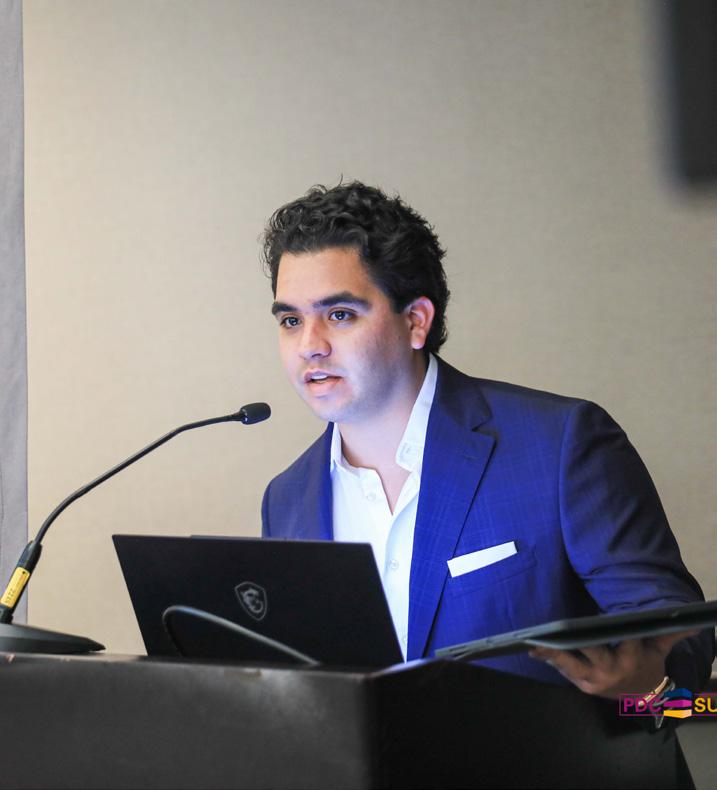
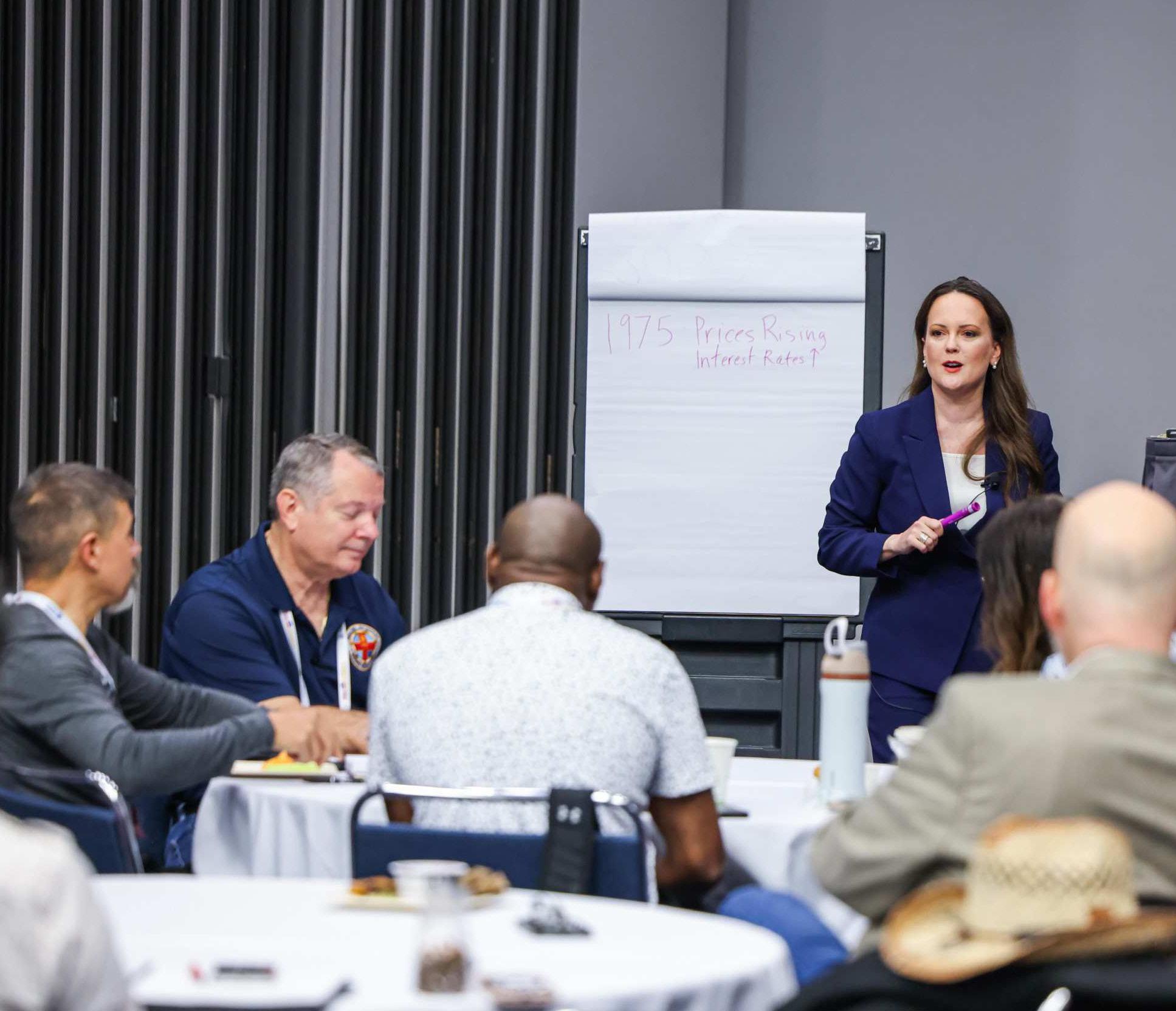
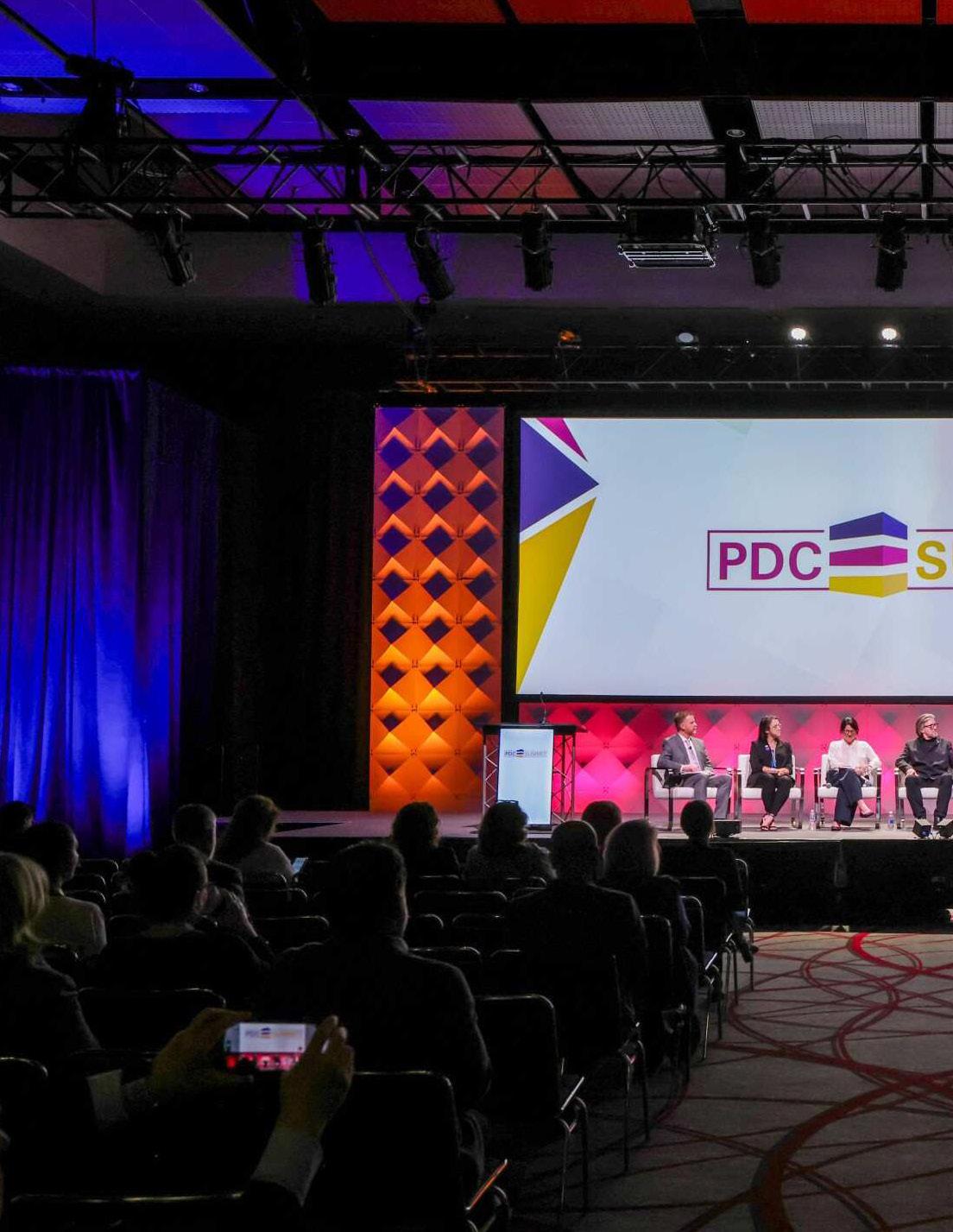
The 2026 PDC Summit, held in Houston at the George R. Brown Convention Center, was a recordsetting attendance with more than 4,100 professionals from across the health care planning, design, construction, facilities, and clinical communities. The conference featured more than 90 educational sessions and over 280 speakers focused on advancing the health care built environment. Collaboration across disciplines remained a central focus, with architects, engineers, owners, clinicians, constructors, and facility leaders sharing innovations and best practices designed to improve project outcomes and patient care environments.
Several themes emerged consistently throughout the summit:
Interdisciplinary collaboration, as a driver of successful health care projects, emphasizing alignment among designers, owners, clinicians, constructors, and facility operators.
Innovation in health care design and construction, including data-driven decision making, project delivery strategies, and operational efficiency.
Codes, standards, and compliance, reflecting the increasing complexity of the regulatory environment and the need for early integration of compliance into project planning.
Sustainability and resilience, with sessions exploring low-carbon design, high-performance building systems, and future-ready health care facilities.
Behavioral health and patient-centered environments, highlighted through discussions on innovative care models and the impact of design on patient outcomes.
Research and evidence-based design, supported through learning tracks focused on research, design outcomes, and measurable impacts on care delivery.
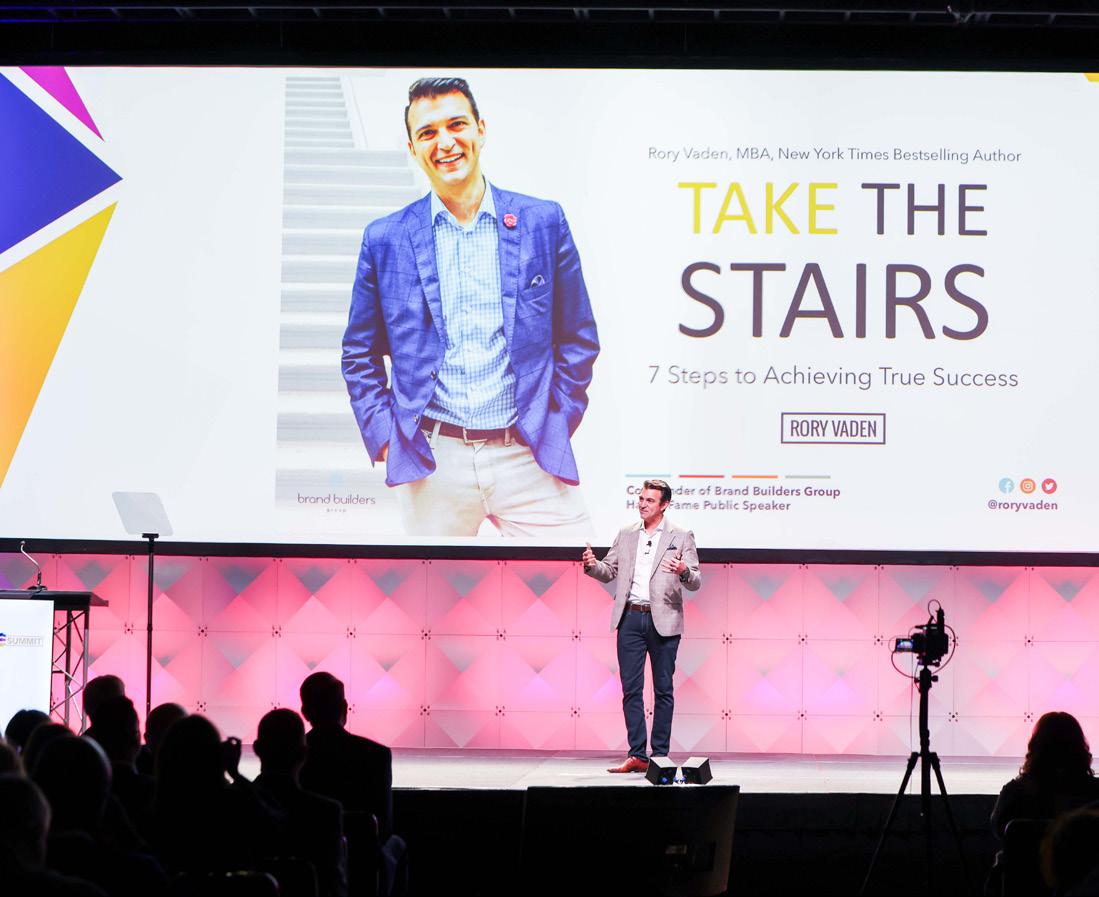
Keynote Speaker: Rory Vaden
The opening keynote was delivered by Rory Vaden, co-founder of Brand Builders Group and New York Times bestselling author of Take the Stairs. Vaden’s presentation focused on personal and organizational success through self-discipline, accountability, and intentional action. He challenged attendees to recognize and overcome three forms of procrastination: classic procrastination, creative avoidance, and priority dilution. He emphasized that meaningful progress is achieved by consistently doing difficult but necessary work. His message resonated strongly with project leaders and health care professionals responsible for managing complex planning, design, and construction initiatives.
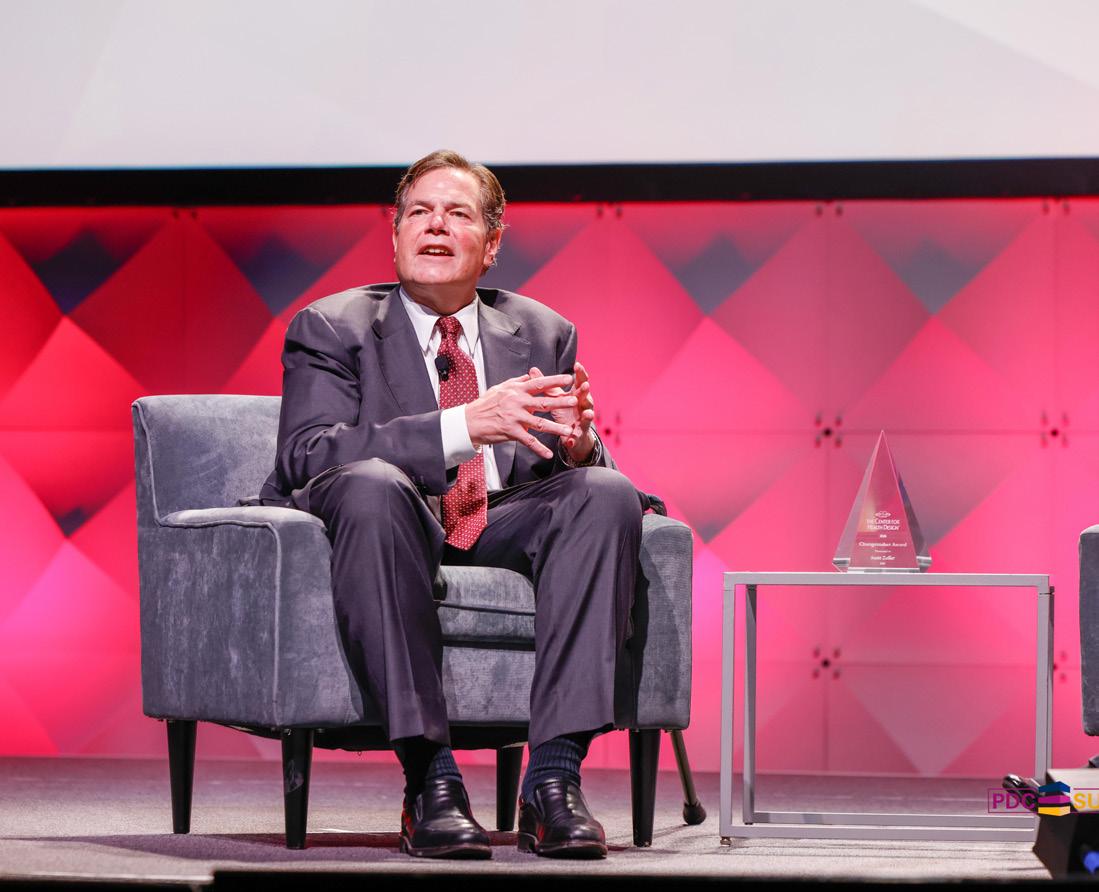
Featured General Session: Center for Health Design Changemaker Discussion
A second major general session centered on The Center for Health Design’s 2026 Changemaker Award, presented to Dr. Scott Zeller, Vice President of Acute Psychiatry at Vituity. During a discussion with industry leaders Mardelle Shepley and Francis Pitts, Dr. Zeller shared insights on his pioneering work developing the EmPath (Emergency Psychiatric Assessment, Treatment and Healing) model. The conversation highlighted how facility design can improve behavioral health outcomes, enhance patient dignity, and support more effective care delivery. This session reinforced the conference’s broader emphasis on evidence-based design and the direct connection between the built environment and clinical outcomes.
Academy of Architecture for Health (AAH) Highlights
The AIA Academy of Architecture for Health (AAH) is a supporting organization of the PDC Summit, helping to bring together health care architects and industry leaders to advance excellence in the planning, design, and construction of health care facilities. Through educational leadership and interdisciplinary collaboration, AAH contributes to the Summit’s mission and maintained a visible presence as a supporting organization.
AAH-sponsored activities included:
AIA AAH Deep Dive: How Offsite Prefab Accelerated and Enhanced a High-performance Health Care Facility
Presented by Rick Garcia Townsen Health, Lauren Amber Prestenbach Power Brown Architecture, and Thom Hinton Falkbilt.
This session explored the delivery of Townsen Memorial, a two-story hospital in Houston created through the adaptive reuse of a medical office building. The project team including the designer, owner, and offsite construction partner shared how they worked together to overcome the challenges of integrating complex medical infrastructure into an existing building. The discussion highlighted key lessons in collaboration, problem-solving, and innovative project delivery that ultimately helped create a high-performing healthcare facility.
AIA AAH Facility Tour highlighting healthcare design in practice
Baylor St. Luke’s O’Quinn Medical Tower at McNair.
As you move through the space, the tour highlights how clinical excellence, operational efficiency, and human-centered design come together to support healing at every step. By weaving together stories of care delivery and design innovation, A Journey of Care reveals how the facility was envisioned, planned, and built to elevate patient experience, empower staff, and create a compassionate and healing setting.
AIA
AAH
& ASHE PDC Student Design Challenge
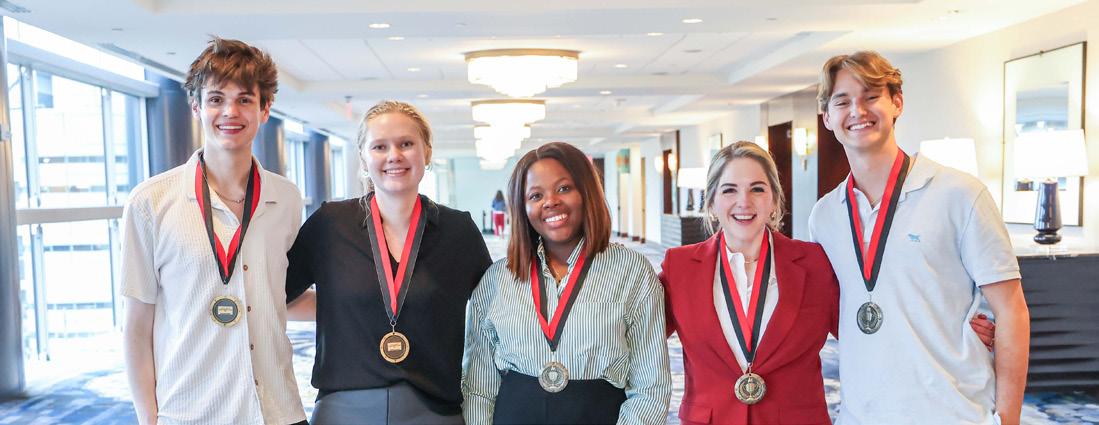
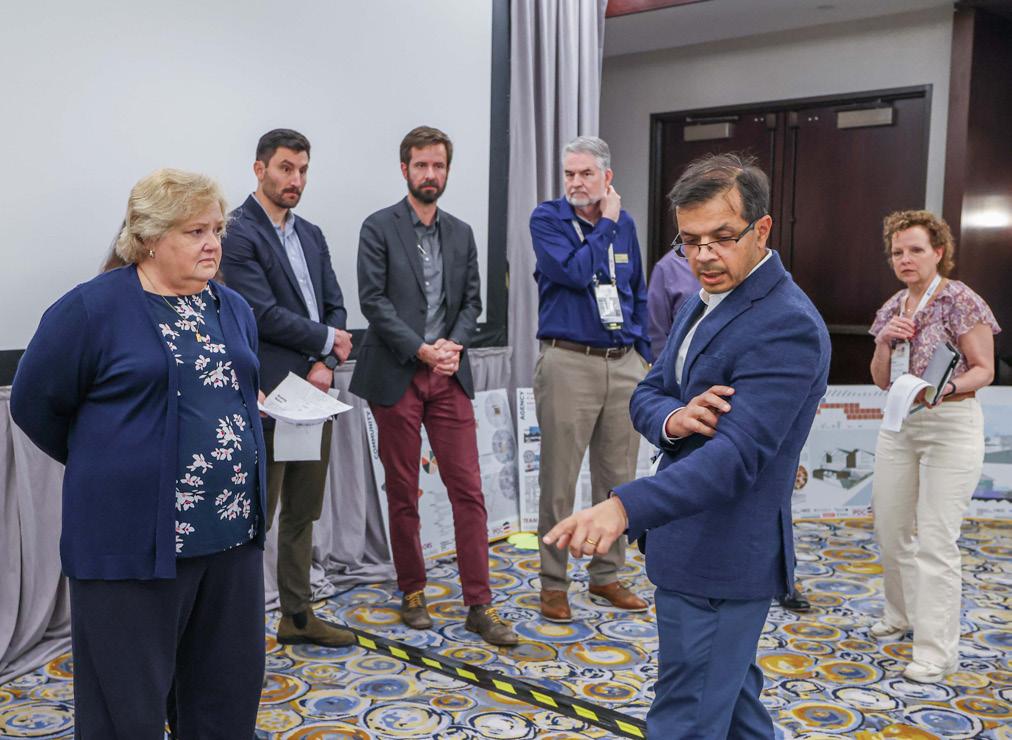
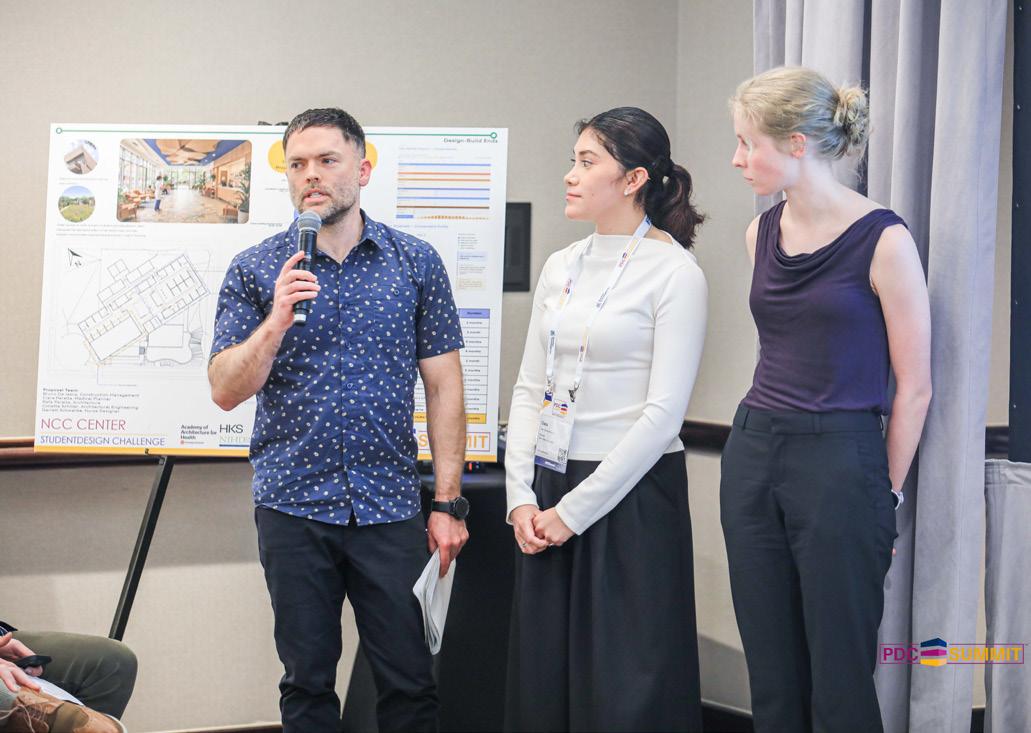
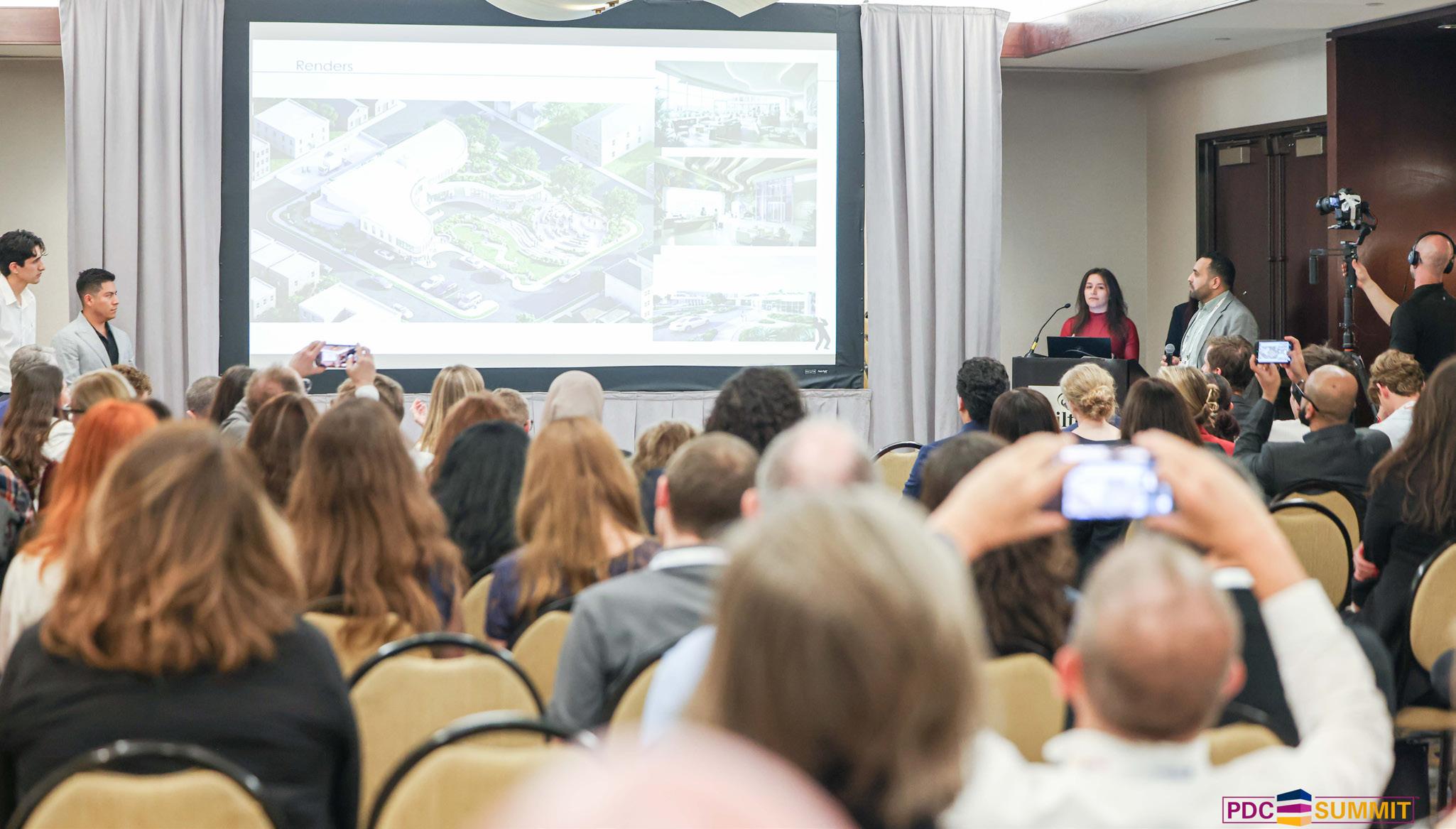
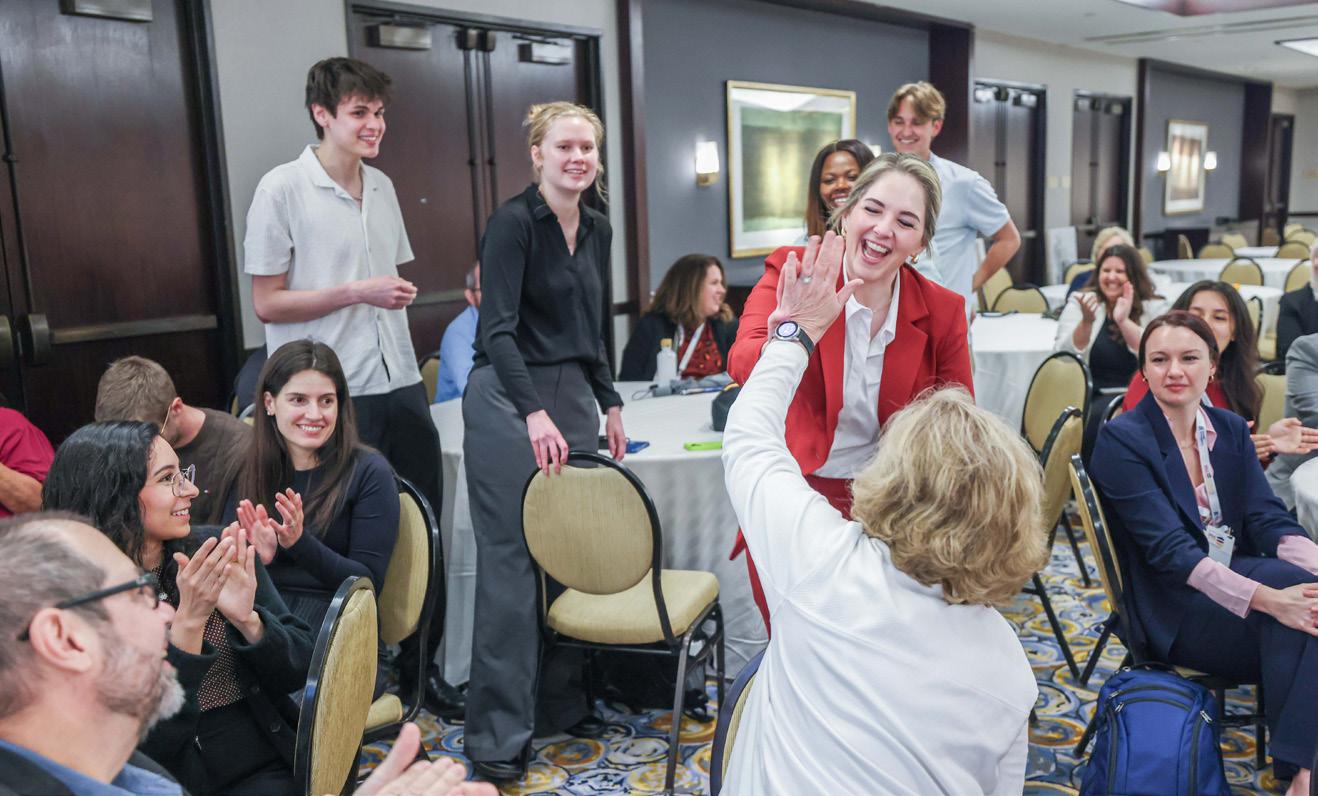
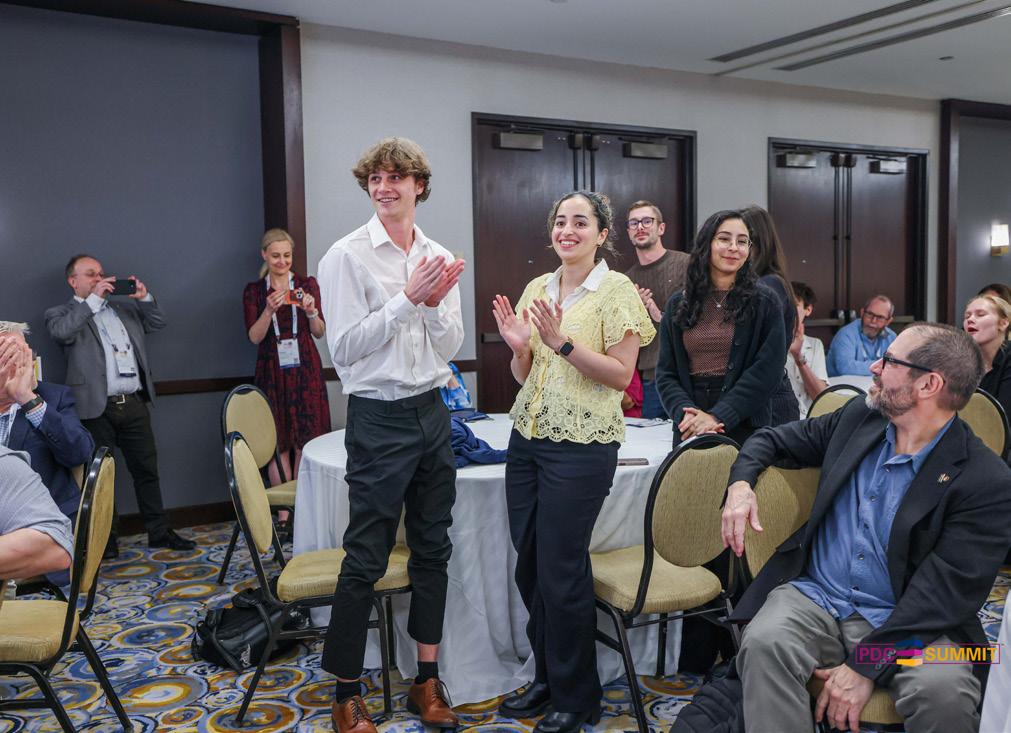
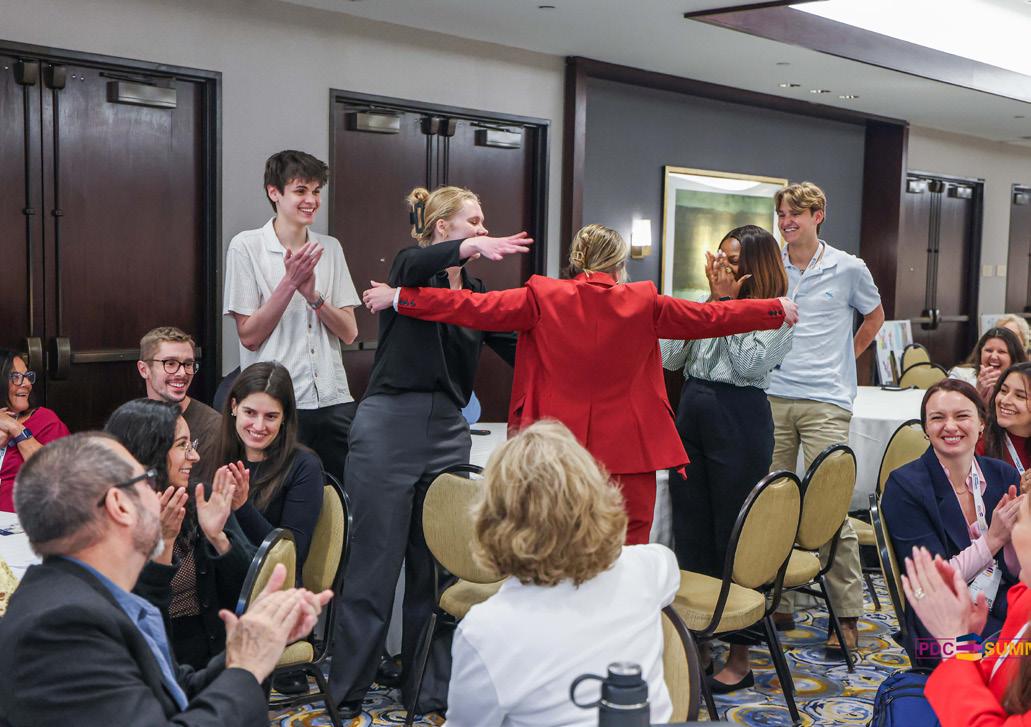
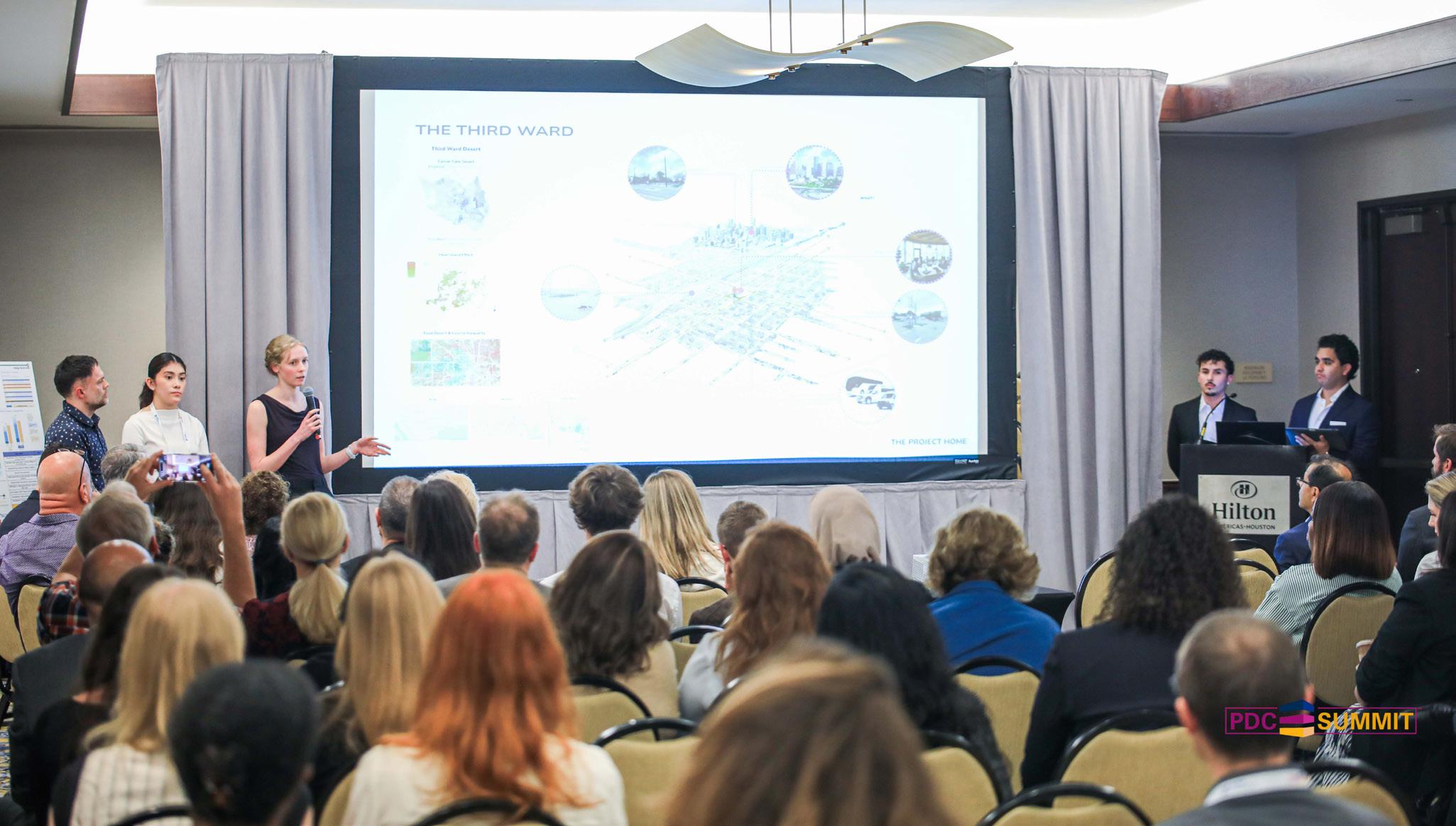
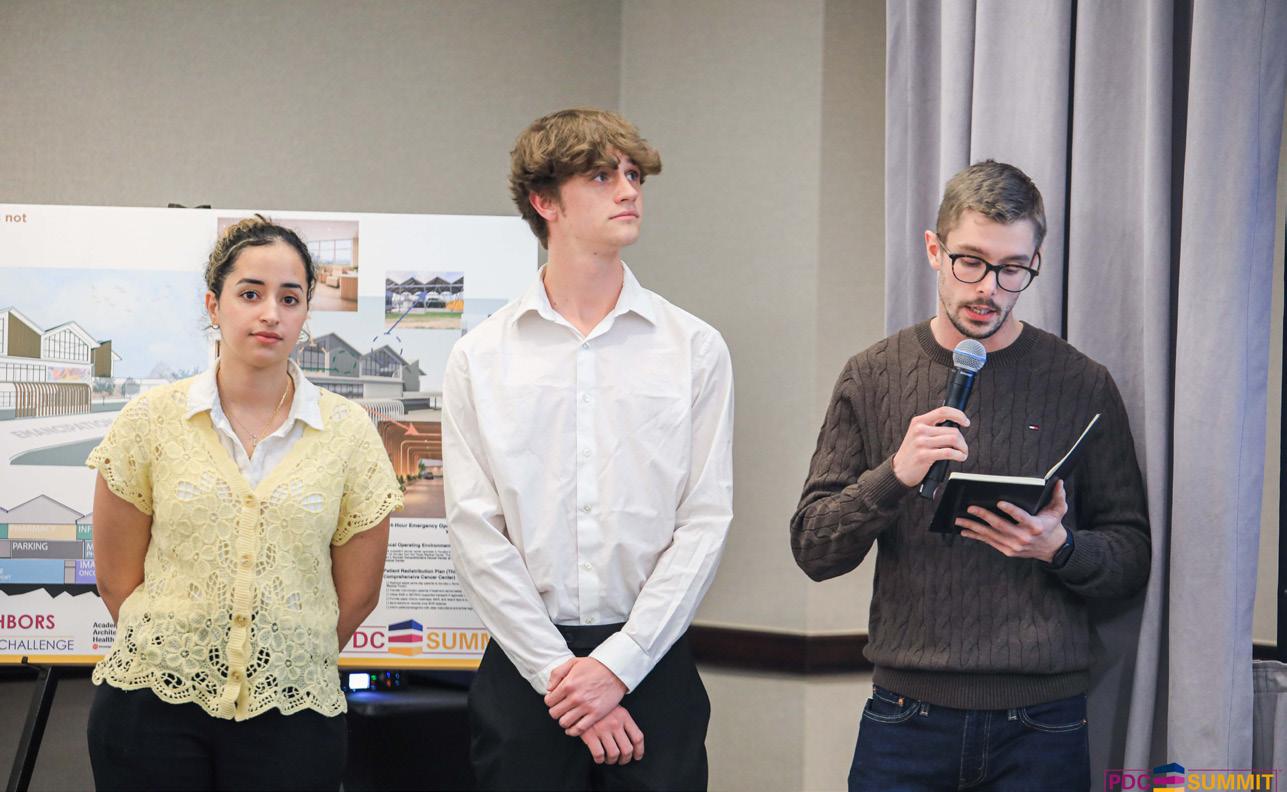
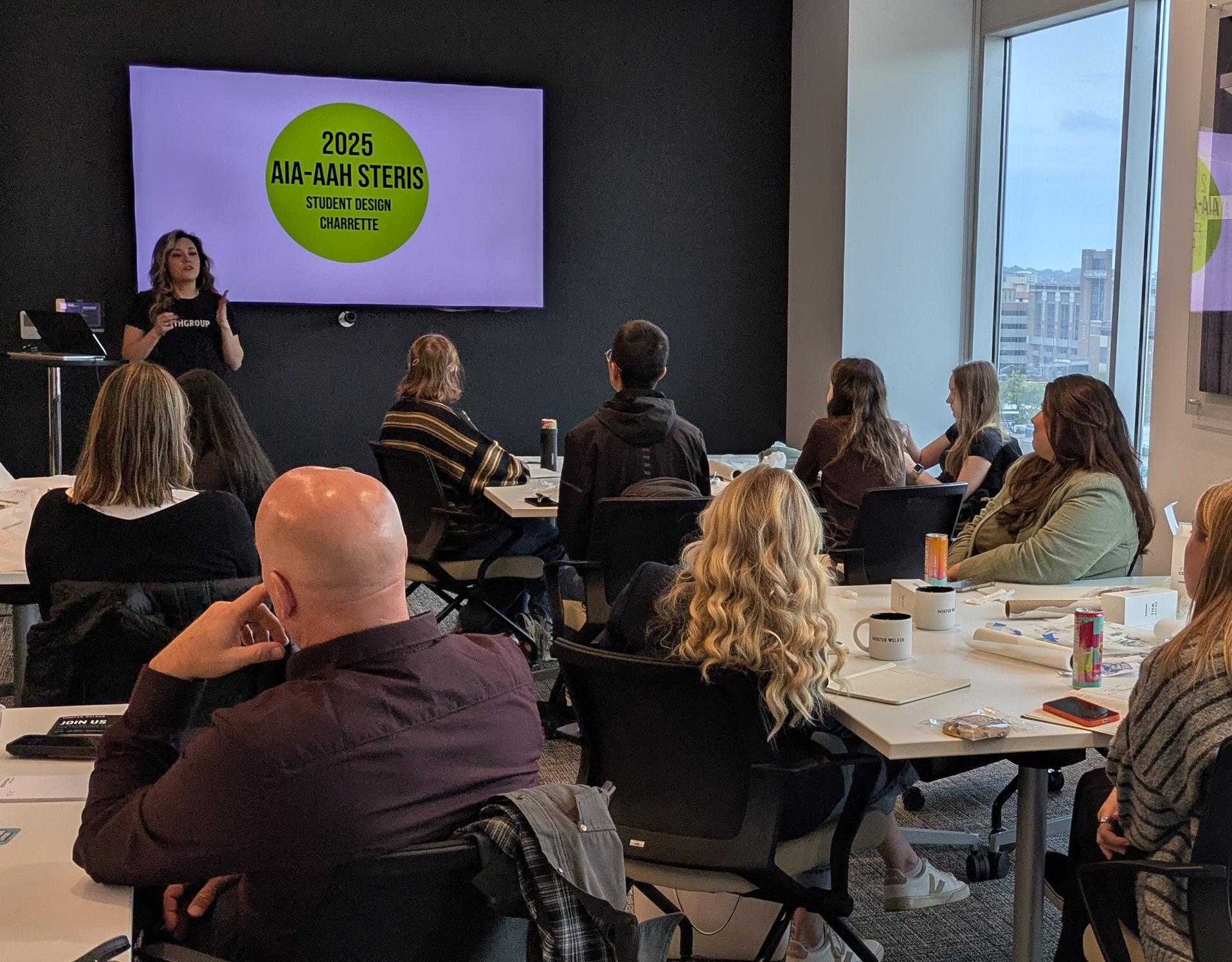
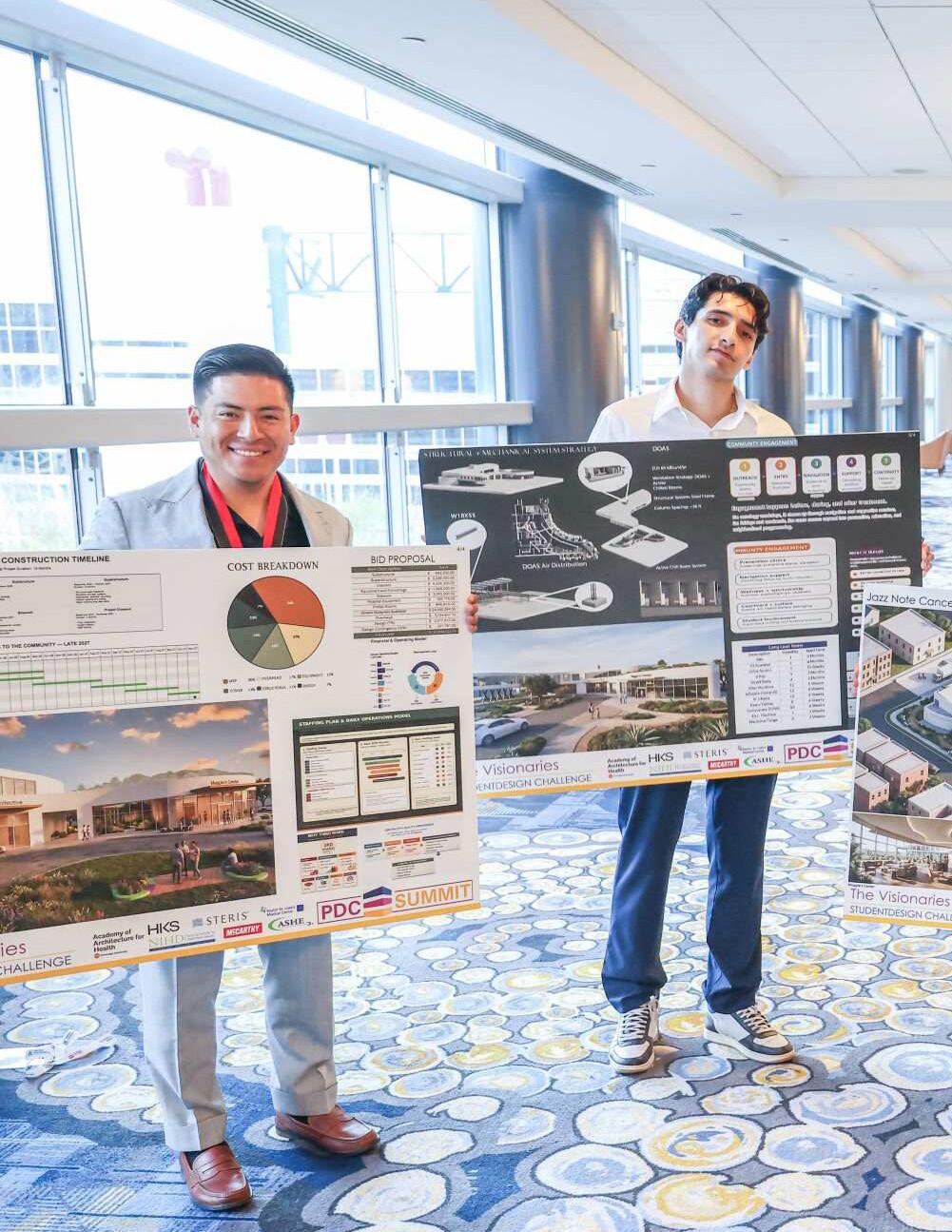
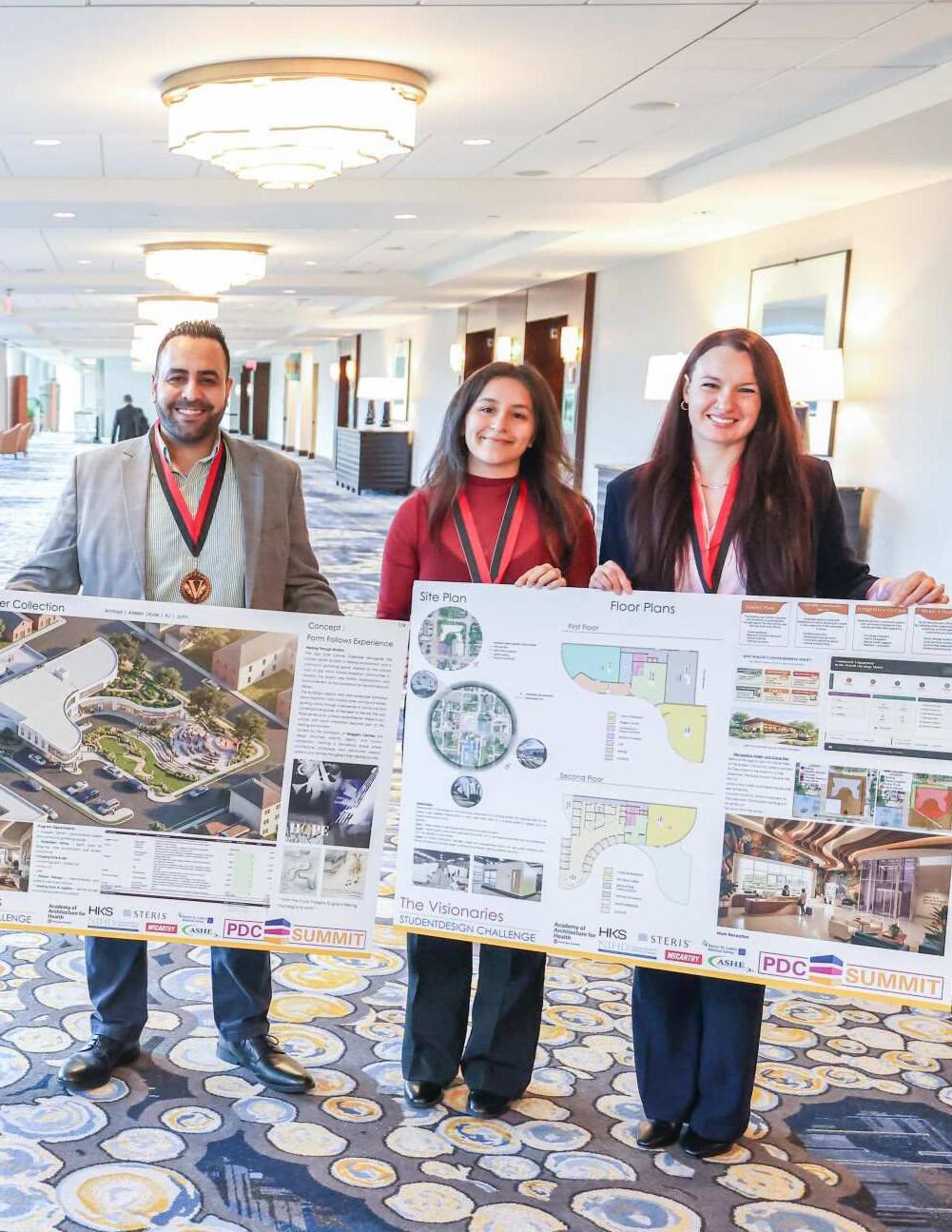
Lead by Gabriel Auffant, DLR Group, Leah Meer HDR, and Clarissa Costa Lima Sizler Thompson Brown Architects. The event featured students from University of Texas – San Antonio, Kent State University, Colorado University – Boulder, and Ball State University.
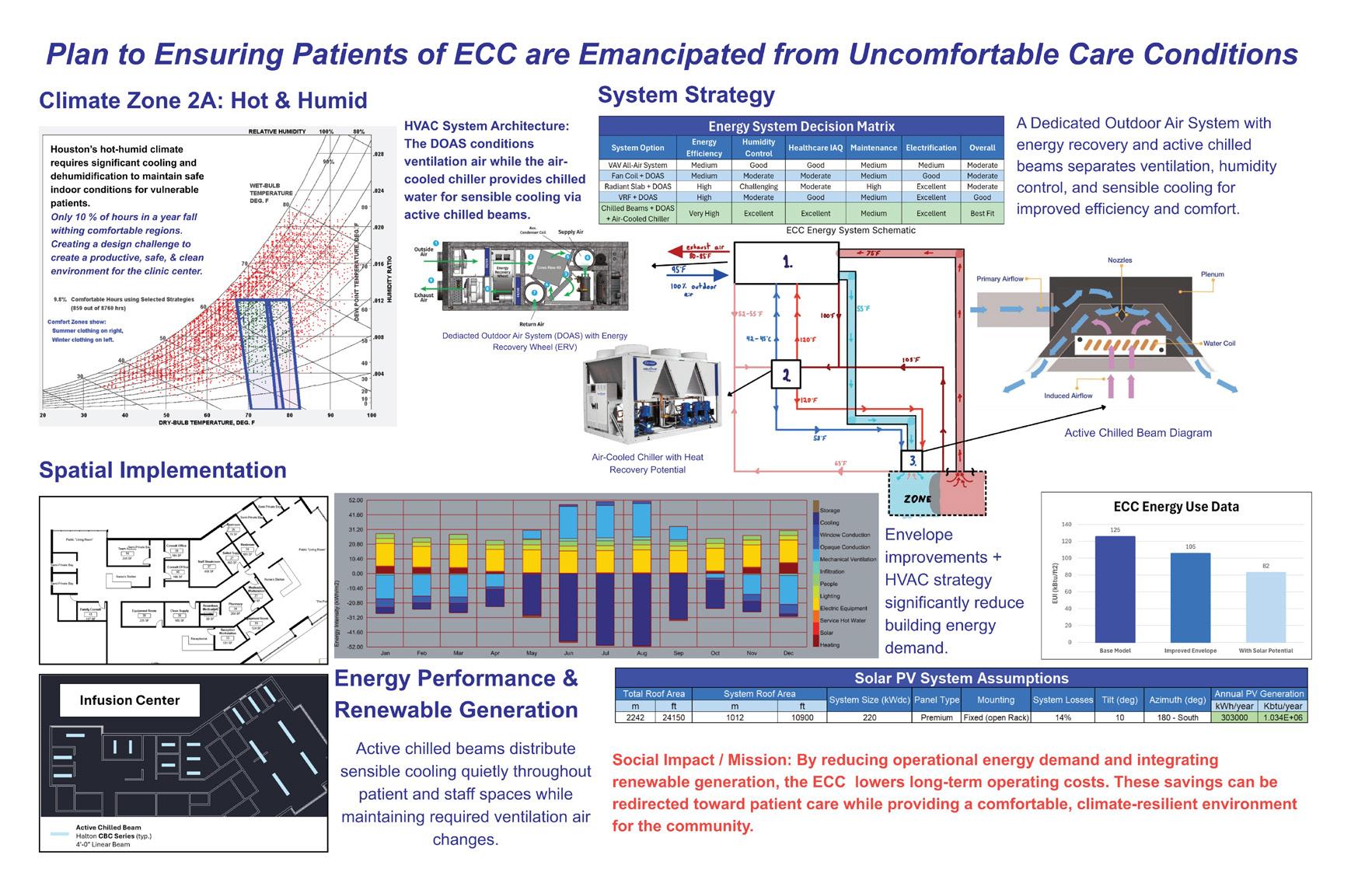
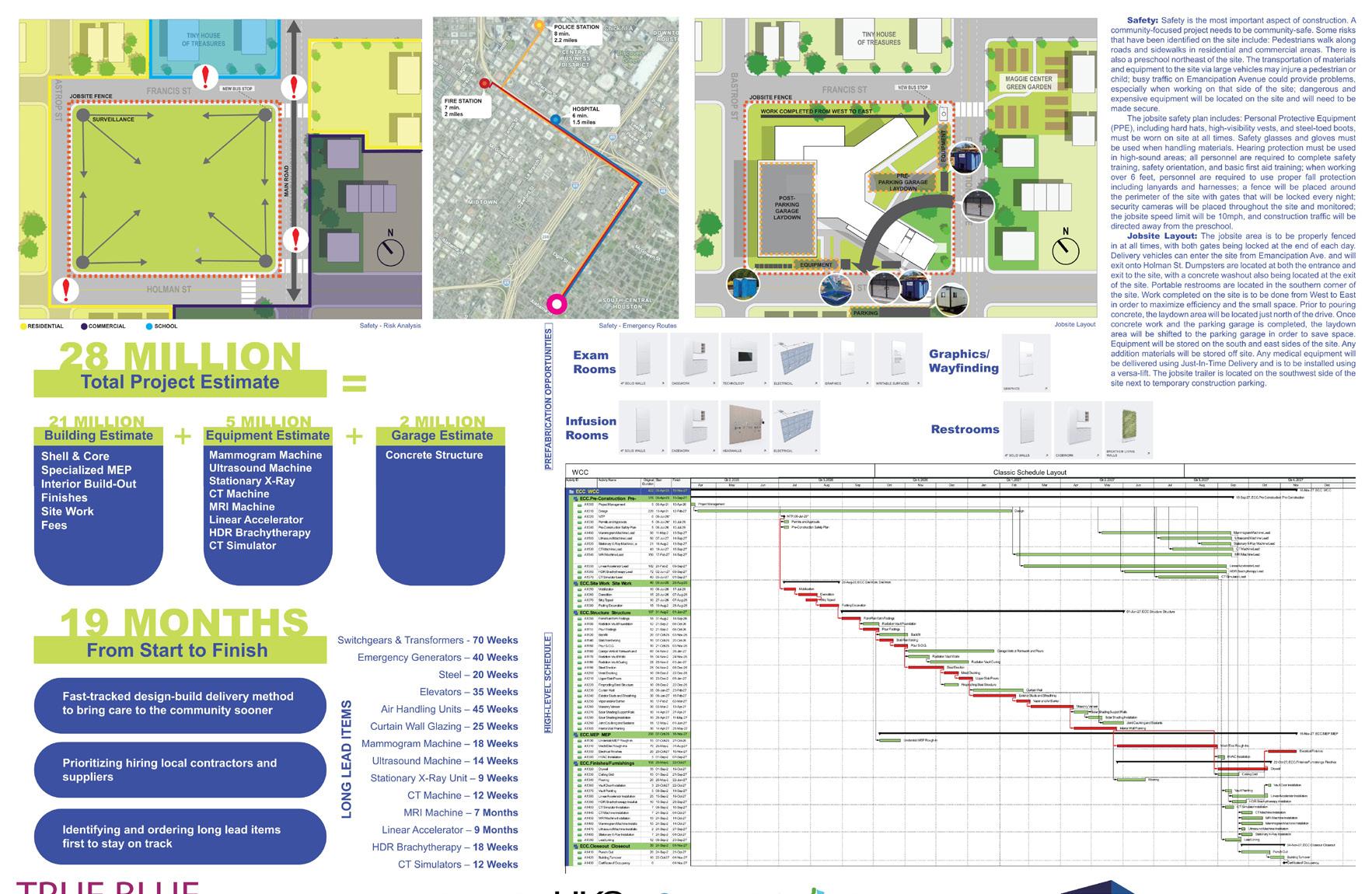
Showcasing multidisciplinary student teams and future industry leaders. See the work and recap later in this issue of Spectacle!
AIA AAH Update
Members received updates on strategic initiatives and Academy programs led by AAH President Pierce McVey.
AAH Sponsored breakout sessions
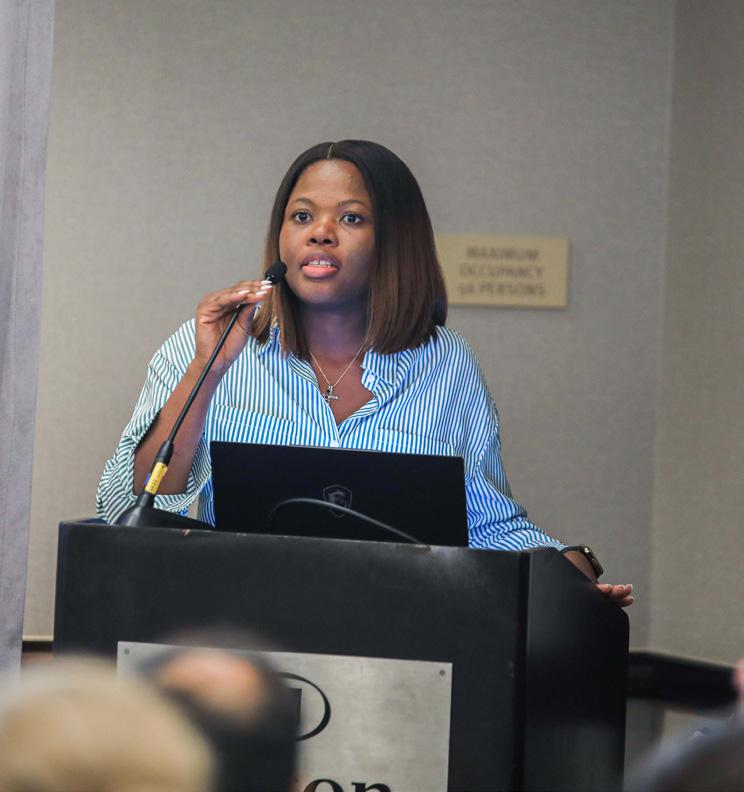
AAH sponsored several well-attended educational forums, including sessions on health care codes and standards and a discussion of future-ready, sustainable health care design. These programs reflected the Academy’s leadership in advancing design excellence, regulatory understanding, and environmental stewardship within the health care sector.
• Healthcare Owners Roundtable: Pressing Issues in 2026 presented by Akshay Sangolli Stantec, Bryan Emde Advent Health, Kelly Miller RWJ Barnabas, and Mike Hatton Memorial Herman
• Leading Medicine’s Digital Leap: Executing Smart Technology Integration at Houston Methodist Cypress Hospital presented by Dr. Nicholas Desai Houston Methodist, Jim Francis Houston Methodist, Zac Hillyard SSR, and Lisa Charrin The Beck Group
• Codes Are Your Friend: Another Fishbowl Session presented by Jason Costello Shepley Bullfinch, Rob Masters Cannon Design, Chris Lynch Code Red Consultants, Jeff O’Neill RWJ Barnabas, Tina Duncan HKS, Theresa Harris isgenuity
• Future-Ready Healthcare Design: Conversation on Sustainable Design presented by Ramé Hemstreet Kaiser Permanente, Rob Best Arup, Erin Winston HKS, Kinjal Shah HKS, Geselle Neal Bodwe Group
• Supply Chain Innovation in Construction: Strategies for Sourcing, Prefabrication, and Modular Approaches to Reduce Delays presented by Jen Cagide-Alexander HDR and Kyle Basilius Parkin Architects.
• Closing Session: Resilience by Design: Preparing Healthcare Environments for Disruption and Disaster. Panel discussion by Pierce McVey, AIA Academy of Architecture for health President (AIAAAH), Chad Beebe American Society for Healthcare Engineering (ASHE), Stephanie Fallen AAHID President, Traci Hanegan American Society of Health and Cooling Chair (ASHRAE), Erin Kyle Editor AORN’s Guidelines for Perioperative Practice, Natalie Hagerty Center for Health Design (CHD), John Williams Facility Guidelines Institute (FGI), Brooke Karlsen Nursing Institute for Healthcare Design (NIHD)
Save the Date for 2027
The International Summit & Exhibition on Health Facility Planning, Design & Construction
New Orleans, LA
February 28 - March 3, 2027
Sub-Committee Work
Featured articles and engagement opportunities
Inside the HCD Student Charrette
The
Foundation
For nearly four decades, the HCD Student Charrette has introduced students to healthcare design, a profession that blends creativity, problem solving, and meaningful impact. What began 38 years ago has evolved alongside the healthcare industry while remaining grounded in a simple mission: exposing students to the possibilities of healthcare architecture and design.
The charrette is intentionally structured as a collaborative experience rather than a competition. Although each team receives the same project site and overall program, unique specialties and patient populations encourage different perspectives and solutions. The result is an environment where learning, curiosity, and innovation take precedence over rankings and awards.
As healthcare has evolved, so has the charrette. Industry conversations now extend beyond clinical care to include wellness, equity, community impact, interdisciplinary collaboration, and the patient experience. New technologies have changed how students communicate ideas, but the goal remains the same: exploring how design can improve lives.
Perhaps the greatest measure of the charrette’s success is its lasting influence. Many participants arrive with little exposure to healthcare design and leave with a new appreciation for the field. Others build careers in healthcare architecture, later returning as mentors, jurors, presenters, and Academy leaders.
More than 600 students have participated over the program’s history, creating a growing network connected by a shared experience whose impact extends far beyond the conference.
38 YEARS
48 HOURS
HEALTHCARE DESIGN’S NEXT GENERATION
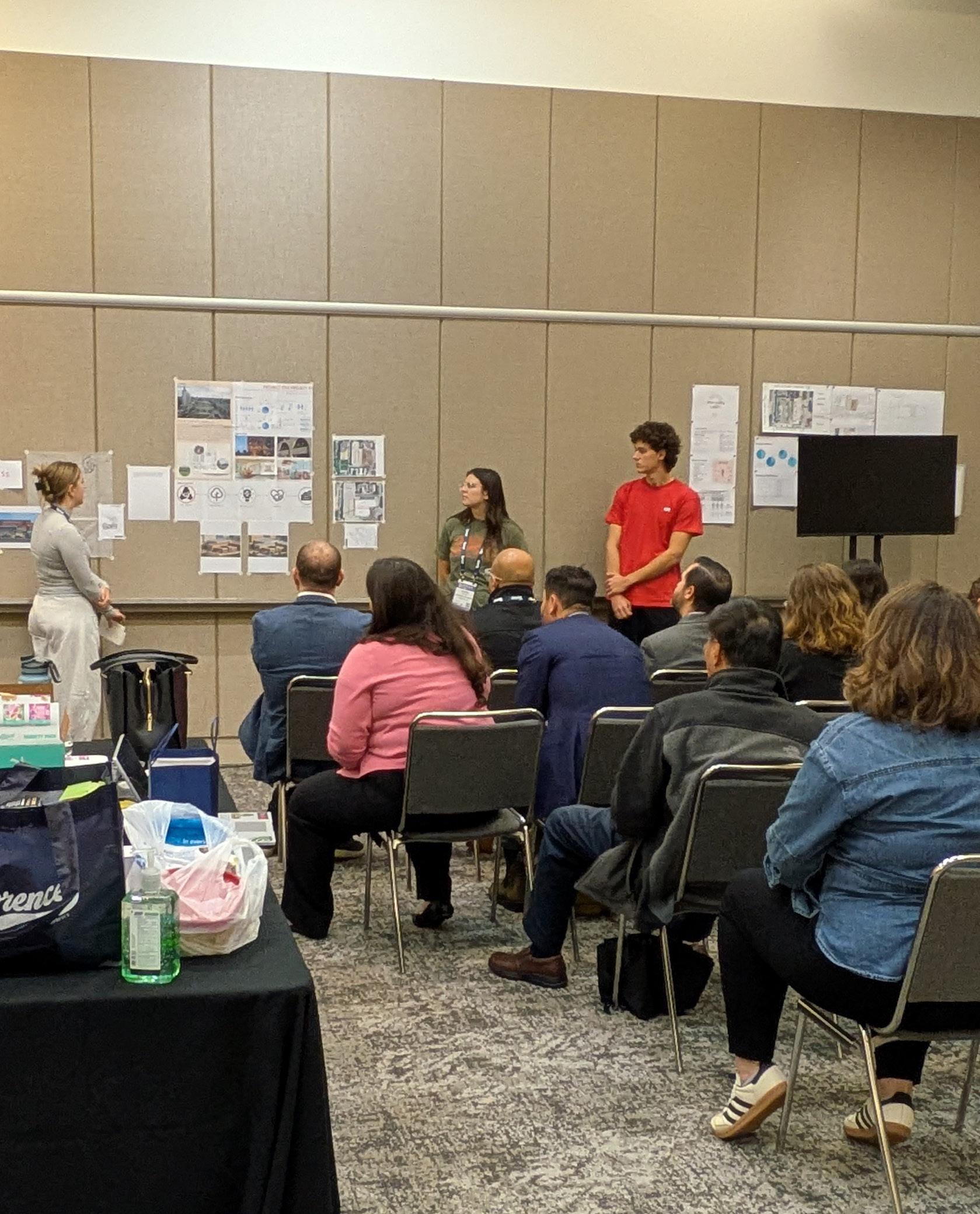
Midterm Reviews (Saturday)
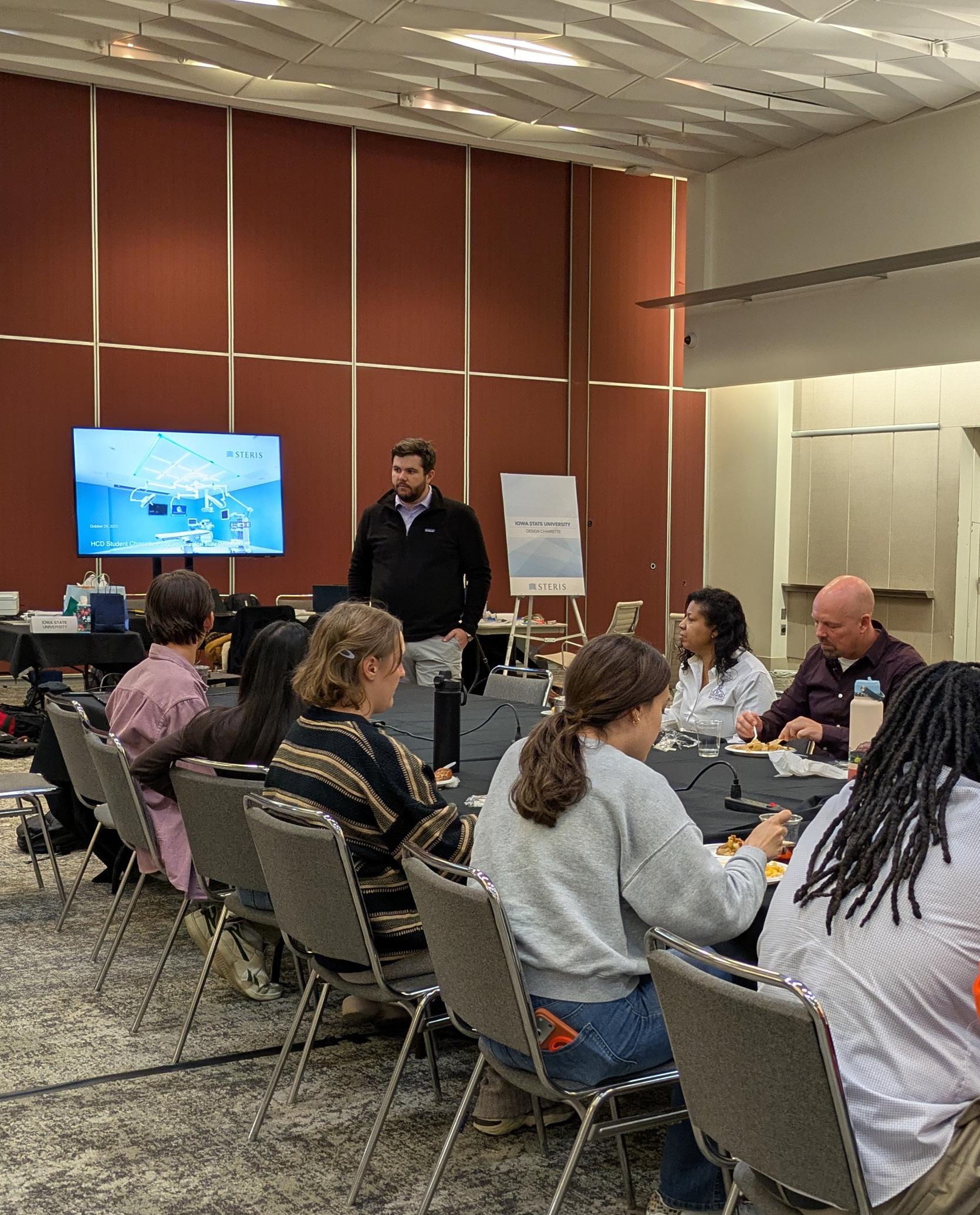
STERIS
It Takes a Village
The charrette exists at the intersection of practice and education, bringing students together with healthcare industry partners and the people who make the experience possible.
Healthcare
Industry Partners
Industry professionals connect charrette participants to healthcare design, providing guidance to help shape the field’s future.
The People of the Charrette
At the heart of every charrette are the volunteers, educators, and students who bring the experience to life.
Sponsors
From mentorship and industry expertise to funding meals and meeting spaces, sponsors help transform an ambitious idea into a nationally recognized experience.
HCD Task Force
Part planners, part mentors, part problem-solvers, the task force of 4-5 industry professionals spends months orchestrating the experience long before the clock begins.
Local Firms
Every host city tells a different story, and local firms help ensure students understand the people, places, and communities behind each design challenge.
Universities & Students
By bringing together schools with different backgrounds and perspectives, the charrette creates conversations that are every bit as valuable as the final designs.
HCD Student Design Charrette
Sponsors
Investing in future healthcare designers
The charrette’s sponsors provide far more than financial support. Organizations including STERIS, Emerald Expositions, MillerKnoll, ACHA, and the Academy of Architecture for Health, contribute expertise, mentorship, and industry insight that enrich the student experience. Through presentations, conversations, and direct engagement, sponsors help students understand the many disciplines involved in healthcare projects and expose them to career paths they may not have previously considered. Their continued commitment reflects a shared belief in the value of investing in emerging professionals and ensuring the future of healthcare design remains strong.
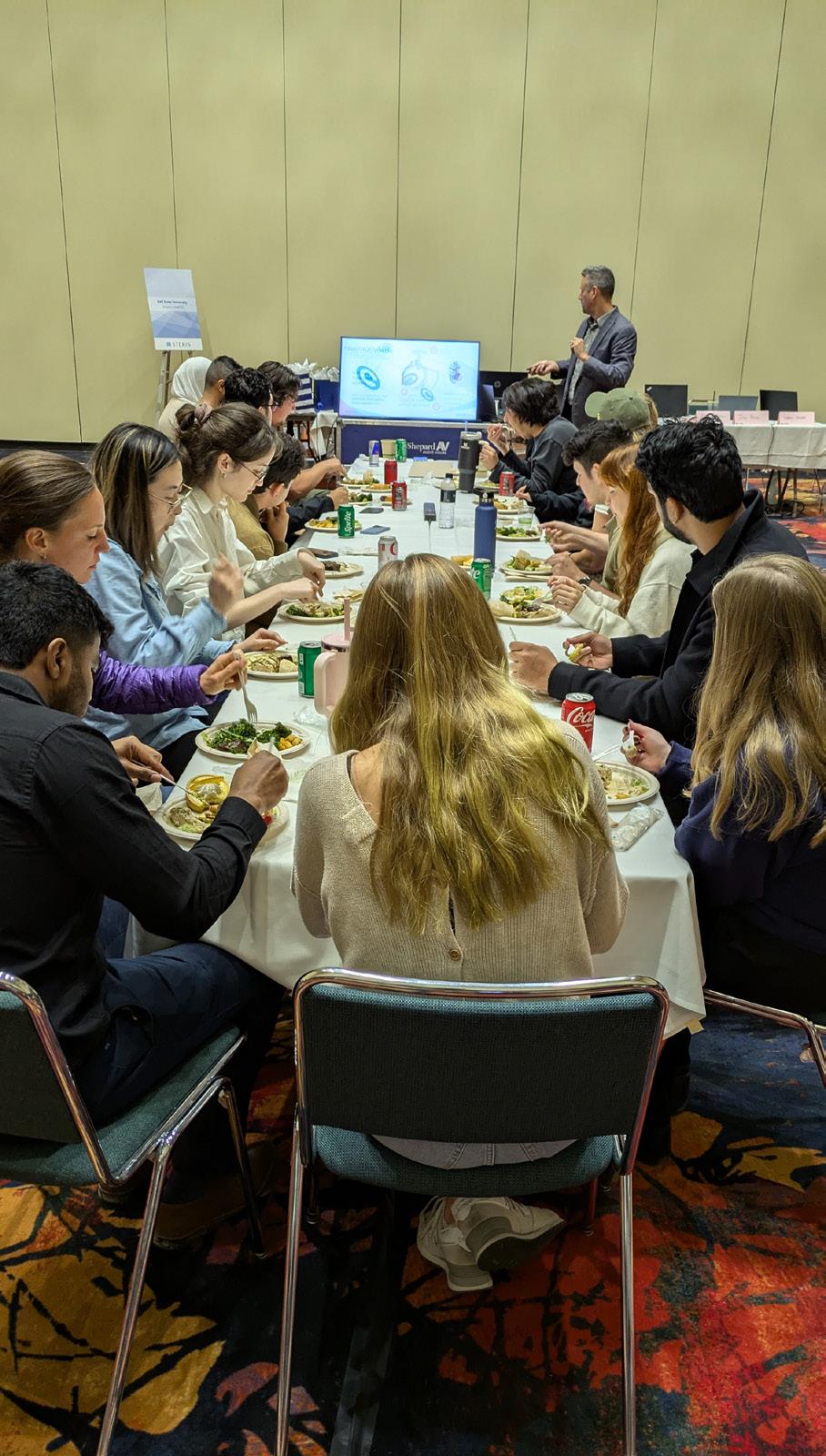
STERIS STERIS




Local Firms
Connecting students to the community they design for
Each year, a local healthcare design firm helps transform the charrette from a theoretical exercise into a meaningful, placebased experience. These firms assist with project development, site selection, and local context, providing students with a deeper understanding of the community they are designing for. Many also host office tours, participate in reviews, and share insights from their own professional experience. Their involvement helps students recognize that healthcare design is not only about buildings and programs, but also about understanding people, culture, wellness, and the unique needs of every community.
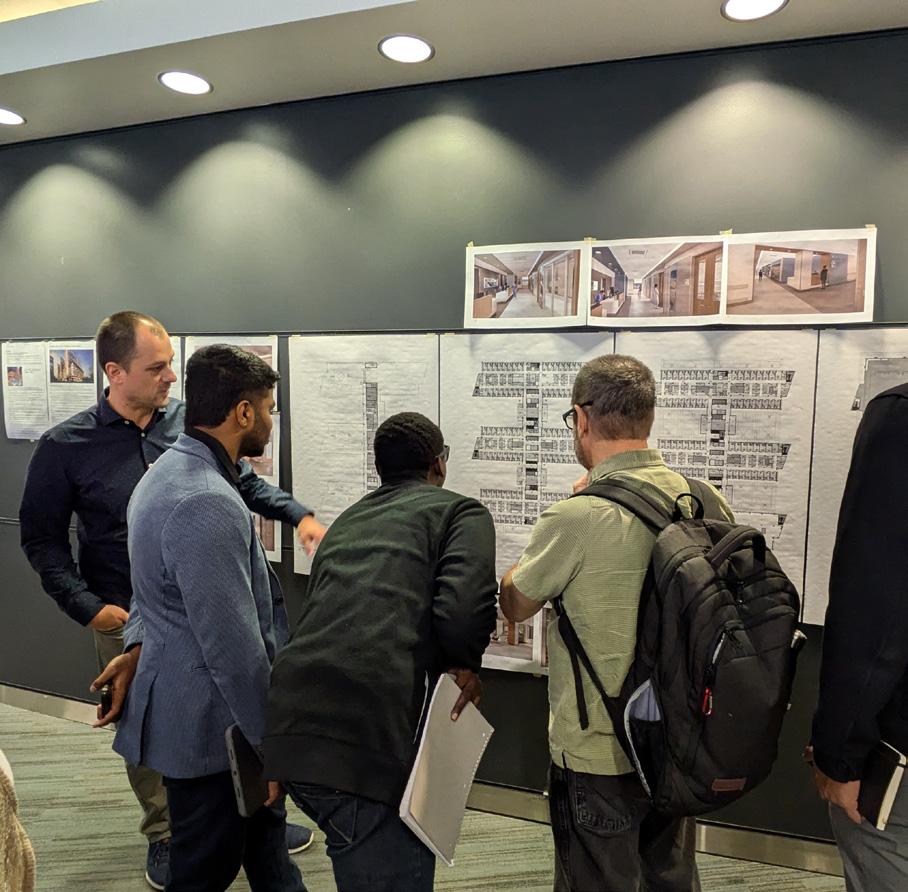
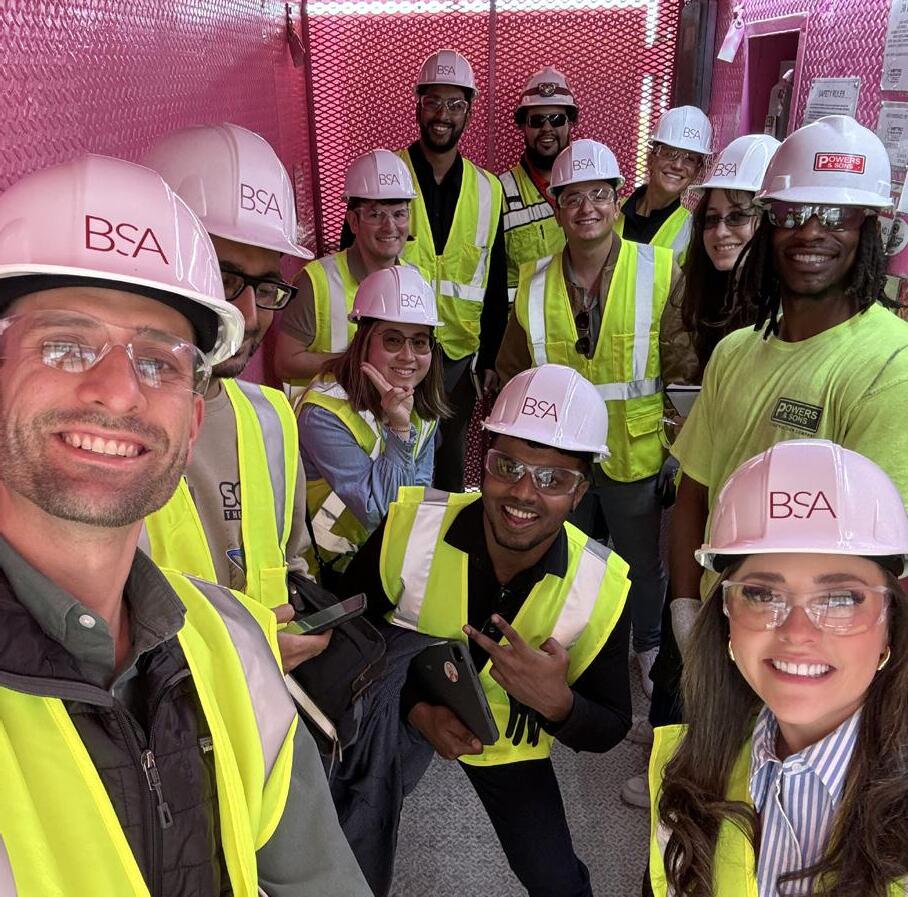
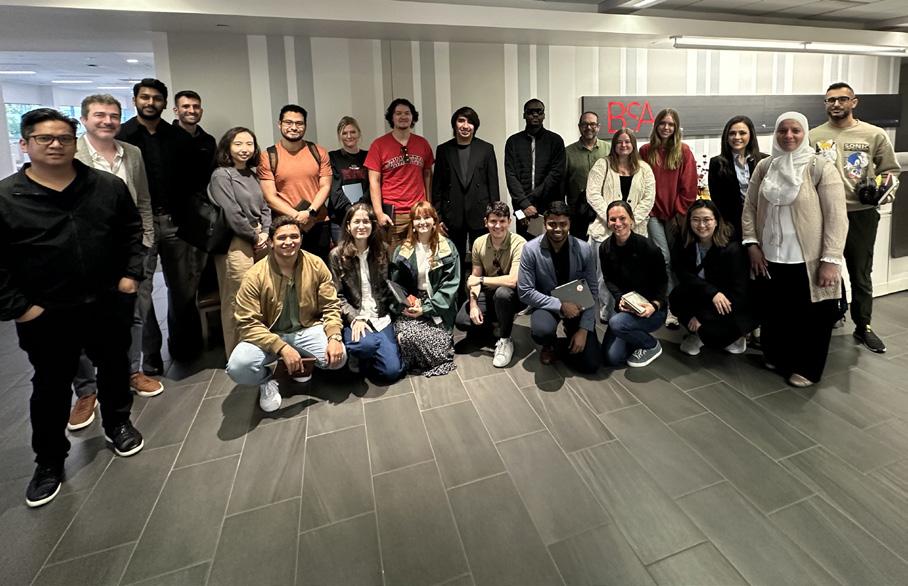
HCD 2024 BSA
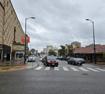
HCD 2024 BSA Site Visit at IU Health
HCD 2024 BSA Local Firm
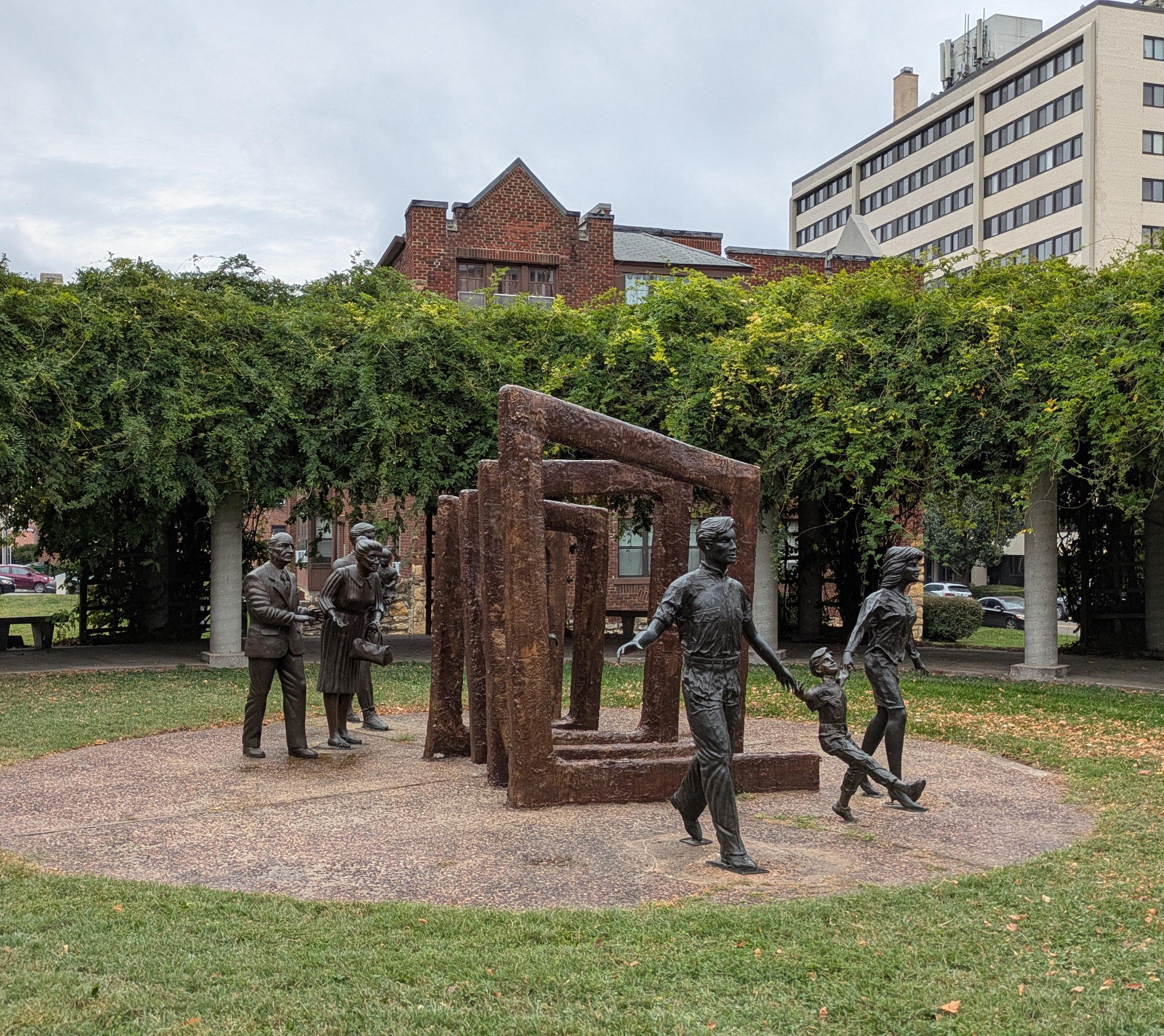
Designing Beyond the Building
The most impactful healthcare environments are shaped not only by programs and floor plans, but by the communities they serve. By grounding each charrette challenge in the unique story of its host city, students are reminded that healthcare design is ultimately about people, place, healing, and hope.
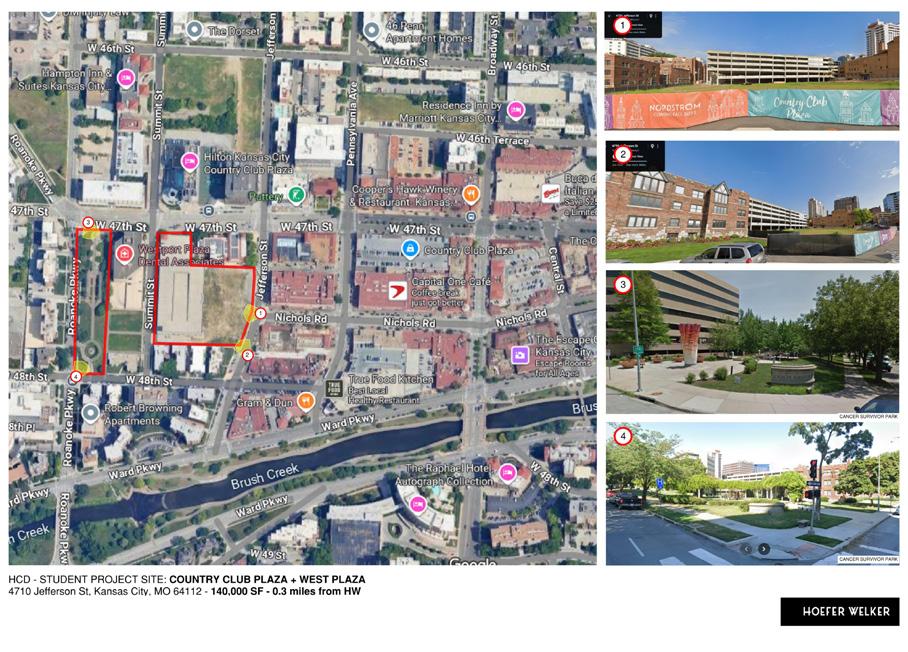
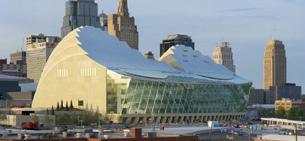
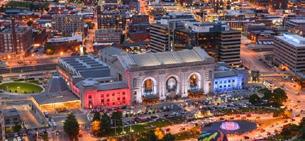
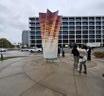
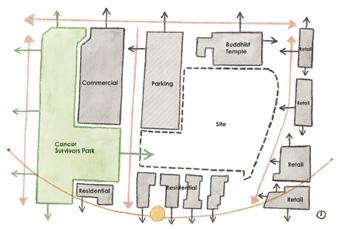
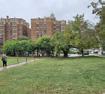
In Kansas City, the proximity of Cancer Survivors Park transformed a design exercise into a conversation about resilience, recovery, and human connection. It served as a powerful reminder that great healthcare design doesn’t begin with a building. It begins with understanding the lives, experiences, and communities that building will support.
HCD 2024 Kansas City Bloch Cancer Survivors Park Site Visit
HCD Task Force
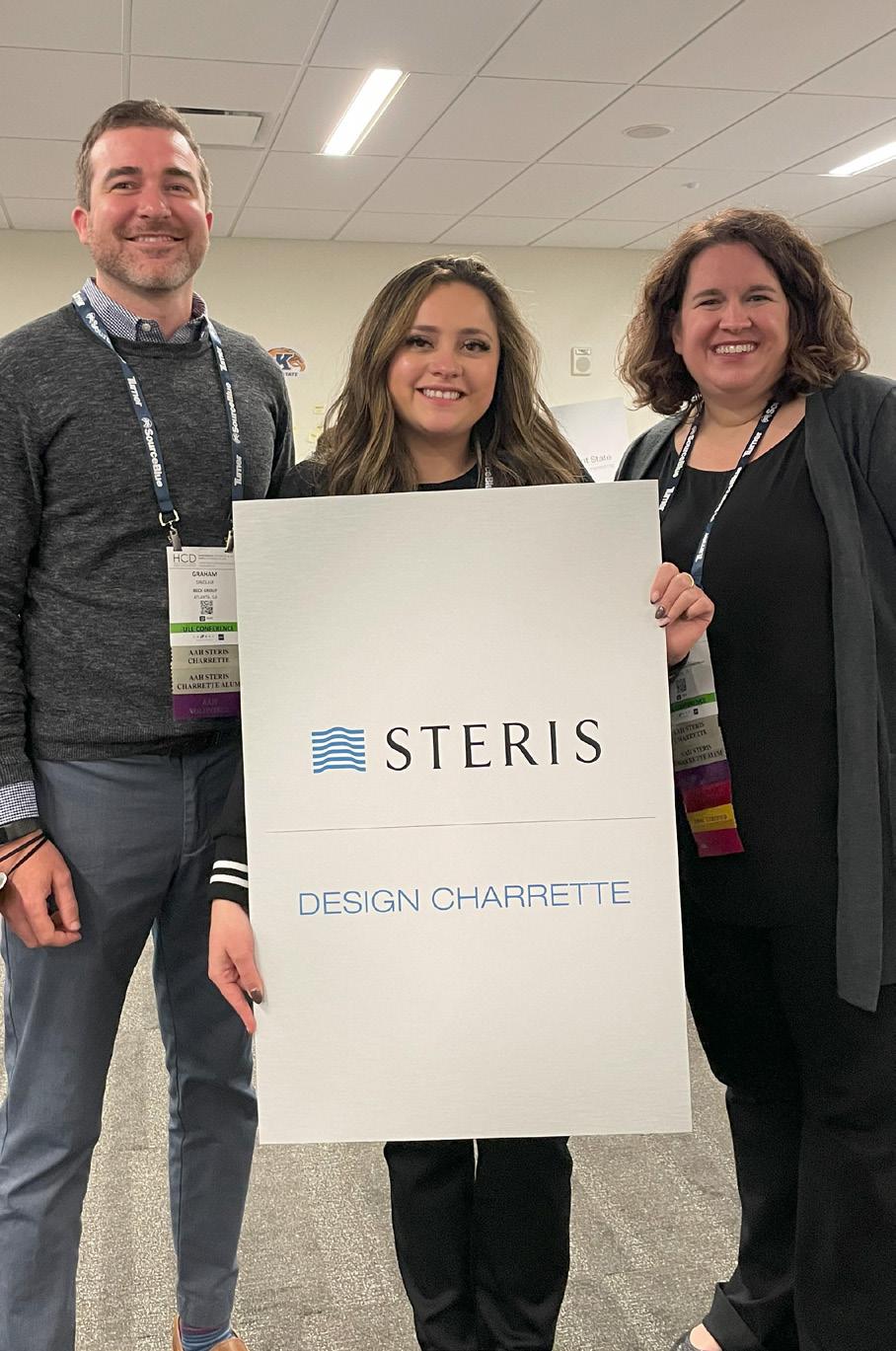
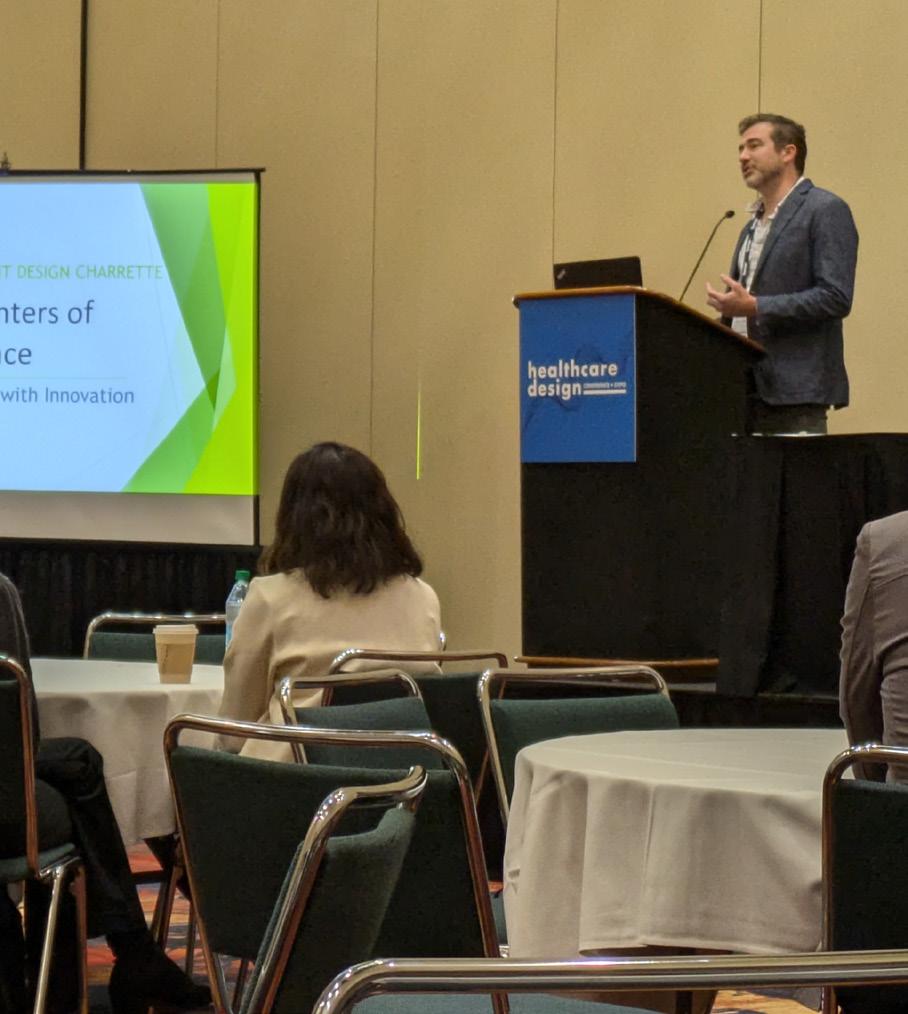
The team behind the experience
Long before students arrive, the HCD Student Charrette Task Force is already at work. Beginning shortly after the Summer Leadership Summit, the group spends months developing the project challenge, coordinating sponsors, partnering with local firms, selecting participating universities, and managing the countless details required to deliver a successful event. Throughout the weekend, the task force serves as organizer, mentor, problem-solver, and support system for students navigating an intense 48-hour experience. Their work often happens behind the scenes, but it is their dedication and planning that allows students to focus on learning, collaboration, and design exploration.
2026 Task Force Team
Victoria Villarreal Chair
Ethan Hopkins Co-Chair
Graham Sinclair Retiring Chair
Sara Shumbera Post Chair & HCD Chair
Task Force
Task Force
“We’re
tech
support. We’re
emotional
support. We’re there with them the whole time – rooting for them and cheering them on!”
Task Force
Task Force In Action
Months in the Making
• Develop project challenge
• Select participating schools
• Coordinate sponsor support
• Partner with host firms
• Recruit jurors
• Manage registrations
• Create schedules
• Organize logistics
• Prepare materials
• Secure technology
The 48-Hour Experience
• Welcome participants
• Facilitate site tours
• Coordinate reviews
• Answer questions
• Solve challenges
• Manage schedules
• Support students
• Provide mentorship
• Monitor progress
• Keep momentum
The result?
Bringing It All Together
• Collect submissions
• Prepare presentations
• Coordinate juries
• Celebrate achievements
• Capture photos
• Pack materials
• Close out event
• Plan ahead
Hundreds of behind-the-scenes tasks, countless volunteer hours, and unforgettable student experiences
Chair – Victoria Villarreal
University/Student
Where future healthcare designers take their first step.
The students are the heart of the charrette. Selected through a lottery process during the Summer Leadership Summit, participants represent a mix of undergraduate and graduate programs from across the country. Each year, two schools with established healthcare design curricula are paired with two schools that have little or no healthcare design exposure.
This balance creates a richer learning environment. Students with healthcare experience often bring planning knowledge and industry awareness, while those new to the field challenge assumptions and introduce fresh perspectives. Together, they create broader conversations about what healthcare environments can be and whom they serve.
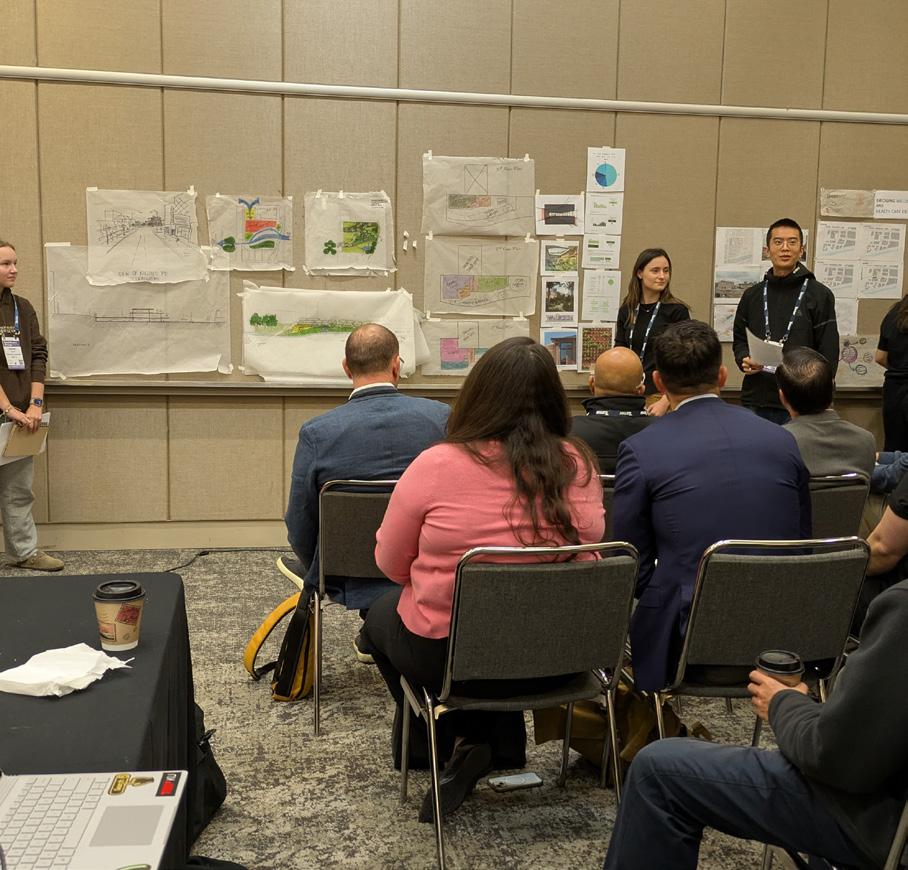
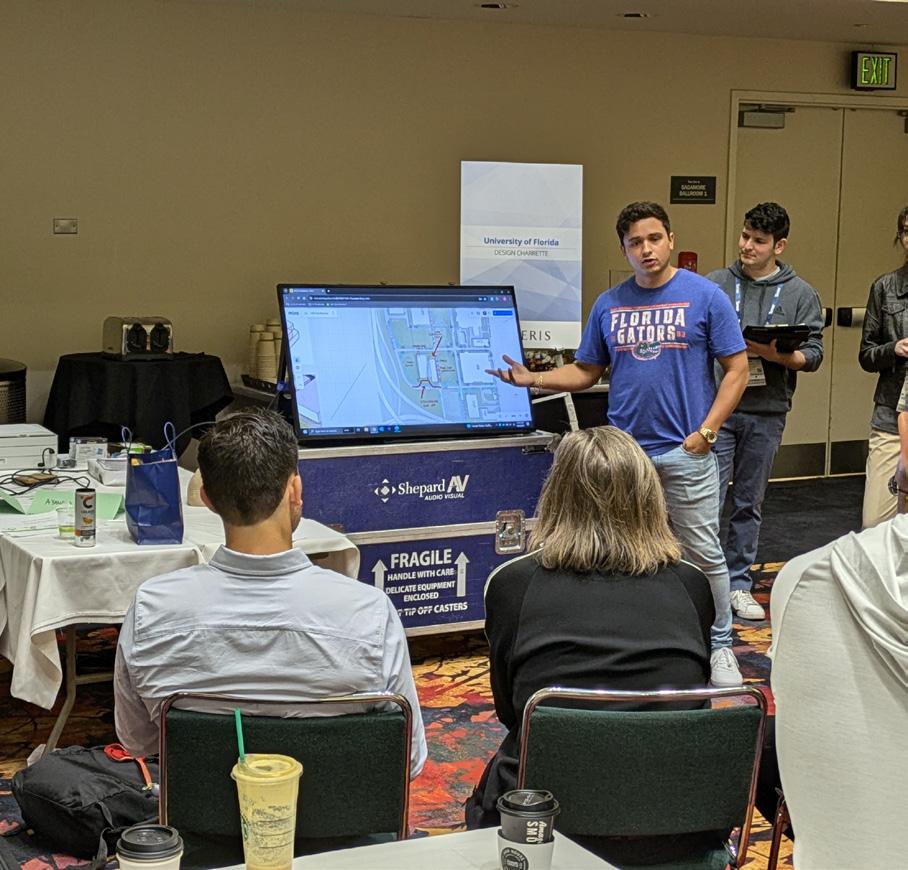
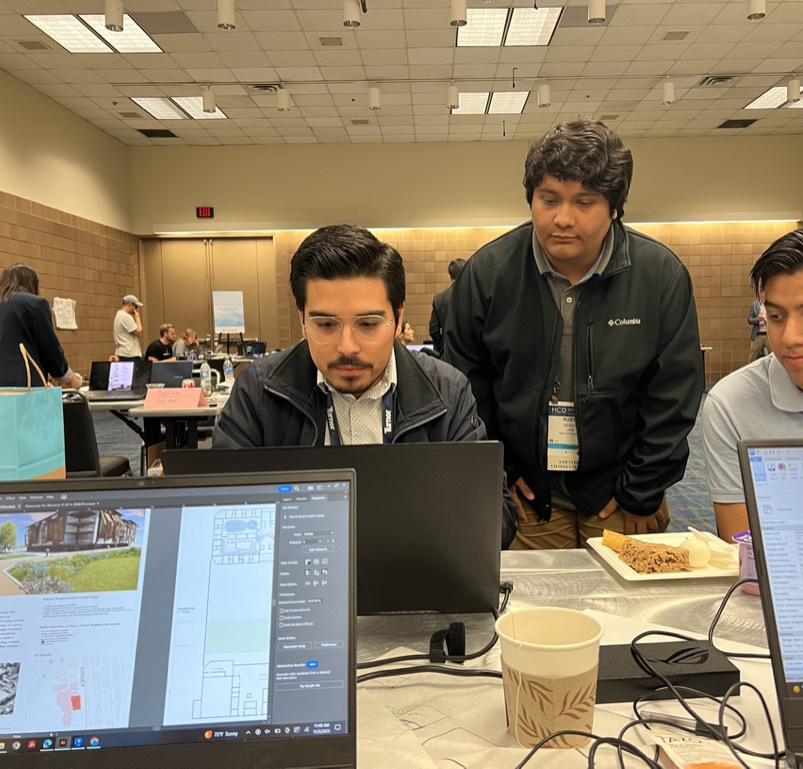
Charrette Work Room
Midterm Reviews (Saturday)
Midterm Reviews (Saturday)
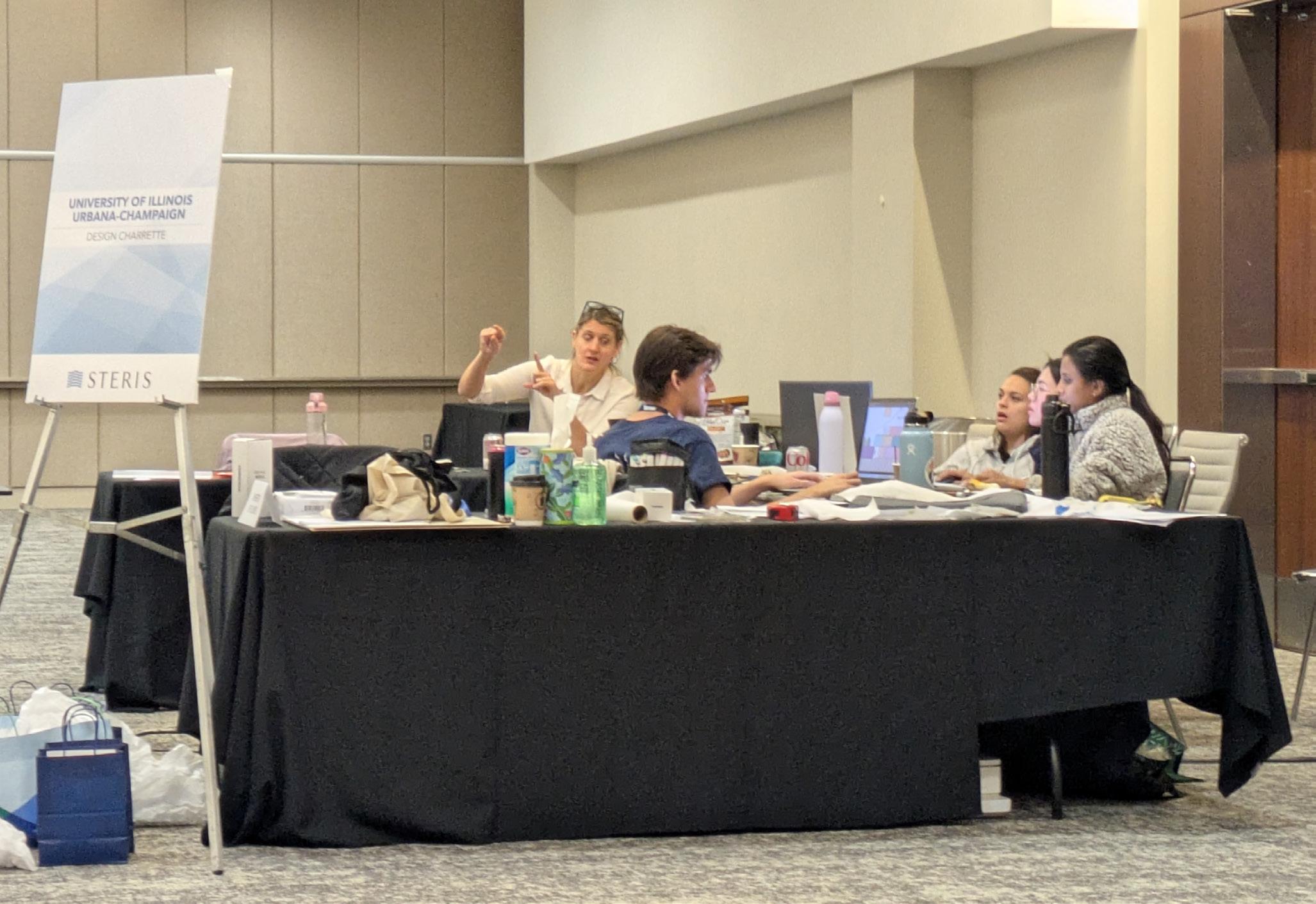
University Students In Action
For students, the charrette is a whirlwind of discovery, collaboration, and creativity. In just 48 hours, participants immerse themselves in healthcare design while building relationships, developing ideas, and presenting their work to industry leaders.
Friday: Setting the Stage
• Meet teammates
• Tour host firm
• Explore project site
• Receive challenge
• Begin brainstorming
• Develop concepts
• Attend presentation
• Work late
Saturday: Design in Motion
• Refine concepts
• Pin up work
• Present midterms
• Receive feedback
• Test ideas
• Solve problems
• Build presentation
• Keep designing
Sunday & Monday: Sharing the Vision
• Finalize boards
• Submit project
• Present informally
• Network professionally
• Present to jury
• Celebrate accomplishments
• Receive certificates
• Build connections
The result?
Two days of intense collaboration, professional exposure, and connections lasting far beyond the charrette
Charrette Work Room
The Student Charrette Over The Years
The Charrette has involved nearly four decades of inventive ideas, fresh perspectives, and student work that reflects the evolving conversations shaping healthcare design.
“I participated in the charrette as a student, and today I have the privilege of helping lead it. Every year I see students standing exactly where I once stood, and it’s incredibly rewarding to help create an experience that can shape their understanding and passion of healthcare design…potentially influence the direction of their careers.”
Victoria Villarreal Chair
“The opportunity to spend 48 hours entirely focused on reaching our team’s potential for creativity, teamwork, and concept development was unforgettable and inspiring.”
Janelle Eastman Clemson University
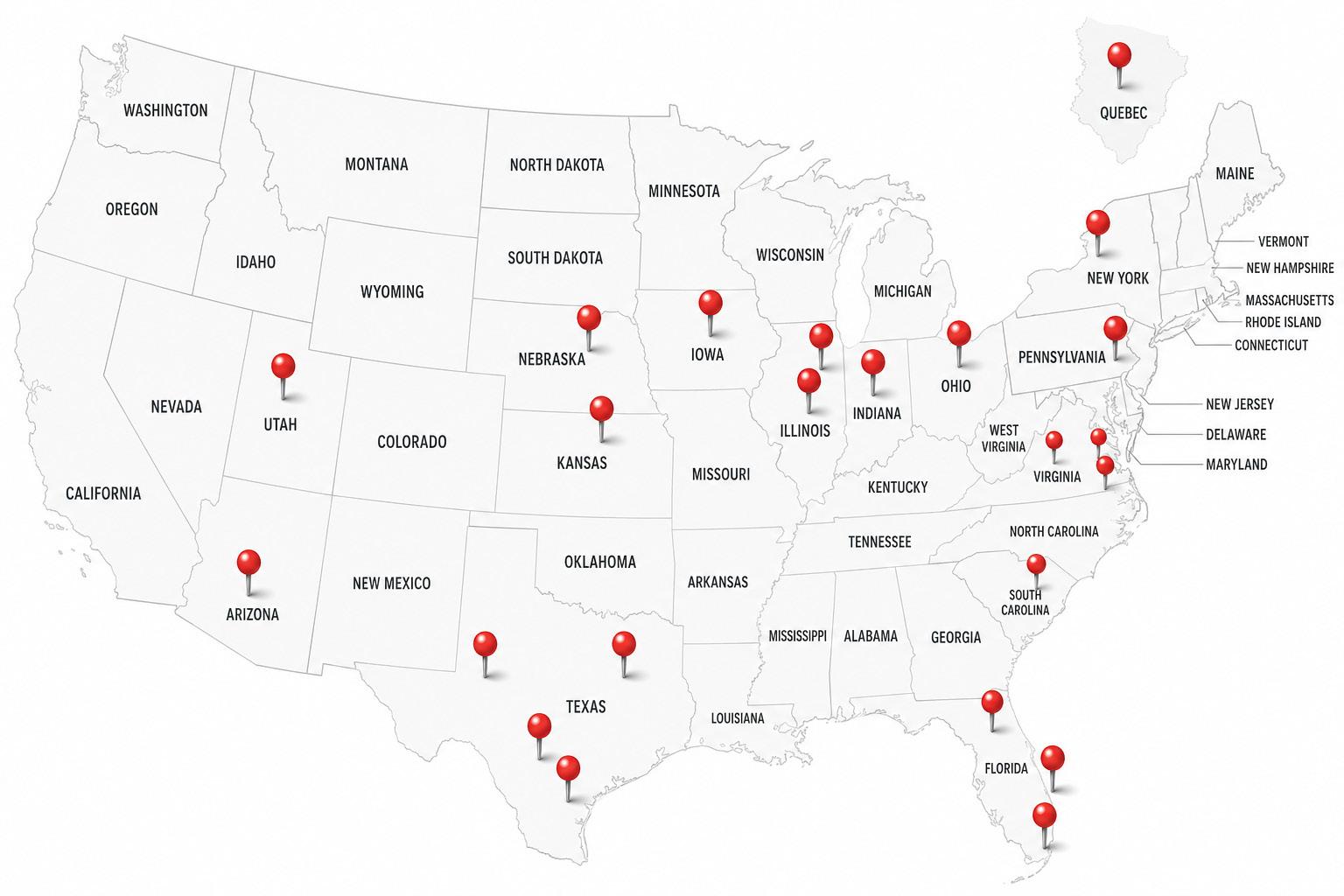
A Network of Future Leaders Schools that have participated in the HCD Student Charrette.
Arizona State University
Ball State University
Clemson University
Cornell University
Florida Atlantic University
Florida International University
Iowa State University
Kent State University
McGill University
Morgan State University
Temple University
Texas A&M University
Texas Tech University
The University of Florida
The University of Illinois Chicago
The University of Illinois at Urbana-Champaign
The University of Kansas
The University of Nebraska–Lincoln
The University of Texas–Arlington
The University of Texas–San Antonio
The University of Virginia
University of Utah
Virginia Tech Washington-Alexandria Architecture Center
2025 HCD Student Charrette
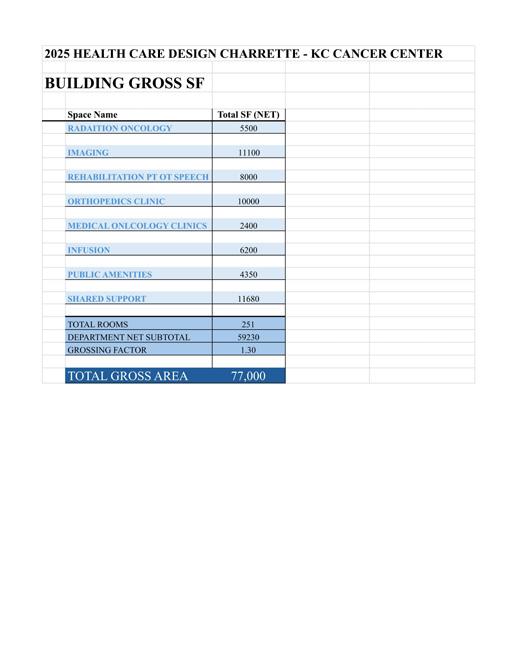
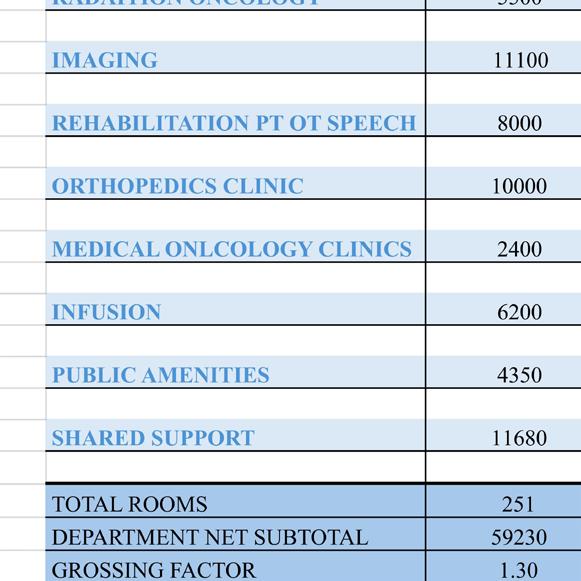
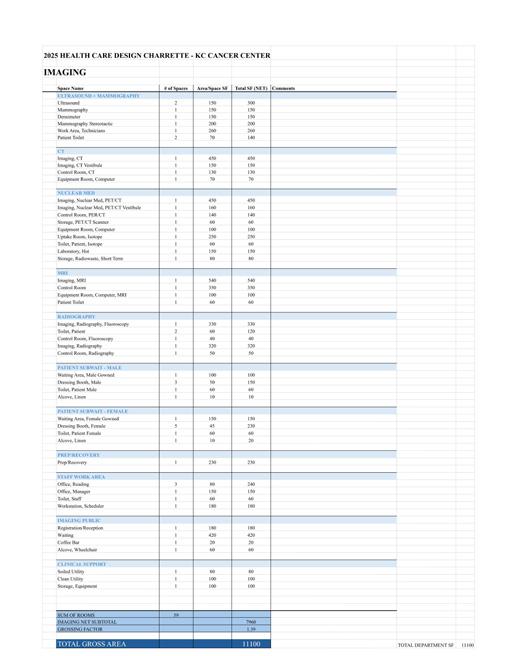
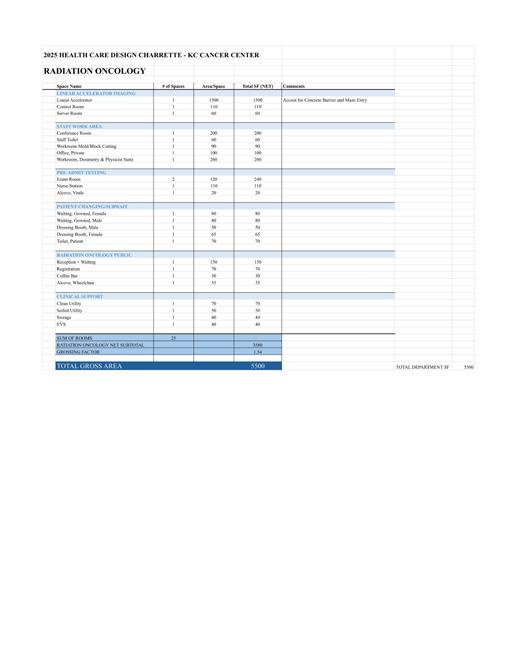
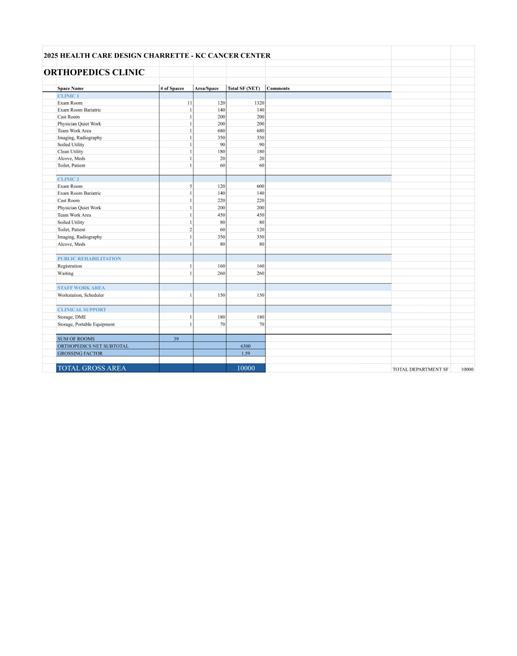
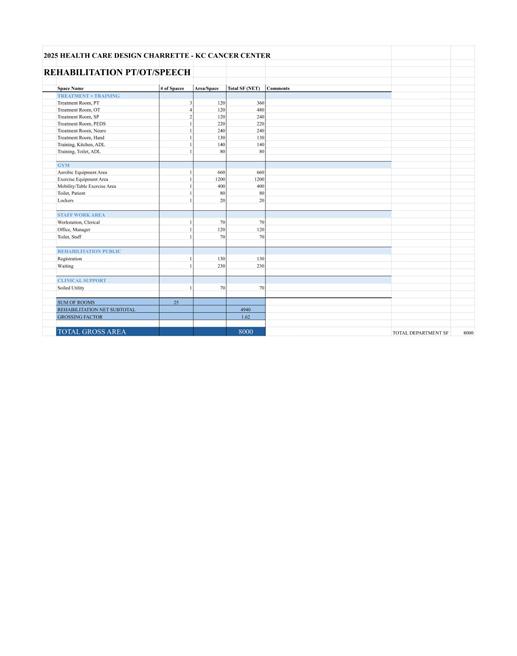
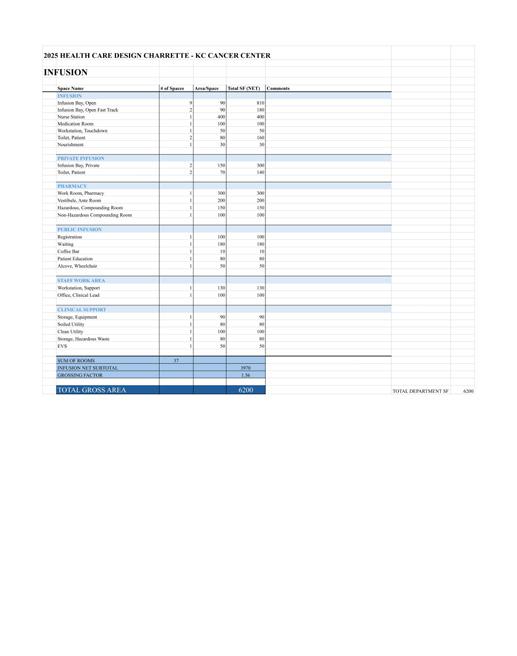
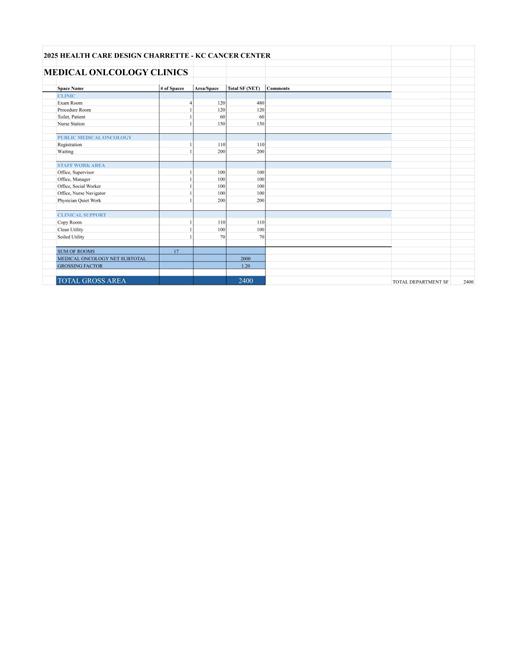
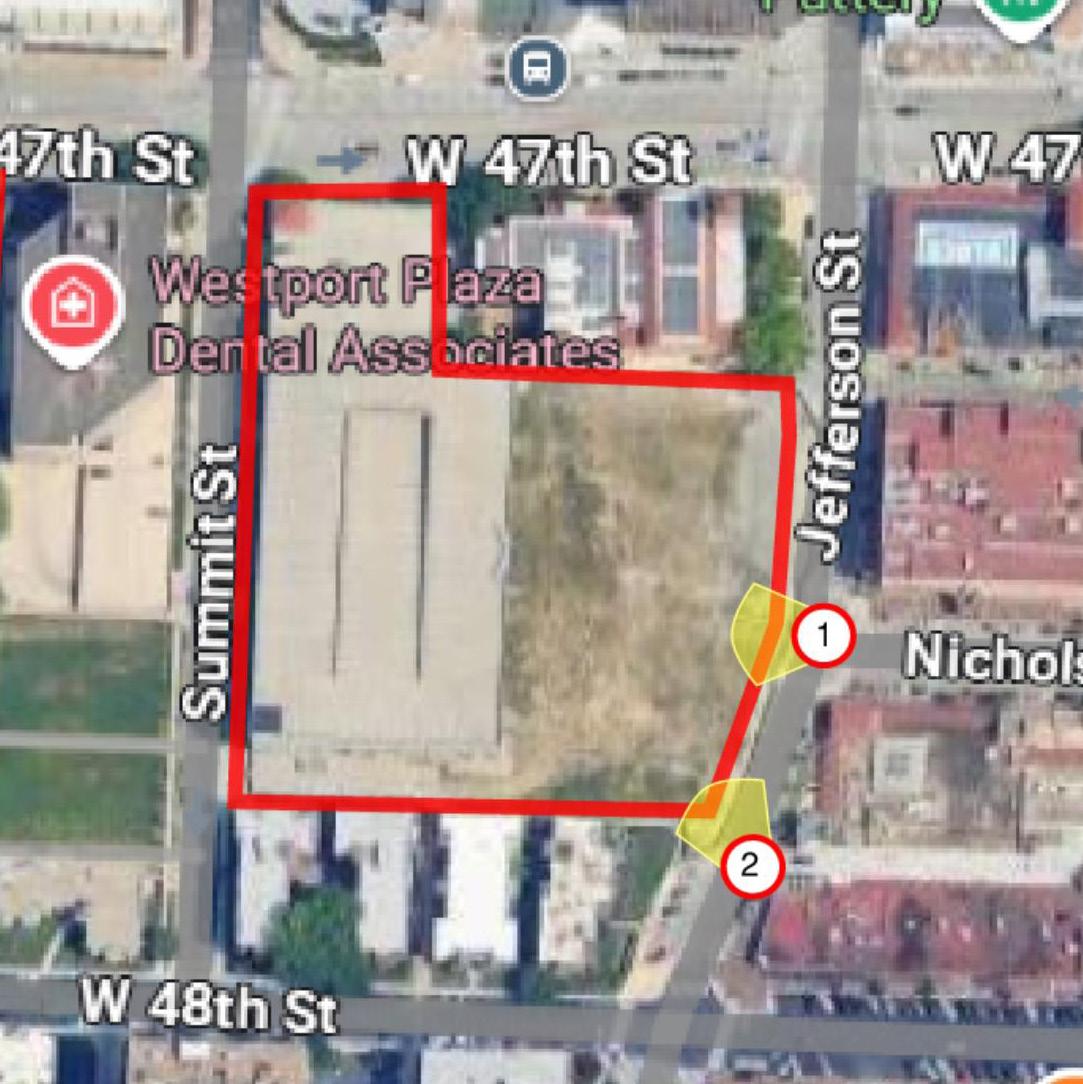
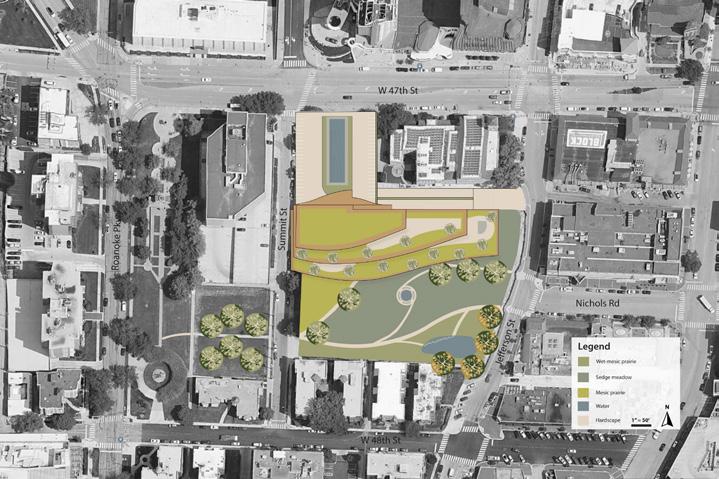
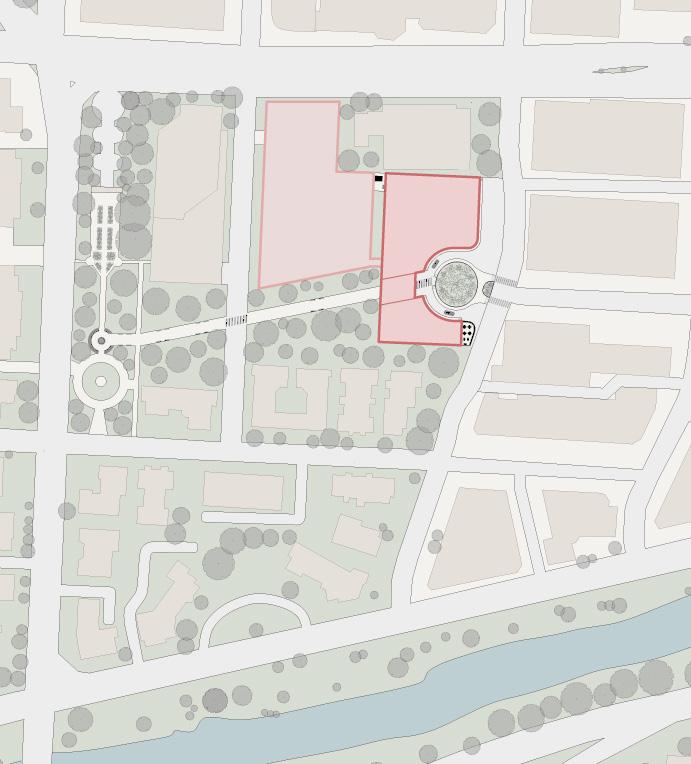
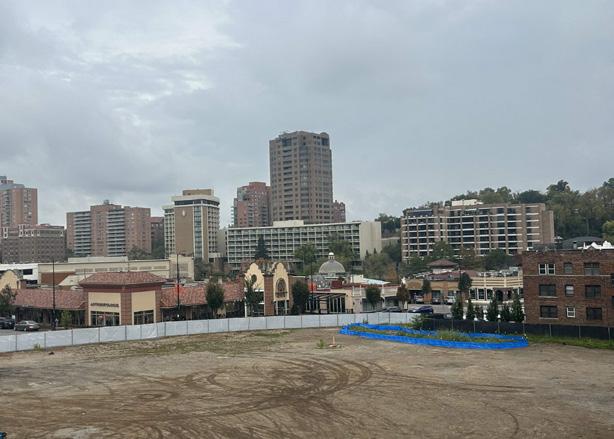
In 2025, participating teams from the University of Kansas, Iowa State University, Morgan State University, and the University of Illinois Urbana Champaign were tasked with developing a Comprehensive Cancer Center for a site in Kansas City.
While all four teams received the same program and project requirements, each was assigned a different cancer specialty.
• Blood Cancer
University of Kansas
• Bone Cancer
Iowa State University
• Lung Cancer
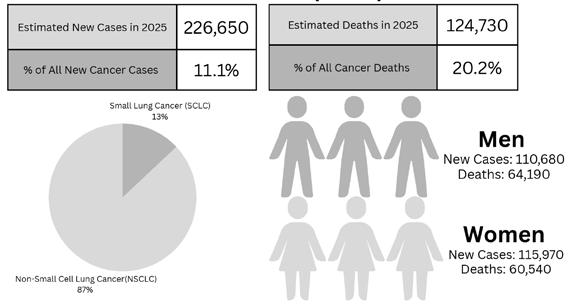
Morgan State University
• Skin Cancer
University of Illinois Urbana-Champaign
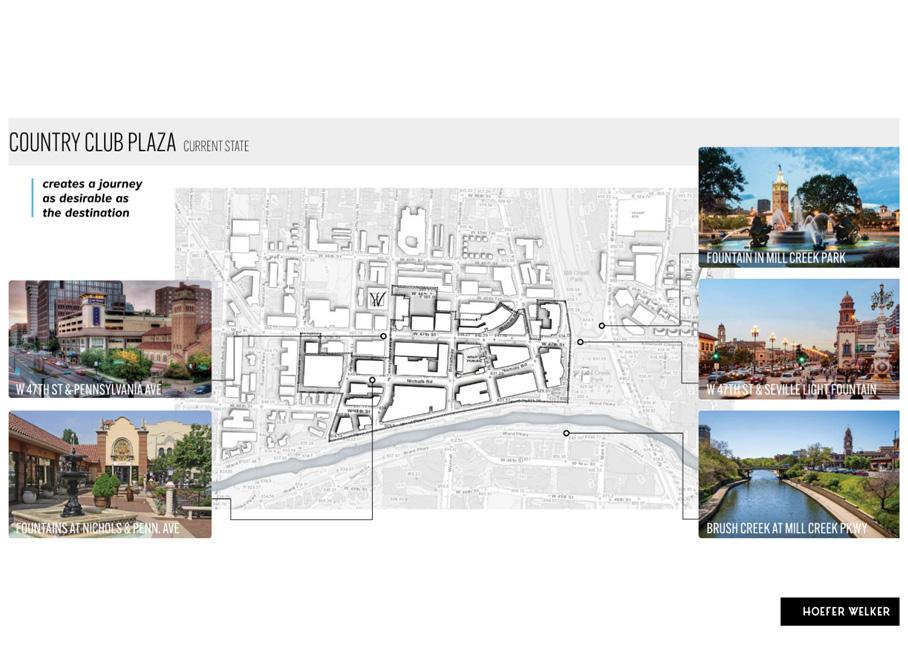
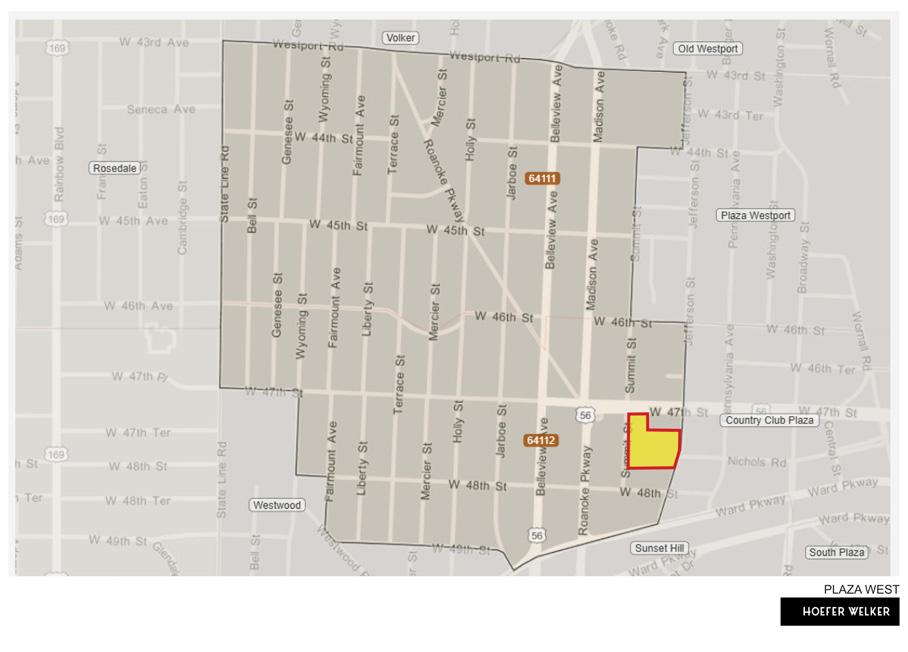
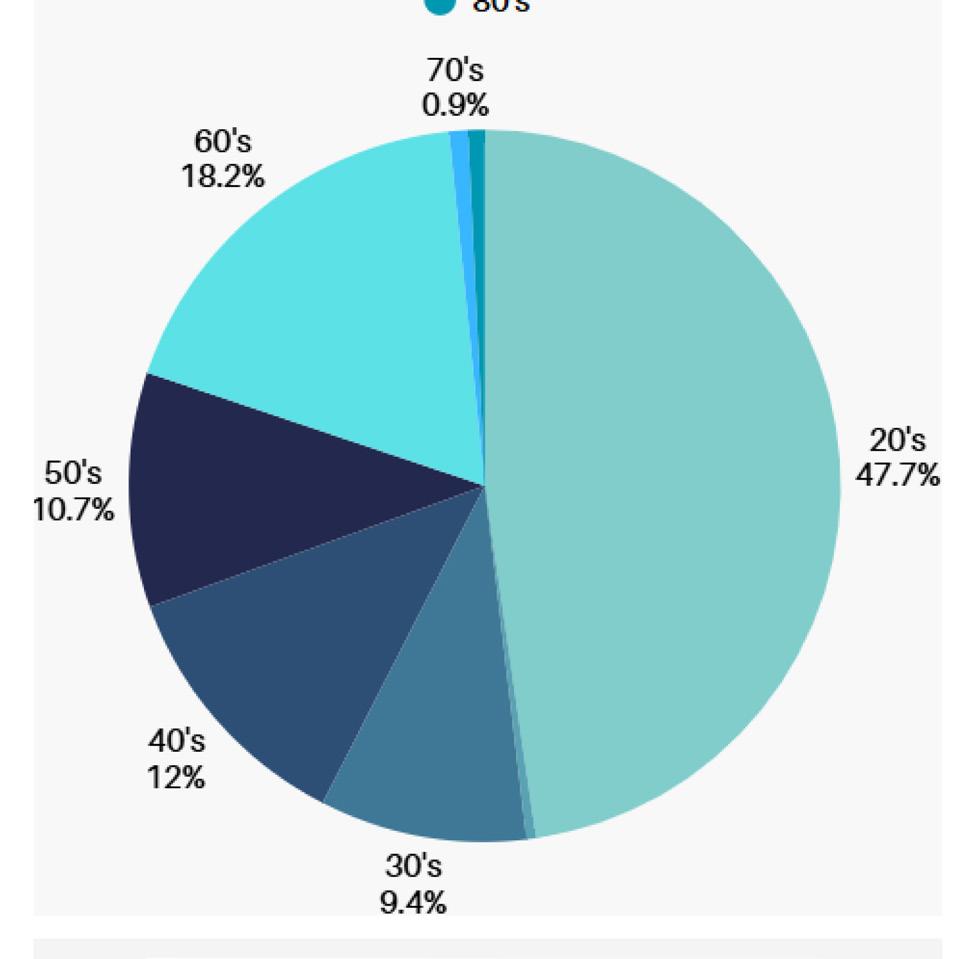
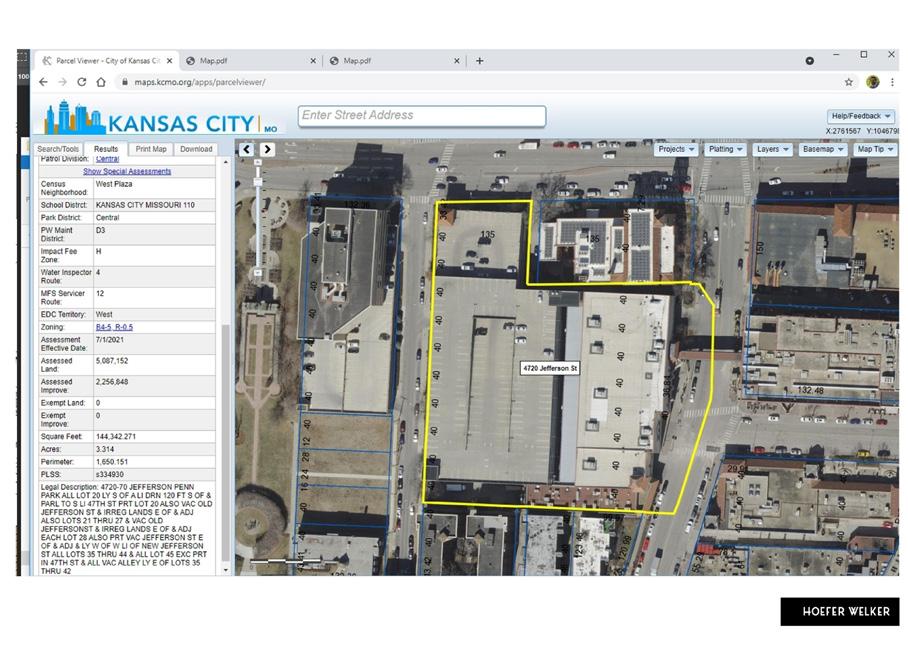
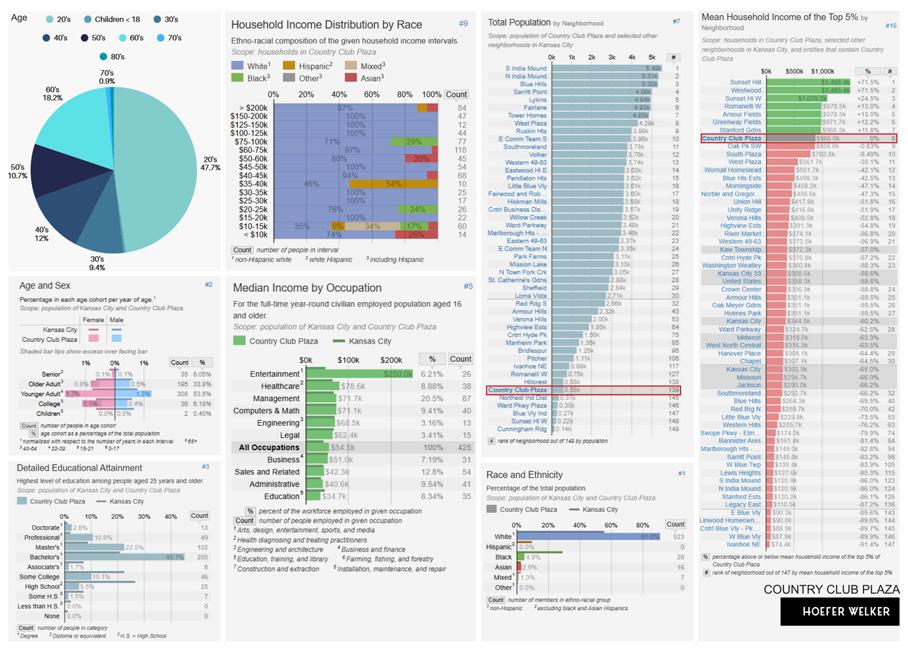
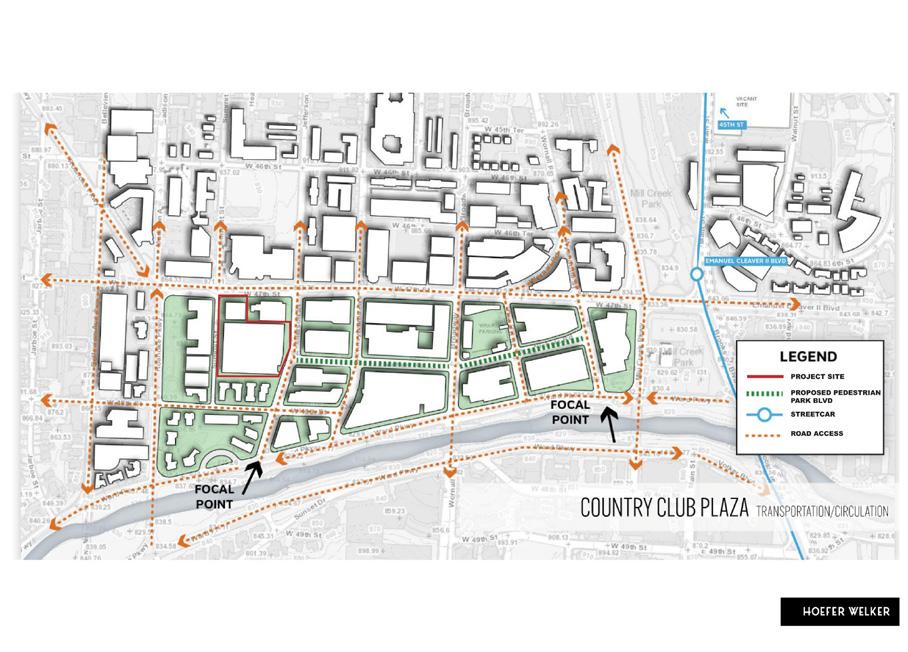
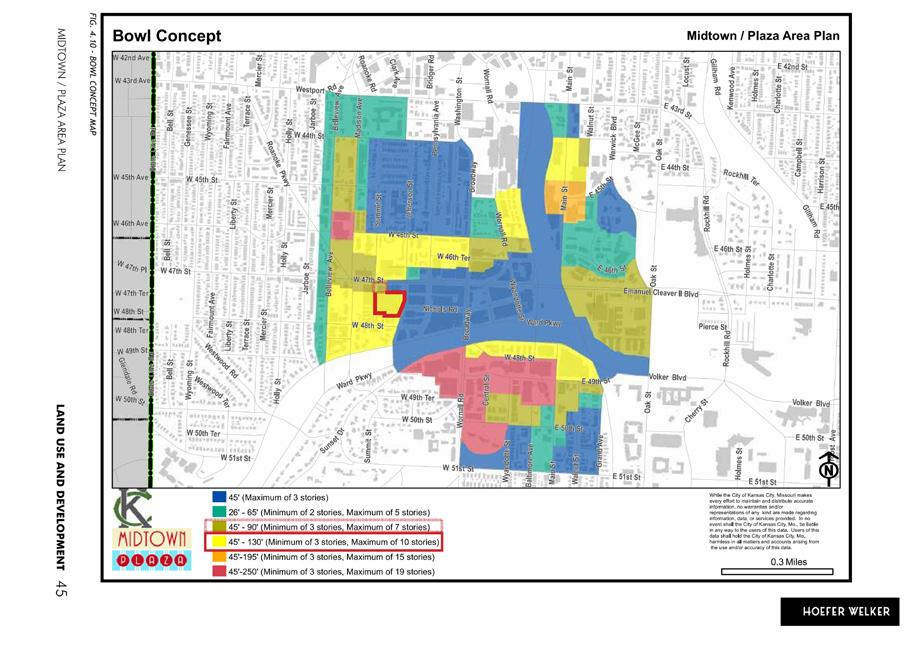
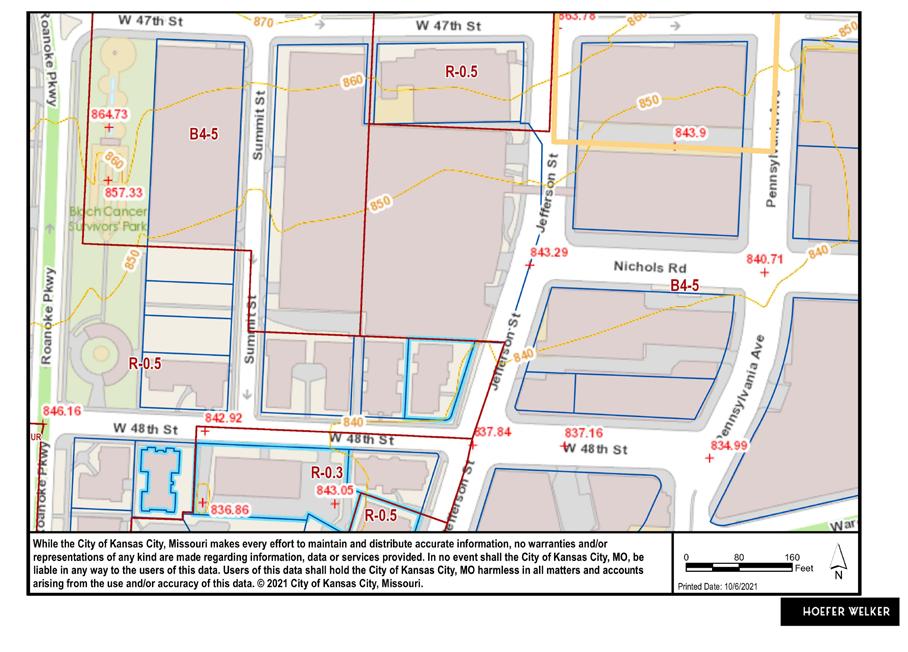
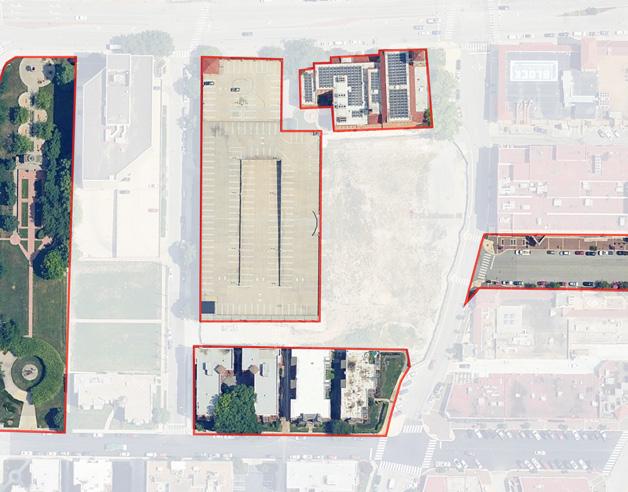
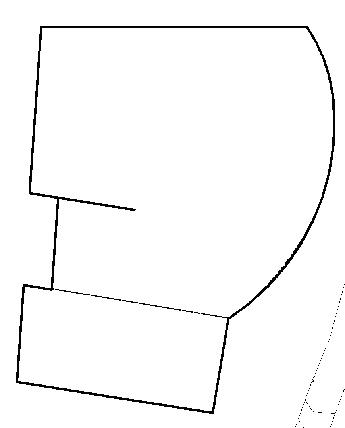
The following pages include the original project prompt, common program requirements, and site analysis materials developed with local partner, Hoefer Welker.
Together, they demonstrate how a shared challenge can inspire four distinct design solutions.
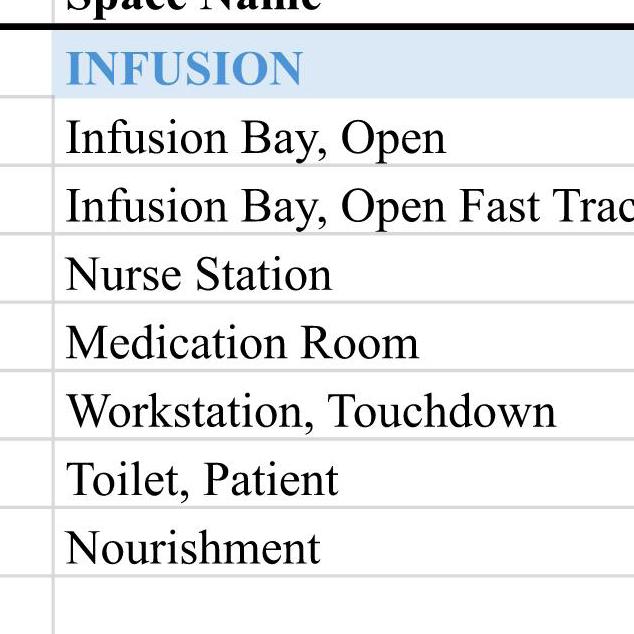
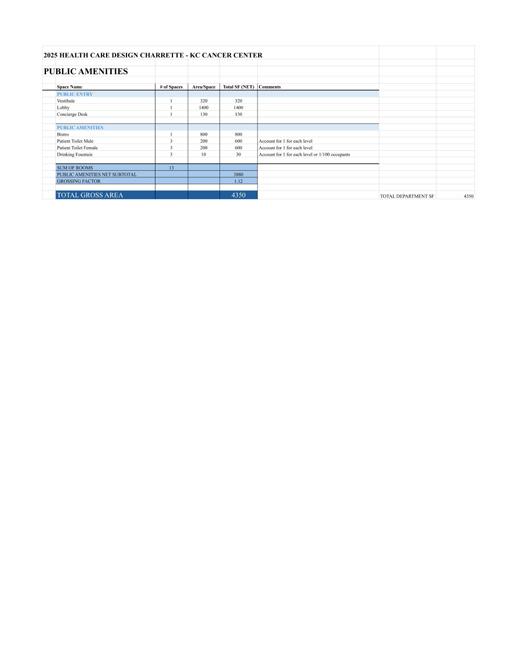
HCD Charrette
Iowa State University
Brianna (Bri) Bona, Ziyu LIang, Lindsay Hoag, Rachel Koster
Expanding the Cancer Care Network Through Art Nature and Community



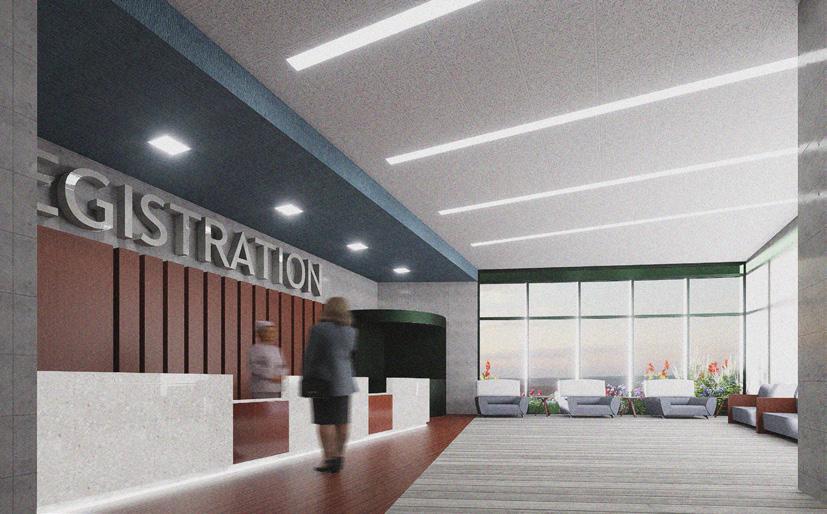
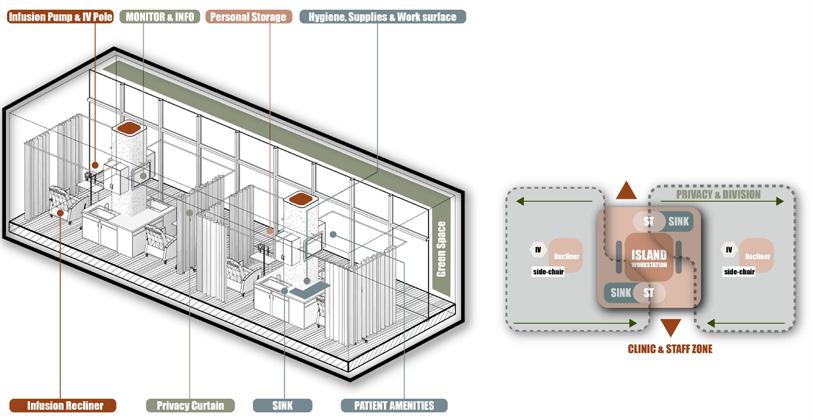
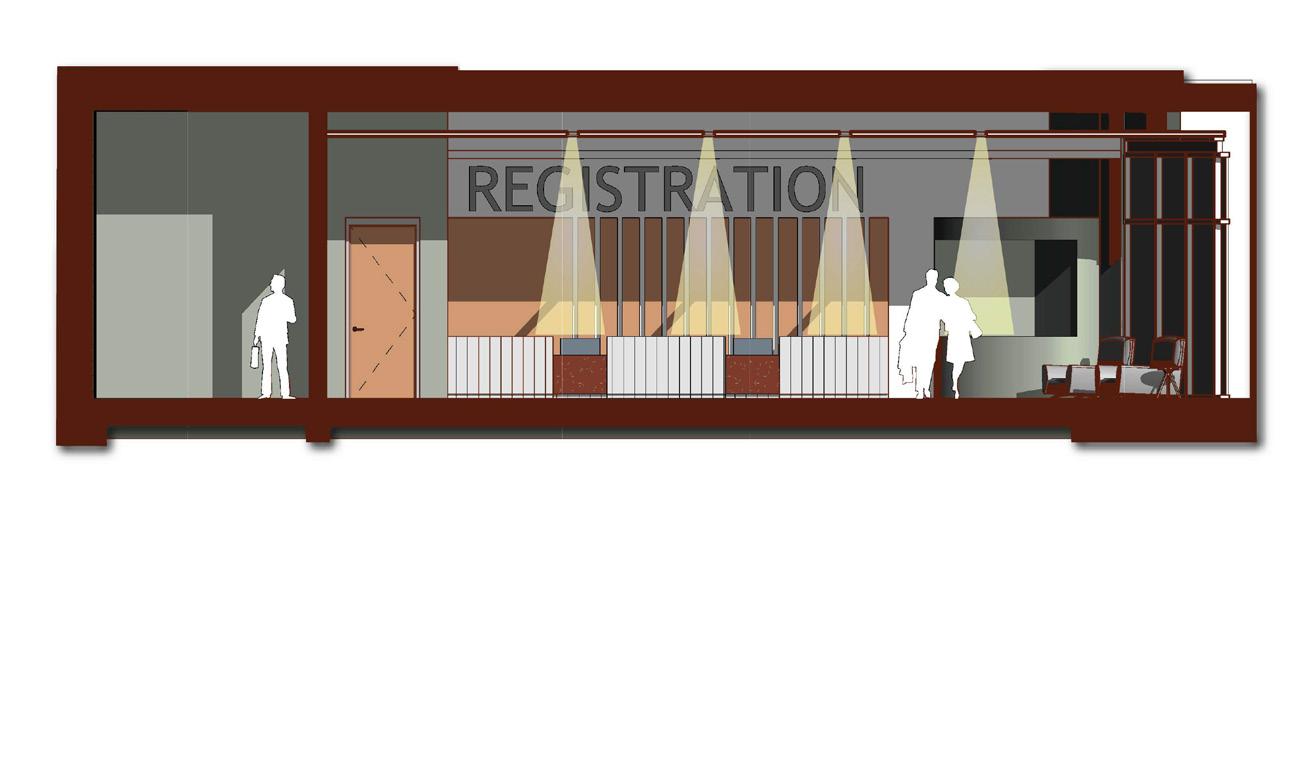
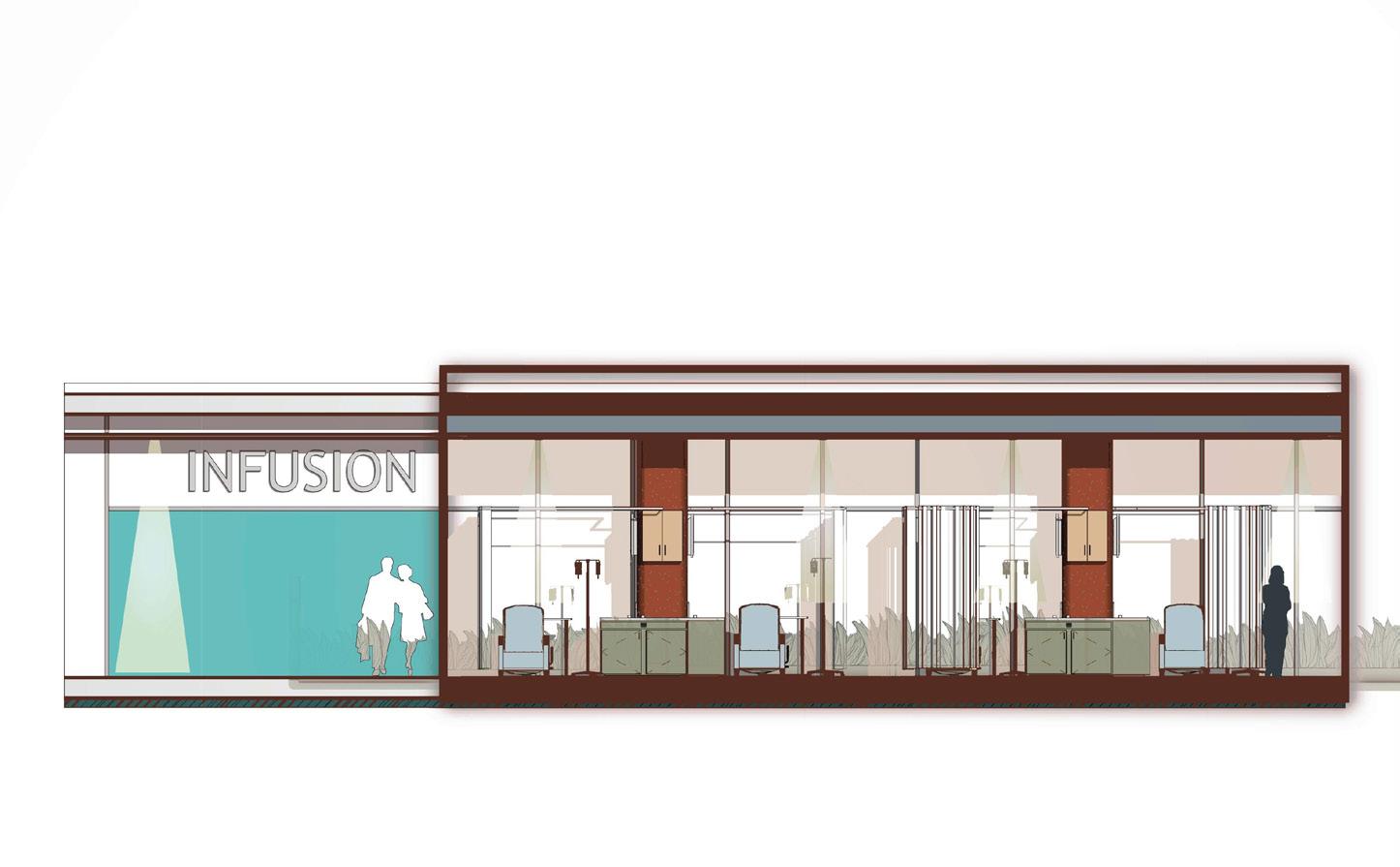

MASSING AXON DIAGRAM
Morgan State University Aysia Williams, Cameron Pope
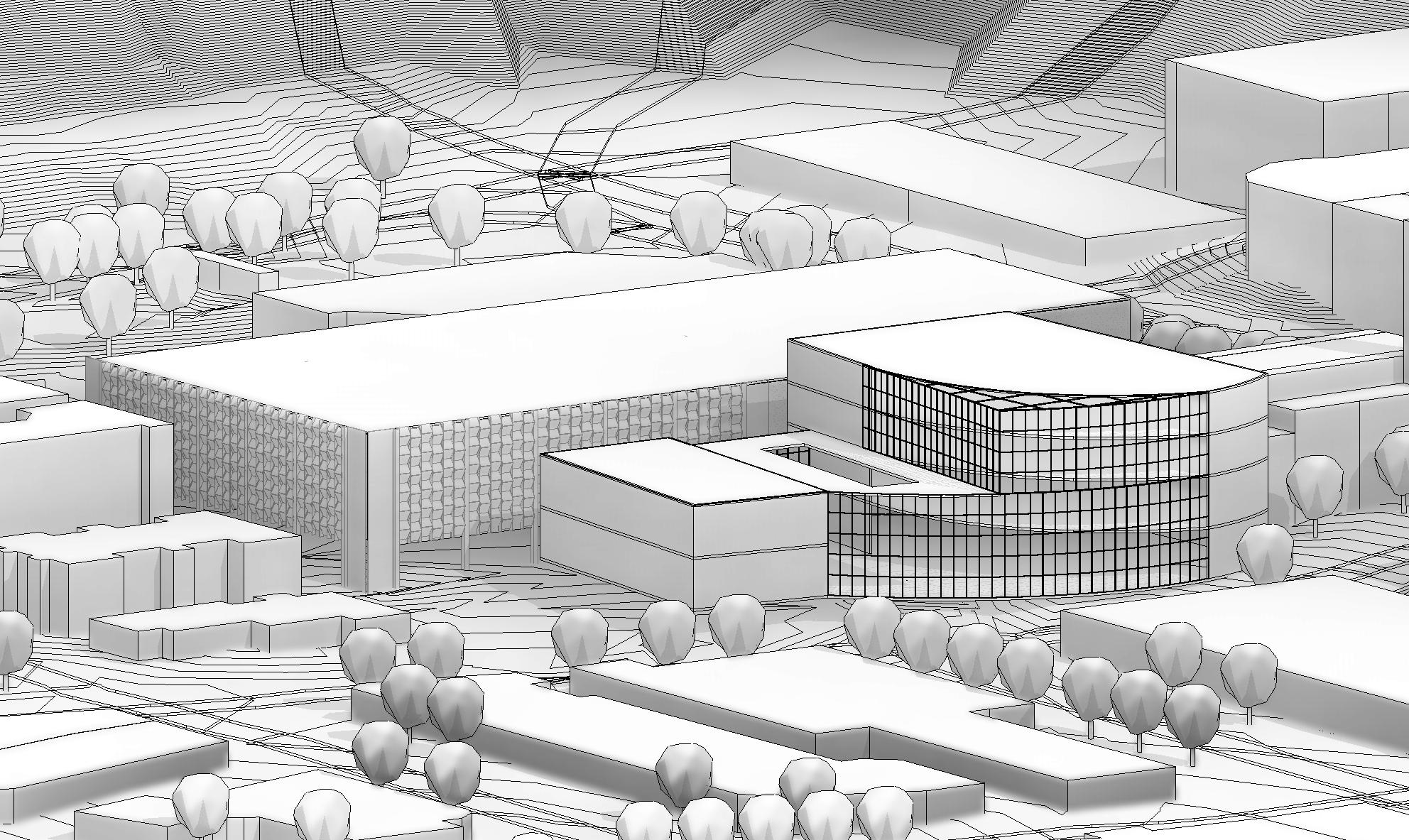
Green Oasis
Narrative
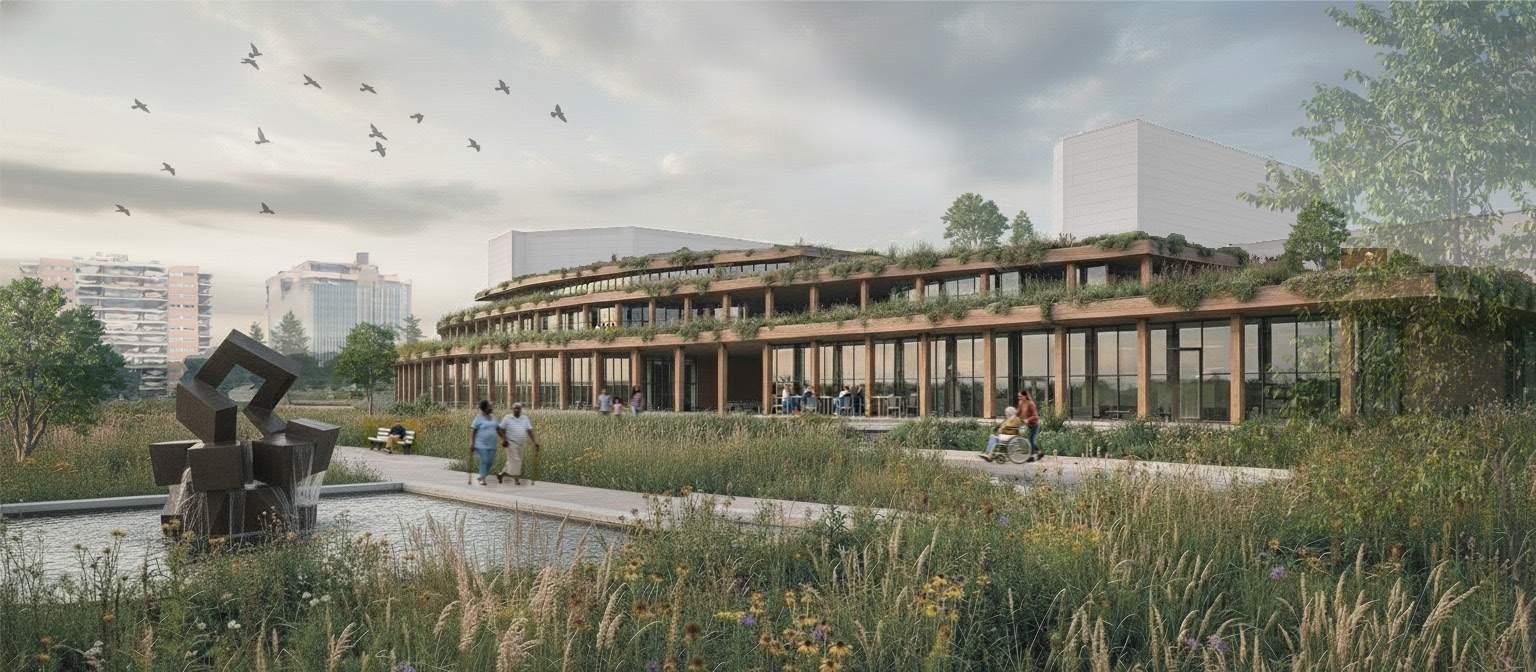
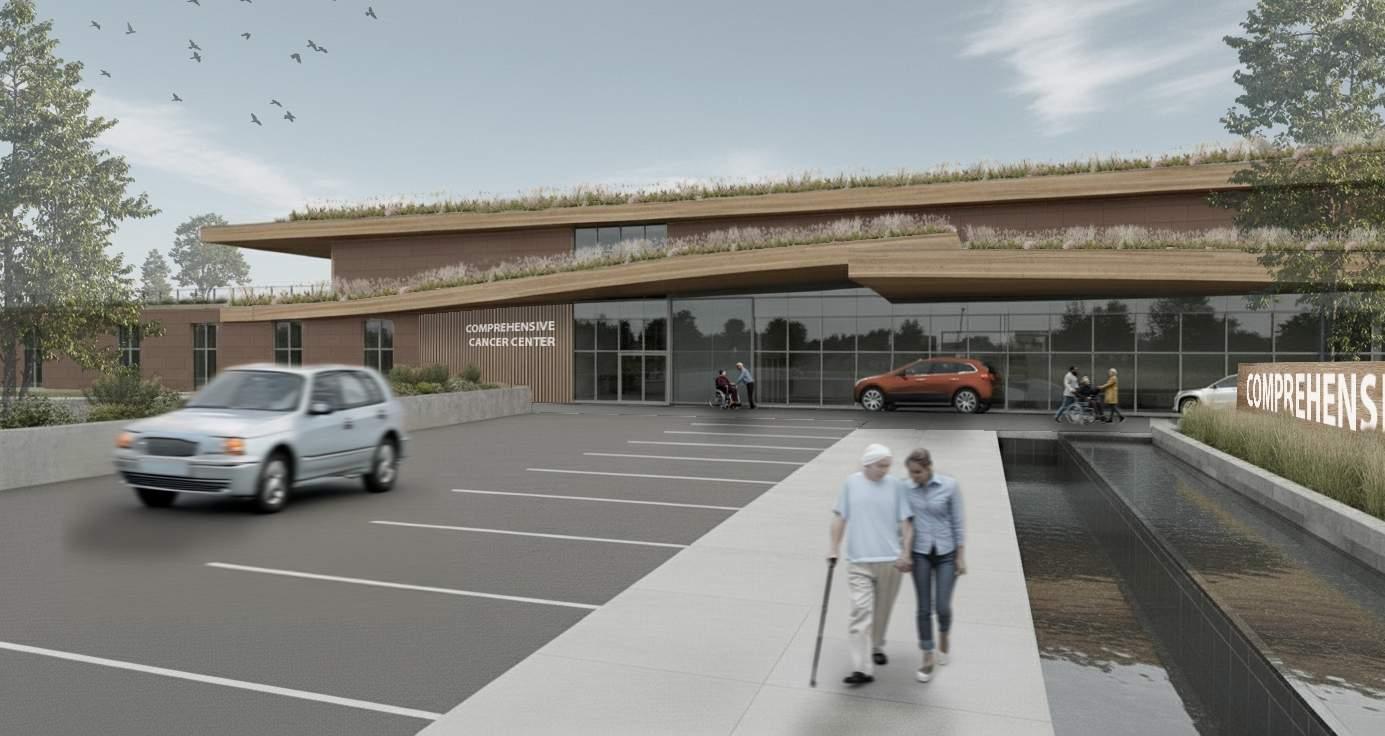
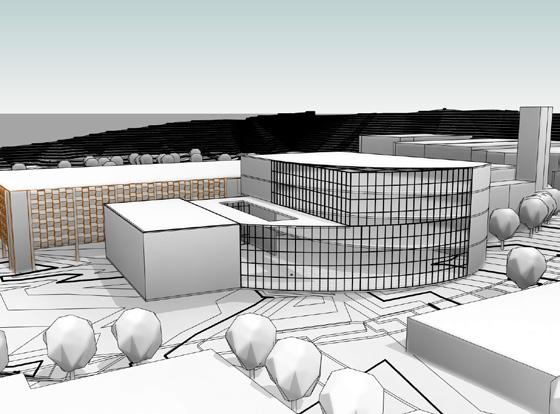
Our design envisions a Comprehensive Cancer Center that focuses on the treatment and recovery of lung cancer patients. Green Oasis nurtures the body, mind, and soul with its biophilic design approach, integrating nature, light, and air to foster healing through connections to the environment.
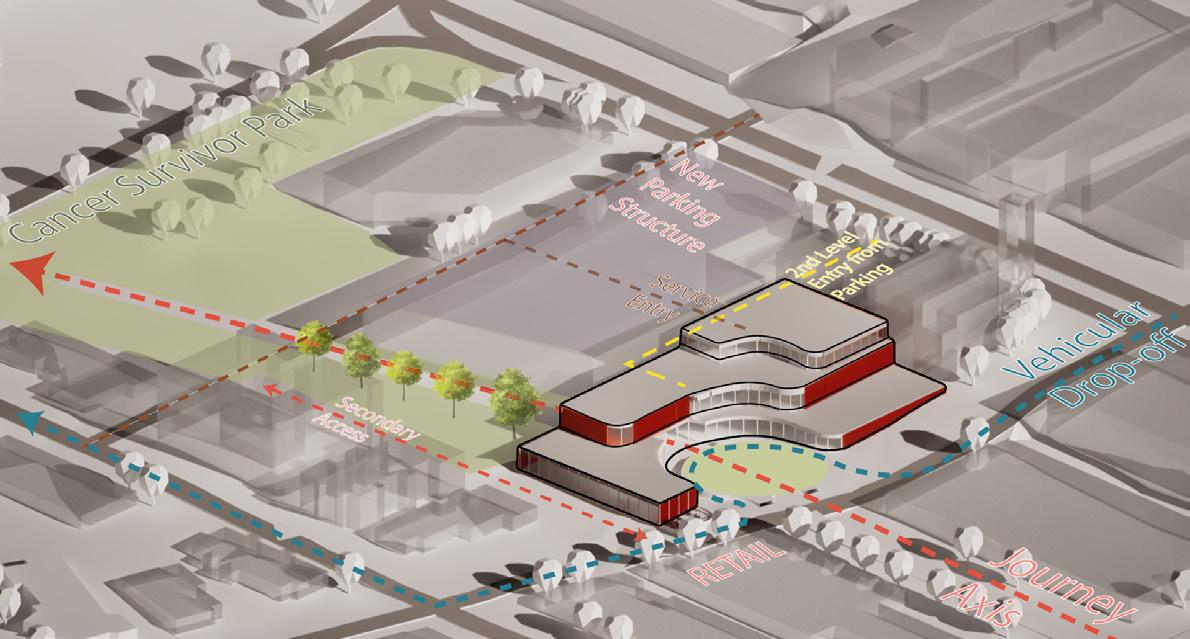
The design drivers inform spatial and material decisions, with transparency and openness being at the forefront. By creating visual and physical connections between treatment areas, gardens, and communal zones, patients and caregivers experience an environment of comfort and safety. The design’s organization follows the patient’s journey, sequencing imaging, oncology, radiation, and infusion spaces around a central atrium and an elevated green terrace.
Situated adjacent to the Cancer Survivor Park and Buddhist Temple, our center anchors itself in a wellness landscape, creating spiritual and emotional resonance with its surroundings. Material choices emphasize warmth, texture, and sustainability, reinforcing the sense of a living, breathing environment.
The Green Oasis Cancer Center transforms healthcare architecture into a compassionate framework for healing, where design, nature, and community converge to inspire hope and resilience.






















2025 HCD Student Charrette
The Patient Journey
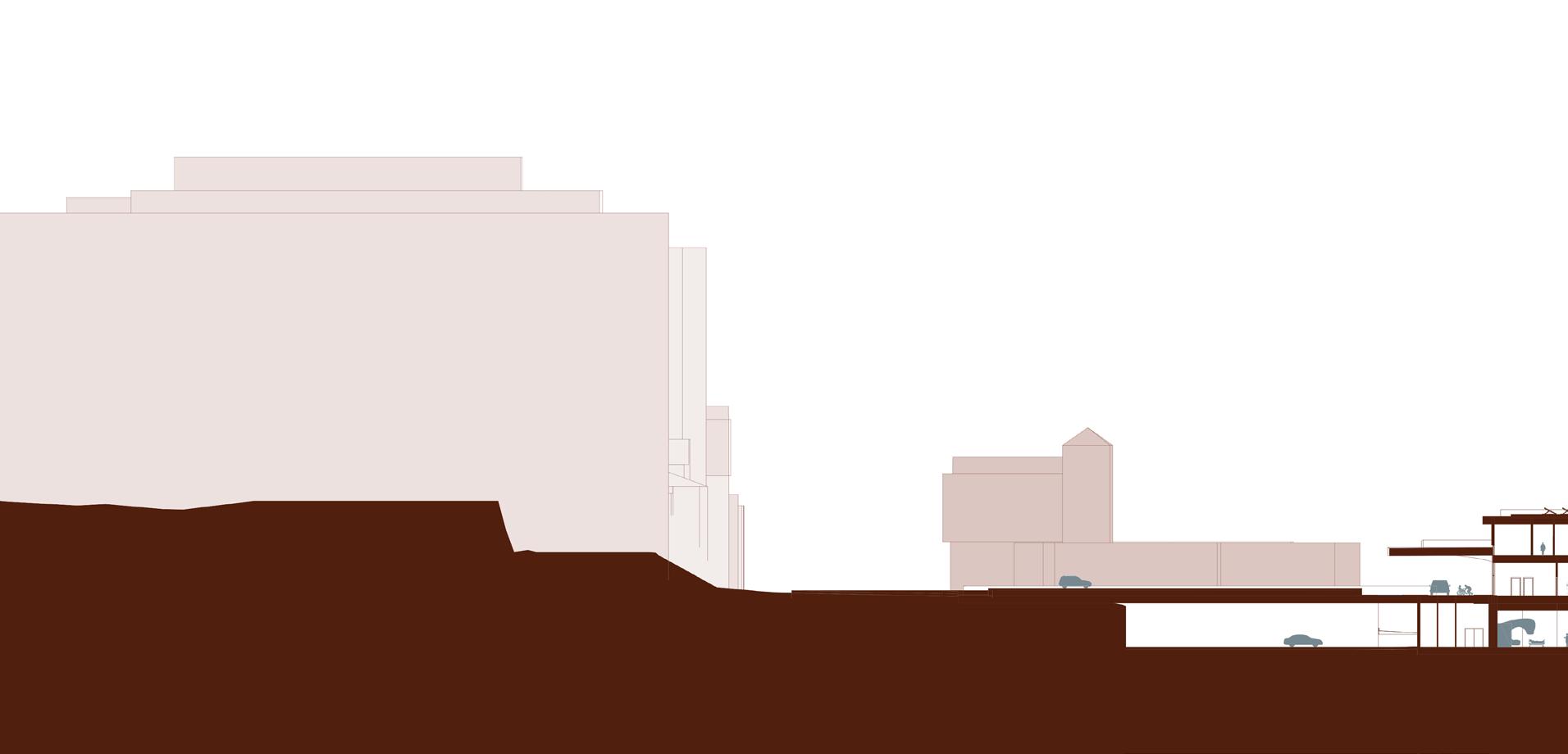
East Section
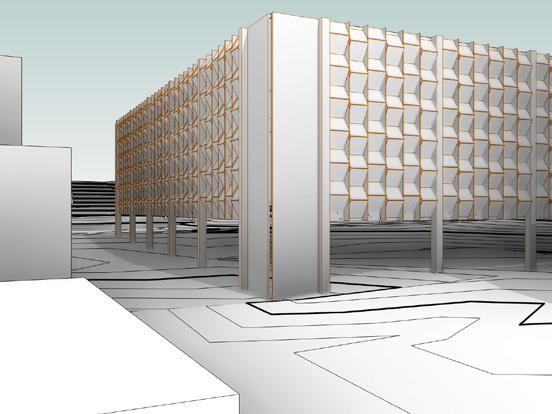
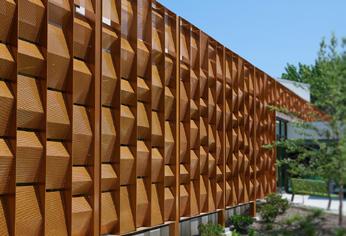
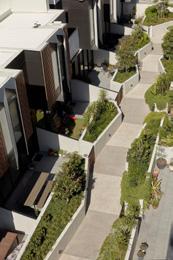
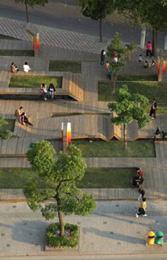
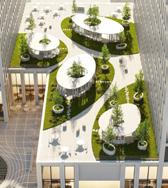

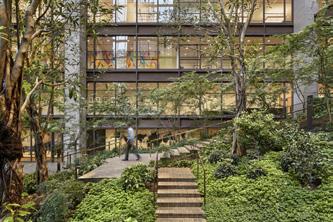
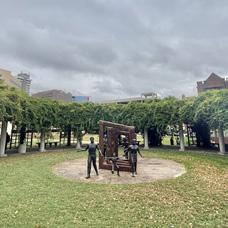
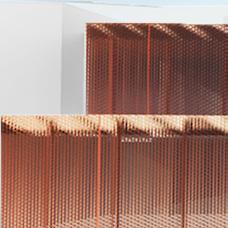
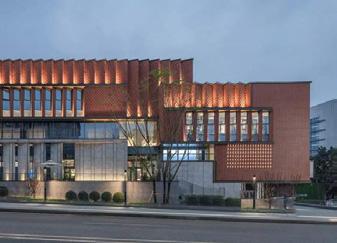
Top Image - Metalico Facade Screen
Bottom Left Image - 122 Roseneath St. in Clifton Hill, Victoria Australia
Bottom Right Image - Kic Park in Shanghai, China
University of Illinois
Uirim Jin, Aditi Panji, Tyler Schottel, Yasmine Shilleh
SKIN CANCER CENTER: BRIDGING WELLNESS AND HEALTHCARE
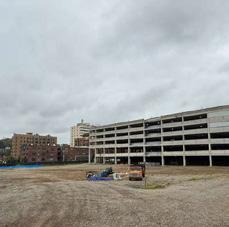
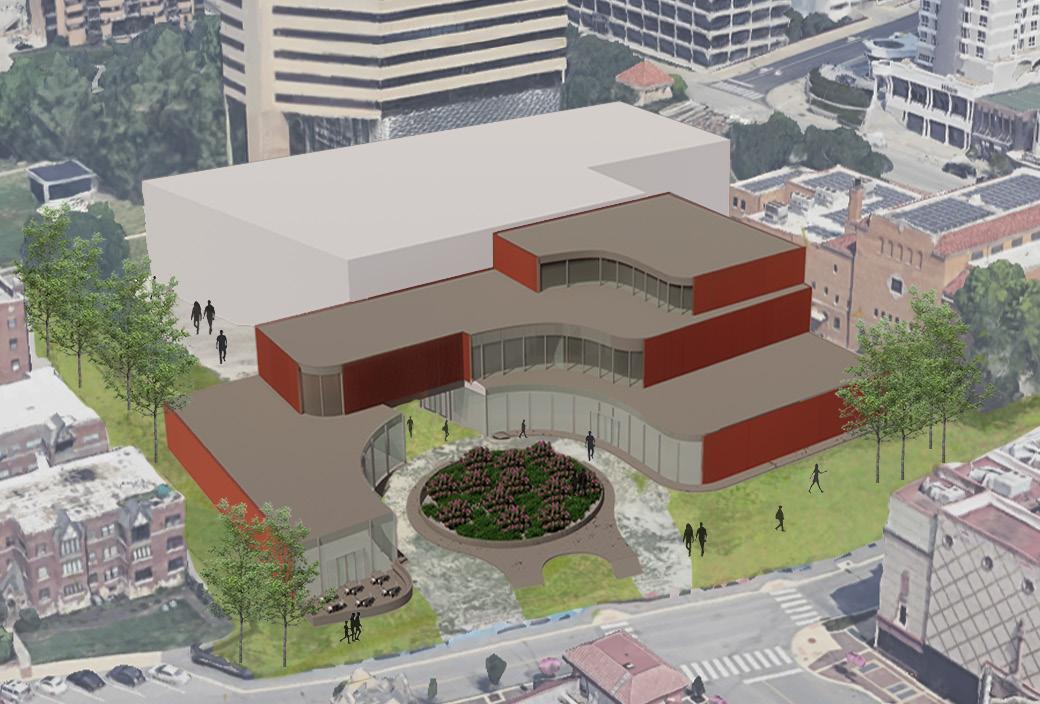
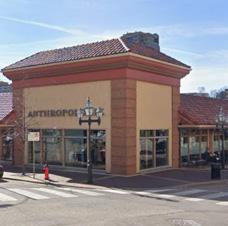
Early detection improves skin cancer survival. This proposal bridges comprehensive skin cancer care to existing retail corridors to encourage prevention, screening, and early detection.
1 in 5 Americans develop Skin Cancer by the age of 70.
99 %
5-Year survival rate for melanoma when detected early.
Skin cancer is the uncontrolled growth of abnormal skin cells, caused by unrepaired DNA damage from UV radiation.
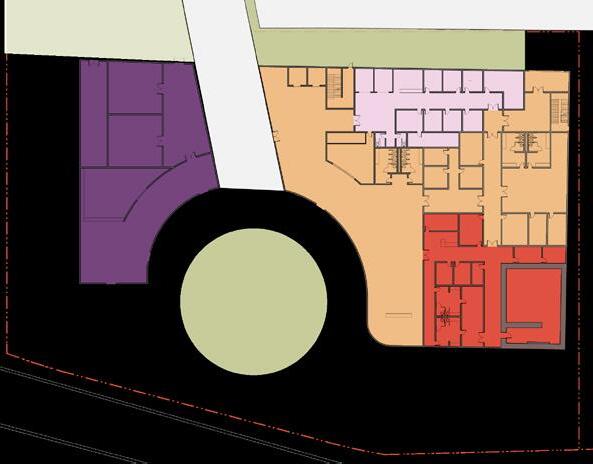
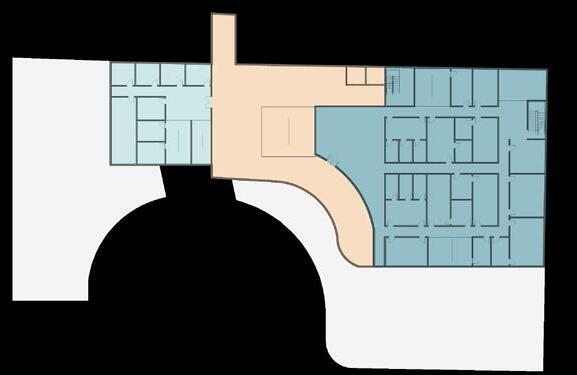
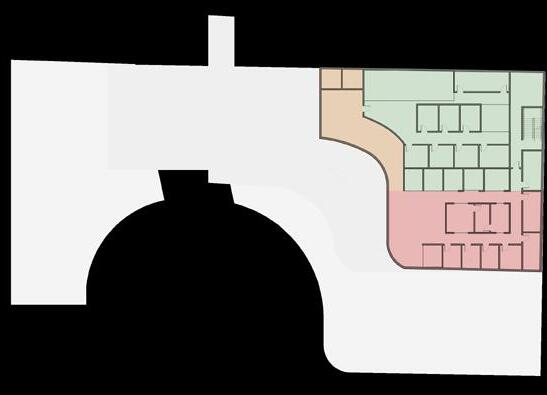
CIRCULATION
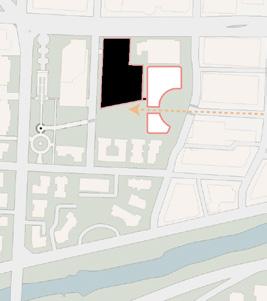
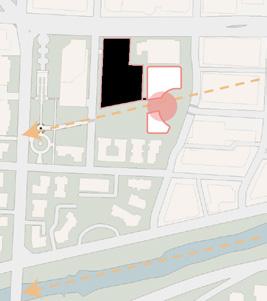
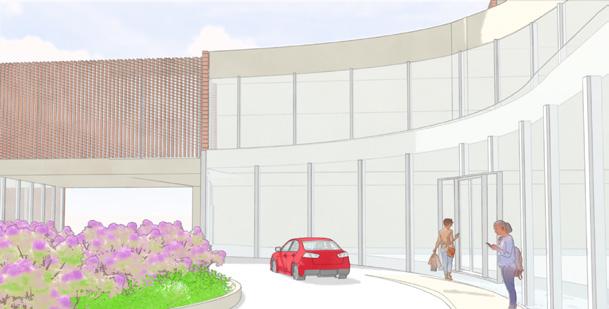
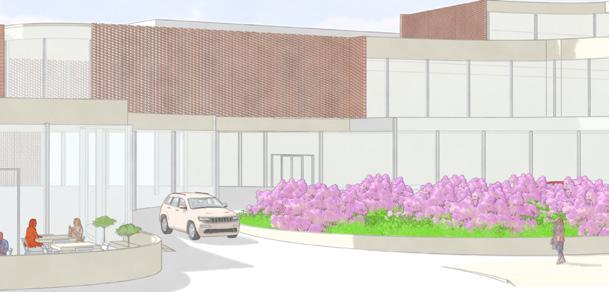
2025 HCD Student Charrette
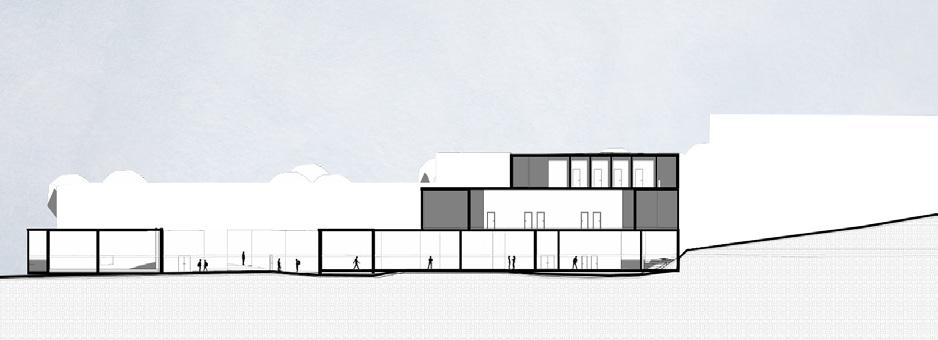
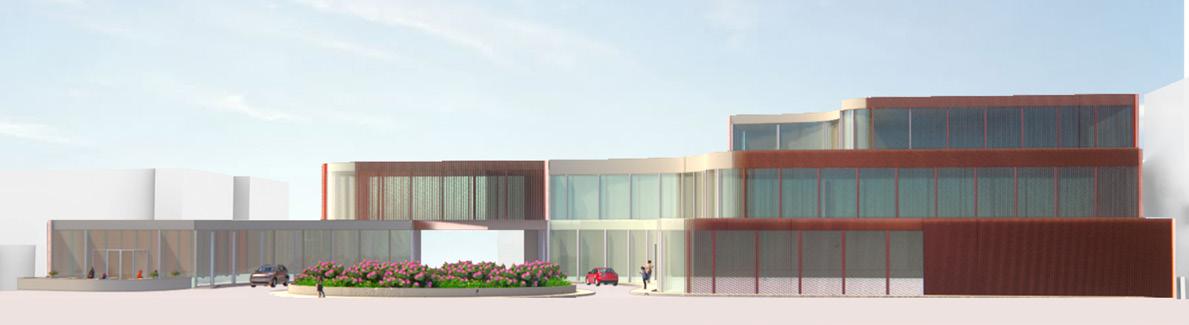
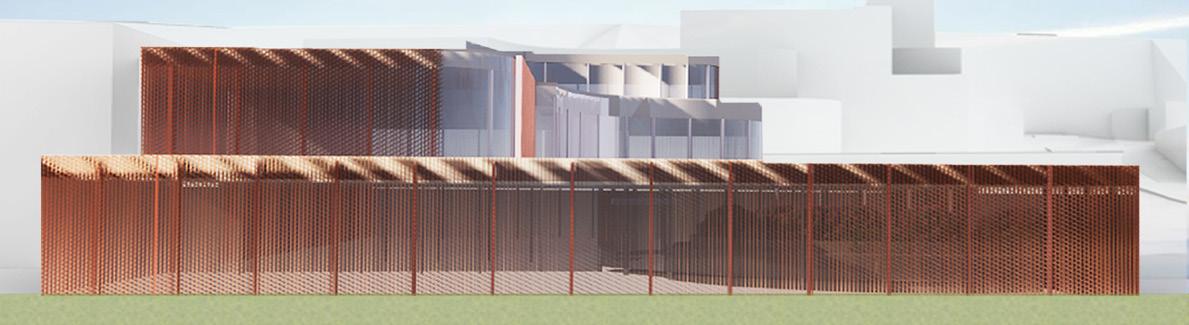
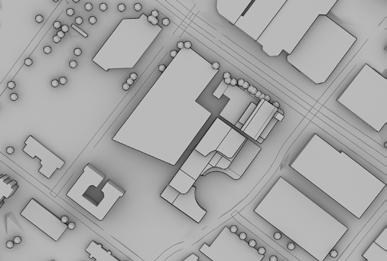
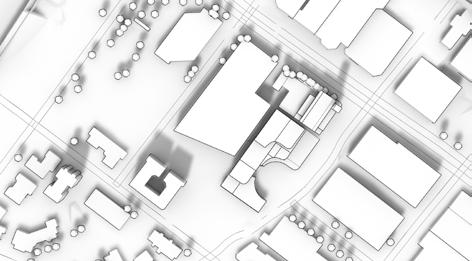
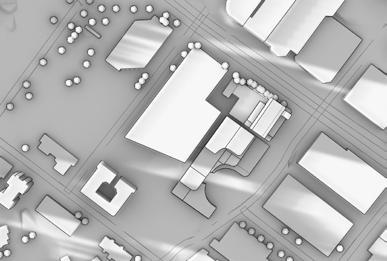
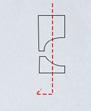
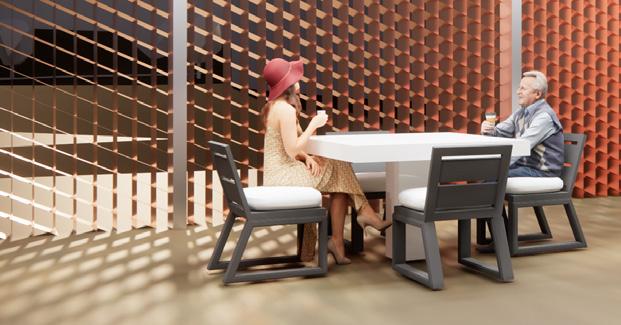



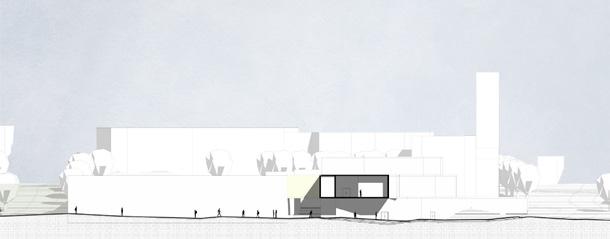
Elevation from Nichols Road
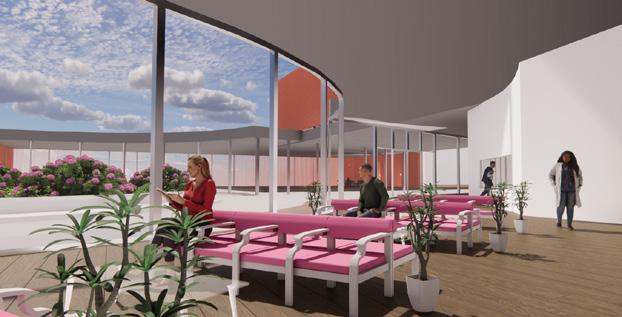
Patient Waiting Area
Cafe Seating along the Screen Wall
Panji
Elevation from West through Parking Garage
University of Kansas
Madison Simons, Seppo Hoijarvi, Margaret Brammer, Alayna Thomas




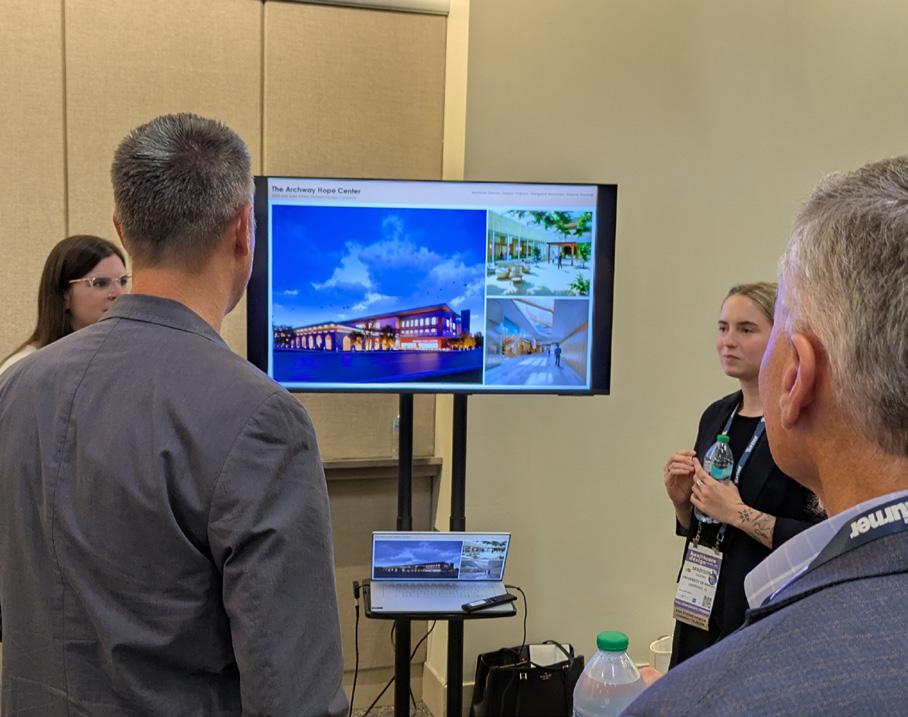
The Archway Hope Center
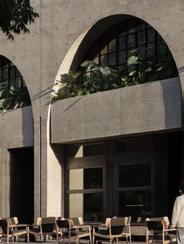


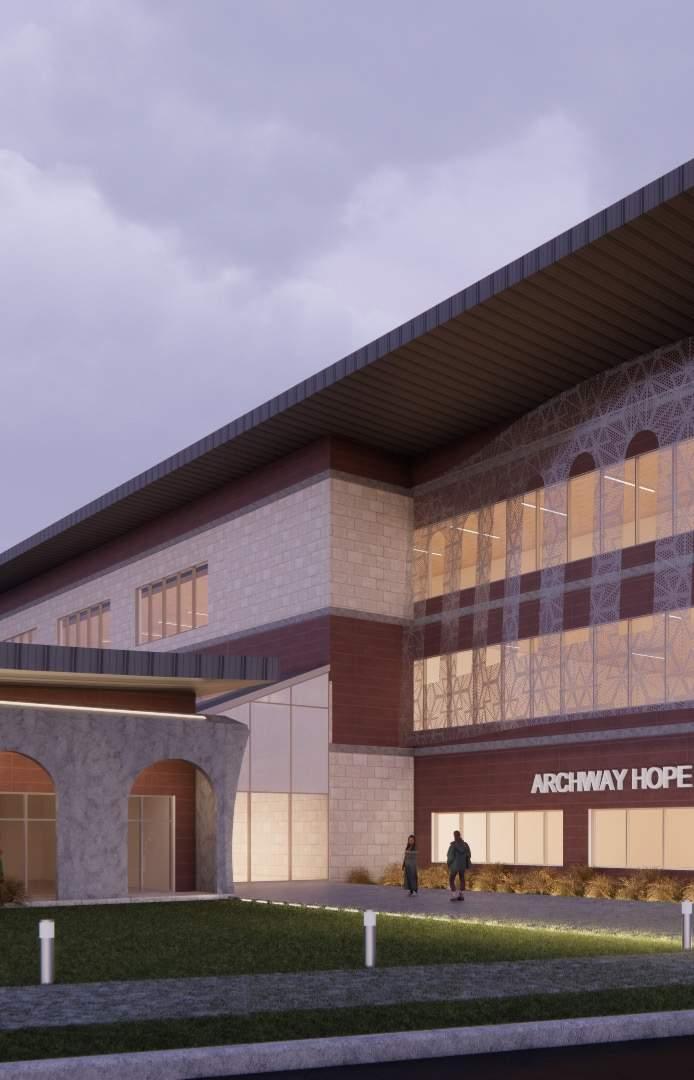
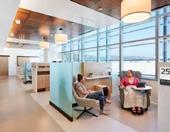
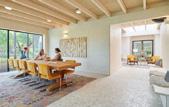


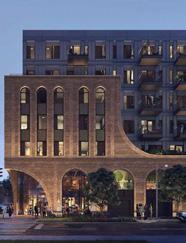





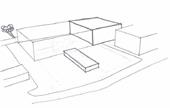
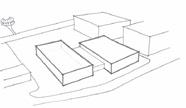
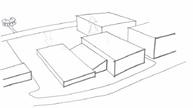
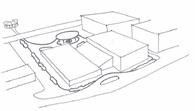





Madison Simons, Seppo Hoijarvi, Margaret Brammer, Alayna Thomas
Madison Simons, Seppo Hoijarvi, Margaret Brammer, Alayna Thomas
2025 HCD Student Charrette
The Archway Hope Center
Exploded Axon


Modular Infusion Bay
Respite Space
Circulation Diagrams








Modular Exam Room

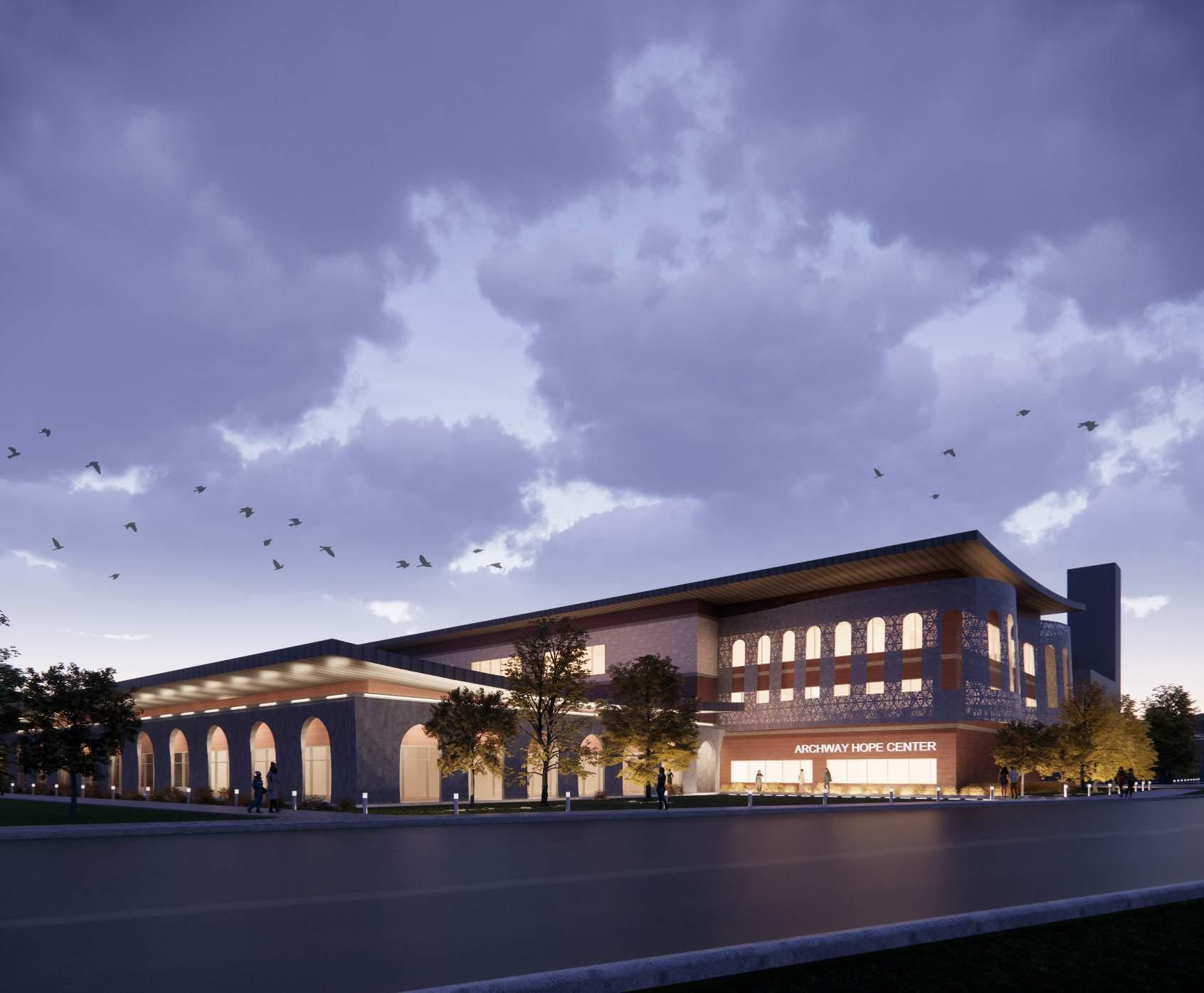
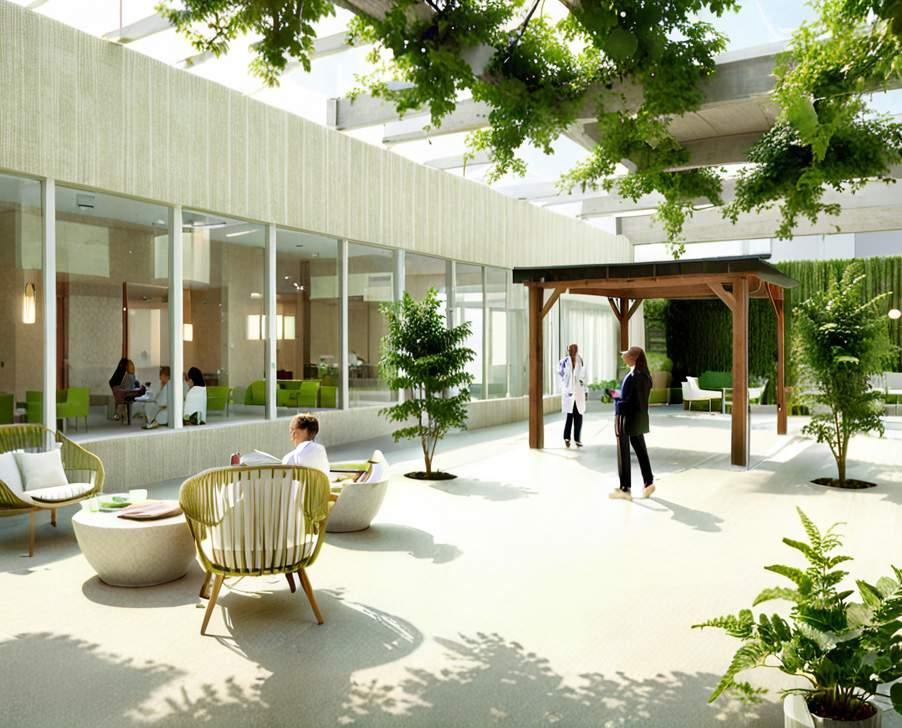
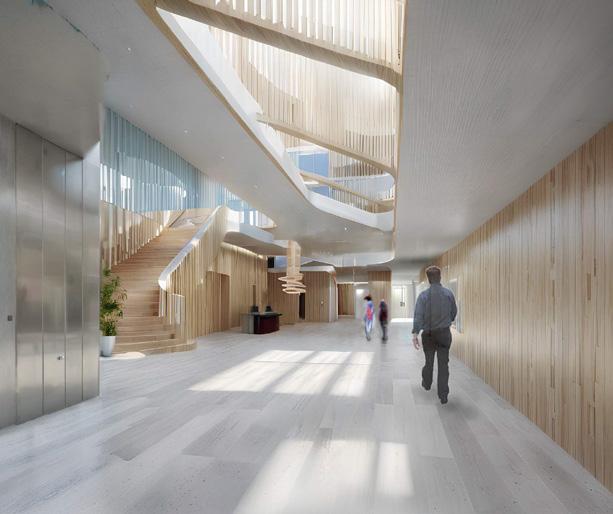
2025 AIA-AAH STERIS Student Design Charrette
Madison Simons, Seppo Hoijarvi, Margaret Brammer, Alayna Thomas
2025 AIA-AAH STERIS Student Design Charrette
Madison Simons, Seppo Hoijarvi, Margaret Brammer, Alayna Thomas
The Archway Hope Center
What’s Next:
2026 Program & Getting Involved in 2027
Come See the Magic
Want to see the charrette in action? If you’re attending the 2026 AIA Academy of Architecture for Health Conference in New Orleans on October 17–20, stop by. Join the Saturday midterm reviews, visit the Academy Update and Reception on Sunday, or attend the final presentations on Monday. It’s one thing to read about the charrette. It’s another to watch students transform an idea into a fully developed design solution in just 48 hours.
Support the Students
One of the easiest ways to get involved is simply to engage. Ask questions. Offer feedback. Attend presentations. Visit project displays. Like, share, and comment on student work. For many participants, this is their first opportunity to present healthcare design ideas to a national audience, and those interactions can leave a lasting impression long after the conference ends.
The Cycle Continues
While one charrette ends, another is already beginning. The four participating schools for 2027 will be selected during the Educators Summit in Minneapolis on November 9–11, kicking off the next chapter of planning, collaboration, and creativity. Then, before anyone knows it, another group of students will gather around tables, open sketchbooks and laptops, and begin their own journey into healthcare design.
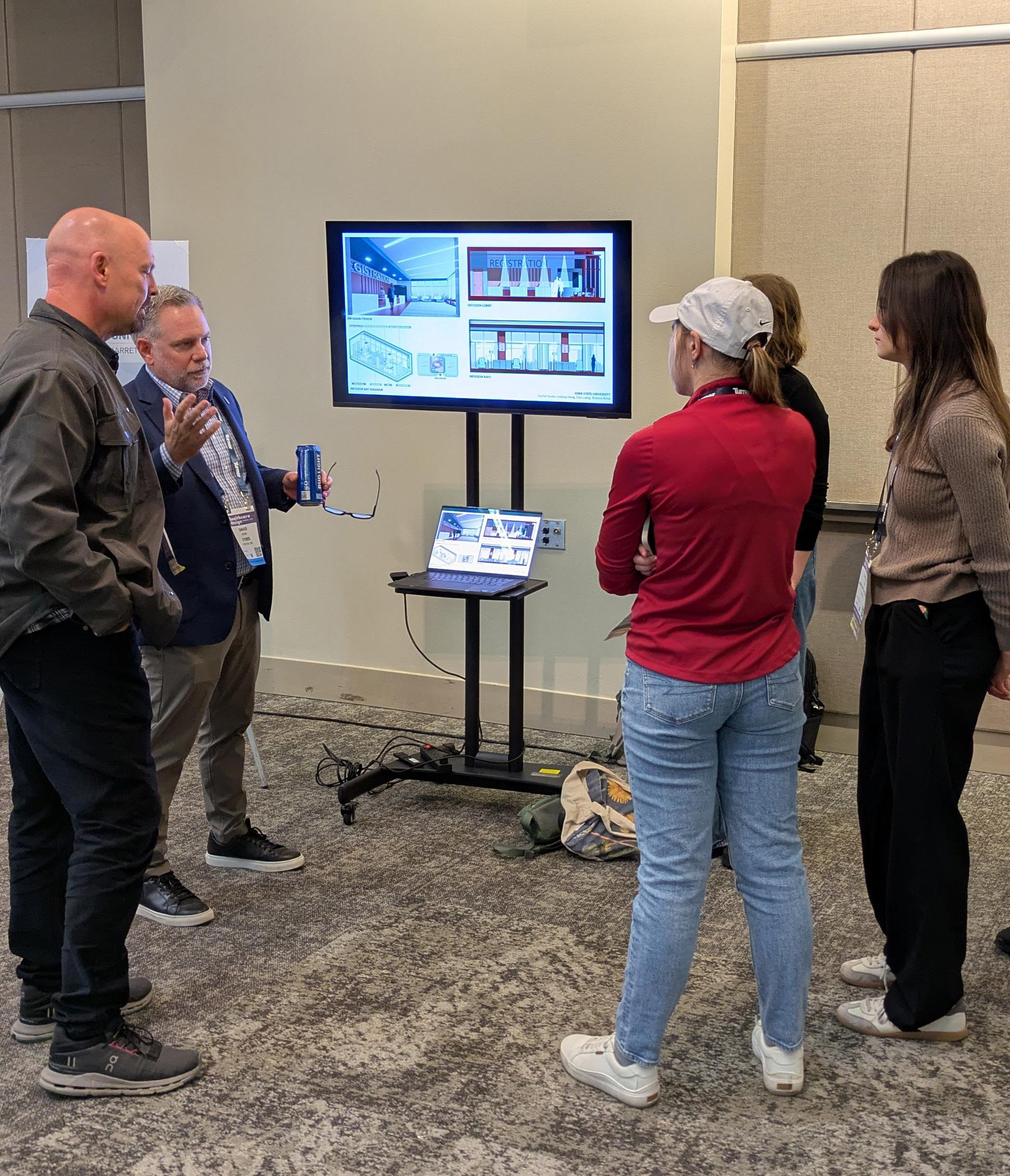
(Sunday Night) AAH members and guests mingle to informally discuss work with students
2026 AAH Sub-Committee Updates
Sub-Committees focus on specific education, advocacy, and research initiatives in order to advance AAH’s mission to “provide knowledge which supports the design of health environments by creating education and networking opportunities for members of – and those touched by – the healthcare architectural profession.”
Board Member
Steve Templet Board Member
Codes & Standards
Codes
Tina Duncan
FGI Guidelines
NFPA 101
NFPA 99
IBC
Diversity Inclusion
Eugene Damaso Board
Marketing & External Visibility
Communications
Spectacle
Jenny Cestnik
Jen Cagide-Alexander Board
Corie Baker
Connections
Components Council
Marybeth Dietz, Chris Haedt, Angela Holcomb
Next Gen
Kinjal Shah
C2C Mentoring
Vince Avallone, Michelle Acosta
Codes and Standards
The AAH Codes and Standards committee focuses on education and advocacy of the various codes and standards that are commonplace in the healthcare environment. Backed by data, research and science, the intent is to create a platform that encourages and supports code revisions that will ultimately improve patient satisfaction and outcomes.
The committee actively participates in various code development groups including FGI (Facility Guidelines Institute Guidelines for Design and Construction), IBC (International Building Code), NFPA 101 (Life Safety Code), and NFPA 99 (Health Care Facilities Code) as well creating and distributing white papers and hosting webinars on topics of importance applicable to healthcare.
Past year’s events
• Hosted webinar for NextGen
• Supported ICC Committee on Healthcare 2027 proposals
• Hosted webinar ‘Unlocking Challenges: Understanding Codes for Doors and Door Hardware in Health Care Environments’
• Presented at ASHE PDC Summit
• Codes are your friend - Another Fishbowl Session
• Decoding the Code: Navigating Health Care Facility Compliance from Design Through Occupancy
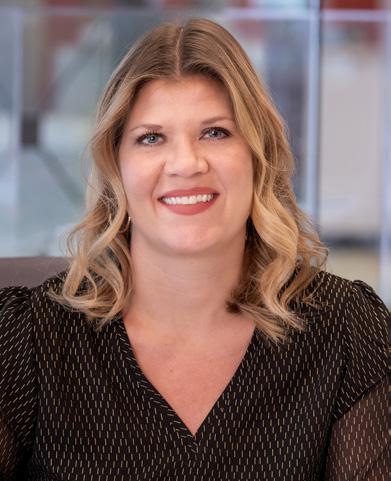
Tina Duncan Chair
Colleague to Colleague (C2C) Mentorship Program
The mission of the AAH Colleague to Colleague (C2C) Mentorship program is to empower a diverse cross-section of professionals within the health design field through an intentional community fostering growth, networking, and leadership creation.
This year’s program will have nine monthly sessions on a variety of industry-focused topics that gives a broad overview of our profession to each participant. Attendees are organized into smaller vertical pods led by industry leaders/mentors discussing each of these topics in-depth to further the learning process.
Focus topics include
• Healthcare System Types
• Career Pathways
• Involvement in Professional Organizations
• Specialty Health Project Types
• Healthcare Codes
• Firm Structures + Organization
• Business Development + Networking
• Medical Planning + Operations
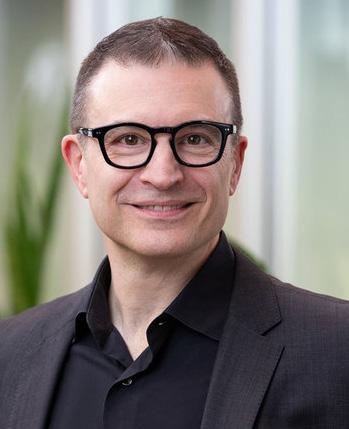
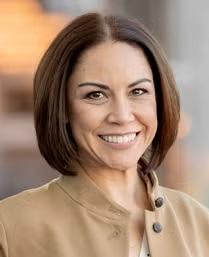
Vince Avallone Chair
Michelle Acosta Chair
Components Council
The mission of the AAH Components Council is to establish a more visible and recognized regional presence for the Academy for Architecture for Health (AAH) through the recruitment of prospective academy members and to provide educational and networking opportunities to our current members. It is to serve as the network for all local AAH Knowledge Community (KC) components, to advise AAH leadership on its mission and challenges, and to create a potential path to national leadership.
The vision of the AAH Components Council is that this group is a conduit for change and working diligently to improve quality in healthcare. It will bring issues and raise awareness of regional challenges and opportunities and be focused both on what we practice and how we practice.
Focus Areas
• Marketing and Branding: Enhance exposure and awareness of local activities, exchange expertise and resources.
• Committee Structure: Operational manuals, bi-laws or other resources and partnerships with other organizations.
• Awareness: Discuss efforts to increase awareness of local components.
• Finances & Sponsorship Strategies: Local AIA is involvement in AAH components and sponsorships for programs and activities.
Goals
• Monthly Meetings
• Recurring agenda items at each meeting : JEDI + Climate
• National Updates at meetings
• Promote each other’s KC events
• Support new KCs
• Engage/Develop Next Gen
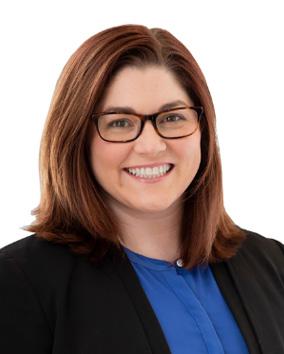

Marybeth Dietz Co-Chair
Christopher Haedt Co-Chair
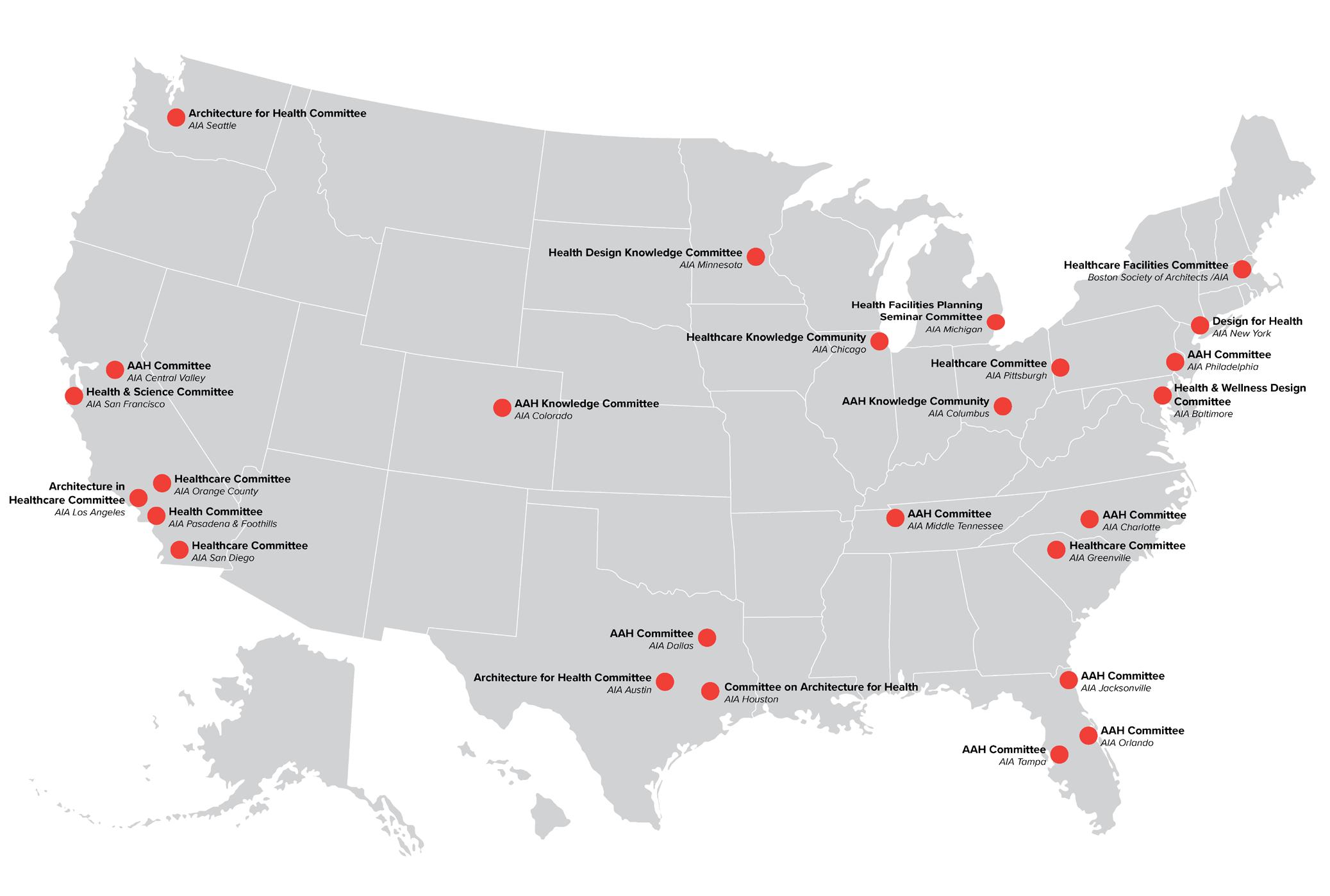
Component Council Knowledge Communities
Local councils are located across the country, many serving multiple cities and states. AAH and Local AAH Components can collaborate through:
• Education: Speakers, Webinars, Online Resources
• Networking Opportunities: Conference, Visibility
Communications and Spectacle
The Communications committee’s goal is to foster greater communication between members through social media channels. We focus communications on current issues in the health care market, and highlights of upcoming Academy events and programs. Close coordination with the Academy Board and all committees results in up-to-date connections to the healthcare industry
Spectacle is the official journal of the Academy of Architecture for Health celebrating healthcare environments and those who are passionate about their design and operation. The committee works with other sub committees to find relevant stories on enhancing the built environment, improving the quality of life for patients and caregivers, and shepherding values of health and wellness into the future.


Jenny Cestnik Chair
Past issues of Spectacle
Design Awards
The Design Awards Committee promotes and encourages excellence in healthcare design through the annual awards program. The program seeks to elevate healthcare architecture by creating a platform for work that is visible and accessible to both practitioners and the public. Using the AIA Design Excellence Framework, the awards encourage innovation, sustainable design, health equity and integrated solutions the program promotes architecture as a vital component to providing patient-centered healthcare. Committee members nominate potential jurors, plan the awards ceremony at SLS, coordinate outreach, edit publications and assist other AIA knowledge communities with case studies and webinars that broaden the awards program impact to the larger architectural community.

Hans Walter Chair
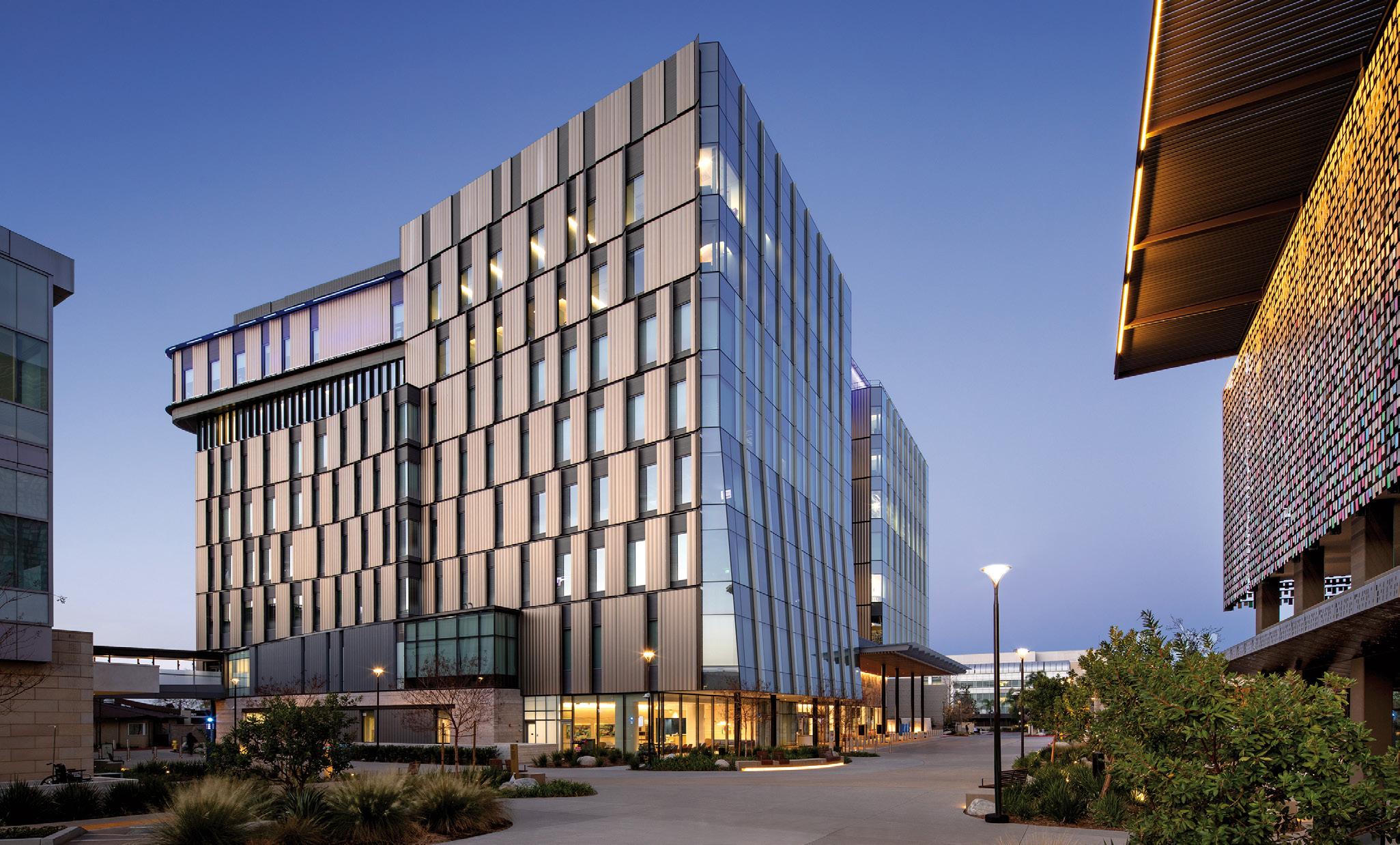
2026 winner Hope Plaza, City of Hope Comprehensive Cancer Center, CO Architects in association with EwingCole Tom Bonner Photography
Equity, Diversity, Inclusion
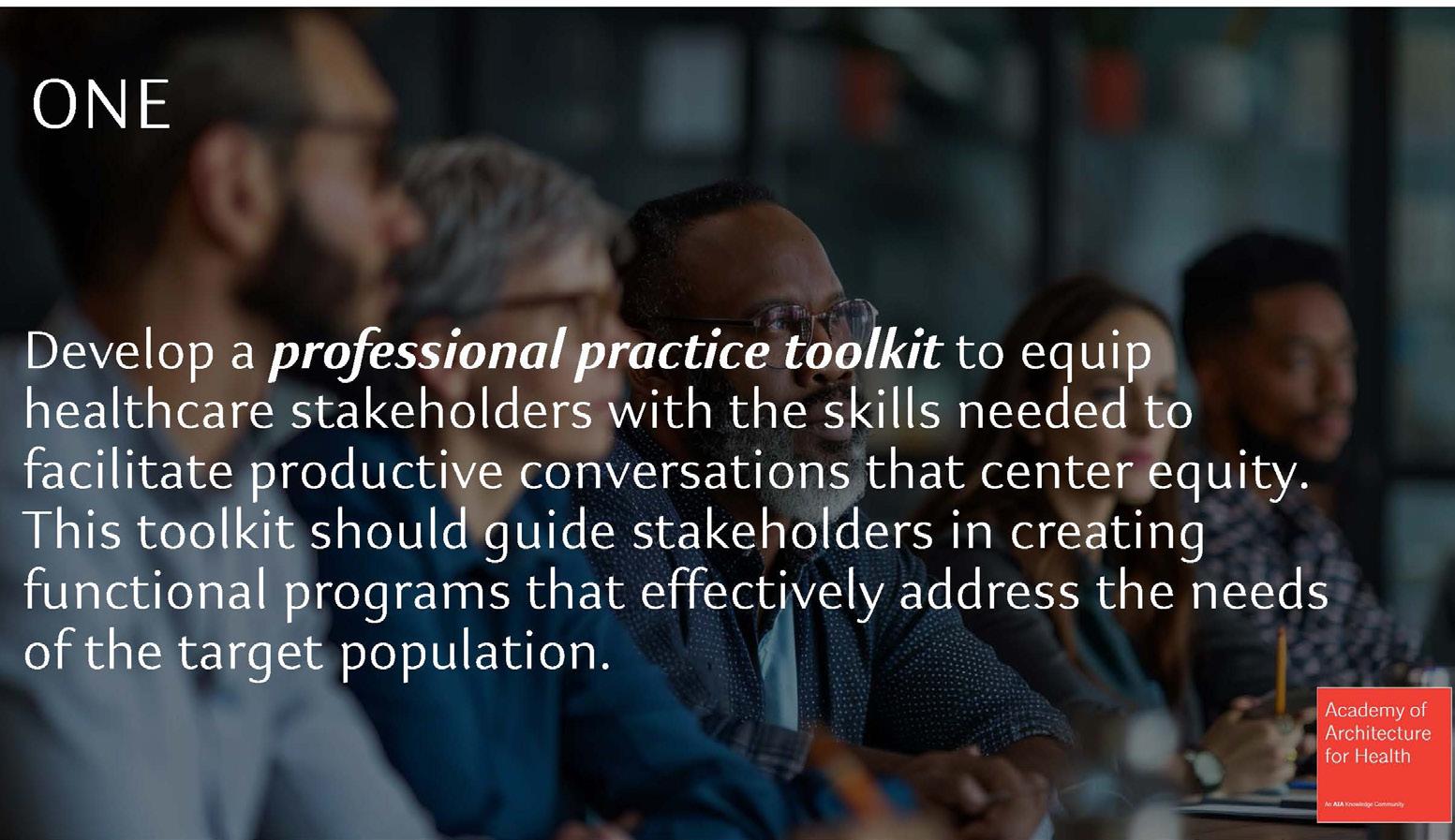
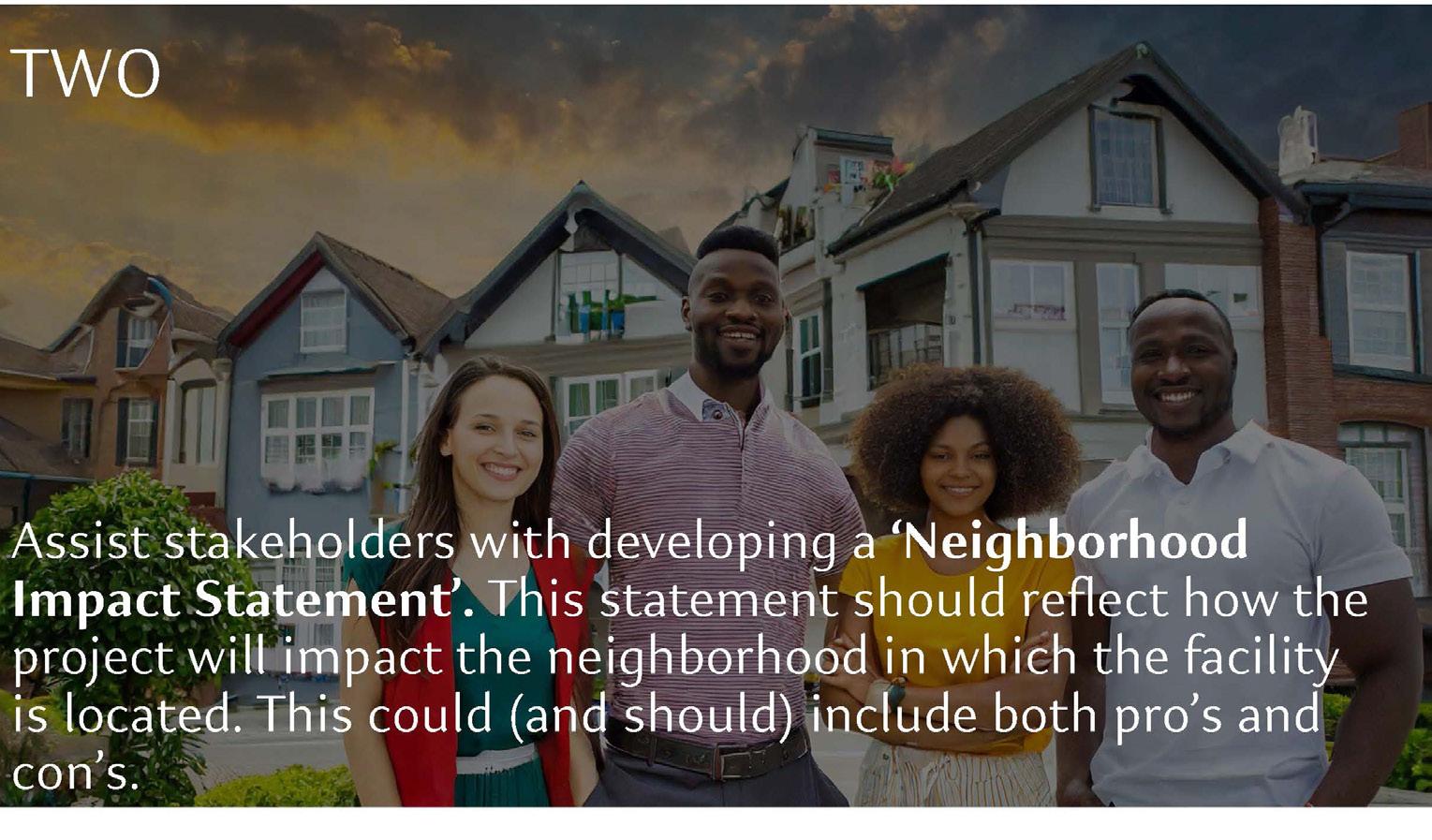
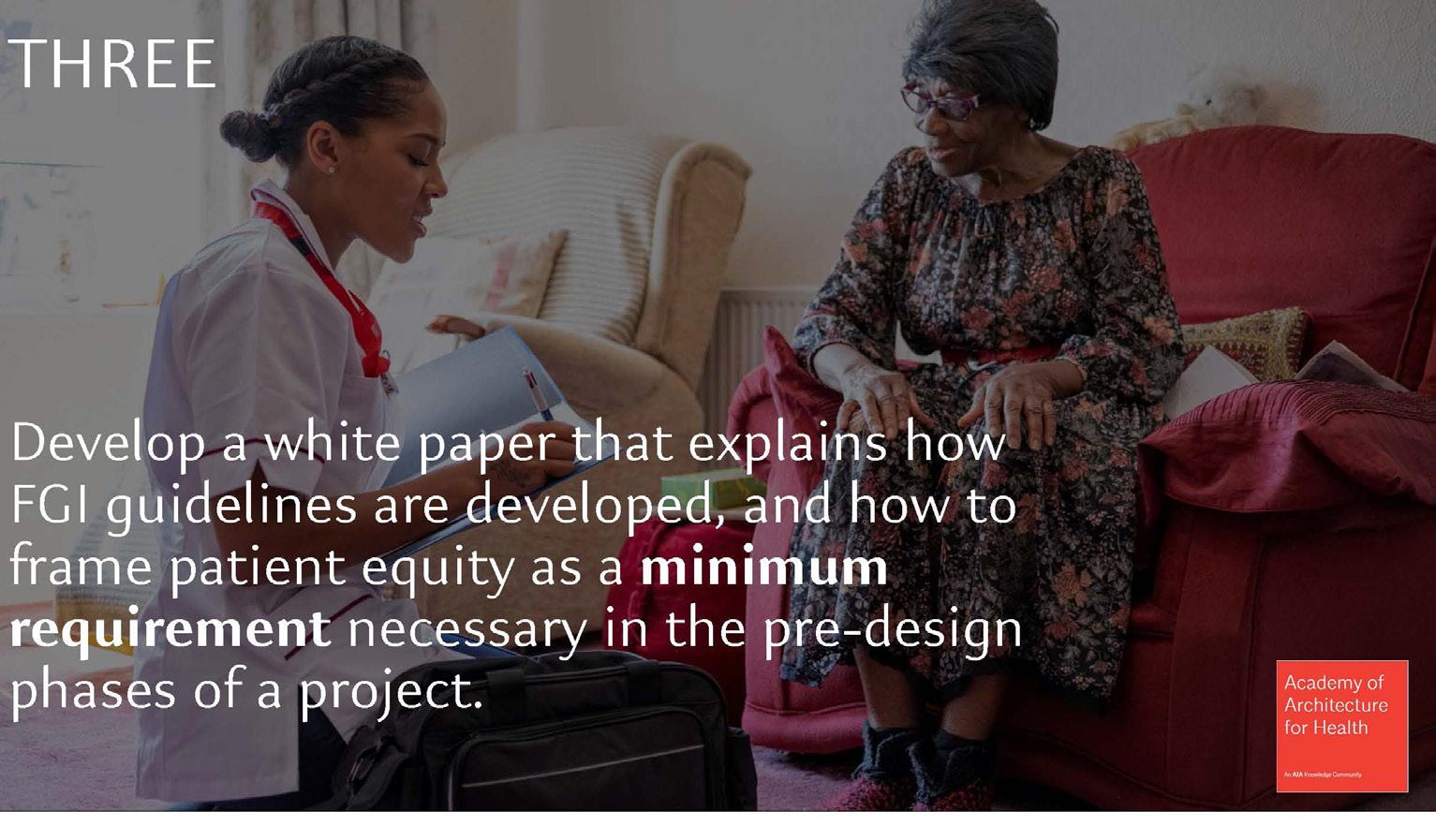
The Equity, Diversity and Inclusion committee aims to partner with AAH committees and community partners in order to advance its mission and goals through series of engagements designed to advance more equitable thought leadership and position ourselves for the next chapter of our evolution.
What does success look like? Here are our goals:
• To forge deeper partnerships with enhanced equity among healthcare stakeholders.
• To empower patient stakeholders to contribute their unique knowledge and perspectives to healthcare design processes and outcomes, ensuring culturally competent and responsive healthcare environments.
• To advocate for the dismantling of structural barriers that prevent access to high quality healthcare.
• To share research and best practices that demonstrate the tangible benefits of integrating equitable design principles into healthcare design, serving as a catalyst for transformative change.
• To cultivate a pipeline of diverse design professionals fostering a new generation of leaders who prioritize inclusivity and social justice in the built environment.
Fellowships and Scholarships
The Fellowships and Scholarships committee is responsible for the AIAAAH Arthur N. Tuttle fellowship focused on Health Facility Planning and Design, the AIA-ACHA Summer Leadership Summit (SLS) Next Generation Scholars and the MillerKnoll Scholarship.
The Tuttle Fellowship is offered by the American Institute of Architect’s Academy of Architecture for Health. It is connected but separate from the Griffin/McKahan/Zilm (GMZ) Fellowship which is offered by the Foundation for Health Environments Research ( FHER). While both fellowships are independent from each other, they are joined by a similar application process, and coordinated in a collaboration between AIA-AAH and FHER teams. Each fellowship has specific requirements with the Tuttle leaning more towards advancing knowledge of the built environment specifically, planning and design for healthcare environments while GMZ leans more towards research related to healthcare programming and planning.
AIA-ACHA Summer Leadership Summit (SLS) Next Generation Scholars recipients will receive complimentary registration, support towards travel/ hotel and be recognized during the event. They will also be paired with an AAH or ACHA member mentor who will connect and assist them in navigating the conference and providing general support. This scholarship program is part of the AIA Academy of Architecture for Health and the American College of Healthcare Architects’ continuing commitment to excellence in healthcare architecture and support of young architects.
The MillerKnoll Scholarship is associated with AIA-AAH and sponsors emerging professionals seeking licensure to attend HCD. The Scholars Program has been made available through Herman Miller, and now MillerKnoll, for nearly 25 years. Each selected recipient will receive a full conference pass and support from travel and other costs. This scholarship program is part of MillerKnoll’s continuing commitment to excellence in health care architecture and support of recent graduates and newly licensed architects.

Emily McGee Chair
HCD
The Healthcare Design Expo and Conference Committee is committed to being the liaison for the Academy to the conference providers and other industry partners. The committee strives to support the marketing, development and education of all Academy members, which includes both emerging and longstanding memberships. Members of this committee collaborate with Center for Health Design and Emerald Logistics to coordinate and/or select: Regular sessions, Deep Dive session, Forums, STERIS Student Design Charrette and On-site tours at the annual Healthcare Design Conference.
The Academy’s Program Committee members typically include the Board member whose is liaison to conferences and the President-Elect; the President may also participate, should the Academy decide to designate three members. Typically, the participants receive their assigned share of presentation abstracts in January, to review prior to an in-person meeting where the group reviews the submissions as a whole.
Student Design Charrette
The Academy sponsors, with the financial backing of STERIS Corporation, a student design charrette in which up to four schools of architecture participate in a design problem. The students then are also able to attend most of the conference events.
Academy Update and Reception
The Update provides an opportunity to brief Academy members and interested parties as to the workings of the Academy. A reception following the Update provides networking opportunities.
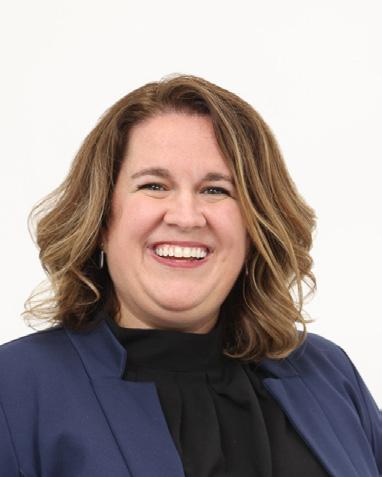
Sara Shumbera Chair
Next Gen
As part of AAH’s mission to support and empower the next generation of healthcare design leaders, the NextGen Committee connects emerging professionals with resources for learning, networking, mentorship, and career growth. The group provides a forum for early-career professionals, students, and aspiring architects—open those within the first ten years of their careers—to connect with peers, share opportunities, and build relationships within the broader healthcare design community.
On a bimonthly basis, members gather for virtual “NextGen Forums” featuring guest presenters, panel discussions, and conversations on a wide range of topics within healthcare design. These forums are developed in partnership with AAH subcommittees and industry thought leaders, offering insight into practice, research, career paths, specialized project types, and emerging trends. They also help promote opportunities for mentorship and advancement, including scholarships, fellowships, research initiatives, and practice resources.
In addition to virtual programming, the NextGen Committee hosts in-person presentations and interactive sessions each year at major industry conferences, including ASHE PDC, the Summer Leadership Summit, and the HCD Conference & Expo. While these sessions are designed around topics especially relevant to the next generation of healthcare design leaders, they are open to all attendees and consistently draw broad participation. Through these programs,
emerging professionals gain access to industry leaders, build professional networks, and explore innovative approaches to healthcare planning and design.
Over the past year, the NextGen Committee continued to expand its impact through a robust series of educational and networking programs supporting emerging healthcare architects, planners, and designers. The virtual forum series highlighted diverse healthcare topics and project types, creating meaningful opportunities for knowledge sharing, mentorship, and career development while showcasing specialized expertise across the field.
This year also marked an important evolution in how the committee organizes and delivers value to its members. To support continued growth and engagement, NextGen established a more structured leadership framework with dedicated focus areas, including Chair/Vice-Chair, Programming, Marketing and Operations, and Outreach. This structure has enabled volunteers to take ownership of key initiatives while strengthening collaboration across the committee.
As participation continues to grow, the committee has expanded its volunteer network through liaison roles that build stronger connections with other AIA AAH committees and industry organizations. Through these efforts, the NextGen Committee helps bridge the gap between established professionals and emerging leaders, advancing mentorship, leadership development, conference engagement, and education while supporting the future of the healthcare design profession.
2025/2026 Accomplishments
• Conference Sessions
• HCD 25’: Mentorship in Action: Building Your Professional Network in Healthcare Design.
• PDC 26’: “Future Ready Healthcare Design” - Conversations on Sustainable Design
• Virtual Forums
• Nov. ‘25: Space & Light - Architectural Solutions in Dementia Care
• Jan ’26: Tiny Humans, Big Impacts
• Mar. ‘26: Lighting the Path to Becoming a Subject Matter Expert
• May ‘26: Adaptive Reuse in Healthcare: SAC Health Brier Campus
• July ‘26: Lutathera Radionuclide Therapy: Designing a New Cancer Care Environment

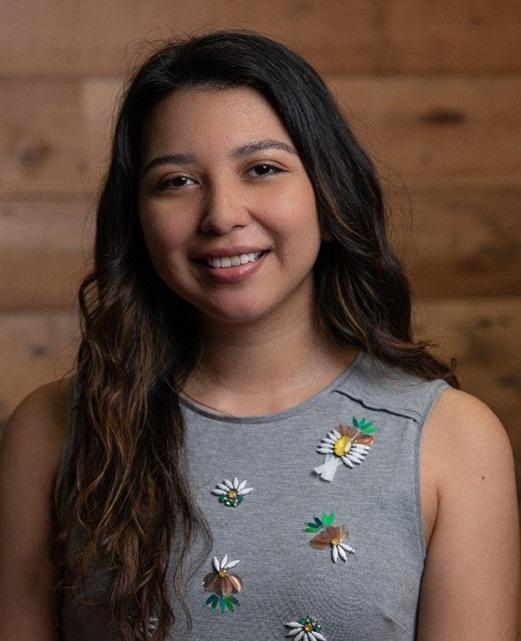
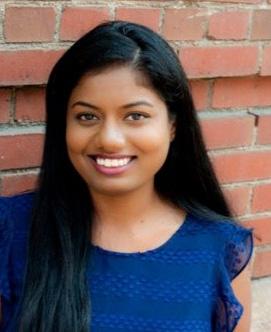







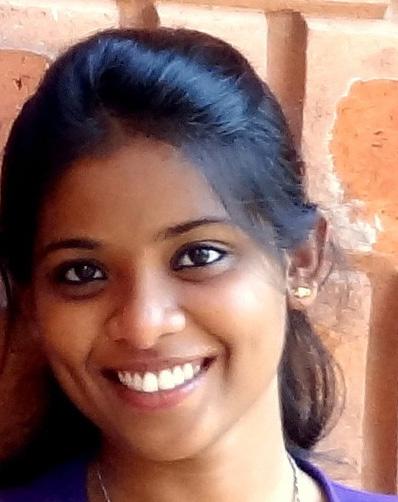
Kinjal Shah Chair
Geselle Neal Vice-Chair
Su Srinivasan Programming
Connor Crist Outreach
Greg Coni Strategy
Sanchali Dutta C2C Mentorship Liaison
Winston Yuen International Liaison
Sindhuri Patllola Marketing/Operations
Dani Mai Advisory
Vaishali Singh Programming
Aditya Rege Education Liaison
PDC
The committee’s mission is to continually evaluate and improve the quality and participation of this conference by providing outstanding educational content and networking opportunities for the profession. This committee is a liaison for the Academy to the conference providers and partners helping to provide guidance in the development of educational content and networking opportunities with the goal of increasing quality and attendance to this event within the broader profession. Opportunities to further these goals include the development, planning, and coordinating of: conference educational content, pre-conference deep dive sessions, project tours, and the student design charrette. Academy representatives to the PDC planning committee consist of the President (or his/her appointee), and the Board member who is liaison to Conferences.
The five Academy representatives to the abstract review task force will be appointed by the President, in consultation with the Board member who is liaison to Conferences. Their work effort on the committee is to provide insights into healthcare trends and topics, and then read/review/reject/ accept presentation abstracts after they are compiled by ASHE staff.
Student Design Competition
The Academy sponsors a student design competition in which schools of architecture, engineering, construction management and nursing participate in a design problem. The students then are also able to attend most of the conference events.
Academy Update and Reception
The Update provides an opportunity to brief Academy members and interested parties as to the workings of the Academy. A reception following the Update provides networking opportunities.

Jack Reed Chair
Research
As the Research Initiatives Committee “We are dedicated to serving the Healthcare design community by documenting award-winning projects and through the study of their analytics & attributes.” Our MISSION is accomplished through the following 4 initiatives:
1. Develop a consistent formatted archive library of award-winning HC projects, available to firms, clients and industry professionals to reference for industry trends, programs, adjacencies and design attributes.
2. Utilizing the Case Study Library data base, compare the metrics of the acute care hospitals Explore new metrics of study per facility departments and unique metrics for specialty hospitals.
3. Develop methodologies for comparing ambulatory care facilities metrics. Test viability of take-off protocols & metrics and contribute to the establishment of ambulatory care standard planning benchmarks.
4. Develop take-off methodologies and metrics of study for comparing public spaces within Healthcare facilities. Test viability of take-off protocols & metrics and contribute to the establishment of standard planning benchmarks.
The Case Study Library currently contains over 60 AIA / AAH award winning Healthcare projects available as a resource for designers, owners, and industry professionals. Clemson, Georgia Tech and University of Florida graduate students assist design industry volunteers in the development of the consistent templated data base. Refer to the QR code below to access the Library.
Each year the Research committee has developed and presented Acute Care Hospital analytics comparisons at the HCD conference. Metrics over the last 4 years include; Emergency Rooms, In-Patient Units, Rehab Hospitals and Large Urban Hospitals. The analytic focus presented for Ambulatory Care facilities has included Pod and Care Team Typologies. Sample metrics of study include; Pod GSF and NSF, Useable NSF, and staff core metrics. Similar metric comparisons between Onstage/Offstage, Linear, and Central Care Team plan configurations. Public analytics include; circulation, waiting and registration.
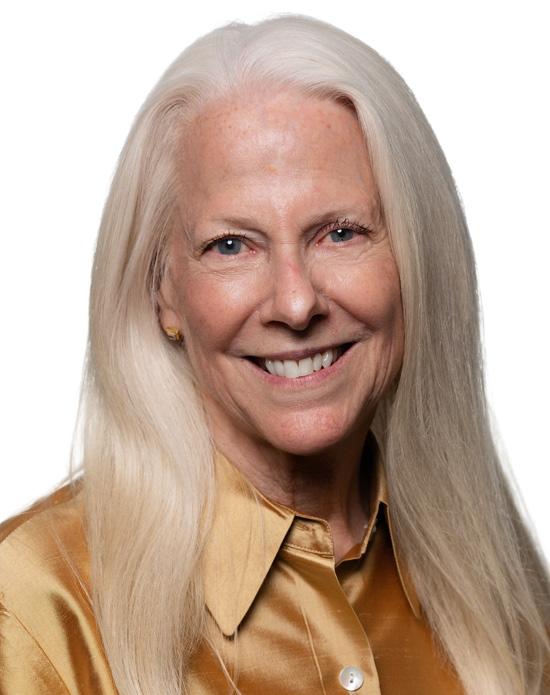

AAH Case Study Library
Marjorie Brown Chair
SLS
The Summer Leadership Summit is co-organized by AAH and the American College of Healthcare Architects (ACHA). At this annual Summit, AAH and ACHA Board Members and Committee Members join with interested professionals to shape the future of healthcare design. Each year a new topic is explored, giving leaders in health care an opportunity to discuss the wide-ranging implications of current and future trends and how they may impact the ever-changing landscape of the industry.
The 2025 Summer Leadership Summit was held in Denver in July. This year’s topic, Navigating Crises - Resiliency in Healthcare Delivery, focused on ways in which health care delivery systems must adapt to navigate the continuing and increasing impacts of climate change across our communities. Conversations included preparedness, resilient infrastructure, supply chain maintenance, financial challenges, and lessons learned from Covid-19.
2025 Sessions
• Resiliency in Health Care Planning: A Look Ahead at 2026 FGI Codes and Handbooks
• Beyond Resilience: Real-Life Examples of Health Care in America
• Health and Well-being in INstitutions and Communities Before, During, and After Crises
• Integrating Adaptation Science into Health Care Architecture
• Lessons from Military Emergency Operations in Health Care Crisis Response
• Next Generation Panel: Women’s Health Care: How Does a Crisis Affect a Condition Already in Crisis?
• Disruption & Resiliency: Lessons for Health Care
• Integration of Health & Built Environment Professionals into Public Health Preparedness and Disaster Response

Carly Fenton Chair
U40 Awards
The U40 List is an award to celebrate individuals making a significant contribution to the advancement of health facilities design. Each year up to two individuals will be selected to have their names added to the distinguished U40 List. The U40 List recipients will also receive complimentary registration and a travel expense stipend to attend the AAH/ACHA Summer Leadership Summit in person in July.
The U40 List is designed to recognize the emerging leaders and the movers and shakers in the healthcare design industry who are involved in advancing the creation of healing environments. The U40 List is not limited to architects - any individual (researcher, educator, engineer, planner, etc.) who has worked on healthcare-related projects or research for at least the past 5 years is eligible.
The U40 List nominees should display these characteristics:
• Leadership – Nominees have taken on leadership roles within their firm or community in a way that contributes to advancing healthcare facility design.
• Innovation – Nominees look like an up-and-coming change maker in the industry and push beyond the industry norm.
• Active Dissemination of Ideas – Nominees embrace initiatives that go beyond project responsibilities and work towards advancing the industry. Examples could include sharing ideas as thought leaders via white papers, conferences, or articles.
• Alignment with AIA Values, Goals and Standards – Nominees exemplify the AIA values and are working toward carrying them forward into the future.
U40 Winners
2025 Brian Giebink, AIA, LEED AP BD+C, EDAC and Graham Sinclair AIA, ACHA, EDAC
2024 Angela Kolosky, AIA, ACHA, NCARB, LEED AP BD+C and Saleh Kalantari, PH.D
2023 Stephen Parker, AIA, NCARB
2022 Holly Harris, AIA, LEED AP BD+C and Troy Savage, MEnvSci MDiv, EIT
2021 Sara Bayramzadeh, Ph.D., M.Arch. and Alison Leonard, AIA, CHID, EDAC
2020 Marybeth Dietz, AIA
2019 Colleen Newland, AIA, EDAC, LEED AP and Parini Mehta, AIA, LEED AP

2018 Diana Anderson, MD, M.Arch, LEED AP and Akshay Sangolli, AIA, EDAC, LEED AP BD+C
2017 Jhiah Chang, AIA, LEED AP BD+C, EDAC and Hao Duong, AIA, LEED AP
2016 Joaquim Meira, Intl. Assoc. AIA and Tammy Thompson, AIA
2015 Brandy Olsen and Erin Peavey, AIA, EDAC, LEED AP BD+C
Alison Leonard Chair
Webinars
The Webinars Committee helps fill the healthcare continuing education needs of:
Established design professionals – provoking interest in deeper dives into:
• Emerging healthcare design best practices
• Case studies of award-winning designs
• Outside-the-box topics on architecture for health
• Sustainability strategies for healthcare facilities
• Initiatives that promote access and opportunity for communities and individuals
Those not so well established – offering webinars dedicated to fundamentals including:
• Patient Safety
• Evidence-based design
• National codes and guidelines
The committee presents eight , one-hour continuing education sessions each year. Lead committee members identify presenters, guide them through the production process, and moderate on-air sessions.
Additionally, the committee actively pursues collaboration with other subcommittees and is exploring opportunities to promote field of healthcare design through other media strategies.
Past Webinar Topics
• Setting New Standards in Healthcare: Achieving WELL Certification Today for a Healthier Tomorrow
• Decoding the Coexistence of ASC and Hospital Outpatient Surgery
• Beyond the Chatbot: What AI Actually Does for Healthcare Design
• Optimizing Healthcare Design: Insights from Discrete Event Simulation in Emergency and Multi-Clinic Projects
• Designing for Resilience: Strategies to Mitigate risk in Hurricane Prone Climate
• Unlocking Challenges: Understanding Codes for Doors and Door Hardware in Health Care Environments
• Medical Respite Care and Dignified Design: Opportunities for Creating Spaces for Healing for the Unhoused Community
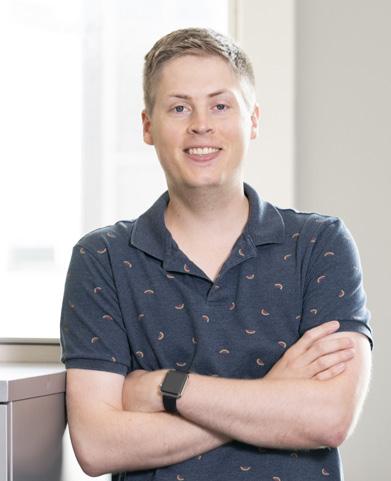


Follow the AAH Discussion Board for future event notices and registration
Tom Bahr Co-Chair
Nick Faust Co-Chair
Sub-Committee Contacts
Interested in joining a sub-committee? Reach out to our committee chairs to learn how you can contribute, add value to our knowledge community, and increase your impact and network.
Codes + Standards
C2C Mentorship
Communications +
Tina Duncan
Michelle Acosta
TDuncan@hksinc.com
michelle.acosta@hdrinc.com
Vince Avallone vince.avallone@smithgroup.com
Jenny Cestnik
Jenny.Cestnik@zgf.com Spectacle
Components Council
Design Awards
Fellowships + Scholarships
Healthcare Design Awards
HCD Conference
Next Gen
PDC Conference
Research
SLS Conference
U40
Webinars
Marybeth Dietz
Marybeth.Dietz@smithgroup.com
Chris Haedt christopher.haedt@hdrinc.com
Hans Walter
Emily McGee
HWalter@dlrgroup.com
emily.mcgee@meadowsandohly.com
Hans Walter hwalter@dlrgroup.com
Sara Shumbera
sshumbera@shepleybulfinch.com
Kinjal Shah kshah@hksinc.com
Jack Reed
Marjorie Brown
Carly Fenton
Alison Leonard
Nick Faust
Jack.Reed@nexcoregroup.com
Eliason@comcast.net
carly.fenton@smithgroup.com
ALeonard@CannonDesign.com
nick.faust@thelawrencegroup.com;
Thomas Bahr thomas.bahr@jacobs.com
AAH Celebrates
See the innovative work, ideas, and accolades of our leaders and next generation.
Educating the Future of Healthcare Architects: Why Specialized Healthcare Design Programs Matter
Healthcare architecture is one of the most complex and impactful sectors within the design profession. Healthcare facilities must support patient healing, staff wellbeing, evolving technologies, regulatory requirements, and increasingly diverse communities. Yet many architecture students graduate with little exposure to healthcare design during their formal education.
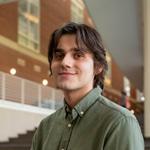
As the healthcare industry continues to evolve, universities are beginning to recognize the need for specialized healthcare design education. Two notable examples are Ball State University and Howard University, where pioneering programs established by Dr. Shireen Kanakri and Yiselle Santos, AIA, are helping prepare the next generation of healthcare designers.
For decades, healthcare design education remained largely absent from architecture curricula. While students developed strong design and technical skills, many entered professional practice with limited understanding of evidence-based design, healthcare operations, patient-centered planning, and the social factors that influence health outcomes.
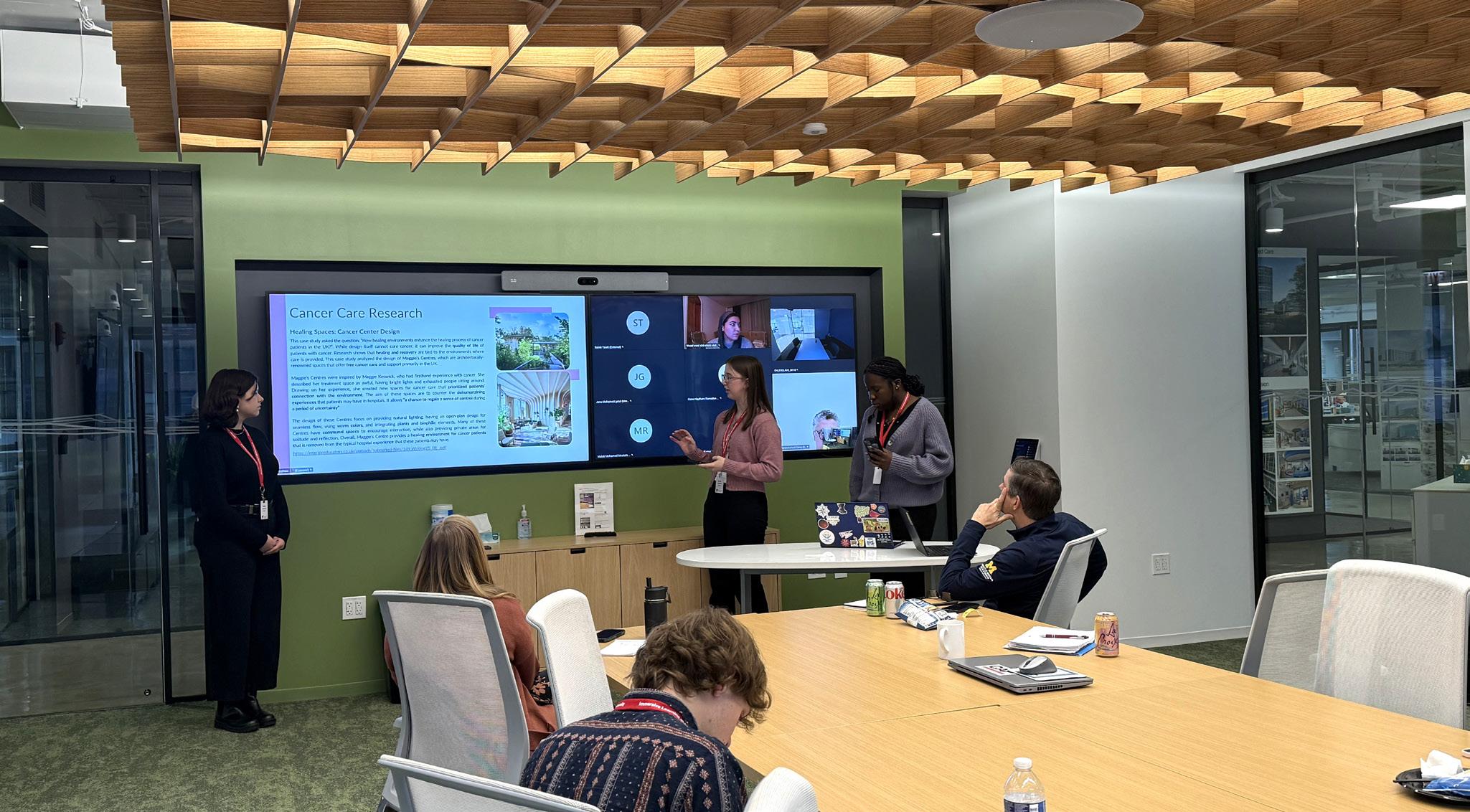
Recognizing this gap, Dr. Shireen Kanakri proposed establishing a healthcare-focused program within Ball State University’s College of Architecture and Planning in 2014. After several years of curriculum development and approvals, the Graduate Certificate in Healthcare Design officially launched in 2018. The fully online, interdisciplinary
program introduces students and working professionals to evidence-based design, healthcare regulations, ethics, and safety.
The certificate was designed to reflect the collaborative nature of healthcare project delivery. Architects learn alongside physicians, nurses, pharmacists, and other healthcare professionals, creating an educational environment that mirrors realworld healthcare teams. Through industry partnerships and applied research projects, students gain practical experience while preparing for the Evidence-Based Design Accreditation and Certification (EDAC) exam.
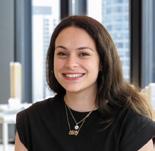
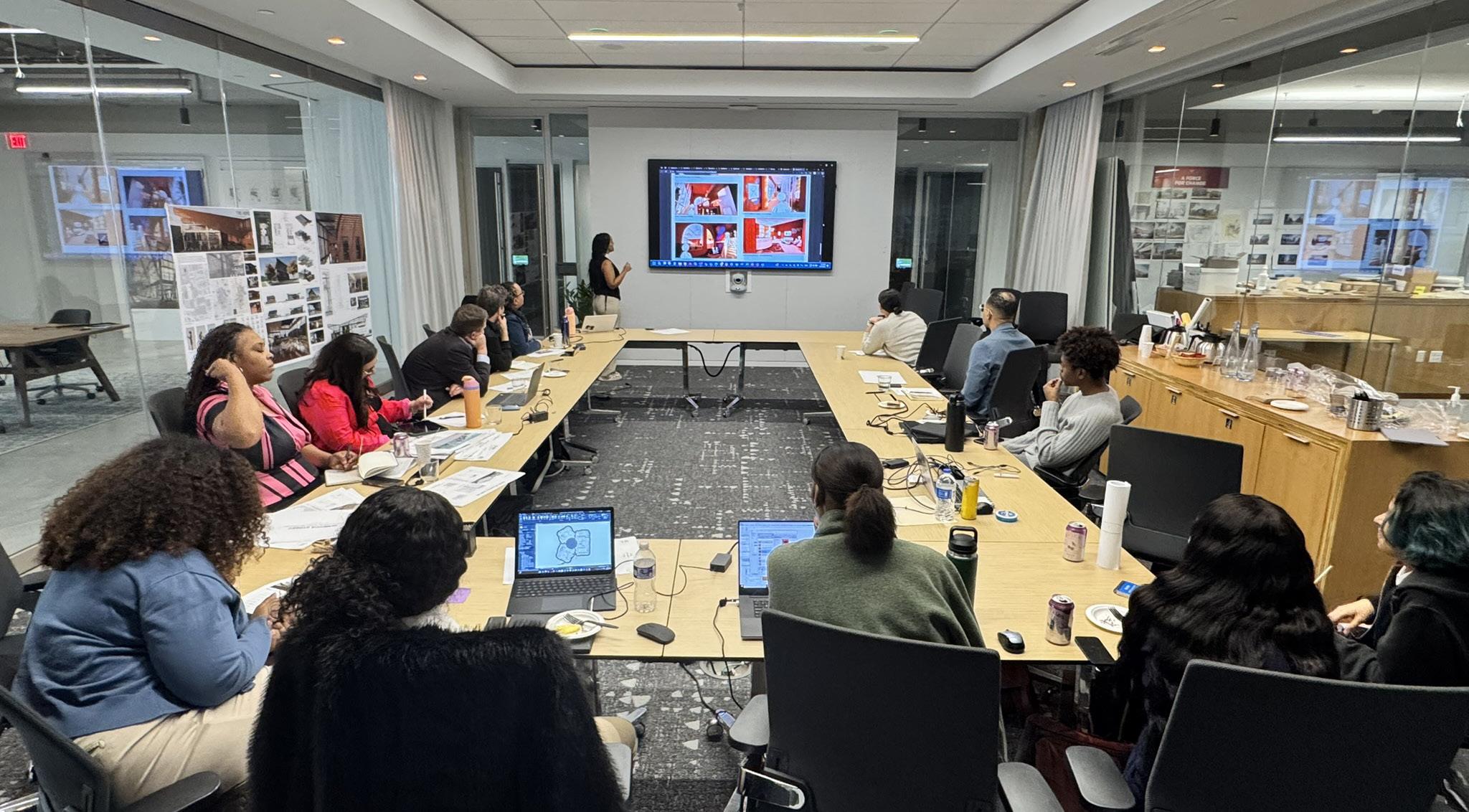
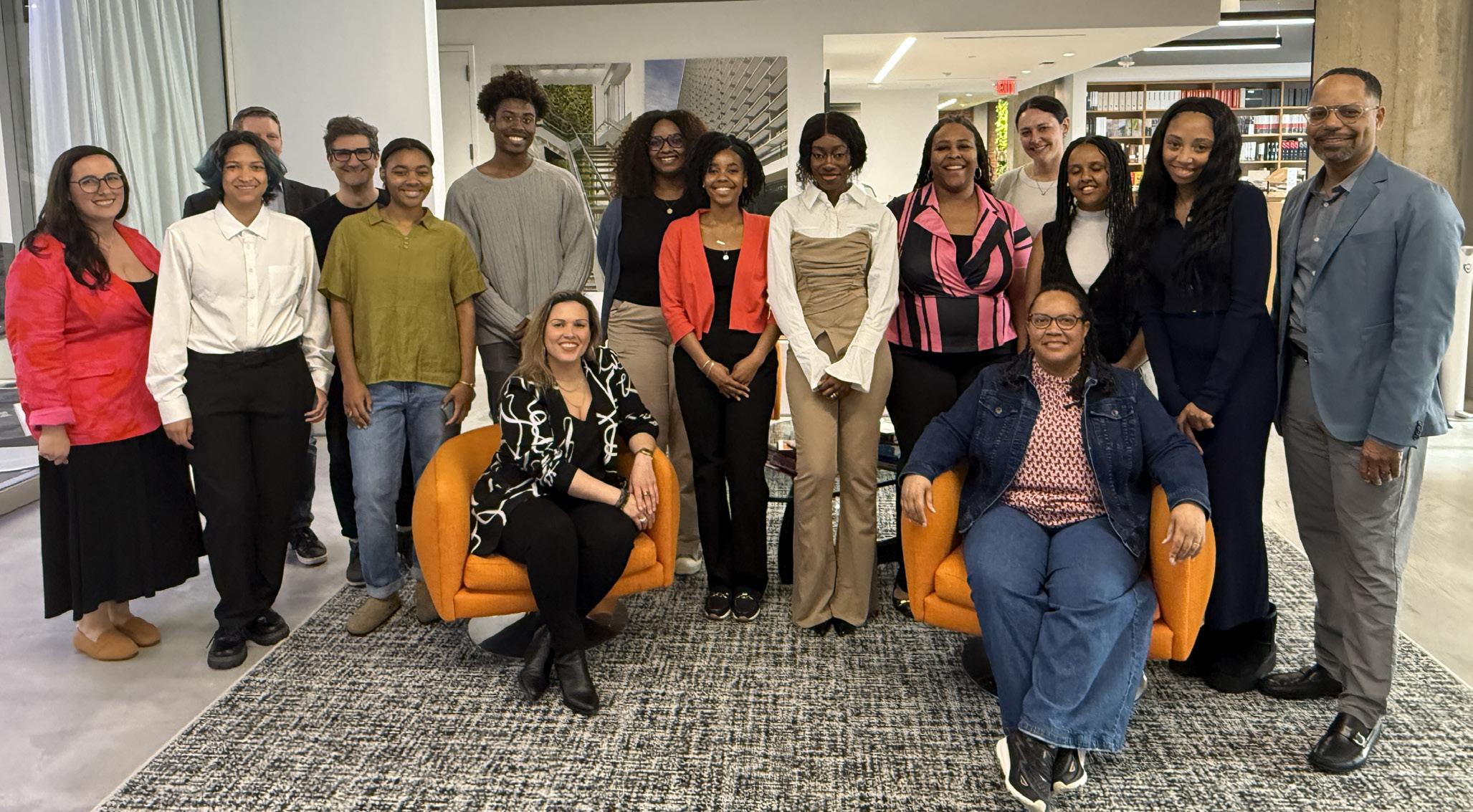
At Howard University, Yiselle Santos has advanced healthcare design education through a different but equally important lens. As founder of Howard University’s Healthcare Design Studio and the 2026 AIA PresidentElect, Santos saw an opportunity to introduce healthcare design within the nation’s leading Historically Black College and University architecture program.
“HBCUs graduate roughly seventy percent of Black and Brown architects in this country, and very few of them are trained in healthcare design,” Santos explains. “Healthcare design lives at the intersection where someone’s zip code can determine fifty percent of their health outcomes, and our students need to understand that as design data, not as an afterthought.”
Howard University
Howard University
Howard’s Healthcare Design Studio challenges students to view healthcare environments through the lenses of equity, culture, and community engagement. Many students come from communities disproportionately affected by health disparities, bringing valuable lived experiences into the design process. Rather than beginning with square footage requirements or building systems, students are encouraged to ask who has historically been excluded from feeling safe, welcome, and dignified within healthcare settings.
The COVID-19 pandemic further reinforced the importance of healthcare-focused education. It highlighted the relationship between the built environment, public health, and health equity while accelerating conversations around resilience, telehealth, flexible care environments, and communitybased models of care.
Both Kanakri and Santos emphasize that healthcare design should be taught as an interdisciplinary practice rather than simply a building type. At Ball State, students build expertise in research, evidencebased design, healthcare regulations, and community-engaged projects that address local needs. At Howard, students examine healthcare design through the interconnected lenses of equity, neuroscience-informed design, and community engagement, highlighting the broader social and cultural factors that shape health outcomes. Together, these programs demonstrate how healthcare education can equip future architects with both technical expertise and a deeper understanding of the people and communities they serve.
Looking ahead, healthcare design education will continue to evolve alongside advances in technology, artificial intelligence, and healthcare delivery. The future of healthcare architecture depends not only on innovative facilities but also on innovative educational models.
Through the leadership of educators such as Dr. Shireen Kanakri and Yiselle Santos, architecture schools are helping build a new generation of healthcare designers prepared to address some of society’s most pressing challenges. Their work demonstrates that healthcare design is about more than buildings. It is about creating environments that improve health outcomes, support caregivers, and foster more equitable communities for generations to come.
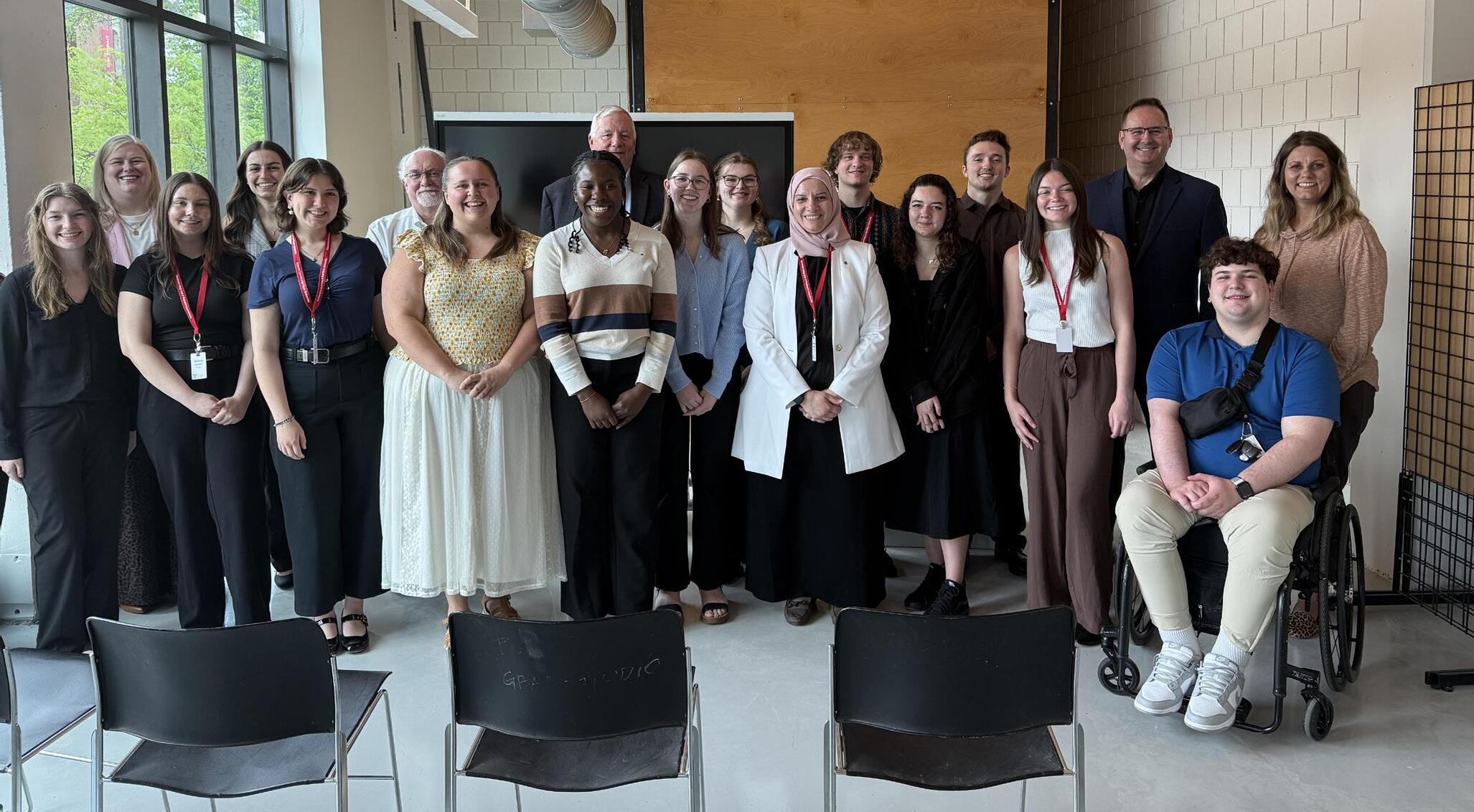
Ball State University
Ball State University
AIA/AAH & ASHE PDC Student Design Challenge
The PDC Student Challenge is an exciting annual event designed to stimulate critical inquiry, creative ideas and multi-disciplinary interaction between students and design professionals. Students from five different universities and disciplines bring their creativity and ideas to a three day long design charrette. Upon completion of their design work, projects are critiqued by a multi-disciplinary jury. Winning teams present their work in a conference breakout session.
2026 Challenge
Imagine a free-standing, micro cancer center that can bring care closer to home. As a proof of concept, teams will develop a proposal for a site in Houston’s Third Ward, a community rich in history and culture, but underserved in access to specialized healthcare.
Participating Schools
• Architecture: University of Texas – San Antonio
• Architecture: Kent State University
• College of Nursing: University of Utah
• Architectural Engineering: Colorado University – Boulder
• Construction Management: Ball State University
Interdisciplinary Student Teams
• Team Neighbors: The Tre Cancer Center
• Green Team: Neighborhood Cancer Care Center (NCC)
• The Visionaries: Jazz Note Cancer Collective
• True Blue: The Emancipation Cancer Center (Finalist)
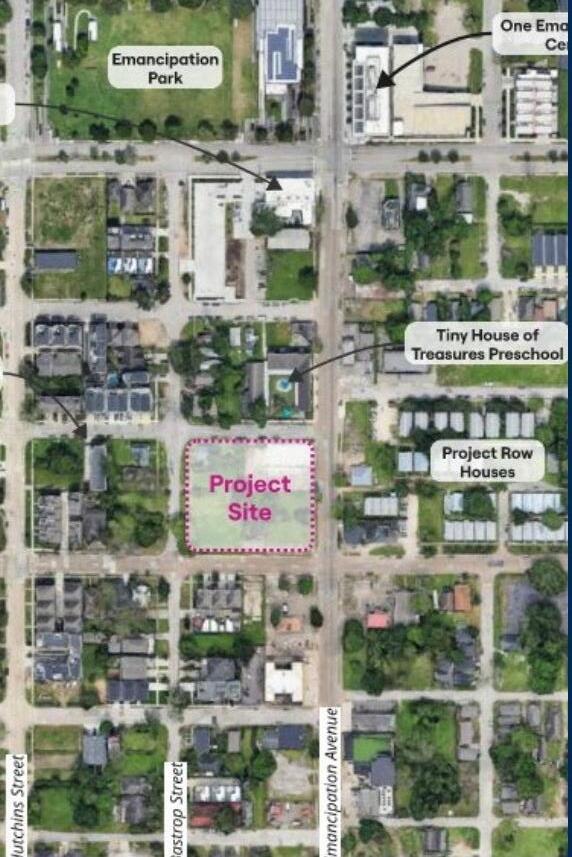
Organizers

Gabriel Auffant Co-Chair Organizer
Whitney Fuessel Firm Host, HKS


Jason Fleming Firm Host, HKS
Sponsors & Supporting Organizations
Amie McBride Firm Host, HKS

Jury Panel
• Academy of Architecture for Health (AAH) Pierce McVey, Southern Ellis
• The Foundation for Health Environments Research (FHER) Herminia Machry
• American College of Healthcare Architects (ACHA) Deb Smith
• Nursing Institute for Healthcare Design (NIHD) Brooke Karlsen
• American Society for Health Care Engineering (ASHE) Dennis Ford
• HKS Jason Fleming
• MD Anderson Bhargav Goswami
• McCarthy Building Companies Todd Genebacher
Leah Meer Co-Chair Organizer
Clarisa Costa Lima Co-Chair Organizer
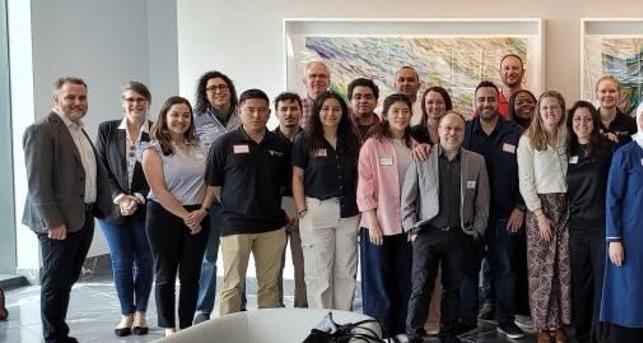
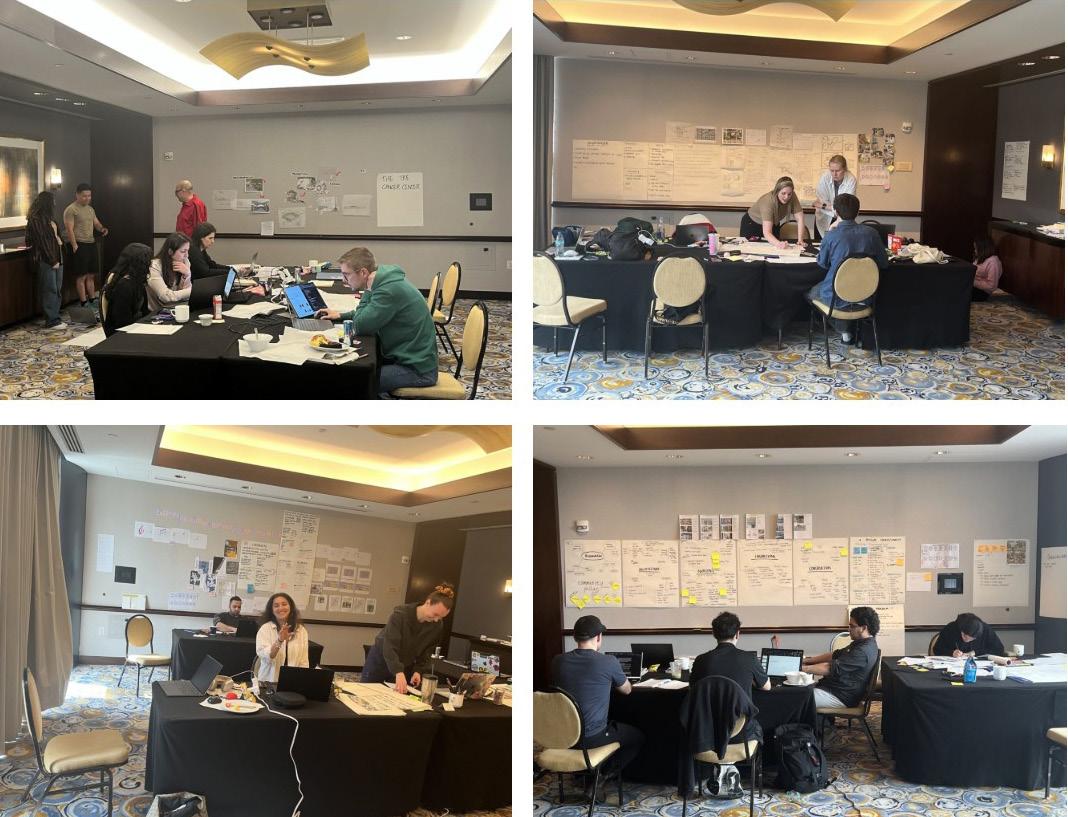
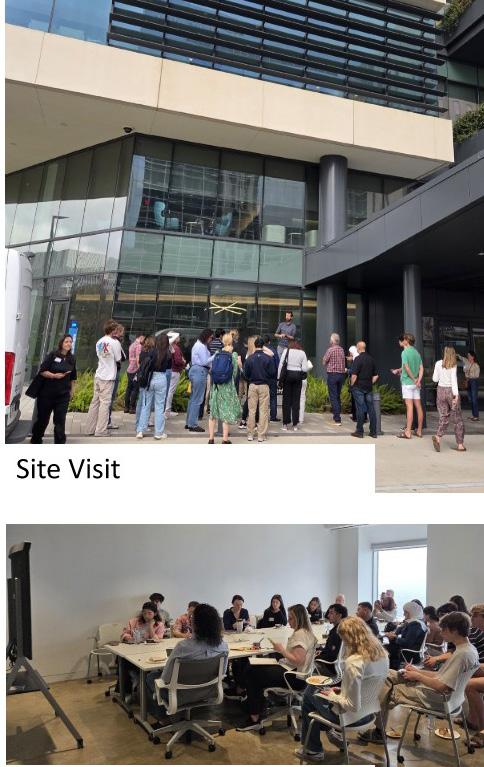
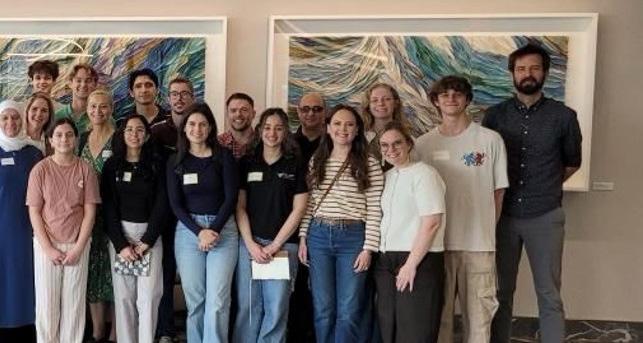
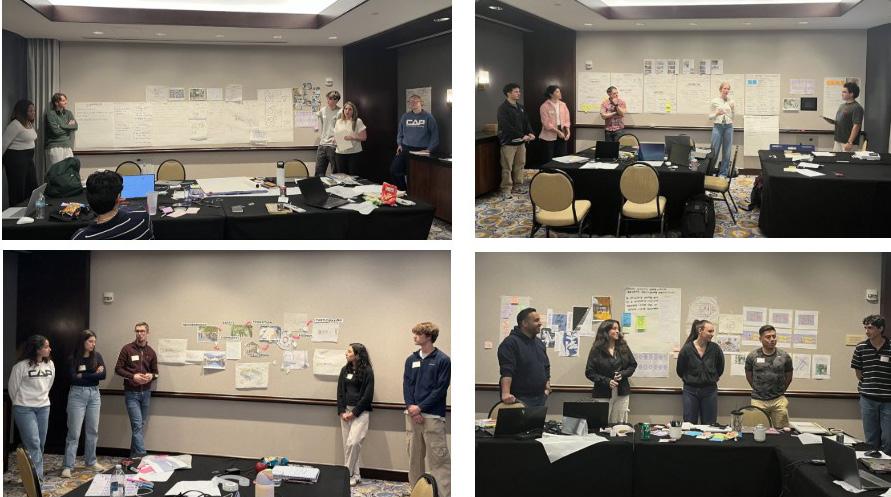
The Tre Cancer Center
Team Neighbors
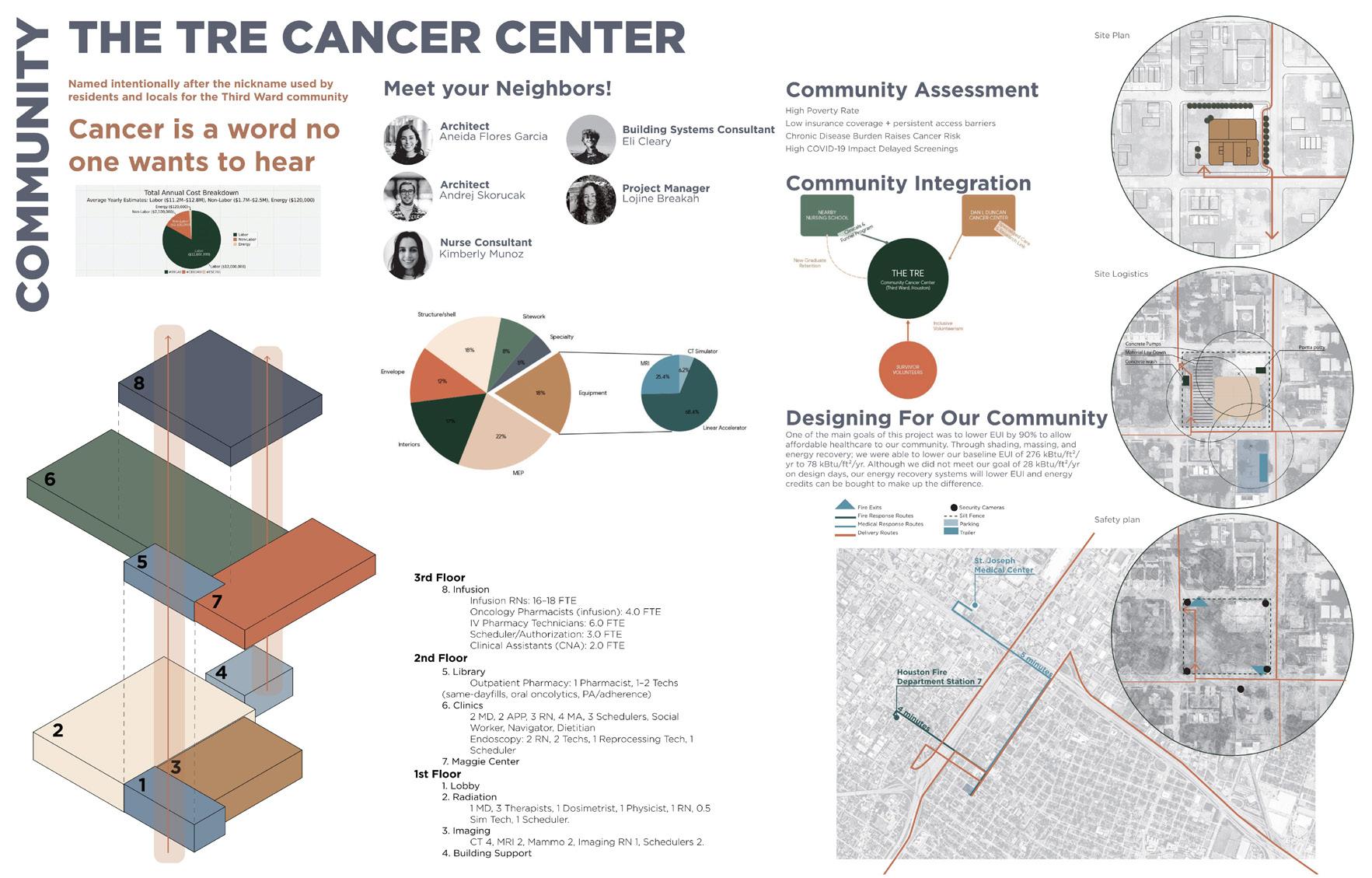
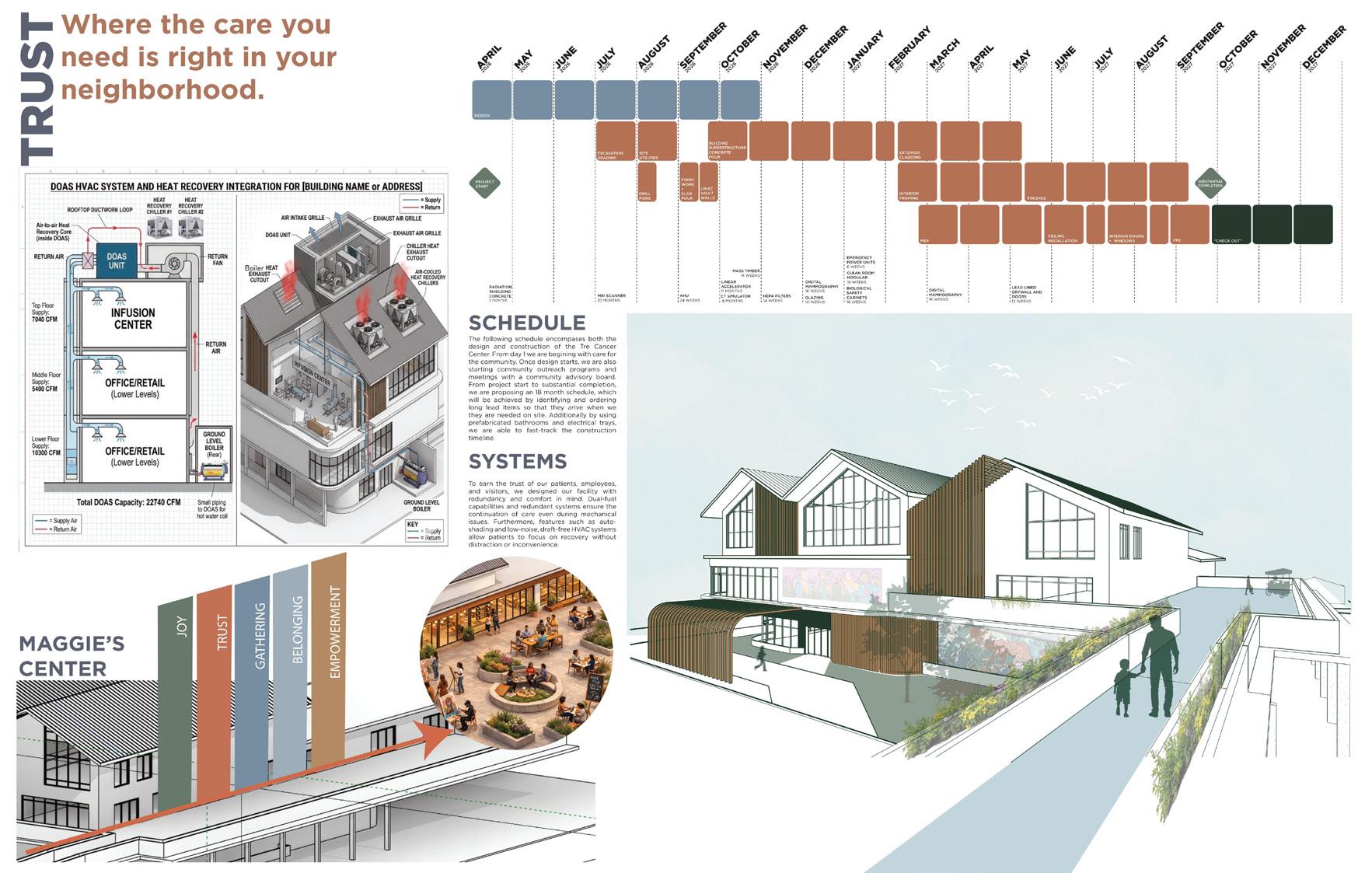
Aneida Flores Garcia, Andrej Skorucak, Kimberly Munoz, Eli Cleary, Lojine Breakah
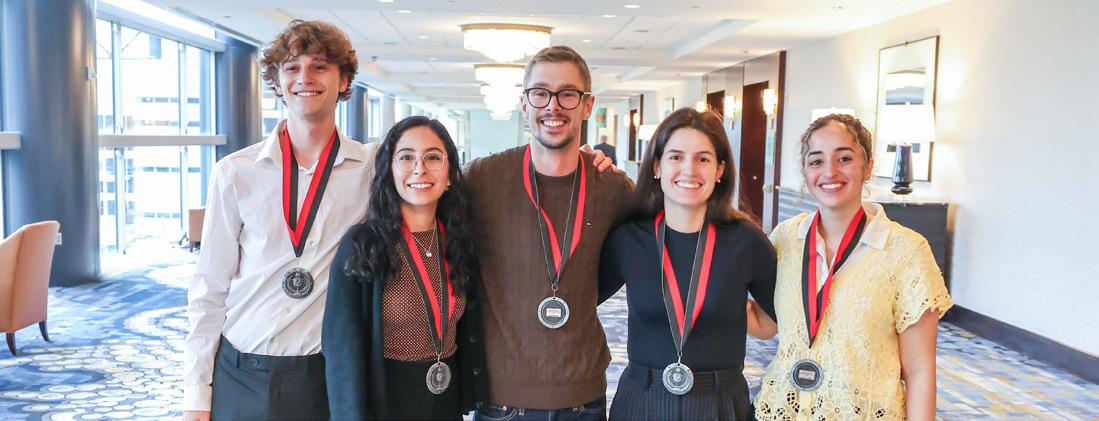
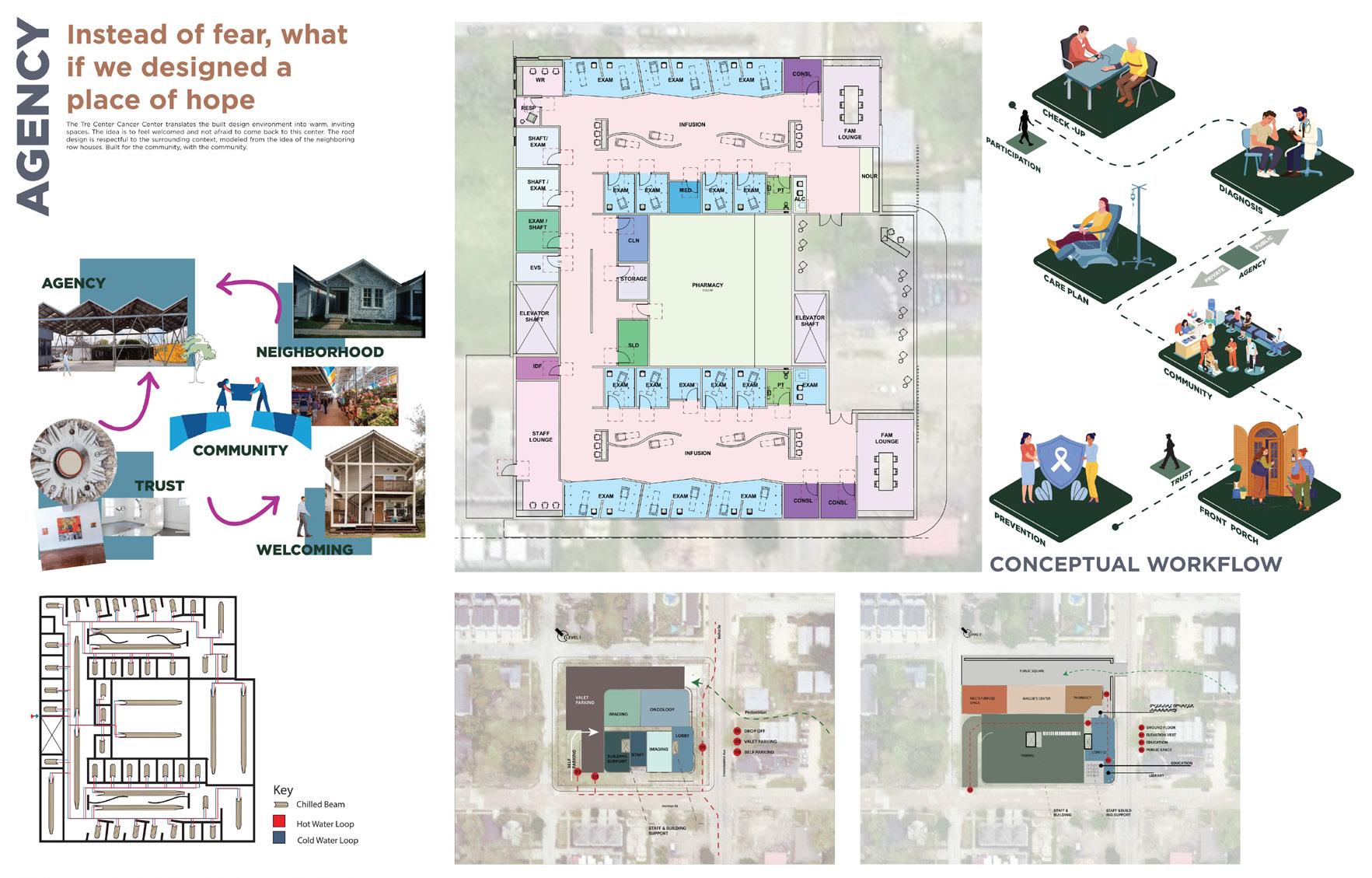
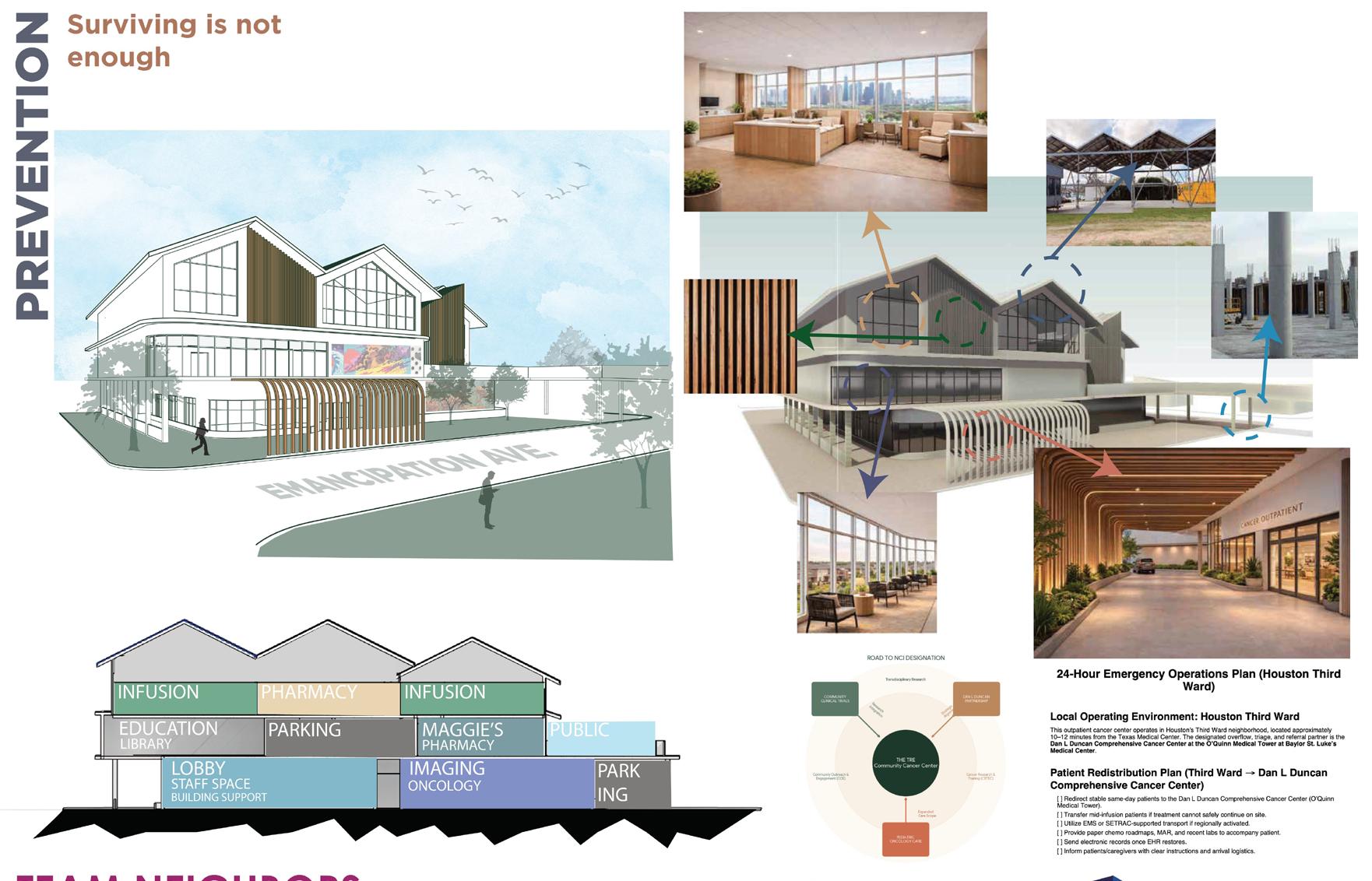
Neighborhood Cancer Care Center
Green Team
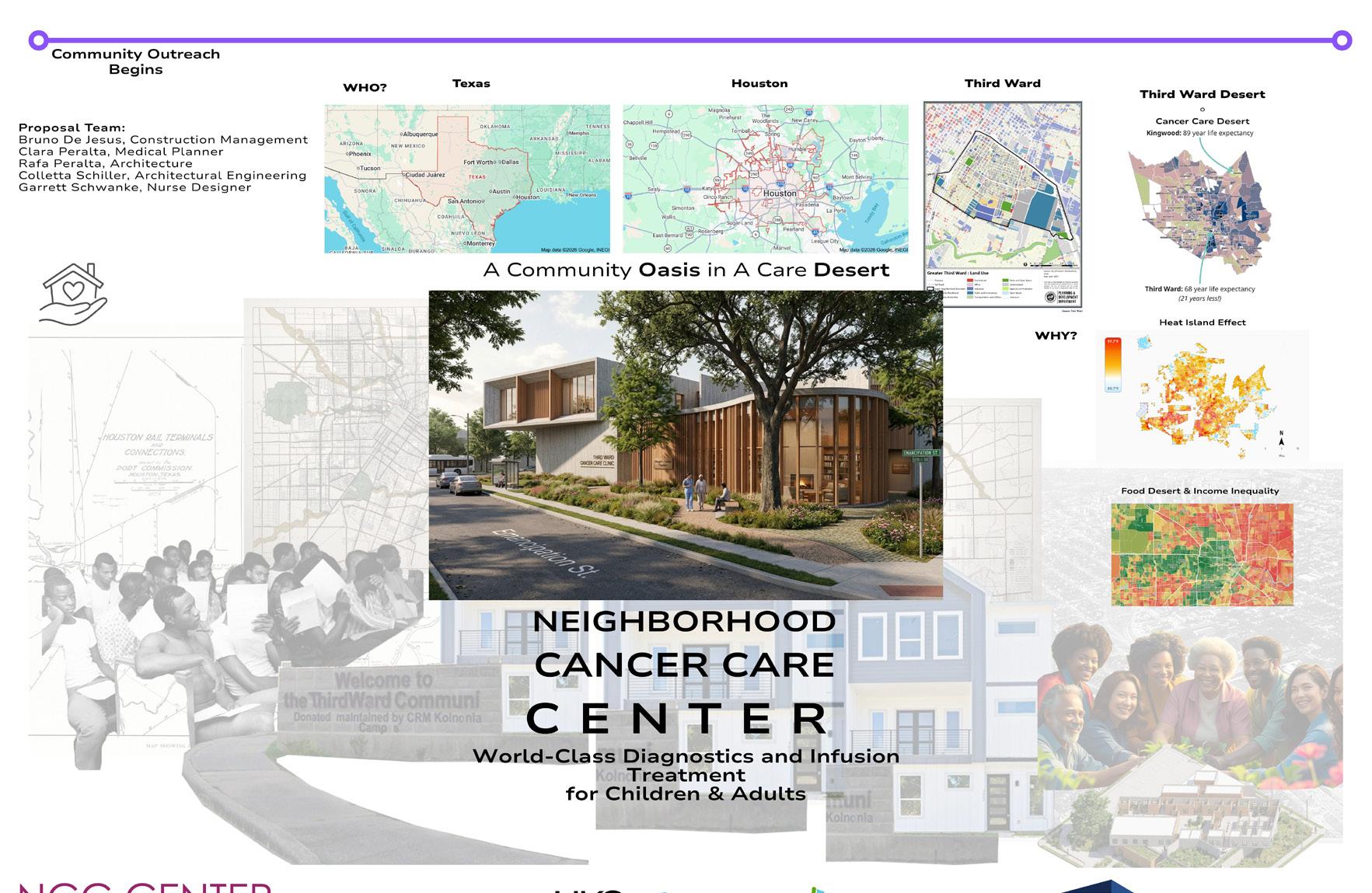
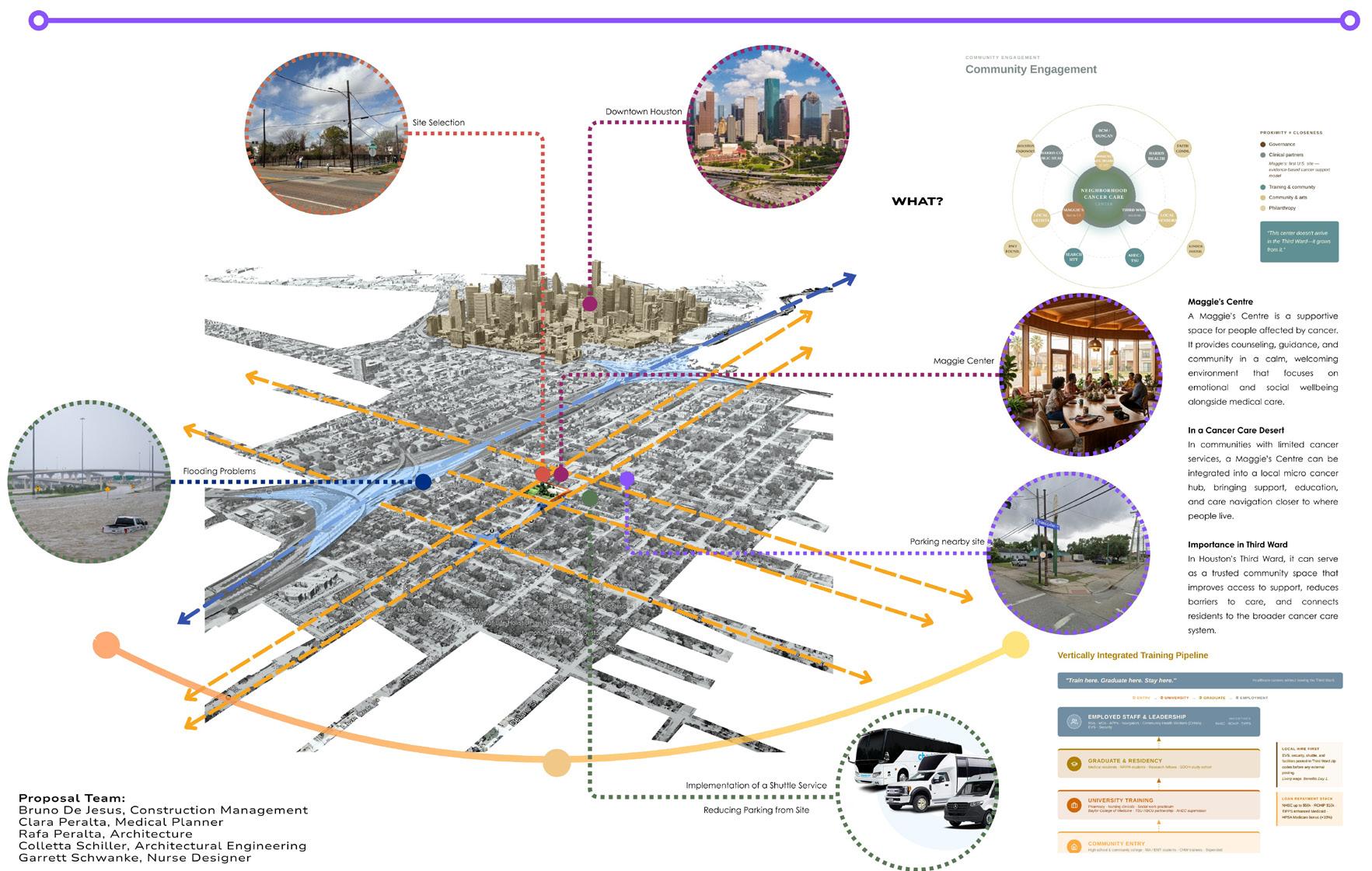
Bruno De Jesus, Clara Peralta, Colletta Schiller, Rafa Peralta, Garrett Schwanke
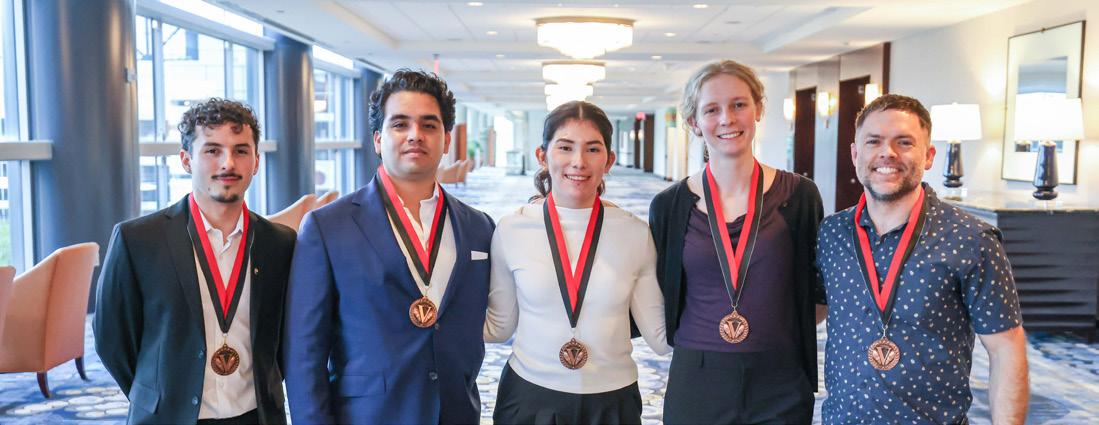
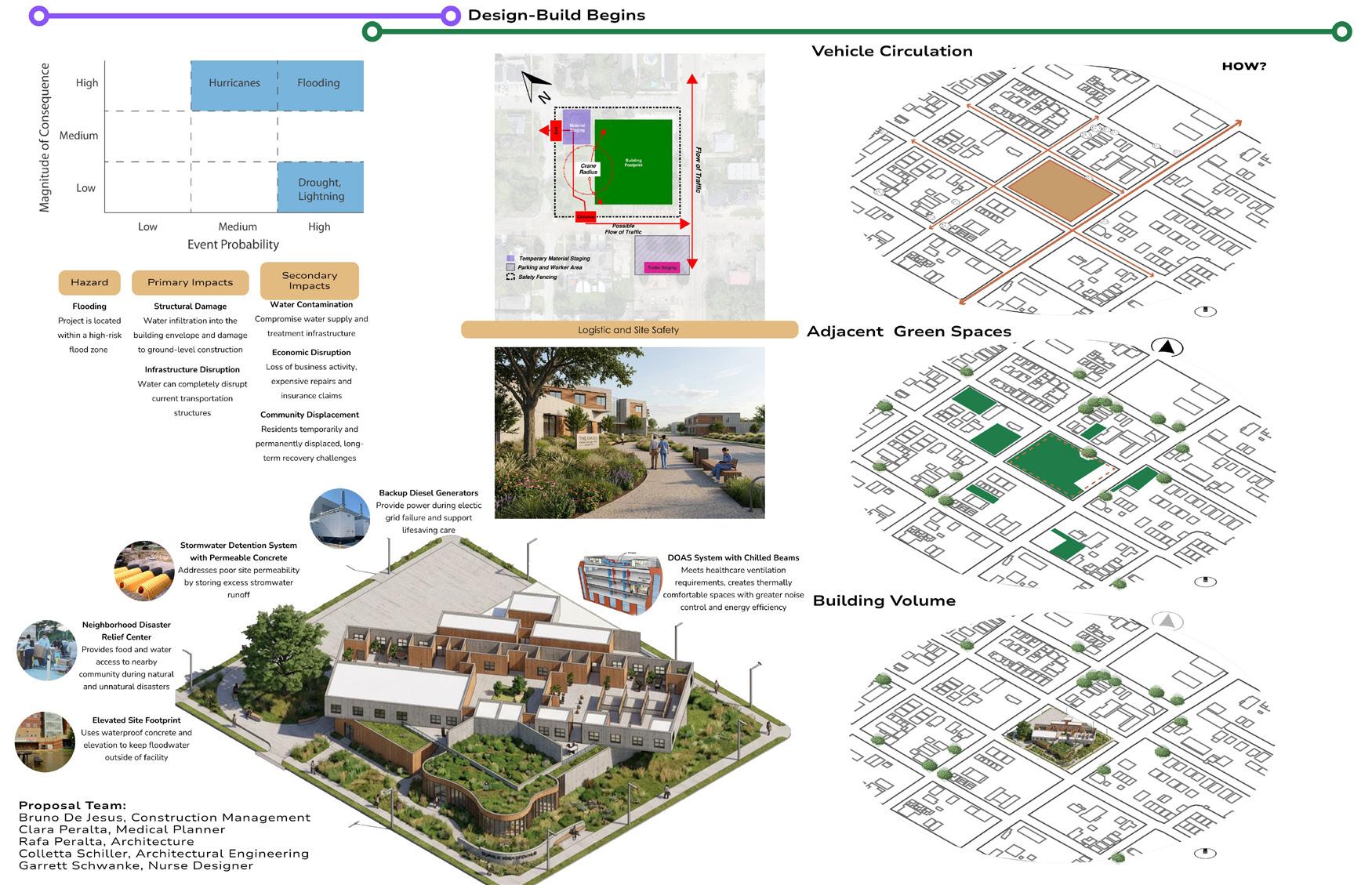
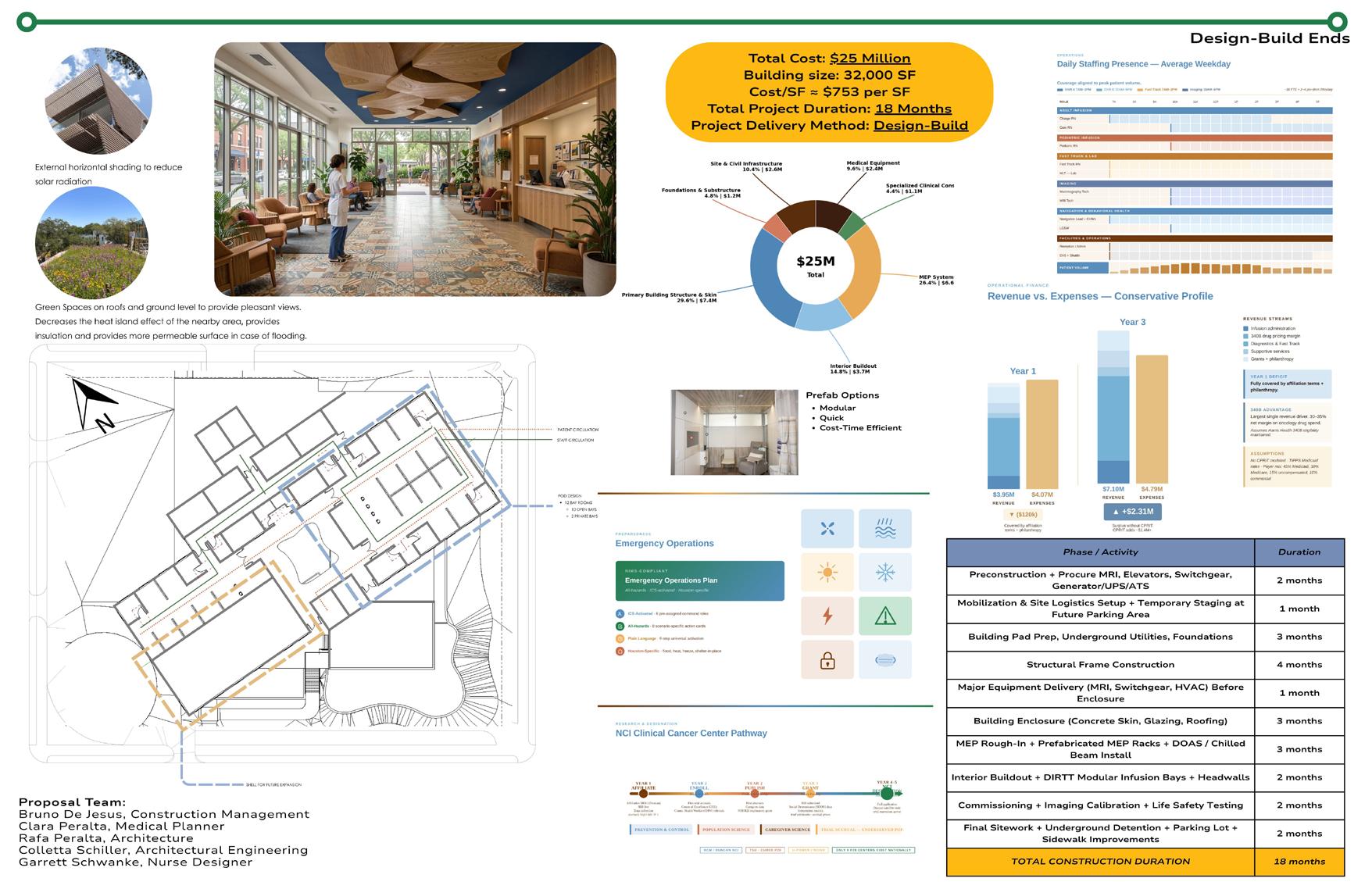
Jazz Note Cancer Collection
The Visionaries
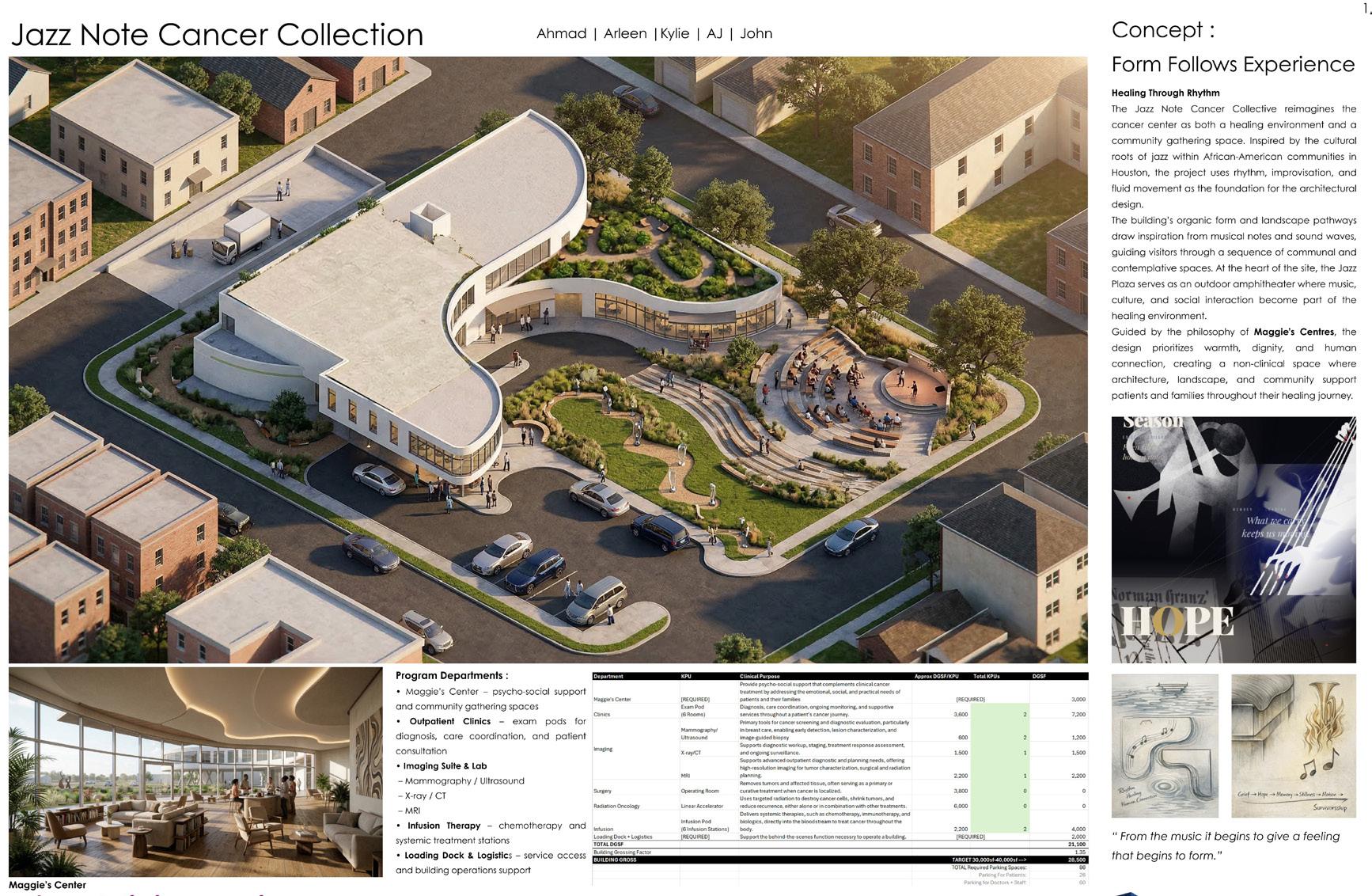
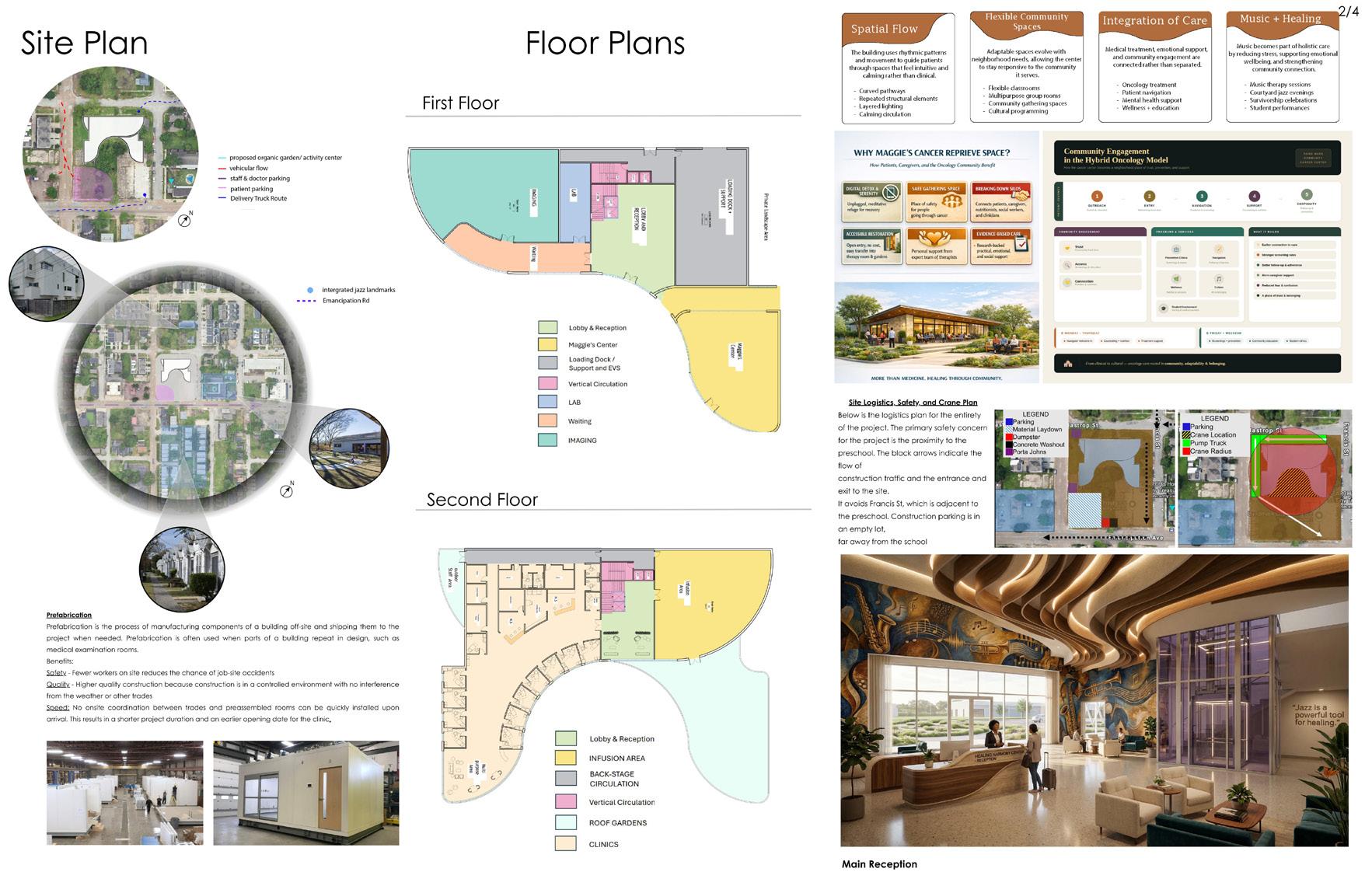
Arleen Arambula, Ahmad Abuzeitoon, John Tobon-Perez, Kylie Woodward, AJ Pacheco Bernal
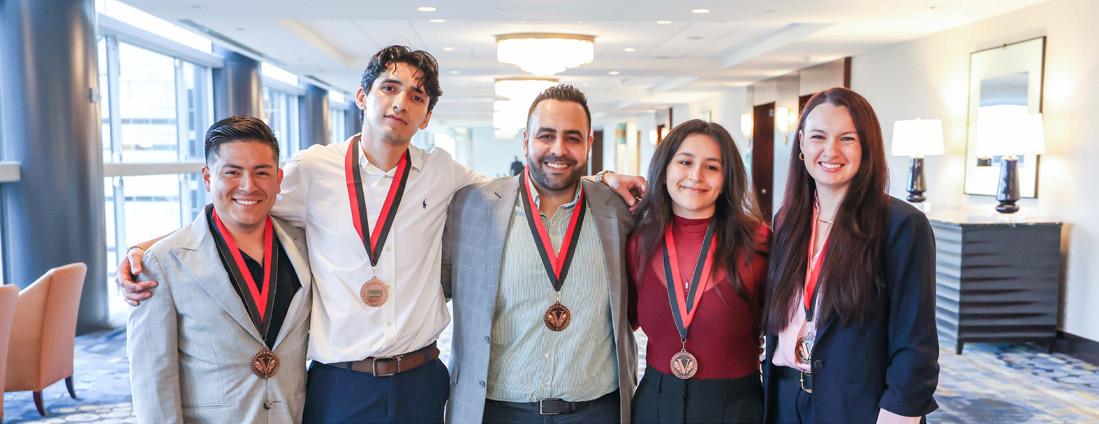
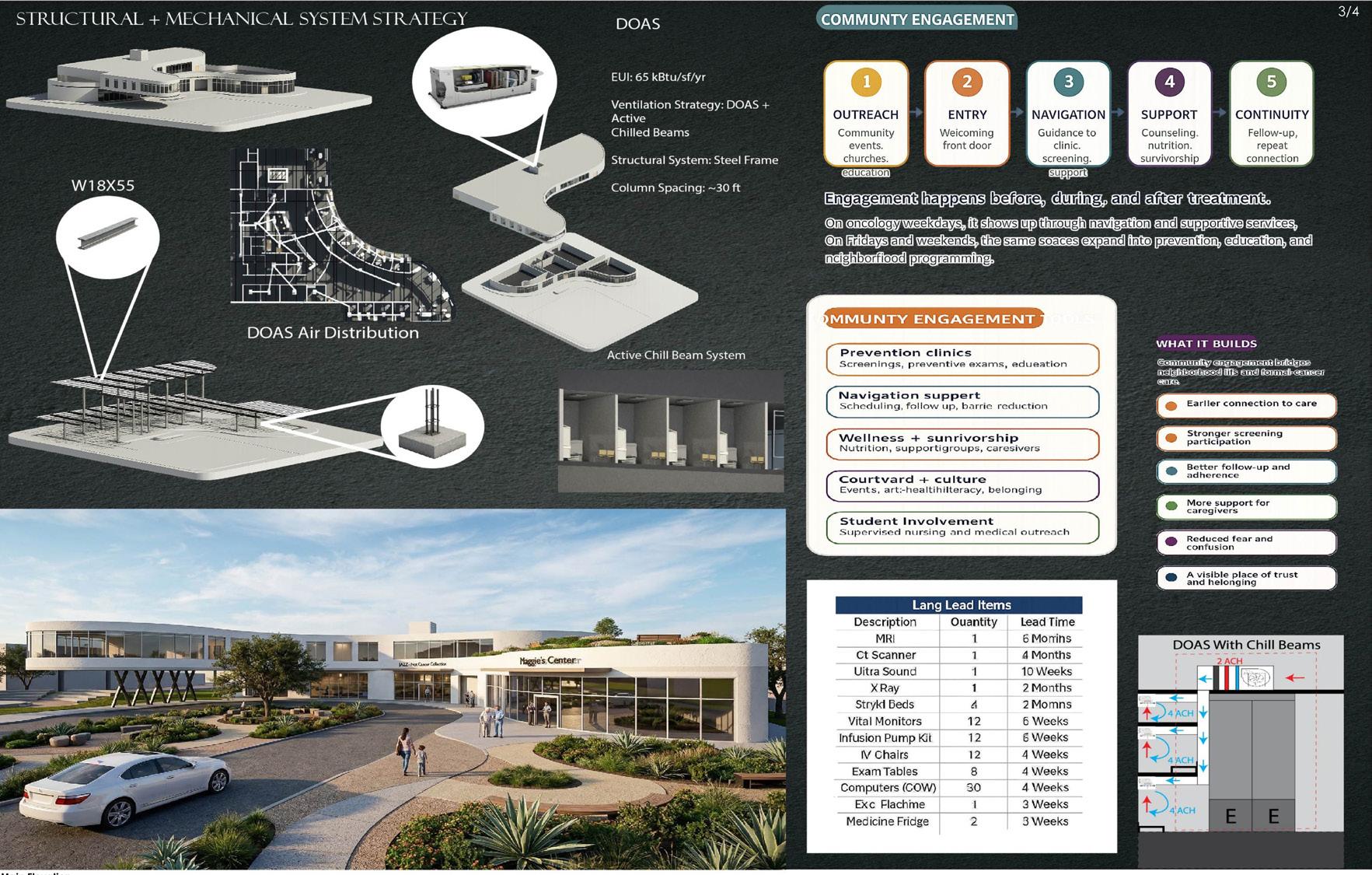
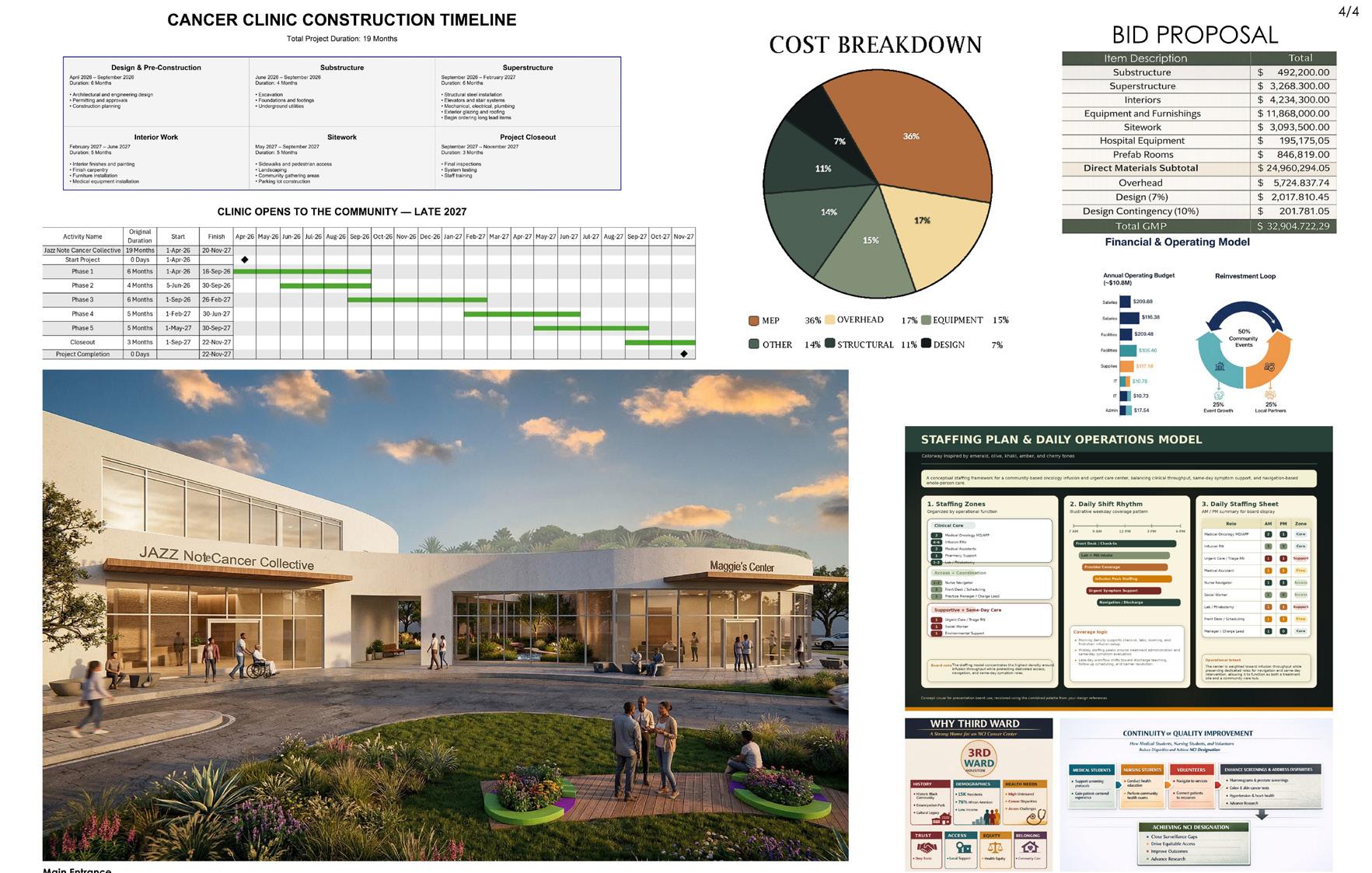
Emancipation Cancer Center
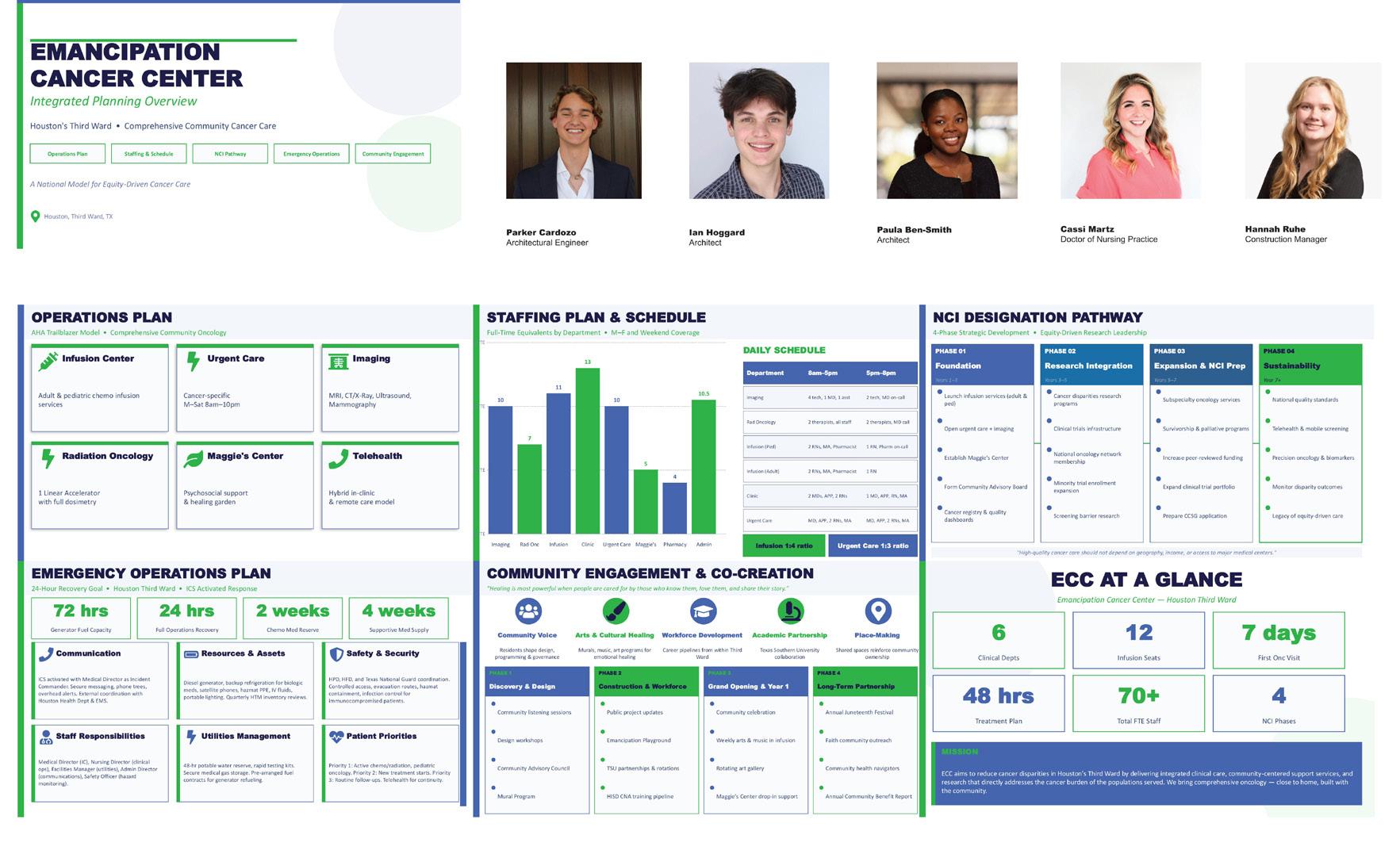
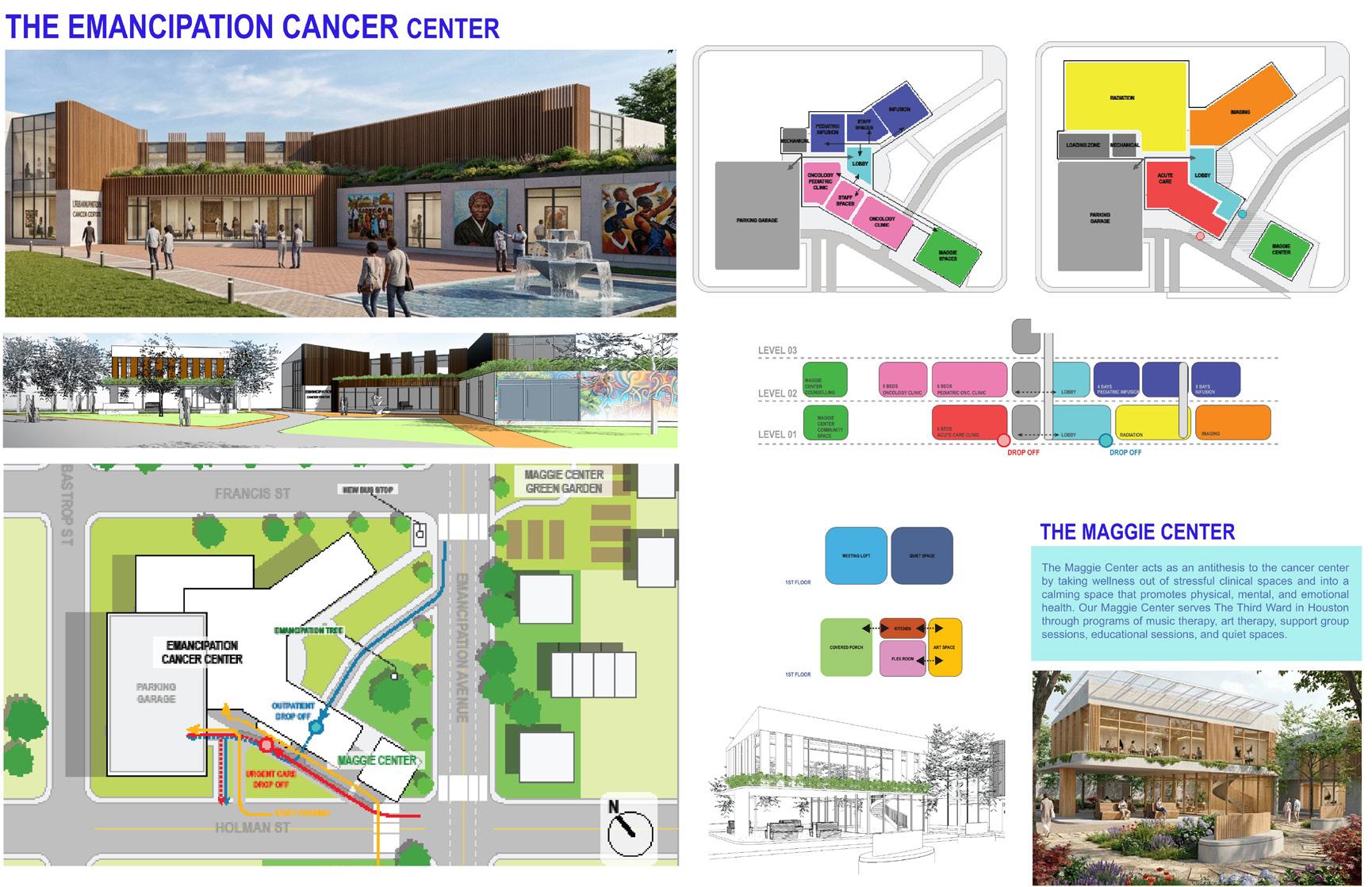
True Blue
Paula Ben-Smith, Ian Hoggard, Parker Cardozo, Cassi Martz, Hannah Ruhe