AAAL acknowledges that Chicago is the traditional homelands of the Council of the Three Fires: The Odawa, Ojibwe, and Potawatomi Nations. Many other Tribes like the Miami, Ho-Chunk, and Sac and Fox also called this area home. Located at the intersection of several great waterways, the land naturally became a site of travel and healing for many Tribes. Now Chicago is home to the third-largest Urban American Indian community. Adapted from the land acknowledgment issued by the American Indian Center of Chicago.
Welcome Message from the President
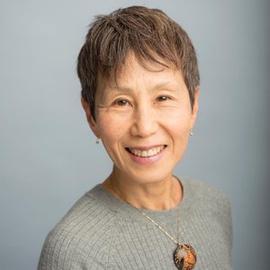
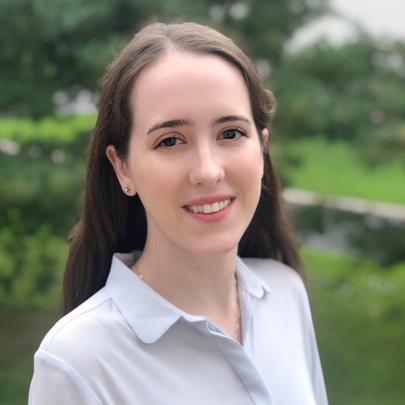
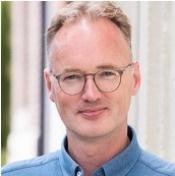
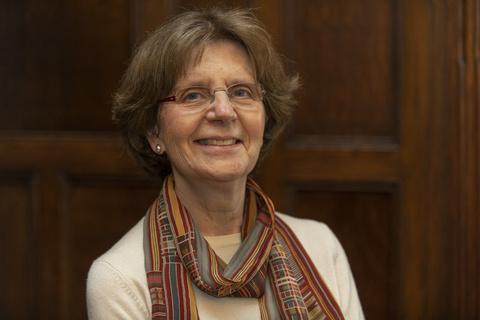
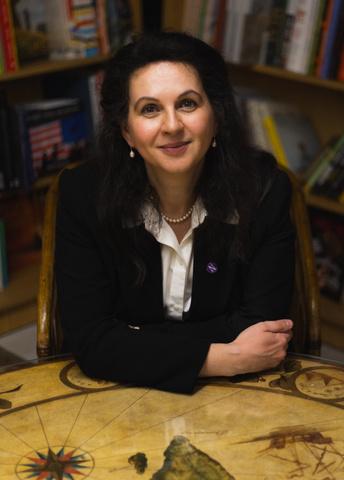
Ryuko Kubota
AAAL President 2025 - 2026
I extend a warm welcome to the 2026 AAAL Annual Conference in Chicago. The AAAL Conference is a global forum for scholarly exchange and networking to advance knowledge across a wide range of applied linguistics topics. Although AAAL is a professional association based in the United States, nearly 40% of its members are international In March 2026, AAAL members and conference attendees will gather together from across the world
The AAAL Annual Conference also offers an intellectual and social forum for applied linguists at various career stages. As the largest single membership category, consisting nearly 40%, graduate students and post doc members will find the conference stimulating with opportunities to present and obtain feedback, learn from peers and scholars whose work is closely related to their research interest, participate in the Graduate Research Roundtable and Social Mixer sponsored by Multilingual Matters, a lunchtime session on Sunday, and Conference Connections, a mentorship program that connects a student with a senior scholar individually or in a small group for supporting research and career paths Faculty members and professionals will also gain from sharing and networking within their strand(s) as well as across our 25 strands For all participants, the conference will offer special opportunities to meet scholars in person, deepen knowledge, and forge new networks. In addition to regular sessions including plenary presentations, invited colloquia, paper presentations, posters, and roundtables, the conference offers special celebrations and events.
The recipients of awards are recognized during the plenary sessions. I would like to draw special attention to the Distinguished Scholarship and Service Award (DSSA) lecture by Lourdes Ortega on Sunday afternoon. Other special sessions include affinity groups, which are interspersed throughout the conference to enable you to connect with people from shared identities. I also encourage you to visit the publishers’ exhibit to gain current information about books and opportunities to talk with editors for your future projects. AAAL offers two social events, welcoming all participants: the Opening Reception on Saturday evening after the plenary session and the Closing Wine & Cheese Reception on Tuesday afternoon. These are excellent opportunities to reconnect with friends and create new networks with scholars.
The Annual Business Meeting is scheduled on Monday from 12:30 to 1:30, during which the Executive Committee (EC) and other Standing Committee leaders will share updates and initiatives of the association I strongly encourage you to attend the meeting One change from the past is that, instead of providing a lunch box, we will offer a $20 voucher for you to use at the hotel market/cafe any time after the meeting. The EC had to make this decision to mitigate the rising costs.
An exciting new initiative starting from this year is a one-day virtual conference one month after the in-person conference. This year, it is scheduled on Friday, April 24, 2026. This provides you with an opportunity, in addition to the in-person conference, to learn from diverse presenters and interact with each other across the world online. If you have not registered yet, I strongly encourage you to do so.
The AAAL 2026 Annual Conference is made possible by the dedication and tireless work offered by the First Vice President, Mari Haneda at the Pennsylvania State University, and her conference planning team I would also like to thank Robert Randez, the Conference Team Technical Specialist, for offering his technical expertise for the program planning I extend my appreciation to the strand coordinators and reviewers who reviewed proposals to ensure the excellence of presentations, and countless other volunteers and leaders who contributed to the conference planning. Special thanks also go to our sponsors, who offered not only financial support but also academic resources. Finally, huge thanks go to our Business Office with amazing management team members Val Smith, Hannah O’Dell, Alisha Haskell, and Jenny Lehigh. Their professional expertise behind the scenes sustains the execution of not only our conference but all our activities.
I look forward to seeing all of you in Chicago!
Welcome Message from the Conference Chair
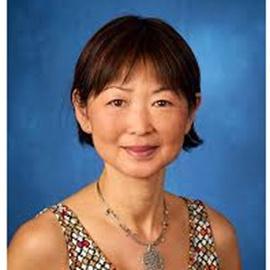
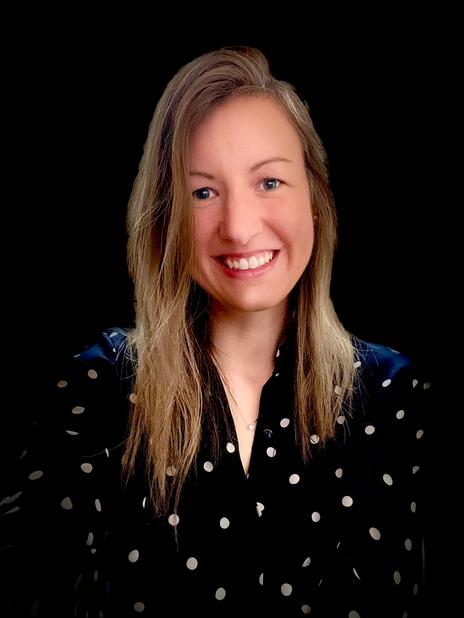
Mari Haneda
AAAL First Vice President 2025 - 2026
It is with great pleasure that I welcome you to AAAL 2026 in Chicago, Illinois. Chicago is “the traditional homelands of the Council of the Three Fires: The Odawa, Ojibwe and Potawatomi Nations. Many other Tribes like the Miami, HoChunk, Sac and Fox also called this area home” (American Indian Center of Chicago). For first-time attendees of a AAAL conference, I hope that AAAL will become your new intellectual home. We are thrilled that there are nearly 2,000 domestic and international attendees at AAAL 2026 in Chicago despite an adverse political climate in the United States The conference theme is reimagining disciplinary practices
To kick off the conference, three pre-conference workshops will be offered on the University of Illinois-Chicago campus on March 20. These workshops will be followed immediately by the Graduate Research Roundtable and a social mixer event at the conference hotel that are sponsored by Multilingual Matters. From Saturday (3/21) to Tuesday (3/24), in addition to refereed colloquia, roundtable and poster presentations, there are 6 plenary talks, 7 invited colloquia, the DSSA Award address, and a variety of special sessions.
These special sessions include 7 affinity group networking sessions, an invited talk on Indigenous language revitalization, a journal editor session, and many other special interest group events focused on a variety of topics. We welcome everyone to the Opening Reception on Saturday (3/21) from 7-8 pm and the Closing Wine and Cheese Reception on Tuesday (3/24) from 3-4:00 pm.
The conference of this scale would not have been possible without many volunteers who worked tirelessly. We are indebted to strand coordinators and reviewers who dedicated their summer 2025 to review proposals. Their names are recognized in this program pdf We are also grateful to student volunteers on site here in Chicago All AAAL committees, councils, and the AAAL Executive Committee worked to make this conference a reality This includes the Graduate Student Council members, members who served on all the award committees, the JEDI Committee, the PAEC, the Committee on Online Education and Outreach, and the Conference Connections Committee. I thank the leadership team members for their support, too. Also indispensable has been the expert support of staff members at Nardone Consulting Group: Valerie Smith, Jenny Lehigh, Hannah O’Dell, and Alisha Haskell. I would also like to express my deep gratitude to our sponsors for their support.
Last but not least, I am deeply appreciative of the outstanding work performed by the Penn State University Conference Planning Team, including Pedro de Lima Bastos, Grace Kim, Ty Liu, Merve Özcelik, Ian Scheneider, Dr. Nicole Siffrinn, and Ying Xiong I have been fortunate to work with this amazing group of six doctoral students and one faculty member I also thank Dr Robert Randez (the Conference Team Technical Specialist) for his skillful work with scheduling and Dr Kara Morgan-Short (the Local Conference Coordinator) and her team for providing valuable support for pre-conference workshops.
We look forward to seeing you in Chicago!
Conference Organizing Team
The Pennsylvania State University - Based Conference Team for AAAL
AAAL Conference Chair:
Mari Haneda
AAAL Business Office Liaison Team:
Merve Özçelik
Nicole Siffrinn
A
ffinity Group Facilitation Team:
Pedro Augusto de Lima Bastos
Ying Xiong
Orientation Video Production Team:
Ian Thomas Schneider
Pedro Augusto de Lima Bastos
Corporate Sponsor Liaison Team:
Nicole Siffrinn
Tianyu "Ty" Liu
Graduate Student Awards Coordinators:
Merve Özçelik
Nicole Siffrinn
Indigenous Communities Liaison Team:
Ian Thomas Schneider
Pedro Augusto de Lima Bastos
GSC Liaison:
Ying Xiong
Program Logistics Coordinators:
Pedro Augusto de Lima Bastos
Ying Xiong
Program Scheduling Team:
Ian Thomas Schneider
Tianyu "Ty" Liu
Strand Coordination and Abstract Review Team:
Pedro Augusto de Lima Bastos
Tianyu "Ty" Liu
Merve Özçelik
Ian Thomas Schneider
Nicole Siffrinn
Ying Xiong
Note-taking Team:
Grace Benner Kim
Merve Özçelik
Conference Organizing Team
Mari Haneda
Ying Xiong
Grace Benner Kim
Ian Thomas Schneider
Pedro Augusto de Lima Bastos
Merve Özçelik
Tianyu "Ty" Liu
Nicole Siffrinn
FRIDAY, MARCH 20
3:00 pm - 8:00 pm
4:30 pm - 8:00 pm
Schedule at a Glance
Registration Desk Open
Graduate Research Roundtable and Social Mixer
SATURDAY, MARCH 21
7:00 am - 4:30 pm
8:00 am - 9:40 am
8:00 am - 10:00 am
9:00 am - 4:30 am
9:40 am - 10:10 am
9:40 am - 10:40 am
10:10 am - 11:15 am
11:20 am - 12:25 pm
12:30 pm - 1:45 pm
1:50 pm - 3:50 pm
1:50 pm - 3:30 pm
3:30 pm - 4:00 pm
3:30 pm - 4:30 pm
4:00 pm - 5:40 pm
5:55 pm - 7:00 pm
7:00 pm - 8:00 pm
Registration Desk Open
Concurrent Sessions-Colloquia, Papers
Invited Colloquium
Exhibits
Coffee Break
Poster Sessions
Concurrent Sessions-Colloquia, Papers
Plenary - Sible Andringa
Lunch Break (On Your Own)
Invited Colloquium
Concurrent Sessions-Colloquia, Papers
Coffee Break
Poster Session
Concurrent Sessions-Colloquia, Papers
Plenary - Susan Gal
Welcome Reception
SUNDAY, MARCH 22
7:00 am - 4:30 pm
8:00 am - 9:40 am
8:00 am - 10:00 am
9:00 am - 4:30 pm
9:40 am - 10:10 am
9:40 am - 10:40 am
10:10 am - 11:15 am
11:20 am- 12:25 pm
12:30 pm - 1:45 pm
1:45 pm - 3:30 pm
1:50 pm - 3:50 pm
3:30 pm - 4:00 pm
3:30 pm - 4:30 pm
4:00 pm - 5:40 pm
5:55 pm - 7:00 pm
Registration Desk Open
Concurrent Sessions-Colloquia, Papers
Invited Colloquium
Exhibits
Coffee Break
Poster Session
Concurrent Sessions-Colloquia, Papers
Plenary - Becky Huang
Lunch Break (On Your Own)
Concurrent Sessions-Colloquia, Papers
Invited Colloquium
Coffee Break
Poster Session
Concurrent Sessions-Colloquia, Papers
Plenary - Scott Jarvis
MONDAY, MARCH 23
7:00 am - 4:30 pm
8:00 am - 9:40 am
8:00 am - 10:00 am
8:00 am - 5:00 pm
9:00 am - 4:00 pm
9:40 am - 10:10 am
10:10 am - 11:15 am
11:20 am - 12:25 pm
12:30 pm - 1:45 pm
12:30 pm - 1:45 pm
1:50 pm - 3:50 pm
1:50 pm - 3:30 pm
3:30 pm - 4:00 pm
4:00 pm - 5:55 pm
5:55 pm - 7:00 pm
Registration Desk Open
Concurrent Sessions-Colloquia, Papers
Invited Colloquium
Roundtables
Exhibits
Coffee Break
Concurrent Sessions-Colloquia, Papers
Plenary - Ruanni Tupas
Lunch Break (On Your Own)
AAAL Business Meeting
Invited Colloquium
Concurrent Sessions-Colloquia, Papers
Coffee Break
Concurrent Sessions-Colloquia, Papers Plenary - Viorica Marian
Concurrent Sessions-Colloquia, Papers Wine and Cheese Reception
Conference Sponsors
Thank You To Our 2026 Conference Sponsors
AAAL thanks the following sponsors for their generous support of the 2026 Conference and of the field of applied linguistics Visit all our Sponsors and Exhibitors at the Exhibit Hall
Premier Sponsor
Conference Sponsors
Sponsor
Sponsor
Platinum
Diamond
ASL Interpreter
Conference Friends
Conference Information
Registration Information
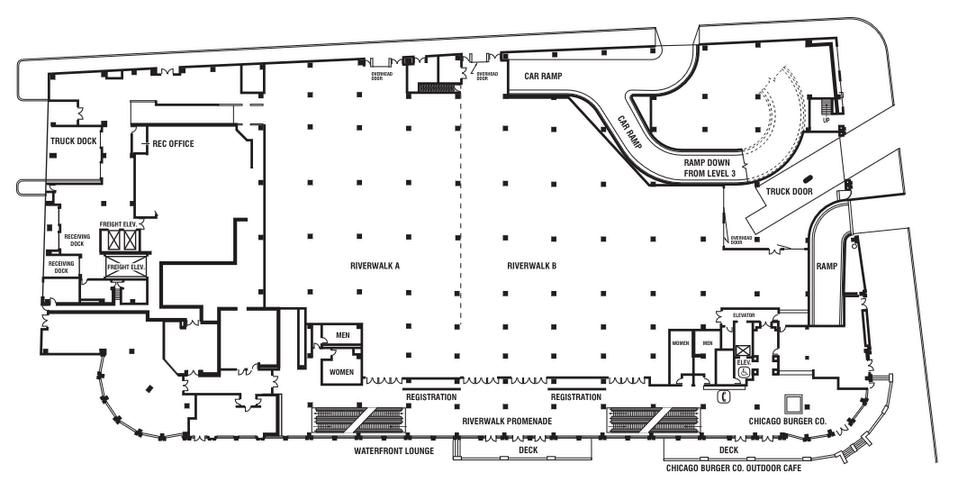
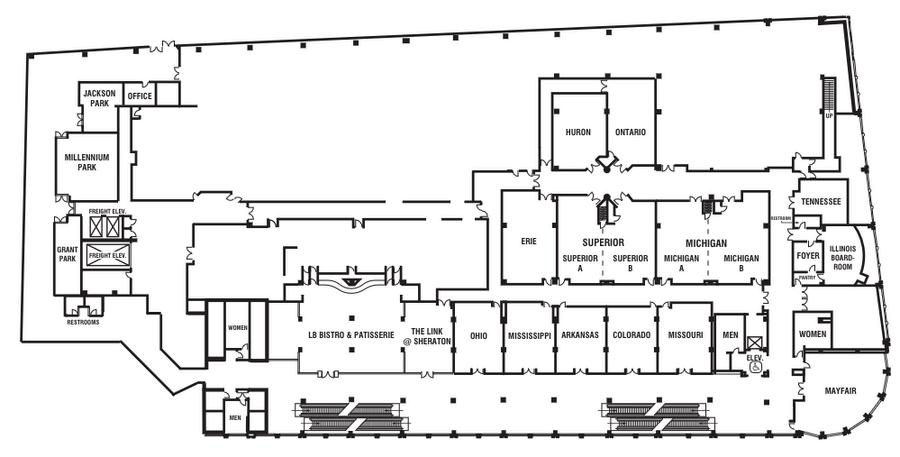
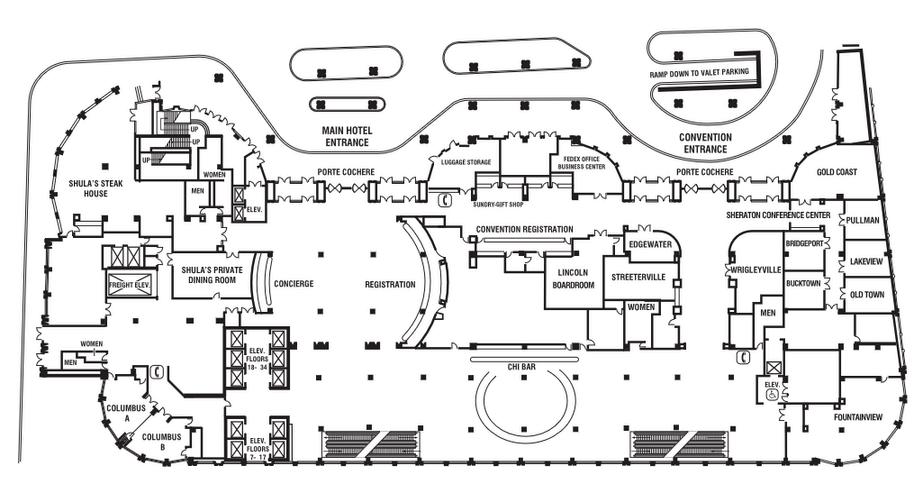
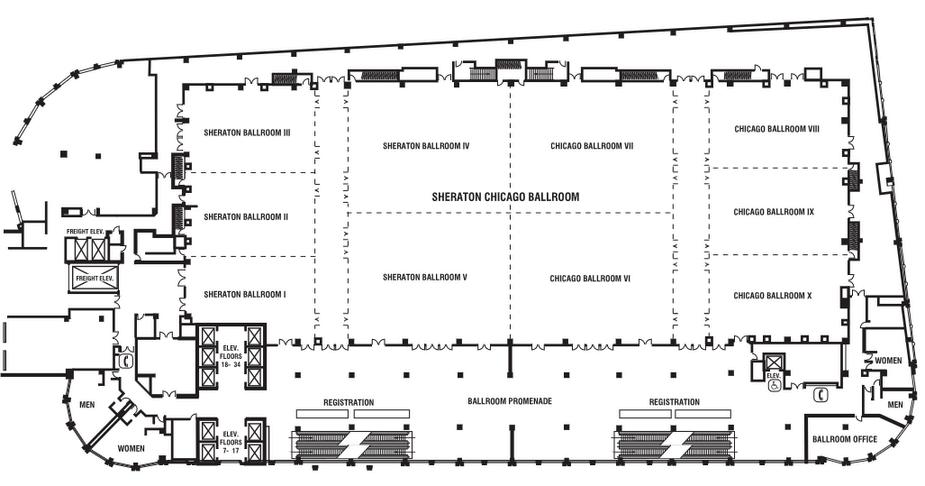
Registration desk will be on the Lobby Level - Third Floor on Friday and Ballroom Level Promenade - Fourth Floor from Saturday - Tuesday.
Friday, March 20
Saturday, March 21
Sunday, March 22
Monday, March 23
Tuesday, March 24
3:00 pm - 8:00 pm
7:00 am - 4:30 pm
7:00 am - 4:30 pm
7:00 am - 4:30 pm
7:00 am - 2:00 pm
Exhibit Hall Hours
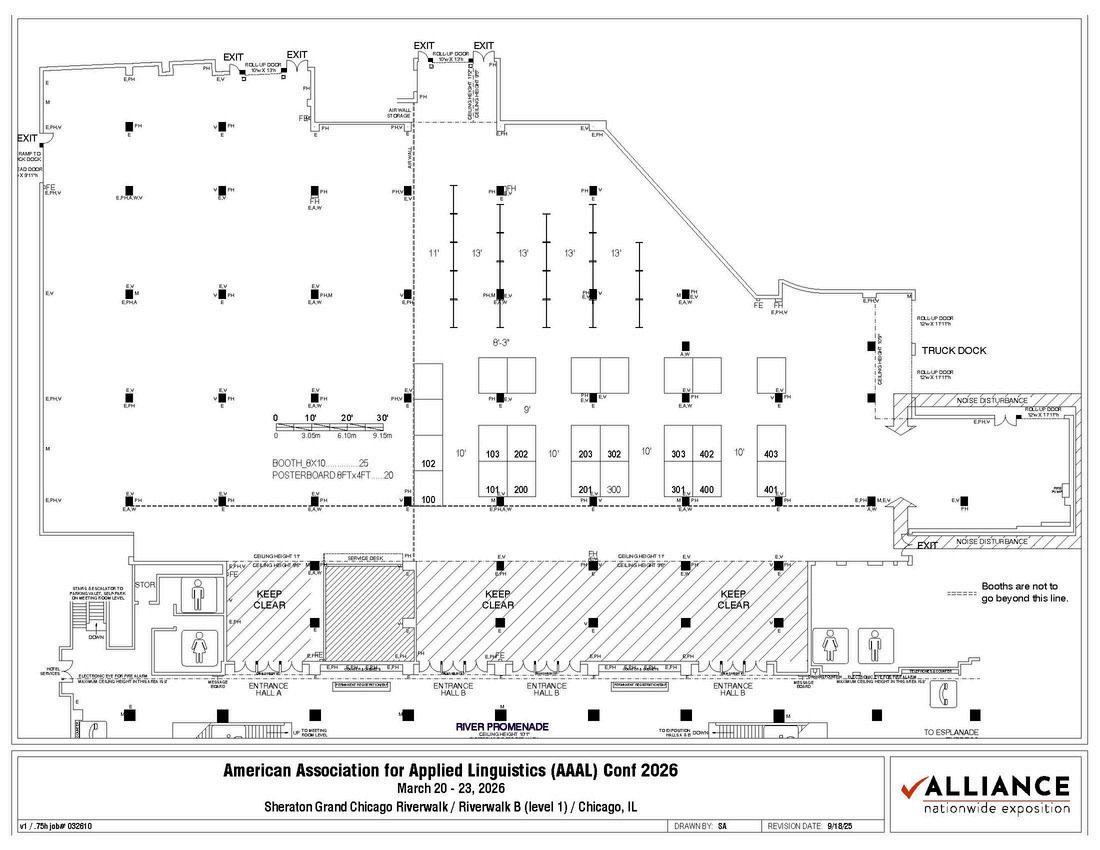
Sponsors and exhibitors will take place in Riverwalk Level - First Floor - Riverwalk B and are open at the following times:
A current copy of the Sheraton Chicago’s Emergency Procedures can be found here.
Session Guidelines
General Guidelines - All presenters must present their work during their scheduled time. Do not start early even if the previous presenter is absent or finished early. Once your scheduled time is over, promptly leave the podium so that the next presenter can set up their equipment and start the next session on time.
Inclusive Presenter Guidelines - Our aim is to foster an environment that is accessible and inclusive to everyone, including people with disabilities and individuals from other equitydeserving communities. Your cooperation as a presenter is critical in achieving this goal. AAAL Inclusive Presenter Guideline can be found here.
Colloquium - Your colloquium must conform to the one-hour or two-hour length for which you were accepted. The colloquium organizer(s) is responsible for deciding and monitoring the time length of each presentation within the colloquium, ensuring that sufficient time is provided for questions and discussion with the audience, and ending the session on time. Signs for keeping time are provided in each room, reading “5 minutes,” “2 minutes,” “1 minute,” and “STOP”. It is essential that the order of paper presentations is the same as announced in the program. Attendees may plan to attend some papers and not others within a colloquium.
Individual Papers - There will not be designated session chairs. When your presentation time comes, announce your session title, introduce yourself very briefly, and start your presentation. Each presentation is 20 minutes long, followed by 10 minutes for questions, and 5 minutes for the audience to change rooms. Presenters within a session are responsible for helping each other keep time during the talk and question period. Signs are provided in each room reading “5 minutes,” “2 minutes,” “1 minute,” and “STOP” to use in keeping time.
Roundtable Sessions - There will be 10 concurrent roundtable presentations in the room during your 60-minute session. You will be assigned to a table that seats up to 10 attendees. A large poster outside of the Chicago 9 - Fourth Floor will tell you which table you are assigned to. Make sure to check your table assignment. Your table will have three presenters, including you. The session will last for 60 minutes. Each presenter will have 10 minutes to present. After the three presentations, invite the attendees for discussion and Q&A for 30 minutes. There will be a timekeeper in the room. You and the rest of concurrent presenters at each table will be stopped after 30 minutes to begin the group discussion.
Poster Sessions - After you have set up your poster, you are not required to be present in Riverwalk B for the whole morning or afternoon. You are responsible for being present at your poster only during your scheduled time. Your scheduled poster slot overlaps with either the morning or the afternoon coffee break. Conference attendees will grab a coffee and visit the poster session. They will use this one-on-one time with poster presenters to learn more, ask questions, and interact with you about the poster. For the rest of the morning or afternoon, you may choose to stay at your poster board at your discretion.
Complimentary Wi-Fi is available in the Sheraton Grand Riverwalk conference area as well as the guest rooms To access the hotel internet in the conference area:
Network Name: AAAL2026
Password: AAAL2026 (password is case sensitive) To view available networks click on the “AAAL2026” network to connect. When prompted, enter the password.
AAAL 2026 Strand Coordinators
Analysis of Discourse and Interaction (DIS)
Stephen Looney, Pennsylvania State University
Innhwa Park, West Chester University of Pennsylvania
Kevin W. H. Tai, Faculty of Education, The University of Hong Kong
Antiracism, Decolonization, and Intersectionality for Systemic Transformation (ADIST)
Gail Prasad, York University
Kevin Wong, Pepperdine University
Assessment and Evaluation (ASE)
Ahmet Dursun, University of Chicago
Erik Voss, Teachers College, Columbia University
Bilingual, Immersion, Heritage, and Minority Education (BIH)
Virak Chan, Purdue University
Nicole Siffrinn, Pennsylvania State University
Corpus Linguistics (COR)
Jesse Egbert, Northern Arizona University
Tove Larsson, Northern Arizona University
Educational Linguistics (EDU)
Sergej Ivanov, Linnaeus University
Katherine Yaw, University of South Florida
Language and Ideology (LID)
Pramod Sah, Simon Fraser University
Huseyin Uysal, The Education University of Hong Kong
Language and Technology (TEC)
J. Elliott Casal, The University of Memphis
Ron Darvin, University of British Columbia
Mimi Li, Texas A&M University-Commerce
Language and the Law (LAL)
Scott Jarvis, Northern Arizona University
Language Cognition and Brain Research (COG)
Bimali Indrarathne, Kotelawala Defence University
Language Maintenance and Revitalization (LMR)
Lyn Wright, University of Memphis
Burcu Yaman Ntelioglou, Brandon University
Language Planning and Policy (LPP)
Katherine Flowers, University of Massachusetts Lowell
Magdalena Madany-Saa, University of Oslo
Language, Culture, and Socialization (LCS)
Jaran Shin, Kyung Hee University
Yi Wang, Stony Brook University
Language, Gender, and Sexuality (LGS)
Rodrigo Borba, Federal University of Rio de Janeiro
Mie Hiramoto, National University of Singapore
Phonology/Phonetics and Oral Communication (POC)
Jimin Kahng, University of Mississippi
Ines Aileen Martin, U S Naval Academy
Pragmatics (PRG)
Remi Van Compernolle, Carnegie Mellon University
Reading, Writing, and Literacy (RWL)
Laura Mahalingappa, University of Maryland
Yaqi Shen, University at Albany, SUNY
Research Methodology (REM)
Shaofeng Li, The Hong Kong Polytechnic University
Ashley Moore, University of Toronto
Second and Foreign Language Pedagogy (PED)
Fan Fang, The Education University of Hong Kong
Rowland Imperial, Trinity College, Dublin
Matthew Poehner, The Pennsylvania State University
Francis Troyan, The Ohio State University
AAAL 2026 Strand Coordinators
Second Language Acquisition, Language Acquisition, and Attrition (SLA)
Ali Al-Hoorie, Saudi TESOL, Saudi Arabia
Meagan Driver, Michigan State University
Sanghee Kang, Carnegie Mellon University
Sociolinguistics (SOC)
Daisuke Kimura, Waseda University
Sheng-Hsun Lee, University of Queensland
Teacher Education, Beliefs, and Identities (TED)
Michel Riquelme Sanderson, Universidad Arturo Prat
Juyoung Song, Murray State University
Amber Warren, Vanderbilt University
Bedrettin Yazan, The University of Texas at San Antonio
Text Analysis (Written Discourse) (TXT)
Youngjoo Yi, The Ohio State University
Translation, Interpretation and Language Access (TRI)
Claudia Angelelli, Heriot-Watt University - Centre for Translation and Interpreting Studies in Scotland
Eriko Sato, Stony Brook University
Vocabulary and Lexical Studies (VOC)
Yingzhao Chen, National University of Singapore
Xuehong He, Swansea University, UK
Kohei Miki, Kindai University
Abstract Reviewers
Analysis of Discourse and Interaction (DIS)
Michele Back, University of Connecticut
Rodrigo Borba, Federal University of Rio de Janeiro
Merve Bozbiyik, Mälardalen University
Adam Brandt, Newcastle University, UK
Emma Brooks, University College London
Matthew Burdelski, University of Hawaii at Manoa
M Sidury Christiansen, The University of Texas at San Antonio
Carlo Cinaglia, Florida State University
Sarah Creider, Teachers College, Columbia University
Anna De Fina, Georgetown University
Ryan Deschambault, University of British Columbia
Curtis Green-Eneix, University of Nottingham Ningbo
Spencer Hazel, Newcastle University
Yingliang Elvin He, UCLA
John Hellermann, Portland State University
Mian Hu, Faculty of Education, University of Hong Kong
Akiko Imamura, University of Michigan
Hale Isik Guler, Middle East Technical University
Ying Jin, The Hong Kong Polytechnic University
Gabriele Kasper, University of Hawai'i at Manoa
Stephanie Kim, California State University Northridge
Brian King, University of Hong Kong
Zhen Li, Education University of Hong Kong
Carol Lo, New York University
Daron Loo, Universiti Malaysia Sabah
Stephen Looney, Pennsylvania State University
Anna Mendoza, University of Illinois at Urbana-Champaign
Stephen Moody, Brigham Young University
Junko Mori, University of Wisconsin-Madison
Hanh Nguyen, Hawaii Pacific University
David Palfreyman, United Arab Emirates University
Innhwa Park, West Chester University of Pennsylvania
Josh Prada, University of Groningen
Matthew Prior, Arizona State University
Kongji Qin, New York University
Elizabeth Reddington, Kean University
Eunseok Ro, Pusan National University
Olcay Sert, Malardalen University
Jaspal Singh, The Open University
Nadja Tadic, Georgetown University
Kevin W. H. Tai, Faculty of Education, The University of Hong Kong
Hugo Wing-Yu Tam, The Education University of Hong Kong
Alfred Tsang, Hong Kong University of Science and Technology
Santoi Wagner, University of Pennsylvania
Anchalee Wannaruk, Suranaree University of Technology
Amber Warren, Vanderbilt University
Csilla Weninger, Nanyang Technological University
Meike Wernicke, University of British Columbia
Nick Wong, Hong Kong University of Science and Technology
Junichi Yagi, Waseda University
Birgul Yilmaz, University of Exeter
Miaomiao Zuo, Huizhou University
Antiracism, Decolonization, and Intersectionality for Systemic Transformation (ADIST)
Angelica Amezcua, University of Washington
Uju Anya, Carnegie Mellon University
Theresa Austin, University of Massachusetts Amherst
Martha Bigelow, University of Minnesota
Rodrigo Borba, Federal University of Rio de Janeiro
Sherrie Carroll, University of Maryland
Sin-Yi Chang, National Taiwan University
Christian Chun, University of Massachusetts Boston
Jenna Cushing-Leubner, University of Wisconsin - Whitewater
Mark Emerick, Vassar College
Nelson Flores, University of Pennsylvania
Xiangying Huo, University of Toronto, Canada
Jennifer Johnson, Stanford University
Robert Kohls, San Francisco State University
Sandra Kouritzin, University of Manitoba
Ryuko Kubota, University of British Columbia
Tonda Liggett, Linfield University
Laxmi Ojha, Michigan State University
Gabriel Opare, University of Maryland,College Park
Gail Prasad, York University
Vijay Ramjattan, University of Toronto
Cristina Sanchez-Martin, University of Washington
Cristine Severo, Federal University of Santa Catarina
Monica Shank Lauwo, McGill University
Hyunjung Shin, University of Saskatchewan
Julia Spiegelman, The University of British Columbia
Gertrude Tinker Sachs, Georgia State Univ
Ann Tran, California State University, Long Beach
Aurora Tsai, University of Tokyo
Stephanie Vandrick, University of San Francisco
Kara Viesca, UNL
Thomas Walker, University of Michigan
Doris Warriner, Northwestern University
Kevin Wong, Pepperdine University
Bedrettin Yazan, The University of Texas at San Antonio
Kuo Zhang, Siena College
Nicole Ziegler, University of Hawaii at Manoa
Meike Wernicke, University of British Columbia
Assessment and Evaluation (ASE)
Angel Arias, Carleton University
Catherine Baumann, University of Chicago
John Burton, Geogia State University
Heesun Chang, Texas A&M University
Mark Chapman, WIDA, University of Wisconsin-Madison
Lixia Cheng, Purdue University, Purdue Language and Cultural Exchange (PLaCE)
Matt Coss, University of Alabama
Troy Cox, Brigham Young University
Sara Cushing, Georgia State University
Mohammadreza Dalman, Winona State University
Abstract Reviewers
Nazlinur Gokturk, Republic of Turkiye Ministry of National Education
Maria Nelly Gutierrez Arvizu, Universidad de Sonora
Luke Harding, Lancaster University
Shanshan He, University of Western Ontario
Xuehong He, Swansea University, UK
Chan Hum, Graduate School, National University of Battambang
Daniel Isbell, University of Hawaii at Manoa
Noriko Iwashita, The University of Queensland
Annelie Johansson, Linnaeus University
Okim Kang, Northern Arizona University
Alicia Kim, WIDA, Univ of Wisconsin-Madison
Rie Koizumi, University of Tsukuba
Benjamin Kremmel, University of Innsbruck
Marika Kunnas, AAAL 2026 Dissertation Award Winner, University of British Columbia
Zhi Li, University of Saskatchewan
WENYUE MA, University of Illinois Urbana Champaign
Megan Montee, Georgetown University
Jennifer Morris, Lancaster University
Reza Neiriz, MetaMetrics
Heike Neumann, Concordia University
Phuong Nguyen, The University of Chicago Office of Language Assessment
Jookyoung Jung, The Chinese University of Hong Kong
Eva Kartchava, Carleton University
Kristopher Kyle, University of Oregon
Jongbong Lee, Cyber Hankuk University of Foreign Studies
Ronald Leow, Georgetown University
Constant Leung, King's College London
Junlong Li, The University of Oxford
Shaofeng Li, The Hong Kong Polytechnic University
Ryo Maie, Tohoku University
Alyssa Martoccio, University of Colorado Denver
Kevin McManus, University of Pittsburgh
Akira Murakami, University of Birmingham
Minh Nguyen, University of Otago
Rhonda Oliver, Curtin University
Lourdes Ortega, AAAL 2026 Distinguished Scholarship and Service
Award Winner, Georgetown University
Luke Plonsky, Northern Arizona University
Nihat Polat, University of Maryland, College Park
Di Qi, Georgetown University
Leila Ranta, University of Alberta
Andrea Revesz, University College London
Rebecca Sachs, Sandy Spring Friends School
Cristina Sanz, Georgetown University
Masatoshi Sato, Universidad Andres Bello
Ali Shehadeh, UAE University
Melanie Simpson, Faculty of Deaf and Hard of Hearing EducationYork University
Liese Sippel, Binghamton University
Patti Spinner, Michigan State University
Scott Sterling, Indiana State University
Ekaterina Sudina, University of Maryland, College Park
Gretchen Sunderman, Florida State University
Wataru Suzuki, Miyagi University of Education
Yui Suzukida, University College London
Naoko Taguchi, Northern Arizona University
Yasser Teimouri, GeorgetownUniversity
Tomoko Tode, Hiroshima Shudo University
Kimberly Urbanski, University of Massachusetts - Boston
Marjolijn Verspoor, University of Pannonia
Seth Wiener, Carnegie Mellon University
Shu-Ling Wu, Southern Illinois University Carbondale
Stefanie Wulff, University of Florida
Janire Zalbidea, Maynooth University
Tiefu ZHANG, The Hong Kong University of Science and Technology (Guangzhou)
Xian Zhao, The University of Auckland
Yongyan Zheng, Fudan University
Sociolinguistics (SOC)
Susan Astillero, Sorsogon State University
Muzna Awayed-Bishara, Tel Aviv University
Silvina Bongiovanni, Michigan State University
Gordon Daryl, Adelphi University
Wilkinson Daniel Wong Gonzales, The Chinese University of Hong Kong
Devin Grammon, University of Oregon
Aarnes Gudmestad, Virginia Tech
Xinqi He, Rikkyo University
Bronson Hui, University of Maryland, College Park
Devin Jenkins, University of Utah
David Johnson, University of Iowa
Marie Källkvist, Linnaeus University
Akiko Katayama, Waseda University
Daisuke Kimura, Waseda University
Wan-Hsin Lee, National Central University
Eunsun Lee, The University of Tokyo
Sheng-Hsun Lee, University of Queensland
Alfred Lo, University of Oxford
Rafael Lomeu Gomes, University of Copenhagen
Roby Marlina, SEAMEO-RELC
Kira Morse, no affiliation
Heather Offerman, Bentley University
Emi Otsuji, University of Technology Sydney
Jayson Parba, University of Hawaii at Manoa
Betsy Rymes, University of Pennsylvania
DOUGLAS SANQUE, Universidade do Estado do Rio de Janeiro
Peter Sayer, The Ohio State University
Jennifer Sclafani, University of Massachusetts Boston
Andrea Sterzuk, University of Regina
Ann Tran, California State University, Long Beach
Ruanni Tupas, University College London
Tsung-Lun Alan Wan, National Yang Ming Chiao Tung University
Abstract Reviewers
Teacher Education, Beliefs, and Identities (TED)
Michael Amory, Oklahoma State University
Raisa Ankeny, Stetson University
Ufuk Ataş, Artvin Çoruh University
Othman Barnawi, Royal Commission for Yanbu Colleges and Institutes, Saudi Arabia
David Barr, Ulster University
Rachel Bhansari, Portland State University
Yue Bian, University of Washington Bothell
Yasemin Cakcak, Middle East Technical University
Sherrie Carroll, University of Maryland
Basak Cermikli Ayvaz, Vanderbilt University
Andreea Cervatiuc, The University of British Columbia
Vikrant Chap, Purdue University
Irem Comoglu, Dokuz Eylul University
Nate Ming Curran, The Hong Kong Polytechnic University
Amin Davoodi, University of Texas Permian Basin
Mariah Fairley, American University in Cairo
Tiffany Farias-Sokoloski, UT San Antonio
Patricia Ferreyra, Western Washington University
Aliza Fones, University of Northern Iowa
Daisy Fredricks, Grand Valley State University
Xuesong Gao, University of New South Wales
Alba Garcia Alonso, University of Memphis, Institute for Intelligent Systems
David Gerlach, University of Wuppertal, Germany
Amanda Giles, University of Alabama in Huntsville
Christina Gkonou, University of Essex
Paula Golombek, University of Florida
Curtis Green-Eneix, University of Nottingham Ningbo
Kathryn Henderson, The University of Texas at San Antonio
Karen Johnson, The Pennsylvania State University
Fares Karam, University of Nevada at Reno
Eva Kartchava, Carleton University
Ufuk Keleş, Bahcesehir University
Ceren Kocaman, University of Potsdam
Sandra Kouritzin, University of Manitoba
Wendy Li, Duke Kunshan University
Daron Loo, Universiti Malaysia Sabah
Laura Mahalingappa, University of Maryland
Jessica McConnell, The University of Texas at San Antonio
Sílvia Melo-Pfeifer, University of Hamburg
Sarah Mercer, University of Graz
Elizabeth Miller, University of North Carolina at Charlotte
Seyyed-Abdolhamid Mirhosseini, The University of Hong Kong
Oksana Moroz, Messiah University
Kelly Moser, Mississippi State University
Yoshiyuki Nakata, Doshisha University
Megan Peercy, University of Maryland College Park
Shakina Rajendram, OISE/University of Toronto
Robert Randez, Northern Arizona University
Jessica Selleck, University at Buffalo
Fauzia Shamim, Durbeen (NGO)
Jaran Shin, Kyung Hee University
Angel Steadman, Highline College
Dara Tafazoli, University of Newcastle
Zhongfeng Tian, Rutgers University Newark
Ozgehan Ustuk, The Hong Kong Polytechnic University
Hacer Uysal , Hacettepe University
Baburhan Uzum, Sam Houston State University is
Silvia Vaccino Salvadore, American University of Sharjah
Amber Warren, Vanderbilt University
Beth Wassell, Rowan University
Meike Wernicke, University of British Columbia
Mark Wyatt, Khalifa University
Bedrettin Yazan, The University of Texas at San Antonio
Aslihan Yilmaz, The University of Texas at San Antonio
Rui (Eric) Yuan, University of Macau
Translation and Interpretation (TRI)
Federica Ceccoli, University of Bologna
Jinhyun Cho, Macquarie University
Sonia Colina, University of Arizona
Guillaume Gentil, Carleton University
Holly Jacobson, University of New Mexico
Tong King Lee, University of Hong Kong
Aida Martinez-Gomez, City University of New York
Vocabulary and Lexical Studies (VOC)
Joe Barcroft, Washington University in St. Louis
Gavin Brooks, Kyoto Sangyo University
Edsoulla Chung, Hong Kong Metropolitan University
Jon Clenton, Hiroshima University
Dina El-Dakhs, Prince Sultan University
Yanxue Feng, Western University
Brett Hashimoto, Brigham Young University
Zhouhan Jin, University of Macau
Marie Källkvist, Linnaeus University
Minkyung Kim, Korea National University of Education
Kristopher Kyle, University of Oregon
Batia Laufer, Universiy of Haifa, Israel
Phoebe Lin, The Hong Kong Polytechnic University
Jonathan Malone, University of Maryland
Lina Mukhopadhyay, The English and Foreign Languages University
Tatsuya Nakata, Rikkyo University
Ana Pellicer-Sanchez, UCL Institute of Education, London
Geoffrey Pinchbeck, Carleton University
Suhad Sonbul, Umm Al-Qura University
Laura Vilkaite-Lozdiene, Vilnius University
Duy Van Vu, KU Leuven
Text Analysis (Written Discourse) (TXT)
Bill Crawford, Northern Arizona University
Tülay Dixon, Oxford College of Emory University
Loretta Fernandez, University of Pittsburgh
Guillaume Gentil, Carleton University
Bethany Gray, Iowa State University
Kyung Min Kim, Shanghai Jiao Tong University Global College
Yongyan Li, University of Hong Kong
Daron Loo, Universiti Malaysia Sabah
Madhu Neupane Bastola, The Hong Kong Polytechnic University
Carmen Pérez-Llantada, University of Zaragoza
Diane Potts, Lancaster University
Marianna Ryshina-Pankova, Georgetown
Dong-shin Shin, University of Cincinnati
Christine Tardy, University of Arizona
Youngjoo Yi, The Ohio State University
Juyeon Yoo, Ball State University
Shulin Yu, University of Macau
Conference Connections Mentors
Thank You
Christina Sanz, Georgetown University
Jenna Cushing-Leubner, University of Wisconsin - Whitewater
Philip Montgomery, Nazarbayev University
Brittany Frieson, University of Texas Austin
Daisuke Kimura, Waseda University
Andrea Revesz, University College London
Min Wang, SUNY New Platz
Daniel Fung, The University of Hong Kong
Yi Zhang, Delaware State University
Xun Yan, University of Illinois Urbana-Champaign
Wenyang Sun, University of Utah
Andreas Schramm, Hamline University
Khalaf Alharbi, Qassim University
Katie Bernstein, Arizona State University
Farah Ali, De Pauw University
Carlo Cinaglia, Florida State University
Dr Doaa Hamam, Higher Colleges of Technology
Stephen Doolan, Texas A&M University - Corpus Christi
Akiko Katayama, Waseda University
Dwight Atkinson, University of Arizona
Celeste Kinginger, Penn State
Emily Feuerherm, University of Michigan - Flint
Matt Coss, University of Alabama
Mara Fuertes Gutierrez, The Open University (UK)
Tommaso Milani, The Pennsylvania State University
Rodrigo A Rodríguez-Fuentes, Universidad del Norte
Peter Sayer, The Ohio State University
Sidury Christiansen, University of West Florida
Cory Mathieu, Western Washington University
Shahid Abrar-ul-Hassan, University Canada West, Vancouver, BC
Ali Al-Hoorie, Saudi TESOL Association
Khalaf Alharbi, Qassim University
Farah Ali, DePauw University
Maram Almaneea, Imam Mohammad Ibn Saud Islamic University
Dwight Atkinson, University of Arizona
Joe Barcroft, Washington University in St Louis
Ava Becker, University of Alberta
Virak Chan, Purdue University
Sidury Christiansen, University of Texas at San Antonio
Ping-Lin Chuang, Duolingo
Carlo Cinaglia, Florida State University
Matt Coss, University of Alabama
Bill Crawford, Northern Arizona University
Dustin Crowther, University of Hawaii at Manoa
Nate Ming Curran, PolyU
Jenna Cushing-Leubner, University of Wisconsin - Whitewater
Haley De Korne, University of Oslo (Norway)
Beth Dillard, Western Washington University
Patricia Ferreyra, Western Washington University
Brittany Frieson, UT-Austin
Mara Fuertes Gutierrez, The Open University (UK)
Rick Hallett, Northeastern Illinois University
Elizabeth Hanks, University of South Florida
Alissa Hartig, Portland State University
Maggie Hawkins, University of Wisconsin-Madison
Lee Her, Lehigh University
Jitpicha Jarayapun, Royal Thai Navy
Lei Jiang, University of Kansas
Alan Juffs, University of Pittsburgh
Hyun-Sook Kang, University of Illinois Urbana-Champaign
Yasuko Kanno, Boston University Wheelock College of Education & Human Development
Akiko Katayama, Waseda University
Matt Kessler, University of South Florida
Su Yin Khor, College of the Atlantic
Ihnhee KIM, Northwestern University
Celeste Kinginger, Penn State University
Sally Kondos, American University
Tove Larsson, Northern Arizona University
Shim Lew, University of West Florida
Kris Lewis, Illinois State University
Xinyue Lu, Howard University
Jonathan Malone, University of Maryland
Francesca Marino, Ohio University
Melinda Martin Beltran, University of Maryland, College Park
Paul Matsuda, Arizona State University
Anna Mendoza, University of Illinois at Urbana-Champaign
Vito Miao, Texas Tech University
Tommaso Milani, The Pennsylvania State University
Elizabeth (Liz) Miller, University of North Carolina at Charlotte
Sophia Minnillo, UC Davis
Meg Montee, Georgetown University
Leslie Moore, Ohio State University
Nina Moreno, University of South Carolina
Oksana Moroz, Messiah University
Ben Naismith, Duolingo
Farrah Neumann, Duolingo
Amy Ohta, University of Washington
Katarzyna Papaja, University of Silesia in Katowice, Poland
Pierre-Luc Paquet, Université de Montréal
Megan Peercy, University of Maryland
Luke Plonsky, Northern Arizona University
Matthew Prior, Arizona State University
Lisa Russell-Pinson, University of North Carolina at Charlotte
Eve Ryan, University of Alaska Fairbanks
Ali Safivand, University of Rochester
Lynn Santelmann, Portland State University
Masatoshi Sato, Universidad Andres Bello
Jessica Selleck, University at Buffalo
Christine Shea, University of Iowa
Rachel Shively, Illinois State University
Sunyung Song, Athens State University
Julia Spiegelman, University of British Columbia
Scott Sterling, Indiana State University
Hakyung Sung, Rochester Institute of Technology
Tetyana Sydorenko, Portland State University
Zarin Tasnim, Temple University
Nathan Thomas, UCL (University College London)
Amy Thompson, Florida State University
Zhongfeng Tian, Rutgers University–Newark
Emma Trentman, University of New Mexico
Francis Troyan, The Ohio State University
Kimberly Urbanski, University of Massachusetts Boston
Chaoran Wang, Colby College
Yuanheng (Arthur) Wang, University of North Carolina, Wilmington
Anja Wanner, University of Wisconsin-Madison
Kevin Wong, Pepperdine University
Wayne Wright, Purdue University
Xun Yan, University of Illinois Urbana-Champaign
Kate Yaw, University of South Florida
Juyeon Yoo, Ball State University
Irina Zaykovskaya, University of Minnesota
Conference Student Volunteers
Thank You
Lilian Abunga, University of Wisconsin at Madison
Ruth Adeniyi, University of Wisconsin at Madison
Nawreen Akhter, Ontario Institute for Studies in Education
Olessya Akimenko, Simon Fraser University
Rebekah Aledo-Cubano, University of South Florida
Sheila Ameri, The Ohio State University
Ifeoluwa Awopetu, The university of memphis
Mariam Balogun, University of Wisconsin at Madison
Montreal Benesch, University of California, Santa Barbara
Crystal Bonano, University of South Florida
Emre Murat Bozer, University of Wisconsin at Madison
Dilay Candan, Georgia State University
Seon Ja Chang, University of Georgia
Elena Danilina, University of Toronto
Dilara Dikilitas, Northern Arizona University
Warangrut Duangsaeng, Kasetsart University
Martiniano Etchart, University of Wisconsin-Madison
Bekti Febriarti, University of Florida
Lidia Gault, University of Wisconsin-Madison
Saurav Goswami, Georgetown University
Francesca Grixoni, Northern Arizona University
Jianfeng Guo, University of Illinois at Urbana-Champaign
Andrea Hernando, Georgetown University
Kacie Hoagland, Temple University, Philadelphia
Seyyedeh Mobina Hosseini, The State University of New York at Buffalo
Sarah Howard, Oregon State University
Jingying Hu, Purdue University
Xiao Hu, University of Utah
Ziyu Jiang, Illinois State University
Dayoung Joo, Georgia State University
HyeEun Jung, Penn State
Kelly Kendro, Northern Arizona University
Eunae Kim, Georgetown University
Miguel King, Fanshawe College/York University
Zimo Kong, University of Wisconsin-Madison
Ka Fai Law, Ohio State University
Sak Lee, Georgia State University
Jung In Lee, The Pennsylvania State University
Jr-An Lin, Texas A&M University
Runlan Liu, Northern Arizona University
Ai-Ling Lu, The Ohio State University
Jude Mensah, University of Illinois at Urbana-Champaign
Leah Metzger, Georgetown University
Rika Nakano, The Ohio State University
Mahshad Nasr, University of Buffalo
Menyene Abasi Obong, Oklahoma State University
John Odudele, University of Washington
Caitlyn Pineault, Georgetown University
Lucas Ribas, Georgia State University
Zulma Xiomara Rueda García, Universitat Oberta de Catalunya
Zimeng Shao, The Pennsylvania State University
Zeynep Sinan, University of Illinois at Urbana-Champaign
Rebecca Sullivan, Northern Arizona University
Mark Sullivan, Northern Arizona University
Hsiang-Ling (Charlize) Wang, The Ohio State University
Lu Xi, University of Georgia
Gengqi Xiao, University of Wisconsin-Madison
Yuya Yamamoto, University at Buffalo, SUNY
Ruonan Zhao, Arizona State University
Shujing Zhao, Northern Arizona University
Plenary Sessions
DAY TIME AND LOCATION
DAY
Saturday, March 21 11:20 am - 12:25 pm
Towards Equitable Open Access: Reimagining Publishing Practices for Applied Linguistics
Saturday, March 21 5:55 pm - 7:00 pm
Sunday, March 22 11:20 am - 12:25 pm
Authoritarian Discourse Tactics: Transdisciplinary ways to analyze them in Hungary and the US
Language and Literacy Assessment for Young Multilingual Learners: Myths, Challenges, and Promises
Sunday, March 22 5:55 pm - 7:00 pm
Monday, March 23 11:20 am - 12:25 pm
Applied Linguistics and the Law: Synergy in Research
De-centering Language in Applied Linguistics
SPEAKER
SPEAKER
Sible Andringa, University of Amsterdam
Susan Gal, University of Chicago
Monday, March 23 5:55 pm - 7:00 pm
The Power of Language: Consequences of Bilingualism and Multilingualism for Cognition and the Brain
Becky Huang, Ohio State University
Scott Jarvis, Northern Arizona University
Ruanni Tupas, University College London
Viorica Marian, Northwestern University
Plenary Sessions
Saturday, March 21 | 11:20 am - 12:25 pm
Towards Equitable Open Access: Reimagining Publishing Practices for Applied Linguistics
Sible Andringa
University of Amsterdam, Netherlands
In recent years, the field of applied linguistics has made significant strides towards more transparent research practices. Journals in our field almost always offer options for open access publication and wonderful repositories have been developed that allow scholars to share their research instruments, analysis scripts, and datasets. This leads to more transparency and better opportunities to profit from each other’s wisdom. We have also witnessed the creation of databases that make our research accessible far beyond academic communities, such as the OASIS database and the Language Learning Task Bank, which significantly contribute to increasing the impact of the research generated by our field
These wonderful developments are driven by our desire to be more visible as scholars, to produce better research, and to allow anyone to benefit from our findings. Meanwhile, the publishing industry has recognized these desires and has managed to turn open access publication into a highly profitable enterprise. A recent study estimates that scientists collectively paid $8.349 billion in open access fees to six large publishers between 2019 and 2023, with figures in 2023 tripling compared to those in 2019 Publishing open access has become big business to such a large extent that our goals of increased transparency, equity, and better science are jeopardized Open access publishing is primarily available to affluent scholars, and so-called ‘predatory’ publishing has emerged, which is driven more by economic concerns than quality concerns. These developments pose serious threats to the diversity and trustworthiness of the research our field generates.
We are increasingly caught in a system where our ideological and personal desires may, in fact, fuel the rapid commercialization of open access publishing, which in turn leads us away from the very goals the open science movement aims to achieve In this talk, I will delve into these dynamics, discuss the forces at play, and present data that offer insights into how we can move towards publication practices that are truly equitable
Sible Andringa is a full professor of second language pedagogy at the modern foreign languages department of the University of Amsterdam, the Netherlands He specializes in second language acquisition and take a keen interest in bi- or multilingual development in educational settings. His research focuses on the role of metalinguistic awareness in language learning. He investigate the cognitive mechanisms underlying language learning, the role of individual differences, and the impact of instructional methods. His work spans a variety of educational settings, including projects on bilingual development in early childhood education and care and emerging literacy in adult education. Sible values transparency and openness in research highly. He was part of the initial OASIS team and is still involved as co-lead (https:// www.oasis-database.org). He is also editor-in-chief of the Dutch Journal of Applied Linguistics (DuJAL), a journal that flipped from a subscription-based model to a free-of-charge open access model.
Plenary Sessions
Saturday, March 21 | 5:55 pm - 7:00 pm
Authoritarian Discourse Tactics: Transdisciplinary ways to analyze them in Hungary and the US.
Susan Gal
University of Chicago, Illinios
Hundreds of standard English words have recently been eliminated from U.S. nment websites, and many -- "diversity" "disability" "gender" and even "woman" stigmatized when they occur in research applications. It reminds us of Orwell's where word definitions were reversed. That certainly happens today as well. And ars have responded by defending the meanings of many such targeted terms. But e that unlike curses and slurs, only some uses of these terms are at issue: not the ity of paint colors; not the disabled car on the road In fact, today's repression s not word definitions but certain ways of using language Rather than semantics we must mobilize the social sciences of language and political economy to stand our situation In the US, in Hungary, and around the globe, authoritarian es engage in sophisticated discourse tactics that rely on relative control of mass a, followed by several further communicative steps. They construct a unified urse, and then create an indexicality for it: the person-type, a unified enemy image, that supposedly uses this homogenized discourse. The regime-created discourse and image are then projected onto real-life researchers. This erases the lively discussions and strong disagreements of scholarly life. It undermines our authority as researchers Most disturbingly, it sets the stage for political intimidation of intellectual life This repressive tactic has little to do with definitions; it works by changing discourse indexicalities In this presentation I look closely at Hungary as an ethnographic example, describing how the indexicality of discourses around "gender" is being changed by regime tactics so that those who study and write about gender are no longer authoritative experts on social life, but are depicted as a "danger" to women, to the nation, and to civilization.
Susan Gal is Mae and Sidney G. Metzl Distinguished Service Professor at the University of Chicago, a member of the Departments of Anthropology and Linguistics. She is the author of Language Shift, and co-author of The Politics of Gender after Socialism Her most recent co-authored book Signs of Difference: Language and Ideology in Social Life won the Sapir Prize of the Society for Linguistic Anthropology in 2021 In numerous articles, she has written about the political economy of language, multilingualism and empire, language shift and variation, and the semiotics of many kinds of social differentiation in everyday life. Her continuing ethnographic work in eastern Europe explores the increasing influence of right-wing discourses in curtailing everyday social relationships as well as linguistic practices in mass media, and the effects of authoritarian tactics on the institutional bases of intellectual life.
Plenary Sessions
Sunday, March 22 | 11:20 am - 12:25 pm
Language and Literacy Assessment for Young Multilingual Learners: Myths, Challenges, and Promises
Ohio State University, Ohio
Due to globalization and immigration trends, the number of children growing up learning more than one language has increased rapidly worldwide. These multilingual learners may acquire an additional language through either majority language immersion contexts or formal instructed learning contexts. This growing population underscores the pressing need for fair and effective assessments of their language and literacy development Assessments of language and literacy development also carry significant implications for educational equity and practice This talk focuses on the assessment of K-12 multilingual learners, encompassing evaluations of both English and languages other than English. I will begin by addressing common myths surrounding language and literacy assessment for this population, followed by an exploration of three key challenges faced by educators and researchers: (1) the heterogeneity within the young multilingual population, (2) the complex connections between language and content knowledge, and (3) the difficulty of distinguishing between typical multilingual development and language learning difficulties. Finally, I will discuss future directions for multilingual assessment, with particular attention to the role of technology in shaping modern assessment practices
Becky Hsuanhua Huang is a Professor in the Department of Teaching and Learning at the Ohio State University and a faculty associate at the Crane Center for Early Childhood Research and Policy. She is also affiliated with the East Asian Studies Center and the Graduate Interdisciplinary Specialization in Second Language Studies. Trained in applied linguistics and educational psychology, Dr Huang specializes in language and literacy development and assessment, particularly among young multilingual learners Her research has been supported by federal agencies, including the National Institutes of Health and the Institute of Education Sciences as well as private foundations such as Educational Testing Service and the Language Learning Journal. She has also received funding from the U.S. Department of Education to support teacher professional development and to lead a summer study abroad program for pre-service teachers. Dr. Huang has published extensively in applied linguistics and education research. She currently serves an Associate Editor for Educational Assessment, and is an active editorial board member for Language Testing, TESOL Quarterly, and other leading journals Her contributions have been recognized with several awards, including the 2023 Mid-Career Award from the American Educational Research Association (AERA)
Becky Huang
Plenary Sessions
Sunday, March 22 | 5:55 pm - 7:00 pm
Applied Linguistics and the Law: Synergy in Research and Practice
Scott Jarvis Northern Arizona University, Arizona
Due in large part to the successes of recent collaborations between applied linguists and legal professionals, lawyers and judges are increasingly recognizing the value of linguistic analysis and seeking expert testimony from applied linguists. Importantly, applied linguists’ participation in legal processes benefits not only the legal system but also the field of applied linguistics. Understanding and attempting to solve languagerelated problems that arise in the legal domain can lead applied linguists to formulate valuable new research questions, develop new methodological solutions, and generate new empirical findings that will move our field forward.
In this talk, I begin with a brief overview of language and the law, highlighting core areas of forensic linguistics and statutory interpretation I illustrate the stages of a typical court case and draw attention to the points along that path where linguistic expertise may be relevant, and, when it is, what types of questions linguists attempt to answer. I also offer a few examples of interesting court cases that linguistic experts have been involved in, the methods they have relied on, the evidence they have presented, and the outcomes of these cases.
Building on these themes, I describe how my involvement in court cases and collaborations with fellow linguists, students, and legal professionals has shaped a research agenda where the research priorities of the field of applied linguistics regarding comprehension and comprehensibility intersect with the practical needs of the legal system in relation to Miranda Rights comprehension and the comprehensibility of jury instructions.
Scott Jarvis is a professor in the Department of English at Northern Arizona University, where he holds the title of Stoller-Grabe Endowed Distinguished Chair in Applied Linguistics. Born in Arizona and raised in Missouri, Scott spent two years in Finland as a missionary, where he learned Finnish and developed a keen interest in linguistics. He earned a BA in Linguistics from Brigham Young University, followed by an MA in Applied Linguistics and a PhD in Linguistics from Indiana University, with a concentration in second language acquisition.
He has been a faculty member and department chair in the Linguistics departments at Ohio University and the University of Utah His research focuses on crosslinguistic influence, lexical diversity, and forensic linguistics In forensic linguistics, his research primarily examines how nonnative speakers of English comprehend the Miranda warning. His work on language and the law also explores linguistic evidence in confessions and the comprehensibility of jury instructions.
He has authored six books and numerous peer-reviewed articles and book chapters. He is currently Editor-in-Chief of the journal Language Learning.
Plenary Sessions
Monday, March 23 | 11:20 am - 12:25 pm
De-centering Language in Applied Linguistics
Ruanni Tupas
Institute of Education, University College London
Applied Linguistics is fixated on language, and understandably so since our main concern is to investigate language-related problems and find language-related solutions. But at what cost? If our entry point to exploring social phenomena is language – think of ‘What is the role of language in ?’ – what does our de facto privileging of language mean to our research and the production of knowledge in our field? In this presentation, I explore the possibilities of de-centering language in applied linguistics where we begin not with language, but with the people and communities who use ‘language’ This cuts across different research traditions because even with the ones which are immersive, holistic and context-sensitive, ‘language’ remains the entry point of investigation. I then unpack the political and ideological ramifications of such an exploration for citation politics and knowledge production. This talk does not have any illusions of articulating something new or different. My aim is to explore the ontological and epistemological implications for centering and de-centering ‘language’ in our work What does it say about the world we are researching if our entry point to this world is 'language'; and how might things be different in our research practices if we de-centered language from our study of language?
Ruanni Tupas is an Aklanon/Filipino scholar specializing in language education, multilingualism, and the politics of knowledge production. He is an Associate Professor of Sociolinguistics in Education at the Centre for Applied Linguistics, Institute of Education, University College London. He has taught at the University of the Philippines in Diliman, the National University of Singapore, and the National Institute of Education, Nanyang Technological University. He has worked extensively in teacher education across Southeast Asia, focusing on Unequal Englishes, multilingual pedagogies, and postcolonial language policies He is also an Associate Editor of the International Journal of the Sociology of Language Actively engaged in public scholarship, he has spoken on Unequal Englishes with Michael Rosen on BBC Radio, collaborated on a multilingual advocacy video with Filipino pop group ALAMAT, appeared on podcasts, and is regularly consulted and cited in global op-eds and features on the politics of language. Recently, he co-delivered a master class in Sociolinguistics in Education with the National Educators’ Academy of the Philippines, attended live by over 30,000 educators, with more than 100,000 earning Continuing Professional Development units.
Plenary Sessions
Monday, March 23 | 5:55 pm - 7:00 pm
The Power of Language: Consequences of Bilingualism and Multilingualism for Cognition and the Brain
Viorica Marian Northwestern Univeristy
Bilingualism and multilingualism are the norm rather than the exception in the world Yet historically, scientific research has focused disproportionately on monolingual speakers as the standard. For an accurate understanding of the mind and brain, we must recognize the brain’s ability to accommodate multiple symbolic system simultaneously as the signal, rather than the noise, in the human experience. In this talk, I will present evidence showing how multilingualism reshapes the mind and brain. The old view that bilinguals activate languages sequentially, switching between the two, has been replaced by a new understanding that bilinguals co-activate their languages in parallel When they listen, read, or prepare to speak, words and structures from all the languages they know are activated to some degree and influence each other in the mind
My research integrates behavioral, neuroimaging, and computational approaches to capture this continuous parallel activation and its consequences for the cognitive architecture ranging from perceptual processes to higher-order thinking. Behavioral methods such as eye-tracking and mouse-tracking reveal that bilinguals’ eye movements drift toward objects whose names overlap across languages, and their hand movements veer toward alternatives activated by another language Neuroimaging shows that managing multiple languages reshapes the brain over time, leading to measurable adaptations – stronger connectivity in frontoparietal networks, altered gray matter density, and flexibility in neural organization
The consequences are evident across the lifespan In children, early exposure to multiple languages fosters metalinguistic awareness and sensitivity to communicative context In adults, bilingualism has been linked to changes in memory, executive function, and creativity In older adulthood, decades of bilingual experience appear to build cognitive reserve, with delayed onset of dementia symptoms and reduced risk of cognitive decline. Language is also central to identity, where decisions can differ depending on the language in which they are made: for example, people often take greater risks or adopt more utilitarian positions in a non-native language.
It is necessary to acknowledge that bilingualism is not a uniform experience Its effects vary with age of acquisition, proficiency levels, and patterns of use Studying different populations allows us to tease apart which aspects of language experience shape which aspects of cognitive and brain functions I will conclude by suggesting that by studying the interaction between language and cognition in multilingual cognitive, neural, and computational systems, we can gain a more accurate understanding of humanity’s potential.
Viorica Marian is a psycholinguist who studies the interaction between language and cognition in multilingual cognitive, neural, and computational systems. She is the Sundin Endowed Professor of Communication and Psychology at Northwestern University, where she directs the Bilingualism and Psycholinguistics Lab, supported by NIH, NSF, and private foundations Dr Marian was Chair of the National Institutes of Health Study Section on Language and Communication and Chair of the Northwestern Department of Communication Sciences and Disorders and is a Fellow of the American Association for the Advancement of Science and the Psychonomic Society. She is the recipient of the AAAS John McGovern Award, the Psychonomic Mid-Career Award, the Clarence Simon Award for Outstanding Teaching and Mentoring, the University of Alaska Alumni of Distinction Award, and best paper awards from peer-reviewed journals. Marian’s popular science book “The Power of Language” has been translated into 12 languages and her work is frequently featured in the media, including NPR, BBC, The New York Times, The Washinton Post, the Next Big Idea Club, Science Friday, New Scientist, and more Read about her work at bilingualism northwestern edu or vioricamarian com