Professional Guide to Septic Pumping Geneva: Keep
Your System Healthy and Long-Lasting
Homeowners often overlook their septic systems until a problem appears—slow drains, unpleasant odors, or messy backups. Yet, routine maintenance is the key to avoiding costly repairs and keeping your home running efficiently. One of the most important services you cannot ignore is septic pumping Geneva, a preventive step that protects your property and ensures a healthier environment. Understanding how septic systems work, why they need maintenance, and when to schedule pumping will help you make informed decisions that save time, money, and stress.
Understanding Your Septic System
Your septic system is an underground wastewater treatment structure designed to safely manage the wastewater coming from your sinks, toilets, showers, and appliances. Instead of sending waste to a municipal sewer line, a septic system naturally separates solids from liquids and processes them through the soil. Over time, solid waste builds up in the tank, reducing its capacity and slowing the treatment process. If not removed regularly, these solids can overflow into the drain field, causing severe damage.
This is where proper maintenance, professional inspection, and scheduled service become essential. Regular septic pumping Geneva helps remove accumulated sludge and prevents system overload, extending the lifespan of your septic setup.
Why Septic Pumping Matters
Every homeowner should understand Why Septic Pumping Matters to the performance and longevity of their septic system. When waste builds up beyond the recommended level, it can lead to contamination, drain field failure, foul odors, and plumbing issues inside the house. Pumping is not just a recommendation—it is a vital step to maintaining your home’s hygiene and protecting your investment. It also plays a major role in preventing emergencies that often cost thousands of dollars to repair.
Signs That Your Septic Tank Needs Pumping
It’s not always obvious when your tank is full, but certain signs indicate it’s time to schedule service:
● Slow Drains: When sinks, tubs, or toilets drain slowly, your septic system may be overloaded.
● Gurgling Sounds: Unusual noises in the plumbing often point to restricted flow in the septic lines.
● Foul Odors: Strong sewage smells around the yard, basement, or drains signal a problem.
● Pooling Water: Wet or soggy spots in the yard may indicate drain field failure due to a full tank.
● Backups: This is the most serious sign and requires immediate professional attention.
If you notice any of these issues, contacting a trusted company like A1 Septic Service is the smartest decision you can make.
How Often Should You Pump Your Septic Tank?
On average, homeowners should pump their septic tanks every 3–5 years, depending on family size, water usage, and tank capacity. However, some households with heavy water use or smaller tanks may need more frequent service. Regular inspections are helpful in determining the right schedule for your system. A professional technician can measure sludge levels, check for cracks or leaks, and advise you on the ideal pumping frequency. The goal is to maintain a consistent schedule that prevents overflows and ensures optimal performance year-round.
What Happens During a Professional Septic Pumping Service?
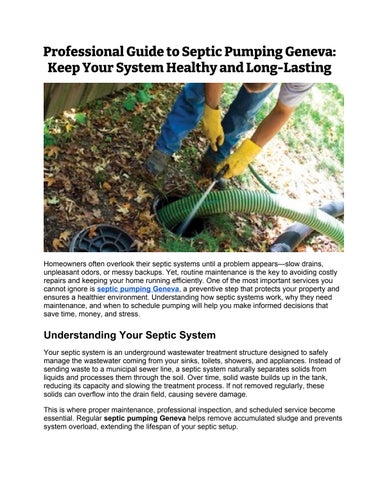
When you schedule service with a reliable company such as A1 Septic Service, the process is thorough, safe, and efficient. Here’s what typically takes place:
1. Inspection: The technician evaluates the tank’s condition, checks sludge depth, and identifies any risks.
2. Tank Location: If needed, they locate the tank and uncover the access points.
3. Pumping: Using powerful vacuum equipment, the technician removes all sludge, wastewater, and debris.
4. Cleaning: The tank is rinsed and cleaned to ensure no buildup remains.
5. System Check: The technician inspects baffles, filters, and components for wear or damage.
6. Final Recommendations: You receive expert advice on preventing issues and maintaining your system.
This process not only clears waste but also reveals hidden problems before they become costly repairs.
Benefits of Regular Septic Pumping
Routine pumping provides multiple benefits that protect both your home and your environment:
● Prevents Overflow & Backups: Avoid messy and expensive emergencies.
● Extends System Life: Reduces strain on your septic tank and drain field.
● Improves Efficiency: Ensures your plumbing runs smoothly.
● Prevents Contamination: Reduces the risk of groundwater pollution.
● Saves Money: Maintenance is far cheaper than repair or replacement.
By staying proactive, you can enjoy worry-free home living with a system that works as it should.
Choose Professionals for Long-Term Peace of Mind
When it comes to keeping your septic system healthy, working with experienced professionals makes a huge difference. Skilled technicians understand how to diagnose issues, recommend solutions, and deliver top-quality service. Choosing a trusted provider
ensures that your system stays efficient and your home remains safe from avoidable septic disasters.
Reliable, timely, and customer-focused service providers help prevent stress and protect your property for years to come.