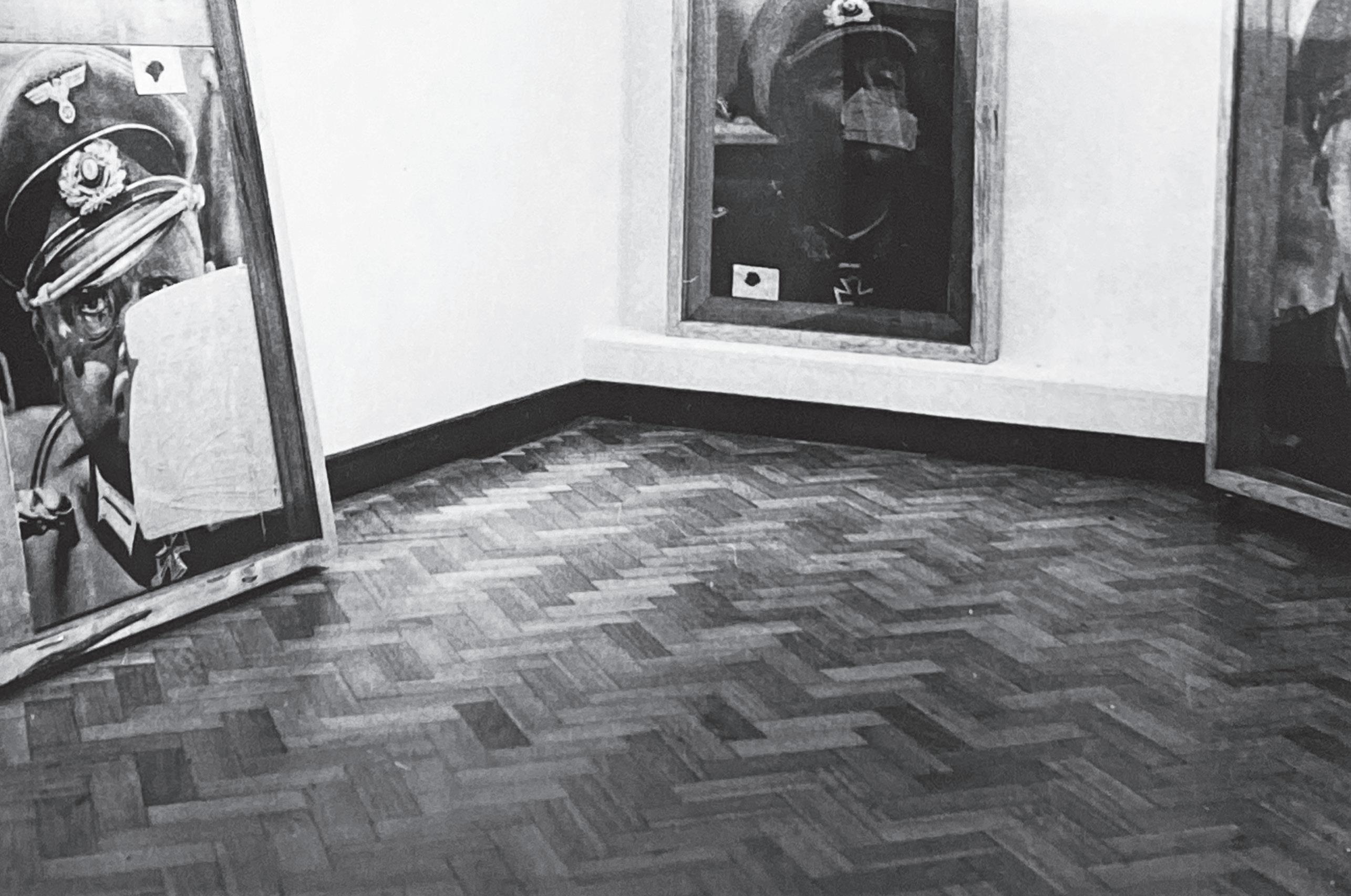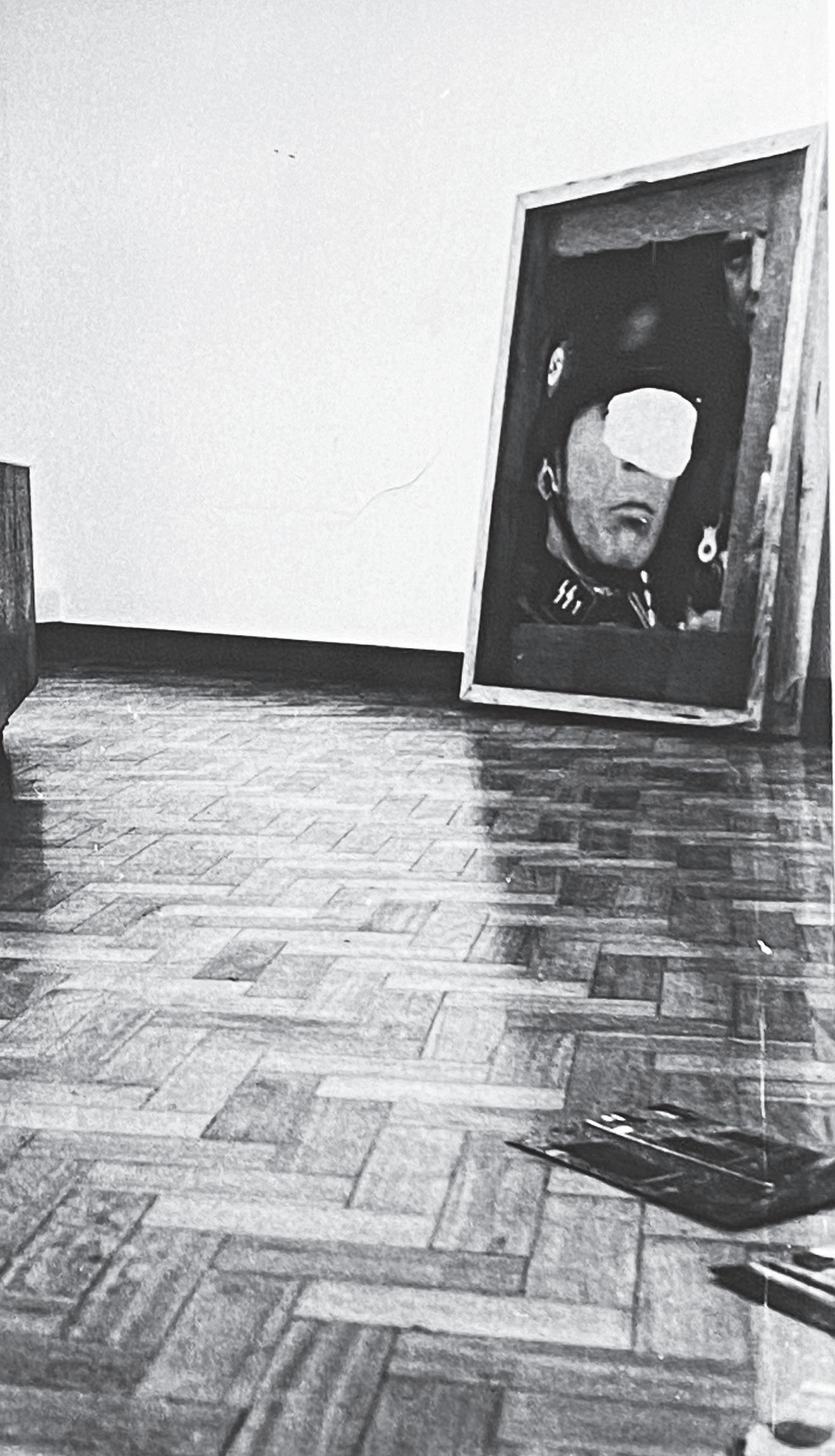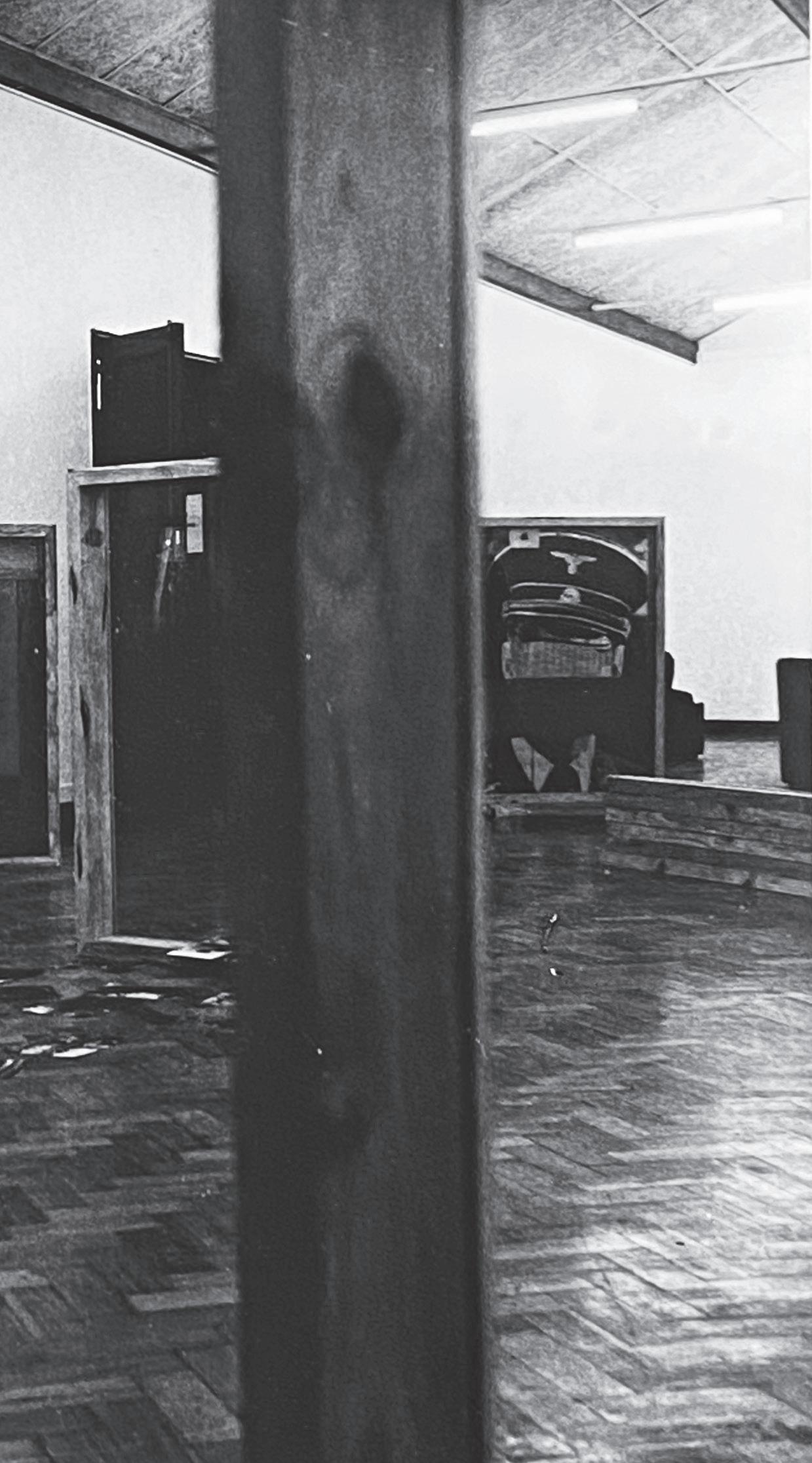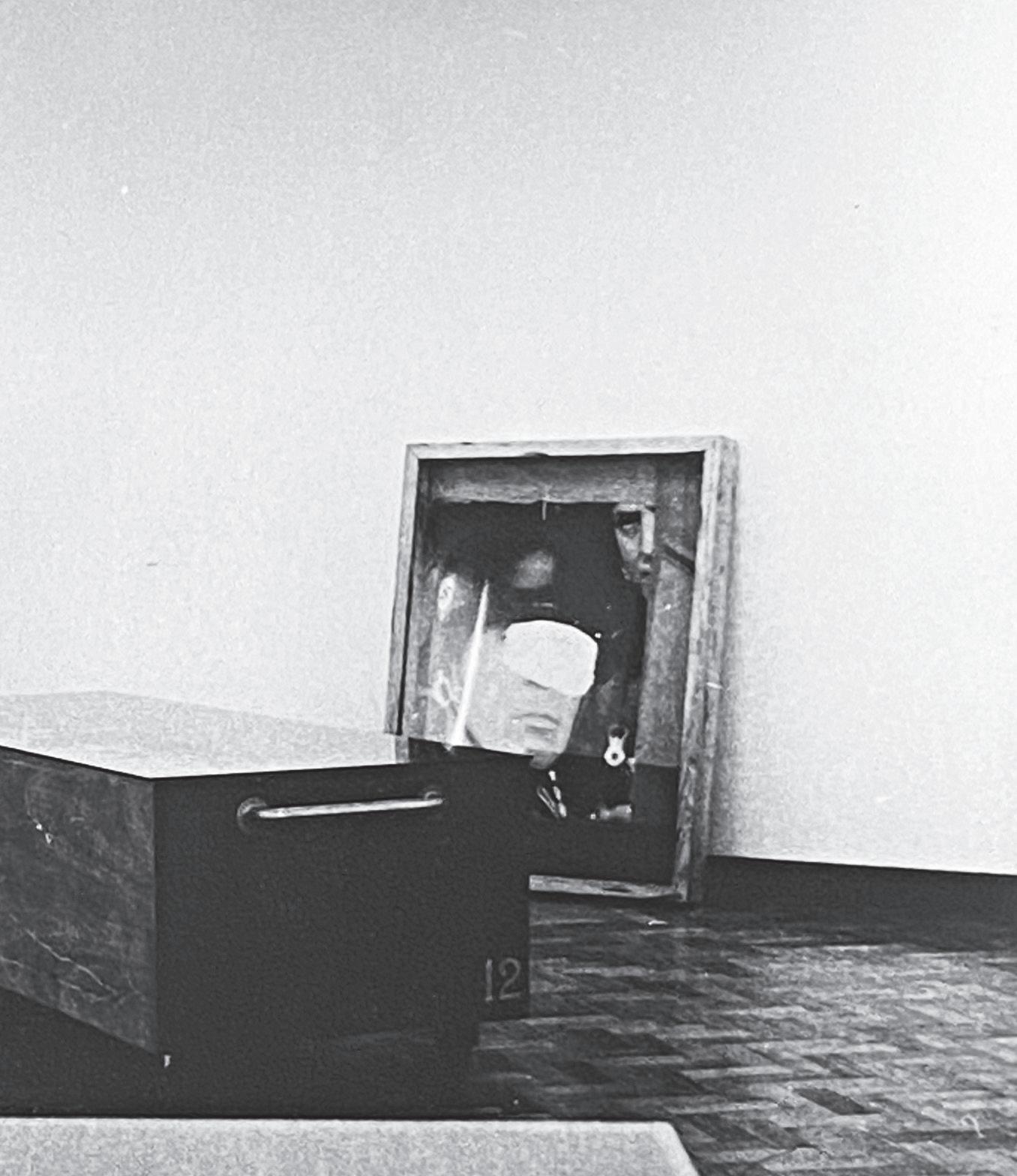
Miguel von Hafe Pérez
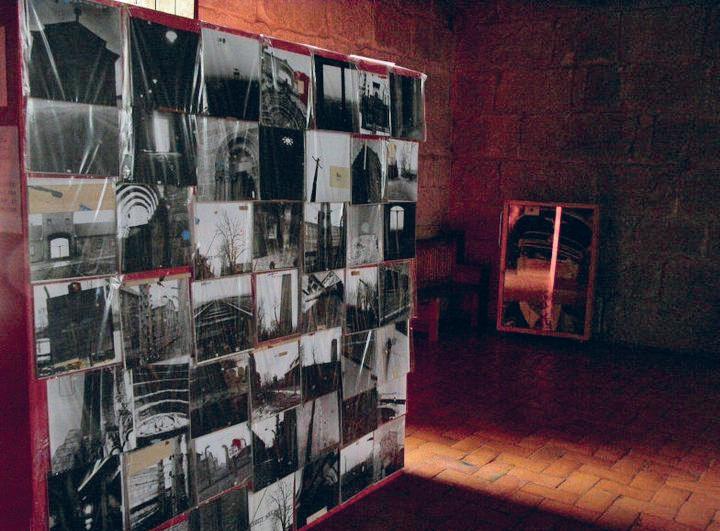
Old Cities Enclosed by Ancient Walls 167/169
Juan Luis Toboso
O que acontece a quem ama, movido pela ideia de amor, é ficar muitas vezes sem saber como amar 208 Often, what happens to one who loves, moved by the idea of love, is to be left without knowing how to love
Eduarda Neves É
ferida do mundo: A imagem em movimento na obra de Filipe
Wound of the World: The Moving Image in Filipe Marques’
O elefante passou aqui a noite
Já fomos crianças. Respirávamos em silêncio esperan do, com paciência, o breve sono. O tempo interessa‑se por tudo que é pausado e não bate palmas marcando compassos para que possamos adormecer. Quando acordados, abertas as pálpebras compridas, a luz invade o quarto de uma só vez. O regresso da eletricidade. O poema sonhado nunca vê luz, é um ser das trevas, presa sem predador capaz. Mas, um dia, seremos de novo inocentes, onde tudo é apenas uma brincadeira simples, e ainda agarrados à saia das mães. Estamos, assim, na velha história de sempre, veteranos na vanguarda das emoções vividas.
E que vanguarda é esta? Terá ainda alguém algo para ser dito, ou, porque não, para ser sentido? Calamo ‑nos, isto sim, é estar na primeira linha dos esquecidos, andar em contracorrente — quase dizia viver contra a corrente —, o que acaba por ter os seus benefícios pois evitamos o mais caótico dos trânsitos, milhões de células em alvoroço com o propósito firme de se dei‑ xarem convencer pelo óbvio.
Que vanguarda ainda esperam? Disseram que o tempo não é nada, disseram‑no com leviandade a quem é um breve instante, uma explosão de sombra a pairar por salas desocupadas e de paredes amplas. Mas man‑ temos as mesmíssimas fotografias sobre os móveis imaginados desde sempre.
Fosse a sombra esse pedaço de memória que se ocultou cá por dentro, e de nada mais nos lembraríamos. A lâmpada despertou com um estalar de dedos, mas isso não foi suficiente para me avivar a memória perdida. Esta palavra que explodindo deu em lâmpa da. Foi‑nos dada uma luz da ignorância, corrido o vento aquém do seu véu. O fogo do gelo queimou‑nos os dedos ao apontar‑mos o esquecimento para lá de tudo isto. E olhando os rostos de cada um de nós, querendo acreditar que também consentimos a lâmpa da que se apagou cá por dentro.
Mas não estaremos mortos, não ainda, não sabendo estarmos mortos nem vivos, apenas um meio termo sobre uma linha de tempo. Por isso, que não enterrem o nosso corpo, apenas dormimos, mesmo que nos achem mortos. O cansaço tomou posse e logo saiu o primeiro decreto, que não nos enterrem ainda que a feder nos encontrem. Apenas à solidão temos
por companhia, não enterrem o nosso corpo, nada mais nos resta ao fim do dia. Fazemos a cama onde nos deitamos, não estamos mortos ainda e por toda uma vida carregamos essa dor profunda. Dizemos que febre nos devora a pele, brilhando, que estrela morre ao iluminar‑nos o caminho. Também a terra nos mastigará os ossos. Devagar.
Mas chega de tudo isto, enfim parar com a arte ou o que dela resta. Se pensarmos que a felicidade é importante, e não tendo nós nascido para sermos felizes, há pessoas que o são sem apontarem qualquer proveito em qualquer arte. E o oposto também será possível, a angústia e o desassossego no artístico.
E quando uma arte assenta na mãe mumificada, banalizamos a leviandade com que recusamos uma pintura, um filme, todo um livro, decidindo‑os terrí‑ veis e horrendos, por não conseguirmos encontrar um outro eu que assuma esta autoflagelação. Pouca impor tância terá a arte, coisa insignificante quando compa‑ rada com a perda da mãe em tenra idade. Qual o maior obreiro no construir da personalidade conse quente, do carácter, da pessoa, após a forma como essa morte foi vivida na família? Arte em demasia deixou ‑nos apenas dúvidas. Não lhe podemos dar importân cia, o veículo nunca é mais importante do que aquilo que nos é mostrado, que desenterramos a custo, nem mais importante que as conclusões a que chegamos.
A manhã já espreita, já a ouço escorrer sobre as casas e as ruas, será melhor, agora, calar‑me. Uma árvore já arde de alegria por ver o Sol. Abre‑se uma praça inteira onde correm uns e outros, nenhum herói é visto, apenas gente como nós. Caminhamos, sempre, para lá do limite que nos foi imposto, meu amigo, meu irmão, o meu outro eu. A galope no sangue quente, o selvagem que grunhe dentro de nós. Um cão expressa‑se nos seus ditongos contínuos. E por fim, quando esta noite cai, encontra‑nos exaustos sobre estátuas adormecidas. O cão lambe‑nos cada uma das mãos à hora certa e de novo caminhamos para lá do que foi dito.
Já fomos como cigarro em brasa viva, arrefecemos com a idade, acabando em cinza dispersa no mover do vento. Não quero saber como será.
The elephant spent the night here
We have already been children. We breathed in silen ce, patiently waiting for the brief sleep. Time takes an interest in all things slow, and does not applaud, marking a cadence so that we can go to sleep. Awake, long eyelashes ajar, light takes over the room in one fell swoop. The return of electricity. The drea med poem never sees the light, it is a being of the dark, a prey lacking a skilled predator. One day, however, we shall be innocent again, there where everything is still mere playfulness, still tugging at our mothers’ skirts. We are still within the same old story, veterans in the front line of lived emotions.
And what frontline could that be? Could anyone still have something to be said, or even, why not, to be felt? We shut up, and that truly is to be at the frontline of the forgotten, to move against the grain, which has its benefits because we avoid the most chaotic of traffic, millions of cells in turmoil and firmly set on letting themselves be convinced by the obvious.
What frontline are they still waiting for? Time was said to be nothing, this was told carelessly to those who are a fleeting instant, an explosion of shadow hovering in vast walled, vacant rooms. But we do keep the very same photographs on the same imagined furniture.
If my shadow was that shard of memory that hid inside me, we would no longer remember a thing. The lightbulb woke up at a snap of the fingers, but that did not suffice to light up my lost memory. This exploding word turned lightbulb. We were given a glimpse of ignorance, the wind running behind its veil. The fire of ice burnt our fingers as it pointed out the forgetfulness behind all of this. We look at one another’s faces, wanting to believe that we also have allowed the lightbulb that went out inside us.
But we are not dead, not yet, not knowing whether we are dead or alive, but somewhere in the middle over a line of time. So, let our body not be buried, for we are just asleep, even if we are found dead. Exhaustion took over and the first decree was soon uttered, let us not be buried even we are found stinking. Solitude is our only company, do not bury our body, nothing else is left to us at the end of the day. We make the bed where we lay, we are not dead yet and we carry that profound pain across a whole life.
We say that fever devours our skin, shinning, that a star dies as it illuminates our path. The earth too shall chew on our bones. Slowly.
But enough of this, let us put an end to art or whatever is left of it. If we think happiness is important, not having been born to be happy, there are those who are happy without pointing out any benefit in any art. And the opposite might be possible as well, anxiety and disquiet in the artistic. And when art is founded on the mummified mother, we trivialize the careless‑ ness with which we refuse a painting, a film, a whole book, deciding they are terrible and horrific for being unable to find another self to take this self‑flagellation upon itself. Art might be of little importance, an insig nificant thing when compared to losing mother at a young age. What could build a consequential perso‑ nality, one’s character, after the experience of that death in the family? Too much art left us only with doubts. We cannot make it important; the vehicle is never more important than what is shown to us, which we painfully unbury, nor is it more important than the conclusions we arrive at.
Dawn is peeking already, we can already hear it dripping over the houses and the streets, I had better shut up now. A tree already burns joyfully for seeing the Sun. A whole square opens up where all and sundry are running, no hero to be seen, just people like us. We always walk beyond the imposed limit, my friend, my brother, my other self. The savage that roars in us galloping in the hot blood. A dog expresses itself in its continuous diphthongs. And, when night falls at last, it finds us exhausted over sleeping statues. The dog licks each of our hands at the exact time and we walk beyond what was said once more.
We have once been like a cigarette tip burning red, we have cooled down with age, ending up in ash spread by the moving wind. I do not want to know how it will be.
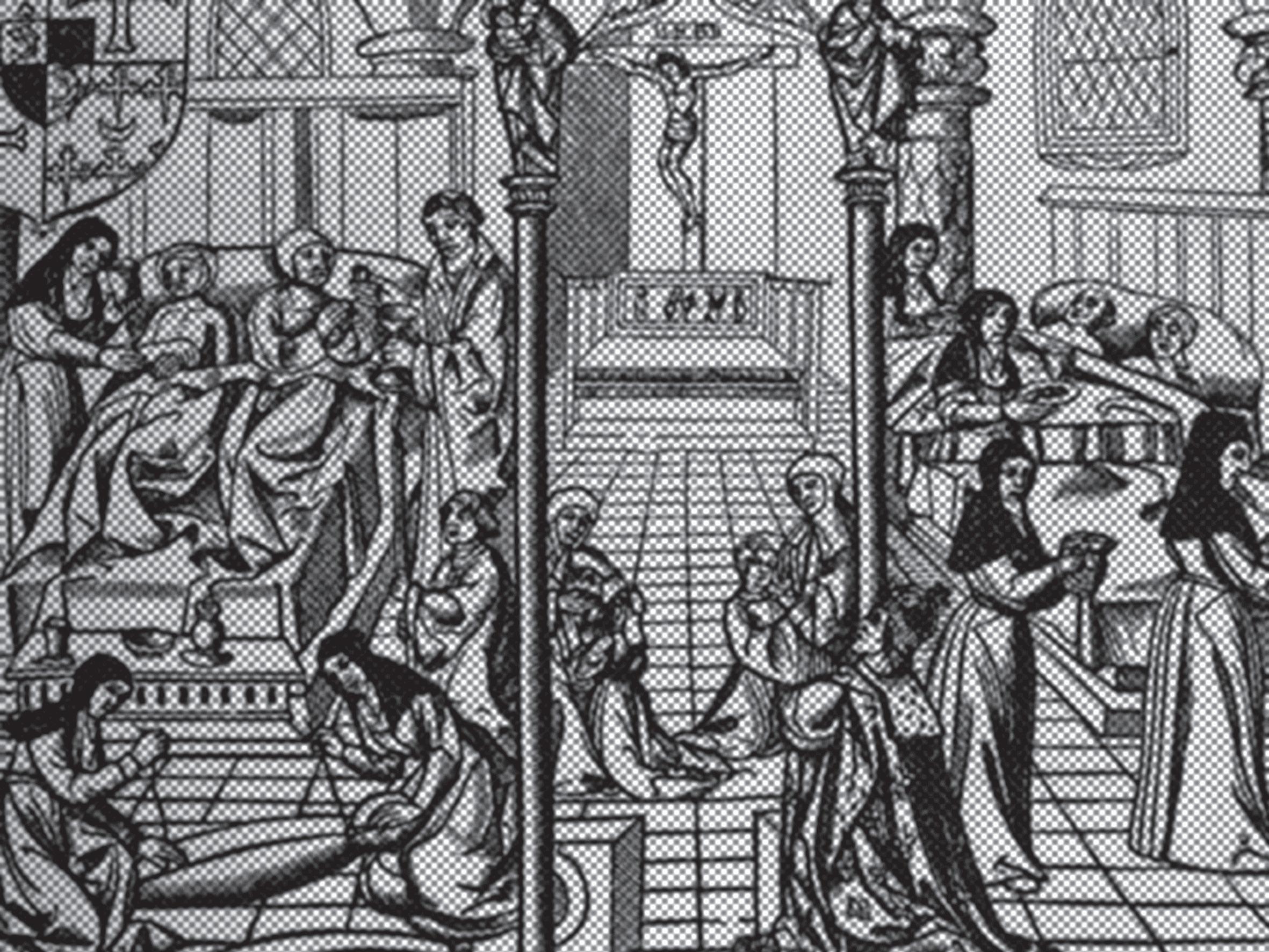
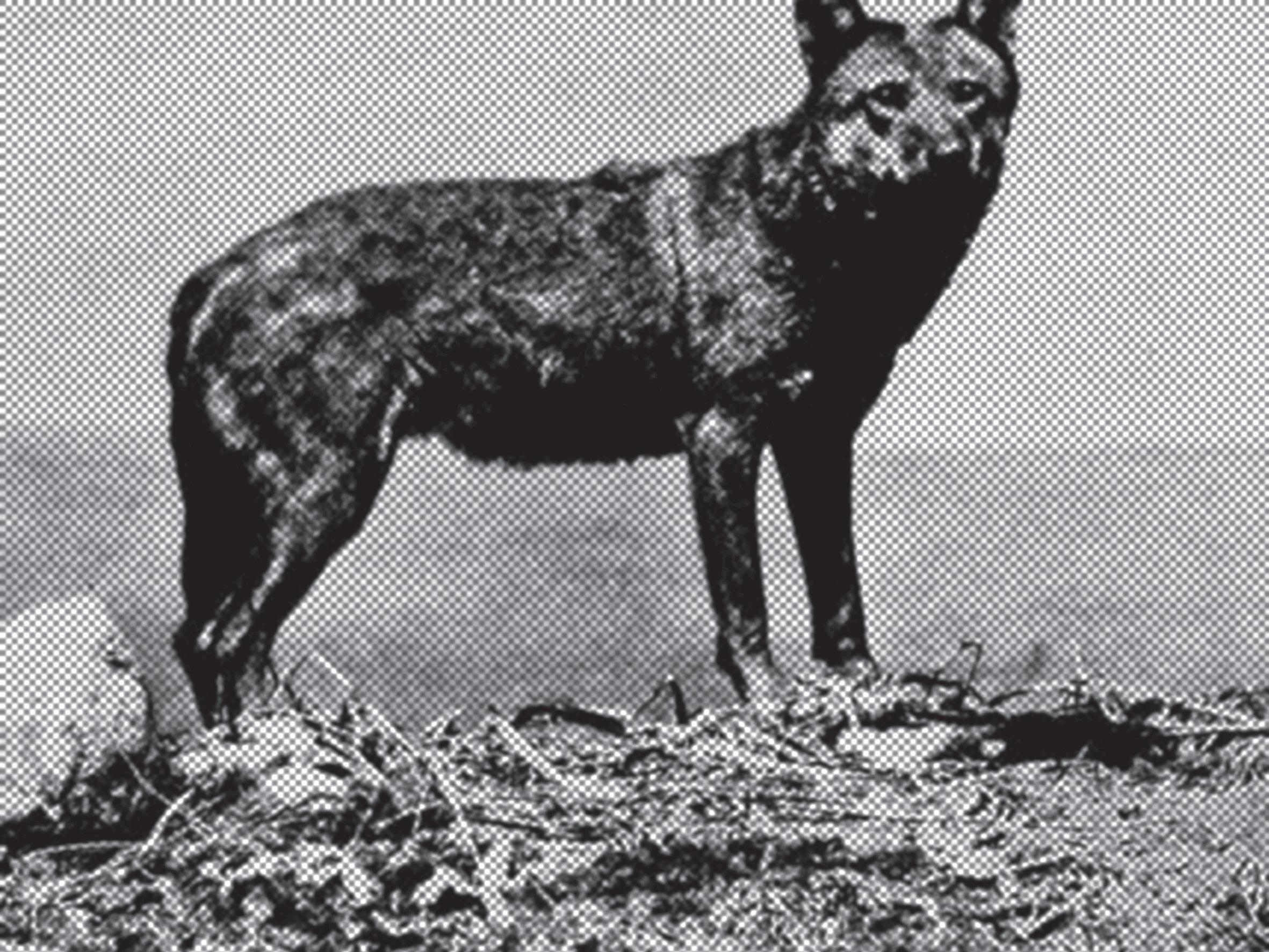
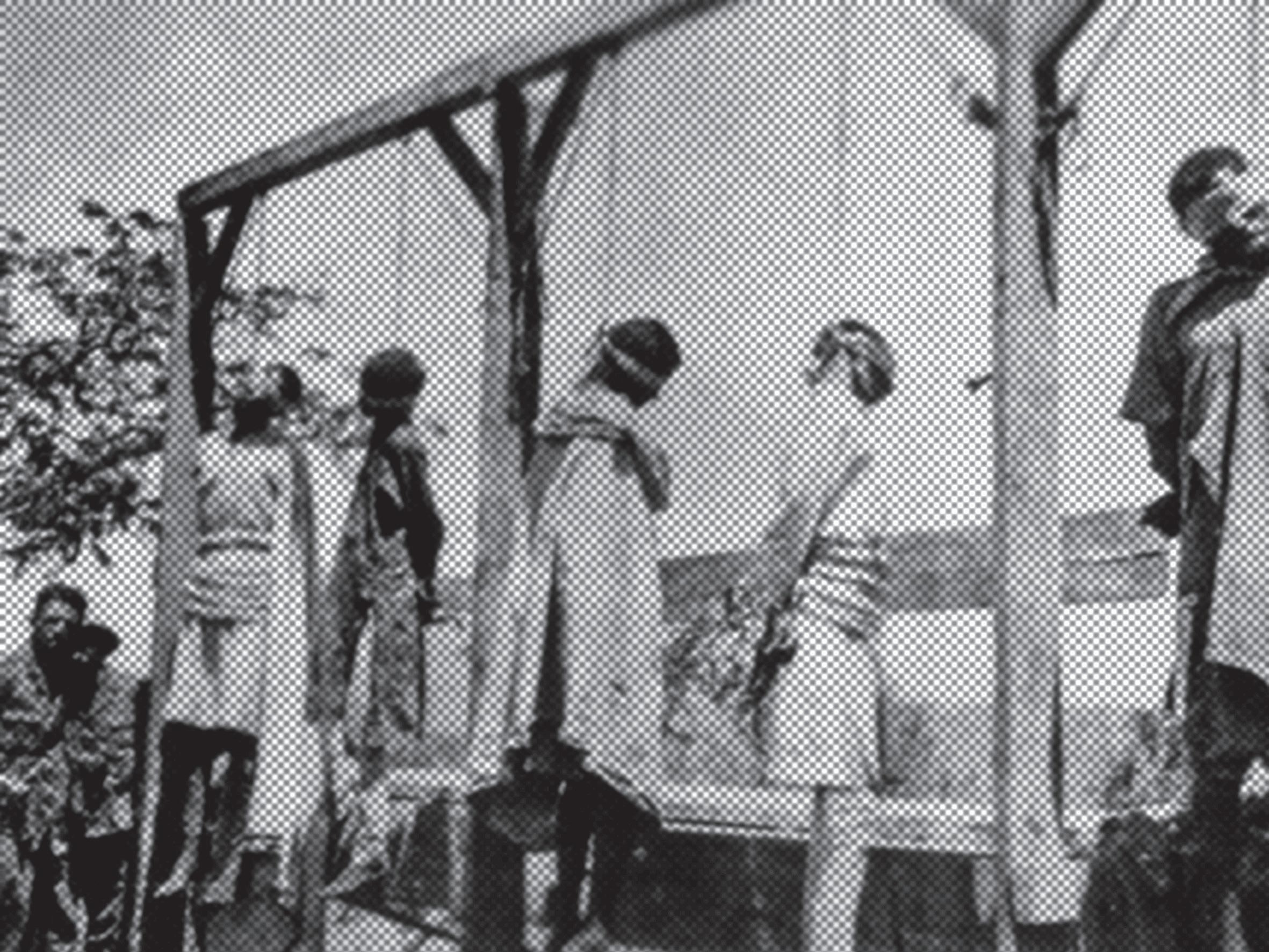
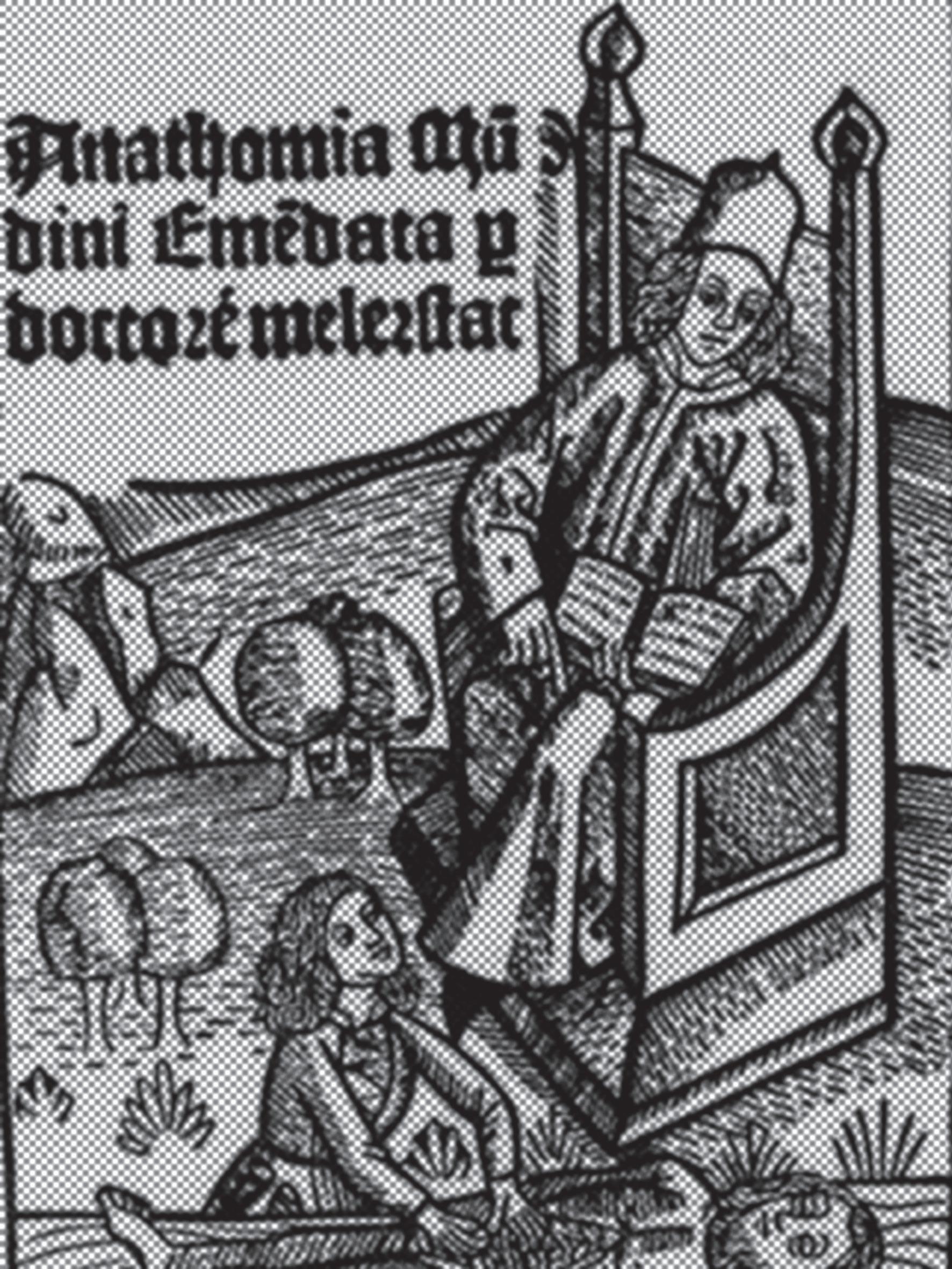
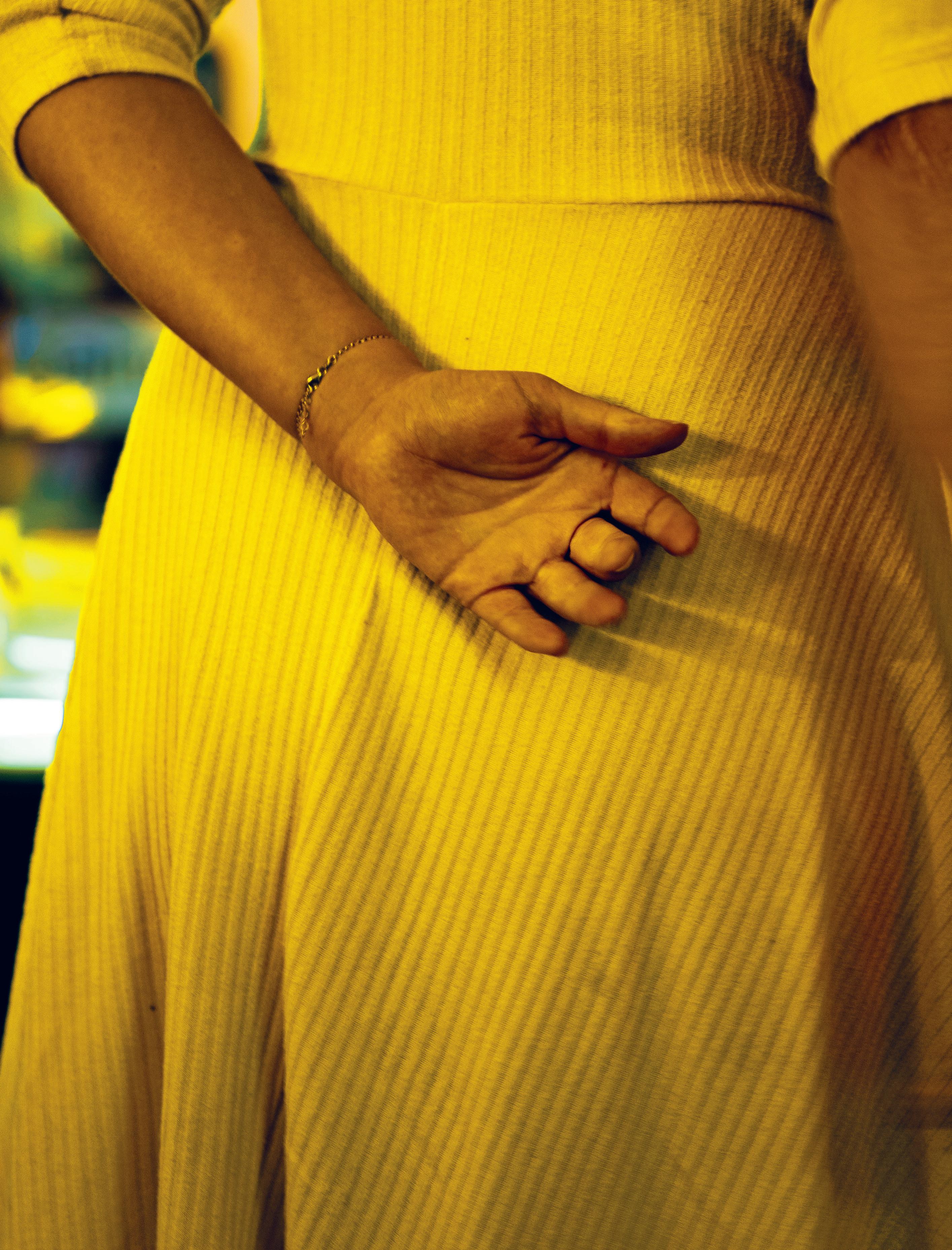
Escrevo -te depois de pensar que tinha ficado por te escrever. Naquele específico momento sentes algo escatológico, não sei bem se será isso. Diante da janela da sala, vivo perto do mar, tu sabes, o nevoeiro é quase sempre presente, não tenho uma vista de cinema, se olhar para a esquerda vejo as casas vizinhas e a piscina para a direita, mais bela, uma vista desafogada sobre o mar. Foi nesse cenário que pensei que tinha ficado por te escrever. Não era nada em específico, não era nenhum recado ou algo de que te queria contar. Quando sabemos que não vamos conseguir voltar a conversar é mais a vontade de falarmos do que o assunto que nos leva.
Já te havia prometido um texto, e quantas falhas. Quando os limites estão próximos ainda bem que tive a sorte de não escrever a partir de nada para conseguir neste lugar de escrita escatológica poder escrever sobre tudo o que vibra nesse lugar que tentas criar.
A possibilidade de escrever para um morto não é o mesmo que um morto revelar aquilo que ficou por dizer. Falar com um fantasma não é o mesmo que ouvir de um fantasma. Num lugar falamos do real para a morte, do outro falamos da morte para o real. Ainda assim nos sugere ser o mesmo.
Se pudéssemos voltar a falar com o fantasma de Giuseppe Pelosi (1958–2017), o eterno jovem italiano que confessou, nesse lugar inquestionável onde mora a verdade da vida, ter assassinado Pier Paolo Passolini (1922–1975) na zona costeira do Lido di Ostia em Roma a 2 de novembro de 1975, aquilo a que talvez tivéssemos acesso seria a história de um fantasma a contar-nos a história do momento da morte do cineasta italiano entre o carro e o chão do parque onde o seu corpo apareceu morto. Sobre a morte num todo nem mesmo numa filmagem conseguiríamos a verdadeira imagem. A literatura vive dessa relação e conflito com as verdadeiras imagens.
Se aquilo que dizemos nunca é tudo e nunca suficiente, se aquilo que tentamos contar nunca chega a ser aquilo que se passou ou que sentimos, tudo o que escrevemos está situado no mesmo lugar da história que fica por contar.
Soube momentos depois que poderia voltar a falar -te como soube que a vida e a morte são a mesma coisa, incontáveis. E outras tantas.
O Jean Genet que tenho lido nos últimos tempos escreveu isto, ou pelo menos, certamente alguém traduziu uma coisa que nos chegou escrita por ele. Não encontrei escrito em francês, nem tive oportunidade de escrever para ele. Nem sei se queria.
Um homem acaba de pertencer por completo à sua obra. O que dele resta é bom para o lixo, mas antes disso, mas logo antes disso, ainda irá pintar (ele aqui descreve uma obra que retirei para não leres já)
Morre sem ter passado pela tentação de fazer de palhaço.
Estou nesta fase a desenhar a exposição com o Mauro, e as referências que ecoam são também elas vindouras daquilo que penso, mas este texto teve precisamente isso, um dia, um tempo e um momento especifico.
I’m writing to you after thinking that I had left it unwritten. In that particular moment, you feel something eschatological, though I’m not sure if that’s the right word. In front of the living room window I live near the sea, you know — the fog is almost always present. I don’t have a cinematic view. If I look to the left, I see the neighbouring houses and the swimming pool; to the right, a clearer view of the sea, more beautiful. It was in this setting that I thought I had left something unsaid. It wasn’t anything specific, it wasn’t a message or something I particularly wanted to tell you. When we know we won’t be able to talk again, it’s more about the desire to speak than the actual topic that drives us.
I had already promised you a text, and how many times I’ve failed to deliver. When the end draws near, I’m fortunate to not be writing from nothing, but rather, from this place of eschatological writing, to be able to write about everything that resonates in the place you try to create.
The possibility of writing to someone dead is not the same as a dead person revealing what was left unsaid. Speaking to a ghost is not the same as hearing from a ghost. In one case, we speak of reality to death; in the other, we speak of death to reality. And yet, they seem to suggest the same thing.
If we could speak again with the ghost of Giuseppe Pelosi (1958–2017), the eternal Italian youth who confessed — in that unquestionable space where the truth of life resides to having murdered Pier Paolo Pasolini (1922–1975) on the coast of Lido di Ostia in Rome on 2 November 1975, perhaps what we would gain access to would be the story of a ghost recounting the moment of the Italian filmmaker’s death, somewhere between the car and the ground of the park where his body was found. As for death itself, not even in a filmed sequence could we capture the true image. Literature lives in that relationship and conflict with true images.
If what we say is never enough and never complete, if what we try to tell is never exactly what happened or what we felt, then everything we write is placed in the same space as the story that remains untold.
Moments later, I knew I could speak to you again, just as I knew that life and death are the same thing — countless, and so many more.
Jean Genet, whom I’ve been reading lately, wrote this, or at least, someone must have translated something that eventually reached us written by him. I didn’t find it written in French, nor had the chance to write to him. I don’t even know if I’d have wanted to.
A man has just fully belonged to his work. What remains of him is fit for the rubbish, but before that, just before that, he will still paint (here he describes a piece that I’ve removed so you don’t read it just yet). He dies without having given in to the temptation of playing the fool.
I’m currently working on the exhibition with Mauro, and the references that echo are also born from my thoughts, but this text had exactly that — a day, a time, and a specific moment.
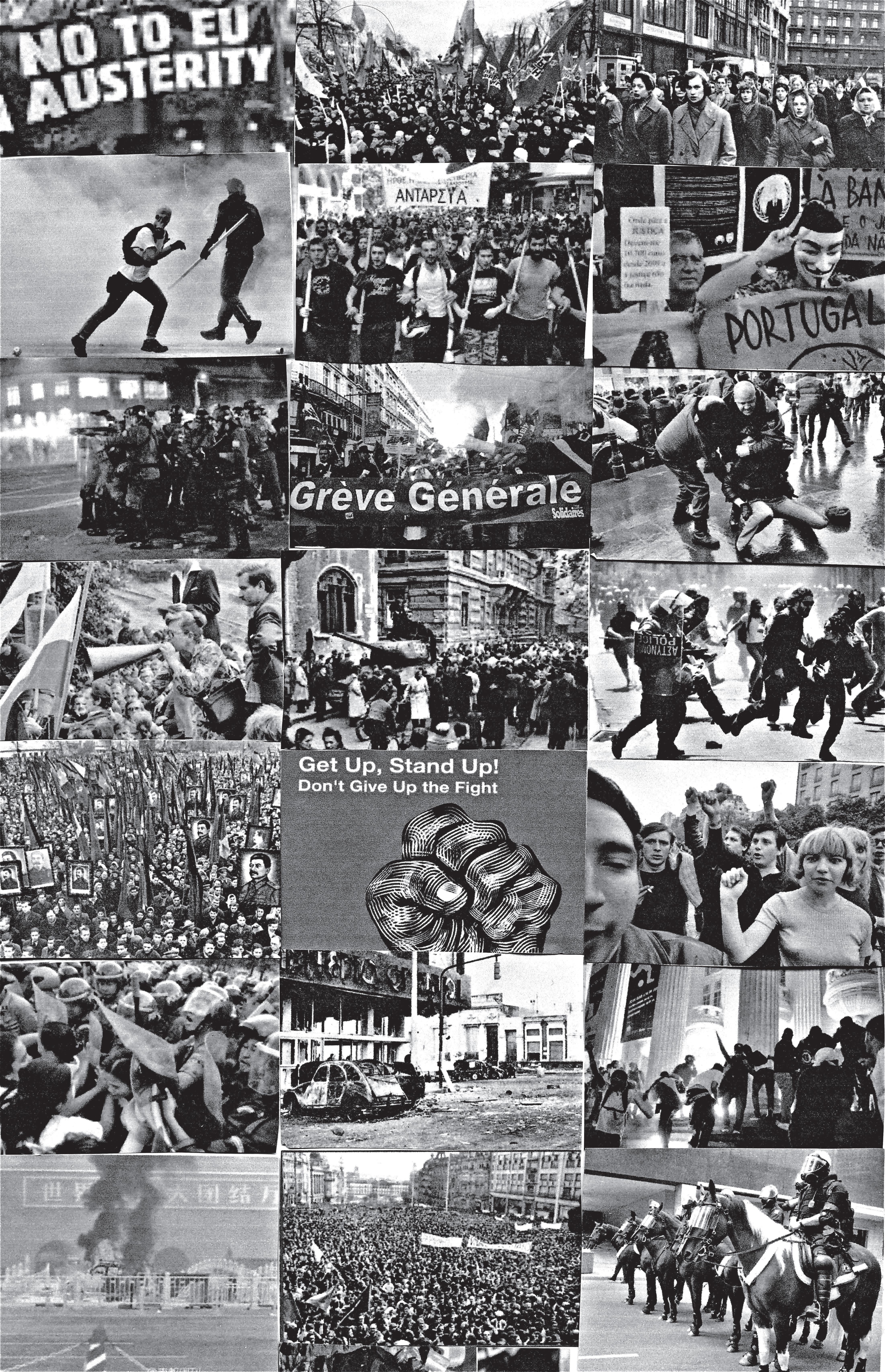
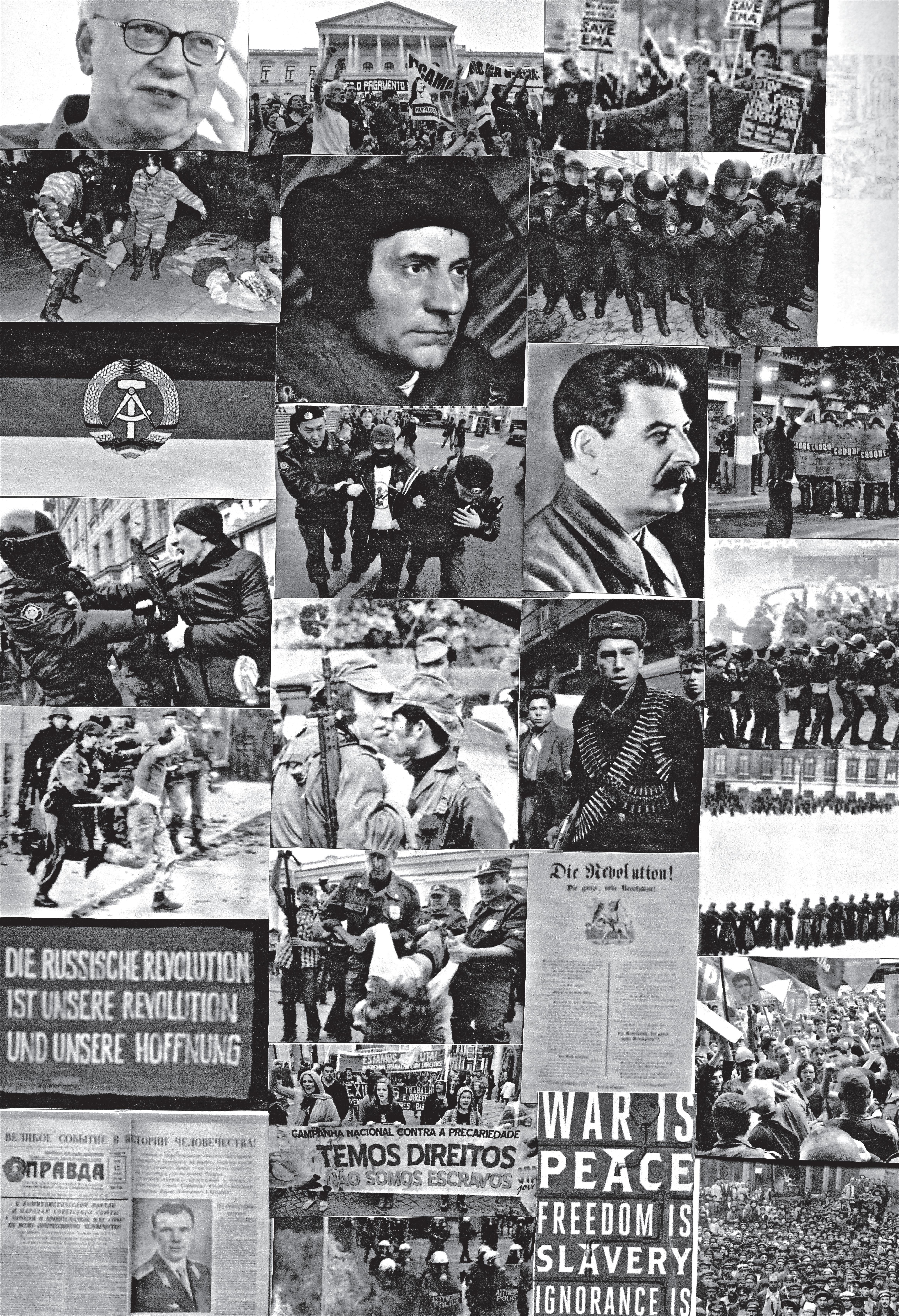
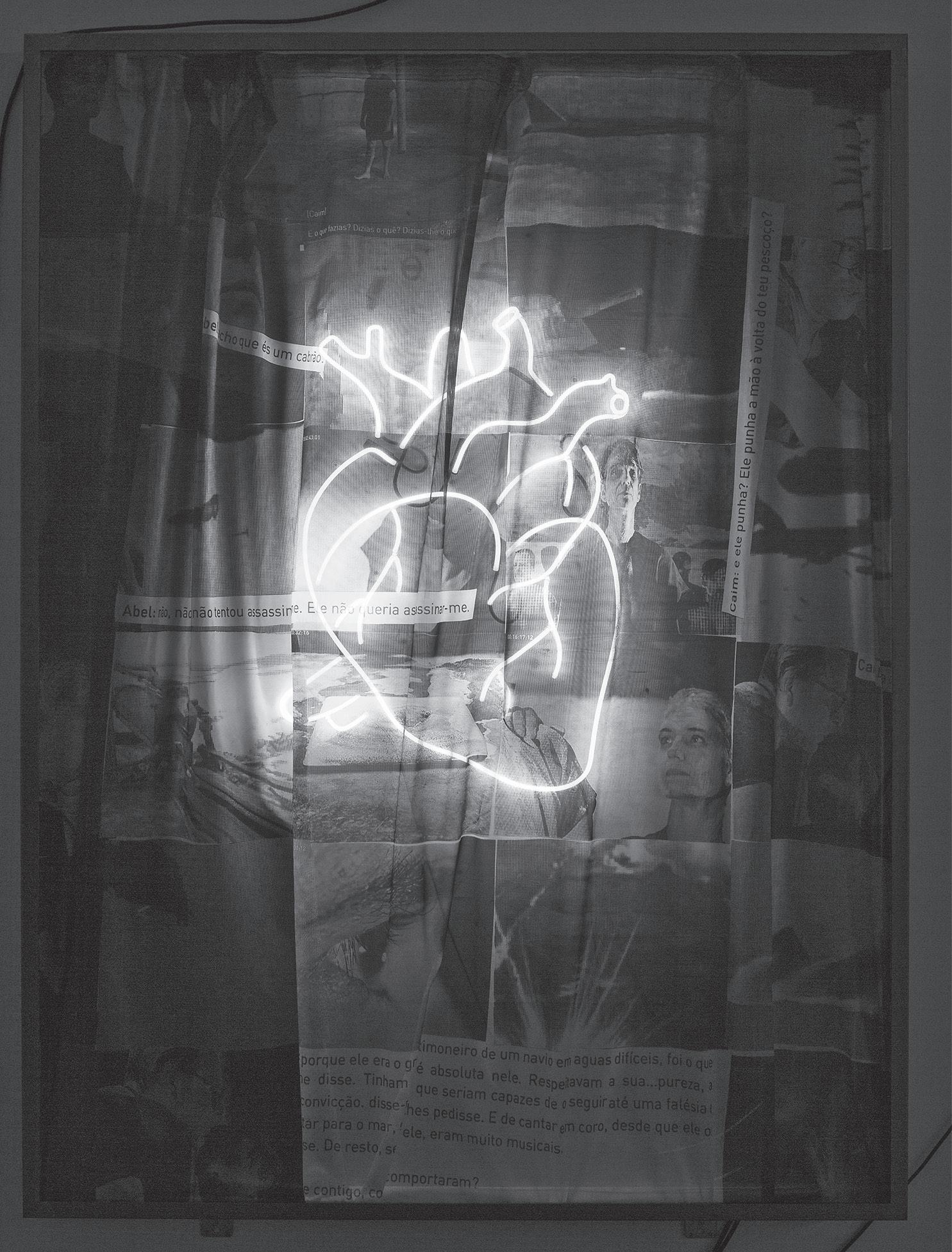
Do rio que tudo arrasta se diz que é violento
Mas ninguém diz violentas
As margens que o comprimem.1
Berthold Brecht
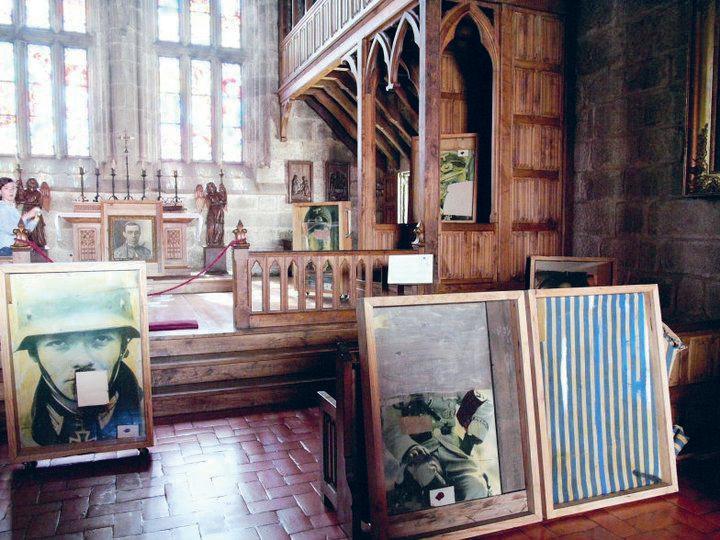
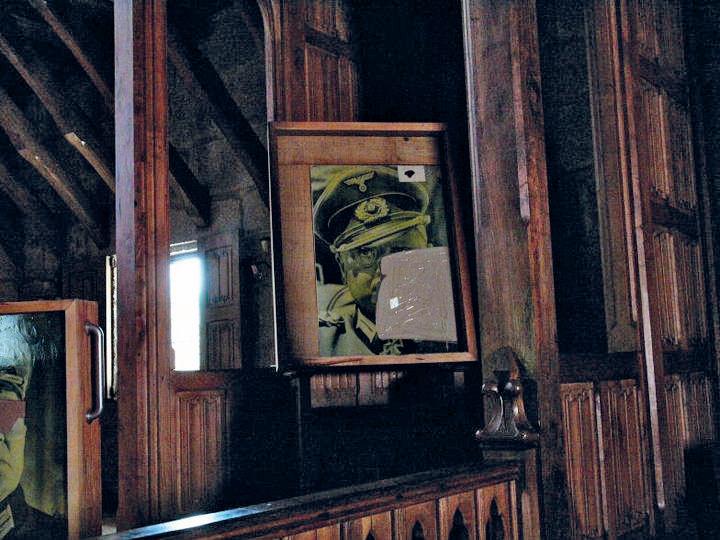
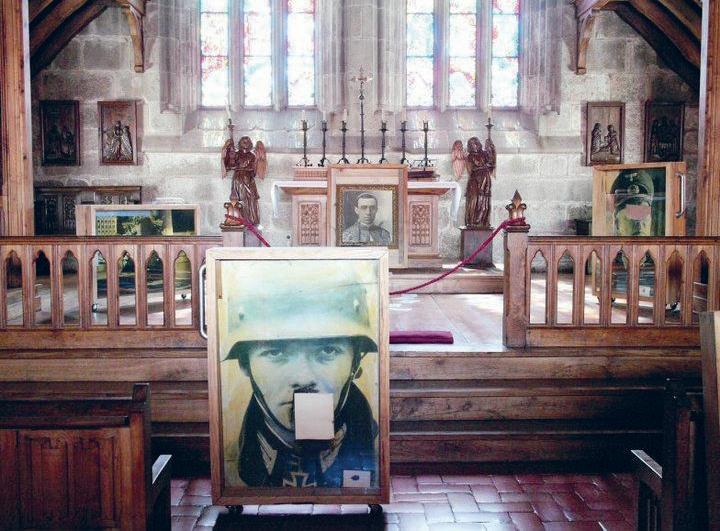
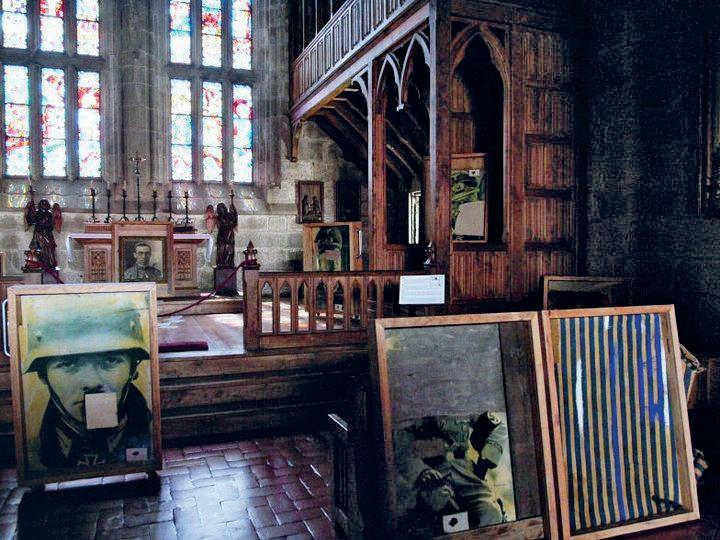
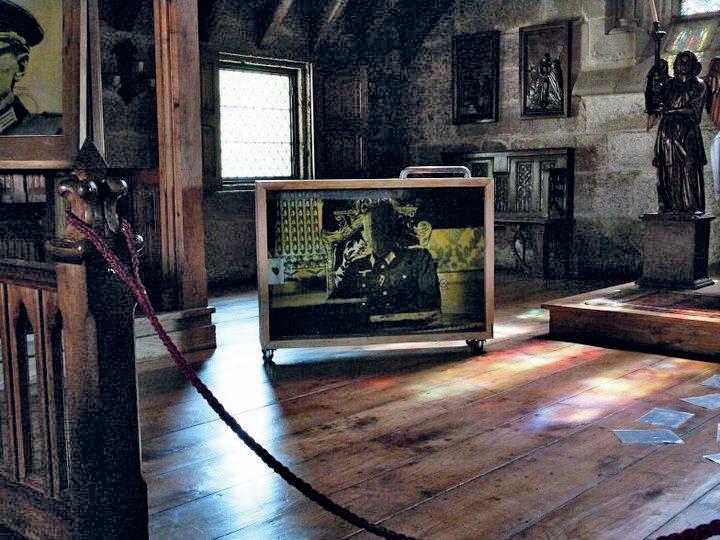
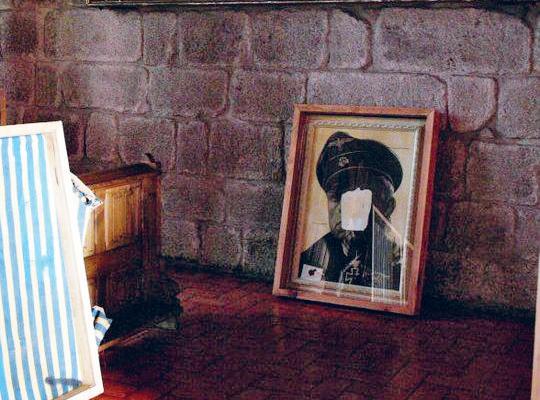
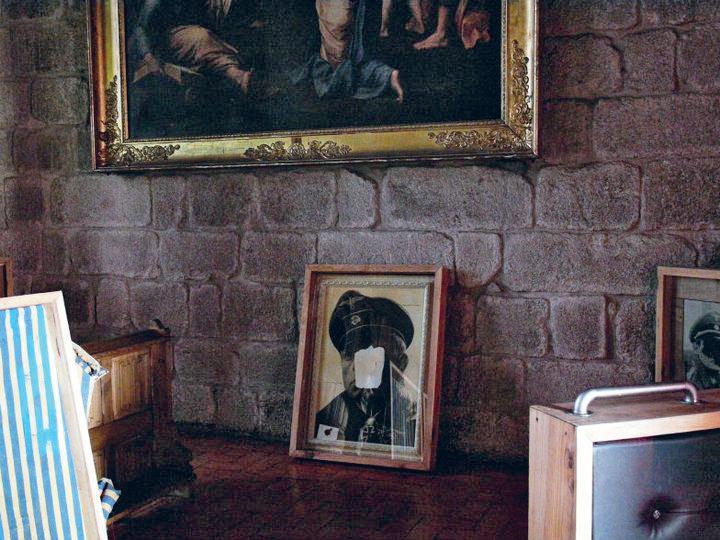
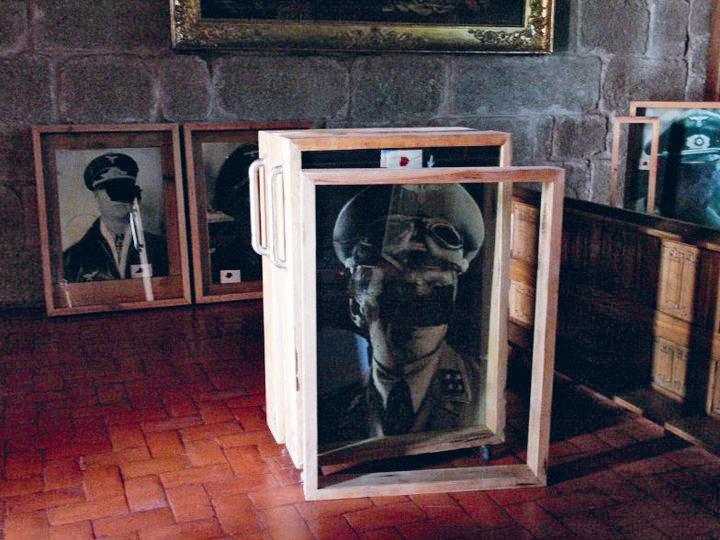
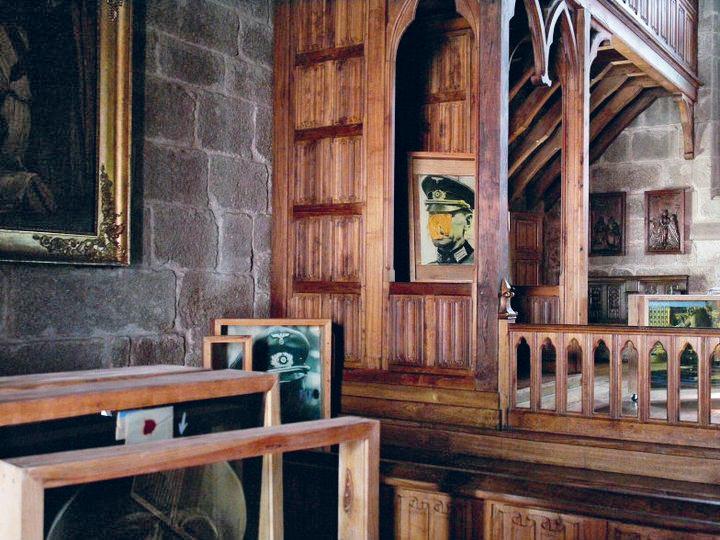
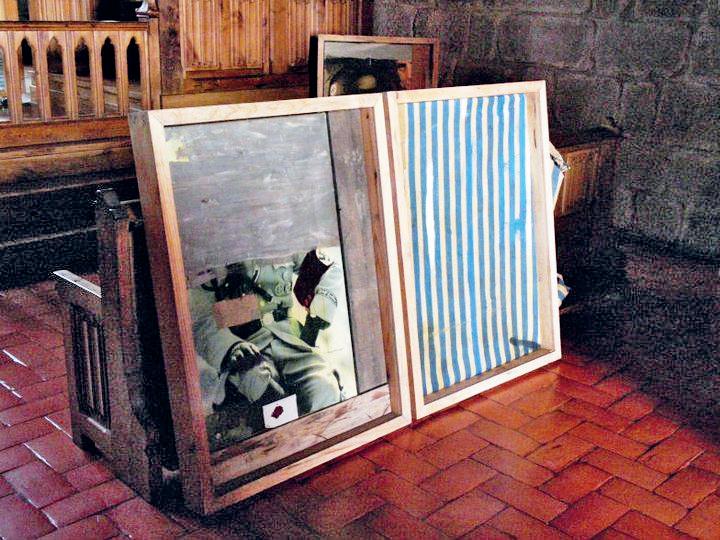
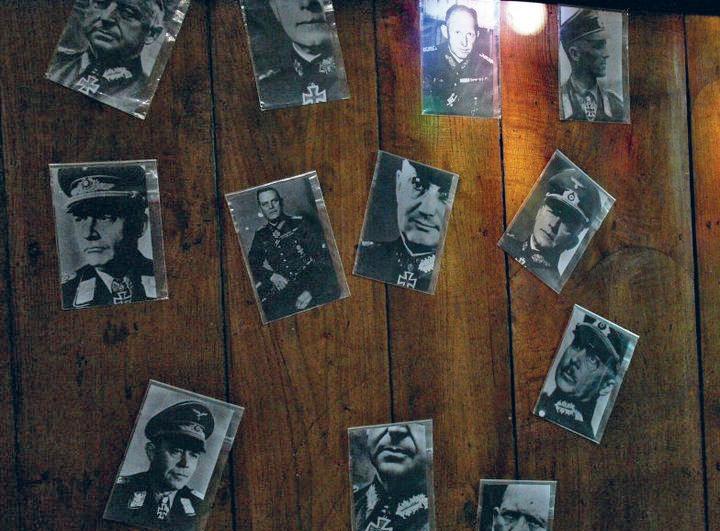
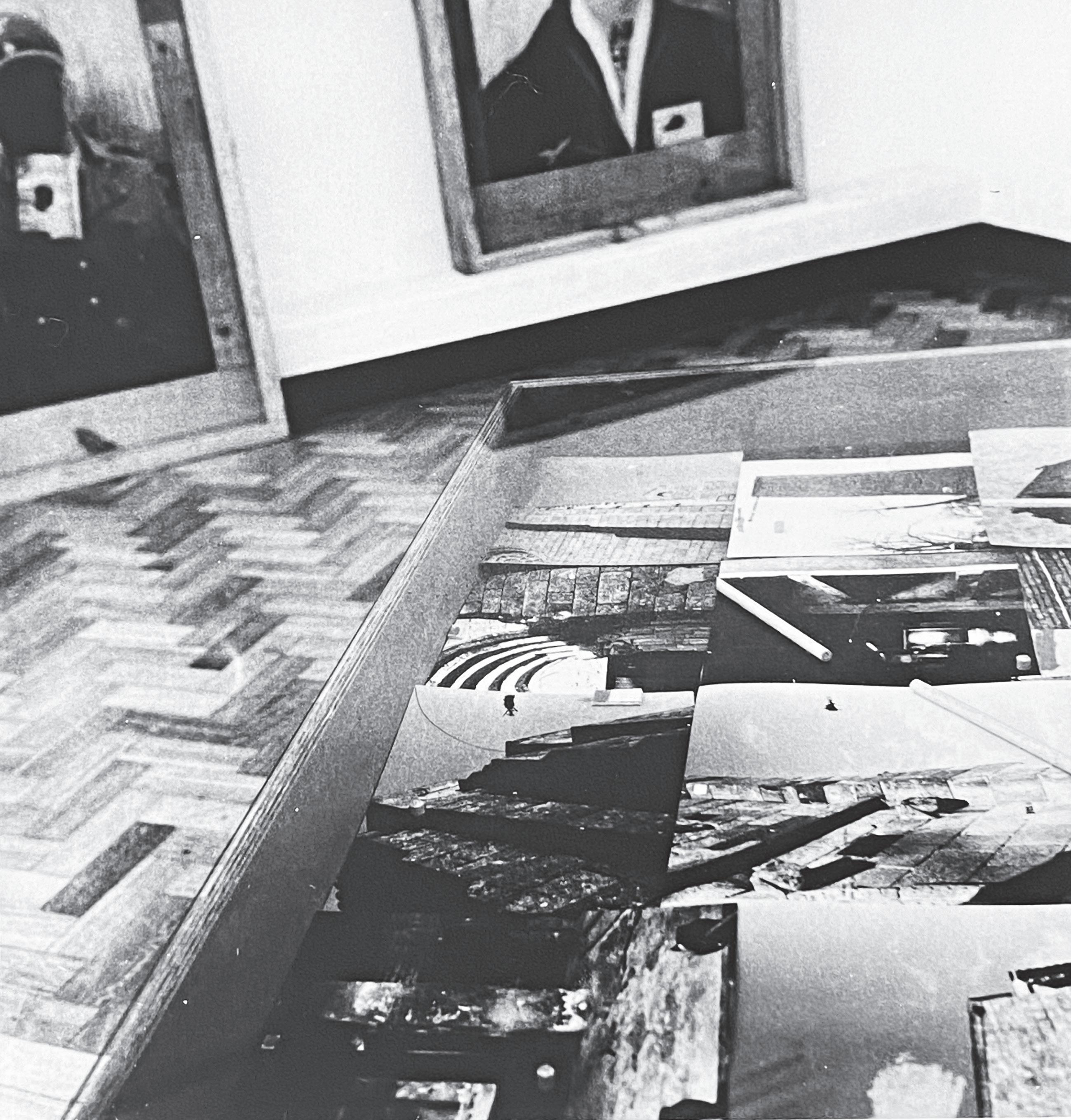
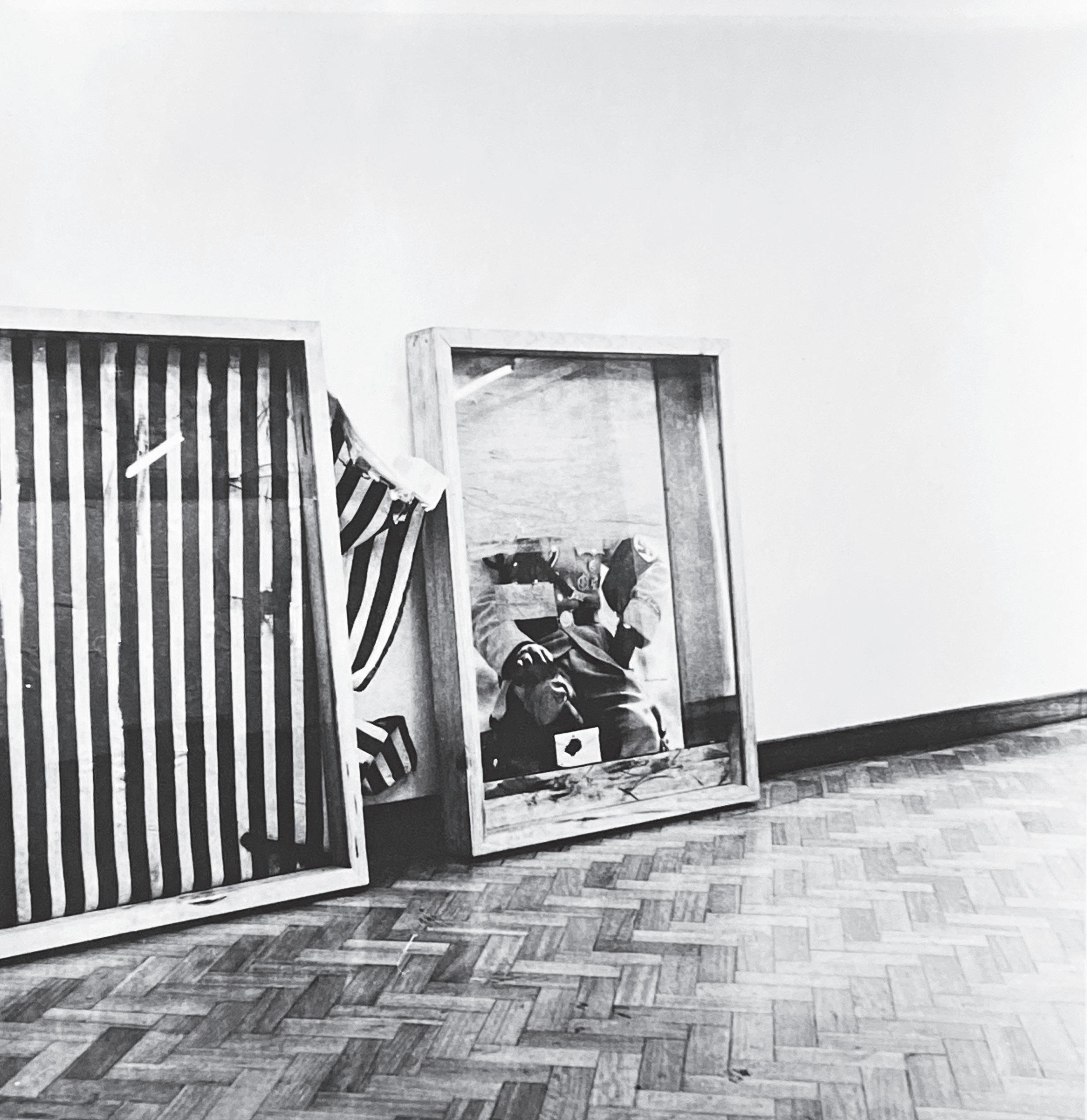
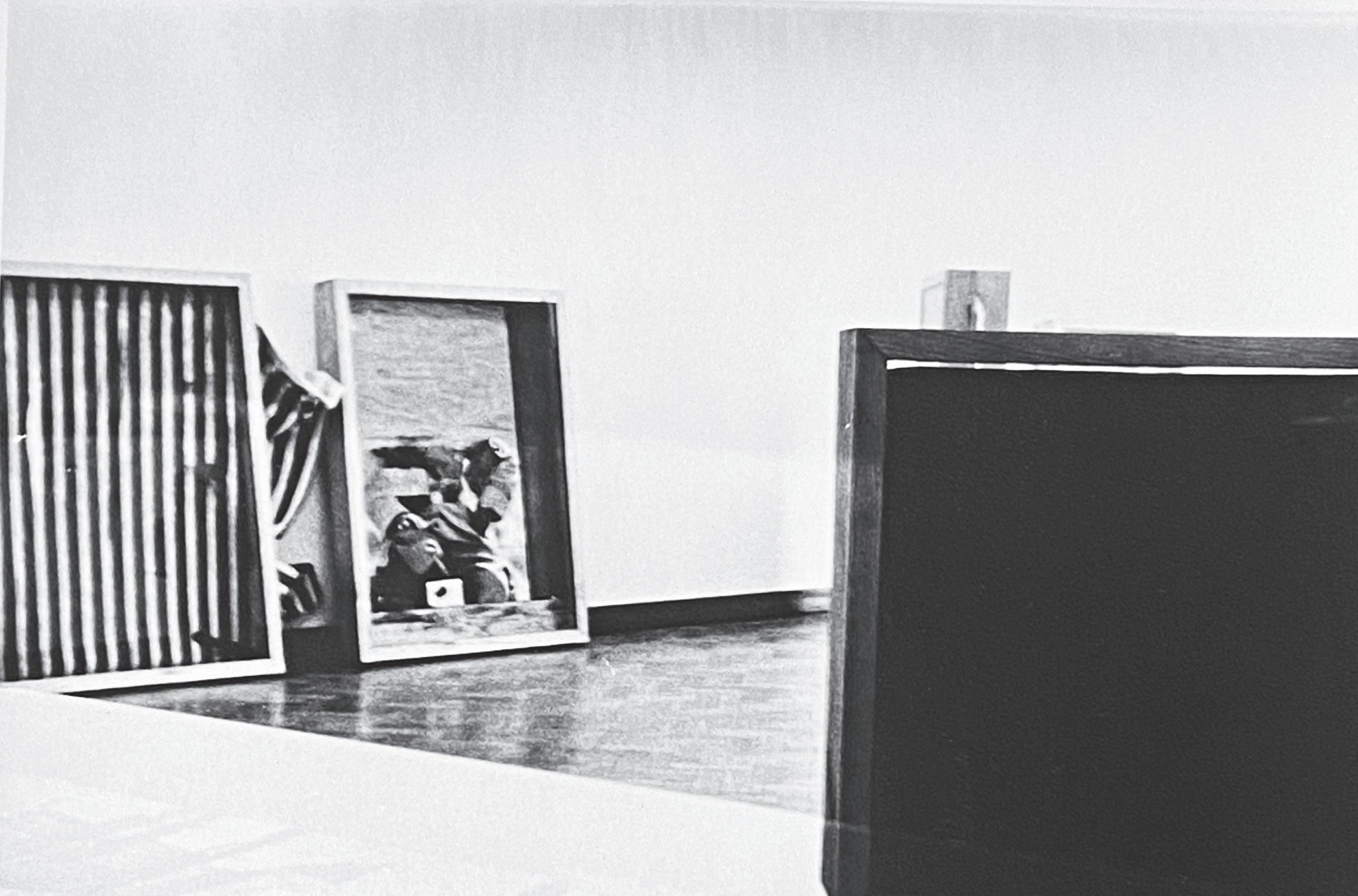
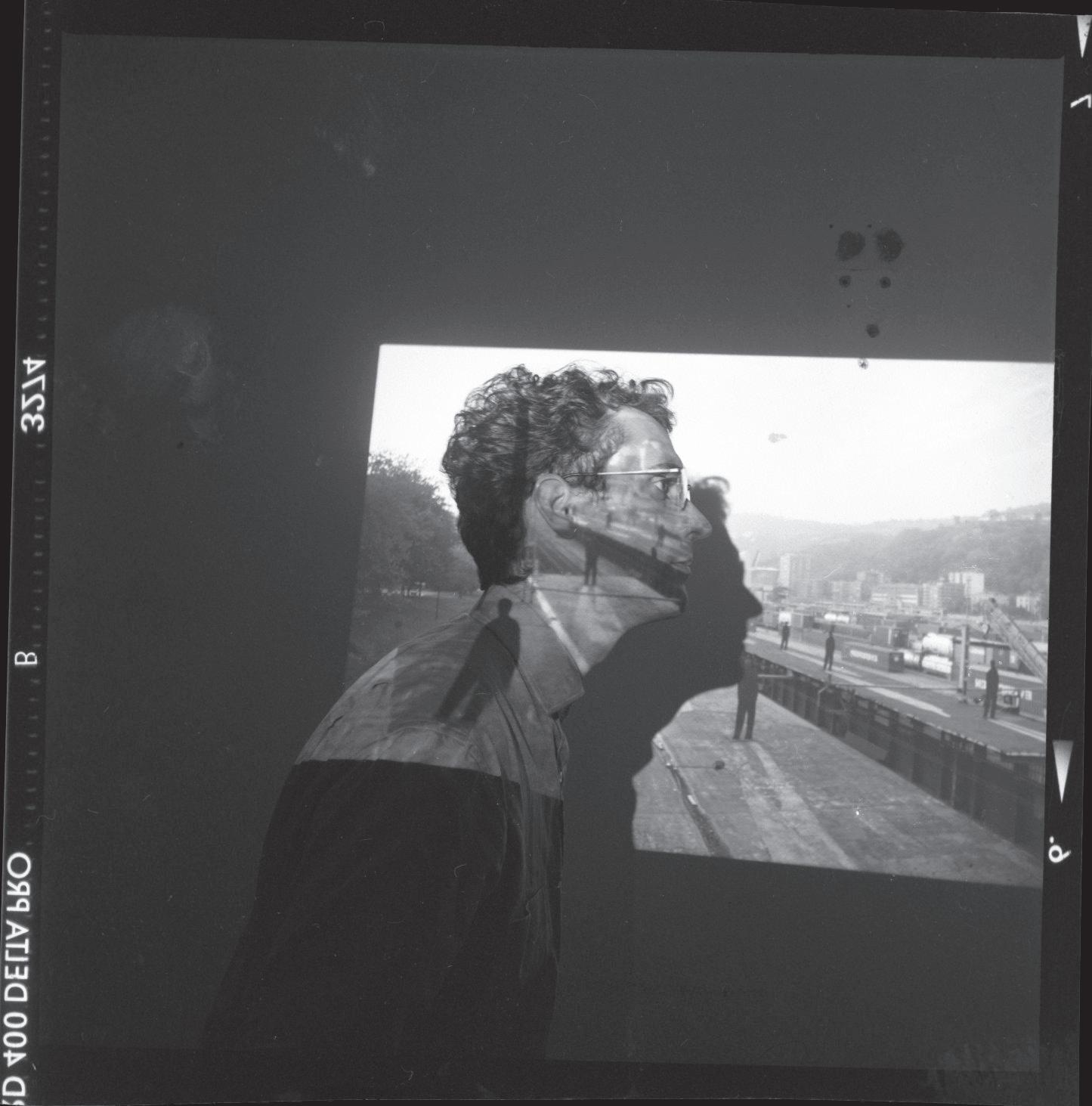
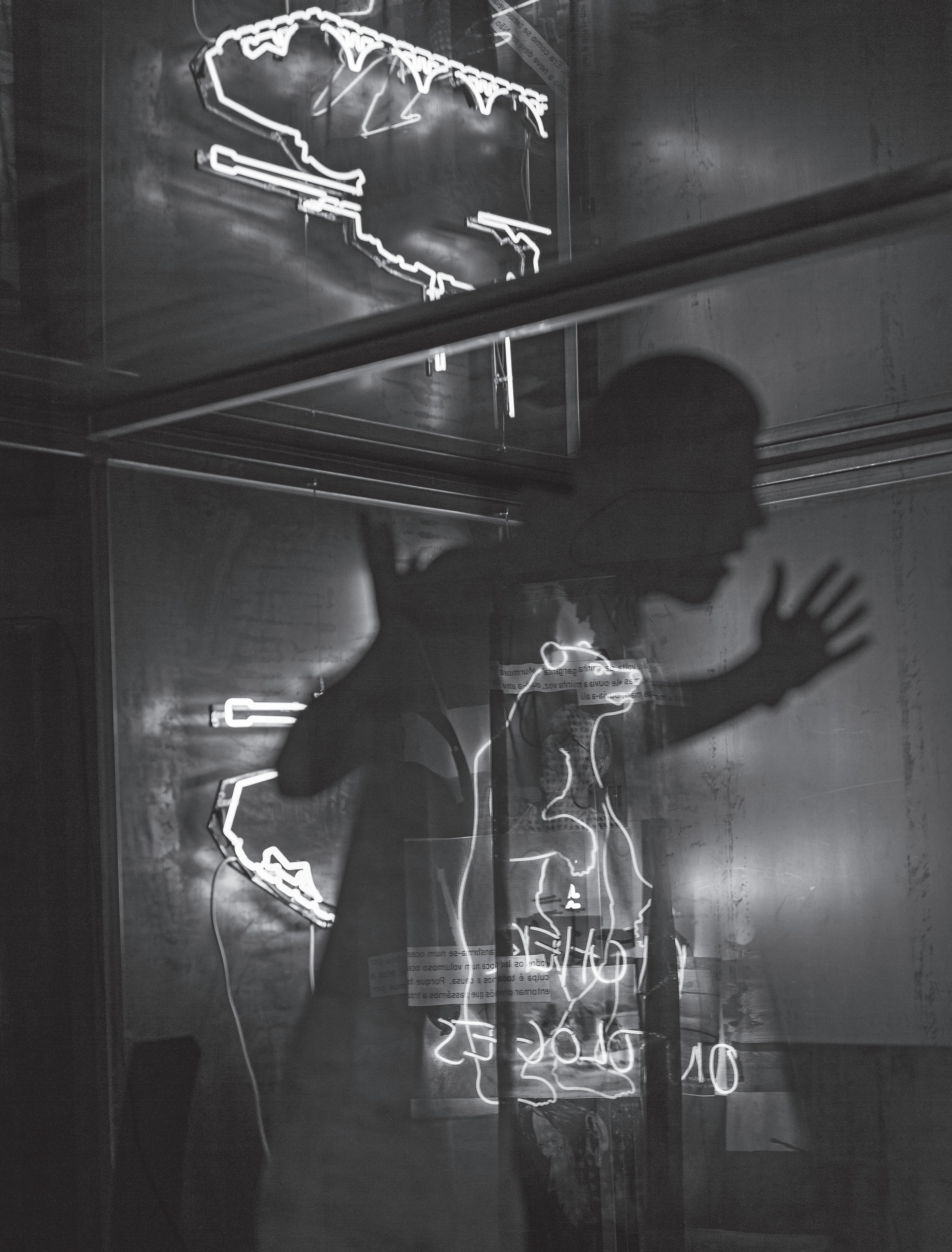
“Grava-se algo a fogo para que fique na memória: apenas o que não cessa de causar dor fica na memória” — este enunciado de Friedrich Nietzsche evoca um íntimo vínculo corpóreo entre a dor e a memória, que em parte se revela no título Feel It, No Fear, The Flesh Yields and Is Numb que dá nome à exposição de Filipe Marques: a relação de um corpo resiliente sustido nas complexidades dos sentidos do trágico, da memória, da finitude, da política, da transitoriedade e da violência. Encontrando na dor o auxílio mais expressivo da memória, o corpo é aqui a extensão de uma “ferida” influída por instabilidades e crises temporais, emergida num envolvimento sintomático com imagens de ruínas, morte e destruição.
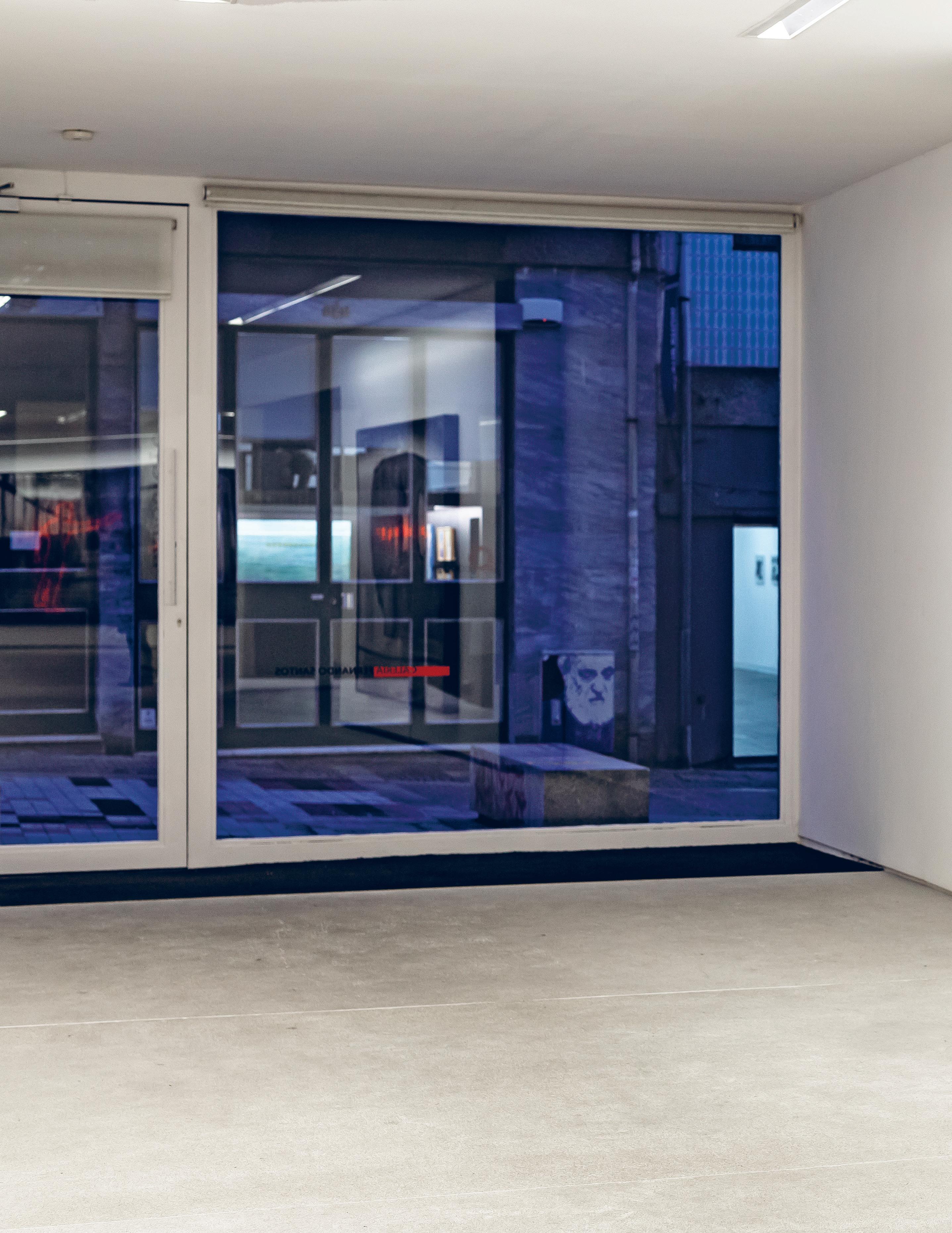
De forma ampliada, a obra de Filipe Marques parece abranger uma reflexão acerca das crises de transmissão da experiência do passado na modernidade, e como a violência é um dos seus elementos mais estruturais. Para o filósofo Slavoj Žižek (2008), a violência assoma numa condição dupla — a subjectiva ao assentar em actos directos de violência física e de terror efectuados por agentes sociais, aparelhos repressivos ou multidões fanáticas (Žižek 2009: 10); e, a objectiva ao ser inerente a um sistema ligado não apenas à violência física directa, mas também a formas mais ténues de coerção e que sustentam relações de dominação e de exploração. Partindo do reflexo espectral destas diversas formas de violência, Feel it, No Fear, The Flesh Yields and Is Numb (Galeria Fernando Santos, 2017, Porto) convoca a atrofia nos sistemas e numa série de acontecimentos que
1 Bertolt Brecht, Da Violência in Poemas 1913–1956, seleção e tradução de Paulo César de Souza, 7.ª edição, São Paulo: Editora 34, 2016.
conduziram a uma hipertropia do tempo presente, ou a um presentismo (Hartog, 2003). Por conseguinte, esta exposição parece reproduzir uma sensação de finitude que marca a experiência de um “lento cancelamento do futuro” (Berardi, 2011) que vem a operar desde o fim da modernidade com o termo de utopias e de promessas de progresso que não se cumpriram. O futuro surge assim percebido como uma ameaça perante um tempo catastrófico auto-provocado: o futuro não acaba, apenas não se é mais capaz de o imaginar (Berardi, 2011).
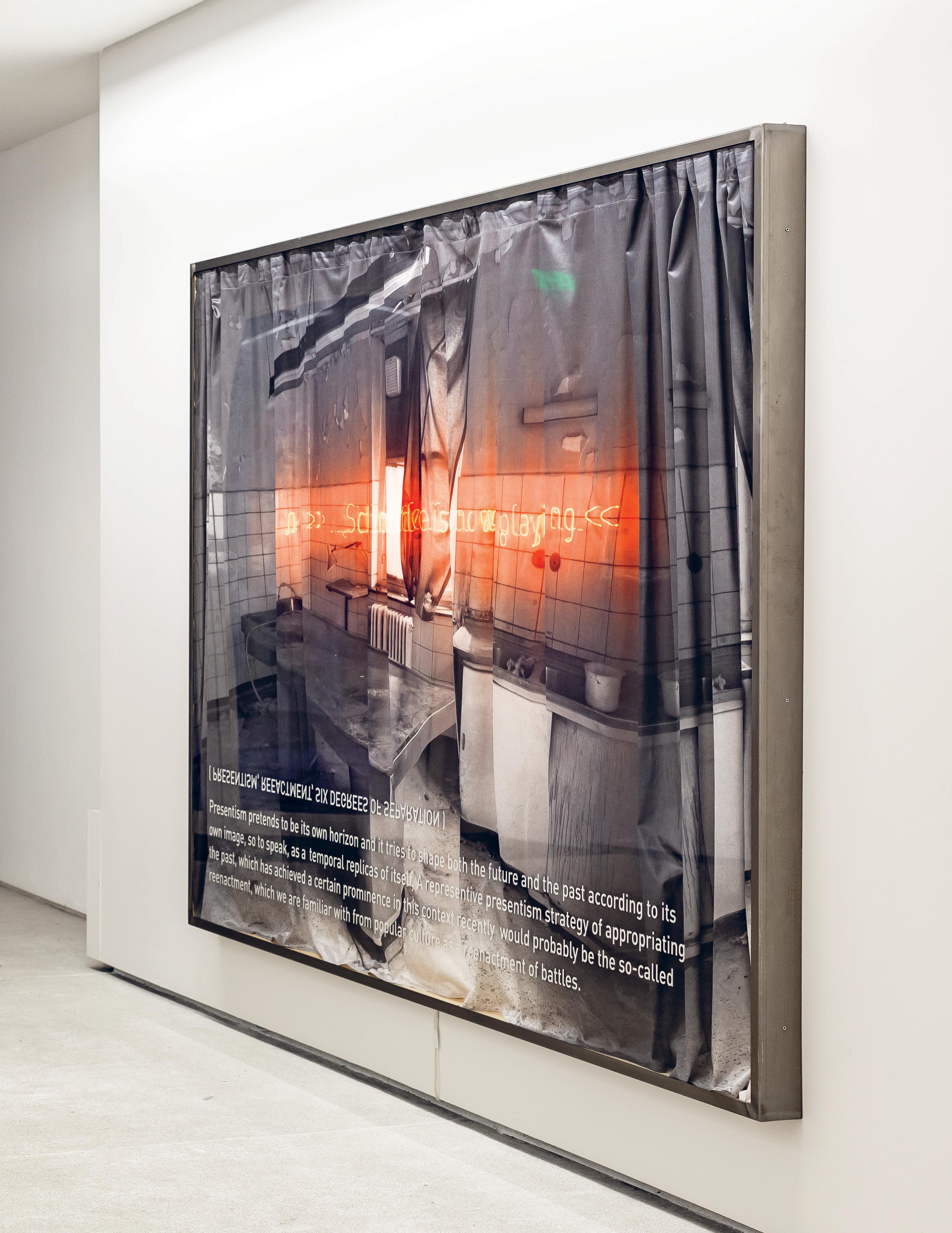
Neste sentido, a obra de Filipe Marques parece ser sintomática desta desarticulação trágica da modernidade, como demonstram as palavras invertidas que aparecem em diversas obras da exposição, demonstrando uma ilegibilidade enunciativa e denunciativa deste regime futuro inefável, inconcebível e arruinado. Mas o desafio à compreensão destas frases potencia igualmente uma série alargada de interpretações que se expandem ao mesmo contexto sombrio e pungente que habita os desenhos, o vídeo e as restantes obras da exposição. Se o filósofo Jacques Derrida (1988) afirma que, no contexto da linguagem, a memória e a morte estão mais unificadas do que desvinculadas, esta exposição demonstra como a morte reside efectivamente na rememoração, uma vez que a lembrança advém da repetição, mas esta iteração de algo desune o seu significado da presença original, submetendo-o assim à morte. Viver é, portanto, entregar-se a uma “chama incinerante” (Derrida, 1988), isto é, a uma perda da presença através da transformação e da morte.
Feel It, No Fear, The Flesh Yields and Is Numb consiste num espaço que convocando o colectivo é simultaneamente uma evocação do individual. A exposição espelha reflexivamente a estranha condição humana através da perspectiva da catástrofe, das fissuras, das finitudes, dos vazios e das lacunas. Por conseguinte, a história entrecruzada com a estória envolve-se aqui numa tentativa de fazer comunicar a memória, onde rememorar é rever, repensar e reconstruir com as imagens: algo que é reproduzido nos processos
de apropriação e de cruzamento disciplinar que atravessam esta exposição.
A sensação crepuscular que trespassa Feel It, No Fear, The Flesh Yields and Is Numb parece remeter a uma espécie de escuridão que existe sempre no interior da luz. A exposição desenvolve-se neste olhar para uma obscuridade fantasmal de sobrevivências, que se tece num igual poder activo entrópico, que invoca a natureza paradoxal do humano através das suas relações com a violência, o sofrimento e a memória.
We often speak of the violence of a river, but never of the violence of the banks that confine it.1
Bertold
Brecht
‘We burn something in so that it remains in the memory. Only something which never ceases to cause pain stays in the memory’ — this dictum by Friedrich Nietzsche evokes an intimate corporeal bond between pain and memory that partly emerges in the title of Filipe Marques’ exhibition Feel It, No Fear, The Flesh Yields and Is Numb: a resilient body, nurtured by the complexities of the meanings of the tragic, of memory, of finitude, of politics, of transitoriness and violence. Finding in pain the most expressive auxiliary of memory, here the body is the extension of a ‘wound’ swayed by instabilities and temporal crises, emerging from a symptomatic involvement with images of ruins, death and destruction.
All-encompassing, Filipe Marques’ oeuvre seems to embrace a reflection on the crises of past experience transmission in modernity, and on how violence seems to be one of its most structural elements. For philosopher Slavoj Žižek (2008), violence has a double condition — subjective, grounded in direct acts of physical violence and terror enforced by social agents, repressive apparatuses or fanatical mobs; and objective in its inherence to a system linked not only to direct physical violence, but also to more subtle forms of coercion that support relationship of domination and exploitation. Based on the spectral reflexion of these various forms of violence, Feel It, No Fear, The Flesh Yields and Is Numb (Galeria Fernando Santos, 2017, Porto) evokes atrophy the atrophy in systems and in a series of events that led to an hypertropia of present time, or a presentism (Hartog, 2003).
1
Therefore, this exhibition seems to reproduce a sensation of finitude that characterizes the experience of a ‘slow cancellation of the future’ (Berardi, 2011) that has been unfolding since the end of modernity with the end of utopias and unfulfilled promises of progress. The future is thus perceived as a threat, a self-provoked catastrophic time: the future does not end, it simply becomes impossible to imagine (Berardi, 2011).
In this regard, Filipe Marques’ oeuvre seems symptomatic of this tragic disarticulation of modernity, as demonstrated by the inverted words in several exhibited works, pointing to an enunciative and denouncing illegibility of this ineffable, unconceivable and ruined future regime. But the challenge to understand these phrases also potentiates a wide series of interpretations that expand into the same sombre, trenchant context that inhabits the drawings, the video and the remaining works in the show. While philosopher Jacques Derrida (1988) claims that in the context of language memory and death are more united than disconnected, this exhibition demonstrates how death effectively resides in remembrance because recollection emerges from repetition, although this iteration of something separates its meaning from the original presence, thus subjecting it to death. To live is thus to surrender to an ‘incinerating flame’ (Derrida, 1988), i.e., to a loss of presence through transformation and death.
Feel It, No Fear, The Flesh Yields and Is Numb consists of a space that, by evoking the collective, is simultaneously an evocation of the individual. The exhibition reflexively mirrors the strange human condition from the perspective of catastrophe, fissures, finitudes, voids and lacunae. Therefore, here the interweaving of history and story engages in an attempt at making memory communicate, where to remember is to review, to rethink and rebuild with images: which is reproduced in the processes of appropriation and disciplinary intersection that permeate this exhibition.
The crepuscular sensation that pervades Feel It, No Fear, The Flesh Yields and Is Numb seems thus to point to a sort of darkness that always exists within the light. The exhibition unfolds as a gaze towards a phantasmagorial obscurity of survival, woven as an active entropic power that invokes the paradoxical nature of the human in its relationships with violence, suffering and memory.
no silêncio sem me fazer ouvir.
apertá-lo perfura entre os dedos dilatados a ouvir o que não digo, quando digo gritos na minha cabeça que só eu ouço sem chorar dizer.
a esfolar na boca gritos como um romper silêncio ora em choro por choro assim em choro ainda agora chorei isso. neste dilúvio de gritos-imagem que me rasga dia inteiro mais meio. assomos de escombros
quando a luz amarga do dia findar arrebatada tactaremos a par sob a mortalidade e a miséria, e nossos rostos não sublevarão trocas de pele apenas beijos e palavras altivas e harmoniosamente infinitas.
comecei a olhar para os descarnados livros que deixava revestindo-a depois de morta.v primeiro ela depois ela. não deixavam muito. tal como onde se forma o sangue a Im morreu aprisonada, sem que eu sequer suspeitasse e não deixou muito. talvez dizer muito. atenuando o crocitar dos corvos. como quando se morre sem nada e sem memória e os poemas passeiam no interior do fosso da orquestra como numa qualquer visita à Grosse Hamburger Strasse se tratasse. como se confundisse no interior dos meus ossos e como fosse ali haver poesia. onde hurdidos poros me sopram a Tannhauser se isto tudo é nada quase nada. não me recordo do sangue chover assim como um apedrejar ante tal gesto coleante mas recordo meu esqueleto fazer parte daquele jardim não me pergunte como nem porquê. a engolir uma saliva consanguinária, por um momento não adicione nem mais um sentimento à escuridão. não olhe muito para o início da esperança, não vale a pena… volte-se para a parede sem inteiramente a abraçar e vamos passar placidamente nos nossos pulsos uma lâmina como estranhamento o nosso transpiro que cada vez mais desponta. não toldemos mais os olhos com sucessivas braçadas, para que as nostalgicas víceras deles se cubram em memória decapitada que emprestam casa onde tudo lhes pese no escroto como fim consecutivo… o irromper a carne vazia?! o que me desprendia muito incomensurável prazer tinha de o fazer sentir a uma insidiosa plateia. e a Im?
a inusitada longícua aragem sem se perder nos cospe na boca e não se desfaz em domínios matemáticos que revolteiam na natureza?! ela congrega-se connosco, como todos os sinos se congregam num vazio etéreo. a cisplatina continua a recolher a dor prenhe do meu sangue. tão desmesurados os mortos agarraram-se a mim. arqueiam-me para a alcantilada morte mas nenhuma seta me consegue nomear. nem a mim. onde não estava, como um eco entre ecos. não digo: isso foi ontem. sem préstimo. desatino. quase inebriante.
desatino que é verdade da loucura é a razão. ou melhor, quase-razão.
e o arrebatamento incorpóreo! que arrebatamento? arrebatamento de. qual? quais pois ambos. um dia pergunto penoso. sobre o transbordar. que transbordar no espelho?
agredir ou acariciar — de ambos no espelho. a pele. para o transbordar anónimo vazio do espelho de ambos.
sou o seu único transpiro que poisa no absurdo resinoso. absorto transpiro o único sem transpiro. espacejando quem senão eu o seu transpiro. quem. a pele que pende para dentro de si própria até o inerte transpiro. até o medo. é um todo medo interpor exsudação. cúmplices no mesmo escombro medo disforme não desertara.
qual era? qual? bem-vindo ao meu escombro? é suficiente sufocante para ambos atarem metáforas de memória? interstício dessa virulência. esta incúria e esta virulência e a incúria, incúria. essa. deste cheiro a memória.
como isto avança, ou recua, não avança. mantém-se imperturbável. a extinguir a etimologia da vida. alguma coisa como o apurar e o imperturbável nisso. reverberação particular alguma coisa como não nada, um nada endemoninhado.
como eu só pelo tactear abrindo sonhos nas minhas próprias fezes. como eu evitando angustiar só, muito, porque não é fácil enterrar tudo. como vejo a entrada e ao fundo o vazio da brandura. um ver com sangue caudoloso. que entreolhar. como me horrorizo com o aflorar do trágico nada pela refinaria da brandura-morte. se a pele do absurdo não me falha… melhor… se tivesse pele para sequer falhar. apenas uma fulgurante imagem, em massa. não é possivel.
não é por querer, reconheço, não consta que a pele-embuço me perseguisse em aguçada agulha mas isto de nos abeirarmos a um indolente espelho lotófago condenou-nos a vegetar na obscuridade. pressinto um sublinhar nauseabundo a quimioterapia sentindo-a dos intestinos à cabeça.
cravo no silêncio percuciente o que lhe vai na alma, um não empedrar o que se é.
tal como eu. um reservar ser perfeito. tal como a mim. um cuidar ser algo mais do que um espelho sem propósito mais hálito putrefacto, uma mão encapelada quando se espreita nas bocas escancaradas e nada vê, apenas o iriado negro-sufoco que acirra o que lhe vai na alma. um ir mais longe cortei as cauterizadas pálpebras que não parecia ter fim quando nasci. pós 15 anos, esconso cedo uma cicatriz sem fundo imensa.
com mal tempo para me espantar cedi sem bramido contra aquele que tenta curvar os meus cães para a vala.
o árido medo reptilíneo voltou a humanizar a morte. onde desafectado sem clemência enfiada nos terminais do útero materno originou-se uma excrecência, chegou-me de faetonte um cancro como Imi. com morosidade desatá-lo à acorrentada vida coser a esperança gutural ao corpo e alçar uma ponte, alça, alçar ainda… entre o Coro dos Peregrinos e o céu da margem do meu coração. ufano medo!
no silêncio sem me fazer ouvir.
em hebraico
Im – Im(a), mãe Imi – minha mãe
in the silence without making myself heard. to squeeze it pierces between dilated fingers listening to what I do not say, when I speak screams in my head that only I hear without saying them with tears. to flay in the mouth screams like a rupture of silence now in weeping for weeping — thus, in weeping, I just now wept that. in this deluge of image-screams that tears me all day and then some. outbursts of rubble when the bitter light of day ends, snatched away, we will grope together beneath mortality and misery, and our faces will not revolt at exchanges of skin only kisses and proud words, harmoniously infinite. I began to look at the fleshless books I left, clothing her after she was dead. first her then her. they left little behind. just as where the blood forms, Im died imprisoned, without me even suspecting and she left little. perhaps to say much. dulling the cawing of the crows. as when one dies with nothing and without memory and poems stroll inside the orchestra pit as if it were some visit to Grosse Hamburger Strasse. as if it mingled inside my bones and as if there were poetry there. where ruptured pores blow Tannhäuser at me if all this is nothing, almost nothing.
I don’t recall the blood raining like a stoning at such a sticky gesture but I remember my skeleton being part of that garden. do not ask me how or why. swallowing a blood-kin saliva, for a moment do not add another feeling to the darkness. do not look too much towards the beginning of hope, it’s not worth it… turn to the wall without quite embracing it and let us pass a blade placidly across our wrists as if estrangement — our perspiration that ever more emerges. let us not cloud our eyes with repeated strokes, so that their nostalgic viscera are covered in a decapitated memory that lend a home where everything weighs on their scrotum as a consecutive end… the rupture of empty flesh?! what detached from me immense, immeasurable pleasure had to make itself felt to an insidious audience. and Im?!
the unusual long gust without losing itself spits into the mouth
and does not dissolve into mathematical domains that stir in nature?! she gathers with us, as all bells gather in an ethereal void.
the cisplatin keeps collecting the pain heavy with my blood.
so excessive the dead clung to me. they arch me towards the cliffed death but no arrow can name me. nor me. where I was not, like an echo among echoes. I do not say: that was yesterday. of no use. madness. almost intoxicating. madness that is the truth of madness is reason. or rather, near-reason. and the incorporeal rapture! what rapture? rapture of. which? which, then, both. one day I ask, painfully, about overflowing. what overflowing in the mirror? to assault or to caress — of both in the mirror. the skin. for the anonymous empty overflowing of both mirrors.
I am its sole perspiration that settles on the resinous absurd.
absorbed, I perspire the only without perspiration. panting — who else but me its perspiration. who. the skin that hangs into itself until the inert perspiration. until the fear. it is an all fear to interpose exudation. accomplices in the same rubble, misshapen fear did not desert.
which was it? which? welcome to my rubble? is it suffocating enough for both to bind metaphors of memory? interstice of that virulence. this neglect, and this virulence and the neglect, neglect. that. of this smell of memory. how this advances, or retreats, it does not advance. it remains undisturbed. extinguishing the etymology of life.
something like refinement and the undisturbed in that.
particular reverberation — something like not nothing, a demonised nothing. how I, just by touching, open dreams in my own feces. how I avoid anguishing alone, very much, because it’s not easy to bury everything. how I see the entrance and, beyond, the void of gentleness. a seeing with trailing blood. that slight glance. how I am horrified by the surfacing of tragic nothing through the refinery of gentle-death. if the skin of the absurd does not fail me… better… if I had skin to even fail.
only a dazzling image, in bulk. it is not possible. it is not for want, I recognise, it does not follow that the veiling skin pursued me with a sharpened needle but this bringing ourselves close to an indolent, lotophagic mirror condemned us to vegetate in obscurity.
I sense a nauseating underlining to chemotherapy, feeling it from the intestines to the head.
I nail into the penetrating silence what goes on in its soul, a non-petrifying of what one is. just like me. a reserved perfect being. just like me. tending to be more than a purposeless mirror, a rotten breath, a gloved hand when one peers into gaping mouths and sees nothing, only the wrathful black-suffocation that sharpens what goes on in its soul.
to go further I cut the cauterised eyelids that seemed endless when I was born. after 15 years, I keep hidden a bottomless scar, immense.
with bad weather to astonish me I yielded without cry against the one who tries to bend my dogs into the ditch.
the arid reptilian fear returned to humanise death. where, detached without mercy, lodged in the terminals of the maternal womb, an excrescence originated, a cancer came to me from a phaeton like Imi. slowly I untethered it to the chained life, stitching guttural hope to the body and raising a bridge, a handle, raising still… between the Chorus of Pilgrims and the sky at the edge of my heart.
proud fear! in the silence without making myself heard.
in Hebrew Im – Im(a), mother Imi – my mother