Please contact the Building Officials Institute’s National Office via marketing@boinz.org.nz
Design & Print no9.co.nz
ISSN 1175-9739 (print) ISSN 2230-2654 (online)
Building Officials Institute of New Zealand PO Box 11424
Manners Street, Wellington Level 12, Grand Annexe
84 Boulcott St, Wellington Phone (04) 473 6002
The information contained within this publication is of a general nature only. Building Officials Institute of New Zealand does not accept any responsibility or liability for any direct, indirect, incidental, consequential, special, exemplary or punitive damage or for any loss of profit, income or any intangible losses, or any claims, costs expenses, or damage, whether in contract, tort (including negligence), equity or otherwise arising directly or indirectly from, or connected with, your use of this publication or your reliance on information contained within this publication. The Building Officials Institute of New Zealand reserves the right to reject or accept any article or advertisement submitted for publication.
Message from the President
We are already just over halfway through the year and settled into winter, which is set to be the driest on NZ record. Although farmers are likely to be concerned, this may bring some relief to emergency management teams across the country who have been responding to extreme rainfall events in recent times.
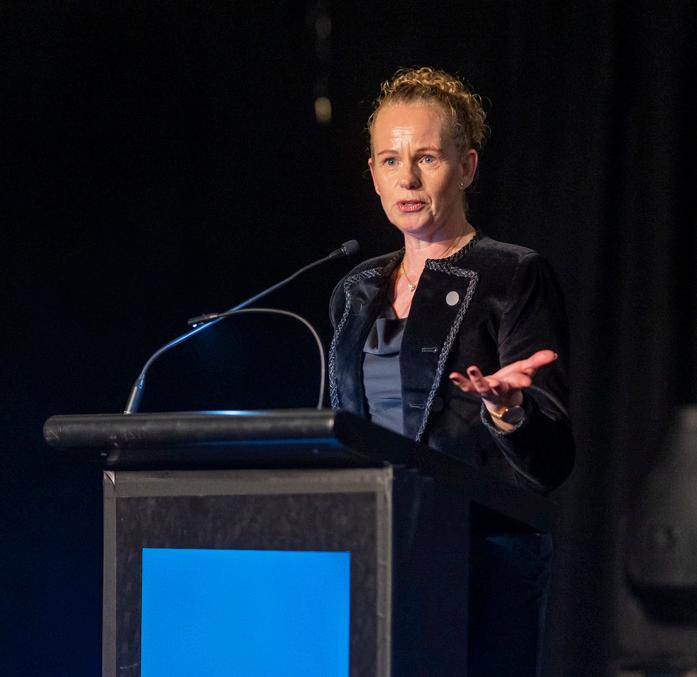
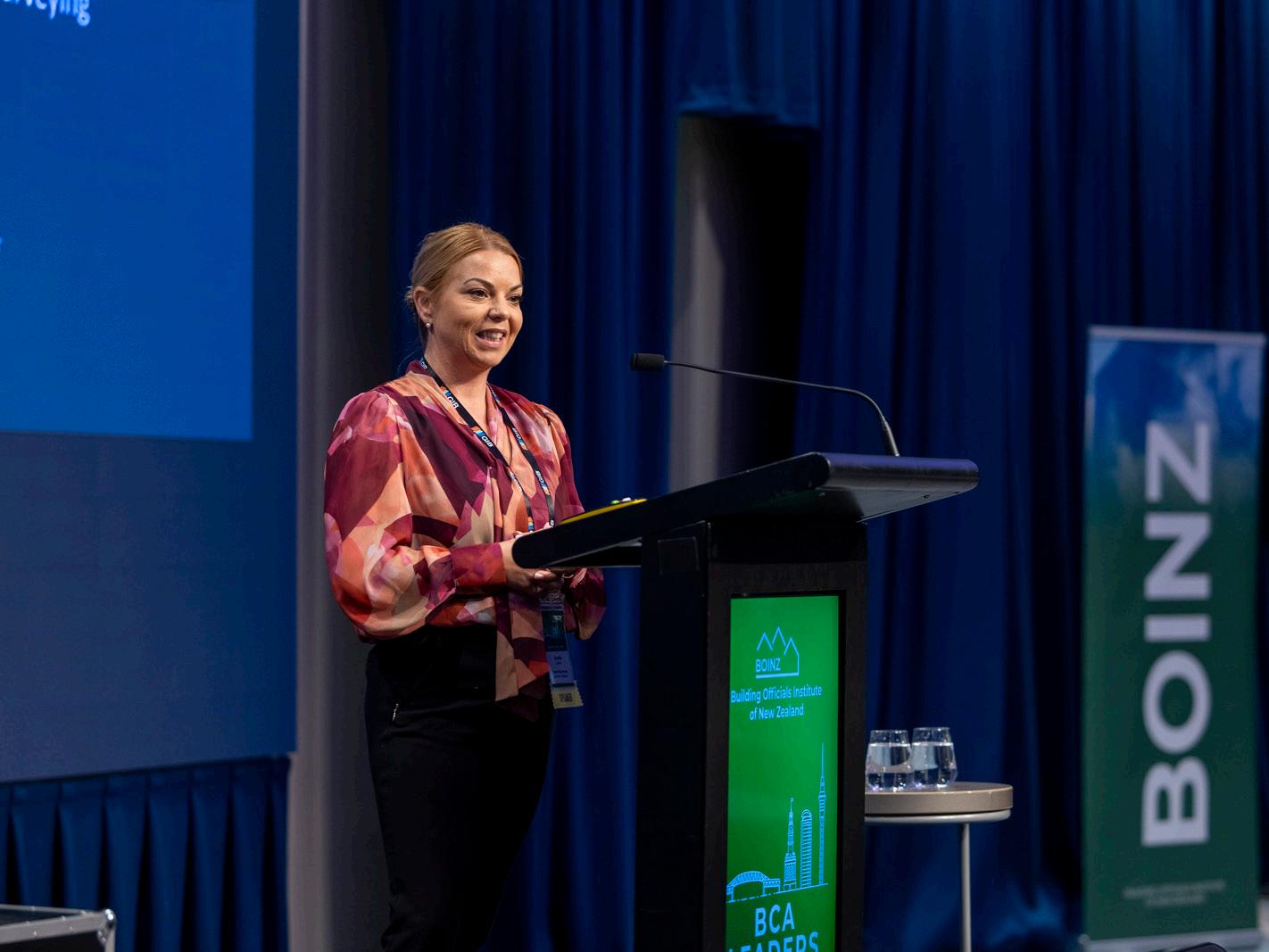
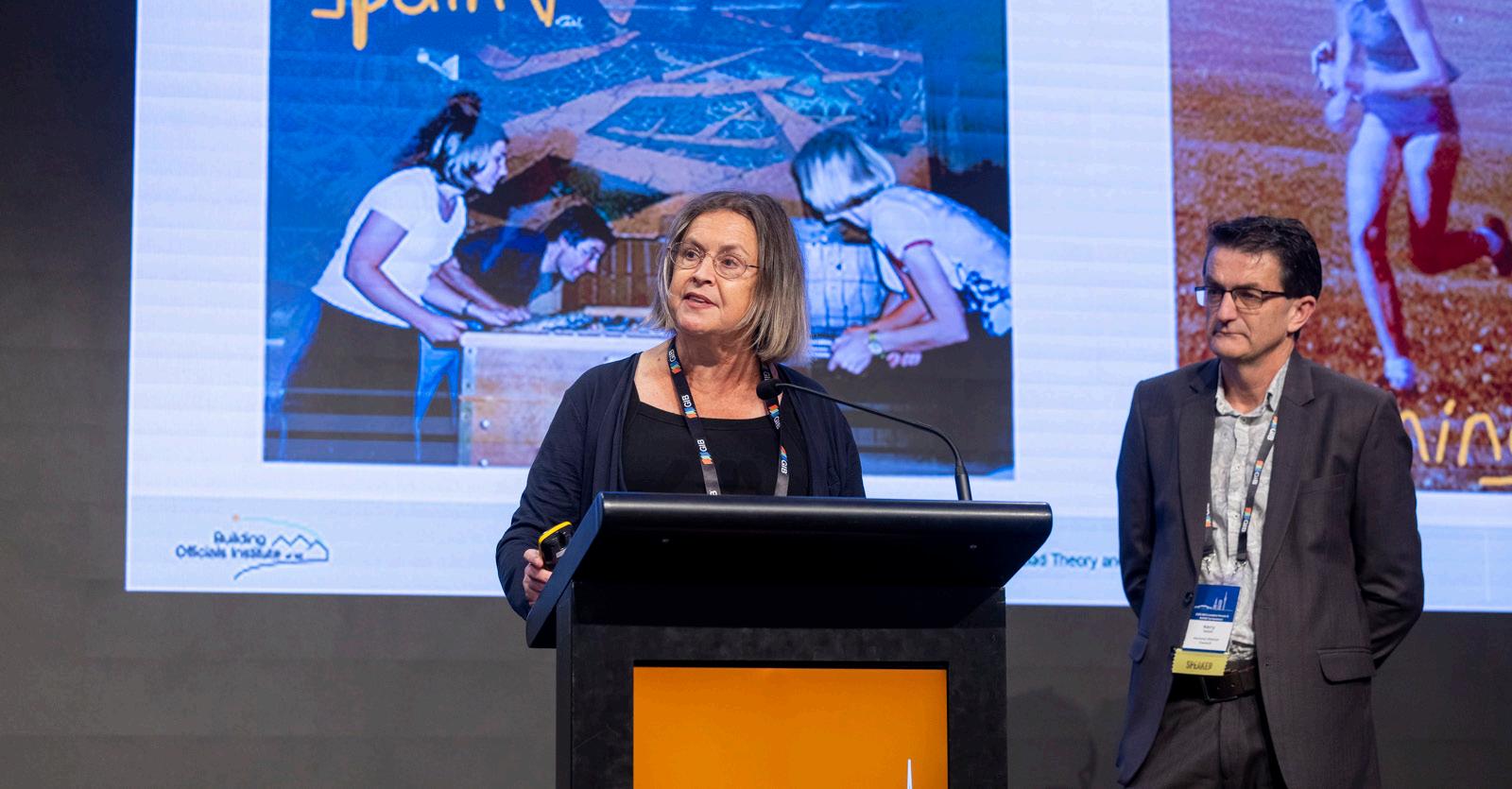
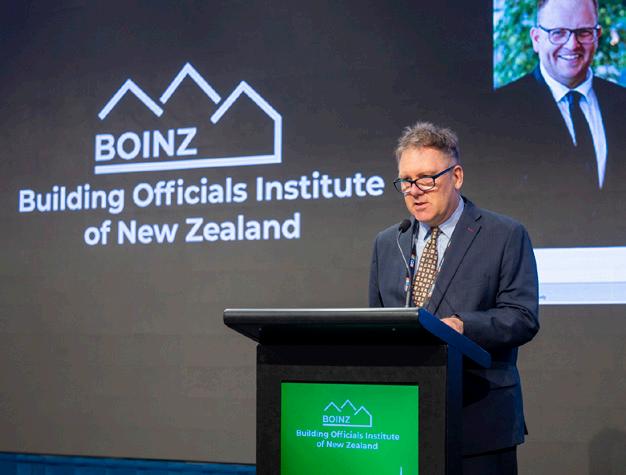
It has been another busy three months for BOINZ members, including the 2026 BOINZ BCA Leaders Forum & Symposium in May. The event was themed “Sharing and Supporting in Challenging Times” and “Building Value” and was a great success, with an excellent range of speakers and topics providing insight, clarity and direction at a time of change and uncertainty.
The presentation from Richard Mills on the lessons from Grenfell was a confronting but stark reminder of the importance of what we do and the impact of getting it wrong.
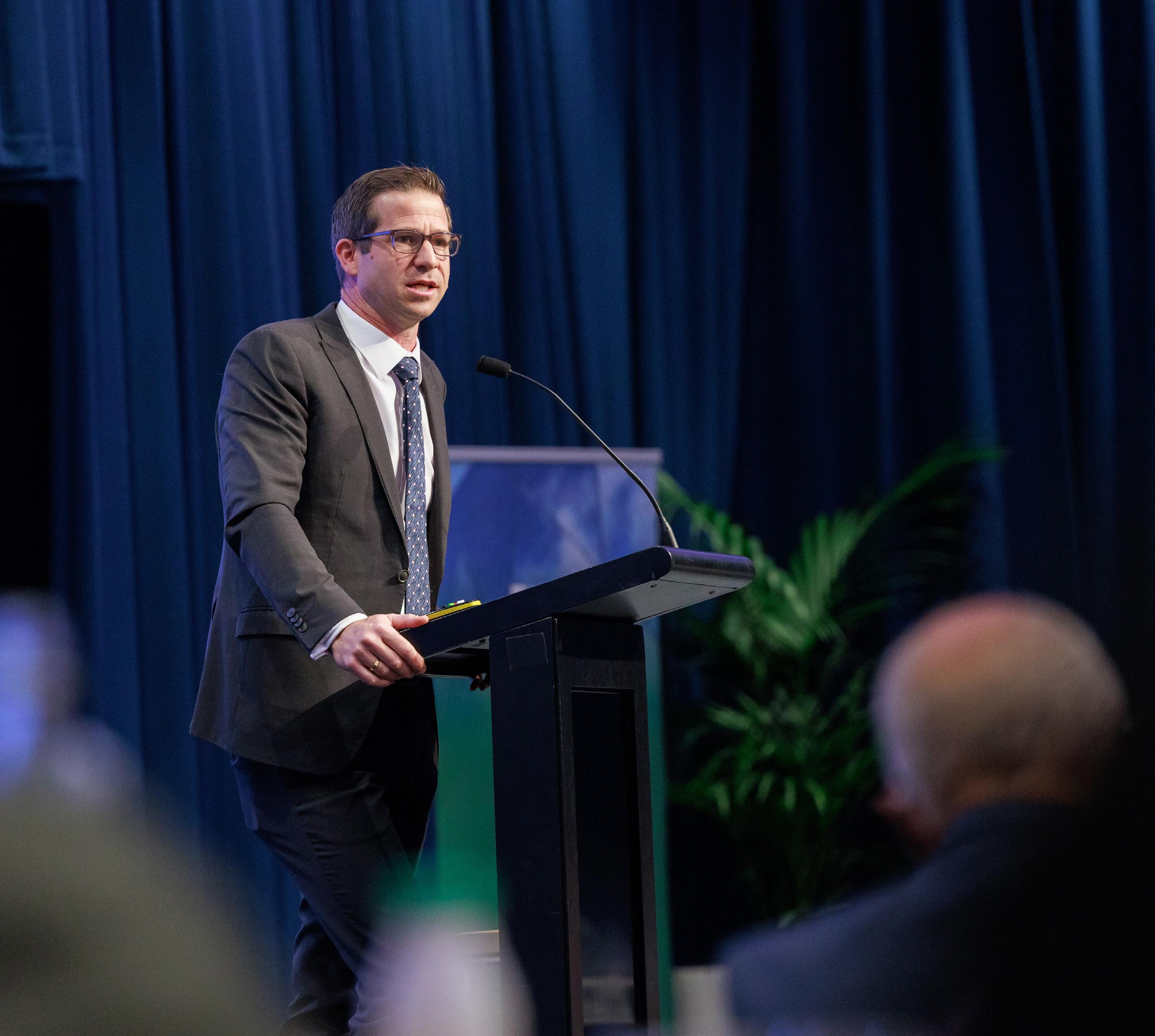
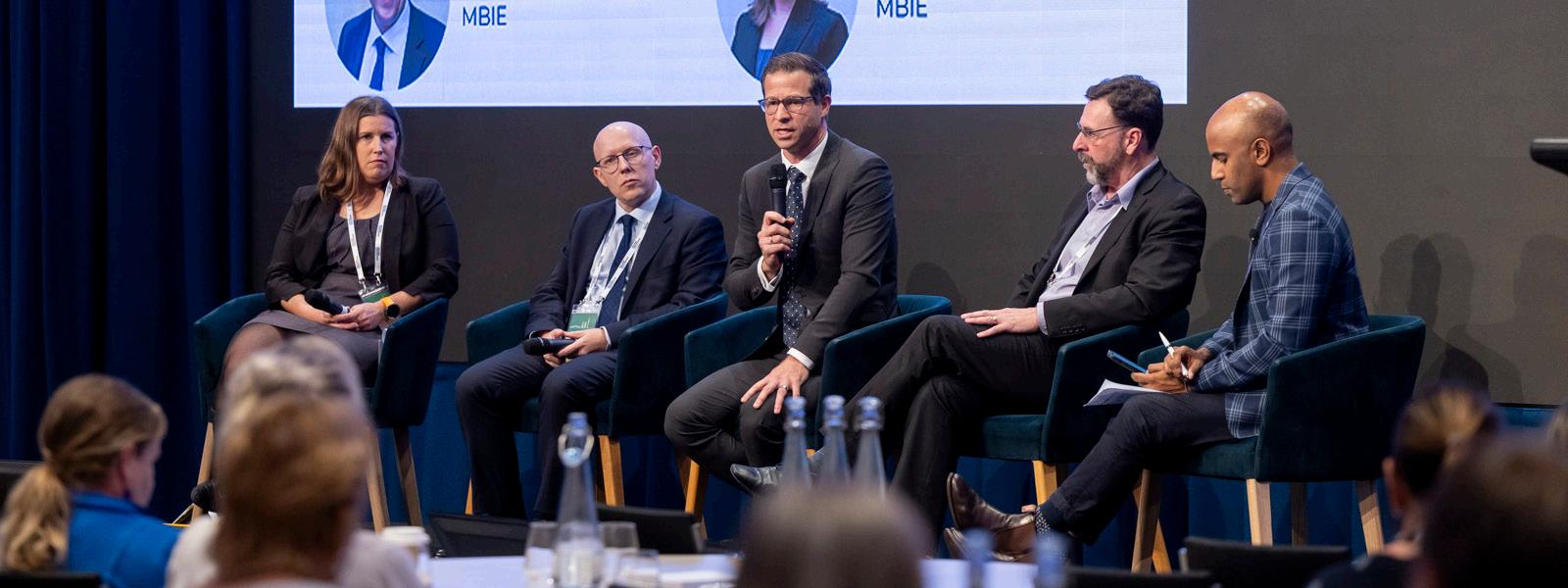
It was also timely to hear from Minister Chris Penk and the team from MBIE on existing and proposed changes within the industry. It is important for the Minister to engage with our sector, and to see and hear the challenges that members are facing. The open and frank discussion was heartening and helps to build trust in the relationship.
During the symposium, the Government made an announcement about local government reform.
The Beehive media release stated that the Government is giving councils a three-month window to put forward proposals to simplify and
strengthen local government in their regions.
“New Zealand’s local government system is too complex, too costly, and too hard to navigate,” Mr Bishop says.
“We currently have 78 city and district, regional, and unitary councils across the country – a high number for a country of our size.”
This announcement followed the address from Minister Chris Penk stating that BCA amalgamation was set to be voluntary. So, the new reality is that BCAs may be absorbed into the new local government reform process.
Since the announcement, mayors have been vocal in the media about engaging with their communities and neighbouring councils, with many already talking about amalgamations while trying to ensure ‘local’ service delivery.
Further change under the Building Amendment Bill, expected to take effect later this year, includes a suite of changes relating to earthquakeprone buildings, self-certification of plumbers and drainlayers,
proportionate liability, occupational licensing, changes to building levies, and tweaks to the small stand-alone dwelling criteria. These changes will also have an impact on process, service delivery, communication and risk management within the building surveying industry.
All of this change is happening at pace and will require us all to be adaptable, communicate effectively and influence practical, workable outcomes. I am reminded of a mantra I often think about: The decisions we make today will determine our tomorrow.
Many who attended the symposium will recall the presentation by Craig Hill (Redtape), who talked about engaging to build value or accepting your fate. This is more important now than ever. You are all knowledgeable about our sector, and you have the power to add value and influence future policy decisions. Get involved within your organisations and with BOINZ in the consultations and discussions. Be part of the change process. The more voices, and even better ‘united voices’, the greater the gravitas and the stronger the message.
Karel Boakes President
Jeff Fahrensohn Board Member
Denise Whelan Board Member
Nick Hill Board Member
Peter Sparrow Vice President
Jeff Farrell Board Member
Brent Goldschmidt Board Member
I want to thank all BOINZ members, partners and sponsors who supported the event, especially when financial belts are being tightened by many organisations.
Continuing on the change theme… By now, you will all have seen the new BOINZ vision, mission and strategic pillars, either launched at the Symposium or through the BOINZ communication channels.
This was the outcome of a journey the Board embarked on in late 2024 to ensure the institute was fit for the future and delivering benefit to members. Thank you to everyone who took the time to be involved in the feedback process to help shape the Institute for 2026–2031.
The new vision is: Shaping the future of building surveying to deliver building excellence for New Zealanders
The new mission is: Improving the built environment by setting the standard, building capability and leading the industry.
“Built on strategy. Powered by people. Connected for the future.”
The five strategic pillars that guide
OUR PREMIERE PARTNERS
the direction of the institute are: Professionalism – trust, credibility, recognition
Training & Events – capability and connection
Leadership & Advocacy – strong, independent voice
Membership – value, growth, and support
Relationships – partnerships and influence
The Board is now energised and focused on ensuring actions within the business plan deliver on these pillars, with our next Board meeting to be held in July.
Lastly, I wanted to say that Board member branch representatives have been attending branch meetings across the country. The branch executives do a fantastic job of organising branch meetings and events for the benefit of members, which are critical for ongoing learning and development, networking and leadership opportunities.
I urge you to get involved in your branches and networks. I am sure
the executive committees would welcome additional support to share the workload, so consider putting yourself forward to assist, coordinate or lead within your respective branches.
Take care everyone and keep warm over the winter months.
Karel Boakes President
– BOINZ Building Officials Institute of New Zealand
We would like to thank our Premier Partners for their support and commitment to the Institute.
The New Zealand Green Building Council (NZGBC), in partnership with the Green Building Council of Australia (GBCA), has launched its Responsible Products Program.
This is an important step towards recognising and incentivising projects that use responsibly sourced materials, helping to improve the environmental and social impact of New Zealand’s built environment. Like the ACRS Sustainable Constructional Steel (SCS) Scheme, Green Star aligns with the United Nations Sustainable Development Goals and other leading sustainability frameworks.
Responsible Product Values
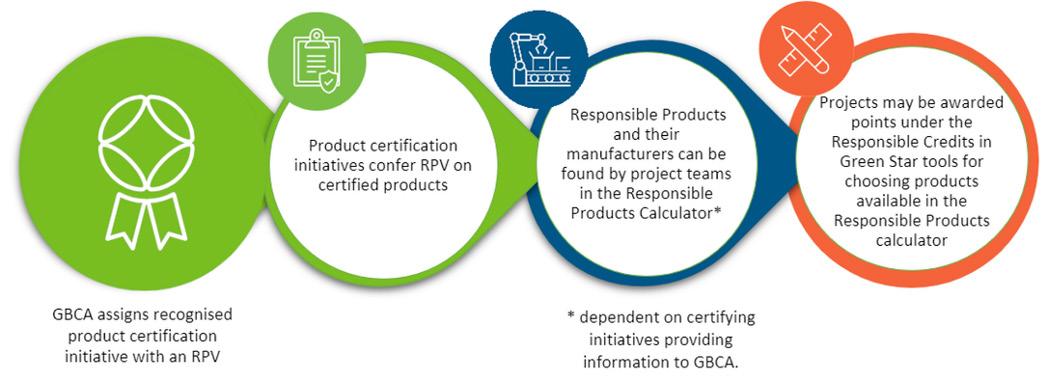
Under the NZGBC Green Star rating system, products certified by a recognised independent third-party certification scheme (referred to as ‘initiatives’) may be assigned a Responsible Product Value (RPV). This contributes to credits within a project’s Green Star submission.
The ACRS Sustainable Constructional Steel Scheme (SCS Scheme) is recognised by both the GBCA and now the NZGBC as best practice in responsible product sourcing.
As a recognised initiative, it confers Responsible Product Values (RPVs) on certified products. Green Star project teams can receive recognition for the use of these products to unlock up to nine of the available 13 Responsible Products credits towards the relevant materialsrelated Green Star rating.
All SCS Scheme-certified products (at any level of SCS certification) exceed “Best Practice” credits across all five Responsible Product categories (Responsible, Healthy, Positive, Circular and Leadership) – unlike other schemes, which may be limited to certain categories or offer only partial credits.
All levels of ACRS SCS Scheme certification deliver more Green Star RPV credits than any other steel certification scheme currently available. When used in combination with other certified initiatives (covering non-steel products or systems), the SCS Scheme places your project in the strongest position to meet the relevant credit requirements and achieve compliance with Green Star Buildings certification.
“The inclusion of SCS certification under Green Star tools is one of many ways clarity and verified data around steel products’ ESG claims can help the industry.
New Zealand’s adoption of these tools is a great step towards tackling embodied carbon and improving the impact of its built environment.”
–
Andrew Wheeler, Executive Director, ACRS
How it's used for Green Star
To achieve Green Star certification, a project is awarded points based on performance across a range of categories. The total points determine the Green Star rating: 15 or more points for 4 Stars, 35 or more for 5 Stars, and 70 or more for 6 Stars.
These points come from credit achievements, including those for lower upfront and embodied carbon emissions, under the four areas of Responsible, Healthy, Resilient and Positive.
A project team considering ways in which their project can be eligible for Green Star points might look at the Responsible category, and specifically Responsible Procurement. Responsible products are eligible for up to 13 credits and can also indirectly contribute to credits under other categories such as Healthy and Positive.
For example, under Responsible Structure, three points can be earned if 50% of all structural components (by cost) meet an RPV of 10 or more.
A further two points can be gained if 10% of all products in the structure (by cost) meet an RPV of 15 or more, or if 80% meet an RPV of 10 or more.
As SCS-certified materials all have an RPV of 16 or higher, 100% of SCS-certified products achieve the maximum number of credits available under Responsible Structure.
A total of five points could be earned this way, and an additional four points could be earned under Responsible Envelope, amounting to nine points – 60% of the way to a 4 Star rating through steel alone.
Article supplied by Australasian Certification Authority for Reinforcing and Structural Steels (ACRS).
Master Plumbers’ New AI Tool Helps Tradespeople Navigate Building Standards in Seconds
A new AI-powered tool called Toby will give plumbers, gas fitters and drainlayers access to critical building standards and regulations at their fingertips.
Building and Construction Minister
Chris Penk and Master Plumbers announced a pilot of the tool, available for up to 200 users, at the membership organisation’s annual conference held in Hamilton.
Toby is a purpose-built AI chatbot, powered by the same underlying technology as ChatGPT but trained exclusively on New Zealand's plumbing, gasfitting and drainlaying regulations and standards. It allows practitioners to ask a question in plain language and quickly locate the relevant information to comply with regulatory requirements.
For example, the maximum temperature of hot water from a tap in schools compared to other buildings.
confirming their work is compliant or demonstrating the basis for a decision to an inspector or client, they now have the information they need at their fingertips.
“They will no longer be bogged down trying to find the right clause in the right document and can focus on getting on with the job, saving money and time.”
Wallace says the tool will drive productivity in the building and construction sector while also strengthening compliance outcomes.
“Ready access to trusted technical information gives consumers and practitioners confidence that work is completed safely and meets industry standards for Kiwi homes and businesses.”
Toby is more accurate and reliable than using generic AI tools because it is trained with current legislation, rules and regulations and will not generate a result based on old or inconsistent material.
There have been some challenging hurdles to get to this point, Wallace says.
Ready access to trusted technical information gives consumers and practitioners confidence that work is completed safely
Currently, practitioners have to conduct manual searches in lengthy documents.
Master Plumbers Chief Executive Greg Wallace says Toby transforms this process into a fast, accessible and userfriendly experience.
“Toby can be used anywhere, at any time. Whether practitioners are checking a requirement,
“Master Plumbers has worked hard to navigate standards licensing, copyright and access issues with Standards New Zealand and Standards Australia. We are pleased to get the green light and co-funding from the Ministry of Business, Innovation & Employment for an initial pilot that has the support of all parties involved.”
Master Plumbers has already received strong interest in Toby and believes the pilot is going to be a success, Wallace says.
“We will be engaging with the Government and interested parties to advocate for wider access to Toby and secure funding to support this tool beyond the pilot stage.”
Article supplied by Master Plumbers
Warm Roof Assemblies and the Question of “Allowance for Failure”
Over the past decade, insulated membrane “warm roof” assemblies have become increasingly common across New Zealand. These systems are now widely used across a range of building types, including apartment buildings, schools, offices, hospitals, and commercial developments. Their adoption has largely been driven by improvements in thermal performance and the desire to meet increasingly stringent energy-efficiency expectations.
There is no doubt that these systems provide real benefits. Membrane products themselves are typically well-proven and manufactured to a high standard, and experienced waterproofing contractors generally install them to a high level of workmanship.
However, as warm roof construction becomes more prevalent, it may be worth considering how these systems perform when viewed through the lens of verification, construction practices, and long-term maintainability.
The Reality of the Construction Phase
Membrane installation usually occurs relatively early in the construction process. Once installed, the membrane often becomes the working platform for several follow-on trades.
Mechanical services installers, façade contractors, scaffold teams, plant installers, and general construction traffic may all work across the membrane surface after
the waterproofing contractor has completed their installation.
In practical terms, the roof membrane often becomes the workbench of the construction phase.
While waterproofing installers are responsible for delivering a watertight membrane at the time of installation, the condition of that membrane at the end of the construction process is influenced by every party that has worked across the surface.
This reality is already recognised within the Building Code framework. Clauses such as E2/ AS1 3.7(a) and (b) acknowledge the need to consider the likelihood of failure and the way construction is carried out on site.
For this reason, verification of watertightness at the end of the construction phase may be just as important - if not more important - than verification immediately following installation.
Verification of Watertightness
Historically, several verification methods have been used to confirm the watertightness of membrane systems.
Flood testing has long been used as a method to verify membrane performance. By temporarily ponding water across the membrane surface, installers can observe whether water escapes through the membrane layer.
However, flood testing becomes problematic in many warm roof assemblies.
In a typical warm roof construction, the membrane sits above insulation boards with a vapour control layer positioned beneath
the insulation. This vapour control layer is designed to prevent moisture vapour migrating from the interior of the building into the insulation layer.
The presence of this vapour control layer changes the behaviour of flood testing.
If water enters the roof buildup through a membrane defect during a flood test, the vapour control layer can prevent that water from draining away or becoming visible within the building. Instead, the water can become trapped within the roof assembly itself.
This introduces a significant risk: water may be introduced into the roof assembly during testing without any immediate indication that a defect exists.
For this reason, flood testing is often discouraged by membrane manufacturers for warm roof systems.
The result is that some warm roof assemblies are completed without a practical means of confirming watertightness after the construction phase has finished.
Failure Behaviour in Warm Roof Systems
A Question of Maintainability
This raises an important lifecycle question.
If a roof system cannot be practically verified for watertightness after the construction phase, and faults are difficult to locate once the building is in service, can the system truly be considered maintainable?
The issue here is not with the quality of the membrane products or the workmanship of installers. In many cases these are of a very high standard.
Rather, the question relates to how the overall roof assembly is designed to accommodate real construction conditions and longterm maintenance requirements.
A Point for Consideration in Building Control
As warm roof assemblies become more common across New Zealand’s building stock, building consent authorities and designers may wish to consider how these systems address:
• verification of watertightness at the end of the construction phase
• the likelihood of damage during construction
However, as warm roof construction becomes more prevalent, it may be worth considering how these systems perform when viewed through the lens of verification, construction practices, and longterm maintainability.
Traditional membrane roofs installed directly over substrates such as concrete or plywood tend to behave in a predictable way if a defect occurs. Water entering the system is generally confined to the immediate area around the breach.
Warm roof systems behave differently.
The layered assembly - consisting of membrane, insulation boards, and vapour control layers - can create conditions where moisture is able to move within the insulation layer before it becomes visible internally.
In practical terms, the insulation layer can act as a concealed cavity capable of receiving and redistributing moisture.
This difference in failure behaviour means that defects may not always be immediately obvious and may not be easily traced back to their source.
• the ability to locate faults if they occur
• long-term maintainability of the roof assembly.
Warm roof systems will likely continue to play an important role in modern building design due to their thermal and performance advantages.
However, it may be valuable to ensure that these assemblies are also designed in a way that acknowledges construction realities and allows for verification and maintenance throughout the life of the building.
For building control professionals reviewing these systems, a simple question may be worth asking:
Does the proposed warm roof assembly adequately allow for failure, verification, and long-term maintainability?
Article supplied by International Leaking Detection (ILF)
BOINZ Vision and Values
In August 2024, the BOINZ (Building Institute Officials of New Zealand) Board initiated a comprehensive review of the Institute’s vision and values, marking the beginning of an extensive, member-driven consultation process. The aim was to ensure that BOINZ’s future strategic direction reflected the needs, priorities, and aspirations of its members across the country.
Feedback was gathered through a series of branch meetings and workshops, providing members with the opportunity to share what they value most about BOINZ and where they believe the organisation should be heading. A clear message emerged from these engagements: members highly value advocacy and the promotion of national consistency, alongside strong networking, training, and education opportunities. Recognition of excellence within the sector was also identified as an important priority.
When asked about core values, members emphasised the importance
of a strategic and forward-thinking Board, strong sector leadership, and an unwavering commitment to honesty, integrity, professionalism and member support. Looking to the future, members expressed a desire for growth through diversity, stronger branch networks, and increased collaboration with government and industry stakeholders in policy development.
These insights have directly informed BOINZ’s refreshed 2026–2031 vision, mission, and strategic pillars, which were officially launched at the recent Symposium. The new vision statement - “Shaping the future of building surveying to deliver building excellence for New Zealanders” - reflects a clear commitment to leadership and sector advancement.
Supporting this vision is a mission focused on enhancing the quality and performance of the built environment through leadership, capability building, and the establishment of robust industry standards. The strategy is underpinned
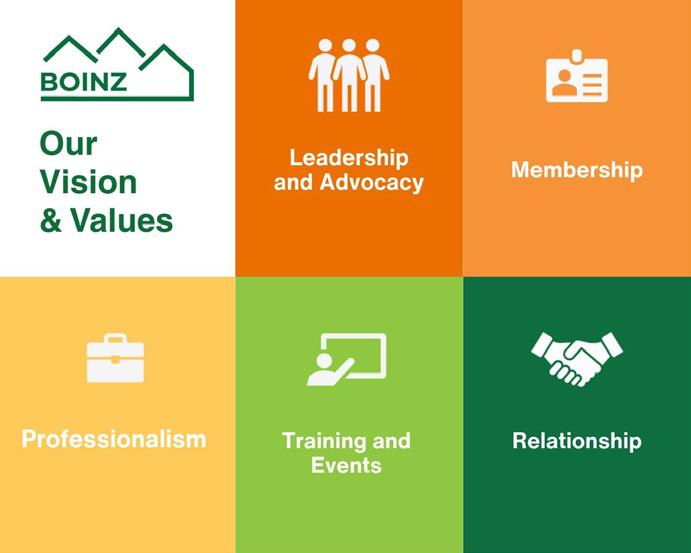
by five key pillars: Professionalism, Training and Events, Leadership and Advocacy, Membership, and Relationships.
Over the coming months, the Board will present the refreshed vision and strategic framework at branch meetings nationwide, encouraging continued member engagement and participation in shaping BOINZ’s future direction.
Article supplied by Building Institute Officials of New Zealand (BOINZ)
Rethinking Floor Systems for Better Building Outcomes
Floor systems play a critical role in how buildings are designed, constructed and inspected. Beyond structural performance, they influence service coordination, site safety, installation efficiency and longterm building quality. As the construction industry continues to look for smarter, more efficient ways to build, engineered floor systems are increasingly being considered as an alternative to traditional solid timber joists.
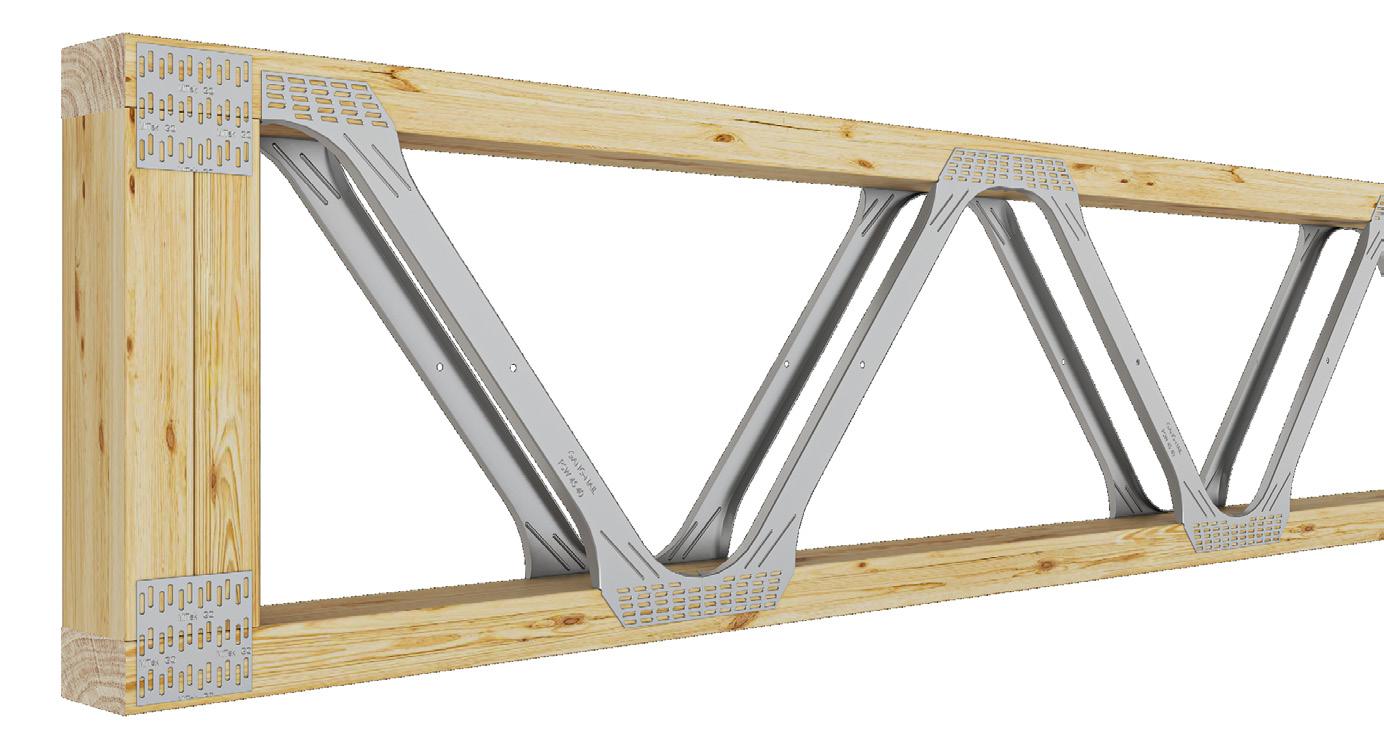
One such system is MiTek’s PosiStrut — an open-web floor truss system combining timber chords with pressed steel webs. Widely used across residential and light commercial construction, PosiStrut is designed to support longer spans, improve service integration and simplify on-site installation.
Recognising the way floors are commonly detailed in New Zealand, MiTek has recently expanded the Posi-Strut range with two new sizes developed specifically for the local market: PS24 and PS29. When paired with standard 45 mm timber chords, the systems deliver overall floor depths of 240 mm and 290 mm respectively — matching common solid timber joist depths used throughout New Zealand construction.
For designers and building professionals, this alignment offers a practical advantage. Existing floor depths and architectural detailing can often be maintained without significant redesign, whilst still achieving the benefits of an engineered open-web system. This can be particularly valuable in projects where floor-to-floor heights, cladding interfaces or retrofit constraints are tightly controlled.
From a compliance and inspection perspective, the offsite manufactured nature of Posi-Strut also provides greater consistency and predictability.
Each truss is individually designed using MiTek’s SAPPHIRE Structure software to suit its intended location, loading and span requirements, supporting compliance with relevant Building Code requirements and reducing the likelihood of ad-hoc site modifications.
The open-web configuration also addresses one of the most common coordination challenges on site: routing building services. Plumbing, electrical and mechanical services can pass through the floor zone without the cutting or drilling typically associated with solid timber joists. This reduces the risk of structural alterations occurring during construction and can simplify inspections relating to penetrations and service coordination.
There are also practical benefits during installation. Compared with solid timber joists of the same depth, Posi-Strut floor trusses can significantly reduce overall material weight, improving handling on site. The wider 90 mm chord surface additionally provides greater stability underfoot during flooring installation.
As construction methods continue to evolve, engineered systems such as Posi-Strut demonstrate how floor design can contribute to improved buildability, safer installation practices and more coordinated project delivery. For building inspectors, certifiers and regulators, these systems also offer the advantages of repeatability, engineered documentation and reduced on-site modification risk — all of which support better building outcomes.
For more information, visit mitek.co.nz
Article supplied by MiTek
As construction methods continue to evolve, engineered systems such as PosiStrut demonstrate how floor design can contribute to improved buildability, safer installation practices and more coordinated project delivery.
What’s New with COLORSTEEL®?
COLORSTEEL Endura® and COLORSTEEL Maxx® have been replaced with a single product: COLORSTEEL MAXAM®. So, what’s all the fuss about?
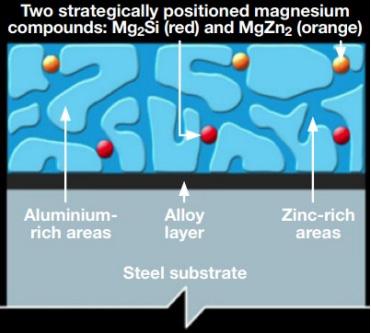
Since its introduction in 1994, ZINCALUME® steel has proven its durability. Its metallic coating, consisting of approximately 55% aluminium and 45% zinc (by weight), protects the steel through two key processes. The aluminium forms a stable layer of aluminium oxide, providing barrier protection, while the zinc acts sacrificially, offering cathodic protection to cut edges and any steel substrate exposed through damage.
Now, 3% of the zinc has been replaced with magnesium. This enhancement improves product performance by strengthening both the aluminium’s barrier protection and the zinc’s cathodic protection. BlueScope’s patented Activate® technology ensures the magnesium compounds are strategically positioned where they provide the greatest benefit — near the outer surface and adjacent to the steel substrate.
The move to a single, highperformance product delivers benefits throughout the value chain. For roll formers and roofers, it reduces stockholding requirements. For Consent Officers and Building Inspectors, it removes confusion about whether the correct product has been specified and installed. For building owners, it provides increased durability and peace of mind.
Painted products featuring Activate® technology have been used in the Australian market for more than ten years, and their real-world
performance is well documented. Such is BlueScope’s confidence in the product that COLORSTEEL MAXAM® now carries the same warranty for non-residential applications as it does for residential use. Depending on the application and site location, perforation warranties can extend to up to 50 years.
Activate® technology has also recently been introduced to unpainted ZINCALUME® steel. While this results in a subtly different appearance, it also delivers a longer expected service life.
COLORSTEEL MAXAM® is classified as a Type 6 coated metal product in accordance with AS/NZS 2728, allowing it to be used with confidence in environments B, C, and D, as identified in E2/AS1 Table 20. For use in Exposure Zone E, as defined in NZS 3604, designers are encouraged to seek confirmation from the supplier before making final material selections. For COLORSTEEL® products, enquiries can be directed to nzswarranty@bluescopesteel.com.
COLORSTEEL MAXAM® is not the only product produced on NZ Steel’s coating line. Several specialised products are also available for specific applications:
• COLORSTEEL ALTIMATE® –Painted aluminium for extreme marine environments.
• COLORSTEEL G2® – Painted galvanised steel designed for alkaline environments, such as animal shelters.
• COLORSTEEL® for Insulated Panels – Pre-painted steel skins for cool store panels and structural insulated panels.
To ensure positive identification, the underside of all COLORSTEEL® coils is branded with the product grade, specification, and date of manufacture.
Article supplied by Rod Newbold Market Applications Specialist, NZ Steel
The move to a single, high-performance product delivers benefits throughout the value chain
Supporting Quality, Compliant Construction Outcomes
Concrete NZ has been sharing a consistent message with structural engineers and contractors: readymixed concrete sourced from plants operating under the Concrete NZ Plant Audit Scheme is produced within a robust and independently verified quality assurance framework.
Why the Plant Audit Scheme matters to you
For building officials, the Concrete NZ Plant Audit Scheme provides confidence, consistency and efficiency in verifying compliance. Established nearly 60 years ago, the Scheme was designed to offer a simple and reliable means of ensuring ready-mixed concrete meets the requirements of the New Zealand Building Code. Rather
than relying on project-by-project verification, it provides auditing of each participating plant’s quality systems.
Confidence
in compliance and reduced verification burden
Concrete supplied for consented construction projects must comply with NZS 3104: Specification for Concrete Production, helping ensure performance in terms of strength and durability.
Sourcing from a Concrete NZ Plant Audit Scheme member offers a clear pathway for demonstrating this compliance. Where this assurance is not in place, additional scrutiny of concrete production processes may be required at the project level.
The Scheme has grown from
around 30 plants in the 1960s to approximately 200 nationwide today, with quarterly production approaching one million cubic metres. This scale reflects both industry reliance on the Scheme and its long-standing credibility.
Robust auditing and tight quality controls
Each plant is regularly assessed against defined performance criteria, including concrete strengths, aggregate quality, weigh scale calibration, mixer efficiency, testing accuracy, staff training and recordkeeping. Audits are undertaken by a Plant Audit Committee of registered engineering professionals, with representation from Engineering NZ. The Scheme is also certified to ISO
MARKET UPDATE
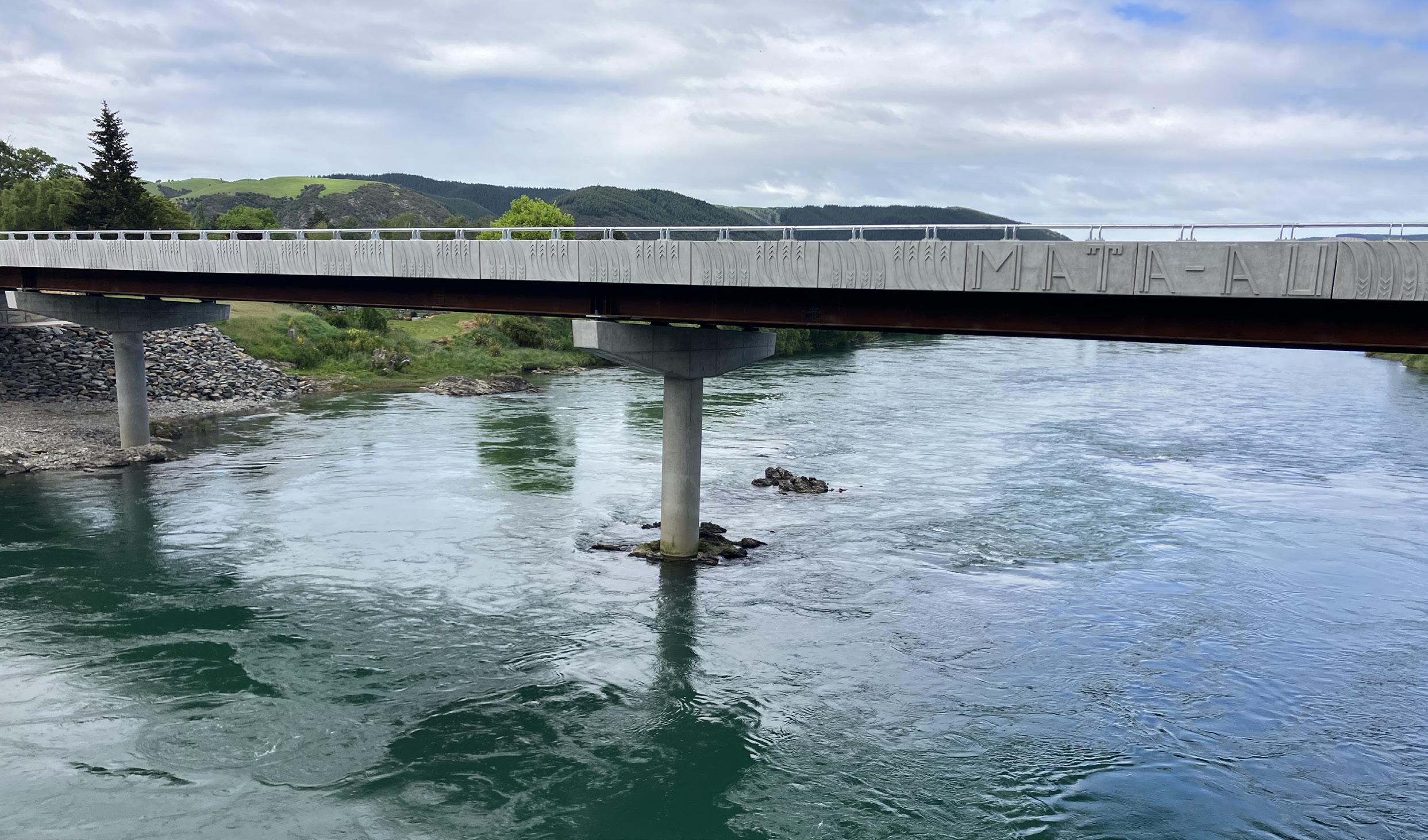
The new SH8 Beaumont Bridge, built by HEB Construction and designed by WSP, showcases concrete at its best with a curved 195-metre deck, composite superstructure, and four striking piers – and was recognised at the latest Concrete Construction Awards.
9001 and subject to annual external validation by Bureau Veritas, a global certification body. For building officials, this provides additional assurance that concrete supplied to site is consistent, traceable and aligned with Code requirements.
Delivering confidence and consistency
The Plant Audit Scheme provides a trusted, nationally recognised framework that supports efficient consenting, reduces uncertainty during inspections, and gives confidence that ready-mixed concrete has been produced to defined and independently verified quality standards.
Further information on the Scheme is available at: rmcplantaudit.org.nz
Article supplied by Concrete NZ
The Plant Audit Scheme audits Concrete NZ Readymix Sector Group member’s concrete plants as defined in NZS 3104:2021 Specification for Concrete Production
The Scheme provides a rigorous audit of the quality systems in place at a ready mixed concrete plant. FOR A FULL LIST OF SCHEME MEMBERS AND THEIR AUDITED READY MIXED CONCRETE PLANTS VISIT THE SCHEME WEBSITE www.rmcplantaudit.org.nz
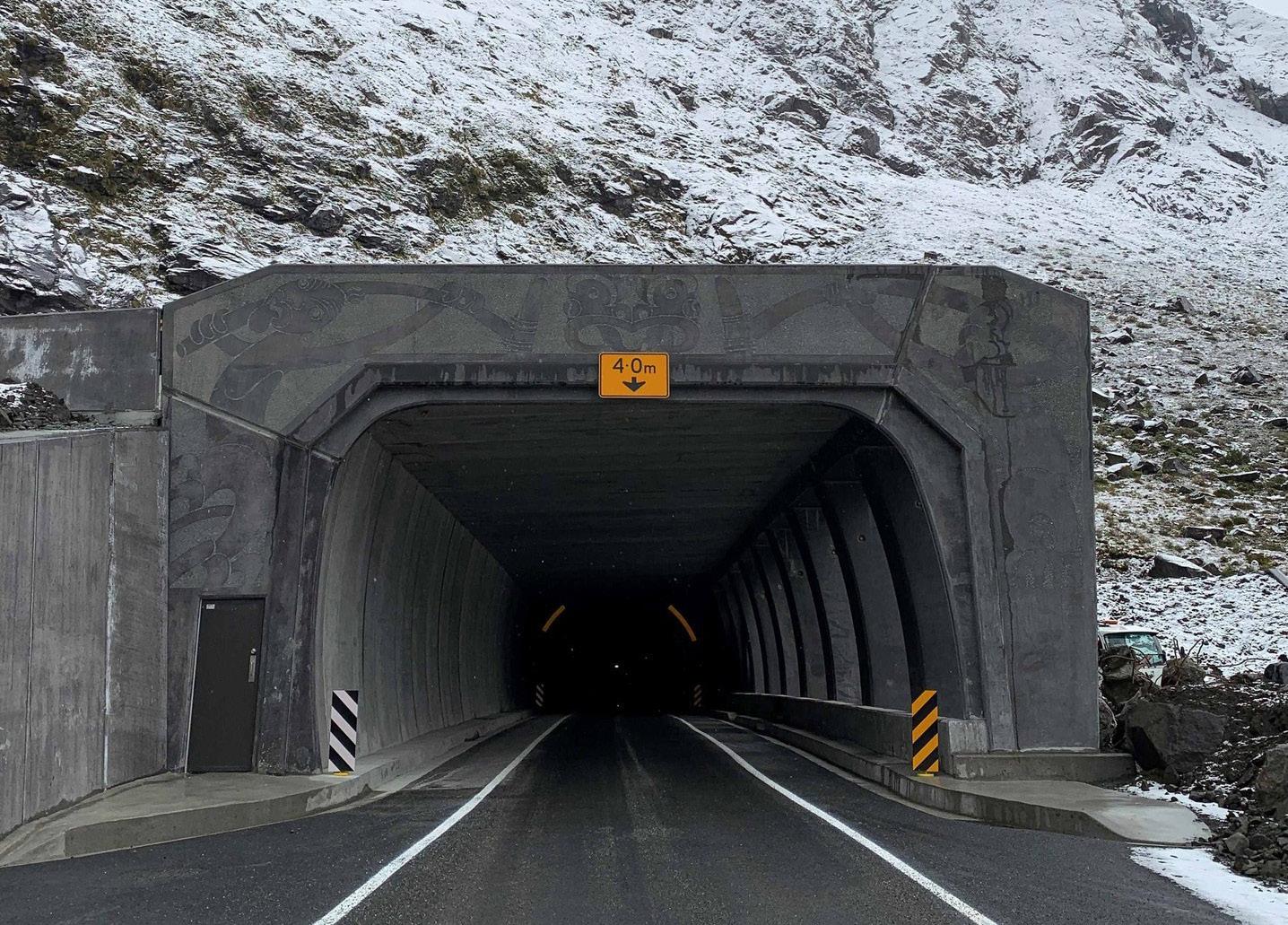
The SH94 Milford Road avalanche shelter at Homer Tunnel, delivered by Downer, WSP and McIntosh Precast for Waka Kotahi NZTA, highlights innovative concrete construction – and was a recipient at the recent Concrete Construction Awards.
MEMBERS
Spotlight on a MemberEmelia Lukins
Tell us about your role and your pathway in the industry?
I wear a few different hats in the sector these days. I have worked for over a decade in the regulatory environment and consent processing space. I’m currently a training facilitator for BOINZ, delivering their Foundation courses, and serve as the Chairperson for the Wellington Branch, which gives me a great opportunity to support our members and give back to the professional community. Recently, I took a big leap and launched my own consultancy firm, Regulatory Building Compliance Specialists Limited, helping clients navigate the complexities of the Building Code and regulatory environment.
My pathway into the industry actually started with zero experience in building control. I learned from the ground up by completely immersing myself in the regulatory environment, working for local authorities including Wellington
City Council, Hutt City Council, and South Wairarapa District Council. Moving through those different regions gave me an invaluable front-row look at a massive variety of building challenges and compliance environments, which ultimately gave me the confidence and foundation to step into training and private advisory work.
How long have you been working in building surveying and control?
I’ve been in the industry for over 11 years now, and every single one of those years has been a steep but rewarding learning curve. I’ve focused heavily on pairing my daily, on-the-ground council experience with study towards formal qualifications, a journey that is culminating in a massive milestone for me this month as I complete my Bachelor of Building Surveying and Control.
What has been the highlight of your career so far?
There have been many highlights over the years, but the absolute standout for me was presenting my passion project at the BOINZ BCA Leaders Forum this year. I spoke on
the topic of Imposter Syndrome in Building Surveying, sharing my own creation: a practical framework with strategies to help peers navigate those moments when professional self-doubt strikes. Because I started in this industry at the bottom, being able to stand on that stage and give back to the community in such a personal and impactful way was incredibly special and something I will not forget.
On a broader note, stepping into leadership roles has been immensely rewarding. Serving as the Chairperson for the BOINZ Wellington Branch is a consistent highlight, as it allows me to help shape the local professional network, support peers, and advocate for high standards in our field. On a personal level, successfully balancing the demands of senior building control work, launching my own compliance firm, and finishing my degree all at once has been an intense but deeply fulfilling milestone.
What are the biggest changes you have seen in the industry throughout your career?
The most defining change has been the sheer volume and speed of recent regulatory updates. The legislative landscape is moving faster than ever, and keeping pace with constant Code amendments, changing compliance pathways, and new government mandates has become a massive part of the daily job.
Alongside this, the role of the Building Control Officer has completely transformed. We’ve moved far away from the rigid "tickbox" mentality. Because we are constantly dealing with innovative building methods, such as modern prefabrication, overseas products, and modular components, the role now requires immense technical ability. We have to understand the underlying intent of the Code to safely assess unique alternative solutions, turning the profession into a highly specialised, solutionfocused discipline.
What is your favourite thing about the building and construction sector?
My favourite thing is the variety and the tangible, real-world impact of the work. No two days are ever
the same, which pairs amazingly with my neurodiversity. One morning, you might be looking at a straightforward residential build, and that afternoon you're problem-solving complex structural bracing, fire spread risks, or a unique alternative solution for an innovative design.
I find there is immense satisfaction in being a practical problem-solver. At the end of the day, the work we do directly ensures that the homes and buildings New Zealanders live and work in are safe, compliant, and built to last. It’s a sector where you can truly see the positive outcomes of your efforts in the community.
What advice would you give to someone just starting their career in Building Surveying / Control?
My biggest piece of advice is to embrace the learning curve and not let the imposter in your head hold you back. I started in this industry with little knowledge, so I know firsthand how overwhelming the sheer volume of legislation, regulation, and technical standards can feel at the beginning. No one knows every single answer on day one and, believe it or not, you aren't expected to. Lean heavily on your peers, ask questions constantly, and view every complex project as an opportunity to learn.
Secondly, remember that communication is just as critical
as your technical knowledge. The best building officials aren't just compliance gatekeepers; they are educators. Being able to look past the technical jargon and explain why a regulation matters in plain, respectful language to a builder, developer, or homeowner is what truly separates a good surveyor or officer from a great one.
Is there anything else you would like to add?
I never would have envisioned where this industry would take me, and I’m incredibly grateful for the connections I’ve made along the way. I really want to encourage everyone in our network to keep talking openly about the challenges of our roles. We work in a highpressure environment where the rules are changing fast, and it’s completely normal to experience professional self-doubt at times. My door is always open to anyone navigating this career, and I’m excited to continue supporting our members through our Wellington Branch networks and upcoming training sessions.
It’s an exciting time to be in building control, and I'm looking forward to seeing how our sector continues to innovate.
Article supplied by Building Officials Institute of New Zealand (BOINZ)
Building Value and Leading Through Change:
Reflecting on the 2026 BOINZ
BCA Leaders Forum and Symposium
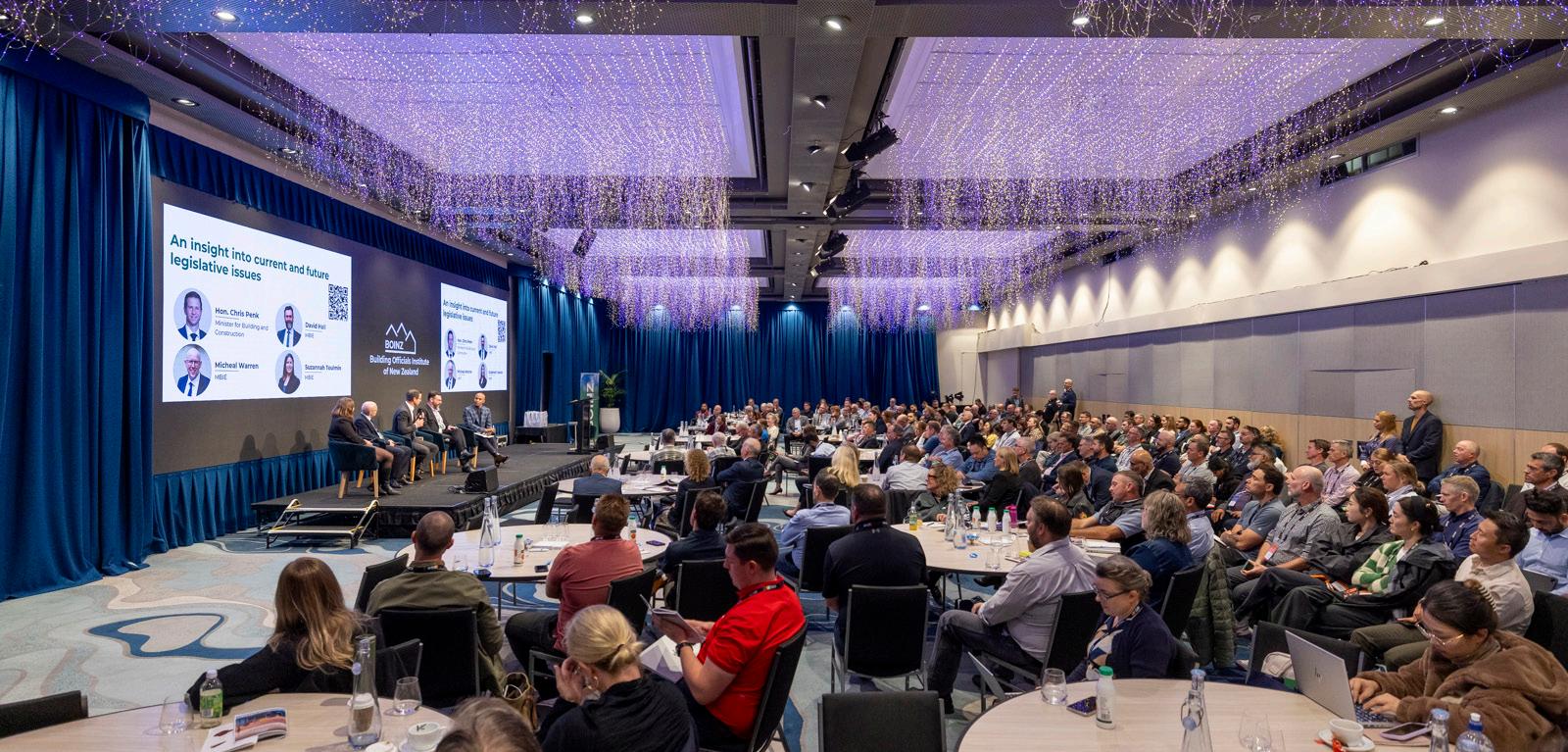
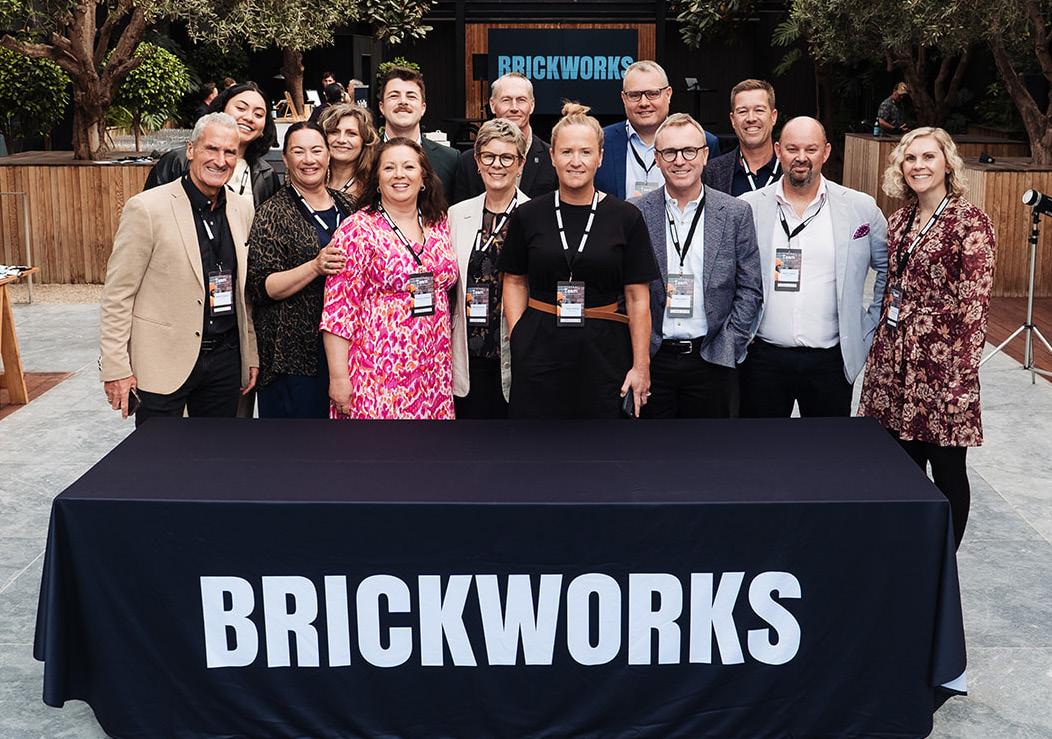
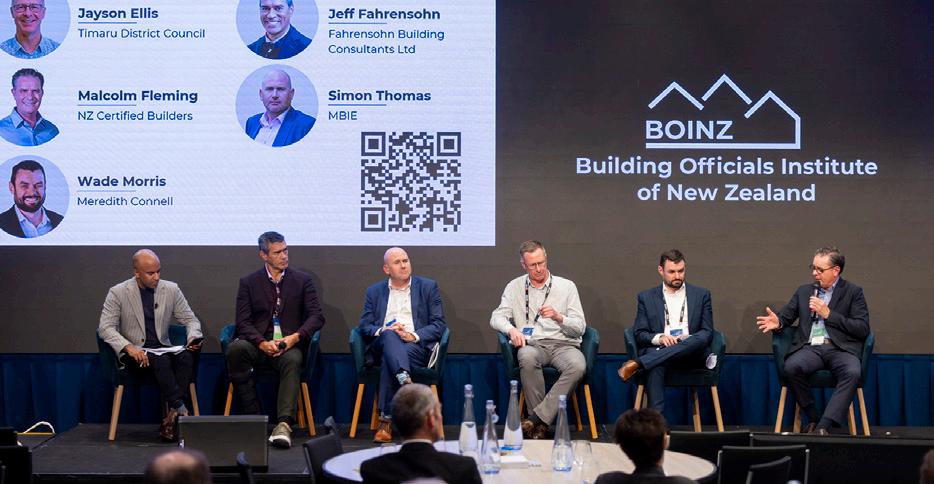
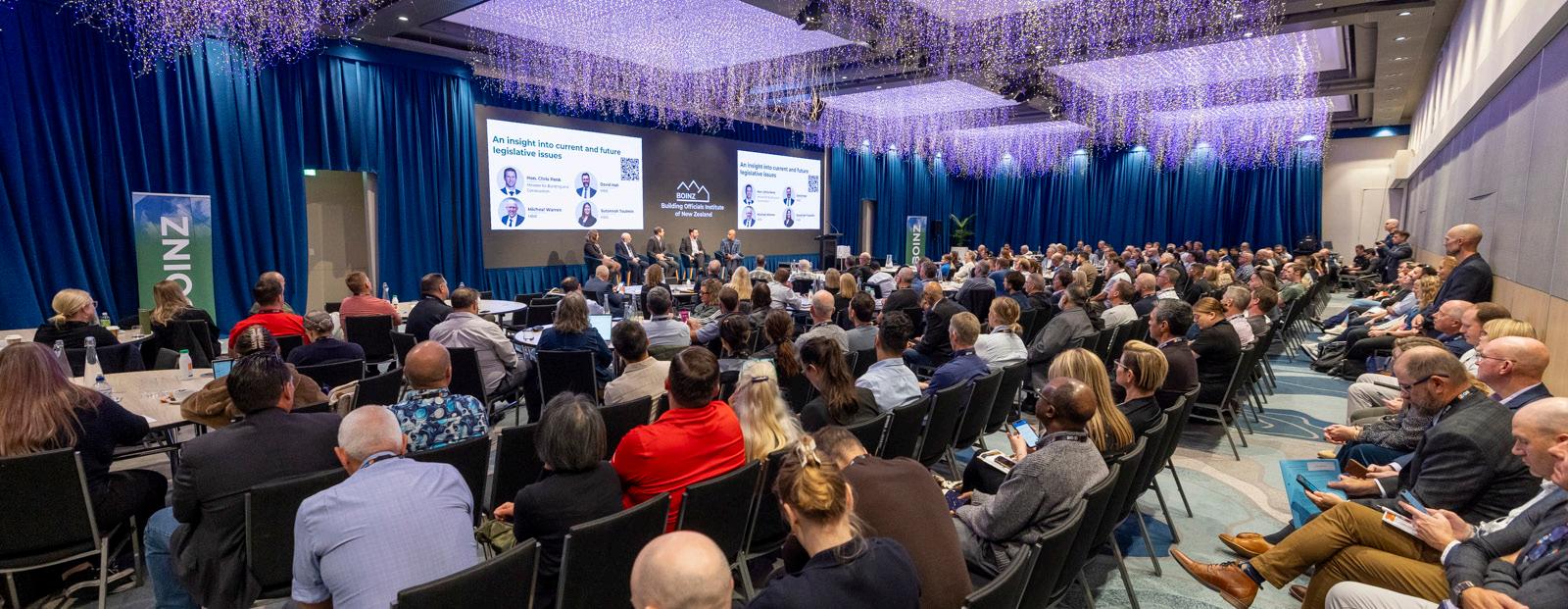
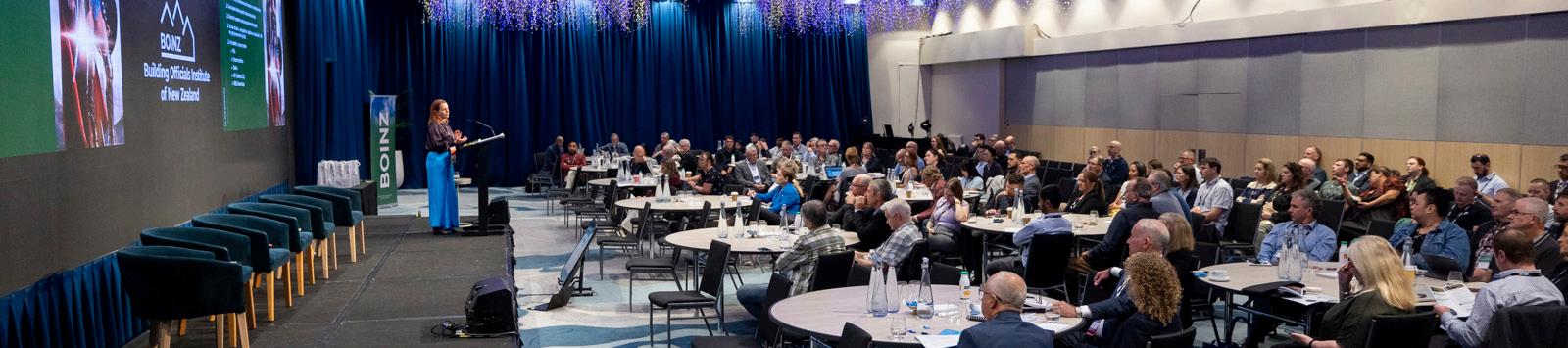
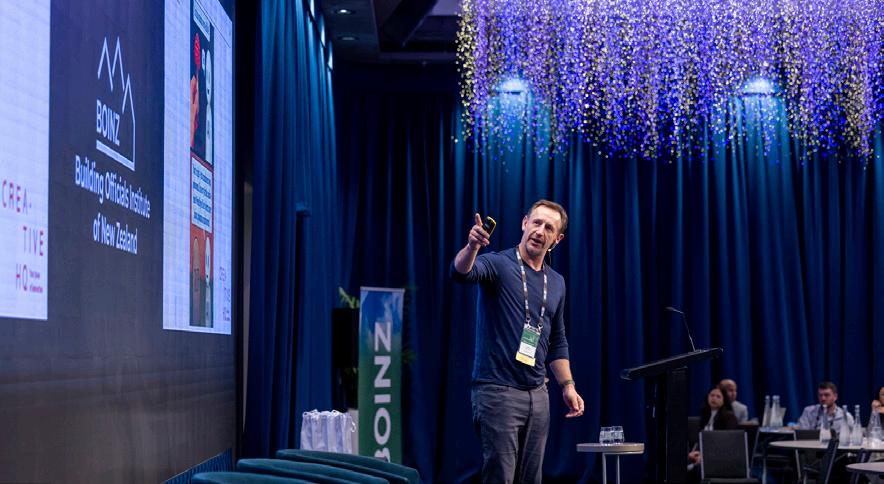
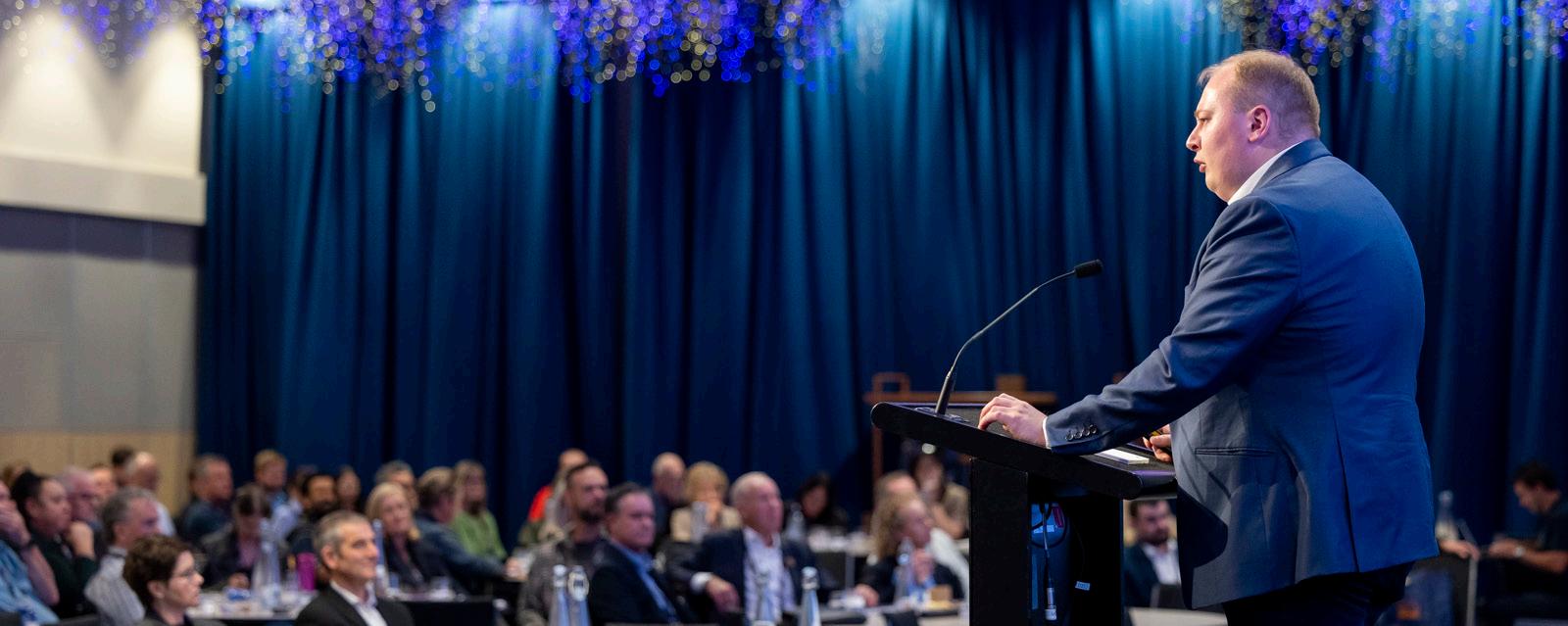
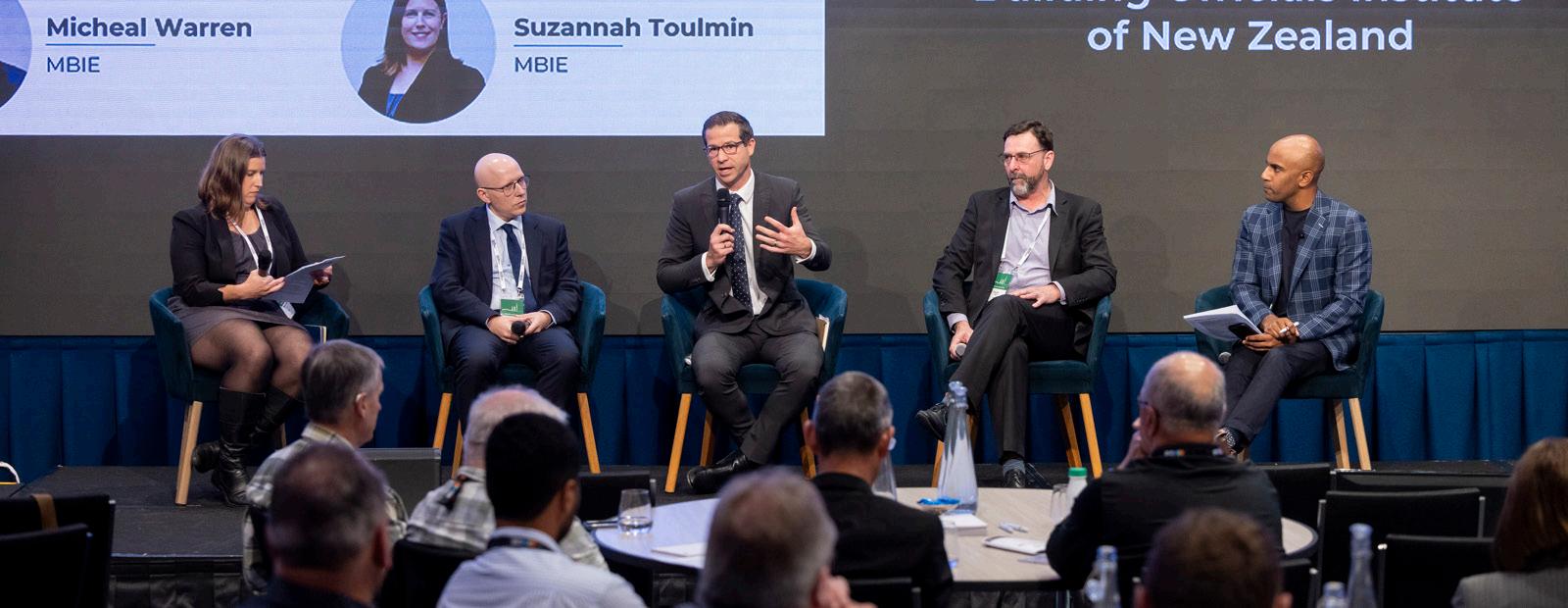
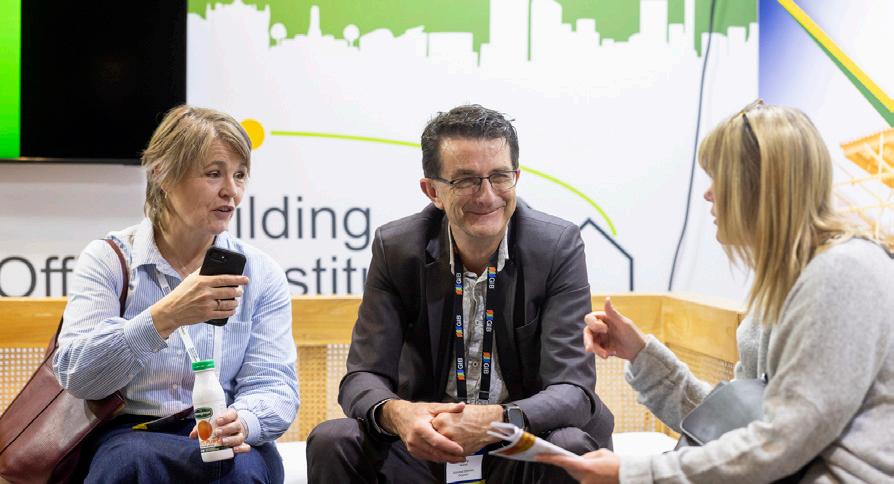
In May, more than 250 building control professionals, regulators, industry leaders, consultants and partners gathered in Auckland for the 2026 BOINZ BCA Leaders Forum and Symposium.
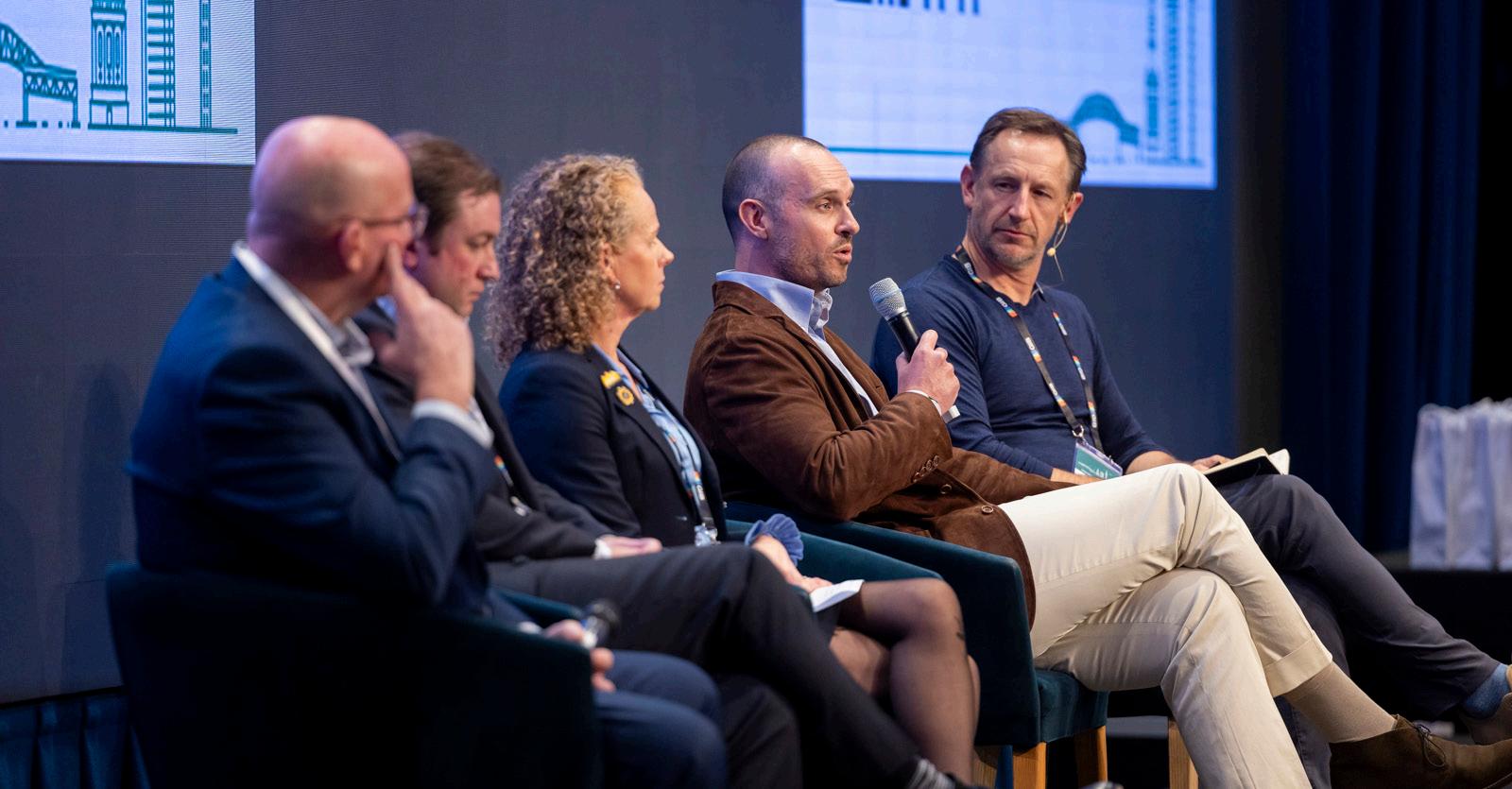
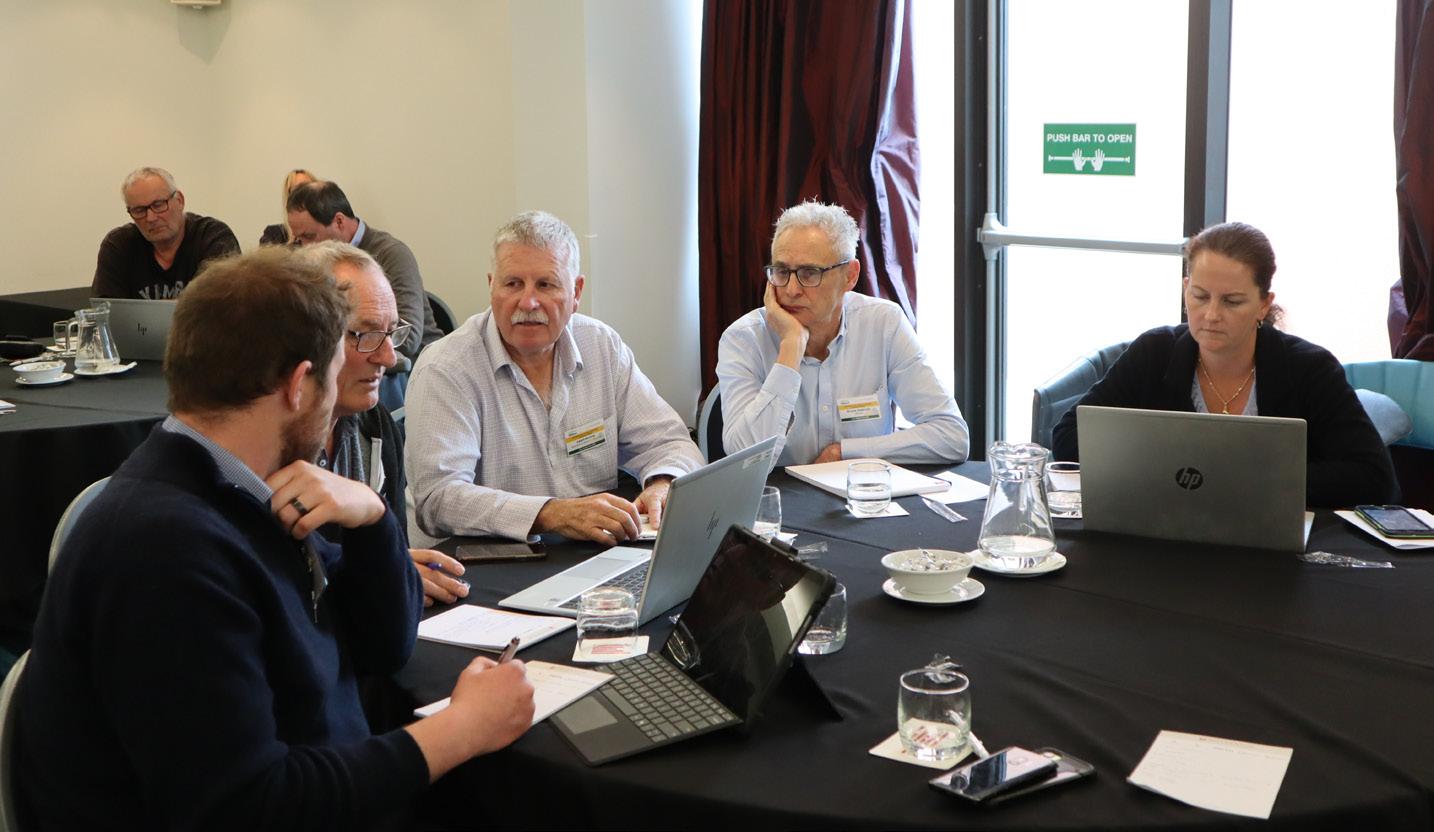
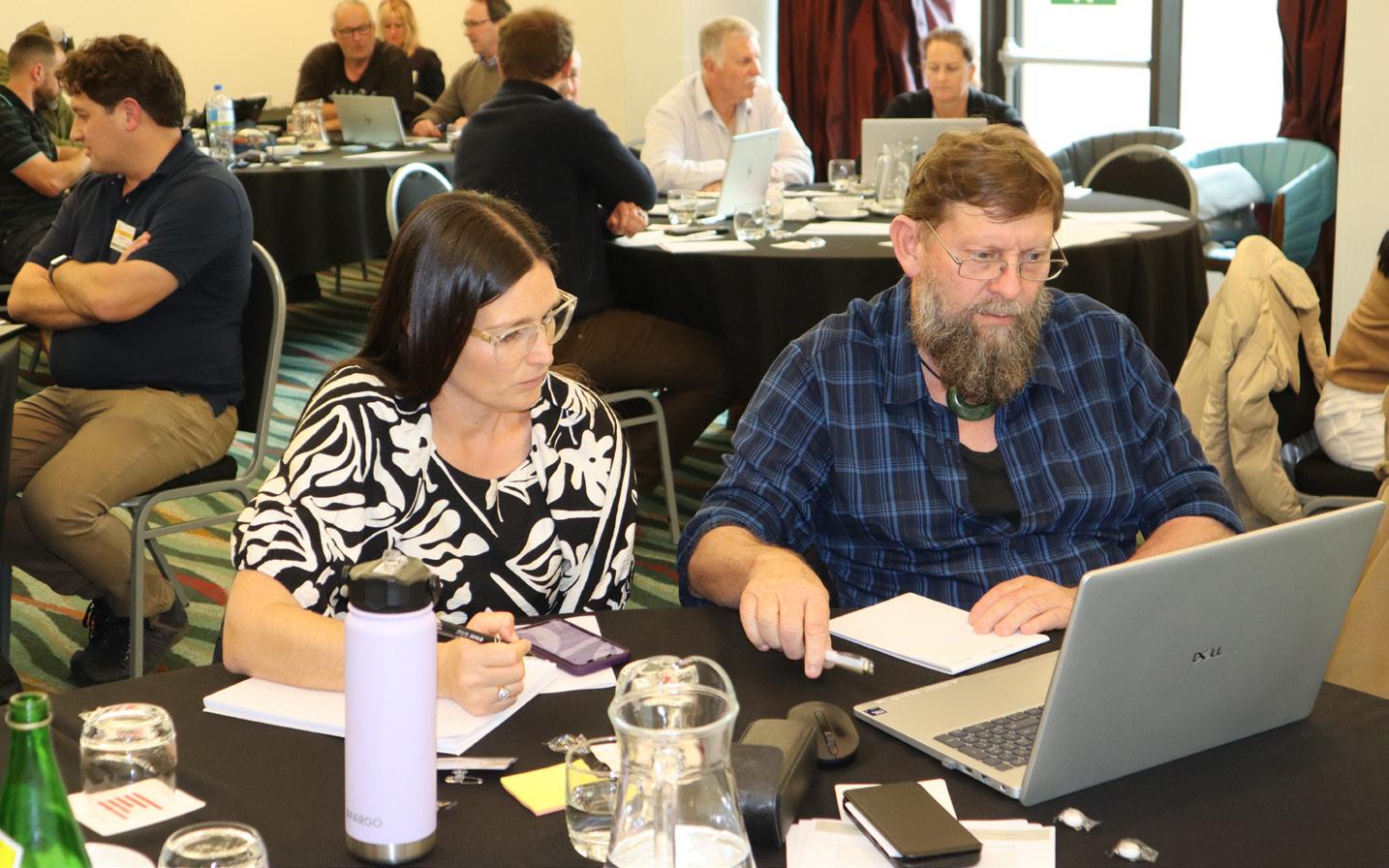
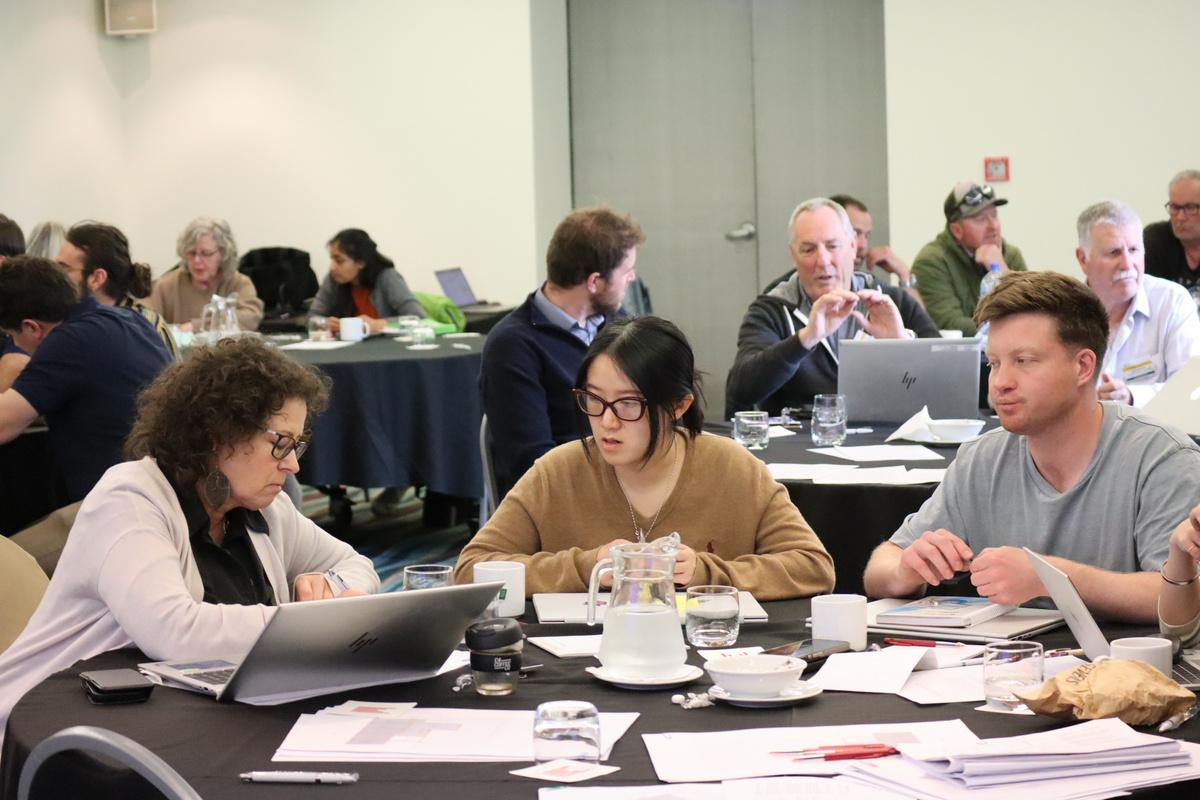
Held under the themes Sharing and Supporting in Challenging Times and Building Value , the event provided an opportunity for industry professionals to come together at a time of significant change across New Zealand's building system. Over three days, delegates explored the challenges, opportunities and emerging trends shaping the future of building control, while strengthening professional networks and sharing knowledge from across the country.
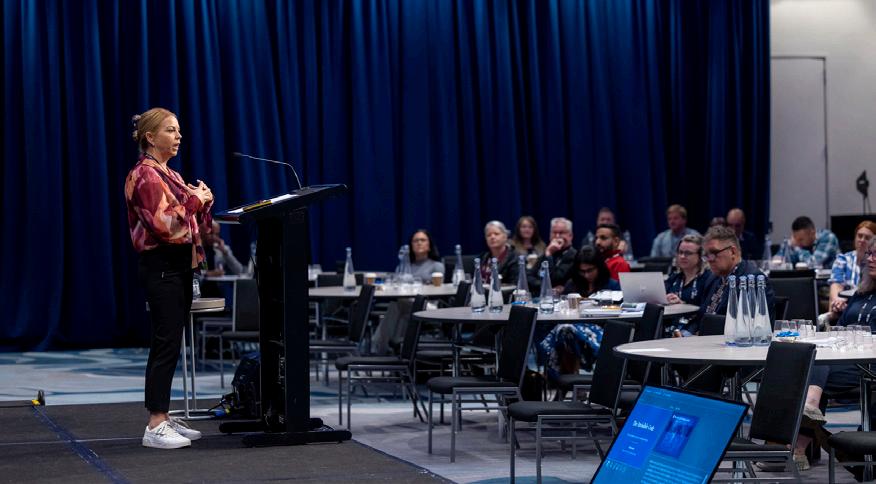
The BCA Leaders Forum focused on the strategic issues facing the profession. Delegates heard from a diverse range of speakers covering leadership, workforce development, artificial intelligence, economic trends, regulatory reform and the future of building control. Presentations challenged attendees to think differently about organisational resilience, adapting to change and preparing the sector for future demands.
The Symposium programme complemented these discussions with a strong technical focus. Sessions examined topics including Proportionate Liability, Earthquake-prone Building reforms, fire engineering, dangerous and affected buildings, Overseas Building Products, Modern Methods of Construction, standards development, compliance pathways and emerging technologies.
A particular highlight was the keynote presentation from former London Fire Brigade Deputy Commissioner Richard Mills, who shared powerful insights from the Grenfell Tower tragedy and the lessons it continues to provide for building design, fire safety and regulatory systems. Delegates also heard from Minister for Building and Construction, Hon Chris Penk, and senior MBIE officials, who provided an update on current and future legislative priorities and the government's building system reform programme.
Across both events, several key themes emerged. Building control professionals are operating in an increasingly complex environment requiring strong technical capability, effective leadership, collaboration and continuous learning. Discussions highlighted the importance of maintaining public trust, embracing innovation, improving resilience
and ensuring regulatory systems remain fit for purpose.
The programme also provided opportunities to explore innovation in practice through field trips to Auckland University's award-winning precinct developments and Simplicity Living's Waiatarua build-to-rent development in Remuera.
Celebrating Excellence
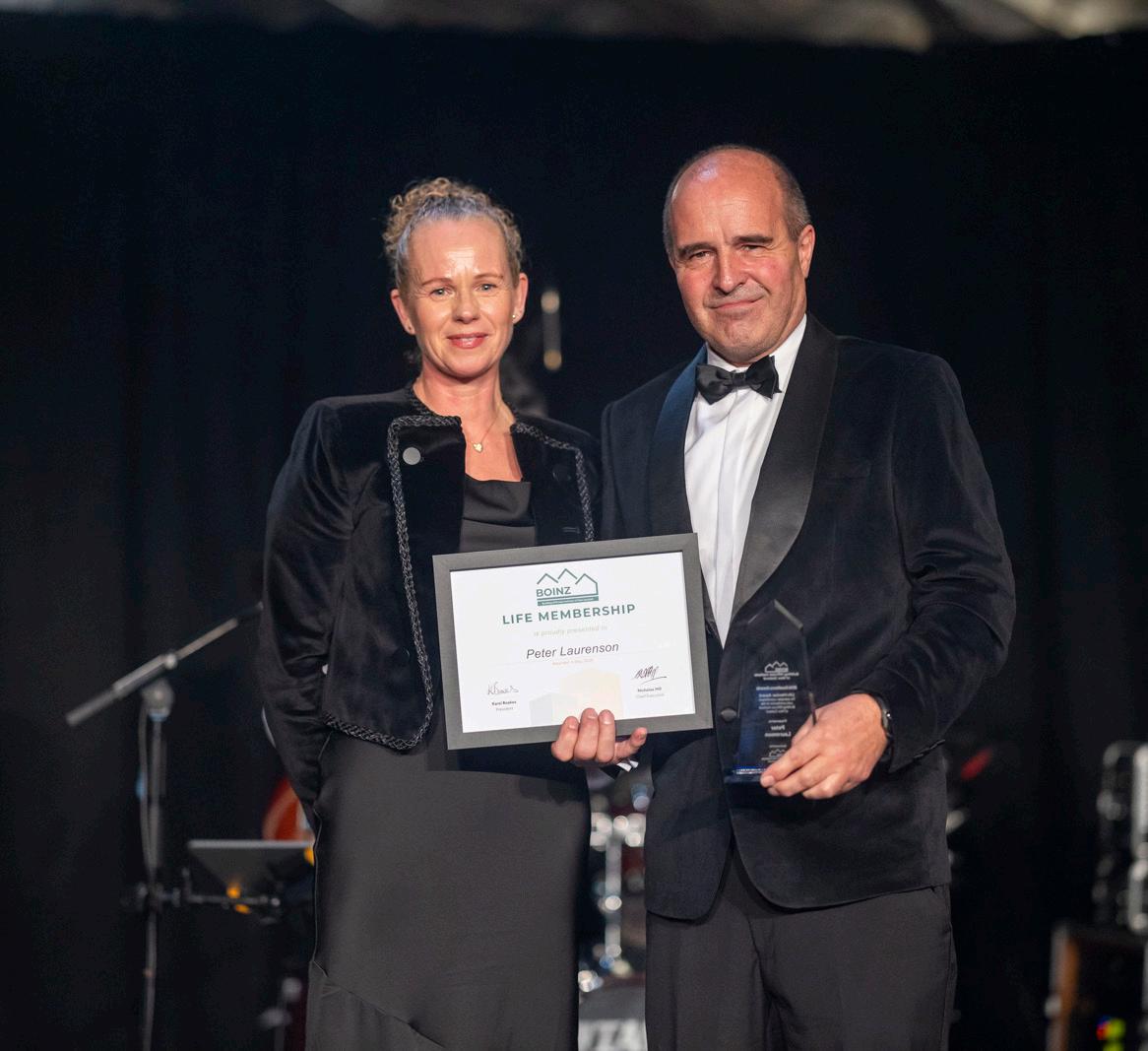
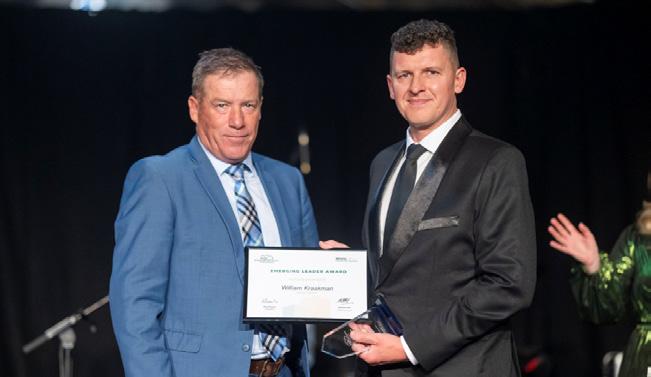
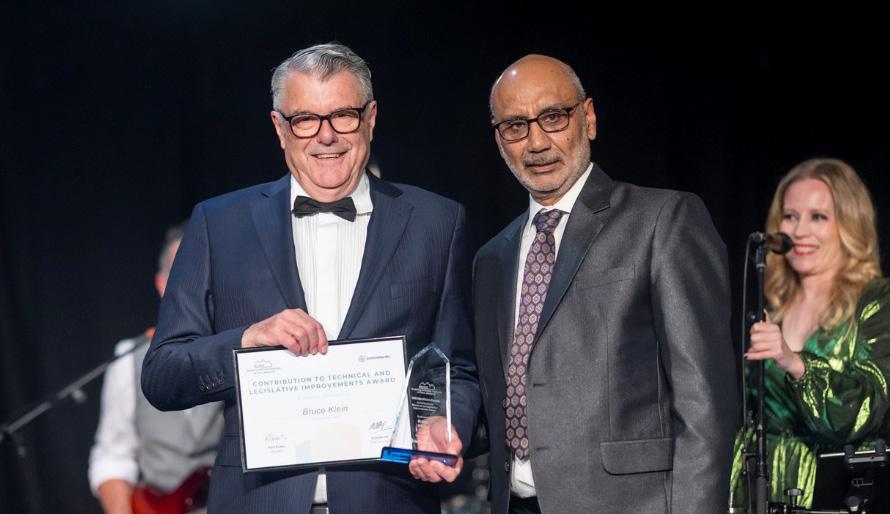
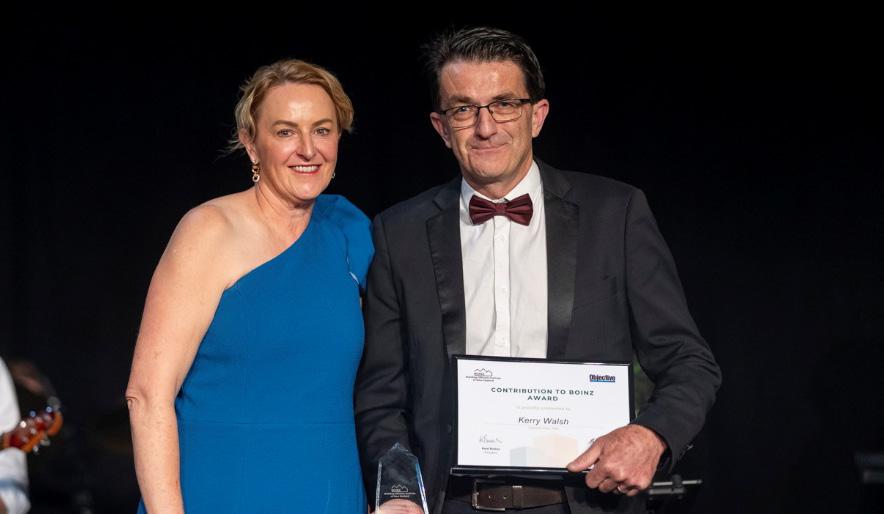
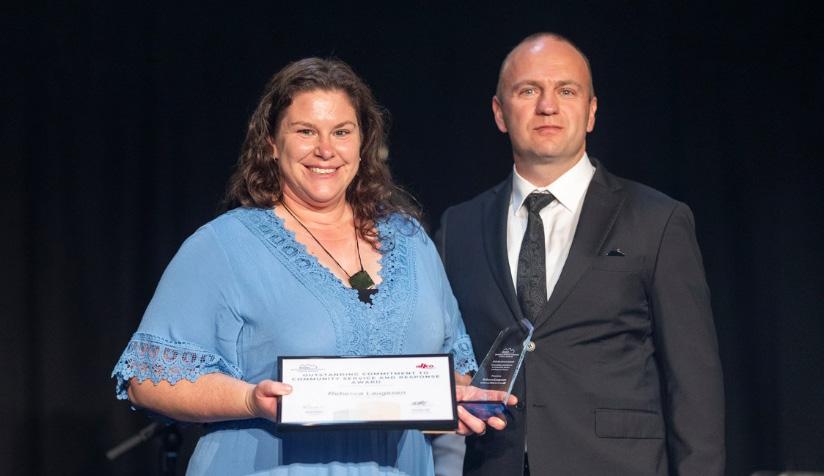
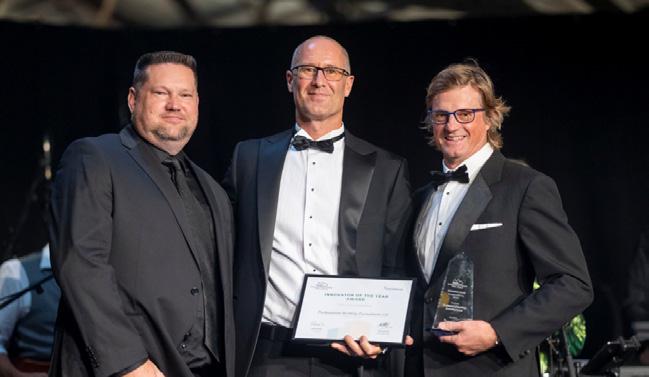
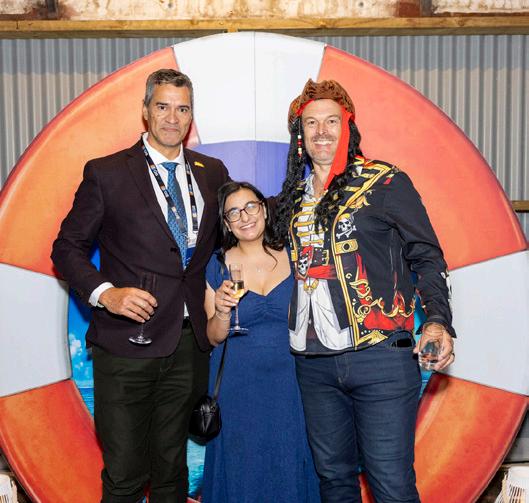
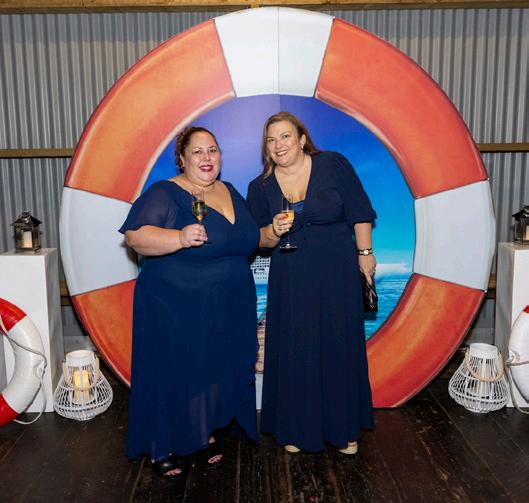
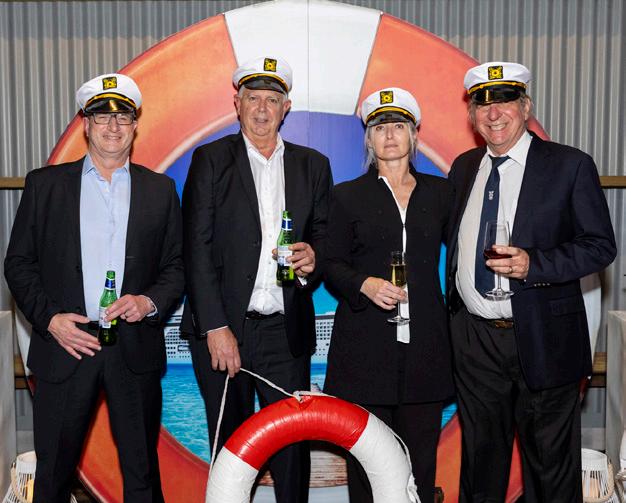
A highlight of the week was the BOINZ Excellence Awards Dinner at Shed 10 on Auckland's waterfront, where the profession came together to celebrate outstanding achievement and contribution across the sector.
These awards recognise the dedication, professionalism, innovation and leadership that continue to strengthen New Zealand's building control profession.
As delegates returned to their organisations, they took with them new ideas, valuable insights and strengthened connections. The 2026 BCA Leaders Forum and Symposium demonstrated the depth of expertise that exists across the sector and reinforced BOINZ's commitment to supporting capable professionals, effective regulation and safer, more resilient communities throughout Aotearoa New Zealand.
BOINZ extends its sincere thanks to all speakers, sponsors, exhibitors, volunteers and delegates whose contributions made the 2026 BCA Leaders Forum and Symposium such a memorable and successful event.
Article supplied by Building Officials Institute of New Zealand (BOINZ)
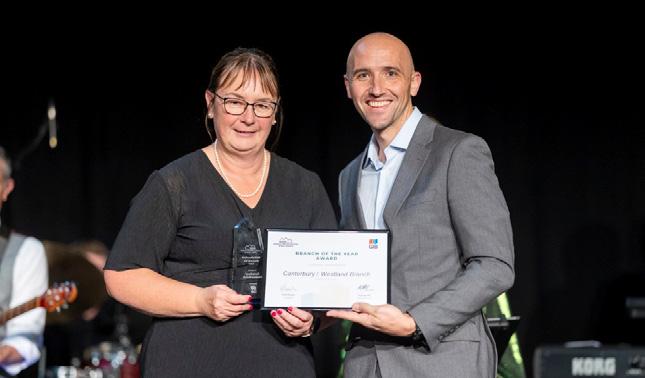
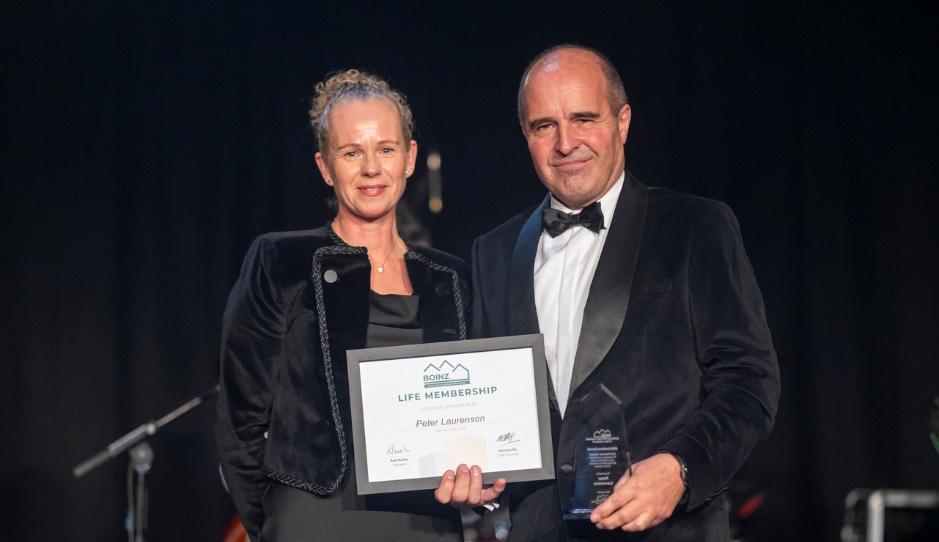
Hutt City
Kerry Walsh
Shuya Gao Branch of
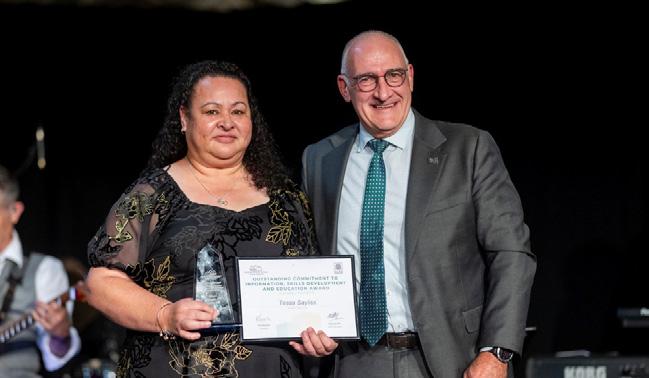
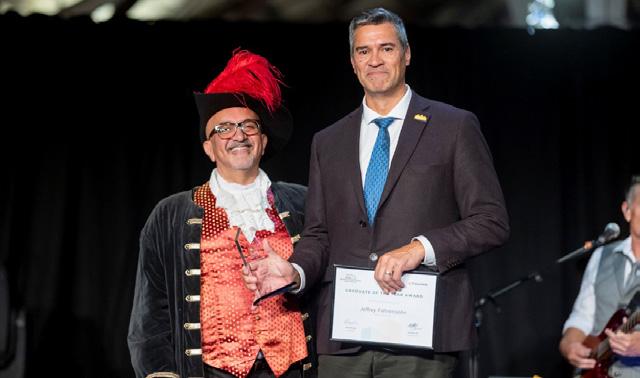
Jeff Fahrensohn
Tessa Sayliss
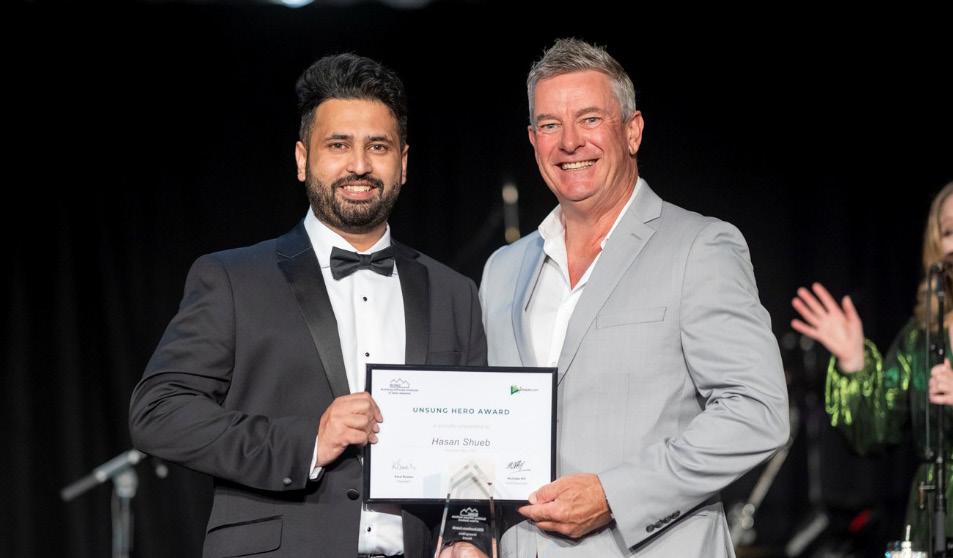
Unsung Hero Award
Hasan Shueb
Fire Separations Within Eaves
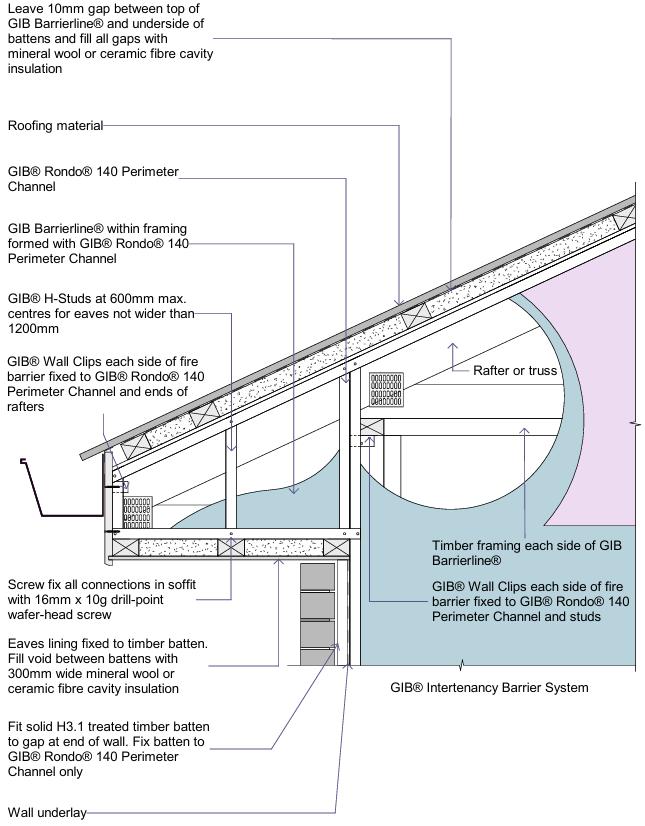
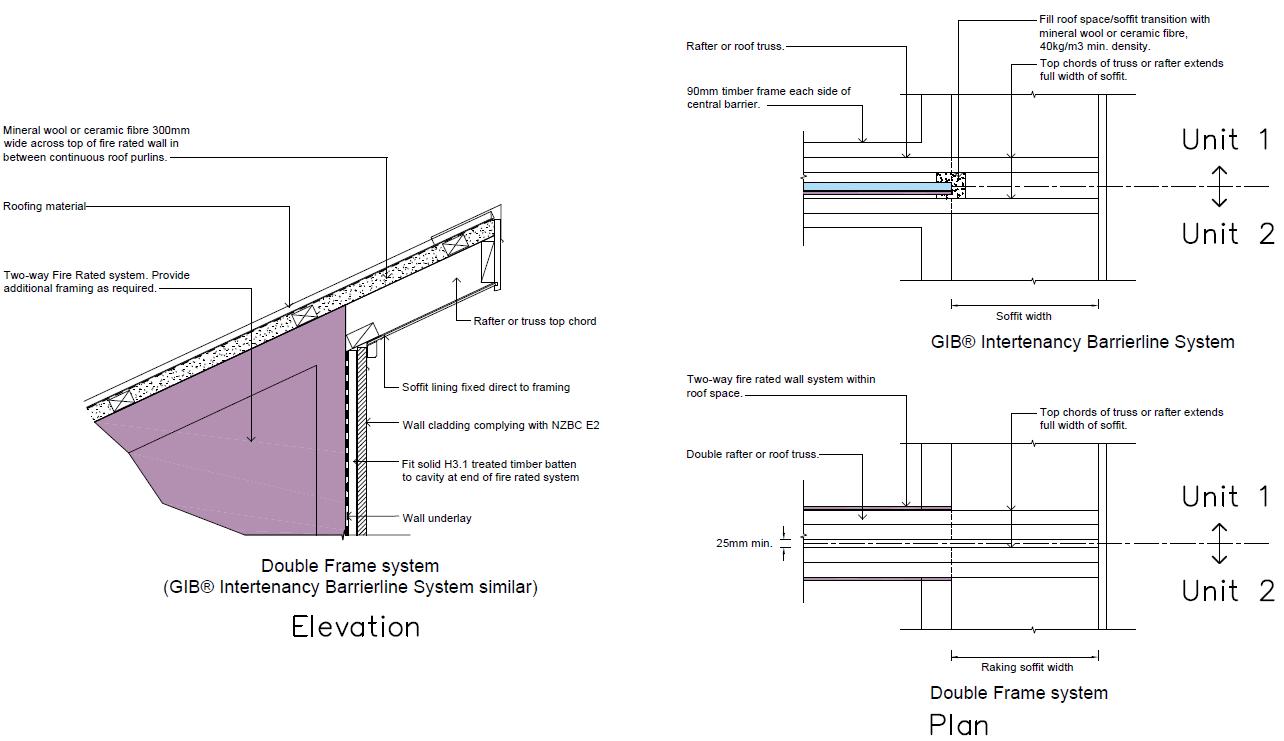
In accordance with Acceptable Solution C/AS1 4.1.1 each household unit shall be fire separated from other household units. Although this does not specifically mention eaves, it typically requires the vertical fire separation to be extended out into the eaves, terminating at the fascia.
With GIB ® Intertenancy Barrier Systems, eaves fire separation can be resolved by extending the GIB Barrierline ® into the eave as shown in Figure 1. This is suitable for eaves up to and including 1200mm wide. The GIB ® Intertenancy Barrier Systems literature shows how a cantilever can be formed (Figure 1).
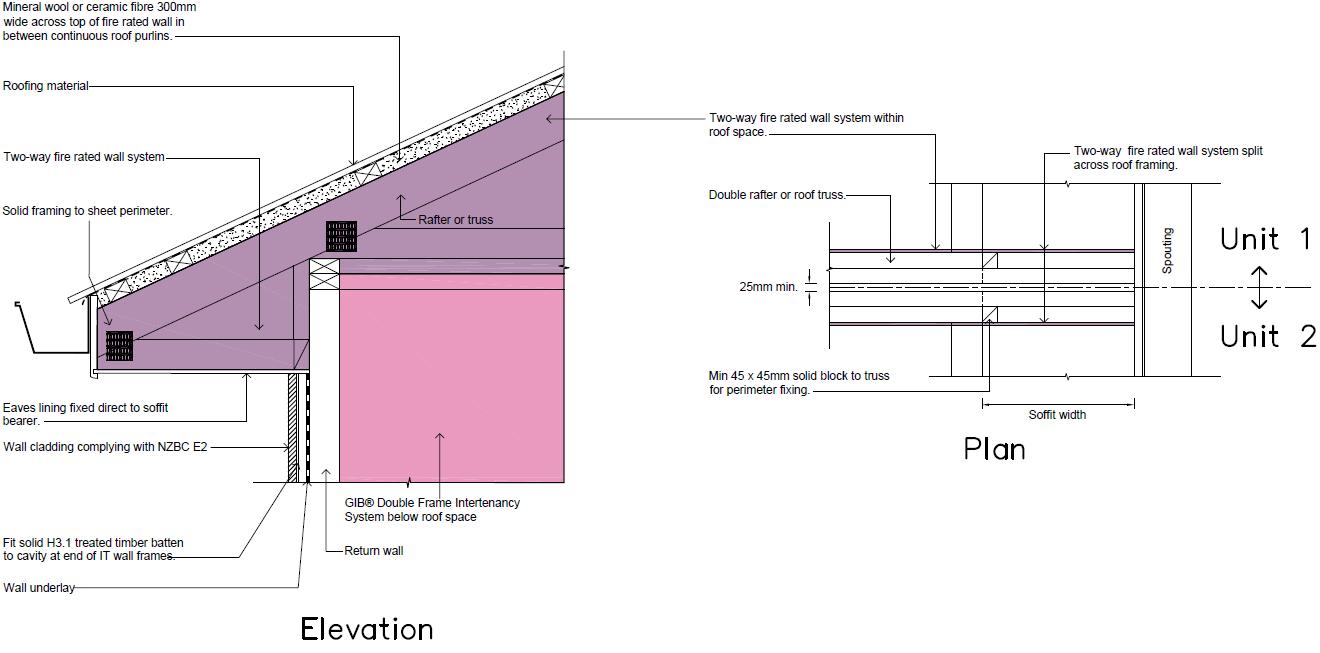
For a double frame IT wall system, eaves separation may be resolved by applying a suitable two-way FRR wall system within the eave space as shown in Figure 2.
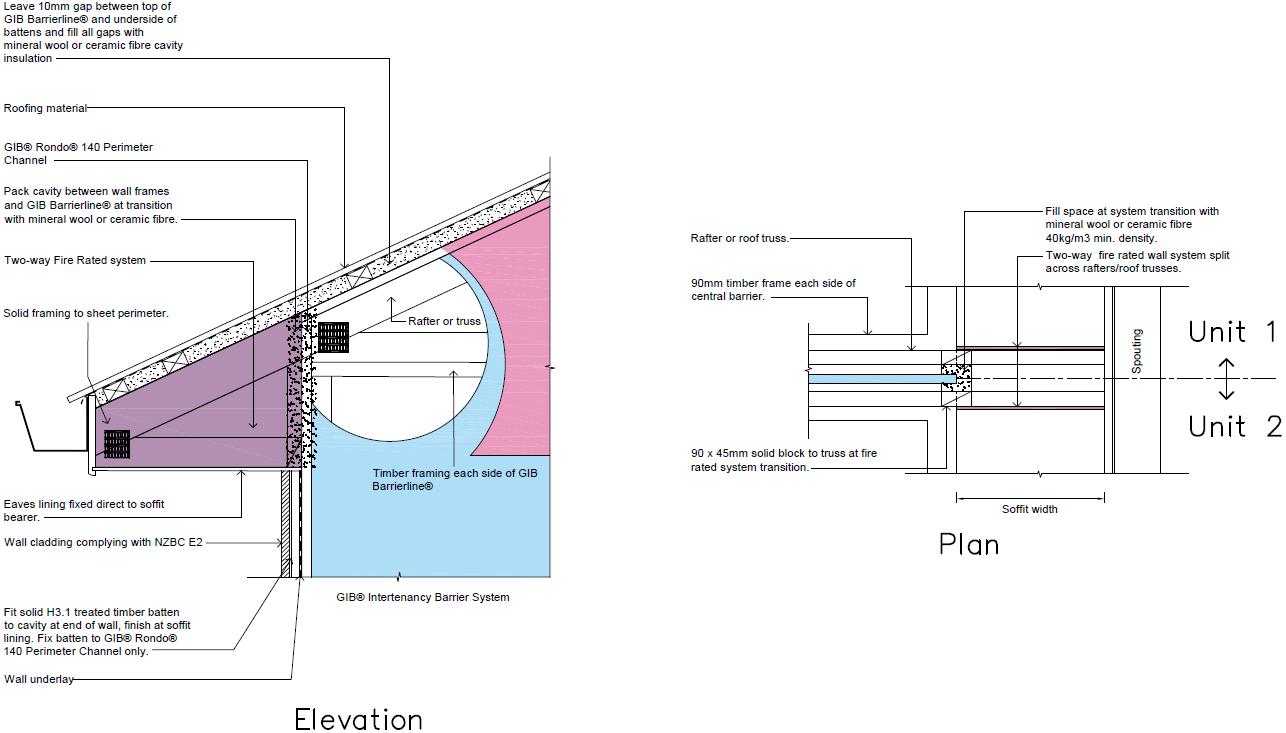
If similar two-way fire protection was to be applied to a GIB ®
Intertenancy Barrierline ® system, then mineral wool or equivalent would be needed to pack the gap at system transition. See Figure 3.
For smaller spaces blocked with a minimum 90mm solid timber (or 45mm rafters each side), no plasterboard lining would be required to maintain a 30-minute fire separation. This is shown in Figure 4.
Acceptable Solutions C/AS1 and C/ AS2 do not specifically address roof eaves protection for adjacent units. Should this be required, refer to GIB Weatherline ® fire rated soffit solutions.
For any questions please call the GIB ® Helpline 0800 100 442
Fletcher Building Announces Sale of Construction Division
Fletcher Building has announced the sale of its Construction Division to major international construction group VINCI Construction (VINCI) for $315.6 million.
The purchase price is subject to a potential increase of up to $18.5 million in aggregate pending the final outcome of a small number of key contracts currently under negotiation, which would take the headline enterprise value of the transaction to $334.1 million.
The sale marks a significant step in Fletcher Building's strategy to become a focused building products manufacturer and distributor, supported by a strong balance sheet and disciplined capital allocation. It also continues the company's work to simplify its portfolio, reduce debt and improve shareholder returns.
Managing Director and Chief Executive Officer Andrew Reding said Fletcher Construction has a proud legacy as one of New Zealand's most iconic construction companies, with excellent people, deep technical capability and a long history of delivering some of the country's most complex and important infrastructure projects.
Following Fletcher Building's strategic review in 2025, the company received strong inbound interest in the Construction Division. After undertaking extensive market soundings, Fletcher Building concluded that the sale to VINCI was the right outcome for shareholders, Fletcher Construction and the broader New Zealand construction industry.
"The sale of Fletcher Construction is a significant step in delivering our strategy to become a focused building products manufacturer and distributor while simplifying our portfolio, reducing debt and improving shareholder returns.
Fletcher Construction has a proud legacy, outstanding people and deep technical capability, having
delivered some of New Zealand's most significant infrastructure projects. We are confident VINCI is the right long-term owner, with a strong commitment to New Zealand, proven global expertise and strengths that are well aligned with the business. We believe Fletcher Construction will continue to thrive under VINCI's ownership, providing continuity for its people, customers and partners," Reding said.
VINCI has a deep commitment to New Zealand and the country's infrastructure pipeline and brings extensive experience delivering major infrastructure projects around the world.
The transaction is structured as the sale of Fletcher Construction Holdings, together with its three New Zealand business units:
• Higgins – an integrated national civil construction business delivering major infrastructure, road maintenance, regional works and bitumen-based roading products.
• Brian Perry Civil – a specialist civil, structures and foundations contractor.
• Fletcher Construction Major Projects – which delivers large, complex infrastructure projects in partnership with public and private-sector clients, including contracts delivered in conjunction with Higgins and Brian Perry Civil.
Fletcher Construction's South Pacific operations are excluded from the transaction and are being dealt with separately as part of the wider strategic review process.
Residual responsibilities associated with Fletcher Construction's completed legacy vertical construction projects, including the New Zealand International Convention Centre (NZICC), are also excluded from the transaction.
Fletcher Building will retain
responsibility for those matters, together with certain historic civil construction projects that are beyond their defect liability periods.
Completion of the transaction is subject to regulatory approvals, including from the New Zealand Overseas Investment Office and, if required, the New Zealand Commerce Commission, receiving counterparty consent under certain key contracts and completion of the restructuring out of the Construction Division of the South Pacific operations.
It is expected that these conditions will be satisfied by Q1 FY27, with completion expected before the end of 2026. Completion is also subject to there being no material adverse change relating to damage to, or destruction of, the division's key physical assets prior to completion.
The Group expects to recognise additional provisions of between $55 million and $65 million for probable future claims relating
Fletcher Building’s future lies in being a focused building products manufacturer and distributor
to legacy construction contracts retained following the divestment. This reflects a reassessment of the likelihood and expected cost of resolving these claims. The provision does not include any allowance for potential litigation liability associated with the NZICC project.
Following completion, Fletcher Construction's approximately 2,300 employees will transfer with the division, providing continuity for customers, project partners and teams across New Zealand.
The purchase price is subject to typical adjustments for working capital and net debt.
About VINCI Construction
VINCI Construction is a global leader in construction and part of the wider VINCI Group. With a presence in around 100 countries through 1,300 business units, VINCI
Construction brings together expertise spanning the entire construction value chain.
Thanks to its combined globallocal business model, VINCI Construction is ideally positioned to serve markets driven by the environmental transition and the increasing demand for resilient, sustainable infrastructure and buildings.
With more than 117,000 employees, VINCI Construction is committed to delivering sustainable and innovative solutions, building structures that support the environmental transition, contribute to regional development, and benefit future generations.
About VINCI
VINCI is a global leader in concessions, energy services and construction, employing 285,000
people across more than 120 countries.
The Group designs, finances, builds and operates infrastructure and facilities that enhance daily life and mobility. Guided by its commitment to all-round performance, VINCI operates in an environmentally and socially responsible manner.
Because its projects serve the public interest, the Group considers active engagement and dialogue with all stakeholders essential to the way it conducts its activities. Its ambition is to create long-term value for customers, shareholders, employees, partners and society at large.
supplied by Fletcher Building
Achieve a high quality, cost effective ceiling lining with fewer call backs.
Scan the QR code to learn more or visit gib.co.nz
Article
The Case for a Qualified Building Compliance Workforce
The Building Warrant of Fitness (BWoF) system sits at the heart of public safety in New Zealand’s built environment. Building owners rely on specified systems, including fire alarms, sprinklers, emergency lighting, and mechanical ventilation, to perform exactly as intended, often in the moments that matter most.
The people who inspect, maintain, and certify those systems carry real responsibility for keeping occupants safe, and since the Loafers Lodge tragedy, the auditing of buildings has become more demanding, making the need for qualified practitioners vital to maintaining public confidence. Yet, for many years, there has been no nationally recognised qualification confirming that those working in the BWoF environment hold the knowledge the role demands.
Future Skills believes this should change. As regulatory expectations continue to rise, and as the consequences of compliance failures become better understood, the need for a genuinely qualified compliance workforce has never been clearer. A consistent, recognised standard of competence across the sector would strengthen public confidence and give building owners and councils greater assurance that the people inspecting and signing off their systems are genuinely capable of doing so.
This is exactly the gap the Certificate in Building Compliance (Level 4) was created to fill. It is New Zealand’s first NZQA-accredited qualification developed specifically for professionals working in the building compliance environment, including council compliance staff, Independently Qualified Persons (IQPs), and others involved in the administration, inspection, and management of building compliance requirements.
Importantly, the qualification was developed by Future Skills in collaboration with the sector,
including the Association of Building Compliance, to ensure it reflects the real demands of compliance practice.
It also builds on, and leads to, the New Zealand Certificate in Building Regulatory Environment (Level 4), which was developed in consultation with BOINZ for building regulatory functions, applying that established foundation to a new use case focused specifically on building compliance. The qualification provides practical knowledge of the Building Act 2004, compliance schedules, specified systems, Building Warrants of Fitness, fire safety requirements, inspections, reporting, and regulatory processes.
Launched in October 2025, the programme is already gaining momentum. We are now welcoming our fourth cohort of learners and are excited to see our first graduates complete the programme in June. The response from industry has confirmed a growing demand for structured professional development focused specifically on building compliance practice.
The Certificate is currently delivered in Auckland, Wellington, and Christchurch through a flexible
blended learning model combining online learning, evening tutorials, and face-to-face workshops, enabling learners to study while continuing to work. Where sufficient regional demand exists, Future Skills is willing to deliver the programme in additional locations to widen access for local compliance professionals.
A qualified workforce is not simply a credentialling exercise. It means consistent standards from one region to the next, fewer compliance failures, stronger professional credibility for practitioners, and, most importantly, safer buildings for the people who use them. As the system that underpins so much of our everyday safety, Building Warrant of Fitness work deserves a workforce whose competence is formally recognised.
The Certificate in Building Compliance provides a practical pathway to get there for current practitioners and those entering the sector, while also opening progression into higher-level qualifications in Building Surveying, Fire Engineering, and related disciplines.
Article supplied by Future Skills
Building Without BOINZ?
Recently, I reflected on a deceptively simple question: what if associations did not exist? For BOINZ members, that is not an abstract thought experiment. It goes to the heart of how building officials understand, interpret and operate within New Zealand’s building and building regulatory environment.
The Building Act, the Building Code, Building Consent Authorities, MBIE guidance, accreditation requirements, determinations, acceptable solutions, verification methods, alternative solutions and local practice all form part of a system that is performance-based, technical and constantly evolving. It is a system designed to protect people, enable safe and healthy buildings, and support public confidence. But it is also a system
that places significant judgement and responsibility on those who administer it every day.
That is why the question matters. If BOINZ was not here, the legislation would still exist. Councils and BCAs would still have statutory functions. Building work would still need to comply with the Building Code. But the profession would lose much of the connective tissue that helps turn regulation into consistent, practical and defensible decision-making.
A Regulatory Environment Under Pressure
New Zealand’s building system is in a period of significant change. The Government is examining how building consenting services should be delivered, how liability settings should operate, what work should be exempt from consent, how overseas products are accepted, and how the Building Code can be modernised on a more predictable cycle.
This is the environment BOINZ members are working in. It is complex, changing and increasingly scrutinised. It is also an environment where professional support is not a luxury; it is essential infrastructure.
What Would Be Lost Without BOINZ?
Consistency would fracture.
Across the country, one of the greatest challenges is not the absence of rules; it is the consistent application of those rules. Without BOINZ, practice would become more localised, interpretations would diverge further, and the profession would have fewer trusted forums to test thinking, share experience and build common understanding.
• Different councils would be more likely to reach different conclusions on similar issues.
New Zealand needs a building regulatory system that is trusted, consistent, efficient and safe. BOINZ members are central to that outcome
These reforms are intended to improve efficiency, reduce unnecessary delay and support innovation. Those are important objectives. But reform also creates uncertainty. When rules shift, responsibility often shifts with them. When exemptions expand, the need for sound judgement does not disappear. When new products, methods and consenting models enter the system, the demand for competence, consistency and professional confidence increases.
• The Building Code remains performance-based, requiring informed assessment rather than simple box-ticking.
• BCAs continue to carry public safety responsibilities while responding to calls for faster and more consistent service.
• Building officials must interpret regulation in real-world circumstances, often where the answer is not obvious.
When new products, methods and consenting models enter the system, the demand for competence, consistency and professional confidence increases.
• Emerging technical questions would take longer to resolve nationally.
• Confidence in decision-making would vary more widely across the system.
Professional identity would weaken. Being a building official is not simply an administrative function. It is a profession requiring technical capability, judgement, integrity and a clear understanding of public responsibility. BOINZ gives that profession a home, a voice and a shared standard to work towards.
Without that professional centre, building control risks being seen as a process rather than a specialist discipline. That would not serve members, councils, industry or the public well.
Capability development would slow.
• Training would become more fragmented and less connected to the practical realities of building control.
• Knowledge sharing would depend more heavily on informal local networks.
• Members would have fewer opportunities to build confidence in complex areas such as fire, durability, alternative solutions, compliance pathways and emerging construction methods.
At a time when the system needs faster learning, deeper expertise and greater national alignment, the absence of BOINZ would do the opposite.
The sector would lose a practical voice.
Building reform cannot be designed well if it is disconnected from the people who understand how the system works on the ground. BOINZ brings that practical voice to MBIE, government, regulators and the wider industry.
Without that collective voice, the experience of building officials would be easier to overlook. Systemlevel issues would be harder to elevate. Individual BCAs would be left to carry advocacy burdens that are better addressed collectively.
• Policy would have less direct input from frontline building control professionals and be replaced by fragmented, weakened input..
• Risks created by reform would be harder to identify early.
• The sector would have fewer opportunities to speak with clarity and authority.
Collaboration and networking would decline.
The challenges facing the building system cannot be solved organisation by organisation. Complex consenting, workforce pressure, product substitution, new construction methods, disaster response and public expectations all require shared learning. BOINZ creates the forums, relationships and networks that make that possible.
Why This Matters for Members
Members do not need more noise. You need clarity. You need to understand how national reform affects your work, your responsibilities, your BCA, your professional development and the public outcomes you help safeguard.
• When the consent system changes, members need to understand what is changing and what remains constant.
• When exemptions expand, members need to understand where compliance responsibility sits.
• When new products and methods enter the market, members need confidence in how compliance can be demonstrated.
• When public expectations rise, members need a professional body that supports quality, consistency and judgement.
That is BOINZ’s role: not to replace the regulator, not to duplicate council functions, and not to speak instead of members, but to support members so they can operate with greater understanding, confidence and influence.
BOINZ Is Its Members
It is important to be clear: BOINZ is not a separate institution standing outside the profession. BOINZ is its members. Its value comes from the expertise, participation and commitment of building control professionals across New Zealand.
• Every case study shared helps another member make a better decision.
• Every training session attended strengthens collective capability.
• Every contribution to guidance, consultation or discussion improves the quality of the national conversation.
• Every connection between peers reduces isolation and supports consistency.
In a changing regulatory environment, passive membership is not enough. The strength of BOINZ depends on members leaning in, sharing experience, challenging assumptions and helping shape the future of the profession.
The Choice Before Us
We can look at the current reform environment as something happening to us, or we can treat it as a moment to lead. I believe BOINZ must choose leadership.
That means continuing to focus on what matters most:
• Professionalism - reinforcing building surveying as a respected profession.
• Capability - supporting members to meet increasing technical complexity.
• Consistency - helping reduce unnecessary variation in interpretation and practice.
• Advocacy - ensuring practical building control experience informs national decisions.
• Connection - building the relationships that allow the sector to learn and improve together.
If BOINZ did not exist, members would still face the same statutory environment, the same technical questions, the same scrutiny and the same public expectations. They would simply face them with less support, less alignment and less collective influence.
A Call to Engage
My message to members is simple: understand the environment, engage with the change, and use BOINZ as the professional platform it is designed to be.
Lean into training. Participate in branch activity. Share what you are seeing and hearing. Contribute to submissions and sector discussions. Help us identify where the system is working, where it is under strain, and where reform needs the voice of practical experience.
New Zealand needs a building regulatory system that is trusted, consistent, efficient and safe. BOINZ members are central to that outcome. And BOINZ exists to ensure you are not navigating that responsibility alone.
That is why BOINZ matters now more than ever. Our role is not simply to exist. It is to lead, to connect, to build capability and to help the profession meet the future with confidence.
Thank you for the role you play in that mission.
Article supplied by Nick Hill, Chief Executive of the Building Officials Institute of New Zealand (BOINZ)
Updated Asbestos Guidance Now Available for New Zealand Businesses and Workers
WorkSafe New Zealand has published an updated suite of guidance to help businesses and workers safely manage and work with asbestos.
The new guidance has been developed in close collaboration with the asbestos industry and introduces targeted resources for specific needs, including asbestos surveyors, removalists, assessors, tradespeople, and general businesses.
WorkSafe’s updated guidance reflects the latest industry practices and makes it easier for people to find the information relevant to their work.
"Asbestos remains the number one cause of work-related death in New Zealand, with approximately 220 people dying from asbestos-related disease each year. It's critical that everyone working with or around asbestos has access to clear, current guidance on how to do so safely," says WorkSafe’s chief executive, Sharon Thompson.
"We've worked alongside industry experts to create guidance that is easier to follow, more detailed, and tailored to different roles in the sector. This means a surveyor, a removalist, an assessor, or a tradesperson can go straight to the information that matters most to their work."
The updated suite includes good practice guidelines, interpretive guidelines, information sheets, and videos. A mapping document shows where content from the existing 2016 approved code of practice (ACOP) sits within the new resources.
The existing 2016 ACOP for the Management and Removal of Asbestos remains in place. It’s anticipated that three of the new good practice guidelines, covering asbestos surveys, asbestos removal, and asbestos assessments, will be developed into updated ACOPs following the progression of the health and safety reforms.
"Publishing the updated guidance now means the industry doesn't have to wait for legislative changes to access better information. It balances the need for timely, practical resources with the process for updating the ACOPs," says Sharon Thompson.
The new guidance includes updates to surface testing requirements for asbestos clearance inspections, exclusion of swabs during asbestos surveys, exposure monitoring requirements, and clearer definitions around asbestos-containing dust, and minor contamination.
WorkSafe consulted publicly on the future of the asbestos guidance in late 2025, with feedback showing strong support for clearer, more detailed guidance regardless of format.
Article supplied by WorkSafe
Building Futures at the Tahatū Careers Expo
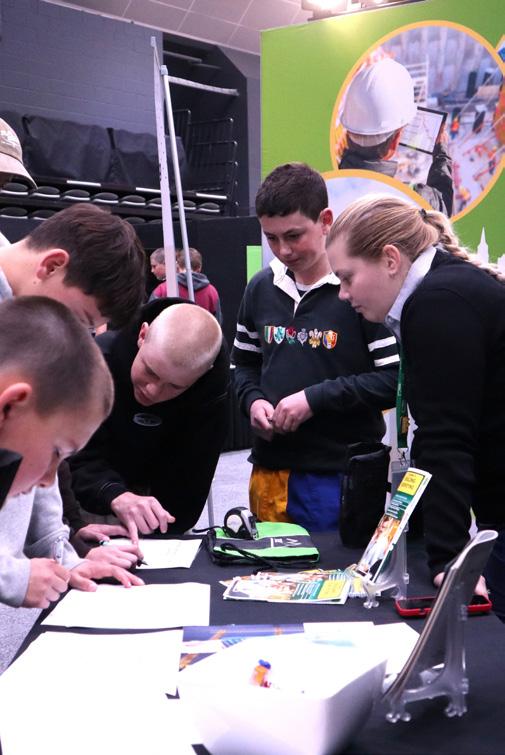
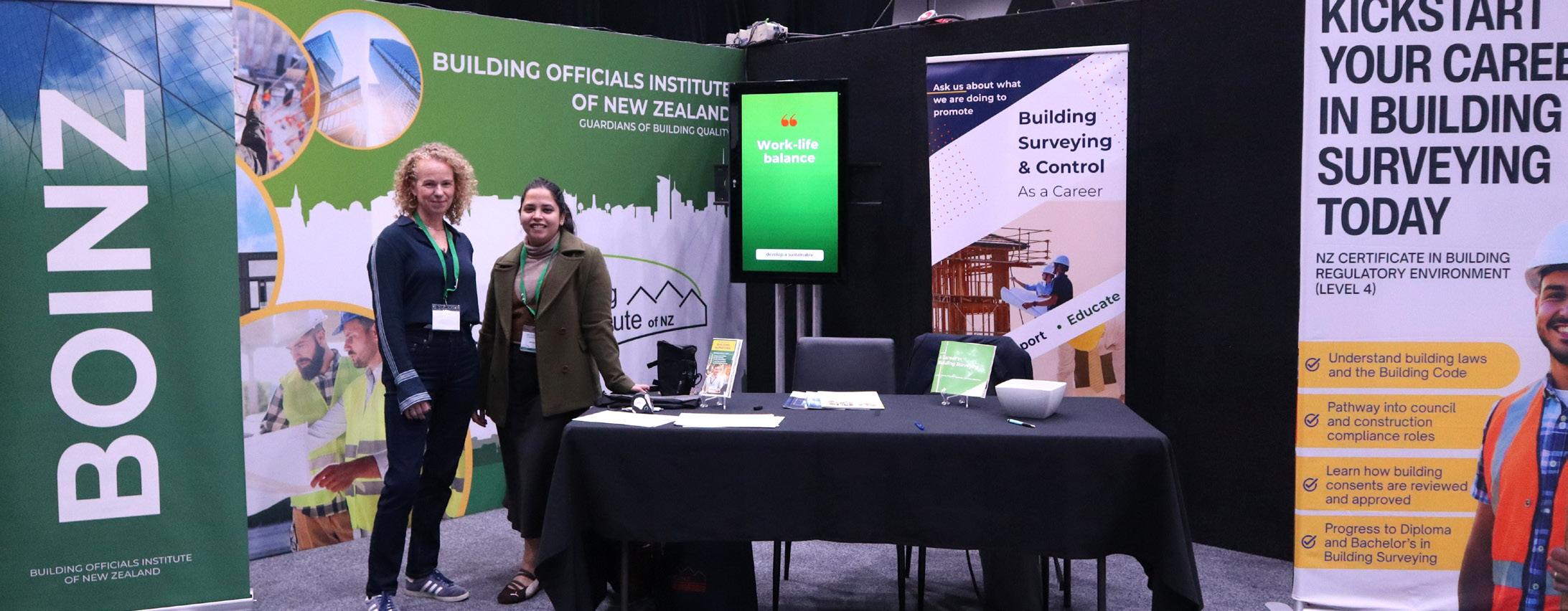
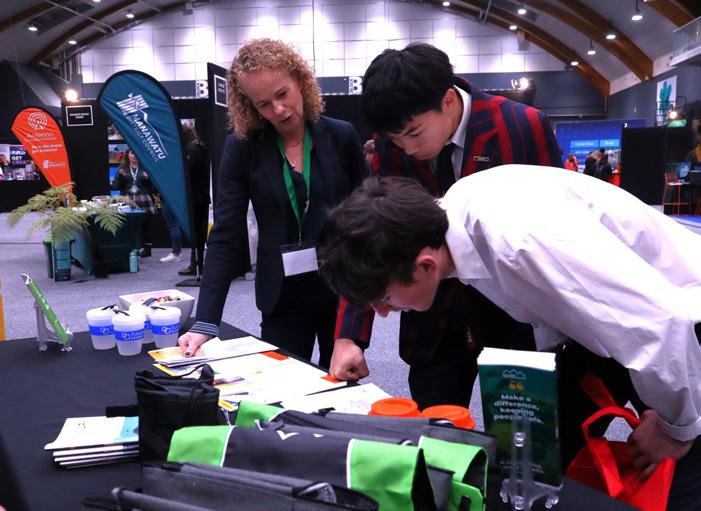
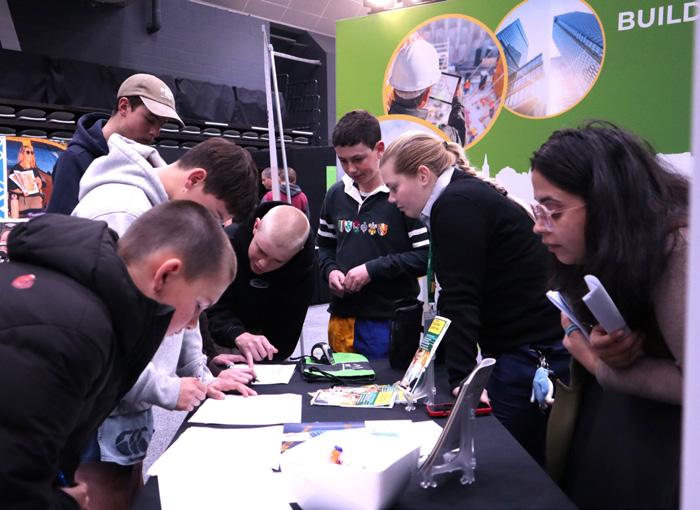
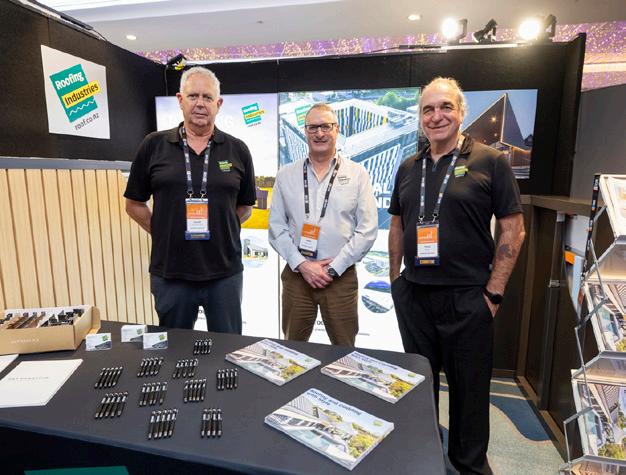
The future of New Zealand’s building industry was on full display at the Tahatū Careers Expos in Palmerston North and Wellington, where BOINZ had the opportunity to connect with hundreds of students exploring their career options.
Across both events, our stand was filled with energy, curiosity, and great conversations as students discovered more about building surveying, the pathways into the profession, and the important role building surveyors play in creating safe, sustainable, and welldesigned buildings.
To showcase the profession in an engaging way, BOINZ offered interactive activities, real-world discussions, and giveaways that encouraged students to get involved and learn more about the industry. These experiences demonstrated the wide range of skills involved in building surveying, from technical knowledge and problem-solving to communication and collaboration.
One of the highlights of both expos was hearing directly from students about their motivations and ambitions. Many shared their passion for construction, innovation, and creating a positive impact through the built environment. Others spoke about their desire to work in a field where they could combine practical skills with meaningful outcomes for communities. These conversations were incredibly rewarding
and reinforced the importance of inspiring the next generation of industry professionals.
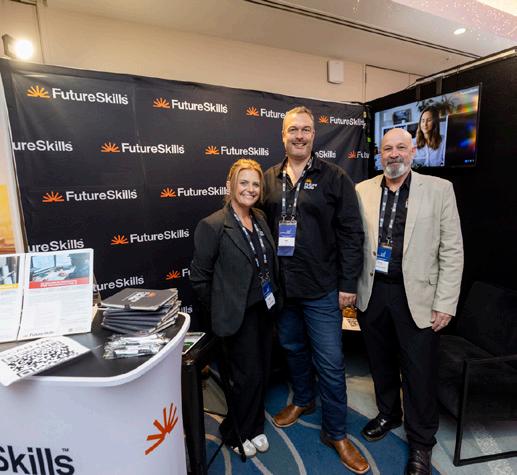
We were also pleased to have Future Skills supporting BOINZ at both expos, providing valuable educational content to help students understand the different learning and development pathways available within the sector.
A sincere thank you goes to our amazing volunteers – Sania Shueb, Natasha Linley, Karel Boakes, Sam Spiers, John Peterson, Wayne Goodfellow, and everyone who supported us in Wellington – who generously shared their knowledge, experiences, and passion for building surveying. Their contribution played a key role in making both events a success.
The Palmerston North and Wellington Tahatū Careers Expos provided fantastic opportunities for BOINZ to strengthen connections with future talent, raise awareness of the building
surveying profession, and celebrate the exciting career opportunities available within New Zealand’s building industry. We look forward to continuing to inspire future building professionals at upcoming careers events around the country.
Article supplied by Felipe Gomes, Marketing and Events Manager of the Building Officials Institute of New Zealand (BOINZ)
Have Your Say on NZS 3604 Timber-Framed Buildings – a Key Standard for the Building Sector
A revision of one of New Zealand’s most widely used construction standards – NZS 3604 Timberframed buildings – is nearing public consultation, and BOINZ members are encouraged to take part.
NZS 3604 is fundamental to the design, construction, and consenting of timber framed buildings across Aotearoa. The current 2011 edition provides a compliance pathway under the Building Code for a significant portion of residential construction, making it highly relevant to building officials, inspectors, and consent authorities.
First update in 15 years
NZS 3604 underpins many of the decisions made in building consent and inspection processes. Updates to the standard can directly affect how buildings are designed, consented, and constructed.
The current revision has been developed by the Standards New Zealand PR 3604 Revision Committee, comprising industry, regulatory, and technical experts. As with previous revisions, public consultation is a critical step to ensure the standard remains practical, technically sound, and aligned with current building practices.
What’s changing
The draft revision focuses on both usability and technical improvements. Key areas include:
• Expanded framing solutions for three-storey buildings (excluding bracing at this stage).
• Improved guidance on thermal performance, including new construction details.
• Updated foundation solutions for moderately expansive soils and liquefaction-prone sites.
• Clarified requirements for stairwell framing and isolated internal masonry walls.
• Alignment of timber sizes and grades with what is commonly available in the New Zealand market.
• More than 250 corrections and clarifications since the 2011 edition.
These changes reflect evolving construction practices, material availability, and performance expectations – areas that BOINZ members engage with daily.
Important note for users
All feedback is reviewed and considered by the committee, so it’s important to remember that the draft is strictly for review and making submissions, may change based on feedback received and should never be used for design, consenting, or construction.
Your input matters
Public consultation for NZS 3604 is expected soon, and Standards New Zealand encourages BOINZ
members to participate. To make sure you don’t miss the opportunity:
• Create a free account with Standards New Zealand
• Select “Building and Construction” in your notification preferences
• Follow Standards New Zealand on LinkedIn for notification.
This will ensure you are alerted as soon as the consultation goes live and can access the draft and make submissions.
Feedback from practitioners –especially those involved in building assessment – is vital. Your insights can help ensure the standard is clear and workable in practice, consistent with regulatory processes and fit for purpose across a wide range of real world scenarios. Help shape the future of a cornerstone document in New Zealand’s building system.
Article supplied by Ministry of Business, Innovation & Employment (MBIE)
Are We Truly Future Ready?
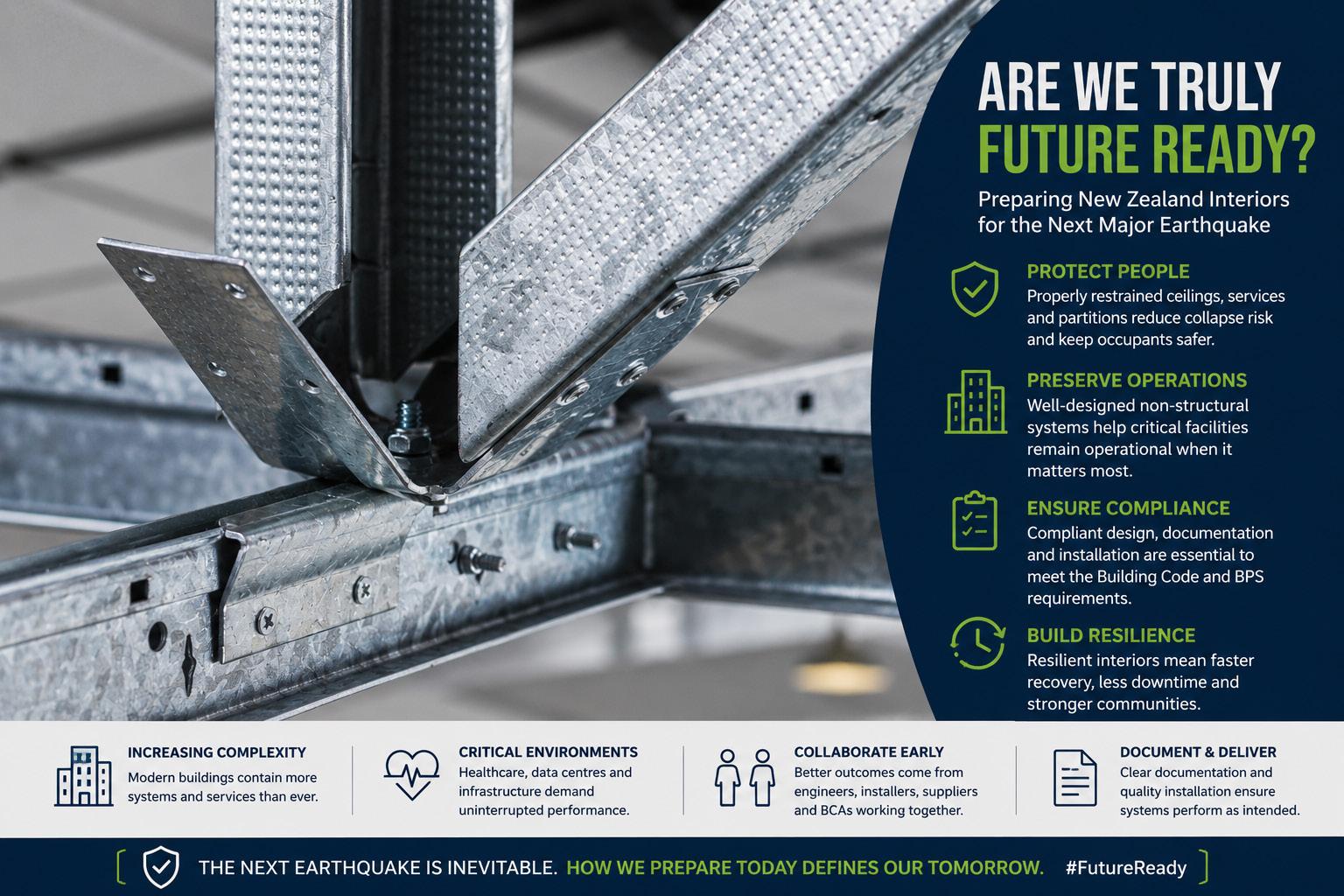
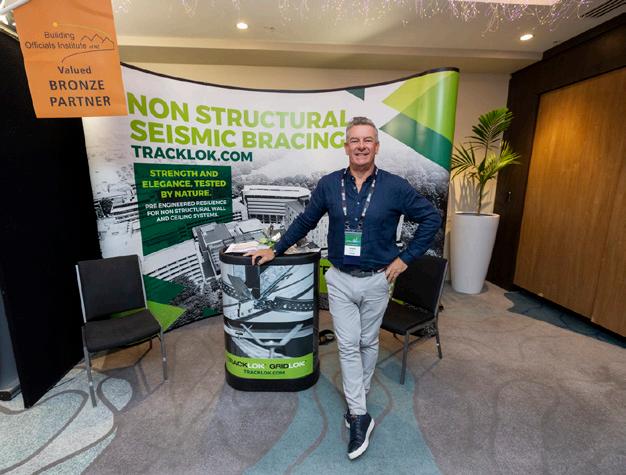
As New Zealand continues to evolve its built environment, one question is becoming increasingly important for our industry: are we truly future ready for the next major earthquake?
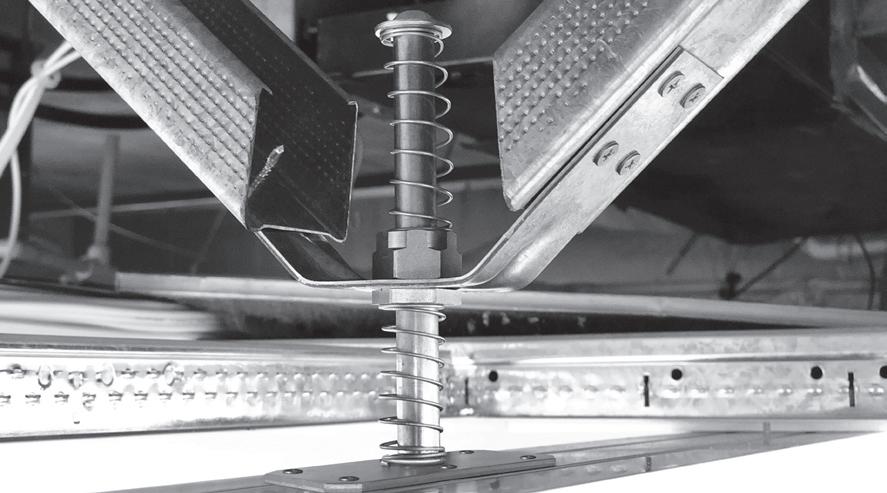
While structural engineering rightly receives significant attention, experience from Canterbury, Kaikōura and international seismic events continues to demonstrate that much of the real-world damage, disruption and downtime occurs within the building interior itself. Suspended ceilings collapse, services become dislodged, partitions fail, and critical operational spaces become unusable - often in buildings that remain structurally sound.
At the same time, modern commercial fit-outs are becoming increasingly complex. Ceiling spaces that once contained only lighting and basic HVAC systems now accommodate dense networks of mechanical services, data cabling, medical systems, fire protection infrastructure and communications technology. This complexity is particularly evident in healthcare facilities, laboratories, data centres and highperformance commercial buildings where operational continuity is critical.
The challenge for the industry is no longer simply preventing collapse. Increasingly, building owners, tenants and communities expect facilities to remain operational following a seismic event. In sectors such as healthcare and digital infrastructure, downtime is not merely inconvenient - it can directly impact public safety, essential services and economic continuity.
This shift is changing the conversation around nonstructural seismic restraint systems.
Historically, seismic restraint of ceilings, services and partitions was sometimes viewed as a secondary consideration late in the project lifecycle. Today, it is becoming clear that compliant
and coordinated restraint systems are fundamental to resilience outcomes. The seismic performance of a building can only be as strong as the weakest element within it.
For Building Consent Authorities, this creates both a challenge and an opportunity. As building systems become more integrated and complex, the need for clear documentation, compliant detailing and practical installation methodologies becomes increasingly important. Producer statements, engineering design, installation requirements and inspection pathways must all align to ensure systems perform as intended during a seismic event.
Encouragingly, the industry is responding with greater collaboration between engineers, suppliers, contractors and BCAs. We are also seeing improved awareness around Building Product Specifications (BPS), coordinated seismic design documentation and the growing use of plan mark-up services to improve clarity during both consenting and construction.
Technology and innovation are also helping drive better outcomes. Modern restraint systems are increasingly tested, engineered and supported by detailed technical guidance that assists both designers and installers. However, even the best systems rely on one critical factor - proper implementation onsite. Practical buildability and installation quality remain essential parts of the resilience equation.
Ultimately, preparing New Zealand interiors for the next major earthquake requires a mindset shift. Compliance remains essential, but resilience and functional recovery are rapidly becoming the new benchmark for good design and construction practice.
As an industry, we have an opportunity to move beyond minimum requirements and ask broader questions:
The challenge for the industry is no longer simply preventing collapse. Increasingly, building owners, tenants and communities expect facilities to remain operational following a seismic event.
Will the building still function after the event?
Can critical services remain operational?
Will occupants be safe not only structurally, but internally within the space?
The next major earthquake is not a matter of if, but when. The work we do now — through smarter coordination, practical compliance pathways and future-focused seismic restraint design — will determine how resilient our buildings, businesses and communities truly are.
#FutureReady
Article supplied by Tracklock
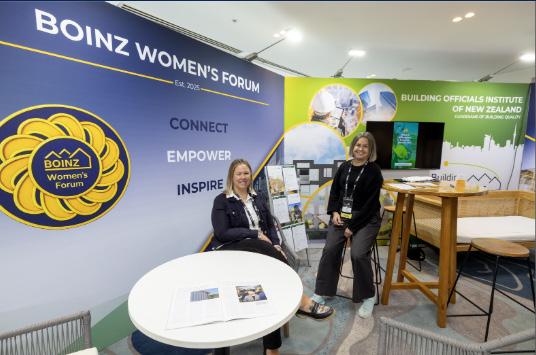
BOINZ Women's Forum
As the BOINZ Women’s Forum approaches its first anniversary, it is a fitting time to reflect on a year marked by growth, connection, and meaningful progress.
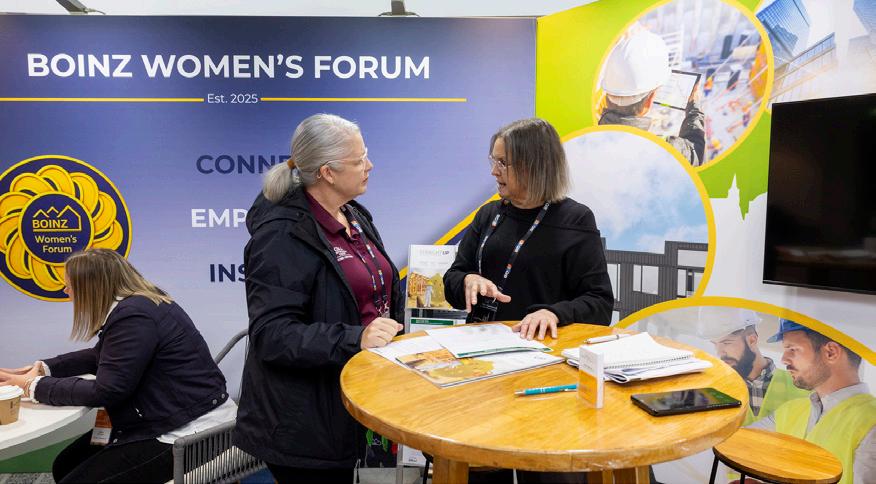
Since its establishment, the Forum has continued to build momentum through inspiring presentations, virtual coffee catch-ups, and an increasingly visible presence at both the BCA Leaders Forum and the BOINZ Symposium. With the generous support of ICC, the introduction of the Women’s Forum stand created a dedicated space for members to connect, share experiences, and strengthen professional networks.
Another significant achievement was the launch of the inaugural ICC Advancement of Women in Building Surveying Award, which was presented to Queenstown Lakes District Council in recognition of its commitment to supporting and advancing women within the profession.
As we celebrate these milestones and look ahead to the opportunities that lie ahead, we are proud to introduce the executive team, whose passion and leadership continue to shape the Forum’s vision and success.
president is particularly special to me, as it meant I could encourage and help other women to step forward in what has traditionally been a maledominated area.
What or who inspired you to either pursue a career in this industry or keeps you going day to day?
I have a passion for buildings, design, and construction, and I enjoy a challenge and a changing environment.
Following on from the above, what is one skill or quality that has been most valuable throughout your career?
Boakes – Branch Board Representative
What is your current role and organisation, and how long have you been in the industry?
My current role is Regulatory Strategy & Policy Manager with Objective Corporation Ltd, and I have been with Objective for nearly three years. Prior to that, I worked for 20 years in local government regulatory and building control in New Zealand.
What is one career achievement you are particularly proud of?
There are lots of highlights, but becoming BOINZ Board’s first female
Emotional intelligence and being able to communicate with a wide range of people.
Who have been your biggest supporters or mentors on your career journey?
My mum, for being a strong woman who encouraged me to believe I could do anything from a young age; my previous manager, for believing in me and supporting and encouraging me through training and more advanced roles; and my kids, for encouraging me to change direction later in my career.
What do you hope to see for the future of women in building surveying and control and/or the BOINZ Women’s Forum?
That women feel more confident and empowered to seek senior roles in this industry.
What is something people may not know about you outside of work?
I love Lego and always have a Lego project on the go…
The Forum has continued to build momentum through inspiring presentations, virtual coffee catch-ups, and an increasingly visible presence at both the BCA Leaders Forum and the BOINZ Symposium
Meet the executive team:
Karel
Karel’s last LEGO project
ICC Advancement of Women in Building Surveying Award, awarded to Queenstown Lakes District Council
Women’s Forum stand at Symposiumsponsored by ICC
Sally Gray – Branch Excutive
What is your current role and organisation, and how long have you been in the industry?
I am a manager at Auckland Council. I started in the legal team here 20 years ago and moved to Building Consents two years later to manage defective building claims.
What is one career achievement you are particularly proud of?
It’s not through to law yet, but working on the liability change with MBIE between 2024–2025.
What or who inspired you to either pursue a career in this industry or keeps you going day to day?
I fell into it via my previous legal role, but I keep going because housing and broader construction impact so many people. There is still so much to do to ensure people deliver on what they promise and meet minimum standards. Change is also constant for local government, which keeps it interesting.
Following on from the above, what is one skill or quality that has been most valuable throughout your career?
I am going to say two: firstly, critical thinking, which raises the question of the future impact of AI on our people; and secondly, strong communication skills. You have got to be able to say what you mean in a way people understand.
What do you hope to see for the future of women in building surveying and control and/or the BOINZ Women’s Forum?
That we at the BOINZ Women’s Forum can create an environment where women in this industry can be themselves, walk into any BOINZ event, and know other women as more than just a hello.
What is something people may not know about you outside of work?
I have a slight clothes obsession. Maybe people know that one already? So, another would be that I love Formula 1 and watch pretty much all the races.
What is your current role and organisation, and how long have you been in the industry?
I work for Thames-Coromandel District Council and have recently taken on the role of Team Leader for Building Processing.
What is one career achievement you are particularly proud of?
Completing the Diploma in Building Surveying. I had a previous attempt at tertiary education but withdrew before graduating, so completing the Reg 18 qualification had an added layer of pride for me.
What or who inspired you to either pursue a career in this industry or keeps you going day to day?
I would say the industry found me rather than the other way around. I was working in customer support at Taupō District Council when I was offered a maternity leave cover position. Ultimately, it was the encouragement of the building team, along with my Team Lead in customer support, that pushed me to step out of my comfort zone. Taking that chance was one of the best decisions I have made to date.
Following on from the above, what is one skill or quality that has been most valuable throughout your career?
Relationship building and getting to know others within our profession continue to be among the most valuable tools. It is amazing how much knowledge and experience others have, and how willing they are to share it. The progress I have made in my short career is largely due to absorbing everything I can from those around me.
What do you hope to see for the future of women in building surveying and control and/or the BOINZ Women’s Forum?
I see BOINZ as synonymous with the best of the building surveying and control profession. I hope that the BOINZ Women’s Forum will evolve to become a cornerstone of the industry in the same way, and that empowering women will strengthen and futureproof the profession as a whole.
What is something people may not know about you outside of work?
Anyone who has ever shared an office space with me would know this, but I love to cook and bake. Eating great food is one of the simple joys in life, and it brings me so much happiness to share that with those around me.
Hazel McColl – Branch Excutive
What is your current role and organisation, and how long have you been in the industry?
I’m currently a Senior Determinations Specialist in the Determinations team at MBIE, where I have been for almost three years. I came into the industry from an academic background, initially wanting to study architecture but switching to a Bachelor of Building Science at Victoria University in my second year. Following my studies, I badgered Hutt City Council for a front
Marissa Davidson – Branch Excutive
counter technician job, and from there progressed over six years through residential processing and inspecting, to Team Leader of Commercial Processing and BCA Administration.
What is one career achievement you are particularly proud of?
Over the last three years, I’m proud of the work I’ve contributed to the understanding of the natural hazard provisions in the Building Act through various determination cases we have received. I’ve worked through unpicking and interpreting the legislation and applying it to the various site-specific cases we receive.
This also led me to sit in on the TCC v Waddell appeal of 2024/053 back in March 2026, supporting our legal counsel, who was there to answer any questions the judge had. Following this judgment, I’m now working on how we apply this to future cases.
What or who inspired you to either pursue a career in this industry or keeps you going day to day?
There was no one moment in my life that led me to this career. Both of my parents have rural, “get it done” roots, and when I was four, my (non-builder) dad built our family home. I’ve always been intrigued by how things work, and my degree appealed to me as I thought it would have more answers to the questions within our industry (I’ve been proven slightly wrong on that front).
Working in the public service, after hospitality roles, showed me how much fulfilment I get from helping others, particularly homeowners with no knowledge of our regulatory system.
Following on from the above, what is one skill or quality that has been most valuable throughout your career?
The ability to communicate with all types of people, and to have empathy when communicating, has been a valuable skill in my career. Particularly in Determinations, we see and hear the stress of all parties, so the ability to communicate that you understand their situation while still telling them an outcome they don’t want to hear has been invaluable.
What do you hope to see for the future of women in building surveying and control and/or the BOINZ Women’s Forum?
It’s been incredible to see the large number of young women getting into our industry, even in the last five years, and I hope to see this continue
to grow and for these women to stay in our industry. I’d love to see the BOINZ Women’s Forum referenced as a contributing factor in women gaining confidence in the work they do and taking up new opportunities because they have seen others do it through the Forum’s sessions.
What is something people may not know about you outside of work?
Outside of work, I’m an artist! Primarily working in watercolour and oil paints, I’ve been slowly building my portfolio and taking commissions over the past few years. I’ve done friends’ wedding invitations, pet portraits, native birdlife, and had a Wellington Harbour landscape featured in a Lower Hutt exhibition.
Instagram: @hazelm.artist
Olivia McGregor – Branch Chairperson
What is your current role and organisation, and how long have you been in the industry?
I am currently self-employed through Precision Consulting NZ and continue to carry out processing work, as well as contributing to our family-owned construction business, Precision Build NZ. Prior to this, I spent four years with Timaru District Council as a dualcompetent Building Control Officer.
What is one career achievement you are particularly proud of?
My learning journey through Future Skills. Completing the first year of the diploma externally to a council, being graduate speaker at our diploma graduation ceremony, and now being one assignment away from completing the degree… I am beyond proud.
Studying was never something I imagined myself doing, and I often felt envious attending friends’ graduations. To now be so close to achieving a degree qualification, especially while making the sacrifices required as an adult learner, actually makes me pretty emotional.
What or who inspired you to either pursue a career in this industry or keeps you going day to day?
I’ve always enjoyed the construction industry and have worked in a variety of roles over the years. It wasn’t until I began the Diploma in Building Surveying and Control that I discovered the BCO pathway and eventually moved into a council role.
In many ways, I fell into this career, and I’m genuinely grateful that I did. It has provided me with so many opportunities, introduced me to some incredible people, and currently allows me to be more present at my kids’ school events, which I love!
Following on from the above, what is one skill or quality that has been most valuable throughout your career?
Being hardworking and resilient. Even though challenges can be relentless and, at times, you can feel like giving up, resilience and not giving up are what have got me to where I am today.
What do you hope to see for the future of women in building surveying and control and/or the BOINZ Women’s Forum?
I hope to see more women entering, staying, and progressing into pivotal roles within building surveying and control, supported by strong networks, mentorship, and visible female role models.
Through the BOINZ Women’s Forum, I would love to see this platform continue to grow and evolve, enabling women to connect, inspire, and empower each other.
What is something people may not know about you outside of work?
Sport has always been a big part of my life and is where I enjoy spending much of my time outside of work. Whether that’s on the sideline, watching it on TV, coaching, or contributing at committee level, I love being involved. Although I don’t play as much anymore, I am looking forward to giving golf a go in the summer.
Article supplied by Building Officials Institute of New Zealand (BOINZ)
Updated Swimming Pool Standards for Premoulded Fibreglass Pool Design and Fabrication / Installation
In August last year, two updated standards were published and made available to the industry: NZS/AS 1838 / 1839 - Swimming pools - Premoulded fibre reinforced plastics Design & fabrication / installation.
These updates replace the previous versions which were over 30 years old, and provide long-awaited clarity, consistency, and confidence across manufacturing and installation practices.
The updated standard is not currently referenced in legislation or the NZ Building Code. However, the Standards can be given legal effect when referenced in building plans, specifications, or, preferably, the building contract. SPASA (Swimming Pool and Spa Association) has advised members that while the standard does not apply retrospectively, they should consider including a reference to it in new contracts.
SPASA is proud to have funded the
rewriting of these two standards in Aotearoa New Zealand, helping to ensure local practices are aligned with the contemporary benchmarks established under the updated Australian Standards. The Standard was developed during the period when the Trans-Tasman arrangements between Standards Australia and Standards New Zealand were not aligned; therefore, it is solely a New Zealand standard.
Proportionate liability – changes to accountability for defective work
Late last year, SPASA welcomed the New Zealand Government’s decision to change the liability rules in the building and construction sector. Expected to take effect in 2027, these changes will shift Aotearoa New Zealand’s liability settings from joint and several liability
to proportionate liability, and introduce key supporting measures.
Under proportionate liability, each party will only be accountable for the work they undertook. It is hoped this will improve the consent process and provide clarity when a dispute arises. The change also aligns with Australian practice in construction projects.
Working with crystalline silica SPASA continues to monitor announcements regarding a consultation which closed 18 March 2025, in which MBIE sought feedback on working with respirable crystalline silica (RCS). The consultation options included:
• Specific mandatory controls on processing of engineered stone
• Licensing of workplaces that fabricate engineered stone
• A general duty to reduce RCS exposure in all workplaces
• Mandatory worker health and/or exposure monitoring to ensure the effectiveness of any controls
• A potential ban on import, use, and supply of engineered stone
SPASA’s position supported a harmonised regulatory approach, suggesting that Aotearoa New Zealand could align with the position Australia adopted at the end of 2023 and create a smooth trans-Tasman regulatory environment.
A summary of submissions was posted on the MBIE consultation page in late 2025.
SPASA keeps a close eye on recent determinations made by Building Performance. Two key determinations relating to pool building have been released and can help support interpretation by building officials:
We have handpicked the leading products from around the globe to offer the best waterproofing solutions for:
We provide technical design assistance and robust on-site support to ensure the highest installation standards, every time!
Our approved applicators undergo rigorous in-house and on-site training to ensure top-quality installation. With 50 years of expertise, our solutions are designed to keep water out!
• Determination 2026/001: The issue of a notice to fix for a pool barrier with a storage box inside the fenced area
• Determination 2025/057: Compliance of part of a pool barrier on a property boundary with Building Code Clause F9
Article supplied by Swimming Pool and Spa Association (SPASA)
Let’s Keep Our Learning Fresh While Enjoying the Best of the Familiar!
Routines and the familiar provide a reliable foundation for everyday life - by streamlining recurring tasks, you can reduce cognitive load and stress.
This then frees up the energy and headspace needed for creativity, new learning, complex problem-solving and achieving goals that take us somewhere new.
In this way, the familiar and the new work together to help us move forward.
Adding a fresh spark to the familiar in everyday learning – a few tips
How do we stimulate neuroplasticity and prevent stagnation… especially during the cold and dark winter doldrums? It’s largely about shifting from passive consumption to intentional engagement… and there are some simple ways you can do that:
• Mixing up daily habits can mean that simply taking a different route on your walk to work or trying a new podcast can challenge the established pathways in your brain.
• Instead of always cramming, try reviewing new material on a staggered schedule which can help transfer information into your long-term memory more efficiently and effectively.
• Setting learning goals can help maintain momentum – try the 1% rule where you dedicate just 1% of your day (about 15minutes) to learning something brand new. (I like to learn a new song on the guitar regularly.)
• Finally, reflect on your learning weekly by regularly asking questions like “I used to believe ............, but now I know ............” to ensure your learning accumulates and stays vibrant.
BOINZ backs up your learning with familiar supports!
With nearly 60 years in building surveying training, BOINZ training is certainly familiar to most of you! As explained above, this familiarity matters and centres on BOINZ providing:
• deep and broad experience and industry knowledge to our courses
• a broad portfolio of Building Code and Building Act course topics by expert trainers
• strong support services that include enrolment processes, course timetables, workbooks, assessments and more.
We also work to keep your learning fresh!
BOINZ doesn’t rest on the familiar alone, as we want our learners to achieve their long-term learning goals. The familiar alone will not take our learners, in this rapidly changing industry, to new places of knowledge and experience.
BOINZ TRAINING
A dedicated pool of trainers challenges you in different ways on different topics
Deep and broad industry experience and knowledge, sourced first and foremost from our amazing membership base, enables BOINZ to keep learning delivery fresh, relevant and engaging.
The wonderful Training Academy team of trainers has expanded over recent times. Not only do different trainers challenge our learners (and each other) in different ways, but a strong pool of trainers also can collectively tackle a wider range of topics. And on that note, keep an eye out for new one-day courses on Remote Inspections and Specified Systems.
We work hard to keep you up to date with regulatory changes by updating courses and creating ‘changes’ courses and seminars. With our trainers actively involved in the industry, they are perfectly placed to learn about, adopt and share the latest regulatory and practice developments.
Varied formats to digest your learning
We’ve introduced more ways to digest your learning. You can still book a “complete meal” – a twoday course on B2 Durability or a three-day 3604 course and so on. But you can also enrol in a “snacksized” two-hour Code Fit Team Talk on Change of Use, or a multi-course “degustation” series with Code Fit Fire where the learning on a topic is staggered over a longer period.
Partnerships with trusted experts to diversify your learning options
BOINZ also works with numerous trusted experts and organisations to extend your learning options and add fresh dimensions to your learning.
This winter we are running the BOINZ and Rice Speir Building Changes seminars, with three short but informative sessions on critical topics that are evolving right now, from Self-Certification to Proportionate Liability.
Then, Spring of course brings the BOINZ and Heaney & Partners Advanced Series which this year visits two locations – Christchurch and Tauranga – to move it closer to more of our experienced learners. We also keep the series fresh with changes to the programme and team each year.
On Solid Fuel Heating we continue to partner with the NZ Home Heating Association to bring highly practical training to you.
Building learner knowledge and expertise in Protection from Fire, particularly in C/AS2, MBIE fire engineer Saskia Holditch is steering this year’s Code Fit Fire series with support from other experts.
A new learning partnership is also on its way that will add some great training options and benefits for our member learners! Watch this space!
We want to deliver the very best for you!
BOINZ is always working to enhance its familiar learning supports while keeping the learning itself fresh and responsive to your developing needs and goals. We are always working on our own ‘development list’ with the aim of helping you reach your goals in building surveying competency and knowledge!
Enjoy the best of the familiar while keeping your learning sharp and fresh with BOINZ!
Article supplied by Kirsty Wallace, Professional Development Manager of the Building Officials Institute of New Zealand (BOINZ)
Brickworks New Zealand Launches New
CodeMark-Certified Brick Facings Cladding System to Improve Construction Efficiency
Designed specifically for site and build efficiencies, Thin Tech Plus® is a unique brick facings panel system that can make installation three to five times faster than traditional brickwork, reducing construction costs and timeframes.
Brickworks, one of the world’s largest building materials manufacturers, has launched Thin Tech Plus® in New Zealand, a fast-to-install brick facings panel system designed to speed up the construction process without the weight and space constraints associated with traditional full brick veneers.
The new CodeMark-certified system mechanically secures each thin brick facing with hooks, mimicking traditional brickwork while using less weight, space and mortar.
Measuring just 43 mm thick, compared with 120 mm for a traditional brick, and weighing only 49 kg/m², compared with 140–200 kg/m² for a full brick veneer, this medium-weight system also offers superior drainage and ventilation through its cavity-based design.
Speaking at the launch event in Auckland, Brickworks Chief Executive Mark Ellenor said Thin Tech Plus® offers businesses an innovative and cost-efficient approach to brickwork construction without compromising on quality.
“We’re excited to launch Thin Tech Plus® in New Zealand, giving businesses and consumers greater choice and design versatility in how they create and build their homes and spaces.”
Garry Bull, General Manager of International Business at Brickworks, is the brains behind Thin Tech Plus®
“While travelling in Europe, I was struck by the variety of cladding systems in use, most of which were either full brick or rail-based — both expensive and time-consuming to install. I saw a clear gap in the market for a lighter, costeffective solution that could still deliver the aesthetic and performance of brick, but in a faster and simpler way.
“I thought: what if we could create a panel system instead of using conventional rail engagement? I sketched the idea onto a napkin.”
Silvia Wong, Brickworks’ Product Innovation and Engineering Manager, said it was a true balancing act to bring the concept to life.
“We needed to find the perfect harmony between the precision of sheet metal fabrication and the natural properties of brick. Every fold, tab and engagement point was carefully engineered and comprehensively tested to create an efficient system that can withstand the demanding climate zones across
Australia and New Zealand.”
The Thin Tech Plus® warranty covers the system for 50 years, with a 100-year warranty for the clay brick facings. Thin Tech Plus® has CodeMark accreditation under Certificate of Conformity CMNZ00173.
Article supplied by Brickworks
Mark Ellenor, Brickworks CEO
BCA Leaders and Symposium 2026
Gala Dinner Photo Gallery
J-FRAME
CARE AND MAINTENANCE
The J-Frame structural bond type has a proven, internationally recognised durability record for exposure to moisture and stress.
However, the efficacy of water-borne preservative can be reduced by extended exposure to the elements. To minimise leaching, always plan to close in the building as soon as practical.
Also, as the long-term performance of H1.2 and H1.2 Equivalent treated timber framing relies on the continued compliance of your building’s cladding and internal wet area linings, regular checks of these building systems are advised.
Check out our Care and Maintenance Guide on our website in the Compliance Tab jnl.co.nz/product/framing-j-frame/