


Celebrating Research Excellence at the University of the Western Cape







SARChI Chairs are appointed at Tier 1 and Tier 2 levels, recognising both established and emerging research leadership.

Tier one SARChI Chair holders
ProfPatriciaHayes
ProfSarojiniNadar
ProfChristopherArendse
ProfRajendraChetty
ProfJenniferChipps
ProfStephenDevereux
ProfJaapdeVisser
ProfAshaGeorge
ProfEmmanuelIwuoha
ProfCyrilJulie
ProfMarshallKeyster
ProfPremeshLalu
ProfMervinMeyer
ProfAjayMishra
ProfNicoletteRoman
ProfMarioSantos
ProfCatherinaSchenck
ProfRenierCoetzee
ProfTamaraShefer
ProfMarlaTuffin-Trindade

ProfChristopherArendse,adistinguishedphysicistintheFaculty of Science, is an NRF C1-rated researcher. He co-directs the ElectrochemicalSensorsNodeandholdstheSARChIChairin Low-Dimensional Materials for Solar Energy Conversion (LDMSEC). His research advances computational and practical investigations into innovative materials for solar-powered hydrogenproductionandnext-generationphotovoltaics.
TheSARChIChairisdedicatedtoadvancinginnovativematerials, with particular emphasis on double perovskites and twodimensional semiconductors, to meet South Africa's need for cost-effective,efficientrenewableenergy.Theinitiativeexpedites thediscoveryprocessbyintegratingcomputermodelling,thin-film growth, and device engineering, from predicting atomic-scale phenomenatodemonstratingdevices.Bandalignment,defect engineering, and photoelectrochemical water separation are amongthemostsignificantsubjects.ProfArendseisinstrumental indevelopingpostgraduatetalent,fosteringmultidisciplinaryskills andresearchleadership,andsupportingSouthAfrica'stransition toaknowledge-driven,sustainable,andlow-carboneconomy.

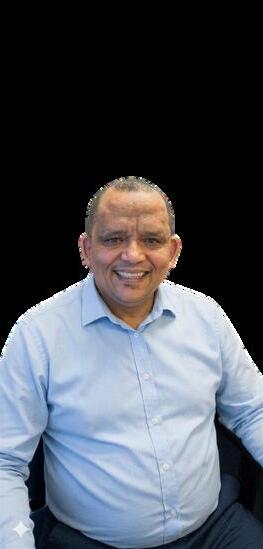
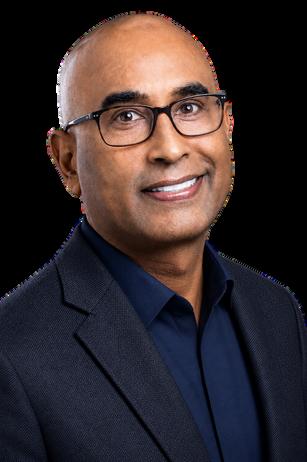

ProfRajendraChettyisadistinguishedresearcherintheFaculty ofEducation.HoldinganNRFC-2rating,hisworkfocuseson critical pedagogy, language education, social justice, and the intersection ofrace, class, gender, and inequality. Drawing on postcolonialanddecolonialperspectives,hisresearchexamines identity, systemic inequality in education, and the role of intellectualsinadvancingsocialtransformation.
The SARChI Chair in Decolonisation, with a special focus on Teacher Education and the English Language Curriculum, is dedicated to advancing critical educational studies through curriculum reform, policy analysis, critical pedagogy, diversity, identity,andteacherprofessionaldevelopment.TheChairseeksto reimagineeducationalknowledgesystemsbycreatingspacefor bothAfricanandWesternknowledgetraditions.Throughthiswork, Prof Chetty promotes linguistic justice, challenges epistemic inequality,andcontributestothedevelopmentofmoreinclusive, transformative,andsociallyresponsiveeducationalpractices.


ProfJenn ofessorintheDepartment ofCommunityandHealthSciences.ProfChippsisaSARChI ResearchChairinDigitalHealthandaC2-ratedresearcherunder theNRFDecadalPlan.Shehasheldsignificantpositionsat institutionssuchastheUniversityofSydneyandUKZNand holdsaPhDinTelepsychiatry.Sheisengagedinglobalhealth throughhercollaborationswiththeWorldHealthOrganisation (WHO), AMIA, and the International Council of Nurses TelenursingWorkingGroup(ISfTeH).Sheisaco-founderofthe SouthAfricanNursingInformatics,DigitalandAIAssociation (SANIDAA), an organisation that concentrates on nursing informatics,artificialintelligenceanddigitaltechnologies.Prof Chippsconcentratesonmentalhealth,AI,mHealthanddigital health.
The SARChI Chair program improves healthcare in Africa by utilising digital and AI technologies, with an emphasis on decolonialandequity-orientedapproaches.Shespecialisedinthe developmentofaDigitalHealthResearchCentre,theexpansion ofSouthAfrica'sinternationalresearchfootprint,theincreaseof researchcapacity,andthebridgingofAfricandatagaps.
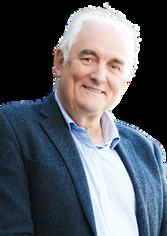

Prof Stephen Devereux is a B1 NRF-rated researcher who currently occupies the bilateral SA-UK SARChI Chair in Social Protection for Food Security. He is a development economist with 25 years of experience in food security and social protection in 13 African countries. Prof Devereux served as director of the Rural Research Programme at the University of Namibia for 3 years and conducted research on household responses to drought in rural Ghana for 1 year. Since 1996, he hasbeenaFellowoftheInstituteofDevelopmentStudies(IDS) at the University of Sussex. During this period, he established the Centre for Social Protection in 2005. Since 2013, Prof Devereux has served as an Extraordinary Professor at the UniversityoftheWesternCape.
TheSARChIChairaddressesenquiriesaboutthereasonsforthe high level of food insecurity in South Africa, despite the comprehensive social protection system, and the potential for socialprotectiontohaveagreaterimpactonstarvation.
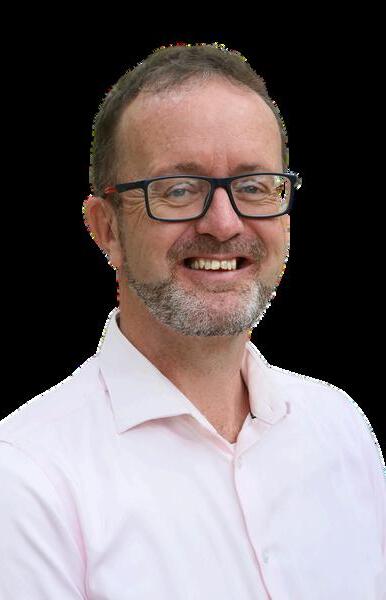
ProfJaapdeVisserisaB2NRF-ratedresearcherandholderof the SARChI Chair in Multilevel Governance, Law and DevelopmentattheUniversityoftheWesternCape.Heserves as Vice-President of the International Association of Centres forFederalStudiesandhasadvisedorganisationssuchasthe World Bank, UN-Habitat, USAID, the Forum of Federations andtheCityofCapeTown.Hisresearchfocusesontheroleof provincial and local governments in advancing development, democracyandpeaceacrossAfrica.

The SARChI Chair explores decentralisation, devolution and federalism through research, advocacy, consultancy and postgraduate education. Key focus areas include governance reform in South Africa, multilevel governance for peacebuilding and development, positioning African governance within global discourse and strengthening intellectual capacity through specialised master’s, doctoral and postdoctoral programmesacrosstheAfricancontinent.

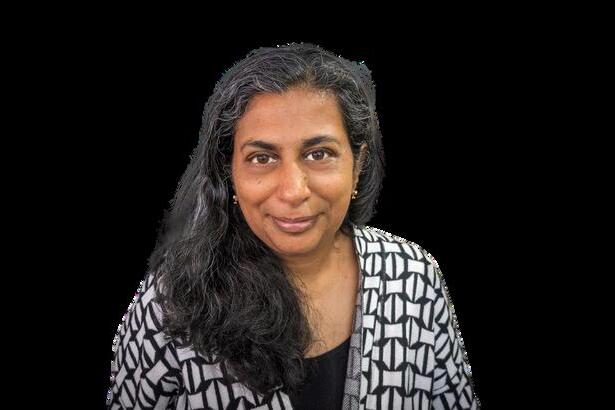
ProfAshaGeorgeisaB3NRF-ratedresearcher.Sheholdsthe SARChIChairinHealthSystems,Complexity,andSocialChange. Shehasmadesignificantcontributionstoglobalhealthleadership byservingastheChairofHealthSystemsGlobalfrom2018to 2020,theChairoftheScientificandTechnicalAdvisoryGroupfor theHumanReproductionProgram/DepartmentofReproductive HealthResearchatWHOfrom2022to2024,andtheleaderofthe GenderandEquitysub-groupoftheGlobalFinancingFacility's ResultsAdvisoryGroupfrom2021to2025.Additionally,sheserved as a Commissionerforthe Lancet Commission on Re-Aligning ChildHealthfortheSDGEra.Atpresent,sheprovidesguidanceto theWomen'sHealthExemplarsdivisionattheGatesFoundation.
The SARChI Chair concentrates on four interrelated research streams:(1)gender,intersectionality,andsocialpowerrelations;(2) community health systems and their governance; (3) the lived experiencesoffrontlinehealthworkers;and(4)thedevelopment and implementation of multi-sectoral policies that more comprehensively address social determinants within health systems.

Prof Patricia Hayes, a B1-rated NRF researcher, is the holder ofaSARChIChairinVisualHistory&TheoryattheCentrefor Humanities Research, UWC. She was awarded an FIAS (French Institutes for Advanced Study) fellowship at IEANantes in 2023-24 to pursue a project on African colonial photographic archives. She co-edited a special issue of Kronos 51 (2025) on "Archiving and Imaging the Environment"withEmmaMinkley.

The SARChI Chair in Visual History & Theorywas established withtheimmediateobjectiveoffosteringthedevelopmentof novel methodologies and enquiries in History, a traditionally text-based and highly conservative field in its emphasis on empirical evidence. This has resulted in additional long-term objectives, as the skills associated with critical modes of historicization can offer new insights into the broader interdisciplinary fields of visual studies, photography studies, and the digital humanities. The ultimate goal is to contribute to the global discourse on photography and visual studies, particularlyinthecontextofhistoricalpracticeinAfrica.

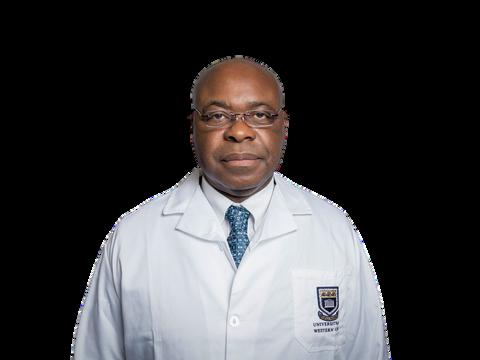
ProfEmmanuelIwuohaisadistinguishedchemistandanA1 NRF-rated scholar, renowned for his contributions to nanomaterials and electrochemistry. He is a member of the Chemistry department and has received numerous significant distinctions, including fellowships from prestigious scientific academies and key national and international accolades for his exceptional research and leadership.
He holds the SARChI Chair in NanoElectrochemistry and Sensor Technology. His research focuses on the design and development of functional nanomaterials for energy and sensing applications. Prof Iwuoha's research further concentrates on diagnostic biosensors based on disease biomarkers and utilising immunosensor and aptamer technologies. These discoveries enhance healthcare diagnostics by utilising portable, disposable, and multichannel sensor platforms to detect ailments such as SARSCoV-2,TB,myocardialinfarction,andcancer.
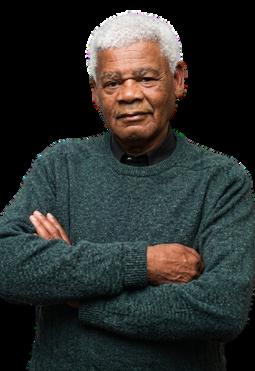
Prof Cyril Julie is a B1-rated NRF researcher and holds the FirstRand/NRF Chair in Mathematical Education at the University of the Western Cape. He also leads the Local Evidence-Driven Improvement ofMathematicsTeaching and Learning Initiative (LEDIMTALI), which strengthens mathematics teaching and learning in the basic education system. Unlike most SARChI Chairs, this Chair is both research-driven and developmental, focusing on improving the knowledge and pedagogical skills of mathematics educators.

The SARChI Chair research spans systematic reviews of mathematics teaching and learning, advanced mathematics from an elementary perspective, and elementary mathematicsfromanadvancedperspective.Itisgroundedin the view that improving instructional quality is central to enhancing learner outcomes and strengthening mathematics achievementinschools.

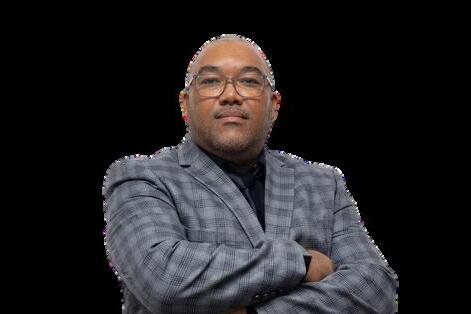
ProfMarshallKeysterisamemberoftheRoyalSocietyofSouth AfricaandisassociatedwiththeBiotechnologydepartment.He is a C2 NRF-rated researcher and currently holds the SARChI Chair in Plant Improvement for Regenerative and Sustainable Agriculture (PIRSA). Sustainable agriculture, microbiome science, and biotechnology innovation are the primary areas of hisresearch.
The SARChI Chair’s objective is to enhance climate-resilient agricultural systems by investigating beneficial plant-microbe interactions to improve soil health and crop productivity under environmental duress. Through the BEAT-MICROBIOME program, Prof Keyster integrates laboratory work, horticultural studies, field validation, and artificial intelligence to create practical agricultural solutions. He is committed to the development of South Africa's bioeconomy, the promotion of collaboration, and the education of postgraduate students. Furthermore, he is committed to advancing national food securityobjectivesandsustainabledevelopment.

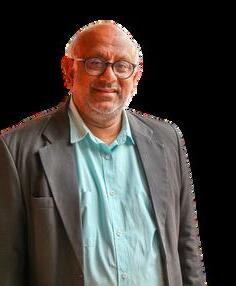
ProfPremeshLaluisaB1NRF-ratedresearcherinHumanities.
He is the founding director of the Centre for Humanities
ResearchandholdstheUK–SABilateralResearchChairin CultureandTechnics,jointlyappointedbytheBritishAcademy and the National Research Foundation. His scholarship engagespostcolonialtheory,subalternstudies,apartheidand post-apartheidthought,aesthetictheory,andtherelationship betweenhumanityandtechnology.Hehaspublishedwidelyin leading international journals and contributed to global academic forums through lectures and scholarly collaborations.
TheUK–SABilateralResearchChairinCultureandTechnics advances interdisciplinary humanities research on culture, technology,aestheticeducationandcriticalAfricanhumanities. It fosters international collaboration and strengthens humanitiesscholarshipbyexamininghowtechnologicaland culturalsystemsshapemoderngloballifewhilecontributingto newcriticalapproachesinAfricanandglobalcontexts.

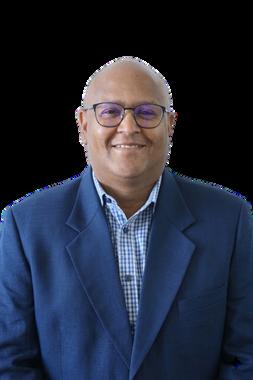
Prof Mervin Meyer is Professor of Biotechnology at the University ofthe Western Cape, where he leads the DSTI/TIA Nanotechnology Platform and holds the DSTI/NRF SARChI Chair in Sustainable Nanotechnology. Holding an NRF C2rating, his research focuses on sustainable nanotechnology solutionsforhealthcare,includingrapiddiagnostics,infectious disease detection, cancer therapeutics, and green nanomaterialinnovation.FollowinghisPhDinBiochemistryat UWC and postdoctoral training at the University of Galway in Ireland. He has since supervised more than 100 postgraduate students. He has published extensively and received several awardsforresearchexcellence.
The SARChI Chair focuses on developing green nanotechnology solutions for healthcare, diagnostics, and agriculture. The Chair uses indigenous plant resources and green chemistry to create sustainable nanomaterials that supporthealthinnovation,rapiddiagnostics,foodsecurityand environmentallyresponsiblescientificadvancement.

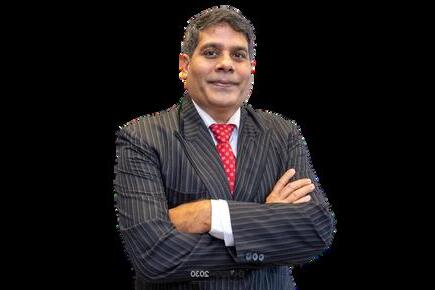
Prof Ajay Mishra is a leading researcher in the Department of Chemistry and an internationally recognised expert in sustainablematerialsscienceandnanotechnology.AnNRFB3rated researcher, Fellow of the Royal Society of Chemistry (FRSC), and Chartered Scientist (CSci), he has been recognised among the world’s Top 2% Scientists since 2019. His research focusesonadvancedmaterials,environmentalremediation,and innovativetechnologiesthatsupportsustainabledevelopment.
TheSARChIChairintheDevelopmentofMembraneTechnology for Water Treatment and Waste Valorisation is dedicated to advancing next-generation membrane technologies that addresscriticalwaterandenvironmentalchallenges.Throughthe developmentoflow-cost,high-performancematerials,theChair seeks to improve water treatment efficiency, reduce resource consumption, and promote sustainable waste utilisation. This research contributes to innovative solutions for clean water access, environmental sustainability, and responsible resource management in support of the United Nations Sustainable DevelopmentGoals.

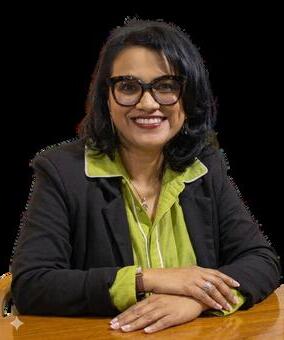
Prof Sarojini Nadar holds the DesmondTutu SouthAfrican ResearchChairinReligionandSocialJustice,supportedby the National Research Foundation and the Lund Mission Society. She is an NRF B2-rated researcher, an elected memberofASSAf, and an internationallyrecognised public intellectual advancing socially responsive scholarship. Her research examines how religious and faith traditions both reinforce and challenge power structures, with particular attentionto intersections ofreligion, race, gender, sexuality andviolence.
The SARChI Chair critically analyses the role of religion in shaping contemporary social, political and ethical life, exploring both its potential as a resource for justice and its entanglement in what she terms “sacred economies of violence.” It advances decolonial-feminist methodologiesto investigatehowreligionisusedtolegitimiseharmwhilealso generating alternative ethical imaginaries rooted in justice andtransformation.

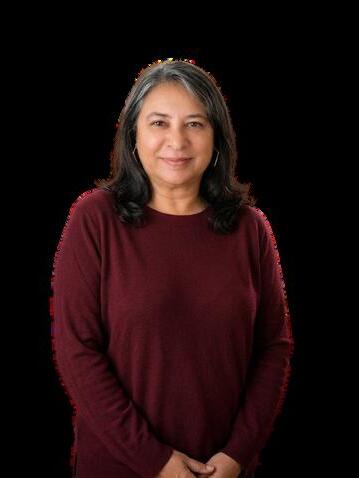
ProfNicoletteRoman,aSeniorProfessorofPsychology,isan NRF C2-rated researcher. She holds the SARChI Chairin the Development of Human Capabilities and Social Cohesion through the Family. Prof Roman is also the Director and Founder of the Centre for Interdisciplinary Studies of Children, Families, and Society in the Faculty of Community and Health Sciences. She has been appointed Visiting Professor at Turku University (Finland, 2025) and the University of Huddersfield (UK, 2022-2027) due to her NRF EstablishedResearcherrating.
TheSARChIChairintheDevelopmentofHumanCapabilities and Social Cohesion through the Family investigates how families contribute to human development, social cohesion, health, and well-being. The Chair develops evidenceinformed interventions, frameworks, and tools to assist families across a variety of African contexts by forming partnerships with communities, governments, civil society, andinternationalcollaborators.

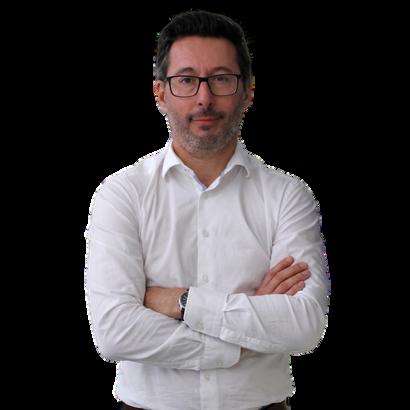
Prof Mario Santos is an A2 NRF-rated researcher and holder of theSARChIChairinCosmologywithMulti-WavelengthData.He obtained his Master’s degree in Physics and Mathematics from the University of Cambridge and a PhD in Physics from the UniversityofOxford.ProfSantosisactivelyinvolvedinMeerKAT surveys, the SKA1-MID and SKA1-LOWworking groups, and the HERAexperiment, and previouslychaired the international SKA CosmologyScienceWorkingGroup.
The SARChI Chair explores how next-generation radio telescopes, including MeerKAT and the future SKA, can address fundamental cosmological questions such as dark energy, the primordial Universe and Reionisation. The research combines telescopemodelling,large-scalenumericalsimulations,analytical frameworks and advanced statistical methods to analyse vast astronomical datasets. It seeks to deepen understanding of cosmic evolution while developing innovative techniques for interpreting multi-wavelength observations from current and futureradioastronomyfacilities.

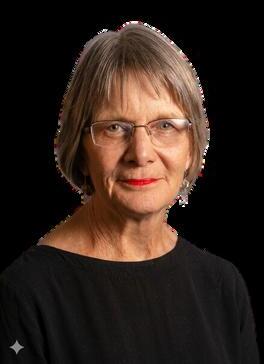
Prof Catherina Schenck is a C1-rated NRF researcher in the Department of Social Work and holder of the DSTI/NRF/CSIR SARChI Chair in Waste and Society. Her work focuses on poverty, unemployment, informal employment,waste recycling, daylabour studiesandcommunitydevelopment.
The SARChI Chair, one of South Africa’s first research chairs in waste management, is dedicated to transforming the sector and advancing socio-economic development. Situated at the intersection ofsocial justice, informalityandwaste management, it focusesonthelivesandlivelihoodsofinformalwasteactorsacross thewastevalue chain,the social construction ofwaste, and service delivery. The Chair examines how waste reflects and reinforces broaderpatternsofinequalityandsocietaltransformation.Through participatoryand policy-oriented approaches, it promotes inclusive waste governance while contributing to municipal strategies, Extended Producer Responsibility (EPR) implementation, and broadercirculareconomydialogues.
Prof Renier Coetzee Chair in Health Systems Governance
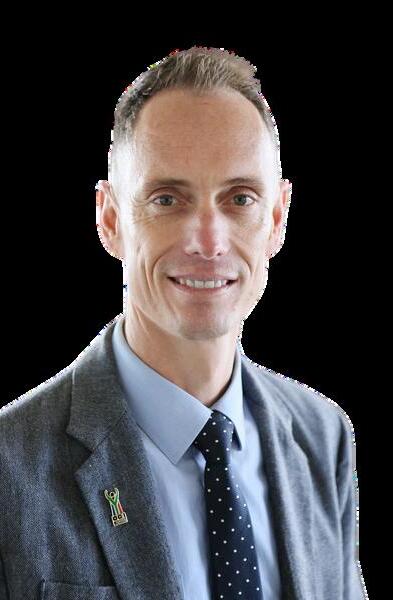
ProfRenierCoetzeeisanAssociateProfessorintheSchoolofPublic Health,withafocusonpublichealthandpharmaceuticalscience.He is the acting Chairperson for the SARChI in Health Systems Governance and is a B2 NRF-rated researcher. His research is centred on the secure and appropriate use of medications in lowand middle-income environments. He has awealth ofexperience in collaborative and embedded health systems research and collaborates closely with provincial health departments and health system partners to facilitate evidence-informed decision-making, implementationresearch,andhealthsystemlearning.
The three objectives that govern the SARCHI chair he holds are as follows: examining the governance of health systems at all levels, withparticularemphasisonhowgovernanceprocessesaffectservice delivery, policy implementation, stewardship, accountability, and health system performance. This encompasses research on pharmaceutical public health, rational use of medicines, district healthsystems,NationalHealthInsurancereforms,andantimicrobial stewardship.

Prof Tamara Shefer from Women’s and Gender Studies holds the SARChI Chair in Blue Humanities and Gender Justice. She is acknowledged as a B1 NRF-rated researcher. Her scholarship concentrates on the intersection of gender and sexualities in postcolonial, transnational feminist, and critical masculinities studies, with a particular emphasis on young people. Through decolonial feminist scholarship, activism, and art, she has also contributedtothereconceptualisationofacademicknowledge.
Her current research focuses on applying hydrofeminist scholarship and the blue humanities to promote social and environmental justice. By engaging with oceans, bodies ofwater and littoral zones, the Blue Humanities and Gender Justice Chair promotes transdisciplinary and transnational research on the intersections between gender inequalities and environmental crises. This work contributes to the production of scholarly, activist and public knowledgethatisfocusedonsocialandenvironmentaljustice.

Prof Marla Trindade is Director of the Institute for Microbial BiotechnologyandMetagenomicsandholderoftheSARChIChair inMicrobialGenomics. SheisanNRFC1-ratedscientistwho holdseditorialandadvisorypositionsthatadvanceresearchin genomics and microbial biotechnology. She has established strong national and international collaborations and leads multidisciplinary research programs. She contributes to the developmentofresearchcapacitythroughpostgraduatetraining, research infrastructure development, biobanking and collaborativeplatform-building.
TheSARChIChairinMicrobialGenomicsinvestigatesdiversity throughgenomicandmetagenomicmethodologiestoenhance scientific, environmental and biotechnological outcomes. It employs sequencing, genome mining, comparative genomics, metagenomics and functional screening to identify microorganisms,genes,biosyntheticpathways,andbioprocessing applicationsinunderexploredAfricanresources.Additionally,the Chairmakessubstantialcontributionstoplatformdevelopment, researchleadershipandpostgraduatetraining.

Tier two SARChI Chair holders
ProfFionaAnciano
ProfPriscillaBaker
ProfAmienaBayat
ProfChuxIwu
ProfAdmireDube
ProfRussellKaschula
ProfLindiweKhotseng
ProfLouiseLeenen
ProfNancyStiegler
ProfJoyPapier
Prof Fiona Anciano from the Department of Political Studies and a Visiting Scholar at University West, Sweden. She leads the Politics and Urban Governance Research Group (PUG Research) at UWC and holds a SARChI Chair in Democracy and Urban Governance. Fiona also co-chairs a cluster within theglobalParticipedianetwork.Shehaspublishedextensively on democracy, governance, and urban politics, including the co-authoredbookDemocracyDisconnected:Participationand Governance in a City of the South. Her research combines criticalscholarshipwithengagedandcollaborativeapproaches to strengthening democratic practice and inclusive urban governance.

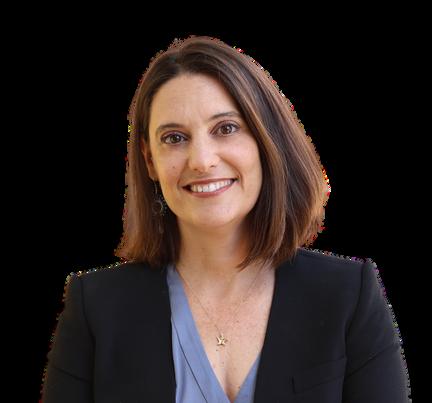
She leads the SARChI chair as a qualitative researcher specialising in ParticipatoryAction Research, herwork focuses on democratic innovations, informal urban governance, and civil society activism, particularly in relation to participation, inequality,andurbanjusticeintheGlobalSouth.
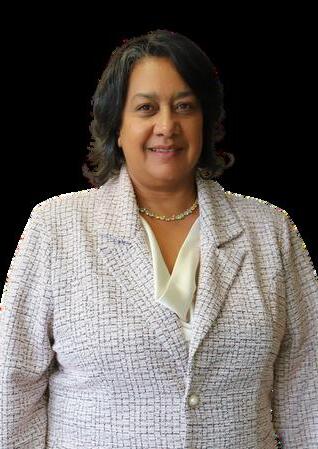

ProfPriscillaBakerisaSeniorProfessorofChemistryandan internationallyrecognisedelectrochemist.ProfBakeristhe2025
L’Oréal-UNESCO For Women in Science International Award winnerforAfricaandtheArabStatesandholdsanNRFB-rating. Shehasauthoredmorethan160peer-reviewedpublications, supervisedover59postgraduategraduates,andcontinuesto contribute significantly to science, innovation, and research developmentinternationally.ProfPriscillaBakerwasrecently recognisedwithoneofthecountry’shighesthonours,theOrder ofMapungubweinbronze,forheroutstandingcontributionto scientific research and leadership in science andtechnology, particularlyinthefieldofelectro-analyticalchemistry.
SheistheSARChIChairforAnalyticalSystemsandProcessesfor PriorityandEmergingContaminants(ASPPEC),wheresheleads pioneeringresearchonadvancedelectrochemicalsystemsforthe detectionandmonitoringofcontaminantsthatimpacthuman health,waterquality,andtheenvironment.Herworkcombines analyticalchemistry,sensordevelopmentandnanotechnologyto addresscriticalsocietalchallenges.
Prof Amiena Bayat is a development economist, scholar andpolicypractitioner,andActingDirectoroftheInstitute for Social Development at the University of the Western Cape.SheisaNelsonMandelaEconomicsScholarwithan MA in Development Economics from Williams College (USA) and a PhD in Economics from UWC. Her research focuses on povertyand inequality, education, sustainable livelihoods,localeconomicdevelopment,governance,and socialinvestment.

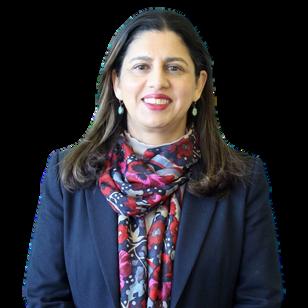
The DSTI-NRF-Sasol Foundation SARChI Chair in Local and Regional Economic Development investigates how education, skills development, enterprise support, infrastructure,andsocialinvestmentshapelivelihoodsand inclusive local economies. Through longitudinal research, the Chair generates evidence to inform public policy, strengthen programme effectiveness, and support equitable, sustainable development while fostering postgraduateresearchandcross-sectorcollaboration.

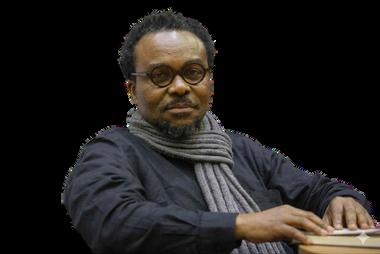
ProfChuxIwuisanacademicandresearcherinentrepreneurship education with a multidisciplinary background and extensive experience in enterprise development, innovation, and higher education.Heservesontheeditorialboardsofseveralscholarly publications, including the Palgrave Encyclopedia of Entrepreneurship and the Journal of Entrepreneurship and Innovation in Emerging Economies and contributes to entrepreneurship development through advisory roles within academiaandindustry.
TheSARChIChairinEntrepreneurshipEducationisdedicatedto advancingentrepreneurshipasacatalystforeconomicparticipation, innovation,andsustainablelivelihoods.TheChair’sresearchfocuses onthreekeypillars:lecturercompetency,curriculumadequacy,and pedagogicalsuitability.Bystrengtheningentrepreneurshipeducation and understanding the factors that encourage entrepreneurial activityamonggraduates,theChairseekstoaddressunemployment andsupportbusinesscreation.ThisworkalignswithSouthAfrica’s National Development Plan, the United Nations Sustainable DevelopmentGoals,andtheAfricanUnion’sAgenda2063.
ProfAdmireDube,aC2NRF-ratedresearcher,isaffiliatedwiththe SchoolofPharmacyandholdstheSARChIChairinNanomedicine and Infectious Diseases. He is a chemist with advanced degrees from Monash University and UWC who specialises in developing nanoparticles to enhance the treatment of infectious diseases, particularly tuberculosis. His translational research focuses on developing inhalable drug formulations and advancing nanomedicine therapies. To enhance his proficiency in nanomedicine research, ProfessorDube has supervised numerous postgraduate students and postdoctoral colleagues and has publishedextensively.

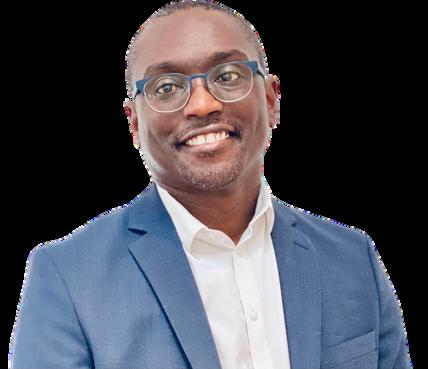
Underhis stewardship,the SARChI Chairemploys nanotechnology to enhance existing therapies and develop novel approaches to diseasessuchasHIV/AIDSandtuberculosis.TheChair'smissionis to ensure that technological advancements benefit patients and train a new generation of scientists, in accordance with the UN's Sustainable Development Goal 3 and South Africa's Health Innovationpriorities.

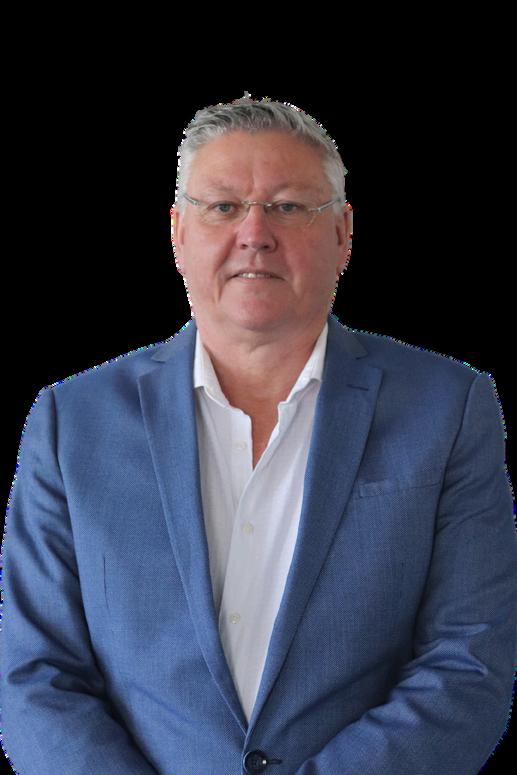
Prof Russell Kaschula is the HOD in the Department of African Language Studies, where he also holds the SARChI Chair in Forensic Linguistics and Multilingualism. Additionally, he serves as the Director of the African Centre for Applied Research in Forensic Linguistics. He has lectured at five institutions in South Africa and a liberal arts college in the United States. He has published extensively in Applied Language Studies, supervises over 80 postgraduate students, and holds a B1 rating with the NRF.
The SARChI Chair concentrates on the following topics: language in legal and educational systems, The Language of Justice and Record, African Authorship Attribution and Plagiarism, Comparative Forensic Linguistics, interpreters in SouthAfrica and globally, and new courtroom languages influenced by technology and media. These initiatives promote policy development, forensic linguistics, and multilingualism in South Africa and beyond.

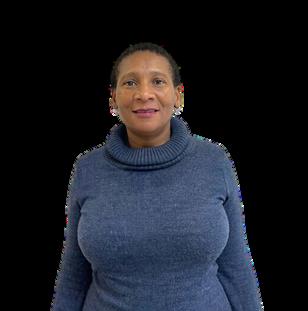
Prof Lindiwe Khotseng is a Full Professor of Chemistry and an internationally recognised expert in electrochemistry, electrocatalysis,andsustainableenergymaterials.SheholdsaPhD fromStellenboschUniversityandhasover20yearsofexperiencein electrochemical science and clean energy technologies, with more than 100 peer-reviewed outputs, an h-index of 28 and more than 2,000citations.SheholdsanNRFC2-rating.
She leads the SARChi Chair in Agricultural Waste for Sustainable Energy Transition, which focuses on transforming agricultural and biomass waste into high-value energy carriers and functional materialsforclean energyapplications.The Chairdevelops scalable and sustainable technologies for biofuels, advanced carbon-based materials,silica-derivedmaterials,andelectrocatalystsforfuelcells, batteries, and solar cells. Integrating green chemistry, nanotechnology, catalysis, and electrochemical conversion processes to improve energy efficiency, resource utilisation, and environmentalsustainability.

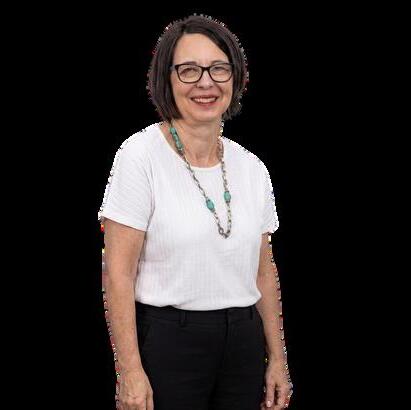
Prof Louise Leenen is an Associate Professor in the Computer Science Department and has been awarded a Research Chairin AI and Cybersecurity. She completed her PhD in Artificial Intelligence (AI) at the University of Wollongong in Australia in 2009. She joined UWC in 2019 after working as a Principal ResearcherattheCSIR.Shehasauthoredmorethan80journal publicationsandsheisaNRFC1ratedresearcher.
The SARChI Chair focuses on advancing AI for cybersecurity, particularly symbolic AI, constraint programming and hybrid approaches that integrate machine learning and reasoning. Objectives include building strong research groups, training MastersandDoctoralgraduates,mentoringemergingresearchers and fostering an African AI research community. It also emphasises science engagement and developing secure, transparent and trustworthy intelligent systems for real-world challenges.


Prof Nancy Stiegler is a Full Professor of Demography in the Department of Statistics and Population Studies and an established researcher in population studies, development, and socialpolicy.SheholdsanNRFC3-ratingandhaspublishedmore than50peer-reviewedarticlesandover150technicalreports.
ProfStiegleristheSouthAfricanSARChIChairinBigDataandthe Social Sciences, where she leads research focused on integrating traditionaldemographicdatawithemergingdigitaldatasourcesto strengthen evidence-based policymaking. Her work explores how big data analytics can address societal challenges related to poverty, inequality, migration, education and public health, while advancing interdisciplinary collaboration between social sciences and data science. She also supervises postgraduate research and contributes significantly to demographic and social development researchnationallyandinternationally.

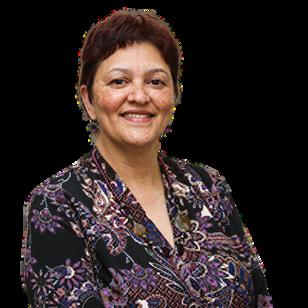
ProfJoy Papier is the Director ofthe Institute for Post-School Studies in the Faculty of Education, serves as Co-Chair of the African Union Commission Expert Group on TVET and is a leading researcher in vocational and post-school education. With more than 25 years’ experience in education, policy, development and research, her work focuses on teacher education, vocational curricula, youth unemployment, and access to learning opportunities for youth and adults. She holdsanNRFC2-rating.
Prof Papier is the South African SARChI Chair in Post-School Studies: TVET, where she leads research aimed at strengtheningTechnical andVocational Education andTraining systems, policy, and lecturer development in South Africa and across the African continent. Her research contributes to improving vocational education pathways and aligning skills developmentwithsocialandeconomicneeds.