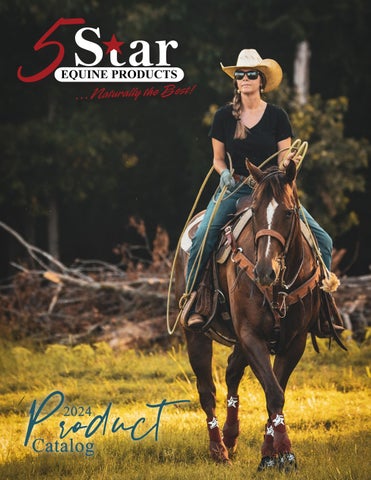
Welcome to 5 Star Equine Products, Inc.! We’re a family-owned and operated manufacturer of the world’s finest, all-natural saddle pads and mohair cinchas. 5 Star is owned and managed by Terry Moore and his family in Hatfield, Arkansas — a small community in the heart of the beautiful Ouachita Mountains in the west-central side of the state. Our employees make up a team of dedicated, hardworking individuals who care about producing the very best product possible for our customers. A fledgling saddle pad company was born in 1998, by Vern and Laurel Wells from Canada. It was known originally as Vern Wells Horseman products, then Wells 5 Star, and today as 5 Star Equine Products & Supplies, Inc. Although Vern’s passing soon after the company started was a difficult time, God’s providence brought the skills needed to grow the company in the shape of Mike Easton. Mike’s knowledge of wool, marketing, research, legal issues, and business development were what was needed. Mike developed 5 Star’s mission statement, and together with Laurel, they focused on procuring the finest quality materials, using the best workmanship, and providing customer service unequaled in the Equine industry. Shortly after joining their efforts for 5 Star, Mike and Laurel were married. The success of their pad inspired them to refine the design even further to improve conformation, movement, natural therapeutic comfort, strength and application. Terry Moore bought the company in 2012, with the promise never to compromise on quality and to continue to build the finest saddle pads and cinchas in the equine world.
We’re best known for our saddle pads, which are made from the highest-grade pressed industrial felt. Using nothing but 100% virgin wool, our saddle pads are developed using scientific research and intensive field testing to achieve the correct function, safety and benefit for your horse. We also manufacture a line of premiumquality cinches and breast collars made from 100% mohair for ultimate comfort and a natural fit on horses, ponies and mules.
Everything we make embodies the original values established by Vern and Laurel Wells back in 1998 and built upon by Mike and Laurel Easton. We’re committed to excellence in quality, craftsmanship and materials while maintaining the highest possible manufacturing standards to deliver the finest saddle pads and cinches money can buy. And, we back our products with friendly, customer service that’s second to none. Our goal is nothing less than 110% satisfaction for both our customers and their equine partners! Terry & Julia Moore, and Rachel Lowrey
2
Table of Contents 02 About Us
36-37 Aztec Styles
03 Table of Contents
38 Tribal Styles
04 The Rancher
39 Choctaw Cinches & Breast Collars
05 The All Around 06 The Roper
40-41 Fun Breast Collar Designs
07 The Performer
42-43 New Mohair Designs and Colors
08 The Barrel Racer
44-45 Mohair Halters
09 The Extreme Barrel Racer/The Wide Barrel
46 Basic Cinch Styles
10 The Pony Pad
47 Custom Cinches & Breast Collars
11 The Trail Rider
48 Mohair Swatches
12 The Reiner
49 Cinch Fit
13 The Endurance
50-51 Patriot Sport Boots
14 The Jockey
52 Custom Patriot Boots
15 The Treeless
53 Pegasus Bell Boots/Shin Guards
16 The Mountain Packer/Pad Liner/Mule Contour
54 Know the Difference
17 Fleece Lining
55-61 Articles
18 Wool Design/Features/Colors
62-63 Saddle Pad Care
19 Pad Thickness/Saddle Fit/Wool
64 Ordering Codes
20 Customizations
65 Ordering & Shipping
21 Embroidery 22 Accents 23 Buckstitch 24 Shims/Cutouts 25 Wither Options 26 - 27 Leather Chart 28 - 29 Limited Edition Pads/Hand Tooled Halters 30-31 English Pads 32-33 Cinches & Breast Collars 34-35 Vaquero Styles
Ordering Information
5 Star Equine Products, Inc. 4589 Hwy 71 S. Hatfield, AR 71945 870.389.6328 FAX: 870.389.6329
All orders and questions pertaining to orders are to be submitted to info@5starequine.com or faxed to 870.389.6329. 3
Design & Construction 5 Star’s contoured pad is the ORIGINAL western contoured saddle pad with a true french curve back line and wither slope. Special attention is given to wither height, back line, variance and hip placement which results in a GREAT FITTING SADDLE PAD that CONFORMS to the shape of you horse or mule without “break-in fitting”. 5 Star Equine uses products that are NATURALLY best for your equine friend. We use the best wool, mohair and leather products. We are proud to sell quality products, and we know you will use them with pride and confidence; because they are naturally the best!
FEATURES
Felt/Foam Grades
Compression Rating Tensile Strength
A All natural, 100% virgin wool felt pad. A Contoured, conformed fit. A Less cinching needed. A 3X more compression protection than synthetics
F10 Felt *
8.0 PSI
225
F11 Felt
6.0 PSI
200
F15 Felt
2.0 PSI
75
Needled Felt (stitched)
1.8 PSI
65
such as neoprene, gel and memory foam.
Open Cell Foam
2.0 PSI
75
A Even weight distribution & impact absorption. A 4X greater wicking ability. A Eliminates heat build up. A 2,000+ hours of maximum riding protection. A Soft & durable, easy clean up.
Closed Cell Foam
2.0 PSI
40
Memory Cell Foam
1.5 PSI or less
40
Tacky Tac
1.5 PSI or less
NA
Synthetic Fleece
1.0 PSI or less
NA
(Note: These are the foams and felts typically used for saddle pad materials.) A.M.T.A. Data * 5 Star Equine 100% Pure Wool (no synthetics).
PAD THICKNESS 1/2” Thick Pad - Great for showing, reigning, cutting or pleasure horses when you still need protection yet want to put a colorful blanket over the underpad for show purposes. 3/4” Thick Pad - An excellent all around saddle pad for those that need a daily exercise training pad and may also need to throw a blanket over it for the show ring. 7/8” Thick Pad - The best all around use saddle pad recommended for trail riding, team penning, cutting, reining and barrel racing. 1” Thick Pad - Designed with ranch work in mind. It is good for roping, performance, colt starting or heading the the mountains with lots of gear. 1 1/8” Thick Pad - Specially enginereed for ranch work, team roping, calf roping, steer stopping and performance.
IMPROVED SADDLE FIT No extra pad or blanket is necessary with the 5 Star contoured saddle pad. Double padding creates movement and slippage. This slippage is usually compensated for by over cinching. The contoured fit of our pads means a limited need for cinching with minimal saddle movement. Square cut pads do not follow a horse’s back contour. This can result in unnecessary pressure and improper saddle fit which may cause pain and injury to your horse or mule.
4
Why Use Wool?
The unique structure of wool fiber allows it to be pressed together with heat and steam to form a dense mat of FLEXIBLE RESILIENT and ELASTIC fiber, called felt. This ALL-NATURAL material has kinetic properties which enables it to ABSORB MOISTURE and WICKS it to drier areas as the concentrations increase. This wicking is what assists in HEAT REMOVAL. Research has proven that wool felt pads provide the BEST COMPRESSION PROTECTION for properly or improperly fitted saddles. Learn more about “Wool, the high tech material” at 5StarEquine.com.
WOOL COLORS
Natural (Dark Brown Leathers)
Black (Oro Russet Leathers)
Dark Chocolate (Aged Bark Leathers)
Dark Red (Dark Brown Leathers)
Royal Blue (Oro Russet Leathers)
Pink (Dark Brown Leathers)
Purple (Oro Russet Leathers)
Turquoise (Aged Bark Leathers)
5
THE RANCHER The Rancher pad is our thickest pad at 11/8” thick and was designed primarily with ranch work, long trail rides, steer roping, team roping and calf roping in mind.
Pad Specs: Size: Full Skirt/Performer (32” X 32”) Thickness:
1 1/8” Thick
32”
16”
100% Pure Wool Colors: 16WN-FS - 1 1/8” x 32” x 32”
Natural (N)
16WB-FS - 1 1/8” x 32” x 32”
Black (B)
6
THE ALL AROUND The All Around pad is great for trail riding, barrel racing, pleasure riding and roping.
Pad Specs: Size: Standard (30” X 30”) Thickness: 1/2”, 3/4”, 7/8”, 1”, 1 1/8” Thick *not all thicknesses are available in all colors
30”
15”
100% Pure Wool Colors: 16WN - 1 1/8” x 30” x 30” 1WN - 1” x 30” x 30” 2WN - 7/8” x 30” x 30” 3WN - 3/4” x 30” x 30” 4WN - 1/2” x 30” x 30” Natural (N) 1 1/8”, 1”, 7/8”, 3/4”, 1/2”
16WB - 1 1/8” x 30” x 30” 1W(B,C-DK) - 1” x 30” x 30” 2W(B,C-DK) - 7/8” x 30” x 30” 3W(B,C-DK) - 3/4” x 30” x 30” 4W(B,C-DK) - 1/2” x 30” x 30” Black (B)
Dark Chocolate (C-DK)
Black 1 1/8”, 1”, 7/8”, 3/4”, 1/2” Dark Chocolate: 1”, 7/8”, 3/4”, 1/2”
1W(RB, R, T) - 1” x 30” x 30” 2W(RB, R, T, PK, PU) - 7/8” x 30” x 30” 3W(RB, R, T, PK, PU) - 3/4” x 30” x 30”
Royal Blue (RB)
Dark Red (R)
Turquoise (T)
Pink (PK)
Purple (PU)
Royal Blue, Red, Turquoise: 1”, 7/8”, 3/4” Pink, Purple: 7/8”, 3/4”
7
THE ROPER The Roper pad is great for trail riding, barrel racing, pleasure riding and roping.
Pad Specs: Size: Roper (32” X 30”) Wide Barrel (32” x 28”) Thickness: 1/2”, 3/4”, 7/8”, 1”, 1 1/8” Thick
30”
*not all thicknesses are available in all colors
16”
100% Pure Wool Colors: 16WN - 1 1/8” x 30” x 30” 1WN - 1” x 30” x 30” 2WN - 7/8” x 30” x 30” 3WN - 3/4” x 30” x 30” 4WN - 1/2” x 30” x 30” Natural (N) 1 1/8”, 1”, 7/8”, 3/4”, 1/2”
16WB - 1 1/8” x 30” x 30” 1W(B,C-DK) - 1” x 30” x 30” 2W(B,C-DK) - 7/8” x 30” x 30” 3W(B,C-DK) - 3/4” x 30” x 30” 4W(B,C-DK) - 1/2” x 30” x 30” Black (B)
Dark Chocolate (C-DK)
Black 1 1/8”, 1”, 7/8”, 3/4”, 1/2” Dark Chocolate: 1”, 7/8”, 3/4”, 1/2”
1W(RB, R, T) - 1” x 30” x 30” 2W(RB, R, T, PK, PU) - 7/8” x 30” x 30” 3W(RB, R, T, PK, PU) - 3/4” x 30” x 30”
Royal Blue (RB)
Dark Red (R)
Turquoise (T)
Pink (PK)
Purple (PU)
Royal Blue, Red, Turquoise: 1”, 7/8”, 3/4” Pink, Purple: 7/8”, 3/4”
8
THE PERFORMER Great for reining, cutting, roping, trail riding and ranching.
Pad Specs: Size: Full Skirt (32” X 32”) Thickness: 1/2”, 3/4”, 7/8”, 1”, 1 1/8” Thick
32”
*not all thicknesses are available in all colors
16”
100% Pure Wool Colors: 16WN - 1 1/8” x 30” x 30” 1WN - 1” x 30” x 30” 2WN - 7/8” x 30” x 30” 3WN - 3/4” x 30” x 30” 4WN - 1/2” x 30” x 30” Natural (N) 1 1/8”, 1”, 7/8”, 3/4”, 1/2”
16WB - 1 1/8” x 30” x 30” 1W(B,C-DK) - 1” x 30” x 30” 2W(B,C-DK) - 7/8” x 30” x 30” 3W(B,C-DK) - 3/4” x 30” x 30” 4W(B,C-DK) - 1/2” x 30” x 30” Black (B)
Dark Chocolate (C-DK)
Black 1 1/8”, 1”, 7/8”, 3/4”, 1/2” Dark Chocolate: 1”, 7/8”, 3/4”, 1/2”
1W(RB, R, T) - 1” x 30” x 30” 2W(RB, R, T, PK, PU) - 7/8” x 30” x 30” 3W(RB, R, T, PK, PU) - 3/4” x 30” x 30”
Royal Blue (RB)
Dark Red (R)
Turquoise (T)
Pink (PK)
Purple (PU)
Royal Blue, Red, Turquoise: 1”, 7/8”, 3/4” Pink, Purple: 7/8”, 3/4”
9
THE BARREL RACER
Great for barrel racing and trail riding.
RFB
RBO
Pad Specs: Size: Barrel (30” X 28”) Thickness: 1/2”, 3/4”, 7/8”, 1”, 1 1/8” Thick
28”
*not all thicknesses are available in all colors Pad Code: -B
15”
THE WIDE BARREL RACER
Great for the barrel racing saddle that has lower rigging or for your customizations to show around the perimeter of your saddle.
Pad Specs:
16”
Size: Wide Barrel (32” X 28”) Thickness: 1/2”, 3/4”, 7/8”, 1”, 1 1/8” Thick *not all thicknesses are available in all colors
10
28”
THE EXTREME BARREL RACER
Great for the barrel racer who likes to feel their horse with close leg contact.
27”
13.5”
11.75” 15.25”
Pad Specs: Size: Extreme Barrel (30.5” X 27”) Extreme Barrel XL (30.5” X 30”) Thickness: 1/2”, 3/4”, 7/8”, 1”, 1 1/8” Thick *not all thicknesses are available in all colors
Pad Code: -EB Flex Fit and Split Back are standard on this pad.
THE CLOSE CONTACT BARREL RACER
Pad Specs: Size: Barrel (30” x 28”) Thickness: 1/2”, 3/4”, 7/8”, 1”, 1 1/8” Thick
28”
*not all thicknesses are available in all colors
14.25”
11
11.5”
15”
THE DROPPED RIGGING BARREL RACER Great for barrel racing and trail riding.
Pad Specs: Size: DR Barrel Racer (32” X 28”) Thickness: 1/2”, 3/4”, 7/8”, 1”, 1 1/8” Thick
28”
*not all thicknesses are available in all colors
13.25”
THE TRAIL RIDER
16”
Pad Specs: Size: Trail Rider XL (32” X 30”) Thickness: 1/2”, 3/4”, 7/8”, 1”, 1 1/8” Thick
30” (XL)
*not all thicknesses are available in all colors
13.25”
16”
The Trail Rider was originally designed to fit the Tucker High Plains Saddle. It is great for saddles with dropped rigging.
12
THE Pony Pad Great for smaller saddles.
Pad Specs: Size: Pony Pad (26” X 26”) P2 (24” X 24”) P3 (22” X 22”) Thickness: 1/2”, 3/4”, 7/8”, 1”, 1 1/8” Thick
26” 24” 22”
No Gullet Hole wither option is standard on this pad.
13” 12” 11”
13
THE REINER The butterfly cut close contact reiner saddle pad is perfect to complement butterfly saddle skirts, and it enables you to maintain that “close contact” feel with your horse.
Pad Specs: Size: Reiner (30” X 30”) Barrel (30” x 28”) Full Skirt (30” x 32”) Thickness: 1/2”, 3/4”, 7/8”, 1”, 1 1/8” Thick
30” or 32” (FS)
14.25”
11.5”
100% Pure Wool Colors: 16WN - 1 1/8” x 30” x 30” 1WN - 1” x 30” x 30” 2WN - 7/8” x 30” x 30” 3WN - 3/4” x 30” x 30” 4WN - 1/2” x 30” x 30” Natural (N) 1 1/8”, 1”, 7/8”, 3/4”, 1/2”
16WB - 1 1/8” x 30” x 30” 1W(B,C-DK) - 1” x 30” x 30” 2W(B,C-DK) - 7/8” x 30” x 30” 3W(B,C-DK) - 3/4” x 30” x 30” 4W(B,C-DK) - 1/2” x 30” x 30” Black (B)
Dark Chocolate (C-DK)
Black 1 1/8”, 1”, 7/8”, 3/4”, 1/2” Dark Chocolate: 1”, 7/8”, 3/4”, 1/2”
1W(RB, R, T) - 1” x 30” x 30” 2W(RB, R, T, PK, PU) - 7/8” x 30” x 30” 3W(RB, R, T, PK, PU) - 3/4” x 30” x 30”
Royal Blue (RB)
Dark Red (R)
Turquoise (T)
Pink (PK)
Purple (PU)
Royal Blue, Red, Turquoise: 1”, 7/8”, 3/4” Pink, Purple: 7/8”, 3/4”
14
15”
THE ENDURANCE Great for barrel racing and trail riding.
Pad Specs: Size: Endurance (32” X 28”) Thickness: 1/2”, 3/4”, 7/8”, 1”, 1 1/8” Thick
25” Spine
*not all thicknesses are available in all colors
28” Longest Point 9” 16” The Endurance was originally designed to fit the Tucker Trooper Saddle. 100% Pure Wool Colors: 16WN - 1 1/8” x 30” x 30” 1WN - 1” x 30” x 30” 2WN - 7/8” x 30” x 30” 3WN - 3/4” x 30” x 30” 4WN - 1/2” x 30” x 30” Natural (N) 1 1/8”, 1”, 7/8”, 3/4”, 1/2”
16WB - 1 1/8” x 30” x 30” 1W(B,C-DK) - 1” x 30” x 30” 2W(B,C-DK) - 7/8” x 30” x 30” 3W(B,C-DK) - 3/4” x 30” x 30” 4W(B,C-DK) - 1/2” x 30” x 30” Black (B)
Dark Chocolate (C-DK)
Black 1 1/8”, 1”, 7/8”, 3/4”, 1/2” Dark Chocolate: 1”, 7/8”, 3/4”, 1/2”
1W(RB, R, T) - 1” x 30” x 30” 2W(RB, R, T, PK, PU) - 7/8” x 30” x 30” 3W(RB, R, T, PK, PU) - 3/4” x 30” x 30”
Royal Blue (RB)
Dark Red (R)
Turquoise (T)
Pink (PK)
Purple (PU)
Royal Blue, Red, Turquoise: 1”, 7/8”, 3/4” Pink, Purple: 7/8”, 3/4”
15
THE JOCKEY TRAINER The Jockey Trainer is specially cut to fit the needs of race horses and is used as a training or practice pad for ultimate protection.
Pad Specs: Size: Jockey (31.5 X 32””) Thickness: 1/2”, 3/4”, 7/8”, 1”, 1 1/8” Thick
6”
*not all thicknesses are available in all colors
15.75
100% Pure Wool Colors: 16WN - 1 1/8” x 30” x 30” 1WN - 1” x 30” x 30” 2WN - 7/8” x 30” x 30” 3WN - 3/4” x 30” x 30” 4WN - 1/2” x 30” x 30” Natural (N) 1 1/8”, 1”, 7/8”, 3/4”, 1/2”
16WB - 1 1/8” x 30” x 30” 1W(B,C-DK) - 1” x 30” x 30” 2W(B,C-DK) - 7/8” x 30” x 30” 3W(B,C-DK) - 3/4” x 30” x 30” 4W(B,C-DK) - 1/2” x 30” x 30” Black (B)
Dark Chocolate (C-DK)
Black 1 1/8”, 1”, 7/8”, 3/4”, 1/2” Dark Chocolate: 1”, 7/8”, 3/4”, 1/2”
1W(RB, R, T) - 1” x 30” x 30” 2W(RB, R, T, PK, PU) - 7/8” x 30” x 30” 3W(RB, R, T, PK, PU) - 3/4” x 30” x 30”
Royal Blue (RB)
Dark Red (R)
Turquoise (T)
Pink (PK)
Purple (PU)
Royal Blue, Red, Turquoise: 1”, 7/8”, 3/4” Pink, Purple: 7/8”, 3/4”
16
32” Longest Point
THE TREELESS The NEW redesigned treeless pad is made to drop down below the rigging of a treeless saddles. Now with a higher “no gullet hole” wither!
Pad Specs: Size: Treeless (38” X 27.5”) Treeless XL (38” x 30”) Thickness: 7/8”, 1”, 1 1/8” Thick
27.5”
*not all thicknesses are available in all colors
9”
THE TREELESS ROUND SKIRT 19” The round skirt option has the same measurements as our square skirt treeless pad, but the rounding is cut slightly higher for round skirted saddles.
100% Pure Wool Colors: 16WN - 1 1/8” x 30” x 30” 1WN - 1” x 30” x 30” 2WN - 7/8” x 30” x 30” 3WN - 3/4” x 30” x 30” 4WN - 1/2” x 30” x 30” Natural (N) 1 1/8”, 1”, 7/8”, 3/4”, 1/2”
16WB - 1 1/8” x 30” x 30” 1W(B,C-DK) - 1” x 30” x 30” 2W(B,C-DK) - 7/8” x 30” x 30” 3W(B,C-DK) - 3/4” x 30” x 30” 4W(B,C-DK) - 1/2” x 30” x 30” Black (B)
Dark Chocolate (C-DK)
Black 1 1/8”, 1”, 7/8”, 3/4”, 1/2” Dark Chocolate: 1”, 7/8”, 3/4”, 1/2”
1W(RB, R, T) - 1” x 30” x 30” 2W(RB, R, T, PK, PU) - 7/8” x 30” x 30” 3W(RB, R, T, PK, PU) - 3/4” x 30” x 30”
Royal Blue (RB)
Dark Red (R)
Turquoise (T)
Pink (PK)
Purple (PU)
Royal Blue, Red, Turquoise: 1”, 7/8”, 3/4” Pink, Purple: 7/8”, 3/4”
17
THE MOUNTAIN PACKER The mountain packer pad is great for pack horses and mules.
The Mule Contour
Pad Specs:
1WN-MP - 1” x 43” x 33 1WN-MP-M - 1” x 43” x 33
Size:
Standard (43” X 33”)
Thickness:
1” Thick
*not all thicknesses are available in all colors
Grey (N) 1” -M for mule contour.
The mule contour is perfect for mules and mutton withered horses. This contour is available on all 5 Star pads. Please specify when ordering as the horse contour is standard.
THE PACK CINCH The pack cinch is a unique cinch with double rings created to secure the load on your pack horse or mule.
THE PAD LINER
The pad liner is a great accessory to extend the life of your 100% pure wool pad. Custom liner sizes are available. 5ON-11-B - 1/4” x 30” x 28” 5ON-11 - 1/4” x 30” x 30” 5ON-11-FS - 1/4” x 32” x 32” 5ON-11-W - 1/4” x 32” x 30” 5ON-11-HP or HP-XL - 1/4” x 32” x 28” or 30” 5ON-11-TL or TL-XL - 1/4” x 38” x 28” or 30 3/4” Natural (N) 1”
Pad Specs: Size: Barrel (30” X 28”) Standard (30” X 30”) Full Skirt (32” X 32”) Wide Skirt (32” X 30”) Trail Rider (32” x 28” or 30”) Treeless (38” X 28” or 30 3/4”) Thickness: 1/4” Thick
18
FLEECE LINING 100% PURE Wool Fleece lining is an option on any 5 Star Pad.
5 Star’s fleece is a super plush, all-natural wool fleece with no synthetic materials. It offers the same qualities as our 100% pure wool felt and offers the best protection for your horse!
Why Fleece? - Fleece provides another thermal balance layer to help wick away heat from the horses back. It can absorb 30% of its weight in moisture with better breathability. 100% all natural fleece is more flexible than other synthetic fleece products and has a longer life expectancy. It is super soft and “takes away the itch” for sensitive horses. Fleece rejects bacteria in moisture, is odor resistant, and anti-microbial all while being easy to clean! Order a size thinner pad when ordering fleece. Example: If you normally use a 7/8’, order a 3/4’ when fleece is added.
PAD CARE & CLEANING 5 Star Rubber Sponge Every 5 Star pad comes with a FREE rubber sponge. Replacement sponges are available. Prevent dirt and hair build-up on the underside of the pad by brushing occasionally. This keeps old hair from trapping dirt and sweat and embedding it deep into the pad. To remove embedded hair and dirt, rotate a dry 5 Star cleaning sponge in a circular motion on dry pad.
PH Neutral Saddle Pad Cleaner - safe for your 100% PURE wool saddle pads! CLEANS+FRESHENS+PRESERVES+SOFTENS Superior cleaning for wool and other types of saddle pads. Breaks down and softens the tough crust, sweat, grime and hair. Use regularly to improve the look, smell and feel of your pad while extending its useful life. Works on horse blankets, tack, carpets, clothing, boots, and even cleans your truck and trailer.
19
WEAR LEATHER LENGTHS
LEATHER PATCH OPTIONS
CUSTOM SADDLE PADS
20
EMBROIDERY Leather patches, embroidery, inlays, crystals, spots, buck-stitch and fringe are available to customize your 5 Star pad.
Eagle in Flight
Cowboy Praying
US Flag
Modern Rainbow
Cowgirl
Pegasus Solid
Faith Heart
BREAST COLLAR
Little Unicorn
Princess
Custom embroidery is available by emailing info@5starequine.com for a quote. Strength Cross
Faith Hope Love
FRONT WEAR LEATHER EMBROIDERY
RBW 3 Initials
Faith Heart
5 Star Brand
21
RL Initials
J M L Jewel Monogram
Text
(up to 8 characters)
EMBROIDERY & INLAYS
SPOTS
Add spots to your wear leathers in style or teardrop style.
Silver
Gold
Turquoise Pearl
CRYSTALS
Antique
Ivory Pearl
Edge
Tear Drop
22
BUCK STITCHING
HAND TOOLED PATCH
Unicorn
Teal Rose
Sunflower
Feathers
23
Headdress
WOOL SHIMS
CUTOUT OPTIONS
CCO - Cinch Cutout
LCO - Leg Cutout
MCO - Extreme mule back cutout is also available by request. This cutout helps with kissing spine and other problem areas that mules often have. Customization is available. Call us at 870-389-6328 for a consultation.
24
GULLET OPTIONS
NGH - No Gullet Hole
Standard Gullet Hole
25
FF - Flex Fit
LEATHERS Standard Leathers
Aged Bark SL1
Latigo SL2
Oro Russet SL4
Brown SL3
Black SL5
Stamped Leathers Python
Ivory Python
S82
Laredo
Multi Turquoise Python
Chocolate Laredo
Red Bronze Laredo
S90
Royal Blue Laredo
S31
S88
Sky Blue Copper Laredo S128
Blue Jean Laredo S137
S30
Other
Cowboy Tool
Brown Cowboy Tool
S6
Turquoise Brown Cowboy Tool S71
Grey Cowboy Tool
S55
Black Cowboy Tool
S96
Violet Feathers
S91
Topaz Blue Croc
S108
Caracol Brown
S84
S138
S79
S105
Feathers
Turquoise Pink Cowboy Tool
Ivory Gold Cowboy Tool
Magenta Gold Cowboy Tool
Dallas Turquoise
S115
Croc
Antique Iron Feathers
S11
Deep Purple Croc
S19
Mini Ivory Chocolate Feathers
S134
Dark Lagoon Croc
S73
Mini Sepia Turquoise Feathers
Turquoise Brown Croc
S133
Flamingo Croc
S67
S124
Black Silver Croc
S21
26
Sky Grey Metallic Croc
S127
White Gold Croc
S112
White Rainbow Croc
Brown Copper Croc
S111
S135
Turquoise Copper Croc
S129
Grey Croc
S117
LEATHERS Stamped Leathers Aztec
Copper Aztec
S26
Turquoise Brown Aztec
S27
Turquoise Copper Aztec
Pink Aztec
Rio Aztec
S25
S28
Roses
Imperial Red Roses
S99
London Sky Aztec
S143
S141
Navajo
Savannah Roses
S100
Turquoise Brown Roses
Deep Purple Roses
S110
Purple Navajo
S107
S109
Coral Mint Navajo
Turquoise & Brown Navajo
S85
S42
Hair on Hide Leathers Exotic
Jaguar
Brindle
Baby Cheetah
S49
S95
S93
Exotic Acid Wash
White Rainbow Acid Wash
S53
Silver Holographic Purple Acid Wash Acid Wash S104
S116
Beige Turquoise Acid Wash
Golden Leopard
Artisan Southwest Chic
Aztec Nativo
S119
S132
Artisan Leathers
Artisan Cactus Plant
S74
Artisan Serape
S60
Turquoise Red Navajo
S97
S76
S113
27
Beaded Blue Navajo
S130
Serape Sedona
S120
LIMITED EDITION PADS
Limited edition pads are hand tooled and hand painted.
The Fighter: Natural
The Fighter: Pink
The Vintage Teal Rose
Natural (Dark Brown Leathers)
The Freedom Rider: Red
The Mountain Bluebird
The Vintage Purple Rose
The Vintage Red Rose
The Fairytale Unicorn: Natural
The War Pony
The Eagle Pass
The Classic Sunflower
The Dreamcatcher: Natural
The Rainbow Bright
(Available with turquoise, red, black or purple paint.)
28
The Painted Classic: Black
The Superstar
The Dream Warrior
The Fairytale Unicorn Pink, Purple, Turquoise or Natual
The Painted Classic: Natural
The Western Classic
The Wild and Free
(Available with turquoise, red, black or purple paint.)
Hand Tooled & Hand Painted Halters Hand-Tooled and Painted Halters Nylon Halter color choices: Black, Brown, Purple, Navy, Red, Sand, Turquoise
Diamond Beads
Diamond Beads
Red Roses
Pink Roses
Oakleaf with Name
29
ENGLISH PADS 100% Wool Felt for impeccable saddle fit and maximum protection for both horse and rider’s backs during training and showing.
The Half Pad with Fleece Rolls - FLCR
The Half Pad
The 5 Star Half Pad: Size: (22 1/2” X 22 3/4”) Thickness: 1/4”, 1/2”, 3/4” Thick 1/4” felt is white. 1/2” and 3/4” felt is natural/oatmeal in color.
(EH)
The Half Pad Fully Lined - FLCF
25” Spine
22 3/4” 8” 12”
5 Star’s Half Pad offers spine leather customization with custom embroidery.
30
100% Pure Wool Colors: 3(PAD CODE)(N,B,C-DK) - 3/4” x 22 1/2” X 22 3/4” 4(PAD CODE)(N,B,C-DK) - 1/2” x 22 1/2” X 22 3/4”
5(PAD CODE)N 1/4” X 22 1/2” X 22 3/4”
Natural (N)
Natural (N)
Natural/White:1/2”
Natural: 1/2”, 3/4” Black: 1/2”, 3/4” Dark Chocolate: 1/2”, 3/4”
Black (B)
31
Dark Chocolate (C-DK)
ROPER CINCHES
100% all-natural mohair roper cinches available in woven or tied/woven styles in natural, solid, candystripe or pinstripe. Diamond pattrens are also available.
100% all-natural mohair cutter style cinches available in tied, woven or tied/woven styles in natural, solid, candystripe or pinstripe. Diamond patterns are also available.
32
CUTTER CINCHES
Y-CINCHES
STRAIGHT CINCHES
33
VAQUERO STYLES
34
35
AZTEC STYLES
36
AZTEC STYLES 37
TRIBAL STYLES
Breast Collar: TBC09cc-234-sfO
38
CHOCTAW BREAST COLLARS Matching cinch with center stripe available - your choice of cany-striped colors.
See chart on page 36 for all available colors.
CHOCTAW CINCHES & BREAST COLLARS
WBC23cc-201-ssO (Choctaw Breast Collar) WR31cc-201-ssD (Choctaw Roper Cinch)
39
FUN DESIGNS
Cactus A: TBC09cc-237-sfD A
Cactus B: TBC09cc-237-sfD B
Cactus C: TBC09cc-237-sfD C
Flower Power: TBC09cc-238-sfD
Cross B: TBC09cc-233-sfD B
Sunflower A: TBC09cc-233-sfD A
Cross D: TBC09cc-233-sfD C
Sunflower D: TBC09cc-239-sfD D 40
FUN DESIGNS
Mustang: WBC11cc-240-sfD
Serape D: TBC09cc-236-sfD D
Sunflower C: TBC09cc-239-sfD C
Serape E: TBC09cc-236-sfD E Serape F: TBC09cc-236-sfD F
Serape C: TBC09cc-236-sfD C
Serape G: TBC09cc-236-sfD G
Thunderbird A: TBC09cc-241-sfD A
Thunderbird B: TBC13cc-241-sfD B
41
DIAMOND BURST 100% all-natural mohair breast collars offer the comfort that your equine partner deserves.
Diamond Burst: TBC11-cc-243-sfD B
Diamond Burst: TBC11-cc-243-sfD A
LAKOTA BREAST COLLAR
QUAPAW BREAST COLLAR
Lakota: TBC09cc-244-sFD A
Quapaw: TBC09cc-245-sfD A
ROPER OPTIONS
The Fireburst Cincha WR31CC-252-SSD
The Buckaroo Cincha WR31CC-251-SSR
The Roper Cincha 227 WR31cc-227-ssD 42
ROPER OPTIONS
The Roper Cincha WR31ns-200-SSR
The Roper Breast Collar - Woven WBC31ns-200-ssO
43
MOHAIR HALTERS
A. C.
B.
D. F.
E.
G.
44
H. I.
K.
N.
J.
M.
L.
O.
P.
45
BASIC CINCH STYLES
Traditional Tied Cinches
Buckle Styles T19cc-220
T19ns-220
T19ns-200
T19cs-200
General Size: 3” wide
sbD
sb3
ab9
Cutters Woven
Tied & Woven
TWC31cc-200
WC30ps-200
WC31cs-200
WC31ns-200
ssD
ss9
Ropers
ab3 Woven
ss3
ssO
sfO
Tied & Woven
TWR31cc-200
WR30ps-200
WR31cs-200
• •
sbO
ssr
ssr-2
sb - Solid Brass ss - Stainless Steel ab - Antiqued Solid Brass sf - Stainless Floral
Woven cinches can have any buckle. Tied & Woven can only have a buckle with a mid-bar (ss3, sb3, ab3, sb9, ss9) Buckle changes, an additional keeper, diamonds and trim can be added for an upcharge.
46
CUSTOM CINCHES & BREAST COLLARS
Diamond Patterns WC31-cc-226b-sb3
WC31-nc-222-ssD
WR31cc-226-ssD
WR31cc-222-ssD Roper
Cutter
WYR29/19ns-200-ssD
WY29/19ns-200-ssD 47
WBC30ps-200
WBC31cc-226
WBC31cs-200
WBC31ns-200
Y-Cinches
48
HOW TO DETERMINE IF YOUR CINCH FITS YOUR HORSE • • • • •
After unsaddling check for swelling and puffiness in the area of the cinch ring on western cinches. If swollen DO NOT IGNORE. Swelling in the cinch ring area indicates that your cinch is too long. If your saddle rolls, it could indicate that your cinch is too long as well, however we find that most HOW DETERMINE YOUR saddle TO rolling is because ofIF saddle fit. CINCH FITS YOUR HORSE If your horse is not comfortable, the cinch may be too long.
• After unsaddling check for swelling and puffiness in the area of the cinch ring on western cinches. • If swollen DO NOT IGNORE. • Swelling in the cinch ring area indicates that your cinch is too long. DANGERS FROM OVERTIGHTENED CINCHES • If your saddle rolls, it could indicate that your cinch is too long as well, however we find that most saddle rolling is because of saddle fit. • •It adds too much pressure to thetheexterior vein. If your horse is not comfortable, cinch may be too long.
• • • •
Too much pressure traps and slows blood flow, stresses blood vessels, a nd is harmful to capillaries.
DANGERS FROM OVERTIGHTENED It can cause bruising of other soft tissues. CINCHES It can cause damage to “heart girth” area.
•It can It adds too much pressure to the exterior vein. cause sore backs. • Too much pressure traps and slows blood flow, stresses blood vessels, and is harmful to capillaries. • It can cause bruising of other soft tissues. • It can causeON damage to “heart girth” area. OTHER TIPS CINCHING • It can cause sore backs.
• • • • • •
Check cinch for wrinkles before tightening. Tighten cinch only enough to secure saddle and prevent saddle roll. Keep your cinch clean. • Check cinch for wrinkles before tightening. surecinch you use properly fittingsaddle cinch. •Make Tighten only aenough to secure and prevent saddle roll. Always check cinch for tears or buckle damage. • Keep your cinch clean. use a cinch has damage to the cords or the buckle. •Never Make sure you usethat a properly fitting cinch.
OTHER TIPS ON CINCHING
• •
Always check cinch for tears or buckle damage. Never use a cinch that has damage to the cords or the buckle.
49
Rear Boots are 2” taller
50
THE PATRIOT BOOT
Patriot Boot Codes:
Black: 1
Royal: 2
White: 3 Cinnamon: 10
Red: 4
Purple: 8
Pink: 9 Turquoise: 11 Patriot Sport Boots: 5S20-SIZE-COLOR Rear Patriot Sport Boots: 5S20R-SIZE-COLOR Boot Sizing:
Cheetah: 12
•
Small - 7” & Under
•
Medium - 8” & Under
•
Large - 9” & Under
Limited Edition Cheetah Patriot Sport Boots: 5S20-SIZE-12-STRAP COLOR Limited Edition Rear Cheetah Patriot Sport Boots: 5S20R-SIZE-12-STRAP COLOR
51
THE SHIELD BELL BOOT
Protect your horse from serious injury due to overreaching with The Shield NO-TURN bell boots, which cover the front feet from the pastern over the coronary band and the hoof wall down to the heel. • protection • durability • comfort
Black: BK
Made from highly durable material designed to last.
Color Options: Black: BK Blue: BL White: WH Red: RD Purple: PR Pink: HP Key Lime: KL Cheetah: CH Tie Dye Leopard: TD Turquoise: TL
Tie Dye Leopard: TD
The Shield Bell Boot: OE-SIZE-COLOR Size Code: Small - 210, Medium - 220, Large - 230
Cheetah: CH
52
SHIN GUARDS
Black: 1
Cheetah: CH Shin Guards: 5S12-SIZE-COLOR
The 5 Star Shin Guards are made from a 100% neoprene sleeve with a breathable spandex back to ensure a close yet comfortable fit. Features a high density breathable foam along the shin to absorb shock upon impact for ultimate protection. Low profile to stay unnoticed under any pair of jeans. Available in Black. Sizes: Small/Medium (Code 1) and Large/Extra Large (Code 3). Sizing: Measure your calf at the largest point. Measurements of 15.5 and under will need a size small/medium. Size large/XL will measure 15.75 and above.
53
54
Saddle Pads & What Manufacturers Don’t Tell You! By Mike Easton Content Review – Dr. Joyce Harman, D.V. M., Equine Research Specialist
Marketing of saddle pads has become big business. All one has to do is make a web search and you will find over 15 pages of manufacturers. Each pad company puts various marketing emphasis on their products. Emphasis ranges from comfort, fit, durability, ease of cleaning, cooling, compression protection, performance, close contact, blood flow to animal’s back and the list goes on. Pad manufacturers “bias” their marketing labels to sell pads—bottom line! For instance, one manufacturer uses the term “wool like” on their label; another very expensive blanket/pad combination has the symbol used by the American Wool Council on the wear leather and yet close examination of the item shows it has a synthetic backed fleece, open cell foamed backed inner core and wool blend weave on top; another uses technical flattery – two layers of air cells and ultra shock foam core producing lock down effect that eliminates slippage Therapeutic is another big leader such as open cell medical memory foam, medical felt and increase oxygen, energy, and muscle recovery. And all of the claims of being 100% wool only cloud the marketing hype.
used horses on a regular basis the horses were changed often, so soring was never a major concern. It appears that the 1960’s began the era of synthetics. Dr. Robert Miller, DVM and noted author commented that early in his California practice in the 60’s, some of his clients started complaining about white spots and wither soring which had not occurred previously. Then one day he happened to spot an advertisement in a magazine for foam pads. Further investigation revealed his clients had switched to the new pads. Most of the early foams were closed cell mattress or seating type materials never intended for compression protection with severe impact. It has not been until the last 20 years and the desire for perfection in saddle fit to enhance performance, that much thought was given to saddle pads. But as popularity of recreational riding and showing gained momentum more effort was put into the study of saddle fit and related accessories. Dr. Joyce Harman, DVM, an equine specialist, has spent the last fifteen years studying saddle fit. Dr. Harman wanted to know how saddle fit affected performance and what constituted good fit. However, as she studied saddle fit she realized the need to also assess what impact pad material had on saddle fit results. Her new book discusses findings with English style saddle fit and what to look for with pad materials. At some future date her findings on Western saddles will be available.
Another glaring example of manufacturers of foam pads contradicting themselves is when they were interviewed for an article for Equestrian Retailer, July 2004, Vol. 7, No. 2. They give their bias on the benefits of neoprene products and then later state, “Manufacturers advise riders and trainers not to leave neoprene pads on horses for long periods of time because they build heat and moisture.” And this makes no difference whether the pad is perforated or waffled. It is impossible to channel air as they like to make one believe. You can see that with catchy terms a saddle pad purchaser can easily be misled when trying to find the best compression protection, wicking and durability possible for their horse. Hopefully we can help you to understand some of the physical properties of pad materials simply by looking and feeling the pads surface and knowing where to find correct information.
SADDLE FIT
Before addressing the aspects of saddle pad materials one cannot over emphasize the importance of good saddle fit. If the saddle does not fit correctly soring will take place. Additional padding is only a temporary fix and will not solve the problem. In most instances if you are having problems with a pad staying in place you have to take a hard look at how the tree in your saddle fits the conformation of your horse. Because of expense, it is not practical to be changing saddles all the time so it is then necessary to find correct pad material that will stay in place, provide maximized compression protection and cooling.
SADDLE PAD HISTORY
Historically, saddle pads ranged from animal hides, to woven animal hair, to crude felts, to exotic linens, to woven blankets and today’s modern industrial materials. Old timers remember the hair, felts and blankets. Not much thought was given to saddle fit and if a horse became sore many riders added another layer and cinched a little tighter. It is important to remember that when ranchers
MATERIALS
The primary materials used in saddle pads today are open and closed cell foams, synthetic felts, needled felts, pressed industrial felts, woven blankets, gel packs, synthetic cloth, and air bladders. What is interesting about all of these materials is NOT ONE of them was ever originally designed to be used as a saddle pad. Foams are petroleum and rubber based materials designed for sound proofing and impact resistance for automotive and aerospace industry. Felts were used for bedding, bearing cushions, lubrication wicks, sound proofing and cushioning in the same industries. Gel packs and air-bladder materials were designed for severe impact blows and mild weight distributions for auto racing, mattress industry and football helmets. Within the last 15 years another material, known as Tacky Tack was developed as shelving material for the food industry. Memory foam is another product that has just recently cropped up and is nothing more than a tightgrained open cell foam with low compression rating used in the mattress industry where impact applications are limited.
55
Now one would think that these would provide exactly what would be needed for saddle pad materials. Maybe and maybe not, but first a more detailed description of each. Foam pads consist of two types of materials: 1. Closed cell – cellular rubber [neoprene] and 2. Open cell – polyurethane. There is also a closed cell, cross-linked polyethylene foam, but it is seldom used in pads. Close inspection will reveal that the closed cell foam has a very tight fine grain. Whereas, the open cell foam has small holes and a grainy look generally. The closed cell foam normally has a more elastic and smoother feel. There are of course exceptions to these descriptions, but we are generally referring to what is used in saddle pad construction. Color is normally black, white or gray. With either of these foams it really does not matter if you know the difference because the compression ratings are about the same. Neither has wicking ability and both trap heat. If it is open cell foam used as filler just remember that compression protection is extremely poor. Closed cell foams tend to send pressure points through to the horse’s back, but can be supportive if under a heavy saddle. Open cell foams will bottom out but do not interfere with saddle fit by being too thick. Gel Pak Pads are simply heavy mill vinyl/plastic bladders that are filled with a non-hardening gel material. The intent behind development of this product system was to find a material base that would lessen severe impact from a sharp force. In other words it would gradually give with the impact. Evaluation of this material when used in saddle pads works fine when used for only a short time period (30 minutes). But with any movement after that period of time they will bottom out. This leaves no compression protection below any pressure points that might exist in a saddle. This happens because the gel is pushed aside. The other major down-side to pads with gel paks is the plastic bladder as it traps heat and has zero wicking ability. These Gel Paks are normally bonded between other synthetic products. And even if they were bonded with a better grade of felt no real benefit is gained because compression protection is no better than the felt by itself and it adds unnecessary weight. Air bladders or air cell pad material simply are different forms of creating an air mattress. They will conform to conformation of animal and saddle bars, but they are harder to keep in place because of constant ripple effect, like in an air mattress or waterbed. They will work with limited riding (30-45 minutes) but for a hard days work they trap heat. Air can have very limited compression protection because of the bottoming out effect similar to Gel Pak pads. Air also becomes quite hard under the pressure of the saddle, and though it gives an even surface the pressures are higher than most other materials. Most of these types of pads have to be bonded with some other synthetic material and those that are not are very tacky when sweaty. Manufacturers try and convince you that airflow keeps them cool under the saddle. Again this is not possible with a saddle that fits correctly.
vibrating pressure from needles that lock the fibers over the top of each other. “Pressed industrial” felt is made by heat, steam and oscillating pressure that locks the wool fibers together by sticking fibers to each other. In this case fibers are able to lock to each other because of the outer surface structure of each individual fiber. It requires a separate technical article to show why this process works. Needled felts are easy to spot. They have horizontal and vertical holes evenly spaced on both sides of the felt. Because of high concentrations of synthetic material in them they are generally shiny, slippery and not soft feeling. Their color ranges varies from black, to dark grays, to motile grays with lots of color thread showing, to white, such as medical hospital felt. Most neoprene pads with colored felt on them are 100% synthetic or needled felt with high concentrations of synthetic material and a cloth cover. Another clue is that when you see felt pads sewn around the edges or another material sewn on top, you can bet it is a synthetic or needled felt, because they will not hold together with much use without this sewing effort. Manufacturing costs of these pads are substantially less due to cheaper costs in synthetic materials. But from the retail point of view when you compare the cost of synthetic pads there is not much price difference. Pressed industrial felts (PIF) do not have the holes. They are softer to touch, much more supple and depending on grade have no shiny synthetic material. Color ranges are dark gray to off white in the natural state, but with the better grades of PIF one can find all other dyed color spectrums. Color normally gives you clues as to the actual virgin wool content and grade of felt. The more virgin wool in the felt, the lighter the color is. The same is true for touch. The more virgin wool content, the softer the feel will be when touching. There are about 15 grade specification numbers utilized by the felting industry. Most saddle pad makers use an F15 grade. This F15 felt has a dark gray, almost a charcoal look. It contains 55% maximum virgin wool and 45% reworked wool content. This felt is used solely as a pad and/or bonded with one of the foams.
In the felting world there are two types of felt: 1. Needled felt and 2. Pressed industrial felt. Generally most synthetic felts are needled. “Needled” simply means it is made with heat, stem and
56
(Note: Reworked wool comes from yarn previously processed for some other application, normally in the garment industry, and has been blended with synthetics. Felters use it to control density, consistency in thickness and cost. The synthetics can then end up being as high as 20% in any given pad. So color is only clue a buyer has to tell whether or not the felt is really 100% wool as labeled. ) (EXCEPTION) There is a company that uses F11 and F10 grade wool felt. The F11 felt has 92% minimum virgin wool and 8% reworked content. The F11 is very light gray, very soft, smooth finish and very supple. The F10 felt which has 98% virgin wool content, and 2% reworked wool. The F10 is a crème white and very soft with a smooth finish. These felts are dyed with a vegetable based dye to come in a variety of colors red, blue, hunter green, brown, black, etc. The exceptional features of these felts make it very easy to visually tell them apart. So what difference does it make when someone wants a wool felt pad and why would they look for a F10 or F11 felt as opposed to a F15 felt. International Felting Standards shows that the F11 felt has a compression rating of 6 psi and 200 psi tensile strength as opposed to compression rating of 2 psi and 75 psi tensile strength for the F15. Additionally, based on research from Felt Manufacturers Council of America, the higher the virgin wool content of the felt, the better the wicking ability is. So if you really want a pad with superior rating find the company with the F11 and F10 felt.
breathing. To prevent over heating during exertion the body must receive airflow or some means of water internally or externally for cooling to take place. So let us apply this knowledge to saddle fit and cooling. When a saddle is fitting correctly, the bars of the saddle tree should conform evenly to the natural conformation of the back. And there should be a flair or rocker at the front and back of the bars to allow the shoulders and loins freedom from pressure. The saddle maker then adds leather skirting to the top and a wool sheepskin or synthetic fleece material to the bottom. Very few saddles today have natural sheepskin on the underside unless it is specifically requested. Assuming this material has been fitted and placed correctly the saddle should conform to the horse’s back for a nice fit. The logical question to ask then is how can cooling take place under a saddle if it fits closely to the back? Answer: It cannot without the support of material that will wick the sweat, which is the primary heat-carrying agent.
COMMON SENSE TIME
Closed cell foams and synthetic based materials will not wick. Try mopping up five gallons of water with a neoprene or synthetic pad. So a good question to ask oneself is, “If my saddle is fitting correctly and no air flow or water can penetrate between back and saddle, how can I cool the saddle back area with a neoprene or synthetic pad?” Answer: Not Possible! Another good question to ask is “Would I wear plastic or foam underwear or socks?” Answer: Not on your life! The argument that a sweaty back lubricates and is good for the animal is shear ignorance. There are quite a number of manufacturers that contend their air-channels and waffle type foams cool. This is simply not true because the animal hair, skin and fat layers push into holes in the material. This can easily be seen through close examination of the back after using one of these types of pads. Other points to consider are that when any foam-based pad becomes wet from sweat they also become sticky or slick. When this happens the animal hair and skin is constantly being pulled or stretched creating the frictional heat which can create gall points and sores. The only true method of cooling is by using a pad material that will wick. In today’s equine market the only two materials are wool or cotton. Wool is the winner here. It will absorb up to 3 times its weight in water, cotton will only absorb its initial weight, and wool has compression protection six times that of comparable thickness of cotton. No official data really exists on the attributes of various materials on its abilities to cool.
WHAT TO LOOK FOR IN A PAD!
The most important of all the pad attributes to look for is compression protection and cooling. How does the purchaser know whether the manufacturers label and claims are true? Answer: They don’t without careful investigation and lots of costly trial and error in purchasing pads. COOLING When we look at all the research done over the years with exercise physiology and anatomy for humans and equine we know that the mechanism for cooling during activity are sweating and
Recently we took a trip to the Hell Roaring Wilderness area in Montana. As a part of the trip we wanted to obtain actual data about cooling with various types of pad materials. We purposely used a saddle that was extremely much too narrow in the front, knowing it would pinch and rock on the huge, flat backed draft, Quarter Horse cross horses and mules. The trip into camp was 21 miles. Once at camp we did numerous day rides that amounted to 3-6 hours at a stretch. In order to secure a range of data we took rest temperatures of each animal before starting each ride, while riding, cinched at rest (lunch break and fishing – one hour) after exertion and at end of day just before unsaddling.
57
TRIP DATA
Digital read out temperatures were taken at the tightest point of the shoulder and saddle. At rest the readings consistently ranged from 98.5-99 degrees. During exertion the felt pads stayed consistently at these same temperatures, but the F15 felt generally ran a degree higher than the F11. During exertion the neoprene, neoprene-felt pads, synthetic fleece and Tacky Tac used with a blanket were always 3 degrees hotter, and after one hour during lunch breaks these pads never cooled down. Finally, at the end of a day ride the temperatures initially established had not changed. The pads represented materials from some of the major known manufactures that the outfitter had been experimenting with in an attempt to find pad material that would cool to prevent galling, have superior compression protection and longevity. Some of the pads he had been trying were Cowboy Choice-Closed Cell Foam/Felt, Wrangler 20x- Closed Cell Foam/Synthetic Top, Justin-Closed Cell Foam, Equibrand-Closed Cell Foam/Felt Top, Reinsman- Tacky Tac Bottom, Synthetic Top, Toklok-Needled Felt, Slone-F15, 5 Star- F11, Tacky Tac – Tacky Tac w/ Blanket Cover, and Coolback-Synthetic Fleece. This seems like a lot of brands, but one has to realize that on any given trip as many as 45 head of mules and horses can be saddled or packed. Plus this outfitter had been searching for years to find a pad that would assist in compression protection and cooling. The findings were exactly as we suspected. Open and closed cell foams, layered felt foams; synthetic felts and fleeces did NOT cool and trapped heat. Temperatures were significantly higher. The felt pads were the only materials that kept consistently lower temperatures. In one case with one of the solid neoprene pads one horse’s back was so tender after use that it could not be used for two days. The data speaks for itself and we only mention the name brands because out of these, Slone and 5 Star were his only wool felts. The rest of the pads were all neoprene or neoprene/felt combination pads (synthetic or F15 felt tops) and synthetic fleece.
be done using foam, tacky or neoprene material, but can be very uncomfortable to the animal. Bottom line is if you spend $5000 for a horse, $3000 for saddle and $60 for a pad something is not computing. If you wouldn’t wear the material on a hot or cold day WHY in the world do you think it would be good for them? • • • • • • • • • • • • • • • • •
POINTS TO PONDER
If the saddles don’t fit they can push pads out the back. A saddle tree may be warped if it pushes pad out the back and to the side. If you wouldn’t wear that stuff for underpants or socks why put it on the animal! Synthetic pads have the highest profit margin for makers. Sweat pouring off a back is like you standing on ice with tennis shoes on a hill! Do you like having bandages pulled off your hairy arms? So how do you think tacky material feels to an animal? Wool felt pads are easily cleaned! Synthetic fleeced saddle skirting is slick and will present problems with most pads. Don’t be fooled by Patent Pending in advertising. Synthetic foams are not UV light resistant and break down, Synthetic foams break down from heat and salts of the animal. Fire or strong acids are the only thing that will harm wool. All pads will contract and spread disease when not cleaned if infection exists. Pinch pads with thumb and fingers. If you can feel the other digit it likely has bad compression protection. Buy for function first, then looks. Don’t be fooled by gimmick terms and pictures. Ask construction specifications of retailer and manufacturer.
Felt/Foam Grades
Compression Rating Tensile Strength
F10 Felt *
8.0 PSI
225
Compression protection with pad materials is easily measurable and is a direct function of tensile strength and rebound resistance in terms of pounds per square inch. The chart below represents data taken directly from the American Materials and Testing Institute, International Felting Standards, Automobile Testing Institute and material manufacturers.
F11 Felt
6.0 PSI
200
F15 Felt
2.0 PSI
75
Needled Felt (stitched) 1.8 PSI
65
Open Cell Foam
2.0 PSI
75
CONCLUSION
Closed Cell Foam
2.0 PSI
40
Memory Cell Foam
1.5 PSI or less
40
Tacky Tac
1.5 PSI or less
NA
Synthetic Fleece
1.0 PSI or less
NA
COMPRESSION PROTECTION
Good ole common sense really needs to prevail with saddle padding. Remember – First if the “shoe don’t fit, the shoe still won’t fit with lots of socks.” If the saddle doesn’t fit, no padding in the world will solve the problem. In fact additional padding can in many cases shift the problem elsewhere or create additional cinching and soring. It also must be pointed out that with a good custom saddle, thinner padding can be the answer. Over the long haul with or without good saddle fit, high quality wool felt materials are the best bet. If your intent is to only ride for 30-45 minutes and activity will be minimal; likely no harm will
58
(Note: These are the foams and felts typically used for saddle pad materials.) A.M.T.A. Data * 5 Star Equine 100% Pure Wool (no synthetics).
Why Use Wool?
Wool - The High Tech Material
By Mike Easton Content Review – Dr. Joyce Harmon, DVM In the equine world it seems that each year we are presented with new ideas about training, health care requirements, and tack. Some of it is a new twist to old ideas or a new twist with a new idea or simply nothing has changed – just a marketing ruse. Technological advancements in the fields of chemistry and physics created many materials. These materials seem to have endless benefits, so long as the application is correct and does not create harm. Open and closed cell foams are some of the modern space aged materials, but when applied to the equine world are they correct? The design intent, of foam, was to provide a new source for compression protection using inorganic raw materials. And a high percentage of these foams came as a result of the NASA space program. When various individuals decided that these materials could have beneficial use in the equine industry, product development arose out of an idea, which seemed good in principle only. In reality the new product was developed and marketed without testing by reputable scientific sources to prove whether the product had natural therapeutic benefit and structural fit for the intended activity. Instead these new product developers presented new products to the public based on personal bias and testimonials. And in many instances profit margins and retail cost became the selling points. One such incidence of product abuse has been in the area of saddle pads. High tech fibers, open and closed cell foams, air filled pockets and layered combinations. These materials could be presented in bright colors, soft to the touch, and have a feel of real comfort. These became instantly popular because individuals involved in the show world could provide additional flash and those not involved could have the same flash at less expense. Companies with access to large sums of marketing dollars could now be a driving force. But in the age of modern miracle fibers and foams, scientific research supports that the almost forgotten fiber made by God still remains the original high-tech fiber. That material is WOOL.
This is why you can’t mop up spilled water with a wool cloth. And at the same time it is why wool can absorb up to 30 percent of its own weight in perspiration/water vapor; cotton can absorb up to only 8 percent of its weight; synthetics usually less than 5 percent of its weight and have very limited wicking ability. A contradiction certainly seems apparent with wool not being able to mop up spilled water and yet is still able to absorb 30% of its weight in perspiration/water vapor. Moisture transport in textile materials is the same as wicking in capillaries. Capillary wicking is determined by two fundamental properties of the capillary: its effective diameter, and the surface energy of its inside face (such as the inner core of a wool fiber – see diagram above). The smaller the diameter or the higher the surface energy, the more readily water moves up the capillary. This combination of both diameter and surface energy differences results in a strong wicking gradient between the inside and outside of the felt. Thus allowing for sweat to pick up from the skin and be pulled to the outside face of the wicking gradient (outer edge and surface of the pad). When textiles materials are woven together the spaces between fibers create pattern that functions like capillaries. The closer fibers are packer together in fabric, yarns or felt, the smaller the apparent capillary diameter, and the more readily wicking can occur. In other words, it is just like two magnets, the closer they get to each other with the correct polarity the stronger their magnetic attraction. Other fiber properties that play a supporting role in capillary action are fiber diameter, cross-section structure, crimp and stiffness. Because of the structural nature of wool, the surface energy (measure of attraction between water and the internal surface of the capillary) is very high. This hydrophilic – “water-loving” component is the aspect that delivers sweat and heat away from horses back and through the pad. The activity of the horse and rider produces “sweat”. The sweat is the horse’s means of eliminating heat. The sweat is transferred away from the skin as a result of the contact with the wool pad. The capillary action of an individual wool fiber, plus the compacted density of wool then distributes the moisture throughout the pad. Open and closed cell foams have no wicking ability and simply TRAP MOISTURE AND HEAT.
The old-timers in the tack world used wool for years and had great success with it. Even the avid modern day hunter has found that all the high tech fiber in the world does not surpass the attributes of wool. Particularly when it comes to socks, which is equivalent to the saddle pad in the equine world.
The “hydroscopic” aspect (moisture adjustments in response to changes in humidity) of natural fibers is greater than that of synthetic materials, but it is not relative to any arguments that relate to the strength of natural fibers for moisture transfer in saddle pads.
Today’s sportsman and equine owner are learning what sheep in the hottest and coldest climates of world have known for thousands of years. When it comes to thermoregulation and allaround performance for protection, the original “high-tech fiber,” wool is still unmatched. The secret to wool lies in its complex cellular structure. Each hollow strand is engineered to trap heat while resisting the buildup of moisture. Every follicle of wool is made up of a hydrophobic (water-hating) exterior shaft and a hydrophilic (water-loving) inner core. This gives wool the unique ability to wick perspiration (sweat) away from the body and at the same time shed moisture.
Wool’s unique ability to deal with perspiration is ONE OF THE IMPORTANT components of limiting sores or the severity of a sore from a pressure point of an improperly fitted saddle or piece of tack. Wool’s ability to wick sweat away from the body leaves the skin dryer and cooler than other materials. Under a saddle, the primary problem is one of constant pressure in areas where the saddle fits poorly. Pads of a variety of materials are often used to try and alleviate these pressure points with no thought given to heat removal. The problem with most materials is that pressure is transferred through the pad to the horse’s back and is often made worse after adding the pad.
59
Another IMPORTANT aspect of wool is the ability of a oneinch thick piece of wool felt to contain and limit pressure points. When a pressure point occurs, damage to the underlying skin and muscle occurs. Swelling of the skin and edema or fluid under the skin or in the muscle occurs as the bruising causes fluid to leak out of the cells. When you eliminate bruising, you eliminate the swelling and pain that goes along with it. In humans, wool has been long known for its ability to prevent blisters. Blisters are formed from friction or sometimes from pressure and friction together. During blister formation, heat can build up, and it is known that wool reduces the severity of blisters by dissipating heat and pressure. The point being wool socks can’t eliminate the blister, but it can reduce the initial impact and severity of the injury before one decides to do something about it. NOTHING replaces a shoe that is correctly fitted and we can’t always afford to replace shoes once the mistake has been made, so we must do the next best thing – pad our feet correctly. NOTHING replaces a correctly fitted saddle! Synthetic materials, fibrous, open and closed cell foams, trap heat and do not wick and increase chances of heat related pressure sores. Also they have limited compression protection. Their strength lies in ease of cleaning, reduced saddle slippage in some cases and colorful patterns. Unlike synthetic materials, wool fiber contains hundreds of tiny waves, called crimp, creating the millions of air pockets that give the fabric its insulating properties and ability to breath. It is this same component that allows wool to stretch up to 50 percent when wet, 30 percent when dry and still bounce back to its original shape. It is this natural physical property that makes wool such a beneficial compression protector. If “open and closed cell” foams are stretched in a similar fashion, they begin to break down immediately because their molecular structure has memory constraints of less than 5% before it begins to break down and tear apart. These same materials also break down much quicker than wool, when subjected to heat, sweat salts and pressure. Despite the influx of new fibers and foams being introduced into the equine world, WOOL continues to hold its own and be a main stay for top saddle makers and equine professionals that care about animal well-being. How do we know this miracle fiber wool and in particular wool processed into felt, is what it is cracked up to be? Dr. Joyce Harmon, D.V.M., noted Washington D. C. equine specialist tested saddles for correct fit and pad materials. Dr. Harmon’s research used similar testing procedures, as used by Dr. Michael Collier, D.V.M. from Oklahoma State University when he was hired by Professional Choice to develop their Air Ride pad. Her conclusions for pad material use, saddle fit and placement that provides complete equine protection, came only from a desire to benefit the animals. In researching this issue, Dr. Harmon used the Forced Sensory Array machine just like Dr. Collier. They found pressed wool felt with high virgin wool content providing the best compression, wicking ability and heat protection (reduction) of all materials on
the market today. Dr. Harmon’s original research stemmed from years of studying the correct mechanics of saddle fitting and bio-mechanics of saddle placement. In a nutshell, what they found and what Dr. Collier pointed out later, was a “Shoe is to Sock” as “Saddle is to Pad” analogy. Without putting a correctly fitted saddle with a correct type of pad, no horse, mule or donkey is free from compression related (pressure point) injury. When pads are added to a saddle, the saddle must still fit the horse after the pad is added. If a saddle basically fits with the pad, then a pad can enhance the situation. If a saddle is too narrow, no pad will solve your problem any more than a thick sock will correct the fit of those dress boots you have in the back of your closet. If a saddle is a bit too wide a thick pad can really help the situation, if it is made from material that will not compress much (wool and some dense type of foam), however if a saddle is very much too wide, it will continue to tip forward through any pad. So how can you tell what is going on with your pad and saddle? Saddle up your animal with its new pad, making sure to seat the pad by pulling it up into the saddle gullet. Next take a 20-30 minute ride, which allows the animal to heat up. Now stop and check to see how well the saddle and pad have stayed in place. Remove the saddle and pad checking the sweat marks on the underside of the pad. What you would like to see is a fairly even sweat pattern across the entire pad. If your saddle fits worse after adding a pad, then it means the pad is incorrect for your saddle, usually it is too thick. However, wool felt can require at least one hour of heated riding to seat and form to saddle and animal conformation correctly. So many riders today insist on double padding, but if one remembers the “shoe-sock” concept, two socks in a shoe is just like two pads under a saddle. Some aspect of the sock or pad is always slipping or moving around. This creates/exacerbates pressure point problems and takes away from close contact needs of a good saddle fit (horse comfort and rider feel). If your horse feels great with the new pad still be alert for old behavior issues for the next 6 months. A new pad may feel great initially, but pads have been known to cure one problem and simply transfer it to a new area on your horse’s back, and it takes a while for that new spot to become sore. The cure for all these problems is quite simple. Noted horseman, Ray Hunt says, “It’s what happened before that you didn’t want to have happen.” Use common sense; don’t get caught up in every new gimmick without checking out the background from several sources. Endorsements don’t make a product, because most endorsers are paid for their association. Use a good reputable saddle maker that knows and understands correct saddle fit. Check their background and whom they trained under. Find a time of year that your horse is in good using condition so that the saddle maker can fit your animal when it is not over fat or too thin! Lastly, when considering pads, consider seriously “would I wear it” as a “sock” or “underwear”? If not, then why in the world would I submit my animal to those same materials?
60
Dry Spots
Thoughts on Dry Spots By Mike Easton
Why Use Mohair? Why use a Mohair Cinch By Mike Easton
From the mountain tops of Mongolia and the plains of Argentina, the rolling hills of Scotland and the western ranges of America, hair based cinchas have been used for centuries. They were made from wool, mohair, camel hair, horse hair, leather and even human hair. However, over time riders and makers of tack learned that mohair was one of the strongest, softest, and most manageable of fibers to use to create the most durable and beautiful cinchas. Then in the 1960s, about the same time synthetic saddle pads showed up on the market, so did synthetic cinches. They became the rage and were promoted on the basis of strength, ability to keep clean, cheaper and less cinch soring of the animal. Their popularity also eliminated the production of cord and in particular mohair cord cinchas. As the informed rider began to notice how saddle soring issues were being reduced with correct saddle fit and wool based saddle pads; they then used this knowledge to transfer back to what happened to the old fashioned mohair cinchas. The dedicated equine enthusiast realized that newer is not always better. Slowly then the demand for mohair cinchas began to rise again. Riders saw that mohair provided them with the same benefits of wool felt saddle pads. There was less cinch soring, no sweat galling, and no strength deficit, kept the animal cooler and definitely nicer in appearance. They did find more issues with cleanliness maintenance, but saw much more total benefit with its use to ever consider synthetic type cinches. 5 Star cinchas maintains the same world class status with their cinch program as they do with their saddle pads. Using only the finest 8 ply mohair available, twisted with minimal tie breaks and consistent tensile strength, the cinchas are all hand tied by one of the most highly trained and experienced tiers. In the production of cinches they must all be hand tied to maintain the correct length during use and correct relax when not in use. Each cinch is then made individually as a piece of art that provides function and beauty. No other maker offers more colors of pure mohair, backed by 5 Star Equine Products’ service and quality. There is a great deal of misunderstanding in the equine world in respect to dry spots and what they indicate. Not all dry spots are bad, but you have to understand the mitigating factors, and learn to read what the dry spots are telling you. Much has transpired over the years with changes in horse conformation and the traditional saddle trees. It used to be trees were only available in two or three types. The only consideration given was to
width and very little to bar angle and bar twist. Then, as the purebred industry grew, saddle makers were often tree makers and the good ones started to adjust the trees for the new types of horses that were being bred. The whole focus was to change the trees so even pressure existed under all points of the tree bars to carry weight correctly. Today, this has progressed to the point where some of the good saddle makers have as many as 20 different kinds of combinations. However, most commercial companies generally only have 5-7. When it comes to saddle fit, at 5 Star we generally feel there is no such thing as a “perfect fit” because the condition of the horse changes so much throughout the year. In the northern states and Canada, where winter becomes a “put the horse up and get fluffy on hay and grain,” this is especially true. With all of the afore-mentioned, the dry spot on the horse and pad is where the bulk of the pressure is being exerted from riding, fit, or both, or over-cinching. What one really wants to see with a good pad that will wick moisture is a nice pattern of dryness demonstrating the shape of the entire bar(s) of the saddle! When one has been using pad material that has synthetic fiber or foam, wicking is limited and/or impossible, so dry spots normally will not show up. And if they do with synthetic material there is a terrible saddle fit issue because so much heat is being generated from a pressure point area that no moisture is being allowed to deposit. If this continues, permanent or semi-permanent damage to the area could occur. Now if one does not have dryness that shows a complete bar pattern from a wicking material, and only isolated dry spots, one knows this is where the greatest amount of pressure exists. Size and location (normally on shoulder points) give clues as to whether the saddle tree is too wide, too narrow, poor twist, broken and/or a combination. So with wool pads, to begin with, one wants to see dryness. And if the dry spots (with reasonable pressure) do not seem to be making the horse sore after a ride, no harm is being done. However, if tenderness does exist the saddle is the first place one deals with in clearing up the issue. Given the fact that saddles are expensive, and if they fit and the animal dies, the luxury of replacing them is not always possible–so one must be practical about padding. While I must point out that no matter how excellent the pad, it will never replace a well-fitting saddle, it can help alleviate some of the issues of a poorly-fitting saddle (as evidenced by dry spots) in the short term. In conclusion, while dry spots can be an indication of a poorly-fitting saddle or a poor choice of padding material, with a good-quality pad made out of a wicking material such as wool, dry spots can be a sign that everything is working together as it should, if you know what to look for. Keep this in mind, check your horse regularly for soreness–and learn to read the dry spots.
61
5 STAR SADDLE PAD CARE Here’s how your wool pad works:
5 Star 100% pure wool saddle pads have the ability to remove 4X more moisture and heat from your horse’s back because of the pure wool fibers’ ability to “breath in” (wick) and “breathe out” (release). The “breathe in” process is when the removing of the moisture and heat takes place, and the “breathing out” process is when the 100% fibers release this heat and moisture both during the ride and after your ride. To explain further – during the ride the 5 Star Pad continues “breathing in” the moisture and heat more than it can release during the ride for 2 reasons: 1. Your horse is continuing to sweat and put off heat 2. You have a saddle on top of the pad that will prevent a 100% release of this heat and moisture build up during your ride. In order for your 5 Star Pad to finish the “breathing out” or release process of the heat and moisture that it has wicked or “breathed in” during your long ride, it must have the opportunity to finish this “breathing out” or release process after the ride. Continuing this process after riding, will allow your 5 Star Pad the ability to wick sweat and remove heat day after day and allow a long and productive pad life that will continue to give your horse the protection he needs and deserves. To continue the breathing out or release process, it is VERY IMPORTANT to properly air dry the 5 Star Pad after each ride!!!
How to properly air dry a 5 Star Pad after each ride and after washing:
1. Air dry outside in the sun if possible or in a well ventilated area with plenty of air flow around the pad. 2. Never air dry a 5 Star Pad laying on its back. 3. Air dry a 5 Star Pad on a rail or hang it up by the gullet hole. 4. When air drying a wet 5 star Pad, it is a must that the bottom of the pad is exposed to dry air flow so that it will be able to continue the release process of moisture and heat to the opposite or top side of the saddle pad. This is why it is crucial that you do not store anything on top of the saddle pad during this air drying process. This will allow breathing out (release) a chance to move the moisture and heat out through the top of the saddle pad. 5. If possible for daily rides, have a 2nd 5 Star pad for day 2 to alternate pads out. This allows the 1st pad’s wool fibers a chance to completely release and dry out. WARNING: If you live in the southern US or in a region where there is high heat and humidity, it is very important that you follow the washing, air drying and storing instructions. We have customers in these areas having issues with their pads, because the pads are not being washed, air dried and stored properly. When the pads are not dried and stored correctly, the breathing process cannot finish the release of the heat and moisture from within the 100% wool fibers.
Washing a 5 Star Pad:
Wash pads with luke warm water or with a PH neutral soap. The warm water will allow the fibers to open up and release salt, sweat and dirt so that the natural fibers can breathe. Washing intervals should be every 40-50 hours of use! Wool fibers breathe in (wick sweat) and breathe out (releases moisture), but for the process to work at its optimal ability, the 100% wool pad needs to be air dried so that it can breathe out (release) the moisture trapped inside the fibers. Breathability is key during and afterriding!
Storing your 5 Star Pad:
1. Never store in an air tight space – be sure you store a 5 Star Pad in a well ventilated area. 2. Do not store in extremely hot enclosed areas such as a tack compartment in your horse trailer. 3. Never store a 5 Star Pad on its back. 4. Always store a 5 Star Pad on a rail, saddle rack, or saddle pad bar. It can also be hung by the gullet hole for storage. 5. Never store a pad while it is still wet. 6. Never store a 5 Star Pad with anything on top of it. 5 Star Pads are always breathing, therefore they need to be stored so that nothing can hinder the drying process after riding or washing. 7. Do not store a 5 Star Pad inside of a plastic bag. Disclaimer: If these steps are not adhered to for a 5 Star Pad, the pad can begin to rot and disintegrate. If 5 Star Pads are not properly cared for as outline from the very beginning of its use, we cannot stand behind the product. These steps of care are much more critical if the pad customer lives in the southern US or anywhere the temperature and humidity are considered high during the majority of the year. We know if the pad has been properly cared for and washed (no pressure washing) and properly air dried. These pads will last 2,000 plus hours with all of the protection that they have when they are purchased new. We recommend that you never store 5 Star Pads in an air tight storage tack room or hot air tight tack compartment in a horse trailer. Storage of pads works best where air can move at all times. Pads should be stored in a well ventilated area so they can breathe and release moisture. Never store 5 Star Pads with anything on top of the pad that will prevent proper breathing while drying whether drying sweat from a day of riding of drying after being properly washed.
62
When to Wash your 5 Star pad: There are several factors that will affect how long you can ride a 5 Star 100% Wool Pad before you should wash the pad. 1. 2. 3. 4. 5. 6.
Time of year – Hot, Cold, Shedding of hair, etc. How long you ride each time saddled How often you brush out hair and dirt from your pad The condition you keep your horse’s hair coat (how well they are groomed) If your horse is stalled or runs out side How often your horse is washed in order to keep dirt from its back These factors will determine when the wool fibers in a 5 Star Pad will begin to get hard in the following pressure points – wither/shoulder areas, cinch area, loin area, and along the bottom edges of the pad where the sweat and dirt flows down. The best rule of thumb is to wash your pad when these areas begin to get hard and crusted over. When brushing will not bring surface to a soft flexible condition, it’s time to wash your pad. It doesn’t matter if you have ridden it 40 hours or 140 hours; if the pad gets hard to the touch, wash your pad. Water: Use Luke warm water 30°C / 86° F Do not use water hotter than this because it will damage the wool’s natural elasticity.
Soap: Only use a PH neutral or an alkaline based soap or shampoo. Do not use soap that is acidic based, because it will damage the wool’s natural elasticity. 5 Star offers a Wool Saddle Pad Cleaner & Soak that uses a microbial and enzyme action to restore and protect your pad.
Procedure: Wash from the center of your 5 Star pad to the edges. Wash your pad at an angle. Never spray directly into the pad body. Soak with warm (86° F) water up to the salt line then apply 5 Star Saddle Pad Cleaner & Soak. Let your pad soak 15-20 minutes then rinse the soap out of your pad. Make sure that you rinse the soap completely out of your 5 Star Pad, because leaving any soap residue could irritate your horse’s skin. Always rotate the pad during rinsing to ensure dirty, soapy water flows outward to the edges of the pad rather than soaking into it. Another option to protect the bottom of your 5 Star Pad is to use a 5 Star Pad Liner underneath your pad. 5 Star Liner Pads dry much faster, however the same washing technique is required and recommended. The liner is very good at keeping horse hair and dirt from embedding into your 5 Star Pad. Sweat will still be absorbed through the liner into your 5 Star pad, however a 5 Star Liner Pad will extend the number of hours that you can ride before your pad will need to be washed. 5 Star Liner Pads are available in 30” x 28”, 30” x 30” or 32” x 32”. These 5 Star recommendations on cleaning, care and washing instructions are aimed at educating our customers on how to care for 5 Star Pads so that the pad can perform at its optimal condition to wick sweat, remain flexible and comfortable, absorb pressure, and obtain 2,000+ hours of riding with the BEST PROTECTION available on the market. If you follow these simple maintenance procedures on a 5 Star 100% Virgin Wool Saddle pad you will get the performance from this material that you need to keep your horses back comfortable, protected and cooled with the best material available on the market. If your horses back doesn’t hurt, he will perform better and will be much happier when you saddle him up. We guarantee and stand behind all of 5 Star’s workmanship. We also stand behind the 100% Virgin Wool felt. We will replace unsatisfactory workmanship or defects in felt due to the manufacturing process or the assembly of the 5 Star pads. We will not stand behind the felt or workmanship if it has not been cleaned or cared for as we have recommended.
63
Saddle Pads:
Cinches & Breast Collars: Example: WR31ns-200-ssD
Example: 1WN-FS
[Style] [Strands] [Color] [Diamond Pattern] [Buckle]
[Thickness] [Style] [Color] [Size/Options]
Style WR = Woven Roper TWR = Tied Woven Roper WC = Woven Cutter TWC = Tied Woven Cutter T = Tied WY = Woven Y Cinch WYR = Woven Y Roper Cinch TBC = Tied Breast Collar WBC = Woven Breast Collar WP = Woven Pack TP = Tied Pack WWS = Woven Wither Strap
Thickness 16 = 1 1/8 Inch 1 = 1 Inch 2 = 7/8 Inch 3 = 3/4 Inch 4= 1/2 Inch 5= 1/4 Inch Style W = Western E = English A = All Purpose D = Dressage H = Hunter O = Self Contouring TL = Treeless TL-W = Treeless Wide TR = Endurance HP = Trail Rider EH = English Half Pad
Strands = Number of Strands of Mohair Cord Color nc = Natural with Color ns = Natural Solid cc = Contrasting Colors cs = Color Solid/Candy Stripe ps = Pinstripe Diamond Pattern 200 = Plain Cinch without Diamonds/Choctaw plain 201 = Choctaw with Center Stripe 220 = Colored Bars 221 = (2) 1/2 End Diamonds 222 = (2) 1/2 End Diamonds with Trim 223 = (1) Center Diamond 224 = (1) Center Diamond with Trim 225 = (1) Center Diamond and (2) 1/2 End Diamonds 225b = (2) Mid Bar Diamonds 226 = (1) Center Diamond & (2) 1/2 End Diamonds with Trim 226b = (2) Mid Bar Diamonds with Trim 227 = (1) Large Center Diamond, (2) Large 1/2 End Diamonds 228 = (1) Large Center Diamond and (2) Large 1/2 End Diamonds with Trim 229 = Vaquero 230 = Aztec 234 = Tribal 235 = Navajo 236 = Serape 237 = Cactus 238 = Flower Power 239 = Sunflower 240 = Mustang 241 = Thunderbird 242 = Vegas 243 = Diamond Burst 244 = Lakota 245 = Quapaw 246 =
Color N = Natural B = Black C = Cinnamon C-DK = Dark Chocolate T = Turquoise PK = Pink PU = Purple RB = Royal Blue R = Red Size/Options No Size Code = All Around FS = Full Skirt B = Barrel DL = Reiner XL = Extra Long SC = Self Contouring MP = Mountain Packer P = Pony JT = Jockey Trainer M = Mule FF = Flex Fit W = Wide
Buckle ssD = Stainless Steel D sbD = Solid Brass D sb3 = Solid Brass 3 ss3 = Stainless Steel 3 ab3 = Antique Brass 3 sb9 = Solid Brass 9 ss9 = Stainless Steel 9 ssO = Stainless Steel O ssOO = Stainless Steel OO ssc = Stainless Steel Clip ssr = Stainless Steel Roller Buckle ssr-2 = Stainless Steel Roller Buckle - opposite end (no roller)
Fleece FLCR = Rolled English Fleece Half Pad FLCF = Fully Lined English Half Pad FLCW = Western Pads Fleece Lined FLCE = English Pads Fleece Lined
64
Ordering Orders
To order by phone, call 870-389-6328 Ext. 106 Monday through Friday betwen 8:00 a.m. and 5:00 p.m. CST or FAX your order to 870-389-6329. To order by email, email your order to info@5StarEquine.com.
Shipments
5 Star Equine Products primarily uses UPS or FedEx to ensure your package arrives by the estimated delivery date. Most orders are sent Standard Delivery. For faster delivery, you can upgrade your shipping, for an additional fee, to an Expedited Delivery option. 5 Star Equine Products charges a small per box handling fee. 5 Star offers drop-shipments as a service to our dealers. You can have your order sent directly to an address that’s different than the billing address for a fee. INTERNATIONAL BUYERS Please note: Import duties, taxes, and charges (typically collected upon delivery or pickup) are the buyers responsibility and are not included in the item price or shipping charges. Please check with your country’s customs office prior to buying to determine what the additional costs will be.
Pricing
All prices are subject to change without notice. We cannot guarantee published prices. We will do our best to keep you up to date on all current price changes.
Returns
All returns must be in new and unused condition. Custom orders are final. Prior authorization must be obtained by calling 870-389-6328 before returning or exchanging merchandise.
5 Star Equine Products 4589 Hwy. 71 South • Hatfield, AR 71945 65
4589 Hwy 71 S. Hatfield, AR 71945 870.389.6328 www.5starequine.com