
The United States SPECIALIST
for the Collector of Postage & Revenue Stamp Issues of the United States
WHOLE NUMBER 1155
Revisiting the Kiusalas Gauge
s plus e
“Clothesline”
50th Anniversary
of
Statehood Stamp
c and j
Great Americans Issue Part XXIV—International Card Rates; the Spring Flowers Booklet, George Grinnell’s Fanciful Covers, & more.

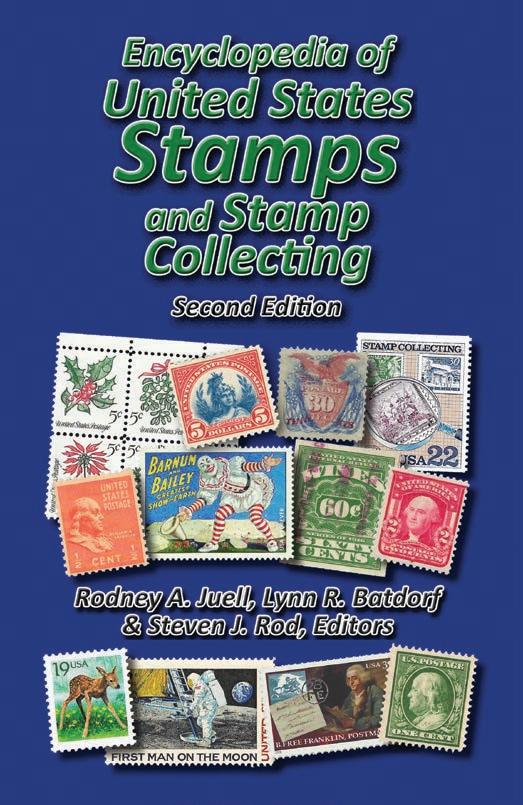

Order from: USSS, P.O. Box 1602, Hockessin, DE 19707-5602 or online at: www.usstamps.org/store/ Hardbound, 769 pages. $35 members, $40 nonmembers. Visit the website for shipping costs.

The United States SPECIALIST
the journal of the United States Stamp Society
VOLUME 97, NUMBER 5 May 2026
WHOLE NUMBER 1155
An association of collectors to promote the study of all postage and revenue stamps and stamped paper of the United States and US-administered areas produced by the Bureau of Engraving and Printing and other contract printers. American Philatelic Society Affiliate No. 150
196 Society News: Boston 2026 Schedule; Anniversary Pins
198 “Clothesline” 50th Anniversary of Statehood Stamp Designed by FDR for North Dakota, South Dakota, Montana, and Washington by Paul M. Holland
207 Great Americans Issue Part XXIV— International Card Rates by Jay Stotts
214 Vintage Photo of the Month by Rodney A. Juell
216 Revisiting the Kiusalas Gauge by Kurt Kiesling
223 The Monthly Random Booklet: BK208 Spring Flowers by Dieter R. Kohler, PhD
Andrew S. Kelley, Editor 9038 East 25th Drive Denver, CO 80238
email: editor@usstamps.org
www.usstamps.org
Manuscripts, publications for review, and all advertising including classifieds, should be sent to the Editor at the address above.
Forms close on the 20th of the second month preceding the month of publication, as February 20 for the April edition.
The United States Specialist (ISSN 0164-923X) is published monthly January through December by the United States Stamp Society, Inc., P.O. Box 1602,
233 George H. Grinnell’s Fanciful Covers Show He Regarded Philately as Fun by Kevin G. Lowther
236 Report of the Executive Secretary by Robert Rufe
237 Plate Number Report compiled by Kim D. Johnson
240 Classified Advertising
240 Index of Advertisers
Hockessin, DE 19707-5602. Membership in the United States $25. North America $40; all others $65. Single copy $2. Periodical postage paid at Hockessin, DE, and at additional entry offices. Printed in USA.
Copyright ©2026 United States Stamp Society, Inc. All rights reserved. Opinions expressed by authors are their own and do not necessarily reflect those of the United States Stamp Society, its officers, or staff.
Correspondence concerning business affairs of the Society, including membership and changes in address, should be addressed to the Executive Secretary, PO Box 1602, Hockessin, DE 19707-5602.
Postmaster: Send address changes to U.S.S.S., P.O. Box 1602, Hockessin, DE 19707-5602.

The United States Specialist
Founded 1930 as The Bureau Specialist
EDITOR
ANDREW S. KELLEY
9038 East 25th Drive Denver, CO 80238 email: editor@usstamps.org
United States Stamp Society Bureau Issues Association, Inc.
P.O. Box 1602 Hockessin, DE 19707-5602
CHAIRMAN
Roger S. Brody
P.O. Box 5836 Somerset, NJ 08875-5836 email: brody@usstamps.org
PRESIDENT
Nicholas Lombardi
P.O. Box 1005 Mountainside, NJ 07092 email: 8605@comcast.net
VICE PRESIDENT
Jeffrey Shapiro
P.O. Box 3211 Fayville, MA 01745-3211 email: coverlover@gmail.com
SECRETARY
Joel Cohen
10703 Kings Riding Way, Unit T-1 Rockville, MD 20852-5420 email: cohenji@comcast.net
TREASURER
David S. Sugar 1740 Mission Hills Rd., #311 Northbrook, IL 60062-5744 email: david14501681@gmail.com
GOVERNORS
Lynn Batdorf
Kim Johnson
Mike Lampson
Leonard Piszkiewicz
James Robinson
Robert Rose
Rod Juell
Gregory Shoults
David Steidley
Jay Stotts
Steven Unkrich
EXECUTIVE SECRETARY
Robert Rufe
P.O. Box 1602
Hockessin, DE 19707-5602
email: execsecretary@usstamps.org
— Committees — AWARDS
Denise Stotts
email: stottsjd@swbell.net
BOOKLETS & BOOKLET PANES
Michael O. Perry
P.O. Box 1194, Rainier, OR 97048 email: MOPerry@mac.com
DURLAND EDITOR
Kim D. Johnson
310 E N 3rd Street, Georgetown, IL 61846 email: westhome1@aol.com
ESSAY-PROOF
James Patterson
1850 North Central Avenue, No. 1400 Phoenix, AZ 85004 email: jhpatterson@yahoo.com
EXHIBIT PDFs
Chris Steenerson
P.O. Box 1818
Westminster, CO 80038-1818
email: Chris@RxStamps.com
FARLEY ERA
Paul M. Holland email: pholland.thorleaf@gmail.com
FOURTH BUREAU ISSUE
Jay B. Stotts email: stottsjd@swbell.net
LIBERTY SERIES
Roland Austin
P.O. Box 38 Stillwater, OK 74076-0038 email: RAustin13@aol.com
MARGINAL MARKINGS
Chris Steenerson
P.O. Box 1818 Westminster, CO 80038-1818 email: Chris@RxStamps.com
MODERN POSTAL HISTORY
Douglas B. Quine 59 Taylor Rd., Bethel CT 06801 email: usss2010@quine.org
PLATE NUMBER & CHECKLIST SERVICE
Kim D. Johnson
310 E N 3rd Street, Georgetown, IL 61846 email: westhome1@aol.com
PRECANCELS
Lynn R. Batdorf 6005 Kingsford Road, Bethesda, MD 20817 email: hollykids@comcast.net
PRESIDENTIAL ERA
Jeffrey Shapiro P.O. Box 3211, Fayville, MA 01745-3211
RECRUITING
Steven Crippe PO Box 117001, Carrollton, TX 75011 email: scrippe@gmail.com
REVENUE ISSUES
Peter Martin P.O. Box 6074, Fredericksburg, VA 22403 email: pmartin2525@yahoo.com
SECOND BUREAU ISSUE
Nicholas Lombardi P.O. Box 1005, Mountainside, NJ 07092
VENDING AND AFFIXING MACHINE PERFORATIONS
Dan Ryterband 40 Carolyn Place, Chappaqua, NY 10514 email: djryterband@fwcook.com
WASHINGTON-FRANKLIN
HEAD ISSUES (Co-Chairmen)
Greg Shoults 11248 Frederick Lane Twinsburg, OH 44087 email: coilcollector@hotmail.com
Andrew S. Kelley 9038 East 25th Dr, Denver, CO 80238 email: stamps@andrewkelley.net
WEBMASTER
Mike Lampson
P.O. Box 652 Matthews, NC 28106 email: lampson@usstamps.org
— Study Groups — DUMMY STAMPS
Terry R. Scott
P.O. Box 10406, Napa, CA 94581 email: terryrscott@comcast.net
FIRST BUREAU ISSUE [open]
LUMINESCENCE
Wayne L. Youngblood 705 Forest Glen Circle, Prairie du Sac WI 53578
email: wystamps@gmail.com
OVERRUN COUNTRIES SERIES
Thomas Schilling
P.O. Box 432, New Lisbon, NJ 08064-0432
email: cbtkschilling@yahoo.com
PROMINENT AMERICANS AND AMERICANA SERIES
Ron Blanks
P.O. Box 9282, Chesapeake VA 23321 email: rblanks_stamps@yahoo.com
REGISTERED MAIL
Mike Ludeman
P.O. Box 2024, Denton, Texas 76202-2024 email: mike@ludeman.net
Siegel offers unparalleled expertise, a worldwide client base, financial reliability, intelligent marketing, and the best internet resources of any philatelic auction house. Contact us today to learn more about consigning with Siegel and ensuring your legacy.

21 West 38th Street, 7th Floor
Phone (212) 753-6421
Email: stamps@siegelauctions.com


We are less than a month from our nation’s 250th Birthday and Boston 2026 World Exposition, held once in every ten years in the United States. The show will take place at the Boston Convention and Exhibition Center May 23–30, 2026. The show schedule of events and hotel accommodations can be found at Boston2026.org.
The United States Stamp Society (USSS) will be represented in super Booth 111, comfortably shared with the Collectors Club, U.S. Philatelic Classics Society, and the Philatelic Foundation.
During the show the USSS will celebrate its 100th Anniversary having been established as the Philatelic Plate Number Association (PPNA) in 1926. The new 2026 Edition of the Durland Standard Plate Number Catalog will be released at the show.
The Society will hold its Board and General Membership Meetings at the show and will offer several presentations during the week:
United States Stamp Society Events Schedule
May 23 Saturday
1:00 pm Presentation: Rod Juell, An Introduction to United States Stamp Collecting
May 25 Monday
11:00 am USSS Board of Governors Meeting
1:00 pm USSS General Membership Meeting
2:00 pm Presentation: Rod Juell, The Men Who Made the Stamps of the 1920s
May 26 Tuesday
1:00 pm Roger S. Brody, 1765 Stamp Act—Instructions for Distributors
May 27 Wednesday
1:00 pm Gregory Shoults, The Production of Washington and Franklin Flat Plate Coils 1908 to 1915
May 28 Thursday
1:00 pm Roger S. Brody, War of 1812—Stamp Taxation
We hope to see you in Boston.
—Nick Lombardi, President
2026 Membership Anniversary Pins
The Society wishes to congratulate the following loyal members who have attained milestone anniversaries during 2026:
50 Years
Robert J. Courdway
Rev. Stephen A. Knapp
W. Douglas Drumheller
Kenneth Trettin
Stuart Gitlow MD
Harold Klein
David Cantor
25 Years
Roger D. Curran
Rainard M. Beer
James A. Sorenson
Mark Ittner
Vicente M. Medalle Jr. MD
J. Bruce Miller
Brian J. Keller
Werner P. Meyer
Charles Snee
Robert G. Rose
Dave Salamone
Joseph A. Cristiano
Scott A. Shaulis
Kurt W. Alstede
Lt. Col. W.J. Lundquist USAF (Ret.)
Jerry L. Schwartz
Rick Burdsall
John A. Bizal
15 Years
Larry T. Nix
Glen Chip Grier
Frank Biscay
Manes Merrit
Thomas J. Ash
Christopher Burtzloff
Raymond L. Burich
Mike Ley
Michael Robinson
Brad A. Peterson
William J. Johnson
Thomas L. Thorbahn
Larry D. Barnes
Timothy G. Wait
Ted A. Stricklin
If you are a member of one of these anniversary groups, we would like to give you your pin at the Boston 2026 show in May. If you are unable to attend the show, your pin will be mailed to you.
Again, thanks for your loyal support of the United States Stamp Society.
—Nick Lombardi President
From The Farley Era Committee
by Paul M. Holland USSS #16849 | m pholland.thorleaf@gmail.com
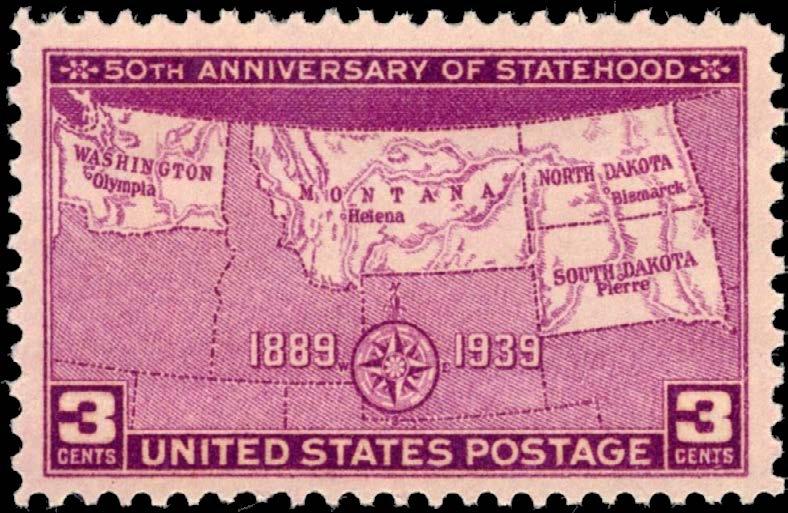
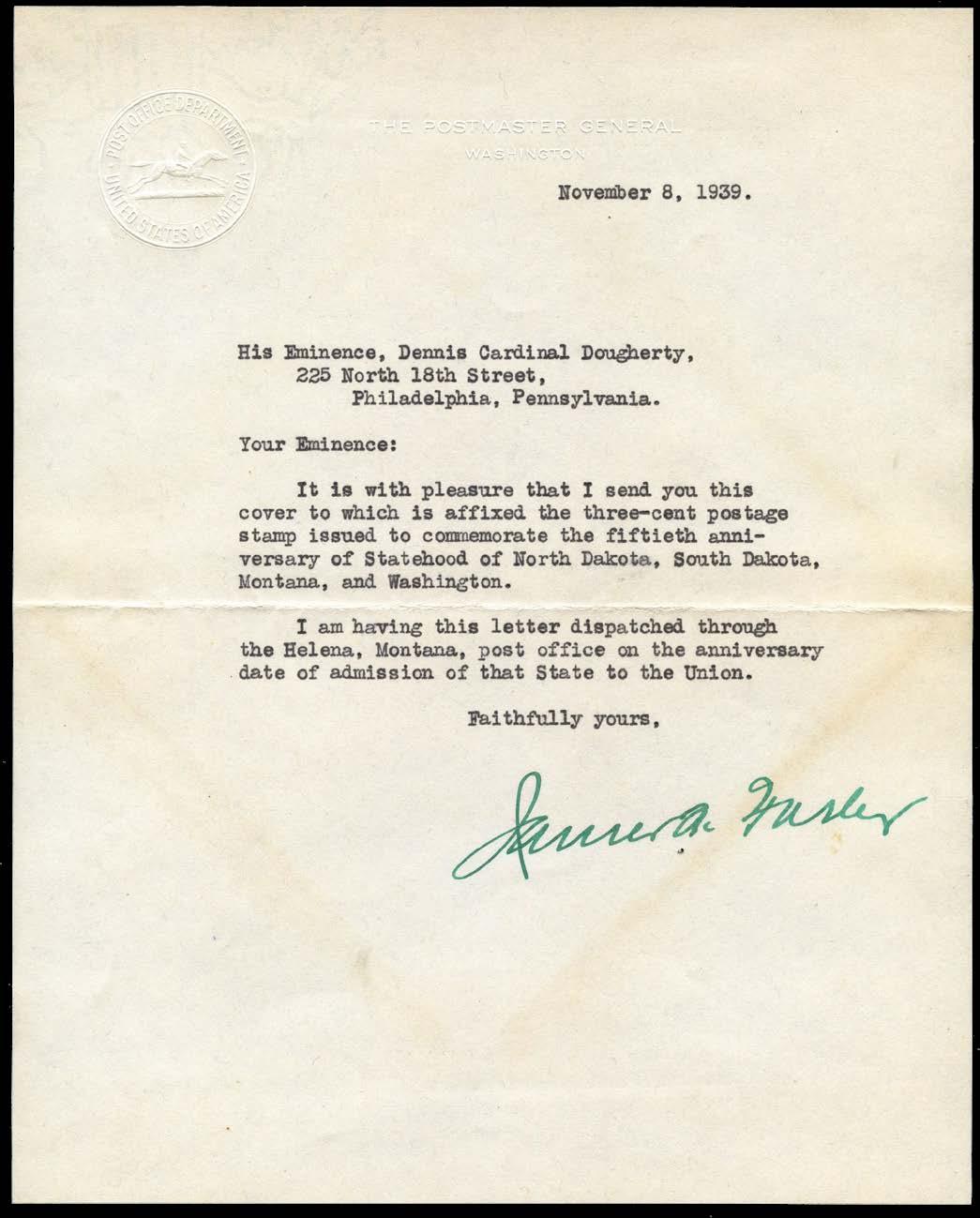
It is with pleasure that I send you this cover to which is affixed the three-cent postage stamp issued to commemorate the fiftieth anniversary of Statehood of North Dakota, South Dakota, Montana, and Washington.
I am having this letter dispatched through the Helena, Montana, post office on the anniversary date of admission of that State to the Union.
“Clothesline” 50th Anniversary of Statehood Stamp Designed by FDR for North Dakota, South Dakota, Montana, and Washington ”
—From a signed November 8, 1939 letter with a Favor First Day Cover of the 3¢ “Clothesline” Statehood stamp sent to His Eminence, Dennis Cardinal Dougherty by FDR’s Postmaster General James A. Farley
One of my great favorites and among the most curious of the stamps designed by President Franklin D. Roosevelt (FDR), is the so-called “Clothesline” stamp commemorating the fiftieth anniversaries of Statehood for North Dakota, South Dakota, Montana,
and Washington. This design arose when the four states, each with a 50th anniversary of statehood in November within days of each other, requested a stamp.
The land for these four states came from portions of the 1803 Louisiana Purchase, Rupert’s Land, which was acquired in 1818 when a boundary dispute between the United States and British North America was settled by using the 49th parallel from Minnesota to the Rocky Mountains as the border, plus additional land in the Northwest that was acquired by the United States in the Oregon Treaty of 1846. The Oregon Treaty settled another long-standing border dispute between the US and Great Britain by simply extending the 49th parallel as the boundary from the Rocky Mountains all the way to the Pacific Ocean. Before statehood, the land for each state had previously been derived from various United States territories.
The Dakota Territory, named after the Dakota branch of the Sioux Indian nation which inhabited the area, was formed successively from various portions of the Missouri, Michigan, Wisconsin, Minnesota, and Iowa Territories, plus portions of the Nebraska Territory, itself formed from a large Northern part of the original Louisiana Purchase. After Minnesota became a state in 1858, the Dakota Territory was created in 1861, and this originally included portions of what are now Montana and Idaho. In 1868, this was reduced to its current borders, those of North and South Dakota. For statehood, it was split into North and South Dakota in a political maneuver to increase Republican influence in the Senate. Curiously, when President Benjamin Harrison signed the proclamations formally admitting South Dakota and North Dakota to the Union on November 2, 1889, he deliberately had the papers shuffled to obscure which one he had signed first. Thus, the order in which they became states will remain forever unknown.
The Montana Territory was organized in 1864 from the existing Idaho Territory, including a portion west of the continental divide that had been part of the original Oregon Territory and later the Washington Territory. Again, political maneuvering was involved. The name Montana itself comes from the Spanish word “montaña,” meaning “mountain,” given broadly by early Spanish explorers to the large mountainous region in the west. After several failed bids for statehood, Montana was finally admitted to the Union on November 8, 1889.
Named after George Washington, the Washington Territory was established in 1853. This was created from the northern portion of the Oregon Territory. Although originally proposed as the “Territory of Columbia,” it was named Washington to avoid confusion with the original “Territory of Columbia” name for the location of the nation’s capital from 1791 to 1801, now known as the “District of Columbia.” Although a state constitution for Washington was passed by voters in 1878, it was never approved by Congress, and so statehood was delayed until November 11, 1889.
The earliest request for a fiftieth anniversary of Statehood stamp was by Representative Francis H. Case of South Dakota in March 1938. North Dakota also requested a stamp, with Rep. Burdick of North Dakota introducing a Congressional resolution for this on February 2, 1939.1 Charles A. Hauswirth, the mayor of Butte, Montana, directly talked to FDR about issuing a fiftieth anniversary stamp for his state and had advised Postmaster General (PMG) James A. Farley of the president’s interest in a letter dated April 13, 1939.2 Although the Post Office Department (POD) normally issued stamps only to commemorate centenary celebrations, Farley apparently noted that Montana and Washington
would also mark their fiftieth anniversaries of statehood within a few days of the Dakotas, while he was assembling a list of requests for new stamps for discussion with FDR . Farley and FDR met at the White House on the morning of May 4, 1939.2,3
Since all four states were in proximity to each other and close to the Canadian border, along with having anniversary dates within a few days of each other, FDR decided that a single stamp would have to do. On a piece of official White House stationery, the president sketched out a crude design showing the four states hanging from the Canadian border like clothes on a clothesline. Roosevelt signed the sketch “FDR , fecit, 1939.” For those of us whose Latin is a little rusty, “fecit” translates as “he made it.” Fortunately, Farley saved FDR’s original sketch, dated it, and after the addition of an example of one of the printed stamps, it is now in the collection at the Smithsonian.2 This is shown in Figure 1.
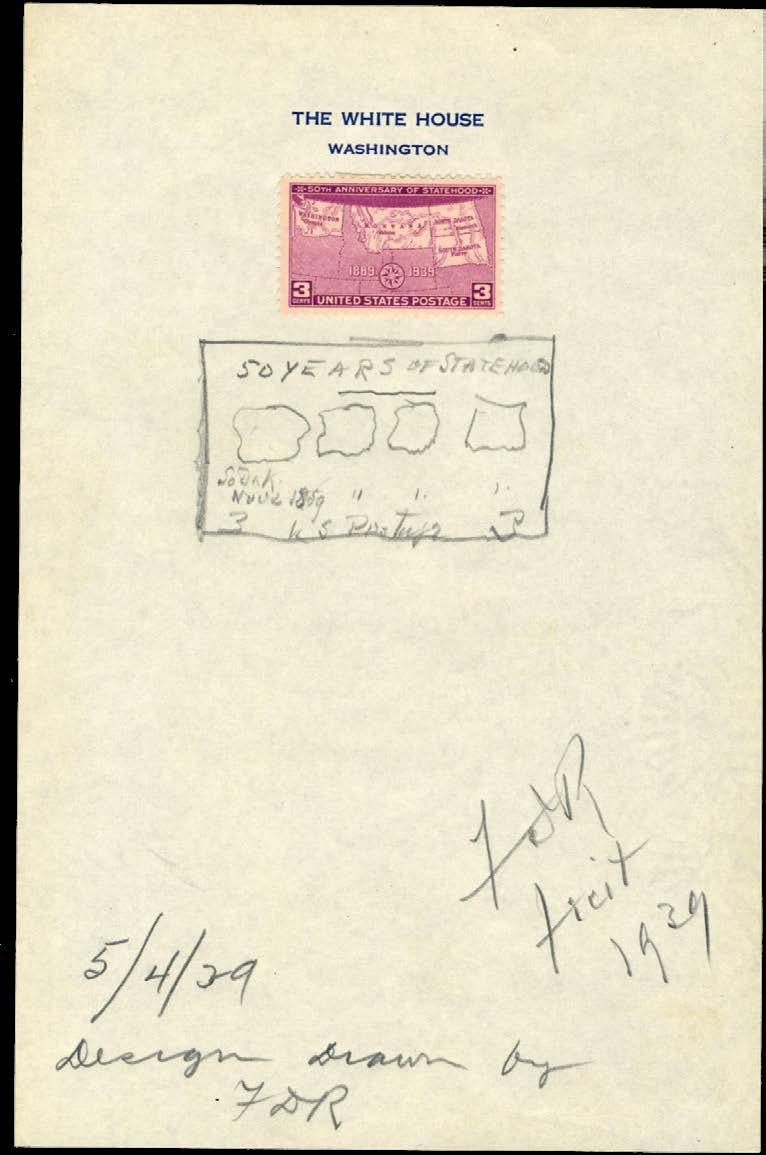
FDR’s original sketch for the “Clothesline” stamp (Smithsonian, National Postal Museum).
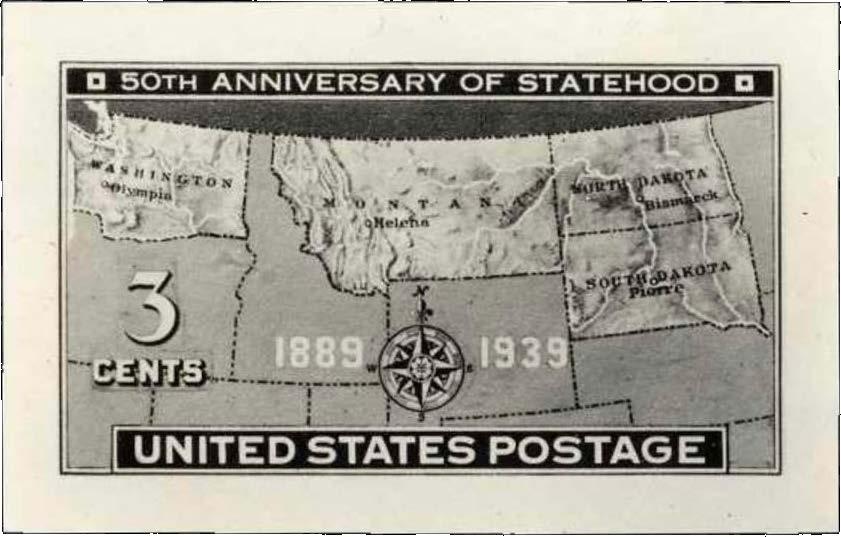
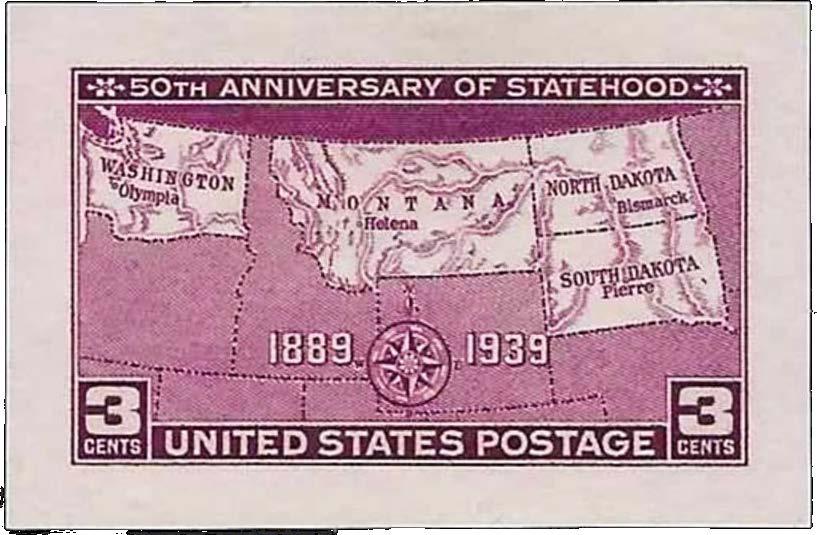
Based on FDR’s sketch, and using a portion of a colored Geological relief map from the United States Geological Survey, Alvin R. Meissner of the Bureau of Engraving and Printing (BEP) developed an initial design for the stamp. Shown in Figure 2, this rejected photo essay was submitted to the Post Office Department on June 19, 1939.1
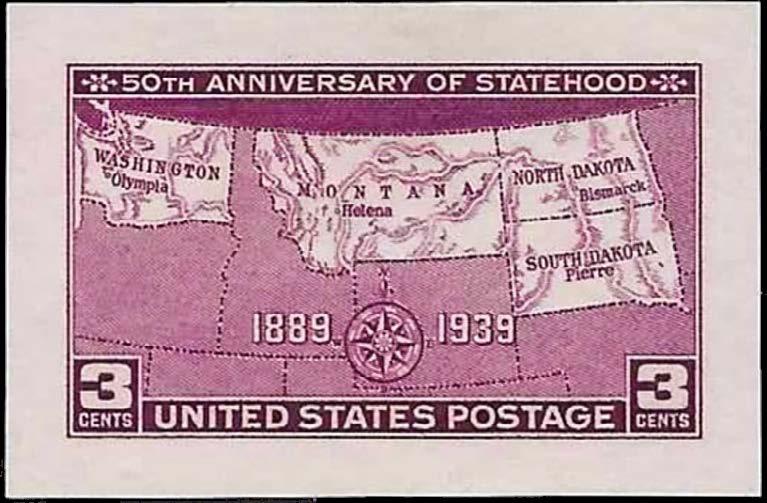
Meissner then revised his design by increasing the size of the state names and capitals on the map, replacing the denomination with value tablets located on each side at the bottom corners of the stamp, along with other minor changes. This was then submitted to PMG Farley on July 7, with final approval coming on July 15, 1939. Matthew D. Fenton engraved the vignette, with William B. Wells doing the frame and lettering. The die proof was officially approved by PMG Farley on September 22.1 A die proof illustrating these final changes is shown in Figure 3.
Curiously, although the die proof was not officially approved until September 22, 1939, three printing plate numbers (22441–22443) were assigned for FDR’s “Clothesline”
Figure 1.
stamp in August 1939, but never certified.1,4 Likewise, the following month, plate number 22452 was assigned but never used for printing stamps. It should be pointed out that this was the second commemorative stamp to be printed using “Electric Eye Convertible Plates” for use with the newly introduced “Electric Eye Perforators,” which may have had something to do with this. I hope to address this topic further in a future article on the preceding “Tercentenary of Printing in America” stamp. Finally, on October 10, plate numbers 42257 and 42258 were certified and put to press on the same day, with plates 42259 and 42260 following a week later. The approved electric eye plate proof for 42257 is shown in Figure 4, and I have plate number 22458 blocks on FDCs sent to FDR . In order to conform to the various 50th anniversary dates of statehood, the official “first day of issue” for this stamp varied.1 The scheme utilized was to initially release the stamp for one day only in each of the different state capital “first day” cities celebrating a 50th anniversary, then withdraw it from sale until each of the four states had been allowed their turn. As a result, first day ceremonies were held in Bismarck, North Dakota, and
Figure 2. Rejected photo essay for FDR’s “Clothesline” stamp.1
Figure 3. Die proof for FDR’s “Clothesline” stamp.1
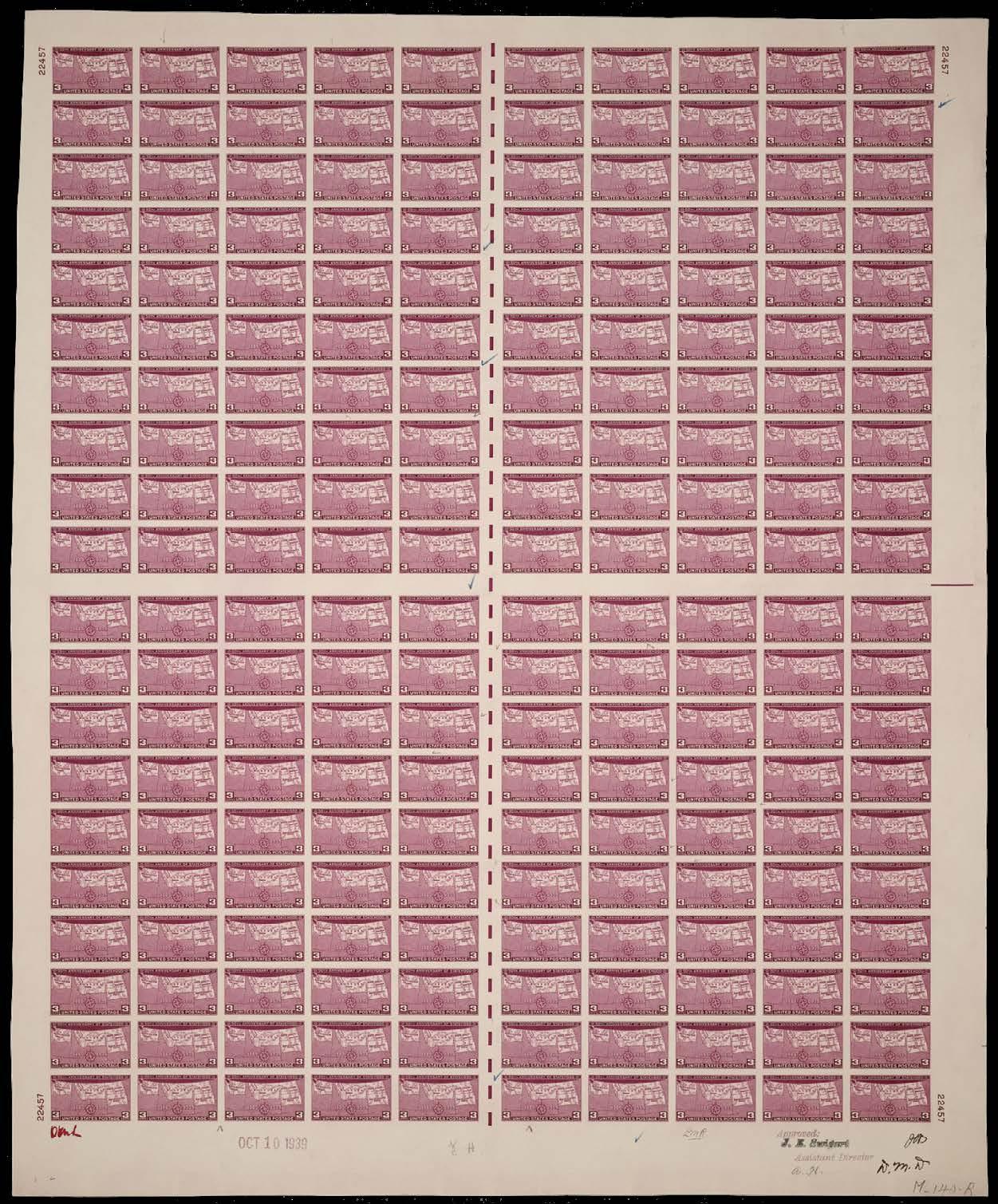
Figure 4. Plate proof for FDR’s “Clothesline” stamp (Smithsonian, National Postal Museum).
Pierre, South Dakota, on November 2, Helena, Montana, on November 8, and Olympia, Washington, on November 11, 1939. After withdrawing the stamp from sale for one more day, it was finally made available for general sale on November 13, 1939.
Because ordinary “first day of issue” cancellations were not appropriate in this scheme, special cancellations were used that included the name of the state along with the date it was admitted to the Union. This is illustrated in Figure 5, using PMG James A. Farley’s own first day cover (FDC) for North Dakota on official PMG stationery, now in the National Postal Museum’s collection.
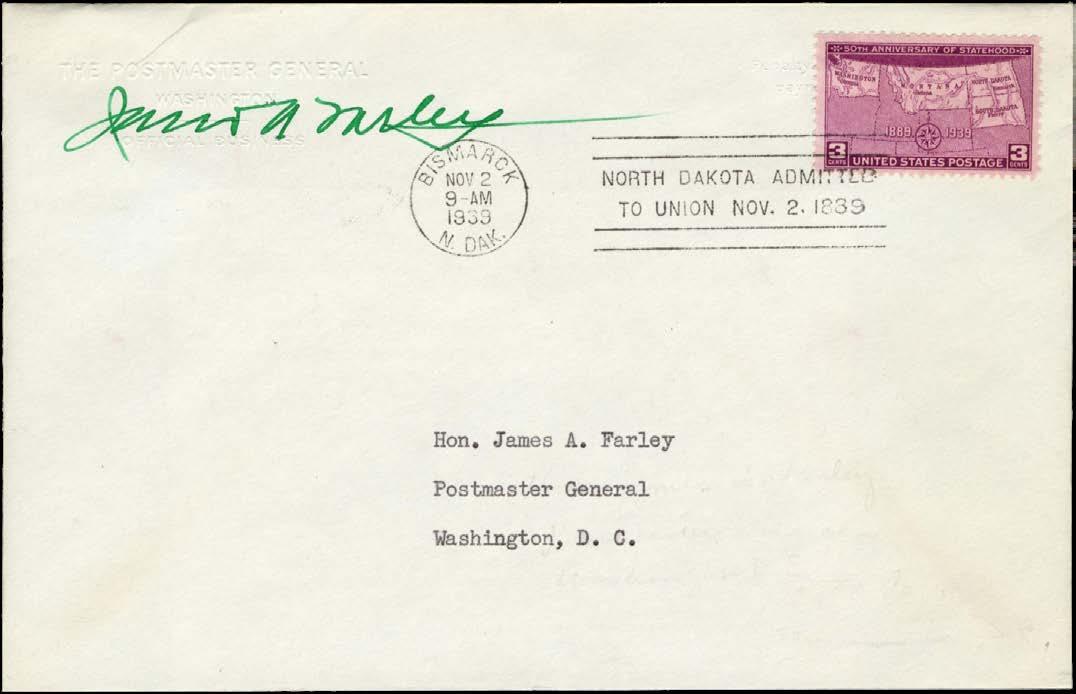
Figure 5. PMG Farley’s FDC for North Dakota (Smithsonian, National Postal Museum).
Another example from North Dakota is my House of Farnam cacheted FDC addressed to President Franklin Delano Roosevelt. Shown in Figure 6, the engraved cachet shows a map of all four states superimposed over a medallion for the fiftieth anniversary of admission to statehood. Note also that the selvage at the left side of the stamp clearly shows “Electric Eye” dashes, with the position of these indicating that the stamp is from a lower right pane of the original sheet (see plate proof in Figure 4). Besides saving first day covers sent to him by admirers, FDR was an avid stamp collector who arranged to have FDCs sent to himself. For this, he used official White House stationery and these were typically “self-addressed” by printing the address with a fancy engraved copper plate. I’m especially fortunate in having FDR’s own first day cover from
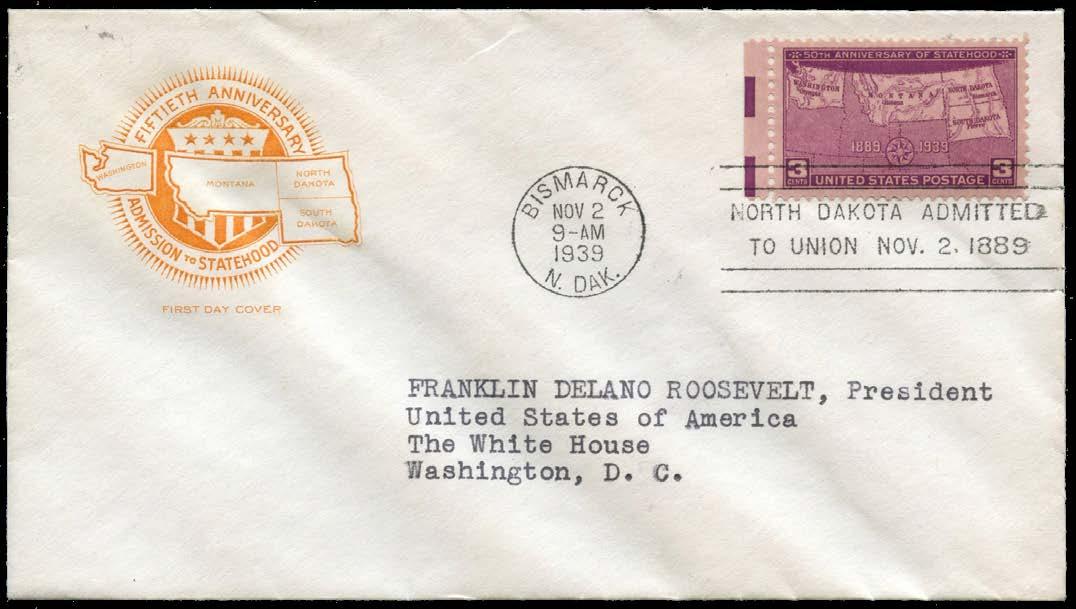
Figure 6. FDC for “Clothesline” stamp sent to FDR from Bismarck, North Dakota.
Montana with the “Clothesline” stamp that he himself designed. Shown in Figure 7, this is franked with a lower right plate number 22458 block of the “Clothesline” stamp.
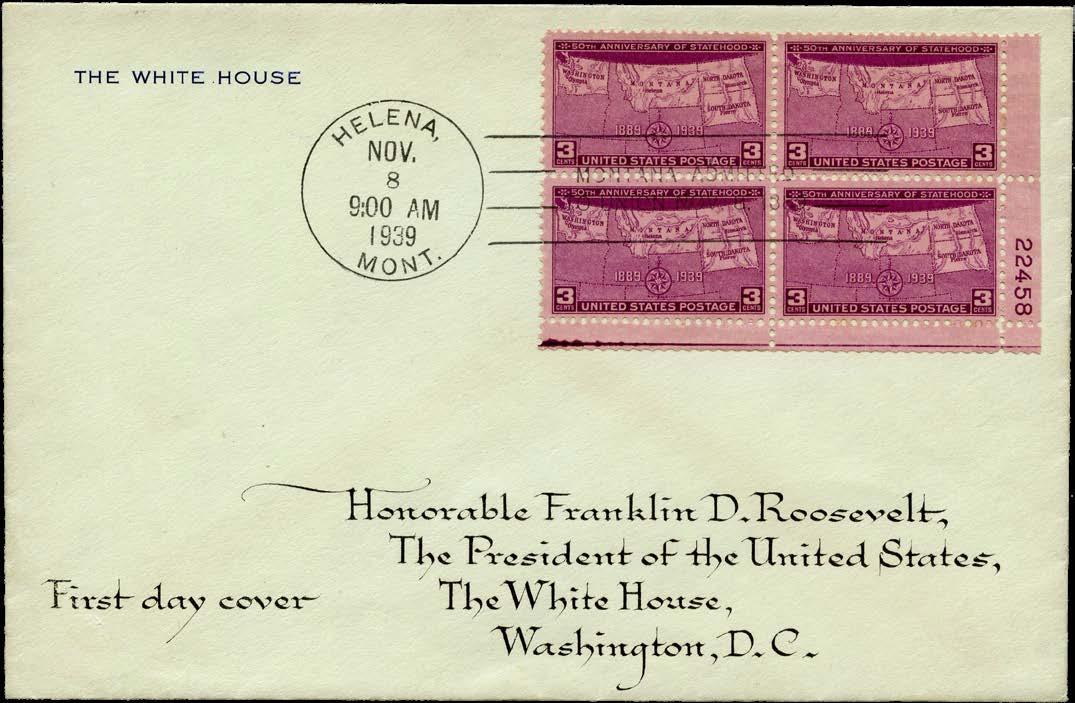
FDR’s FDC for “Clothesline” stamp on official White House stationery from Montana.
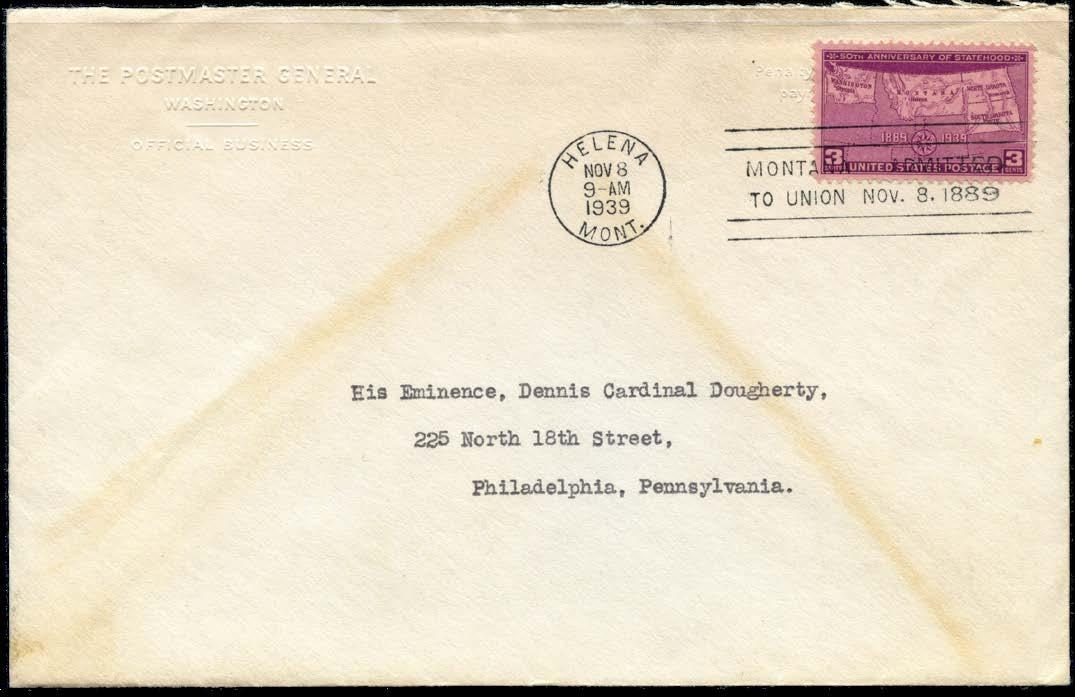
Postmaster General James A. Farley also sent out favor FDCs with signed letters for FDR’s “Clothesline” stamp. In Figure 8, I show my example for Montana sent to Dennis Cardinal Dougherty, formerly the Archbishop of Philadelphia, who was made a Cardinal in 1921. Farley was a devout Catholic, so especially note the honorific “Your Eminence” along with the closing “Faithfully Yours” above Farley’s signature in green ink. I also have other favor FDCs with signed letters for the “Clothesline” stamp in my collection, but the text of Farley’s letter is identical, except for the second paragraph that substitutes the name of the city of mailing, e.g., “Olympia, Washington” in place of “Helena, Montana,” so they are not shown separately here.
Finally, in Figure 9, I show my FDC sent to FDR at the White House from Olympia, Washington, on November 11, 1939. This has a bi-color “Washington Golden Jubilee” cachet (Mellone 858–13) showing a pair of medallions above a framed image of the State Capitol building in Olympia. Franked by an upper right plate number 22458 block of the “Clothesline” stamp, it was sent to FDR by the local Postmaster Ben S. Sawyer and bears two signatures on the cover.
Of all the stamps that FDR designed, the “Clothesline” stamp commemorating the fiftieth anniversaries of Statehood for North Dakota, South Dakota, Montana, and Washington is my personal favorite. FDR’s design cleverly takes advantage of the fact that each of these four states had 50th anniversaries of statehood within a few days of each other in November and were strung out along the 49th parallel, defining the border with Canada. When this stamp was first released, it was ridiculed by some as “looking like laundry hanging on a clothesline,” and FDR’s original pencil sketch certainly seems to support this interpretation. I like it and find stamps with philatelic nicknames to be
Figure 7.
Favor FDC with letter for Montana sent to Cardinal Dougherty by PMG Farley.
especially intriguing. There are many such nicknames that come to mind, dating back to the earliest days of stamp collecting, including the 1840 “Penny Black,” 1843 “Bullseyes” of Brazil, the “Black Jack,” the “Prexies,” and of special relevance here, FDR’s unusual “Clothesline” stamp.
Figure 8.
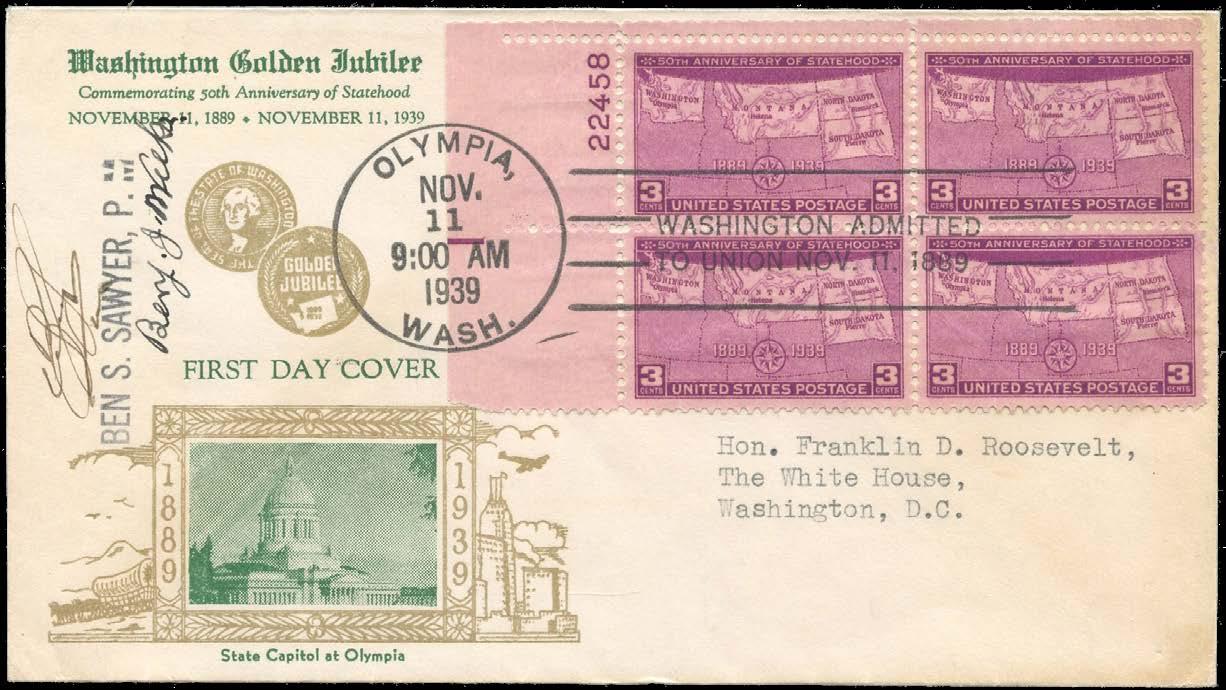
Figure 9. FDC for “Clothesline” stamp sent to FDR from Olympia, Washington.
References
All New and Revised Mint and Used Plate Number
Single Catalogue $52.50 postpaid
American Plate Number Single Society www.apnss.org 2026 HEBERT’S
Expanded pricing, back-of-the-book, tag/paper varieties, PN/ZIP/ME types
1. Max G. Johl, The United States Commemorative Postage Stamps of the Twentieth Century: Volume II 1925–1947 (New York: H. L. Lindquist, 1947), 119–122.
2. Cheryl R. Ganz and Daniel Piazza with M. R. Sheahan, Delivering Hope: FDR & Stamps of the Great Depression (Washington, DC: Smithsonian National Postal Museum, 2009).
3. Brian C. Baur, Franklin D. Roosevelt and the Stamps of the United States 1933–45 (Sidney, OH: Linn’s Stamp News, 1993), 202–206.
4. B. I. A. Plate Number Checklist: Plates 20000–41303, rev. ed. (United States Stamp Society, 1990).

If you collect Plate Blocks, Booklets, Coils, or Sheets, the above website, with hundreds of sets at Face Value, will be a great savings to you. Enjoy the hobby.

Armen Hovsepian (APS 150170)
P. O. Box 24222 Overland Park, KS 66283 info@USatFACE.com

Great Americans Issue Part XXIV—
International Card Rates
by Jay Stotts USSS #10921 | m stottsjd@swbell.net
International cards mailed using Great Americans (GA) stamps can be sorted into four categories: cards mailed to Canada, cards mailed to Mexico, cards mailed by surface means to Universal Postal Union (UPU) member destinations, and cards airmailed to UPU destinations.
Card Rates to Canada
Cards were transported to Canadian destinations by airmail whenever possible, so there were no independent surface carriage rates. The Canadian destination card rates paralleled the US domestic card rates through April 2, 1988. These rates are listed in Table 1.
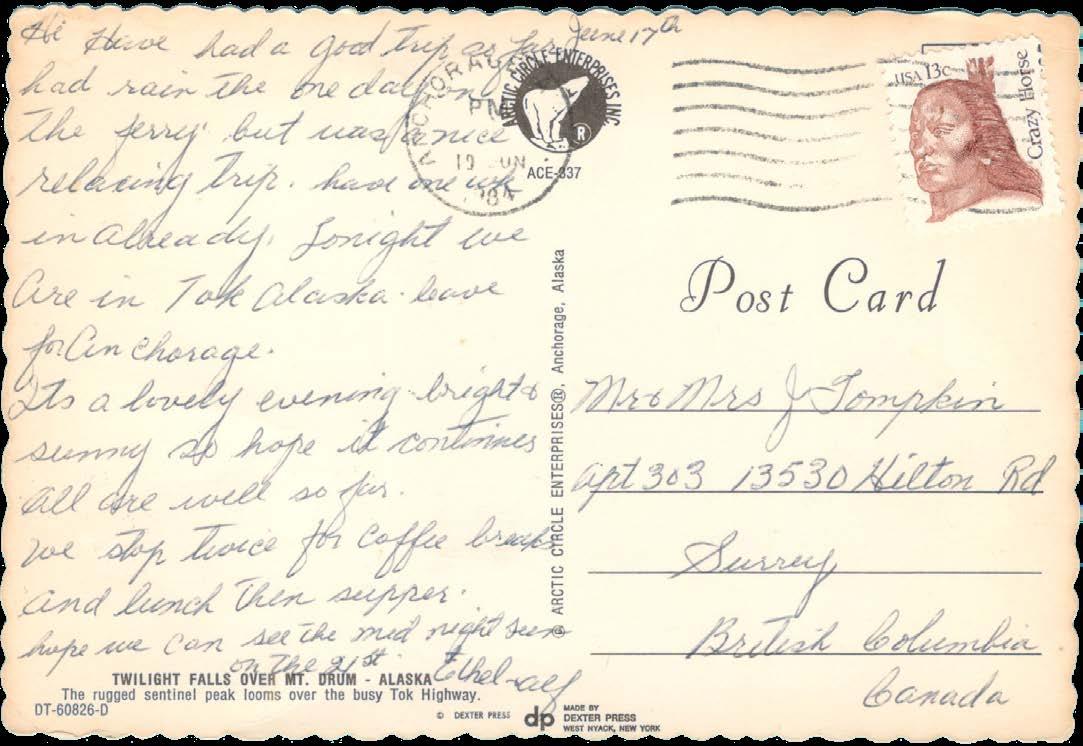
Figure 1. Crazy Horse paying the card rate to Canada.
of Rate Period to Canada to Mexico
Table 1. Great Americans fulfilling card rates to Canada and Mexico.
Figure 1 shows a 13¢ Crazy Horse stamp paying the card rate to a town in British Columbia, Canada, in 1984. This card was mailed during the period when card rates to the US and Canada were the same.
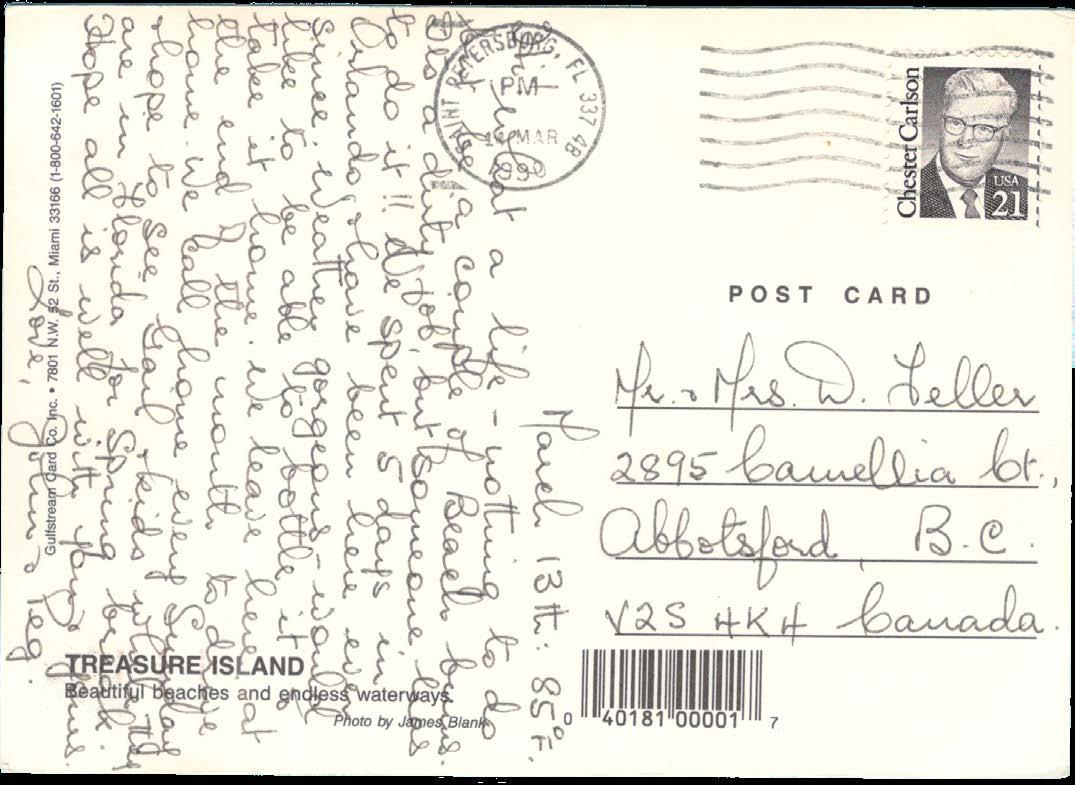
Figure 2. Carlson stamp used to post a card to Canada in 1990.
Effective April 3, 1988, card rates to Canada jumped by 50%. Card rates soared from 14¢ to 21¢, while US domestic card rates increased by only a penny, from 14¢ to 15¢ that same day. A 21¢ GA value, the Chester Carlson stamp, was not available to pay the rate to Canada until it was released on October 21, 1988. Figure 2 shows a Chester Carlson stamp to mail a card to British Columbia in 1990.
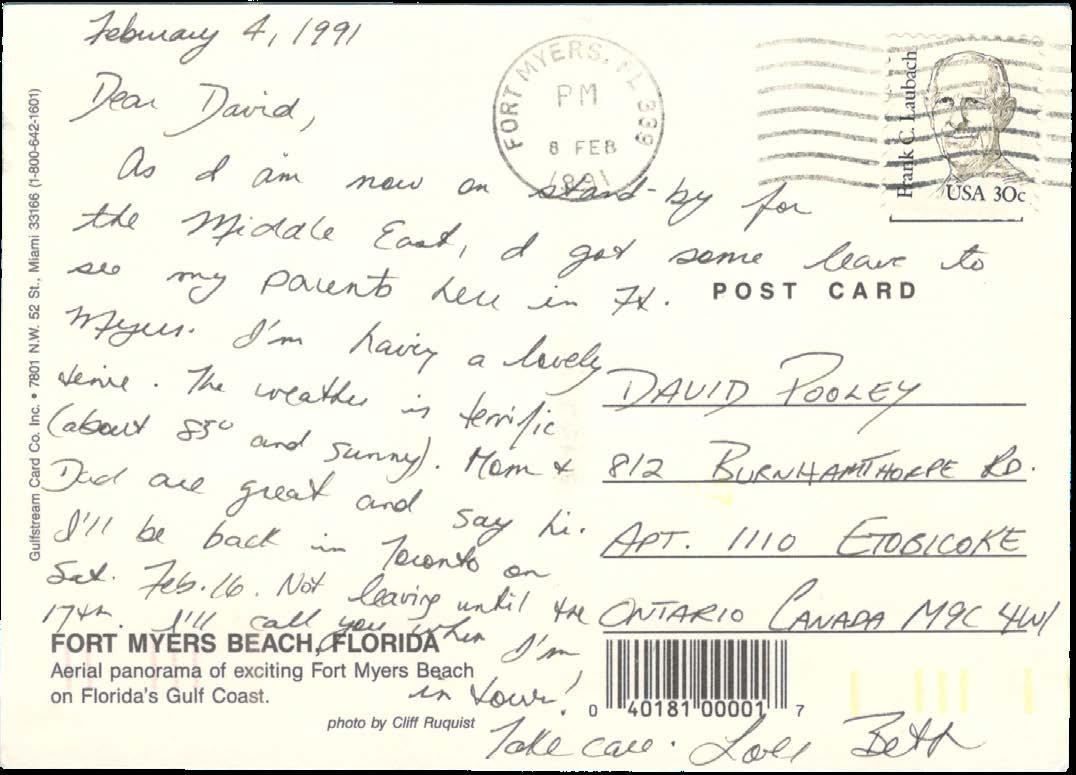
Additional card rate increases for Canada to 30¢ on February 3, 1991, and shortly thereafter to 40¢, effective July 9, 1991, provided solo usage opportunities for the GA 30¢ Frank Laubach and 40¢ Claire Chennault stamps. Figure 3 shows the use of the Laubach stamp to pay the 30¢ card rate to Canada.
Card Rates to Mexico
Card rates to Mexico are also listed in Table 1. They were equivalent to US card rates until the rate increase implemented on April 3, 1988. The next two rate increases, to 21¢ and then to 30¢, equaled those to Canada as explained above.
Effective July 9, 1991, when the Canadian destination card rate went to 40¢, the card rate to Mexico only increased to 35¢. It is not clear why the rates to Mexico were lower than those to Canada. From this time forward, during the GA era, sending cards to Mexico was always 5¢ lower than sending cards to Canada.
The 35¢ Dennis Chavez stamp, issued on April 3, 1991, was available to pay the card rate to Mexico because it was originally issued to meet a UPU surface card rate earlier that year. More on that rate later.
Surface Card Rates to World Destinations
Mailers of cards to other foreign countries had two options during the early GA period. They could dispatch cards by surface means or they could request airmail service.
Figure 3. Laubach stamp paid the short-lived 30¢ card rate to Canada.
Table 2 lists the card rates to UPU member destinations other than Canada and Mexico, both by surface and by airmail means.
9 July
airmail carriage
Chester Nimitz 30 May 1999
Justin Morrill
Table 2. Great Americans fulfilling foreign card rates.
The holy grails of GA postal history, if there is such a thing, are cards mailed during the period from January 1, 1981, through February 17, 1985, affixed with a single 19¢ Sequoyah stamp. The stamp was released on December 27, 1980, as the first Great Americans stamp,
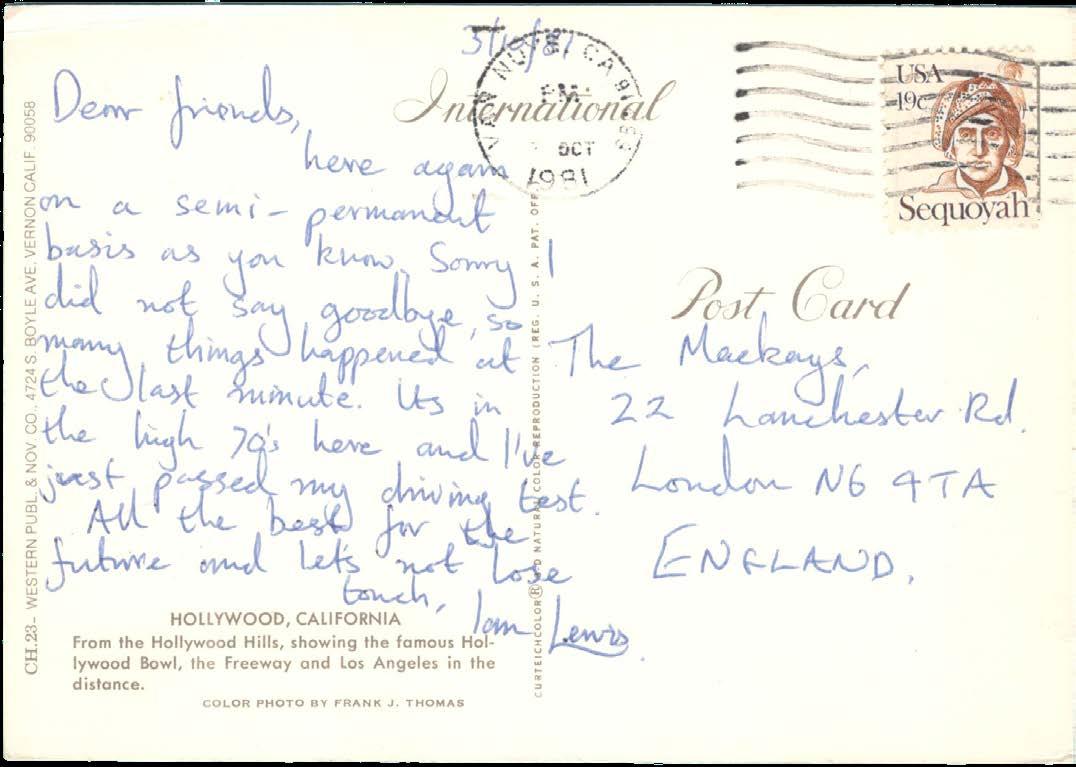
Figure 4. 19¢ Sequoyah stamp paid the 19¢ international surface card rate.
for this very rate. Uses are hard to find because an airmail card rate was also available, and it seems the majority of card mailers at the time were comfortable paying the higher airmail rate.
Figure 4 shows a card mailed in October 1981 to England at the surface card rate and franked with a 19¢ Sequoyah stamp.
Three more international surface card rate increases occurred before the category was eliminated, effective July 9, 1995, in favor of sending internationally bound cards only by airmail. These three rate increases are all listed in Table 2 and were payable by a single GA franking.
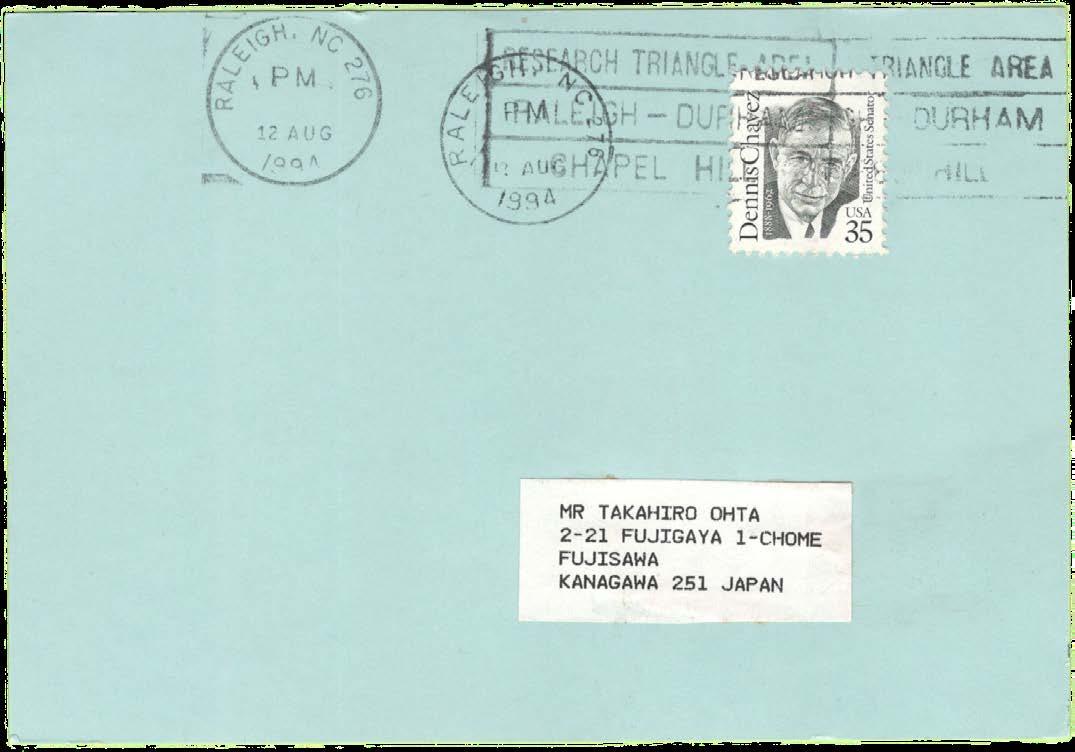
Figure 5 shows a card mailed at the international surface card rate of 35¢, effective on February 3, 1991. A 35¢ Dennis Chavez stamp pays the card rate. This was the rate referenced earlier in the section on Mexican card rates.
International Airmail Card Rates
International surface and airmail card rate differences were already in effect when the Great Americans Series was introduced with the Sequoyah stamp in December 1980. Mailers paid 28¢ to airmail an internationally destined card effective on January 1, 1981. As Table 2 shows, additional rate increases for this mailing category occurred, but it was not until February 3, 1991, that a rate could be paid by a solo use of a GA stamp.
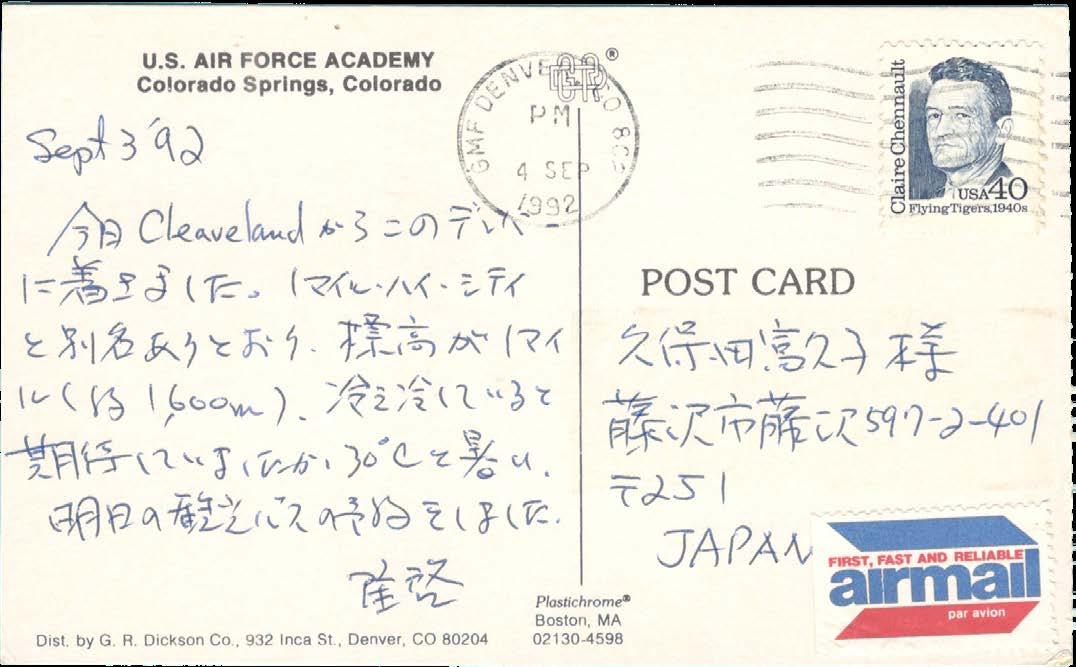
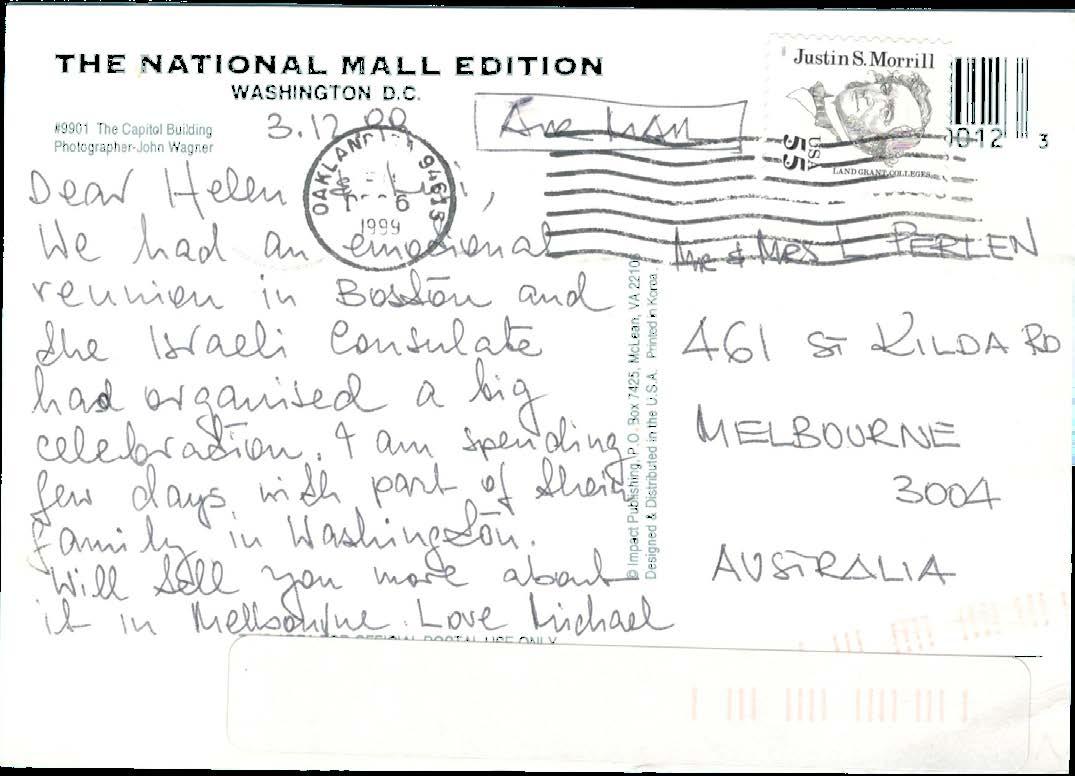
On that date, the international airmail card rate was set at 40¢, and the Claire Chennault stamp paid the rate. Such a usage is shown in Figure 6. The final rate increase, effective during the GA era, matched the value of the last GA stamp issued. The 55¢ Justin Morrill stamp, issued on July 17, 1999, paid the 55¢ international airmail card rate implemented on May 30 of that same year. Figure 7 shows such a usage of the Morrill stamp.
Figure 5. Chavez stamp paid the 35¢ international surface card rate.
Combination Frankings
In addition to all of the solo frankings previously discussed, combination frankings are also an important part of the postal uses of GA stamps. First, a mix of stamps will be considered to pay the total fee. Figure 8 shows a rate for which no specific Great Americans stamp was available. The international airmail card rate of 33¢ was paid by a combination of the 3¢ Henry Clay and 30¢ Frank Laubach stamps.
Figure 6. Chennault stamp paid the 40¢ foreign airmail card rate.
Figure 7. Morrill stamp paid the 55¢ foreign airmail card rate.
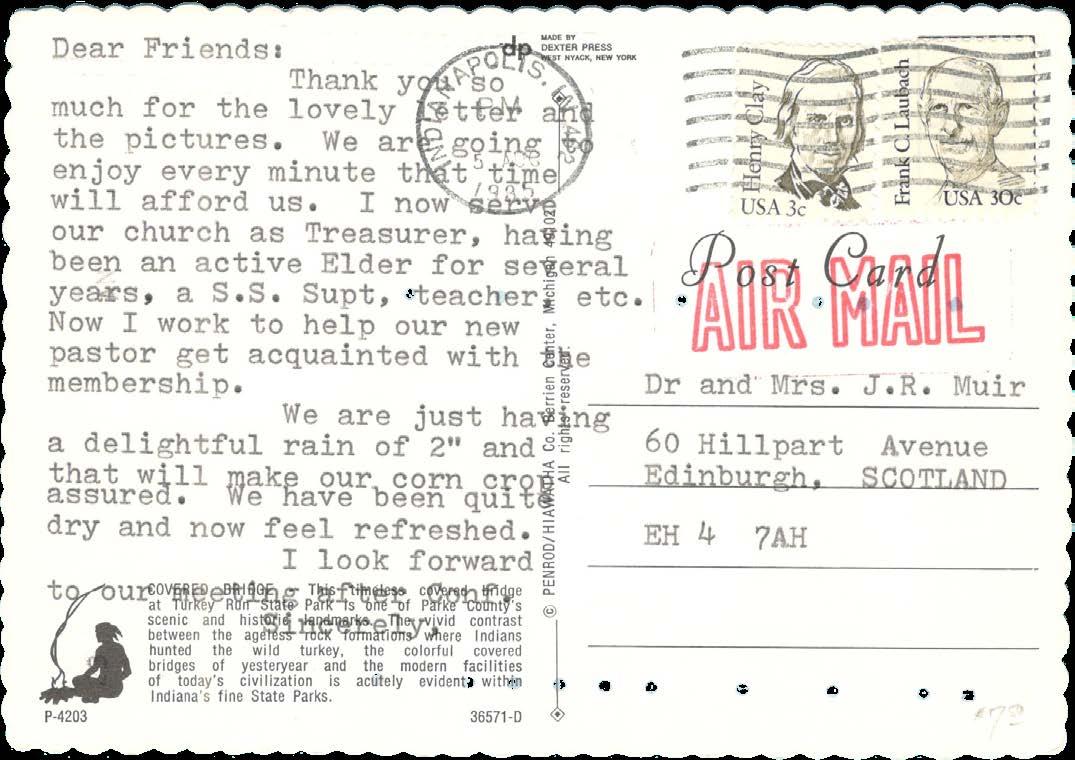
Figure 8. A combination of 3¢ and 30¢ GA stamps paid the 33¢ international airmail card rate.
Up-franking government-issued postal cards is also an important opportunity to utilize GA stamps. Figure 9 shows a domestic 20¢ postal card upfranked to 55¢ to meet the international airmail card rate in 2000.
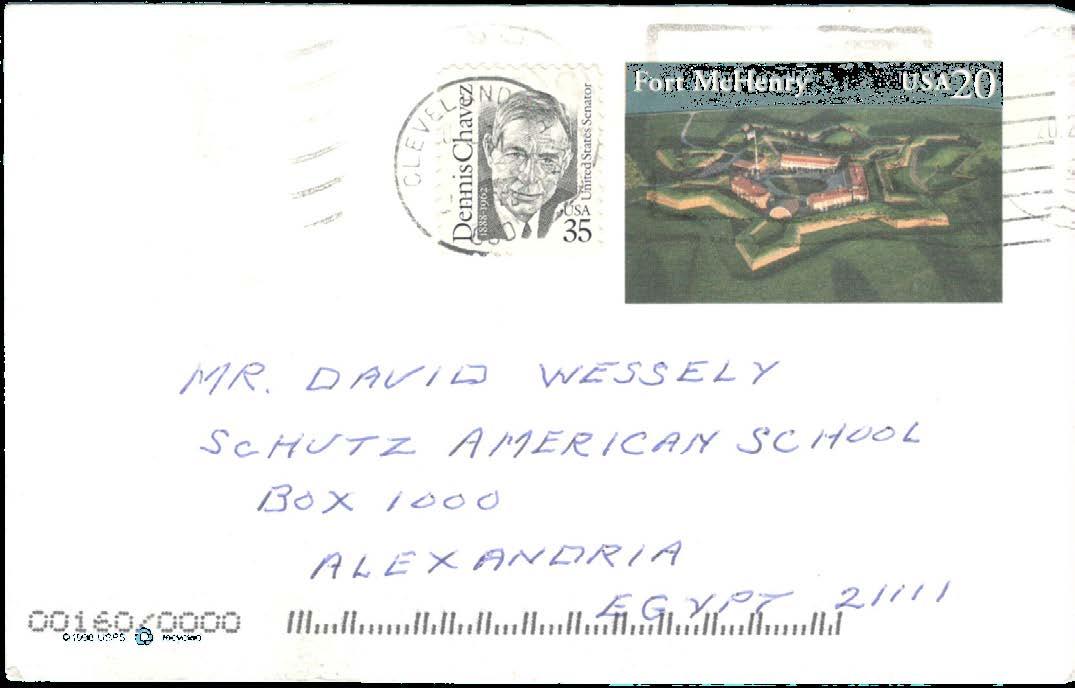
Figure 9. A domestic postal card uprated to pay the 55¢ international airmail card rate.
Next, we’ll take a look at the role GA stamps played in shaping aerogram rates.
by Rodney A. Juell
Vintage Photo of the Month
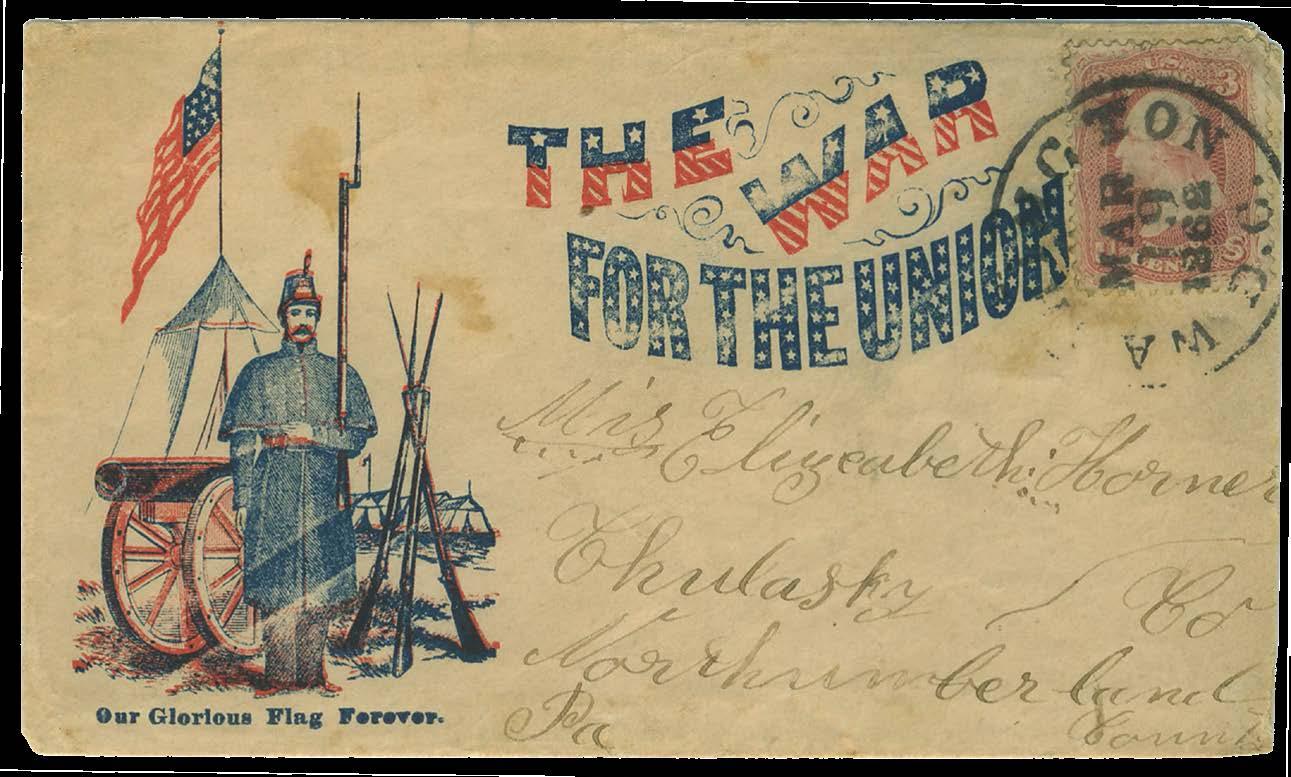
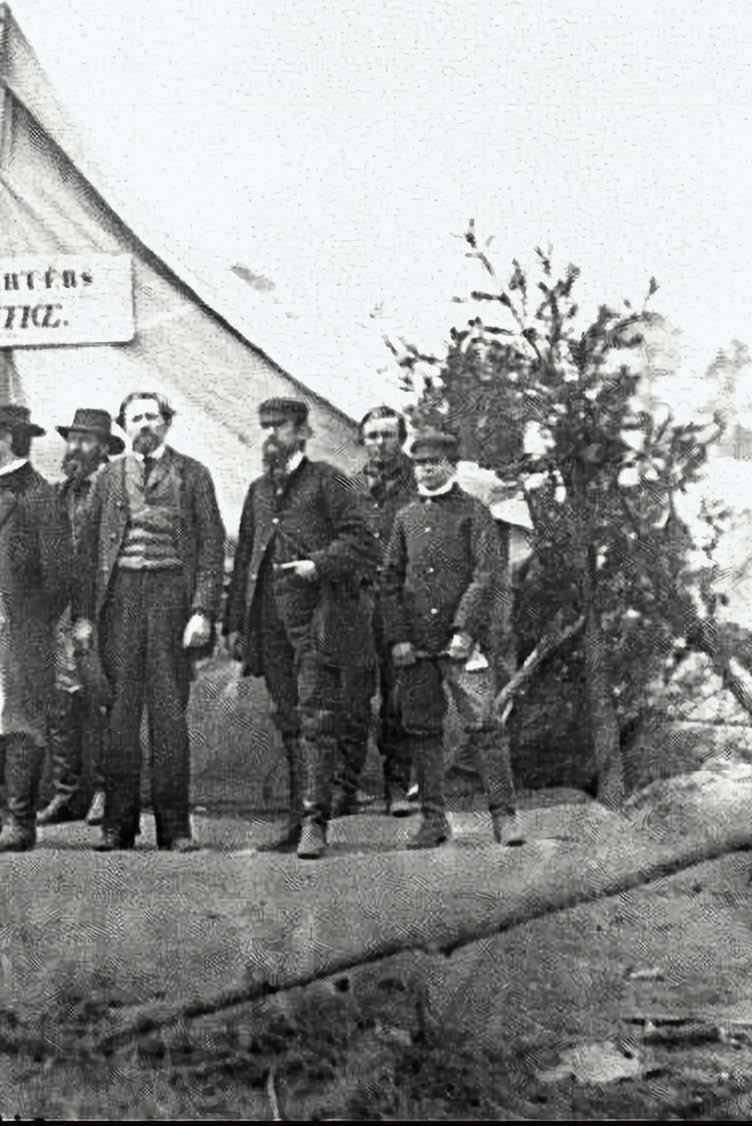
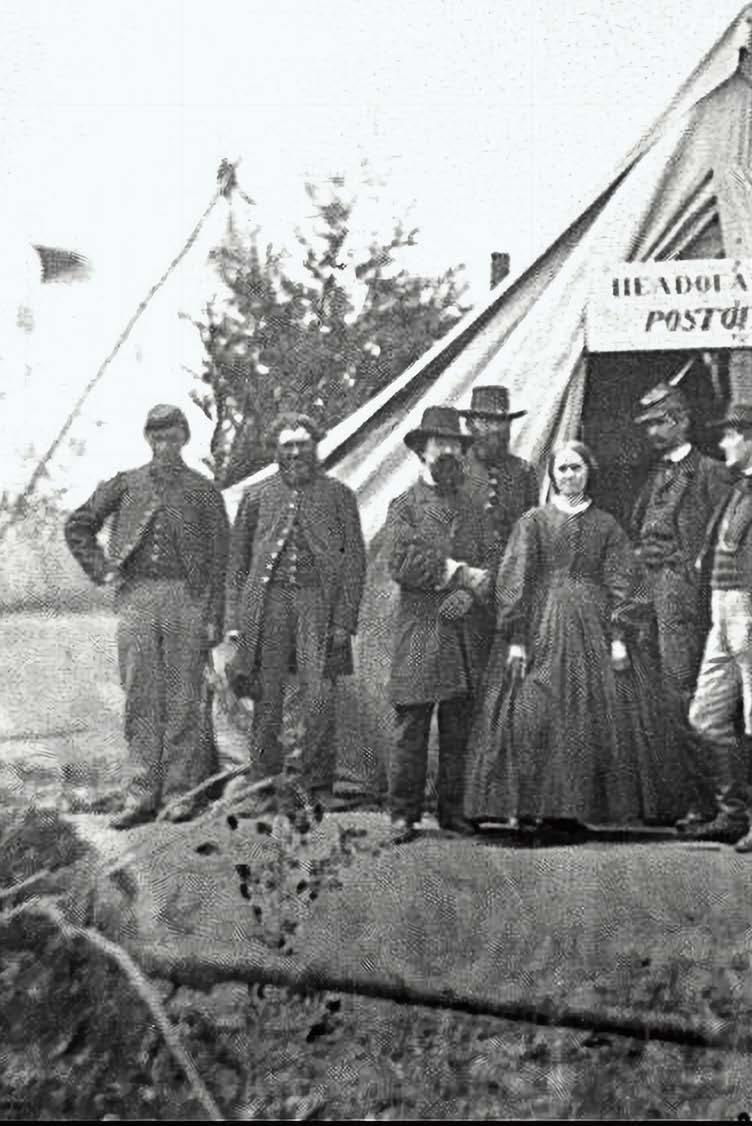
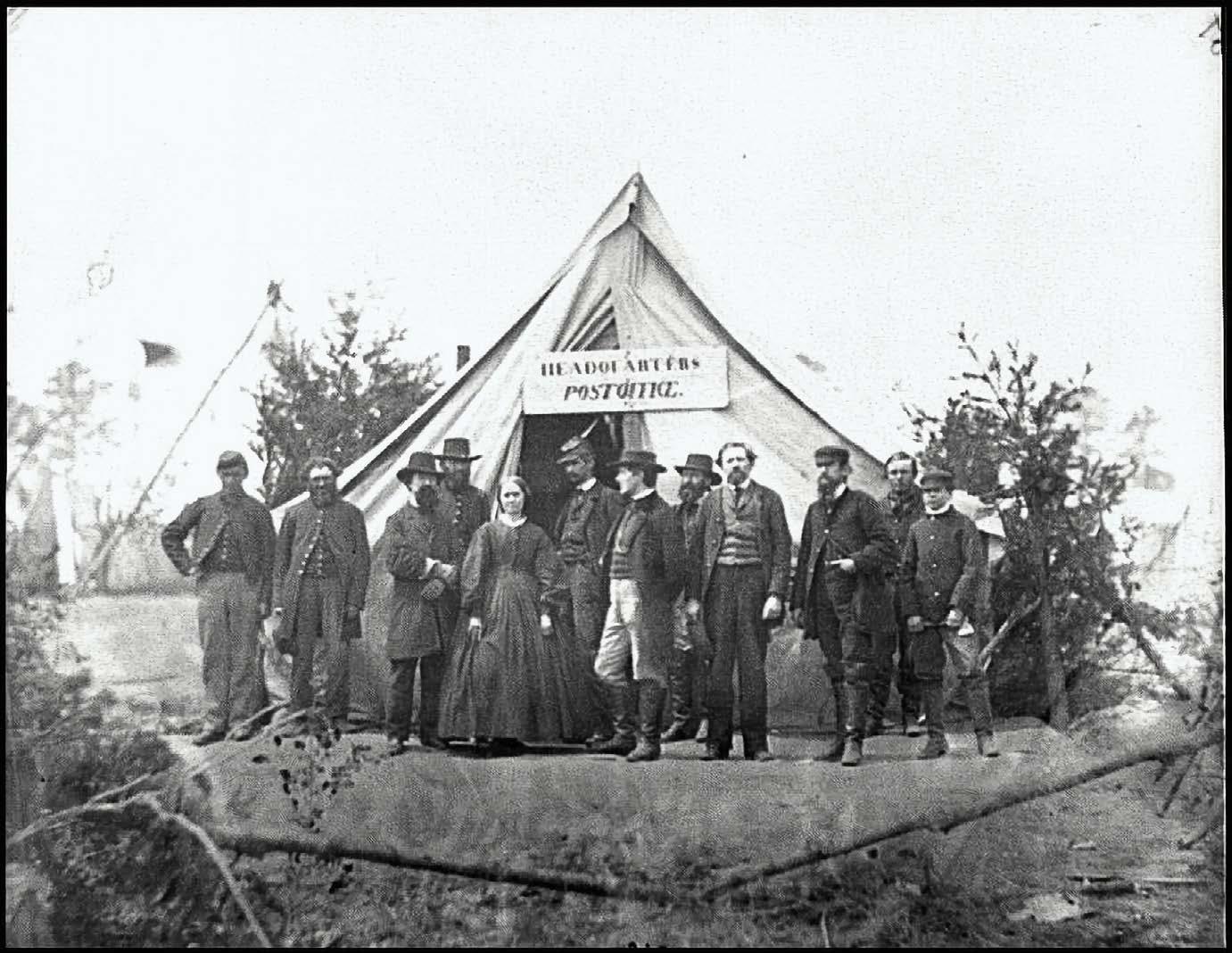
The Army of the Potomac was the primary fighting unit of the Union in the eastern part of the country during the Civil War. This month’s photo shows the tent housing the army’s post office; the photo was taken in 1863 near Falmouth, Virginia. Mail was important to boost the morale of the men, a fact the army recognized. During the Civil War thousands of patriotic covers were produced, with cachets promoting the cause. Perhaps some such covers passed through this post office.
Revisiting the Kiusalas Gauge
by Kurt Kiesling USSS # 17223 | m kkiesling6@gmail.com
Stamp collectors have long relied on perforation gauges to distinguish varieties. This is particularly important for distinguishing Washington–Franklin varieties as the Bureau of Engraving and Printing (BEP) introduced four new perforation spacings during this period.
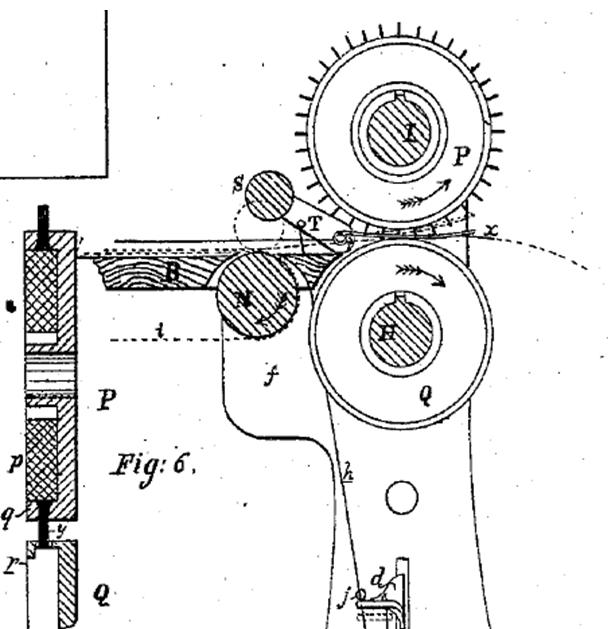
Before proceeding, it is helpful to outline a few basic operating features of the Howard rotary perforator, which the Bureau used for many years. Figure 1 from the 1860 Howard patent shows the essential arrangement: paired wheels—one with die holes and the other with matching pins—mounted on rotating shafts. As the wheels turn, each pin engages its matching die hole and pulls the sheet forward as it pierces the paper. The perforator, therefore, produces holes at the fixed interval dictated by the wheel’s circumference and pin count.
From the Washington–Franklin Head Issues Committee
Figure 1. Howard rotary perforator diagram.
Dividing the wheel’s circumference by the number of pins gives the nominal hole spacing, which, when converted to holes per 20 mm, yields the familiar perforation gauge. The two-centimeter philatelic system, introduced in the 1860s by Dr. Jacques Amable Legrand, was not used by the BEP when contracting perforating equipment. When making changes in perforating gauge, they simply adjusted the pin count to alter the amount of paper left between holes—whatever they felt would improve separation. Rotary perforation did not produce absolutely precise gauge readings, even on stamps from the same sheet. Variation in pin spacing during wheel manufacture, wheel slippage, die and pin wear, minor speed variation of the sheet, and even varying moisture content after the gumming operation could result in very slight changes in gauge readings.
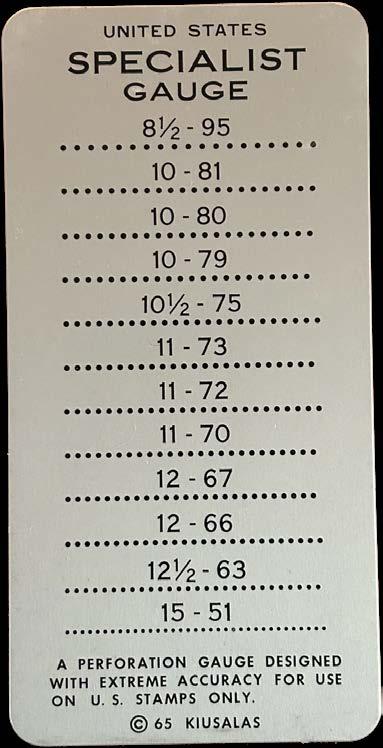
The Kiusalas Gauge
In 1966, Richard Kiusalas introduced a new system that seemed to offer greater precision. In his United States “Specialist” Perforation Gage, Kiusalas combined the familiar whole-number gauge readings with exact hole spacings measured to the thousandth of an inch.1 For example, he divided “perf 11” into three separate increments: 11-70, 11-72, and 11-73, where the last two digits represent the hole spacing in thousandths of an inch (e.g., 0.073 inches). The “Specialist” Gage is illustrated in Paul Schmid’s The Expert’s Book.2 Use of the Kiusalas gauge for distinguishing varieties of Washington–Franklin stamps rested on a mistaken assumption: that tiny measurement differences represented distinct perforation spacings, rather than normal variation from a single wheel set. In practice, as this study will demonstrate, the small differences he recorded fall within the natural spread of results you would expect when measuring hundreds of stamps. His “extra spacings” on Washington–Franklin stamps are statistical noise, not true varieties. Mechanical evidence reinforces this point. Perforators of the Washington–Franklin era were built for a single wheel diameter, historically reported as 4 1/16 inches. In 1918, Joseph Leavy reported that machines for perf 10, 11, and 12 used standard pin counts (160, 176, and 192, respectively), and affirmed, in bold print, that “the perforating machines manufactured in this country contain perforating wheels of a standard circumference”.3 These fixed specifications leave no opportunity for the incremental values proposed by Kiusalas. The reliability of Leavy, curator of the National Philatelic Collection and well known for his scholarship, should have raised a red flag about Kiusalas’s conclusions.
The misuse of Kiusalas’s gauge is not a trivial matter. Without a clear understanding of the natural variance in the Bureau’s perforating equipment, many experts have treated his increments as absolute fact. Even the “Bible” of Washington–Franklin authentication—The Expert’s Book by Paul Schmid—often insists that “…measurements using … the ‘Specialist’ gauge (12-66), and/or direct comparison with known genuine perforations must be precise.”4 The result has almost certainly been that some genuine stamps were denied certification because they failed to “precisely” match Kiusalas’s gauging, and even more likely that collectors declined to submit otherwise genuine stamps for authentication for the same reason.
This study reexamines Kiusalas’s gauge using high-resolution measurements of many hundreds of Third Bureau stamps. The results show that a single standard wheel set could produce stamps with his 11- 72 and 11-73 readings, as well as his different increments for perf 10 and 12. By combining statistical analysis with mechanical constraints, the
evidence demonstrates why the Kiusalas gauge should not be used for identification and expertizing.
(This study was confined to Third Bureau flat plate issues. Rotary stamps were perforated using different equipment that had different paths for spacing variation. Adding this data would have only added complexity to an already complex analysis. Rotary perforation variation will be reported on in a subsequent article.)
Study Details
The primary focus of this study is to establish a statistically valid measure of the natural variation in Bureau flat plate perforators, demonstrating that Kiusalas’s increments do not represent distinct varieties. This measure—known as standard deviation—describes how spread out the individual measurements are around the average.
Over one thousand perf 10, 11, and 12 Washington–Franklin stamps were scanned at 1200 dpi and analyzed with computer software to measure the spacing between perforations. The technique, described in my July 2022 Specialist article on detecting faked stamps,4 provides a precision five to ten times greater than the equipment available to Kiusalas in the 1960s. With such a large, randomly selected sample, the results are calculated to be accurate within 0.0001 inch at a 99% confidence level.
Statistical Results
Most collectors are not familiar with statistical calculations, so to begin, a visual presentation of the measurements is most useful. The three normal distribution curves below (Figures 2, 3, and 4) show the spread of measurements for perf 10, perf 11, and perf 12 stamps. Detailed tables of the calculated statistical results are presented later.
Figure 2.
Perf 11 Curve Description
The distribution curve for perf 11 stamps in Figure 2 shows a single, continuous spread of measurements, nearly identical in shape to the curves below for perf 10 and perf 12. The horizontal axis shows the range of perforation measurements, while the height of the curve is the frequency those values occur. Readings that fall at 11-72 and 11-73 are
simply part of this natural variation, not unique varieties. A genuine perf 11 stamp can fall anywhere within this normal range.
Normal distribution - perf 10
Figure 3. Normal Distribution - Perf 12
Distribution
Spacing - inch
Figure 4.
Perf 10 and 12 curves show the same continuous spread of measurements (the ranges actually being somewhat broader than that of perf 11). This consistency further demonstrates the accuracy of Leavy’s reporting of only one wheel configuration for each integer gauge.
Tabular summary of data and analysis
Table 1. Data summary. 96th percentile readings represent the average plus and minus two standard deviation units, a range where 96% of readings fall.
Comparing the average spacing distances from the high-resolution measurements, to the spacing expected when dividing the circumference of a 4 1/16 inch wheel by Leavy’s pin counts, we get total confirmation of his historical reporting.
4.06
Table 2. Calculated versus observed spacings. Differences of a few ten-thousandths likely reflect rounding the wheel diameter measurement to the nearest 1/16 inch.
Mechanical Considerations
Skeptics may suggest that the Bureau by accident or choice, obtained a set of wheels of a slightly different diameter (which would change the spacing between holes) or with a different pin count. A different wheel diameter can be dismissed immediately: it would not fit the perforator without redesigning and custom-manufacturing new drive gears. Wheels with a different pin count, if accidentally used to replace worn wheels on any of the thirty Bureau perforators, would wear out prematurely, if not jam and cause damage. With no benefit coming from a very minor change in perforation spacing, the Bureau would reject any such modifications.
Similarly, with no potential improvement arising from such minor changes, no supplier would manufacture and offer non-standard wheel sets. Boring holes in the wheels at a precision of a thousandth of an inch required very specialized and costly jigs and tooling. No new or existing supplier would make such expenditure for a change that offered no benefits or market. Standard sizes exist as they are economical and marketable.
Conclusions
The high-resolution measurement study and the mechanical aspects both point to the same outcome: the Bureau’s perforators operated with single, standard wheel configurations.
The statistical analysis of data produced distribution curves and ranges for perfs 10, 11, and 12 spacings that are nearly identical, an outcome only possible if there were only one wheel configuration used for each perforation size. The essentially perfect match of spacings from calculations compared to the high-resolution measurements demonstrates the accuracy of Leavy’s reporting. And there is no logical basis for assuming the Bureau accidentally or purposely obtained non-standard wheels.
Together, these lines of evidence confirm that the supposed “sub-varieties” of Washington–Franklin perforations are simply normal variation within one configuration—not evidence of multiple wheel diameters or pin counts.
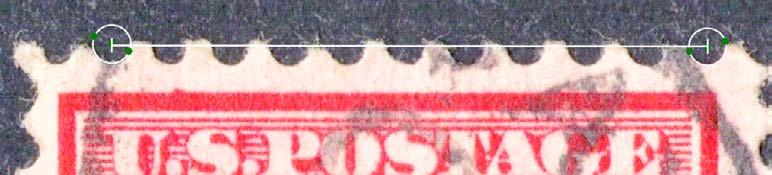
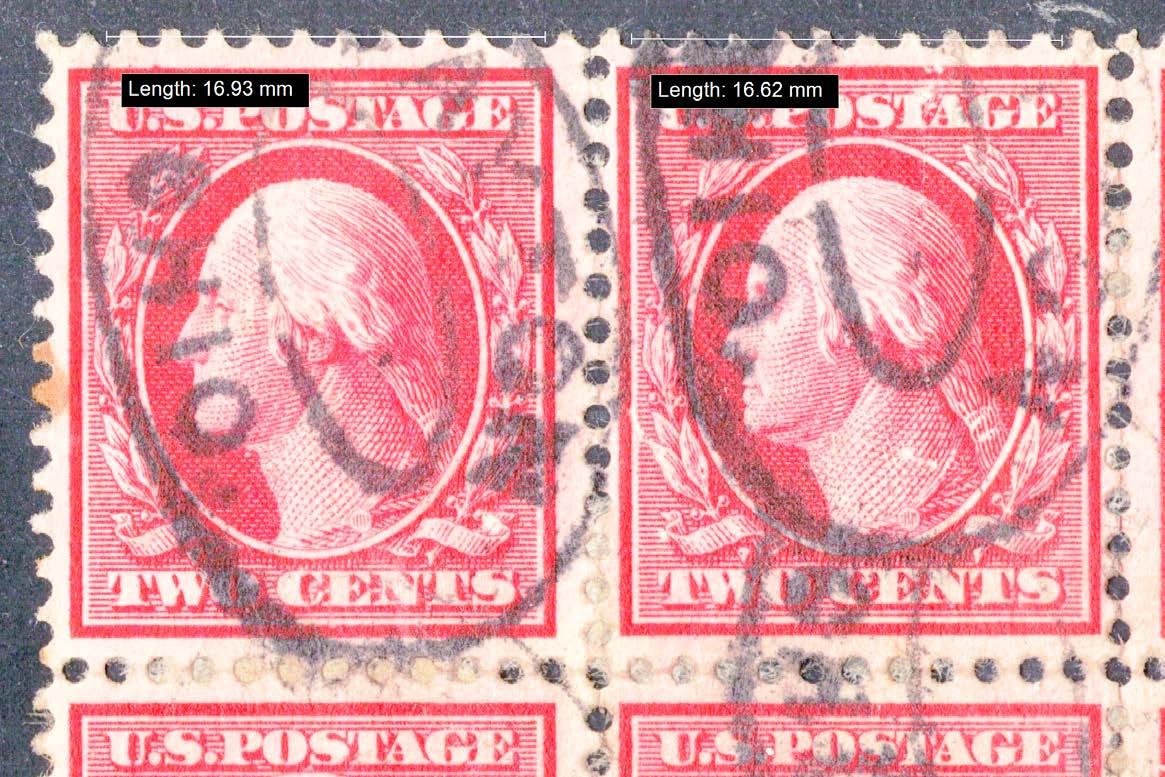
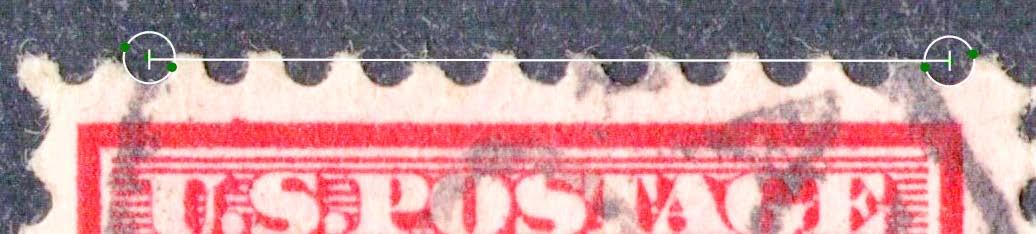
A visual confirmation of the variance that exists within a single block of stamps is shown below in Figure 5. Figure 6 demonstrates the method to find centers of perforation holes to use for measurements, by drawing a well-fit circle into often misshapen holes. The two adjoining Scott 332 stamps shown measure 16.93 mm and 16.62 mm between ten perforations. These two measurements convert to 0.0667 and 0.0654 inches, respectively. In other words, these two adjoining stamps would measure 12–67 and 12–65 on a Kiusalas gauge (if rounded to the closest increment). If this sheet of Scott 332s had been sent to produce vertical coils, neither stamp would have met the 12–66 criteria.
Collectors wishing to verify proper perforation gauge should rely on the standard gauge ranges shown in Table 1, which reflect the true variation produced by Bureau perforators.
Together, these independent lines of evidence—statistical, mechanical, and visual— confirm that the Kiusalas “sub-varieties” do not represent distinct perforation types, and that his gauging should not be used for authentication purposes for Third Bureau stamps.
Figure 5. Adjoining Scott 332s with different gauge values.
Figure 6. Close-up of the measurement technique to determine hole centers.
I would like to acknowledge Dwayne Littauer for his editorial review, and Julian Goldberg for sharing his historical perspective on perforating equipment used in US stamp production.
Endnotes
1. Richard Kiusalas, “Specialized Perforation Gauges,” The United States Specialist 37, no. 2 (February 1966): 60.
2. Paul W. Schmid, The Expert’s Book: A Practical Guide to the Authentication of United States Stamps; Washington/Franklin Issues 1908–1923 (Huntington, NY: Palm Press, 1990), 187.
3. Joseph Leavy, The Philatelic Gazette, May 1918, 154.
4. 5.

The Monthly Random Booklet: BK208 Spring Flowers
by Dieter R. Kohler, P h D USSS # 12538
Introduction
In the early 1990s, the United States Postal Service (USPS) had been receiving letters from the public asking for “bright, pretty American stamps.” The USPS asked an artist to produce color sketches of a group of American garden flowers. Instead, the artist produced illustrations of wildflowers. The USPS liked them so much that they decided to create a 50-stamp pane featuring wildflowers found in each state.
The USPS still liked the garden flowers idea and felt it would also meet consumer demand. So it thought that flower booklets might please the public. It ran TV commercials and full-page advertisements in stamp publications announcing “The flowers are in bloom at your post office. Buy them while they last!” and “Pick up a bunch.” The booklet, issued in 1993, featured five spring flowers clustered together in a bouquet. Over the
From The Booklets and Booklet Panes Committee
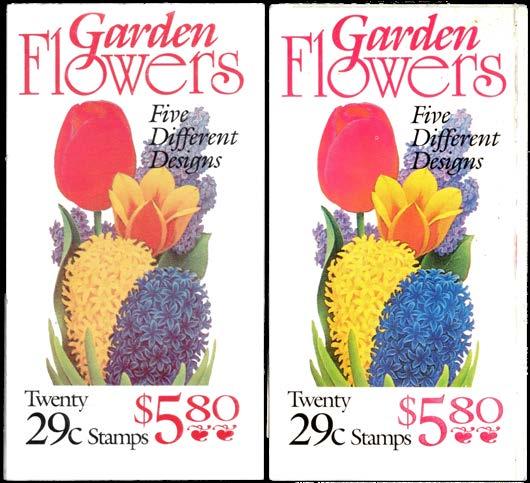
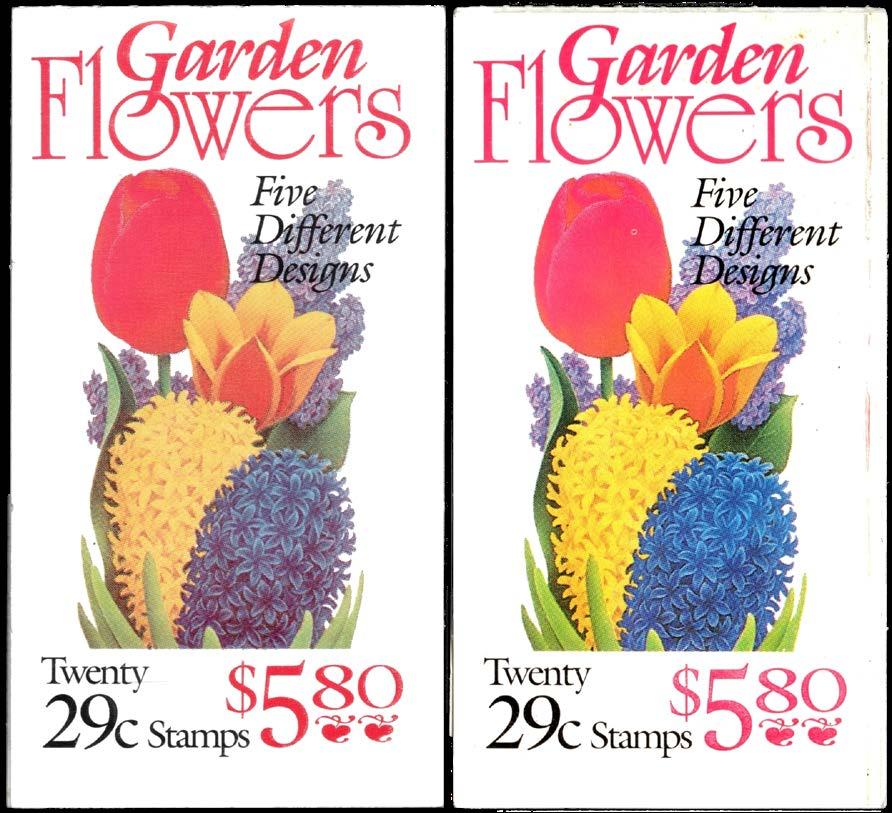
Figure 1. BK208, Lilac and Blue front covers.
following three years, the USPS issued booklets of stamps showing flowers that bloom in summer, fall, and winter.
As far as booklet collectors looking for varieties are concerned, the spring, summer, and winter flower issues essentially used identical plate layouts, while the fall booklet used a similar, but modified plate layout, missing some black register lines in the tabs. This article describes the spring flower booklet pane varieties, which are identical to the summer and winter booklets (give or take a few color changes in the plate layout markings) and mostly identical to the fall booklet.
The Cover
Booklet collectors soon noticed that there are two distinctively colored covers; the difference is clearly evident in the color of the foreground Hyacinth, which is either lilac or deep blue. This probably went unnoticed at first, as the collectors simply got the one version on sale at their post office, which could go either way. As catalogs generally don’t mention cover varieties, the difference hasn’t bothered general collectors (or even many booklet specialists).
The “blue cover” at right in Figure 1 also shows (parts of) colored seam lines along the right cover edge. As with booklet pane joint lines, these lines can appear if some ink has accumulated between the cover plate joints. Though for the garden flower issues, these cover seam lines are scarce and often very faint.
Once the color difference was noted, many booklet collectors were reminded of the 1988 Pheasant booklet panes. During the initial printing of this issue with plate A1111, the sky was a darker reddish blue, made from small dots of blue and red ink. However, the USPS decided they wanted the sky to be lighter, so in later printings with plates A3111 and A3222, American Bank Note Company eliminated the red dots and only printed the blue ones, resulting in a noticeably lighter sky. The same effect could have caused the color change in the flower booklet cover. Figure 2 shows a direct comparison of the two versions, pictures taken with a digital microscope.
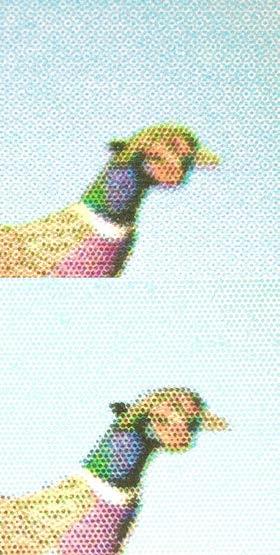
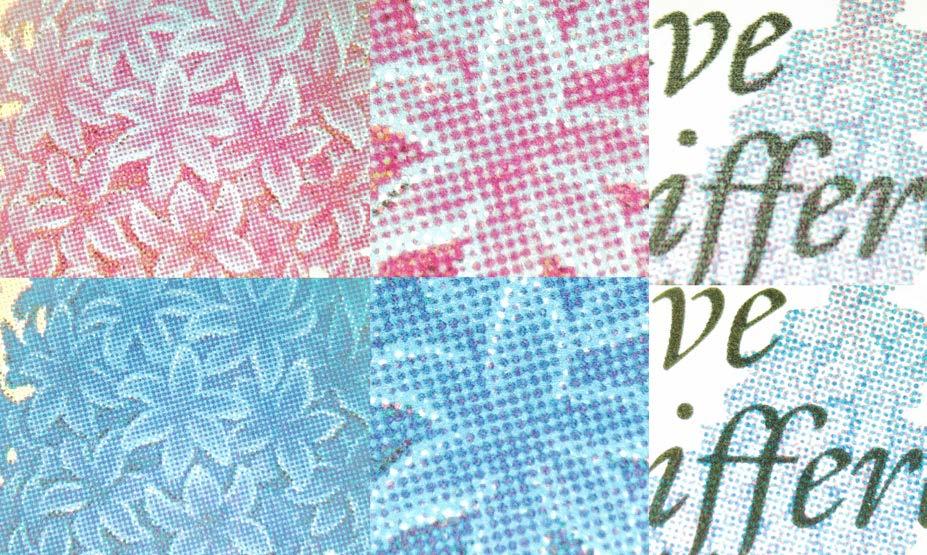
Figure 2. “Red” stamp details on the top row, “Red removed” stamp details on the bottom row.
The small red dots on the pheasant panes are difficult to see, even under a microscope. The blue and red dots are not overlapping. On the BK208 cover, the red dots are still present in the “red removed” cover, so there actually is no red removed in the design. The blue and red dots mostly overlap, and in some areas, they overlap precisely.
The cover difference comes from three effects. Firstly, the blue color in the “blue cover” is of a darker hue. Secondly, the blue dots were printed last; they can even be found on top inside the black lettering. Lastly, the blue and red dots mostly overlap, but small shifts of the red and blue plates could have drastically changed the final color of the raster dots. The lilac cover version seems to be the scarce variety, judging from the available sample, which only shows a few lilac cover booklets from plate 1.
The Spring flower booklets were the first ones assembled on a newly acquired Goebel booklet-forming machine that could print covers with up to four colors, greatly improving the look of the booklet covers.
Plate Layout
The stamps were printed on a combination printing press that used four offset plates and one intaglio sleeve. Exact details can be found in Mike Perry’s research paper on folded-style booklets.1 Figure 3 illustrates a section of the web consisting of 240 stamps (unfolded panes arranged in correct positions were used for the illustration). Each horizontal strip of panes in the four columns forms a booklet (labeled A to L). Three columns have the usual black cross register lines (CRLs), and two have length register marks (LRMs) in the tab area, used to align the web roll. The offset lines do not cover the entire plate height, leaving small gaps at the top and bottom. Column 2 contains various marks in the tab areas.
Booklets were assembled by first separating the web roll into four columns of panes. Next column 2 was glued onto column 1, and column 4 was glued onto column 3. Then column 4/3 was glued onto column 2/1. Lastly, the single strip containing panes from all four columns was glued into the front cover strip. So, in all booklets, the top pane is from the last column on the right, and the bottom pane is from the first column on the left.
To align the images of the four offset plates and the intaglio plate, four small offset crosses and one intaglio registration cross were printed in the left and right vertical margins of the web, located between the sixth and seventh booklet pane rows. While the crosses should have been trimmed away, traces remain when the trimming was slightly off. The lines in the intaglio “+” crosses are larger but much thinner than the offset “+” crosses.
At the left of Figure 4, the lower left corner of a position F booklet is shown that has the corners of the top three panes folded back to show the tips of the five “+” marks in the lower left corner of the position 21 pane. At right is the Lilac stamp of a position 24 pane showing the tip of the intaglio “+” mark near the lower right corner.
The right web margin also contains a copy of the 5 CCI square marks, as seen on the selvage tab of a position 34 pane. No Spring flower booklets are known to show (a part of) those squares, as they are positioned too far away and would require a large trimming failure. That apparently never happened for the Spring issue but pieces of those squares were found on Fall and Winter garden flower issues (see Figure 12 at right).
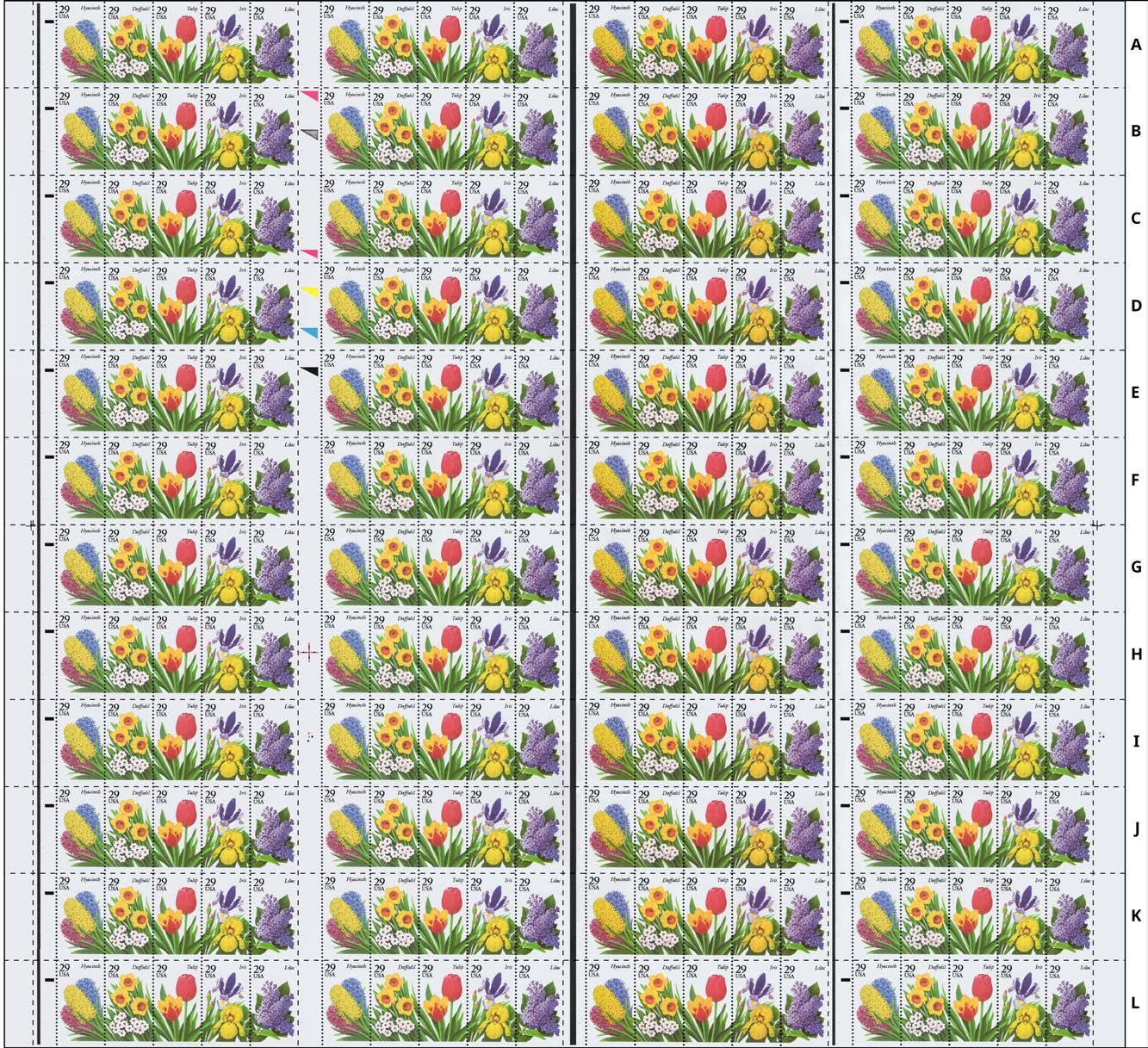
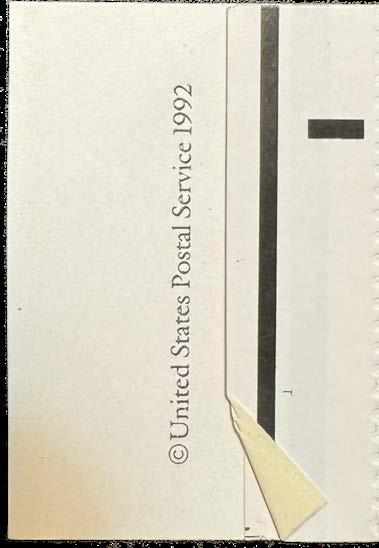
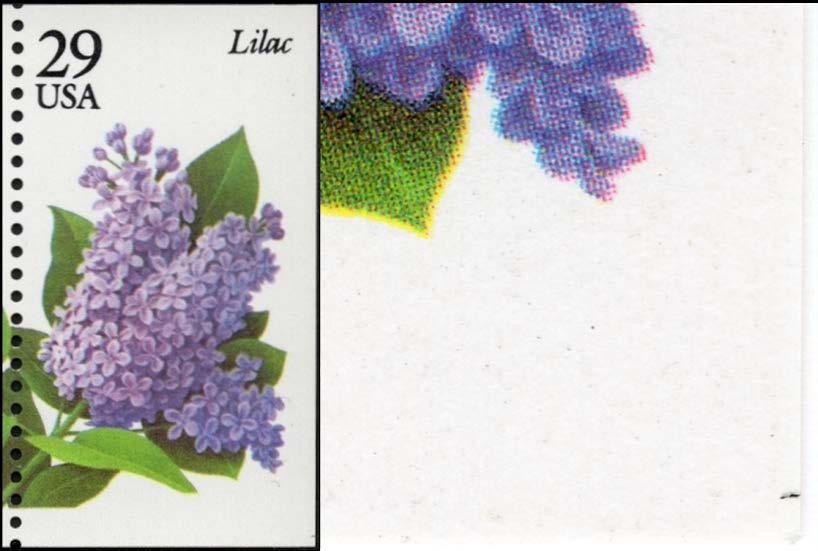
Figure 3. 2764a Spring flower plate layout (with Book-IDs added at right).
Figure 4. Alignment “+” crosses at left on the bottom pane’s tab in a booklet and at right on an unfolded pane.
Of the twelve booklets from each plate segment in Figure 3, only two have the same tab mark combinations, while eleven have different marks. Two plate sets were used, and unfolded panes from the first plate set were produced.
Book Panes*
A 4-1
B 8-5
C 12-9
Identifying marks Plate 1 Plate 2
Top CRL gaps on panes 1, 2 and 4
Black & Red triangles in tab of third pane
Red triangle in tab of third pane
D 16-13 Blue & Yellow triangles in tab of third pane
E 20-17
Black triangle in tab of third pane
F 24-21 Tick Mark @ LL corner in tab of 4th pane
G 28-25
Tick Mark @ UL corner in tab of 4th pane
H 32-29 "+" register cross in tab of third pane
I 36-33 Five "CC1" squares in tab of third pane
J, K 44-37 Third pane plain; unbroken CRL on rest
L 48-45 Bottom CRL gaps on panes 1, 2 and 4
Table 1. All the possible regular booklet combinations for BK208. * Pane positions from a plate are numbered from left to right, top to bottom.
Table 1 lists all the regular booklet varieties as they were planned. However, some irregular booklets were discovered. During booklet assembly, columns 2/1 and 4/3 went “out of sync.” Several booklets are known that contain position A panes from columns 2/1 and position L panes from columns 4/3. The pane order in such a booklet is visualized in Figure 5.
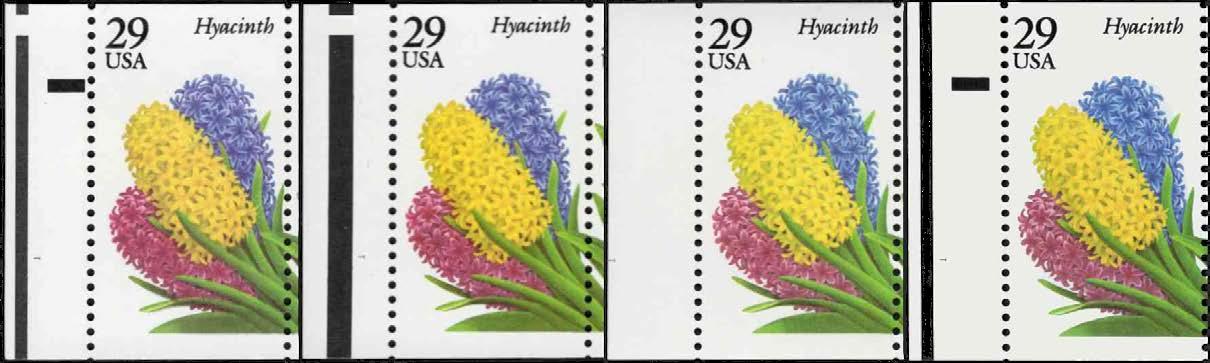
The panes in booklet A are cut high so they show the full CRL gaps at top, therefore the position L booklet just ahead in the web roll will not show the CRL gaps at bottom but still have an untagged tab strip at bottom which proves they are from position L. Several position B/A hybrid booklets are also known, and certainly other “out of sync” booklets still exist, waiting to be discovered.
For the booklet specialist, finding booklet positions F and G is extremely difficult, as the tick marks are tiny and only a portion of the “+” intaglio mark usually survives
Figure 5. Pane order in the A/L hybrid booklet, from top pane to bottom pane.
trimming. All panes are fully glued in the tab area, so it is often impossible to “peek” at the tab without damaging the pane tabs. So, the positions F and G booklets look just like the positions J and K booklets. Some booklet specialists were lucky to procure fresh pads of booklets at their cooperating post offices, so they were able to deduce positions F and G sandwiched between positions E and H in the pads.
Of the 48 panes from each web segment, at least 22 can be positioned by their unique marks. Table 2 lists all possible varieties, excluding those that could have occurred only if the panes resulted from web miscuts that included small bits of marks from a neighboring pane.
Figure 6 demonstrates the difference between an intaglio printed black triangle (position 6 pane at left) and an offset printed triangle (position 18 pane at right). The triangles are called “Bobst triangles” (named after the company that made that particular quality control device). Positions Identifying
5, 9, 13, 17, 29, 33, 37, 41
7, 11, 15, 19, 23, 27, 31, 35, 39, 43
8, 12, 16, 20, 24, 28, 32, 36, 40, 44
Narrow CRL with gap at top; Untagged tab
Plain tab with tagging gap along top edge
Wide CRL with gap at the top
Narrow CRL with gap at top; Tagged tab
Narrow CRL with no gap; Untagged tab
Intaglio Black and offset Red triangles in tab
Wide CRL with no gap at either end
Narrow CRL with no gap; Tagged tab
Offset Blue and Yellow triangles in tab
Offset Black triangle in tab
Tip of "+" register mark in LL corner of tab
22, 26, 38, 42
Plain tab without tagging gaps
Tip of "+" register mark in LR corner of pane
Tip of "+" register mark in UL corner of tab
Tip of "+" register mark in UR corner of pane □
Offset & intaglio "+" color registration cross
Five small solid color "CC1" squares in the tab □
Narrow CRL with gap at bottom; Untagged tab □
Plain tab with tagging gap at bottom edge
Wide CRL with gap at bottom
Narrow CRL with gap at bottom; Tagged tab
Table 2. All the possible pane marks for unfolded plate 1 panes.
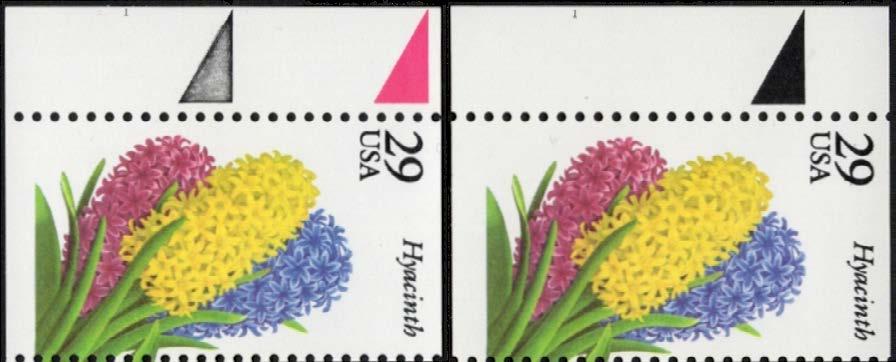
Both black triangles should look the same, but the intaglio triangle shows a weaker black. This is a well-known problem with recess printing since the earliest days of stamp production, often called ink scooping. With recess printing, the design is scratched into the plate, and the grooves and holes are filled with ink. The ink is transferred to the paper when it is pressed into the plate depressions after the plate is cleaned of surplus ink. When the surplus ink was wiped off the plate with a cloth, it often happened that the cloth would also suck out some ink from grooves and holes, particularly if these structures were large. The triangles are of such large designs that the chances of not enough ink left for a full black triangle were a given.
Reactions to UV Light
Booklet covers contain brighteners and are coated on the outside. The coating absorbs long-wave and most of the short-wave UV light, and the booklets appear dull violet. The covers are printed with red ink that reacts to short-wave UV with a bright glow.
The web was overall tagged, but the tagging mats did not cover the entire web area, so there are untagged strips at the left edge (including most of the tab area of the first pane column) and at the top and bottom edges. At right, the tagging mats covered just the right edge of the last pane column, so some top panes in a booklet might show a small untagged area along the right edge. This also applies to the summer and winter flower issue, but not to the fall issue, which was fully tagged and has no tagging gaps. Some tagging mats show significant degradation from excessive use.
Quite often, the tagging mats were slightly misaligned with the printing plates. Panes from the top row (positions 1–4) might not have a tagging gap along the top, as the entire gap is found on panes 45–48 of the previous plate. In that case position 2 panes are indistinguishable from positions 22, 26, 38, or 42. Also, quite often, the panes were not cut in the middle of the CRL gaps; the entire gap shows on panes from the top or bottom row in Figure 3.

Figure 6. Tabs of position 6 and position 18 panes.
Figure 7. Position 3 at left and position 48 at right.
So in some cases, for definitely determining positions 1 to 4 or 45 to 48, both the register lines and the tagging gap might have to be inspected.
The pane at left in Figure 7 is a position 3 pane as it has the top CRL gap with a fully tagged tab, but does not have the tagging gap at the top. The pane at right is the reverse situation. It has a tagged tab and the full tagging gap at the bottom, which makes it a position 48 pane, although it does not have the bottom CRL gap. Without looking under short-wave UV light, the pane at right might be mistaken for an “ordinary” position 8 pane.

The pane at the left in Figure 8 is a position 47 pane with a wide CRL without a bottom gap but with a full tagging gap at the bottom. The two tagging gap examples shown in Figures 7 and 8 show straight, clean gaps. However, the tagging mats were used beyond their useful lifetimes, as is shown by the pane at right in Figure 8. In this case, the tagging gap has turned into a mess that is essentially no longer recognizable as a thick line.
The tagging gap can be detected without using a UV source. The surface tagging layer adds a glossy look to the surface, and untagged areas will appear dull when looked at from a grazing angle.
The Freak Show
As with most issues using combination printers, errors and freaks are known where the intaglio section was not engaged or misaligned. In the first case, all panes miss the black lettering, plate number, and on position 6 panes, the intaglio black triangle mark. Figure 9 shows the top pane in an intaglio missing printing.

Freak booklets have the intaglio printing shifted to the left, creating a “misperforated look” (see Figure 10). These panes are almost always described as misperforated, but they are misaligned intaglio printings. The positions of the perforations are perfectly normal.
Figure 8. Position 47 at left and a position 1 pane with degraded tagging mat at right.
Figure 9. BK208 missing intaglio black.
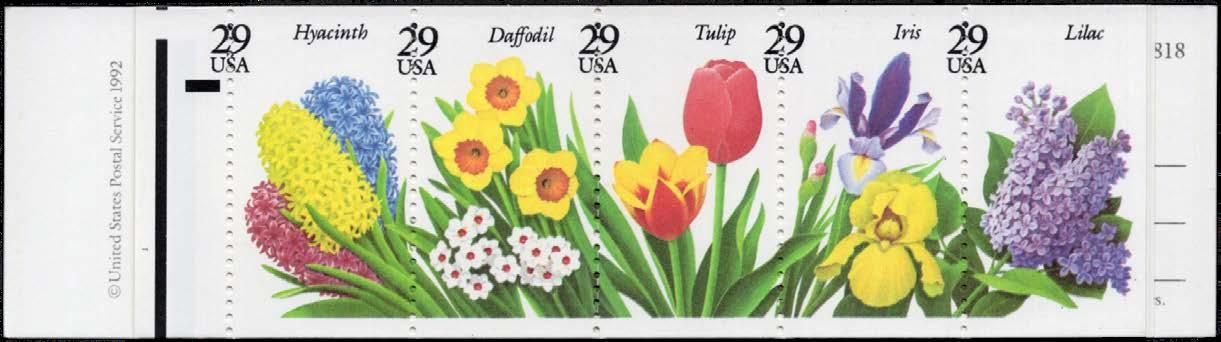
Figure 10. BK208 misaligned intaglio black.
Misaligned intaglio printing can lead to interesting marks appearing on the Lilac stamp near the right edge.
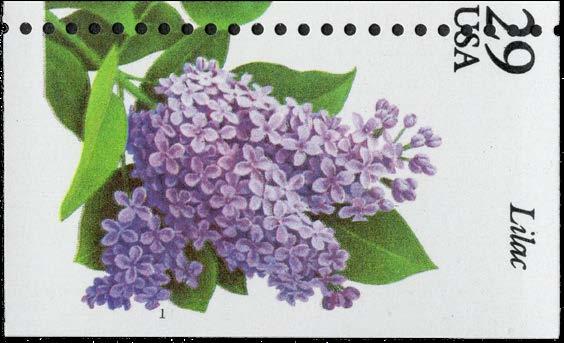
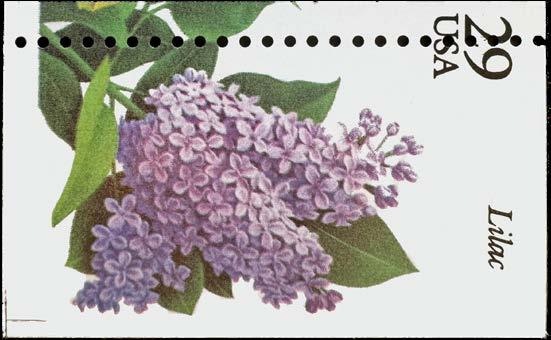
Figure 11. Plate number on Lilac stamp and intaglio register cross on misaligned printings.
On the left of Figure 11, a position 1 pane shows the plate number 1 shifted into the Lilac stamp. At the right of Figure 11, a position 24 pane shows the entire top half of the intaglio cross register mark at the lower right corner.
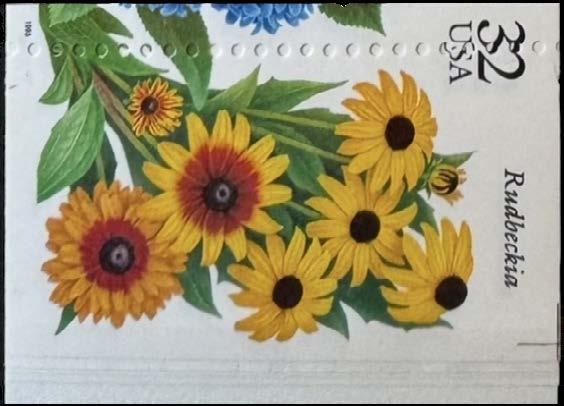
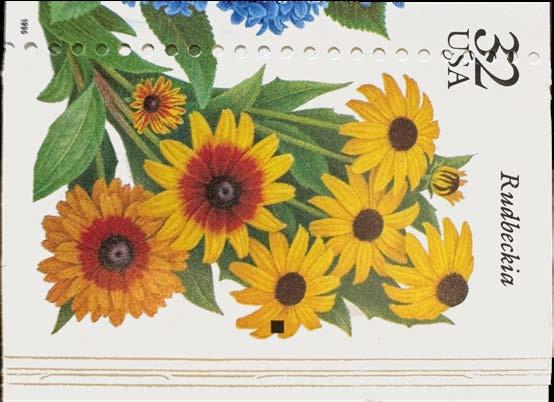
Figure 12. Fall flower booklets with marks on intaglio misaligned panes.
On the left of Figure 12, a position 25 pane from the Fall Flowers issue shows the upper left intaglio cross mark. At right of Figure 12, the full black intaglio CC1 square inside the right side of the center Rudbeckia flower can be seen. A few booklets were found (from both plates) with missing perforations on the panes. Most booklets were exploded for individual panes, which usually show the traces
of the (sometimes crude) pane removal process in the tabs. No unfolded imperforate panes are known.
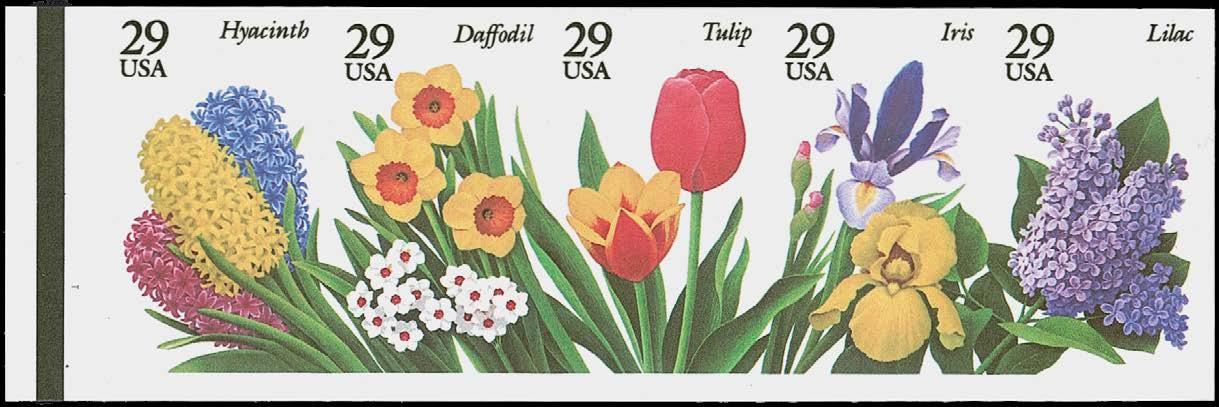
Due to their colorful covers and panes, the Garden Flower booklets were well received by the public and are considered some of the finest issues among the booklet specialists.
Acknowledgment
Valuable input and additional images from Michael O. Perry are greatly appreciated by the author.
References
1. Michael O. Perry, Folded-Style and Pressure Sensitive Booklet Checklist, Research Paper no. 2 (United States Stamp Society), https://www. usstamps.org/download/research-paper-2folded-style-booklet-checklist/.
2. Robert A. Siegel Auction Galleries, Sale 1297 (October 1993), lot 851.
Quality
United States Stamps (1847-1945)
Singles (mint and used)
Plate Blocks
Booklet Panes plus Complete Booklets
Price lists-$2.00 each category
Price lists free on web: www.mountainsidestampsandcoins.com
We also buy quality U.S. and foreign stamps Mountainside Stamps, Coins and Currency
P. O. Box 1116
Mountainside, NJ 07092
Tel: 908-232-0539 or 908-419-9751
E-mail: tjacks@verizon.net
Tom Jacks, owner Member APS, ASDA, USSS
Figure 13. Imperforate top pane from a booklet.2
George H. Grinnell’s Fanciful Covers Show He Regarded Philately as Fun
by Kevin G. Lowther USSS # 14367| m klowther5@gmail.com
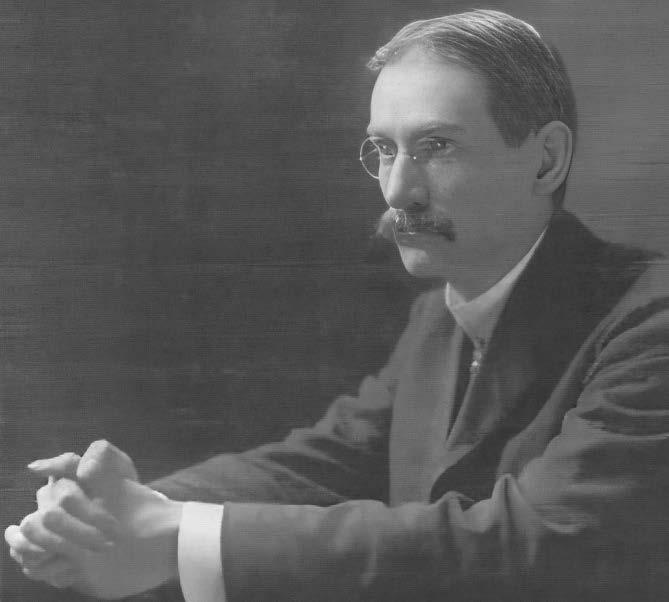
Figure 1. George H. Grinnell (1875–1949) was a stamp collector, schoolteacher, and a Mason originally from the Boston area. He has been known for the past century for the Hawaiian stamps he claimed to have received from an elderly man in Los Angeles. A judge ruled in 1922 that the stamps are forgeries. The author is not alone in believing that the stamps are genuine.
George H. Grinnell (Figure 1) is well known for the controversial early Hawaiian stamps he sold in 1919 to New York dealer John Klemann. When Klemann subsequently concluded that the stamps were forgeries, he sued Grinnell. A Los Angeles judge ruled in 1922 that the stamps were fakes and ordered Grinnell to reimburse Klemann for the purchase price—today about the equivalent of $1 million.
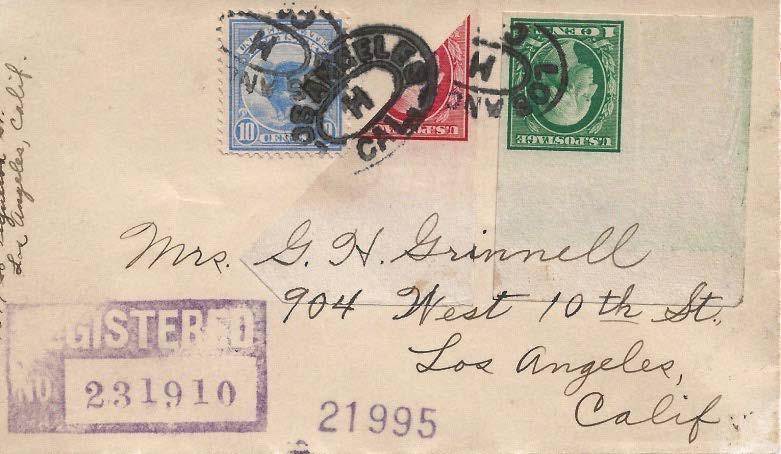
Figure 2. Seemingly as a gag, George H. Grinnell mailed a registered letter in June 1913 to his wife. He applied a diagonally bisected corner 2¢ stamp (Scott 409), a Registry fee stamp (Scott F1) and an upside-down 1¢ stamp (Scott 408).
I have argued, in an article published in Kelleher’s Stamp Collector’s Quarterly1 that the “Grinnell’s” are genuine. Grinnell spent the rest of his life trying to convince the philatelic world that his Hawaiians were real. Opinions among respected philatelists remain divided and inconclusive.
There may be another facet to Grinnell’s legacy which readers of this article are in a position to document. I was drawn to Grinnell’s story by the envelope in Figure 2. It is a Registered cover he sent to his wife in 1913. Note the bisected margin imperf 2¢ stamp
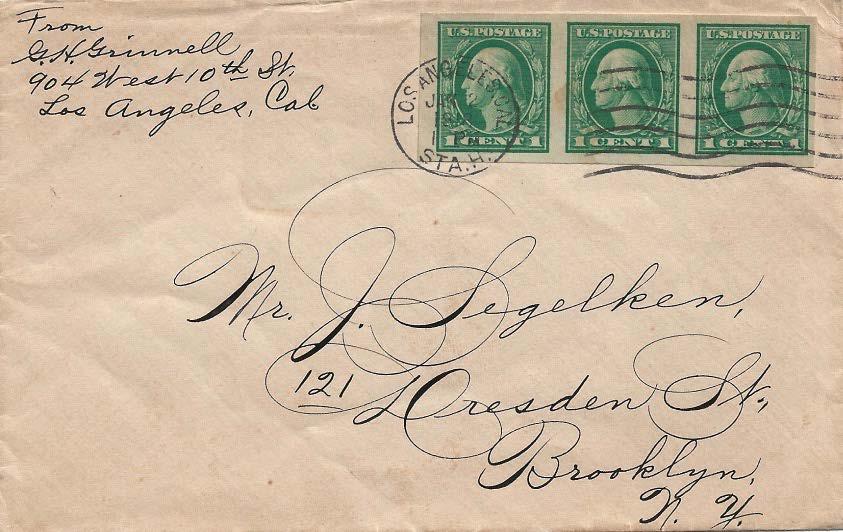
Figure 3. George H. Grinnell sent this cover in 1918 to J. Segelken, probably a stamp collector, in Brooklyn, New York. He used a strip of three imperf flat plate coil stamps (Scott 408H) in lieu of a normal 3¢ stamp to meet the wartime letter rate.
(Scott 409) affixed between the 10¢ Registry fee stamp (Scott F1) and an upside-down margin 1¢ imperf stamp (Scott 408).
Grinnell clearly enjoyed concocting this oddball cover, which I had assumed was a one-off. However, I recently acquired another Grinnell cover (Figure 3) franked with a strip of three flat plate coil stamps (Scott 408H). It was posted in 1918 at the 3¢ wartime letter rate.
Did Grinnell habitually frank his covers in philatelically fanciful ways? The two covers shown here are suggestive, but additional examples would confirm that Grinnell created unusual covers, perhaps as a favor to fellow collectors. Was this the work of a forger or of someone who regarded philately as fun?
Watch for Grinnell covers that exhibit his apparent penchant for uncommon usages. References
1. Kevin Lowther, “Among George Grinnell’s Papers Are Evidence That His Hawaiian Missionaries Are Genuine,” Kelleher’s Stamp Collector’s Quarterly, 1st Quarter 2023, 51–63.
Editor’s Note
Below is another “creative” Grinnell cover, from my collection. It is franked with a one-cent stamp bearing a “War Tax” overprint, privately applied in 1917 by Charles S. Thompson, a stamp dealer in Los Angeles. Evidently, Thompson (and, presumably, Grinnell) advocated to increase the letter rate by a penny to fund World War I. They got their wish later in November 1917. This is another example of Grinnell’s penchant for the unusual.
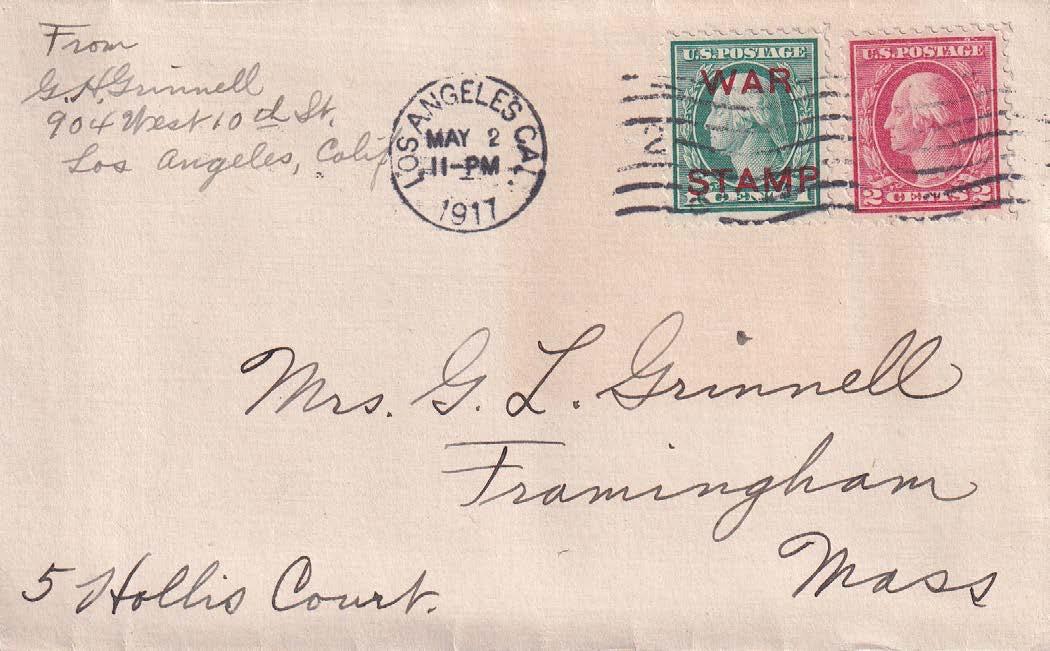
1917 cover from Grinnell to a relative, franked with a 1¢ stamp featuring a private “War Stamp” overprint. Courtesy of Andrew S. Kelley.

Report of the Executive Secretary
APPLICATIONS RECEIVED FOR MARCH 2026
17660 Dennis Schmidt, Reno, TX 17661 Stephen Harsy, Verona, WI 17662 David Street, Middlesex, UK 17663 Robert Glenn, San Diego, CA 17664 Kris Haggblom, Deland, FL 17665 Brian Reef, Trevose, PA
APPLICATIONS PENDING
17654–17659
17651–17653
NEW MEMBERS
REINSTATED
7951 Scott Pelcyger 12131 Gregory Lachowicz 15926 Martin D. Green 16450 Jacob Klerman 17483 Larry Hanson 17506 Michael Cortese
MEMBERSHIP March 31, 2026
DONATIONS (received outside of annual dues cycle)
Leslie Butler
Michael Cortese
Keith Knutson
Scott Pelcyger
Bernard Wojnowski
Update Your Profile
If you have had a change in your mailing address for receiving The United States Specialist, or have a new e-mail preferred address, members can log into www.usstamps.org, click on “Your Profile” and update this information. For delivery “issues” please contact Bob Rufe at: execsecretary@usstamps.org.

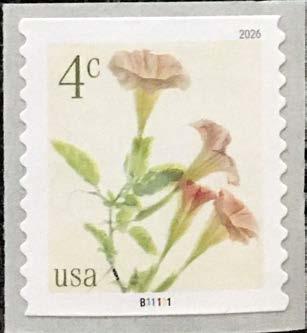
#???? 4¢ Angel’s Trumpets B11111 UL UR
2r x 4c 1,2,3,4,5,6,7,8* (illustrated last month)
#???? 4¢ Angel’s Trumpets Coil B11111
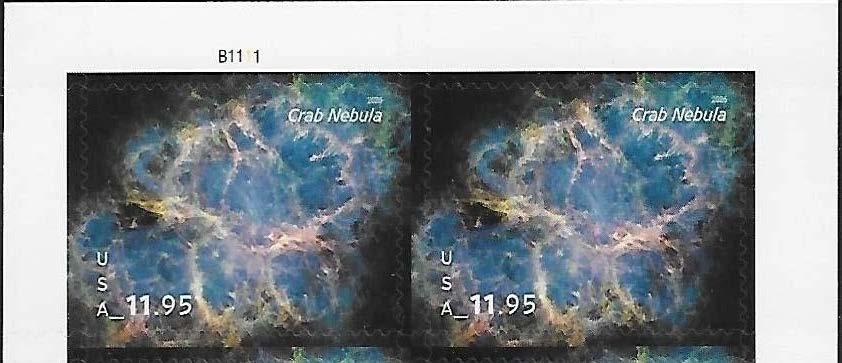
$11.95 Crab Nebula
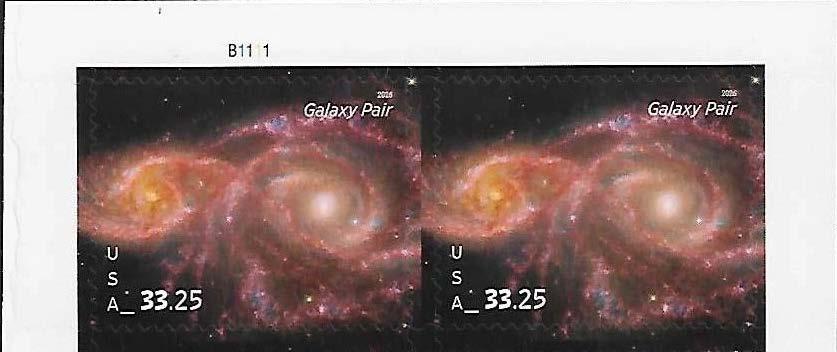
$33.25 Galaxy Pair
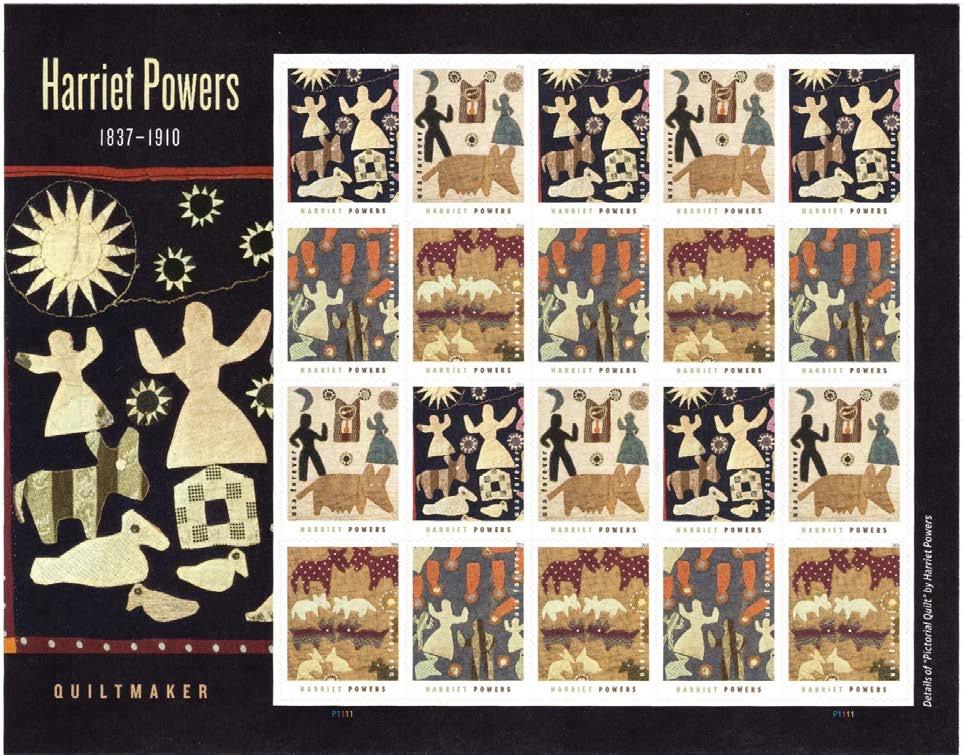
#???? Harriet Powers P1111 ‡ ‡ LL LR 3r x 2c 1,2,3,4,5,6* 3
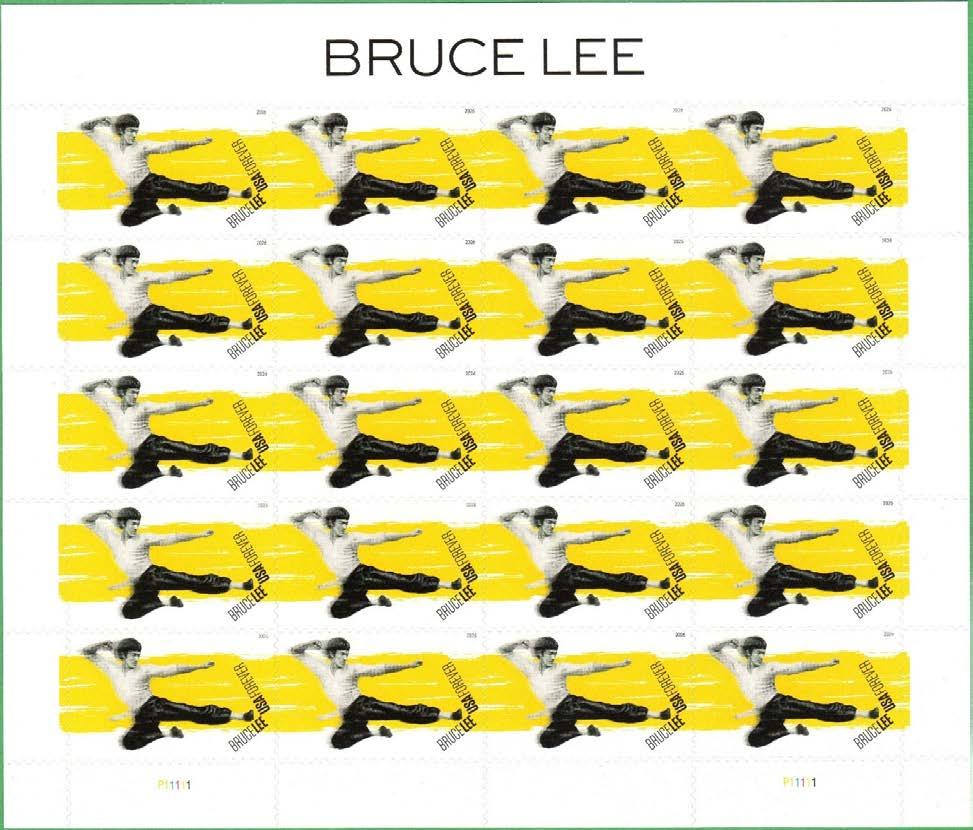
#???? Bruce Lee P11111 ‡ ‡ LL LR 2r x 3c 1,2,3,4,5,6* 3
COORDINATORS: Members are invited to report their findings to the appropriate coordinator.
All issues through 1980
Sheet stamps after 1980
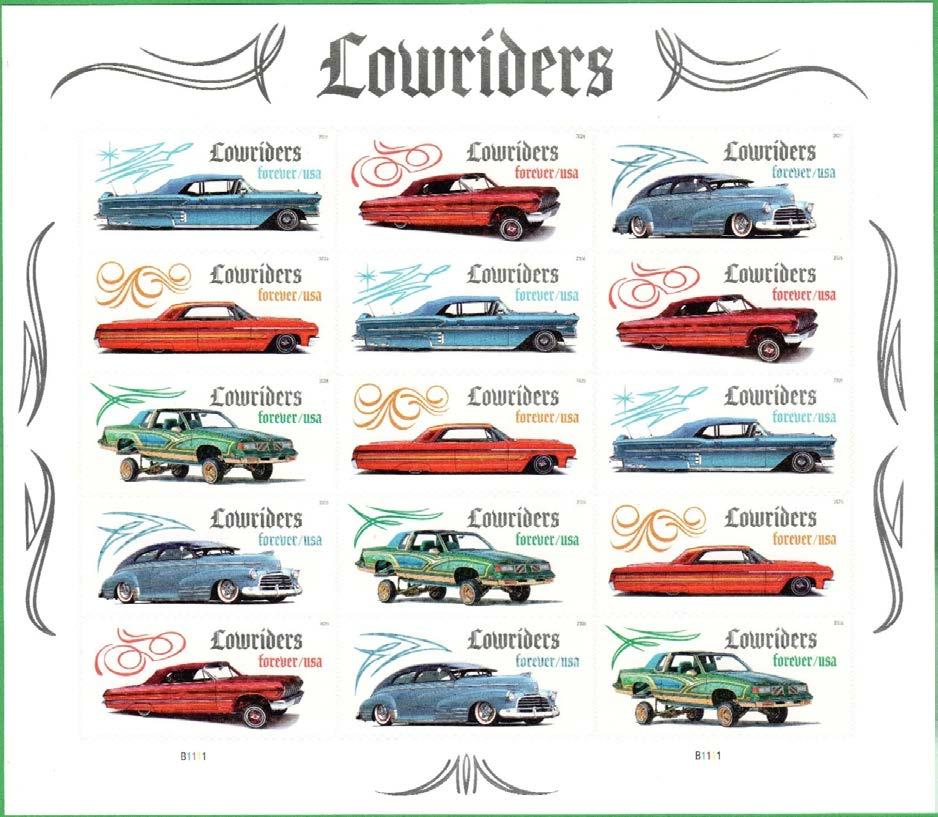
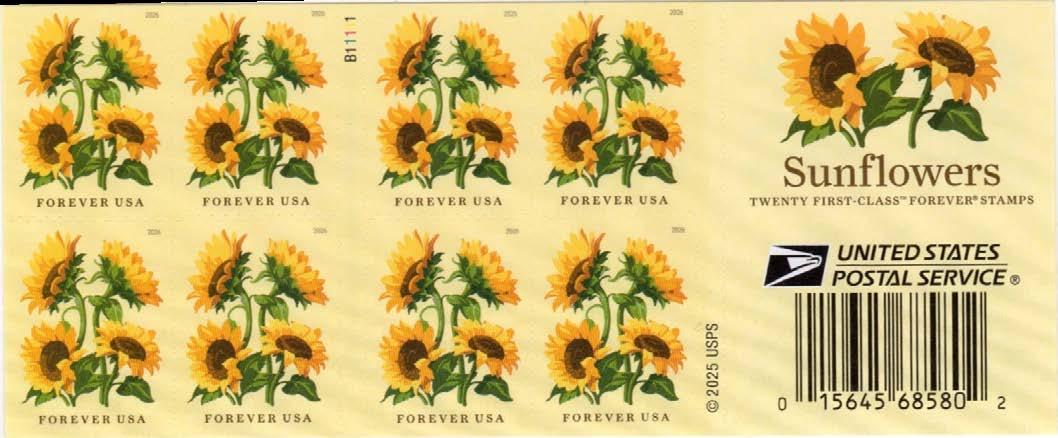
This monthly report is used to update the Durland Standard Plate Number Catalog. 3 #???? Lowriders B1111 ‡ ‡ LL LR 3r x 2c 1,2,3,4,5,6* 3 #???? Sunflower Booklet B11111
Kim D. Johnson 310 E N 3rd Street
Georgetown, IL 61846
Jim Cochrane P.O. Box 2009 Great Bend, KS 67530
Coil stamps after 1980 Jill Ambrose PO Box 54622 Cincinnati, OH 45254
Booklet stamps after 1980 Michael O. Perry P.O. Box 1194 Rainier, OR 97048
Classified Advertising
USSS MEMBERS are entitled to two free ads of up to 40 words each year. Other ads are 10¢ a word, payable in advance. For 6 insertions, take a 5% discount; for 12 insertions, take a 10% discount. Ads with [1155] at the end expire with this issue. Make checks payable to USSS. Send copy and check to The United States Specialist, 9038 E. 25th Dr., Denver, CO 80238. The Editor strongly prefers to receive ad copy by email: editor@usstamps.org. Emailing ads saves substantial time for you and the Editor and avoids errors.
WANTED
WANTED TO PURCHASE #1053 HAMILTON $5
Commercial Usages. Especially need use to foreign destination. Also doing a survey so scans appreciated. Doug Weisz weiszcovers@gmail.com, 773-9144332. 33 W Ontario St. #48A Chicago, IL 60654. www.douglasweisz.com [1168]
SEEKING USS INDEPENDENCE STAMP similar to Scott #4703 USS Constitution stamp. Bernard Wojnowski; 64 Mariner Rd., Vineyard Haven, MA 02568. [1157]
WANTED - NAMW TEXAS POSTMARKED covers. Member APS, IPDA, USSS, APNSS. Email: htputney@gmail.com [1162]
WANTED FOR MY COLLECTION: SCOTT #102 to #111, 1869 Special Printings (re-issues). Please— only nice examples without major faults. Must be face-up bright and attractive. PF or PSE Certs only! Strong buyer—Rob Lehmann (240)422-0118 or diecasttoys@yahoo.com [1163]
WANTED #279 PLATE NUMBER STRIPS FOR specialized collection/study of 1898 1¢ Franklin, plate #’s 1459 & 1470 (any position), 1411(bottom). 279a plate #’s 1206, 1207, 1315, 1376, 1379. Len McMaster, 304-856-1118 or lenmcmaster@gmail.com [1168]
FOR SALE
IF MY STAMPS ARE NOT VF/XF, SUPERB, I sell in packets. Upgrade now at low prices. U.S.A. and Norway with no faults, centered and clean. Request list—Reed Roholt, P.O. Box 1006, Beaver, UT 84713. Satisfaction guaranteed. [1160]
GET A COMPLETE SET OF U.S.A. OVERRUN Countries Scott Catalog numbers 909 through 921. That’s 13 stamps. All are XF/SUP MNH nicely centered no faults. Catalog value is $3.75+, but in hoping to find more customers, I am selling for $1.00+SASE. Along with your stamps you will receive a price list of mint and used stamps at same savings. Reed Roholt, P.O. Box 1006, Beaver, UT 84713 [1156]
GRAND AWARD SINGLE FRAME 4TH BUREAU
Issue gum breaker exhibit. All 17 known breaker configurations included. Scans available. See my coauthored “Gum Breaker” chapter in Griffith/Stotts book for details. Louis Fiset, lfiset@outlook.com [1156]
Precancel Stamp Society
Interested in Learning More about Precancels? Request a copy of “Th e ABCs of Precancel Collecting” and also receive a sample copy of the PSS Forum, the Precancel Stamp Society’s monthly journal. Contact: Frank Bird III, 1095 Pinellas Point Dr South, Apt 352, St. Petersburg, FL 33705-6377. Email: promo@precancels.com.

Index of Advertisers
Armen Hovsepian (www.USatFACE.com).......................................... 206
Boston 2026 (www.boston2026.org) 196, 232, 240 Mountainside Stamps, Coins and Currency (www.mountainsidestampsandcoins.com) ....... 232
Precancel Stamp Society (www.precancels.com) 240 Richard Friedberg (www.friedbergstamps.com) ................................ 222
Robert A. Siegel Auction Galleries (www.siegelauctions.com) .....................................195 Scott A. Shaulis (www.shaulisstamps.com) .................................... 206
The United States Stamp Society (www.usstamps.org)......................................... Covers
U.S. Philatelic Classics Society (www.uspcs.org) 222
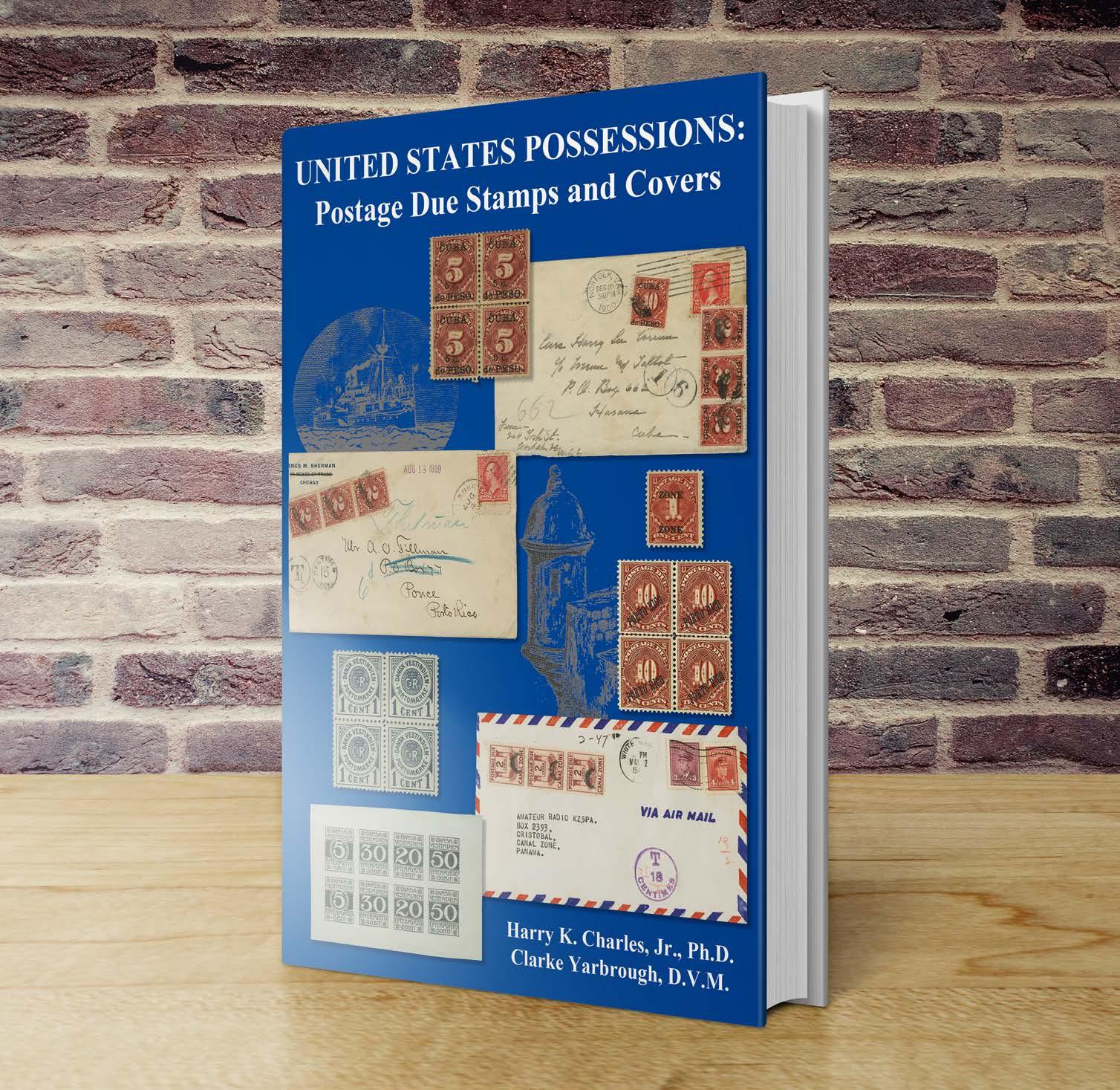
United States Possessions: Postage Due Stamps and Covers presents the story of Postage Due stamps used in the major possessions or territories of the United States. Written from a stamp collector’s perspective, the authors address the challenge of identifying the myriad of Possession Postage Due stamps by concentrating on stamp identification while also covering the Postage Due issues of Cuba, the Danish West Indies, Puerto Rico, the Panama Canal Zone, the Philippines and more.
In addition to the text, the monograph contains over 300 illustrations and five appendices which provide information to supplement and further explain key points. In many cases, the information presented is new or, if previously reported, organized in a new manner to help the reader understand the complexity of the Possession Postage Dues.

United States Possessions: Postage Due Stamps and Covers
Hard cover, 352 pages, 6-in × 9-in.
Member Price: $39 US postpaid Non-Member Price: $43 US postpaid Purchased online at: www.usstamps.org/store/ or by mail to: Executive Secretary, P.O. Box 1602, Hockessin, DE 19707-5602

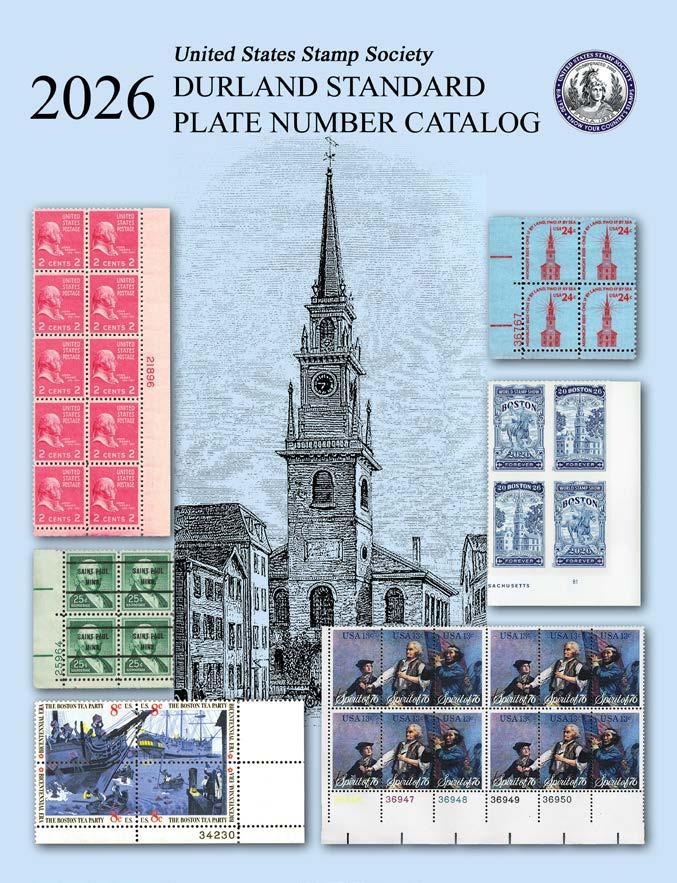

The new 2026 edition the Durland Standard Plate Number Catalog provides the most comprehensive research source for plate number information on United States postage and revenue stamps, including tax-paid revenue stamps, with listings for overprinted Possessions postage, Allied Military government stamps and other back-of-the-book stamps, dummy and test stamps, MDI “Blue Cover” booklets and partial plate numbers on booklet and coil stamps.