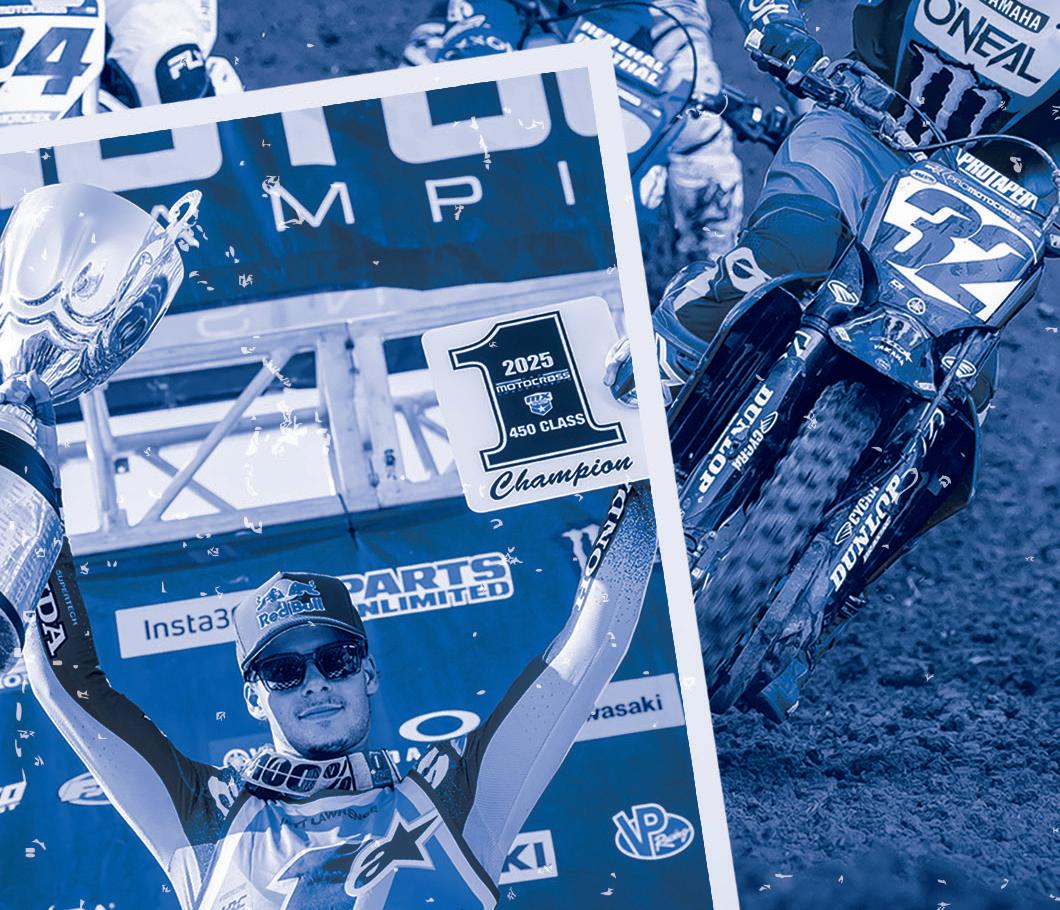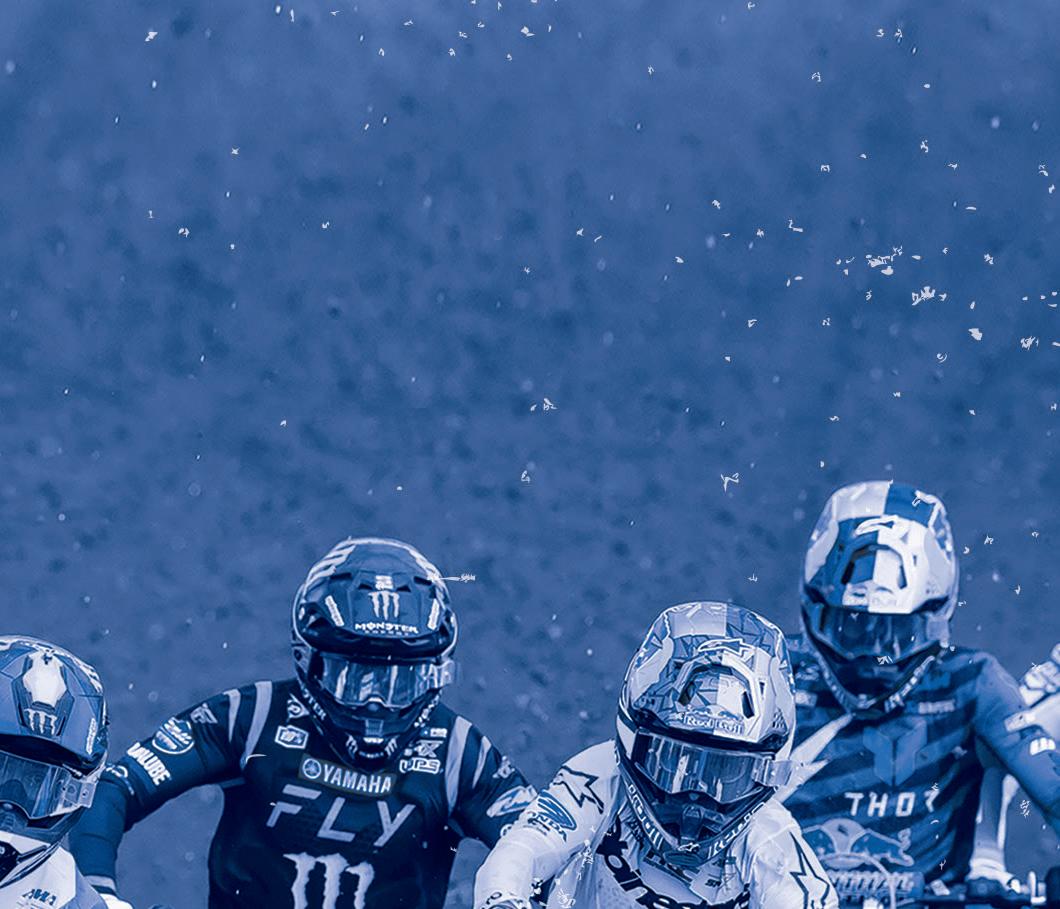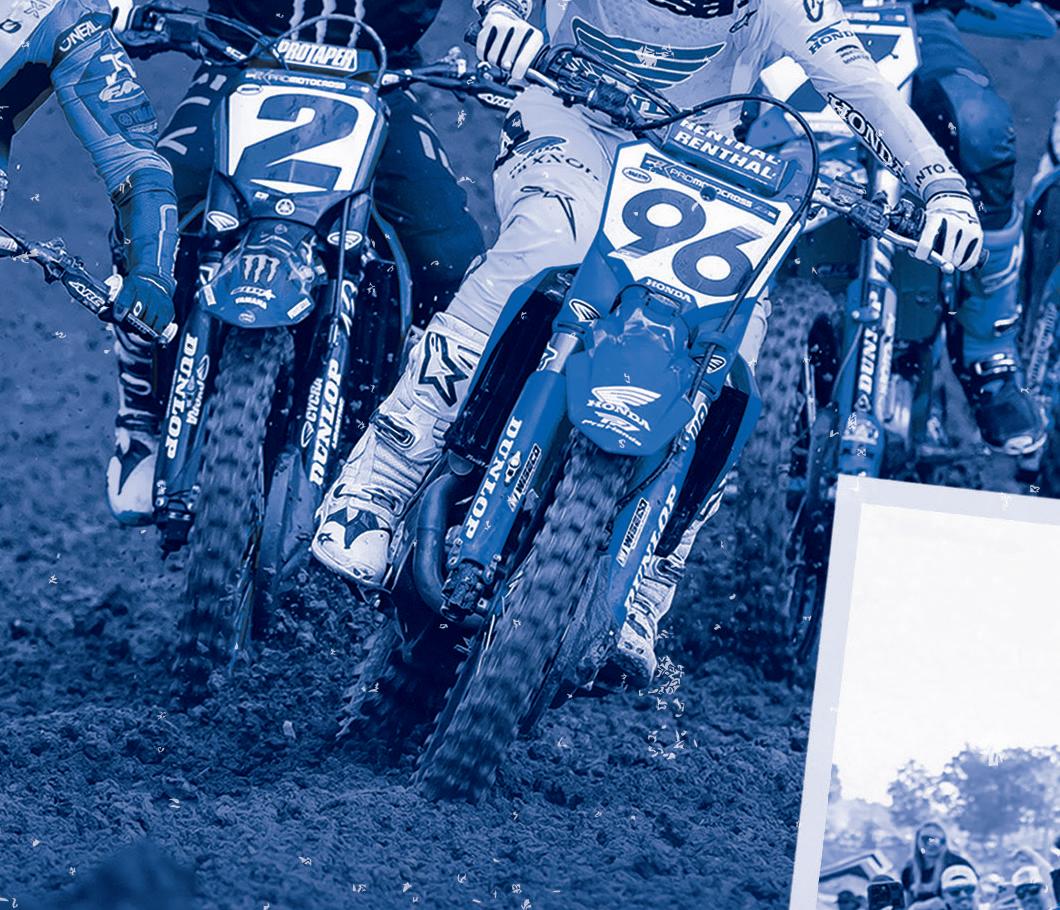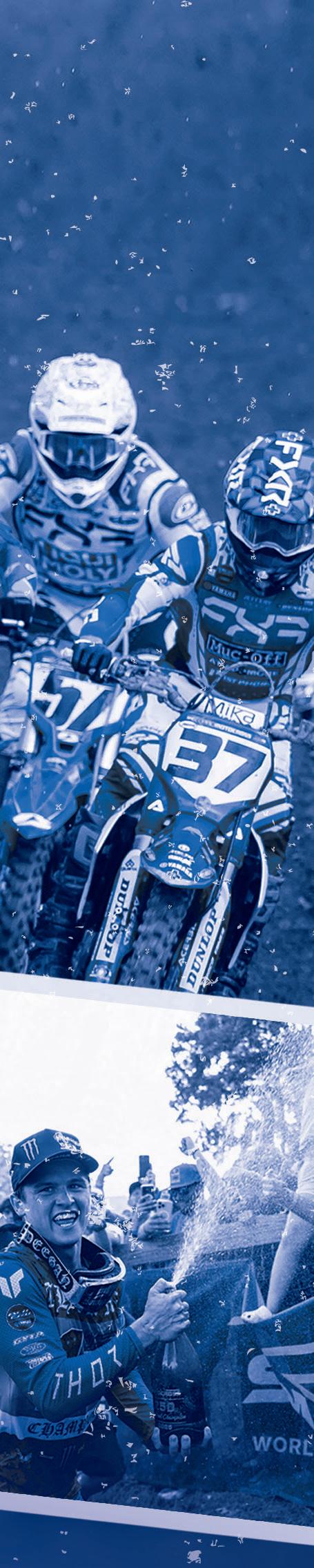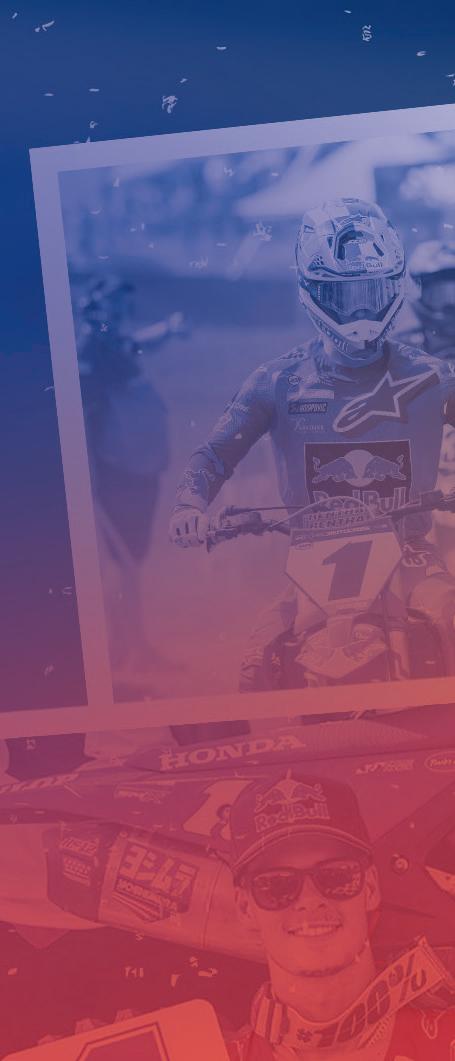


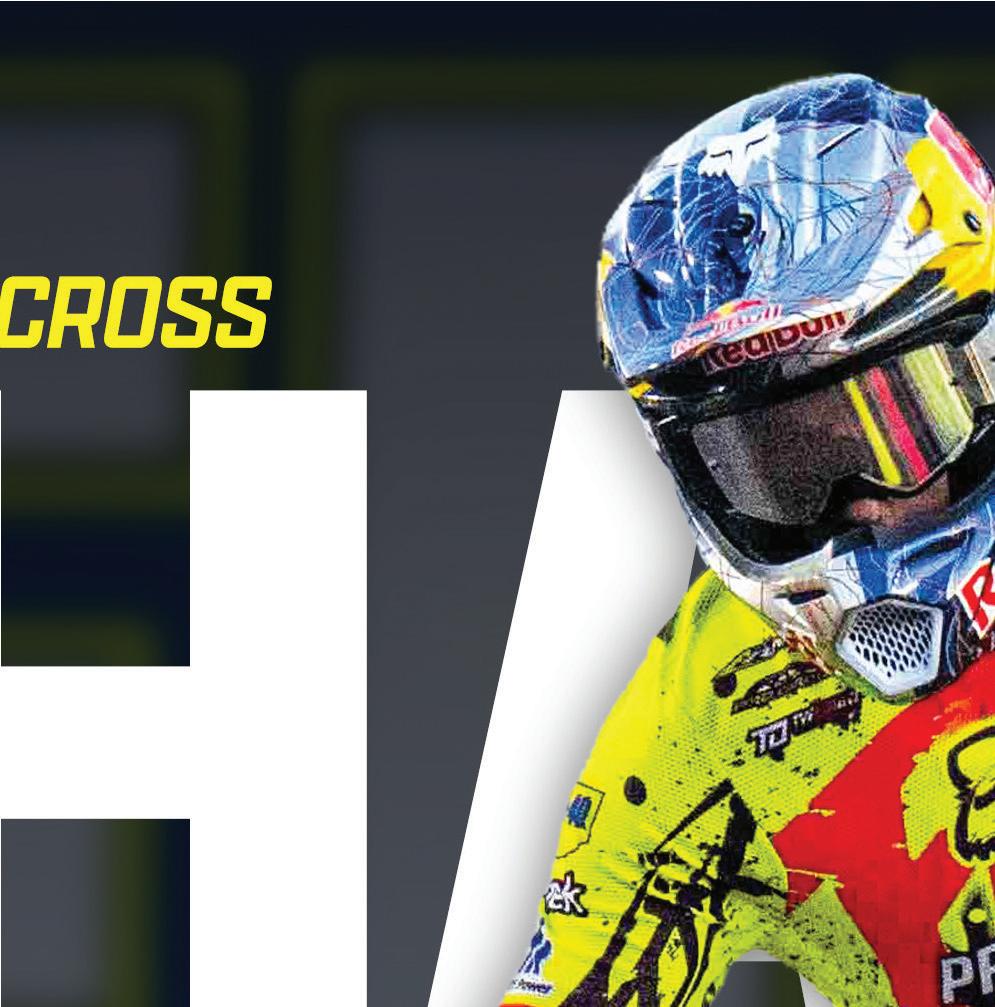
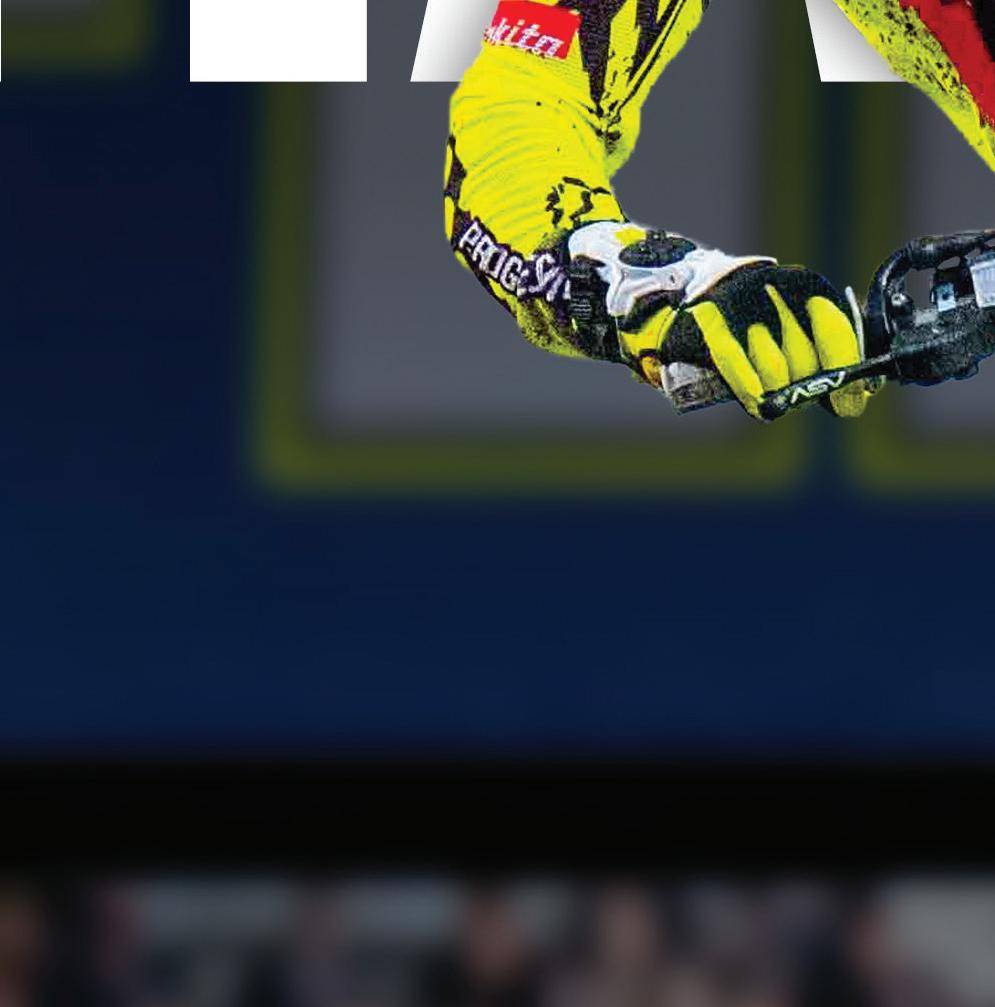
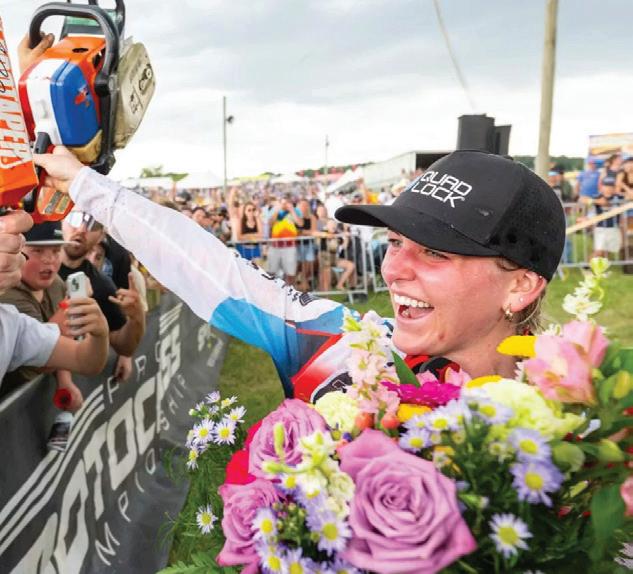
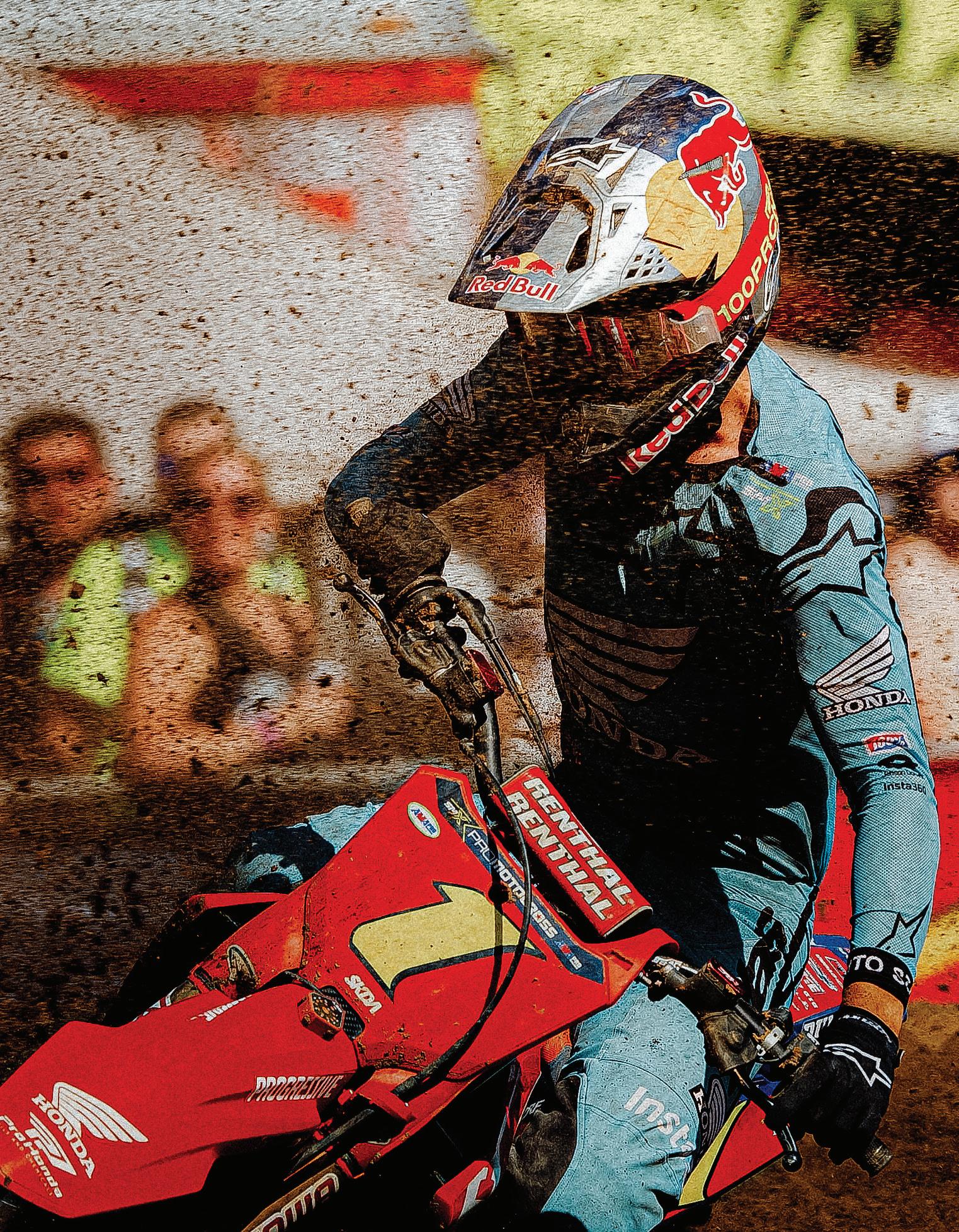
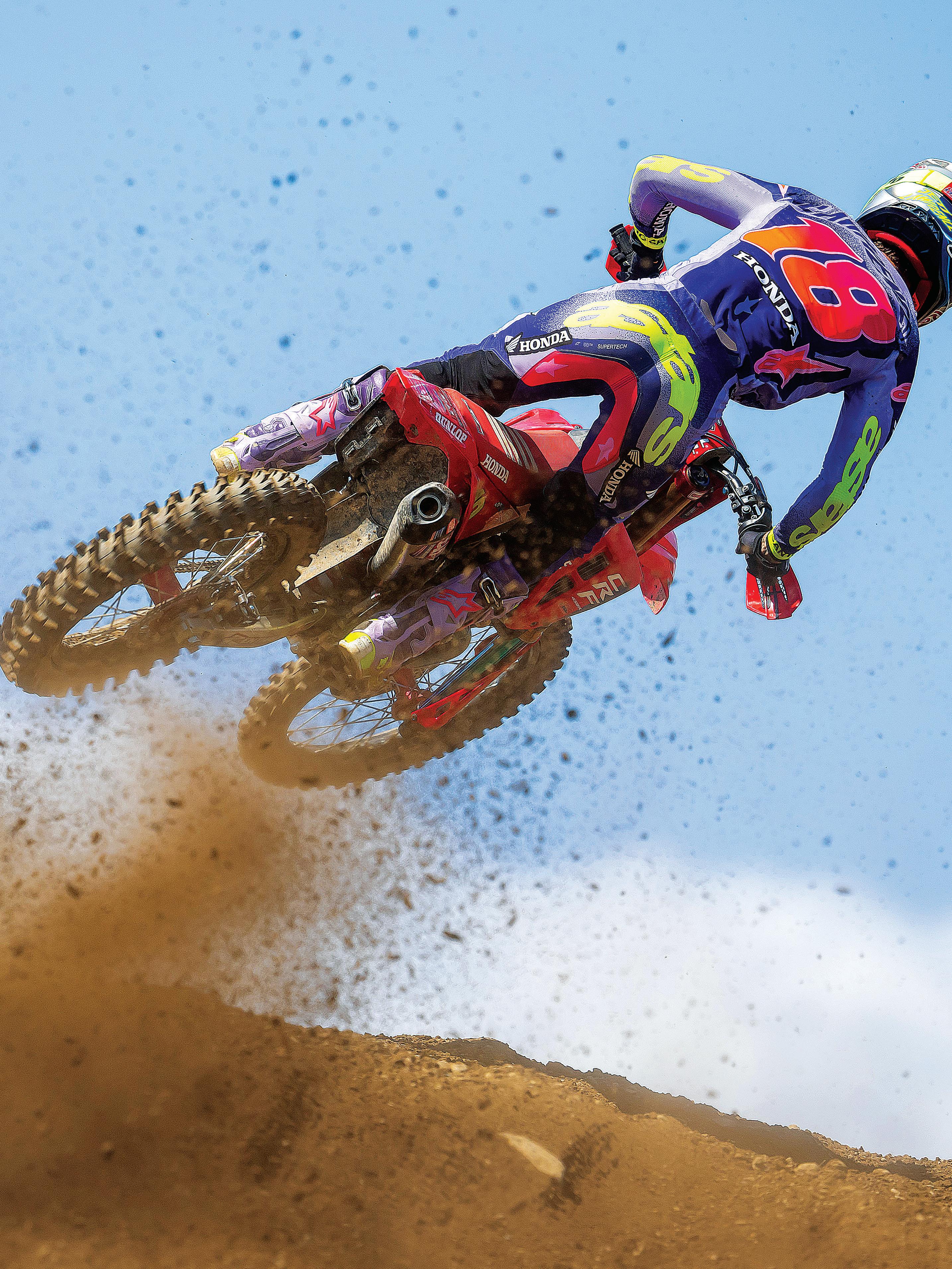
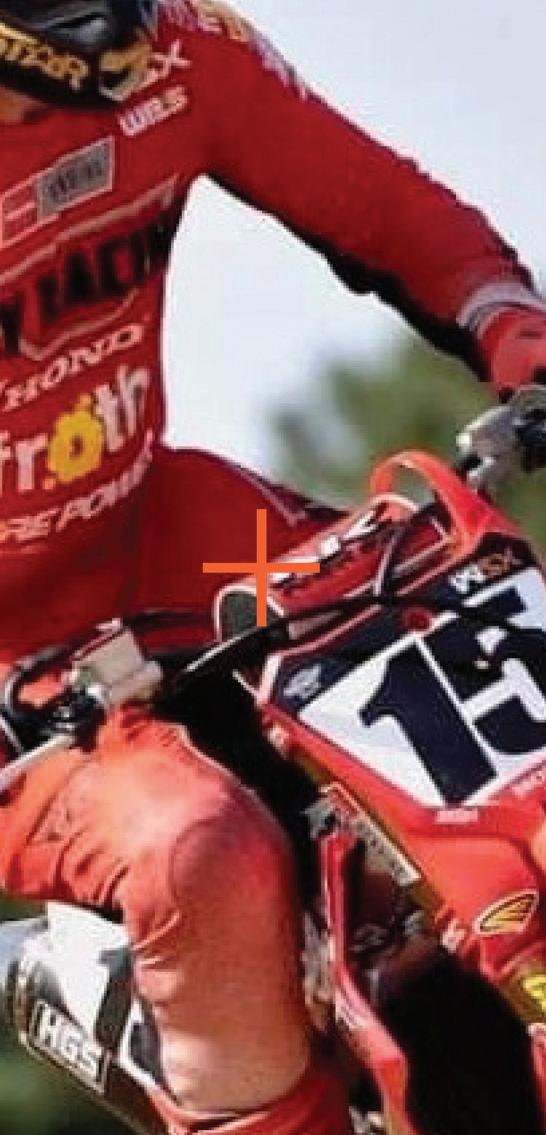
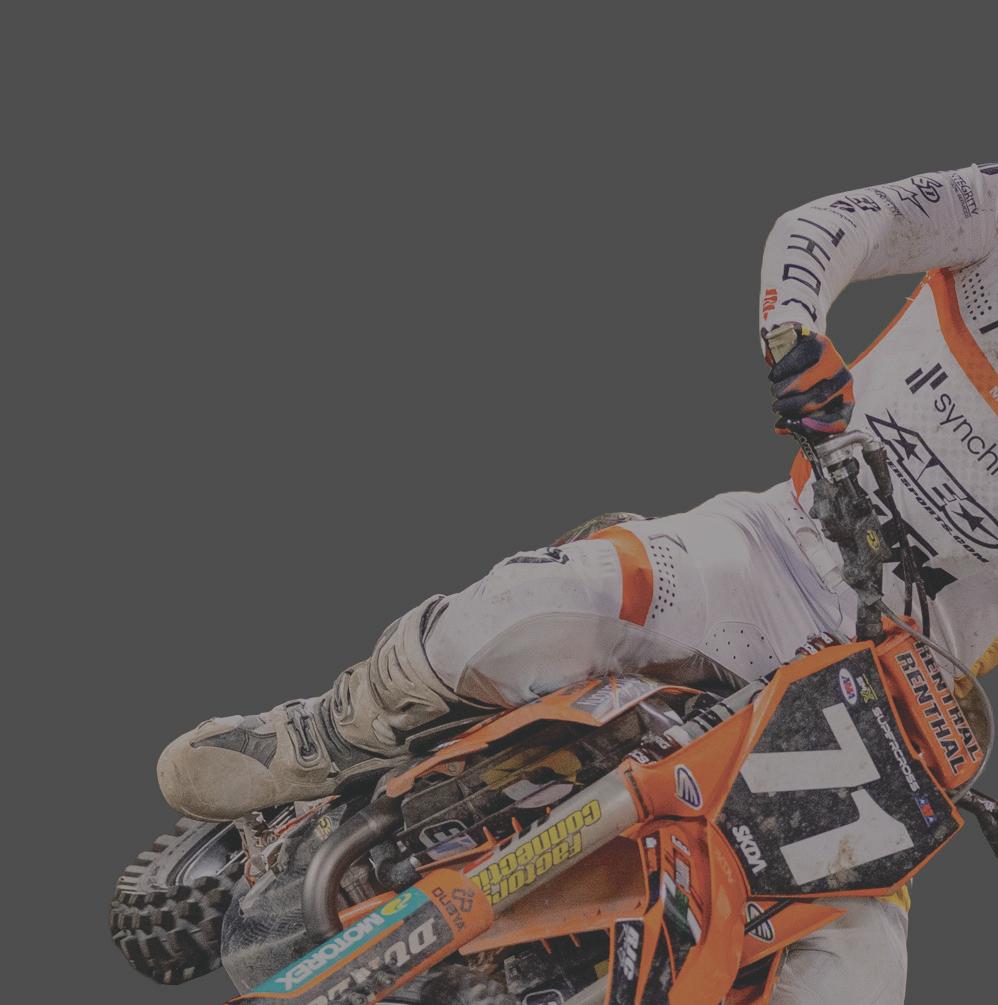
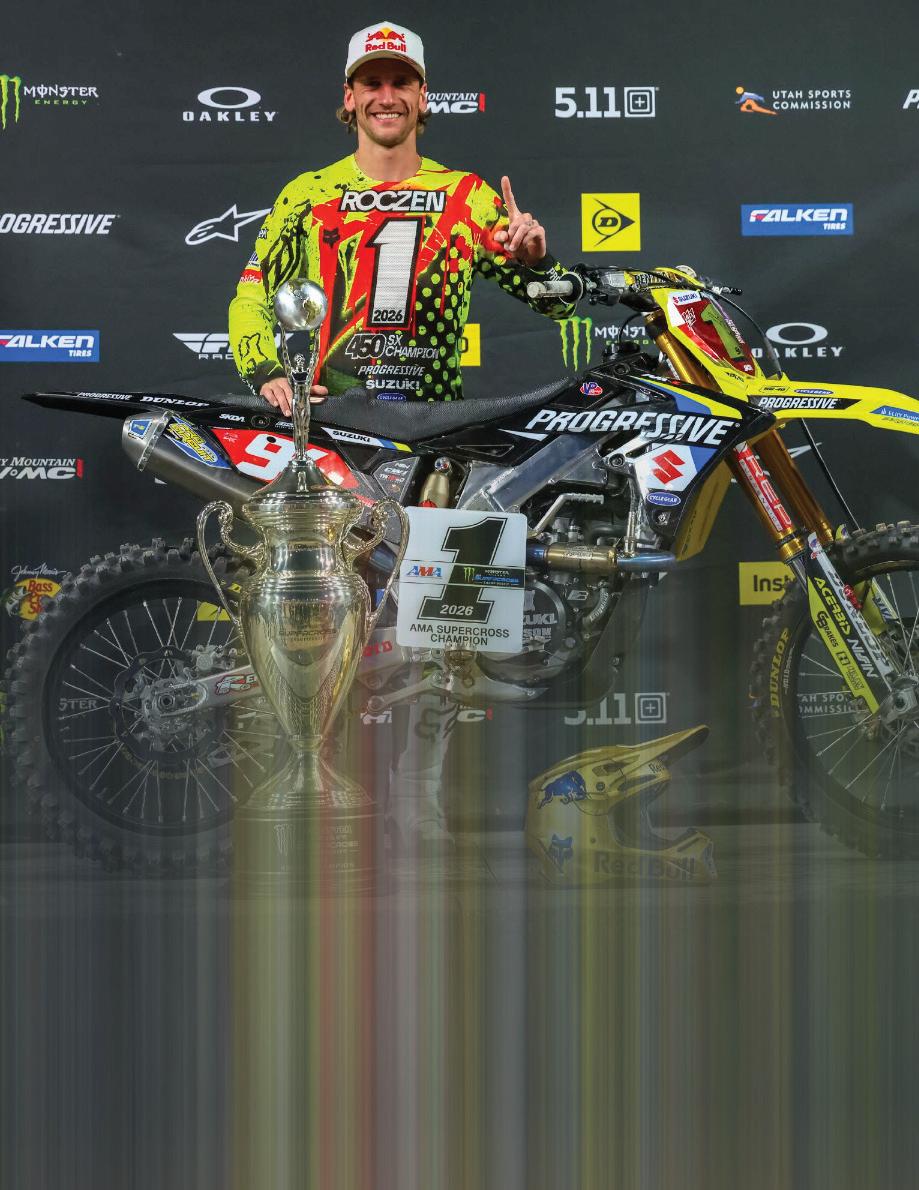
In one of the most dramatic seasons in the history of the sport, Ken Roczen captures the 2026 AMA Supercross Championship. Congratulations, Ken. Never. Say. Never.
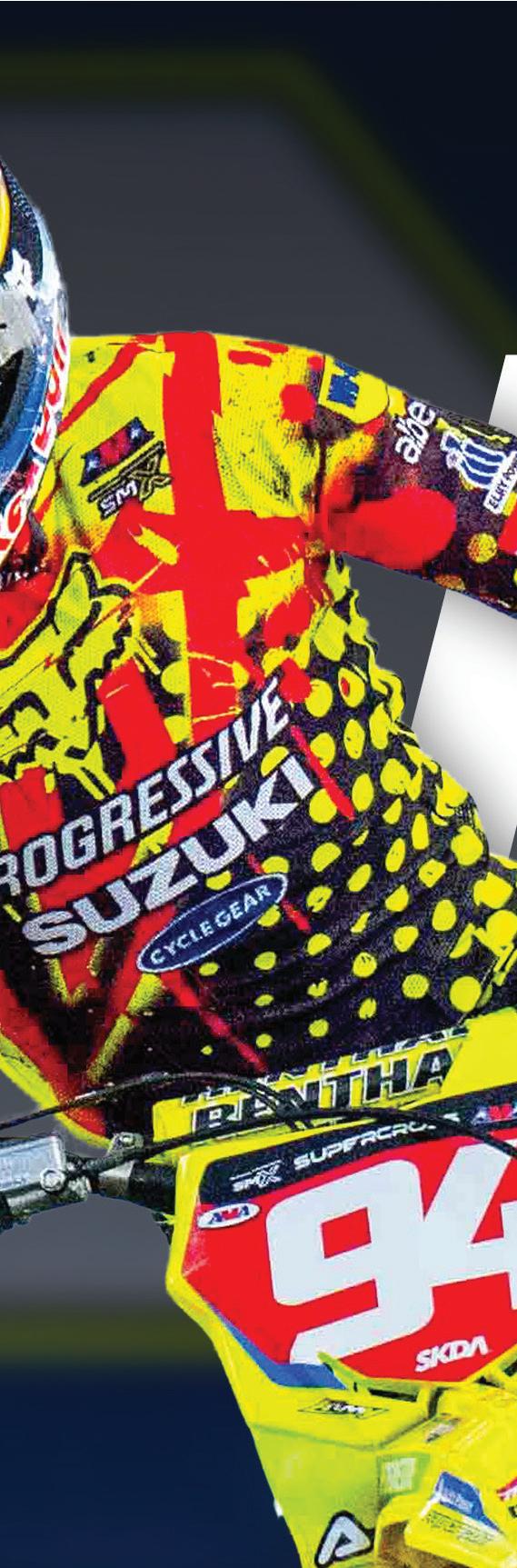
In one of the most dramatic seasons in the history of the sport, Ken Roczen captures the 2026 AMA Supercross Championship. Congratulations, Ken. Never. Say. Never.



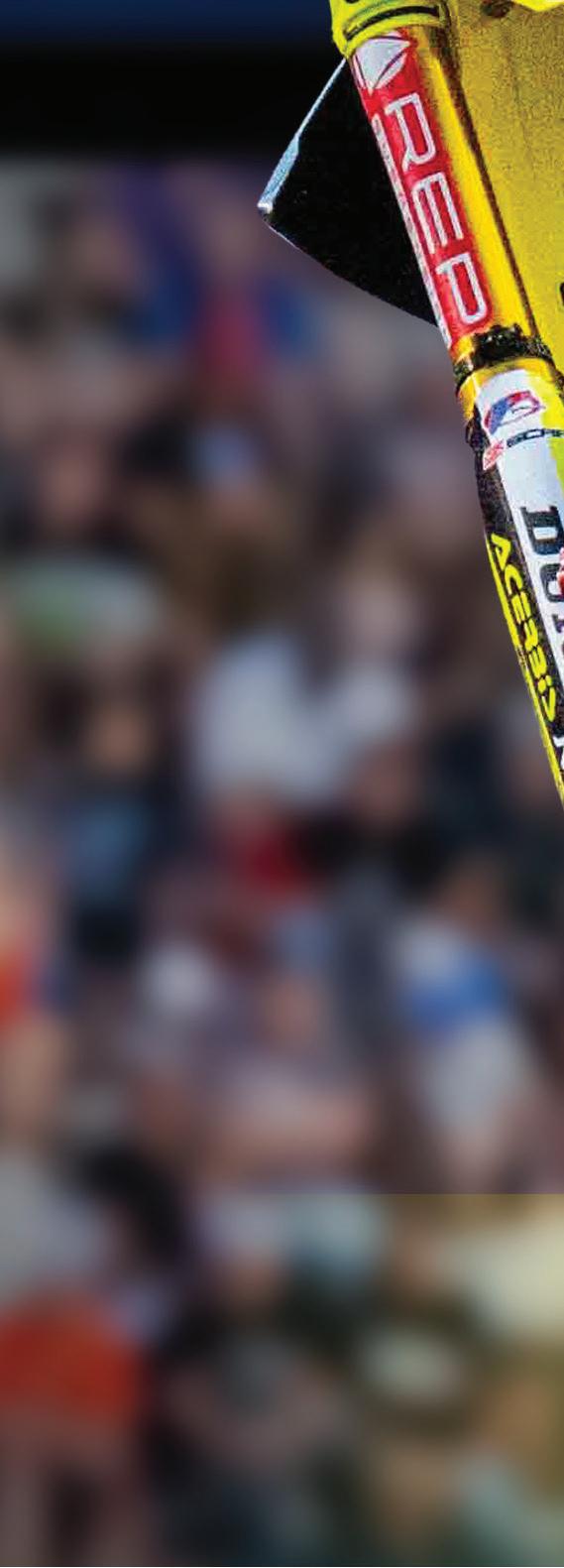
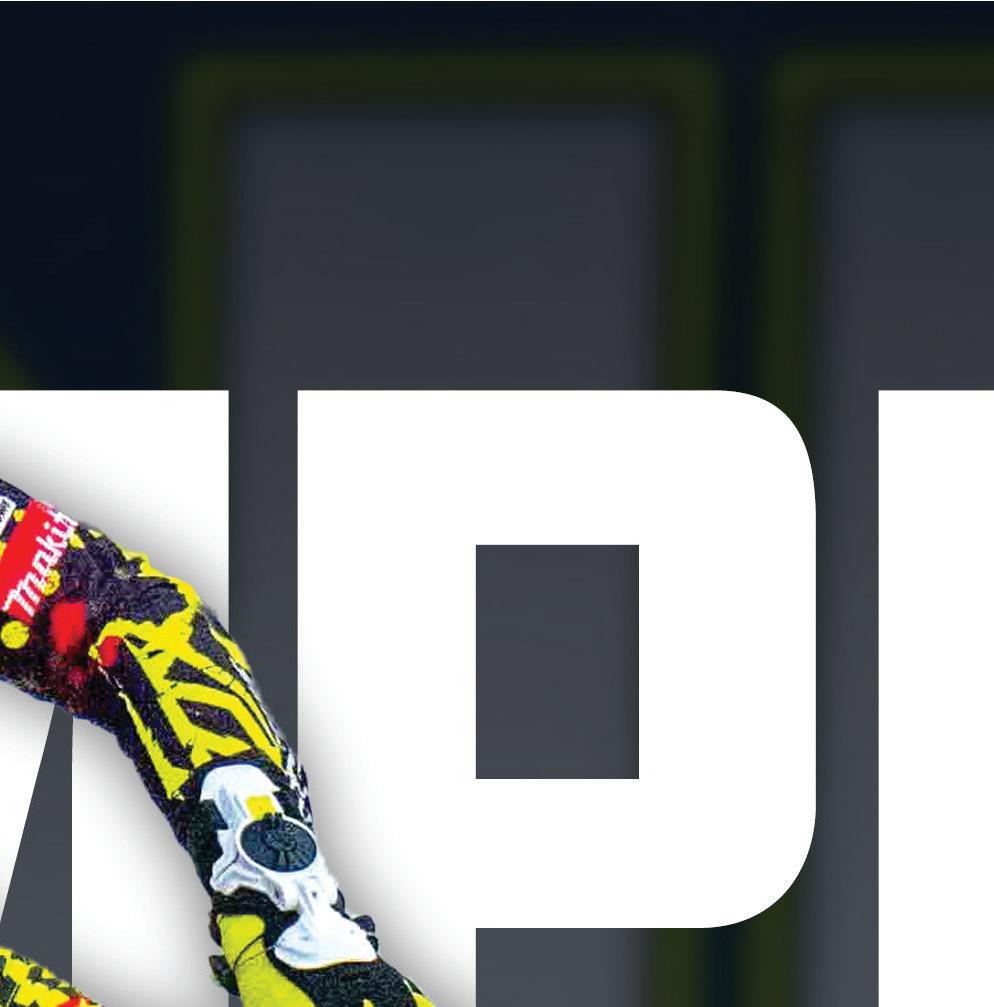
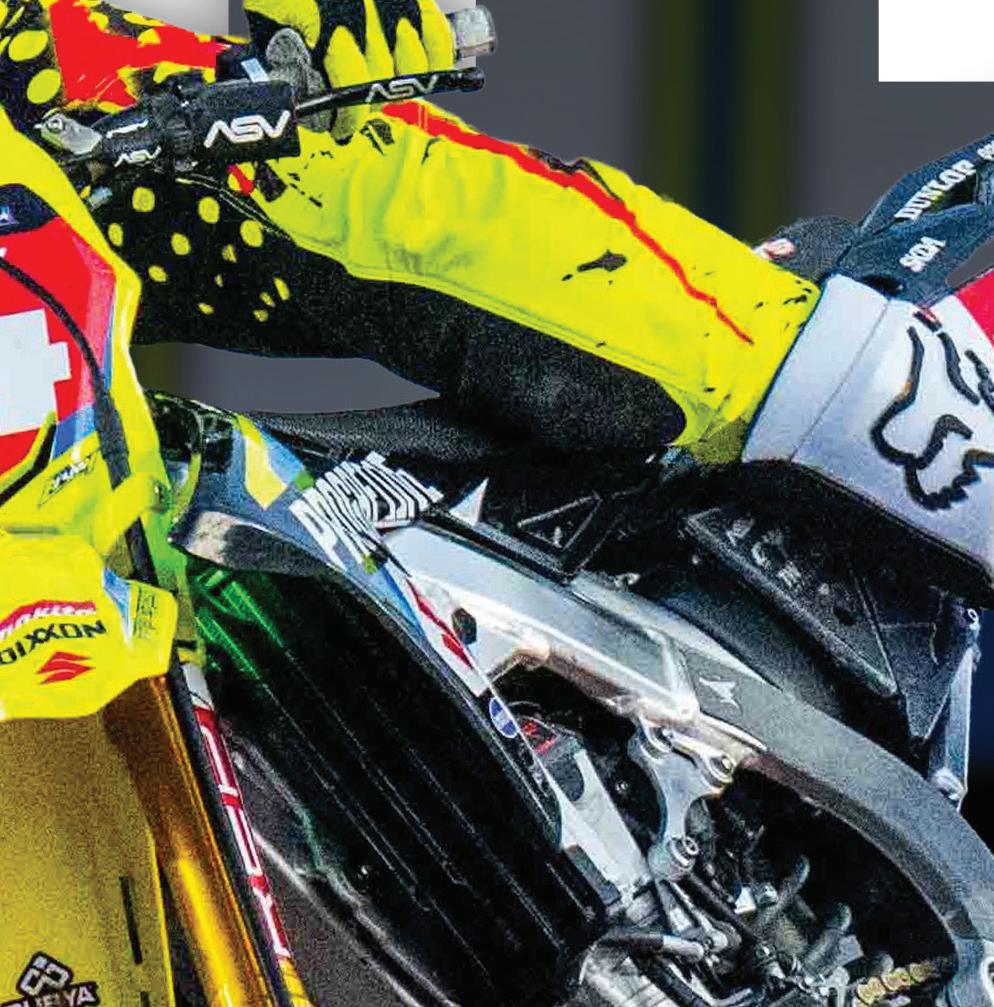
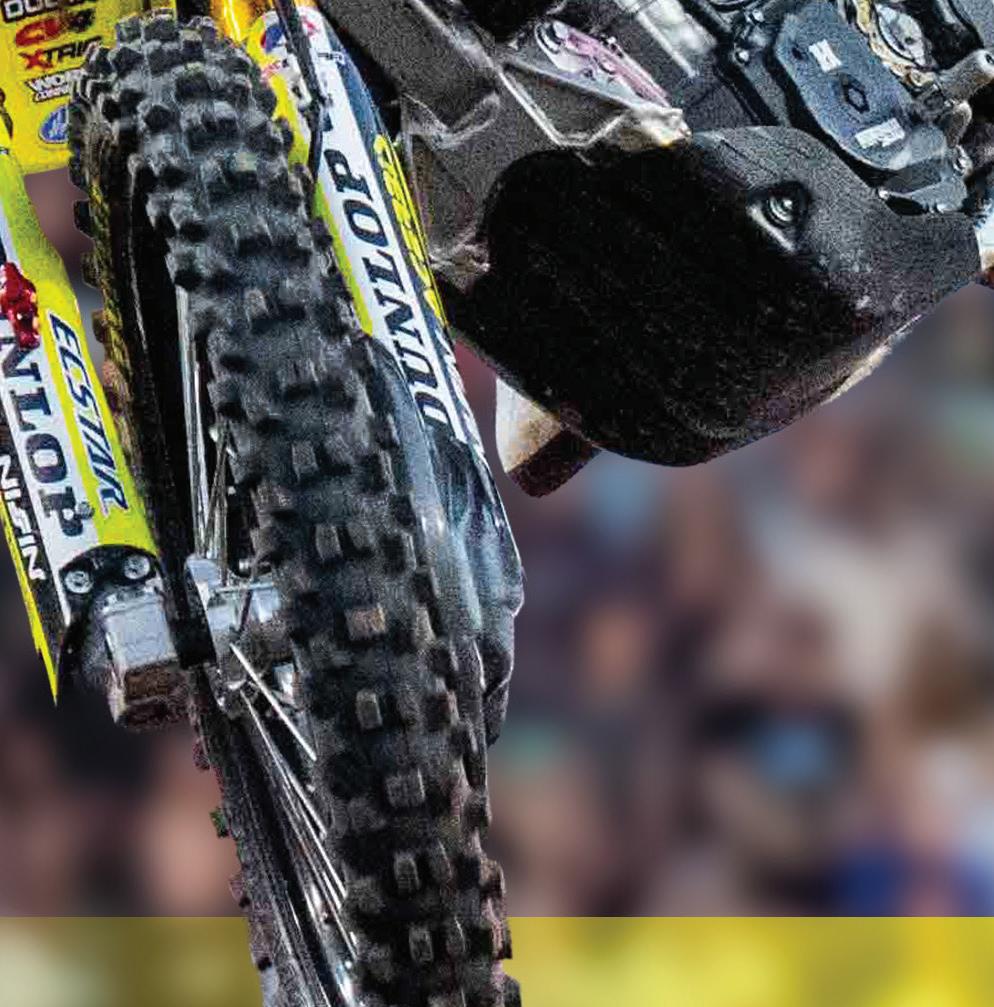




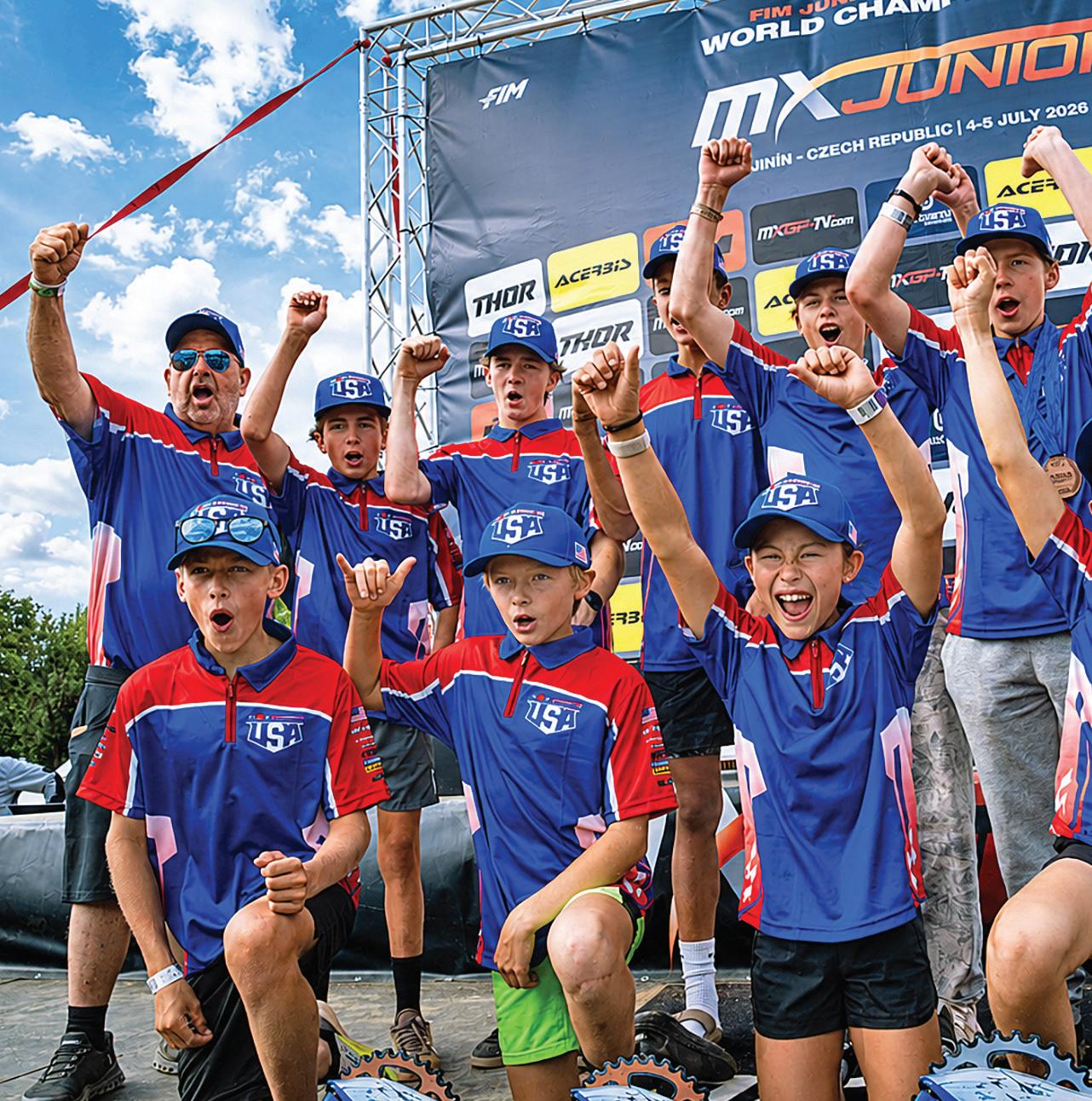


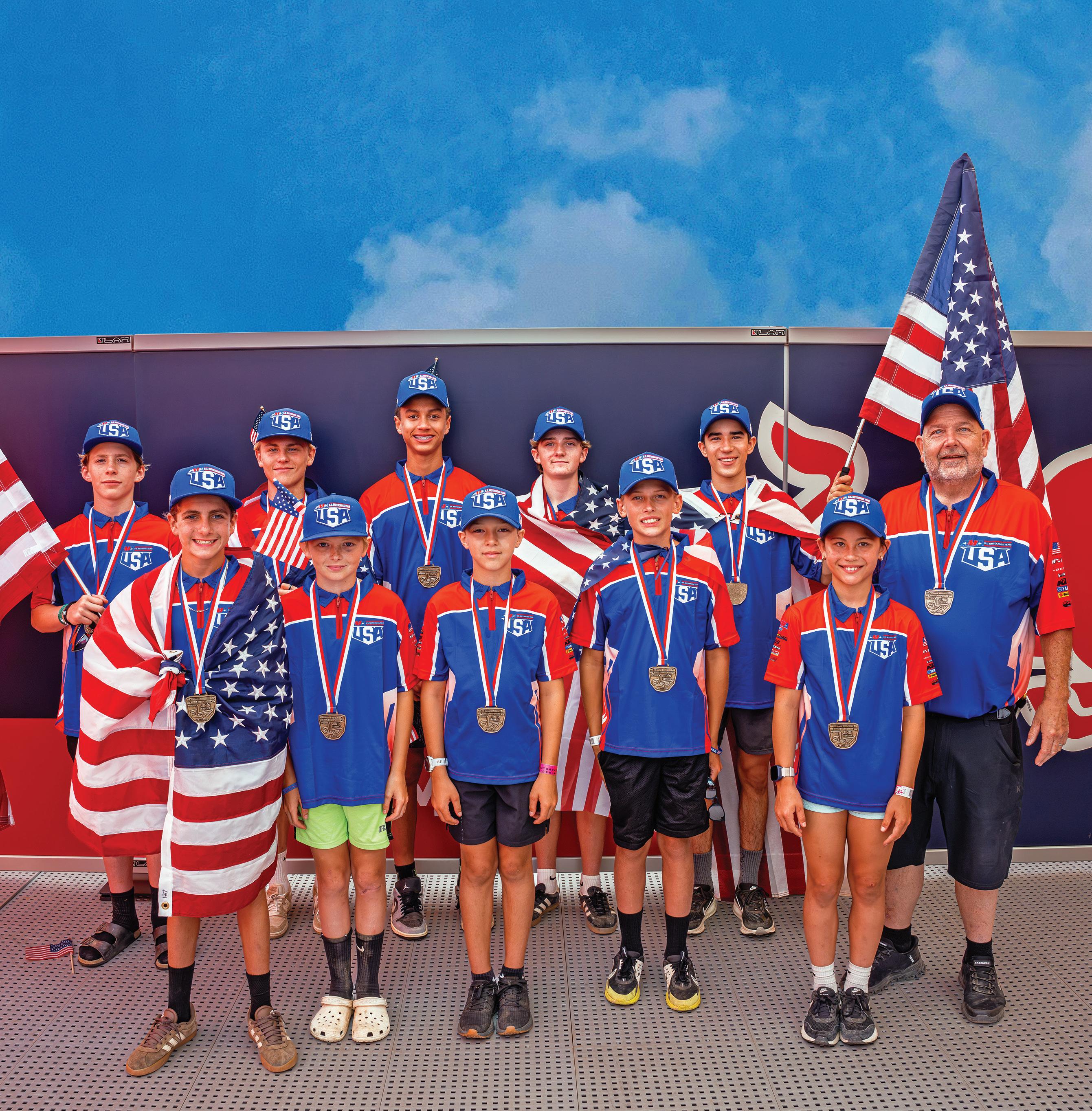
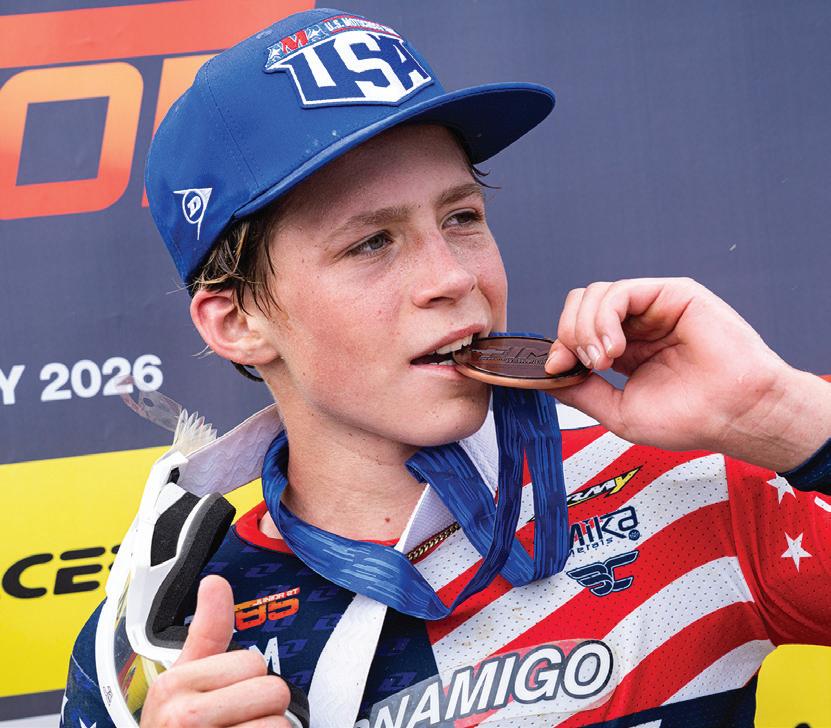
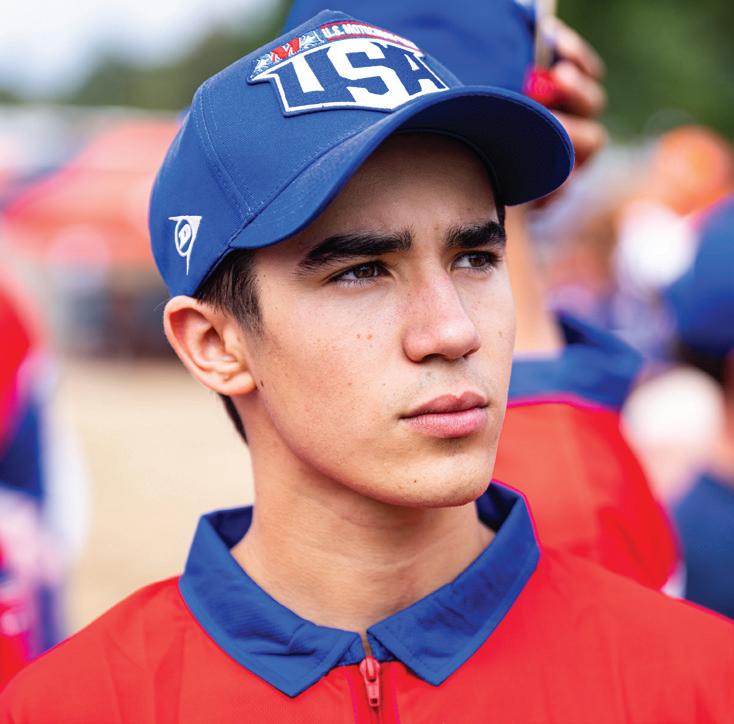
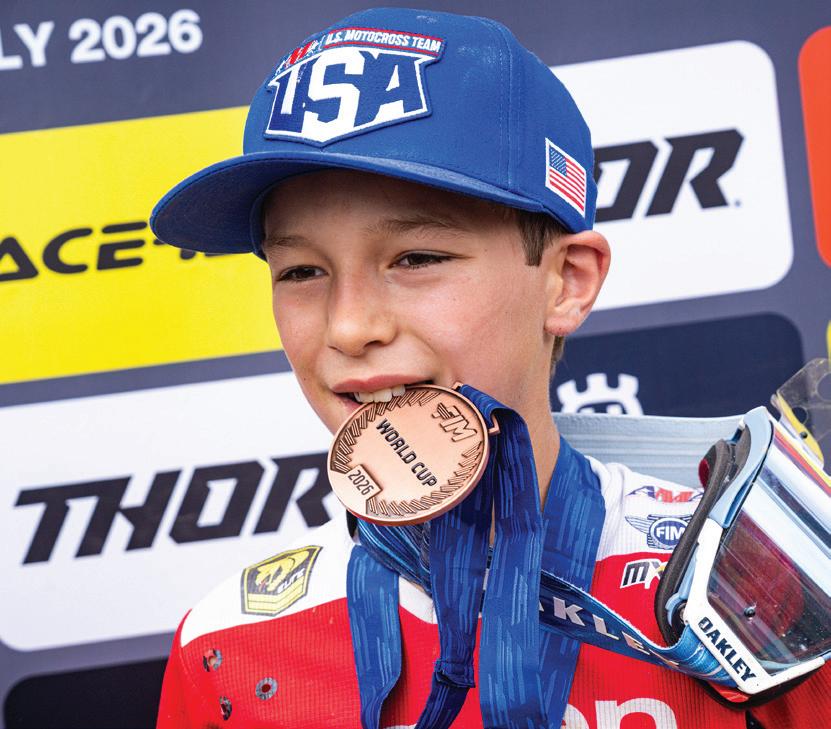
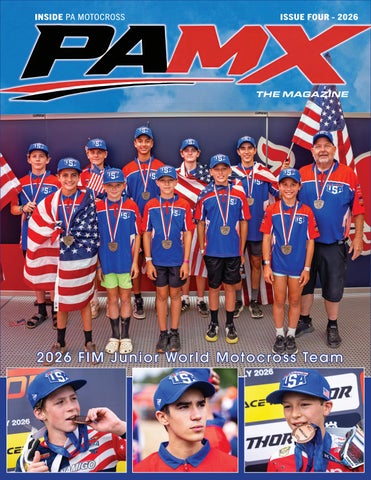
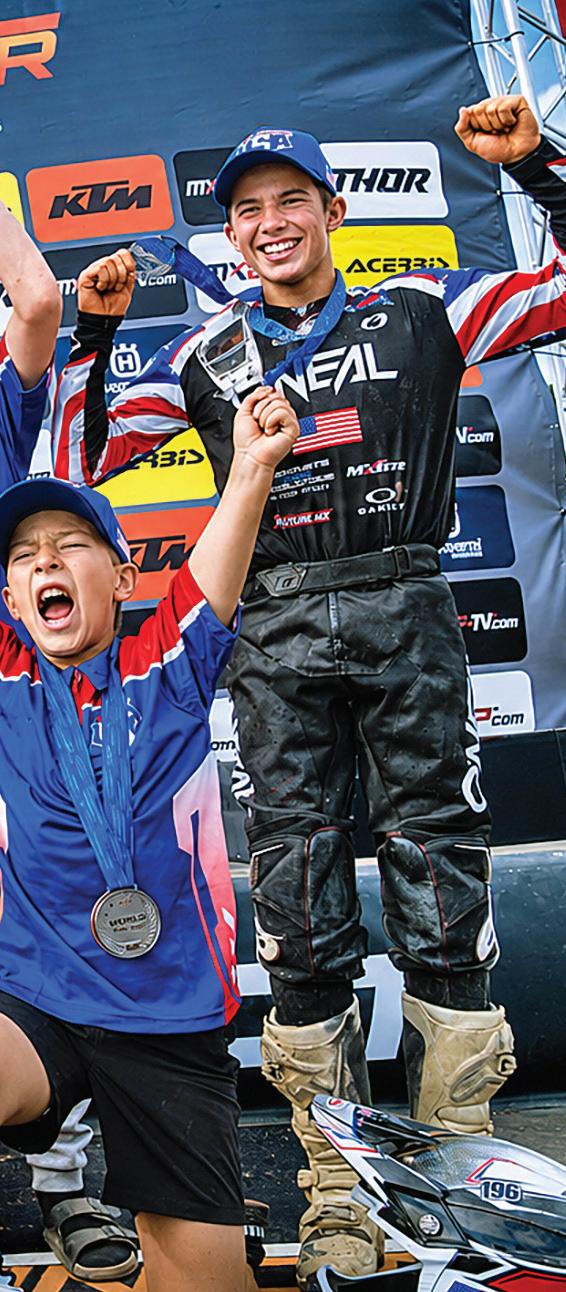
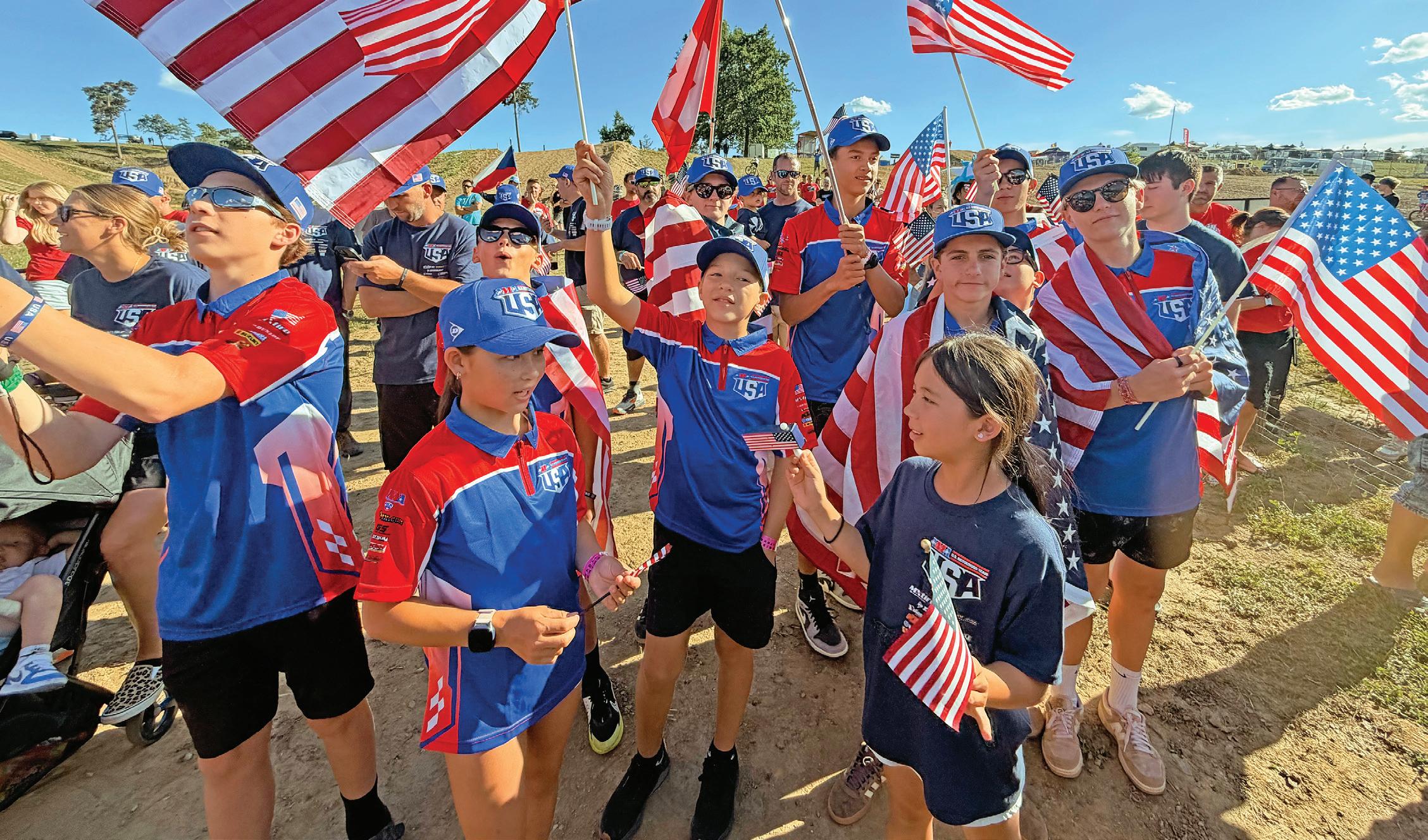
Team USA’s Junior Motocross team put on a steller performance, finishing second, at this year’s FIM World Championship held in Czechoslovakia.


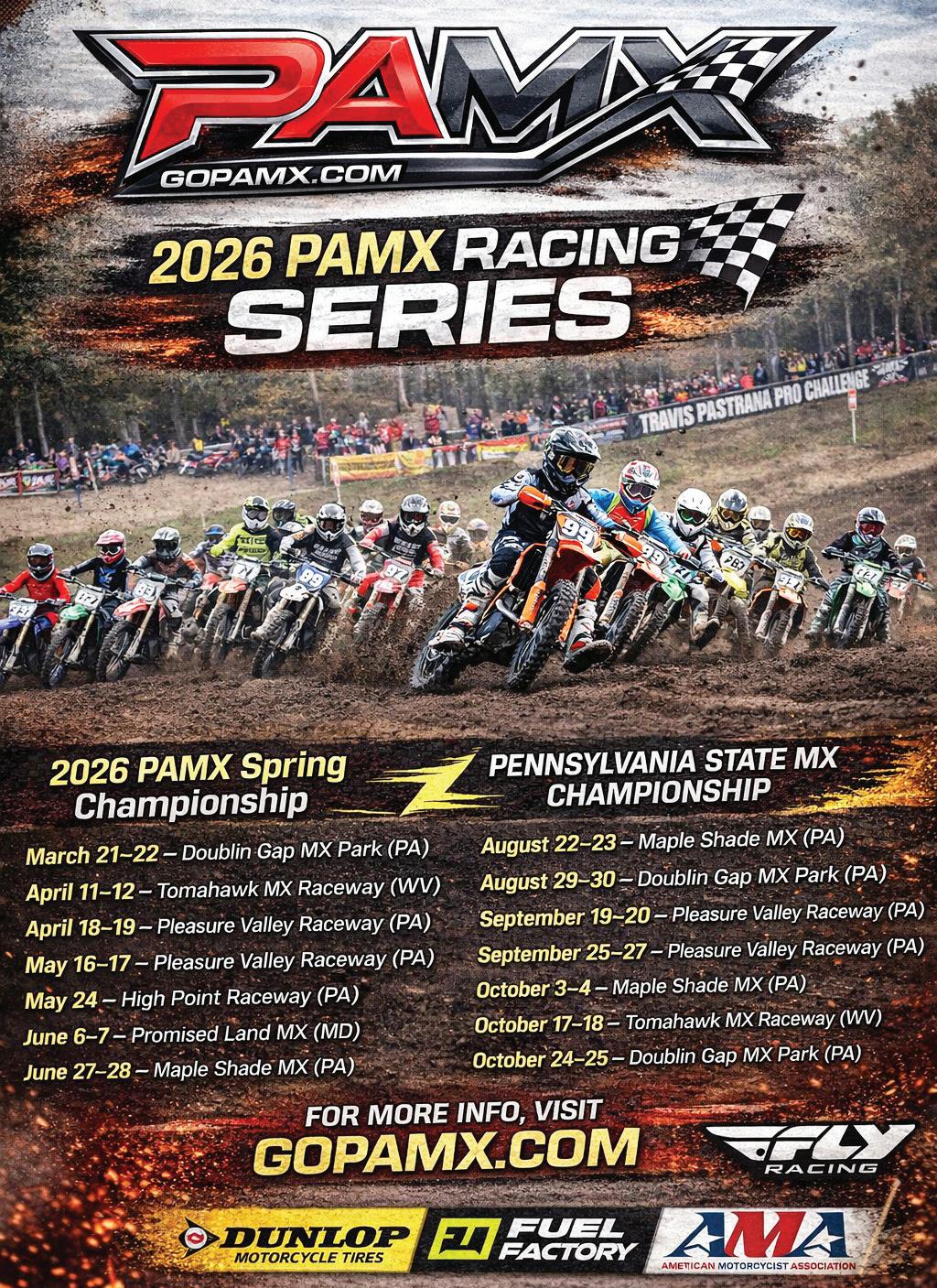
June and July: The Road to Loretta’s
June and July are always the busiest - and most stressful - months of the amateur motocross season for me.
May wraps up with the final Area Qualifiers, June brings the Regional Championships, and July takes us overseas for the Junior World Motocross Championship. As soon as I return home, Pleasure Valley Raceway hosts the ATV National, AMA Vintage Motorcycle Days arrives, the magazine deadline is staring me down, my son is preparing to leave for college - and suddenly, it’s Wednesday and we’re packing up to leave for Loretta Lynn’s!
With all of that going on, guess what is still on my mind?
I need to get my TM 250 running for AMA Vintage Motorcycle Days in 2027.
My wife thinks I’m nuts. My boys are already making plans, and Jersey Joe is probably packing his tools as we speak.
Honestly, though, there may not be a more exciting time of year for a motocross enthusiast.
The Pro Motocross Championship has been drawing some of its largest crowds, and the racing in both the 250 and 450 classes has kept everyone on the edge of their seats. Now, with the pros on their summer break, the motocross world turns its attention to the Loretta Lynn’s Amateur National.
And, everyone always asks:
Who’s next? Who is the rider everyone will be watching? Who will open some eyes and get recognized? How hot will it be at Loretta’s? And most importantly - will it rain?
That is why June and July are so stressful, so busy and so exciting. Everything builds toward August, when amateur motocross brings out the very best in our sport.
See you at the Ranch!
Jeff Cernic PAMX President
On The Cover: The USA FIM Junior World Motocross team finished a strong second at this year’s Czechoslovakian event.

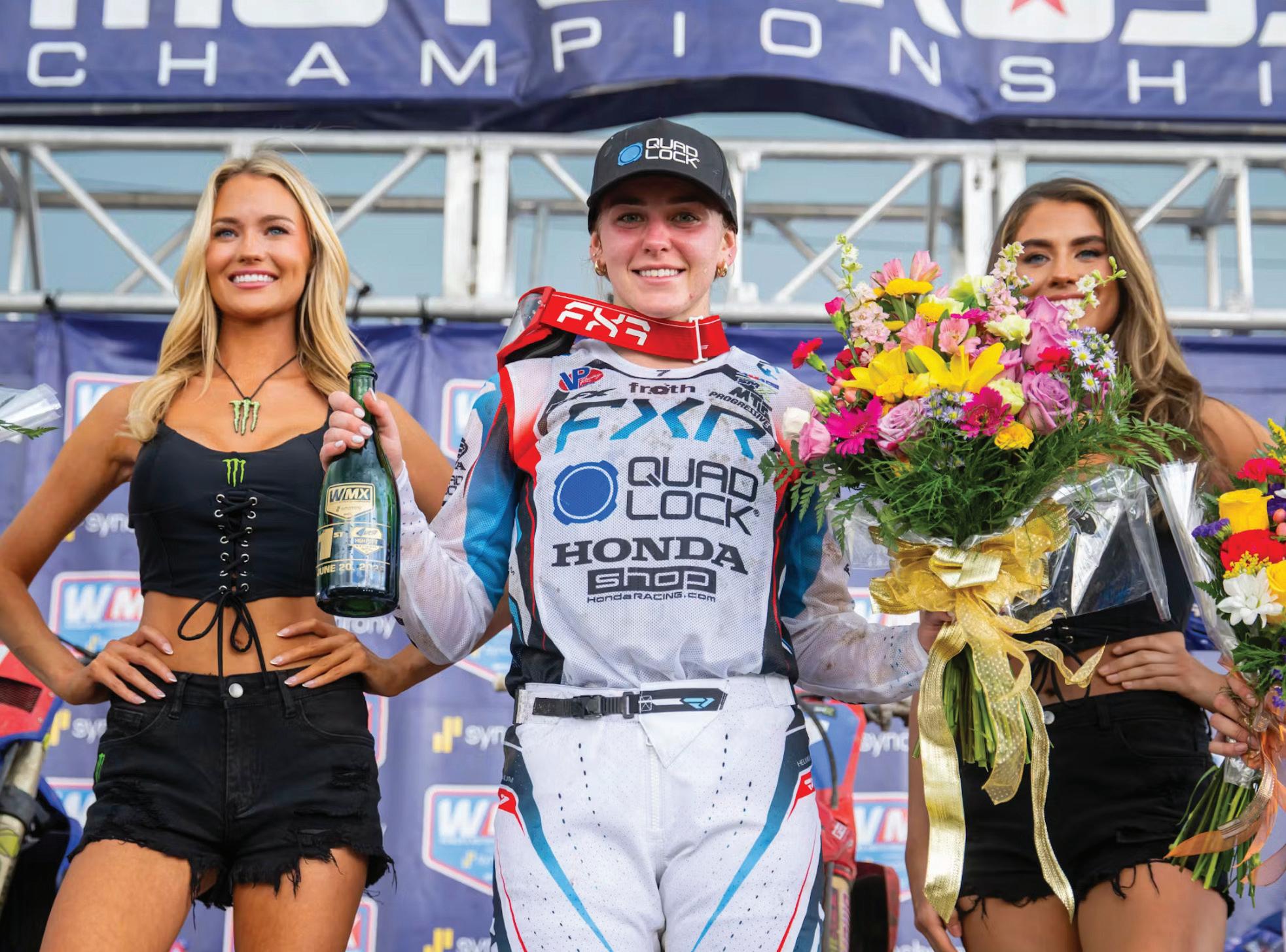
Australian Charli Cannon won Round Three of the Woman’s Pro Motocross series held at High Point. Results and story on page 54.

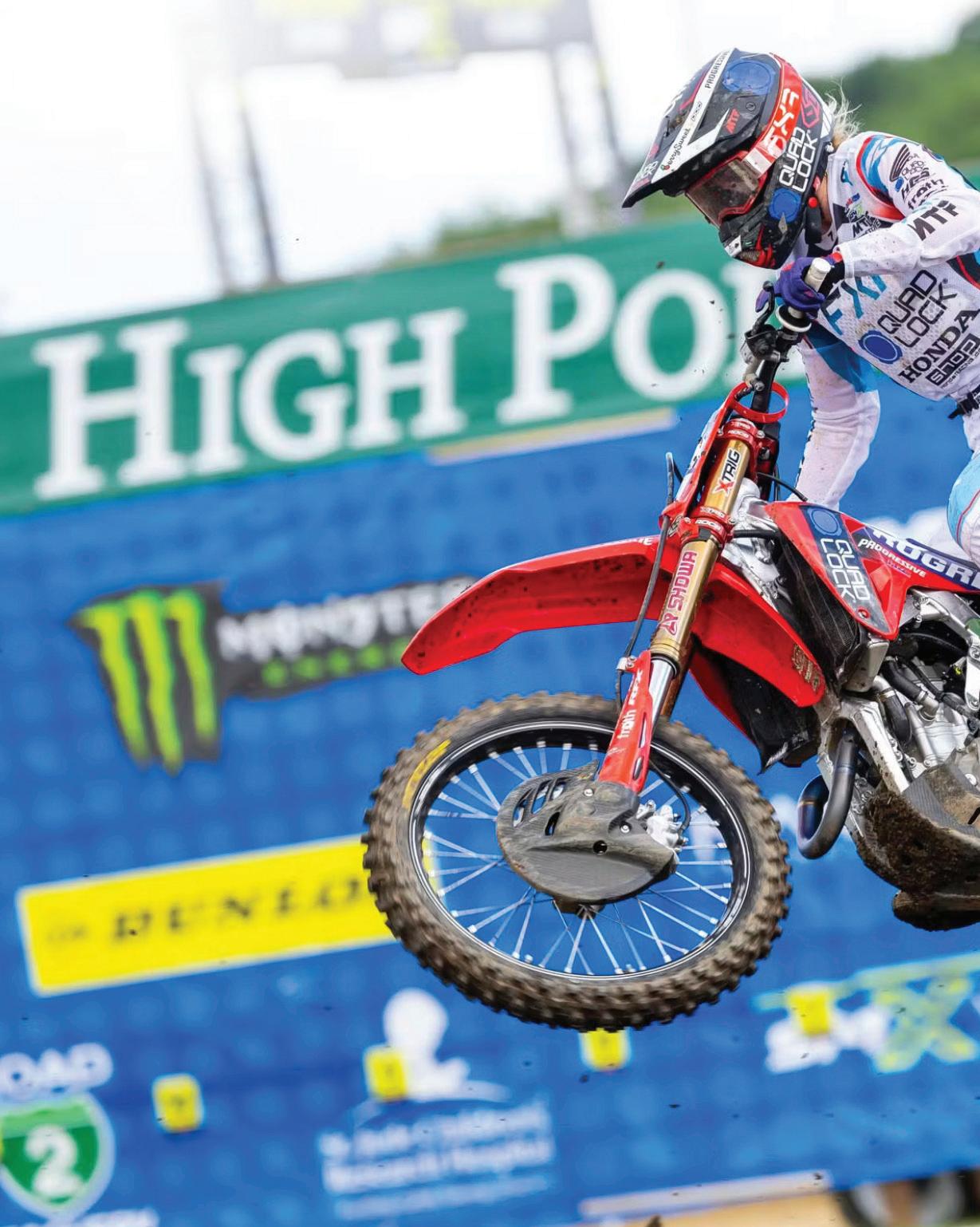



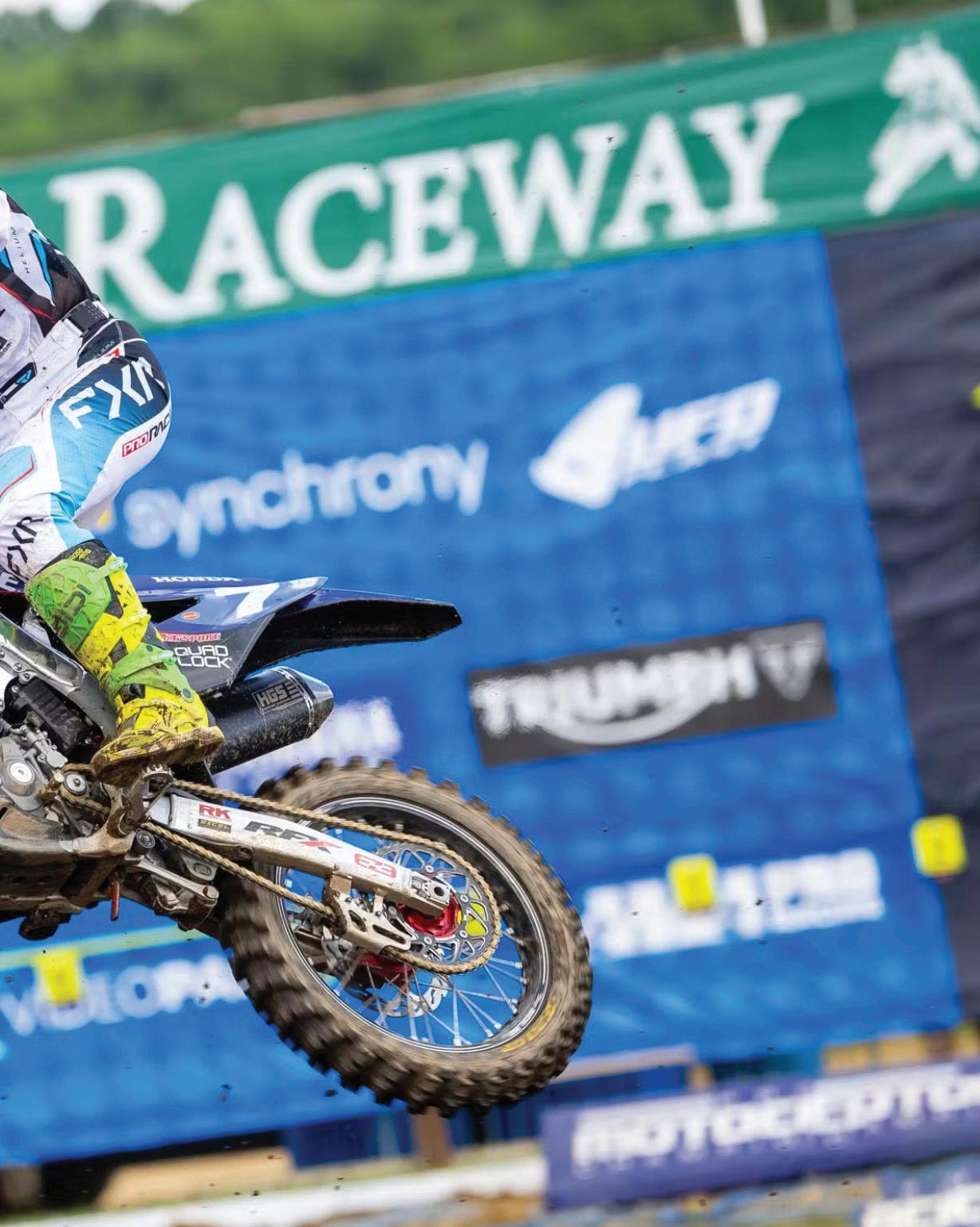




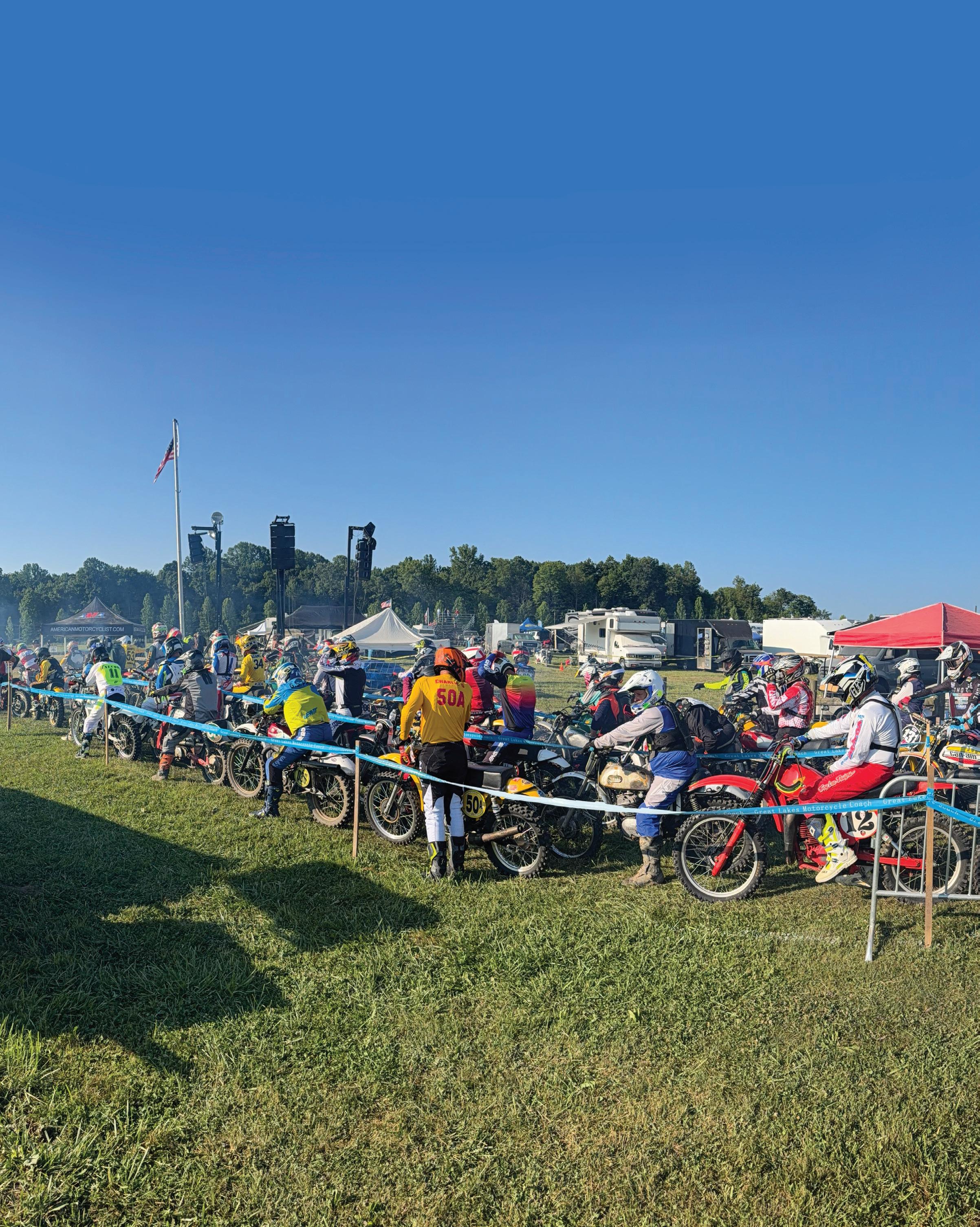
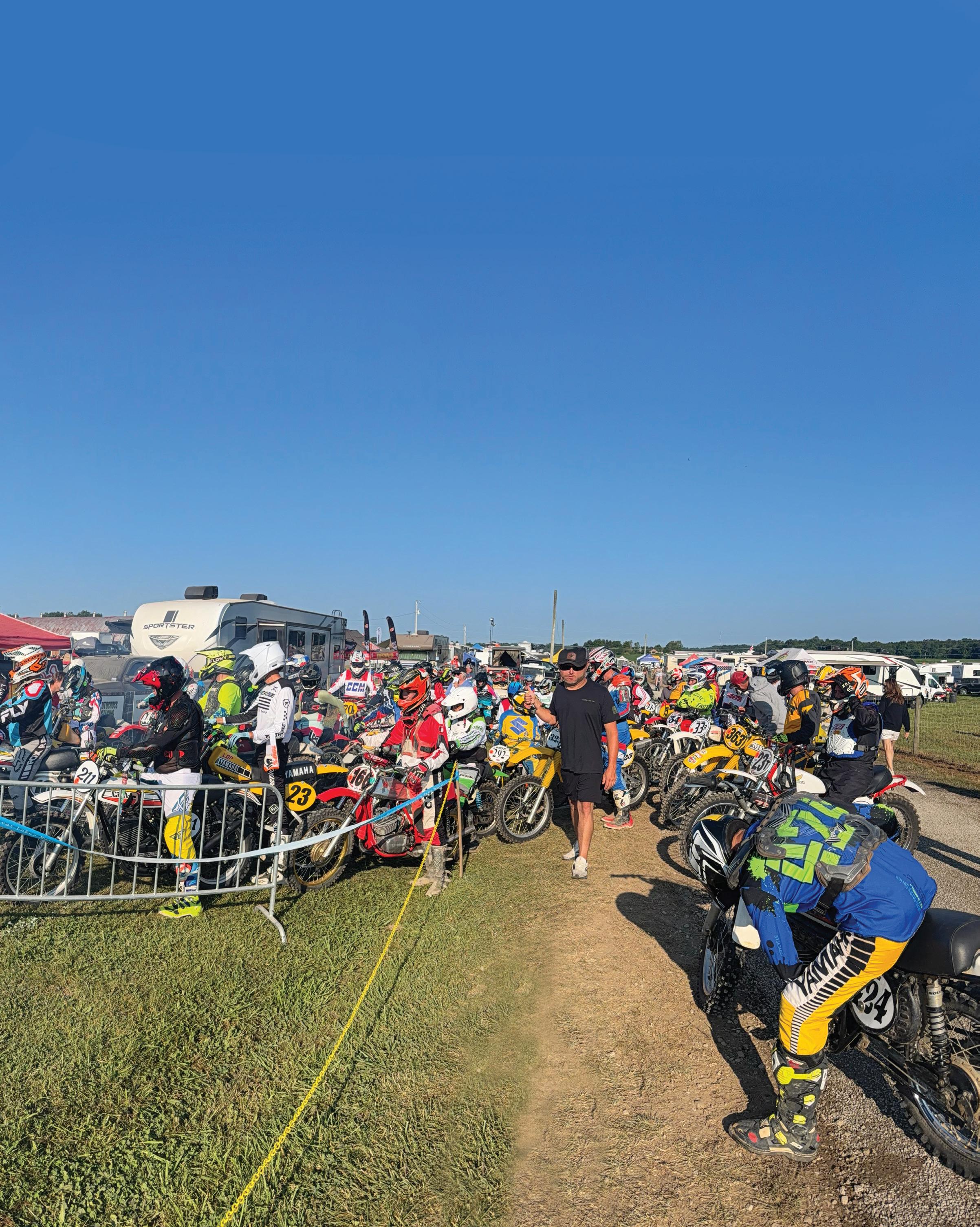
AMA Vintage Motorcycle Days is an event every motorcycle enthusiast should attend. You’ll discover some great racing, a bunch of old motorcycles and parts plus tons of riding and racing paraphernalia. For more insight to the event, see page 32.
This year’s ATV Nationals provided lots of action and incredible racing for the fans. Read more on page 70.




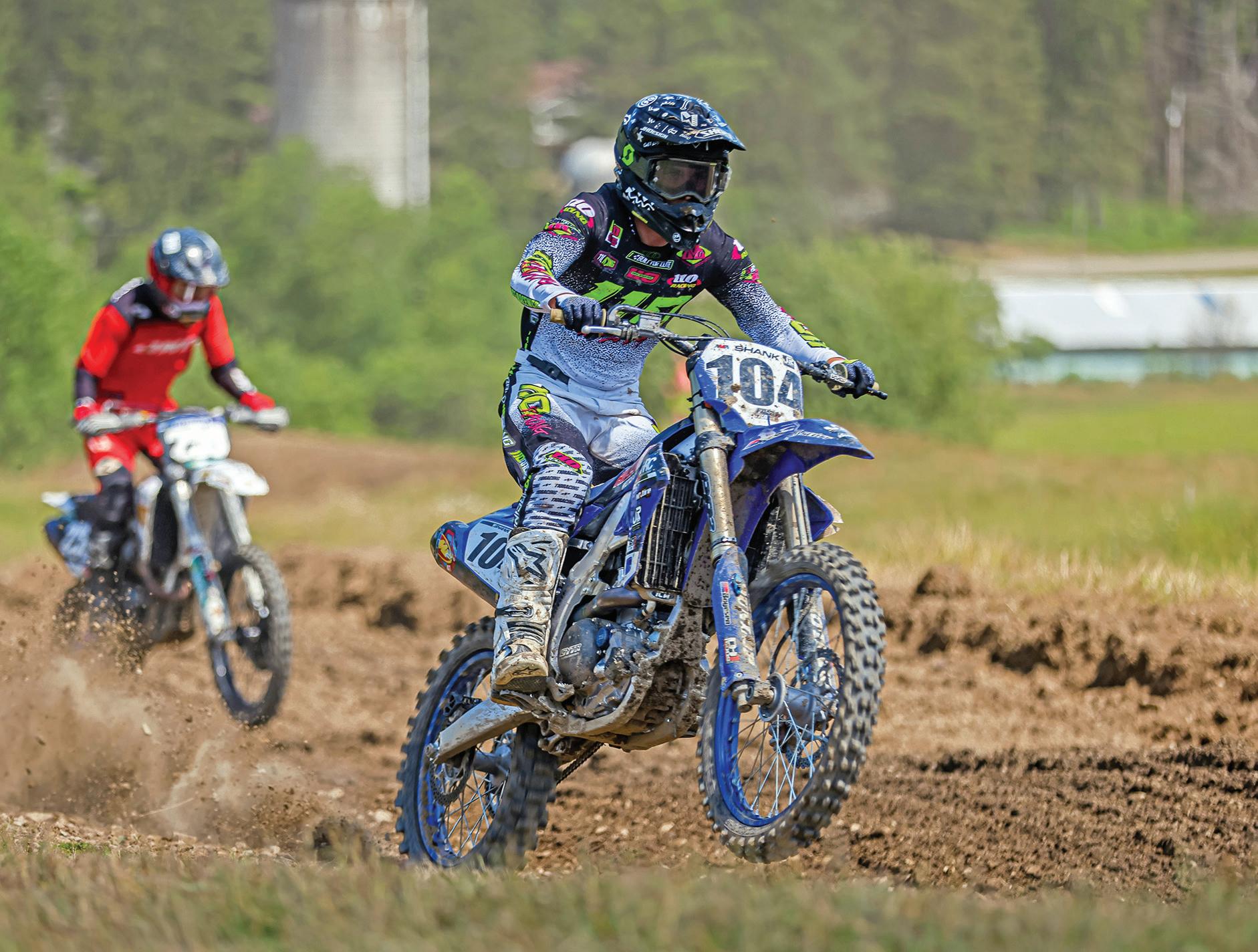



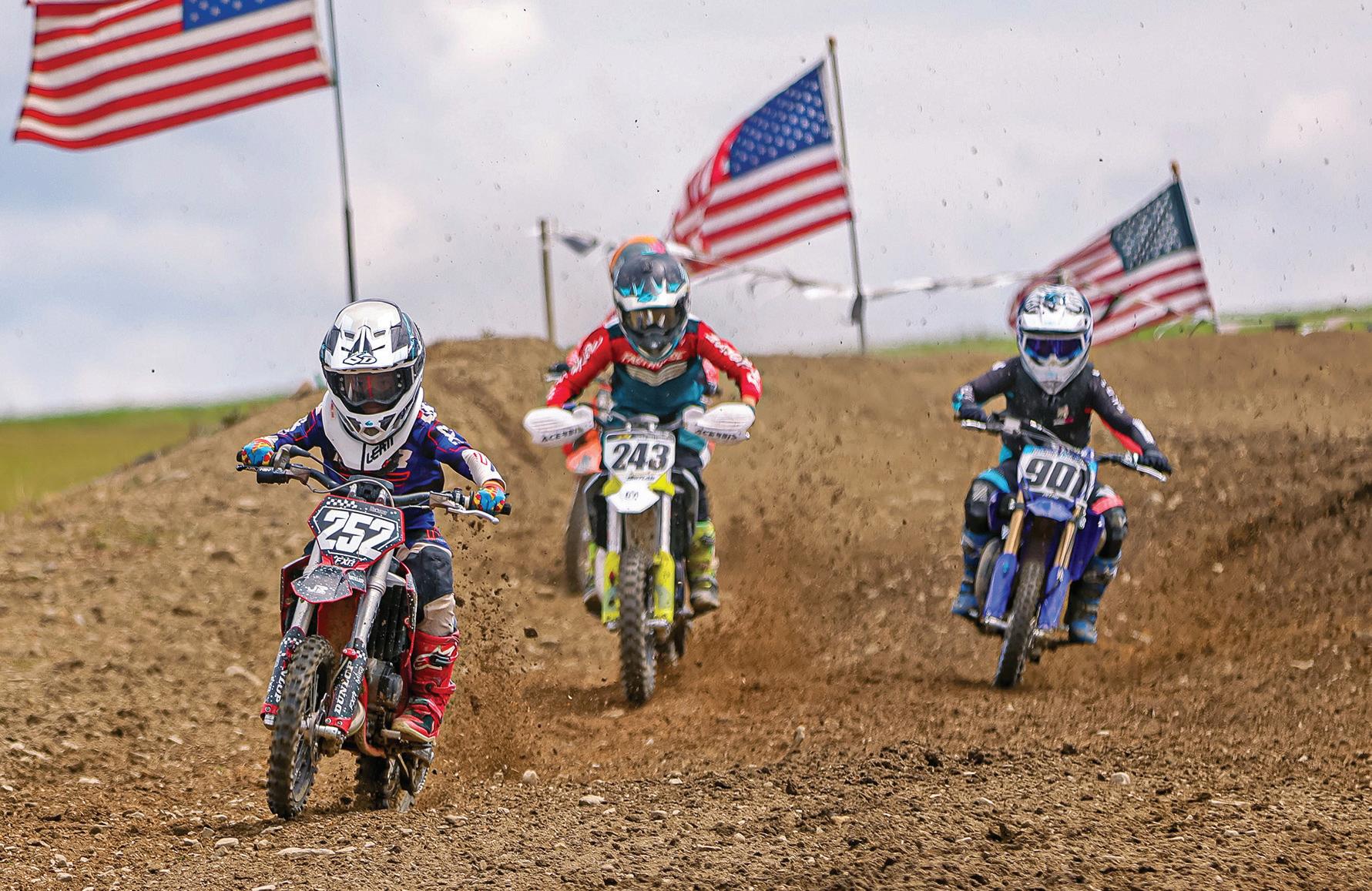


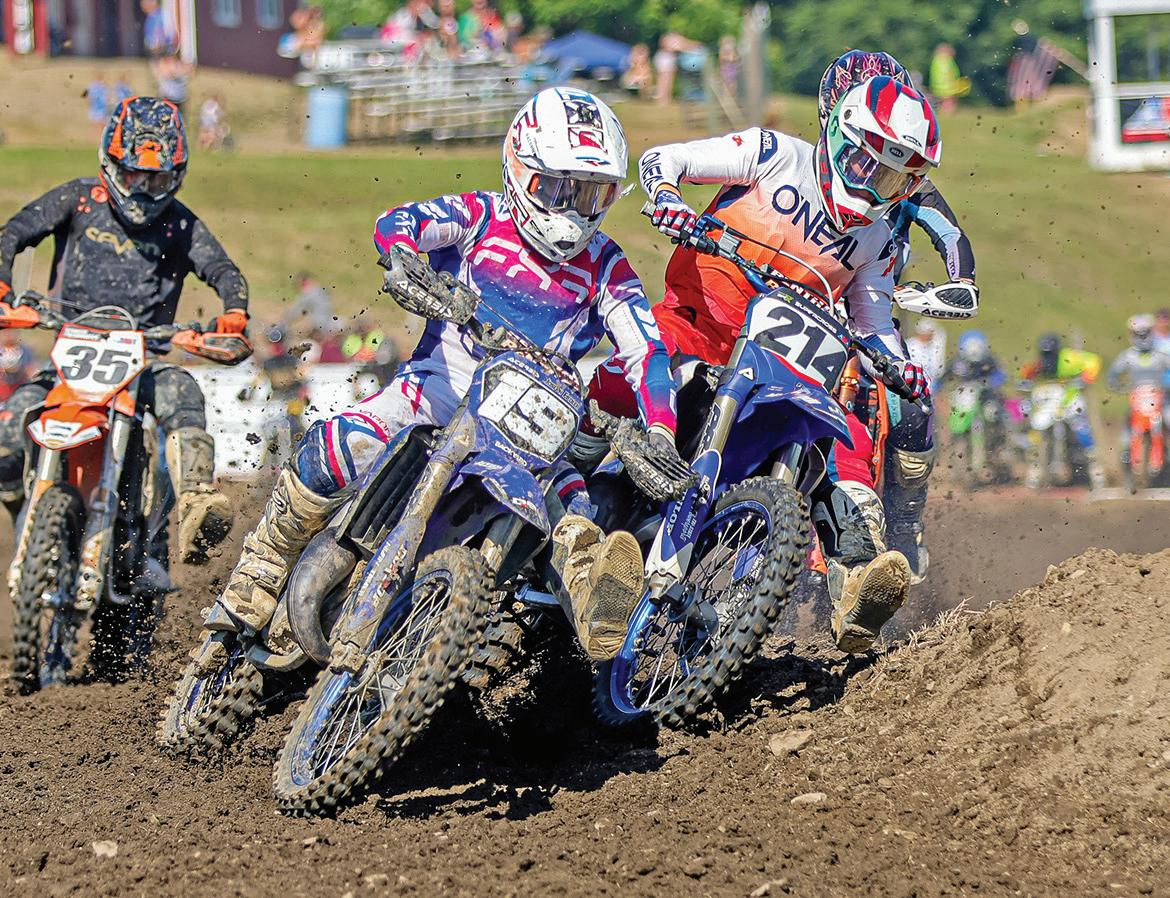


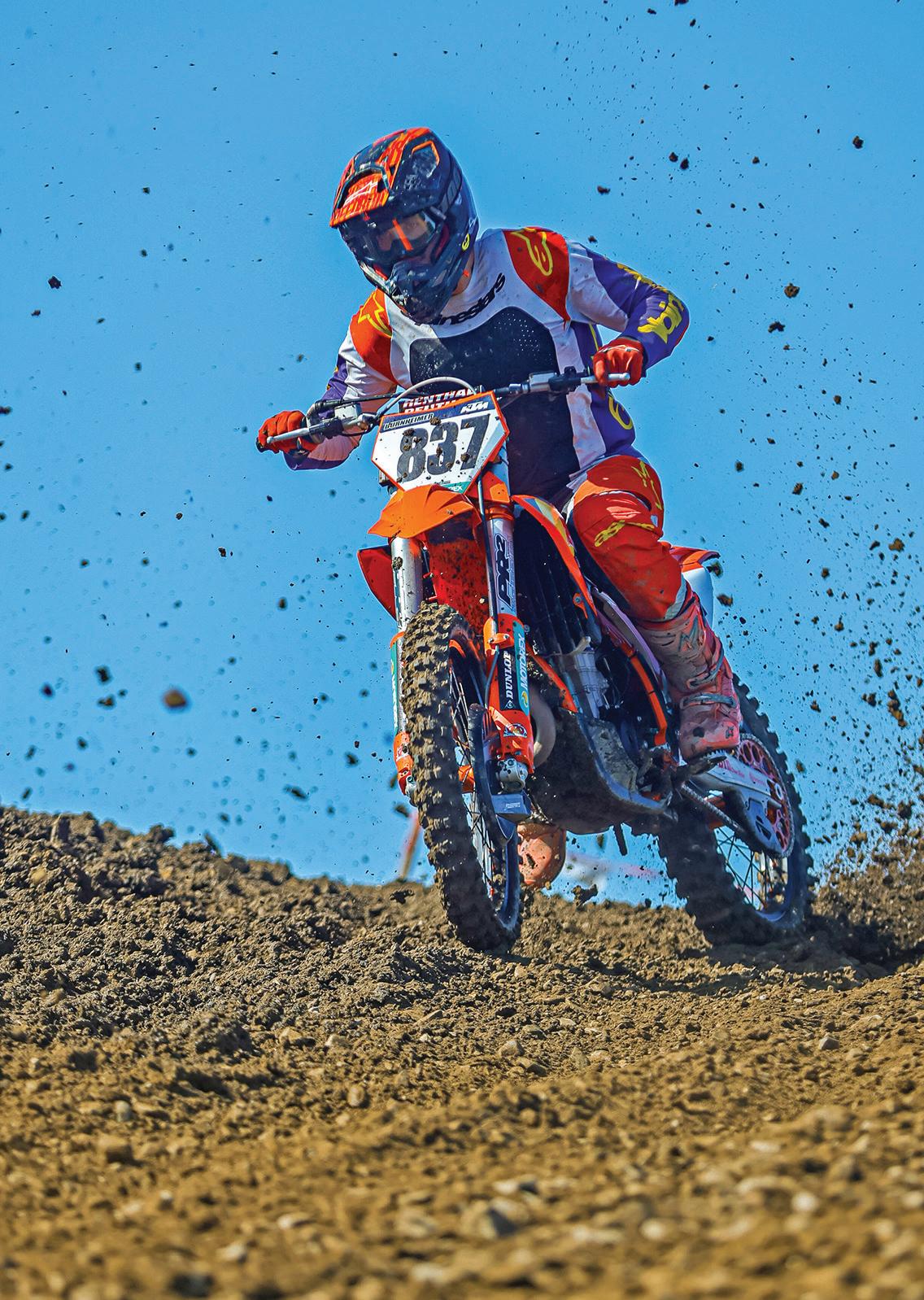



Bennett Weiss
Mapleshade - Double-Header Weekend
Great Riding. Strong Finishes. True Sportsmanship.


The history of motocross at Loretta Lynn’s Ranch began in the early 1980s when race promoter Dave Coombs Sr. set out to create a true national championship for amateur motocross riders. His vision was to bring the best racers from across the country together at a neutral venue where no competitor would have a home-track advantage. By uniting all classes at one event, Coombs created a championship designed to identify the nation’s top amateur talent under equal conditions. This commitment to fairness and competition remains the cornerstone of the event today.
Finding the right location was a critical part of that vision. Coombs needed a venue large enough to host a national championship while offering a memorable experience for riders and their families. A fellow promoter suggested Loretta Lynn’s Dude Ranch in Hurricane Mills, Tennessee, and its sprawling 6,000-acre property, extensive camping facilities, and welcoming atmosphere proved to be the perfect fit. When Coombs presented the concept to country music icon Loretta Lynn and her husband, they immediately embraced the idea. Their support led to the inaugural AMA Amateur National Motocross Championship in 1982, establishing what would become one of the most revered traditions in motocross.
What began as an innovative idea quickly evolved into the premier amateur motocross event in the world. Known simply as “Loretta’s,” the championship has become the ultimate proving ground for aspiring racers. Riders must advance through a demanding qualification process to earn a spot on the starting gate, making qualification itself a significant accomplishment. Over the years, many future stars—including Ricky Carmichael, James Stewart, Ryan Villopoto, Ryan Dungey, Eli Tomac, Cooper Webb, Travis Pastrana, Jeremy McGrath, and Carey Hart—have competed at Loretta Lynn’s Ranch before moving on to successful professional careers. A championship at Loretta’s is widely regarded as a milestone on the path to the professional ranks.
The event’s lasting appeal is rooted not only in its prestige but also in the track itself. Designed to be challenging while remaining competitive and accessible for riders of varying skill levels, the course has retained much of its original character throughout the decades. Combined with the unique atmosphere of the Ranch, the consistency of the track has helped solidify Loretta Lynn’s Ranch as one of the most iconic and respected motocross venues in the world.
For more than 40 years, Loretta Lynn’s Ranch has played a pivotal role in developing motocross talent and growing the sport. What started as Dave Coombs Sr.’s vision for a fair and truly national amateur championship has grown into the largest and most influential amateur motocross event in the United States. Today, the Ranch remains a legendary destination where generations of riders come to compete, create memories, and become part of motocross history.
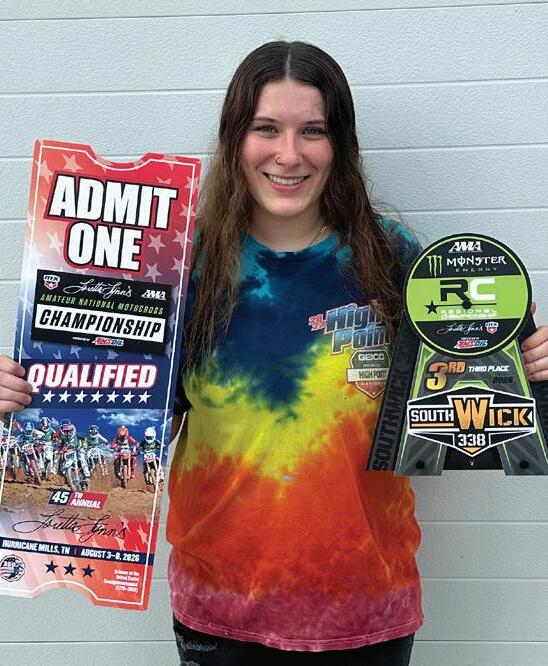
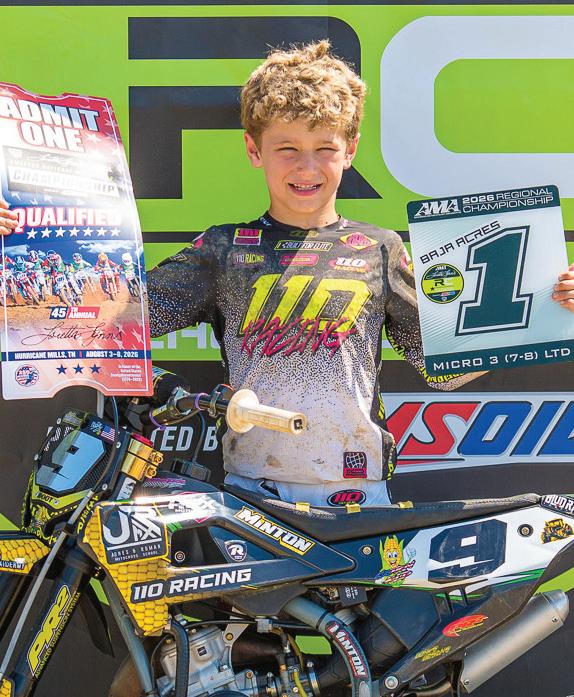
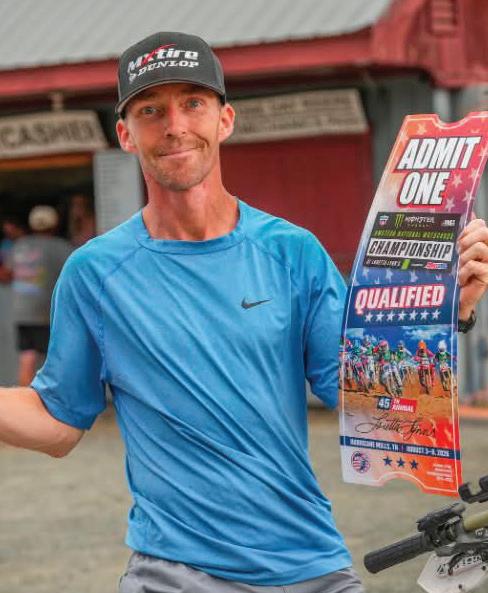
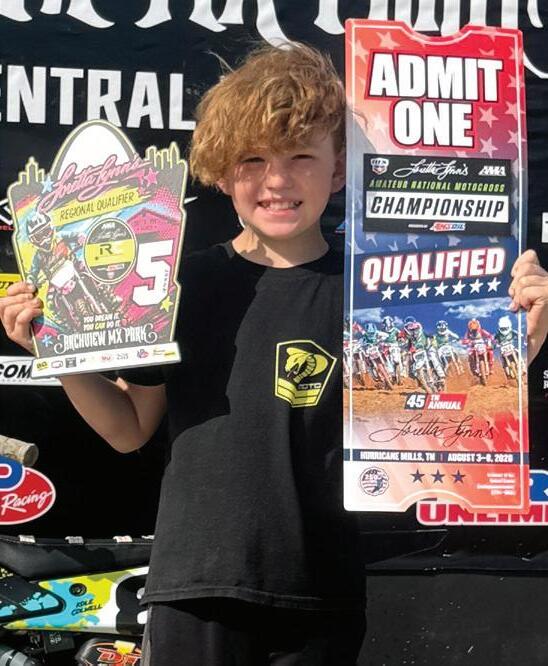
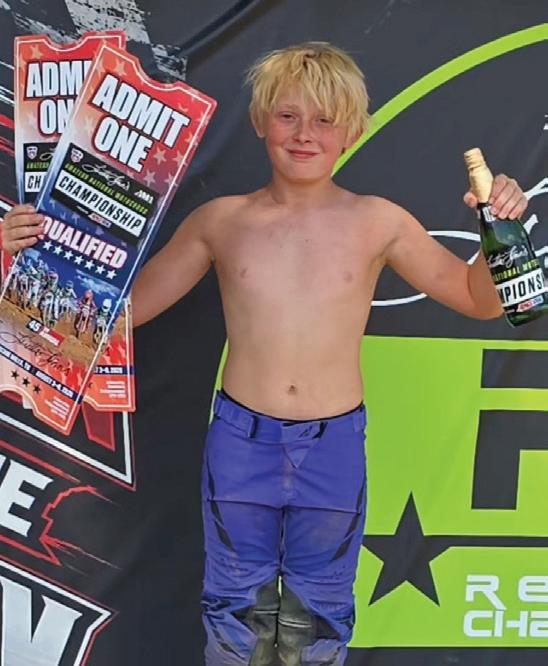
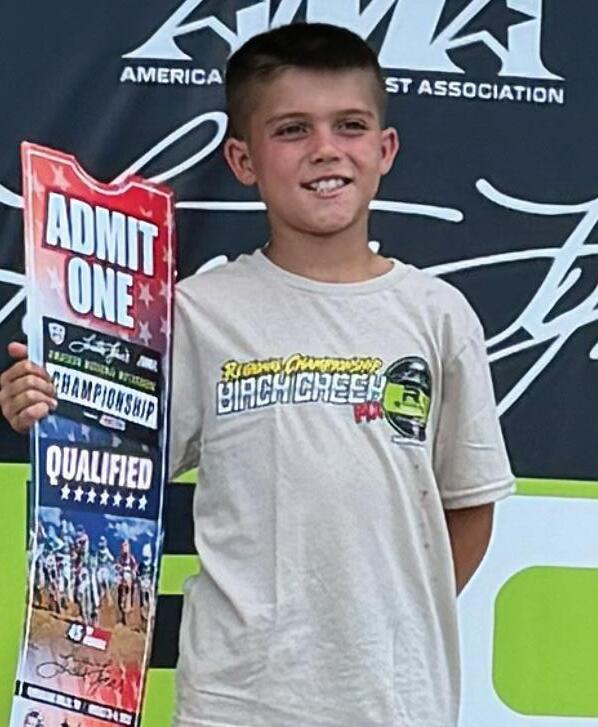
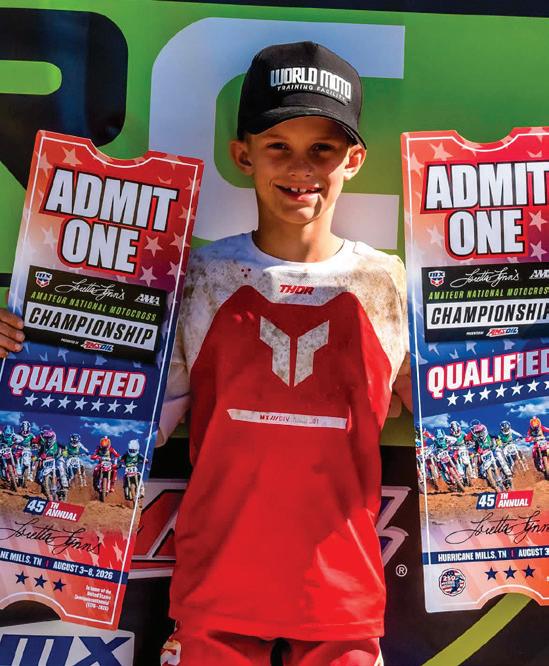
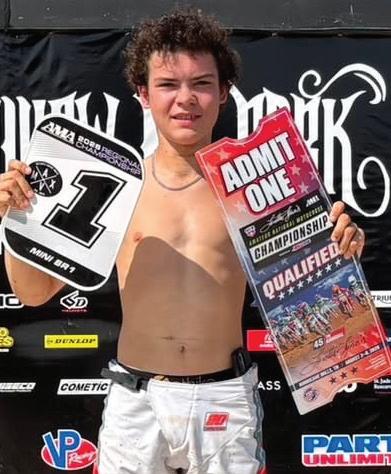
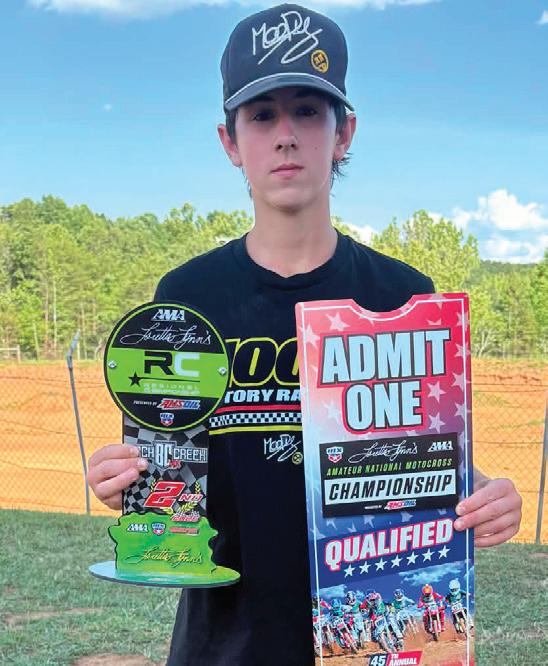
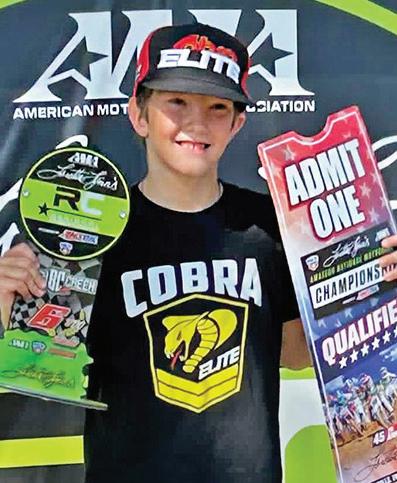
This year marks the 45th anniversary of the Loretta Lynn Amatuer national Championship. The event takes place August 3rd through 8th. These PAMX and local riders have punched their ticket to the ranch for 2025 - Good Luck Everyone!

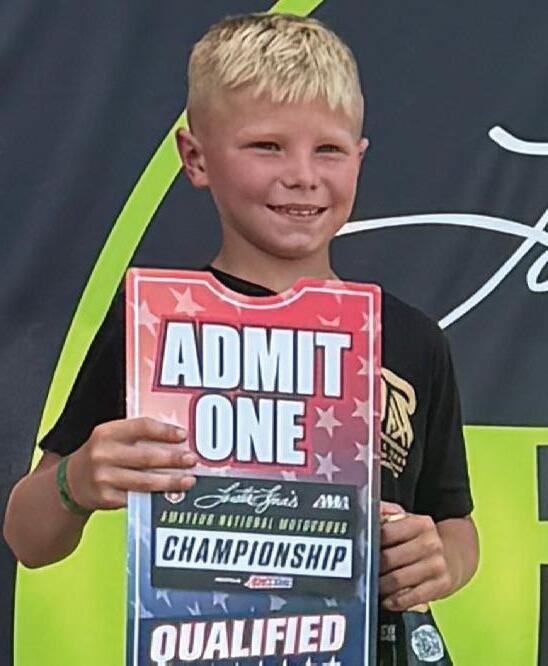
The former French motocross champion discusses racing in America, battling James Stewart, overcoming personal struggles and building stronger riders through Sorby Academy Mindset.
Eric Sorby has never been afraid to speak his mind. The former French motocross champion came to the United States with limited English, earned a tryout with Mitch Payton’s legendary Pro Circuit Kawasaki team and quickly established himself as one of the most talented and entertaining riders of his era.
After his professional racing career, Sorby worked closely with James Stewart and later helped riders including Justin Barcia and Jo Shimoda improve their performance. Today, he operates Sorby Academy Mindset, where he teaches young racers that success requires much more than speed on a motorcycle.
Sorby’s methods may be demanding, but his objective is simple: develop skilled, disciplined and mentally strong competitors who are prepared for racing - and for life.
What is the name of your training program, and where is it located?
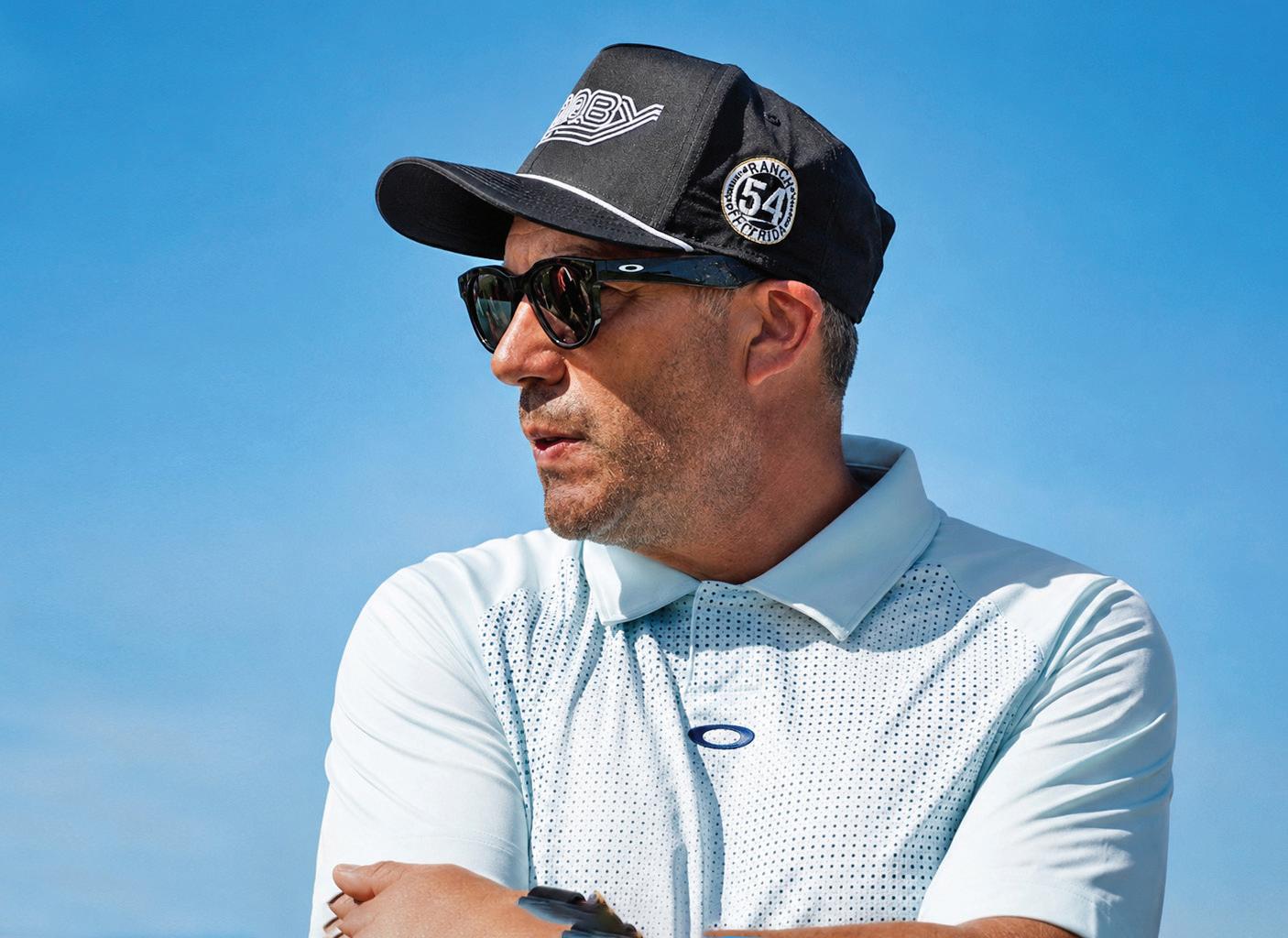
The name is Sorby Academy Mindset, and all of my training is done at Ranch 54 in Florida.
When you look back on your professional career, what moment stands out the most?
The biggest moment was landing in America. Coming to America had been my dream since I was a kid.
I came from almost nowhere in Europe and received an opportunity to ride one of Mitch Payton’s Pro Circuit Kawasaki bikes for a two-week tryout. My first race was in Houston. I got the holeshot and finished third.
Back then, they gave the podium riders those square number-plate trophies. I remember living with David Vuillemin and seeing all the trophies in his trophy room. I would look at them and think, “Man, I would love to have one of those.”
Two weeks after arriving in America, I had one. My dream had already come true.
That is what stands out more than any individual race. America helped make me the person I am today. Even though I eventually moved back to France for a period of time, the memories I made here are unbelievable.
What was the biggest adjustment when you moved from France to the United States?
The language was definitely the hardest part.
When I was a kid, I mostly went to school to have lunch and spend time with my friends. I was not going because I wanted to be a great student, so I never learned much English.
I arrived in America knowing almost nothing. I could barely say hello and goodbye. It was very difficult at first, but I decided to treat learning English like a game. Every day I tried to learn and repeat something new. I even bought English-learning CDs. After listening for a couple of hours, I rolled down the window of my truck, threw the CDs out and said, “I’m going to have to learn a different way.”
Believe it or not, country music helped me learn English. I listened to the songs, repeated the words and learned a little more every day.
Other than the language, adjusting to America was easy for me. I felt that if you were willing to work hard, America gave you an opportunity to become something and build a successful life. Who was your greatest competition in America?
James Stewart. He was the one rider I could never beat.
The years from 2002 through 2004 were some of the strongest of my career, but James was unbelievably fast. We trained together, lived in the same house and ate the same food, but we were simply different.
James was also one of my closest friends, and he still is. I remember asking him which Supercross coast he planned to race. When he said one coast, I wanted to race the other because I wanted an opportunity to win.
Where does James Stewart belong among the legends of the sport?
Every great rider brought something different. Ricky Carmichael is called the GOAT. Jeremy McGrath is the King of Supercross. James took Supercross speed to another level.
James may have been the fastest, but Jeremy was still the King. I also grew up admiring riders like Ricky Johnson, Johnny O’Mara and David Bailey.
There are many legendary names in motocross, and each one gave fans something special to appreciate.
Was there one race that showed fans the very best version of Eric Sorby?
I had six or seven Supercross podiums and several motocross podiums, but the race many people re -
I told him, “I love you, but I live with you and see how fast you are. You go East, and I’ll go West.” Somehow, injuries or schedule changes would still put us together.
I never beat James, but I finished second behind him. When I look back, there is a certain amount of pride in being able to say that the rider who beat me was James Stewart.
member was the East/West Shootout in Las Vegas. James crashed around the third lap. When James was no longer at the front, the race suddenly opened up for everyone.
I worked my way through the pack, took the lead and built an advantage of approximately six seconds. That night felt like it was going to be my night. Unfortunately, the bike blew up!
I did not get the result, but I believe people remember that race because they saw what I was capable of doing.
What did you do immediately after retiring from professional racing?
When I retired from racing, I worked for James Stewart. I helped him with his program and became one of the main people around him.
For approximately three years, I was with James almost every day - daily, weekly, monthly and yearly. I learned a tremendous amount by being around him and seeing how he approached racing.
Near the end of 2011, I made the decision to move back to Europe.
Why did you decide to leave America?
I was here mostly by myself. The Stewart family treated me like family, but my mother, father, brothers, sisters and relatives were still in France.
At the end of the day, when everyone went to bed, I felt alone. I became sad and began dealing with depression.
I was also struggling with pain medication. It is easy to take something that temporarily helps you forget what is wrong, but the problem returns, and you can become dependent on the medication. I went through a very difficult period for eight or nine months, possibly longer. One morning I woke up and told myself, “If you continue going in this direction, this is going to end very badly.”
I decided to return to France. Before leaving, I paid my hospital bills, business bills and credit cards. I wanted to leave America with everything handled correctly because I knew, in the back of my mind, that this was still the country where I ultimately wanted to live.
Was returning to France the fresh start you needed? It helped me escape the situation I was in, but emotionally it was still very difficult.
I cried for weeks. In some ways, I became even more depressed because I knew I was no longer in America.
It took me approximately 10 years to rebuild my life. I got married, had children and created a family.
When my son was about four years old, I told my wife, “I’m ready.”
She asked, “Ready for what?”
I said, “We’re moving to America.” This is where I wanted to be. America is a country where, as long as you are not lazy and are willing to work, you can make something happen.
How did Sorby Academy Mindset begin?
My experiences as a racer, trainer and person all helped shape the academy. I worked with James Stewart after retiring, and I later worked with professional riders such as Jo Shimoda and Justin Barcia. Those experiences taught me a lot about technique, preparation, pressure and the mental side of competition.
Eventually, I decided that I wanted to build a program that developed the entire rider - not only someone who could ride fast on a perfectly prepared track. I wanted to teach discipline, technique, toughness, personal responsibility and the proper mindset.
Learn more at 6Dhelmets.com. SUSPENSION FOR YOUR HEAD.



What is your opinion of today’s generation of American motocross racers?
America has many training facilities, and motocross in this country is doing very well. However, I believe American riders should be better than they currently are.
Some training programs become too focused on keeping every family happy and protecting the monthly payment. Trainers tell parents that their child looks great or is making progress, even when the rider is not improving enough.
I would rather tell a family the truth.
Another problem is that some riders spend more time in an air-conditioned gym or riding a road bicycle than they spend riding a dirt bike.
How do you become better on a dirt bike? You ride the dirt bike.
Of course, fitness training and cycling can help. However, riders also need motorcycle skills. They need to ride dry tracks, rough tracks and difficult conditions - not only perfectly prepared tracks.
We need to stop making everything so comfortable for young riders. I would rather sleep under a bridge after telling someone the truth
than own a beautiful house and truck because I lied to families.
Is Sorby Academy primarily a riding school or a mindset program?
It is both.
I am extremely particular about technique on the motorcycle, but much of the most important work happens away from the motorcycle.
A rider’s habits, attitude, discipline, preparation and willingness to listen determine how much he or she can improve.
The name is Sorby Academy Mindset because the mind controls everything else. A rider may have speed, but if the mindset is weak, that speed will not produce consistent results.
How important is the relationship between you and a young racer?
It is extremely important.
A family cannot simply call me and automatically enter the program. There is a waiting list, and I spend time speaking with the family before accepting a rider.
I want to understand the child, the parents and the environment around the rider. A talented child can still struggle if the family situation continually creates problems.
I choose the riders in my program carefully because I want to develop a strong relationship with every one of them.
Away from training, I can be their friend. When it is time to work, however, I am their trainer.
I treat young riders with the same seriousness that I give an adult, although I obviously communicate differently with a child. I am demanding, but I try to be demanding in the proper way.
What standards do you expect riders to follow?
Discipline begins with the example I set.
During the past two years, I have never been late for a training session. That should be normal, but unfortunately, it is not normal everywhere. Some programs begin at 9:00 one day, 9:30 the next day and change schedules without warning. That does not happen in my program.
Continued...
























I also believe your appearance sends a message. I arrive clean, prepared and dressed professionally. I shave, fix my hair and look like I am ready for an important day.
I do not want to arrive wearing dirty clothes and looking as though I just rolled out of bed. How can I ask children to respect the program if I do not show respect for it myself?
My son plays golf. When you go to a golf course, people generally dress well, respect the facility and follow certain standards. I try to bring some of those positive traditions from other sports into motocross. I want my riders to become examples for others.
Why is respect such an important part of your program?
Some young riders are homeschooled and spend most of their time around racing. That can be positive, but it may also mean they do not receive the same daily social structure as other children.
They need to learn how to speak to adults, respect their parents, respect other riders and take responsibility for their behavior.
Being fast does not give someone permission to be disrespectful. I am not only trying to create motorcycle racers. I am trying to help create better young men and women.
Do you believe young racers are given too much today?
In many cases, yes.
When I was growing up, I had very little. If I wanted something, I had to work for it. That hardship helped make me strong. Today, many parents give riders everything - the best motorcycles, equipment, training and travel - before the child has earned it.
At races, people often talk about how beautiful a rider’s motorhome is instead of talking about how well the rider performs on the motorcycle.
In Europe, if you want to bring home a trophy, you generally need to finish first, second or third. In America, a rider may finish eighth or tenth and still receive a trophy.
That can send the wrong message. If a rider finishes tenth and is satisfied because he received a trophy, what motivates him to work harder during the week?
In my program, first, second and third matter. After that, go home, reset and get back to work.
Are you opposed to recognizing effort?
Effort should absolutely be recognized, especially with young children. However, recognition should not create false satisfaction.
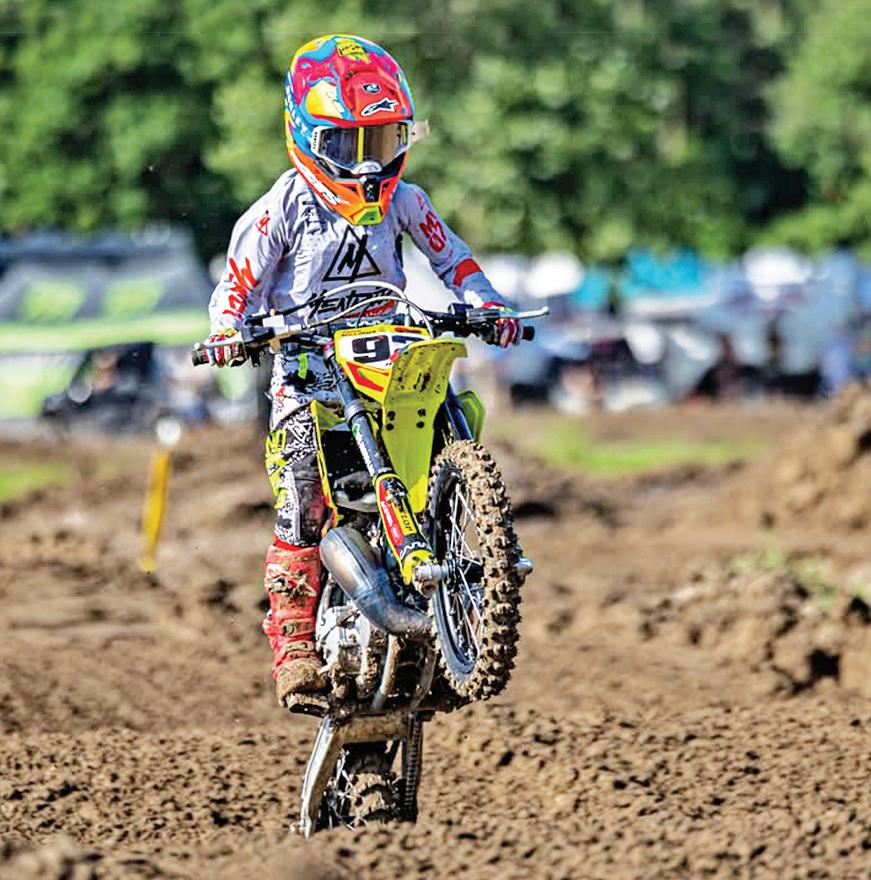
There is a difference between encouraging a child and convincing a child that an average performance is already good enough. I want riders to appreciate progress while remaining hungry to improve.
When one of my riders does not listen and I have to repeat the same instruction continually, I will eventually speak with the parents. Sometimes I tell them I can no longer train the child.
That does not make me a mean person. It makes me honest. Continued...
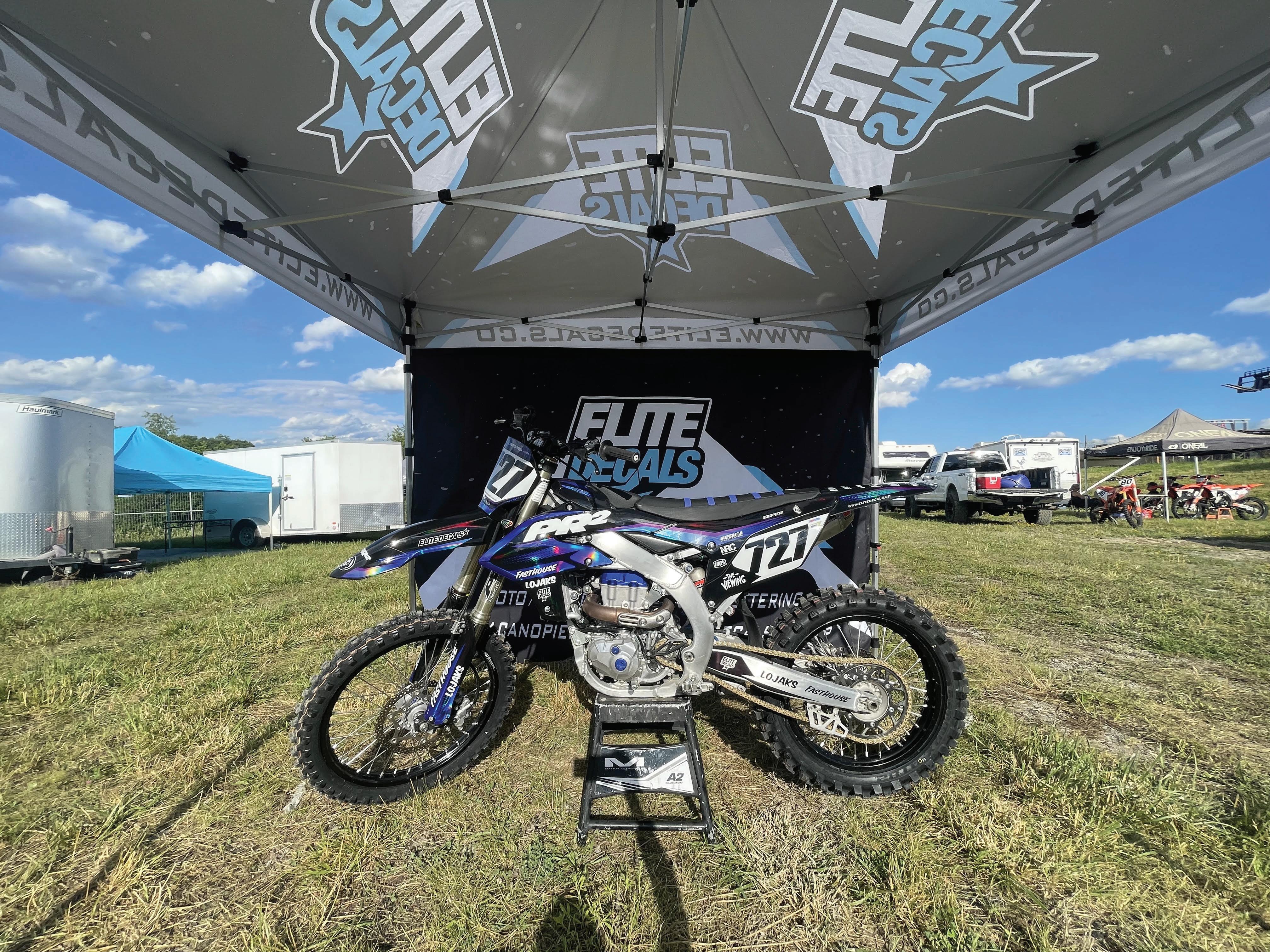
I have limited time, and I want to invest it in riders who are prepared to listen, work and improve.
What do you see in a rider before that rider experiences a major breakthrough? It is difficult to explain because some of it comes from experience and instinct. I can usually recognize whether a rider has natural ability, but ability is only the beginning. I look at how the rider responds to correction, pressure, failure and discomfort.
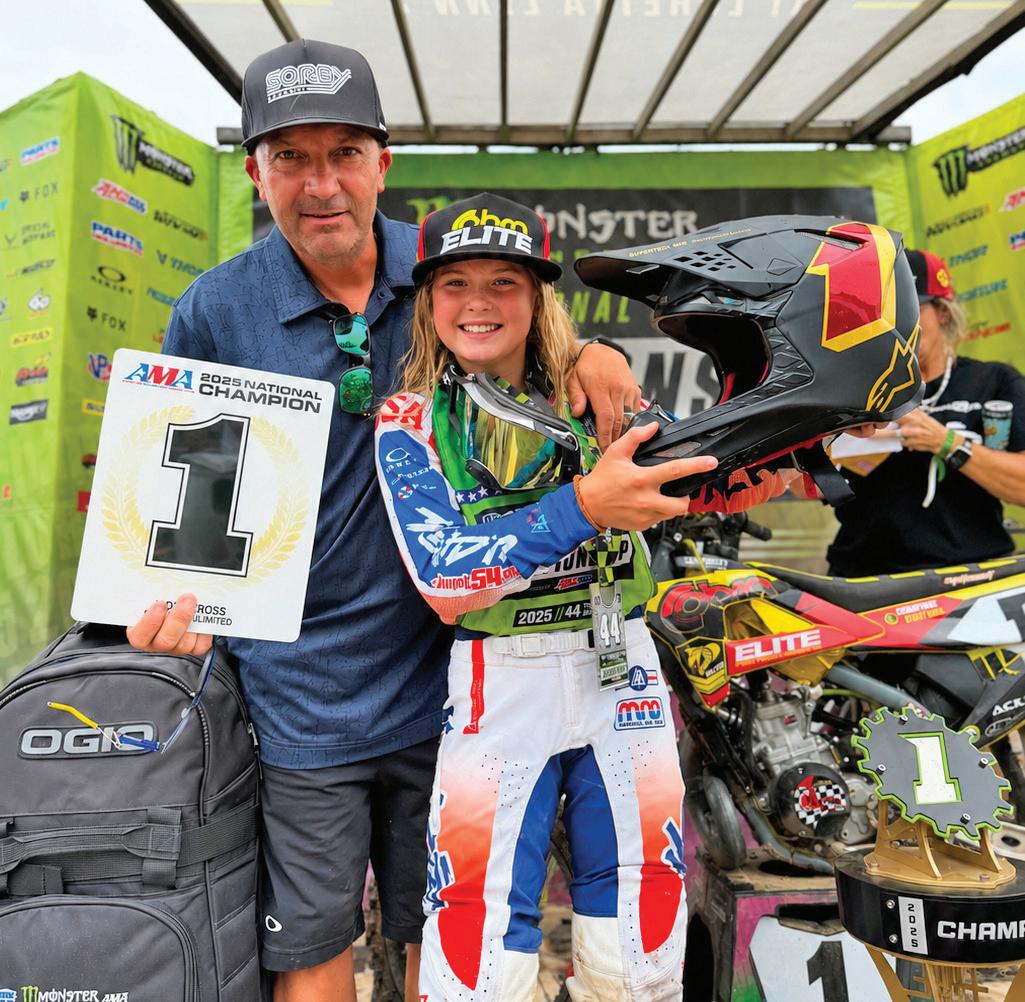
What created that breakthrough in your own racing career?
I was gifted with natural ability on a motorcycle, but I also learned everything the hard way.
Growing up with very little and having a demanding father made me tough. I understood that no one was going to hand me a professional career. When I received my opportunity in America, I knew I had to make it count. I could not assume another opportunity would come later.
That hunger was a major part of my breakthrough.
You have worked with successful professional riders. What do you enjoy most about helping them improve?
I enjoy challenges and making a noticeable difference.
When I worked with Jo Shimoda, he was still developing as a Supercross rider. Helping him become more comfortable and successful in Supercross was exciting.
When I worked with Justin Barcia, some people said, “Sorby is crazy, Barcia is crazy - this will never work.” That year, Justin had strong results, several podiums and multiple heat-race wins.
I do not want to simply stand beside an already successful rider and take credit. I want to identify what needs to improve and help create a real change.
One day, when I am gone, I want people to say, “That French guy never won a major American championship, but he was tough, he had heart and he made a difference.”
Does the rider listen? Does the rider apply the technique? Does the rider continue working when conditions are difficult? Does the rider blame the motorcycle, track or other competitors?
The breakthrough usually begins when the rider stops being satisfied with simply looking fast and starts understanding what is required to become consistently successful.
The biggest change often happens in the rider’s mindset before it becomes visible in the results.
AMA Youth Racer of the Year female racer with considerable potential. What did you see in her?
When I first began working with her, she was talented, but she was not yet the kind of rider people automatically expected to win a national championship. At that point, she had not even qualified for Loretta Lynn’s.
I explained to her family that I needed to train her my way - not simply follow what everyone else was doing.
There were many questions in the beginning: Why are you doing this? Why are you not doing that?
I told them, “If you want me to make her average like everyone else, you do not need me. Trust me and give the process time.”
After four or five months, she began running near the front and earning podiums.
Approximately two months before Loretta Lynn’s, I told the family, “She can win.”
Nothing is guaranteed when the gate drops. A rider can crash in the first turn or have a motorcycle problem. However, I believed she had the ability and the mindset to win.
She may not have been the fastest rider in every situation, but she was close enough in speed, and the mental preparation made the difference. She won.
What makes female racers particularly rewarding to train?
In my experience, many female riders are mentally tougher than the boys.
They often listen carefully and immediately try to apply what you teach. With some boys, the information enters one ear and goes out the other. They may believe they already understand everything.
The girls tend to be extremely focused. When you give them a technique, they work on performing that technique correctly.
I previously trained a female rider in Europe who eventually led the Women’s World Championship. She was incredibly tough. That experience showed me what women are capable of achieving when they receive proper training and opportunities.
What do you think about the continued growth of women’s motocross?
It is very good for the sport and good for everyone involved.
The racing has become exciting, and more people are paying attention to the women’s classes. We are no longer talking only about women entering motocross. We are seeing women compete at an extremely high level.
The strongest female riders are skilled, dedicated and very tough. As the competition and expo -
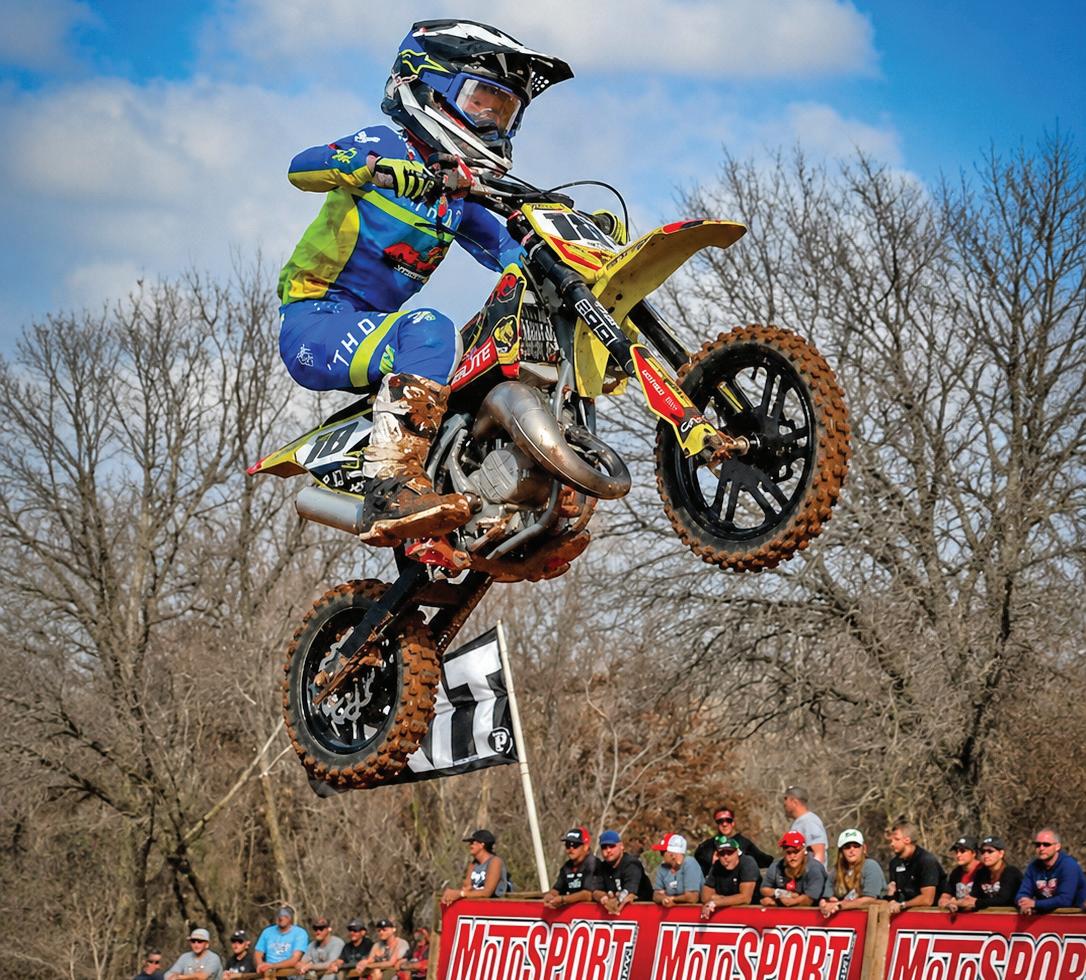
sure continue growing, more young girls will see that there is a real path for them in this sport.
How much potential does Raycin Kyler rider have as she moves to larger motorcycles?
There are many talented riders in the 85cc classes, just as there were talented riders in the 65cc classes. However, I believe we have just as much opportunity this year on the 85 as we had last year on the 65.
We understand that nothing is guaranteed. Our job is to prepare correctly, continue developing her technique and make sure her mindset remains strong.
I truly believe in her potential.
After everything you have experienced, what does America mean to you today?
I am still French, but I feel American.
I believe I have approximately two and a half years remaining before I can become an American citizen, and that is something I want.
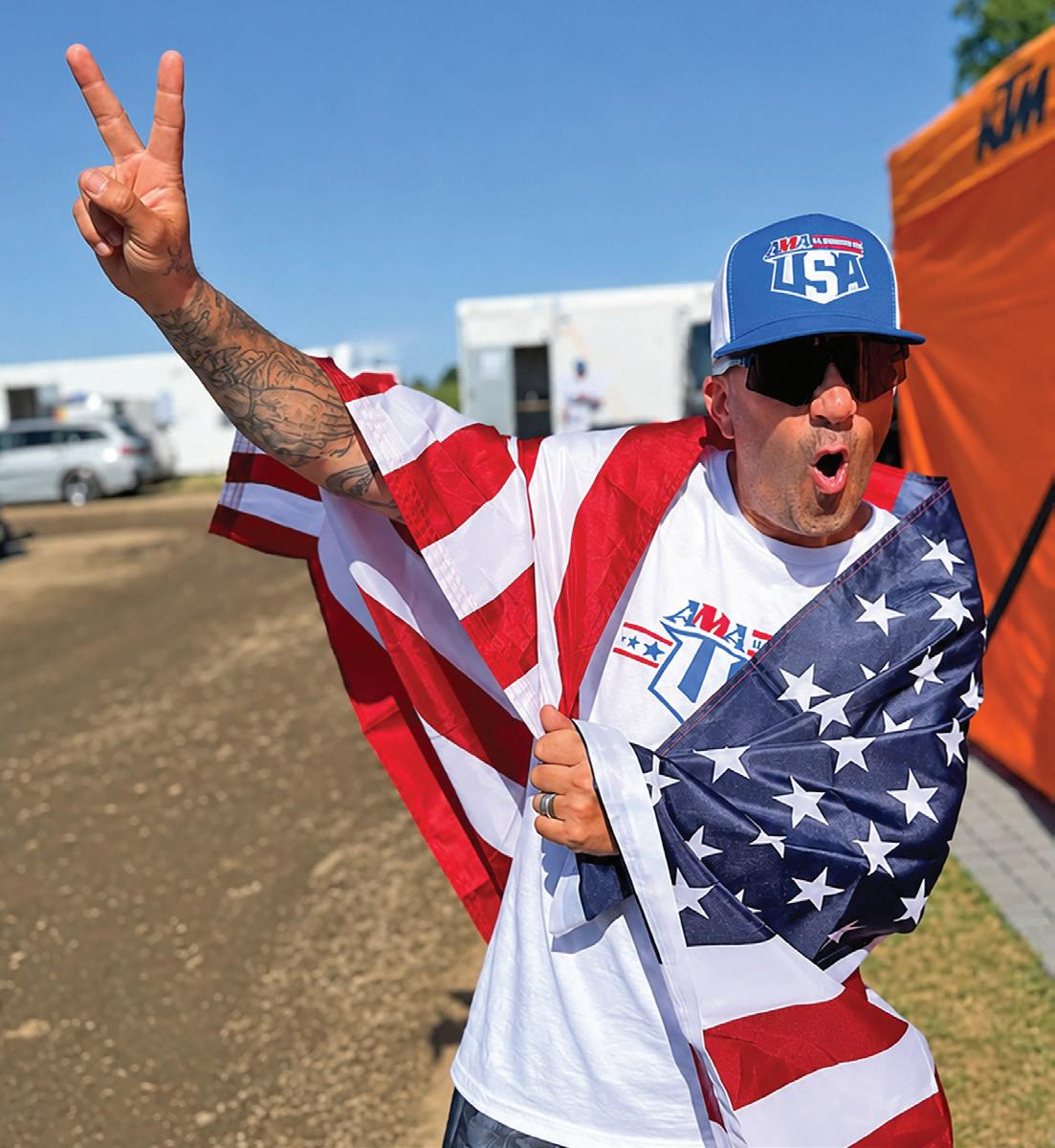
I am not afraid to hang an American flag outside my home. This country gave me opportunities, friendships, a career and a second chance. I left once because I needed to rebuild myself, but I always knew I wanted to return.
America has played a major role in making me who I am.
Mid-Ohio Sports Car Course | July 24–26 | By
Jeff Cernic
This year’s AMA Vintage Motorcycle Days came just one week before I headed to Loretta Lynn’s. I was asked to provide tire service for the vintage motocross racers, and with an open weekend on my schedule, the answer was easy - absolutely. After all, who wouldn’t want to spend a weekend surrounded by some of the greatest vintage motorcycles ever built?
I haven’t attended AMA Vintage Motorcycle Days for at least ten years, if not longer. The last and only time I made the trip was on Sunday. After spending the entire weekend there this year, I realized just how much I had been missing. If you’ve only attended on Sunday, you’ve probably experienced only about 20% of what this incredible event has to offer.
We arrived Wednesday evening to drop off our trailer and planned to return at 7:30 Thursday morning. We thought we were getting an early start. We were wrong.
By the time we arrived, the line of vehicles stretched well beyond the entrance, and it took nearly 40 minutes just to get through the gate. This was on Thursday! The crowd was incredible all weekend long. Mother Nature couldn’t have been more cooperative, providing perfect weather with comfortable temperatures and a refreshing breeze.
If you’re a motorcycle enthusiast, this is one event you simply have to experience in person.
The weekend offers something for every type of rider. Vintage motocross, hare scrambles, trail riding, road racing, and even Rob Buydos’ Bagger Racing League kept fans entertained throughout the weekend. If you’ve never seen the Bagger Racing League in person, add it to your bucket list. The racing is exciting, the bikes are impressive, and the atmosphere is second to none.
As if that wasn’t enough, just 20 minutes away in Ashland, Ohio, fans could also catch the AMA National Flat Track Championship on Saturday night, making it one unforgettable weekend for motorcycle racing.
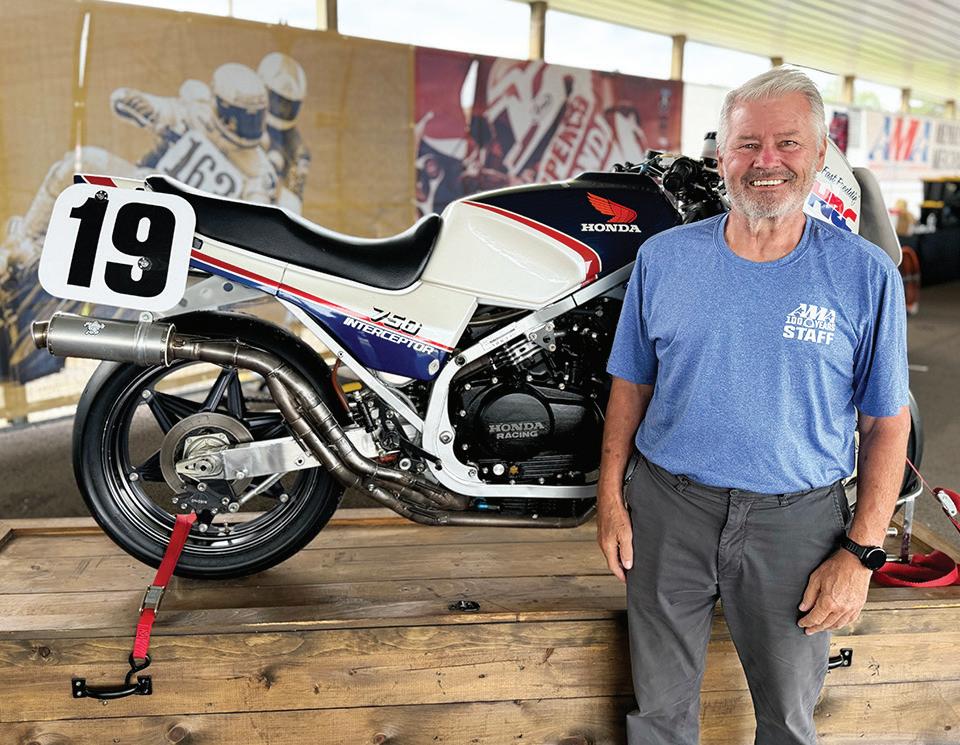
Beyond the racing, there’s no shortage of attractions. The legendary Wall of Death remains one of the event’s signature experiences and is always worth watching. There was also an incredible street bike stunt show, along with one of the finest vintage motorcycle displays you’ll ever see.
The swap meet is second to none, with hundreds of vendors spread across the grounds selling everything from tools to complete motorcycles, riding gear, and those hard-to-find vintage motorcycle parts that even eBay doesn’t seem to have. If you’re hunting for something rare, chances are you’ll find it here.
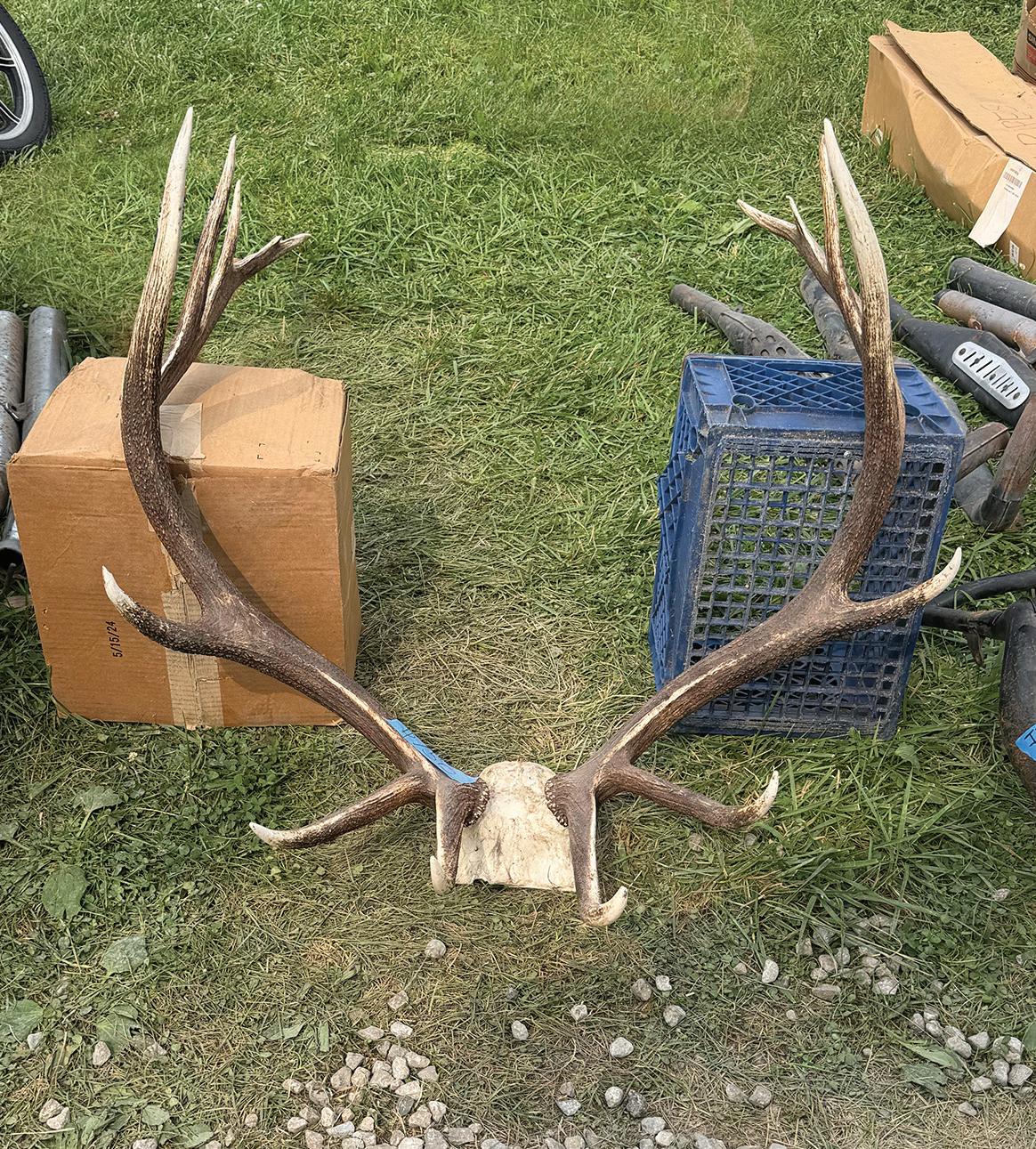
I even saw a set of elk horns so massive you would’ve needed a trailer just to haul them away.
One exhibit that stood out featured the original Honda CR250R built at Honda’s Marysville, Ohio plant—VIN #0001. For motorcycle history fans, it was truly a oncein-a-lifetime opportunity to see such an important piece of American motocross history.
After talking with several attendees, it became clear why so many riders and fans make this an annual tradition. They don’t miss it—and now I understand why.
As long as my schedule allows, I won’t miss another AMA Vintage Motorcycle Days.
A special thank you goes to Mike Burkeen and Jensen Wu for the invitation, and congratulations to everyone at the American Motorcyclist Association and the AMA Motorcycle Hall of Fame Museum for organizing one of the premier motorcycle events in the country.
Job well done.
Enjoy some of the photos on the following pages.
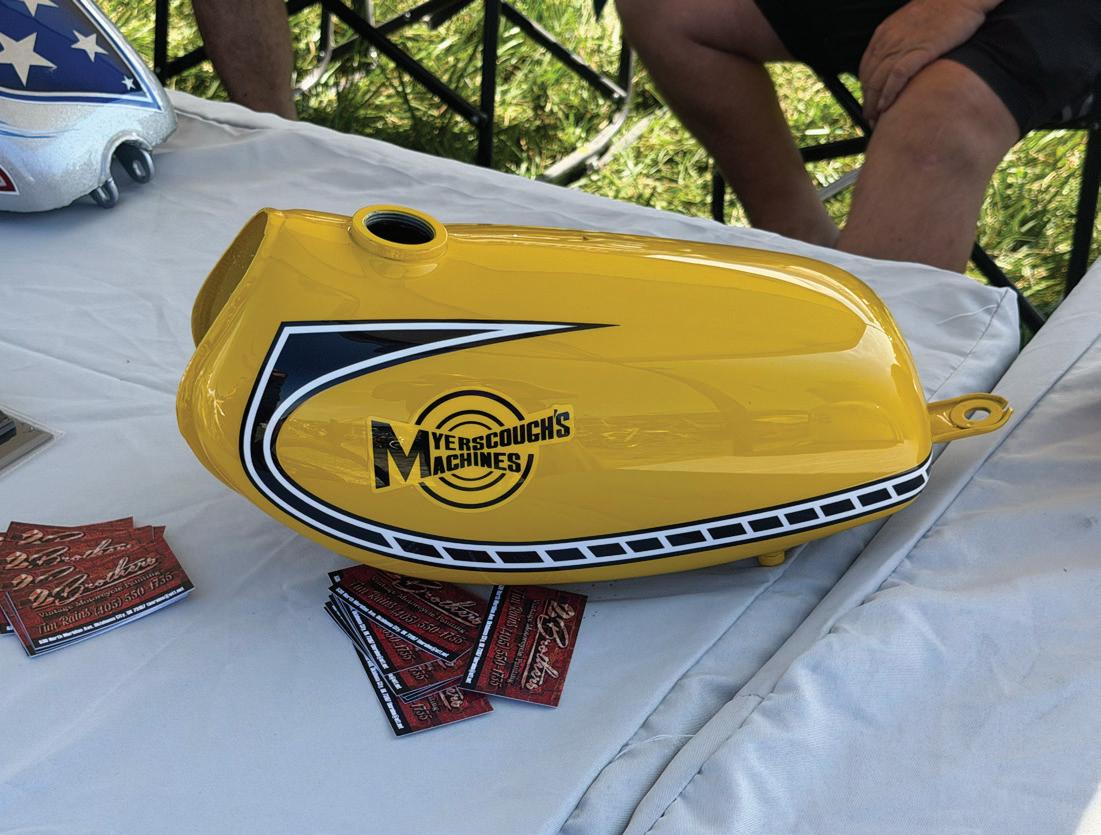
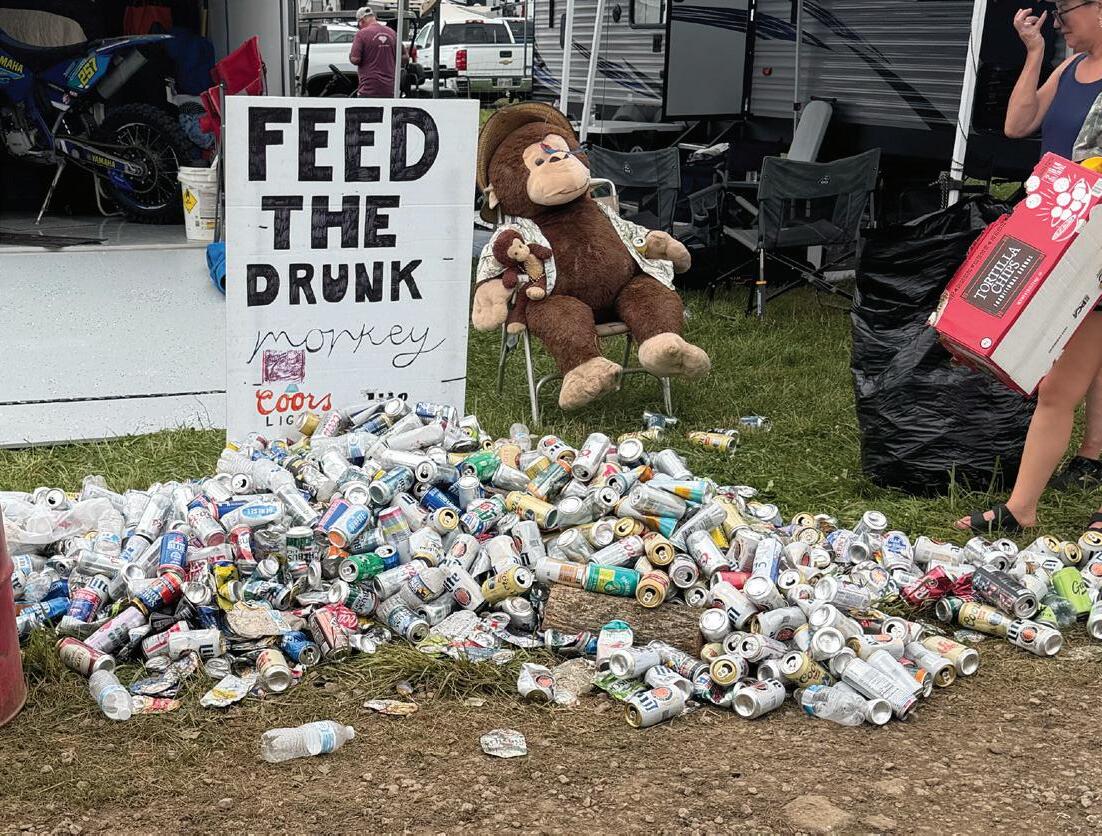
There was no shortage of vintage dirt bikes. It doesn’t matter what your favorite bike brand or model is - chances are you will find one on display or for sale. And if not, you’ll ptobably find enough parts to assemble one yourself.
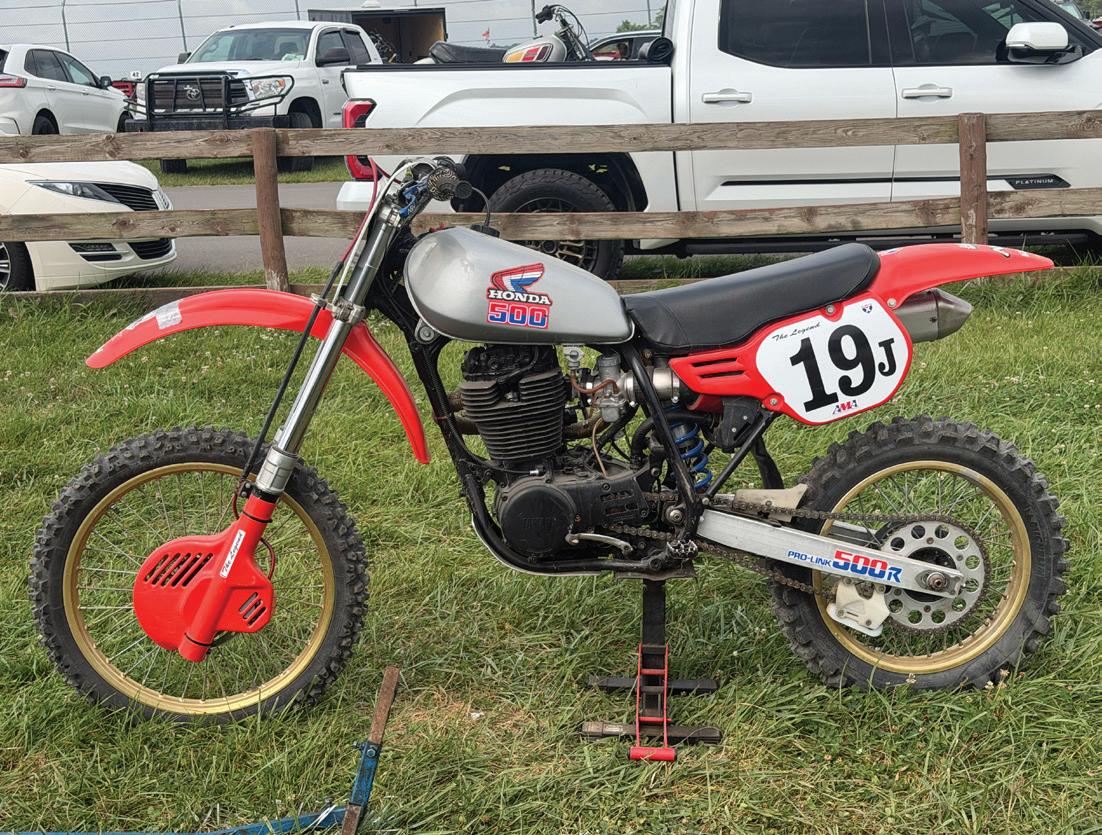
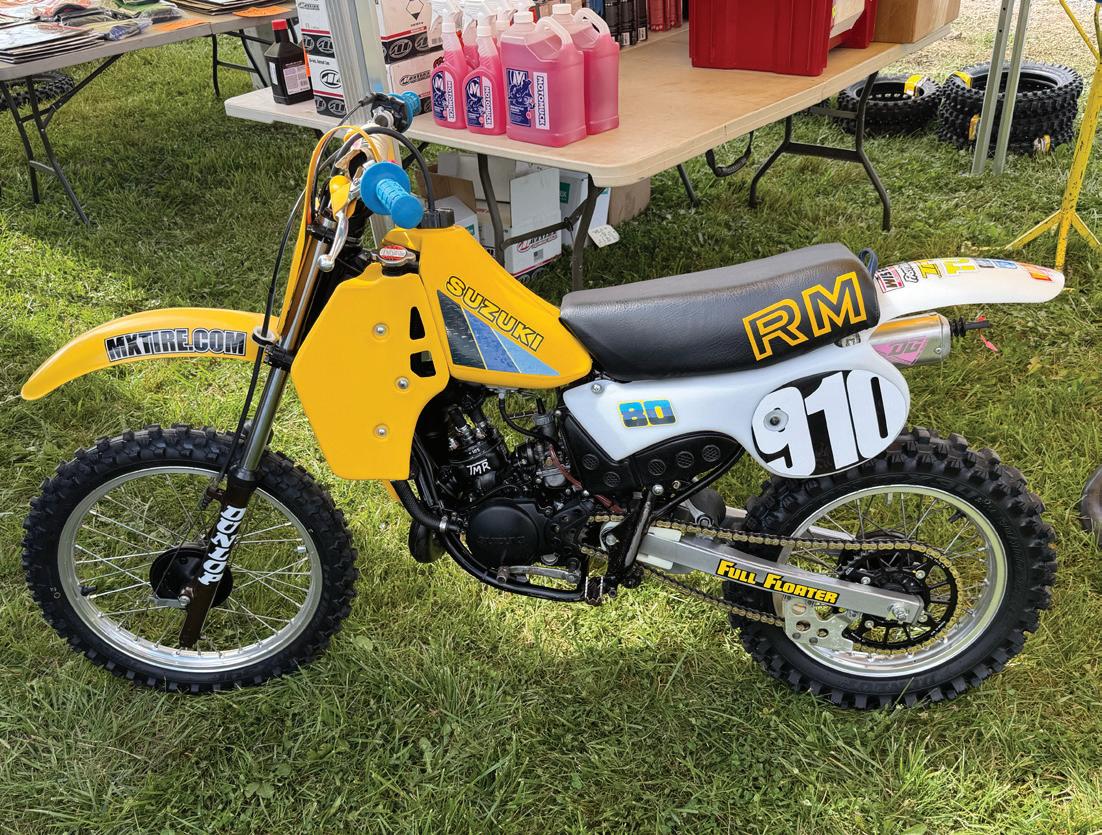
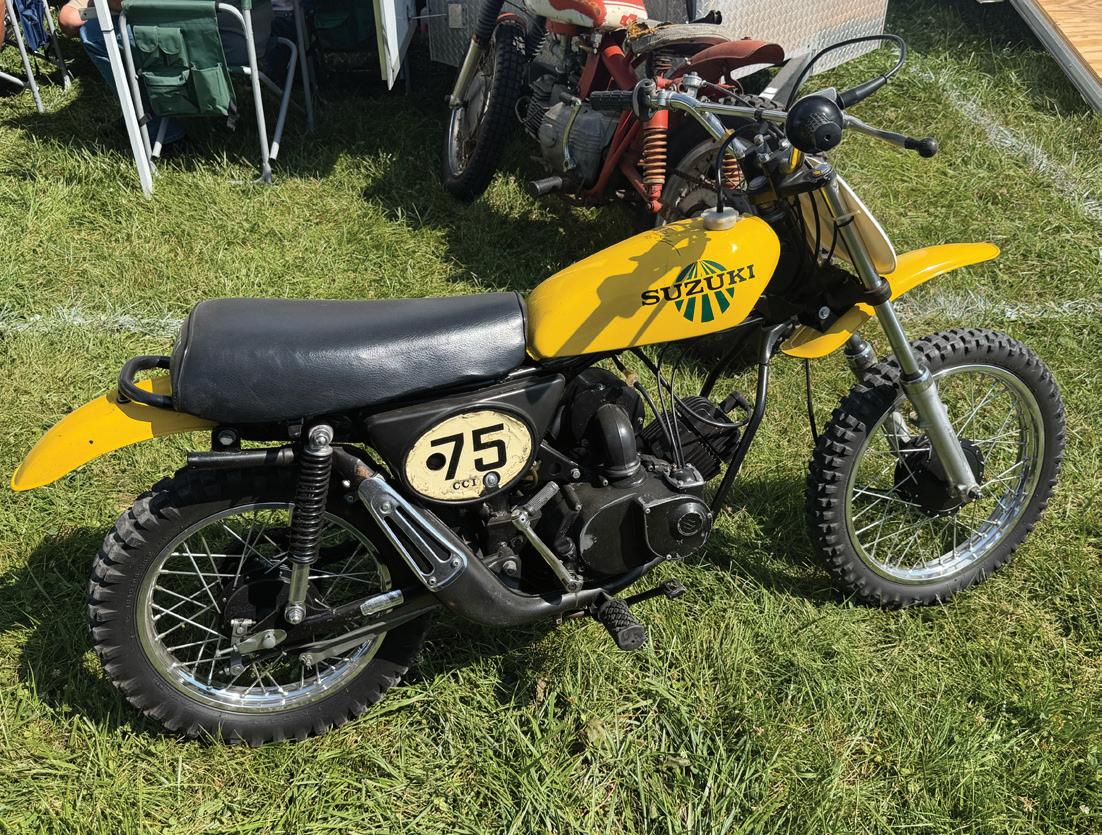
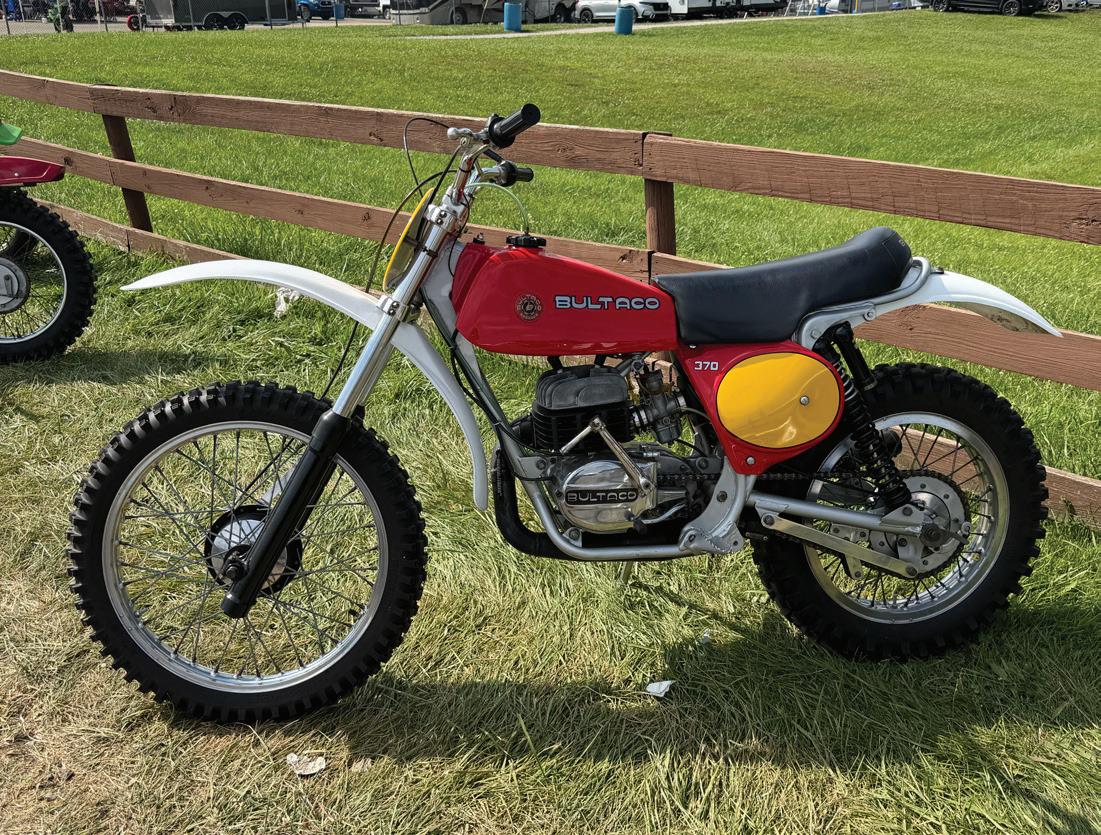
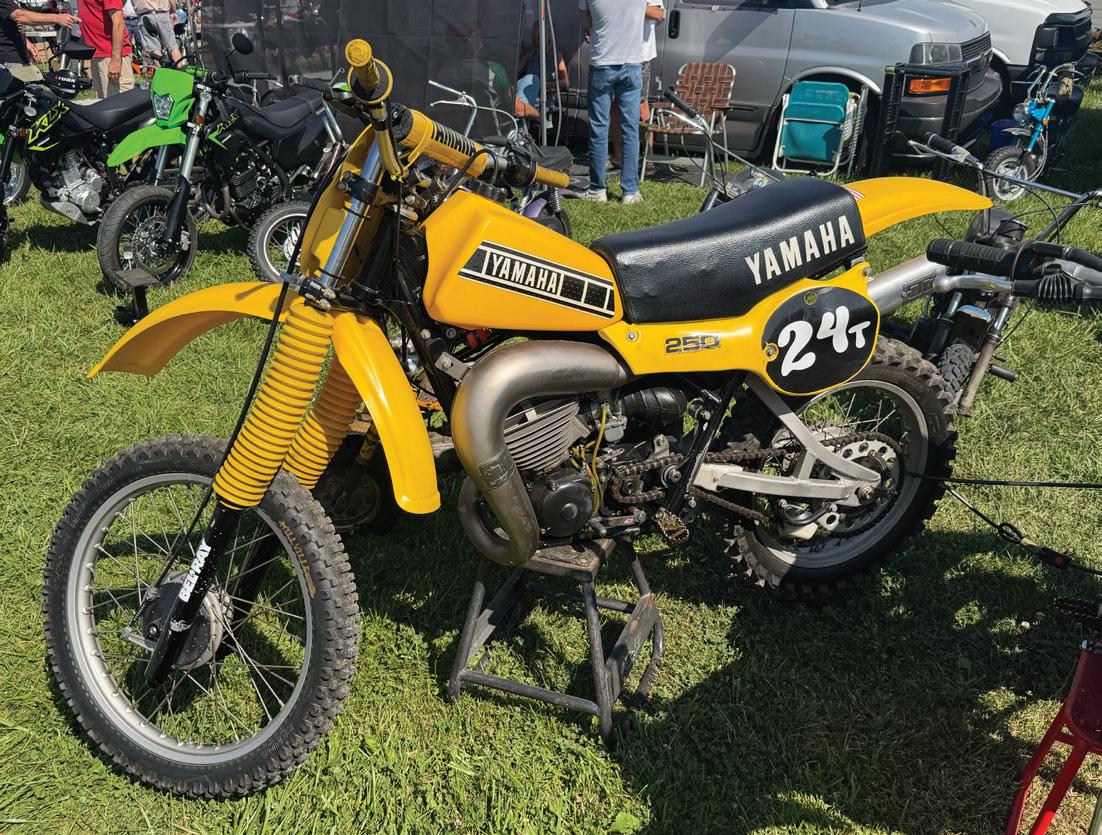
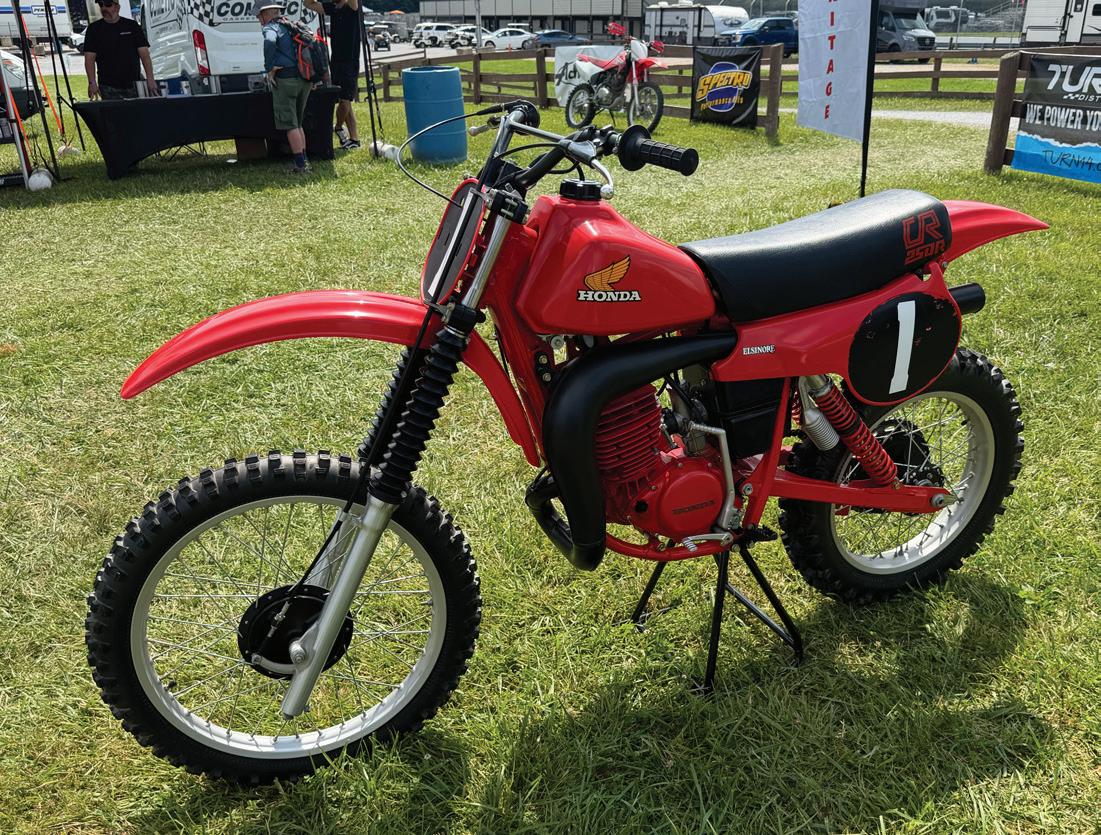

No matter what you’re looking for - chances are you’ll find it at AMA Vintage Days. From old riding gear to old three-wheelers to bike parts like vintage tanks and motors. Plus there is always the unexpected display. Go! Enjoy! Have fun!
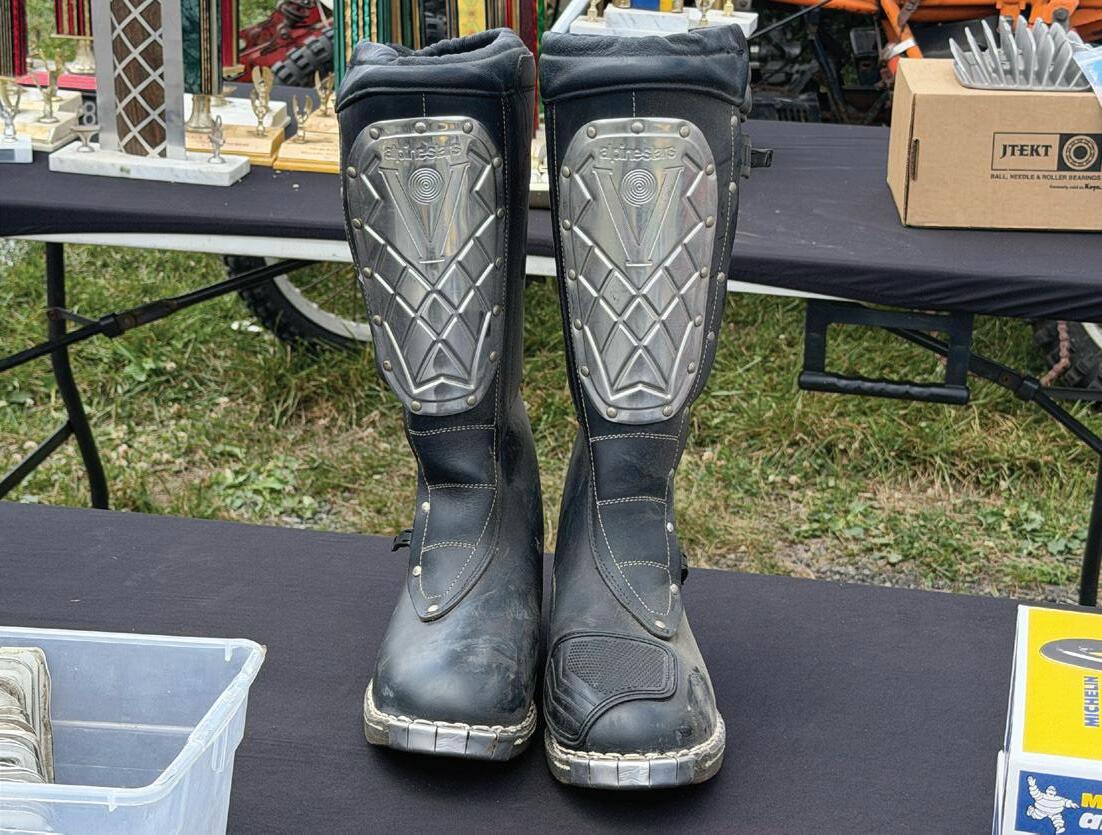
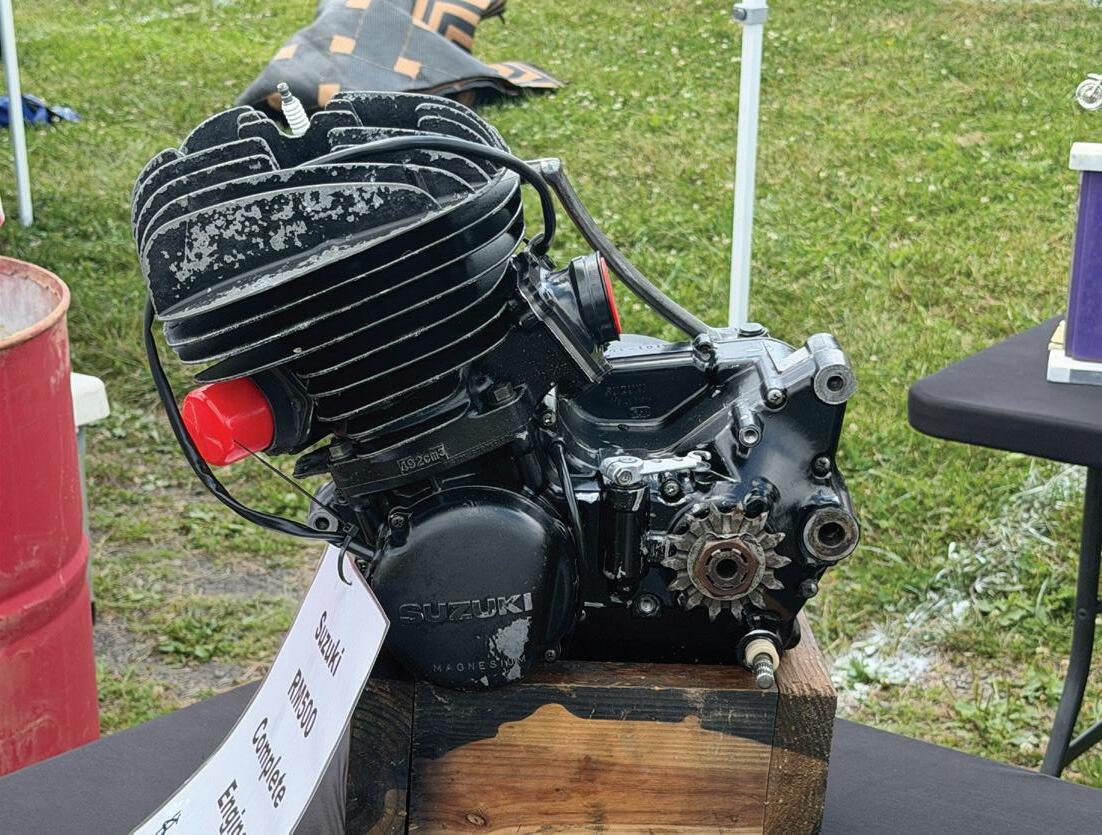
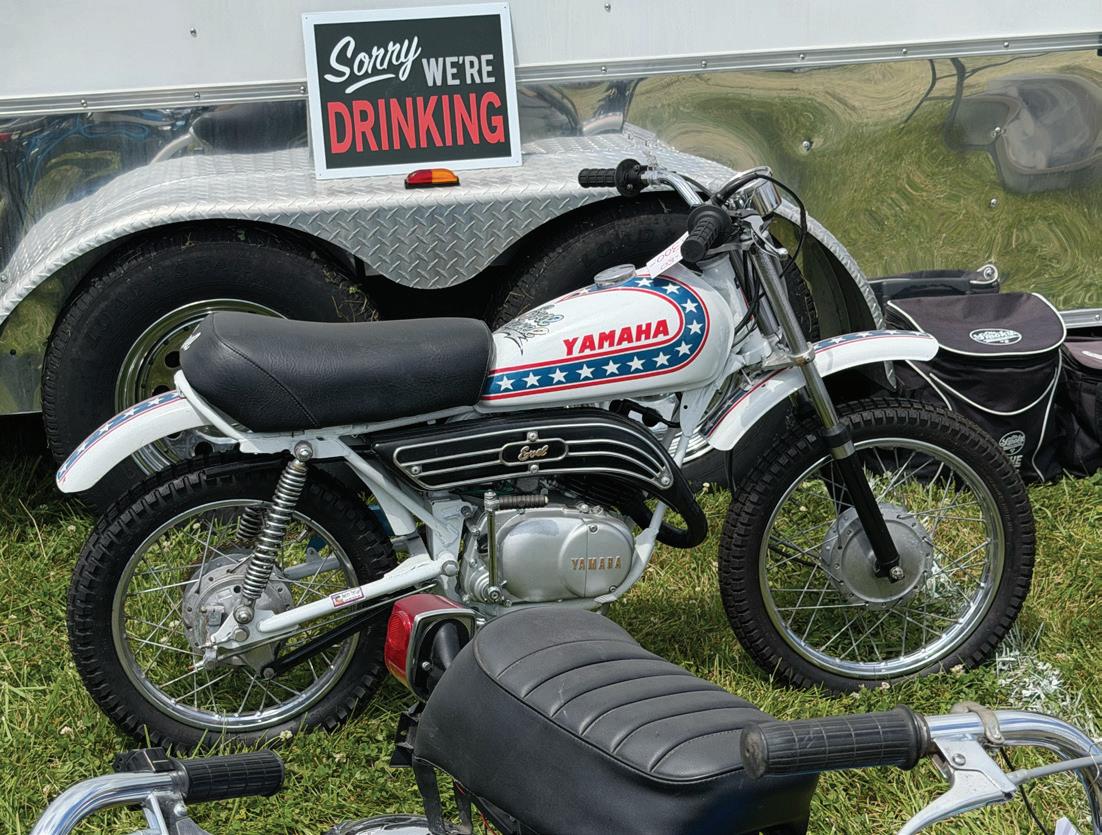
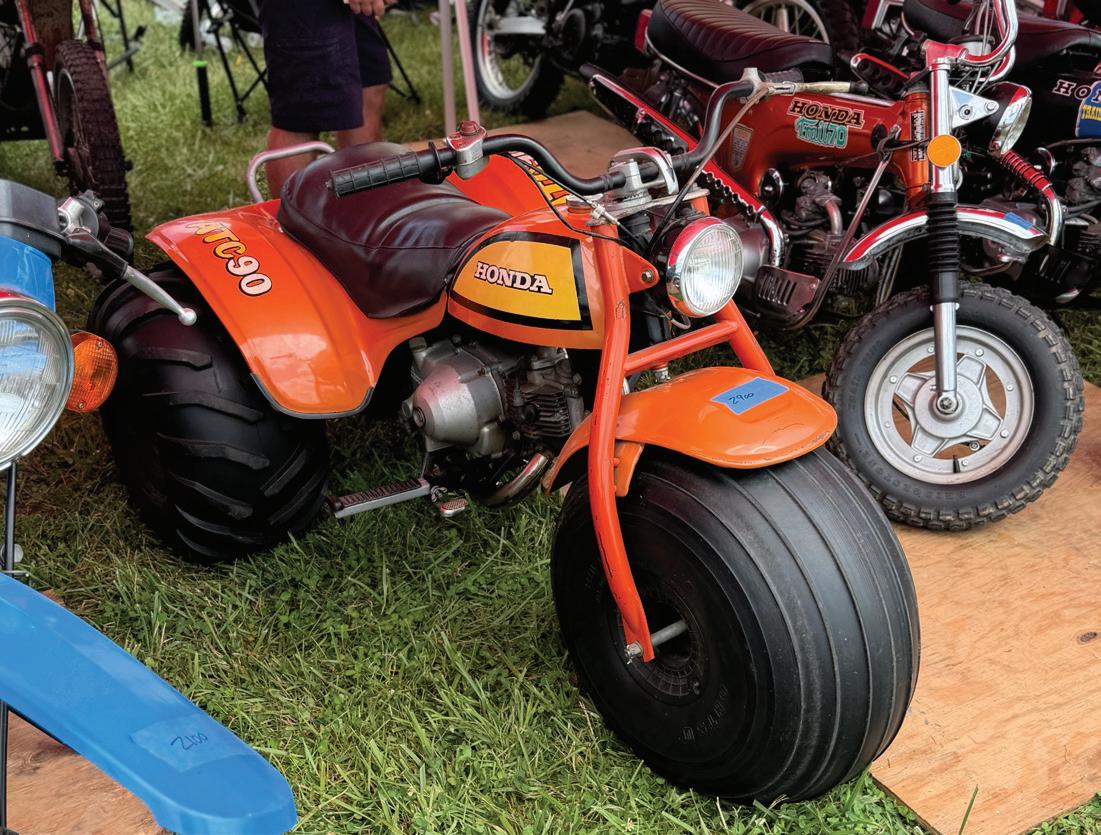



Custom-fit, hand-assembled air filters – for everyone
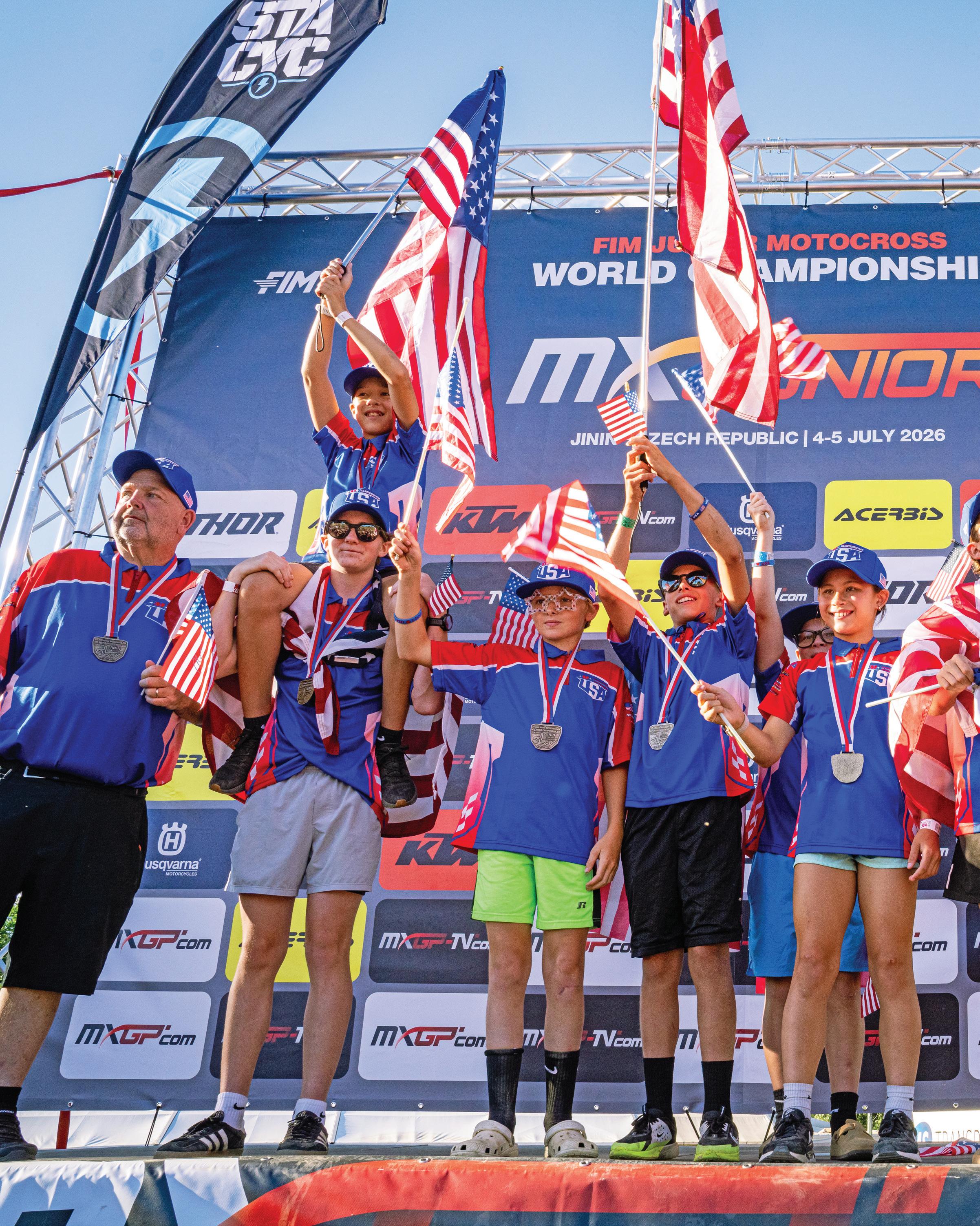
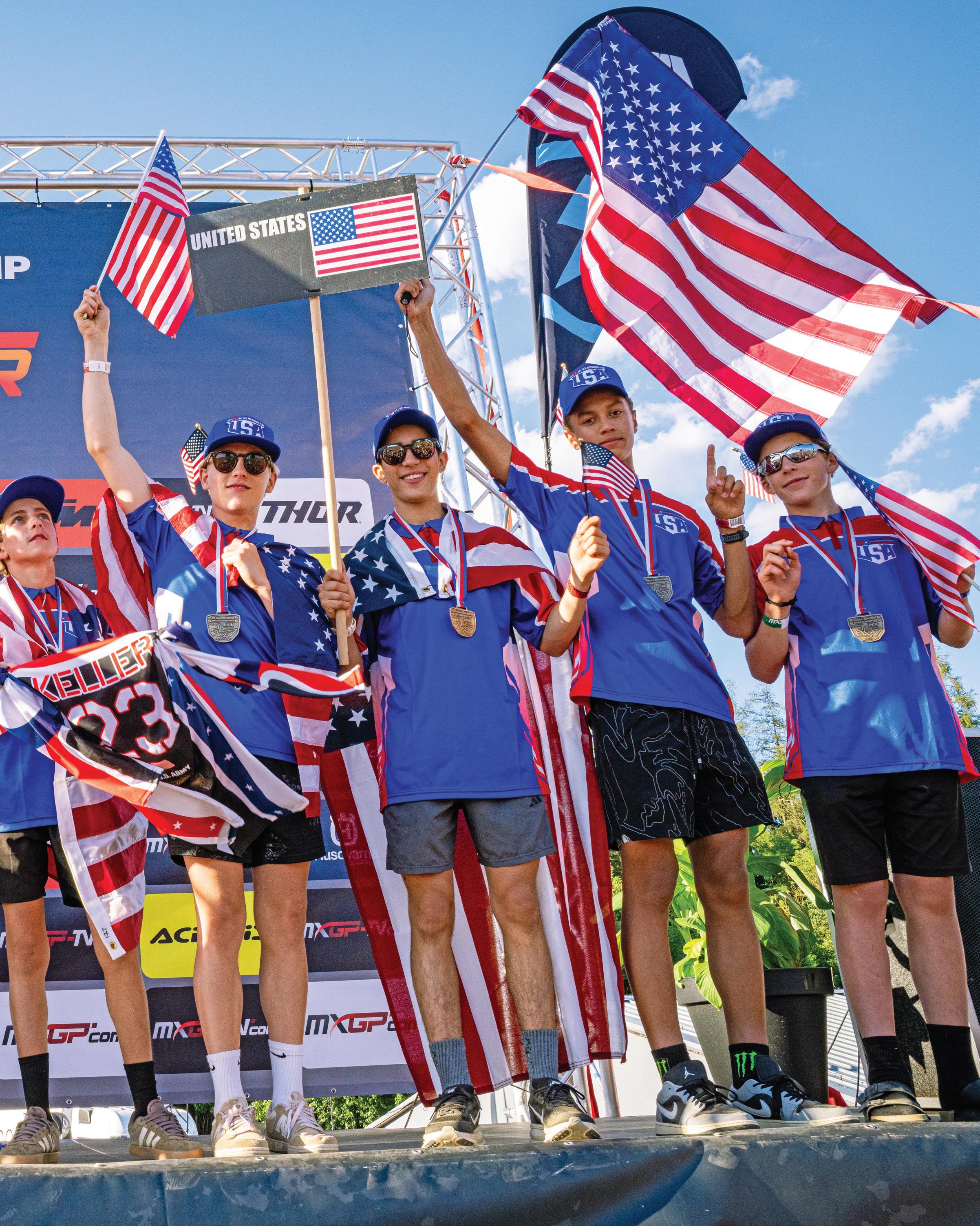
After injuries, medical emergencies, last-minute replacements and travel chaos, Team USA overcame every obstacle to capture the silver medal in the Czech Republic at the 2026 FIM Junior Motocross World Championship.
Every year, I am honored to lead Team USA alongside Mike Burkeen from the American Motorcyclist Association. In 2026, our journey took us to Jinin in the Czech Republic for the FIM Junior Motocross World Championship.
For me, it was a full-circle moment.
My first year as Team Manager was in 2013, when Team USA won the championship at this same racetrack. Thirteen years later, we returned and earned an incredible second-place finish.
I could not be prouder of every rider and family who committed to taking this crazy ride with us.
Over the years, the Team USA Junior Motocross program has continued to grow and evolve. I am committed to helping it become even stronger, and I am extremely grateful for the support we have received from organizations and companies including MX Sports, KTM, Cobra Moto, American Suzuki, Enjoy, MotoPlayground, South of the Border, MX6 Racing and many others.
The Fundraising Begins
Fundraising for this year’s trip began at the Dylan Slusser Memorial Pro-Am at Pleasure Valley Raceway. Several professional racers generously donated jerseys and other memorabilia for a benefit auction. Through their support and the generosity of everyone who participated, we raised approximately $20,000.
One hundred percent of those proceeds went toward motorcycle rentals, transportation and official Team USA pit apparel. We also received individual donations from South of the Border and MX6 Racing, while KTM Austria and Bischof Transport provided critical hospitality and transportation assistance.
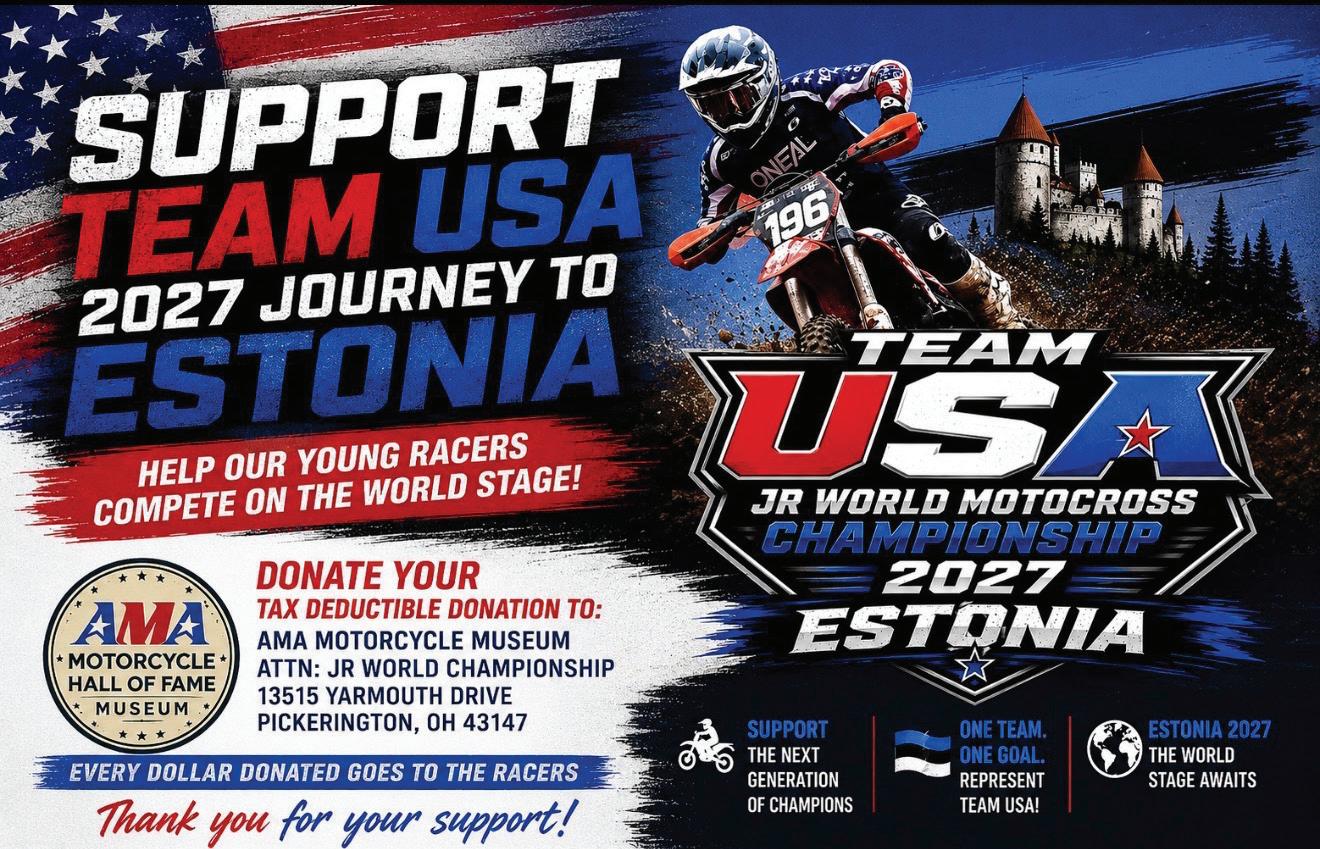
Even with that support, the cost of sending a competitive American team overseas is tremendous. We continue to search for new fundraising opportunities and additional sponsors who can help reduce the financial burden placed on our riders and their families.
The road to the championship began in February at the Daytona Supercross, where Mike Burkeen and I started discussing the riders who might be considered for the 2026 roster.
There are several factors that go into choosing a Team USA rider. The first is current performance. The second is sportsmanship. The third is the rider’s family and their ability to make such a major commitment.
Being invited to represent the United States is a tremendous honor, but it also creates significant financial and logistical challenges. Families must arrange international travel for the rider, parents and mechanic while also handling motorcycles, equipment, lodging and transportation.
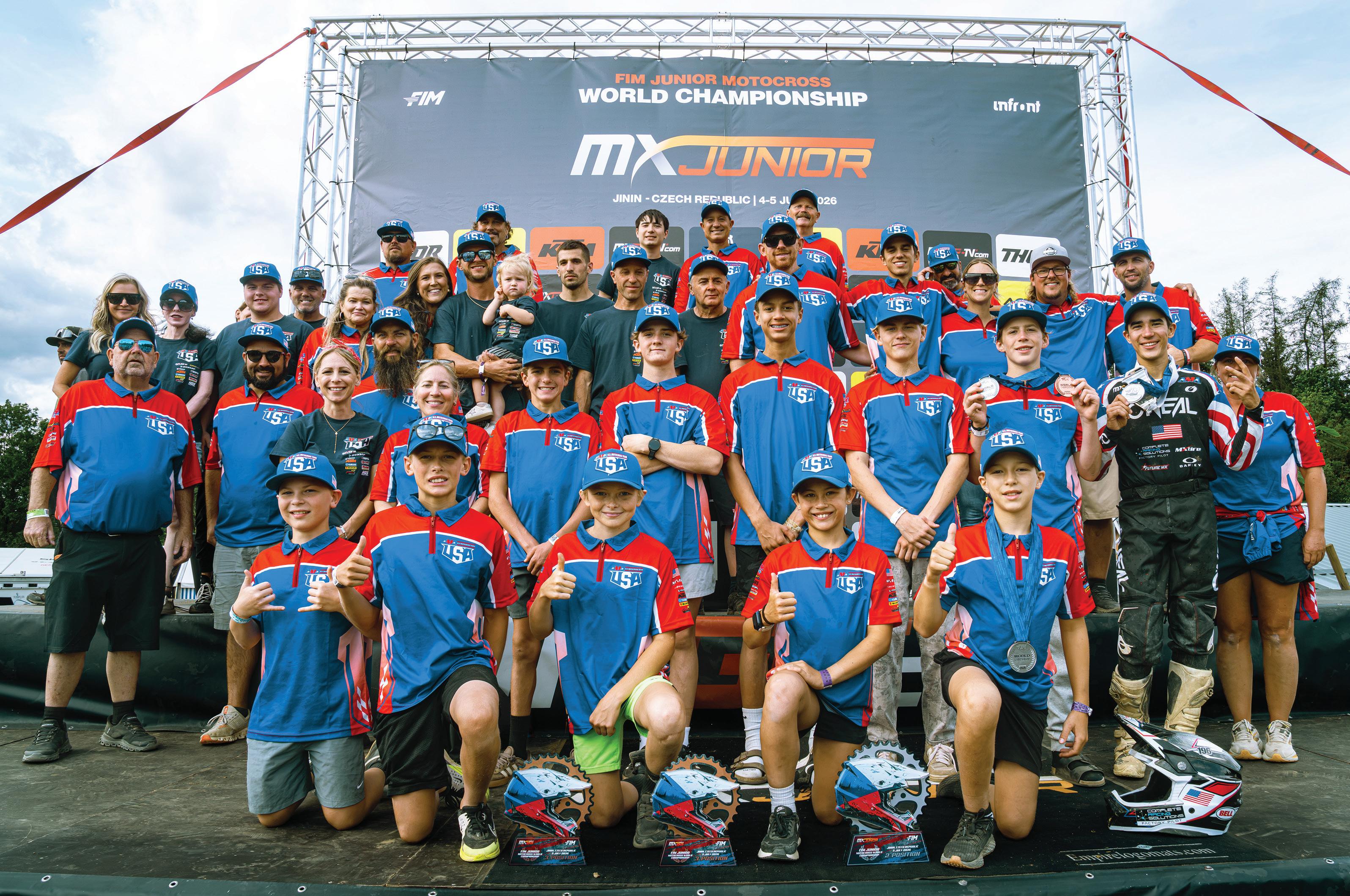

My Warriors and My Tribe these are the nicknames I called the racers and their families
Understandably, not every family is able to accept the invitation. We completely understand that reality, and we continue working to provide more financial support each year.
The timing of the Junior World Championship also creates another difficult decision. The event is held extremely close to the Loretta Lynn’s Amateur National, which has made many factory teams hesitant to participate.
For the riders, there is always the concern that an injury overseas could prevent them from competing at Loretta Lynn’s after working an entire year to qualify, so that is not an easy decision.
We are truly honored whenever a rider chooses to represent the United States and trusts us to guide them through this adventure.
The Phone Calls No Team Manager Wants
We finalized our roster in April following the MotoPlayground Spring A Ding Ding.


The riders began training. Families started fundraising. Area qualifiers were underway, and regional championships were approaching.
Then the phone started ringing.
The first call came from Courtney Keller. Austin had been injured and would be unable to compete. Fortunately, we were able to add Landon Lee to the team. Landon’s incredibly supportive mother moved mountains to get her son prepared for international travel at the last minute.
Then came the second call.
Megan Holmes informed us that Carter had also been injured and could not compete. At that point, there was not enough time to find another replacement. We believed we still had a strong 65cc team and decided to move forward with the riders we had.
Then came the third call. Continued...
Mike Burkeen had experienced a medical emergency, required surgery and was unable to fly.
The fourth call came from Noel Hall. Abshur had been injured and might not be able to race, but he still wanted to make the trip and give it everything he had.
With our remaining riders in place, it was finally time for my wife, my son Joe and me to leave for Europe.
Not so fast!
My wife experienced a medical issue the night before our flight. We barely made it from urgent care to the airport in time.
Then my son developed food poisoning during the first flight. Instead of relaxing in his seat, he spent nearly the entire trip inside the airplane bathroom.
We would like to personally apologize to everyone traveling on those two flights. Not only were they down one bathroom, but they also heard some unspeakable sounds coming through that door.
The journey had barely begun, and we were already being tested.
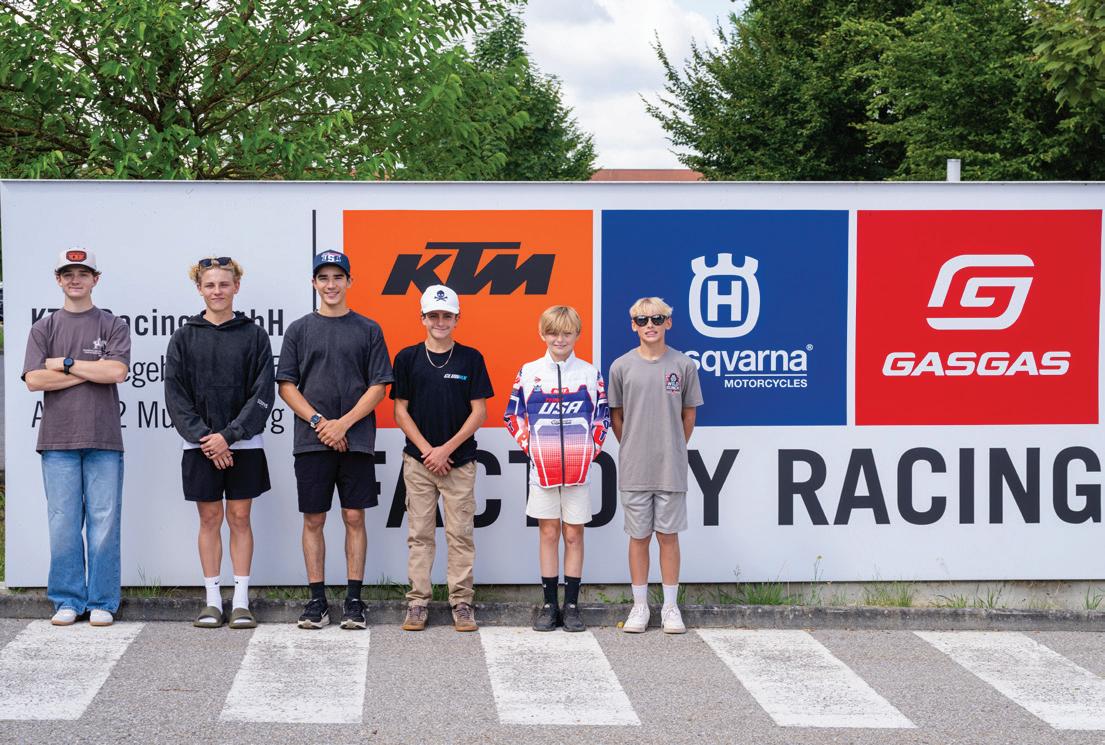
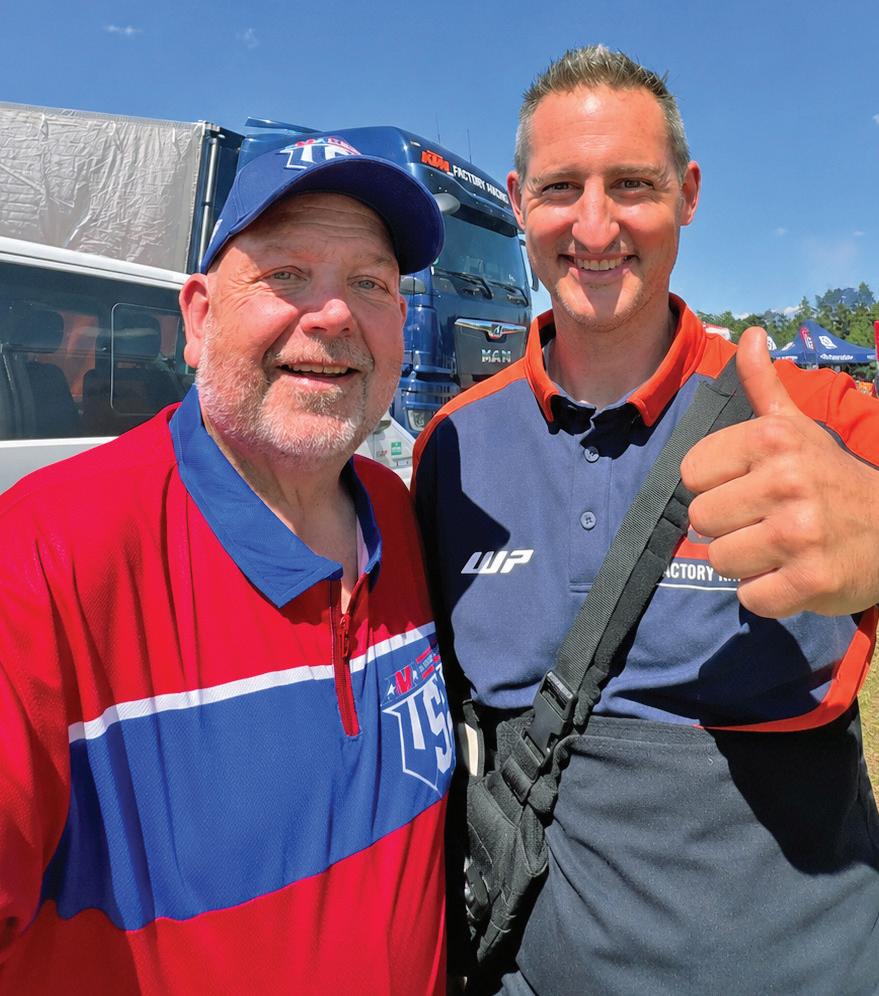
We landed in Germany without one of our primary team leaders, Mike Burkeen. Tyson from Cobra Moto graciously stepped up and helped organize the non-KTM riders, allowing me to concentrate on the seven riders competing aboard KTMs.
We traveled to Munich and met Peter from KTM Factory Racing Austria at the Offroad Park Flughafen München. Our riders received their motorcycles and immediately began setting them up as we knew we had less than two hours before heavy rain was expected.
The team worked quickly, completed the bike setups and gave the riders a chance to ride before the storm arrived. What we had not realized was that we had parked in the lowest section of the property. The torrential downpour flooded our pit area with nearly a foot of water.
As the riders finished, Joe and I saw the storm coming and jumped into our van to stay dry.
Sorry, team.
KTM arranged a private tour of its racing headquarters in Mattighofen, Austria. This facility houses not only the factory motocross program but also KTM’s factory off-road and road-racing operations.
We saw things. A lot of things!

Cameras were not permitted, but I can tell you that we were given a rare look behind the curtain. We saw motorcycles, technology and components that very few people outside the company have ever seen. I will say this: the new plastics on the new bikes looked pretty awesome.
Following the headquarters tour, the riders proceeded to KTM Motohall Museum. This museum displays KTM’s history, from the company’s earliest motorcycles to its first world championship machines and many of its modern championship-winning bikes. Several famous Penton motorcycles were also on display.
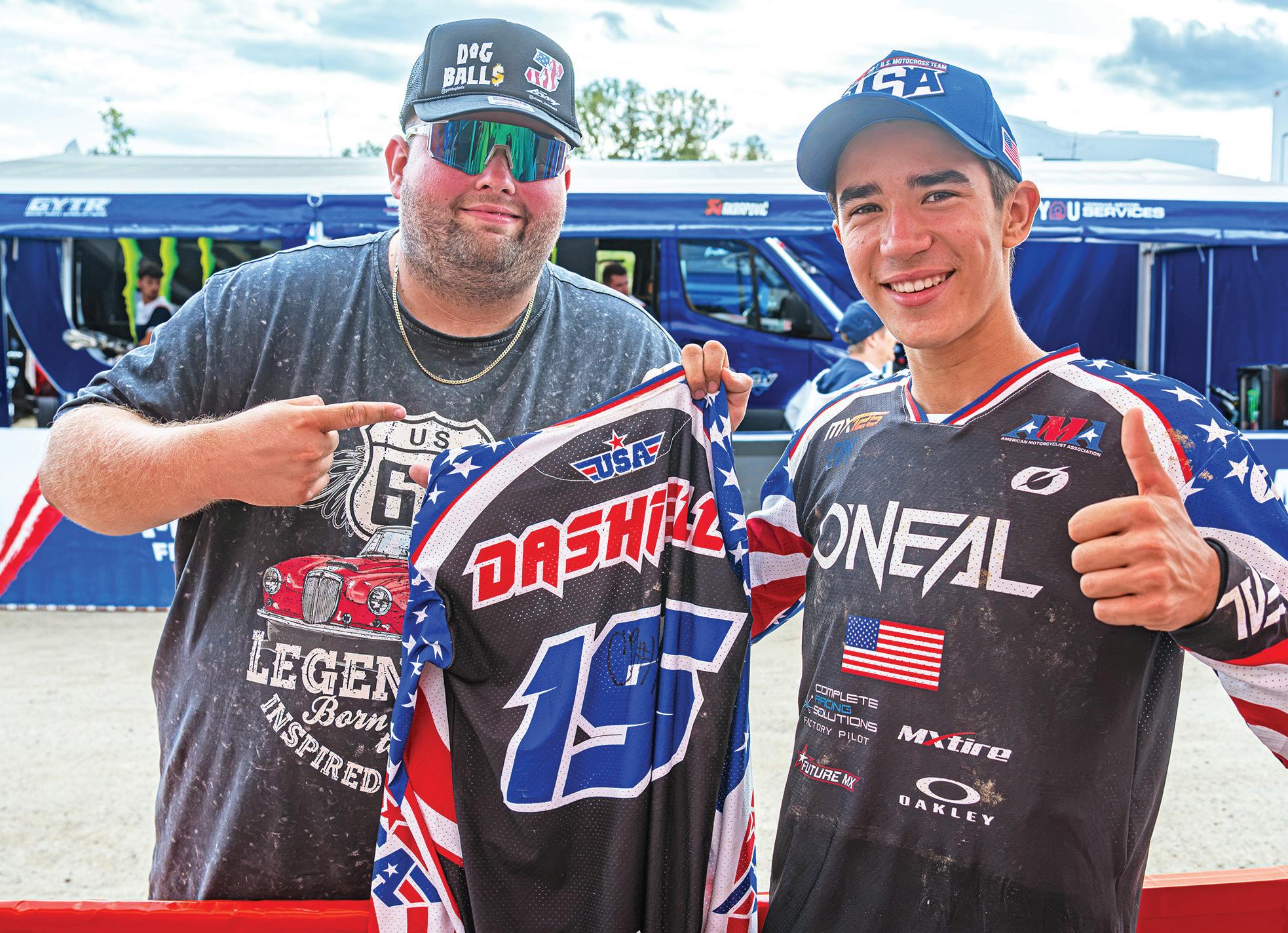


1. Chase Dashiell handing out one of his jerseys to a fan
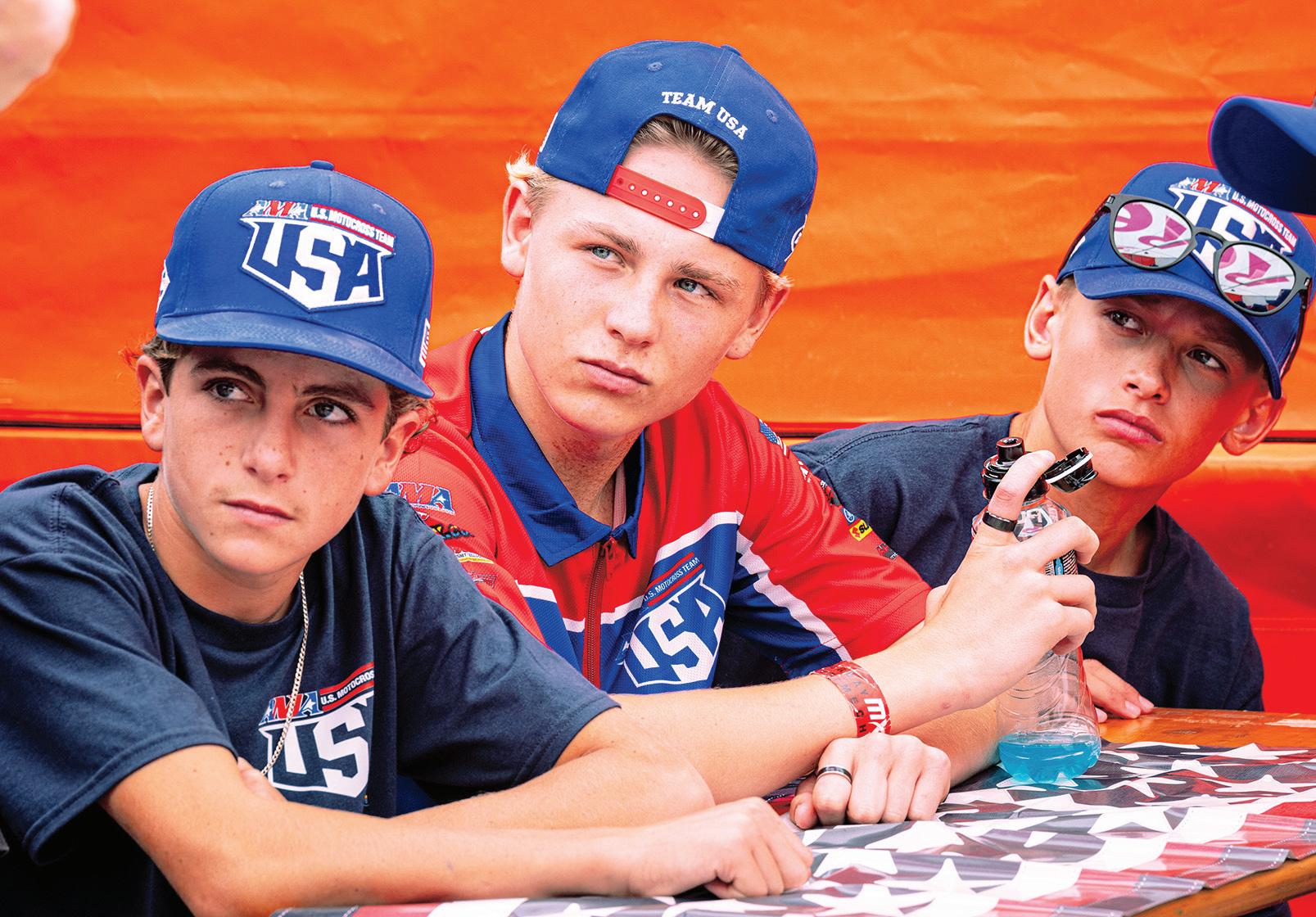
2. Joey Vicari, Noxx Lewin and Landon Lee trying to figure out what Jeff Cernic is talking about
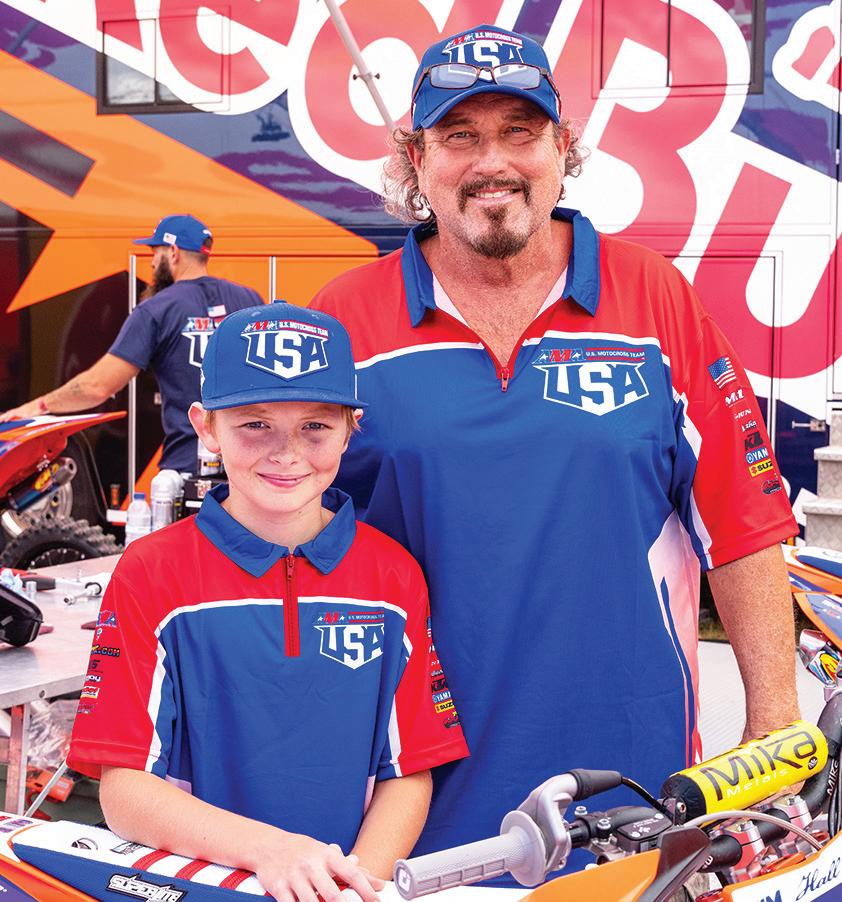
3. Noel Hall and Abshur Hall looking good
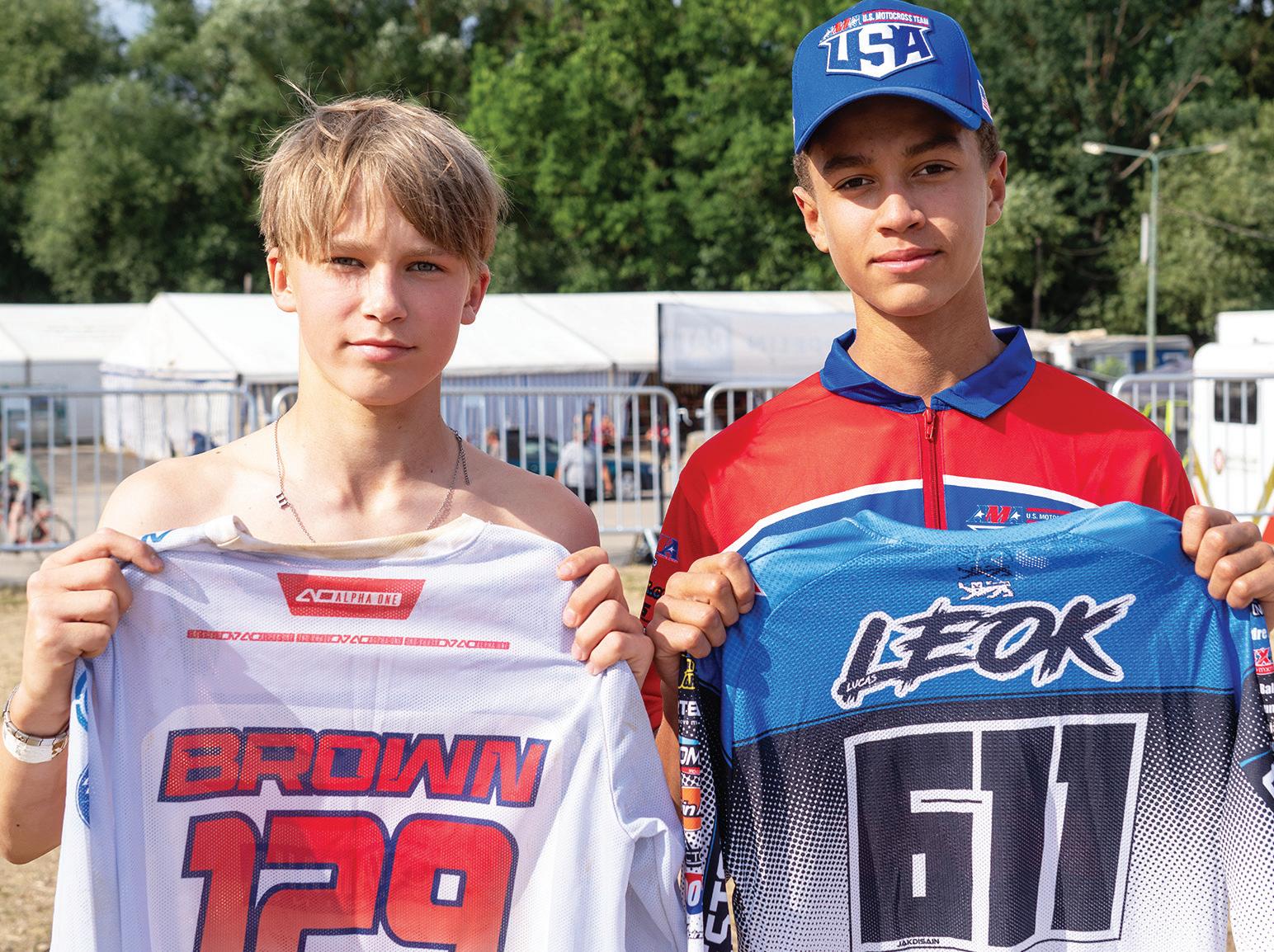
4. Gauge Brown and Lucas Leok swapping jerseys
5. Landon Lee is all about his USA gear and flag





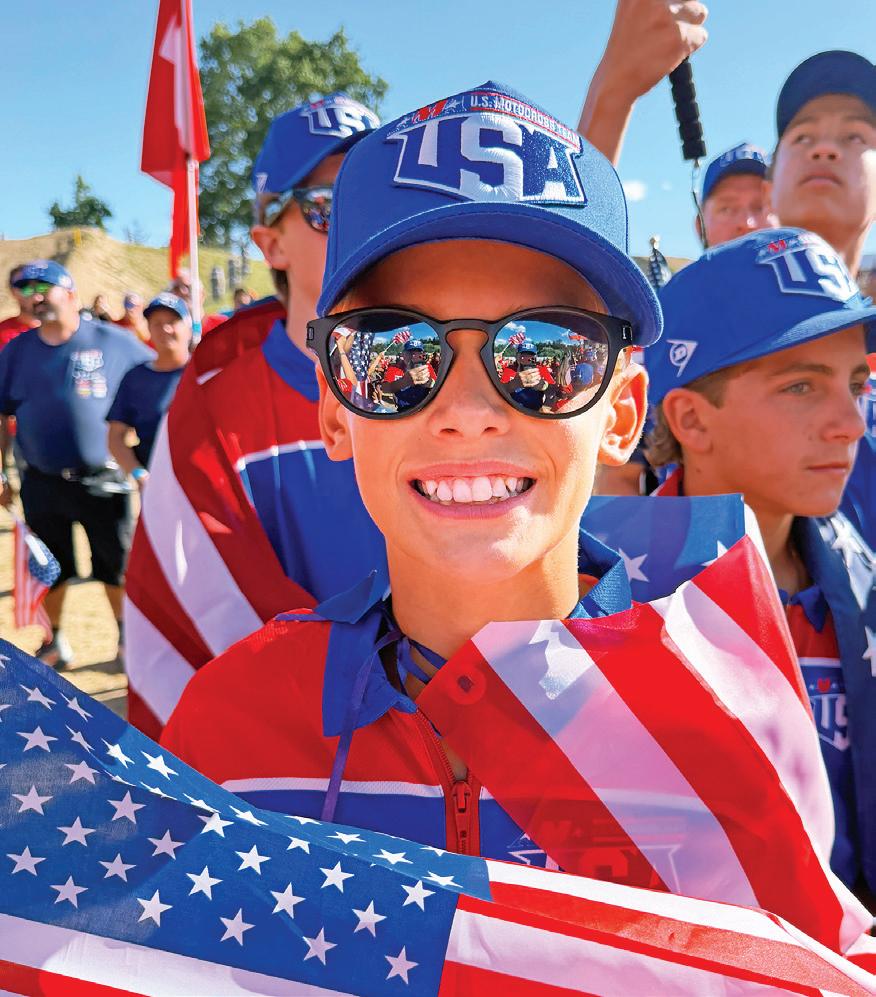

2026 FIM Junior Motocross World Championship
For anyone who loves motorcycles, racing history and KTM, it is a must-see destination.
There was only one thing that confused me. One championship motorcycle appeared to be missing - the number “five” championship bike. I asked about it. Nobody would give me an answer. After finishing our visit in Austria, we headed toward the Czech Republic for another special tour.
We had gone from visiting one of the most successful brands currently racing to celebrating the history of a legendary manufacturer that is no longer competing at the highest level.
My good friend Joe from MEFO Sport arranged a private tour of a CZ motorcycle museum. It was like stepping inside a time capsule. The riders and families spent approximately two hours learning about the history of CZ before everyone gathered for a Team USA dinner.
It had been another full day, and it was finally time to get some rest.
On Thursday, we arrived at the racetrack for the first time. It was beautiful.
The circuit featured major elevation changes and some of the steepest uphill and downhill sections you will ever see on a motocross track. The course was wide, and the uphill starting area appeared fair across the entire gate. While the riders walked the track, the mechanics continued preparing the motorcycles.
The team at MEFO Sport supplied Dunlop tires and MEFO mousse inserts. Most of our riders chose to use the mousse inserts for the weekend.
By the end of the day, the motorcycles were ready. The Cobra 65cc machines were prepared, and HGS had supplied Gauge Brown with his Yamaha.

Team USA was ready for Saturday’s qualifying races.
Our team consisted of 10 riders competing in the 65cc, 85cc and 125cc divisions.
Under the KTM Tent
65cc Abshur Hall
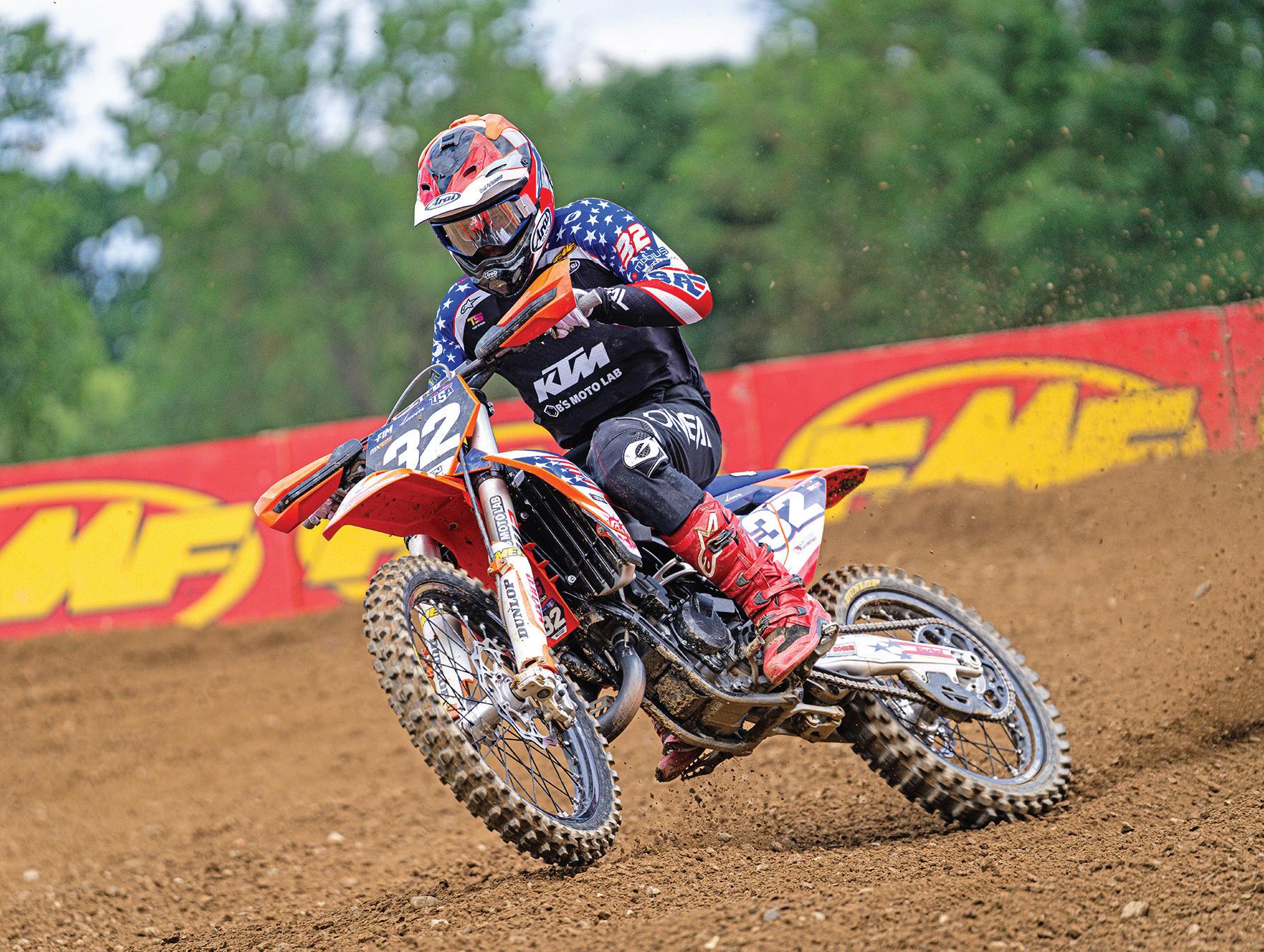
85cc Joey Vicari and Landon Lee
125cc Noxx Lewin, Sawyer Gieck and Chase Dashiell
Under the Bischof Racing Tent
Cobra Factory Racing
65cc Yumena Berning and Jax Baker
Bonamigo Suzuki
85cc Chase Brennan
HGS Yamaha
125cc Gauge Brown
Saturday Qualifying
We arrived at the track at 7:00am on Saturday morning. Continued...
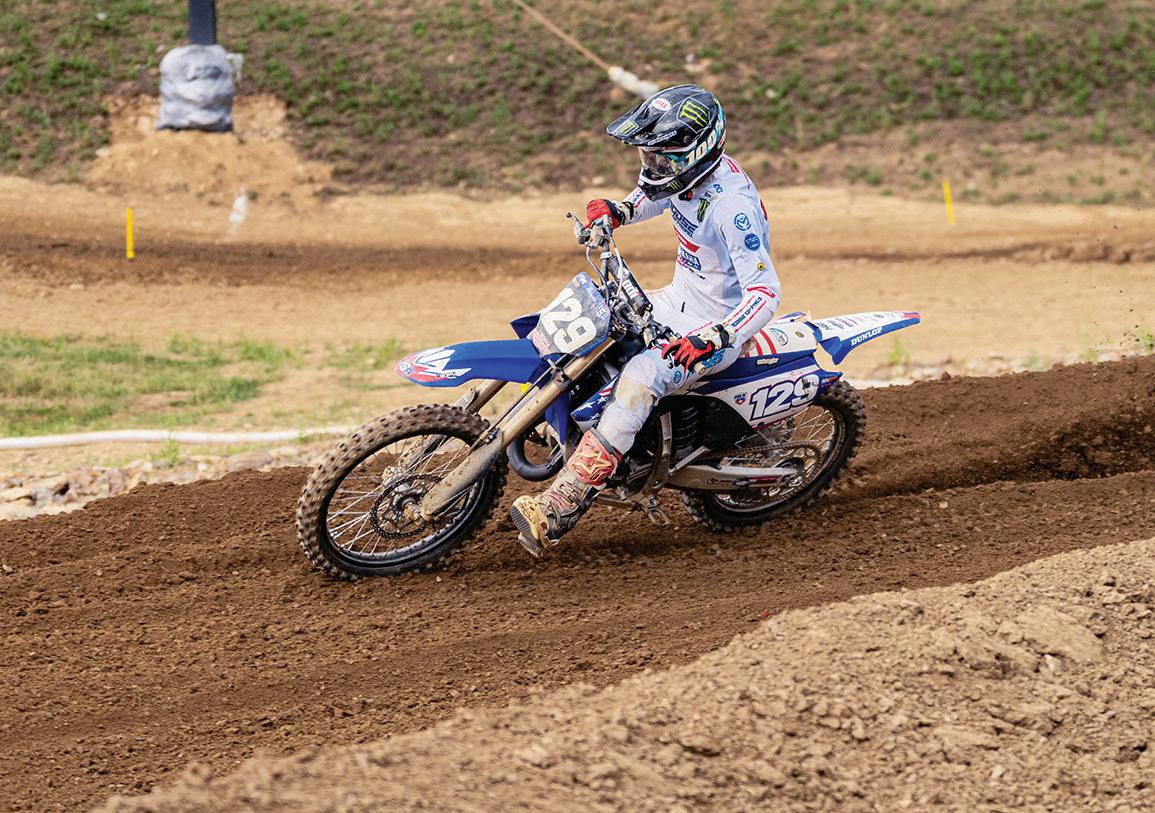

1. Gauge Brown had some of the fastest lap times of the weekend but crashes off the start in both motos had him charging from the back to the front.
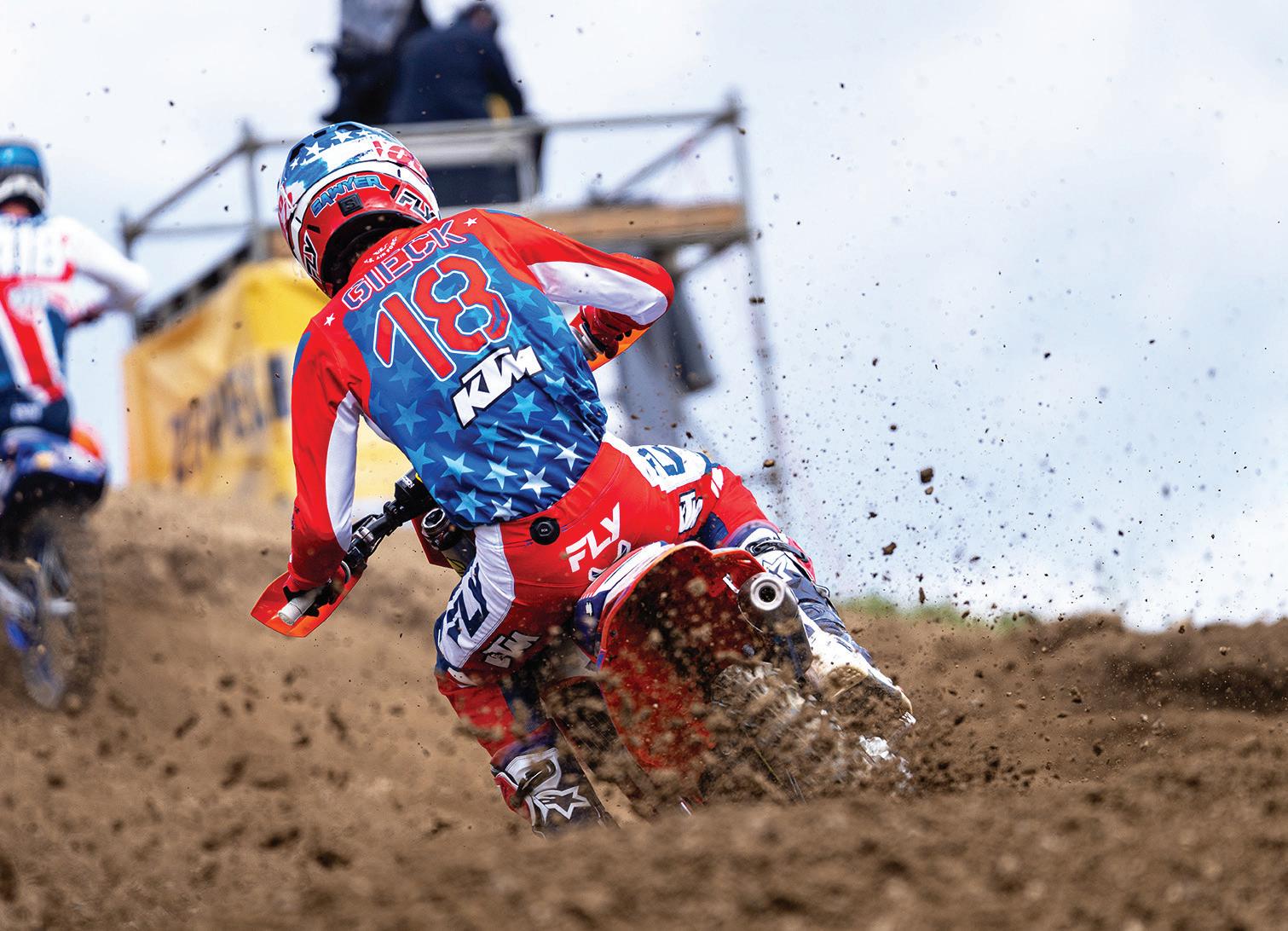
2. Sawyer Gieck laying it sideways
3. Joey Vicari showing pride in his flag
4. Giuseppe Bonamigo was the builder of Chase Brennan’s Suzuki RM85
5. Yumena Berning made the National Czech Republic newspaper
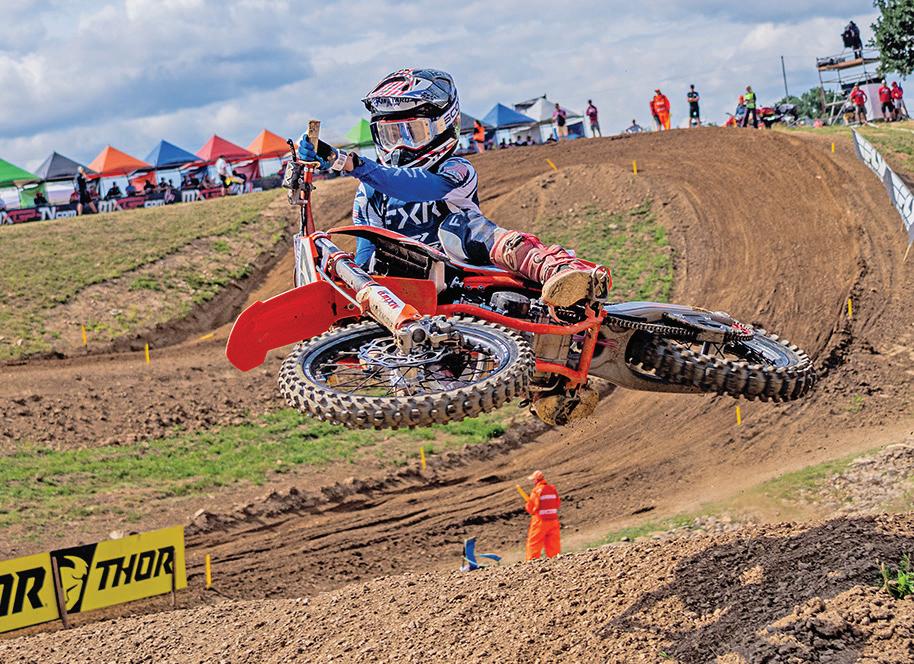


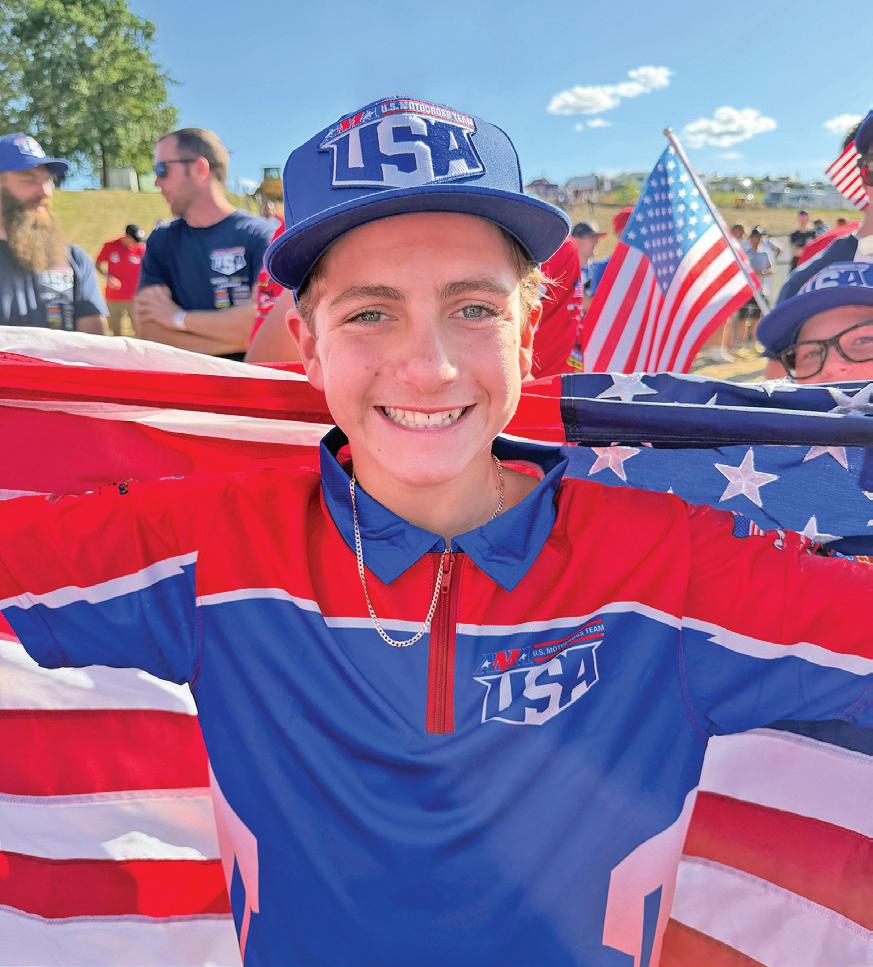

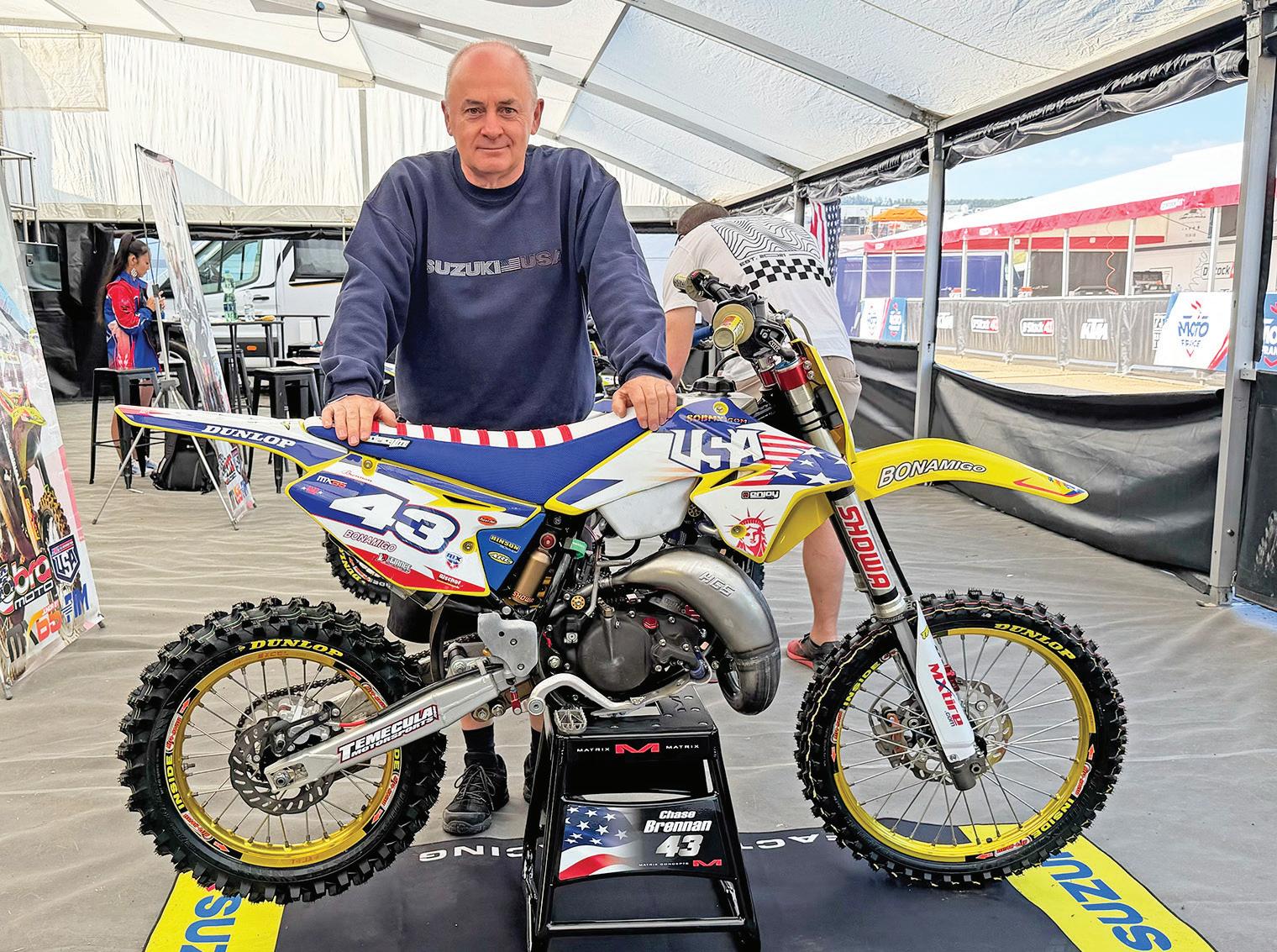


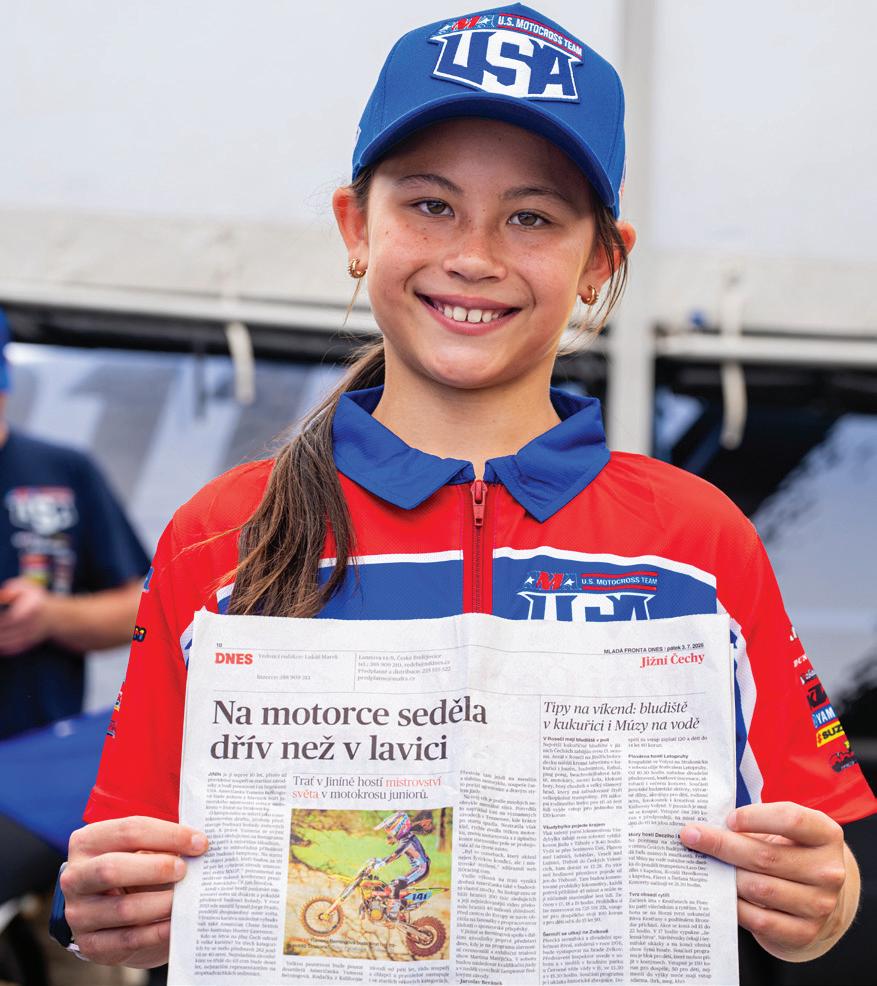

The KTM crew had all six of its motorcycles prepared for race day. Michael from Bischof Racing was already awake with the trailer open, and our team was ready to go.
Our goal was simple: qualify all 10 Team USA riders for Sunday’s main events. Under FIM regulations, riders must first compete in timed qualifying— something many young American racers are not accustomed to.
Nine of our riders advanced directly.
Abshur Hall experienced motorcycle problems during 65cc qualifying and was forced to compete in the Last Chance Qualifier.
After a difficult start, Abshur delivered one of the best rides of the weekend. He charged through the field and finished second, securing his position in Sunday’s main event.
By the end of Saturday, all 10 Team USA riders had qualified. The entire team was headed to Championship Sunday.
More than 300 riders had entered the event, all attempting to qualify for just 120 available starting positions across three classes.
Team USA claimed 10 of those positions: three riders in the 65cc class, three in the 85cc class and four in the 125cc class. Our lineup even included the only Suzuki in the entire paddock.
Team USA opened the day with finishes of fourth, sixth and seventh. Jax Baker finished fourth, Yumena Berning placed sixth and Abshur Hall finished seventh.
France’s Lucas Bos won the moto.
In the opening 85cc moto, Team USA finished fourth, sixth and eighth. Landon Lee led the American effort in fourth, followed by Chase Brennan in sixth and Joey Vicari in eighth.
Australia’s Blake Bohannon won the moto.
The Team USA 125cc riders finished seventh, 13th, 17th and 37th. Sawyer Gieck finished seventh, Gauge Brown placed 13th, Chase Dashiell finished 17th and Noxx Lewin crossed the line in 37th.
Austria’s Ricardo Bauer won the moto.
Following the first round of racing, Team USA sat second in the team standings, only four points behind a very strong French team.
65cc
Lucas Bos won the second 65cc moto to complete a 1-1 performance and capture the world championship. Jax Baker once again finished fourth. His consistent 4-4 results earned him third overall and the individual bronze medal. Yumena Berning finished 15th in the second moto, while Abshur Hall was unable to finish following a crash and injury.
The second 85cc moto was one of the most exciting races I have witnessed in many years. Chase Brennan, competing on the Bonamigo Suzuki RM85, had one of the most photographed motorcycles in the entire paddock.
Unfortunately, Chase got off to a terrible start.
One rider at a time, he began carving his way through the field. He attacked the steep uphill, charged down the massive downhill and launched over the track’s huge anthill jump. Chase continued moving forward until he reached third place.
Former world champion and Latvian racer Patriks Cīrulis was running second. With two laps remaining, Brennan made the pass and moved into the runner-up position. He finished second in the moto.
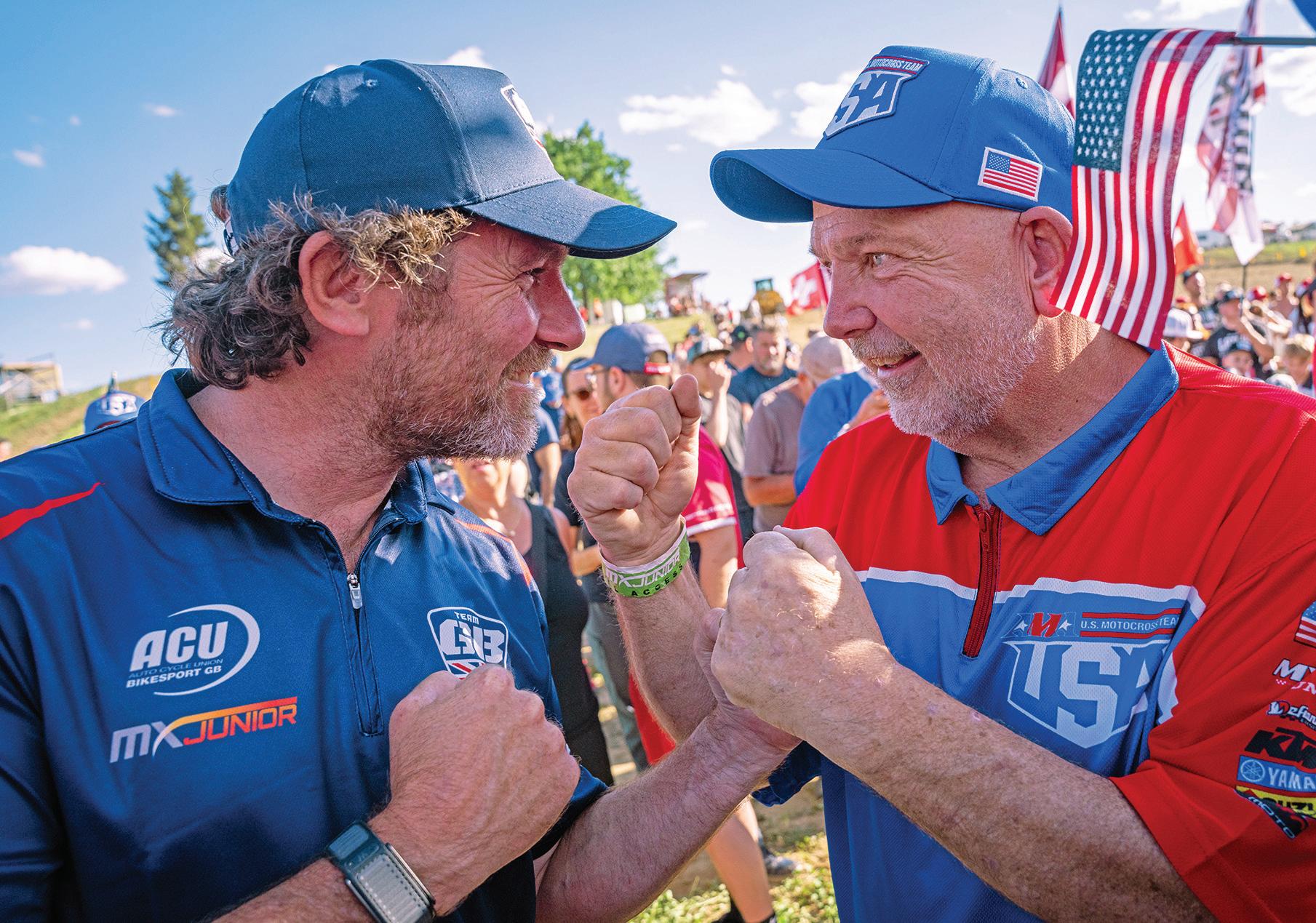


1. Team GB Manager Mark Chaimberlain and USA Manager Jeff Cernic square off as two best friends shoot for the podium
2. #18 Sawyer Gieck’s 27 FLY Gear was on point
3. #32 Noxx Lewin heading to a 2nd moto 8th place finish
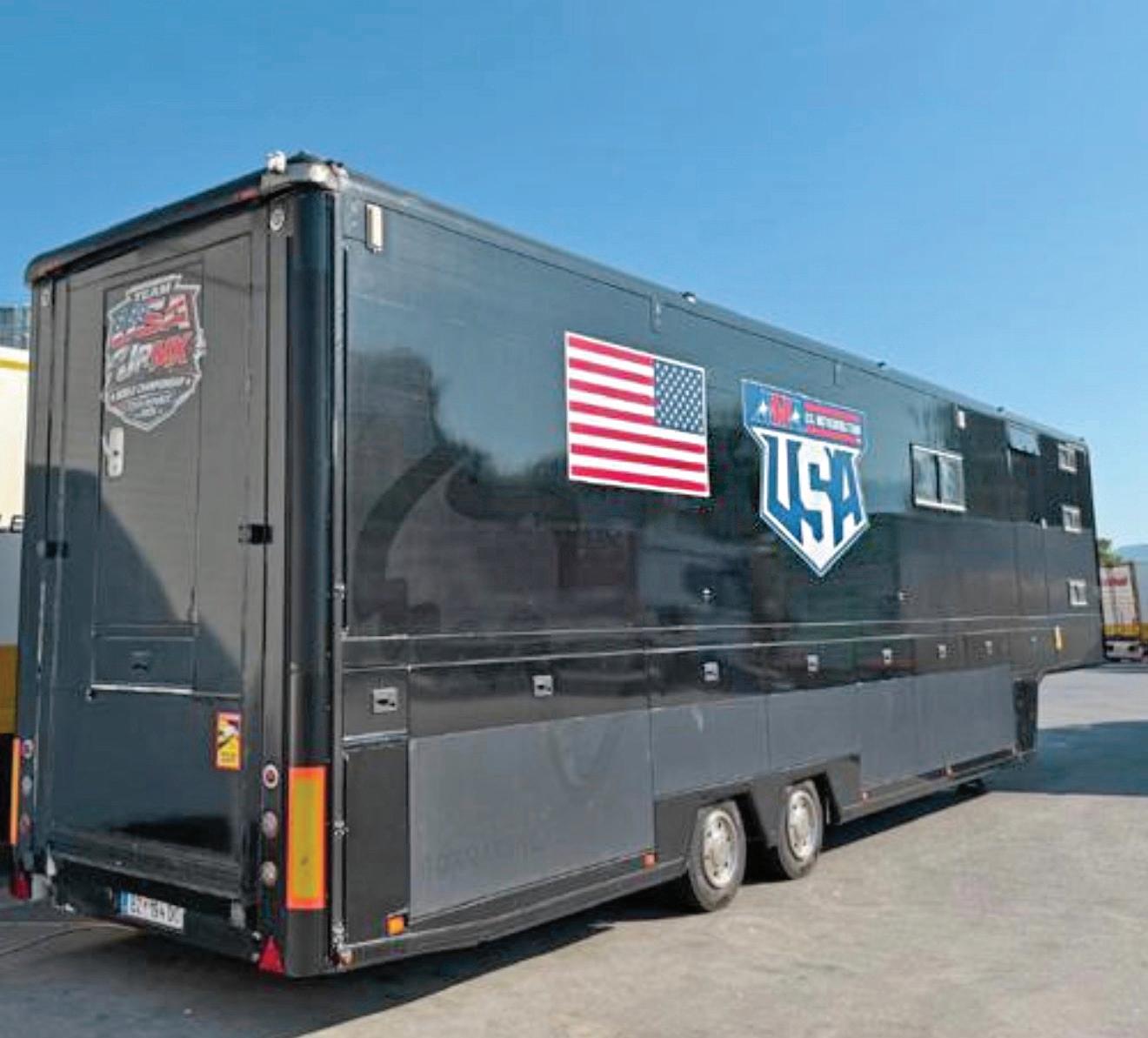
4. Bischof Racing Transport’s Custom Team USA Trailer supporting the team year after year
5. Yumena was a star on and off the track






2026 FIM Junior Motocross World Championship
His 4-2 results earned him third overall and an individual bronze medal.
Australia’s Blake Bohannon finished 1-1 to claim the 85cc Junior World Championship.
Heading into the 2026 event, I believed we had assembled our strongest 125cc team in many years. Unfortunately, poor starts and crashes prevented Team USA from reaching the individual podium.
The second moto was another battle.
Noxx Lewin fought his way to an eighth place finish. Chase Dashiell charged to ninth. Gauge Brown, who showed top-three lap speed but suffered crashes in both motos, finished 14th. Sawyer Gieck completed the moto in 20th. Dashiell finished 10th overall, making him Team USA’s highest-finishing 125cc rider.
Austria’s Ricardo Bauer completed a perfect 1-1 performance to capture the 125cc World Championship.
When the final points were calculated, Team USA had earned second place and the silver medal in the team championship. France captured the championship, while Italy finished third.
After two consecutive years without reaching the podium, Team USA had returned.
After all the injuries, medical emergencies, last-minute roster changes, travel problems and uncertainty, this group rose like a phoenix from the ashes.
Our warriors stood together in the face of adversity and fought their way onto the podium.
I could not have been more proud. - Jeff Cernic -
Thirteen years earlier, I stood at this same racetrack as Team USA captured the 2013 Junior World Championship.
Looking back, that championship featured an incredible collection of young racers who went on to become international stars:
Chase Sexton — United States
AMA Supercross and Pro Motocross Champion
Hunter Lawrence — Australia
AMA Pro Motocross Champion
Jorge Prado — Spain
Multiple-time MXGP World Champion
Pauls Jonass — Latvia
MX2 World Champion
Jo Shimoda — Japan
AMA 250 National winner
Calvin Vlaanderen — South Africa
MXGP race winner
Rene Hofer — Austria Austrian champion and KTM factory rider
Brian Hsu — Germany European champion
The FIM Junior Motocross World Championship provides a glimpse into the future of our sport. The riders competing today could become the champions and international stars of tomorrow.
For Team USA, the 2026 championship was about much more than a silver medal. It was about commitment, sacrifice, teamwork and refusing to quit when nearly everything seemed to be working against us.
That is what representing the United States is all about.
- Jeff -
Team USA Photos by Brandon Olson
Special thanks to the great people who support the Team USA Junior World Championship Motocross Team. Especially the AMA, MX Sports, Moto Playground, KTM Sport Cycles, Cobra Minicycles, South of the Border, MX 6 Racing, HGS Exhaust, Twin Air, Dunlop Tires, Enjoy Graphics, MEFO Mousse, Tamer, Defi ance Lifestyle, and Bischof Racing Transport.










Round 3 of the WMX Championship delivered the most dramatic racing of the season at High Point Raceway. After winning every moto through the opening two rounds, championship leader Lachlan Turner finally met serious resistance from a deep and talented field.
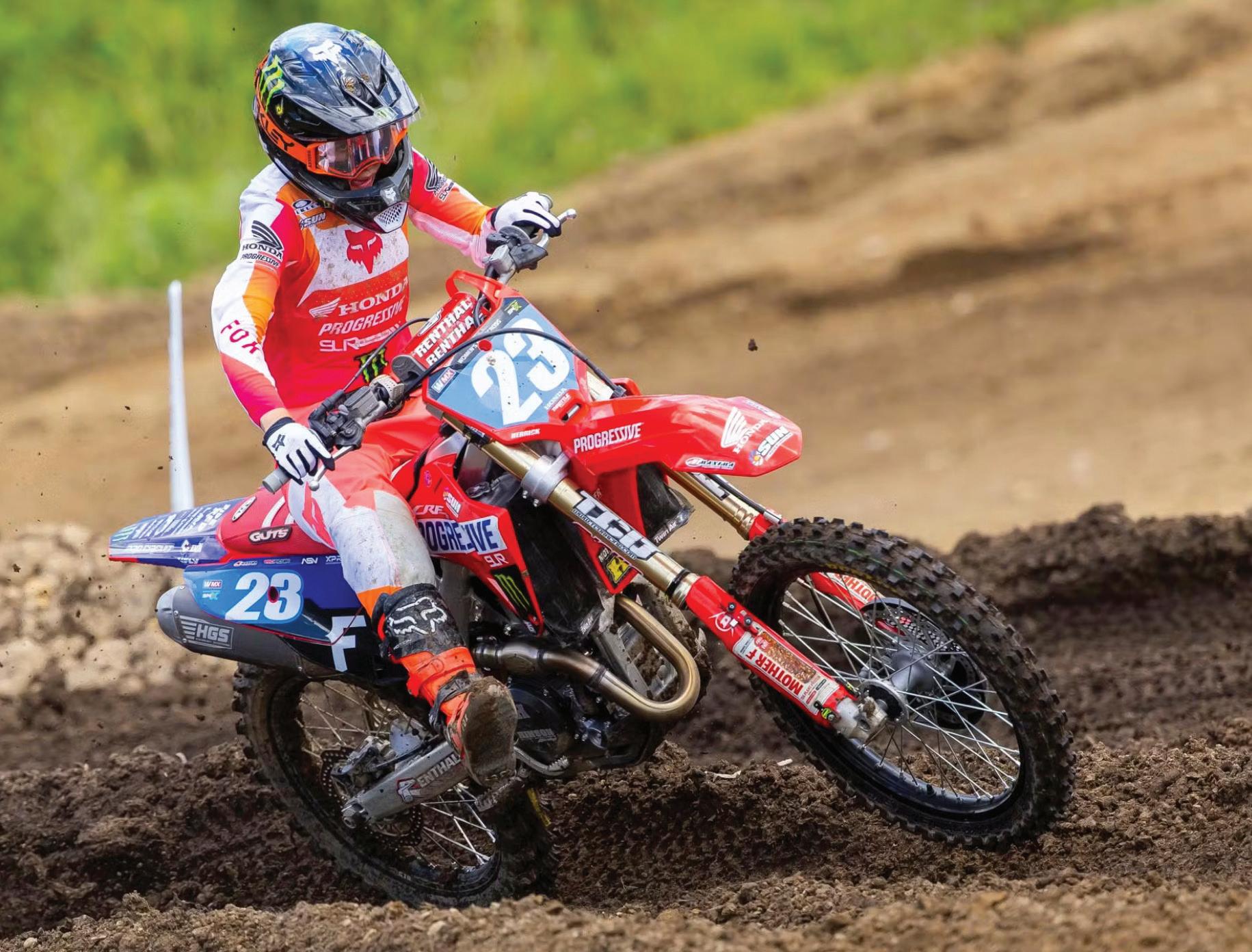
Friday’s opening moto belonged to rookie Mayla Herrick, who made an unforgettable professional debut. Herrick grabbed the holeshot, immediately opened a gap on the field and never looked back, leading every lap to claim her first WMX moto victory. Behind her, Lotte van Drunen finished second, while Turner charged from behind to third after setting the fastest lap of the race.
Herrick’s impressive debut, however, came to a heartbreaking end in Moto 2. She was involved in a first-turn crash that left her deep in the field, ultimately scoring only 29th and dropping to ninth overall despite winning the opening moto.
That opened the door for Australia’s Charli Cannon, who delivered when it mattered most. After working through the pack in Moto 1, Cannon came back with
a dominant Moto 2 victory to earn her first overall win of the 2026 WMX season. Her inconsistent 5-1 scores edged Turner (3-2) and van Drunen (2-4) in one of the closest overalls of the year.
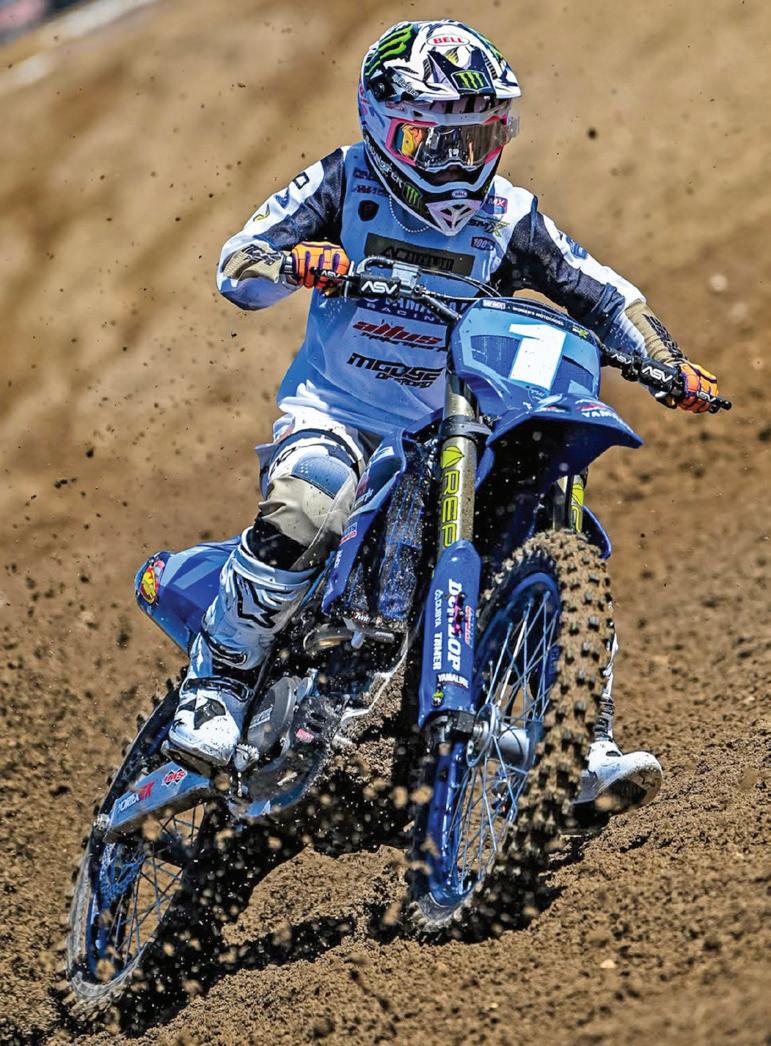
Turner may have lost her perfect moto streak, but her runner-up overall finish allowed her to retain the championship points lead heading into Round 4. Van Drunen continued to show impressive speed by qualifying fastest in both sessions and backing it up with another podium finish, while Mikayla Nielsen quietly pieced together a solid fourth overall with 4-3 moto scores.
High Point proved the WMX Championship is far from a one-rider show. Cannon established herself as a legitimate title contender, van Drunen continued to gain momentum, and Herrick demonstrated that she has the speed to win motos despite her disappointing finish. With the series now heading into the second half of the season, the championship battle has become considerably tighter and far more unpredictable.
Women’s Motocross is for real!
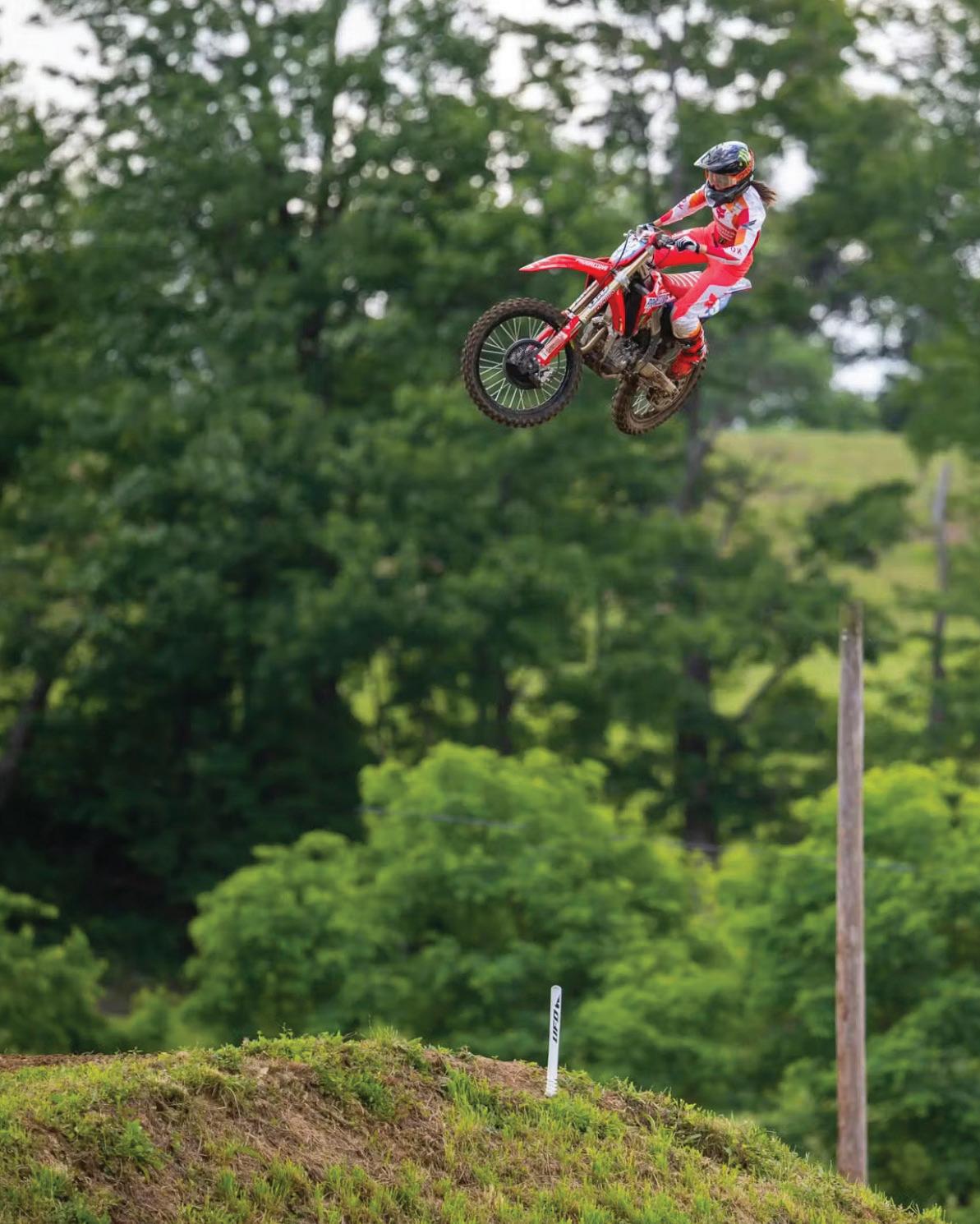
Mayla Herrick airs it out while leading Moto 1 of round three of the Women’s Pro Motocross series.



I wrote this story once and then I lost it the night after the national while still at the track around my motorhome/ trailer pit area. Like I wrote before I was going over one of my many to do lists and something caught my eye that was kind of funny. It read flagman chairs, umbrellas?
I was gonna suggest that for safety’s sake, and to seem concerned, that flagman should stand during the entire first lap of each moto. Little did I know, not only were they not allowed to sit at all during the motos, they were not even allowed to have umbrellas.
So I thought, what if I bought them all sombreros and gave them each a pack of smokes that they could smoke or sell to keep the hat on all day.
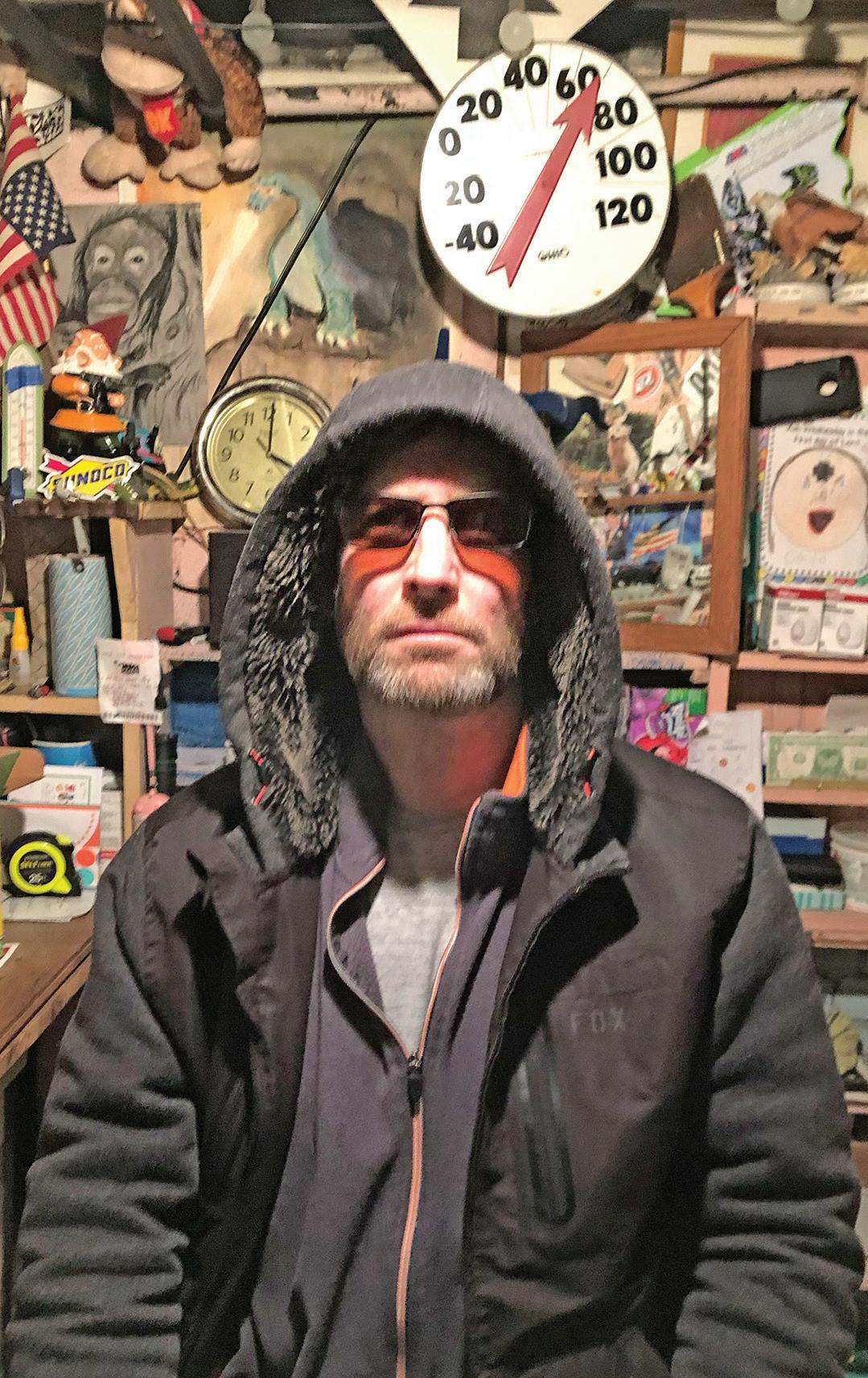
From the mind of Tim Coombs!
When I was a little kid, I remember this little potty chair I had in the living room to watch TV on. Maybe that would work. We could cover them with more banners.
Well, anyway, in the first version of this story, I talked a lot about all the free drinks that we give them to stay hydrated throughout the day, which is a gamble, considering that it might make them have to visit the Porta John between motos and God forbid it be a number two .
Now I remember this was about chairs and if there’s one thing that my flagmen know is WWF wrestling and how to handle a chair in the ring. That’s why the ticket prices go up, it’s to pay for my guest WWF superstars to come in and handle the situation when it deals with taking a chair away from a flagger. Top pro wrestlers are very expensive but their intimidation skills are second to none. It’s really expensive to get one to show up on race day and yell at a flagman properly. First of all, I guess we should ask the AMA officials if they’re allowed to wear handkerchiefs on their heads in case we get Hulk Hogan.
Sure, I’ve been a yellow flagger before filling in for those who can’t finish the day or get there late. But it’s not what you would expect. It’s actually very nerve-racking. You wait and watch forever and when you least expected
it-bam! someone goes down right in front of you. Nine times out of 10 it’s the only time during the race day you’ve ever looked the other way or put your flag down to take a drink or wipe the sweat off your face. Come to think of it, it would actually be kinda difficult to have an umbrella in one hand and a yellow flag or red cross flag in the other, depending on the situation. I think I understand now.
Maybe that’s why they don’t give a white flag on the last lap at Southwick. That track is so rough that the presence of a white flag may make a rider from our area pull off the track in surrender. Hey guys, the war is over. My son Cade pulled off the track a couple laps early in his last moto at the Southwick regional. The ref must have pulled out a handkerchief to blow his nose. It’s kinda
like looking for UFOs. Sometimes you’ll see them if you really want to.
Kind of like when I won the 1988 Blackwater 100. On the last couple miles of the last lap, I could have sworn at least six different fully grown women pulled their shirts up as I went by riding a wheelie because my front tire was flat. I later found out that it was an oldtime cure for severe arm pump until the the Rockefellers changed medicine and replaced it with something more expensive that they could control.
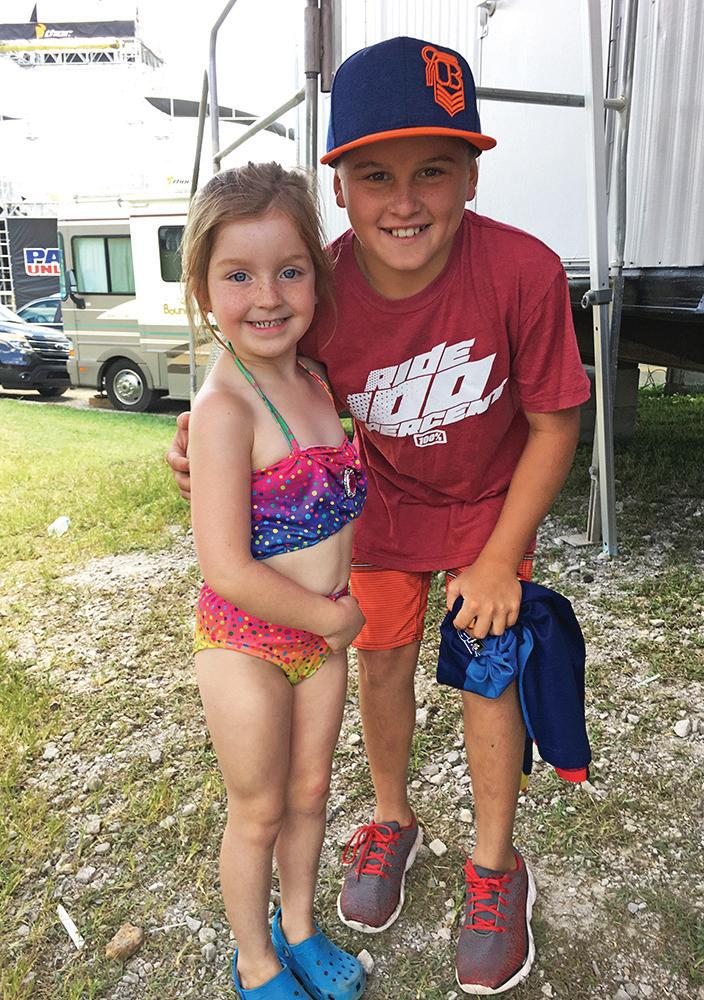
Above Left: Tim’s daughter with a very young Haiden Deegan
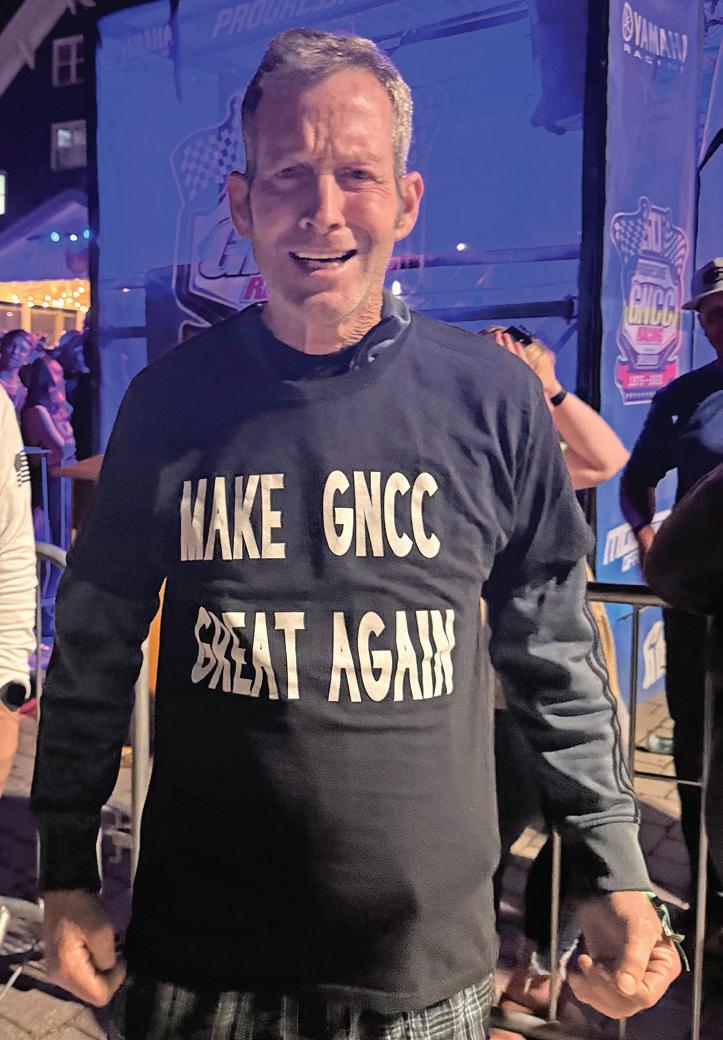
Above Middle: Yes, GNCC is Great Again!
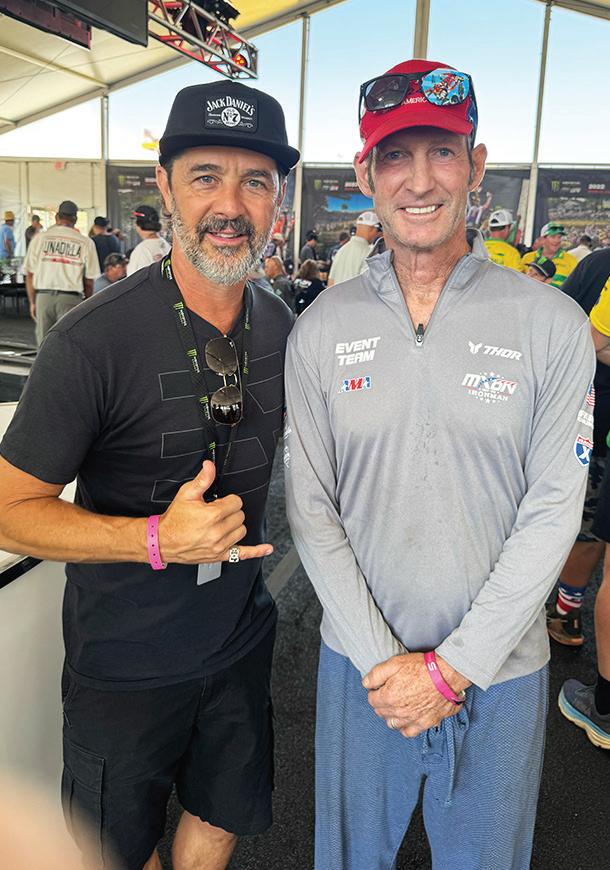
Above Right: Always fun to hang with Superstars like Jeff Emig

And you’re going to be in it.
They probably won’t remember what you spent on race fuel.
They won’t know how many bills you shuffled around to make another weekend happen. They won’t remember you getting home Sunday night exhausted, unloading in the dark, then getting up Monday morning and going right back to work.
But they’ll remember looking over at the fence and seeing you there.
They’ll remember you running toward them when they went down.
They’ll remember the ride home after the race they threw away.
They’ll remember whether you made a bad moto feel like the end of the world… or just another day of learning how to lose and come back stronger.
They’ll remember if your face changed when they didn’t bring home a trophy.
Read that one again.
Because somewhere along the way, it gets really easy to start parenting the results instead of parenting the kid.
The gate drops. We want them to win. Hell, THEY want to win.
But when that helmet comes off, that’s still your kid standing there.
Not a lap time. Not a finish position. Not a national ranking. Not the money you’ve invested. Not the kid they were “supposed” to beat. Your kid.
And years from now, the trophies will be sitting somewhere collecting dust.
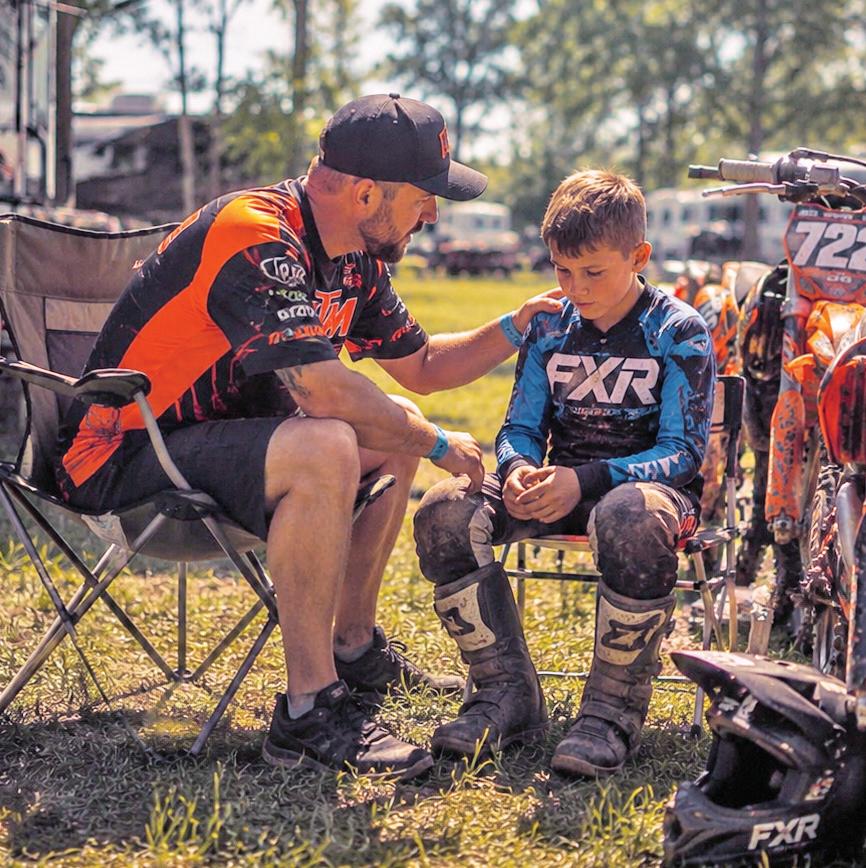
The way Dad looked at them walking back to the truck after a terrible moto?
The way Mom hugged them when they were embarrassed to cry?
The words they heard when they felt like they disappointed everybody?
They might carry those forever.
So chase the wins.
Push them.
Teach them to work. Hold them accountable. Expect effort.
But make damn sure they know there is absolutely nothing they can do on that dirtbike that changes who they are when they walk back underneath your tent.
Because we think we’re building racers.
We’re actually building the voice they’ll hear in their own head long after we’re not standing behind that fence anymore.
Compliments of Huffman Racing - Facebook









WIPE OFF, NOT TEAR OFF PERFORMANCE LENS PROTECTOR
-UNIVERSAL FITMENT
UNIVERSAL
-MAXIMUM PROTECTION
-ENHANCED VERTICAL VISIBILITY
AXIMUM ENHANCED
-HYDROPHOBIC
HYDROPHOBIC
-MAXIMUM CLARITY
MAXIMUM
MAXIMUM
-MAXIMUM PROTECTION
GET THE UNFAIR ADVANTAGE!


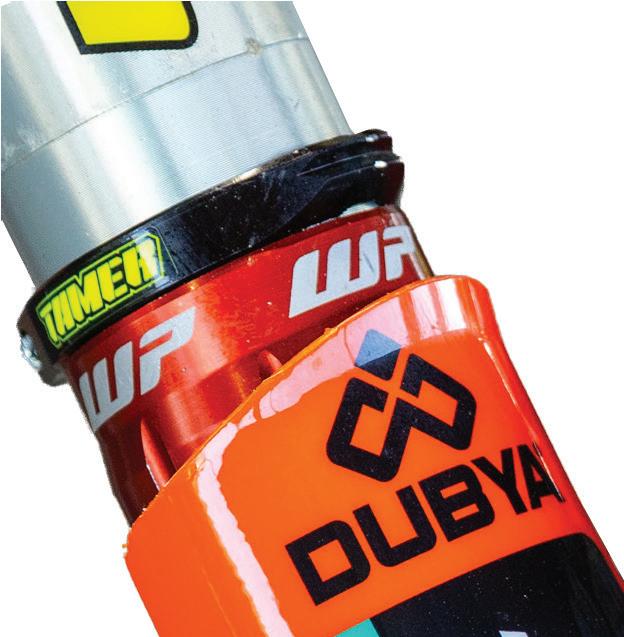





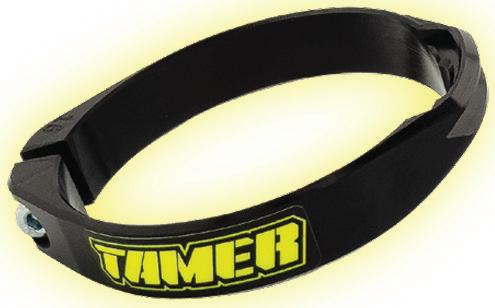





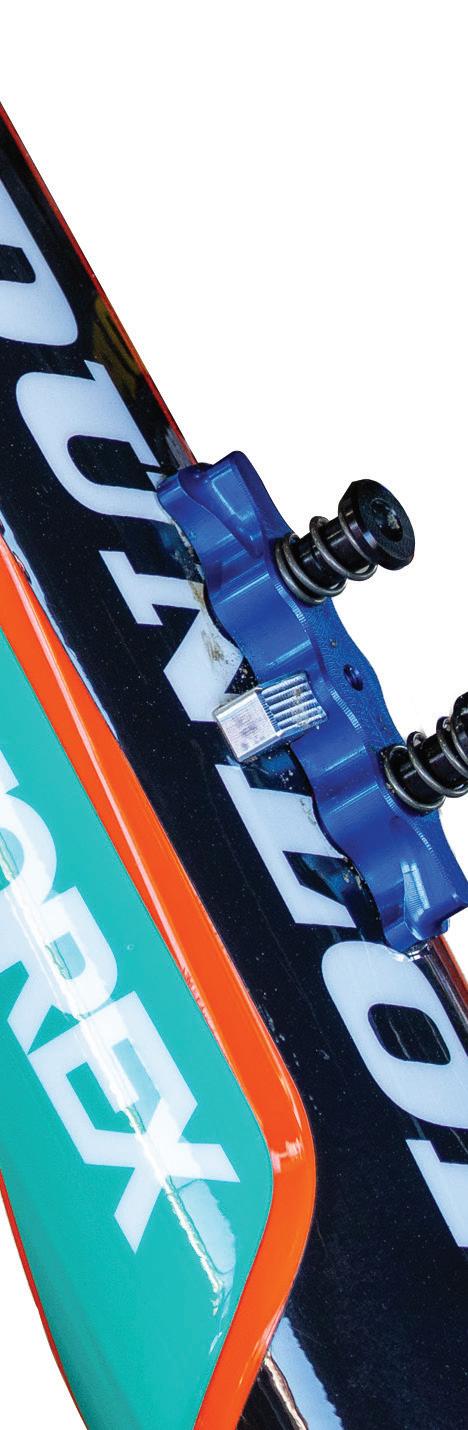



The ONLY Anti-Stick Ring Groove
The ONLY Failure Proof Latching Groove
Anti-Wear Ring Face Lasts up to 10 Times Longer Than the Competition

Anti-Scratch Plunger Pin
Failure Proof Heavy Spring Design
Maximum Security - 5 Mounting Screws
Industry Leading Plunger Extension Length


CNC Machined Aircraft Grade Aluminum Includes New Stainless Steel Bolts Specific Design For Every Bike Brand & Size




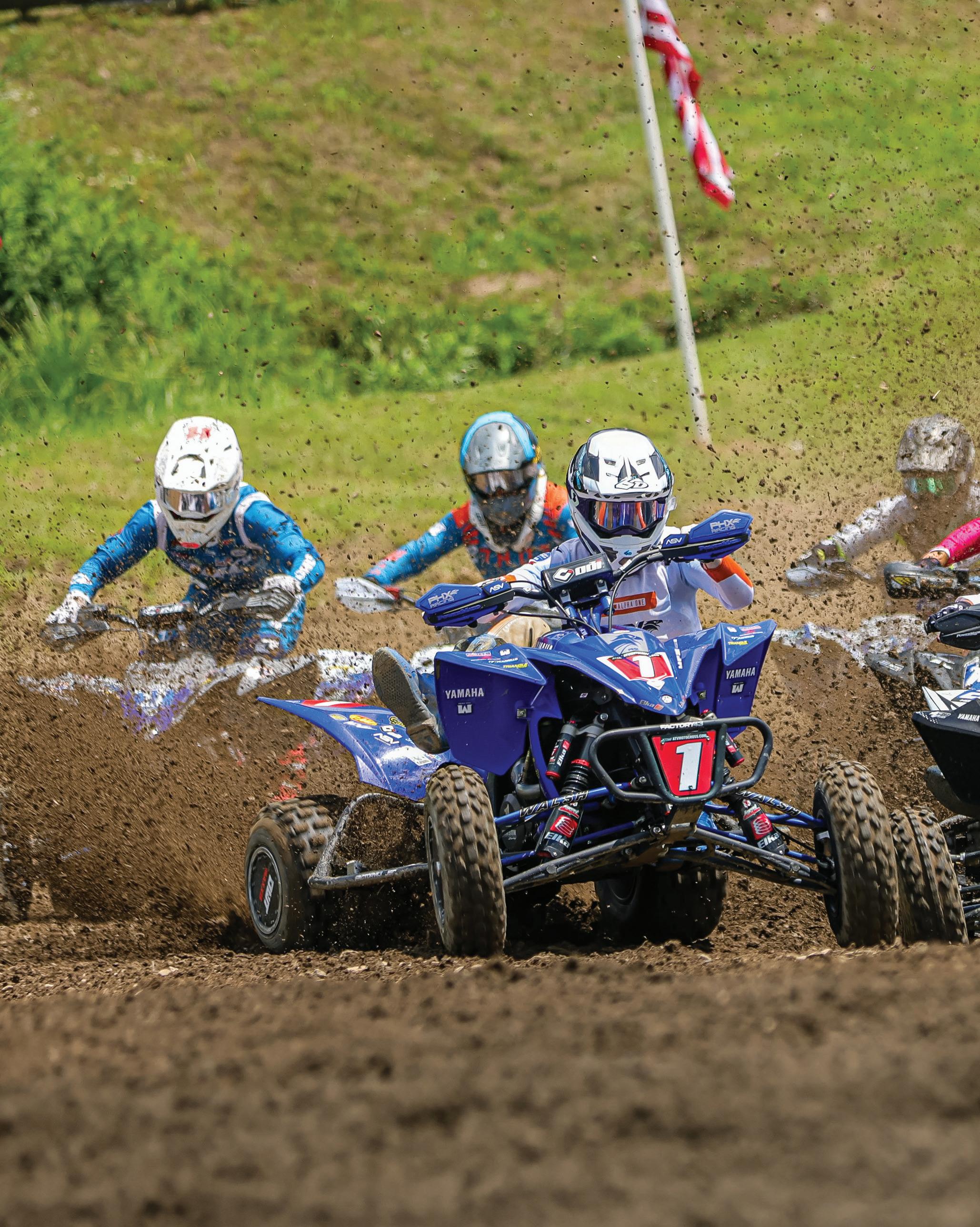
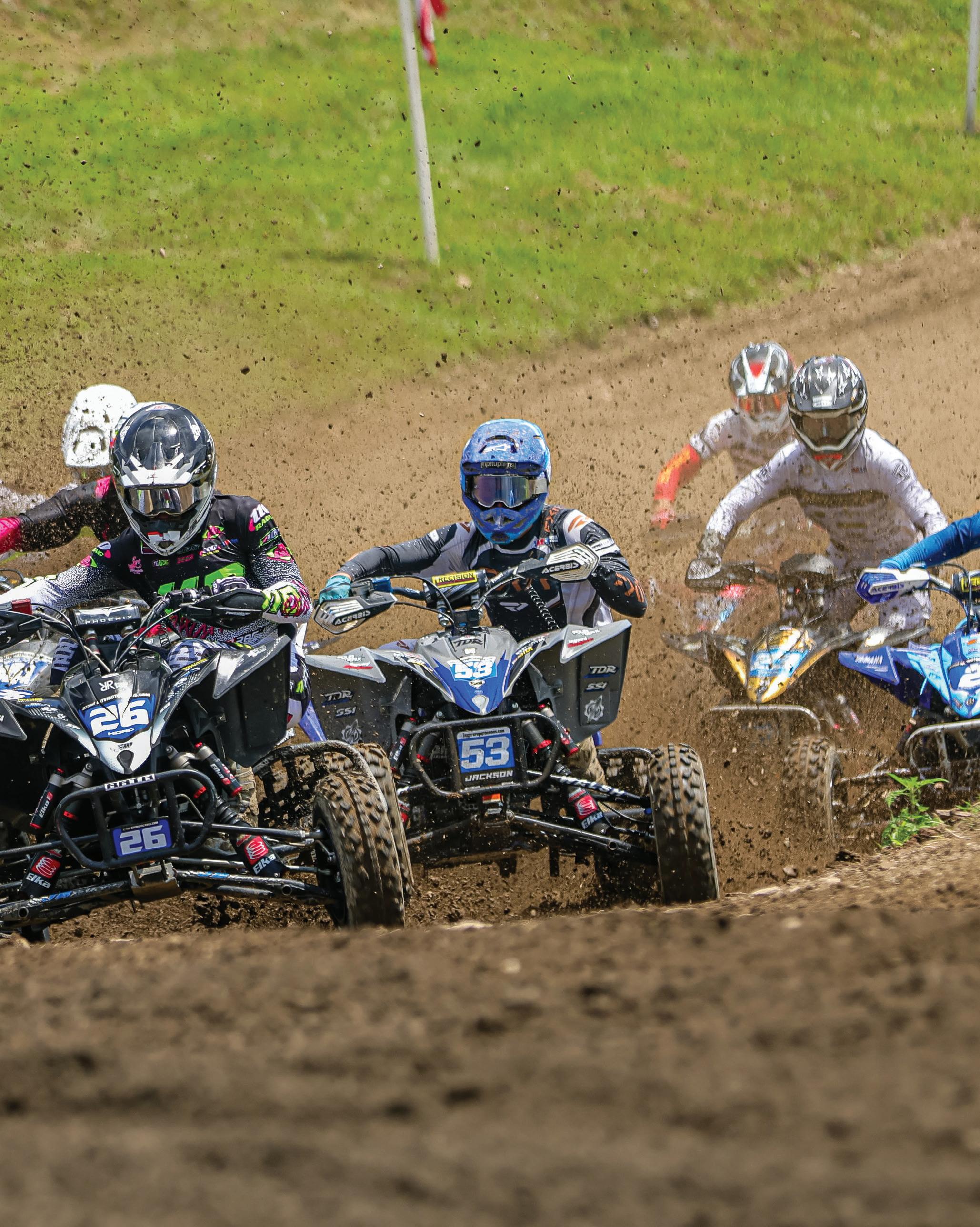
More than 700 entries competed over three action-packed days at the 2026 AMA Jeremiah Jones ATV Summer National, presented by Cleveland Brothers CAT Rentals, at Pleasure Valley Raceway in Seward, Pennsylvania.
From youth riders to adults and first-time amateurs to seasoned professionals, racers battled for valuable championship points on Pleasure Valley’s hills and challenging terrain.
Pleasure Valley Raceway’s history dates back to 1970, when Ed Cernic Sr. purchased the property so his sons would have a place to ride their dirt bikes. That simple plan did not last long. Before he knew it, a racetrack was born, beginning a tradition of motorcycle and ATV racing that continues more than five decades later.
This year’s ATV National proved to be another outstanding event. The weekend began with Friday practice, followed by an exciting Friday night Re-MX that kept spectators on the edge of their seats. The excitement continued throughout the weekend and reached another level during Saturday’s closely contested professional racing.
Hetrick Remains the Rider to Beat
In the opening Pro moto, Joel Hetrick put on a commanding performance, leading from start to finish. Brandon Hoag kept Hetrick honest throughout the race, while Mason Jackson completed the Moto 1 podium in third.
Moto 2 told a much different story.
Jackson grabbed the holeshot and led the opening five laps with Hetrick close behind. The two were battling for the lead when Jackson suffered a high-side crash, allowing Hetrick to move into the top position.
Once Hetrick took control, Hoag remained within striking distance and was ready to capitalize on even the slightest mistake. However, there is a reason Hetrick is widely considered the GOAT of ATV motocross. Mistakes are rare when he is out front, and he once again delivered under pressure.
Hetrick completed the weekend with a perfect 1-1 score to claim the overall victory. Hoag earned second overall, while Jackson overcame his Moto 2 setback and used 3-6 finishes to secure the final position on the overall podium. Continued...

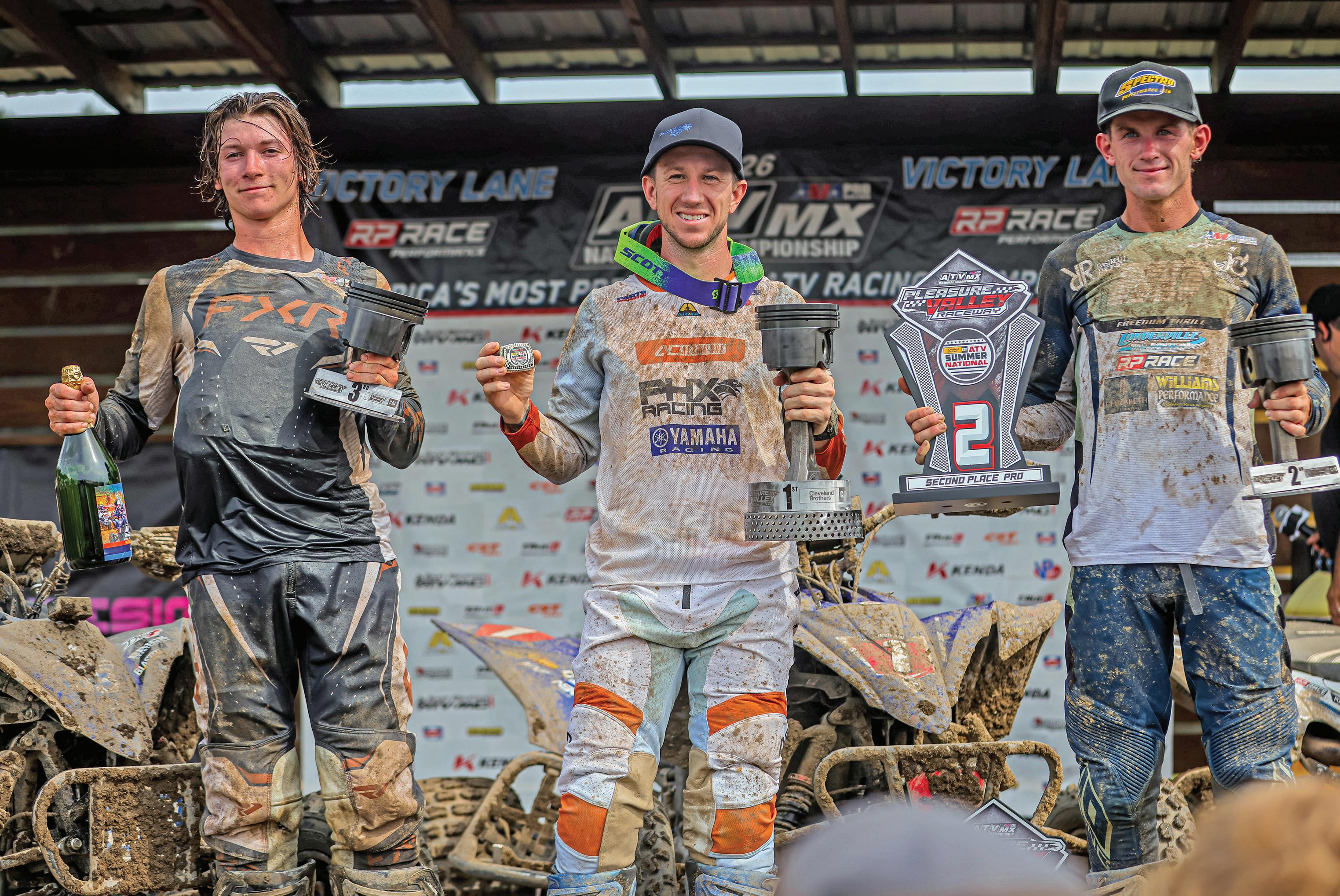

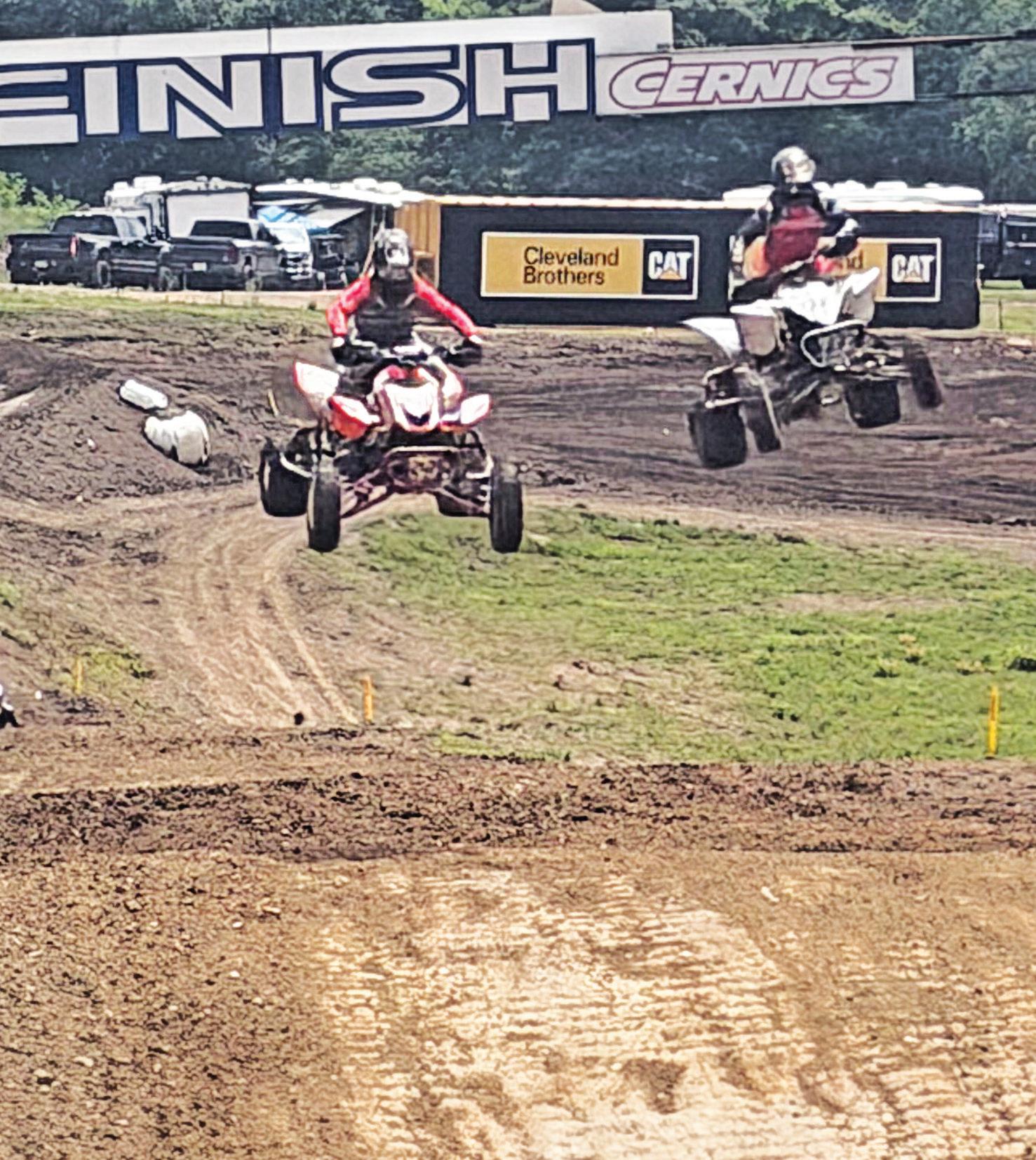





The boys put on a great show for the fans!
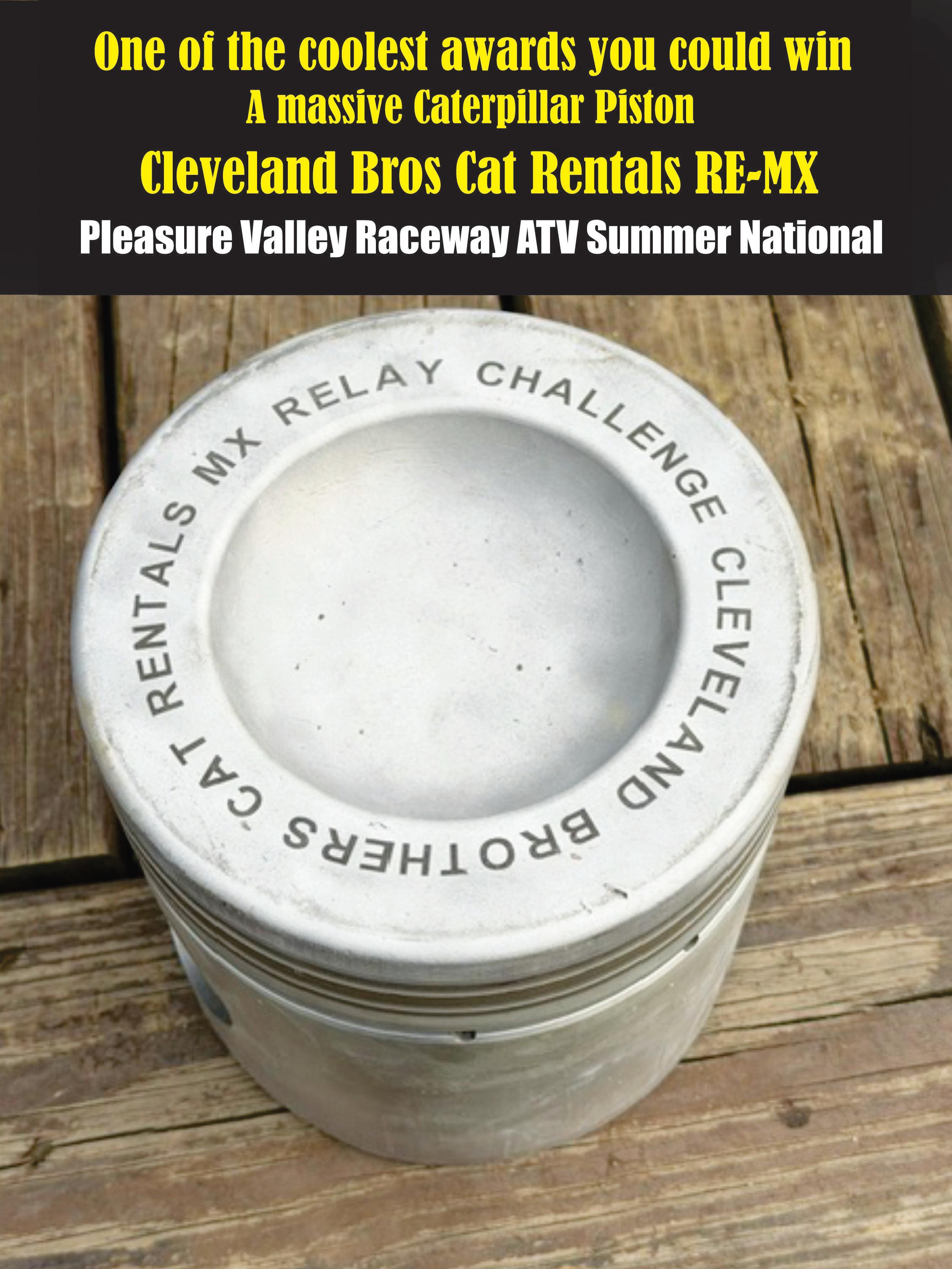
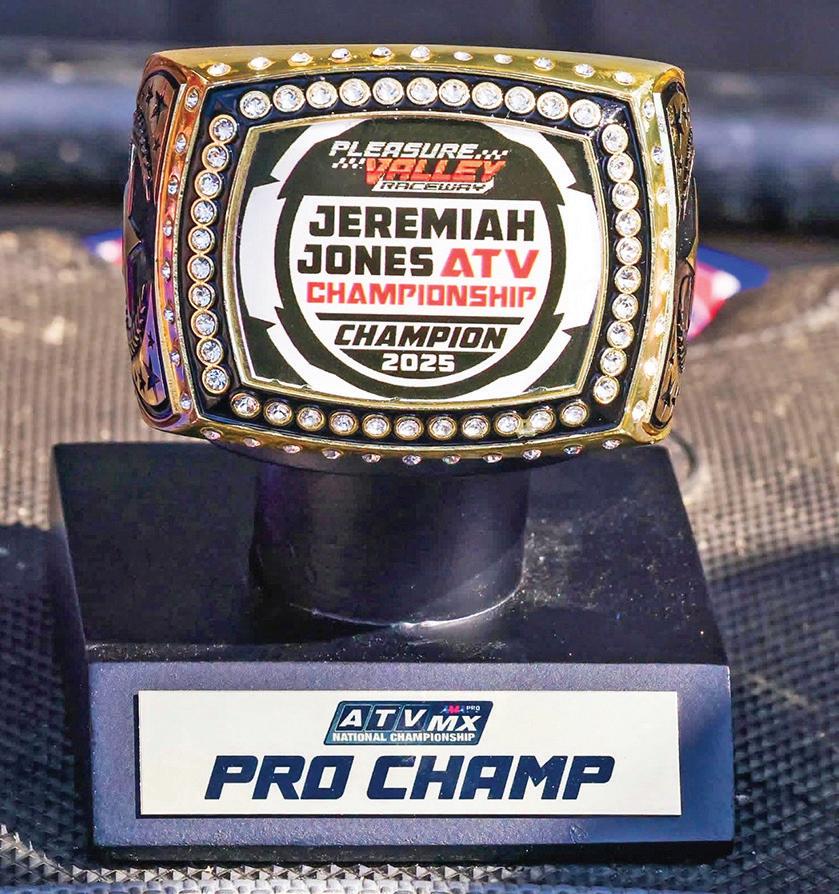
Who doesn’t want to go home with one of these rings?
2026 AMA Jeremiah Jones Summer National Presented by Cleveland Brothers CAT Rentals
One of the weekend’s most exciting battles came in the WMX division, where Lillian Plaza and Layne Fryar went head-to-head throughout both motos.
Plaza grabbed the holeshot in Moto 1, but Fryar worked her way into the lead and captured the victory. Plaza finished second, while Shelby Cobrando crossed the line in third.
Plaza once again powered to the holeshot in Moto 2. This time, she never surrendered the lead, racing wire to wire for the victory. Her 2-1 moto scores earned her the overall win and the PVR MX championship.
Fryar finished the day with strong 1-2 results for second overall, while Canada’s India Jacques claimed the final position on the overall podium.
The weather was nearly perfect, the track was in excellent condition and the competition was outstanding from the smallest 50cc racers to the mighty 450 Pro division.
With more than 700 entries, exciting racing in every class and championship battles decided across three memorable days, the 2026 AMA Jeremiah Jones Summer National once again proved why Pleasure Valley Raceway remains one of the premier stops on the ATV motocross schedule. The weekend did nothing but impress.
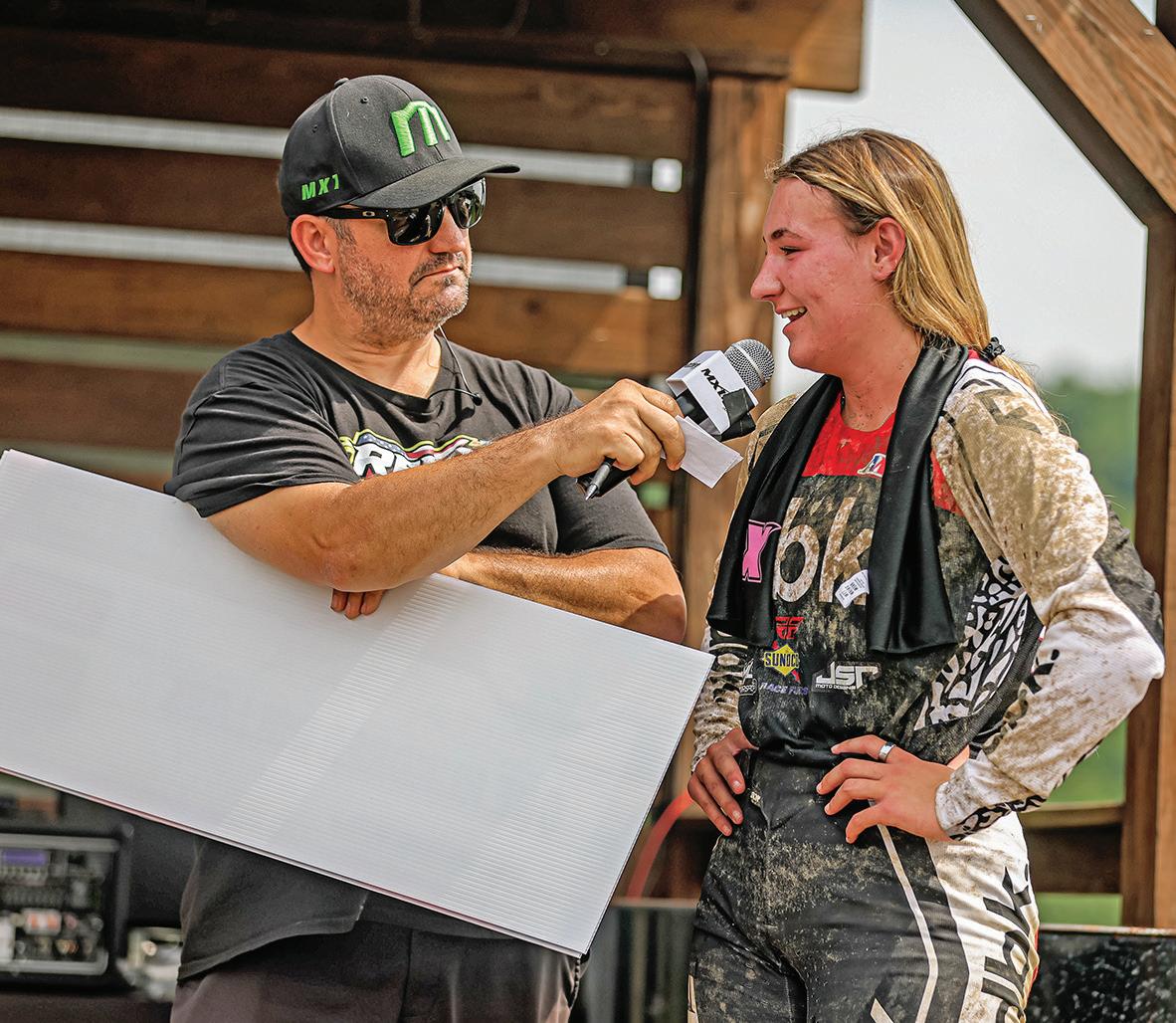

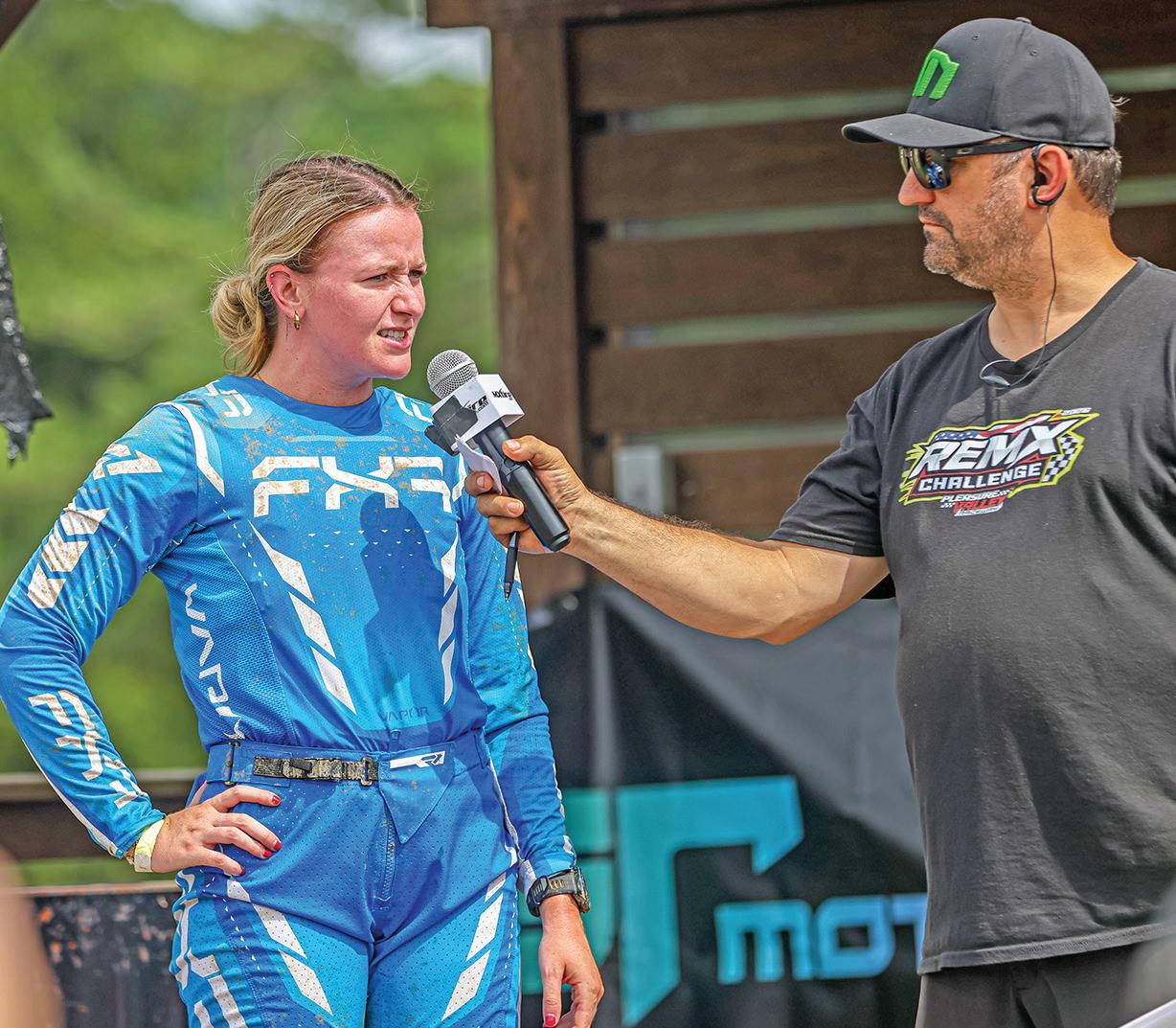
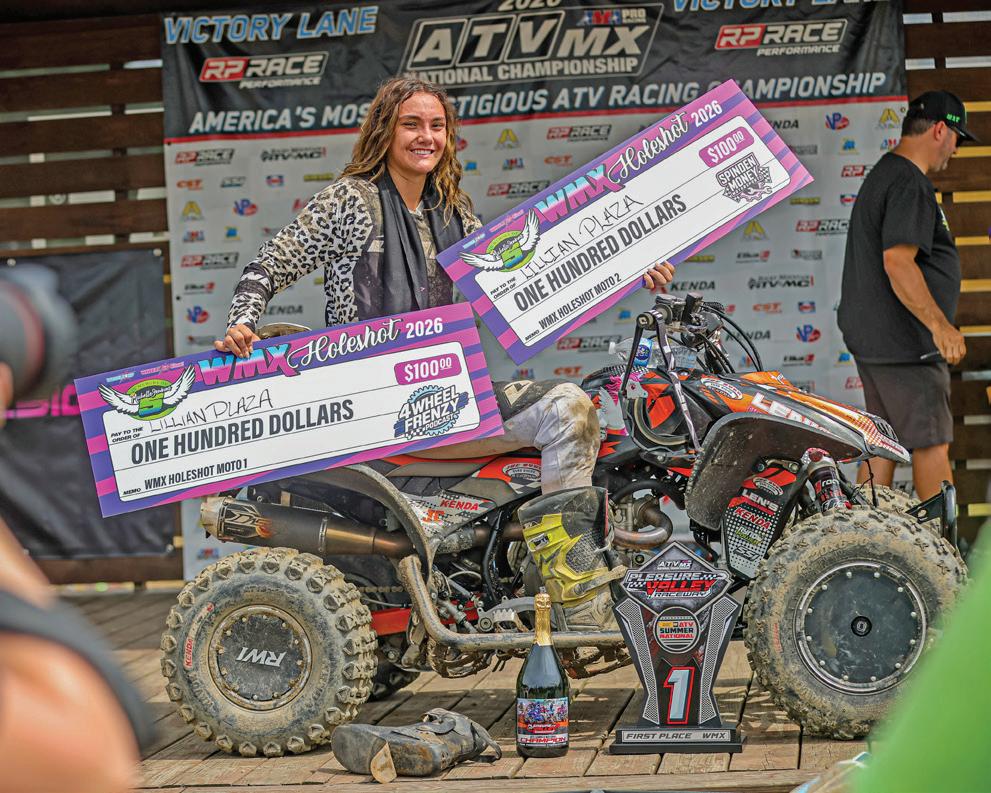

Top: Layne Fryar finished 2nd on the day with 1-2 moto finishes
Middle: India Jacques took the final podium spot
Bottom: Lillian Plaza took the holeshot money in both motos plus the overall win.

85cc (9-11)
Not everyone can do what we do.
Motocross isn’t just a sport. It’s a mindset.
A way of thinking. A way of living.
And unless you’ve been in it, felt it, lived it, you’ll never fully understand it. We are wired differently.
Most people spend their lives avoiding risk, staying in their comfort zones, doing everything they can to minimize danger.
Not us.
We wake up knowing that every time we throw a leg over the bike, we’re one mistake away from disaster.
And yet, we do it anyway.
Not because we have a death wish, but because we feel most alive when we ride that razor thin edge between control and chaos.
Think about it. How many times have you seen a guy hit the eject button mid-air, slam into the ground, and before he’s even fully processed what happened, his first thought is: How fast can I get back on the bike?
We don’t quit. We don’t slow down.
It’s a brutal sport. Your body is a wreck, your mind is in overdrive, and your heart is wired to chase that next gate drop, that next holeshot, that next podium.
We watch friends get hurt, some of them never the same again, but we show up over and over again, sometimes the next day, knowing damn well it could be us next.
And yet, we do it.
Why?
Because we’re built for this.
Because the sound of a two stroke purring at full throttle is our meditation. Because pushing through the pain, fighting through the setbacks, and risking it all for a few seconds of pure flow is in our DNA.
We are the ones who live for the fight. Who don’t flinch when the stakes are high. Who grab another gear even when the fear creeps in.
Most people won’t get it. And that’s fine. This sport isn’t for most people.
But for those of us who call it home, there is no other way.
And right now, that different breed is grinding in the shadows.
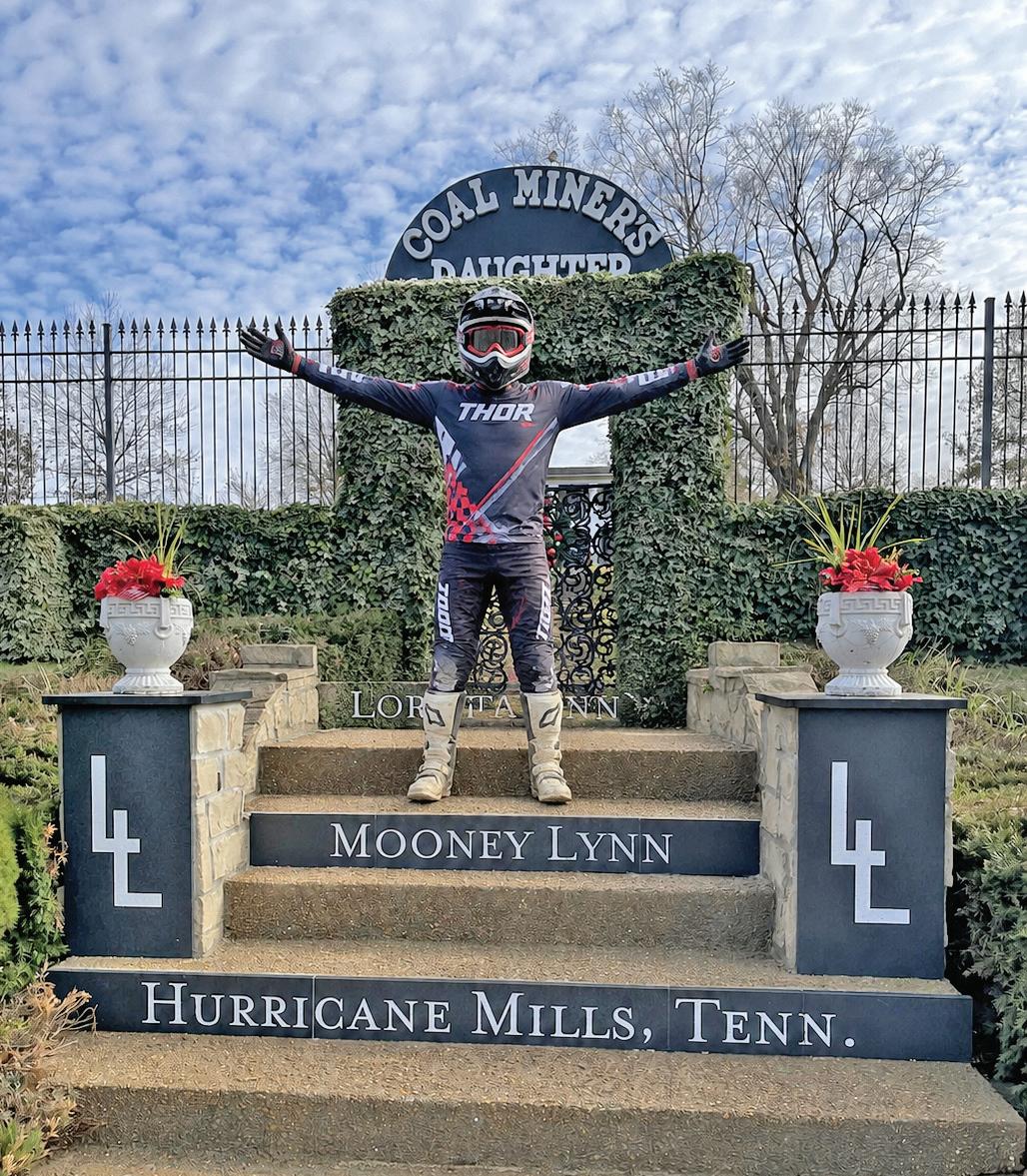
Loretta Lynn’s is coming, August 3rd through 8th. The biggest amateur race in the country. And while most people are living normal lives, the ones headed to that gate are out there right now, one more moto, one more sprint, one more rep, sacrificing sleep, comfort, easy weekends, all of it, for one shot in Tennessee.
That is what built differently actually looks like. It’s not a saying. It’s the early mornings this month. It’s the practice laps your body begged you to skip. It’s getting back up when everyone else would’ve stayed down.
Nobody hands you a spot at Loretta’s. You are earning it right now, the different breed way, one rep at a time.
So when those nerves start creeping in as August gets closer, and they will, that’s not weakness. That’s proof you’re about to do something most people never will.
This is the mindset that breaks through. Not the one that hopes for it. The one that grinds for it every single day until showing up is the only option left.
Keep grinding. Ride like you already know who you are.
We are motocross. We are built differently. We are a different breed, and we wouldn’t have it any other way.
More Flow, Less Friction. — Scoob Leo —

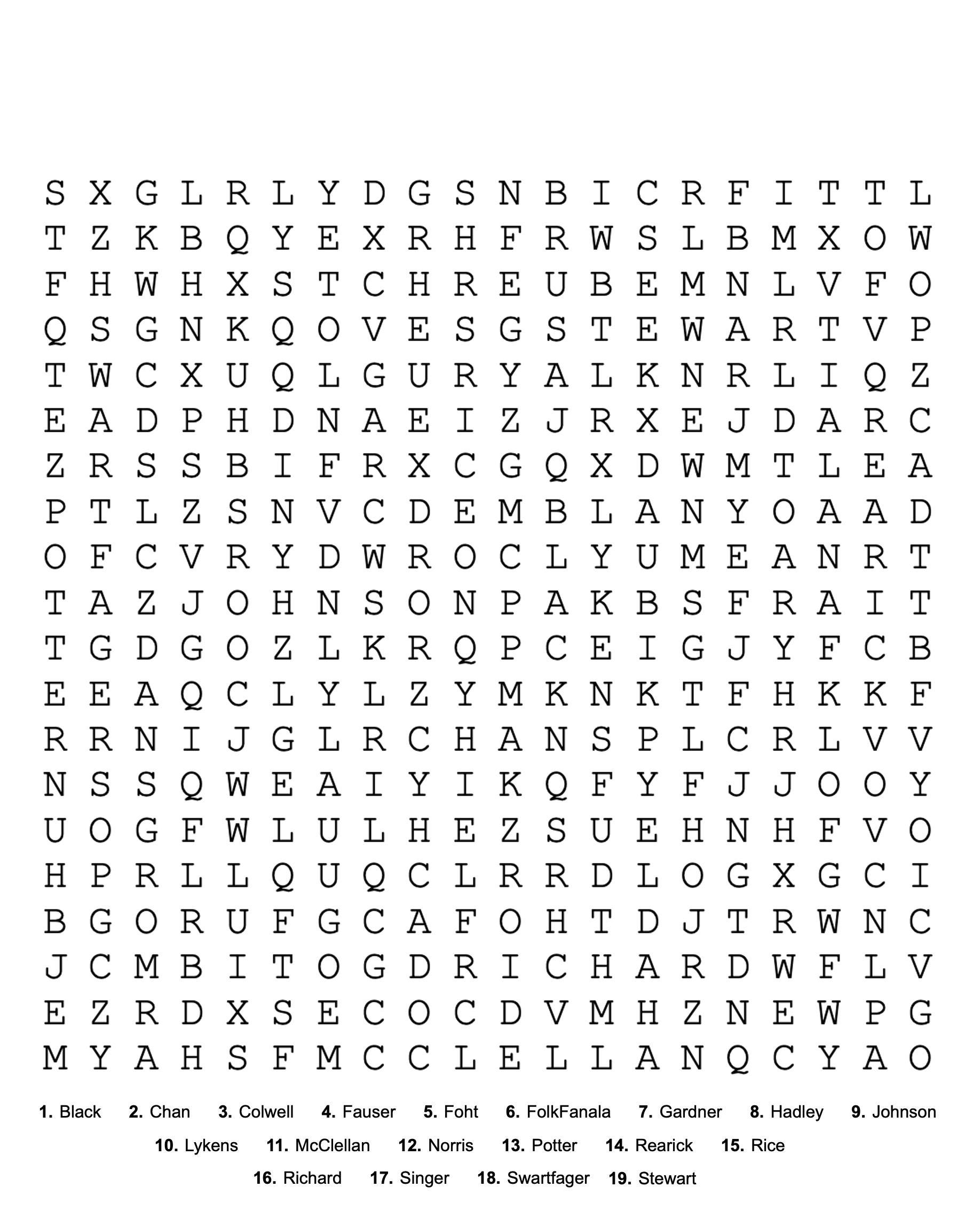
Click on the this page for the link to play this game online or print out this page. To play online, find the first letter of each word below and drag across the word until it’s complete. Found words will automatically be crossed off at the bottom. Words can be found Vertical, Horizontal, Forward, Backward, or at any Angle. When complete, take a photo of the finished puzzle and email it, along with your name to: MXTIRE@icloud.com - We will email you a $10 Discount Coupon for MXtire.com
















2026 AMA 450 SUPERCROSS CHAMPION