From the Skyscraper to the Yard Boundary: A
Guide to the Building & Fence Categories
From towering skyscrapers to simple yard fences, the world of construction encompasses a wide range of building and fence styles that shape our environments. Understanding these categories helps architects, designers, homeowners, and builders select appropriate materials and designs for their projects. This guide explores the major building and fence categories, highlighting key features and purposes. Whether you’re looking to create an impressive urban structure or secure your property with an elegant boundary, this overview covers the essentials you need to know.
Understanding Building Categories
Buildings come in many forms, from sleek high-rises that define city skylines to functional residential homes. Commercial buildings often emphasize durability, modern design, and efficient use of space, integrating advanced technologies and sustainable materials. Residential buildings, in contrast, prioritize comfort and aesthetics that reflect personal style. Industrial and institutional buildings serve specific purposes, such as manufacturing or healthcare, requiring specialized designs. For professionals and enthusiasts seeking detailed architectural assets, the building 3d model 3DMAXTER resource offers an extensive collection of building representations useful for visualization and planning.
Exploring Fence Types and Functions
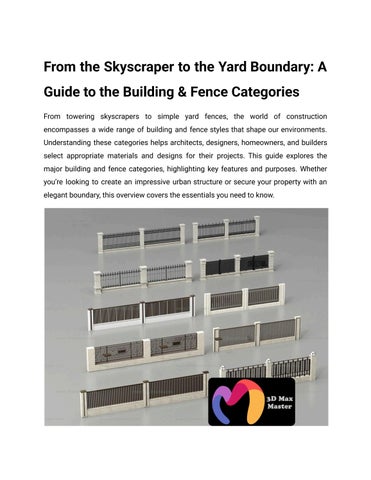
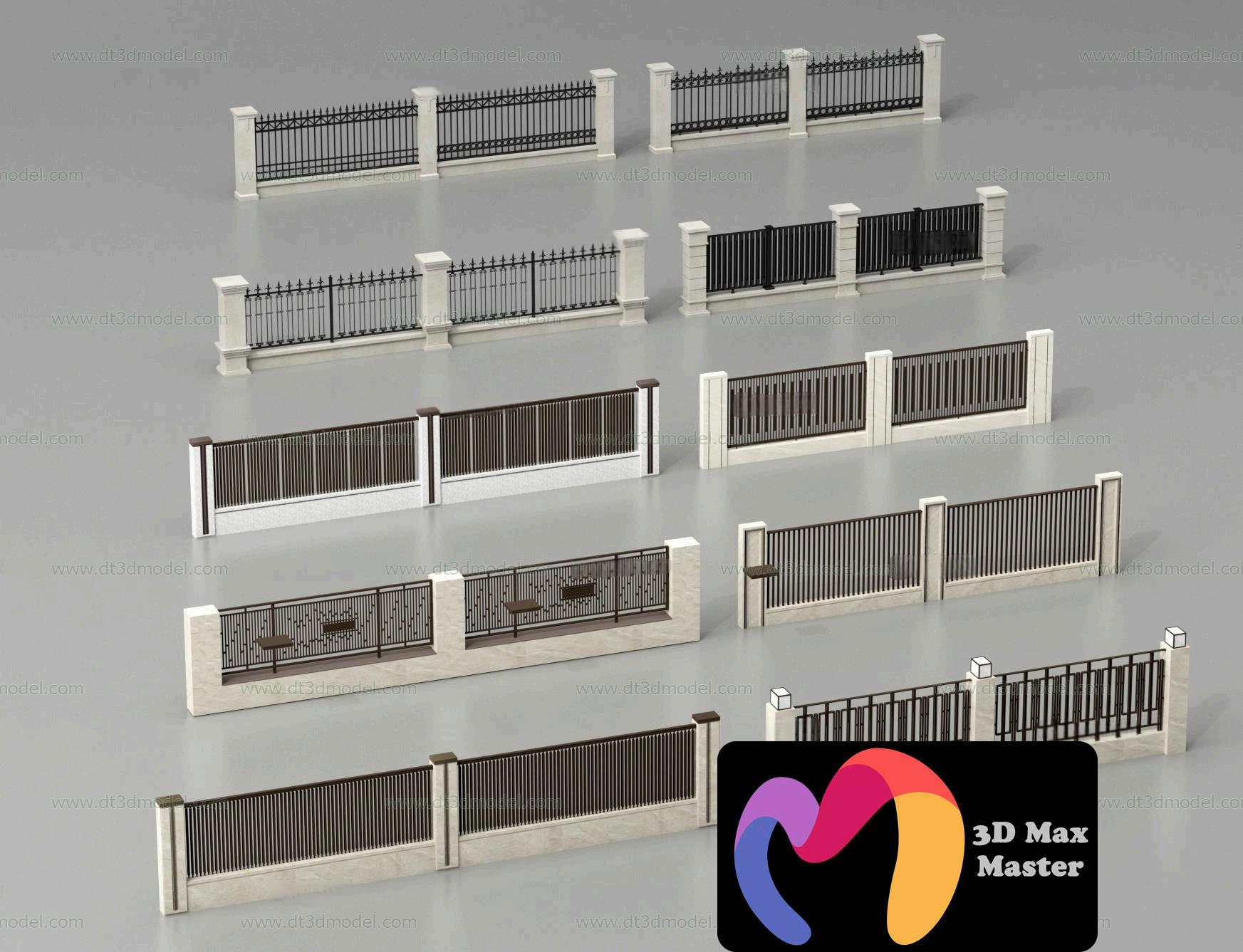
Fences serve multiple roles: marking boundaries, providing security, or enhancing landscape aesthetics. Common fence categories include wooden picket fences, metal wrought iron fences, vinyl fences, and modern composite designs. Each type offers different levels of privacy, strength, and maintenance needs. Some fences are purely decorative, while others incorporate advanced security features such as electric wiring or surveillance integration. For those aiming to find practical or stylish fencing solutions, Learn more about fence categories at 3DMAXTER’s dedicated section provides a comprehensive guide and models for inspiration and project planning.
Material Choices for Buildings and Fences
Material selection is fundamental in both building and fence construction, affecting durability, cost, aesthetics, and environmental impact. Buildings often use concrete, steel, glass, and wood in different combinations depending on the structure’s intended use and location. Similarly, fences can be crafted from natural materials like wood and bamboo or man-made materials like vinyl and metal alloys. Choosing sustainable and locally sourced materials can enhance eco-friendliness and reduce environmental
footprints. Understanding material properties helps ensure the longevity and functionality of your building or fence.
The Role of Design and Regulation
Design considerations and legal regulations shape how buildings and fences are constructed and maintained. Building codes and zoning laws regulate height, setback, and appearance to ensure safety, neighborhood harmony, and environmental compliance. Fence regulations often dictate maximum heights and types allowed in residential or commercial areas. Engaging with architects, planners, and regulatory bodies early in the design phase ensures smooth project execution. Incorporating thoughtful design also boosts curb appeal, contributing positively to community aesthetics.
From skyscrapers that showcase urban ambition to yard fences defining personal spaces, the diverse categories of buildings and fences offer countless possibilities. By understanding these classifications, materials, and regulations, you can make informed decisions tailored to your project needs and goals. To explore detailed models and design inspiration, consider the building 3d model 3DMAXTER and Learn more about fence options through the dedicated 3DMAXTER resources. These tools help bridge creativity and practicality in every construction endeavor