Market Intelligence Report
July 2026

Front Page
Bose Lifestyle Collection
This Page
Ruark Talisman-R
Back Page
DALI Launches VEGA
All-In-One Premium Audio System
Market Intelligence Report
July 2026
Front Page
Bose Lifestyle Collection
This Page
Ruark Talisman-R
Back Page
DALI Launches VEGA
All-In-One Premium Audio System
Two years after Apple promised a smarter Siri, the longmaligned iPhone assistant is getting a reboot — for real this time.
At its annual Worldwide Developers Conference event today, Apple announced that Siri is getting a serious upgrade in iOS 27 this fall, thanks to AI.
Apple claims that the overhauled Siri AI will be smarter and more contextually aware, similar to Google Gemini and OpenAI’s ChatGPT.
Apple Is Attempting AI (Again) With a Smarter Siri. Here’s Everything Coming to iOS 27

Apple’s latest software, including the next-generation Siri, won’t be available to download until this fall, but Wirecutter was on the ground at the company’s headquarters in Cupertino, California, to get a sneak peek at all the announcements.
Here are the big new features coming to your iPhone, iPad, and Macs.
New features are coming to iOS 27
Siri is turning into an AI assistant. Your iPhone contains your entire life, yet Siri has never been able to use all of that information to be helpful when you need it. That’s about to change. Siri will soon be able to use everything on your device to answer your questions and complete tasks on your behalf.
Siri will also be able to find answers for you by searching the web, just like ChatGPT and Claude. That combination of search and on-device context promises to make Siri useful for iPhone owners in the same way Gemini is for Android-device users.
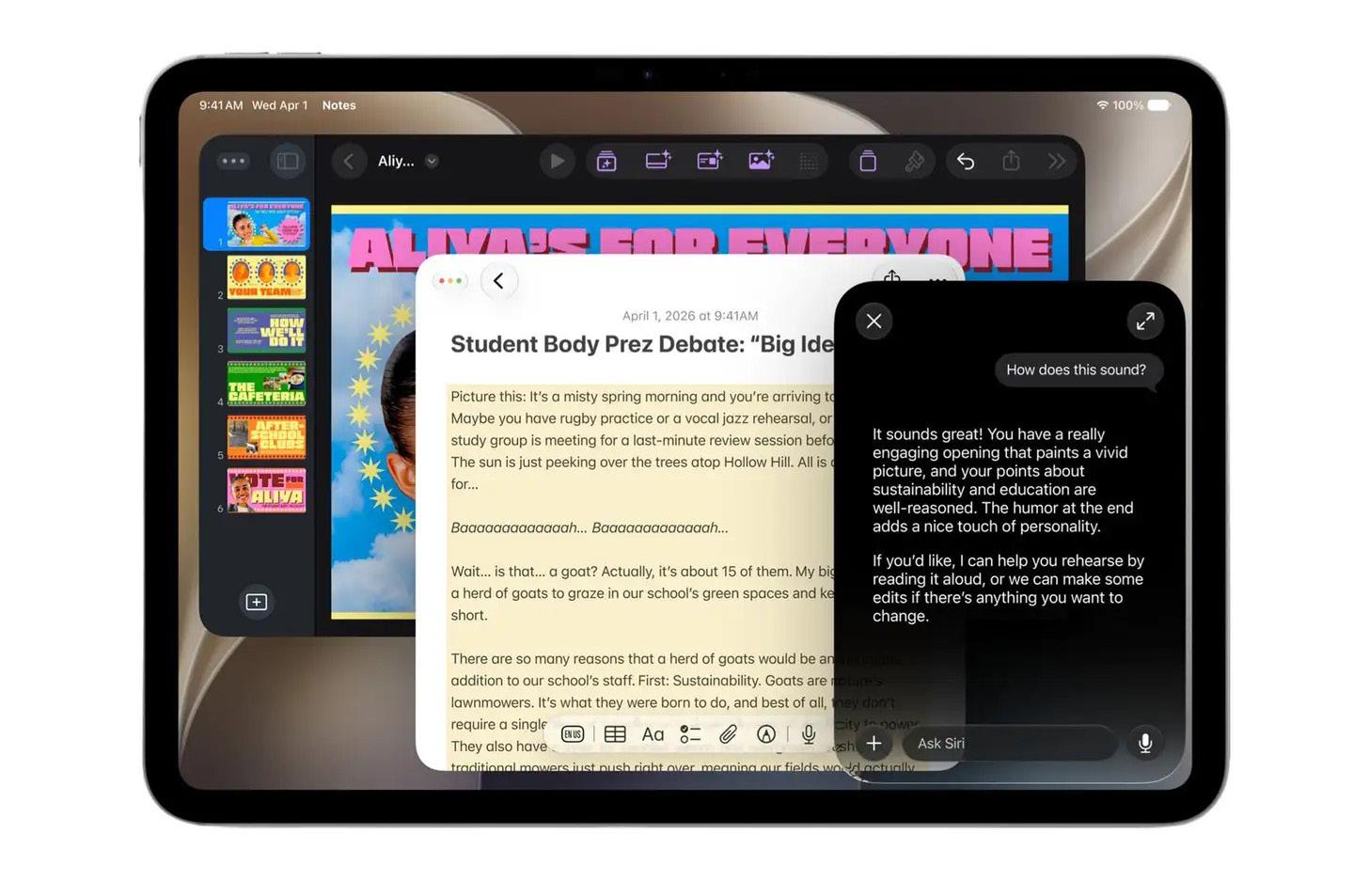
During the event, Apple executives demonstrated the new Siri in action by asking the AI assistant about an upcoming Suki Waterhouse tour. Siri identified that the singer would be playing San Francisco and offered up info on how to get tickets. Siri also set a reminder for the on-sale date. And Siri will have on-screen awareness, so you can ask it questions about what you’re looking at. For instance, Siri can identify the location of a photo you’re currently viewing, after which you can ask for directions to that location and then request that it add a stop at a friend’s house.
Many people use AI chatbots for writing help, and Siri will be able to assist in that regard, too. Siri can proofread text across any app to catch typos and grammatical errors, and it can start a draft if you’re not sure what to write.
In addition to the usual ways you can trigger Siri, the AI assistant will also appear within the iPhone’s Dynamic Island (the camera cutout at the top of the phone). On iPads and Macs, Siri will reside in the Spotlight search bar.
Apple partnered with Google to use its AI models, which is how Siri is becoming more powerful. Apple says your data won’t be accessible to the company or to third parties and will be used only to process your requests.
Siri will become an app. Apple announced that Siri will exist as a separate app, similar to Gemini, Claude, and ChatGPT. Available on iPhone, iPad, and Mac, it will act as the main destination for all your interactions with Siri and will look similar to the Messages app. It will sync across all devices, so you’ll be able to easily pick up where you left off and see prior conversations and content.
Your iPhone camera is getting smarter. With Visual Intelligence, you can point the camera app’s viewfinder at a subject to find more information about it, such as identifying landmarks and plants or finding operating hours based on a photo of a restaurant, or you can use it for reverse image searches via Google.

Visual Intelligence will be capable of even more, like taking a photo of a receipt to calculate your share for splitting a bill or getting nutritional information from a photo of a plate of food.
The Photos app will offer new AI-powered editing tools. With iOS 27, the company is expanding the app’s capabilities with a new section for Apple Intelligence features, including Extend and Spatial Reframing. The Extend feature lets you expand an image to give the subject of your photo more room. You can straighten crooked images or adjust the aspect ratio, and Extend will use generative AI to fill in the missing details. You can use the Spatial Reframing feature to manually reposition the angle of, say, an awkward family photo by touching and dragging the subject. In the Photos app’s editing tools, you can adjust framing to shift the perspective, too.
Android users can contribute to shared photo albums. The Photos app has up to this point allowed only those with Apple devices to add photos and videos from group trips and events to shared albums, but the feature will soon work for Android and Windows users too.
You can use natural language to create shortcuts. With Apple’s Shortcuts app, you can create automated tasks, such as sending your partner a message when you’ve arrived at a specific destination or triggering your smart fan when the temperature in your home reaches a specific temperature.
But the process of creating a Shortcut has always been confusing and slightly unintuitive. Now, you can create a shortcut using natural language and Apple Intelligence. When you open the Shortcuts app, you’ll see a textbox that prompts you to type in the exact shortcut you want, and it will automatically generate that shortcut for you. If you want to send a text message to your partner when you leave work, for example, you can create an automation that runs a shortcut when you leave the office: Shortcuts can calculate your ETA with Maps and then send it with Messages.
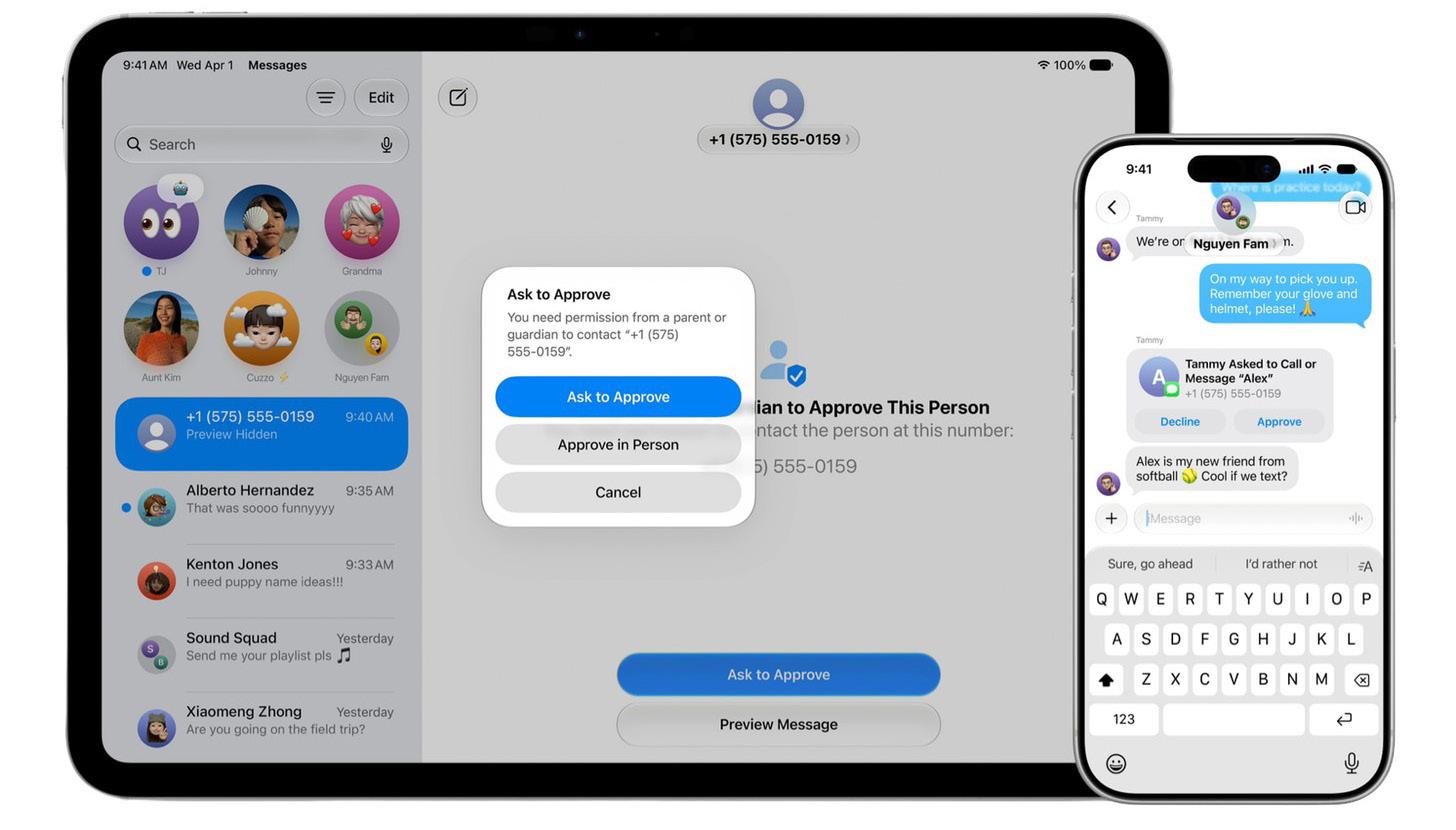
Apple is giving parents more control over their kids’ devices. This fall, Apple is expanding the tools that parents have to control what their kids do on Apple devices. Kids will now need to request permission to buy apps, browse new websites, and talk to new contacts — those settings will be on by
default for kids under 13. Apple will also give parents the ability to set time allowances for specific categories of apps and will offer recommendations for screen time created in partnership with childdevelopment experts. A new Screen Time Schedule feature will let parents choose which apps their kids can access at different times of day.
Apple has promised an AI-powered Siri before and failed to deliver. Last year, the company had to pay $250 million to settle a classaction lawsuit over claims that it had misled consumers about its Apple Intelligence features, including Siri’s capabilities.
As Google’s, Anthropic’s, and OpenAI’s chatbots have gained large followings, Apple’s built-in assistant has lagged behind, and it has seemed as if an advanced version of Siri would never see the light of day.
While it remains to be seen how Siri’s advanced features will live up to its claims in the real world, Apple’s demos during the WWDC keynote looked promising. Compared with other companies and their chatbots, such as Gemini and ChatGPT, Apple appears to be taking a more practical approach by using Siri to make common dayto-day tasks on your devices easier to accomplish, such as surfacing old messages from friends with certain recommendations (say, for a restaurant), finding flight confirmations amidst an influx of emails, or highlighting relevant photos from a recent trip. That sets Siri AI apart from its competitors and their more complex uses.
How to try the new iOS, iPadOS, and macOS
The beta releases of iOS 27, iPadOS 27, watchOS 27, and macOS 27 are currently available to download for developers; public betas will be available next month. The final versions are expected sometime in September.
Siri AI will initially be available in beta later this year in English. Apple Intelligence and Siri AI will be available only on newer iPhones, including the iPhone 17 and 16 lineup, the iPhone Air, and the iPhone 15 Pro and Pro Max. Select iPads, Apple Watches, and Macs will also be supported.
Most people should wait to update their devices until the final versions are released, but if you don’t want to wait, you can enroll in the beta by going to Settings > General > Software Update > Beta Updates and selecting Developer Beta. It’s free to download and available to everyone, but note that you are installing it at your own risk; as with any beta software, it will inevitably have bugs and cause battery drain.
Bose Corporation Announces Acquisition of StreamUnlimited Engineering
Bose Corporation announced it has acquired StreamUnlimited Engineering GmbH, the Vienna-based audio engineering services and product development house. As Bose is expanding its technology licensing efforts working in partnership with global OEMs and ODMs, the connected audio platform and solutions provider from Austria positions the North American company to expand its Audio Technology business across third-party devices and ecosystems.

Founded in 2005, StreamUnlimited originated as a team of 25 engineers (former Philips employees) and in 20 years has grown to over 100 employees across its Vienna, Bratislava, Shenzhen, and Osaka offices. Privately owned, StreamUnlimited established itself as a supplier of software solutions and modules for connected audio products, partnering with all major semiconductor companies and technology providers in the high-end audio and CEDIA channels, as well as premium and mainstream consumer electronics manufacturers from all over the world.
Today, StreamUnlimited is a global technology provider offering unique software solutions, hardware modules, and engineering services for connected audio and smart home products, helping brands from concept to mass production. With proprietary IP and proven system integration expertise, StreamUnlimited stands out in the audio industry for its ability to stay at the cutting edge of audio technology and market trends. This acquisition provides Bose’s Audio Technology business with a critical pathway to embed its
proprietary audio innovations and technologies across a broader range of streaming and connected systems. This includes areas such as smart-home audio, consumer devices like phones, tablets, and wearables, multi-room ecosystems, and emerging audio experiences. “As connected ecosystems scale and become more complex, how devices work together is a central driver of value,” says Nick Smith, president of Bose Audio Technology and chief strategy officer. “StreamUnlimited has built a trusted position at the center of this coordination layer, where interactions between devices are defined and orchestrated.
We’re excited to welcome their team to Bose as we bring our capabilities to more partners, products, and experiences.” Bose’s Audio Technology business brings more than 60 years of audio expertise and proprietary innovations to partners across industries.
By packaging and licensing its capabilities, including Sound by Bose technology and the Bose WaveForm Audio Engine, the company enables partners to deliver differentiated, high-performance audio experiences that are seamlessly integrated within their own products.
We look forward to joining with Bose as we expand StreamUnlimited’s offerings and accelerate the development of next-generation intelligent audio experiences for our customers,” says Frits Wittgrefe, CEO and founder of StreamUnlimited. “There is a significant opportunity to further advance the orchestration capabilities at the core of our platform, enabling more seamless, adaptive, and AI-driven audio ecosystems.
This will unlock broader access to new streaming technologies, services, and capabilities, positioning us for continued growth as the market evolves,” adds Markus Rutz, CTO at StreamUnlimited.
As confirmed in the announcement, StreamUnlimited will continue to support current and new customers and extend its expertise to new markets, with its solutions remaining fully supported, interoperable, and open to integration with all third-party technologies, products, and ecosystems.
Additional information about the acquisition, including financial and other terms of the transaction, will remain confidential. For more than 60 years, Bose has
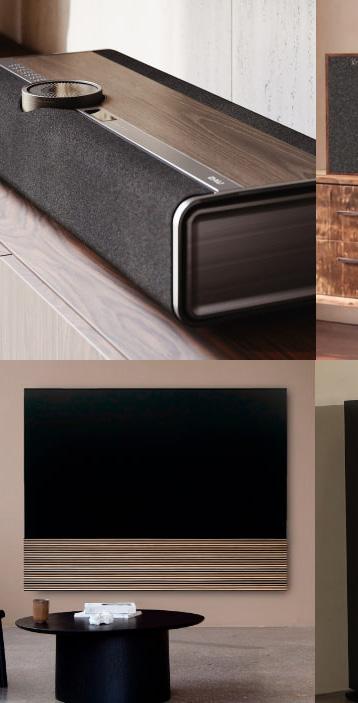
11 New High End Vienna 2026 Products
combined pioneering research and engineering with a deep understanding of human perception to create products and technologies. Through its portfolio of iconic brands, including now also McIntosh and Sonus Faber, Bose offers premium and luxury audio solutions for the home, on the go, and in the car. Bose also collaborates with leading companies across industries, extending its audio expertise and technologies into new products, platforms, and applications beyond its own brands.
By most accounts, HIGH END Vienna 2026 was a success, and that is no small thing for an industry that could use some good news as we begin the slow crawl into summer.
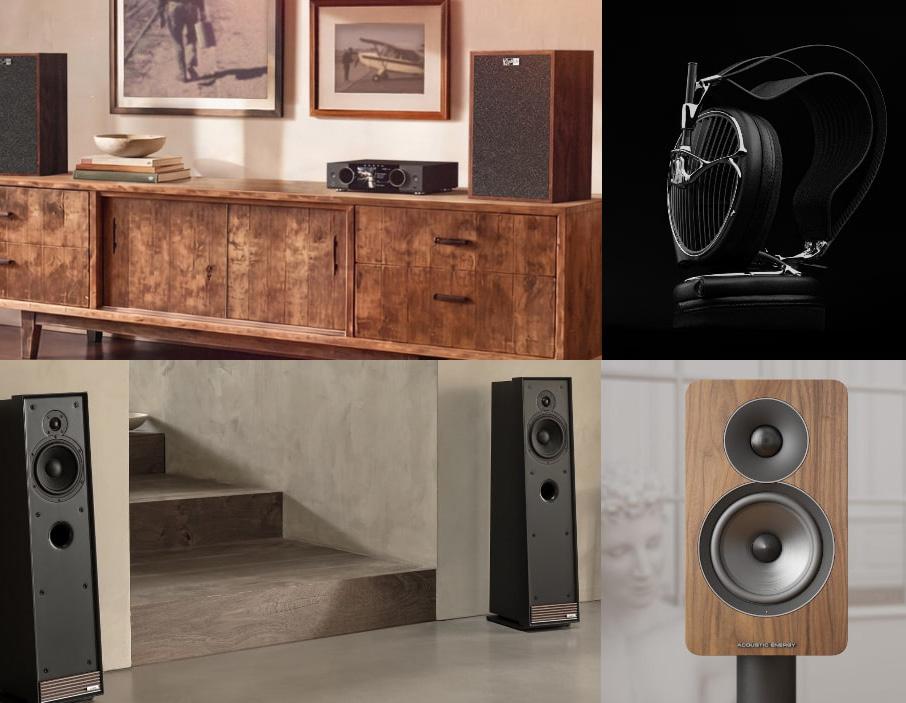
The move from Munich to Vienna was always going to be scrutinized, secondguessed, and overanalyzed by people who spend too much time arguing about cable elevators, but the first edition in Austria appears to have landed well. The rooms were busy, the product pipeline was stronger than expected, and manufacturers showed up with enough new hardware to suggest that high-end audio may finally be catching some tailwinds again.
Good. The industry needs them.
There are already five more shows on the calendar between now and September: T.H.E. Show SoCal, CanJam London, Audio Advice Live 2026, CanJam SoCal, and CEDIA. Audio Advice Live has become a more important stop this year, and I will be joining Chris Boylan in Raleigh in early August rather than covering SWAF in Dallas in late-July.
At some point, even editors need to recharge the batteries, spend time with their kids, clean up the house, paint a few walls, and fix whatever winter broke before summer arrives to break something else. The Jersey Shore is already preparing for its annual stress test: Netflix Studios construction, World Cup traffic threatening to paralyze half the Garden State, and the return of the Bennies, who descend every year like a seasonal weather event with beach chairs, parking issues, and questionable lane discipline.
So yes, I’m thinking very carefully about how to manage the rest of 2026 starting in late-July.
That is especially true when eCoustics is on pace for roughly 1,200 articles, videos, and podcasts in 2026. That puts us behind only What Hi-Fi? in terms
of output, and well ahead of most of the specialist audio press. That kind of schedule is not powered by Austrian pastries and blind optimism. It takes planning, travel, editing, late nights, and a team willing to do the unglamorous work that most readers never really notice.
Nobody works harder than this team, and the addition of Al Griffin, Chris Chiarella, and Ryan Waniata in 2026 has only made it stronger.
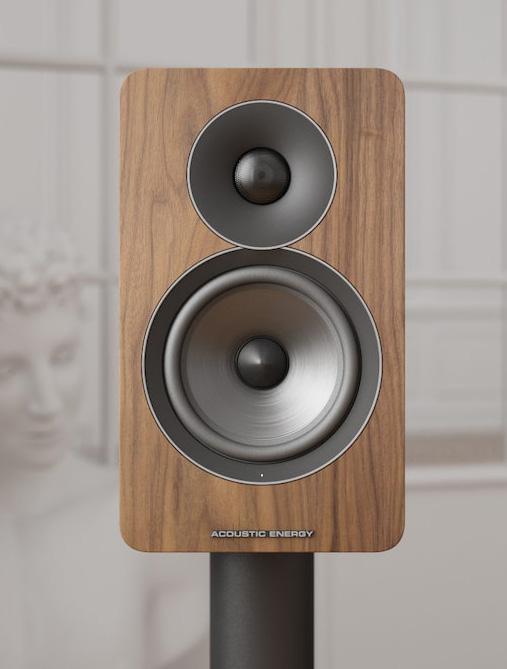
The Acoustic Energy AE Active is a fully analog active stand-mounted loudspeaker with Class A/B amplification, RCA and XLR inputs, room-trim controls, and an updated driver package that looks like a focused evolution of the AE1 Active.
That may sound almost quaint in 2026, which is precisely why I want to hear it. Most active speakers now arrive with apps, firmware updates, streaming platforms, Bluetooth logos, and enough software baggage to make you wonder whether you bought loudspeakers or adopted a small IT department. Acoustic Energy has gone in the other direction: wired inputs, analog signal path, onboard amplification, and a very clear focus on the box, the drivers, and the amplifier doing their jobs properly. Radical stuff, apparently.
I want to hear whether Acoustic Energy has improved on the AE1 Active without sanding down the speed, impact, and immediacy that made the original such a compelling compact loudspeaker. The real test will be placement, bass control, tonal balance at sane listening levels, and whether the room-trim controls are actually useful in smaller spaces, and not just switches added to make the rear panel look busy.
The other part of the review is the use case. The AE Active has a very limited number of inputs, so I want to hear how it interacts with the preamp sections in a range of network players and DAC/preamps. If the source/preamp pairing matters, and with active loudspeakers, it usually does — that needs to be part of the review, not an afterthought buried somewhere between “nice imaging” and “good for desktop use.”
The Klipsch Rebellion is a premium Heritage-inspired standmount loudspeaker based on Paul W. Klipsch’s rare 1958 H8 design, using a K-702 tweeter mounted to a K-703 Tractrix horn with Mumps technology, a new K-81-EP woofer, and a rear Tractrix flare port.
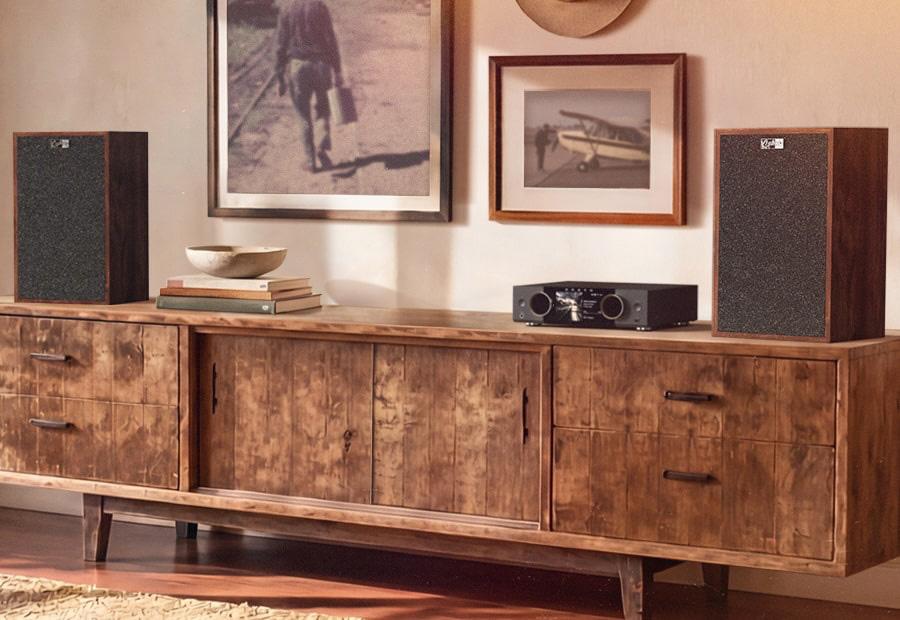
Klipsch has been leaning hard into its 80th anniversary, and the Rebellion is far more interesting to me than another nostalgia badge glued to a walnut box. It is not cheap at $2,599 per pair, but the idea of a compact Heritageflavored Klipsch loudspeaker that does not require La Scala real estate or a second mortgage has real appeal. The category needs speakers with high sensitivity, dynamics, personality, and some actual fun baked into the cabinet, because not everyone wants another polite rectangular box that sounds like it was voiced during a faculty meeting.
What I want to test is how flexible the Rebellion really is with amplification. On paper, this could be a very interesting match for everything from affordable Class D amplifiers like WiiM’s current crop, to older Class A/B integrated amps from NAD, Cambridge, and Rega, to tube integrated amplifiers from a wide range of manufacturers. The review has to find out whether the Rebellion keeps the Klipsch energy and immediacy without getting shouty, whether it can work in real rooms without punishing placement, and whether it has enough tonal refinement to win over listeners who like the Heritage attitude but do not want to live inside a live PA system.
The Cambridge Audio Evo 300 is a 300Wpc streaming amplifier built around Hypex NCOREx power, StreamMagic Gen 4, HDMI eARC, MM phono, and the same basic “just add speakers and stop building equipment towers” argument that has made the Evo series so compelling.
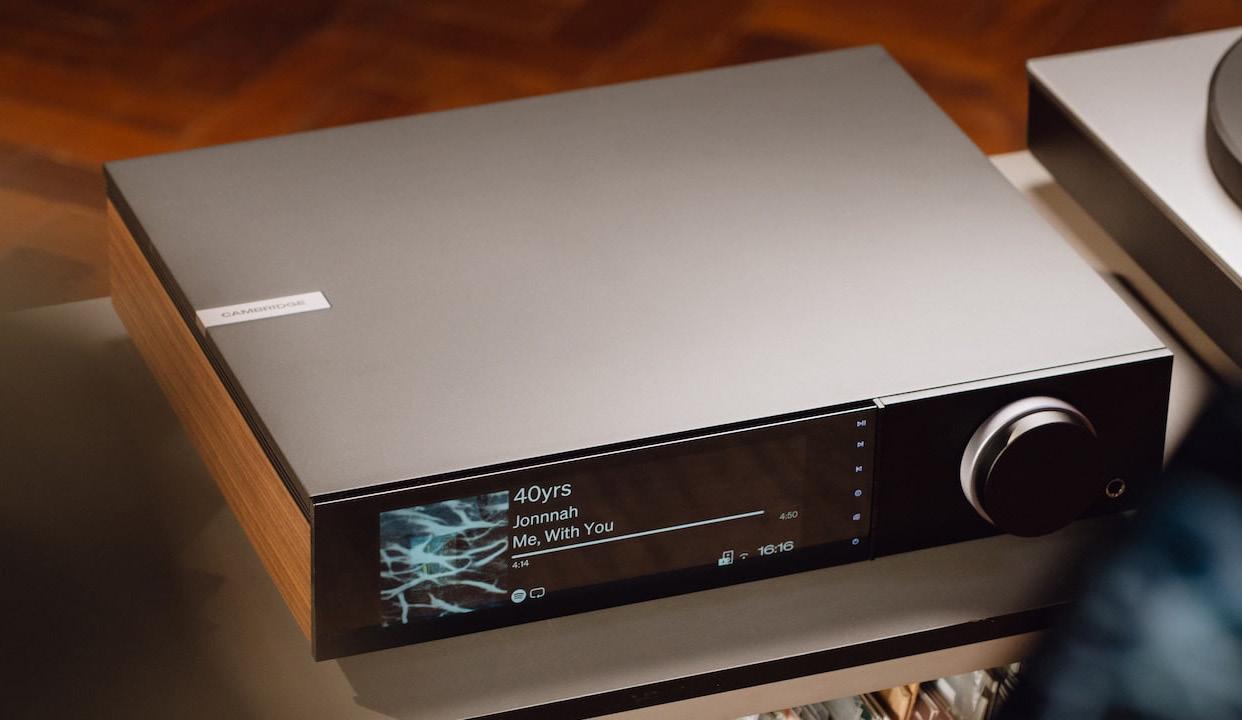
The extra power is the headline, but it is not the only thing I care about. The Evo 75, Evo 150, and Evo 150 SE never really ran out of gas with the speakers I tried them with, including models from Q Acoustics, Acoustic Energy, PSB, Focal, and others.
More power is rarely a bad thing, unless we are talking about politicians or subwoofers in apartments, but the Evo platform was already more capable than some people gave it credit for.
What I want to test is whether Cambridge has actually moved the amplifier section forward, not just added a bigger number to the brochure. Does the Hypex NCOREx implementation sound cleaner, faster, and more composed than the earlier Evo models? Is StreamMagic Gen 4 easier to use day to day? Does HDMI eARC behave properly with real TVs? Does the MM phono input feel like a serious part of the product or a convenience feature?
he Evo 300 needs to prove that it is not just the Evo with more horsepower, but a more complete streaming amplifier for people who want fewer boxes without lowering their standards.
The Canvas L is a premium TV-mounted active speaker system that now supports larger screen sizes, offers more finish and grille options, and uses BACCH 3D+ processing to make the case that a very serious “soundbar” can replace a conventional front-channel system.
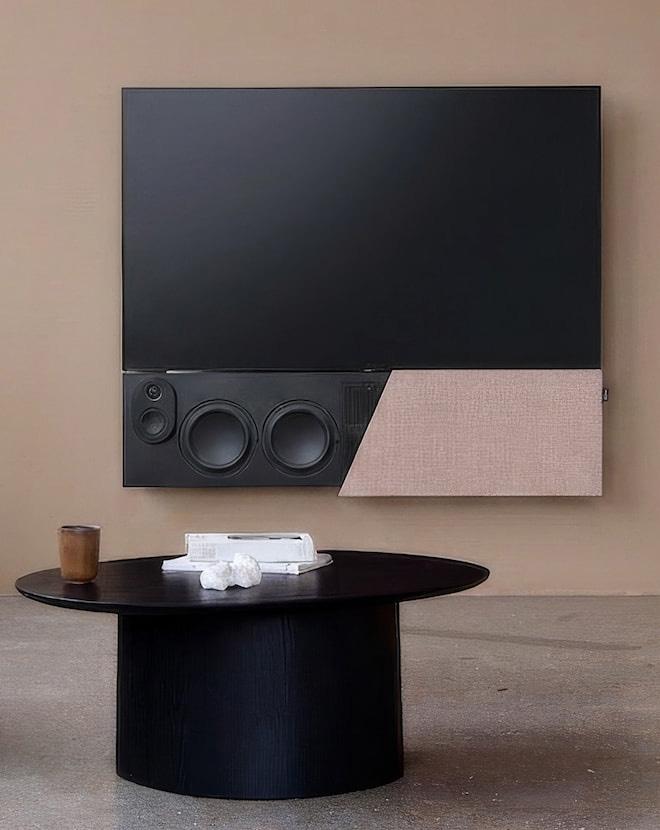
The price has gone up. A lot. That does not automatically make it a problem, but it does move the Canvas L into a very different conversation, especially when buyers can also look at strong active loudspeakers, compact 3.0 or 3.1 systems, and increasingly ambitious lifestyle audio products from brands with serious hi-fi credibility. The ability to pair it with larger TVs makes sense because that is where the market has gone, and I like the grille options because not everyone wants their living room to look like a demo room at an audio show staffed by people named Lars.
Can the Canvas L can actually replace a proper 3.0 or 3.1 system through output, tonal scale, dialogue clarity, center image stability, and BACCH 3D+ spatial processing — especially because there is no separate subwoofer in the system. I was a guinea pig for the original
BACCH work at the lab in Princeton and at the designer’s home, and I have wanted this technology to work properly in a real consumer product for probably eight or nine years. The review has to answer the uncomfortable question: is this finally the elegant living-room solution that can satisfy movie and music listeners, or is it still asking too much from one very expensive box attached to a television?
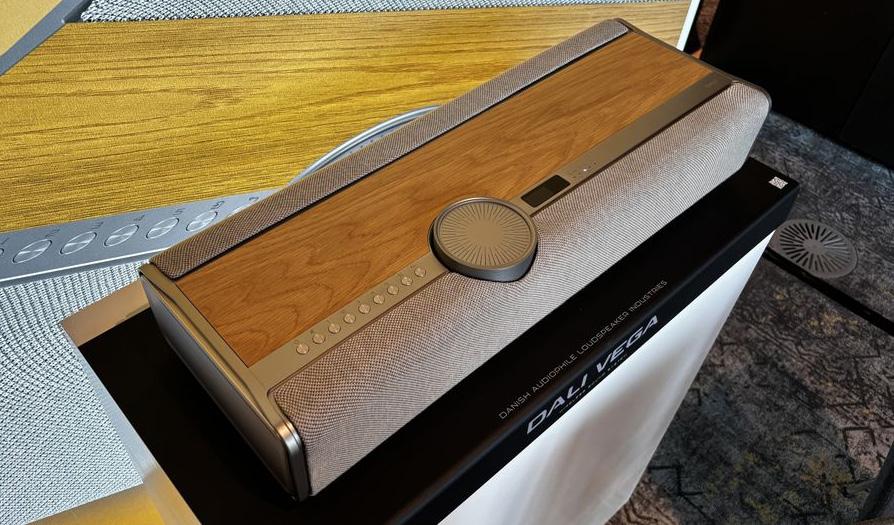
The DALI VEGA is a $4,500 single-box wireless hi-fi system with ten in-house-developed drivers, 400 watts of Class D amplification, BluOS streaming, HDMI ARC, AirPlay 2, TIDAL Connect, Spotify Connect, and adaptive processing that lets it work horizontally or vertically.
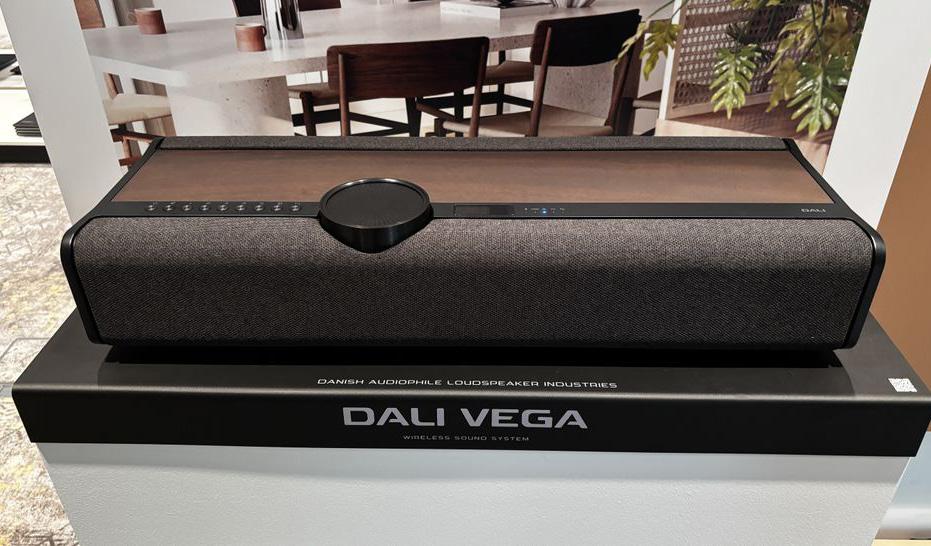
This type of system is becoming a real category, and I am perfectly fine with that. Products like the VEGA, Focal’s Muso Hekla, Canvas L, LIVEBOX, and Ruark’s larger all-in-one console systems are forcing people to pay attention because they are not just Bluetooth speakers with better tailoring. They are aimed at people who want serious sound without separates, speaker cables, and a rack that looks like it belongs in a regional airport control room.
The Naim influence is obvious; sorry, Salisbury, everyone found the big dial — but the category has moved beyond imitation. The Naim/Focal room at AXPONA 2026 was standing-roomonly primarily because of the Mu-so Hekla demo, and people were not pretending to be impressed. They were impressed.
What I want to test is whether the VEGA can work as well in real rooms as it does on paper. The Adaptive Orientation Adjustment is not a gimmick if it can make the system sound convincing both horizontally on furniture and vertically on a wall, but that has to be tested with real placement compromises, not a brochure-perfect room with one chair and no family members. The dog can stay.
I want to hear whether DALI’s Adaptive Stereo Enhancement creates real width and scale without turning everything into processed vapor, whether the bass has enough weight without getting thick, and whether BluOS, HDMI ARC, presets, EQ, walldistance adjustment, and that rather lovely control dial make the VEGA feel like a proper living-room hi-fi system rather than another expensive lifestyle object asking for Scandinavian forgiveness.
Eversolo has become a serious player in network audio because its products usually offer strong hardware, useful software, and a feature set that makes some more expensive streamers look a little thin. The original DMP-A8 already made a strong case as a flexible digital front end, so the Gen 2 is interesting because it appears to refine the platform rather than reinvent it. The move to AKM, the addition of SFP fiber networking, broader system-control features, and continued emphasis on local storage all suggest Eversolo understands that many listeners want one digital component that can handle streaming, files, TV audio, and preamp duties.
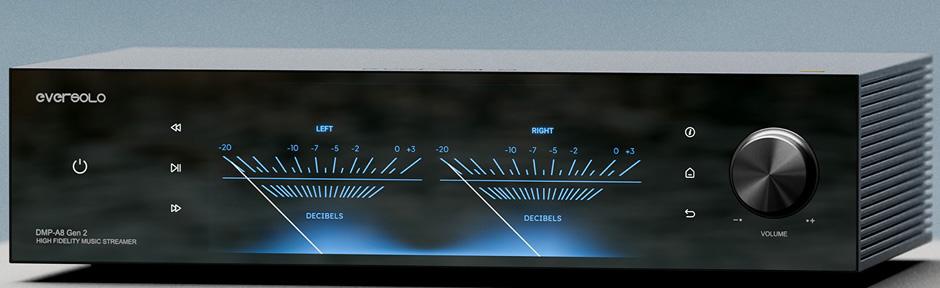
What I want to test is whether the DMP-A8 Gen 2 improves the parts that matter in daily use. Does the AKM-based DAC architecture change the tonal balance or presentation in a meaningful way? Is the preamp section good enough to drive active speakers or a serious power amplifier without making a dedicated preamp feel mandatory? Does SFP fiber networking offer a practical benefit in a real home network, or is it mostly there for the people who already own three Ethernet switches and strong opinions about optical isolation?
Meze Audio ARTA
he Meze Audio ARTA is a $6,000 open-back flagship headphone built around a new 225-ohm Rinaro Isodynamic Hybrid Array driver, with the kind of industrial design, materials, and Romanian craftsmanship that have become central to Meze’s identity.
Having owned the Empyrean II for a few years, I can attest to how good Meze can be when it gets the balance right. The Empyrean II is brilliant from both a design and performance perspective: comfortable, beautifully made, musically generous, and far more than a piece of headphone jewelry for people who alphabetize their cables. That is why the ARTA interests me, but also why the price gives me pause. At $6,000, it is walking straight into the same rarefied air occupied by statement headphones from Audeze, HiFiMAN, ZMF, and others. The question is not whether Meze can build something spectacular. It can. The question is whether the ARTA can be thousands of dollars better in ways that matter.
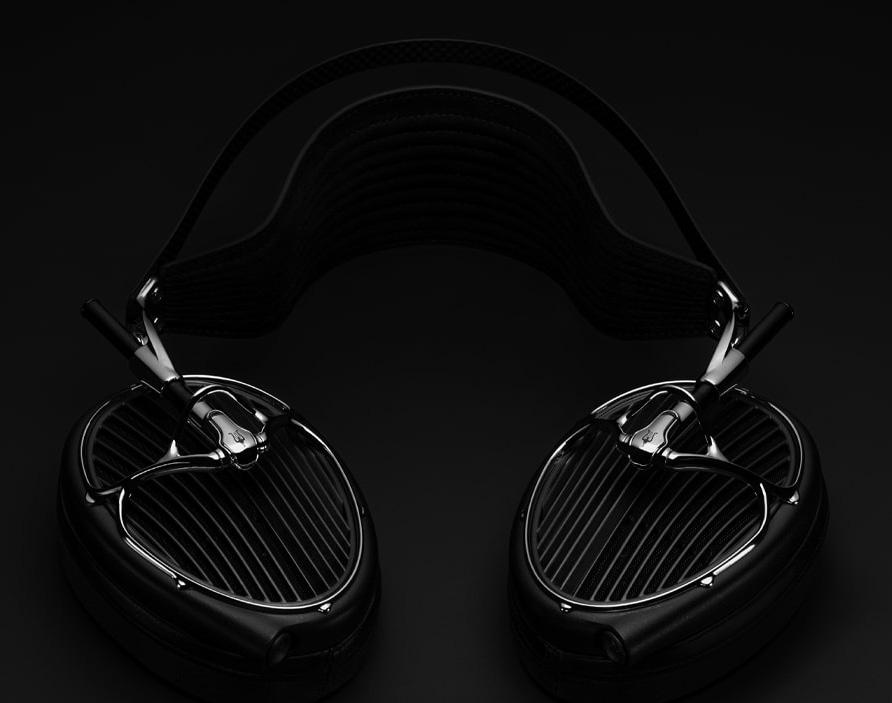
What I want to test is whether we are getting too close to the sun in the head-fi space. If the ARTA is spectacular, I will be thrilled, because I have invested a lot of money and professional capital in this Romanian brand and still believe Meze brings something different to the category. But spectacular is now the entry fee at this price. I want to hear whether the ARTA delivers more resolution, scale, speed, tonal sophistication, and emotional pull than the Empyrean II without losing the comfort and humanity that make Meze special.
Compared with $1 million loudspeakers, perhaps a $6,000 headphone is a bargain even after you add the amplifier, DAC, source, cables, stand, and the quiet room you apparently now need to justify listening to music by yourself.
The Questyle QMS system pairs the iXStreamer with the E5 and E4 wireless active bookshelf speakers, using SEAS drivers, Wi-Fi 6, LDAC, aptX, HDMI ARC/eARC, and Questyle’s own DAC/amplification thinking to build a more serious lossless wireless ecosystem.
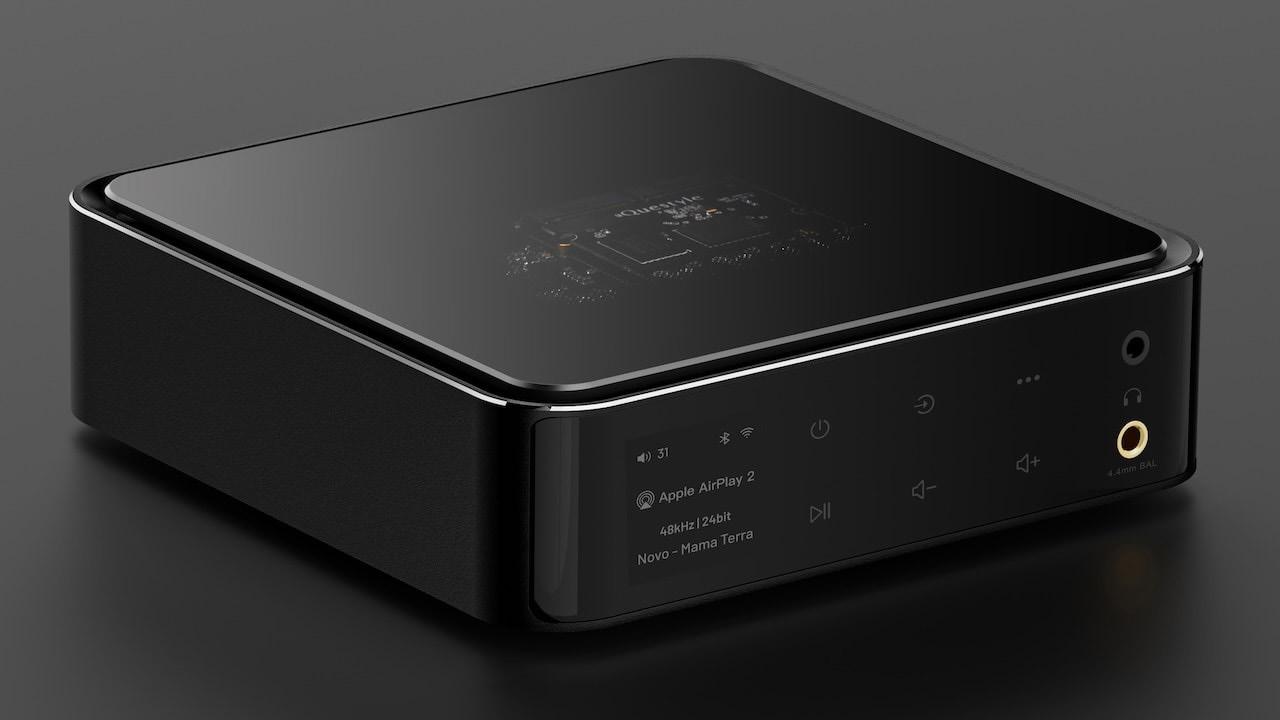
This will not be cheap, and nobody should pretend otherwise. Questyle makes superb products, even if not every one of them has landed on my “Best of” list, because the company usually tries to do something different rather than just chase the same safe feature set as everyone else.
What I want to test is whether Questyle can make the system feel like real hi-fi and not just another premium wireless speaker platform. The E5, especially the Oceanic Blue co-branded SEAS version, is the one I want in for review because the concept only works if the loudspeakers deliver proper imaging, scale, tonal balance, and lowlatency stability with TV, streaming, and hi-res playback.
I also want to know whether the iXStreamer actually makes the ecosystem easier to use, whether HDMI ARC/eARC behaves properly, and whether Questyle’s currentmode DNA translates into active loudspeakers without turning the whole thing into an expensive proof-of-concept for people who already own three DACs and still claim they are “simplifying.”
The Ruark R710 is a new CD hi-fi console in Ruark’s 100 Series, designed to sit above the R610 and work as a more ambitious all-in-one music system for listeners who still want CD playback, streaming, proper amplification, strong industrial design, and a system that does not require a rack of boring boxes.
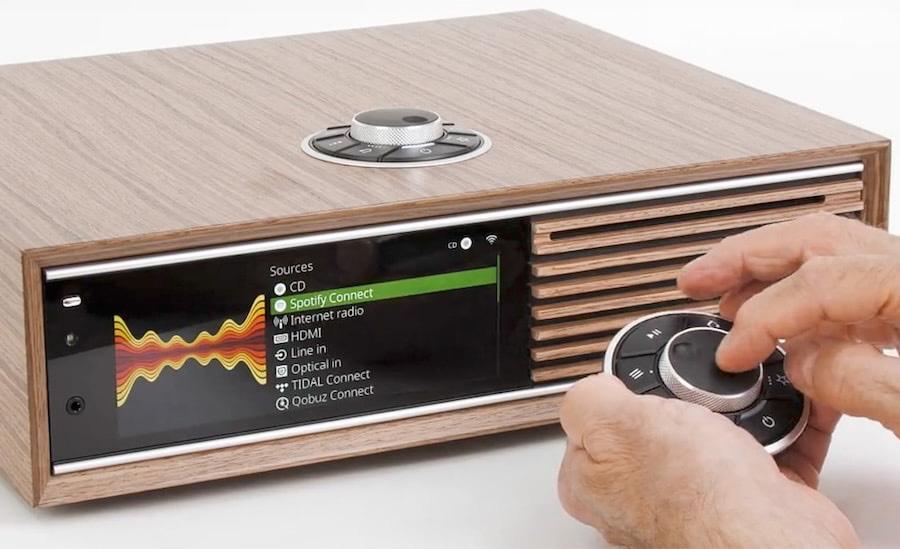
I already heard the Talisman-R loudspeakers at a show, and they made a strong case for Ruark being far more than the company North American audiophiles seem determined to file under “nice radios.” But the R710 was the piece hiding in the wings, and that is the one that may tell us even more about where Ruark is headed. I have reviewed most of the brand’s recent kit, and the frustrating part is that it is consistently better than a lot of people on this side of the Atlantic seem willing to admit.
What I want to test is whether the R710 can finally make more North American listeners take Ruark seriously as a proper hi-fi brand, not just a lifestyle-audio company with good manners and better woodwork. The review needs to answer whether the R710 has enough amplifier control, scale, streaming stability, CD playback quality, and system flexibility to justify its position above the R610, especially with the Talisman-R as the obvious partner. Ruark has the design language, the usability, and the musical instincts. Now I want to know whether the R710 has the authority to make the “real audiophile gear” crowd stop smirking long enough to actually listen.
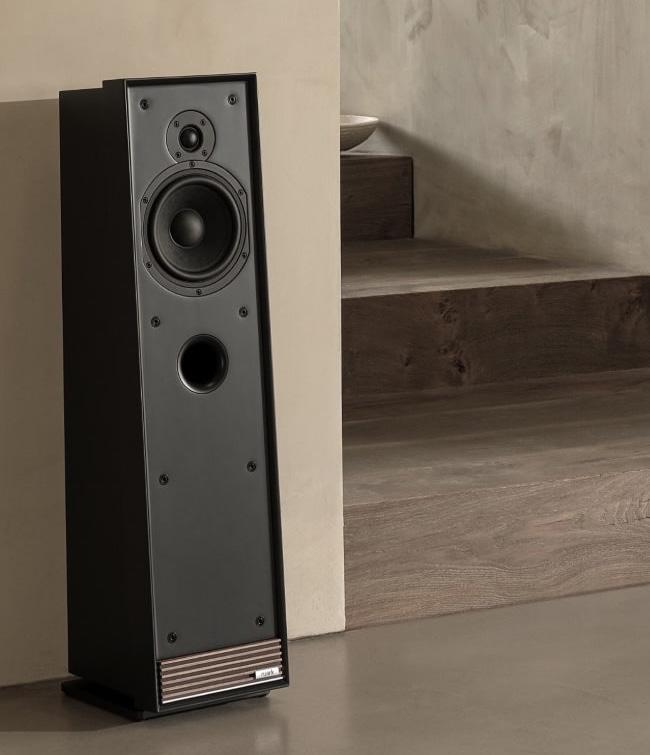
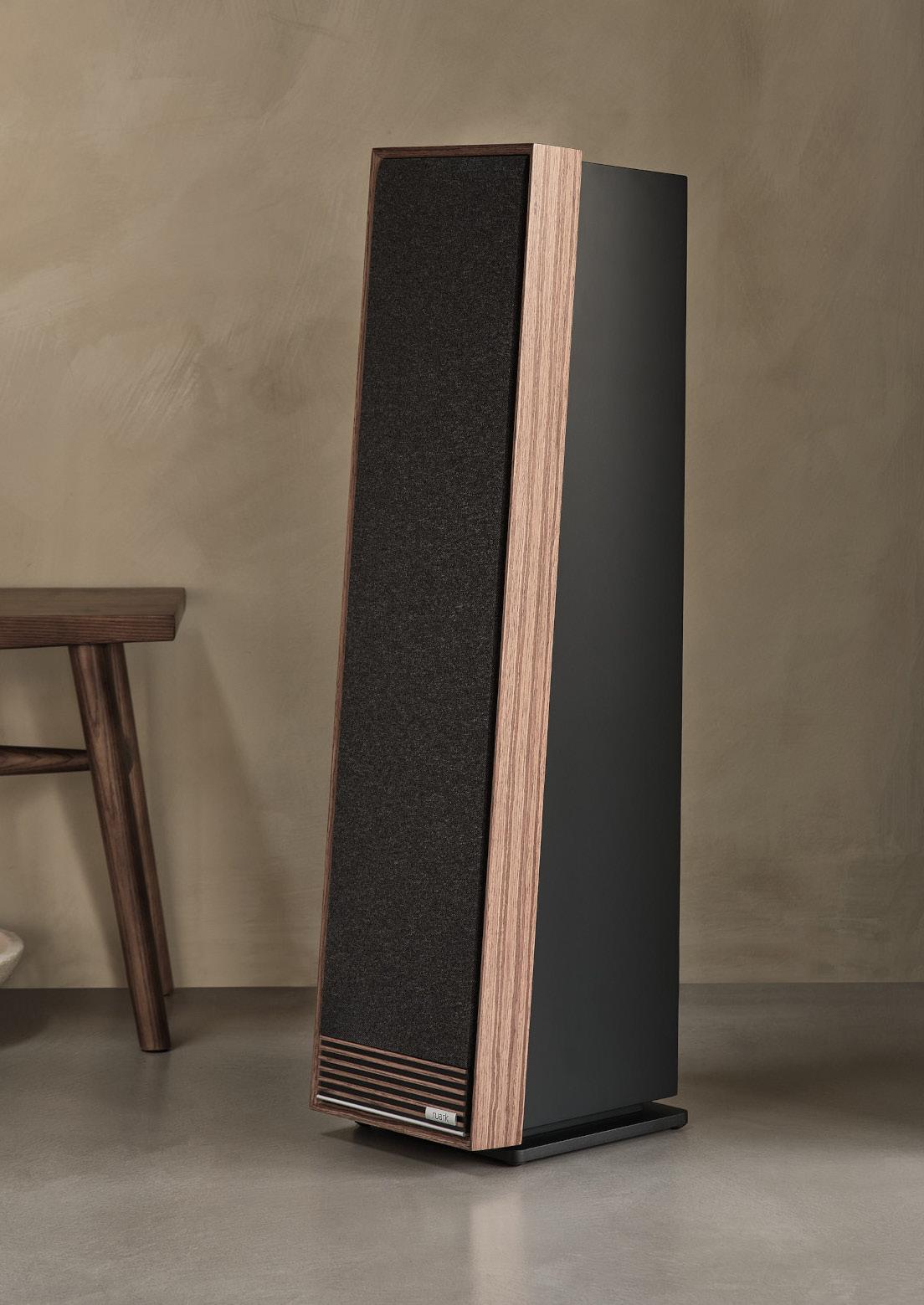
The Ruark Talisman-R is a compact two-way floorstanding loudspeaker; roughly 33.5 inches tall, rated at 87 dB sensitivity, with a 6-ohm nominal impedance that dips to 3.8 ohms, and Ruark recommends amplifiers between 50 and 250 watts.
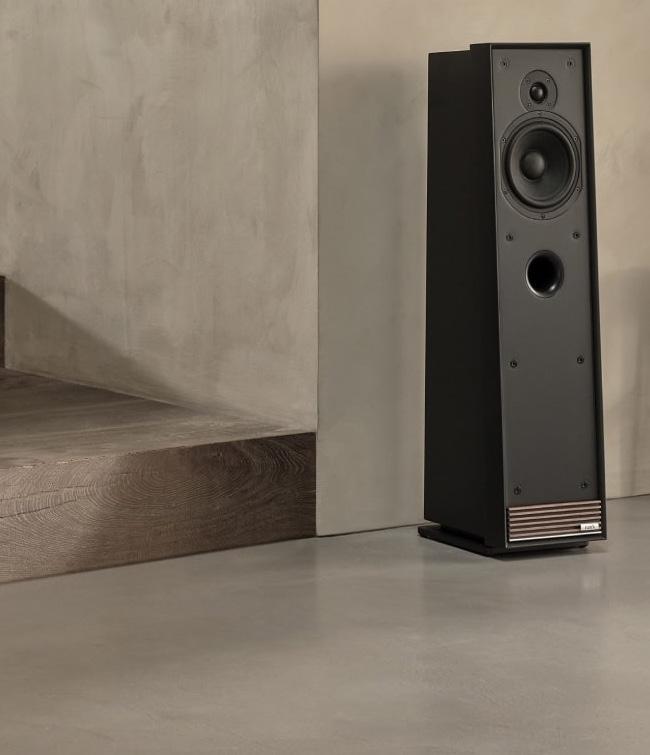
Ruark is clearly positioning the Talisman-R as the natural partner for the new R710 CD hi-fi console, and that makes sense. But this speaker should not be treated as some locked-in accessory for one Ruark system. Those amplifier requirements open the door to a wide range of gear: modern Class D integrated amplifiers, older Class A/B amps, British integrateds with some grip and warmth, and better streaming amplifiers that need a compact floorstander with actual personality.
What I want to test is whether the Talisman-R is the Ruark product that finally makes more North American listeners stop treating the brand like a polite British radio company and start seeing it as serious hi-fi. If I had to pick a pair of speakers I am likely to buy by the end of 2026 for my new office, these, the Dynaudio Legend, and the DeVore Fidelity o/baby are the three strongest contenders. That is not a small compliment. I want to find out whether the Talisman-R has the tonal density, imaging, bass control, and amplifier flexibility to earn that spot — or whether I’m just being seduced again by British woodwork and my own terrible weakness for compact floorstanders.
The iFi iDSD GR2 is a $529 portable DAC/headphone amplifier with a Burr-Brown PCM1795 DAC, USB-C and S/PDIF inputs, 3.5mm and 4.4mm headphone outputs, Bluetooth with LDAC and aptX Lossless, iFi’s Nexis app control, and up to 1,513mW RMS into 32 ohms.
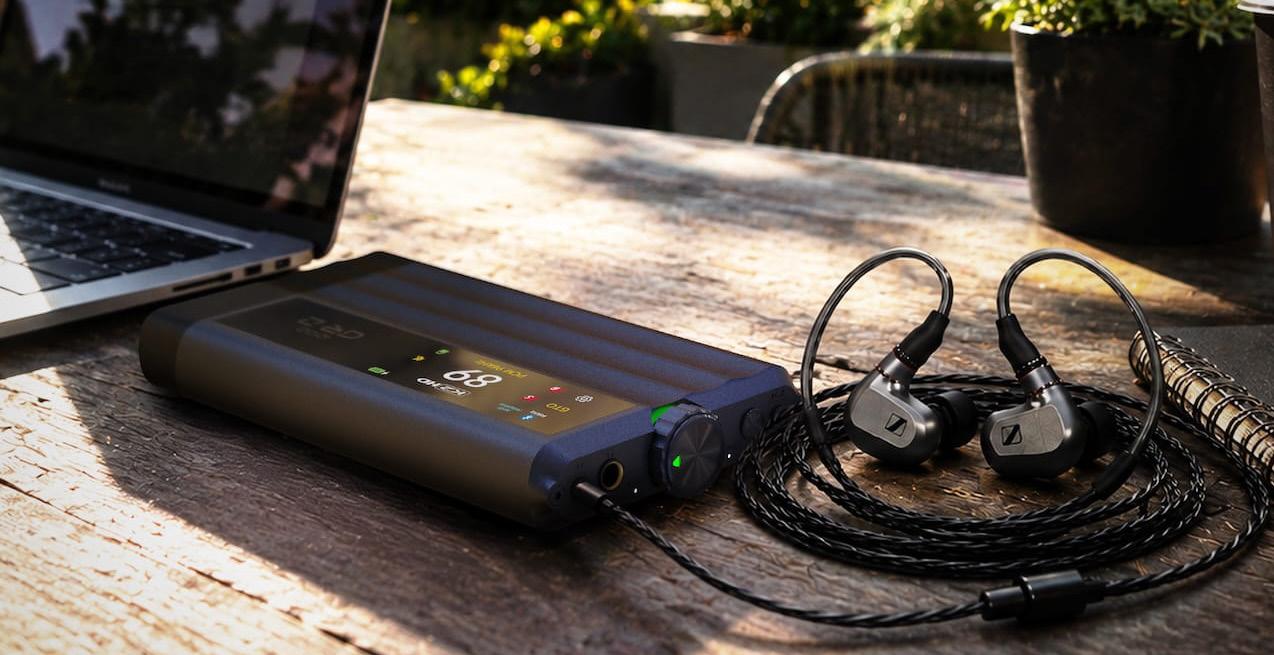
iFi has been very good at making portable DAC/amps that feel overbuilt in the right ways, but the category has become crowded, aggressive, and surprisingly good at lower prices. That makes the GR2 interesting because it has to justify itself against dongles, desktop DAC/amps, and wireless headphones that keep getting better. The price is reasonable by iFi standards, and it is lower than the outgoing xDSD Gryphon, but $529 is still real money for a device that many people will carry around, drop in a bag, and eventually panic-search for under a car seat.
What I want to test is whether the GR2 still makes sense in 2026 as a serious portable hub. Does the Burr-Brown PCM1795 implementation deliver the tonal density and smoothness iFi fans expect without getting too soft? Is the output powerful enough for more demanding headphones without turning sensitive IEMs into a hiss festival? Does Bluetooth sound good enough to be useful rather than merely convenient? And does the Nexis app, touchscreen interface, battery life, and hybrid power system make the GR2 easier to live with day to day, or is this another portable box that sounds excellent but demands the patience of someone assembling IKEA furniture in the dark?
The AI-driven memory shortage may show up in smartphone prices soon.
Executives at Arm Holdings warned on the chip designer’s earnings call Wednesday evening that smartphone demand could decline this year as a memory shortage pushes up prices. “We’re going to continue to see very flattish, maybe slightly negative numbers for the overall market,” said CEO Rene Haas of smartphone volumes this year.1
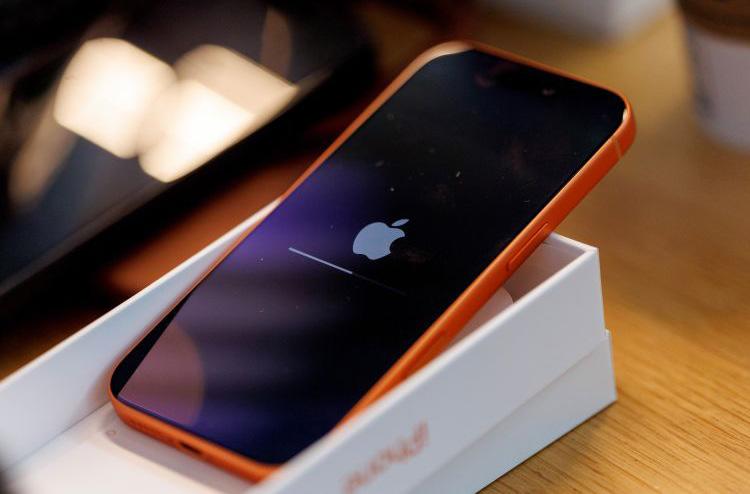
Counterpoint Research estimates global smartphone shipments declined 6% in the first quarter as the memory shortage “disrupted supplies and increased costs” for manufacturers.2 According to International Data Corporation, which estimates shipments fell 4%, last quarter’s decline broke a 10-quarter growth streak for the smartphone market.3
“This decline in shipments is primarily driven by memory players prioritizing AI data centers over consumer electronics,” which has
AI
More
- But Not For the Reason You Think
compressed smartphone makers’ margins and forced them to raise prices to offset higher component costs, said Counterpoint senior analyst Shilpi Jain.
The prices of digital memory and data storage hardware have soared over the past year due to surging demand from AI data centers. Flash memory supplier Sandisk last week reported its sales to data centers tripled quarter-over-quarter.4 Tech giants, eager to get a leg-up on their competition in the AI arms race, are paying hefty premiums to secure memory supply. Sandisk and memory peers such as Micron (MU) and Western Digital are following the money, and that’s padding their bottom lines. Sandisk’s profit margin was 78% last quarter, up from 51% in the fourth quarter of 2025 and 23% a year prior.
The shortage hasn’t affected all smartphone makers equally. “In several emerging markets, prices have risen by as much as 40–50%, significantly weighing on demand in price-sensitive regions,” said Nabila Popal, senior research director for Worldwide Consumer Devices at IDC. Chinese smartphone maker Xiaomi saw shipments decline nearly 20% due to “its heavy exposure to the price-sensitive entry-level segment,” according to Counterpoint.
Apple on the other hand, sold 3% more iPhones last quarter than the prior year, according to IDC estimates. The company last week reported iPhone revenue increased nearly 22% in the first quarter.
Granted, Apple isn’t impervious to higher memory costs. CFO Kevan Parekh on the company’s earnings call last week attributed its narrowing profit margin on products to “a seasonal loss of leverage and higher memory costs.” But its “ultra-premium positioning and highly integrated supply chain,” are helping to take the edge off, according to Counterpoint.
Bank of America analysts last week said Apple could offset memory costs by raising prices on its next batch of high-end iPhones, which already start at $1,100. The iPhone, they said, is “a relatively price inelastic product,” meaning Apple can raise prices without meaningfully hurting demand.5
Analysts don’t expect the memory shortage or its pressure on smartphone sales to let up soon. “The outlook for 2026 remains weak, as the memory crunch may last until late 2027,” according to Counterpoint.
Memory troubles could even reshape the smartphone market over the next couple of years. IDC expects the memory shortage to accelerate the market’s drift toward high-end models with higher prices and wider margins. “The premiumization trend will continue even as the memory prices are expected to stabilize by the second half of 2027,” IDC analysts wrote.
Just when I thought the upcoming Google Home Speaker would never see the light of day, a possible release date has surfaced, and it could be here in a matter of weeks.
A product listing for the Google Home Speaker on the Best Buy Canada site points to a June 25 release date, so if you’ve been patiently waiting for the arrival of Google’s first smart speaker in six years, you could get your hands on it sooner than you think.
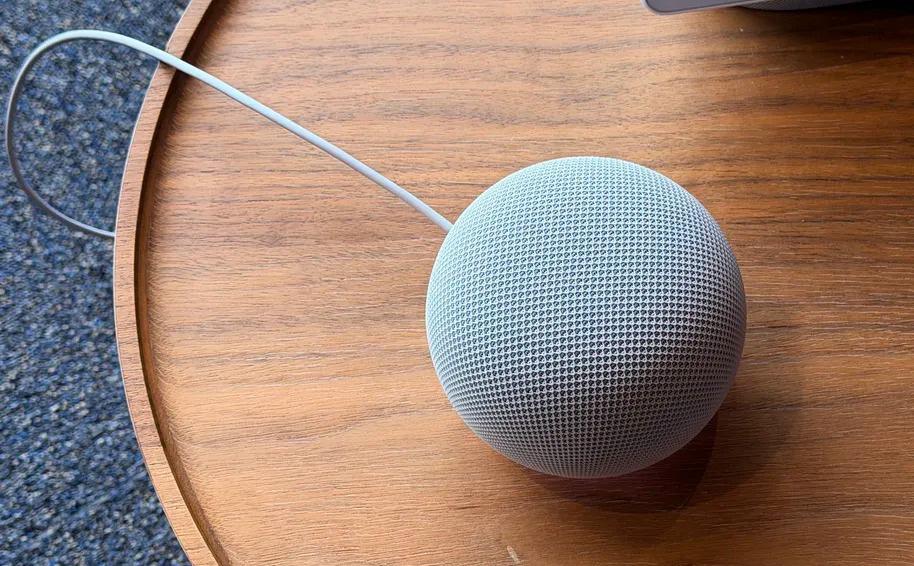
Though this is exciting news for those who’ve been waiting to upgrade, it’s best to take this placeholder date with a pinch of salt before you get your hopes up. At the moment, there’s no mention of an official release date on the Best Buy US page, and the Google Store has also not been updated.
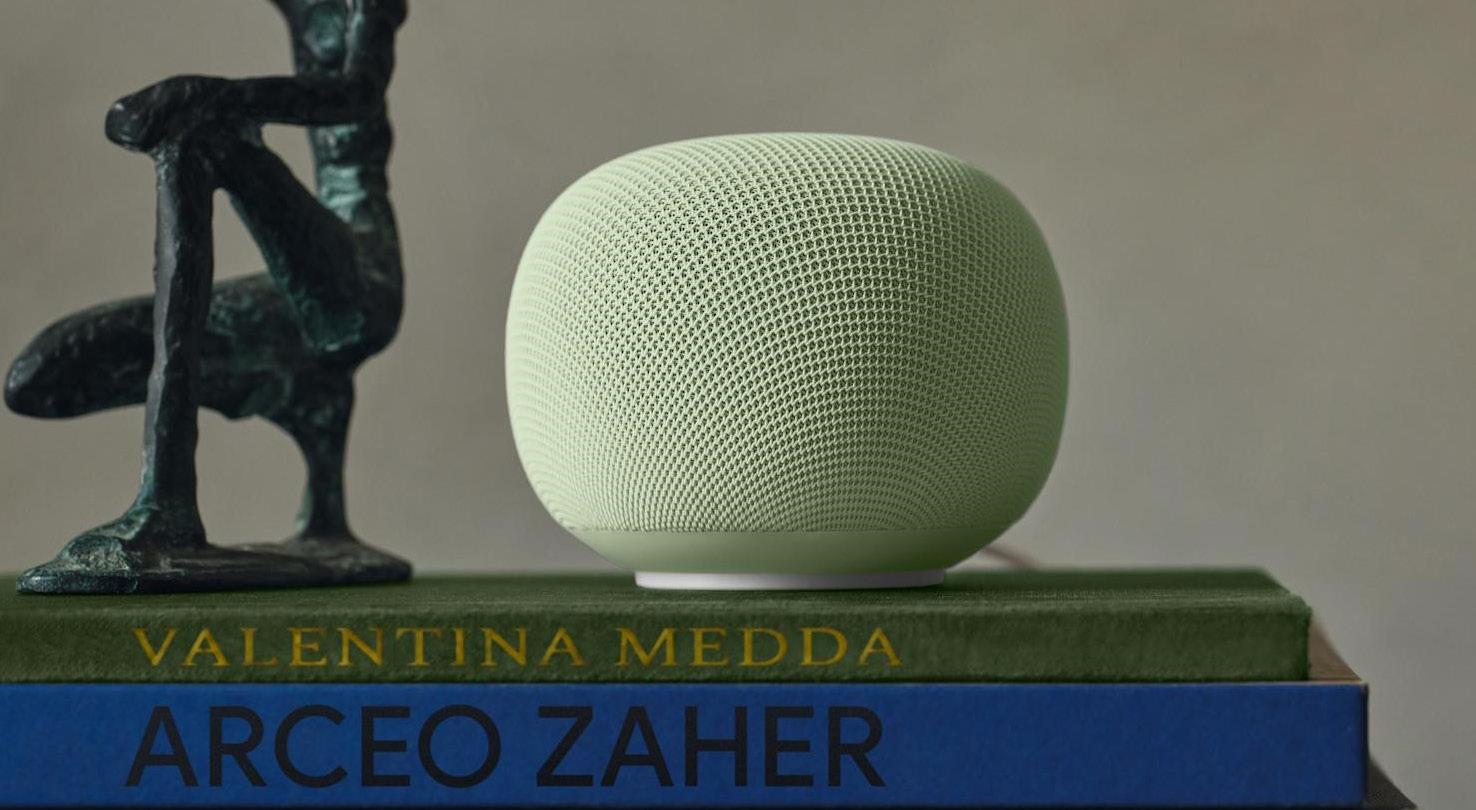
As far as pricing goes, we have more information on how much the Google Home Speaker will cost, depending on the region. It’s listed for $99.99 / £99.99 on the Google Store, and CA$139.99 on Best Buy Canada. When it comes to color options, the speaker will be available in four different shades in the US (Berry, Jade, Hazel, and Porcelain), while the UK and Canada will only have two (Hazel and Porcelain).
Back when Google first showcased the smart speaker in October 2025, we were lucky enough to get hands-on with it to see how it differed from the Nest Audio. Its biggest upgrades are the 360-audio design (which resembles the Apple HomePod Mini) and its connectivity improvements, allowing you to group multiple Google Home speakers, which you can pair with the Google TV Streamer to enhance your audio.
That said, the Google Home Speaker will also get some major Gemini upgrades, where you can ask pretty much any topical question and make smart home commands for a more casual, conversational-like experience. Additionally, Gemini works to better understand the context of your voice commands and questions to give you more accurate answers.
To say the Google Home Speaker’s release has been a long slog is an understatement. We first caught a glimpse of Google’s next-gen smart speaker during its Made by Google event in August 2025, when it teased a mysterious Nest smart speaker.
The company unveiled the smart speaker right after Amazon announced the next generation of its own line of Echo devices, and it was projected for a spring 2026 arrival, which we assumed would be between March and May, and it’s been a waiting game ever since.
Google is really cutting it close with its smart speaker release, as we’re officially past the expected release timeframe. Spring officially ends on June 21, meaning that if Google goes ahead with its June 25 release, it would have just missed the Spring cut-off.
Google now lets you have full conversations with Gemini for Home
Google announced today that it is upgrading the Gemini for Home service with a “continued conversations” feature. Continued conversation allows a user to have a natural discussion with the Gemini platform without prefacing every follow-up request with the
“Hey Google” prompt. The microphone will remain active on a smart device for a few seconds after the Gemini AI assistant provides its reply. During that window, the lights on the hardware will pulse or glow, indicating that you can keep chatting normally with the chatbot without needing a wake word. Gemini should retain the context as the conversation progresses, which should allow it to provide the desired information faster without the need for a user
The feature is rolling out today for all Gemini for Home voice assistant languages and in all supported regions. Continued conversations have to be manually enabled in the Google Home app through the settings menu under “Gemini for Home voice
assistant.” Google said that Gemini should be able to distinguish between follow-up questions addressed to the chatbot and other conversations happening in a room, but it should be interesting to track how successful that is given the past history of voice assistants unintentionally eavesdropping.
JBL from HARMAN is celebrating its 80th anniversary, marking eight decades of “delivering sound that moves generations”.

Since its founding by visionary engineer James B. Lansing in 1946, JBL says it has set the standard for audio innovation. From professional recording studios and home entertainment to powering legendary cultural moments like Woodstock and Tomorrowland, JBL has always been committed to delivering authentic, unfiltered sound.
Today, JBL stands as a global leader in personal audio, with hundreds of millions listening to the music they love through JBL portable speakers and headphones. And JBL Professional continues to power over 40 per cent of the world’s cinemas, while serving stadiums, recording studios, music venues and more, ensuring high-quality sound is accessible to listeners everywhere… even in your car.
“For 80 years, JBL’s engineering legacy has been the benchmark for high-fidelity audio, and that standard lives in every JBL product made today. As we celebrate this milestone, JBL remains committed to carrying this standard forward in the technologies that will power the next generation of sound and culture,” said Dave Rogers, President, HARMAN Lifestyle Division.
For more than eight decades, JBL engineers have pioneered technologies that have transformed how sound is created and experienced, from groundbreaking loudspeaker designs to awardwinning smart audio solutions for professional, luxury, portable, and car audio.
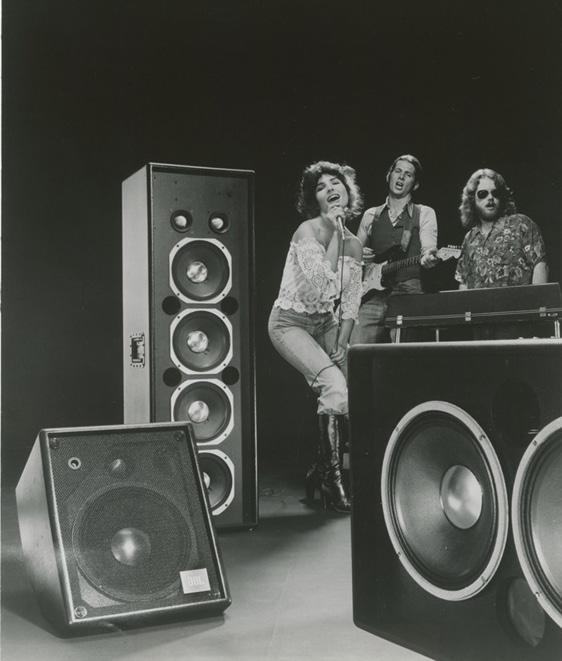
The company says that its pursuit of excellence has earned JBL some of the industry’s highest honours, including Academy Awards for achievements in sound engineering, and a Grammy Award for its “continual mastery and innovation in concert, studio, cinema and broadcast sound and monitors to ensure exacting standards for the most accurate sonic experience.”
Looking ahead, JBL is shaping the future of sound with investments in breakthrough technologies such as spatial audio, adaptive soundscapes, and immersive listening experiences that seamlessly integrate audio into everyday life. Sustainability is also a critical frontier for JBL, guiding product design and production toward a more responsible future for audio innovation.
JBL’s commitment to innovation extends beyond breakthrough products. Through community-driven initiatives like the JBL Music Academy, the JBL Campus Program, and partnerships with organisations such as Girls Make Beats, JBL is bringing together emerging artists and the broader industry to break down barriers and amplify the diverse voices that will define the future of audio.
Martin Garrix, JBL Global Ambassador, comments: “Authenticity in music is everything. JBL has always been, and will always be, about ensuring artists’ voices are heard, and audiences experience their vision unfiltered, whether on the move, at home, or at a live event. JBL brings the world together through the power of sound.”
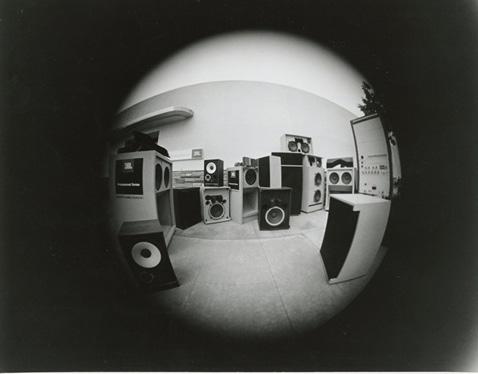
JBL will mark its 80th anniversary with a series of global initiatives, including the JBL Playback Gallery— showcasing eight decades of iconic JBL products with expert commentary and technical demonstrations. The tour will visit landmark cities throughout 2026, including Amsterdam, Los Angeles, Munich, New York, Tokyo, and Vienna.
Other projects include a special digital magazine available for a limited time here, and a full-season takeover of HARMAN’s Audio Talks podcast series. This podcast includes conversations with engineers, designers, and musicians who have influenced JBL’s sound. The celebrations also come to life through a commemorative anniversary video.
With 80 years of audio excellence behind it and a bold vision for the future, JBL stays committed to powering voices that move, connect, and inspire people across the globe.
Wired Headphones
“High fidelity and low stakes - with no need to pair gadgets or keep batteries topped up — drive a vinyl-style revival for old-fashioned technology”

Wired headphones were supposed to disappear with the rise of AirPods. Instead, after five years of decline, they are making an unlikely comeback.
Global sales of wired headphones were up 20 per cent in the first six weeks of the year, data has shown, in a trend fuelled by audiophiles, aesthetics and ease of use.
Zoë Kravitz, the US actress rumoured to have become engaged to Harry Styles, complained on a recent podcast: “Bluetooth does not work. It’s ruining important moments. Imagine the amount of times that you’re with someone on a date, you’re trying to set a vibe, and then you have to forget the network. On a date!

Other celebrities, such as Addison Rae, the influencer, Lily-Rose Depp, the actress, and Zendaya, the star of the TV series Euphoria, have been seen sporting the white wired headphones as a retro fashion statement harking back to the early Noughties, when iPods were ubiquitous.
New York magazine highlighted the trend in December last year, celebrating the fact that “people are sharing their headphones again”.
The magazine’s photoshoot featured Ben Stiller, the actor, and Karl-Anthony Towns, a basketball star, along with Debbie Harry and Cameron Winter, the frontman of the US indie band Geese.
For discerning listeners, the revival has been driven by sound quality. “I love the fact that these days it’s classed as ‘cool’ and ‘retro’ to be wearing a pair of wired headphones,” said Phil Wannell, owner of Audio Concierge, which specialises in luxury audio solutions. “For me, though, it is all about sonic performance and the fact that a wired pair of headphones perform better.”
He said a rising number of clients had been moving from Bluetooth to wired alternatives over the past year. “These are sometimes audiophiles,” he said, “but other times just the general consumer using earphones on a daily basis.”
Circana, a data company which tracks global product sales, said that after a five-year decline ending in a $42 million drop in 2024, wired headphones rebounded with a 20 per cent revenue surge in the first six weeks of 2026.
Price is part of the appeal. Apple’s wired EarPods cost £19, compared with £119 for the company’s cheapest wireless AirPods. Its most advanced in-ear model, the AirPods Pro (3rd Generation), cost £219 and the AirPods Max 2, which promise to provide “the ultimate overear personal listening experience”, cost £499.
Hanieh Vidmar, a 42-year-old nutritional therapist from central London, said abandoning Bluetooth was about convenience. “I can’t count how many times I heard that annoying tone when the battery is about to run low on my AirPods,” she joked. “And you’re scared at the gym that you’re about to finish your workout without music. With wired headphones, you don’t need to worry about charging — I can just put them in my gym bag and that is it.”
Apple AirPods can function as ‘clinical grade’ hearing aid Eloise Skinner, 34, a psychotherapist from London, agreed. “I always know where my wired buds are. I don’t usually put”
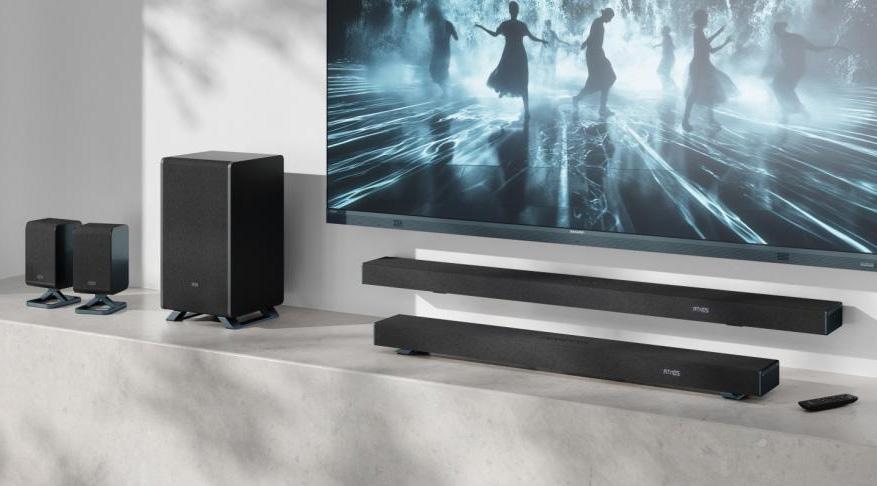
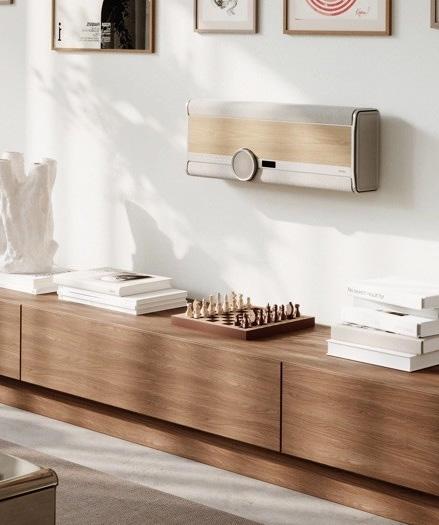
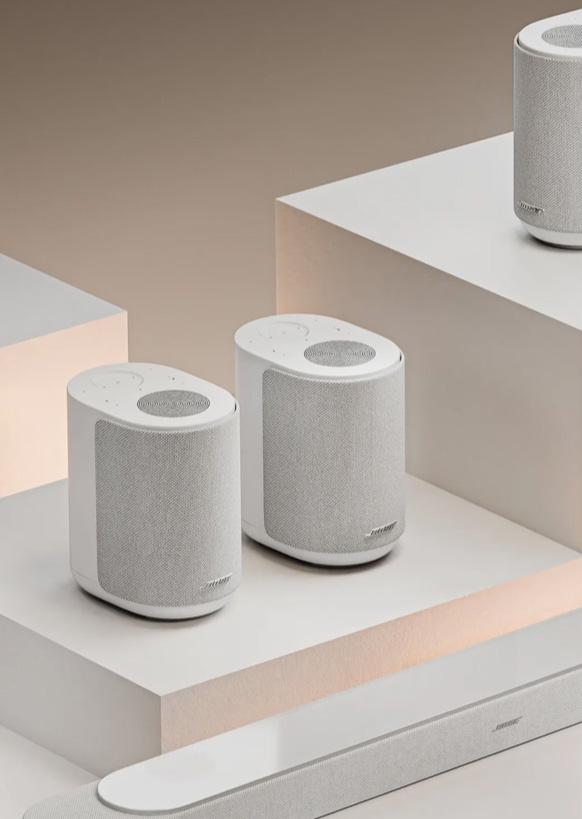
Bose is debuting its all-new Lifestyle Collection speaker lineup. The versatile collection of speakers can be used on their own or in tandem as a sort home theater meets whole home audio setup, complete with AirPlay, Google Cast, and Alexa+ built-in.
Bose debuts Lifestyle Ultra collection
Delivering what looks to be a more elegant design than its usual portable speakers, it boasts a pair of front-facing drivers alongside an up-firing horn covered by a fabric grill and topped with a series of physical touch controls.
Bose launches new modular Lifestyle Ultra home speaker lineup with Alexa+, AirPlay, more
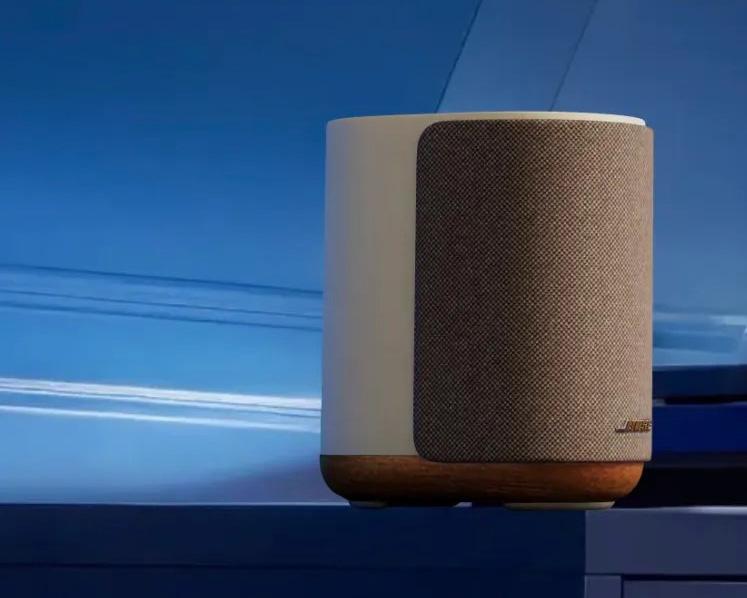
The usual Bluetooth and Wi-Fi connectivity action is at the ready here alongside a traditional 3.5mm port for wired action, but it is the versatile nature of the lineup that is perhaps most interesting.
The Lifestyle Ultra Speaker can be used on its own, in pairs as satellite speakers in a home theater-like setup in conjunction with the other models in the lineup, or just as a banger home speaker for cranking out the tunes while cleaning the house or in the background when you’re entertaining.
Again, you’re looking at Apple Airplay and Google Cast action here, and as Amazon just officially announced on its news feed, the “new Bose Lifestyle Ultra Speaker and Soundbar launched today with Alexa+ built in.” Amazon says “customers can ask their Bose devices for music from movies and television shows they like, discover new artists, or create playlists based on their mood, favorite genre, or activity.”
Baally, these new Bose speakers deliver direct access to Alexa+ for Prime members and all of the features it provides on any other compatible speaker.
The look of the Bose Lifestyle Ultra Speaker is another particular compelling aspect for, and especially that Driftwood Sand treatment with the accent wood base.

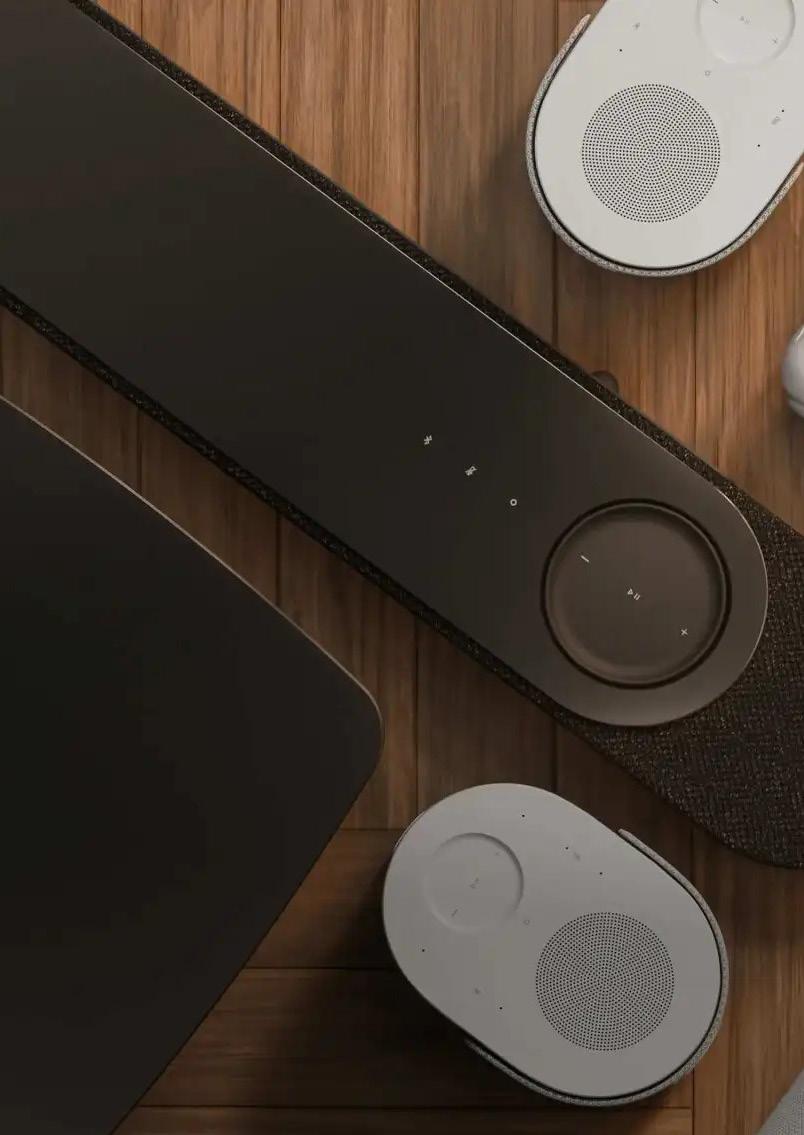
• Bose Lifestyle Ultra Speaker $349
• Bose Lifestyle Ultra Soundbar $1,099
• Bose Lifestyle Ultra Subwoofer $899
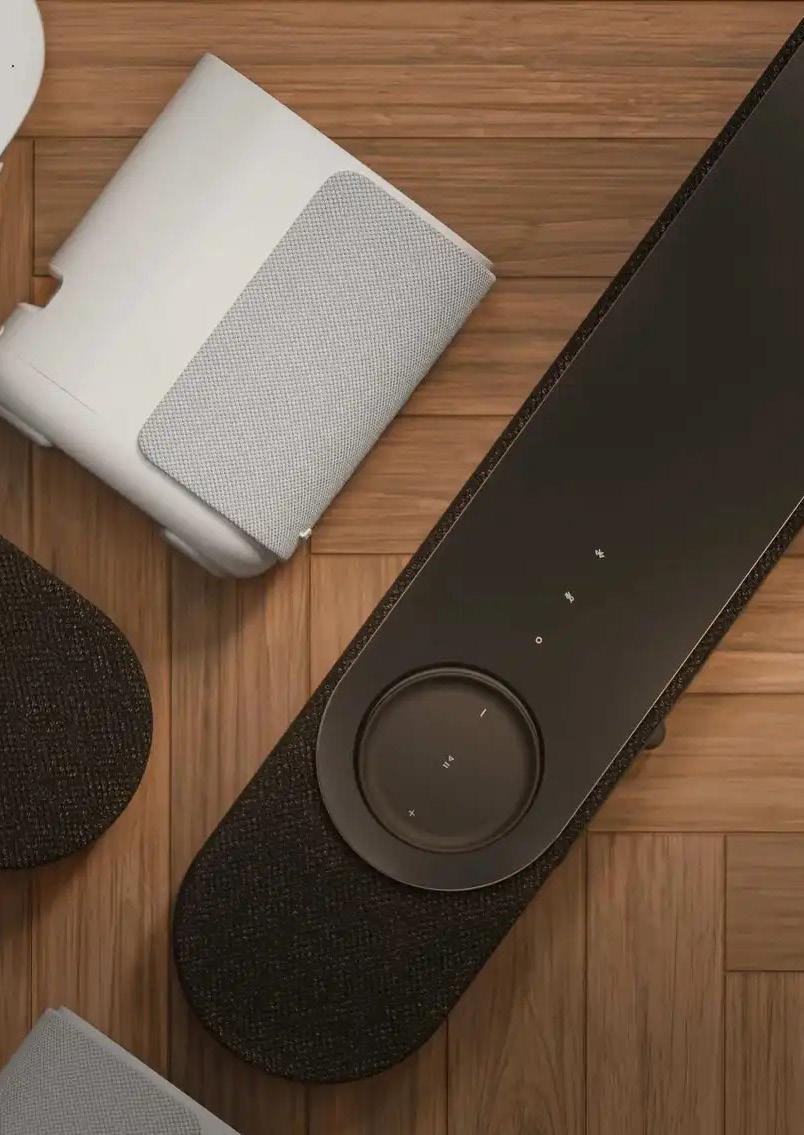
DALI announced the launch of VEGA, a state-of-the-art all-in-one wireless sound system that redefines what is possible from a single box design. The multidriver structure is a true smart speaker with adaptive processing and extensive connectivity, including BluOS streaming. Created for modern living and to meet the needs of today’s designconscious music listeners, VEGA delivers hifi-level sound thanks to its custom-designed drivers and electronics, the product of years of research and development and based on 43 years of the company’s experience in speaker design.
Danish Audiophile Loudspeaker Industries or DALI is a Danish (and European) audio manufacturer that consistently has proven the demise of the hifi market to be greatly exaggerated. The company is not shying away from making serious inroads into lifestyle and more contemporary home audio designs, exploring familiar territory that Bang & Olufsen has long pioneered.
The launch of the VEGA all-in-one audio system shows how DALI is using its superior engineering, product design, and development capabilities to create a bold convergence in home audio. As the company states in the product launch, “epic music experiences made easy with great design and key technology breakthroughs.” As DALI’s Head of Product Management, Krestian Pedersen, explains, “As listening habits evolve, more people are enjoying music than ever before thanks to unlimited access to high-quality audio. Music is becoming an integral part of people’s lives, and the key to it all is convenience. It has to be easy, but without compromising on quality. Our goal with VEGA was
to create a product that fits the way people live and access music in their daily lives. We wanted to make a product that people want to keep turned on all the time.”
VEGA has been developed with the needs of design-conscious music listeners in mind, and offers a premium design and an audio system built for those who want the best possible sound without the complexity of a hifi system. During the five years of VEGA research and development, DALI also conducted market research that confirmed that the demand for a quality sound system was matched by the need for a single-box system which could be used in a variety of living spaces.
Every aspect of VEGA has been developed by DALI’s engineers, from its drive units to its amplification and advanced DSP control. VEGA features ten in-house-developed drivers, including ultra-light 25mm soft dome tweeters which use low-viscosity ferro-fluid and a large rearchamber to reduce resonant frequencies. Bass midrange drivers are arranged in a back-to-back configuration.
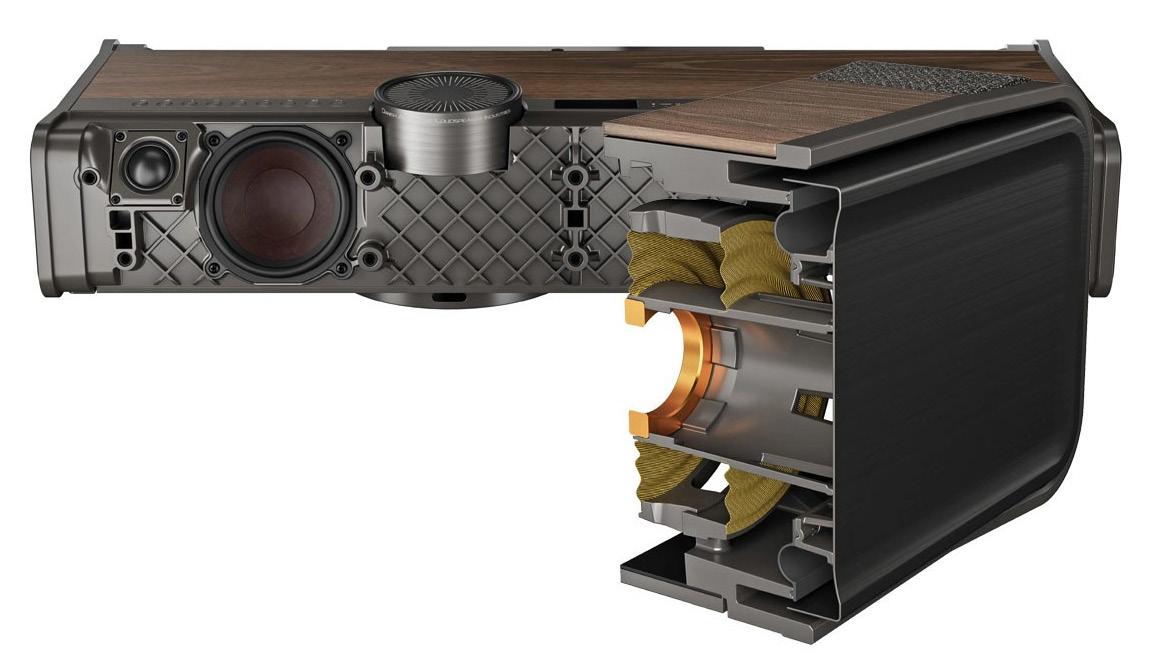
The tuned mass enclosure design reduces cabinet resonance while delivering roomfilling sound with clarity and detail.
The low-frequency system of the DALI VEGA incorporates two auxiliary bass radiator (ABR) diaphragms engineered into its enclosure endcaps.
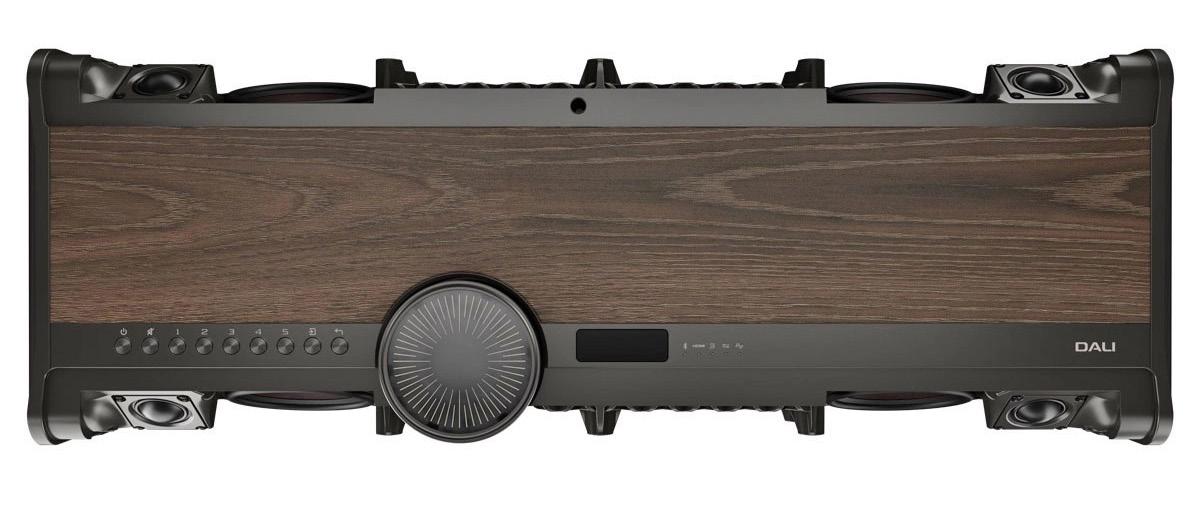
The system low-frequency bandwidth of the VEGA bass/mid drivers and ABRs extends to 32Hz at -6dB with minimal distortion or time-domain smearing. With 400-watt Class-D amplification delivered across eight 50-watt channels and carefully optimized acoustic components, VEGA produces a dynamic and natural listening experience. Paper and wood fiber cones, low-loss surrounds, and the described passive bass radiators work together to create a balanced sound with best-in-class low-frequency performance. There is also a subwoofer output.
Central to the VEGA experience is DALI Adaptive Stereo Enhancement (ASE), a proprietary in-house developed processing technology (patent pending) that creates a wide, expansive soundstage from a single speaker. The system adapts in real time to the incoming signal, delivering a panoramic effect that fills the room without introducing unnatural artifacts.
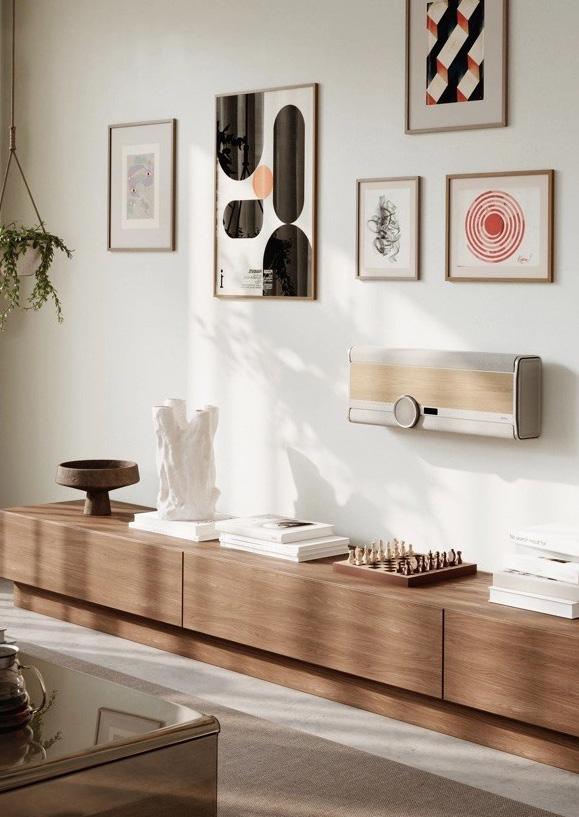
This also allows VEGA to deliver superior performance wherever it is placed. Whether free-standing or wallmounted in portrait or landscape orientation, the speaker automatically adjusts its output through Adaptive Orientation Adjustment (AOA).
This intelligent system optimizes stereo mapping and spatial accuracy in real time. Further flexibility is provided through configurable placement settings, allowing users to tailor the sound depending on proximity to walls or corners. This ensures consistent performance across a wide range of living environments, from open spaces to more compact interiors.
companies in North America, the system also integrates the popular BluOS streaming and multiroom audio system, enabling high-resolution wireless playback across the home. Users can stream music, playlists, and Internet radio from their preferred services, while also connecting to other BluOS-enabled devices for a fully integrated listening experience.
In addition to Bluetooth (AAC, aptX, and aptX HD) and Wi-Fi (BluOS) wireless streaming, VEGA supports a comprehensive range of wired inputs, including HDMI, analog, and optical digital connections, plus USB audio and LAN. This ensures compatibility with all sources, from TVs to turntables. Spotify Connect, Tidal Connect, and Apple AirPlay 2 complete the comprehensive feature set. The system takes 16 and 24bit audio formats over its inputs, up to 192kHz sample rate, with extensive audio codec support including DSD256 (DSP to PCM conversion).
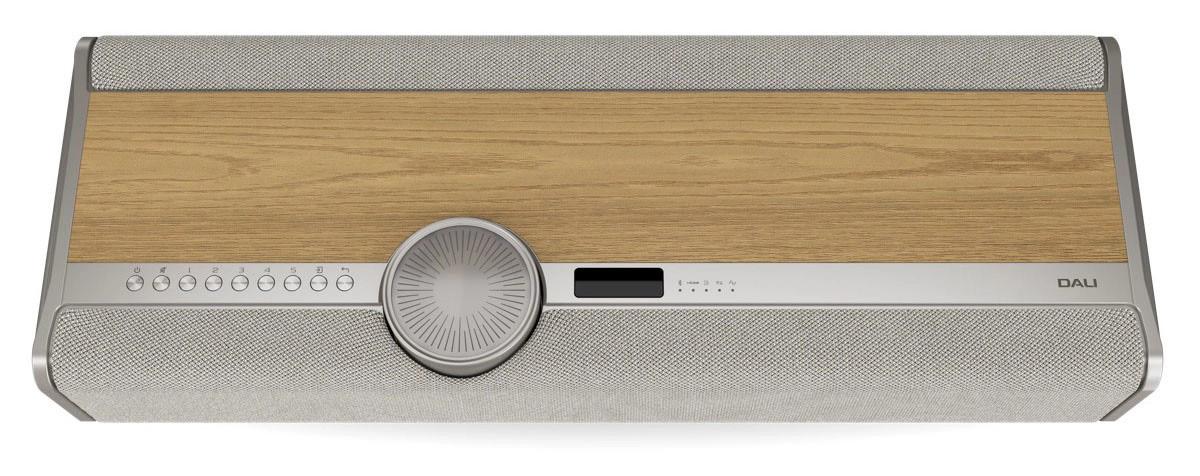
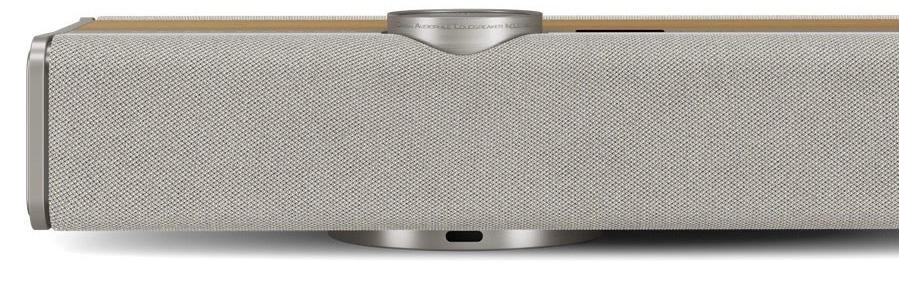
The design uses real wood veneer finishes, available in Dark Oak and Natural Oak finishes, with matching custom woven fabrics and anodized aluminum details. Five preset buttons provide instant access to favorite content, with additional presets available through the BluOS app. A refined user interface, including an intelligent OLED display that rotates with orientation, ensures easy control.
The tactile volume wheel offers a smooth, weighted feel through a high-precision mechanical design. The wheel is a combination of glass, acrylic, and anodized aluminum and uses an aerospace-grade ball-bearing mechanism to create a highly tactile feel. VEGA will be presented in Vienna, at the same time as the High End show, and will retail in Europe for €2999 Euros. When available in the US, the price is estimated to reach $4500.
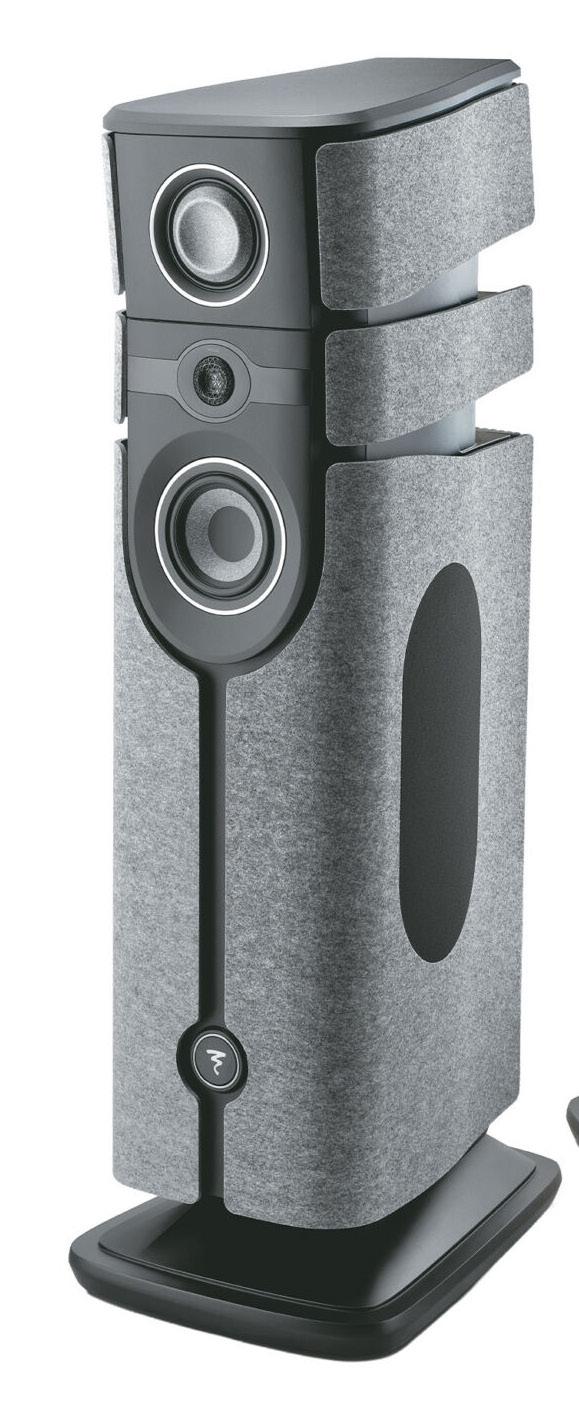
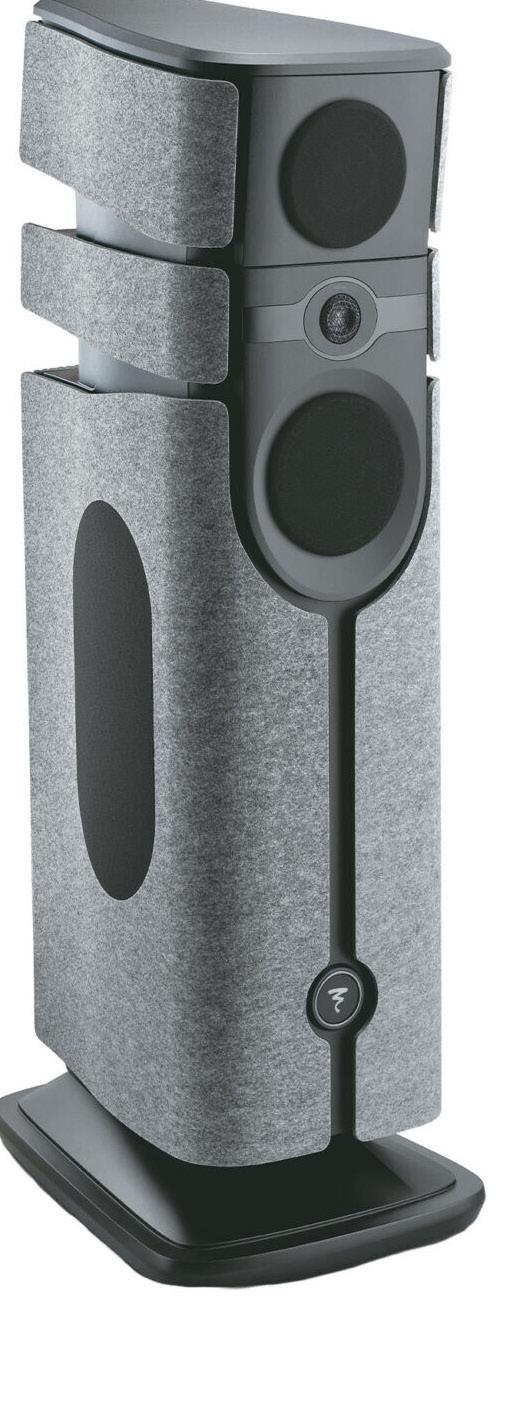
Focal has introduced the Diva Alta Utopia wireless, connected hi-fi speaker, which is powered by seven speaker drivers and, according to the company, delivers a wide-ranging soundstage that is precise, natural, and enveloping.
With no installation constraints and no cables, it embodies a contemporary vision of high-fidelity; an all-in-one speaker that is amplified, connected, and intuitive. It reveals its full power in spaces from 538 to 1292 square feet, whether for music or film.
Designed and manufactured in France, it is steeped in technologies devoted entirely to sound — a new-generation tweeter, natural midrange, and enhanced bass.
With the Diva Alta Utopia, Focal unveils a new generation of PRISM tweeter, a technology that combines a multi-material substrate with an advanced micro-structuring process. It makes the most of each material and achieves greater rigidity than beryllium, while maintaining a balance between lightness, damping, and rigidity. The result of a major research program, patented and manufactured in France, PRISM sculpts membranes with precision.
Used in its Utopia M monitors, the M-profile W midrange makes its debut in the Diva Utopia range, providing first-rate midrange precision and transparency. Carbon reinforcement has been added for even greater performance.
Its interchangeable, floating side panels, a hallmark of its singular character, allow the speaker’s appearance to be transformed at will, between felt and high-gloss lacquer finishes, without altering the speaker itself. Every detail, from the premium materials to the iconic Utopia design signatures — among them the “watch” formed by the tweeter and its anodized aluminum surround — reflects an attention to aesthetic detail.
The Diva Alta Utopia will be available in five finishes from August 2026, exclusively through the Focal Powered by Naim network of authorized retailers for $210,000 USD and $260,000 CAD.
The five finishes include Grey and Ivory Felt and three lacquered and varnished finishes, including Black High Gloss, Off-White High Gloss, and Dune High Gloss, all hand-crafted in the Focal Ebénisterie Bourgogne workshop.
Superb speakers for serious sound in smaller setups
Wharfedale
If you’re looking for stylish compact hi-fi speakers you’re spoilt for choice this week: two much-loved speaker firms have unveiled brand new models.
First up is Wharfedale, which has unveiled a reinvigorated version of its classic 1970s Denton speakers in a modern-looking by passive design.
Two hi-fi greats just announced cool, curved new stereo speakers - one’s passive, one’s active, take your pick
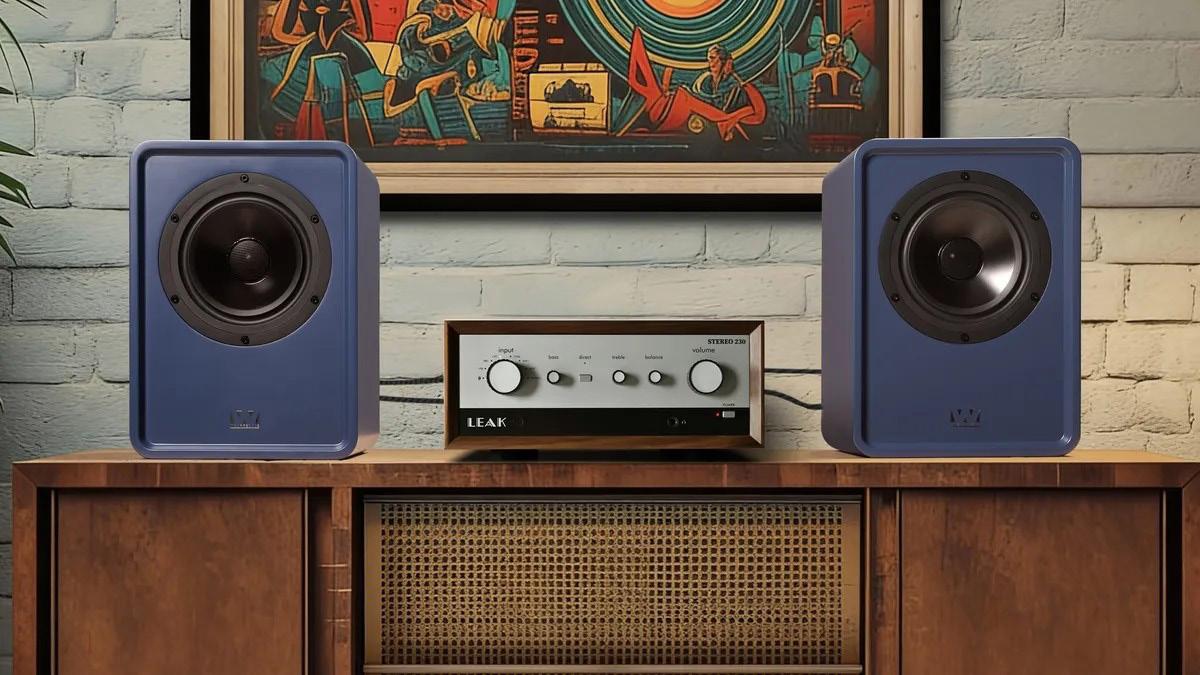
And if you prefer self-powered active speakers with their own amplification, Fyne Audio’s Cubit 5 speakers are designed to connect to pretty much anything with no other components needed.
Wharfedale Denton 1S: key features and pricing
Wharfedale’s original Denton speaker launched in 1974 and was an instant classic: it looked much more contemporary than its veneerenclosed rivals and delivered impressive sound through clever driver design.
The 2026 version, the Denton 1S, is similarly forward-thinking: rather than ape the original, it’s more of an homage, with similar putanywhere flexibility but much more advanced speaker technology and anti-resonant materials.
The driver here is brand new and places a 25mm silk-dome tweeter concentrically within a 165mm polypropylene mid/ bass cone to deliver sound that’s aligned and coherent. It’s teamed with a computer-modelled crossover and a new EQ that Wharfedale calls the “Brilliance switch”; if you switch from normal to max it lifts the response by 1.5dB between 2 and 4kHz for close-to-wall positioning. Bass extension is down to 45Hz (-6dB), which is impressive for such a compact enclosure.
The Denton 1S comes in three colors: black, blue and white. The RRP is £649 (about $867 / AU$1,209) per pair and it’ll be available from late May.
Fyne Audio Cubit 5: key features and pricing
Fyne Audio is a Scottish hi-fi maker of some renown, and its new Cubit 5 is a compact active bookshelf system with up to 240W of power and hi-res audio at up to 24-bit/96KHz. It has Bluetooth 5.0 with aptX HD and AAC, and rather than just plugging in a standard Bluetooth module, Fyne says that its circuit has undergone extensive development to deliver the cleanest possible path to the amplification module.
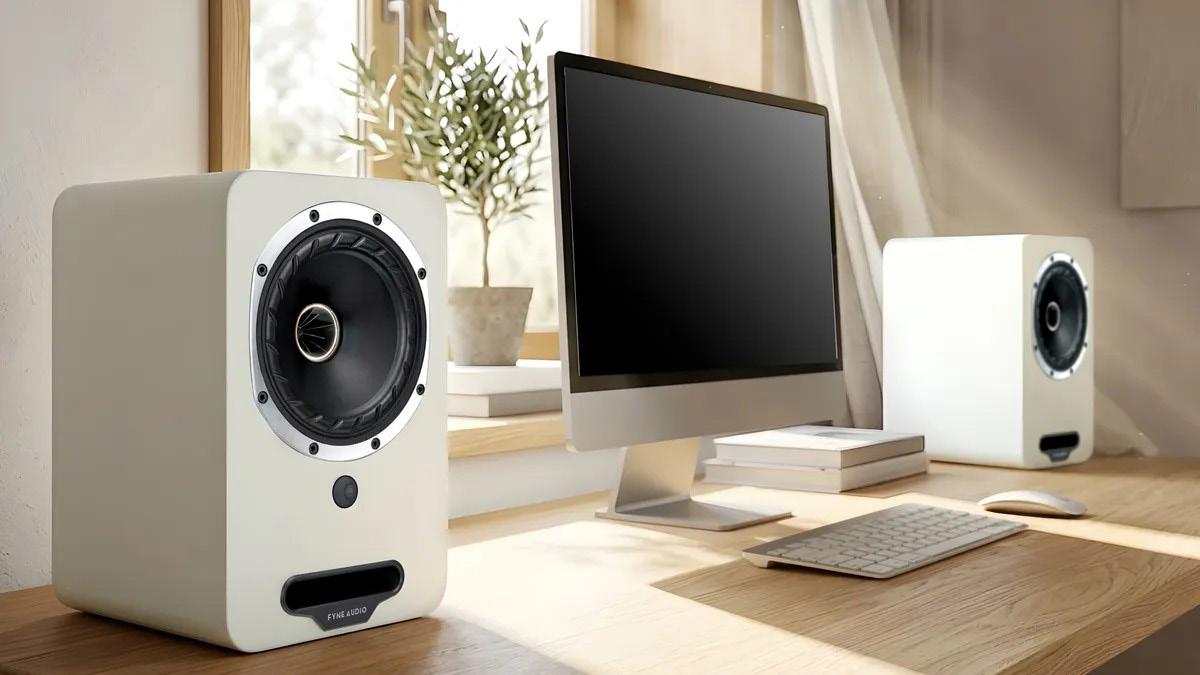
There’s lots of connectivity here. The Cubit 5 has a built-in phono stage for your turntable; analog and optical digital inputs; HDMI eARC; and a subwoofer output for extra bass. The driver is Fyne’s latest 5” (125mm) IsoFlare unit, and the bass reflex
port is front-mounted so you can place the speakers close to walls without boominess.
There are five finishes here: black, pearl titanium, olive green, pebble grey and Arctic white. All models will be available from June 2026 with a RRP of £549 / $749 (about AU$1,023).
It has been only a month since Denon announced the arrival of its new AVR-S980H AV receiver, but the Japanese audio giant has clearly earmarked 2026 as a big year for home cinema. It has just taken the wraps off a further two new models!
Designed and tuned at Denon’s Shirakawa Audio Works in Japan, the new AVRs seem to have sound quality high on the agenda, promising as they do “improved imaging, clearer high-frequency detail and more confident low-frequency energy across every channel”.
Denon springs a surprise by announcing two new AV receivers promising big things in the sound quality department
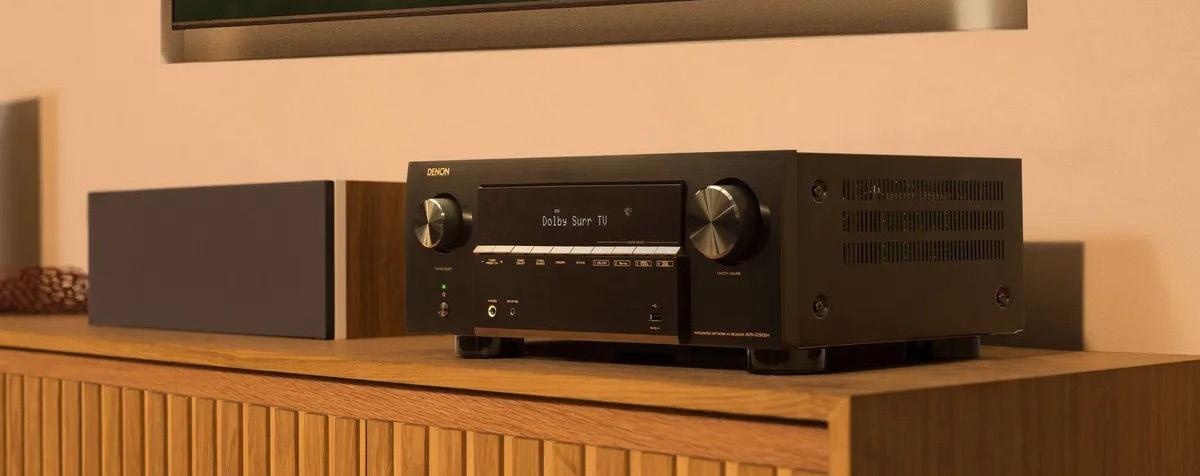
Key to the audio improvements are the inclusion of a new 32-bit, eight-channel DAC, plus upgraded components and mechanical improvements across both models, many of which are designed to reduce the effects of noise and vibrations.
The Denon AVR-X2900H (£899/€1000/$1349) is a 7.2-channel AVR with 95W per channel, while the step-up AVC-X3900H (£1299/€1499/$1849) is a 9.4-channel AVR with 11.4 channels of processing and 105W per channel.
Both AV receivers feature a refreshed front-panel design and include Denon HEOS multiroom audio and support for Bluetooth (including LE Audio), Apple AirPlay 2 and online streaming services including TuneIn Internet Radio, Spotify and Qobuz.
Movie fans can take advantage of Dolby Atmos and DTS:X soundtracks through both amps, with the AVCX3900H adding IMAX Enhanced, Auro 3D, and 360 Reality Audio to its specification sheet.
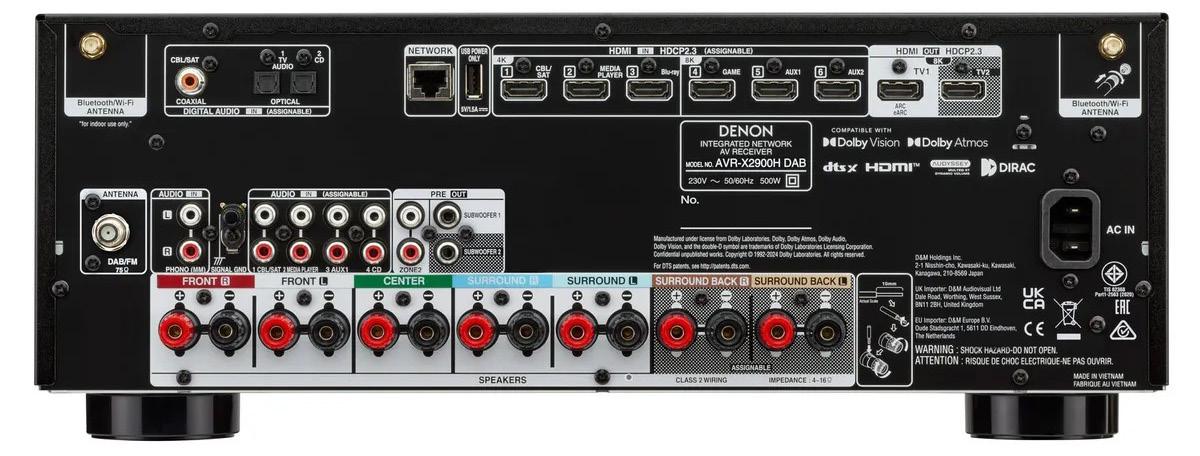
HDMI connectivity is, as you would expect, high on the agenda. The AVR-X2900H features six inputs and two outputs, while its pricier sibling gets an extra output. Both amps offer 1440p passthrough and AMD FreeSync.
They will also be compatible with Denon’s Home 200, 400 and 600 wireless speakers via a future firmware update, should you want to use those models as surrounds in a speaker package.
Another promised future update will allow the amps to support Dolby Atmos music via AirPlay 2.
To help get the AVRs set up for your room layout, they each support Audyssey (you get a calibration mic in the box). Should you want to delve deeper into their settings, there is also optional Dirac Live Room Correction support, plus Bass Control and Active Room Treatment (ART) if you opt for the more premium model.
The Garmin JL Audio Primacy home audio system has been announced worldwide. As a reminder, the JL Audio brand, which specialised in marine audio products, was acquired by Garmin in 2023. Described by the company as a premium offering, the sound system is designed to be used in your living room.
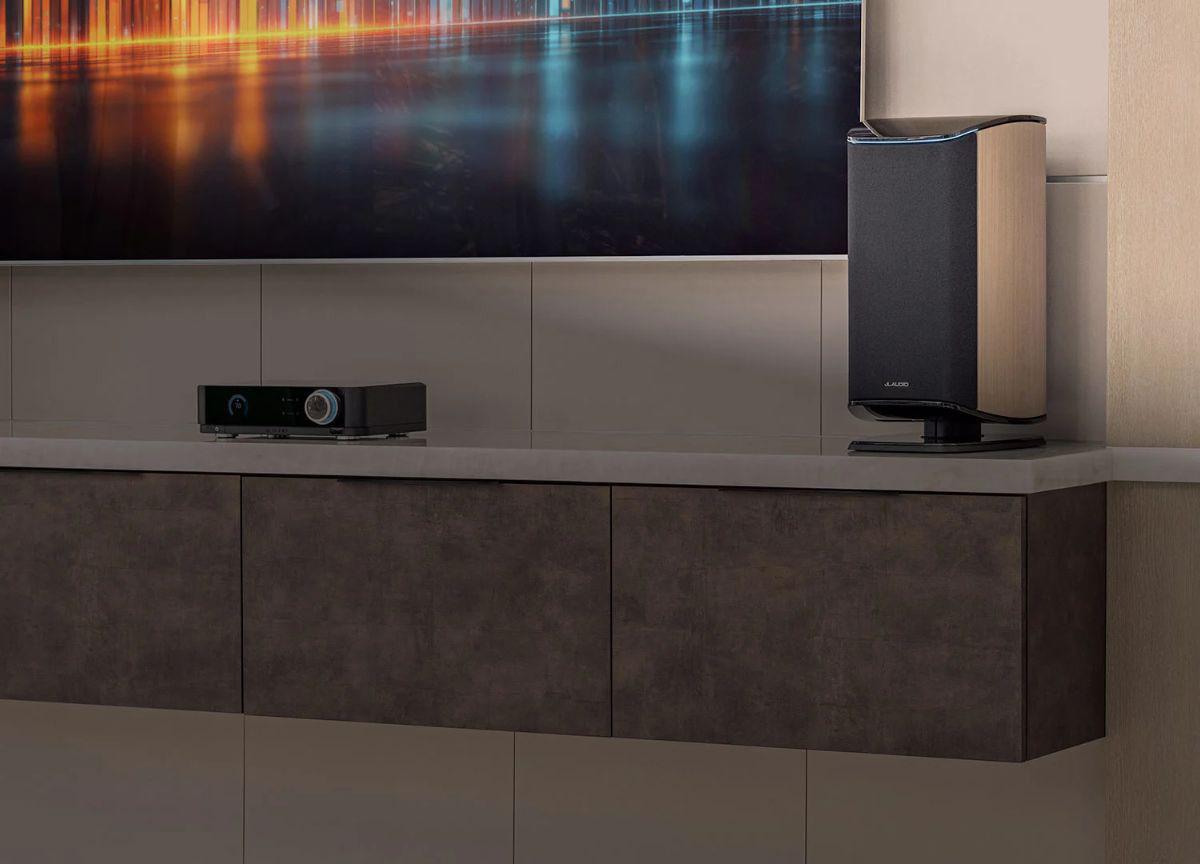
The JL Audio Primacy T6 Active 3-Way Loudspeaker is a tall, tower speaker, while the JL Audio Primacy S3 Active 2-Way Loudspeaker is more compact, designed to fit on a bookshelf. Both products offer digital signal processing (DSP), with a 32-bit/192 kHz audio resolution. Plus, each speaker has one amplifier per driver, and the speakers can be customized with interchangeable panels offered in a range of premium finishes.
The third product in the new range is the JL Audio Primacy CS Stereo Centerpiece. This multifunctional device can act as a preamplifier and a networked streamer, with the Primacy Automatic Room Optimization (P.A.R.O.) feature to optimize the sound for the room. This connects to the Primacy loudspeakers via the Dante Digital Network. Users can stream audio using services like Spotify Connect, Tidal Connect, Apple AirPlay and Google Cast. Plus, the device comes with a wireless tabletop remote, with a volume knob and several touch buttons. On top of this, users can remotely control the sound system via the Primacy app.
In the US, the Garmin JL Audio Primacy T6 Active 3-Way Loudspeaker with DSP sells for $90,000 per pair, as reported by Audioholics. The smaller Garmin JL Audio Primacy S3 Active 2-Way Loudspeaker with DSP cost $35,000 per pair, with optional stands priced at $3,500. The Garmin JL Audio Primacy CS Stereo Centerpiece retails for $15,000.
OJAS kO-R2 Speaker Debuts at Milan Design Week 2026: Only 600 Pairs, Don’t Expect Them to Last Long
Klipsch is returning to Milan Design Week 2026 with something that goes beyond another product launch; it’s a continuation of one of the more interesting collaborations in modern hi-fi. Following the limitedrun kO-R1 in 2024, Klipsch and OJAS have officially unveiled the kO-R2, a new loudspeaker created with Devon Turnbull, the artist and acoustic designer behind OJAS, as part of Klipsch’s 80th anniversary.
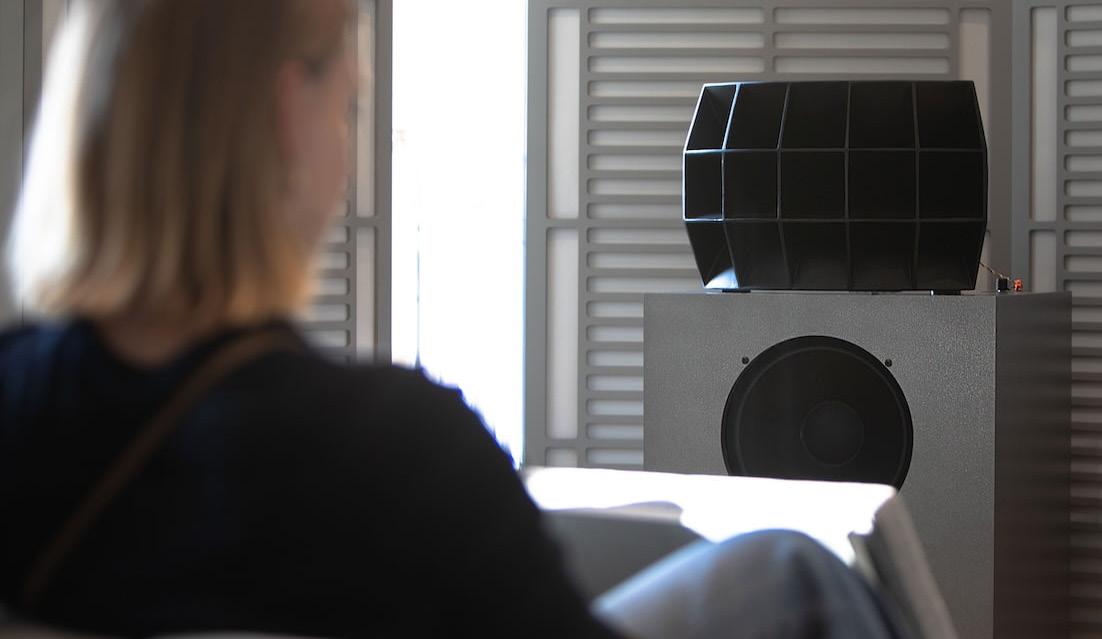
That matters more than the usual show-floor debut. The first kO-R1 wasn’t just a speaker, it was a statement about where heritage audio could go when handed to someone outside the traditional engineering echo chamber. Turnbull approached Klipsch’s horn-loaded DNA with a minimalist, almost gallery-first mindset, and the result landed somewhere between serious hi-fi and functional art. It sold out quickly and didn’t need a stack of Audio Science Review graphs to justify itself. Turns out art and musical enjoyment still carry more weight than rigid objectivism.
The kO-R2 builds directly on that foundation. Klipsch and OJAS describe it as a blend of minimalist design, advanced acoustic thinking, and bespoke materials, with an emphasis on form that’s meant to live as comfortably in a design exhibition as it does in a listening room. There are no performance specifications or pricing details yet, which feels intentional. This isn’t being positioned as a spec war product; it’s being framed as a continuation of an idea.
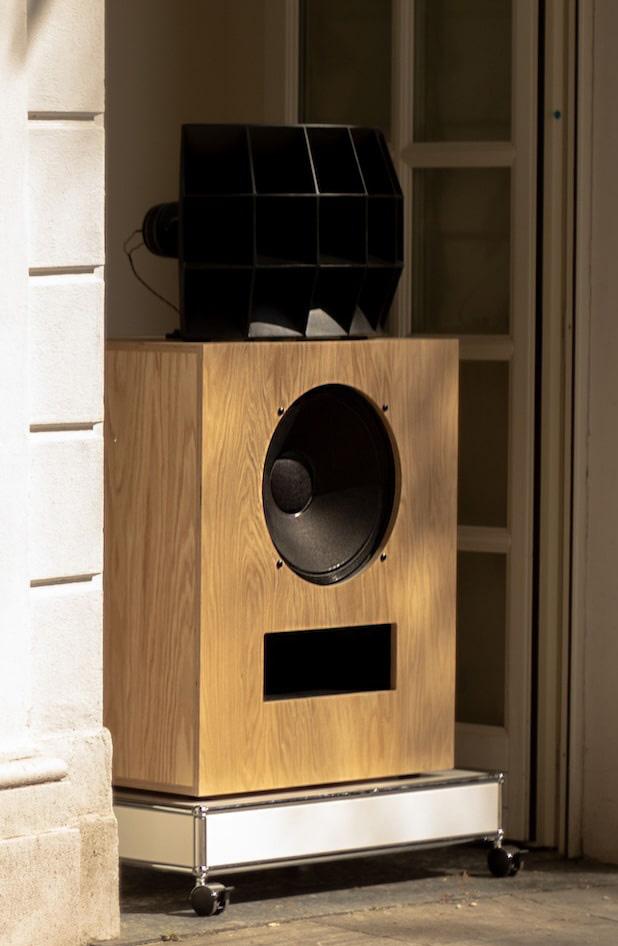
And that’s the real story. At a time when much of the industry is chasing incremental upgrades and feature checklists, Klipsch is doubling down on a collaboration that prioritizes identity, experience, and cultural relevance. Bringing the kO-R2 to Milan Design Week instead of a traditional audio show makes that point clear: this is as much about design language and audience expansion as it is about sound.
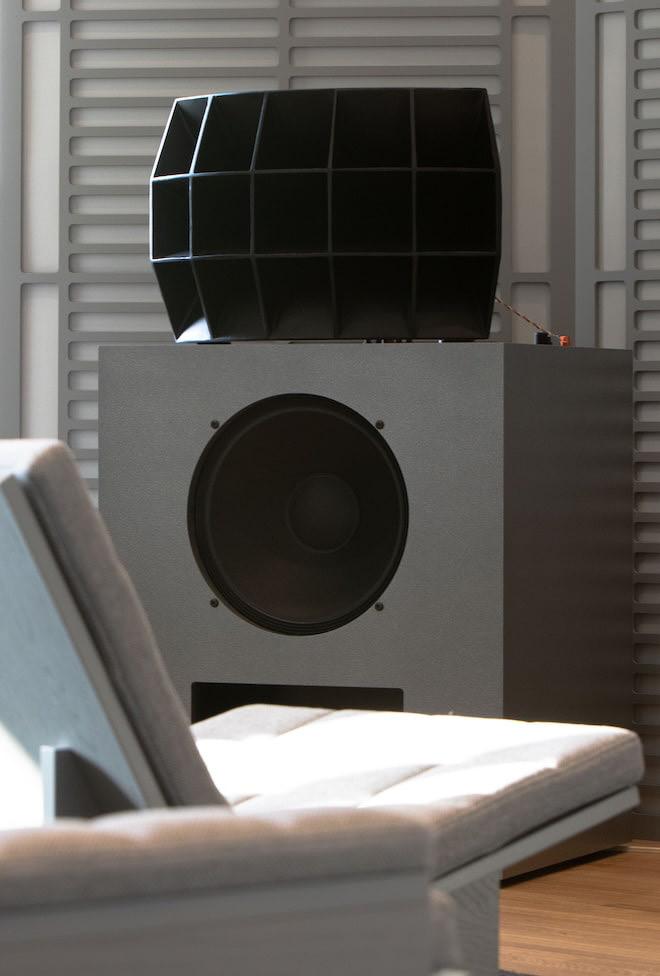
Whether the kO-R2 ultimately delivers on the acoustic side will come later. For now, Klipsch and OJAS have done something more difficult; they’ve made people outside the usual audiophile bubble pay attention.
Set against the backdrop of the Fondazione Luigi Rovati, in partnership with USM Modular Furniture and Karimoku, Klipsch and OJAS are hosting curated, appointment-only listening sessions during Milan Design Week through April 26, 2026. Those who get access are encouraged to bring their own music, turning the kO-R2 preview into something more personal than the usual show-floor demo.
After its debut in Milan, a broader launch for the kO-R2 is expected in June 2026.
“Working with Klipsch continues to be an exploration of how we can strip audio down to its most essential, emotional core,” said Devon Turnbull. “With the kO-R2, we focused on creating something that feels immediate and human— where the technology disappears, and the listener is left with a pure, physical connection to the music.”
The kO-R2 is a two-way, sectoral horn-loaded loudspeaker positioned as the next step in the Klipsch x OJAS collaboration. It’s handcrafted in Hope, Arkansas, by the same team behind Klipsch’s legacy designs, and features an OJAS-developed multisectoral horn paired with Baltic birch cabinetry. The goal is clear: deliver the dynamic, low-distortion traits horn systems are known for, while presenting something that looks just as considered as it sounds.
The core of the latest speaker design is the OJAS 1506 multisectoral horn, fabricated from heavy cast aluminum and finished with electrophoresis and a flat black powder coat.
The exponential horn pulls from classic Western Electric and Altec Lansing design cues, but it’s not a straight throwback. The square, isosceles trapezoidal mouth is doing real work here, controlling dispersion in both planes rather than just looking the part. The result should be more even frequency distribution and a wider, more stable listening window, which is exactly what these older horn concepts were chasing in the first place.
NAD Electronics has announced the launch of its NAD C 589 CD Player, a precision-engineered source component designed to deliver quality sound while integrating seamlessly into modern Hi-Fi systems.
At the heart of the C 589 is QRONO d2a, a digital audio technology developed by MQA Labs that improves digital timing and reconstruction accuracy. By refining the way digital signals are converted to analogue, QRONO d2a enhances spatial detail, transient accuracy, and musical flow. This advanced processing helps ensure that the C 589 reveals the subtle nuances and dynamic energy captured in compact disc recordings.
NAD Launches The C 589 HighPerformance CD Player
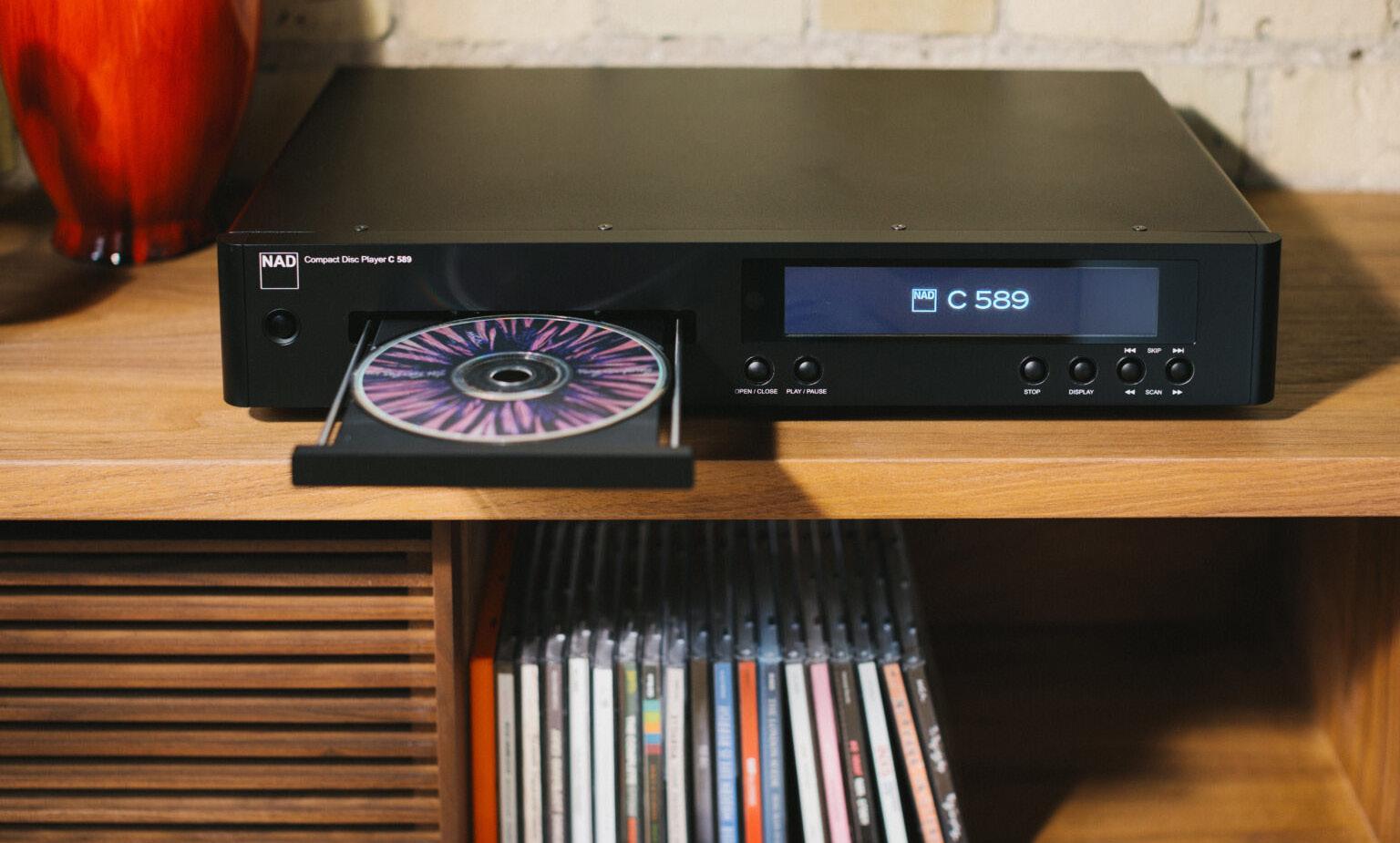
The NAD C 589 features a precision disc loader and transport mechanism engineered for smooth, quiet, and reliable operation. Its high-quality loader and laser pick-up ensure accurate disc tracking and stable playback across a wide range of CDs, including older or frequently played discs.
Internally, the C 589 includes a carefully implemented digital-to-analog conversion stage designed to preserve fine musical detail while maintaining low noise and distortion. The result is clear, transparent sound that allows recordings to retain their natural character.
Marshall’s New Jimi Hendrix Collection Includes Bluetooth Speaker and Half Stack Amp Redesigned in Psychedelic ’60s Palette
To ensure compatibility with a wide variety of audio systems, the C 589 provides a comprehensive selection of analogue and digital outputs. Balanced XLR and RCA analogue outputs allow direct connection to integrated amplifiers or preamplifiers, while AES/EBU, coaxial, and optical digital outputs enable the player to function as a dedicated CD transport for external DACs.
A large front-panel display with CD Text support shows artist and track information when available, making it easy to follow albums from across the room. The included remote control allows listeners to navigate playback comfortably from their listening position.
The NAD C 589 CD Player will be available through authorized NAD retailers worldwide at a suggested retail price of $1,399 USD and $1999 CAD.
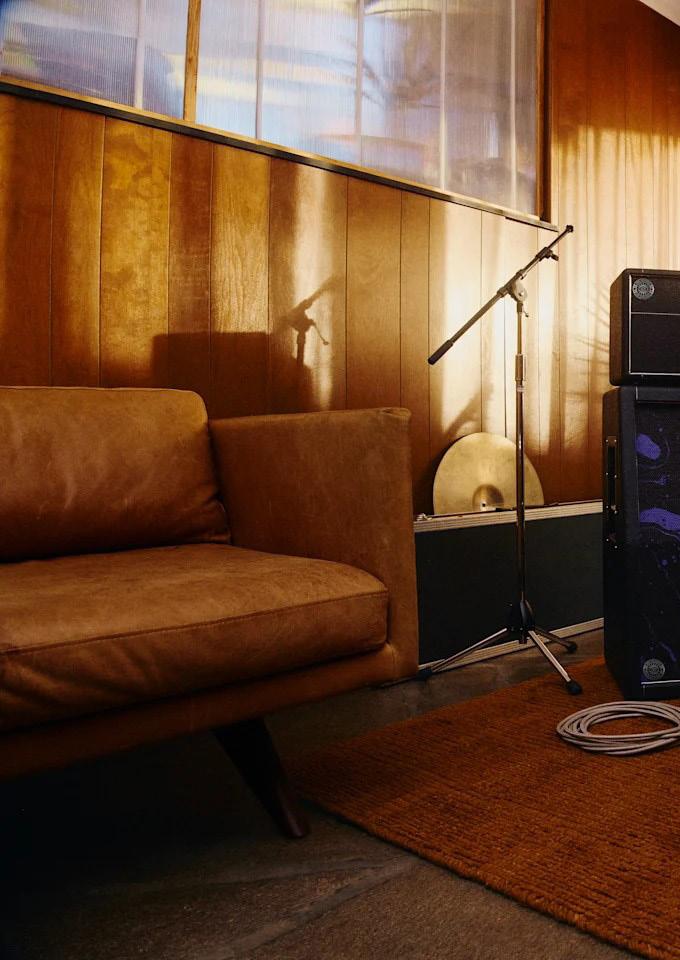
Sixty years after Jimi Hendrix first plugged into a Marshall amplifier, the two names are aligning again - this time to produce a limited-edition collection that commemorates one of the most consequential relationships in rock history.the Marshall x Hendrix 60th Anniversary Collection comprises three special-edition releases: a redesigned Acton III Bluetooth speaker, the 1959 JMH Half Stack and a limited-edition Fuzz Face distortion pedal. Each piece draws from Hendrix’s visual world of crushed velvet, silver jewelry cosmic imagery and the psychedelic palette of the sixties.
“From his fashion to his lyrics and of course, his music, there are so many different stories we could tell when it comes to Hendrix,” Emma Rydahl, senior industrial designer at Marshall Group, who led the design process, said in a statement. “We started with materials and pattern exploration, looking at different fabrics and running test prints with a psychedelic track in mind. We spent a lot of time adjusting the final design to get it just right across the whole collection.”
The Acton III speaker is perhaps the most intimate of the three pieces. Coated in crushed velvet with a silver control panel, purple knobs and purple LED lighting, it’s stamped with a silver all-seeing eye on its side — a nod to the mystical iconography that ran through Hendrix’s work. Switch the speaker on and instead of a standard chime, a specially commissioned sound plays: a rare instrumental version of “Have You Ever Been (To Electric Ladyland)” drawn from The Jimi Hendrix Experience deluxe box set.
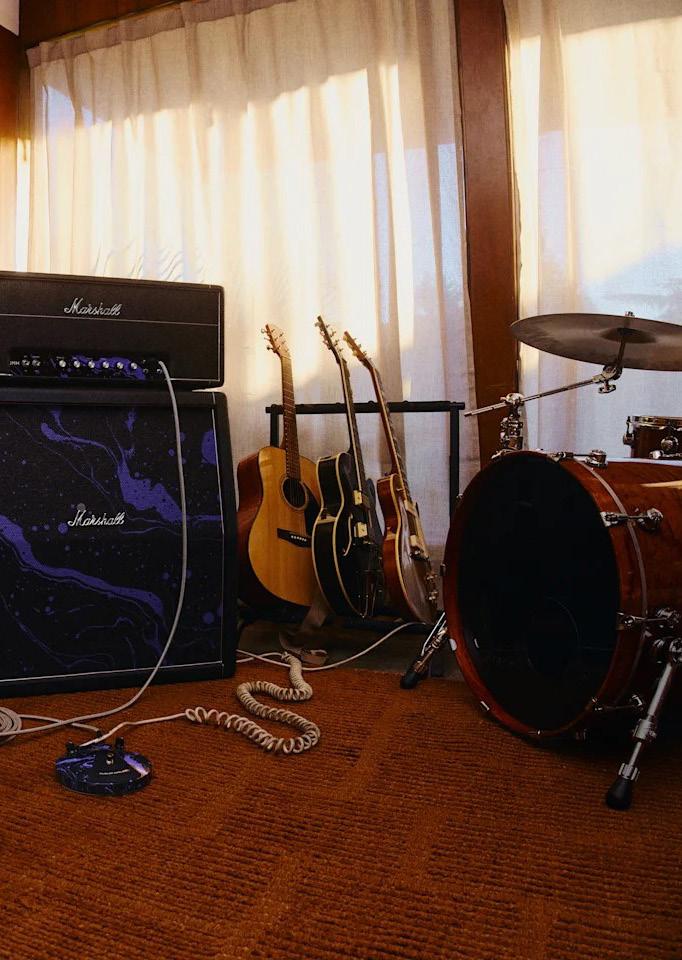
The centerpiece of the collection, however, is the 1959 JMH
Half Stack - a hand-built amplifier that replicates Hendrix’s exact signature setup.
The 1959 Handwired Head and 1960 AJMH 4×12 Handwired Angled Cabinet are constructed at Marshall’s Bletchley factory in the UK from quality plywood wrapped in black Tolex, with the cosmic black-and-purple swirl appearing across the fret and control panel. Silver detailing — on the knobs, handle, logo, grill, and back panel — echoes the jewelry Hendrix wore onstage, and the all-seeing eye badge appears on both the top and bottom of the stack.
A new short film follows guitarist Zach Person visiting Seattle, Hendrix’s birthplace, before putting the stack through its paces.
Available exclusively alongside the stack is a limited-edition Fuzz Face Distortion pedal produced by Dunlop, finished in the same oil-onwater swirl design. Together, the two pieces are engineered to recreate Hendrix’s snarling, snappy tones.
Marshall co-founder Terry Marshall reflected on the historic partnership between Hendrix and the audio brand upon the collection’s release. “He took everything to a new level and carried everybody with him,” Marshall said. “When he played, it was an emotional time for everybody because everyone was thinking, if he can do it, I could maybe do it. And he’s using Marshall, therefore we want Marshall. It was a really special time for us all and there’s no doubt that we grew with him and his fame. The rest is history, as they say.”
Bluetooth speaker with built-in DAB + radio
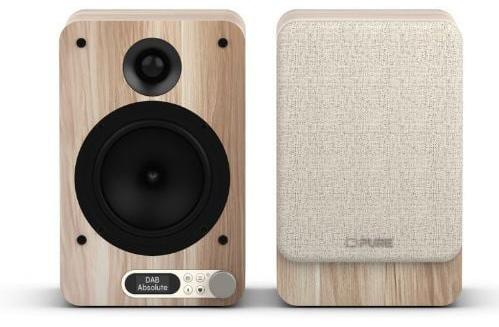
Pure introduces a Bluetooth speaker set with a built-in DAB + radio. The Pure Classic Active can also be used as a soundbar for Smart TV
The new Pure Classic Active from British audio specialist Pure adds an interesting stereo system to their popular Classic range. It consists of two speaker boxes (each measuring 2x40W) with a built-in radio and connectors for various devices. This eliminates the need for a basic unit for a traditional stereo system. Ideal for people who do not have much space at home.
Designed for the modern home, the Pure Classic Active combines the sound quality of a classical HiFi system with the simplicity of modern plug-and-play. The combination of a powerful master unit and a passive speaker ensures true stereo sound with clear channel separation and a wide sound stage - a clear contrast to many compact mono or soundbar solutions.
The application possibilities of the new system are many: HDMI ARC (or via Optical) turns your television into a home cinema in no time. You can extend your system even further with the subwoofer output. At the same time, Bluetooth 5.3 allows you to comfortably stream your Internet radio, music streaming, podcasts, your own music files and much more from your smartphone or tablet.
Classic audio sources are also available: you can use the AUX input to attach a turntable (with built-in or external preamp). Classic Active is a bridge between analog HiFi and digital streaming.
Built-in terrestrial radio plugin as a special highlight
A unique feature compared to other Bluetooth speakers, soundbars or multi-room systems is the DAB + and FM radio integrated directly into one of the boxes. This allows a great variety of stations to be broadcast without needing to connect to any additional devices or the Internet. Up to 40 favourite memory devices provide fast access to preferred stations. Radio can be controlled directly from the box or by a remote control.
The system Pure Classic Active is available now at specialist shops and online for around 300 Euros.
New flagship model marks the 10th anniversary of Sony’s 1000X series with upgraded materials, enhanced audio processing, and a more fashion-forward luxury design approach to compete with Apple and Bose
Sony is further upscaling its flagship headphone strategy with the introduction of its 1000X “The Collexion,” a new premium wireless noise-canceling headphone positioned above the company’s already high-end WH-1000XM6 released last year.

The new headphone, which Sony said was developed to commemorate the 10th anniversary of its 1000X headphone and earbud series, is designed to complement rather than replace the WH-1000XM6, which remains in the lineup as Sony’s top active noise-canceling-focused model. The Collexion will retail for $649.99 when it ships on May 19 in Platinum, Silver, and Black finishes.
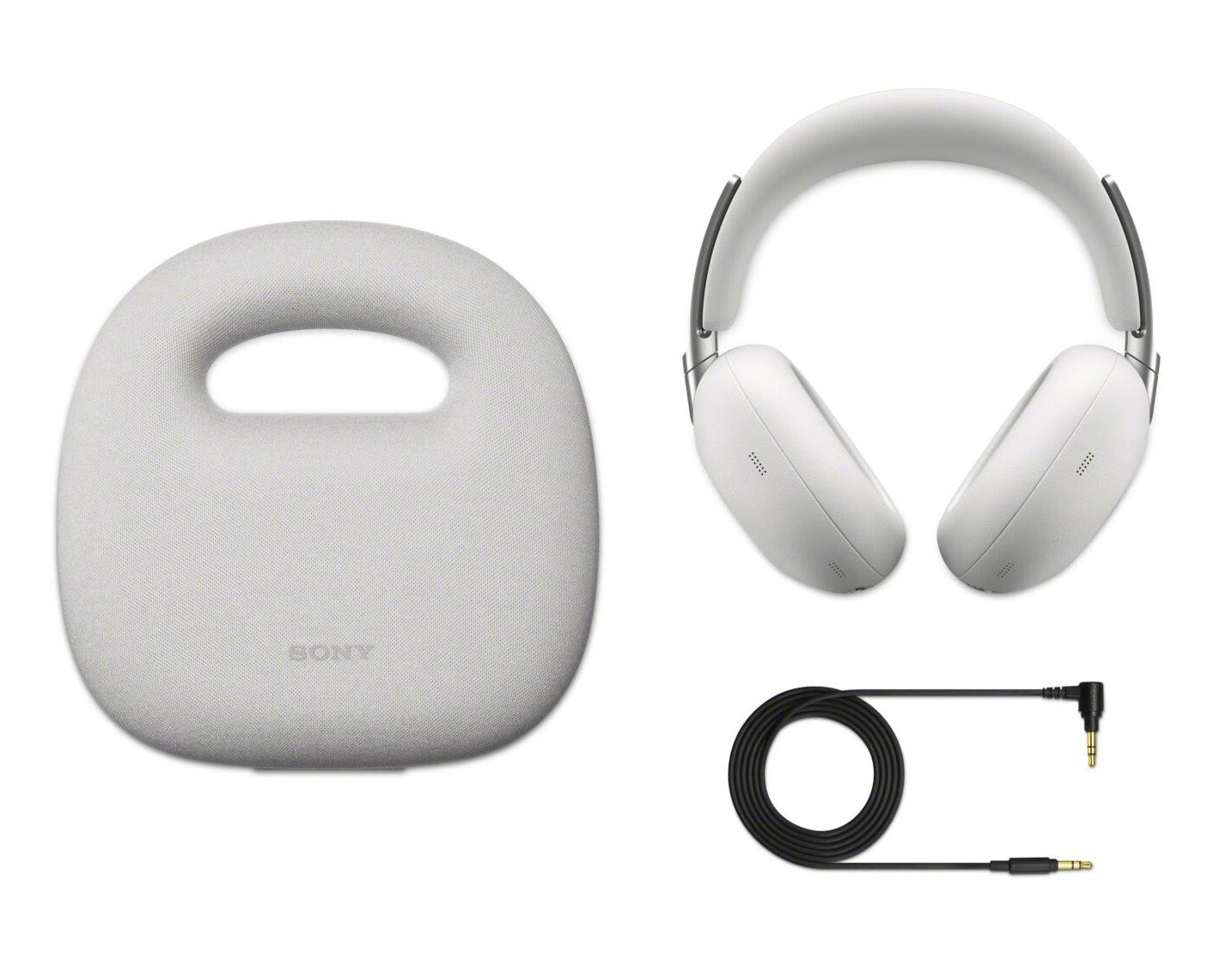
“We wanted to realize not only great noise canceling [and] great sound quality, but also premium look and feel with this model,” explained Shimo Hiroaki, Sony North America’s product marketing lead for personal entertainment. “With the normal 1000X series, we are targeting people who pursue the best functional value – long battery life, great for travel, and the best noise canceling. But for Collexion, we want to prioritize more emotional value and target people who prioritize premium look and feel or luxury design.”
The strategy appears aimed, at least in part, at expanding Sony’s reach into the growing ultra-premium headphone category currently occupied by products such as Apple AirPods Max and Bose QuietComfort Ultra Headphones, while also attempting to appeal more directly to style-conscious luxury buyers and audiophile listeners.
“People prioritize more premium design than what we had for M6,” Hiroaki observed. “For example, AirPods Max is very expensive and… is very well accepted by customers in terms of design. Therefore, we want to target more people who prioritize luxury design. And this model has [our] greatest sound quality. Therefore, we can approach audiophile-type people with these headphones.”
While the Collexion shares Sony’s QN3 noisecanceling processor, 12-microphone array, adaptive ANC optimization, AI beamforming microphones, and overall active noise-canceling architecture with the WH-1000XM6, Sony said the new model emphasizes upgraded materials, comfort, and sound quality improvements over outright ANC supremacy.
“M6 is still the best noise canceling, even after Collexion,” Hiroaki boasted. “But Collexion noisecanceling performance is very close to M6, still [at the] highest level in this industry.”
The most visible Collexion changes center on industrial design. Collexion replaces most visible exterior plastic with metal and vegan leather materials, including the earcups, headband structure, buttons, USB-C port trim, and audio-jack surround.
“We apply vegan leather not only for the ear pad, but also even outside of the ear cup,” described Hiroaki. “We also apply metal parts for the hinge, and the headband structure, and even buttons and the hole for USB-C and the audio jack are made of metal, so there is no plastic on the surface.”
Sony also redesigned the headphone structure for improved comfort, widening and thickening the headband while simultaneously reducing earcup thickness by roughly 5 mm compared to the WH1000XM6. Sony enlarged the internal ear volume through structural redesign and human-ear analysis to maintain long-term wear comfort despite the slimmer profile, added removable and replaceable earpads that can be detached without tools, and included clearer left/right earcup markings.
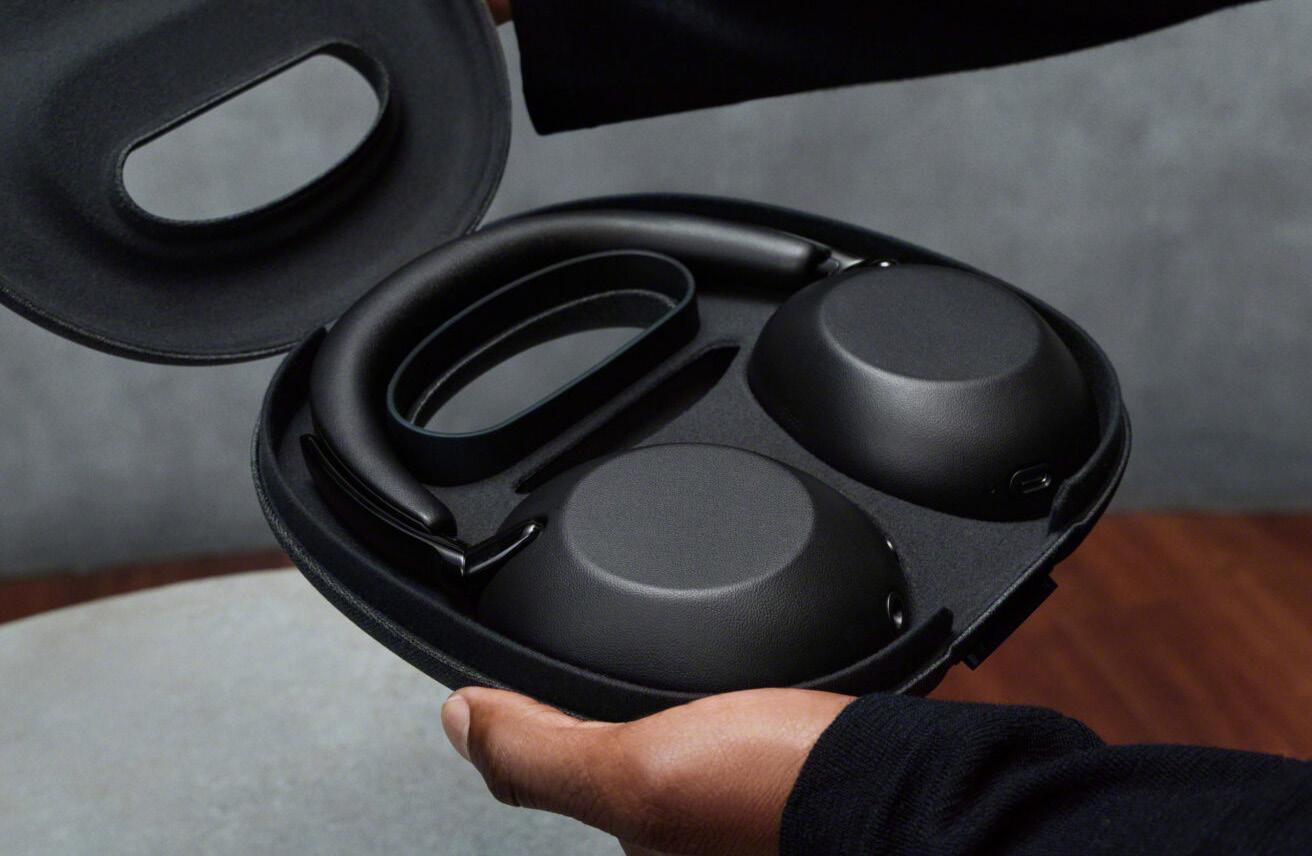
However, unlike the WH-1000XM6, the Collexion headphone is not foldable, instead including swivel earcups, so the headphones lie flat inside the carrying case.
Collexion also introduces several audio enhancements over the XM6, including a new unidirectional carbon-fiber driver, upgraded circuitry with thicker copper foil layers, and Sony’s new V3 integrated processor for digital audio processing.

Sony’s V3 chip enables the company’s new DSEE Ultimate processing, which uses AI for both frequency-range and bit-depth upscaling of compressed music files.
The Collexion also becomes Sony’s first headphone to expand its spatial upmixing modes beyond cinema audio into dedicated music and gaming modes.
“Collexion is our first headphone to implement this Ultimate grade because this function requires very high calculation power,” Hiroaki elucidated. “Thanks to this processor, we finally introduced this Ultimate [technology] to the headphone category.”
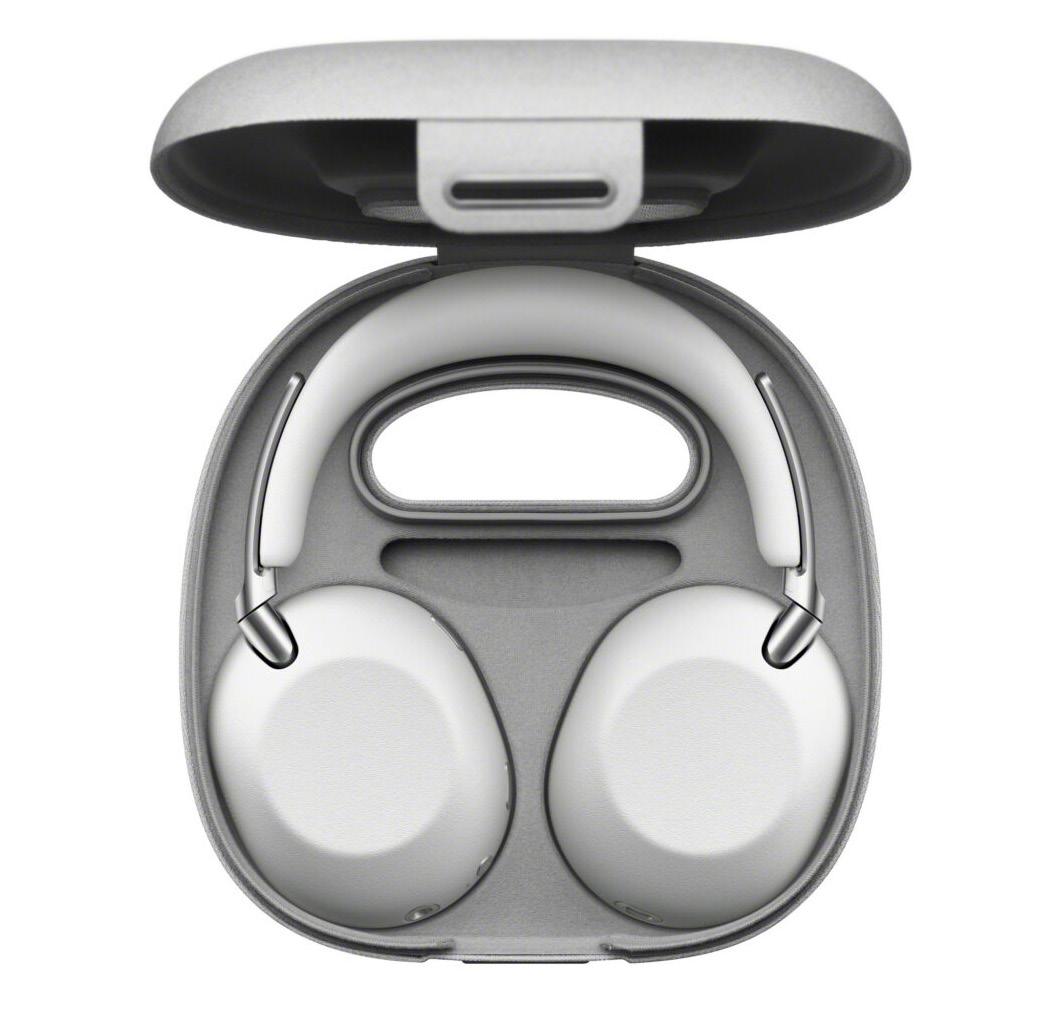

Battery life drops modestly from the XM6’s 30 hours to 24 hours with ANC enabled, which Sony attributed to the Collexion’s slimmer, luxury-oriented design priorities and smaller battery packaging.
The headphones also support Bluetooth 6.0, Sony’s LDAC high-resolution codec, LC3 LE Audio, Auracast, multipoint connectivity, and a redesigned carrying case with a magnetic closure and integrated carry handle.
Alongside the Collexion introduction, Sony also announced a new Sandstone color option for the WH-1000XM6 headphones, joining existing Platinum Silver, Sand Pink, Midnight Blue, and Black finishes.
There are a lot of options for Dolby Atmos soundbars these days, but WiiM is hoping one particular element of its 3.0.2-channel, eight driver soundbar will woo the masses. The main differentiator is the soundbar’s touchscreen display, mounted right in the center of the front panel.
The glass-covered 2.1-inch round display offers playback controls, source switching, EQ, audio presets and customization options on the front of the WiiM Bar.
The display can also show album art when you’re listening to music, plus there are controls on the top panel of the speaker if you desire a more “traditional” interaction with the device. Additional settings and playback options are available in the WiiM Home App, where you can stream audio from over 20 services, along with the ability to cast directly to the speaker via Spotify Connect, Tidal Connect, Qobuz Connect, Google Cast and more.
WiiM’s first soundbar has a touchscreen display and Dolby Atmos
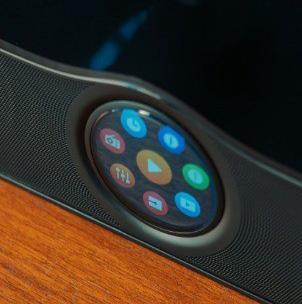
DTS:X are on the docket, and you can expand the soundbar’s stock 3.0.2 configuration to a full 5.1.2 surround sound setup with additional speakers or a subwoofer from WiiM’s catalog.
RoomFit calibration is onboard as well, which automatically measures a space and adjusts the audio output as needed. Additional features include Clear Voice
Mode for dialogue enhancement and Night Mode that reduces loud sounds without affecting speech quality.
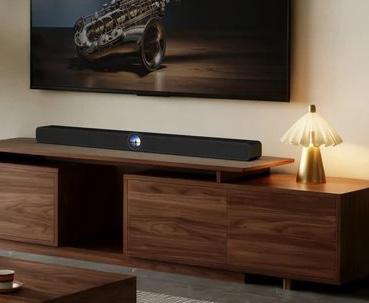
Receivers With Dolby Atmos
Yamaha has revealed three new options for those with a home theater setup to get the most out of their audio, including new AV Receivers with Dolby Atmos.
The two main models are the RX300A and the RX500A, with the key difference being the number of audio channels, and options depending on how big or small your setup is. The team also revealed the YHT-4970U, which bundles the RX300A with a specific, but modest, speaker setup tailored to it, so you don’t have to think about what to get. We have mroe details on all of them for you here as they’re now available on their website.
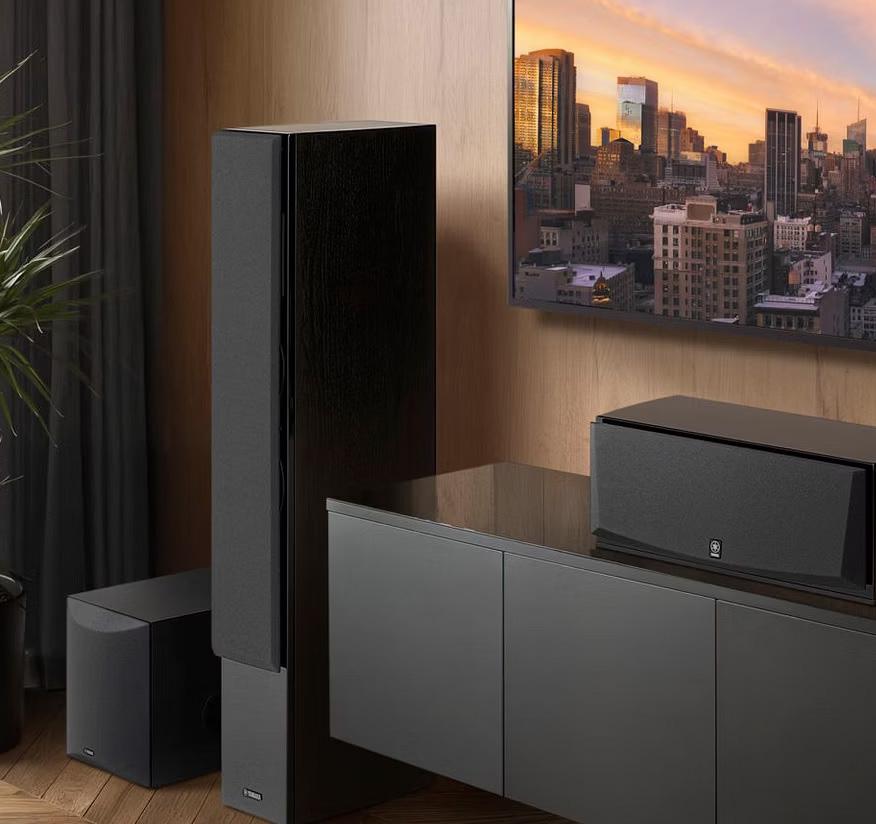
Both receivers introduce a completely new cosmetic design that reflects a more modern, streamlined approach to home theater components.
Compared with previous models, the front panel is cleaner and more intuitive, with fewer buttons and simplified labeling that reduce visual clutter while keeping essential controls easily accessible.
The design balances a fresh, contemporary look with a sense of familiarity for longtime home theater users.
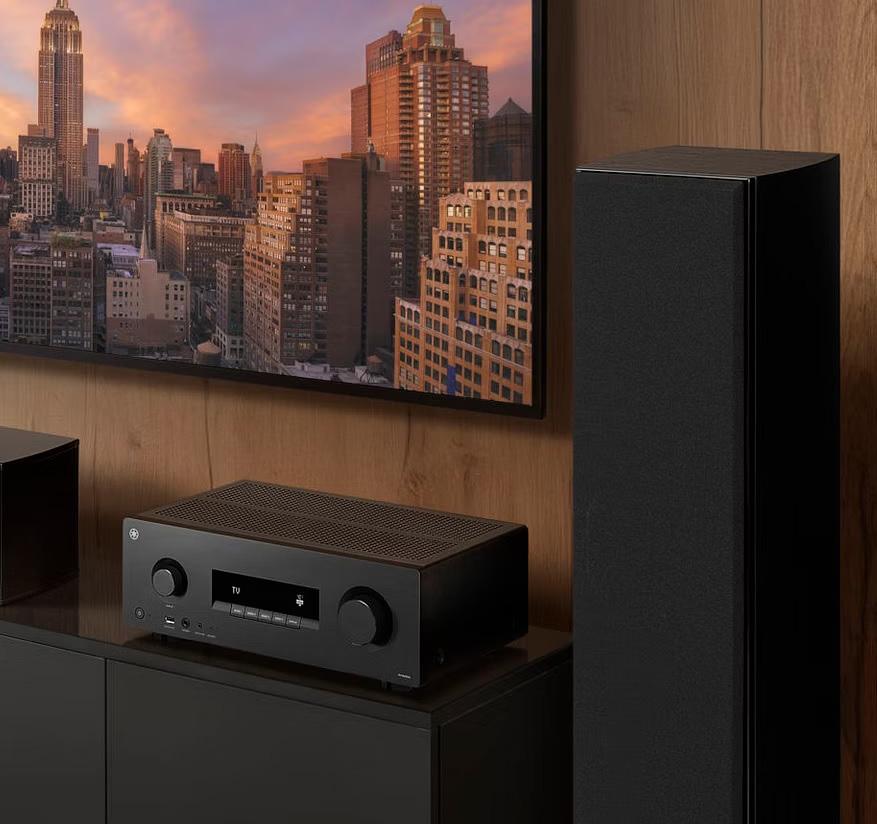
On the inside, both receivers are built on a 40-year legacy of Yamaha AV receiver development and reflect the company’s True Sound design philosophy, with careful attention to circuit layout, signal paths, and vibration control to preserve clarity, dynamics, and spatial accuracy. Dolby Atmos and DTS enable precise placement of sound effects and dialogue within a three-dimensional sound field, enhancing realism across movies, television, gaming, and music.
The mechanical design of the receivers contributes directly to their sound quality: both models inherit an Anti-Resonance Technology (A.R.T.) Wedge—a center-mounted “fifth foot” —from Yamaha flagship AVENTAGE models. This helps reduce vibration and improve stability, supporting cleaner, more accurate sound reproduction. HDMI 2.1 compatibility supports high-performance video sources, including 4K/120Hz and 8K/60Hz pass-through, along with Dolby Vision™ and HDR10+ for improved contrast, color accuracy and detail. Gaming-focused features, such as Variable Refresh Rate (VRR) and Auto Low Latency Mode (ALLM), help ensure smooth, responsive gameplay when paired with modern consoles.
An included setup microphone enables automatic room correction by measuring room acoustics and speaker behavior, allowing the receiver to optimize sound performance for the listening environment. An on-screen setup guide further simplifies installation by walking users through connections and configuration step by step. Both receivers feature Scene buttons, which simplify everyday operation by allowing users to recall complete system settings with a single press. Each Scene button can be programmed to select an input, sound mode, and other key parameters, making it easy to switch seamlessly between activities like watching TV, streaming music, or gaming. The result is a more intuitive experience that keeps the focus on enjoying content rather than adjusting settings.
A direct successor to the Yamaha RX-V385, the RX300A is designed to meet the needs of entry-level home theater users at an accessible price point ($399.95 MSRP), while adding meaningful upgrades for today’s content and systems. New enhancements compared with the RX-V385 include support for Dolby Atmos and DTS Virtual:X, compatibility with 4K/120Hz and 8K/60Hz video, gaming features such as ALLM and VRR, dual subwoofer outputs, Bluetooth Multipoint, enhanced build quality, and an updated on-screen setup guide with streamlined menus.
The RX300A supports Dolby Atmos in flexible speaker configurations, including 3.2.2-channel with up-firing or in-ceiling height speakers, as well as 5.2-channel with virtual height processing. Bluetooth Multipoint allows two devices to remain paired simultaneously, making it easy to switch between sources without reconnecting.
The RX500A builds on the RX300A platform with 7.2-channel amplification, offering greater output capability and flexibility for larger rooms and more complex speaker layouts. Dolby Atmos support enables multiple height-speaker configurations, including in-ceiling, up-firing, and virtual layouts. These options allow the RX500A to create a larger, more enveloping soundstage with increased scale and impact. It also supports DTS:X. In addition to Bluetooth Multipoint, the RX500A includes built-in Wi-Fi and Ethernet connectivity, enabling high-quality music streaming via Spotify Connect, AirPlay 2, Google Cast, Qobuz Connect, TIDAL Connect, net radio, and more.
The RX500A represents a new tier in the Yamaha AV receiver lineup, offering a step up from the RX300A for those who want more speaker channels and more advanced music streaming capabilities at an accessible MSRP of $599.95. The current Yamaha RX-V6A 7.2-channel AV receiver remains in the lineup—offering MusicCast capabilities (e.g., full app control and multi-room audio), more connectivity options, Zone 2, increased performance, and other features—at an MSRP of $799.95.
Yamaha is also introducing the YHT-4970U, a new home theater-ina-box solution that delivers a complete surround sound system in a single package. A successor to the YHT-4950U, the YHT-4970U bundles the RX300A AV receiver with a matched 5.1-channel speaker system, plus speaker wire and a subwoofer cable, offering an easy, all-in-one entry point into true AV receiver-based home theater.
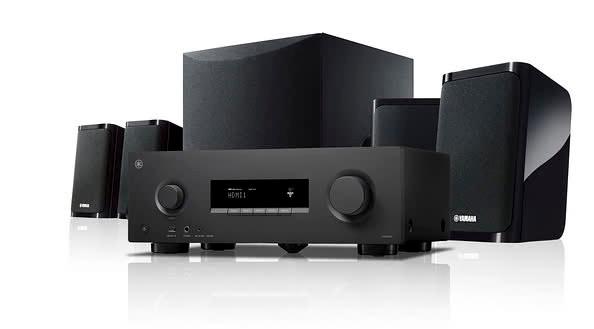
Google is getting (back) into the smart glasses game.
Google has announced a new partnership with Warby Parker and Gentle Monster to produce a new line of AI-powered glasses. The company says that the devices will be built to pair with Android and iOS devices and were designed in collaboration with Samsung. They will be available later this year, the company said.
Google is calling the new devices “audio glasses,” in that users will be able to issue verbal commands to them and get things done via its ecosystem of apps and services, including Gemini.
The user simply talks to their glasses (the demo shared on Tuesday involved a Googler ordering a coffee online by merely talking to the glasses), and the device, when synced, complies. Google has dabbled in smart glasses a number of times over the years. It notoriously launched Google Glass years ago, which ultimately helped spawn the derogatory term “glassholes.”
Google takes a page out of Meta’s book, announces new audiopowered smart glasses at IO 2026
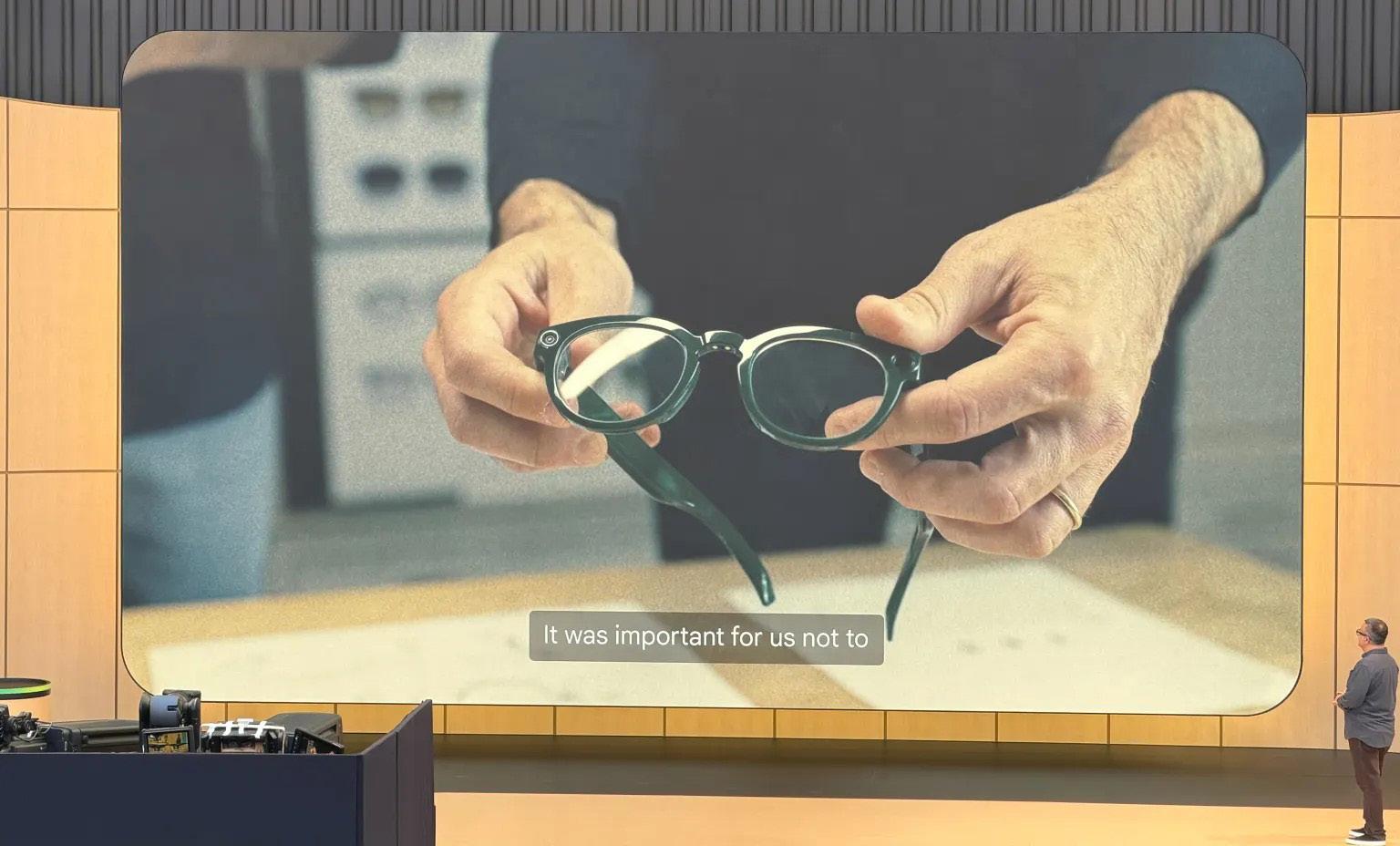
The smartphone’s days are numbered. Meet the device that could come next
The smart glasses space has changed a little bit since then, however. Lately, major companies - most notably Meta - and a small army of startups and smaller firms, have invested in the space.
Within the next 10 years, our phones will no longer be our primary personal device. That’s pretty universally agreed upon in Silicon Valley among tech executives, including those at Apple, the major winner of the smartphone era.
That’s because computers and phones weren’t made for AI. Our devices were made to be responsive to our prompts, not to anticipate our needs. In the AI era, this will flip, and a consumer device will prevail that can see, hear, and learn in real time—becoming a proactive, hyper-personalized guide through life. This will be made possible by AI agents, which will increasingly be able to learn, sense, and react to a constant stream of real-time data, and by the shift to next-generation 6G wireless networks.

The gadgets best suited for this new reality are still in the evolutionary phase, with the various tech industry titans all seeking to advance their vision. Google and Meta are developing smart glasses with cameras that can listen and observe. OpenAI has acquired legendary iPhone designer Jony Ive’s hardware startup, io, for $6.5 billion to develop a family of AI-powered consumer devices. The person with perhaps the best insight into what will replace our handheld obsession is Cristiano Amon, CEO of Qualcomm.
You may not know what Qualcomm does, but you almost certainly interact with its products on a daily basis. Depending on which car you drive, which computer you use, or what phone you have, there’s a high chance Qualcomm’s chips are inside it. Roughly 5 billion devices globally are powered by Qualcomm chips. The company, which ranks No. 117 on the Fortune 500, has partnerships with virtually every major tech player building the AI devices of the future except Apple—from Meta to OpenAI.
I recently sat down with Amon at Qualcomm’s Sorrento Valley, Calif., campus to discuss the 6G future and the devices that will define it, for my podcast, Fortune 500: Titans and Disruptors of Industry. Here are the key lightly edited excerpts.
What is 6G, exactly?
Every even-number generation of wireless is huge: 2G was huge; 4G was huge; 6G is going to be huge for that reason alone. But beyond the number, it’s one of the biggest transitions we’re going to see in wireless—and it’s going to be way beyond how we think about wireless connectivity. It’s also going to be how AI is going to be part of the networks.
If you look at how telecom started, you had a dial tone to call somebody. Today, it’s very, very different—you have a very high-capacity data network where you do things like stream TV on demand. It’s way beyond calling somebody. I think that type of transition is also going to happen when we go to 6G.
Why AI agents require new kinds of personal devices:
We talk about agents a lot. With agents, we are going to see a new class of AI devices. Glasses, for example, are very natural—because if they understand what we say, what we hear, and what we see, glasses are very close to all those senses. They sit near your eyes, your ears, your mouth—it’s going to be very important context for agents to do things for you. So one of the features of 6G is, I need to have a network that everything I see can get streamed to the cloud at high performance and speed. All of us are going to be walking cameras.
How much longer will we have smartphones as our primary device? This year will be the year of agents. You’ll start to see more form factors of things people wear. By 2027, 2028, you’ll start to see workload shift [from phones to AI agent devices]. In the next five years, it’s very possible those devices will be in the hundreds of millions, heading toward a billion [agentic AI devices].
What the future personal AI device will look like:
I am bullish on glasses. Humans are very comfortable with glasses. You turn your head, that’s where the camera is going to see what your eyes are seeing. They’re very close to your ear and very close to your mouth. You’re
going to read something and the camera can read it. So glasses, I think, will be the primary form factor.
There are some secret form factors that I cannot tell you about. We’re working with pretty much all of them, from OpenAI to Meta. You have different things that people wear—glasses is the easiest one to understand, but also jewelry, pins, and pendants.
For example, you’ll be walking around with glasses, and you’re going to see something you really like. You’ll say, “I’d like to buy this. How much is it on Amazon?” Or, “Can you render how I’m going to look with this on?” It’s going to be a different kind of low-friction experience, and workloads are going to start to shift. Certain things you’re going to do with an agent.
Which company is best positioned to be the Apple of AI devices?
With wearables, you have a mix of fashion and technology. Eyewear companies, for example, can become technology companies—and their valuations are going to expand, because you’re still going to be buying a fashion device.
Would you believe a consumer electronics company will make one pair of glasses that everyone wears? Or will people pick the brand they want? You’re going to see more things that we wear becoming smart, and it’s going to create a new set of players. One thing I can tell you with precision is that in every new generation of wireless, the players change as the industry changes. So I think we’re going to see that again.
AI devices will be more horizontal with less concentration, because not everybody wears the same clothes or the same glasses. The key thing is going to be the control point. Where it used to be the operating system and the app store, that’s now going to be agents. There will be new classes of devices that you’re going to use with your agent of choice.
This is also going to further separate who should be the custodians of all this personal data. Who are the trusted companies, and who are not?
Is society ready for always-streaming AI devices?
I am not one of those that think AI is going to be better than humans. I look at AI as a very powerful tool. [Like all technology] it can be misused. But it’s going to be probably as big of a change as when the internet arrived—and we survived that.
The question of trust, and which companies deserve access to the trove of data that the 6G era will generate, will be the battleground for the next decade. The future winner won’t just be the one with the best product. It will be the one consumers and enterprises trust to let into the most intimate parts of their daily lives, ultimately replacing the device they can’t imagine living without today.
The wearables market continues to expand, though the conditions shaping that growth are changing rapidly. That’s according to the latest Global Wearables Market Outlook report from Futuresource Consulting, which forecasts 229 million shipments worldwide in 2026, a 5.1% increase year on year.
Retail value is expected to increase even more, at 6%, generating $57 billion. And while those numbers point to continued success, the real story is where the opportunity is strengthening, where it’s losing momentum, and which device types are starting to command the industry’s attention.
Smartwatches Still Lead, But 10 Million Emerging Devices Are Changing The Shape Of Wearables

“Wearables are becoming more defined in purpose and more competitive in execution,” says Kavish Patel, Market Analyst at Futuresource Consulting. “We’re seeing the market develop along multiple tracks, all at once. Established categories are deepening through AI, health, and ecosystem integration, while newer form factors are opening up fresh areas of demand. That creates opportunity, but it also raises the bar for everyone competing in the space.”
Scale still matters, but the market is shifting
Smartwatches continue to hold the high ground, with 93.2 million units shipped in 2025 and further growth expected
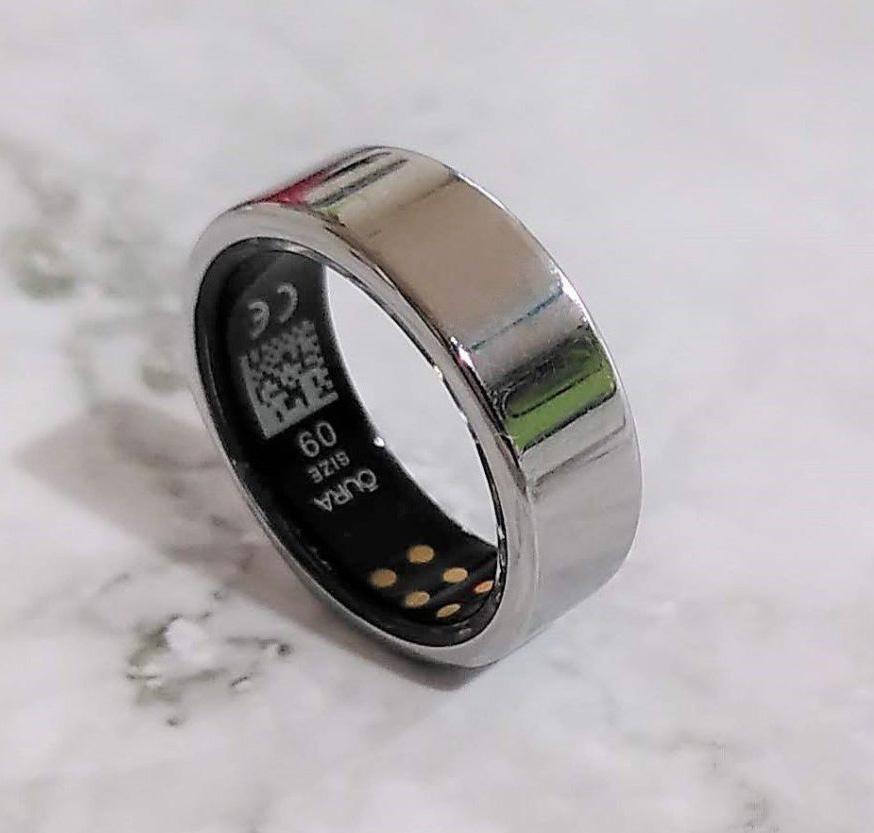
through the forecast period. Their position still rests on a powerful mix of health tracking, connectivity, and premium ecosystem value, particularly in North America and Europe, while China and Latin America continue to support broader volume growth.
What has changed is that the smartwatch category is no longer carrying the whole market on its own. Wearables growth is being shared more widely, and with that comes a more fragmented competitive landscape.
New form factors are no longer a sideshow In particular, smart glasses and smart rings are beginning to carry real strategic weight.
Smart glasses shipments rose to 6.1 million units in 2025, with Futuresource forecasting rapid expansion through to 2030 as improvements in AI, voice control, and component miniaturization continue to strengthen the proposition. Meanwhile, smart rings reached 4.1 million units in 2025 and are building traction through discreet, low-friction health tracking with strong relevance in sleep, stress and women’s health.
“In comparison to smartwatches, these two categories are still relatively small,” says Patel, “but they are shaping the future path for innovation. They also reflect a wider shift in consumer expectations, with greater appetite for devices that feel lighter, less intrusive and more specialised.”
This points to a wearables market increasingly shaped by connected-device ecosystems, where watches, glasses, rings, and smartphones all work together as part of a broader digital environment.
Advances in on-device AI, sensor fusion, and next-generation chip platforms are giving wearables more autonomy and more relevance throughout the day. It’s a watershed moment, where value is accumulating around holistic connected consumer experiences.
For brands, the competitive question is becoming more layered, with strategic decisions moving beyond which device to build, and towards how devices fit into a larger system of services, data and interaction.
The lower end is under pressure
Not every segment is keeping pace. Activity trackers continue to contract, with Futuresource forecasting an 8.9% drop in volume CAGR through to 2030 as consumers drift towards more capable devices.
The decline is a clear signal that simpler hardware is losing ground when it can’t justify its place through richer features or stronger ecosystem relevance. Pressure at the lower end is likely to intensify as consumer expectations continue to rise.
“The market is becoming far more selective,” says Patel. “There’s no doubt that the growth is still there, but consumers are gravitating to devices that can clearly earn a place in their lives, whether through deeper health insight, stronger AI utility, or tighter ecosystem integration.”
Snapchat’s parent company has announced, external it is releasing new smart glasses, a decade after its original pair lost the company tens of millions of dollars.
The new augmented reality (AR) glasses, called Specs, will allow users to see digital elements overlaid onto the world. They will cost £1,995 in the UK and $2,195 in the US when shipping begins this autumn.
That makes them cheaper than Apple’s Vision Pro mixedreality headset and its $3,499 starting price, but far more than Meta’s smart glasses, which start at $224.
Evan Spiegel, co-founder and chief executive of Snap Inc, said the glasses marked the “beginning of a new era in computing”.
Ben Hatton, a market analyst at FDM CCS Insight, said the price tag meant the technology was “unlikely to become a mainstream device any time soon”.
Snap’s core audience of younger consumers “rarely have this sort of money to spend on a single gadget,” he said.
A $200 refundable deposit is needed to pre-order the glasses, which will ship in the US, the UK, and France.

Snap unveils £1,995 smart glasses after previous flops

Hatton said while this improved “wearability and mobility” for the user, it came “at the cost of lower battery output”.
“Despite the impressive features and experiences available through Specs, glasses with a 4-hour mixed-use battery life and bulky design are not going to replace the smartphone any time soon,” he said.
Users will be able to use the glasses’ AI assistant to complete tasks such as getting directions or asking questions about objects they are looking at.
They will also be able to watch videos, browse the web, play AR games and record what they see through the glasses.
Smart glasses have been criticised for a lack of privacy, having been used to film women in public without their consent.
In February, UK data privacy watchdog the ICO wrote to Meta, after revelations data workers in Kenya had to watch videos of people having sexand using the toilet which were filmed with Meta’s smart glasses.
“Privacy has to be built in from the very beginning,” Spiegel said, adding: “Specs only work if people trust them”.
A built-in light will glow when the device is recording, with Snap stating users will be given control over what data gets stored, synced, shared, or deleted.
Snap Inc shares fell by some 9% after the announcement at the Augmented World Expo conference in California.
Another go from Snap
This is not the first attempt at smart glasses for Snap.
In 2016 it launched Spectacles, camera-equipped sunglasses which cost £129 and could record short video clips of up to 10 seconds.
In 2017 the company revealed losses of $40m (£30m at the time) due to “excess inventory” of the glasses and cancelled orders.
Updated versions of Spectacles were released in both 2018 and 2019 with a higher price tag (£330 for the third instalment) and upgrades including a better camera resolution.
It has not released a widely available consumer product since then.
Snap later began shifting towards AR, offering new Spectacles in 2021 to a “select group of global creators” in the field.
In May, Google announced it would launch its own pair of smart glasses a decade on from the doomed Google Glass, which had been pulled after backlash on price and privacy concerns.
Fox Corporation has agreed to buy Roku Inc. for $160 per share, an approximate enterprise value of $22 billion, the firms announced today.
The acquisition would unite Fox’s broadcast channels, including Fox, Fox News, Fox Business, and FS1, as well as its streaming businesses, including Tubi, a free ad-supported streaming television (FAST) platform that Fox bought in 2020, with Roku’s own FAST service, The Roku Channel, and Roku’s streaming hardware business, including its streaming sticks and smart TVs. Roku says it has 100 million households using its platform.

The most valuable part of Roku’s business isn’t its hardware, which lost $19.1 million in the quarter ending March 31, 2026, but its the operating system (Roku OS) and advertising business. In that same quarter, Roku’s advertising and subscriptions business posted a gross profit of $584.1
Fox’s $22B Roku acquisition aims to expand its reach into smart TVs, advertising
million, with the advertising business pulling in $371 million in revenue. The COVID-19 pandemic helped Roku become profitable in 2021, but the company didn’t see annual profitability again until 2025.
The planned merger aims to help Roku scale and maintain profitability more easily by enabling Roku “to execute on our strategy faster than we would otherwise by ourselves, even though we’re doing extremely well,” Anthony Wood, Roku’s CEO, said during a call with investors today.
“Fox and Roku are committed to continuing to operate Roku as an open, partner-friendly platform and to the continued ubiquitous distribution of Fox content. On a pro forma basis, the combined company will become the thirdlargest player in US television by share of viewing,” today’s announcement said. The stat seemingly refers to Nielsen’s data for “aggregated view of total TV usage by media company” in March.
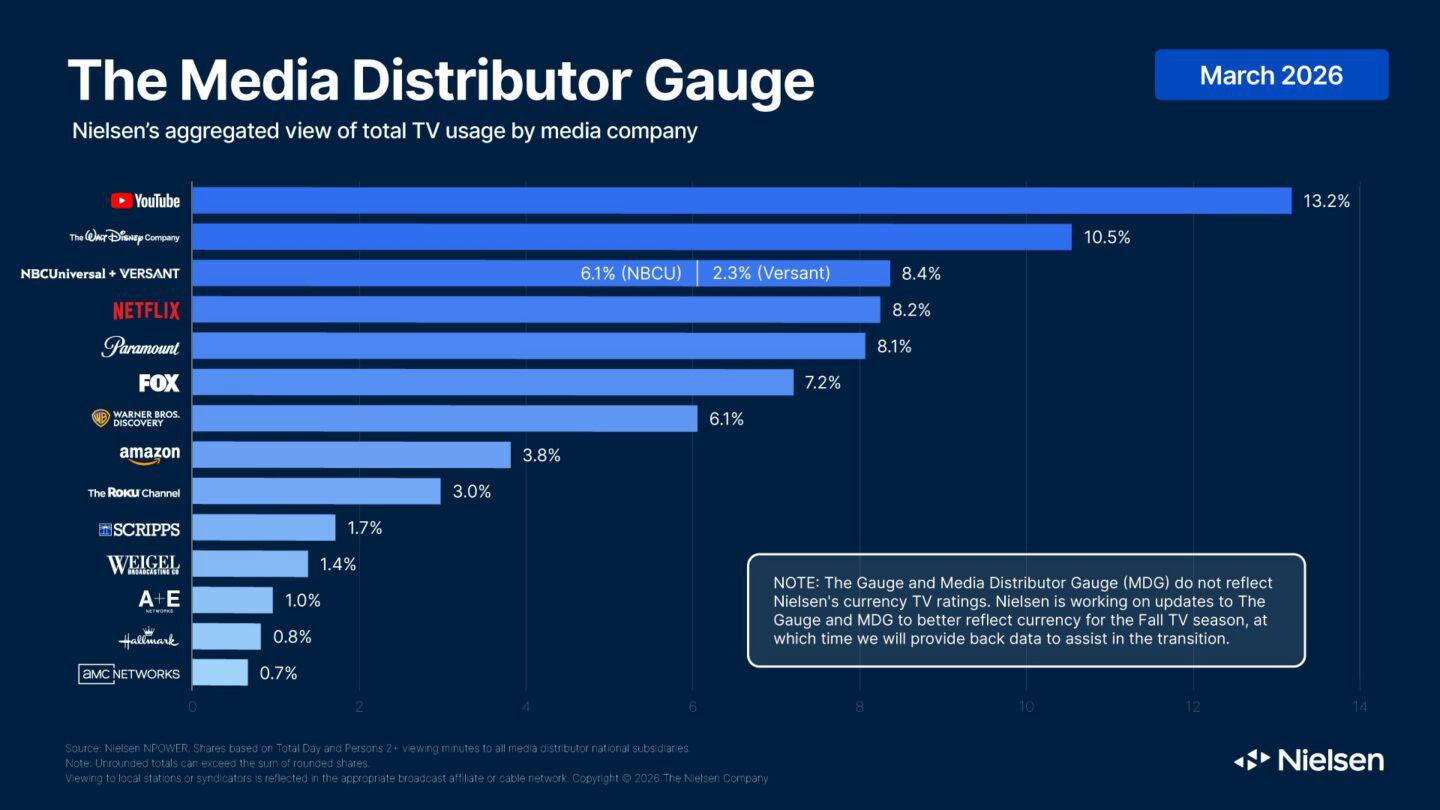
The top-viewed distributors were YouTube (13.2 percent), The Walt Disney Company (10.5 percent), and NBCUniversal/ Versant (8.4 percent). Fox was in fourth place (7.2 percent), and The Roku Channel was in ninth (3 percent).
Meanwhile, Fox would gain a new path toward ad sales and user tracking through The Roku Channel and Roku OS, which has a notable amount of ads. The merger would also help Fox expand beyond its legacy business and further into streaming, giving it more appeal among advertisers.
“Advertisers are … seeking large audiences, improved digital targeting and more consistent measurement across platforms,” Lachlan Murdoch, Fox’s CEO and chair executive, said during today’s investors call. “These converging dynamics across viewing, aggregation, and advertising have fueled the rapid growth of connected TV, and we are still in the early stages of this transition.”
Should the deal close, Fox shareholders are expected to own about 73 percent of the merged company, and Roku shareholders are expected to own about 27 percent. Fox would take on $8 million in debt to pay for the Roku acquisition, and the companies expect to reduce combined expenses by $400 million.
Under the acquisition, Roku’s Wood would be on Fox’s board of directors and have “an ongoing role at the combined company,” the announcement said without providing more detail.
The acquisition remains subject to closing conditions, including regulatory approval and approval from Fox and Roku’s shareholders. It’s expected to close in the first half of 2027.
BYD, Geely and Xpeng showcase eye-catching EVs at Beijing auto show as they build momentum in Europe and target more discerning buyers
For German consumer Erik Böhme, a first visit to the Beijing auto show was an eye-opener – the world’s largest car exhibition showcased a vast array of electric vehicle (EV) brands, many already gaining traction in Europe.
“I think there will be more Chinese brands coming and being successful in Europe,” said Böhme, a freelance automotive consultant who spent two days at the event, which ran through May 3.
From Beijing to Berlin: Chinese EVs turn heads as brands eye European markets

Böhme was among 250 foreign media, clients and social media influencers invited by Geely Automobile, China’s second-largest EV maker, to attend the show in Beijing. Around 50 of them came from Europe, the world’s thirdlargest car market.
Other Chinese carmakers, including Xpeng and Chery Automobile, also flew in hundreds – in some cases thousands – of overseas visitors, with Europeans making up a large share.
The push comes as Chinese EV makers pivot from a bruising domestic price war to overseas expansion, targeting higher margins, particularly in Europe, amid tightening regulations at home.
“Compared with the United States, Europe has been more open to the sale of Chinese vehicles,” said Dan Hearsch, global co-leader of the automotive and industrial practice at AlixPartners, pointing to higher trade barriers in the US.
Geely, which produces both petrol and electric vehicles, is targeting sales of at least 200,000 units in Europe this year – about 27 per cent of its full-year goal of 750,000 vehicles. Guangzhou-based Xpeng is also aiming to double its European sales after the region accounted for more than half of its exports last year.
BYD has not disclosed a regional sales target but plans to open multiple brand experience stores across Europe. Chery Automobile, known for exports to Russia and Mexico, officially opened its first overseas operations centre in Europe in April.
Suppliers are following suit. Advanced driver-assistance firm QCraft is targeting Germany as it looks to expand sales and better serve clients in the region.
Meanwhile, China’s mass-market EV leader is stepping up its push into the premium segment, with plans to launch its Denza Z all-electric sports car in Europe in July before bringing it back to China.
The pricing gap underscores the opportunity. In early April, BYD said it would launch the Denza Z9GT in Europe from €103,500 (US$121,050), nearly three times its domestic price.
The aggressive global push comes as sales at home soften following the rollback of government subsidies.
In the first quarter, BYD, Geely and Chery – China’s most profitable listed carmakers – all reported double-digit declines in net profit, as domestic weakness outweighed surging exports.

Even with stronger anti-involution measures and rising exports, any improvement in profitability was likely to be modest unless demand picks up significantly, said Gary Ng Cheuk-yan, senior economist at Natixis Corporate and Investment Bank.
BYD becomes UK’s largest Electric Vehicle brand
Morgan Stanley last month raised its forecast for Chinese EV export growth by 50 percentage points to 88 per cent this year, citing the energy shock linked to Middle East conflicts that could help offset flat domestic demand.
HSBC Global Investment Research said in a March note that China was not only a global leader in technology, scale and cost, but was also becoming a comprehensive system provider across vehicles, batteries, charging and storage.
Chinese-made EVs accounted for 16 per cent of Europe’s market in the first two months of the year, up from 12.2 per cent in 2025, and 7.7 per cent in 2024, according to estimates from Cui Dongshu, secretary general of the China Passenger Car Association.
Hearsch of AlixPartners said Chinese brands could capture as much as 20 per cent of the European market within five to 10 years, though strong consumer loyalty to local brands and geopolitical tensions remained hurdles.
Winning over European buyers will not be easy. In an AlixPartners survey, more than one-third of respondents said they would avoid Chinese brands, citing concerns over quality, safety and dealer networks.
Still, price could prove decisive. If Chinese carmakers can maintain low production costs while ensuring quality, their vehicles could be up to 30 per cent cheaper than local rivals, Hearsch said.
“Whatever your identity politics are, your wallet is usually a big part of that,” he said.
Böhme, meanwhile, pointed to Europe’s ongoing energy crisis as a key factor shaping consumer behaviour. Price and technology, he said, would be decisive – adding that as a current Volvo owner, he could see himself choosing Geely’s Starry as his next car.
BYD
• BYD sold 12,754 electric cars between January and April, according to data from the SMMT – with over 7% market share
• The brand also becomes most popular electric vehicle brand for private buyers
• Pure electric and plug-in hybrid sales total 26,396 year-to-date, resulting in 9.5% market share
BYD has become the UK’s best-selling electric vehicle (EV) brand, overtaking established brands such as Tesla, KIA, BMW and Volkswagen, with 12,754 electric vehicles sold in 2026 so far.
BYD has also, significantly, become the best-selling EV brand among private buyers, despite not being included in the UK Government’s Electric Car Grant.
Crucially, BYD is also doing well with its plug-in DM-i (Dual Mode intelligent) hybrid sales. The two power types combined are frequently referred to as ‘New Energy Vehicles’. In the UK year-to-date, its fully electric and plug-in hybrid sales hit an impressive 26,396 units, resulting in 9.5% UK market share. BYD currently sells three DM-i models, SEAL U, SEAL 6, SEALION 5, with ATTO 2 arriving soon, shortly followed by some extra siblings.
The UK EV market has grown by 22% overall, reflecting increasing consumer demand for sustainable mobility.
Bono Ge, Country Manager, BYD UK, said: “With fuel prices remaining high, more drivers are turning to electric vehicles as a smarter and more economical choice. We are delighted to see the UK EV market grow by 22% year-on-year, and even more proud that BYD has become the UK’s leading EV brand in a little over three years.
At BYD, we are committed to delivering outstanding value through high-tech electric vehicles that combine innovation, quality and affordability. But our ambition goes beyond building great cars. We are also bringing advanced technologies that unlock the full value of electrification, including Vehicle-toGrid solutions that can help customers optimise energy use and reduce costs.
In parallel, BYD has been deploying home and utility-scale energy storage solutions to support a more efficient and affordable energy ecosystem. Looking ahead, we also plan to introduce our breakthrough FLASH Charging, capable of charging a vehicle from 10% to 97% in just nine minutes.”
Inside the California Hub
Transforming Ford’s Way of Making EVs
More than a century after Henry Ford walled off a team that created the Model T, the company is again rethinking how it designs and builds vehicles, this time for the electric era.
As other companies pull away from EVs, Ford is expanding operations at its Long Beach, California hub. There, it has brought together tools, talent, and labs to design, test, and refine Ford’s next generation of electric vehicles, beginning next year with an affordable midsize truck.
What started three years ago as a secret skunkworks project has grown into a 350-person team at the Electric Vehicle Development Center, blending Ford veterans and newcomers from automotive startups and consumer electronics. Staff from across vehicle development — including designers, engineers, and supply chain experts — work just steps from one another and powerful technologies.
The campus also pairs the speed of a startup with the expertise and scale of a 122-year-old automaker. With freedom to experiment, the right tools nearby, and Ford’s manufacturing know-how behind them, the Advanced EV team can move ideas from concept to testing in hours or days instead of weeks or months — a pace reflected in its mantra of “fail fast, learn faster.”
“Innovation, ultimately, is what is going to help Ford win,” said Alan Clarke, vice president of Advanced Development Projects. “It is a whole different culture when you mix that all up.”
Everything in Long Beach is focused on Ford’s Universal EV Platform. So the team doesn’t have to compete with other products for resources. Work spaces feature a design studio, a complete milling and 3D printing lab, battery development, and real-world testing capabilities.

Akshaya Srinivasan, director of range, performance, and battery systems modeling, has often popped outside her battery lab for discussions with staff from other disciplines. These conversations, she said, have saved tangible dollars.
One recent chat over boba tea with the powertrain team sparked an idea that shaved multiple cells off the battery, reducing costs by hundreds of dollars.
“It is about making decisions quickly, always moving forward,” Srinivasan said. “Being together under one roof, it really does help. It allows us more conversations. You end up solving something more quickly.”
This isn’t the first time Ford has sequestered an independent team to retool a design. It’s EVs now, but the first example came in 1907. Henry Ford sectioned off part of the Piquette Plant’s third floor to design a radical new vehicle. The result: the Model T.
When Ford announced its Universal EV Platform last August in Louisville, Kentucky, President and CEO Jim Farley likened the program to a Model T moment, saying the company needed new solutions for electric vehicles.
“We tore up the moving assembly line concept,” he said, “and designed a better one.”
Moving away from the traditions of Michigan while drawing on the company’s history in Long Beach, where it has made vehicles on and off since 1914, is part of the effort to write a new electric chapter.
Early on, Nathan Kollross served as a liaison between the burgeoning Advanced EV team and the workspace architects. The Electric Vehicle Development Center, known as EVDC, started with a 120,000-square-foot building, then quickly grew to include a second, slightly larger one beside it.
“The driver behind our space was never to make a Taj Mahal,” said Kollross, senior operations manager. “It was always functionality and efficiency. Here, we have all the ingredients we need for success.”
The campus layout means teams go from raw material and ideas straight through complete project and testing, with an aim of creating a design and manufacturing plan that can support multiple affordable vehicles.
“It is all 100 feet, 200 feet away to get your hands on a part,” Kollross said. “Having the team all in one space and seeing how quickly and efficiently we can work together is the biggest positive.”
Daniel Smith, director of occupant architecture and seating at the EVDC, was one of the team’s first employees, back when it was known as “skunkworks”. He recalled sitting alone in an office in nearby Irvine early on. Over time, he’s watched the Advanced EV team and campus take shape.
“These are not people that just got a project assigned to them,” he said, “but people who are mission-driven on that topic.”
Throughout the facility, conversations about building better EVs ping around daily in person, rather than through emails or video calls.
“We can see all these teams and collaborate with them while getting a cup of coffee,” Smith said. “It doesn’t have to be a scheduled meeting two weeks out.”
Before ideas become physical, collaboration goes digital. A meeting room features a floor-to-ceiling LED wall to display lifesized vehicles and is even large enough for the team to drive in multiple prototype vehicles.
Long Beach staff can also use the wall to collaborate with colleagues in Dearborn, Palo Alto, Louisville, or elsewhere, helping speed decisions. Roughly 500 employees at those locations also work on the Universal EV Platform.
“We are not waiting for a more formal forum to make the decision,” said Yohann Ory, head of design.
Nothing informs rapid decision making like a finished prototype. Long Beach makes that possible every day with its 22,000-squarefoot design studio sitting squarely in the center of the site.
That center features seven milling towers for modeling at scale, 3D printers, a trim shop, and a 360-degree turntable. Every team member has access to a fabrication shop for turnarounds on fullsize prototypes that can take as little as 30 minutes or up to just a few days, allowing more iterations while saving time and money. “We are going to get as much a quality benefit as a quantity and speed benefit,” Smith said. “Our absolute deadline might not change. But we can do three or four more iterations and try more variety, while taking more risks to try crazy ideas in-house.”
Whether an engineer needs to craft from metal, foam, clay, or composites, they can do so with the site’s capabilities. A five-axis Fooke 911 gantry machine with a large robotic arm can carve fullsize vehicle models as large as a F-150 in a matter of days. Tools with water-cutting jets can also cut metal.
“Everything you touch goes through the design studio’s hands to make it real for our customers,” designer Eva Ross said. “We go through the whole process from that early initial sketch to understanding the production implications.”
For smaller components, the trim shop, with banks of sewing
and cutting machines, offers prototyping for seating and interior elements. No matter the part, Long Beach can sculpt and shape it for a hands-on representation, reducing a typical three-month turnaround to as few as two weeks.
From designing the tiniest knob to the full-size vehicle, Scott Anderson, senior manager of seating, says the team can take a virtual design into a physical product so “that we can all poke and prod and determine what’s good, bad, or absolutely fantastic.”
At Long Beach, the Advanced EV team can test prototypes in almost any simulated weather or load condition. Srinivasan, whose work focuses on the battery lab, said this lets teams fine-tune designs and make meaningful changes earlier in the process.

“Having everything here, we can go back to the vehicle and see how it works, take parts off, test a cell,” she said. “And it can all happen in one day.”
That speed is helped by a range of on-site equipment. In the battery lab, a thermal shock chamber tests battery packs and an ultra-high precision coulometer technology simulates years of wear in weeks.
Nearby, a thermal lab can house a full-size vehicle and mimic environmental extremes to see how batteries and other parts hold up. And a climatic chassis dyno lab — a simulation of wind resistance, speed, humidity, and grade using a vehicle strapped down and driving on 48-inch rollers — will help engineers spot efficiencies .
“Testing early, fail fast. That is one of our commandments,” Srinivasan said. “We target zero failures, so we have to understand where they failed. Our goal is to build and design the system that rarely, if ever, fails in our customer’s hands.”
With the battery accounting for roughly 40% of an EV’s cost, producing the most efficient battery requires foresight. But performance isn’t only about the battery. It also requires innovation across every element of the Universal EV Platform so that future vehicles benefit from the team’s advances.
“We are finding ways to make our vehicles affordable, and not just thinking about the first vehicle,” Smith said. “We have in mind the second, third, fourth, and fifth vehicles that utilize a lot of the same components, assembly methods, the same techniques to save engineering costs over time.”
With a clean sheet, the early skunkworks team joined Ford manufacturing veterans in reimagining the Universal EV’s platform. Staff put everything under scrutiny — the number of parts, the weight of wiring harnesses, hose connections, mounting points, and more.
The efficiencies translated into 20% fewer parts and 50% fewer cooling hoses and connections, meaning assembly of the midsize truck will ultimately net out at 15% faster than Louisville Assembly Plant’s previous products.
The changes also improved the ergonomics of the assembly process, with leaders hopeful that operator fatigue will decrease.
Those manufacturing innovations — underscoring the Advanced EV team’s startup mindset and Ford’s industrial capability — will transfer through to the assembly plant in Louisville and other products, ensuring savings across the company.
“I don’t think there is anything we couldn’t build in the space,” Kollross said. “We are dead focused on the program right now. Whatever the engineering teams bring to us, we want to make without having to outsource to other companies.”
The focused approach to EV development is fresh for a company backed by 122 years of tradition. Just like the Piquette plant’s historic third-floor Model T program, the Long Beach campus is critical to recharging Ford’s electric future.
“Culturally, it’s a really big shift,” Clarke said. “Ultimately we deliver this, or we have no justification for existing.”
Foxtron, a division of Taiwanese consumer electronics giant Foxconn, which is one of Apple’s primary iPhone assemblers, has launched the Cavira as a pretty clear competitor to Tesla Model Y. This company builds the iPhone. Now it’s launched an electric car.
It’s called the Cavira, it’s an electric vehicle with up to 359 miles of range, and it’s built by the company that builds the iPhone.
The Cavira is an electric SUV that comes in several flavor, including a dual motor variant that has 468 hp, goes from 0-100km/h in 3.8 seconds, and has up to 334 miles of range. A single (rear-mounted) electric motor variant has only 249 hp, but that comes with the perk of having up to 359 miles of range. Both versions have an 82.7 kWh battery, which charges from 10-80 percent in less than 30 minutes.
Inside, you’ll find a pretty clean interior with a vertically oriented, 15.6-inch display, something that’s becoming quite rare in today’s EVs, most of which favor the horizontal display. Highlights include cruise control with lane assist, heated and ventilated front seats, and a fragrance system — including a setting called “Sweet Tranquility,” which does sound like something I might need while driving in city traffic.
The Foxtron Cavira starts at 1.239,000 New Taiwan dollars, which is roughly $38,167, and it will be available in Taiwan first. There’s no word on availability in the U.S., though as InsideEVs pointed out, Foxconn did own a former General Motors factory in Lordstown, Ohio. The company sold that factory last year, so the chances of the Cavira ever being built in the U.S. are pretty slim.
Luxury sports car maker Ferrari has unveiled its first fully electric car - the $640,000 (£474,320) Luce.
The new model departs from the look of typical Ferraris as the Italian brand’s first ever five-seater, created in collaboration with the LoveFrom agency founded by former Apple design chief Sir Jony Ive.
Responses on social media to the launch ranged from describing it as “straight to the junkyard trash” to an “absolute masterclass in design”. On Tuesday, the firm’s shares fell more than 8% on the Milan stock market and by over 5% in New York.
Supercar rivals like Lamborghini and Porsche have scaled back on their EV plans due to poor demand and intense competition from Chinese brands.
Ferrari chief executive Benedetto Vigna said in Rome that the Luce, Italian for “light”, has taken half a decade to develop.
Vigna also showed the new car to Pope Leo on Tuesday, who sat in the vehicle and was presented with its steering wheel.
Ferrari plans to roll out the electric vehicle (EV) after previously ruling out such a move, opting instead to make hybrid cars that are powered by both petrol and electricity.
The Luce runs with a Ferrari-made electric motor on each wheel, helping the car to hit 60mph (96km/h) in around 2.5 seconds.
The firm said that all of the components are made in-house, so that the car can be repaired by the company well into the future, protecting the Luce’s resale value.
The shift by motor industry giants to EVs has faced major obstacles in recent years.
Carmakers including Ford and Volkswagen have doubled down on petrol cars, especially in the US, due to poor demand and regulatory changes under President Donald Trump, who has cut incentives for EV buyers.
Ferrari unveils first fully electric car designed by ex-iPhone Designer
Volkswagen is launching more affordable EVs, starting with these two models
But not all commentators reacted negatively to the new car, with one post saying: “Absolute masterclass in design. Ferrari just unveiled the breathtaking LUCE concept, and it is a total game changer.”
Ferrari’s chief design officer Flavio Manzoni said in an interview with YouTuber Cleo Abram that critics are part of the innovation process.
He acknowledged the concept of an electric Ferrari with a new design is “polarising” but believes people will appreciate it in months to come.
Ferrari has also said it will continue offer petrol and hybrid cars along with its all-electric vehicle.
Meanwhile, Ferrari’s direct competitors have rolled back their EV ambitions.
Lamborghini abandoned its plans to launch all-electric cars, pivoting to hybrid models instead, citing low demand for high-end luxury EVs.
Germany’s Porsche has scaled back its EV plans due to weak demand, caught between poor sales in China and tariffs in the US.
Western carmakers have also faced intense competition from Chinese carmakers, which are able to produce vehicles faster and more cheaply.
Ferrari is Europe’s most valuable carmaker. It relies on selling highly exclusive cars - a strategy that has helped to shield Ferrari from much of the pressure faced by rivals.
Yet Ferrari’s shares have dropped by more than 30% over the past year, mirroring a wider slump across luxury brands as inflation around the world has shaken demand for high-end goods.
The first Volkswagen ID. Polo and Cupra Raval models rolled off the production line at the Group’s Martorell plant in Spain, the first of several new affordable, mass-market EVs.
Volkswagen opened orders for the new ID. Polo in April, the electric version of one of the brand’s all-time bestselling models, and the Cupra Raval, a sporty low-cost EV hatch.
Starting at €24,995 ($29,000) and €26,000 ($30,100), the ID. Polo and Cupra Raval are the first models from the Group’s Electric Urban Car Family.
Led by Seat & Cupra, the new entry-level lineup consists of “compelling entry-level cars that are affordable for many,” according to Volkswagen Group CEO Oliver Blume, while still offering “space and top technology customers know from higher segments.”
After the first models rolled off the production line on Wednesday, Blume said the company is “stepping up the pace of electrification in Europe.”

With Chinese brands like BYD quickly gaining market share, Volkswagen’s CEO stressed that it’s now critical for “a clear Made-in-Europe strategy that ensures a level playing field and strengthens Europe’s industrial base.”
=Volkswagen brand CEO Thomas Schäfer explained that the Electric Urban Car Family demonstrates how the Group can pool resources to “deliver electric mobility at scale.”
Built on the shared MEB+ platform, the new entry-level series reduces costs while enabling different, unique models.
“The success of SEAT & CUPRA in leading a cross-brand project for the first time demonstrates the strength of our model: a shared platform that enhances competitiveness in the entry-level segment, delivering €600 million in cost savings,” Schäfer said.
The ID. Polo is the first “true Volkswagen,” as the company calls it, bringing a new look, modern tech, and a compact yet spacious interior at an entry-level price.
It will be available with two battery pack options: a 37 kWh LFP pack or a 52 kWh NMC pack, offering a WLTP driving range of up to 454 km (282 miles).
Built on the same platform, the Cupra Raval will be available in three variants, offering a range of around 450 km.
It will be “the most radical version of the urban EV” so far, with 3D-knitted CUP Bucket seats, dynamic light projections in the door panels, and more.
Following the ID. Polo and Cupra Raval, Volkswagen will introduce new members to the Electric Urban Car Family, including the ID. Cross, an electric version of the T-Cross, later this year.

Volkswagen to add AI agents to cars in China in 2026
Volkswagen said in Beijing on April 21 that it will add AI agents to new cars built for China from the second half of 2026 through models using its China-only electronic architecture.
The move comes as the German automaker tries to catch up with Chinese rivals on EVs and software while also responding to pressure on prices and development speed.
Volkswagen said the system was built with Chinese automotive chipmaker Horizon Robotics and can handle more complex tasks than a standard voice assistant.
The software could find a restaurant and book a table before guiding the driver there and arranging parking, said Ralf Brandstaetter, Volkswagen China chief.
The group also plans to launch more than 20 new electrified vehicles in China and 50 new models overall by 2030.
At a headline level, the global headphones market looks steady. Volumes are holding, and the demand is there. True wireless continues to carry the momentum. On paper, it’s a category that has found its footing in a more uncertain consumer environment, but this stability hides a more important shift.
The headphones market is no longer moving as one. It’s diverging, with very different dynamics emerging at the top, the middle, and the bottom.
The Headphones Market Isn’t Slowing. It’s Diverging


In 2025, the global headphones market delivered broadly flat volume performance, which tells an important story. Demand for personal audio remains deeply embedded in everyday behaviour.
But value is a different conversation: across much of the market, pricing pressure is intensifying. Average selling prices are tracking downward, particularly in mid and lower tiers where competition is most aggressive. The result is a market that is growing in units but struggling to translate that into revenue.
Premium is no longer chasing scale
At the top end, brands such as Apple and Sony continue to anchor the category. But their priorities have shifted. Growth is no longer the primary objective. Instead, the focus has moved to margin, positioning and ecosystem strength.
This reflects a maturing replacement cycle. Consumers at the premium end are holding onto devices for longer, and the pace of upgrade has slowed. Incremental improvements are no longer enough to drive rapid replacement.
Rather than a collapse in premium demand, expectations are simply readjusting. Premium is becoming more deliberate, less reactive, and more focused on long-term value.
The mass market is scaling, but at a cost
At the other end of the spectrum, volume is shooting upward. Brands such as Xiaomi continue to expand aggressively, pushing units into the market at scale. But that growth is coming with clear trade-offs. Revenues are under pressure, margins are tightening, and differentiation is harder to sustain.
This is the reality of a deflationary environment. Volume is achievable, while profitability is not guaranteed.
The middle is where the battle is shifting
Between these two extremes, something more interesting is happening. A group of brands is finding ways to grow both volume and value through a careful balance of both.
Anker and Realme are key examples of this approach. By maintaining discipline around pricing and positioning, they are building sustainable growth in accessible segments.

At the same time, challengers such as Nothing are carving out distinct identity-led positions, particularly among younger audiences. Growth here is not driven purely by price, but by brand relevance and design-led differentiation. These are not volume leaders yet. But they are shaping how the middle of the market evolves.
True wireless remains the centre of gravity
Within the category, true wireless maintains its stronghold. It accounts for the majority of both volume and value, and remains the entry point for many consumers into higher quality personal audio. However, it is also where competition is most intense.
Shipments continue to grow, but value is under sustained pressure. As more brands enter the space and pricing becomes increasingly aggressive, the gap between unit growth and revenue is widening.

Even at the premium end, pricing pressure is becoming more visible.
A more complex path to growth
The headphones market is not slowing down, but it is becoming more complex.
There is no longer a single route to success. Scale, on its own, is not enough. Premium positioning, on its own, is not enough. Instead, the challenge is how those elements are combined.
Brands now need to navigate a more nuanced landscape, where value is shaped by the balance between price, identity, product performance, and ecosystem fit.
That balance is harder to achieve. But it is where sustainable growth now sits.
The
Headphones Market Isn’t Slowing. It’s Diverging
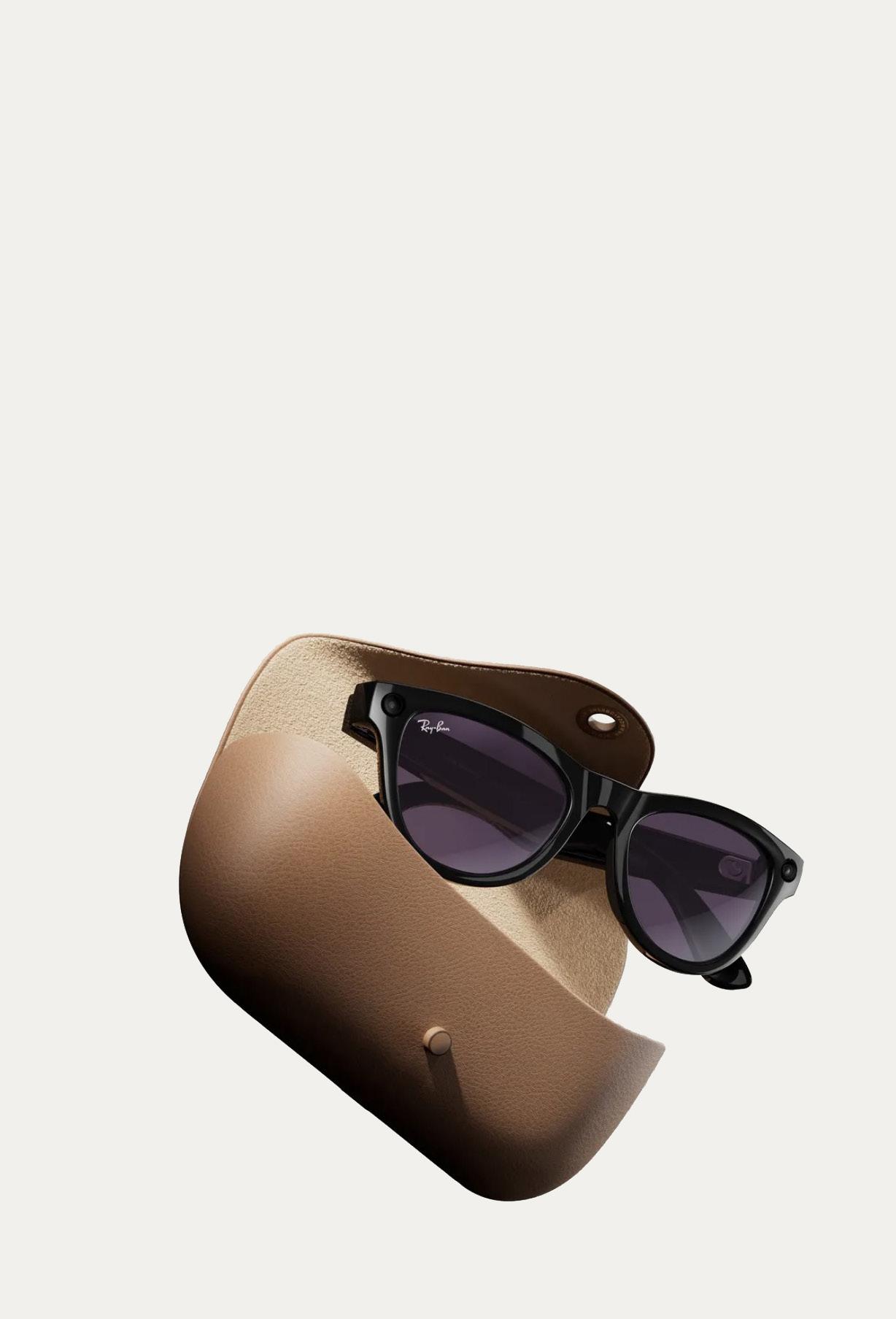
Meta said daily usage of its smart glasses tripled year-over-year, and that they remain “one of the fastest growing categories of consumer electronics ever”.
The claims were made by Mark Zuckerberg speaking to investors during the company’s Q1 2026 earnings call.
In February, Meta’s fashion, branding, and hardware partner EssilorLuxottica (which Meta owns a stake in) revealed that 7 million units of Ray-Ban Meta and Oakley Meta glasses were sold in 2025 alone, and that the devices had become the “dominant driver” of its wholesale growth.
For comparison, Quest 2 sold an estimated 20 million units in two and a half years, while Steam Deck sold around 4 million units over the same timespan.
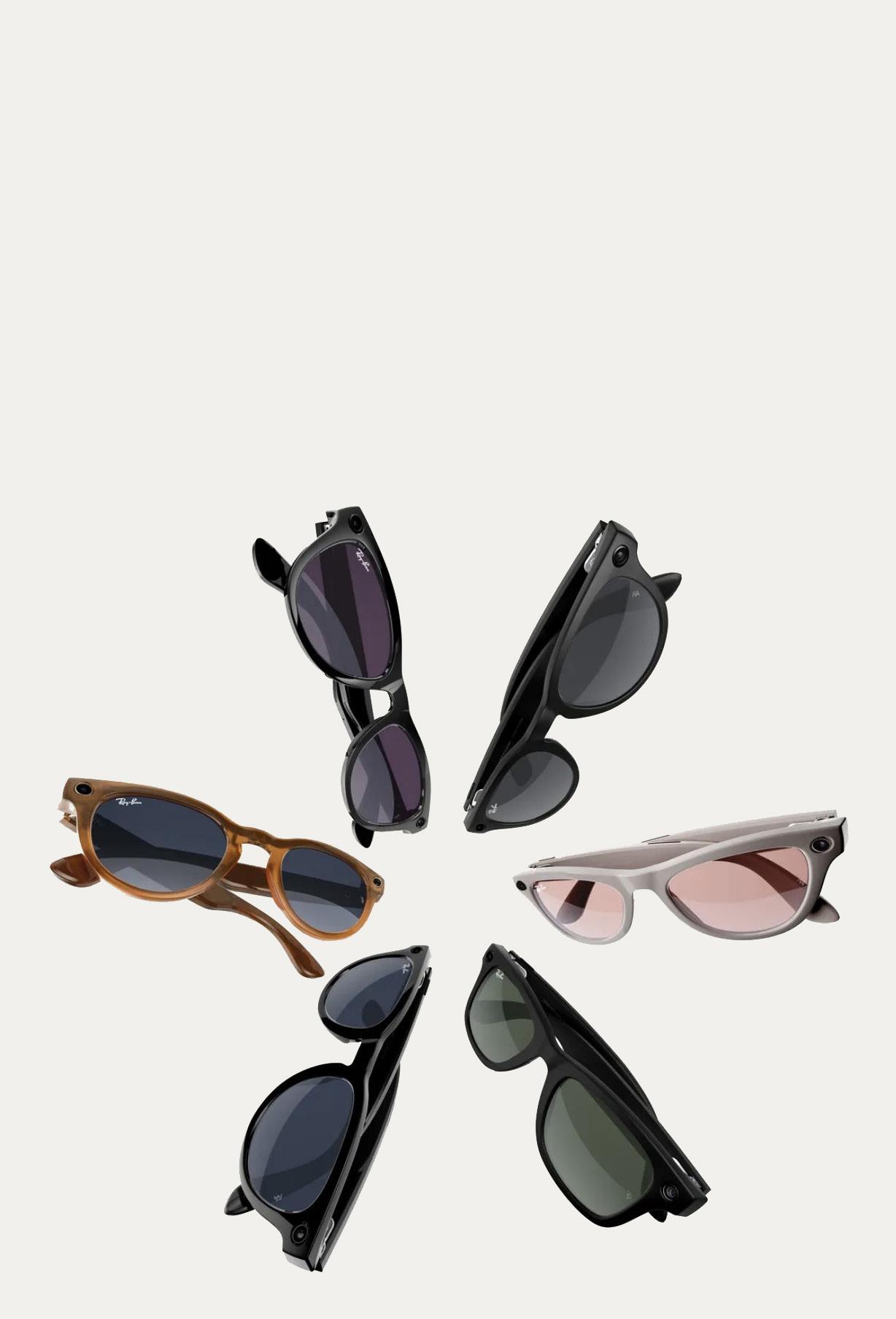
Near the start of this year, Bloomberg reported that Meta and EssilorLuxottica were discussing doubling or even tripling smart glasses production capacity. It’s unclear whether this has yet happened.
It’s undeniable at this point that smart glasses are a successful consumer product category, both in terms of sales and retention. The question now is whether Meta will maintain its lead once serious competition from Apple and Google arrives.
At I/O 2026 Google confirmed that smart glasses with Gemini, from Warby Parker and Gentle Monster, are launching this fall.
Apple is also widely rumored to be launching its own smart glasses in 2027, and this could further squeeze Meta’s market share – though the company may be hoping that the total future market for smart glasses is large enough to have space for all three companies in the long term.
With more than 20 years of experience in the consumer electronics sector, 2Twelve has successfully managed and developed numerous audio brands.
In recent years, we have concentrated on supporting thirdparty brands with their industrial design, mechanical, electronic, and software engineering needs, creating innovative, industryleading products that drive business growth and delight customers.
• Our Services Include
• Strategic Business Planning
• Product Road-mapping
• New Product Development & Industrial Design
• Proof of Concept Prototyping
• Packaging Design Solutions
• Regulatory Compliance & Certification
• Market Research & Insights
• Product Optimization & Refinement
• Production & Supply Chain Coordination
• RFQ Evaluation & Manufacturer Selection
• User Manual & Quick Start Guide Creation
Our holistic approach steers projects from ideation to production. With a small team in the UK and Hong Kong, we excel at identifying market opportunities and developing distinctive products, all while navigating the challenges of launching in a competitive marketplace.
Developing Products Is Not Easy!
We assist in selecting the right manufacturer for the project and manage the entire development process to ensure the delivery of fully tested and certified products. We help establish robust quality management processes and support the transition from pilot runs to mass production.
Our expertise extends to market analysis and over the years we have published hundreds of market intelligence reports. Insert image 2T report
With expertise across design, technology, and manufacturing, 2Twelve supports partners in bringing new audio products to life.