HOME CINEMA & SCREENING ROOM SYSTEMS
The systems in this document follow the design principles below to help you achieve the very best immersive audio experience for your clients.
PREDICTABLE SPEAKER DISPERSION
System designers can accurately predict sound coverage and SPL using product data available from the manufacturer. For those that require full 360-degree dispersion data, this is available in GLL format on request. Both point-source and line-source speakers are featured giving designers even greater choice of dispersion characteristics for different room environments and sizes. K-array K-Framework software can be used to simulate SPL coverage and assist in finetuning speaker aiming.
TIMBRE-MATCHED
Our systems use the same speaker model for all listener level channels ensuring all direct sound reaching the listeners is precisely matched in tonal balance, thereby delivering the most consistent and accurate sound field.
INTER-SPEAKER PHASE COHERENCE & GROUP DELAY MATCHING
As with timbre-matching, using the same speaker model for all listener level channels avoids mismatching of phase and group delay characteristics, both of which are critical in achieving accurate spatial resolution. Similarly, all upper speakers are specified as the same model.
Based on manufacturer data, the systems in this document are theoretically capable of achieving the CEDIA/CTA Recommended Practice (RP22) performance levels stated. These are recommended targets for system designers only, but act as an important guide to the system’s dynamic performance capability. We recommend system designers refer to RP22 for further guidance.
All systems feature matching K-array Kommander DSP amplification to drive all speakers and subwoofers. Kommander amplifiers have large power reserves for precise speaker control and dynamic performance. Their Electronic Integrated Brain provides huge digital signal processing power. Dedicated presets optimise the frequency response of K-array speakers and provide robust, yet un-obtrusive overload protection. Not only is the highest audio fidelity ensured, but also long-term reliability, especially important for systems used daily at high sound pressure levels.
Simply partner Kommander amplifiers with your preferred AV surround processor using analogue balanced XLR connections, or DANTE™ audio over IP.
IP control drivers for all major 3rd party control systems are available for seamless system integration.






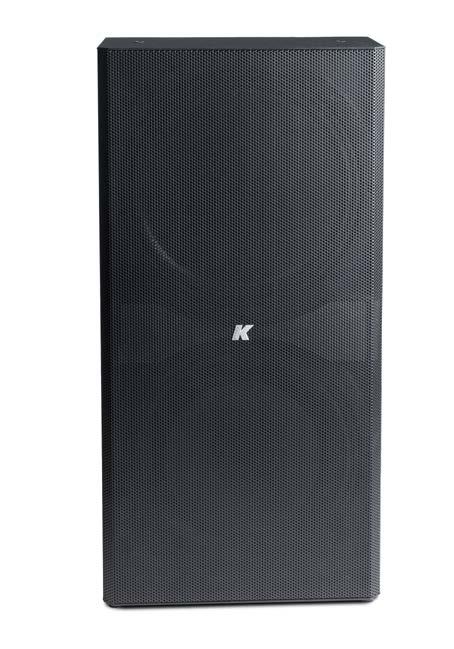
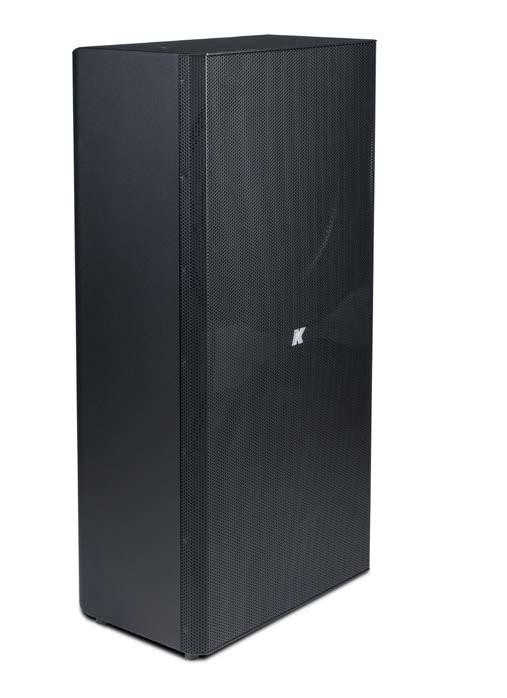
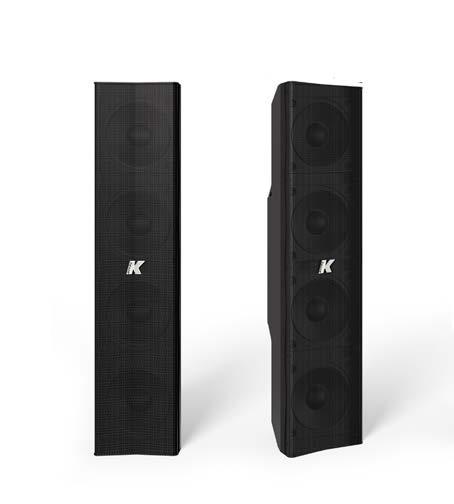
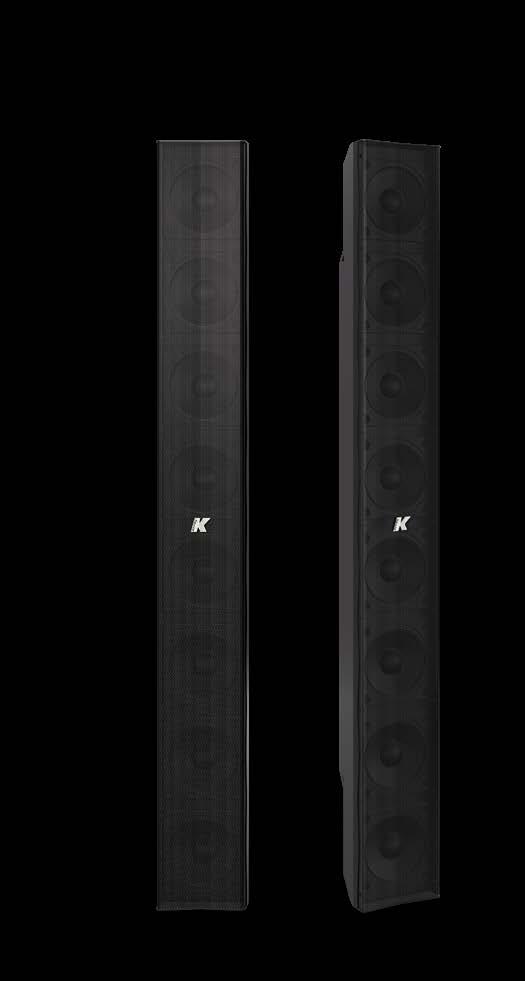
Composed of closely spaced, full-range sound sources, the Python and Kayman ranges feature Pure Array Technology (PAT). With no crossover and no reflex, it shows a perfect phase response both in the near and in the far fields, which makes this column the perfect solution to cover distance uniformly. The narrow vertical coverage minimizes the sound spill towards the ceiling and the floor, thus increasing the intelligibility in any space.
The Python and Kayman are line sources and produce a cylindrical wave expansion that attenuates less with distance compared to a point source. This characteristic makes them ideal for larger cinemas and screening rooms.
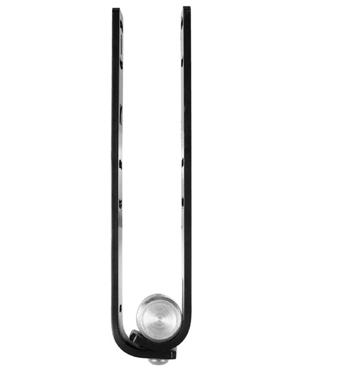
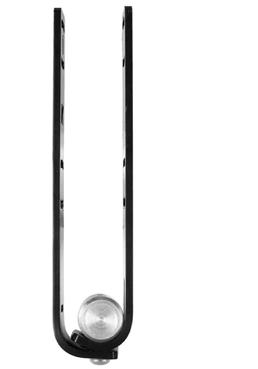
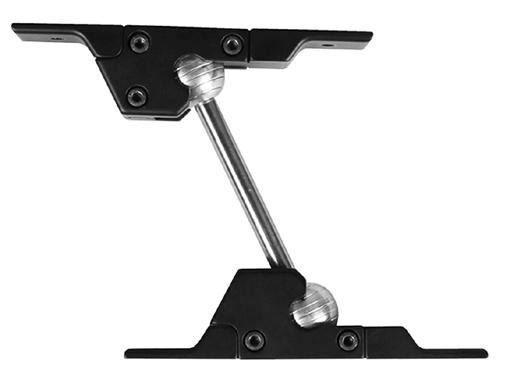
Enabling precise angle adjustment for loudspeakers is vital in achieving optimum audio quality. K-array offers a range of mounting accessories, additionally 2B Heard has designed and developed a full catalogue of custom made mounting solutions.
The Domino range are high-performance, high-SPL, coaxial 2-way, full range speakers featuring compact, shallow cabinets with passive bass radiators for extended, controlled bass response. Their coaxial mid-high configuration gives them smooth, symmetrical, and predictable dispersion characteristics ideal for home cinemas and screening rooms.
Point source loudspeakers produce a sound propagation loss of -6dB as distance from them doubles with sound radiating from them spherically.
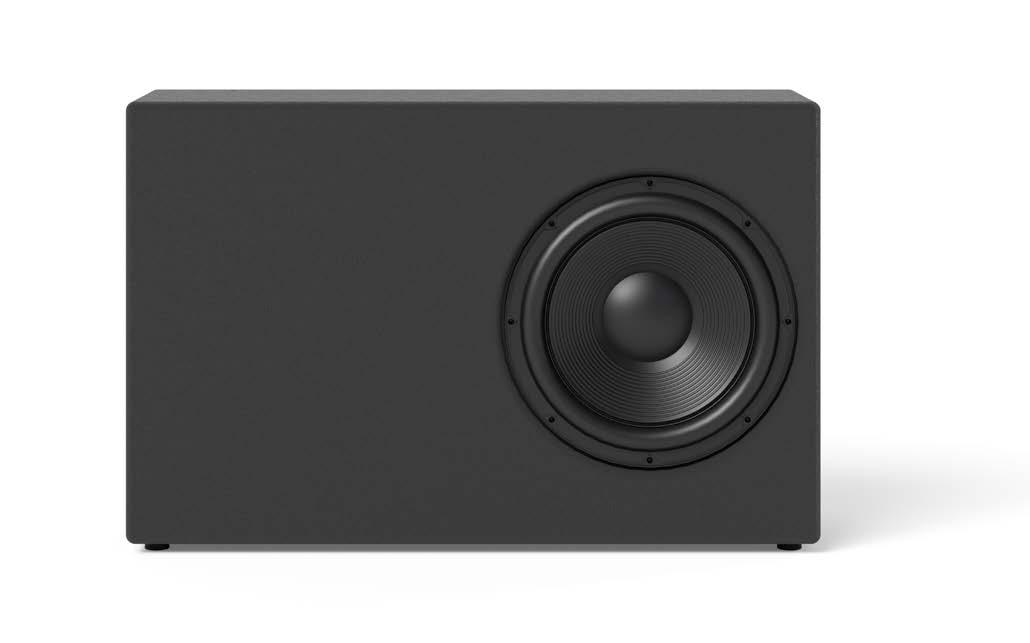
With 12-inch and 18-inch models, both featuring shallow cabinet profiles and high excursion drivers with large voice coils for exceptional power handling, their bass reflex designs deliver extreme bass dynamics and reproduction of the infrasonic frequencies fundamental to cinematic and immersive audio content.
The KSC12P is suitable for smaller rooms and can reproduce frequencies as low as 24Hz with ease at levels up to 120dB. The KSC18P is suitable for all rooms, but especially larger rooms. Able to output 15Hz at 128dB, it’s effortless dynamics and bandwidth provide the ultimate in cinematic bass experience.
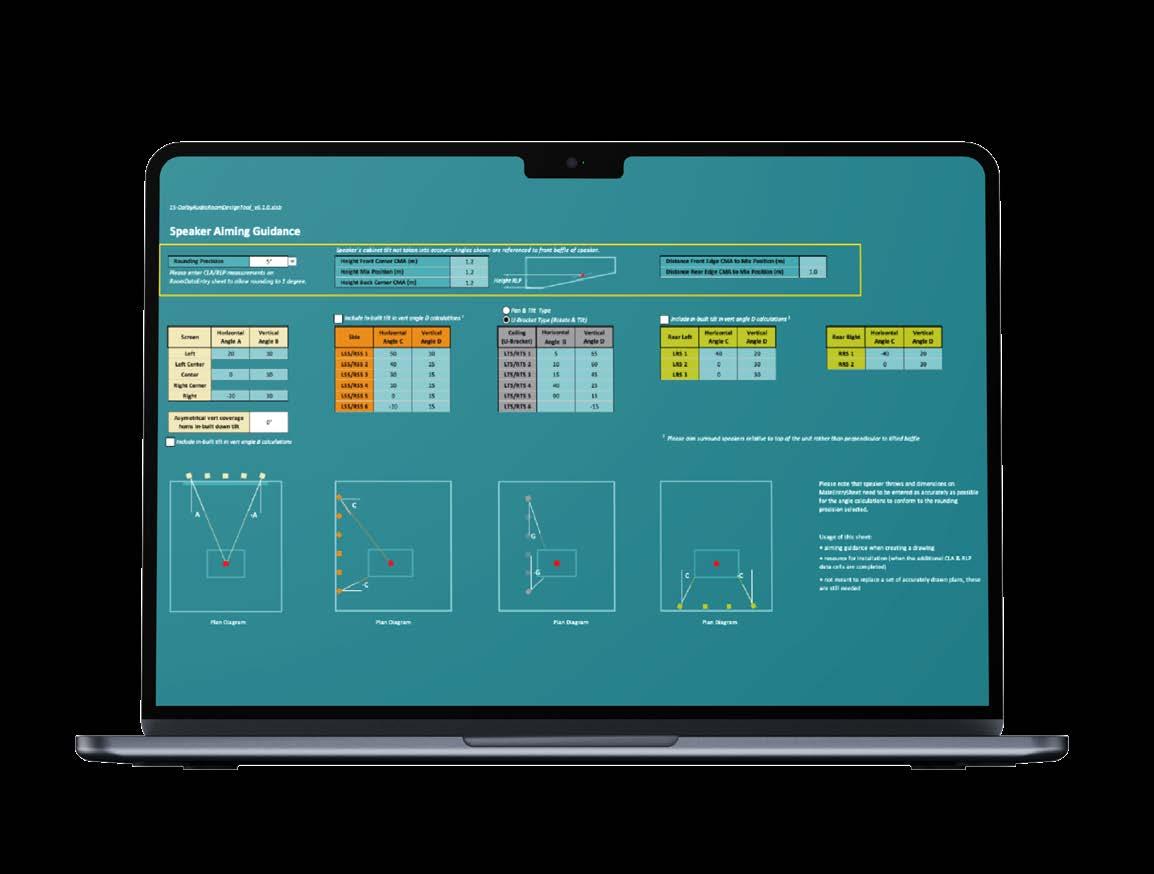
The suggested systems in this document follow the layouts recommended by DolbyTM for AtmosTM. With our design tools and expertise we can adapt and modify these layouts and configurations to meet a design’s exact requirements.
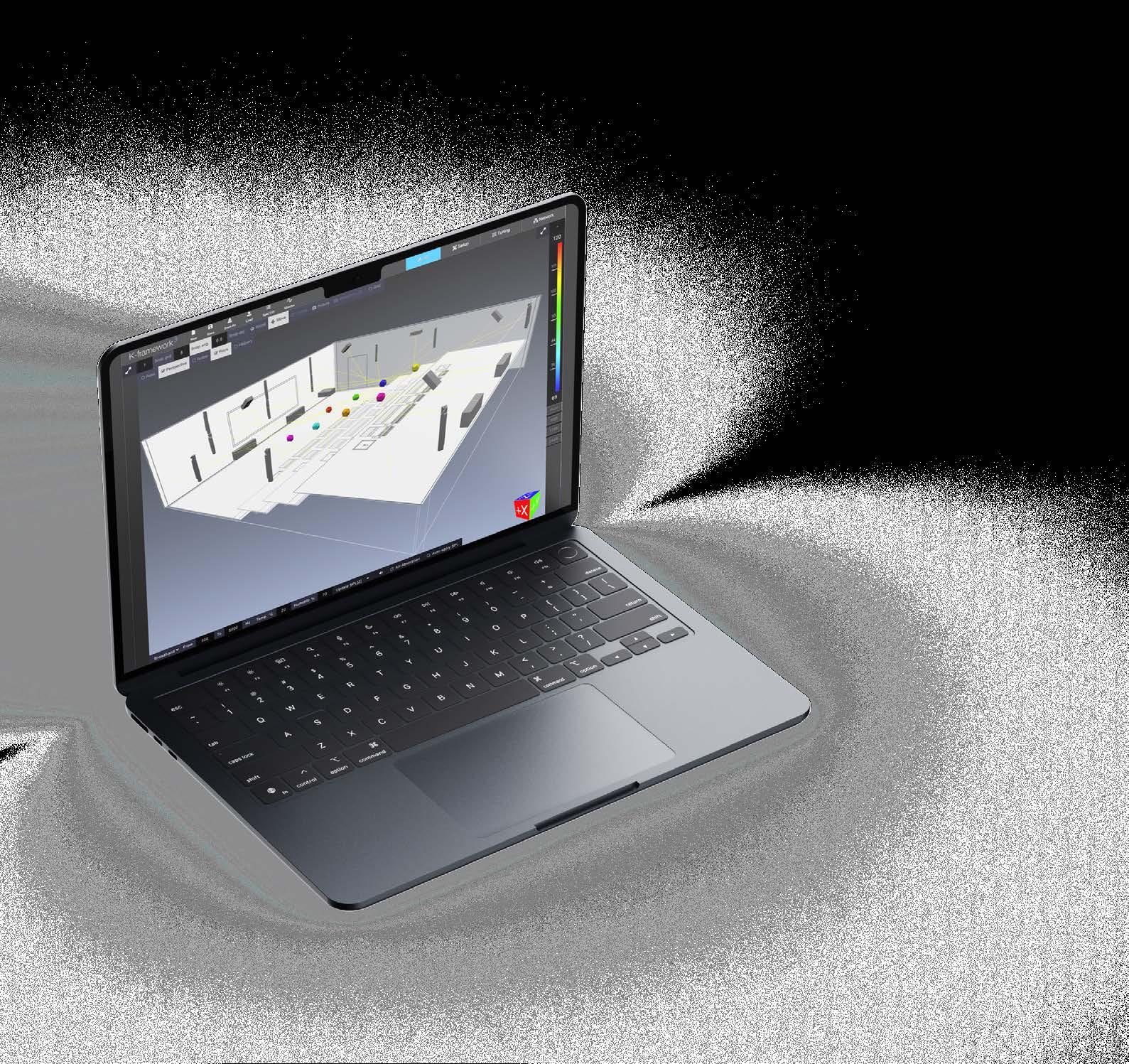
Dolby Audio Room Design Tool is a professional software that helps design all types of cinemas, screening rooms and mix studios, whether private or commercial. The tool features K-array products in its library.
Dolby and the double-D symbol are registered trademarks of Dolby Laboratories. All other trademarks remain the property of their respective owners. © 2023 Dolby Laboratories, Inc. All rights reserved.
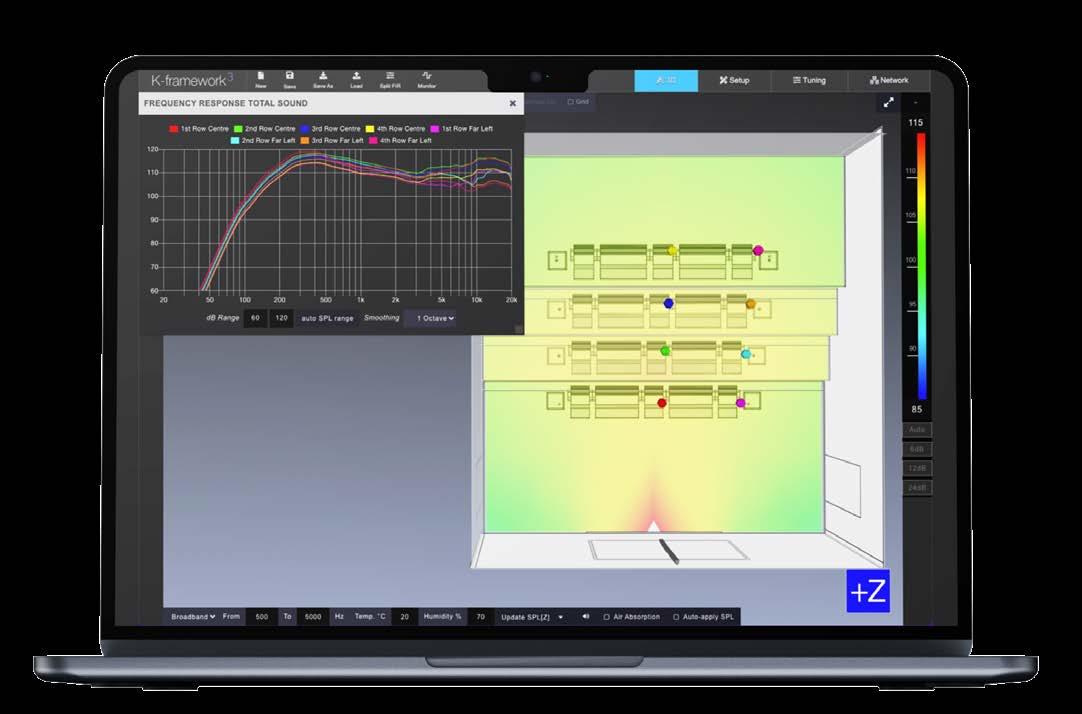
K-framework3 Acoustical simulation software allows designers to predict frequency response and sound coverage from each speaker and at any listener position. This is a vital tool for calculating accurate speaker positions and pan/tilt angles.

SUGGESTED FOR ROOMS UP TO 25M2
Suggested target CEDIA/CTA RP22 Dynamic Performance Level from Screen Speakers at Reference Seating Position: Level 1 (99-102dB SPL C-weighted

SUGGESTED FOR ROOMS UP TO 35M2
Suggested target CEDIA/CTA RP22 Dynamic Performance Level from Screen Speakers at Reference Seating Position: Level 1 (99-102dB SPL C-weighted)




SUGGESTED FOR ROOMS FROM 35M2 TO 80M2
Suggested target CEDIA/CTA RP22 Dynamic Performance Level from Screen Speakers at Reference Seating Position: Level 2 (102-105dB SPL C-weighted)
SUGGESTED FOR ROOMS FROM 25M2 TO 40M2 AND SCREEN WIDTHS >2.5M @ 2.40:1 RATIO.
Suggested target CEDIA/CTA RP22 Dynamic Performance Level from Screen Speakers at Reference Seating Position: Level 2 (102-105dB SPL C-weighted)









SUGGESTED FOR ROOMS FROM 35M2 TO 55M2 AND SCREEN WIDTHS >2.5M @ 2.40:1 RATIO.
Suggested target CEDIA/CTA RP22 Dynamic Performance Level from Screen Speakers at Reference Seating Position: Level 3 (105-108dB SPL C-weighted)

SUGGESTED FOR ROOMS FROM 50M2 TO 100M2 AND SCREEN WIDTHS >3.7M @ 2.40:1 RATIO.
Suggested target CEDIA/CTA RP22 Dynamic Performance Level from Screen Speakers at Reference Seating Position: Level 3 (105-108dB SPL C-weighted)