
Essential Guide to Better Hearing and Long-Term Ear Health
The Importance of Early Hearing Care
Hearing health is a foundation of long term wellbeing, yet many people underestimate how strongly it is connected to brain function, emotional wellness, and daily communication Research consistently shows that untreated hearing issues increase the risk of cognitive decline, depression, balance problems, and social withdrawal.
For anyone planning an ear wax removal, early assessments are one of the most powerful steps for protecting long term cognitive and emotional health Age related hearing changes often begin quietly, making routine hearing checks essential for detecting subtle shifts before they become disruptive
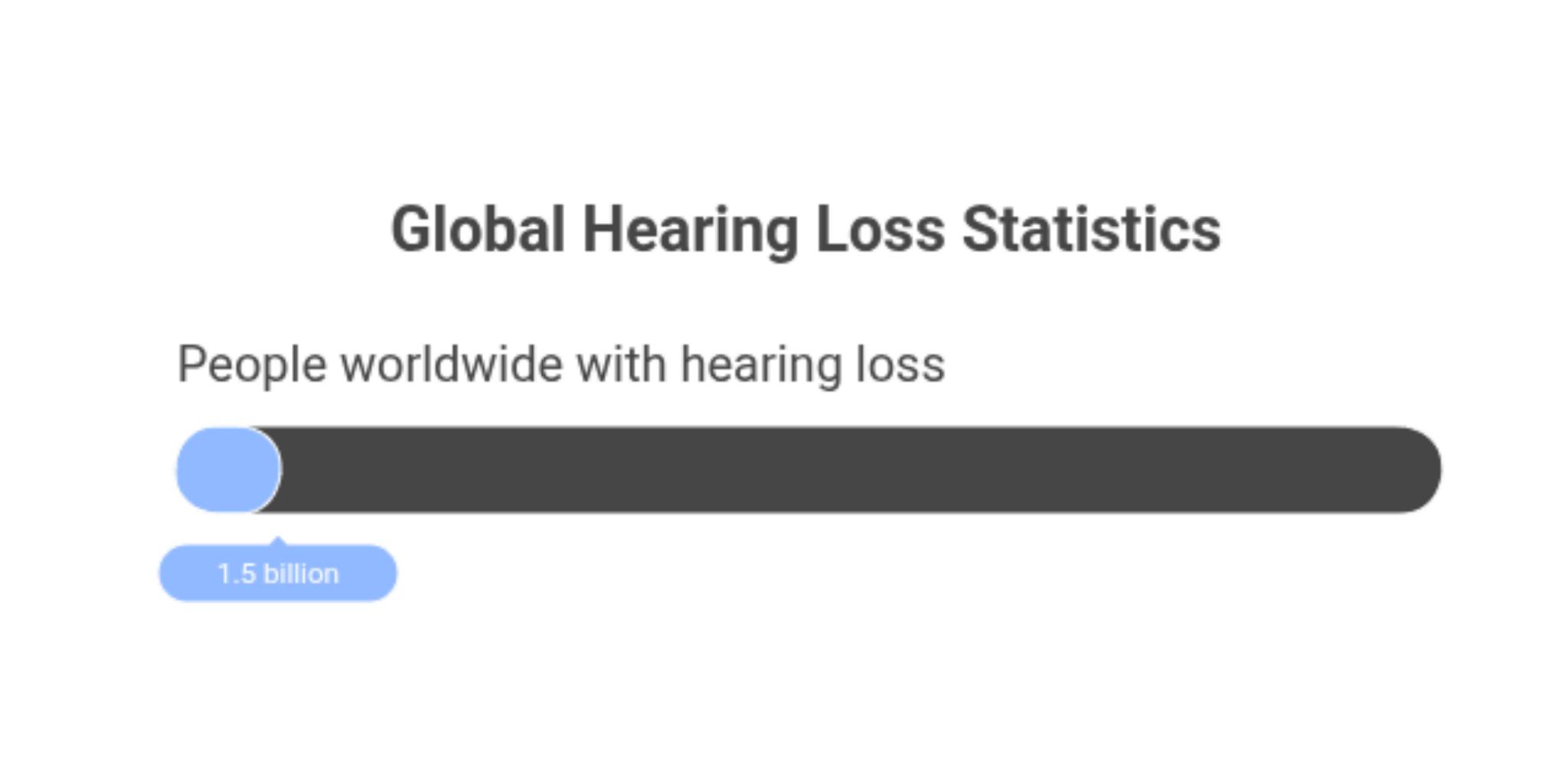
Statistics highlight the scale of the issue. More than 1.5 billion people worldwide live with some form of hearing loss, and this number is expected to rise as global life expectancy increases Early detection means individuals can receive timely support, personalised treatment options, and expert lifestyle guidance, helping them stay active, connected, and mentally sharp.
How Hearing Loss Affects the Brain
Healthy hearing keeps the brain stimulated and engaged When the auditory system weakens, the brain must work much harder to interpret incomplete sound signals This additional effort, often called cognitive overload, can interfere with memory, concentration, and mental processing speed
A large study found that older adults with untreated hearing loss may experience a 30 to 40 percent faster rate of cognitive decline compared to individuals with normal hearing (Source: https://www.ncbi.nlm.nih.gov/pmc/articles/PMC8710938/).
Regular hearing evaluations reduce this risk by identifying issues early, giving people access to proper interventions that help protect neural pathways. Even mild hearing loss can have a noticeable impact, doubling the likelihood of social withdrawal and reducing confidence in everyday conversations
Advancements in Modern Audiology
Modern hearing care has advanced significantly over the last decade. Clinics offering services such as advanced hearing assessments now use digital tools that detect changes in hearing sensitivity, middle ear function, noise damage, and balance disorders with exceptional accuracy.
Techniques such as digital otoscopy, tympanometry, and speech in noise testing provide detailed insights into how the ears respond in real listening environments These tools allow specialists to build precise and personalised hearing profiles, supporting quick and accurate diagnosis
With today’s technology, patients can receive the level of assessment that previously was only available in specialist hospital settings. These innovations support early treatment and long term hearing wellbeing
Early Symptoms You Should Never Ignore
Hearing loss develops gradually for many people, making it easy to miss the early signs Recognising these symptoms early prevents long term complications and helps maintain healthy communication
Common early warning signs include:
● Turning up the TV or phone volume higher than usual
● Struggling to follow conversations in crowded or noisy environments
● Feeling unusually tired after social interactions
● Frequently needing others to repeat themselves
● Hearing ringing or buzzing sounds (tinnitus)
● Difficulty hearing soft voices or high pitched consonants
In the UK, around one in six adults experiences some level of hearing loss, yet many wait years before seeking help. Early intervention not only improves communication skills but also reduces the risks of social isolation, cognitive strain, and mental fatigue.
Hearing Tests as a Preventive Health Priority
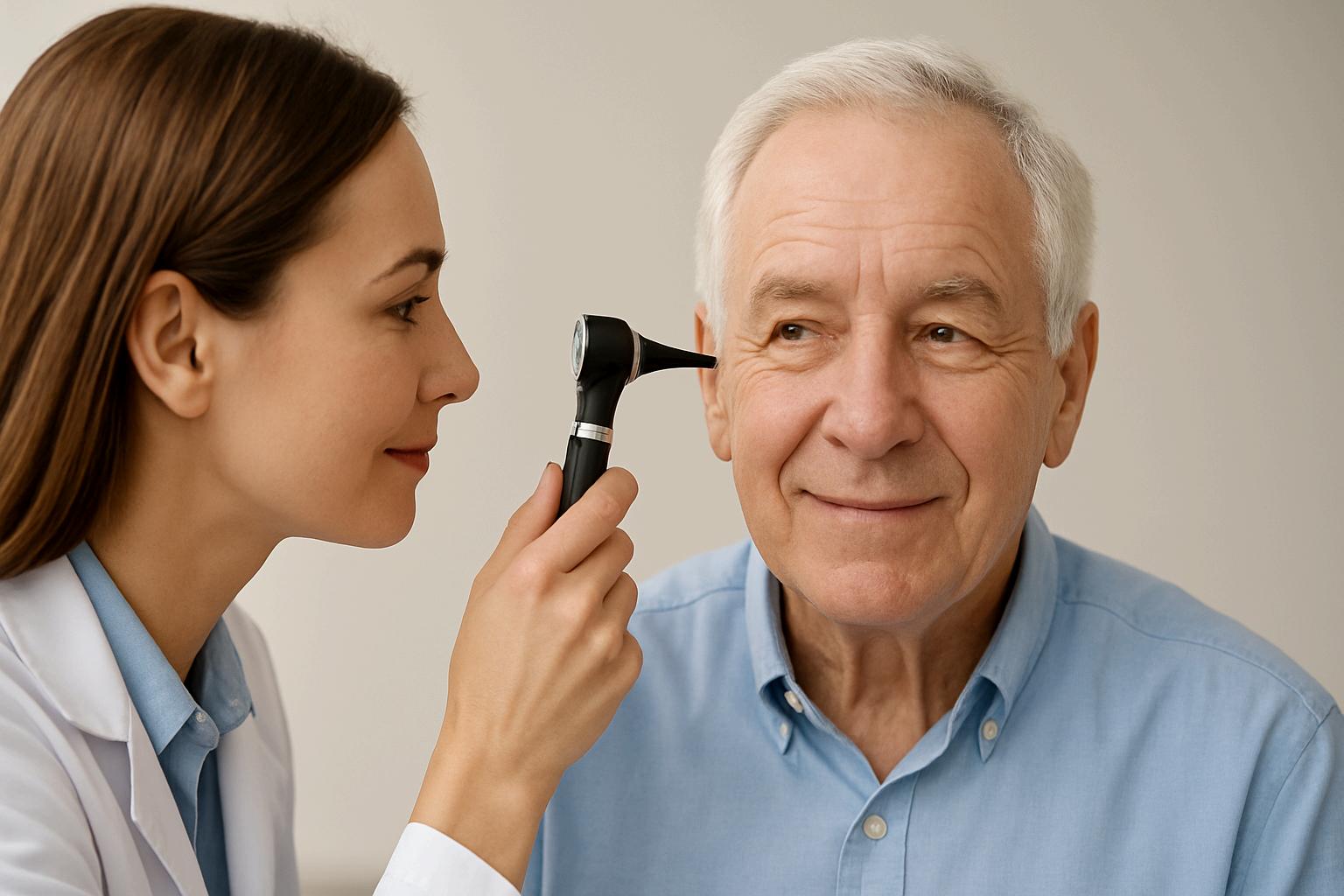
Hearing tests are an essential part of preventive healthcare, just like dental check ups or eye examinations Clinics that provide audiology in leeds recommend regular evaluations to help:
● Detect hearing changes early
● Prevent long term auditory damage
● Reduce risks of balance related problems
● Identify wax blockages before they cause symptoms
● Support stronger memory and communication
● Improve workplace safety and confidence
Adults over 50 are encouraged to schedule a hearing check at least every 12 to 24 months Those who work in loud environments, musicians, or anyone exposed to prolonged noise should consider more frequent testing. Noise induced hearing loss is one of the most preventable types of hearing impairment, making regular assessments even more important
The Link Between Hearing Health and Quality of Life
Good hearing is closely connected to emotional wellbeing, independence, and healthy relationships Adults who address hearing issues early often experience:
● Better social interactions
● Improved mental clarity
● Higher job satisfaction
● Reduced feelings of loneliness
● Greater confidence in conversations
Supporting hearing health from an early stage ensures a more fulfilling and connected life. Modern hearing care also includes professional guidance on noise protection, lifestyle habits, diet, and assistive technology, all of which influence long term hearing wellness
Emotional Effects of Untreated Hearing Loss
Hearing challenges affect more than communication. They directly influence confidence, self esteem, and emotional stability Many people with untreated hearing loss experience frustration, embarrassment, and social avoidance
A UK survey found that more than 52 percent of adults with untreated hearing loss feel isolated during conversations with loved ones This emotional strain can lead to anxiety, reduced confidence, and decreased engagement in social activities
Early hearing checks help limit these emotional effects by restoring clarity and improving communication When people hear better, they feel more confident, connected, and mentally secure