


Your calling deserves a plan as intentional as your care — designed to protect what you’ve worked for and help your wealth grow with purpose.
Your calling deserves a plan as intentional as your care — designed to protect what you’ve worked for and help your wealth grow with purpose.
At E Elevation Wealth Planning, our mission is to help physicians build confidence and clarity in their financial lives—from residency through retirement. We understand the unique challenges medical professionals face: managing student loans, protecting income, and navigating complex career transitions. Through purposeful, personalized planning, we help you protect what you’ve earned, grow your wealth with intention, and align your financial strategy with the life and legacy you’re building.
At E Elevation Wealth Planning, our mission is to help physicians build confidence and clarity in their financial lives—from residency through retirement. We understand the unique challenges medical professionals face: managing student loans, protecting income, and navigating complex career transitions. Through purposeful, personalized planning, we help you protect what you’ve earned, grow your wealth with intention, and align your financial strategy with the life and legacy you’re building.

Fortify & Safeguard
ortify & Safeguard ay the foundation for long-term financialhealth
Lay the foundation for long-term financialhealth
Amplify & Thrive
Amplify & Thrive
urn income into lasting wealth
Turn income into lasting wealth
• Student loan repayment & forgiveness strategies
• Student loan repayment & forgiveness strategies
• Budgeting & cash flow organization
• Budgeting & cash flow organization
• Insurance planning: disability, life, liability, and malpractice coverage
• Insurance planning: disability, life, liability, and malpractice coverage
• Emergency fund and liquidity planning
• Emergency fund and liquidity planning
• Employer benefits analysis (401(k), 403(b), 457, etc.)
• Employer benefits analysis (401(k), 403(b), 457, etc.)
• Health, disability, and long-term care insurance
• Health, disability, and long-term care insurance
• Risk management and asset protection strategies
• Risk management and asset protection strategies
Transform & Transition
ransform & Transition Strategicplanningforcareerandlifemilestones
Strategicplanningforcareerandlifemilestones
• Investment account rollovers & consolidation
• Investment account rollovers & consolidation
• Practice purchase or partnership buy-in guidance
• Practice purchase or partnership buy-in guidance
• Contract review support (compensation, benefits, restrictive covenants)
• Tax-efficient investing & portfolio construction
• Tax-efficient investing & portfolio construction
• Retirement accumulation and income strategies
• Retirement accumulation and income strategies
• Backdoor & mega-backdoor Roth IRA contributions
• Backdoor & mega-backdoor Roth IRA contributions
• Brokerage & after-tax savings optimization
• Brokerage & after-tax savings optimization
• Employer retirement plan select
• Employer retirement plan select
• Deferred compensation & cash balance plan evaluations
• Deferred compensation & cash balance plan evaluations
• Goal-based savings (home purchase, education funding, sabbaticals, etc.)
• Goal-based savings (home purchase, education funding, sabbaticals, etc.)
• Strategic tax coordination with your CPA
• Strategic tax coordination with your CPA
• Contract review support (compensation, benefits, restrictive covenants)
• Business structure & tax entity strategy
• Business structure & tax entity strategy
• Practice management & cash flow forecasting
• Practice management & cash flow forecasting
• Major life transition planning (marriage, family, relocation, practice sales)
• Major life transition planning (marriage, family, relocation, practice sales)
• Exit & succession planning for physicians nearing retirement
• Exit & succession planning for physicians nearing retirement
egacy & Impact
Legacy & Impact
Extendyoursuccessbeyondyourself
Extendyoursuccessbeyondyourself
• Estate and trust planning coordination
• Estate and trust planning coordination
• Charitable giving and donor-advised fund strategies
• Charitable giving and donor-advised fund strategies
• Wealth transfer and gifting strategies
• Wealth transfer and gifting strategies
• Beneficiary alignment and estate document reviews
• Beneficiary alignment and estate document reviews
• Legacy design to support family and philanthropic goals
• Legacy design to support family and philanthropic goals
• End-of-career transition planning for purpose-driven living
• End-of-career transition planning for purpose-driven living
SPOKANE, WA
SPOKANE, WA
12939 E. Pinecroft Way Suite 200 Spokane, WA 99216 (509) 838-5246
12939 E. Pinecroft Way Suite 200 Spokane, WA 99216 (509) 838-5246
BOISE, ID
BOISE, ID 1111 W. Jefferson St Suite 540 Boise, ID 83702 (208) 947-5238
1111 W. Jefferson St Suite 540 Boise, ID 83702 (208) 947-5238
TWIN FALLS, ID 128 2nd Ave N Twin Falls, ID 83301 (208) 947-5238
TWIN FALLS, ID 128 2nd Ave N Twin Falls, ID 83301 (208) 947-5238
FARMINGTON, UT
FARMINGTON, UT
172 N. East Promontory Suite 265 Farmington, UT 84025 (801) 525-2300
172 N. East Promontory Suite 265 Farmington, UT 84025 (801) 525-2300
OGDEN, UT 5929 Fashion Point Dr Suite 101 Ogden, UT 84403 (385) 343-4163
OGDEN, UT 5929 Fashion Point Dr Suite 101 Ogden, UT 84403 (385) 343-4163

SCCMA is a professional association representing over 4,500 physicians in all specialties, practice types, and stages of their careers. We support physicians like you through a variety of practice management resources, coding and reimbursement help, training, and up to the minute news that could affect your practice. The Bulletin is our quarterly publication.
SCCMA OFFICERS
President | Santosh Pandipati, MD
President-elect | Christine Doyle, MD
Secretary | Veena Vanchinathan, MD
Treasurer | Shahram Gholami, MD
Immediate Past President | Fahd Rahman Khan, MD
VP-Advocacy & Policy | David Li, MD
VP-Membership | Paul Wang, MD
VP-Professional Conduct | Lewis Osofsky, MD
VP- Community Health | Annie Chang, MD
SCCMA STAFF
CEO/Executive Director | Marc E. Chow, MS
Director of Operations | Angelica Cereno
Director of Governance & Advocacy | Emily Coren
Facilities Manager | Andie Campanilla
Member & Program Manager | Rashida Mirza
SCCMA COUNCILORS
El Camino Hospital of Los Gatos | Jaideep Iyengar, MD
El Camino Hospital – Mountain View | Carol A. Somersille, MD
Good Samaritan Hospital | Judong Pan, MD
Kaiser Foundation Hospital - San Jose | Haritha Reddy Rachamallu, MD
Kaiser Permanente Hospital - Santa Clara | John Truong, MD
O’Connor Hospital | David Cahn, MD
Palo Alto Foundation Medical Group | Vibha Iyengar, MD
Regional Medical Center | Open
Saint Louise Regional Hospital | Open Santa Clara Valley Medical Center | Open Stanford Health Care/Children’s Health | Karen Kim, MD
Managing Editor | Emily Coren
Production Editor | prime42 – Design | Market | Host
Opinions expressed by authors are their own, and not necessarily those of The Bulletin or SCCMA. The Bulletin reserves the right to edit all contributions for clarity and length, as well as to reject any material submitted in whole or in part. Acceptance of advertising in The Bulletin in no way constitutes approval or endorsement by SCCMA of products or services advertised. The Bulletin and SCCMA reserve the right to reject any advertising.
Address all editorial communication, reprint requests, and advertising to:
Emily Coren, Managing Editor
700 Empey Way
San Jose, CA 95128
408/998-8850
Fax: 408/289-1064
emily@sccma.org




Santosh Pandipati, MD
SCCMA President
Dear Colleagues,
This issue of the SCCMA Bulletin was assembled around a simple but urgent premise: the innovations reshaping medicine are not arriving from somewhere else. They are being built here, among us, by our physicians, researchers, engineers, and health systems.
Santa Clara Valley Healthcare’s IRB currently oversees more than 150 active research projects across 18 clinical divisions, from music therapy for neonates experiencing withdrawal to novel genetic sequencing for head and neck cancer. Our county’s safety-net hospital is conducting work that will change how patients are treated tomorrow.
From Kaiser Permanente comes an equally important story: the courage to redesign the system rather than endure it. The RESET movement, built on the conviction that physician autonomy is the most powerful lever for improving both care quality and well-being, has engaged more than 3,200 clinicians voluntarily, with measurable gains in access, outcomes, and physician satisfaction.
Santa Clara University’s Healthcare Innovation and Design Program adds a longer view. Since 2017, it has prepared engineers, designers, and public health professionals to tackle real healthcare challenges across disciplinary lines. Its Cura Fellows Program recently produced an undergraduate-designed VR simulation for dementia caregivers that was licensed to a non-profit and featured on CBS News, a reminder that transformative innovation does not always originate where we expect.
Stanford’s Dr. Stuart Goodman, Professor of Orthopaedic Surgery and Bioengineering and President of the international osteonecrosis research body ARCO, reminds us what is possible when early diagnosis meets a system built to act on it. Osteonecrosis of the femoral head silently destroys the hip joint in patients as young as 18, yet caught early it is treatable and the joint is salvageable. Through a dedicated Stanford clinic, special-
ized imaging protocols, and an NIH-funded multicenter trial, Dr. Goodman’s team is turning that window of opportunity into saved hips.
This issue resonates personally. As a Maternal-Fetal Medicine physician and co-founder of L ōvu Health, a digital platform reimagining care for pregnant and postpartum mothers while improving physician income and sustainability, I live the same problems these articles address: broken incentives, physician burnout, fragmented care. Seeing colleagues across disciplines researching and designing solutions reminds me why this work matters so much.
Whether in a NICU, a primary care clinic, or a university design lab, the work in these pages reflects a shared conviction: medicine does not have to remain as it is. I hope this issue reminds you that you are part of building something better.
With gratitude and admiration for all that you do,

Santosh Pandipati, MD President, Santa Clara County Medical Association
By Kim Bellon, CIP, IRB Administrator, SCVH
Santa Clara Valley Healthcare (SCVH) has a portfolio of research spanning 18 divisions/departments with over 150 active research projects. In 2025, over 20 research publications were completed by 12 different departments within the hospital system.
Providing oversight of these research projects is the job of the SCVH Institutional Review Board (IRB), a multidisciplinary committee comprised of clinicians as well as laypersons who review research for scientific merit, ethical considerations and privacy concerns for the goal of protecting participants in research. The committee is both an ethics and privacy board.
Highlighted below are just a few of the interesting and important research projects ongoing within SCVH currently. For more information on the research being conducted at Santa Clara Valley Healthcare please contact irb@hhs.sccgov.org
Principal Investigator: Christina Anderson, MD
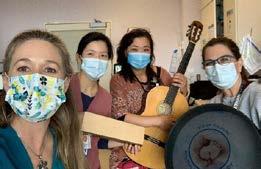
In recent years, Dr. Anderson, a neonatologist in the Neonatal Intensive Care Unit (NICU) department at SCVH informally noted how important music therapy was to the littlest and most fragile patients in the hospital. With the goal to find conclusive data to support her observations, SCVH joined a multisite study investigating the effect of music therapy on newborn infants who were admitted to the NICU and diagnosed with neonatal abstinence syndrome or NAS. NAS is diagnosed in infants who were exposed to opiates either in the womb or in the hospital and can lead to distressing symptoms in newborns including irritability, tremors, poor feeding and more, with patients having
increased hospital stays and reliance on pharmaceutical treatments. With Melanie Acosta, a board-certified music therapist, providing the therapy sessions, the research study utilized six different music therapy types including singing a familiar lullaby, songs of kin, contingent singing, tonal vocal holding, use of specially designed musical instruments that create familiar sounds and muted shaker. The study has recently closed to enrollment of new participants and with their collaborators, the investigators plan to evaluate their data and publish their findings for this important work. Currently the SCVMC NICU is in need of a new musical therapist. All interested music therapists can send an email to christina.anderson@hhs.sccgov.org.
Principal Investigator: Kristin Walsh, MD
Dr. Walsh and Custody Health staff were initially stumped when two individuals were diagnosed with acute Hepatitis C (HCV) in the Santa Clara County Main Jail. Subsequently, HCV screening was offered to the entirety of the impacted housing unit to ensure no one else was HCV positive and to hopefully stop any further transmission. Three additional infections were identified by this screening, as well as seven additional cases over the following year. Interviews conducted by custody health staff and the County of Santa Clara County Public Health Department identified unregulated tattooing with a shared ink source as the likely source of this outbreak. To provide more information to the affected groups, the Public Health Department provided educational sessions to that housing unit on the risks and concerns with sharing needles. Given the unique source of infection, the study team plans to disseminate methods and outcomes in an upcoming journal to educate other institutions on the potential risk factors for transmission of hepatitis C in correctional facilities.
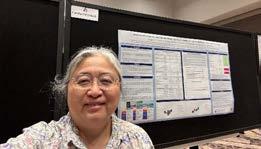
Principal Investigator : Kazuko Shem, MD
Even before the SARS-CoV-2 pandemic and telehealth becoming a popular buzzword, Dr. Shem noted that often her patients with spinal cord injury (SCI) discharged to rural locations and had difficulty returning to Santa Clara Valley Medical Center for care. In 2018, she was awarded a Congressionally Directed Medical Research Program grant to conduct a randomized controlled trial enrolling people with SCI. The research grant provided half of the participants with an intervention that included ten cognitive behavioral therapy sessions via telehealth with a licensed clinical psychologist from SCVMC’s Physical Medicine and Rehabilitation Department. The other group of participants received the standard of care, which could include antidepressant medications or referral to a local psychologist. Dr. Shem has published the protocol for the study and intends to publish the results of the study shortly. Following the success of the tele-psychology study, a telenutrition study was subsequently funded by the National Institute on Disability, Independent Living, and Rehabilitation Research, to provide people living with a SCI with personalized medical nutrition therapy. This intervention included videoconferencing consultations and to improve diet quality, cardiometabolic health and quality of life. As this study plans to close enrollment soon, the study team is anticipating sharing the results in the coming year.
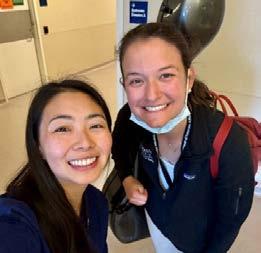
Principal Investigator: Lynn Gerber, MD
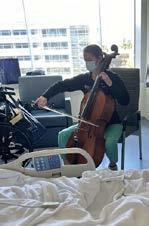
In collaboration with Stanford Medicine and spearheaded by medical student, Melanie Ambler, Musical Rounds aims to create a personalized and improvised musical soundtrack to a story from a patient’s life. The goal of the project is to provide an
adult patient in palliative or comfort care with a musical depiction of a story from their life. The patient and their family members are then provided with a recording of the conversation and the soundtrack as a legacy of the patient. Through specifically tailored prompts and reflections including memories from their past, places they love or friendships/relationships they would like to share, patients will receive the gift of an entirely new piece of music that is improvised and composed just for them based on their stories. The research team hopes that this study will decrease pain, anxiety and stress among participants, while improving patient and family satisfaction with their care and encouraging the use of music more widely within the hospital. The study and Melanie were featured on CBS Mornings and showcased how the project was conducted. The link to watch the video can be found here. Melanie states “It’s been such a deeply rewarding and fulfilling project and I was so happy to be able to include Valley in its reach!”. This summer Melanie has exciting updates in the works for the program, including a podcast and a publication on the study.
Principal Investigators: Harish Dharmarajan, MD and Julie Noel, MD
In conjunction with a local external lab, the Otolaryngology team recently commenced a novel genetic sequencing study for head and neck cancer patients at SCVMC. For patients who present to SCVMC with head and neck cancer, a biopsy of their tumor tissue will be sent out for whole genome sequencing analysis. Through processing the samples, the external lab will provide an individualized report for each patient that lists unique identified tumor mutations. In addition to the genetic sequencing, the study team will also collect outcome measures on each patient to document their clinical course. While designed to identify the tumor biology of newly diagnosed patients, this research study will help improve understanding of treatment responses by identifying actionable genetic markers for diverse head and neck cancer pathology at SCVMC.
With more than 150 active studies, the SCVH IRB provides essential ethical and privacy oversight that enables clinicians and investigators to pursue meaningful, highimpact research. Their work ensures that discovery and patient protection advance hand in hand.

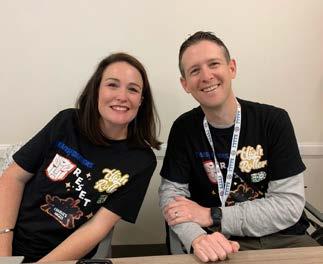
Stacy Fletcher, MD, FAAFP (with immense gratitude to the entire KP RESET Family)
RESET is a frontline-led redesign of primary care built on a simple but radical premise: better outcomes, higher efficiency, and restored joy in medicine do not have to compete.
For years, many of us in healthcare have been trained to accept a set of painful tradeoffs. If you want great access, expect burnout. If you want high patient satisfaction, expect inefficiency. If you want strong performance, expect personal sacrifice.
We have built systems around those assumptions for so long that they can start to feel inevitable. RESET began with a stubborn refusal to accept that inevitability.
The idea first took shape for me in 2017, on a long flight back to my Air Force base in Germany. I was returning from two back-to-back conferences in the United States. The first was a gathering of military family physicians, a conference I had always loved. My people. Except this time felt different. The conversations were heavy. Burnout. Regret. Quiet admissions that some wished they had chosen a different path. These were dedicated physicians, and they were drowning. Then I went straight to a second conference focused on redesigning Air Force primary care. I was there as a frontline voice, listening to leaders brainstorm solutions.
For days, I had the same thought:
None of this is going to work.
couldn’t shake it. There must be a better way. I refuse to accept that you can’t have great access and happy doctors. We cannot keep asking people to sacrifice themselves to make the system work. Somewhere over the Atlantic, with a drink in hand, I grabbed a cocktail napkin.
On one side, I wrote three questions:
What do patients want?
What does the frontline want?
What does the organization want?

It felt like watching people apply disconnected bandages to a foundation that was cracking. On the flight home, I
On the back, I sketched a crude scorecard. And something became impossible to ignore. Everything I wrote under “what does the frontline want” had something in common.
A cry for autonomy.
RESET in a Nutshell
RESET stands for:
Reward Efficiency – not with more work, but with real rewards: tangible, meaningful autonomy.
Set Priorities – clear, fair, transparent, and focused on what actually matters most.
Empower Teams – through tools, trust, and a culture of connection, gratitude, and shared ownership.
At its simplest, RESET is this:
An optional program with a transparent monthly scorecard where teams who perform earn autonomy over how they practice. That’s it. And also… not at all it. Because doing that well requires something much deeper.
“Everything I wrote under ‘what does the frontline want’ had something in common. It was a cry for autonomy.”

In medicine, we often talk about values and professionalism. And those matter deeply.
But we also quietly rely on something else: We ask physicians to absorb misalignment. To stretch. To compensate. To give more. We rarely design systems that make the right decisions feel worth it. RESET flips that.
It acknowledges something simple and very human: We all respond to incentives.
Instead of pretending that isn’t true, RESET aligns those incentives with the outcomes we want. Not by paying people more money. Pay-for-performance systems have not worked particularly well in healthcare. So instead, we offer something teams truly value.
Control over their time, their workflow, and their practice.
Autonomy.
Not as a gift. As something earned.
When I arrived at Kaiser Permanente, my former Air Force mentor, now KP doc, Dr. Chris Walker, encouraged me to bring the idea forward. I resisted at first. I wanted to believe primary care might not be broken here too. Eventually, I saw the same patterns.
I told Chris and his administrative partner, Thea, that I would only pursue the work under one condition: I needed the right partner.
I sent them a very long list. Perhaps secretly hoping they’d come up empty-handed and let me off the hook. I told them I needed High EQ. Strong
data skills. Someone who could coach, challenge, and translate ideas into reality. Someone stubborn enough to stay with it when it got hard. A week later, they introduced me to Andrew.
Our first meeting was scheduled for 30 minutes. It lasted three hours.
He was skeptical. Direct. Not immediately sold. Later he told me he had planned to gently coach me and move on. Instead, we debated. Laughed. Argued a little. I knew almost immediately. He was the right person.
Andrew brings a rare combination: deep analytic rigor and genuine warmth. He connects data to human behavior in a way that builds trust, not pressure. That combination turns out to be a bit of a magic formula in leadership.
RESET did not become what it is because of one idea on a cocktail napkin alone.
It became what it is because of a partnership— and a growing team—willing to test, challenge, and refine it.
One of the most surprising things about RESET is how quickly it changes how practicing medicine feels. I had a patient who needed a mammogram. She had a history of missing appointments, and a last-minute slot had opened. In the old system, I probably would have placed the order and moved on.
“RESET pays for performance with autonomy.”
In RESET, I had a different incentive.
I’ll be honest. I wanted the points.
I am someone who likes to pass the test, get the grade, score the points. That instinct is deeply human. And in medicine, we’re often taught to feel a little guilty about it. So instead of just placing the order, I walked her over to radiology myself. We chatted along the way. Nothing dramatic. Just a real conversation. She was blown away that I would take the time to do that. Later that night, walking back to my car, it hit me.
That was exactly the kind of doctor I wanted to be. The kind who takes extra care of patients. A true win, win, win. The patient felt seen. The system got what it needed. And I left feeling fulfilled and empowered.
Others will tell you similar stories. Home visits for patients who rarely make it in. Proactive outreach that used to feel like “extra work.” They go for the points. They leave with something more.
That’s the power of aligned systems.
Not asking people to behave differently. Designing systems where they want to, instead of feeling like they have to.
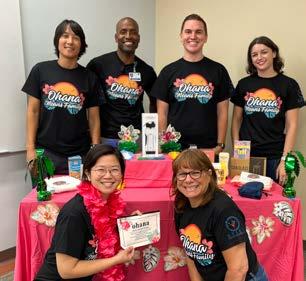
Across Northern California, the results have been striking. More than 3,200 physicians and medical assistants have participated in RESET. Across more than 20 measures, performance has improved: access, continuity, patient experience, quality outcomes, and reductions in unnecessary utilization.
Just as importantly, burnout is improving. Our initial publication in The Permanente Journal showed meaningful reductions in physician burnout, something we view as foundational to everything else. (see citation below) And perhaps most telling, RESET remains voluntary, with a 95 percent opt-in rate. People choose this.
gion is not just implementing RESET—they are excelling in it. From the outside, RESET can look flexible. Customized schedules. Different workflows. Teams doing things their own way. It can look almost loose from the outside. It is not.
Underneath that flexibility is a highly engineered system. Standardized scorecards. Clear guardrails. Structured tools for managing demand, access, and coverage. Because without that discipline, autonomy would not feel like freedom.
It would feel like chaos.
RESET works because the foundation is consistent, even when the experience feels personalized. Autonomy is not the starting point. It is the reward.
I often joke with Andrew that I wish we had invented something simpler. Something like the Scrub Daddy.
Instead, what emerged is something more complex and, I hope, more meaningful.
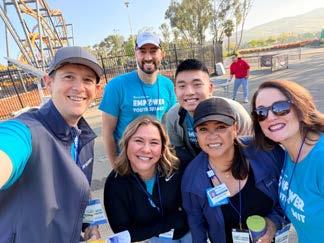
What began in Napa Solano in early 2020 has now scaled across Northern California. In Santa Clara, the momentum is especially exciting. Supported by Dr. Rakesh Chaudary, Chief Administrative Officer Al Ibrahim, engaged operational leaders, a fantastic implementation team, and over 300 Adult and Family Medicine frontline teams already participating, the re-
For years, healthcare has tried to solve burnout at the individual level. More wellness programs. More resilience training. Those efforts are well intended. Some are helpful. But they are not enough when the system itself is misaligned. RESET is built on a different premise: The people are not the problem.
The system is.
When incentives are misaligned, burnout is predictable. When they are aligned, people don’t just endure. They reconnect. They improve. They rediscover why they chose this work.
“Not asking people to behave differently. Designing systems where they want to—and are rewarded for it.”
“I wish I had invented something simpler. Something like the Scrub Daddy.”
RESET continues to grow, supported by an extraordinary group of leaders, implementation teams, and frontline clinicians who have made this real. We say often in RESET: “Together, we can do hard things.”
And this has been hard.
We are still learning. Still refining. Still figuring things out as we go. But as we also love to say on the team, “everything is figureoutable.”
Along the way, the work has been recognized in ways that feel both humbling and energizing, including the 2025 Sidney R. Garfield Exceptional Contribution Award and Andrew being named TPMG’s first Outstanding Innovation Award recipient.
But those moments are not the point. The point is what is happening inside clinics. And the growing realization that the tradeoffs we accepted in medicine may have created more strain than we realized.
We are often asked if RESET can be replicated. The honest answer is yes—and also, not easily or quickly. Because what matters most is not the model itself. It is the way of thinking behind it—the mindset that drives it.
How we design systems. How we align incentives. How we build trust.
Those ideas can extend far beyond primary care.
Our hope is simple. To share what we are learning. To support others asking similar questions. To help more teams find their own version of a true win, win, win. Because if this journey has taught us anything, it is this:
We were never lacking talented, committed people in healthcare. We were lacking systems that allowed them to thrive.
And once you start to see that…
It’s hard to unsee.
Fletcher S, Muck AT, Finertie H, et al. RESET as a primary care redesign: differences in burnout, fulfillment, and workplace experience in a large integrated system. Perm J. Published online February 25, 2026. doi:10.7812/ TPP/25.23


Hands-Free Editing
By Julia A Scott, PhD, CJ Conway, Prashanth Asuri, PhD, MBA and Chan Thai, PhD, MPH
At detection of cognitive impairment for a family, at the start of an assisted living facility job, or at the beginning of a nursing career, individuals need to know how to care for someone experiencing dementia. Yet, this is something for which we are collectively under-prepared. A pamphlet given to the family does not preview the changes ahead. A webinar does not show a staff how to greet a person with perceptual deficits. A text about brain degeneration does not give a glimpse into how dementia presents.
Positive Approach XR was created to fill the gap between information and experience.
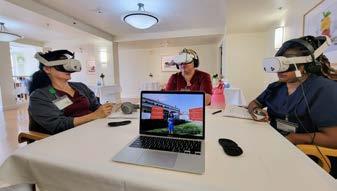
Based on research by the Brain and Memory Care Lab of Santa Clara University, Content for Good, an immersive technology production studio for healthcare training, and Positive Approach to Care® developed Positive Approach XR, an immersive training experience rooted in Snow Approach™ techniques. The program is designed for professional caregivers, family care partners, and healthcare teams that seek a more practical and memorable way to learn dementia care skills that follow a person-centered care model.
Traditional training relies on lectures, slides, or videos. These tools are valuable, but they are difficult to translate into care practice in the face of confusion, reticence, or anxiety. Positive Approach XR uses immersive, interactive videos viewed in a virtual reality (VR) headset, on a computer, or on a mobile device. It places learners inside realistic care scenarios so they can observe body language, tone, timing, personal space, and reflect on the impact of their actions in a care partnership. Learners are guided through dementia care moments and are asked to make decisions along the way that teach approaches to support connection, dignity, and cooperation. Positive Approach XR facilitates seeing, feeling, and practicing the “why” behind effective care.
The program has been tested at numerous sites across the country, showing strong usability of the technology and receiv-
ing high ratings for information relevance and scenario authenticity. For experienced caregivers, it confirmed what they knew intuitively and gave them the explanation behind it. For novice caregivers, it revealed “aha” moments in understanding and exposed misconceptions. The experiential and realistic nature leverages episodic and emotional memory formation that can lead to easier recall when needed in practice.
Positive Approach XR is now accessible for public use. The program may be requested through http://paxr.content4good. org. Participants may register via email invitation link to enter the experience from a web browser. For the VR version, participants need access to a device or may order one with a pre-installed application from Content for Good. Both modalities deliver the same curriculum to achieve the broadest reach. At this time, the content is only in English, though translation is planned for future releases.
Positive Approach XR shows the individuals how to encounter someone with dementia as their status changes under different circumstances. The experience gives caregivers a safe place to practice before the challenges become a reality. By combining person-centered care methods with immersive storytelling, it helps learners build confidence, compassion, and practical skills they can carry into homes, clinics, senior living communities, and healthcare settings.
Healthcare Innovation and Design Program, Santa Clara University
Healthcare in the United States faces a compounding set of pressures: an aging population, widening disparities in access and quality, an accelerating pace of technological change, and a persistent gap between what academic training produces and what the healthcare industry needs. These are not problems that any single discipline, institution, or generation can solve alone. They demand a new kind of preparation—one that equips future healthcare leaders with technical expertise, human-centered design instincts, and the entrepreneurial mindset to turn insights into impact.
At Santa Clara University (SCU), the Healthcare Innovation and Design (HID) Program was established in 2017 with precisely this challenge in mind. Situated within the School of Engineering and anchored in SCU’s Jesuit tradition of engaged learning and service, the program functions as an on-campus hub where students from any major can encounter real-world problems in healthcare, work alongside industry professionals, and develop the skills under the mentorship of faculty that neither a single course nor a traditional internship can provide on its own.
The HID Program’s mission is to expose students to complex challenges in healthcare and prepare them with technical, design-thinking, and entrepreneurial skills, as well as the ability to work in diverse and interdisciplinary teams. Its vision extends beyond the campus: to empower students, faculty, and the broader community to address complex challenges in healthcare in genuine partnership with industry.
That vision is grounded in four core values. Engaged learning sits at the center—the conviction that creativity and experiential practice, not passive instruction, produce the deepest understanding. Equally important is a commitment to students that recognizes talent across every major and mentors students to-
ward the understanding that everyone has a role in reimagining healthcare systems. The program is animated by a diverse and inclusive community of students, faculty, administrators, and off-campus collaborators who affirm the dignity of those they serve. And it operates through transdisciplinarity—deliberately expanding beyond the boundaries of traditional academic silos to bring together people from all fields and levels to solve problems that resist single-discipline solutions.
For physicians and healthcare professionals reading this, these values may resonate for a practical reason: the workforce entering medicine and medical innovation is increasingly expected to collaborate across disciplines, navigate ambiguity, and lead through design rather than dictate through authority. The HID Program builds those capacities early.
The HID Program operates through a portfolio of curricular and co-curricular experiences, all organized around one core mechanism: sourcing real problems from external partners and engaging students in solving them.
On the curricular side, the program supports an interdisciplinary minor in Healthcare Innovation and Design that provides students with relevant technical and design-thinking skills, as well as structured experience working in diverse teams. Courses are designed not as passive lectures but as project-based
learning environments where students apply methods—such as user research, needs assessment, and iterative prototyping—to actual challenges in the healthcare system.
Beyond the classroom, the program offers a rich set of co-curricular opportunities: industry seminars and workshops, entrepreneurial mindset bootcamps, skills training in areas such as FDA regulatory design, and student fellowship experiences that place undergraduates and graduate students directly into sponsored industry projects. Students can engage at whatever entry point fits their level—whether they are a first-year undergraduate exploring what healthcare innovation means, or a doctoral student driving translational research toward publication and commercialization.
Across all of these activities, the program reinforces what it calls the entrepreneurial mindset: identifying opportunities to create value or satisfy a human need through ventures requiring new resources or approaches. This mindset is instilled both explicitly, through workshops and structured frameworks, and implicitly, through the habits of mind that sustained project work demands, the ability to make connections across fields, and a relentless orientation toward creating value for the people being served.
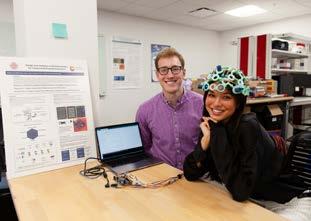
An engaged advisory board guides the program’s strategy and ensures that its activities remain aligned with both institutional values and evolving industry needs. Progress is tracked through clear objectives and key performance indicators across student, faculty, and partner-facing dimensions, creating accountability to outcomes rather than just activity.
What distinguishes the HID Program from traditional academic centers is the centrality of external partnerships to its core function. Rather than treating industry collaboration as supplementary, the program places it at the center of everything it does.
Over the past five years, the program has engaged more than 400 students in curricular and co-curricular experiences. These students have worked alongside partners from the medtech, biotech, and life sciences sectors—including collaborations with organizations such as Biocom California Institute and Genentech—on projects that are genuinely exploratory: addressing long-term industry challenges or probing new market opportunities beyond what a company’s internal resources can readily absorb.
This model generates a three-way value proposition. For students, it accelerates early-career development through fellowships, expert mentoring, and industry-sourced design projects that build the applied skills employers increasingly demand. For faculty, it supports real-world research translation, creates pathways to publication and commercial integration, and connects academic expertise to external funding. For industry sponsors, it provides access to university researchers and a well-prepared, diverse talent pipeline, while offering the sustained engagement that creates meaningful relationships rather than transactional ones.
The program also partners with foundations and non-profit organizations on projects that address healthcare disparities and amplify the voices of underserved communities—connecting its innovation work to the social justice commitments at the heart of SCU’s Jesuit mission. Partners such as The Ferry Foundation and the Jaipur Foot Organization illustrate the program’s range: from Silicon Valley medtech to global health equity.
For the physicians and healthcare leaders who make up the SCCMA community, the HID Program’s work connects to a familiar frustration: the persistent gap between what students learn in university and what healthcare organizations actually need from entry-level contributors. Closing that gap has direct consequences for patient care, for the pace of clinical innovation, and for the sustainability of healthcare institutions facing complex operational challenges.
The program does not produce physicians; it produces the engineers, designers, data scientists, public health professionals, and business innovators who will work alongside physicians— and increasingly, whose contributions shape what physicians can offer their patients. Students who move through the HID Program have learned to empathize with end users (including patients and caregivers), to define problems rigorously before proposing solutions, to prototype and test rather than assume, and to collaborate across the disciplinary lines that so often slow healthcare progress.
These are skills the healthcare system needs now, and will need more urgently in the decades ahead. The HID Program is one answer to that need—one that is already producing graduates who enter the workforce prepared not just to participate in healthcare innovation, but to lead it.
Among the HID Program’s most recent initiatives is the Cura Fellows Program, launched in partnership with SCU’s Ignatian Center. It represents the program’s fullest expression of what interdisciplinary, human-centered, experiential education can look like when applied to one of healthcare’s most urgent and under-addressed challenges: dementia care.
Dementia is the most expensive disease in America, with
costs projected to exceed one trillion dollars by 2050. Unlike cancer, diabetes, or heart disease, dementia has limited treatment options. The primary burden falls not on pharmacological intervention but on care itself—on the systems, the people, and the communities who support patients and their families across years of progressive cognitive decline. That burden lands heavily on clinicians, on families, and on a long-term care system that is structurally underprepared for what is coming.
The Cura Fellows Program places student teams at the center of this challenge. Named for the Jesuit principle of Cura Personalis—care for the whole person—the program is a selective, year-long fellowship designed for sophomores and juniors. Fellows enroll in a two-unit Bioengineering course for three consecutive quarters, creating a continuous academic framework that ensures depth, iteration, and sustained engagement rather than the shallow exposure of a single-semester project. A modest stipend supports their commitment.
The cohort is intentionally interdisciplinary. Public health students map needs and uncover systemic gaps. Engineering students design technical interventions. Neuroscience and communication students bring scientific grounding and narrative skill. Business students evaluate feasibility and value creation. Together, they mirror the kind of cross-functional team that effective dementia care innovation actually requires—and that few academic programs deliberately construct.
At the heart of the fellowship is a structured design thinking process: Empathize, Define, Ideate, Prototype, Test. Students build deep empathy for caregivers and patients through direct
community engagement, then move through iterative cycles of problem definition and solution development. The program’s proof of concept arrived early. In 2022, students in SCU’s Brain and Memory Care Lab developed an immersive virtual reality simulation to train dementia caregivers—a prototype that was subsequently featured on CBS News, presented at health technology conferences, and licensed to a non-profit organization. That outcome, achieved by undergraduates operating within the program’s design thinking framework, demonstrates what is possible when student talent is channeled toward real problems with appropriate structure and mentorship.
The Cura Fellows Program is not a research project students observe from a distance. It is an immersive, community-embedded experience that asks students to engage compassionately and creatively with one of the most humanly demanding challenges in contemporary healthcare. For the physicians and care teams who work with dementia patients every day, it represents something worth knowing about: a pipeline of future collaborators who will arrive in the workforce having already grappled with the complexity, the empathy demands, and the design challenges that dementia care presents.
For more information about the Healthcare Innovation and Design Program and the Cura Fellows Program, visit scu.edu/ engineering/labs--research/labs/healthcare-innovation-and-design/; https://www.scu.edu/engineering/labs--research/labs/ healthcare-innovation-and-design/programs/cura-fellows-program/
We’re the philanthropic partner to Santa Clara Valley Healthcare (SCVH), strengthening the County’s public hospital and health center system.
A strong public healthcare system benefits every patient and clinician in Santa Clara County. When SCVH has the resources to meet rising needs, it reduces pressure on emergency departments, stabilizes referral pathways, and supports coordinated care across the entire medical community.

We help by:
+ Expanding access to essential programs that improve patient outcomes
+ Supporting equipment, innovation, and workforce resilience across the safety-net health system
+ Ensuring vulnerable patients receive care, medications, transportation, and safe-discharge essentials
Serving more than two million residents, SCVH is one of the nation’s largest public health systems, and philanthropy helps keep it strong for everyone. Join us in advancing equitable, high-quality care for every patient in our county.


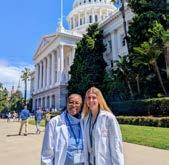
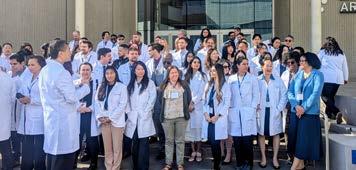
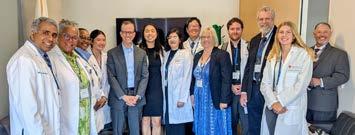
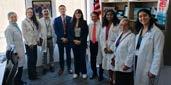
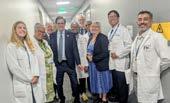
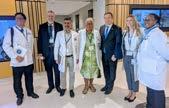
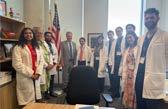
On April 8th, 2026, the Santa Clara County Medical Association participated in the California Medical Association (CMA) Annual Legislative Advocacy Day. Our SCCMA team sent twenty nine participants to Sacramento to meet with our legislative offices, including nine residents and two medical students. We had nine legislative meetings in one day, including meetings with the offices for Assemblymembers Berman, Kalra, Lee, Ahrens, Pellerin, and Rivas, as well as Senators Becker, Cortese, and Wahab. Many of our meetings were held jointly with colleagues from neighboring county medical societies where our legislative districts overlapped.
Our group gathered in the Capitol at the Sheraton Grand Sacramento Hotel with hundreds of other physicians, residents, and medicals students from throughout California in the morning before heading to our meetings with our local representatives. Physicians were lobbying their legislators in support of CMA’s priority issues, including E-Bike Safety, Automatic Downcoding, AI Deepfake Doctors and Naturopath Scope Expansion.
The key messages that were shared with legislators were:
CMA POSITION: Sponsor
Physicians across the state have reported a sharp increase in severe trauma injuries related to these vehicles, particularly among children and teenagers. News reports have also documented alarming instances of minors modifying e-bikes to override speed limiters, allowing them to reach speeds far exceeding their classification. Physicians across California are reporting a sharp increase in severe trauma injuries related to electric bicycles (e-bikes), particularly among children and teenagers. Data from Rady Children’s Hospital of Or-

ange County shows a 334% increase in traumatic e-bike injuries among children from 2022 to 2025. These are seriously injured patients who require a team of emergency medical staff to rapidly evaluate a patient’s medical condition. Rapid advances in e-bike technology have outpaced current laws, leading to a proliferation of these powerful devices available for children, including “out-of-class” vehicles that reach motorcycle speeds but lack necessary safety measures. News reports and social media show minors modifying e-bikes to override speed limiters, allowing them to reach speeds far exceeding their classification – effectively operating like motorcycles rather than bicycles. When children ride e-bikes, including illegal devices at high speeds without proper protections, the medical consequences can be life-altering.
CMA POSITION: Sponsor
Downcoding occurs when an insurer unilaterally alters a submitted claim to a lower-cost service code, reimbursing physicians for a lower level of care than was actually provided. Increasingly, insurers are downcoding claims without a documented review of clinical records, forcing physicians to spend significant time and resources appealing unjust payment reductions. As a result of these policies, physicians are penalized for delivering complex care and are often incentivized to avoid certain insurance plans or even sell their practices altogether, which can disrupt patients’ continuity of care and compromise their long-term health.
Health insurers are rewriting medical coding rules unilaterally, acting in bad faith, disregarding medical expertise and cutting payments to physicians. Downcoding is a tactic health insurance companies use to alter a submitted claim

to a lower cost service code, reimbursing physicians for a lower level of care than what was actually provided. Insurers are downcoding claims automatically, without first requesting or reviewing relevant records. Instead of conducting a legitimate review, insurers reduce payments first and force physicians to appeal if they want to recover the appropriate reimbursement, wasting physician and staff resources and time. Automatic downcoding policies unfairly penalize physicians for treating patients with complex or chronic conditions and threaten the viability of physician practices at a time when California is already facing a shortage of primary care physicians – ultimately compromising patient access to accessible and affordable care. By implementing these harmful programs, health insurers are effectively rewriting medical coding rules behind closed doors, disregarding physician expertise and nationally recognized coding standards.
CMA POSITION: Sponsor
As artificial intelligence (AI) becomes more capable at producing realistic videos, a dangerous new trend has emerged: Scammers are using AI to clone physicians’ likenesses and voices – without their knowledge or consent – to sell unproven supplements and “miracle cures” and dispense baseless medical advice. With AI becoming increasingly capable of producing realistic videos and convincing impersonations of real people, it is more difficult than ever to distinguish between real and fake content. Scammers are using AI to clone physicians’ likenesses and voices, without their knowledge or consent, to sell and promote unproven supplements and “miracle cures” and base-
less medical advice. Deepfake “doctors” on social media are garnering millions of views while endorsing non-FDA-approved weight-loss supplements and questionable medical treatments and devices. These scams frequently target the elderly and those with chronic conditions, leading patients to waste money on ineffective products or delay seeking necessary medical care. Bad actors are exploiting the credibility of the medical profession and weaponizing the trust between doctors and patients.
CMA Position: Oppose
SB 1333 by Senator Jones would significantly expand the scope of practice for naturopathic doctors (NDs) by authorizing them to independently prescribe Schedule II through Schedule V controlled substances and perform certain procedures that are not currently within their scope. Under this legislation, NDs would be permitted to perform certain operative procedures involving lacerations, skin lesions and abrasions, as well as drain abscesses, remove foreign bodies and conduct biopsies for diagnostic purposes. Naturopathic doctors are not required to complete medical residencies, extensive hospital-based clinical training or graduate medical education – raising concerns about consistent clinical preparedness to manage complex pharmacotherapy, including addiction and polypharmacy. Prescribing Schedule II–V drugs requires advanced pharmacology expertise; limited training increases risk of errors and misuse. Performing biopsies, abscess drainage and similar procedures without residency-level training may increase complication risks.
What stood out this year where the skill was how many students and residents participated in the event. SCCMA’s expe-
rienced advocates welcomed newcomers and mentored them, supporting the next generation of physician advocates. The experience that they have gained is reflected in the nuanced ability of the physicians to work as a team to highlight textural examples of the CMA issue priorities in their own medical practices. These transferable skills apply broadly to the advocacy work that SCCMA does with other legislative engagements throughout the year. If you are a SCCMA member who is interested in learning how to do advocacy, please join us next year. This is a
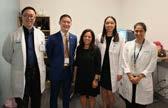
wonderful opportunity to connect in person with experienced advocacy leadership and to practice team advocacy. Legislative Advocacy Day is open to the membership at large. We encourage interested physician members to register early as this free event, which is a membership benefit, and fills-up quickly. We hope that you will join our team for next year!
Thank you to our physician leaders for their participation and advocacy!
Stanford Medicine scientists are finding new ways to protect, restore and rebuild the body — from strengthening language pathways in preterm infants to giving back functional sight. Here’s a quick look at several recently published studies.
Hearing mom’s voice promotes language pathway development preemie babies’ brains, research shows
By Erin Digitale and John Sanford
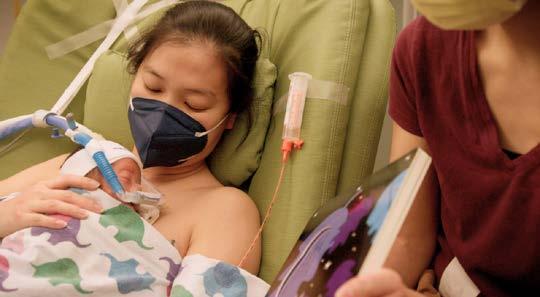
Hearing the sound of their mother’s voice promotes development of language pathways in a premature baby’s brain, according to a recent Stanford Medicine-led study.
“This is the first causal evidence that a speech experience is contributing to brain development at this very young age,” said the lead author, Katherine Travis, PhD, an assistant professor of pediatrics at Stanford Medicine when the study was conducted, who is now on the faculty of Weill Cornell Medical School.
The findings were published Oct. 13, 2025, in Frontiers in Human Neuroscience. The senior author is Heidi Feldman, MD, PhD, the Ballinger-Swindells Endowed Professor in Developmental and Behavioral Pediatrics.
Premature babies are often hospitalized for weeks or months, during which time they hear less maternal speech than if they had continued to develop in utero. They are at risk for language delays, and scientists have suspected that reduced early-life exposure to the sounds of speech contributes to the problem.
Forty-six babies who were born more than eight weeks early were in the study. They were randomly assigned to a treatment
group or control group. Over the course of a few weeks, babies in the treatment group heard recordings of their mothers reading the children’s book A Bear Called Paddington for 2 hours and 40 minutes every day. Members of the control group did not.
MRI scans were taken of the infants’ brains before they were discharged from the hospital. The images showed the arcuate fasciculus tracts on both sides of the brain, which contain bundles of nerve fibers that help process and understand sound. The left arcuate fasciculus is specialized for language processing.
The scans revealed that the language-processing pathway was more mature in babies in the treatment group than in babies in the control group. The right arcuate fasciculus was less affected by the treatment — a finding consistent with known differences in how the two hemispheres of the brain process speech, the scientists said.
“Babies were exposed to this intervention for a relatively short time,” said study co-author Melissa Scala, MD, a clinical professor of pediatrics and a neonatologist at Lucile Packard Children’s Hospital Stanford. “In spite of that, we were seeing very measurable differences in their language tracts. It’s powerful that something fairly small seems to make a big difference.
Patients with an advanced form of age-related macular degeneration are given back some sight in test of new device
By Nina Bai and John Sanford
A medical device invented by a Stanford Medicine researcher is the first capable of restoring functional sight to people with incurable vision loss, giving them the ability to perceive shapes and patterns, according to results published in October 2025 in The New England Journal of Medicine
In a clinical trial, 27 of 32 participants with an advanced form of age-related macular degeneration, which destroys light-sensitive photoreceptors in the center of the retina, regained the ability to read within a year of being outfitted with the device.
The two-part prosthesis, called PRIMA, consists of a small, glasses-mounted camera that captures images and projects them via infrared light to a wireless chip implanted in the back of the eye. With enhancements enabled by the device, such as zoom and higher contrast, some participants could read with acuity equivalent to 20/42 vision.
“All previous attempts to provide vision with prosthetic devices resulted in basically light sensitivity, not really form vision,” said Daniel Palanker, PhD, a professor of ophthalmology and co-senior author of the paper.
Palanker first imagined a prosthetic device 20 years ago, when he worked with ophthalmic lasers used to treat eye conditions.
All previous attempts to provide vision with prosthetic devices resulted in basically light sensitivity, not really form vision…
“I realized we should use the fact that the eye is transparent and deliver information by light,” he said.
PRIMA provides only black-and-white vision, but Palanker is developing software that will enable the full range of gray scale, which is required for face recognition.
Researchers say it’s possible to work with AI-powered scientists to solve real-world problems
By Hanae Armitage and John Sanford
Stanford Medicine researchers have figured out how to create digital “scientists” that work together with minimal oversight to solve real-world biomedical problems. A paper published in July 2025 in Nature describes how a virtual lab of artificial intelligence-powered scientists devised a better way to create a vaccine for SARS-CoV-2, the virus that causes COVID-19.
Advances in agentic AI, collaborative systems of AI models that interact to autonomously pursue certain goals, enabled the creation of a virtual lab, said James Zou, PhD, associate professor of biomedical data science and co-senior author of the study. This gave him the idea to train these software systems to perform like top-tier scientists.
In the virtual lab, a researcher poses a scientific challenge to an AI principal investigator, or AI PI. “It’s the AI PI’s job to figure out the other agents and expertise needed to tackle the project,” Zou said.
For the SARS-CoV-2 project, the AI PI created an immunology agent, a computational biology agent and a machine learning agent. Another agent assumed the role of critic. Instead of proposing a traditional antibody, the AI team suggested a nanoscale fragment of an antibody.
A subgroup of researchers led by co-senior author John Pak, PhD, of the Chan Zuckerberg Biohub, created the nanobody
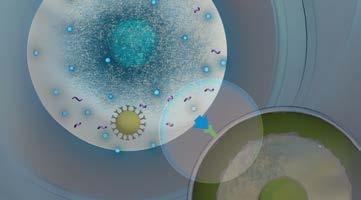
and tested its ability to bind to one of the new SARS-CoV-2 variants — which is key to vaccine effectiveness — and found that it clung tightly to the virus.
Now, Zou and his team are analyzing the nanobody’s ability to help create a new vaccine and feeding the experimental data back to the AI lab to hone the molecular designs.
An injection of a molecule involved in healing can turn back the aging clock, study says
By Krista Conger and John Sanford
Some exercise and one injection of a molecule that’s part of the body’s healing process are all it takes to turn back the clock on muscle vitality if you’re over the hill. And are a mouse. Yet the discovery has compelling implications for people with age-related muscle loss or muscle-wasting diseases.
Stanford Medicine researchers determined that giving elderly mice a shot of prostaglandin E2, then allowing them to exercise on a treadmill over the next two weeks, dramatically increased their strength. The findings were published in June 2025 in Cell Stem Cell.
The research is the first to show that even a brief exposure to PGE2 rejuvenates muscle stem cells by erasing biochemical tags on their DNA that accumulate during aging and hamper the expression of genes involved in self-renewal, survival and muscle function.
An injection of PGE2 brokers the exchange in muscle stem cells of a lifetime’s worth of genetic markers for a new set of instructions that enhances the function of individual muscle stem cells and is passed down to their descendants.
“PGE2 is restoring the cells’ viability and ability to divide and rejuvenating their ability to regenerate and repair muscle damage,” said Helen Blau, PhD, the study’s senior author, the Donald E. and Delia B. Baxter Foundation Professor, and a professor of microbiology and immunology. “And it does so by inducing a heritable molecular memory.”
Using CAR-T cells a method of used for mRNA vaccines could boost curative effects
By Krista Conger and John Sanford
CAR-T therapy has been a boon for treating many blood cancers, but it’s onerous. Immune cells called T cells are removed from a patient, genetically engineered and then returned. Patients must also undergo a procedure to deplete their original T cells, leaving them at risk for infection.
A study led by Stanford Medicine researchers suggests a gentler alternative. Although the method has not yet been attempted in humans, it was safe and effective in laboratory mice, the study found.
The method generates CAR-T cells with the same technique used for mRNA-based vaccines: mRNA is delivered into cells where it spurs production of the desired protein — in this case converting ordinary T cells into CAR-T cells.
Unlike the suspension of T cells delivered in standard CAR-T treatment, the mRNA messages can be provided multiple times, amplifying its curative effects.
Tumors in 75% of mice with B cell lymphoma treated with mRNA were eradicated after several doses. The approach requires no harsh pretreatment to deplete existing immune cells, and it allows researchers to track where the modified cells are in the body.
The study was published June 10, 2025, in Proceedings of the National Academy of Sciences. Katherine Ferrara, PhD, a professor of radiology and chief of the Molecular Imaging Program, was the senior author.
Experimental drug could increase cell survival after exposure to toxin in wildfire smoke
By Krista Conger and John Sanford
A chemical messenger named after a small, spiny mammal of the Arabian Peninsula protects lungs from toxic damage in mice and might play the same role in humans, according to a Stanford Medicine study.
Neuroendocrine cells, which combine the properties of nerve cells and hormone-producing cells, make the desert hedgehog protein in the trachea and pancreas. An experimental drug that activates the protein in mice initiated a cascade of biological reactions that dramatically increased cell survival after the animals were exposed to sulfur dioxide gas, a pollutant that mimics damage from toxins such as wildfire smoke.
In treated mice, 66% of ciliated cells, which use feathery “arms” to sweep particles and viruses out of the lungs, and 82% of secretory cells, which make mucus to trap unwanted
Unlike the suspension of T cells delivered in standard CAR-T treatment, the mRNA messages can be provided multiple times, amplifying its curative effects.
invaders, survived. Only 9.7% of ciliated cells and 43% of secretory cells survived in untreated animals. A similar protective effect followed infection with the flu or SARS-CoV-2.
Philip Beachy, PhD, the Ernest and Amelia Gallo Professor and a professor of urology and of developmental biology, was senior author of the study published in June 2025 in Cell. Scientists at University of California, San Francisco contributed to the work.
The researchers are studying how the hedgehog signaling pathway might be activated in humans to prevent lung damage in people who are exposed to airborne toxins.
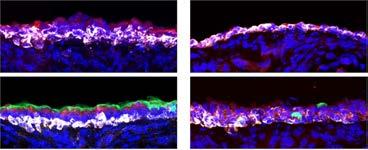
Basal stem cells in airways of normal mice (left column) multiply rapidly after inhalation injury (white cells, top panel), eventually generating new cells to replace those that are damaged, including ciliated and secretory cells (green and red, bottom panel). Mice lacking the Desert hedgehog gene (right column) are more severely injured with stem cells that are unable to multiply (top panel) and are unable to repair the damage (bottom panel).
One-on-one coaching improves prehabilitation success
By Nina Bai and John Sanford
Surgeons often urge people to improve their physical and mental health prior to surgery — known as prehabilitation — to reduce complications afterward. A new Stanford Medicine study shows that people prehabilitate more successfully with a little one-on-one help.
In the study, standard prehab patients received literature about exercise, healthy eating, stress reduction, mindfulness and cognitive training. Personalized prehab patients received
twice-weekly online coaching on the same topics.
Within 30 days of surgery, 11 of the 27 standard prehab patients had moderate-to-severe post-operative complications, compared with four of the 27 personalized prehab patients.
Analyzing patients’ immune cells, researchers found reduced overreactivity in some immune cells and lower baseline inflammation in the personalized group — surprisingly large shifts for a low-cost at-home intervention, they said.
“It’s a measurable effect that you would expect from a pharmacological intervention, honestly,” said Brice Gaudilliere, MD, PhD, a professor of anesthesiology, perioperative and pain medicine and a senior author of the November 2025 study in JAMA Surgery.
“When it comes to exceptional patient care and meaningful medical careers, physician independence matters. That’s why CAP delivers reliable medical malpractice coverage and practice and risk management services tailored to the clinical and professional realities of medicine today. Our promise will always be to protect what physicians have worked hard to build and to support their ability to remain independent.”
Sarah E. Scher, JD Chief Executive Officer
Cooperative of American Physicians
Physician founded in 1975, the Cooperative of American Physicians (CAP) is a leading provider of medical malpractice coverage in California. More than 13,000 physicians rely on CAP to protect their practices every day. Learn how CAP can help you succeed. 800-356-5672 www.CAPphysicians.com
STUART GOODMAN MD PHD
Professor of Orthopaedic Surgery and Bioengineering, Stanford University
Osteonecrosis (ON), also commonly referred to as avascular necrosis, is a condition of bone in which the cells in the marrow die, including cells of mesenchymal, hematopoietic and vascular lineages1, 2 The anatomic locations most affected by ON include the epiphyseal and metaphyseal regions of joints comprising the femoral head, the knee (distal femur and proximal tibia), the talus, and the humeral head. ON primarily affects young and middle aged adults18-50 years of age, i.e., individuals in their post-secondary school education and prime working years.
The most common location of ON is the femoral head. Osteonecrosis of the femoral head (ONFH) is a disorder in which progressive collapse of the bone supporting the overlying articular cartilage leads to secondary degenerative arthritis and destruction of the hip joint, often necessitating hip arthroplasty. In fact, approximately 10-15% of hip arthroplasties performed in the USA today are due to ONFH. This number is even higher in many countries in the Far East. In approximately 80% of cases, ONFH is bilateral.
The pathophysiology of ONFH is due to a disturbance of the oxygen and nutrient supply that sustains the viability of the cells in the femoral head3. These events can be due to direct disruption of the vascular supply after a proximal femoral fracture (traumatic osteonecrosis) or nontraumatic etiologies such as corticosteroid use, alcohol abuse, vasculitis (e.g. in lupus or rheumatoid arthritis), hypercoagulable states (such as sickle cell anemia), and specific medications and in conjunction with other less common conditions. The two most common causes are prolonged use of corticosteroids and alcohol abuse4, 5. Both etiologies are toxic to bone forming mesenchymal cells, vascular cells, and hematopoietic cells and their progenitors.
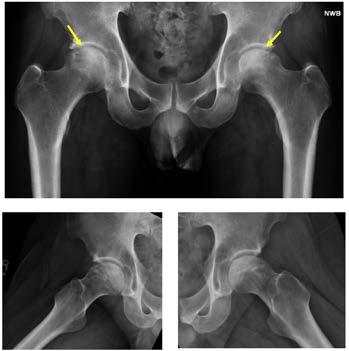
Figure 1: Anteroposterior pelvis and frog lateral radiographs of the hips of a patient who has bilateral corticosteroid-associated Stage III, type 3 ONFH. The pelvis radiograph (top) shows flattening laterally > 2mm (arrows) and sclerotic and lytic areas in the femoral heads. The frog lateral views of the hips are on the bottom of the figure.
The classification of ONFH depends on the Stage (I-IV) and extent (types 1-3) of the lesion(s) in the femoral head, as defined by the Association Research Circulation Osseous (ARCO), the largest international body of clinicians and researchers who study osteonecrosis 6-8. This classification is based on plain radiographs and MRI or CT scans of the hips. In the early stages, the lesion can be seen on MRI or CT, but the hip radiographs are normal (Stage I) or show a “salt and pepper speckling” of the femoral head, which retains its round configuration. In Stage III, the femoral head is no longer round due to subchondral bone collapse; there may be a subchondral fracture line just below the cartilage surface seen on radiographs or advanced imaging. The degree of collapse of the femoral head may be mild (less than < 2 mm, Stage IIIa) or more extensive ( >2 mm, Stage IIIb) (Figures 1 and 2). In Stage IV, in addition to progressive femoral head collapse, there is degenerative arthritis of the hip joint.
In addition to staging of the lesion, the location and extent of the lesion is described by one of 3 types, based on the coronal (frontal) plain radiographs and MRI/CT scan. Type 1 lesions are located in the medial ½ of the femoral head. Type 2 lesions extend into the lateral ½ of the femoral head, but not as far as the acetabular rim Type 3 lesions extend laterally to the edge of the acetabulum. Thus, clinicians can communicate the details of a lesion succinctly as, for example, Stage IIIa type 2. With more advanced imaging algorithms and artificial intelligence, the 3-dimensional characteristics of lesions can be further defined 9 Because ONFH afflicts younger individuals, early diagnosis and treatment can yield opportunities for saving the hip joint prior to inevitable collapse and degenerative arthritis. For example, patients undergoing treatment with corticosteroids for leukemia/lymphoma, asthma, organ transplantation, or lupus who have mild complaints of pain or discomfort in the hip girdle should raise a high index of suspicion for early stage ONFH. Some centers have established protocols to perform MRI examination of these patients after a period of approximately 4 months of corticosteroid use. This may facilitate early intervention to save the patient’s native hip joint from progressive collapse.
In general, when ONFH is diagnosed early (Stage I, II, and IIIa) and the femoral head is reasonably round, surgical joint saving procedures are the optimal method of hip preservation.
In the USA, this usually entails drilling into the lesion using radiographic image intensification (referred to as core decompression), with or without the local injection of bone marrow aspirate concentrate (BMAC) or impacted cancellous autograft10-14 In Europe and Asia, such cases are often treated with structural vascularized autograft, or femoral realignment osteotomy. Advanced cases of collapse and degenerative arthritis are best treated with joint arthroplasty15 This latter option is more palatable now that hip implants are more advanced and the bearing materials more wear resistant (such as with a ceramic femoral head articulating with highly crosslinked polyethylene or ceramic) metal-backed shell. However, the main concept and approach in treating ON in these younger patients emphasizes having a high index of suspicion in patients with known risk factors, early imaging studies to establish the diagnosis and prompt treatment for joint preservation rather than joint replacement16
At Stanford University Medical Center, we have a dedicated clinic and staff to help patients, their families and health care providers for the diagnosis and treatment of ONFH, and ON in other joints. These patients are prioritized and seen expeditiously in our comprehensive ON clinic at the Stanford Outpatient Center in Redwood City. Together with our Department of Radiology, we have developed special abbreviated MRI imaging protocols of the hips, knees and ankles to diagnose and treat
these patients promptly and form a viable patient-centered treatment plan. Dr. Goodman, the current President of ARCO is one of 3 principal investigators running an NIH funded, prospective, randomized, multicenter study involving 12 medical centers across the USA to help determine whether addition of BMAC to core decompression affects the clinical and radiological outcome of ONFH. Dr. Goodman’s Stanford Research Laboratory is also analyzing the BMAC from a cohort of patients using single cell mass cytometry to determine the optimal properties of BMAC in restoring the femoral head physiology and clinical outcome 17. In addition, the laboratory is performing cutting edge in vitro and in vivo studies on the effects of corticosteroids on bone and using high throughout methodologies to mitigate the development of ON18
At the Lucile Packard Children’s Hospital at Stanford a robust clinical and translational program to diagnose and treat children and adolescents with ON is being led by Dr. Kevin Shea 19 Together, Dr. Goodman and Dr. Shea’s teams are collaborating closely to optimize the health of patients with ONFH and in other anatomical locations to improve the clinical outcomes of patients of all ages20.
1. Mont MA, Salem HS, Piuzzi NS, Goodman SB, Jones LC. Nontraumatic Osteonecrosis of the Femoral Head: Where Do We Stand Today?: A 5-Year Update. J Bone Joint Surg Am. 2020;102(12):1084-99. doi: 10.2106/ jbjs.19.01271. PubMed PMID: 32282421; PMCID: PMC7508290.
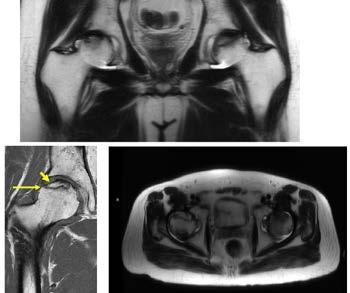
Figure 2: T1 MRI images of bilateral ONFH of the patient’s imaging shown in figure 1. The coronal (frontal) MRI (top) shows the lesions in the weightbearing portions of the femoral head bilaterally as dark areas that extend laterally to the acetabular rim (type 3). Bottom (right) shows the MRI of the right hip. The horizontal arrow delineates the interface between the dead bone above and the viable bone below. The shorter arrow points to a subtle subchondral fracture line. Bottom (left) is an axial T1 image showing the lesions in the femoral heads are extensive bilaterally. Unfortunately, the extent and collapse of the femoral heads were too advanced for hip saving procedures.
2. Goodman SB. Osteonecrosis: Overview of New Paradigms in the Etiology and Treatment. Instr Course Lect. 2020;69:103-10. PubMed PMID: 32017722.
3. Cheng EY, Mirzaei A, Sugano N, Hernigou P, Jones LC, Koo KH, Drescher WR, Cui Q, Sierra RJ, Goodman SB, Zhao D, Mont MA. Osteonecrosis: A More Appropriate Term than Avascular Necrosis-Pathophysiologic Rationale. J Arthroplasty. 2025;40(10):272936. Epub 20250526. doi: 10.1016/j. arth.2025.05.064. PubMed PMID: 40436079.
4. Yoon BH, Jones LC, Chen CH, Cheng EY, Cui Q, Drescher W, Fukushima W, Gangji V, Goodman SB, Ha YC, Hernigou P, Hungerford M, Iorio R, Jo WL, Khanduja V, Kim H, Kim SY, Kim TY, Lee HY, Lee MS, Lee YK, Lee YJ, Mont MA, Sakai T, Sugano N, Takao M, Yamamoto T, Koo KH. Etiologic Classification Criteria of ARCO on Femoral Head Osteonecrosis Part 2: Alcohol-Associated Osteonecrosis. J Arthroplasty. 2019;34(1):169-74.e1. Epub 20180922. doi: 10.1016/j.arth.2018.09.006. PubMed PMID: 30348559.
5. Yoon BH, Jones LC, Chen CH, Cheng EY, Cui Q, Drescher W, Fukushima W, Gangji V, Goodman SB, Ha YC, Hernigou P, Hungerford M, Iorio R, Jo WL, Khanduja V, Kim H, Kim SY, Kim TY, Lee HY, Lee MS, Lee YK, Lee YJ, Mont MA, Sakai T, Sugano N, Takao M, Yamamoto T, Koo KH. Etiologic Classification Criteria of ARCO on Femoral Head Osteonecrosis Part 1: Glucocorti-
coid-Associated Osteonecrosis. J Arthroplasty. 2019;34(1):1638.e1. Epub 20180922. doi: 10.1016/j.arth.2018.09.005. PubMed PMID: 30348552.
6. Koo KH, Mont MA, Cui Q, Hines JT, Yoon BH, Novicoff WM, Lee YJ, Cheng EY, Drescher W, Hernigou P, Kim SY, Sugano N, Zhao DW, Ha YC, Goodman SB, Sakai T, Jones LC, Lee MS, Yamamoto T, Lee YK, Kang Y, Burgess J, Chen D, Quinlan N, Xu JZ, Park JW, Kim HS. The 2021 Association Research Circulation Osseous Classification for Early-Stage Osteonecrosis of the Femoral Head to Computed Tomography-Based Study. J Arthroplasty. 2022;37(6):1074-82. Epub 20220211. doi: 10.1016/j.arth.2022.02.009. PubMed PMID: 35151809.
7. Hines JT, Jo WL, Cui Q, Mont MA, Koo KH, Cheng EY, Goodman SB, Ha YC, Hernigou P, Jones LC, Kim SY, Sakai T, Sugano N, Yamamoto T, Lee MS, Zhao D, Drescher W, Kim TY, Lee YK, Yoon BH, Baek SH, Ando W, Kim HS, Park JW. Osteonecrosis of the Femoral Head: an Updated Review of ARCO on Pathogenesis, Staging and Treatment. J Korean Med Sci. 2021;36(24):e177. Epub 20210621. doi: 10.3346/jkms.2021.36. e177. PubMed PMID: 34155839; PMCID: PMC8216992.
8. Yoon BH, Mont MA, Koo KH, Chen CH, Cheng EY, Cui Q, Drescher W, Gangji V, Goodman SB, Ha YC, Hernigou P, Hungerford MW, Iorio R, Jo WL, Jones LC, Khanduja V, Kim HKW, Kim SY, Kim TY, Lee HY, Lee MS, Lee YK, Lee YJ, Nakamura J, Parvizi J, Sakai T, Sugano N, Takao M, Yamamoto T, Zhao DW. The 2019 Revised Version of Association Research Circulation Osseous Staging System of Osteonecrosis of the Femoral Head. J Arthroplasty. 2020;35(4):933-40. Epub 20191127. doi: 10.1016/j.arth.2019.11.029. PubMed PMID: 31866252.
9. Shinohara I, Inui A, Hwang K, Murayama M, Susuki Y, Uno T, Gao Q, Morita M, Chow SK, Tsubosaka M, Mifune Y, Matsumoto T, Kuroda R, Goodman SB. Leveraging AI models for lesion detection in osteonecrosis of the femoral head and T1-weighted MRI generation from radiographs. J Orthop Res. 2025;43(3):650-9. Epub 20241123. doi: 10.1002/jor.26026. PubMed PMID: 39579026.
10. Cheng EY, Mirzaei A, Goodman SB, Cui Q, Mont MA, Jones LC. Nontraumatic Osteonecrosis of the Femoral Head: An International Evidence-Based Clinical Practice Guideline. J Arthroplasty. 2026. Epub 20260410. doi: 10.1016/j. arth.2026.03.056. PubMed PMID: 41967526.
11. Chow SK, Rainey JP, Mont MA, Jones LP, Goodman SB. The Role of Cell Therapies for the Treatment of Osteonecrosis of the Femoral Head. J Arthroplasty. 2025;40(10s1):S46-s50. Epub 20250610. doi: 10.1016/j.arth.2025.06.018. PubMed PMID: 40505752.
12. Goodman SB. The biological basis for concentrated iliac crest aspirate to enhance core decompression in the treatment of
osteonecrosis. Int Orthop. 2018;42(7):1705-9. Epub 20180212. doi: 10.1007/s00264-018-3830-1. PubMed PMID: 29435623.
13. Buddhiraju A, Khanuja HS, Hegde V, Sequeira SB, Mont MA, Jones LC. Epidemiology, Management, and Systematic Review of Surgical Trends for Patients Who Have Osteonecrosis of the Femoral Head. J Arthroplasty. 2025;40(10s1):S112-S9. e1. Epub 20250607. doi: 10.1016/j.arth.2025.06.002. PubMed PMID: 40490143.
14. Qi T, Yan Y, Qi W, Chen W, Yang H. Hip joint-preserving strategies for treating osteonecrosis of the femoral head: From nonoperative to operative procedures. J Orthop Translat. 2025;51:256-77. Epub 20250319. doi: 10.1016/j.jot.2025.02.001. PubMed PMID: 40190345; PMCID: PMC11968294.
15. Chen KL, Goodman SB. CORR Synthesis: What Is the Evidence for Joint-saving Procedures in ARCO Stage III Osteonecrosis of the Femoral Head? Clin Orthop Relat Res. 2026;484(4):708-33. Epub 20251030. doi: 10.1097/ corr.0000000000003736. PubMed PMID: 41237392.
16. Boontanapibul K, Steere JT, Amanatullah DF, Huddleston JI, 3rd, Maloney WJ, Goodman SB. Diagnosis of Osteonecrosis of the Femoral Head: Too Little, Too Late, and Independent of Etiology. J Arthroplasty. 2020;35(9):2342-9. Epub 20200505. doi: 10.1016/j.arth.2020.04.092. PubMed PMID: 32456965.
17. Susuki Y, Thukkaram M, Shinohara I, Murayama M, Morita M, Igei T, Ma C, Pius AK, Gao Q, Chow SK, Goodman SB. Immune profiling in orthopaedic diseases using mass cytometry : a narrative review of applications and future directions. Bone Joint Res. 2026;15(5):497-507. Epub 20260513. doi: 10.1302/2046-3758.155.Bjr-2025-0548.R1. PubMed PMID: 42125857; PMCID: PMC13169456.
18. Shinohara I, Susuki Y, Chow SK, Cheung P, Moses AS, Murayama M, Morita M, Uno T, Gao Q, Ma C, Igei T, Beinat C, Goodman SB. A Novel Murine Model to Study the Early Biological Events of Corticosteroid-Associated Osteonecrosis of the Femoral Head. Bioengineering (Basel). 2026;13(1). Epub 20260120. doi: 10.3390/bioengineering13010116. PubMed PMID: 41596047; PMCID: PMC12837465.
19. Smith GB, Pham NS, Alayleh A, Smith S, Chao K, Goodman SB, Shea KG. Risk Factors for Corticosteroid-associated Osteonecrosis in Children: A National Database Study. J Pediatr Soc North Am. 2025;12:100199. Epub 20250523. doi: 10.1016/j. jposna.2025.100199. PubMed PMID: 40756153; PMCID: PMC12317409.
20. Igei T, Smith GB, Chow SK, Jobanputra A, Khoo BW, Shea KG, Goodman SB. Corticosteroid-associated osteonecrosis in paediatric compared with adult patients: are they the same disease? Bone Jt Open. 2026;7(5):682-91. Epub 20260521. doi: 10.1302/2633-1462.75.Bjo-2025-0354.R1. PubMed PMID: 42163553.

The US has been struggling with an ongoing opioid-related overdose epidemic with more than 1 million drug overdose deaths since 2000.
Although recent years have seen some reductions, accidental drug overdose is still a leading cause of death in the United States. A major cause has been the emergence of illicitly manufactured synthetic opioids, including fentanyl and its analogs, which became dominant within the drug supply around 2016.
Naloxone, a safe and highly effective medication, can be administered via injection or sprayed intranasally to reverse potentially lethal respiratory depression caused by opioid overdoses. The nasal spray formulation was approved to be sold over-the-counter (OTC) since 2023. While commonly known by the brand name Narcan, generic versions have been available since 2021.
Community-based naloxone distribution has been a key prevention strategy to prevent more overdose deaths. It has been reported that Increased access to naloxone has not been shown to increase opioid misuse.
Some communities have implemented vending machines (VMs) as a means to distribute naloxone. These naloxone dispensing VMs can be located outside which allows around the clock access. Preliminary research showed that VMs distributing naloxone may contribute to reduced fatal overdose (Arendt, 2023). Yet, despite their growing popularity, VMs are a relatively understudied naloxone distribution channel (Zhang).
In 2021, the nonprofit Harm Reduction Michigan (HRMI) offered free naloxone across the state of Michigan through publicly accessible, unlocked, outdoor naloxone boxes. By 2024, the program had placed 184 naloxone boxes across Michigan—each holding between three and six dozen doses of naloxone when fully stocked. From 2023 to 2024, 24,428 doses of naloxone were distributed.
A naloxone vending machine (VM) may be potentially re-
ducing opioid-related fatalities in Kern County, California. At first the machine required participant registration and imposed product limits. These restrictions were removed in August 2023 to improve access. An analysis of data from June to October 2023 revealed a significant increase in VM utilization following the shift to unrestricted access. Now the Bakersfield AIDS project is setting up more naloxone boxes.
Monterey County Health Department is launching a number of free, 24/7 VM access sites for naloxone across the county. Santa Cruz County also has boxes to provide 24/7 access to naloxone.
In March 2026 the Sebastopol City Council voted to allow installation of a newspaper style box for naloxone distribution outside the Sebastopol Library. Micah’s Hugs, a nonprofit organization dedicated to preventing fentanyl poisoning, will supply naloxone and be responsible for the ongoing unit maintenance.
A machine to dispense free doses of naloxone was installed by the Sheriff’s Office in the public lobby of the Maguire Correctional Facility in Redwood City. In February 2026 San Mateo County Health officials purchased 21 naloxone stand boxes (NSBs) to be placed throughout the county. Each NSB holds up to 72 free naloxone doses with instructions on how to use them. San Mateo County has had its share of accidental overdoses, with 2021 being the worst year at 120 deaths. Health officials say naloxone is partly responsible for fewer San Mateo County deaths in 2024, when 54 people died. It is suggested that by placing the boxes at transit centers, the opportunity to grab-and-go means every time a person gets on a bus, they may be transporting naloxone to

other parts of the Bay Area.
The County of Santa Clara Public Health Department strongly encourages all individuals in Santa Clara County to carry naloxone to respond to an opioid overdose together with other Californians. The ability of members of the community to respond to an opioid overdose using naloxone can reduce the strain on the emergency medical services grid responders. California’s Good Samaritan law protects those giving emergency medical care at the scene of a medical emergency, including giving naloxone.
As previously published in the bulletin, the Santa Clara County Behavioral Health Services Department (BHSD) Addiction Medicine Division in November of 2022 had a VM program to dispense naloxone.
To make naloxone easy to access for Santa Clara County residents, the County of Santa Clara Public Health Department is now making free naloxone stand boxes (NSBs) available to any interested organization.
These NSBs can expand access to life-saving overdose reversal tools in community spaces. Santa Clara County organizations can order free naloxone stand boxes (NSBs) through the Public Health Department’s Sexual Health and Harm Reduction Program.
To date, nearly 20 organizations spanning housing providers, health centers, Eds, and community-based groups have requested naloxone stand boxes. Twenty-two (22) NSBs will be publicly available; and 39 are for private use for an organization’s own clients or residents. Organizations that currently volunteer to provide this service to the community include Peninsula Health Center, Abode Services, Jerry Larson Food Basket, Bill Wilson Center, Midtown Family Services, De Anza College, HomeFirst, Gardner Family Health, Covenant House California, Evergreen Valley College, Roots Community Health, and Stanford Adult ED. The Public Health Department is working on mapping the location of all the publicly available NSBs to help facilitate community access to naloxone.
Staff from the County of Santa Clara Public Health Department would like to hear from other organizations interested in participating in order to review the NSB Community Partner Agreement and the responsibilities of managing an NSB. Naloxone is not included with the box, but staff from the County of Santa Clara Public Health Department can help interested organizations apply to the California Department of Health Care Services Naloxone Distribution Project to order free naloxone.
For more information about the naloxone stand boxes, please visit tinyurl.com/santaclaracountynsb
ODFree SCC is a coalition of community members and volunteers, healthcare providers, and professionals working to reduce overdoses in Santa Clara County.
If readers have any questions, please contact ODFreeSCC@ phd.sccgov.org.
<https://odfree.santaclaracounty.gov/order-free-naloxone-stand-boxes-your-organization>
Works Cited
• Arendt, D. (2023). Expanding the accessibility of harm reduction services in the United States: Measuring the impact of an automated harm reduction dispensing machine. J Am Pharm Association, 309-316.
• Ball, A., Buresh, C., & Hadland, S. (2026). Naloxone and Buprenophrine Treatment for Adolescent Opioid
Overdose and Opioid Use Disorder: A Review. JAMA Pedritrics, 441-448.
• Herrera, A. (2025). Advancing Equitable Access to Harm Reduction: Implementation and Early Use of an Outdoor Harm Reduction Vending Machine, Kern County, California, 2023. Public Health Rep
• Herrera, A., Conner, B., Beshirs, P., & Blumenthal, R. (2026). Breaking barriers: evaluationg access models for harm reduction vending machines. Int J Drug Policy, 147.
• Linder, S. H., & Parwiz, M. (2023). Santa Clara County Naloxone Vending Machines. Santa Clara County Medical Association Bulletin, 14-15.
• Lynch, P., Gamalski, L., & Roys, V. (2025). Use of low-threshold naloxone boxes for opioid overdose prevention in a Midwestern US State: a public health program evaluation. Harm Reduct J, 185.
• Russell, E., Johnson, J., Kosinski, Z., Kaplan, C., Barnes, N., Allen, S., & Haroz, E. (2023). A scoping review of implementation considerations for harm reduction vending machines. Harm Reduct J
• Zhang, A., Carrillo, M., Liu, R., Ballard, S., Reedy-Cooper, A., & Zgierska, A. (2025). Vending machines for reducing harm associated with substance use and use disorders, and co-occurring conditions: a systematic review. Hard Reduct J
• Zhang, A., Murphy, J., Griffin, P. M., Goodman-Hinnershitz, M., Pinto, C. N., Ballard, S. M., . . . Zgierska, A. E. (2026). “Smart” harm reduction vending machines to improve public health: Evaluating the utilization. Journal of Substance Use and Addiction Treatment
• Narcan Box OKd Outside Library In NorCal Town
• <https://patch.com/california/healdsburg/narcan-boxokd-outside-library-norcal-town>
• https://micahshugs.org/narcan-boxes/
• Monterey County to add four new Narcan vending machines, doubling free access sites
• https://www.ksbw.com/article/monterey-county-new-narcan-vending-machines/69712812
• Santa Cruz Community Health Partners with Central Coast Overdose Prevention to Provide 24/7 Access to Naloxone (Narcan) in the San Lorenzo Valley
• https://www.schealthcenters.org/santa-cruz-community-health-partners-with-central-coast-overdosepreventionto-provide-24-7-access-to-naloxone-narcan-inthe-san-lorenzo-valley/
• San Mateo County installs purple Narcan boxes to help prevent overdose deaths: Here’s how it works https:// abc7news.com/post/san-mateo-county-installs-purplenarcan-boxes-help-prevent-overdose-deaths-heres-lookhow-works/18641775/
• Narcan Vending Machine Installed in Maguire Correctional Facility Lobby
• https://www.smcgov.org/ceo/news/narcan-vending-machine-installed-maguire-correctional-facility-lobby
• Kern County fentanyl crisis: 24/7 Narcan boxes aim to cut stigma and save lives
• <https://bakersfieldnow.com/news/local/kern-countyfentanyl-crisis-247-narcan-boxes-aim-to-cut-stigma-andsave-lives>

Delegates represent their counties in the California Medical Association (CMA) house of delegates by attending and actively participating in delegation caucus meetings and in all sessions of the house.
Delegates monitor business put before the house to consider, including business at the annual session, and items presented during the year-round resolution process. Delegates are represent their overall constituency and not just their own personal views on issues.
Delegate candidates are team-oriented, knowledgeable on policy issues, willing to play an active role in the delegation and support the goals of the delegation.
Positions are for a two-year term. If you are interested in becoming an alternate delegate to participate in future meetings of the House of Delegates please contact Governance & Advocacy Associate at emily@sccma.org.
The headlines started in early May and lasted for weeks: “Passengers stranded on hantavirus cruise ship,” “Countries race to track hantavirus,” “Cruise of a lifetime becomes nightmare.”
The recent Andes hantavirus outbreak aboard the MV Hondius cruise ship included a deadly virus, multiple deaths, wealthy passengers, a WHO response, and dramatic evacuations of the passengers to quarantine facilities all over the world—essentially, all the elements needed for breathless media accounts.
The truth of what was happening behind the scenes on the public health level was far more mundane. Certainly, multiple factors made contact tracing of passengers challenging. The hop-on/hop-off nature of the cruise meant that multiple passengers left the ship before the Andes virus was even identified. Then, the 42-day incubation period of the virus meant that those passengers had been exposed but had already traveled. Finally, what kind of monitoring and quarantining would be appropriate?
Despite all that, the MV Hondius outbreak was practically an Epidemiology 101 course in action. It served as an excellent reminder of the daily work that disease investigators do around the world to keep contagious viruses from spreading. The detective work and international coordination that drives contact tracing is the bread and butter of global infectious disease prevention—and it’s often invisible.
That’s where healthcare providers are such valuable de facto public health workers—by providing realistic risk assessments for their patients. Six years after the onset of the COVID pandemic, people are still understandably scarred by that experience, so the news of another possible pandemic rattled a lot of nerves. Healthcare providers are trusted authorities who can reassure their patients that:
Risk to them personally is extremely low. In the case of Andes, the virus is not easily spread. Even with an exposed patient in our county, that person is under quarantine and close monitoring, so the chances of coming across them are slim to none. As outbreaks of other diseases happen, do a quick review of how the virus or bacteria spreads so that you can provide an honest risk assessment for your patients, depending on their circumstances. The providers page (publichealthproviders.santaclaracounty.gov) of the public health website is a great place for information on risk to the public.
Experts are on the case. Sharing some of the investigative work that epidemiologists and other experts do to halt disease is fascinating and often reassuring. Tell patients that WHO and other agencies are on the ground (or the ship!) and that there is international coordination happening. Their local public health

department is in daily contact with state and national partners to ensure they have the latest information to keep Santa Clara County residents as safe as possible.
Tried-and-true public health measures still matter. Dangerous viruses, bacteria, and fungi will continue to emerge, but you can advise your patients that staying up to date on vaccinations, washing their hands frequently, wearing a well-fitting respirator in crowded places, and doing their best to live a healthy lifestyle remain important ways to protect themselves. Reminding them that they have agency may lower their anxiety.
With the FIFA World Cup taking place in the Bay Area this June and July, infectious diseases will remain in the spotlight, including Ebola. Healthcare providers can help by reminding their patients that if they’re attending a game, their risk of contracting a rare communicable disease is low, and they’re much more likely to experience dehydration or heat-related illness.
The County’s Office of Emergency Management has put together a “Know Before You Go” webpage in multiple languages with a lot of great resources that providers can share with their patients.
On March 20, 2026, medical students across the nation gathered with classmates, mentors, family members, and loved ones to participate in one of the most anticipated milestones in their professional journeys: Match Day.
For thousands of aspiring physicians, the National Resident Matching Program (NRMP) Main Residency Match marked the culmination of years of academic preparation, clinical training, personal sacrifice, and unwavering determination. This year’s Match Day was historic. The 2026 Main Residency Match was the largest in NRMP history, reflecting both the growing demand for physicians and the continued commitment of medical schools, residency programs, and healthcare institutions to train the future healthcare workforce.
Behind every match, however, lies a deeper story—one about mentorship, service, and the responsibility of today’s physicians to guide the next generation.
The 2026 Match demonstrated continued growth across the physician training pipeline.
Of the 53,373 applicants who registered for the Match, 48,050 submitted certified rank order lists, representing an increase of 842 active applicants compared with 2025. Among those applicants, 38,354 matched into first-year residency (PGY-1) positions, while a total of 41,482 positions were filled across PGY-1 and PGY-2 training programs.
Residency programs also continued to expand. The Match included 6,809 certified program tracks and offered 44,344 training positions nationwide. Overall, 93.5 percent of available positions were filled when the matching algorithm was processed.
The data reflects the remarkable strength and resilience of the physician workforce pipeline. It also highlights the growing need for educational institutions, residency programs, and practicing physicians to continue supporting trainees as they transition from medical school to clinical practice.
Match Day is often celebrated as a moment of personal achievement, but it is equally important to recognize its significance for patients, communities, and the healthcare system as a whole.
Residency is where physicians transform from students into independent clinicians. It is where medical knowledge is tested against real-world clinical decision-making. It is where future surgeons refine their technical skills, future pediatricians learn to care for children and families, and future internists develop the judgment required to manage increasingly complex patients.
Residency is also where physicians learn the less tangible aspects of medicine: leadership, teamwork, professionalism, empathy, resilience, and communication. These skills are not
learned from textbooks alone. They are passed down from attending physicians, mentors, colleagues, and healthcare teams who invest their time and expertise in teaching the next generation.
Every resident entering training this summer will benefit from physicians who chose not only to practice medicine, but also to teach it.
Throughout the history of medicine, mentorship has been one of the profession’s most enduring traditions. Long before formal residency accreditation systems existed, experienced physicians guided trainees through apprenticeship and clinical observation. While medical education has evolved dramatically, the importance of mentorship remains unchanged.
For many residents, a mentor can influence not only clinical competence but also career trajectory, professional confidence, and personal well-being. Physicians who take the time to teach, encourage, and support trainees often leave a lasting impact that extends far beyond a residency program. A single conversation, a thoughtful piece of feedback, or an example of compassionate patient care can shape a young physician’s approach for decades to come.
As healthcare continues to grow more complex, mentorship has become more important than ever. Residents are entering a profession characterized by rapid technological advancement, increasing administrative demands, workforce shortages, evolving patient expectations, and unprecedented access to information through digital platforms and artificial intelligence.
Helping young physicians navigate these realities requires not only clinical expertise, but also leadership and guidance from those who have traveled the path before them.
Today’s residents face challenges that extend beyond mastering medical knowledge. The demands of residency training can place significant pressure on mental health, work-life integration, financial stability, and personal relationships. Many trainees begin residency carrying substantial educational debt while simultaneously adapting to long work hours, new responsibilities, and unfamiliar environments.
As healthcare organizations increasingly prioritize physician wellness, there is growing recognition that supporting residents is essential to sustaining the future workforce. Residents who feel supported are more likely to thrive professionally, remain engaged in patient care, and develop the resilience necessary for long-term careers in medicine. Creating environments that promote wellness, psychological safety, mentorship, and professional growth benefits not only trainees, but also the patients and communities they serve.
Investing in residents is an investment in the future quality of healthcare itself.
This year’s Match also highlighted the continuing importance of primary care specialties. Internal Medicine, Pediatrics, Family Medicine, and Internal Medicine-Pediatrics collectively accounted for more than 20,700 residency positions, representing the largest share of positions offered in the Match.
Internal Medicine offered 11,632 positions and achieved a 95.2 percent fill rate. Internal Medicine-Pediatrics filled all 404 available positions, achieving a 100 percent fill rate. Pediatrics filled 94.4 percent of its available positions.
Family Medicine continued to expand training opportunities, offering 5,491 positions in 2026. While the specialty experienced a lower fill rate than in the previous year, the total number of applicants matching into Family Medicine increased. These trends are particularly important as healthcare leaders nationwide continue to address physician shortages and patient access challenges.
Primary care remains the foundation of an effective healthcare system. Family physicians, pediatricians, internists, and other primary care providers serve as the first point of contact for millions of patients, helping coordinate care, manage chronic disease, and promote preventive health.
Ensuring a strong primary care workforce will remain critical to meeting the needs of an aging and increasingly diverse population.
For practicing physicians, Match Day serves as a reminder of why the profession continues to inspire. Behind every newly matched resident is a future colleague who has committed to a lifetime of learning and service. There is a future physician-scientist who may advance medical discovery. A future community physician who will care for generations of families. A future educator who will mentor students and residents yet to come.
Medicine has always been more than a profession; it is a continuum of knowledge, service, and stewardship passed from one generation to the next. As we celebrate the achievements of the Match Day Class of 2026, we also recognize the countless educators, residency leaders, mentors, and practicing physicians whose dedication makes these journeys possible.
The future of medicine depends not only on recruiting talented students, but on nurturing them throughout training and welcoming them into a profession built on compassion, excellence, and service.
To all those who matched this year: congratulations! And to the physicians who continue to teach, mentor, and inspire them: thank you for helping shape the future of healthcare.
References
1. National Resident Matching Program (NRMP). NRMP Releases Results of the 2026 Main Residency Match for More Than 38,000 Future Residents. March 20, 2026. Available at: https://www.prnewswire.com/news-releases/nrmp-releasesresults-of-the-2026-main-residency-match-for-more-than-38000-future-residents-302719870.html. Accessed June 2026.
2. National Resident Matching Program (NRMP). NRMP Releases Results for 2026 Main Residency Match. March 20, 2026. Available at: https://www.nrmp.org/match-data/2026/03/nrmp-releasesresults-for-2026-main-residency-match/. Accessed June 2026.
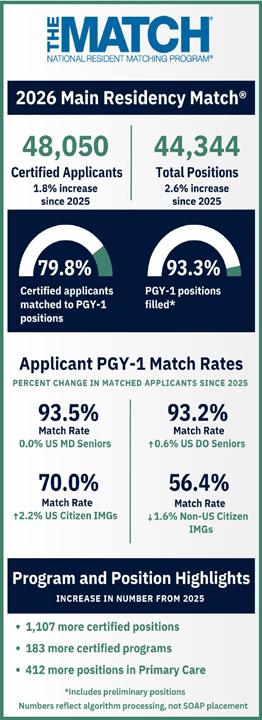
Dr. Robert Gould
Over 80 years since the atomic bombings that destroyed Hiroshima and Nagasaki, we face the dawn of a new global nuclear arms race that compounds the climate and pandemic threats to human survival. Today, the nine nuclear-armed states possess over 12,000 nuclear weapons, hundreds of which are on hair-trigger alert. This presentation will describe the manifold threats posed by: current global programs to expand and modernize these nuclear weapons arsenals; the abrogation of international treaties to reduce the dangers; and areas of heightened great-power confrontation. While ignoring our climate emergency, the U.S. government plans to spend over $4 million an hour over the next 30 years to “modernize” our nuclear weapons arsenal, with profound opportunity costs to public and environmental health. Alternative visions for human survival are offered by the global movement to abolish nuclear weapons embodied in the 2017 UN Treaty to Prohibit Nuclear Weapons (TPNW) In advancing this goal, Physicians for Social Responsibility and coalition partners working within the “Back from the Brink” and similar campaigns have passed anti-nuclear weapons resolutions in many U.S. municipalities, including San Francisco and Los Angeles. Prospects for connecting such campaigns with wider popular movements seeking to transform U.S. and global priorities in the direction of climate, environmental and social justice necessary for global survival will also be explored.
Robert Lustig, MD, MLS
Obesity is a global epidemic that has progressed over the last 50 years and led to many health consequences for populations around the world. Dr. Robert Lustig has been at the forefront of identifying the environmental factors contributing to this global epidemic with a focus on how sugar and processed foods adversely affect metabolism. Dr. Lustig has also proposed that environmental chemicals interfere with hormonal signaling leading to obesity, a theory known as the obesogens model. In this webinar, Dr. Lustig will discuss the rise in obesogens in the form of insecticides, plastics, household chemicals, particulate matter, pharmaceuticals and food components and how they have permeated our food supply, water supply and the air we breathe. Watch the recording to learn how obesogens act throughout the lifespan and even across generations to affect the development of obesity.
Dr. Desiree LaBeaud
Scientific evidence continues to mount on the risks of plastic and microplastic pollution affecting human health. From the macro scale to the nano scale, plastic is not healthy for us or our patients, yet it is everywhere. Microplastics are now consid-
ered an emerging global pollutant, bioaccumulating in the environment and living organisms. Research has identified inflammatory microplastics widely distributed in the body, including kidney, bone, brain and in atherosclerotic plaque. Microplastics are found in our food, soil, water, air and to date identified in 1,300 species from invertebrates to apex predators, with evidence of adverse effects at all levels of biology, from cells to ecosystems.
Dr. LaBeaud discusses how plastic pollution affects human and environmental health, with a special emphasis on effects to the developing child. Join us to learn the real scientific evidence and what we can do to reduce the health impacts of plastics in ourselves, our communities and on a planetary scale.
Tracey Woodruff, PhD, MPH
Nicholas Chartres, MD
Kate Tasker, Director of the UCSF Industry Documents Library
Health-harming products and chemicals are a significant contributor to the global rise in chronic disease. The World Health Organization (WHO) in 2016 estimated that 24% of global deaths are due to modifiable environmental risks. Non-communicable diseases surpassed communicable diseases beginning in the 1990’s due to sanitation and other public health measures. Chronic diseases, however, continue to rise globally with the introduction of other environmental factors. Studies estimate that fossil fuels, chemicals, alcohol, tobacco and ultra-processed foods are now responsible for approximately one in three deaths worldwide.
The UCSF Center for Corporate Harm houses these documents noting that, “Industries that produce health-harming products, including fossil fuels, plastics, petrochemicals, tobacco, and ultra-processed foods, have waged a decades-long assault on government regulatory agencies and policymaking to rig rules in their favor at the expense of public health. At the same time, these health harming products have contributed to a rise in chronic disease.
The Industry Documents Library at the University of California San Francisco (UCSF) is a key part of the Center by housing a digital archive of internal documents from corporations across industries that produce these health-harming products. Originally established in 2002 to house documents publicly disclosed in litigation against the tobacco industry in the 1990s, analysis using these documents has generated more than 1,000 peer-reviewed studies, reports and news stories, with their findings revealing firsthand accounts of what the industry knew about the health harms of tobacco but did not reveal. The library now houses over 20 million documents including internal documents from the pharmaceutical, chemical, food, and fossil fuel industries.
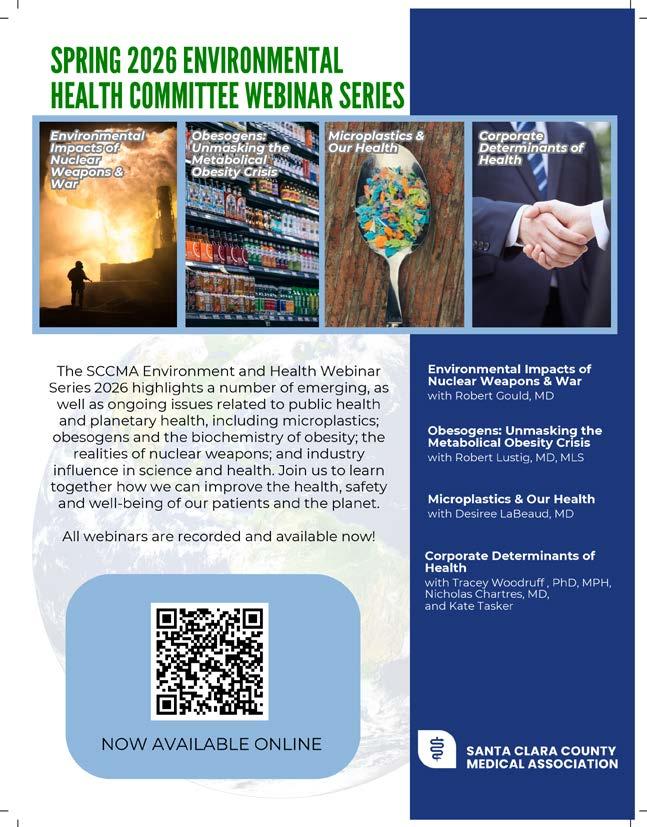

Vaccine Immunization: Navigating New Federal Guidance, Clinical Challenges, and Patient Trust
Date: Tuesday, June 9
Time: 6:00 PM – 7:15 PM
Location: Zoom
Registration: Free
Speakers: Dr. Sarah Rudman & Dr. Stephanie Chiang
SCCMA invites Members to join an upcoming educational webinar focused on the evolving immunization and vaccine landscape and its impact on clinical practice, patient care, and healthcare systems.
Celebrate SCCMA’s 150th Anniversary
Date: Thursday, June 18
Time: 6:00 PM - 9:00 PM
Location: Ameswell Hotel - 800 Moffett Boulevard, Mountain View, CA 94043
Registration: FREE for SCCMA Members. Registration is required
Join SCCMA as we commemorate this extraordinary milestone and celebrate 150 years of excellence, advocacy, and physician leadership.
Webinar: AI & Automation for Independent Practices
Date: July 1st, 2026
Time: 12:15PM – 1:15 PM
Location: Zoom
Speaker: Tracy Cherpeski
Registration: FREE for SCCMA Members.
Attendees work through a practical diagnostic — identifying exactly where their practice is losing time, money, energy, and opportunity — and leave with a decision framework they can apply to any AI or automation tool, now or in the future.
Webinar: Managing Challenging Patient Interactions
Hosted by CMA
Date: Thursday, August 13, 2026
Time: 12:15pm-1:15pm
Registration: FREE for SCCMA Members.
Medical providers often face challenging patients in their practice. Patient, physician and office staff factors can contribute to difficulties managing a challenging patient. This webinar provides strategies to support positive communication among providers and patients with a goal of reducing the likelihood of challenging behaviors emerging. The session will address communication and self-awareness skills to help convert an unproductive encounter into a successful encounter.
Webinar Series (Part 1): Using AI to Spot Trouble Before the Payor Does
Hosted by CMA
Date: August 18, 2026
Time: 12:15pm-1:30pm
A Two-Part Webinar Series for California Physicians and Practice Leaders
Part 1 of 2
California physician practices are increasingly facing scrutiny from sophisticated payor analytics, downcoding programs and coding pattern reviews that often rely solely on claims data, without considering the complexity of the patients being treated. Independent and smaller practices are especially vulnerable because they typically lack the internal analytics and compliance resources available to large health systems.
This webinar will show physicians, office managers, billers, practice administrators and practice leaders how to use widely available AI tools, working with the standard summary reports any practice management system can produce, to perform their own internal coding-risk monitoring without needing specialized analytics expertise, expensive software or patient-level data.
SCCMA 2026 Wellness Retreat
Date: Friday, August 28 to Sunday, August 30
Location: 1440 Multiversity – 800 Bethany Drive, Scotts Valley, CA 95066
Registration: $950 for single-occupancy room; $1,500 per pair in a double-occupancy room.
Through SCCMA’ s subsidy, SCCMA members receive a significantly reduced rate — saving approximately $550 on single occupancy and $450 on double.
Through an agreement between SCCMA and (Alameda-Contra Costa Medical Association) ACCMA, ACCMA members are able to participate at the same subsidized rate. All logistics and registration are managed by SCCMA.
Together with 1440 Multiversity, the Santa Clara County Medical Association (SCCMA) is pleased to offer an all-inclusive Wellness Retreat for our members. Attendees will have the opportunity and intentional, uninterrupted time to connect and cope with the stress and anxiety of everyday work, exacerbated by the pandemic, and now also staff shortages. Through an agreement between SCCMA and (Alameda-Contra Costa Medical Association) ACCMA, ACCMA members are able to participate at the same subsidized rate. All logistics and registration are managed by SCCMA.
Webinar Series (Part 2): Responding to Coding Concerns: A Practical Guide to Audits, Reviews and Investigations
Hosted by CMA
Date: September 10, 2026
Time: 12:15pm-1:30pm
A Two-Part Webinar Series for California Physicians and Practice Leaders
Part 2 of 2
Even the most well-organized physician practices can find themselves facing payor audits, downcoding, prepayment review, or requests for repayment based on coding analytics and statistical extrapolation methodologies that can create significant financial exposure. Independent and small-group practices are especially vulnerable because they may lack dedicated compliance and audit defense resources.
Join us for the second webinar in this practical two-part series focused on helping physicians, practice administrators, billers and practice leaders respond appropriately when coding concerns arise.
Webinar: Managed Care Contracting StrategiesIdentifying leverage and building your business case
Hosted by CMA
Date: September 15, 2026
Time: 12:15pm-1:15pm
Managed Care Contracting Strategies: Identifying leverage and building your business case
Managed care contracting has become increasingly complex, with physician practices facing flat reimbursement, growing administrative burdens, narrow networks, and restrictive payor policies. But practices may have more leverage than they realize.
Join the California Medical Association for a practical webinar on how to approach managed care contracting more strategically. Learn how to identify possible network pressure points, evaluate your practice’s value to a health plan network, use market and regulatory information effectively, and prepare for more productive contract discussions.
Webinar: Best Practices - Documenting Disruptive Patient Behavior
Hosted by CMA
Date: Thursday, October 8, 2026
Time: 12:15pm-1:15pm
Best Practices - Documenting Disruptive Patient Behavior
Disruptive patient encounters create undue stress on medical office staff and on physicians; threaten an environment of patient safety; and divert valuable resources away from patient care. Health care workers face increased anxiety, stress, personal and professional isolation, and diminishing coping strategies as they encounter patients who push the limits of appropriate behavior and comments on the phone or in the office. Health care professionals must evaluate disruptive and inappropriate patient behavior through a lens that includes evaluation of cultural issues, intrinsic bias, language and health literacy. Medical record documentation should also reflect the patient experience and behavior in the medical office. Documentation of patient inappropriate or disruptive behavior is required to defend health plan grievances and to successfully respond to patient complaints to the licensing boards. Documentation must support any patient dismissal. Physicians must prepare themselves and their medical office staff to work successfully with disruptive patients, appropriately document their behavior, and be mindful of cultural and other issues for patients, staff and visitors.
Date: Saturday, October 3

To register for any of these events, please visit www. sccma.org or scan the QR code
MedFuture brings innovators, clinicians, AI Healthcare Start Ups, and investors together to shape the future of healthcare. MEDFUTURE is an initiative of the Santa Clara County Medical Association (SCCMA) designed to position the organization as a leading convener and trusted resource at the intersection of artificial intelligence (AI), healthcare innovation, and medical practice. Through MEDFUTURE, SCCMA aims to support physicians in navigating the evolving landscape of digital health technologies by fostering education, collaboration, and practical engagement.
For More information, please visit https://medfuture.health/
Santa Clara County has released its Proposed FY 2026–27 Budget, which includes significant healthcare-related proposals affecting public hospitals, behavioral health services, physician workforce planning, and the long-term sustainability of our healthcare safety net.
To help members understand the implications of these proposals, the Santa Clara County Medial Association (SCCMA) has prepared a summary highlighting key healthcare issues, including potential impacts on patient access, healthcare delivery, Medi-Cal funding, and physician practice conditions throughout the county.
We invite you to review SCCMA’s analysis and commentary by visiting www.sccma.org
CMA President Dr. René Bravo testified in support of a petition urging Cal/OSHA to prohibit fabrication and installation of engineered stone products containing more than 1% crystalline silica, citing an escalating wave of preventable silicosis cases among California workers.

CMA helped stop dangerous legislation that would have significantly expanded the scope of practice for physical therapists. The measure would undermine physician-led, team-based care and increase the risk of misdiagnosis, delayed treatment and inappropriate management of complex patient conditions.
The bill was stopped on the Assembly Floor following advocacy by CMA physicians, who argued that patients benefit from a physician-led, team-based approach that helps ensure appropriate diagnosis, treatment planning and coordinated care.
The CMA Board of Trustees has voted to oppose the proposed Billionaire Tax Act, warning that the ballot measure would increase budget volatility, lacks accountability and is not a sustainable solution to California’s health care funding challenges. Physicians remain committed to protecting Medi-Cal and pursuing long-term funding solutions like the proposal to permanently extend the voter-approved Prop 55 (2016) income tax on the state’s highest earners to fund health care and education.
The Santa Clara County Medical Association (SCCMA) is deeply saddened by the tragic shooting at the Kaiser Permanente Medical Offices in San Jose. Our thoughts are with the individuals affected, their families, colleagues, patients, and all members of the community impacted by this devastating event.
Healthcare facilities are places of healing, compassion, and care. Every physician, healthcare professional, staff member, patient, and visitor deserves to feel safe in these environments. When violence occurs in or around settings dedicated to care and healing, it can deeply affect individuals, families, healthcare teams, and the broader community.
We are grateful to the first responders, healthcare teams, security personnel, and law enforcement officers who acted swiftly in response to this incident. Their professionalism and dedication helped ensure the safety and care of those involved.
California Medical Association (CMA) President and pediatrician René Bravo, M.D., issued the following statement today in response to President Trump’s Executive Order directing the Centers for Disease Control & Prevention (CDC) to alter the nation’s childhood vaccine schedule.
“The recent Executive Order targeting our national childhood immunization schedule is a reckless intervention into established public health policy. The administration’s push to alter vaccine recommendations lacks a scientific basis and runs the risk of undermining trust in vaccines at a time when preventable diseases such as measles are re-emerging across the country. Forcing an unwarranted pivot away from our current schedule is unsupported by credible evidence and creates unnecessary confusion and risk for families.
CMA wants to assure California families and physicians that California continues to have families and children’s best interests in mind. Regardless of federal policy shifts, insurance plans regulated under state law will continue to cover the full spectrum of immunizations recommended by the California Department of Public Health, which follows the American Academy of Pediatrics’ recommendations. CMA stands resolute with California’s pediatricians, and we urge families to continue following the trusted advice of their children’s doctors.”