• Can we rely on the tests we use to assess patients with hip-related pain?
• Associations of concussion return-to-sport and return-to-learn strategies with demographics in parents of child athletes
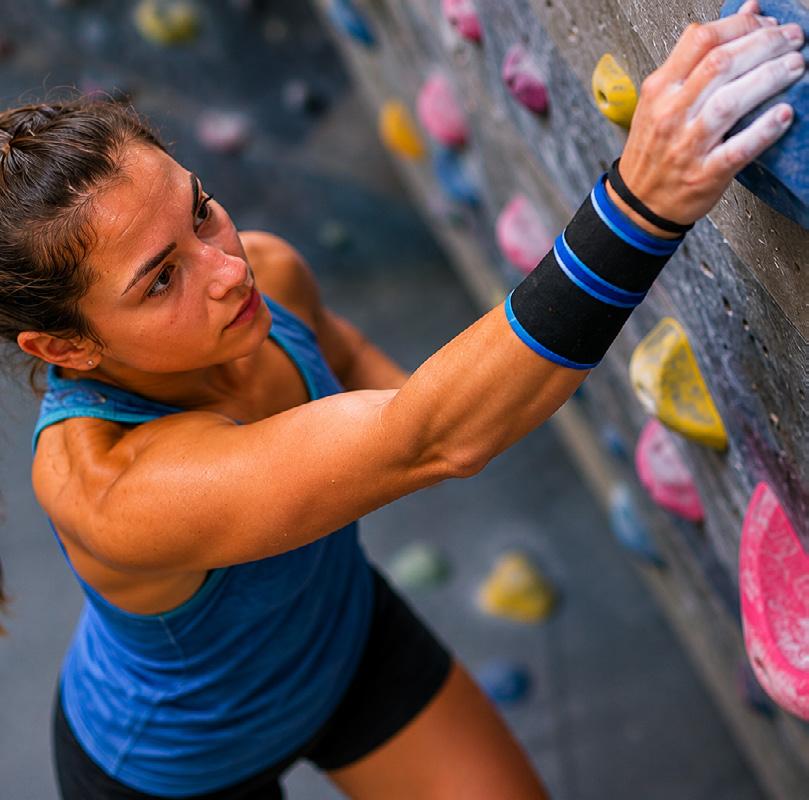
• Reducing upper extremity injuries in female, woman, and girl athletes: what does the evidence actually tell us?
Contents
REGULARS
02
From the Chair
Board Chair Anthony Leicht reflects on a strong and purposeful start to the year, outlining the successful delivery of SMA’s first FIMS Team Physician Development Course, the integration of Mental Health First Aid into our education portfolio, and the launch of the Sports Healthcare Finder. Together, these initiatives reinforce SMA’s strategic focus on governance, professional standards and sustained impact across Australian sport.
03
From the CEO
CEO Jamie Crain highlights the widespread adoption of Extreme Heat Guidelines, the launch of accredited Mental Health First Aid and the inaugural FIMS Team Physician Development Course, all initiatives ensuring clubs, clinicians and communities are better equipped to support athlete safety, health and wellbeing across Australia.
Opinions expressed throughout the magazine are the contributors’ own and do not necessarily reflect the views or policy of Sports Medicine Australia (SMA). Members and readers are advised that SMA cannot be held responsible for the accuracy of statements made in advertisements nor the quality of goods or services advertised. All materials copyright. On acceptance of an article for publication, copyright passes to the publisher.
FEATURES
04
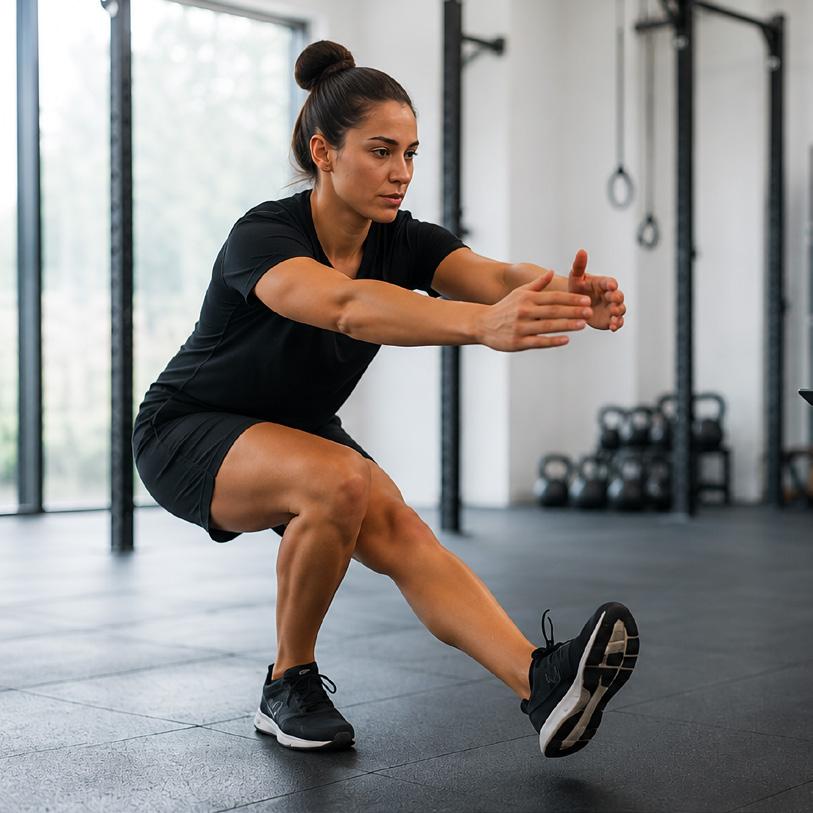
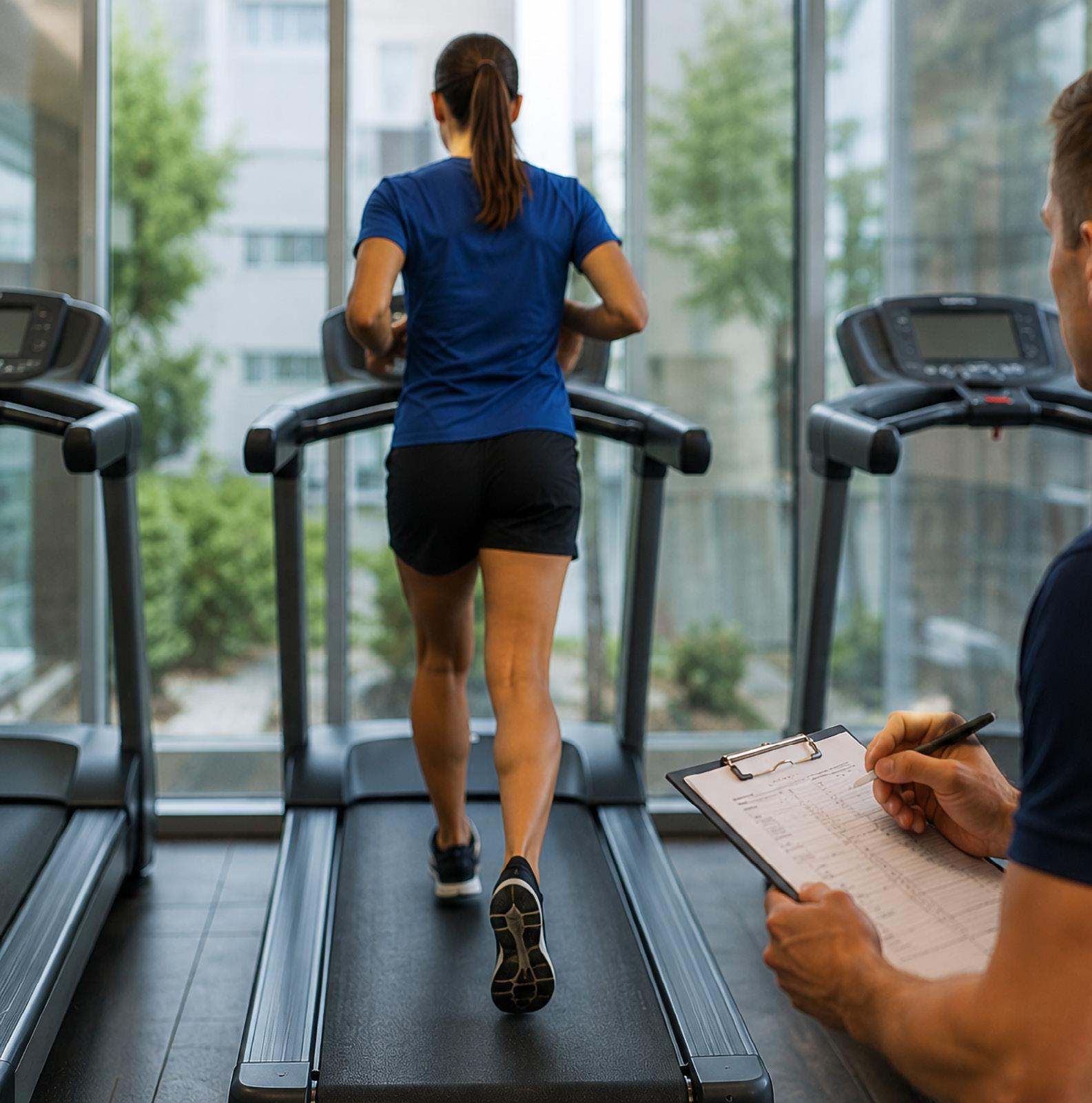
Can we rely on the tests we use to assess patients with hip-related pain?
Diogo Gomes explores the reliability and clinical usefulness of tests used to assess hip-related pain, highlighting handheld dynamometry, active hip flexion and movement quality assessments as promising tools for guiding rehabilitation, while identifying important gaps in evidence for other commonly used functional tests.
Publisher Sports Medicine Australia State Netball and Hockey Centre – Parkville 10 Brens Drive, Parkville VIC 3052 sma.org.au ISSN No. 2205-1244 PP No. 226480/00028
Editor Caitlin Ficken General Manager, Membership Development
Sarah Hope Design/Typesetting
Perry Watson Design
08
The Gold Standard in Team Physician Training
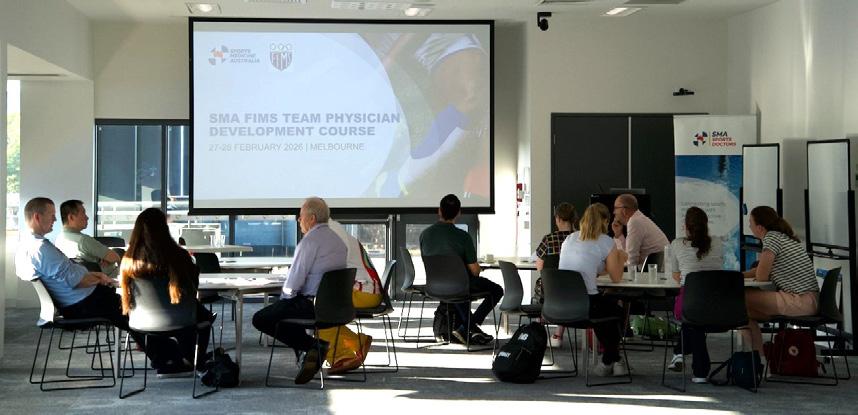
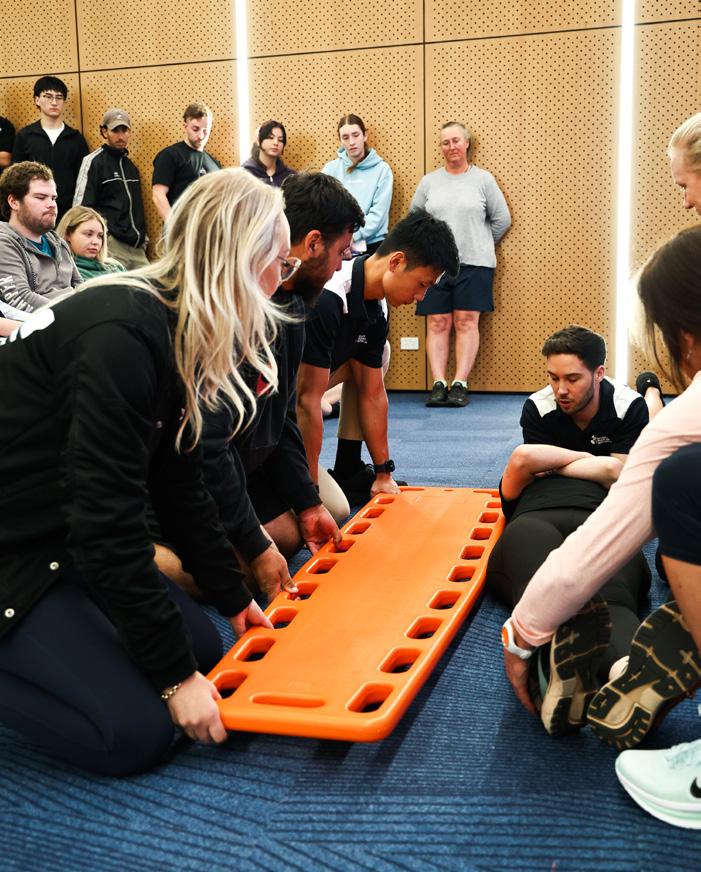
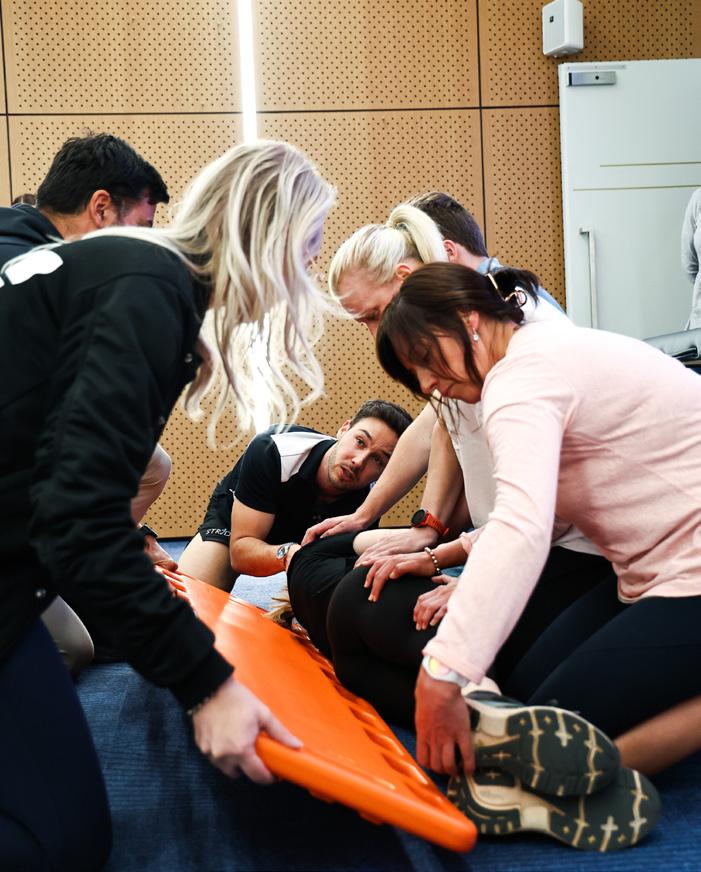
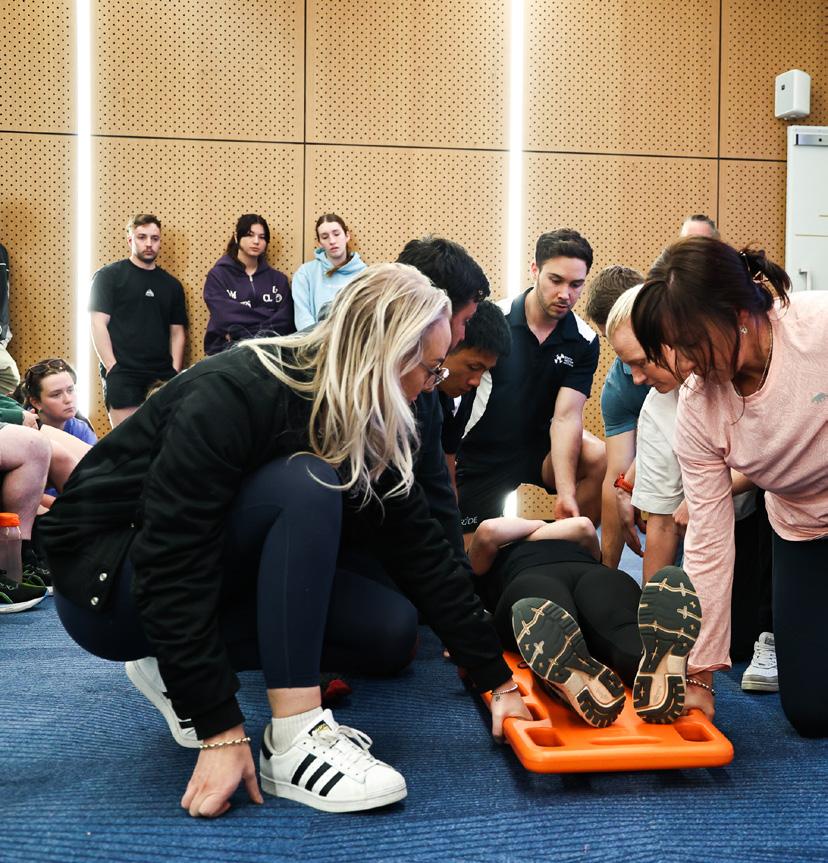
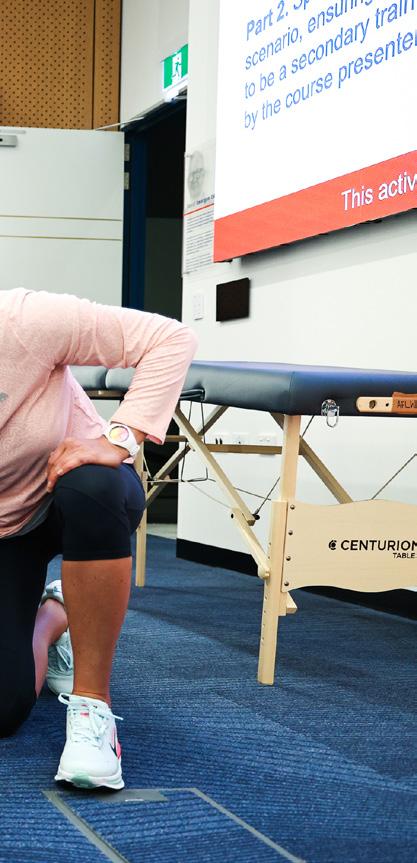
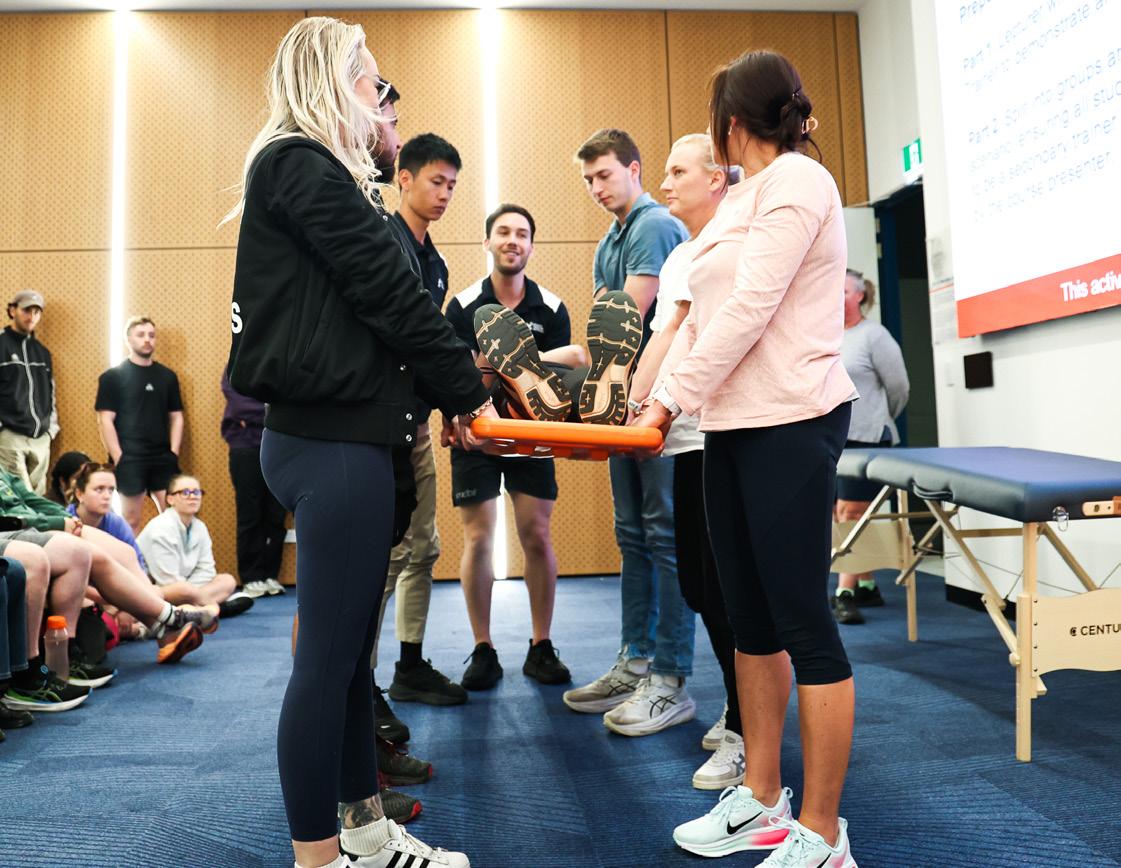
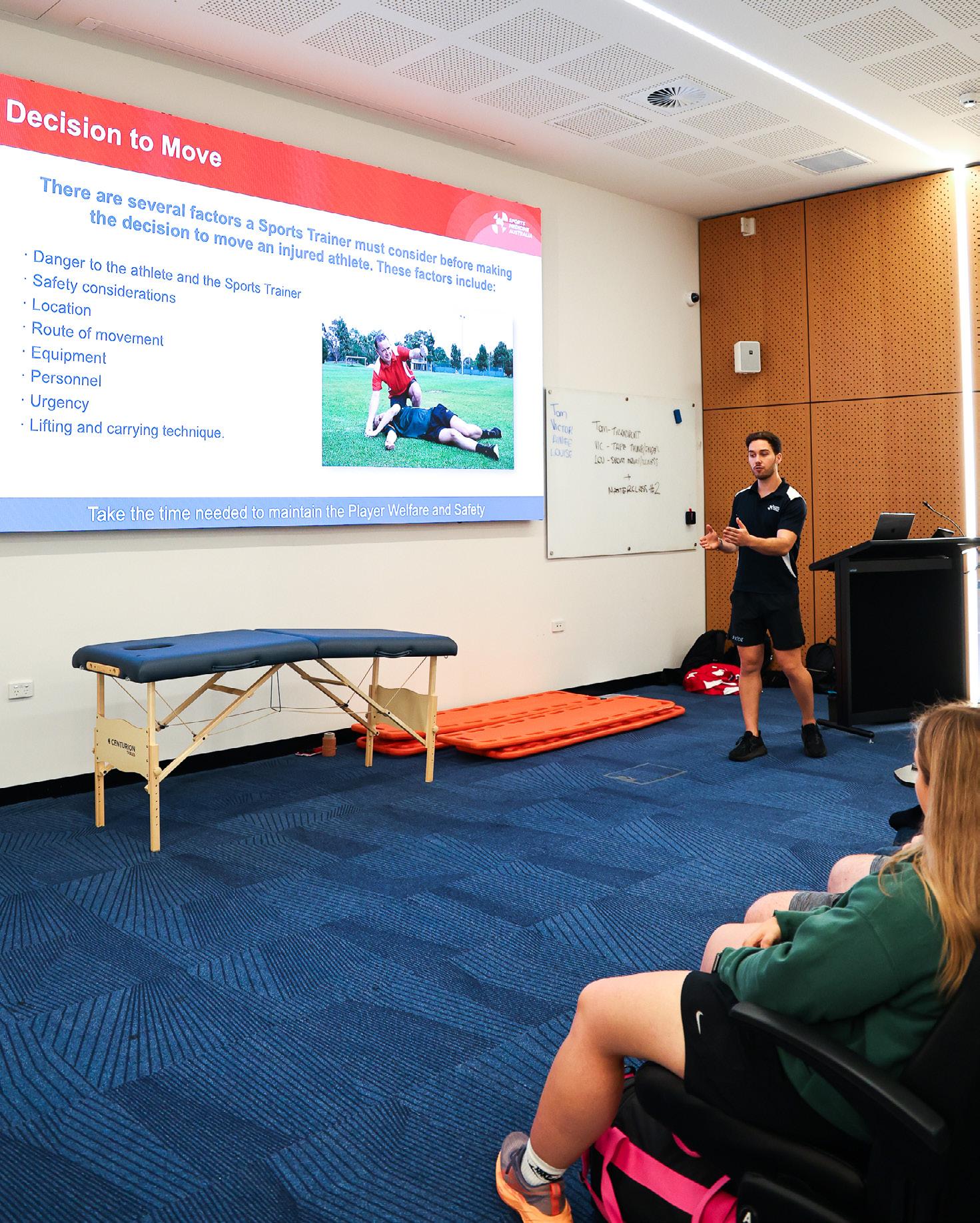
Sports Medicine Australia has brought the internationally recognised FIMS Team Physician Development Course to Australia. Designed for doctors working in sport, the program delivers world-class education in the clinical, practical and leadership skills required to support athletes and teams at every level.
Cover photograph
Cover image: AI-generated image created using ChatGPT (OpenAI).
Content photographs
Author supplied; www.gettyimages.com.au
Associations of concussion return-to-sport and returnto-learn strategies with demographics in parents of child athletes
Ryan Moran explores parents’ familiarity with concussion return-to-sport and returnto-learn strategies in child athletes, highlighting that familiarity increases with higher levels of prior sporting experience, while identifying a need for greater concussion education among parents with only youth or secondary school sport backgrounds.
Reducing upper extremity injuries in female, woman, and girl athletes: what does the evidence actually tell us?
Emily Heming investigates the evidence for preventing upper extremity injuries in female, woman and girl athletes, highlighting structured shoulder exercise programs as an effective strategy for reducing shoulder injuries, while identifying important gaps in female-specific injury prevention research.
20
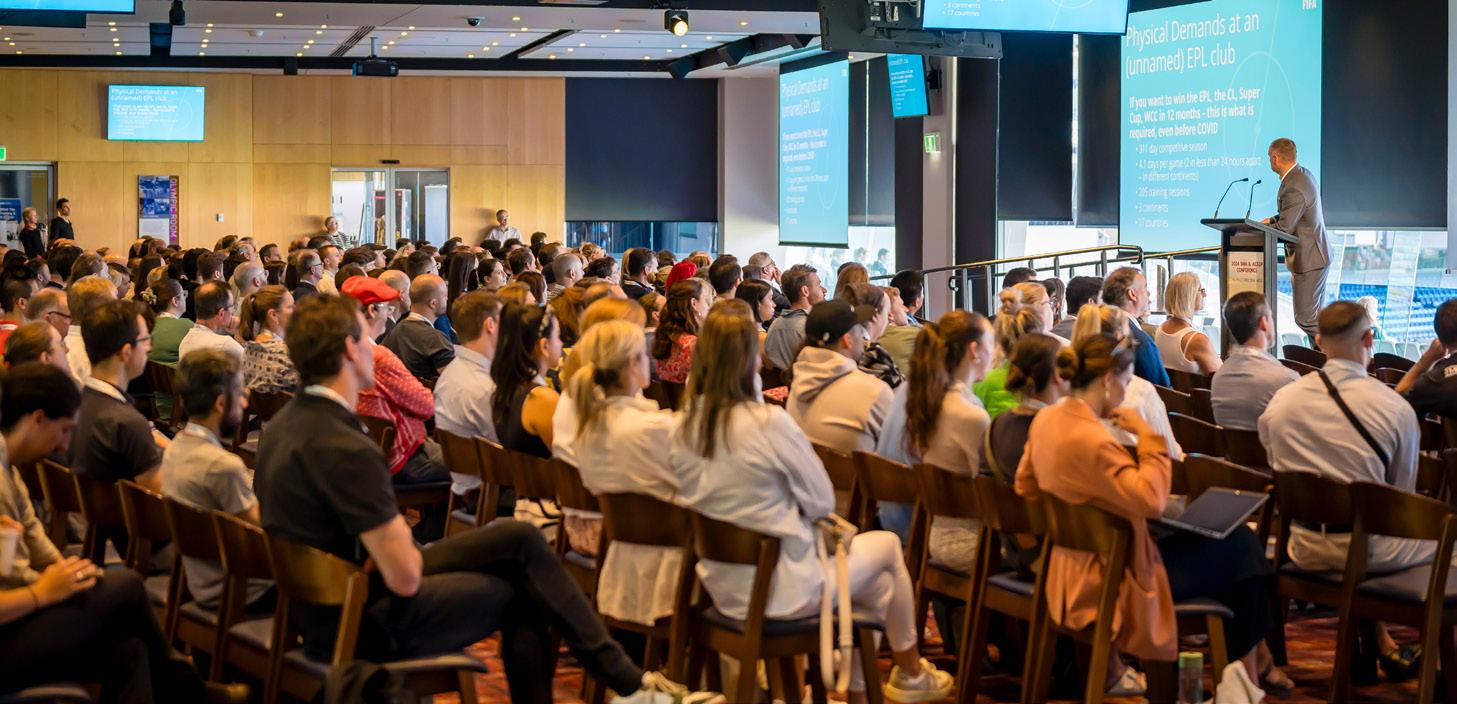
2026 SMA & ACSEP Scientific Conference
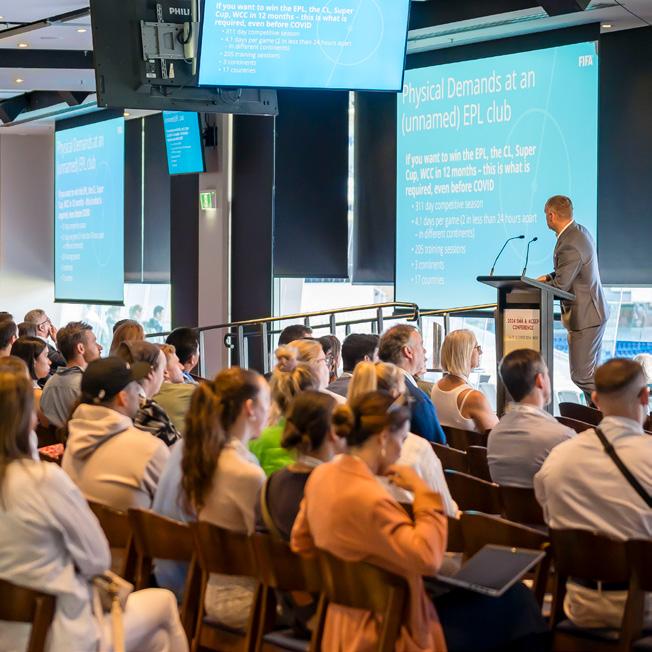
The sports and exercise medicine community will come together in Brisbane this October for the 2026 SMA & ACSEP Scientific Conference. Featuring worldleading speakers, cutting-edge research, practical workshops and unparalleled networking opportunities, the Conference is the premier event for clinicians, researchers and practitioners working across sport and exercise medicine.
INTERVIEWS
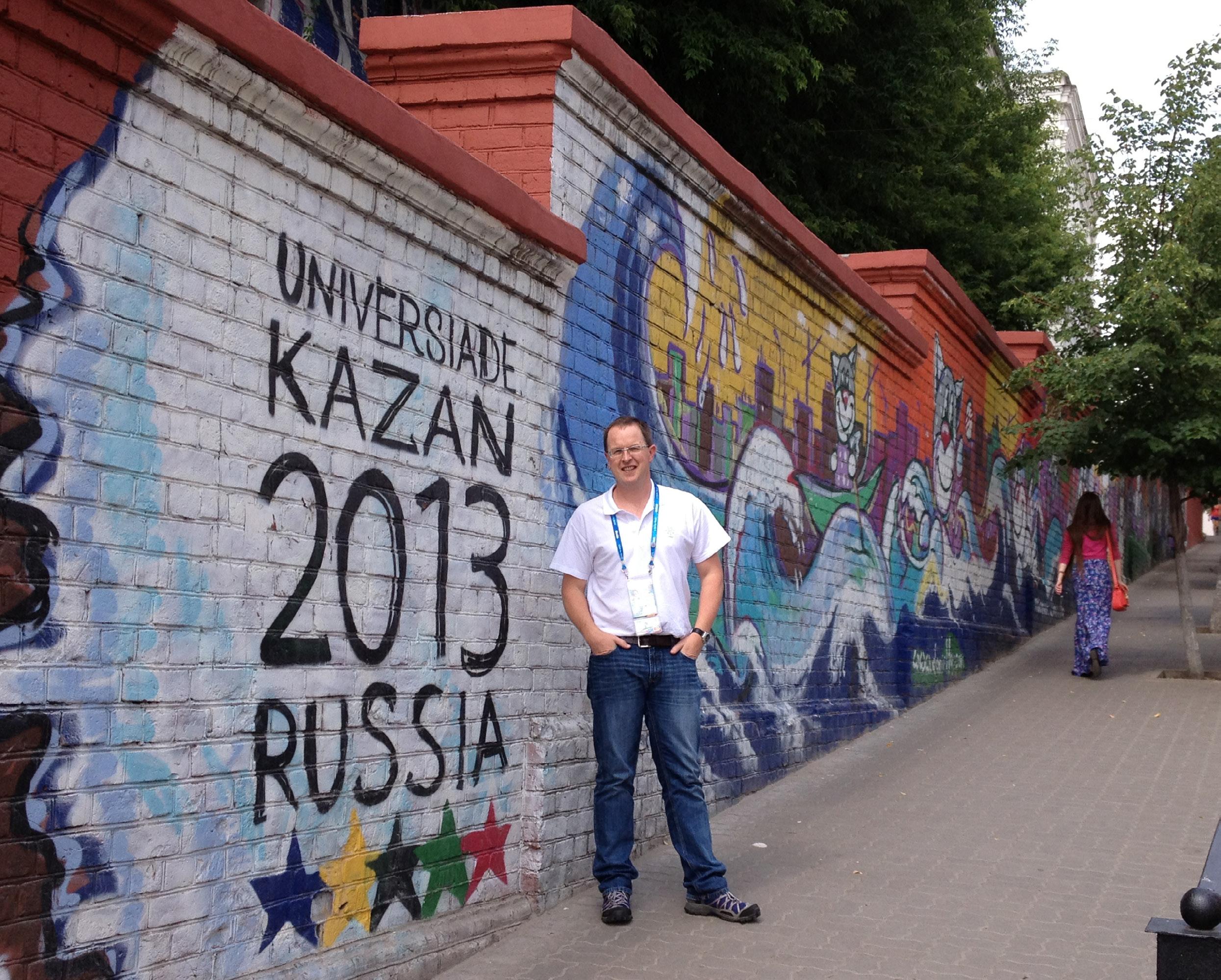
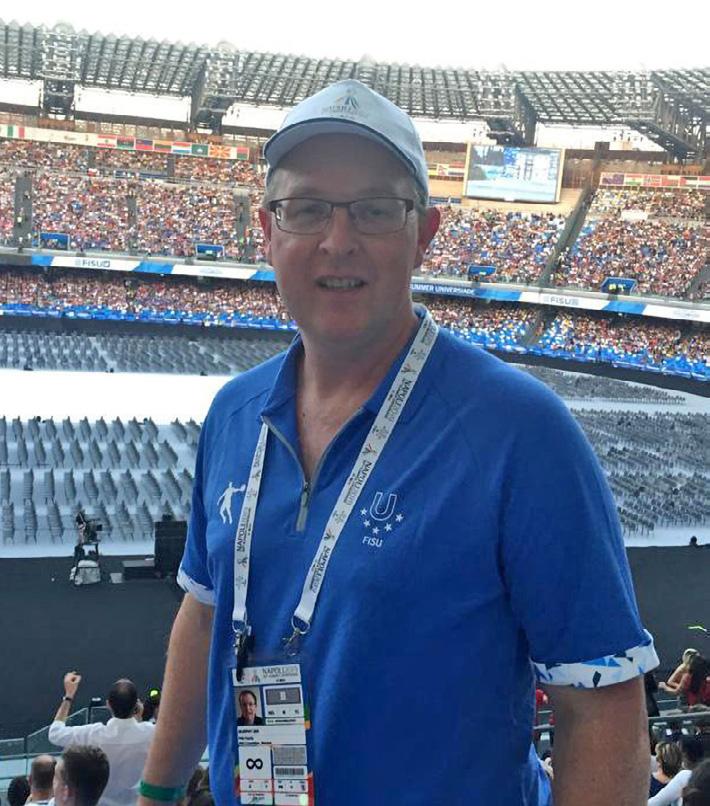
People Who Are Shaping SMA: Dr Ian Murphy
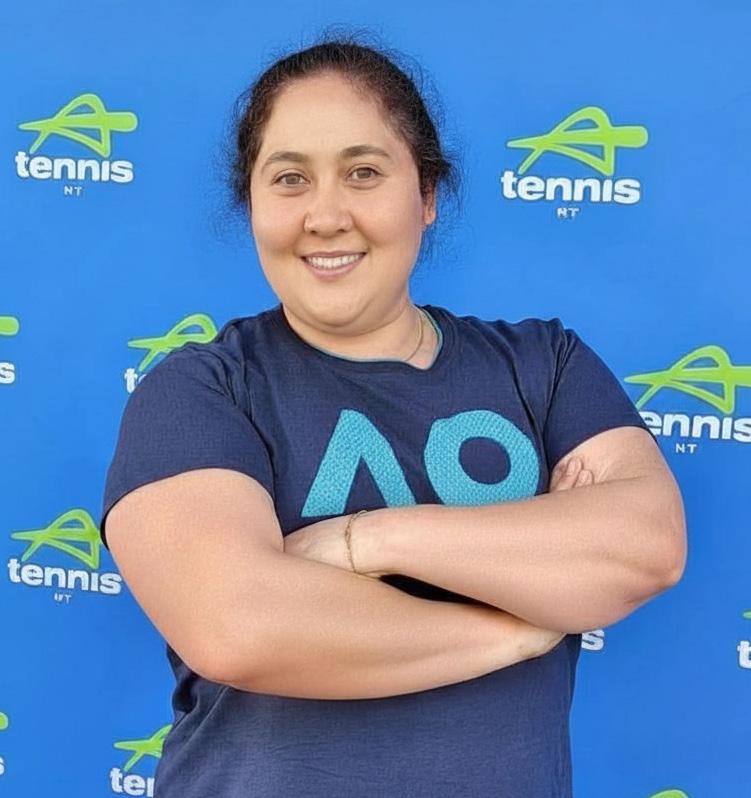
5 Minutes With: Dorianne Sherry
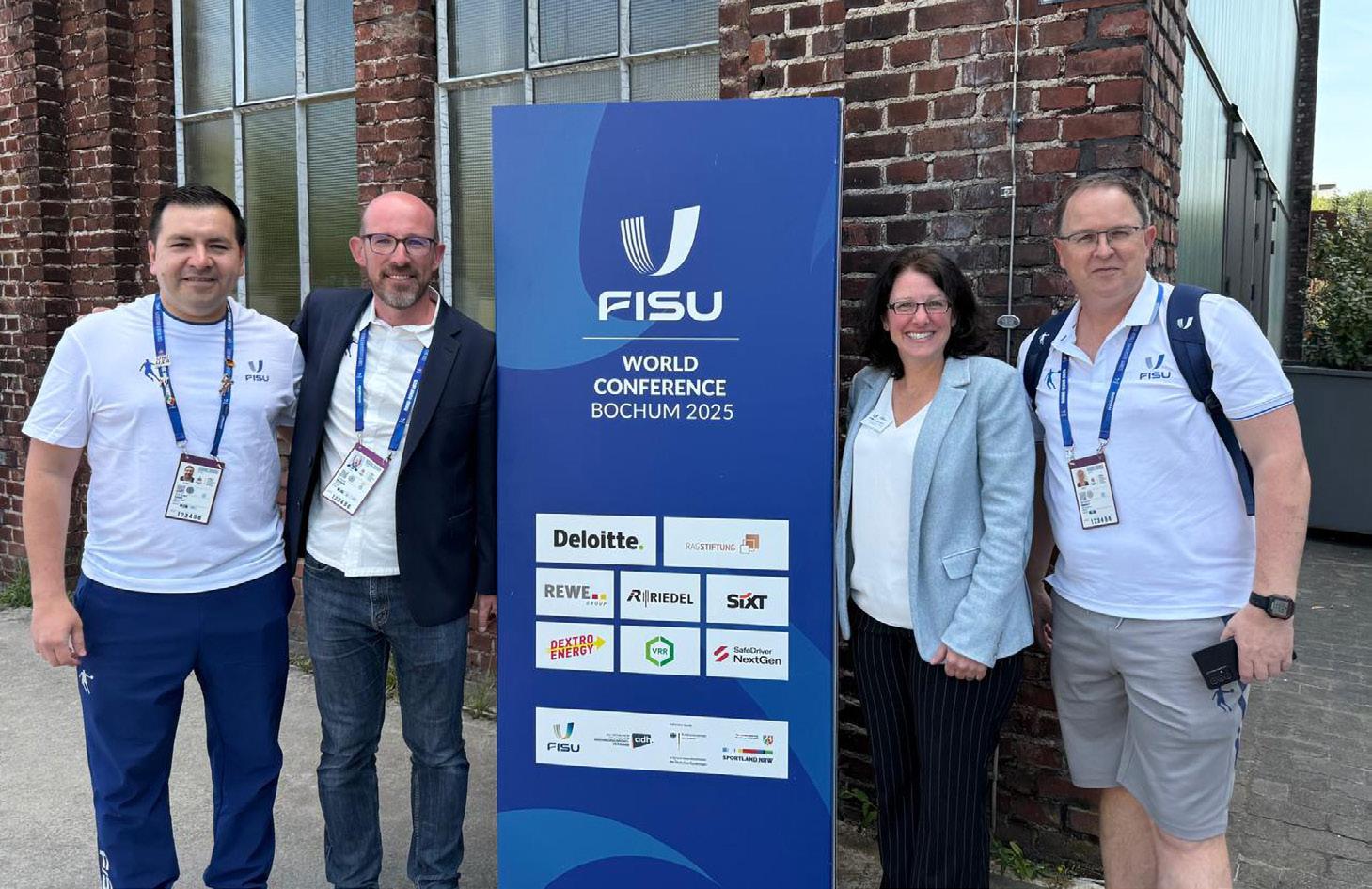
Sports Medicine in Columbia
Sports Trainer Spotlight: Thomas Yeung
FROM THE CHAIR
Professor Anthony Leicht, Chair, Sports Medicine Australia
Positioning SMA for Sustainable Impact and Growth
AT BOARD LEVEL, OUR FOCUS IS ON ENSURING SMA REMAINS FINANCIALLY SOUND, STRATEGICALLY CLEAR, AND GENUINELY RESPONSIVE TO THE NEEDS OF OUR MEMBERS AND THE BROADER SPORTING COMMUNITY.
At Board level, our focus continues to be one of purposeful stewardship, ensuring SMA remains financially sound, strategically clear, and genuinely responsive to the needs of our members and the broader sporting community.
I am pleased to report the launch of our member awareness campaign, a significant step in raising SMA’s public profile and communicating the value our members bring to the Australian community. Central to this is the continued promotion of the Sports Healthcare Finder, which connects the public with our practitioner members at the point of need. This campaign is not just about visibility, it’s about reinforcing the relevance and expertise of the professionals who make up our membership.
We have also welcomed several new Directors to the SMA Board, each bringing expertise from outside the traditional sports medicine and sports science community. This is a deliberate and positive development. Broadening the diversity of thought, background, and professional experience at Board level strengthens
Good governance is not an end in itself. It is the foundation from which we can act with confidence, support our members, and build a stronger, more connected sports medicine and science community.
our capacity to govern well, challenge assumptions, and pursue initiatives and strategy with greater confidence. We look forward to the contribution they will make in the period ahead.
From a governance perspective, the Board has continued to mature its practices in line with contemporary standards, strengthening committee structures, refining our skills matrix, and reinforcing clarity in roles, responsibilities, and decision-making. Our objective is to ensure SMA is
governed in a way that supports confident, timely, and effective decisions that benefit members. This approach is consistent with our commitment to financial prudence, especially as we look to the 2026/27 Financial Year. SMA’s stability continues to place us in a sound position, one that enables considered investment in the programs and services that matter most to members.
We recently called for nominations across five of our key committees: the Member Education Advisory Committee, Scientific Conference Committee, Scientific Advisory Committee, Sports Doctors Committee, and Student Committee. These processes are an important part of how SMA renews and refreshes its leadership pipeline, and they provide members with meaningful opportunities to contribute, lead, and shape the direction of the organisation. I encourage all eligible members to consider how they might play a role.
Finally, I look forward to seeing many of you in Brisbane at the 2026 SMA & ACSEP Scientific Conference. It is always an outstanding opportunity to connect, collaborate, and celebrate the work being done across our field.
Professor Anthony Leicht Chair, Sports Medicine Australia
FROM THE CEO
Jamie Crain, Chief Executive Officer, Sports Medicine Australia
Collaboration Driving Better Outcomes
PREVENTION REMAINS ONE OF THE MOST POWERFUL TOOLS AVAILABLE TO KEEP PEOPLE ACTIVE, HEALTHY AND PARTICIPATING SAFELY IN SPORT.
In May, I had the opportunity to attend an SMA ACL Management event in Perth, bringing together clinicians, researchers and practitioners to discuss one of the most significant injury challenges in sport. It was particularly valuable to hear the range of perspectives surrounding both the causes of ACL injury and the evolving approaches to prevention, rehabilitation and long-term management. The complexity of these injuries reinforces the importance of multidisciplinary collaboration and evidence-informed practice across all levels of sport.
As we remain firmly in football and rugby season around the country, now is an excellent time for clubs, athletes and support staff to revisit the wide range of injury-prevention programs available. While no strategy can eliminate injury risk entirely, structured prevention programs have shown they can increase awareness and reduce the likelihood and severity of many common sporting injuries, including ACL. Prevention remains one of the most powerful tools available to keep people active, healthy and participating safely in sport.
Our inaugural FIMS Team Physician Course, held earlier this year, was
The complexity of these injuries reinforces the importance of multidisciplinary collaboration and evidence-informed practice across all levels of sport.
Looking ahead, excitement is continuing to build for the joint SMA and ACSEP Conference in Brisbane this October. The response to this year’s abstract submission process has been unprecedented – a record number of submissions with exceptionally strong engagement from researchers and clinicians across the sports medicine and exercise science sectors. We are expecting bumper attendance numbers for what promises to be the premier multidisciplinary sports medicine event in Australia this year. Exhibition spaces are also selling quickly, reflecting the strong level of industry support and enthusiasm surrounding the conference.
This edition of Sport Health again showcases the depth and quality of research and clinical discussion within our field. Articles include an examination of the reliability and usefulness of tests for hip-related pain, research into parental familiarity with concussion return-to-sport and return-to-learn strategies, and an evidence review exploring prevention of upper extremity injuries in female, woman and girl athletes.
another major highlight. The course received excellent feedback and demonstrated strong demand for advanced team physician education in Australia. We are pleased to confirm that the next delivery of this important program will take place during the first quarter of the new financial year. Check the SMA website for dates.
Thank you, as always, for your ongoing commitment to safer, healthier participation in sport and physical activity across Australia.
Jamie Crain jamie.crain@sma.org.au
Can we rely on the tests we use to assess patients with hip-related pain?
A good assessment is the first step for an effective treatment for hip-related pain
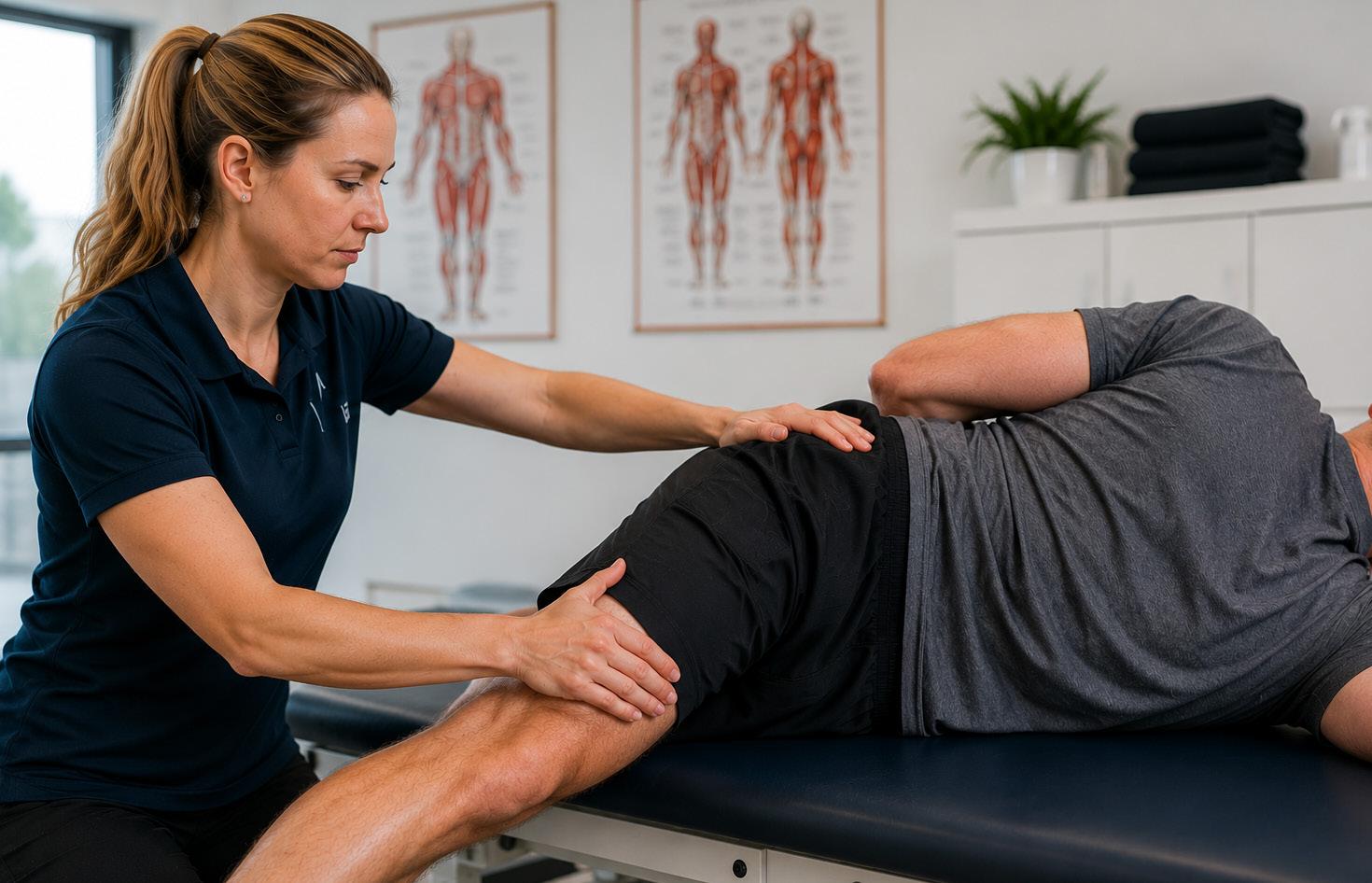
Hip-related pain is a major cause of disability in young and middle-aged adults, significantly impacting quality of life, physical function, and mental health. Hip-related pain can be caused by conditions related to changes to the hip structure such as femoroacetabular impingement (FAI) syndrome, hip dysplasia, or intra-articular conditions with no structural change such as labral and chondral injuries. Exercise-based treatments are recommended as first-line care for those with hiprelated pain, with rehabilitation programs often targeting physical impairments identified during clinical
assessment. Hip muscle strength, range of motion, and functional performance tests are considered key components of the clinical assessment, with findings used to inform and monitor exercise-based treatments.
The problem: can we rely in the tests we use?
The problem is that, although many clinical measures for hip-related pain have been reported in the literature and are widely used in practice, there is currently no consensus on their measurement properties (e.g., reliability and validity). It remains unclear which tests clinicians should use to assess these patients. Using clinical measures
with poor measurement properties can lead to inaccurate assessments, missed meaningful changes over time, and ultimately suboptimal treatment if these tests guide care decisions.
Testing procedures can also affect measurement properties. For example, whether hip range of motion is assessed actively or passively, or whether muscle strength is measured isometrically, concentrically, or eccentrically. Additionally, understanding how clinical measures relate to patients’ self-reported symptoms is essential for selecting tests that meaningfully inform treatment. Clear guidance on the most
reliable, valid, and responsive measures is urgently needed to support accurate assessment and high-value care for patients with hip-related pain.
WHAT DID WE DO?
We conducted a systematic review to evaluate the measurement properties of clinical tests reportedly used in the assessment of patients with hiprelated pain. We searched six electronic databases for studies investigating the measurement properties of clinical tests (strength, range of motion, and functional tests) used to assess individuals with hip-related pain. We included 13 studies evaluating the measurement properties of
39 different clinical tests in a total of 637 individuals with hip-related pain. Where possible, we pooled the results in a meta-analysis. However, due to the heterogeneity of the included studies, not all results could be combined. Hence, the remaining findings were summarised narratively.
WHAT DID WE FIND?
Hip muscle strength tests
We found that tests measuring hip muscle strength (abduction, adduction, extension, flexion, and rotation) using a handheld dynamometer (HHD) are reliable for assessing people with hip-related pain. These tests showed good reliability both when performed by the same examiner and by different examiners, and the measurement error was small. This means clinicians can trust the results of these strength tests. Since both the best of three attempts and the average of three attempts showed good reliability, and because strength testing aims to measure peak (maximum) isometric muscle force, using the best repetition may be appropriate in clinical practice. We also found that hip abduction, adduction,
A good assessment is the first step for an effective treatment for hip-related pain.
and extension strength were associated with patients’ self-reported hip symptoms when measured with isokinetic dynamometry. However, this relationship was not observed when strength was measured using a handheld dynamometer. This suggests that the type of equipment used may influence how well strength measures reflect patients’ perceived symptoms.
Hip range of motion tests
We found that active hip flexion range of motion (ROM) was associated with patients’ self-reported hip symptoms, whereas other hip ROM tests, such as passive hip flexion, passive internal
DIOGO A. GOMES
La Trobe University
Can we rely on the tests we use to assess patients with hip-related pain?
rotation, and active external and internal rotation, were not, which may limit their clinical utility. Our findings suggest that hip flexion ROM measures, particularly active hip flexion, may be considered by clinicians when assessing patients with hip-related pain, as the results of this test appear to be associated with symptoms and function and may help inform rehabilitation strategies. Although this finding is supported by high-certainty evidence, it is based on a single study. Therefore, further research is needed to confirm these results.
Functional performance tests
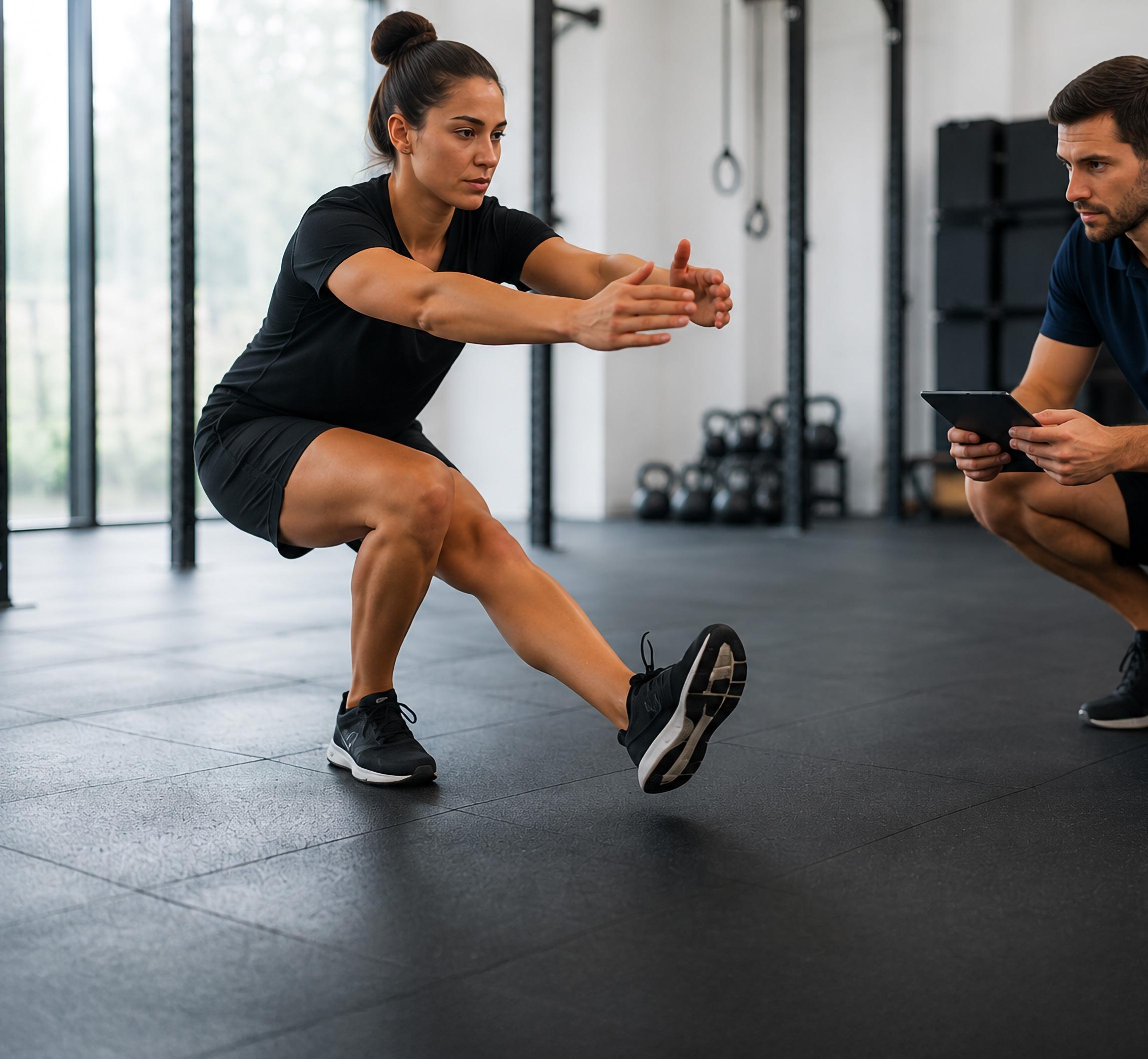
Visual assessment of movement quality during tasks such as the singleleg squat and step-down showed good reliability and was associated with patients’ hip symptoms. Two studies involving the same group of participants found that individuals with hip-related pain who performed these movements with better quality reported less severe symptoms than those with poorer movement quality. It is thought that altered movement patterns during everyday tasks may change the forces placed on the hip joint, potentially increasing stress on the hip and soft tissues inside the joint and worsening symptoms. However, it is still unclear whether these movement changes are a cause of hip pain or a result of it. Importantly, interventions that focus on improving movement patterns can enhance movement quality during functional tasks and lead to improvements in self-reported hip function and symptoms. Therefore, assessing movement quality during tasks such as the single-leg squat and step-down may help identify patients who could benefit from this type of rehabilitation.
The clinical usefulness of the Star Excursion Balance, one-leg rise, hop-
Using clinical measures with poor measurement properties can lead to inaccurate assessments, missed meaningful changes over time, and ultimately suboptimal treatment if these tests guide care decisions.
for-distance, and side bridge tests remains unclear. No studies have examined the reliability of these tests when used in people with hip-related pain. In addition, only one study investigated whether the results of these tests were associated with hip-
related symptoms, and the findings were inconsistent or insufficient. There is an urgent need for welldesigned studies that use standardized diagnostic criteria, recommend by current guidelines for assessing people with hip-related pain to determine whether these tests are reliable and valid for use in this population.
WHAT DO WE RECOMMEND FOR CLINICIANS TO ENHANCE THEIR CLINICAL ASSESSMENT OF PATIENTS WITH HIP-RELATED PAIN?
We recommend using visual ratings of the single-leg squat and step-down tests to assess movement quality in patients with hip-related pain. Both tests appear to be reliable and can distinguish between patients with different levels of symptoms. They may
also help clinicians identify individuals who could benefit from movement pattern training and evaluate the effects of these interventions. However, these findings are based on very low-certainty evidence and should be interpreted with caution. We also suggest assessing isometric hip extension and concentric hip abduction and adduction using isokinetic dynamometry, as the results of these tests may be related to patients’ self-reported hip symptoms. That said, isokinetic testing is expensive and may not be available in all clinical settings. In these cases, a handheld dynamometer is a practical alternative for assessing hip muscle strength, as it has shown good reliability and acceptable measurement error in this population. In addition, we recommend assessing active hip
flexion range of motion, as test results may be related to symptoms and can help clinicians understand a patient’s functional and symptomatic status.
Tests such as the hop for distance, side bridge, and one-leg rise showed unclear or poor measurement properties. Therefore, their clinical value for patients with hip-related pain remains uncertain. We encourage future high-quality studies to examine the reliability and validity of functional tests in this population to better understand their usefulness in practice. Finally, this review did not identify any studies evaluating whether these clinical measures can detect changes over time (responsiveness) in patients with hip-related pain. This is an important gap, as many of these tests are used in clinical trials and everyday practice to assess whether surgical or non-surgical treatments improve physical function. At present, it is unclear whether these measures are sensitive to change, highlighting the need for further research in this area.
Tests such as the hop for distance, side bridge, and one-leg rise showed unclear or poor measurement properties. Therefore, their clinical value for patients with hip-related pain remains uncertain.
About the Author
Diogo Gomes is a Brazilian physiotherapist specialized in the rehabilitation of hip conditions. He is currently a PhD candidate at the La Trobe Sport and Exercise Medicine Research Centre (LASEM), where his research focuses on the assessment and treatment of individuals with hip disorders — particularly those with femoroacetabular impingement syndrome. Diogo holds a Bachelor’s degree in Physiotherapy and completed his Master’s by Research in 2023. In addition to his academic work, he is a research reviewer for PhysioNetwork and is one of the hosts of the British Journal of Sports Medicine (BJSM) podcast.
The Gold Standard in Team Physician Training, now in Australia
FOR DOCTORS WHO WORK IN SPORT, THE DEMANDS GO FAR BEYOND THE CLINIC.
SPORTS MEDICINE AUSTRALIA HAS BROUGHT THE WORLD’S PREMIER TEAM PHYSICIAN TRAINING PROGRAM TO AUSTRALIAN SHORES, AND THE RESPONSE HAS BEEN EMPHATIC.
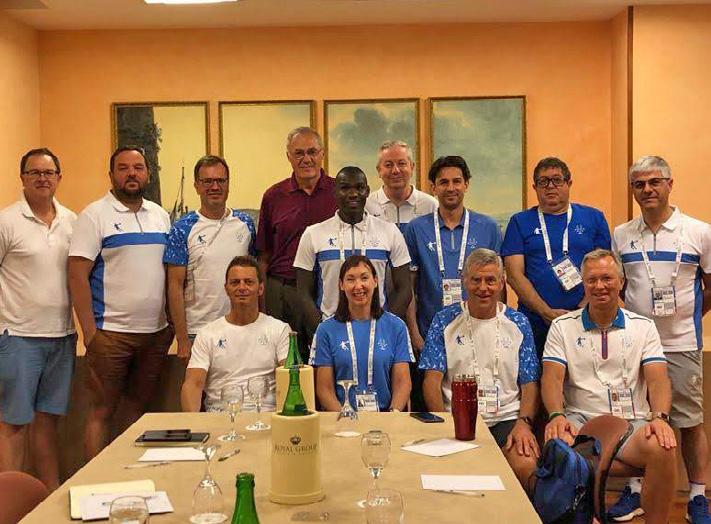
When 15 sports doctors and physicians arrived at Parkville, Melbourne in February 2026, they signed up for something well beyond a standard CPD weekend. SMA’s FIMS Team Physician Development Course is based on the International Federation of Sports Medicine’s flagship education program for doctors working with sporting teams, and this was its Australian debut.
The program spanned two full days and 16 hours of contact time, with a curriculum built around the realities of what team doctors actually face.
The program moved through the full scope of team physician practice at pace. Day one covered the foundations:
pre-participation screening across cardiac, musculoskeletal, mental health, and concussion domains; medical emergencies in sport including anaphylaxis, asthma, seizures, and hypoglycaemia; and on-field injury management with hands-on skill stations for extrication and immobilisation. Day two shifted to the broader picture of athlete care: return-to-play decision-making and rehabilitation planning, mental health support strategies on tour, travel medicine including jet lag,
altitude, and infection control, load monitoring, anti-doping, TUEs, supplement management, and the often-overlooked practicalities of medical kit preparation and medico-legal responsibility.
Great to be around a group of people who loved and valued sport and wanted to make it great for the athletes and those around them
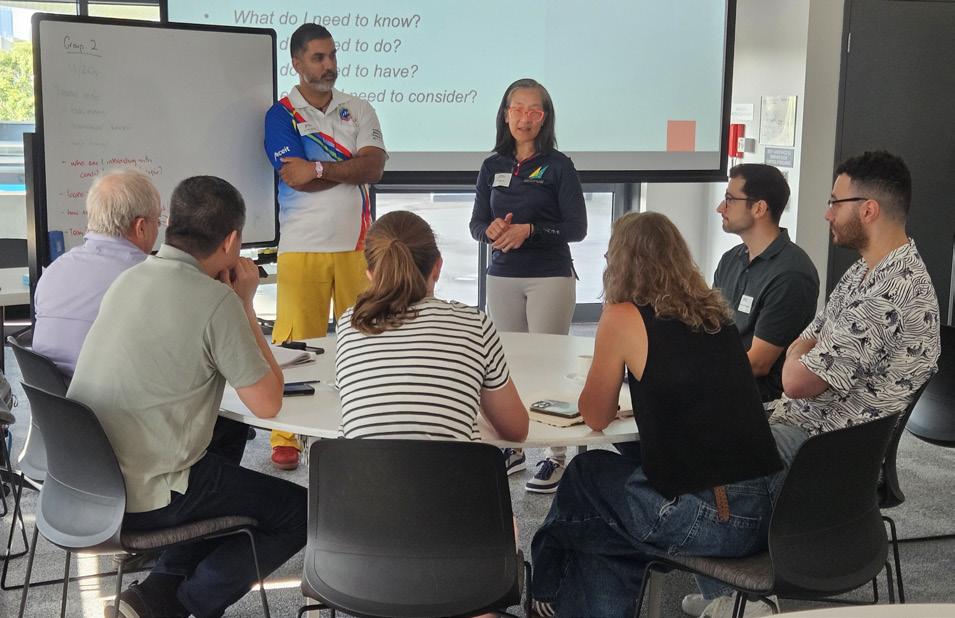
This was not a lecture series. The format combined short presentations with case-based discussion, practical demonstrations, small group mentoring, and scenario-based emergency training. Participants also received both digital and hardcopy editions of the FIMS Team Physician Manual, the global reference text for the field.
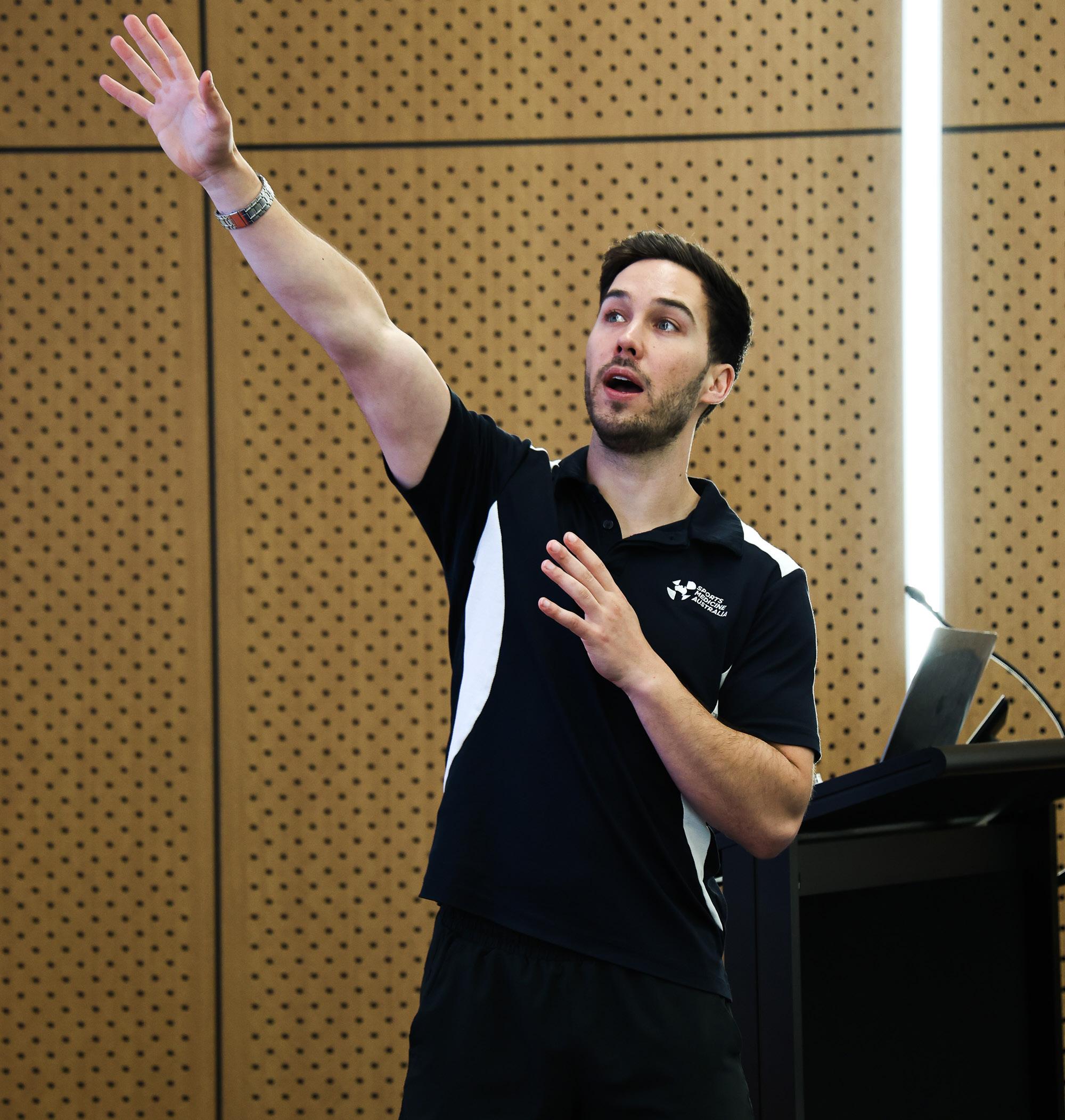
The course was led by Dr Andrew Jowett, Group Clinical Director at Olympic Park Sports Medicine Centres, elected member of the FIMS Executive
Committee, and former team doctor for the Australian Socceroos across ten FIFA World Cup campaigns.
Joining him were Dr Sharon Stay (National Tennis Academy, female athlete health specialist), Dr Kathy Yu (Chief Medical Officer, Australian Sailing), Dr O’Neil Maharaj (Newcastle
Jets FC, mental health in sport), and Dr Kelly Collins (concussion and athlete mental health registrar).
The cohort of 15 delegates was deliberately kept small. The intimacy of the group drove the quality of the learning, with participants
Thoroughly enjoyed the course. Great faculty and extensive knowledge and experience.
bringing experience across football, rugby, cricket, tennis, netball, and Olympic sport.
Feedback was exceptional: an overall satisfaction score of 92.25% and an average rating of 9.2 out of 10. Sessions on medical emergencies, concussion management, and return-to-play drew particularly strong praise.
A second course is scheduled for late 2026. Places are limited by design. Please keep an eye out for more details.
Associations of concussion return-to-sport and return-to-learn strategies with demographics in parents of child athletes
The problem
Parents and guardians play a pivotal role in the management of sportrelated concussion (SRC) in child and adolescent athletes, due to a lack of resources at this level, as youth sports often do not employ sports medicine clinicians and physiotherapists. If parents return their acutely concussed child to sport or school too early and without progressive activities, their child may be at greater risk of subsequent concussion and second impact syndrome. Additionally, that child
may experience increased symptom burden and prolonged recovery that can have severe negative impacts on their physical and psychological well-being and academics. However, little is known whether parents are familiar with return-to-sport (RTS) and return-to-learn (RTL) strategies for safely progressing their child back to sport and school, following a SRC. The current RTS strategy consists of progressing from aerobic exercise, through sport-specific exercise, non-contact drills, and full-contract practice, prior to RTS, while the RTL
strategy entails progressing from daily and school activities outside of the classroom, to part-time, followed by full-time return to the classroom.
The study
We conducted a survey study of parents or legal guardians of 8-12 year old child athletes, at a university sanctioned summer American football camp. We aimed to evaluate parent familiarity with RTS and RTL strategies and examine associations between familiarity and parent sex, concussion history, and prior sport
RYAN N. MORAN (PHD, ATC) Associate Professor, The University of Alabama
competition level. We hypothesized that male and female parents would be similarly familiar with the strategies, but those parents with a concussion history themselves and those who played at higher levels of sport would be more familiar due to more likelihood of concussion education and potential exposure from their own injury experiences.
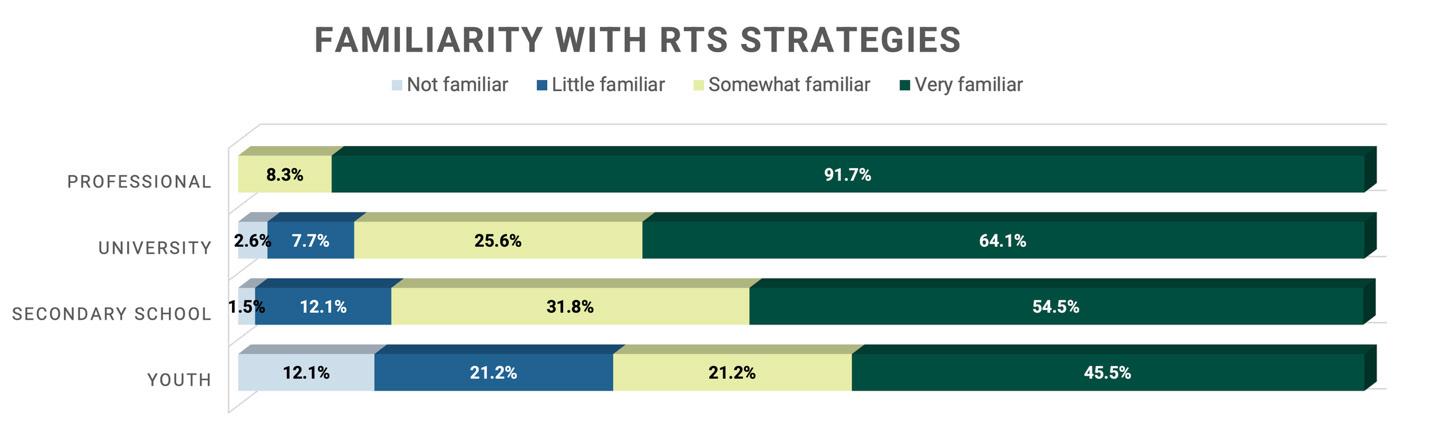
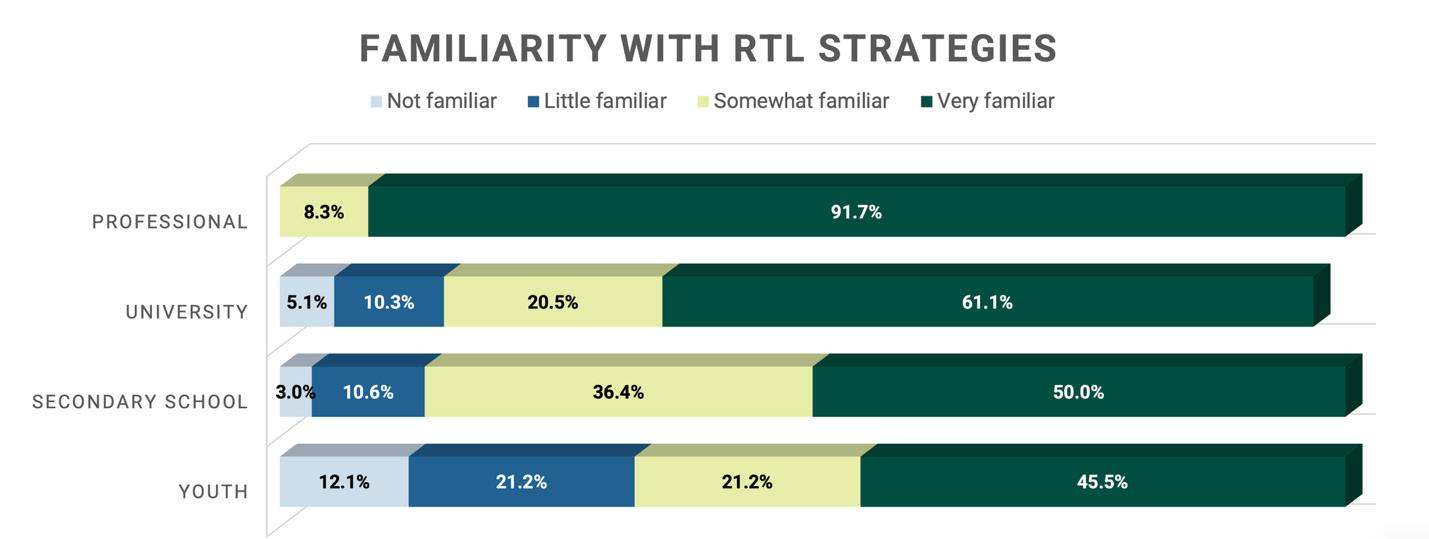
A total of 154 parents completed a one-time survey of demographics and familiarity with RTS and RTL strategies. Demographics consisted of parent sex (male or female), concussion history (yes or no), and prior sport competition level (none/ youth, secondary school, university, or professional). Familiarity was rated using a 4-point Likert response for both RTS and RTL (Figure 1).
The findings
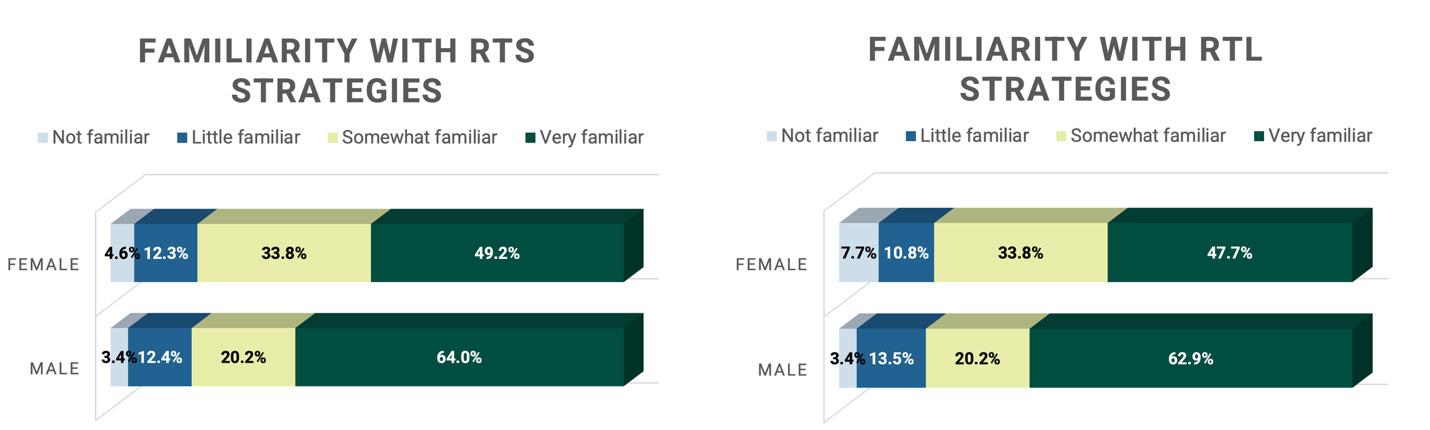
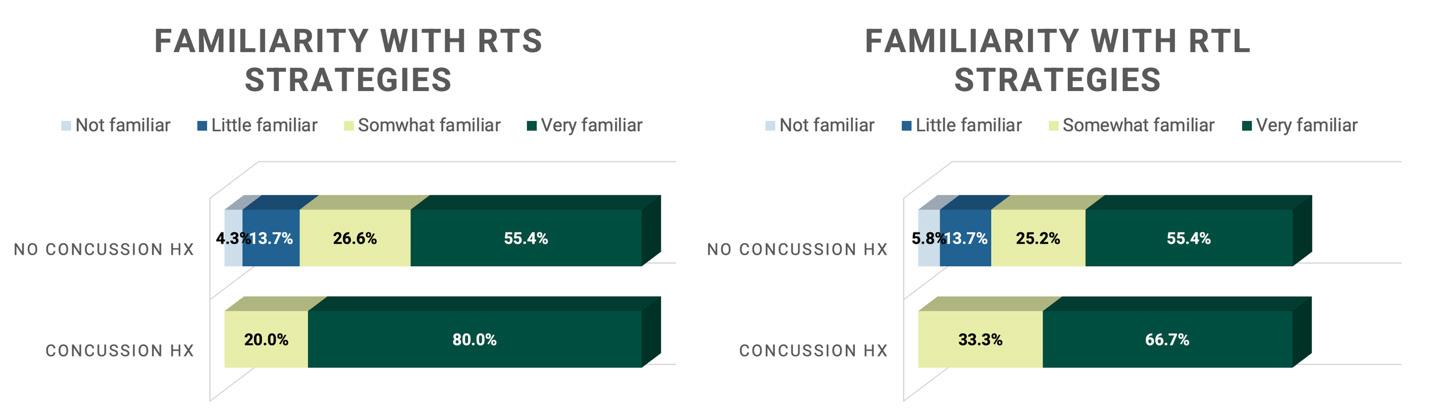
Male and female parents were equally familiar with RTS and RTL strategies (Figure 2). Parental concussion history did not affect familiarity with RTS nor RTL strategies (Figure 3). Significant associations were noted with increasing familiarity with higher prior sport competition level for both RTS (Figure 4) and RTL (Figure 5). Specifically, 92% of parents who played professional sports were very familiar with both RTS and RTL strategies, compared to 64%, 50%, and 45% of former university, secondary school, and youth sport participation. Inversely, 1/3rd of parents who only played youth sports had no and little familiarity with
1. Familiarity ratings.
Part 3. Please check the appropriate box below for each question
1. How familiar are you with the strategy and recommendations that determine how and when your child should return to sport/play following a concussion?
2.
both strategies, compared to 10-15% of secondary school and university participation levels.
Why these results matter?
Both mother and father-figures should be equally effective in ensuring proper recovery and transition back to sport and school following a concussion to their child. Considering parents who played professional and university sports were more familiar with both RTS and RTL strategies, more
Figure
Figure 3. Familiarity between concussion history.
Figure 2. Familiarity between sex.
Associations of concussion return-to-sport and return-to-learn strategies with demographics in parents of child athletes
education on these strategies to parents who only played youth and secondary school sports are needed to ensure safe and proper return to sport and school to further decrease the risk of injury and prolonged recovery, in the absence of regular access to sports medicine clinicians.
Limitations of this study
This study had several limitations. We did not examine parent knowledge of RTS and RTL strategies or competence in overseeing the management of these strategies. It is possible that parents were familiar with older, outdated strategies or despite reporting being familiar, do not know the proper steps in return strategies. Also, we only surveyed parents of children participating in a single sport and therefore a more diverse participant pool is needed across all sports, including contact/ collision and non-contact sports.
Future research
Future studies are needed to explore the translation of familiarity to knowledge of RTS and RTL strategies and the proper steps within each strategy. Researchers should also consider surveying parents of secondary school athletes, include additional demographics, and explore emerging return strategies like returnto-driving in adolescent athletes that actively operate motor vehicles.
Summary
While sex and concussion history demographics contributed to equal familiarity with RTS and RTL strategies, prior sport competition level of the parent had varying responses. Familiarity with both strategies increased with each higher level of sport competition level, indicating that parents who only participated in youth and secondary school sports may warrant further education on proper RTS and RTL strategies for their child.
About the Author
Ryan N. Moran is an Associate Professor in the Department of Health Science and the Director of the Athletic Training Research Laboratory at The University of Alabama in the United States. His research focuses on sport-related concussion assessment and clinical outcomes in adolescent and university athletes, along with education and injury prevention strategies in parents, coaches, and stakeholders. This article presents summary findings from his study surveying parents of child athletes on their familiarity with strategies for safely returning a player to sport and school and the influence of demographics. This study was presented at the 2025 ASICS SMA Conference in the Concussion and Mental Health Session and was the recipient for Best Paper in Physical Activity and Health Promotion.
Figure 4. Familiarity with RTS by prior sport competition level.
Figure 5. Familiarity with RTL by prior sport competition level.
Journal of Science and Medicine in Sport YOUR MEMBERSHIP YOUR JOURNAL WORLD CLASS RESEARCH DOWNLOAD THE SPECIAL ISSUE JSAMS IS FREE WITH YOUR SMA MEMBERSHIP. STAY UP TO DATE.
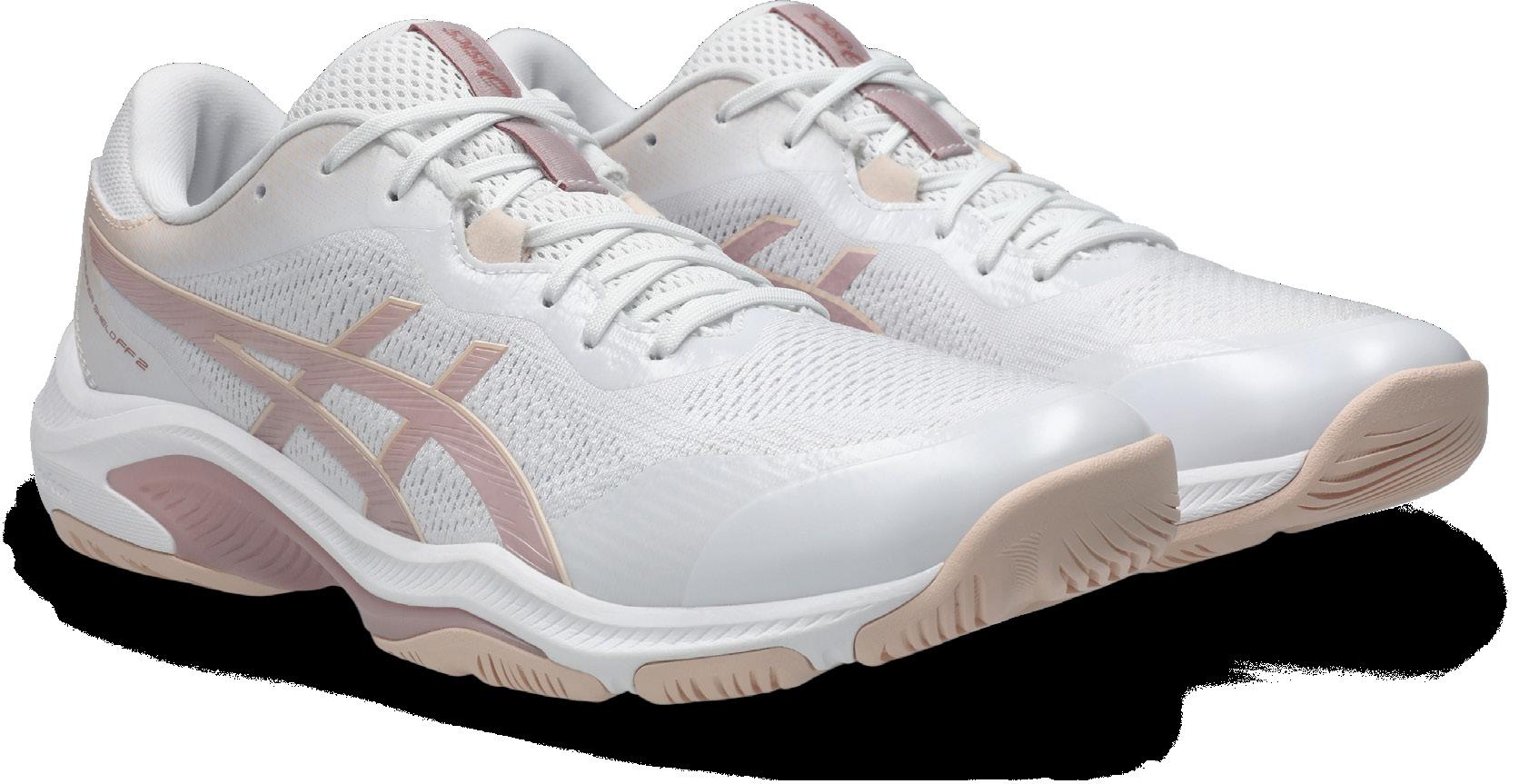
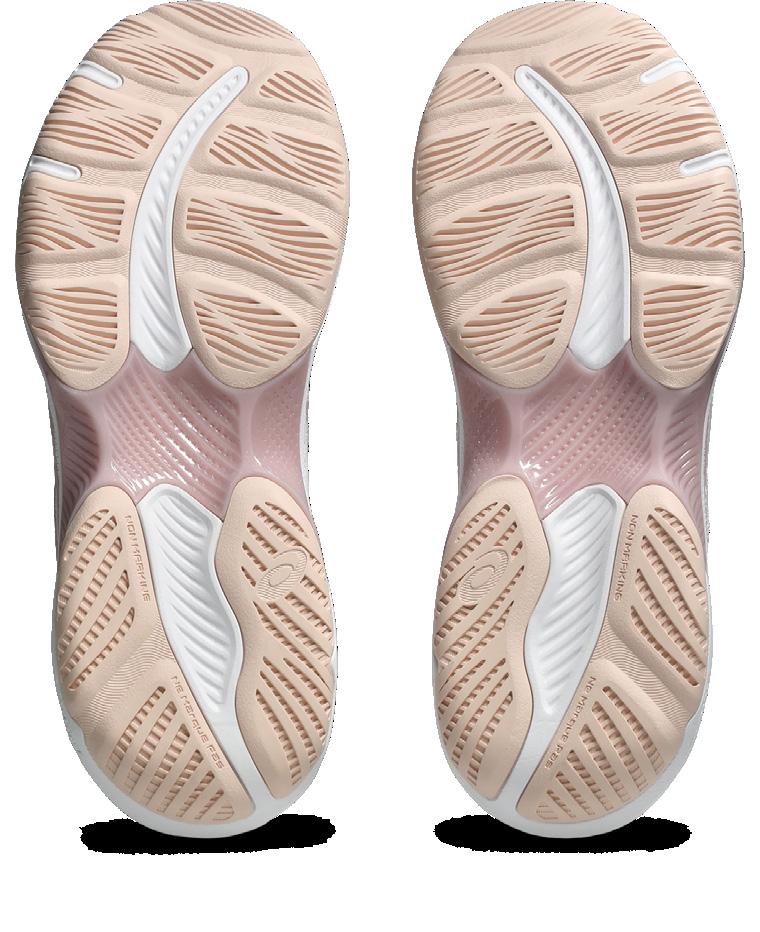
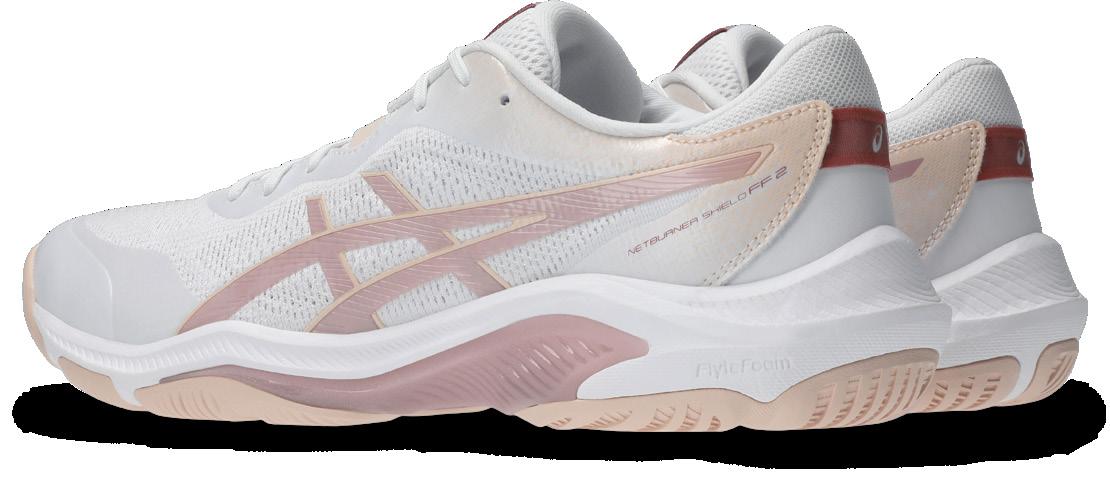
The science behind sport-specific footwear: Why netball shoes still matter
DR MADDISON KIRK PHD, BMEDHLTHSC (HONS) | Post-doctoral Research Fellow University of Melbourne
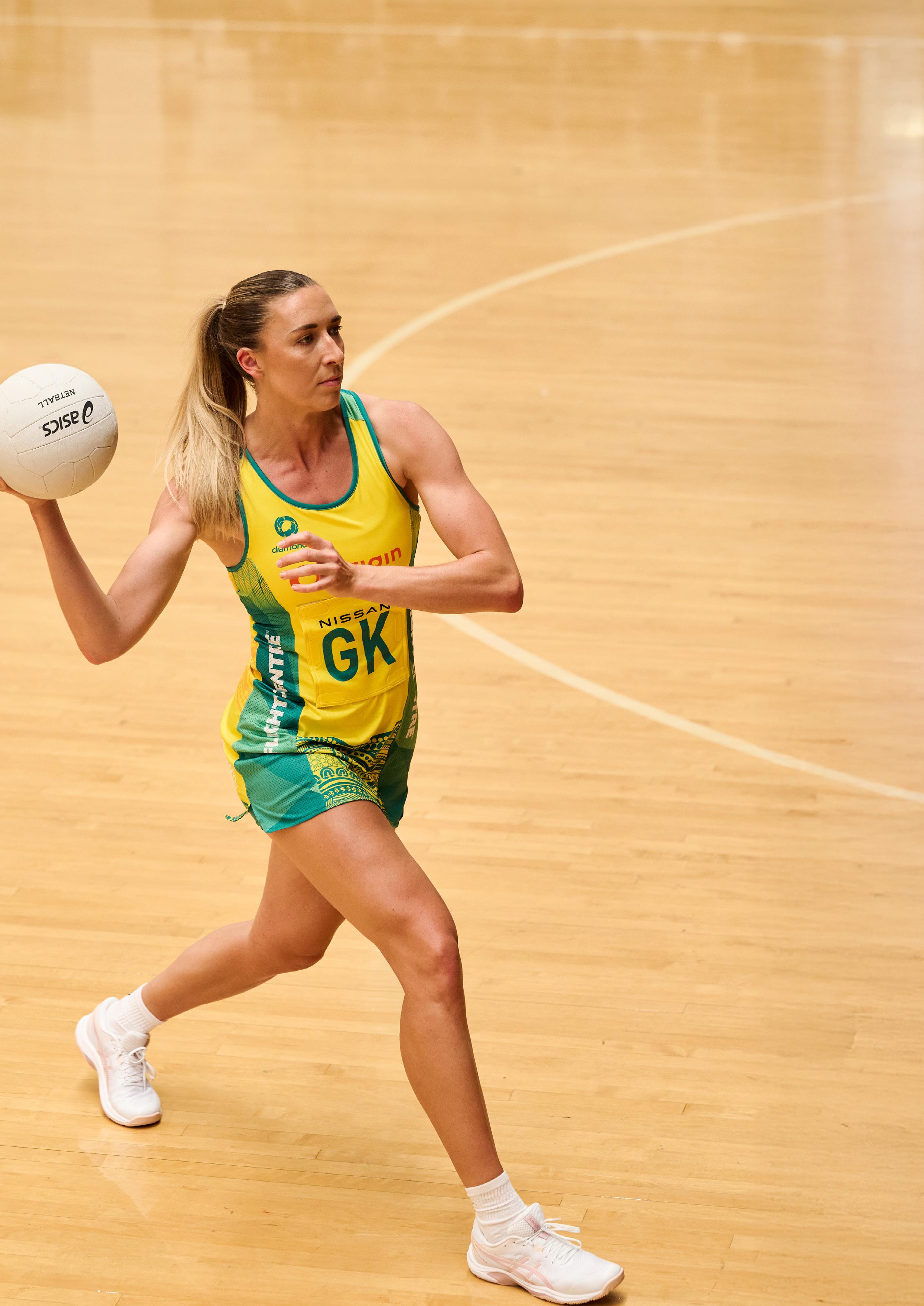
Netball is a dynamic, high-impact sport that involves rapid deceleration, explosive changes of direction and repeated single-leg landings. These demands place substantial stress on the lower limb, contributing to the high prevalence of foot and lower limb injuries in the sport. Footwear is a critical extrinsic factor in helping reduce injury risk, with netballspecific shoes designed to provide support, enhance stability and attenuate impact forces.
Despite the importance of wearing appropriate footwear, both male and female players are increasingly opting for alternative footwear such as, basketball and running shoes in lieu of netball-specific footwear, although there is limited evidence supporting their use for netball activity.
Although netball and basketball share similarities, their fundamental differences demand distinct footwear solutions. Basketball involves different movement demands, footwork rules and playing surfaces compared to netball. Unlike basketball, netball has confined movement zones and restricts players to no stepping while in possession of the ball, demanding rapid deceleration and high braking forces to stop abruptly during play.
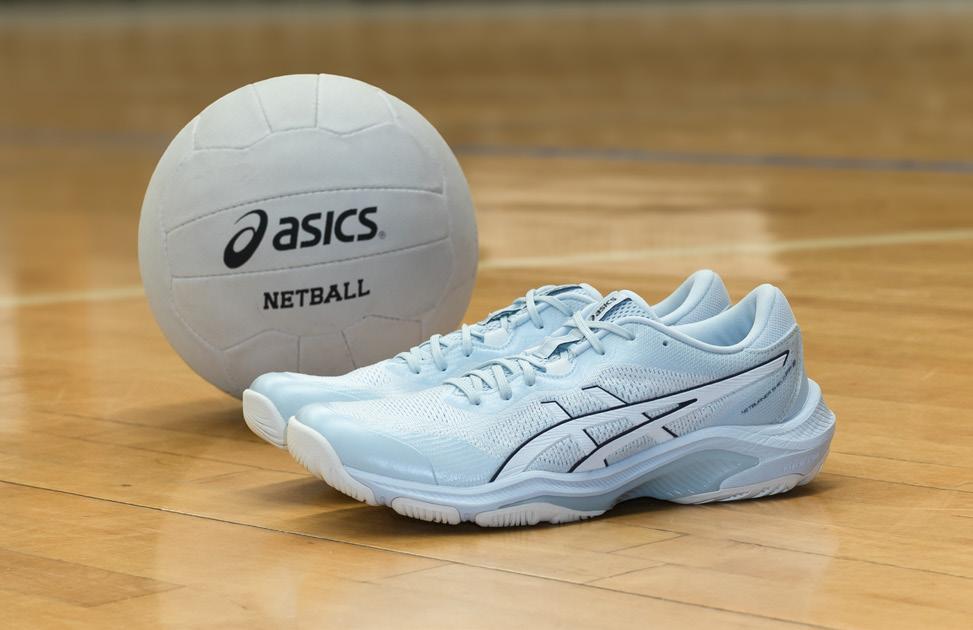
ASICS netball shoes are engineered specifically for the unique movement patterns of netball, incorporating high-abrasion rounded rubber outsoles, enhanced lateral support systems, strategic cushioning placement, lower-profile construction and lightweight responsive midsoles to support the demands of the game.
To better understand the current footwear trends in netball, ASICS partnered with the University of Melbourne to investigate how different footwear
types influence biomechanics, performance and player perceptions in netball players.
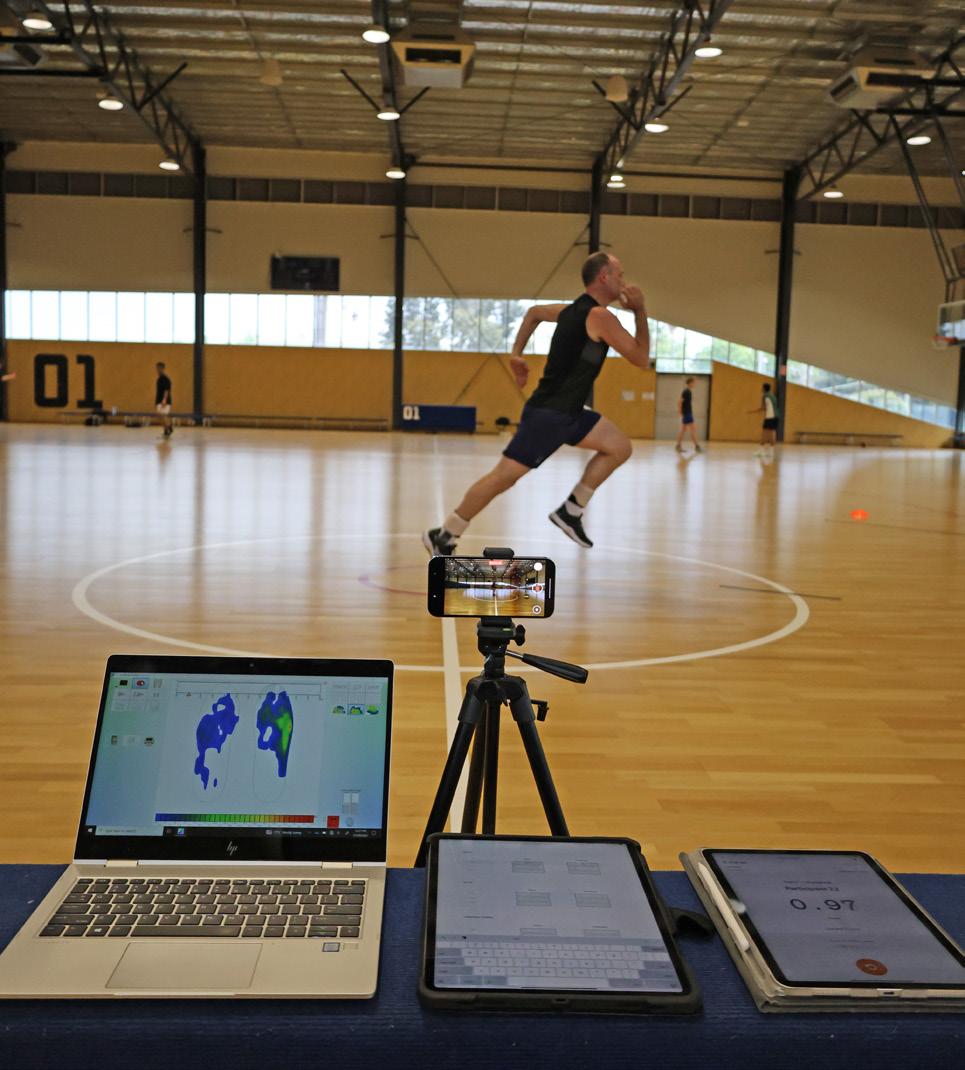
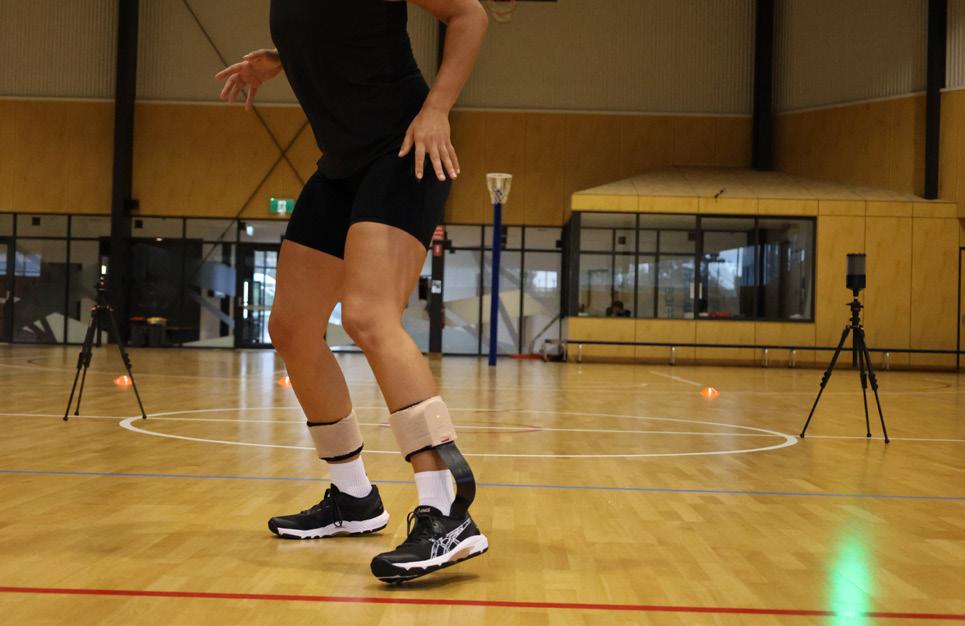
The study assessed 40 representative-level male and female netball players performing a series of netball-specific tasks including sprinting, cutting, defensive shuffling and single-leg landing in netball, basketball and running shoes. Biomechanical and perceptual measures were used to assess the effects of each footwear condition.
Interestingly, the findings showed no differences in sprint speed, agility or jump performance between footwear types. However, significant differences emerged during landing movements. Netballspecific shoes demonstrated lower landing forces and faster force production during single-leg tasks compared to basketball footwear - an important finding given the high loading demands of netball.
The research also highlighted that players consistently perceived netball-specific footwear to
be the most stable and supportive option for netball activity compared to alternative footwear options. However, footwear choices were often influenced by external factors including peers, perceived performance benefits and consumer preferences.
Importantly, netball-specific footwear provided more favourable force characteristics without compromising performance, reinforcing the value of sport-specific shoe design for netball activity.
The findings highlight an important opportunity to continue evolving netball-specific footwear to align athlete perceptions with the biomechanical demands of the sport.
As footwear trends continue to evolve, the message from the research is clear: netball places unique demands on the body, and netballspecific footwear continues to play an important role in providing support, stability and reducing loading demands on the netball court.
Reducing upper extremity injuries in female, woman, and girl athletes: what does the evidence actually tell us?
EMILY E. HEMING
University of Calgary
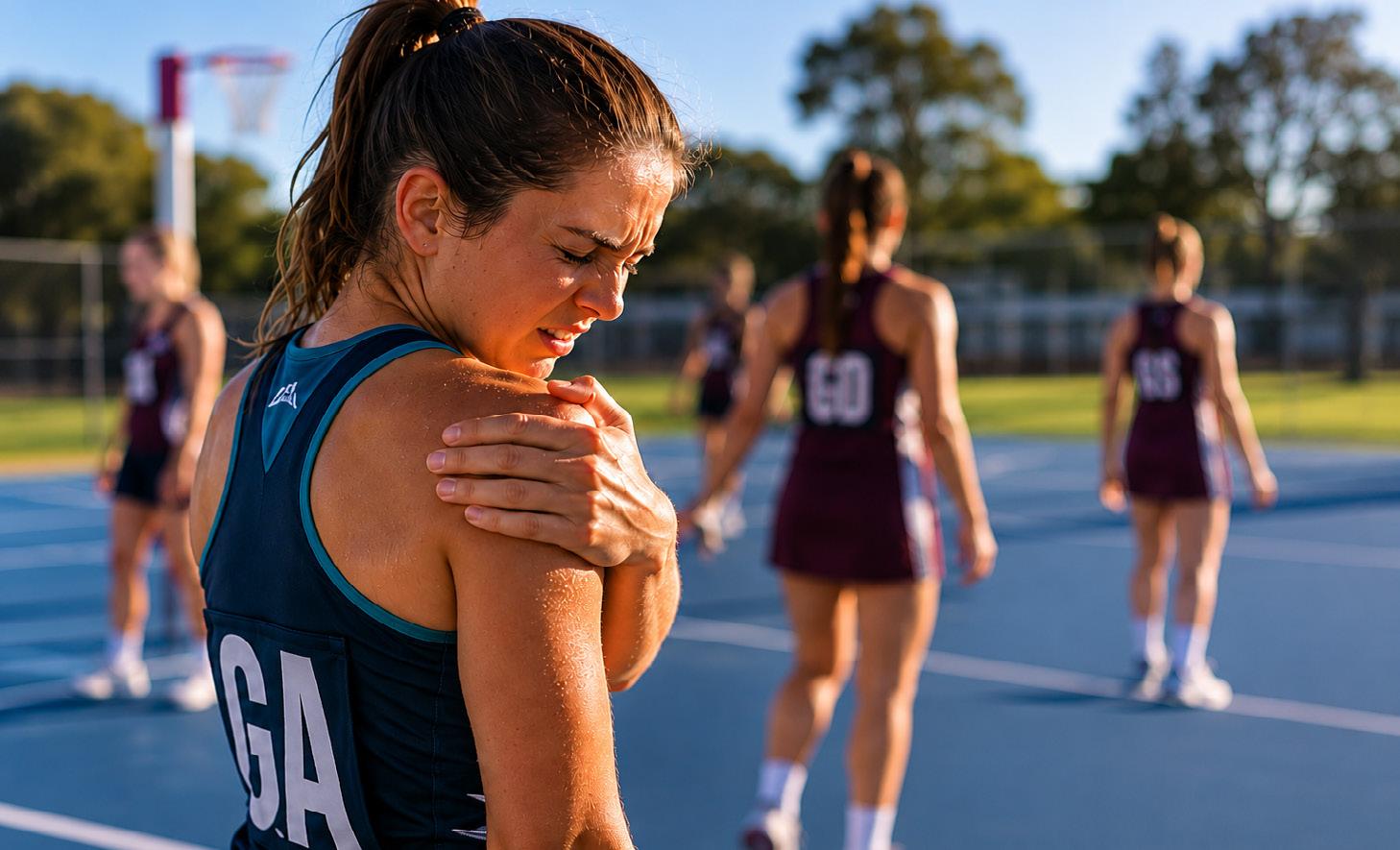
Upper extremity injuries, especially shoulder injuries, place a substantial burden on athletes across many sports. For many female, woman, and girl athletes, these injuries can mean persistent pain, time away from sport, difficulty with daily activities, and, in some cases, early sport dropout. Despite this burden,
prevention research for upper extremity injuries has been relatively limited, and female, woman, and girl athletes remain under-represented in much of the available evidence.
Over the last few decades, participation in sport among female, woman, and girl athletes has increased substantially across recreational, competitive, and
Female, woman, and girl athletes have often been under-represented in sport injury research more broadly.
elite levels. With this growth has come a clear need to better understand injury risk and, importantly, how injuries can be prevented in ways that are appropriate and effective for female, woman, and girl athletes. Clinicians working in sport are often left asking the same questions: What prevention strategies actually work? Which risk factors can we modify in practice? And how confident can we be in the current evidence?
To help answer these questions, an international group of researchers conducted a systematic review and meta-analysis as part of the Female, woman and girl Athlete Injury pRevention (FAIR) Consensus. This work examined prevention strategies and modifiable risk factors for upper extremity injuries specifically in female, woman, and girl athletes. The findings highlight both promising directions for prevention and important gaps that still need to be addressed.
Why focus on upper extremity injuries in female, woman, and girl athletes?
Upper extremity injuries account for a substantial proportion of sport-related injuries in female, woman, and girl athletes, particularly in overhead sports (e.g., handball, volleyball). Shoulder injuries are especially common and can be difficult to manage due to the high demands placed on the shoulder in many sports.
Progress in upper extremity injury prevention research has been limited, with substantial gaps remaining. One contributing factor is that female, woman, and girl athletes have often
been under-represented in sport injury research more broadly. Even when female, woman, and girl athletes are included in studies, sex- or genderspecific analyses are frequently not reported, limiting the ability to apply findings confidently in practice.
Injury risk, mechanisms, and responses to training and prevention strategies can differ by sex and gender due to a range of biological, biomechanical, and social factors. Without evidence that reflects female, woman, and girl athletes, clinicians may be forced to extrapolate from male-dominant data, which may not always translate well to real-world settings.
What questions did the FAIR review aim to answer?
The FAIR upper extremity review was designed to answer two practical and clinically relevant questions:
1. Which sport-related injury prevention strategies reduce upper extremity injury rates in female, woman, and girl athletes, and are there any unintended consequences?
2. What modifiable risk factors are associated with upper extremity injuries in female, woman, and girl athletes?
Prevention strategies included exercise-based programs, equipment, education, and policy or rule-based
approaches. Modifiable risk factors included physical characteristics, training-related factors, and sport participation behaviours that could potentially be addressed through clinical or coaching interventions.
How was the evidence gathered?
A comprehensive review of the available research was conducted following established methods. Studies were included if they examined either prevention strategies or modifiable risk factors for upper extremity injuries and included female, woman, and girl athletes. Both paediatric and adult populations were considered, across a wide range of sports.
In total, 55 studies met the inclusion criteria. Of these, 20 examined prevention strategies and 35 examined modifiable risk factors. Where possible, meta-analyses were conducted, particularly for exercisebased interventions targeting shoulder injury prevention.
One important finding was the limited representation of female, woman, and girl athletes in upper extremity injury research. Only about one quarter of all participants across the included studies were female, woman, or girl athletes, and fewer than one third of studies reported sex- or gender-specific results. This limits how confidently findings can be applied and highlights the need for better representation in future research.
WHAT PREVENTION STRATEGIES SHOW PROMISE?
Exercise-based shoulder programs
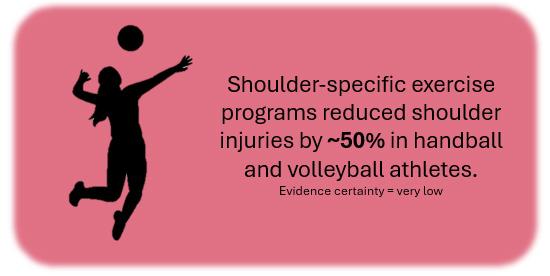
The strongest evidence identified in the review relates to shoulderspecific exercise programs. A metaanalysis of studies conducted in handball and volleyball showed that structured shoulder exercise programs were associated with a 51% reduction in shoulder injury rates among paediatric and adult female, woman, and girl athletes.
Across the included trials, programs were delivered as structured warmups integrated into regular team training. Programs were performed two to three times per week, and session duration ranged from approximately 10 to 24 minutes.
Although specific exercises varied slightly across studies, common components included:
ٚ Shoulder external rotation strengthening
ٚ Trunk strength and stability
ٚ Internal rotation strengthening
ٚ Thoracic mobility
ٚ Push-up variations
ٚ Proprioceptive exercises
ٚ Progressive throwing or passing drills
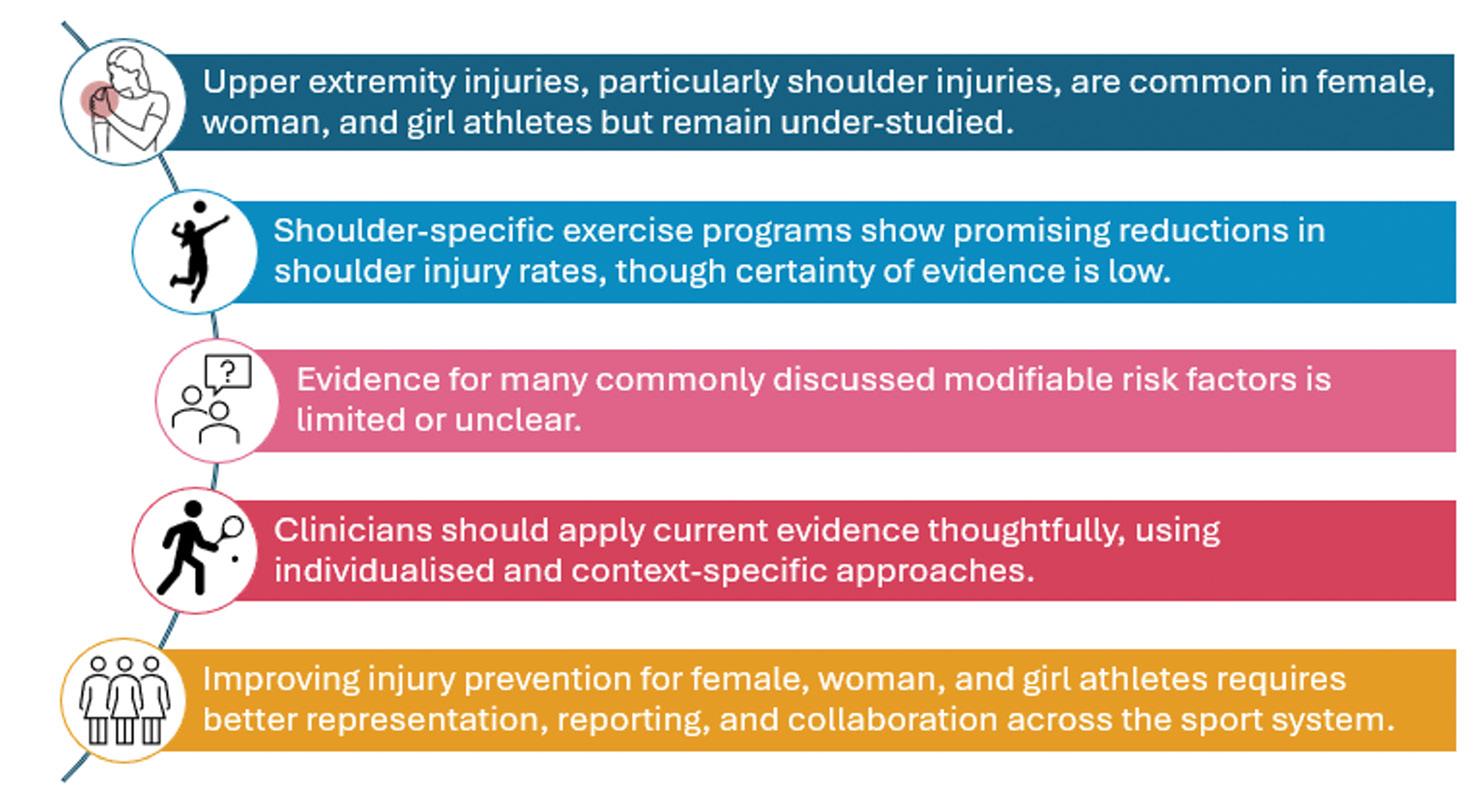
Although further high-quality trials are needed, the consistency of findings suggests that structured shoulder exercise programs are a promising and low-risk strategy for female, woman, and girl athletes.
Shoulder-specific exercise programs reduced shoulder injuries by ~50% in handball and volleyball athletes. evidence certainty = very low
Other prevention approaches
Evidence for other prevention strategies, such as equipment-based interventions, education programs, and policy or rule changes, was limited. While some studies explored these approaches, there were too few high-quality, female-, woman-, and girl-specific studies to draw firm conclusions about their effectiveness for upper extremity injury prevention.
This does not mean these strategies lack value, but rather that they have not yet been adequately studied in female, woman, and girl athlete populations. Clinicians may still consider these approaches as part of a broader injury prevention framework, particularly when combined with exercise-based strategies.
While individual risk factors such as strength, training load, and sport specialisation may influence injury risk, no single factor consistently explains upper extremity injuries. Prevention should therefore focus on structured, progressive strength work integrated within sport training, rather than targeting isolated variables.
How does this work fit within the FAIR Consensus?
The FAIR Consensus is an international initiative developed to guide injury prevention for female, woman, and girl athletes across sports and levels of play. It brings together evidence from multiple systematic reviews, expert input, and structured consensus processes to generate practical recommendations that reflect the realities of female, woman, and girl sport participation.
The FAIR Consensus extends beyond any single injury type and addresses prevention across training, equipment, policy, and athlete development. Together, these recommendations aim to reduce injury rates while recognising the diverse contexts in which female, woman, and girl athletes train and compete. The upper extremity review presented here represents one piece of this broader effort, contributing evidence to inform upper extremity injury prevention while highlighting ongoing gaps where further female-, woman-, and girl-specific research is needed.
What does this mean for clinicians in practice?
For health professionals working with female, woman, and girl athletes, several practical points emerge from this body of evidence.
First, structured shoulder exercise programs currently represent the most supported prevention strategy for reducing shoulder injuries in female, woman, and girl athletes, particularly
in overhead sports. Incorporating 10 to 24 minutes of targeted shoulder and trunk exercises two to three times per week into team warm-ups is a feasible and evidence-informed approach that can be implemented immediately.
Second, clinicians should be cautious about over-interpreting individual risk factors in isolation. Many modifiable risk factors have unclear or inconsistent links to injury, and injury risk is rarely explained by a single variable. Monitoring training load, supporting appropriate strength development, and avoiding abrupt changes in training remain appropriate targets in injury prevention practice.
Third, the lack of high-quality, female-, woman-, and girl-specific evidence reinforces the importance of individualised, context-specific decision-making. What works for one athlete, sport, or level of play may not work for another. Engaging athletes, coaches, and support staff in shared decision-making is essential.
Finally, clinicians can play a role beyond individual care by advocating for better inclusion of female, woman, and girl athletes in research and supporting data collection and evaluation within their own practice settings.
Where does the field need to go next?
The FAIR upper extremity review highlights several priorities for future research and practice:
ٚ Greater inclusion of female, woman, and girl athletes across sports, ages, and competition levels in upper extremity injury research.
ٚ Improved reporting of sex- and gender-specific results to support meaningful translation into practice.
ٚ Higher-quality trials evaluating prevention strategies beyond exercise programs, including equipment and policy-based approaches.
ٚ Better understanding of how
multiple risk factors interact over time, rather than focusing on isolated variables.
While more female-, woman-, and girl-specific research is needed, clinicians do not need to wait for perfect evidence. Integrating structured shoulder exercise programs, monitoring training load, and taking a multifactorial approach
to prevention are practical steps that can be implemented now.
Key take-home messages
By continuing to build a stronger, more inclusive evidence base, the sport and exercise medicine community can better support the health, performance, and longevity of female, woman, and girl athletes across all levels of sport.
For readers interested in learning more about the FAIR Consensus, additional information is available at https://fairconsensus.com/
About the Author
Emily Heming is a PhD candidate in the Sport Injury Prevention Research Centre at the University of Calgary. Her research focuses on injury and concussion prevention in female, woman, and girl athletes, with a particular emphasis on ice sports. Emily’s work examines injury epidemiology, mechanisms, and the evaluation of prevention strategies, including neuromuscular training and protective equipment. She is a contributor to the international FAIR (Female, woman, and girl Athlete Injury pRevention) consensus and has led multiple projects in collaboration with community sport organisations. Emily is passionate about translating research into practical strategies that improve health, safety, and participation for girls and women in sport.
2026 SMA & ACSEP SCIENTIFIC CONFERENCE
The sports and exercise medicine community is heading to Brisbane from 28–31 October 2026 for the 2026 SMA & ACSEP Scientific Conference, jointly delivered by SMA and the Australasian College of Sport and Exercise Physicians (ACSEP) at the Brisbane Convention and Exhibition Centre. More than 750 clinicians, researchers and practitioners will attend.
Bringing together sports doctors, physiotherapists, researchers, exercise scientists, academics, students and industry leaders, the Conference will explore the ideas, evidence and conversations currently shaping sport and exercise medicine across Australia and internationally.
Across four days, delegates will dive into contemporary research, practical clinical insights and emerging evidence spanning athlete health, rehabilitation, injury prevention, performance and
Professor Kay Crossley
2026 Refshauge Lecturer and Director of the La Trobe Sport and Exercise Medicine Research Centre, Kay is internationally recognised for her work in sport-related injury prevention and management, with a particular focus on knee injuries, osteoarthritis and women in sport and exercise physiotherapy.
physical activity. The multidisciplinary program includes keynote presentations, workshops, symposia and free papers designed to translate evidence into real-world practice.
The partnership between SMA and ACSEP reflects the collaborative nature of modern sport and exercise medicine, creating a national forum where disciplines connect, share expertise and strengthen the professional relationships that
Dr Kerry Peek
FIFA medical researcher and Associate Professor in Physiotherapy at the University of Sydney, Kerry leads FIFA’s brain health research in football, including concussion assessment, head injury prevention and long-term brain health in sport.
support athlete care and performance outcomes across community, elite and high-performance sport.
Outside the scientific program, networking events and social functions throughout the week will bring delegates together beyond the lecture theatre, while the induction of new SMA Fellows and recognition of professional achievement will celebrate the people helping shape the future of the profession.
Dr Michael Ryan
Canadian Certified Pedorthist and VP of Brand & Innovation at Kintec, Michael combines expertise in biomechanics, sports medicine and footwear innovation, with research and industry collaborations spanning clinical practice and elite sport.
Professor Fiona Wilson
Fiona is based at Trinity College in Dublin, and is a leading physiotherapist and researcher whose work focuses on athlete pain, injury prevention, biomechanics, brain health and female athlete health across the lifespan.
Pre-Conference Workshops
Start your 2026 conference week with one of our highly regarded preconference workshops — designed to deepen your clinical expertise, enhance practical skills, and provide valuable professional development before the main scientific program begins in Brisbane.
ACSEP Management of Sports Trauma (MOST) Course (27 and 28 October)
Build confidence in the assessment and management of acute sports injuries through this intensive two-day program. The MOST Course provides essential practical and theoretical training in sports trauma management, equipping participants with the skills to respond effectively across a range of acute clinical and sideline settings. Suitable for both those new to sports trauma and experienced clinicians seeking to refresh and refine their knowledge.
ACSEP MSK Ultrasound Workshop (27 October)
Advance your musculoskeletal imaging skills in this hands-on workshop focused on practical scanning techniques, image interpretation, guided injection treatment therapies and their clinical application within Sport and Exercise Medicine. Delivered by experienced educators, this session offers delegates the opportunity to strengthen diagnostic capability and gain greater confidence incorporating ultrasound into their everyday practice.
Back Pain Workshops (27 October)
Join Associate Professor Jeni Saunders for an in-depth exploration of contemporary back pain assessment and management. Delegates can choose from:
ٚ Sorting Out Back Pain – an introductory course designed
to strengthen clinical reasoning and improve confidence in diagnosing and managing low back pain presentations
ٚ Sacroiliac Joint Masterclass –an advanced workshop focused on the recognition, assessment and treatment of complex sacroiliac joint presentations
Designed for physicians, surgeons and physiotherapists, these workshops provide practical frameworks and evidencebased strategies to support improved patient outcomes.
Find out more and register your interest here:
2026 SMA & ACSEP SCIENTIFIC CONFERENCE
People Who Are Shaping SMA Dr Ian Murphy
Looking back on your career, what first drew you to sports medicine and involvement within the Australian sporting sector?
I have always had a passion for sport, although it became clear fairly early on that I was not going to make it as a professional athlete, so I started thinking about other ways I could stay involved. I trained at the Auckland School of Medicine in the early 1990s and began looking for a way to combine medicine with sport in some meaningful way.
A real turning point came when Peter Brukner visited Auckland Medical School to present on sports medicine. He worked through a patient case step by step, taking the history, examining the patient, ordering investigations and arriving at a diagnosis and management plan. I was fascinated
by the analytical side of it and by the way medicine and sport could intersect. From that point on, I was pretty much sold on sports medicine.
I initially debated between orthopaedic surgery and sports and exercise medicine as a physician. In the end, the physician pathway appealed because the field still felt like it was evolving. There was a bit of uncertainty around where it could lead, and at 25 years old and reasonably footloose and fancy free, that felt exciting rather than intimidating.
My training eventually brought me to Australia in 2003, where I worked in Canberra with Sports Physicians ACT and became club physician for the Canberra Raiders. Being close to the AIS and working alongside highly respected sports physicians
was enormously influential in shaping my career. Australia provided fantastic professional opportunities, and I have been fortunate to return again more recently in leadership and medical advisory roles.
You’ve worked across both sports medicine and broader sport leadership roles. How have you seen the sporting and athlete health landscape evolve over your career?
The biggest shift I have seen has been the move from purely providing healthcare to contributing to performance health. In elite sport particularly, medical and healthcare teams are no longer viewed simply as treating injuries when they arise. The focus is now much broader and more integrated around maximising athlete health and performance.
Many organisations have moved away from terms like “medical department” and instead refer to “performance health” teams. That reflects the evolution of the role. We are now looking at everything from nutrition and sleep to travel, illness management and overall wellbeing, all with the aim of helping athletes perform at their best.
I think the sector has also shifted from viewing medical care as a cost to recognising it as a value add. There is now an expectation that healthcare professionals contribute meaningfully to performance environments rather than simply being on call for injuries.
That has been a really positive development for both the profession and athlete care more broadly.
Of course, there have also been enormous technological and treatment advances over time, but philosophically, that shift towards performance focused healthcare has probably been the biggest evolution I have witnessed.
The biggest shift I have seen has been the move from purely providing healthcare to contributing to performance health.
What have been some of the most rewarding or defining moments from your time working in sports medicine and sport governance?
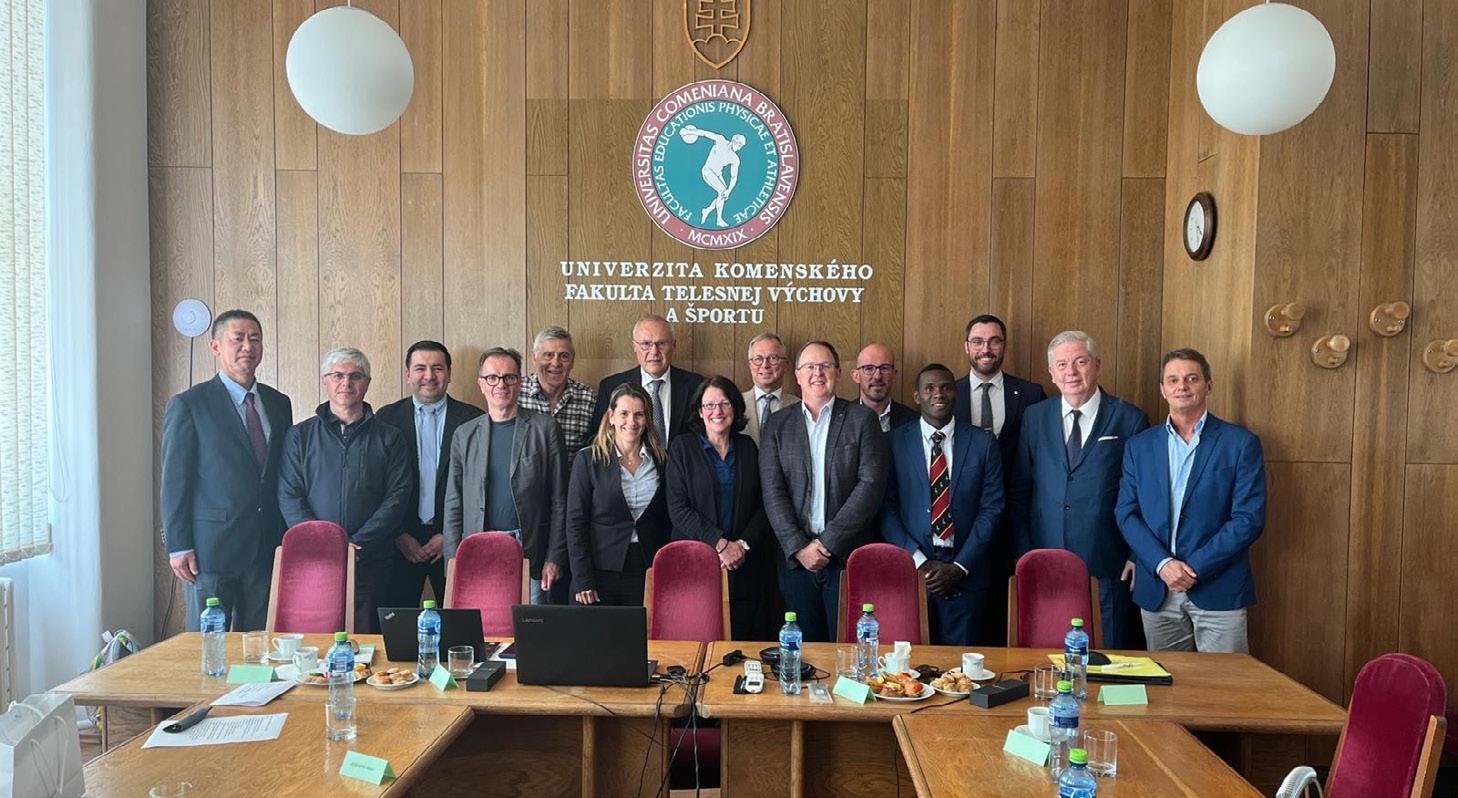
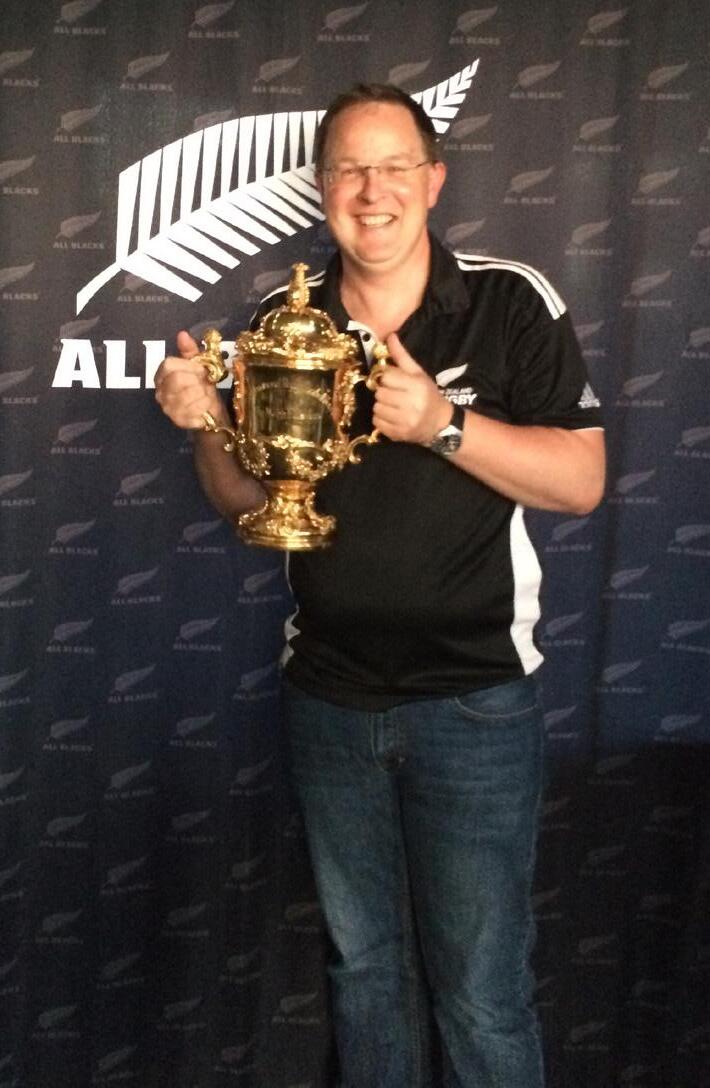
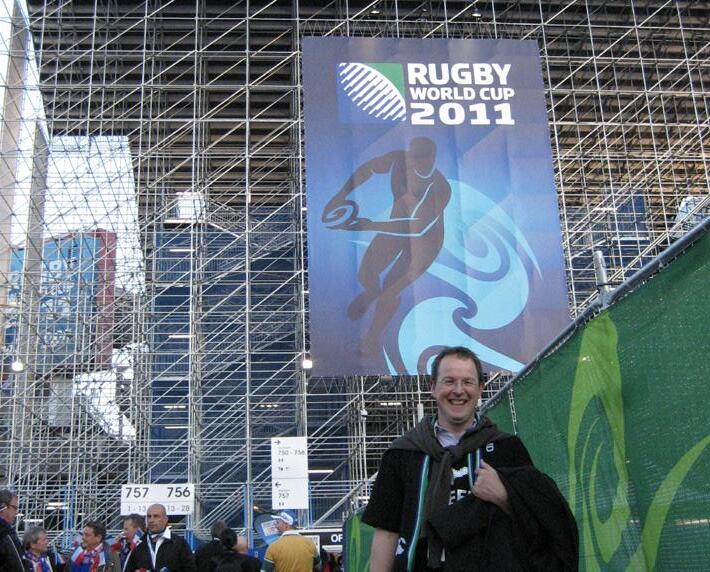
People probably assume the obvious highlights are things like Rugby World Cups and major international events, and those experiences absolutely were special, but some of the moments I value most actually happened at grassroots level. Being skilled enough to resuscitate a good friend on club hockey field is hard to top!
Early in my career, I worked heavily in club rugby and often saw young athletes struggling with injuries or health issues they had simply been battling through without really understanding what was going on. Helping someone stay involved in
People Who Are Shaping SMA Dr Ian Murphy
sport, even if they were never going to become a professional athlete, could make a real difference to their health, family and community life. I found that incredibly rewarding.
I was also fortunate to work with Paralympic teams at the Beijing and London Paralympic Games. Supporting athletes who had overcome significant life challenges to compete on the world stage was immensely humbling. Sometimes your contribution might be relatively small, helping with illness management or sleep issues for example, but you still feel privileged to play a part in their journey.
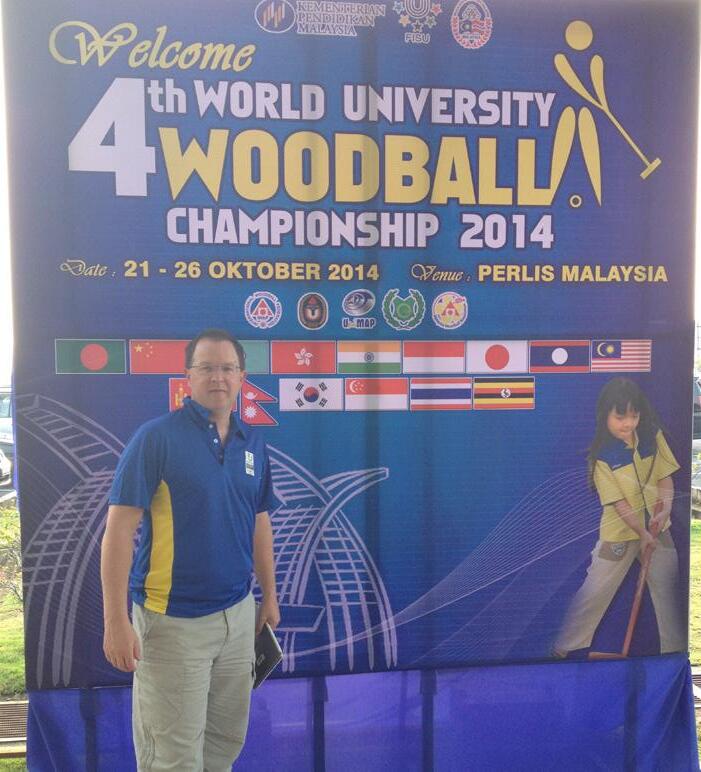
From a governance perspective, I have also enjoyed opportunities to support university sport and international sporting events. I was lucky enough to serve as President of University Sport New Zealand and later become involved internationally as well. There is a real sense of satisfaction in helping create opportunities for younger professionals and athletes coming through the system.
Defining moments often come unexpectedly. Seeing Peter Brukner present all those years ago was defining. Moving to Australia for training was defining. Being involved in
No one profession has all the answers. That collaborative approach ultimately benefits athletes and the wider sporting community.
major tournaments like Rugby World Cups and Cricket World Cups has also been incredibly rewarding because you see the pride and enjoyment those events bring to entire communities.
Of course, there have also been a few paths taken along the way that, with hindsight, probably were not the right ones, but that is part of the journey too. I have been fortunate to be well supported throughout my sports medicine journey on both the personal and professional fronts, and this support has helped in managing
these moments. My wife is often quick to tell me that with all the advice she has provided me, she should be a sports psychologist! Without the home support, it would not have been possible to do much of the work I have been lucky enough to do.
How do you see SMA contributing to the sports medicine landscape in Australia?
Since returning to Australia, I have had the opportunity to become more involved with SMA as a member and through its events and activities. What stands out to me is that SMA has the scale and credibility to genuinely lead and influence the sector.
One of its greatest strengths is its multidisciplinary nature. SMA brings together professionals from a wide range of backgrounds and disciplines, which creates valuable opportunities to learn from different perspectives. That is incredibly important in sports medicine because no one profession has all the answers.
As doctors, for example, it is healthy for us to hear different viewpoints from physiotherapists, exercise
scientists, sports trainers and other professionals. That collaborative approach ultimately benefits athletes and the wider sporting community.
I also think SMA does an excellent job of representing the full spectrum of sport and physical activity, not just elite athletes. There is sometimes a perception that sports medicine only relates to professional sport, but SMA demonstrates that it is equally important at community and participation levels.
The organisation is very well positioned to continue advocating for health, exercise and safe participation in sport across Australia, and I am delighted to now be part of that.
For emerging professionals entering sports medicine and sport leadership today, what qualities or approaches are most important for building a lasting career in the sector?
Resilience is probably the first quality that comes to mind. Sport is a competitive and often uncertain environment, and opportunities do not always come easily. There will inevitably be setbacks along the way, so the ability to persist through challenges is really important.
I also think curiosity and openness matter enormously. Do not become a one trick pony. One of the reasons I have found sports medicine so rewarding is the variety of opportunities it has provided, from clinical work and governance through to leadership, education, event delivery and international travel. Being willing to explore different experiences and say yes to opportunities can open doors you never expected.
Teamwork is another critical quality. Not everyone can be out in front all the time. Successful environments rely on people who are willing to contribute as strong team members behind the scenes as well.
Above all, stay professional, work hard and give every role your full effort. If you are passionate about the work and consistently produce quality work, opportunities and recognition will come.
One thing I would say quite strongly is not to chase the money. If financial reward is your primary motivation, sports medicine may not be the right sector for you. The people who build lasting and meaningful careers in this field are usually those driven by a genuine passion for sport, health and helping others.
Outside of work, how do you like to stay active?
Sport has always been a big part of my life. My own background is in hockey, which I played at a fairly competitive level for many years, although probably at times more competitive than talented.
These days, staying active mostly revolves around walks along the Wollongong coastline with my wife and following my children’s sporting pursuits, which over the years have included rowing, swimming, cycling and hockey.
I have also rediscovered a passion for golf. I played plenty through university, probably to the detriment of the odd exam result, and I am now trying to get my handicap back to something respectable.
The people who build lasting and meaningful careers in this field are usually those driven by a genuine passion for sport, health and helping others.
I still follow sport very closely, particularly rugby, rugby league and cricket, and I remain a loyal Canberra Raiders supporter after my time working with the club. When I left Canberra in 2005, I joked that I would keep my membership until they won another premiership. It is increasingly looking like I may have accidentally signed myself up for a lifetime membership.
Dorianne Sherry 5 minutes with
What first drew you to physiotherapy, and what has kept you passionate about the profession over the years?
I was originally drawn to physiotherapy after being injured as an athlete in high school. The physiotherapists who helped me return to sport had a significant impact on me, and I saw physiotherapy as a way to make that same difference for others. As I learned more about the profession, I realised it wasn’t just about treating injuries. It combined science, problem solving and working directly with people, which really appealed to me.
What has kept me passionate over the years is the variety and the relationships you build. No two athletes, patients or sporting environments are ever the same. Whether it’s elite athletes, junior pathways, community sport or complex clinical presentations, every situation brings its own challenges and rewards.
Over time, I’ve come to appreciate that physiotherapy is about much more than helping someone recover from an injury. It’s about helping people continue doing the things that are important to them,
whether that’s competing in sport, returning to work, staying active or maintaining independence. Being able to support people through those journeys, while also contributing to the growth of the profession through mentoring, leadership and community involvement, is what continues to make the profession so rewarding.
Working in the NT often means supporting athletes and communities across a wide range of settings. What have been some of the most rewarding or unique aspects of your work?
Working in the Northern Territory has given me incredibly diverse opportunities, both professionally and personally. One of the unique aspects of working in the NT is the variety you experience; in a single day or week you might work with high performance athletes, junior development athletes, local community sport participants and complex musculoskeletal presentations all at once. You are not limited to one niche area, which makes the work both challenging and rewarding.
One of the things I’ve come to appreciate most about the NT is the sense of community. The sporting community in the Territory is very close knit. You build strong relationships not only with athletes, but with families, coaches, sports trainers, doctors and other health professionals. You often see athletes develop over many years, from juniors through to senior competition, which creates a real sense of connection and investment in their journey.
At the same time, the NT presents unique challenges. Travel distances, access to services and the climate all add extra layers to athlete
management. Athletes are often spread across large regions and don’t always have access to the same facilities or support services available in metropolitan areas. As a physiotherapist, you need to become adaptable, solutions focused and collaborative. You learn to communicate effectively, think practically and find solutions in environments where resources and access aren’t always straightforward.
From your experience, what are some of the biggest challenges facing physiotherapists and sports medicine professionals working in regional and remote areas?
Access to services remains one of the biggest challenges. In the NT, there can be delays in accessing imaging, specialist input, rehabilitation facilities and multidisciplinary care compared to metropolitan areas. Athletes and patients don’t always have access to large sports medicine clinics, specialist support teams or rehabilitation facilities, particularly during important developmental years.
Listening is one of the most important skills a practitioner can develop.
For practitioners, regional and remote practice also comes with a very broad scope of responsibility. Clinicians are often required to manage a wide variety of injuries and complex presentations with fewer referral pathways and less immediate access to specialist support than may be available in metropolitan areas. This encourages practitioners to develop strong clinical reasoning skills and a broad knowledge base, but it also highlights the importance of collaboration. No one clinician can be an expert in everything, and some of the best outcomes come from building strong relationships with sports physicians, surgeons, allied health professionals and other members of the healthcare team. Knowing when to seek advice, refer appropriately and work together as
part of a multidisciplinary team is a key part of providing high-quality care.
At the same time, those challenges help clinicians grow quickly. Working in regional and remote environments makes you resourceful, adaptable and capable of making strong clinical decisions. You learn to think practically, communicate effectively and work collaboratively across different healthcare and sporting networks. It can be challenging at times, but it is also an incredibly rewarding and valuable professional experience.
In sports medicine, building strong relationships with athletes, teams and communities is essential. What do you think are the most important qualities for practitioners working in this space? Knowledge and experience are important, but they’re not enough on their own. One of the most important qualities is the ability to genuinely connect with people. In sports medicine, you’re not just managing an injury or working with an athlete. You’re helping someone navigate the physical and emotional challenges that can come with being injured,
5 minutes with
Dorianne Sherry
while often working closely with their family, coaches, club, teammates and the wider sporting community.
Athletes and teams need to know that you are calm under pressure, clinically competent and genuinely invested in their wellbeing, not just their performance. Listening is one of the most important skills a practitioner can develop. By listening well, you learn not only about the injury itself, but also about an athlete’s concerns, motivations, pressures and the factors that may influence their recovery and resilience.
I also think humility is important. No one practitioner has all the answers, and the best outcomes often come from working collaboratively and drawing on the expertise of those around you. Knowing when to seek advice, involving other professionals and working together is an important part of providing the best care possible.
You have been involved with Sports Medicine Australia for many years. How has SMA contributed to your professional journey, and what have you enjoyed most about contributing back to the organisation?
SMA has played an important role in both my professional development and my connection to the broader sports medicine community. It provides opportunities for ongoing education, networking and collaboration across multiple disciplines, which is especially important in the Northern Territory.
What I value most about SMA is the sense of community it creates. One of the things I’ve always enjoyed is how it brings together practitioners from different disciplines. Everyone comes together with a shared goal of improving outcomes for athletes and the wider sporting community, and there is always something to learn
clinicians, contributing to governance and organisational projects, and supporting a collaborative and supportive sporting environment.
Seeing people grow in confidence, develop their skills and become more involved in sports medicine has been one of the most rewarding aspects of my involvement with SMA, and I’ve been fortunate to play a small part in their journey.
What I value most about SMA is the sense of community it creates.
from each other. The most rewarding part of contributing back has been helping support and strengthen the sports medicine community in the Territory. Through my involvement on the SMA NT Council over a number of years, including serving as Chair since 2023, I’ve enjoyed mentoring sports trainers and younger practitioners, helping create pathways for future
Looking back on your career so far, what advice would you give to young physiotherapists or students considering a career in sports and exercise medicine? Don’t underestimate the value of developing strong foundational clinical skills early in your career. Sports and exercise medicine is not just about elite athletes or working on the sidelines.
Great communication, sound clinical reasoning, professionalism and the ability to stay calm under pressure are the skills that form the foundation of good practice.
I’d also encourage young practitioners to step outside their comfort zone and be open to opportunities, even if they don’t look exactly like the career path they originally imagined. For me, that meant moving to Darwin and building a career in a place that offered opportunities I may not have found elsewhere. Opportunities don’t always land in your lap; sometimes you need to seek them out or create them yourself.
Most importantly, focus on building relationships and being someone people can rely on. Your reputation is built over time through the way you treat people, how dependable you are and how consistently you show up for others. Those relationships and professional standards become incredibly important throughout your career.
For elite performance
in Columbia Sports Medicine
Once viewed primarily as sideline support for injured athletes, Sports Medicine in Colombia has evolved into one of South America’s most progressive and rapidly expanding medical specialties. What began as a fragmented field reliant on physicians from unrelated disciplines has transformed into a sophisticated area of clinical medicine spanning elite performance, chronic disease management, rehabilitation and public health. Colombia’s journey reflects a broader global shift in how exercise is understood within healthcare: not simply as recreation or athletic preparation, but as medicine in its own right.
The foundations of Sports Medicine in Colombia can be traced back to the 1970 Pan American Games held in Cali. In preparation for the event, Colombia signed an international cooperation agreement in Sports Medicine and Exercise Physiology aimed at developing the country’s exercise sciences capacity. At the time, formal Sports Medicine training pathways did not exist locally, and athlete care was typically provided by doctors from a range of specialties who had personal interests in sport.
The agreement exposed a clear gap in expertise and helped spark the development of a new professional
Colombia has become an important example of how Sports Medicine can evolve from a niche field focused primarily on athletes into a broader clinical specialty with applications across public health and chronic disease management.
field. Early Colombian physicians travelled overseas for postgraduate training, studying in countries such as Brazil, Mexico and Cuba. However, these programs varied considerably in quality and duration, ranging from short courses to more formal specialist programs.
Many of the doctors who trained abroad returned to Colombia and became instrumental in establishing the country’s first Sports Medicine departments and academic initiatives. Supported by institutions including the University of Antioquia and the National University of Colombia, Sports Medicine and Exercise Physiology slowly gained credibility throughout the 1970s and 1980s.
A major turning point came with the introduction of Colombia’s National Sports Law (Law 181 of 1995), which formalised the structure of sport within the country and recognised the growing need for specialist medical involvement. Additional legislation later strengthened the
role of Sports Medicine in athlete care and sports systems.
This regulatory shift created momentum for the establishment of formal postgraduate training programs. In the early 1990s, the University of Antioquia and Universidad El Bosque launched some of South America’s first full-time, three-year Sports Medicine residency programs. While Brazil had previously offered shorter training pathways, Colombia became one of the regional pioneers in developing Sports Medicine programs aligned with the academic and clinical standards of other recognised medical specialties.
Over time, additional residency programs emerged across the country, including at Fundación Universitaria de Ciencias de la Salud (FUCS), Pontificia Universidad Bolivariana, Universidad Nacional de Colombia and Universidad de Boyacá. Although each program developed its own emphasis, collectively they reflected a broader evolution in the specialty itself.
Early Sports Medicine practice in Colombia focused heavily on high-performance sport and injury management. Today, the field extends far beyond elite athletes. Exercise prescription, chronic disease management, cardiopulmonary rehabilitation, obesity treatment and public health interventions now form major components of clinical Sports Medicine practice.
This expansion has fundamentally changed how the specialty is positioned within the healthcare system. Sports Medicine departments are now integrated into many hospitals, professional football clubs, regional sports institutes and national sporting federations throughout Colombia.
The increasing clinical integration of
in Columbia Sports Medicine
Sports Medicine has also reshaped perceptions of exercise within medicine more broadly. Rather than being viewed solely through a performance lens, exercise is increasingly treated as a therapeutic intervention for patients with cardiovascular disease, metabolic disorders, respiratory illness and other chronic conditions.
One area of significant growth has been the use of cardiopulmonary exercise testing, or ergospirometry, to assess exercise intolerance and guide individualised exercise prescription. These approaches are now used not only in elite athletes, but also in patients with obesity, heart failure and those undergoing pre-transplant evaluation.
At the same time, technological advances have accelerated the evolution of the specialty. Wearable sensors, portable monitoring systems and real-time physiological
tracking have created new opportunities for athlete monitoring and training optimisation. Sports physicians are increasingly involved in interpreting large volumes of physiological data to individualise interventions and reduce injury risk.
This shift has brought Sports Medicine closer to the emerging field of precision medicine, where prevention and treatment strategies are tailored to the specific characteristics of the individual rather than applied through standardised models.
The specialty’s multidisciplinary nature has also expanded significantly. Today, Sports Medicine specialists in Colombia work alongside physiotherapists, nutritionists, psychologists, physiologists and rehabilitation teams across a wide range of settings. Their involvement now extends into bariatric medicine
Sports Medicine departments are now integrated into many hospitals, professional football clubs, regional sports institutes and national sporting federations throughout Colombia.
programs, chronic disease clinics, public health initiatives and university wellbeing services. Despite this progress, important challenges remain.
Although approximately 1,000 Sports Medicine specialists are currently practising in Colombia, workforce demand continues to outpace supply. An ageing population, rising rates of chronic disease
and increasing public awareness around exercise and preventative health are all driving demand for specialised exercise-based care.
The specialty is also navigating increasingly complex legal and ethical responsibilities. Laws introduced in 2021 established criminal sanctions related to doping offences, increasing the medico-legal pressures faced by Sports Medicine physicians working in elite sport. Practitioners are now expected to operate within an environment where anti-doping compliance, athlete safety and medical accountability intersect at increasingly high stakes.
At the same time, Sports Medicine in Colombia faces ongoing pressures common to many healthcare systems, including financial constraints, overlapping scopes of practice and the emergence of non-medical exercise and performance qualifications.
Yet despite these challenges, Colombia has become an important example of how Sports Medicine can evolve from a niche field focused primarily on athletes into a broader clinical specialty with applications across public health and chronic disease management.
What makes the Colombian story particularly notable is the speed of that transformation. In just a few decades, the country progressed from having no formal Sports Medicine training pathways to becoming a regional leader in specialist education, clinical integration and exercisebased healthcare innovation.
As healthcare systems globally continue to confront the burden of chronic disease, sedentary behaviour and ageing populations, Colombia’s experience highlights the growing role Sports Medicine may play well beyond the sporting arena.
About the Author
Mauricio Serrato is a Sports Medicine specialist based in Bogotá, Colombia. He currently serves as Medical Coordinator for the Colombian Football Federation and is the former President of the Colombian Association of Sports Medicine (AMEDCO).
Dr Serrato was a founding professor of the Sports Medicine postgraduate program at the National University of Colombia and is also a professor at Universidad El Bosque. He has previously served as Coordinator of Medicine and Sports Sciences for both the Colombian Olympic Committee and the Ministry of Sport.
He completed Master’s level studies through the International Olympic Committee and specialised in High Performance Training at the University of Castilla–La Mancha. Widely recognised as a leader in the development of Sports Medicine in Colombia, Dr Serrato is also an established author and contributor within Latin America.
Sports Trainer Spotlight: Thomas Yeung
As both a physiotherapist and sports trainer, how has working across both roles shaped your approach to injury management and athlete care?
The two roles are very complementary, which is why sports trainers and physiotherapists so often work closely together. Working as a sports trainer during university helped build the foundations of approaching athlete care, particularly learning composure and the fundamental skills that come with sports training.
The RICER and ‘do no harm’ approach became especially valuable because they allow athletes to be supported even when there is uncertainty around the exact nature of an injury. One of the biggest lessons from sports training was learning how to help people without needing to provide a diagnosis.
Now, as a physiotherapist, there is the ability to diagnose injuries, but working as a sports trainer taught the importance of helping athletes regardless of how certain the injury may be, which was a really valuable challenge.
What first drew you to working in sport and athlete care, and what has kept you involved in the field?
Sport and exercise have always been a huge part of life, with sport being played from a young age. Interestingly, it was actually attending physiotherapy appointments for personal injuries that first sparked an interest in the profession. There was something enjoyable about discussing injuries, rehabilitation and the process of getting healthy again, which eventually led to considering a future in the field.
What has kept things exciting is the constant challenge and the opportunity to work with people every day. Coming from a family full of healthcare practitioners, being around people and helping them continues to be one of the most rewarding parts of the profession.
From your experience, what are some of the biggest misconceptions people have about the role of sports trainers in community and elite sport?
One of the biggest misconceptions is that sports trainers are limited to taping and massage. In reality, people often underestimate both the breadth of skills sports trainers possess and the many ways they contribute to athlete care.
The ability to stay calm and work through problems in high-pressure situations comes with time, practice and confidence in your skills.
While first aid, taping and massage are well-recognised aspects of the role, it is often the smaller one-percenters that make a significant impact. That can include helping with warm-ups, supporting injury prevention strategies, managing skin issues or even ensuring athletes have enough grip on their hands during wet conditions.
All of these behind-the-scenes contributions play an important role in helping athletes perform and stay safe, and they should never go unnoticed.
Thomas Yeung
Sports trainers are often managing injuries and decision-making in fast-paced environments. What skills do you think are most important to do the role well?
Composure is one of the most important qualities a sports trainer can develop. The ability to stay calm and work through problems in highpressure situations comes with time, practice and confidence in your skills.
Communication is equally important. Sports trainers regularly work with athletes, coaches, parents, staff and other medical professionals, so strong interpersonal skills are essential.
The best sports trainers are often not just the most technically skilled, but the ones who combine practical ability with confidence, friendliness and a genuine willingness to help others. In many healthcare settings, employers value attitude and eagerness to learn
more highly than technical skills alone because qualities such as care, friendliness and communication are much harder to teach than taping or massage techniques.
For anyone with even a small interest in sports medicine or athlete care, there is very little downside to getting involved. The more people who complete sports trainer courses and help support their communities through sport, the better.
The more people who complete sports trainer courses and help support their communities through sport, the better.
Looking back on your career so far, what advice would you give to young people considering becoming a sports trainer or pursuing a career in sports medicine?
The advice is simple: give it a go. Sports trainer courses are approachable, enjoyable and provide valuable life skills beyond sport itself, including CPR and first aid training that everyone can benefit from.
Interested in becoming a Sports Trainer? Find out more.
Guide the conversations that change lives
With Australia’s only multidisciplinary sports medicine and education network.
Mental Health First Aid Training
For clinicians and allied health professionals who want the skills, language, and confidence to support adults experiencing mental health challenges.
Recognise the Signs
Identify early indicators of mental health problems in adults.
Respond with Confidence
Support Through Crisis
Use an evidencebased action plan to guide difficult conversations.
Learn how to provide initial help across a range of situations.
Join a national network of trained mental health first aid responders.