
VOLUME 11 | ISSUE 2 | APRIL 2019
NATALIE GALE Managing Editor
MONIKA DAVIS Editorial Director
CAROLINE BRODERICK Romance Editor
ISABELLE BRAUN A&E Editor
TIANNA LOVERDE YourMagTV Director
RANA SAIFI Talent Manager
NICK BUNZICK Co-Style Director
GINA YORK Co-Style Director
DITI KOHLI Asst. Romance Editor
ANDY CAIRA Asst. Style Edtior
DAYSIA TOLENTINO Editor in Chief
BOBBY NICHOLAS III Co-Head Designer
LILY WALSH Photo Director
DELIA CURTIS Style Editor & Street Style Director
GLORIA PEREZ Co-Web Director
BAILEY BOUCHARD Co-Marketing Coordinator
ADRIANA ALAVI Co-Marketing Coordinator
LINDSAY HOWARD Copy Chief
EMILIE KRONE Asst. Living Editor
AMANDA HAMPTON Asst. A&E Editor
ELEANOR HILTY Creative Director
KARINA SANCHEZ Co-Head Designer
TALIA SMITH Living Editor
YELIZAVETA ROGULINA Art Director
LEE ANN JASTILLANA Co-Web Director
ALAN PÉREZ Head Proofreader
HANNA EL-MOHANDESS Asst. Talent Director
EMILY KING Asst. Photo Director
ABIGAIL NOYES Asst. Copy Chief
SHAWNA KONIECZNY Asst. Proofreader
COPY EDITORS: THERESA MIELE, KAITLYN HACKETT, CATE HAYES, LIU ESTHER, NATALIE MICHAUD, ANNA MOON, SHAWNA KONIECZNY, MEHER GUPTA, TIVARA TANUDJAJA, ALLISON CARAVELLA, MADELYN MULREANEY, KATIE POWERS
DESIGN: TATIANA GUEL, OLIVIA HEINZE, SELINA HSIAO, SOFIA MURZIN
PROOFREADERS: NATALIE MICHAUD, ESTHER LIU, MADELYN MULREANEY, KATHERINE POWERS, OLIVIA SMITH
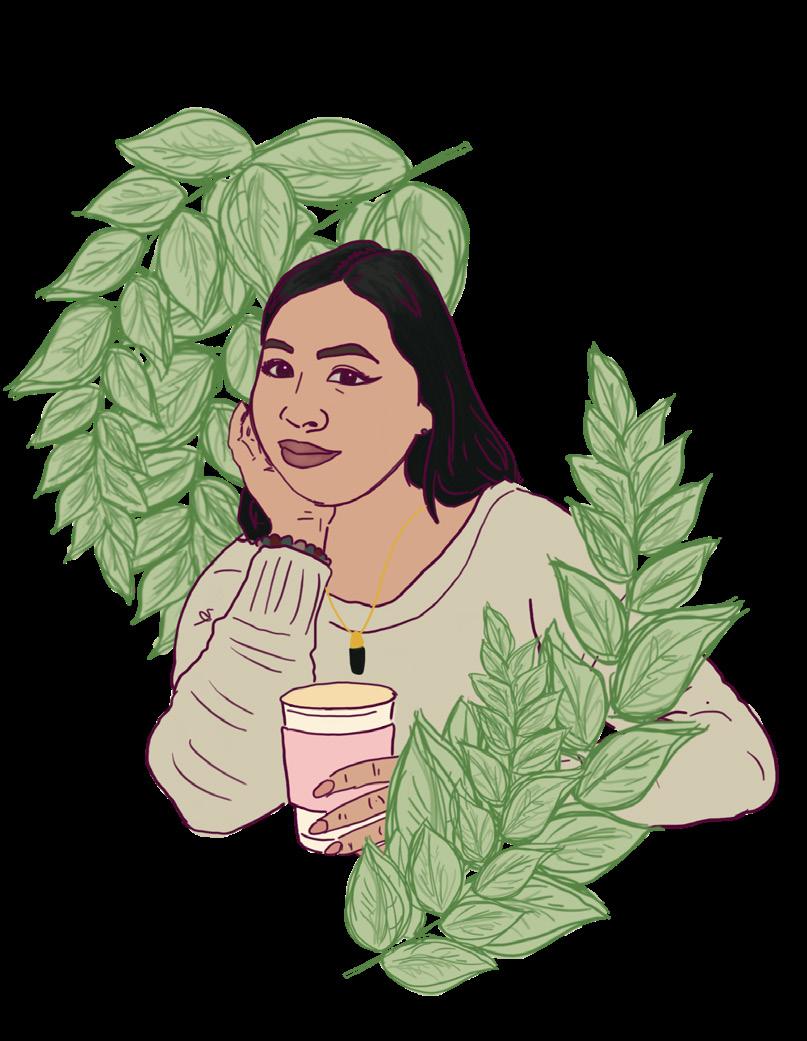
What does it mean to take care of yourself? It’s more than just putting on a face mask or taking a nap. For me, it is sitting down with myself and assessing what I need to feel physically, emotionally, and mentally well. This requires me to question or confront what exactly it is that has been making me feel a certain way. Am I overworking myself? Have I fully addressed something that bothered me? Am I okay? It is often easier to avoid the things that bother us than to confront them. However, it can be cathartic to discuss and address the issues that have deeply affected us.
There are some articles in this issue that feature heavy, personal topics, so here is a preliminary content warning. Katie Redefer discusses the problem of young adult men preying on teen girls in “The Ethics of Age Gap Relationships.” Annie Wojnarowski describes her experience with dissociation in “Out of My Body.”
These topics may be uncomfortable to read about, but it is important to acknowledge the strength that comes from this kind of vulnerability. Discomfort can be anxiety-inducing, but it can also help us grow.
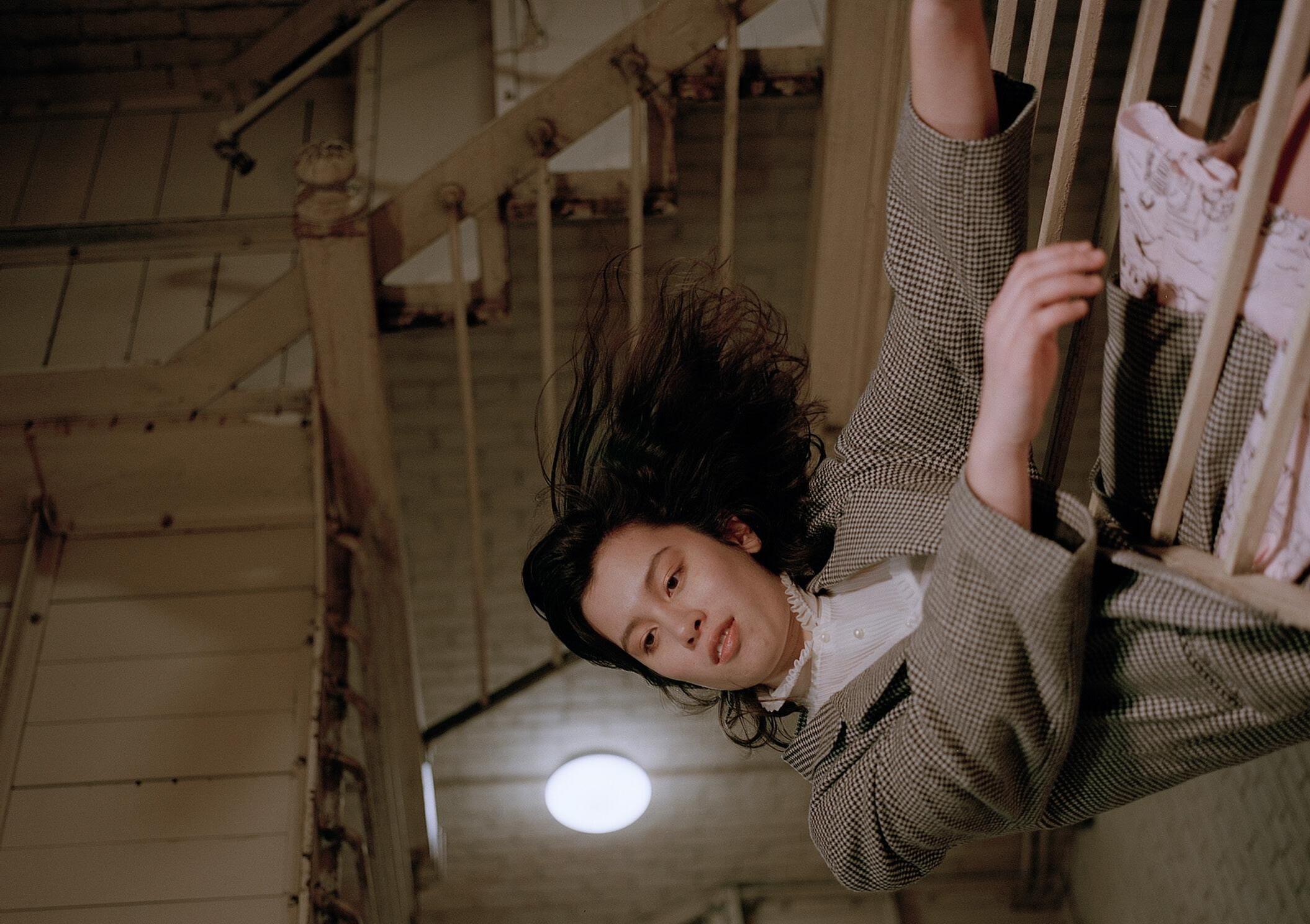
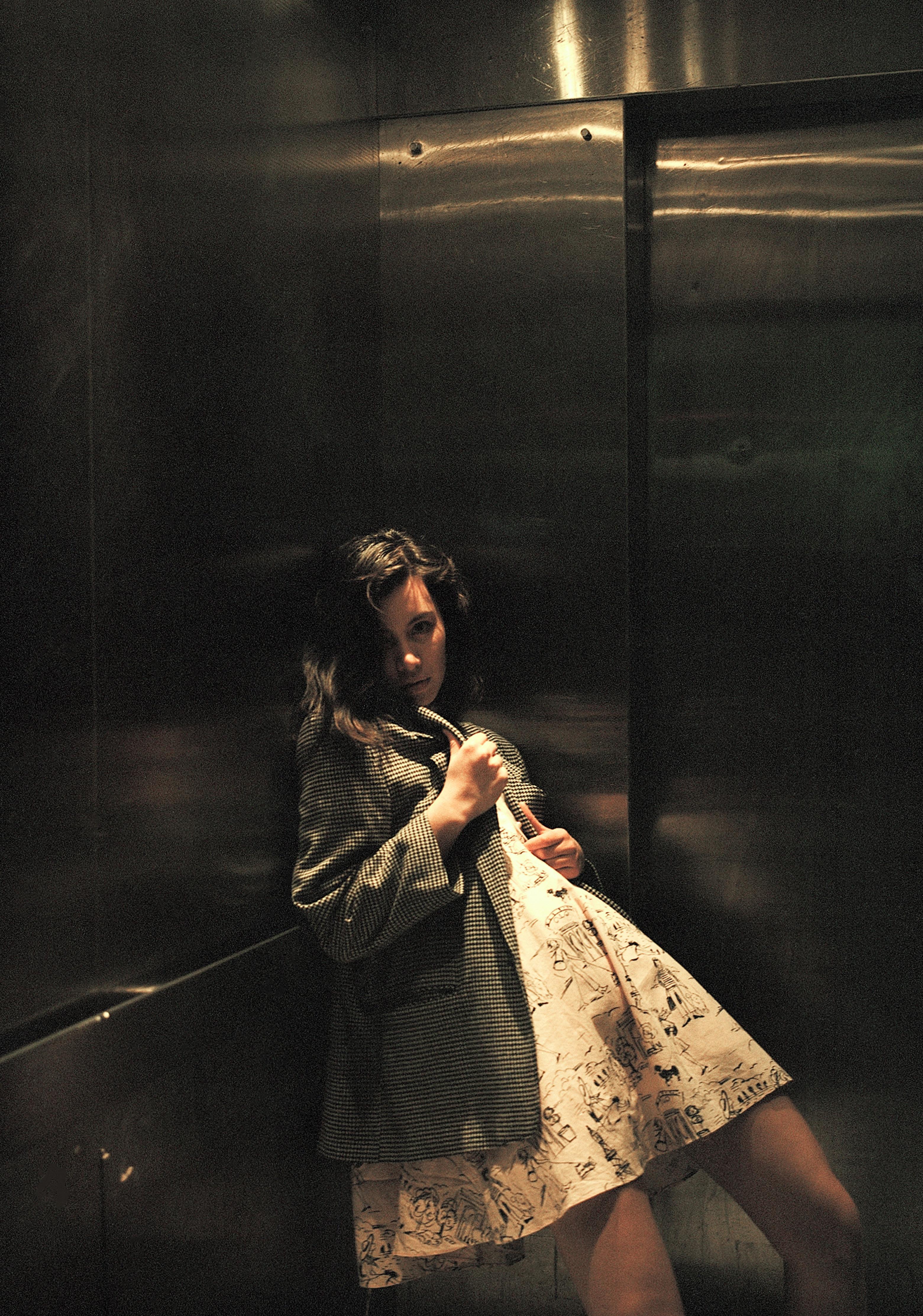
On the topic of discomfort, YMTV director Tianna Loverde captures the unsettling nature of “Liminal Spaces” in her eponymous photo editorial.
Finally, take a moment for self-care and learn how to screenprint with Andy Caira’s “A New Kind of Canvas.”
There are a lot of moments of reflection and selfreclamation in this issue. I hope that it makes you consider your own needs and helps you empathize with others.
Take care,
Daysia
WRITTEN BY MELISSA MARIE ROSALES
ART BY NATASHA ARNOWITZ
It was the perfect first date. Clyde Rodgers*, a senior engineering student at Tufts University, took me out for drinks at Kings Dining & Entertainment in Back Bay. We laughed and teased each other all night over a competition of air hockey and eight-ball. Everything was going well, so I took him home. It wasn’t until we were in bed that I realized a new problem I never had before: he was sexually incompatible with me.
Dr. Kristen Mark Ph.D. said sexual compatibility is important in order to reach sexual satisfaction. Research shows that perceived compatibility is a major predictor of sexual and relationship satisfaction, as one increases (or decreases) the other usually follows.
Unfortunately, the night left me with low sexual satisfaction.
Rodgers and I started kissing, and then I wanted more, but he just kept kissing me. Rodgers likes a
slower, longer buildup to sex. He believes it amplifies the experience as tension rises.
“For me personally, I kind of finish quickly so it helps me last longer,” Rodgers says. “I also feel that it can just make it more intense and explosive when it finally builds up to full on intercourse.”
I felt like I was waiting forever. Eventually, the frustration grew and I stopped returning the kisses. I told him the truth—that this was not how I enjoyed sex—and we did finally move on. But then the sex was too slow for me. I don’t mind starting slow, but I wanted to pick up the pace. When I grabbed his waist to thrust even deeper and harder, he abruptly came then apologized.
I couldn’t help but be shocked and disheartened by the whole situation. After an uncomfortable, honest discussion, I told Rodgers that although I did like him, we were just too sexually incompatible and that I didn’t think we should continue seeing each other.
Like me, sex is usually a good experience for Rodgers, especially if the personalities are compatible too. But this was a first for both of us and it was a jarring moment.
“Before [the sex] it had all seemed to be going well,” Rodgers says. “That was just kind of [a] left turn out of nowhere and just kind of changed the whole dynamic between us.”
Steven Myer*, a senior behavioral neuroscience major at Northeastern University, had a similar experience. His partner wanted a slow and “nonenergetic” event, as he describes. Myer enjoys a lot of energy in bed. He says there’s an ebb and flow to sex. However, he tends to have a hard finish.
“I guess it’s all part of the performance,” Myers says. “When you’re kind of in that space, once you kind of come out of it, you have the whole energy expended and you’re just like exhausted. It’s a much more satisfying feel.”
MJ Smith, junior visual media arts major, falls right in the middle when it comes to sexual intensity.
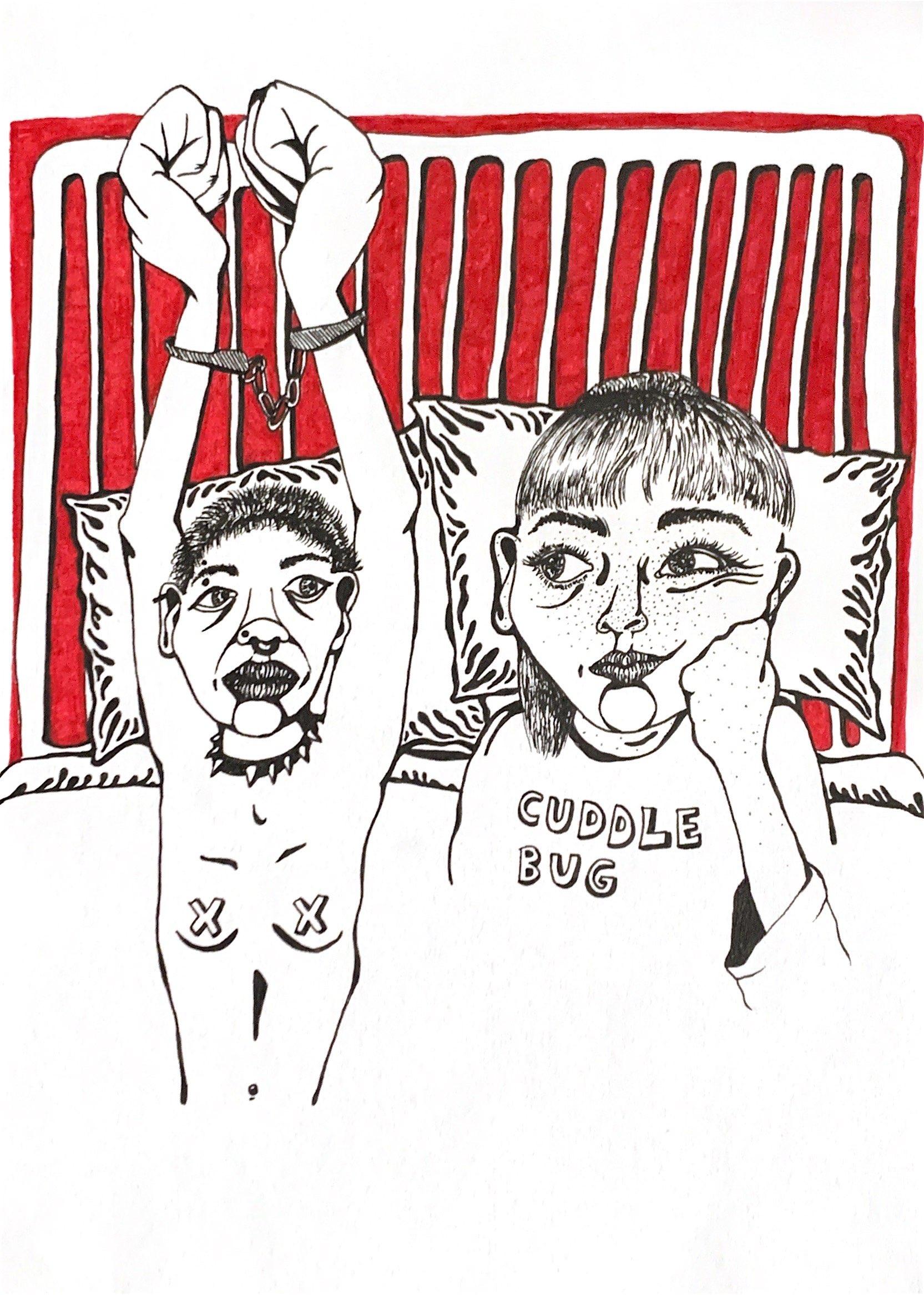
“Sometimes I’m content and all I want is very soft and smooth, easy sex, and I don’t want anything strenuous,” she says. “But other times I’m like ‘Okay. I’d really like if you could handcuff me to the bedpost, and tickle me with feathers, and move up in butt plug sizes.’”
According to the ABC News “Primetime Live” survey, 55 percent of Americans are sexually traditional, while 42 percent are sexually adventurous. Smith prefers being dominated because it makes her feel wanted, desired, and the center of attention.
“The less I feel like they can control themselves, kind of the hotter it is for me,” Smith says. “If they’re so attracted to me and so horny that they’re like losing their mind and thrusting as hard as they can and as fast as they can, [that] makes me feel really good.”
While Rodgers, Myer, and Smith have different sexual compatibilities, they all agreed that sexual compatibility is not a dealbreaker. But, Abby Cameron, junior visual media arts major, has a different answer.
“Sexual compatibility with a purely sexual partner is really, really important to me,” she says. “But with someone I’m romantically involved with, it’s more important to me to be emotionally compatible than for them to meet me sexually all the time.”
Cameron once kicked out a Northeastern student at 3:00 am in the middle of a blizzard because he didn’t want to go down on her. But, Cameron is now in a relationship with a man who doesn’t like giving oral sex at all.
“It’s weird coming to a situation where I really like oral sex, both giving and receiving, and he’s kind of like, ‘I don’t really need it and I don’t really like to give it.’”
Hard, fast, pounding, and anal sex are what Cameron’s boyfriend likes, interests that Cameron is not physically capable of doing. It wasn’t until they built a strong emotional bond, where they learned to understand and value each other’s needs, that they started to work on the issue.
“It’s just about making sacrifices, and knowing that relationally, and emotionally is more important to us than our sexual needs,” she says.
Rodgers, Myer, Smith, and Cameron had varying degrees of how different and important sexual compatibility is to them. This is because compatibility is all about how one perceives it in someone. I didn’t see Rodgers as my perfect sexual fit, but I know someday I’ll see it with someone else. *Names have been changed to keep interviewees’ confidentiality. YM
WRITTEN BY DITI KOHLI
PHOTOGRAPHY BY EMILY KING
Freshman Carolyn Vaimoso sat in a movie theater with some friends and her then-boyfriend back in high school.
Halfway through the film, things got hot and heavy with her beau. When the lights came up and the group walked out into the lobby, one of her friends made the point to loudly identify the glaring hickey on her neck.
“I felt so embarrassed,” Vaimoso, a communication studies major, says. “Obviously, it’s kind of rude to be making out when you’re with your friends and have evidence of it later.”
Since that day, she’s been conflicted about how she feels about visible marks from sexual activity––hickeys, bite marks, scratch marks, bruises, and more from the endless plethora of painful possibilities.
Lots of people covet melding pain with pleasure by imprinting marks in this way. In fact, the close connection between pain and pleasure bases itself in science.
Following our brain’s command, endorphins flood our bodies when we feel pain. While doing their work to block this sensation, these hormones induce the gratifying feeling of euphoria. A BBC article titled, “Why Pain Feels Good” said the “post-pain rush [is] similar to the high of morphine or heroin.”
However, outside of a few select situations, painful sensations rarely make us feel good. Paul Rozin, a psychology professor at Stanford University, attributed the concept of “benign masochism” to the feeling of painful sensations being enjoyable. It simply means humans seek out pain in situations
like sex that they know won’t cause serious damage. The fun is in the mild thrill.
But the jury is still out on whether the potential gratification from giving and receiving sexual momentos forgives the hassle and embarrassment afterward.
Temporarily stamping someone’s body with scratches and bruises can make people feel powerful and in control of their relationship and partner.
“I like planting [a hickey] on a guy’s neck or leaving marks on his back,” Vaimoso says. “It’s kind of like a warning symbol if he’s hooking up with another girl...like ‘Oh, he’s doing stuff already.’”
Xea Myers, a freshman business of creative enterprises major, doesn’t enjoy lingering physical reminders from sexual experiences as much. She prefers the softer side of pleasure.
“I’m a wimp, so everything actually hurts me,” Myers says. “I understand aspects of it. I just don’t understand the whole Fifty Shades of Grey, let’s hang someone against a wall mentality.”
But overall, the reality is most people will experiment with sexual marks in their lifetime. Yet everyone continues to condemn each other for the public exposure of these stamps. We resort to clothing that will cover these reminders and quick online remedies to make them go away.
Vaimoso questions this constant judgement around these marks.
“It’s kind of hypocritical because everyone does it, everyone participates in sexual intercourse. It’s a societal norm that you have to be this picture-perfect person when walking around. And I think it’s time to break that stigma,” Vaimoso says. YM
The first man I became romantically involved with was 19-years-old when I met him. I had freshly turned 15 at the peak of our relationship, and to make matters worse, he was my theater camp counselor.
When I met Andrew* in July of 2015, I was enamored with the attention he gave me. I wasn’t used to any boys—let alone grown men—showing romantic interest in me. I fell for Andrew in the way only an emotionally underdeveloped teenager can—I became completely infatuated with him.
At the time, I did want to be romantically involved with Andrew, so I thought that meant I was consenting. What I didn’t consider were the ways he took advantage of my immaturity. He would ghost me for days, leaving me desperate to hear anything from him. When he would call me days later in the middle of the night to profess his love for me, I was so happy, I thought of it as “romantic.” These were red flags I didn’t notice because of my emotional immaturities as a 15-year-old—which Andrew took advantage of.
From talking to young women I know, I’ve noticed a pattern of girls feeling the need to date as early as their pre-teen years. It’s a pressure put on us by adults in our lives, by other girls our age, and by the relationships we see on social media.

Freshman Kaitlyn Fehr spent her free time as a 10 to 11-year-old talking to teenage and adult men on websites such as Facebook, Omegle, and other online communication forums.
“I thought to myself at the time, ‘You know what? I want male attention. I’m going to talk to men online.’ So I made a Facebook because I felt like I needed to be in a relationship,” Fehr says. “We place such a high value on women being in relationships, even at a really young age.”
Societal pressures can cause teenagers to develop warped concepts of the types of relationships that are healthy to have at a young age. Dr. Anne GehrenbeckShim, a psychology professor at Emerson with a Ph.D. in clinical psychology, says teenagers receive mixed signals from what adults tell them is appropriate for their age versus what they see on social media.
“There’s a split between what’s shown on social media as to what you’re supposed to be doing, yet at the same time I think most 15 and 16-year-olds don’t have that level of emotional maturity, wisdom, and life experience to be jumping into same age relationships or relationships with someone much older,” GehrenbeckShim says.
Gehrenbeck-Shim explains that the frontal lobe of the brain—specifically, the prefrontal cortex located
at the front of one’s forehead—controls executive functions like decision making, planning, and problem solving. She says medical research indicates this section of the brain isn’t fully developed until far past one’s teenage years.
“The frontal lobe is not fully developed until 25 to 30 years old, depending on the view of different researchers. There’s still a lot of brain developments happening in the late teens, early 20’s, and well into the 20’s,” Gehrenbeck-Shim says.
Looking back, I recognize I was being taken advantage of by Andrew. I didn’t realize this at the time, but Andrew was leaps ahead of me in maturity. This is a result of not only my brain being less developed than his, but also a disproportion in life experience. He owned a car, had many previous romantic partners, and worked multiple jobs. Meanwhile, I was too young to have a driver’s license, had never had a boyfriend before, and had no clue what future I imagined for myself.
This is precisely the problem I have with relationships where an adult is dating someone in their teens—there’s an inequality of intellect occurring in most cases. In many circumstances, such as my own, the older person in the relationship is well aware of the other’s naivety, and uses it for their benefit. Perhaps there are some cases where a teenager may be “mature” enough to consent to a relationship with an adult—but is the rarity of this
circumstance worth the risk of a teenager being taken advantage of?
I feel lucky my relationship with Andrew only lasted a couple months. We never had sex, so I’m grateful I didn’t lose my virginity in a context in which I couldn’t consent to. There are countless women I’ve encountered who weren’t as fortunate as me.
Freshman Kelleigh Levesque lost her virginity to a 19-year-old man when she was 15, who she met at her part-time job at McDonalds. Levesque says she believes his intentions were to convince her to have sex with him because she was an easy target to manipulate.
“I was hoping for someone to love me and wanted to feel loved, so I did whatever it took. I think he just wanted a girl he could easily have sex with.” Levesque says. “It ruined sex for me for a while. By the time I was going to have sex again a few years later, I was terrified.”
The years before one turns 18 are so crucial to the way one develops into an adult. It took me years to realize my relationship with a 19 year-old-man left me emotionally damaged and with an unhealthy view of romance. Although I regret my involvement with Andrew, I refuse to let the manipulation I fell victim to define the woman I’ve become today. YM
*The actual name of “Andrew” has been removed from this story for privacy reasons.


Is it okay to not know what you want?
WRITTEN BY LILLIAN COHEN
Not every love story is like Cinderella, 10 Things I Hate About You, or High School Musical. We know that. But, whoever said we wanted a whirlwind romance in the first place?
It’s a commonly held contingency in any rom-com that the main character is looking for love, or was and coincidentally gave up just before they found someone. But, what if Cinderella didn’t know if she liked Prince Charming? What if Romeo was never in love with Rosaline in the first place? What if he saw Juliet and just said “eh, okay”? It’s probably not the perfect popcorn ending we look for.
Not everyone is looking for a relationship. We see that a lot in real life and in college where one-night-stands and casual hookups are trendier than high waisted mom jeans. The expression of independence is a growing narrative within society, with more and more people owning their sexuality and pleasure. It’s liberating, but it also creates two poles of relationships: the casual and the serious. This liberation gives way for sexual freedom, but not everybody knows what they want in a relationship.
That’s the question I think many of us ask ourselves as we get over the freshman frat-party phase and grow as adults: What do I even want out of a relationship? Figuring out what you want out of your love life—or any relationship—is never easy. It takes a lot more looking into yourself than looking into the other person.
“To some extent, all relationships are exploratory—you’re feeling each other out and creating a connection that is unique to you both,” dating coach Laurie Davis told Elite Daily in “If You’re Dating But Not Sure If You Want a Relationship, Here’s What To Do.”
“I started a relationship, originally not wanting a relationship, and then changed what I wanted based on what the other person wanted,” said sophomore journalism major Julia Christian. “I feel like if you’re going to do something like that, you have to be okay with changing what you initially wanted.”
“I’ve had enough bad relationships that now, pretty much, I know,” laughed Julia Stanton, a sophomore political communications major at Emerson.
All relationships are multifaceted. Even with strictly
platonic companionships, different people are different kinds of friends to different people. It depends on how close you are, where you hang out, what you enjoy doing together. That’s why people usually have multiple friend groups, even if they overlap sometimes. Different people like different things. It’s the same with more romantically leaning relationships. There’s physical touch and human connection, deep conversation, the feeling of home, domestic compatibility, sexual expression, and more. Craft the relationship (or lack thereof) with your partner according to what both of you like. It’s a partnership, either way. Act that way and check in with each other. Communication is always key.
“If you start a relationship with someone… and you aren’t sure what you want, it could end badly, or it could end well,” Christian said. “You don’t know. But everyone dies alone anyways.”
Just as with everything else in life, it’s trial and error. If you don’t know what you want, try something out and see how it makes you feel. Never lose the component of yourself. Take time off when needed.
There is never anything wrong with you. It’s always okay to not know what you want out of life. That just means you have more room to grow and change. YM

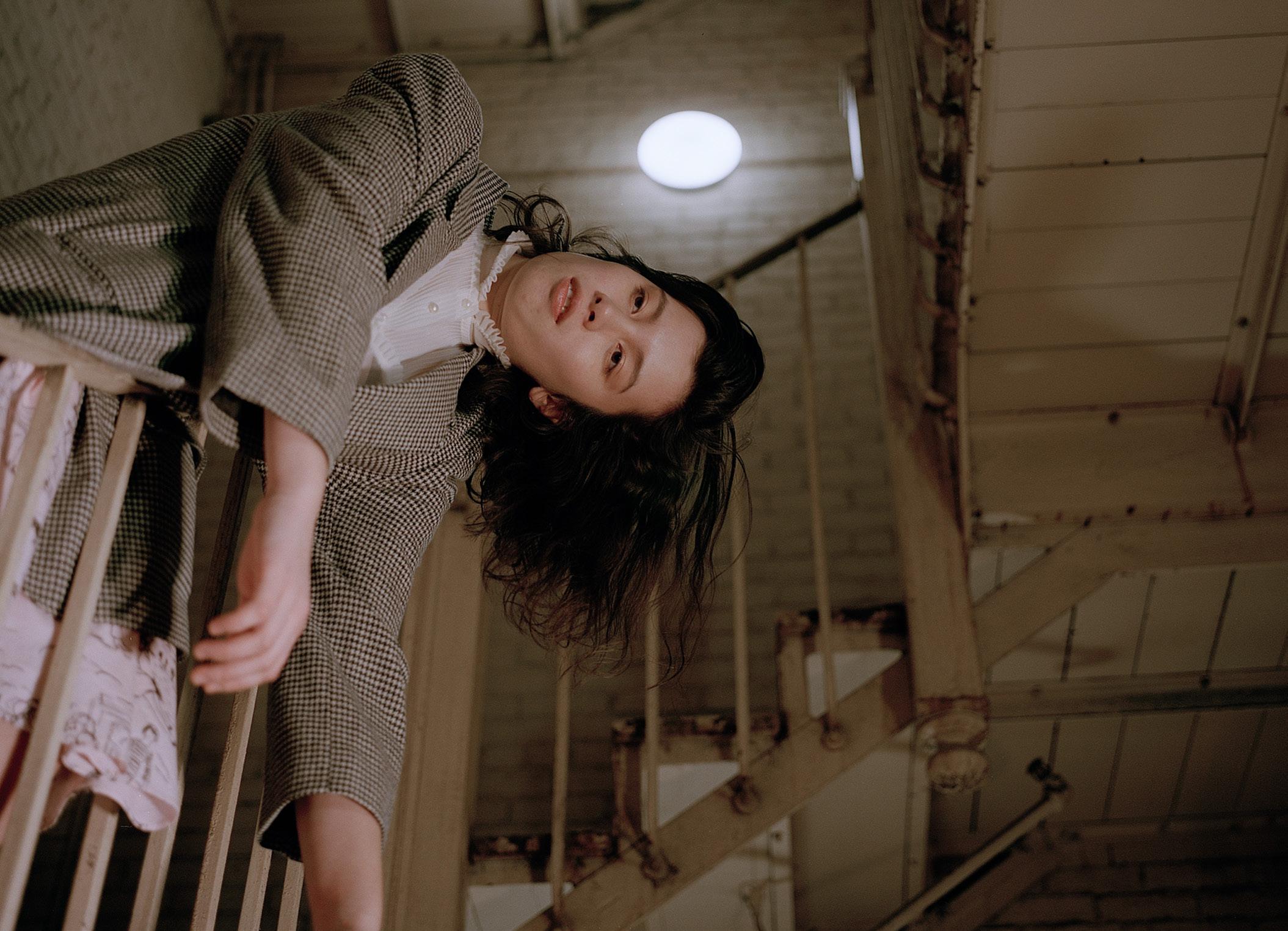
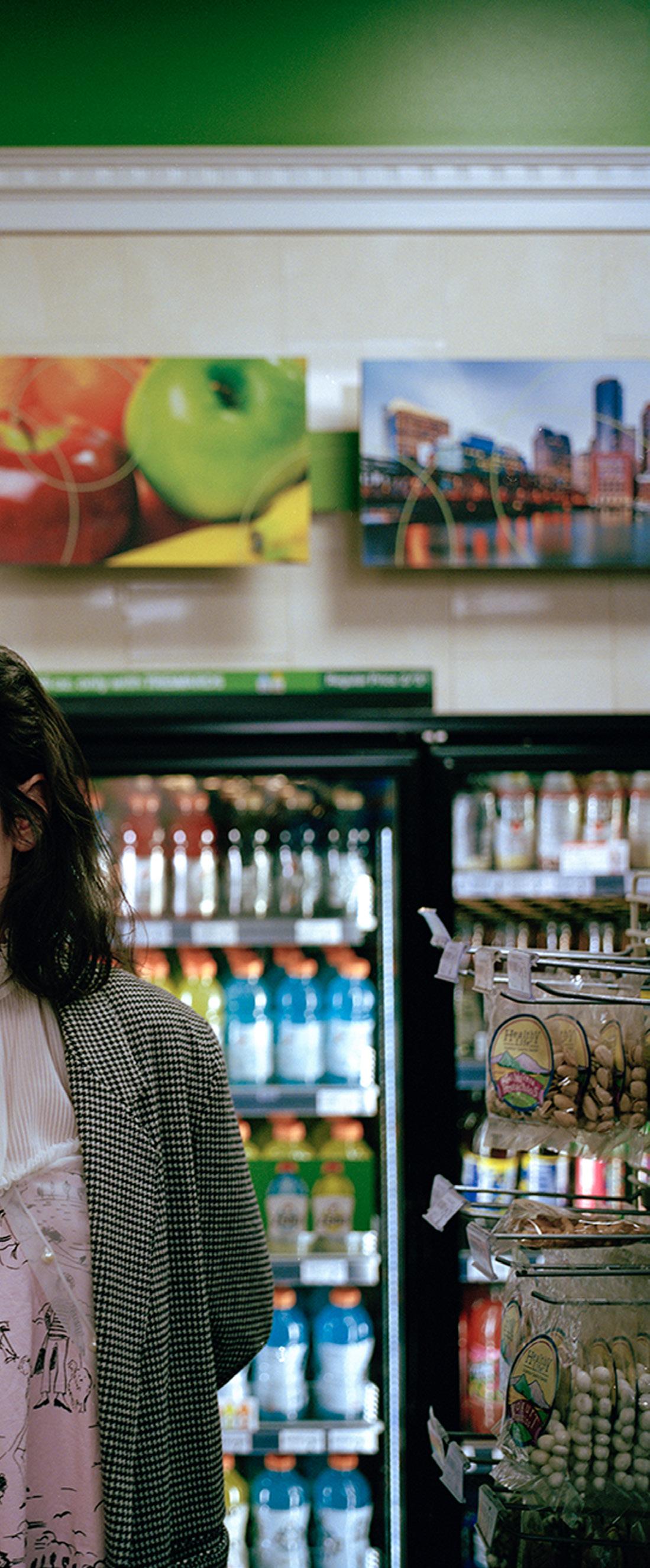
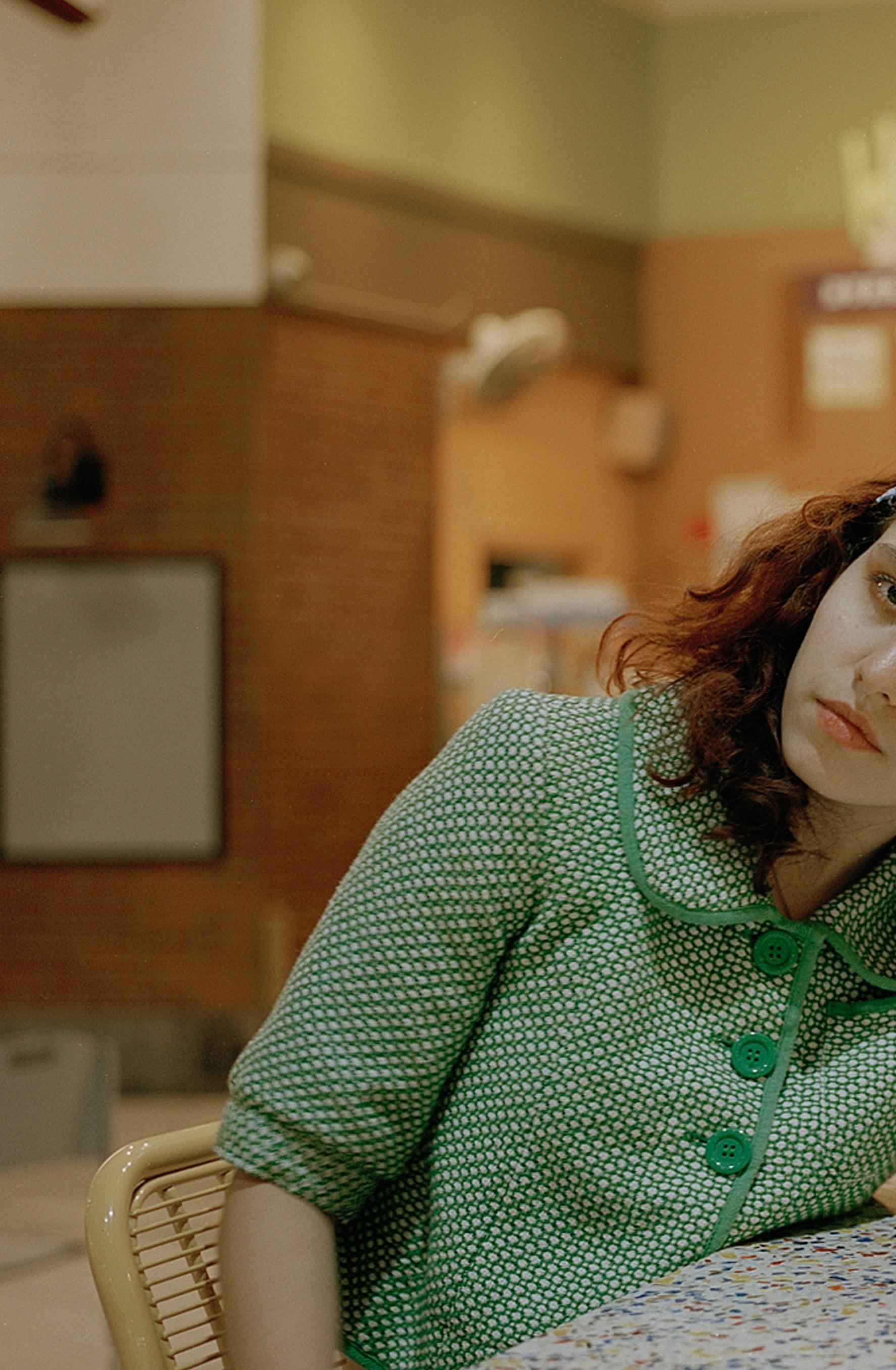
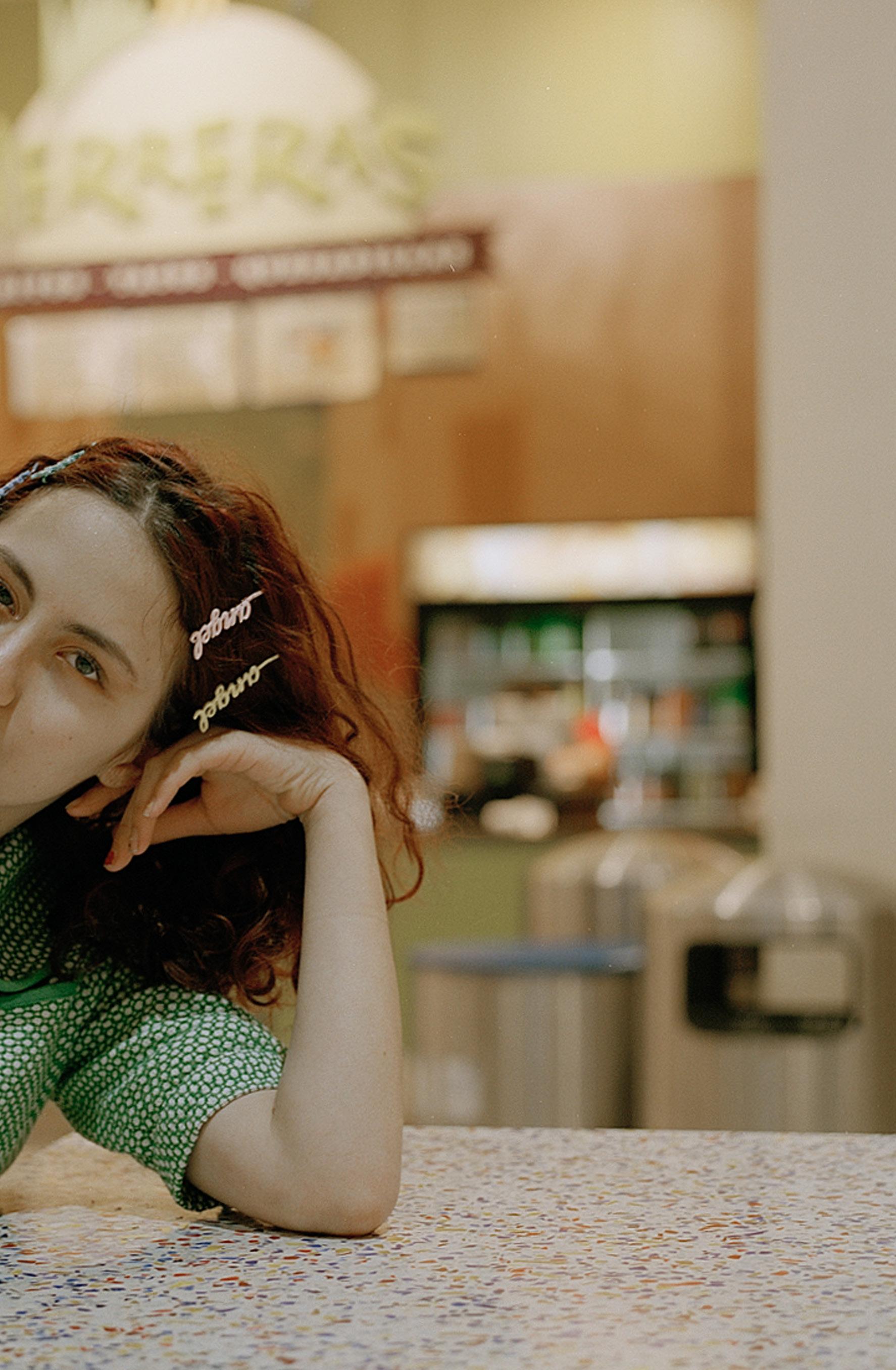
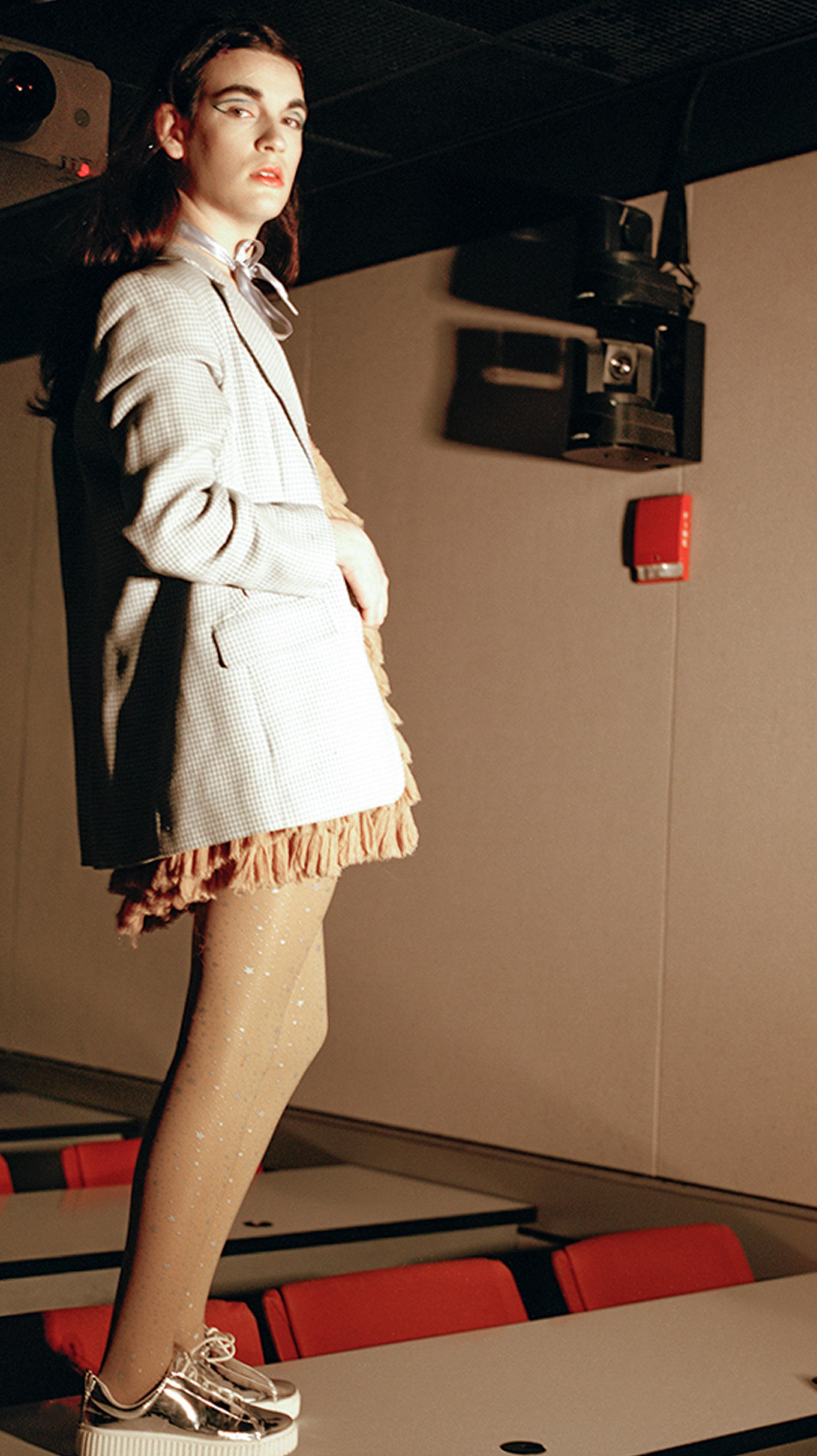
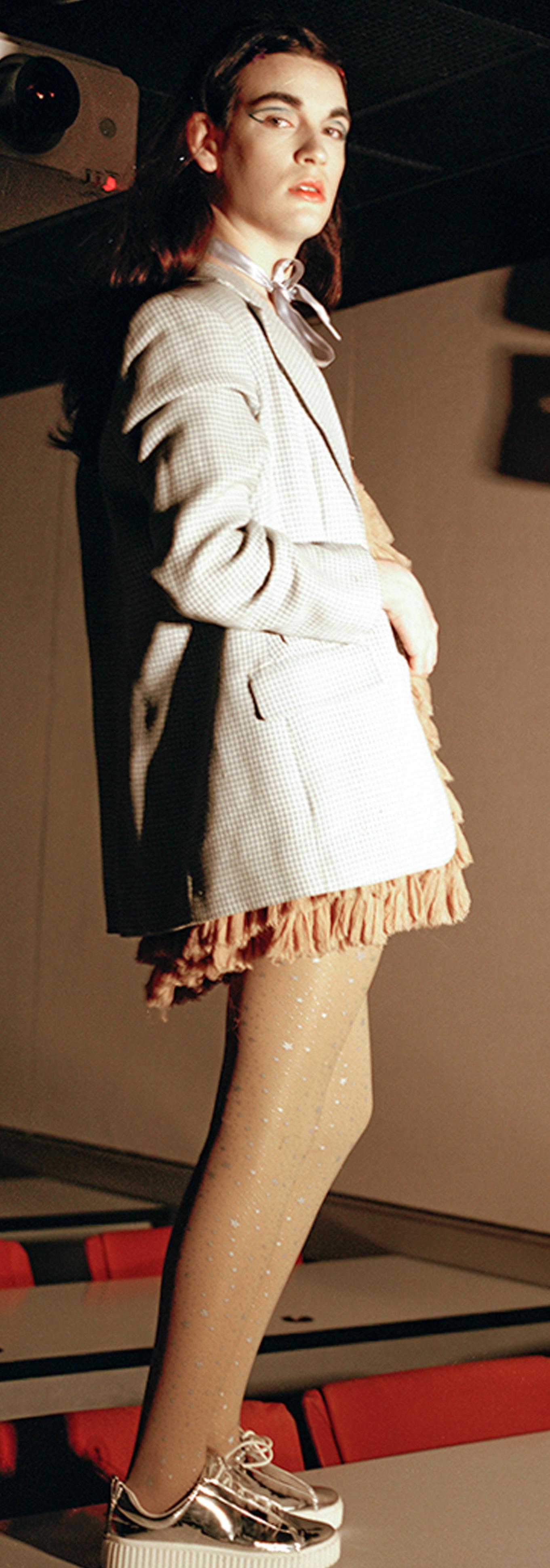
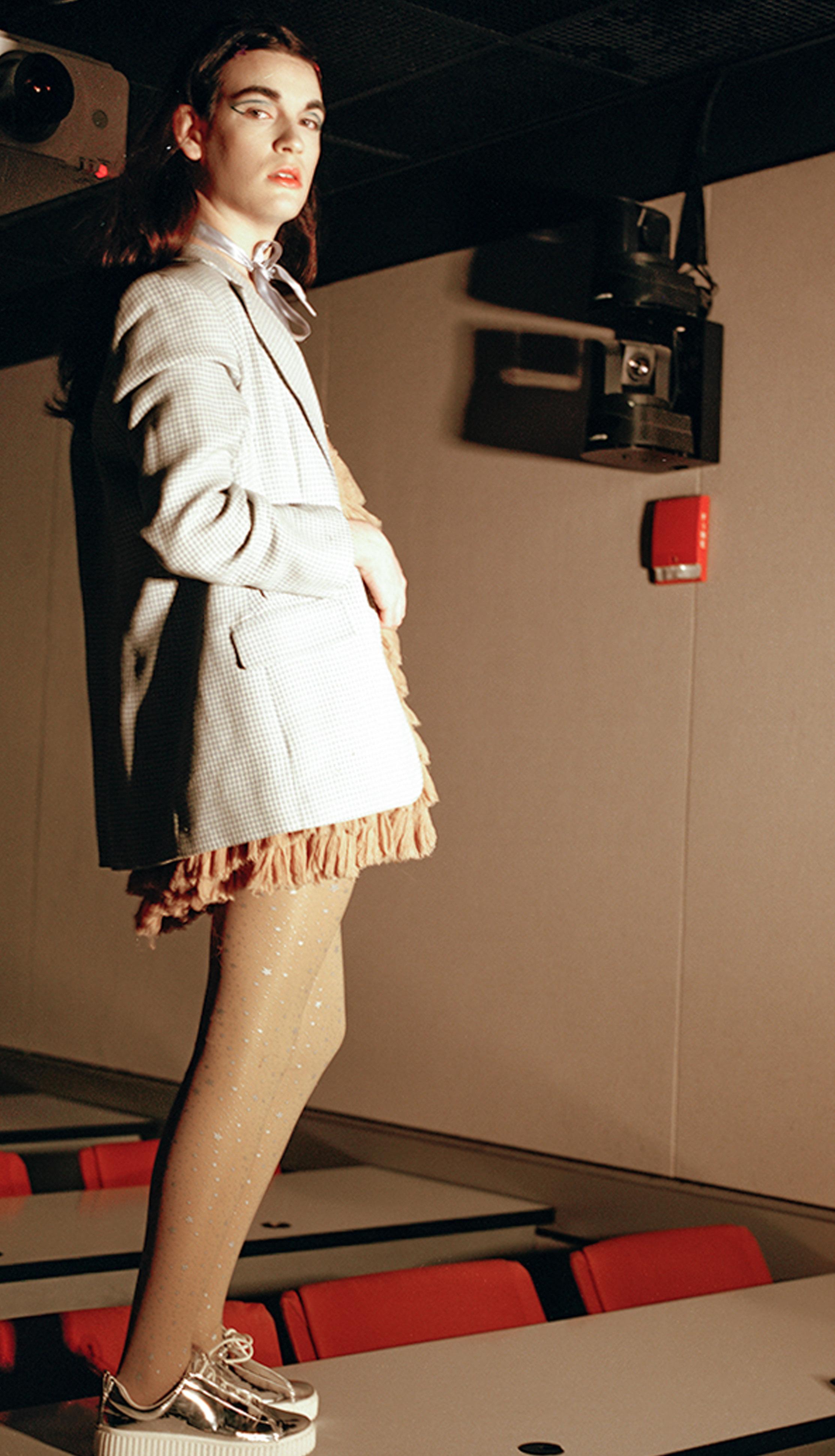
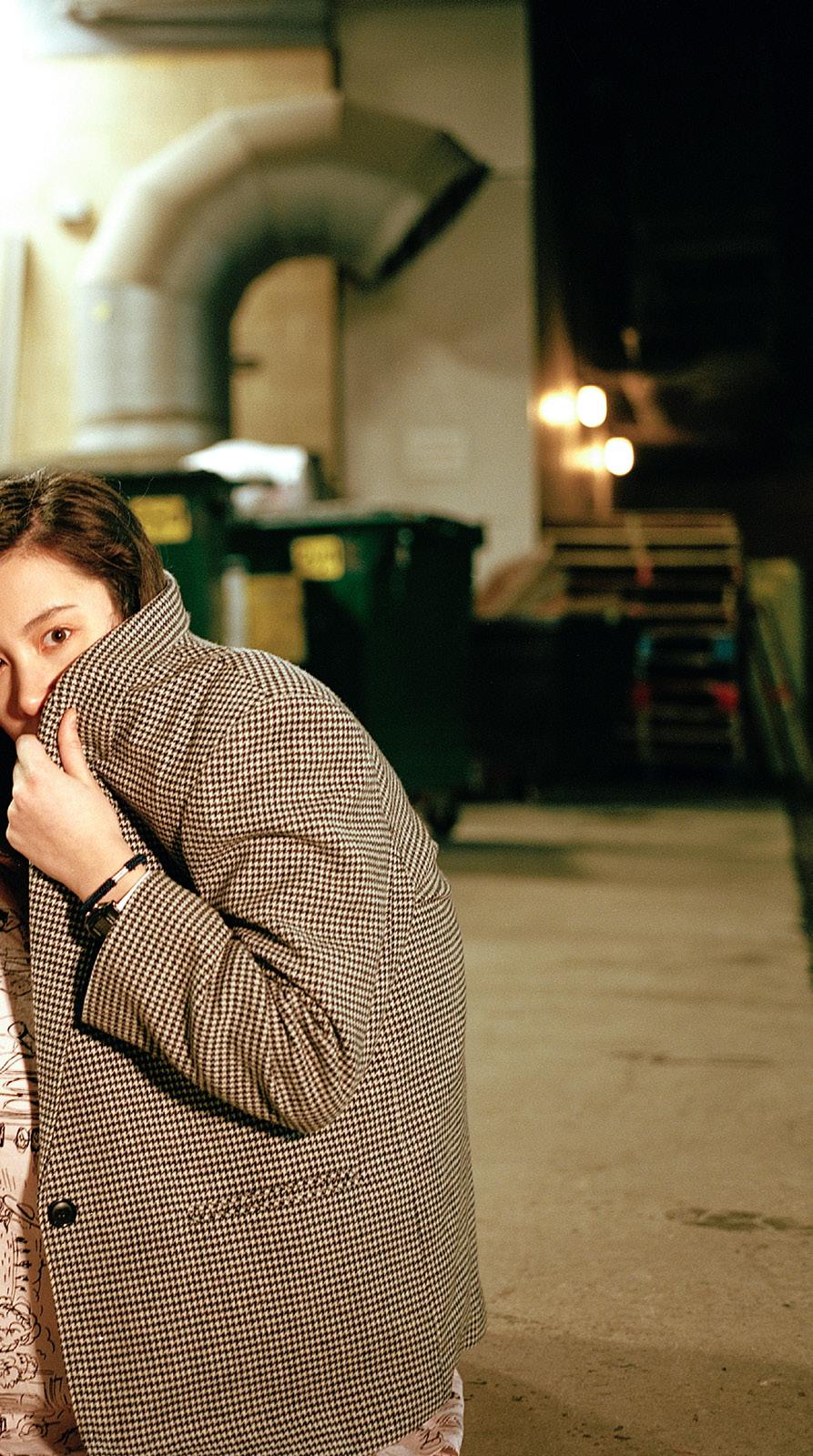
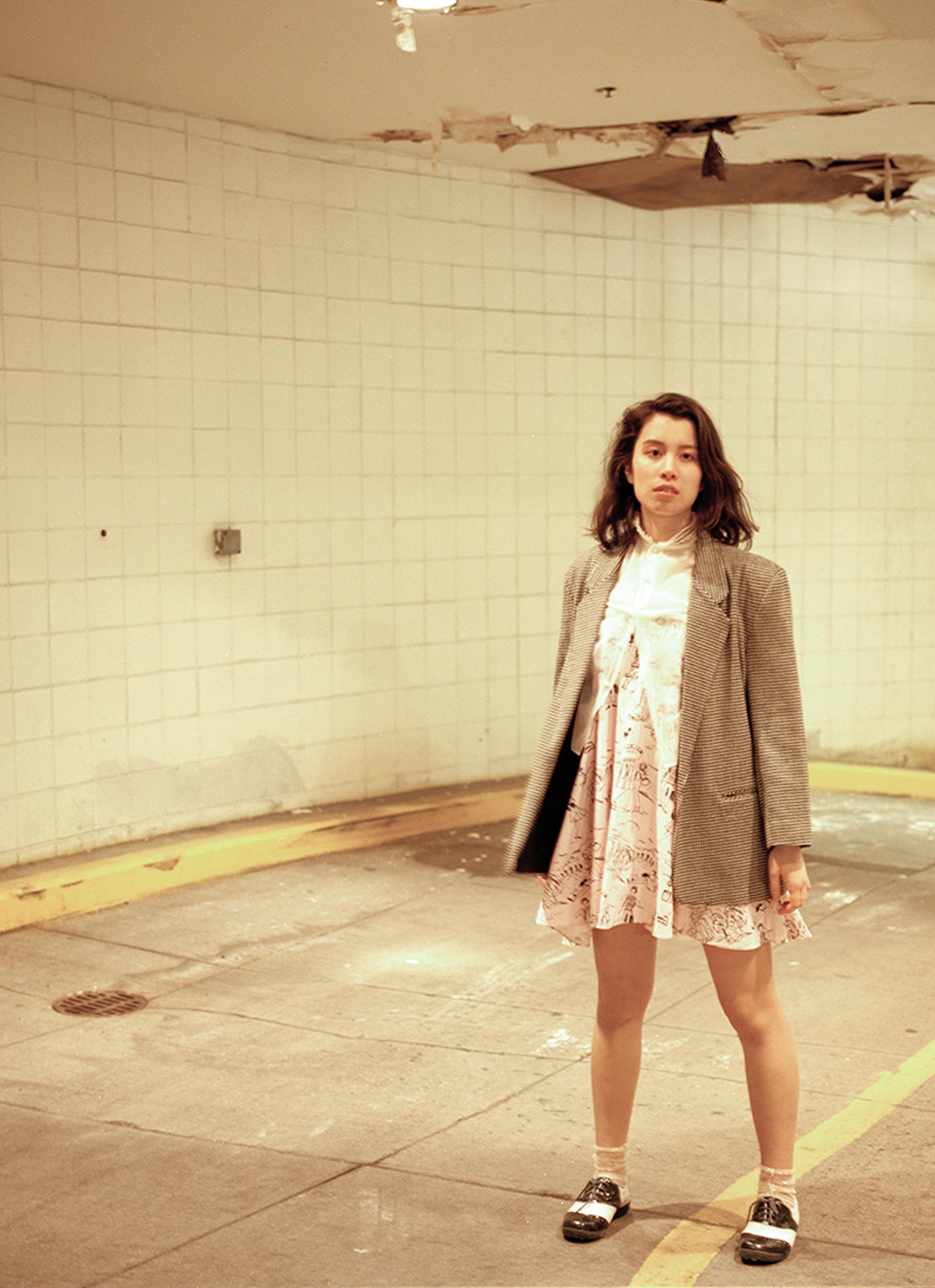
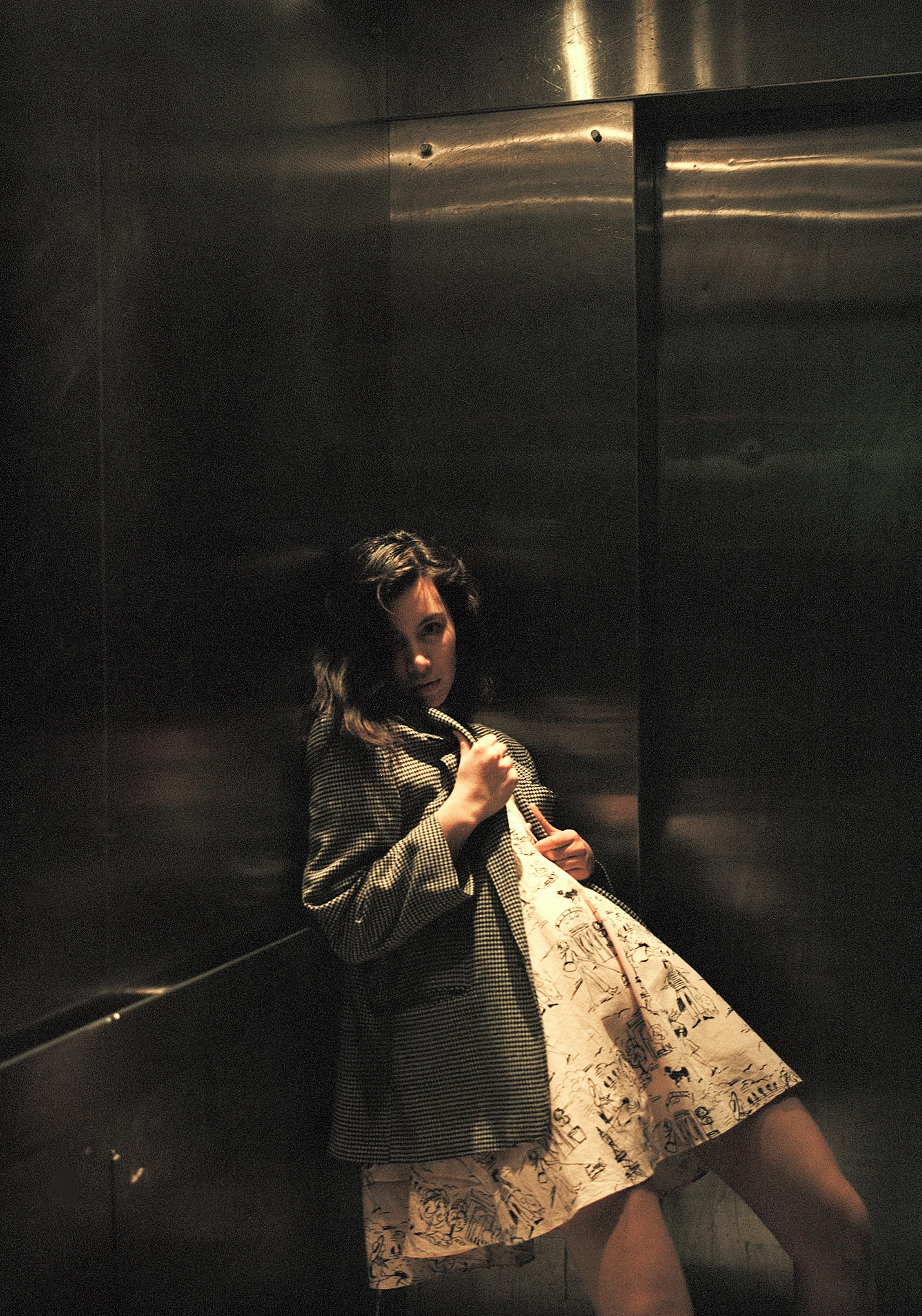
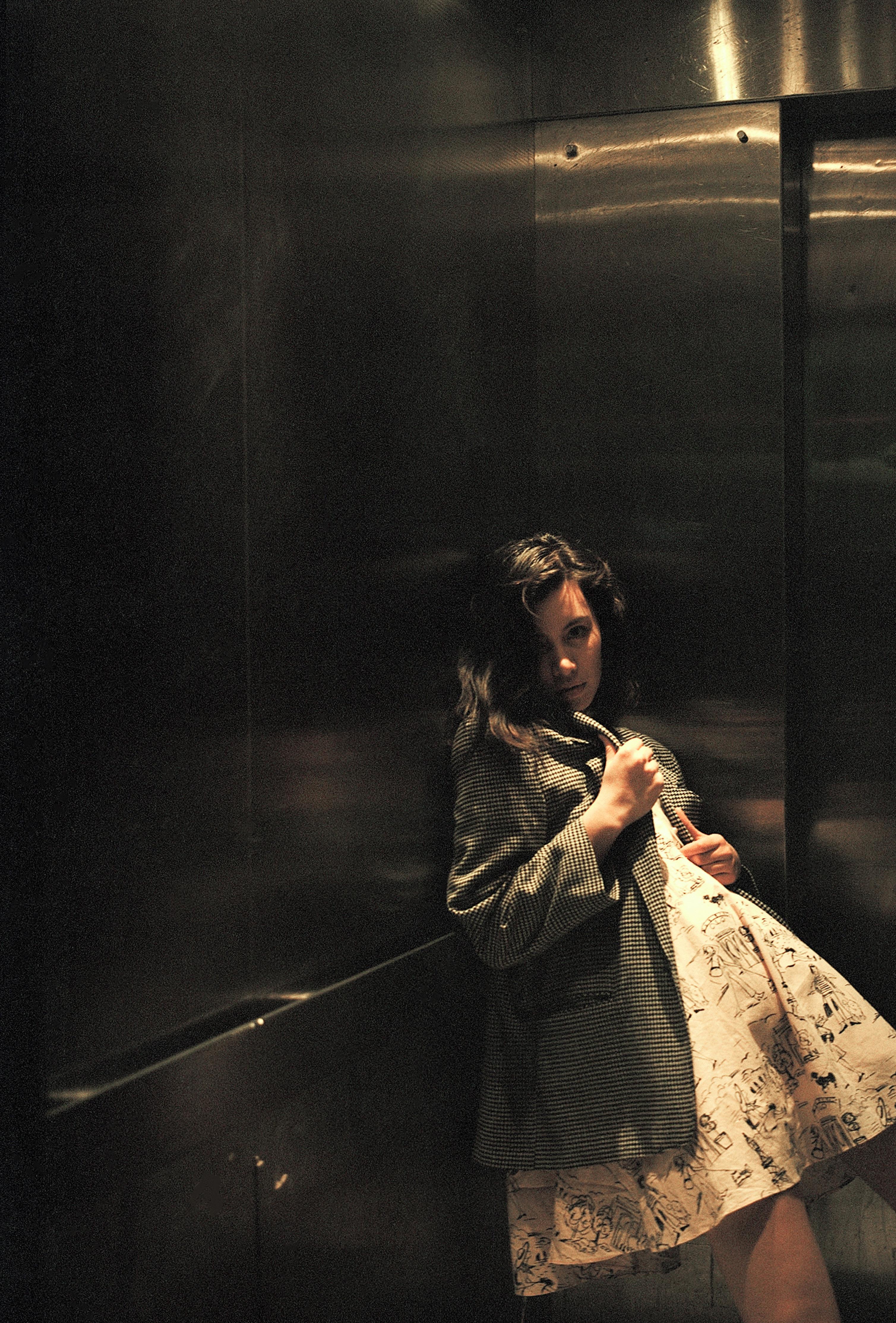
DIRECTED BY TIANNA LOVERDE
PHOTOGRAPHED BY CLAIRE RICHARDS
STYLED BY NICK BUNZICK, KAITLYN SHOKES, ANNA WOJNAROWSKI, EMILY MCMANN
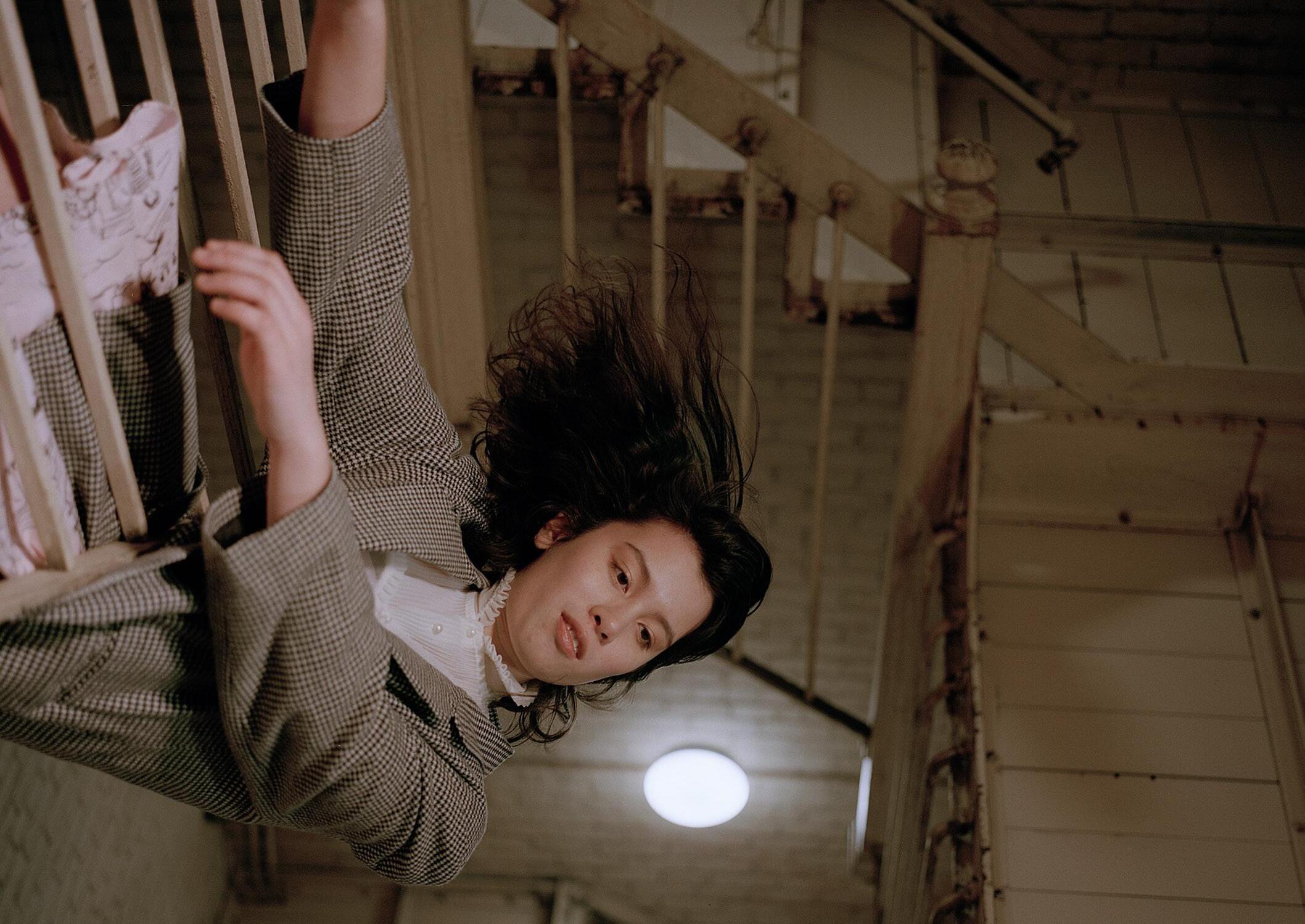
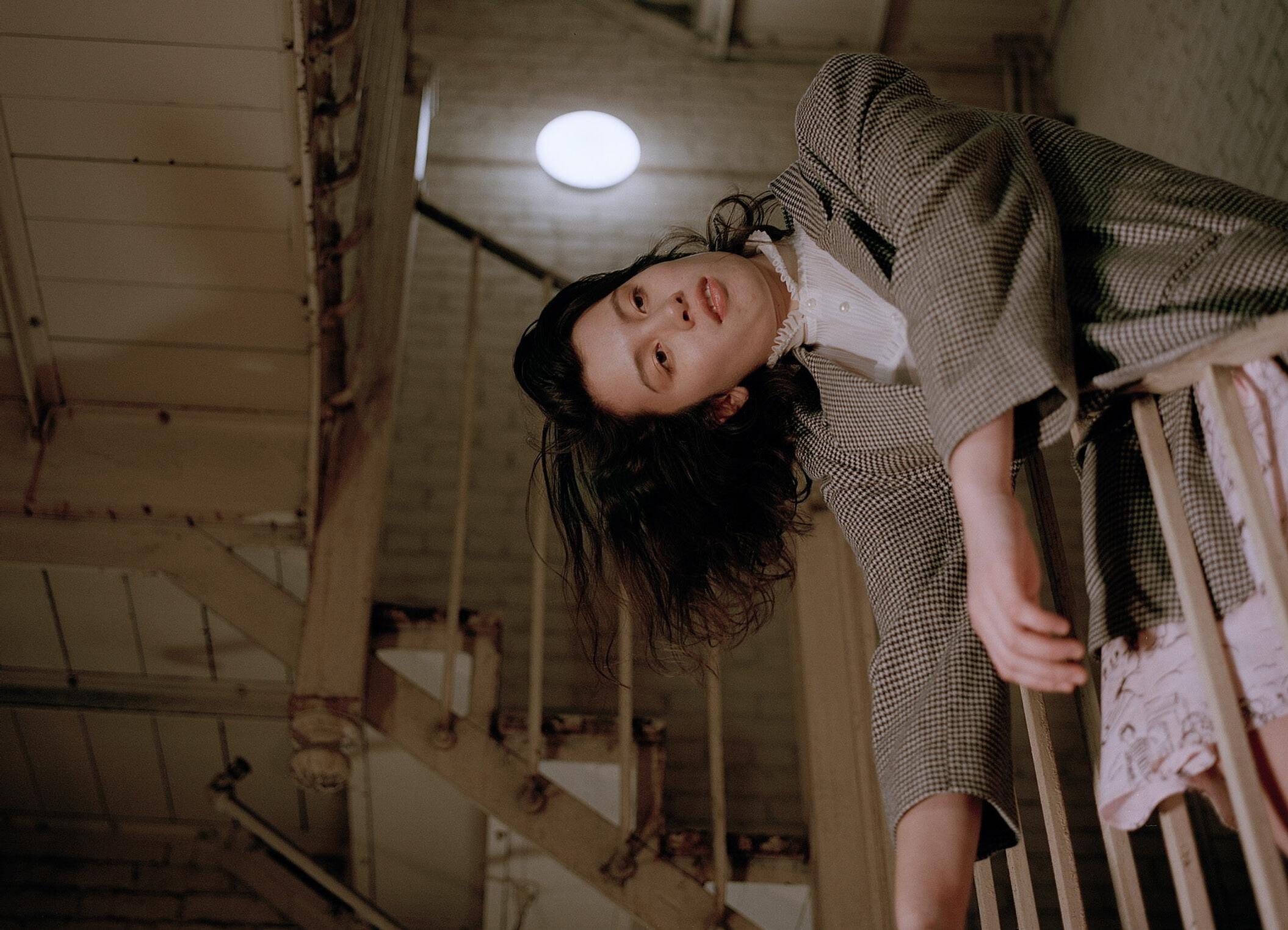
MAKEUP BY KAITLYN SHOKES
ASSISTED BY MONIKA DAVIS, ELEANOR HILTY
MODELED BY KATRINA CHAPUT, CHLOE RAMOS, MICHAEL FIGUEIREDO (FIGGY)
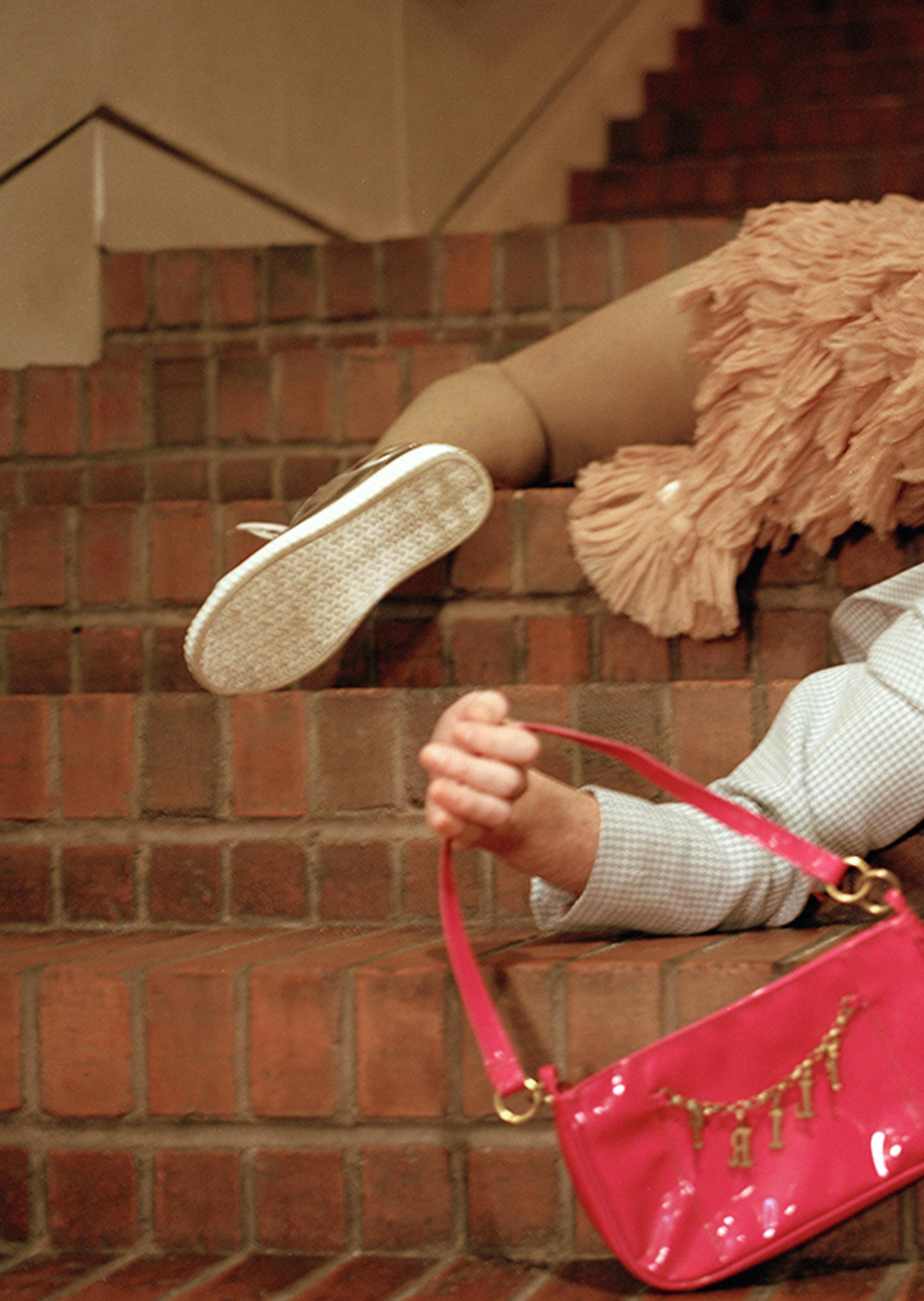
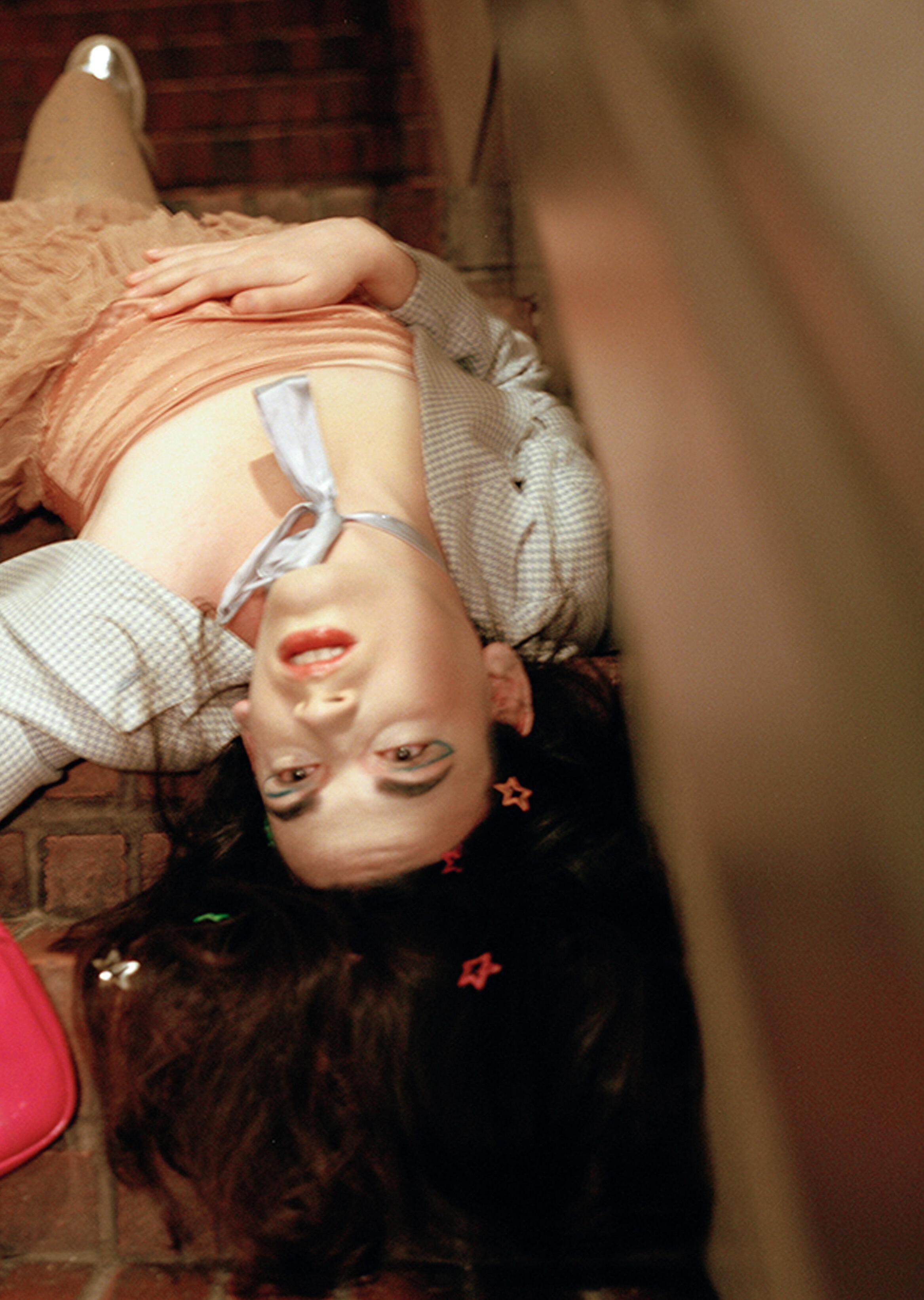
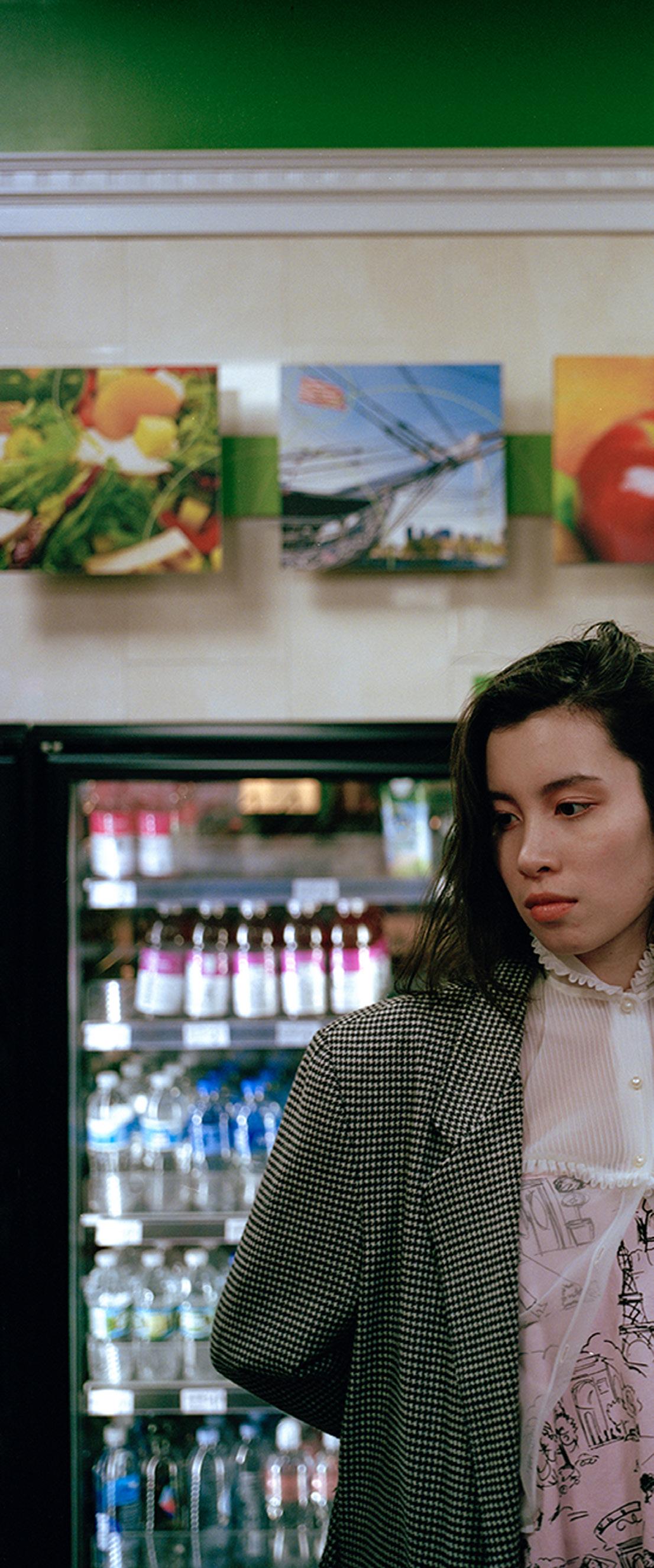
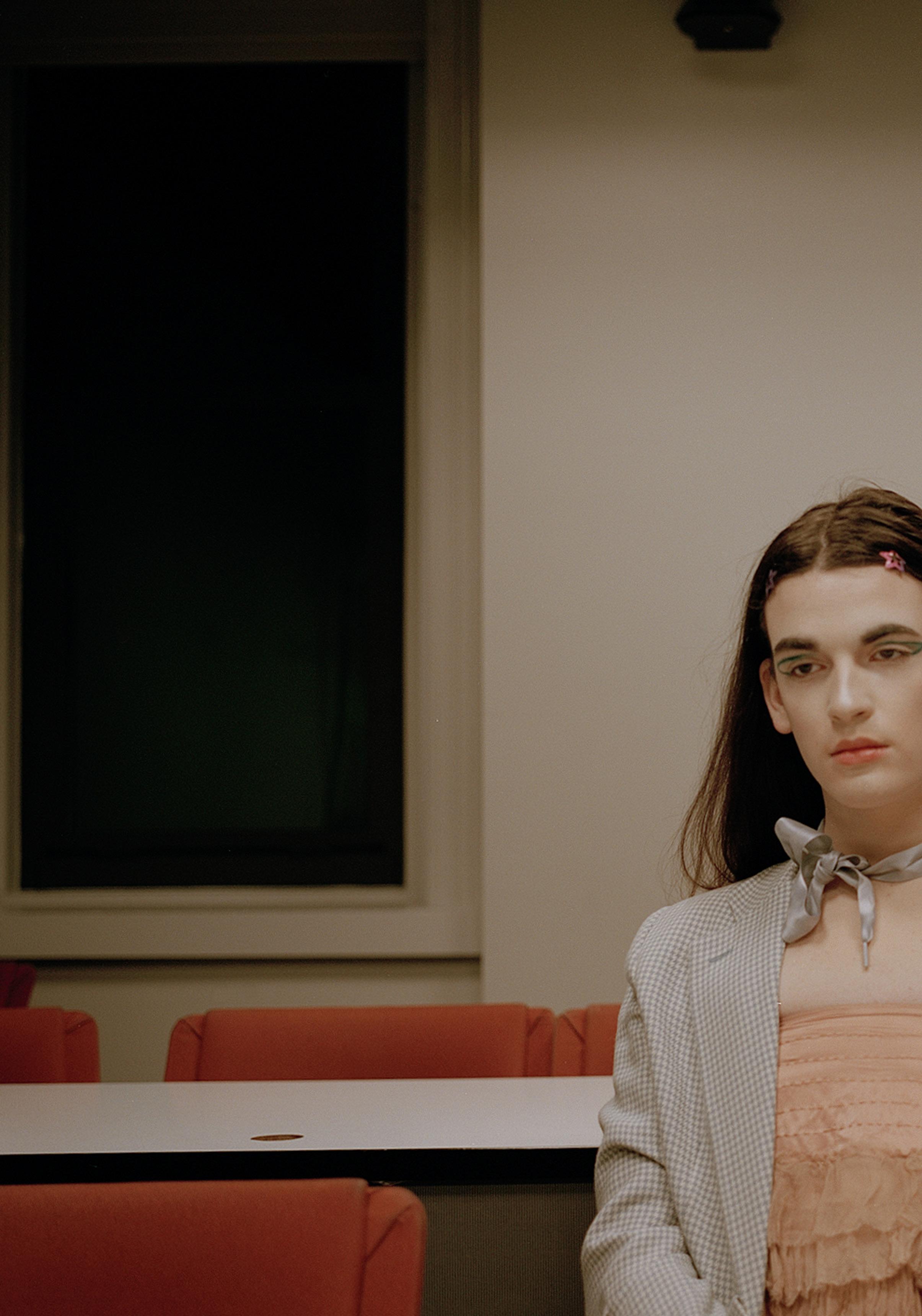
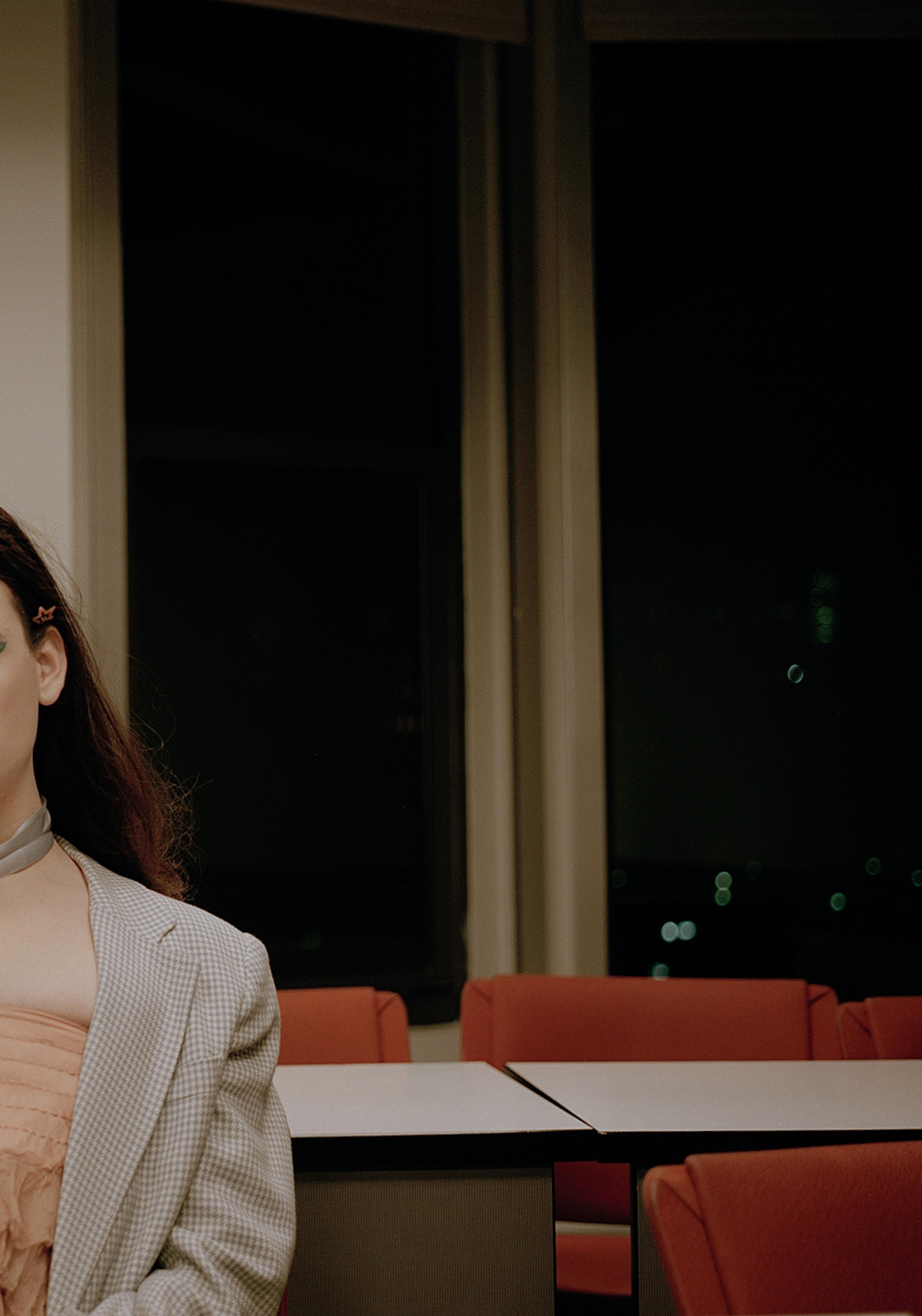
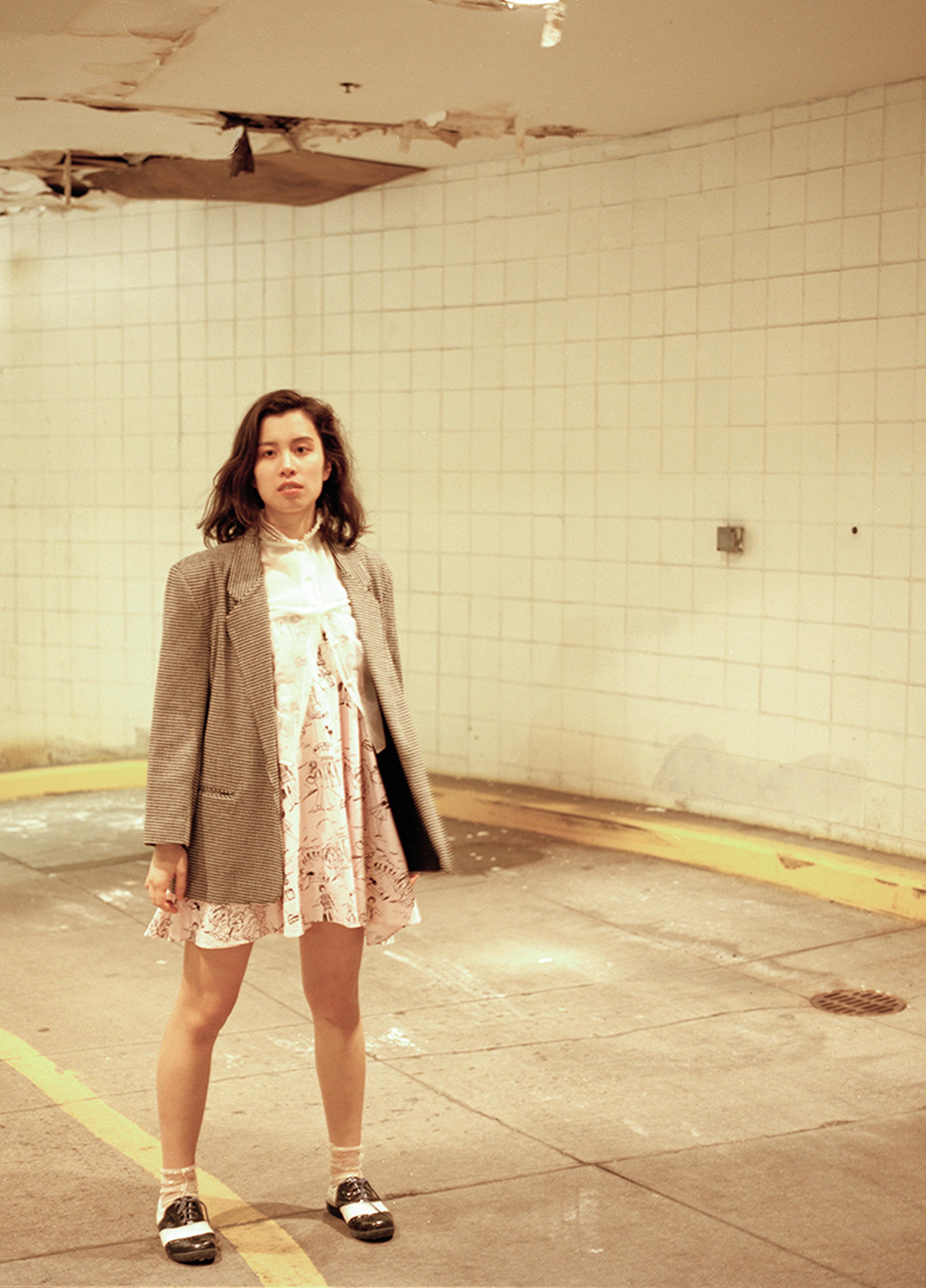
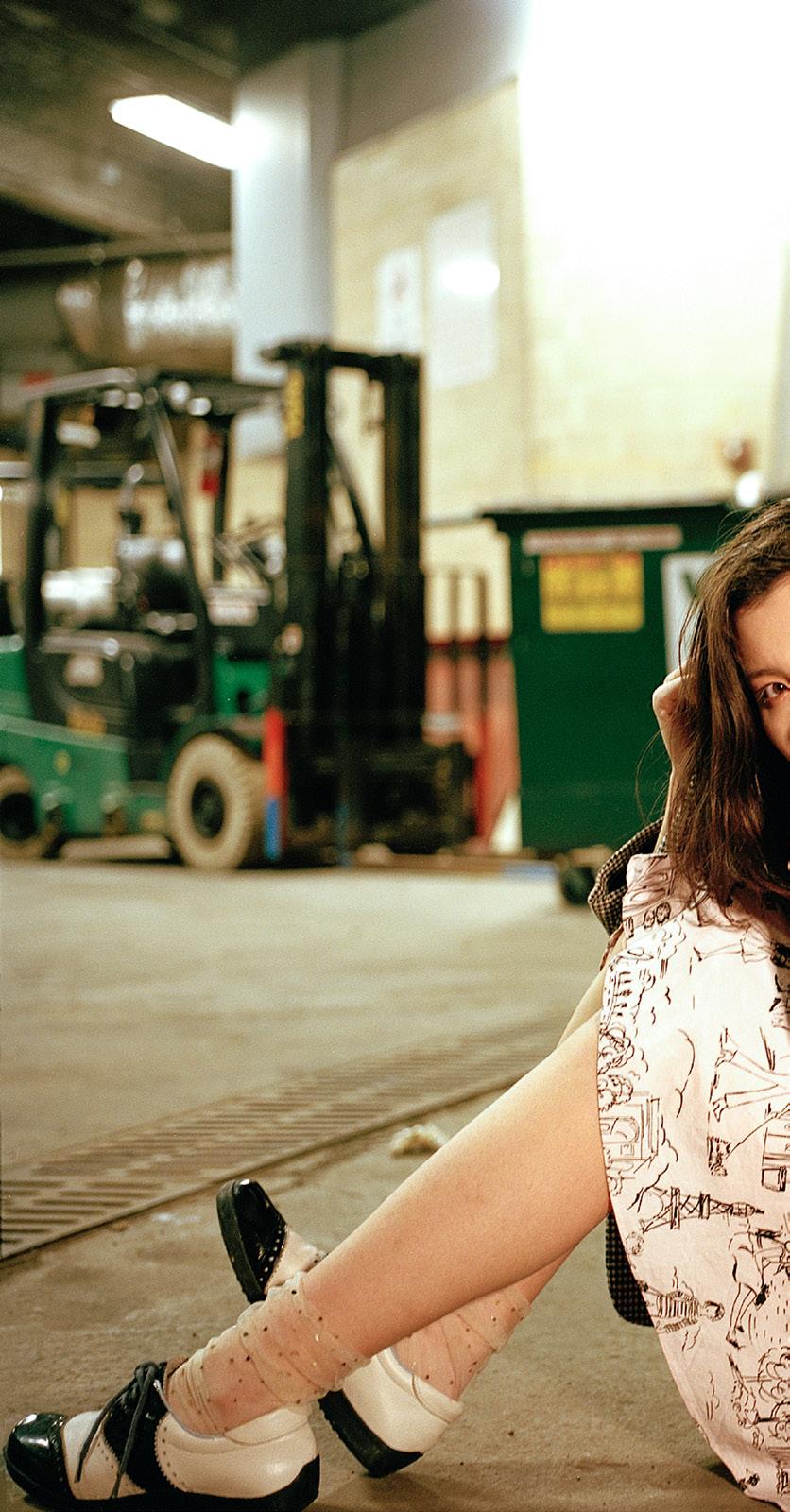
WRITTEN BY LILLIAN COHEN
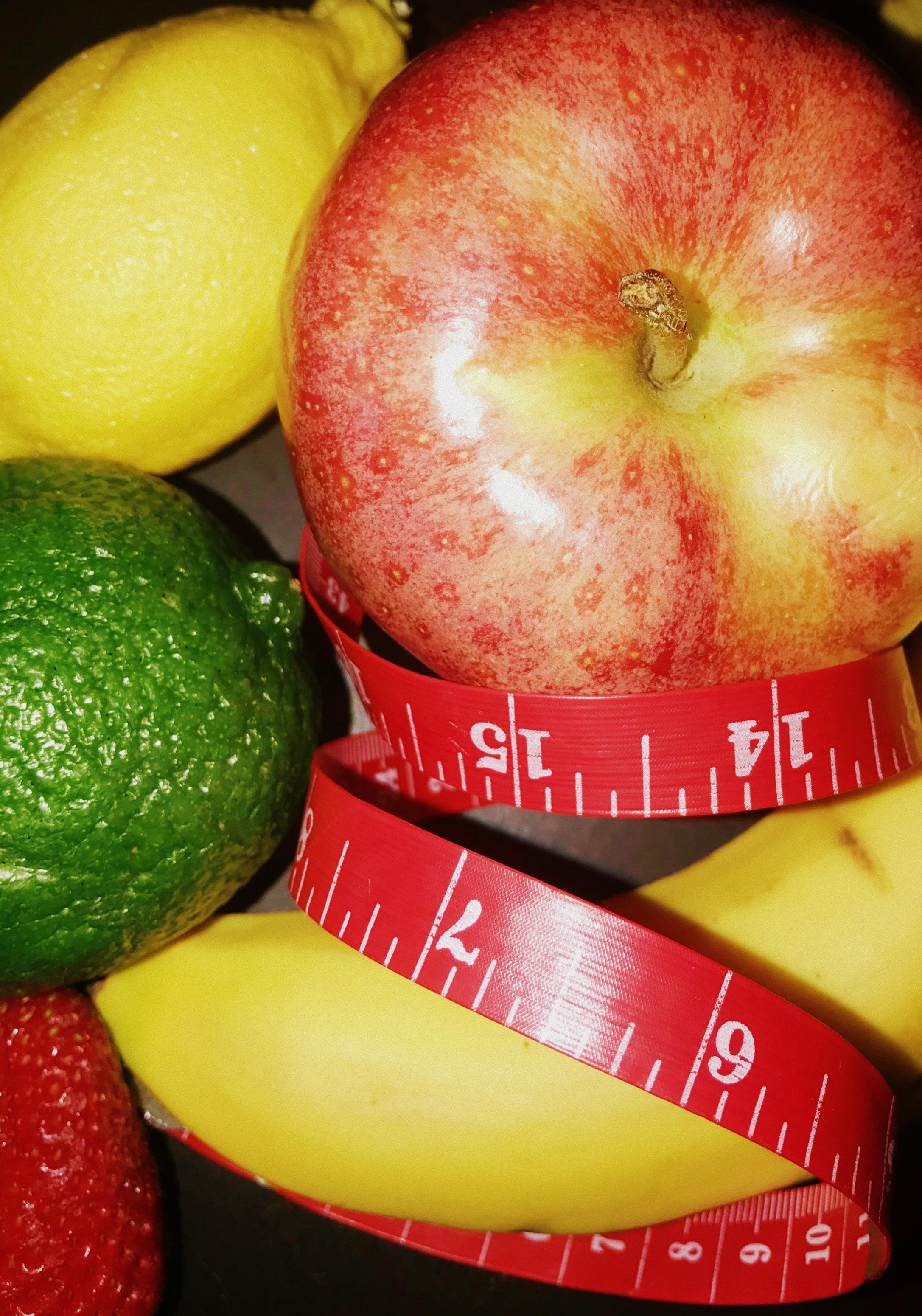
The fashion community has been heavily criticized over the last few years due to its lack of diversity in their models and sizes. But, as the movement for more “plus size” models in the industry increases, many are missing the point. Through the push to destigmatize larger sizes, why are we still calling them “plus size?” Why are we still othering the people we claim to represent?
The buzz surrounding the issue of size inclusivity in the fashion industry and clothing retail could pollinate a forest. “Plus size” models like Iskra Lawrence and Ashley Graham grace the covers of magazines ranging from Sports Illustrated to Vogue. Their social media influence continues to grow, and Lawrence recently became Managing Editor for RunwayRiot—a fashion, style, and beauty site for curvier women that have been underrepresented within the fashion industry. She’s also an ambassador for the National Eating Disorder Association (NEDA) and teaches classes through The Body Project, a prevention program for eating disorders.
Though “skinny shaming” is also a growing epidemic that we don’t need, the tactics that models use to fit the sizes required for runway shows are unhealthy and often detrimental to their general well-being. Jameela Jamil has been praised over the last few months for calling out celebrities that promote juice cleanses and detox teas. Victoria Secret models don’t even eat during the days leading up to their runway debut, some even cutting out liquids entirely according to The Guardian. It’s all cute and funny to have Dylan Sprouse bring Barbara Palvin a cheeseburger to snack on after the show until someone gets hurt.
So, why are we still holding this image as the industry standard? Why do we discount larger and curvier women by excluding them from “normal” narratives and sizes? Why do we call them plus size?
I’m a size 12-14, depending on the store and design of the jeans (which, honestly, is a joke within itself). That range isn’t typically called “plus size” within the mass-produced retail community, but it is when it comes to models on the runway and in magazines.
I have wider-set hips, large thighs and a large butt, a slightly small waist, and a larger bust. I don’t have a flat stomach. I don’t fit what most brands categorize as the “ideal” sizes they carry a surplus of in physical stores. Because of that, I often find myself browsing both the “regular” and “plus size” sections of stores like Forever 21.
PHOTOGRAPHY BY LILY WALSH
“What upsets me is the fact that if you’ve categorized me, you’ve categorized all women my size and above in the real world. The term has really negative connotation thanks to the fashion industry,” Iskra Lawrence told Shape Magazine.
The average American woman has a 38.1 inch waist, measures five feet three inches tall, and weighs 168.5 lbs. This equates to a size 16 or 18. I understand that I am smaller than that, but even women my size are excluded from the narrative. Stores that run out of my size shortly after stocking—because most people are between a 12 and 14—contribute to further issues within the fashion industry.
H&M, after removing the “plus size” section from all 11 New York City stores, announced their initiative to create uniformity between US and UK sizes. After customers claimed a “real” size 4 could barely fit in H&M’s size 10 jeans, they changed their US size 12 to a size 10. If the brand were to offer a size 16 in their old sizing system, it would only fit up to a “real” 10, meaning they weren’t actually stocking any “plus size” clothes. It’s a positive shift, but just one small step forward compared to the many miles taken backward including numerous racist marketing campaigns. Remember those?
Aerie by American Eagle Outfitters is praised for its size inclusivity, but reports from Today show that they’ve dramatically changed the sizes of their jeans; a woman’s size 4 from the 2000s and a size 10 from today’s line measure out in exactly the same way. And yet, they have “extended sizes” of up to at least 18 in stores, which is better, but not great for everyone.
“Calling someone ‘plus size’ seems like it’s for attention and publicity. Get over it—she’s a wonderful model,” Lawrence commented in Shape Magazine. “And now, brands actually are taking away the ‘plus’ from their names because [of] the negative connotation. I think women prefer ‘curvy’ instead of ‘plus size.’ I would say I’m a curvy model.”
It definitely doesn’t feel great to be labeled as “other,” siphoned off to special sections while trying to find clothes to make me feel good about myself. I’m proud of my curves. I love them. But, some days I just can’t do the mall unless I’m feeling my absolute best self, because I know along the way I’m going to be knocked down. I can only imagine how it feels for those who only fit into “plus sizes,” and measurements that often require online purchases.
We need clothes that represent us accurately. These outdated labels and sizing systems need to burn. YM
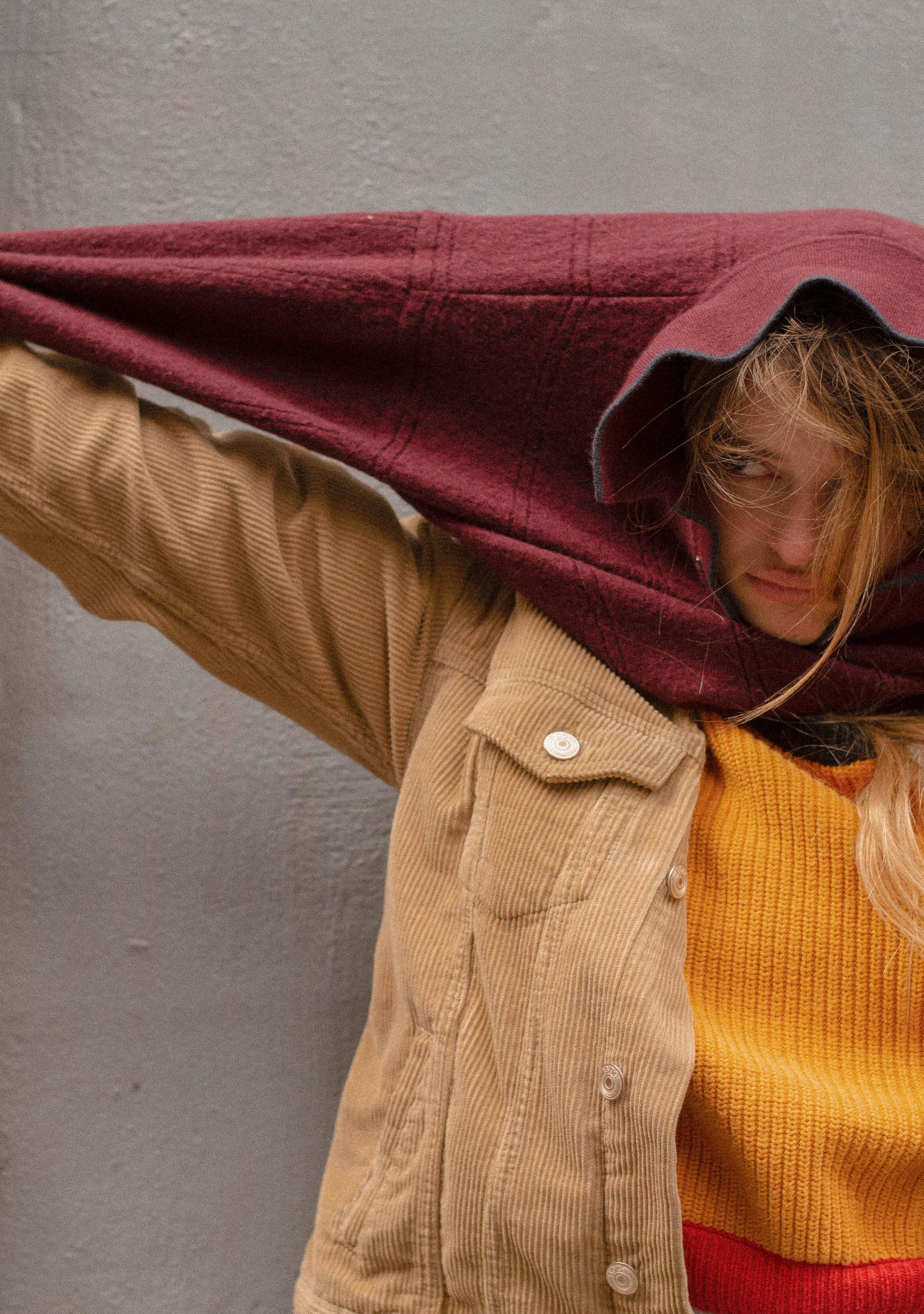
PHOTOGRAPHED BY CALLIE KENNEDY
AWRITTEN BY ELOISA DE FARIAS
bout every three months, I go through my clothing to decide what I want to donate and what I want to keep. The last time I did this, I noticed something interesting. The ‘keep’ pile always has around three items that don’t fit me, but that I never throw away. And I finally realized why. It’s because of the stories and memories.
The clothing items I still own are Christmas themed Hawaiian shirts. I would get a new one every year at [the] Christmas Eve dinners we had at my great grandparents’ house. There are a handful of deceased relatives who would be present at those events and they would always comment on how nice the shirts looked and how I was growing into them, but they [his grandparents] just aren’t around anymore. I thought about throwing them away when I was moving to college; I wondered, “What am I going to do with these because I can’t fit any of them?”, but then I decided to pack them away because if and when I have children, maybe they’ll fit them. I am a sentimental person in a lot of areas of life, but with clothes specifically, there are certain items that I could never get rid of. There are emotional attachments to clothing items whether it be the person who gave it to you or the time period in which it was given to you [even] if it was a really good time in your life or, equally, a really bad time in your life, you tend to place those things to a certain [level of] importance.
A clothing item that I still own that is very sentimental to me is this T-shirt from my elementary school. It has a really quirky font that says the name of my elementary school and this homemade looking drawing of a lion, which was our school’s mascot. It’s also bright, tomato-red. It reminds me of being on the playground at my elementary school and it’s a daily reminder to be more open and to have more fun. In high school, I did this cleanse through my closet and got rid of a lot of clothes, but kept this shirt. I like the idea of having it in a box and looking at it when I’m older and remembering that
I wore it as a child. This shirt is such a simple thing that can remind me of a lot of memories It reminds me of a big era of my life and that’s why I keep it. I think some people keep certain clothing items because [they were] wearing clothes [during certain] memories so they can be like ‘I was wearing that when I was proposed to,’ or ‘When I broke up with my first boyfriend I was wearing this,’ it has a memory or feeling attached to it.
I still own a pair of Reebok Zigs, they’re the black ones with the blue bottoms. I got them in 6th grade, [and] although they don’t fit me at all and are beaten up, I don’t let my parents throw them away. The significance of the shoe is the fact that when my mom purchased them for me, we didn’t have much money, so when she [did], it was a really big deal for me and I was really grateful. I felt so awful that she was paying so much money for shoes when we had much bigger things to worry about. The guy at the store also sold her on the fact that my feet face outward and because of that I had to buy these special insoles, so she bought the soles too, which were an extra $20. I remember wearing them when I played basketball. At the time John Wall was one of my favorite basketball players and promoted these shoes, [and] I would wear them because it made me feel and think [that] I was [like] John Wall. It motivated me to play better. I have way too many clothes and I have a really hard time giving them away, sometimes I think, “I don’t really care about this, but it was gifted to me by someone I care about,” and you kinda feel like a bad person giving it away. I have never thought about throwing these shoes away and I don’t think I ever will. YM
WRITTEN BY ANDY CAIRA
ART BY ELEANOR HILTY
Jackson Pollock dripped and flicked his paint on the ground. Yayoi Kusama speckled her canvas with intentional marks. Mark Rothko bled his paints and pigments into an unprimed duck canvas. Andy Warhol actually did what you’re going to do. Screenprint. Creating your own art is one of the best feelings, but being able to wear something you designed and printed is one of the proudest.
There are a few different printing techniques and each involves a different screen preparation process and achieves a unique final product. There are three methods to screen printing: the paper cut stencil method uses a paper stencil taped to your frame to create the print, the drawing fluid method allows you to paint onto your screen print frame to create your design, and the most popular is the photo emulsion method that uses a transparent film and a chemical reaction to create your screen. Below is a step by step to the most popular way to get detailed and clean custom screen prints.
Photo Emulsion Method
You’ll Need:
Screen Frame
A shirt or other fabric to print onto
Speedball Diazo Photo Emulsion
Speedball Sensitizer
Speedball Photo Emulsion Remover
Screen printing Squeegee
Screen printing fabric ink
A piece of glass that fits inside the frame
1. Mixing the emulsion.
Start by filling the bottle of sensitizer up halfway with water then close the bottle and shake it really well. Now open your bottle of photo emulsion—it will be a bright blue color. Pour the bottle of sensitizer into the bottle of photo emulsion and mix them with a wooden mixing stick until fully incorporated. This process should turn the photo emulsion green. If all of the sensitizer did not mix into the emulsion, add a little more water, shake, and repeat. 2. Coating the screen.
This is a tricky and important part. You want to coat the screen completely with emulsion without over saturating it—it should not drip. Lay your screen over a sink or tub and pour a horizontal bead of emulsion along the flat side on one end of the frame. Place your squeegee at about a 45 degree angle behind the emulsion and pull it across the screen, coating it as you pull. Go back over the side to make sure you coat the entire back of the screen, pulling off any extra emulsion (you can save this in your bottle).
3. Drying the screen.
When your emulsion dries it becomes light sensitive and needs to be kept in a dark place. You can keep it in a drawer, a closet, a cupboard—anywhere dark. Lay your screen horizontally in a dark place for at least 4 hours. If you need to move your screen, use a black trash bag, covering the screen completely. You can keep it for up to 1-2 weeks in a dark place if you don’t plan on using it right away.
4. Creating your art.
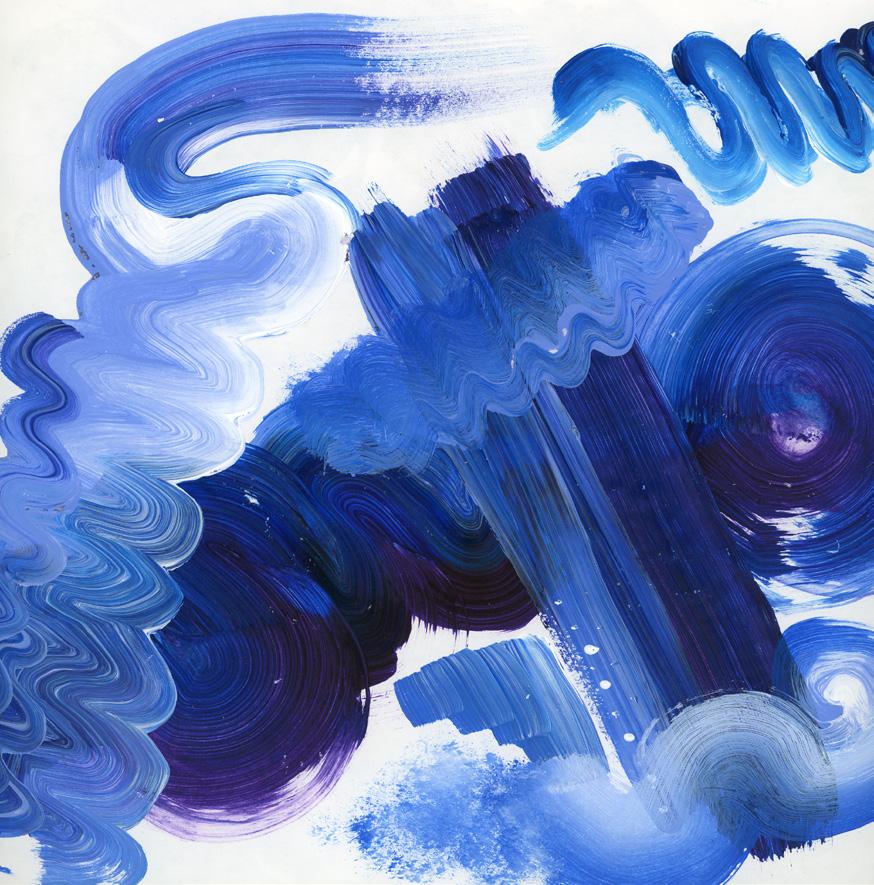
In order to prepare your designs for screening using photo emulsion, you need to print it onto a transparency sheet. You can do this by using a photo illustrating software such as Photoshop, Illustrator, MS Paint—whatever you fancy and print it onto transparency paper (most print and copy centers can do this), or you can draw and paint directly onto a transparent sheet. Make sure to only use black ink or paint when creating your design; the black bits will be in color on your final print.
5. Exposing your image.
Before exposing your screen to light, place your transparency inside of the screen frame, design side down. You need to make sure the ink or paint side is touching the mesh so light does not get through. Place a piece of plexiglass or glass on top of that; if you do not have a piece of glass you can tape it down or temporarily glue it. Place a black sheet of paper (or any black material as long as it is not glossy or reflective) on a flat surface and then your screen on top of that. The amount of time it will take to expose your image will depend on your light source. The brighter the light, the shorter it will take to expose. In direct sunlight, any sized screen will take approximately 45 seconds to expose. If using a lamp, secure it above your screen approximately the distance of the diagonal of the screen. You can find instructions on specific exposures with lamps on the packaging of screen printing kits as well as online sources.
6. Printing.
Wash out your screen in the sink or outside until the green emulsion is removed from the design and pat it dry. If too much washes out then your exposure was not long enough, but if too little washes out, gently scrub it. Place your screen on top of your printing surface, frame side up and put a few tablespoons of ink on your screen on the far side from you. Use your squeegee to pull from behind the ink at a 60 degree angle toward you. Lift your screen up and push your ink back to re-ink your screen, this is a flood stroke. You can do a few prints with the ink you have on there. Remember to always do a test print. Do not let the ink dry in the screen; most can be washed out in the sink because they are water based. YM
WRITTEN BY LEE ANN JASTILLANA
ART BY FRANCISCO GUGLIEIMINO
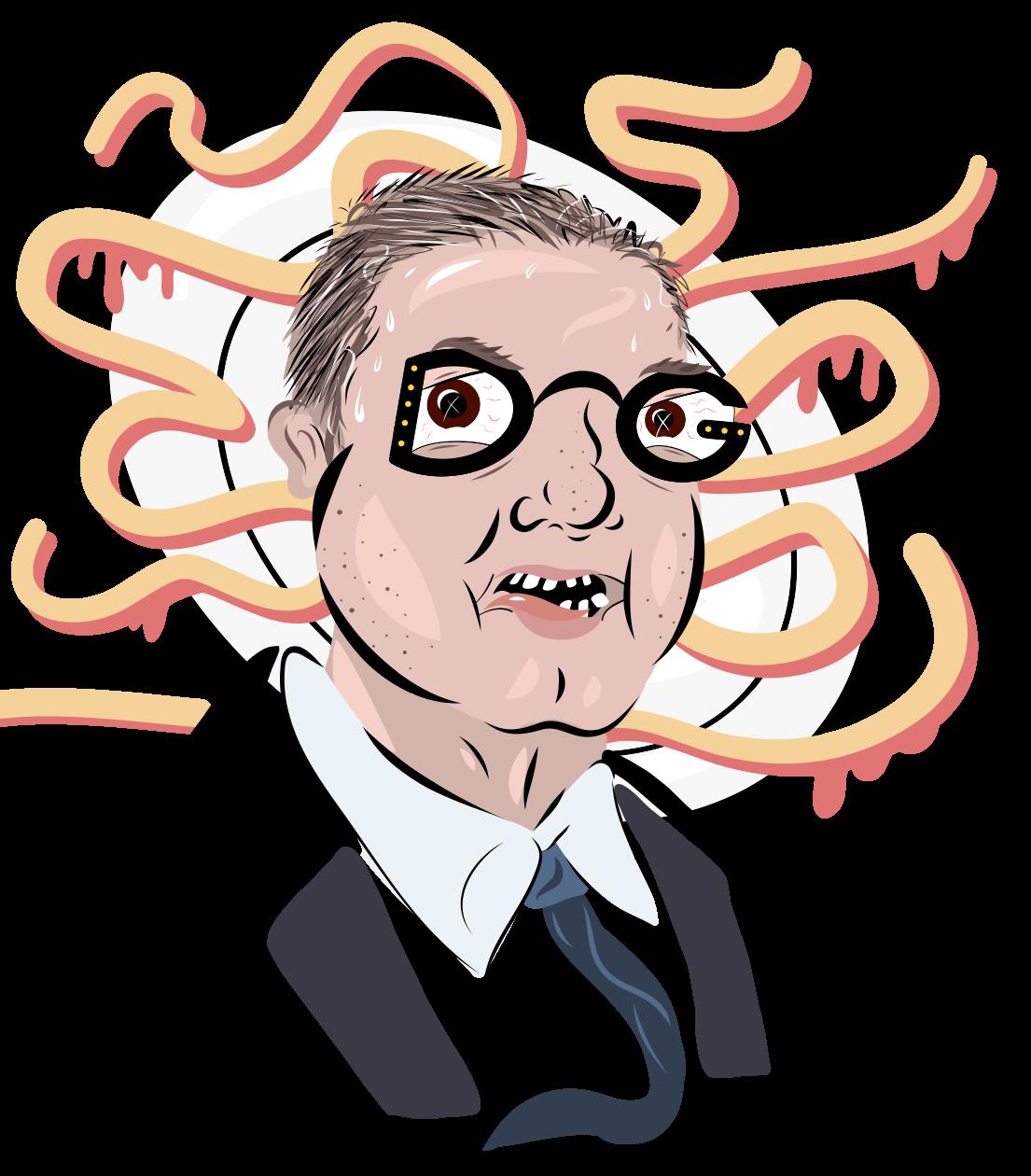
The Chinese model, dressed in a ruby red dress and sparkling jewelry, sits down in front of a huge pizza. She looks bewildered, giggles, and attempts to use chopsticks to dig into her meal. The Instagram video series, deemed racist and stereotypical, follows the same format—model uses chopsticks to eat Italian dishes while a mocking voice over narrates her actions. These videos, meant to promote Dolce and Gabbana’s “The Great Show” in Shanghai, became a catalyst to the brand’s inevitable downfall. Later, Instagram direct message screenshots of Stefano Gabbana saying “China ignorant dirty smelling mafia” made rounds on the web.
This wasn’t the first time Stefano Gabbana let loose a stink bomb of controversy, but for many of us, this detonation locked in the last nail in the coffin.
Naturally, boycotts ensued all over China in response to the three promotional videos and direct message screenshots leaked late fall of last year. Chinese consumers trashed and burned their Dolce and Gabbana items, actors and models set to walk the D&G show pulled out, and Chinese star and D&G ambassador Wang Junkai terminated his contract with the company.
God bless Gabbana’s public relations crew as one can only imagine what it must have felt like to wake up and be in charge of fixing this disaster. The D&G Instagram account tried to assuage the damage, claiming both the official account and Gabbana’s account had been hacked. “We have nothing but respect for China and the people of China,” the post offered.
With Gabbana’s track record for brutish comments, a “sincere” and “honest” apology became a hard sell. Let’s not forget the time he called Selena Gomez ugly or that time he called IVF babies “synthetic.” Three years ago, D&G also released
the ill-named “slave” sandal, and two years ago, they released a graffiti-style sneaker with the words “I’m Thin & Gorgeous” scribbled across. The sneaker elicited backlash from the National Eating Disorders Association to which Gabbana commented on Instagram, “Darling you prefer to be fat and full of cholesterol??? I think you have a problem.”
Needless to say, Gabbana’s unfiltered words never failed to provoke outrage. The brand even mocked the criticism with the release of their “Boycott Dolce & Gabbana” graphic tees. Somehow the brand has successfully been able to make fun of the controversy and capitalize on it. Not this time.
This time, the long-overdue repercussions were extremely severe. The luxury brand cancelled “The Great Show,” and their products quickly disappeared from Chinese e-commerce websites like Alibaba’s TMall, jd.com, and secoo.com.
The Chinese market holds crucial importance in the world of luxury fashion. In an interview with Imrad Amed at the Business of Fashion Chinese Summit, Gucci CEO Marco Bizarri emphasized how the Chinese market contributed significantly to the brand’s current success.
Since Dolce’s disaster last November, luxury fashion has had no shortage of problematic launches. In December, racially charged figurines appeared in Prada’s SoHo shop display. Not long after, Gucci released a black balaclava sweater featuring bright red lips around the mouth opening. Images of the figurines and the sweater went viral, many denouncing the culturally insensitive designs.
Director Spike Lee ignited a boycott on Prada and Gucci, and the Instagram pages of both brands flooded with critical comments from angry consumers. However, unlike D&G, both
Prada and Gucci responded promptly and sincerely in a way that restored favor with the public. Marco Bizarri met with African American designer Dapper Dan in Harlem to understand his perspective and receive counsel on the brand’s next steps. Gucci has since created a design scholarship program and said it will begin conducting unconscious-bias employee training sessions this May.
Prada established a diversity council headed by Ava DuVernay and Theaster Gates. In addition, the initiative mentioned partnering with universities to create scholarships, internships, and apprenticeships to help propel this commitment to diversity.
As consumers, we want to connect with brands that reflect our views on cultural respect. Even with the artistry and impeccable tailoring of D&G’s Fall 2019 collection, we can’t help but feel wildly disconnected from the brand.
Domenico Dolce, who hasn’t directly commented on the issue, appears in an apology video alongside Gabbana. We want D&G to take accountability; however, unlike Prada and Gucci, their history means they must do extra damage control. The first step is internal—inject humility by apologizing for all problematic occurrences prior because printing more boycott t-shirts can’t bandage this. D&G did not grace this year’s Oscars red carpet, and everyone understands why stylists steered clear. Sorry, Stefano, but it looks like a comeback isn’t happening any time soon. Cute dress, though. YM
WRITTEN BY OLIVIA CIGLIANO
Creating affordable garments that provide the same expensive look as designer clothing is great—in theory—because the same opulent drip becomes accessible to the masses. But when it reaches a point where fast fashion brands are blatantly stealing designs from major designers, is it moral?
Companies like Forever 21, Zara, Nasty Gal and, most poignantly, Fashion Nova, are now beginning to produce copycat pieces at a swift rate. The likes of celebrities, such as the Kardashians and Jenners, often find their looks posted almost immediately after wearing them; Kylie Jenner’s, custom LaBourjoisie birthday jumpsuit and her Peter Dundas satin dress appeared on Fashion Nova the next morning, and Kim Kardashian’s vintage Mugler dress she donned for the Hollywood Beauty Awards appeared on the same site less than 24 hours later.
Fashion is uniquely vulnerable because it doesn’t hold the same copyright protections as other art mediums. When a brand takes the same design but tweaks it just slightly, the original designer can’t claim copyright because it’s not exactly the same. In recent controversy, the imitation of Kardashian’s aforementioned Mugler dress was found to be shot four days prior to her appearance. Many people, including the Instagram page @diet_prada, specializing in knockoff exposés of luxury designs, raised the question of whether she leaked her look to the site as a secret collaboration. However, Kardashian denied this on her socials saying, “It’s devastating to see these fashion companies rip off designs that have taken the blood, sweat, and tears of true designers who have put their all into their original ideas.”
Fashion Nova posted their own statement on Instagram denying the rumors as well, “...We have not worked with Kim Kardashian West directly on any of her projects, but have been driven by her influential style.”
Luxury brands are now beginning to offer their styles for sale immediately after the collection is shown on the runway as ready-to-wear pieces to combat this new phenomenon. This unprecedented format is beginning to be adopted by major names such as Burberry, Paul Smith, Tom Ford and Tommy Hilfiger.
But as a consumer, it’s natural to take inspiration from fashionionable figures in popular culture and want to implement it into your personal style. So it’s up to your own ethical philosophy. In the words of Cardi B: sure, you can buy designer… but that Fashion Nova fit. YM
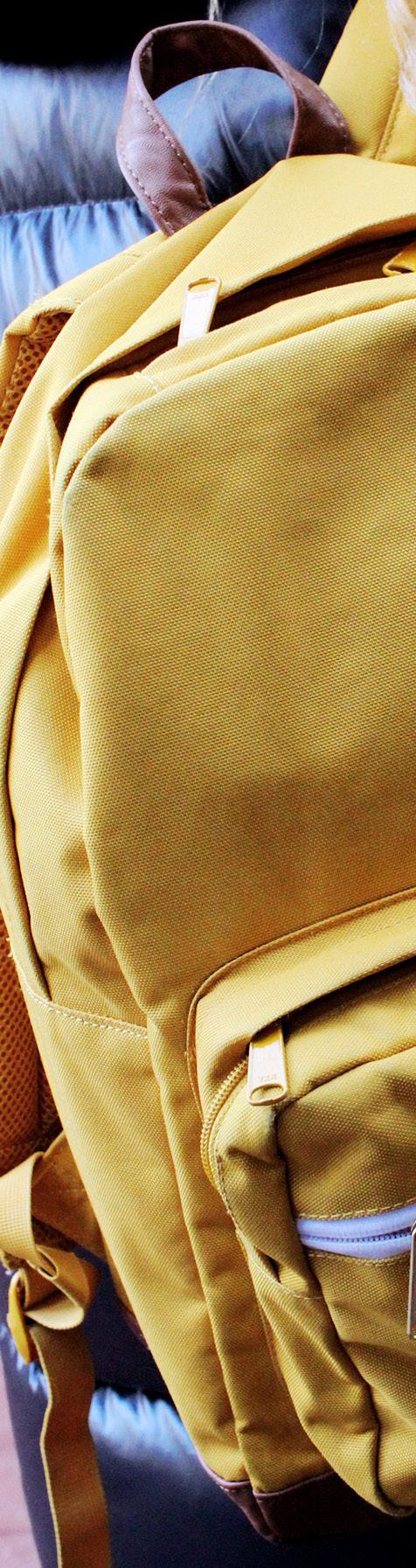
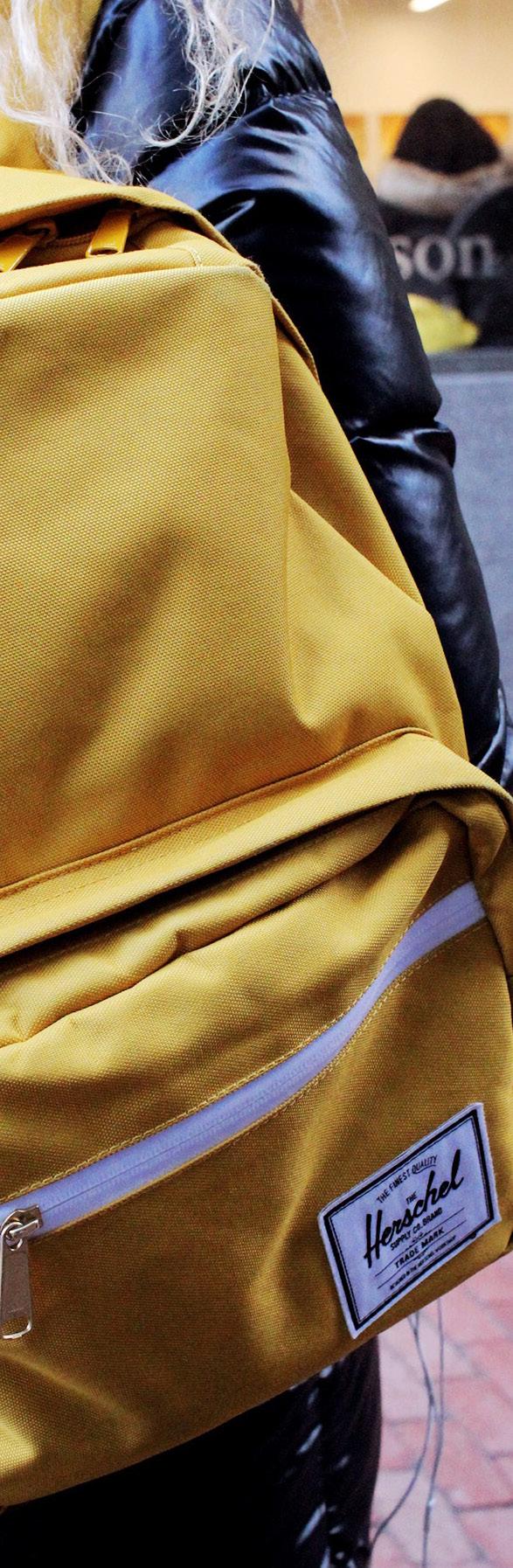
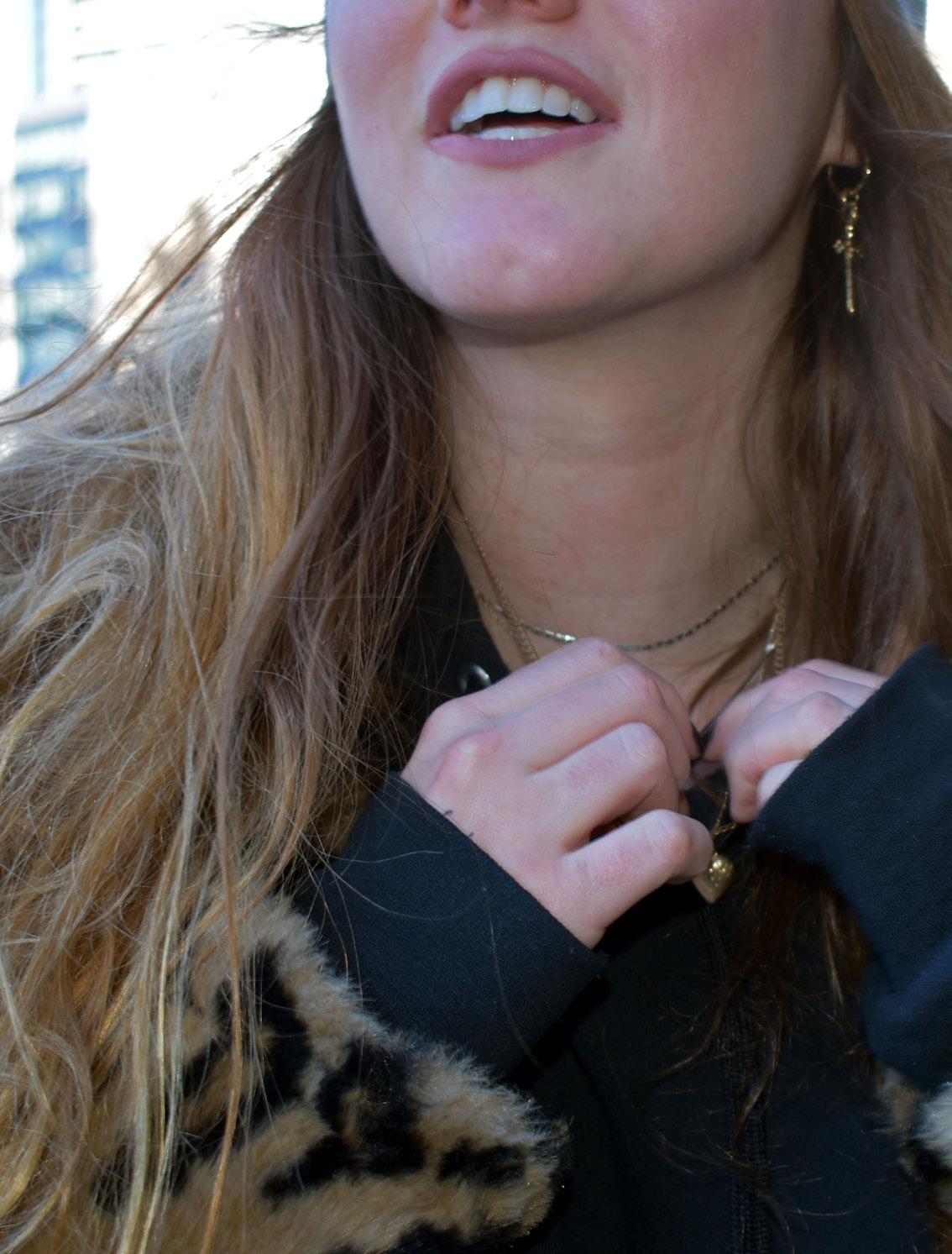
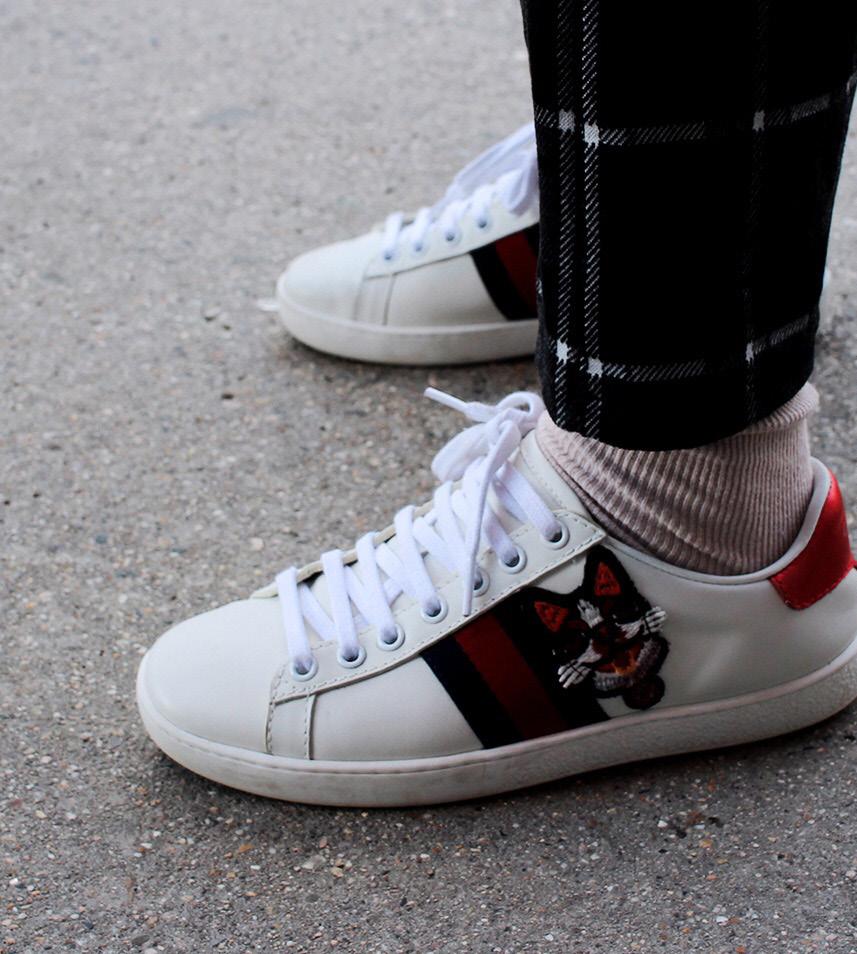
he/him/his | Visual Media Arts, 2019 Instagram @ec.oppedisano
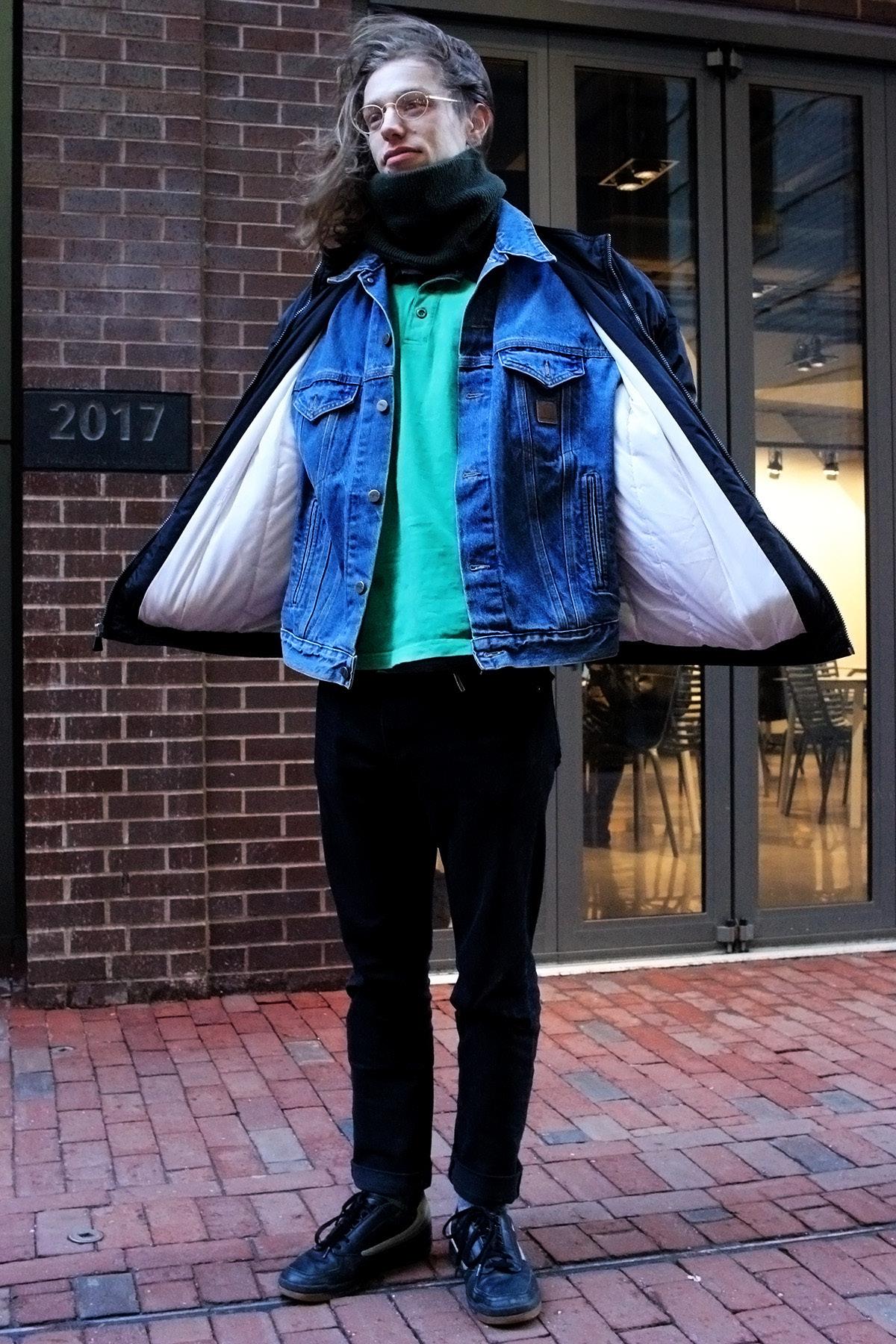
INTERVIEW & PHOTOGRAPHY BY EMILY KING
How would you describe your personal style in 3 words? Wool over linen.
Do you have any celebrity style icons? If so, who are they?
Frank Ocean, Fiona Apple, FKA Twigs, Young Thug, Jaylen Brown.
Do you have any brands that you can’t live without? Any that you highly recommend?
Highly recommend used clothing only, don’t buy new shit! I haven’t bought a new piece of clothing in around two years and the best thing to do is circulate used clothings amongst your friends. But, if I have to pick some brands I love, Woolrich, Puma, Hermes.
she/her/hers | Marketing and Communications, 2022 Instagram @devina_fan
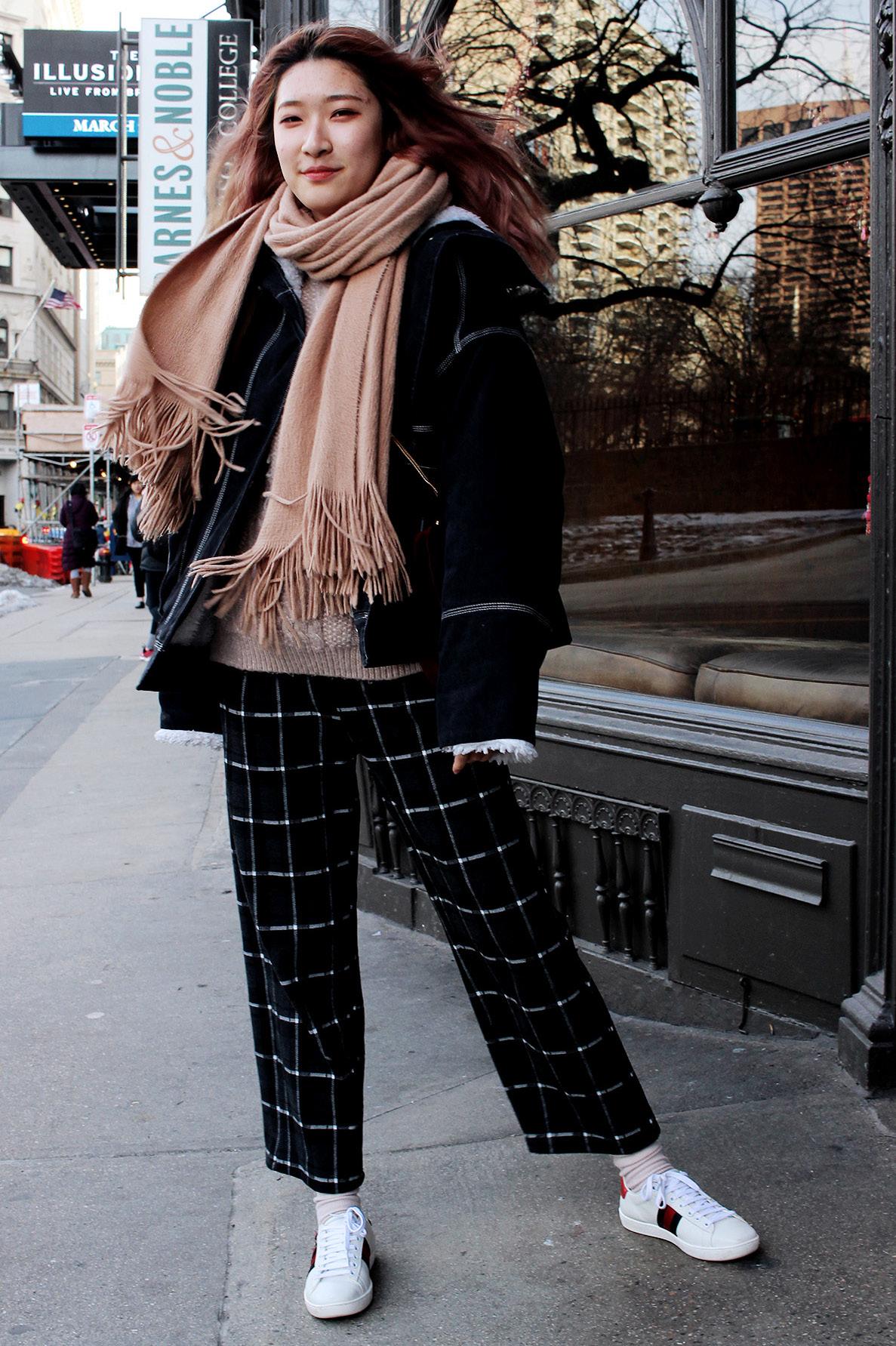
How would you describe your personal style in three words?
Comfortable, Trendy, Simple/bright.
Where do you typically get your inspiration for outfits? Magazines and also models for online shopping and Instagram. Are there any brands that you would highly recommend to people? I buy a lot of clothing from a Korean fashion brand called Stylenanda.
she/her/hers | Visual Media Arts, 2022
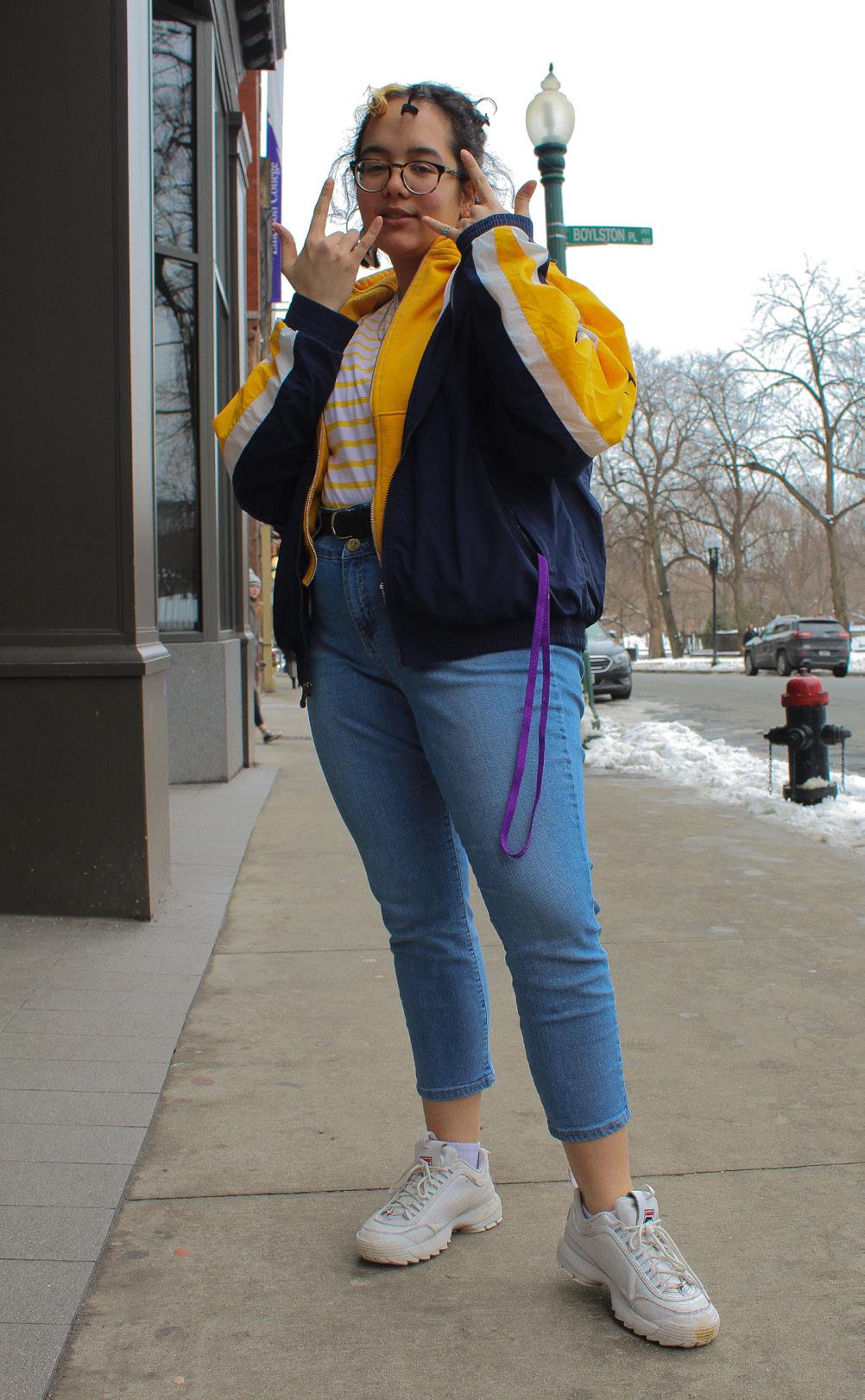
How would you describe your personal style in three words?
Comfortable, colorful, skater.
Where do you typically get your inspiration for your outfits?
Thrasher, Golf Wang, literally any of the skater boys I have crushes on.
Any brands that you highly recommend to people?
Golf Wang or Urban Rules.
Who’s your celebrity style icon?
Jaden Smith.
Describe your ideal piece of clothing?
I have this really fire Champion sweatshirt that’s a quarter zip. It’s brown with red letters on it. It’s really sexy. I just bought a vest from Golf Wang that says “No Violence” so I’m excited for that to come, and probably my shoes.
she/her/hers | Journalism 2022
Instagram @heycpk
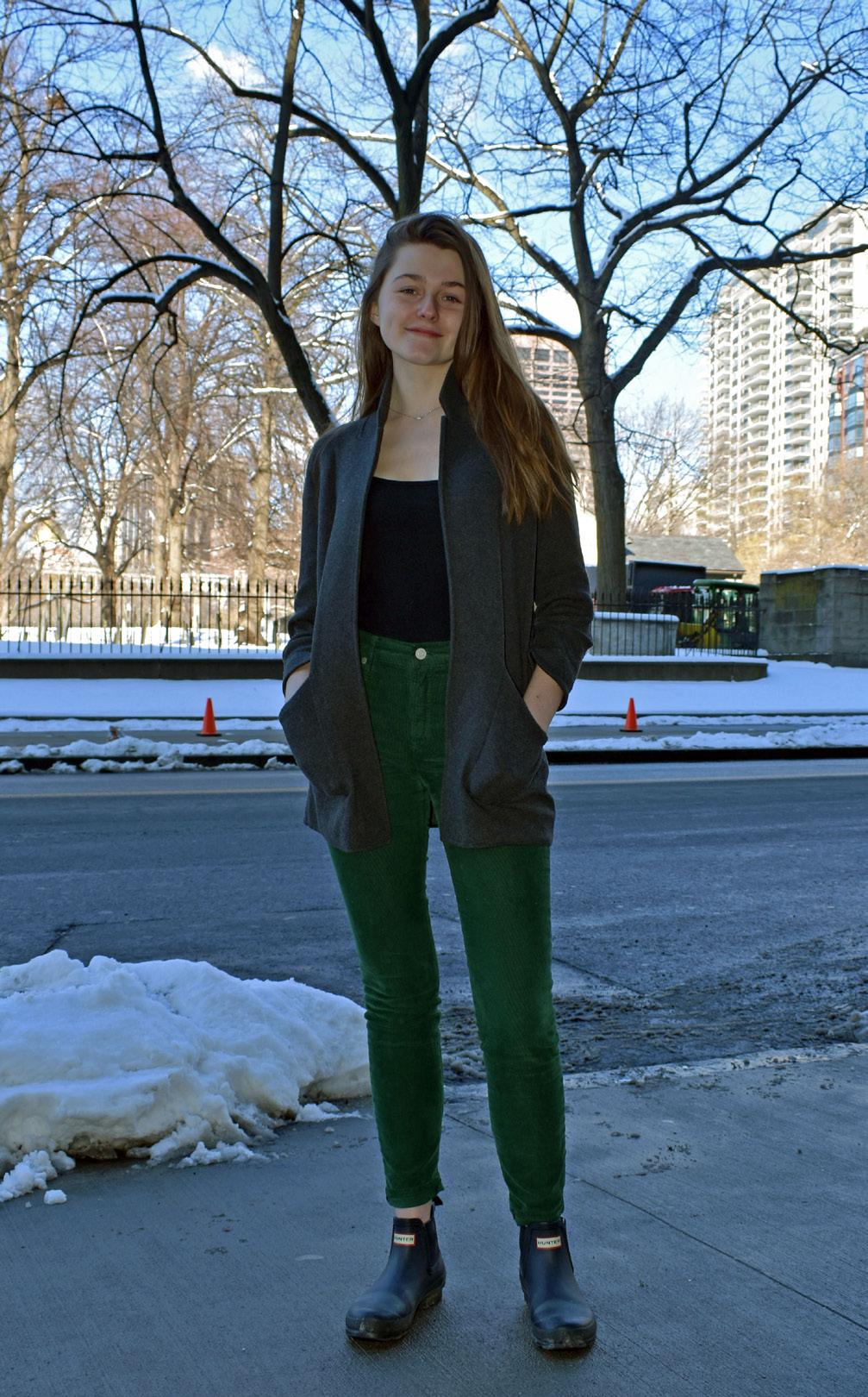
How would you describe your personal style in three words?
Cute, practical, and utilitarian. I love pockets.
Great, I love that quote. What article of clothing would you be if you had to choose?
If I had to choose, I would be a pair of overalls because they have two back, two front, and a central pocket on the chest.
A theme of pockets.
Yes. I myself own a lot of one piece suits that have multiple pockets and I find it useful.
Lovely. If you could only shop at one place for the rest of your life where would it be?
I would shop at secondhand stores because that’s the most ethical way to consume clothing because buying retail is actually detrimental to the environment.
she/her/hers | Marketing Communication with Entrepreneurship minor, 2020
Instagram @p.s.es
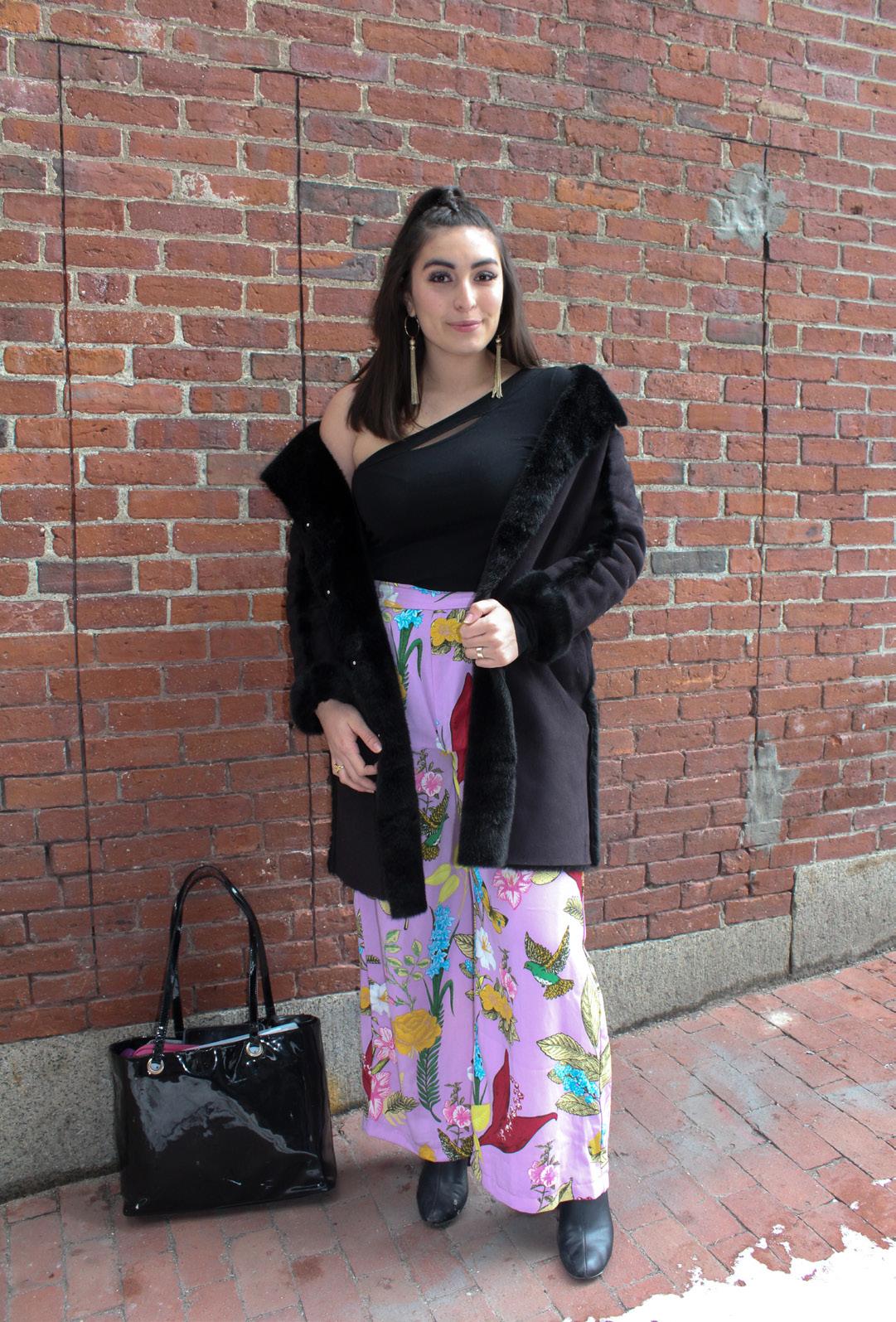
How would you describe your personal style in three words? Bold, chic, and different.
Where do you typically get your inspiration for your outfits?
I love Olivia Culpo. I follow her, @colormecourtney, and @lexiconofstyle. I really like the New York bloggers. Honestly I get inspiration everywhere. I see someone on the street, copy it. From my friends too.
What’re three pieces of your wardrobe that you can’t live without?
My gold hoops, my staple black heeled boots, and my staple pants. Any brands that you highly recommend to people?
Even though I am a fashion blogger (@p.s.es on Insta!), I’m not really brand heavy, I’m all about seeing the actual clothes and feeling the fabrics because you know it always varies. But I’m a huge Nordstrom girl, especially Nordstrom Rack.
she/her/hers | Visual Media Arts, 2020
Instagram @meghanorkins
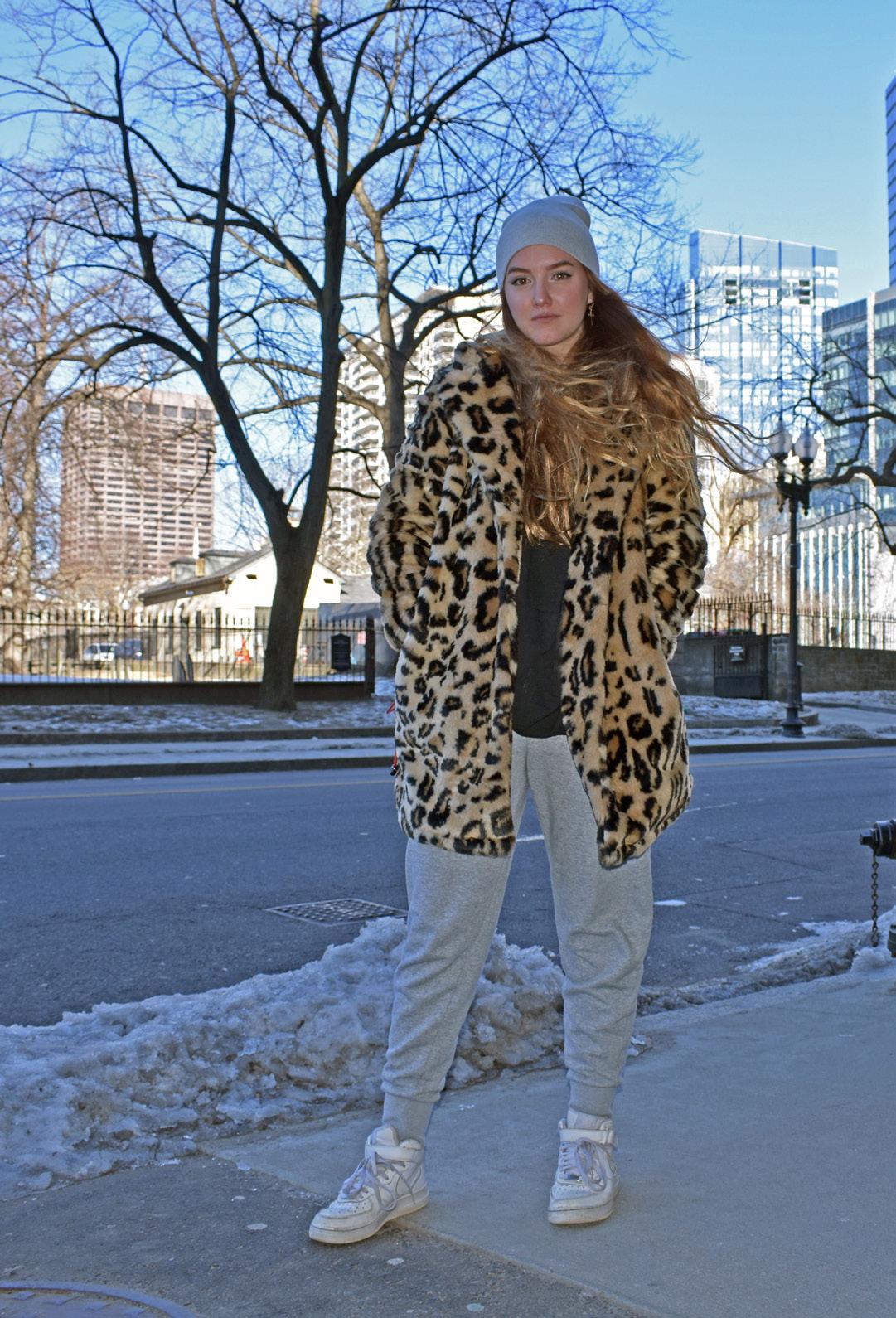
PHOTOGRAPHY BY OLIVA CIGLIANO
INTERVIEW BY ANDREW TAETS
Describe your ideal piece of clothing. Sweatpants. Always. Always.
Love that. Any brands that you highly recommend to people. Nike, obviously, I love Off-White, Moschino; I mean not that I own that many of those things but if you’re looking up to brands, definitely I love that kind of style. Half Evil too is a really cool streetwear brand, if you’ve never heard of them they’re definitely on Instagram.
I’ve never heard of them, I’ll have to look them up. And where do you get inspiration for your outfits?
Instagram. 100 percent. I just follow a bunch of streetwear brands and influencers and find what I like from there!




WRITTEN AND PHOTOGRAPHED
BY NATALIE GALE
On a sunny morning last summer, I got off the plane at Charles de Gaulle Airport in Paris with three new rolls of film, two new bikinis, and a new pair of linen pants in my bag. I had been preparing for months. I met Rupert at the airport—like in the movies.
The sun was beating and cars were honking as our suitcases rattled along the cobblestone to our Airbnb. The stairs to the apartment slanted quaintly as if it was none of our business how old they were. The apartment was a bit small—the studio held not much more than a futon, a sink, and a two-foot by two-foot shower. But it was all we needed.
That evening, we had drinks at a café and climbed the steps of the Sacré-Cœur to watch the sun set over the city. The next day was jam-packed with tourist activities: the Arc de Triomphe and the Champs-Élysées. Falafel in the Jewish Quarter was some of the best food we had all week. We ended the night directly under the Eiffel Tower, cheap red wine in hand. The tower glittered and lit up the whole park, and my heart was full with the tower and Paris and my love.
The next morning, we set out for the south. If only the rest of the trip went that smoothly.
My first word of advice: buy train tickets for long rides in advance.
After discovering that all the trains to Marseille for the rest of the day were full, we Bonnie and Clyded our way onto a train, and, thankfully, no one checked our tickets.
Marseille! The sun felt like Arizona and there were palm trees and an ocean breeze. Another train took us to the next town over, and from there we were on our own. We were ecstatic to book a stunning harbourfront Airbnb in a tiny town called Saint-Mandrier-sur-Mer months before. But once we
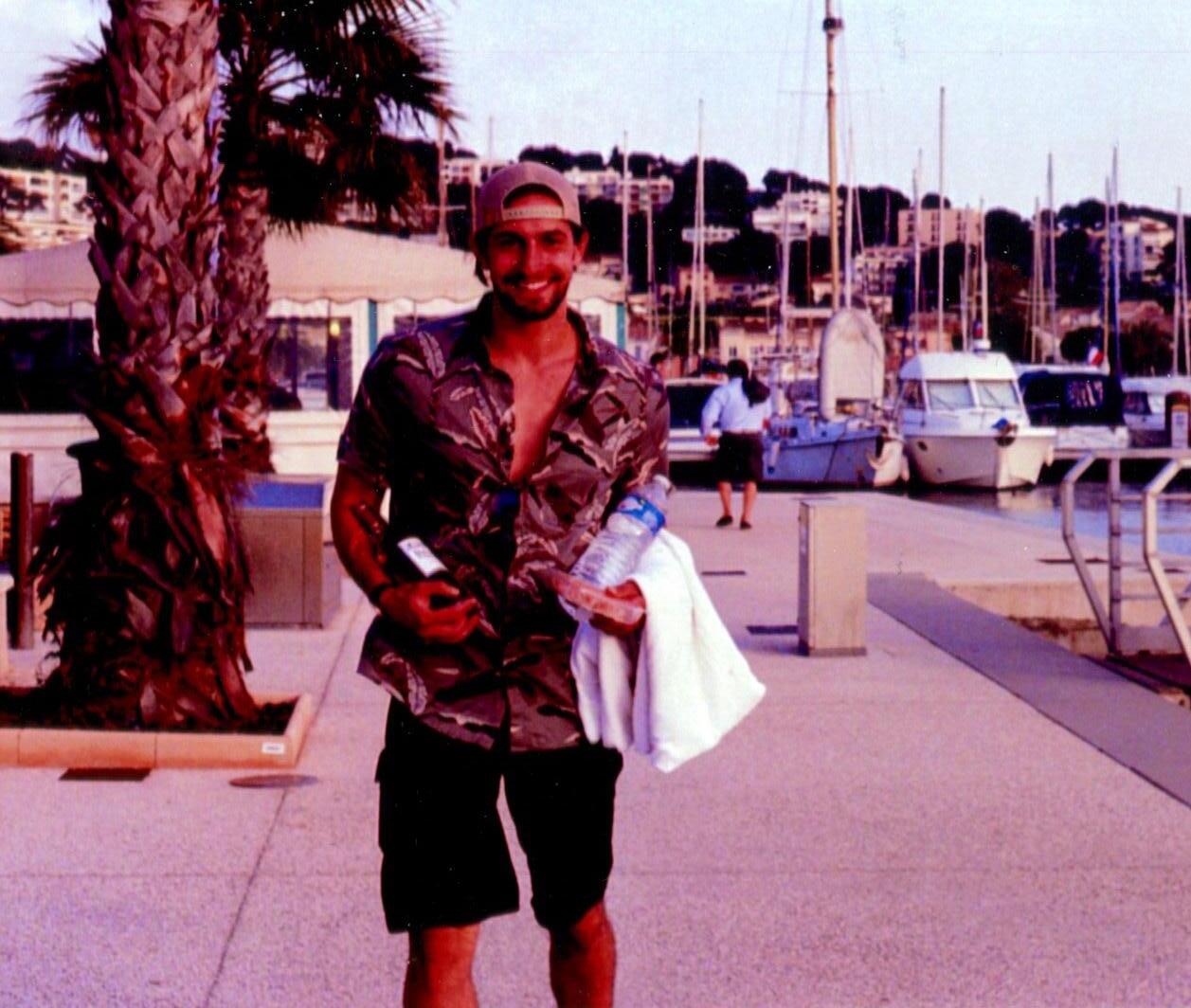
made it to the southern coast, we had no idea how to get to it.
A bus took us a bit closer. Then it seemed the only way into the town was on foot, up a steep and winding road along the water. This place seemed more trouble to get to than it was worth. After a sweet woman pulled over and insisted she give us a lift into town, we finally made it into Saint-Mandrier.
Tip number two: If you want to travel somewhere off the beaten path, know how to get off the beaten path.
Our friendly Airbnb host then told us the only way into the town was on a ferry from the city across the bay. (Well, that wasn’t the only way.) Dinner was al fresco at the restaurant downstairs; the seafood and pasta that night was the winning meal of the trip.
Tip number three: The food tastes better when you had to work for it.
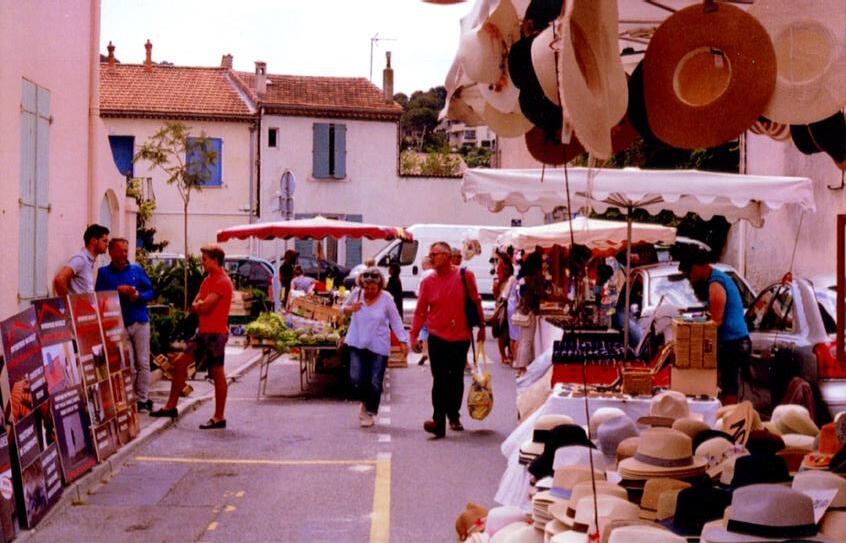
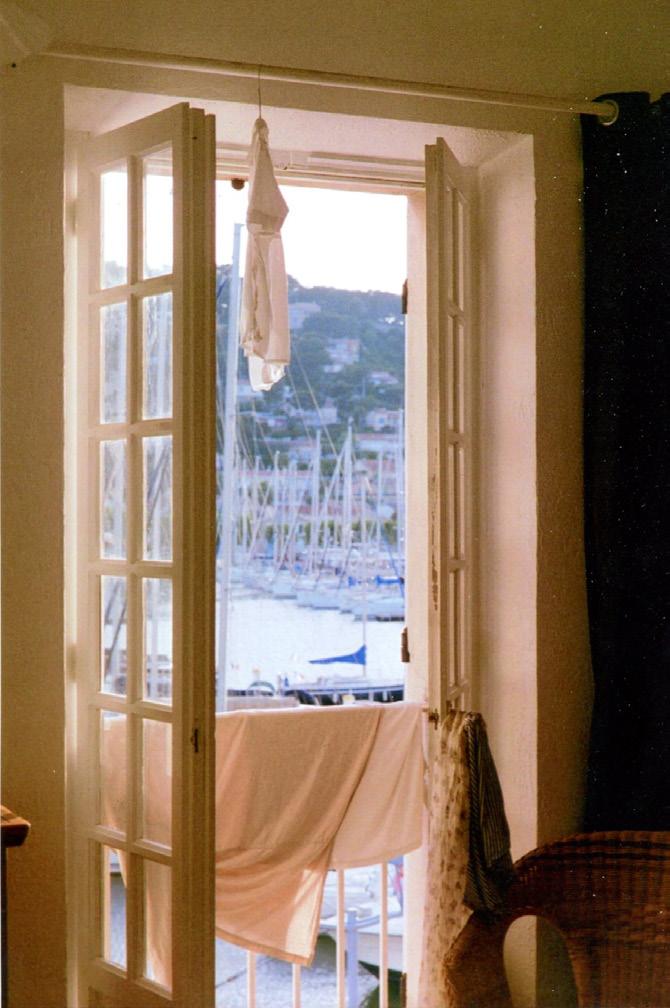
I am still homesick for Saint-Mandrier. The little town surrounds the harbor, and the hills stretch back behind that. Our apartment’s French windows opened out to the water. On Saturdays, our host told us, farmers and craftworkers from all over go to Saint-Mandrier and set up a market in the plaza.
Tip number four: Your Airbnb hosts are often your best resource.
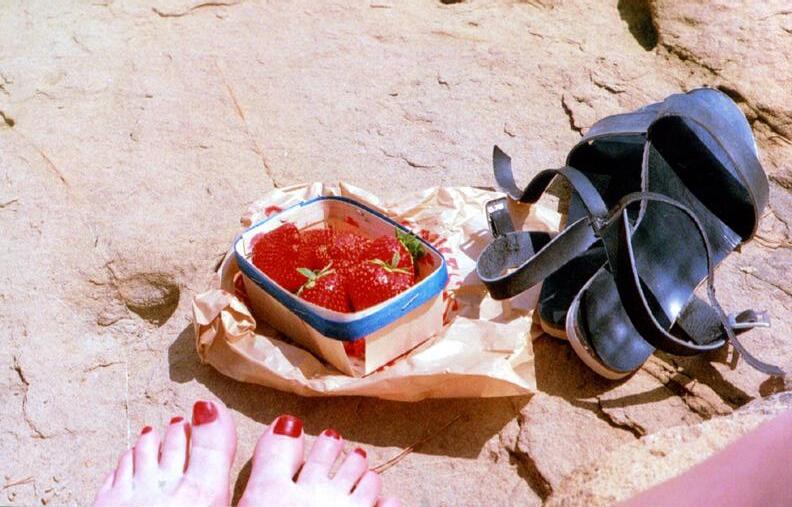
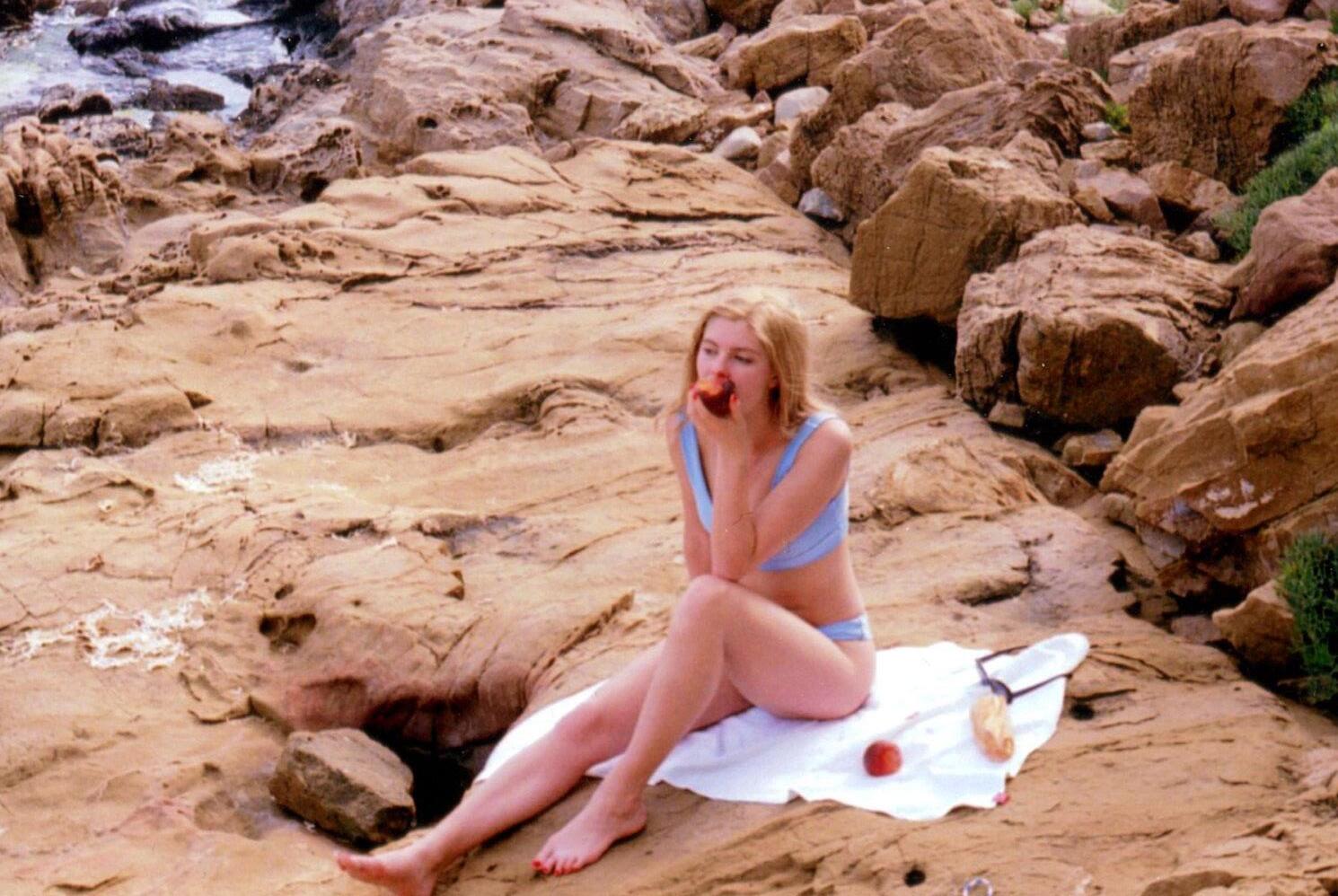
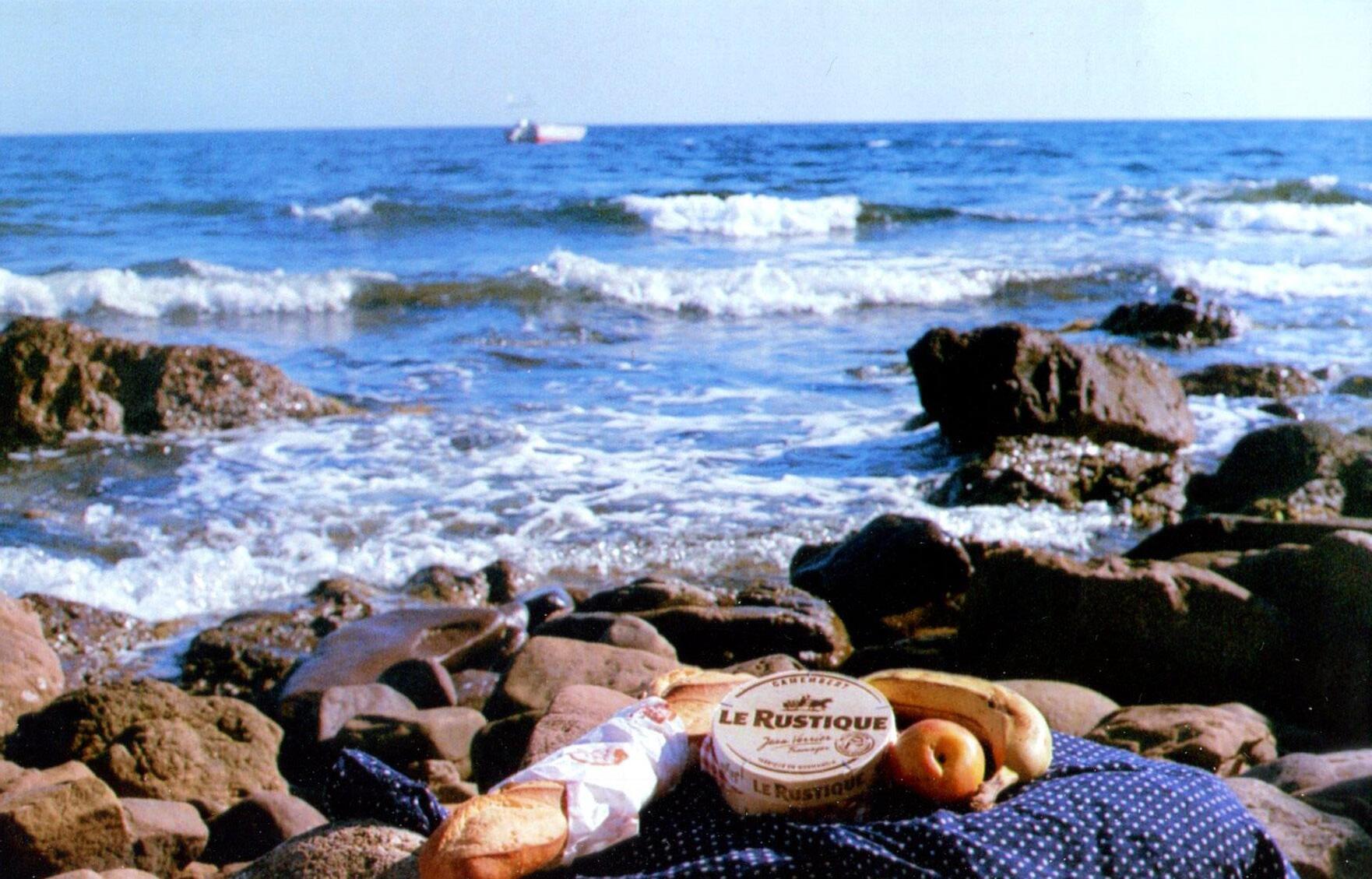
We bought fruit, bread, and cheese from the market, wandered to the beach, and set up camp on our own little rock by the sea. Saint-Mandrier was a two-day blur of fruit from the farmer’s market, rosé, and wide open windows. It was over before it began, and then it was off to the next adventure.
The next day we took the train to La Ciotat, 30 minutes west. Once again, the train only took us so close, and since the bus was too foreign and the taxis too sparse, we walked. Pro: It was a beautiful walk. Con: It was an hour and a half walk. See tip number two.
This time, we had a whole house with a sprawling gar-
den. Our host showed us the two nearest beaches on the map, and the next day we hit both, with a baguette and cheese in our bag. Every morning we slept in, and Rupert cooked us breakfast while I got bread from the bakery. The town was much larger and busier, with more to do.
Tip number five: Bigger towns are more touristy. But they also have more English speakers and public transit.
Fate likes to throw curveballs. Next up, we had tickets to an overnight ferry from Nice to Sardinia and four nights at an Airbnb there before our flight home. But the train to Nice was delayed two hours, and we missed the ferry. The next one didn’t go for three days. I cried. Then we trekked back to our place with the pretty garden with our lemons. And made lemonade.
We chose to go back to our first love, Saint-Mandrier, and booked a small, last-minute studio. We lost a lot of money between the non-refundable ferry and plane tickets, and my new flight home from Paris. But we were headed back for three more days of al fresco dinner and our little rock by the turquoise waves.
Tip number six: Be careful with your glass bottles. We managed to shatter a bottle of wine and a bottle of olive oil all over two different kitchen floors.
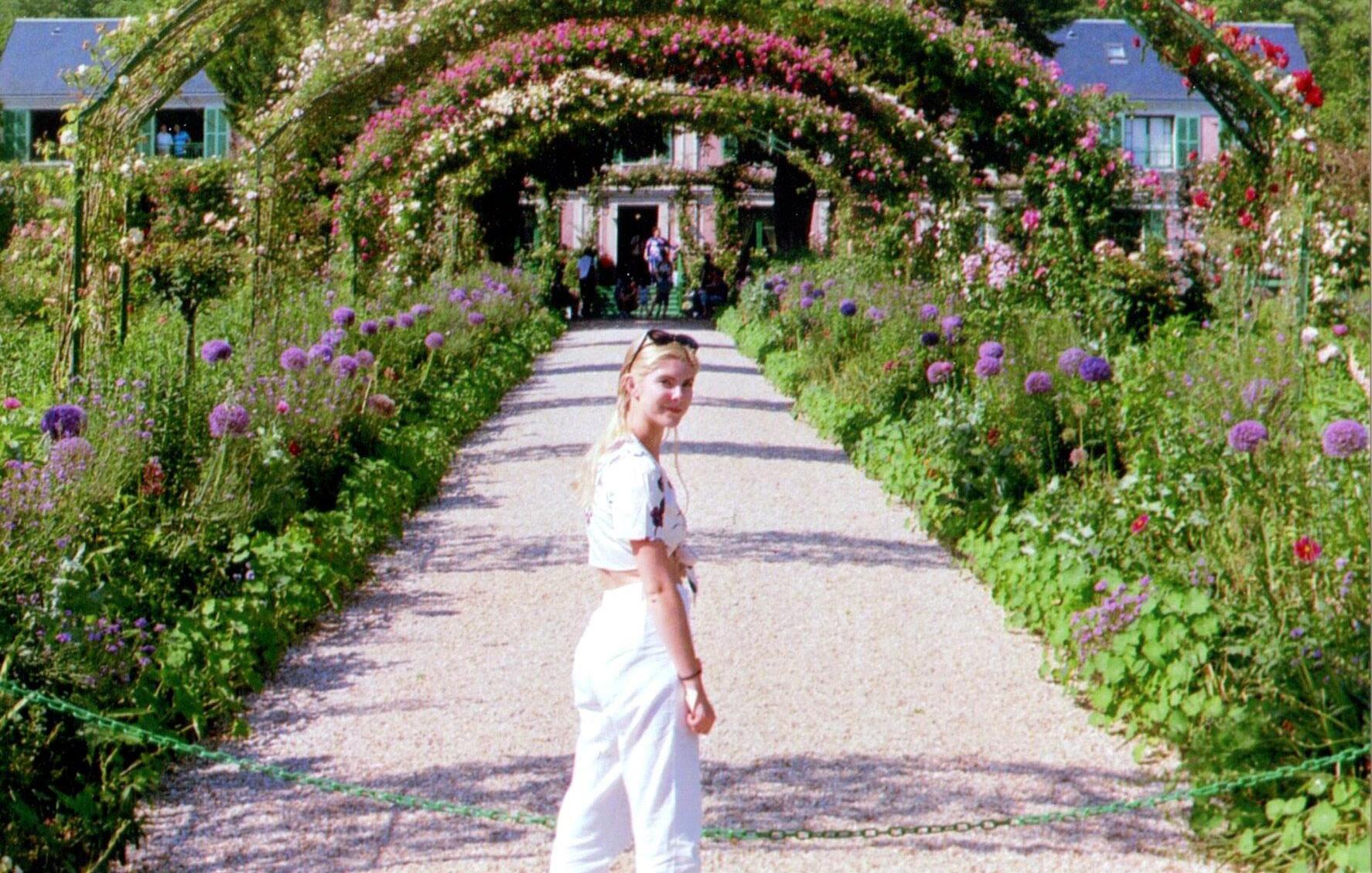
With the missed ferry and our extra time in France, we decided to take advantage of our freedom and choose one fun thing to do. So on the second to last day, we took the first train up to Paris and visited Monet’s Gardens. After an afternoon of stepping inside a Monet painting, then strolling through the fairytale town, then dining outside while the sun was still up at 10:00 pm, and meeting the sweetest gray kitty walking home, I wouldn’t have traded that night in Normandy for anything.
Tip number seven: When you’re traveling, some things won’t go your way. Stick it to fate and let the mishaps guide you. YM
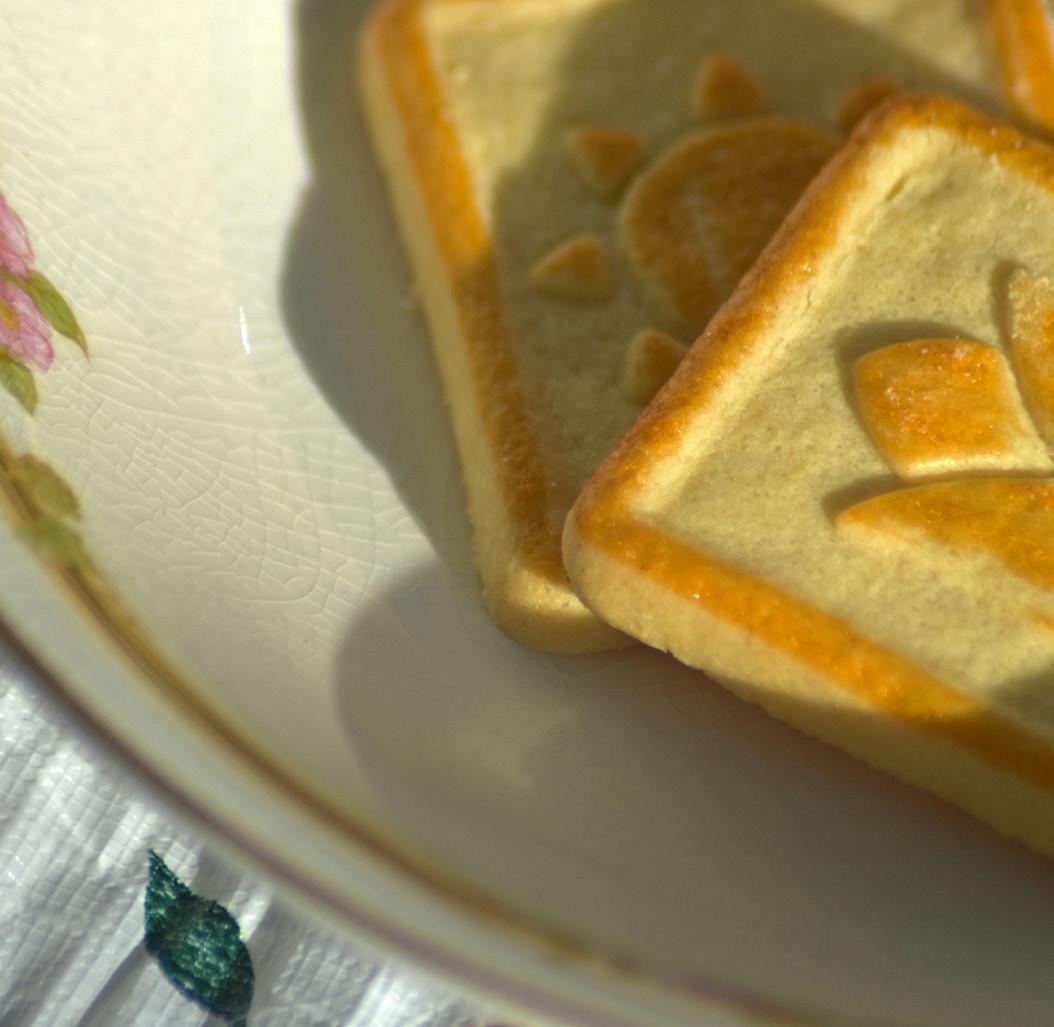
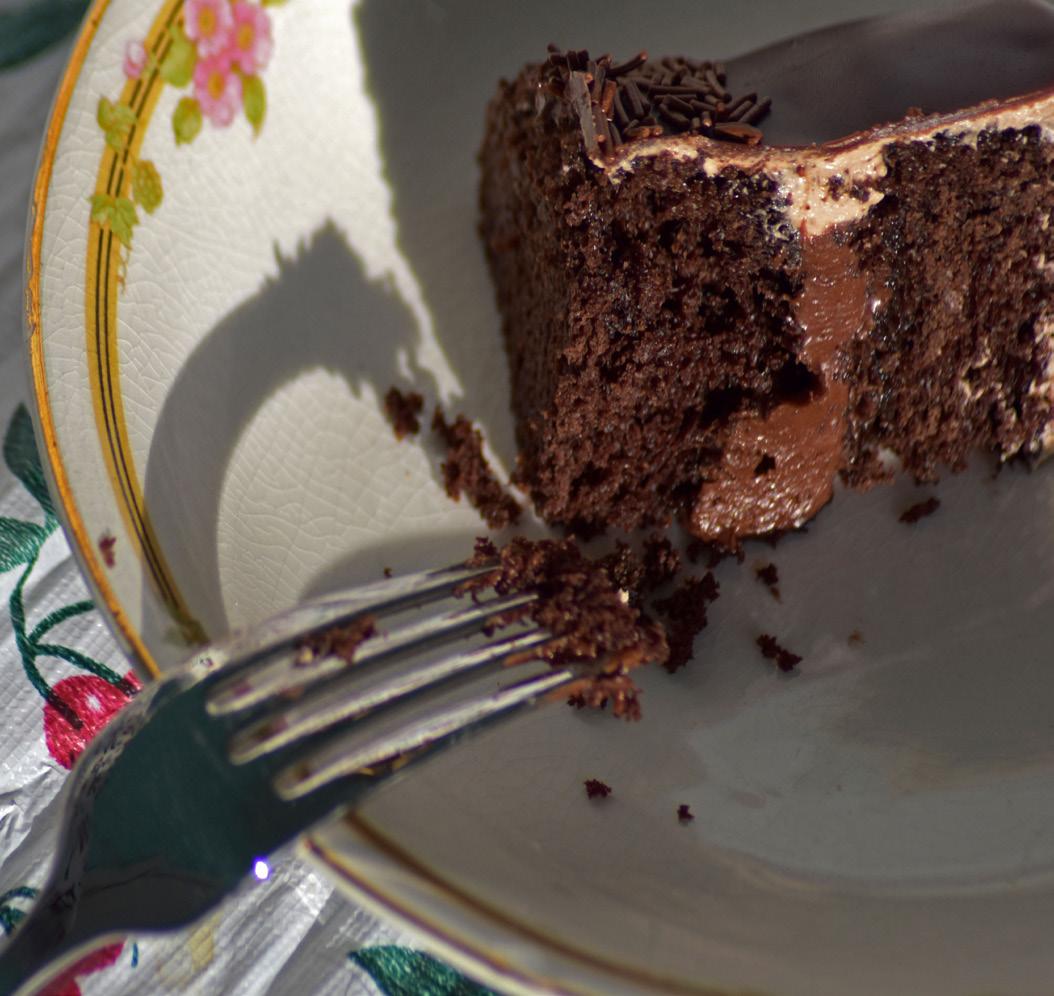
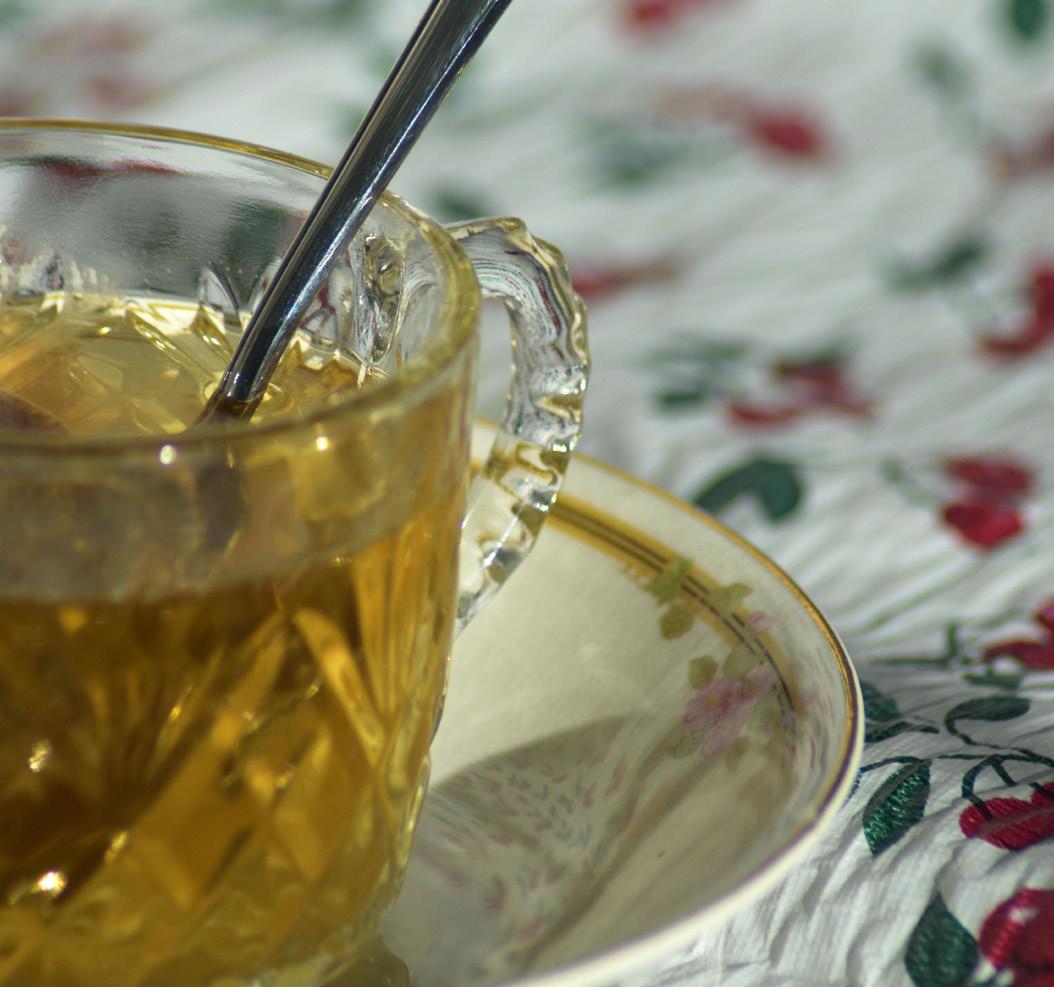
Last month, I received a care package from my mom in the mail. It was full of snacks that remind me of my home in Hawaii—guava cookies, chocolate mochi, and Maui onion chips. My mistake was starting with the chocolate covered sunflowers. The minute I tasted them, I burst into tears. They reminded me so much of my childhood. It was downhill from there. I put on my headphones and played “Somewhere Over the Rainbow” while quite literally eating every snack my mom sent me and sobbing uncontrollably. This nostalgic feeling is one we all experience through food because it reminds us of people, places, and times in our lives. Food nostalgia is directly connected to the fact that food is social; the sensory experience that comes with eating brings us back to memories that are vivid and emotional.
Psychologist Tais Millsap says, “food can be a negative or a positive trigger. For example, if a parent used to make a specific food, whenever you eat that food it will feel like comfort to you. You will relate that food to the good experience that you had. In the same way, this nostalgia can serve as a negative trigger. For example, if a child is neglected food in their childhood, having food will become a trigger of not having food.”
This explains why a bite of a funnel cake might bring you back to the carnival you went to for your eighth birthday and makes you feel happy. Similarly, how a bite of lasagna might bring you back to the time you got food poisoning and ended up in the ER. Good or bad, we all have memories associated with food.
Anna Moon, Emerson College, ‘22, recalls spam, rice, and eggs as a nostalgic meal from her childhood. She quotes, “My mom makes breakfast in the morning for my siblings and me, and spam, eggs, and rice is her go-to thing. When I wake up that’s the first thing I smell—the spam cooking. It smells so good, it makes me get out of bed.”
“Our senses are what brings us the most information about what reminds us of things, and food has two of them—the smell and the taste,” Millsap says. When we smell and taste food, it
is extremely powerful and stimulates a variety of feelings. This explains why we can feel a mixture of emotions when we are nostalgic. Moon went on to say, “your senses like taste, touch, and smell contribute to certain memories you have because without them you wouldn’t be able to have all the details of those memories.”
Emerson student Mariely Thomas recalled her own “expereinece” with food nostalgia. She said, “every holiday or celebration, whether it be Christmas or a birthday party, my mom would make the traditional Latin dish, flan. I remember going to the stores with her and helping her pick ingredients so she could make it the night before. Once it had cooled in the fridge she would take it out and the best part of the process came. Hovering over the kitchen counter, we’d anxiously watch as she flipped it over, hoping it would fall out in one piece. She made it so much that I eventually grew tired of it, however, it still holds a special place for me since it was such a staple in my childhood.”
As humans, we miss things and we like to belong. This is why we feel the need to be nostalgic when we experience being out of place. We can look at a picture of a time in which we did feel comfortable, and live vicariously through that.
“If you are nostalgic, this means that you lived through something that was positive, but also means that you are past that part of your life,” says Millsap. “This explains the mixed emotions that come with missing something.”
Food and nostalgia go hand in hand because food is such an important part of our everyday lives. Whether it be the smell of a turkey roasting on Thanksgiving, the taste of hotdogs that remind us of backyard barbecues with the family, or even a bite of popcorn that triggers memories of your favorite movie, food nostalgia has a place in everyone’s lives.
Millsap says it best, “ The types of food that bring you certain feelings are part of your identity. Your identity is created with culture, with family, and with everything that you live. Food is a part of that, and that is a part of who you are.” YM
WRITTEN BY ANNA WOJNAROWSKI
ART BY OLIVIA KELLIHER
“This time, I know I’m fighting. This time, I know I’m back in my body.”
- Back in My Body, Maggie Rogers
Iwas walking down Boylston, on my way to the Ansin building, when I felt so dizzy I thought I was going to throw up. I wasn’t a part of myself; it was like I was watching myself from the cheap seats up in the sky, somewhere in the clouds. At the same time, I found myself feeling trapped in my chest, screaming, trying to get out. I crossed the street to Tremont, feeling less claustrophobic being in an actual building than being in the fresh air of Boston. I spent my class answering questions, yet not remembering what I said immediately after, or having no idea if I ever said anything at all. I could only depend on a faint voice in my head reflecting on something I might have said or not. I was three months off my anxiety medication. Later in the day, I went back to my dorm and slept for five hours. I woke up with the worst headache I can ever remember having. It was 8 at night. I ate dinner at 9 and then went back to sleep at 11.
A couple of weeks later I was texting my friend who goes to another school, asking how she was doing. She told me she was feeling depressed, kind of anxious, and generally numb. She believed she was “dissociating.” I had heard of that term before, but I wasn’t that well-versed in what it really meant. I pulled up Google on my phone, typed it in. As pages upon pages of information dropped, I started sobbing.
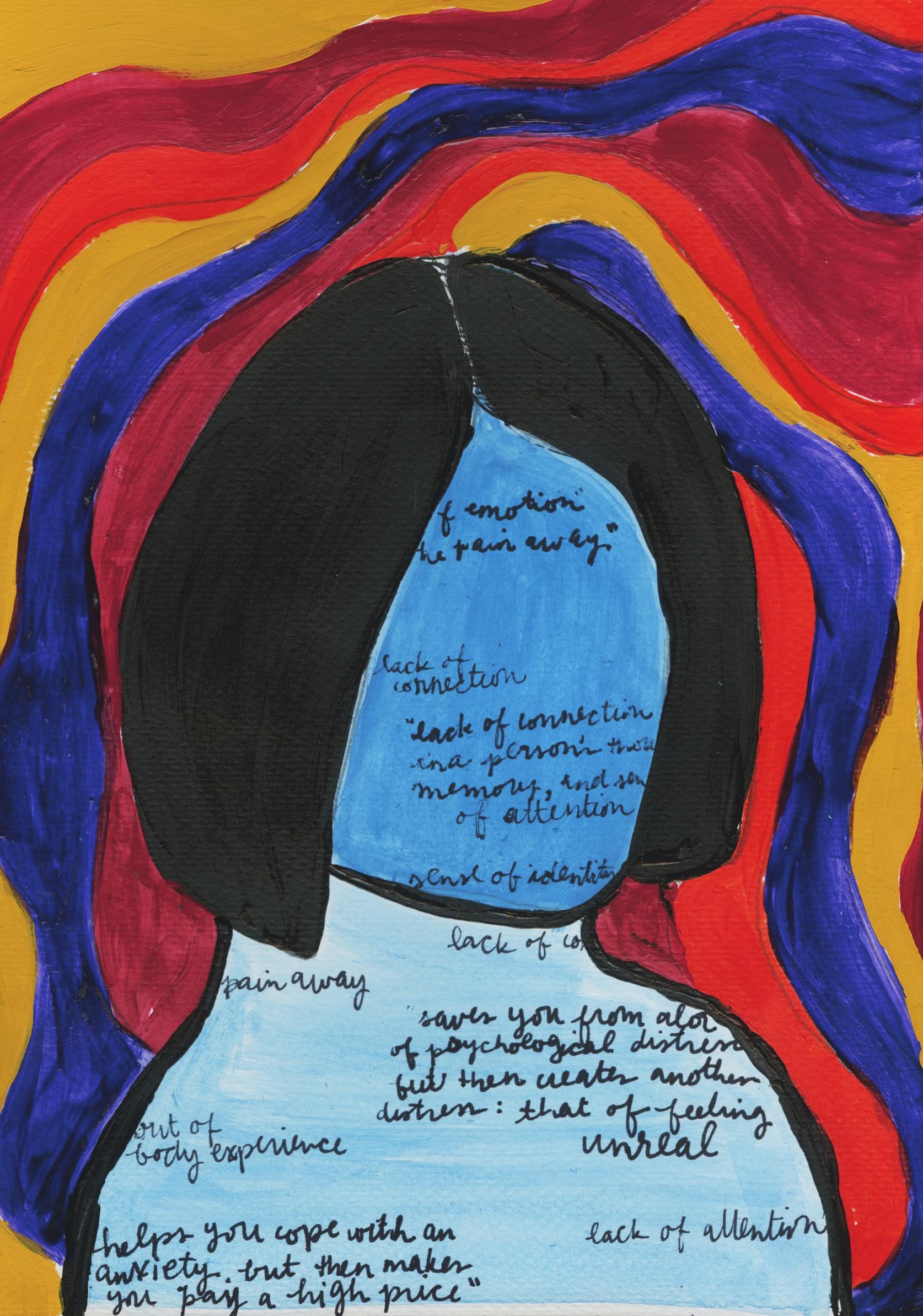
Dissociation, according to Mental Health America, is a “mental process that causes a lack of connection in a person’s thoughts, memory and sense of identity.” It can branch into other forms, such as derealization, which is the feeling of not being real, or depersonalization, feeling an out-of-body experience.
Dissociation can show up for a lot of reasons, but one of the main causes is trauma. Dissociation can “take the pain away” because it is unbearable for one person to deal with, and push the brain to derail any sense of self. Therefore, when you dissociate, you feel outside of your own body. Dr. Samiris Sostre,
a psychiatrist from New Jersey, says that dissociation, specifically depersonalization, “saves you from some level of psychological distress, but then creates another distress: that of feeling unreal.” Evidently, this kind of detachment “helps you cope with anxiety, but then [makes] you pay a high price because you are also detached from your connection with others. We are highly social beings that need to feel connected to feel whole and safe.”
About 2 percent of people have actual dissociative disorders, but far more people experience milder spouts of dissociation. It is even more common among people in their teens. It seems as though people our age are taking the reins over de-stigmatizing mental health, particularly anxiety and depression. So, why don’t we talk more about dissociation?
Illnesses like anxiety and depression can make one feel like they are experiencing dissociation. They do not feel like a part of their own bodies, and they may not feel a strong sense of themselves. This further exemplifies the dire need to bring dissociation into the forefront of mental health education. Dissociating is one of the most emotionally painful experiences I’ve ever gone through, mostly because it took me three months to realize that I was in a dissociative state. If I had the sense that what I was feeling was valid, maybe I would have reached out to others sooner, or avoiding associating these feelings with my diagnosed generalized anxiety disorder. Giving those who experience dissociation the help they need so that suffering in silence because of thinking it’s just a “passing feeling” or a “different issue altogether” must be encouraged. I don’t think I am ever going to feel like I’ve been “cured” of dissociation. I am still going through the effects of coming back from dissociation, and find solace in knowing that some days are going to be better than others. Having knowledge of what dissociation is and how it will make me feel makes the bad days a little less scary. YM
WRITTEN BY LILLIAN COHEN
If you’ve been using the CoStar app as a GPS to life, get ready for dream journals—no app required.
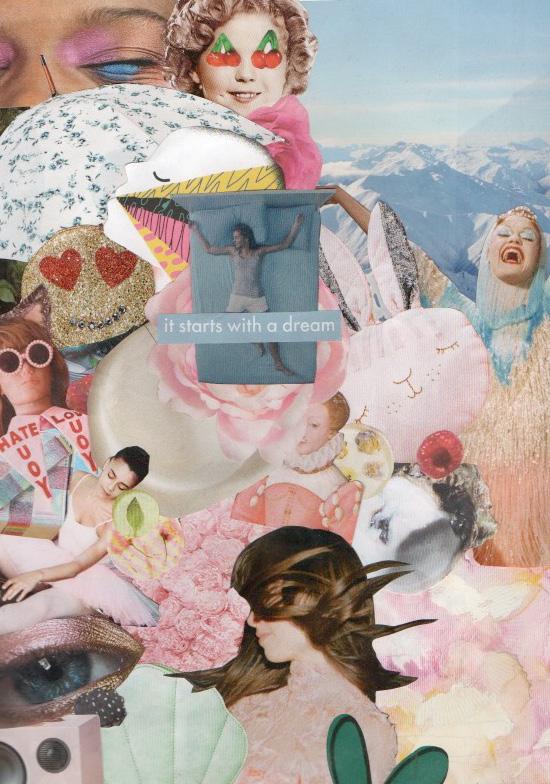
Scientists recognize that a large part of our mannerisms and thoughts are automatic or come from our subconscious; that’s why they’re interesting. We love to discover the unknown, through astrology, horoscopes, and tarot cards. But there’s actually a much simpler way to dive into the unconscious mind: dream journals.
Dreams happen within the rapid eye movement (REM) stage of our sleep cycles. REM marks the deepest part of our sleep, the point where waking up can leave you feeling groggy and still tired. Depending on how long you sleep, you can have numerous REM cycles and dreams. But when we wake up, we often don’t remember them. That’s where dream journals come in. The more you journal, the more you remember.
Step 1: Keep a notebook and pencil beside your bed.
As soon as you wake up, you’ll want to write down your dreams. That’s when they’re most fresh and least likely to be altered by your conscious mind.
Step 2: Remember to remember.
It’s odd, but it’s true. Trying to actively remember will help you hold on and recall your dreams.
Step 3: When you wake up, write down exactly what you dreamt of.
It sounds simple, but this is often where people mess up. As soon as you wake up, write. Don’t think. Sketch down what you remember seeing and feeling. Do not try to decipher your dreams. Take your memories out and set them aside for later.
ART BY EMILIE KRONE
“When people narrate their dreams, they typically leave out numerous details that seem too trivial or obvious to mention. Yet it is precisely these seemingly worthless details that often become highly significant in later explorations,” Psychology Daily says.
Remembering gets easier as it becomes ingrained into your routine. Your brain typically throws dream memories away because it thinks you don’t need them. Once you tell your brain what to do, it will hold onto memories for longer, encouraging strong memory.
If nothing sticks for a week, that’s okay. Keep going.
Step 4: Read through your dreams.
Once a week, go through your journal. Highlight and star anything that reoccurs or you think you should pay attention to. Make connections to things in your life. Think of it as a time to get to know yourself better.
Carl Jung, a pioneer of dream theory, says, “We are not dealing with isolated dreams; they form a coherent series in the course of which the meaning gradually unfolds more or less of its own accord.”
Scientists are still discovering a lot about what happens when we dream. Scientists didn’t seriously study dreams until they discovered REM in 1953. Now, many argue that recording your dreams is a big part of the creativity associated with them. REM sleep stimulates the brain in the same way that learning does.
Just as with astrology, though, take all of this analysis with a grain of salt. Maybe it will help your writing or improve your connection with yourself. Either way, the daily practice of writing down your dreams can only benefit you. YM
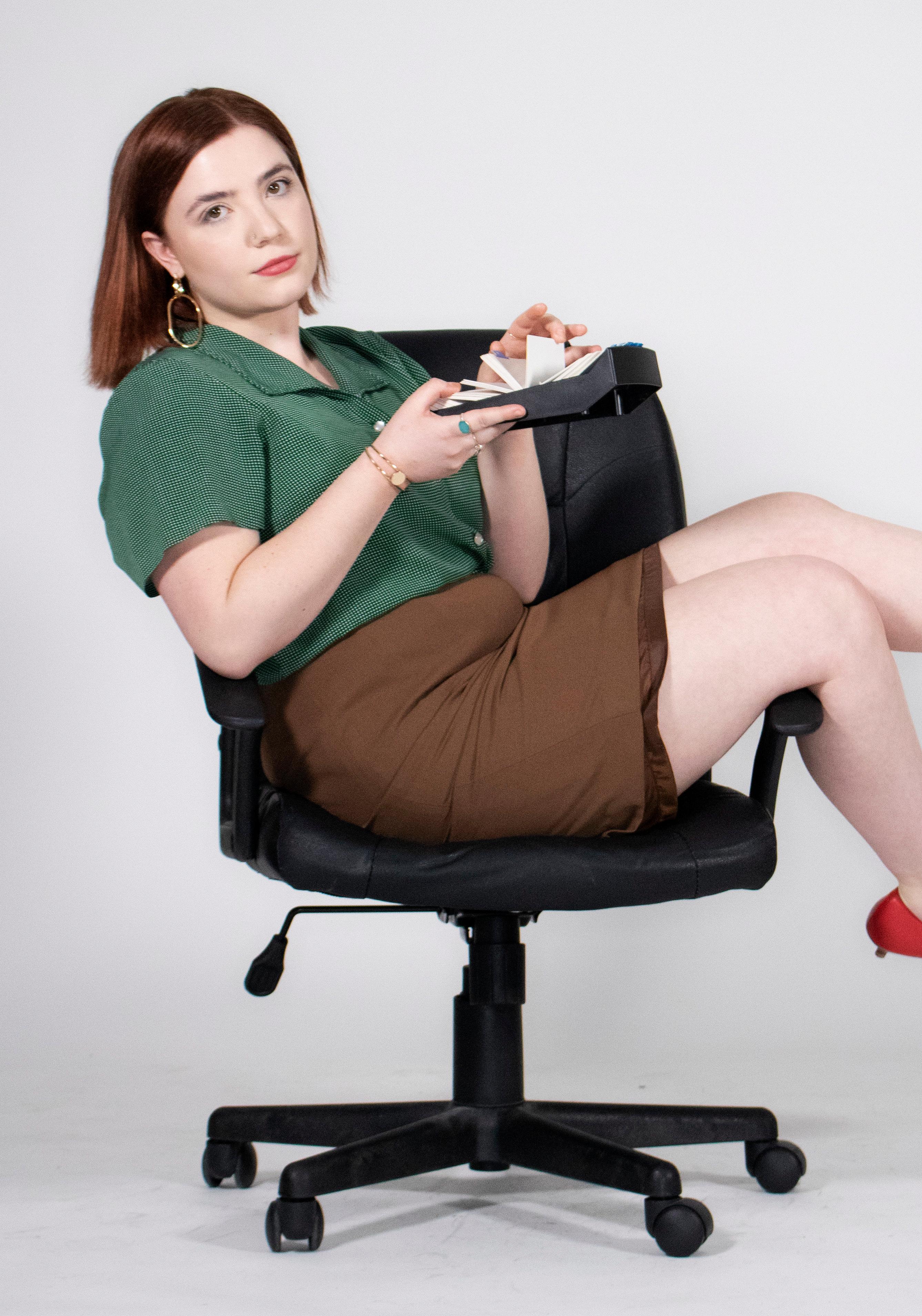
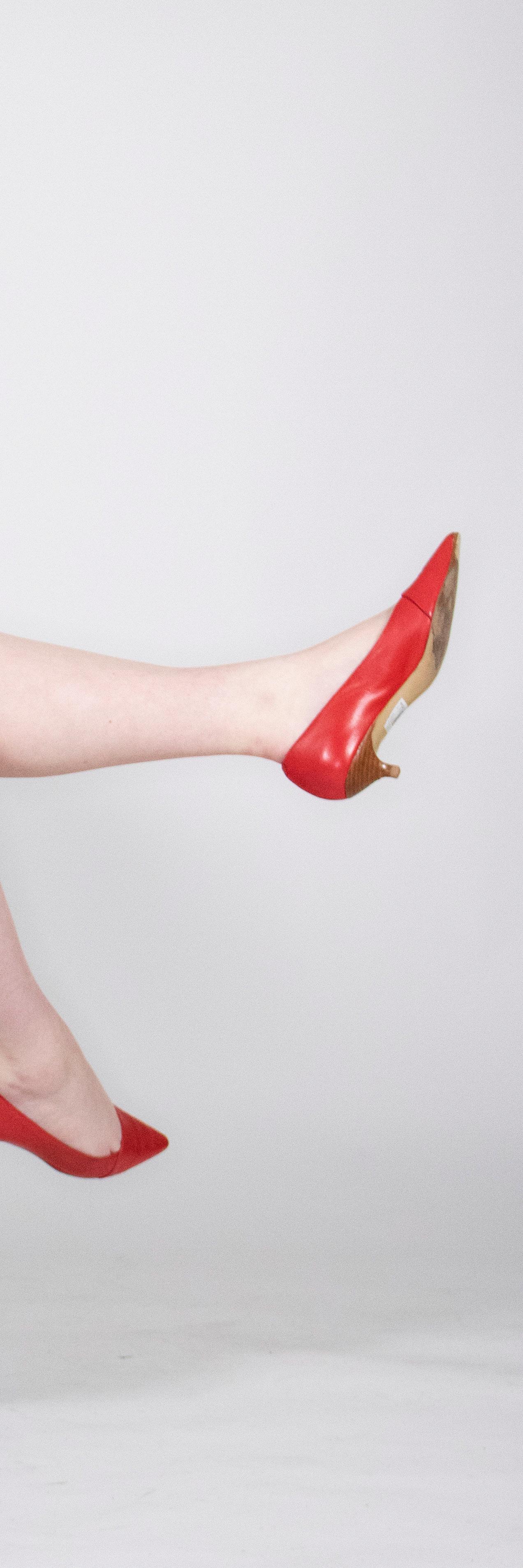
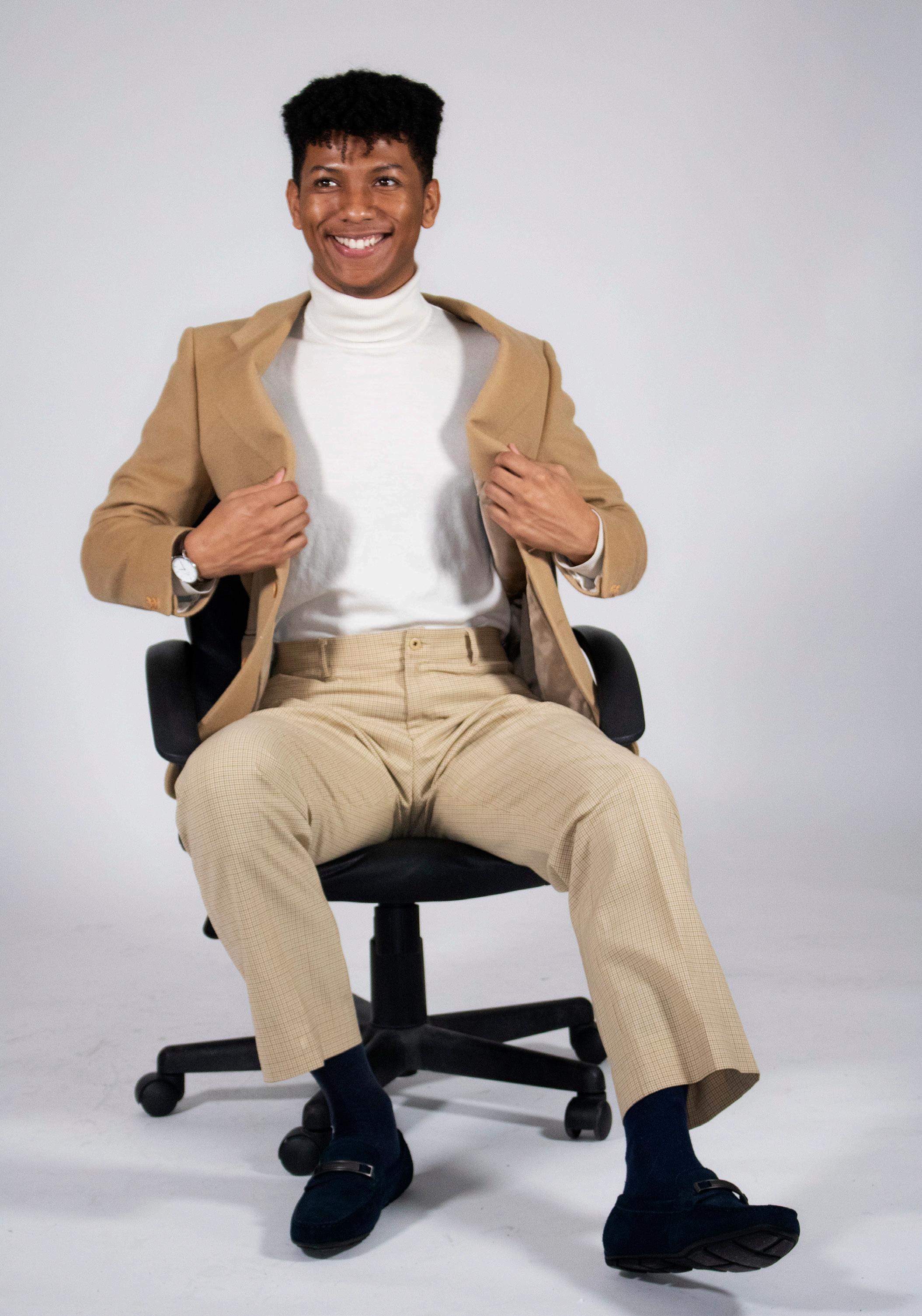
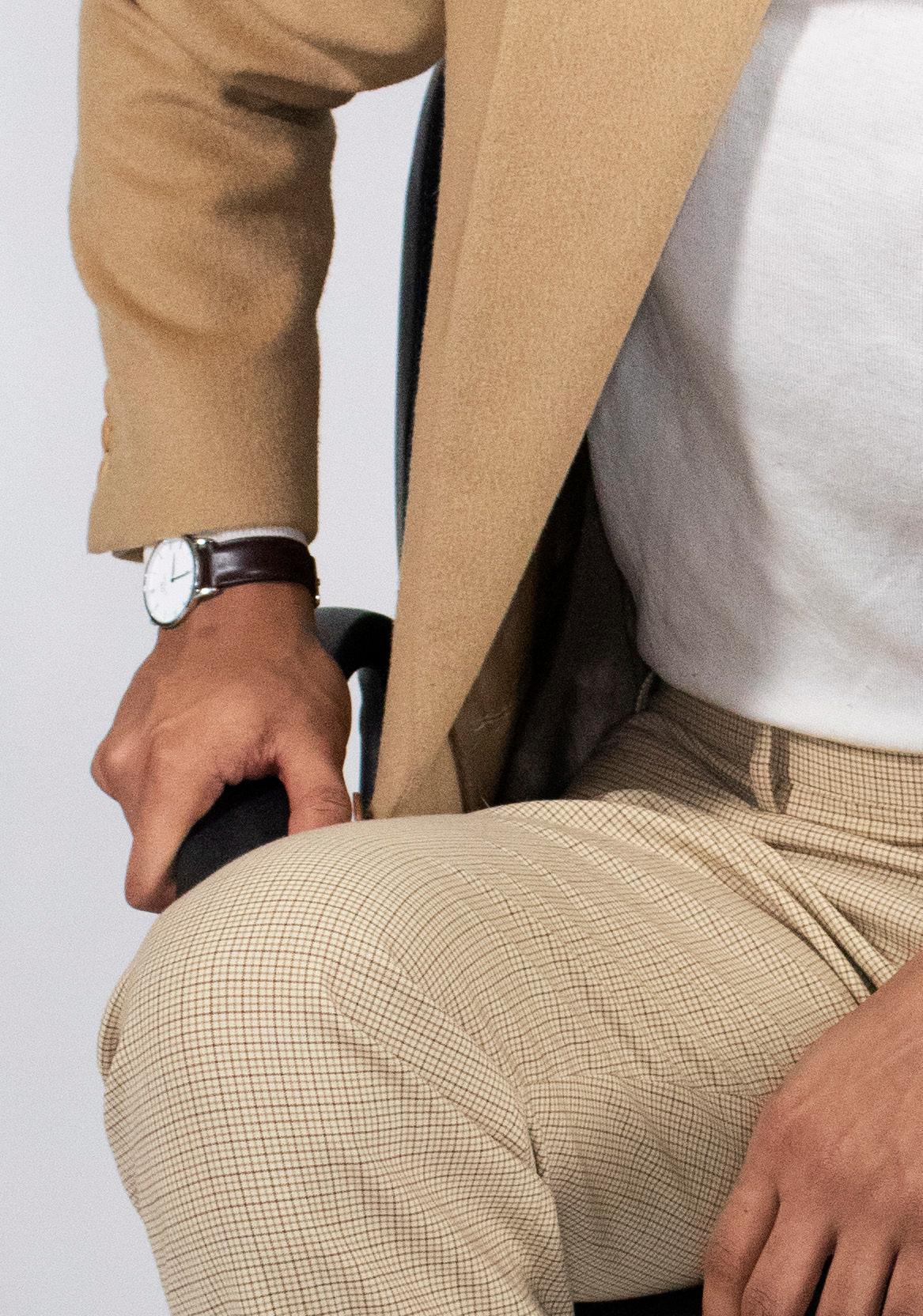
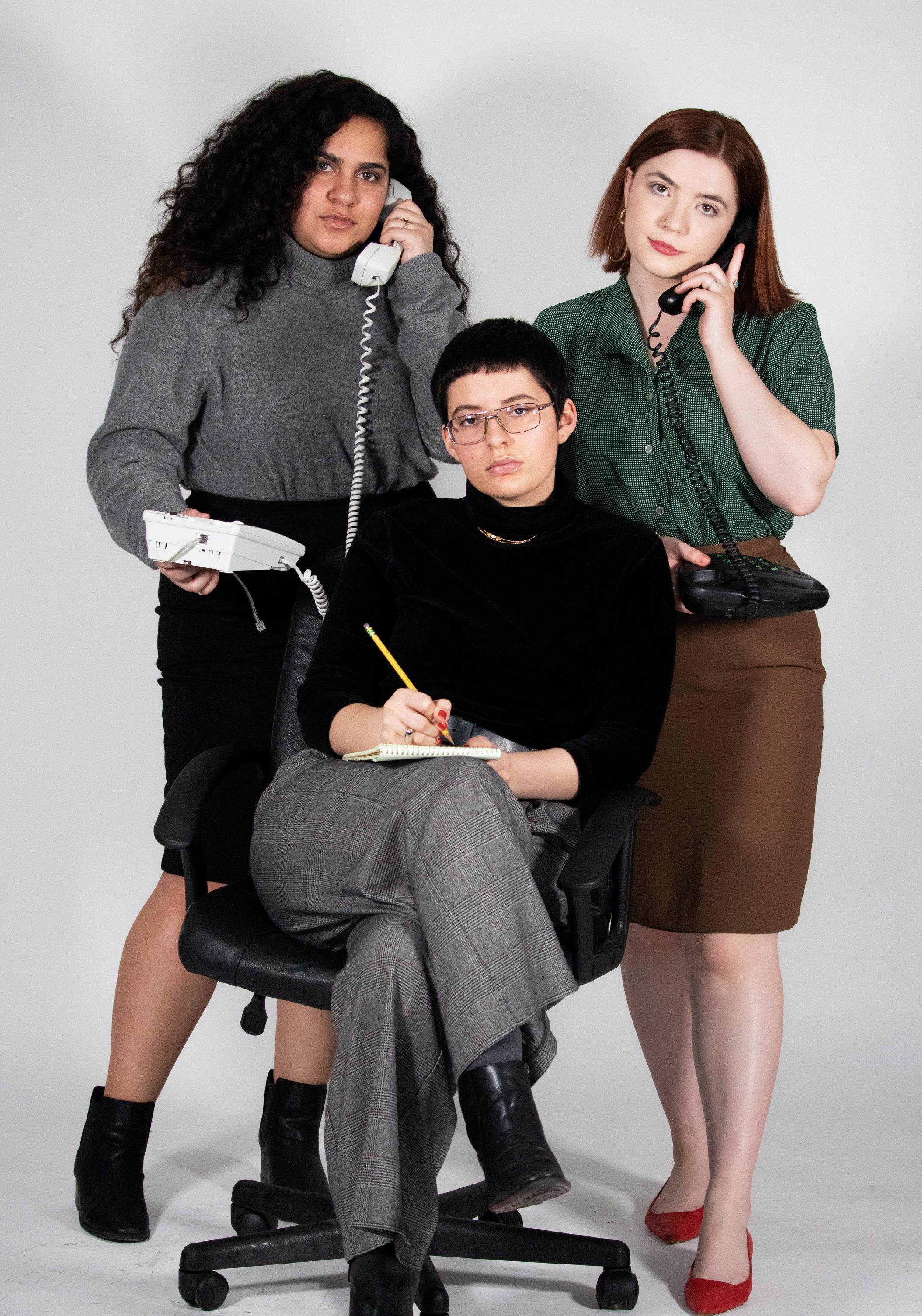
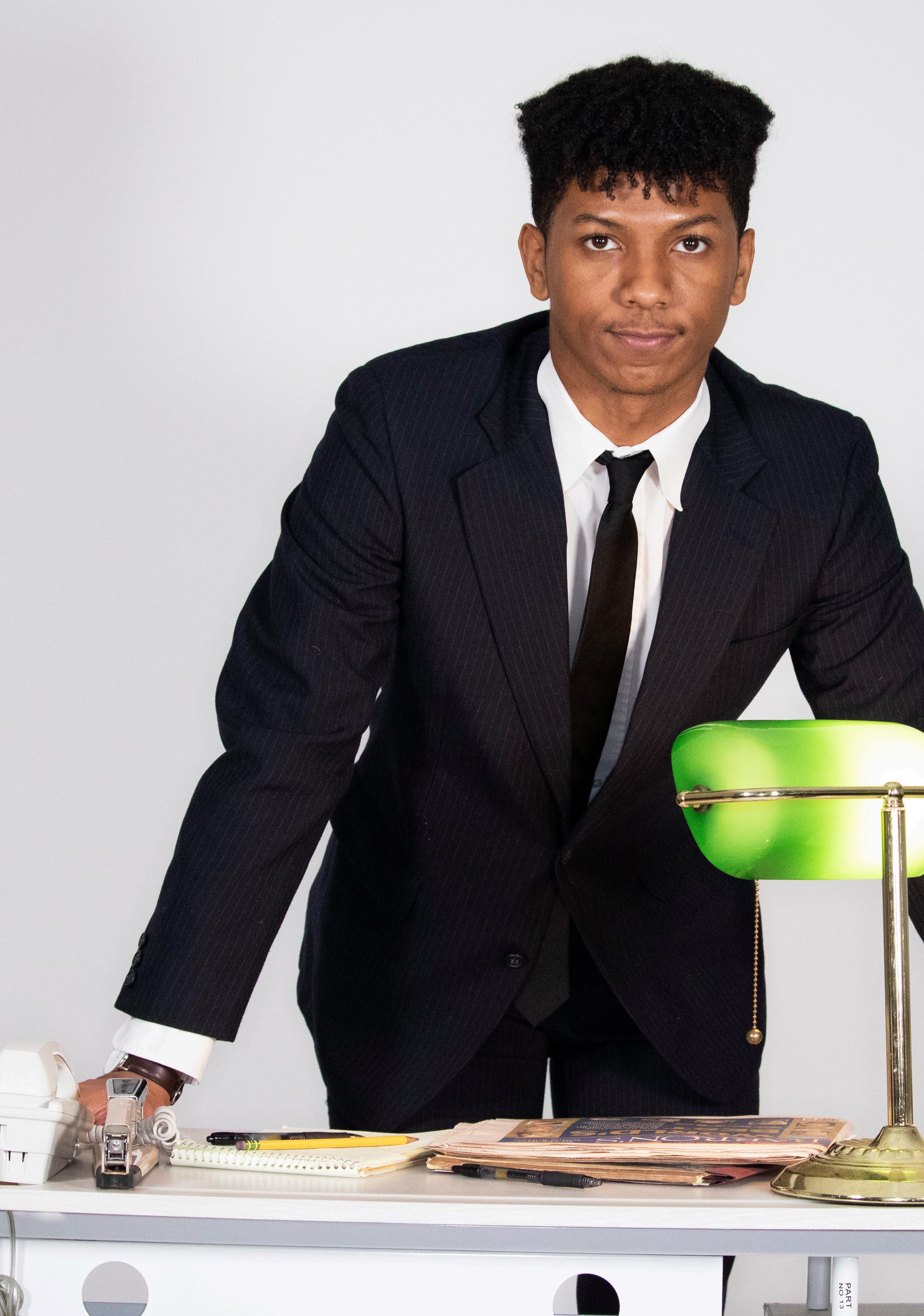
DIRECTED BY DAYSIA TOLENTINO
PHOTOGRAPHED BY LUKAS MARKOU
STYLED BY GINA YORK, CRISTIAN GANGES, LAUREN DILLOW, SOLEIL EASTON, KASEY O’CONNELL
MAKEUP BY LAUREN DILLOW
ASSISTED BY MONIKA DAVIS
MODELED BY MARIAH VAILAHI, JULIAN LEMUS, NINA RODRIGUEZ, ALYSSA DEVRIES
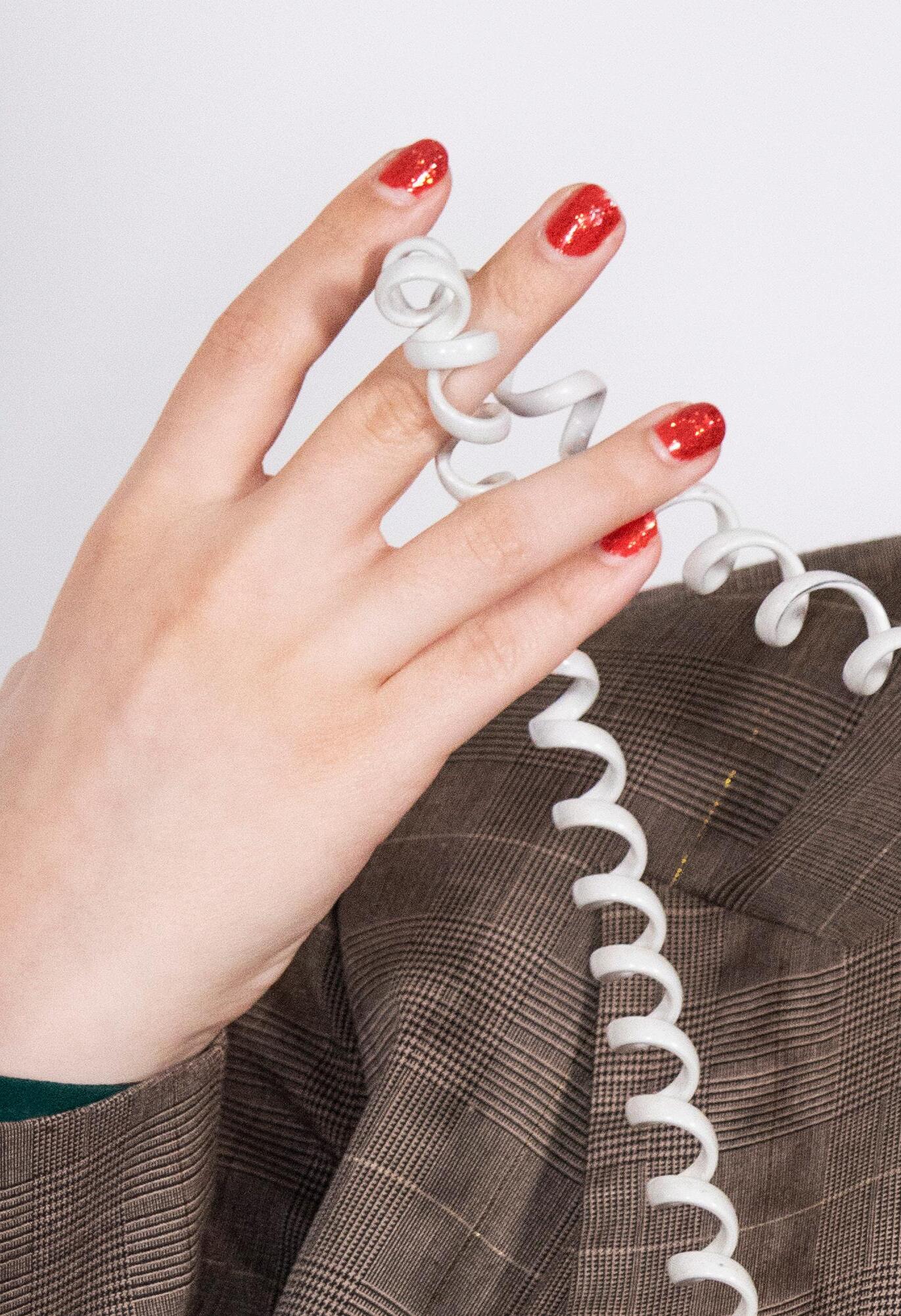

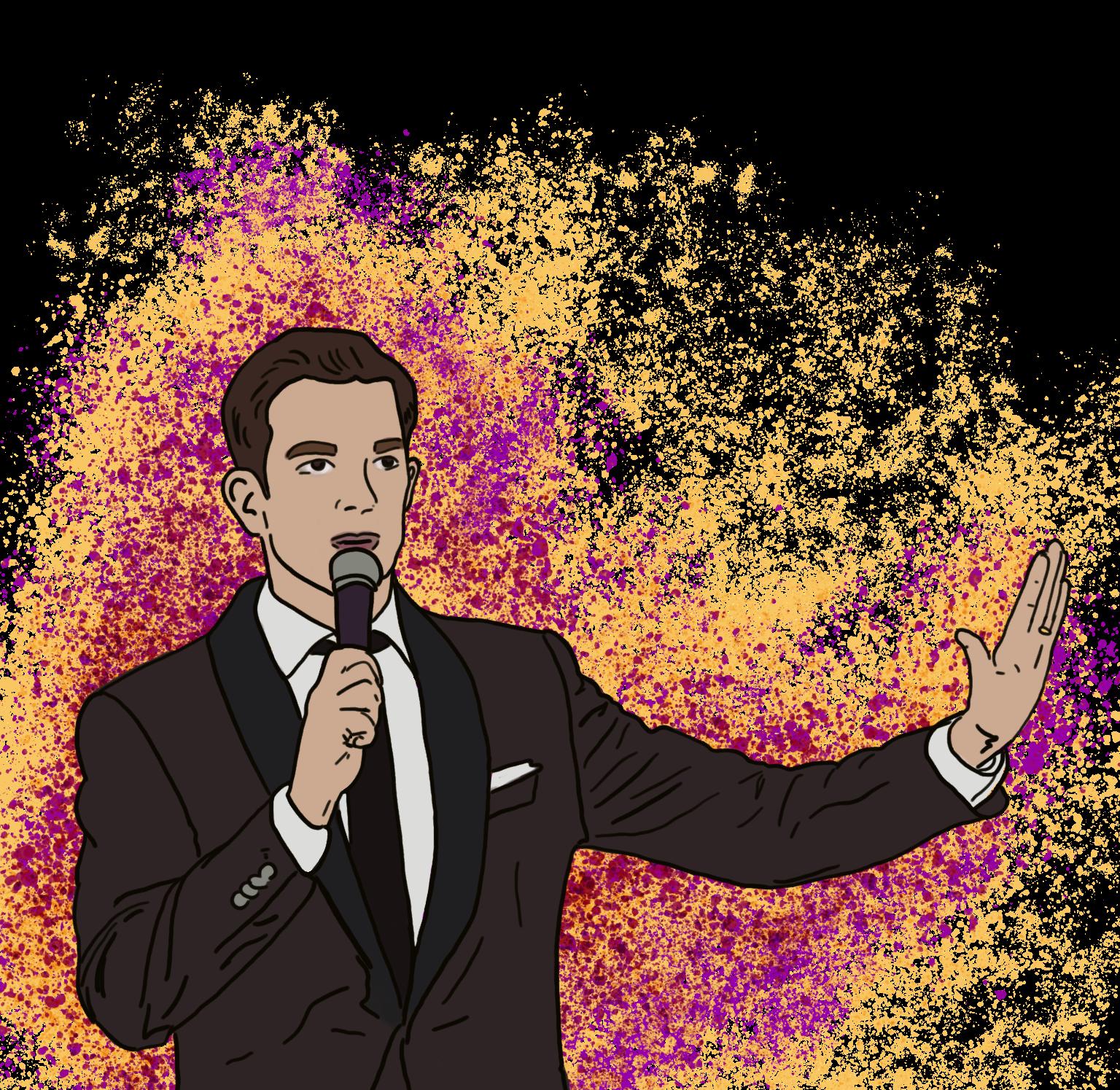
Afew years ago, only a relatively few amount of people knew the name John Mulaney. If you did, you were most likely a comedy buff or perhaps just aware of the fact he was the co-creator of Stefon on Saturday Night Live’s Weekend Update.
Today, you don’t have to be a SNL superfan to know the name. In fact, he’s likely one of the most popular comedians in the world right now. You can’t go a day without hearing one of Mulaney’s quotes get thrown around, whether it’s a loud proclamation of “Street Smarts!” or a singsong tone of “Because we’re Delta Air Lines, and life is a fucking nightmare.” His comedy has certainly changed the Emerson community for the better.
Despite a failed 2014 sitcom, ingeniously titled Mulaney, he has had plenty of success in the world of comedy. After working as a writer for Saturday Night Live, he added three Netflix comedy specials to his name: New In Town, The Comeback Kid, and Kid Goregous. In the last year, Mulaney has voice acted for Netflix original series Big Mouth and Spiderman: Into the Spider-Verse, solidifying his career as more than just a stand-up comedian as he ventures into bigger and better projects.
But what makes his comedy so unique? For BCE major Laura Phillips, she claims his use of universal humor is what has struck a particular chord for her. “His jokes don’t come at the expense of other people,” she explained while expressing her love for the comedian. Gone are the days of stereotypes
and crude humor, something that stand-up comedians are often known for.
Not Mulaney, though. Progressive and democratic, he prides himself on the ability to create hilarious, different bits that aren’t trying to pick people out in a crowd and laugh at them. With a focus on himself and his past, he switches up the typical comedy genre. Straight, white, male comedians get away with making fun of other people far too often, and Mulaney is cautious not to fall into that category. Making his love and respect for his wife known throughout his comedy is a perfect example of this: by being an admirable man, we automatically want to like him more.
It’s not just about playing nice. Mary Spadaro, a comedy major, doesn’t just appreciate his approach, but also the structure of his jokes as well. “He governs the stage with such authority that the audience is never uneasy in his presence. It’s his control that separates him from other comedians. The ride Mulaney takes you on is simultaneously steady and wild; you feel safe in trusting that his story will be funny even when you don’t know where it’s going.”
The safety aspect is key. Mulaney isn’t afraid to drop you down before he takes you back up, but that’s how he reels you in. He’s so relatable that you feel as though you have an inside joke with him, even when millions of others are in on it as well. Considering his ever growing popularity, it’s hard to say if there’s anything that will throw him off his rhythm. YM
WRITTEN
BY ANNIE WOJNAROWSKI ILLUSTRATION BY YELIZAVETA ROGULINA
With long black hair, a kaleidoscope of colors shown through her whimsical outfits, and one of the most peaceful stage presences in music today, Kacey Musgraves is doing it all on her own terms and winning them all over by being the country girl that only she knows how to be. In only a year, Kacey has transformed from just a budding country artist to the ‘yeehaw’ queen of 2018. Kacey’s music, specifically her Grammy award-winning album Golden Hour, has done the impossible: make people
“... she really breaks the mold from what country music is ‘supposed’ to sound and is her own entire entity.”
who don’t like country music like country music. Emerson sophomore Erica Petrillo is someone who didn’t even realize that her music is country, “I had to be told by someone and even then I didn’t believe it because she really breaks the mold from what country music is ‘supposed’ to sound and is her own entire entity.” A growing pattern between people that have discovered Kacey, and people who have been fans since the beginning of her career, is that she represents something that seems to have been lost in country music in recent years: the liberated woman.
It seems as though after the prime careers of the
comparable Dolly Parton and Linda Ronstadt, men have taken the reigns in the country music establishment and defined roles for how female country artists should act, what they should sing about, and how they should dress. Kacey recognizes this, acknowledges this, and actively rebels against it any moment she gets. Through this record, Kacey shines and shows that the future of country music is in the control of all artists, and not the male-controlled music establishment.
In the first track of the album, Slow Burn, Kacey proclaims her independence.“I’m alright with a ‘slow burn,’ taking my time / I’m gonna do it my way, it’ll be alright.” This calm nature of going about things the way you want to radiates onto her listeners and creates a fanbase, particularly of women, that want to come with her on this journey of self-discovery and liberation. “Her music brings a kind of warmth and calm into my heart at any point in the day, and I can’t say that about many artists,” says Emerson sophomore Somari Davis.
This almost psychedelic energy that Kacey translates to her music is a quiet rebellion against the molding in which female country artists have seemed to abide by. Speaking about her mental health, feeling lonely, drugs, and not exclusively talking about romance is a breath of fresh air that is one of the many reasons that people flock to her album that hits all the censored topics that female country artists have not traditionally talked about in the 21st century. With long black hair, a kaleidoscope of colors shown through her whimsical outfits, and one of the most peaceful stage presences in music today, Kacey is doing it all on her own terms and winning them all over by being the country girl that only she knows how to be. YM
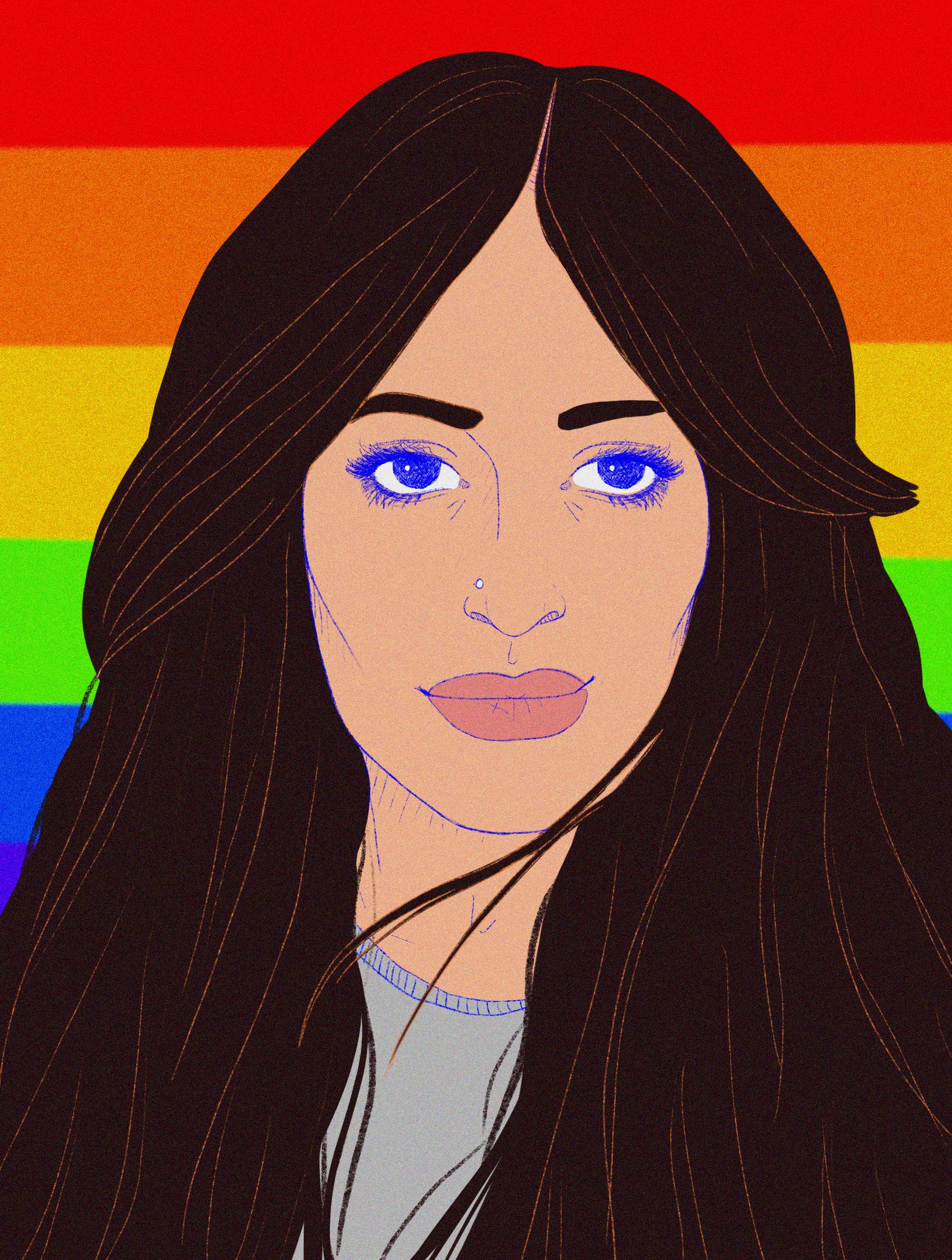
ILLUSTRATION BY ENNE GOLDSTEIN
I got this tote from Shakespeare and Company when I was in Paris two years ago. Paris is my favorite place in the whole world, which is so cliché (and so Libra of me to say, I know). It’s a nice little reminder of the time I spent there. I use it daily, so it’s a little beaten-up now but I love it dearly, we will never part ways!
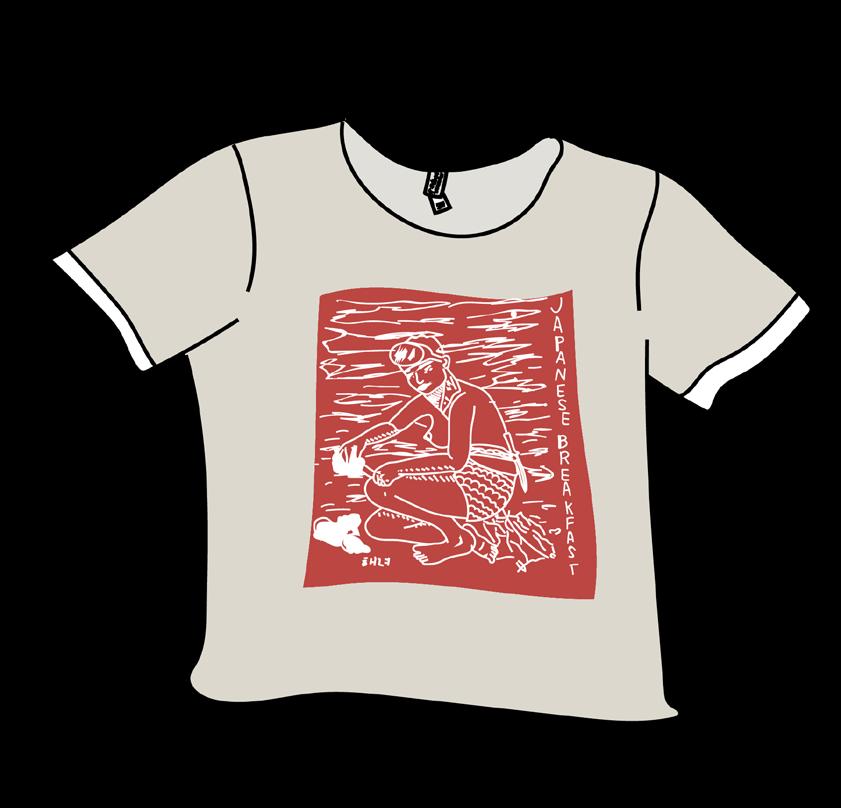
Japanese Breakfast is one of my all-time favorite artists and last summer, I bought tickets on a whim from someone on Facebook because the show was sold out. It was truly one of the best experiences I’ve had at a concert, and she puts on an amazing show. This shirt is a staple in my everyday wardrobe now, and I’ve cut the neckline and the hem so it’s extra comfy and cute.
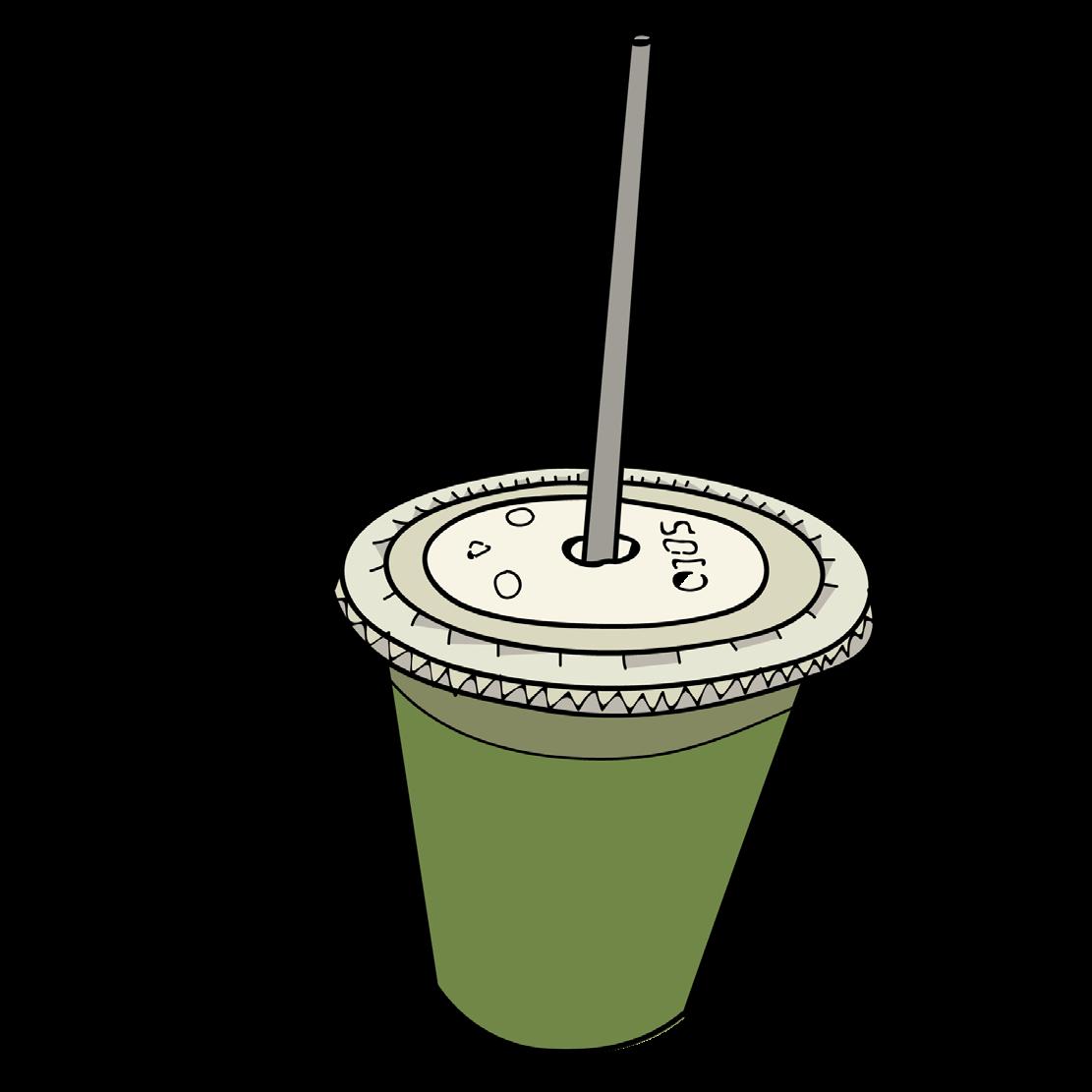
I’m obsessed with Matcha and I adore the Thinking Cup’s Iced Matcha Latte because they actually steam the milk so it’s nice and foamy when you drink it and the Matcha isn’t sweetened, so the flavor isn’t overpowering.
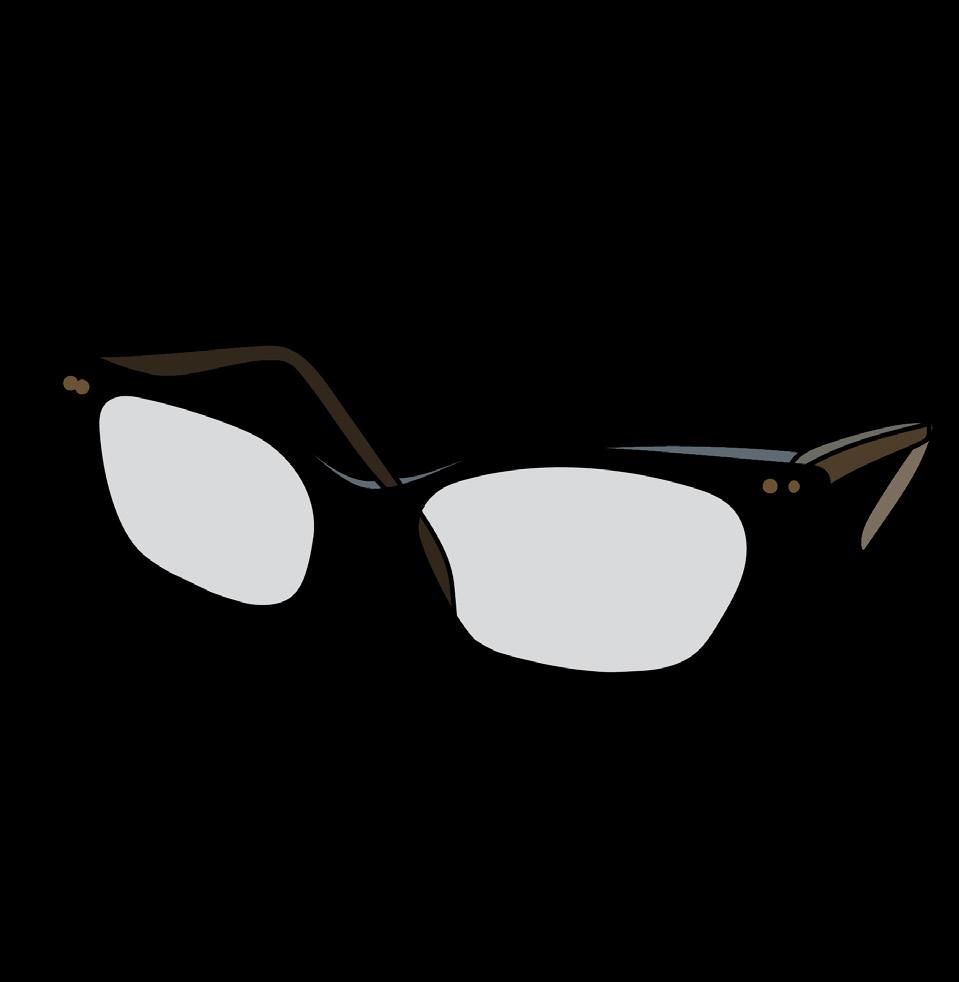
I have a problem with cat-eye glasses! I love the shape and they’re the only kind I wear now. I actually hate contacts for some reason, so I have three variations of cat-eyes at this point, but my black framed pair is my favorite.
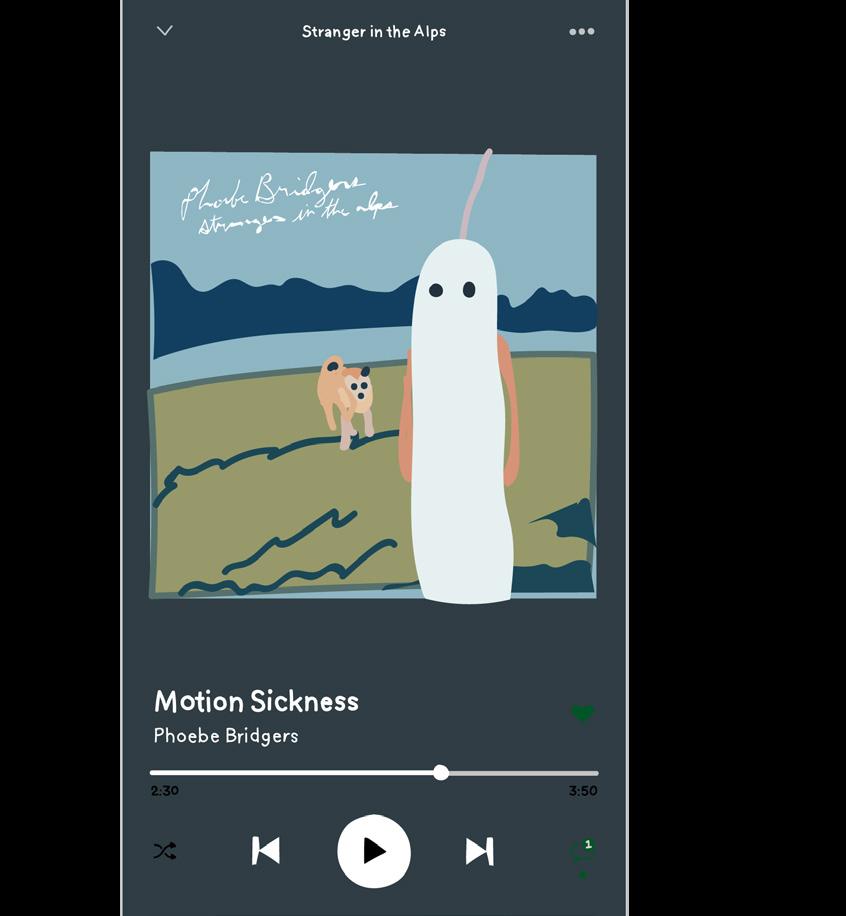
I really can’t function without music playing at all times so Spotify is my best friend. Also I will never get tired of the song “Motion Sickness” by Phoebe Bridgers. Shit slaps. I can listen to it on repeat for days and it was my most-listened-to song of 2018 and will most likely be the one for 2019 too because I have issues.
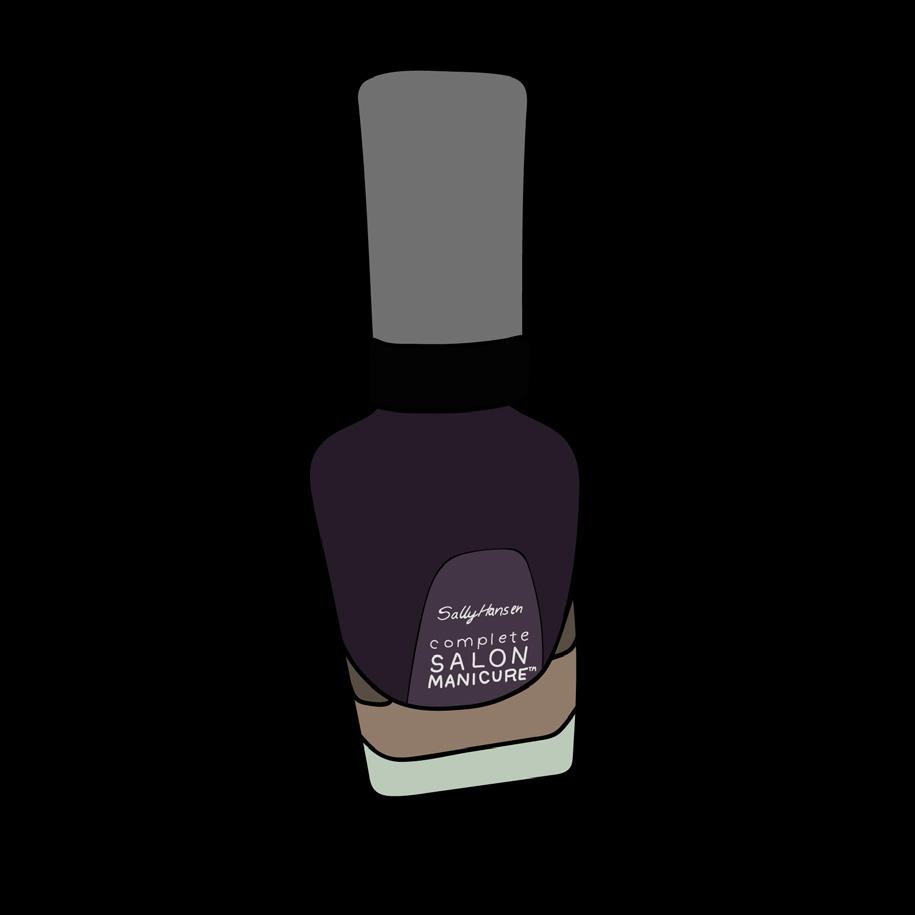
I hate going to nail salons because I’m an anxious nail-polish scratcher, so i prefer to do my nails myself and only in this color. I’ve worn it since high school, and sometimes dabble in other colors, but I always find my way back to this iridescent tealpurple shimmer.


“i don’t know, what do you wanna do?”
We all know about the MFA. The swan boats. The North End. Here are our best offbeat date spots in Boston. From (sort of) locals.
Dating can get messy so why not embrace it? My favorite unconventional date spot is Holly Crab on Comm Ave! Throw on a bib and start cracking open your choice of crab, shrimp, or lobster out of their glamorous plastic bags. If you ask nicely, your waiter might even snap a polaroid of you and your partner and hang it on the wall near the entrance!
Rana Saifi, Talent Director
The Coolidge Corner Theatre in Brookline hosts a bunch of awesome “Coolidge After Midnite” showings of old, cult classic films. Grab your date and impress them with your out-of-the-box thinking and go see a midnight showing of Gremlins, The Grudge, or Alien There are also a bunch of cool places in the area to grab dinner or some drinks before!
Lindsay Howard, Copy Chief
Year-round, the Boston Ghost Tour company offers “haunted nighttime tours” of places all around the city. The typical tour is about an hour long right after sunset, and makes for the perfect spooky stroll with your significant other! It’s up to debate whether or not the tours are actually scary or not, but they’re only $19 a person and definitely worth the experience!
Talia Smith, Living Editor
So here’s the tea...literally. The Boston Tea Party Museum has a beautiful ocean-front space just behind the gift shop where you can relax and sample all the teas thrown into the harbor back in 1773. A bonus: the experience is only $4 for bottomless tea. Sit in Abigail’s Tea Room, chat with people in period dress, and play some Ye Olde Draughts while you snack on scones and fresh cream.
It’s weird and wacky and my girlfriend and I LOVED it.
Delia Curtis, Style Editor and Street Style Director
One of my favorite dates is cooking together at home. There is a small restaurant and market in Cambridge called Dave’s Fresh Pasta where you can pick from more than 30 handmade pasta flavors and 50 ravioli flavors. They’ll cut it fresh to order, and you get to mix and match with their homemade sauces. Spending time in the kitchen always brings the best conversation, especially when it comes with a story!
Abigail Noyes, Assistant Copy Chief
Just don’t date.
Bobby Nicholas III, Co-Head Designer
Living in the city makes getting enough fresh air pretty tough. On your next date pack a lunch and water and take public transit to one of my favorite outdoor spots right near Boston. Blue Hills Reservation is great if you want a good hike with beautiful views of the city without compromising the feeling of being in the woods. The reservation is an impressive 7,000 acre state park with meadows, bogs, forests, and swamps, and over 125 miles of hikes. It’s a ways outside of Boston, but still accessible by the Red Line or bus, and is one of my favorite places.
Andy Caira, Assistant Style Editor
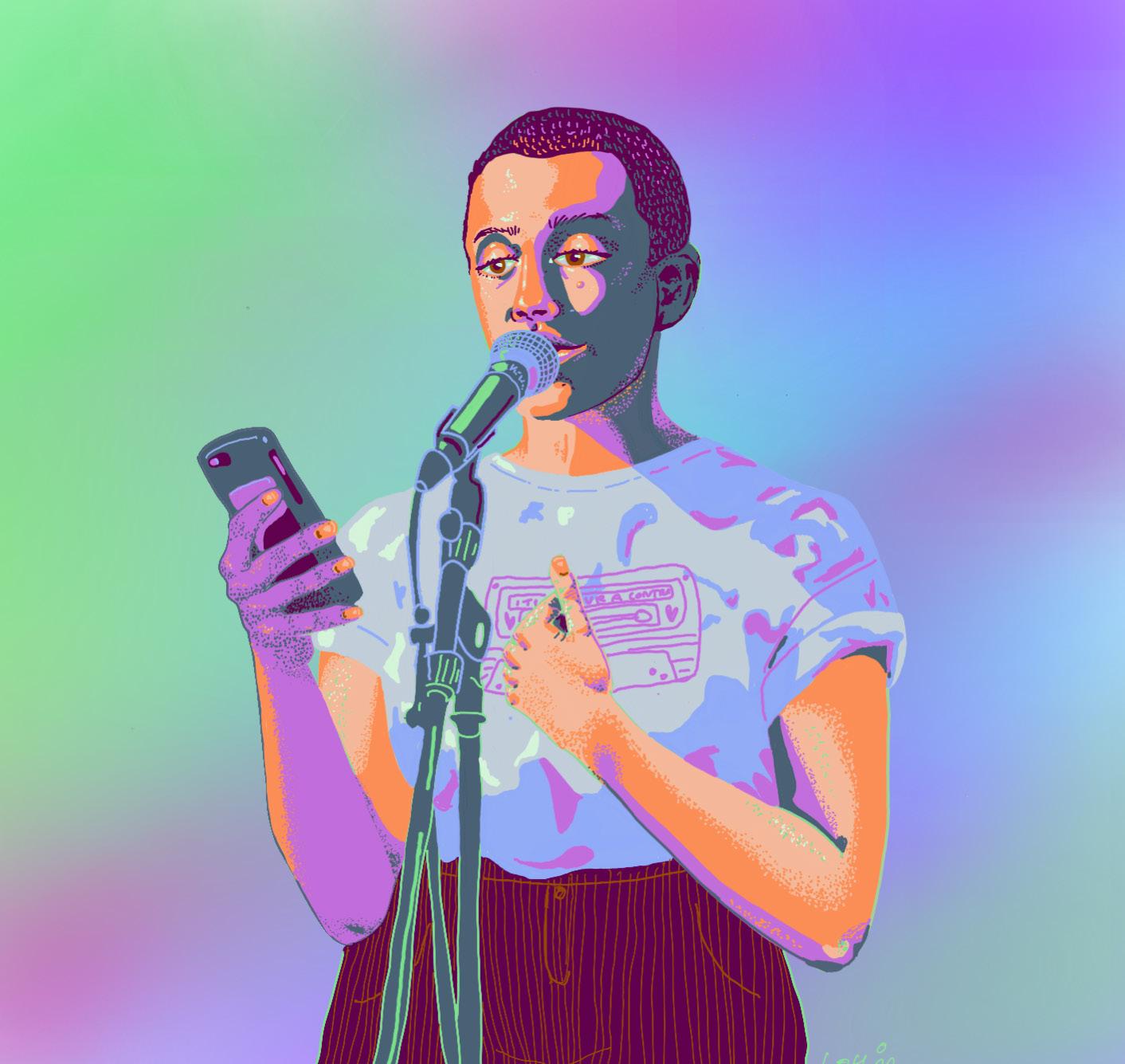
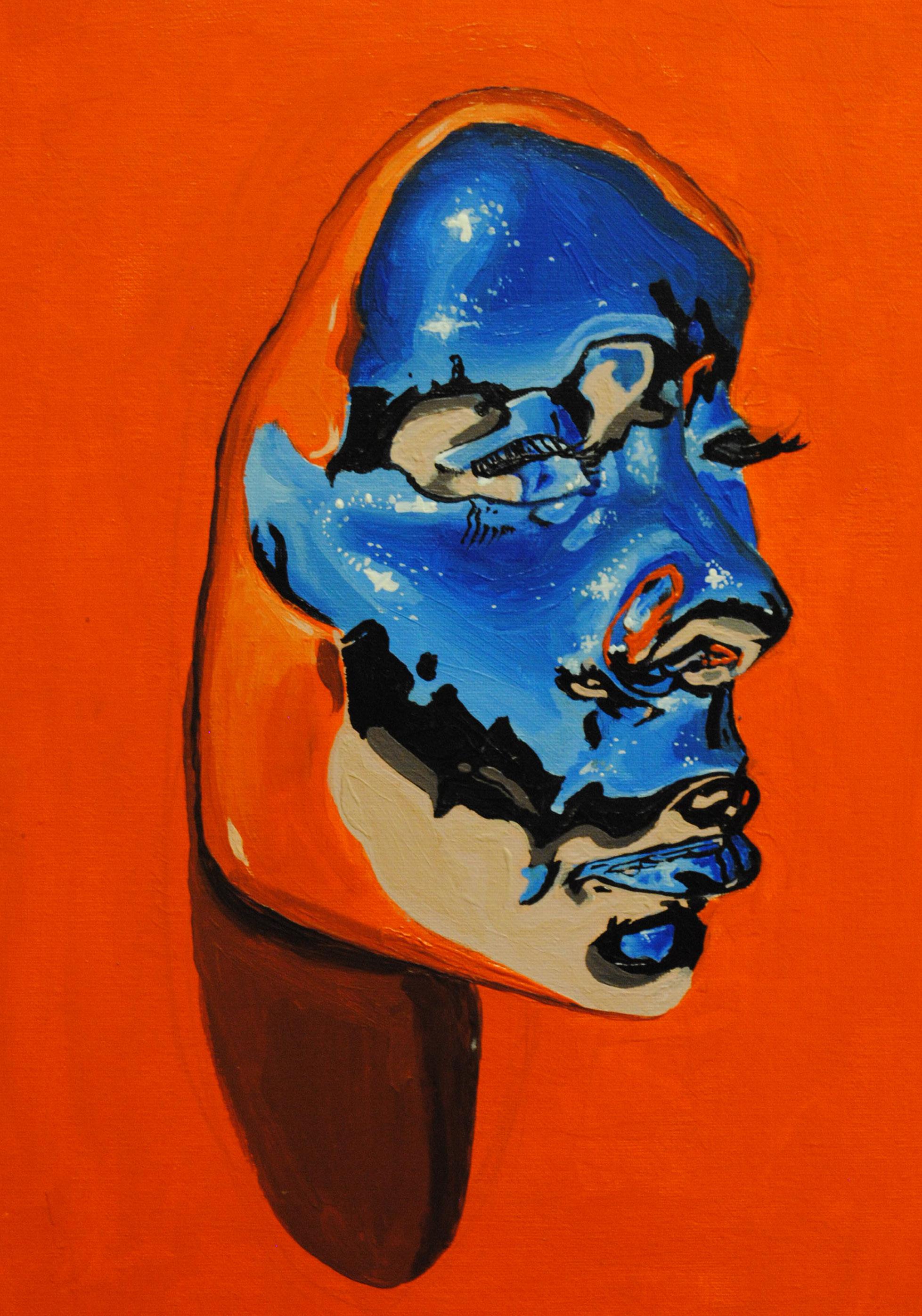
Describe your work in one sentence.
I think the whole point of art is that it can’t be described in one sentence!
Do you have an artistic process?
It very much depends. In high school, my art class was essentially studio time—I could do whatever I wanted, but by the end of the year I had to have a certain amount of work completed. At the beginning of the year I had a map of my pieces with a bunch of rough sketches, but mostly abstract concepts. To begin a piece, I would sketch out my idea, then draw that onto my canvas and begin painting. I would edit as I work. That’s what I love about painting: how it evolves. Nothing I have painted looks like the original concept in my head, but I usually end up liking the final product more. Since I’ve started college, my artistic process has changed. I don’t really have time to work on big projects, and instead make little paintings, collages, or drawings. I just started picking up digital art, drawing on my iPad. Since these are just little pieces, not necessarily to be displayed but just for the sake of creating, I worry less about planning. When I feel like I want to create, I just try to muster as much raw emotion inside me as possible. Usually that’s listening to music and scrolling through Pinterest boards, but sometimes it can just hit me after I watch a moving film or read an article that sparks something in me. Then I just create, letting whatever ideas I have as I work flow.
When do you feel most creative?
I feel most creative when I look at my best friend, when I’m listening to my favorite playlist, when I’m sitting alone in the Renaissance Room at the MFA, when I’m having a conversation with a professor about something that excites me. Experiencing art inspires my creativity. The creativity of others energizes me, gives me something to build on. If the world is full of a bunch of waves at different frequencies bouncing around, I sort of imagine creativity like that: reverberating, echoing, reflecting, refracting, amplifying.
What inspires you?
I guess what inspires me is the need to express what cannot be said. We all have a need to express, and I am very much victim to that need. The driving force of my art is that it allows me to express a part of me no other outlet can. What inspires me to become a better artist, though, is what inspires my creativity. I love experiencing art and when I experience art I want to create art, good art, in return. It’s like a back and forth with me and all my surroundings.
Who are some of your favorite photographers/ designers/ artists?
This is such a cliché right now, but Frida Kahlo is my favorite artist. My parents gave me a book with pictures of her work and short descriptions when I was about seven. When I grew older, and more invested in art, I found myself continuing to return to her work, but more importantly, her story. Her paintings are beautiful, but who she was makes me admire her art more, and has influenced my art a lot. As for other famous artists, I really love Klee, Dali, and Basquiat. I recently have been getting into the work of Graciela Iturbide. She had an exhibit at the MFA, and I immediately connected with her work. I’ve been looking into a lot of her photos, watching interviews with her. Just like with Frida, the artist enhances the art; she’s an amazing woman with amazing talent. She’s actually featured in the Frida exhibit at the MFA right now. I’ve been following Chan, an artist on Instagram @flesh.png, for a long time, and I am forever obsessed with their style.
What’s one of your favorite pieces you’ve done? What makes it special?
My favorite painting is actually one I made when I was fourteen, so technically speaking, it’s not great. Fourteen was a rough year for me; it was when I first started dealing with mental illness. I was groping with suicidal ideations with no mechanisms to cope, smack in the middle of my My Chemical Romance phase (that is actually a lie, as I have never left my MCR phase, but you get the picture). Needless to say, my art was ridiculously emo. I never worked with color, and everything I made was a depressing cliché. The first acrylic painting I did was about how creativity gets sucked out of youth, depicting a person staring blankly with their brain exposed. There was a tap sticking out of their brain, draining color like water. It was the product of an angsty fourteen-year-old, but I love the symbolism of it now, looking back. Not the symbolism I intended, but the world gives art meaning you never planned. To make the brain, I fingerpainted rainbow swirls; I realized I loved working with color. If you look at my work since then, it’s incredibly colorful. People tell me all the time that I “wear a lot of color,” and I can never tell if they mean it as an insult or what. But I love color! And that piece literally shows my transition into color. In the painting I was trying to say that I was getting drained of creativity by a dark and depressing world, but in reality it marked the beginning of the bloom of my creativity in a depressing, but also incredibly beautiful and inspiring world.
What is the best part of creating art?
I would have to say the best part about creating art would be how it changes as you work on it. I paint with direction and intention, but the final product is never what it was in my head. It’s almost like a collaboration of me and circumstance—like Bob Ross says, happy accidents. I love seeing how my ideas change as I put them to canvas.
Where can readers see more of your work?
I have an Instagram @lilyohart, but I don’t post as often as I’d like. I’m working on that, though! And I do illustrations for Your Mag when I have time, so you can sometimes find my work in this very publication.