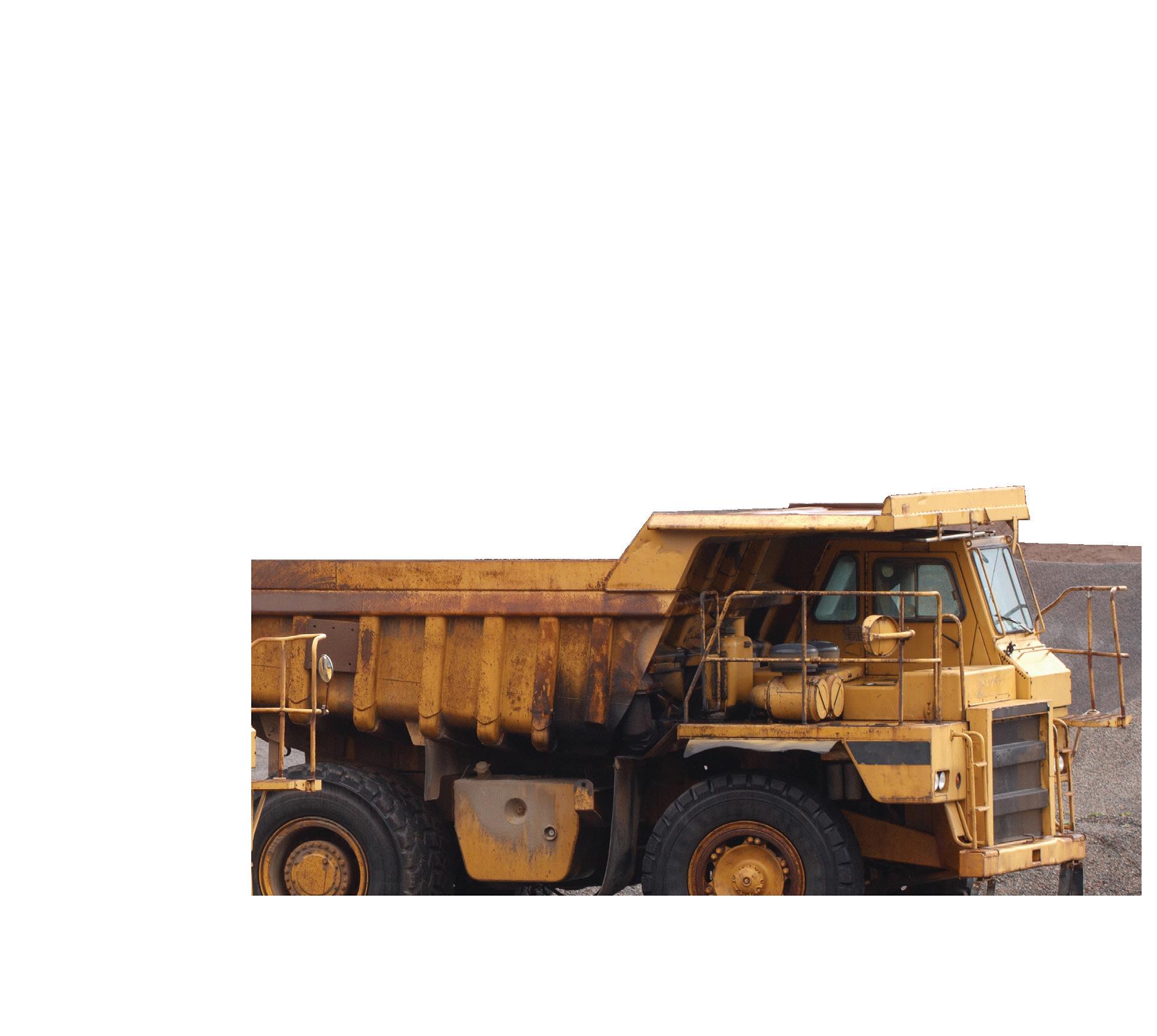
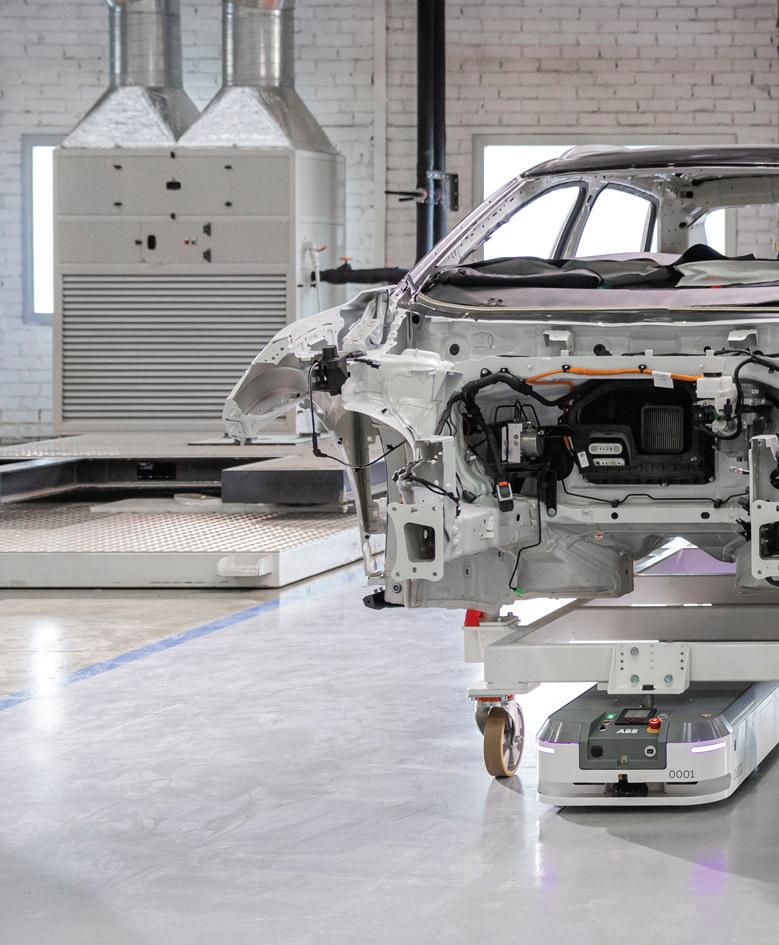
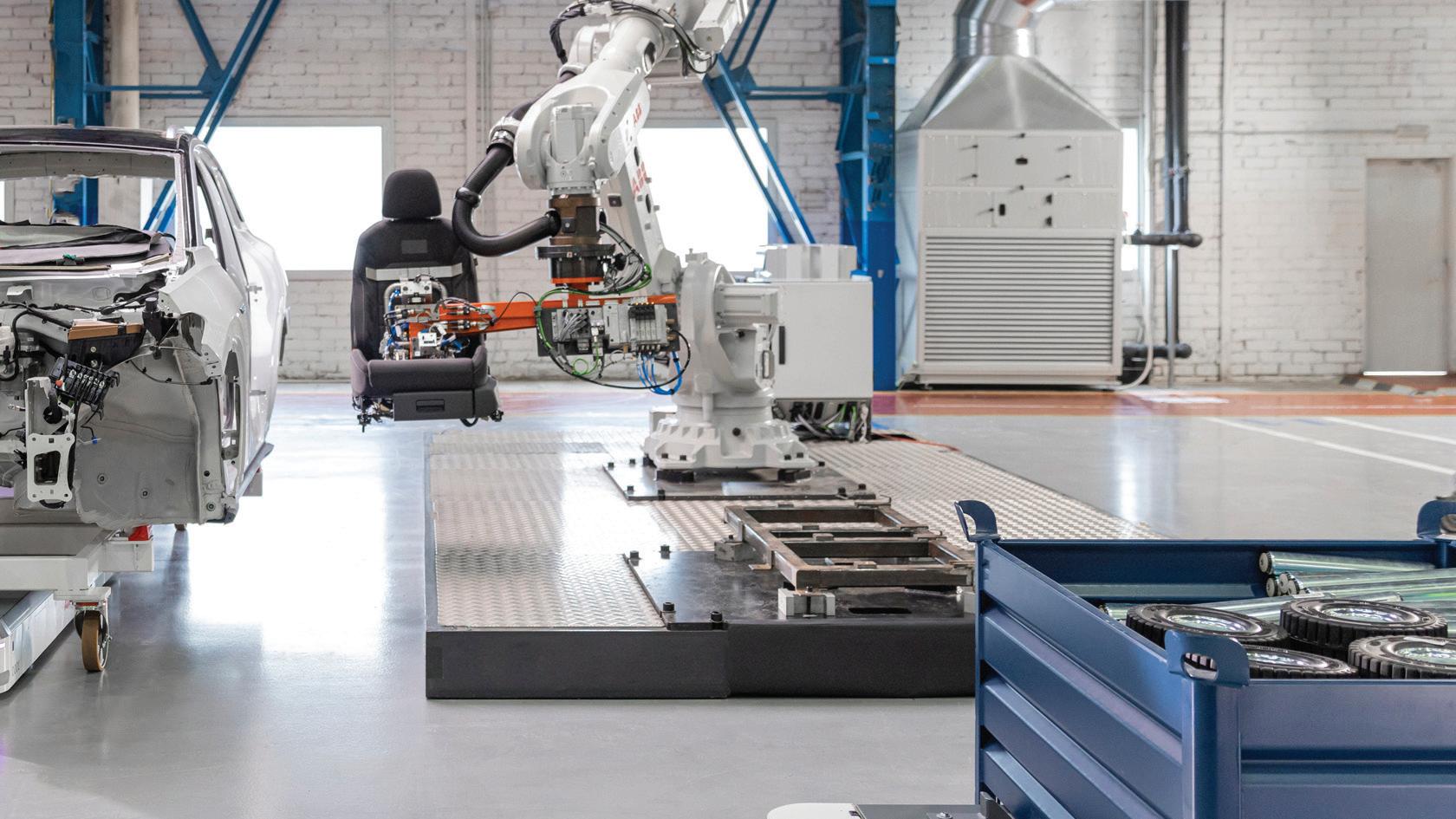
Advances in electronics, battery technologies, and motors themselves have spurred electrification in various industries. Off-highway applications lead.
PAGE 20
Electrification from A-to-Z Hybrid CNC tech merges 3D printing and precision machining
PAGE 32 ALSO INSIDE
Advances in electronics, battery technologies, and motors themselves have spurred electrification in various industries. Off-highway applications lead.
PAGE 20
Electrification from A-to-Z Hybrid CNC tech merges 3D printing and precision machining
PAGE 32 ALSO INSIDE
Micro VFDs
Starting at $131.00
With sizes as small as 55mm wide, these drives provide the needed motor speed control without taking up large amounts of panel space.
General Purpose VFDs
Starting at $162.00
General purpose drives offer great value for a wide variety of applications including conveyors, pumps, fans, HVAC systems, and elevators.
AutomationDirect carries a full line of AC drives, from basic micro drives to full-featured high-performance drives boasting flux vector control and built-in PLCs. So, no matter the application or environment, AutomationDirect has an affordable drive solution for you!
High Performance VFDs
Starting at $232.00
High-performance AC drives are top-of-the-line drives that are usually specified when a high degree of precision in speed control is required or when full torque is needed at very low or zero speeds.
Washdown VFDs
Starting at $267.00
These NEMA 4X, washdown-duty drives are built to withstand harsh environments including food and beverage processing and water treatment facilities.
Insights
Inspiration courtesy of Uber
I wasn’t looking to be inspired when I called for an Uber to the airport. I was flying to an industry conference and simply wanted safe transportation — and the opportunity to unwind from an already busy morning at work.
But the ride proved eye-opening and put some things in needed perspective. As I waited for Christopher to arrive, I noticed an icon in the app that I hadn’t seen previously. It explained that Christopher was recording in his car for added safety. Interesting.
Christopher was a bit older than me and was wearing thick-rimmed glasses. He was big and strong and effortlessly lifted my bag and put it in the trunk; it wouldn’t have surprised me if he told me he was a landscaper or construction worker earlier in his career. When I got in the car, he asked me for the security PIN. I wasn’t expecting that, as I’d only had to use it with Uber a handful of times when traveling in other countries. But I checked the app and quickly passed the number on to him.
Our conversation quickly delved in deeper than the typical rideshare conversation about the day and the weather when he asked what I did for work. He then peppered me with questions about journalism today and the influence of AI. After we discussed AI for a bit, he mentioned that he was getting ready to retire, which seemed to click with his age.
Then came the pivot.
“Retire from Uber, that is,” he told me. “I’m working on my FAA 107 drone pilot’s license.” This was a pleasant surprise. We talked the specifics of the licensure and drones’ myriad
uses beyond many people’s perception of them as kids’ toys.
Christopher and I spoke about the new jobs opening up that were related to drones — from helping real estate agents sell homes to assisting police in following fleeing suspects. Commercial drone pilots can also get involved in things as varied as quoting gutter cleaning and window washing to surveying areas for future geological use.
“If you want to make money, you can find your next job or create it,” he said. “Think about what you like to do, and figure out a way to apply technology, be it AI or drones or robotics or whatever.”
These days, I hear a lot of people bemoaning AI, robotics, and other technological advances. Many stick to the old “these innovations are stealing jobs” mantra. They rarely consider the new (usually better) jobs that technology is creating. They don’t pine for ditch diggers or elevator operators or telephone switchboard people. And they don’t think of people like Christopher, a person who many (myself included) might have written off as someone who’d never adapt, much less come out ahead.
Before I got out of the car at the airport, Christopher pointed to his glasses and told me they were the Metaenabled ones — and started explaining all the ways he uses them. Then he caught my eye in the rearview mirror.
“These would be great for a journalist,” he said, smiling broadly. DW
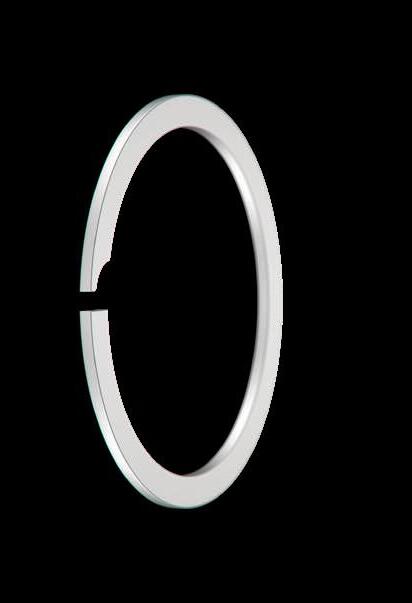
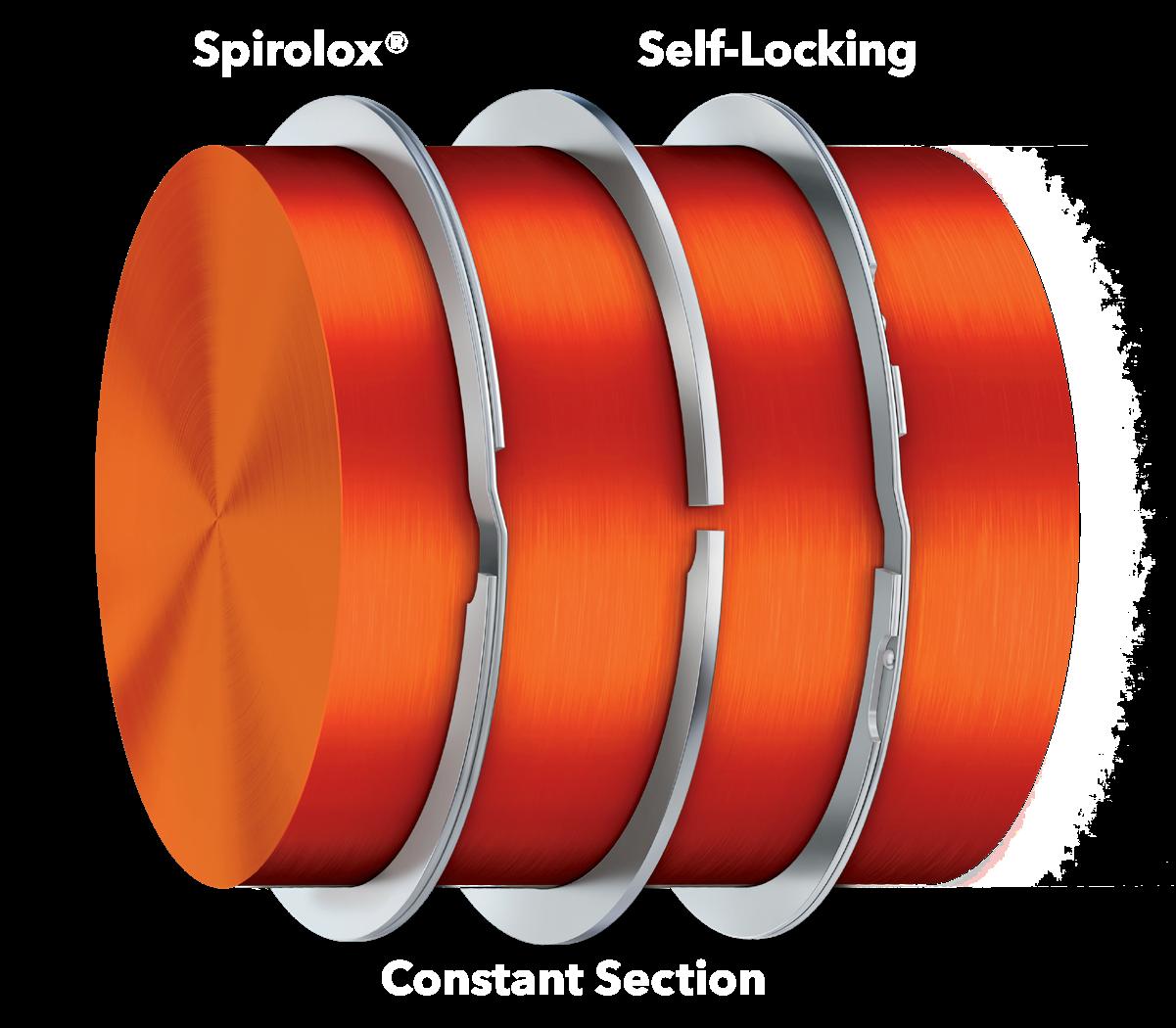
As the inventor of the spiral retaining ring with 100+ years of innovation, here’s why Smalley is The Engineer’s Choice®:
ᘩ 11,000+ standard parts in stock
ᘩ Customizable with No-Tooling-Charges™
ᘩ Trusted performance in 25,000+ applications
ᘩ Award-winning quality backed by leading industry certification
Smalley Retaining Rings
ᘩ No Ears to Interfere®
ᘩ High RPM Capacity
ᘩ Easy install and removal
ᘩ Diameters from .118" to 120" in 40+ materials
Advances in electronics, battery technologies, and motors themselves have spurred electrification in various industries. Off-highway applications lead.
Electrification from A-to-Z
Following a few simple steps helps smooth the process of converting from hydraulic to electric actuators.
FASTENERS
Upgraded cam latches for your next application
Southco adds two options to its E5 line of quarter-turn cam latches, opening up a variety of new functionalities.
SENSORS
Do these sensors need a lift?
With continually improving artificial intelligence (AI) technology, system designers will face the design tradeoff of adding more sensors to achieve specific design objectives or using AI instead.
These
EDITORIAL
VP, Editorial Director Paul J. Heney pheney@wtwhmedia.com
Digital Production Specialist Elise Ondak eondak@wtwhmedia.com
WEB DEVELOPMENT
Web Development Manager B. David Miyares dmiyares@wtwhmedia.com
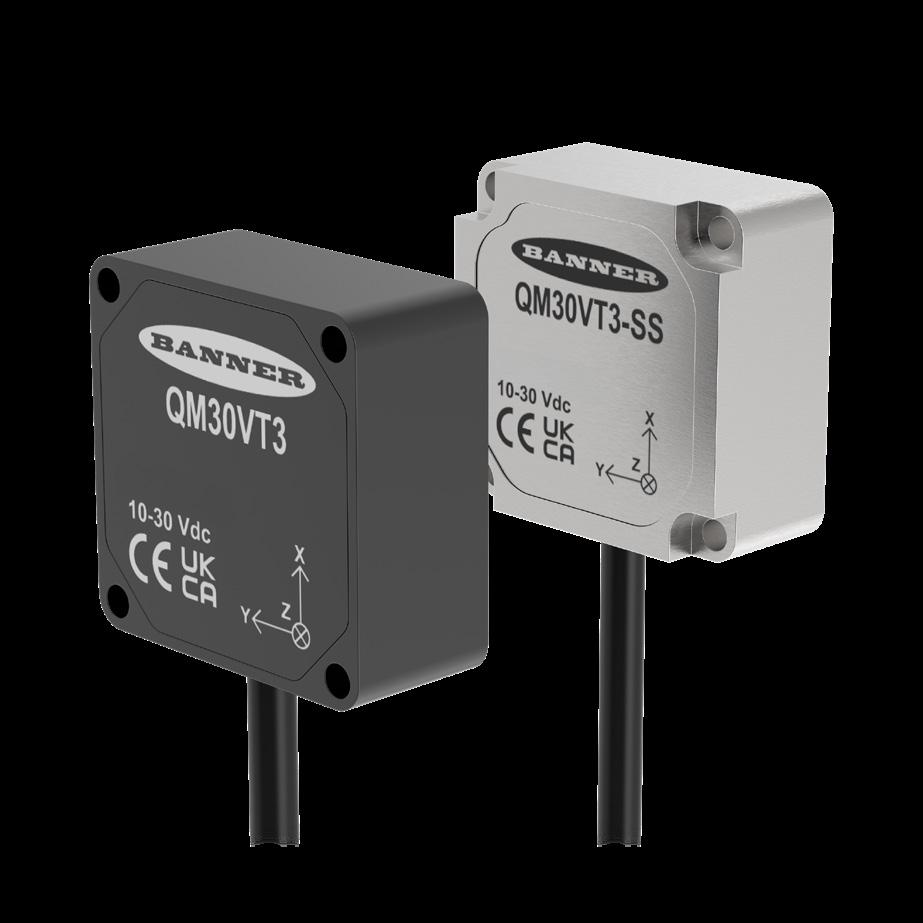
Smarter Predictive Maintenance with 3-Axis Vibration Monitoring
How the QM30VT3 Sensor Transforms Machine Health Management
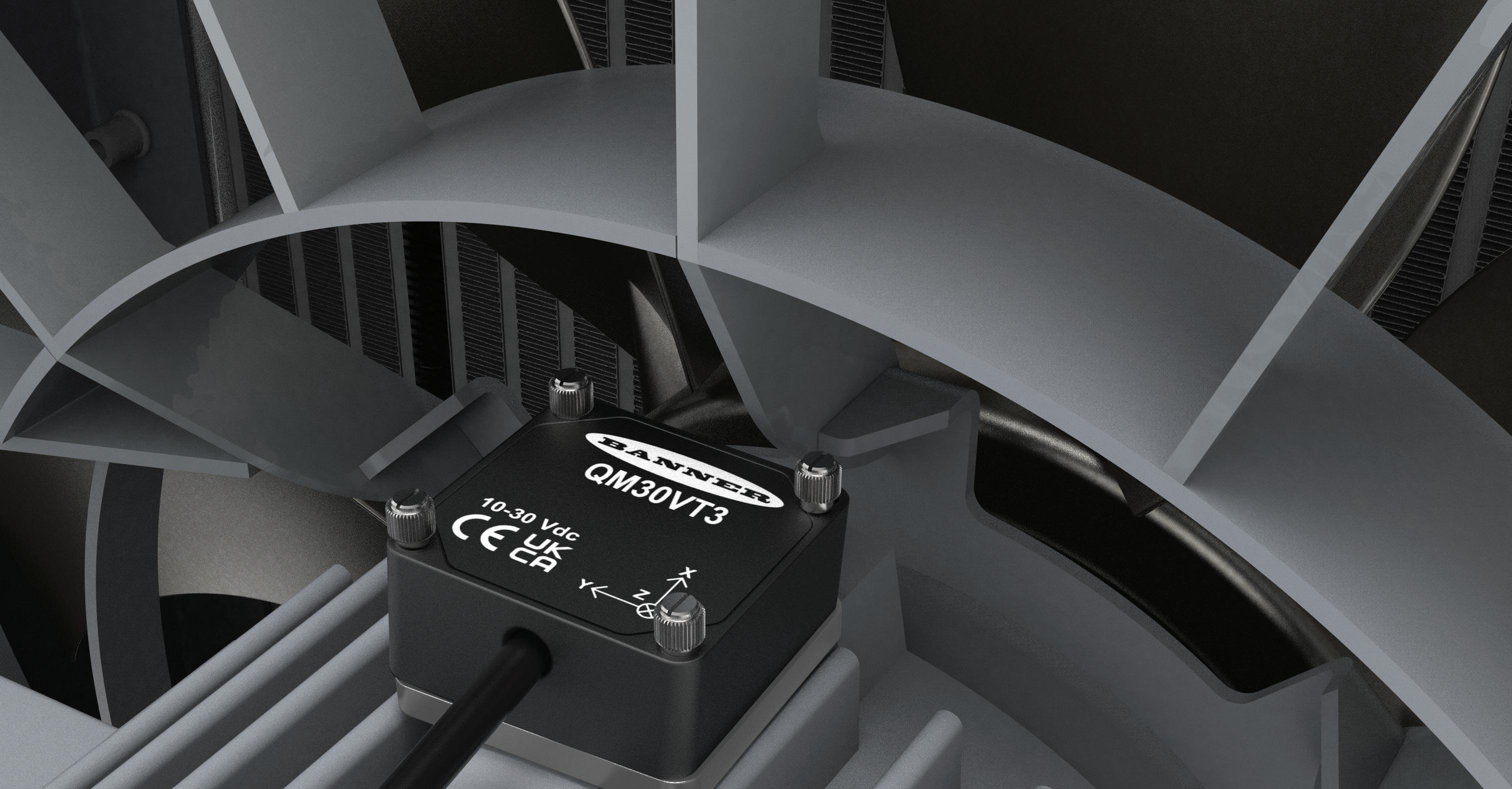
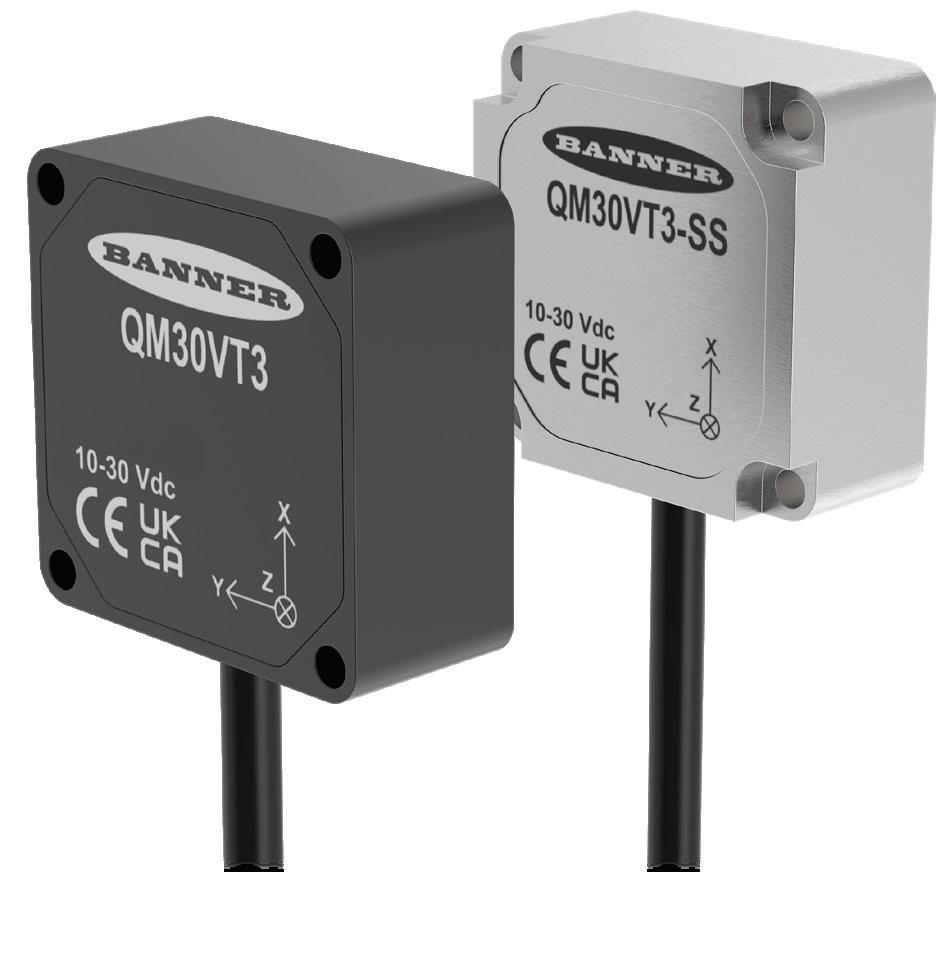
Keeping critical assets running smoothly is more than just a maintenance challenge, it’s a competitive advantage. With the QM30VT3 High-Performance 3-Axis Vibration Sensor, engineers and maintenance teams can take predictive maintenance to the next level.
Complete Coverage Across All Three Axes
Unlike conventional vibration sensors, the QM30VT3 delivers ultra-low noise monitoring on X, Y, and Z axes. This ensures a complete view of machine health, capturing subtle vibration patterns that signal early faults, from shaft misalignment to bearing wear, before they escalate into costly downtime.
Built-In Intelligence with VIBE-IQ®
At the heart of the QM30VT3 is VIBE-IQ® machine learning software, which runs directly on the sensor. It automatically establishes vibration baselines, sets warning and alarm thresholds, and continuously tracks changes. No gateways, coding, or specialized expertise are required. The result is actionable insights that keep maintenance teams ahead of failure.
Advanced Features for Deeper Diagnostics
• High-Frequency Enveloping (HFE): Detects early-stage, lowamplitude faults like bearing and race wear.
• Adjustable Frequency Max (FMax): Lets users zoom in on specific frequency ranges, whether monitoring slow-speed shafts or high-speed gearboxes.
• High-Speed Sampling: Captures finer vibration details, improving accuracy across a wide range of assets.
Flexible Integration for Any Facility
Available in rugged aluminum or stainless-steel housings (IP67/ IP69K rated), the QM30VT3 adapts to virtually any industrial environment. It connects via RS-485 Modbus and integrates seamlessly into both wired and
wireless predictive maintenance systems, from standalone sensors to plant-wide monitoring architectures.
The Bottom Line
The QM30VT3 makes smarter, simpler predictive maintenance possible without the complexity of traditional systems. With full 3-axis coverage, onboard intelligence, and advanced diagnostic tools, it empowers teams to spot problems early and keep operations running at peak performance.
The QM30VT3 High-Performance 3-Axis Vibration Sensor goes beyond ordinary monitoring. With ultra-low-noise, 3-axis coverage, it captures critical early-stage faults that others miss, from shaft misalignment to bearing wear.
Built-in VIBE-IQ® machine learning detects vibration baselines and generates warning and alarm thresholds so anyone can monitor asssets—no gateway re expertise required.
For deeper diagnostics, advanced features like High-Frequency Enveloping (HFE) and adjustable Frequency Max (FMax) deliver powerful insights across both slow- and high-speed assets.
Coming soon: New simulation tool for 3D-printed composites
3D-printed composites are rapidly gaining traction in military applications due to their ability to produce complex, lightweight parts. Demand for weight reduction in aircraft, vehicles, and portable equipment makes fiber-reinforced composites appealing, as they have high strength-to-weight ratios and enable part consolidation, eliminating numerous fasteners and joints.
Idaho-based Continuous Composites (CCI) drives advanced composite manufacturing for such applications with six-axis 3D-printing technology. The company was recently awarded a $1.9 million Tactical Funding Increase (TACFI) contract from the U.S. Air Force to develop a finite element analysis (FEA) tool for continuous fiber 3D printing (CF3D). This contract, which started in
November 2024, will run through August 2026 and represents a significant advancement in the simulation of anisotropic composite materials, which have unique directional strengths based on fiber orientations.
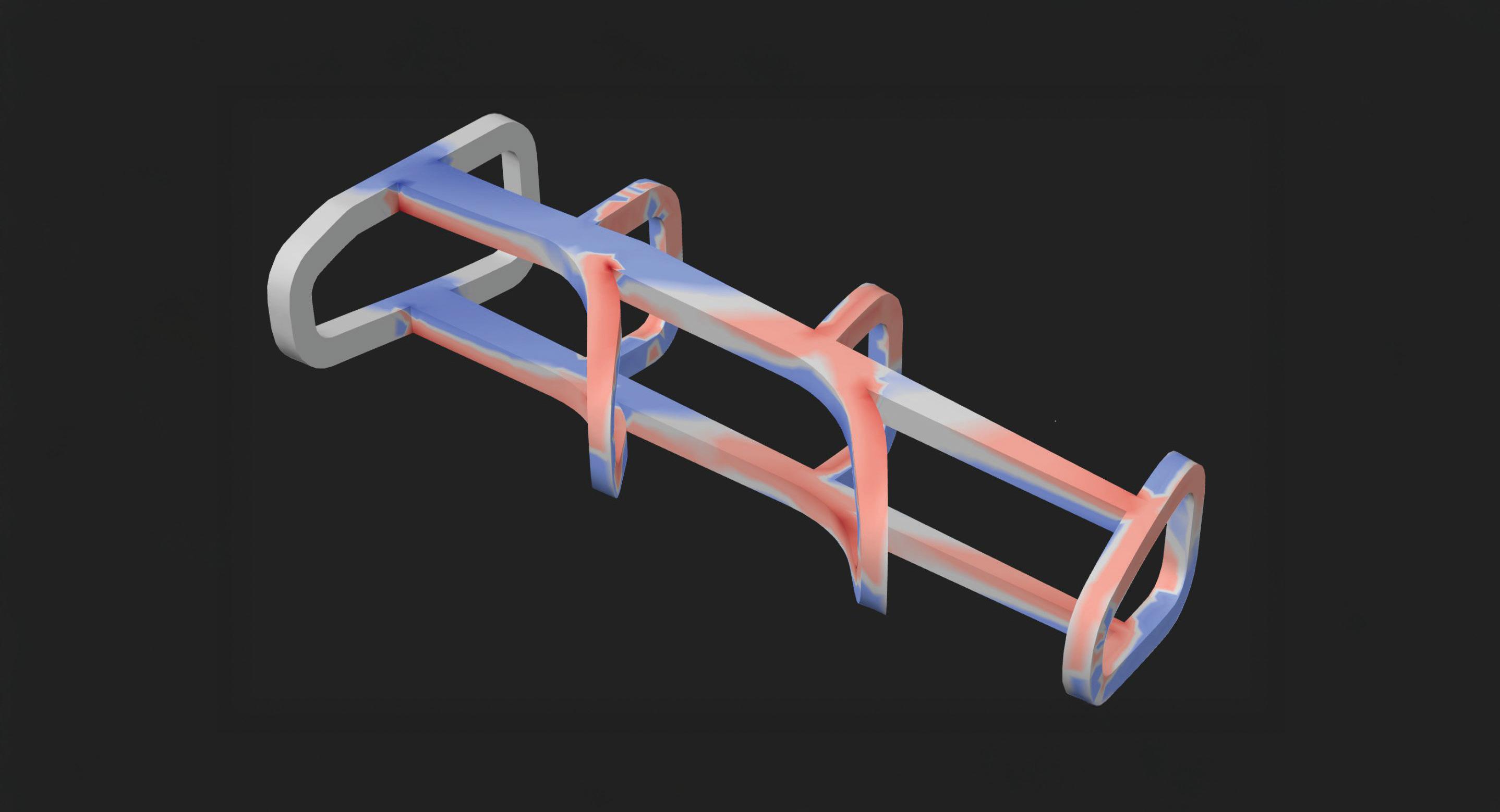
Currently, commercially available FEA solutions are limited to isotropic materials, such as metals, where strength and stress responses are uniform in all directions. However, CF3D composites are anisotropic, with primary strength in the direction of the fibers. This creates a challenge for traditional FEA software, which cannot accurately predict material behavior based on fiber orientation.
CCI is partnering with industry experts on the development of this new FEA tool. The tool will ingest CF3D toolpath data to generate mesh
representations that more accurately reflect fiber orientation, material behavior, and structural performance of how anisotropic parts will react to realworld loads.
As part of this effort, CCI will integrate the new tool into CF3D Studio, enabling the prediction of material properties and performance before physical testing begins. This capability is expected to dramatically reduce development time and increase reliability in the design of complex composite parts used in mission-critical applications. DW
Continuous Composites continuouscomposites.com
Heat map showing stress and strain distribution across the geometry under the applied load. Continuous Composites
Design For Industry
Soft eject rejects defects at high speed
Beverage conveyance systems require fast, precise eject technology to remove defective products from the line before they reach packaging or consumers. Modern high-speed bottling and canning operations can process thousands of containers per minute, making manual inspection impossible. Automated inspection systems continuously monitor for various defects, including improper fill levels, contamination, damaged containers, missing or misaligned caps, incorrect labeling, and foreign objects. When vision systems and sensors detect defects, the conveyor system must rapidly and precisely remove the products from the fast-moving conveyor stream.
The primary challenge in beverage eject systems is reliable removal without disrupting the continuous flow of products. Traditional pneumatic ejectors can be forceful and may cause product damage, spillage, or even affect adjacent containers on crowded conveyor lines. High-speed operations compound this difficulty, as ejection mechanisms must react within milliseconds while maintaining positional accuracy.
PHD’s soft eject system addresses these challenges by keeping bottles upright so they do not spill or break. Powered with LinMot technology, the system accurately diverts a rejected part to a secondary conveyor without contacting any other parts in the line. A single digital IO signal triggers the motion and can operate with up to 1,000 parts per minute of conveyor volume. The system is energy-efficient and has a modular design to allow for the most cost-effective number of cylinders. The tooling can also be changed to fit various applications. DW
POWER TRANSMISSION RETAINING DEVICES & maintenance & assembly tools
WHITTET-HIGGINS manufactures quality oriented, stocks abundantly and delivers quickly the best quality and largest array of adjustable, heavy thrust bearing, and torque load carrying retaining devices for bearing, power transmission and other industrial assemblies; and specialized tools for their careful assembly.
Visit our website–whittet-higgins.com–to peruse the many possibilities to improve your assemblies. Much technical detail delineated as well as 2D and 3D CAD models for engineering assistance. Call your local or a good distributor.
expeditiously manage supply chains and trade compliance, and improve employee safety and productivity in warehouses and factory floors.
In addition to helping improve parts and supplier management, Avathon's platform also unifies capabilities to automate customs classification, tax calculations, and duty drawbacks. This automation can improve the time, errors, and delays around managing trade compliance and allows for adaptation to real-time changes in the global trade environment.
The platform can connect more than 30 continuous data streams, process more than 25 terabytes of real-time information, and store it all at significantly improved speed and scale. With pre-trained AI models, OEMs can instantly troubleshoot complex fault codes, retrieve corrective actions, and immediately access parts recommendations, reducing asset downtime and improving workforce and supply chain planning. Furthermore, machine vision models and outof-the-box applications can elevate quality precision, operational performance, and safety adherence on the factory floor. DW
Avathon • avathon.com
Design For Industry
Space-saving actuators ensure consistency and repeatability
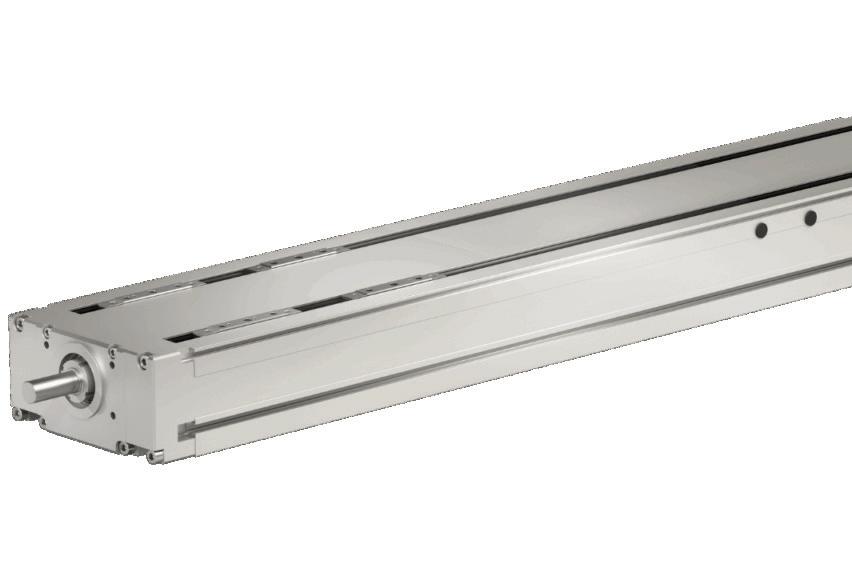
Ball screw linear actuators provide precise positioning in material handling systems, converting rotational motion from electric motors into smooth, controlled linear movement. They are commonly integrated into conveyor systems, sorting equipment, and automated storage and retrieval systems (AS/RS). In conveyor applications, ball screw actuators adjust belt heights, gate positions, and diverter mechanisms to route materials along different paths. Their accuracy and repeatability are put to use in applications requiring consistent placement of products for packaging, assembly, or quality inspection processes.
For example, Rollon’s ball screw-driven linear actuators can be found in industrial automation, packaging, and robotics applications. Given the demand for more compact components, the company recently launched a new size 200 in its high-precision TH actuator series, which includes compact designs, positioning accuracy, and repeatability within ±5 μm. With the addition of the size 200, the company aims to give engineers more flexibility in design while handling high loads and delivering long strokes.
The TH actuator uses ball screws for thrust force transmission, available in various precision classes and lead options to meet application-specific needs. The linear motion system is guided by two or four preloaded recirculating ball blocks with ball retainer technology, running on parallel rails for optimal rigidity and smooth movement. The series is available in both single and double carriage configurations, allowing for versatile load management.
The unit is protected by sealing strips that safeguard internal components, while scrapers and lip seals provide additional defence for the ball bearing raceways against contaminants. It also includes dedicated lubrication channels for both the ball screw and the bearing blocks. DW
• EDITED BY MIKE SANTORA
BESS safety at the speed of heat: detecting risks in real time
Battery Energy Storage Systems (BESS) are revolutionizing the way we power our world, acting as the source that keeps renewable energy flowing even when the sun isn’t shining or the wind isn’t blowing.
As the backbone of modern energy infrastructure, BESS plays a crucial role in balancing supply and demand. However, with the increasing adoption of large-scale battery storage comes the responsibility for manufacturers, site managers, and regulators to manage its risks effectively.
The High-Voltage Threat: Thermal runaway in battery storage
Thermal runaway is the equivalent of a system overload. It’s a dangerous chain reaction in which an overheated battery cell loses its stability and begins to ignite its neighbors, setting off a firestorm that’s incredibly difficult to contain. It's of particular concern when dealing with lithium-ion batteries used in products such as electric vehicles, portable electronics, and grid-scale storage.
Much like an electrical surge that fries a circuit, thermal runaway rapidly escalates, putting lives, infrastructure, and energy security at risk.
Several factors can cause this dangerous phenomenon to ignite, including:
• Overcharging or overdischarging: Pushing a battery beyond its limits can cause excessive heat buildup, leading to system failure.
• Physical damage or manufacturing defects: Cracks, punctures, or design flaws can create weak links in the chain, making failures more likely.
• Environmental conditions: Exposure to high temperatures or external heat sources can turn a stable BESS into a ticking time bomb.
The fallout from a BESS fire can be severe, resulting in massive financial losses, grid instability, and environmental harm. And when you consider that these storage units are often installed near other high-energy infrastructure, the potential for disaster multiplies.
With the adoption of BESS units ramping up across the globe, soaring by more than 50% in 2024* alone, the potential risks must be managed in a way that safeguards workers, critical assets, communities, and the environment.
Stop the Spark Before it Starts: The power
of thermal monitoring
The best way to prevent thermal runaway is to detect heat anomalies before they escalate. But without the right monitoring tools in place, operators are left in the dark, often unaware of hidden dangers until it’s too late. That’s where thermal imaging technology plays a pivotal role. By offering continuous, real-time temperature surveillance, advanced thermal imaging can alert personnel to dangerous situations as they being to develop, so that no hot
As the backbone of modern energy infrastructure, BESS plays a crucial role in balancing supply and demand.
FLIR’s A500f/A700f
Advanced Smart Sensor camera is a helpful tool for ensuring site owners' peace of mind.
spot beyond specifications goes unnoticed. Like a circuit breaker that prevents an electrical overload, thermal monitoring acts as a failsafe, allowing site managers to catch and address overheating batteries before they ignite.
Energizing Safety:
What makes a strong thermal monitoring system?
To truly keep BESS operations running smoothly without the risk of meltdown, thermal monitoring systems must offer:
• High-resolution imaging: The ability to detect even the slightest temperature variations across battery stacks, ensuring no heat anomaly slips through the cracks
• Wide field of view: Comprehensive coverage that leaves no blind spots, just as a welldesigned electrical grid leaves no home without power
• Advanced analytics: Smart detection technology that filters out false alarms caused by reflections, weather, or routine human activity
• 24/7 real-time monitoring: A nonstop watchdog that never sleeps, ensuring site managers stay wired into potential risks at all hours.
With 640X480 thermal resolution, FSX (Flexible Scene Enhancement) technology, on-the-edge analytics, and offered fields of view up to 80°, FLIR’s A500f/A700f Advanced Smart Sensor camera helps ensure site owners' peace of mind.
Powering a Safer Future
BESS technology is charging ahead, and with it, the responsibility to keep energy storage systems safe and stable. If left unmonitored, thermal runaway could pull the plug on renewable energy progress, jeopardizing the benefits of grid resilience, sustainability, and energy security.
By integrating cutting-edge thermal imaging into BESS infrastructure, operators can stay ahead of the curve, preventing small temperature fluctuations from sparking massive disasters. Because in the highstakes world of energy storage, early detection isn’t just a bright idea it’s the only way to keep the power on. DW
FLIR • flir.com
Get the exact cord set you need with Interpower® customizations. From country-specific plugs to IEC 60320 connectors, plug connectors, inlets and outlets, to cord lengths and colors, accessories, and packaging and labeling options, Interpower lets you choose your own design with 1-week U.S. lead times— and same-day shipping on in-stock products! Our North American and international cords provide the correct amperages and voltages for countries worldwide. All cords offer 1-week U.S. lead times and same-day shipping on stocked products.
Toll-Free Phone: (800) 662-2290
E-mail: info@interpower.com
Business Hours: 7 a.m.–5 p.m. CST Order Online! www.interpower.com
• EDITED BY MIKE SANTORA
Hybrid CNC tech merges 3D printing and precision machining
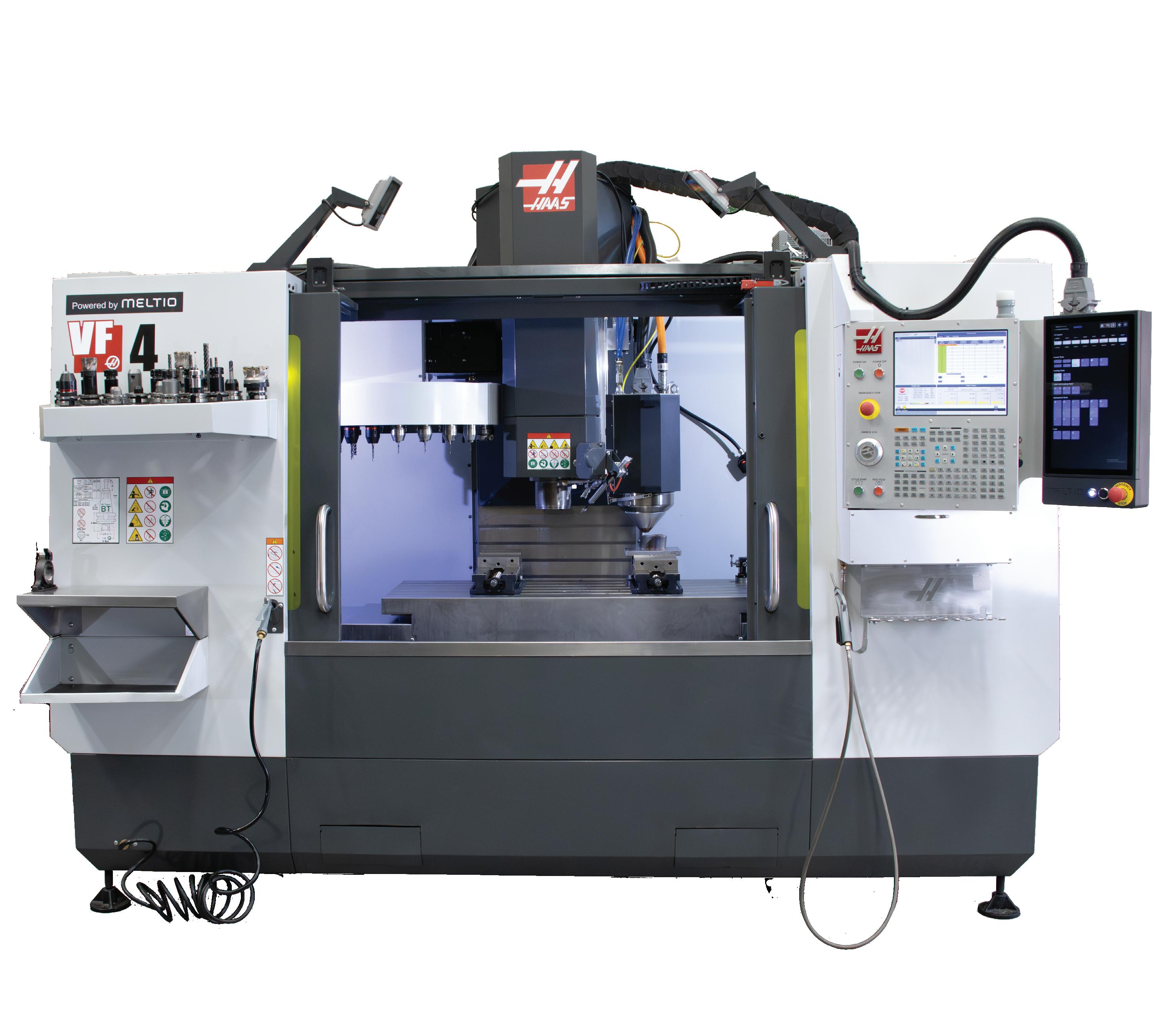
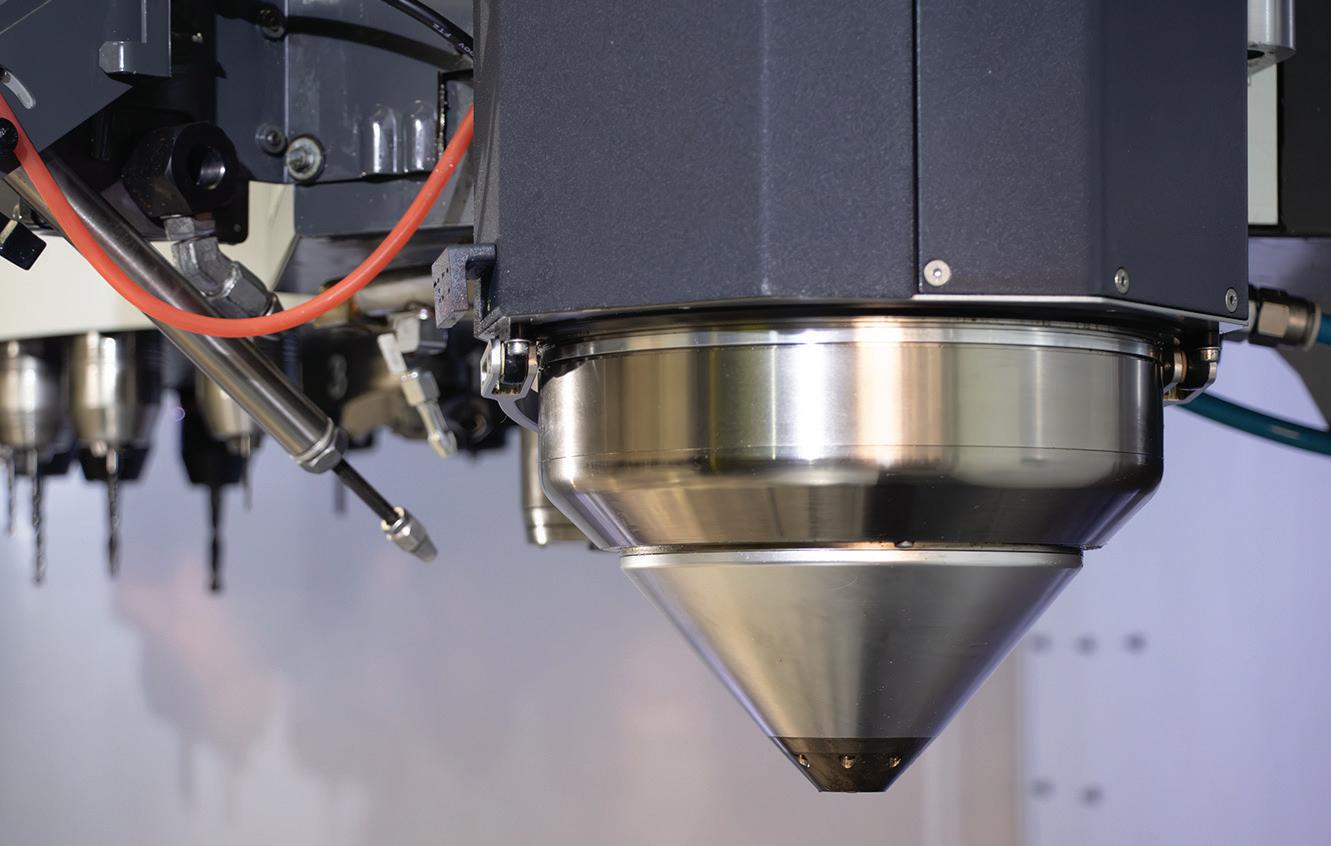
Phillips Corporation, and Meltio — a laser metal deposition technology manufacturer — have successfully integrated the Meltio Engine Blue into a Haas CNC machine. This collaboration marks an evolution in hybrid manufacturing, combining additive and subtractive technologies into one streamlined workflow, paving the way for advanced applications in the defense sector.
Meltio’s laser-wire metal 3D printing solution is built around welding wire; the safest, cleanest, and most affordable
Phillips Corporation has become the first Meltio partner worldwide to successfully integrate the Meltio Engine Blue into a Haas CNC machine.
metal feedstock available. The Meltio Engine Blue empowers defense and industrial manufacturers to elevate their CNC machining capabilities with integrated metal additive manufacturing, providing an agile and scalable solution for mission-critical parts.
As a key partner to defense and government agencies, Phillips Corporation now strengthens its long-standing collaboration with Meltio through this integration. The company is renowned for delivering high-performance solutions that
enhance operational readiness, innovation, and competitiveness across industry, defense, and academia.
The first Meltio Engine Blue was successfully integrated into a Haas TM-1r, a CNC platform recognized for its precision and reliability, and showcased at RAPID TCT in Detroit, MI, this past April 2025. This hybrid configuration enables defense manufacturers to produce complex metal parts with greater precision, shorter lead times, and reduced material waste — capabilities essential for logistics, sustainment, and rapid deployment environments.
This milestone builds upon previous successful defense collaborations between Phillips and Meltio, including the deployment of Meltio technology aboard a U.S. Navy ship for onboard metal part manufacturing and the U.S. Department of Defense’s adoption of Meltio’s wire-laser metal 3D printing systems to increase supply chain resilience. These successes highlight the growing relevance of hybrid manufacturing in meeting the evolving demands of military operations.
“Integrating Meltio's impressive new Engine Blue into the Haas CNC platform unlocks a new level of control and versatility for manufacturers,” said Brian Kristaponis, General Manager of Phillips Additive Hybrid. “We’re proud to be the first Meltio partner to deliver this configuration through our Hybrid product line, which is already proving its value in fast-moving, resourceconstrained environments like defense.”
Meltio is proud to mark this milestone integration with Phillips Corporation, reinforcing its commitment to advancing metal additive manufacturing accessibility and scalability— especially within the defense sector and other critical industries.
As Meltio Channel Manager in the United States, Gabriel Ortiz, expresses enthusiasm for this partnership:
“The demand for manufacturing increasingly complex 3D printed parts with Meltio's DED metal technology using a CNC machine is increasing in different industries in the United States. As our long-standing partnership with Phillips Corporation in the United States demonstrates, the integration of Meltio into Haas CNC certifies that we continue to keep pace with this growing industrial demand for DED metal parts. Meltio’s laser-wire metal 3D printing solutions offer all types of industries in North America the ability to manage the entire manufacturing process using Hybrid solutions like those offered by Phillips Corporation It is extremely rewarding to help a large range of industries, from automotive to aerospace, as they aim to print and repair reliable metal parts with our reliable laser-wire DED solutions.” DW Meltio • meltio3d.com
While Interpower may not manufacture 50 million NEMA and international power cords each year, they do offer at least 50 different cord set customizations, value-added components, and services no one else in the industry can do inside a 1-week U.S. lead time. From customized cord lengths and colors to cord clips, to multiple packaging and labeling options, specialized barcoding, and shipping options—these components and services help customers stay on schedule. Our cord sets provide correct amperages and voltages for every country-specific mains power.
Toll-Free Phone: (800) 662-2290
E-mail: info@interpower.com
Business Hours: 7 a.m.–5 p.m. CST Order Online! www.interpower.com ® ®
• EDITED BY MIKE SANTORA
The sandbox solution to digital twins
The UK Digital Twin Center is on a mission to democratize digital twin technology.
Digital twins have been around for decades. But so far, the technology has been mostly available to big manufacturers in major industries such as automotive and aerospace. Without large-scale funds and resources, smaller companies may be missing out on the benefits of digital twins.
A new UK research center wants to change that.
The UK Digital Twin Center aims to develop a digital twin sandbox — a set of reusable templates, standards and methodologies — to give more engineering firms access to digital twins. Being able to design, test and fine-tune products in the virtual world will enable companies to shorten
development times, reduce development cost and even lower the carbon footprint of their technology projects.
“We want to create a competitive advantage for those smaller businesses by giving them the ability to design, diversify, or enhance a product in the digital world without having to go through all the prototyping, iterations, and physical building,” Deborah Colville, director of the UK Digital Twin Center, told Engineering.com. “We want to create a path for them to adopt digital twin technology in a way that is less costly and less complex.”
Based in in Belfast, Northern Ireland, the UK Digital Twin Center has secured £40 million in funding from
the UK government and commercial partners including the defense conglomerate Thales, maritime tech company Artemis Technologies and aerospace firm Spirit AeroSystems.
Here’s how the Center plans to spread digital twin technology — and why even big companies should be interested.
Not starting from scratch
The Center’s goal of a digital twin sandbox would allow companies to create bespoke solutions without having to start from scratch every time. The idea, Colville thinks, could be gamechanging. Being able to build new digital twins by reusing previously developed
UK Digital Twin Center
and perfected subsystems and components would enable the Center to cut down the cost and complexity of each project. The resulting “digital twin as a service” offering would be affordable to a wide range of companies.
“The problem right now is that digital twins are being built for one particular problem and nothing is repeatable,” said Colville. “They are not reusable, and that’s something that needs to be solved.”
The throwaway nature of digital twin solutions is a costly luxury that many smaller companies cannot afford. On top of that, a plethora of disparate systems and technologies must come together to produce a functional digital twin, adding engineering challenges. These systems, Colville said, are usually not designed to work together seamlessly from the get-go, and protocols and standards for their easy integration are, so far, missing.
For example, Colville explained, building a digital twin of a factory production line might require integrating legacy data collection systems such as SCADA (Supervisory Control and Data Acquisition), with state-of-the-art IoT data collection, AI, cybersecurity systems and immersive technologies such as virtual and augmented reality.
“This integration process can be costly,” Colville said. “These components need to be integrated with advanced algorithms capable of performing tasks like fault detection, performance optimization and predictive maintenance. It requires significant engineering effort, and because much of this work is bespoke, it cannot easily be reused across projects.”
The digital twin as a service would take care of those pesky tasks, allowing clients to just define the problem and have a complete solution using the developed and pre-tested sandbox.
Building it up
The UK Digital Twin Centre has begun developing templates for this sandbox through various demonstrations. Artemis Technologies, known for developing zero emission ships, is building a twin of a carbon neutral vessel for the servicing of offshore wind farms. The company hopes that testing out aspects of its designs, including engine efficiency and safety, in the virtual world will help speed up development and reduce the cost of meeting regulatory requirements.
European aerospace giant Thales is going to develop standardized scalable frameworks which could form the basis of the digital twin sandbox. Colville said the project should result in the first ever reusable digital twin methodology.
Spirit Aerosystems, which makes aerostructures for commercial airplanes, is working on a digital twin of a jet engine thrust reverser, a component that helps an aircraft decelerate after
touchdown. The goal is to reduce the development time and cut cost by slashing the number of physical prototypes needed in the process. Colville estimates aerospace companies may be able to reduce development times by up to 18 months when making new designs of vital parts, such as aircraft wings, using digital twins.
“These use cases will inform the design of the prototyping and experimentation environment, ensuring it addresses the most pressing technical, operational, and business needs,” said Colville. “The use cases will allow architects and engineers to rapidly test and evaluate vendor solutions in realistic scenarios, validate assumptions, explore integration challenges and assess performance.”
The technologies developed and lessons learned from the initial use cases will form the basis of the digital twin service the Center
UK Digital Twin Center
Design Notes
envisions. By gradually building up evidence, the Center hopes to foster the case for risk-free adoption and attract more investment.
“We will be constantly learning from the experience of these companies,” Colville said. “This way, we will build up real-world experience in building digital twin technologies in a range of different scenarios. This real-life learning will inform our diffusion programs that we want to offer to the wider industry to start building their capabilities as well.”
A bright future
The Center plans to enter agreements with major vendors of digital twin technologies to facilitate the development of open standards. Agreeing on general rules would enable the creation of a flexible environment
where different technologies could coexist and complement each other.
“We are not going to be a shop for one particular vendor or platform,” said Colville. “We want to facilitate different vendors talking to each other to allow different technologies to come together.”
The Center is open at an exciting time, when fast advances in AI are reshaping many fields of human activities. Colville expects the digital twin sandbox will benefit from the gradual integration of these advances, leading to the development of intelligent digital twins that will unlock a new range of applications and opportunities in other industries than those traditionally associated with the use of digital twins. For example, complex twins, including those of the human body, will be made possible
Longer Lasting Belts & Pulleys
«
through real-time synchronization with their physical alternatives and constant incorporation of data from the surrounding environment.
“There are certain things that need to be unlocked going forward,” Colville said. “Once that’s done, we see a great potential in areas such as pharmaceuticals, energy, but even things like personalized healthcare. That’s definitely something we see ourselves moving into in the future.” DW
Round, Flat, Vee and Poly-V belts and pulleys
THE LATEST IN
Electrification in the designengineering space implies the use of electric motors to replace technologies based on fossil fuels, fluid power, purely mechanical kinematics, or even manual (human-powered) systems.
Fields leading in electrification are transportation distantly followed by manufacturing, construction, and energy infrastructure. Usually the goals are higher efficiency, precision, controllability, and sustainability. For the latter, electrification can leverage renewables already tied into electricpower utilities.
In transportation, vehicles eschewing internal-combustion engines for electric motors rely on specialized drivetrain components, battery systems, power electronics, and thermal management. No wonder transportation now accounts for the vast majority of electricity consumption increases … as the last decade saw U.S. automakers alone committing nearly $500B to transportation electrification — especially for electric vehicles (EVs) in the form of passenger vehicles, transit buses, and heavy-duty trucks.
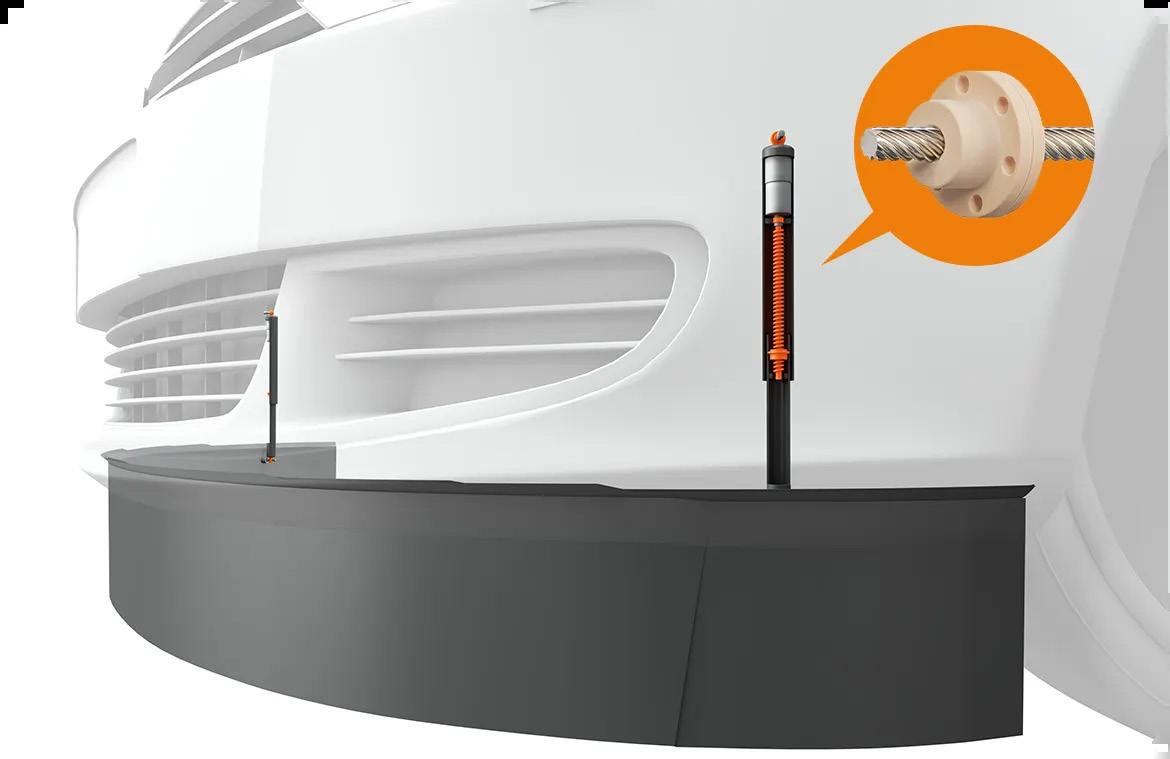
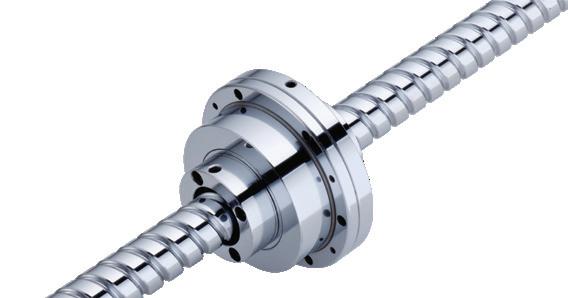
Subsystems with any kind of motion generally follow suit. To illustrate, ballscrew actuators are used instead of hydraulic systems in EVs and commercial transport subsystems … especially those for active suspensions, battery-swapping stations, and aerodynamics assemblies such as active spoilers and grille shutters.
Electric actuators also integrate into commercial-grade automated charging stations. These charge fleets of cars off a single charge cable without requiring any driver involvement.
EVs of course include autonomous ground vehicles and other robotics as well.
Motion Control
Shown here is an application example on a vehicle’s front spoiler. An igus dryspin leadscrew drive works on an axis constantly exposed to water and dirt ... and yet the drive’s ruggedness ensures long-term reliable service.
In contrast with EV and other transportation uses, electrification in discrete automation that’s not in the form of mobile robotics often takes the form of electric-motor-based systems replacing hydraulic and pneumatic actuation. Among other things, this kind of electrification lets engineers connect more sensors and advanced controls for digital communications than would otherwise be networked. In this way, electromechanical systems are the most adaptable to digitaltransformation or DX initiatives.
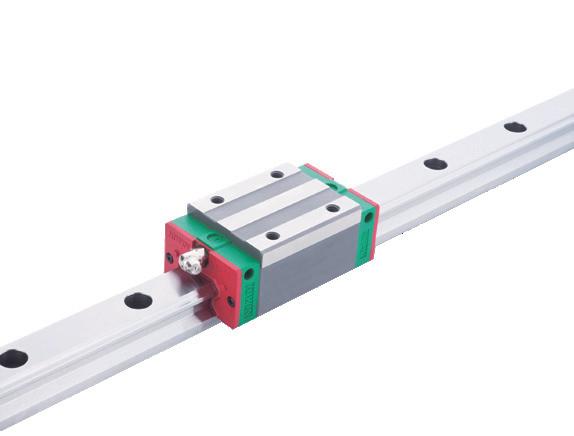
SMOOTH OPERATORS ROTARY
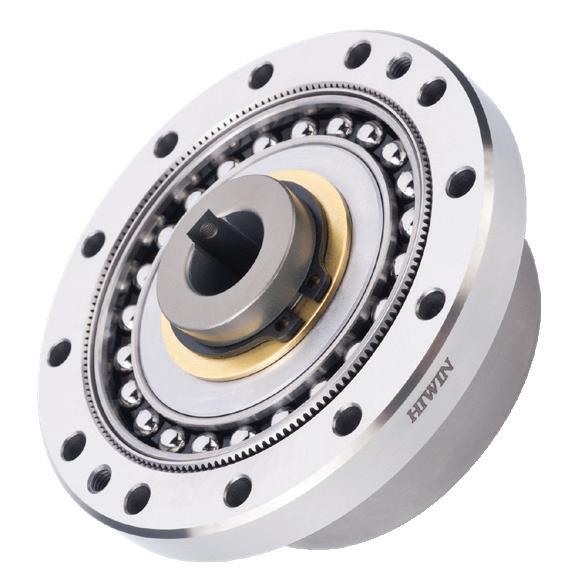
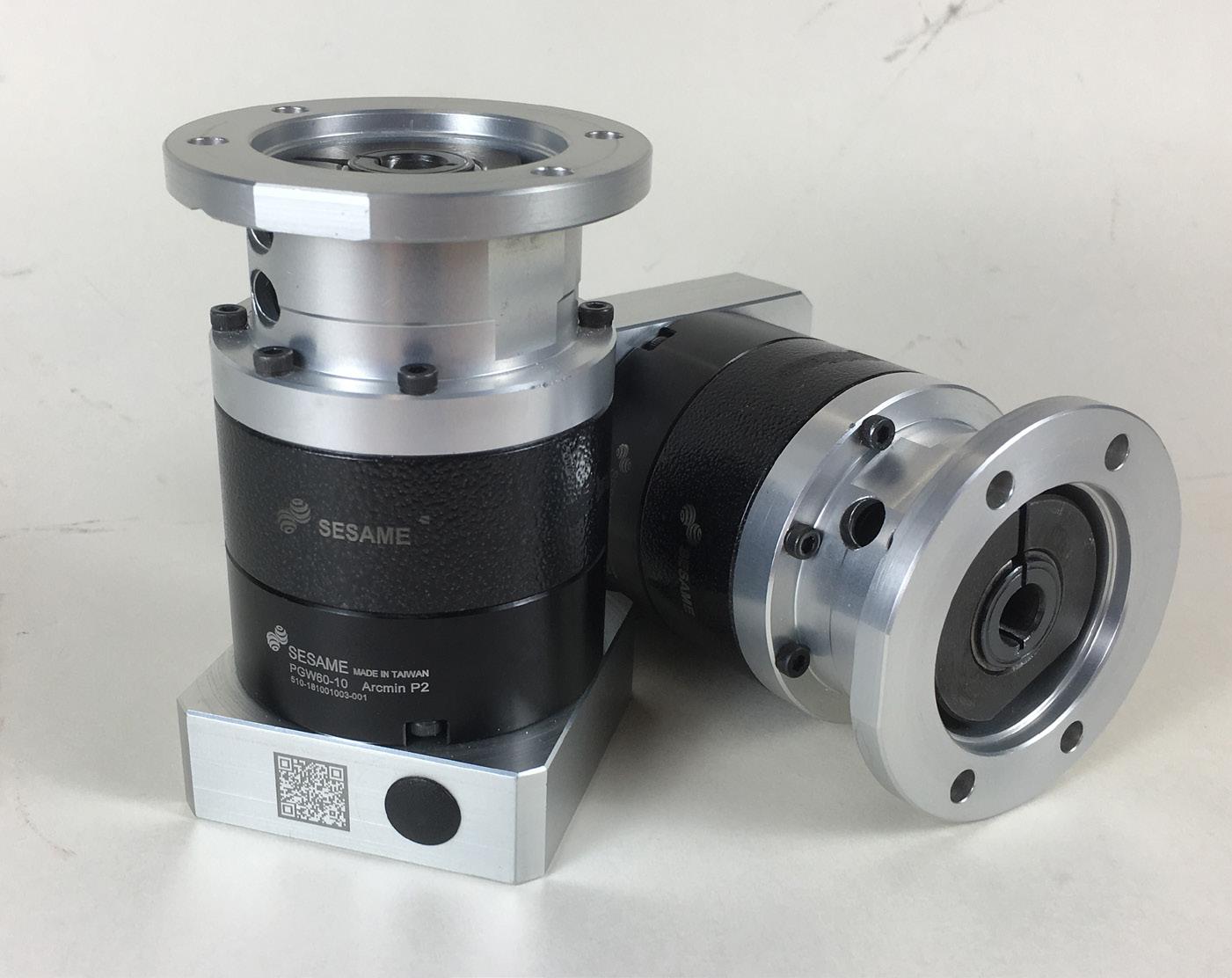
DATORKER® STRAIN WAVE GEARS
Available in Standard, Heavy Load, and Lightweight Configurations. Offering High Precision, Efficiency, Torsional Rigidity, and Low Starting Torque.
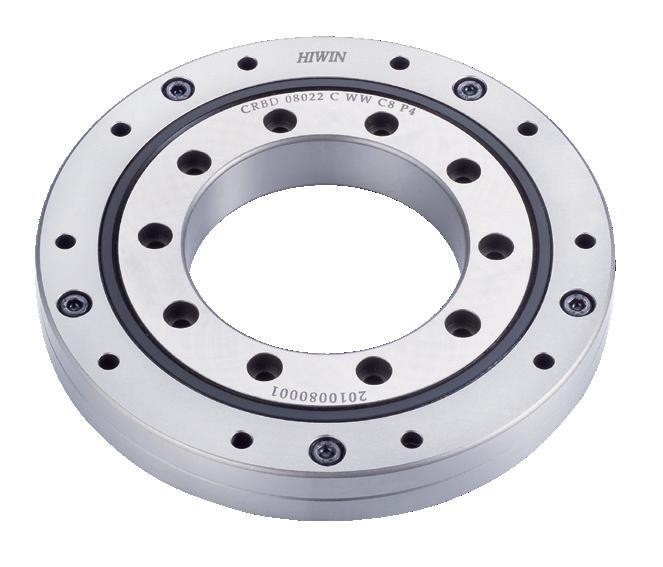
CROSSED ROLLER BEARINGS
Lightweight And Compact Design. Easy to Install and Maintenance. Varieties of Bearing Types and Sizes for Solution.
Our engineers are available to assist in finding the ideal solution to your application. Contact us for details.
Just compare networking electromechanical systems to networking pneumatics. Many pneumatic-system communications are via analog or IO-Link signals. Electromechanical systems on the other hand offer myriad options for integration into advanced industrial networks, control architectures, and Ethernet-based protocols.
Where linear motion supports electrification
For linear motion, electric actuators with ballscrews and roller screws especially offer unbeatable position control in automated systems such as press-fit stations, servo-controlled tables of various types, pick-and-place gantries, and precision metering. As will be covered in the next Design World, these are all systems in which other motion solutions have traditionally dominated.
Other new uses of motor-based systems
Though not the focus here, process automation related to drying, space heating, cooking, and food-
processing functions as well as building automation are other areas seeing equivalent electrification migrations. Electrification in heating and cooling is taking the form of electric heat pumps and chillers to replace gas-based infrastructure. The highest yields are when these electrified designs tie into smart grids and energy-management systems. Where economically feasible, largescale energy storage (battery banks) complement such infrastructure.
Rail, sea, and air travel are three more areas of electrification. Rail in Europe, Japan, and China most heavily electrified. Maritime electrification includes hybrid-electric ferries, short-sea shipping vessels, and port electrification efforts to reduce emissions from docked ships.
Electrification in aviation is just emerging, but hybrid-electric propulsion and short-range electric aircraft prototypes have been developed. Startups Eviation and ZeroAvia are developing full-electric aircraft for short-haul flights possible even given today’s battery constraints. Aerospace, defense, and renewable energy are yet other
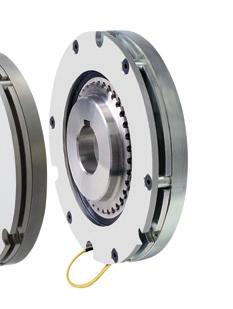
BXR Brakes
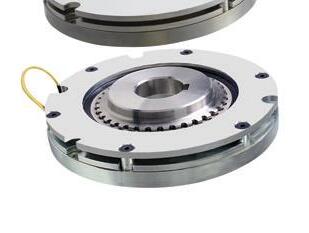
• Up to 480 in-lbs static
• Up to a 1.125'' bore
• 19 watts or less
• Very thin profile reduces weight & saves space
• Modified–Standard brakes available for special needs
• 1000’s in use world-wide
Even lawn mowers are increasingly electrified.
industries employing more electric systems. More specifically, electrified solutions have displaced others in satellite-antenna positioning and turretaiming systems. The Mars rover uses servomotor-driven systems for high force density — a key requirement in aerospace applications needing to minimize payload.
It’s the same trend in solar tracking and wind-turbine blade pitch controls. Electric-motor-based solutions have replaced certain hydraulics to minimize maintenance … especially when equipment is subject to extreme temperatures.
Electric systems also enable gridbased controls and remote access.
Off-highway applications
Electromechanical designs for mobile equipment trace design roots to decades-old work-vehicle designs needing auxiliary systems. But electrified vehicles today are in stark contrast with the electric vehicles of yore employing two-speed motor drives.
Also new is that designing and specifying electromechanical systems for mobile machinery has become increasingly feasible.
No wonder in the construction industry, electrification of heavy equipment such as excavators, loaders, and concrete mixers is a huge trend. In fact, electric construction equipment is an estimated $14.5B market and
projected to double over the next eight years.
On the leading edge of applications, electrification is also spurring the development of robotics for bricklaying, wall assembly, and roadwork.
The other off-highway industry — that of agriculture — is also seeing mass electrification on tractors, harvesters, and farming drones ... and that’s to say nothing of applications such as vertical farming that only came into existence recently and never without electric motors so essential to their various systems.
Adoption is still somewhat slow, but John Deere and Monarch Tractor along with dozens of smaller companies are continually developing fully electric and
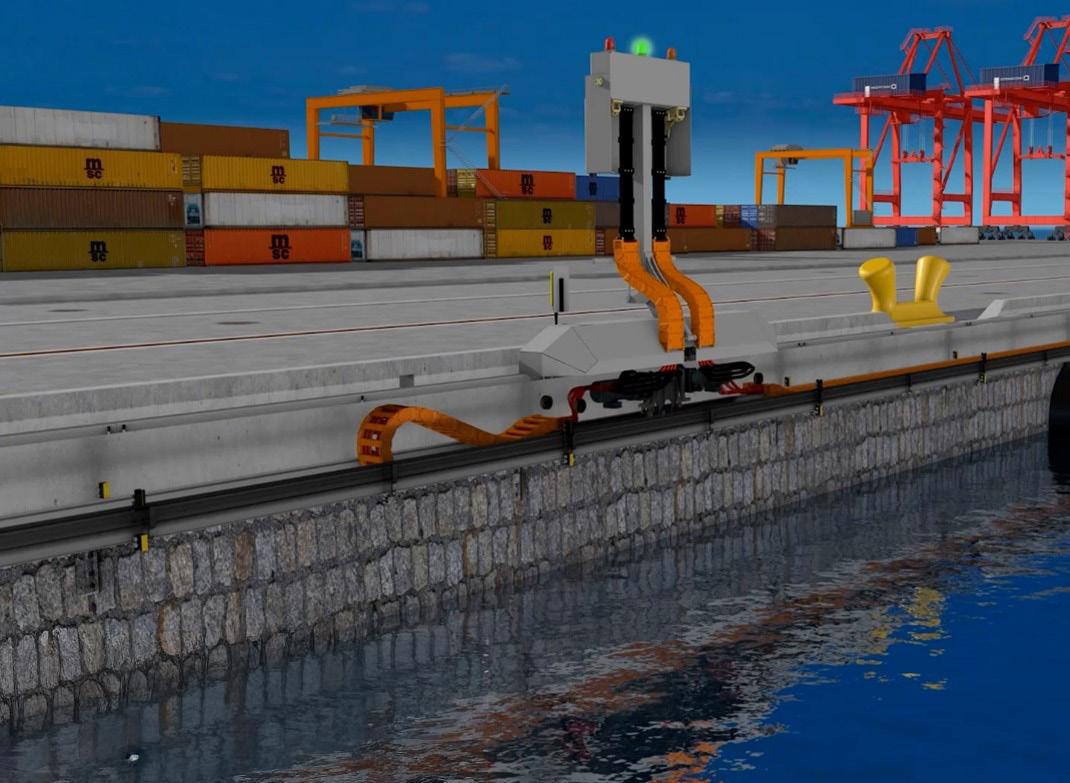
Shown here is one example system that supports electrification. The design includes igus technologies for cable management, linear motion, and more to allow quick connections while adhering to international standards for shore power. The solution is being used by ports investing in shore-power systems letting ships connect to the electrical grid to avoid burning bunker fuel while at dock.
autonomous agricultural machinery.
Electrification is increasingly common on sprayer-boom controls, planter-row adjusters, and throttle as well as brakeby-wire systems. Electric linear actuators specifically are enabling powered seat, hood, and cab-step adjustments that would’ve been manual or supported by gas springs even a decade ago.
Comparable efficiencies make a strong case for migration. Off-highway applications are primed for electrification because internal-combustion engines get 30 to 40% efficiency whereas the most inefficient electric powertrains get 80% at least.
John Deere’s release of its selfdriving tractor showcases the natural
“ELECTRIC CANNOT FULLY SUBSTITUTE PNEUMATIC APPLICATIONS WHERE HIGHER VELOCITY IS REQUIRED, BUT ADVANCEMENTS IN MOTOR AND SCREW TECHNOLOGY MEAN ELECTRIC ACTUATORS CLOSING IN ON THE SPEEDS OF PNEUMATICS.”
and predictable outcome of all this electrification. Such tractors tend fields by following GPS-mapped planting and harvesting paths. Electric-motor-based implements complemented by sensing and vision execute tasks while collecting data to inform future farming decisions.
To be clear, there are still only 20 of these particular autonomous tractors operating in the U.S. as of this writing. Perhaps that’s no wonder, because most farmers cite maintenance of farm equipment (and not its operation) to be a challenge.
Serviceability — a key electric-system benefit
Electromechanical solutions are a highly suitable fit here and actually anywhere that reliability is a top concern. That’s especially true when long operating lifecycles are an additional requirement.
If total reliability can’t be guaranteed, easy swapping with replacements is next-best … and this is another benefit that electric-motor-based solutions offer.
Especially with motor-powered subassemblies and electric actuators, infield swapping can entail a quick mount and cable connection … far faster than swapping a hydraulic system needing maintenance-specialist attention and incurring costly downtime.
Again, uptime is often more important than cost-effective machine builds for off-highway settings. Plus, larger equipment is generally low volume (in some cases millions of dollars per vehicle) so priority is being able to reliably operate over a typical eighthour shift. That’s why engineers often specify standard electric motors and complementary drives when electrifying
such applications. Most all vehicles are built around twin frame rails … and in off-highway arrangements, usually designed originally for diesel. So unlike passenger EVs produced en masse with electric motors customized to interface some proprietary gear drivetrain, new electromechanical subsystems in offhighway industries are still needing to be modular and standard.
Two other benefits: Productivity and power
Off-highway applications are also a great example of where electromechanical systems tend to boost productivity. Speed, position, and acceleration can be precisely controlled over full motion ranges even with standard control electronics. On off-highway equipment, cabling for communications between these controls and the motors and actuators they command are usually via industrystandard Ethernet, bus, or I/O setups. So, there’s readily available access to data for various monitoring and condition-based maintenance functions. What’s another reason offhighway applications are primed for electrification? These vehicles include lots of axes that deliver relatively slow yet high-torque (or force) motion. Check out next month’s Design World when the specifics of linear motion for electrification will be discussed. DW
The QR code will take you to an article with comments from experts we surveyed on automation trends in agriculture and off highway.
ROBERT JOHANSSON INDUSTRY MANAGER THOMSON INDUSTRIES
Electrification from A-to-Z
the age-old debate about hydraulic vs. electric, presentday consensus is that there is a place for both actuator technologies in a wide industrial landscape. However, increasingly, electric actuators, as they’ve evolved to offer more power density, are replacing hydraulic actuators in some applications.
Converting hydraulic systems to electric actuators can yield significant efficiency, safety, environmental, maintenance, and economic benefits, but realizing these benefits requires careful decision making throughout the conversion process. To help facilitate the electrification of a linear motion application, ensuring optimal performance and long-term success, it’s recommended to consistently follow a proven set of steps, such as the ones detailed here.
1. Establish the motion profile
If you don’t already know how much force your application will need, measure the pressure that the hydraulic cylinders are currently providing and their size, and then multiply pressure by area to calculate the load according to the following formula:
F = P x A
F = Force, lbs (pounds)
P = Pressure, psi (pounds per square inch)
A = Piston area, in.² (square inch)
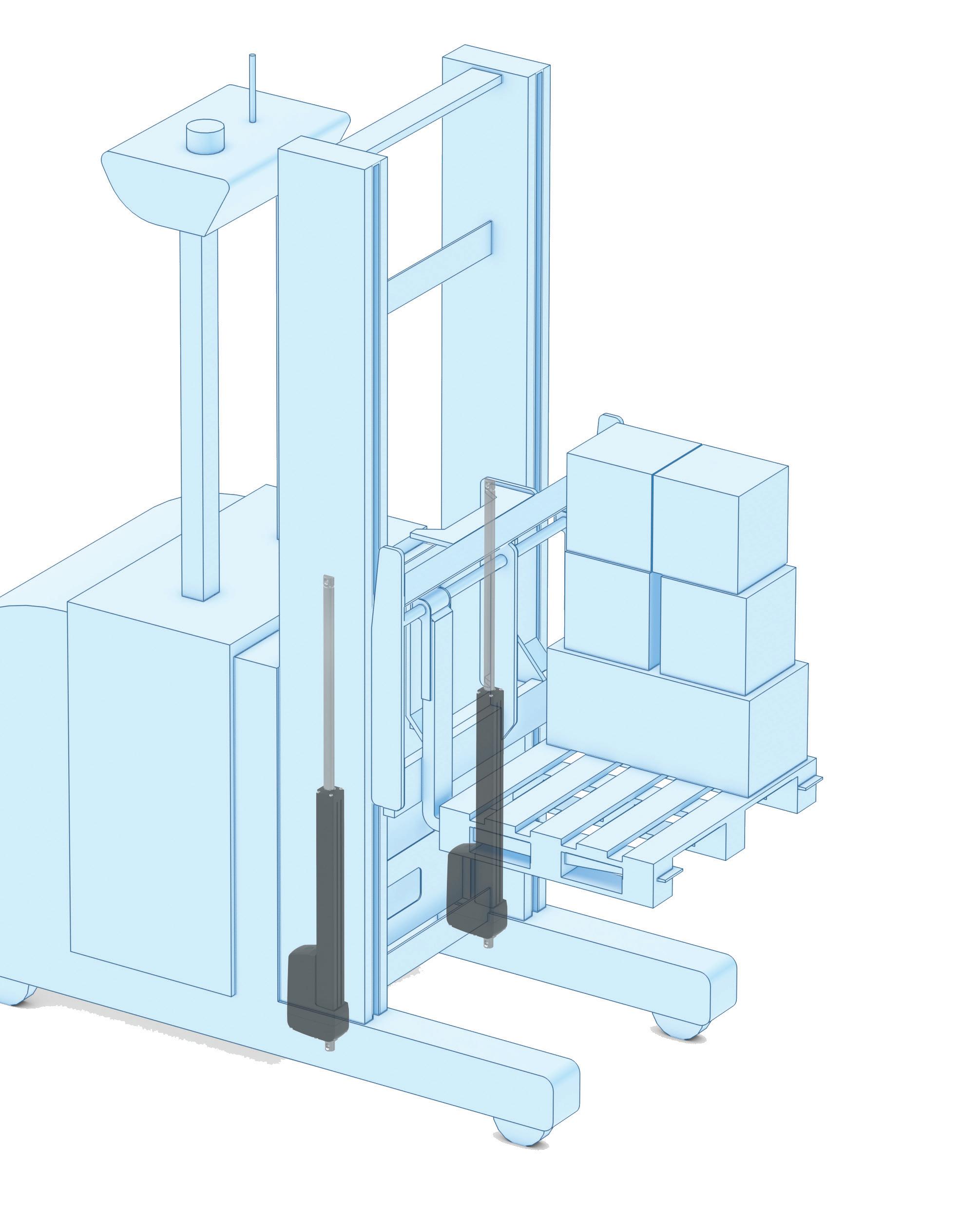
Designers of industrial equipment have been increasingly replacing hydraulic actuators with electric actuators, such as in this selfdriving forklift. Thomson Industries, Inc.
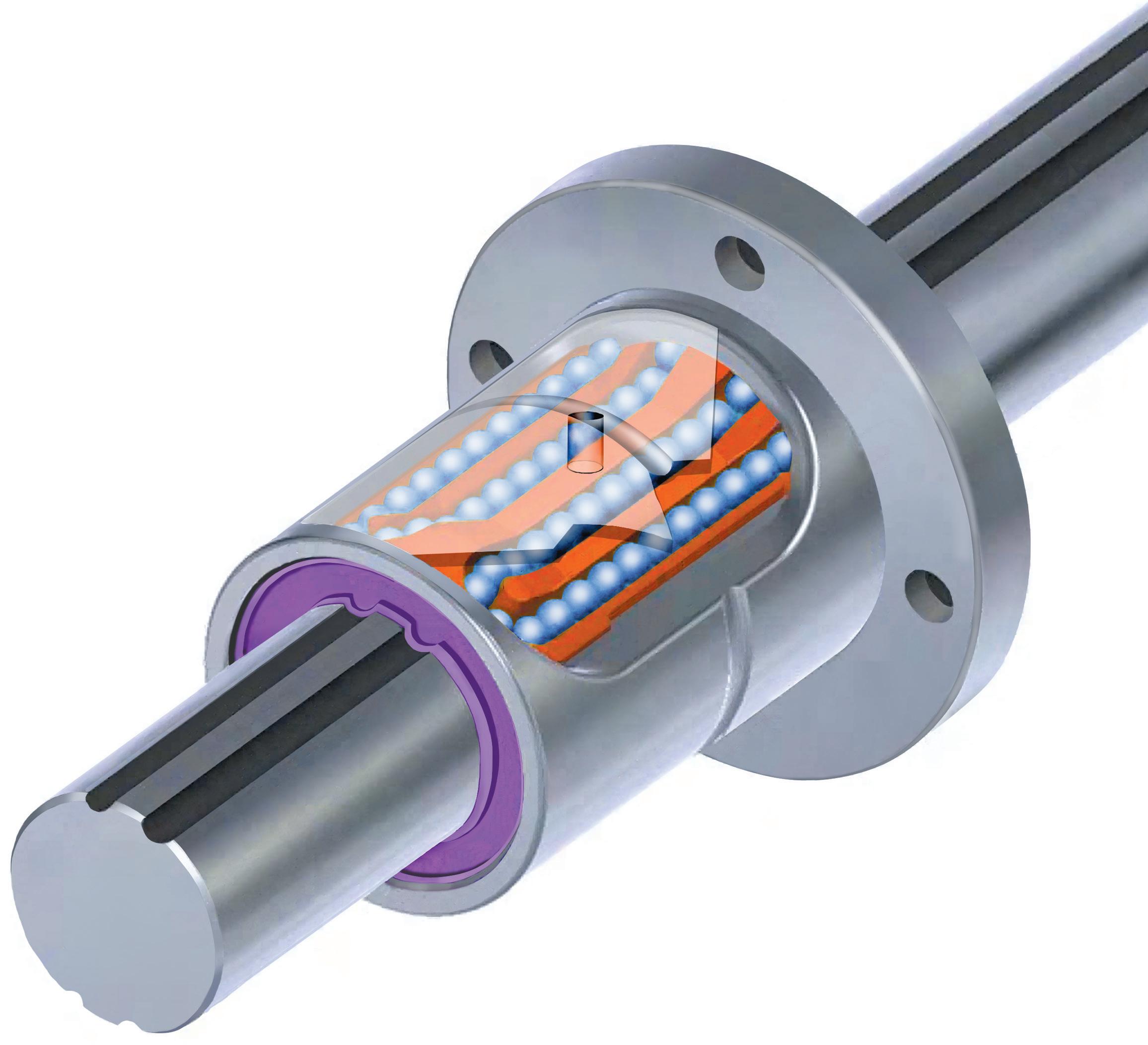
Ball Splines
• 6 Nut Shapes
No Backlash No Vibration Higher Loads
• 16 Shaft Diameters (4 – 100mm)
• Custom Modi cations Twice As Fast
• 10X Load Capacity*
• Longer Travel Life*
• Nut and Shaft Available in Stainless Steel
Oil hole to oil channel.
No backlash because precisely ground (not drawn) raceways conform to shape of ball in nut and shaft so opposing raceways have same angles of contact.
Wiper Seal.
Anti-rotation torque transmission.
Spline shaft is straighter than competitions’ – eliminating rotational vibration.
Greater ball contact in nut permits compact single shaft applications.*
*When compared with ball bushings.
All ball tracks are in contact with racewaysonly half of competitions’ are in contact in any one direction.
Linear Motion
For example, consider a forklift using a hydraulic system to provide linear motion. The force is the weight that the equipment can lift. The pressure is the number of pounds per square inch within the cylinder, and the piston area is the cross-sectional area of the
Application requirements may state speed requirements, but if you don’t have them, calculate them for the hydraulic system using the following equation:
v = Speed, in./sec (inches per second)
Q = Flow, gpm (gallons per minute)
A = Piston area, in.² (square inch)
With knowledge of force and speed, you can then calculate the duty cycle — the proportion of time the actuator is actively operating compared to the total time in a cycle. It’s typically expressed as a percentage and calculated according to the following formula:
Duty Cycle
Where:
t on = On time, sec (seconds)
toff = Off time, sec (seconds)
From there you can calculate the total operational life in years according to:
Lactual =
Duty Cycle x Lr
Where:
Lactual = Actual lifetime, h (hours)
Duty Cycle = %
L r = Rated lifetime, h (hours)
Application considerations such as cylinder type, retraction, safety factors, load distribution, inertia, friction, inclination angle and vendor claims may require adjustments to these calculations and the sequence in which you perform them, but these baseline calculations will give you a good place to start.
Aside from establishing the motion profile, a smooth transition from hydraulic to electric motion requires attention to energy, control, installation and management issues.
2. Evaluate the power source
Using the forklift example, once you’ve established the motion profile, you must then determine its voltage. The existing lift will either have a 24- or 48-Volt power supply. The voltage size will not affect performance, but you may find the 48-Volt supply more convenient than 24Volt because it will consume only 50% of the current. This would enable the use of smaller motors and thinner cables, both of which are advantageous for mobile vehicles such as forklifts. Actuators are rated for specific voltages, so once purchased, there is no turning back. Battery type can also be a factor. Your hydraulic system will likely have either lead acid or lithium-ion batteries. Lithium-ion batteries are especially well suited for electric actuators as they will be charged when the actuators are running in generator mode. Therefore,
when lowering the forks with load, the electric motor in the actuator can be used to brake the load. The return can be as much as 50% of the power used to lift the load. This and the fact that electromechanical actuators will be more efficient overall than hydraulic cylinders enable the use of a smaller battery, which can help extend the equipment uptime of a mobile vehicle.
3. Establish control requirements
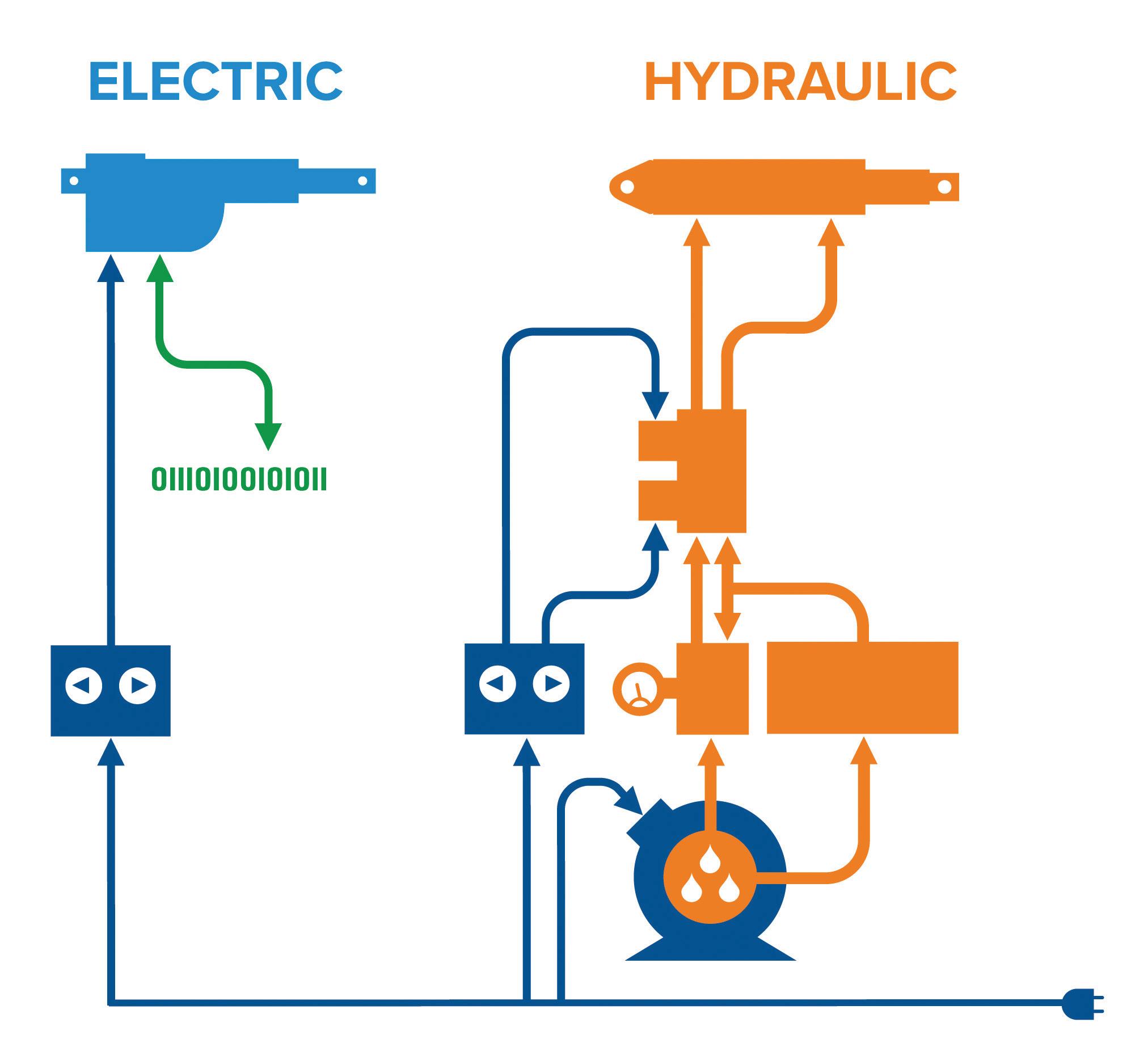
Your hydraulic power pack probably offers only on and off and maybe some limited speed controls, but if those options are not adequate for you, converting to electric actuators can quickly solve your issue.
Electromechanical actuators allow low-level digital switching between low or full speed, analog speed input or an information protocol such as
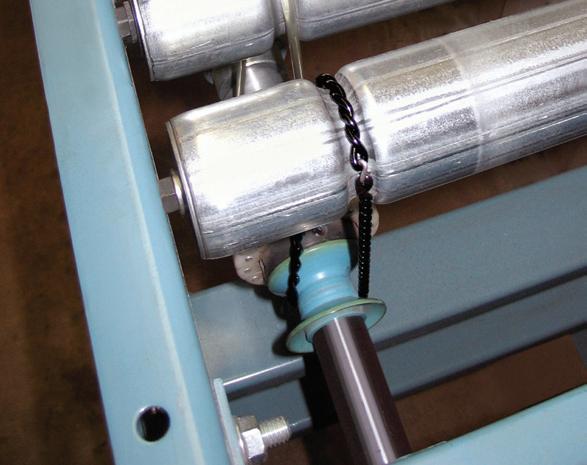
Installation, connection, and maintenance of electric linear actuators are significantly simple compared to hydraulic systems, which require a complex series of pumps, hoses, and other parts to operate.
Thomson Industries, Inc.
CAN bus. There may be situations in which you would like to program into the application’s main software. For example, if you are forklifting fragile items, it may be useful to program for a soft start or stop, something not possible with hydraulics.
Emergency lowering can be another benefit of electrical actuators. If you lose power or have other problems when the forks are at the top of the lift, it’s difficult to transport the load. A manual override allows you to mechanically lower the actuator brake or move the piston with a hand tool if the battery fails.
4. Install and connect the electrical components
Installation begins with removing the hydraulic support infrastructure. You’ll no longer need those pumps, cylinders, hoses, and other equipment that were needed to support the hydraulic fluid, or the fluid itself. You will, however, still need a charging station, so be sure that it will comply with your battery voltage and type choices.
Once the charging process is set, you can install the actuator, battery, controller, and wiring. Although space requirements for the hydraulic cylinders themselves are comparable with electric actuators, you may need to fabricate custom mounts or brackets.
5. Test and optimize the conversion
Connect the electrical components, ensuring that all connections are secure and properly insulated to prevent electrical issues. Test conversion to ensure that all components are functioning correctly, and then calibrate the system to optimize performance and ensure safety.
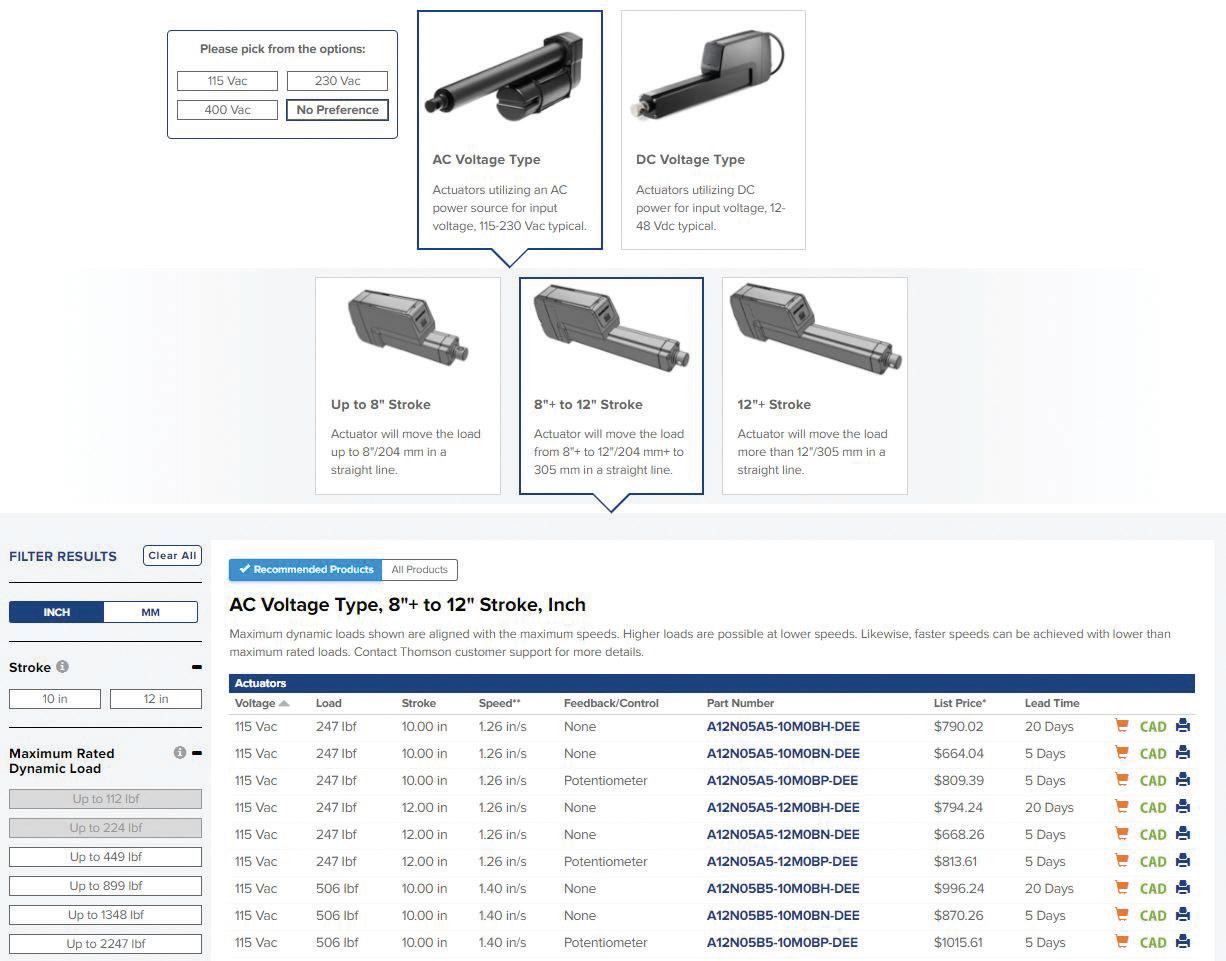
As motion, power, and control needs are refined, automated configuration tools like Thomson’s web-based linear actuator selector tool will help optimize component selection. Thomson Industries, Inc.
6. Say goodbye to excessive maintenance
With your electric actuators in place, aside from minor lubrication from time to time, electromechanical actuators have negligible maintenance requirements, which lowers the cost of owning and operating tremendously. No need to change fluids or filters and no hoses or pumps that will wear over time.
7. Manage the transition to electromechanical control
Electrification will likely raise management issues as well, including
retraining or staffing up appropriately. This will also require the creation or modification of training manuals. Keeping meticulous details of all conversion steps will help with training materials and, depending on where you are located geographically, with regulatory implications.
8. Think ahead
If you haven’t done so already, it’s wise to project your future conversion needs before you begin the transition. If you’re planning to electrify a large fleet, there may be some things that you can do
now to reduce costs and schedules down the road, such as making templates for custom parts.
Adherence to best practices, starting with your motion profile, and then carefully analyzing your energy requirements, controls, installation, and change management issues, will help ensure an orderly, cost-efficient, and safe transition from a hydraulic system to electromechanical actuators. DW
LEVEL U and then
Superior Precision, Life, & Lead Accuracy!
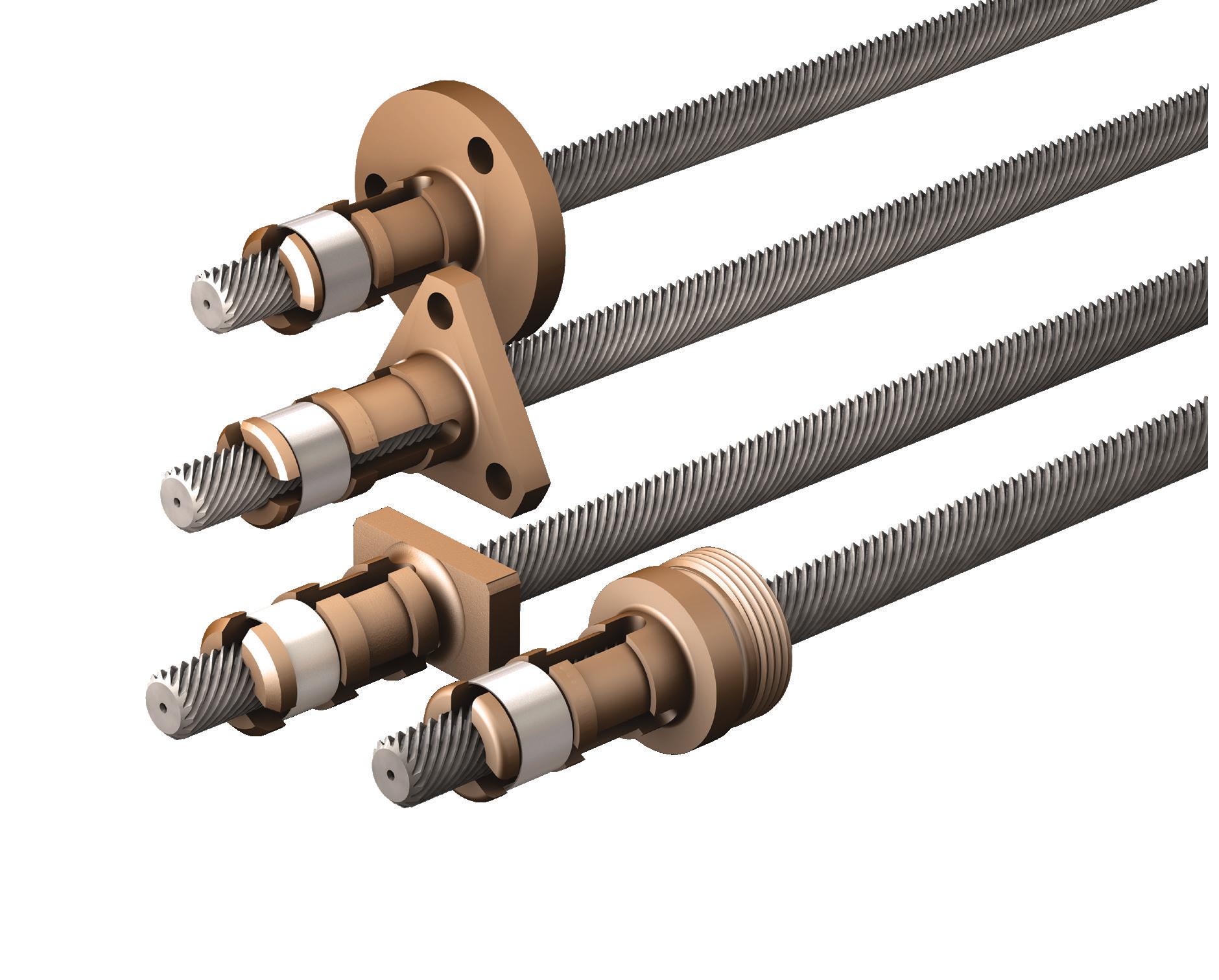
Constant Force Lead Screw applies uniform pressure to the nut at all stages of travel along our quality CNC rolled lead screws. World class NEMA motors combined with an integrated lead screw make for one of the most accurate lead screw assemblies on the market.
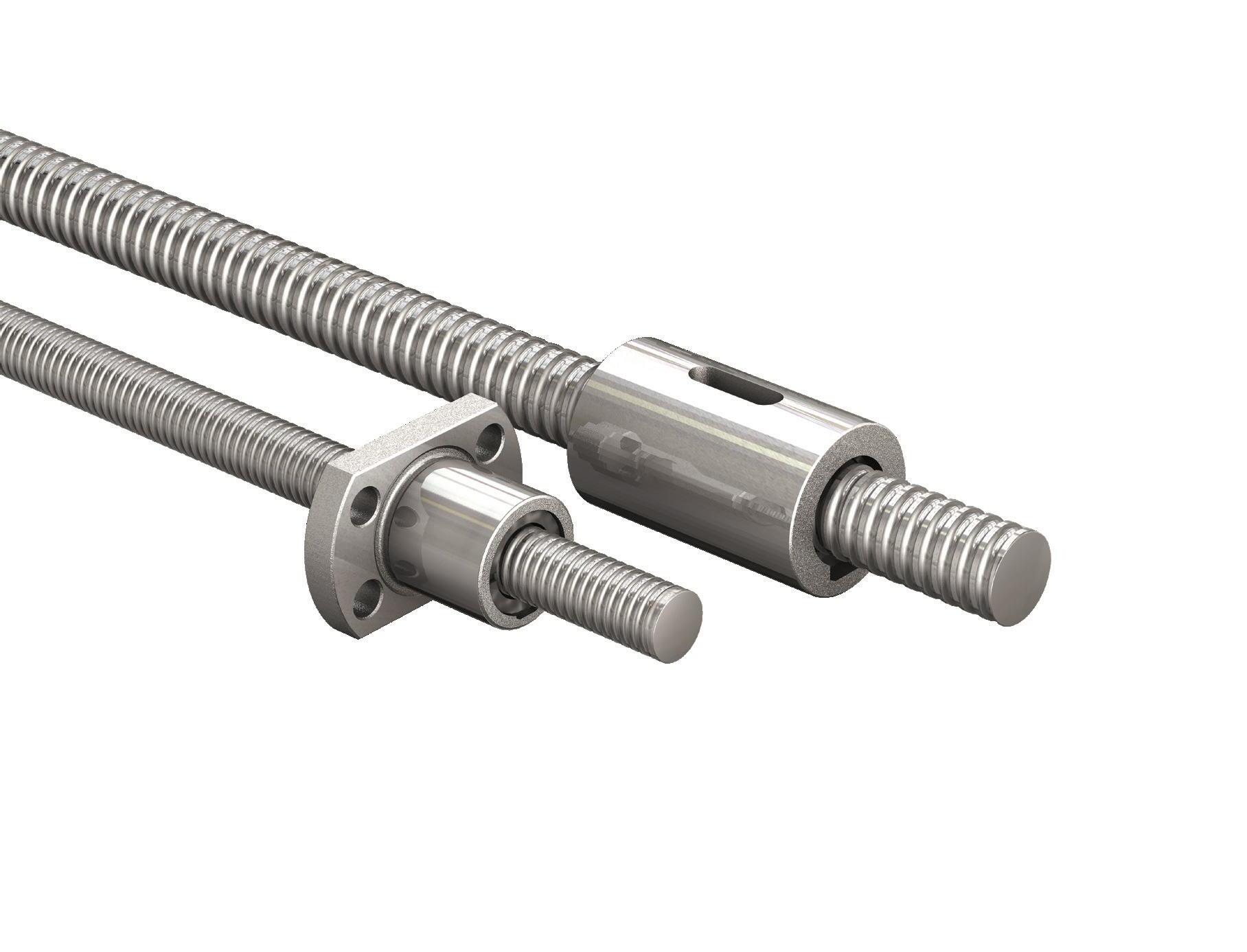
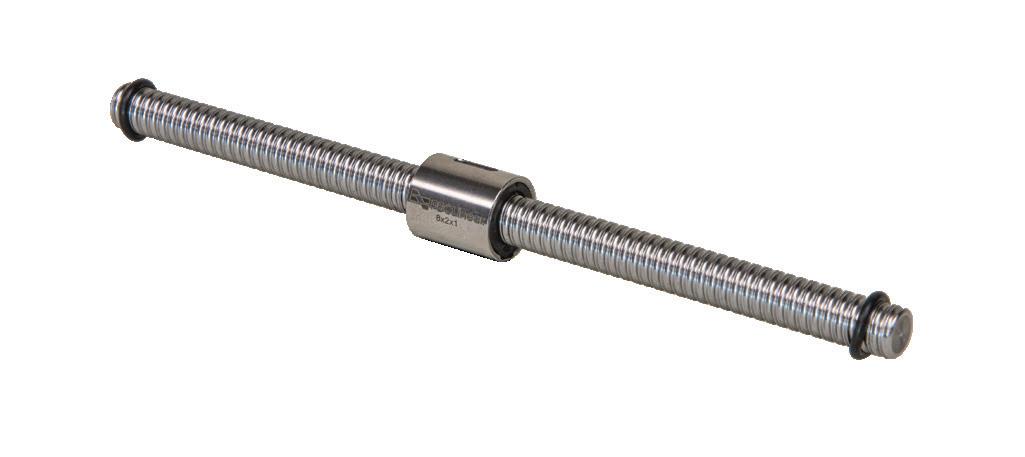
Our miniature ball screw assemblies combine fine leads with small screw diameters, and utilize a compact internal ball return system to yield high precision linear motion for a range of small-scale applications. In addition, our ball screws are precision-rolled, making them a critical asset to laboratory machines, medical devices, and mechatronic applications.
SOUTHCO ADDS TWO OPTIONS TO ITS E5 LINE OF QUARTER-TURN CAM LATCHES, OPENING UP A VARIETY OF NEW FUNCTIONALITIES.
EDITED BY MIKE SANTORA
UPGRADED CAM LATCHES
for your next application
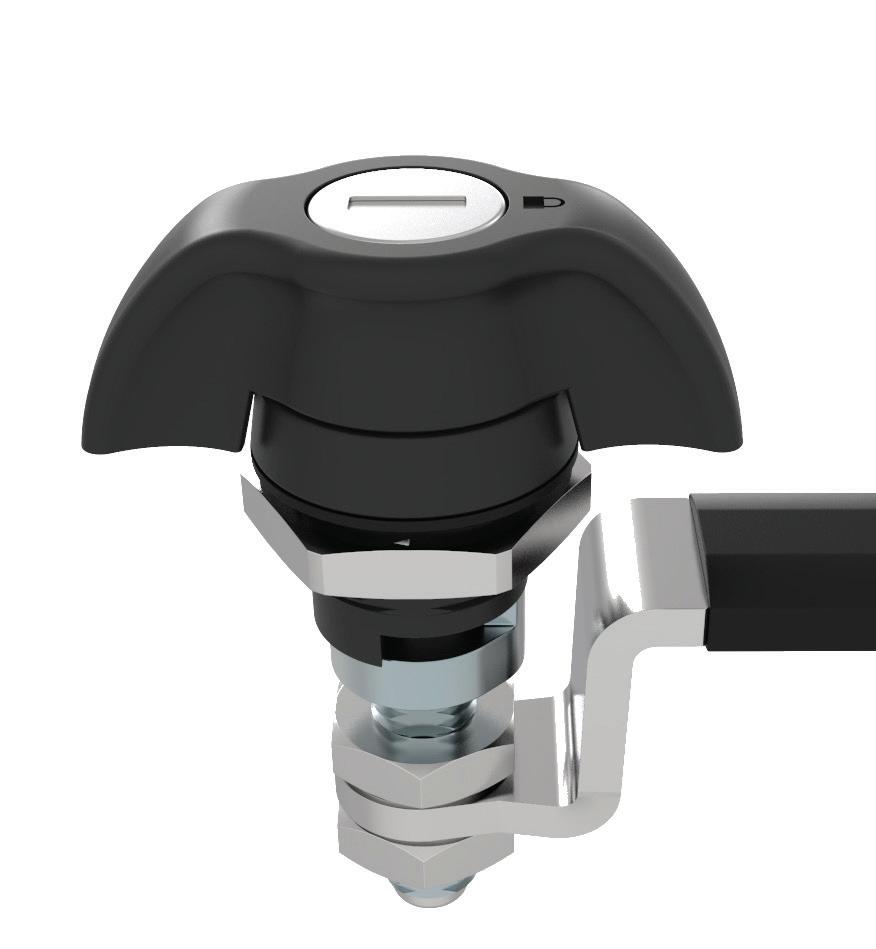
E5 cam latches offer affordable simplicity and superior flexibility due to their efficient modular design. New options for these latches include the Protected Cams and adjustable grips. These additions make the E5 line even more versatile than before.
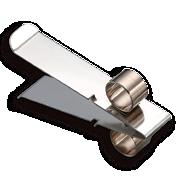
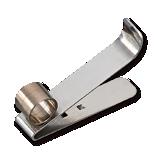
The Grip Protected Cam is an upgrade from existing flat cams, and are well-suited for those seeking to avoid wear and cosmetic damage that comes from a flat cam scraping against an enclosure frame. The Protected Cam adds a plastic cover to the end of a cam, providing protection from frame damage and smoother actuation. Fixed Grip Protected Cams are compatible with all E5 and H3 latches.
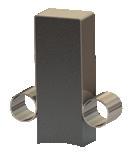
Southco’s next addition provides additional flexibility for its Wing Knob, T-Handle, and L-Handle cam latches. The Adjustable Grip option lets those using E5-9 hand-operated cam latches manually adjust the cam location on each latch. This allows users to freely change the grip strength of the latch and adjust for variations in frame dimensions.
Variability also allows manufacturers to use one latch for multiple frame designs. These additions open up new possibilities for the E5 Cam Latches. Whether you need a durable protected lock for an outdoor latch, or a more compact device for smaller designs, the E5 is worth considering. The additions build on the affordable simplicity that the E5 is known for. E5 latches can be easily installed in a single hole and provide a no-hassle solution for a wide range of applications.
Southco • southco.com
Fixed Grip Protected Cams are compatible with all E5 and H3 latches.
Italian machine builders lead the way in machine and process innovation.
Machines Italia’s Fall 2025 issue will focus on how technology-focused innovations makes Italian machinery a standout in the market; how Italian machine builders are overcoming industry challenges through new/innovative/creative design applications and design solutions on their machinery and lines; how Italian innovation in machinery can help drive down organizations’ operating costs; and how Italian OEMs are working in a collaborative way with end users to bring new innovations and new transformative processes to industries. This issue will seek to place special emphasis on what makes Italian machinery uniquely superior in the market and how Italian machinery and solutions are being used in new, innovative ways to solve old industry challenges.
For more details and to read the digital edition, visit machinesitalia.org
Italian machine builders are bringing innovative and transformative solutions to their industries.
WITH CONTINUALLY IMPROVING ARTIFICIAL INTELLIGENCE (AI) TECHNOLOGY, SYSTEM DESIGNERS WILL FACE THE DESIGN TRADEOFF OF ADDING MORE SENSORS TO ACHIEVE SPECIFIC DESIGN OBJECTIVES OR USING AI INSTEAD. A GOOD EXAMPLE IS A SMART ELEVATOR. TODAY’S ELEVATORS HAVE SEVERAL SENSORS IN THEIR DESIGN.
DO THESE SENSORS NEED A LIFT?
EDITED BY: MIKE SANTORA
One of the key features of smart elevators starts with traffic analysis and optimization. This can be accomplished with the addition of vision sensing to a new elevator design. In a vision-based intelligent multielevator system, cameras are installed in the elevators and on each floor with each camera connected to the elevator control system. Using the installed
sensors, the elevator control system’s elevator people statistics module counts the number of people waiting for the elevator on each floor and the number of people in the elevator. Knowing the number of people waiting and the number of people already in the elevator, the system can control the stops and availability of the elevator.
However, adding these vision sensors can be costly. Through AI, smart elevators can analyze traffic patterns to optimize the movement of elevator cars to reduce wait times and congestion. This is especially important in an infrequent situation, such as a cruise ship. Passengers need to easily learn how to use a new elevator system and adjust to its nuances quickly.
After selecting their destination, passengers are directed by their initial elevator’s display to a specific elevator to reduce wait time and avoid an already packed elevator arriving for them.
One example of implementing artificial intelligence to design a smart elevator system for marine applications is provided by Kone Corporation. Using its KONE TrafCal elevator traffic analysis, the multi-elevator system receives an assessment of the passenger flow together with an analysis of different situations, such as embarkation, disembarkation, and normal everyday operation at sea. This analysis provides a solution for the best possible flow of people onboard.
In addition, the company’s hybrid destination control system (DCS) significantly increases the handling capacity of elevators on board passenger vessels — particularly during peak periods, This is accomplished by grouping people traveling to the same destination into the same elevator. Instead of calling an elevator and selecting the desired floor after entering the elevator, this system points passengers to a specific elevator that has been selected because of its availability.
The system already detects passenger load, so it uses this information to only send an elevator with available space to the floor where riders have requested an elevator to a
In the smart elevator, passengers are notified of their destination relative to the current floor (deck).
Intelligent Pallet Systems
Built For Capacity, Speed, & Accuracy
specific floor. This avoids the frustrating wait for an elevator during rush times only to have it arrive packed with no room for more riders. The KONE hybrid DCS combines all the performance advantages of a traditional DCS with the ease of use of a standard collective control system.
As noted in a previous blog, recognizing and meeting the requirements of industry standards and government regulations is essential for many different applications. For marine applications, Kone complies with classification societies registered under the International Association of Classification Societies (IACS), for example Achilles JQS (Joint Qualification System), DNV, Lloyds, and RINA.
The tradeoff between adding more sensors and greater use of AI is a situation both sensor and system designers will need to address in many applications, especially those applications with several sensors already designed into existing systems. DW
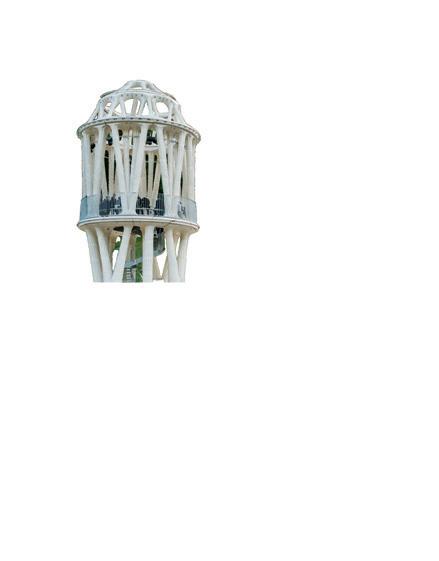
TOR ALVA IS THE WORLD’S TALLEST 3DPRINTED BUILDING AT 30 METERS HIGH
ETH Zürich researchers hope that the construction of the White Tower in Mulegns will bring innovative technologies to commercial maturity.
The world’s tallest 3D-printed tower, known as Tor Alva (meaning “White Tower” in Romansh), was inaugurated in Mulegns, Switzerland. The building showcases how digital construction techniques can be used to build loadbearing structures without formwork. It is an initiative of the Origen cultural
foundation (Nova Fundaziun Origen) in collaboration with ETH Zürich, and is designed to serve as a cultural hub and to breathe life into a village threatened by depopulation. Since May 23, 2025, the White Tower has been open daily for guided tours. From July onwards, the space will also host staged performances.
Tor Alva is intended to remain in Mulegns for around five years. It can later be dismantled and reerected elsewhere. The structure is reminiscent of an ornate layered cake — a reference to the emigration history of confectioners from Graubünden who exported their skills from here to the whole of
Alva is the world’s tallest 3D-printed building at 30 meters
The Tor Alva
four levels, each with eight reinforced 3D-printed concrete columns.
Birdviewpicture/ Nova Fundaziun Origen
Europe. Thirty-two sculptured white concrete columns rise over four stories, becoming thinner and more branched, before fanning out in an almost tree-like fashion to form the domed space at the top.
The Tor Alva tower was designed by architect Michael Hansmeyer and ETH Professor of Digital Building Technologies Benjamin Dillenburger. Instead of relying on traditional concrete formwork, they opted for an additive manufacturing process, whereby an industrial robot applies the concrete layer by layer into free-form elements without any supportive casting molds. The design is based on complex algorithms that generate the ornamental and structural aspects at the same time.
To make this process possible, a specially developed concrete was needed. It had to be soft enough to bond the delicate structures, while hardening quickly enough to support the subsequent layers. Robert Flatt, ETH Professor of Physical Chemistry of Building Materials, developed a novel mixture for this purpose. Just before the concrete leaves the pressurized nozzle, two additives are blended into the mixture, allowing the characteristic droplet-like relief on the columns to be achieved.
What is special about this project is that the 3D-printed elements not only serve as a shell, but for the first time, they are also load-bearing. Until now, a suitable method to reinforce 3D-printed concrete effectively has been lacking.
has
The Tor Alva has a double dome consisting of 32 branching columns. Benjamin Hofer/Nova Fundaziun Origen
This is now possible with a newly developed reinforcement concept implemented using a robot-assisted innovation. While one robot applies the concrete in layers, a second places a ring-shaped reinforcement in the new structure every 20 cm. This horizontal reinforcement in the form of rings is supplemented by longitudinal rebars that are added after printing. The process, known as “reinforcement that grows,” was developed by ETH professors Walter Kaufmann, Robert Flatt, and Benjamin Dillenburger, in conjunction with the ETH spin-off Mesh and the company Zindel United. In addition, the researchers developed a new testing method that allows the load-bearing capacity of 3D-printed concrete to be reliably calculated for the first time. This is a key requirement to ensure that such buildings can, in the future, be tested just as safely as conventional reinforced concrete structures.
It took five months to print the columns on the ETH Hönggerberg campus. The components were then assembled in Savognin and delivered to Mulegns via the Julier road in a heavy goods vehicle. DW
To read the complete story and learn more about the project, visit wtwh.me/TorAlva
ETH Zürich • ethz.ch
How evolving demands are driving innovations in EV battery safety
DR. CHRISTOPHER NEUMANN
Requirements for electric vehicles (EVs) are continually evolving.
With consumer expectations for longer ranges and shorter charging times increasing, it’s no wonder that battery developers are focusing on higher battery capacities (kWh), higher capacity per battery weight (kWh/kg), and faster charging solutions.
Despite significant progress in this field, challenges remain, particularly in the repeatability and standardization of testing methods. Mobility suppliers worldwide are actively addressing these challenges by refining testing procedures and developing new materials that enhance the safety of EV batteries.
In some cases, minor modifications to existing materials are sufficient. The requirements for media and temperature resistance for EV batteries are often even lower than those for applications in vehicles with internal combustion engines
ICE). In other cases, new materials and components (such as 2D thermal barrier mats, flame barrier profiles, and heat shields) are being used that are new to the automotive industry and come with new sets of requirements.
Evolving battery requirements
Although EVs experience fewer fire accidents compared to traditional combustion engine vehicles (1.2 fires per 10,000 EVs compared to 7.3 fires per 10,000 ICE vehicles), battery safety remains a priority due to the increasing energy densities and faster charging requirements. One critical concern is the risk of thermal runaway, where a single cell’s failure can trigger a chain reaction in neighboring cells, leading to a chain reaction (thermal propagation).
While new battery designs, active monitoring systems, and temperature control can mitigate these risks, the
materials used to contain these reactions are vital to enhancing vehicle safety. These include flame-retardant materials that ensure the vehicle interior is protected in the event of a thermal runaway of individual cells or the entire battery.
This is where it becomes apparent that existing methods for testing the thermal barrier properties of individual materials are insufficient, making them unreliable for characterizing these properties.
Proven and adapted test methods
As with ICE vehicles, all components and materials for EVs must meet precise specifications for basic mechanical parameters, such as hardness, tensile strength, and elongation at break. In addition, the maximum extent to which these properties may change over a certain period under normal application temperatures is typically also specified.
DIRECTOR GLOBAL MATERIAL DEVELOPMENT, DYNAMIC SEALING • FREUDENBERG SEALING TECHNOLOGIES
Several established standard test methods have not yet been used in testing elastomer and plastic-based materials in ICE vehicles, but have long been used in other industries. These methods can be transferred relatively easily to materials for e-mobility applications.
Examples of these tests are thermal conductivity at different temperatures, dielectric strength and creep resistance, and a basic flammability rating (such as UL94 V or H). Nevertheless, adaptations to these established test methods for EV applications are often necessary.
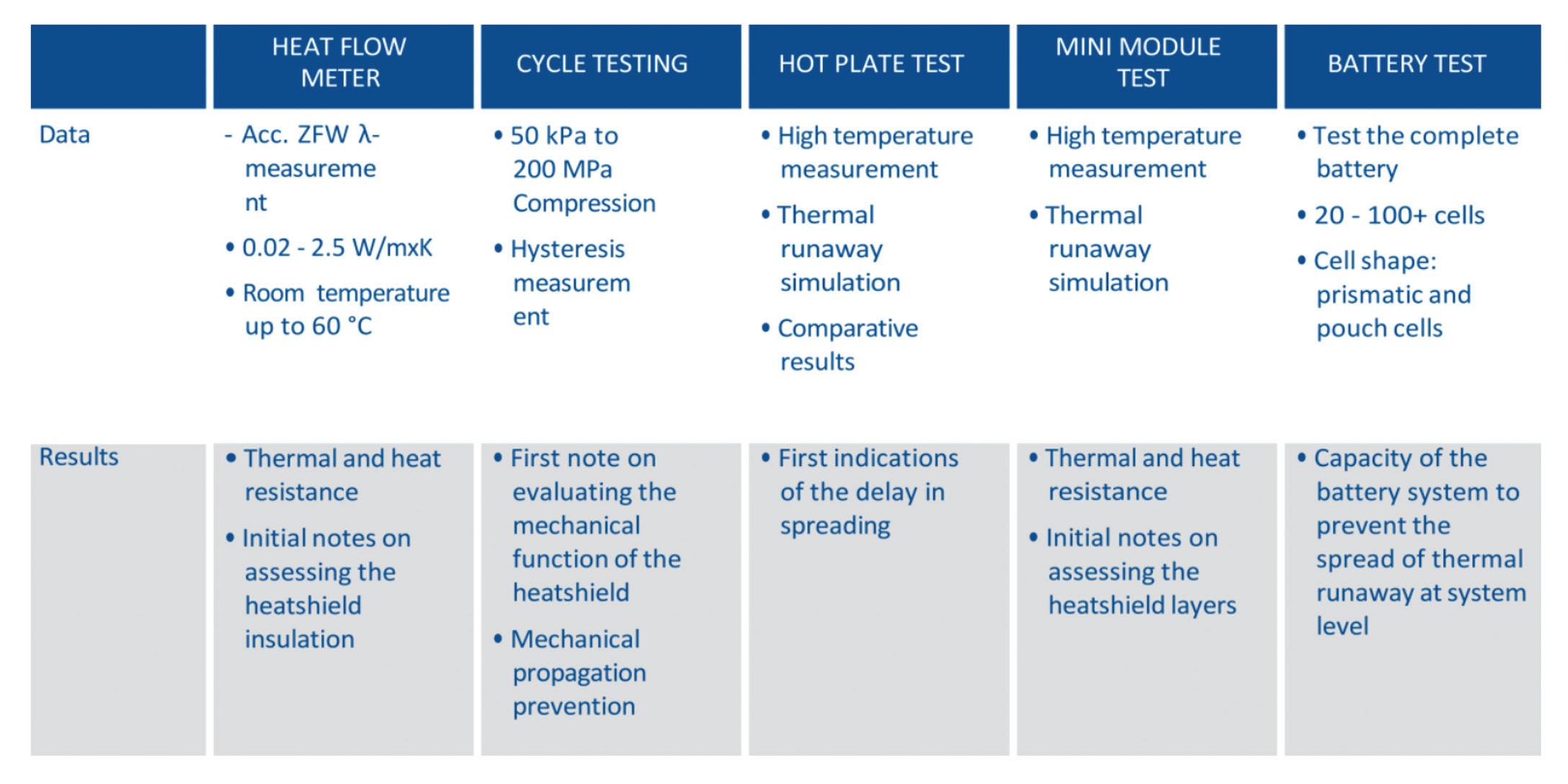
For instance, the heat flow meter and mechanical cycle testing are two tests used to characterize heat shields. Both are adaptations of existing test methods. The heat flow meter test checks thermal conductivity under different compression loads and temperatures. This allows insulation properties and heat flow between the cells to be mapped at different compression levels or phases of cell breathing and battery service life.
The cycle test is an adaptation of classic fatigue or relaxation/hysteresis measurements and provides hysteresis of compressive force during and after different load cycles with constant data recording.
Measuring a material’s dielectric strength is also a common practice. In the development of fire protection materials for busbars, the electrical properties of the material are measured after exposure to fire. This involves investigating how well a material remains insulated after a fire to prevent short circuits that could lead to further hazards.
Testing the thermal barrier properties
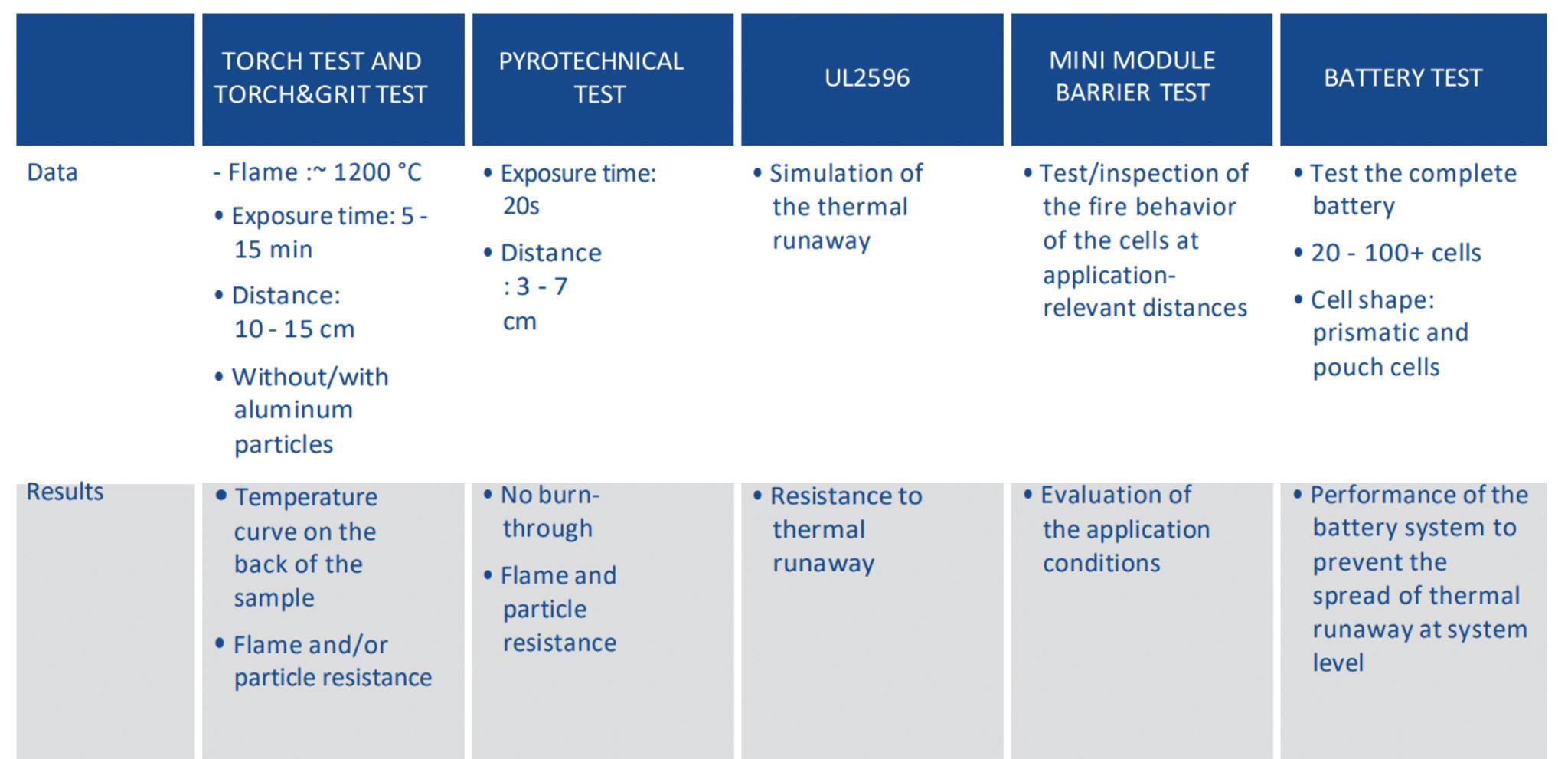
It’s important that new test methods are developed and standardized for material behavior during a thermal runaway. This applies to materials and components with direct and indirect exposure to flames and particles. So far, a distinction has been made between three main categories: flame contact testing, pyrotechnic testing, and heat-only testing.
Figures 2 and 3 show test complexity, safety requirements, costs, and relevance for the application increasing from left to right. The tests range from material tests and component testing to testing a complete battery.
Ultimately, the behavior of a complete battery system is directly relevant to passenger safety. So, it’s essential to test
the suitability of individual components and materials at the battery system level to meet high safety standards.
It’s also worth noting that these tests are relatively new to the automotive industry. Therefore, it’s not surprising that both the tests and specific test conditions vary considerably depending on the manufacturer, battery technology, and design, and are still being optimized.
Tests with flames and cold particles.
The torch test, torch & grit test (TaG), and pyrotechnical test are particularly significant for developing materials with direct exposure to flames or flame and particles. In the torch test, a defined flame (1,000° to 1,500° C) is aimed directly at the sample to evaluate a material’s flame and temperature resistance depending on its thickness. The TaG test supplements this with a cyclic change between flame and blasting with defined, cold particles. The most important result of both tests is the burn-through time for relative material evaluation. Almost all test providers also measure a temperature curve.
Experts in the field have carried out extensive torch and TaG tests, both internal and with various external test
FIGURE 2. The functional tests of materials with direct flame contact and with or without particle contact.
providers, for numerous materials. While advancements in measurement methods have been made, results still show some variability in burn-through times, with occasional deviations in repeatability and maximum values.
The temperature curve would provide a deeper understanding of the different phases of material changes and degradation processes. Unfortunately, no current test method or test facility with sufficient repeatability can be used beyond comparative tests to support the formulation and development of material composition. This is due to different, nonstandardized test procedures and setups.
Examples are the various methods and locations of temperature measurement, differences in sample holders and the “flamed” sample cutouts, and the type of detection of the burn-through of the samples.
Pyrotechnic tests. In contrast to torch and TaG tests, the pyrotechnic test simultaneously exposes the sample material to flames and hot particles. This is similar to the conditions created during a direct venting event of a battery.
However, as this test only lasts 20 seconds, it provides considerably less information and no temperature curves. To ensure that the fireworks are as consistent as possible, stage fireworks are used to burn relatively evenly for safety reasons.
Nevertheless, the results are not sufficiently reproducible. They fail to provide the depth and detail required for comprehensive material development. As a result, pyrotechnic tests are only suitable for obtaining quick feedback on a material’s basic fire protection properties.
Testing under heat. Materials only exposed to heat but not direct flames are often tested using hot plates or hot oven tests. Although testing materials before and after heat exposure is wellestablished, temperatures (ranging from 400° to 800° C) are considerably higher than those typically encountered in the automotive industry. When the preheated oven is opened to load the sample, the temperature inevitably drops, and not all ovens can regain the required test temperature within the limited timeframe.
Additionally, the positioning of the sample (whether on a grate or a solid metal surface) affects the results as it
alters the heat transfer rate into the material. The hot plate test is crucial for evaluating components inside and outside the battery that are not directly exposed to open flames.
Both new test methods and new materials are still under development and need further improvement in terms of their properties and reliability, presenting a challenge and an opportunity for the automotive industry.
In conclusion, the ongoing development of EVs requires new materials and test methods that meet increasing industry requirements. Although significant progress has already been made, there is still room for improvement in test repeatability and standardization. The development of safe and efficient flame-retardant materials is crucial to the success of electromobility.
Through continuous research and development, the mobility industry can ensure that the batteries of the next generation will not only be more powerful but also safer. EV
FIGURE 3. The functional test of heat protection materials without direct exposure to flames or hot particles.
extend the lifespan of EV batteries How electrolyte additives can
RAKESH KUMAR, PHD • CONTRIBUTOR
Electrolyte additives can support the life of electric vehicle (EV) batteries by stabilizing the electrode-electrolyte interfaces and mitigating the adverse side reactions that cause battery degradation over time.
One way electrolyte additives help is by facilitating the formation of a stable solid electrolyte interphase (SEI) layer on the anode’s surface. This layer is significant because it keeps the anode safe from constant reactions with the electrolyte, which can use up lithium-ion (Li-ion) and cause the capacity to drop. A well-formed SEI layer is electrically insulating but allows for the efficient transport of Li-ions.
Similarly, electrolyte additives can contribute to the formation of a stable cathode electrolyte interface (CEI) layer on the cathode’s surface. The CEI layer helps to prevent the dissolution of transition metal ions from the cathode material. It also reduces parasitic reactions between the cathode and the electrolyte, especially at high operating voltages.
How VC improves sodium-ion battery capacitance
Vinylene carbonate (VC) is a common electrolyte additive used in EV batteries, which forms a stable SEI layer on the anode. This layer protects the anode from continuous electrolyte decomposition and allows efficient Li-ion transport. VCs can be more flexible, which is beneficial for anodes that experience volume changes during charging and discharging.
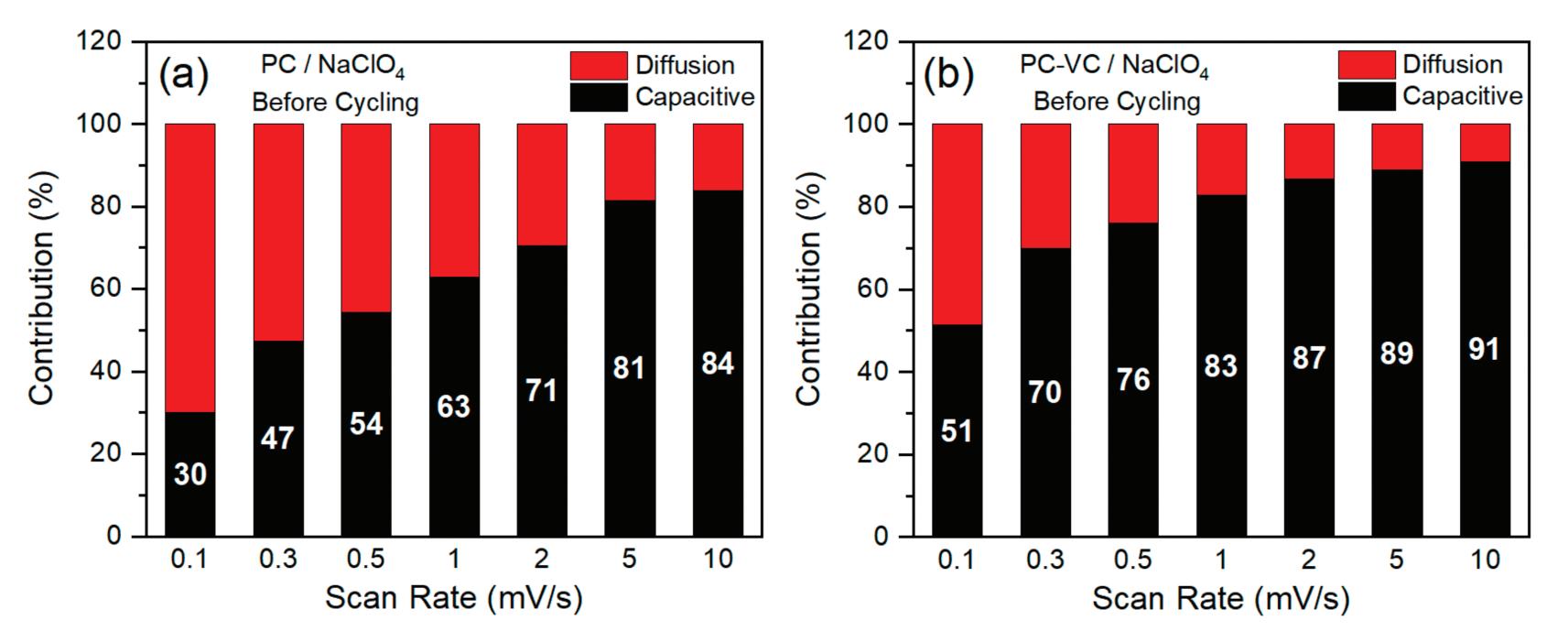
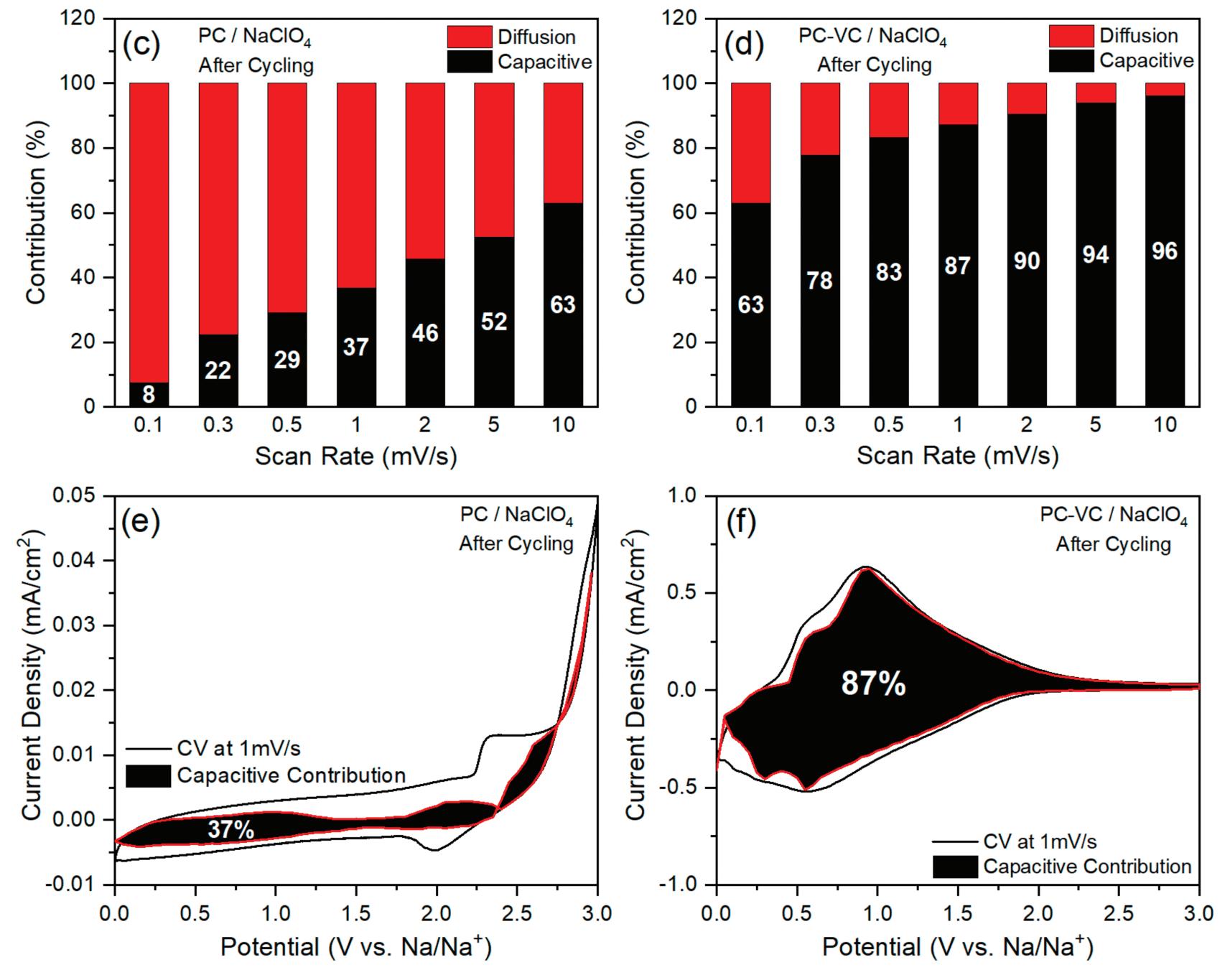
Figure 1 illustrates the effect of VC on the electrochemical performance of sodium-ion TiO2 nanosheet anodes. It compares the performance of the electrolyte additive before and after cycling.
The bar graphs (a-d) illustrate how capacitive and diffusion-controlled contributions to the electrochemical processes change before and after cycling at different scan rates (from 0.1 to 10 mV/s).
Before cycling, at the lowest scan rate (0.1 mV/s), the capacitive contribution increases from 30% without VC to 51% with VC. In the same way, after cycling,
the capacitive contribution goes from 8% without VC to 63% with VC at the slowest scan rate, showing a significant improvement in the stability and reactions on the electrode surface.
Graphs (e–f) show cyclic voltammograms (CV) with a scan rate of 1 mV/s. They clearly show the capacitive (shaded area) and total current contributions after cycling, highlighting the changes from adding VC. It visually shows the capacitive contribution, revealing a higher contribution with VC (87%) than without VC (37%). This difference highlights how VC stabilizes the SEI, reduces diffusion-controlled resistance, and enables superior electrochemical performance.
VC clearly improves the performance and stability of the electrolyte in EV batteries. It does this by helping to create a stable and strong SEI layer, which leads to higher capacitive contributions, better cycle stability, and lower internal resistance.
How VC and FEC benefit Li-ions Fluoroethylene carbonate (FEC) is another common and significant electrolyte additive used in the Li-ion batteries found
FIGURE 1.
in EVs. FEC works so well as an electrolyte additive because it breaks down more quickly in the first few cycles. It forms protective interfacial layers that stabilize the electrodes and the electrolyte, ultimately leading to a longer and more reliable lifespan for EV batteries.
Figure 2 shows battery capacity retention under floating state-of-charge (SoC) conditions, highlighting how electrolyte additives, specifically VC and fluoroethylene carbonate (FEC), affect Liion battery lifespan over a shorter storage duration (six months).
At the lower SoC levels, capacity loss is relatively moderate, but differences emerge quickly between electrolytes.
VC additive consistently shows superior performance with minimal capacity degradation. FEC additive generally performs better than the additive-free electrolyte (LP57) at low SoCs but is less effective than VC.
At higher SoC levels, accelerated capacity fade is observed due to the stress of maintaining batteries at high-voltage levels. Batteries without additives experience the most significant degradation. VC additive improves capacity retention, clearly outperforming FEC and the additive-free electrolyte. The FEC additive also shows improvement over LP57 but performs worse than VC, which is particularly evident at 100% SoC.
VC demonstrates clear potential to enhance EV battery lifespan under stressful operating conditions where batteries are kept at high states of charge. However, FEC’s effectiveness diminishes noticeably as SoC increases, highlighting a limitation in protecting batteries in high-voltage storage scenarios.
Effect of sulfur-containing compounds in Li-ion batteries
Sulfur-containing additives generally have lower lowest unoccupied molecular orbital (LUMO) energy levels, making them more prone to electrochemical reduction than organic carbonates. This preferential reduction leads to a stable SEI film on the negative electrode.
FIGURE 1 CONTINUED. The impact of the VC additive on electrolyteelectrode interfacial stability in sodium-ion batteries. MDPI
Examples of sulfur-containing compounds used as SEI formers include 1,3-propane sultone (PS), 1,3-propanediol cyclic sulfate (PCS), prop-1-ene-1,3sultone (PES), 1,3,2-dioxathiolane-2,2dioxide (DTD), and ethylene sulfite (ES).
Figure 3 illustrates the influence of different electrolyte additives— specifically DTD, 1,2-PS, and 1,3-PCS (each at 1 wt%) — on battery cells’ performance and structural stability, focusing on four critical parameters.
When observed without additives, there was a high internal resistance change and noticeable thickness swelling, suggesting significant structural stress and degradation. It also had slightly lower capacity retention and recovery compared to additive-enhanced electrolytes.
With additives (DTD, 1,2-PS, 1,3PCS), improved capacity retention and recovery (approaching or reaching 100%) demonstrate enhanced battery longevity and cycling stability. Significantly reduced internal resistance changes indicate better electrode-electrolyte interfaces, lower degradation, and improved efficiency. Reduced thickness swelling implies enhanced structural integrity and less internal stress.
Specific electrolyte additives (DTD, 1,2PS, 1,3-PCS) enhance battery performance, longevity, and safety by stabilizing battery internal structures, minimizing degradation, and maintaining battery capacity.
Effect of other electrolyte additives Phosphorus atoms in polyphosphonates act as trapping agents for hydrogen radicals, a key component in combustion processes. This naturally flame-retardant quality makes fires from electrolyte
leakage or thermal runaway far less likely. Copolymers with flame-retardant phosphonate units maintain ionic conductivity (~10⁻⁵ S cm ¹) and stability in a broad electrochemical window (0.5–4.5 V vs. Li⁺/Li), and at elevated temperatures.
• The industry’s lowest DCR for greatest efficiency
• Current ratings up to 14.8 A with soft saturation
• Wide inductance range from 0.10 to 4.5 µH
• Industry-leading 80 V voltage rating — suitable for wide VIN DC-DC converters
FIGURE 2. The influence of electrolyte additives (VC and FEC) on Li-ion battery capacity retention under floating SoC storage conditions. MDPI
Lithium bis(trifluoromethanesulfonyl)imide (LiTFSI) is chemically and thermally stable with a high decomposition temperature, improving battery durability by limiting electrolyte breakdown. Dual-salt systems (e.g., LiTFSI–LiODFB) show better thermal stability than LiPF6. However, LiTFSI alone can corrode aluminum current collectors above 3.7 V. LiPO₂F₂ is another effective additive that improves cycling stability of Li-rich cathodes. By promoting a stable CEI film, it suppresses electrolyte breakdown at high voltages and reduces transition-metal dissolution (two primary cathode failure modes), leading to longer lifespan.
The disadvantages of additives
While electrolyte additives extend battery life, they also present challenges. Some degrade in storage (VC), generate excess gas or toxic byproducts (EC, PS, DTD), or raise impedance and stability issues at high voltage (PES, ES).
Despite these drawbacks, VC, FEC, and sulfurcontaining compounds remain among the most effective options for improving Li-ion and sodiumion battery performance, and ongoing research continues to refine their stability and safety. EV
Viking Tech America Corporation is a manufacturer of passive components, including resistors, inductors, capacitors, and supercapacitors. As a global leader in thin film production, we support many ODM and OEM customers with high-reliability components that meet the highest standards such as AR..A Series
AR..A Series Benefits
• Available in sizes from 0201 to 2512.
• Tight tolerances of 0.01% to 0.1% for precision in critical designs.
• Low TCRs from 5ppm to 50ppm.
• Resistance range of 10 to 1MO.
• Suitable for applications in automotive applications, medical devices, testing equipment, and communication devices.
Viking Tech America Corporation
4 Executive Circle Ste 140 Irvine, CA 92614
+949-398-5228
sales@vikingamerica.com www.vikingamerica.com
FIGURE 3. Electrolyte additives’ (DTD, 1,2-PS, 1,3-PCS) effect on battery-cell capacity retention, recovery, internal resistance, and thickness swelling. Wiley
AMR EXPERTS
BRIANNA WESSLING THE ROBOT REPORT
global challenges & opportunities
WEIGH IN ON FOR THE INDUSTRY
Autonomous mobile robots, or AMRs, have grown from a niche technology to an increasingly common part of warehouses in the past 10 years. But now, the AMR industry is facing some challenges.
In July, Interact Analysis lowered its forecast for the AMR industry by $800 million. The market research firm cited a complex mix of geopolitical, economic, and industry-specific challenges.
At the same time, global labor challenges open the door for AMRs to be deployed at an even larger scale in the coming years.
Saurabh Chandra, founder and CEO of Ati Motors; Florian Pestoni, co-founder and CEO of InOrbit; and Vaithy Kandasamy, global AMR portfolio manager at ABB Robotics, shared insights with The Robot Report on where the market is headed.
End users face similar challenges around the world
Around the world, and across industries, it’s becoming more and more difficult to find people to do mundane, repetitive tasks. With headquarters in the U.S. and India, Ati Motors has done work in
Mexico and across Asia, giving Chandra a truly global perspective. In addition, the company does most of its work in manufacturing, a relatively new industry for AMRs.
“Manufacturing has globalized well over the past 50 to 100 years, and there’s a lot of best practice sharing among manufacturers. Most of the production environments are very similar across the world,” he said. “Another thing I expected to be different was the hunger for this kind of automation. Surprisingly, it’s the same everywhere, irrespective of labor costs.”
ABB Robotics added mobile robots to its portfolio when it acquired ASTI in 2021.
ABB Robotics
No matter the country or cost of labor, it’s difficult to find people for manufacturing roles.
“It’s a global phenomenon that the younger generation doesn’t want to do eight hours of mindless work,” said Chandra. “I think repeating the same motion 100 times is not something humans were designed to do.”
InOrbit works closely with end users in a range of industries to help them optimize their operations with its software, and Pestoni has seen a similar trend.
“A lot of the end users we talk to are facing similar challenges, regardless of what industry they’re in,” he observed.
“A lot of them have labor shortage challenges, especially in the kind of tasks that are maybe more repetitive and less exciting. It’s harder to attract people to those kinds of jobs.”
As more countries are seeing shrinking and aging workforces, and immigration slows, Pestoni said this problem isn’t going away anytime soon.
“Before, [users] might have only used robots in essential tasks that were superrepetitive and extremely well-defined,” he said. “These are the classic applications of industrial robots, like in automotive. Now, they’re thinking they need that [automation] for many more workflows.”
FOR POSITION FEED BACK ENCODERS
include robots for moving pallets and shelves, aiding pickers, and towing carts, such as these
Position, angle and speed measurement
Contactless, no wear and maintenance-free
High positioning accuracy and mounting tolerances
Linear and rotary solutions
AMRs
Sherpa robots from Ati. Ati Motors
AI presents new AMR opportunities Technologies that make AMRs easier to deploy, service, and work with will be crucial for large-scale deployments. This is why Ati Motors and ABB are working to integrate the latest AI technologies into their robots.
“LLMs [large language models] and generative AI are revolutionizing human-robot interaction with no need for specialized programs,” explained Kandasamy. “Robot systems can interact with humans using simple spoken instructions or even by recognizing a hand gesture. The system can learn continuously by itself to optimize the fleet performance and productivity.”
“Unpredictable or complex environments can be better solved with enhanced decision-making by AI, especially LLMs,” he added. “It can also enable smarter decisions such as fleet/ mission management, fault diagnostics, predictive maintenance, etc. This democratizes access to automation, removing the need for advanced technical
skills and accelerating adoption across new sectors.”
But generative AI isn’t just helpful for the human interaction side of things. Physical AI is also becoming an important topic in robotics.
“AI is enhancing everything from AMRs’ ability to pick, place, and handle larger payloads, as well as their ability to map and navigate through dynamic environments,” Kandasamy said. “AI is giving robots unprecedented levels of speed, accuracy, and payload carrying ability, enabling them to take on more tasks in settings like flexible factories, warehouses, logistics centers, and laboratories.”
“AMRs equipped with ABB’s new AI-powered visual SLAM technology have advanced mapping and navigation skills, granting new levels of autonomy, while greatly reducing the infrastructure needed by previous generations of guided robots,” he asserted. “AIenabled functionalities such as object recognition, stacking, free navigation,
l High precision. Reasonable price. l Easy to install. Zero downtime.
etc., can further enhance flexibility and productivity. This paves the way for a shift from linear production lines to dynamic networks, creating significant efficiencies and taking on more dull, dirty, and dangerous tasks to enable workers to take up more rewarding jobs.”
Uncertainty around tariffs causes concern
Rising U.S. and global tariffs were one of the factors that Interact Analysis cited in downgrading its mobile robot market forecast. The firm’s Global Economic Policy Uncertainty (GEPU) Index hit an all-time high of 430 in January 2025. This level of uncertainty exceeded those of the 2008 financial crisis and the COVID-19 pandemic.
In the meantime, many companies are adopting a “wait-and-see” approach, delaying strategic investments in warehouse automation and infrastructure. This is a trend Ati Motors’ Chandra has seen firsthand.
Round, Flat, Vee and Poly-V Belts and Pulleys
Round, Flat, Vee and Poly-V belts and pulleys
“It’s not so much the tariffs, but the uncertainty, which is getting to people,” he said. “That sometimes becomes a factor in the intent getting delayed. People say, ‘Why don’t we let this settle and look at it next quarter?’”
Chandra said he believes that once tariff levels are finalized, the AMR market will improve.
“I think we are getting to a level where the uncertainty, hopefully, will reduce. Although the tariffs are high, they are uniformly high for almost everybody,” he said.
ABB is taking a longer-term look at the issue.
“If there is a higher-tariff situation for a prolonged time, global AMR players may consider a local manufacturing footprint for the U.S. market,” Kandasamy said. “There can still be cost challenges due to some key imported components. If the overall AMR solution cost increases, it needs to be compensated for by faster commissioning to maintain the attractive ROI [return-on-investment] levels. Overall,
the U.S. AMR market is sizable as well as important for global players.”
AMR tech matures as new markets beckon
The AMR market is maturing, and the robotics industry has solved many of its core technology problems, according to Chandra. It is now moving on to solving “second-tier” issues.
“Change management and adoption in the large manufacturing giants, and doing that last inch of automation,” he said. “That becomes tricky, because it becomes custom. This is difficult to productize.”
“We’re really thinking, ‘Can we build smallish, peripheral products which can be dragged and dropped into various deployments, rather than you build them from scratch everywhere?’” Chandra continued.
ABB is looking to new industries for deployment opportunities. Kandasamy highlighted automotive, manufacturing, logistics, e-commerce,
and warehousing as more established markets.
“More adaptation can be expected in electronics; inventory management; and service sectors such as hotels, restaurants, and healthcare,” he said.
“New AMR applications in clean room, cold room, hygiene, and hazardous environments require specific design considerations and additional certifications,” added Kandasamy.
“Promising clean-room applications, which require contamination-free automation, include semiconductor, battery cell production, and medical laboratories.”
Despite challenges in the industry, InOrbit’s Pestoni said interest in AMRs is up.
“I think what has changed, especially recently, [is] there’s more appetite to adopt and to adopt faster. It’s in more places, so I think it’s a really exciting time to be in robotics,” he said. RR
While warehousing and automotive are major AMR users, the robots could help many other sectors.
ABB Robotics
COAL’D WATER’S PACKAGING LINE
Distilling equipment provided by Specific Engineering Solutions, including bulk tanks, bright tanks, mash cookers, and fermenters. Jordan Hamrick
Coal’d Water’s modern packaging line taps into OEM technology for distilling ambitions
Sarah Wynn • Senior Editor
From co-packing to producing authentic spirits, the birth of a brand takes a dedicated team of people, equipment, and technology.
Rooted in the heart of the Great Smoky Mountains, Coal’d Water Distilling Company features a natural spring to support the products on its new canning line. Just feet away from the production floor, barrels of future spirits age as the company builds its next chapter in distilling bourbon.
Coal’d Water currently operates as a co-packer, canning and sleeving beverages like sparkling water, cold brew coffee, and ready-to-drink (RTD) cocktails.
The line combines flexibility and efficiency with robotics from Fanuc and equipment from notable OEMs, including Cask Global Canning Solutions, Multi-Conveyor, DMM Packaging, nVenia, Domino North America, Hermis Company, Tripack, and Hamrick Packaging Systems.
Founder John Burleson, longtime president of English Mountain Spring Water, leads the operation, bringing decades of contract packaging experience to Coal’d Water.
Since its reality TV-inspired inception, the company has been backed by three former Kentucky basketball stars, and Phil and Jordan Hamrick, owners of Hamrick Packaging, Burleson’s long-time equipment supplier.
“The true difference is that John brings nearly 30 years of experience in contract packaging to the table. He’s a world-class operations manager, and he’s what makes this whole thing work,” said Jordan Hamrick.
Lights, camera… carbonation?
In early 2022, Burleson was approached
by a TV network to rent warehouse space to film the reality television shows Master Distillers and Moonshiners.
“In order for them to operate properly, we had to get a distilling license, which was something that I never really had thought about,” Burleson shared. “Once the TV show came in, we reached out and decided to apply for a distilling license and got that.”
The film crew arrived a few months later. That’s when Burleson realized the spring’s unique taste held untapped potential for crafting spirits and other beverages.
“My philosophy on the distilling side was, there are so many of these distilleries and alcohol brands that don’t make their own alcohol,” said Burleson. “They buy grain neutral spirits, bring it down to
packaging oem
their facilities, blend it and market it as moonshine. Lots of sugar and multiple flavors. It’s not a true, traditional alcohol.”
This concept evolved into a business, and Burleson chose a name that honored his father, who spent 35 years in the mining industry, as well as others in that field.
“Not only was it a tribute to my dad, but it’s really a tribute to those hardworking men and women who work in the mining industry,” he said.
Crafting championship buzz
Coal’d Water’s next chapter launched with support from three national champions from Kentucky’s 1978 basketball roster.
Wildcat legends Jack Givens, Rick Robey, and Kyle Macy were brought to the English Mountain facility through a mutual contact. What initially started as a conversation about ready-to-drink beverages turned into something bigger.
“They wanted my opinion. That’s where I said, ‘Well, we could put in a canning line to do your products,’” said Burleson. “It opened the conversation for, ‘We would like to be part of whatever you’re doing.’”
For Burleson, the moment was humbling – and a bit surreal, as he now had the chance to work with the men he idolized growing up.
“They said, ‘You look like a 12-year-old kid again,’” he said, smiling. “You know, when these guys walked in, I said I’m reliving my childhood.”
Co-packing for the future
The business took shape with a mission to create authentic, traditionally produced spirits, while manufacturing all products on-site. Burleson focused on building a co-packing line to fund the distilling side.
“We could provide canning services and let that pay the bills, and as that takes off, it’ll allow us to develop our distilling side,” said Burleson.
He researched filling equipment to build the line from scratch.
“I leaned on people who were in the craft brewing industry,” said Burleson, who added that his research led him to Cask Canning out of Canada.
Cask assembled the front of the line, centering on its FleX2 automated canning machine, which runs 100 cans per minute and offers versatility with 11 different profiles and various can sizes.
“That was very attractive. Knowing that in co-packing, you’ve got to be nimble and be able to look at what the customers are doing,” said Burleson.
Cask also provided a Domino can coder, Pack Leader USA wrap-around labeling system, American Canning Pack Tech applicator, and tie-in conveyor.
Before production began, Cask retrofitted the machine with an accumulation system after the depalletizer. They also upgraded the rinse process from water to deionized air with UV light for better disinfection.
“We actually improved the process before we got started,” explained Burleson, regarding Cask’s changes.
Burleson purchased change parts to run a variety of can sizes, including 12 and 16-ounce standard, 12-ounce sleek, and 19.2-ounce cans.
Expanding the line for capacity
While the initial co-packing setup was expected to handle production, Burleson soon realized additional equipment was needed.
“It quickly became clear this wasn’t enough. There was no way we could run the kind of production that we were anticipating,” Burleson said.
That’s when he reached out to Jordan Hamrick for advice on how to expand the system. Hamrick connected him with Jeff Kaplan, a packaging engineer at Arrowhead Systems, who later joined Hamrick Packaging and became another investor in Coal’d Water.
For the co-packing line, Arrowhead handled the integration drawings and free-standing electrical panels, while Multi-Conveyor supplied the final conveyance equipment.
The team and associates gather in front of the facility’s distilling equipment.
Pictured from left to right: Patrick Donovan, Europool; Jordan Hamrick, Coal’d Water / Hamrick; John Burleson, Coal’d Water / English Mountain; Jack Givens, Coal’d Water and member of Kentucky’s 1978 national championship basketball team; Don Payne, Coal’d Water; Jeff Kaplan, Coal’d Water / Hamrick; and Luca Priero, Europool. Jordan Hamrick
packaging oem
Next, the rest of the line was added, including a Tripack sleever integrated after the filler to support decorated and preprinted cans. DMM Packaging supplied the cartoner and tray packer, while ARPAC (now nVenia) provided the tray wrapper and heat tunnel.
The line also supports cold brew and includes a roasting station and nitrogen system, along with a Hermis pasteurizer to help protect heat-sensitive ingredients during canning.
Additionally, a FizzWizz automated carbonation system was also added with integrated digital monitoring.
“It works with Bluetooth, you can get everything on your phone,” said Burleson. “You know, tank temperatures, head pressures, carbonation levels. You can set it up and walk away.”
For the end-of-line packaging, a Lantech stretch wrapper was integrated, and Hamrick initially provided a Gen 1 Fanuc collaborative robot (cobot) repurposed from a trade show demo. However, it was ultimately replaced due to reliability issues related to leveling and pallet height sensitivity.
Hamrick then provided an industrial arm, now part of a Fanuc M20 robot, along with its end-of-line palletizing cell.
“We got [the industrial arm] installed and things are running so much better on the line,” said Hamrick.
From supplier to partner
After the line was fully installed and operational, Burleson reached out to Hamrick — but this time, it wasn’t about equipment, it was about a business opportunity.
“I tried to think about people I knew I could trust, people that are driven and like-minded. I know they were bourbon lovers. So, I thought, maybe this is something they’d like to get involved with,” said Burleson, reflecting on his conversation with the Hamrick family. “After some discussions, they said they would like to be part of it.”
Hamrick became an equity partner in the business, a move that was unique for him because he lives hundreds of miles away from the facility.
“John’s been a customer of ours since I was 10 years old, and he’s become very close with our family,” Hamrick explained. “It was difficult for me to sign up for something where I’m not on-site or actively involved in the
day-to-day, but my trust in John makes things easier.”
Hamrick also noted that the company’s size enables it to assist brands in product launches and help established brands scale.
“We’re financially prepared to keep investing as this is a company we truly believe can be successful long-term,” said Hamrick.
Beyond the can: Distilling equipment and Bourbon ambitions
While the packaging line is up and running, Coal’d Water’s ultimate ambition lies in spirit production. To support this, Burleson partnered with Specific Engineering Solutions to develop the infrastructure needed to launch a beverage program from the ground up.
Burleson’s requirements for the distilling equipment were reliability and versatility.
Specific Engineering Solutions supplied a 10,000-gallon bulk tank, bright tank, mash cookers, and fermenters. But the visual star of the show is a 500-gallon still featuring Coal’d Water’s logo, a focal point inside the Dandridge, Tennessee, facility,
which also features a formulation room to develop recipes and test spirits for proof and alcohol content.
Traditional bourbons require years of aging in the barrel. To speed up aging, the team at Coal’d Water has invested in a rotisserie-style aging system to accelerate the process without compromising flavor. It’s designed to replicate the effect of a three-year aging period in about 180 days.
From spring to spirit: Unpacking the potential of Coal’d Water’s next chapter
As a partner, Hamrick said the distillery’s flexibility opens the door to a range of products and collaborations.
“We have no shortage of opportunities at the moment, and you’ll be hearing about some exciting partnerships coming soon,” said Hamrick. “Then the focus will turn to possibly entering the market with unique single-barrel and small batch bourbons.”
Coal’d Water honors coal country and carries a Kentucky basketball legacy — all while building a modern packaging operation to support distilling dreams. What started with a reality film camera and a spring is now just the beginning. OEM
Coal’d Water’s Fanuc M20 industrial robot (left side of image) and end-of-line palletizing cell work alongside the facility’s canning line (right side of image). Jordan Hamrick
BY JIM HAMMERAND MANAGING EDITOR
Capstan Medical is developing novel mitral and tricuspid heart valves, as well as robot-assisted catheter delivery technology for minimally invasive implantation.
Photo courtesy of Capstan Medical
Capstan Medical CEO Maggie Nixon didn’t get much rest the night before the firstin-human procedure using the structural heart startup’s novel mitral valve implant and surgical robotics system.
“It’s a combination of excitement and nerves, and if you don’t have both of those, I don’t think we’d be doing it right,” she said. “There wasn’t a lot of sleep.”
“When you’re bringing out a first-in-human with an instrument on an existing platform, it’s one thing,” she later continued. “But it’s different bringing out the entire integrated system all at once. We made a decision as an organization to bring out the robot, the catheter and the implant all together, rather than a staged approach.”
In an interview with Medical Design & Outsourcing, Nixon discussed the strategy of moving forward with the entire minimally invasive system at once, feedback from those first cases, the latest on Capstan Medical’s regulatory efforts, and an update on the startup’s tricuspid valve technology.
“We had an implant and a manual catheter before we had the robot. Initially, we were carrying on those programs in parallel, because you want to learn things about your implant, you want to learn things about your catheter, and you want to learn things about your robot, and we’re going to keep those going forward,” Nixon said. “But as we were looking at the scheduling, they were kind of converging, and every bit of information we had — both from our clinical advisors and our in-house teams — [indicated] the robot was going to be the right way. So we merged the programs and brought them all out together instead of doing it in stages, because it wasn’t going to be swings of a year. It was going to be swings of a couple of months.”
Feedback from doctors on the first
LED BY INTUITIVE SURGICAL VETS AND BACKED BY INTUITIVE VENTURES, CAPSTAN MEDICAL IS DEVELOPING TECHNOLOGY FOR ROBOT-ASSISTED TRANSCATHETER HEART VALVE REPLACEMENTS.
two cases didn’t indicate a need for any major tweaks or fundamental changes, Nixon said.
“Mitral is not an easy procedure,” she said. “We went into our first-inhuman and those cases went smoothly. A lot of that comes from the technology hitting on the right things we needed to do for that procedure. … We have the range of motion we need, we have the stability and control that we wanted, we’re finding patients to treat, and we’re not having any outflow obstructions. A lot of it is confirming that we’re on the right track. Our coordinated motion is working and our procedure workflow is working. We’ll stay the course.”
Capstan’s regulatory pathway
Capstan Medical is planning to file for FDA premarket approval (PMA) for the system as soon as 2028. The company has already filed a Q-Sub with the FDA and had what Nixon described as “a couple of good calls” with regulators.
“It’s been kind of fun. It’s really great to start to get down into the details of how we want to structure our future trials,” she said. “We’re starting by focusing on our implants. Sometimes that’s the longer-lead testing, so we want to make sure we’re deeply aligned with the agency on
what testing is needed there. And then we’ve got our next round of questions already set up to make sure that we stay well aligned.”
Asked whether she’s concerned that cuts by the Trump administration to the FDA could delay or hinder Capstan’s progress, Nixon said they’re “definitely tracking it closely.”
“We reached out to our review team and our review team hasn’t been impacted, but we’re very sensitive to the environment they may be experiencing right now,” she said. “We’re trying to work closely and be good partners.”
Similarly, her team is keeping an eye on Trump’s tariffs, though that’s less of an immediate concern.
“We are well positioned for ramping volumes even in our current footprint,” she said. “We actually have cleanroom capacity and capability to drive all the way into a pivotal trial.”
The latest on Capstan’s tricuspid technology
Capstan has continued work on its tricuspid implant since our last conversation with Nixon in December 2024. That novel implant will come after the mitral valve technology, but Nixon said the tricuspid project is
“ramping very quickly.”
The main goal has been selecting an initial annular size for that novel implant, which like the mitral valve implant uses nitinol to expand when placed inside a patient’s heart.
“That’s been our key focus, making sure we’re dialed in there. Other than that, it’s just fine-tuning that to move into production,” she said. >>
Celebrating Capstan’s first-inhuman procedures
Capstan Medical’s first-in-human procedures were conducted in Santiago, Chile. That’s the same city where Medtronic‘s Hugo surgical robotics system was first used on a human, and it’s where surgical robotics developer Levita Magnetics has been conducting research.
“We’ve been incredibly impressed with Chile’s clinicians and capabilities, as well as the infrastructure they provide,” Nixon said. “They have been incredibly collaborative. We have protocols submitted, and we work very closely with their research coordinators and so on. The combination of skilled clinicians and good infrastructure all wrapped up with a collaborative regulatory pathway makes it very reasonable to consider. … And they don’t have the full suite
This photo shows an in-development version of Capstan Medical’s structural heart robotic surgery system. Images courtesy of Capstan Medical
This photo shows the articulated end of Capstan Medical’s delivery catheter prototype and the compressed mitral valve implant.
of products that are in investigation or on the market, so there’s patient need. When you bring that capability and that patient need together, it works really well.”
After Capstan’s first-in-human operation, Nixon held a Zoom meeting with the entire company to share the good news before filling the board in — and then toasted the milestone with a pisco sour.
“This is the culmination of years of work,” she said. “Bringing that integrated, seamless implant, catheter and robot together into these cases was incredible.”
“This is the culmination of years of work. Bringing that integrated, seamless implant, catheter and robot together into these cases was incredible.”
Capstan Medical designed its mitral heart valve implant with a self-expanding nitinol frame.
Photo courtesy of Capstan Medical
Capstan Medical R&D Head Greg Dachs on robotic components and trade-offs Greg Dachs joined Capstan this year as R&D head and previously worked on next-generation systems, instruments and technology at Intuitive.
He’s particularly passionate about user experience, the trade-offs that are inherent in surgical robotics design and engineering, and medtech innovations that can improve or save the lives of patients across the globe.
In an interview, he discussed the most critical components for robotics systems and the trade-offs engineers and designers commonly face.
“The motors, sensors and brakes end up often being the critical components. There’s a lot of them. Every degree of freedom on a robot has at least a motor and likely a gearbox, two or three sensors. All those things have to work together in harmony to get your system to work. And especially as you get closer to the patient with the robot, size constraints start to really matter. You want those motors to be small so you’re not taking up a bunch of space over the patient. As the motors get smaller, they’re less able to produce the amount of torque that you need for a given amount of power input, so they get hotter. Balancing how small can you get it while still maintaining the thermal performance that you need, there are lots of trade-offs there. And you want to get pretty close. You want to get just about as hot as you can, which isn’t that hot. It’s in the low 40s (degrees Celsius), which feels warm, but if you’re going to have this thing in contact with an anesthetized patient for a long time, even those low temperatures can do damage. We take a lot of care to make sure that we’re being safe. On the sensor side … we use magnetic sensors to figure out where the motor is. Those need to be reliable, they need to be accurate, they need to not generate too much heat, they need to package into the volume that you have. Lots of trade-offs and threedimensional Tetris gets played around that. There are lots of strategic suppliers we work with there to make sure that we’re getting the best stuff and the best supply chain for it as well.”
MEDICAL
Wide variety of spring to meet your innovation needs
When it needs a specific spring to empower mechanical function of your product for best performance, such as Tensioning & Loading, Counterbalancing, Retrieving & Returning, Drive Motor, you are welcome to contact design engineer of Ming Tai Industrial Company for best solution. Based on 60 years manufacturing experience of steel strip spring, well experienced engineers of Ming Tai Industrial Company are capable to provide you with the best solution to meet your innovation needs.
Check out www.powerspring.com.tw for more interesting innovation stories!
Ming Tai Industrial Co., Ltd. No. 250, Sing Jhong Road Tamsui, New Taipei City 251 Taiwan
Phone: 886-2-26228651
Fax: 886-2-26220202
E-mail: mtis@powerspring.com.tw
NOVEMBER 17 - 20, 2025
DC Motor-Driven Pumps
Nitto Kohki’s DC motor-driven air compressors and vacuum pumps are ideal for applications requiring exceptionally reliable air flow, pressure or vacuum performance. Featuring oil-free operation, a single moving part, low noise, and low vibration, this line of linear air compressors comes in 12V and 24V models. Other benefits include:
• Very low power consumption
• Self-cooling design
• Exceptional service life (rated at 10,000 hours)
• Easy maintenance
Ideal for demanding applications in the medical device and laboratory equipment industry, including dialysis machines, blood separators, blood analyzers, incubators, heart assist devices and more.
NITTO KOHKI U.S.A., INC. 46 Chancellor Drive Roselle, IL 60172
Jami Brownlee jbrownlee@wtwhmedia.com 224.760.1055
Mary Ann Cooke mcooke@wtwhmedia.com 781.710.4659
Mike Francesconi
Publisher Courtney Nagle cseel@wtwhmedia.com 440.523.1685
CEO Matt Logan mlogan@wtwhmedia.com
CFO Ken Gradman kgradman@wtwhmedia.com 773-680-5955
(ISSN
POSTMASTER:
Technical Thinking
By Mark Jones
Killing weeds like it is 1974
Technology has come a long way since 1974, but some products introduced that year have had lasting impacts. Consumer pagers were introduced by Motorola, starting the march to the cellphones of today. The Intel 8080 and the Altair 8800 both came that year. Both figure prominently in the history of computing. And 1974 was also the year Monsanto gave us Roundup. Computers and cellular communications have changed dramatically; Roundup, unchanged since 1974, is now the most used agricultural chemical in the world. As a consumer, the Roundup I can purchase isn’t Roundup anymore. Roundup used to mean glyphosate, the active herbicide ingredient. Back in ’74, it introduced a new mode of action that effectively killed almost all vegetation. It was also far less toxic and persistent than the common herbicides of the day.
Years have passed since I sat in a tractor tilling a field, but in the early 1970s, I did. Soil conservation was becoming a concern, and no-till methods were beginning to be used. They relied on herbicides to prepare the fields. Competition from weeds reduces yields. Every pass across a field costs, and herbicides reduce passes across the field. The herbicides in the quiver when Roundup came to market in 1974 were things like Diquat, Paraquat, 2,4-D, and Dicamba. The acute toxicity of those herbicides made Roundup seem like a godsend.
Let’s shoot the elephant in the room before we go on. Debate about no-till agriculture is ongoing. Some tout the advantages of no-till techniques reliant upon herbicides as better for the land and producing increased yields. The counterpoint, exemplified by recent reporting from Friends of the Earth, concludes that the chemical impacts on soil and human health outweigh the benefits. Farmers are decidedly in the first camp, as evidenced by the markets for the herbicides used in no-till farming. The debate will continue, but many of the academic articles I find are lucky to reproduce yields possible with no-till. The advantages I experienced firsthand seem to be advantages still.
The development of Roundup-Ready crops pushed Roundup — glyphosate — to become the most used agricultural chemical ever. The most recent data, now a couple of years old, is that 280 million pounds are being used on 298 million acres of U.S. cropland. Whether for farm use or in the white jugs sold at garden centers, if it said Roundup on the label, it meant glyphosate, at least until recently. Lawsuits alleging Roundup caused cancer led to the shift. The scientific data and the actions of regulatory bodies are not consistent and not fully aligned with legal judgments. Bayer pulled all glyphosate off the consumer market in 2023 while still selling it for farm use. The minor market was scrapped while the major market remained.
Jugs labeled Roundup at the garden center no longer contain glyphosate. Instead, they are mixtures of herbicides with completely different modes of action, with many of the problems Roundup addressed at its introduction. They harken back to some of the earliest classes of herbicides. One class of herbicides now used in Roundup formulations are the auxin inhibitors. One of the oldest continually used herbicides is 2,4-D. It is in this class. First commercialized in the 1940s, 2,4-D led to many others in the same class, notably Dicamba and Trichlpyr, with many of the same problems. These are used today in Roundup formulations, as is Diquat. Diquat’s toxicity led to bans in the EU, UK, China, and others, yet it is now in consumer Roundup in the U.S. Mixtures attempt to address some of the shortcomings and equal glyphosate’s broad spectrum efficacy. The shortcomings that led to glyphosate replacing them. Drift, acute toxicity, and even chronic impacts remain.
The Roundup story is the biggest technology rollback of all time. After 50 years of use, consumers are now forced to use technology that predates Roundup’s introduction, technology Roundup replaced because it was superior. Rolling back other technologies we use to 1974 seems laughable. Giving up my laptop for an Altair 8800? Giving up my iPhone for a pager? Unimaginable. DW
Esta Webster | Adobe Stock
If your application runs intermittently, you may be paying for power you don’t really need. Think outside the nameplate! Let the engineers at Bodine Electric Company help you find a gearmotor that delivers the perfect balance between size, performance and economy.
Big enough for the local news...
Consider a mobile satellite antenna mounted atop a TV news van. The gearmotor is stressed for a short time while it positions the dish, and then turned off for a long time during the broadcast. The designer of the antenna could have chosen the larger gearmotor shown above, with a continuous torque rating that matches their requirement, but they instead chose a smaller Bodine planetary gearmotor for its peak torque rating.
Learn how to size a gearmotor big enough for your next project. Read the Engineer’s Guide to Selecting the Best Gearmotor.