


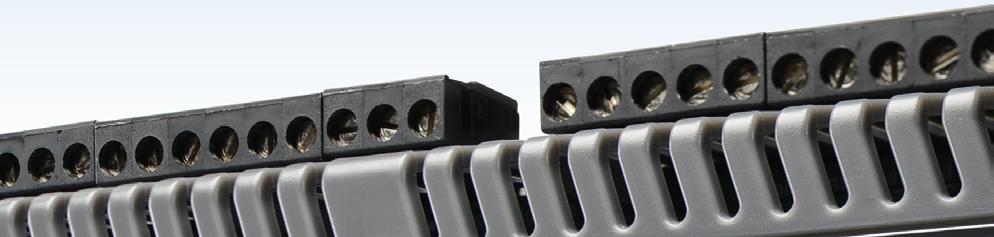


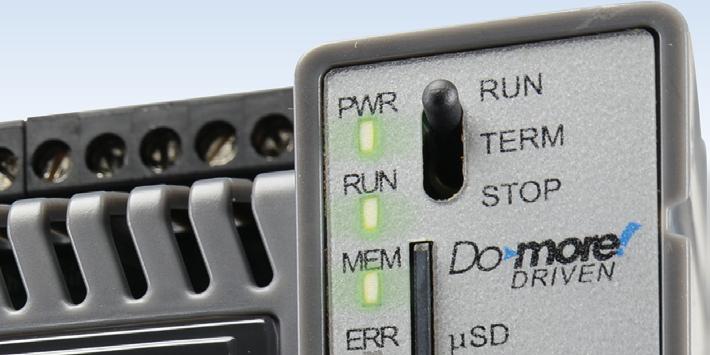






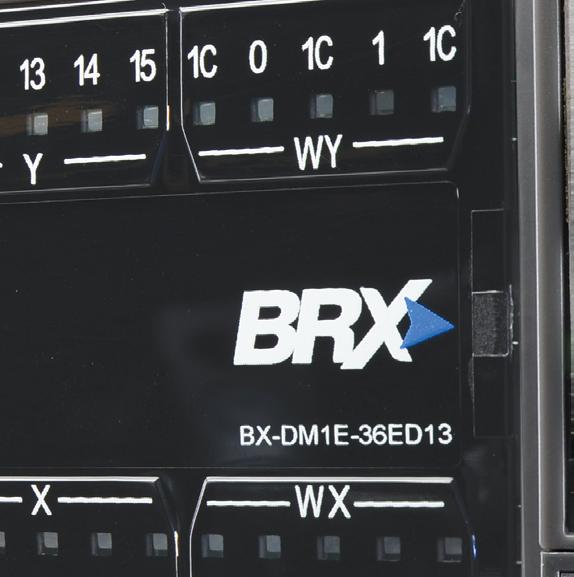


The BRX PLC has advanced features that allow it to easily take on the role of an edge computing device - gathering, re ning, and delivering control system data to upstream IT collection and BIG DATA analysis programs.
With BRX’s embedded Web server, you can instantly access system status, diagnostic information, and monitor memory usage from any Internet-ready device.

devicecatalog.azure.com

With robust task management and a variety of interrupt styles for task prioritization.






The integrated Rest API and secure HTTPS protocol allow BRX to work with ow control tools like Node-RED® in order to supply high-level IT systems with the plant- oor data they need.
With the growing number of IIoT platforms and cloud computing services, BRX controllers utilize the industry-standard MQTT(S) and FTP protocols to seamlessly integrate with asset management/ IIoT platforms including:
• Microsoft Azure®
• IBM Watson®
Discrete, process, and multi-axis motion control instructions to support even complex applications, executed with familiar ladder logic programming.
Enabling scripted math and algebra, to support rich data pre-processing right at the edge.
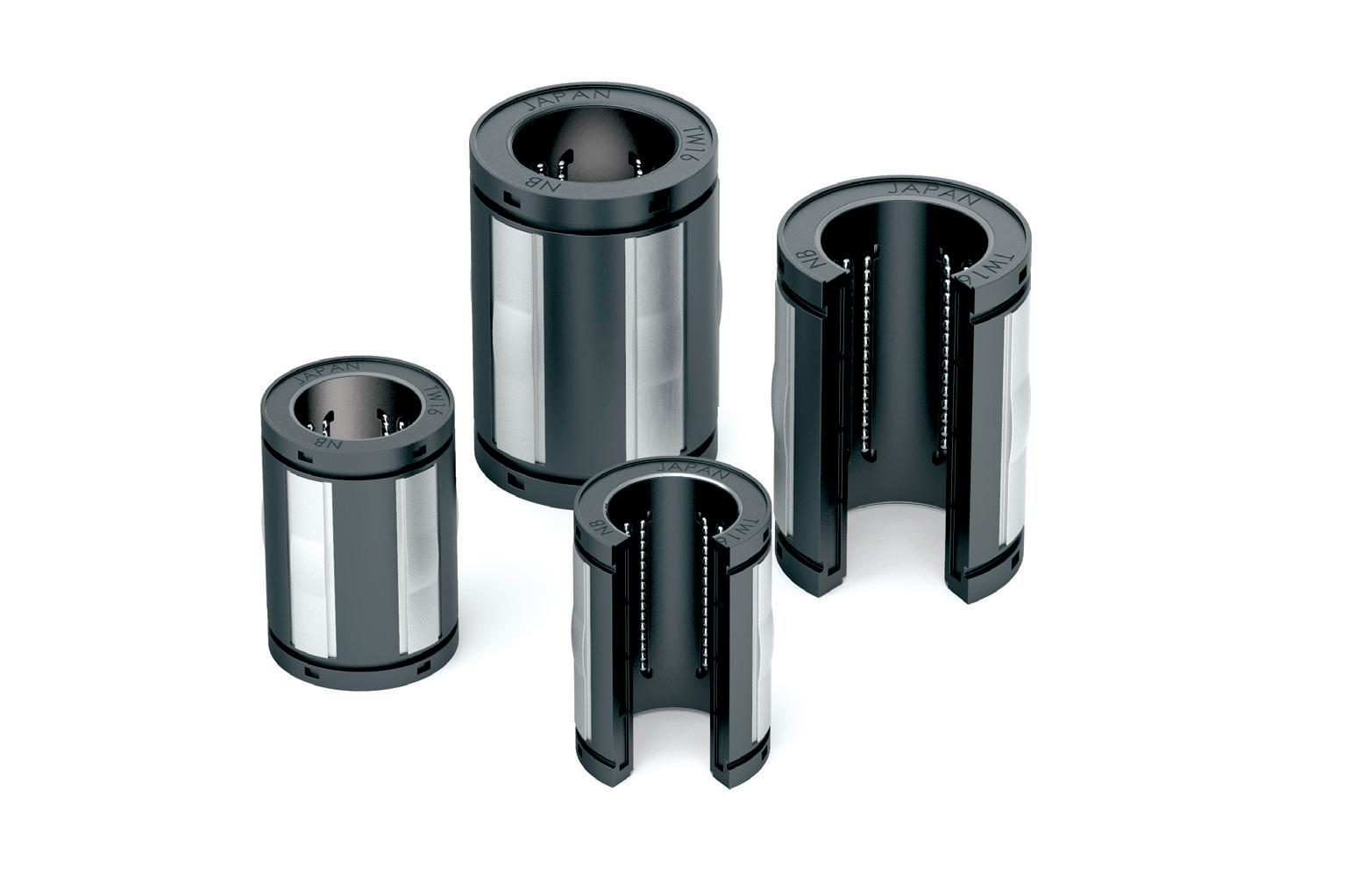
• Optimized load plates and outer cylinder plus more ball circuits.
• Improves performance of: Machinery and equipment for automation, optics and measuring.
* Compared to conventional ball bushing types
• Floating load plate adjusts clearance.
• Greater ball contact in ground circular arch triples load capacity.
• Floating raceway wiper seal allows unrestricted self-alignment.
• Load plate ends are thinner making center a fulcrum for self-alignment.
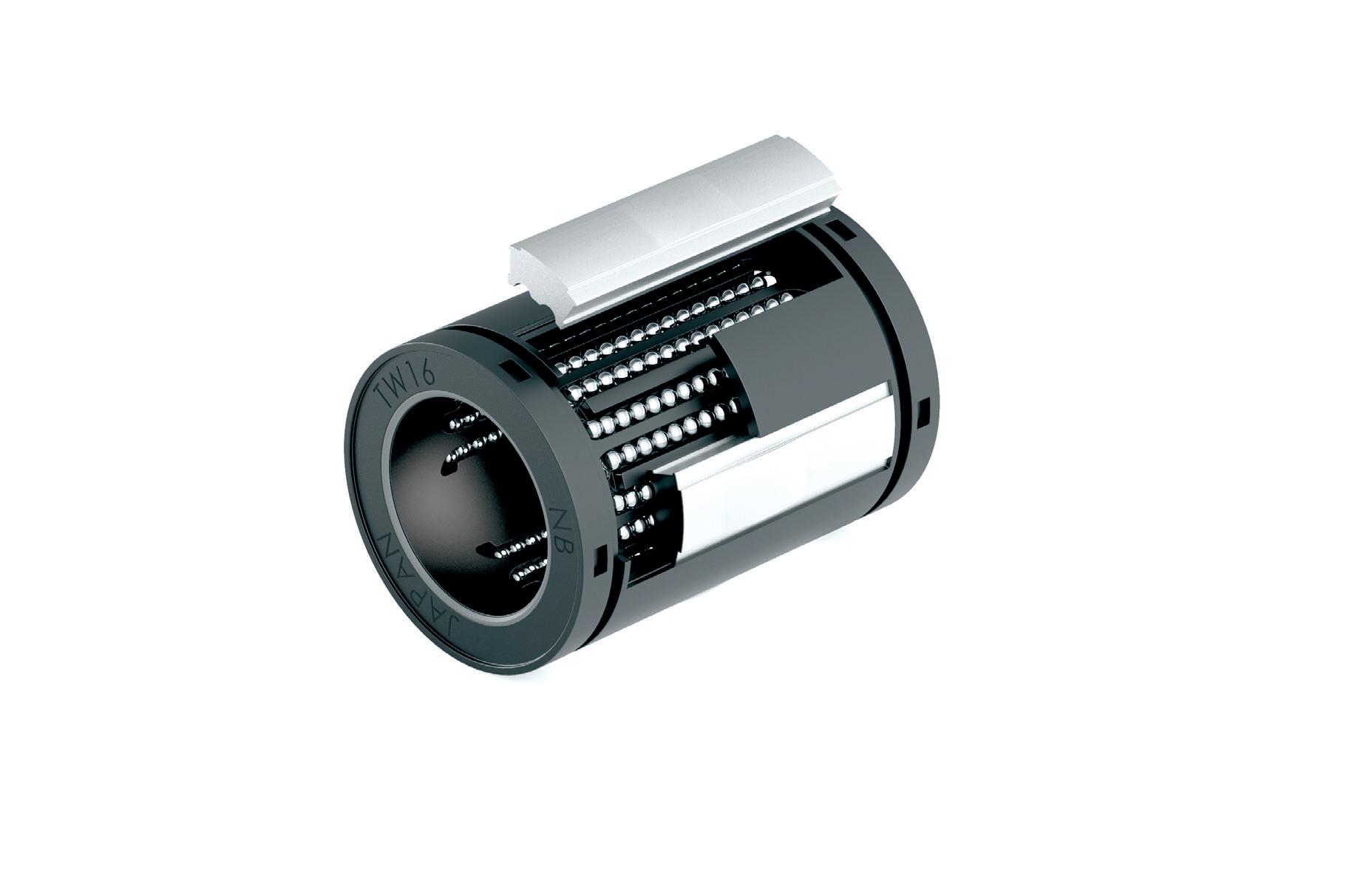
• Our raceways are groundnot stamped - a ording precision tolerances.
• Each load plate is precision-ground and checked for consistency - unlike competitions’ stamped plates.
• Light weight components for energy reduction.
• Unibody construction for quieter operation.
www.nbcorporation.com




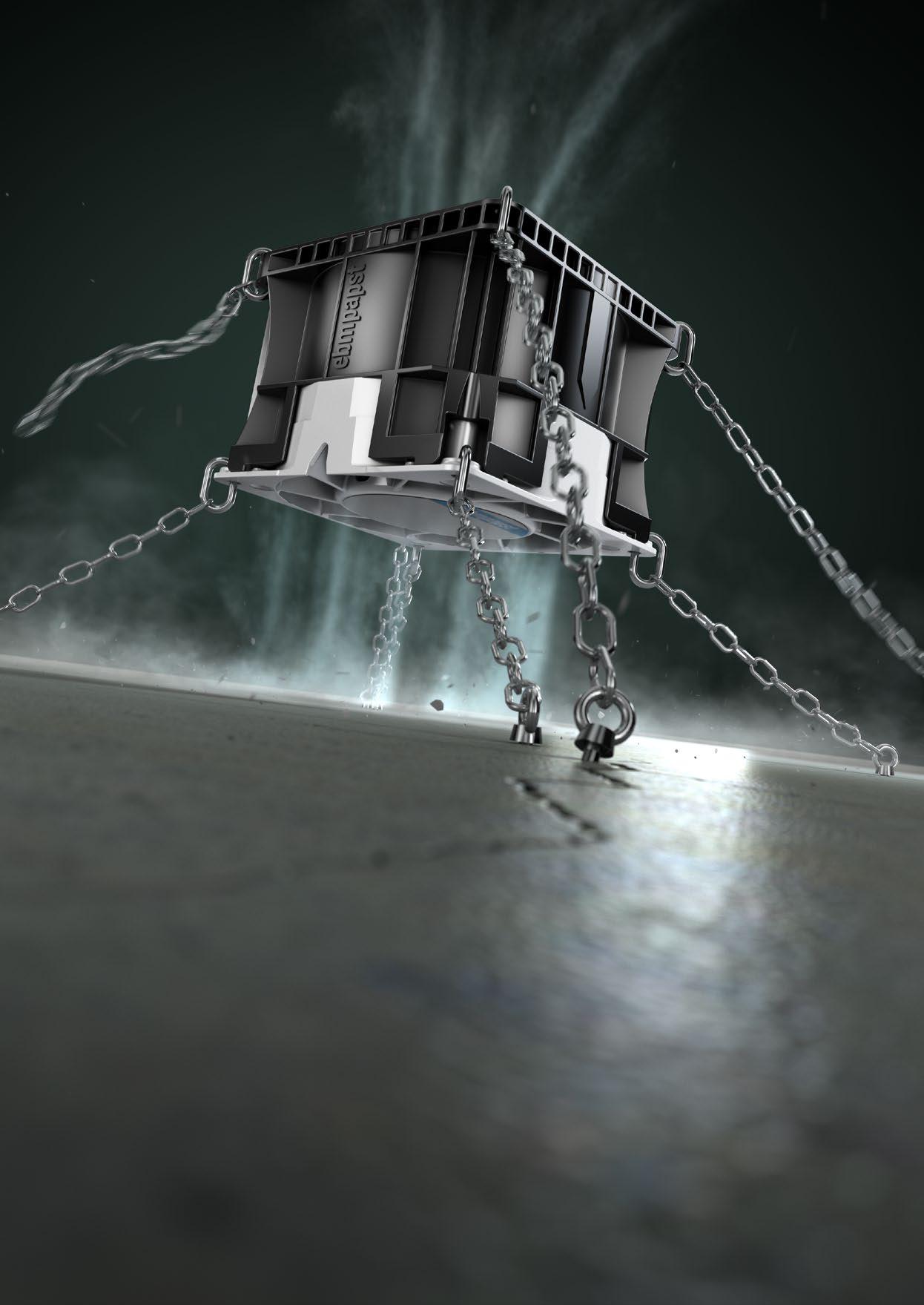
Force that can hardly be restrained.
The new DiaForce diagonal compact fans.
The revolutionary fan concept combines the advantages of axial and centrifugal fans:
– Up to 50% more air performance
– Up to 6 dB(A) lower sound levels
–Ideal for cooling-intensive IT applications
–Optionally with integrated FanCheck diagnostic tool for calculating the specific remaining service life
More information for your application: ebmpapst.com/diaforce



Last month, we announced that we’re joining forces with some very well-respected engineering publications produced by CFE Media. Our new titles include some you’ve likely heard of: Control Engineering, Plant Engineering, Consulting-Specifying Engineer, and Industrial Cybersecurity Pulse. Produced by an award-winning editorial team, these brands help round out our engineering coverage and give readers comprehensive, need-toknow technical information, just as we do. Our shared goal is to make your job easier and keep you informed in the fast-changing engineering and manufacturing world we’re living in.
Speaking of fast-changing, I hope you had the opportunity to come out to our inaugural Digital Transformation Forum in Boston last month. I particularly enjoyed hearing Walker Reynolds of Intellic Integration, one of our keynote speakers. Some of his more interesting takeaways included:
• Hardly anyone can truly define what digital transformation is, but his definition is that it is a strategy for making the data the most important part of your manufacturing business.
• Too many people think Tesla is simply a car company, but it’s a data company. A Tesla is simply the most expensive sensor in the world.
• Tesla is incredibly fast; its Gigifactory in Shanghai went from grass field to operational in nine months, and the company has built a digital ecosystem that will move us away from the traditional assembly line.
• The smartest companies truly leverage their data. Amazon knows what you’re going to buy — six months before you buy it.
• Our children are ten times smarter than we are, due to their vastly improved digital fluency, which is off the charts.
• Talking about today’s and tomorrow’s problems is much more important than focusing on yesterday’s problems.

• If you’re not a data company, you’re a dead company.
Lastly, one final note on our Engineering Diversity + Inclusion issue from last Fall — the issue, which had been a finalist — did come through to win the Neal Award, perhaps the most significant honor in the trade publication space. In my almost three decades of working in b2b media, this was my first time being part of a Neal Award-winning staff. Our team here works hard every day for you, and I’m incredibly proud of them. Cheers! DW
 Paul J. Heney - VP, Editorial Director













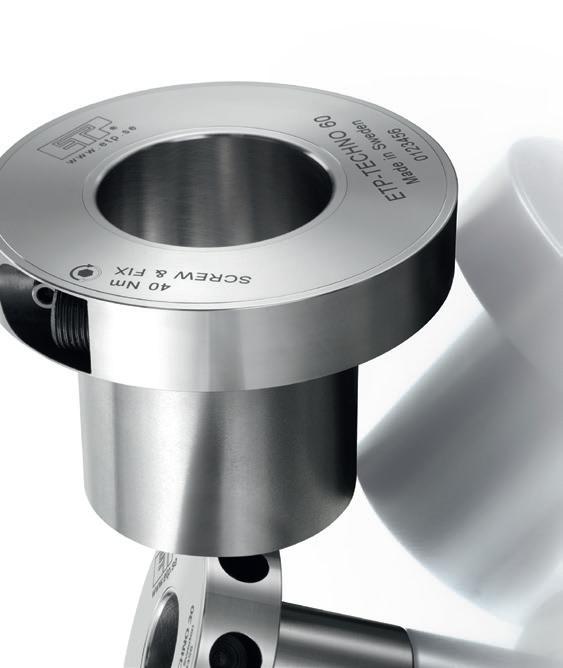
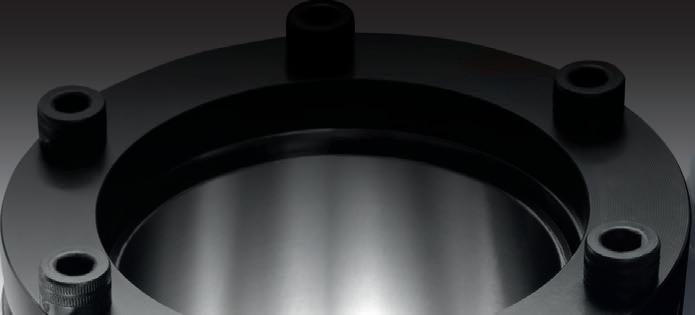



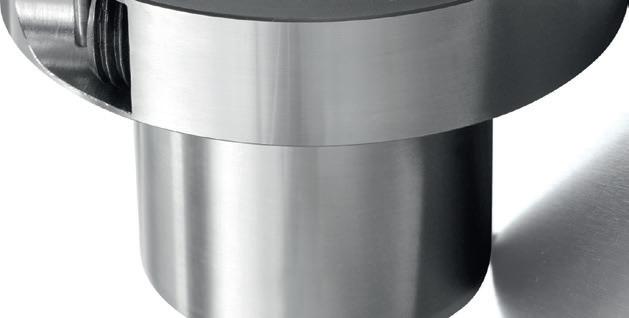
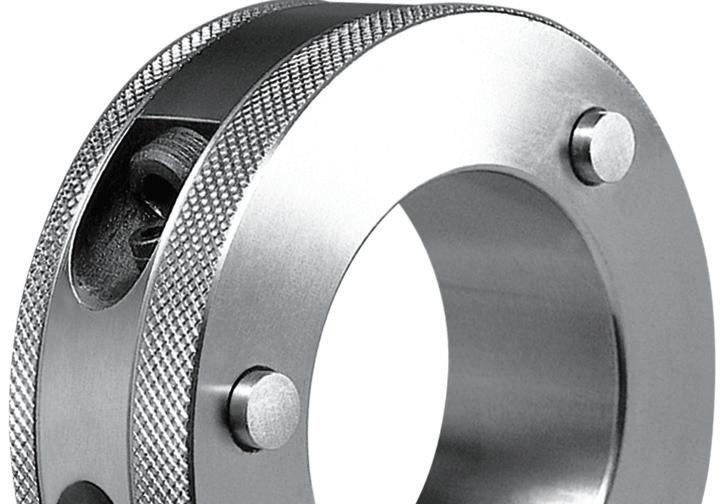
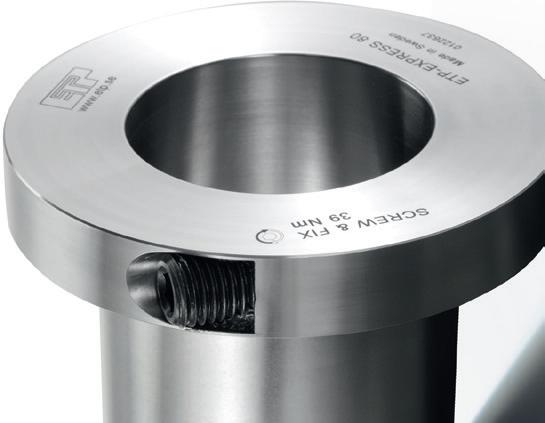
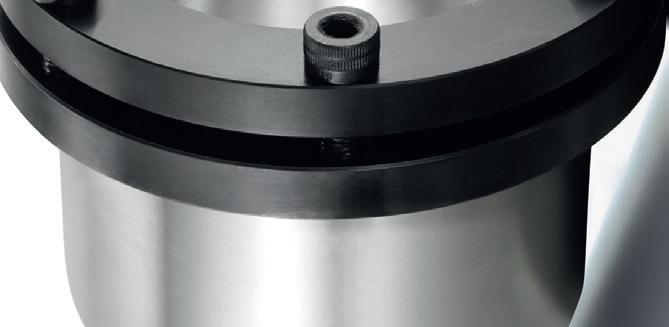
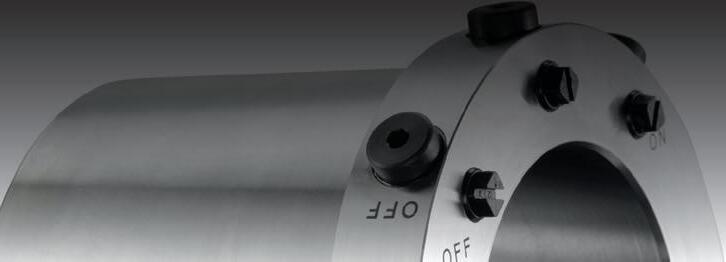
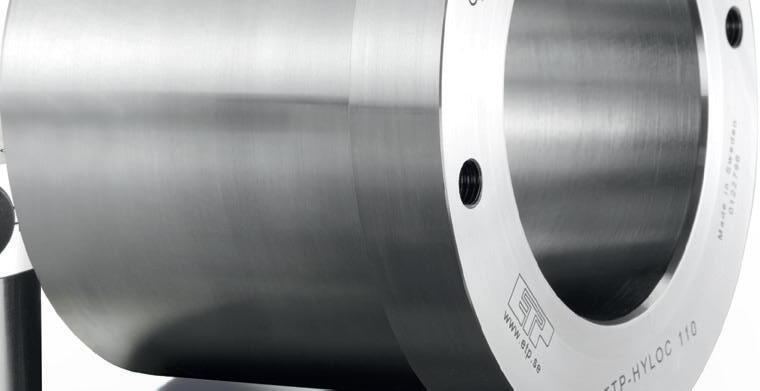
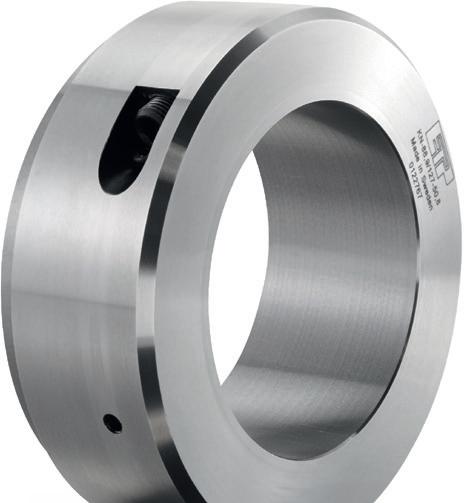
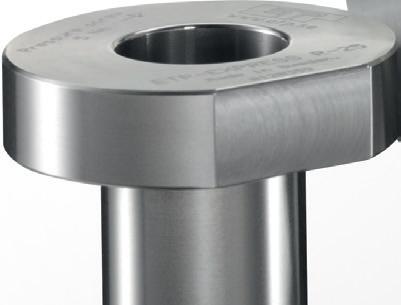
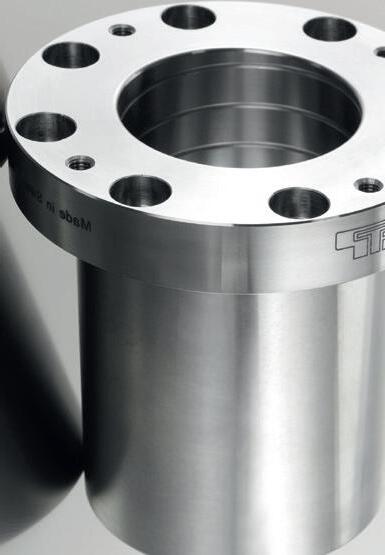
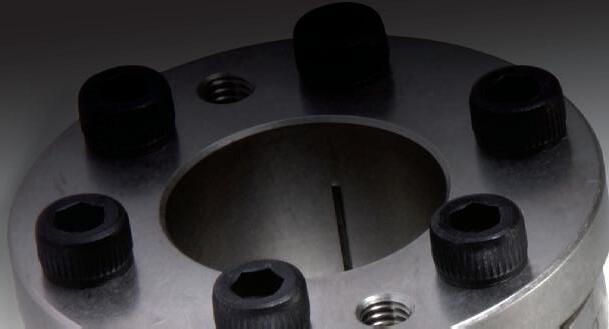
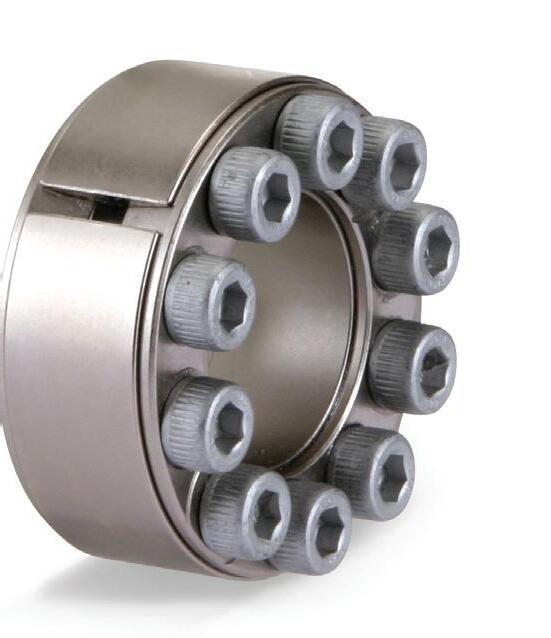
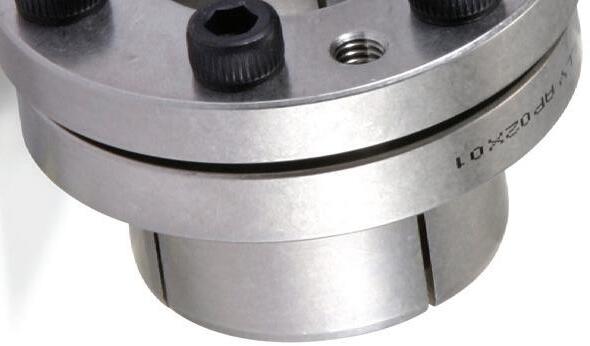
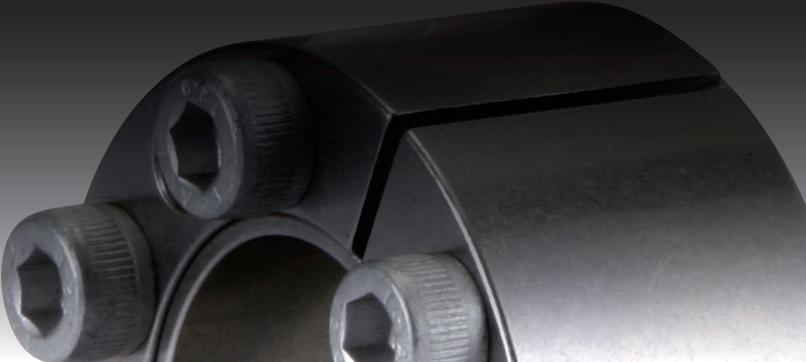



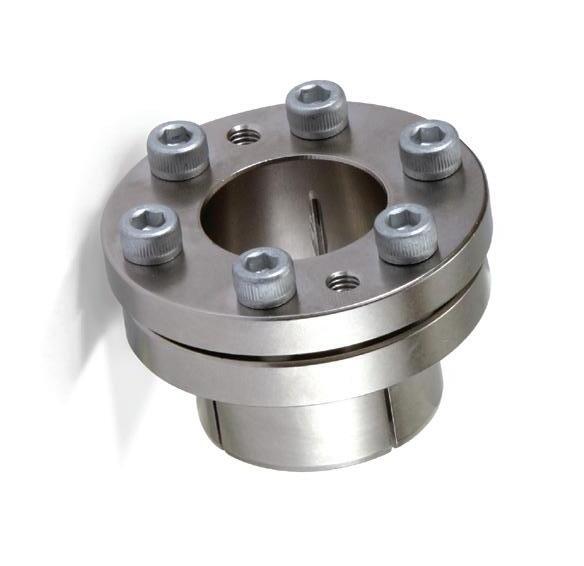
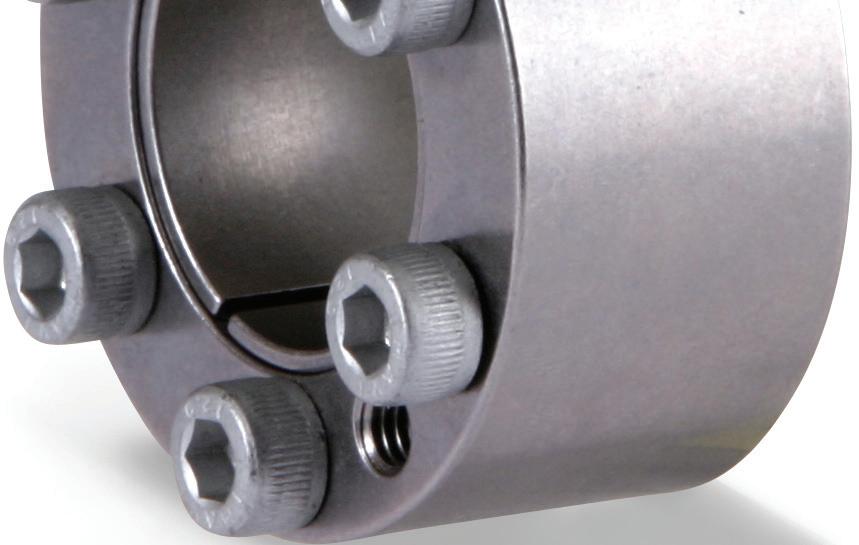
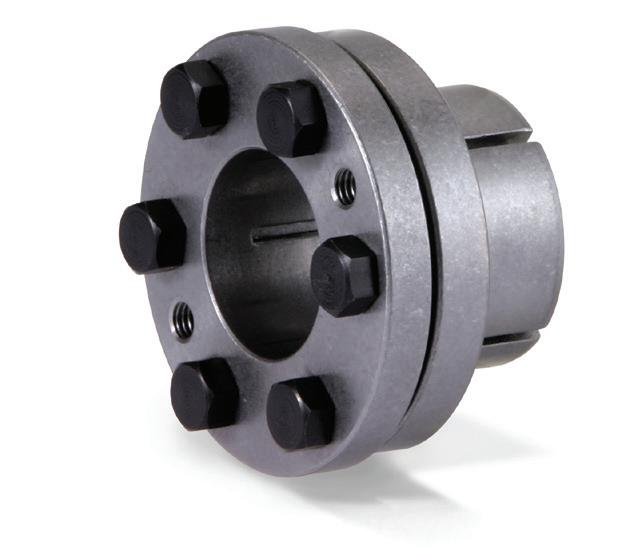
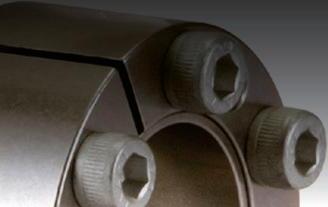
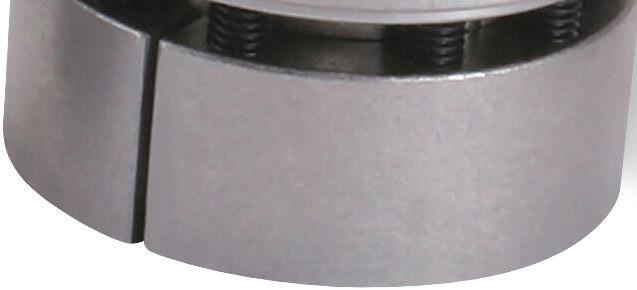
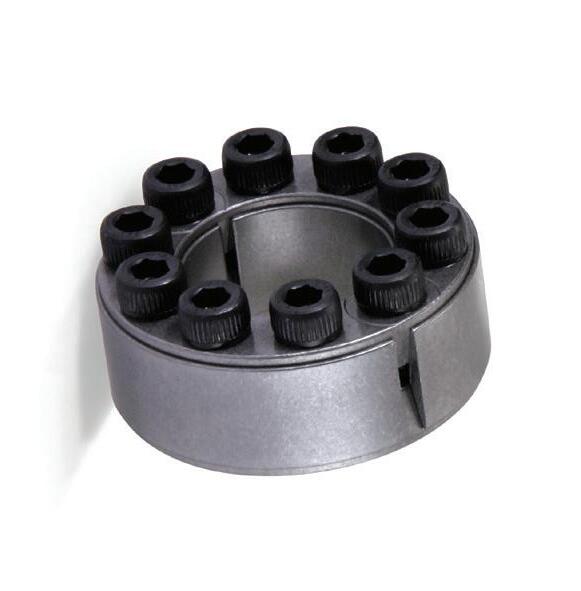
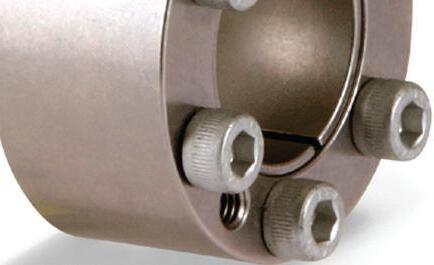
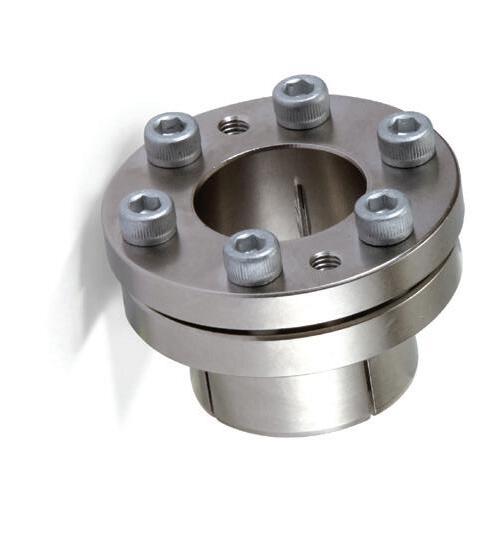
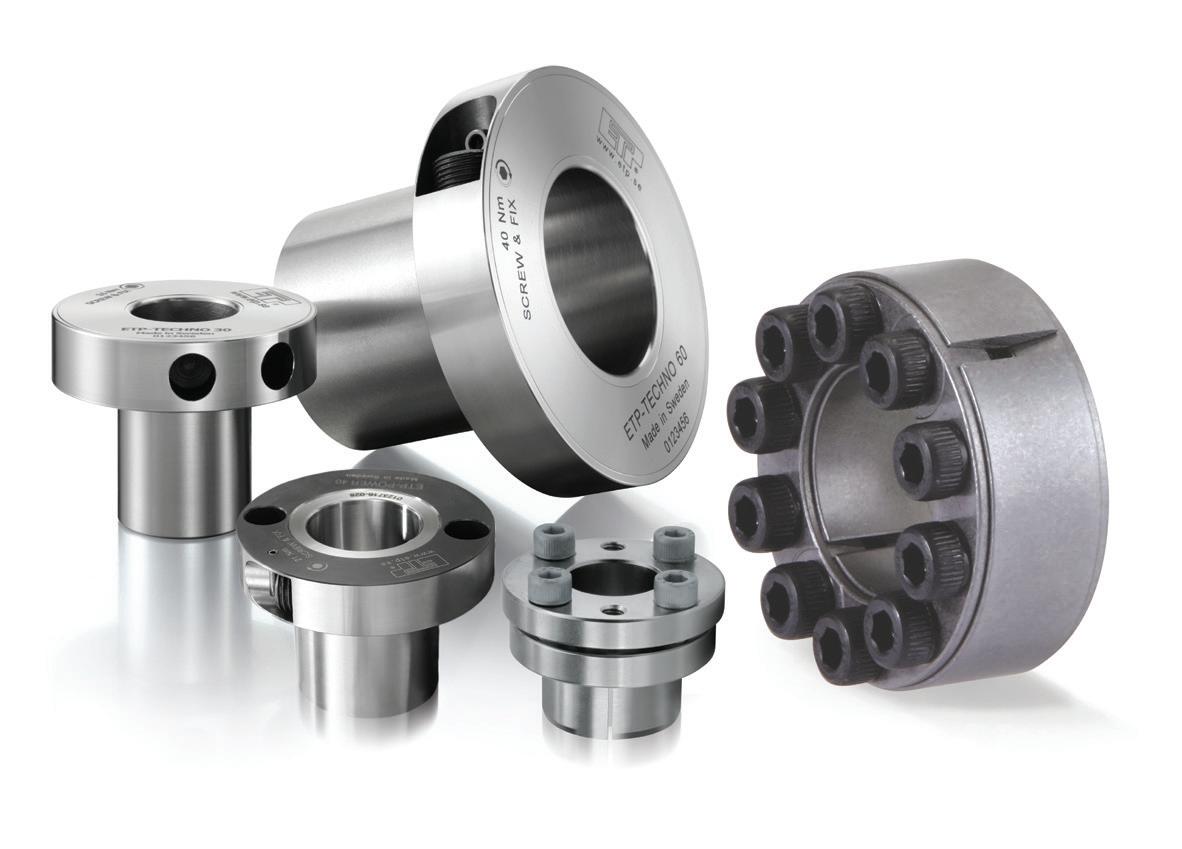
Keyless Sha Bushings
• Precise & Reliable Sha Component Mounting
• Single-Screw Models for Fast & Frequent Use
• Steel, Nickel-Plated, and Stainless-Steel
• Variety of Mounting Styles Available
• English & Metric Sizes in Stock
• Engineering Assistance / Fast Delivery











It can’t be easy being a plastics manufacturer these days, with a barrage of news reports about plastic particles being found on remote beaches or the seabed itself. But count on Rumford, R.I.-based igus Inc. to turn that story on its head, with some innovative ways that they’re using plastics to help the environment — not to mention recycling problematic plastic refuse like fishing nets into (of all things) bicycles.
I caught up at the recent Hannover Messe with Felix Brockmeyer, CEO of igus Inc., the North American company that touts “motion plastics” as a replacement for metal bearings, thus avoiding the need for grease and manual lubrication. (The parent company, igus GmbH, is based in Cologne, Germany.)
DW: Tell us about your RCYL bike. I know it began as sort of a pet product of Frank Blase, your global CEO, several years ago, but now it feels like a fully fleshed out product for you.
FB: It started very much as a fun project from Frank. Early on, we were told this isn’t really ever going to be anything, this is just an experiment. But over the years, it’s really turned into something that is more and more of a focus.
One day, Frank was on vacation in Florida riding a very rusty beach cruiser — he knew every two months he had to change the chain on it because it would snap if it wasn’t maintained. All the wheels were rusting. Everything was squeaking and he wondered, “What could we do with lubrication-free motion
plastics here?” So, the idea was born to look into building a bicycle that needs no maintenance, cannot rust, and is fully recyclable. The material that we use to build the bike can be shredded and reused again, or partially built out of recycled plastic. We now have a single speed city cruiser / beach cruiser bike that we’ve launched. We’ve taken orders for it here in Europe. We’re delivering the first couple of hundred this this Spring and I believe we have pre-orders for about 3,000 bicycles.
Because we believe in the [online selling] platform idea around plastic bicycle components, we might not make everything — but maybe other manufacturers will become interested. If they want to incorporate bushings into their gear shifters and they want to have
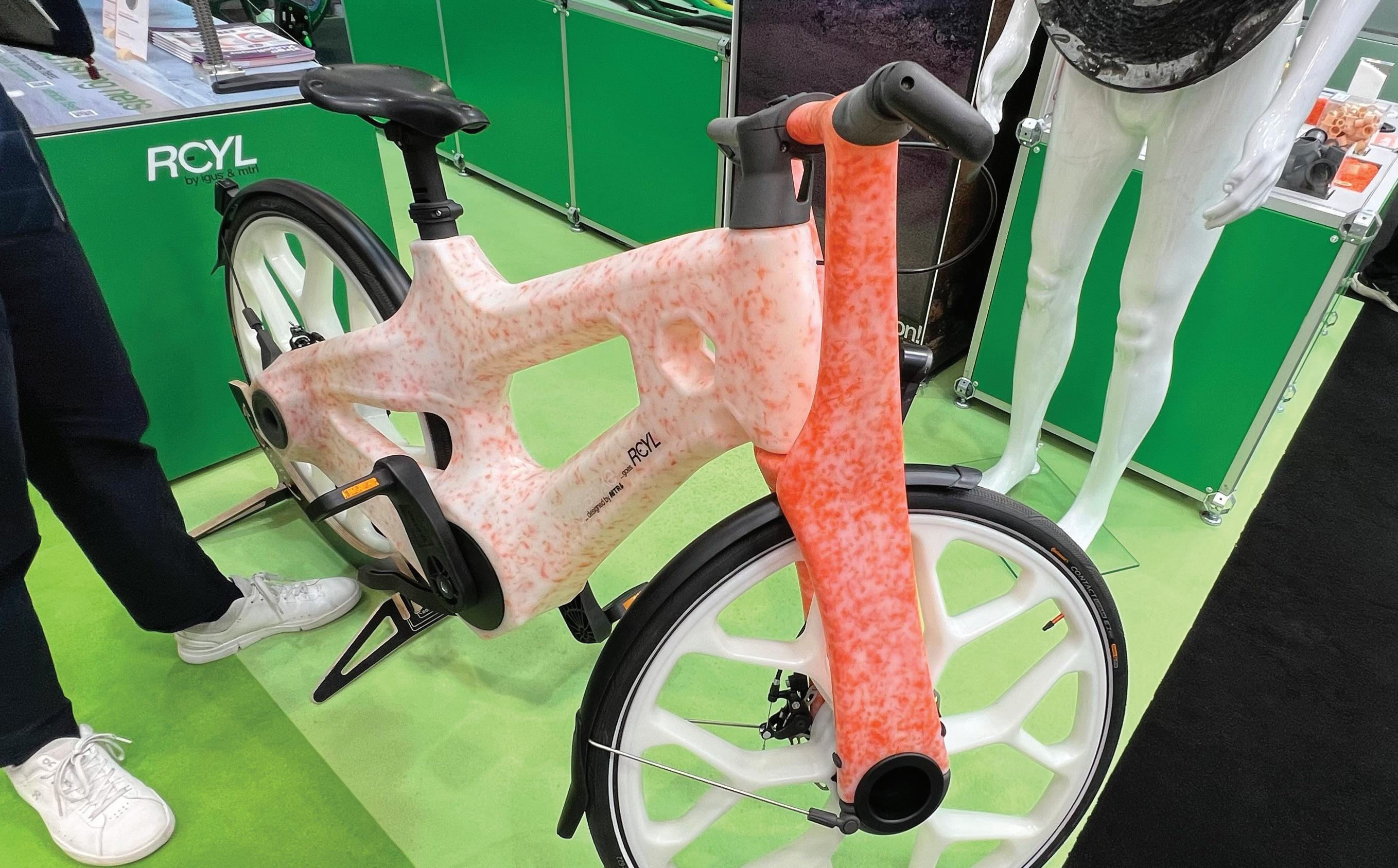
a high content of recyclable materials in their gear shifters, that will be a product they could put on there. If somebody has environmentally friendly tires, for example, we’d be happy to put that on that marketplace. We’re discussing a potential partnership with a tire manufacturer will mix solid tires almost like foam where you don’t need air. These types of partnerships with companies that believe in the maintenance free sustainable bicycle idea, we want to give access into that [resale] platform, too. Right now, we have the one bicycle designed and finished. It’s 92% made out of plastic. The only metal parts are the rotors on the brakes, the cabling, and the wires to activate the brakes and the fasteners.
Some of them are made out of virgin plastic, and some of them are made out of 50% recycled fishing nets or other recycled material. We’re striving to increase that recycling content over and over and over.
DW: Weren’t you just showing the bike in California? What did everyone think?
FB: We just showed it at the Sea Otter Classic bike festival in Monterey, California. And everybody loves the idea of a recycled bicycle — ideally, made out of materials that are, in this case, recycled waste — to reduce the dependency and supply chain dependency on Taiwan, where more or less all bicycle parts are made.
DW: I noticed a focus on handlebars for the bike. Can you explain that component a bit?
FB: Every single bicycle handlebar comes out of a factory in Taiwan unless it’s some artesian or titanium shop that makes it handmade. When the first company really attains high volume production outside of Taiwan and China, there will be a lot of interest from the OEMs. We want to have risk mitigation opportunities on the dependency of China and Taiwan. That will develop, but the entire industry depends on Taiwan as a manufacturer today.
DW: These types of bikes seem perfect for hotels or bike sharing programs.
FB: Exactly. And as the population grows in lower income countries, as mobility grows, things will change — e-bikes in Asia are already replacing the traditional old scooters. If you think about Africa, South America, even Eastern Europe, the trend of bicycling will only increase. We could imagine a whole mobility concept that we can scale. So today it might be a bicycle. Maybe one day, it’s a four-wheeler or a four-wheeled cargo bike that we can make out of plastic components. DW
WHITTET-HIGGINS manufactures quality oriented, stocks abundantly and delivers quickly the best quality and largest array of adjustable, heavy thrust bearing, and torque load carrying retaining devices for bearing, power transmission and other industrial assemblies; and specialized tools for their careful assembly.
Visit our website–whittet-higgins.com–to peruse the many possibilities to improve your assemblies. Much technical detail delineated as well as 2D and 3D CAD models for engineering assistance. Call your local or a good distributor.
In
The latest digital transformation initiatives
While
The increased viability of sustainability (Part 1)
Sustainability


Help us honor the companies that have provided the most leadership in engineering
It has been a fascinating decade for all businesses, including manufacturers. We’ve seen the difficult supply chain issues brought on by the worldwide pandemic, along with a shortage of qualified workers and the strong reshoring trends in many industries. If nothing else, this helps to show how resilient manufacturers can be.
These companies represent the best and brightest, and they reflect the continued vision, integrity, and creativity of their design (and manufacturing) engineers.
We think they deserve recognition from you, too. Vote online for one or more of the companies listed through October.


FOLLOW THE WHOLE TEAM @DESIGNWORLD
EDITORIAL
VP, Editorial Director
Paul J. Heney pheney@wtwhmedia.com @wtwh_paulheney
Managing Editor Mike Santora msantora@wtwhmedia.com @dw_mikesantora
Executive Editor Lisa Eitel leitel@wtwhmedia.com @dw_lisaeitel
Senior Editor Miles Budimir mbudimir@wtwhmedia.com @dw_motion
Senior Editor Mary Gannon mgannon@wtwhmedia.com @dw_marygannon
Senior Editor Rachael Pasini rpasini@wtwhmedia.com @WTWH_Rachael
Associate Editor Heather Hall hhall@wtwhmedia.com @wtwh_heathhall
CREATIVE SERVICES
VP, Creative Director Matthew Claney mclaney@wtwhmedia.com @wtwh_designer
Art Director Allison Washko awashko@wtwhmedia.com
HUMAN RESOURCES
Vice President of Human Resources
Edith Tarter etarter@wtwhmedia.com
Director, Audience Development Bruce Sprague bsprague@wtwhmedia.com
WEB DEV / DIGITAL OPERATIONS
Web Development Manager B. David Miyares dmiyares@wtwhmedia.com @wtwh_webdave
Senior Digital Media Manager
Patrick Curran pcurran@wtwhmedia.com @wtwhseopatrick
Front End Developer Melissa Annand mannand@wtwhmedia.com
Software Engineer David Bozentka dbozentka@wtwhmedia.com
DIGITAL MARKETING
VP, Digital Marketing Virginia Goulding vgoulding@wtwhmedia.com @wtwh_virginia
Digital Marketing Manager Taylor Meade tmeade@wtwhmedia.com @WTWH_Taylor
Digital Marketing Coordinator Meagan Konvalin mkonvalin@wtwhmedia.com
Webinar Coordinator Emira Wininger ewininger@wtwhmedia.com
Webinar Coordinator Dan Santarelli dsantarelli@wtwhmedia.com
EVENTS
Events Manager Jen Osborne josborne@wtwhmedia.com @wtwh_jen
Events Manager Brittany Belko bbelko@wtwhmedia.com
Event Marketing Specialist Olivia Zemanek ozemanek@wtwhmedia.com
FINANCE
Controller Brian Korsberg bkorsberg@wtwhmedia.com
Accounts Receivable Specialist Jamila Milton jmilton@wtwhmedia.com
VIDEO SERVICES
Videographer Kara Singleton ksingleton@wtwhmedia.com
Videographer Cole Kistler cole@wtwhmedia.com
PRODUCTION SERVICES
Customer Service Manager Stephanie Hulett shulett@wtwhmedia.com
Customer Service Representative Tracy Powers tpowers@wtwhmedia.com
Customer Service Representative JoAnn Martin jmartin@wtwhmedia.com
Customer Service Representative Renee Massey-Linston renee@wtwhmedia.com
Customer Service Representative Trinidy Longgood tlonggood@wtwhmedia.com
Digital Production Manager Reggie Hall rhall@wtwhmedia.com
Digital Production Specialist Nicole Johnson njohnson@wtwhmedia.com
Digital Design Manager Samantha King sking@wtwhmedia.com
Marketing Graphic Designer Hannah Bragg hbragg@wtwhmedia.com
Digital Production Specialist Elise Ondak eondak@wtwhmedia.com
WTWH Media, LLC 1111 Superior Ave. 26th Floor Cleveland, OH 44114 Ph: 888.543.2447



































































Aerospace is a key industry that uses additive manufacturing (AM) technologies for end-use parts. However, post-processing remains a barrier to adoption and scaling production.
GKN Aerospace is a Tier 1 supplier, with customers including Airbus, Rolls Royce, and GE. The company has been maturing its metal AM production for more than a decade and developing technology for civil and military aerospace programs. Its current focus is using AM for reliable, sustainable, ready-to-use alternatives to castings and forgings within its engines business.
The Tier 1 supplier primarily uses powder bed fusion (PBF) technology and manually removes supports during post-processing. This manual work is often inaccurate and unrepeatable, varying widely across technicians. It can
even result in part defects and nonconforming parts that require rework or a rebuild. This prevents the company from scaling to a quality-assured, economical process.
GKN Aerospace isn’t alone, however. Post-processing creates a significant bottleneck for any metal AM application. It’s labor-intensive and time-consuming, poses repeatability and quality control challenges, and yields long lead times and high costs. Such considerations are critical for regulated industries that must adhere to stringent compliance standards.
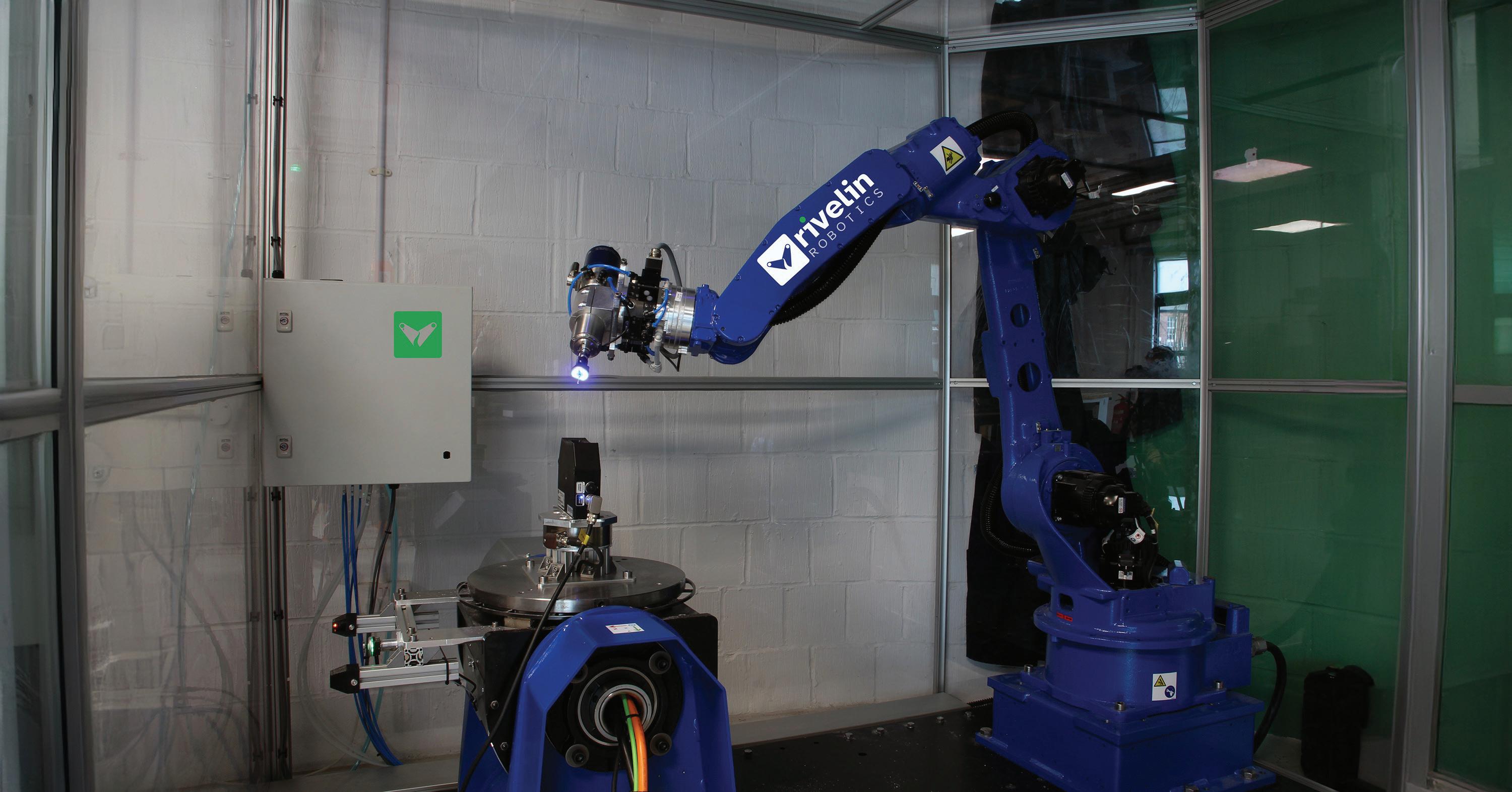
Rivelin Robotics has been developing an autonomous postprocessing solution with its Netshape Robots to help metal AM users scale production. As part of an Innovate UK-funded program, the company recently launched Project CAMPFIRE (Certified Additive Manufactured Parts
Finished with Intelligent Robotics Engine) for regulated industries, such as aerospace. Through CAMPFIRE, GKN Aerospace and Rivelin Robotics are exploring autonomous support removal for complex parts. The automated solution aims to remove human interactions and improve repeatability and productivity.
Project CAMPFIRE has a 15-month runtime and includes non-aerospace partners, including Attenborough Medical and Materials Solutions (a Siemens Energy Business). Additionally, Yaskawa delivers robot and positioner cell solutions, and Saint Gobain Abrasives advises on the right tools for the finishing job. DW
Rivelin Robotics www.rivelinrobotics.com
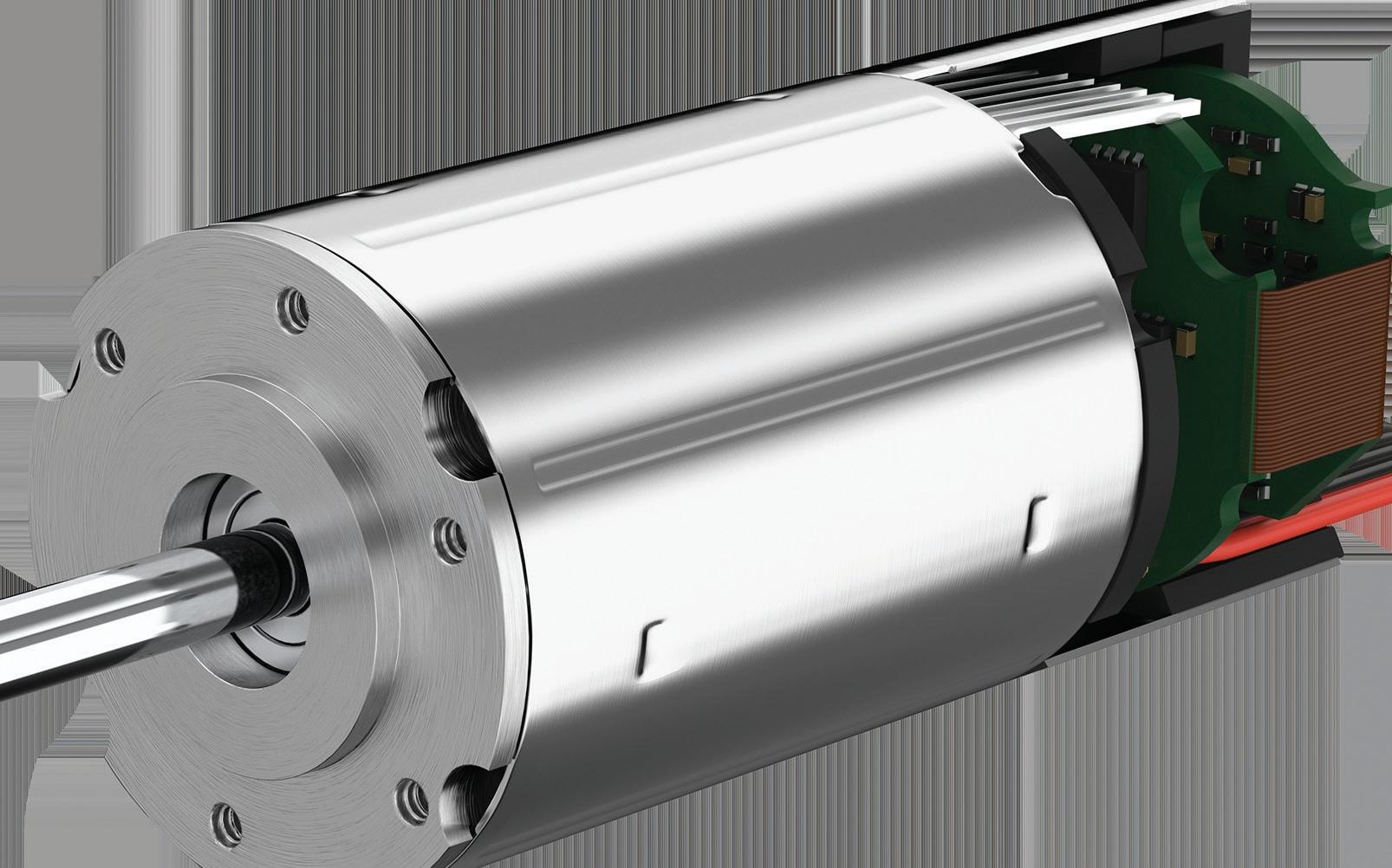
Brushless motors are crucial in medical and laboratory technology, where precision control, high torque, and compact size are essential. Motion controllers are the brains behind the motor operation, managing speed, position, and torque. Combining the two into one product simplifies wiring, assembly, connections, and reduces the overall complexity.
Faulhaber’s new motion control system integrates its 22-mm BX4 brushless motors with a new integrated motion controller (IMC) based on its generation V3.0 motion controllers. The new IMC extends 18 mm, including the servo controller and 12-bit encoder.
The RS232 interface version is suitable for integration from a PC or via an embedded master. The CANopen version is suitable for industrial automation networks and fully compliant with the CiA 402 servo drive standard, allowing direct
support from typical PLCs. Even with the RS232 version, several drives can be controlled with a single port of the master. The IMC can directly execute typical tasks, such as homing a drive, using its local digital and analog I/Os. Alternatively, both versions can operate without a master in “standalone” mode. The digital and analog I/Os can then be used flexibly for local control tasks or discrete setpoints and actual values.
The built-in current control automatically protects against overloading and has a diagnostic function. The motion control system supports torque, velocity, or position control according to the servo drive standard. The system also features low electromagnetic emissions and carries the required CE label. DW
Faulhaber www.faulhaber.com
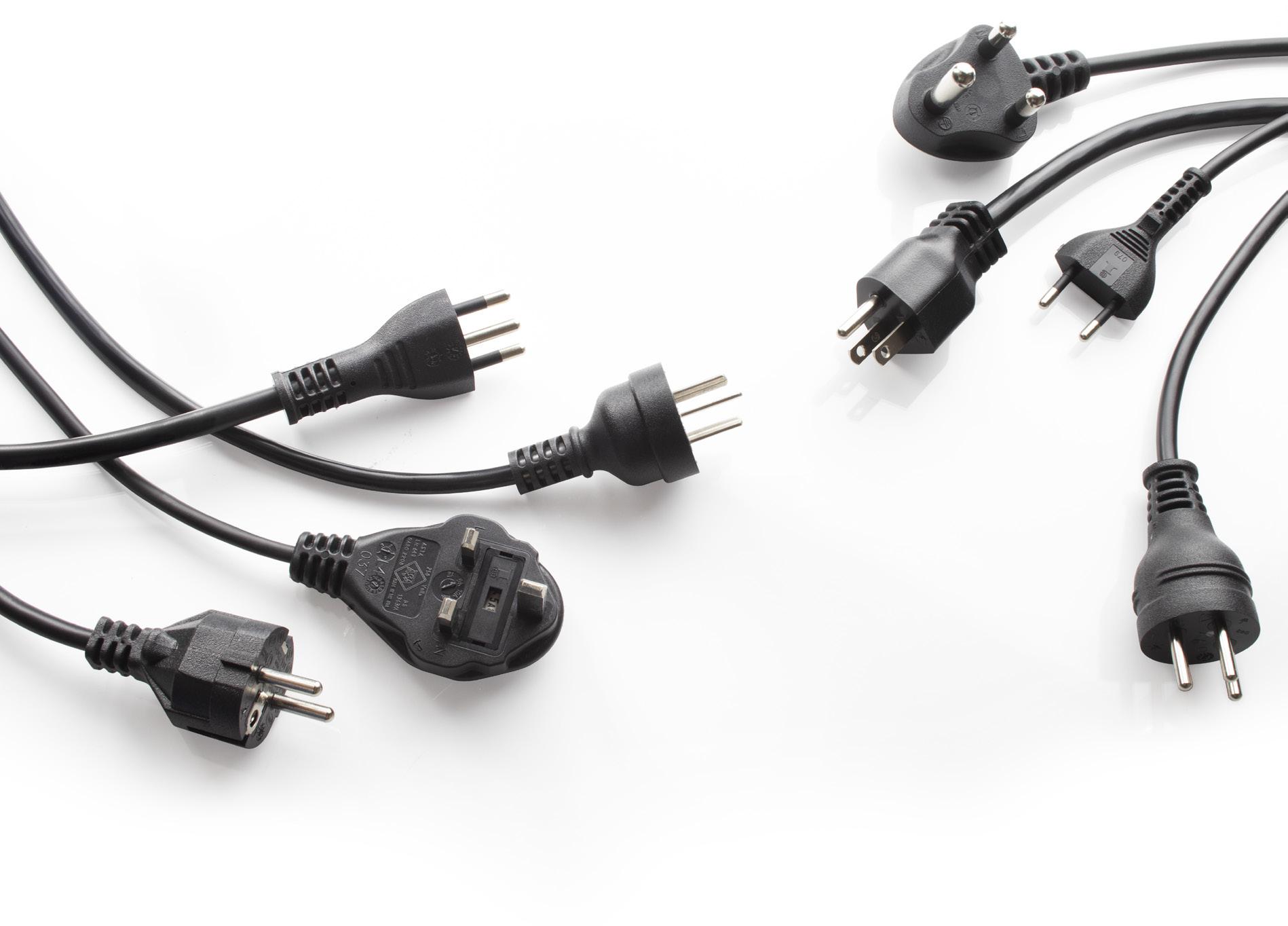
Interpower cords and components are manufactured in accordance with Interpower’s product quality plan: hipot testing, continuity testing, and ground testing with inspections after each stage of the manufacturing process.
®
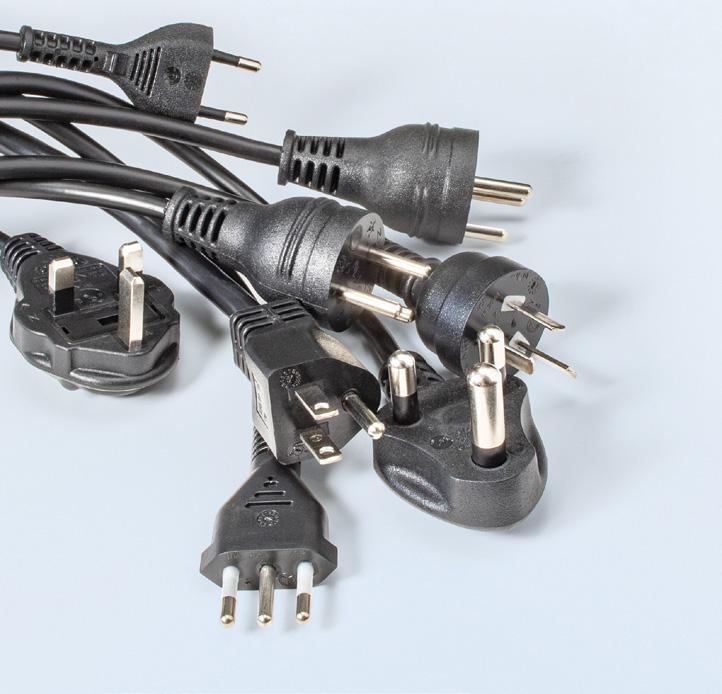
® You don’t have to live like this. Interpower North American and international cords and cord sets provide the correct AC power to allow countryspecific customers to safely connect to their mains power. Interpower manufactures state-of-the-art electrical cord sets for global markets with 1-week U.S. lead-times.
Toll-Free Phone: (800) 662-2290
E-mail: info@interpower.com
Business Hours: 7 a.m.–5 p.m. CST Order Online! www.interpower.com
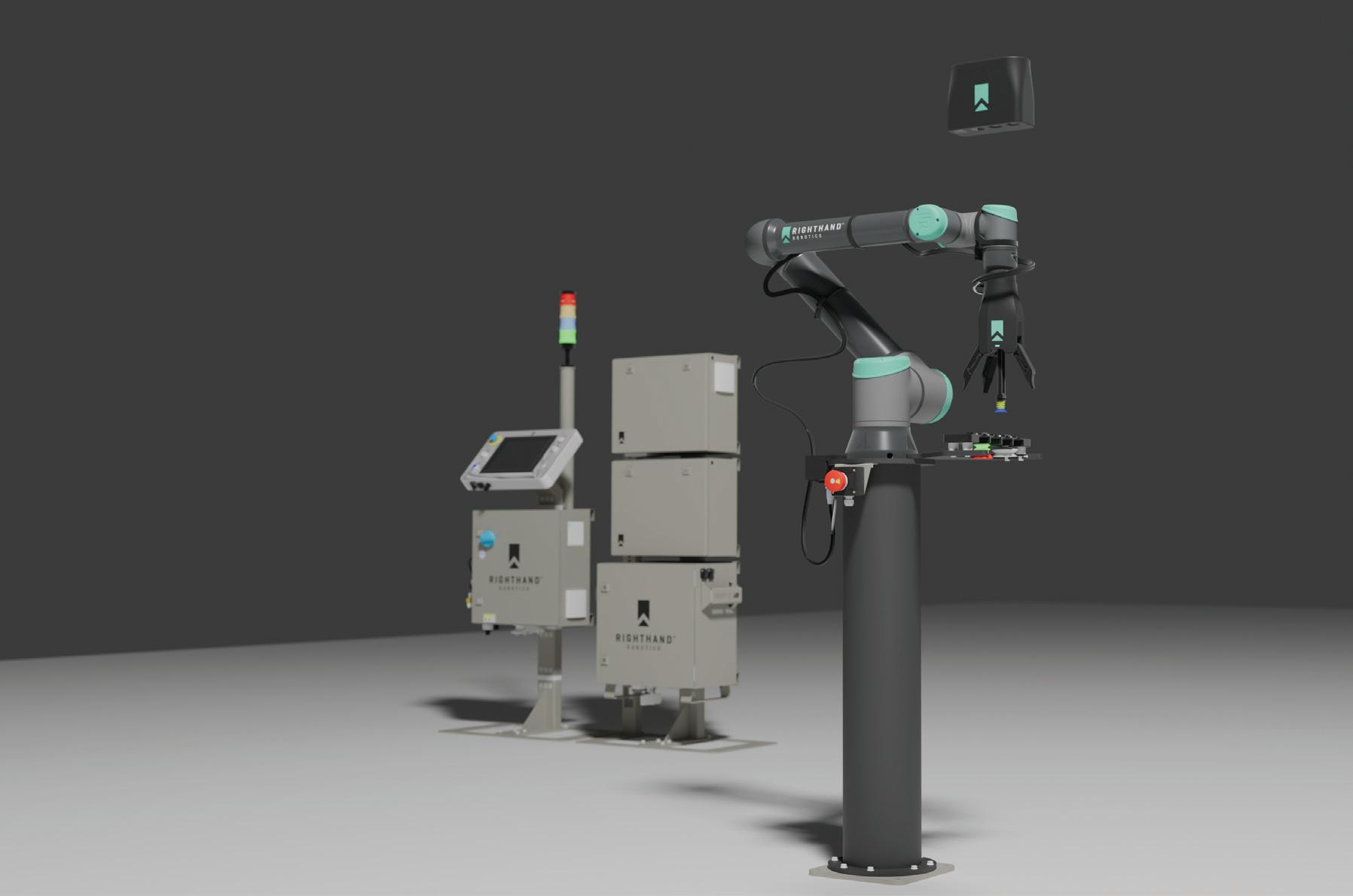
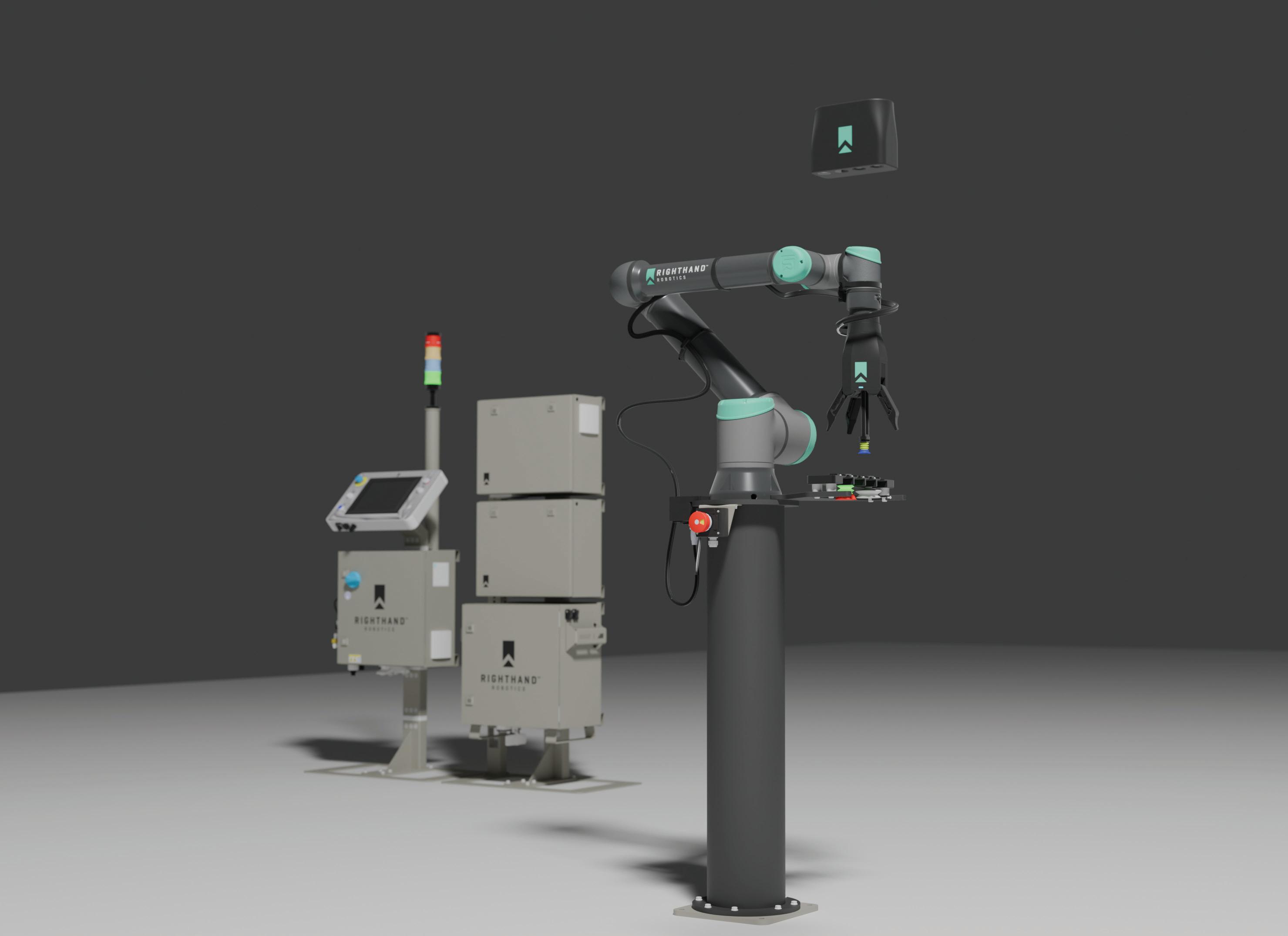
As demands increase and labor shortages persist, the pharmaceutical industry is turning to autonomous solutions with trainable robots for order fulfillment assistance.
Earlier this year, RightHand Robotics launched its new RightPick 4 system to enable autonomous piece-picking suitable for pharmaceutical products and other markets. The system includes AI-based software algorithms, an upgraded sensor suite, and newly designed hardware, enabling a larger picking range of SKUs, advanced
item handling capacity, and increased system autonomy. It reduces the need for human intervention by deploying advanced gripping strategies to pick and place more items, even those it has never seen before. With RightPick AI, the system continuously learns and improves on the overall range of items that can be picked successfully.
RightPick AI algorithms process image data in real-time to disambiguate items. Then, it identifies optimal pick locations and determines the best grasp plans for each pick. Once the gripper
grasps an item with autonomy and control, sensor feedback intelligence confirms that the robot maintains its hold throughout the transfer motion. If a pick doesn’t succeed on the first try, RightPick AI quickly decides whether to try again or instantly switch to a backup plan for a different item, never leaving a pick behind. DW RightHand Robotics
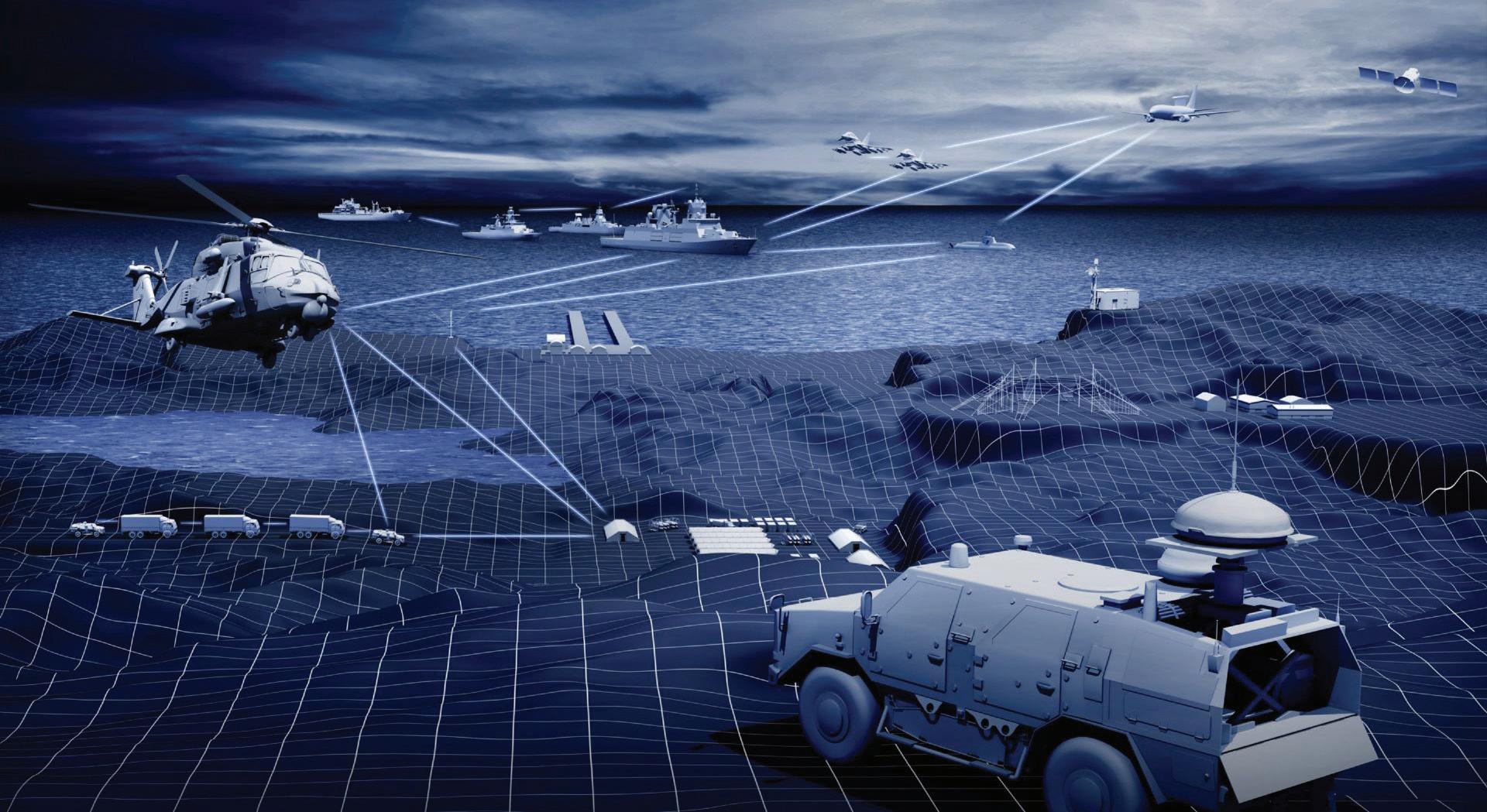
When lives are at stake, reliable communications are vital. Though voice applications remain the top priority for first responders, data and videobased mission-critical applications are becoming increasingly important during crises. Therefore, public safety and government agencies worldwide are migrating various communications networks from narrowband land mobile radio (LMR), such as TETRA or P25, to broadband networks that meet requirements for high-speed data services. This migration to 3GPPcompliant isolated secure networks or commercial 4G and 5G-based cellular networks must be planned and executed carefully to maintain existing narrowband capabilities, which will still be used in parallel for another decade. Proper device and mobile network testing can ease this migration to 3GPPcompliant broadband mission-critical services (MCX).
Rohde & Schwarz brings its testing solutions to critical communications projects with its 3GPP MCX device conformance test suite on the R&S CMX500 4G/5G one-box tester. The
test suite includes comprehensive 3GPP RF, functional, protocol, and application tests for rugged MCX devices. For network testing, the company has a test solution based on the R&S ROMES4 drive test software and the R&S TSMA6B mobile network scanner. Its portfolio also includes solutions for stationary, transportable, and portable spectrum monitoring systems that provide comprehensive spectrum awareness.
Additionally, R&S Nestor is a turnkey mobile communications solution for situational awareness, law enforcement, and critical infrastructure protection. It is a software platform used with R&S TSMA6B mobile network scanners and QualiPoc smartphones to analyze cellular networks via the air interface. Public authorities and security organizations use it to detect, identify, locate, and analyze deployed cellular technologies and occupied bands and channels. DW
Rohde & Schwarz www.rohde-schwarz.com
You shouldn’t have to stress about everything. Interpower North American and international cords and cord sets provide the correct AC power for country-specific customers to safely connect to their mains power. Interpower manufactures state-of-the-art electrical cord sets for global markets with 1-week U.S. lead-times.
Interpower cords and components are manufactured in accordance with Interpower’s product quality plan: hipot testing, continuity testing, and ground testing with inspections after each stage of the manufacturing process.
Toll-Free Phone: (800) 662-2290
E-mail: info@interpower.com
Business Hours: 7 a.m.–5 p.m. CST Order Online! www.interpower.com
When looking at gearbox accuracy, there are several key parameters to consider. Knowing these parameters and understanding their impact on accuracy is critical to designing a system that meets specifications and achieves optimal performance.
Below is a detailed look at each of these key parameters.
Torsional Stiffness
What is it? Torsional stiffness is defined as the quotient of the externally applied torque and the resulting twisting angle or “wind up” at the output of the gearbox. The value for torsional stiffness is typically given by the manufacturer. It is measured as torque per angle (Nm/ arcmin). For couplings, it may be referred to as torsional resistance.
How is it determined? To determine torsional stiffness, the gearbox is loaded with a continuously increasing torque
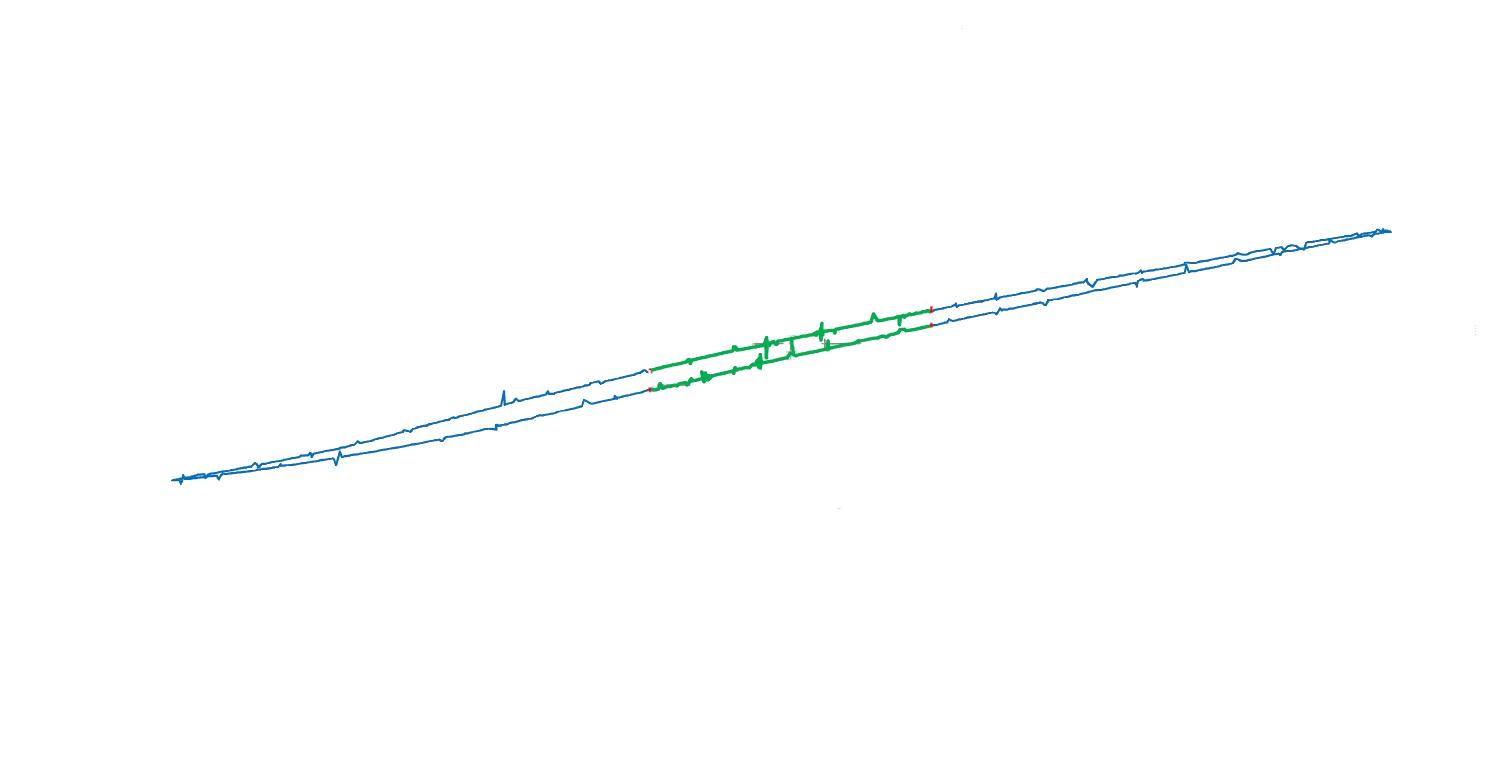
up to the nominal torque capacity while the input shaft is locked. This is repeated in the opposite direction. The applied torque and angle of deflection at the output flange are measured (see the hysteresis curve, figure 1).
Torsional stiffness is taken from the slope of the hysteresis curve at 50% to 100% of the nominal torque. Because the curve is relatively flat in this range, the torsional stiffness is close to constant. In addition, many applications have an applied torque that falls in this range. Similarly, you can look at torsional stiffness in other components. In couplings, it is often referred to as “torsional resistance.”
Torsional Stiffness = Applied Torque Deflection at output at 50% to 100% of Nominal Torque
How can I use it? Torsional stiffness for a system is calculated using the sum of the inverse of torsional stiffness for each component. Total torsional stiffness will be less than any of the individual components. For example:
Backlash
What is it? Torsional backlash is the error of the output shaft position in relation to the input shaft at zero torque. In a gearbox, it is primarily clearance between the mating gear teeth.
Range for Torsional Sti ness
Angle (arcmin)
+3%
Range for Backlash and Lost Motion Applied Torque (Nm)
Figure 1. Fearbox hysteresis curve for ±100% nominal torqe
How is it determined? Backlash is measured by rotating the output of a gearbox in both directions with the input shaft locked. The torsional backlash can also be observed in the hysteresis curve at 0 Nm of torque.
Backlash = Maximum deflection –Minumum deflection at 0 Nm of torque
How can I use it? Backlash is used to determine the precision of a gearbox. The lower the backlash, the better the precision. It can be combined with torsional stiffness to determine the total lost motion of an application.
Motion
What is it? Lost Motion, also called positioning error, is the deflection resulting from internal gearbox forces. In a gearbox, it can be caused by settling in the components, such as bearings, and the torsional deflection of the components. It is a combination of backlash and torsional stiffness. It is measured as an angle (arcmin).
How is it determined? Like torsional stiffness, the gearbox is loaded with a continuously increasing torque up to the nominal torque capacity while the input shaft is locked. This is repeated in the opposite direction. The resulting twisting angle is measured at +/-3% of nominal torque (See Figure 2). However, in most cases, it is calculated for a specific torque rather than being a published value.
Lost Motion = Maximum deflection –Minimum deflection at ±3% of Nominal Torque
How can I use it? Practically, total lost motion can be calculated for an application by summing lost motion due to backlash and lost motion due to torsional stiffness at a specific applied torque.
Total lost motion can be calculated for each component and summed to get the total lost motion for the system.
+ = Applied Torque Torsional Stiffness
What is it? The angular transmission accuracy defines the maximum transmission error (maximum amplitude of the variation) of the actual output position relative to the theoretical output position according to the ratio. It is the error during motion (as opposed to the endpoints) and looks at how close the motion is to the theoretical perfection motion. It is measured as an angle (arcsec).
How is it measured? To measure angular transmission accuracy, the gearbox is rotated without load. The input and output positions are recorded. This is done multiple times in each direction. The range of error over a full revolution of the output is the angular transmission accuracy.
Angular Transmission Accuracy = Maximum position variation –Minimum position variation
How can I use it? Angular transmission accuracy becomes a factor when an application requires precision during the rotation rather than just endto-end. For example, a gearbox rotates a part while a robot performs an operation on it. With high angular transmission accuracy, the gearbox can provide continuous, coordinated motion with the robot.
Positioning precision is determined by the accuracy and repeatability of the mechanism, such as a gearbox.
The positioning accuracy is determined by the difference between the target position and the actual position. It is influenced by angular transmission accuracy, backlash, and torsional stiffness.
For torque < 3% nominal torque: Positional Accuracy = Angular Transmission Accuracy + Backlash
For Torque > 3% nominal torque: Positional Accuracy = Angular Transmission Accuracy + Applied Torque Torsional Stiffness
For torque (T) = 0Nm, Repeatability = backlash
For torque (T) > 0Nm, Repeatability < lost motion
Repeatability refers to the deviation when the gearbox is repeatedly turned to the same position under the same load. With repeatability, the errors from the angular transmission accuracy and the torsional stiffness are constant, so that any deviation is solely the result of lost motion. DW

How do you know a safety circuit on your machine is actually safe? You don’t want a short circuit, crossed wires, or cut wires to get someone hurt. So how does the tech prevent this from happening?
Let me introduce you to test pulses. Basically, test pulses drop signal voltage in a quick repeating pattern that can be identified by the device producing them. This enables greater diagnostic coverage — i.e., the measure of a system’s ability to detect failures. Designers provide a diagnostic coverage level commensurate with the risk being addressed. The greater the intended risk reduction to be provided, the higher the diagnostic coverage must be.
How do safety pulses function?
The inputs of safety controllers and devices leverage some type of test pulse from a clocked output. Appropriate passive mechanical devices, such as emergency-stop buttons, limit switches, door sensors, or any others with dry contacts, are connected to a safety interface module. This includes basic safety relays up to more advanced, integrated, programmable safety solutions.
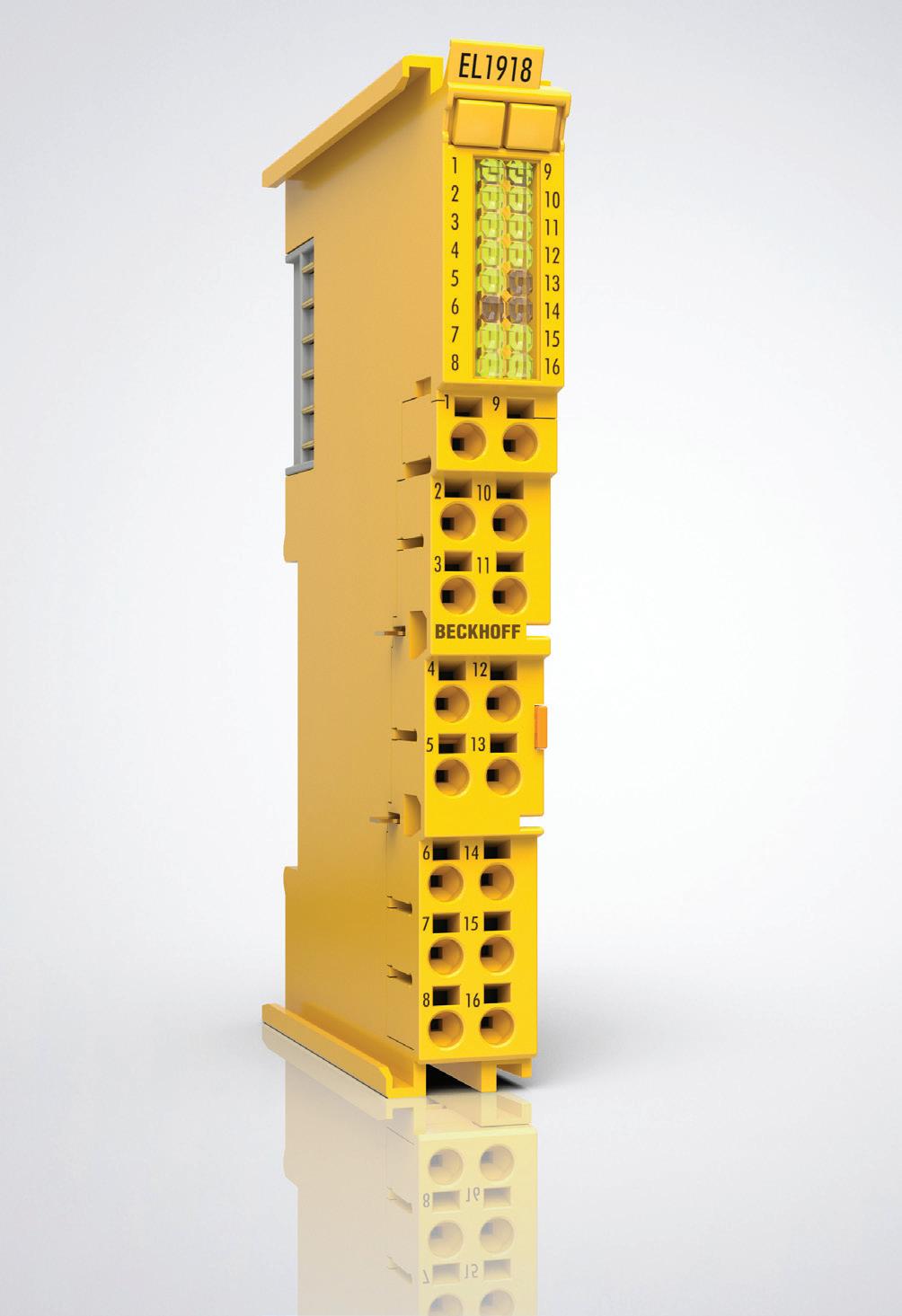
Safety input cards like the EL1904 or EL1918 TwinSAFE Terminals from Beckhoff produce pulses checking for continuity across dry contacts. To provide standard safety functionality, each input is paired with a clocked output supplying a pulsed +24V. The clocked output sends test pulses in a particular pattern; they go through the E-stop or other device and then return to the input in the same pattern.
If there are any discrepancies, including wire breaks, crossed wires, or a short to power, the safety input or
By understanding if your safety device requires test pulses or OSSD, you can select and properly parameterize the correct functional safety terminals. |
Beckhoff 2023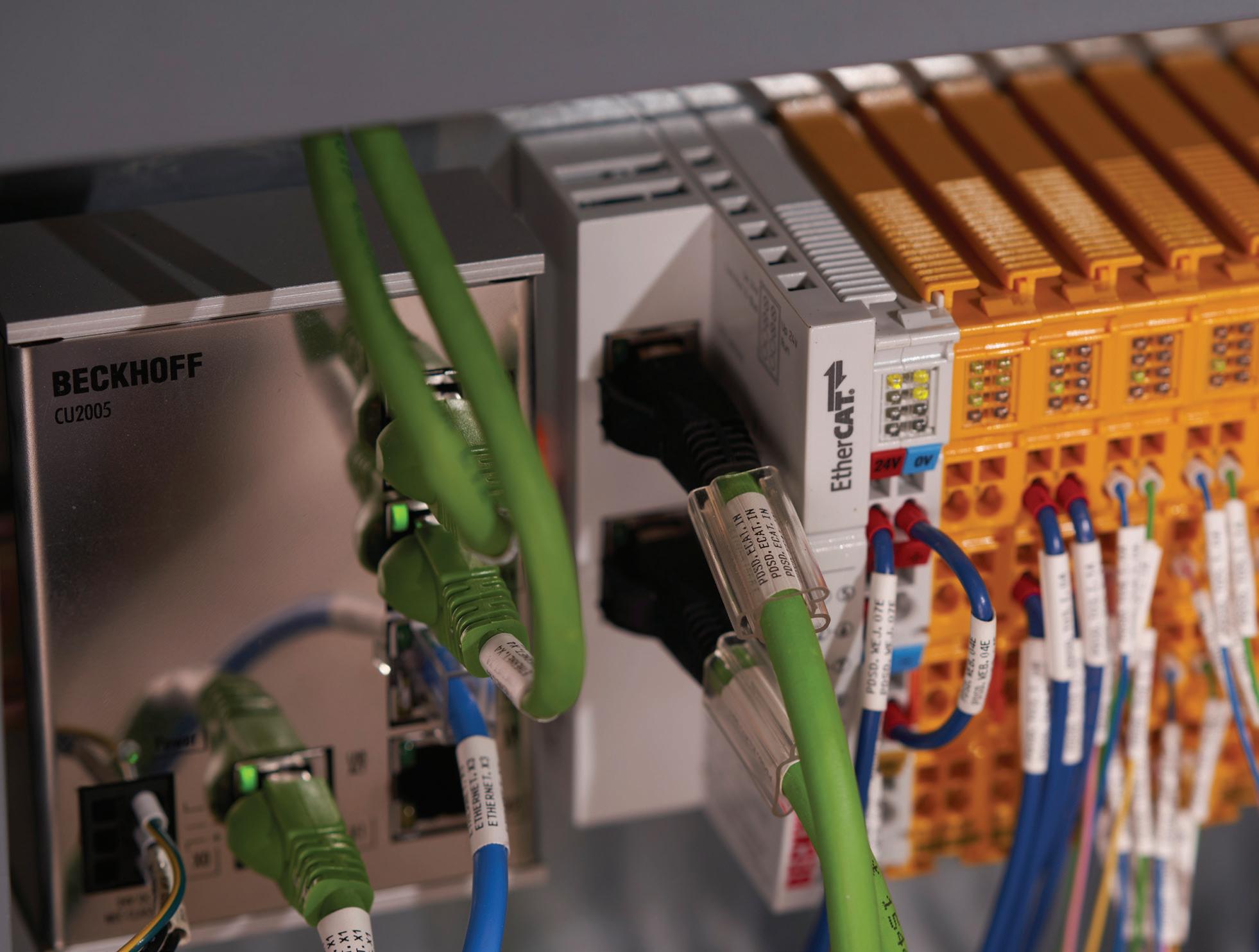
input card will fault and go into a safe state. Then, you need to check the wiring to determine the cause of the issues. These should be easy to identify based on the diagnostic information received — lights, messages over the network, etc.
How do OSSDs work?
Electro-sensitive protective equipment (ESPE) is a self-monitoring safeguard or presence-sensing device that uses electricity rather than physical means to detect parts of the human body. Examples include safety light curtains, laser scanners, vision-based protective devices, RFID sensors, and radar.
The Output Signal Switching Device (OSSD) is the component of the ESPE connected to the control system in pairs. When the sensing device is activated during normal operation, the OSSD pair responds by going to the
“off” state. Solid-state OSSDs provide fault monitoring. In short, it is the actual output of the light curtain, for example. The responsibility for testing whether the device is working and properly wired shifts from the safety card to the sensor itself.
So then, how do OSSDs, or safetyrated outputs, really work? Instead of being generated by the input card, the safety-sensing device itself creates the test pulses. These devices have an internal safety processor that evaluates if the OSSD pulsed off when it was intended to. If wires are crossed or shorted, the ESPE will fault, and both OSSDs will be set to off.
It’s important to note that the safetyrated input at the other end does not generally evaluate the OSSD pulses because they’re filtered out. Knowing how to set up these devices in your safety editor software is critical.
Regardless of what device generated the test pulse, they’re ultimately looking for the same things: faults in the wiring or other issues that could create unsafe working conditions. With an integrated safety approach, this functionality should be directly built into the standard automation software platform, simplifying communication across the various sections of a machine and cell.
For dry contacts, some terminals have fixed parameters while others are variable. When working with self-testing sensors, parameterizing is slightly more involved but follows the same general principles.
When working with self-testing sensors, parameterizing the EL1904 and similar safety devices requires just a couple more steps. Since the OSSD will generate the pulses, you should be able to turn off the safety card’s test pulses with the appropriate safety parameter for the channels you intend to use. DW
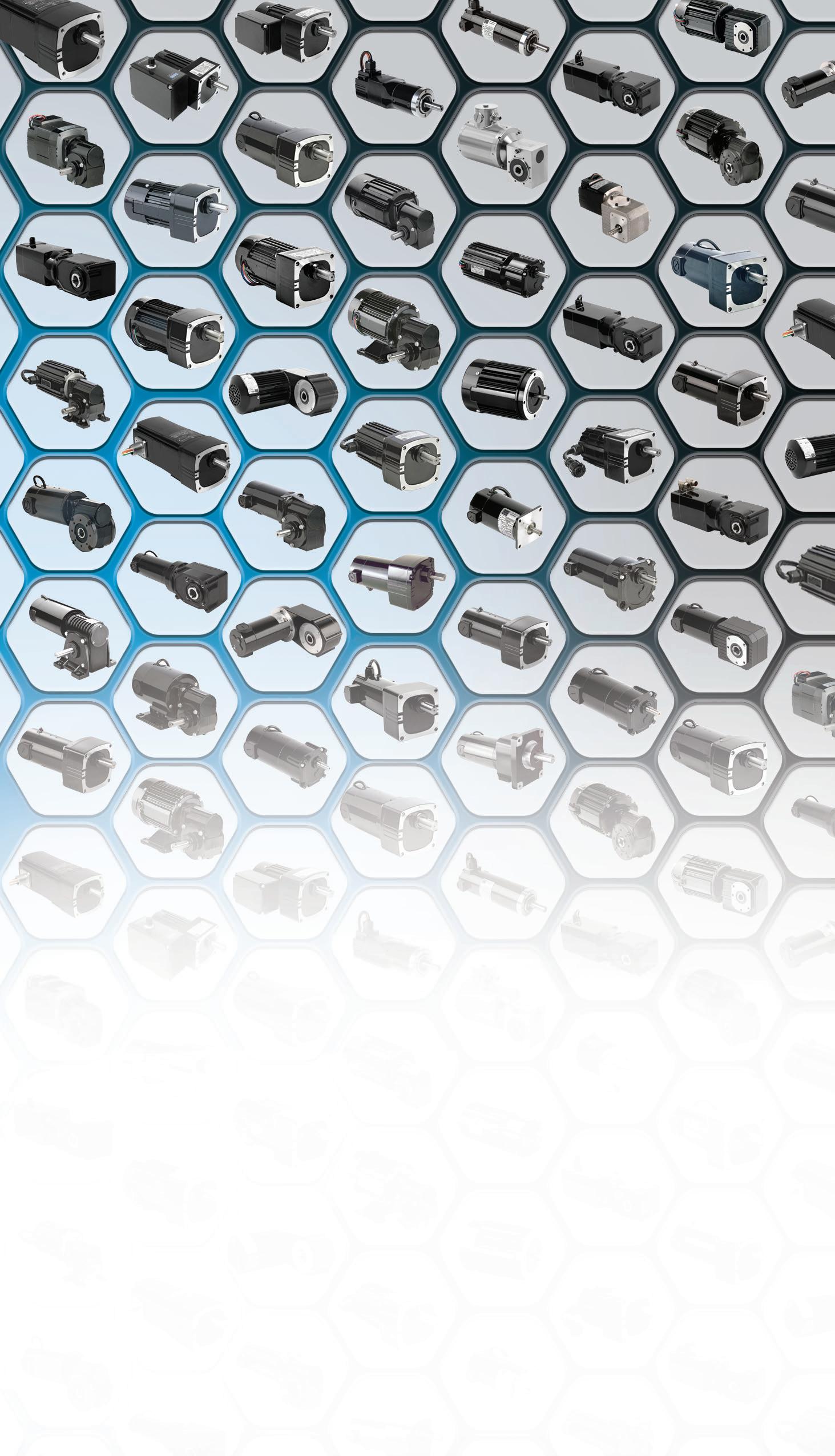
Over seventy percent of the gearmotors we build are customized. From wiring harness to windings, we will modify our products to meet your design specifications. Minimum order quantities apply. Visit bodine-electric.com/custom-solutions


Rockwell’s FactoryTalk Optix is a cloud-enabled HMI platform that enables design, test and deployment of applications directly from a web browser, connecting through FactoryTalk Hub.
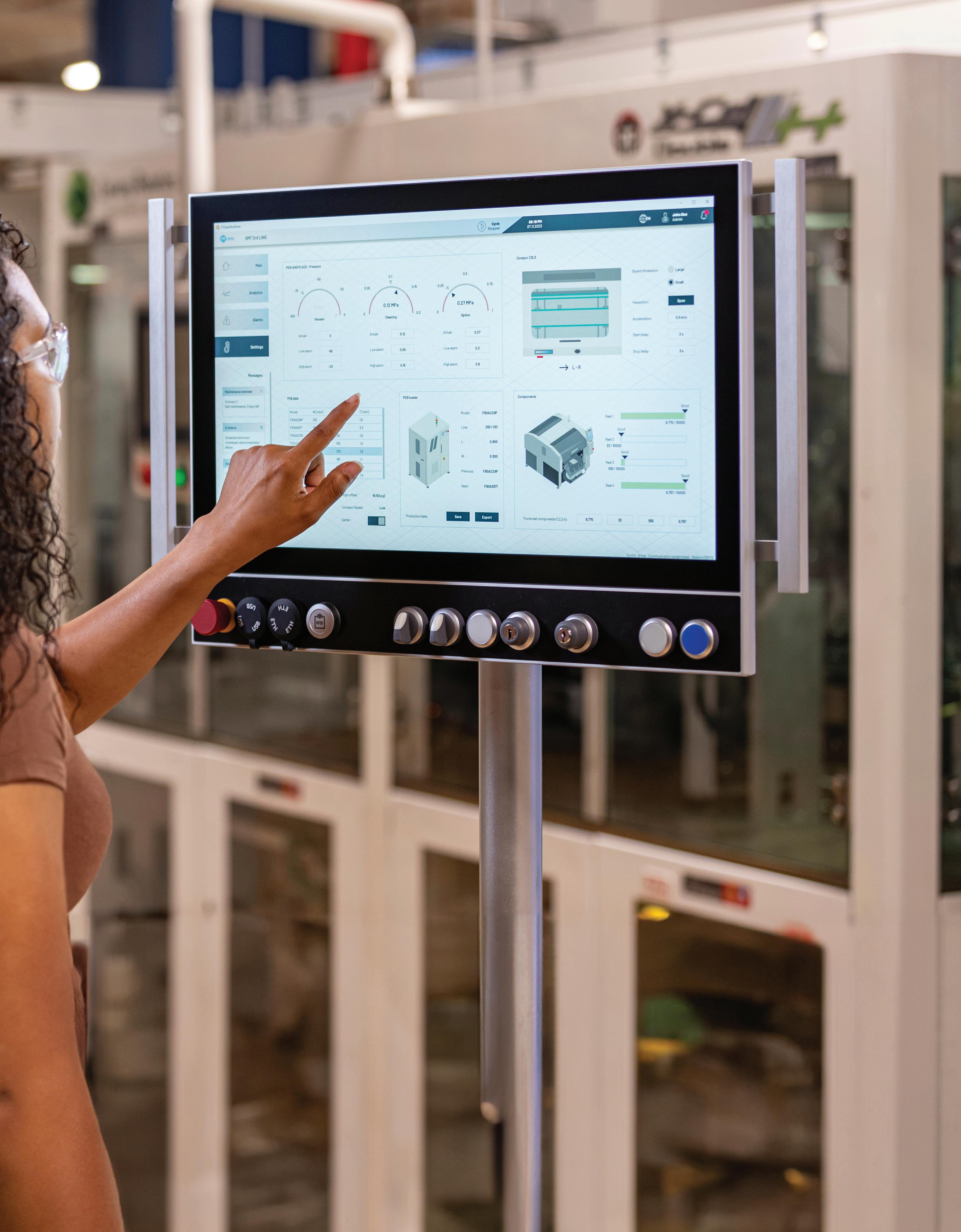
In modern manufacturing, the adoption of digital transformation and automation has generated heightened demand for the smooth integration of HMI software and controllers.
Manufacturers are continuously aiming to streamline operations, boost efficiency, lower production costs, and optimize resource use and capacity. Technological advancements have facilitated a closer integration between the HMI and controller. This integration spans both HMI and controller applications, prompting companies to consolidate engineering teams and resources, eliminating the need for separate application development processes.
Previously, developing applications for the HMI and controller involved
tasks such as importing tags, defining tag metadata, maintaining tag references throughout the HMI, and mapping data tags to the controller. This approach was labor-intensive and prone to potential errors. Integration eradicates duplication, reduces errors, and streamlines system design and programming, resulting in a simplified process and enhanced workflow that bolsters operational efficiency.
On the operational front, alarm management is important in any control system. Integrated systems simplify alarm setup and maintenance in a centralized location. With
alarms integrated into the controller, data remains stable even during communication loss, as integrated systems cache and recover alarms. Enabling remote operation of HMIs also heightens safety measures, reducing the likelihood of accidents.
Advancements in technology come with their own set of challenges, and the integration of HMIs and controllers in manufacturing is no exception. A significant challenge involves managing multiple vendor sources.
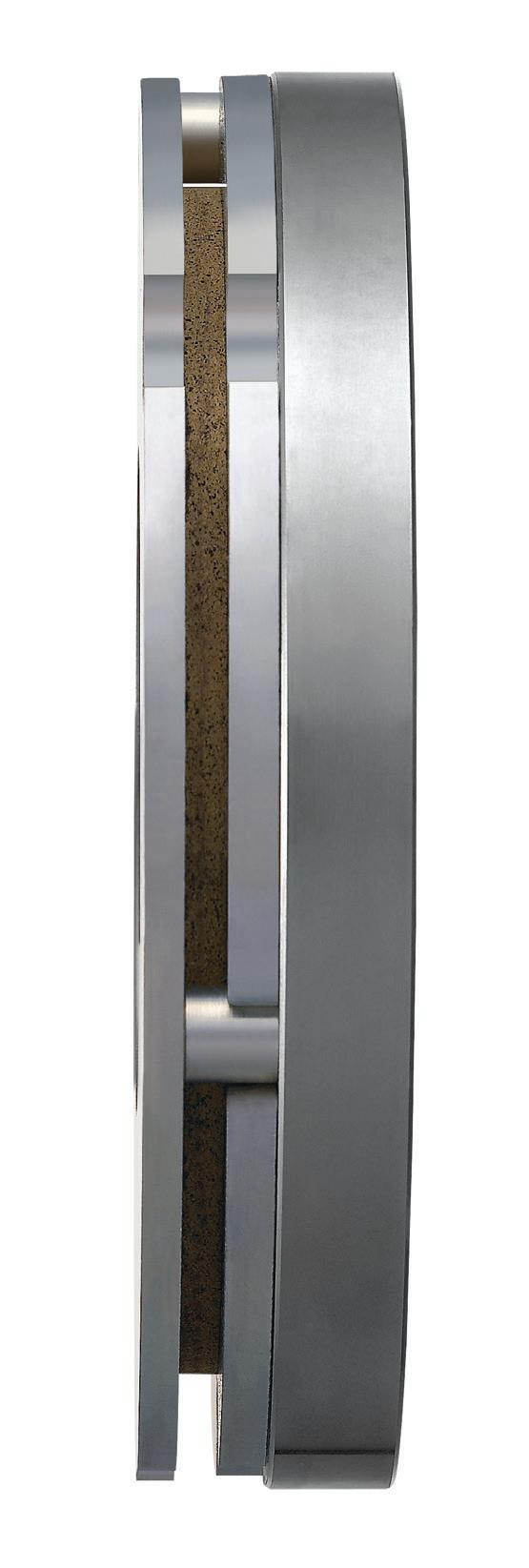
BXR Brakes
· Up to 480 in-lbs static
· Up to a 1.125'' bore
· 19 watts or less
· Produced for over 10 years
Our Innovative design features a very thin profile, reducing weight & saving space.
For more information:
Call: 800.533.1731
www.mikipulley-us.com
Manufacturing systems typically consist of equipment and software from various vendors, incorporating different sensors, controllers, and HMIs. This diversity makes achieving seamless integration across multiple platforms both complex and challenging. Effective integration hinges on the HMI and controller's capacity to communicate using the same protocol. Compatibility issues can arise when older controllers lack support for modern protocols, posing a challenge in bridging the technological “generation gap.” Another hurdle is data mapping, wherein the HMI must map its data tags to the controller's data points — a complex process, especially if the controller has an extensive array of data points.
User experience is, of course, a critical consideration. The HMI must prioritize operator-friendliness, featuring well-designed screens, easily accessible controls, and clear presentation of information. Accommodating for different languages and cultures involves translating text and graphics on the HMI and ensuring compatibility with various measurement units and date formats. A seamless and intuitive user interface is vital for optimizing operational efficiency, using controller integration to collect and display data to the operator whenever possible.
Security is also important in HMI integration. To guard against unauthorized access, the HMI should incorporate user authentication and authorization features. Integrated security, where user login credentials serve for both HMI access and controller maintenance, is crucial. Regular updates and prompt application of security patches are imperative to uphold the HMI's security integrity.
When manufacturers integrate the HMI with the controller in a system, understanding how these critical components communicate and collaborate effectively becomes essential. This involves asking crucial questions, such as:
• What will the operational workflow involve when using the integrated system?
• What key considerations should inform the system's design?
• How should alarms be configured to optimize functionality?
• How should data tags be established within the system? Should this initiation occur within the controller and then be imported into the HMI?
• What information can be seamlessly shared or repurposed between the controller and the HMI to promote data cohesion?
• To what extent can these processes be efficiently automated?
When selecting an HMI for controller integration, it’s crucial to choose one that aligns with the controllers' requirements in use. Ideally, the HMI and controllers should come from the same vendor to reduce the complexity of supporting diverse platforms and ensure harmonious operation. However, if a single-vendor option is not feasible, selecting a technology-agnostic HMI allows for communication with any OEM product in the manufacturing system.
The HMI must also comprehend the functioning of each OEM product, discern the communication protocols in use, and advise on the need for supplementary drivers. If a specific driver for other equipment in the system isn’t available, the HMI should be capable of establishing communication via OPC Unified Architecture (OPC UA), an opensource, cross-platform standard that simplifies data exchange from sensors to cloud applications. By addressing these critical considerations, manufacturers can ensure the seamless integration of HMIs and controllers in a way that aligns with their unique operational needs and preferences.
When successfully integrated, manufacturers can unlock a range of benefits that cater to various stakeholders involved in the process. For example,
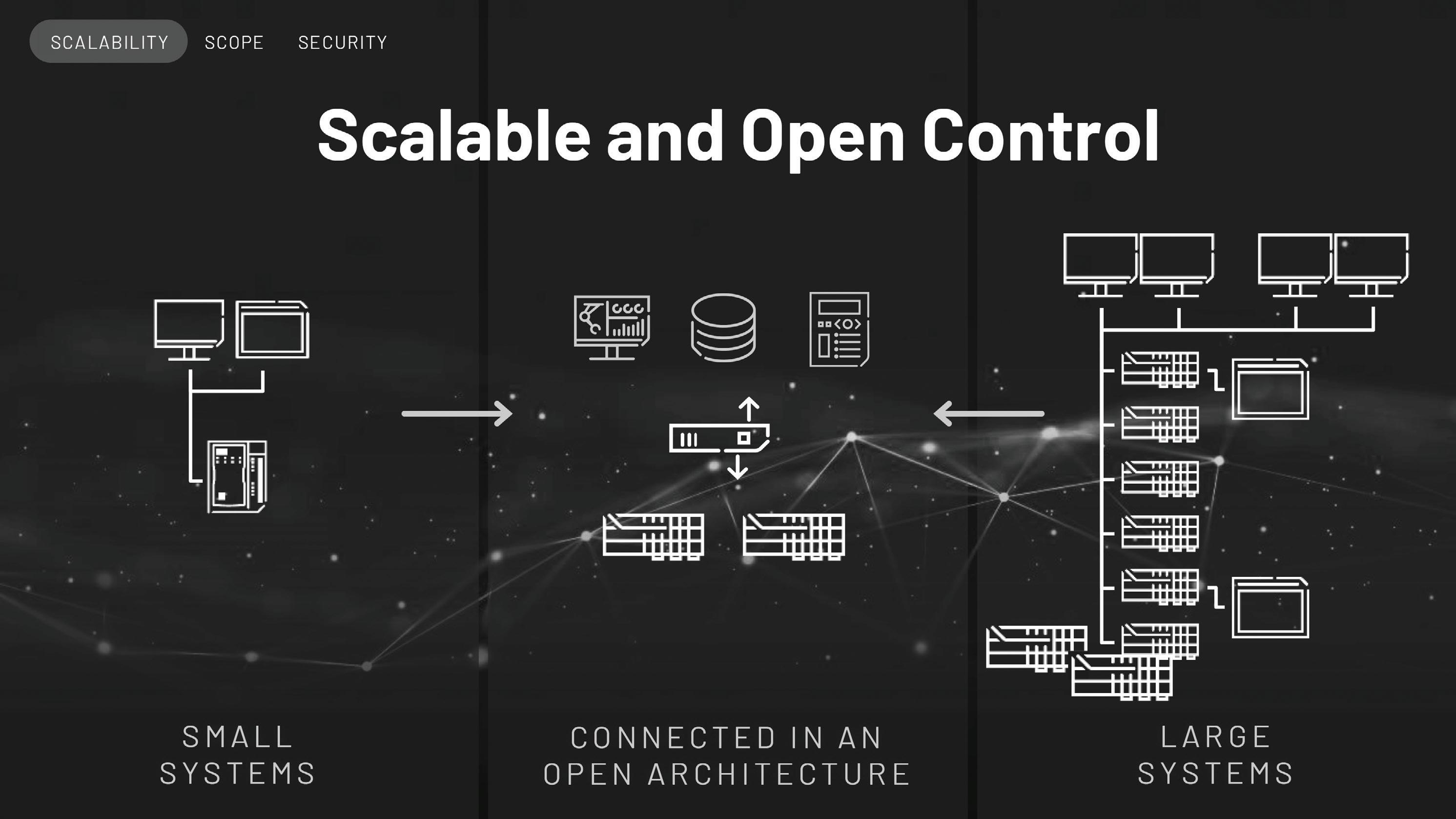
Integrated Architecture supports agility and scaling of project size with a common, open architecture, facilitating smart manufacturing for industrial automation systems.
design engineers gain enhanced efficiency as tightly integrated systems streamline the design process. They can set up data in the controller just once, with the HMI seamlessly and directly interacting with the controller data, eliminating configuration duplication and the associated risk of errors.
For the workforce on the operational side, simplification is pivotal. A tightly integrated system simplifies their tasks, reducing the learning curve and the need for maintenance. This singleplatform approach significantly eases training for both existing and future employees, enhancing productivity and freeing up capacity for higher-value tasks.
During production, the benefits of maintaining and troubleshooting integrated systems become clear. HMIs provide a user-friendly graphical interface, enhancing machine operation intuitiveness. Operators can monitor machine status, adjust parameters, and troubleshoot from a centralized location. Working with a single-source vendor expedites support and issue resolution, reducing complexity. Language switching caters to operators, presenting metadata in their preferred language, ensuring consistency and confidence while reducing errors. Informed
decisions based on accurate and timely data improve accuracy and outcomes.
For purchasing departments, a single source of automation system equipment and software provides a significant advantage. Working with a single company simplifies their processes, optimizes costs, and reduces the complexities associated with managing multiple vendors.
In essence, the integration of HMIs and controllers fosters harmony among stakeholders, offering efficiency, ease of use, and consistency. These collective benefits ultimately enhance productivity, minimize errors, and optimize decisionmaking processes, reinforcing the value of tightly integrated systems in the manufacturing realm.
The integration of HMI software and controllers signifies a pivotal advancement in manufacturing optimization, offering efficiency, precision, and cost advantages. For manufacturers looking to integrate either the existing controller or HMI while incorporating the other component, the openness and depth of integration become pivotal factors. The chosen solution must align with the requirements of design, maintenance,
and operations staff, addressing the specific needs of the organization. The system's effectiveness in extracting diagnostic information from connected devices relies on integrating as much data as possible within the controller. The ultimate goal is to establish a seamless system encompassing design, troubleshooting, maintenance, and operational performance.
Looking ahead, considering the recent challenges in the hardware supply chain, diversifying sources for certain hardware components emerges as a wise strategy to avoid excessive dependence on a single vendor. Nevertheless, the escalating demand for tighter integration in manufacturing compels manufacturers to carefully evaluate their options, taking into account the long-term landscape. A thoughtful assessment of integration possibilities and hardware sourcing strategies will play a central role in effectively navigating the continuously evolving manufacturing landscape. DW

While most organizations are prioritizing DX efforts, few have fully leveraged cloud and artificial intelligence (AI) technologies so essential to DX operational efficiencies. Now, that could be changing.
Digital transformation (DX) initiatives are at the forefront of business initiatives around the world. Spurred by rapid adaptations instituted during the COVID-19 pandemic, DX spending could reach $3.4T and add $100T to the world economy over the next two years, according to MarketsandMarkets.
While most organizations are prioritizing DX efforts, less than half have increased use of cloud and artificial intelligence (AI) technologies so essential to DX operational efficiencies. It’s a slow-burn existential threat to some — especially those organizations yet to embrace newer workplace collaboration and productivity tools. Even companies that have embraced DX initiatives and benefitted from their efficiencies often fall short of progress metrics, as programs often need continual fine-tuning, employee consent, and change management. Manufacturing and automation have somewhat higher adoption and success rates than global averages of all industries. So, to learn more about the specifics of how DX technologies are being instituted in these fields, we recently asked several industry experts about trends they’re seeing in this space. Here’s what those experts had to say.
How do you see automation making more use of data?
Graham: We’ve seen an increase of data collection to support IIoT and Industry 4.0 initiatives — and with that a need to efficiently store and analyze information. Such information could be that from simple temperature readings throughout a machine to inform a user about when that machine is operating at its peak efficiency. We also see a continual push towards predictive maintenance to identify when machine servicing is really needed … and help avoid failures.
Klotz: Predictive-maintenance, predictive-quality, and predictive energy programs are beneficial to production.
Many Festo end users (especially small to medium-sized enterprises or SMEs) start with on-edge projects involving a few machines. Here, standardization of data is on protocols such as MQTT or OPC-UA. In contrast, most large endusers already have on-premises data lakes [centralized secured repositories] or even cloud-based their IoT platforms on which Festo can implement major projects.
Mignano: Connectivity has continued to improve over the past year. The specific task of machinery monitoring starts with edge computing — sensors deployed throughout a manufacturing facility. These communicate via protocols such as BLE, BLE MESH, LoRa, and 900 MHz to relay information about the plant assets such as pumps, motors, gearboxes, fans, compressors that keep manufacturing processes functioning. Some sensors even connect to cellular, Wi-Fi, and LAN-networked gateways that periodically send data to a unique cloud tenant.
If desired, collected information can then go to onsite data historians or computerized maintenance management systems (CMMs) to get actionable information.
If the data makes its way to the cloud, possibilities abound. Collected data can populate mobile devices and computers via email and text; AI processing can convert raw data into actionable information. Plus, from the cloud, all this data and actionable information is easily integrated into operator-inspection work-process applications via standard interfaces such a REST API, for example.
Wierzchowski: In shaping the future of Jabil’s manufacturing, we have achieved data normalization. This means our machines now stream data that is standardized and recognizable across the entire enterprise to support direct comparisons, analyses, and aggregation sans superfluous translation layers. We have accomplished this by establishing a uniform connectivity infrastructure for all our machines, forming the
foundational layer of our manufacturing ecosystem.
What interfaces are supporting today’s data transfers?
Korkowski: LinMot automation components are compatible with all the most common fieldbuses. We have a new multi-interface drive that lets endusers choose the fieldbus they want when it’s installed. This reduces waste and inventory by having a drive that can work with many different fieldbuses allowing a future proof design.
• Chris Caldwell
Product manager – material handling • Yaskawa Motoman
• Eberhard Klotz, Dipl. Ing. MBA
Global sales director — Industry 4.0 and digitalization • Festo
• Dusty Schafer
Manager — software engineering
• Kollmorgen
• Frank Mignano
Sales manager — condition monitoring • Schaeffler North America
• Gian Sachdev
Marketing head – Americas
demand generation • Cognex
• Josh Leath
Senior product manager — thermal • Yaskawa Motoman
• Kurt Ledoux
Business director — medium voltage drives • Yaskawa
• Michal Wierzchowski
VP of operations • Jabil
• Mike Korkowski
Operations manager • LinMot USA
• Richard Halstead
President • Empire Magnetics Inc.
• Robert Cachro
Program manager — growth and innovation • Dynapar
• Stuart Graham
Business Development Specialist
• HEIDENHAIN Corp.
• Thomas Burke
Global strategic advisor • CC Link
Partner Association (CLPA)


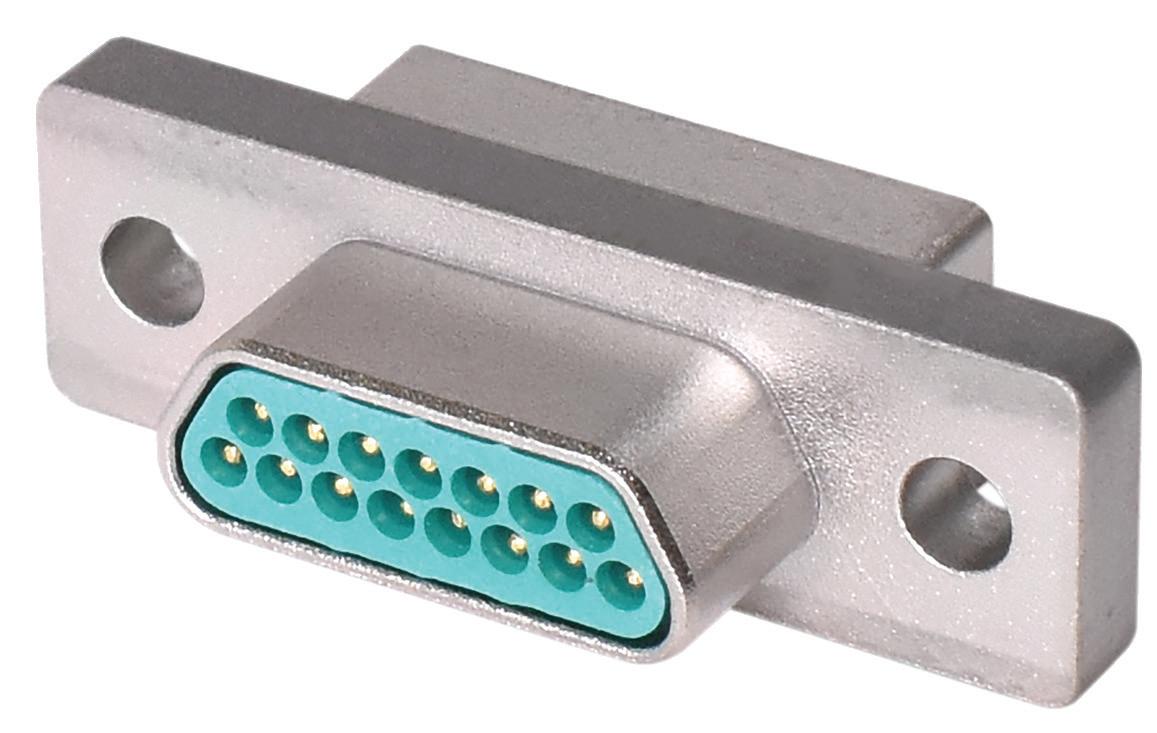
Ethernet was developed 50 years ago at the Xerox Palo Alto Research Center. The initial version delivered 10BASE5 and let Alto computers communicate. Then the need for computer-to-computer communication increased — especially as computers found their way outside of control rooms and into ruggedized environments.
The shock and vibration conditions of field applications exceed the capabilities of RJ45s typically used as Ethernet connectors. What’s more, data-rate requirements have also increased. Now, 10GBASE-T is needed for communications. Yet another constraint is the need to keep a consistent footprint to minimize the need to respin PCBs, enclosures, and other associated components.
Dura-Con High-Speed Micro-D Connectors are suitable RJ45 replacements in ruggedized environments. The MIL-DTL-83513-based micro-D connectors use twist-pin-tosocket contacts providing seven points of contact. Each twist pin bundle compresses when engaged with the socket so it’s under constant pressure. That in turn helps them withstand shock and vibration surpassing levels tested on Naval ships during shock shake-out trials.
The micro-Ds also feature a metal shell that provides a ground plane and shields against EMI. The nine-position micro-D size has the perfect number of contacts needed to deliver 10GBASE-T while also meeting the size and weight constraints.
— Brad Taras Senior product manager for Mil-Aero Products Cinch ConnectivityKlotz: For years, Festo has supported the use of fiber-optic connectors. For example, several of our valve terminals destined for harsh environments feature fiber-optic connectivity.
Graham: Interfaces at the component level that transmit complex data (beyond basic information provided) go a long way towards simplifying machine designs. Instead of several I/Os with cabling and wires from every direction coming into the controls, things can be streamlined to localized data hubs and communication channel back to the controls. This in turn trims cost and sets up the overall architecture for success.
What’s emerging for fog computing and distributed control?
Klotz: Festo’s AX Industrial Apps are AI-based added-value apps that simplify predictive maintenance and predictive energy implementation. They’re also container-based, so can run on a container runtime on-edge (at an onpremises industrial PC) or in the cloud.
Cachro: The Dynapar HS35iQ encoder with PulseIQ technology is an addition to the field of smart manufacturing. Its capabilities include system-fault indications for quicker troubleshooting as well as programmable output for increased flexibility. The encoder also features advanced monitoring for detecting various issues such as cable integrity, coupling slip, and temperature fluctuations. The encoder’s
comprehensive software tool offers detailed insights for maintenance and operation. These features enhance machine performance by supporting the creation of interconnected and intelligent manufacturing ecosystems.
T. Burke: The latest CLPA protocol is CC-Link IE TSN. It leverages Ethernet with new updates for time-sensitive networking (TSN) functionality. That allows the combining of control networks with realtime and general communications into a single Ethernet. When combined with edge connectivity through gateways, it renders all devices — control-oriented as well as information-oriented — available through edge access. This in turn facilitates troubleshooting and performance management. Our partner Mitsubishi Electric Edge offers gateway modules to access PLCs and information — and share information with cloud resources.
Mignano: There’s been significantly increased availability of wireless vibration-monitoring solutions for rotary bearings and rotating machinery. Such technologies have been made possible by the combination of enhanced battery capability (thanks to lithium thionyl chloride-based systems) and low-power micro-electromechanical systems (MEMS) sensors.
The advancement of these two technologies in robust packaging and advanced communication protocols has enabled myriad wireless batterypowered sensors to arrive on the market over the last three to five years. In contrast with past systems (from more than five years ago) today’s wireless vibration-monitoring solutions are robust, cost effective, and functional. They also provide ROI in months or even weeks in some cases.
Sensors that can measure vibration as well as temperature, pressure, flow, humidity, and so on are now available from various vendors for a broad range of applications. Edge-computing devices and data availability are now common and integral to the reliability strategies
of many leading organizations. This data is also nurturing emerging and existing AI and machine-learning technologies from many of the same vendors. The result is improved asset reliability, less unplanned downtime, and greater profit margins for manufacturers.
Klotz: With our edge devices, Festo runs AI projects for end users without their own hardware. They devices are built on extended PLC platforms or IPCs, have 16 or 32 GB of storage, support MQTT and OPC-UA data formats as standard, and offer IT connectivity.
Caldwell: First, more automation solutions today incorporate smart sensors and cell-level event tracking. These support intuitive root-cause analysis and realtime KPI analysis and visualization. Second, systems such
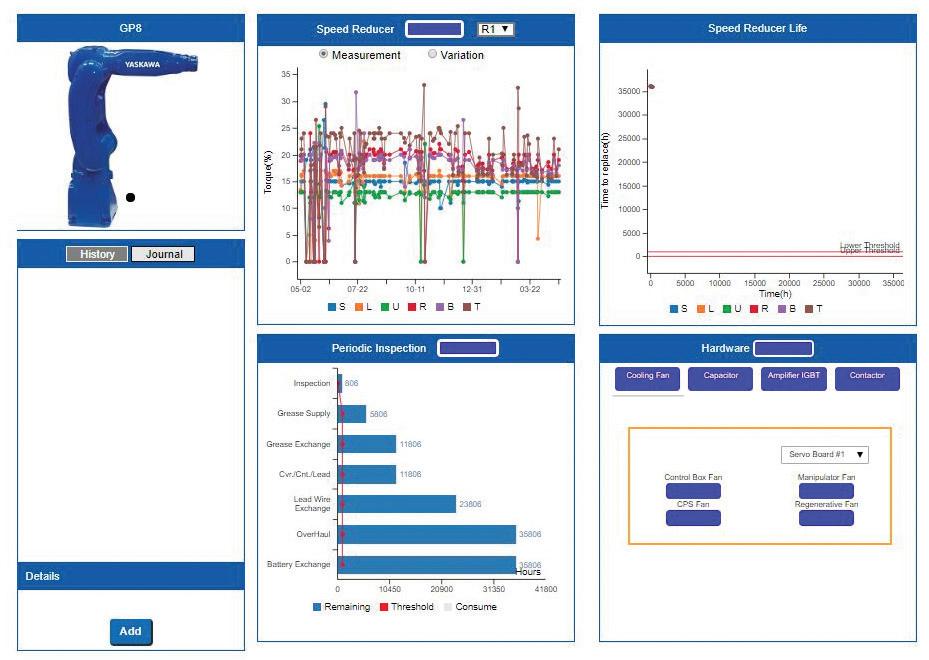
as Yaskawa robots can couple with Yaskawa Cockpit — a tool to gather realtime data from robots, drives, servomotors, and nearly all OPC-UA devices installed within a enduser’s operational environment. Cockpit allows for data collection and visualization on a local edge server.
What’s the latest in industrial cybersecurity?
Ledoux: There’s increased demand for us as a supplier to provide communications (such as monitoring and control over the network) with increased cybersecurity. Our equipment resides inside the customer network, and security is typically the responsibility of the customer and their IT department. So, the question is this: Do we need to consider other methods
Yaskawa Cockpit collects data from all local devices and stores that data in a local database for access and analysis. The software platform visualizes the status, health, and performance of the connected devices.
inside existing firewalled networks for a secondary form of security?
Caldwell: As industrial-cybersecurity risks become more present for all sizes of companies, there’s a push to supply and support solutions based on local edge servers. If end users need cloudbased solutions integrated into their operations, local IT staff can always securely extend an edge server’s collected information into their cloud service.
Halstead: With the proliferation of hackers, bank losses to data thieves, mounting ransom attacks, and the U.S. government’s push to protect data, there are lots of resources getting thrown at cybersecurity. As obvious money targets get hardened, are going to turn their talents to more indirect



ways to extract funds. For example, hackers might turn off computercontrolled equipment to shut off a city’s water supply and then demand a ransom to release the equipment. The list of possible approaches is very long.
Protection solutions all cost money. Typical industrial equipment provides no form of hacker prevention or data encryption. Less costly than changing the operating equipment is to add hardware that acts as a firewall requiring authentication to access a facility’s equipment. As we’ve learned from TV shows, good hackers can (with enough effort) bypass such protection. But if equipment makes the problem difficult enough, hackers move on to easier targets.
satisfaction of upcoming cybersecurity laws.
Key is to establish necessary processes and roles during product development and product lifecycle management — and to monitor for new vulnerabilities and issue security patches (updates) when needed. Festo is active in this.
Some industry segments (including many process industries) define their own cybersecurity requirements on the field level — as in NAMUR NOA definitions or advanced bus communications such as the EthernetAPL. On the other hand, practitioners struggle when sharing computers or mobile devices and often prefer to have a single user for many operations.

Schafer: Awareness and education about cybersecurity risks are increasing. The topic is confusing, as there are multiple standards, various horror stories in the news media, and an array of companies that sell cybersecurity products and services. Sometimes advanced technical solutions are necessary, but many times simple best practices are the first line of defense.
The Secure by Design trend sponsored by the U.S. government’s Cybersecurity and Infrastructure Security Agency (CISA) is an important industry change. The idea is to incorporate security measures by default instead of adding them afterward. This is a superior methodology to secure environments and improve customer experiences. It doesn’t fully address issues with existing or legacy products, but it’s a step in the right direction.
Klotz: Cybersecurity is increasingly important in general. Governments all over the world define regulations with which entities must adhere — for example, in the EU through the Cyber Resilience Act or CRA. These define measures and ways to boost the cybersecurity of industrial communications and software. Sometimes, satisfying standards such as IEC 62443 are a good way to ensure
Halstead: Organizations serving the defense industry are being required to heavily invest in new levels of security. The U.S. government has implemented requirements for cybersecurity that include physical security. They’ve basically made everything that the government buys a form of classified information, but with a different name — Controlled Unclassified Information or CUI. If a company doesn’t get with this program, in time the buyers won’t be able to use that company.
Sachdev: IIoT and Industry 4.0 have been buzzwords for years, but now the type of automated data-rich factory environment to which they refer is increasingly attainable all the time. For us, feeding image data into IIoT applications is a core function, as that data can fuel both application-specific process improvements and larger-scale enterprise resource planning (ERP) improvements. In fact, in our view, machine vision is essential to make IIoT a reality by connecting the IoT to the Internet.
We contribute to DX through the Cognex Edge Intelligence platform, which transforms big data into smart data and provides realtime system performance monitoring and device management to improve overall equipment throughput.
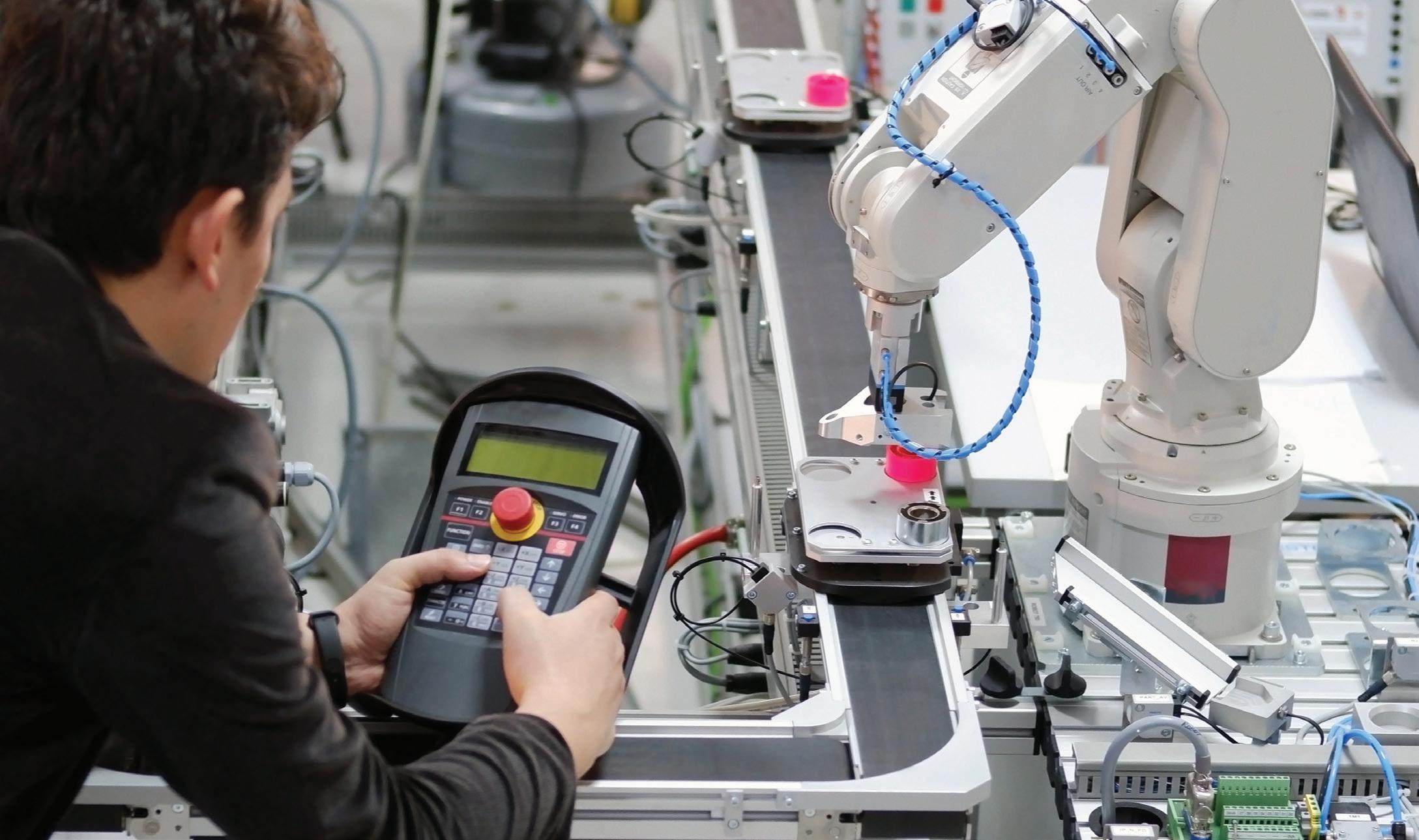
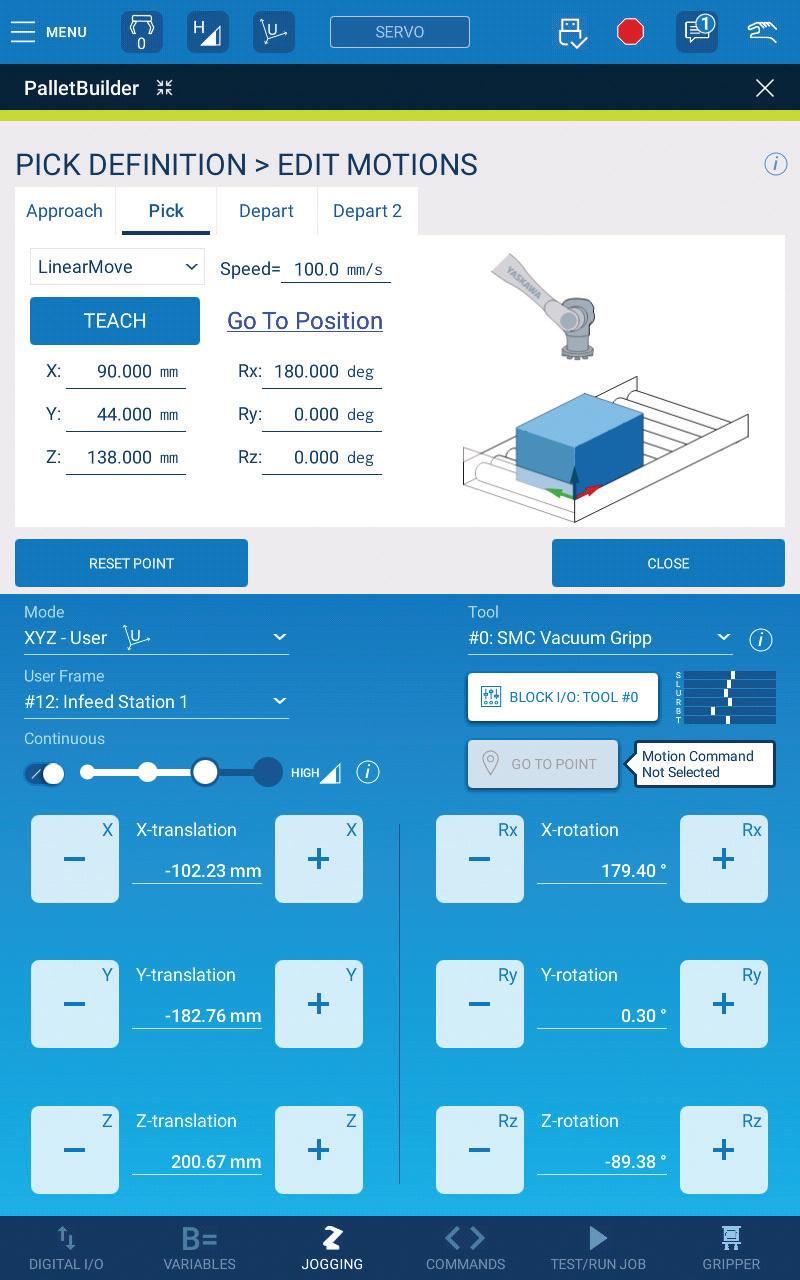
Designed for single pick and place tasks, the Pallet Builder interface uses a robust database and guided prompts to facilitate no-code programming for workcell configuration and pallet pattern setup.
How is networked manufacturing changing installation approaches?
T. Burke: One of the most important criteria in modern equipment is the use of an Ethernet backbone to let all devices exist on a common cable. This promotes the access and management of devices for improved configuration, updates, and troubleshooting. Smarter devices such as machine vision can integrate with controllers and be managed with protocols such as SNMP. If devices are isolated to separate control networks, those management opportunities are unavailable.
Klotz: IoT-relevant field devices and machine PLCs must support data standards such as MQTT and OPC-UA — and time-synchronized clocks are also mandatory. Realtime decision making inside machines is better supported by edge devices and smart products that automatically adapt to processes. These decentral intelligent assets demand new forms of IoT management for releases, security, access roles, and so on. No wonder such added-value applications increasingly running on industry PCs offering container runtimes to simplify deployment.
Any interesting DX applications you’ve seen over the last year?
Klotz: One premium automotive supplier used a DX approach to address an issue involving welding guns. After a few proofs of concept (POCs) to fix the problem, the supplier rolled out the solution to all its global production sites. The result was 25% less unplanned downtime, and 20% faster mean time to respond (MTTR).
Elsewhere, a largest automotive brand installed a complete production line to standardize all data. This brand chose Festo as a turnkey partner for the AI analytics of all the brands
associated with that production line. Upfront effort was quite high but promises high longterm savings.
Leath: There are a lot of data points one can collect from a robot. For example, in a robotic welding application, it’s possible to track arc on time, the amount of wire consumed, cycle times, production counts, errors, and more. This data can drive efficiency to optimize production processes and add traceability to parts. The latter ensures parts meet their original specifications.
We can also track who was logged into the robot if changes to a job are made. All those data points can be analyzed by tools for predictive maintenance — as when maintenance personnel are due to change out the grease on an axis, or if a motor shows signs of failure. After all, no one likes a surprise production stop.
enhanced analytics; companies such as our partner ICONICS are valuable contributors to solutions from Mitsubishi Electric and others.
More cutting-edge uses employ that same data plus additional information from additional sensors to teach AI models. That’s helpful for inspection or sorting, for example … but usually requires a great deal of data and processing typically done with a cloudtype application.
T. Burke: With PC-based HMIs, better communications for information management purposes are enabling a greater ability to perform supervisory control, data acquisition, and advanced analytics. We’re seeing both onpremises and cloud solutions for
In fact, panel-based HMIs are also gaining in capabilities and benefiting from greater integration with the programming software used for system configuration. Engineers can configure the PLC while also automatically populating the data structures of the HMI — and deliver objects to match the control elements in a project. We’re also seeing a greater level of integration with SCADA and Cloud-based data repositories directly from panel HMIs. DW
Design World designworldonline.com/trends
 By Lisa Eitel Executive Editor
Sustainability and manufacturing need not be mutually exclusive. As detailed in this three-part series, industry is putting unprecedented effort into ESG initiatives.
Part 1
Inrecent years, businesses with environmental, social, and governance (ESG) initiatives have put increased emphasis on sustainability. Especially in manufacturing and automated operations, metrics abound to allow analysis and third-party verification of which efforts have the most impact.
Industry experts surveyed by Design World cited five sustainability-effort arenas showing the most significant impacts:
• Technologies to boost energy efficiency and reduce carbon footprints
• Approaches to maximize material use and minimize waste
• Industrial conservation and recycling initiatives
• Programs to boost overall equipment effectiveness (OEE)
• Supply-chain adjustments to reduce transport costs.
Here’s what those surveyed experts had to say.
Have recent years brought more effective sustainability programs?
Minec: Today’s climate demands a more responsible approach to business, starting with manufacturing. From increasingly stringent global regulations to pressure from consumers for more eco-conscious options, manufacturers are pursuing sustainability like never before.
Designing products with environmental impact in mind from the very start is where the biggest gains are made. Product design is the most authentic and effective step we can take towards more sustainable manufacturing, as it’s directly correlated to the amount of waste we produce — and the way we structure operations and production lines to create efficiencies. Fortunately, advancements in 3D printing technology are making this easier and more attainable for even more manufacturers across industry verticals.
The growing use of automation is further infusing sustainable practices throughout the production line for minimizing the environmental impact of mass manufacturing while increasing application output. By acting as a tool to meet both sustainability and production goals, 3D printing along with transformative automation are enabling digital solutions for manufacturing and a more sustainable and innovative future.
Weber: I do see efforts to increase efficiency and reduce waste in manufacturing across the industry. Specifically at Jabil, we conducted a stakeholder engagement study in 2021 to better understand the social and environmental challenges our employees, end users, suppliers, and other stakeholders care about the most and rank them by level of importance in terms of their relationship to Jabil. We then used the outcomes to create our five-year ESG strategy.
Our comprehensive strategy aligns our sustainability ambitions with
those of our end users, many of whom are globally recognized brands. This collaborative arrangement allows for broader sustainability efforts. Additionally, it creates new paths for responsible economic growth, value creation, and long-term business resilience.
For each goal, we set measurable key performance indicators (KPIs) and monitor their progress using data-driven dashboards. One of our stated goals is to reduce waste in our operations and increase the number of our global sites that are Zero Waste to Landfill certified. To earn that certification, a site must achieve a 90% or greater landfill diversion rate for at least a year. In fiscal year 2023, five more Jabil sites achieved this status; we aim to raise that number to 20% of our sites by the end of fiscal year 2026.
Anant Bhat
Director — Industrial strategy and portfolio management • Schaeffler Americas
Brad Dineley
VP of operations and strategy • Schaeffler Americas
Brian Burke
Product manager III • BishopWisecarver Corp.
Brian Dengel
General manager • KHK USA Inc.
Chris Caldwell
Product manager – material handling • Yaskawa Motoman
David Mayers
We emphasize transparency and sharing our sustainability best practices, tools, and resources among our own global sites and with our end users and suppliers. Therefore, we work with a thirdparty assurance provider to validate our ESG data and share those results in our sustainability report.
Luchars: We’re working with several of the world’s largest HVAC manufacturers and consumer electronics companies under non-disclosure agreements. These firms are using our technologies in heating and cooling systems and commercial devices with more sustainable performance characteristics to comply with regional MEPS mandates. We believe our technologies will positively disrupt an overlooked yet increasingly ubiquitous space that hasn’t seen transformative innovation in eons. They serve as an intersecting solution between a critical market need — designing billions of specialized electric motors annually — and an environmental challenge — reducing excess global energy consumption caused by conventional electric machines.
Have international mandates affected sustainability efforts?
Persky: The European Market seems to be driving the sustainability conversation, and American companies often scramble
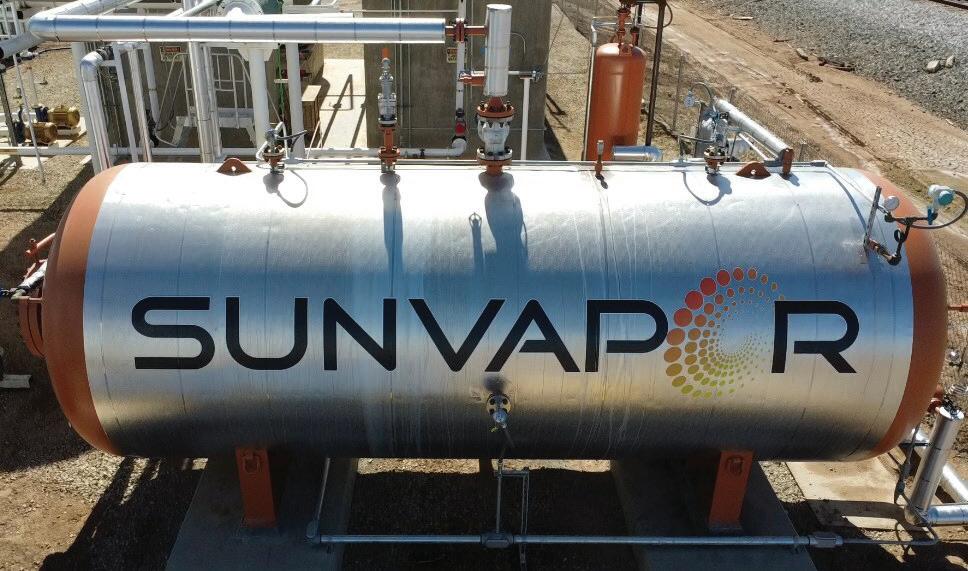
Renewable-fuels company Oberon Fuels recently partnered with Sunvapor on an industrial solar-steam project at Oberon’s Maverick Innovation Center in Brawley, Calif. Sunvapor technology will support the manufacture of dimethyl ether (DME) that can reduce the carbon intensity of propane. Solargenerated process steam lets Oberon lower its carbon intensity and convert feedstock renewable carbon into fuel for dramatically higher output.
to find ways to meet their requirements. At Rotor Clip, we’re fortunate that we can at a minimum provide localized production to our end users, reducing sipping and logistic requirements and thus making us a more suitable sustainability partner. We also do our best to manufacture sustainably — reducing and recycling scrap at every opportunity and using green energy as well as water treatment and recovery in production while minimizing packaging as much as possible. At the end of the day, we’re a manufacturer — and require raw materials, electricity, and natural resources. So, we do the best we can to stay competitive while staying environmentally minded.
Luchars: In 2019, the European Parliament passed Ecodesign legislation that mandates electric motor minimum energy performance standards (MEPS) projected to erase 40 million tons of CO2 emissions annually through 110 TWh of energy savings. The latter is equivalent to the Netherlands’ yearly electricity consumption. In context, by simply mandating more efficient motors, the EU can save as much energy as its seventh largest economy uses annually. But how do we sustainably
Sales director • IDS Imaging Development Systems Inc.
• Francois Minec
Global head of polymers • HP
Personalization and 3D Printing
• Gian Sachdev
Marketing head – Americas demand generation • Cognex
• Josh Leath
Senior product manager — thermal • Yaskawa Motoman
• Lane Persky
Chief marketing officer • Rotor Clip
• Linda Weber
Global sustainability engagement manager • Jabil
• Michael White
Vice President of regional business units and engineering • Schaeffler Americas
• Mike Korkowski
Operations manager • LinMot USA
• Ori Yudilevich
CTO • MaterialsZone
• Patrick Varley
Product marketing manager
— robotics • Mitsubishi Electric
Automation Inc.
• Ramon Guitart
VP of engineering — electric motors • Infinitum
• Richard Halstead
President • Empire Magnetics Inc.
• Robert Cachro
Program manager — growth and innovation • Dynapar
• Robert Luchars
Executive VP • ECM PCB Stator Technology
• Stacy Mendez
Director of ESG and global strategic planning • Avnet
• Yugi Ikeuchi
GM — Engineering and app development • IKO International
satisfy a world projected to demand more than a billion specialized electric motors annually?
ECM believes the answer is extending our PCB Stator technology and design software as SaaS. To scale the benefits of our PCB Stator design technology, we launched the PrintStator Motor CAD platform as a public SaaS product in 2024. With PCB Stator science, PrintStator lets engineers create custom electric motors. For example, the platform might let one consumer-electronics manufacturer design and procure a 1.26-kW washing machine motor delivering 94% efficiency, conforming to an exact form factor, and complying with regional MEP requirements.
Yudilevich: As a software platform, sustainability metrics are not a selling
point for MaterialsZone to win new end users. However, the platform may impact end users’ process of winning new projects. Our end users must often report sustainability-related metrics to clients, governments, and regulatory agencies, and our technology lets them document and monitor sustainabilityrelated metrics. That way, they can more easily prepare reports to be filed with regulatory bodies and clients — and predict metrics before production.
Detail how your technologies support sustainability initiatives.
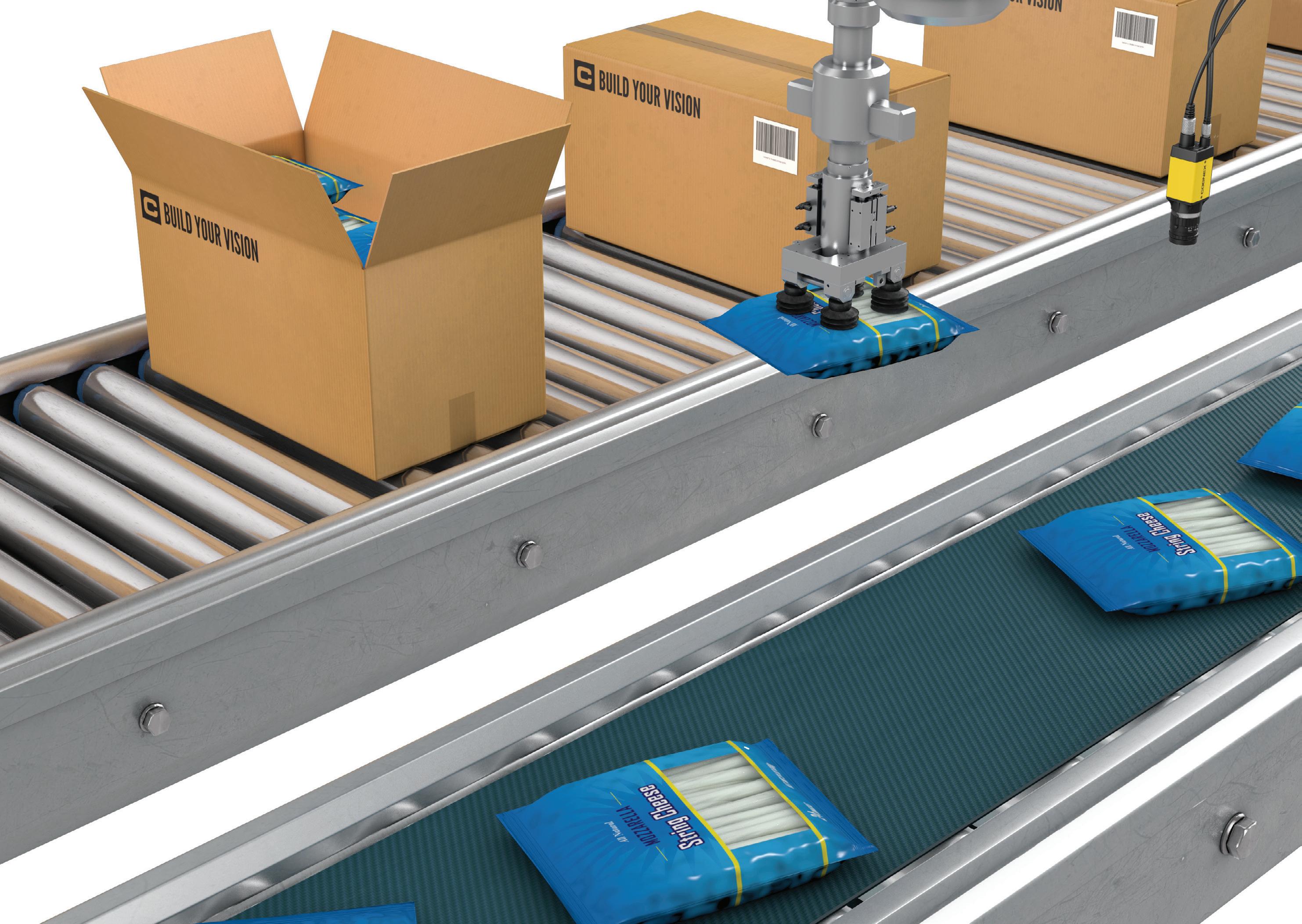
Sachdev: Millions of products are made each day with the help of Cognex vision solutions, and our products help end users detect manufacturing errors early … thereby reducing scrap materials that would otherwise end up in landfills.
Using Cognex vision solutions can also help lower companies’ use of energy, water, and raw materials … and greenhouse gas emissions.
We see a lot of interest in better inspection that’s driven by the desire to reduce waste — to lower scrap rates or more accurately fill containers, for example. That’s a good example of where sustainability and business interests overlap, as less waste means cost savings for the manufacturer and an improved environmental footprint. The detailed information a vision-based inspection system captures can be used to find the root causes of wastage, wherever they occur along a production line.
Mayers: IDS feels responsible for keeping its ecological footprint as small as possible. This is reflected in our
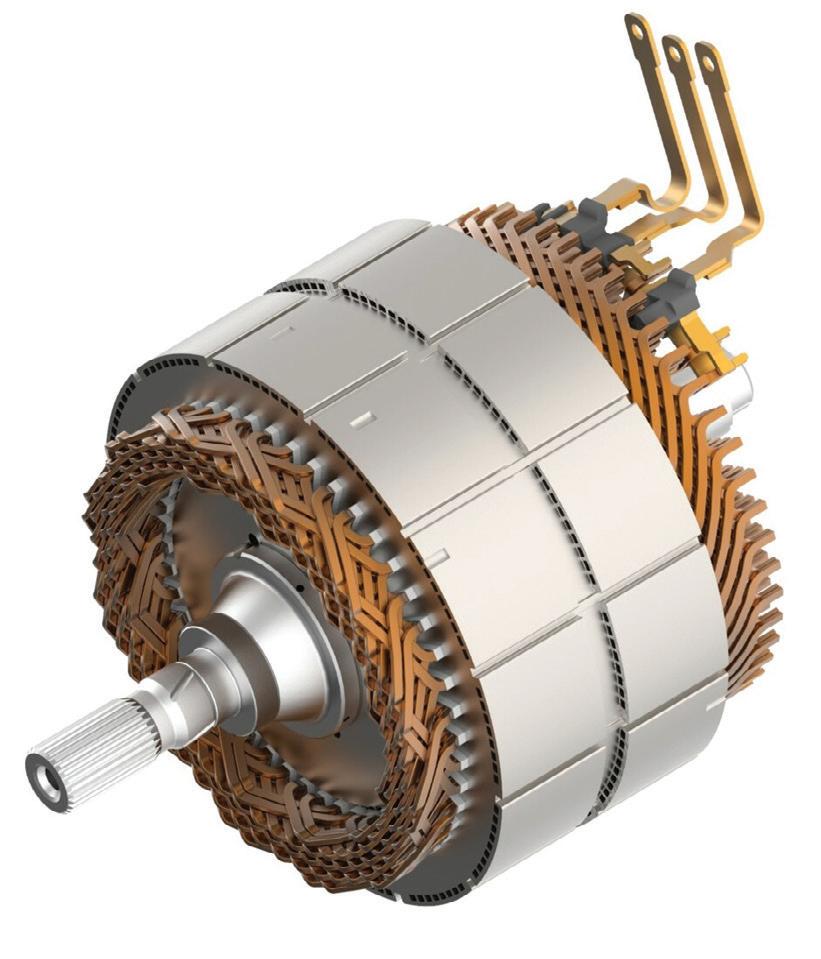
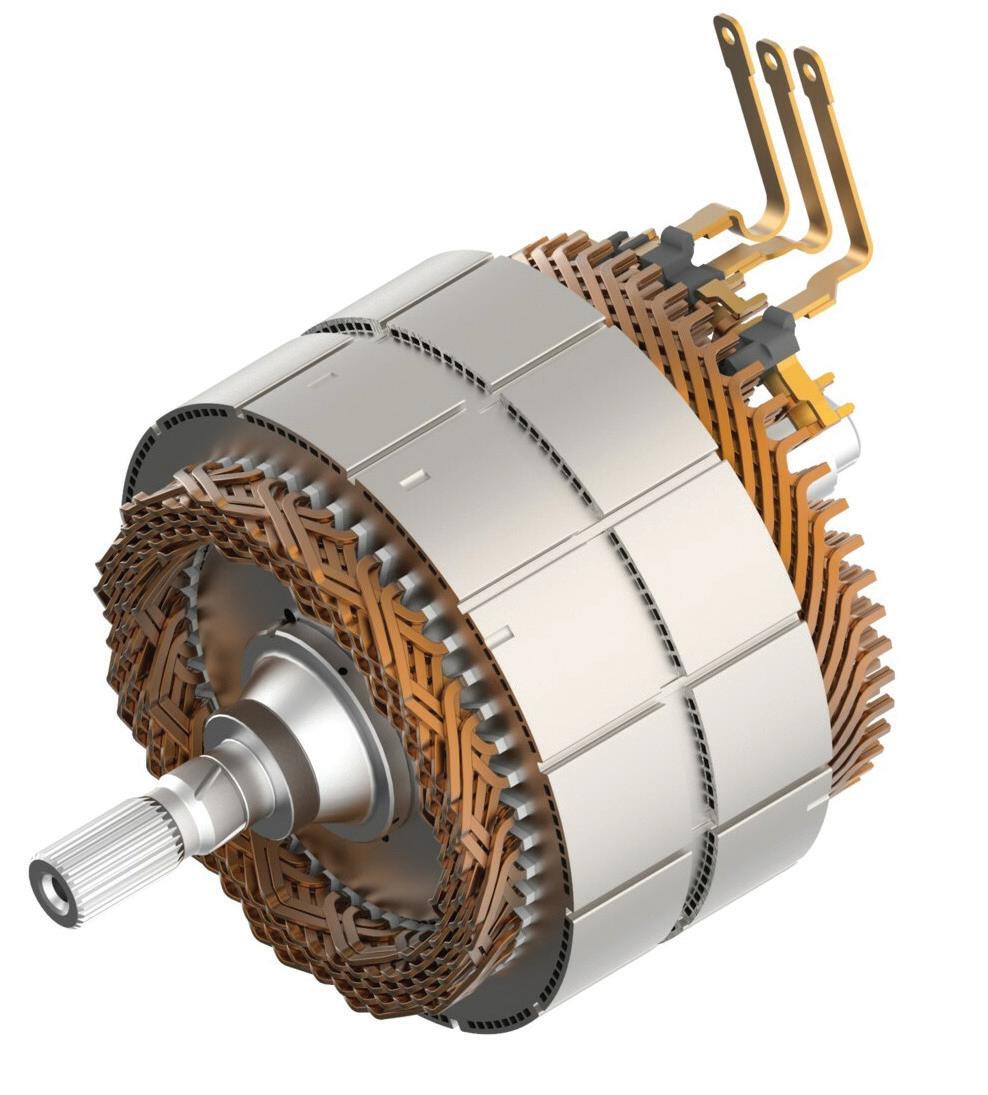
The ∅220-mm stator of this HVH220 eMotor includes BorgWarner highvoltage hairpin winding technology to help deliver up to 300 kW of power and 18,000 rpm. A permanentmagnet rotor and stator insulation enhancements help the motor maintain efficiencies to 97% and high reliability.
business activities — for example, in providing durable climate-compensated camera models as well as resourceconscious production and logistics. As an integral part of many automation solutions, industrial cameras also open new ways for users to conserve resources.
Varley: In all the industries we support (including food and beverage, automotive, and consumer electronics) we’re seeing more emphasis on environmental and sustainability goals addressed by robots.
Robots from Mitsubishi Electric Automation are extremely durable, so eliminate the use of resources to build their replacements, plus avoid the need for premature disposal. The robots’ high precision reduces incorrectly built and scrapped products. Finally, they robots are built for 24/7 operation so manufacturers can increase their output through better utilization of existing resources instead of purchasing more equipment or building new facilities.
Ikeuchi: IKO C-Lube technology was developed to provide long-lasting operation with improved efficiency. C-Lube subcomponents are built into an array of linear guides and cam followers; they utilize a capillary action to significantly reduce lubrication requirements. Usually frictional resistance remains low, as internal geometry ensures there’s no contact
on opposing bearing components such as track rails. The result is reduced environmental impact.
Yudilevich: We help reduce manufacturing waste by giving R&D personnel a better understanding of the impact of the materials they use to develop products.
When R&D teams look to design a product, they often overlook the ability of manufacturers to produce these products in large quantities … and sometimes pick materials that create a lot of unnecessary waste. With materialsinformatics platforms, R&D teams can access information to make informed decisions to reduce waste created in product-manufacturing processes.
Cachro: There’s a noticeable trend towards embracing more efficient technologies that reduce waste. Dynapar’s HS35iQ support of a steelfinishing mill exemplifies this trend. This mill implemented encoder-specific fault detection to trim troubleshooting time from two hours to 10 minutes per occurrence. This resulted in a 92% decrease in encoder related downtime and approximately $137,000 in annual savings. These achievements highlight that the most substantial sustainability gains are likely to be found in process optimization and the integration of advanced technology. Adopting such strategies is crucial for minimizing resource waste and

enhancing operational efficiency, serving as a sustainable model for diverse manufacturing sectors.
Korkowski: Our electric linear actuators are replacing conventional pneumatic cylinders in applications to reduce waste (for a 97% reduction in CO2 emissions) and boost efficiency for energy savings to 95%. Plus, motors allow 35% faster machine speeds. In short, LinMot technologies are green solutions for automation.
Guitart: We’re seeing high demand for Infinitum’s efficient motor technology for HVAC fans, pumps, data-center cooling, and material-handling applications. Continuing to innovate upon our Aircore PCB-based stator technology, we’ve increased our power density and boosted efficiency and sustainability, Now, our latest generation of Infinitum’s integrated motor-VFD system is 20% lighter than the previous version and offers upwards of 92% efficiency. TO save energy, an integrated VFD controls
the motor speed to precisely match the actual power demand of an application. Infinitum motors systems can also be tailored to fit application-specific power, torque, and input current requirements. This is more economical and sustainable for end users who previously had to use off-the-shelf, less efficient, and standard motor sizes.
What about the intersection of sustainability and supply-chain management?
B. Burke: There seems to be more demand for transparent product information both up and down the supply chain with automation project owners asking for certifications and proof of compliance with new standards. There’s also a push for more environmentally sustainable solutions such as biocompatible lubricants that don’t require California Prop. 65 labeling.
Guitart: Most conventional motors are thrown into landfills at their end of life.

Our motors use fewer raw materials and have an easily serviced, repaired, remanufactured, and recycled modular design to keep the motors in service and out of landfills. When hundreds or thousands of motors are used in a building, data center, or industrial facility, reducing the energy demand and waste created by motors can make an enormous impact.
Bhat: Our end users’ interest in sustainable products and packaging has significantly grown in recent years, and sustainability performance can certainly be a factor when awarding new business. For Schaeffler, sustainability goes beyond providing sustainable products to our end users. As part of the Schaeffler Group’s sustainability target to achieve climate-neutral operations by 2040, the company will include its entire supply chain on this climate journey with green purchasing, green production, and green products. In fact, as detailed in the 2022 Schaeffler Sustainability Report, Schaeffler generated 4.9% of its annual revenue from green products in 2022.
Mendez: Key is a multifaceted approach to reduce the impact of packaging used when shipping products. This begins with leveraging recycled packaging materials wherever possible, optimizing vendor partnerships to prioritize those that provide eco-friendly packing materials, and focusing initially on void fill and product protection options. Other examples of initiatives that reduce the impact of packing waste include:
• Transitioning to single-wall corrugate from double-wall corrugate where possible.
• Consolidating customer orders in warehouses.
• Reusing shipping pallets.
We’ve noticed an increase in customer requests about Avnet’s sustainability performance and reporting participation. This is happening with companies we already engage with, but we also see responsible businessrelated questions in the screening processes for request for proposals (RFPs). DW
Interconnect products play a vital role in electric vehicles, enabling the transfer of electrical power and data between a vehicle’s key components. High-quality, reliable design is essential. PAGE 38
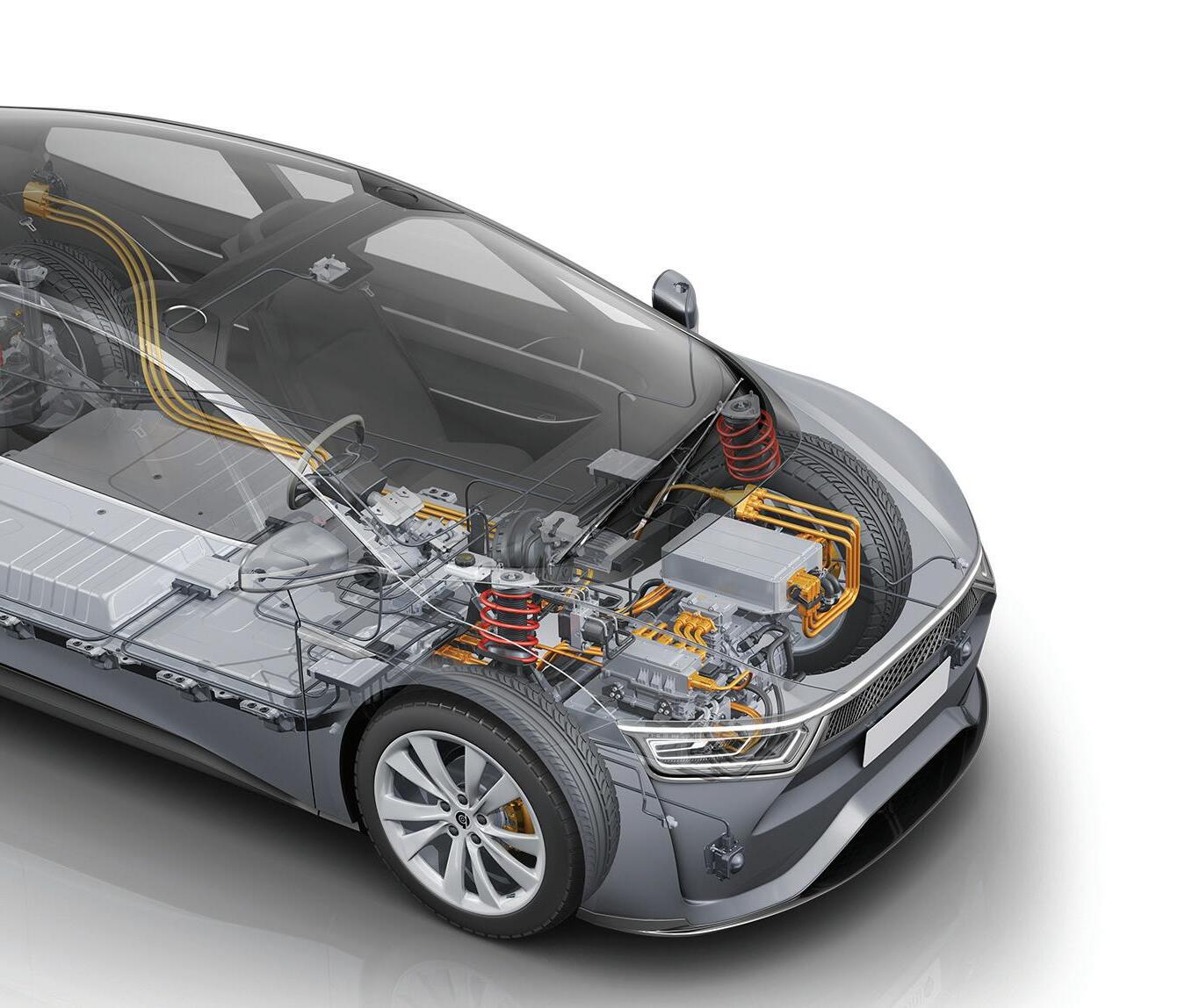
The automotive industry is undergoing an unprecedented transition, distinct from any in history. For over a century, vehicles have heavily relied on internal combustion engines (ICEs). However, the critical need for more sustainable transportation is steering the industry toward electric vehicles (EVs).
The compound annual growth rate (CAGR) for EV shipments is expected to approach 22% from now until the end of the decade, according to data compiled by the analyst firm Research & Markets. Predictions suggest that by the end of this period, annual EV shipments will reach approximately 39 million units.
In the era of ICE vehicles, differentiation is primarily centered on engine performance and vehicle handling. Automotive manufacturers
could depend on Tier 1 suppliers to implement innovations in these areas, driving technological progress. But the dynamics are evolving. EV batteries and powertrains are becoming the focal points for differentiation, and in some cases, manufacturers are opting to handle this aspect of development themselves.
To illustrate, consider the traction motor. Reducing its size decreases vehicle weight and extends the range between recharges. Similar advantages can be achieved by enhancing a battery’s energy density and addressing system power losses in components like the dc-dc converter, inverter, and onboard charger.
Today, financial investments in electric vehicle R&D are surpassing that of ICE vehicles, which correlates to a current surge in EV sales.
Interconnect products perform an essential role in EV functioning by enabling the transfer of electrical power and data between the vehicle’s key components. In an EV powertrain, they must include certain characteristics for optimal effectiveness, including:
• Long-term reliability is paramount, considering the harsh
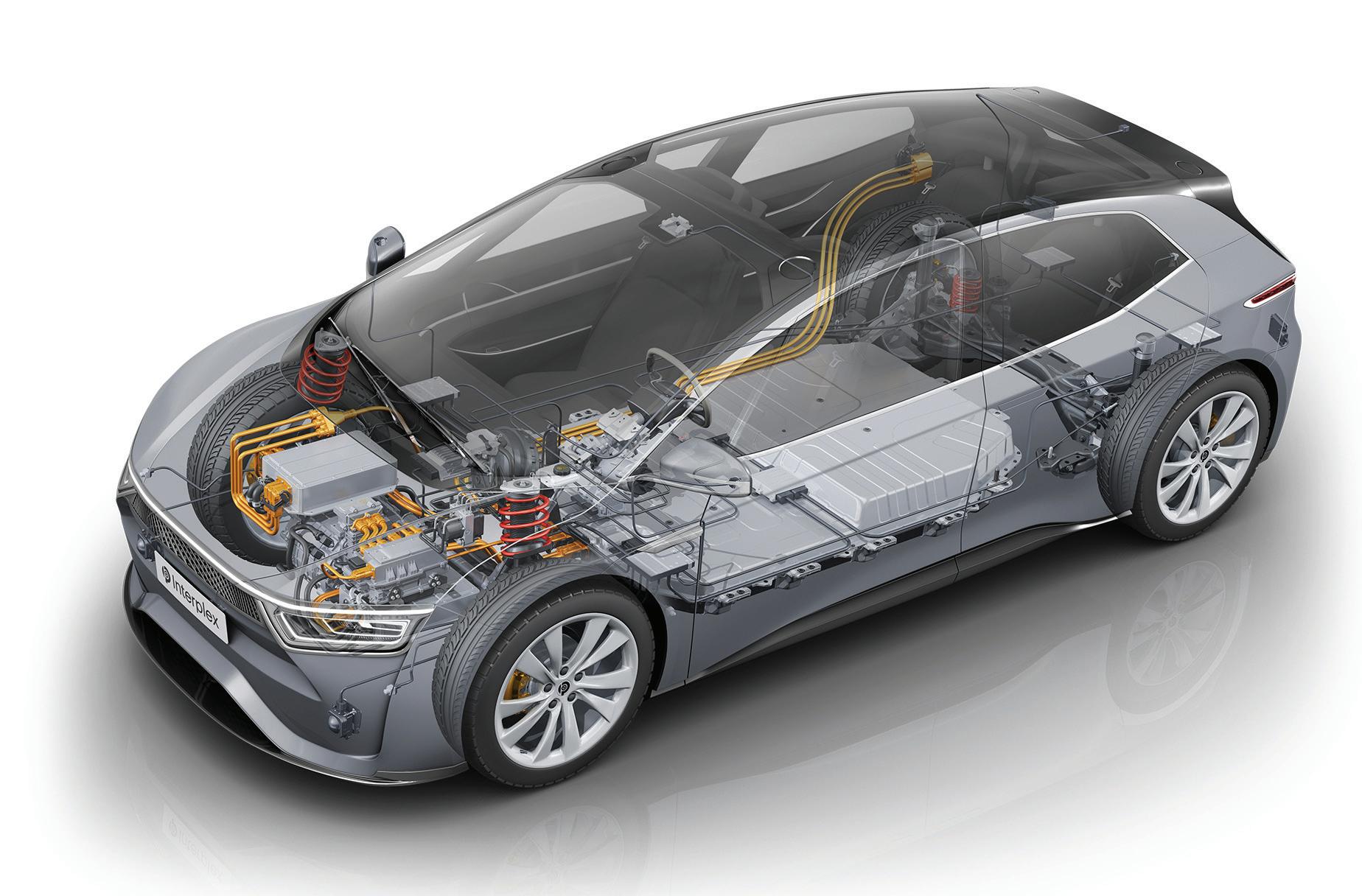


conditions interconnects must endure. Avoiding component replacement or maintenance is crucial to preserving a vehicle manufacturer's reputation and preventing costly recalls due to faulty interconnections.
• With newer EV models operating at higher voltages above the current 400 V, interconnects must support elevated voltage levels to enhance efficiency and minimize power losses.
• Compactness is essential for navigating acute space constraints as the size of powertrain subsystems decreases.
• Low manufacturing costs are imperative, given the pressure from automotive OEMs on suppliers to offer attractive price points, allowing manufacturers to maximize profit margins.
• Effective interconnects have a simple construction methodology. A minimal number of elements should contribute to the overall assembly, ensuring easy attachment to assigned subsystems.
Beyond technical considerations, addressing logistics is vital for seamless integration. Access to local manufacturing and component inventory helps mitigate supply chain disruptions, ensuring a smooth and efficient vehicle development process.
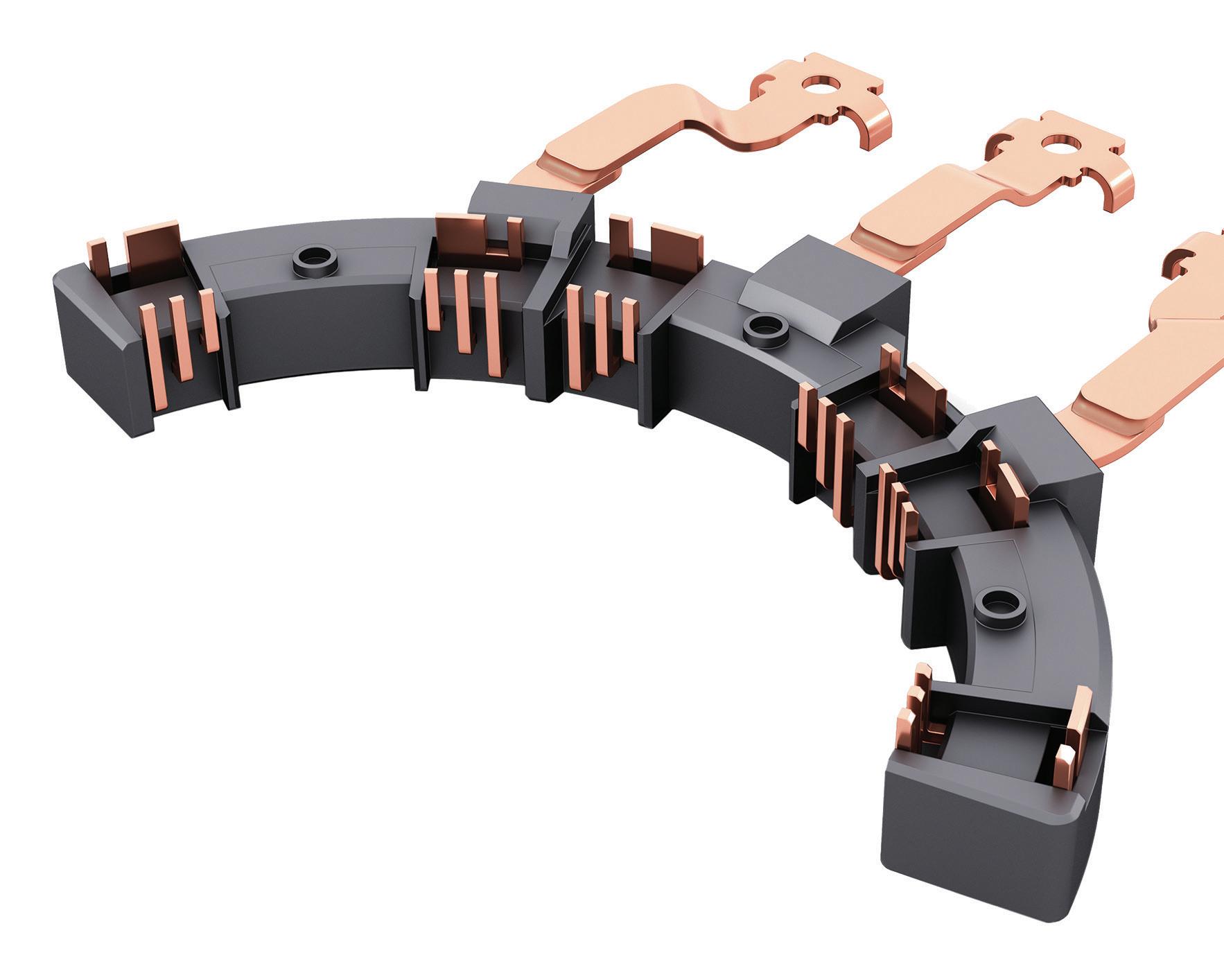
Application scenarios
The following examples illustrate the factors to consider when implementing interconnects in EV sub-systems. Each case mentions potential engineering
Figure 2. A reliable motor stator busbar is needed for harsh automotive environments.
challenges automotive manufacturers face and proposes strategies to overcome them.
1. Motor stator interconnection
In EVs, molded busbars can feature diameters as small as 100mm with copper conductors and plastic packaging. Given their proximity

SENSORS: Inductive and Capacitive Proximity Sensors • Photoelectric Sensors • Level Sensors • Ultrasonic Sensors • Magnetic Sensors • Limit Switches • Interlocks
SWITCHES: Solid State Relays & Contactors • Soft Starters • IEC Contactors & Overloads • Switching Power Supplies • Miniature Circuit Breakers • Electromechanical Relays
CARLO GAVAZZI has the solution for your application needs, whether it’s our industry leading solid state relays & contactors, energy meters, monitoring relays, soft starters or sensors, available with or without IO-Link.
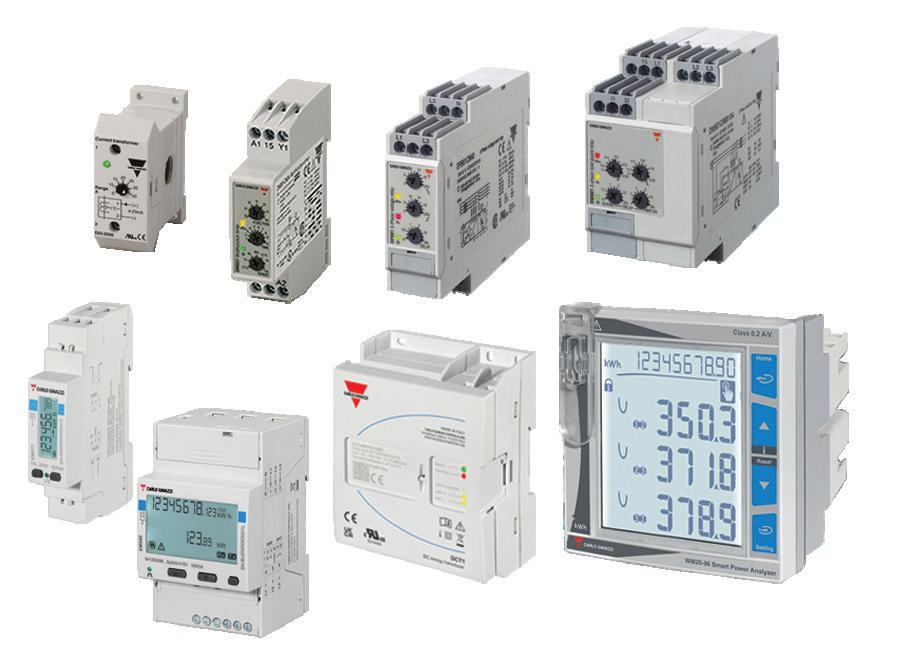
CONTROLS: AC and DC Energy Meters and Transducers • Universal Web Platform • CurrentVoltage- and 3-Phase Monitoring Relays • Current Transformers • Timers • Panel Meters
Contact us today, and one of our field sales representatives will show you why we are one of the fastest growing automation companies worldwide. We’ll even provide a free evaluation sample to qualified OEMs.






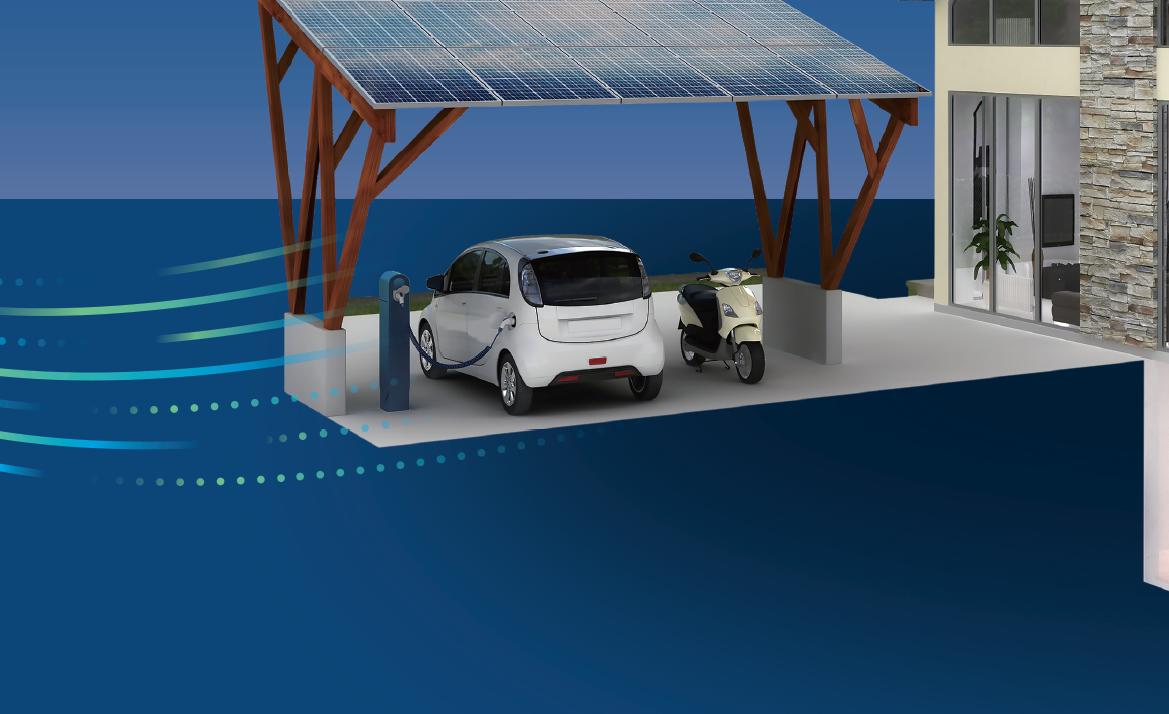





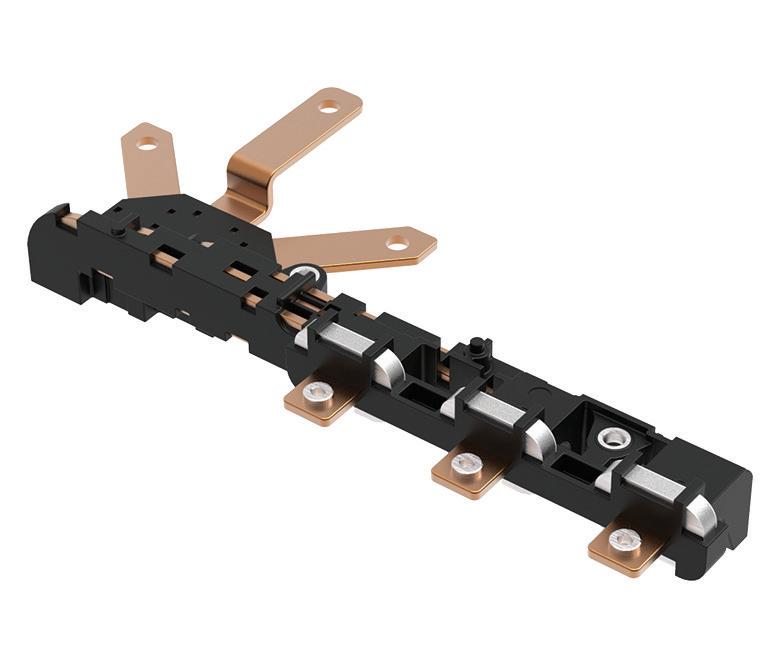

Raw Materials
Cell Components Cell Production
Module Assembly
Battery Testing better products. better solutions.



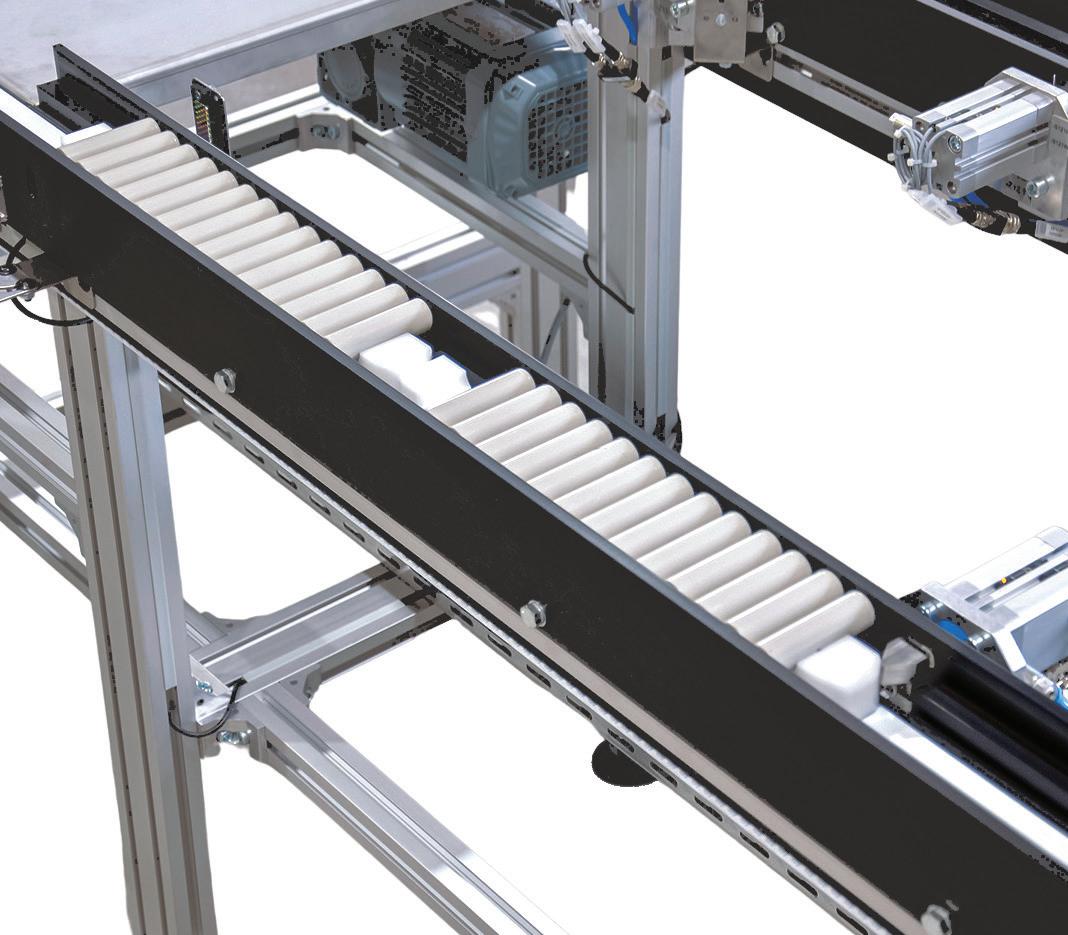

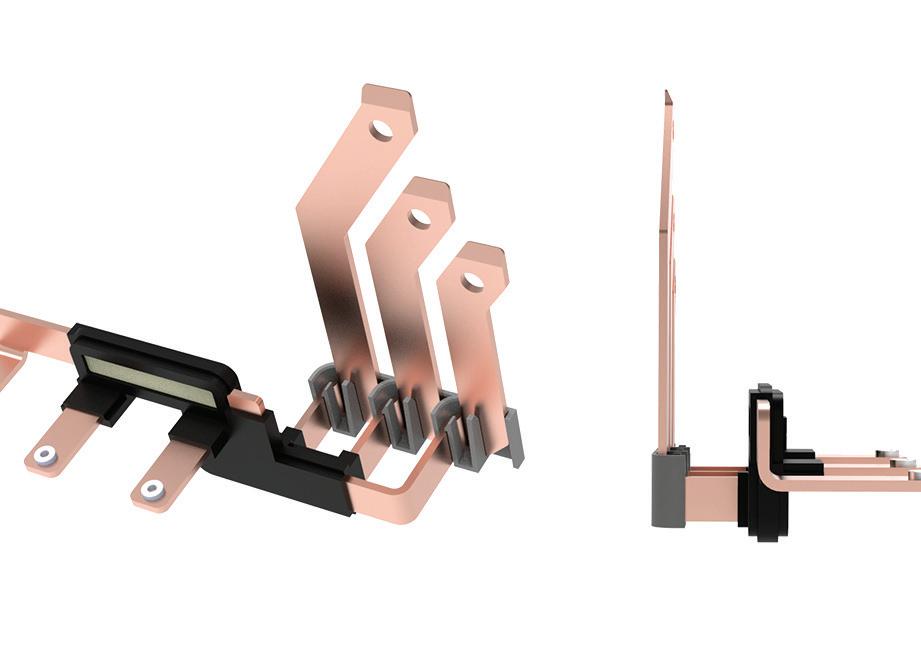
to the motor, resilience to vibrations is critical. They must handle high currents and voltages — typically reaching 150 A and 600 V, respectively — while effectively dissipating heat and maintaining a thin and lightweight construction.
Additionally, integrating Electromagnetic Interference (EMI) filtering is crucial to mitigate the impact of rapidly changing high currents on neighboring systems. Ensuring the constituent materials (conductor, resin, plastic packaging) share similar coefficients of thermal expansion (CTE) is essential to reduce stress during heat cycling, prevent fatigue, and extend their lifespan. Matching inductance values of different material layers is also advantageous to avoid unwanted heat generation.
Flexible busbars present a suitable solution when continuous vibrations are a concern. They consist of thin, high-conductivity copper foils bonded at mounting areas, allowing them to slide against one another. This flexibility enables effective interconnection, even when the busbar is subjected to vibrational or torsion forces.
2. Ac molded busbar
Traditional setups typically include spaces between busbar elements, making it challenging to fill with plastic material while meeting customization and integration needs. Molded busbars can minimize the amount of plastic and shorten plastic lengths, mitigating CTE mismatches.
Figure 3 illustrates a conventional assembly with a 2.3mm spacing between the busbars to facilitate plastic flow.

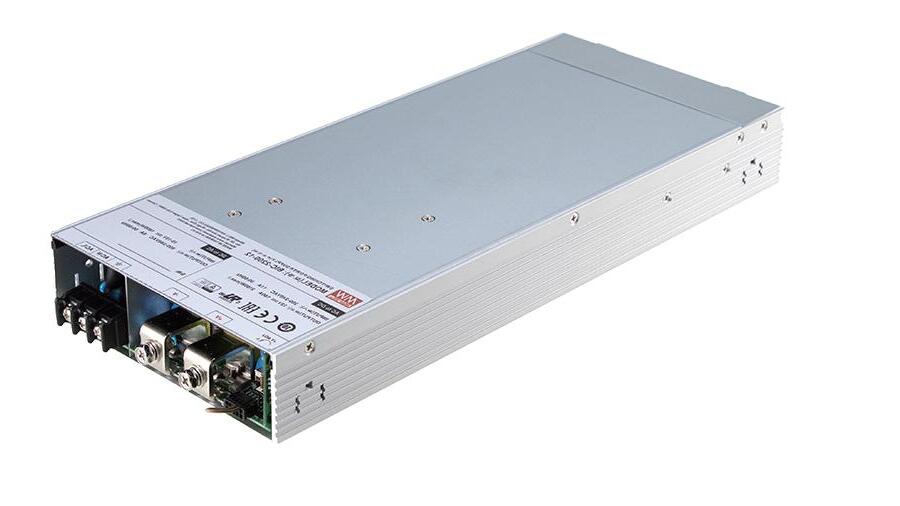
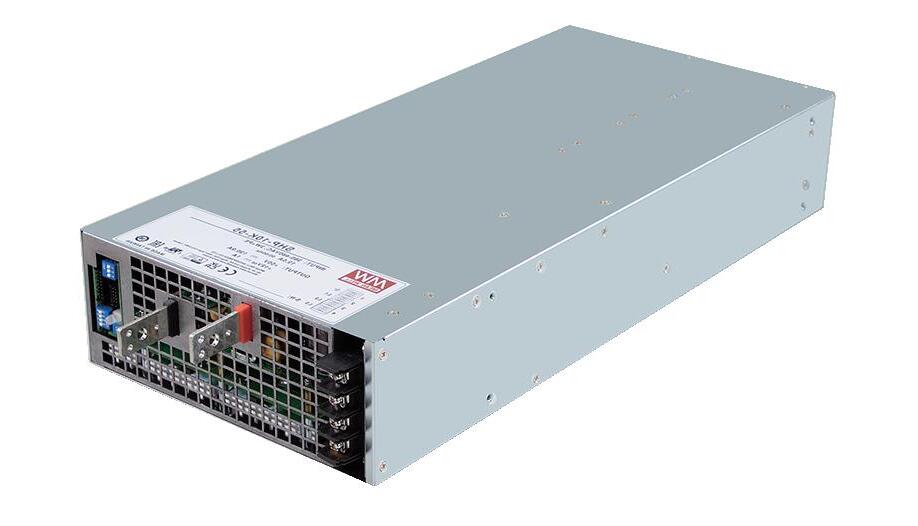

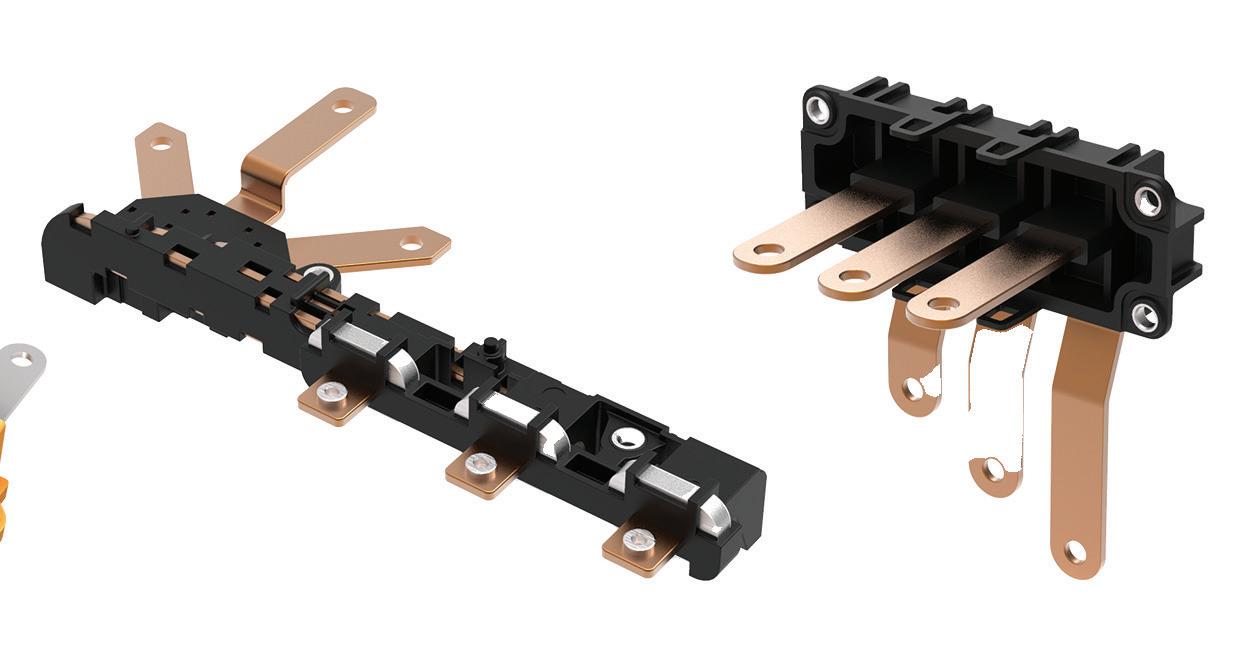
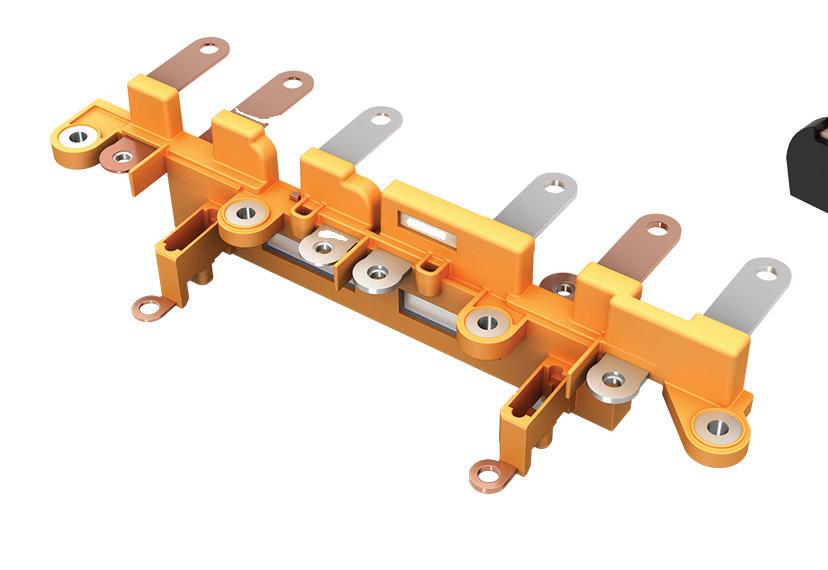
Adjacent is a molded assembly featuring an added insulator film, resulting in minimal CTE mismatches and reduced susceptibility to mechanical stress.
Integrating stress relief and flexibility into the busbar design is another important consideration. A holistic design approach incorporates flexibility to minimize stresses arising from temperature and vibrational factors. Key mitigation methods include incorporating busbar edge relief to evenly distribute stresses and using flexible connections within the assembly.
Efforts to streamline processes and reduce the number of EV components help suppliers control interconnect costs and enhance overall reliability. Adopting a modular approach enables cost-effective busbar manufacturing while maintaining adaptability for differentiation.
Financial investments in electric vehicle R&D are surpassing that of ICE vehicles, which is correlating to a surge in EV sales. This shift extends beyond established OEMs, as new startups contribute substantially to technological advancements. Differentiation between automakers is becoming critical to viability.
As automobile manufacturers recognize the pivotal role of the powertrain in distinguishing their EV models from competitors, seeking extensive guidance from interconnect suppliers is imperative. For long-term growth and success, EV manufacturers should engage with suppliers early in the product life cycle, ideally during the initial concept phase. EV

Tounderstand the future of flexible food packaging, you first must understand the history. No one knows that better than Tom Dunn, a 40-year veteran of the packaging industry who has developed flexible packaging products, processes, and platforms. Now, the managing director of Flexpacknology, he consults with manufacturers, material suppliers, and machine builders on how to create a new economy for flexible food packaging and recycling. Here, Dunn discusses the need for both packaging OEMs and food manufacturers to take more responsibility in producing food-safe recycled materials.
DW: What is the current state of flexible food packaging?
Tom Dunn: It is unique having this disconnect with the products that the CPG/food companies make between consumables, packaging materials, and capital assets that fill packaging materials in some way shape or form. My background has been in designing the materials for the different kinds of products that will be packaged
on the packaging machinery. A lot of flexible packaging, particularly the bags that are vertically filled, are formed on the packaging machinery, filled on the packaging machine, and then sealed together. Others just take pre-fabricated pouches or bags and fill and seal those. So, there's a fill seal sequence in the equipment world that needs to be addressed in all formats. And that's sort of the guiding principle that I've always gone by in the design processes that I've been involved in.
Over the last couple of decades, there have been changes in the mechanical design of the packaging machinery that were pursued for machine optimization and maybe economics and versatility in the CPGs’ packaging rooms— but without regard to the materials supplier, the co-supplier partner.
Materials have to go through machines before they're filled with products. That's sort of the first gut check that goes into designing a product. And particularly when you mention sustainability and recyclability, all those are materials focused. But it's not going to be possible to just

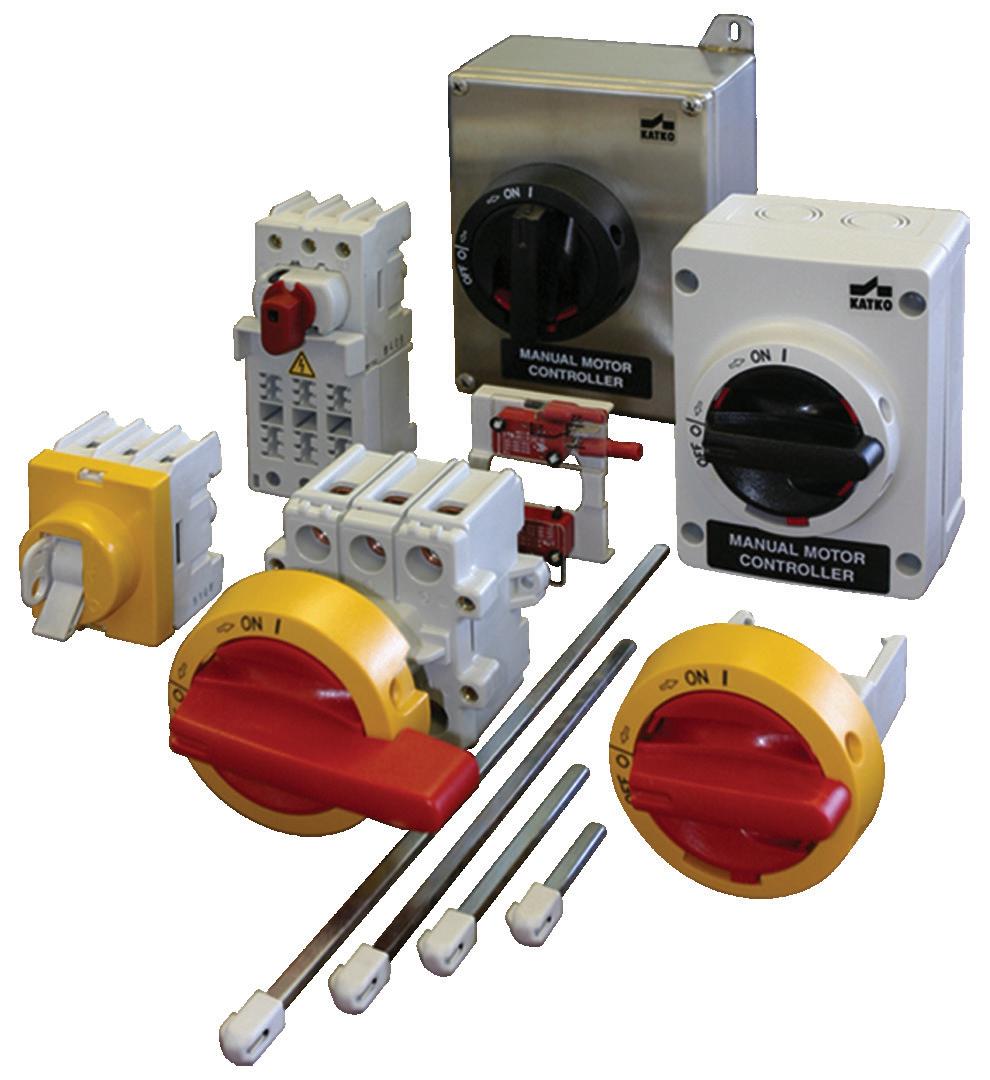





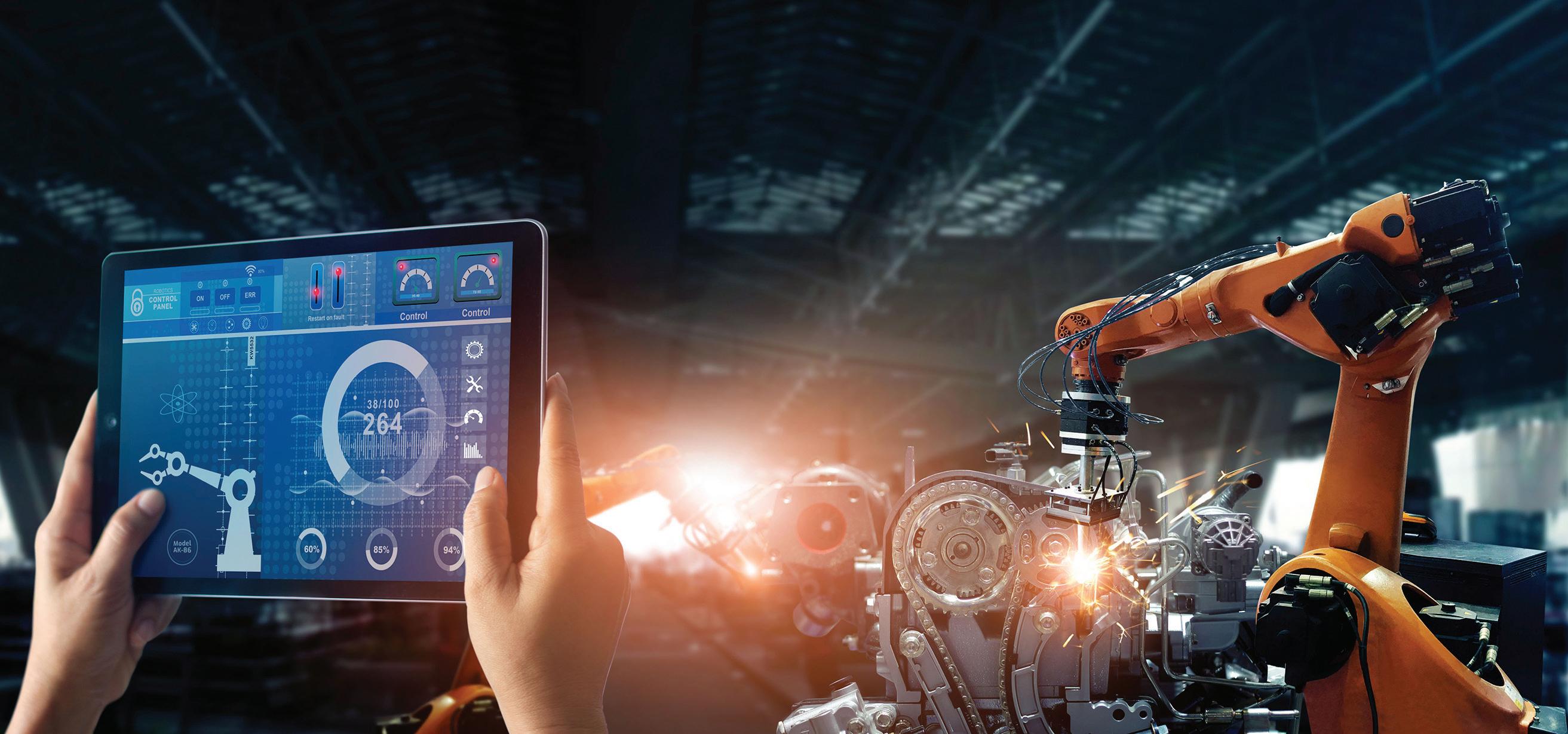

address the material changes that are desired if they're not complementary machinery adjustments that are made to keep the two in synchrony and the packaging rooms running smoothly in the CPG companies.
DW: What do you mean by keeping the materials and the machines in synchrony?
Dunn: One big example of that is the efficacy in operations. At present, a lot of the flexible packaging materials worldwide are considering using a single material format rather than the three or four different types of plastic resins that might be used in a bag or pouch in flexible packaging. The easy way to optimize efficiency now is to specify a heat resistant plastic on the outside of the packaging material. Typically, this is oriented polyester film. That is then exposed to very high temperature heat seal surfaces from the outside. That heat energy then transfers through the packaging material to the inside surface of the package. There, the thermoplastic plastic layers weld together to form a seal.
The temperature of the sealing surfaces directly affects the speed with which the packages are filled and sealed and taken off to inventory or case packing and the distribution system. This is a standard constraint of fill/seal machines that current materials have been designed to accommodate. There are some machinery advances like ultrasonic sealing that had been tried but sort of dismissed as a solution in search of a problem, or an expensive change or adjustment to the existing machinery, or a buy constraint that the buyer market is not ready to pay for.
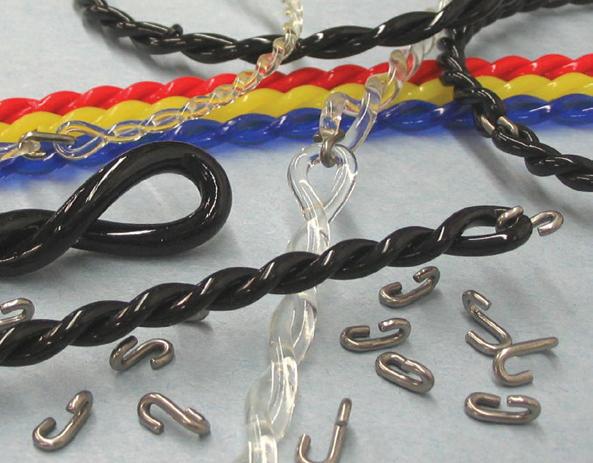
Alternate ways of fusing the inside of flexible materials to together are certainly called for. I think of ultrasonics as an ideal way to do that without having to just use hot surfaces to weld all that together. There were other heat delivery methods that have been tried and even patented in the flexible packaging space but have not been widely adapted or even really looked at in the OEM space. There’s sort of a gap between the material science on the materials side and the mechanical engineering discipline on the machinery side. So, you've had two professions talking about a common challenge in two different languages that don't really understand each other very well.
DW: What or who is ultimately driving the move to monomaterials and how does it change things?


Dunn: Well, justify capital investments involves many functions. These different functional priorities within a CPG company each have a dog in those capex races. Marketing departments want good-looking packages with label declaration about the company’s sustainability performance. The packaging experts want a versatile package that protects the product from the time it's packaged to the time it is consumed by the consumer The operations group wants to make those packages as quickly and as economically as possible. They don't want to be saddled with a lot of new capital depreciation for new equipment. So, you've got a lot of cooks in the CPG kitchen that are involved in a decision to buy machinery or start a retrofit project. All of this makes for a process that is slow at best and contentious at worse.

The MTB Series is a belt driven, profile rail linear actuator that has a number of sizes with some design configuration availability to meet high loads and stroke length.
MTBs are fully enclosed systems that perform at speeds up to 3000 mm per/second. With the addition of the MTB 105 linear actuator, the series now can move a static load of 7500 N and with a thrust capacity of 2750 N.
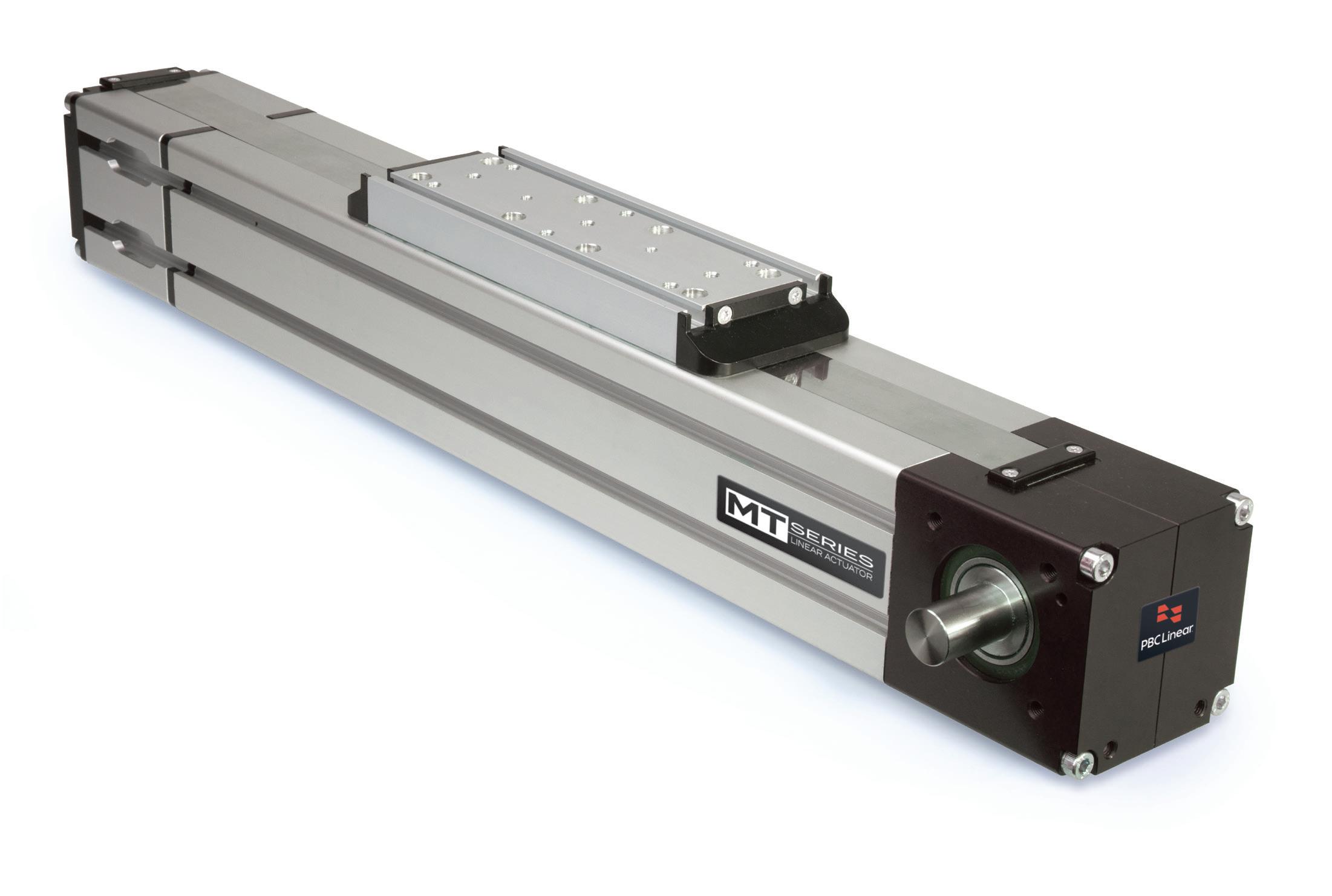
Applications:
Packaging and Assembly Automation
Cartesian Multi-axis Gantry Systems
Pick & Place Gantries
Automated Door Systems
Manufacturing Equipment Motion MAX
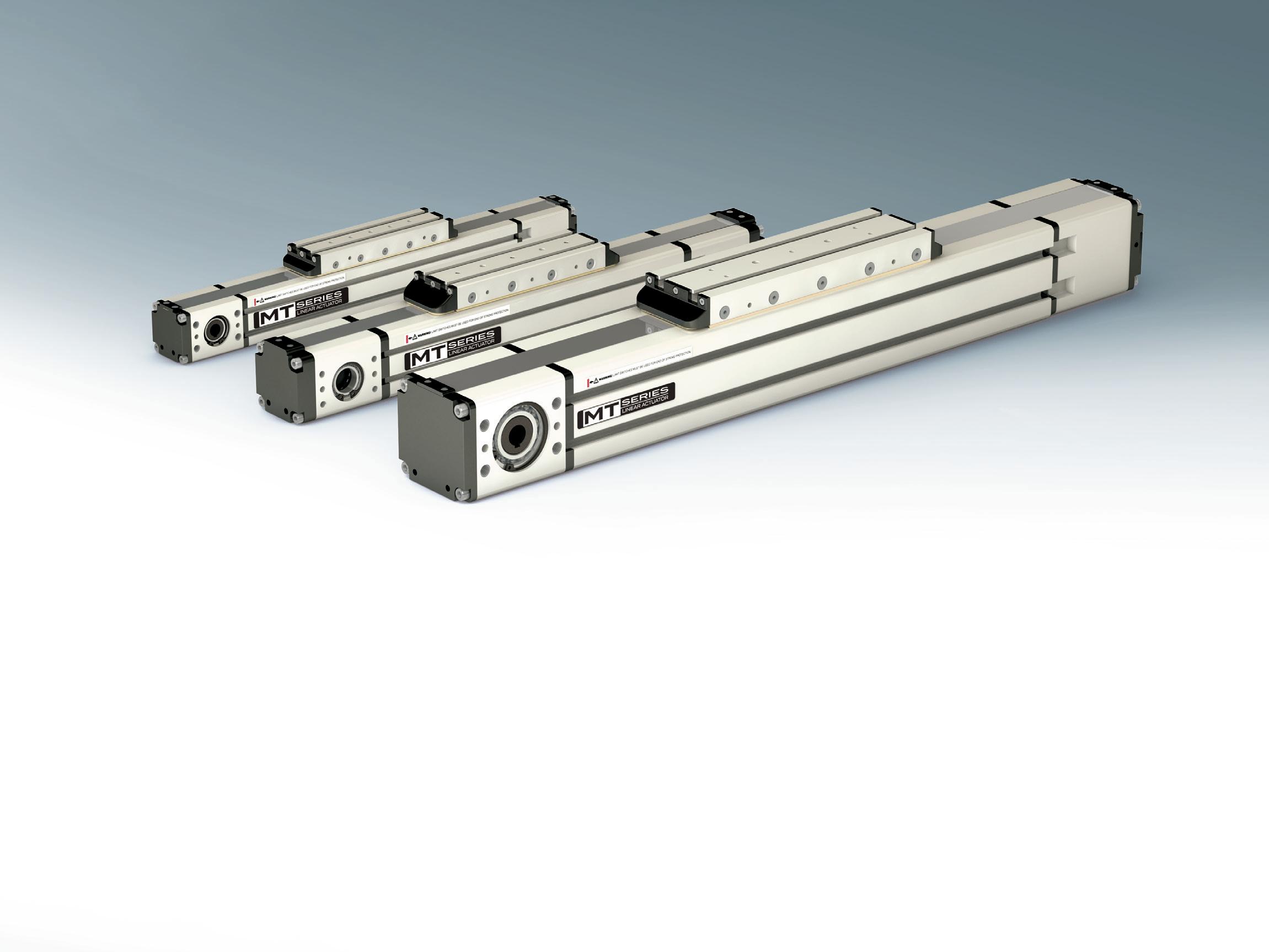























































Some things, like saving money, take precedence over these little fiefdoms having their say in the buy decision. But now, there are new players at the decision table in the form of insistence on “sustainability” from the public, the not-for-profit groups, the supermarkets, and the other distributors. Those expectations need attention, and they need it fast. I'm personally trying to push for those mono-material structures for flexible packages in a way that starts them out as cleared compositions for food contact uses and keeps them suitably safe and cleared for food contact through the recycling process and going forward so that the next iteration of food packaging can use both recycled resin and virgin resin to accomplish the necessary packaging functionality. To do that you’ll need to get rid of the polyester that’s in just about every standup pouch and many other packages now. Instead, they’ll use some sort of oriented polyethylene or polypropylene, and then all layers can be recycled together into a new generation of their thermoplastic flexible food packaging.
DW: That sounds like a big endeavor. Are we there yet?




Dunn: Some initial components are in place. You’re familiar with store takeback collection bins for merchandise bags and the stretch wrap that palletizes products that are delivered from distribution centers to the retail outlets. All that plastic goes into those bins, but now instead of going back into a new generation of merchandise bags, most of that plastic is going back into composite lumber (substantially degraded in terms of its value).
The future I envision is the general concept of “extended producer responsibility.” It is being proposed as the way to go for those consumer product goods companies who leave
packaging garbage in households for somebody else to dispose. They need to step up and take responsibility for collecting those materials and recycling them for reuse in another generation of packaging.
And if they do it right, they can maintain ownership of that recycled plastic and use that to meet their “recycled plastic content” requirements in the next generation of packaging materials. So, you end up with sort of a steady state level of recycled plastic being used in a generation of consumer product goods plastic packaging. It’s just in the last 12 months that the world of beverage bottles has actually taken all polyester bottles and kept them suitably pure and cleared for reuse in food contact packaging. Thy reappear as a recycled polyester bottle in the next generation of those beverage distribution systems. So that part has been verified. By avoiding the problems associated with the status quo for curbside single-source blue-bin collection of recyclables — in which we find all manner of motor oil and laundry detergent, and whatever other chemical products are sold in plastic containers that can contaminate food grade plastics in that recycled stream — you don't have to worry about contamination of food grade status. You can just isolate it and keep it going forward into the next generation of packaging.
That plastic recycling process itself has some existing elements that allow a CPG/food company to step up and take responsibility for the garbage that it leaves in the American households and turn it into a new generation of plastic packaging. They don't have to worry about any market cost differential between virgin resin and recycle resin because part of this new system takes with it an expectation of using recycled resin in consumerpackaged goods. And if you can own that recycled resin because you put
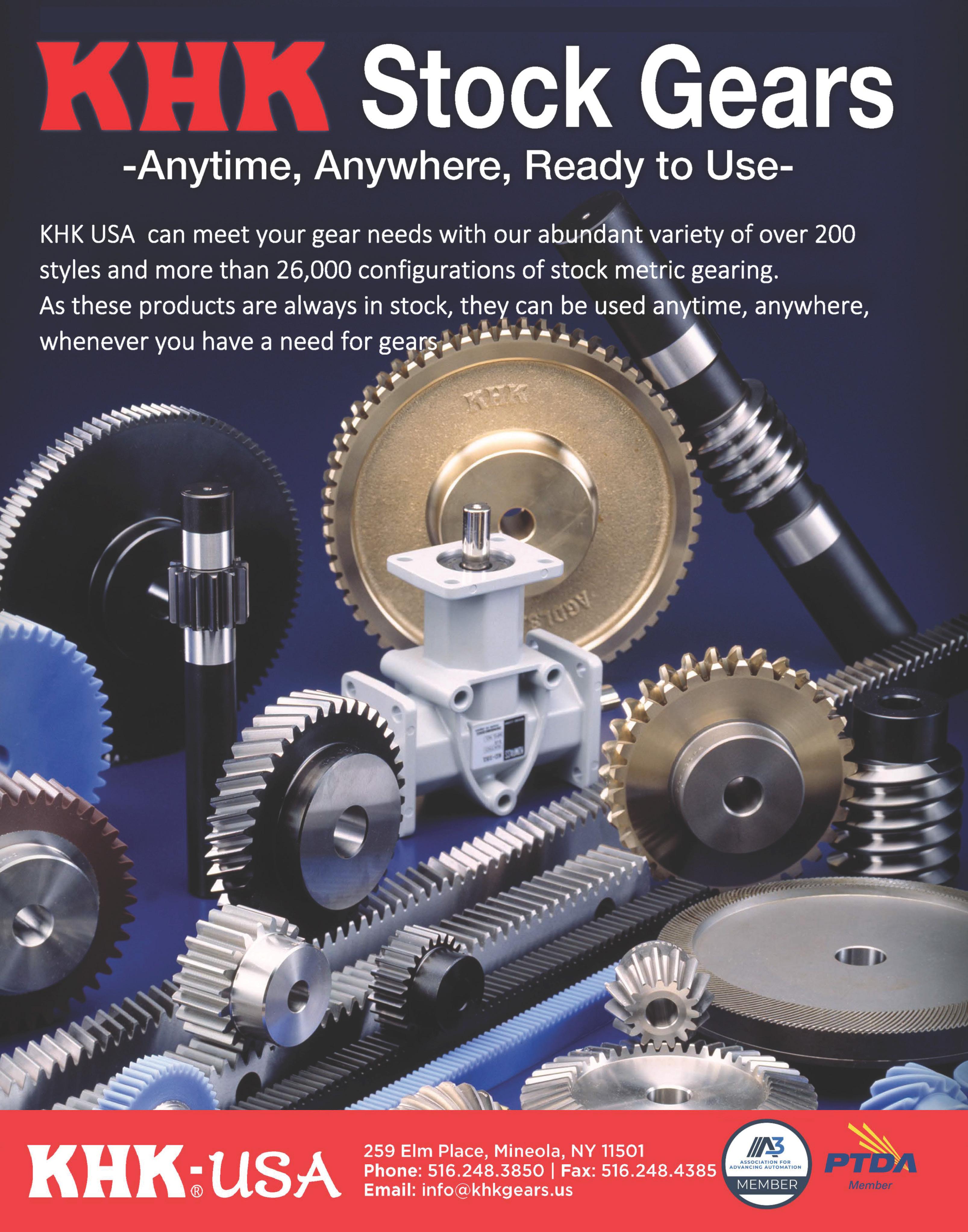
your effort into recycling it, recovering it, and keeping it clean and pure for return food contact use, you can basically control your own destiny and maybe pay for all that new collection and recovery processes that you now delegate to the garbage utility and local governments.
DW: If the CPG or food producer takes on the role of owning that recycled material, does it make sense to have a holistic approach to flexible packaging where the material supplier and the machine builder also play a part?
Dunn: Ideally, it does. And every CPG company that I can think of has these 2025 or 2030 targets for recycled material [across] their packaging uses. From package manufacturing to package emptying and garbage disposal, nobody's looking holistically to link the consumer’s empty package to a recycle system.
We sort of inherited a system of plastic recycling that was optimized for PET beverage containers and the big high-density polyethylene detergent bottles and maybe sort of a tag along with the high-density milk bottles that just get thrown in along with the detergent jugs.
Given the 30 years that they've been at this, and the fact that it's just now that we have a new Coca-Cola bottle made of [recycled] Coke bottles — shame on the plastics industry for not thinking holistically in terms of how to accomplish that and what constraints must be managed before they can in fact accomplish it. OEM
• Dual AC/DC rated; see below specifications
• Integrated door or side panel mounting
• Rear facing terminals for easy installation
• Loadsafe RT Series
• Switch make/break operation is semi- independent from operator’s actuation speed
• Silver contacts ensures safe and durable operation
• UL 60947-4-1



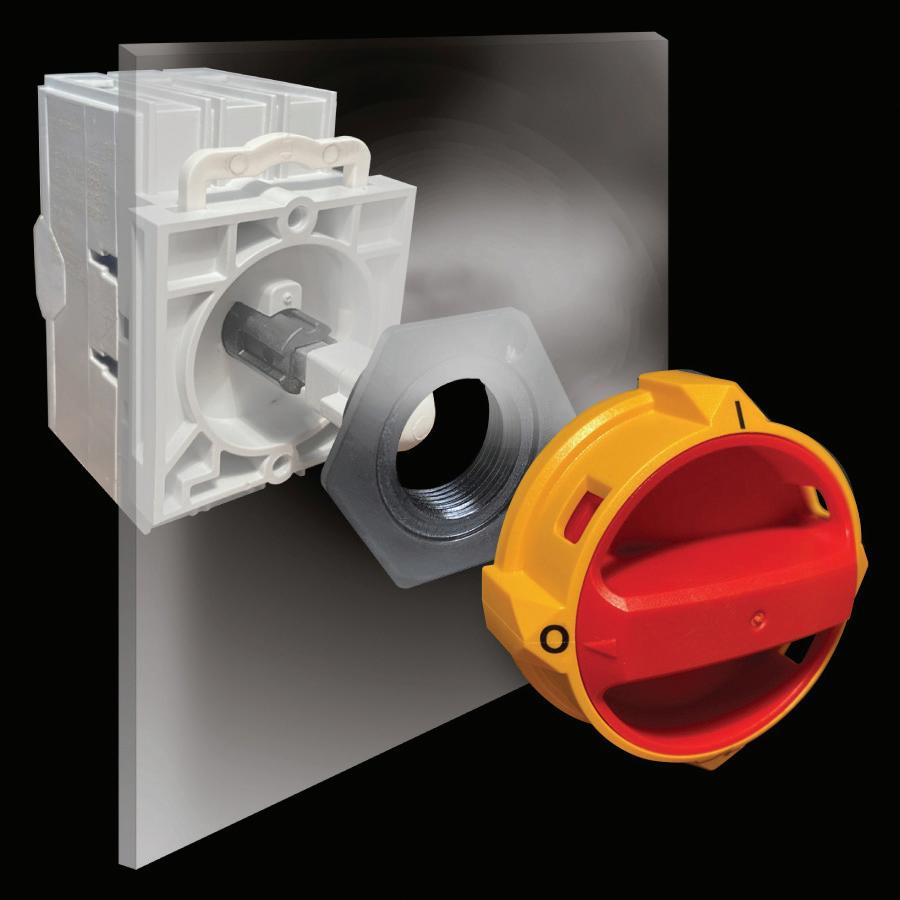

908-806-9400
908-806-9490 (FAX) info@altechcorp.com
www.altechcorp.com/HTML/MDS-A.html
Scan the QR code to listen to the live webinar The Flexible Packaging Food Movement with Tom DunnEngineered for high-performance and durability, our heat-sealing tapes ensure a seamless release, making them perfect for a wide range of packaging applications. Tapes include skived PTFE or PTFE coated substrates due to their release properties, extreme temperature resistance, and chemical resistance. Specialized materials include Rulon® bearing tape, a conformable self-lubricating substrate or TFL, a PTFE laminate, that has more durability and a longer cycle life compared to traditional coated PTFE materials. Different types of adhesive options are available to maximize adhesion or remove cleanly. Increase productivity and profitability by creating packaging efficiencies, such as longer production operating times, maintenance reduction and repair intervals, faster heat-sealing capability, platen protection, higher-quality seals, and lower operating costs. CS

KHK USA offers the broadest selection of stock metric gearing in North America. Designed for use in industrial automation applications, conveyor systems, packaging equipment, robotics, and general machinery applications, KHK’s selection of spur gears, helical gears, internal ring gears, gear racks, bevel gears, screw gears, worms & wormwheels, ratchets & pawls, gear couplings, right-angle gearboxes, and gear lubrication systems are available in various materials and sizes. KHK’s website offers free 3D CAD models for all gear products, complete product specifications, and 24/7 shopping. With KHK USA, stock gears are delivered from stock, with no minimum order or credit card surcharges.

khk usa inc.
259 Elm Place, Mineola NY 11501
516-248-3850
www.khkgears.us
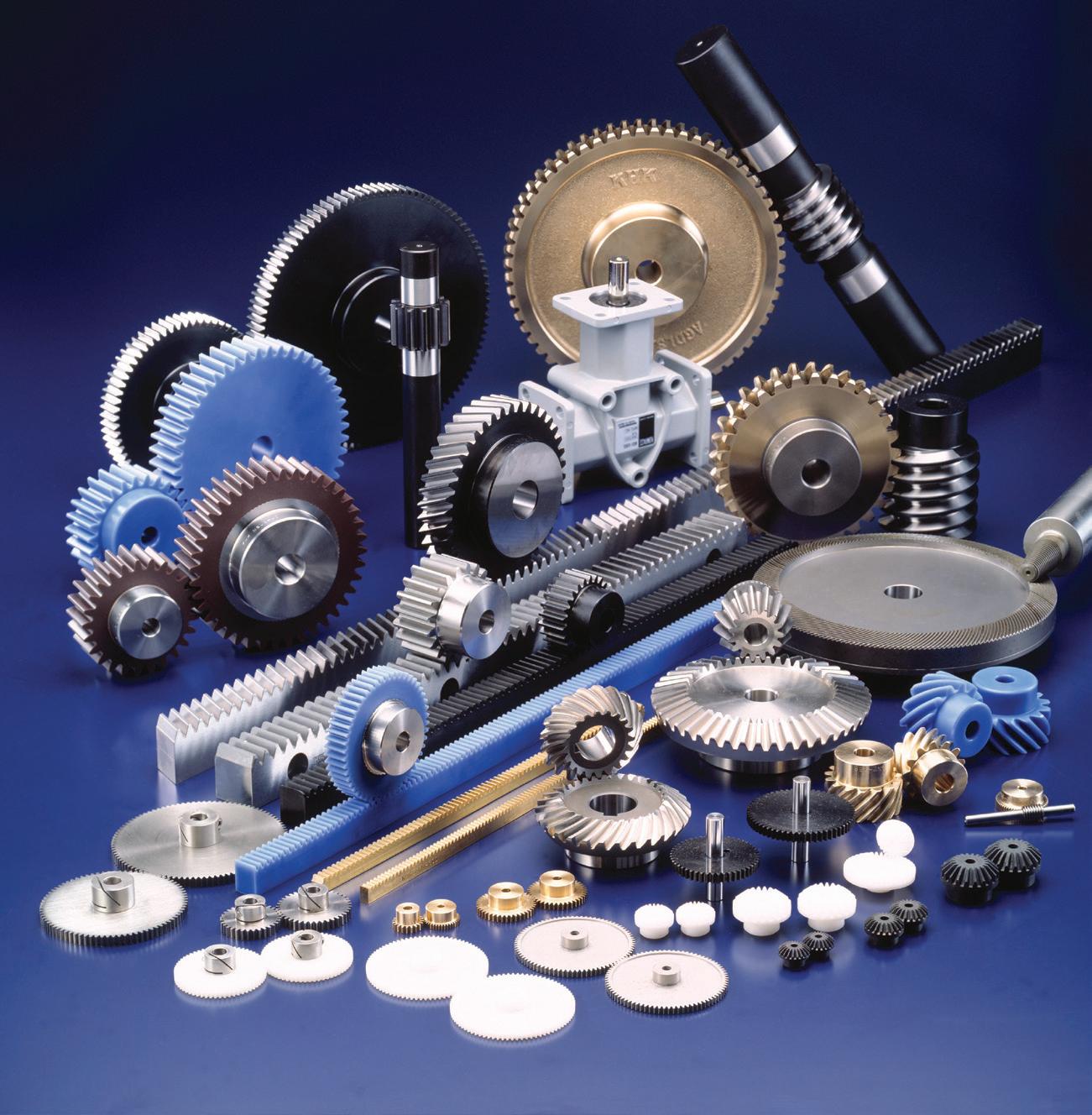
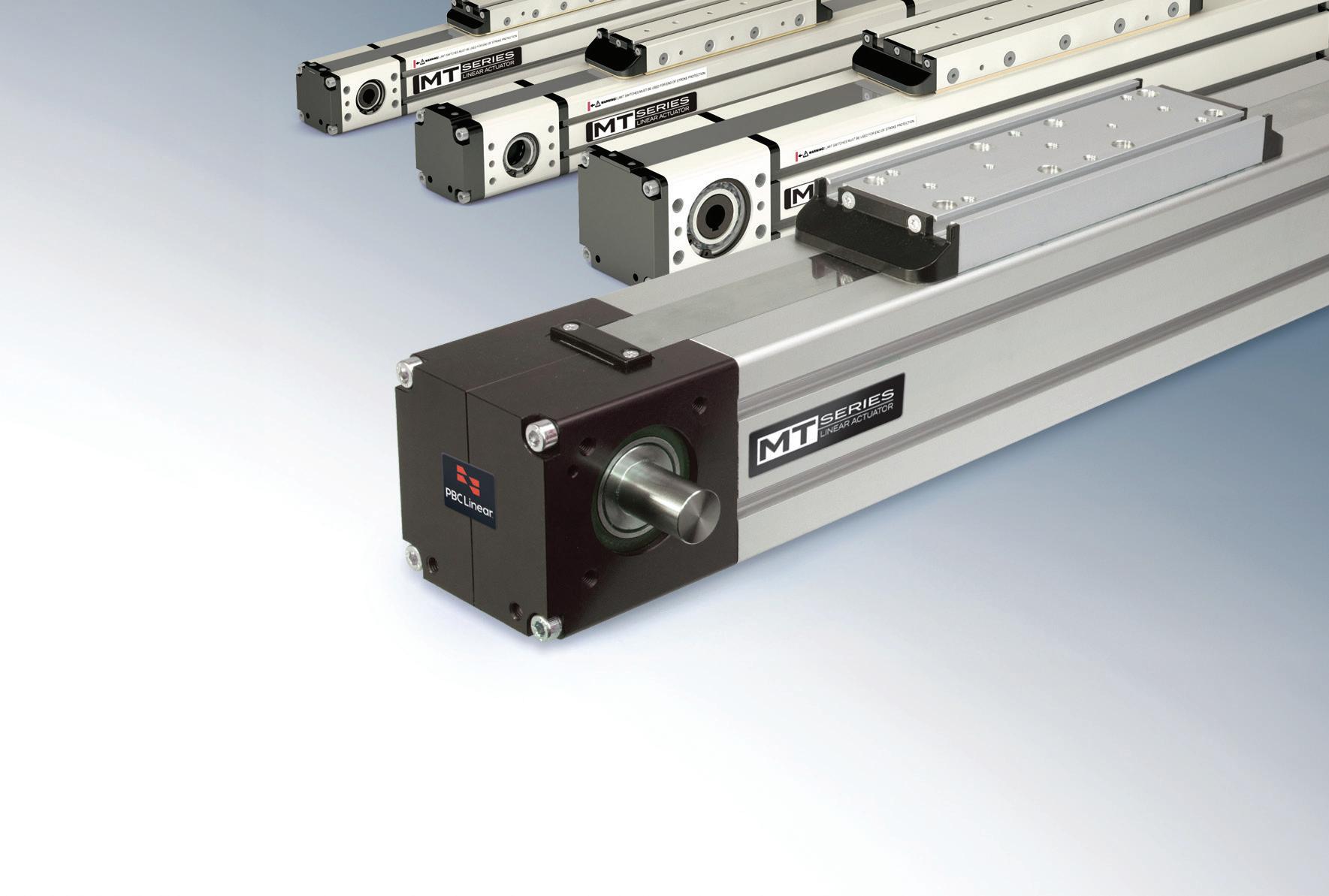
Discover the next level of linear motion with our newly expanded MTB Actuator Series, offering unparalleled performance and versatility across a range of applications. Engineered with precision and innovation, this series now includes four sizes – MTB 42, MTB 55, MTB 80, and the newly introduced MTB 105 - catering to diverse system requirements with precision and efficiency. The new MTB 105 size offers an increased linear thrust force and a higher payload capacity to our existing line of belt driven linear actuators. Each belt driven linear actuator features a fully enclosed structure with a stainless steel magnetically coupled band strip seal, ensuring reliable operation even during carriage movement in contaminate-prone environments. With high acceleration, speed, and rigidity, coupled with travel lengths of up to 6 meters, the MTB Series delivers exceptional functionality. Its low friction, reduced noise, and vibration attributes enhance operational smoothness, while the anodized aluminum construction ensures corrosion resistance and longevity.
Equipped with a urethane multistranded steel corded reinforced belt, adjustable tension, and T-slots for easy mounting and sensor installation, these actuators offer unmatched flexibility and integration ease. With various input drive interface options available, the MTB Actuator Series stands as the epitome of excellence in belt driven linear actuators, now expanded to meet the demands of every application with precision, reliability, and performance. The MTB high speed linear actuators specifically thrive in applications such as lab automation, packaging, assembly pick-n-place and Cartesian multi-axis gantry systems.
Key Features Across Every MTB Series Linear Actuator
• Built to Handle Heavy LoadsThe MTB 55, MTB 80 and MTB 105 linear actuators include urethane multi-stranded steel corded reinforced belts. The steel reinforced belts allow our new and largest MTB 105 linear actuator to reach a linear thrust capacity of 2,750 N and a horizontal payload
of 7,500 N over a maximum stroke length of 6 meters.
• Ideal for High Speeds and Accelerations- Size does not affect the speed capabilities of the MTB linear actuator series. All four high speed linear actuators can reach a top speed of 3 m/s. A maximum acceleration and deceleration force of 3G is also achievable.
Explore the possibilities with our Expanded MTB Series and elevate your linear motion systems to new heights of excellence. OEM
www.pbclinear.com/blog/2024/ april/mtb-linear-actuator-

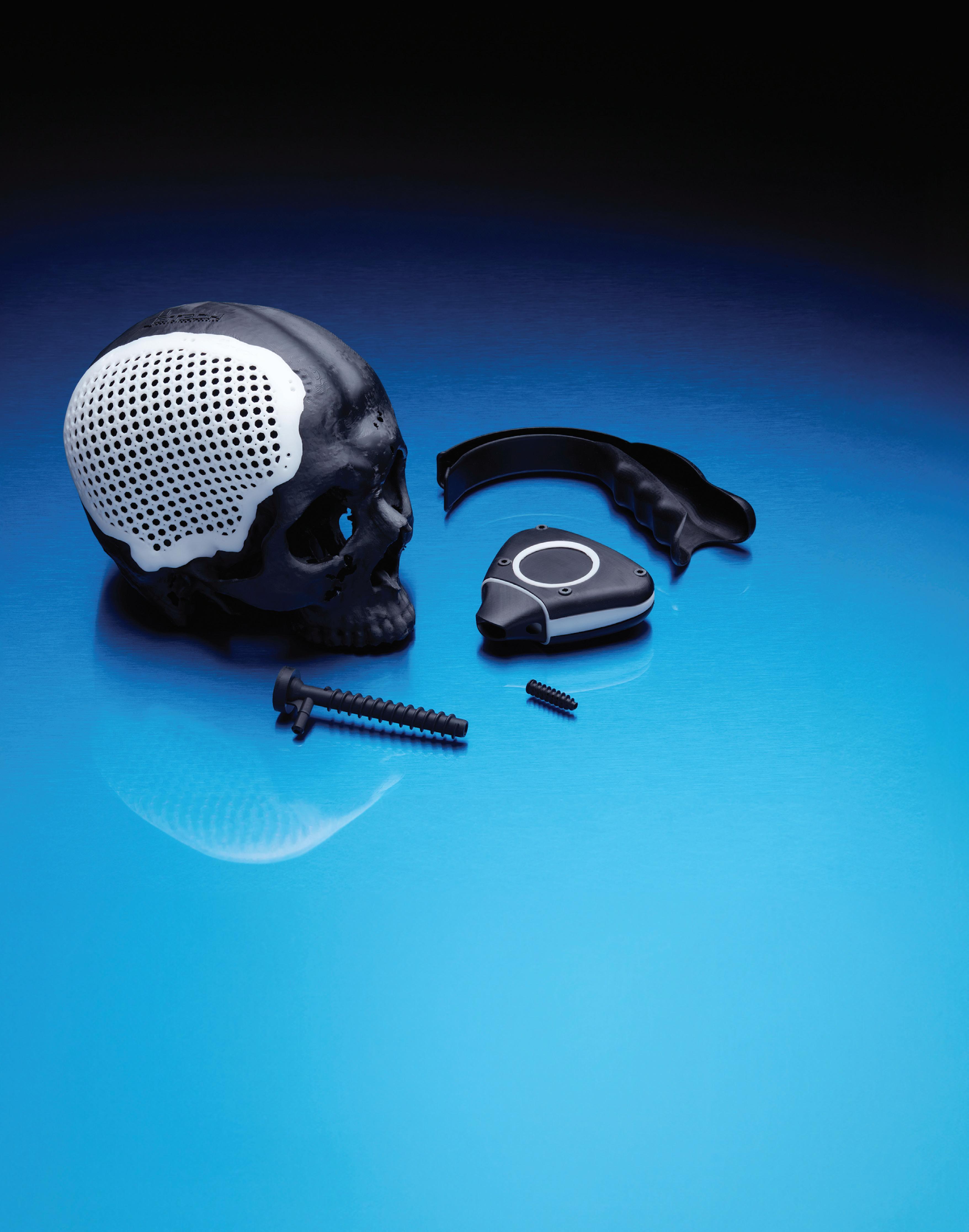
New materials open the applications for using 3D printing for personalized medical devices.
This is a skull with a cranial implant prototype designed by BTech Innovation. The long, curved part is an airway device designed by VIDA Medical Devices. The triangular part is a drug delivery device (inhaler) prototype designed by Sandoz Device Development Centre (formerly Coalesce). The larger threaded part is an arthroscopic cannula, and the smaller threaded part is an interference screw. The parts were printed in BioMed Black Resin and BioMed White Resin.
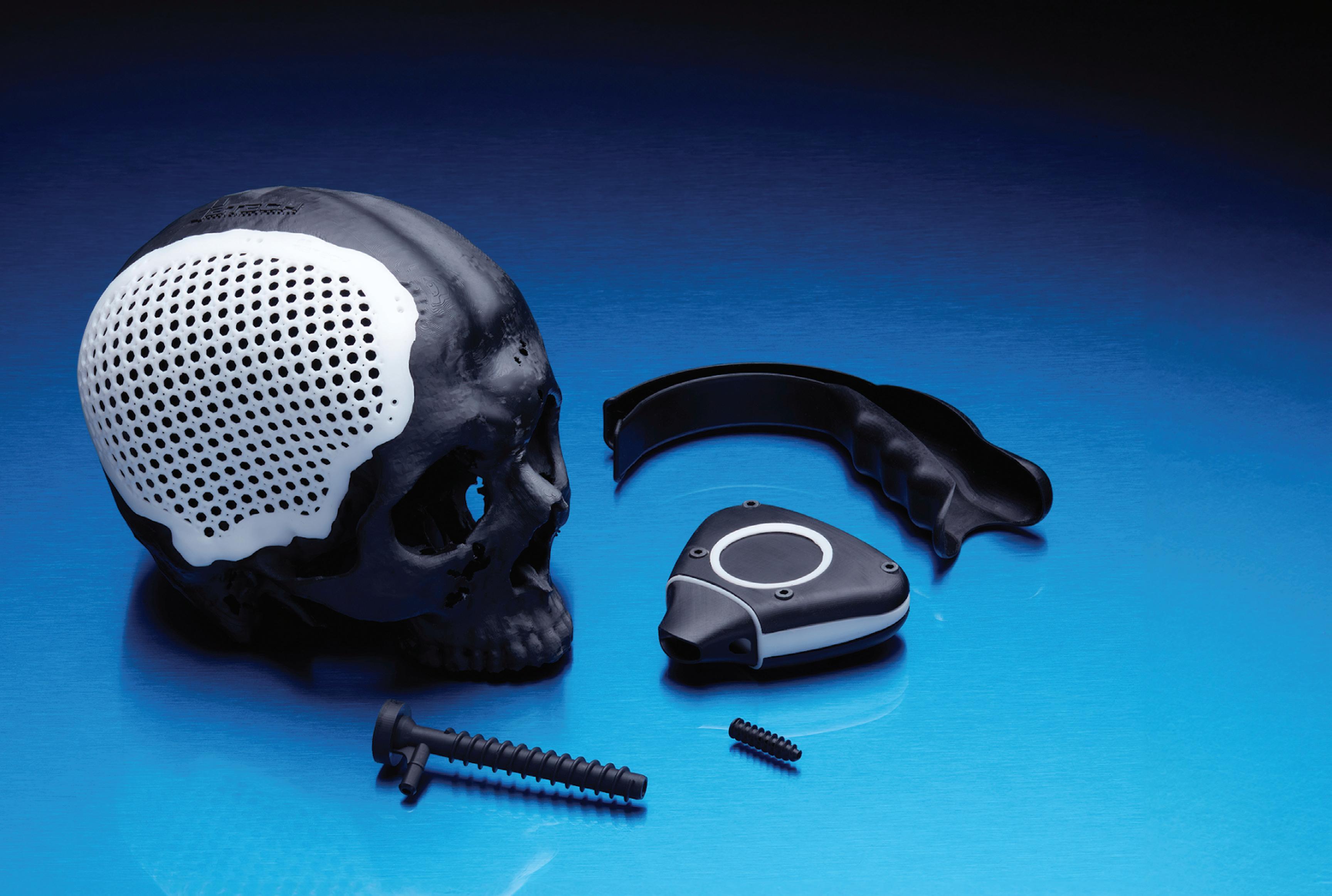

Additive manufacturing will make personalized medical devices affordable. As 3D printers have become more accessible and manufacturers innovate new materials for medical applications, the industry is delivering patient-specific orthotics, prosthetics, dental devices and more.
But adoption has not yet hit an inflection point, and material science innovation of new skin-safe and biocompatible materials will spark an increase in personalized healthcare via 3D printing. Medical device makers and facilities must understand the potential of these new materials and incorporate them into device design.
3D printing in medical applications
Aside from printing metal for implants, there are two main types of 3D printing relevant for medical applications: Stereolithography (SLA) and Selective Laser Sintering (SLS). SLA has dominated the healthcare industry for its ability to produce high-accuracy, isotropic, and watertight prototypes and end-use
courtesy of Formlabs
parts with fine features and smooth surface finish. In addition, biocompatible materials are already available for SLA 3D printers, enabling medical device designers and manufacturers to create custom devices that improve care with end-use and surgical devices. Designed to meet the need for sterilization and skin-contact, these materials are available in several colors — such as black, white, clear, or amber — which are validated for different uses, including long-term skin or short-term mucosal membrane contact. With its performance and range of available materials, SLA 3D printing has historically been the go-to for medical device makers.
Now, SLS 3D printing is rising. This method uses a high-power laser to sinter small particles of polymer powder into a solid structure based on a 3D model. This makes it a popular choice for manufacturers in other industries because of its low cost per part with high productivity, ideal for rapid prototyping and creating end-use parts.

ORDER A TEST PUMP: knf.com/shop
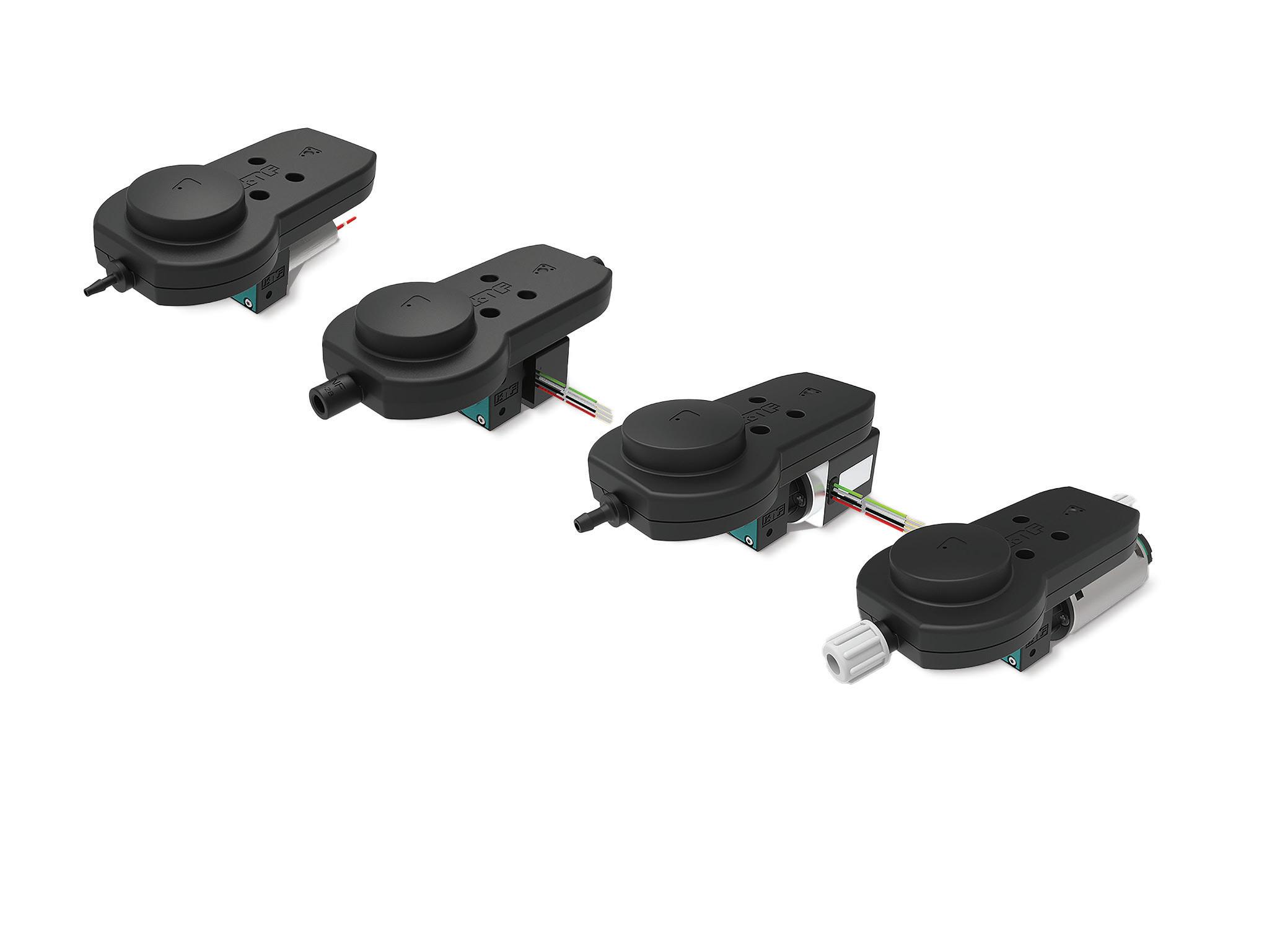
KNF further expands its Smooth Flow series, with the introduction of FP 7 and FP 25. These new liquid pumps deliver adjustable flow rates from 15 – 70 ml/min and 50 – 250 ml/min, respectively. Both pumps produce up to 1 bar (14.5 psi). High pressure versions achieve up to 6 bar (87 psi). All versions feature:
• Very low pulsation for efficient flow, reduced noise/vibration, and reduced system stress
• Self-priming, even at low motor speeds
• Options including materials, connections, mounts, motors, and boxer configurations. Ideal applications include medical equipment, inkjet printing, 3D printing, fuel cells, and solvent handling.

Learn more at knf.com/en/us/stories-events/news/article/fp7-fp25

New skin-safe materials for SLS printers will enable the medical industry to reap the benefits of this 3D printing type. Before coming to market, these 3D printing materials are tested to meet ISO standards for irritation and skin sensitization so they can be used in custom-made medical applications, such as prosthetics, medical appliances, bolus devices, sports equipment, orthotics, wearable accessories and more. The ISO standards represent a biological and clinical evaluation of materials’ safety, and they provide material preparation instructions for medical device applications with skin contact. There are several different standards, durations, and endpoints for different skin exposures, such as in silico or in vitro methods, so it’s important that device engineers, facilities, and manufacturers understand uses for each material — and, by extension, 3D printing methods — for their application.
With SLA and SLS 3D printing for medical applications, device makers have more options for custom-made parts for medical care. Understanding the properties of these medical materials and the capabilities of various 3D printing applications ensures that facilities and manufacturers choose the right path for point-of-care 3D printing, prototyping and end-use patientspecific part creation.
There’s a direct correlation between material innovation and the medical adoption of 3D printing. All new medical technologies must comply with regulatory standards to ensure patient safety, and additive manufacturing leaders are beholden to these standards. The 3D printing industry creates materials with medical and dental requirements to enable innovation and new applications for 3D printing. For example, dental labs and practices use a mix of materials to create custom crowns and bridges, implants, dentures and more — easily and at a lower cost.
Developing new medical-grade materials is critical to expanding
access to point-of-care manufacturing for healthcare professionals. The manufacturing process for healthcare materials includes ISO 13485 certified and FDA-registered facilities, and testing for ISO 10993 and USP biocompatibility and sterilization compatibility. Even with many SLA and SLS materials on the market, continued research and development supports personalized healthcare adoption.
When new materials are developed with safety and healthcare applications in mind, additive manufacturing innovation and adoption can advance. Not only is
trainee education, and patient engagement for years to come.
A variety of 3D printing workflows and materials for medical applications will move healthcare forward, equipping researchers, surgeons, radiologists, device engineers, dentists and orthodontists with the tools to provide patients with personalized, precision healthcare.
“Developing new medical-grade materials is critical to expanding access to point-of-care manufacturing for healthcare professionals.”
surgery, trainee education and patient engagement for years to come.
In addition to providing patientspecific devices and new medical
For example, the pandemic sparked a rare, fast response in the industry as healthcare facilities innovated and collaborated to respond and deliver urgent patient care. Early 3D printing adopters were using the technology to create patient-specific

These 3D-printed device components and wearables were printed on the
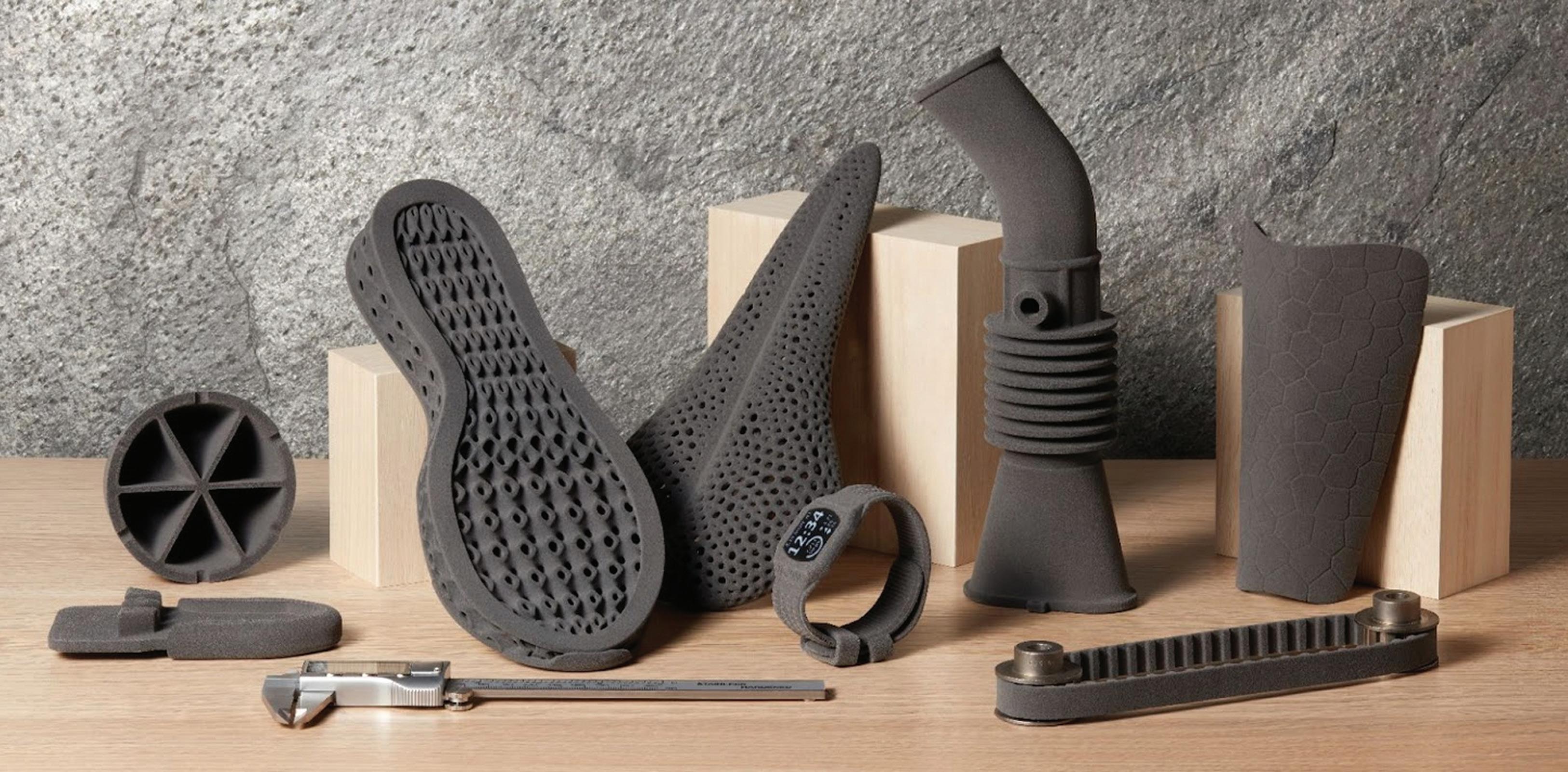



surgical guides and anatomical models, advanced prosthetics, medical devices and more. When nasal swab shortages hit, existing 3D printers and a skin-safe material enabled a nimble response with a COVID-19 nasal test swab design created collaboratively by USF Health, Northwell Health, and Tampa General Hospital, and printed on Formlabs 3D printers. This quick action was possible through the collaboration and pre-existing materials for medical applications that were ready for use.
This nimble response shows how healthcare leaders can utilize medical 3D printing and these materials to create more nimble supply chains to be ready for the next crisis. It’s a case study of how global healthcare facilities can collaborate to save lives.
To move forward, medical device designers and manufacturers must embrace 3D printing and educate themselves about the technologies and materials available for healthcare applications. As new skin-safe materials are developed, the possibilities increase for providing patient-specific care at a lower cost.


Beyond improving patient care, material innovation and growing 3D printing adoption in healthcare will enable providers, facilities, and manufacturers to become nimbler and respond to crises and patient needs faster.
Combining conventional Swiss machining with laser processing is a cost-effective alternative to multi-operational manufacturing. This single machine platform allows Cadence to perform several processes in just one step which reduces part handling and improves its precision.
This game changing technology combines CNC machining, laser cutting, laser drilling, laser marking, and laser welding. Additional benefits include rapid prototyping, higher quality, and significant cost savings. LaserSwiss machining provides endless possibilities for new product development!
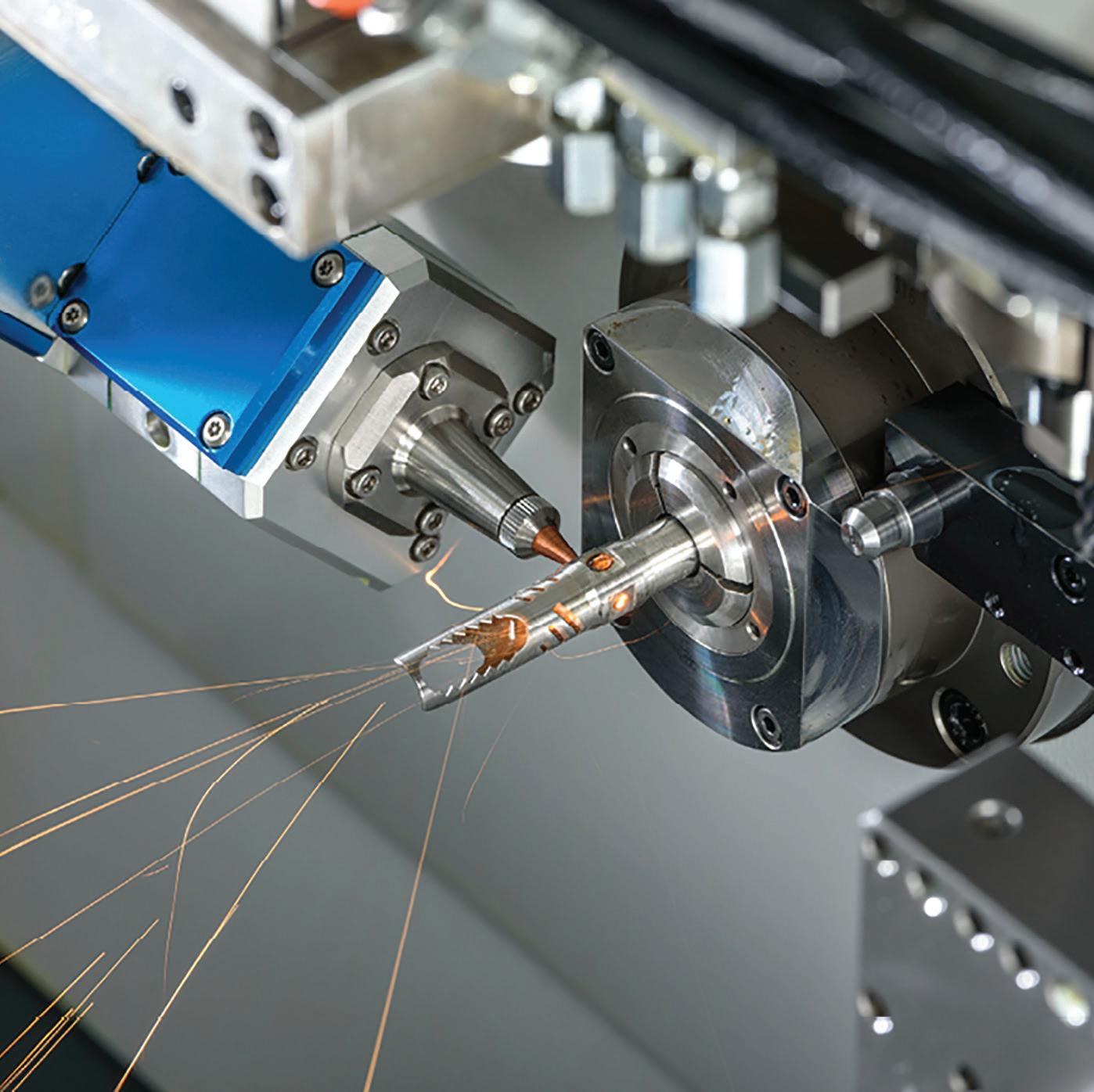

As a global technology leader with over 300 patents, KNF delivers custom-engineered diaphragm, solenoid, and swing piston pump solutions driven by precision and innovation. Drawing on our broad engineering and applications experience, KNF collaborates closely with customers throughout the entire development process to create the best solution while balancing required performance, product lifetime, and cost.
KNF engineers strive to optimize not only our pump, but to also assist customers in optimizing their overall system. We align our inspection and testing procedures with application requirements, delivering any batch size—from thousands to single pumps. KNF Neuberger liquid and vacuum/compressor pumps handle many clinical diagnostic instrument tasks including washing, waste handling, metering/dosing, aspiration, degassing/debubbling, direct liquid transfer and recirculation, vacuum-over-liquid transfer, vacuum evacuation, and pneumatics.
Cadence, Inc. 9 Technology Drive, Staunton, VA
sales@cadenceinc.com www.cadenceinc.com
Tel: 540-248-2200 | Fax: 540-248-4400
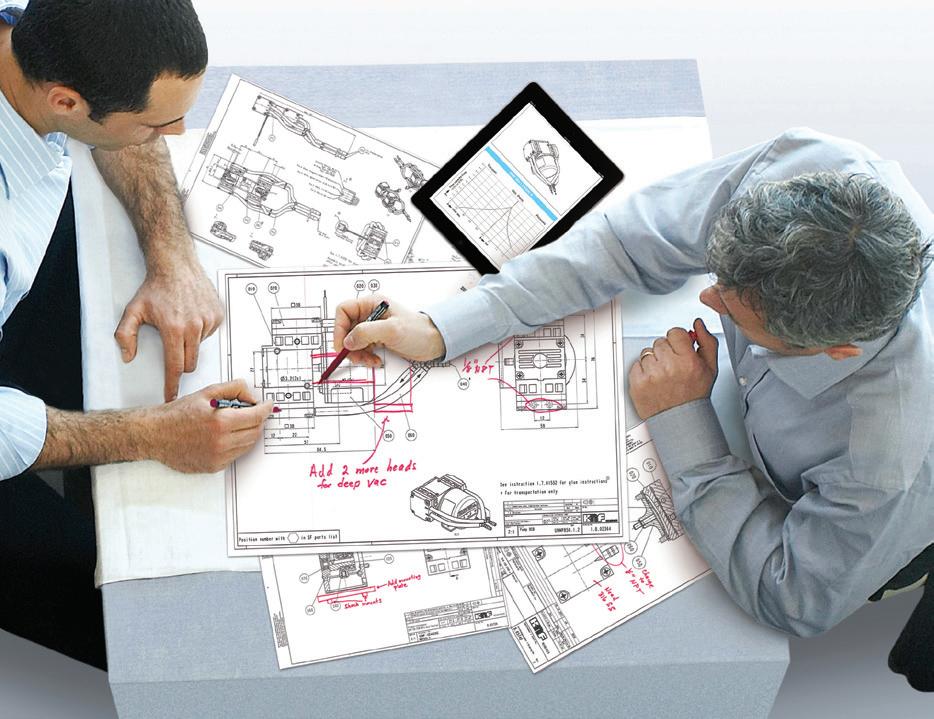

KNF Neuberger, Inc. 2 Black Forest Rd Trenton, NJ 08691, USA www.knf.com 609-890-8600 knfusa@knf.com
Nitto Kohki’s DC motor-driven air compressors and vacuum pumps are ideal for applications requiring exceptionally reliable air flow, pressure or vacuum performance. Featuring oil-free operation, a single moving part, low noise, and low vibration, this line of linear air compressors comes in 12V and 24V models. Other benefits include:
• Very low power consumption
• Self-cooling design
• Exceptional service life (rated at 10,000 hours)
• Easy maintenance
Ideal for demanding applications in the medical device and laboratory equipment industry, including dialysis machines, blood separators, blood analyzers, incubators, heart assist devices and more.
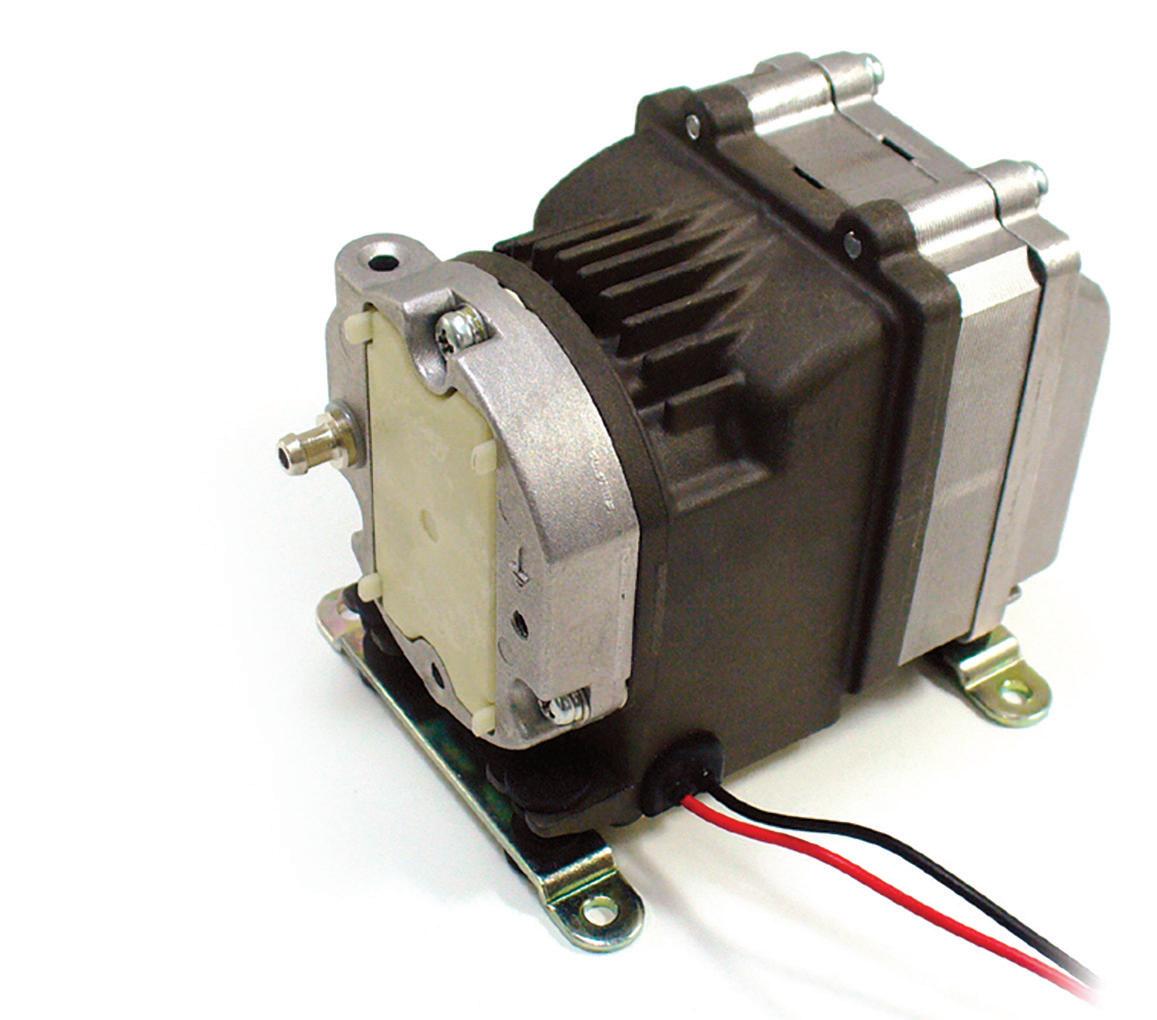
KOHKI U.S.A., INC. 46 Chancellor Drive Roselle, IL 60172
Toll Free: (800) 843 6336
Phone: (630) 924 8811
Fax: (630) 924 0808
E-mail: info-pumps@nittokohki.com www.nittokohki.com
SDP/SI creates precision gears, superior mechanical components, and customized motion control solutions for medical device OEMs. With over 70 years of experience and proven performance SDP/SI provides the reliability that the medical industry requires. Partnering with companies that include Abbott Laboratories, Intuitive Surgical, Siemens Healthcare, Medtronic, and many more, we provide support from the early design stage through delivery.
• Precision CNC Manufacturing
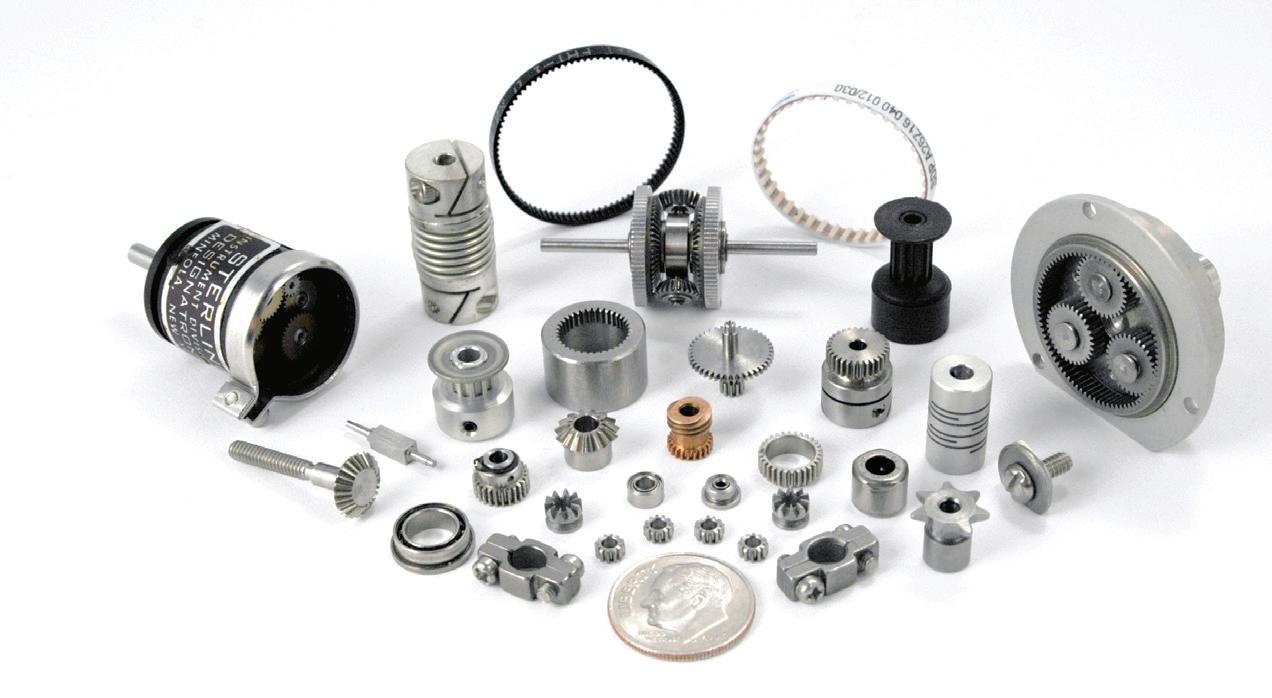
• Engineering Development – with years of experience we know how to make systems smaller, lighter, and faster.
• ISO 7 Class 1000 Cleanroom for Assembly
• Gear Cutting / Bevel Gear Cutting
• Custom Drive Systems / Gearboxes
Send an RFQ online, discuss your project with our engineers, visit our facility. We look forward to working with you!

Stock Drive Products/Sterling Instrument (SDP/SI) 250 Duffy Avenue, Hicksville, NY 11801
https://www.sdp-si.com sdp-sisupport@sdp-si.com (516) 328-3300
Ryan Ashdown rashdown@wtwhmedia.com
216.316.6691
Jami Brownlee jbrownlee@wtwhmedia.com
224.760.1055
Mary Ann Cooke
mcooke@wtwhmedia.com
781.710.4659
Jim Dempsey jdempsey@wtwhmedia.com 216.387.1916
Mike Francesconi
mfrancesconi@wtwhmedia.com
630.488.9029
Jim Powers jpowers@wtwhmedia.com 312.925.7793
Publisher Courtney Nagle cseel@wtwhmedia.com 440.523.1685
CEO
Scott McCafferty smccafferty@wtwhmedia.com 310.279.3844
EVP
Marshall Matheson mmatheson@wtwhmedia.com 805.895.3609
CFO
Ken Gradman kgradman@wtwhmedia.com 773-680-5955

DESIGN WORLD does not pass judgment on subjects of controversy nor enter into dispute with or between any individuals or organizations. DESIGN WORLD is also an independent forum for the expression of opinions relevant to industry issues. Letters to the editor and by-lined articles express the views of the author and not necessarily of the publisher or the publication. Every effort is made to provide accurate information; however, publisher assumes no responsibility for accuracy of submitted advertising and editorial information. Non-commissioned articles and news releases cannot be acknowledged. Unsolicited materials cannot be returned nor will this organization assume responsibility for their care.
DESIGN WORLD does not endorse any products, programs or services of advertisers or editorial contributors. Copyright© 2024 by WTWH Media, LLC. No part of this publication may be reproduced in any form or by any means, electronic or mechanical, or by recording, or by any information storage or retrieval system, without written permission from the publisher.
Subscription Rates: Free and controlled circulation to qualified subscribers. Non-qualified persons may subscribe at the following rates: U.S. and possessions: 1 year: $125; 2 years: $200; 3 years: $275; Canadian and foreign, 1 year: $195; only US funds are accepted. Single copies $15 each. Subscriptions are prepaid, and check or money orders only.
Subscriber Services: To order a subscription or change an address visit our website at: www.designworldonline.com
DESIGN WORLD (ISSN 1941-7217) is published monthly by: WTWH Media, LLC; 1111 Superior Ave., Suite 2600, Cleveland, OH 44114. Periodicals postage paid at Cleveland, OH & additional mailing offices.
POSTMASTER: Send address changes to: Design World, 1111 Superior Ave., Suite 2600, Cleveland, OH 44114

I was relieved at Acadia National Park when I didn’t see the plastic trash I was expecting. It was the same in Anguilla. I expected fouled beaches I never found. It was the same in Florida. Sadly, I found the plastic trash where I wasn’t expecting it: Kentucky.
Cave Run Lake, in the Daniel Boone National Forest, is the result of a dam on the Licking River. The lake is nestled in the hills where hollows form fingers into the lake. We went to Bangor boat ramp, nestled in one of those hollows, far from the dam, to kayak. The wooded hillsides rise rapidly from the water. We were deep in the woods. No houses. Just forest. Trash was everywhere.
A strange mix of trash collected on the shore. A football, a basketball, a soccer ball (pink, no less), and a blue playground ball could easily have been lost during play. The lake is a popular recreation venue. Most of the rest made no sense. There were tires, many tires, some on rims, most not. A refrigerator door and a CRT TV with a built-in VCR weren’t immediately discernable. Soda bottles, water bottles, and milk jugs were all common. So were containers for oil, coolant, ag chemicals, hydraulic fluids — large and frequently colored, making them easy to see.
The trash was so overwhelming, I made a trip to the ranger station seeking an explanation. I was hoping that an event — failure of a landfill, a flood, something acute — had recently discharged a slug of trash into the lake. Rangers confirmed some of my observations. Wide swings in lake level push trash onto the shore, where it sticks in the undergrowth, making it more visible. Trash is strewn up and down the steep banks. The construction of the spillway also tends
to keep floating trash in the lake. No floods or failures were to blame, I was told, just poor management in upstream communities and by users of the lake.
The sheer quantity of trash makes me question the solutions being engineered to deal with environmental plastic. I question whether technical solutions, things like design for recycling or use of biodegradable polymers could solve what saw. I’m left feeling the issue is not the polymers, it is us.
Notably absent around the lake were recycling containers. Kentucky ranks 40th in recycling among the states. We schlepped our cans and bottles back to Michigan, conditioned to feel it is wrong just to throw them away. Michigan, in the terms of behavioral economists, nudges recycling. Michigan is one of the states with a bottle bill. Much of what we brought back was worth a dime, a little nudge, but enough to ensure our cans and bottles would be correctly managed.
By most accounts, only 9% of recyclable plastic is recycled globally. Bottle bills remain unpopular in spite
of evidence they drive recycling and reduce trash. Only 10 states require deposits on cans and bottles. Those states are responsible for 61% of the PET bottles recycled and 51% of all aluminum cans and glass bottles recycled. Michigan’s return rate is trending downward, now at only 75% rather than the near complete return rate of previous years. One of the reasons cited is lack of inflation adjustment. The dime deposit at inception of the program in 1976 would be 55 cents today. It has never been adjusted.
Cave Run Lake flows to the Licking River, to the Ohio River, to the Mississippi River, and ultimately to the ocean. Excessive trash on the shore serves as a reminder that microplastics in the ocean come from us. It isn’t a problem out there, it is a problem here. Technical solutions may make incremental improvements, but real improvements require social change. Poor management of waste in our backyards is the problem — and we must engineer the solution. DW

The MTB Series is a belt driven, profile rail linear actuator that has a number of sizes with some design configuration availability to meet high loads and stroke length.
MTBs are fully enclosed systems that perform at speeds up to 3000 mm per/second. With the addition of the MTB 105 linear actuator, the series now can move a static load of 7500 N and with a thrust capacity of 2750 N.
Applications:
Packaging and Assembly Automation
Cartesian Multi-axis Gantry Systems
Pick & Place Gantries
Automated Door Systems
Manufacturing Equipment Motion
MAX




Designing efficient systems involves much more than simply understanding a few basic principles. There is a true art to balancing the specific requirements of an application in order to achieve the desired goals in the best possible way. Help us understand the unique needs of your application and together, we’ll develop something that surpasses what any of us could have done alone.
Contact your distributor to learn more, or visit clippard.com to request a free catalog and capabilities brochure.