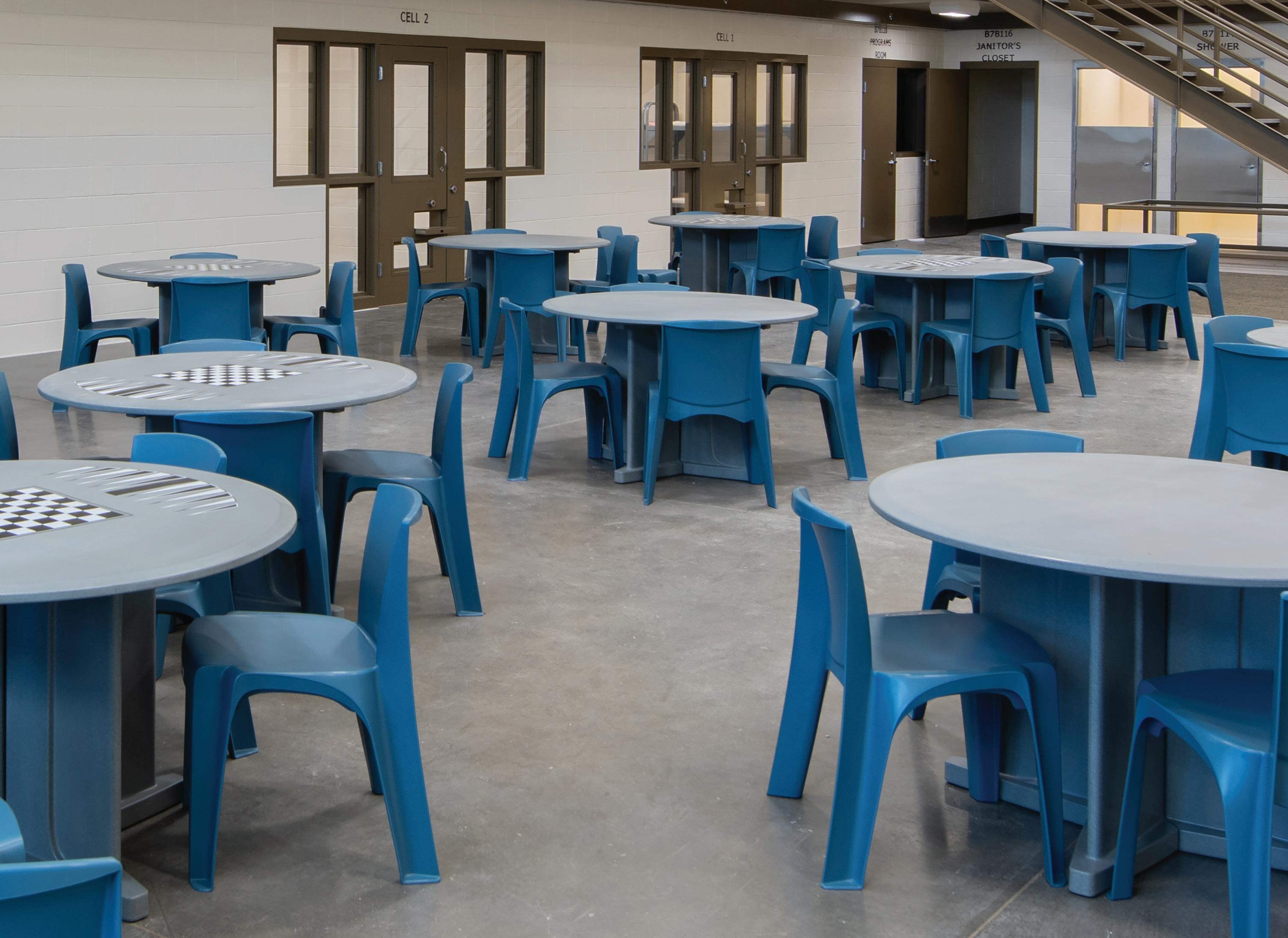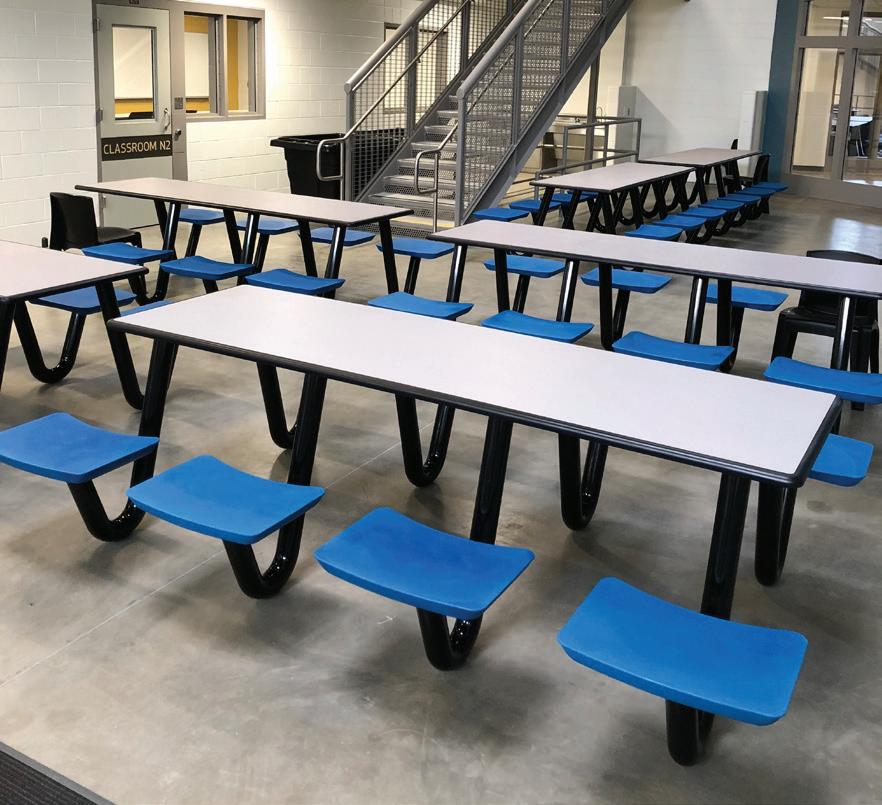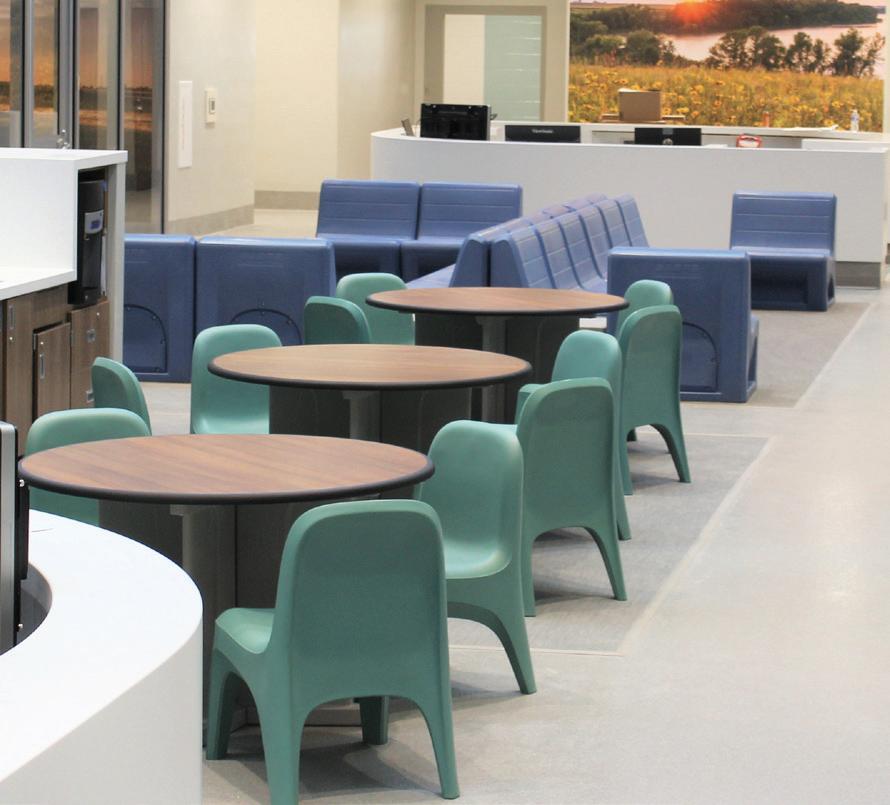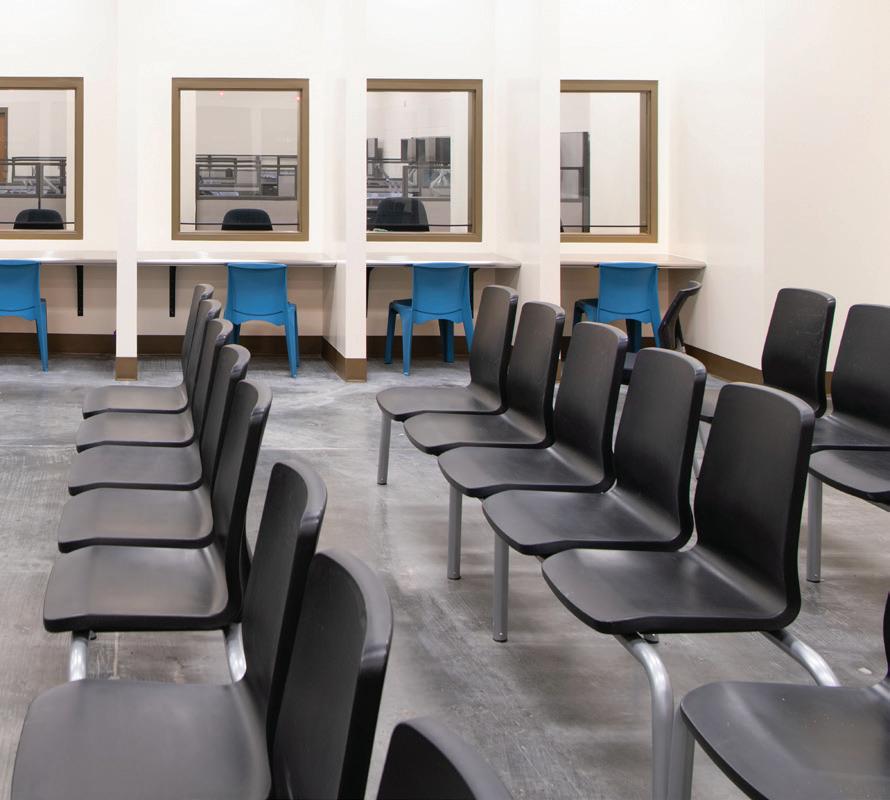
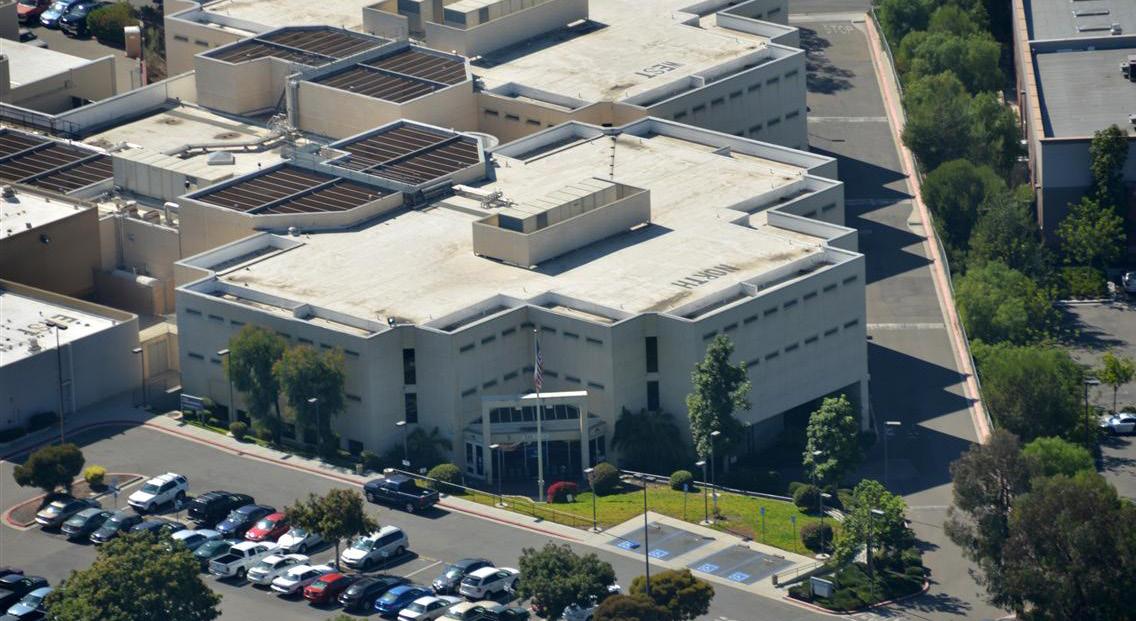
Advancing Operations at Texas’ Travis County Jail Page 8
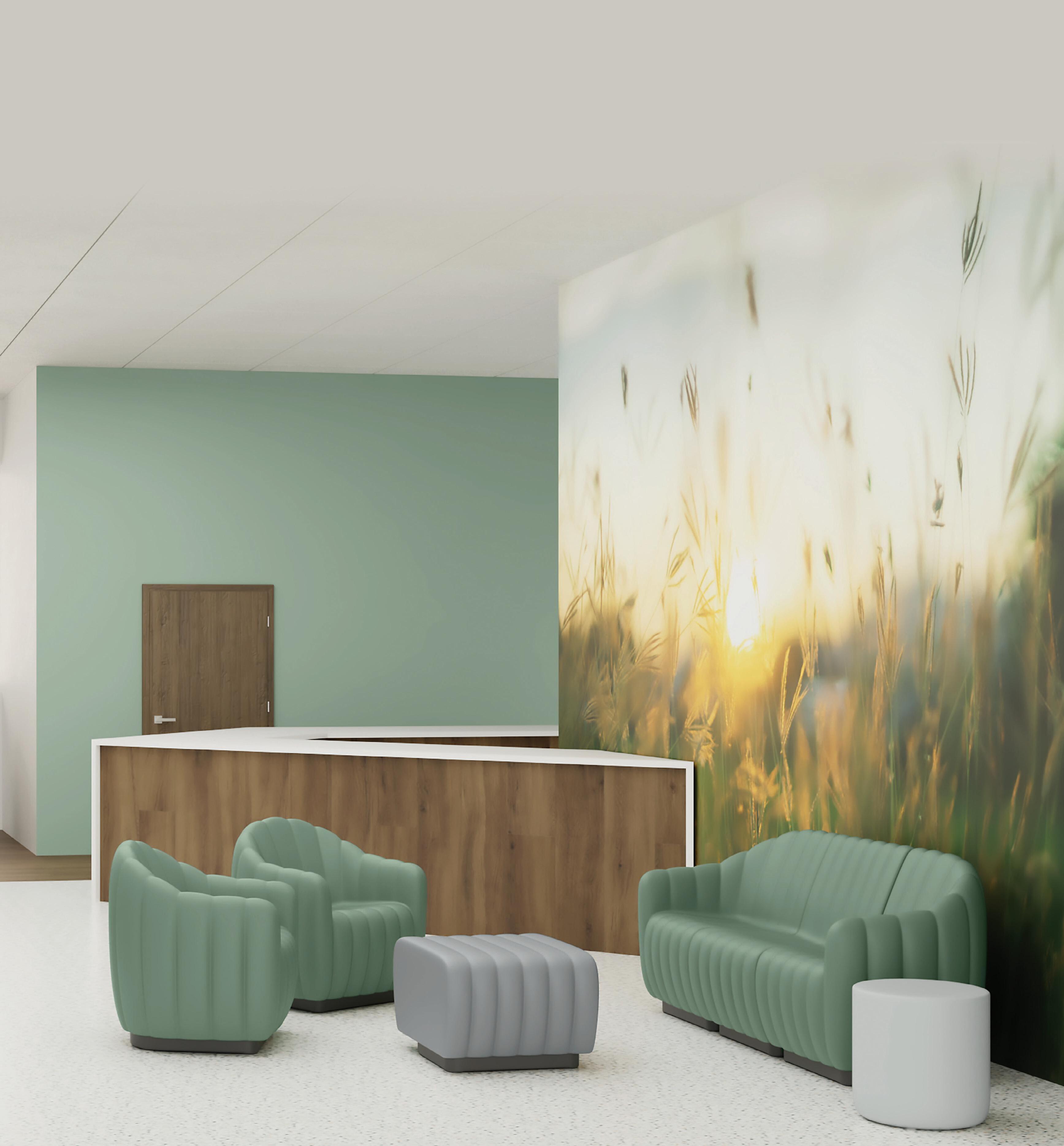
Maintenance and Capital Planning: The Vision for San Diego County’s Vista Re-entry Facility Page 16
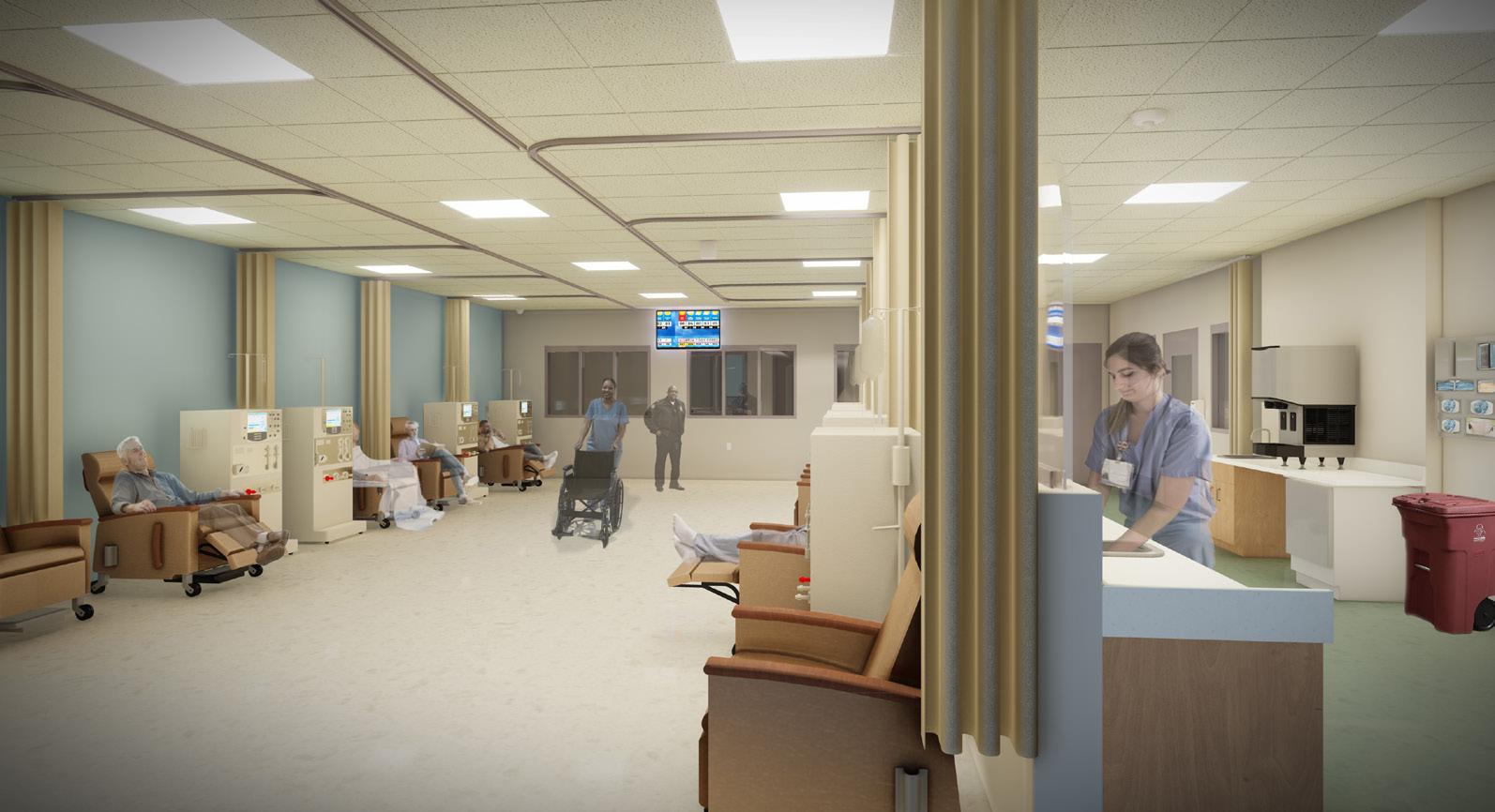
New Sullivan County, Tenn., Jail Improves Classification and Care Page 22

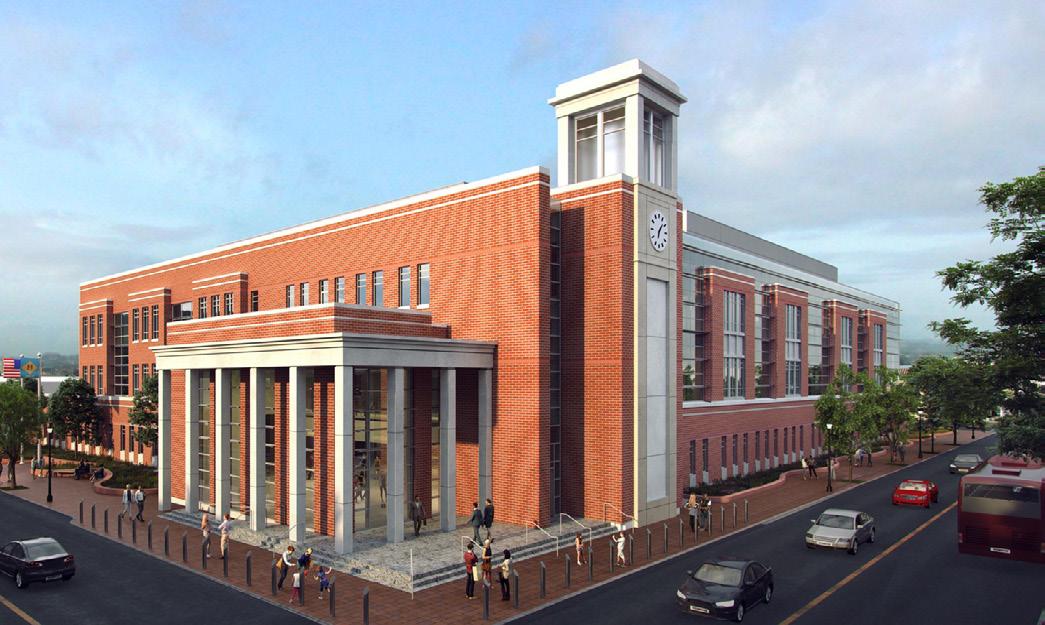
Southern Folger
Be on the lookout for the full feature in the November / December edition.
Jeff Beard
Bryan Collier
Former Secretary of Corrections for California and Pennsylvania
Former Executive Director, Texas Department of Criminal Justice
Nicholas Deml Former Commissioner, Vermont Department of Corrections
Chadwick Dotson........................................Director, Virginia Department of Corrections
Jeff Dunn Former Commissioner, Alabama Department of Corrections
Jared Garcia................................................Executive Director, Utah Department of Corrections
Helen Hanks Former Commissioner, New Hampshire Department of Corrections
Todd Ishee....................................................Former Secretary, North Carolina Department of Adult Correction
Edwardo Jackson Captain, Travis County Sheriff’s Office, Travis County, Texas
Rob Jeffreys Director, Nebraska Department of Correctional Services
Shawn Laughlin Commander, Broomfield Detention Center
Marc Levin Chief Policy Counsel, Council on Criminal Justice
Brian Lovins, Ph.D. Principal, Justice System Partners
Kelly A. Martinez Sheriff, San Diego County
Larome Myrick, Ph.D. Executive Director, Rhode Island DCYF
Ashley Oddo...............................................Deputy Director, Arizona DCRR
Tyrone Oliver Commissioner, Georgia Department of Corrections
Wayne Salisbury Director, Rhode Island Department of Corrections
Cory Salzillo Managing Partner, WPSS Group
Nneka Jones Tapia, Psy.D. Managing Director for Justice Initiatives, Chicago Beyond
Josh Tewalt Former Director, Idaho Department of Correction
Felice Upton Former Asst. Secretary, Juvenile Rehabilitation, Washington
Tim Ward Former Commissioner, Georgia DOC
President Torrey Sims Vice President of Sales and

Correctional News is honored to welcome Ashley Oddo, Deputy Director of the Arizona Department of Corrections, Rehabilitation & Reentry (ADCRR), as the newest member of the Editorial Advisory Board Oddo was appointed to her position in October of 2024 and has been pivotal in steering critical initiatives, fostering cross-sector collaboration and ensuring system-wide accountability. Before assuming this role, she served as General Counsel for ADCRR, where she navigated landmark challenges including a federal court injunction and drove critical policy revisions. Oddo also contributes to the Governor’s Reentry 2030 Initiative, a bipartisan effort to improve support and enhance public safety, and helps lead ADCRR’s Violence Reduction Workgroup, focused on implementing feasible and sustainable solutions to reduce violence and improve prison safety. As an advocate for education and research, she has been published in the Arizona State Law Journal in the areas of comprehensive police data collection and the impacts of marijuana legalization on public safety.

teams to expand HOK’s Civic and Justice practice in Northern California and other locales. She holds a bachelor’s degree in architecture and art history from the University of Notre Dame.
Prior to her role at ADCRR, Oddo served as a trial attorney, receiving the Ross P. Lee Award in 2020 for her dedication to the provision of high-quality representation. She also worked as the Director of a criminal justice reform center at ASU’s Sandra Day O’Connor College of Law. She holds a Bachelor of Science in business administration, marketing and management from California Lutheran University and a Juris Doctorate from the University of San Francisco School of Law.
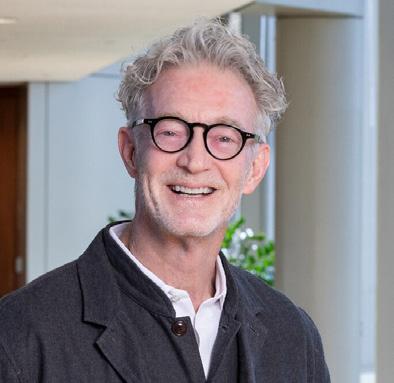
DLR Group recently added Principal Mark Ryan to the firm’s Justice+Civic design leadership group. Based in Phoenix, Ryan has more than 30 years of experience and an extensive portfolio designing facilities based on empathy, wellness and innovation across the world. Notable projects he has led include the Jonathan Delagrave Youth Development and Care Center in Racine, Wis., the Jasper County Courthouse in Joplin, Mo., and the Victoria Youth Justice Redevelopment Project in Melbourne, Australia. Ryan has also been an undergraduate and graduate educator at Arizona State University since 2004 and at the University of Arizona from 2011 to 2014. He won the American Institute of Architects’ Arizona Architects Medal in 2019 and is a member of the AIA College of Fellows. Prior to joining DLR, he held Principal roles with Treanor and HDR.
HOK recently announced the hiring of Emily Lawson as regional leader of the firm’s Civic and Justice division in San Francisco. Lawson is an American Institute of Architects member who specializes in the design of courthouses and other public sector buildings. In addition to civic and justice spaces, she has a broad portfolio of successful commercial, hospitality, mixed-use, residential, healthcare and master planning projects. She previously collaborated with HOK in designing the San Francisco Public Safety Campus. In her new role, Lawson will work with local and regional

School. He was nominated to the position by New Hampshire Gov. Kelly Ayotte in August.

Bryan Collier, an industry veteran with almost 40 years of experience in adult corrections, retired from his post as the Executive Director of the Texas Department of Criminal Justice (TDCJ) in August after serving in the role since 2016. Collier began his career with TDCJ in 1985 as a Clerk and has held various roles since then, including Correctional Officer, Parole Officer, Parole Division Director, and Deputy Executive Director. He has been an active leader in several industry organizations, including the American Correctional Association (ACA) and Correctional Leaders Association (CLA), and has contributed to national correctional standards and policies through his work with the ACA and the Texas Corrections Association. He is also a continuing member of CN’s Editorial Advisory Board.
In August, Collier was presented the E.R. Cass Correctional Achievement Award at the American Correctional Association’s 155th Congress of Correction in Denver. That same month, the TDCJ announced that it will name a new leadership and training facility in Hunstville after Collier. That facility is currently under construction and is expected to open in 2026.
Succeeding Collier as Executive Director is Bobby Lumpkin, who has almost 35 years of criminal justice experience, starting as a Correctional Officer with TDCJ in 1990. He was promoted to Assistant Warden in 1999 and went on to serve in a variety of leadership roles within TDCJ, including Director of the Correctional Institutions Division and, most recently, Chief of Operations. As Executive Director, Lumpkin will now oversee one of the nation’s largest criminal justice systems, managing the confinement and care of over 130,000 felony inmates, the supervision of 230,000 individuals on probation or parole, and a statewide workforce of approximately 32,000 employees.
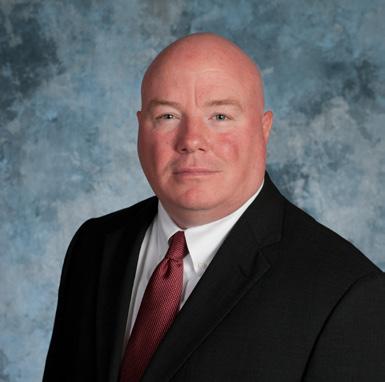
Florida Gov. Ron DeSantis has appointed Matt Walsh to serve as the Secretary of the Florida Department of Juvenile Justice. Walsh has 28 years of law enforcement experience, starting with the Lee County Sheriff’s Office, and most recently served as Deputy Executive Director of the Florida Department of Law Enforcement (FDLE), where he has worked since 2003. He has also been assigned to the FBI Joint Terrorism Task Force and the U.S. Marshals Fugitive Task Force during his career. In 2020, DeSantis appointed him to Interim Sheriff for the Clay County Sheriff’s Office. Walsh holds a bachelor’s degree in Criminal Justice from Southern Vermont College and a Master of Social Work from Florida State University. Walsh is a graduate of the FDLE Foundational, Advanced and Senior Leadership Programs as well the Florida Leadership Academy, the FBI Florida Executive Development Seminar and the Naval Postgraduate School Executive Leaders Program.
The International Corrections and Prisons Association (ICPA) celebrates the legacy of its President Peter Severin after his passing on Aug. 17, following a sudden illness.
Severin had dedicated his professional life to advancing prison and correctional services and driving reform internationally.
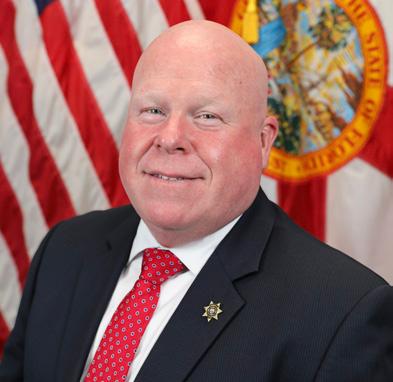
Lumpkin has also held officer positions and maintained affiliations with several national organizations, including the ACA and National Correctional Industries Association, along with other state and local groups. He holds a Master of Science in Criminal Justice Management and Leadership and a Bachelor of Science in Criminal Justice from Sam Houston State University.
William R. Hart has been confirmed to serve as the next Commissioner of the New Hampshire Department of Corrections. Hart has three decades of legal and law enforcement leadership experience, most recently as U.S. Marshal for the District of New Hampshire. He is also a U.S. Marine Corps veteran who has served as Chief of Police for the city of Londonderry as well as the Rockingham County Attorney. Hart has extensive experience in risk assessment, crisis response and personnel management, including as Vice Chair for the New Hampshire Police Standards and Training Council and a Trustee for the New Hampshire Retirement System. Hart holds a bachelor’s degree from Merrimack College and attended the University of Virginia before receiving his Juris Doctorate at Boston College Law

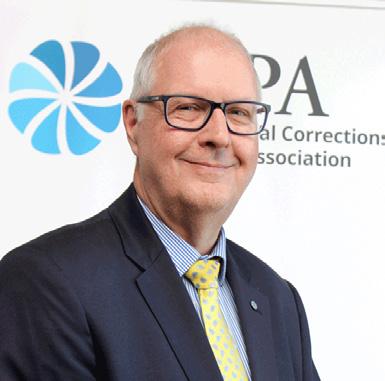
During his tenure as Commissioner for Correctional Services in New South Wales, Australia, from 2012 until his retirement in 2021, he oversaw landmark initiatives, including the implementation of smoke-free policies across the prison system, the management of Australia’s largest prison building program, and the development of an effective COVID-19 response strategy within correctional facilities.
Following his retirement from public service, Severin continued his commitment to correctional reform through his role as President of the ICPA, where he worked to promote best practices and build international cooperation. His global engagement opened new perspectives for many in the corrections field, and his voluntary work with the ICPA reflected his dedication to improving prison conditions and rehabilitation outcomes worldwide.
Colleagues remember Severin for his fundamental belief in human dignity and rehabilitation. His approach to corrections was guided by the conviction that every individual has inherent value and the capacity for positive change. This philosophy informed his leadership style and the reforms he championed throughout his career.
“At his core was a belief in the inherent value of every human being and a belief in a person’s ability to change,” ICPA Board members shared in a statement. “Peter’s legacy of humanity, professionalism and forwardthinking leadership will continue to inspire correctional professionals around the world for generations to come.”
His colleagues also describe him as “a true influencer” who was “always committed to a better future for correctional services — for both staff and inmates alike.”
The ICPA has created a memorial page to honor and remember Severin. Condolences can be shared with Severin’s family and friends by emailing contacticpa@icpa.org.

By Jared Garcia, Executive Director, Utah Department of Corrections
Almost every corrections department across the country experiences challenges with operations and maintenance, and often for many of the same reasons: understaffing, deferred maintenance and budget limitations. In Utah, the Department of Corrections (UDC) is committed to proactive planning, building strong legislative relationships and implementing cost-saving initiatives to ensure long-term facility health and staff support.
It’s important to underscore that all our efforts to find efficiencies, improve operations and maintain the health of our facilities are rooted in the goal of achieving safety within those facilities and within the communities we serve across Utah. This underpins everything we do at the UDC, and it is a value and mission that is shared across every level of our department.
Historically, the UDC has faced significant challenges in both new and older facilities due to staffing shortages, deferred maintenance and difficulties budgeting for inflation and growth.
In our newest prison — first occupied just three years ago — we saw early problems with culinary equipment. At our Gunnison facility, built in 1989, the issues were more severe: frequent roofing issues as well as problems with the boilers and water tanks. These problems will persist without a proactive facilities plan that includes realistic budgeting.
The lesson learned here is clear: While it’s easy to trim costs during construction, facilities will suffer later.


At the same time, we’re making a strategic shift from emergency responses to proactive maintenance, because healthy structures create healthier outcomes for everyone. Well-maintained facilities are safer, more positive environments for both staff and incarcerated individuals, and they are naturally more conducive to rehabilitation and re-entry programs.
We’ve also hired a new director to oversee maintenance and operations, with a focus on centralized purchasing, addressing deferred maintenance, prioritizing replacements and forecasting future needs. These efforts matter — not just for budgets, but for the success of the people we serve.
Facilities are only part of the equation. Our workforce is the backbone of UDC, and we’ve worked diligently to elevate the public perception of correctional officers. Historically, corrections work has been overlooked compared to law enforcement, despite its complexity and its potential to help transform lives.
Showcasing the positive impact of the correctional system is key to sustaining recruitment efforts. Our correctional officers are highly talented, intelligent, and caring professionals. They play a tremendous role in helping individuals turn their lives around and return to society as productive citizens.
I believe if more people understood the impact of this work, recruiting would be far easier. People would see the difference they can make not only inside facilities but in communities across Utah. That’s why we continue to share stories and emphasize the life-changing role of corrections.
Our focus on rehabilitation includes creating more opportunities for incarcerated individuals through vocational training, job-skills programs and facility upgrades. We’re
“Well-maintained facilities are safer, more positive environments for both staff and incarcerated individuals and are naturally more conducive to rehabilitation and re-entry programs.”
- Jared Garcia, Executive Director, Utah Department of Corrections
We’ve made a strong effort to advocate for investments in better, more durable equipment and materials upfront to ensure quality and longevity.
That said, Utah is fortunate to have a supportive governor and lawmakers who prioritize facility needs. Those positive dynamics don’t just happen overnight. Maintaining open communication with state leaders before issues become critical is essential. We work year-round to build these relationships and keep correctional needs, especially facilities and maintenance needs, in the broader state conversation. Before we begin any budget discussions, we focus on transparency and trust-building — demonstrating fiscal responsibility and highlighting efficiencies.
Being proactive also extends to more tactical maintenance and operations approaches. For example, the UDC has begun more closely reviewing contracts with external maintenance professionals to ensure repairs covered under existing agreements are not billed twice — an efficiency that has helped us avoid unnecessary payments.
Additionally, as the UDC provides most employees with laptops, desktops and cell phones for official use, technology fees were a major cost driver. By identifying who truly needs these devices and where we can avoid duplication, we’ve significantly reduced expenses and redirected those savings toward critical maintenance and operations.
We’ve also found cost savings via xeriscape landscaping, which is projected to save more than 15 million gallons of water annually while reducing mosquito issues in certain areas. Finally, we’ve explored solar panels and carefully reviewed water bills across facilities to identify opportunities for additional savings.
also improving spaces with murals and adopting more normalized environments to better prepare individuals for re-entry.
One of our most successful programs is SOLID, a peer-led housing unit where residents hold each other accountable. This unit integrates individuals from rival gangs and other classifications, yet violence remains extremely low because participants want to stay in the unit. They enjoy privileges, teach each other life skills and create a positive community.
The program has been so successful that we now have a waiting list of more than 400 individuals who want to participate. The SOLID approach demonstrates what can happen when we invest in people who truly want to change.
Our philosophy is simple: We need to create spaces where people can get sober, make good decisions and prepare for life after prison. If someone leaves with an untreated addiction, they’re far more likely to return. That’s why safe, healthy environments — and strong peer support — are so essential.
My ultimate goal is to make Utah the best corrections system in the country. That means creating facilities that support rehabilitation and making staff members feel valued and safe. When incarcerated individuals live in a healthy environment and are surrounded by supportive staff, their chances of success skyrocket.
We want our facilities to be places where people maintain sobriety, access education, learn job skills, and proudly reenter society. By combining proactive planning, costsaving strategies, workforce investment and rehabilitation-focused programs, UDC is building a stronger future for everyone in Utah.

By Richard Forbus, MBA-HCM, CCHP, and Kim Sterling, MBA CHICAGO
— A well-maintained correctional facility is a foundational component of safety and security. Yet, too often, maintenance is treated as a back-burner issue — until a crisis hits. The National Commission on Correctional Health Care’s recent national Facility Maintenance and Operations Survey of 150 custody and healthcare professionals found that nearly half (46%) say their facility’s physical space only “somewhat” supports effective patient care, with many pointing to cramped exam rooms, outdated mental health areas and poorly designed medication pass lines.
Today’s incarcerated population presents more complex medical and mental health needs than ever — including chronic conditions, women’s health issues, substance use disorders and acute psychiatric crises. Meeting these needs is harder when space and infrastructure are lacking.
One healthcare provider from a 50-year-old facility put it bluntly: “We are in dire need of an area dedicated to mental health patients.”
According to the survey results:
· 45% say space limitations directly hinder patient care.
· 46% report that maintenance-related issues like plumbing or HVAC failures have disrupted healthcare occasionally or frequently in the past year.
· 42% say temperature control is unreliable, with some reporting no air conditioning in summer or inadequate heating in winter.
Poor maintenance doesn’t just slow care — it can create security risks. Moving a patient off site for a simple procedure because equipment is broken increases escape potential and ties up custody staff.
Many U.S. facilities are decades past their intended lifespan. One survey respondent noted that their facility “was built as a temporary facility meant to last 10 years. That was over 50 years ago.”
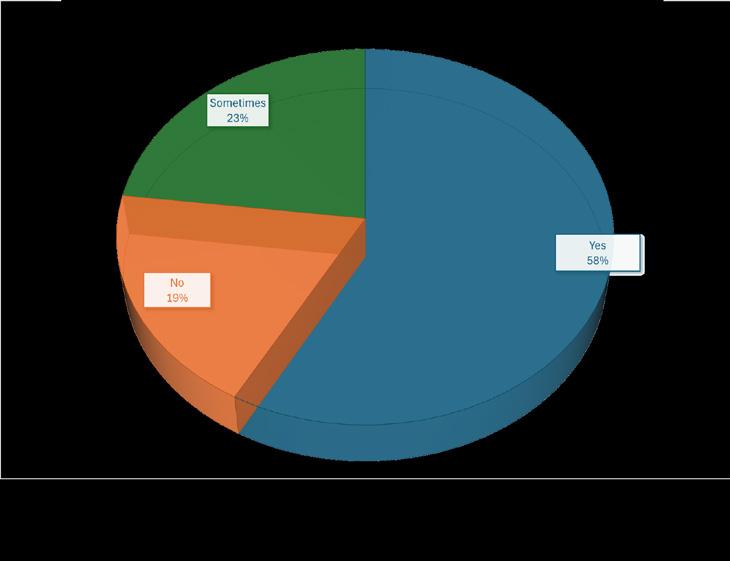

Other survey highlights include:
· 28% report pest or sanitation issues in areas where healthcare is provided.
· Staff have reported rodent infestations, mold from water leaks and persistent sewage odors.
· 44% said current medical/mental health areas do not or only partially support patient privacy and safety.
Risking Your Digital Transformation Success
Learn About Network Innovations They Don’t Want You to Know About!
Transform your existing infrastructure into a secure and robust PoE path for your IP devices.
“NVT Phybridge PoE innovations allowed us to save money, accelerate our IP migration, and build a secure and robust network.”
nvtphybridge.com/corrections





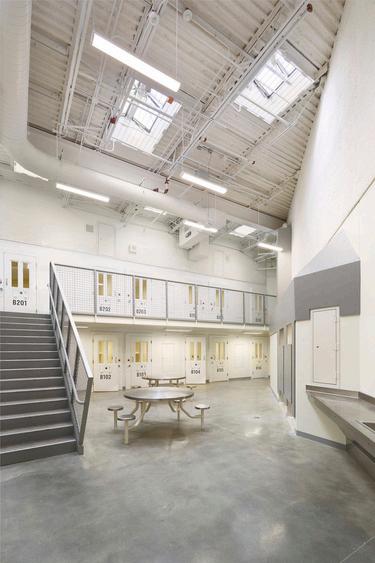

With the cost of new construction soaring, the focus must shift to proactive upkeep. Delaying repairs only drives costs up — often after a critical incident.
By Captain Edwardo L. Jackson III, CJM
The Travis County Jail and Travis County Correctional Complex, located in Austin and Del Valle, Texas, are evolving to meet the demands of modern corrections while staying true to our mission: to provide innovative law enforcement and correctional services in a holistic manner through collaborative partnerships. Guided by our vision of building strong bonds with our diverse community, we remain committed to delivering safety, professionalism and compassion through every aspect of our work.
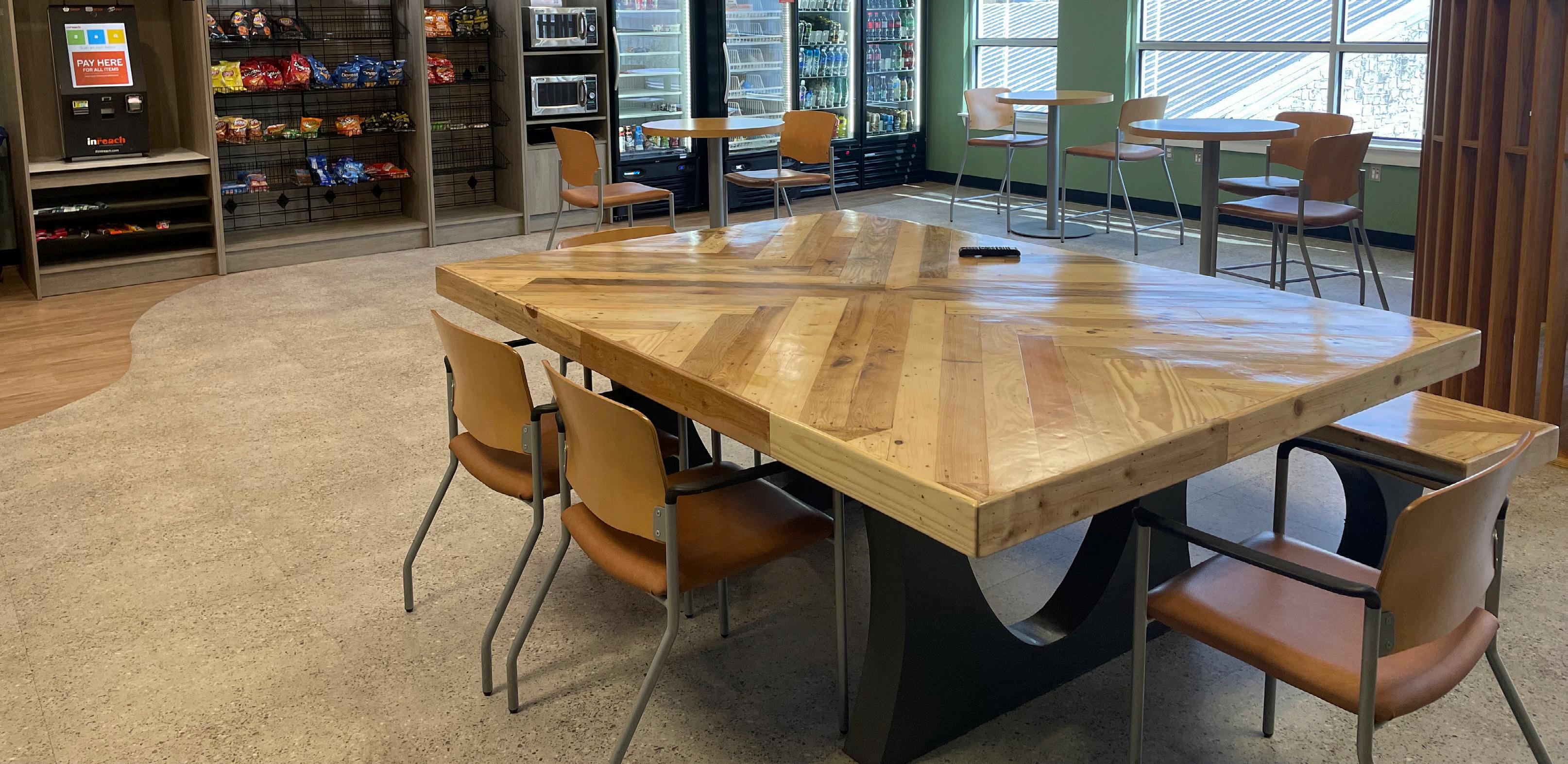
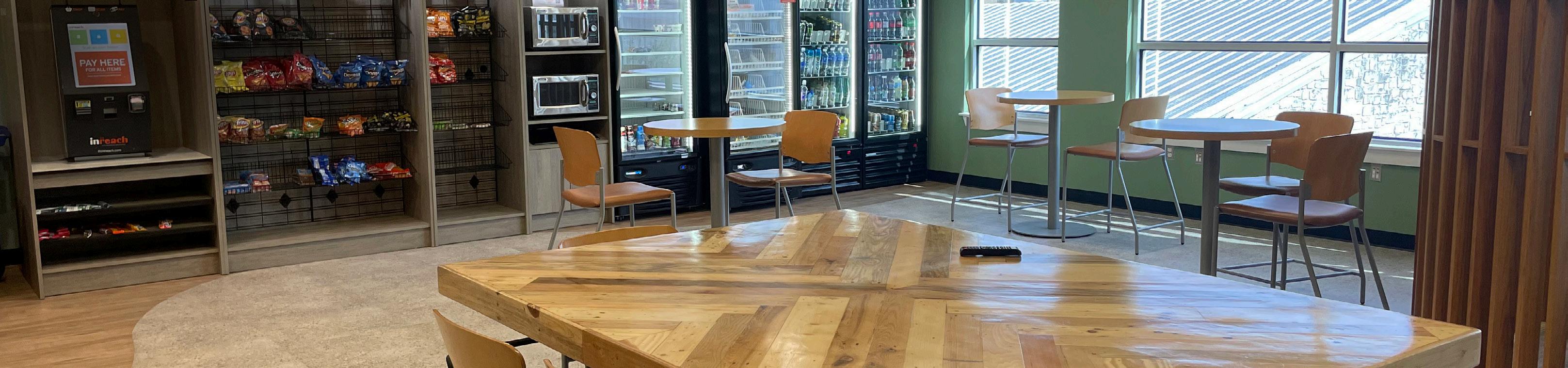
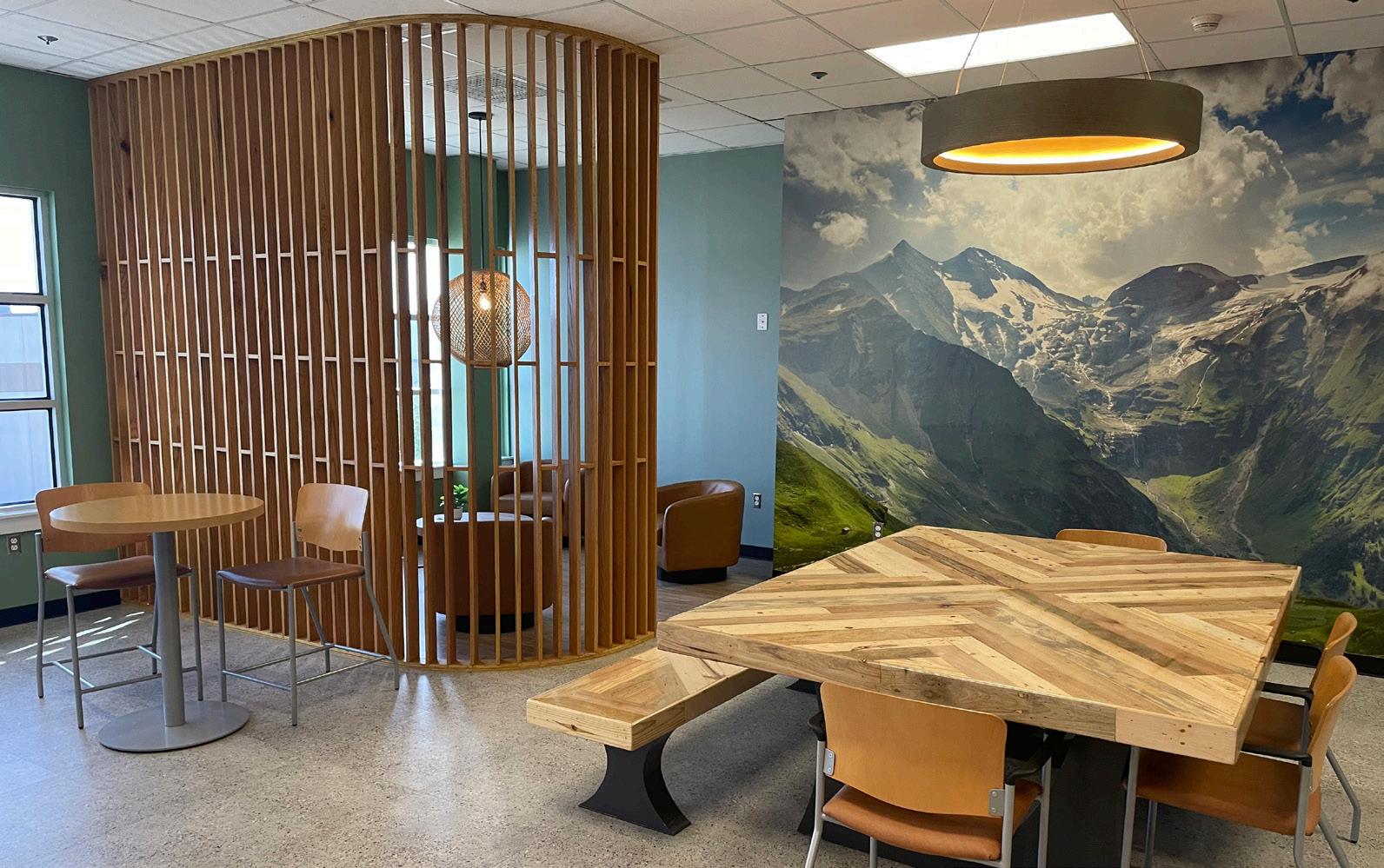
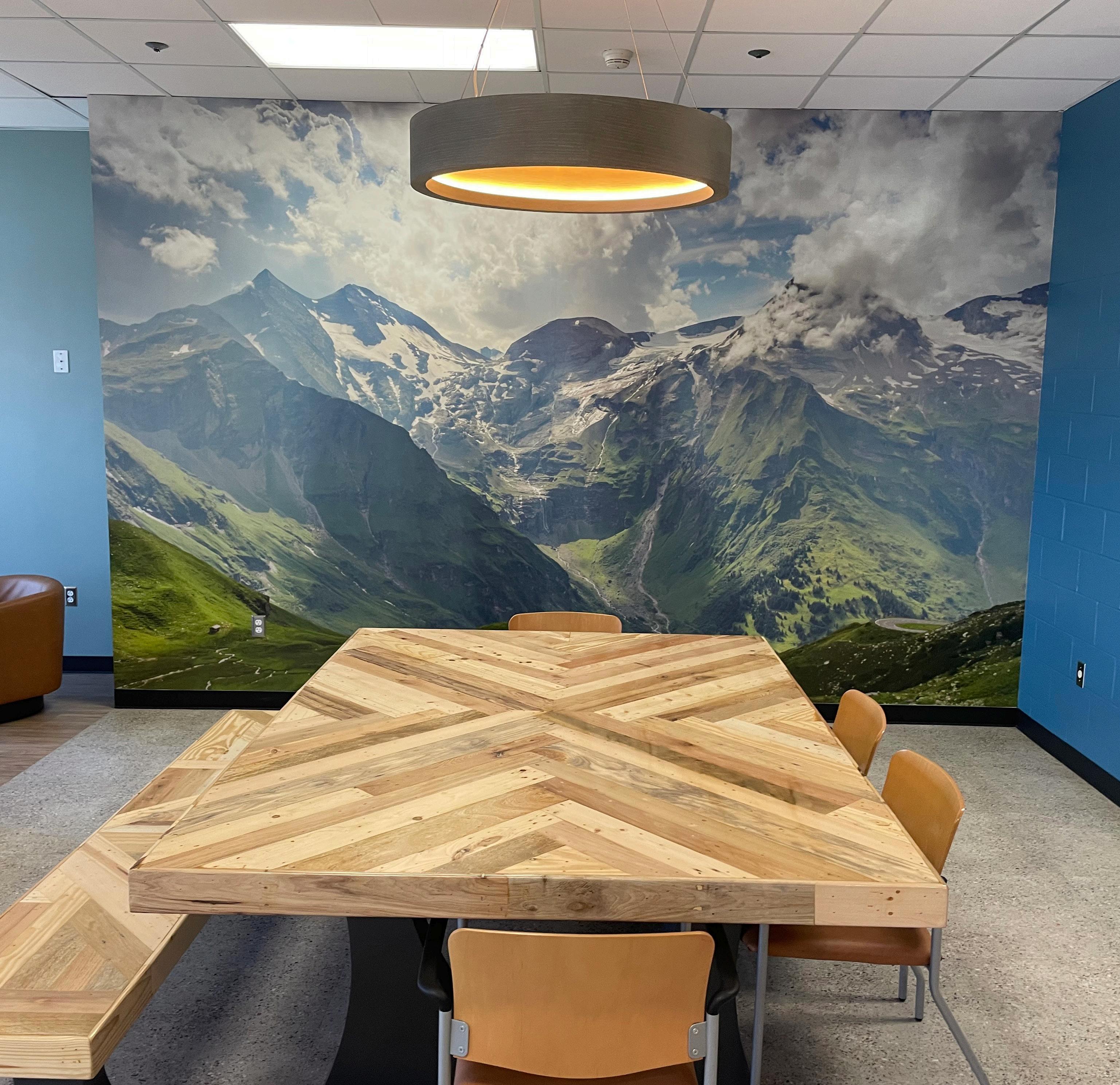
At the Del Valle complex, we have created a large, centralized break area featuring a micro-market with healthy food options, drinks, coffee and snacks. The space also includes areas for reading, relaxation and small group discussions over meals, shared on a table built by our corrections staff. In addition, staff have access to free in-person and virtual counseling, financial wellness coaching, acupuncture and other stress-relief services. These resources are designed to build resilience, reduce burnout and reinforce our commitment to supporting our team. Regular staff surveys guide the development of these initiatives, ensuring they remain responsive to employees’ needs.
Central Booking remains the heartbeat of our operations, and over the past year we have made significant improvements to keep these facilities running at peak efficiency. Looking ahead, we are preparing for a major remodel of the downtown Travis County Jail. This project will create office space for our city law enforcement partners, expand staff amenities, and refresh the exterior of the building, which has served the county since 1986. As the primary intake point for Travis County, the downtown facility processes inmates of all classifications for up to 48 hours before their transfer to the Correctional Complex in Del Valle. The county’s future goals include establishing a jail diversion center — currently in development with architects Brinkley Sargent Wiginton Architects, Kirksey Architecture and Pulitzer Bogard — and consolidating records processes across both facilities to enhance efficiency and reduce redundancy.
Behind the scenes, our warehouse and supply chain operations have been modernized for efficiency and responsiveness. Transitioning from sworn-staff oversight to civilian management has freed up officers for direct correctional duties while keeping logistics running smoothly. Improvements in inventory controls, organized storage systems and cleanliness standards have reduced waste, ensured supply readiness and strengthened our ability to respond quickly to operational demands.
Our Standards and Compliance Unit plays a critical role in maintaining operational excellence. Through regular inspections, audits and procedural reviews, the team ensures we meet or exceed all Texas Commission on Jail Standards (TCJS) requirements and other oversight mandates. This proactive, problem-prevention approach recently led to our first flawless TCJS inspection — a milestone that has drawn attention at state conferences, where our compliance model is now being shared as a blueprint for other agencies.
One of the most impactful changes in recent years has been the adoption of a trauma-informed approach to care under Sheriff Sally Hernandez’s leadership. This philosophy recognizes that both inmates and staff may be affected by past trauma, and that our environments and programs must address these realities. Housing units have been enhanced with calming paint schemes, murals and recreational spaces.

A dedicated women’s unit now features planters for gardening, vending machines for commissary essentials and expanded program offerings. Inmates can participate in life skills courses, stress-reduction workshops, yoga, anger management and substance abuse counseling — programs designed to promote personal growth, stability and readiness for reentry.
Our focus on wellness extends equally to our staff.
Recruitment and retention efforts have been strengthened through our partnership with the U.S. military via the SkillBridge program. This initiative allows transitioning service members to complete a six-week, on-the-job training rotation within our facilities, shadowing staff in housing units, court operations, hospital operations, tactical teams and inmate services such as food and laundry. This mutually beneficial program
introduces veterans to potential careers in corrections while bringing us candidates with proven discipline, teamwork skills and mission-oriented focus.
To balance operational needs with employee well-being, we have implemented a 12-hour shift schedule averaging 45 hours per week, including breaks. This structure provides staff with three consecutive days off, improving work-life balance while enhancing coverage and reducing the need for mandatory overtime. The result has been increased morale, greater operational readiness and a more sustainable workload for our employees.
Professional development has also been a key priority. Under Major Raul Banasco’s leadership, field training officers, sergeants, lieutenants, and captains are pursuing designations through the American Jail Association’s professional certification programs (CJO, CJS and CJM). Our active participation in organizations such as the Texas Jail Association (TJA) and the American Jail Association (AJA) ensures that our staff remain connected to the latest industry practices. Lt. Frances Dembowski currently serves as TJA President, and Captain Jonathan Ede serves as AJA 3rd Vice President — positions that reflect the caliber of leadership within our ranks.
Every advancement — whether in booking efficiency, compliance, wellness or programming — reflects our values:
· Trust as the backbone of our relationships
· Community as the foundation of our strength
· Security as the bedrock of quality of life
· Openness as the pathway to progress
The men and women of the Travis County Sheriff’s Office make this possible through their dedication, professionalism and compassion.
The Travis County Corrections Bureau operations is more than a place of detention, it is a dynamic, evolving organization dedicated to operational excellence, community trust and the belief that positive change is always worth the effort.

By Rosalie Howell and Brooke Martin
As of spring 2024, 1.8 million people were incarcerated in the U.S., according to data from The Sentencing Project, an increase of 400,000 people since 2019 according to numbers from the Vera Institute for Justice. Approximately 200,000 — or just more than 10% — of those incarcerated are serving life sentences. For perspective, the U.S. makes up only 4% of the world’s population, but accounts for 40% of the world’s lifesentenced population, including 83% of persons serving life without the opportunity of parole.
The socio-economic implications of these statistics are overwhelming and illuminate the need for accountability from stakeholders regarding the systemic changes required to address this imbalance in holistic and intentional ways. Legislators, operators and

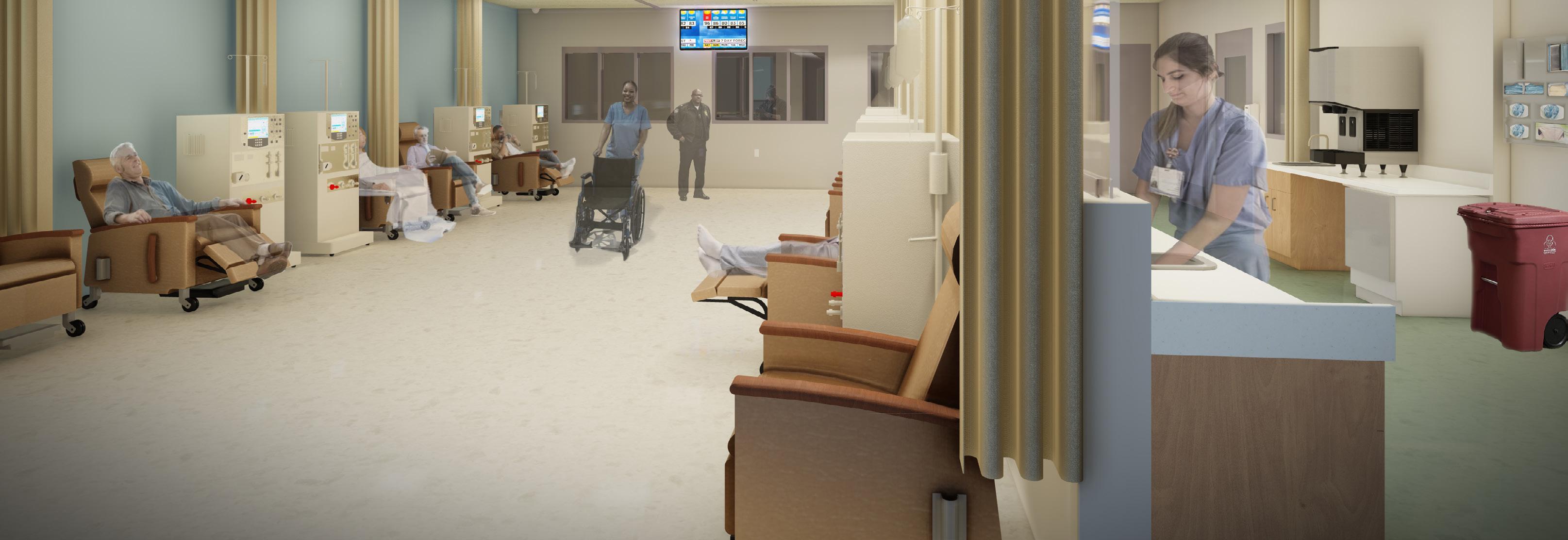

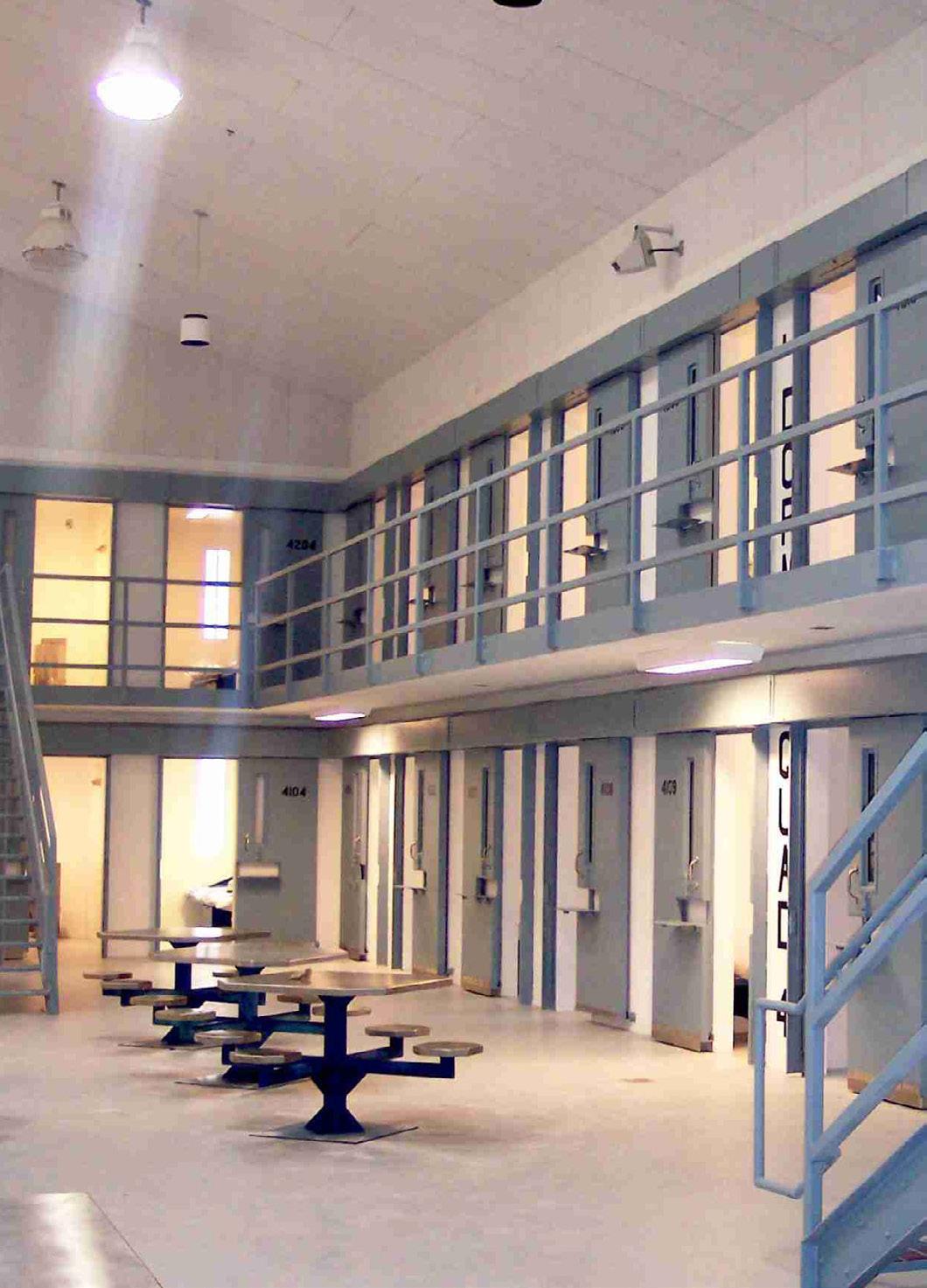
S aving Time and Money for Florida’s Correctional Facilities.
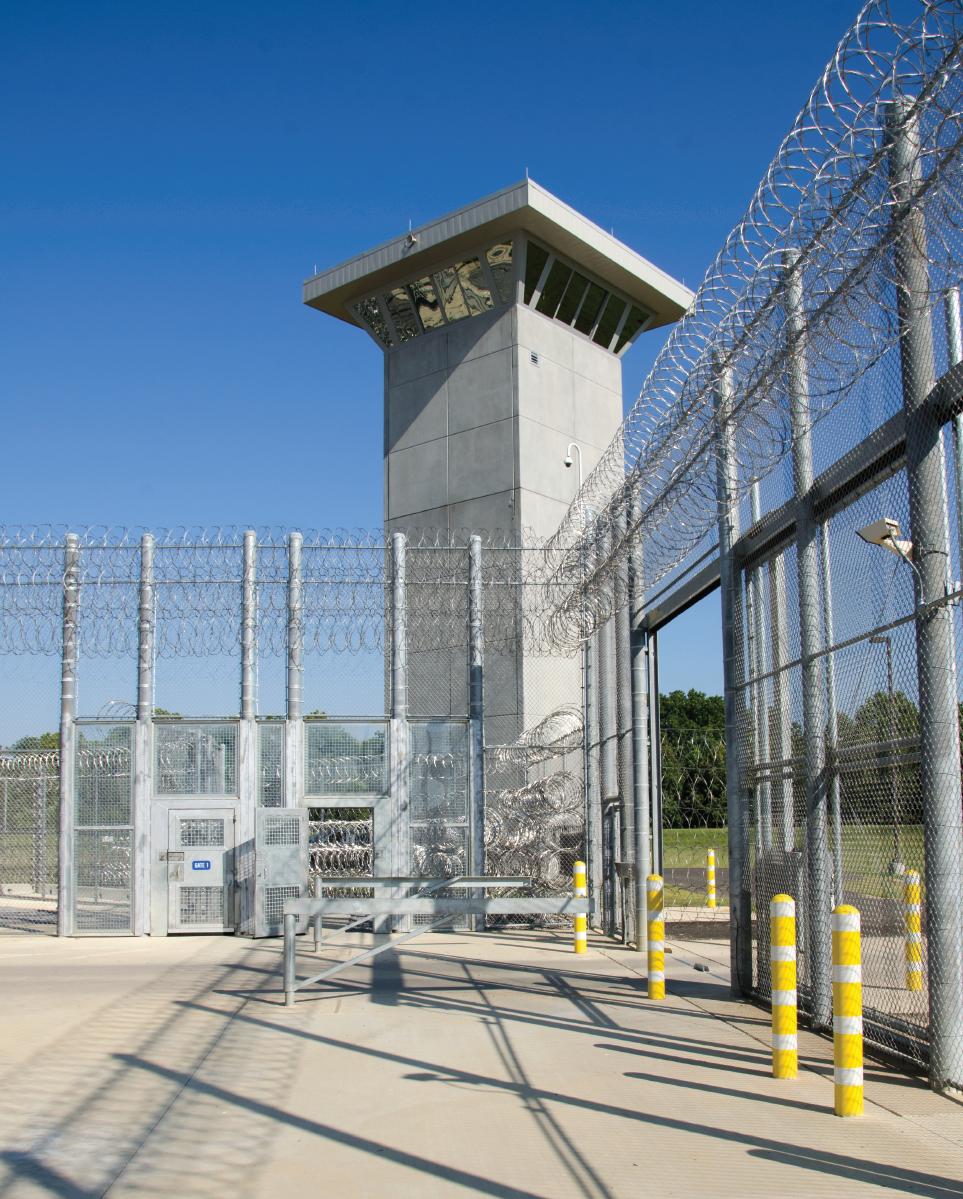
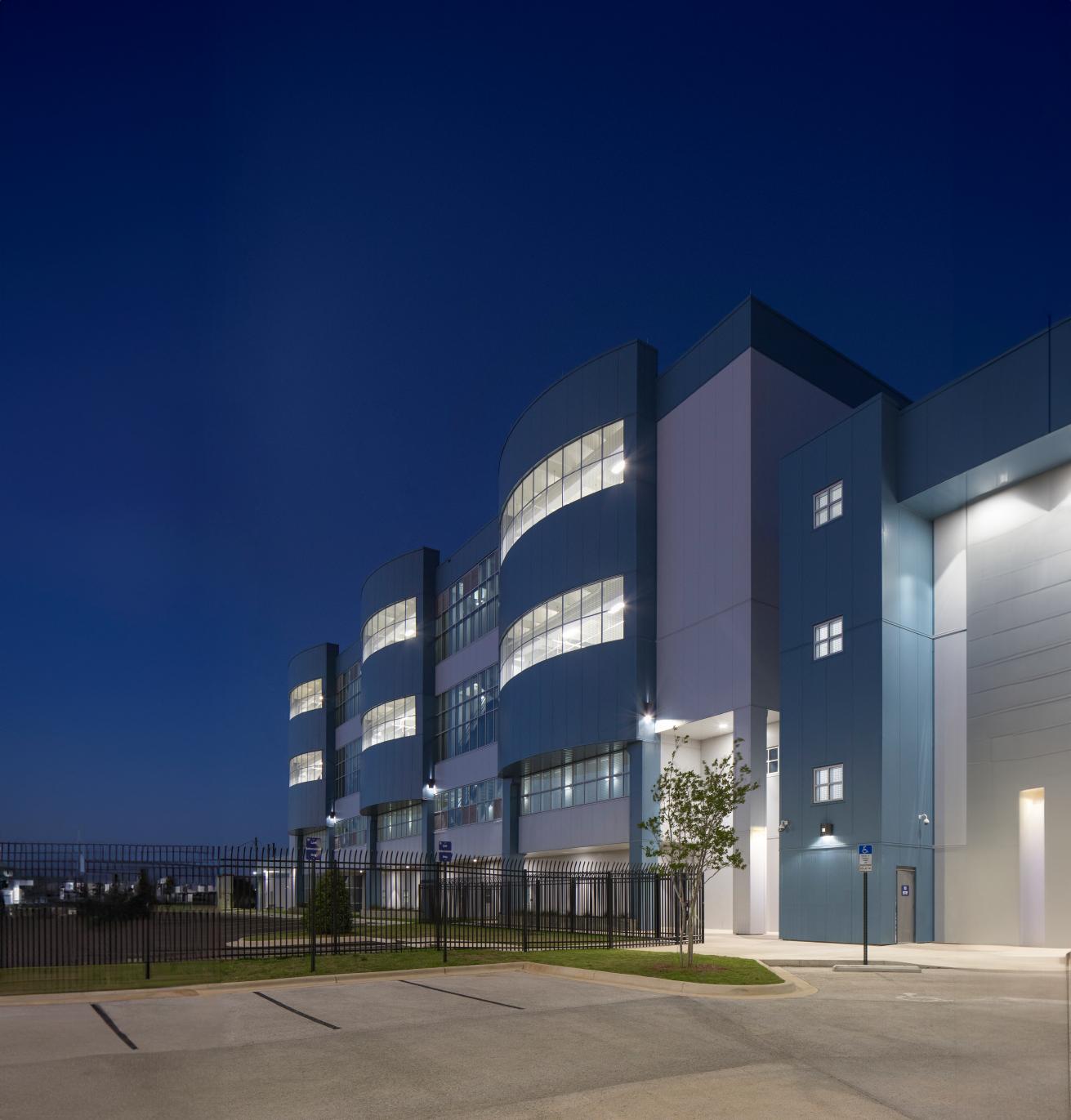
As the population increased at Florida’s DOC Northwest facility, officials activated plans to add more housing units. Fortunately, Tindall’s six-sided cell modules and total precast construction proved to be a more economical and faster solution compared to the state’s traditional method - concrete masonry units. To learn more about this project and others like it, Talk to Tindall.

intersection of various marginalized identities, especially with regards to race, age, gender and mental health status. One historically problematic example within the U.S. justice system: Black men serving life sentences are overrepresented by 48%, though they account for only 11% of the total male-identifying population in the U.S. Similarly, Black women serving life sentences account for 32% of incarcerated women but comprise only 13% of the entire population of women in the U.S., according to The Sentencing Project.
Adverse childhood experiences (ACE) are also prevalent and overrepresented among incarcerated populations. A 2018 study sample of two prison populations found 58% of all inmate respondents reported four or more types of childhood trauma, compared with about 12% of the general population, according to “The Childhood to Prison Pipeline: Early Childhood Trauma as Reported by a Prison Population.” This rate rises to 64% of incarcerated individuals who identify as women, and 90% for those facing capital punishment. Another study reports that up to 90% of incarcerated women have experienced intimate partner violence (IPV) in their lifetime, compared to 25% of women in the general population. Researchers found that 50% of incarcerated women experience ongoing IPV from their outside partners, a figure that researcher say increases for
incarcerated mothers. The New England Journal of Medicine notes that more than 50% of the incarcerated population have a mental health problem, substance use disorder or both. Studies show there is a correlation between the experience of childhood trauma and the incidence of violent behavior within prison facilities, decreasing safety and wellbeing.
According to The Sentencing Project, 35% of people serving life sentences are aged 55 or older — the geriatric threshold in correctional facilities. A 2024 Virginia Department of Corrections report found that 47% of those incarcerated in Virginia over age 50 are Black. Black individuals experience higher rates of cancer diagnoses, mortality and dialysis needs with chronic conditions intensifying with age, according to the American Cancer Society. A study by the Vera Institute of Justice found that each year spent in prison cuts a person’s life expectancy by two years: “If not for incarceration, the U.S. life expectancy would be five years higher.” It’s important to note here that Virginia DOC studies have shown the risk of self-harm doubles in populations serving life sentence.
The Centers for Disease Control and Prevention finds that the justice-involved community experiences a higher prevalence than the general population of multiple risk factors, including HIV, viral hepatitis, sexually transmitted infections, tuberculosis (TB), traumatic brain injuries and concussions.
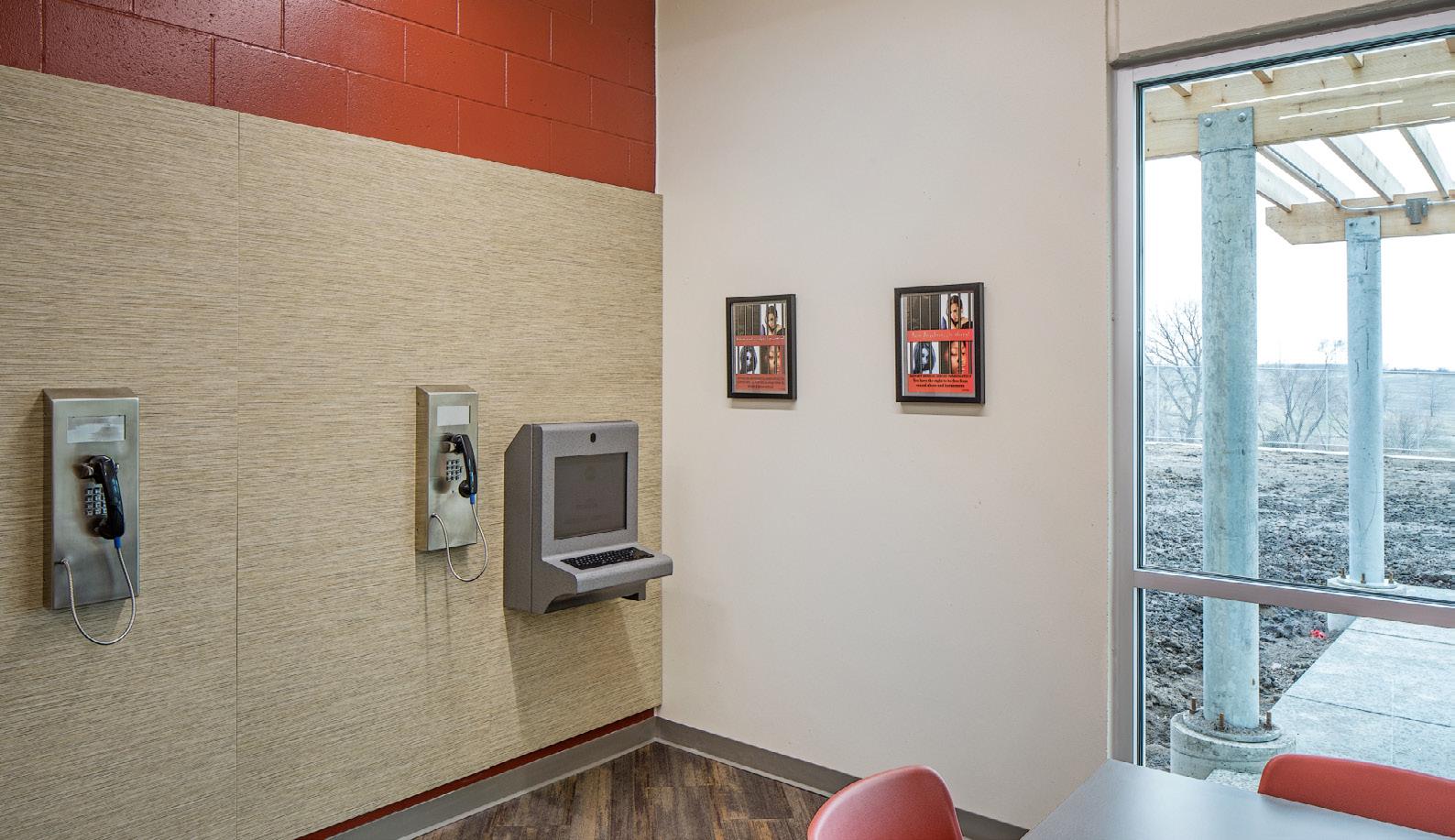
There are two principles that explain the “why” at the heart of justice design: dignity and equity. Restorative justice, an approach to the justice system that prioritizes both principles, necessitates that correctional programs address harm and violent actions through building trust within correctional environments and affected communities. Within the U.S. justice system, there are a number of standards, programs and organizations dedicated to making sure correctional facility design is rooted in dignity and equity, such as the American Correctional Association, Americans with Disabilities Act, the Center for Medicare and Medicaid Services, the National Commission on Correctional Health Care, the Prison Rape Elimination Act and The Joint Commission.
Additionally, there are cross-cultural examples of successful community justice models that are centered in reconciliation between the person who committed the crime and those impacted by it. This is a prevalent practice among North American Indigenous communities and has been adopted by the Canadian justice system in a program called Restorative Circles, which “focus[es] on the harm done to the community, and the community’s responsibility for supporting and holding its members accountable.” A famous example is Halden Prison, completed in 2010 in Norway, which functions more as a collection of modestly sized dorms in a housing community organized by security level, embedded in a blueberry grove with tall coniferous trees, all enveloped by a visibly restrictive concrete wall. Normative habits are encouraged among residents, connections with nature are prioritized as a human right, and staff are encouraged to freely socialize with inmates as part of an important trust-building process.
In 2022, a Pennsylvania prison adopted a model called Little Scandinavia, allowing trusted long-term individuals to positively mentor other inmates, contributing to optimized social environments within secure settings. Importantly, this program was piloted within an existing housing unit — not a new building — showcasing how powerful and needed innovative policies and operations can be. Desired outcomes and
optimized programs occur when fully supported through a joint commitment of both policy change and new design approaches.
As a national model, Massachusetts Department of Correction’s goal is to eliminate restrictive housing and advance discipline reform. Research shows solitary confinement can increase aggressive behavior and recidivism. Programs like Restorative Circles, Halden Prison and Little Scandinavia show that prioritizing dignity and equity to address behavior and providing opportunities for purpose-filled living encourages positive outcomes.
Proven solutions centered on human dignity exist, and designers can help facilities meet continuum-of-care needs for those serving life sentences. Designers should turn their focus to evidence-based strategies that address the ongoing needs of the community served. Some examples include:
Legislators, operators and designers are responsible for designing spaces that reinforce dignity and humanity.
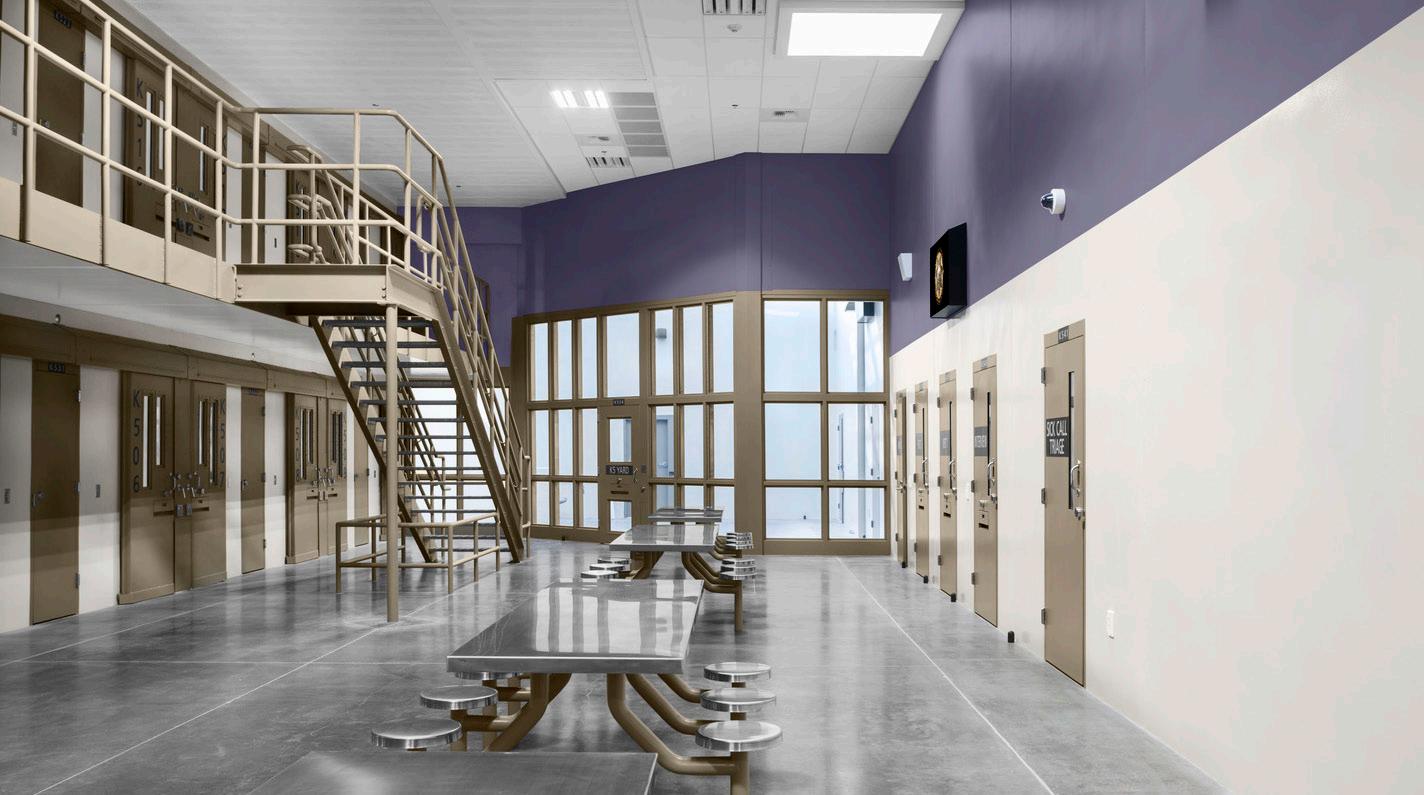
· Harm reduction through normative, ligature-resistant design.
· Behavioral health improvement through incorporating choice, environmental control, and connection to daylight and green spaces.
· Reduced sensory triggers through special attention to color, texture, lighting, air quality, acoustics, curves and site lines.
· Increased access to outdoor recreation and connection to nature. Studies show improved physical and behavioral health with access to an outdoor green view.
· Food preparation spaces that optimize dietary food plans for healthier meal planning and nutrition. Studies show that where, how and what food is prepared and eaten in a secure environment can improve relationships, selfesteem and physical well-being.
· Honor dorms and legacy housing units.
· Facilitating movement through design intervention.
· Eliminating solitary confinement or restrictive housing units.
· Designing expandable high-quality postsecondary education and training spaces, and providing opportunities for those serving life-sentences to enrich their lives, minds and skillsets.
· Design staff training spaces to support leadership and conflict resolution skill-building programs. Positive interactions between staff and incarcerated people prioritizes dignity, reduces stress, leads to increased safety and better outcomes.
· Allowing for adequate access to healthcare by integrating medical facilities.
· Designing to accommodate aging-related conditions, such as dementia, arthritis, chronic health conditions, and palliative and end-of-life care.
· Moving beyond the minimum for accessibility design through optimized wayfinding and providing autonomy for those with mobility impairments.
· Utilizing trauma-informed principles. Trauma-informed design is emerging as a priority in correctional design for good reason, since statistically those incarcerated have experienced some form of trauma in their lifetime. Various design strategies can be implemented to address environmental triggers that may cause symptoms of post-traumatic stress disorder, such as intentional colors and textures to evoke a calming response. Incorporating clear sightlines to exits can be important for individuals who have experienced false imprisonment, common for those who have experienced child abuse or intimate partner abuse.
For those serving life sentences, these listed solutions revisit individual needs, living environments and operations within correctional facilities. The solutions are centered on designing for living while focusing on principles of dignity, equity, choice and recovery. In working to create a better future for all, regardless of circumstance, our society must reconceptualize secure environments and how criminality, justice and humanity are defined and intertwined.


Brooke Martin, AIA, CCHP, NCARB, LEED GA, is a senior associate and justice architect at Dewberry. She is also a valued member of the Correctional News Industry Knowledge Council. Contact Martin at bmartin@dewberry.com.
Additionally, Rosalie Howell, AIA, is a justice architect at Dewberry. Contact Howell at rhowell@dewberry.com.

By Pia Puolakka
Artificial intelligence (AI) is reshaping multiple sectors, including correctional facilities. Prisons, as high-security environments, pose unique challenges but also opportunities. Historically, corrections adopted new technologies cautiously, but this is shifting. AI can enhance security, improve rehabilitation and healthcare, and streamline operations (Puolakka & Van De Steene, 2021).
AI strengthens prison security through intelligent surveillance, predictive risk
modelling, and administrative support. Intelligent Surveillance AI-powered facial recognition can locate prisoners and visitors, manage access rights and reduce risks. CCTV integrated with AI can detect unusual behaviour, prohibited items or signs of conflict in real time, enabling quick interventions. Voice recognition can flag concerns in monitored calls. Biometric systems — such as fingerprint readers or health-monitoring wristbands — verify identity, control restricted-area access and detect medical problems. Electronic monitoring systems track prisoners on furlough or probation.

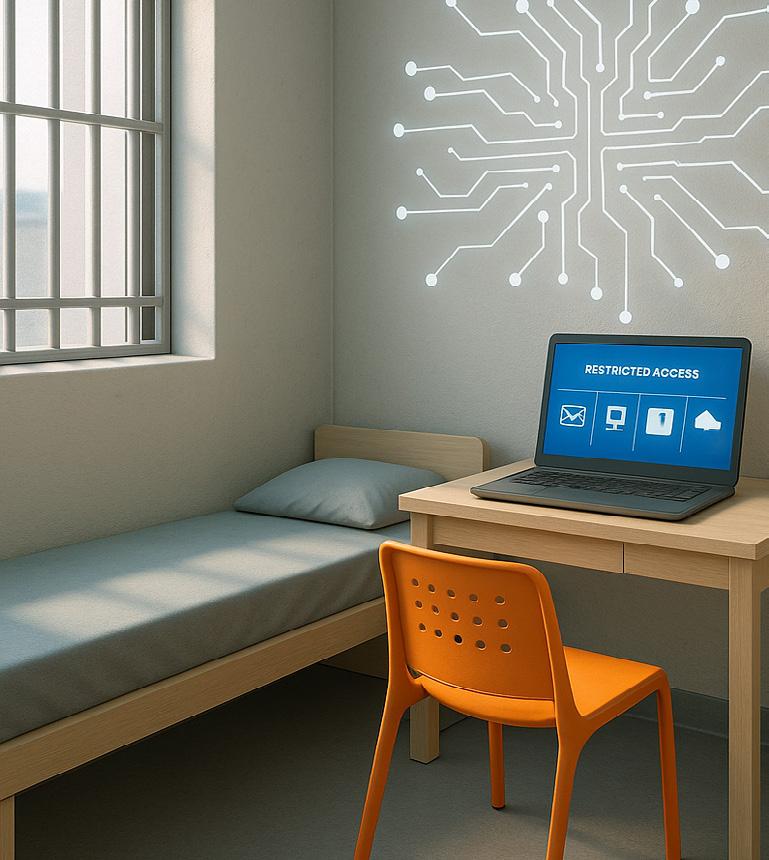
By combining data on history, behavior, and social dynamics, AI forecasts conflicts or prohibited activities. Staff can intervene proactively, allocate resources efficiently and boost safety with real-time insights.
Smarter Administration
AI automates routine tasks such as scheduling, reporting and document management, freeing staff to focus on rehabilitation. Administrative duties can be distributed more effectively within limited resources.
Modern offender management systems integrate AI for risk and needs analysis. Data mining uncovers patterns, while natural language processing extracts factors from free-text case notes, enabling automated reports. Recommender systems simulate staff assessments, suggesting suitable prison units, activities and programs. In some cases, prison allocation resembles hotel-style booking systems.
Many prisons face overcrowding, staff turnover and limited activity options. COVID-19 accelerated digital rehabilitation, and AI offers personalized, adaptive support. Educational and Rehabilitative Platforms AI-powered platforms provide tailored exercises in substance use recovery, anger management, emotional regulation, literacy, vocational training and language learning. These systems adapt to each prisoner’s pace, track progress, celebrate milestones and offer motivational feedback.
AI-driven avatars and chatbots act as mentors or “therabots,” supporting social skills, job readiness and behavioral change. Some incorporate cognitive behavioral therapy (CBT) techniques to simulate therapeutic conversations.
VR and AR enable inmates to learn daily life skills, rehearse workplace scenarios like job interviews and practice safely before release. VR and AR also support health and wellbeing, including stress relief and anger management.

By Dena Sattler
With a wide range of programs to educate and rehabilitate incarcerated individuals, Richard J. Donovan (RJD) Correctional Facility covers a lot of ground — so much that it’s a mini city.
And as with any city, RJD must evolve to meet today’s challenges and needs.
Designed and built jointly by Sundt Construction and the California Department of Corrections and Rehabilitation (CDCR), RJD opened in 1987 in southern San Diego County, Calif., as a reception center. In 2012, the mission shifted to General Population and Sensitive Needs Yard operations and programming — a “completely different dynamic,” said RJD Public Information and Recruitment Officer Lt. Adam Garvey. RJD now houses mostly Level II and III offenders, and some Level IV. With a prison population in July 2025 of 3,666 and about 2,500 staff, it’s a bustling environment, even when spread over a 265,000-squarefoot facility on 780 acres. A major expansion about a decade ago increased the prison’s capacity by 792 beds and enhanced healthcare offerings on site, but there’s room to improve.
The transition from reception center to a facility providing programming created unique challenges. RJD staff have been flexible and innovative in keeping well-rounded rehabilitation efforts moving forward by using space available in the most efficient ways possible. Public stakeholders — businesses, schools, nonprofit organizations and others — also have been important

supporters of the nimble, forward-thinking education and vocational training taking place at RJD because those are proven ways to reduce recidivism and help incarcerated individuals be more productive members of society upon their release.
Garvey said RJD staff rely on strong communication to work around existing space limitations. Their
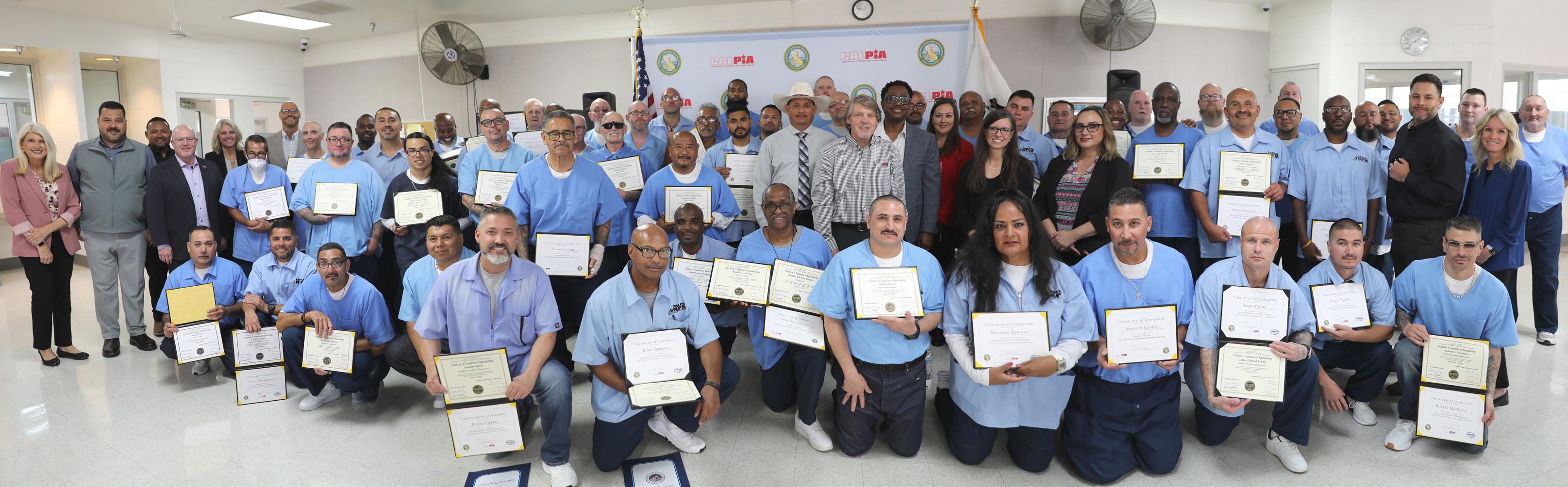
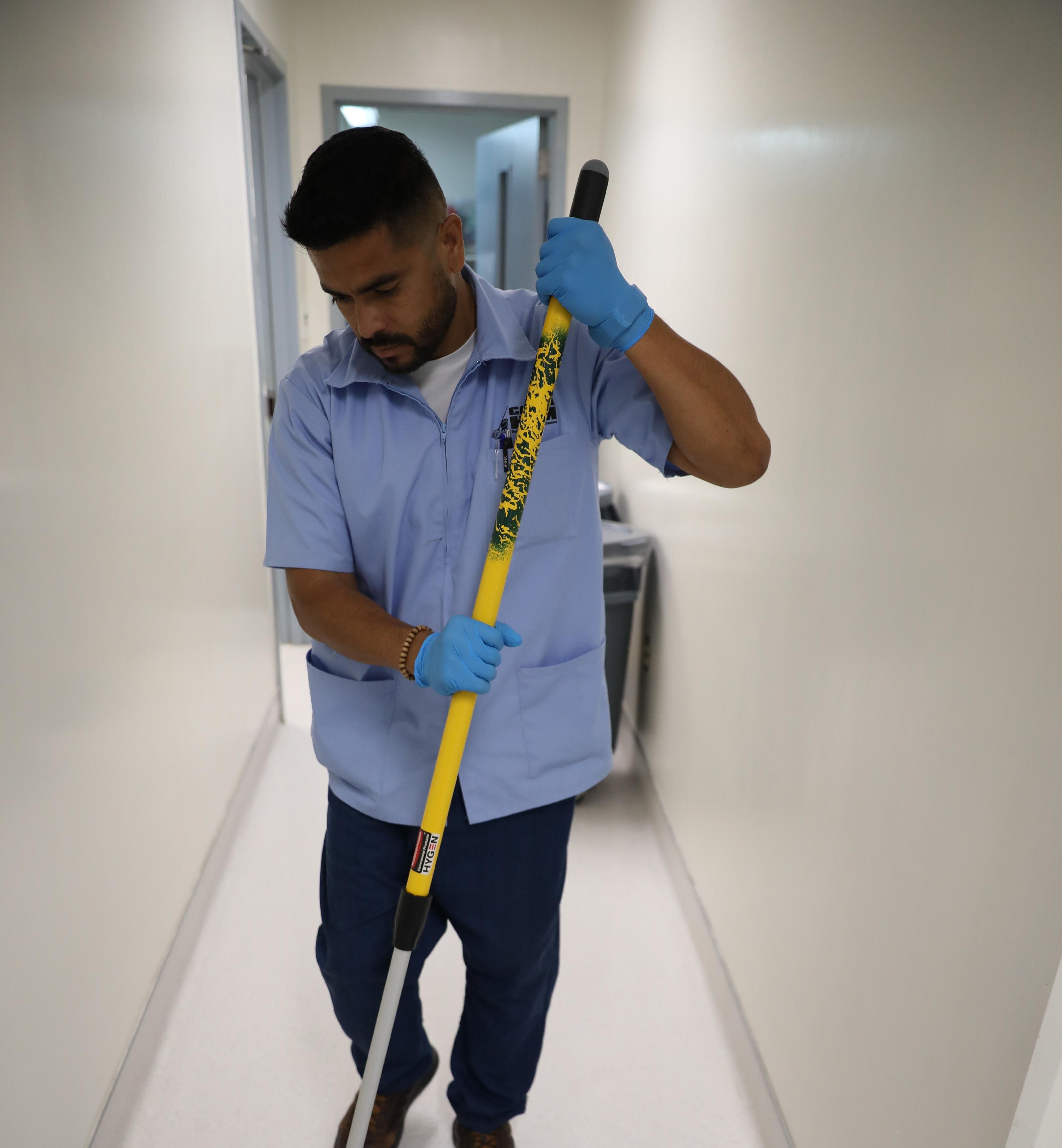
collaboration fuels opportunities at a bakery, shoe factory, laundry and other areas offering real-world training through the California Prison Industry Authority (CALPIA). Participants in the job training programs earn industry-accredited certifications that help them gain employment when they leave prison.
In the bakery, incarcerated individuals produce wheat bread for the entire California corrections system, with some 11,000 loaves trucked out daily. Soon, they’ll add bagels to the mix. RJD also produces about 1,000 pairs of Converse-style shoes daily in the shoe factory; the low- or high-top shoes come with or without laces. In the laundry, workers take care of needs in-house and at some outside veterans’ homes. There is also the Healthcare Facilities Maintenance program in which incarcerated individuals learn how to clean at a hospital-grade level. One former graduate who earned his certification now owns his own business on the outside cleaning medical offices, and other CALPIA graduates work at hospitals and dental offices, Garvey said.
RJD education opportunities include earning a GED, associate and bachelor’s degrees, and Career Technical Education (CTE) training in carpentry, welding, electronics, building maintenance and other critical skills. CTE also is a way to help bridge state funding gaps by addressing maintenance internally. For example, the RJD facility built on Rock Mountain is susceptible to pipes breaking underground, which creates a real-world environment for maintenance and repair work by the prison population and staff. RJD employees in plant operations, electrical work, carpentry, fabrication and beyond keep the incarcerated population training and working on a variety of maintenance needs. The planned return of a welding program will help as well.
In 2023, the State of California launched the “California Model” to improve
staff safety, wellness and rehabilitative opportunities statewide. RJD is among several test sites in the program designed to reduce stress and make life in prison as similar as possible to life outside, while improving rehabilitation and the likelihood of release. Normalization is one foundational pillar of the “California Model.”
One such project at RJD — the Green Space Project — serves to rehabilitate through beautification of a
See DOC Operations, page 37→

By Lance Horozewski
In 2018 Wisconsin laid out a bold vision to reform its juvenile corrections system. The state passed legislation that transitioned away from large-campus youth correctional facilities to smaller, modern and closerto-home facilities operated by both county and state government.
Additionally, while many states took the path of closing youth correctional facilities, Wisconsin chose a different path. Recognizing the need to serve the highest risk youth in secure facilities, the state made significant financial investments in closing outdated facilities while investing in new modern youth facilities.
Now in 2025, Wisconsin is finally seeing that vision come to reality. Tens of millions of dollars were allocated by the state legislature and governor to design and build new facilities. These new facilities, located in the areas of the state where the majority of youth come from, are expected to transform the way juvenile corrections in Wisconsin functions.
In May of 2025, the first new facility opened in the community of Racine, located in the southeastern part of the state. The Jonathan Delagrave Youth Development and Care Center is a 48-bed facility that provides
placement and services to youth in a new state-of-the-art secure building. The facility, operated by the county’s
Human Services Department, focuses on creating spaces that maximize daylight by incorporating vast amounts of windows. As one walks through the facility, they will notice high ceilings and abundant daylight.
At the same time, the State of Wisconsin expanded with a brand-new addition to the Mendota Juvenile Treatment Center (MJTC). MJTC serves youth whose needs cannot be met in other youth corrections settings. The Mendota program is located in Madison and currently provides services to both boys and girls. The facility also has the ability to expand when the need arises. The Mendota program is nationally recognized for serving youth with the most complex mental health needs and those who exhibit violent behavior while in juvenile justice facilities. The new facility’s design further solidifies the program’s mission to serve youth in an environment that focuses on treatment and traumainformed care.
The State of Wisconsin also broke ground on its first

youth facility to be located in the City of Milwaukee. Milwaukee County, the state’s most populous county, sends the highest percentage of youth to the Juvenile Corrections System. The new facility, Southeast Regional Care Center for Youth, is located on the city’s north side which is close to community resources such as public transportation and local service providers. The Wisconsin state agency responsible for juvenile corrections is the Division of Juvenile Corrections (DJC). DJC worked with an architectural firm to design the building with a focus on trauma-informed care, education and humancentered safety. Southeast Regional is expected to open in the fall of 2026.
Another facility was approved in the City of Fitchburg, about 20 minutes from Madison, and groundbreaking is tentatively planned for mid-2026. The design will incorporate portions of the Southeast Regional facility in Milwaukee and expand opportunities for outdoor agriculture and a large multipurpose industrial arts building.
All three State of Wisconsin facilities used the same architectural design firm, BWBR, which worked with the state agency leadership on all aspects of the designs Having the same design firm allowed for continuity, but also flexibility for individual creativity with design and material selection. Examples of individual design include the Mendota facility
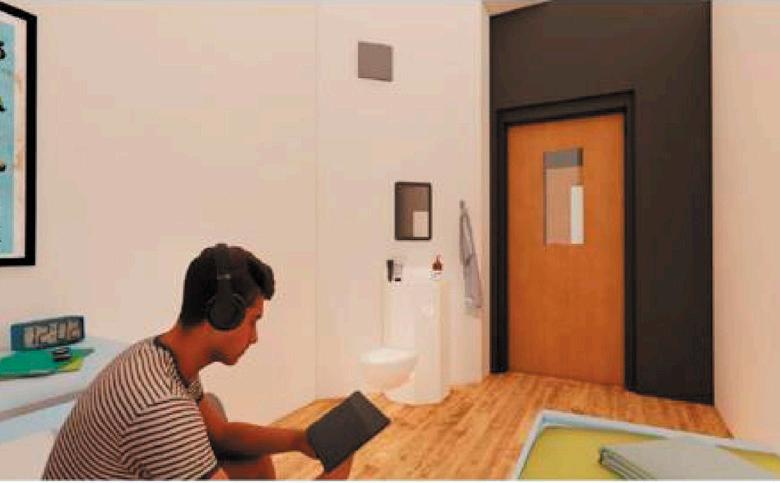
having their housing units arranged so that the youth transition from one unit to another based on their progress in programming. Southeast Regional designed spaces for family engagement where family members can actively and safely engage with youth in facility spaces.
The transition to new facilities in Wisconsin is expected to be complete by the end of 2028.
By Karin Arnold, Jason Bennett, Stefanie Bloomingdale and Robin Timme
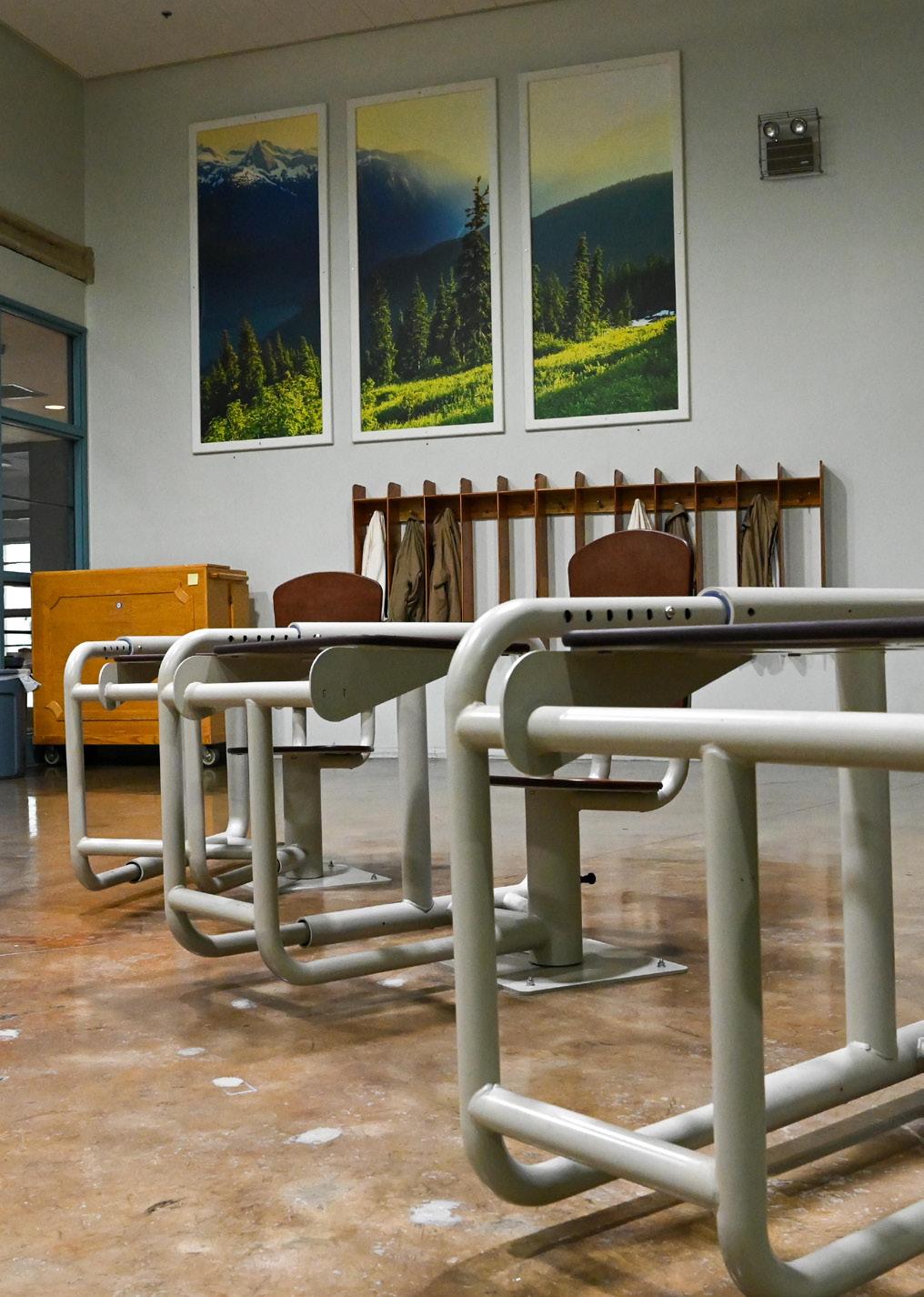
Challenging the traditional model of solitary confinement has been a longstanding goal of the Washington State Department of Corrections, which has been working for more than a decade to reduce the use of solitary confinement and rethink how safety and separation are accomplished. In June 2024, Stafford Creek Corrections Center became the proof-of-concept site for the Solitary Confinement Transformation Project (SCTP).
not just

The pilot aimed to reduce the use of solitary confinement by 90% and increase meaningful congregate activity for incarcerated individuals placed in restrictive housing.
The facility was allocated resources for correctional officer escorts, data collection, mental health treatment and investigations. The team gathered baseline data in the month of July 2024, when incarcerated individuals were offered a total of 863 hours out of cell for recreation and activities, accepting and receiving 830.9 hours. The project went live in the first week of August 2024, and by the end of the month, incarcerated individuals had been offered 4,622 hours out-ofcell and accepted 3,293.9 hours, reflecting an increase in offered time out of cell of 436% and an increase in received time out of cell of 296%.
The team continued gathering data through March of 2025, which demonstrated sustainability of these changes. Month after month, SCCC maintained significant increases in time out of cell and meaningful activities relative to preintervention levels, reflecting the opportunity for incarcerated individuals to receive four hours out of cell per day, where previously they might have just five hours per week outside of the cell.
Effective management of prisons means balancing the goals of rehabilitation and reentry with the need for safety and security in settings of confinement. Fundamental to this balance is the need to separate individuals who pose an unacceptable risk for violence in the general population, while maintaining conditions of confinement that maximize time out of cell and access to meaningful congregate activity. Doing so without the use of solitary confinement, or at least dramatically reducing reliance on those conditions, has become a priority for forward-thinking prison systems around the world.
In Washington, the Department of Corrections defined solitary confinement as an operational status in restrictive housing where an individual is confined to a singleoccupancy cell for more than 20 hours per day, without meaningful human contact, out-ofcell activities, or opportunities to congregate. This definition set the bar much higher than that established by the American Correctional Association (ACA) or the United Nations
Standard Minimum Rules for the Treatment of Prisoners (the Mandela Rules), both of which use a 22-hour threshold in their definitions.
In 2023, Washington State compiled a plan to reduce the use of solitary confinement by 90% over five years, if the legislature provided the required funding. When the state legislature funded the project at a small fraction of the full estimated cost, the agency allocated the funding to the proof-of-concept, a pilot program at Stafford Creek Corrections Center, to implement the model in a single prison.
The pilot project began in June of 2024, obtaining baseline data in July of 2024, and implementing the increased resources in August of 2024. Data was collected through March of 2025, measuring time out of cell that was scheduled, offered, accepted and received (SOAR). The SOAR model provides nuanced surveillance and tracking for time out of cell, rather than simply assessing whether time out of cell happened or not.
See Safety Trends, page 34→ Scheduled
A daily schedule exists at the facility, housing unit and individual levels, showing how recreation, programming, treatment and other services are planned and how every person can potentially obtain planned time out of cell.
Providing the opportunity for an incarcerated person to participate in the scheduled and planned time out of cell.
At the individual level, the person offered time out of cell takes the opportunity to engage in the offered activity, program, treatment, recreation, etc.
At the individual level, the person who accepts time out of cell is moved from the cell to the program, recreation, treatment, etc., and participates in the schedule activity.
By Holly Porter
Managing the maintenance needs of multiple jail facilities is no small task. The safety, security and functionality of systems and structures required to operate jails in any jurisdiction can affect the safety, health and well-being of staff and incarcerated people. Properly maintaining detention facilities is further challenged by resource limitations and regulatory requirements.
jails. There have been several recurring themes during this planning process that stand out as lessons learned and best practices in both facility maintenance and capital planning for detention facilities.
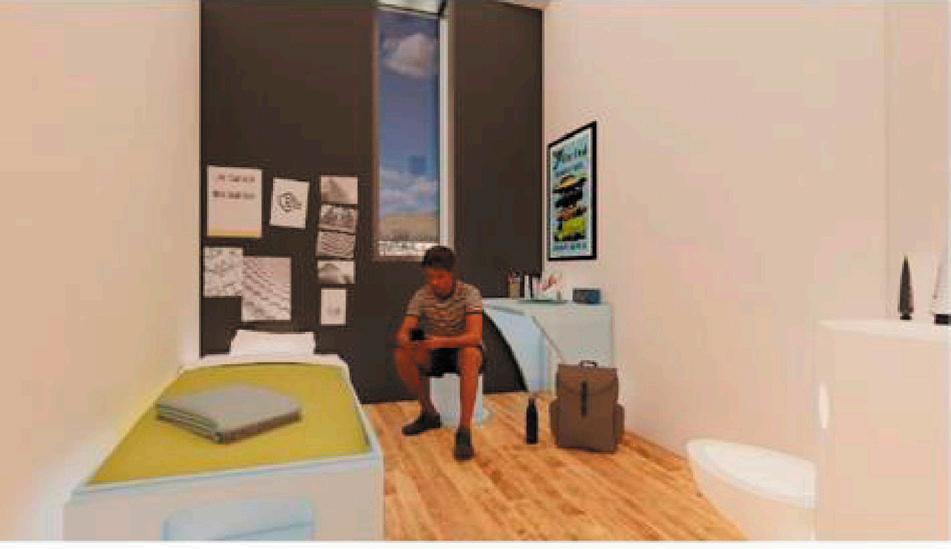
The vision for the new Vista Detention and Re-entry Facility is to prioritize public safety by emphasizing programming, mental health support and positive
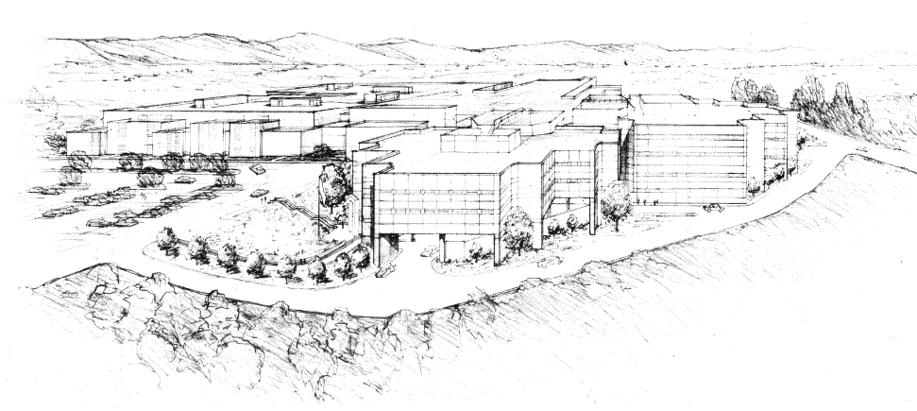
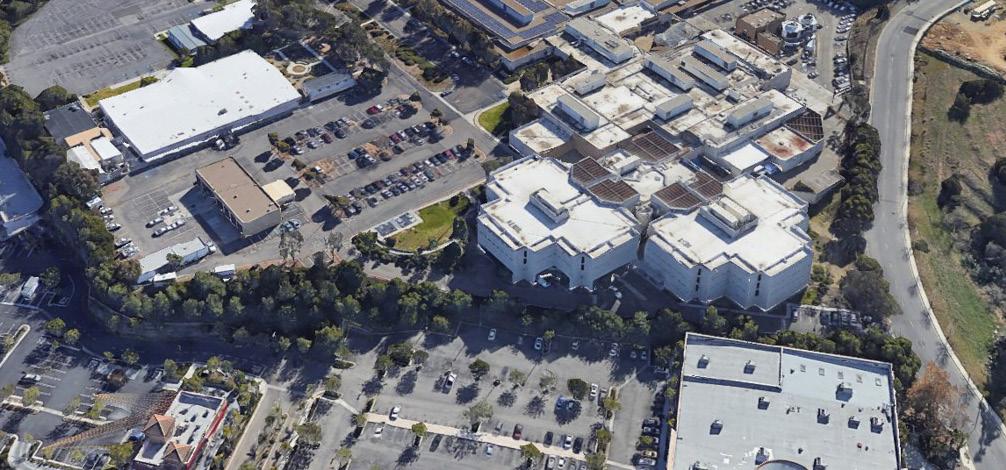
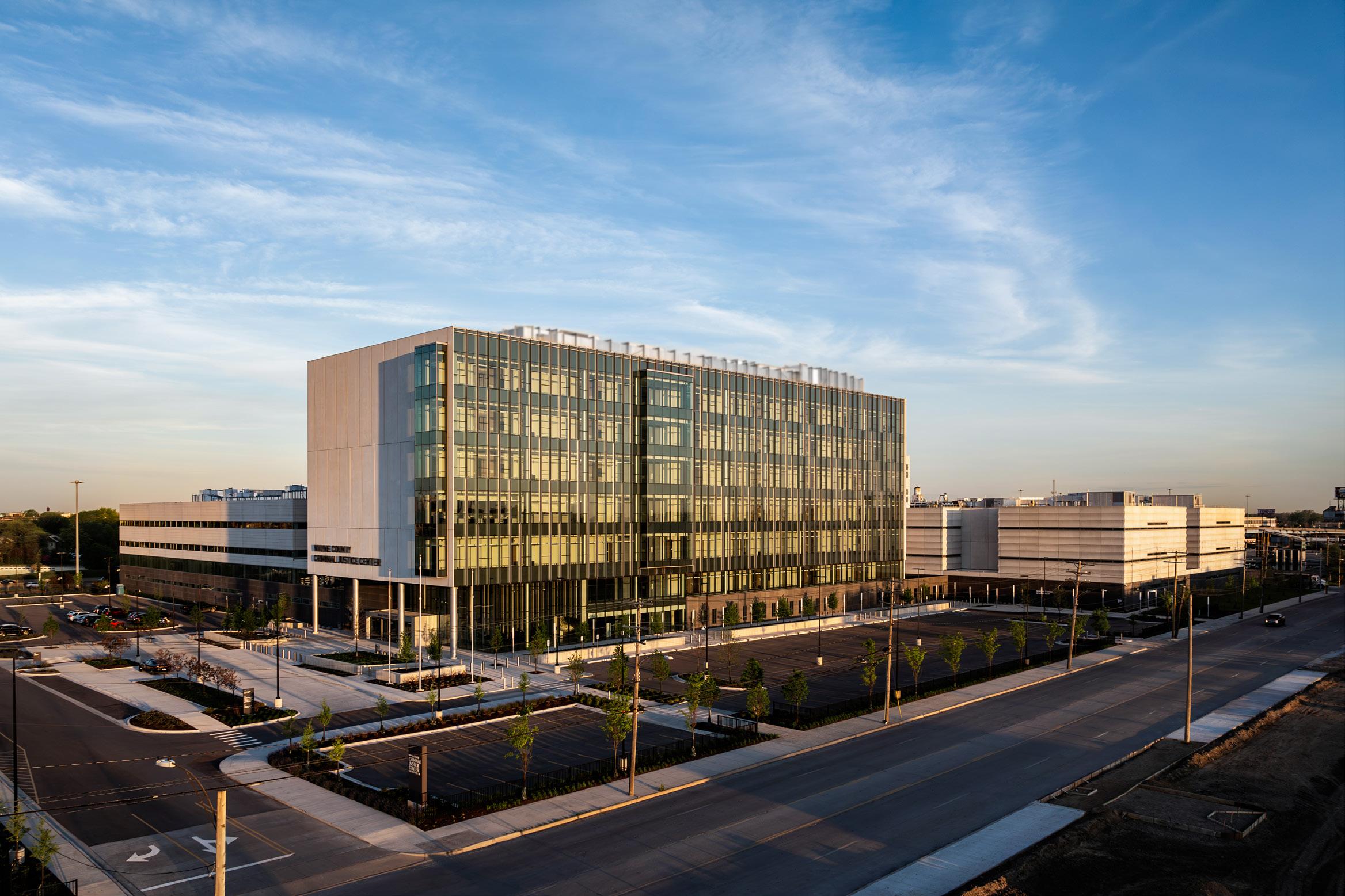
The San Diego County Sheriff’s Office is planning for the replacement of the jail in Vista, Calif., and the complexities around multi-jail maintenance has never been clearer. Strategic planning and significant investments are needed in jail facilities to ensure the health and safety of people who work and live there, as well as being able to reduce facility maintenance costs. We are working in partnership with the county to complete a master planning document for construction of a new Vista Detention Facility, the oldest of our seven
behavior change, while reducing recidivism and encouraging staff wellness. Establishing a vision and communicating it to those involved in the capital or major maintenance project is a great first step. Challenging the team to think about the outcomes that will be achieved through the investments in construction will keep everyone on the same page. We started by re-naming Vista Detention Facility to Vista Detention and Re-entry Facility, reflecting our priority to invest in people and to remember our purpose, which is to make lives better.
Old infrastructure is a common issue for detention facilities. Many jails were built decades ago, and the systems in place throughout these facilities are often outdated and broken. From plumbing to electrical
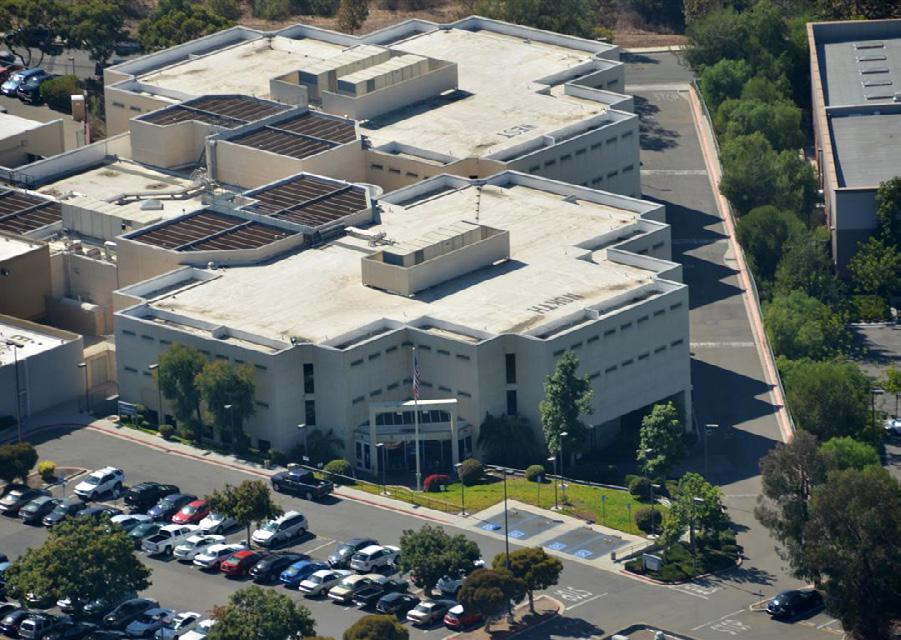

and HVAC systems, jails age more rapidly than other facilities, resulting in a breakdown of equipment and systems. The Vista Detention Facility was built in 1972 and expanded in 1988. There are structural and construction deficiencies and much of the equipment is old and should be replaced. This is not unique.
The average age of San Diego County’s seven jails is 30 years. Frequent maintenance emergencies result in operational stress on staff who regularly create workarounds to accomplish day-to-day duties.
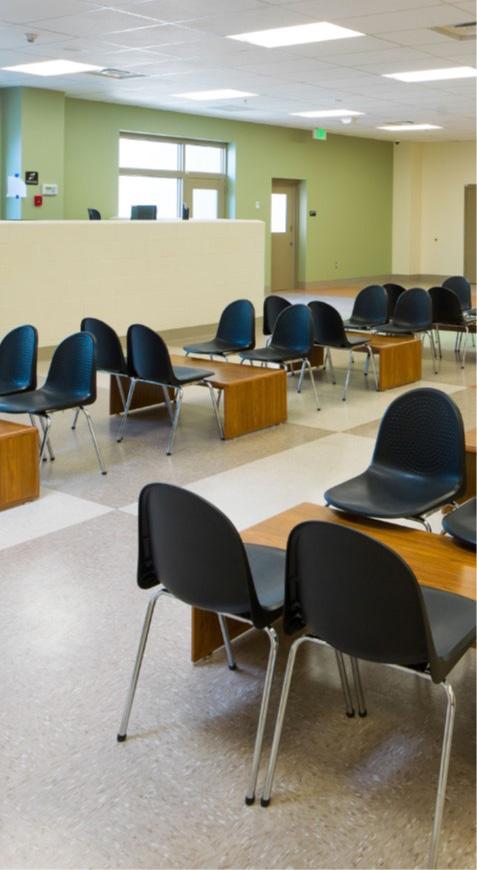
Security is a top priority in jails and the maintenance of the facilities and equipment that keep people safe is another aspect of complexity. Security systems, surveillance cameras, body scanners, locking mechanisms and perimeter fencing require regular maintenance. The failure of any of these systems can lead to security breaches.
The Vista Detention Facility needs to maintain and keep operational its security systems while a new facility is built. San Diego County does not have the resources or facilities to move more than 700 incarcerated people to other jails in the county to complete construction of a new jail, so building from the ground up while still operating the current facility is the only option.
One of the major themes as we consider the current Vista Detention Facility master plan is the challenge and importance of maintaining “swing space” in the jail system to accommodate major jail renovations where aging infrastructure often requires repair and replacement.
When a facility has insufficient skilled maintenance personnel or a lack of financial resources, facility operations staff focus on responding to urgent repairs instead of routine upkeep.
When this happens, staff tend to be reactive rather than proactive, which increases costs and employee stress, and decreases morale among staff. Like many older jails, Vista Detention Facility was not built to house the number of people for the length of stay it currently holds, and staff must find ways to creatively work around the facility design. Recruiting and retaining skilled tradespeople, investing in preventive maintenance and designing new detention facilities for future, not current, needs will create a recipe for success.
San Diego County Sheriff’s Office partners with the County’s Department of General Services to create an

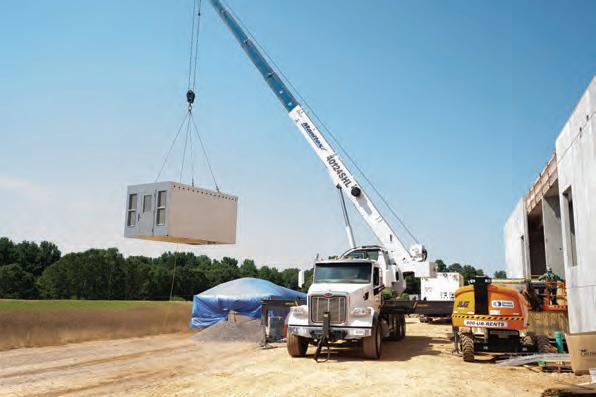
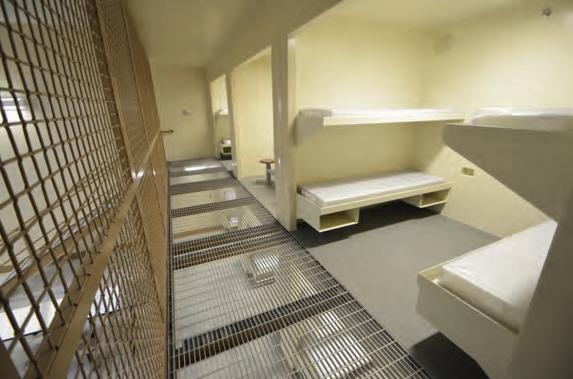
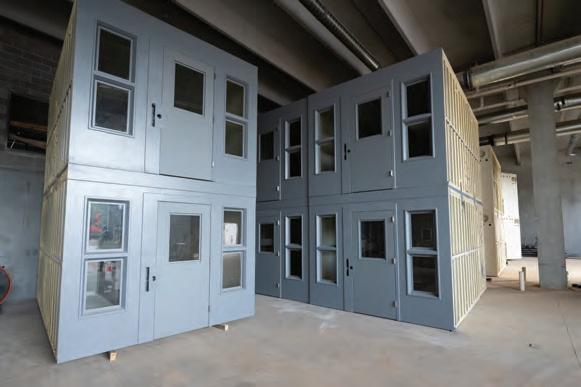
•Most experienced pre-fab steel cell provider in the industry.
•Don’t risk your project’s timeline or resources -- choose SteelCell.

annual Major Maintenance Improvement Plan. Assessing the current condition of each facility helps in determining where to allocate resources and to plan for future maintenance needs. San Diego County’s Department of General Services performed a systemwide assessment of all jail facilities, and the Vista Detention Facility was identified in the County’s 2023 Detention Facility Strategic Framework Plan for replacement. Facility assessments inform investments and justify resource requests.
The Vista Detention and Re-entry Facility master planning process has included significant collaboration

between stakeholders including Sheriff’s Office and Department of General Services staff through extensive stakeholder interviews, site visits and design charettes to develop a comprehensive space needs program. Diversity of perspective is encouraged and the investment of time in collecting feedback from so many stakeholders will be reflected in the quality of the new Vista jail once it is funded and built.
While it is important to address urgent maintenance needs, it is also important to plan long-term and make
investments that will provide value and cost savings over time. This includes a balance between short-term repairs, and investments in preventive maintenance and future capital needs. The Vista Detention and Re-entry Facility master plan includes a long-range projection for future expansion, as population projections for the new facility show an average daily population of 1,056 people by the year 2044, an increase of 300 people compared to today’s average daily population. In today’s constrained fiscal environment, weighing phased construction with increasing costs becomes a quandary.
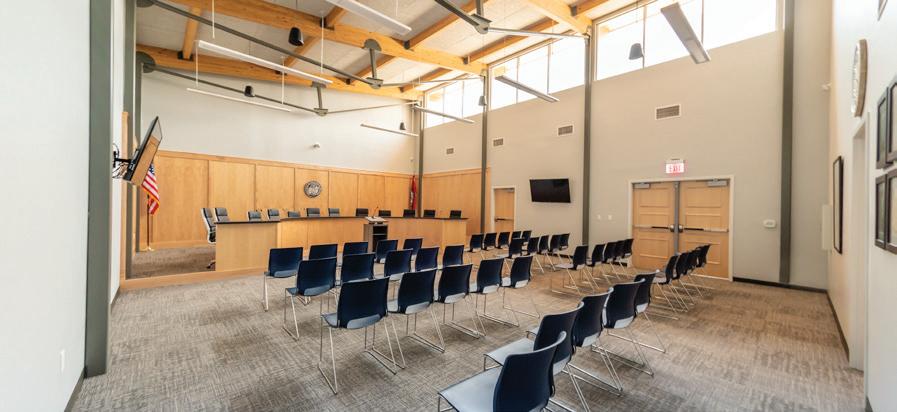
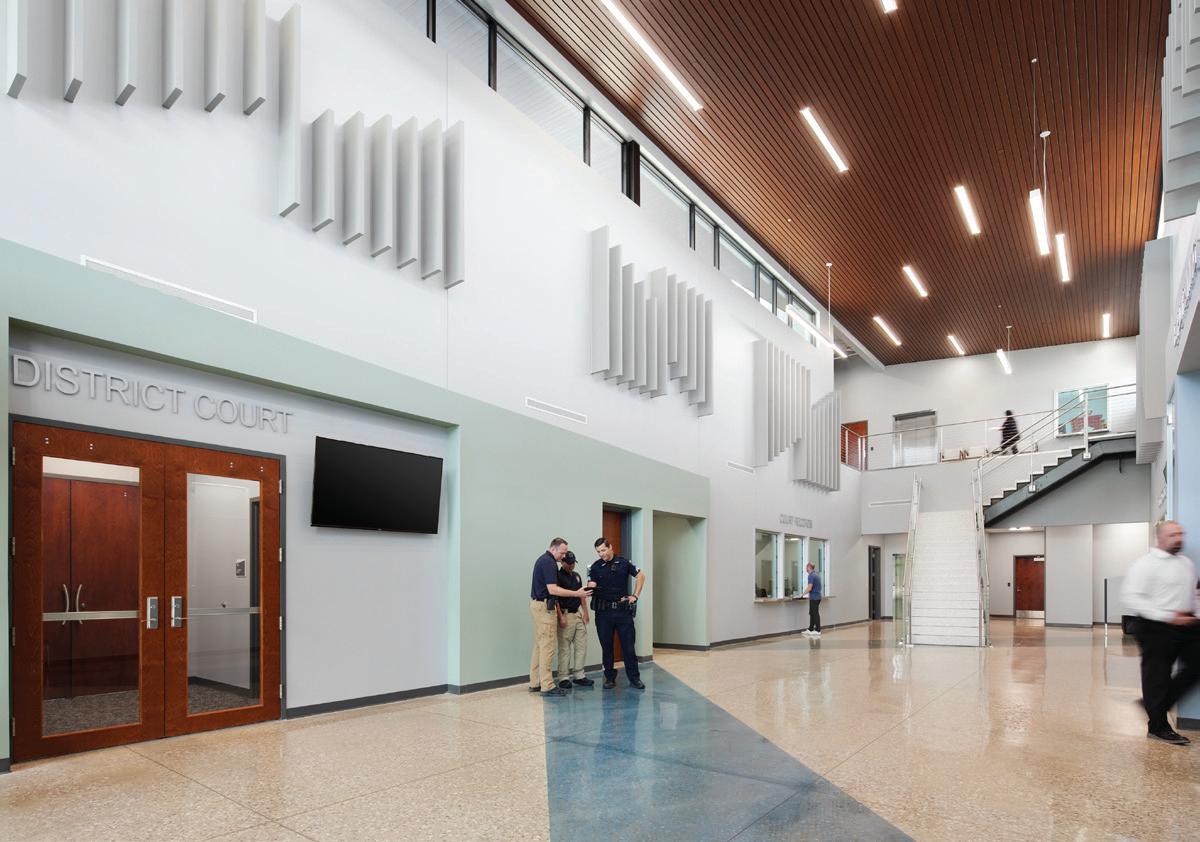
The new Vista Detention and Re-entry Facility will bring programming and mental health services to the housing units, rather than consolidating programming and mental health services in a central area of the jail. When the time comes, the new Vista Detention and Re-entry facility will have ample space and programming to allow physical and mental health professionals to provide much-needed care for the incarcerated people within the facility. We have planned sufficient space for educational and rehabilitative services, which will ultimately lead to better outcomes and improved public safety.



It is important for detention facilities to strive for continuous improvement in facility maintenance. This means regularly reviewing and updating maintenance plans, investing

in staff, planning for capital improvements --- including replacement of aging jails, and staying up to date with new technologies and best practices in the industry.
Thoughtful planning and investment will not only lead to cost savings but will also contribute to safer detention systems which ultimately benefits the whole community.
By Lindsey Coulter
Cleaning is a daily necessity in correctional facilities, yet it is often an overlooked part of operations compared to security measures or facility upgrades. With the increasing emphasis on building healthier, more sustainable spaces, many justice leaders and administrators are taking a more critical look at the products used to clean and maintain their facilities.
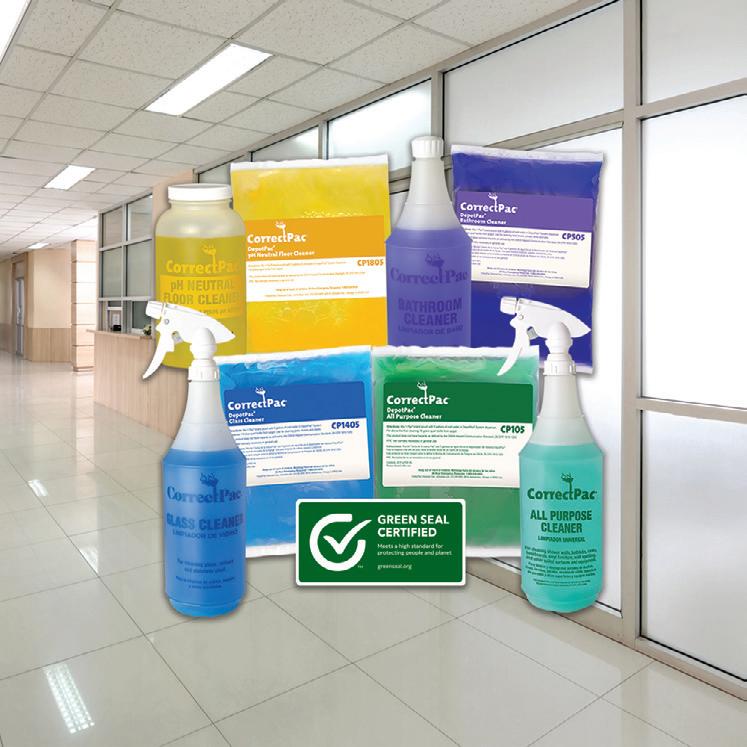
Safer, hazard-free, green-certified cleaning products offer multiple advantages in correctional settings. Caryn Gilliam, Chief Strategy Officer for CorrectPac, notes that green cleaning products cannot be weaponized, do not require constant supervision, and are more likely to be used consistently by staff and incarcerated individuals assigned to cleaning duties.
“Properly mixed and applied, these cleaners protect both human health and facility infrastructure while cutting costs in the long run,” Gilliam said.
Doug Gatlin, Executive Director of Green Seal®, said one of the biggest benefits of green cleaning is often overlooked: indoor air quality.
“Traditional cleaning products can release harsh chemicals that can linger in the air and irritate lungs, skin, and eyes,” Gatlin said. “Green cleaning products are designed to be safer for both custodial staff and building occupants. That means reducing the risk of chemical burns, preventing respiratory issues, and creating a healthier overall environment – benefits that often don’t make the headlines but have a big impact on daily health.”
Improper cleaning and overuse of harsh chemicals can degrade correctional environments faster than most facility managers realize. Products that are not mixed correctly often leave behind a film that attracts dirt, pathogens and moisture — damaging surfaces and making spaces harder to maintain.
Gatlin noted that green products are formulated to protect finishes instead of eroding them.
“Green cleaning products are formulated to be less corrosive, which helps protect finishes on flooring, countertops and fixtures,” he said. “Over time, harsh chemicals can degrade materials, strip protective coatings, and shorten the life of surfaces. By contrast, green products clean effectively without unnecessary abrasion or chemical breakdown— helping facilities save money by extending the life cycle of their assets.”
Specific materials commonly used in correctional facilities benefit significantly from this approach:
· Natural stone surfaces such as marble and granite are susceptible to etching and discoloration from acidic or abrasive cleaners, while pH-neutral green products maintain their finish and integrity.
· Wood finishes can cloud or stain when exposed to high-alcohol solvents and bleach, while gentler green alternatives clean without stripping.
· Metals such as stainless steel and brass corrode quickly under ammonia or bleach. Green certified products, being pH-neutral, help preserve their shine and prevent rust.
· Painted surfaces and grout are also better preserved by avoiding the abrasives and bleach found in traditional cleaners, reducing repainting and repair needs.
“By preventing costly deterioration, facilities are not only saving on cleaning budgets but also on major maintenance and replacement costs,” Gilliam added.
Green cleaning practices support staff and resident well-being by reducing exposure to toxic substances. This is particularly important in correctional environments, where high occupancy levels and limited ventilation can amplify the risks of traditional cleaning agents.
“Correctional and justice facilities face unique challenges like high occupancy, strict budgets, and the need to protect both staff and residents,” Gatlin said. “Green cleaning can play a meaningful role by improving air quality, reducing exposure to toxic chemicals, and lowering long-term maintenance costs.”
The State of Rhode Island Department of Corrections, which uses CorrectPac products in its facilities, is responsible for a diverse population with a variety of health sensitivities, making consistent and effective cleaning critical.
“Prisons are 24/7 congregant settings. It is important that areas are clean and up to standards not only because people live there, but because it’s crucial to maintaining a healthy ecosystem and mitigating the spread of viruses, bacteria and other contagions,” said J.R. Ventura, Public Information Officer for the Rhode Island DOC.
Research supports these claims. Studies in schools have shown that green cleaning practices contribute to reduced absenteeism among staff and students by improving indoor air quality. For correctional facilities, that translates into healthier staff with fewer sick days and safer living conditions for residents. Reducing exposure to volatile organic compounds (VOCs) and allergens helps prevent respiratory issues, especially for individuals with asthma or other sensitivities.
Gilliam notes that green cleaning also lessens risk during the cleaning process itself. Harsh chemicals like bleach and ammonia can release toxic gases when mixed and pose dangers if misused. In correctional settings where supervision is limited, safer alternatives eliminate these hazards.
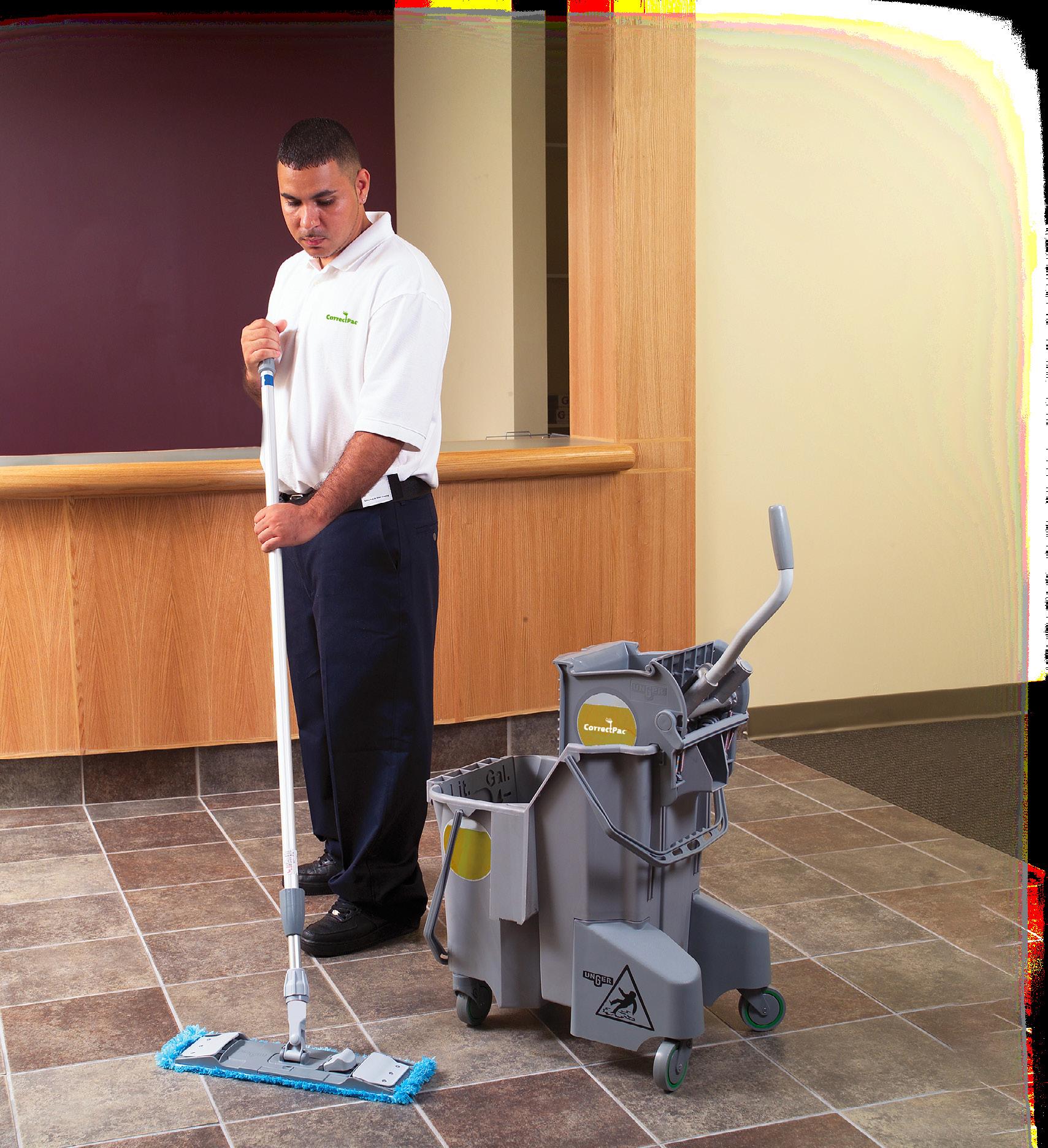
Beyond health and environmental gains, green-certified products also support compliance and safety standards in correctional facilities. Products free of OSHA HazCom hazards and rated “0” or “1” on the NFPA Hazard Diamond can be used without direct staff supervision, per American Correctional Association standards.
This advantage has significant operational implications. With fewer officers available to supervise, facilities that rely on hazardous cleaners often clean less frequently to minimize risk. By using safer alternatives, correctional departments can maintain cleanliness more consistently without additional oversight.
Several state departments of correction—including Washington, Rhode Island, Delaware and Virginia — have long embraced green cleaning products, working with CorrectPac, which provides safe, pre-measured cleaning solutions specifically for correctional and justice facilities. Some have been using the company’s products for more than 15 years, demonstrating long-term reliability and effectiveness.
As correctional agencies continue to invest in modern facilities, maintaining those spaces is increasingly critical. Improper cleaning can lead to rapid deterioration that is costly and sometimes impossible to reverse. Green cleaning provides a sustainable solution that protects both new construction and existing infrastructure.
Green Seal® and similar organizations play a vital role in guiding facilities toward safe, science-based cleaning practices and products such as CorrectPac. The organization develops rigorous standards and certifies products that meet performance, health and sustainability benchmarks. Its certification requires that products work as effectively as, or better than, conventional cleaners — countering the misconception that green products are less effective.
Gilliam notes that while some companies engage in “greenwashing” with misleading claims, partnering with reputable third-party certifiers ensures that correctional facilities can select products that truly deliver on both performance and safety.
In a sector where budgets are tight and safety is paramount, adopting green cleaning practices is more than just an environmental choice—it is a strategic decision that supports long-term health, cost savings, and facility preservation. As Gatlin emphasized, the benefits extend far beyond surface-level cleanliness.
“Green cleaning can play a meaningful role by improving air quality, reducing exposure to toxic chemicals, and lowering long-term maintenance costs,” he said. “It also sends a message of stewardship and care—demonstrating that health, safety, and sustainability are valued in every part of the operation.”

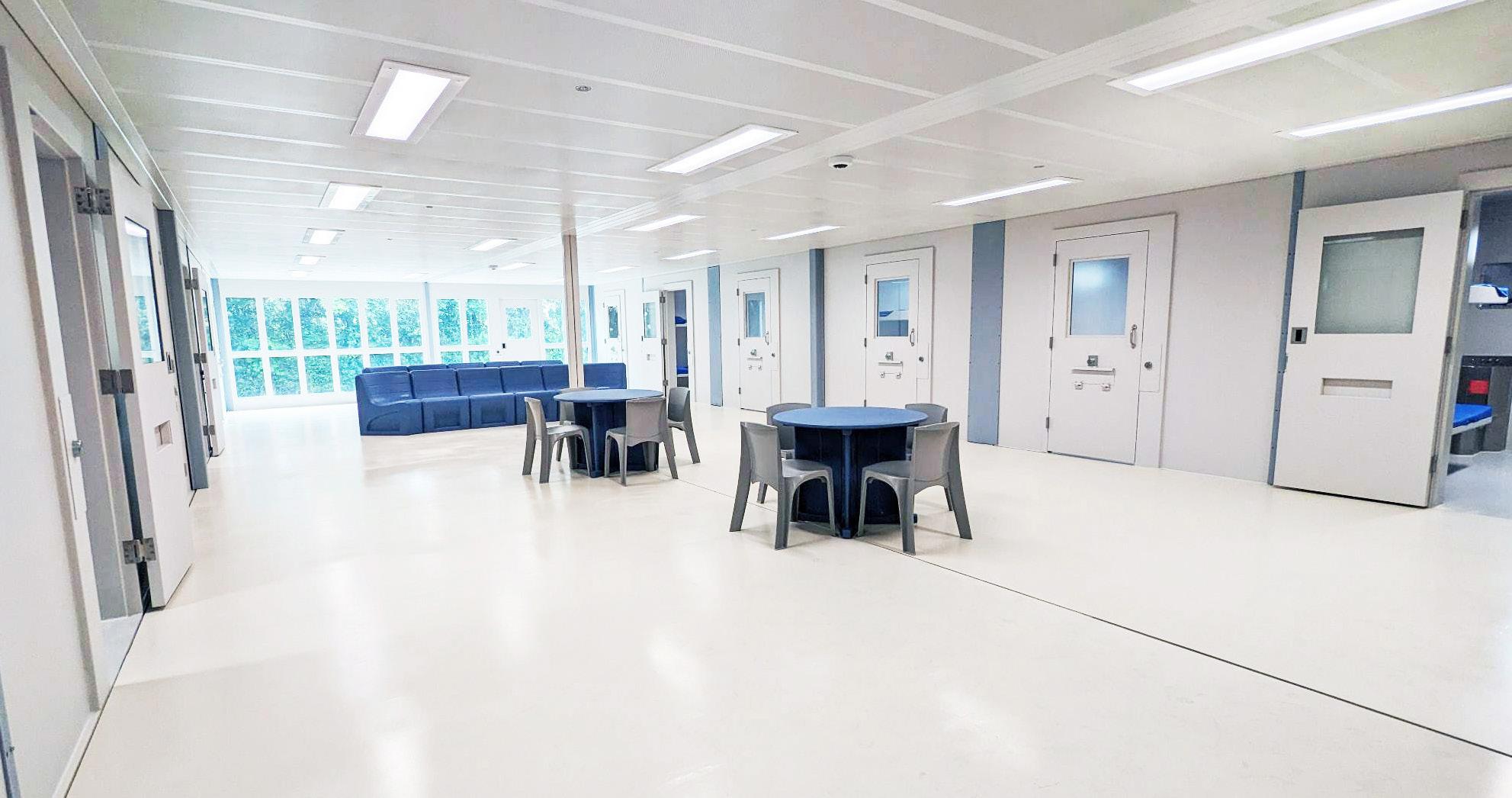
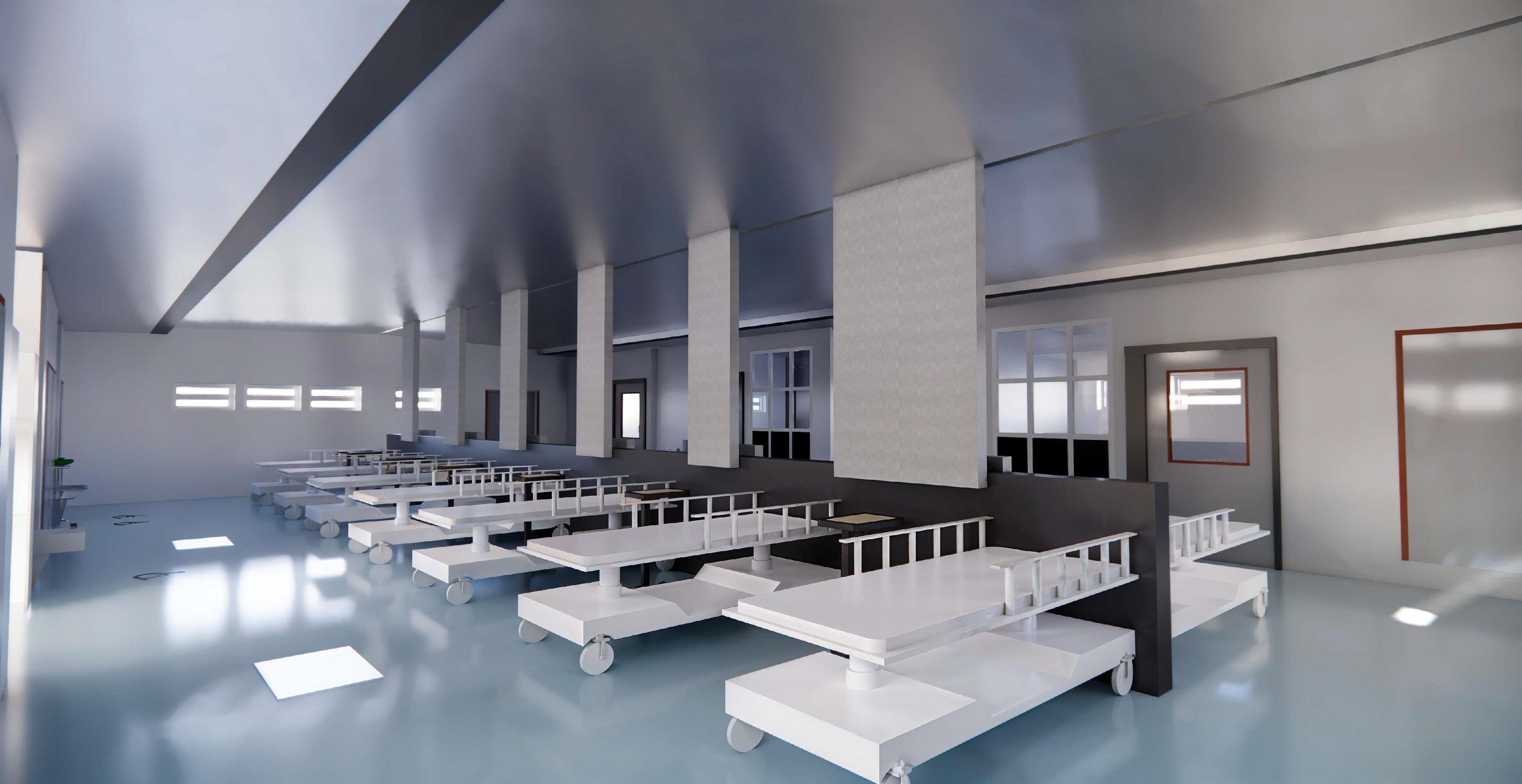

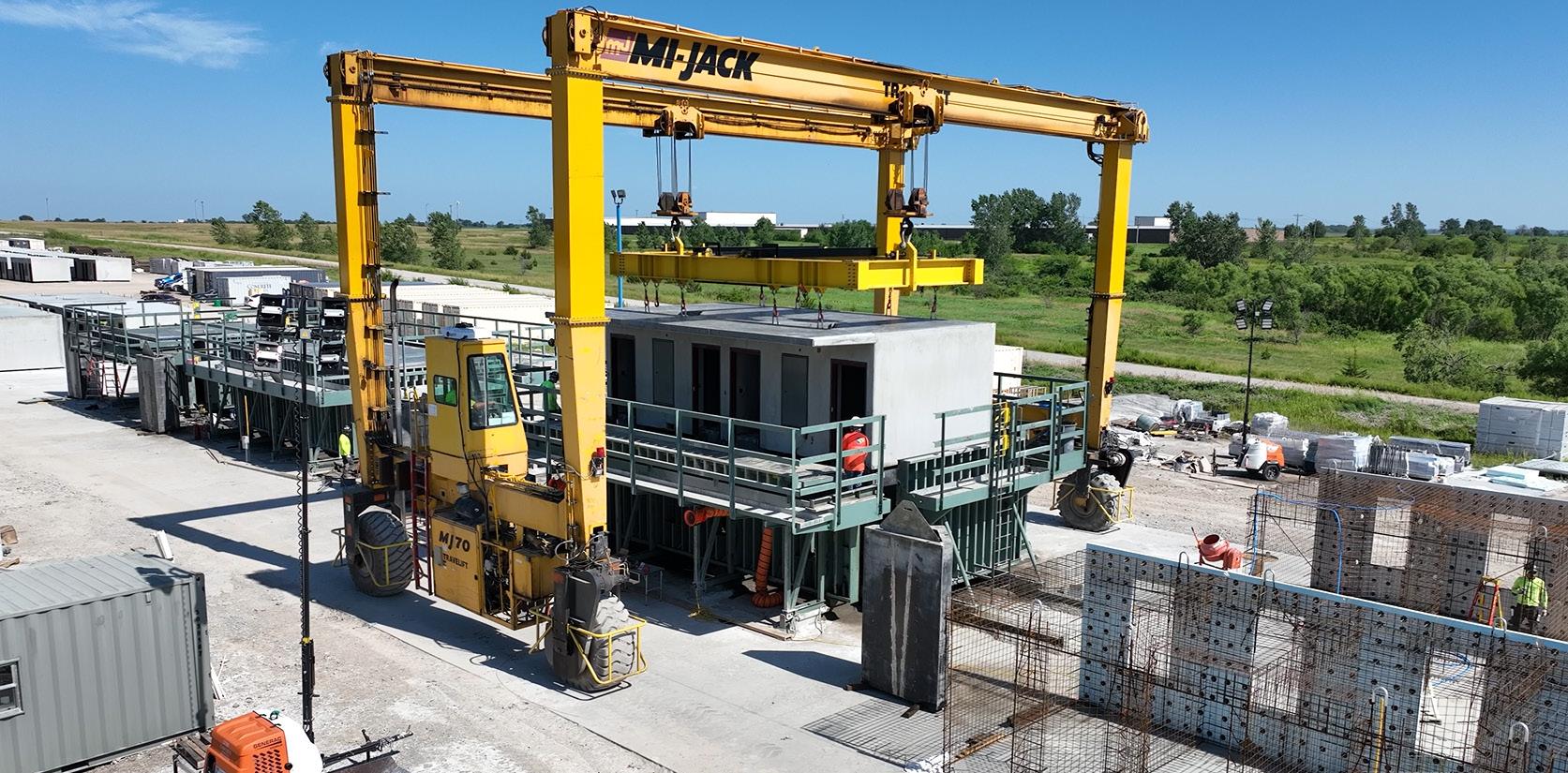
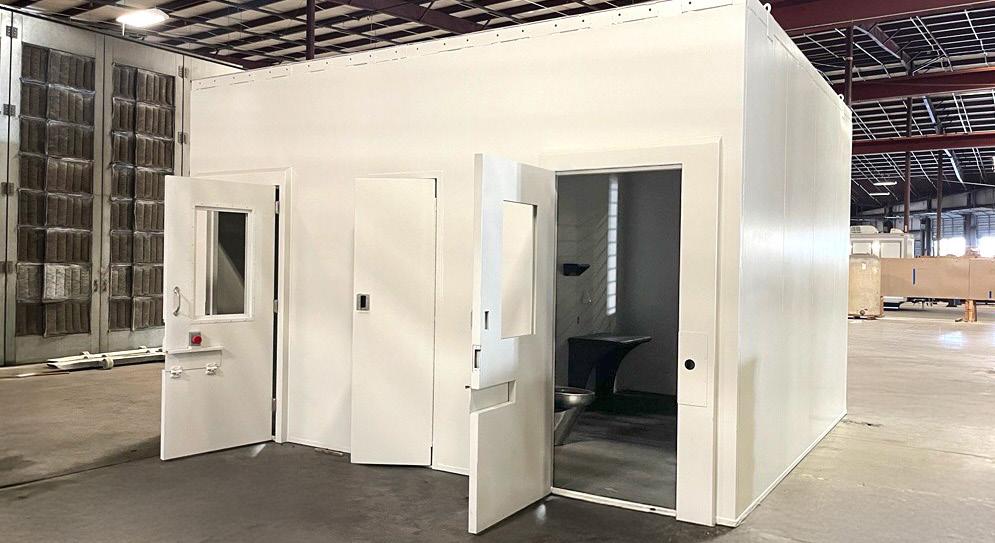
Sullivan County, Tenn., Jail preserves an existing facility while improving the county’s capacity for classification and care
By Lindsey Coulter
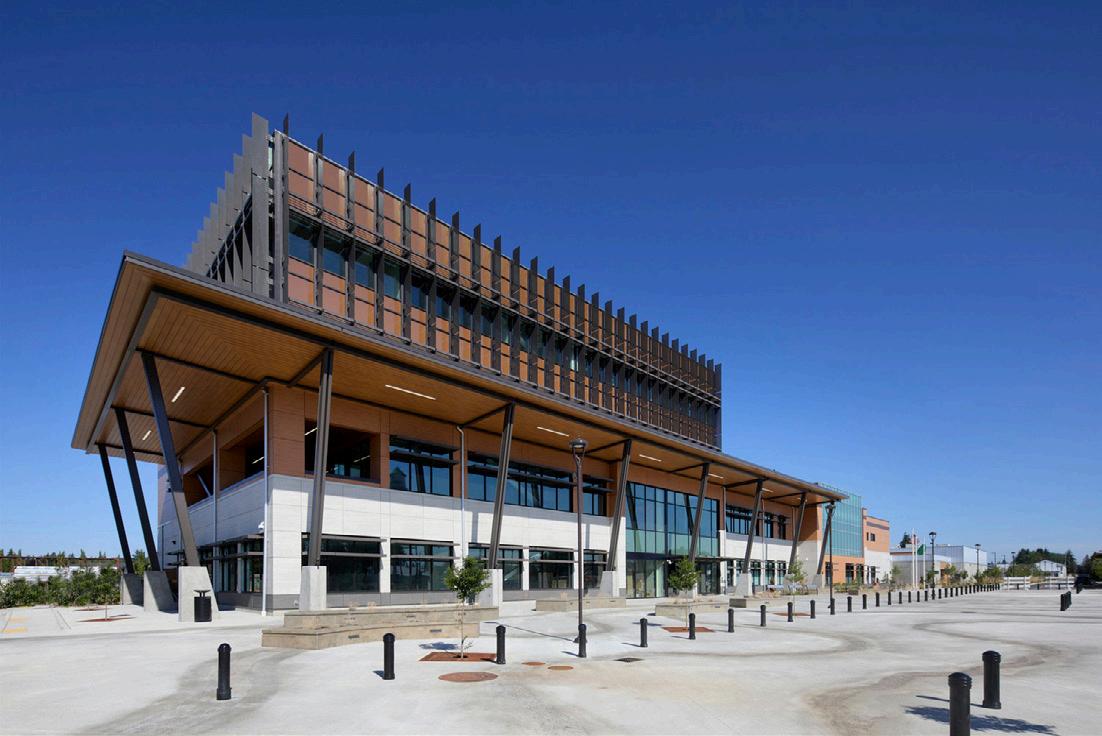
Most jail construction projects arise from a need to do more and a desire to do better. Such was the case for Sullivan County, Tenn., which recently completed construction on its new $106 million, 190,000-square-foot facility in Blountville. The newly completed 1,100-bed structure sits adjacent to the county’s previous jail, which was built in the early 1980s to house 619 inmates but regularly exceeds 800. That’s despite efforts such as a pre-trial program that aims to reduce the detainee population via the use of ankle monitors. The original jail’s outdated layout, deteriorating conditions and lack of appropriate separation capacity had become untenable, but the new, modern facility that replaces it is expected to revolutionize the county’s detention practices.
Sullivan County justice leaders worked with the team of Treanor Architects and MBI Companies to design a facility that met a variety of needs (and current jail standards), allowing the county to house a growing detainee population — and to better serve all who work and are housed within the facility.
The existing Sullivan County Jail design reflected an era focused on mass incarceration rather than programming and wellness, and the structure didn’t offer much capacity for programming.
“The core issue was the way individuals were housed in the existing facility,” said John Eisenlau, principal with Treanor and director of the firm’s Justice Studio. “The county basically had a physical plant that was outdated and no longer relevant for the population they had.”
Compounding the problem, the facility’s poor acoustic environment and lack of proper sound separation or dampening made daily life more stressful for staff members and detainees alike. “Noise in a facility like that becomes pervasive and disruptive,” Eisenlau said. “It simply wasn’t a healthy place for anyone, and the old jail was a very staffintensive environment to work in.”
As one of the county’s top priorities was improving the overall environment for both detainees and staff members, Treanor and MBI had to strike a balance between spaces that were durable and functional but also modern and humane. Design and material choices make the new facility significantly better at mitigating noise, while enhanced
“We were proud of the fact that we didn’t walk away from the Sullivan County ended up with a new facility that provides safer, healthier
daylight and improved circulation patterns have a positive impact on all building occupants.
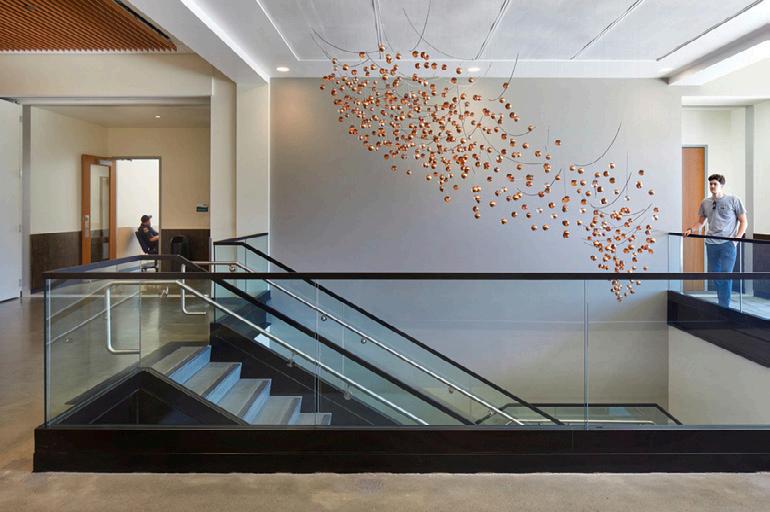
Even staff-only areas received special attention in the new facility. “There are spaces in the buildings, particularly the staff spaces, that we felt quite determined to make sure that they weren’t concrete block spaces, but rather be clad in drywall so that they felt more normalized — more like a normal office environment and less like a detention environment,” Eisenlau said.
Expanding and improving medical care spaces was also critical to the project, as the jail often receives detainees who present a variety of medical and mental health care needs that the previous facility was ill-equipped to support.

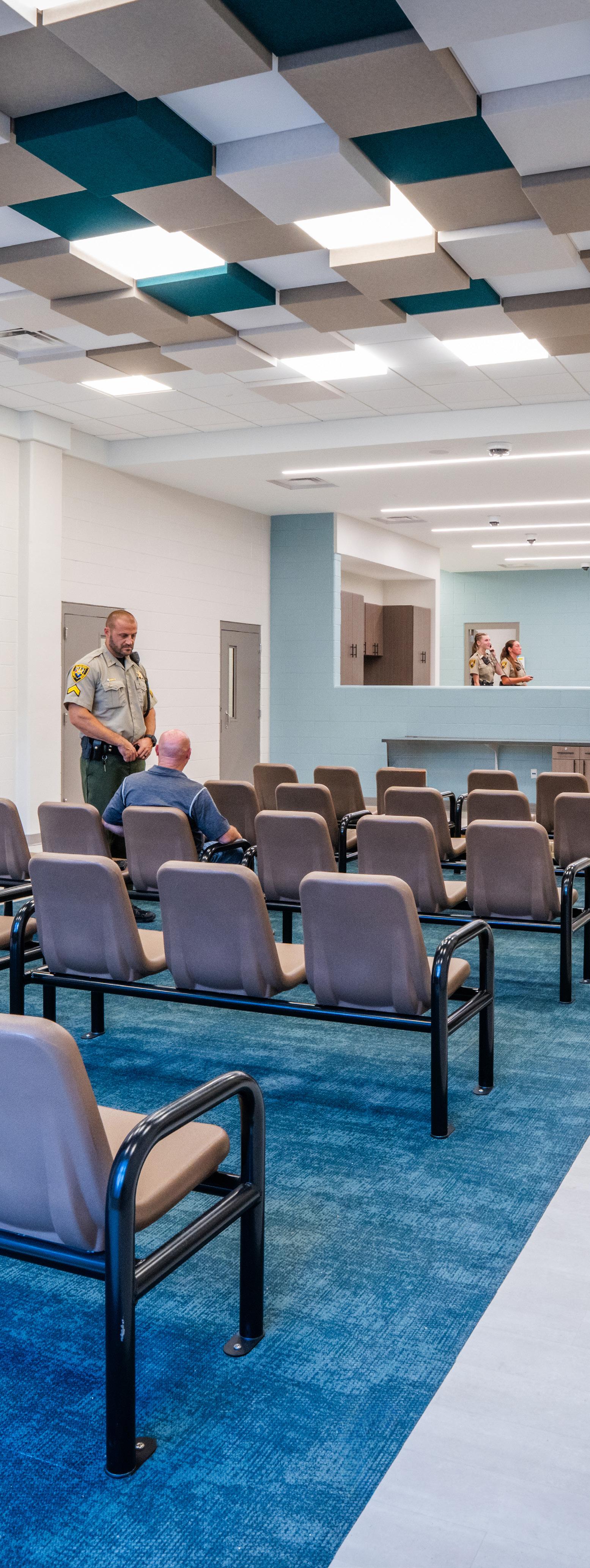
“The medical unit in the existing facility was woefully inadequate for the population,” Eisenlau explained. “So, programmatically we decided to build a new medical unit within the expansion. We also provided subsequent spaces on each of the floors so the medical staff could treat detainees at the housing unit or bring them back to the medical unit itself.”
Placing the primary medical unit alongside the intake and release area also streamlines access to care for new arrivals and increases safety for both staff and inmates. This co-location strategy extended to other core functions of the facility as well.
“The kitchen, laundry, intake and release, and the medical unit are all co-located in this area and are clustered around a new central control area,” Eisenlau explained.
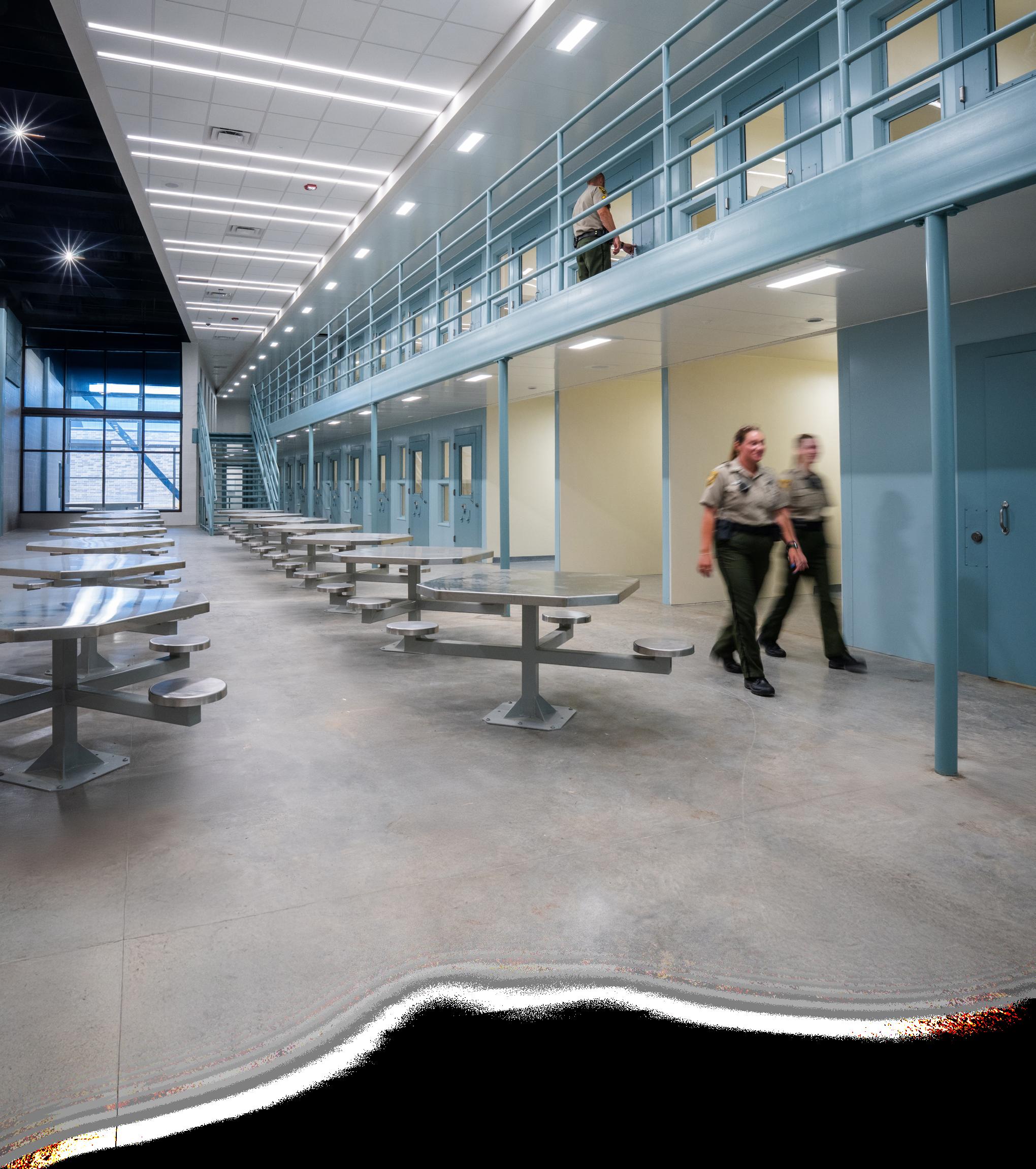
Meeting another critical goal, the new jail dramatically improves security and efficiency for correctional staff, especially with access to the housing units. Treanor and MBI developed a design that offers better visual observation of housing units and ensures access is much more seamless and convenient. To accomplish this, staff members had a strong voice in shaping the spaces.
“The staff was very much involved,” Eisenlau said. “One of the unique things about this project is that it was fully designed during the pandemic. There were numerous
the old building, and that they can reuse it in the most effective way... healthier and more efficient operations for both detainees and staff.”
– John Eisenlau,
Principal, Treanor Architects
Zoom calls about this particular project, more than I’ve ever experienced. But there was significant staff engagement in the development of this jail.”
These dedicated conversations with staff members also had a positive impact on the design of the new housing areas. The new iteration of the jail allows for better detainee management through flexible housing and increased classification options, including separation by medical and mental health and developing spaces for high-containment individuals. Such flexibility helps address both current needs and anticipated shifts in the inmate population, giving Sullivan County justice leaders separation options they never had before.
Along with reimagining its approaches to housing, healthcare and classification, the county was also eager to apply the same innovative thinking to the new intake and booking areas, which now include a pre-admissions area.
“That is typically where the arresting officer comes in, processes the necessary paperwork, and there’s literally the handoff [of the inmate] between the arresting officer and the Sheriff’s Department,” Eisenlau explained.
Ensuring the pre-admission area is directly adjacent to the intake, booking, and medical areas further ensures smooth and safe processing.
“The medical unit is actually directly accessible from the pre-admission booking area,” Eisenlau said. “That was very sensitive to the county, and I’m glad it’s something we were able to deliver.”

Eisenlau added that the streamlined and updated spaces have also improved leaders’ ability to train new correctional officers in the operations of different housing units.
Project Name: Sullivan County Jail
Location: Blountville, Tenn.
Square Footage: 190,000 square feet
Total Project Cost: $106 million
Bed Count: 1,100
Project Delivery Method: Design-Build
Cell Type: Prefabricated Steel
Owner: Sullivan County
Architect of Record: MBI Companies Inc.
General Contractor: JA Street General Contractors
Detention Consultant: Treanor
Construction Observation: Cain Rash West Architects
Civil Engineering: Spoden & Wilson Consulting Engineers
Security Consultant: Latta Tech
Kitchen Design: Danley Culinary Design LLC
Structural, Mechanical, Fire Protection and Electrical Design: MBI Companies Inc.
Masonry: Southeastern Contracting Inc.
Plumbing: Nor-Well Company Inc.
Electrical: Allen Brothers
Grading and Utilities: Bakers Construction Services
Concrete: Southeastern Contracting Inc., A.G. Heins Co.
Acoustical Ceiling Tile: Mullins Co.
Casework: Highland Cabinetry
Cells: SteelCell North America
Cementitious Fireproofing: Rolling Plains
Commercial Hardware: Appalachian Commercial Products
Communications: Boltel
Controls: Trane
Detention Door Hardware: Airteq
Detention Enclosures: Henard Metal Fabricators Inc.
Detention Hardware: Cornerstone Detention Products
Elevator: TK Elevator Corp.
Fencing and Gates: Rio Grande Fencing
Fire Alarm: Johnson Controls
Flooring: Fletcher Flooring, Industrial Applications Inc.
Food Service Equipment: TriMark USA
Glass and Curtainwall: Keller Glass
Hollow Metal Doors and Frames: Cornerstone Detention Products
HVAC: Comfort Systems
Masonry Materials: General Shale, A.G. Heins Co.
Metal Canopies: Mitchell Metals
Metal Stairs: Henard Metal Fabricators Inc.
Security Plumbing: Willoughby
Ready Mix Concrete: USA Ready Mix
Reinforcing Steel and Accessories: Southern Rebar & Supplies
Roofing Package: AAR Roofing
Security Caulking: Custom Precision Painting
Security Ceilings: Gordon Inc.
Security Electronics: Cornerstone Detention Products
Security Glass: Global Security Glazing
Security Hollow Metal: Claborn Manufacturing
Security Windows: Hopes Windows Inc.
Signage: Pierce Metals Inc.
Sound-Absorbing Panels: Mullins Co.
Sprinkler System and Materials: Moody Sprinkler Company Inc.,
Premier Fire Protection Inc., Viking
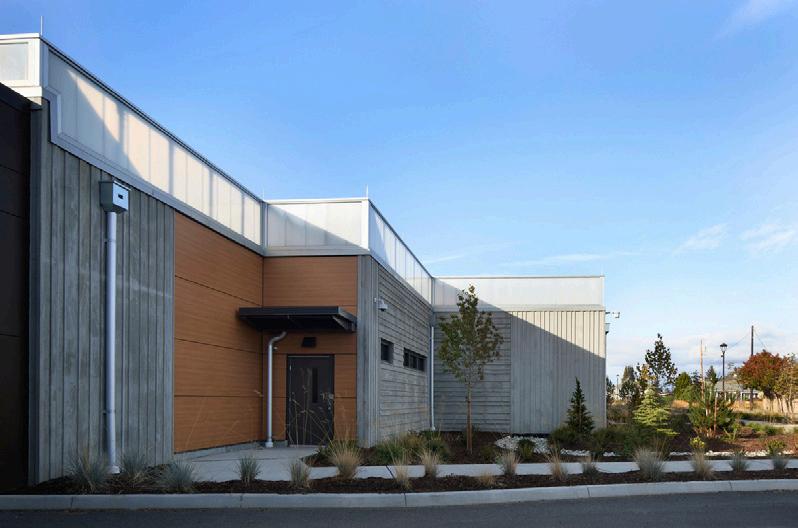
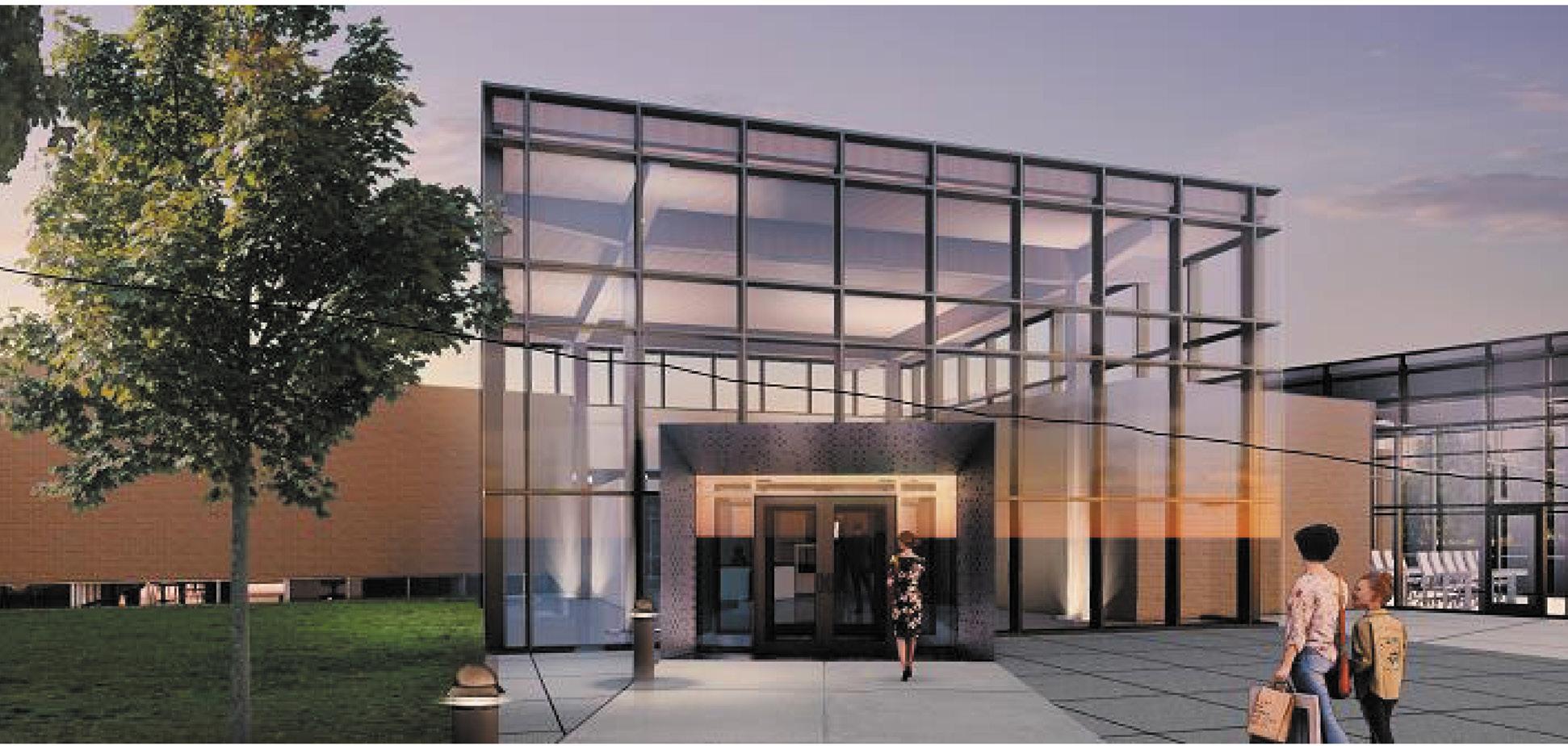
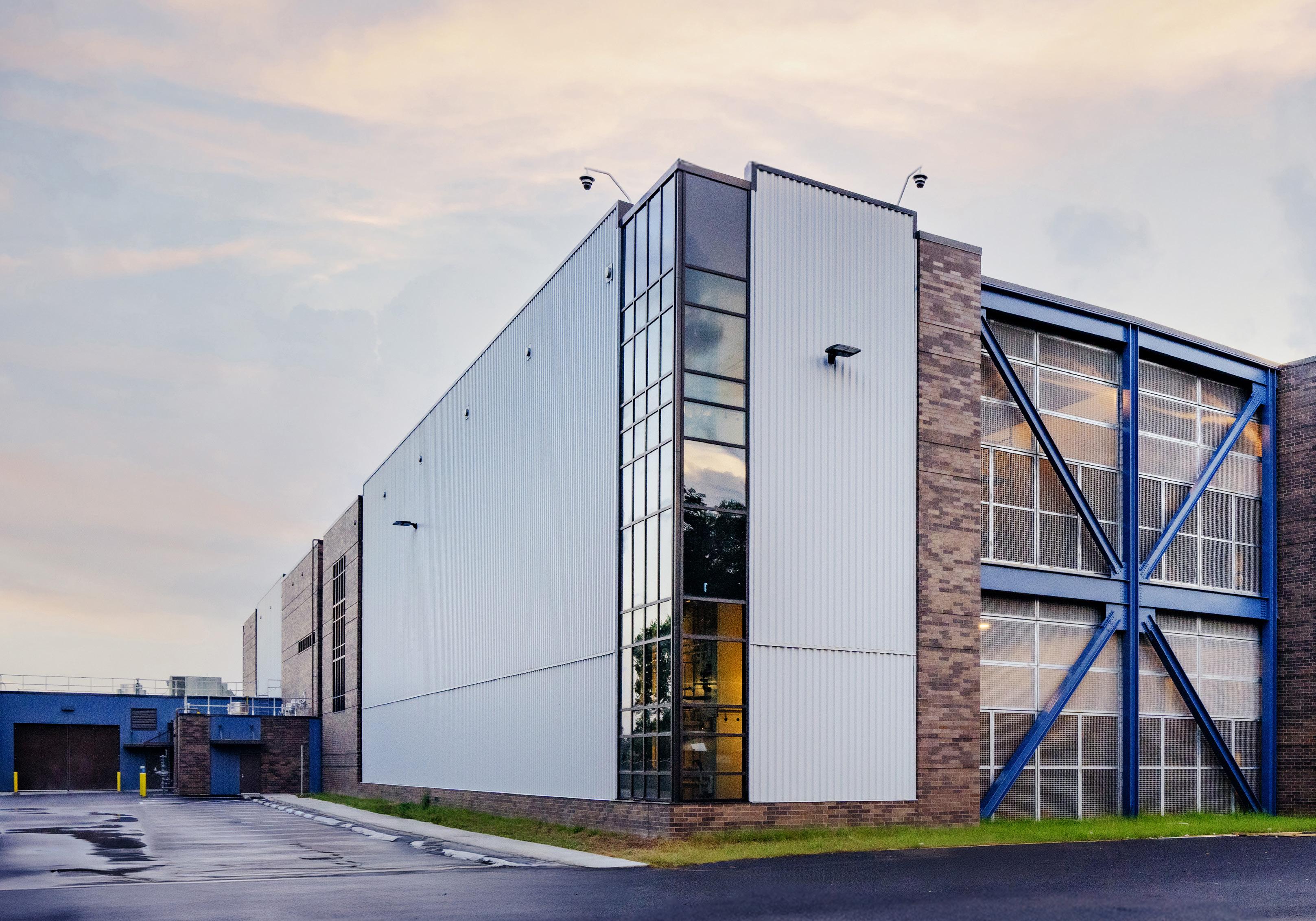
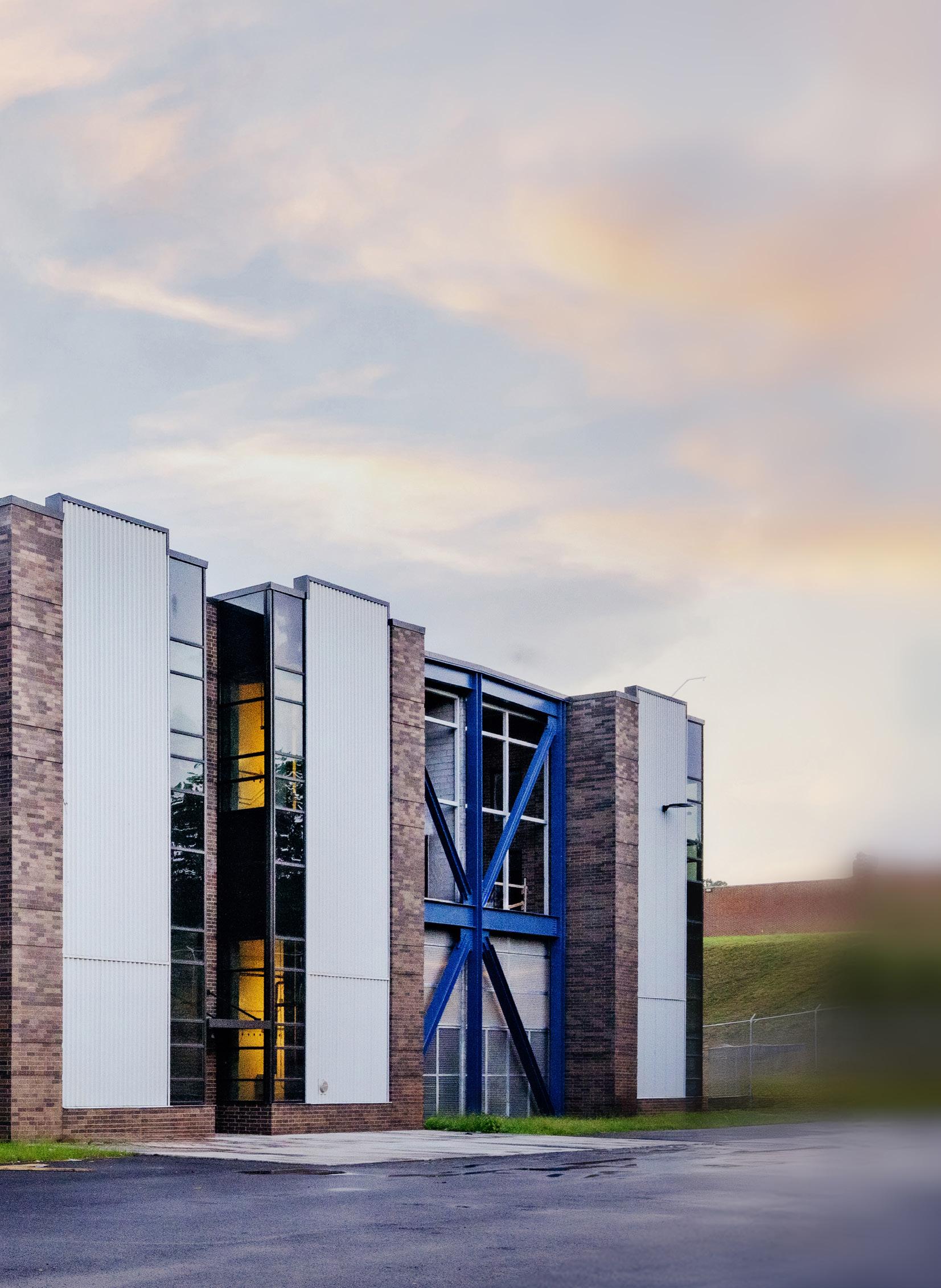
While it’s not necessarily a public facility, the exterior design and aesthetics were still given thoughtful consideration given the jail’s location within an existing campus.
“There was certainly a conscious effort to blend the expansion into the existing building as much as we could,” said Louis Cortina, chief financial officer of MBI Companies, who was also involved in the project’s design. “We used a palette of materials taken from the existing building.”
As the facility also abuts a residential area, the design team endeavored to make the structure feel more civic in character via color and material choices designed to soften the exterior. Long-term planning even considered additional civic uses for the new building and the existing campus.
“It was master-planned early on for additional expansions related to housing and courts,” Eisenlau explained. “The housing could basically be enveloped by a courts facility that wraps around it, which could function quite nicely if the county decides to expand.”
While future plans have left room for growth, the project’s compact footprint and little room for outward expansion presented unique design and construction challenges.

“There’s pressure from the residential neighborhood, there’s also pressure from a significant grade change on the property, and then there’s the existing building itself,” Eisenlau said.
Because of limited space, the team settled on a multi-story design that stacked housing units above the intake and medical spaces. Despite the constraints, however, the design preserved circulation, delivery access and safety.
“The vehicular sallyport in the existing facility was woefully inadequate, so we had to build a new sally port for proper processing, which created quite a bit of road work in the fire lane that wraps around the building,” Cortina said. “The site plan was really incredibly constricted, and we had to thread the needle.”
The county pursued a traditional project delivery model, and the Treanor/MBI Companies team aimed to keep the building as simple as possible, settling on a design that is relatively straightforward in terms of its stack and its structural system and includes a steel-framed superstructure. This also included incorporating modular construction for greater construction efficiency. The project was built by local firm JA Street General Contractors, whose experience in the sector also includes the Virginia Department of Corrections’ Marion Correctional Center.
Based on the findings of the assessment and master planning process completed by Treanor and MBI Companies, the team recommended that the county not continue to use the existing building for detention purposes. Instead, the team proposed clearing out the facility and using it for training purposes or additional court functions that might be required in the future. This recommendation supported the county’s desire to preserve and repurpose the facility.
“The county wanted to reclaim that asset the best they could,” Eisenlau said. “We were instructed to figure out a way to empty out the existing building, to relocate the detainees into the new environment, and then use the old building for administrative services, staff training areas or additional court support.”
This relocation effort required a carefully engineered connection between old and new structures and careful long-term planning. However, the ultimately seamless transition from the old facility to the new one was another success for the project team.
“The fact that the new facility was right next door, and they could remove all the detainees and just move them into the back, then clear out the front building, was extremely beneficial for them,” Eisenlau said.
According to Eisenlau, the new Sullivan County Jail is anticipated to serve the county for 50 years. The design originally included a shell space to be completed according to future needs. However, the county elected to complete the shell space during construction.
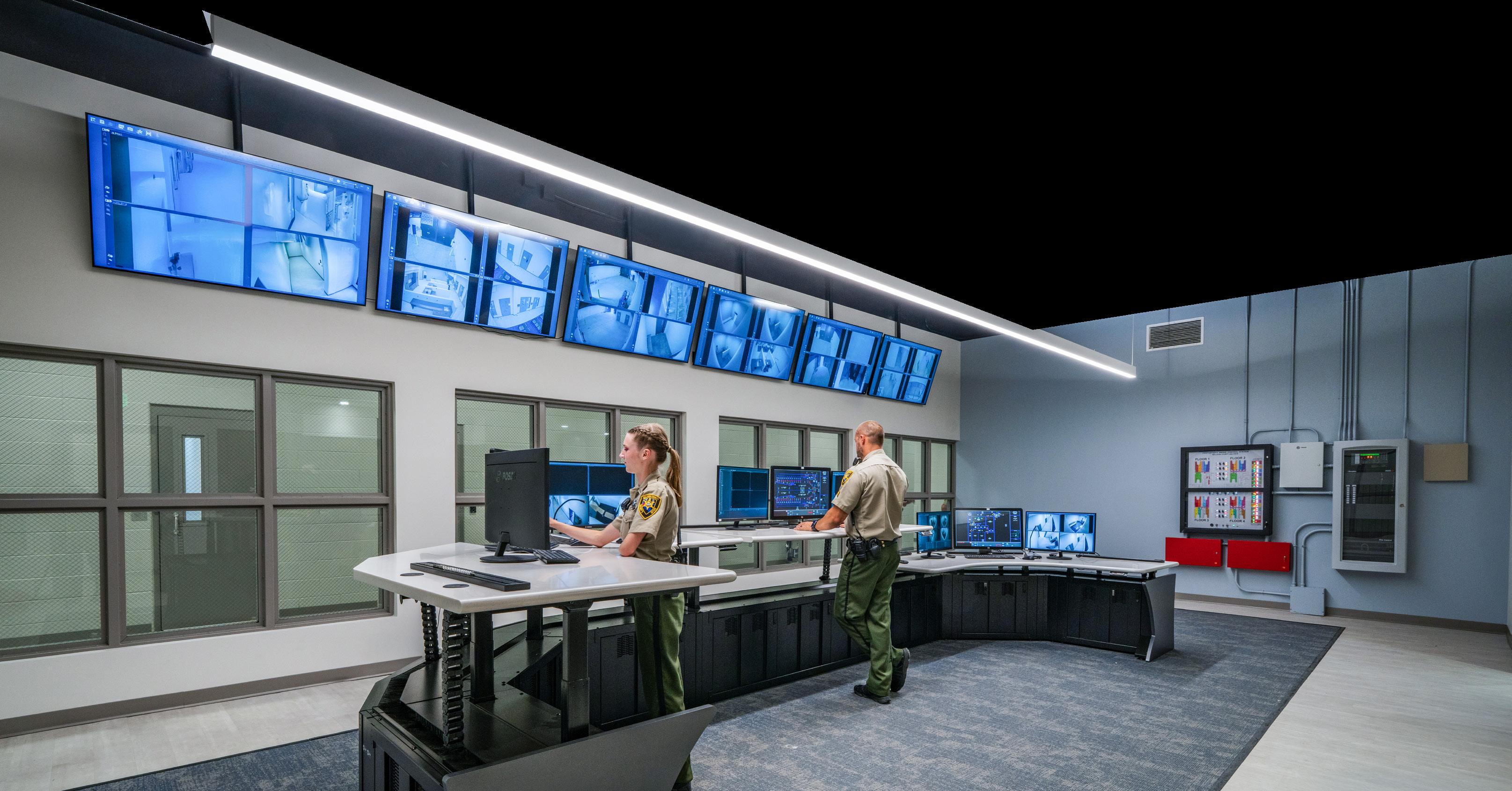
“That tells me they liked what they saw with the new work,” Eisenlau said.
Ultimately, the design and construction of the new Sullivan County Jail reflect a shift toward humane, efficient and future-ready correctional facilities. From wellness-focused housing units and improved medical care to modernized security systems and better staff environments, the expansion addresses decades of shortcomings in the county’s justice infrastructure.
“We were proud of the fact that we didn’t walk away from the old building, and that they can reuse it in the most effective way,” Eisenlau said. “But at the end of the day, Sullivan County ended up with a new facility that provides safer, healthier and more efficient operations for both detainees and staff.”
From 2018 to 2025, I led AI-driven rehabilitation projects within Finland’s Prison and Probation Service (Rikosseuraamuslaitos, RISE). These were low-threshold implementations emphasizing rehabilitation.
RISE AI: Smarter Offender Planning
RISE AI, a recommender system for Finland’s OMS, analyzed criminogenic risks and needs, suggesting targeted services and programs. It simulated staff expertise without replacing human judgment.
Smart Prison
Launched in 2018 at Hämeenlinna Women’s Prison, the Smart Prison Project equipped each of its one hundred single cells with secure laptops. Inmates accessed restricted web services, online courses, mental health resources and the University of Helsinki’s Elements of AI course. The national Aurora AI platform guided inmates toward civil services matching their life circumstances. VR was used for relaxation, wellbeing and psychotherapy.

In partnership with a software company, Finnish prisoners engaged in data annotation — training AI models by classifying construction-related textsa program though to promote enhanced concentration, comprehension and digital skills — all crucial for reintegration. Finland’s approach is internationally recognised for digital inclusion, rehabilitative opportunities and aligning AI use with ethical frameworks.
AI has the potential to transform prisons — strengthening security and efficiency while fostering meaningful rehabilitation. Case studies already show technology applied humanely and purposefully. Success requires ethical design, human-centred implementation and a commitment to providing individuals — even those in custody — the tools to build a better future.
This article will continue in the next issue of Correctional News, focusing on AI in prison healthcare.
1945
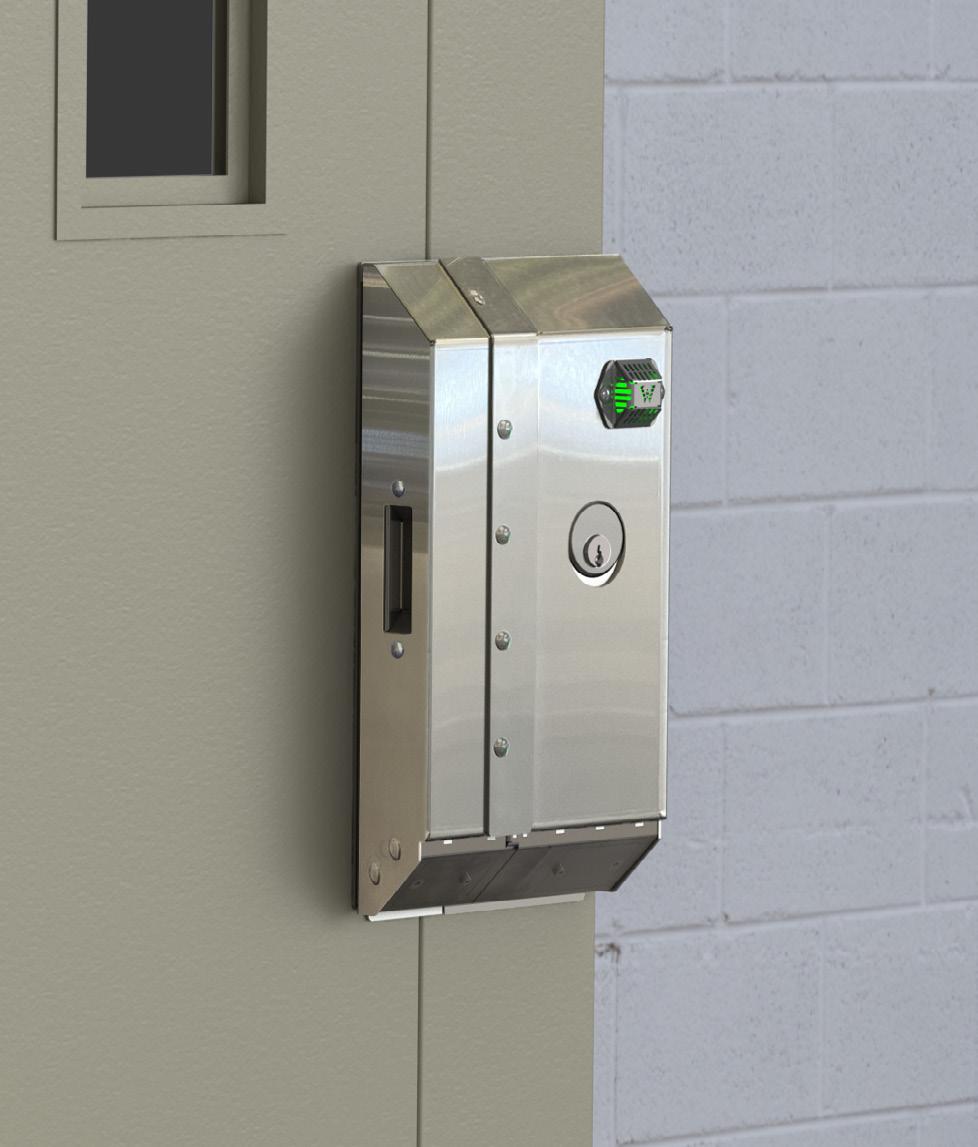
The Wedge Slim is the next innovation in the Willo Wedge product family, engineered to be designed into new construction projects.
Recessed design and tailored to fit into industry standard wide-jamb hollow-metal lock pockets
No weld application, bolted into standard lock prep
Reduce tampering and mitigate lock manipulation whether the inmate is inside or outside the cell
Package includes Grade 1 electro-mechanical lock, DPS, and maintenance friendly stainless-steel housing with patented features

In 2024, the Council of Europe issued the first legally binding recommendations for AI in corrections A humancentered approach, benefiting staff and inmates alike, is central. Key principles include:
· Privacy and Data Security – Inmates’ personal and behavioural data must be protected by secure, transparent systems.
· Preventing Algorithmic Bias – AI must be trained on balanced datasets to avoid reinforcing systemic bias, with human oversight ensuring fairness.
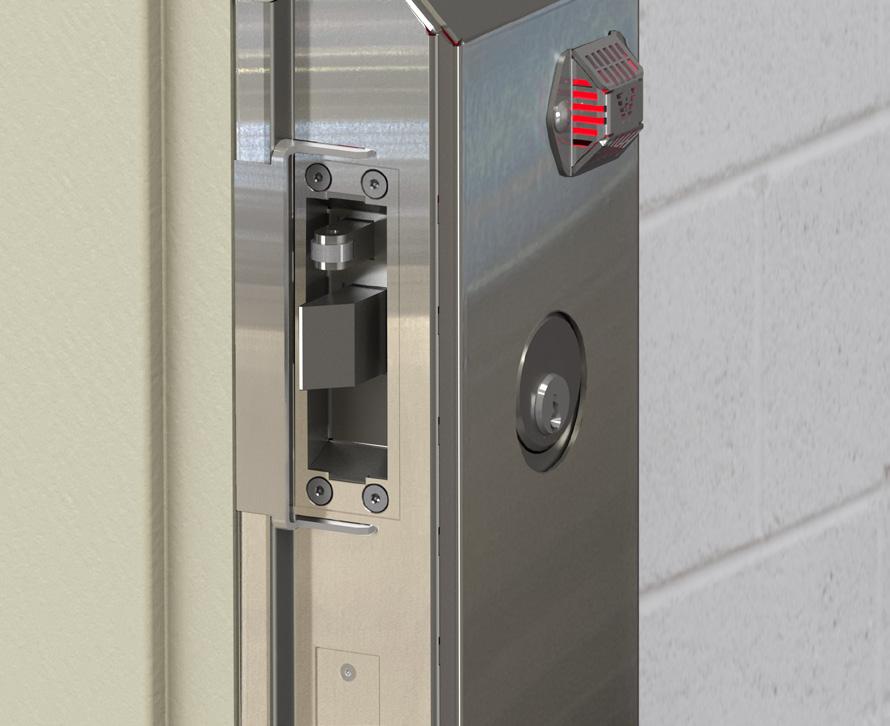
Are
Make
· Preserving Human Judgment – AI should support, not replace, staff decision-making. Professionals must retain full responsibility for sentencing, planning and ethics.
The LatchGuard, is a patent-pending, optional upgrade to the Wedge locking system. With the LatchGuard you can:
Improve cell door lock security and enhance staff safety by addressing a widespread defeat method
Impede material from being inserted into the stuffing gap that is created when the latch bolt is depressed
Protect the lock and maintain functional integrity by restricting entry points for foreign material
Reduce maintenance costs and lock failure incidents

By Hillary Morgan, AIA, NCARB
Regardless of the industry, facility assessments are a vital tool for supporting organizations in achieving their goals, particularly for the future. For the corrections industry, however, the importance of facility assessments cannot be overstated. By looking at the current conditions of a facility, leaders can make informed
decisions not only about future repairs, maintenance and further investments, but also to ensure the safety and security of those working and living in these facilities.
A facility assessment is the process of evaluating every piece of the physical infrastructure of a building itself.
This is done to determine the existing conditions of the facility in terms of structure and support.
Sometimes, it may seem like a new facility is needed, when in reality, the problem is inefficient use of the existing space. Other times, renovation may seem like the most viable option; however, assessment of building systems or aging infrastructure may prove otherwise. Without taking the time to fully assess an asset, how it’s being used and its current state, it can be difficult to make an educated decision about how to move forward.

A facility assessment is imperative due to the nature of correctional facilities, which are under constant use, are often outdated and may face overcrowding. A holistic evaluation of the facility is necessary to plan for the future. Through a facility

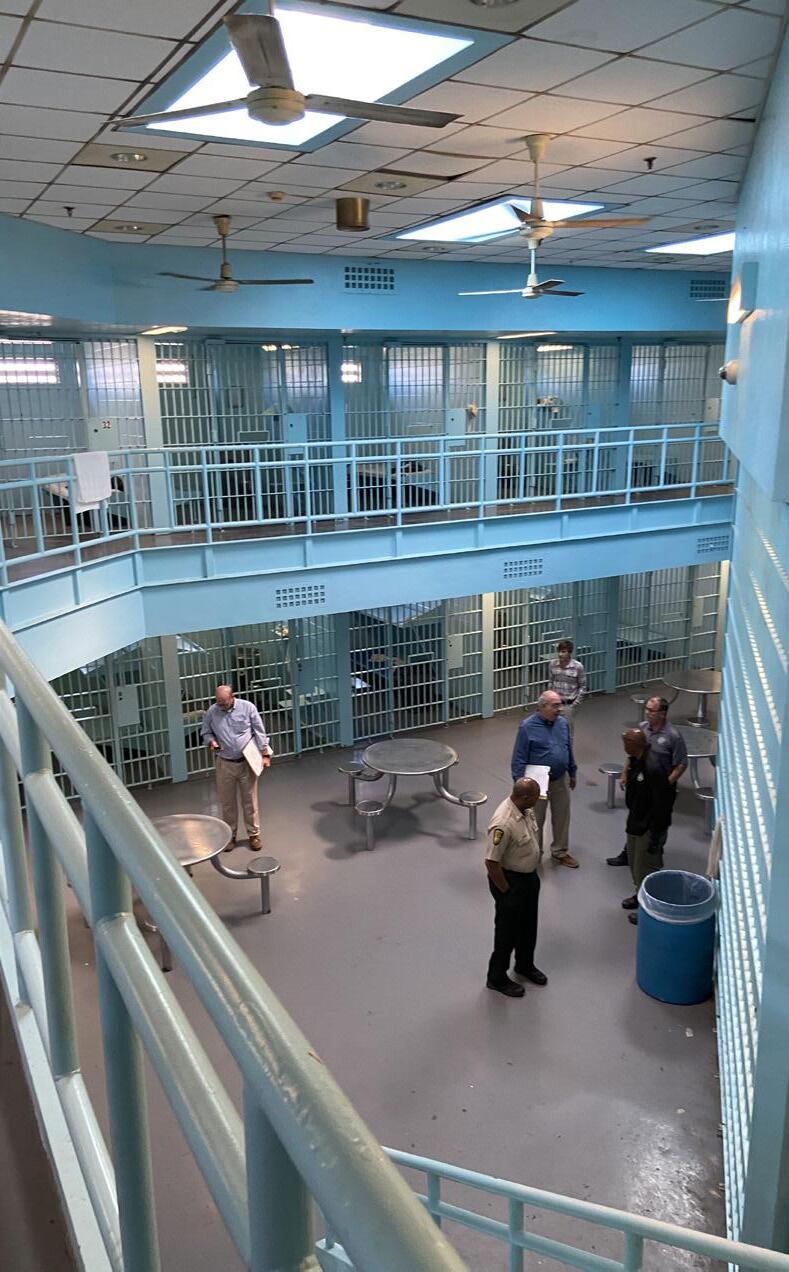
assessment, recommendations are made to improve the facility and bring it up to current code, calculate the costs of renovations and repairs,determine the number of inmates a facility can house and, in more severe cases, highlight the need for construction of a new facility altogether. Facility assessments are an important first step to increase safety, wellbeing and efficiency in a correctional facility.
While the process may vary, Goodwyn Mills Cawood’s (GMC) approach brings together a team of experts from various disciplines, such as architecture, healthcare, physical security, electronic security, mechanical, electrical, plumbing, fire protectionand civil engineering to evaluate the facility. With this assessment team, we do a deep dive of MEP, security, tension, layout, civil and water systems, observing and inspecting every piece of infrastructure. Conditions are documented in notes and photographs taken
approach brings together experts from various disciplines, such as architecture, healthcare, physical security, electronic security, mechanical, electrical, fire protection, plumbing and civil engineering to evaluate the facility.
during walk-through visual inspections. This process is critical to collecting all necessary data to best support the assessment.
An evaluation report is created based on what was observed. The report lists requirements and recommendations on a point-based condition index. This serves as a priority list to highlight the top needs as well as those that are less pressing. With security being a top priority for corrections facilities, issues related to safety are often more heavily weighted to ensure these are addressed immediately.
By planning and designing with security at the forefront, potential threats can be eliminated. The facility assessment report helps to determine what needs to be replaced or renovated to best maintain security and safety.
From this report, we facilitate the cost and time for each of the items on the priority list for leaders to see how this can align with their allotted budget and timeline. This can help to support master planning as well as capital planning documents to properly secure funding for the facility.
Oftentimes, following a facility assessment, a feasibility study is conducted to further determine next steps, whether it be renovations, a new structure or a new building. Programming of a facility is heavily considered in this process to have a full understanding of the needs of the facility and how it’s used. At GMC, we created a system of documents and templates to help adopt population trends into the future. Typically, a multitude of options arise, and we work with the client to help them select the best option to mitigate their specific issues. Once a path forward is determined, we investigate funding sources to best serve the community.
In practice:
In Burke County, Georgia, there were differing viewpoints on whether the county needed a new correctional facility. County leadership first approached GMC’s Justice team to perform a facility assessment to observe the conditions of the existing jail.
“There were a lot of opposing ideas on how the space should be used,” said Burke County Manager Merv Waldrop. “We wanted to have the assessment done because we knew the facility needed to be looked at holistically.”
The current facility was considerably limited in its ability to house inmates based on classifications. This meant there was not adequate space to properly provide for intake, medical, education and other necessary programmatic spaces for a modern facility.
“We were told the facility had good bones,” said Waldrop, “but there was an issue with how it was being used.”
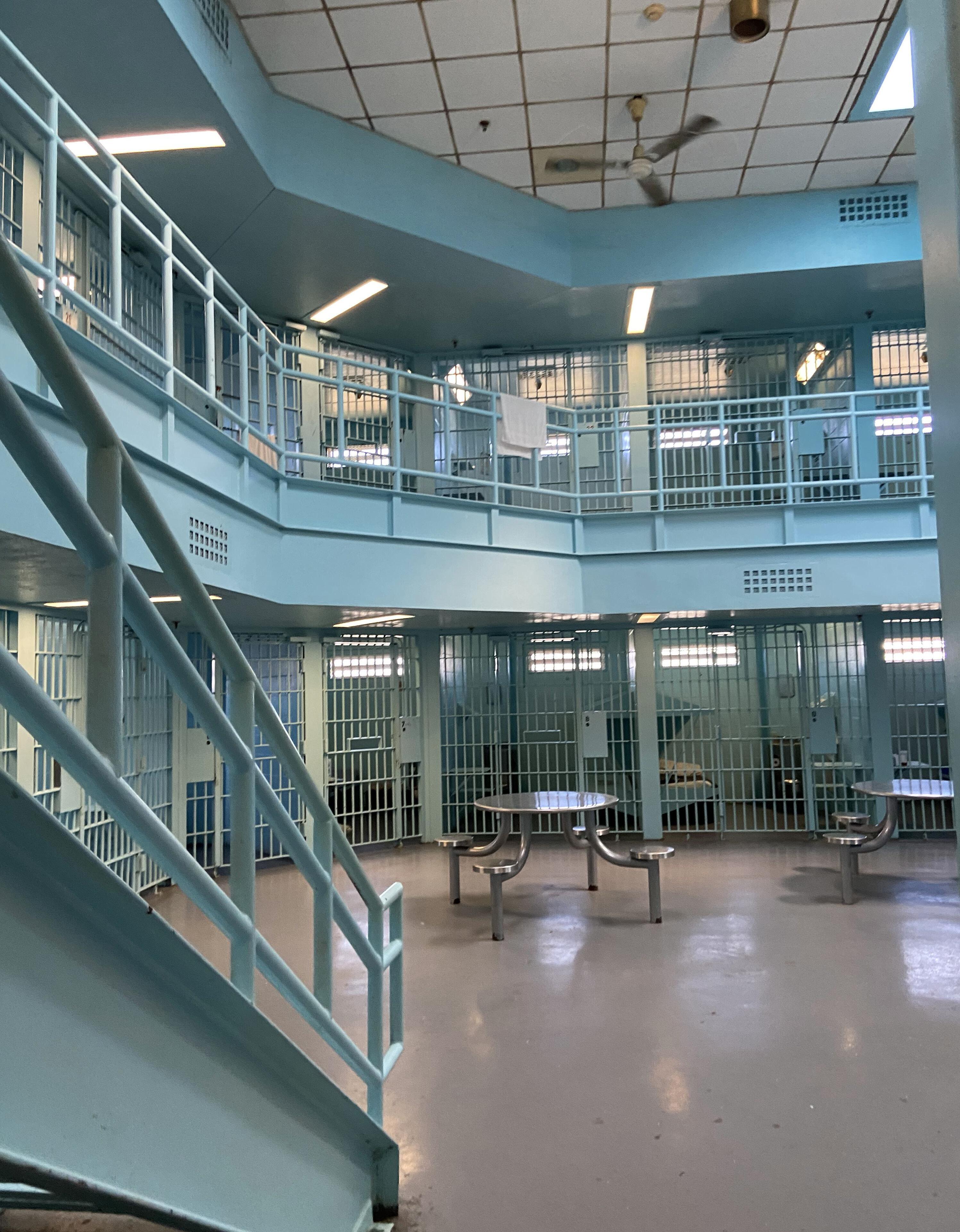


While a new facility was desired by some, through the assessment, it was determined that renovation could achieve the desired results while also being the most cost-effective solution. When walking the facility, the team saw that the building could easily be adapted into a modern facility that allowed for safety, security and functionality. The renovation is currently underway and will aim to solve the overcrowding as well as the programming issues.
While renovation was deemed most feasible for Burke County, it was a different story in a nearby county. Based on the findings of a facility assessment conducted by another firm years prior, the county had constructed a dorm addition to mitigate issues related to limited programming and overcrowding, as well as understaffing. However, because the dorm design and location did not solve the issues above, the facility could not be used at all, deeming it obsolete.
To help remedy this situation, county leadership hired GMC to conduct a facility assessment of their entire campus, focusing on current function and design. The assessment showed the building’s infrastructure was past its life span and was causing deterioration and other issues to the structure that would require major and costly repairs
Additionally, the facility lacked the required programs necessary to support a modern facility. Drastic changes
would have to be made to allow for proper flow and function, as well as security and safety. The design, structure and building systems would all need to be restructured and, therefore, would be more costly to renovate than build new. With all of that in mind, leadership decided a new jail would be the best option, and a new facility is now underway.
By earning trust and gaining a true understanding of each client and their specific needs, we are able to effectively guide leadership through the facility assessment process. This process works to align improvements, planning and funding to best maintain the facility into the future. Facility assessments are more than just a checklist of things to do—they uncover the health of the building, offering actionable insights and data. Whether it leads to a renovation or a new building, a facility assessment helps inform decision-making for the safety of inmates, staff and the betterment of the community.
Hillary Morgan is the Vice President, Justice Architecture for Goodwyn Mills Cawood. She has more than 10 years of architectural experience in the education and corrections sectors and currently leads operations, administration, client relations and design and construction services for GMC’s justice projects.
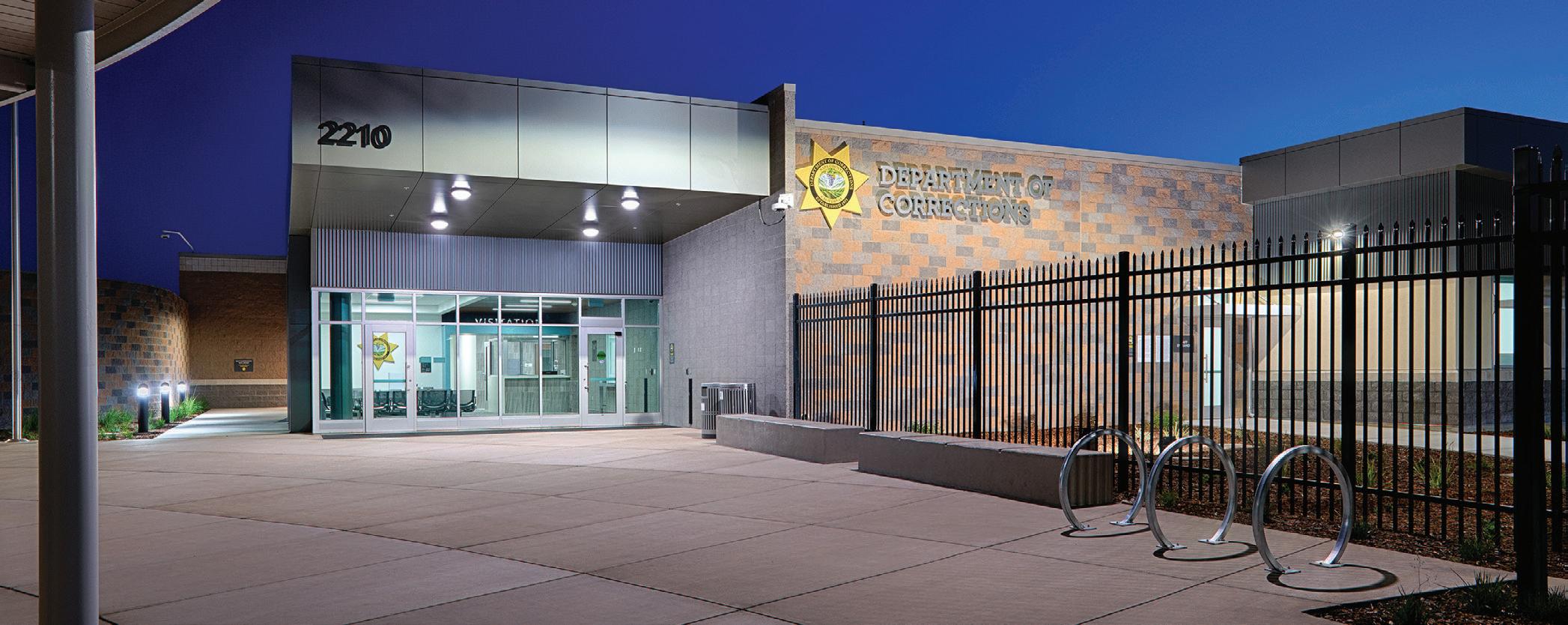
Vanir is a national leader in program, project and construction management with deep roots in the justice and essential services sector – a sector where safe, secure, dynamic and sustainable facilities are not only important, but critical. Our award-winning team understands just how much is at stake when it comes to delivering stateof-the-art jails, prisons and detention centers; courthouses; and public safety/emergency operations facilities. We are ready to tailor our services to meet your unique needs and support your existing staff.
Founded in 1964 | Minority- and Woman-owned | $30.8 Billion in Construction Value | An Engineering News-Record Top-rated Firm for More Than Three Decades
By Meghan Murphy
The New Freedom Project, a Phoenix-based program that has supported more than 4,000 participants since 2023, approaches reentry not as a checklist of compliance requirements, but as a deeply human journey. Founded by justice-impacted leaders, this peer-driven model
Freedom has served thousands of Arizonans returning from prison, with outcomes that far exceed national benchmarks.
positive behavior and real-world skills. This holistic approach ensures members don’t just “stay out” of prison — they thrive in community life.
The urgency is undeniable: More than 82% of inmates require substance use treatment, while 19% need ongoing mental health care. Yet most leave incarceration without treatment, coping strategies or a support system. This untreated trauma and addiction contribute directly to high recidivism rates.
New Freedom addresses this crisis by offering a comprehensive, voluntary 90-day program that integrates behavioral health, vocational training, peer mentoring, case management and housing all under one roof.
The program’s Peoria campus, once a 248-room hotel, has been transformed into a state-of-the-art, Joint Commission-accredited facility to serve 380 male members. The Deer Valley campus, newly renovated and opened in November, can serve 150 female members. In both facilities, members have access to clinical spaces, classrooms, vocational training labs, a full-service kitchen,
New Freedom’s curriculum blends accountability, personal growth, and trauma-informed recovery, designed to help members rebuild stable and fulfilling lives.


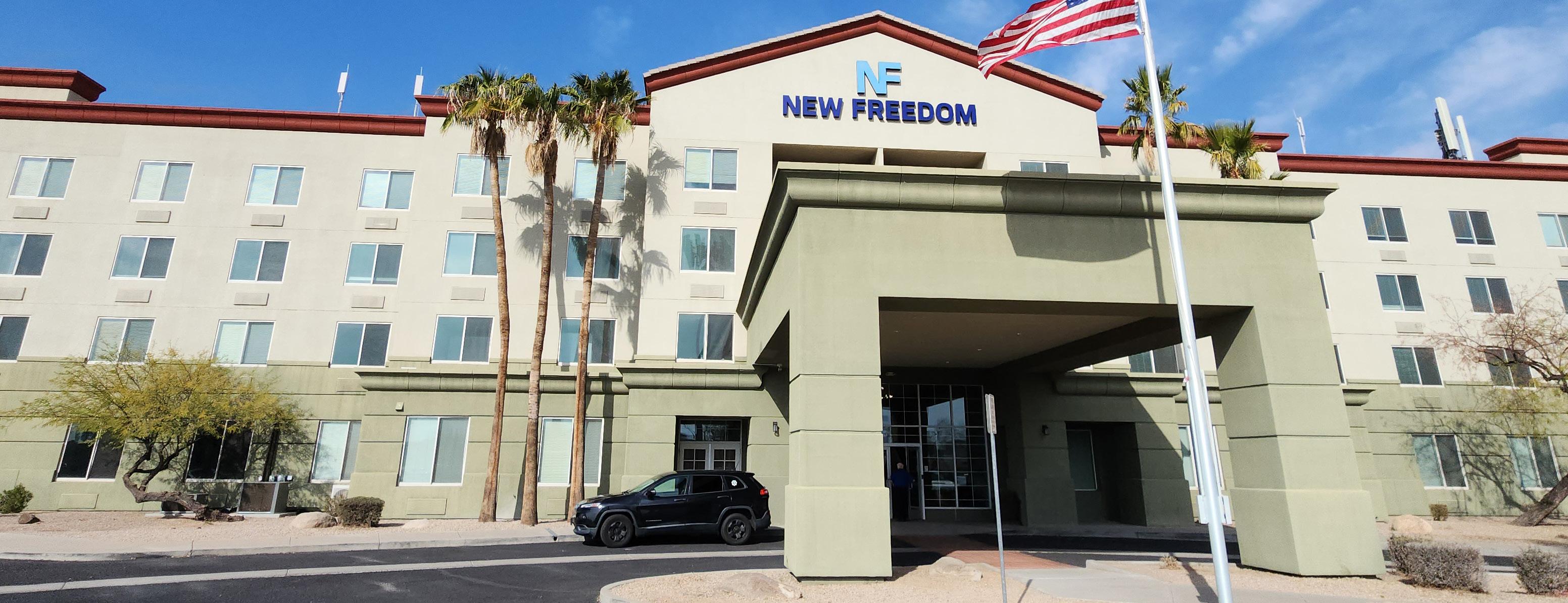
embraces a powerful guiding principle: The most effective support comes from those who’ve walked the same path. Born from the vision of the founders, New Freedom sought not only to fill a gap in services, but to completely transform post-incarceration support.
At the heart of the program is recognition of PostIncarceration Syndrome — a cluster of symptoms resulting from prolonged incarceration in punitive environments. Symptoms often include institutionalized personality traits, reactive substance use, PTSD and antisocial coping mechanisms.
To counter these challenges, the program combines a therapeutic community model with supported housing, cognitive-behavioral strategies and trauma-informed
“Now, I’m not just a man who served time. I’m a man with skills, with knowledge, with a newfound sense of self-worth. Thanks to New Freedom, I’m ready to start a new chapter in my life.” – Testimonial from 2025 New Freedom Member
At its core, New Freedom is about systemic change: building generational resilience by investing in individuals navigating the reentry process. Since its inception, New
care. Programs are gender-responsive, emphasize healthy relationships and use interactive journaling to reinforce
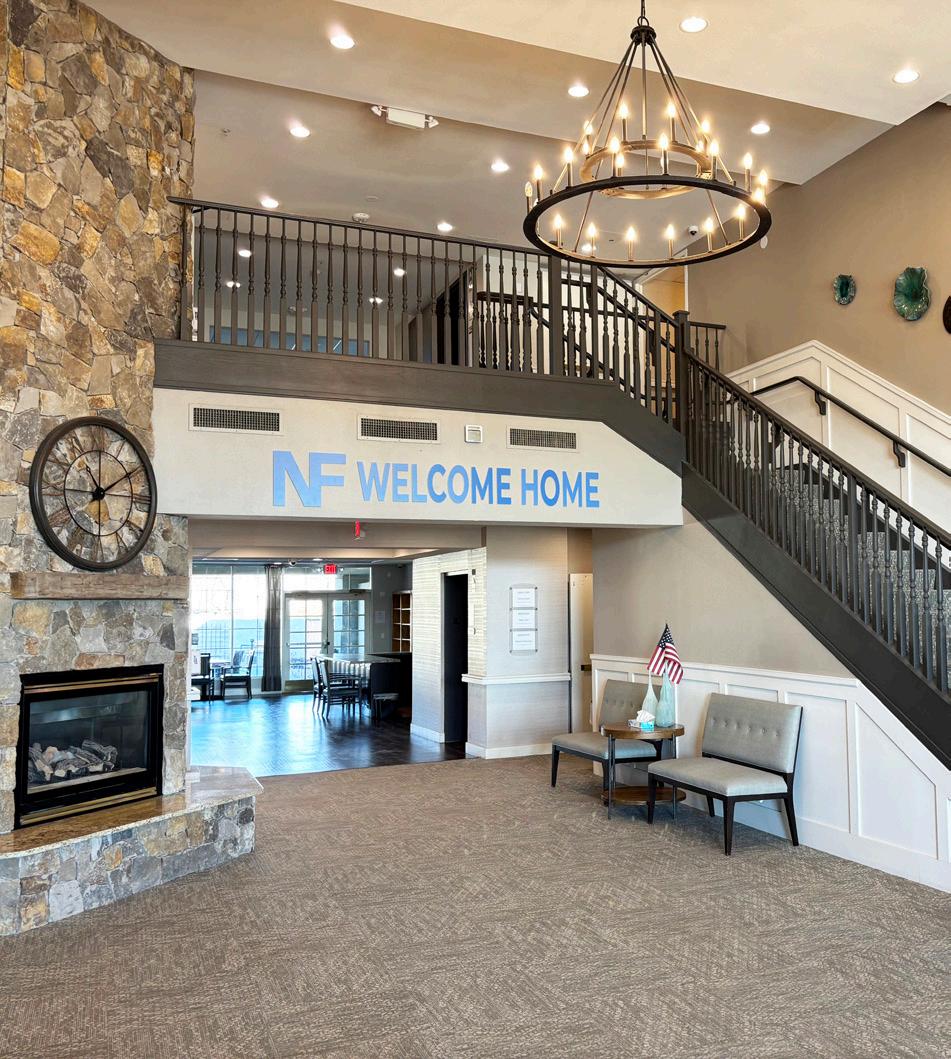
wellness areas, outdoor community space and housing. Vocational training integrates industry professionals with behavioral health teams, offering pathways in trades such as CDL licensing, flooring, painting, HVAC, welding, electrical and framing. Graduation requires both stable employment and housing, ensuring participants leave prepared for long-term success.
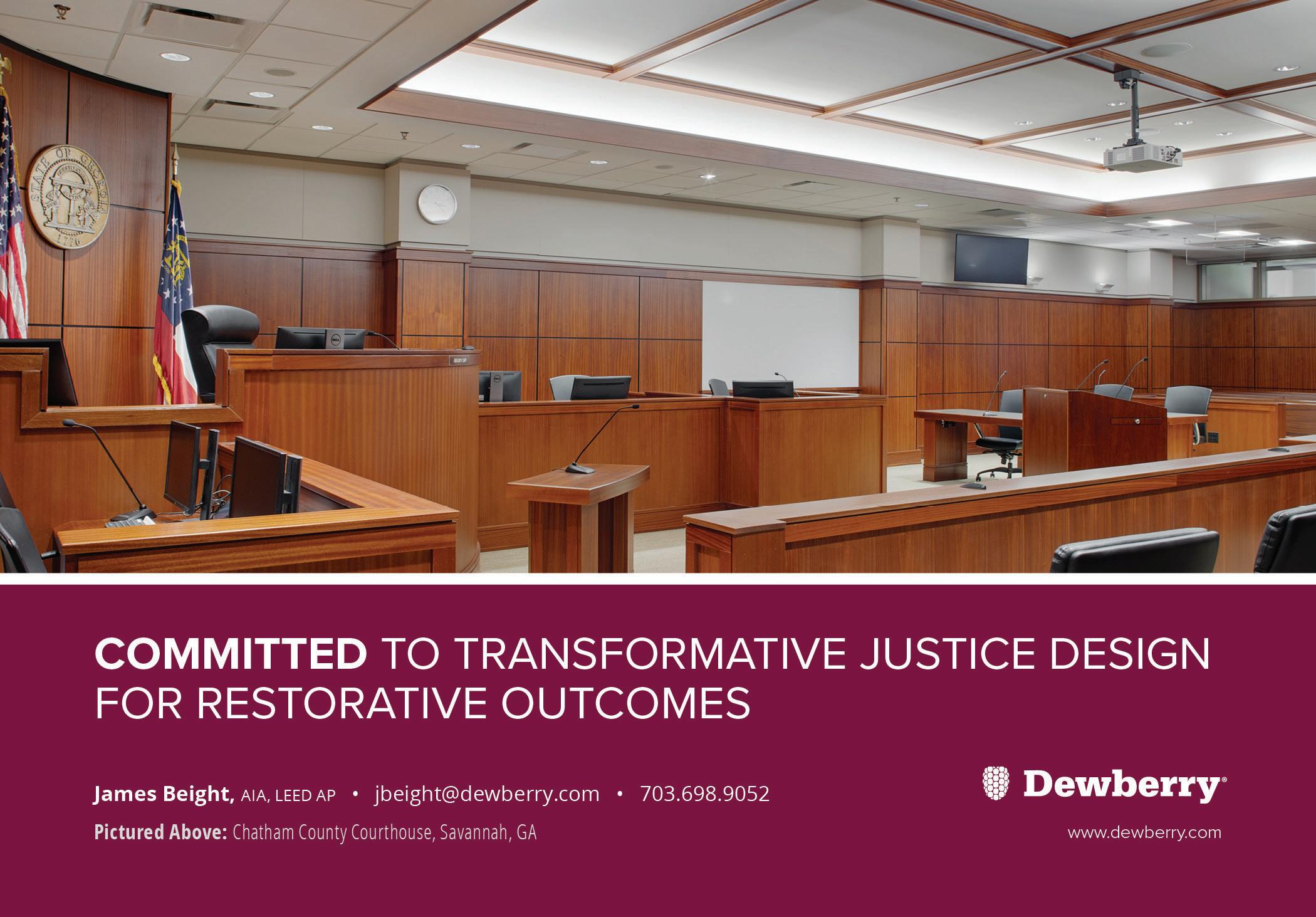
· 7.5% recidivism rate among graduates (vs. 60% national average return rate)
· 7,800+ intakes in five years
· 8,000 inmates mentored inside Arizona state prisons
· 99% housing and employment at graduation
· $200M+ statewide annual economic impact
· 91% employment and 46.3% wage increase 2 (two) years postgraduation
Beyond the numbers, human stories give life to the impact. For Elijah, a recent graduate, the program taught him valuable, life-changing lessons.
“The most significant of all was realizing that I’m not alone in dealing with hard situations like addiction,” he said. “There are people who share the same struggles and
By Lindsey Coulter
Correctional agencies are facing unprecedented challenges: staff shortages, growing caseloads, and increasing pressure to improve outcomes with fewer resources. At the same time, new agentic AI-driven solutions are emerging that promise to ease those burdens while making justice systems more consistent and efficient.
At the American Correctional Association’s (ACA) 155th Congress of Corrections in August, industry leaders highlighted the role of cloud computing, blockchain, data analytics and artificial intelligence in reshaping correctional operations. The AI Tech Expo in particular — featuring Vant4ge, Leo Tech, Amazon Web Services (AWS) and VIA Science — showcased solutions that are already helping agencies modernize.
Agentic AI emerged as the innovation with the biggest potential impact on the justice and corrections industry. Instead of simply processing data within predefined limits, agentic AI systems act with autonomy and purpose to achieve specific goals.
Agentic systems are built from AI agents: models that mimic human decision-making to solve problems in real time. Unlike standard AI, which often requires human input to take the next step, agentic AI can operate independently and adapt as situations evolve, creating content but also using it to complete tasks. In correctional applications, a standard generative AI model might draft a case management report, but an agentic AI system could both generate the report and automatically file it in the correct database, flag inconsistencies and notify supervisors.
During the conversation, inmate responses are not only collected but analyzed and summarized to develop the best supervision and treatment paths.
Vant4ge Founder and Chief Executive Officer Sean Hosman gave attendees an
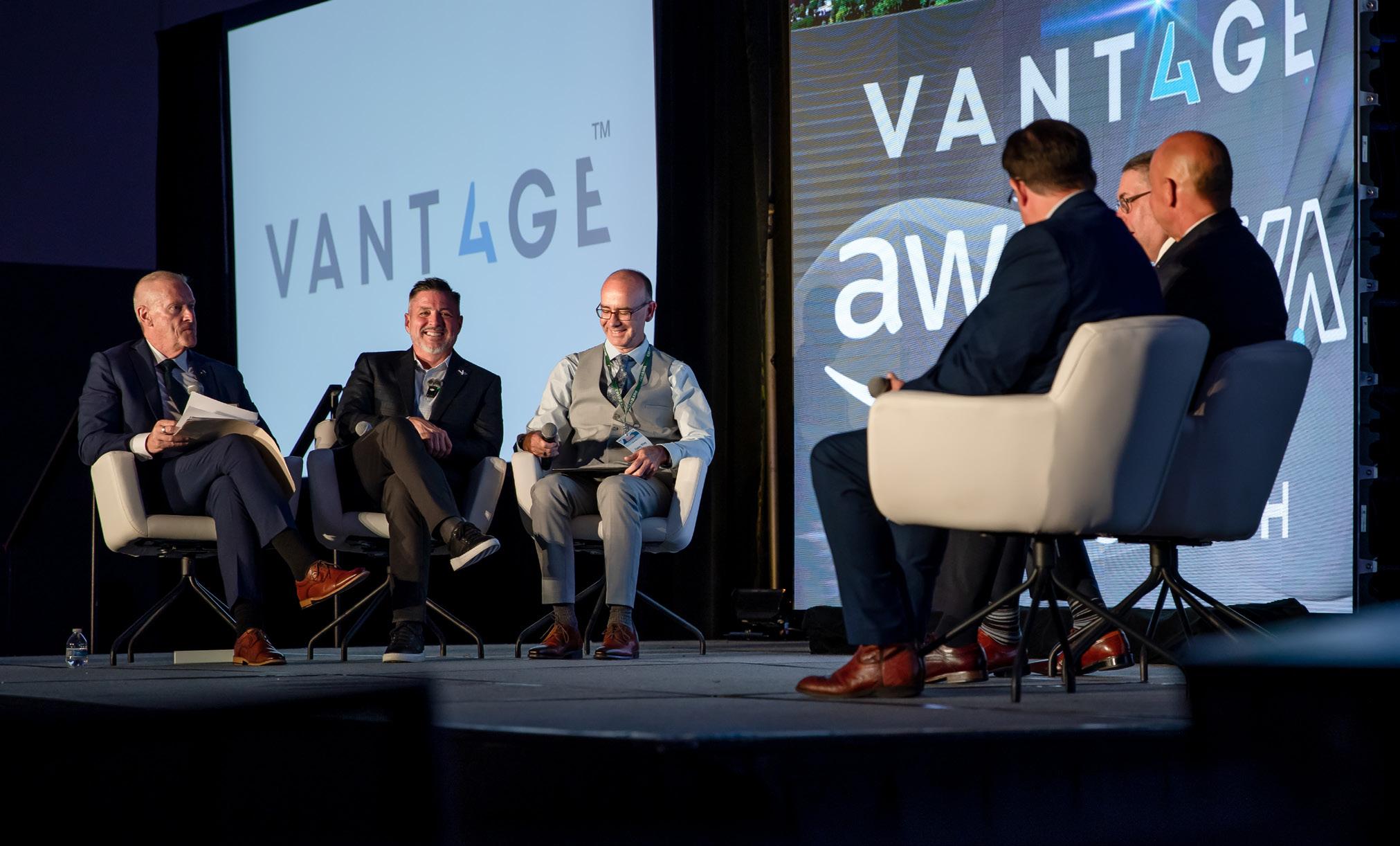
Taking the technology even further, agentic AI can support automated inmate interviews, risk assessments, scheduling, and resource allocation, ensuring justice and corrections agencies can manage large caseloads without sacrificing quality or consistency. By handling routine but critical processes, agentic AI gives staff more time to focus on rehabilitation, crisis intervention and improving public safety.
“There is always a human in the loop,” said Jim Gilliam, Vice President of Business Development for Vant4ge, who attended the expo. “For example, AIDA is really good at gathering and presenting data, and always presents that data in whatever form the agency wants so that staff can make better data-driven decisions.”
One of the most notable and impactful technologies to figuratively take the AI Tech Expo stage was Vant4ge’s AIDA tool, a purposebuilt interviewing platform. The system is designed to conduct accurate, consistent interviews — helping to free staff from repetitive work.

Inmates interact with AIDA through a standard computer screen, but the experience is not at all disconnected or robotic. Instead, AIDA’s “voice” and demeanor are designed to be soothing and reassuring, yet professional.

exclusive look at AIDA in action. With Hosman playing the role of a typical inmate, AIDA conducted a live interview in real time, tactfully inquiring about substance use, employment history, mental and general well-being, and the conditions that led to
• UL 437 and ASTM 1577 rated
• High security dual locking mechanism for added protection and reliability
• Compatible with most US detention manufacturer locksets
• Moguls can be integrated into a master key system for entire facility
• Patent protects keys against unauthorized duplication
• Lifetime warranty against key breakage

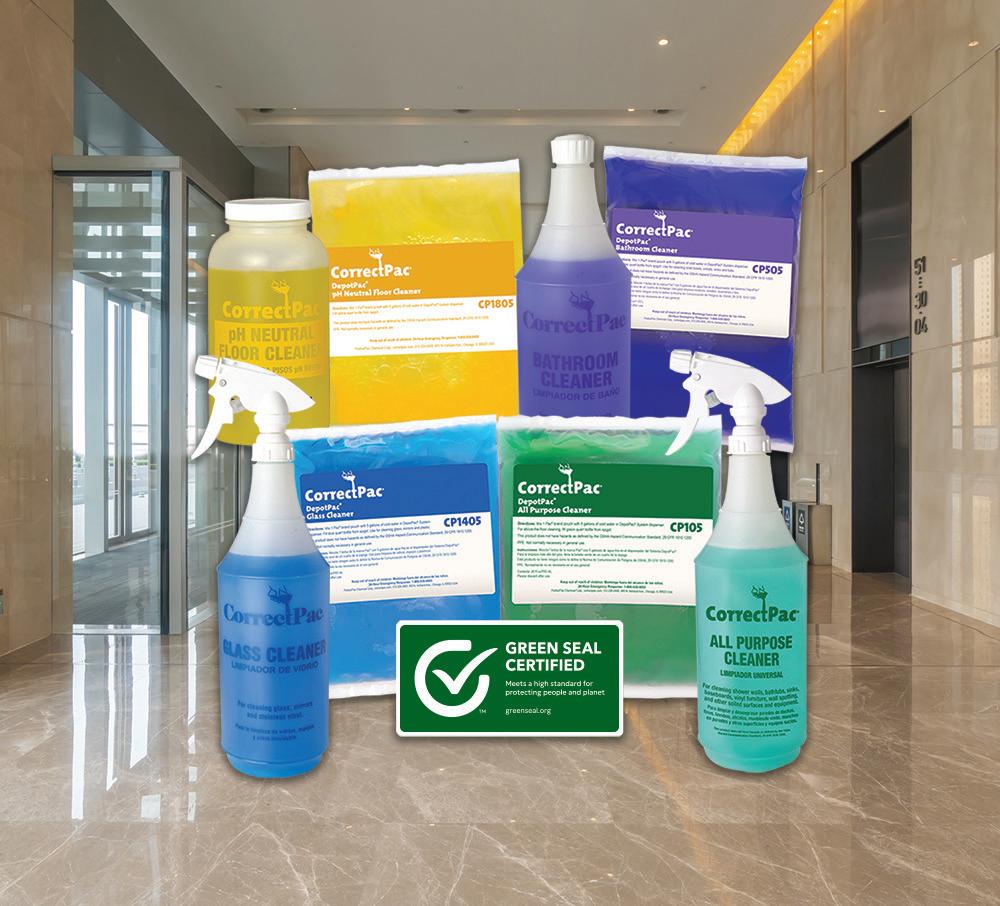
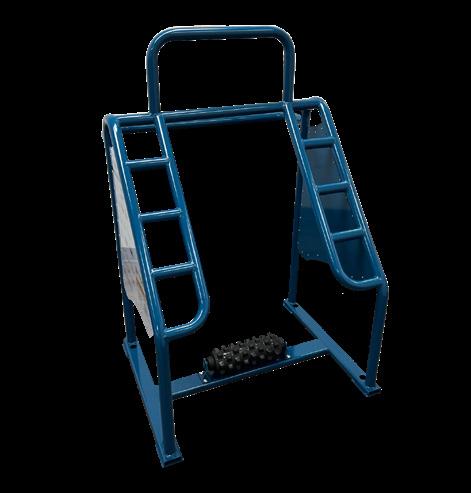
Outdoor-Fit offers explicitly built equipment for corrections to solve the challenges in delivering fitness options to the inmate population. Outdoor-Fit correctional fitness equipment is designed and manufactured to be tamper-proof and weatherproof, with no removable parts or potential weapons, making them a safe and secure option for facilities of all levels. The company offers specialized indoor and outdoor exercise equipment for correctional facilities, providing safe and secure facilities of all levels, promoting physical activity and contributing to the overall well-being of inmates. Products are designed to stand the test of time and provides real exercise experience in any setting.
Outdoor-Fit
www.outdoor-fit.com
The Pillar of Public Safety booth is a soundproof pod designed to create a safe environment for private conversations in correctional facilities. This videoconference-ready solution is commonly used for virtual attorney visits, virtual court hearings and as a resource for telehealth and mental health. Its perforated steel covered acoustic panels provide security and durability while maintaining privacy and sound absorption. The video conferenceready features include a steel monitor enclosure secured to the booth with a polycarbonate screen guard. A light switch, power outlets and CPU mounted are on the exterior wall in a solid breathable box prevent offender access.
Pillar of Public Safety
www.popsbooth.com
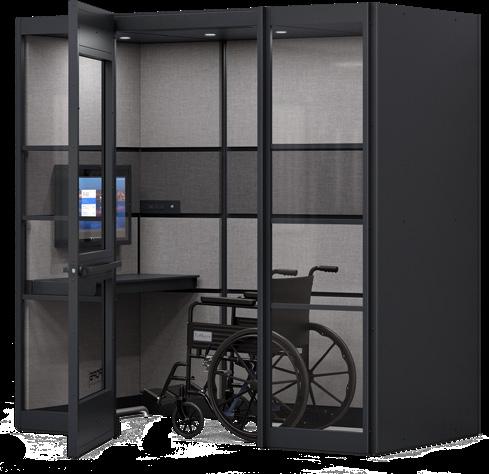
CorrectPac® brings simplicity and consistency to cleaning in correctional facilities. The program uses a pre-measured, color-coded system that take the guesswork out of training and daily use, while cutting waste and ensuring reliable results. Products are Green Seal® certified and OSHA HazCom hazard-free, making them safer for the people who use them and the environments they clean.
At its core, CorrectPac is about making operations easier. Standardized products, straightforward training, and better cost control give facilities the tools they need to run smoothly while protecting health and safety. It’s a program designed to work every day, in real settings, where consistency matters most.
CorrectPac www.portionpac.works
KURTZON™’s vandal-resistant light fixtures are designed for high abuse public areas where the fixture needs to withstand impact, prying and even severe weather. Aluminum or steel housings accompanied by tamperproof screws and standard polycarbonate lenses make the vandal-resistant line ideal for high-traffic, high-impact areas. The VLST-LED fixture is a high-efficiency LED luminaire designed for ceiling or wall mount applications in tunnels, underpasses and parking garages. The VL LED UNDERPASS is IP66 rated for dust and water ingress and is suitable for 1700 PSI high-pressure hose downs. The fixture is also ETL listed per UL_1598 for wet locations.
Kurtzon www.kurtzon.com
Silikal floors are designed to be installed quickly and seamlessly in correctional facilities. The product does not require blasting or removal of the existing floor, allowing facilities to avoid closing off areas for extended work and installation. Curing generally takes just one hour, after which the flooring is impervious to foot traffic and equipment such as rolling service carts. The hygienic flooring also helps repel mildew, dirt, germs and bacteria. It is designed to last a lifetime and is available in a variety of colors such as green, purple and blue to support calming environments.
Silikal
www.silikalamerica.com
incarceration, while offering support, empathy and empowering statements — hallmarks of the motivational interviewing model that inspired its design.
“We’re testing AIDA across the country, and what we’re finding is that it’s better than we thought,” said Hosman. “Ninety-four percent of people being interviewed said they’re more honest with AIDA. They don’t feel judgement, bias or prejudice.”
Hosman also stressed the value for case managers, as AIDA reduces backlogs by taking on time-consuming initial screenings. Supervisors gain flexibility in allocating staff, while administrators benefit from stronger, data-driven decision-making. For agencies, the platform reduces liability by capturing every word and ensuring interviews are consistent and unbiased.
Panelist Ricky Dixon, Secretary of the Florida Department of Corrections, called the technology “a force-multiplier” and a necessity for corrections considering the sheer volume of people entering and exiting the system each year.

Fellow panelist Tony Parker, retired Commissioner of the Tennessee Department of Correction, agreed that the tool could be transformative for agencies struggling with staffing shortages and employee burnout. “Our staff [members get] tired, but AIDA is consistent, calm and talks in the same manner to everybody,” Parker said.
By standardizing this foundational process, Hosman said, AIDA has the potential to reduce human error, eliminate bias, and give staff the time and resources to focus on higher-value work.
“For agencies overwhelmed by caseloads and vacancies, that could mean a real chance to improve both safety and rehabilitative outcomes,” he added.
Another important voice in the agentic AI conversation is Leo Tech, whose platform Verus gives correctional and public safety agencies real-time insights into authorized communications.
Verus continuously monitors calls and messages within facilities, analyzing them for patterns that could reveal drug trafficking, human and sex trafficking, continuing criminal enterprises or potential suicide risks.
In the company’s presentation, Annette Chambers-Smith, Director of the Ohio Department of Corrections; Aaron Reese, Chief Deputy for Cuyahoga County, Ohio; and Josh Tewalt, former Director of the Idaho Department of Corrections, discussed how the technology has enabled their agencies to act on intelligence in real time. Verus’ advanced search, monitoring, and link analysis tools also allow investigators to uncover hidden networks quickly, sometimes within minutes instead of months, which panelist agreed has increased security for both staff and inmates.
Meanwhile, VIA brought a very different but equally important innovation to the conversation: Web3 technology optimized for big data and artificial intelligence. The company’s platform includes blockchain-based security, decentralized storage and quantumresistant encryption.
By using zero-knowledge proofs, fingerprinting technologies, and smart contracts, VIA ensures that sensitive data — whether from courts, prisons or public safety agencies — can be verified, shared and protected without compromising security.
The U.S. Department of Defense has recognized VIA’s approach as a way to protect data independently of the systems that store and process it, a critical advantage in the highstakes world of justice and corrections.
AWS: Powering the Cloud for Justice
Finally, Amazon Web Services (AWS) is also playing a pivotal role behind the scenes,
helping agencies modernize infrastructure.
Courts and correctional systems have historically struggled with siloed, outdated technology, and the COVID-19 pandemic forced many to embrace online platforms for hearings and records, accelerating a shift toward cloud-based solutions.
As such, AWS has developed services that allow courts to enable remote hearings, modernize case management systems, store records securely and improve connectivity
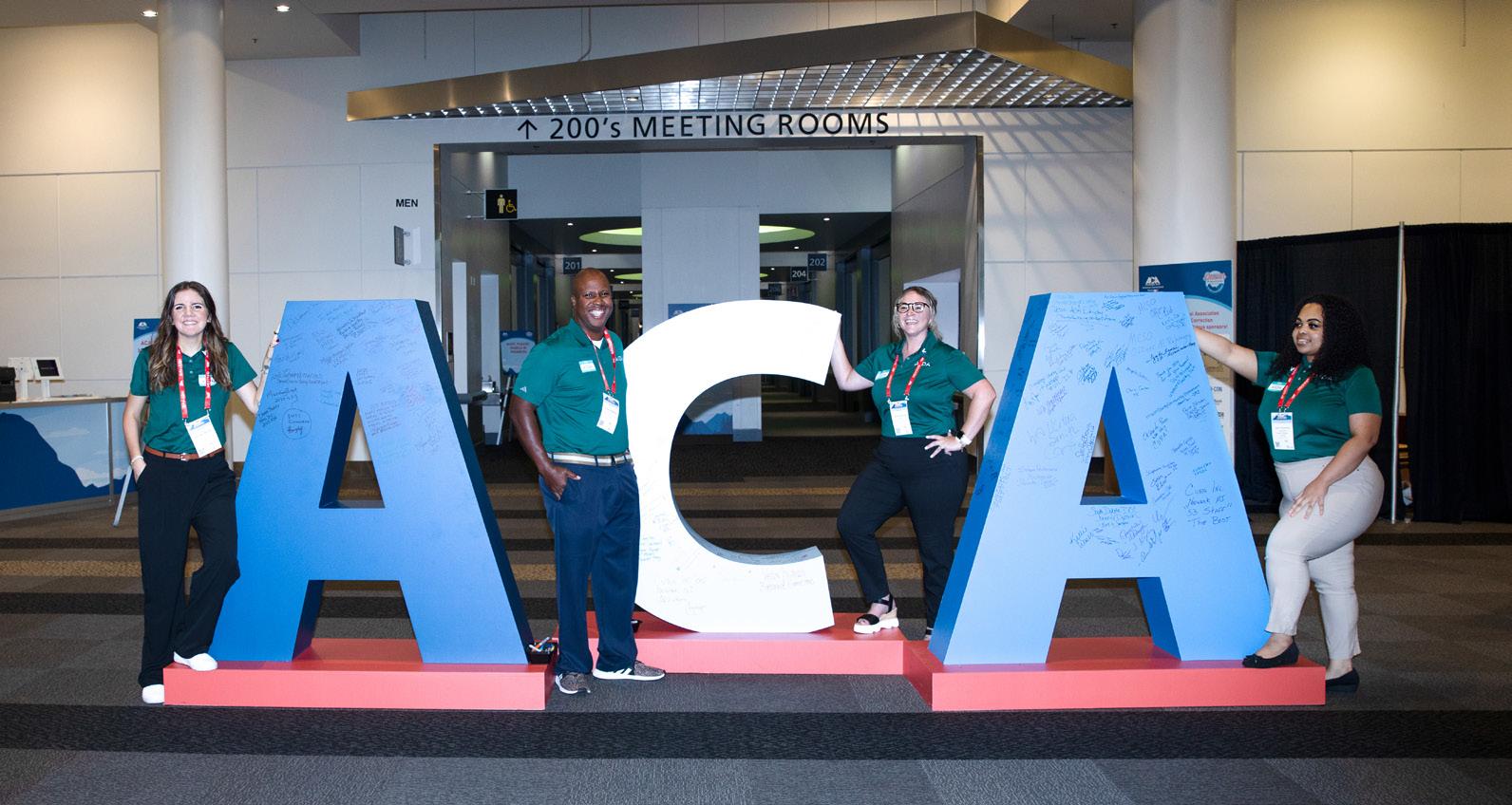
in underserved regions. Its tools for video evidence storage ensure authenticity over long retention periods, addressing one of the most pressing needs of the justice system.
By enabling flexible, scalable and secure data storage, AWS helps agencies access critical information quickly — an essential capability when decisions can affect both public safety and individual lives.
For presenters like Gilliam and Hosman, attending the expo was a chance not just to launch their product, but to continue learning from industry leaders. The teams were busy throughout the event meeting new justice and correctional professionals, learning about their needs and trying to better understand how agentic AI can better solve problems.
“We’re always open to learn, always open to adapting, and being up to date and relevant,” Gilliam said, adding that the interest was “absolutely overwhelming.”
The enthusiasm in the showcased products makes it clear that the justice system is entering a new era — one where digital tools, cloud platforms, blockchain technologies and artificial intelligence are no longer optional but essential.
As correctional agencies grapple with staffing shortages and rising demands, solutions like those from Vant4ge’s, Leo Tech, AWS and VIA could make the difference between systems that merely function and systems that truly serve.


Safety Trends, from page 15
Time out of cell was tracked using a manual collection process, which was then recorded using a novel instrument, the SOAR Tracking Tool. The data set spanned nine months, including one month of pre-intervention and eight months of postintervention data. In an effort to improve the likelihood of incarcerated individuals accepting and receiving time out of cell, the facility launched a survey as part of a program called Fun Activities and Social Time (FAST). Incarcerated individuals responded with their preferences for recreational activities, programs and schedules, which resulted in increases in accepted and received time out of cell. The intent was to provide a space where prosocial leisure activities and socialization could occur in restrictive housing. FAST activities demonstrated significant increases in acceptance rates of time out of cell, closing the gap between what was offered and what was received. Incarcerated individuals also reported increased feelings of safety and connection to their peers, allowing for interpersonal engagement in unstructured settings.
Staff at SCCC responded positively to the program as well, despite initial concerns about safety and security being compromised. Intensive communication and education served to clarify that staff were not losing the tool of separation, and that safety remained the priority. In fact, staff eventually described the additional time and activities allotted to incarcerated individuals as an additional tool that they did not have before. Staff no longer view this project as a pilot; it is just how operations are done at SCCC.
Conclusion
With nine months of data collection, several key findings emerged. Although the number of individuals in restrictive housing areas increased, the conditions of confinement improved substantially. In other words, separation as a tool
Testimonials from the Washington State Department of Corrections’ Solitary Confinement Transformation Pilot Project:
“Guys that have been down a long time have been shocked by the improvements.” – Incarcerated individual
“Noticing more out-of-time in the past two months. It’s a great thing; it helps to give people something to look forward to.” – Incarcerated individual
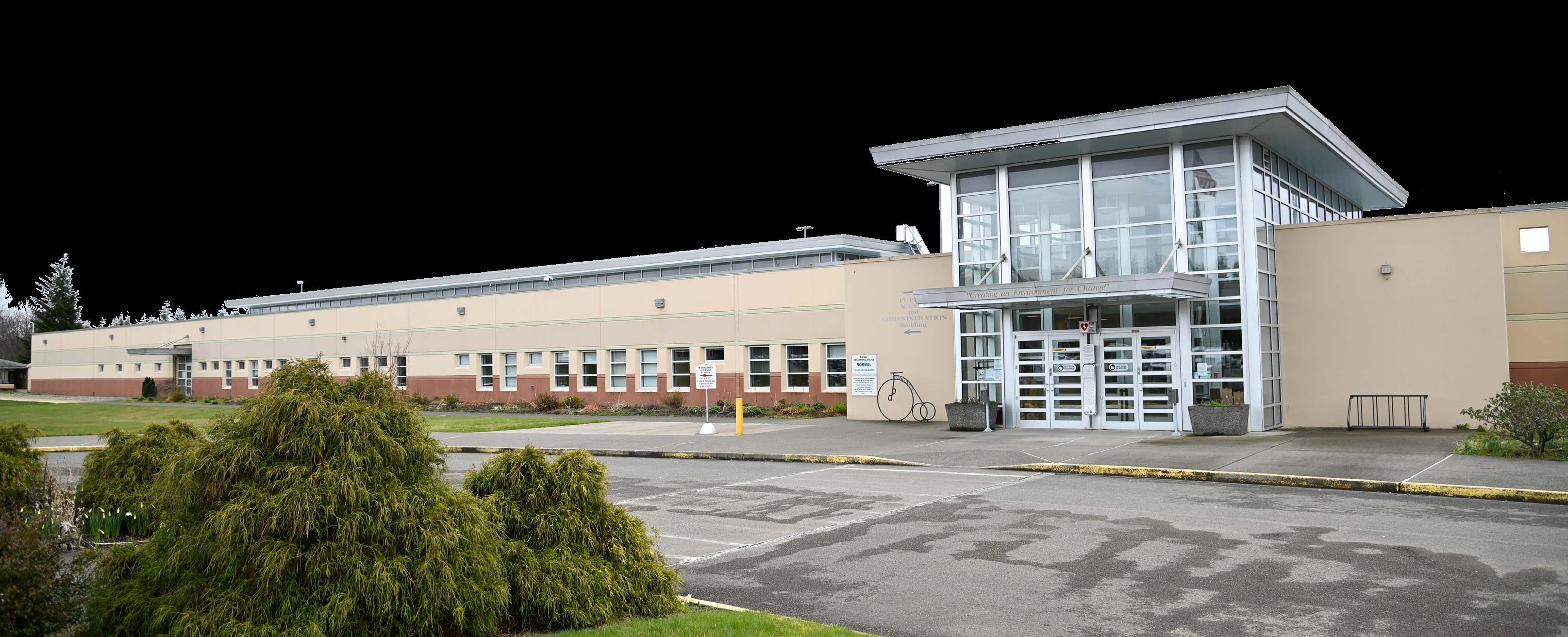

Engineered for performance and security, the Corner Pro delivers consistent, glare-free illumination for cells, dayrooms, corridors, and other demanding spaces. With no exposed mounting hardware, field-selectable wattages (42W, 32W, 24W), and CCT options from 3500K to 5000K, this fixture is built for flexibility, safety, and long-lasting reliability.
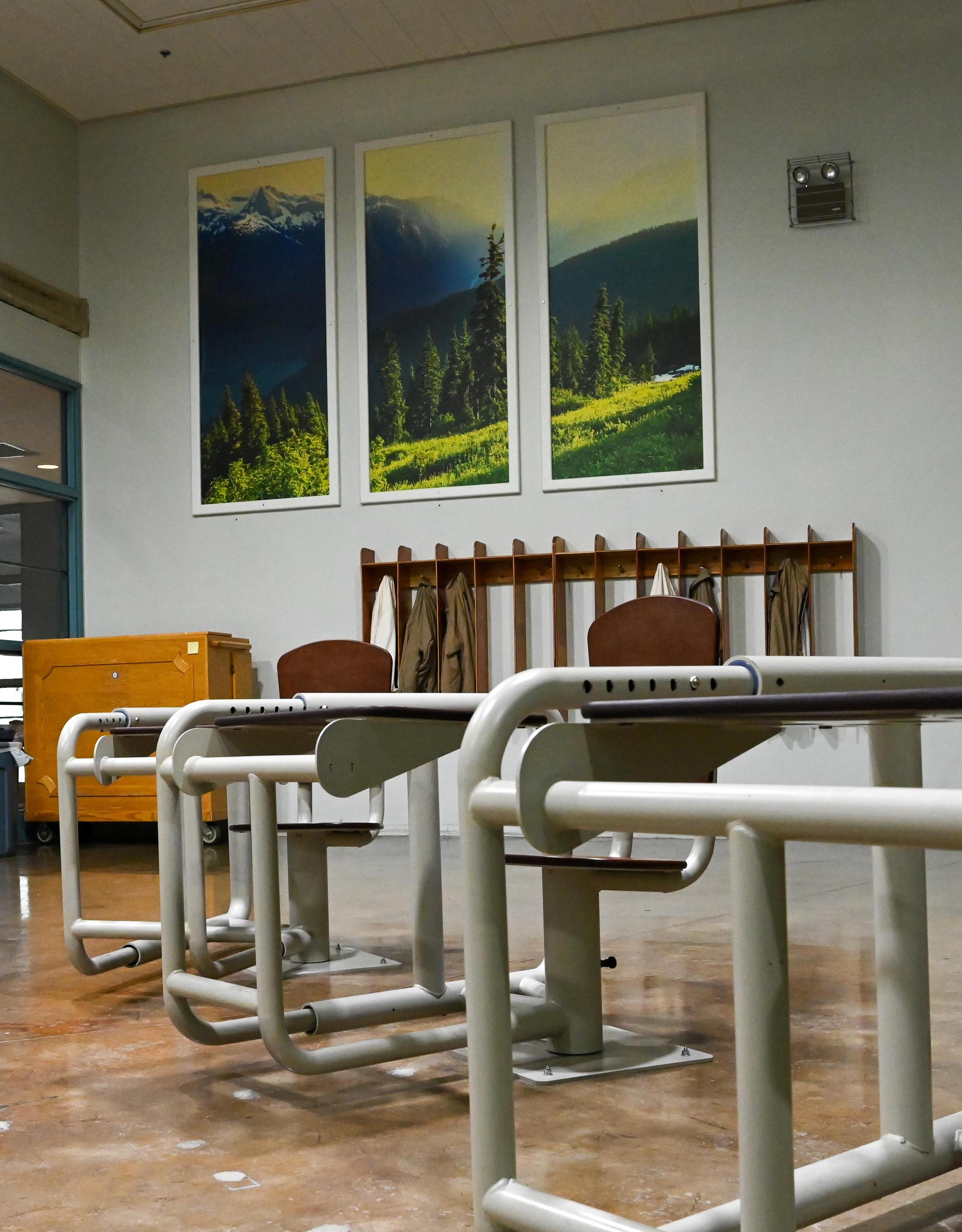
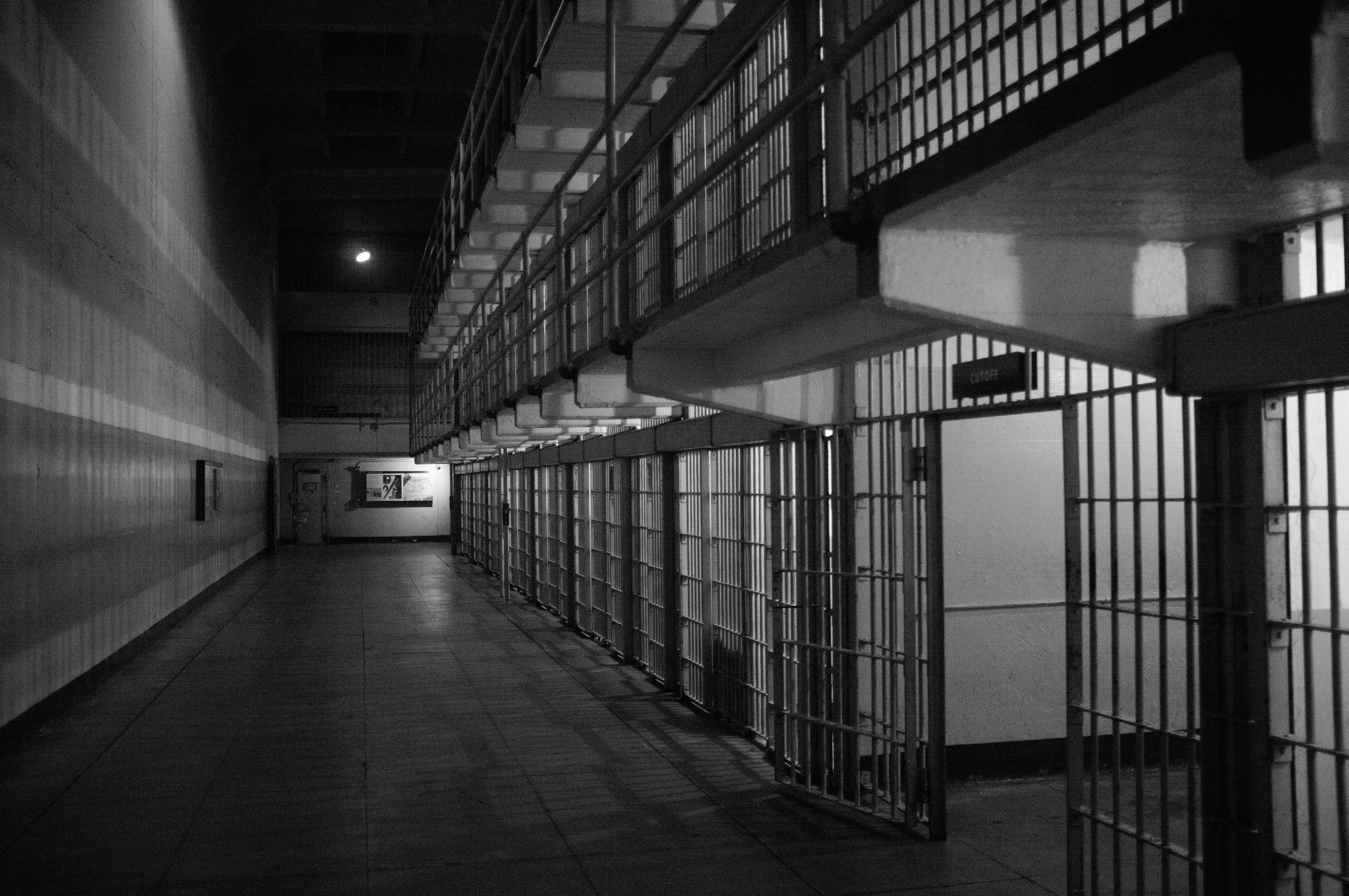
By Stephanie Miner
As justice facility design evolves to meet the demands of efficiency, sustainability and security, the integration of vacuum plumbing systems has emerged as a smart and forward-thinking solution. Unlike systems that provide drainage via gravity alone, vacuum plumbing utilizes both gravity and differential air pressure to transport wastewater through a sealed, secure piping network. This technology — widely adopted in hospitals, airports and correctional facilities — offers significant advantages particularly wellsuited to the unique needs of justice facilities.
the facility rather than below slab, on large-footprint structures, there is less need for complex underground pump stations and macerating equipment. Additionally, installation can proceed faster in both new construction and renovation scenarios.
reducing the potential for flooding-related incidents. Controlled flushing and automatic shut-off options allow staff to intervene remotely before a minor issue becomes a facility-wide problem.
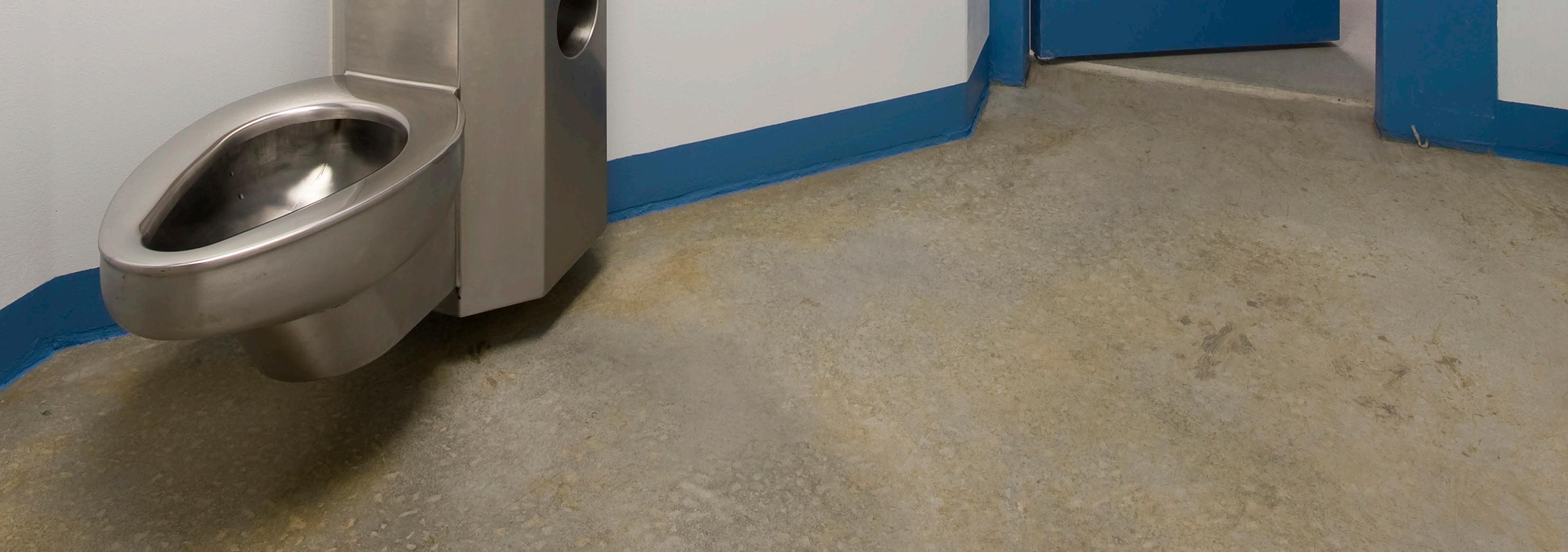
Meeting the Demand for
Expedited Construction
In many regions, the justice system faces increasing pressure to bring new facilities online quickly to relieve overcrowding, replace outdated facilities or respond to policy changes that affect incarceration rates — and speed of construction has become a critical success factor.
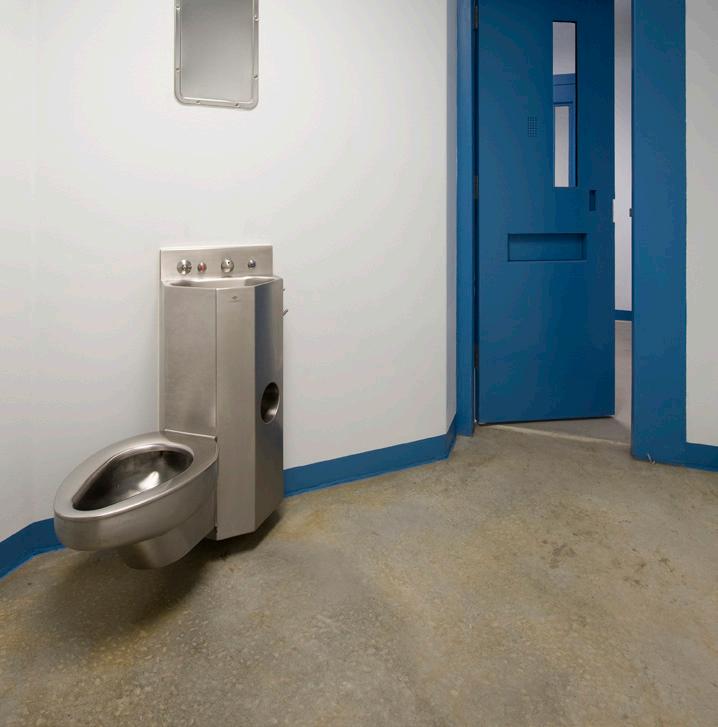
Vacuum plumbing has proven to significantly accelerate project timelines due to:
Shallower Excavation Requirements:
Unlike gravity systems that rely on continuous slope and require deep trenching, vacuum lines can be installed just below or above the floor slab. This minimizes timeconsuming excavation and backfilling, especially on sites with poor soil conditions or high water tables.
Modular- and Prefabrication-Friendly:
Vacuum systems are ideal for modular construction methods, which are gaining traction in justice facility design due to their deployment speed and precision. Plumbing can be prefabricated or pre-installed in modular cell pods offsite and connected quickly onsite, shaving weeks or months off the schedule.
Reduced Coordination with Other Trades:
Because vacuum waste systems don’t rely on gravity alone, vacuum piping doesn’t require continuous slope or gravity-fed alignment, and therefore simplifies onsite coordination with HVAC, electrical and structural elements. This reduces delays caused by trade conflicts or late changes to the facility layout.
Less Core Drilling and Slab Penetration:
Installing traditional plumbing in existing multi-story facilities often requires extensive slab cutting and core drilling, slowing down construction and increasing labor costs. Vacuum systems simplify this by routing waste piping vertically to interstitial or ceiling space above each level in the building and horizontally around existing structural elements, avoiding complex and labor-intensive work.
Flexible Design and Installation
Vacuum plumbing systems do not rely on gravity alone, which further enhances flexibility:
· Waste piping can route through tight spaces or be rerouted without re-engineering the entire system.
· Retrofit of existing facilities or rapid future expansions are easier and less disruptive.
· Vacuum plumbing supports phased development strategies which are increasingly more common in the justice market.
Reduced Infrastructure Space Requirements
Because vacuum waste lines are not constrained by a requirement for continuous slope and route within
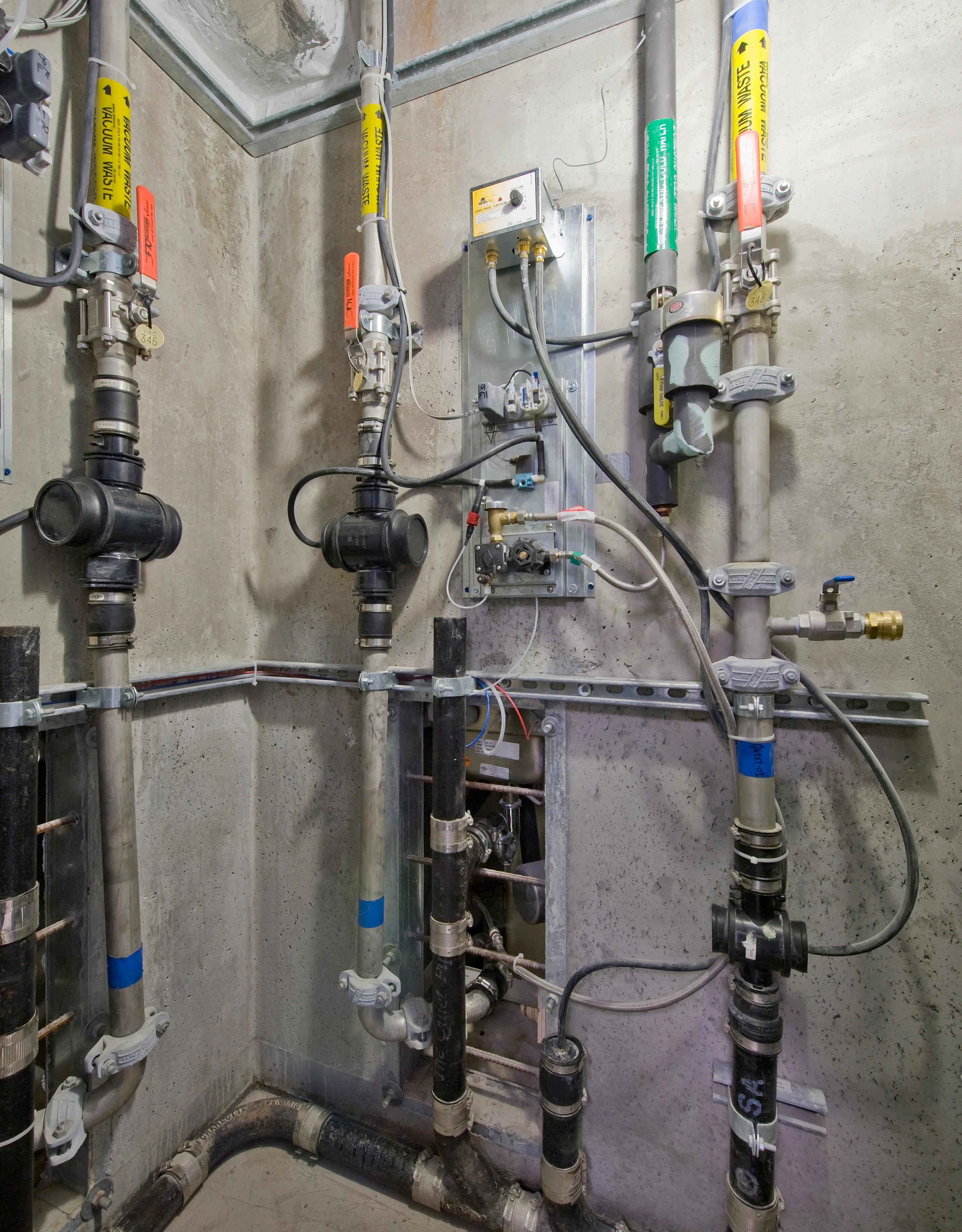
Justice facilities demand high levels of security and operational control, which vacuum plumbing directly support. Vacuum systems reduce the risk of cell-to-cell communication as well as contraband movement through the plumbing network. Additionally, vacuum plumbing fixtures align well with electronic water management systems, allowing staff to limit usage or isolate specific units — ideal for behavior management and resource conservation.
Clogs and blockages are less common in vacuum system piping, as the interface of differential pressure in the waste piping network provides additional force that significantly assists in both flushing and cleanly removing waste from the toilet and moving it through the piping network. Maintenance crews benefit from:
· Fewer service calls for blocked waste piping and reduced time associated with locating and clearing horizontal waste line blockages.
· The opportunity to monitor both valve use as well as vacuum pressure along the entire waste system, allowing early detection of potential issues.
· Modular valve component design simplifies replacement and minimizes downtime.
Maintaining a safe, sanitary environment is essential in justice facilities, not only for inmate well-being but also for the health and safety of custodial, medical and maintenance staff. Vacuum plumbing plays a critical role in supporting this goal:
Vacuum systems are sealed and maintained under continuous vacuum pressure, which minimizes leaks, odors and aerosolized pathogens during toilet flush and waste transport. Waste is transported quickly from fixtures through vacuum interface valves and the piping network to centralized waste collection tanks. The interface valve reduces the likelihood of waste backflow into fixtures and rapid movement reduces waste accumulation in the piping. This creates cleaner environments in cells, day rooms and medical units — critical in reducing the spread of infectious diseases such as norovirus, hepatitis and COVID-19.
Because a small amount of air is drawn in at flush and because waste moves rapidly through sealed piping, indoor air quality is significantly improved, especially in enclosed or poorly ventilated spaces. That improves working conditions for staff and living conditions for inmates.
Infirmaries and behavioral health units within justice facilities benefit from sanitary, quiet and tamperresistant plumbing systems. The reduced risk of crosscontamination from aerosolized bacteria and pathogens helps protect immunocompromised individuals, while electronic control of fixtures supports therapeutic environments where stimuli and disruptions must be managed carefully.
One of the most compelling benefits is the drastic reduction in water usage. A vacuum toilet typically uses less than half a gallon of water per flush, compared to 1.2 – 3.5 gallons for non-vacuum toilets. This translates into up to 90% reduction in water consumption, lower operational costs and utility bills, and decreased demand on municipal water and sewage systems
Energy Efficiency and Lower Carbon Footprint
Reduced water usage leads to lower energy costs for water delivery and post-use treatment. Vacuum systems are compatible with and can facilitate greywater reuse which can be integrated into sustainable building designs like LEED-certified facilities.
Because vacuum plumbing eliminates the slow, gravity-dependent movement of waste, it results in more hygienic environments, lower risk of blockages that lead to overflow contamination or cross contamination, and easier integration with advanced wastewater treatment or recycling systems.
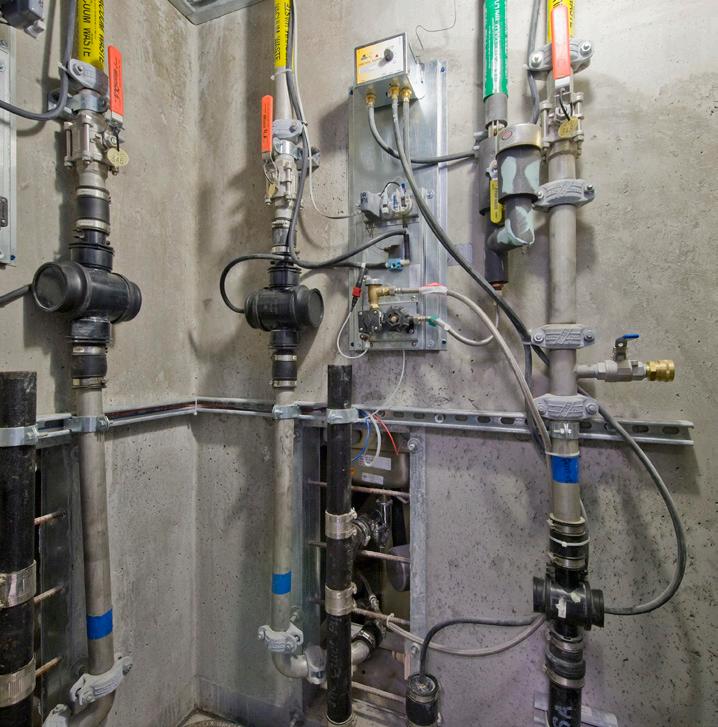
Non-vacuum waste systems and toilets can be intentionally flooded by inmates, creating unsanitary conditions as well as mold or risk of concealed contamination within the facility. Vacuum toilets use a reduced amount of water, and attempts to create wasteline blockage are minimized by the interface valve,
Incorporating vacuum plumbing into justice facility design is more than a technological upgrade — it’s a strategic choice that aligns with today’s construction realities and tomorrow’s operational needs. As the demand for rapid facility deployment intensifies, vacuum plumbing offers a tangible solution for accelerating construction while enhancing long-term performance, health outcomes and sustainability. With benefits that include shortened construction times, reduced site disruption, improved security, safer sanitation, lower maintenance and substantial water savings, vacuum plumbing stands out as a powerful tool in modernizing justice infrastructure. For facility planners, architects and government agencies, it represents not just an innovation, but a vital enabler of resilient, cost-effective and humancentered justice system development.


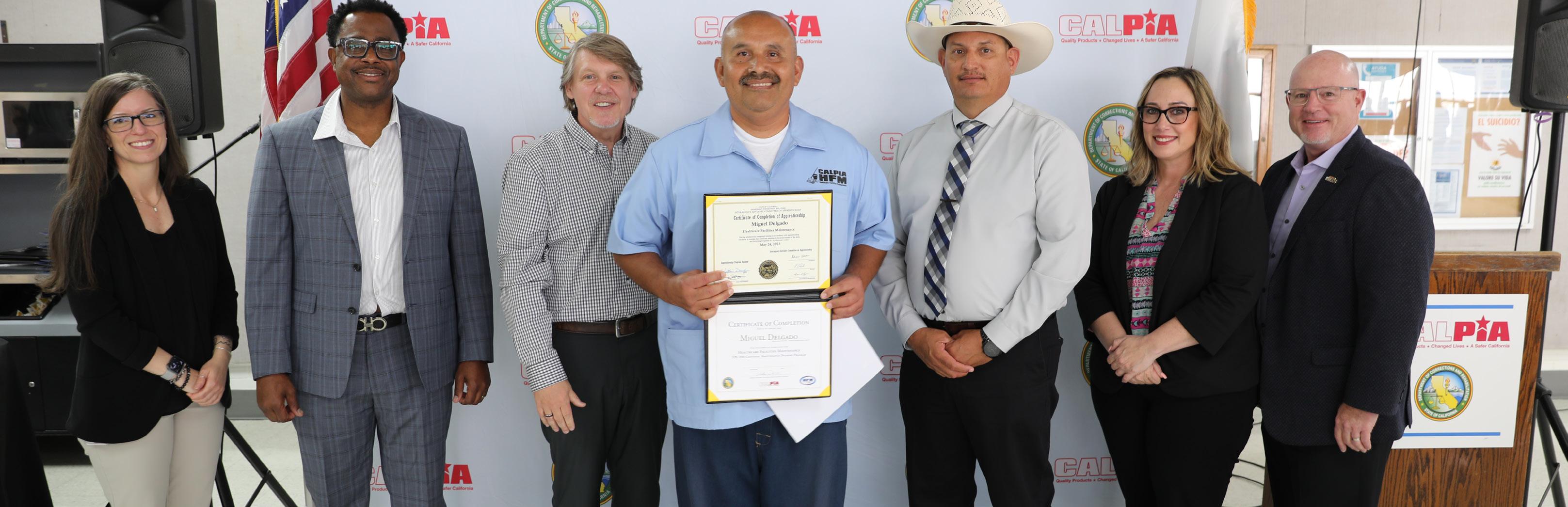
prison yard that’s now a more park-like setting designed to normalize the setting. It was launched in 2018 with a goal of building safer communities through rehabilitation, education and reentry, making reintroduction into society easier for those who are paroled.
Inspired by corrections operations in Norway, the project is yet another mini citystyle aspect of RJD. The “Green Space” campus setting features a landscape mural, outdoor classrooms, rehabilitation group meeting spaces and training areas for service dogs for wounded veterans and individuals suffering from PTSD and autism. Research shows green space can improve the well-being of the population and correctional staff by lowering stress and encouraging more positive interactions.
“This project hopes to normalize the environment inside the prison to reflect the living environment outside the prison,” Pedro Calderón Michel, CDCR Deputy Press Secretary, told The Associated Press in 2024.
Another project at RJD several years before was part of a statewide plan to ease prison overcrowding. A 317,000-square-foot housing facility was added at RJD in anticipation of some 7,000 men moving from Level III to Level II. The addition included three Level
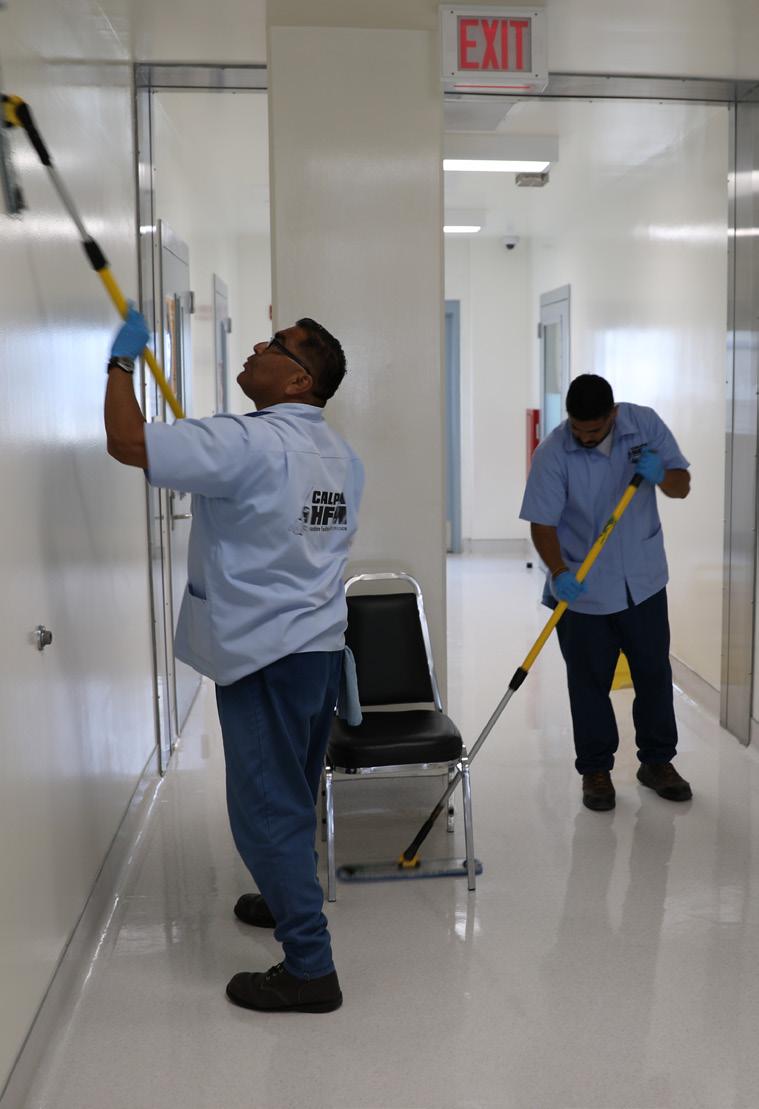
II, 264-bed housing units for 792 incarcerated individuals with disabilities and mental health needs, and areas for programming, health care, visitation and other support functions. The $169 million project was completed in 2016 by Sundt Construction and joint-venture partner Layton Construction, along with Arrington Watkins Architects. The expansion created 375 staff positions.

ducats monthly. At RJD, it’s 60,000 a month.
“That is a big indicator on the scale of what we do here medical- and mental healthwise on top of all the jobs and education in different areas individuals are supposed to be [doing] every day,” Garvey said. “A lot of guys are not arriving on time or coming when they want to. We’re working on how to fix that and make it more like a community.”



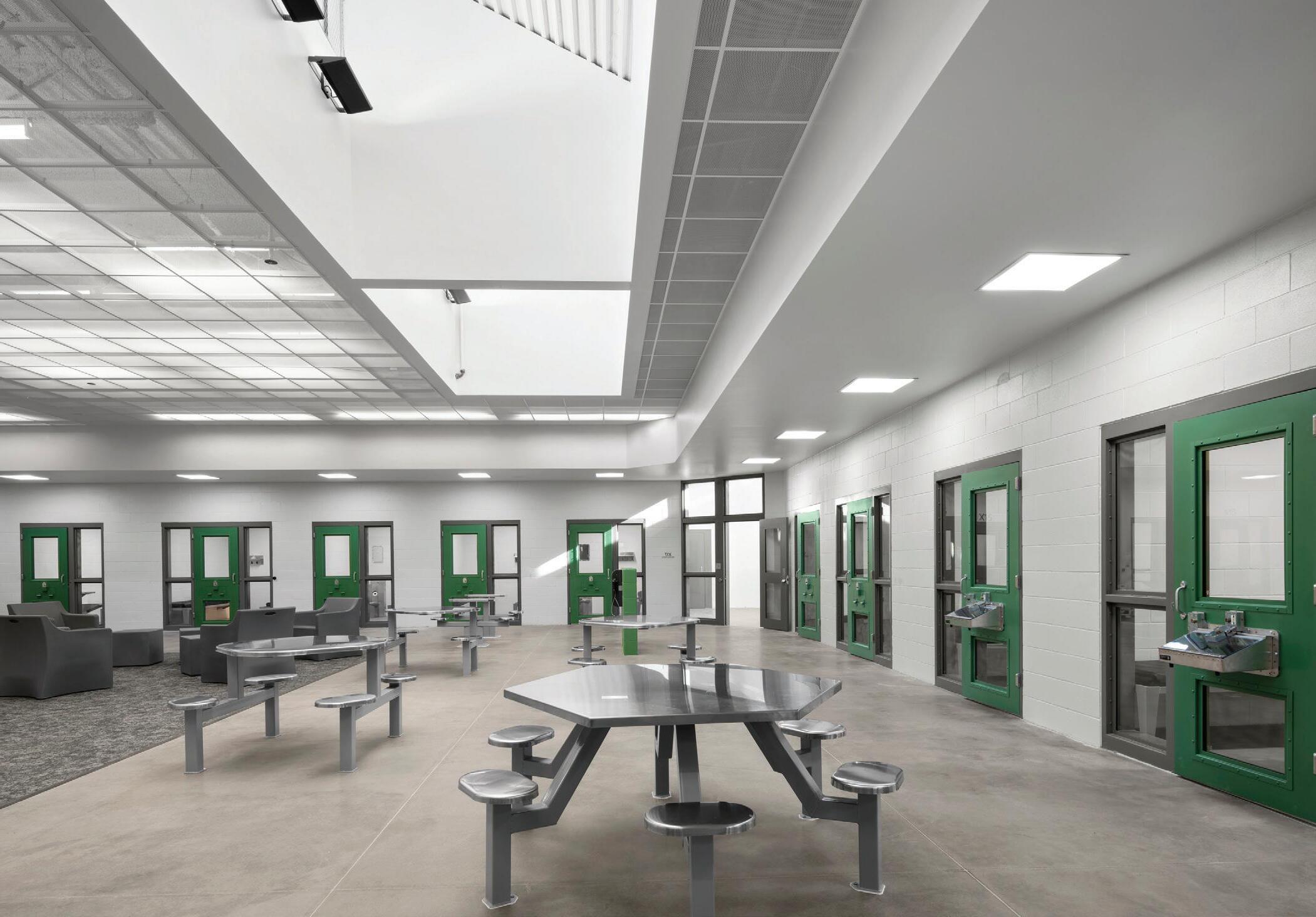

As a multi-mission institution addressing severe mental illness and developmental issues, RJD is working on a project to serve as a model for others that will streamline ducats, the authorization slips that allow the population to move around the facility for medical or mental health appointments. Most institutions in California issue about 9,000


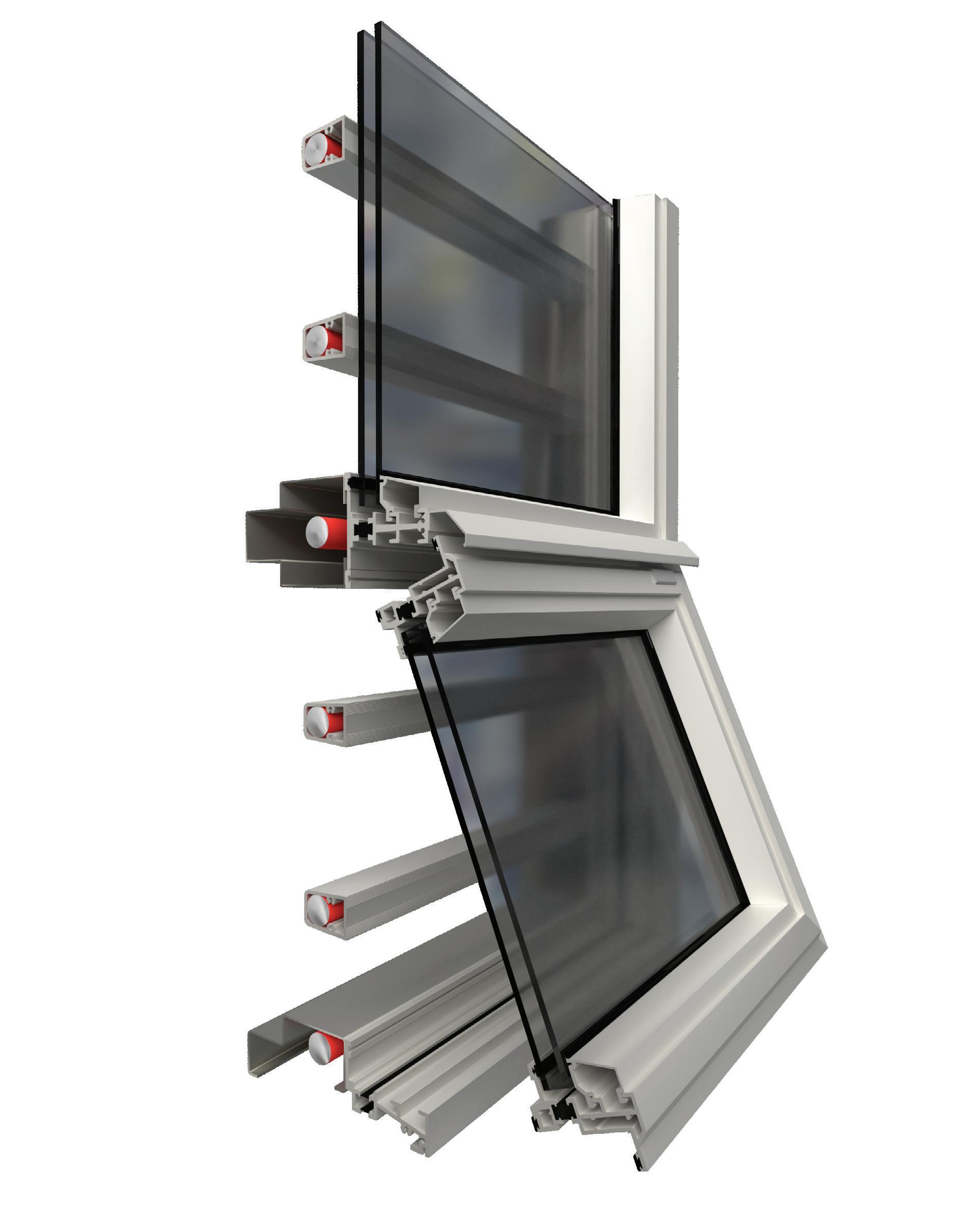
By Lindsey Coulter
Two courthouse projects are simultaneously underway in two Delaware communities. When complete, the new facilities will improve operations, services and safety for users of all ages.
Owner: State of Delaware, Division of Facilities Management Architecture Team: NELSON Worldwide, Tevebaugh Architecture Construction Company: Wohlsen Construction
The new 107,802-square-foot Sussex County Family Court in Georgetown, Del., and the 111,821-square-foot Kent County Family Court in Dover, Del., are the result of a unique collaboration between Tevebaugh Architects, NELSON Worldwide and the State of Delaware. Nearing completion, the two projects were designed concurrently and are being built by Wohlsen Construction Company. Both replace outdated, inadequate facilities with modern, state-of-the-art court complexes that include courthouse buildings, parking garages and urban improvements.
“The Sussex County Family Court reflects Georgetown’s more intimate scale through articulated façade elements, while the Kent County Family Court adopts a bolder expression suited to its location on a major thoroughfare at the edge of Dover’s historic district,” said William Lenihan, Owner and Principal for Tevebaugh Architecture.
Each building includes nine courtrooms, mediation spaces, and offices for Family Court Judges and Commissioners — as well as extensive support space for multiple

Maciá, Vice President, National Design Leader, Civic and Justice, NELSON Worldwide.
Each project was considered carefully and contextually, with an architectural reverence to each town’s historic past.
As both facilities are located within historic downtown settings, the designs were carefully crafted to complement their surroundings, with richly detailed brickwork, cast stone exteriors, and a clock tower topped with an illuminated lantern create a civic landmark — serving as both a functional courthouse and a community symbol while blending traditional and contemporary design elements.
Inside the facilities, the public spaces and lobbies are open, welcoming, and filled with natural light and views to the surrounding neighborhoods. The courtroom lobbies feature discreet waiting areas distributed along public corridors, enabling separation
County Family Courthouse Project Details
Location: Georgetown, Del. Square footage: 110,300 square feet (courthouse); 417-space parking garage
between participants when needed. Circulation and public spaces were carefully planned to provide intuitive wayfinding, while warm colors, natural materials, and extensive wood finishes contribute to a calm, welcoming atmosphere. Specialty features such as child-friendly waiting areas and remote testimony rooms further enhance the user experience.
“Because Family Courts handle some of the most sensitive and emotionally charged cases — many involving children and juveniles — the design incorporates trauma-informed principles to create supportive environments for visitors and staff.” – Enrique Maciá
family court–related agencies.
Enhanced security measures are central to each design, including full entry screening and comprehensive electronic security systems — CCTV, card access and duress alarms. Central secure holding areas and vehicle sallyports for in-custody individuals are located on the lower level, along with secure holding cells adjacent to the courtrooms on each floor.
“The two courthouses share similar functional layouts and overall organization. This standardization allowed for efficiencies in design and construction, while also improving operations, safety and functionality for the State,”

During the planning and feasibility study phase, the design teams partnered closely with the Family Court and project stakeholders to carefully evaluate the improvements needed to replace the existing facilities. The comprehensive study outlined programming priorities while also spotlighting both immediate and long-term needs around safety, security, usability and capacity.
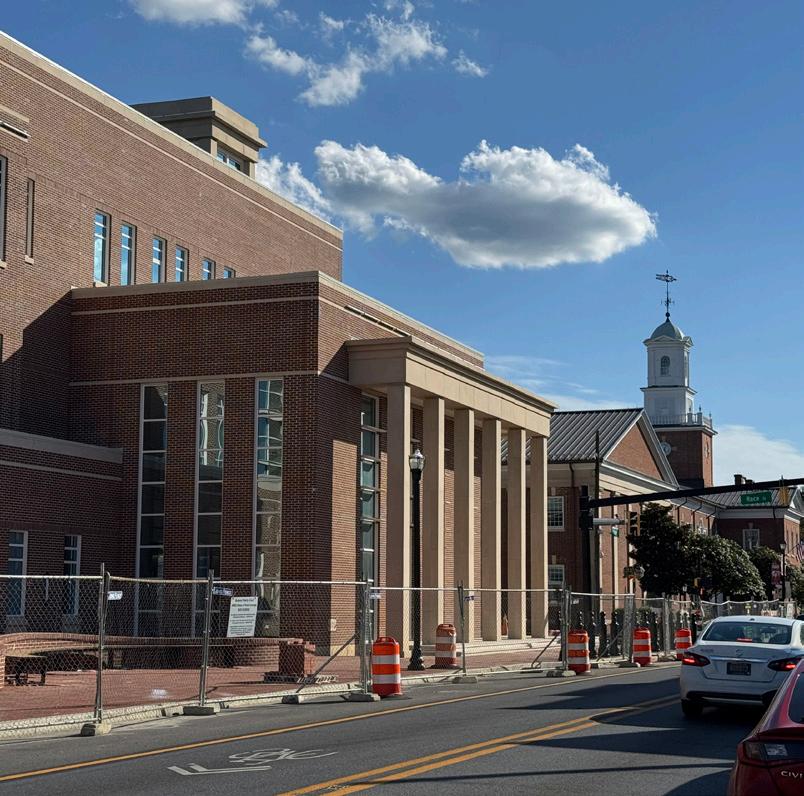
the Kent County facility is complete, the public spaces and lobbies will be open, welcoming and filled with natural light.
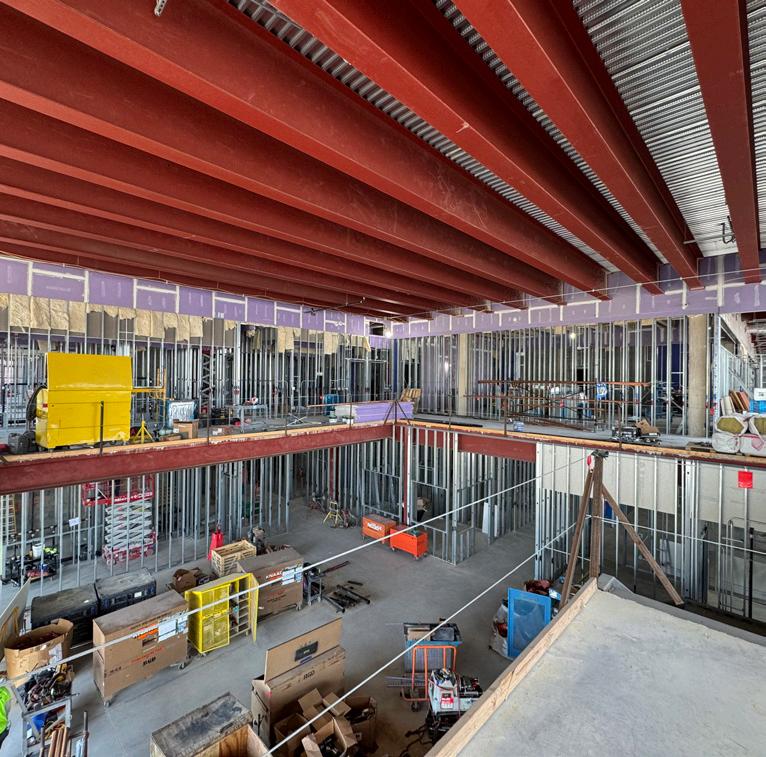
Each courtroom will now span 1,400 to 1,800 square feet, more than doubling the space available for proceedings in the previous facilities. This expanded capacity not only supports a wide range of family circumstances and case types, but it also ensures that hearings take place in a safe, efficient environment. At the same time, the improvements bring the courthouses up to today’s standards in justice facility design and security.
Location: Dover, Del. Square footage: 111,821 square feet (courthouse); 379-space parking garage

The new buildings also goes beyond courtrooms, with dedicated spaces for the Department of Justice, Office of Defense Services, Office of the Child Advocate, and other key court partners — fostering collaboration and streamlining services under one roof.
Developing the two projects began with an interactive Visioning Session that brought together key representatives and stakeholders from Kent and Sussex Counties. This collaborative process helped the design team establish clear goals and objectives, building consensus and shaping a plan to optimize operations by combining industry best practices with the client’s unique needs.



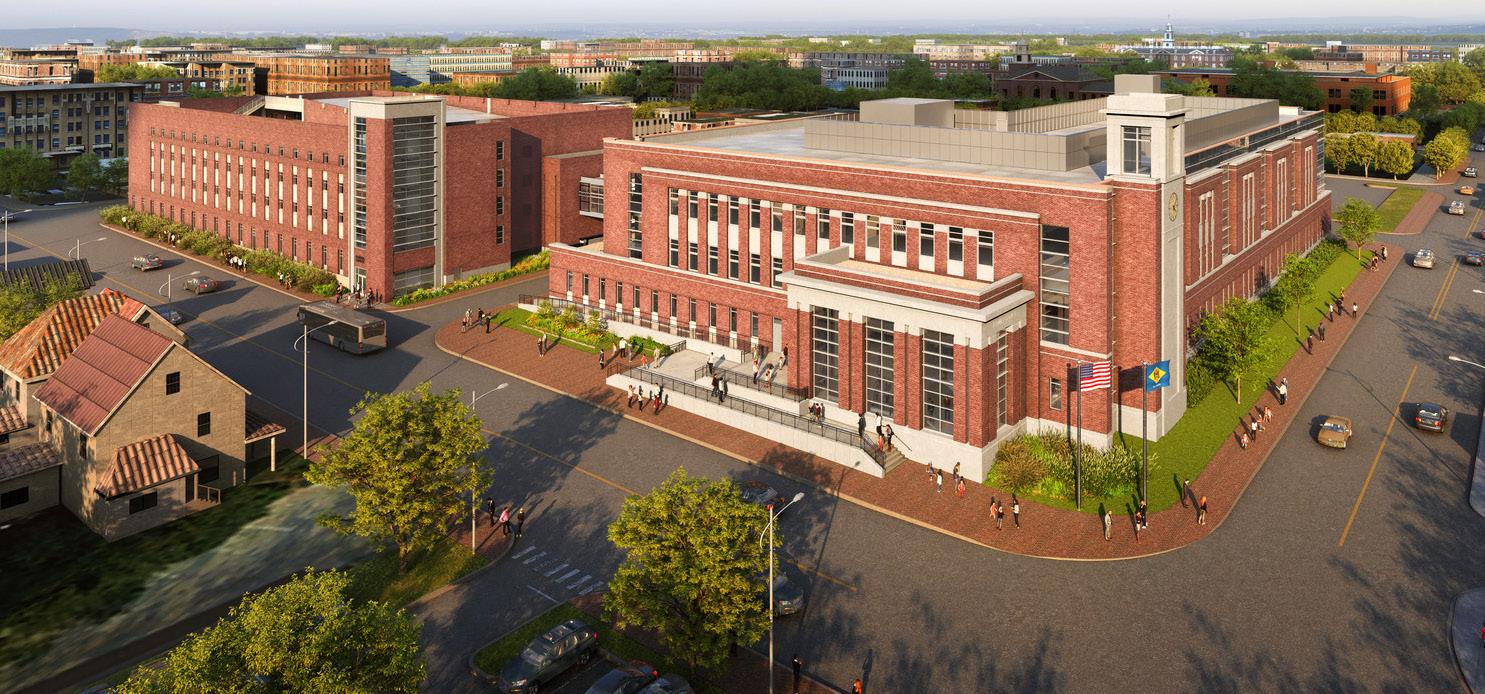
“Because Family Courts handle some of the most sensitive and emotionally charged cases—many involving children and juveniles — the design incorporates traumainformed principles to create supportive environments for visitors and staff,” Maciá said. To account for younger users and potentially sensitive family situations, the designs foster a welcoming and user-friendly experience. Intuitive wayfinding, abundant natural light, and open views make the buildings approachable, while discreet yet comprehensive security systems ensure safety without creating barriers. Public areas feature a variety of waiting spaces, and remote testimony rooms offer additional privacy and protection for children and vulnerable witnesses.
Completion is expected for the Sussex County project in late 2025, and completion is expected for the Kent County project in 2026.
Maintenance is not solely the job of the facilities department. Custody staff are often the first to notice a broken fixture, malfunctioning security camera or unsafe med pass setup. The survey found that 40% of respondents are consulted about facility improvements, but a third said they are never asked for input — a missed opportunity. One respondent commented: “It’s hard to manage MRSA when units aren’t fully cleaned and sanitized. We see the problems daily.”




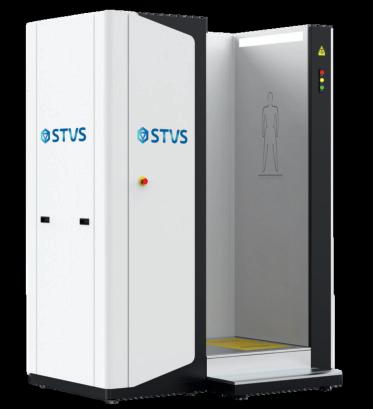
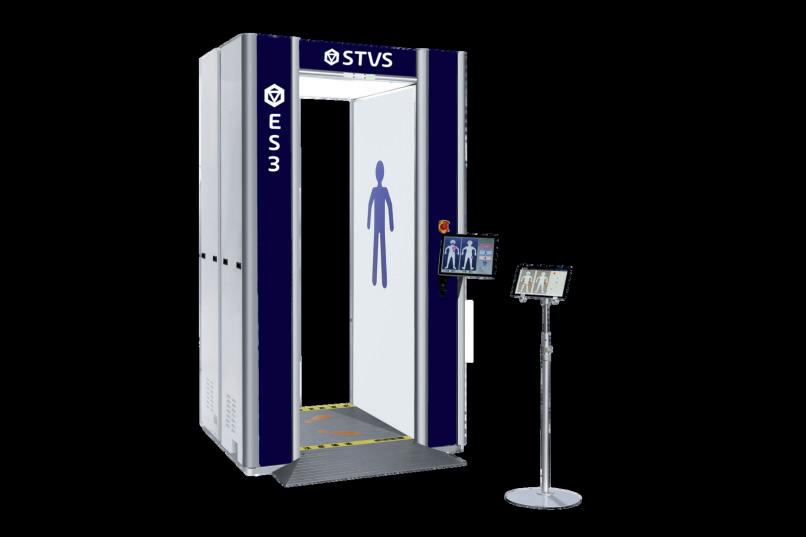
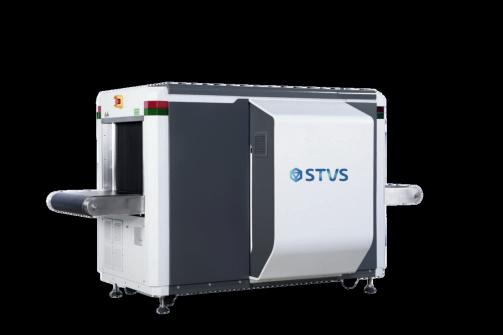


Another shared: “We have old elevators that break frequently and aren’t repaired quickly — delaying inmate movement and medical care.”
Maintenance a Shared Priority Correctional facilities compete for scarce public dollars, but ignoring maintenance eventually raises costs and could even cause a critical incident. In addition, NCCHC standards give administrators a strong case for prioritizing repairs and upgrades as a safety and liability issue. From suicide prevention to patient privacy, facility design and upkeep directly influence outcomes. Survey data confirms what many already know: When space is tight, systems fail, and communication breaks down, both safety and care suffer. Keeping facilities operational is a team effort — and custody leadership plays a critical role in making sure maintenance stays on the radar.

Richard Forbus is the Vice President of Program Development for the National Commission on Correctional Health Care (NCCHC).
Kim Sterling is the Vice President of Professional Services & Marketing for the NCCHC.
By Stephen Carter, AICP
If you experienced the misfortune of an air conditioning outage during this summer’s heat, your AC repair professional was probably high on your VIP call list. If the service was restored, I suspect there was some sticker shock at the invoice.
By this point in most of our careers, the idea of a vocational trade school education is looking like a better pathway to that summer cottage at the lake than the thousands of dollars invested in a university education. The maintenance professionals, like Rodney Dangerfield, just don’t get the respect they deserve. But perish the notion that they are not available when desperately needed.
I don’t have to tell you that most correctional administrators would sacrifice (not literally) a deputy administrator for a dedicated HVAC technician or locksmith almost any day offered. Yet, we just can’t recruit and maintain them. Why?
Full confession: I am as schooled in all matters maintenance as I am in brain surgery. But I have been in a lot of prisons and no one has ever said, “I wish I had another deputy of recreation.” However, tours don’t typically last long before maintenance concerns are advanced. So many of our nation’s prisons and jails were constructed in the ‘90s and ‘00s and are well past the warranty period, so preventative and corrective maintenance is essential to assure a safe and reasonably efficient environment.
Nothing new here, but the question that dominates the total cost of ownership conversation is how to recruit and retain correctional maintenance staff, and do our techniques need to differ from the same problem with employing correctional staff?
A few facts have to be considered first:
1. Maintenance roles often require specialized skills.
2. Many skilled tradespeople are nearing retirement, and fewer young workers are entering the field.
3. A generational gap exists in interest toward manual labor or trade careers, often due to societal emphasis on college degrees.
4. Maintenance roles can be physically demanding, dangerous and require odd hours, but compensation may not always reflect that.
5. Rural or remote areas (where many prisons are located) may struggle more to find qualified candidates.
6. Maintenance roles can have high turnover due to burnout, lack of career progression or better opportunities elsewhere.
7. Outdated job descriptions or unclear expectations can deter applicants.
8. The use of artificial intelligence in maintenance systems requires a significantly different approach to training.
In the recent past, many states have employed non-typical methods to raise interest in correctional careers involving TV commercials, billboards and signing or “finders’ bonuses.” Reports have emerged that some of these techniques are paying dividends. But the focus here is the need to recruit and maintain maintenance staff. Each of these eight facts has an impact on recruitment strategies, and these eight are only a sampling of the new realities facing correctional systems. None of us should be surprised that most
paths to successful recruitment and retention will require a big difference in resource allocation, which starts with an acknowledgement that we are virtually at a crisis point in the maintenance of our prison infrastructure.
To start, we must address:
· Competitive Compensation and Benefits: Regularly benchmark pay against other industry standards, offer health insurance, retirement plans, paid time
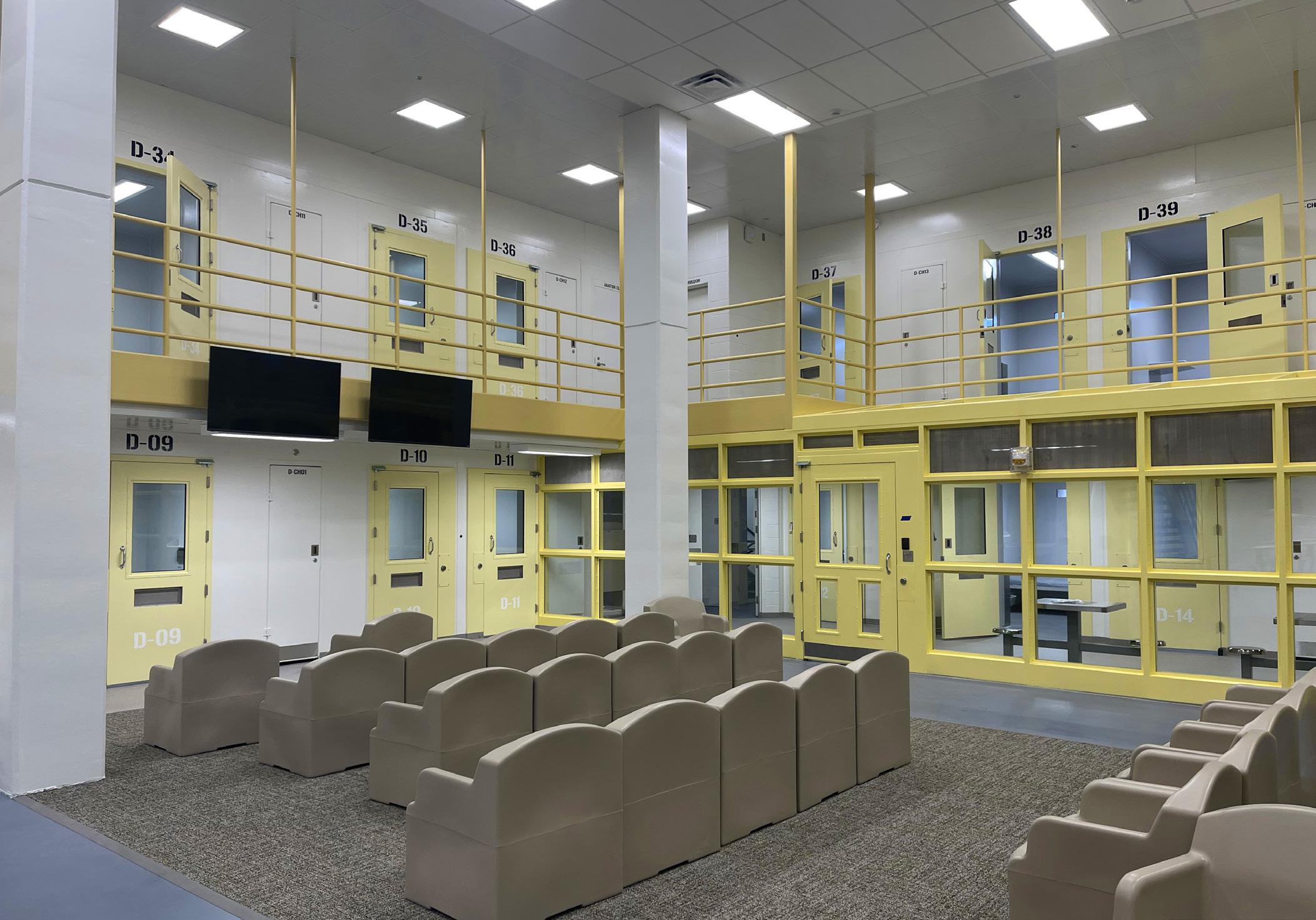


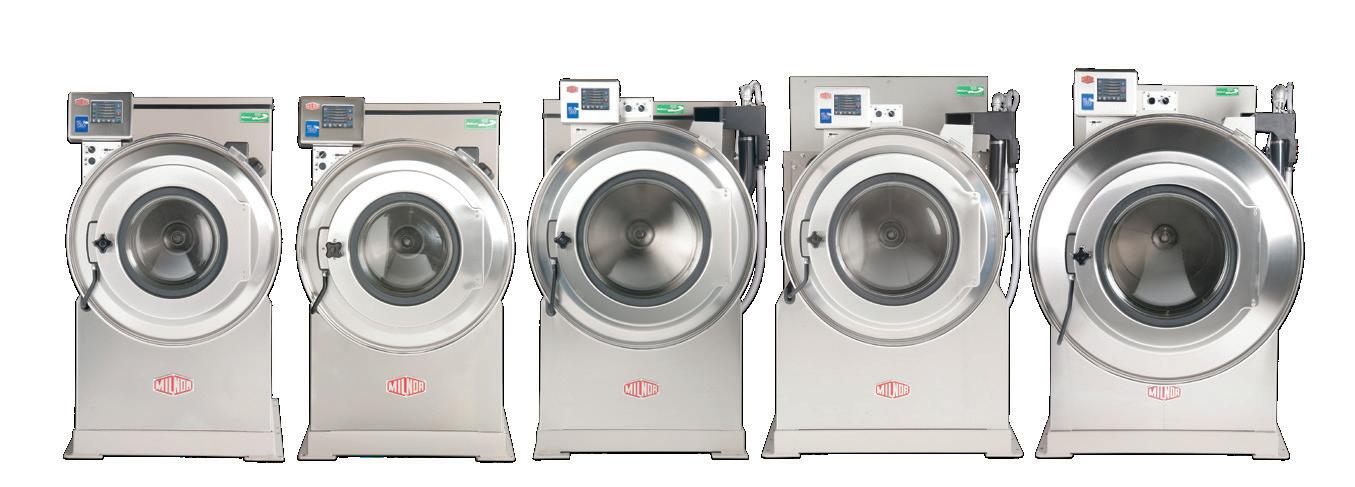
By David McRoberts, CPP
Running a jail facility requires a carefully balanced approach involving security protocols, staff and infrastructure. One of the most crucial yet often overlooked elements is the connection between facility maintenance and daily jail operations. Far from just routine upkeep, facility maintenance directly supports the safety, security and efficiency of the correctional environment. When maintenance systems and operational teams work together effectively, the result is a safer, more efficient and more responsive facility. Neglecting this relationship can lead to disruptions, safety risks, legal issues and a decline in both staff and inmate well-being.
In a correctional setting, the physical infrastructure supports every aspect of jail operations. Safety and security in a jail are maintained not only by staff but also by the built environment: Electronic locks, surveillance systems, HVAC, plumbing and lighting all play vital roles in institutional oversight. If any part of this system fails, the effects can spread throughout the entire facility. A malfunctioning locking system or broken intercom can compromise security protocols and staff safety. In this environment, facilities maintenance must be regarded as a mission-critical function — not just a technical service. Maintenance teams play a crucial role in ensuring these systems operate reliably. Regular inspections, repairs and updates reduce
the risk of unexpected breakdowns and help keep the jail running smoothly. Well-maintained systems provide staff with the necessary tools to perform their duties safely, while also reducing inmate complaints and disruptions.
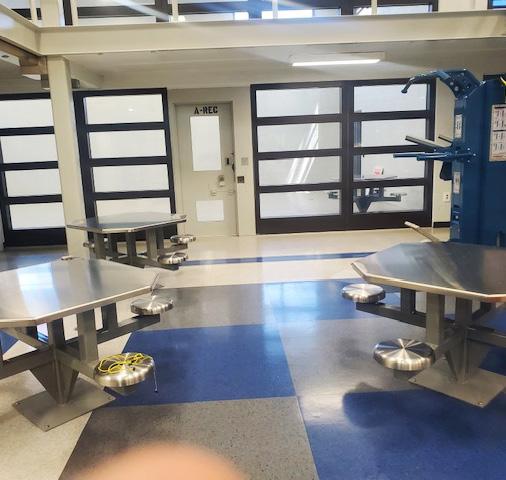
Preventive maintenance is a key strategy in jail management. Instead of responding to failures, a proactive approach focuses on identifying and fixing issues before they become serious problems. This saves money on repairs, reduces downtime, and improves overall safety. For example, a power outage without a tested backup generator can cause critical systems to shut down and create major disruptions. Regular maintenance ensures generators are tested, batteries are replaced, and all systems are ready for emergencies. Being prepared instead of unprepared can save lives. Preventive maintenance also boosts operational efficiency by decreasing the need for urgent repairs. When emergencies are minimized, staff can focus on their main responsibilities, which makes scheduling, supervision and responses more effective across the facility.
That was the outcome at the new Fayette County Jail in Uniontown, Pa., Major Bill Vanmeter, a member of the senior Ccommand staff, said at a post-occupancy debrief,of the new Fayette County Jail in Uniontown, PA, which has been operational for approximately 14 months. These debriefs are part of a regular quality assurance process conducted by our design team and support staff to ensure excellence in current and future projects.

“From the very beginning of planning meetings and discussions, the staff responsible for facilities maintenance needs to be actively involved in all discussions.
Also, just as we did, the facilities maintenance lead staff needs to be at the new facility well before it opens to ensure everything is functioning as planned and designed,” Vanmeter said. “You just can’t wait until the last minute and hope everything is okay.”
This is excellent advice from a seasoned corrections professional who is widely recognized within his organization as the “go-to person” for the facility. Those of us in operations all know who these people are: always available and dependable for any facility issue that arises. They “just get it” as they function with unwavering support and unyielding conviction. Major Vanmeter’s advice is
an example of a solid best practice and should be heeded.
In a jail environment, every part of the infrastructure carries security implications. Perimeter fencing, electronic locking systems, surveillance equipment and fire protection systems are essential components of a secure facility. Therefore, maintenance staff must be familiar with security protocols and work closely with custody staff when entering secure areas or handling sensitive tasks. Performing repairs in housing units requires careful planning, adequate staffing and strict safety procedures. Maintenance workers must be escorted and coordinate with correctional officers to minimize the risk of exposing staff or inmates to unnecessary hazards. Incorporating security awareness into maintenance procedures helps ensure that infrastructure updates do not inadvertently compromise the facility’s security posture.
Maintenance teams play a crucial role in the health and wellness of incarcerated individuals. They manage ventilation, water quality, temperature regulation and sanitation systems. When these systems fail, living conditions can deteriorate rapidly, leading to increased tension, a higher incidence of illnesses, and potential violations of health and safety standards.
Facilities with poor upkeep are more vulnerable to mold, pest infestations, plumbing issues and disease outbreaks. If these problems are not addressed, they can escalate tensions, disrupt housing units and threaten the safety of both staff and inmates. As living conditions decline, inmate behavior often worsens.
During crises — like the COVID-19 pandemic — jails with adaptable and quick-response maintenance teams were more effective in installing protective barriers, improving air filtration and boosting hygiene measures. These actions helped reduce illness transmission and kept operations running smoothly.
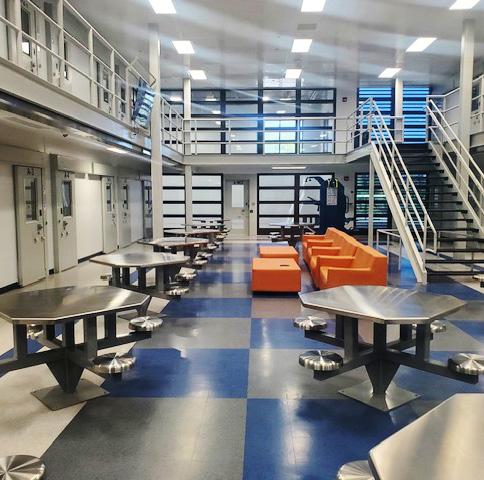
Maintenance also plays a vital role in financial planning and resource management. Facilities that focus on routine and preventive maintenance gain better control over long-term costs, extend the lifespan of their infrastructure and plan capital improvements more strategically. In contrast, facilities that delay maintenance often face costly, unexpected expenses when systems fail catastrophically. For example, delaying roof repairs can lead to water

off and wellness programs while providing bonuses for performance, attendance or certifications.
· Career Development Opportunities: Invest in upskilling through technical courses, certifications or cross-training, demonstrate how employees can advance to lead technician, supervisor, or facilities manager roles and support further education in relevant fields.
· Positive and Safe Work Environment: Acknowledge hard work and celebrate achievements, foster collaboration and camaraderie among staff and ensure a safe, well-equipped, and respectful workplace, which admittedly is difficult in correctional facilities.
· Flexible Scheduling: Offer flexible or rotating shifts to accommodate personal needs and avoid excessive overtime, and support time off when needed.
· Strong Onboarding and Mentorship: Help new hires feel welcomed and prepared by pairing new staff with experienced employees to build confidence and skills.
damage, mold issues and the need to relocate inmates — all of which can be expensive over time. Similarly, ignoring small plumbing leaks can eventually cause flooding that requires extensive reconstruction.
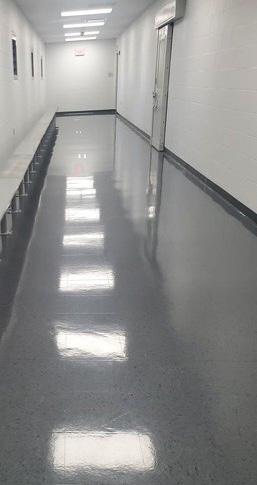
By incorporating maintenance forecasting into operational planning, administrators can anticipate necessary repairs, prioritize investments and reduce the chance of service disruptions.
The successful integration of maintenance and operations depends on effective communication. In many facilities, maintenance teams and custody staff work separately, which can lead to scheduling conflicts, misaligned priorities and unnecessary delays. To avoid these problems, maintenance and operations teams should meet regularly, share updates through unified reporting systems and coordinate schedules using shared calendars or workflows. Promoting collaboration across departments improves mutual understanding and supports better decision-making. Cross-training also adds value; when operational staff understand basic maintenance concerns, and maintenance staff are familiar with security protocols, each group can better support.


· Feedback and Engagement: Conduct oneon-one meetings to understand concerns and goals, encourage input on tools, processes and workplace improvements, and show that employee voices lead to real changes.
· Recognition and Rewards: Highlight outstanding contributions, reward quick problem-solving or going above and beyond, and host events for milestones, birthdays or team successes.
There are no ground-breaking revelations here; just common-sense guidelines that apply to virtually all
correctional staff. But the sense of urgency is very critical for maintenance personnel because time is diminishing to make the upgrades and replacements that are mandatory to protect the community, staff and inmates for which we are responsible. This truly is a “pay me now or pay me later” moment.


By Rebecca Ballard, MD, FACCP, CCHP-P
As a correctional physician for more than 20 years, I’ve worked in numerous secure facilities. Generally, the medical units in these facilities are fairly standard in their
one facility, providers can’t assume it is the case for the facility next door.
Open or unsealed beverage containers, colored or tinted plastic containers, glitter and sandals are generally to be avoided. But I also remember the nuances. Some
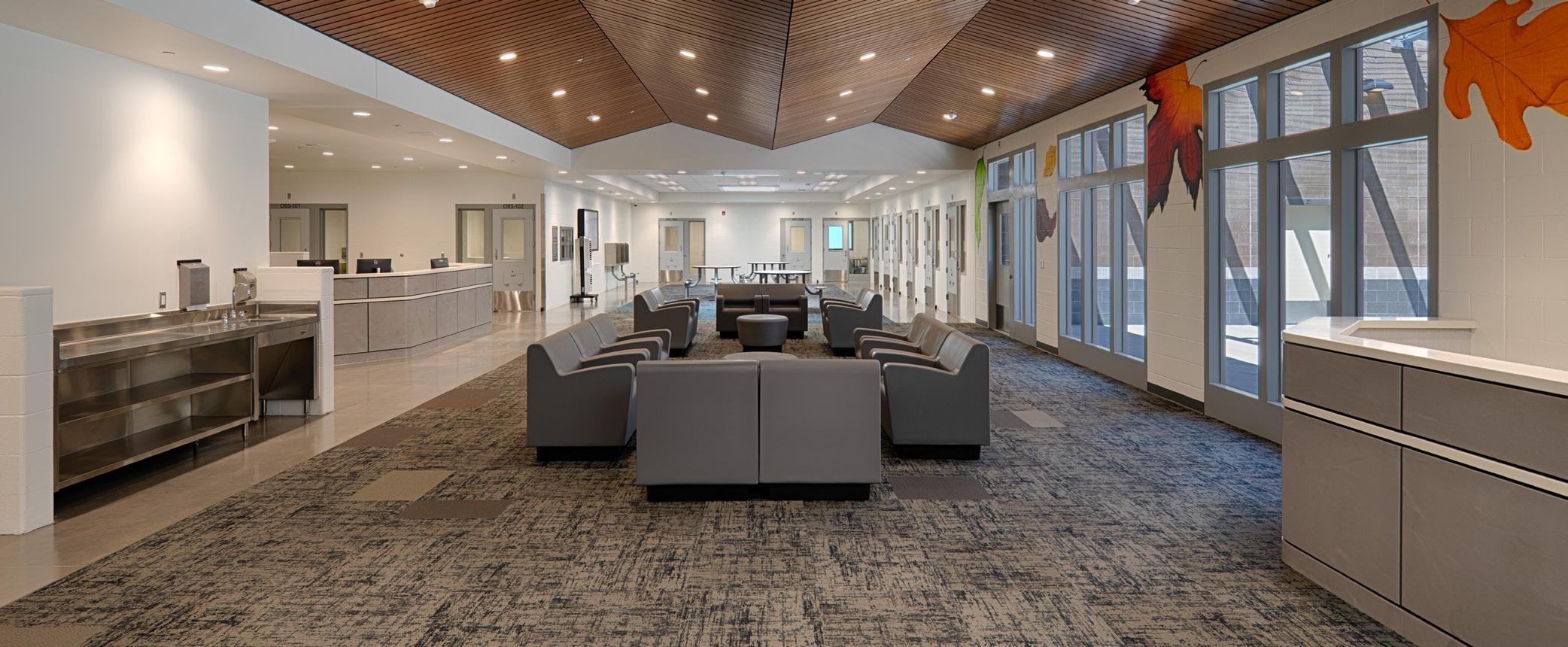
design and stocked equipment. I can usually get down to business pretty quickly after a brief tour. I always introduce myself to the officers stationed in the medical unit, who are are key to how many patients I’ll get to see and how quickly I can see them.
What isn’t so easy or standardized is getting into the facility. There are general access rules that seem to apply across all systems, prisons and jails regarding what a correctional physician can wear and bring into the facility. Glass bottles are typically not allowed, for example; nor is sheer clothing. However, individual facilities each have their individual list of prohibited items. Correctional physicians quickly find that these rules are usually not consistent statewide as different security levels have different thresholds and security requirements. Even if it is okay to wear sandals or bring in a can of soda to
facilities only allow sealed beverages to be brought in on scheduled days. Some require that all food packaging be
only hold so much) before I developed a system to ensure that I would be allowed to enter nearly any facility on the first attempt and have what I needed to make it through the day.
Speaking to my fellow correctional providers and American College of Correctional Physicians colleagues, we all want to do our jobs well and as efficiently as possible. Our goal with every visit to every facility is to fulfill our mission of promoting professional excellence and providing the highest ideals and ethical standards in the provision of health services to those who are incarcerated.
To make sure I can make good on this professional promise with each site visit, I practice what I’ve learned over the years. First, proactively reach out to your supervisor or contact person at the facility. Introduce yourself and include the dates you will be at the facility. Ask them to make sure that the proper security personnel are aware that you will be coming. Confirm the preferred forms of ID you need to bring and if anything else is required to gain security clearance. Ask for and then print out the memo that documents that you have been granted clearance. Bring that memo with you every time you visit the facility.
Second, confirm what is and is not allowed regarding equipment and attire, and request permission to bring in anything that is critical to your work. For example, I bring in a reference book of exercises that I photocopy
Our goal with every visit to every facility is to fulfill our mission of promoting professional excellence and providing the highest ideals and ethical standards in the provision of health services to those who are incarcerated.
clear. Other facilities will not allow paper, cellphones or laptops — tools that are often critical to the provision and documentation of medical care — in the facility.
It has taken several instances of being turned away, several visits to the director of security’s office and several days of cottonmouth (med water cups to chase down pills

for patients, and I always ask if it is allowed.
Third, ask about the rules for food and beverages, including ordering food, bringing in money and if there are vending machines available.
Fourth, have extra clothes, shoes, containers, baggies on hand and a quarter in the car in case something isn’t allowed. The quarter is for a lobby locker, if available, to store your contraband articles while you are inside the facility.

Finally, remain patient and do your best to adhere to the unique rules of each facility. A friendly, cooperative attitude and understanding of the facility’s operation regarding entry screening are your best tools to get your job accomplished.
Speaking to the correctional leaders and officers who are striving to maintain a safe, secure environment and are constantly battling the introduction of contraband, correctional physicians appreciate your communication and clarity. Any support you can offer before and during our time in your facility is appreciated and helps us better address the health needs of people in detention. The provider is often new, a little lost, a little stressed, and maybe a little late. They are not there to make anyone’s job difficult. Offering clear and consistent instructions, wayfinding signs, personal item storage areas, etc., is a great help to healthcare professionals and will foster a collaborative relationship while they are working at your facility. While each medical area and facility is different, it’s the communication, transparency and processes that help us do our jobs.
Rebecca Ballard has been taking care of incarcerated individuals for over 20 years and is now the national Utilization Management Medical Director for Centurion.
Industry Advocacy, from page 28
knowing this has made my journey less lonely.” His words reflect what so many members express—that New Freedom is not just a program, but a community that restores dignity, connection and hope.
The project partners closely with the Arizona Department of Corrections, Rehabilitation and Reentry (ADCRR), providing in-reach mentoring to more than 8,000 incarcerated individuals. Often, these mentoring relationships begin months — or even years — before release, easing the transition into community programming.
Probation and parole officers not only coordinate with New Freedom staff to ensure members’ reentry plans remain aligned with supervision requirements, but they also maintain dedicated office space on-site at New Freedom facilities. This close, physical presence enhances collaboration, streamlines communication and further strengthens public safety outcomes.
Charles Flanagan, Chief U.S. Probation Officer for the District of Arizona, called New Freedom “unquestionably the most impressive, comprehensive and professionally exciting reentry program and facility that I have encountered in my more than 30 years in the justice system.”
DOC leaders have underscored the efficacy of this collaboration by contracting New Freedom to deliver substance-abuse treatment inside state prisons — extending the therapeutic model into correctional facilities.
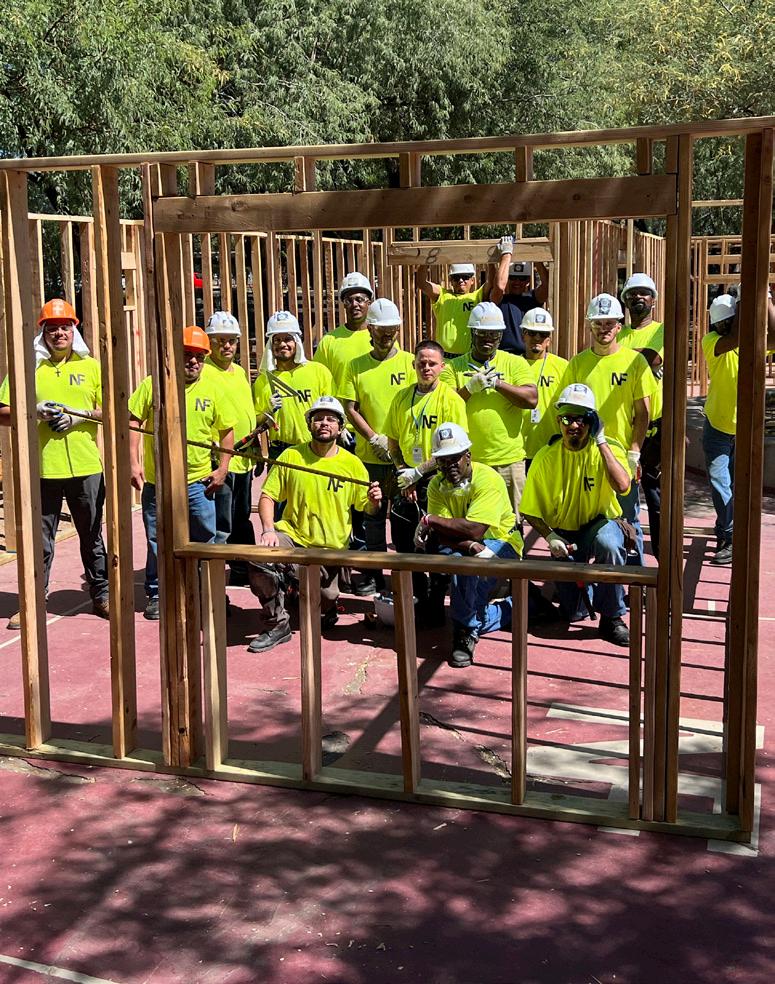
Vocational training integrates industry professionals with behavioral health teams, offering pathways in trades such as CDL licensing, flooring, painting, HVAC, welding, electrical and framing.
“By reaching in and connecting with incarcerated individuals before their release dates, New Freedom has proven to be a critical and effective partner for helping people return to Arizona’s communities with great success,” said ADCRR Director Ryan Thornell. “We are grateful for New Freedom’s commitment to rehabilitation and reentry, and their positive impact on public safety.”
Independent analyses place New Freedom’s economic benefit at more than $200 million annually. These savings include reduced incarceration costs, avoided Medicaid expenditures and gains in economic productivity as members reenter the workforce. Each graduate represents not only a personal transformation but a measurable community return.
New Freedom has launched a transitional outpatient program — bringing its traumainformed, peer-driven approach into telehealth and community-based care. This same support is available to individuals with housing or employment already in place, ensuring they
receive consistent care while building stability in the community.
Additionally, New Freedom is hoping to replicate its model beyond Arizona. Expansion will follow the same integrated model: behavioral health, vocational pathways, supported housing and peer mentorship.
New Freedom is proving that reentry can be more than survival — it can be a launchpad for lasting freedom. By addressing trauma, building skills, and ensuring employment and housing, the organization achieves outcomes once thought impossible in the reentry field.
With expansion on the horizon and a growing partnership with correctional systems, New Freedom offers more than a program: It offers a blueprint for states nationwide seeking to reduce recidivism, restore dignity and rebuild communities.

of

The International Corrections and Prisons Association’s (ICPA) 27th Annual Conference and AGM will be held in Conrad Istanbul Bosphorus, Istanbul, Türkiye, from October 26 – 31, 2025. This year's theme is "Wellbeing in Corrections: Initiatives for Sta , Systems and Communities."

• Connect with global leaders and practitioners from over 80 countries
• Discover cutting-edge approaches to correctional reform
• Share your expertise and learn from diverse perspectives
• Explore solutions that balance security with human dignity
CONFERENCE HIGHLIGHTS
• Keynote speeches from world-renowned experts
• Interactive workshops and special sed training sessions
• Exhibition showcasing the latest in correctional technology
• Networking opportunities with global practitioners
• Site visits to correctional facilities

Report
over 40 years experience in the prison/jail industry,

By Greg Offner
When a new building is ready for occupancy, the operation and maintenance of the building will impact energy use and occupant comfort. As much care should be paid to the operation of the building as was paid to the planning, design and component choices. For existing buildings, effective operation and maintenance procedures provide opportunities for energy savings. Building components can be replaced with energy-efficient models. Facilities staff can be trained to reduce energy use, and if you want a good night’s sleep, your building’s performance needs to be measured!
Energy efficiency and energy conservation are often complementary or overlapping ways to reduce energy consumption. Energy efficiency generally pertains to the technical performance of energy conversion, energyconsuming devices and to building materials. Energy conservation generally includes actions to reduce the amount of end-use energy consumption. For example, installing energy-efficient lights can be a cost-efficient measure. Turning lights off when not needed, either manually or with timers or motion sensor switches, is a conservation measure. This is a fairly simple explanation of the difference between efficiency and conservation.
Think about energy efficiency as the proportion of energy used, rather than wasted, during the production or consumption of energy. Higher efficiency equals less waste; lower efficiency equals more waste. Conversion efficiency — say, a low voltage lighting system — uses a fraction of useful energy needed to convert electricity into illumination. Operating facilities measure end-use efficiency. The goal is to use as little energy as necessary to accomplish a desired task such as heating a home, running a computer or lighting a room.
Efficiency and conservation measures can directly lower operating costs by lowering energy bills. Utility users, particularly large electrical power consumers like correctional facilities, also benefit indirectly when reducing their electricity consumption because it helps to reduce demand on the entire electric grid. High electricity demand results in higher costs for both power generation and electricity transmission that may be

passed on to every utility customer. My recommendation: Don’t fall asleep with the lights on!
Fluff up that pillow! According to the U. S. Energy Information Administration, energy production has been greater than energy consumption in recent years. In fact, total annual energy production in the U.S. has exceeded total annual energy consumption since 2019. In 2023, production was about 10% higher than actual usage. That statistic should keep you from tossing and turning!
Fossil fuels, petroleum, natural gas and coal accounted for about 84% of total U.S. primary energy production in 2023. Natural gas production increased in 2023 both in amount and share of U.S. energy consumption, and production has exceeded U.S. annual natural gas consumption in both volume and heat content since 2017.
Renewable energy production reached record highs in 2023: Production was about 9% of total primary energy production. We consider renewable energy to be solar-, hydro- and wind-generated power. It should be noted that hydroelectricity generation in 2023 was about 6% lower than in 2022.
The contribution of coal to total U.S. energy consumption has declined from about 37% in 1950 to 9% in 2023, largely because the U.S. electric power sector has increased use of other energy sources.
Nuclear energy production in commercial nuclear power plants in the U.S. began in 1957, and grew each year through 1990 as the number of nuclear power plants and nuclear electricity generation capacity increased. It generally leveled off from 2001 through 2019. A combination of reactor upgrades and shorter refueling and maintenance cycles at nuclear power plants helped to compensate for fewer operating nuclear reactors. Nuclear electricity generation increased in 2023 over 2022 mostly because a new reactor went online and in 2023. Today, nuclear energy’s share of total U.S. energy consumption is about 9%.
Balancing energy production and consumption presents several challenges, including ensuring a reliable energy supply, transmission and distribution — all while managing energy resources sustainably and lowering the economic impacts of energy use. The need for energy continues to grow, necessitating innovative solutions to increase energy efficiency and integrate renewable energy sources into the energy mix. Collaborative efforts are essential to address these challenges and achieve a sustainable energy future.

Operational efficiency, facility maintenance and a mindset of reducing energy use needs to be a part of a facility’s mission statement. Back at the turn of the century, the three “R’s” (Reduce, Reuse, Recycle) were sustainability buzz words. We’re seeing some of that today with energy. Consumption is down; we are incorporating energy created by equipment into building heating systems, which is in essence recycling energy already spent. If we continue to use less power, the more power we’ll have to get a restful night’s sleep.