EMMIE

SPRING 2023
With Samia
Featuring BAYLI, BLACKSTARKIDS, Fraxiom, Sex, Fear and The Beths
ART BY JENNY LEE


SPRING 2023
Featuring BAYLI, BLACKSTARKIDS, Fraxiom, Sex, Fear and The Beths
ART BY JENNY LEE
EDITORIAL BOARD:
Editor-in-Chief: Amany Khreis
Copy Editor: Amelia Zollner
Art Director: Keeley Flynn
Print Layout: Claudia Chan
Photo Editor: Lexi Spevacek
Albums Editor: Elizabeth Walsh
Features Editor: Arthur Machado
Social Media Director: Caleigh Parsons
Web Director: Quentin Holle
WRITERS:
Amany Khreis
Amelia Zollner
Arthur Machado
Ava Albelo
Camila Trimberger
Claire Borgelt
Elizabeth Walsh
Erica Kallas
Ian Johnson
Karla Ponce
Lexi Spevacek
Liv Duncan
Logan Underwood
Mia Weisfeld
Mike Sonnenberg
Quentin Holle
Weronika Durachta
Will Mandel
Ava Albelo
Caleigh Parsons
Claudia Chan
Elliot Novak
Emma Rose Sonnenburg
Jasmine Wong
Jenny Lee
Karla Ponce
Keeley Flynn
Marina Hishikawa
Amany Khreis
Amelia Zollner
Claudia Chan
Lexi Spevacek
Will Mandel
ON THE COVER:
Samia


Being Editor-in-Chief of EMMIE Magazine is so embarrassing. Writing this letter is embarrassing. The Cheeky Issue is so unserious, and then I have to write the first thing everyone will have to read, which is the most sincere and saccharine page in the issue. As embarrassing as I might find being so sincere and honest and in love with EMMIE, who would I be without it?
Seriously, though. EMMIE was the first thing that I did as soon as I got to college. Before I was even a student here, I would look through EMMIE Magazine’s website and Instagram and think, “that’s so coooooool.” I wanted to be part of it, but it was so scary to me. I had no experience writing professionally about music. Now, I’ve been Editor-in-Chief for almost a year. I’ve done everything for EMMIE from writing album and concert reviews to photography and art. I met all my friends through EMMIE. My roommate and I decided to live together 30 minutes into the first time we met at an EMMIE meeting. EMMIE can lead to wonderful things.
I’m just a girl. I find myself in these big-girl-pants being in charge of EMMIE. It’s not just leading meetings every week and meeting deadlines. It’s working with professionals in the industry – labels, agents, artists. I find people take EMMIE very seriously. As they should. EMMIE is no joke.
Of course, I would never be able to do it alone. Cheesy, cheesy, cheesy, but true. I have an amazing team that I’m so grateful for it’s bringing me to tears just thinking about it. We came together and we made something that we all care for so very much. We share a love for music and a need to write about it. Whether it be about the birth and death of a music movement from the ‘90s or a thank you letter to the Based God; whether it’s our favorite stories to tell from shows we’ve been to or albums that we either loved or hated or didn’t care for; we’re going to write about it.
As EMMIE, we were lucky enough to chat with some of our favorite artists from Samia to Fraxiom to BAYLI to BLACKSTARKIDS to The Beths to Madison local Sex, Fear.
Before you dig into the unserious, whimsical and silly Cheeky Issue, I have to do my rounds. Amelia Zollner, you’re the person I depend on most. You get everything done. You’re so hard-working. I respect you so much. Claudia Chan, thank you so much for fixing up everything every time it needed to be fixed. No words do you justice. Keeley Flynn, you really brought all of our visions to life. You’re the reason the art in EMMIE looks better than it ever has. Caleigh Parsons, you are the cheekiest person I know. I love your art and your words. Elizabeth Walsh, Beth! I never had to ask you to do something more than once, you’re so great at what you do. Quentin Holle, thank you for re-designing the website. We needed that. Arthur Machado 12 fire emojis, thank you for loving EMMIE just as much as me. Lexi Spevacek, the newest addition to the EMMIE editorial board, I knew I could trust you. I can’t wait to see all the amazing things you do.
I also want to commend all the loyal returning writers and all the brand new writers this semester. Everyone who contributed to art, I am so blown away by you! EMMIE looks wonderful and I’ve never seen the art team larger than it was this past semester. This is the prettiest issue of any magazine ever. Mwah.



If the previous record by The 1975, NotesOnAConditionalForm , was a two hour video essay that you watched alone in your room while quarantined, BeingFunnyInAForeignLanguage is a play that you attend live with friends on a Friday evening. The sun is setting when you enter the theater, and when it’s over, you walk back out into the city at night, feeling a bit changed. The curtains rise and the play begins with a piano riff interpolated from LCD Soundsystem’s “All My Friends,” over which frontman Matty Healy sets the scene for the audience: an exploration of the state of the world from his perspective. As if coming from a pit orchestra at the play, the instruments build up to the climactic “This is what it looks like.” Healy winds down with a repetition of “I’m sorry if you’re living and you’re seventeen,” followed by over a minute of instrumentals that point toward a glimmer of lingering hope for the future.
As is tradition, the first track is titled “The 1975,” but the song is starkly different from the other album intros, emblematic of how Being Funny marks a noticeable departure from their previous work. It’s the end of the Music For Cars era, which refers to their first four albums. Healy stands on a car in the album art, symbolically conquering what they set out to achieve with Music For Cars. In 2018’s ABriefInquiryIntoOnlineRelationships , Healy admits that “Sincerity Is Scary.” With Being Funny, he surrenders his apprehensions in the name of love. Rather than hiding behind irony and cheeky lyricism, Healy confronts his emotions head on with a refreshing air of vulnerability.



Observations of our social and political climate are a typical trope in The 1975’s discography, and Being Funny is no exception. With “Looking For Somebody (To Love),” Healy examines the role of masculinity in mass shootings over a deceptively upbeat pop track. In “Part Of The Band,” Healy questions his own role in modern internet culture: “Am I ironically woke, the butt of my joke / or am I just some post-coke, average, skinny bloke / calling his ego imagination?”

The 1975 isn’t wasting any time with Being Funny, but they also slow down where they need to and let the instrumentation speak for itself on songs like “Happiness,” “About You” and “Part of the Band.” We’re given intermissions to breathe and sit with the sound without feeling overwhelmed by musical ambition. It’s lyrically personal and self-referential, but it’s not as self indulgent as some of their previous work. At 43 minutes, this is their most concise and accessible album yet and has some of their more universally relatable songs.
The band’s most recent tour cycle — appropriately titled The 1975: At Their Very Best — garnered a lot of attention online. These shows act as an expansion of the world of the album; the elaborate set design depicts the stage for the imaginary play, which feels like an intimate glimpse into Healy’s life. Healy himself plays a character which, out of context, lends itself to viral internet clips. It’s at times unclear if the character is a fictional, exaggerated version of Healy’s past self, or if it’s actually him (which is likely his point). There’s confusion, a blurring of lines between reality and fiction as he plays with concerts as performance art. You might not be sure what’s going on, but it’s clear there’s meaning to it all — sort of like hearing someone be funny in a foreign language.
can be gathered by taking a single look at the album cover. At the center of this record is Beabadobee’s exploration of her childhood, and all of the playfulness, imagination, nostalgia and sadness of it. It makes perfect sense that the album cover is a depiction of her imaginary world as a child: Beatopia.
Originally created as a way to cope with her isolating move from the Philippines to London at a young age, Beabadoobee quickly abandoned the fictitious world of Beatopia after being made fun of by her classmates. However, she recently revisited the fantasy for both thematic and sonic inspiration. Not only is the album littered with adolescent imagery and childlike playfulness, it’s also reminiscent of the 2000s sounds of Beabadoobee’s childhood. This 2000s influence is immediately evident in early tracks “Sunny day” and “the perfect pair.” The breezy vocals and lighthearted lyrics of “Sunny day” are sonically similar to 2000s singer-songwriters like Corinne Bailey Rae and Ingrid Michaelson, while “the perfect pair” excellently tackles the bossa nova style. Beabadoobee is able to balance these nostalgic sounds with lyrics concerning communication issues between partners. “We don’t talk much… And I’m so tired of fighting,” Beabadoobee sings with her high-pitched and twisty vocals in the first verse of “the perfect pair.” While these descriptions of a problematic relationship are persistent in the record, Beabadoobee effectively mixes them with moments of tenderness. Tracks like “Lovesong” and “You’re here that’s the thing” display Beabadobee’s quintessential style. The same endearing lyrics and gentle melodies present in these songs are what launched Beabadoobee to TikTok fame with her song “death bed (coffee for your head).” Although the lyrics of these tender love songs could easily be seen as cheesy or cliché, Beabadoobee delivers the content so earnestly that it’s hard not to smile. Lyrics like “You just won’t admit it that you’re smitten / Hold on a minute, please won’t you listen?” can be seen as trite coming from another artist, but impressively, Beabadoobee is able to make it charming without becoming gauche. However, more lyrical diversity and maturity would help with the repetitive nature of the album. Slower tracks “fairy song” and “broken cd” are calmly pleasant, but their simple lyrics allow them to get lost within the 14 song tracklist. Beabadoobee really shines on this record when she leans into an indie rock and bubblegum pop sound. “Talk,” “10:36” and “Don’t get the deal” are particular standouts. The high energy rock and infectious chorus of “10:36” make for a particularly addicting song. Her soft voice, paired with the intense guitar solos and roaring drums on these tracks, creates a truly unique sound that is endlessly listenable.
While Beabadoobee still delivers her trademark loveable sound, she has undoubtedly grown from her 2020 album Fake It Flowers. Her exploration of new sound on the record is impressive, and what Beabadoobee lacks in sophisticated songwriting, she makes up for in charisma and successfully translates the creativity, vibrance and heart of the dreamed up world it was inspired by.


 REVIEW BY MIKE SONNENBERG
After coming off the immense success of her previous album Weyes Blood had big expectations to live up to. A upon that foundation to reach new heights. With the name Weyes Blood taken from Flannery O’Connor’s 1952 novel, storytelling of the album. Combining this with powerful emotion and production, Weyes Blood creates a deeply moving experience.

On the opening track “It’s Not Just Me, It’s Everybody,” a long introduction builds the somber tone of the song and establishes a slow rhythm. Harmonies created by layers of background singers help contribute to the beautiful soundscape of the album, bringing more emotion and power to Mering’s voice.
This somber sound persists across the board, yet each song feels unique and possesses an identity of its own. Whether it’s the introduction of synths in “Twin Flame” or the distinct guitar on “A Given Thing,” the harmony between singer and instrument is expertly done. The bells of “Grapevine” chiming with Mering as she sings, “And it hits me for the first time / Now we’re just two cars passing by on the grapevine” exemplifies how well-produced this album is. This album amazes as every one of its many moving parts work in collaboration to create a truly ethereal atmosphere. No one piece demands too much attention, instead contributing just enough to deepen the intensity of the entire project.
The range in Mering’s voice allows these songs to reach dynamic peaks where her feelings are almost palpable. Her haunting voice floats above each track, giving the entire album a dreamlike feel. Paired with the lyrics expressing hopelessness and the absence of love, a feeling of distant melancholy washes over the listener. Hearing the vocals slowly build in intensity as Mering sings, “Cause I’ve been waiting for my life to begin / For someone to light up my heart again” on “Hearts Aglow” pulls at the heartstrings without seeming cliché or forced.
And In The Darkness, Hearts Aglow is meticulously crafted, with every note and sound feeling deliberately chosen. With only three of 10 tracks coming in under five minutes, there is no rush, and every song is given time to evolve and change from start to finish. “Twin Flame” exemplifies Mering’s storytelling, conveying the pains of heartbreak both lyrically and sonically. This track builds and adds components until it reaches a somber crescendo, as Mering belts the line, “And I’m standing here just calling out your name.” The song trails off and reaches a natural conclusion, and the journey is over. Much like the entirety of AndInTheDarkness,HeartsAglow, the experience is brought to a gentle finish, neatly containing the intensity of the art within.
BY LITTLE SIMZ REVIEW BY KARLA PONCEThe modern music industry consists of artists and labels fighting to get the attention of another TikTok user, spending months building anticipation and spreading promotion after promotion. In her fight against the culture of artists as commodities, Little Simz dropped her fifth studio album, No Thank You, and gave her listeners only a one-week notice. The action served as a prelude to an album where Simz discusses being exploited by the music industry and, at large, the byproducts of colonialism and capitalism in the Black community.
All too often, when artists of color express their dissent in a world rampant with racialization and oppression, they are worshiped for their valor. Mistakenly, listeners turn these artists into saviors, looking at them for guidance when the artists themselves are pawns in this game. Despite the cinematic score that emanates heroism, No Thank You is Little Simz’s demonstration to the world that she is not the savior everyone is looking for.
No Thank You is unapologetic while rocking over softer drum beats, orchestral ensembles and godly choir music. This album encapsulates all of Simz’s frustrations. It is lined with gleams of hope and strength that she finds in herself and her community. Simz’s self-possession is clear, but moments of vulnerability and uncertainty create a rupture of emotion for those listening.
“‘Play the game, play the game,’ is what they scream / You can play the game, I don’t see the need,” says Simz to the money-hungry antagonists of her life. Self-assured and clear in her grapple, Simz woefully opens with soft drum beats and looped whistling voices in “Angel” and foreshadows hope in the small glimmers of a small string ensemble and chorus by Cleo Sol. While “Angel” is the moment before the opening curtain, “Gorilla” is the true opener of the show. The powerful live drums and gliding notes in the lower strings fortify her unshakeable character. The middle of the album takes a step back. The minor chords construct the unrest that comes with being Black in this world, and a successful Black woman at that, giving Simz a nuanced perspective on such issues.

In the album’s last half, Simz shows vulnerability in her journey. Although “the sky is the limit” is a saying of empowerment and optimism, Simz responds, “Sky gave you limits you had no choice but to accept.” The line challenges people to take a different perspective on their own capabilities. Although the musically stronger side of the album falls in the first three quarters, Simz ends the album with feelings of self-sovereignty. The fluidity in the underwater sounds in “Who Even Cares” stick out from the entire album. They create this feeling of drowning and floating simultaneously, further speaking to the life of the rat race that Simz describes. Despite the mixed feelings of uncertainty, the song repeats, “I’m not scared.”
is not an easy listen and bears many emotions that are difficult to address. Simz artfully threads the production and lyricism to create space for relatability and solace. She shows

During the 5-year gap between their sophomore album, Antisocialites, and their latest album, Blue Rev , the members of Canadian jangle pop band Alvvays were forced to undergo the most influential period of their lives. Stolen demos, member departures, and flooded equipment — all amongst the global pandemic — compelled the group to reflect and transform both through sounds and words.
Introducing Blue Rev is a cool-toned album cover featuring the lead singer, Molly Rankin, in a nostalgic family photo. It shows Rankin’s father, who passed away during a traumatic stage of her life, ultimately foreshadowing the recurring theme of longing that followed this somber event. The opening track, “Pharmacist,” is synth-heavy and loud, including a wide variety of instrumentation and unpredictability. It opens the album effectively by both suggesting a melancholy theme and juxtaposing said theme with lively percussion and powerful guitar melodies that are heard throughout.

As the album progresses, the story unfolds, following certain stages of grief and uncertainty. Early track “Easy On Your Own?” lyrically illustrates the melancholic mood with lines such as “Crawling in monochromatic hallways” and “Dream about burning down all day.” These lyrics pull the listener into a desolate state of mind. Moving through the record, the theme is prominently raised again in the ninth track, “Tile By Tile,” suggesting perpetual waiting and the uncertainty that follows reflected in the song’s repetitive instrumentation.
Although disheartening lyrics make up the majority of the record, several tracks allow for moments of relief from the surrounding bleakness. At the halfway point, “Very Online Guy” amuses the listener, consisting of techno instrumentals and an enjoyable anecdote that mocks the daily life of a chronically online peer. “Pomeranian Spinster” promotes the same effect — its rock-heavy tone and catchy chorus allow the listener relief from the previously incited dreary mood. Standing out from the rest, the track is energetic and borderline angry as she yells in opposition of being “nice.” Wrapping up the story is “Fourth Figure.” Final stages of grief are mirrored in the song as it focuses on acceptance and closure. Although the story is effectively closed, the way in which they chose to do so seems poorly executed. Lasting only one minute and 20 seconds and using isolated organ melodies, the track is everything but exhilarating. Alvvays missed an opportunity to have a solid, forceful finish.



With BlueRev, the members of Alvvays elevate their lyrical capacity, likely reflecting the time spent in formulating it. They notably imitate melodies with the stories being told — anger is reflected in heavy guitar harmonies, sorrow is reflected in low, repetitive riffs. Because the group does not often stray from their usual instrumentals and rhythms, they could easily wind up in a rut of repetition and consequential boredom. However, they manipulate each track to elicit different emotions to accompany the story being told. With its gratifying sound, intimate narrative and unpredictable tracklist, Blue Rev resulted in a triumphant release for Alvvays.

On a rather mundane fall afternoon last semester, I was shocked after hearing of a DOMi & JD BECK concert happening that night on campus. Mere minutes before DOMi & JD BECK took center stage, I managed to snag a ticket from the box office. On drums was JD Beck. He was unstoppable, playing breakbeat rhythms at inhuman speeds with immaculate mechanical accuracy. Playing keys was Domi Louna. She essentially played three instruments at once, playing a unique keyboard with each hand, her feet in control of the basslines.
The instrumentation on NOT TiGHT, their first album, is equally as beautiful and full of depth as their live performances. “LOUNA’S iNTRO” is filled with rich strings and flutes which create a wonderful air of playfulness that persists throughout the entire album. Casual jazz listeners often feel ostracized from the genre due to its perceived professionalism, but NOT TiGHT never takes itself too seriously. “TWO SHRiMPS,” which features Mac DeMarco on vocals, is the strongest track on the album. The driving and rhythmic instrumental is paired with incredibly nonsensical lyrics about shrimps who are on a road trip receiving advice from a cowboy.
The next track, “U DON’T HAVE TO ROB ME,” is a story about the duo talking down someone who is trying to mug them, telling the perpetrator ridiculous things, like that they would buy them “a couch from IKEA” if they choose to not rob the pair. These songs are paired with more serious cuts that give NOTTiGHT a massive level of depth. Thundercat delivers a spectacular performance on vocals and bass on “BOWLiNG.” Jazz deity Herbie Hancock serves thrilling vocals on talkbox paired with a beautiful piano solo on the finale to side one, “MOON.”
The other side of the album is slightly weaker, but it isn’t without its share of great tracks. “TAKE A CHANCE” features excellent vocal harmonies between DOMi and JD BECK and an incredible instrumental switch towards the end of the track, where Anderson .Paak delivers a terrific rap verse accompanied by lively upright bass phrases. “PiLOT” is another highlight, slowing down the tempo of the album into a laid-back groove that works well with the iconic voices of Snoop Dogg and Busta Rhymes.
Hailed as the future of jazz by critics and fans alike, DOMi & JD BECK’s debut album NOT TIGHT is a modern jazz masterpiece that can be enjoyed by nearly anyone. The album is one of the most accessible jazz projects of recent memory, introducing new audiences to jazz staples like Herbie Hancock while keeping them engaged with modern favorites like Mac Demarco and Thundercat. For those who are just getting into jazz as well as those who are experienced listeners, NOT TiGHT is a great listening experience.


 REVIEW BY ELIZABETH WALSH
With each new album, Taylor Swift has completely reinvented herself. We have seen her as a young country music star, a pop sensation, a bad girl with a reputation and, most recently, an indie folk artist with a cabin-in-the-woods feel. With the release of her most recent project, Midnights , we didn’t get a new star to marvel at. Instead, we are revisiting her past. Midnightsis the manifestation of Swift’s late night epiphanies as she reflects on her past eras and lovers. She sings about what she has learned and what still haunts her. In “Maroon,” Swift describes love as “burgundy” and “scarlet,” and compares it to flushed cheeks and rust growing inbetween unused telephones. As she uses a myriad of colors and metaphors to describe the love she felt, it’s anything but red. Swift realizes that the love she called “burning red” in 2012 is much deeper and darker than she originally thought.
Joining Swift on the album is longtime friend and producer Jack Antonoff. Antonoff has worked with Swift on her last six albums and has made a name for himself producing for other major names in pop like Lana Del Rey, Lorde and, most recently, The 1975. While he has produced some of the most notable pop albums of the last decade, his distinct sound has only grown duller with each new album. This trend continues with Midnights and the album begs the question, how many more of the same pop tracks will Antonoff produce before someone makes him stop?
While Swift has a few shining moments on the record, overall the album feels immature and underwhelming. Lyrically, it is Swift’s least impressive body of work. Songs like “AntiHero” and “Vigilante Shit” made fans wince at their cringe-worthy lyrics, with lyrics like “Sometimes I feel like everybody is a sexy baby / And I’m a monster on the hill” and “Draw the cat eye sharp enough to kill a man.” The songs quickly turned into memes that made the rounds on TikTok.

In true Swift nature, she had a surprise: a secret second album to accompany Midnights called the 3am Edition . While exciting in the moment, these seven extra tracks fell short and added relatively little to the album. The only song worth noting is “Would’ve, Could’ve, Should’ve,” which should’ve been included on the original album and not left as an afterthought. The track contains the best lyricism on the album as she allegedly revisits her relationship with John Mayer and sings, “If I was some paint, did it splatter on a promising grown man? / And if I was a child, did it matter if you got to wash your hands?”
The past few years have been huge for Swift with the immense success of folklore and evermore and the re-releases of two of her old albums. It seems like Swift is running on pure momentum at this point, and not in a good way. Midnights feels rushed and unnecessary. The lyrics are lazy and the production is uninspiring. It feels like it was released for the sake of releasing something, which makes little sense considering she has three previous albums she has yet to tour for. It seems Swift has yet to learn her lesson in abundance; more is not always better.
FOSSORA BY BJÖRK REVIEW BY AVA ALBELOBjörk is now at her most authentic. In Fossora, the singer-songwriter, producer and composer’s latest album, Björk grounds herself in family amidst a post-pandemic environment. She looks back on motherhood as her children have reached maturity and her career continues forward. Connection becomes a surreal rope to grasp at through her turmoil.
With the pandemic, a breakup with her long-term partner and the death of her mother, Björk turns to fungi for meaning. Specifically, mycelium: a fungus that stretches and connects underground like tree roots. The fungus grows as we follow Björk through loss, pain and triumph. The 11th album in the singer’s discography is a cohesive progression of her last two, Vulnicura and Utopia. The first in 2015 focused on her breakup with Matthew Barney, and the next in 2017 was a flowery look on creating a utopia.


In various songs throughout Fossora, Björk’s children are featured in background vocals and create harmonies to blend with her own ethereal voice. Although used in multiple songs, this creative decision most strongly impacts the last song of the album, “Her Mother’s House.” In an interview with Uncut Magazine, Björk says the song makes fun of “how clumsy and clingy you can be” when letting go of a child.
Connection transcends the content of the songs themselves — they become layered within their production. There are parts within Fossora where things get more repetitive and busy between key songs in the album. Songs like “Mycelia” and “Trolla-Gabba” have received criticism for being unnecessarily chaotic interludes, but Björk is an artist who has always played with blurring the line between art and music. The “filler” serves to immerse you in Fossora’s environment.
The highlight of the work is “Freefall.” Its strings evoke a sense of ethereal reflection, and its cello and viola plucking allows the fragility of Björk’s voice to take center stage. Nevertheless, Björk falls victim to her usual clunky lyricism. For example, she sings “Only bird’s-eye view / Can help me transcend / This archetype” in “Victimhood,” “Our love-making avatars in a shell” in “Ovule” and “In a woman’s lifetime / She gets 400 eggs / But only two or three nests” in “Sorrowful Soil.” These lyrics rely on a bit of clumsy heavy-handedness. For an album that is mostly strong in its message, using eggs to talk about motherhood seems like cheating, or, worst of all, silly. Despite this, Fossora’s themes are able to stand the harsh winds of Björk’s lyricism. It thrives through the strength of vocal execution and production, telling everyone what they must know.
If you love Björk because of her need to push the pop music envelope, listen to Fossora. The songs feature stunning, powerful vocals that let listeners into the heartbreak of her loss. They also show radical experimentation in sound, a journey of jolting auditory delights. Most of all, Fossora is a new corner for the same old Björk. She’s not afraid to see where she can grow, change and expand like her beloved mycelium.
STUMPWORK BY DRY CLEANING
REVIEW BY IAN JOHNSON
“I don’t want to go on about it / But we’re back in business / Just a sweet natural start / We will flower,” vocalist Florence Shaw says in “Anna Calls From the Arctic.” In those ten short seconds, Shaw shifts the aim of her lyrical observations from her usual nonsense to her band, Dry Cleaning, marking their evolution from 2021’s NewLongLeg. Their sophomore album Stumpwork displays a compelling musical evolution from the angular new-wave tracks like “Scratchcard Lanyard” to a more polished yet dynamic ‘80s alternative rock sound.
Lyrically, Shaw leaves no stone unturned, from the upbeat single “Gary Ashby,” which describes a lost family tortoise, to the disorganized “Conservative Hell,” which goes from describing a woman who cleans gutters and sinks to describing mushrooms that grow on the street. At times, her surreal and observational lyrics can seem confused and self-involved. More often, though, they form a delicate collage as they wander from the outside world to her own feelings and views. Although her distinctly dry, spoken-word vocal style has become a hallmark of the band, she displays her ability to create melodic and catchy vocal lines in songs like “Don’t Press Me” and “Gary Ashby.” “Don’t Press Me” features a high-energy guitar riff that gives way to an infectious synth melody, pairing perfectly with Shaw’s light and airy vocals.

Musically, Stumpwork takes a step up from prior releases. Guitarist Tom Dowse takes a methodical yet still dissonant approach to lead guitar. Nowhere is this more apparent than the track “Driver’s Story,” where a gnarly opening guitar riff gives way to meandering and dissonant guitar lines, drawing comparisons to mid-’90s Pavement. The basslines on this album are much groovier and more diverse, with bassist Lewis Maynard channeling Talking Heads on the bass driven “Anna Calls From The Arctic’’ and brooding post-rock on “Liberty Log.”

Texturally, Stumpwork incorporates new rhythms and sounds, which helps this album stay fresh over its 45-minute run time, thanks in part to multi-instrumentalist Nick Buxton and producer John Parish. Buxton’s eclectic use of drum machines, sampled sounds and keyboards allow Dry Cleaning to go from the sensual “Anna Calls From The Arctic” to the ominous “Icebergs.” Parish keeps the mix snappy and stripped-back, straying away from the pop clichés and allowing the music to take the forefront.
At times, this album can seem unwilling to go the extra mile to fully explore the experimental sounds and textures found on similar albums by their peers. Still, Dry Cleaning’s jaded but methodical approach to songwriting has produced a new indie rock classic, with Florence Shaw’s melodic spoken word vocals providing a much-needed relief from the formulaic, excessively twee pop of the genre.
Next to hyperlinks and poorly animated 3D gifs, you can find They Are Gutting a Body of Water with a permanent residency in the GeoCity closest to your browser. The ultra-online shoegaze project of Philly-based producer Douglas Dulgarian has been at the forefront of the current wave of DIY shoegaze since 2016. In LuckyStyles , TAGABOW continues to sculpt the future of shoegaze, embracing experimentation as they scour the internet for inspirations.

The 23-minute record — which can be found on streaming services under a simple “S,” as opposed to the full album title — is the first solo TAGABOW project since their breakthrough Destiny XL, and directly follows split EPs they made with slacker slowcore act A Country Western and drum and bass project Full Body 2. LuckyStyles evolves from all these influences into a seamless mix of genres. The buried vocals amid Loveless-esque guitars are now heavily vocoded and pitched up. The wall-of-sound style production now contrasts with nostalgia ridden vaporwave synths. All the genre clashing culminates in what became TAGABOW’s most experimental sounding project to date — but it is, at times, overwhelming.
In “kmart amen break,” Dulgarian takes a page out of the Alex G book of songwriting and opts for a quasi-ethereal autotuned coda, repeating, “And if my pistol / makes a sound / you’ll be sleepin’ underground.” On the other hand, the more traditional “webmaster” more closely resembles shoegaze cult classics like Slowdive, Panchiko and My Bloody Valentine. With tight production, the chemistry between instruments is evident. All the grainy chaos meshes into a slightly drone-like, albeit wistful soundscape.


However, the one aspect that the band excels the most at is the ability to create the perfect ambiance, maybe even to a point where it takes away from the music itself. Tracks like “behind the waterfall” and the title track (as long as you are not using streaming services) “lucky styles” rely too heavily on aesthetics. The songs seem to borrow the soundfonts of classic games like Donkey Kong Country and Mario 64 and utilize them as zoomer-bait. While pretty, the songs do feel unfinished.
LuckyStylesis the perfect reflection of zoomer shoegaze. Dulgarian attempts to introduce genre elements to diversify the band’s sound, but never seems to fully commit to either sound, yielding mixed results in a fairly short album. Much like the late ‘90s internet and video games that inspired the album, the LP feels stuck in the confines of its medium. The silliness of the incorporated sounds is extremely hopeful, and while LuckyStylesis transitional in nature, Dulgarian and friends laid all the groundwork to helm shoegaze toward younger fans.
 WORDS BY AMANY KHREIS, ART & PHOTOS BY CLAUDIA CHAN, SHOOT DIRECTED BY AMANY KHREIS, CALEIGH PARSONS AND CLAUDIA CHAN
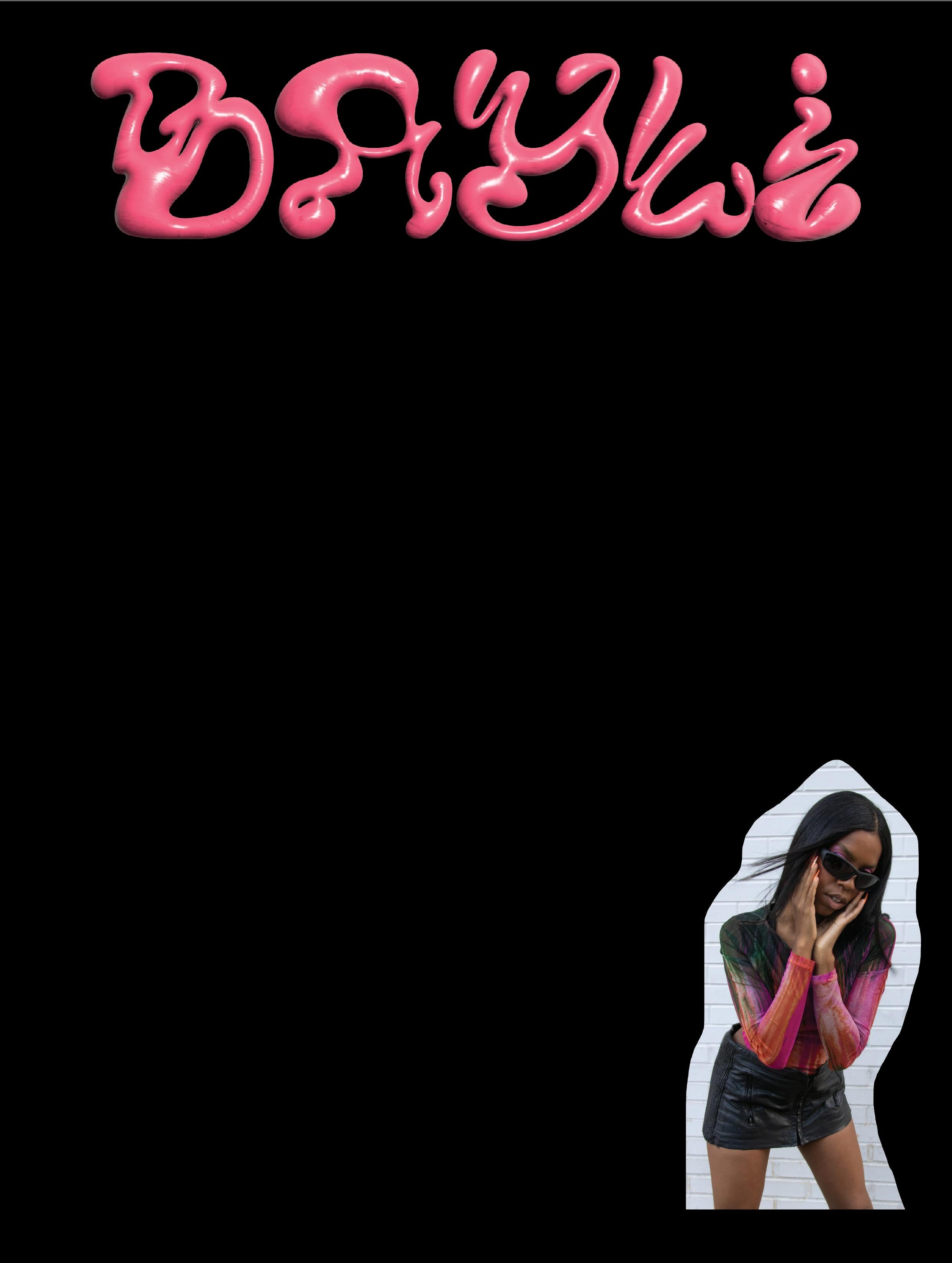
BAYLI is unbelievably sweet. From the moment I see her, she runs up to me like I’m an old friend and gives me a warm hug. It’s November in Madison and cold. We’re standing outside the Majestic Theatre where, in several hours, she’ll be performing. BAYLI is the type of person to worry about whether you’re cold or not, she says please and thank you often and she’s always smiling. She’s a curious person; she wants to know why we’re named EMMIE and asks about the history behind our magazine. A singer-songwriter from Brooklyn, BAYLI has recently began releasing solo music following her time in The Skins and work she’s done for other artists. As a solo artist, she’s collaborated with artists like SOPHIE and now she’s opening up for Magdalena Bay on tour. BAYLI and I chatted about storytelling in music, why London means so much to her and how her music can be super cheeky, even if she’s a self-proclaimed nerd at heart. Thisinterviewhasbeeneditedforlengthandclarity.
AMANY: I always forget the story behind why it’s called EMMIE. Oops. So M and E. Music and entertainment magazine. That’s the history behind that. Well, since we’re talking about the naming of EMMIE, you know, you go by just your first name…
BAYLI: For now! I haven’t ever really thought about it. I just thrust myself into that space. When I was a young, young teenager, I had a band called The Skins. And after we stopped being a band, I kind of just went into songwriting, writing for other artists and now, I’m doing solo work. I thought, why not just keep it 100% real?
Yeah. So you’ve written for other artists?
I’m called a topliner in music industry talk. So, really, I’ll do a lot of hooks. I submit full songs for artists all the time. I’ve written for artists like Blu DeTiger. Cool! And how has touring with Magdalena Bay been?
They’re the best! They were my faves from before. This is my first tour. I have done a few shows in New York, where I’m from, and a few promo shows. I did three dates in London, just one-off shows. This is really like back-to-back shows, seeing how audiences react. I’m doing the same setlist every night, so it’s been really enlightening just seeing how people react to you because all of my music I made during COVID lockdown.
Your EP that you put out this year, it’s called stories 2. I’m assuming that’s following stories from new york?
stories from new york… that was my first time trying solo work. My first song ever released was “sushi for breakfast.” stories from new york is experiences and a self discovery in New York City, my hometown, very home based. It’s been really cathartic for me. [stories 2] is also cathartic. The only difference is I wrote these songs in new, different territories: LA, some in Canada, “TELLY BAG” I wrote in Brooklyn… just trying to capture the essence of the cities that I wrote the songs and what I was feeling in those moments. So same concept as stories from new york, except I’m trying to capture what I was experiencing in those new places.
You talked about how you might have wanted to move to England. Has that happened yet?
Earlier this year, I went to London. I got to travel around the country a little bit.
I was mostly busy doing one-off shows and interviews. It was really a press run, but I don’t know, I still have that craving of living somewhere else and just taking in that new inspiration because I’ve been in New York my whole life. New York is a cool city, but I’m craving that change of pace. I think that’s why I wanted to go for something like stories 2, where I’m capturing these different cities, these different places. London will always remain special because my mom is from London.
Has your mom influenced your music in any way?
Definitely. She’s super cool. I call my parents the first hipsters. They’re just very artsy people. Really eclectic. I grew up in Bed-Stuy, Brooklyn, which is the home of hip-hop, where all the greats are from. But my mom was playing punk music and post-punk like The Stranglers and the Sex Pistols and all these alternative rock bands. It helped me understand that it’s okay to listen to different sounds.
What’s the origin story with The Skins and why did it come to an end?
My siblings and I started doing music programs after school. We were really young, like 14. We started jamming in our basement and doing covers of Led Zeppelin and Black Sabbath and we had two friends from music school join us. We started making our own music and went semi-viral on YouTube, started getting show offers and everything linked up. That’s really how I started doing music more seriously. We were together for a few years — we worked with amazing people like Rick Rubin. Then we just got older and everyone wanted to do different types of music. It was kind of that natural, organic thing where you kind of just wanted to free each other up. We stopped playing together, but it was very mutual and respectful, just being in a new phase of life.
I have to talk about “cheeky” before we go. What does that word mean to you?
Cheeky is so British. It’s like, do your parents or aunts or anything say ‘fresh?’ I think it’s just my community. They’ll say, ‘you’re being fresh, chill out.’ If you’re doing a lot or being too much. It’s kind of being sassy. Cheeky… You’re being a little mischievous. So we love a cheeky moment anywhere we can get it. I feel like a nerd, like a shy person, but I think people think of me as cheeky and a provocative artist. I don’t hate it! That makes me sound so much cooler! I like to talk about things in my lyrics that maybe people don’t talk about on a regular basis. So I think there’s a little bit of cheekiness in my music, at least.
I was gonna say… even the title “sushi for breakfast,” it’s cheeky. It’s very cheeky.


Madison-based post-punk band Sex, Fear has perfected a delicate balance between the solemn and the absurd. On Sex, Fear Presents:, their debut album, they set quirky tracks like “Funko Pop” and “Chicken Dinner” against moments of composed introspection on “Matt’s Song” and “Marooned.” Their live performances keep audiences pleasantly baffled; they’re notorious for doubling up on drumkits, unveiling setlists of entirely unreleased material and donning matching SpiderMan costumes. I spoke with the band to discuss their history, their upcoming LP and the inspirations behind their eclectic approach. Thisinterviewhasbeeneditedforlengthandclarity.

So, how did you all get to know each other? Can you tell us about the band’s origins?


Ayden Schultz (guitar and vocals): Nick and I went to the same high school in Appleton. And then we lived in the dorms together. And we had plans for a band but were missing some people. Nick Jacobson (drums): Once we moved into a house, we wanted to start a band. So we moved here three years ago, right? We ended up just finding Zac and Matt. And had another guitarist named Micah. He lived with us for like a semester, I think. So he was in the band back then, too.

Jeff Deiss (guitar): I was the late addition because Micah moved back to Appleton. And then I was texting Ayden on Instagram, and I was just like, ‘I love Sex, Fear! I want to jam with you guys!’ And then after, they were like, ‘Oh, by the way, we don’t have a third guitarist, do you want to join?’ I was like, ‘Okay, let’s go! This was the audition?’
Do you have any memories from the early days of the band that you really like?
Ayden: I think about our first show a lot. We’ve still got the news article from the Badger Herald that has pictures from that. It was just kind of a good test. I’d played in an ensemble before and in high school, but never just in like a rock band that I’d put together. Jeff: I was there for the student paper. I was like, this music is really scary… I have to get involved.

Jeff, how about when you first joined the band? Do you have any memories from that time?
Jeff: Well, the first show I played was outside on a makeshift stage that was lit with lamps. We played with Bug Moment and a bunch of other bands. I was playing guitar so hard that I dropped my pick, but I just kept playing and all the skin ripped off my fingers. I was bleeding on my guitar. I was signing people’s body parts too… signing my name in blood.
Ayden: He earned his guitarist title. Your songs really do cover such a wide range of topics. Some of them are really deep and philosophical. Then there’s the ones about an unhealthy obsession with Funko Pops. It’s awesome to have that kind of range. Where do you go for inspiration?
Ayden: For me, it’s just kind of my own experiences, but I try to introduce some sort of novelty, some sort of alternate angle. It might be a common thing to write a love song or a song about anxiety, but I try to at least put a spin on it in terms of delivery or how specific I’m getting with the ideas I’m trying to convey. I just feel like we shouldn’t be restricted by the precedents that have already been set. Matt’s lyrics on “Funko Pop” are really great because they do that. At its core, it’s about things you see all the time – anxiety and depression and obsession – but with a spin on it. You have a character that’s into something funny, like Funko Pops — that’s where the novelty comes in.
You also have this wonderfully bizarre social media presence, especially on Twitter. How do you find the balance between having more introspective things going on in your music and showcasing the sillier side of the band elsewhere?
Matt Jarosinski (guitar and vocals): We’re an implicitly funny band.
Ayden: The persona is kind of inspired by some of the posthardcore bands we like from the ‘90s. Slint was an implicitly funny band. They engaged in all sorts of hijinks and wrote kind of funny songs while still having a very well-composed and serious compositional style.
Jeff: I think the name also gets people. Everybody has a different reaction. I mean, some people think it’s hilarious. My friends have started pronouncing commas between words to make fun of me. They’re like, ‘Hey, comma, Jeff. Can you, comma, pass me the remote?’
For those who might not know, could you explain where the name’s from?
Ayden: When we started, Zac, Nick, Micah and I were all living together. We would sometimes watch Star Trek: The Next Generation on Netflix. The parental guidance content warning says it’s rated TV PG for ‘Sex, Fear.’ We had a list of names we were voting between. We first decided on The Long Division. Glad we changed it because that’s kind of stupid. We also could have been Walmart. Just the name of the store.
Jeff: I’m so g lad you chose Sex, Fear. These names are awful! So after all, this is The Cheeky Issue. What does that word mean to you?
Matt: Playful.

Ayden: Tongue in cheek.
Nick: Implicitly funny.
Zac: Kind of like us. Right! How does Sex, Fear embody that?
Jeff: Super cheeky.
Ayden: I guess what we want to prove is that you can write sad, scary music and still have fun, you know?
and Kevin Durant stands defeated, hands on his hips. Game 7 of the 2016 NBA Western Conference Finals is over and his Oklahoma City Thunder have just missed a trip to the championship. In the weeks that followed, sports talking heads searched for answers: did the Thunder just choke? Was the Warriors’ Steph Curry just too good? Was KD simply incapable of hanging with the best of them? There was no consensus. But real ones knew:
Kevin Durant was under the Curse of the Based God.
Back in 2011, the Based God, more commonly known as Lil B, laid down a curse on the NBA superstar, tweeting, “KEVIN DURANT WILL NEVER WIN THE TITLE AFTER HE SAID ‘LIL B’ IS A WACK RAPPER.” KD had gotten close, reaching the NBA Finals in 2012, but could never get over the hump. Perhaps feeling bad for the OKC star, perhaps simply having gotten over his grudge, Lil B generously lifted the curse after the end of the 2016 season. Call it ridiculous, call it corny, call it stupid. All you need to do is check the stats — in the two years that followed, KD won back-to-back championships.
But there’s a lot more to Lil B than basketball wizardry. In 2009, he uploaded his first mixtape, I’m Thraxx. By the end of 2010, he had released over 1500 songs. The next year saw nine more Lil B projects (2012 had 16). Going into the mid-2010s, Lil B was king of the internet. Fans took to Twitter to declare their love, where “Thank You Based God,’’ often abbreviated TYBG, quickly became a catchphrase. The artist’s online activity matched his release pace. Uploads on MySpace and DatPiff were accompanied by Facebook memes and DIY music videos on YouTube. There was no mistaking Lil B’s approach: he was not a conventional artist, and he refused to do things the conventional way. He would not sign to a label, he would not box in his sound, and if you thought he was gonna wear baggy pants, you were dead wrong. Lil B’s style didn’t — and still doesn’t — fit the old-school expectations of hip-hop. Much of his music has an amateurish, lighthearted feeling: his delivery often borders on rambling, his choices of subject matter are odd and his lyrics can be hard to take seriously (on “Breath Slow,” he drones “SpongeBob BasedGod, you’re so funny”). However, there’s a sense of earnestness in Lil B’s music beyond his punchlines. His philosophy, being Based, is the spiritual center of his work. To be Based is to be yourself, spreading love and positivity wherever you can. The Based God pursues

this ideal relentlessly. See “I Love You,” a love song dedicated to all Lil B’s listeners. From any other artist, the saccharine delivery would probably sound corny, but after you’ve heard any other part of his catalog, you know the lines “I love you / Yes, you can cry to this / Yes, I love you too” come straight from the heart. It’s an acquired taste, but before you know it, you’re eagerly awaiting the next “yesss” ad-lib.
At first glance, Lil B’s fame might appear to be a trivial cultural offshoot of the early 2010s, an oddball whose cult following briefly — and inconsequentially — shot his popularity into the stratosphere. But his impact would prove that he was more than a fad. Often referred to as cloud rap, Lil B’s euphoric, lo-fi style was developed alongside peers Viper and SpaceGhostPurrp, who were equally inclined to pack their release schedules. As the decade marched on, cloud rap would be brought to the mainstream by artists like A$AP Rocky, whose massively popular 2011 mixtape Live. Love. A$AP featured verses from SpaceGhostPurrp and was produced by frequent Lil B collaborator Clams Casino.
While Lil B is far from done — his latest venture, Afrikantis, dropped last December — he’s got some new contemporaries. Perhaps the best successor of Lil B’s hyperprolific style is Rochester’s RXK Nephew, who’s been putting out music alongside longtime friend Rx Papi since 2019. He shares Lil B’s love for YouTube, often uploading multiple tracks per day. His followers express the same cult enthusiasm that backed Lil B’s rise, flooding his comment sections with praise (or simply “RXK RXK RXK RXK RXK”).
Much like his Internet-based predecessors, RXK Nephew isn’t super picky about his production, often crowd-sourcing beats from Twitter. This approach means his catalog is full of different sounds, ranging from 808-dominated trap beats to four-on-the-floor house instrumentals. His vocals keep up with the variety: “SlitherMan SOLO set” opts for a metalesque growl, “Beam On Ya Toes” features a signature whisper on the chorus and “Nephew B.I.G” sees the rapper screaming at the top of his lungs. But sending Neph a beat doesn’t spare you from criticism. The last minute of “Blackberry Touchscreen” is dedicated to making fun of its instrumental: “They should’ve sent this beat to Ja Rule or Fat Joe to do a Verzuz / Can’t wait till this beat end, this shit got my ears hurtin’.”
Neph jumps from topic to topic without hesitation, never afraid to throw
The clock winds down to zero,
in a non sequitur (“Modern day Prince without his ass out!”), letting his thoughts guide him through the beat on the spot. He’s prone to tangents, often looping an entire beat to make sure he can say what he needs to say. These tendencies are highlighted on Crack Therapy 3 standout “American tterroristt”, a ten-minute epic with lines like “Vaccine got us mutatin’ / Fuck it then imma go take it”, “Explain to me why the fuck Benjamin Franklin stood his ass up on the roof”, and “Who the fuck is that white man Santa Claus?”

While there’s over a decade between the start of their careers, Lil B and Neph aren’t as far apart as the years might suggest. Lil B publicly declared his support for RXK Nephew back in 2021, calling him “the new generation and the future of music.” The admiration goes both ways. Neph’s lyrics are full of references, “walk in that bitch like Based God!” for one. It isn’t hard to hear Lil B throughout RXK Nephew’s work, whether it’s a name drop or a similar stylistic flourish. Take a listen to
“Frames” off Till I’m Dead, Neph’s most recent album; you just might hear a familiar name.
Fourteen years after I’m Thraxx, Lil B’s fingerprints are all over hip-hop. Using the internet as a launchpad for a musical career is no longer the move of an outsider. Recent years have seen SoundCloud sensations like Juice WRLD and Lil Yachty find their place in the mainstream, and social media is more essential for an artist’s image than ever. The sounds Lil B helped create back in the 2010s haven’t gone anywhere, either. Swedish collective Drain Gang, Yung Lean, Viper and the Based God himself are still carrying the torch of cloud rap, and his DIY ethos lives on in the work of Milwaukee artists like Certified Trapper and AyooLii. And as for RXK Nephew? He joined forces with Lil B in 2022, rapping over one of his beats on “Who Did What Again.” Every year takes us further from the start of Lil B’s career, but his influence — and presence — remains strong. Forever and always: Thank you, Based God.


Who is Frax?’ I’m just an artist interpreting the world I was born in,” says the bunnyhat-donning producer. “My sound? I make personal pop music — like pop, but it only means something to me, and that’s okay.”
24-year-old Fraxiom quickly rose to fame with the quarantine hyperpop boom. Alongside fellow producer Gupi, they form half of Food House and have been a staple in the diverse internet pop scene, from Minecraft festivals to Boiler Room.
Guiding us through the liminal backrooms, the performer’s bright pink hair stands out among the bright white clinical hallways. After a night of 2012 nostalgia with Girls That, hyperpop insanity with OTM and whoTF and Frax’s show-stealing performances, it is clear we are stepping into their domain; where the ordinary is transformed by their whimsy.
The genre that started in the late 2010s with artists like SOPHIE, 100 gecs and A.G. Cook recently had an entire batch of new creators burst out of the online bubble, and Frax is no different. At the start of the year, they embarked on their first headlining tour alongside duo whoTF, solidifying their transition from the cyberworld into alternative pop stardom.
“This tour is very validating and it makes me feel like what I am doing is just so much more real. I’ve been able to see the impact that my music and message has had on all these different groups of queer people all over the country,” Fraxiom says.
With the FUTCH UP AMERICA tour, Fraxiom and whoTF aimed to bring these hyperpop
concerts to fans that otherwise would not be able to have these events as often.
“Keeping your shows in LA and New York sort of paints this image of queer safety being a goal that you need money to achieve,” Fraxiom says. “It paints this image of: you need to pay rent and live in Brooklyn or LA or else you are a freak and you are not safe outside. I think that it’s really important to degentrify queer safety and make more places in this country, more neighborhoods, more cities just safe for us.”
By definition, hyperpop is a genre that mirrors the fast-changing community that embodies it. A song that comes out today is a world of difference away from a song that came out a year ago, with each producer building upon the quirks of the last, the only constant being their relationship with digital cultures.
“I would describe my nostalgia as iPod Touch, like Black Eyed Peas, Super Mario Galaxy, early 2010s. The nostalgia cycle that we are milking is five to 10 years ahead of the nostalgia cycle that is going to be popular,” Fraxiom says.
With cheeky lyrics like “Fuck Notch, fuck Musk and I’ll piss on Zedd,” “I go Dr. Doofenshmirtz, MrBeast, Eiffel Tower” and the iconic “Get your ass off Twitter cause it gives you fucking mental illness,” Fraxiom voices the reactionary nature of chronically online zoomers.
“Every artist has the ability to commodify random things that they think looks cool, and is important to them,” Frax says. “Being able to build a lot of hype and glorify almost mundane, trivial little items that anyone can really go by and access makes the fun in your music accessible.”
During their show, the popstar hypes up the crowd by asking everyone to “put their little pronouns together” and introduces themself as “Champagne Papi” before having 40 minutes of all their lyrics screamed right back at them by devoted fans.
From their energetic performances to goofy, self-referential lyricism and constant samples of 2000s pop culture, Fraxiom epitomizes the undeniable cheekiness of hyperpop and empowers the message of queer liberation.

“Cheeky is letting your guard down and getting a little silly with it,” Fraxiom says. “It’s not being afraid to use comedy as a medium for a more serious message. When you put something very silly next to something very serious, most people view it as wholly ironic, but I think that there is a deeper impact to doing things like that.”
With multiple projects, collaborations and multimedia initiatives under their belt, Fraxiom showcases how to turn online fame and wit into something much bigger. Their last solo project You Have Completely Destroyed Me!!!! is their most mature to date, glancing upon themes of mental illness, stardom, gender identity and expression Fraxiom’s personal pop ventures beyond those things that only mean something to them. Be it through cheeky comedy or melancholic honesty, the producer is a voice to a generation that, much like themselves, struggles to interpret the world they are born in.
“It is very easy for me to compartmentalize my music as just a fluke of online success because of COVID, but that discounts the fact that the queer people who we are helping with the music are very much real people, and they love to have music that is for them.”
WORDS BY ARTHUR MACHADO, PHOTOS & SHOOT DIRECTED BY AMELIA ZOLLNER, PHOTOS EDITED BY LEXI SPEVACEK, ART BY EMMA ROSE SONNENBURG


Opening for The 1975’s “At Their Very Best” tour brought BLACKSTARKIDS back to their Missouri hometown in December of 2022. They performed at the same arena the three members of the band graduated in years before, a full circle moment for Ty, Deiondre and Gabe, who met in high school in Kansas City.
Having made music together since they were teenagers, it’s clear the band knows exactly what it is.
I meet the three to photograph them in their green room at the Rave Eagles Club in Milwaukee hours before they go on stage, and they assume their poses like it’s second nature — they visually come together as one entity in the same way they do in their songs and while performing.
Ty puts on a more subdued and straight faced persona for the photos but reanimates and takes the lead with the most to say answering questions. Gabe’s same bubbly personality that’s immediately felt upon meeting her shines through in their music and performances. Deiondre is the quietest of the three but chimes in with comedic relief and always strikes the quirkiest pose.
Despite having similar backgrounds and collaborating for years together, the three distinct minds that make up BLACKSTARKIDS ensure that their music is always evolving. The trio’s earlier projects drew heavy inspiration from growing up confined to their hometown.
“That’s all we were experiencing at the time, we didn’t have any money,” Ty says. “We were documenting the style of life that we were all living.”
Now, the band is able to pull inspiration from a far broader repertoire of experiences. Being on tour with The 1975 in 2022 brought BLACKSTARKIDS
thousands of miles beyond the borders of Missouri. Playing arenas across the country, the three saw things they had never imagined, like fans holding signs and yelling phrases such as “you slay!” or “spit on my face.”
“I declined the offer,” Ty says of the spit request. “I don’t think I’m gonna do it, but that was definitely interesting.”
BLACKSTARKIDS are happy to be embraced by The 1975 fan base and appreciate even the strangest interactions. They describe concerts as a collective experience between the artist and audience, so they’re down for however people choose to live in that moment.
In the running for wildest concert experience for BLACKSTARKIDS is watching The 1975 frontman Matty Healy eat raw meat on stage during a performance at Madison Square Garden. But in typical BLACKSTARKIDS fashion, they embrace the weirdness.
“That’s rockstar shit, I fuck with it,” Gabe says. “Gets people talking, doesn’t it?” Deiondre adds.
The three commend Healy for actually eating the raw meat, unlike social media influencer Liver King, who got called out for faking his raw meat consumption.
“Matty’s the new Liver King,” they declare.
While there’s no raw meat and no bodily fluidrelated requests from the audience that I can see that night in Milwaukee, BLACKSTARKIDS’ performance captivates the crowd. They radiate an energy that electrifies the room, and it’s hard not to get up and dance with them.
You can feel the energy just by listening to their 2022 album CYBERKISS*. It’s their most diverse body of work yet; it’s colorful, loud, digital,
energetic and bright. The fusion of alternative pop rock, R&B and hip-hop with Y2K influences their nostalgic, refreshing music. Each of the band members’ personalities pop in their songs, creating a unique and fluid sound that they’re not afraid to experiment with. They never hesitate to go all in.
In between BLACKSTARKIDS’ aesthetic and sonic playfulness, you’ll find sincerity and passion in their lyricism. They want you to dance, but also take in what they’re saying.
“I think a lot of people kind of come with this perception that everything is all just silly with us,” Ty says, “but I feel like if you really listen to the music, you get a deeper picture than what people try to paint sometimes.”
CYBERKISS* is also the most the band has ever put of themselves into their music, with some of their most personally important themes. The album dives into the angst of young people living in a politically charged world and expresses both pride and frustration of being Black in America, evidenced by songs like “JOY,” “BOYCOTT” and “PEACH COBBLER.”
Having released five albums between 2019 and 2022, BLACKSTARKIDS isn’t stopping anytime soon. They’re hoping to keep the momentum of CYBERKISS*going with a headline tour and more music in the future.

And of course, while tackling deeper and bigger themes in their music, they don’t lose sight of the silliness.
As a member of perhaps the cheekiest band of the Cheeky issue, we have to ask Ty what the word means to him.
“Something tangible that you can grasp onto and have a good grip on and um… bounce off of. You know, something like that.”
Disclaimer: In 2021, interviews in which Keigo Oyamada (who was a member of Flipper’s Guitar and makes music as Cornelius) discussed bullying disabled classmates resurfaced. EMMIE and the writer do not support his actions.
When guitar pop group Flipper’s Guitar formed in a Japanese junior high school in the ‘80s, its members never expected to form one of the most interesting microgenres of the next decade. But as the group evolved after the departure of three of its members, its cut-and-paste method of sampling inspired other artists disillusioned by the pessimism of much of the era’s music. Unknowingly working together in a movement that wouldn’t be named for years, these musici ans set out to create a sound rooted in
surrealism, childlike wonder and some really silly samples.
Enter Shibuya-kei, a microgenre defined by its collage-like reliance on sampling, its ‘60s inspirations and its blend of everything from bossa nova to indie pop.
Though the movement technically began in the late ‘80s with the formation of Flipper’s Guitar, its name wasn’t coined until 1991 (when a record display in an HMV store named the genre after its geographic prominence in Tokyo’s Shibuya district), and it didn’t gain an international audience until years later.
Here is a timeline of Shibuya-kei’s rise and fall told through seven of its most influential albums.

Doctor Head’s World Tower by Flipper’s Guitar (1991)
The same year that the term Shibuya-kei was coined, Flipper’s Guitar released Doctor Head’s World Tower. Of course, the group had been experimenting since its first album in 1989, but this release marks the moment when Shibuya-kei finally found its footing.
Named after the 1968 movie Head , Flipper’s Guitar’s Doctor Head’s World Tower is an ethereal experiment on the sounds of the same era. Its 10-minute long psych rock epic “The World Tower” exemplifies Shibuya-kei flawlessly, crafting a collage of the songs that led up to it into a surreal, dreamlike conclusion.
Just months after releasing Doctor Head’s World Tower , Flipper’s Guitar disbanded. The experimentalism across their discography didn’t go unnoticed, though — in the years following, other groups would borrow and improve upon this album’s cut-and-paste method of sampling, letting Shibuya-kei truly grow into the foundation that Flipper’s Guitar laid.
Bossanova 2001 by Pizzicato Five (1993)

While Flipper’s Guitar created the sound of Shibuyakei, Pizzicato Five popularized it. With production from Flipper’s Guitar’s Keigo Oyamada, Bossanova 2001 is one of the group’s strongest, peppiest releases. Contrary to its name, though, it doesn’t depend on bossa nova for more than a few of its 16 tracks. “Go Go Dancer” is a jazzy, funky jam, “Magic Carpet Ride” is a hip-hop infused trip through the stars and “Cleopatra 2001” is (finally) a shimmery, horn-filled exploration of the bossa nova that the album title misleadingly promises.
Thanks to the genre’s heavy sampling of American songs in its earlier years, Shibuya-kei’s creative sound felt like it was waiting to travel abroad. Luckily, it did thanks to Pizzicato Five — a year after releasing Bossanova 2001, the group made its American debut, eventually popularizing the sounds of Shibuya-kei internationally and paving the way for future artists within the genre.
Viva! La Woman by Cibo Matto (1996)

On Viva! La Woman, Shibuya-kei’s now established style of sampling is the main course, rap and elements of hip-hop are side dishes, and a tasty concept is the key ingredient. (In case you haven’t picked up on this by now, Viva! La Woman is a concept album about food, and it’s one of the most innovative projects to come out of the genre.)
Taking a turn from its laidback predecessors, the album feels explicitly defiant in its strongest moments. On “Birthday Cake,” vocalist Miho Hatori yells an especially cheeky recipe for a disgusting, weed-laced birthday cake she’s making for her son. “Add milk of two months ago / ‘It’s moldy mom, isn’t it?’ / I don’t give a flying fuck bro.”
Fantasma by Cornelius (1997)

As a member of Flipper’s Guitar, Keigo Oyamada helped form the sound of Shibuya-kei, but as a solo artist, he perfected it and took listeners on a fantastical journey that goes quite literally everywhere. I mean this geographically — in just over an hour, Cornelius’ Fantasma takes listeners to a miniature Disney parade, a surfboard in a starry ocean, a soccer game and nearly everywhere else on and off the planet (there’s even one song that feels like the musical equivalent of Planet of the Apes fanfiction, written in tribute to the movie from which Cornelius took his artist moniker).
In its remastered version, the album’s ambition is ultimately tied together with closer “Typewrite Lesson,” a song speckled with typewriter sounds and and acronyms rapped in a robotic voice: “FBI. Space. / CIA. Space. / KGB. Space. / CNN. Space.” The song attaches no meaning to these acronyms, but it somehow feels like a profound statement on everything, and it’s an excellent way to make the album’s grand scope feel complete.
Sushi (4004) by Various Artists (1998)

While Fantasma took listeners on a trip around the world (and even into space), Shibuya-kei’s actual location was much more restricted. Since the genre originated and thrived in a single district of Tokyo in a time before streaming, many of its less prominent releases were lost to time. A few compilations survived, though, and Sushi (4004) is one of the best to make it out.
Like any Shibuya-kei compilation album, it encompasses an incredible range: a watered-down techno bossa nova groove, an ambient Hawaii-themed track and a charming indie rock-esque tune all take center stage. Its highlight, though, is its first track, a seven-minute bowling-themed jam on a 1960s spoken word lecture about space titled “Bowlers In Space.” It’s funky, futuristic and, best of all, liberally uses the most comically abrasive boing sound effect possible.
Romantico by 800 Cherries (1999)

In 1998, producer Momus pronounced Shibuyakei dead after a few of its most iconic groups like Pizzicato Five disbanded. Despite the genre’s alleged passing, artists kept Shibuya-kei on life support well into the early 2000s, and some labels even coined a neo-Shibuya-kei wave in reference to the genre’s newly polished sound.

800 Cherries lasted through this wave, and they played it incredibly safe on Romantico. In the larger context of Shibuya-kei, critics often hate this album — it’s been dubbed elevator music and referred to as “watered down Stereolab.” In a way, they aren’t wrong. Romantico doesn’t really add anything to the genre other than polished production and cutesy, nature-focused lyrics. But it’s one of the genre’s most accessible releases, successfully taking the sounds of Shibuya-kei and turning them into a neat, easy listening album that’s seen a resurgence in recent years.
Katamari Damacy Soundtrack: Katamari
Fortissimo Damacy by Yuu Miyake (2004)
In a sense, Namco’s 2004 game Katamari Damacy is about making a collage. Tasked with rebuilding the night sky after a god destroys the stars in a drunken rage, the player rolls up a ball of items that get progressively more grandiose — erasers, plants, cats, people, buildings — to then send it into the stars. It makes sense, then, that the game’s soundtrack is driven by the collage-like sounds of Shibuya-kei.
As a standalone album, Katamari Fortissimo Damacy shines in its ability to incorporate bits and bobs of Shibuya-kei into nearly every other genre. “The Moon & The Prince” is an enthusiastically rapped anthem, “Walking on a Star!” is a melancholic, glitchy soundscape, “Que Sera Sera” is a Sinatraesque tune and “Angel Gifts” is an incredibly monumental orchestral track that builds up into its own destruction.

It’s an incredible callback to everything that made Shibuya-kei great, but sadly, it was one of the last authentically Shibuya-kei albums ever popularized.
After Shibuya-kei’s short-lived revival, the genre eventually declined in the mid 2000s. Perhaps it wasn’t meant to stick around forever — but the impact it had on music as a whole was.
In the late 2000s, groups like Plus-Tech Squeeze Box pitched up the sounds of Shibuya-kei to create picopop. HALCALI built on Cibo Matto’s blend of Shibuya-kei with rap, and Capsule infused house into the genre’s sampling. These very sampling techniques have seeped into other genres, too.
While Shibuya-kei may be forever tied to the ‘90s, it still lives on as a gentle reminder that music can be full of contradictions. It can be futuristic while still calling back to the 1960s, it can be taken seriously while being fun and it can be innovative while relying (sometimes a little too much) on really silly samples.
(And, best of all, it can be a little bit cheeky).


 WORDS BY ELIZABETH WALSH PHOTOS AND SHOOT
DIRECTED BY AMANY KHREIS ART BY ELLIOT NOVAK
WORDS BY ELIZABETH WALSH PHOTOS AND SHOOT
DIRECTED BY AMANY KHREIS ART BY ELLIOT NOVAK
The Beths aren’t taking themselves too seriously. On their latest album, Expert in a Dying Field, they explore the hope and agony of heartbreak and ask, “How does it feel to be an expert in a dying field / And how do you know it’s over when you can’t let go?” While grappling with forgetting a painful history, they manage to maintain an overwhelming air of optimism for the future.
The four-piece from New Zealand has been on the road since the year started and isn’t slowing down anytime soon. We were lucky enough to catch up over Zoom with lead singer Elizabeth Stokes on a rare, quiet day.
The Beths had just completed a 13-day run and were finally enjoying a day off. Stokes said even on the days where they aren’t playing shows, they are still booked up doing radio and TV sessions throughout the day. The band just performed a Tiny Desk Concert with NPR and a Saturday Session at CBS.
Currently, Stokes isn’t writing much and, at times, is finding creativity hard to come by. “I wonder if I enjoy songwriting. I think I enjoy having written a song, if that makes sense,” she says. Writing has been something that has caused a lot of stress in the past, but she is looking forward to writing again and healing her relationship with music.


“Music has gotten really weird for me. It’s because it’s now my job and so my relationship with it is kind of warped in a strange way. I would like to find my way back to having an uncomplicated, loving relationship with it,” she says.
Right now, she is happy to be on the road and is looking forward to touring for most of the upcoming year. “We really do feel like a touring band,” Stokes says. “I feel like we feel most like The Beths when we’re playing on stage.”
As well as performing, another field The Beths are experts in is telling jokes. They range from new jokes Stokes tests out on stage to longer running, almost performance artlike bits.
One of The Beths’ greatest strengths is their ability to commit to the bit. “We don’t travel with guitar techs, just a sound engineer and that’s it, so we wear hoodies that say ‘guitar tech’ on them and we set up our own equipment, which I think is quite funny,” Stokes says.
“And though we’ve been doing it for like over a year, I still think it’s funny because people usually know, but they pretend with you.” Her favorite part of the joke is complaining about how she has a terrible guitar tech when her cables end up tangled at the end of the night.
Stokes isn’t the only one cracking jokes on stage — bassist Benjamin Sinclair is also working the crowd. “He’s got quite a segment that’s just gotten longer and longer, but he just talks and makes an ad for the blog, just like in a very unhurried way. It’s extremely dense. It’s great,” Stokes says.
“The blog” refers to Sinclair’s travel diary, “Breakfast and Travel Updates.” He makes a new post every day on tour sharing what he had for breakfast and shares details and secrets from the rest of his day. Sinclair recently posted about a fun day they spent rock-climbing with friends from Chicago-based band Ratboys. He also had some wonderful looking chilaquiles and a glass of orange juice for breakfast that day.
It will come as a shock to no one that the blog started off as a joke. Sinclair kept mentioning he should start a blog so that his mom would stop texting him every day asking for updates. As the tour went on, he kept mentioning his blog, and Stokes laughed along thinking he was teasing, but it turned out he had actually done it, and that he takes it quite seriously, “He writes it diligently every day. It’s a lot of work,” Stokes says.
Accompanying The Beths on tour is their giant inflatable fish, which has become a mascot of sorts, and has of course been the genesis of a new bit. The fish, first seen on the cover of Expert In A Dying Field, became so emblematic of the album it made sense to bring it on tour. Immediately upon seeing the visuals from Lily Paris West, friend and collaborator who designed the artwork, Stokes knew it was the album cover. “What’s a bigger dying field than the ocean?” she says.
“It’s just funny to me during a quite earnest or serious song and then you look in the background and it’s just this giant inflatable fish,” Stokes says. And it was silly, making the audience laugh as they sang about heartbreak with a huge blow-up king fish bobbing in the background, mouth open, taking up a third of the stage.
The band also asks the audience to name the fish each night. (Our favorite answer they’ve come up with so far is Sidney Fish, named after Sidney Gish, the opening act for The Beths).
The Beths are shaping up to have a very exciting year. After finishing their North American tour, they are heading to Europe later this spring and have some festival dates lined up in South America. They will also be joining The Postal Service and The National as support for their upcoming tours. Even though they will be traveling the world, it’s safe to say Stokes is excited to come back to the Midwest — “We just seem to get along with people there” — and we know we are excited to have them back and hear some new jokes.


“Pool,” the first track off Samia Najimy Finnerty’s debut LP, The Baby, opens with a voice memo of her grandmother singing her a lullaby in Arabic. It’s the same song that was brought back on her sophomore album, Honey, with “To Me It Was.” The second time around, her grandmother closes out the track with the same voice memo. Both songs are incredibly sad, an emotion that is central to the singer-songwriter’s music. “I wanted to keep her on both records. To me, that’s her producer tag or Jason Derulo moment.” Samia says.


Samia goes by just her first name, which she shares with her grandmother. Her grandmother is a huge part of her identity as a Lebanese-American. She’s been trying her best to hold on to her Lebanese heritage, and she found that her grandmother’s lullaby connected her with a community of people. “I didn’t have many Arabic-speaking or Lebanese friends growing up besides my cousins and I didn’t know that was such a popular lullaby,” she says. “It was amazing to see how universal that little lullaby is.”
Hocus Pocus star Kathy Najimy and director Dan Finnerty are Samia’s parents, and she grew up surrounded by the film industry. “I developed a disdain for the entertainment industry because of how it affects people — an image-oriented industry that made me sad,” she says, describing how she grew up. “I feel really lucky to have been around people who are artistic and people who encouraged me to be artistic.”
Because she grew up disillusioned by celebrities and industry politics, she’s found it hard to connect to her past. Recently, Samia’s been determined to stay in touch with Lebanese culture. “It was a huge part of my childhood,” she says of her heritage. “It’s something I’m trying desperately to hold on to, and I’d love to go back to Lebanon.”
Samia grew up in the New York City DIY scene, finding friends in bands like Del Water Gap and discovering herself through shows and open mic nights. “I started coming into my identity as an artist in New York because of the people that I was spending my time with and the bands that I got to be a part of,” she says. “That place is really conducive to that kind of odyssey. You have to find yourself back there.”
I meet Samia in the basement of Thalia Hall. Samia has a cold. There’s a humidifier in the corner of the green room turned on and a plate with ginger and lemons. She greets me from a distance, terrified I’m going to catch whatever ailment she has. First impressions are everything, and my first impression of Samia was that she’s unfathomably kind and super petite. She is also a powerhouse. Despite being sick, she puts on an incredible show. No one in the audience would have been able to tell had it not been for her Instagram story disclaimer asking the audience to pretend that everything is fine and that she’s totally not sick at all. “I know a lot of it is psychosomatic,” she tells me. “I get really anxious when I’m starting to be sick. So I just mostly try to calm myself down and then I end up being fine. I think a lot of it is in my head, ultimately.”
The Honey Tour is the first chance Samia has to support a full length project on tour. She released The Baby in 2020 during quarantine. Her latest record takes on a poppier sound than its predecessor, tackling relationship problems and referencing pop culture through slang and metaphors. Her conversational and elusive songwriting style takes center stage on Honey.
“It’s really just a means of catharsis for me,” she begins explaining her songwriting process. “I use it as a tool. It’s trying to process feelings in real time — half of me does that in poetic code and the other half is just the things that I’m too afraid to say conversationally.”
On “Kill Her Freak Out,” she sings about killing an ex’s new love interest. This could be off-putting to older generations, but her younger listeners are well attuned to Samia’s hyperboles. On “Sea Lions,” she’s harder to read, singing about a relationship that’s too far gone. Its outro is a voice memo of someone playing a word association game. “Charm You” and “Honey” find Samia being more direct, singing, “I don’t wanna charm anyone this time / I don’t wanna make anybody mine” and “I wanna go to the beach and die on the beach / I wanna be a mermaid.”
Her songwriting process is unpredictable. “It’s pretty 50/50,” she says. “There’s some songs on this record that took seven months to write and there are some songs that took 15 minutes. It depends on the magnitude of the feeling.”
Touring has led to great moments for Samia, both on and off the stage. She tells me her most memorable moment was in Minneapolis, where she invited papa mbye (who features on “Mad At Me”) on stage. Caleb Wright, her friend and collaborator who produced Honey, also came out with his family to watch the Minneapolis show. “That was a full circle moment,” she says. “It felt like a really special friendship moment and a lot of people who were on the record got to see it.”
She also stopped by Disneyland during touring with her brand and crew. An Instagram photo dump commemorates the trip with a caption insisting that there’s “nothing to see.” She tells me Disney is one of her favorite places to go. “It was kind of in the middle of a stressful time. So necessary.” she says.
What else does Samia do during her time off? The writer reads. Her most recent read is In The Dream House by Carmen Maria Machado, an author she adores. She describes the memoir as inspiring and devastating all at once. Next on her list is Autobiography of Red by Anne Carson.
For her next record, she’s hoping to turn towards a rock sound. She’s done slow and upbeat, and she’s ready to explore something new. “I’m really only ever trying to support the stories,” she says of her sound. “There’s no one genre choice, it just sort of happens. Next thing that I want to make is a rock record because I think it’s the most fun thing for me to tour.”
Samia is content in music. Making it, going on tour, even karaoke nights with her friends. To her, it’s all honey.


It’s trying to process feelings in real time — half of me does that in poetic code and the other half is just the things that I’m too afraid to say conversationally.WORDS BY EMMIE STAFF ART BY KARLA PONCE
For someone that is prone to injury, I’ve miraculously escaped every concert unscathed. I am gifted at avoiding serious injuries at shows, whether that be a broken arm, nose, concussion or anything in between. This fact remained true at the second concert I ever attended, Sad Summerfest. My lack of concert experience did not prepare me for the seeming death sentence of crowdsurfing. I naively thoughtcrowdsurfingonlyexistedinmoviesanddidnotexpectthewavesofpeopleaboveme.Mylack of awareness and upper body strength did not help whatsoever. Around a total of six people hit me in someway,twopeoplealmostfellonmeandonepersonhitmyheadsohardthatIfellforwardontomy friend.IgenuinelythoughtthatIgotaconcussionfromthelastperson…butIsurvived!Afewweekslater,I wenttotheRockzillatourandwasrelievedtoseethattherewasnocrowdsurfing,butwhenPapaRoach jumped off stage and ran through the crowd during his set, I idiotically stood on top of my folding seat to watch. The seat folded in on my legs and I fell, with my nose knocking straight into my friend’s head.
There was lots of pain, some tears and a little bit of blood… but again I was fine! I am sincerely hoping that my concert survival skills (or just luck) carry with me into the future.
- Erica KallasWhen I was 15, I went to a Goldlink concert with a friend. We were bummed out when we
realized the tickets we bought were for the balcony instead of the pit. I hatched the genius idea
to Photoshop our tickets to show that we belonged as close as possible to the stage. With two
different apps and painstaking editing work, our tickets now read “general admission.” We
walked down and got to the first doorman. He scanned our tickets and said, “That’s strange,

the scanner says balcony, but your tickets say GA.” A mix of convincing and general pushing
forward into the venue allowed us to get away. Now we needed to get past the security for the
pit. We walked up to have our tickets scanned, shaking in our boots. As the woman raised her
scanner, a fight broke out between two girls next to us. They started pushing and shoving — we
almost toppled over as they fell on us. The woman quickly ushered us in to protect us from the
fight. There was another hop over a guardrail in order to get to the very front, but we successfully
made it in and watched Masego and Goldlink.
- Mia Weisfeld
It was about a year ago when I had bought tickets to see Beach Bunny, a band I have been
a fan of since they were labeled as emo instead of power pop. They were playing a near
sold-out show at The Sylvee, a big jump from their last Madison appearance at the High Noon Saloon. The show was a blast — outside of having the girls in front of me yell at my friends and
I for jumping to the music (something that Lili Trifilio was begging the audience to do, which is
one fault of their newfound TikTok fame). The show itself wasn’t where the story is, but rather my
trip there is. My friend and I had plans to carpool, and when they got there to pick me up, I
hopped in the backseat. We backed out of the parking space, and next thing I knew, there was
a soft crunch followed by the back window caving in. It was a miracle no glass had landed on
me despite shards covering the entire back of the car’s interior, which only reaffirmed my belief
in God. While my friend drove their car back to their apartment, I figured out another ride for
-us. Luckily, we didn’t miss too much of Beach Bunny by the time we got there, but the trauma bonding made it even more worthwhile.
Camila TrimbergerBack in April 2022, I had the fortune of finally seeing Swedish rap collective Drain Gang in concert. To make things even sweeter, I was attending with my friend Tess who had never heard of them. After settling into a couple seats on the balcony (my ankle was broken, mosh impossible), I wrote down Tess’ predictions for each member of the group. Bladee was “a shy guy, he’s sensitive,” Ecco2k “all business, like the guy in anime who wears glasses” and Thaiboy Digital was “the rambunctious one, the fan favorite.” After quite the opening set from Varg (featuring the work of Soulja Boy), Drain Gang burst out onto the stage, going straight into fan favorite “Western Union.” The next hour or so was a blur of flashing lights, lo-fi instrumentals and hyper-energetic performances (especially from Ecco2k — if “business” means donning a pair of fuzzy wristbands and jumping up and down constantly, I need to switch my major) that whipped the crowd into a frenzy like I’ve never seen. And for Tess, who had gone in blind, a new obsession began. As the lights went down, she pledged her allegiance: “I’m gonna drain until I die. And then I’m gonna keep draining. And that’s all I have to say on that.” - Will Mandel
After walking 20 minutes on a bitterly cold Milwaukee night, I found myself in the oven-like Washroom, a basement venue where Scarlet Demore, Shoobie and Lunar Moth were playing. Every show is the same there: when the music plays, you hug the walls and watch the friends you came with be picked up by the cyclone of people who came to mosh. When the music is
over, you follow the flow past the washing and drying machines and up the stairs to the frigid backyard, where people of all kinds are united by the strange geometric shape hastily drawn on their fists. Hot and cold, loud and quiet and spun by the pit, everyone comes together to make for a realistic washing machine experience. However, when you leave, you’re anything but clean. Nevertheless, this Washroom experience was special. During Shoobie’s set, the bassist took off his shirt and threw it in the crowd, which hit me directly in the face. What I thought was a giveaway turned out to be a reaction to the sweltering heat when I looked at
- Ian Johnsonthe shirt and found it complete with ample stains and “The Present Age” printed on it. I kept it anyway. After a couple more wash cycles, I had my fill and started for home, double-shirted but still freezing.
In the fall of 2022, I decided at the last minute that I was going to go see Glaive at the Majestic in Madison. I knew two of his songs walking in, and I later learned that one of those songs he was only featured on. Nevertheless, I decided that this was a chance that wouldn’t come around again and I needed to take it. After one song, his mic cut out, leaving him onstage with no way for anyone to hear him. Instead of waiting for the techs to fix it, he screamed all the lyrics for the next 10 minutes and it was one of the most intense experiences I’ve had at a show. He didn’t let anything stop the show, and the fans LOVED it. The energy was off the wall and the mosh pit was just as unhinged. After a while, the mic started working again, and he finished his set with just as much energy and slightly bruised vocal cords. As if that wasn’t enough, he strapped a GoPro to his chest and did his encore in the middle of the pit. I’ve never seen the entire floor of the Majestic moving like a wave, but it was a wild experience and such a reward for taking a risk. Hyperpop does not disappoint.
- Mike SonnenbergMy first concert ever was Tyler, The Creator’s Flower Boy Tour back in 2018. I had never gotten the chance
to see Tyler, The Creator live even though I listened to his music for years and watched Loiter Squad as
a kid. My dad dropped my friends and I at The Shrine in Los Angeles. There were so many people lined
up, and the loops and barriers seemed never ending. Once Rex Orange County finished his opening set
(yikes), everyone started pushing toward the front. it was hot as hell, I was sweating balls and I was so

thirsty. Thankfully, the staff started tossing water bottles, and I grabbed one. I took some sips and gave
some to my friends. Then everyone started offering money to get a sip of this publicly shared water bottle.
The thing is, had they just asked I would’ve given them a sip, but my business student self took the money. I
we all suffered together.
- Karla Poncemade a total of $5 profit. Also, in the midst of the break, I made some cool friends, made it out alive and
After almost a year of anticipation, my friends and I were on our way to Chicago to see our lord and savior — Lorde. We planned to stay the weekend in a suburb where the hotels are cheaper and we picked Schaumburg, home of IKEA. We got to our hotel and there was a sign on the door that said you must be 21+ to check in, and we were but three silly 19-year-old girls. We nervously went up to the receptionist because we were desperate and needed a place to stay, and after a phone call between my friend’s mom and the manager, a trip to another hotel down the street that also denied us and a lot of anxious pacing, we were told it’s apparently Schaumburg city law that you have to be over 21 to check into a hotel. God forbid three 19-year-olds stay overnight in Schaumburg, Illinois. At this point, the concert starts in two hours and it’s rush hour on a Friday. We start heading toward the Chicago Theatre because we WILL be seeing Lorde. Anything for Lorde. We start calling hotels while navigating stopand-go traffic, and we end up booking a room down the street from the concert — confirming about 27 times that 19-year-olds CAN check in here. We arrive and it’s the fanciest hotel we have ever been in: our room is on the 20th floor with a gorgeous city view. An insane upgrade from the Radisson in Schaumburg, Illinois (double the price too, but I try to forget about that part). We made it just in time for Lorde, who was amazing and life-changing. Lorde if you’re reading this please come to Madison next time. Love you, xo.
- Lexi SpevacekThe first time I saw Alex G live, he was cheeky as hell. After he downed a few drinks between songs, someone standing near me wished him a happy birthday. It stuck — he was crowned the Majestic’s beloved birthday boy. We all sang “Happy Birthday” to him, and he went on a drunken tangent about his new age, adding in that it was also recently his son’s 12th birthday. It was not his birthday, and he did not have a son (PinkPantheress definitely wrote “Boy’s a liar” about him). After a charismatic set speckled with crowd requests and more elaborate lies, the birthday boy remained on stage to talk to those of us who were at the front of the pit. I asked him to sign the only thing I had in my pocket (a Pokémon card), and then he immediately slipped it into his pocket, smudging it in the process, and wandered away to steal it. Of course, I pleaded with him, and my Limited Edition Alex G Signed Togepi Card: Smudged Edition (RARE!!!) still sits in my phone case today. Sorry, Alex! - Amelia Zollner
of (but, really, everyone’s heard of it). My first time there was last summer in 2022. I had previously
only seen YouTube videos and livestreams of the event, my personal favorite being Charli XCX’s
2019 performance. It seemed like a huge event — it’s really not, especially when I’ve been to
Summerfest in the past and, recently, South by Southwest. Regardless, it wasn’t necessarily how
close I was to The National or dancing with photographers and security to CupcakKe that stuck
with me, it was the press tent. Yes, it’s true: I was at Pitchfork to cover the event. When I first entered
the press tent with Rory (it was mostly to take cover from the rain because the only protection I had
was a plastic bag wrapped around my head), we both panicked. There were a good number of
people there, and we knew no one. ‘Start a conversation with someone,’ Rory and I decided. Right
as this was agreed upon, I made eye contact with a lady in her 30s with a very big camera and
blurted out “Hi!” Her response was to shout, “Do I KNOW you?” at me. I was horrified. Rory and
small talk with the Pitchfork crowd ever again. </3 - Amany Khreis
After long awaited anticipation, my friend and I bought concert tickets for the artistic genius that is Playboi Carti. Carti was scheduled to perform at the Rave in Milwaukee during our Thanksgiving break. While I was in Chicago, my friend made the courageous decision to book a flight into O’Hare from Missouri. I dropped $50 on gas and we embarked on our 90-minute drive up to Wisconsin. I need to remind you that concert parking is a DEVIL CHILD. I decided to gamble and parked in the McDonald’s lot. I figured, ‘How would they know?’ It seems like other concertgoers were doing the same, so why couldn’t I? After taking care of that, we made our way to the line, which stretched far and wide — but we didn’t care. It was 12 degrees and we had no coats — but we didn’t care. We waited for 45 minutes until we heard commotion stirring at the front of the line. Bewildered, we looked at each other. The guard screamed: “Everyone go home! Show is over, Carti isn’t coming.” You’re kidding. You have got to be kidding me! My friend started tearing up. I started laughing because of course this would happen! So we screamed bloody murder and cursed our luck and took the walk of shame back to the car. As we got back to the McDonald’s parking lot, we saw a beautiful tow truck cleaning up all the cars in the lot. He was working on one car and my car was the only one left. Perhaps this was sheer luck or God was looking out for me. Either way, we got into that car ASAP and bid the day farewell. We didn’t see Carti, but hey, I didn’t get my car towed. I guess it’s all about perspective.
I began laughing in disbelief, and I buried my face in my plastic bag. I would never try to make SPRING 2023/39
- Weronika Durachta
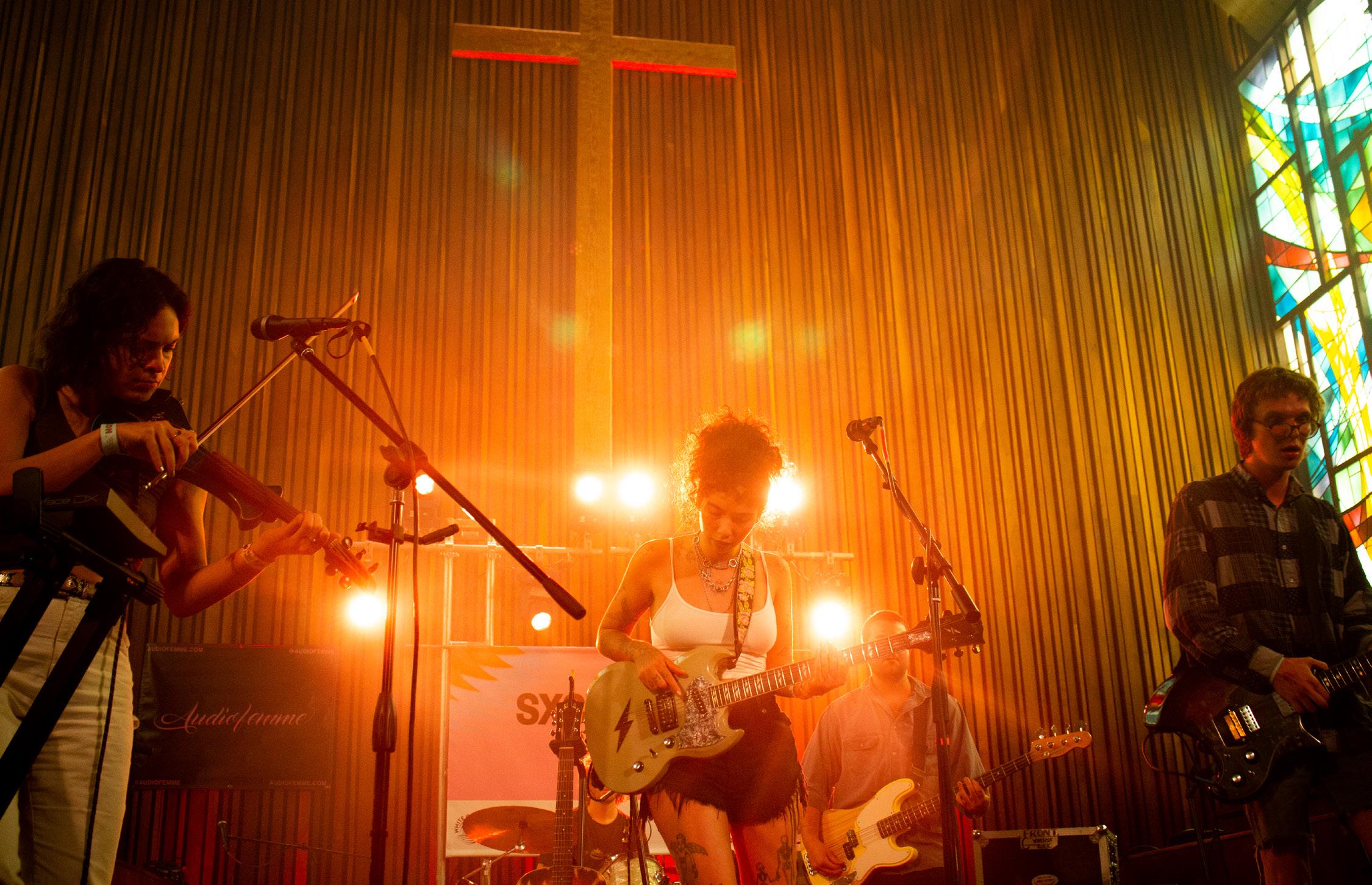
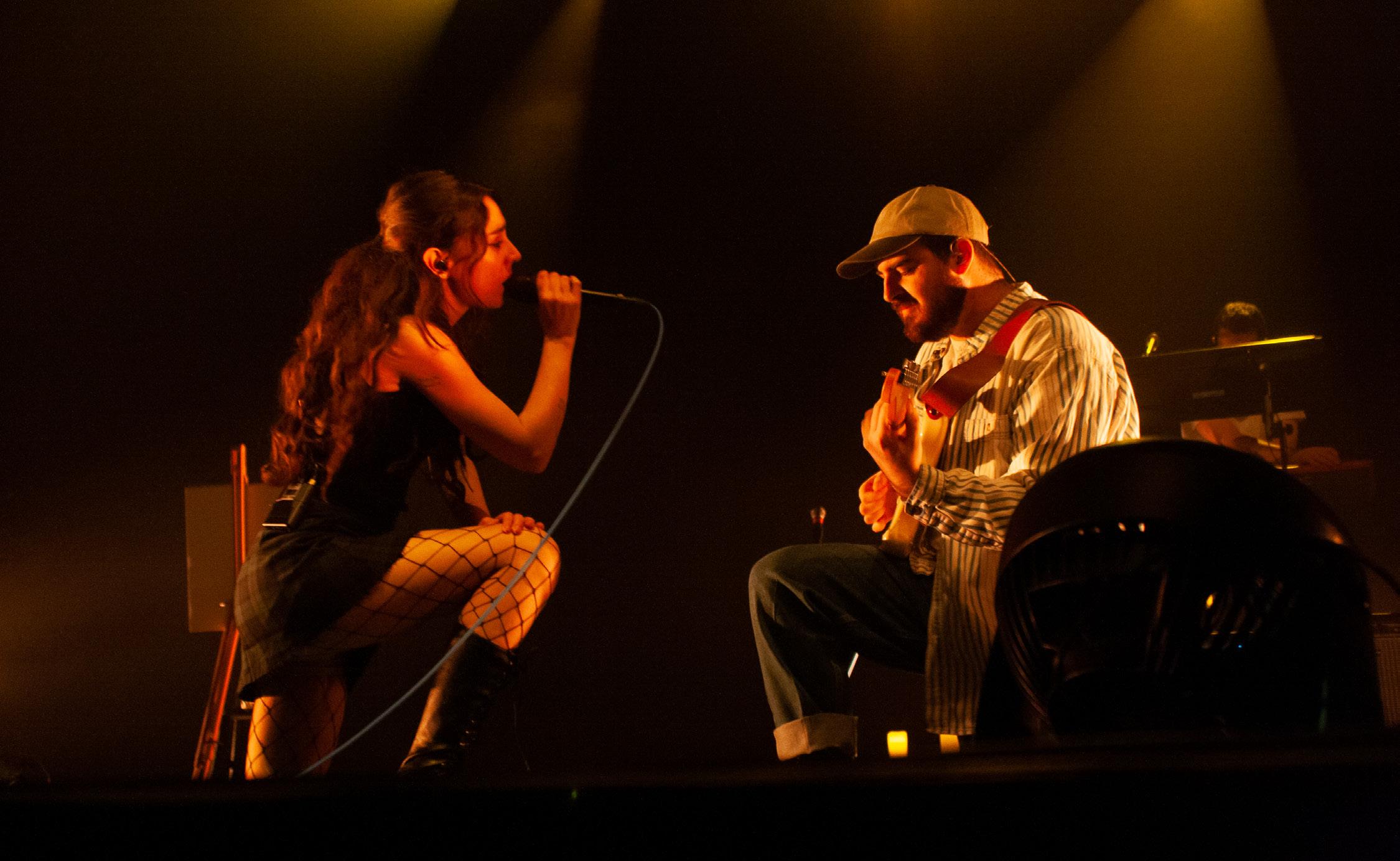 INDIGO DE SOUZA BY AMANY KHREIS
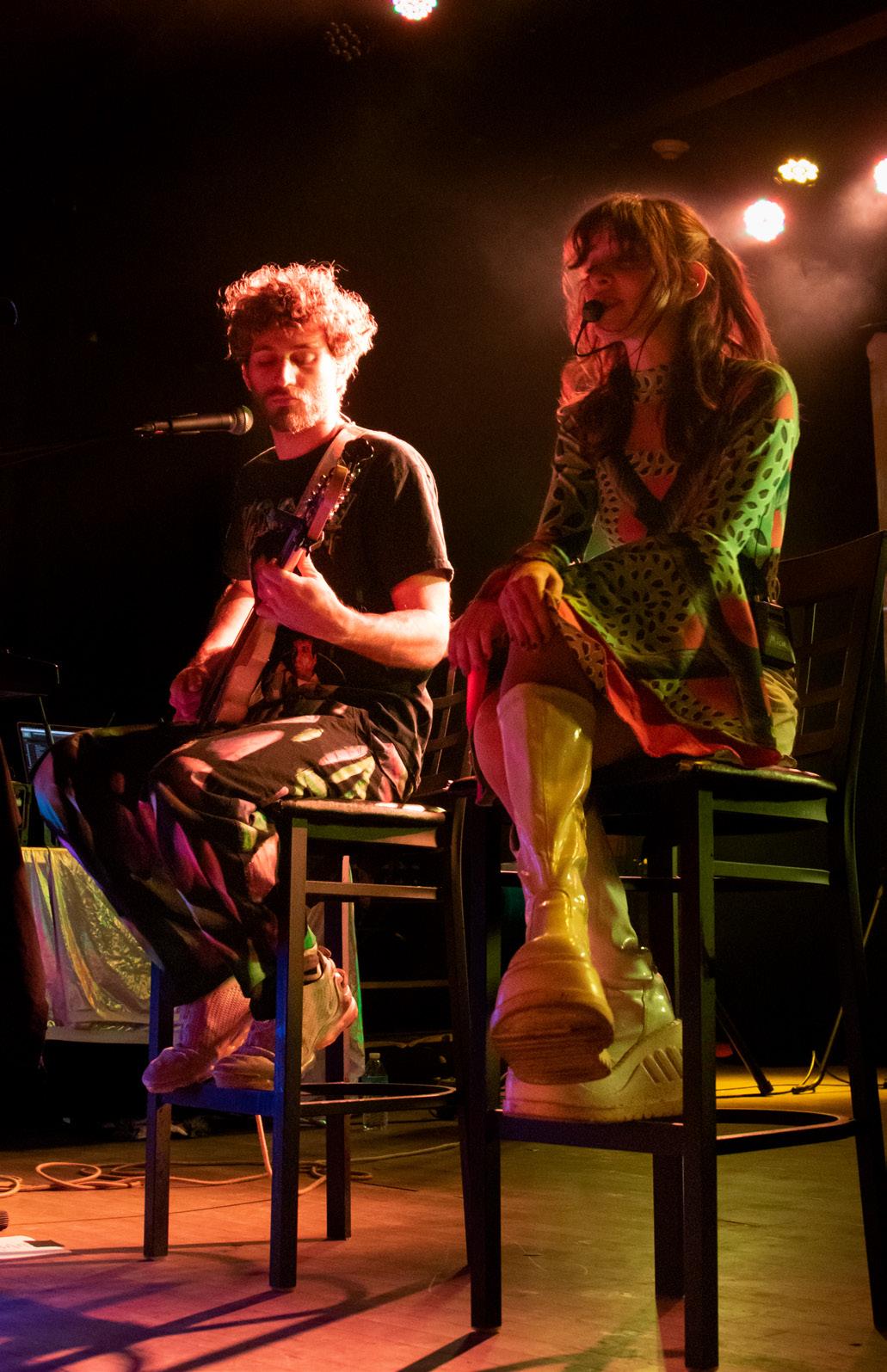
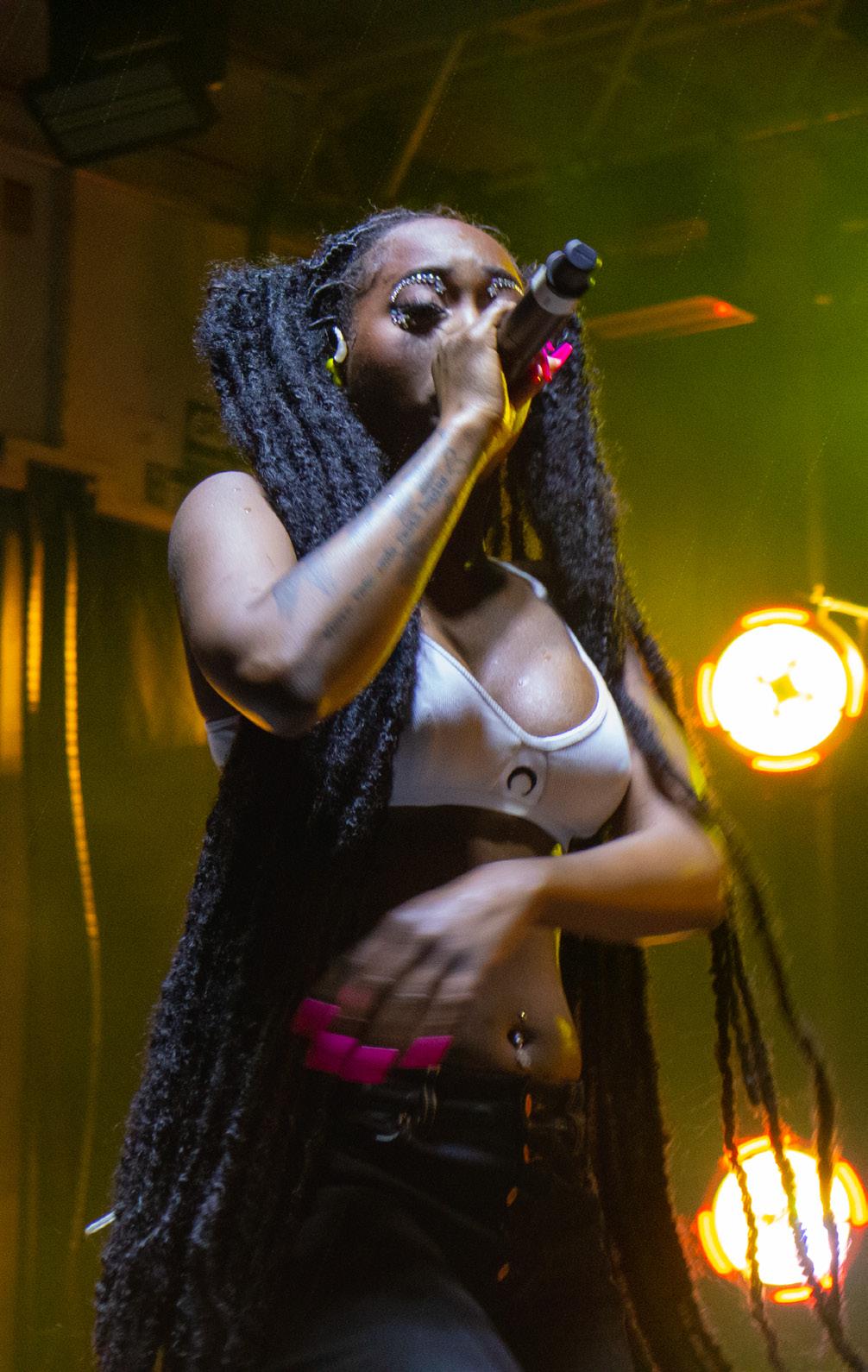
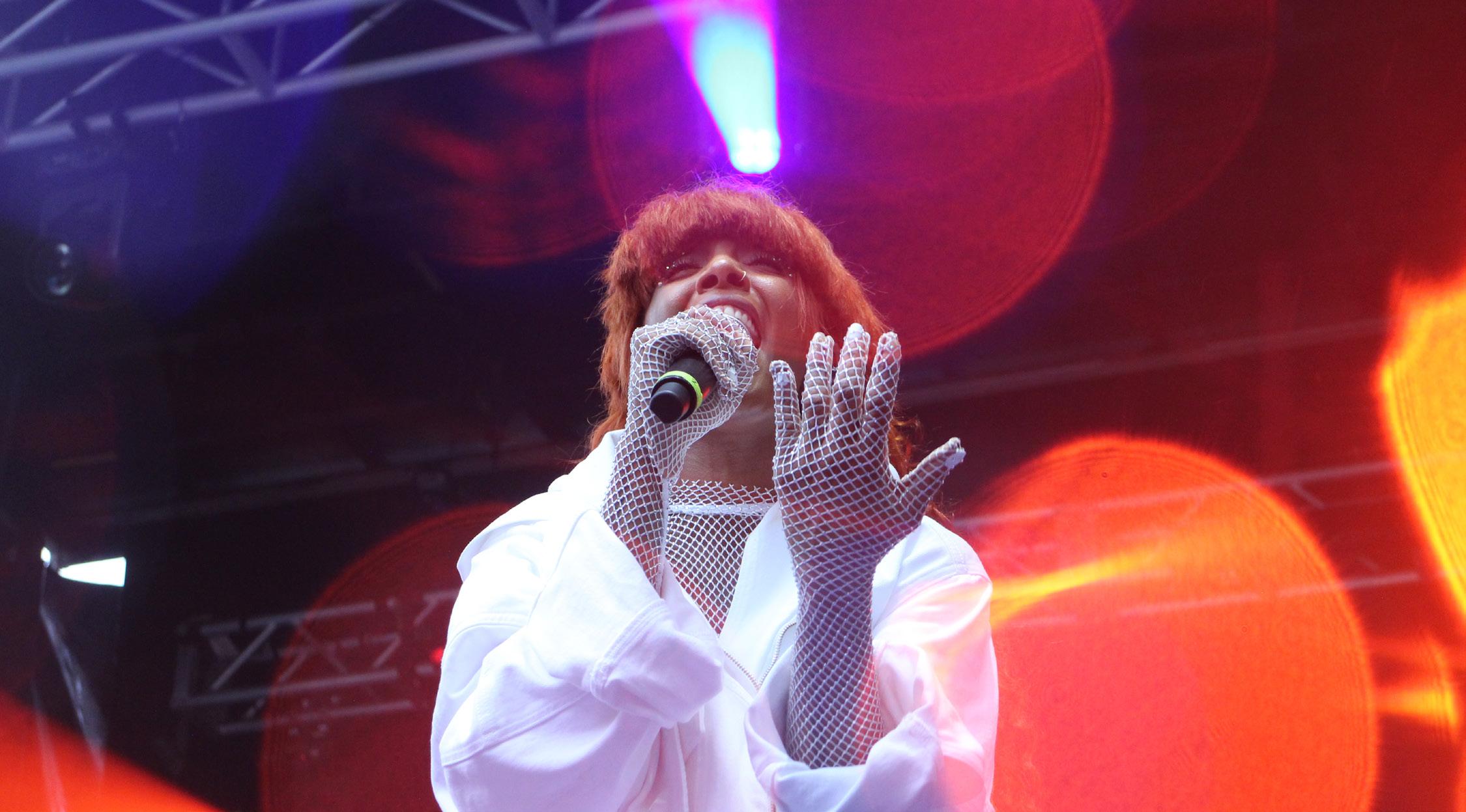 MAGDALENA BAY BY CLAUDIA CHAN
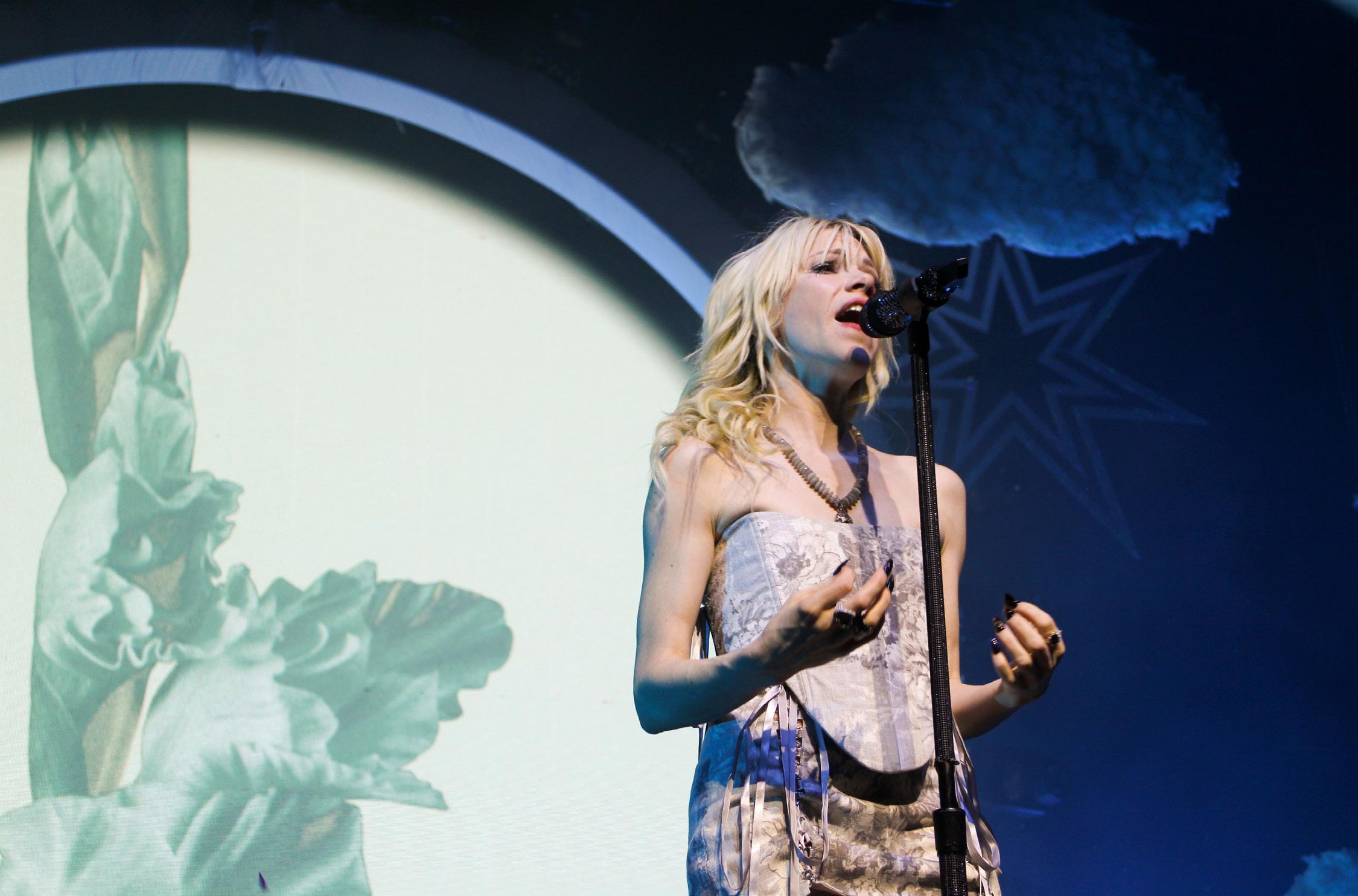
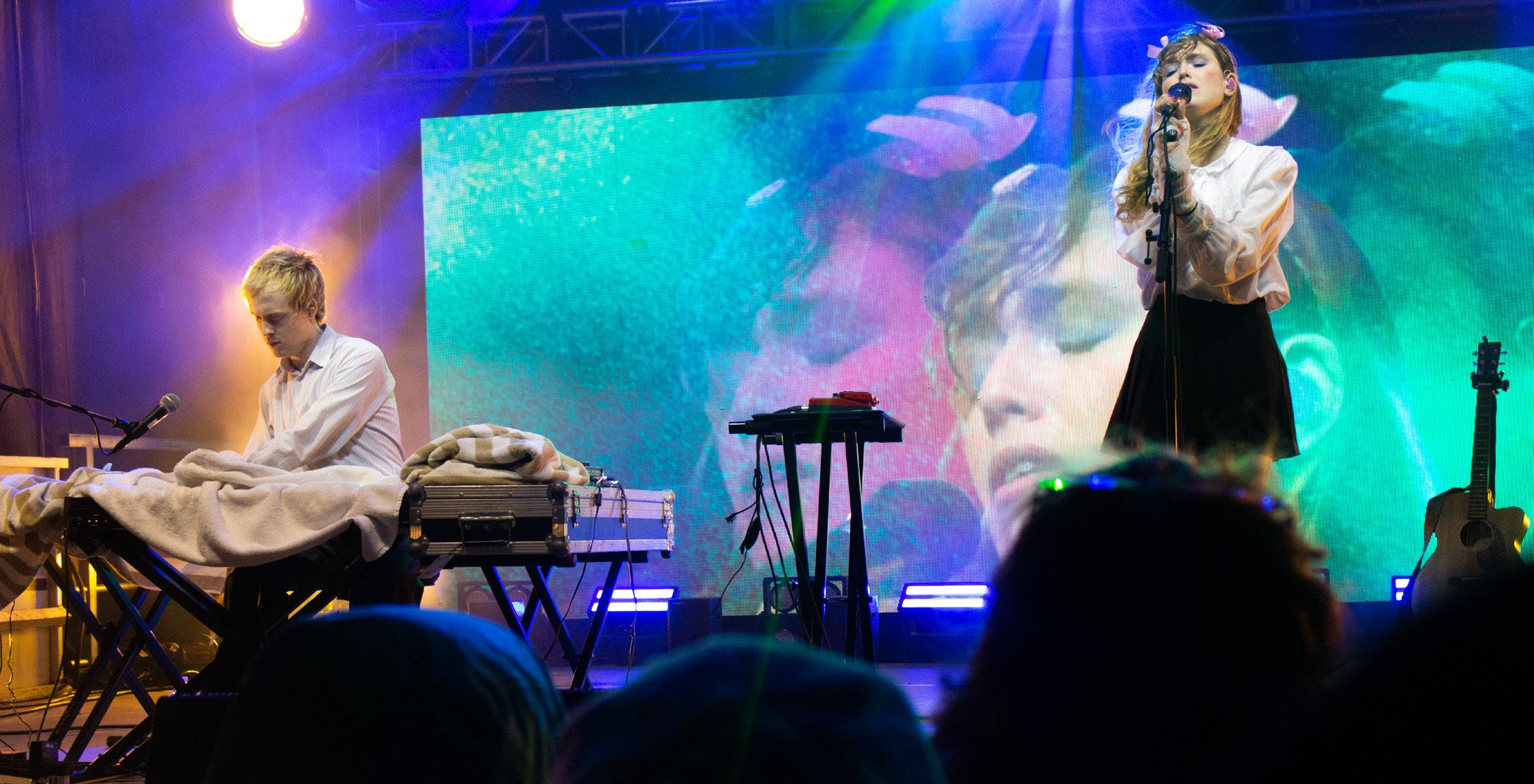 JOCKSTRAP BY AMANY KHREIS
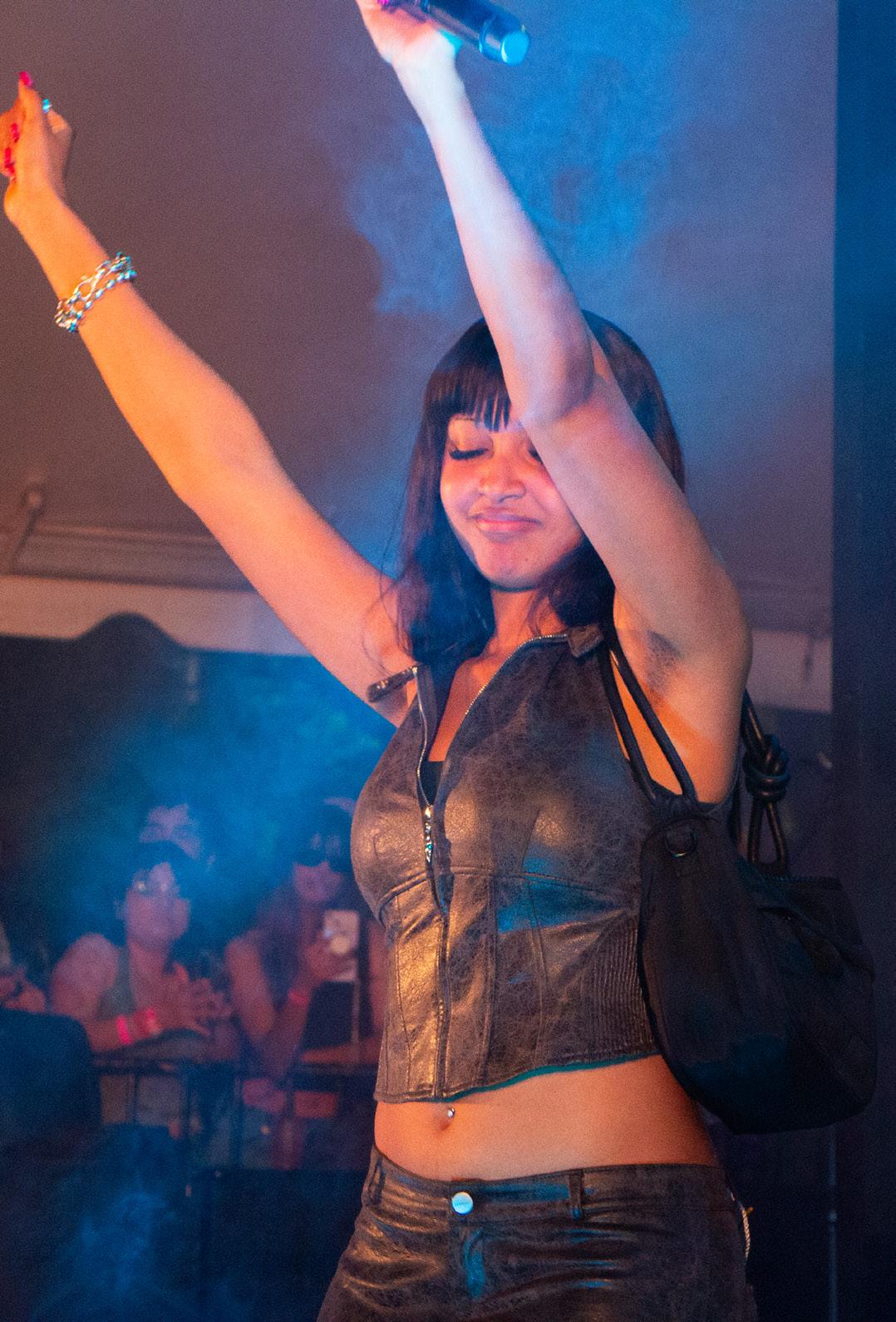
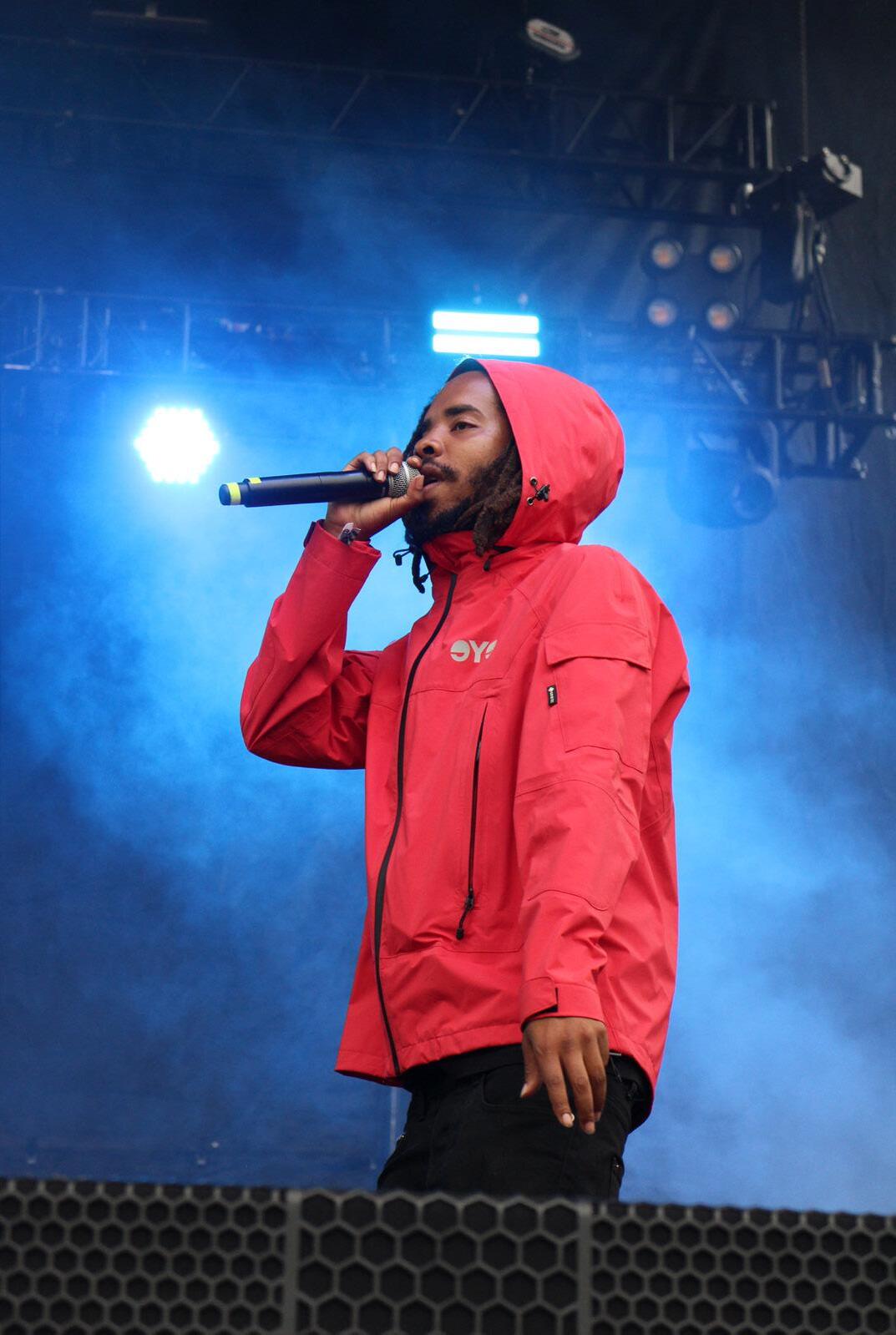
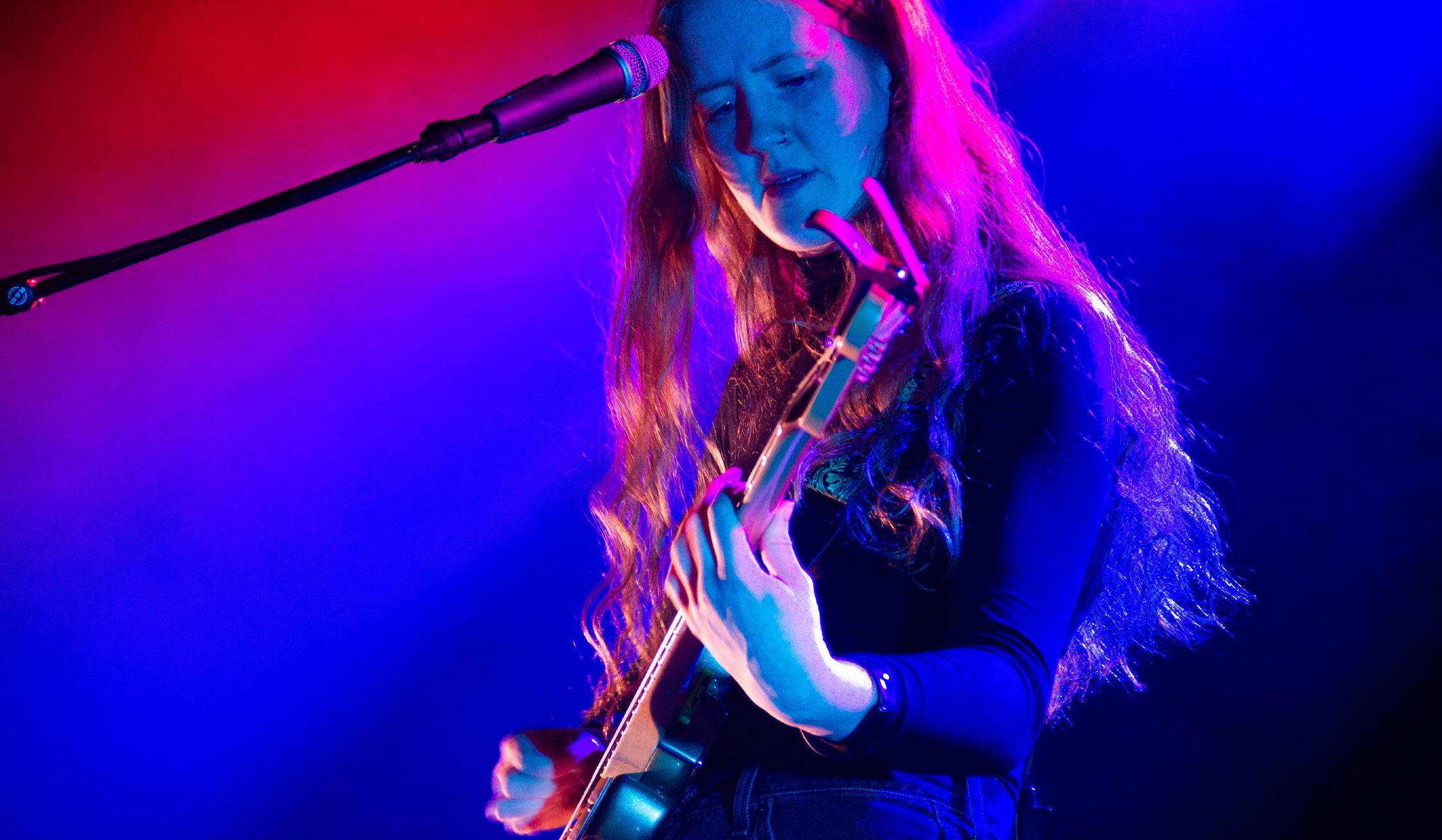
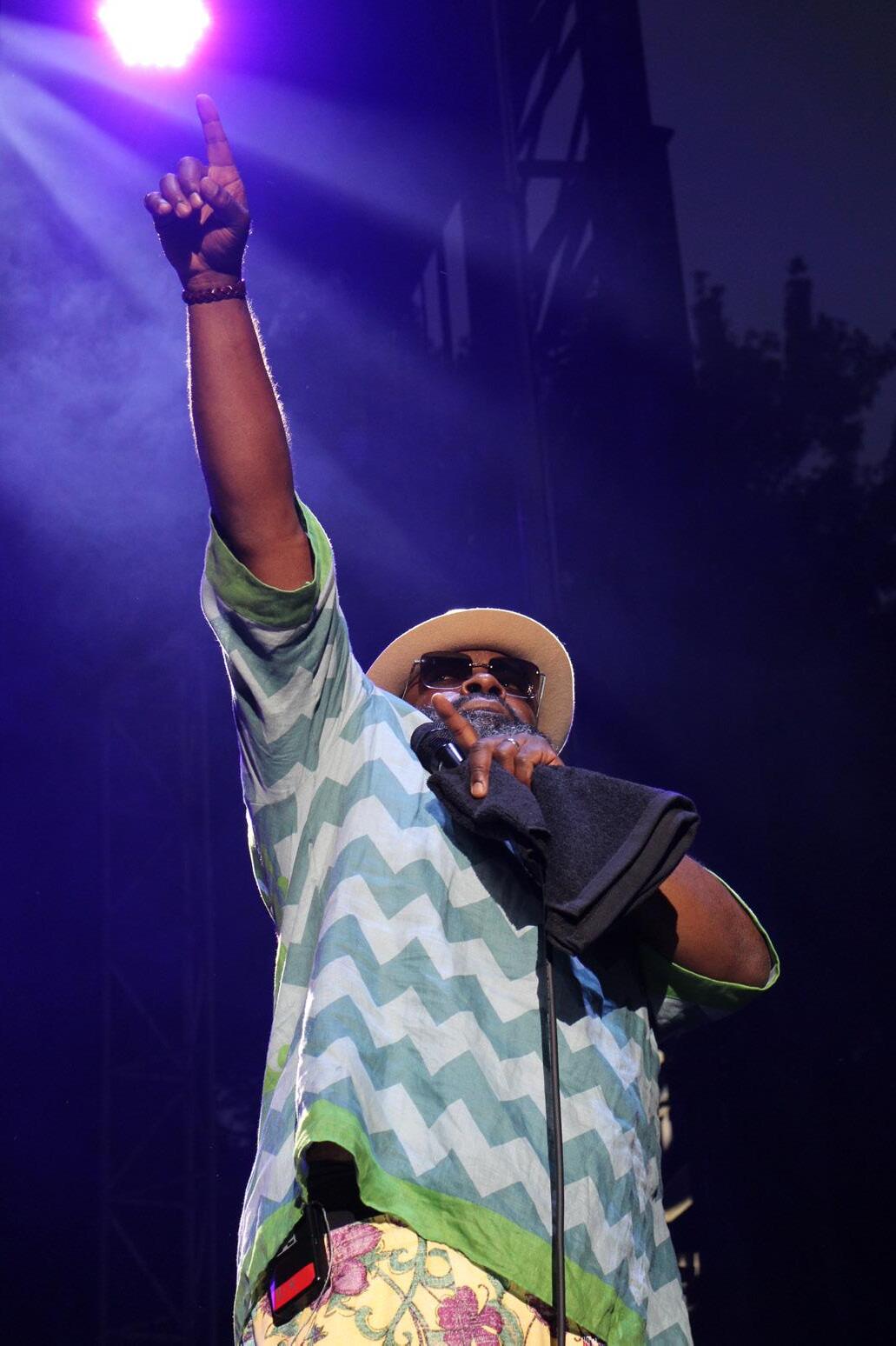
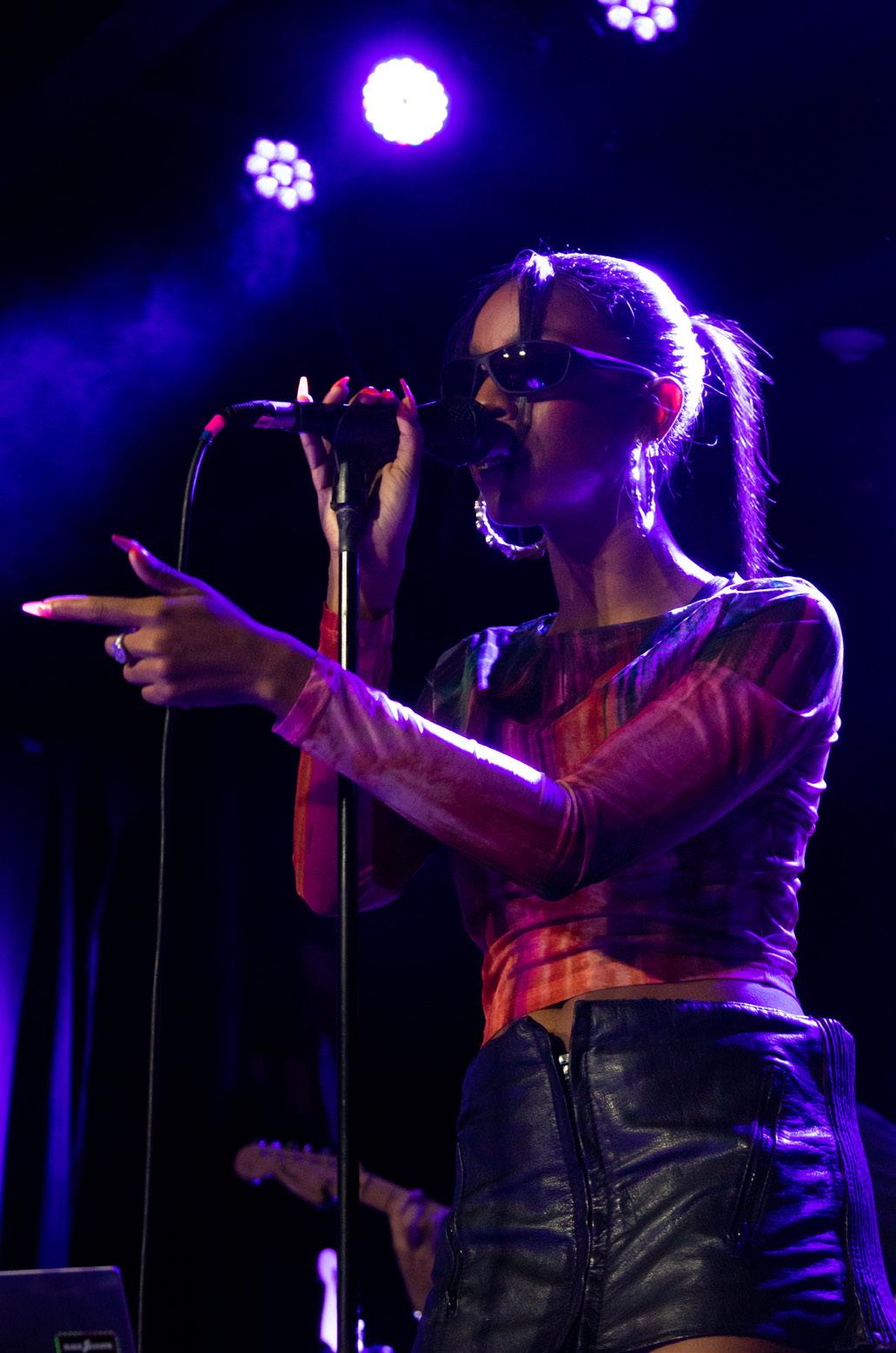
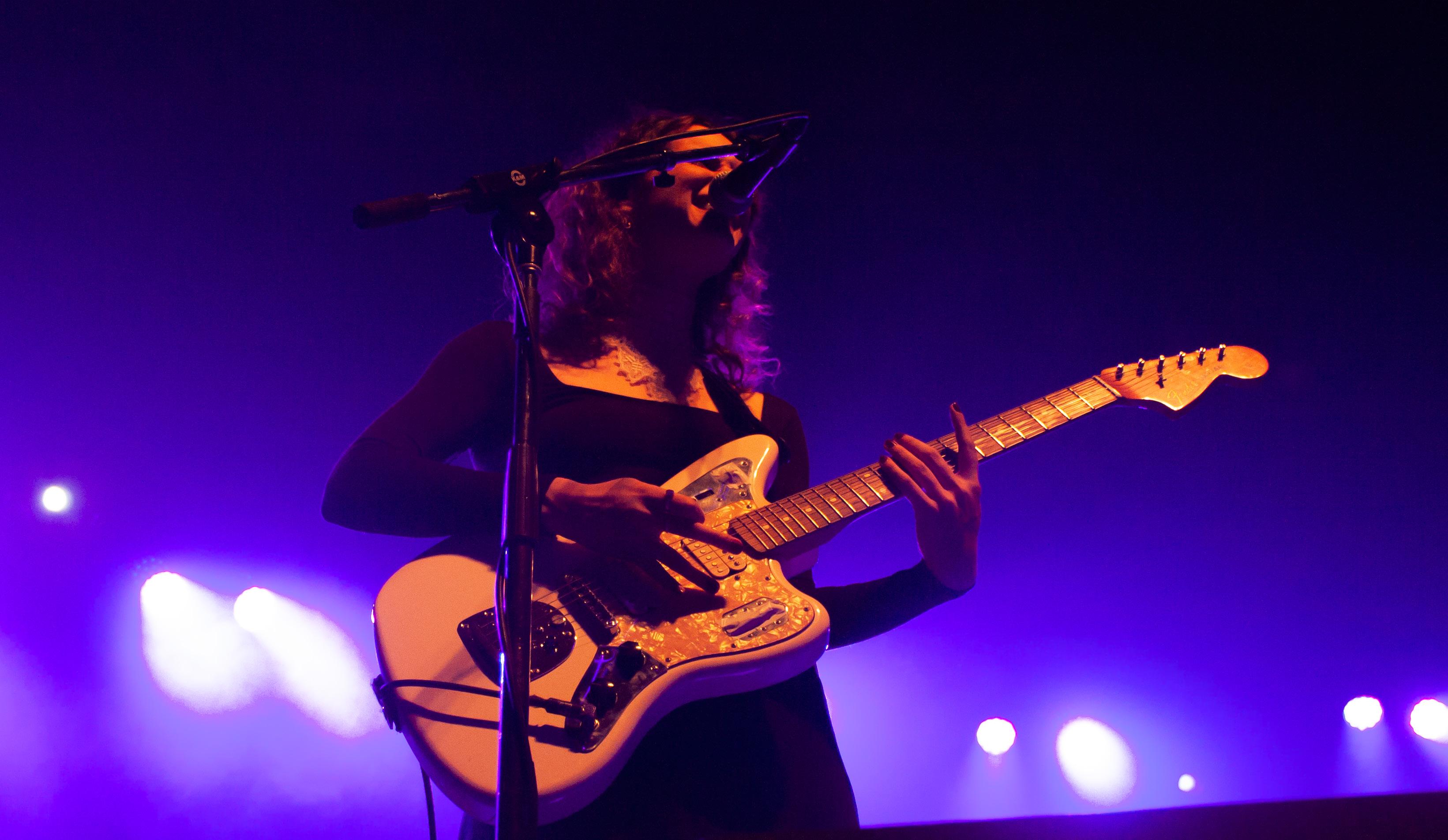
Through the publishing of our four student-run journals and magazines, the Publications Committee of the Wisconsin Union Directorate provides a creative outlet for UWMadison students interested in creating poetry and prose, reporting on music or delving into food and travel. We celebrate creativity on campus by providing hands-on experience in publishing, editing, writing and design.

SPECIAL THANKS TO:
Wisconsin Union Officer President
LAUREN DAMGAARD
Publications Committee Director
SHASHWOT TRIPATHY
Publications Committee Advisor
ROBIN SCHMOLDT
Creative Associate Director
CHARLOTTE BELLAMY