Please note that the following is a digitized version of a selected article from White House History Quarterly, Issue 74, originally released in print form in 2024. Single print copies of the full issue can be purchased online at Shop.WhiteHouseHistory.org
No part of this book may be reproduced or distributed in any form or by any means, electronic or mechanical, including photocopying, recording, or by any information storage and retrieval system, without permission in writing from the publisher.
All photographs contained in this journal unless otherwise noted are copyrighted by the White House Historical Association and may not be reproduced without permission. Requests for reprint permissions should be directed to rights@whha.org. Contact books@whha.org for more information.
© 2024 White House Historical Association.
All rights reserved under international copyright conventions.
After the White House
while the white house may be the defining moment in either a life story or in the provenance of an inanimate object, the adventure does always end at 1600 Pennsylvania Avenue. With this issue we follow some interesting people and their things out the door, taking a look at what happens after the White House.
Our opening articles tracing the journeys of White House building materials and furnishings prompt some questions: Why are discarded household furnishings celebrated on their return to the White House Collection? Why would a bent nail from a White House wall be a collectible treasure? And why has a velvet evening gown worn to a single White House dinner been sought after, auctioned, preserved, and exhibited? The words of the late historian William Seale offer a fitting answer: “ The old stones of which this house is made are saturated . . . by history.” As these pages reveal, no matter whether made of silver, velvet, or brick, the objects that set the stage for the American presidency will forever be primarily White House objects, attracting attention, desire, and even reverence for the history they hold.
Author Scott Harris opens the issue by taking us back to the public auctions when White House furnishings deemed “decayed, out of repair, or unfit for use” could be acquired for nickels and dimes.
It was not only the discarded furnishings from the President’s House that found their way into private collections, but structural materials as well. Writing on renovation relics, Wayne Smith explains how the roof timbers, bricks, floors, moldings, and even the nails and copper wire that filled wheelbarrows during structural renovations took on second lives as the prized possessions of scavengers and collectors. Some were even fashioned by presidents and first ladies into special gifts.
First Lady Jacqueline Kennedy brought a wholly new perspective to the White House when she appeared on the scene in 1961. Furnishings once considered worthless to the White House became treasured for their historic value as Mrs. Kennedy established a museum-quality collection and bringing pieces back to the White House became a priority. Once the returning tables, chairs, china, and more began to fill the first White House curator’s office in 1962, a much-needed catalog
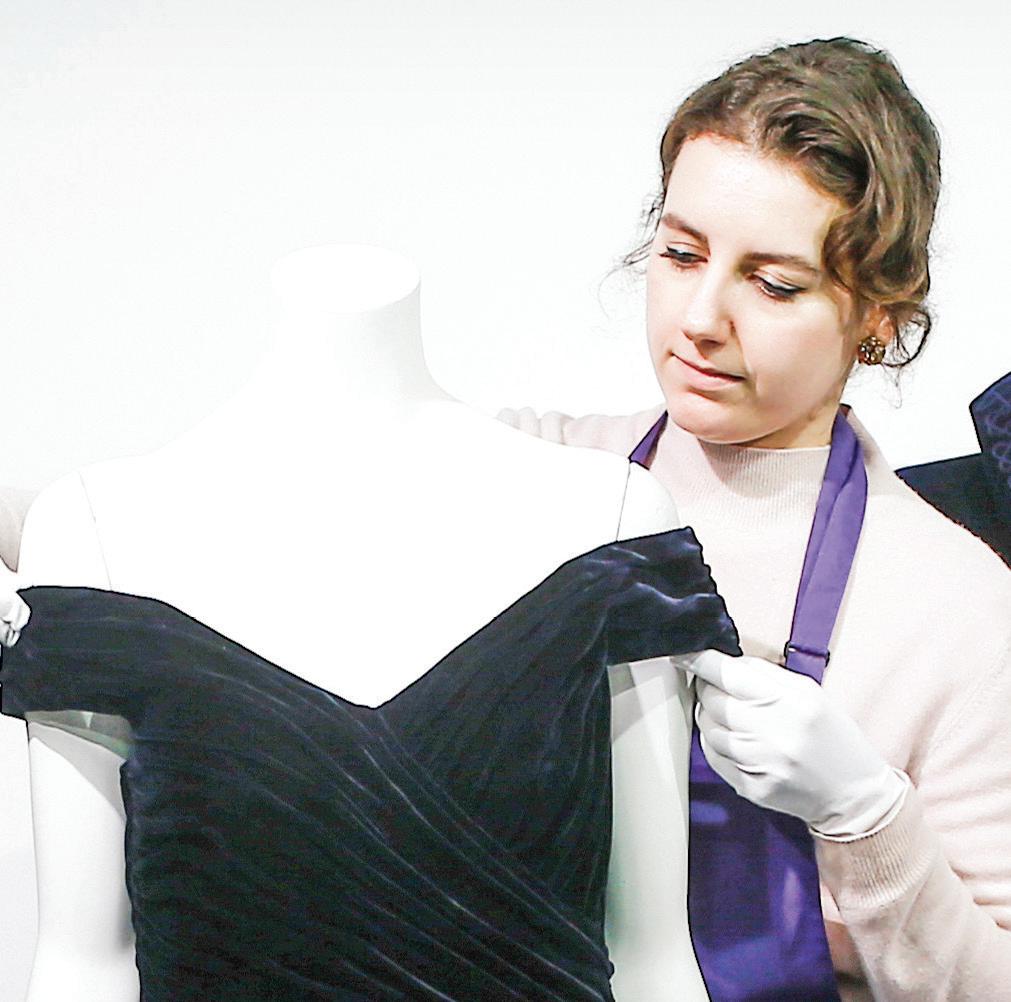
documenting and describing the new acquisitions was compiled. Lauren McGwin explains and highlights some of the objects found in the catalog completed in 1964. Furnishings discarded as useless in the nineteenth and early twentieth centuries have been finding the way back home to the White House for more than sixty years, bringing with them stories of their years at large. Whether given back by a public or private collection or acquired by the White House Historical Association for donation back to the collection, returned objects are are among the most important items on display in the State Rooms. One chair, now back in the White House Collection, was associated with Henry Clay until author Conover Hunt did some detective work. She explains how, as she helped a friend identify a family heirloom, she discovered a chair that had once furnished the early nineteenth-century East Room. Another example of a journey back is shared by Melissa Naulin, who tells of a mirror frame installed in the East Room in 1902, removed during the Truman renovation, repurposed by the Smithsonian Institution, and returned to the White House in 2018. Christina Ewald focuses on a dress worn to the White House by Princess Diana to relate a different kind of a story that demonstrates how even a single event can forever associate an object with the White House.
For human White House residents there is also an “after the White House,” and several of our contributors share these stories. Historian Rebecca Boggs Roberts explains that for President and Mrs. Woodrow Wilson the first step was deciding where to live. President and Mrs. Dwight D. Eisenhower, in contrast, knew exactly where to head—their Gettysburg farmhouse, a longawaited sanctuary for their retirement; Colleen Shogan tells the story. For other former presidents, “after the White House” did not mean retirement. Amanda Larson describes how President Jimmy Carter devoted his postpresidential years to humanitarian causes, and author Claude Marx reveals that President William Howard Taft was destined to serve on the U.S. Supreme Court. Marx contributes our quarterly presidential site article on the U.S. Supreme Court Building, a memorial to Taft.
marcia mallet anderson editor, white house history quarterly
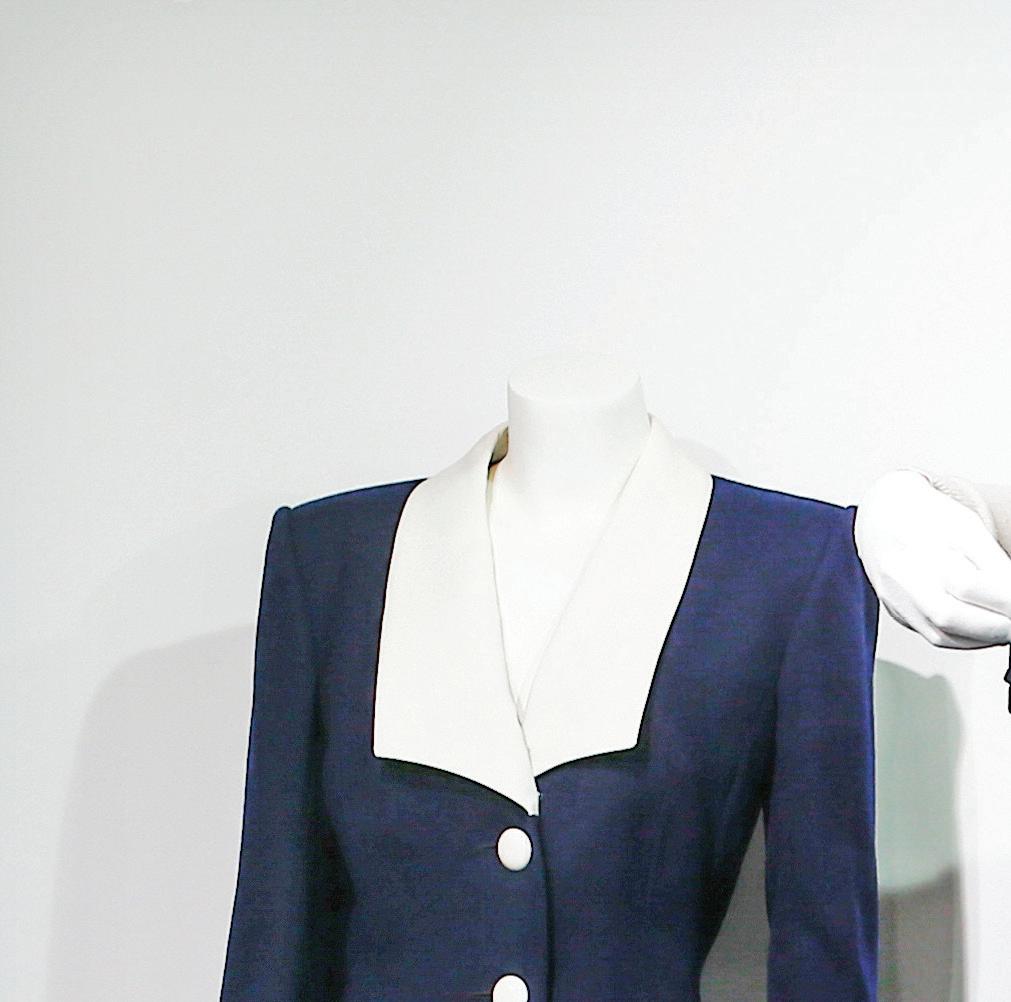
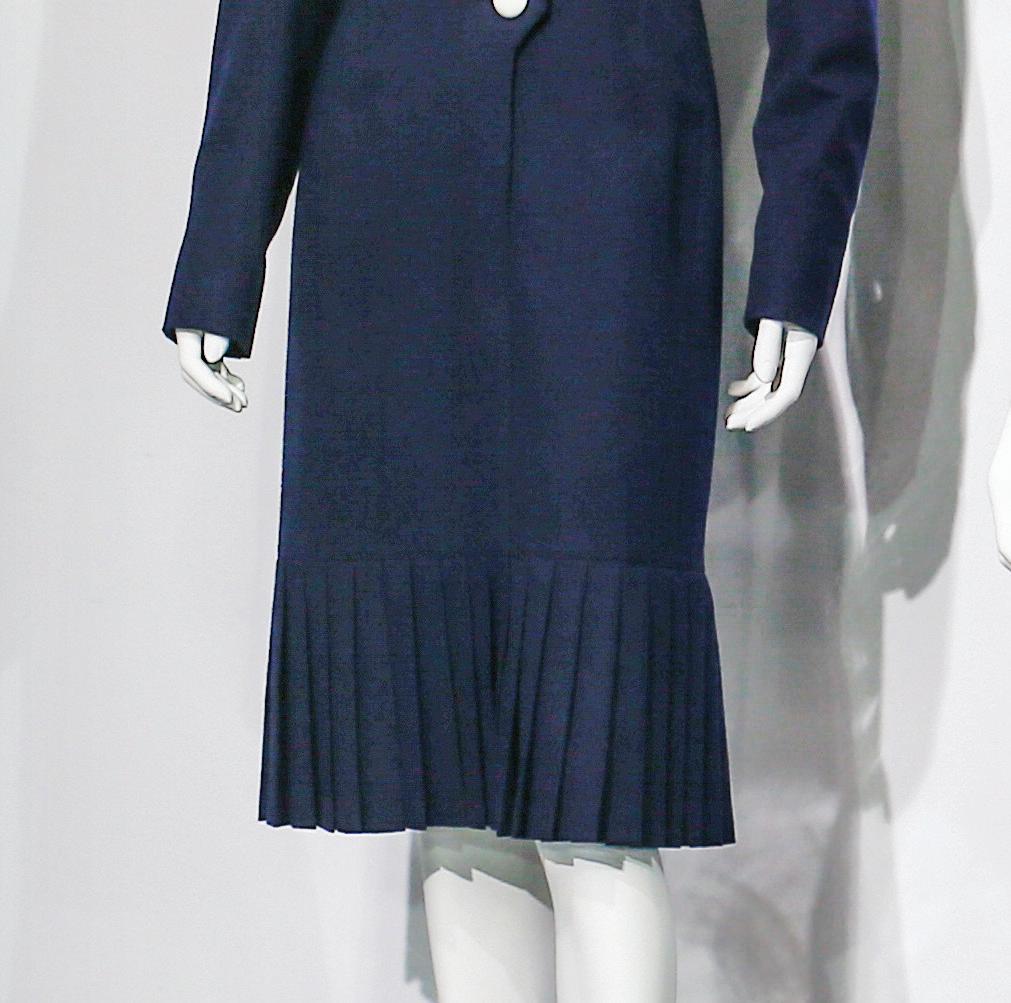
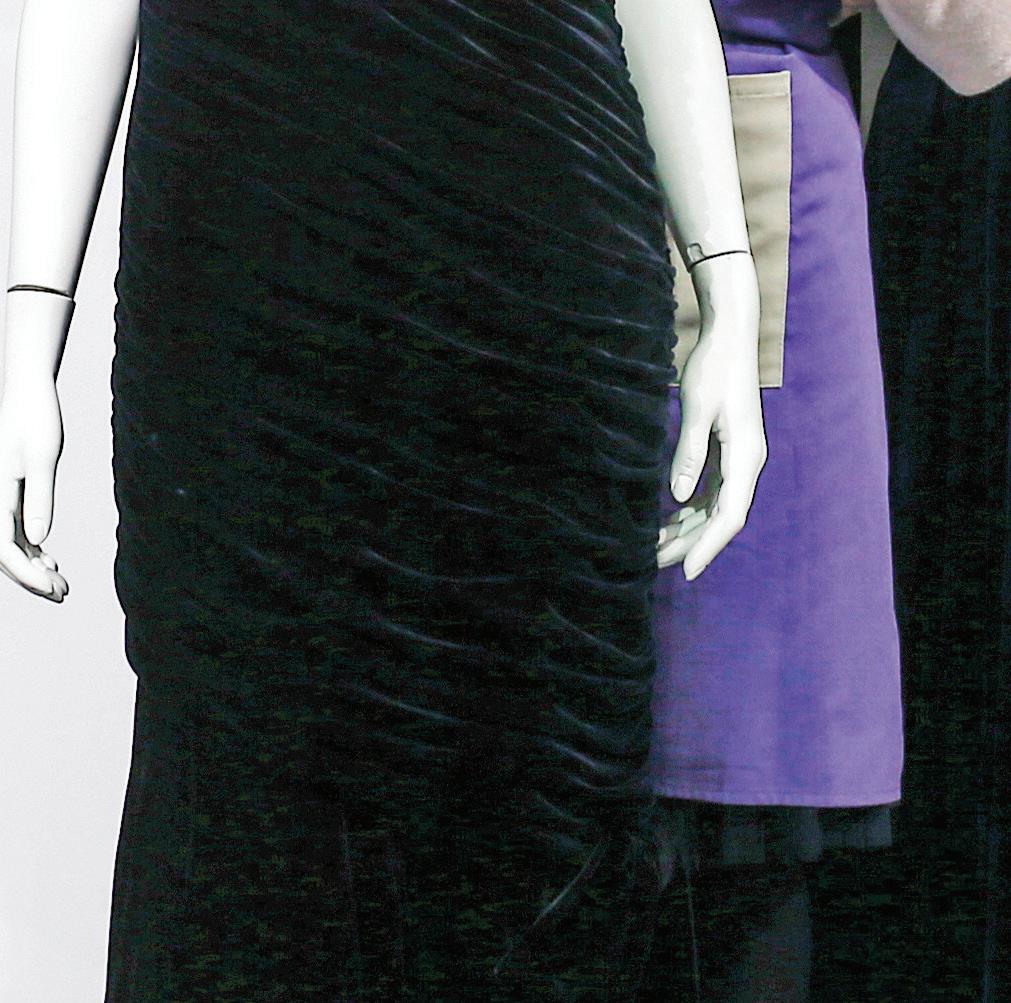
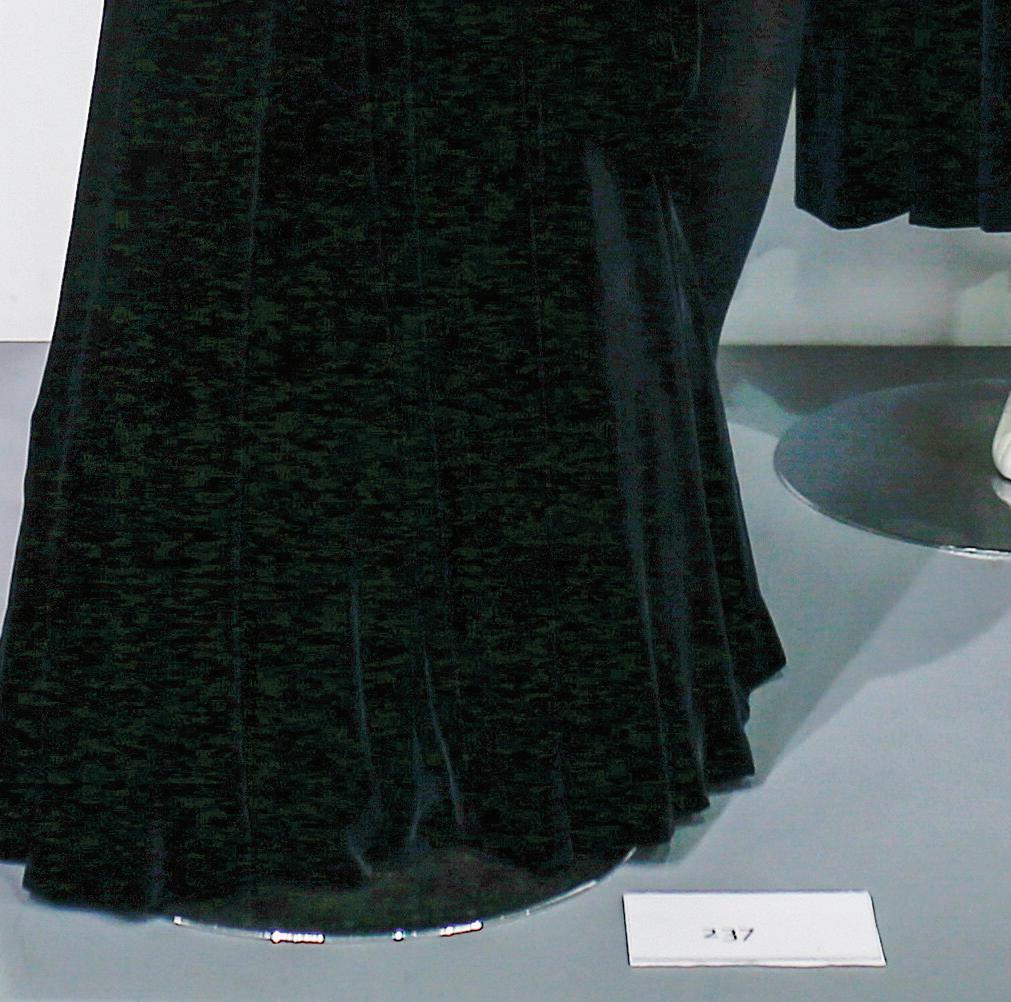
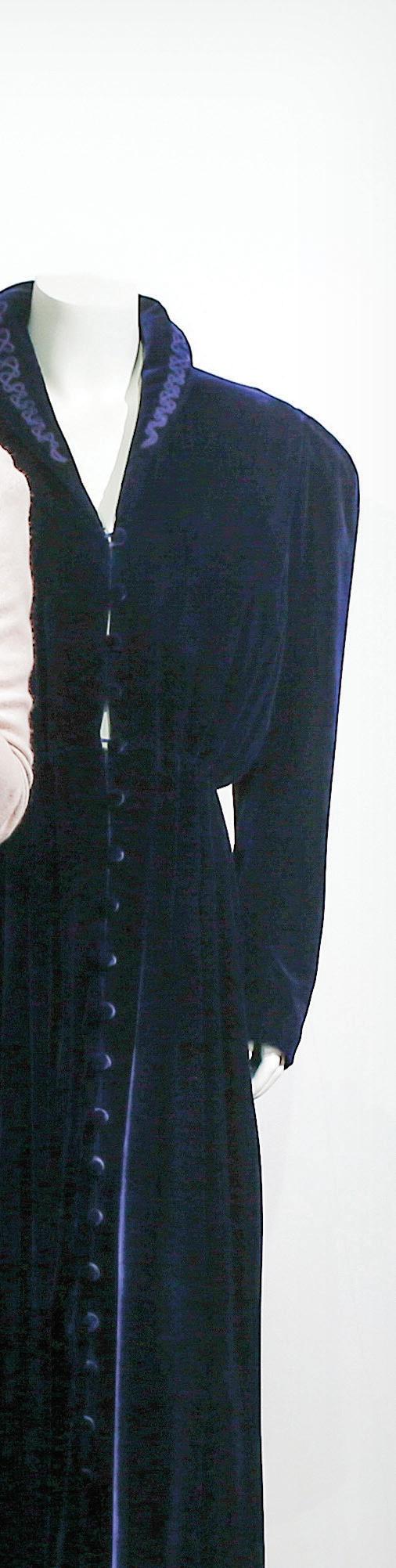
The midnight-blue velvet evening gown worn by Princess Diana to the White House in 1985 is prepared for display at Kerry Taylor Auctions in 2019. The dress was acquired by the Historic Royal Palaces and has since been exhibited at Kensington Palace.