


CHRIS Ahenkorah, home manager at Hartford Care’s Harlow Hall in Aldershot, visited the eastern region of Ghana to deliver CPR training to schools, alongside the NGO ATI Foundation and volunteer nurses.
Chris chose to support the project during his annual leave and delivered training to more than 600 students across a primary school, three junior high schools and one secondary school.
The operator supported Chris on his quest by providing two full size CPR kits, along with donating nine laptops to the schools, the educational municipality office and the volunteer nurses for IT studies and future training.
“It was an incredible journey and a very rewarding experience,” Chris said.
“Since I began working in health and social care in the UK, it was always my plan to give back to my local community and my country, so to be able to pass on some of the knowledge and skills I have acquired is fantastic.”
The volunteer nurses will continue

to deliver training to more students now that Chris is back in the UK, however he plans to return to Ghana later this year.
“I’m looking forward to continuing the training as it’s a very important skill to have,” he added.
“CPR and other basic first aid
training isn’t covered by the educational curriculum in Ghana, and it’s my goal to make a change to my roots.
“Every year I work with the volunteers to offer this training, and so far we’ve helped more than 2,700 students.”
At Script Media, we try to get things right but occasionally, we make mistakes. If you have a complaint about a story featured in our magazine or on our website, please, in the first instance, contact us by email: dm@scriptmedia.co.uk We abide by the Editors’ Code of Practice as demanded by the Independent Press Standards Organisation. For details on the code and what to do should you be unsatisfied with the way we handle your complaint, please visit www.ipso.co.uk
With 20 years’ experience in creating beautiful and practical interiors for the care home industry we believe it is what’s inside that really matters.
Working side by side with our clients, we lovingly handcraft beautiful spaces for their residents and families. We carefully balance aesthetics and experiences with durability and cost so that all our interior solutions are truly fit for purpose.
We are happy to meet with owners and managers within the care sector to provide quotations on the following products;
• Soft furnishings including blinds, curtains, cushions and runners.
• Artwork including local heritage images.
• Bedroom furniture packages.
• Waterproof, stain resistant upholstery products for lounges, dining and occasional seating. Call us now for a free site visit to discuss your upcoming replacements or refurbishment programmes.
Tel: 07495 471038
Email: sarah@sommer-rose.com 16G Ponderosa Business Park Heckmondwike, WF16 0PR




www.caringuk.co.uk



Advertising Healthcare Product Manager: Bev Green Tel: 01226 734288 bg@scriptmediagroup.co.uk
Editorial Operations Director: Dominic Musgrave Tel: 01226 734407 dm@scriptmediagroup.co.uk
Studio Manager: Paul Hopkinson Tel: 01226 734711 ph@scriptmediagroup.co.uk
Assistant Studio Manager: Scott Firth Tel: 01226 734414
sf@scriptmediagroup.co.uk
Publishers
Script Media 47 Church Street, Barnsley, South Yorkshire S70 2AS. info@caring-uk.co.uk
Database enquiries to: 01226 734473 returns@scriptmediagroup. co.uk
Whilst every effort is made to ensure the accuracy of all content, the publishers do not accept liability for error, printed or otherwise, that may occur.
Follow us on Twitter @caringuk
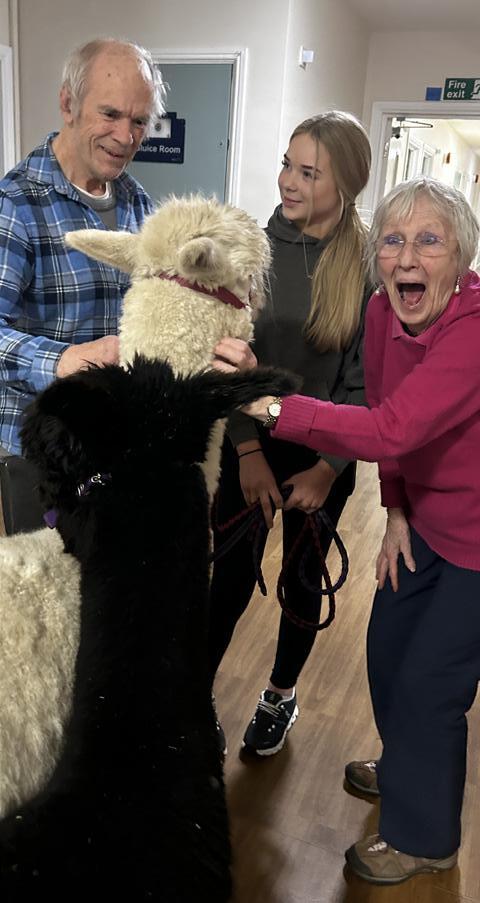
Two visitors to Castleford Lodge Nursing Home in Wakefield were furry and four-legged – and they charmed both residents and carers alike. The alpacas, King Kong and Luke, were brought in by the team at AlTreka, a family-run alpaca trekking centre based in Baildon. Thanks to their training, Luke and King Kong were able to travel in the care home lift, meaning they could meet and greet everyone living at the home. Manager Sarah Golden-Hill said: “It was a delight to see such happiness the arrival of King Kong and Luke brought, everyone was smiling. The pair have such character – they are welcome back anytime.”
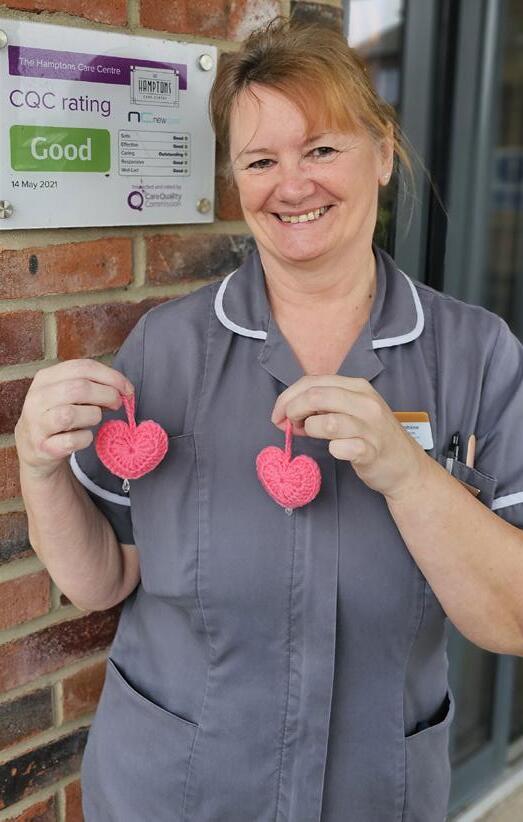
CARE assistant Josephine (Jo) Parkinson, who has worked at The Hamptons in Lytham St Annes for more than five years, has created and launched a ‘Hearts at The Hamptons’ initiative.
Jo started crocheting hearts seven months ago, initially responding to a request from Tameside General Hospital who were looking for donations of hearts to give to end-of-life patients so that they can hold them and then pass the heart on to loved ones as a keepsake.
The idea really resonated with Jo, and she introduced ‘Hearts at The Hamptons’ in January.
She personally crochets all hearts and distributes them to the most poorly residents, who cherish them and hold them dear during their final months and weeks.
Jo said: “I really liked the idea of giving our very poorly residents a
hand-made heart as a symbol of both how much we love them and have enjoyed caring for them.
“It is a lovely keepsake for family members afterwards too.
“The hearts also highlight the exceptional quality of care provided at The Hamptons, with dignity and support offered to all residents and their loved ones from the moment they arrive at the home until their very last moments and beyond.”
In addition to the hearts, Jo has now started to make personalised draw-string bags for residents who have to go into hospital for a review or treatment, helping to ensure that their personal items are kept safe and easily located.
Home manager Sara Allton added: “The ‘Hearts at The Hamptons’ and hospital bags are both Jo’s ideas and she has implemented these within the care home without any assistance.
“Such lovely and heart-felt actions really do make a difference to the residents and their families.”


“She crochets the items in her own time and is always willing to go the extra mile for residents, which is incredible to see.
“Such lovely and heartfelt actions really do make a difference to the residents and their families.”





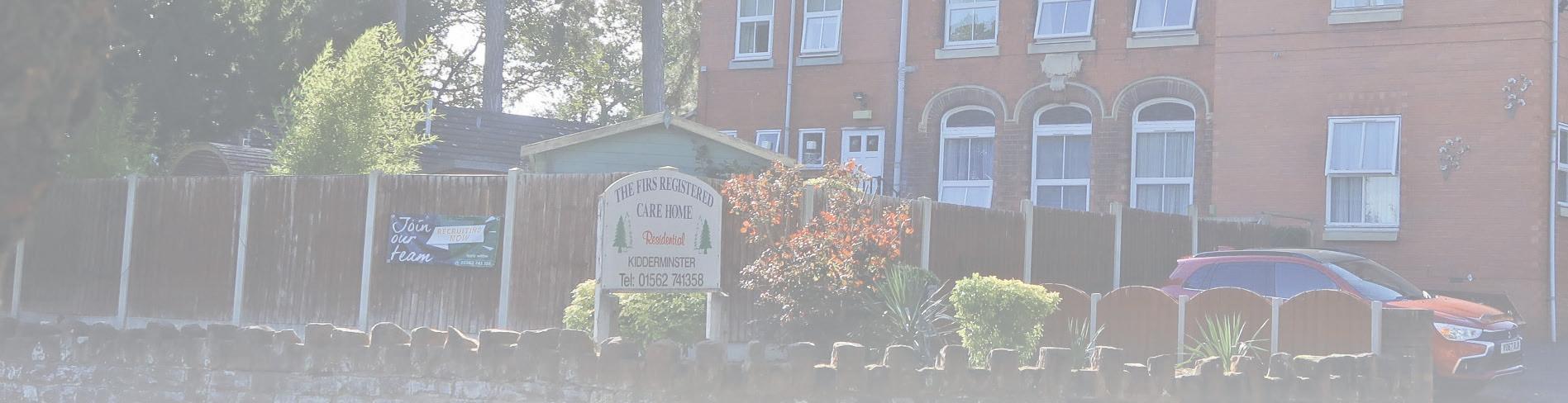































RESIDENTS at an Alloa care home have developed a tasty new skill, as they created their own cheese for a special event.
The team at Parklands, managed by Meallmore Ltd, invited families and the local community along to the home for a cheese and wine event.
Along with a selection of carefully chosen popular local cheeses, including Isle of Arran Kilbride Cheddar, Highland Fine Cheeses Blue Murder, and Dunlop Dairies Bonnet Goats Cheese, the residents presented their own soft cheese creations, with flavours including ginger, chilli, Marmite and pickled onion.
The cheese was accompanied by homemade pickles, chilli jam, ginger jam, jalapenos and sourdough bread – all of which were made in-house by the kitchen team.
The food was paired with a selection of wine from Ken Forester Wines and a nonalcoholic lemon and pomegranate fizz that the team made especially.
The residents were well
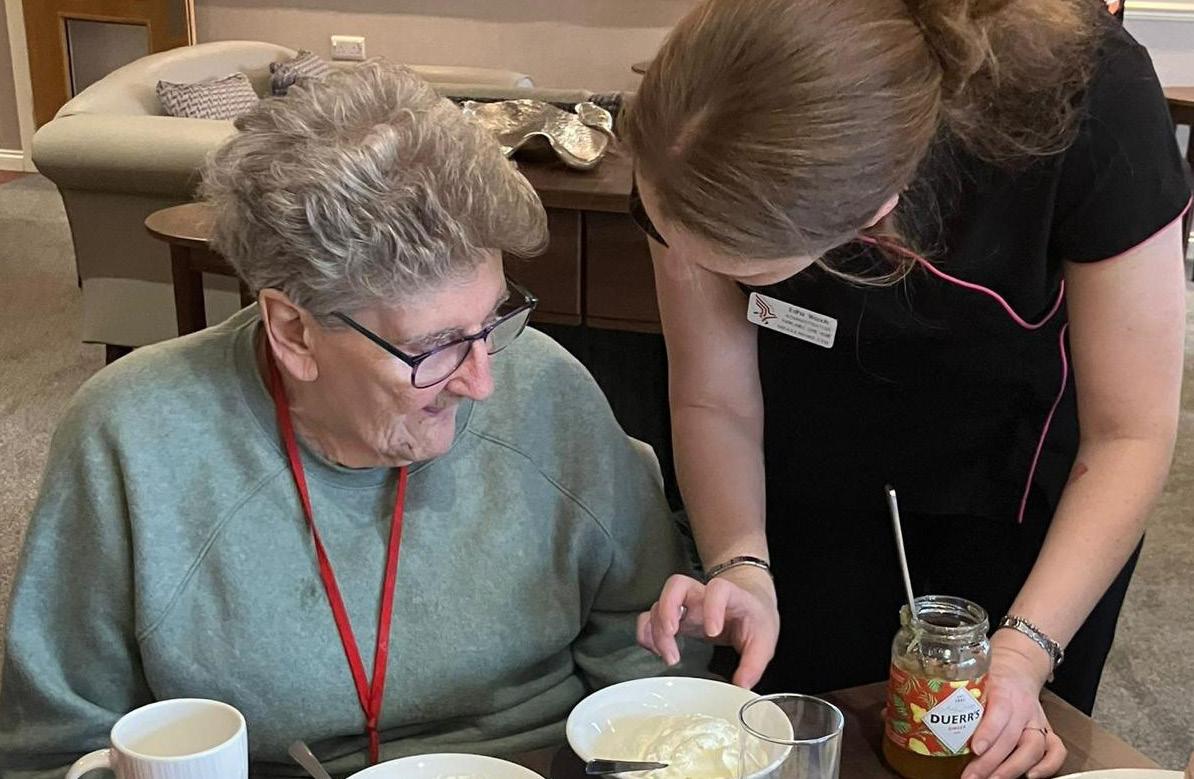
supported in their cheesemaking exercise by Meallmore group hospitality manager Jody Marshall, who is a former winner of Scottish Cheeseboard of the Year, two-time winner of Best Cheeseboard in the UK and Cheese Personality of the Year 2012.
He said: “The residents loved the process of tasting and making the cheeses in the days leading
STAFF and supporters of a Bridgwater dementia care home have come up with a new fundraising project to bring their plans for a sensory garden closer to realisation.
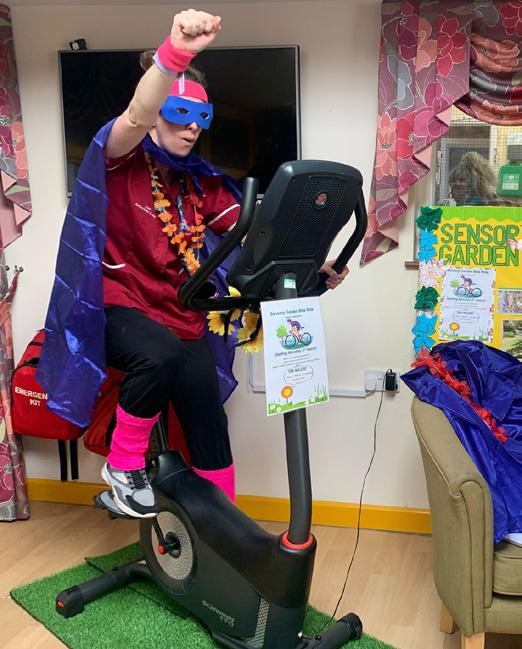
Following on from a sponsored motorbike ride at the end of 2024 which raised £775, the team of colleagues and residents’ friends and family members are pushing ahead with a new round of fundraising, starting off with a week’s dedicating cycling on spin bikes at Avalon Nursing Home.
Their goal is to cycle 194 miles – the equivalent of the distance from Avalon to St Budeaux in Plymouth, which is where one of their sister homes, Butterfly Lodge, is located. Both homes are run by award-winning care providers Camelot Care.
Avalon’s activities co-ordinator Lisa Priddice said: “We will be using a static bike installed in the reception area of Avalon, and all the staff from all teams and visitors staff members and relatives have committed to take their turns at riding them.
“We’re inviting people to put on fancy dress if they so wish – it is officially spring now, after all –and we’re all feeling very inspired to get involved and make the dream of our sensory garden into reality this year.
“Our fundraising will cover the costs of landscaping, plants, seating and sensory features like water installations and wind chimes.
“Our aim is to create a beautiful garden which will provide a safe and welcoming sanctuary for Avalon’s residents and serve as a comforting space where families and caregivers can connect with their loved ones.
“Our fundraising target is £200 or more, and we will be very grateful for any donations that help us achieve our goal.”
Anyone wanting to pledge sponsorship for the cycle ride can do so at https://gofund. me/57810a26.
up to the event.
“Everyone learned something new, while having fun and discussing the many flavours that were provided. It was creative, productive and sparked some brilliant debate about which flavour was the favourite.
“It was a unique experience and a perfect example of Meallmore’s commitment to developing meaningful activities to encourage
resident engagement.”
The event and resident involvement was the brainchild of Parklands home manager Diane Stone.
She added: “It was fantastic to get Jody involved with his knowledge and experience of fine cheese – it was an education for all of us.
“Our residents did a wonderful job adding a personal touch to their creations and our kitchen team pulled out all the stops to cater for the event.
“The activity brought residents together, sparking conversation and social connection and we were proud to be able to welcome families and the local community in to join the party.
“While we couldn’t pick a winning cheese, the firm favourite was a delicious ginger flavoured soft cheese – I’m sure we’ll be making more of it again soon.
“Massive thanks to the residents, kitchen staff, cheese and wine suppliers and everyone who came along on the night who helped to make it such a huge success.”










SOCIAL care experts at the University of Birmingham have launched a series of guides and a training video to improve support for older people, families and care staff when care homes close.
The three guides provide advice to help improve outcomes for managers, staff members and residents and their families when their care home is going through a closure process.
The guides and video were produced as part of a research project called ‘Achieving Closure’, funded by the National Institute for Health and Care Research.
It explored the different experiences of older people, families, care staff, social workers and managers, and the impact that closures can have on the well-being of staff and outcomes for older people.
Jon Glasby, professor of health and social care at the University of Birmingham, who led the project, said: “Care homes support their residents 24 hours a day and 365 days a year, so by definition, these are people’s homes.
“But many care homes close every year, whether through an emergency like a fire or flood,

councils or care providers making strategic choices to develop new service models, the financial position of the home no longer being viable, a private provider might sell up or go bust, or a home is forced to close by authorities following the discovery of poor care.
“The closure of a home can negatively impact not only residents, but their families and of course the staff working there. Despite this there is almost no prior research and very
A former RAF nursing officer enjoyed a 100th birthday surprise when three serving military nurses came to wish her well in uniform. Centenarian Anne Burchell was all smiles as she welcomed Laura Rutter, Pauline Ibarra and Elisa Iannidinardi to the lounge of her Lymington care home, Colten Care’s Court Lodge. The birthday call by the serving RAF nurses was just the start of Anne’s birthday celebrations. It was followed by lunch out at The Haven restaurant in Lymington with family members to be with her on her big day. Companionship team members at Court Lodge also arranged a special treat, a birthday lunch on a separate day at The Captains Club Hotel and Spa in Christchurch.
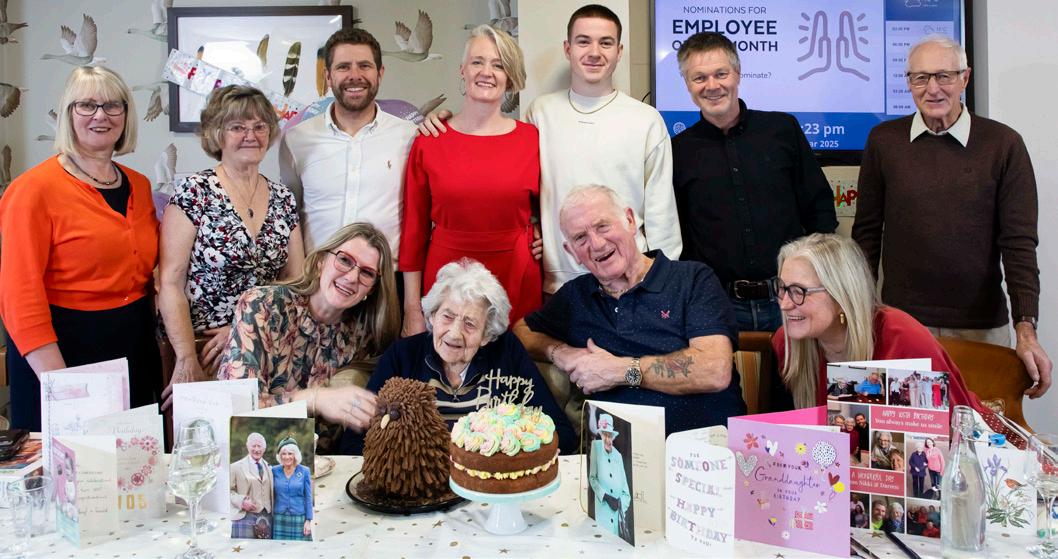
Ida Mooney, a resident at The Oaks care home in Newtown, Powys, has celebrated her 105th birthday, surrounded by her family, friends and the staff who have grown so fond of her. On her special day, Ida was surrounded by love and laughter as she opened her birthday cards, including one from the King. Jen Roberts, home manager at The Oaks, said: “It has been an absolute pleasure to care for Ida and celebrate such a milestone with her. She is an incredible lady, full of warmth and humour, and it’s clear how much she means to her family. We are honoured to have her as part of our community.”
little guidance to help councils manage closures as best they can, to limit the potential harms that can be caused.”
Drawing on the experience of older people, families and staff directly involved in care home closures in different case study sites across the country, the policy guide sets out ‘10 top tips’: The guide for older people and their families focuses on managing the stress that can be caused, practical advice from people who have gone through
closure and ways to focus on things within their control.
For staff, the guide focuses on the stress that staff can experience when they find out the care home is closing, how care workers can make a difference to residents during the closure, the importance of making time to spend with residents, identifying people who made need extra support, and advice from staff who have come out the other side of closures.
The training video is for anyone involved in closures – but will be particularly helpful for care staff who may not always have access to time or resources for training and development.
Jon added: “When people move into a care home, they assume it’s a home for life. But sadly, a number of care homes close each year, and councils have not previously had detailed, researchbased guidance to support them in undertaking such difficult and important work.
“We hope these resources help to improve support, make care home closures more manageable and protect people from the worst of what is often a scary and confusing situation.”
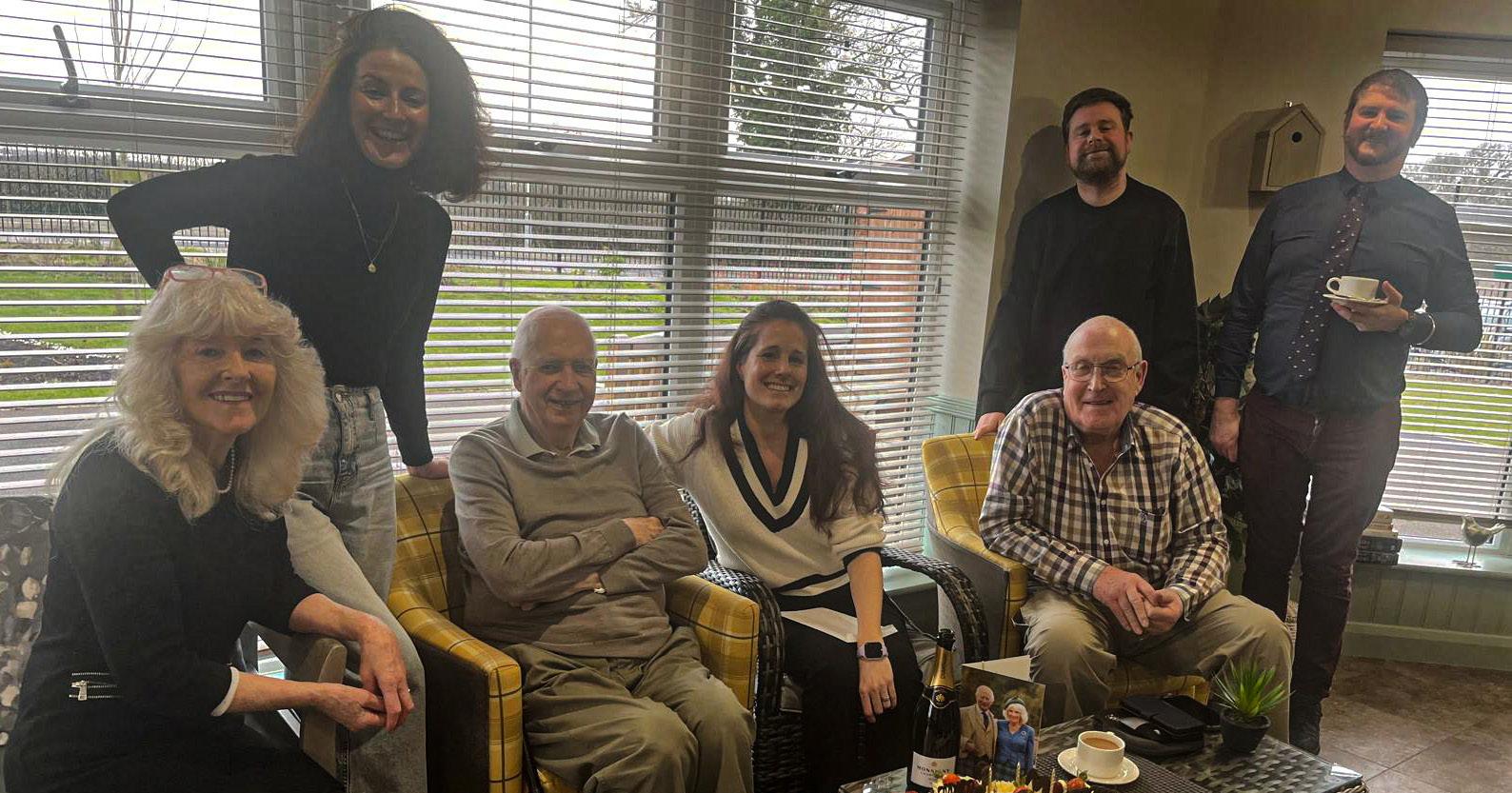
Broadlands Lodge in Norwich, part of Danforth Care Homes, celebrated a special milestone as resident John Simms marked his 100th birthday. His centenary was celebrated in a way that reflected his low-key nature, while still ensuring it was a memorable occasion for him and his loved ones. John, who did not want a fuss, enjoyed a relaxed and intimate gathering in the care home’s Garden Room, where he was joined by close family for the day. The team at Broadlands Lodge made sure he felt special, baking him a birthday cake and organising a small but heartfelt celebration. As a surprise arranged by his family, local entertainer Nigel Boy Syer performed, adding a wonderful touch to the occasion.
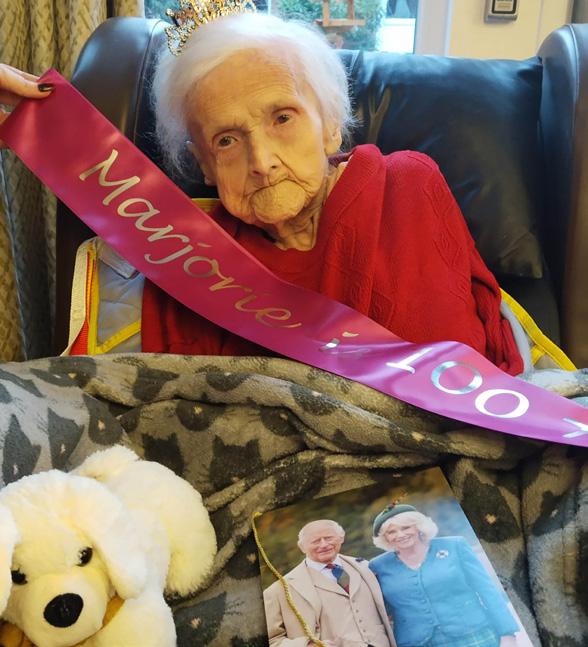
A resident at HC-One’s Summerville Care Home in Stockton Heath, Warrington, celebrated her 100th birthday. Marjorie Charlton is believed to be Stockton Heath’s oldest resident. To celebrate her big birthday, she was joined by friends and staff at Summerville Care Home, where she was made ‘queen for the day’, and given a birthday tiara and sash. Marjorie received a birthday pamper session where she had her hair and nails done and enjoyed reading her card from the King and Queen. To round off the birthday celebrations, she was presented with a special birthday cake prepared by the home’s chef.
By Samantha Burges
THE past 12 months have been a whirlwind time for providers regulated by CQC. We have seen the full roll-out of the Single Assessment Framework, the damning findings of the Dash Review and CQC’s public acceptance that the SAF is not fit for purpose and ratings cannot be relied upon.
Most recently, we’ve seen the appointment of a new chief executive in Sir Julian Hartley and the development of the ‘CQC Way’ – a new framework intended to restore trust, improve regulator efficiency and ensure timely assessments – as well as the Care Provider Alliance’s review of the SAF alongside CQC’s response to this.
What are the aims of the CQC Way?
The CQC Way aims to reset and refocus CQC’s purpose, values and ways of working. It has been described as a foundational piece of work that will run alongside immediate improvement actions CQC is taking.
CQC is currently developing a set of statements that are intended to describe:
n Why CQC exists.
n What CQC aims to achieve.
n How CQC works.
CQC has confirmed its intention to genuinely codesign the CQC Way with colleagues, providers and stakeholders.
To enable this, CQC has set up an anonymous engagement platform that enables contributors to add comments, respond to and vote on various draft statements related to the above.
All existing CQC registered persons (for example, registered managers, nominated individuals and partners) are automatically
signed up to the platform.
Anyone that doesn’t fall under the umbrella of ‘registered person’ can sign up online.
We recommend that anyone involved with CQC regulated services sign up to the platform to enable them to have their say in the future of CQC regulation.
The CPA’s review of the SAF and CQC’s response
In February 2025 the CPA published its final report on social care provider’s perspectives of the SAF and what they want the future of regulation to look like.
It highlighted 11 recommendations and key messages.
In response to the report, CQC has confirmed it’s already taking urgent action to address concerns about its performance on backlogs, assessment frequency, registration delays and the publication of reports.
CQC has expressed its commitment to considering the CPA report’s recommendations alongside existing work and a determination to improve provider’s experience of regulation through the development of a handbook.
Current inspection activity
While the CQC Way is being developed, CQC continues to conduct assessments of providers using the flawed SAF assessment model.
This is clearly problematic for providers and increases the potential for judicial review of CQC decisions.
One of the original aims of the SAF was to introduce a more standardised scoring system to reduce subjectivity and help ensure ratings were more consistent across the country.
However, the nonsensical way in which the process was developed and implemented has arguably led to more subjectivity than ever. There is currently a notable absence of score descriptors that inspectors can refer to when determining scores and for providers to refer to when seeking to challenge scores awarded in draft reports.
On the ground providers are experiencing a distinct lack of clarity when CQC alleges regulatory breaches. Inspection reports fail to reference regulatory breaches in sufficient detail to enable providers to understand the reasons for alleged breach(es).
In many cases, particularly where CQC hasn’t decided to take additional enforcement action, the provider has no additional insight into the specifics
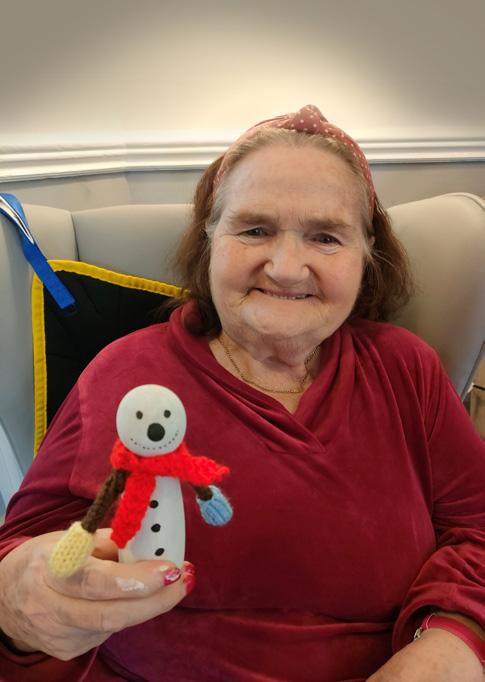
Our April front cover photograph shows Sheila O’Neill, a resident at Hazelgrove Care Home in Saltburn, with her hand painted snowman doll for the S&DR200 Festival exhibition “Memory of a Journey”. If you have a portrait shaped image that you think would make the perfect front cover email it to Dominic Musgrave at dm@scriptmediagroup.co.uk
of the alleged breach(es) which leaves them unable to challenge CQC’s assertions effectively and unable to take appropriate remedial action.
As a result of the above issues we are assisting an increased number of providers with submitting factual accuracy comments alongside complaints to CQC.
Providers are encouraged to get actively involved in the development of the CQC Way.
While stakeholder engagement wasn’t properly reflected through the development of the SAF, CQC’s public recognition of this failure and its commitment to co-designing the CQC Way provides some reassurance that stakeholders voices genuinely matter this time around. Any providers who have concerns about current CQC inspection activity should consider seeking legal support.
At Gordons Partnership, we have significant experience supporting providers through the CQC assessment process - please don’t hesitate to contact us for an initial discussion to see how we may be able to assist.
n Samantha Burges is a senior associate at Gordons Partnership Solicitors.








Advertiser’s announcement
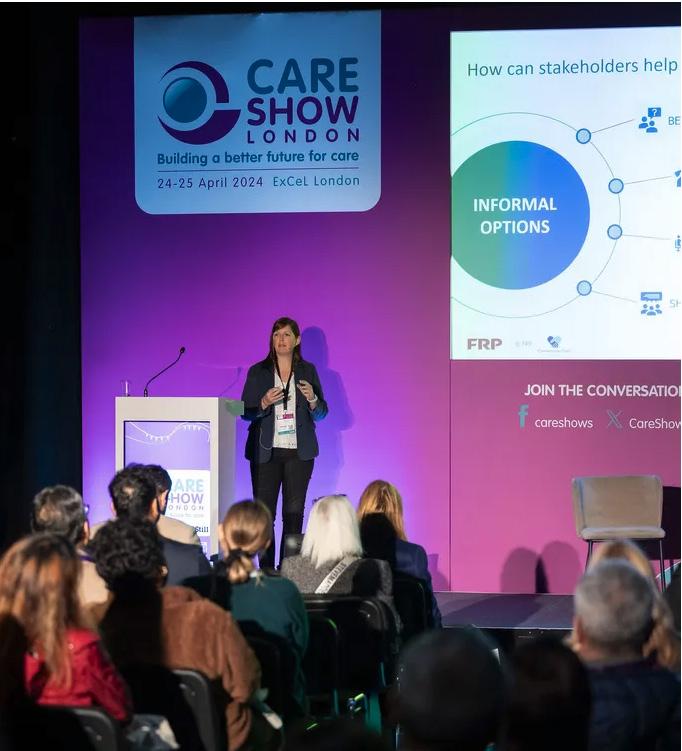
CARE Show London is delighted to announce that renowned broadcaster and producer Anna Richardson will be speaking at this year’s event.
Anna will take part in a highly anticipated session titled ‘Exploring Dementia: A Fireside Chat with Anna Richardson’ at 12.35pm in the Keynote Theatre on April 30.
The session is proudly supported by the Alzheimer’s Society.
Anna will be interviewed by Tim Baverstock, Head of Local Systems Influencing at Alzheimer’s Society.
Together, they will explore the personal and societal impact of dementia, drawing on Anna’s own experiences and her work in raising awareness around the condition.
Anna is best known for her career-launching role as a journalist on The Big Breakfast, Channel 4’s most successful breakfast show.
Over the years she has become a household name, combining her skills in broadcasting and production to create some of television’s most popular and

thought-provoking formats.
Her involvement with dementia awareness is deeply personal.
Anna fronted the powerful Channel 4 documentary ‘Anna Richardson: Love, Loss and Dementia’ in partnership with Alzheimer’s Society.
The documentary explored the struggles faced by people living with dementia, including Anna’s own father’s battle with vascular dementia.
It tackled difficult truths, challenged social taboos, and sparked important conversations about the future of dementia care.
This fireside chat promises to be a moving and insightful session, offering attendees a unique opportunity to hear Anna’s honest reflections on her journey with dementia and the lessons she has learned along the way.
Care Show London 2025 is anticipated to be the biggest
Advertiser’s announcement

of
It has proved to be a platform for learning, networking, and inspiration.
Join this session with Anna Richardson and gain valuable insights into the realities of dementia care.
Delegates can register to attend for free online at https://careshow-london-2025.reg.buzz/ caringuk
For exhibition and sponsorship opportunities, contact Matthew Moore on m.moore@ closerstillmedia.com

By Richard Woodward
A KEY TREATMENT for residents living with swallowing difficulties, also known as dysphagia, is transitioning to a texture modified diet, providing comfort and helping to bring dignity back to dining.
However, there is often a negative stigma carried with texture modified foods and being placed on a diet of this kind can result in residents experiencing feelings of embarrassment and social anxiety due to their meal looking considerably different from what others are eating.
Sometimes this may even result in social isolation through an aversion to eating in the regular dining room with everyone else. These negative impacts are only
heightened if the modified meals provided are poorly presented and bear no resemblance to the meals that they represent.
It’s well-known that we all “eat with our eyes” and so good plate presentation can make all the difference to whether someone eats every mouthful or sends it back to the kitchen – untouched.
A well-presented meal helps to stimulate appetite and promotes inclusivity, and social engagement during mealtimes has also been shown to improve both food intake and quality of life for residents. Therefore, it is essential that homes take great care in the visual appeal of the texture modified meals that they are serving, ensuring they look as appetising as possible to support good nutritional intake
and help residents to feel more comfortable dining with others.
At apetito and Wiltshire Farm Foods Professional, we are proud to offer a world leading range of texture modified meals. Through utilising innovative moulds and specialist “just cooked” browning techniques, our meals look more recognisable and help to bring joy back to mealtimes for residents living with swallowing difficulties.
In our commitment to supporting dysphagia-friendly dining, we have just launched a new and improved version of our customer-favourite Purée Fish and Chips, making it better than ever.
Using a special dual-layer mould that sees a layer of puréed white fish wrapped in a puréed golden batter, we’ve worked to
enhance the visual appearance of this meal to closely resemble the traditional dish and improve on our extensive offering for those requiring an IDDSI Level 4 diet.
If you want to hear more about how our award-winning texture modified range of meals can support your residents, and how this can work alongside your scratch cook kitchen, visit the Wiltshire Farm Foods Professional team on stand G53 at Care Show London or visit www.wffpro.co.uk
To find out more about how apetito’s full-service solution can support and streamline your catering operations, book a place at our VIP Lounge (stand H80) at Care Show London at apetito.link/ careshow-london25
n Richard Woodward is general manager of care homes at apetito.
THE Care Show London 2025, April 30 to May 1 at ExCeL London, will again feature The Outstanding Society’s Learning Lounge – a dedicated space designed to foster excellence in social care.
This Learning Lounge underscores The Outstanding Society’s commitment to sharing best practices and elevating care standards across the sector.
During the Care Show we bring together experts from outside the sector to discuss what’s important in the sector.
Hear from lawyers, recruitment consultants, insurance experts and more for panel discussions on the real issues and needs of care providers today.
These sessions are not lectures, they are not even presentations, they are conversations, and attendees can participate in these conversations on subjects such as emotional intelligence, mental health, domiciliary care, and continuous improvement by using the Slido app, through our dedicated QR codes displayed around the lounge, to raise points and ask questions.
An example of some of our sessions are:
n Empathy in Action: Emotional Intelligence for Outstanding Social Care
This session will delve into the role of emotional intelligence in delivering exceptional care.
n Caring for the Carers: Mental Health and Wellbeing in Adult Social Care
This session will address the importance of supporting the mental health and wellbeing of care professionals, ensuring they are equipped to provide the best care possible.
n Outstanding at Home: Transforming Quality in Domiciliary Care
Focusing on elevating standards in home-based care, this discussion aims to provide insights into achieving


outstanding domiciliary services.
You will find the OS Learning Lounge at stand T01.
This year we’re also excited to facilitate the first Social Care Nursing Advisory Council’s Lounge at Care Show London.
You will find the SCNACs Lounge at stand B25.
Meet the co-chairs of your SCNAC area and ask any questions you might have, network with other social care nurses and share your thoughts and ideas on the future of social care nursing.
We will also be joined by FoNs, Skills for Care, QNI and the RCN Foundation who are all keen to interact and share opportunities for nurses working in social care.
Social care nurses often find themselves feeling caught between two worlds – not fully part of the NHS nursing community and not entirely aligned with social care professionals – but you have a distinct and vital role in the sector, and it’s time to highlight that.
Join us in celebrating and strengthening our unique identity –spread the word and invite your fellow social care nursing colleagues to be part of this movement.
Every year the crowds at our Learning Lounge grow and we are so pleased to see so many of you come
back year after year.
Many of you have become our partners, sponsors and friends for at the end of the day, we all want to provide outstanding care to those we work with
We hope that care professionals feel encouraged to participate, engage with peers, and harness the knowledge shared to drive continuous improvement in their practices.
For more information on the conference programme and to register for sessions visit https://care-show-london2025.reg.buzz/outstanding



WHEN Pam Pryor moved into a care home, she was delighted that the team not only supported her to continue her passion for painting, but also organised art workshops so she could share her hobby with others.
Pam, who moved to Sanctuary Care’s Chyvarhas Residential and Nursing Home in Callington last year, has held a stall to sell her paintings at the home’s winter fete and is proud to see several of them displayed around the care home.
“I feel very happy to be able to continue my hobby here and to get the support of the staff,” she said.
“It is very important that we are encouraged to continue our hobbies or activities we used to enjoy, and the team really do support us.
“We have art workshops, which not only encourage me to pick up the paint brush, but also other residents who may have never painted before.”
Pam, who is 90 years old, loves to paint landscapes and flowers at the home, which provides residential, nursing, dementia and respite care.
“I take a lot of my inspiration from the garden here,” she added. “I am very proud that
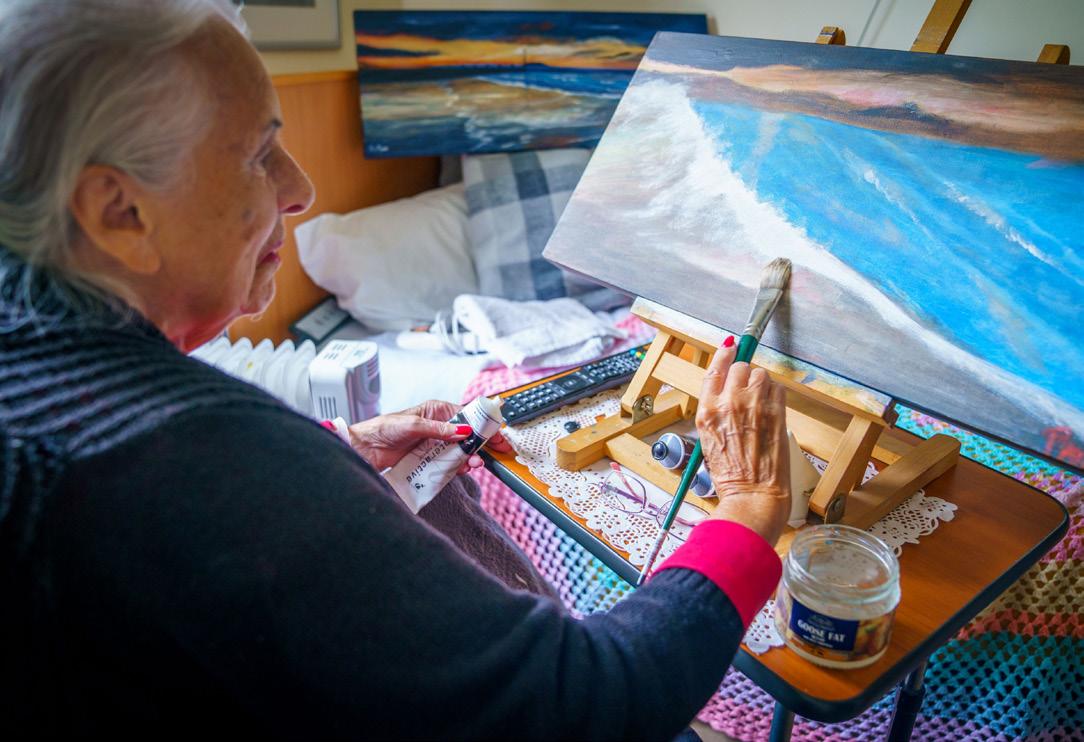
some of my artwork is displayed in the home, it makes me feel so valued.
“Being here is a new community to call home and these activities give me the feeling of purpose.”
Surprisingly, Pam didn’t take up her hobby until she was 60.
“I love the freedom of painting,” she said. “The way it just flows out of you.
“You start with a blank canvas, and you don’t know where it is going to go.”
For Pam, being part of the community at Chyvarhas means
so much to her. “We all work together to ensure Chyvarhas is a happy place, away from the troubles in the world. The staff are first class – they are so caring and nothing is too much for them.”
Home manager Michael Dickinson-Smith added: “We are proud to enrich the lives of our residents each and every day, and a big part of that involves us working with them to continue much-loved hobbies, creating a sense of continuity and belonging.”
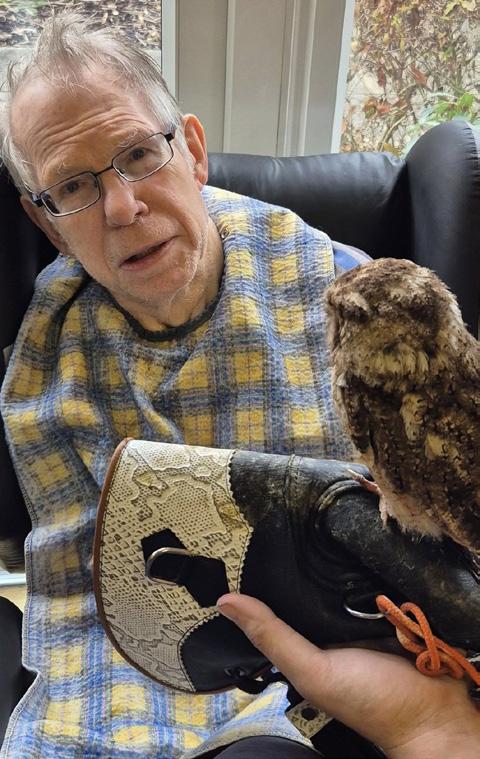
Residents at Aspen Grange in Braintree had a magical encounter when a group of owls paid them a visit. The feathered guests brought joy and fascination to the care home, with residents getting up close to admire their plumage and gentle nature. While many residents embraced the opportunity to stroke and hold the owls, some members of staff were a little more hesitant – preferring to admire the birds from a safe distance. Home manager Sharon Thompson said: “It was wonderful to see the residents’ faces light up when they met the owls. Animal therapy is such an important part of what we do here, as it provides comfort, sparks conversation and brings back fond memories.”
Resident Victor Collins is pictured with an owl.

You c an Tr ust
The situation
Diabetes prevalence is increasing in the general population, with approximately 25 per cent of people in care homes currently living with the condition.
Social care support workers thus play a vital role in assisting a major proportion of our population.
However, we found that staff often feel uncertain about how to recognise symptoms of fluctuating blood glucose levels or how to use glucometers correctly due to a lack of structured, role-relevant training.
This creates a significant risk to service users, potentially leading to delayed intervention or inappropriate responses to diabetes-related health concerns.
The solution
To help reduce avoidable hospital admissions by ensuring a safer and more effective care whilst improving knowledge of diabetes across the region, Care Development East:
n Recognised the necessity for social care workers to develop practical skills in diabetes awareness and blood glucose monitoring.
n Endorsed the importance of face-toface hands-on training to ensure accuracy and confidence.
n Engaged DUET diabetes as an expert training provider partner with an extensive track record in delivering diabetes education to more than 2,400 learners.
n Developed a tailored training programme for social workers in collaboration with DUET diabetes, providing role-relevant education enabling team members to deliver high quality, holistic, and person-centred care for people living with diabetes.
n Organised and delivered six face-toface training sessions to people working in a variety of social care roles across two locations in Suffolk.

n Ensured that social care providers across the region were aware of and able to access the training sessions.
The outcomes
The training programme was highly successful, delivering:
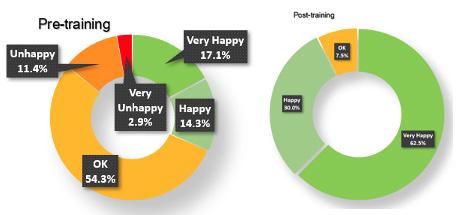
n A deeper understanding reported by participants regarding diabetes, the importance of blood glucose monitoring, and how to take appropriate action when blood glucose levels are out of range;
n Measurable improvements in attendees’ confidence in managing diabetes and using glucometers, as well as where to locate other resources and guidelines to help them in their practice.
n A positive impact across the organisations who attended by equipping individuals with essential skills that will directly contribute to improved diabetes management for a wide range of service users – including people also living with dementia, learning disabilities and autism.
n A holistic mindset to person centred diabetes care by helping attendees’ to understand the impact on physical, emotional and psychological wellbeing.
Graphical representation of attendees’ self-assessed confidence levels prior to and after the workshop*:
Lessons learned and next steps
The demand for this training exceeded expectations, demonstrating a clear need for continued and expanded diabetes education for social care across our region.
Attendees particularly praised the practical nature of the programme and the ability to apply their learning directly in their roles, highlighting that face-to-face training remains invaluable for skill-based learning, especially when handling medical devices such as glucometers.
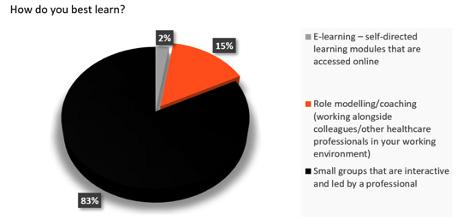
Comprehensive workshops in small groups supported the attendees’ learning preference (see graph below*), thus assisting in the positive impact of the learning experience.
Attendees expressed their gratitude for the opportunity for personal development in their roles to further enhance the care

they deliver and the communications they have with healthcare professionals.
Furthermore, collaborating with a specialist provider like DUET diabetes ensured the training was well organised, evidence based, and highly relevant.
The interactive nature of the sessions was effective in not only benefiting care staff in their roles but, for some, also in their personal lives (as some divulged that they or a close family member were living with diabetes).
Over the coming months, we will be working to expand training locations to include the west of Suffolk to reach a broader audience, as well as explore additional workshops covering more advanced aspects of diabetes management alongside DUET diabetes.
This training will assist in the development of social care teams – empowering them and elevating their ability to support and advocate for vulnerable people living with diabetes in our communities.
Development, confidence and job satisfaction not only aids the delivery of high quality, safe and responsive care, but can also contribute to staff retention.
If you would like to find out more about this programme or would like to discuss your diabetes training needs, relevant contact details are below:
Michelle Tompkins, Workforce Development Officer, Care Development East
https://caredevelopmenteast.co.uk/ contact/michelle-tomkins
01449 720400
(https://caredevelopmenteast.co.uk/)
Lynne Reedman, Founder & Service Lead, DUET diabetes Info@duetdiabetes.co.uk
01799 584178
(https://www.duetdiabetes.co.uk/)
*To give independent integrity to feedback, DUET diabetes uses an online platform from Gather to collect, collate and analyse the results from confidence surveys and feedback provide pre and post training (https://www.wegather.info/)
A couple of quotes from attendees:
“Very good update/ refresher of diabetes. Always new things to learn, good to stay up to date. More confident now in imparting knowledge to others. Thank you.”
“All of it was useful. Knowing where to get additional information, guidance and support really helpful. Practical really useful”
A HOMECARE provider is celebrating the many times its staff go above and beyond their usual duties to help their clients and enrich their lives.
Westmorland Homecare’s South Lakeland branch records what it calls ‘magic moments’ and instances of outstanding practice, which are reported by clients, their families and their own staff.
“We keep a log to confirm that we are maintaining high-quality care and to celebrate the lengths our homecare assistants go to, off their own backs and often in their own time, to enrich the lives of our clients and members of the public,” said Charlotte Oram, care coordinator – recruitment at the branch, which is based in Kendal.
“Staff who have created a magic moment are sent a ‘thank you’ message by the company while many examples of outstanding practice go into our regular newsletter, which is sent to all our homecare assistants.”
Two homecare assistants were caught out by icy and snowy conditions earlier this year.
“They found they were unable to proceed and so, without question, they abandoned their vehicles and walked to their clients’ homes to make sure they could deliver the care required and make sure the clients were safe and warm in the bad weather,” added Charlotte.
Quick-thinking staff were quick to help a woman, who had fallen outside Westmorland Homecare’s offices in Highgate in Kendal.
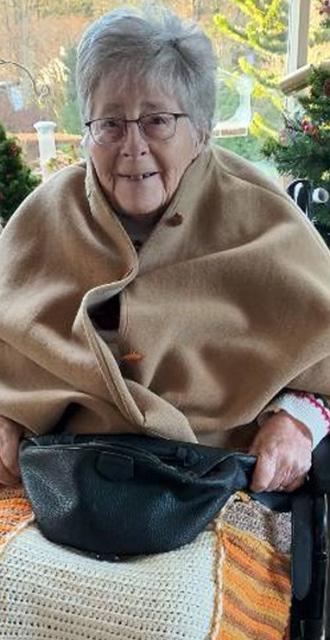
“Care manager Kelsey Walmsley noticed she had fallen and alerted staff in the office to bring the Raizer, a lifting chair, as she attended to the lady and made her comfortable by placing a pillow under her head and carefully explaining everything before we moved her,” said Charlotte.
“She was then invited into the office for a hot drink while she waited for the taxi we called to take her home, as she had declined medical attention.”
In another instance of going the extra mile, a homecare assistant in Grange-over-Sands noticed, over a few calls, that a client’s husband was feeling down.
“Knowing that he enjoys music she kindly started to prepare music quizzes in her own time that she brought with her on her calls,” said Charlotte.
“She created an activity for the client and her husband to do together, enriching both of their lives and strengthening the trusted relationship she had formed with the couple.
“The husband brought the homecare assistant’s actions to the attention of our area team leader as it he felt it was so impactful on their daily lives.”
Meanwhile, another homecare assistant made a birthday cake for the young daughter of a client as the client was struggling to find a Peter Rabbit cake and get everything done for the birthday party done in time.
“It allowed our client to prioritise the other details of the party and the daughter got a personalised and impressively decorated cake on theme,” said Charlotte.
She added: “While some examples of outstanding practice are obvious, we also have homecare assistants who routinely offer small moments of
joy in our clients’ lives.
“For example, a Kendal HCA folds towels into animals and shapes and leaves them on her client’s bed to surprise her; an HCA in Windermere noticed a client’s love of a particular visiting squirrel and made sure to get a photograph of it for the client to keep; and a client who does not usually do much to celebrate his birthday was surprised with a cake, balloons and a present from two members of our team to mark his special day.
“Meanwhile, an HCA with a penchant for crochet made knee blankets for a client who was recently widowed and for another client who likes to be out and about, whatever the weather!”
Care manager Kelsey Walmsley said: “All of these instances epitomise the caring ethos of Westmorland Homecare and all of its staff.
“Our homecare assistants regularly go above and beyond to help enrich their clients’ lives. We are forever celebrating their brilliant work.”
Westmorland Homecare provides care to enable vulnerable and often frail people over the age of 18 to live independently in their own home. Its services include homecare, such as help with housekeeping and meal preparation, and personal care, which includes support with medication, dressing and bathing and helping them living life to the full.
RESIDENTS, families and team members at a family-owned care home provider have raised a record £43,220 for good causes in the past year.
The amount is 29 per cent up on Colten Care’s previous year’s charity total which itself was 43 per cent higher than the year before.
Beneficiaries include local food banks, conservation groups, animal rescue services, healthcare and disability charities and organisations helping children and the elderly.
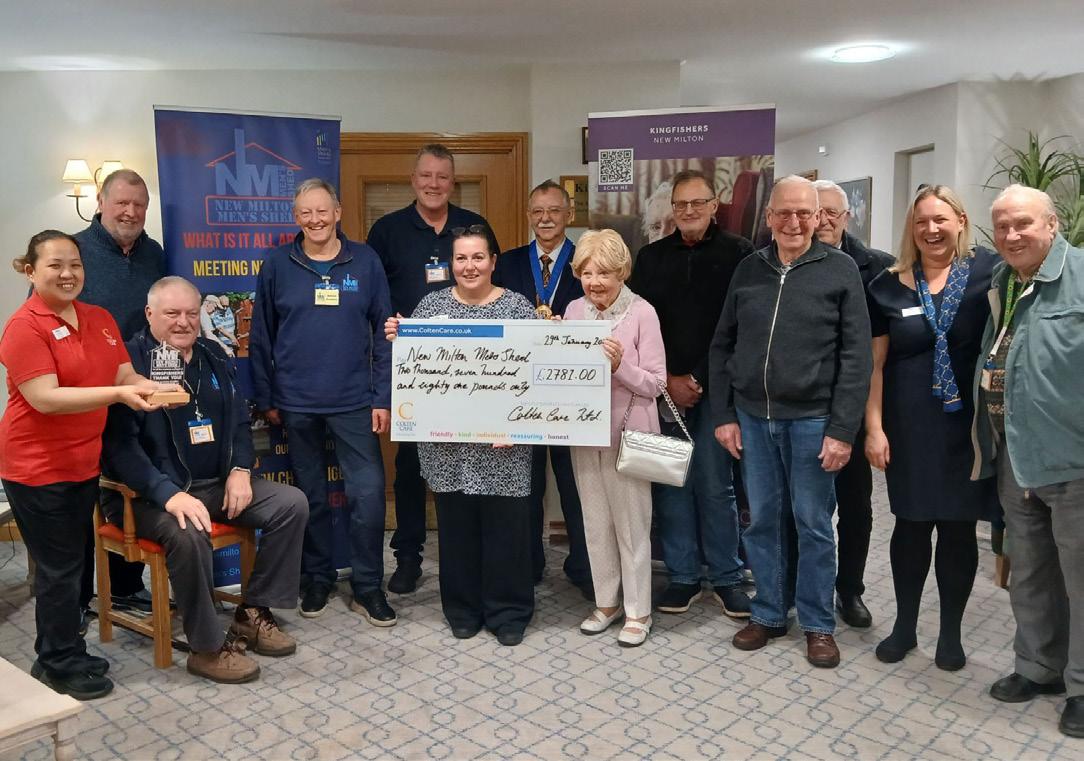
Kingfishers in New Milton achieved the highest amount for a single home across the whole Colten Care group – £6,332.48.
From this, two main causes, New Milton Men’s Shed and New Forest Disability Information Centre, have both received £2,781 each.
Activities at Kingfishers included staging events such as a community summer fete.
Resident and fundraiser Mollie Speirs said: “I like helping people, even if it’s only doing something small.”
Woodpeckers in Brockenhurst and Avon Reach in Mudeford also raised sums above the £3,000 mark.
The main beneficiary of help from Avon Reach was Christchurch Food Bank+ with
activities in support including a cycling challenge on a static bike in the home’s foyer.
Ron Morris, one of the residents who took part, said: “It was a privilege to get in the saddle and do what we could to support this
local charity.”
Woodpeckers’ main charity was The Brockenhurst Gateway club, a social club for adults with learning difficulties.
Activities in support included a six-hour cardio drumming marathon and a community festival of light.
The group-wide total of £43,220 means the south coast provider has benefited charities, voluntary community groups and other organisations by nearly £115,000 in the past five years.
Each of its 21 homes in Hampshire, Dorset, West Sussex and Wiltshire is encouraged to nominate a main charity every year, leaving scope for other causes to be supported too.
Colten Care’s chief operating officer Elaine Farrer added: “It is always up to our residents to decide who we support.
“As well as organising cash donations and raffle prizes, our teams enable residents to do their bit through creative activities they really enjoy and that keep them fully engaged with their local communities.”
WHEN it comes to resident safety, half measures simply won’t do.
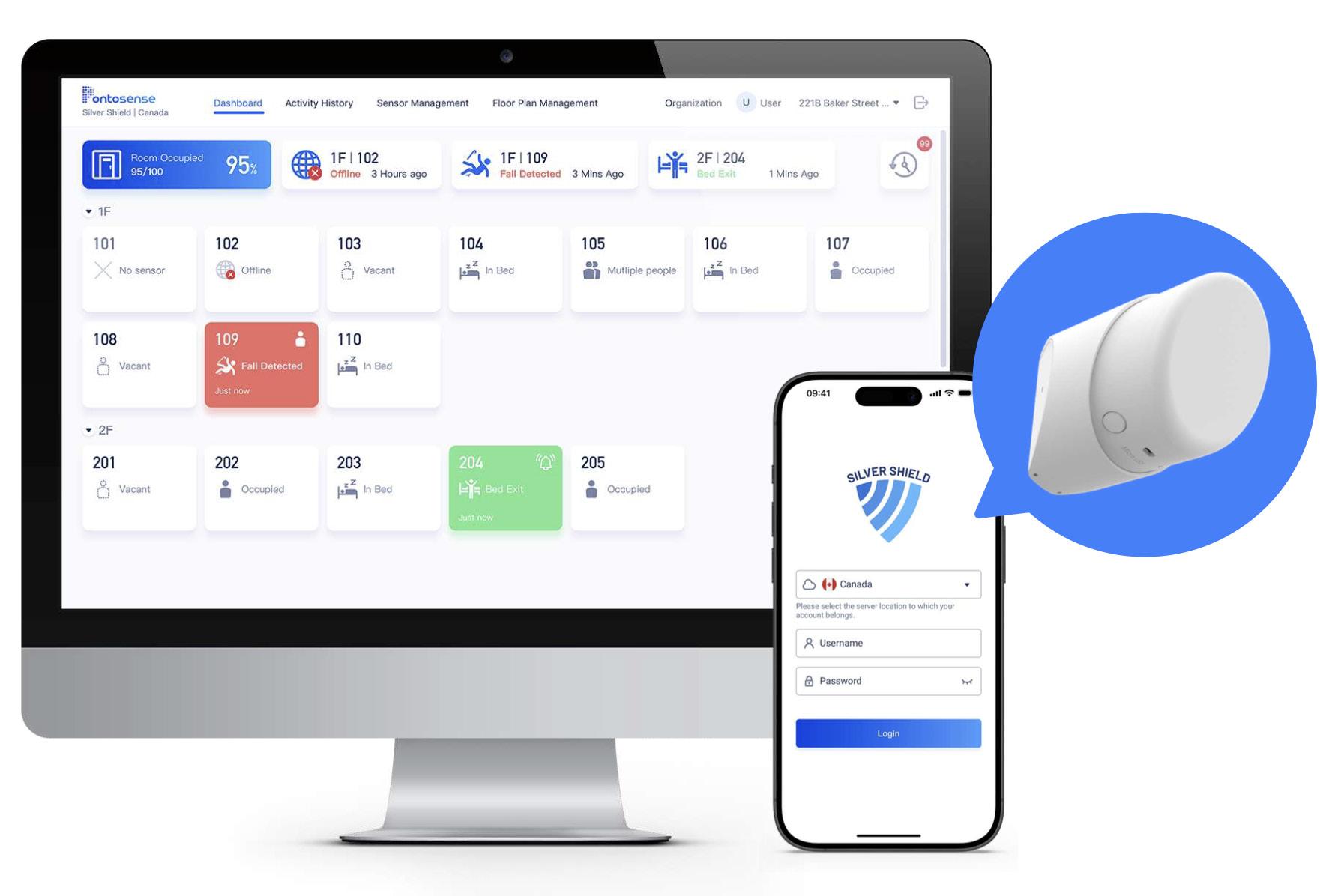
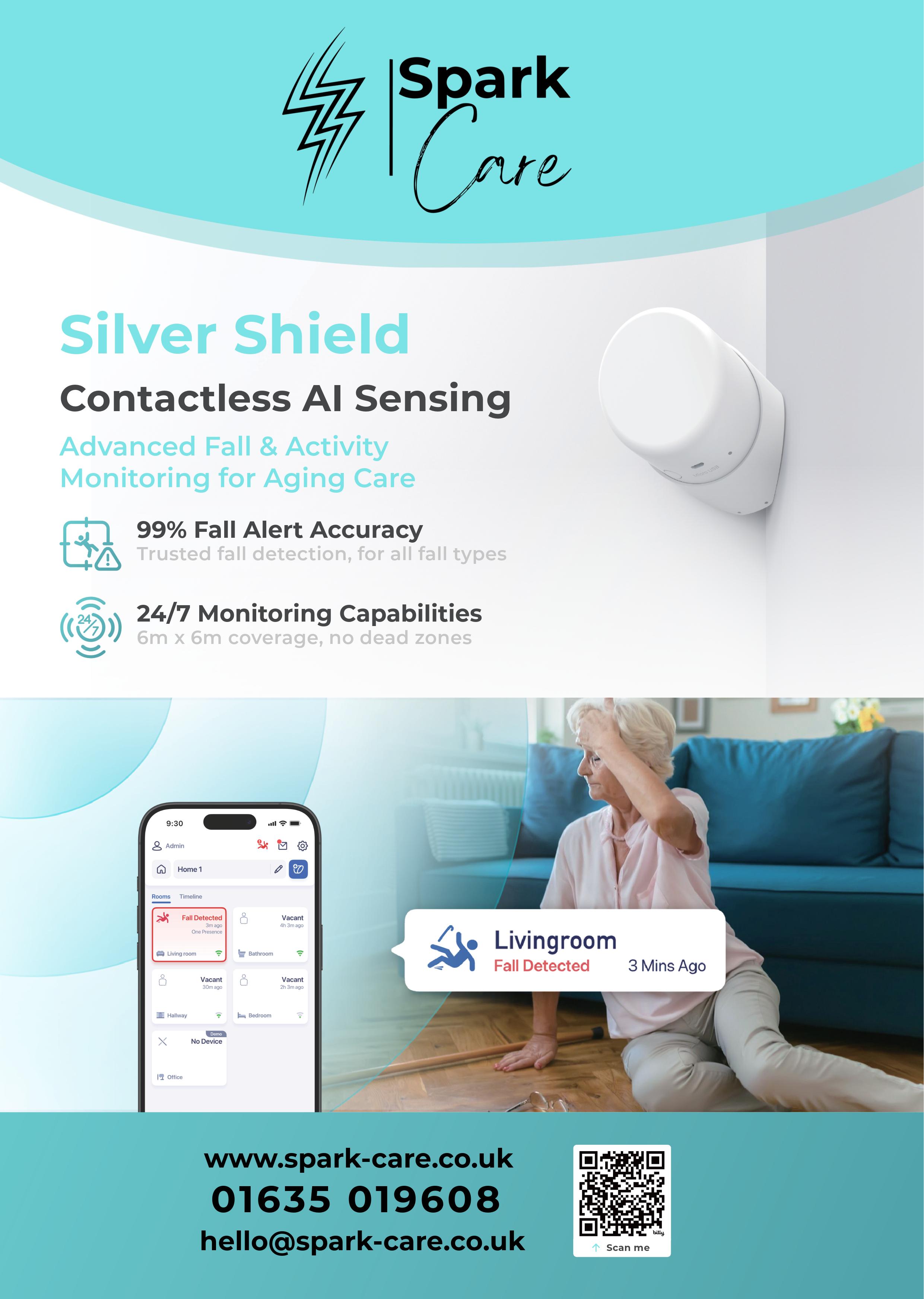
Silver Shield represents a groundbreaking leap in care technology, going far beyond basic fall detection to deliver a comprehensive, proactive approach to resident protection.
This state-of-the-art system prevents falls before they happen, monitors vital signs without wearables, and enhances staff efficiency, all while preserving resident privacy and dignity.
More than fall detection – fall prevention
At its core, Silver Shield harnesses cutting-edge 60 GHz mmWave RADAR technology, achieving a remarkable 99.9 per cent accuracy in fall detection.
What truly sets it apart is its ability to predict and prevent falls before they occur.
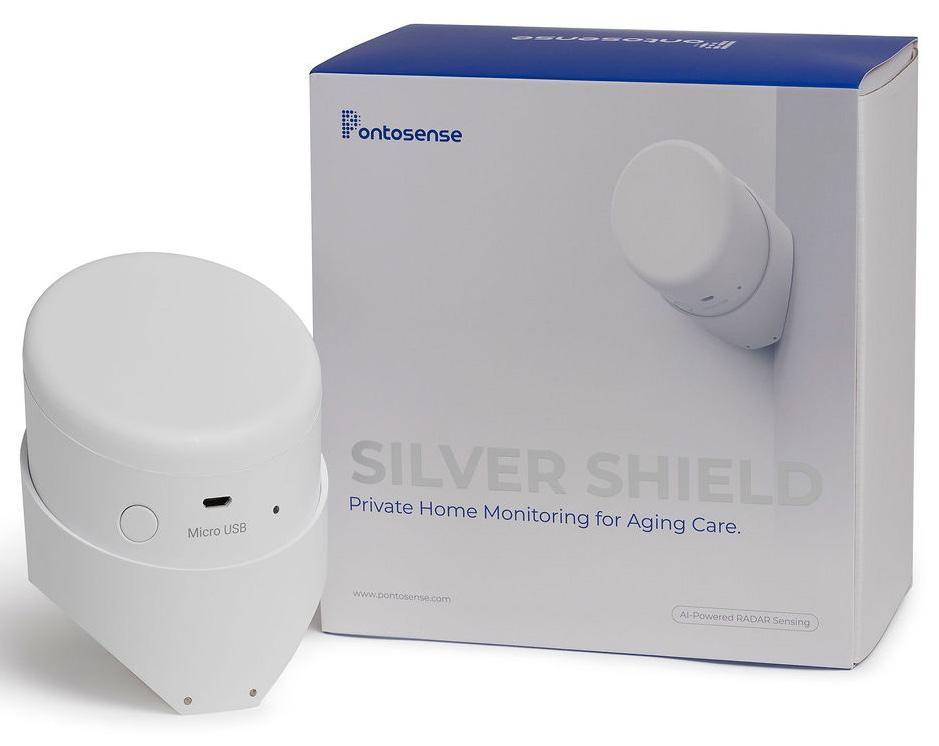
Discreetly mounted in the corner of each room, a single unit provides complete coverage across a six-metre radius, ensuring no movement goes unnoticed.
Powered by advanced AI, Silver Shield continuously learns resident movement patterns, instantly alerting staff to potential risks before they become incidents.
This proactive approach has reduced falls by up to 85 per cent across our partner care homes, transforming resident safety from reactive to preventative.
More than safety – unparalleled health monitoring
Beyond fall prevention, Silver Shield quietly monitors vital signs without any wearables, wires, or resident interaction.
n Heart rate, breathing patterns, and sleep quality are tracked 24/7, allowing early detection of health changes.
n Subtle shifts in activity and behavioural patterns provide early warning signs for deteriorating health conditions, supporting timely intervention.
n Dignity is preserved, with no cameras, no physical contact, and no invasive procedures.
Smarter care, faster responses For care home managers, Silver Shield transforms daily operations, providing real-time insights through an intuitive mobile app.
n Instant alerts ensure response times have been cut from 57 minutes to just two minutes.
n Data-driven care planning improves compliance, helping homes achieve improved CQC
ratings.
n Comprehensive reporting tools document every aspect of care delivery, supporting audits, improving staff efficiency, and reducing risks.
Privacy first, always
Unlike camera-based systems, Silver Shield never records visuals.
There are no wearable devices to manage, no privacy compromises, and no intrusion into personal space.
Fully GDPR compliant, it ensures complete peace of mind for residents, families, and care providers alike.
Seamless implementation with zero maintenance
Installing Silver Shield is effortless.
n Professional installation takes just 15 minutes per unit, with no rewiring or disruption.
n The system can be integrated seamlessly with existing nurse call systems and care planning software.
n Automatic software updates keep it performing at peak efficiency, with no ongoing maintenance required.
The impact – safety, efficiency and financial benefits
Care homes using Silver Shield report:
n Improved CQC ratings due to enhanced safety and proactive care.
n Significant efficiency gains, allowing staff to focus on meaningful interactions.
n Cost savings exceeding £150,000 per year, with an ROI achieved in just four to five months.
n Extended independent living, with residents remaining in loweracuity settings for three to five years longer.
A revolution in resident protection Nadia Morris, CEO of Spark Care, said: “At Spark Care, we believe technology should enhance human care, not replace it.
“Silver Shield represents everything we stand for –proactive, dignified, and intelligent care that empowers both residents and carers.
“With its unmatched accuracy and predictive capabilities, it is not just a safety system. It is a lifeline that transforms care as we know it.”
Your residents deserve the best – let’s make it happen
The future of care is here, and it is more intelligent, more responsive, and more human than ever before.
Silver Shield does not just protect residents. It empowers care teams, reassures families, and elevates care standards across the board.
Contact Spark Care today for your free consultation and discover how Silver Shield can revolutionise your approach to resident care. Because when it comes to protecting those in our care, only the best will do.
Telephone us on 01635 019608, visit www.spark-care.co.uk or email hello@spark-care.co.uk
MEDICARE Systems are experts in manufacturing and installing wireless nurse call systems.
Nurse call systems are an essential part of worldwide healthcare. They provide a way for patients to communicate with staff and for staff to be alerted to patient needs. Our systems and equipment can be found in nursing homes, hospitals, hospices and clinics worldwide.
Medicare Systems offers a professional service from initial consultation to the installation and commissioning of the nurse call system recommended to the client.
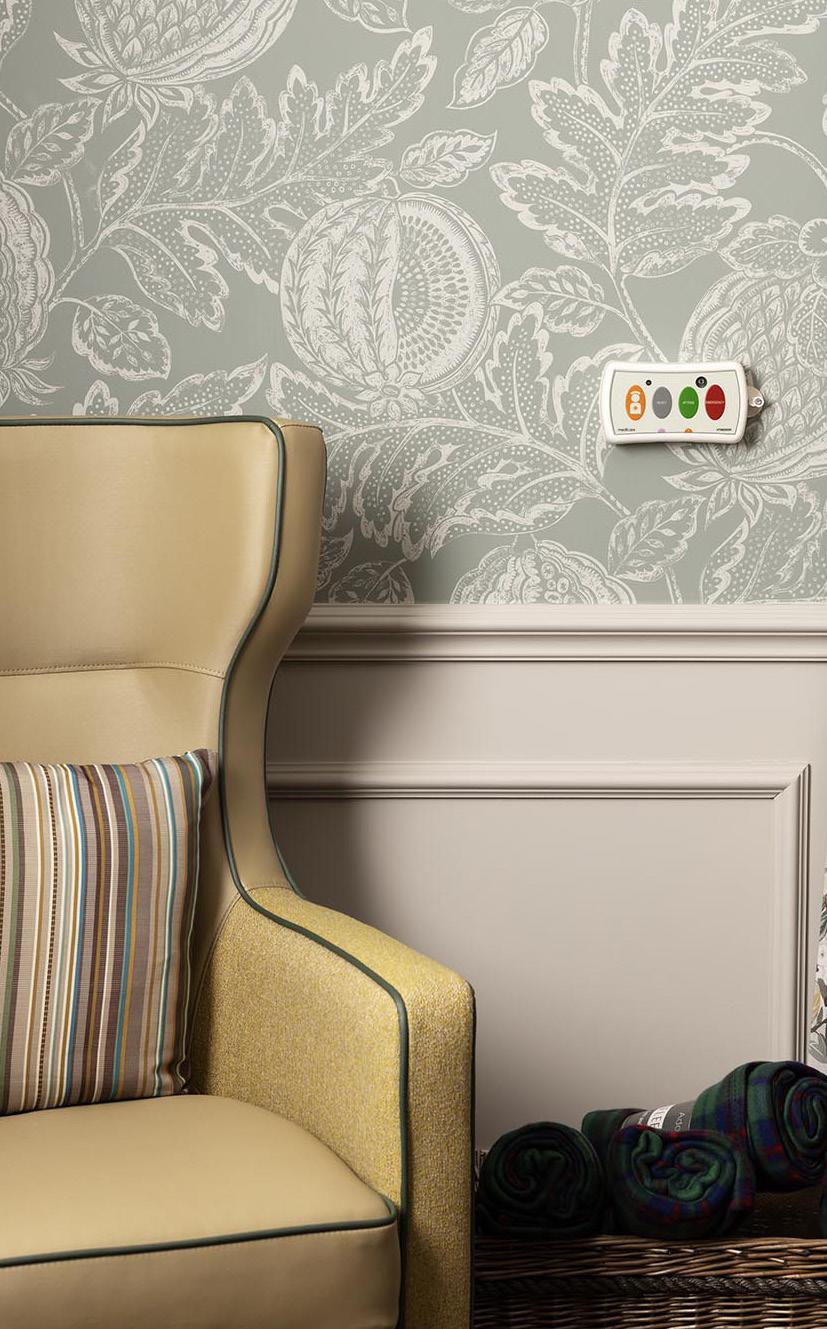
The HTM6500, Medicare’s latest range of wireless nurse call products, has been designed with aesthetics in mind.
While easy to use and highly durable, separate systems are designed to meet the varying requirements of both the private and the public sectors.
With the flexibility to cater to unlimited call points, the HTM6500 system incorporates the best in wireless radio technology.

It remains the most user-friendly radio nurse call system to use and maintain.
The HTM6500iBiR system is a nurse call system that provides specific data to meet CQC standards.
It allows care monitoring while providing an alarm system to raise the alarm for help and assistance when required.
The HTM6500iBiR system offers versatility and many other options.
The system benefits from being addressable; it not only records response times, but it can also record the staff member who has attended to help and provide care or assistance.
Whatever your requirements, from the smallest to the largest site-wide networked systems, Medicare can tailor to suit your individual needs and budget.
After installation, you will have the reassurance of the Medicare service support team, which is available 24 hours a day, 365 days a year.
Please call our free phone number 0800 849 5123 to arrange a demonstration or request a quote based on your needs.
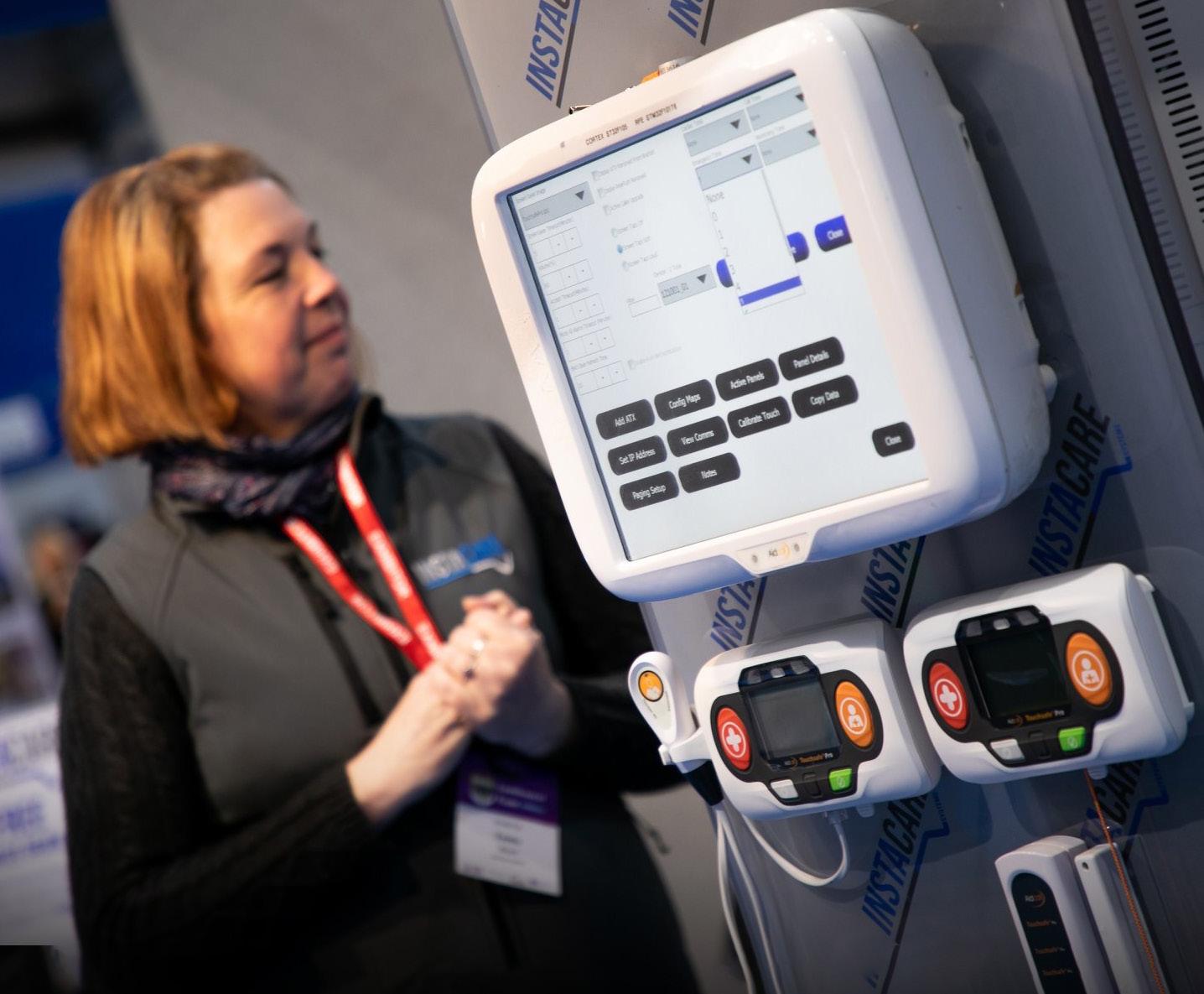
Let InstaCare integrate your call bells with your existing handheld devices!
Carers can work more efficiently, create a silent system, improve your reporting and allow call bell data to cleverly drop into your individual care plans!
Let us show you how!


We can help you work out the best system for YOUR home WE SUPPLY ALL THE LEADING BRANDS * Aid Call * Courtney Thorne * InterCall * Medicare * ARM * ALL NURSE CALL SYSTEMS MAINTAINED
We can save you money! Our Comprehensive Maintained Package is ALWAYS better priced



Every minute matters in care. Every action, every insight, every improvement can transform a resident’s quality of life or save a life.
Sensio empowers care staff with advanced sensor technology, seamlessly integrating real-time data to prevent falls, improve sleep, and prioritise care. By making data work smarter, we give care workers more time to focus on what truly matters—providing compassionate, person-centred care.
With Sensio, you’ll further understand your residents’ unique needs, tailoring their care to their routines and wellbeing, backed by data driven insights. No more unnecessary checks. No more uncertainty. Just confident, proactive caregiving backed by industry-leading innovation.
Because in care, moments matter. Make every one count.
Sensio – Making Every Moment Count. www.sensio.io
By Dr Lis Boulton
FOR care home staff, ensuring the safety and well-being of residents is a top priority.
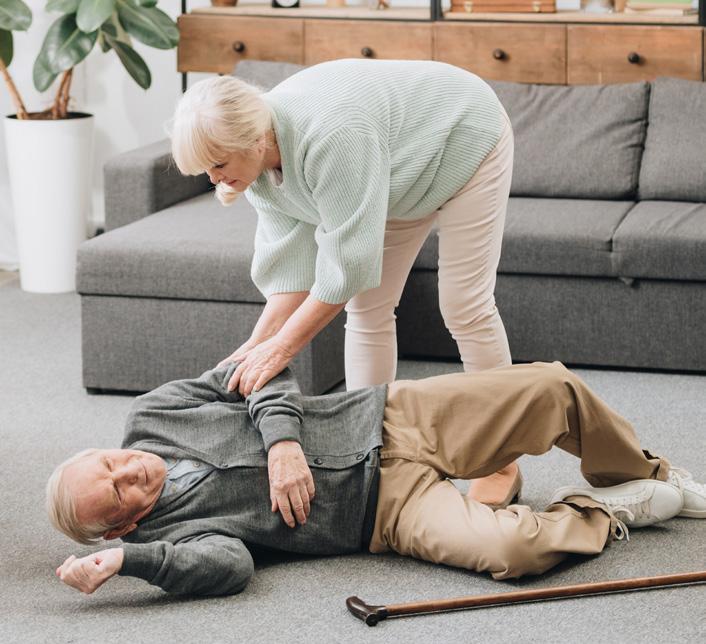
One of the greatest risks facing older adults is falling, which can have devastating consequences.
While many falls result in minor bruises or strains, others lead to severe injuries, loss of independence, and even death.
Understanding how to prevent falls is crucial in providing highquality care and maintaining residents’ quality of life.
The serious impact of falls Falls are a leading cause of injury in older adults.
Some individuals recover quickly, but others experience long-term consequences such as reduced mobility, loss of confidence, or permanent disability.
Fear of falling can lead to a decline in physical activity, increasing the risk of further falls and contributing to social isolation—even within a care home environment.
Key statistics:
n One in 10 falls results in serious injury, including fractures and head trauma.
n Hip fractures have a 20 per cent mortality rate within one year.
n 40 per cent of care home admissions are linked to falls.
n Older adults in care homes are ten times more likely to experience a hip fracture than those living independently.
Given these figures, fall prevention must be a key focus in care homes.
Why do falls happen?
Ageing naturally leads to muscle loss, reduced bone density, and poorer balance, all of which increase the risk of falls.
However, falls are not inevitable.
Simple interventions can strengthen muscles, improve stability, and help maintain independence.
Preventing falls in care homes
1. Encouraging movement and strength training
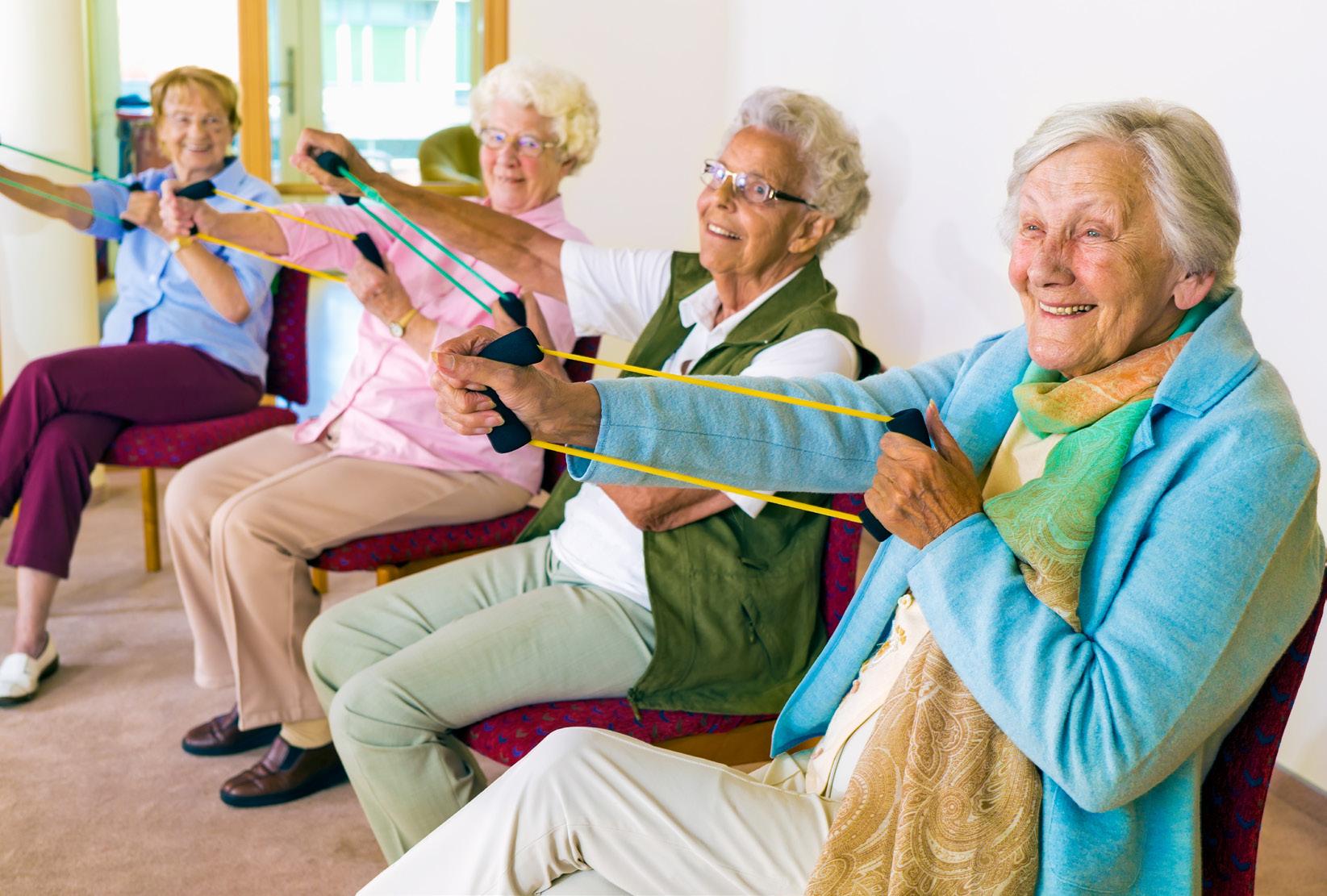
Exercise is one of the most effective ways to reduce fall risk. Strength and balance training works well even for frail residents and can be easily incorporated into daily routines.
Simple exercises include:
n Standing up and sitting down slowly in a controlled movement.
n Using stairs for short bursts of activity.
n Lifting light objects like water bottles to build strength.
n Chair-based exercises for residents with limited mobility. Encouraging even small movements can significantly improve strength and balance.
2. Understanding osteoporosis and its role in falls
Osteoporosis weakens bones, making fractures more likely, especially in postmenopausal women.
Early identification is crucial.
Signs include:
n Stooping or a curved posture.
n Noticeable loss of height.
n Severe or persistent back pain. Care staff should encourage residents to discuss bone health with their GP.
3. Reviewing medications regularly
Many older adults take multiple medications, some of which can cause dizziness, drowsiness, or low blood pressure – common contributors to falls.
Regular medication reviews ensure residents receive
appropriate dosages and reduce unnecessary risks.
4. Prioritising eye and ear health
Vision and hearing changes increase fall risk.
Regular check-ups help address these issues.
n Vision: Eye conditions such as cataracts or glaucoma impair depth perception, increasing trip risk.
n Hearing: Inner ear problems affect balance. Residents experiencing dizziness or hearing loss should consult their GP promptly.
5. Promoting a healthy diet and hydration
Nutrition plays a vital role in maintaining bone and muscle strength.
Key dietary tips include:
n Consuming calcium-rich foods (e.g., dairy, leafy greens) to support bone health.
n Ensuring adequate protein intake for muscle strength.
n Drinking plenty of water to prevent dehydration-related dizziness.
6. Reducing smoking and alcohol consumption
Both smoking and excessive alcohol intake contribute to bone loss and muscle weakness.
Supporting residents in reducing or quitting these habits can significantly lower fall risk.
Building a falls prevention culture
Preventing falls requires a collective effort from care home staff, residents and families.
Key strategies include:
n Conducting regular falls risk assessments.
n Creating safe environments by removing trip hazards and ensuring good lighting.
n Encouraging residents to wear supportive footwear.
n Providing mobility aids and ensuring they are used correctly.
Conclusion – a proactive approach to falls prevention Falls are not an unavoidable part of ageing.
By implementing practical strategies – encouraging movement, monitoring medications, supporting good nutrition, and prioritising vision and hearing care – care home staff can significantly reduce fall risk.
Keeping residents active, engaged, and safe will help them maintain independence for as long as possible, improving both their physical and emotional wellbeing.
Taking small steps today can prevent life-changing falls tomorrow. Care home staff play a vital role in making that happen.
Age UK has plenty of advice on how to get moving – safely – and prevent falls.
Our new campaign ‘Act Now Age Better’ also highlights the importance of staying active in later life.
Visit www.ageuk.org.uk/ information-advice/health-wellbeing/ exercise/falls-prevention/
n Dr Lis Boulton is the health and care policy manager at Age UK.

Introduction
Selling a care home is a significant decision that requires careful preparation and expert guidance.
Whether you’re retiring, consolidating, or shifting investment focus, a well-planned sale ensures maximum value and a smooth transition.
With strong buyer demand driven by an ageing population and investor interest, preparation is key.
Buyers assess financial performance, occupancy, compliance, and CQC ratings, making early planning essential.
This guide provides a step-by-step roadmap to help you optimise valuation, attract the right buyer, and ensure a seamless sale process.
1. Understanding the care home sales market
The UK care home sector remains highly attractive, with growing demand from an ageing population and strong investor interest.
Buyers seek specialist care services, strong CQC ratings, and financially stable homes.
Key valuation factors include occupancy rates, compliance, and location. The best time to sell is when financial records are strong, market demand is high, and operational issues are resolved.
A well-prepared care home attracts better offers and a smoother sale process.
2. Defining your exit strategy
A clear exit strategy ensures maximum value and a smooth transition when selling your care home.
Whether selling a single home or a portfolio, understanding market demand, financial strength, and operational readiness attracts the right buyer.
Key considerations:
n Turnkey sale – a well-run care home with strong occupancy and compliance appeals to investors.
n Alternative exits – leasing to an operator or selling property separately may suit long-term goals.
n Market and financial positioning – strong EBITDA, CQC ratings and staffing stability increase valuation.
Choosing the right buyer depends on your exit goals, ensuring a successful, well-planned sale.
3. Preparing your care home for sale
A well-prepared care home attracts more buyers, achieves a higher valuation, and ensures a smoother sale.
Buyers seek financial stability, strong occupancy, regulatory compliance, and efficient operations.
Key steps to maximise value
✔ Strengthen financials – organise records, optimise occupancy, and address debts.
✔ Ensure compliance – resolve any CQC issues and maintain high care standards.
✔ Enhance operations – structured staffing and efficient management reassure buyers.
✔ Improve presentation – refurbishments and well-maintained facilities boost appeal.
Proper preparation increases buyer confidence and secures a faster, more profitable sale.
4. Valuing your care home
A realistic valuation attracts buyers and secures the best price.
Key factors include financial performance, occupancy rates, property condition, and

compliance.
n EBITDA multiples – based on earnings, location and market demand.
n Property and assets – freehold homes often hold higher value.
n Market comparisons – recent sales help determine pricing.
✔ Use a specialist broker for accurate pricing.
✔ Prepare financials and compliance to boost buyer confidence.
A well-prepared valuation maximises market appeal and return.
5. Finding the right buyer
Choosing the right buyer ensures a smooth sale, business continuity, and a strong price.
Buyers range from corporate care groups and private investors to first-time buyers, each with different priorities.
n Corporate groups – large operators expanding portfolios.
n Private investors – seeking long-term, stable returns.
n First-time buyers – healthcare professionals entering the sector.
✔ Confidential sales – discreet marketing protects staff and reputation.
✔ Open market sales – wider exposure but longer sale times.
A specialist broker ensures an efficient, secure, and successful sale.
6. The due diligence process
Due diligence ensures buyers understand a care home’s financial, operational, and regulatory position, reducing delays and building confidence.
n Financial records – buyers review profitability, EBITDA and revenue trends.
n Staffing and TUPE – employment contracts and wage structures are assessed.
n Regulatory compliance – CQC reports and past issues are examined.
n Legal and property checks – ownership status and obligations are reviewed.
Proper preparation minimises risks, speeds up transactions, and secures stronger buyer commitment.
7. Negotiating the best deal
Careful negotiation ensures the best price, smooth transition, and fair terms when selling a care home.
n Sale price and payment terms – valuation based on financials and market demand.
n Transitional support – buyers may request handover assistance.
n Completion timeline – clear deadlines for due
diligence and contracts.
☞ Pitfalls to avoid: Poor preparation, rushing decisions and lack of legal advice.
A specialist broker and solicitor help maximise value and ensure a seamless sale.
8. Managing the transition smoothly
A well-planned transition ensures stability for residents, staff, and operations under new ownership.
n Staff and TUPE obligations – employees transfer under TUPE; clear communication reassures staff.
n Resident and family communication –keeping them informed builds trust.
n Operational handover – collaboration ensures seamless leadership and financial continuity.
✔ Engage early – open communication prevents uncertainty.
✔ Minimise disruptions – avoid major changes initially.
✔ Ensure financial and legal readiness – resolve outstanding matters pre-sale.
A smooth transition retains key staff, prevents service disruption, and protects the home’s reputation.
9. Tax and legal considerations
Selling a care home involves key tax and legal obligations that impact profitability and compliance.
n Capital Gains Tax – may apply; structuring the sale wisely reduces liabilities.
n Entrepreneurs’ Relief – potential CGT reductions for eligible sellers.
n Stamp duty and VAT – varies based on property or business sale.
✔ Legal agreements – contracts, warranties, and regulatory approvals must be secured.
✔ TUPE and staff rights – employees transfer with existing terms.
Specialist accountants and solicitors help optimise returns and ensure compliance.
10. Planning for your next steps
Selling your care home opens new opportunities, whether retiring, reinvesting, or expanding within the sector.
n Reinvesting proceeds – funds can be used for new ventures, investments, or passive income.
n Retirement planning – secure post-sale income for financial stability.
n Expanding interests – former owners often move into consultancy or sector reinvestment.
✔ Financial planning – work with advisors to optimise wealth.
✔ Future opportunities – explore mentorship or new investments.
Planning ahead ensures financial security and a smooth transition.
Unlock the full care home sellers guide
For the full, in-depth sellers guide, covering all of the above areas, email me at darren. edwards@montanecare.co.uk and receive your copy today.
Author biography
Darren Edwards brings more than 20 years of expertise in the public sector, specialising in marketing and agency operations within the care sector. His strategic approach to campaign execution, stakeholder engagement and digital marketing drives impactful results.
Darren’s holistic understanding of care home acquisitions and disposals underpins his work at Montane Care.



THE topping out ceremony for Housing 21’s newest extra care development in Faringdon, Fern Meadows, has taken place to celebrate the building reaching its highest point.
The provider was joined by representatives from Osbournes Quantity Surveyors, Quattro Design Architects and Deeley Construction.
Fern Meadows will be made up of 60 modern apartments which will be available to rent or buy through shared ownership.
The scheme will provide specialist independent living properties for people aged 55 and over, with the assurance of on-site care for residents if and when they need it.
The development has been supported with more than £5.13million of Homes England grant funding.
Bridget Faughnan-Bing, director of development and delivery at Housing 21, said: “Working in partnership with both Deeley

Paul Marlowe, site manager (Deeley), Matt Moody, architect (Quattro Design Architects), Leanne Neal, quantity surveyor (Deeley), Richard Duxbury, senior design manager (Deeley), Matt Mercer, contracts manager (Deeley), Nicola Hughes, quantity surveyor (Osbornes), Kath Watts, housing manager (Housing 21), Lisa Ord, project manager (Osbornes), Terry Ann Miller, sales consultant (Housing 21), Ash Round, delivery development manager (Housing 21) and Steve Turner, construction director (Deeley).
and Osbornes, we’re delighted to have reached this important milestone for our development Fern Meadows.
“The 60-unit scheme will provide much needed affordable housing for local people over the age of 55, and we look forward to
welcoming our first residents to their new home in early Autumn 2025.”
Residents will benefit from a wide range of facilities, including a communal lounge, activity room, laundry, communal gardens and health suite, and guest room.
Additional facilities will also be available for use by the wider local community including a café and hair salon.
Steve Turner, construction director at Deeley Construction, added: “This is our fourth development in partnership with Housing 21 and this event marked a great opportunity to celebrate the all-electric, low-carbon scheme reaching its highest point.
“Fern Meadows will be providing important extra care housing in Faringdon and will be a valuable addition to the community when it’s completed. Work is progressing well on-site, and we look forward to joining our partners again to celebrate completion later this year.”
WORK has started on a new £6million 60-bedroom care home at Clifton Moor near York.
Lime Trees is due to open in 2026 and will offer residential, dementia, respite and day care.
The luxurious facility is being developed by Yorkshire and Lincolnshire-based construction firm Hobson and Porter for Yorkare Homes, whose headquarters is in Brough.
This marks the ninth collaboration between the two companies, and the new home will be Yorkare’s 16th to open across Yorkshire and Lincolnshire.
Work to demolish the Lime Trees Medical Centre, which previously occupied the site, began at the end of 2024. As part of the development, Yorkare has gifted a parcel of land to the neighbouring York Sports Club, allowing for the creation of additional new pitches.
Nicola Anderson, marketing and community engagement manager at Yorkare, said: “Breaking ground on Lime Trees is a significant milestone for us.
“Our development will transform a disused site into a

vibrant space, providing muchneeded residential care to people in the Clifton area of York and beyond, while also creating around 80 new jobs.
“The fact that we’ve been able to contribute to the delivery of vital community sports facilities at the same time makes this a win for everyone.”
Lime Trees will feature 20
en-suite rooms on each of its three floors. One floor will be dedicated exclusively to dementia care, ensuring specialised support for those who need it.
The home will also include a variety of communal spaces and amenities, providing both residents and their visitors with spaces to relax and connect.
Nicola added: “We aim to create a nurturing and comfortable atmosphere where everyone feels valued and cared for, making it a truly special place for both residents and the local community.
“Our facility will feature two in-house bars, including one with a barista station, alongside restaurant standard dining rooms, a beauty and hairdressing salon, a cinema, a bowls green, a greenhouse with raised garden beds, and outdoor terraced balconies offering views of the grounds.
“It will truly feel like a home away from home, complete with a wide range of on-site amenities.”
Richard Hunter from Hobson & Porter said: “The home will have all the latest sustainable features, including solar panels and highefficiency heating and hot water systems, and we plan to build an EPC ‘A’ and BREEAM ‘Excellent’ rated building.
“All the rooms have en-suite wet rooms and emergency call systems, and the ground-floor bedrooms have doors leading out to private patio areas.”
















Lamont Johnson
Lamont Johnson
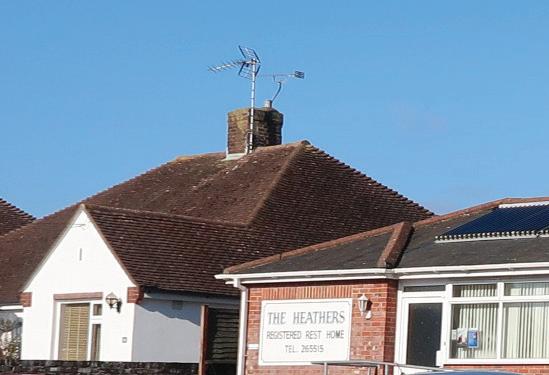
The Heathers
164 Salvington Road, Durrington, Worthing, West Sussex BN13 2JU Tel: 01903 265515 (Home),





We are delighted to confirm the recent completed sale of the long established Care Home, The Heathers, Worthing, West Sussex.




The Home enjoys a prime location, is registered for 25, fully management operated, with a CQC rating of “Good” and has 24 bedrooms, 17 with ensuite facilities
There was substantial interest in this opportunity from day one and a very early stage, a buyer was sourced and solicitors instructed.
The Home has been sold on behalf of Mr Jatin Patel of Grangewood Healthcare and acquired by the Sussex based Dr Sujith Nair.




Mike has headed up the dedicated healthcare team for the last 5 years at MAF, having previously worked for Santander Corporate Bank, Bank of Ireland and Royal Bank of Scotland.

Dear Grayson and Dawn
Dear Grayson and Dawn I would like to express my deepest gratitude to you both for your exceptional professionalism, dedication and expertise in facilitating the successful sale of The Heathers Residential Care Home.
I would like to express my deepest gratitude to you both for your exceptional professionalism, dedication, and expertise in facilitating the successful sale of Heathers Residential Care Home. From the outset, your guidance and support were invaluable, ensuring every step of the process was relatively smooth and efficient. Your ability to secure a confidential buyer within the first three viewings eliminated any risk to the home during the sale, which gave me immense peace of mind.
From the outset, your guidance and support were invaluable, ensuring every step of the process was relatively smooth and efficient. Your ability to secure a confidential buyer within the first three viewings eliminated any risk to the home during the sale, which gave me complete peace of mind.
You managed the entire process seamlessly, from providing an accurate and thoughtful valuation to arranging the buyer finance brokerage and offering excellent recommendations for legal and cost effective representation. Your deep understanding of the Care Home sector and unwavering commitment to achieving the best outcomes truly set Lamont Johnson apart.
You managed the entire process seamlessly, from providing an accurate and thoughtful valuation to arranging the buyer finance brokerage and offering excellent recommendations for legal and cost-effective representation. Your deep understanding of the care home sector and unwavering commitment to achieving the best outcomes truly set Lamont Johnson apart.
Thanks to your hard work and attention to detail, the transition of ownership to Pinnacle Care Home Sussex Limited was smooth and successful. Your efforts not only ensured a positive result for us but also secured a bright and fresh future for the Care Home.
Thanks to your hard work and attention to detail, the transition of ownership to Pinnacle Care Home Sussex Limited was smooth and successful. Your efforts not only ensured a positive result for us but also secured a bright and fresh future for the care home.
We would wholeheartedly recommend you both to anyone considering a sale or seeking professional advice in this field. Your dedication and expertise make you both an absolute pleasure to work with. I will certainly use you again.

Thank you for everything Grayson and Dawn.
We would wholeheartedly recommend you both to anyone considering a sale or seeking professional advice in this field. Your dedication and expertise make you both an absolute pleasure to work with. I will certainly use you again.
Kind regards
Jatin Patel
Thank you again for everything, Grayson and Dawn!

Kind regards
For and on behalf of Assured Care Services Ltd









PLANS for a cutting-edge new extra care scheme in South Shields have been submitted for approval.
The specialist accommodation, developed and managed by housing association Karbon Homes in partnership with South Tyneside Council, would consist of 124 one and two-bed apartments, designed to help people with differing levels of care and support needs to live well and independently.
The scheme on the site of the former Chuter Ede school and community association has been designed to help address the lack of specialist, affordable accommodation options in the borough. 25 of the apartments are specifically designed for people living with dementia.
Zoey Hawthorne, assistant director of development delivery at Karbon Homes, said: “We’re pleased to be submitting this exciting planning proposal for our second extra care scheme in
South Tyneside, bringing muchneeded supported housing to the borough which will enable local people to remain living independently for longer.
“We’re looking forward to working with South Tyneside Council to help us deliver the vision for scheme, to create a modern and welcoming place that helps empower people with additional care and support needs to live life to the full, and brings the local community together.”
The scheme would be the second extra care facility developed by Karbon Homes in partnership with South Tyneside Council, the first being a 96-apartment scheme in Hebburn town centre, which started on site at the end of last year.
The partnership supports the Council’s ambitions to build strong communities and help people in South Tyneside to stay well and healthy throughout their lives.
Councillor Tracey Dixon, leader
of South Tyneside Council, added: “This development is an exciting concept which would provide much-needed specialist accommodation for adults with care and support needs, as well as integrating modern facilities for local people to use.
“Our residents have been clear that they would rather live as independently as possible than go into residential care, and this extra care facility would enable them to do just that, living right in the heart of their communities with the support they need.”
Karbon has worked with Tyne and Wear based JDDK Architects on the design, which delivers a spacious, socially focused scheme, with high environmental and energy efficiency standards.
The apartments would sit across four-storeys, laid out around a central communal courtyard. Ground floor apartments have access to private patio areas, with upper storey apartments benefitting from balconies.
The wider scheme would include a variety of landscaped areas and small quiet gardens.
The proposal is for the heating and hot water to be powered by air source heat pumps, with additional energy generated through roof mounted solar PV panels.
If approved, the scheme will be the first of Karbon’s extra care schemes to have an integrated community hub, alongside a bistro café and multi-use spaces for activities open to the general public and community groups.
Its delivery would be part-funded by Homes England through Karbon’s strategic partnership with the Government’s housing delivery agency.
The partnership is supporting Karbon to deliver 2,200 new affordable homes across the North East and Yorkshire over the next few years, 10 per cent of which will be for people requiring additional support needs.
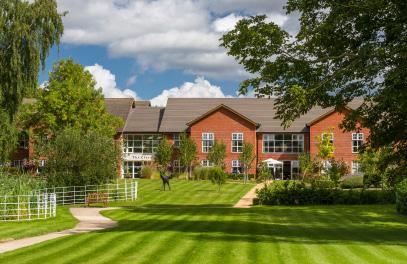
ELEANOR Healthcare Group has made a monumental move in the adult social care sector with the acquisition of The Close, an award-winning care home that boasts an Outstanding rating from the Care Quality Commission.
Located in the heart of Oxfordshire, The Close has set the bar for care homes across the country.
Under the expert guidance of Sanjay Dhrona and family, the care home has redefined what it means to provide not only exceptional care but also an enriching and fulfilling life for residents.
The home’s continued success and back-to-back Outstanding ratings from the CQC are a direct result of the Dhrona family’s dedication to excellence, meticulous attention to detail, and their tireless efforts in creating a nurturing and empowering environment for their team and everyone in their care.
Sanjay, a visionary in the care sector, has been instrumental
in raising the standard of care throughout.
His achievements include becoming one of the very few non-clinical individuals to win the prestigious Chief Nursing Officer Gold Award for Outstanding Service in Adult Social Care.
“The Close has truly been a
labour of love for my family and I,” he said.
“We’ve worked tirelessly to create an environment that not only meets but exceeds expectations at every level.
“It’s been incredibly rewarding to see our residents and team thrive and feel fulfilled in their
daily lives.
“I am confident that in joining forces with Eleanor Healthcare Group, we’ll continue to build on the legacy we’ve created and ensure that ‘The Close’ continues to lead by example in the sector.”
As one of the most beloved care homes in the country, The Close has set a benchmark for excellence, making it a natural choice for Eleanor Healthcare Group to continue its legacy.
CEO Marc Santhi added: “We are thrilled to welcome The Close into the Eleanor family.
“Over the years we’ve remained committed to providing the highest standard of care, and this acquisition aligns perfectly with our mission.
“Sanjay and his team have created something truly special, and I am confident that we will continue to honour this legacy while taking things to the next level.”
Sanjay will continue to work alongside the organisation’s leadership team.
HARTFORD Care has acquired a state-of-the-art residential care home in Eastleigh, Hampshire and will partner with Highwood Group to develop the site.
Construction on the 70-bed facility will commence in the autumn subject to planning and it will be scheduled to open in summer 2027.
Kevin Shaw, chief executive of Hartford Care, said: “Fundamental to our growth strategy is the high quality of care we offer and the ways in which we enhance the lives of our residents.
“Our ongoing partnership with Highwood strongly supports this commitment through the delivery of exceptional, future-proof buildings and facilities.
“The new home in Eastleigh enables us to extend our expert specialist care and ‘home from home’ environment to even more people.”
The new home will offer dementia care, residential care, nursing care, respite breaks and end-of-life care, and will be positioned alongside landscaped green spaces.
It will be built with industryleading sustainability credentials and will be rated BREEAM Excellent, with significant

renewable energy elements including solar panels, heat pumps and smart energy systems.
Highwood will be developing the home in a continuing partnership between the two companies which already has two new schemes currently under construction in Alton and Southampton, both due to open to residents in May, and the acquisition of a care home in Fordingbridge, New Forest with construction due to begin this summer.
Phil Prosser, managing director of Highwood Homes, added: “We’re delighted to add another home to the Hartford Care and
Highwood partnership which spans over a decade.
“The delivery of a new care home in Eastleigh will build on the recent successes at Alton Place and Moorhill, both now close to build completion, and the recent acquisition of a care home in Fordingbridge.
“These new homes form a growing portfolio of best-inclass facilities for Hartford Care, with several more already in the pipeline.”
The acquisition in Eastleigh will mean that Hartford Care is the owner and operator of 23 homes across Southern England and the Isle of Wight, with 1,200 beds for residents.
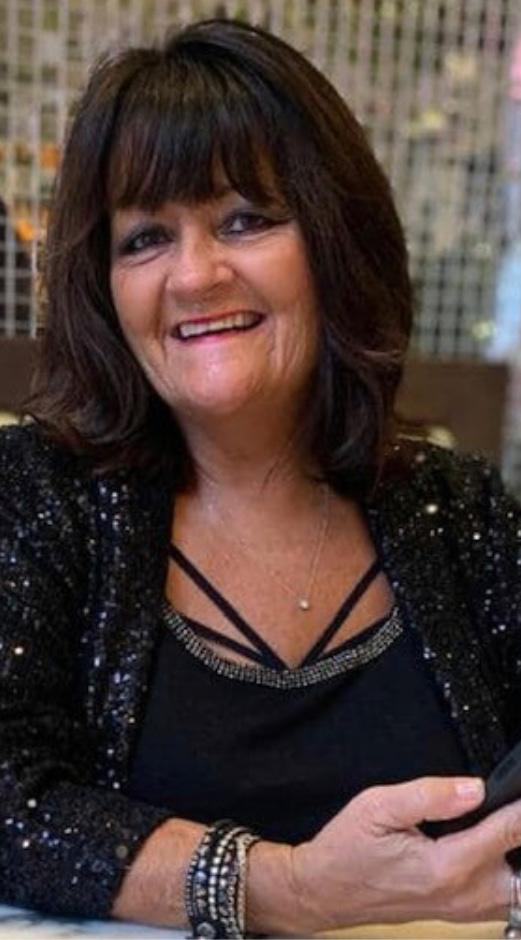
Barchester’s Charitable Foundation has announced the appointment of a new trustee to its board; Irene Lewis, a retired hospitality operations manager from Irvine in Scotland, who brings a wealth of experience from her extensive work in the care sector. Irene worked for Barchester Healthcare for 24 years from 1998 to 2022. She started off as a kitchen assistant and worked her way up through the ranks in various different hospitality job roles to become hospitality operations manager in 2015. Although now retired, Irene has kept up her keen interest in how Barchester continues to grow and in the Foundation’s charity events.
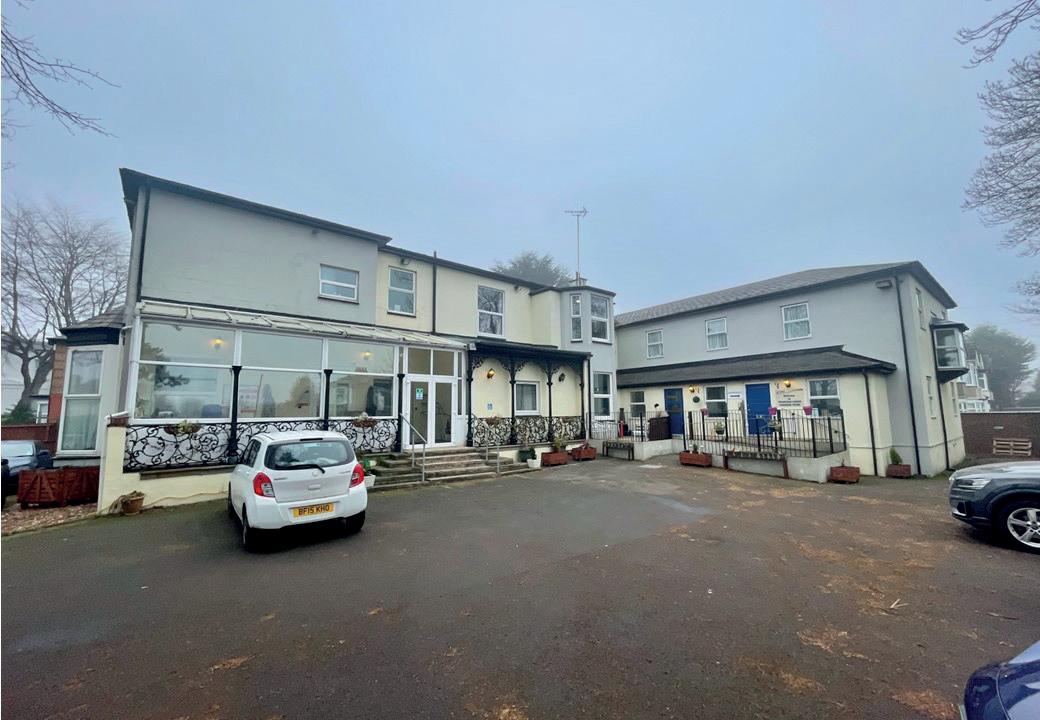


A COUPLE are celebrating the 40th anniversary of their care organisation.
Mario Kreft MBE and his wife Gill started in a small way by opening their first care home in 1985 because they couldn’t find anywhere suitable for their own grandparents.
It was housed in a red brick Victorian villa called Gwern Alyn, in Wrexham, where they employed 10 staff to look after 14 residents.
Fast forward four decades and they now run nine care homes in Wrexham and Caernarfon where they have a total of 440 beds and employ more than 860 people.
Later this year they will mark another major milestone when they expect to welcome their 6,000th resident.
But the couple revealed it all came about as the result of a sliding doors moment that changed the course of their lives completely.
Opening a care home was not necessarily the obvious career move for Mario who was the son of a bear and lion trainer, Franz Kreft, whose mother, Pamela, ran away to the circus to be with him.
But Mario and his then fiancée Gill both had elderly grandparents and they were unable to find anywhere for them that met their own high standards.
He said: “I was brought up by my grandparents because my parents were circus artistes and I was looking to go into business after leaving college.
“After looking around, we thought it might be a good idea for us to open our own care home so they could have the standard of care we thought they deserved.
“We very nearly bought a place in Llandudno and we were all geared up with everything in place but the sale fell through.”
Then the finger of fate intervened when Mario went to pay his car insurance in Abergele.
He saw Gwern Alyn being advertised for sale in an estate agent’s window – the date, Thursday, January 3, forever etched in his memory.
The following day he called the estate agent to arrange a viewing on the Sunday and just over a fortnight later they signed and exchanged contracts.
Gill added: “We bought it subject to planning and the owner went forward with a planning application to turn it into a residential care home and we took it over in the July.
“We had a lot to do to turn it into a care home to meet the regulations and we opened on December 9 when we welcomed our two first residents, Mrs Evans and Mrs Barlow.”
The following September Gill and Mario were married in a big marquee in the grounds of Gwern Alyn with all 14 of their residents and staff being invited to be among the 200 guests.
Mario’s beloved grandmother, Rene Warburton, had passed away but two of their grandfathers, Fred Warburton and Bert Smith, were there to celebrate the nuptials.
By then the social care bug had bitten both of them deeply and in 1989 they bought a 12acre site on the outskirts of Wrexham.
It was originally the grounds of a beautiful mansion called Pendine Hall which had burnt down in a fire 30 years earlier.
They have opened five care homes there, including the first purpose-built nursing home
in Wrexham as well as specialist facilities to cater for people with dementia and neurological problems and brain injury.
Along the way they bought Hillbury House, next door to Gwern Alyn, which was already a care home being run by the Sisters of Nazareth.
Another major milestone came in 2015 when they opened a state-of-the-art care home, Bryn Seiont Newydd, on the site of a former hospital in Caernarfon.
The opera-loving Krefts are both passionate about the arts which have become a “golden thread” running through daily life at all their care homes.
They became the first care organisation in Wales to employ an artist in residence and 30 years later the person they appointed, Sarah Edwards, is still their working with them as a consultant, along with a musician in residence, a creative practitioner and an army of enrichment co-ordinators.
The couple have also launched the Pendine Arts and Communities Trust which supports a host of community and arts-related activities, including the Llangollen International Musical Eisteddfod where they sponsor the Pendine International Voice of the Future competition and the North Wales International Music Festival where they sponsor the Pendine Young Musician of Wales competition.
Gill, a chartered accountant, also set up the influential Wrexham Business Professionals group to promote regional prosperity and shine a light on the enterprise and expertise that exists in the region.
Meanwhile, Mario has also found time to become a fearless campaigner for the social care sector, founding both Care Forum Wales, which represents around 500 independent providers, and the Wales Care Awards, to recognise frontline care workers.
He says his proudest achievement was receiving the MBE from the late Queen Elizabeth II at Buckingham Palace in 2010 in recognition of his contribution to social care in Wales.
Five years later he was honoured in the enterprise category of the St David’s Awards.
A HIGHLANDS and Islands MSP has welcomed Parklands Care Homes’ £11million investment in a new care home in Inverness, calling it “absolutely critical” for the region’s future care provision and employment.
Edward Mountain MSP visited the Pittyvaich care home site last April when the foundations were being laid. Returning nearly a year later, he praised the progress made, highlighting the urgent need for investment in care facilities.
He said: “When I came here in April, it was just a concrete plinth and now we’re seeing a care home nearly getting to the stage of completion. In fact, the rooms upstairs are almost there – you can see exactly what they’re going to look like and what a great facility it’s going to be.
“I think this investment is really important. It’s quite clear that as a state, we can’t afford to invest in these sorts of facilities and therefore getting companies investing into care homes such as this is absolutely critical, not only to make sure that we’ve got beds for our ageing population, but also to make sure that we’ve

got employment for people in the local area. I’m told this could generate up to 120 jobs around Inverness, which is great news.”
The new 58-bed home will help address the growing shortage of care beds in the Highlands, where more than 200 have been
lost over the past two years.
Parklands is also planning to expand capacity in Tain, with a 12-bed extension at Innis Mhor care home, and in Grantown, where it plans to add 10 beds at Lynemore care home.
Managing director Ron Taylor added: “We’re making a significant investment in care across the Highlands to help meet the rising demand for high-quality residential care.
“Pittyvaich will provide modern, comfortable surroundings for residents and create muchneeded jobs for the area. We’re delighted to see the project nearing completion.
“The Highlands has lost more than 200 care beds in the past two years, so this investment comes at a crucial time. We want to ensure older people can access the care they need, close to home, and our investment in Inverness and across the region will help meet that urgent need.”
Pittyvaich Care Home is scheduled to open later this spring. The home will launch a recruitment drive in the coming weeks.

MANY firms operating in the health and care sector don’t realise the serious implications of being underinsured, warns insurance broker, James Bright, from the health and care division of independent insurance broking and risk management specialist, TL Dallas.
James said: “Underinsurance in the health and care sector can lead to severe financial, legal, and reputational damage.
“The sector is particularly susceptible to being underinsured, which can be due to the time constraints on providers.
“Other factors such as rising costs, budget constraints, regulatory changes and obligations, compliance issues, underestimation of liability risks, complex insurance needs and the increase in litigation and compensation claims can all contribute to leaving businesses exposed.
“It’s therefore vital insurance is given time and attention so that operators are covered adequately and meet their contractual requirements with local authorities, residents and employees.
“It’s also equally important
that they know who to turn to for guidance and help. Many companies can find it difficult to navigate and identify the right insurance policies.
“Health and care operators potentially face a higher risk of legal claims from employees, residents or their families due to accidents, neglect, or malpractice.
“Without adequate liability insurance, company owners and directors can be exposed to significant personal financial and legal risks, which can obviously have considerable impact.
“Having personally worked in the health and care sector
for the last 14 years, and with an affiliation with many care associations across the UK, we have seen it’s common for some operators to opt for the cheapest policy, without fully understanding the implications.
“It’s the responsibility of the insurance broker to help clients navigate what they are covered for, which is why the ‘in person’, comprehensive risk review that we provide, totally free of charge, is popular with many health and care operators whether this be at renewal, or during the policy period.”
James emphasises the importance of working with
specialist insurance brokers that understand the unique risks, and that have an experienced and dedicated team with knowledge of the sector.
He added: “At TL Dallas we also have our own in-house claims team that gives peace of mind, and we recommend a regular review of insurance coverage in good time, to get the best outcome from the market.
“At TL Dallas we are able to access the whole of the market, so we are able to provide an allencompassing review of what’s on offer. By reviewing existing insurance policies promptly before the renewal date, health and care providers can better protect their organisation from financial risks, legal claims, and operational disruptions due to underinsurance.”
TL Dallas also works closely with other industry experts including solicitors, risk management professionals and Care Quality Commission advisors to provide a wealth of knowledge and relevant guidance to clients.
Email james.bright@tldallas.com or call him on 07984 143 885 to book a complimentary review. Alternatively, visit www.tldallas.com/healthand-care-insurance
WITH short of 20 years’ experience in creating beautiful and practical interiors for the care home industry, Sommer Rose understand just how important your business is and we believe that it’s what’s inside that really matters.
Working side by side with our clients, we lovingly handcraft the most regarding living experiences for their residents and their families. We have worked with the Alzheimer’s Society training for design for dementia to provide the full package of furnishings, fixtures and equipment all
sourced from the UK trusted manufactures of quality bespoke friendly products.
We carefully balance aesthetics and experiences with durability and cost so that all our interior solutions are truly fit for purpose.
From creating sensory, stimulus through colour style and texture to ensure comfort, the correct posture and physical support, everything we do is designed to create beautiful spaces that live and breathe and last for years to come.
We would love the opportunity to meet with owners and
managers within the care sector to provide quotations on the following products:
n Soft furnishings – including blinds, curtains, cushions and runners.
n Artwork including local heritage images.
n Bedroom furniture packages.
n Waterproof, stain resistant upholstery products for lounges, dining, and occasional seating. Call us now on 07495 47103 or email sarah@sommer-rose. com for a free site visit to discuss your upcoming replacements or refurbishment programmes.

AT Your-Chemist.com we treat every patient with the attention and care that they require.
The whole ethos held by its founders is simple – the patient comes first. As a patient of our pharmacy, the team work to understand your needs.
We understand the demands of today and that’s why we work to make your life easier when it comes to managing yours or a loved one’s medications. We take on the responsibility of managing your prescriptions, so that: you don’t have to make extra trips to your surgery, wait on the phone, stand in line in a busy pharmacy...
We do it all for you and have it all delivered to you at no extra cost.
To find out more call 020 3961 4999 or visit Your-Chemist.com

REGULATORS are looking for digitalisation, greater efficiency, less reliance on paper, and stronger governance to improve care. Historically, this hasn’t been easy to achieve.
The Health and Social Care Act 2008 (Regulated Activities) Regulations 2014 states that providers must ensure sufficient numbers of suitably qualified, competent, skilled and experienced staff to meet the needs of the people using the service at all times.
Managing this can be challenging, with stretched budgets and an ongoing staffing crisis across the sector.
Competency is mentioned in CQC Standards 17, 18, 19. Regulators across Scotland, Ireland and Wales are also on the case.
Care providers are increasingly being asked to prove competency during inspections.
Increasing scrutiny, decreasing budgets and confusion over how to manage the two Governments across the UK and Northern Ireland have acknowledged challenges within health and social care and have shown a desire for change.
The government is under scrutiny for failing to provide the budgets needed. In turn, they’re passing the onus back onto health and social care providers demanding greater efficiency and more effective spending.
Paul Blane, care home owner, trainer and CEO said: “Providers are being asked how they are measuring competence during inspections. This isn’t the occasional inspector, it’s nationwide.
“They’re being asked where the records are kept, and how they’re being used. We saw this coming and we wanted to offer a solution to help care providers answer these questions

easily without increasing their workload.”
The need to implement a clear system to measure competency in the moment, in an authentic way, while also being able to track progress is needed now more than ever.
Building a culture of competence across health and social care
The challenges are clear, but the solution to overcoming them is less well-defined.
Providers are left to create their own frameworks and processes.
This opens them up to criticism from Inspectors, who are increasingly asking about competency during visits.
He added: “I could see there was a real need to improve the way competency was measured. As a care home owner myself, I knew measuring

competency was a challenge.
“That’s why I created Confident Competence. It provides care teams with access to standardised frameworks. It enables them to undertake assessments and monitor compliance all in one place.”
By embedding a culture of competence through structured, tech-driven assessment systems, and facilitating open face-to-face conversations, healthcare providers can ensure they meet regulatory demands while improving workforce efficiency and patient outcomes.
Founded by Paul, Confident Competence offers providers a platform to accurately and authentically measure competence in real-life settings.
Since his first job as a care worker, Paul has always believed competence is at the heart of great care.
As a care home owner aConfident Competence helps providers manage and monitor competence across
their teams more effectively. A new competency toolkit that lives in your pocket, it provides an accurate, authentic way to measure competence in real-life settings.
The new mobile app offers a comprehensive, standardised and fully compliant competency framework library, which is also fully customisable.
The app means that assessments can be carried out while people go about their daily work.
Better than that, it encourages people who access health or social care support to be actively involved in their care.
The result is an open, honest and supportive conversation around competence between managers, staff and people accessing care.
With Confident Competence, teams can easily identify training gaps and balance skills across care teams, contributing to long-term improvements.
Paul added: “We saw a problem and we wanted to help. Confident Competence is designed to make measuring competency simpler, more cost-effective and much more supportive.
“We’ve created the framework needed to guide providers and care teams through competency measurement and give them the tools to feel confident in their work.”
The team has developed a free guide to competency measurement, why it’s important and how to do it well, which you can download by scanning the QR code.