


For over 50 years Emerson has brought technology and engineering together to offer the world’s broadest and most comprehensive portfolio of instrumentation products to industry.

Emerson drives innovation that makes the world healthier, safer, smarter and more sustainable. With this purpose in mind, Emerson’s solutions help its customers to solve the toughest challenges in their processes, and are designed for harsh process conditions in the most corrosive and erosive environments.
Due to the challenging nature of process conditions, wetted parts — such as diaphragm seals — often get worn out, damaged, leak or rupture, leaving the complete unit unusable. Unfortunately, despite the transmitter (electronics) being in working condition, it also typically gets thrown away because it is an integral part of the unit.
To extend the lifecycle of its products, help customers achieve their aims in reducing e-waste, and with a strong commitment towards environmental sustainability, Emerson’s National Service Centre in Bayswater, Victoria, provides a wide range of high-quality repair and calibration services that allows transmitters to be salvaged and reduce e-waste.
Emerson’s investments in a modern and safe welding bay, a team of professionally trained, highly skilled and company-certified welders, an inventory of spare parts and bank of highly precise and accurate calibration instruments positions
Emerson to offer unique repair capabilities to ensure the repaired devices are returned with ‘as new’ quality to customers.
Emerson encourages customers to reduce e-waste by repairing their damaged devices. For more information, go to https://bit.ly/3gligop.
Emerson Automation Solutions www.emerson.com/au/automation
PROCESS TECHNOLOGY NOVEMBER 2022 CONTENTS 1122 This issue is available to read and download at READ ONLINE! www.processonline.com.au/magazine 4 Using industrial standards to overcome the global supply chain crisis 14 Augmented reality for a real industrial world 20 Empowering employees for success in the factory of the future 25 Seven tips to getting started on the path to digitisation 32 Understanding accelerometers for vibration monitoring and predictive maintenance 34 New challenges, new solutions: the role of process automation in the mining industry ON THE COVER
USING INDUSTRIAL STANDARDS TO OVERCOME THE GLOBAL SUPPLY CHAIN CRISIS
 Patrick van Eybergen, Managing Director, Ti2 Group
4 PROCESS TECHNOLOGY NOVEMBER 2022 www.ProcessOnline.com.au iStock.com/Thinkhubstudio
Geopolitical and pandemic influ ences continue to affect global industries through various chan nels such as logistic networks, supply chains, foreign investment and commodity markets. Manufacturing indus tries are experiencing major delays and increased freighting costs, combined with the increase in product demand due to the advancement of technology, and change to industry development and growth.
Closely associated with this is the current global electronics parts shortage. Poor production planning and an insatiable appetite for semiconductors by the automo tive and consumer electronics industries has led to long lead times in the supply of control system and industrial automation components. This in turn is causing long delays in critical projects being undertaken by end users, keen to complete improvement and efficiency projects for their manufac turing sites.
However, there are a few things that can be done to reduce the effects of these issues.
You may have heard it said that it is best to “standardise on industrial technolo gies, not product brands”. In the past, this was aimed at reducing the overall costs of automation projects. However, today this philosophy also applies to reducing the effects of the global supply chain crisis.
Standardising on technology rather than brands
Standardising on brands creates vendor lock-in and limits the range of solutions that can be realised. Critically, this makes the end user reliant on delivery schedules from that particular vendor and results in dependence on that brand’s future technology direction. This leads to limited opportunities for the end user, as they find themselves locked into the vendor’s hardware, coding methodologies, standards, tools and data/ cloud connectivity which might not always be the right solution for the user’s unique and evolving needs.
In contrast, standardising on technologies not only provides more reasonable pricing through competition, but also gives the end user a wider range of solutions and alter native products when delivery schedules cannot be met.
Shifting to vendor-independent platforms and adopting systems that are standardsbased and versatile not only offers more flexibility, but can potentially save costs and avoid delays with the integration into, and upgrading of, existing systems. In today’s market, the industry is not only looking for good pricing and availability, but also solu tions and products that are agile and follow the latest technology innovations trends. End users that have previously relied on the large market leaders may now turn to the mid-tier suppliers, who often supply products that support a wider range of Industrial standards.
When planning for new projects and creat ing specifications for those projects, look at selecting technologies such as open-standard fieldbus options, hardware-independent programming environments, and universally supported, secure communication protocols.

For example, using some of the leading open fieldbus standards, you have the ability to approach a range of vendors to select the right products, at the right price, and balance that with availability. Such fieldbuses include, but are not limited to: Profibus/ Profinet, EtherNet/IP, DeviceNet, EtherCAT, Modbus (TCP and RTU), IO-Link, etc.
The advantages of vendorindependent software
When it comes to programming software selection, choosing IEC61131-3 compliant solutions means it is easier to move from one compliant software option to another. This again provides flexibility when supply chain issues affect the availability of softwareassociated hardware. When creating project specifications, look at selecting products based on the support for the right program ming languages and environments, fieldbus options and communication protocols.
NOVEMBER 2022 PROCESS TECHNOLOGY 5 www.ProcessOnline.com.au
Another advantage of IEC61131-3 compli ant programming tools is the ability to use the right programming styles for the right control requirements. For example, it may be useful to create parts of your project using Ladder Logic (Ladder Diagram or LD) because it is easy to fault-find by electri cians. However, you might want to use Sequential Flow Charts (SFC) at a higher level, to isolate code and better control state-based parts of a machine or process. Structured Text (ST) is great where complex data manipulation has to be performed, where communication drivers have to be written, or where information has to be compiled and sent to external systems for data collection. Structured Text is also more readily understood by the younger generation of control system engineers, who are now working with higher-level languages such as JAVA and Python.
Better still, select a programming envi ronment that is hardware vendor-neutral, which allows the end user to move between PLC vendors, again maximising options and minimising costs. Code can generally be converted from one controller to another with minimal effort.
One of the leading hardware-neutral programming environments comes from CODESYS. CODESYS purely concentrates on creating the most up-to-date program ming and commission tools, which can be used to program more than 1000 hardware
controllers, from more than 400 different vendors. Mid-tier automation companies have realised that it requires a large software team to keep up to date with all the latest automation developments and standards. Instead of having such a team in-house, many have turned to CODESYS as the software development tool for their hardware. Many of these vendors are well-known in the industry. Some have re-badged CODESYS as their own programming tool. Some are even top-tier suppliers.
Another important consideration is mak ing sure you select suitable open standard communication protocols. OPC, MQTT and DNP-3 are some examples. Selection of open standard options prevents you from getting locked into proprietary vendor spe cific infrastructure products.

Pertinent examples
A well-known Australian manufacturer re cently had a critical machine breakdown due to a Profinet-based I/O node failing, and they had no spares in stock. They approached the original manufacturer and supplier of the I/O module and were told that delivery of a replacement module would be weeks away. To the manufacturer, it was critical that they get the machine up and running again that same evening. They approached one of their integrators, who sources an alternative Profinet I/O branded node, and overnight, had the machine up and running
again. The alternative brand was in stock and turned out to be a lot cheaper than the original product used. By having opted to standardise on the Profinet fieldbus technol ogy and stepping outside their usual brand of choice, they managed to save weeks of downtime.
Another well-known manufacturer re cently had several control projects they wanted to implement in a short time frame. Their preferred supplier told them that the PLCs they normally use were not available for a few months. Having already used COD ESYS before, and having control engineers conversant with IEC61131-3, they opted to see what CODESYS-capable controllers were in stock from different suppliers. Instead of having to wait months, they had their project up and running within a few weeks.
There is a New Zealand company devel oping world-leading software for real-time data capture and feedback to help reduce downtime and improve overall manufactur ing efficiencies. Their product needs to interface with a wide range of controllers and equipment. Selecting standards has prevented them from being locked into certain hardware options. And opting for communication protocols such as OPC and MQTT has meant that their upgrade to cloud-based data storage will be much easier, while giving them the ability to tap into a wide range of controllers already on existing production lines.
6 PROCESS TECHNOLOGY NOVEMBER 2022 www.ProcessOnline.com.au
Open standards IN DAYS GONE BY, END USERS ASSUMED THAT STANDARDISING ON ONE PARTICULAR BRAND WOULD RESULT IN BETTER PRICING, SUPPORT AND DELIVERY. SHIFTING TO VENDOR-INDEPENDENT PLATFORMS AND ADOPTING SYSTEMS THAT ARE STANDARDS-BASED AND VERSATILE NOT ONLY OFFERS MORE FLEXIBILITY, BUT CAN POTENTIALLY SAVE COSTS AND AVOID DELAYS.
Things to consider when planning for your next automation project
When planning an automation project using technology standards, there are four things to consider.
Easy integration
Take a typical manufacturing plant compris ing an array of equipment that differs in terms of vendor, age and the communication protocols used. To collect the necessary data for smart manufacturing in such an environment means that all hardware within the facility needs to be able to communicate with each other. This includes PLCs, HMIs, specialist measurement devices and PCs. This is often considered a difficult task, especially when a brand-specific solution is selected, and often leads to expensive upgrades for perfectly functioning equipment to match the brand-supported capabilities.
However, successful integration of these devices does not require a complete equip ment overhaul for the manufacturer. Instead, choosing software that is platform-independ ent and supports a wide range of standard integration options means that existing equipment can now communicate with each other. Such software is often referred to as ‘The Glue’. Platform-independent software is specifically designed with this need in mind as flexibility is key to their success.
As an example, CODESYS can seam lessly integrate a wide range of devices
using most of the standard, open automa tion protocols. These include technologies such as MQTT and OPC, standard fieldbus protocols for serial and Ethernet interfaces, and standard protocols for web technology such as HTTP or HTTPS. CODESYS also offers encapsulated libraries for simplified access to public clouds platforms such as AWS, Microsoft Azure or Google Cloud. Fi nally, it is possible to write specific drivers where needed, where legacy hardware has its own proprietary protocols. This can be done via serial or Ethernet.
Data management
Gathering, analysing and processing big data can generate new insights, support decision-making and create a competitive advantage. With the smart factory concept now in play, companies are becoming more data-driven. By deploying an automated real-time collection of manufacturing shop floor data, manufacturers can easily opti mise production, performance and profit ability, and reduce waste. For instance, the ability to reduce machine downtime, and finding production bottlenecks, allows for an increase in factory-floor efficiency and productivity levels.
With vendor lock-in, users are often un able to move data or applications outside of their single provider and are unable to use other databases or cloud computing systems to meet specific solution require ments. Most of these vendors claim that they can integrate with other products, but often this proves to be complex and costly. On-premises or cloud-based control Cloud-based computing has seen a large growth in demand, especially during the recent pandemic. With their new-found flexibility for enterprises everything from saving time and money, to improving agil ity and scalability cloud-based systems enable secure access from any device, any network, and any location.
On the other hand, on-premises software is installed on a company’s own servers and has the benefit of being behind the company’s own firewall applications that are reliable, fast and secure, allowing enterprises to maintain a level of control that the cloud often cannot offer presently.
Current user surveys show that industry uses a mix of centralised and decentralised control technologies, and trends toward decentralised architectures. The latest prediction is that cloud-based controllers with event-based applications will replace classic control architectures in the future.
Today, almost every controller has an Ethernet connection and can be connected
to the internet directly or via a gateway, which makes the Industrial Internet of Things (IIoT) a reality. For older control systems without Ethernet capabilities, there are many third-party products that add Ethernet connectivity and even come with embedded OPC and MQTT protocols. Project engineering tools such as the CODESYS Development System facilitate easy exchange between control data with the cloud or other systems.
Security
While IIoT strategies are enabling new ways to drive business efficiency and versatility, security with cloud computing solutions is also becoming a challenge. Globally, hackers are targeting many industries and manufacturing companies, blocking access to critical communication and data, and installing ransomware. This often results in costly downtime and upgrades, includ ing payments to the hackers to re-enable production.

Making sure that your selected solu tions support encryption, signing of data, and communication with X.509 certificates as well as hardware-based encryption and wizards to uncover vulnerabilities or potential weaknesses, goes a long way to providing reliable and secure solutions. Many of these solutions are driven by the commercial sectors which are now migrating to industrial systems.
Conclusion
In days gone by, end users assumed that standardising on one particular brand would result in better pricing, support and deliv ery. However, in many cases the opposite would result. Although the end user would perceive special pricing, for example, the integrators to these end users would often end up paying full price for hardware and software, which would then be passed on to the customer.
Today, the ability to select products from multiple vendors provides pricing competi tion, a wider range of suitable solutions, and better choice when it comes to delivery schedules. To facilitate such choice, selecting technologies over brands is critical.
When creating company standards docu ments, the focus should be on listing field bus protocols, communication standards and programming methodology, instead of specific brands and part numbers. You may have a preferred supplier but restricting your product choice to only one supplier creates many limitations.
Ti2 Pty Ltd www.ti2.com.au
NOVEMBER 2022 PROCESS TECHNOLOGY 7 www.ProcessOnline.com.au
iStock.com/Fotomek
Open standards
HOT PRODUCTS
ON WWW.PROCESSONLINE.COM.AU THIS MONTH
ENCLOSURE WITH VIEWING WINDOW
The Pepperl+Fuchs GR series enclosure with viewing window and spring-loaded flap has been developed for customised solutions with high safety and IS protection.
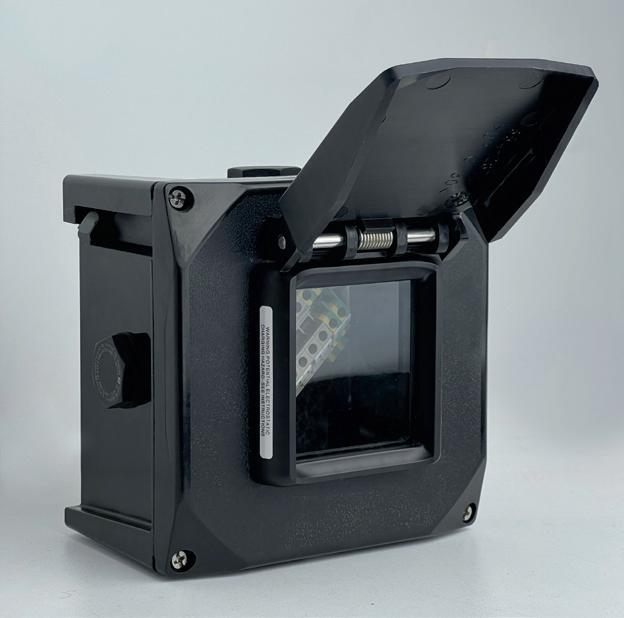
Pepperl+Fuchs (Aust) Pty Ltd https://bit.ly/3DNveV2
FANLESS COMPUTERS
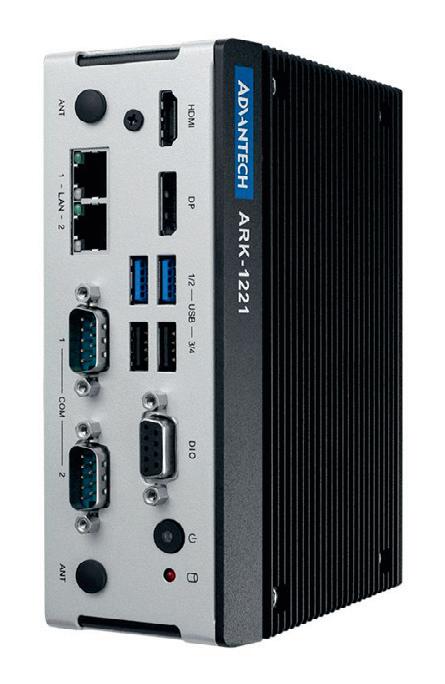
The ARK-1221L and ARK-1250L computers feature compact, rugged and fanless designs that support wide operating temperature ranges of -40 to 60°C.
Advantech Australia Pty Ltd https://bit.ly/3WlIiIA
COMPACT M12 POWER CONNECTORS
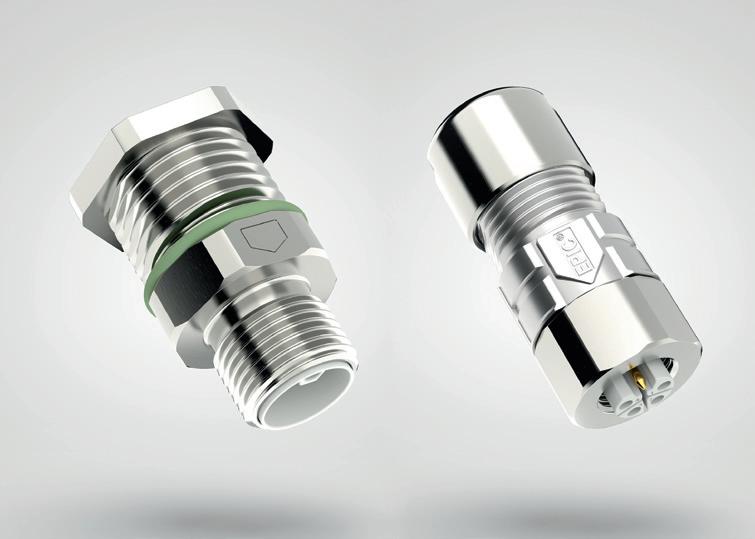
The Lapp EPIC POWER M12L connector is designed for uses including cobots, automated guided vehicles (AGVs) and with Profinet I/O modules.
Treotham Automation Pty Ltd https://bit.ly/3sMS5Kc
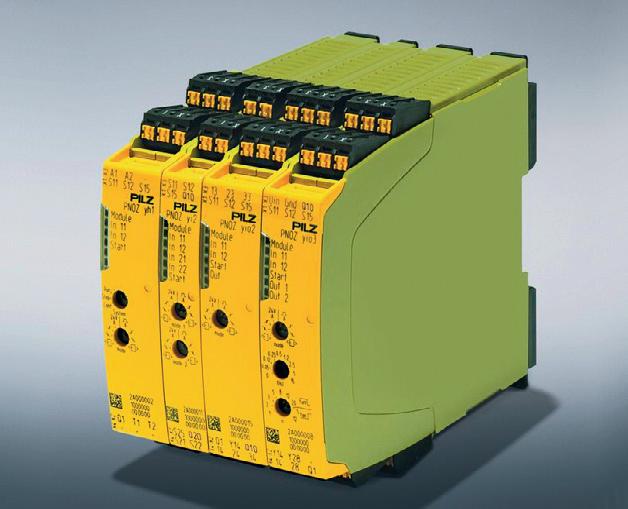
MODULAR SAFETY RELAY
The Pilz myPNOZ modular safety relay is produced individually according to customer requirements in batch size 1.
Pilz Australia Industrial Automation LP https://bit.ly/3zxvoNR
8 PROCESS TECHNOLOGY NOVEMBER 2022 www.ProcessOnline.com.au
> > >
>
THIN CLIENTS ENSURE A SECURE FUTURE.
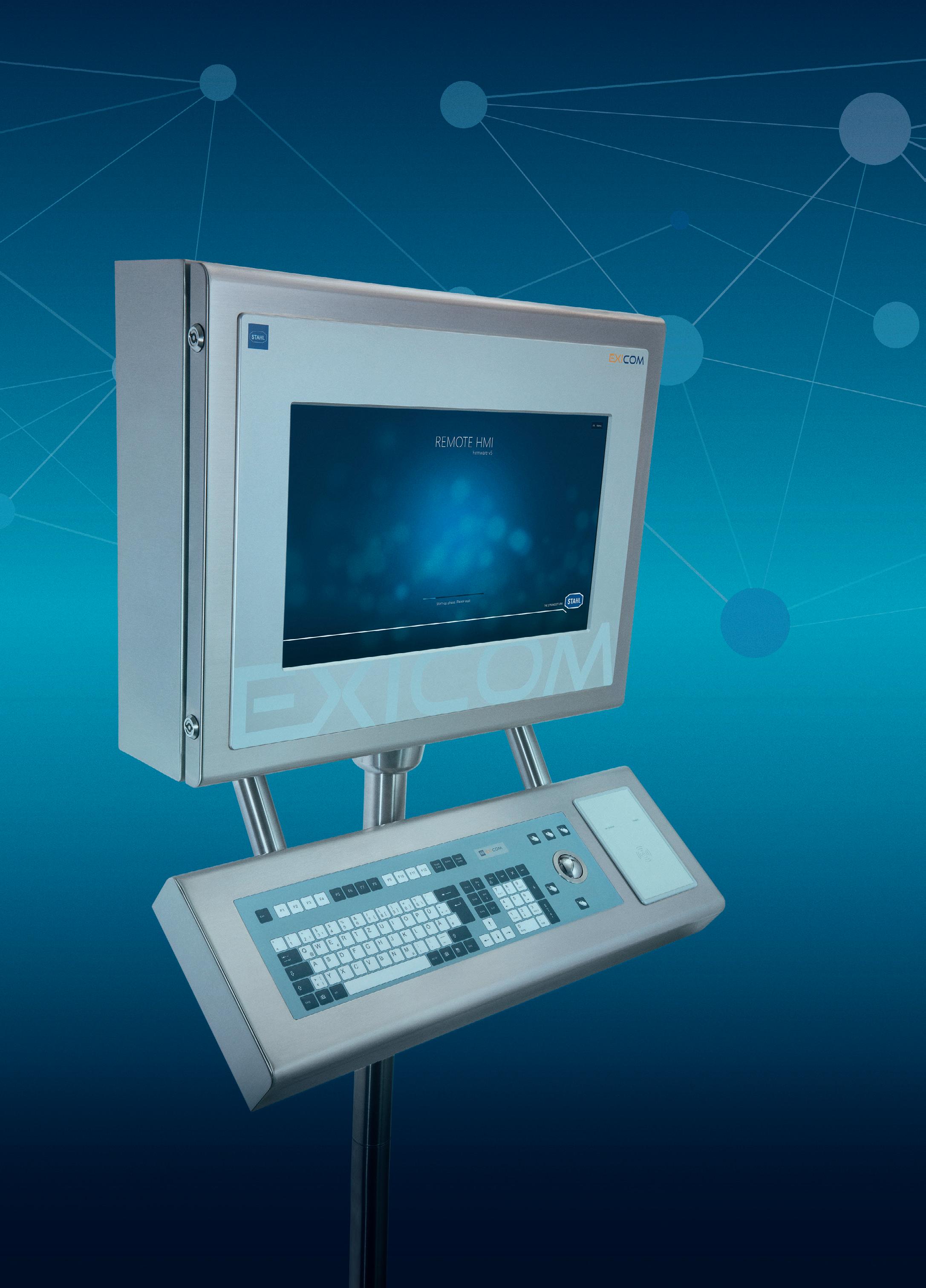
NOW WITH REMOTE FIRMWARE.
Our Operating and Monitoring Systems are compact, cost-saving and, thanks to their innovative concept, they are more safe, simple and reliable than ever before. What‘s more, they are already prepared for pioneering technologies such as automation in the cloud or modular automation.
Discover more at: r-stahl.com/en/hmi or sales.aurs@r-stahl.com
Brewing company eliminates bottlenecks with real-time data
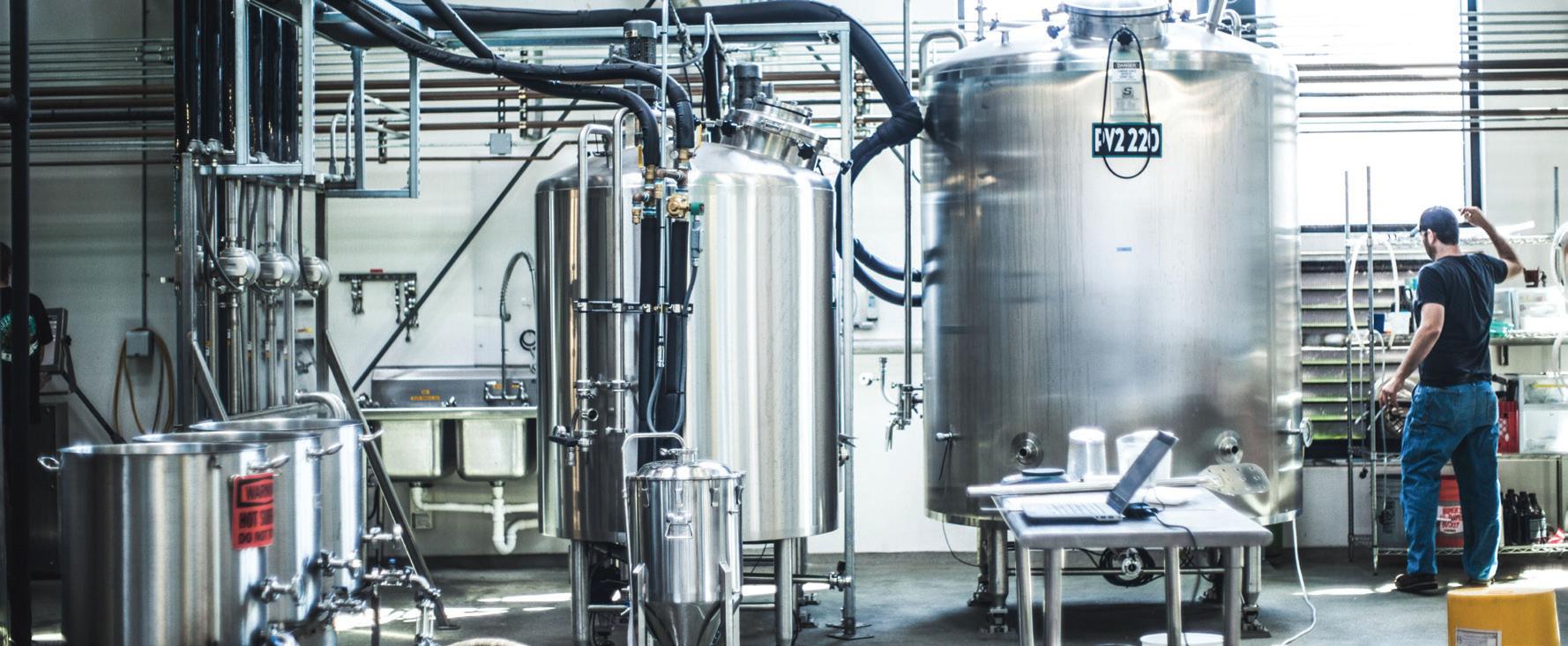
Founded in 2005 and famous for its Total Domination IPA, Oregon-based Ninkasi Brewing Company makes approximately 150,000 barrels (almost 50 million schooners) of beer every year. The craft brewery has also recently expanded its operations to contract out its production lines to budding brewers and producers of canned cocktails, hard seltzers and other popular drink lines.
The new production model led Ninkasi to rethink its approach to data capture and efficiency improvement initiatives and seek a provider that could help it reduce downtime, speed up product changeovers and improve its production scheduling.
“When we were small, it was easier to keep up with production demand, but we reached a point of growth and diversity where we needed a new approach,” said Daniel Sharp, Director of Brewing Process Development, Ninkasi. “We were intrigued by the OEE (overall equipment effectiveness) standard, and carefully evaluated providers that could help us understand how we measured up.”
To that end, Ninkasi signed a deal with Australian manufacturing performance software company OFS to provide software for removing manual processes for its manufacturing team and to help it to increase on-time-in-full (OTIF) orders.
Ninkasi deployed OFS’s line performance software system OFS-X on its packaging line to provide accurate, real-time OEE data and detailed insights into length of production, length of changeover, how well lines were performing and how different shifts and crews were performing. This gave the brewery the data it needed to work out best practices and vastly improve its operations.
“Our team on the floor compared all the systems available to us
OFS was the clear, undisputed winner. It was simple to use, made our lives easier and it supported our drive to grow and diversify while improving our uptime,” Sharp said. “Prior to OFS, we often had three or four changes to our production schedule a day, an issue OFS identified was usually caused by a packaging delay. It was wreaking havoc on our entire team and our ability to do what we love make great beer.
“Now, we’re down to about five schedule changes per week. We’re using data to assign uptime and run rates for different packages on a crew-by-crew basis, leading to new best practices being discovered.”
The efficiencies Ninkasi has achieved have led it to increase its OTIF orders from 40% to 94%, leading to better outcomes for customers and other brewers using its lines.
“Beer has a great seasonality to it too,” Sharp said. “The data is easy to pull and keeps us ahead of the game when it comes to ramping up or ramping down. We’re prepared for what’s in front of us now.”
Following the success of the OFS-X solution, Ninkasi is now considering OFS Flow to help remove paper forms and digitise manual processes. The craft brewery is also aiming to use data to reduce the level of aluminium that gets wasted as part of its sustainability initiatives.
Sharp believes this kind of technology will become a no-brainer for breweries once they reach a certain production threshold.
“When brewers get to the stage of needing a rotary filler, you often see production go from 40 to 50 cans or bottles per minute, to closer to 250,” he said. “If you miss even a minute, that’s a lot of beer you haven’t made. Data and the technology OFS provides will be increasingly important to helping brewers get to that next stage and make beer as efficiently and sustainably as possible.”
OFS CEO James Magee said Ninkasi is a brewery looking out for its people on the manufacturing floor and other breweries trying to make it.
“The craft beer industry, particularly in brewing strongholds like Oregon, is incredibly community driven,” he said. “Ninkasi is sharing its expertise, experience and data-driven production techniques with other craft brewers, helping the sector to diversify and make more beverages in less time, with less waste.
“We’re incredibly proud to be a partner to Ninkasi’s digital transformation, and particularly for helping them better utilise their team to create better, smoother days on the production line.”
OFS www.ofsystems.com
10 PROCESS TECHNOLOGY NOVEMBER 2022 www.ProcessOnline.com.au
case study

TEMPERATURE CALIBRATOR
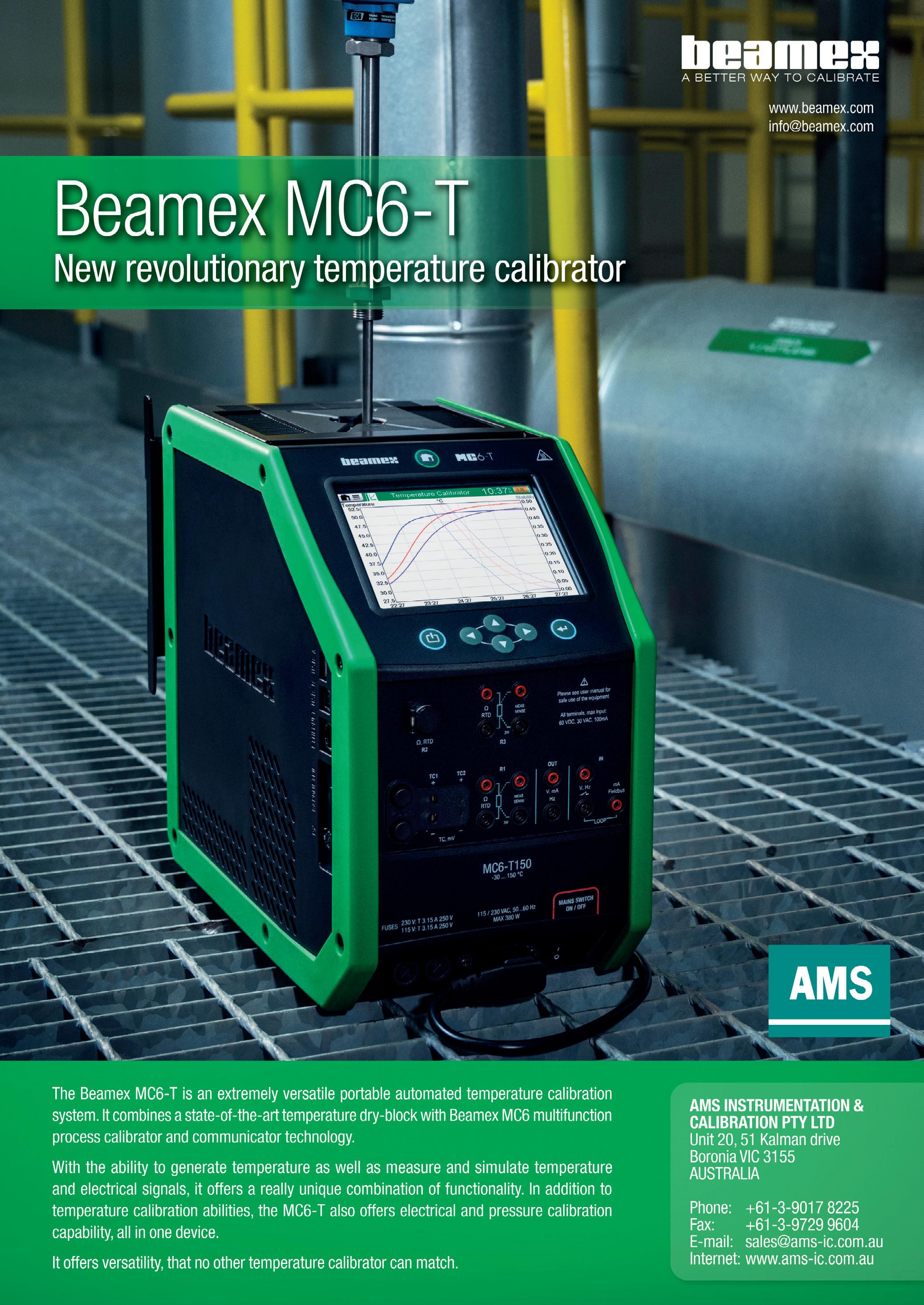
IKM Instrutek has introduced the TC65 temperature calibrator with touch display. In order to save cost, the calibration interval has been extended to up to three years. With a contemporary design, it has been developed to meet tough environmental demands.
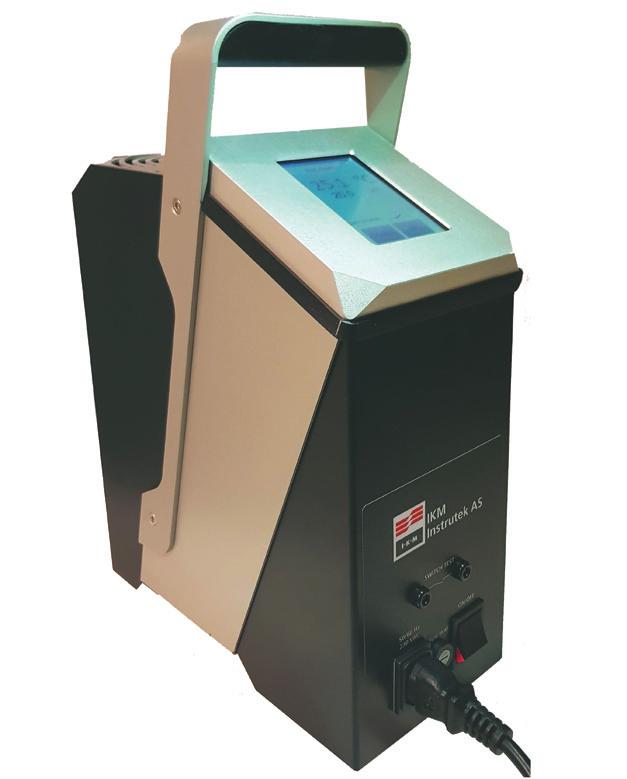
The unit is compact and robust, designed for marine, industrial and laboratory use, and approved according to DNVGL-CG-0339:2019. This is to ensure that users are be able to calibrate a wide range of temperature sensors, thermometers and temperature switches/thermostats.

The system calibrates sensors over a range of 30 to 650°C with a stability of ±0.1°C. Accuracy is ±1.5°C over one year to ±3.5°C over three years.
The dry block principle excludes the use of oil or other liquids. A dry block insert with various diameters ensures thermal contact to the sensor being tested. Users place the sensor to be calibrated in the calibrator, set the temperature, and when stabilisation occurs, read the true temperature from the calibrator and recalibrate the sensor or system accordingly.
AMS
Instrumentation & Calibration Pty Ltd
www.ams-ic.com.au
GEAR UNITS FOR LIFTING APPLICATIONS
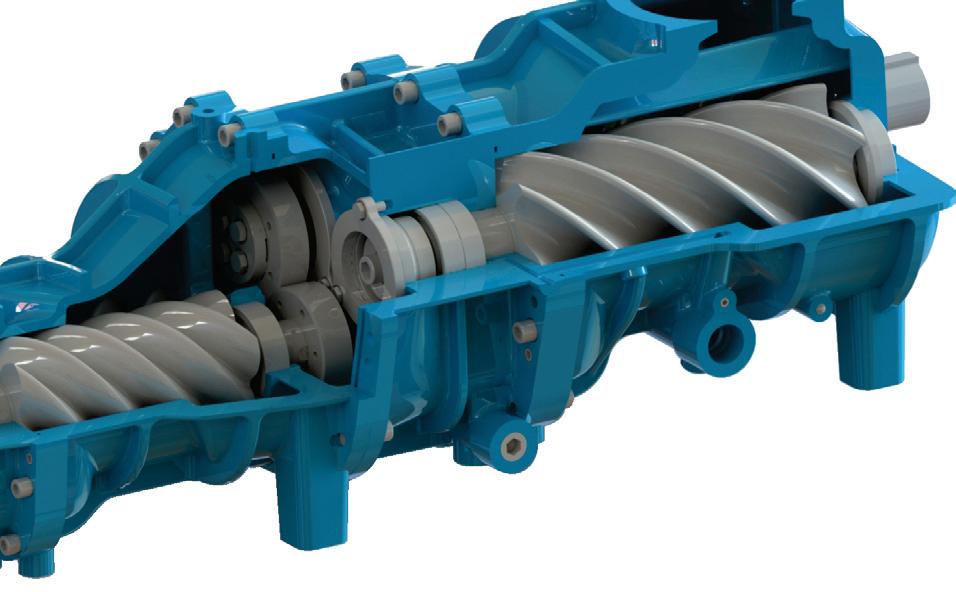
Lifting applications place special demands on the installation space for drives. With MAXXDRIVE XD, NORD Drivesystems says it has developed an industrial gear unit with increased centre distance that is suited to the U-shaped con figuration of drive, motor and cable drum.
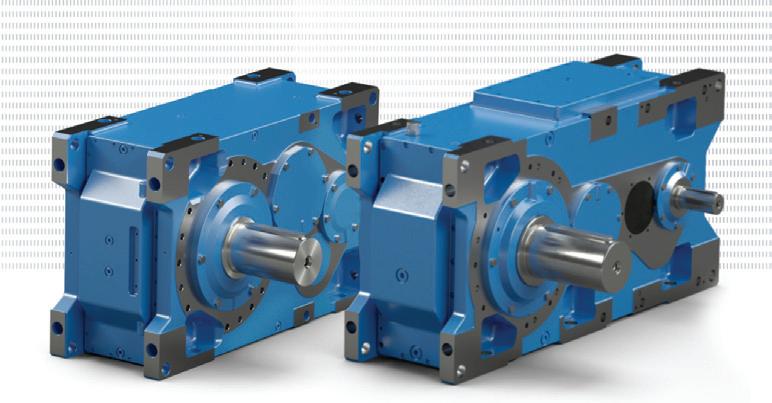

During development, the MAXXDRIVE XD’s housing was specially designed for lifting applications and optimised for downward loads. The elongated ar rangement of gear stages also enables a mechanical tailor-made dimensioning of the gear unit with sufficient centre distance, thereby avoiding the common problem of overdimensioning.
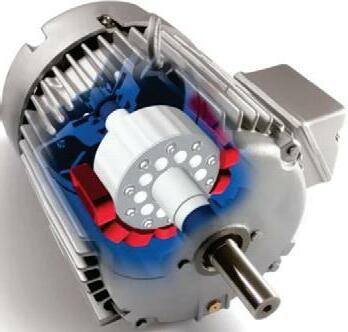

NORD currently offers the MAXXDRIVE XD in five sizes with centre distances between 509 and 963 mm, and also in versions with three or four gear stages. Housing dimensions and centre distance are identical for the three- and four-axle versions. This enables users to standardise and reduce versions when constructing their cranes. Due to the three and four stage versions, MAXXDRIVE XD covers a wide speed range with a maximum nominal gear ratio of i=355. The constant torque across the whole speed ratio offers a high efficiency while in use.
For the MAXXDRIVE XD’s components, NORD is using standard parts from its range of industrial gear units, offering users a wide choice of options and short delivery times. Additionally, the housing is also available with an inspection cover, enabling a visual check of internal components without having to remove the gear unit.
NORD Drivesystems (Aust) Pty Ltd www.nord.com
12 PROCESS TECHNOLOGY NOVEMBER 2022 www.ProcessOnline.com.au NEW PRODUCTS
HYDRAULIC CONDITION

MONITORING SYSTEM


The CMExpert hydraulic fluid and system condition moni toring unit from HYDAC has been designed to provide a complete packaged solution for hydraulic and lubrication system monitoring.
The latest version, the CME-AU2000, offers a range of smart sensors, a central data collection system, edge computing, ease of system expansion and MindSphere data analytics.
Compared to its predecessor, the CME-AU1000, the lat est version has the ability to take in more information from different sensors that are not necessarily hydraulic-related.

The series 2000 (level 2) comes with a central data col lection system that monitors itself, automatically interprets data and points out corrective action before it becomes a serious problem.
More correlated data enables an understanding of the relationship between pressure and temperature, with built-in warnings.
The series 2000 also enables the integration of edge computing, which consists of a computer embedded into the system to enable processing and interpretation of data to take place locally as well as remotely.
HYDAC International www.hydac.com.au
DECENTRALISED I/O SYSTEM
The Festo CPX-AP-I decentralised I/O system is designed to allow compact and lightweight I/O modules as well as decentralised valve terminals from Festo to be integrated into host systems in a flexible and scalable way. It also provides connectivity from the field level right through to the cloud, providing access to features such as predictive maintenance.
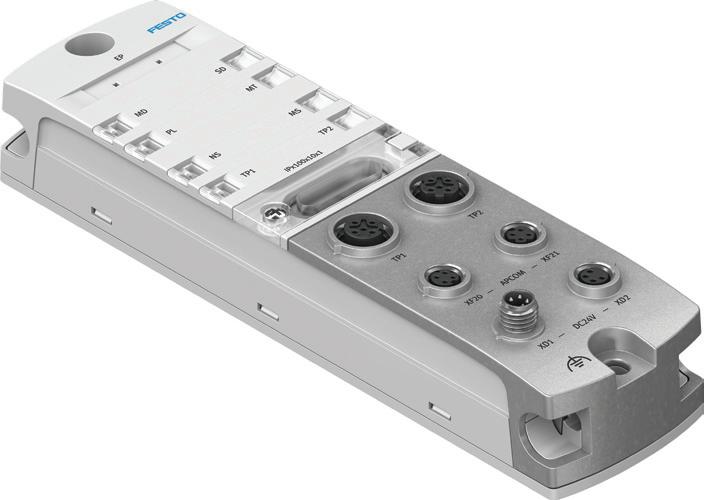
The CPX-AP-I, with IP65/67 protection, lets users from the general machine building, automotive or electronic sectors transmit their machines’ process data in real time. Up to 500 participants can be connected to the main systems with a cable length of up to 50 m between the modules. The benefit is that existing valve terminals from Festo can be integrated into the new system, so that nothing changes in terms of the pneumatic control sequence. The system can also connect to the Festo CPX-IOT IoT gateway, enabling status data to be exchanged with cloud systems.
The remote IO system is equipped with IO-Link technology as well as an IO-Link device tool that simplifies commissioning without the need for additional software tools, and provides a plug-in for the Festo Automation Suite.
The system is suitable for applications in which installation space, decentralisation and digitalisation are key. Based on the AP system communication from Festo, CPX-AP-I is designed to provide fast and seamless communication in all common host environments, supporting the requirements of the digital factory of the future.
Festo Pty Ltd www.festo.com.au
NOVEMBER 2022 PROCESS TECHNOLOGY 13 www.ProcessOnline.com.au NEW PRODUCTS
AUGMENTED REALITY FOR A REAL INDUSTRIAL WORLD
Industry today faces huge challenges. Even more than in consumer and high-tech fields, the skills gap created by the retirement of older industry experts, along with complex and time-consuming hiring challenges, means that having enough trained and informed people to get the job done is a daily problem.
At the same time, the pressure to increase or at least maintain profitability and viability doesn’t decrease, although budgets may. The critical nature of operations makes industry risk averse and slow to change, and every expenditure has to justify itself many times over.
Still, the only way to balance the lack of expert personnel and the need for profitability is an increase in productivity and a de crease in downtime that can only be achieved through technology. But, by definition, that technology has to solve problems and pay for itself from day one.
Unexpectedly enough, that’s where augmented reality comes in. Today, industry professionals are realising that a technology that once only existed in gaming is the most practical, highest ROI tool that they can consider.
Augmented reality in the industrial world
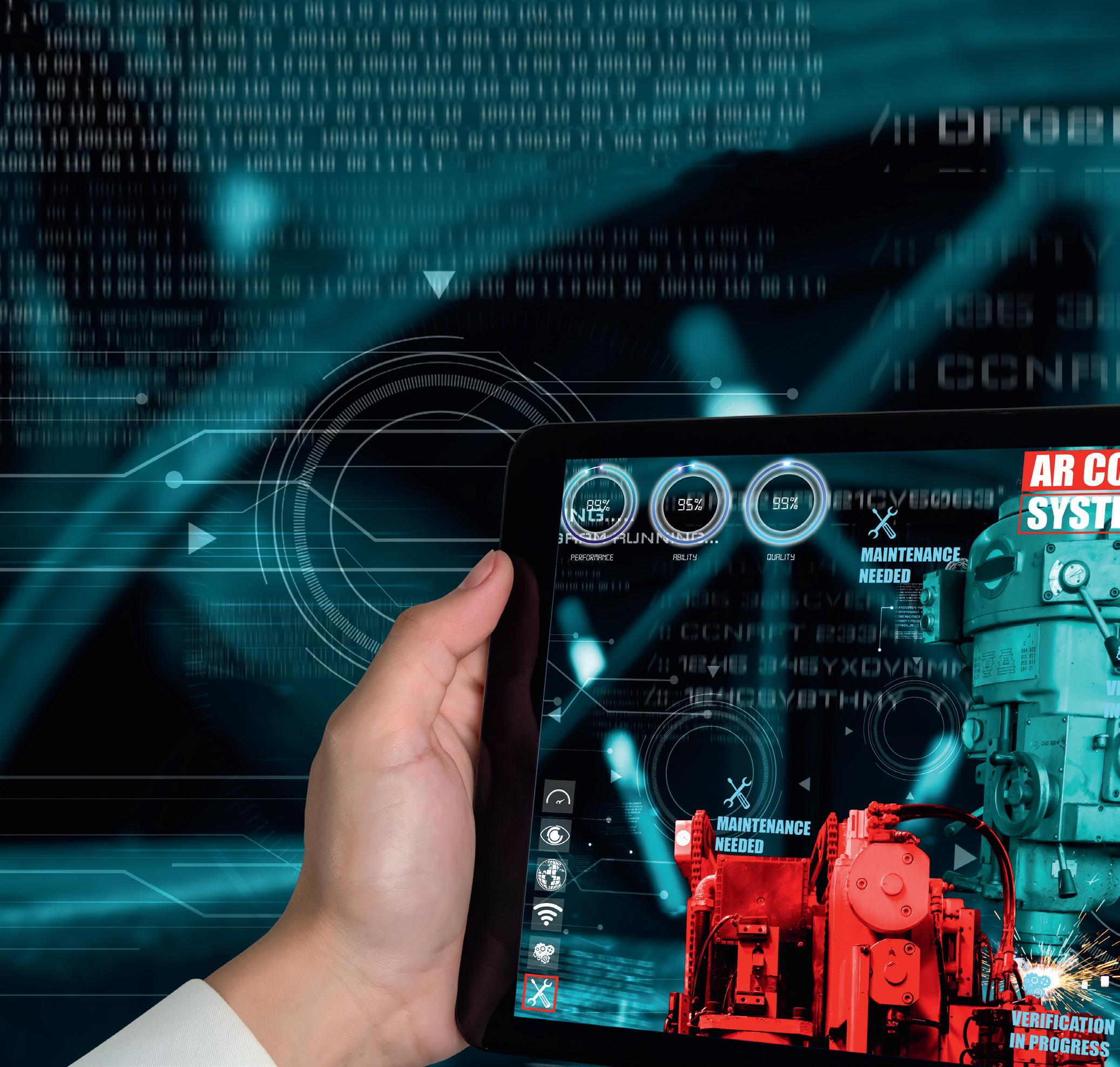
Huge amounts of data are collected through hundreds or thousands of sensors on every plant floor, but how can that data get into the hands of people on the plant floor who need it, and how can it be interpreted so that personnel can use it? New staff line up at workstations to check instructions, manuals and diagrams, and at any given time, only one or two experts on any procedure may be in the plant. Training new workers is a critical process that requires time and effort and the right expertise and tools. Mainte nance personnel constantly face machines they can’t evaluate and data that is trapped behind gates and in inaccessible locations.
AR tools can help close the knowledge gap, connecting less experienced personnel to tools and experienced mentors while they work rapidly upskilling a new generation of operators and tech nicians and ultimately enhancing productivity and the bottom line.
Many a large plant has hundreds of disparate assets and a maintenance team, many of whom are new and not yet fully trained to recognise and fix problems with each of these assets. The main
14 PROCESS TECHNOLOGY NOVEMBER 2022 www.ProcessOnline.com.au
tenance tech may need to consult a central location or a distant workstation to get access to the key performance indicators on that machine and the experts may not be available to support them.
Now imagine maintenance personnel on duty carrying tablets that enable them to walk to a machine and see KPIs superim posed over the asset to help them with equipment inspection and overhaul. With this information, they can evaluate if the machine is performing optimally according to specifications or if any ac tion is needed.
Maintenance staff may approach a group of machines that are inaccessible, whether they are behind a gate or too high to reach. Traditionally, they would have to obtain permission to access the machine and cause a temporary process shutdown to view the current performance indicators and determine the correct course of action. However, with augmented reality, the maintenance techni cian can simply hold up a tablet and zoom in on the machine and all of the status indicator information is instantly available without having to open a gate or cause any interruption in service.
This is a very simple example of what augmented reality can do not in the future, but today.
Industry and AR: a match made in profitability
With such an example, it’s easy to understand why AR technology offers so many practical benefits today in the industrial space. Having the opportunity to superimpose information typically ac cessed through a HMI on to a view of the equipment that operators and service technicians are looking at in real time is crucial to enabling the next generation of workers who are far more often found in the plant than sitting in a central control room. The new technologies allow operators to move freely, while at the same time having additional real-time information relevant to the task in hand presented to them. In this way, mobile and wearable AR technology supports and simplifies operational activities, creat ing solutions that perfectly integrate with supervision and HMI technologies commonly used to manage automation systems and perform maintenance activities.
AR is suitable for both the manufacturing and process industries, allowing operators to use technology integrated with standard IIoT, SCADA/HMI and plant analytics tools to perform actions needed within various production stages.
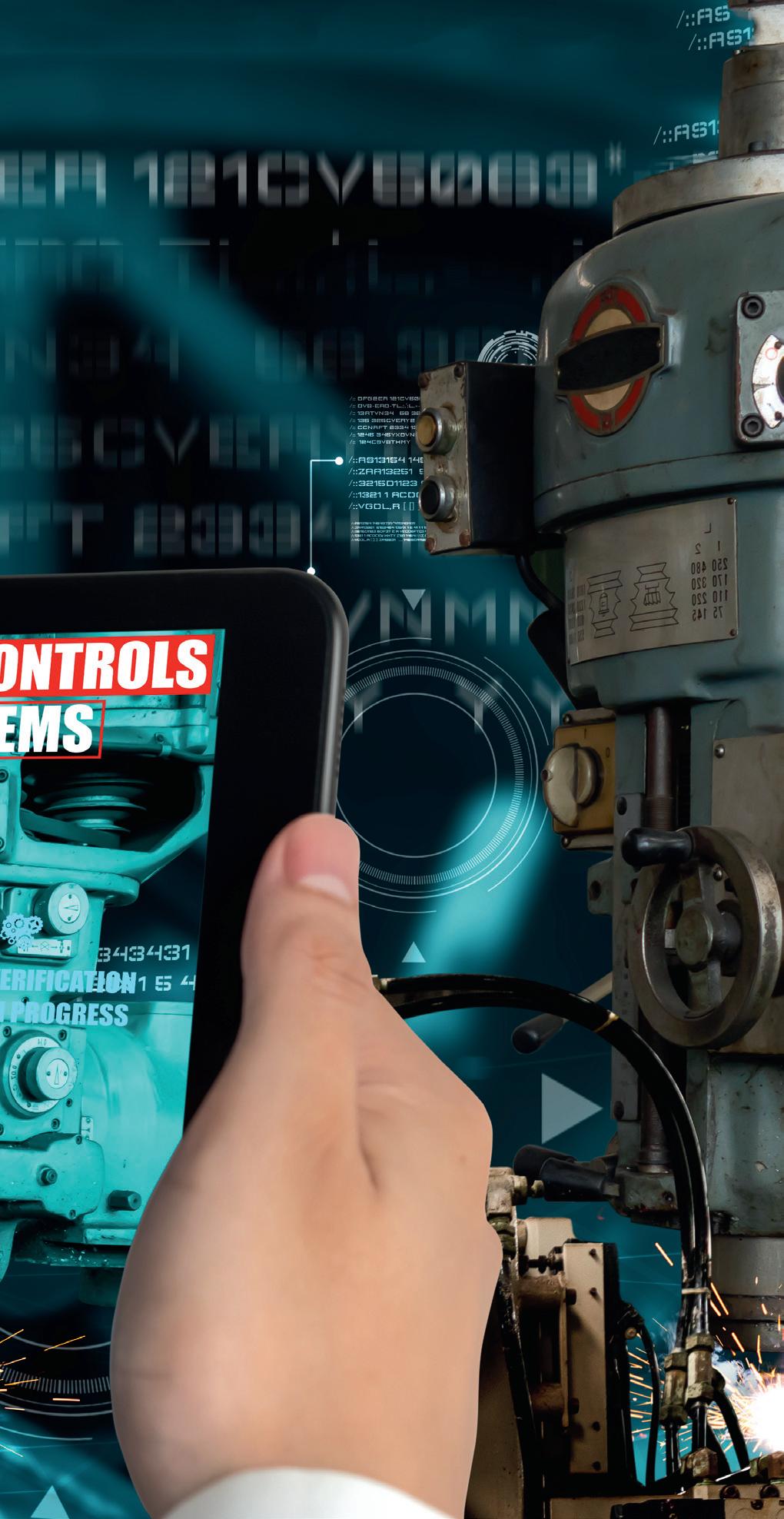
Wearable and mixed reality AR devices supplied to operators can come in a kit that includes glasses or helmets fitted with displays, cameras, audio hardware and Wi-Fi connectivity that maximise flexibility. More frequently, mobile devices can be used as operators walk through the plant. These systems can display dynamic, real-time information relevant to the task and the location where the operator is working as described in the example above, as well as process data, systems status, alert-related information, required actions or other helpful data. Operators can interpret the required commands, such as start, stop, set-point modification and instruction requests based on alerts.
Although AR systems will tend to be complementary solutions, rather than completely replacing workstations that support traditional work processes, the mobile nature of these devices reduces costs and provides much greater flexibility and speed during operational phases. Many facilities can’t install standard HMI systems in every location, so AR technology provides access to data they would not have otherwise.
For maintenance activities, AR systems make it possible to view on-screen documentation, such as manuals, guided videos and tutorials for troubleshooting the part or machine being main tained, and also enable communication with the operations centre using a wireless connection. Consequently, the instant visibility of relevant data significantly reduces the risk of human error when performing a procedure.
NOVEMBER 2022 PROCESS TECHNOLOGY 15 www.ProcessOnline.com.au
Augmented reality iStock.com/NanoStockk
The key benefits of AR include:
• access to information that otherwise wouldn’t be available
• instant information on operations to perform according to the situation
• the receiving of alert notifications and relevant instructions
• access to guided maintenance procedures
• barcode or QR code scanning with real-time context-related feedback
• connectivity and interaction with other operators at remote operations centres
• interactive or holographic 3D views of automation systems
• access to information via the web.
It is important to note that these benefits accrue without the need to have a local HMI (panel PC or other) at each asset, al lowing visibility to all the machines in the plant easily and quickly. The savings in infrastructure costs is substantial.
The present and the future
The present value of AR in industry is its unique ability to solve pressing and impactful problems such as improving productivity in the light of a constrained workforce and unpredictable economies. At the same time, AR has unlimited potential for solving industrial problems and enhancing the bottom line in the future.
A scenario currently exists in which the operator speaks to a machine, asks for information, addresses commands or directly interacts with the system using hand motions to launch or adjust a process, whether or not a plant or enterprise needs to make use of it immediately. Moreover, the machine may ask the operator to execute required commands or manual operations as needed by the circumstances, guiding the operators in their activity, preventing any inaccuracy or lack of efficiency.
Another AR tool for present or future is the HoloLens. The Microsoft HoloLens is actually a wearable holographic computer, although it is more commonly referred to as an AR device, given its ability to overlay a virtual interface to the actual environment to ensure remarkably intuitive interaction. HoloLens has a CPU, GPU (graphics unit) and a third chip called the Holographic Processing Unit (HPU). It is a standalone autonomous device, requiring no cables to connect to a PC or other devices.
The display is actually a computer worn on the head with a transparent lens that allows the user to see the surrounding en vironment, and surround audio (spatial sound) which locates the source of the sound. Advanced sensors include an inertia measure ment, light sensor and four cameras for environmental analysis. An additional camera can detect depth in order to recreate the surrounding environment, while a 2 MP HD camera is used for taking pictures and recording video. Vocal commands are captured by four microphones embedded in the display. According to Mi crosoft, HoloLens can gather terabytes of data from sensors and process it in real time. The device senses where the operator is looking, interprets their gestures and understands vocal commands.
Alternatively, the term ‘smart glasses’ is used to define a type of AR wearable device that is worn like a pair of glasses. Visual content and dynamic data are viewed on a ‘heads up’ display, which overlays information on whatever is being looked at. Several
devices are available on the market, including Google Glass and the Epson Moverio.
Google Glass has an integrated camera, inertia sensors, speak ers and microphone, enabling control via vocal commands. The application can be displayed directly on the glass and does not need any other external device.
Epson Moverio is glasses designed for AR applications and offers images displayed for both eyes. As with Google Glass, an SDK is available for creating applications. The Moverio device also has a front-facing HD camera for shooting video and a battery that provides six hours of operation. Motion sensors integrated in the display and controller, plus GPS, microphone and video camera, help to support more sophisticated applications.
These are just a few examples of technologies available to extend the application of AR throughout plants and industrial en terprises once the shift to a new way of mobile working has been embraced.
How to put AR to work
Putting AR to work solving problems today is remarkably easy and cost-effective. An AR solution must obtain dynamic data
16 PROCESS TECHNOLOGY NOVEMBER 2022 www.ProcessOnline.com.au
Augmented reality
AR IS SUITABLE FOR BOTH THE MANUFACTURING AND PROCESS INDUSTRIES, ALLOWING OPERATORS TO USE TECHNOLOGY INTEGRATED WITH STANDARD IIOT, SCADA/HMI AND PLANT ANALYTICS TOOLS TO PERFORM ACTIONS NEEDED WITHIN VARIOUS PRODUCTION STAGES.

from a data server running an application that physically com municates with the system or machine of interest. This requires suitable data communication protocols to be used to access data from different monitoring and control devices, such as PLCs, CNC machines and sensors. Consequently, a server platform is needed to publish system-related data and make it available to the AR device.
Typically, a separate IIoT or SCADA/HMI supervisory worksta tion is required to provide:
• an I/O data server
• historisation of events and process-related data
• alert notification and event notification management
• data analysis management
• supervisory control logic management.
The AR device should be connected to the supervision system whenever system-related real-time data is available. Consequently, the supervision system and the AR system are linked to one another. The ideal solution is a standard, open, user-friendly platform that is compatible with all industrial protocols, is modular and expandable, and includes dashboard and screen design tools typically found in SCADA/HMI and AR systems.
From nice-to-have to must-have
Today’s industrial challenges have catapulted augmented reality from an excellent addition to an industrial plant’s operating technologies to a necessity. Few technological enhancements can provide more benefit at less cost in a short time. And, of course, the potential for AR to simplify, speed and enhance operations and maintenance in a plant is just the beginning. The integration of AR into SCADA/HMI platforms and the subsequent availability of actionable information via mobile, wearable and mixed reality devices offers the potential for new levels of efficiency and output.
Having the opportunity to instantly access a HMI while working in the industrial plant gives operators greater situational awareness, enables them to intervene promptly when and where the process demands it, and helps them perform tasks faster and make better decisions. Augmented reality HMI has the potential to revolutionise how operators manage processes, optimise productivity and reduce downtime, making it possible to do more with less every day.
Emerson Automation Solutions www.emerson.com/au/automation
NOVEMBER 2022 PROCESS TECHNOLOGY 17 www.ProcessOnline.com.au
Augmented Reality
iStock.com/gorodenkoff
PYRANOMETER
The Delta OHM LPPYRA-Lite is a spectrally flat Class C pyranometer according to ISO 9060:2018 for ordi nary solar efficiency monitoring of PV systems and measures the irradiance on a flat surface in W/m2
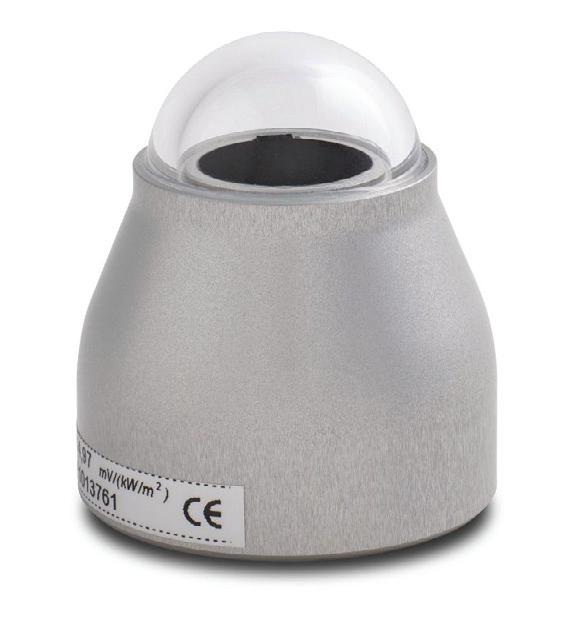
Being small, light and compact, it is especially designed for small-scale PV monitoring and ordinary efficiency control of PV systems. The LPPYRA-Lite uses a ther mopile sensor that provides measurements according to the reference standard.
It is available in two versions in order to meet installation requirements: the LPPYRA-Lite passive and the LPPYRA-LiteAC active with 2–wire 4–20 mA output.
It is easy to set up and install and a suitable solution for direct tilted installation. An adapter is available to ease the mounting. In case of horizontal positioning, an optional fixing base integrating a levelling device is also available.
W&B Instruments Pty Ltd www.wandbinstruments.com.au
HEAVY-DUTY JOYSTICKS
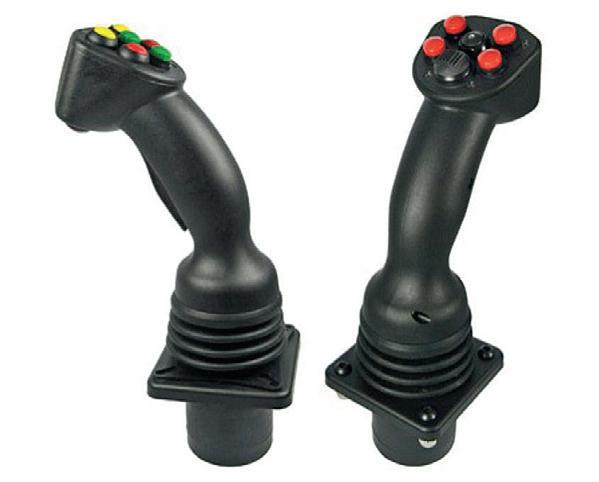
Megatron Hand joysticks, also known as ‘heavy-duty joysticks’, are used in safety-relevant and complex ap plications. The increased stability is achieved mostly by the size. The range of functions is extended by integrating additional input elements in the handles. For this purpose, push-buttons or small thumb joysticks can be integrated if required.
The human-machine interface is of central importance for the control of cranes, construction machinery, lifting platforms, water cannons, off-road vehicles and much more. And the more demanding the application, the greater the need to optimise the control element. For handheld joysticks, concrete function adjustments and optimisation of the haptics are therefore very common.
The robust IP65 joysticks with multifunction ergonomic cobra handles and configurable metal mechanism are equipped with conductive plastic potentiometers or Hall sensors (both also available as redundant versions).
Each of the two axis mechanisms of these joysticks can be configured independently of one another. The handle can be either configured to automatically return with a spring to the centre position or with a friction brake. Detent positions can also be implemented.
The hand joysticks are available with various configuration options for rockers, switches, latching positions, microswitches and buttons above and below the joystick head to meet safety-critical requirements. Multiple rockers can also be optionally installed for many degrees of freedom.
As a special variant, the entire handle can also be designed to be rotatable as the third degree of freedom of the main axis.
Slentech Pty Ltd www.slentech.com.au
18 PROCESS TECHNOLOGY NOVEMBER 2022 www.ProcessOnline.com.au SCHUNK Intec Pty Ltd Unit 4/62 Turner Road Smeaton Grange NSW 2567 Australia E | info@au.schunk.com M | 0433 810 045 W | www.schunk.com Implement your cobot application in no time: Choose your components from the vast selection in the SCHUNK Plug & Work portfolio. Experience more at schunk.com/equipped-by A Plus in equipping your Cobot fast and simple. Hand in hand for tomorrow NEW PRODUCTS
VORTEX TUBES
EXAIR Vortex Tubes provide a maintenance-free solution to a variety of industrial spot cooling problems. Using an ordinary supply of compressed air as a power source, vortex tubes create two streams of air, one hot and one cold, with no moving parts.
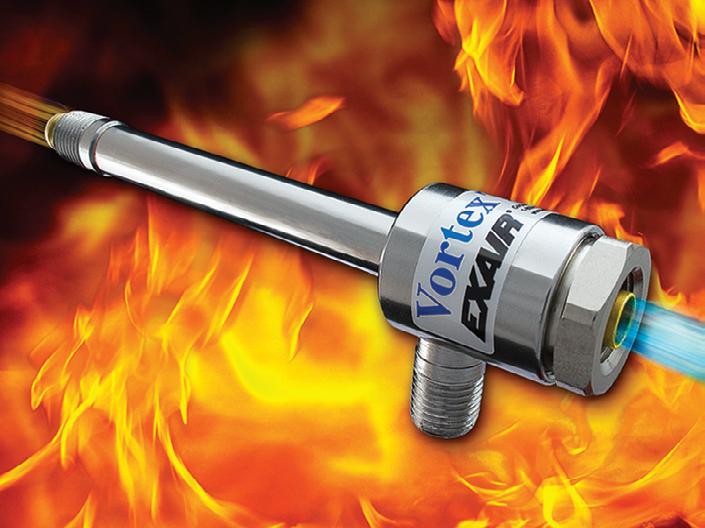
Vortex tubes can produce temperatures from -46 to +127°C, flow rates from 1 to 150 SCFM (28 to 4248 SLPM) and refrigeration up to 10,200 Btu/h (2571 Kcal/h). Tem peratures, flows and cooling power are adjustable over a wide range using the control valve on the hot end exhaust.
Over the years, the basic vortex tube has been used in a multitude of industrial cooling applications, leading to the development of applied products designed to suit the specific application. These include the Adjustable Spot Cooler, Mini Cooler, Cold Gun and Cabinet Coolers for cooling and purging electronic control panels.
Standard vortex tubes are suitable for ambient tempera tures up to 52°C. High-temperature vortex tubes for ambient temperatures above 93°C are also available.
Applications include cooling electronic controls, cooling machining operations, cooling CCTV cameras, setting hot melts, cooling soldered parts, cooling gas samples, elec tronic component cooling, cooling heat seals and cooling environmental chambers.
Compressed Air Australia Pty Ltd www.caasafety.com.au
DATA SCIENCE TOOL
Mitsubishi Electric has announced MELSOFT MaiLab, a data science tool that uses the company’s Maisart AI technology to enable non-specialists to more easily analyse and diagnose factory data such as current and pressure values for intuitive, high-level management of production operations.
In recent years, manufacturers are increasing the use of various data from the factory floor to further enhance productivity, which is stimulating needs for data collection and visualisation as well as advanced analysis and diag nosis. On the other hand, a number of factory operations like production management and equipment maintenance still need to be handled by human workers, making tasks such as equipment adjustments and consumablesreplacement timing, etc dependent on the experience of skilled workers. The lack of such skilled workers, however, is becoming a critical issue for manufacturers when they try to promote advanced data analysis and diagnosis.
MELSOFT MaiLab is designed to enable non-specialists to perform expert-level factory-data analysis and intuitive production management. It utilises AI technologies like deep learning and other statistical methods to automatically learn how skilled workers evaluate operations, which enable this tool to be handled more easily without requiring any special knowledge of factory operations. After the automatic learning process, the analysis and diagnosis results will be fed back from MELSOFT MaiLab for adjusting equip ment parameters, which helps manufacturers automatically improve their operations and further increase productivity.
Mitsubishi Electric Australia www.mitsubishielectric.com.au
NOVEMBER 2022 PROCESS TECHNOLOGY 19 www.ProcessOnline.com.au NEW PRODUCTS
EMPOWERING EMPLOYEES FOR SUCCESS IN THE FACTORY OF THE FUTURE
In an increasingly competitive global market, the Australian manufacturing sector is embracing new technology in order to thrive. Companies are investing in automation technologies, including robotics and artificial intelligence (AI), to achieve greater efficiencies and meet the demand for higher production (while keeping costs down).
The integration of new technologies does, at times, raise concerns from employees, who may fear they’ll be replaced by robots or automation.


This is a common misconception. The Harvard Business Review puts it best: “Technology does not purge the need for human labour but rather changes the type of labour required. Autonomous does not mean humanless.”
The change to new technology actually brings a wide range of new employment opportunities. For example, the World Economic Forum’s 2020 Future of Jobs Report estimates that by 2025, advanced technologies will lead to the creation of at least 12 million new jobs. It predicts increased demand for jobs such as data and machine learning specialists, but also very ‘human-driven’ professions, including digital marketing specialists and business development professionals.
While these findings are encouraging, they will do little to assuage the concerns of manufacturing employees who may not yet be equipped with these skills. The question for manu facturers is, how to embrace advanced manufacturing without leaving employees feeling vulnerable or alienated.
For the transition to advanced manufacturing to be suc cessful, it is essential that employees are educated about the new technology, as well as its benefits and goals. Employees need to support and believe in the company’s strategic goals: they need to see clear advantage for both the company and for themselves.
The majority of employees want to see the organisation they work for succeed and they understand that sometimes change is necessary in order for the company to remain competitive. It’s not that employees are resistant to change but rather that they need clarity on how the change stands to benefit them on both an organisational and an individual level. It is important that employees feel that their contributions are a valued part of the overall initiative.
Automation offers manufacturers a host of benefits: it will increase productivity, improve worker safety and efficiency, and reduce errors. Pertinently, it can reduce the burden on employees, by allowing them to channel their energy and crea tivity into corners of the business where a human perspective is invaluable.
The automation of manufacturing tasks may facilitate the re-allocation of labour costs, enabling companies to invest in the professional development of employees. This is a good opportunity to upskill personnel, equipping them with the ca pabilities and knowledge they will need to thrive in an altered workplace.
Another unexpected but major benefit of automation is that it is reinvigorating the manufacturing sector by making it more
attractive to young candidates. The implementation of robotics, programming and automation software in the manufacturing environment presents an exciting pathway into a sector that may otherwise have limited appeal.
Technical proficiencies will be in high demand as advanced manufacturing becomes more prevalent. Yet other, more ‘abstract’ skills will be required by future-thinking manufacturing businesses that wish to thrive.
In a rapidly changing environment where new technologies are constantly coming to the fore, employees must embrace an attitude of continuous learning. Curiosity and a learning mindset are essential, and employees are encouraged to seek out training that will enhance their skills and knowledge. Creativity and in novation also thrive when ideas are shared. The ability to work effectively with others is a skill that will always be in demand in any workplace.
Another often underrated advantage we have as individuals is our ability to communicate with one another. The sharpening of written and verbal communication skills will increase efficiencies and improve working relationships.
Critical thinking and problem-solving skills are also highly valued. I would argue that the ability to think critically, strategise and change course with agility is the most crucial advantage that humans have over robots, and problem-solving ability is a skill that strengthens with practice and brings significant value to an organisation, creating new opportunities for success.
All of these are skills that can be developed and honed through employee development programs.
Change is inevitable, but once teams see new technologies for the opportunities and advantages they present, they can focus on strengthening their uniquely human capabilities. These capabilities will always be in demand in the Fourth Industrial Revolution and beyond no matter how many robots are working alongside us.
Hazel Stewart is Director of Innovate Learn, an Australian company based in Melbourne, offering a combination of local expertise and research-based best practice solutions from Wilson Learning Worldwide. The company provides targeted solutions that support strategic initiatives, create a productive and engaging work culture, and drive business outcomes. Programs are supported by best practice facilitation and coaching services.

20 PROCESS TECHNOLOGY NOVEMBER 2022 www.ProcessOnline.com.au
FLOW SWITCHES GO DIGITAL
Engineering and maintenance teams in the mining industry are seeking better ways to obtain critical information on the status of their equipment. To do this, many pieces of existing infrastructure are upgraded or replaced to migrate to continuous analog or digital monitoring.
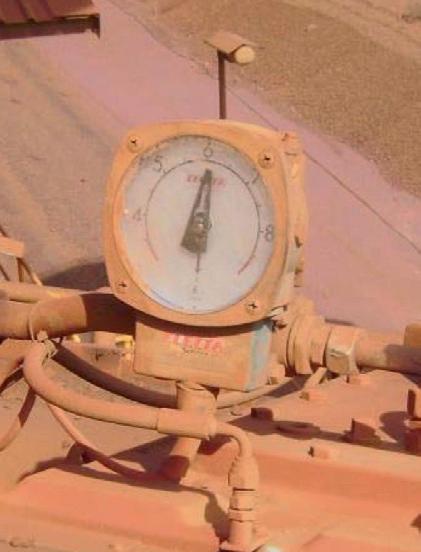
With an extensive installed base of rugged, orifice plate (differential pressure) flow switches in the critical systems of crushing equipment and other heavy mining machinery using non-conductive oils and thus not suitable for other technologies, Eletta saw the need to provide its customers with a simple way to move into the digital IoT age.

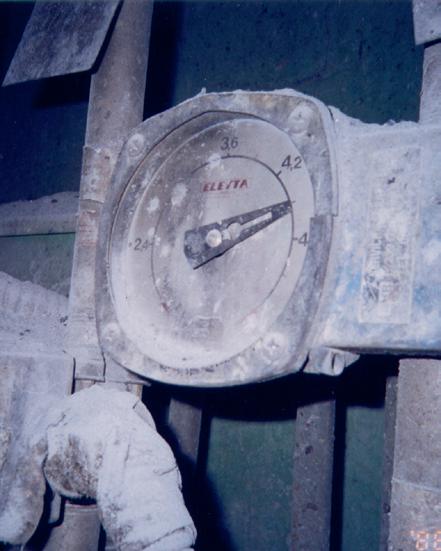
To do this Eletta has released three possible upgrade alternatives to its S and V Series flow switches widely found on equipment (sometimes still distinguishable by their blue housings):
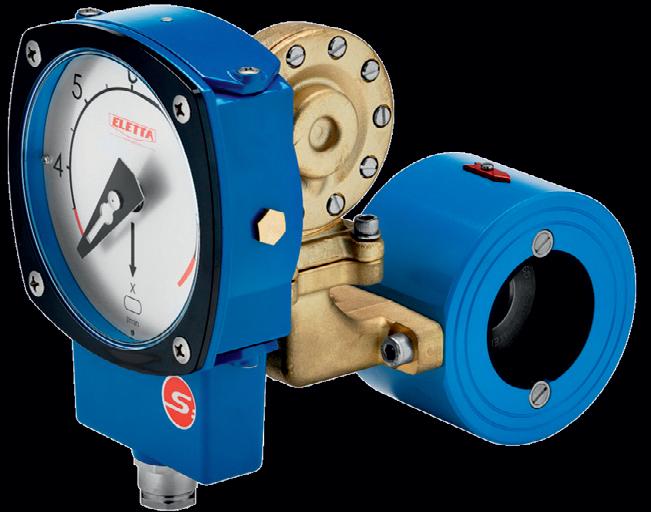
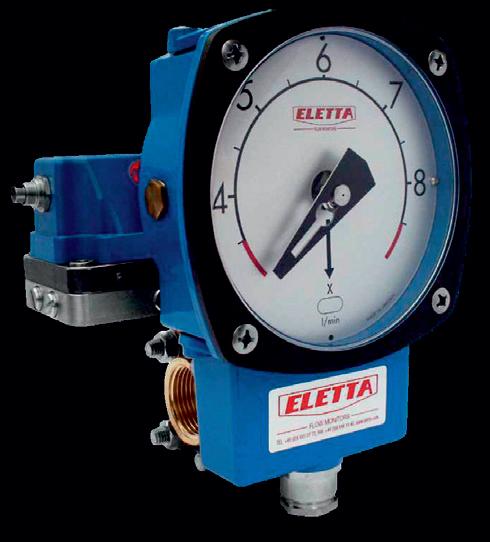
• M3 controller: If flow set point alarms are no longer required, users can upgrade to the compact M3 controller, a compact and lightweight blind unit that provides a 4–20 mA output only.
• D Series controller: This upgrade alternative converts the switch to completely digital. The D Series controller features a fully backlit display (rotatable through 360°) and offers instantaneous flowrate, a proportional bar graph and flow totaliser. This alternative provides two programmable relays alongside pulse and continuous outputs (frequency and 4–20 mA).
• Combo Plate: If unsure which way to go, adding the Combo Plate makes it possible to keep the mechanical dial while adding the M3 controller. This approach maintains the mechanical switches and display while incorporating a 4–20 mA flow output.
As with all Eletta Classic Series designs, controller changes are backwards compatible with older equipment. Upgrades are made either directly or with the simple addition of an adapter. None of the upgrades require existing pipe sections or their integrated orifice plates to be removed from within the system.
During a recent repair, the maintenance staff of a NSW steel mill quickly upgraded one of their 40-year-old Eletta switches with minimal downtime, supported by local inventory from Control Components. The changeover was simply accomplished by removing four screws and swapping the controller, without recalibration or fuss.
For more information on how you can make the change, contact Control Components or go online at www.ccezy.com.au.
NOVEMBER 2022 PROCESS TECHNOLOGY 21 www.ProcessOnline.com.au
SPONSORED CONTENT CCEZY.COM.AU +61 2 9542 8977 Distributors through Australia and New Zealand Control Components WE’VE GOT YOUR… Flow switch to transmitter in just 4 screws... Standard S Series flow switch: • Large dial gauge (1:2 or 1:5 turndown) • 2x Adjustable alarm points Upgraded ‘Combo’ unit: • All of the S Series features plus 4-20mA output (1:10 turndown) Same rugged design Keep relay outputs Easy to read mechanical dial Upgrade without uninstalling Analogue for remote monitoring
RUGGEDISED AI INFERENCE PLATFORM
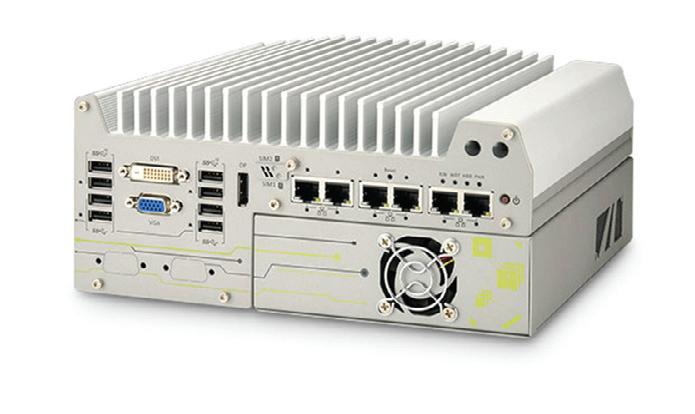
The Neousys Nuvo-7168GC series is a ruggedised AI in ference platform supporting the NVIDIA RTX A2000 GPU, and is designed to be suitable for industrial AI inference applications such as machine vision inspection, machine automation and intelligent video analytics. Operating with an NVIDIA RTX A2000, the product delivers 8 TFLOPS of FP32 GPU computing power for real-time AI inference.
The device has six GbE ports and eight USB 3.1 ports for connecting to industrial cameras or IP cameras. An M.2 2280 NVMe interface is provided internally for fast storage access supporting over 2000 MBps read/write speeds. It also supports the MezIO interface for further I/O expansion such as isolated DIO, COM ports or more GbE ports. It also accommodates two 2.5 ″ SATA HDD/SSD with RAID 0/1 support, and supports -25 to 60°C temperature operation.
Backplane Systems Technology Pty Ltd www.backplane.com.au
ETHERNET-APL FIELD SWITCH
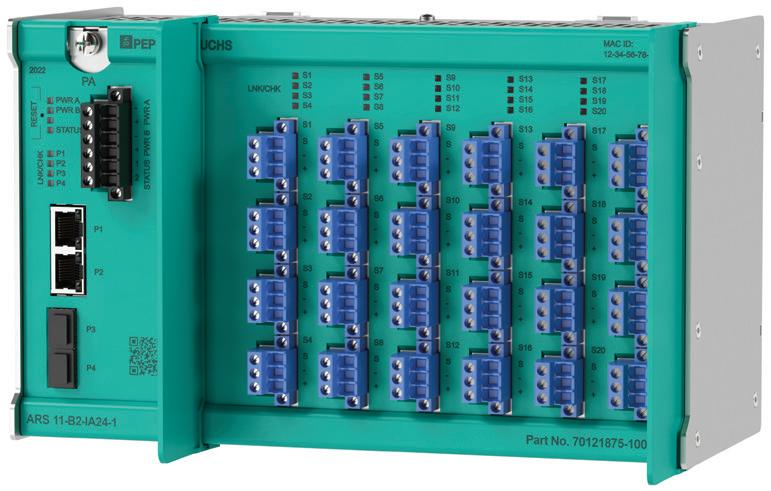
The Pepperl+Fuchs Ethernet-APL Rail Field Switch is a rugge dised, managed field switch offering connectivity for Ethernet-APL devices to Ethernet networks via any protocol. These connections are called spurs. The spur ports provide intrinsically safe, Ex icIIC and Ex iaIIC with power and communication to instruments that may be located in Zone 2, 1 or 0.
The Ethernet-APL rail field switch allows users in process plants to deploy Ethernet beyond the control room throughout the plant. The field switch provides seamless, transparent and simultaneous access to field instrumentation, and in doing so, it enables new applications and therefore new work processes for how users work with instrumentation and other devices installed in a process plant.
Bringing digital communication via two-wire Ethernet into the field allows for easier implementation of IIoT applications into process automation applications. All parties involved, from the planner to the user to the maintenance personnel, are therefore able to reduce risks and increase safety, quality and yield.
Pepperl+Fuchs (Aust) Pty Ltd www.pepperl-fuchs.com
CONTROL-INTEGRATED VISION SOLUTION
Beckhoff Vision is an integrated platform for image processing with both software and hardware.
Beckhoff Vision is designed to offer machine builders and end users a complete image processing system that covers all the necessary components from software to lighting. Seamlessly integrated into EtherCAT-based control technology, it is designed to open up competitive advantages for users, including accurate synchronisation with machine processes, reduced engineering and hardware costs, and simplified commissioning and support.
In addition to the TwinCAT Vision software, the Vision portfolio also includes areascan cameras that generate high-quality image data using colour and monochrome CMOS sensors with up to 24 MP resolution and 3.45 and 2.74 µm pixel pitch, in addition to offering transfer rates of 2.5 Gb/s. Robust, industrial C-mount lenses offer easy handling while also offering a VIS and NIR AR coating, up to 2 µm resolution, and image circles of 11 and 19.3 mm.
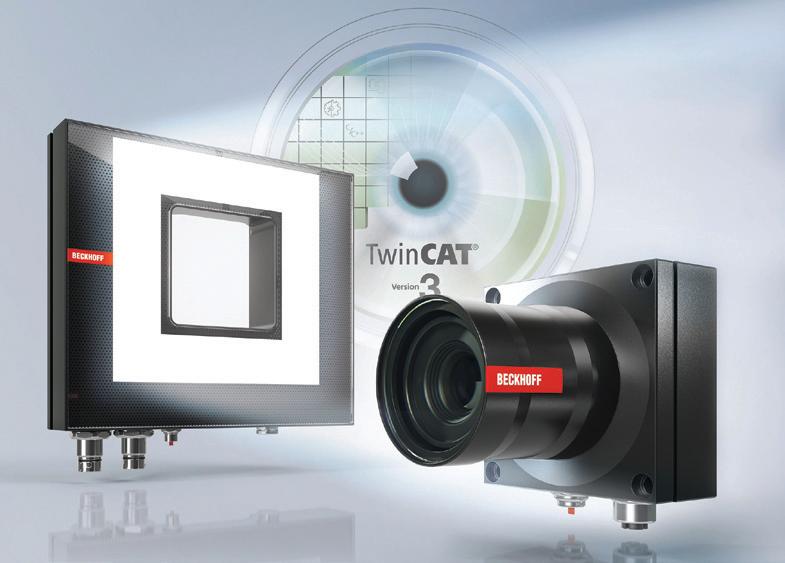
Multicolour LED lighting components come in three designs — area, ring and bar lighting — to produce constant lighting condi tions for consistent images. They also help to create the best possible contrast between the inspection feature and its surroundings.
Complete units consisting of camera, lighting devices and focusable lenses are also available.
Beckhoff Automation Pty Ltd www.beckhoff.com
22 PROCESS TECHNOLOGY NOVEMBER 2022 www.ProcessOnline.com.au
NEW PRODUCTS
CONTRAST SENSORS WITH WHITE LIGHT
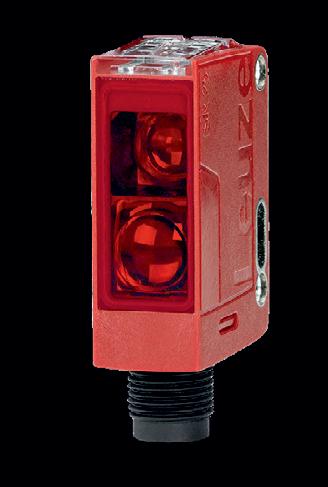
Leuze has developed additional KRT18B series contrast sen sors for the purpose of identifying markings on packaging, even if they’re barely distinguishable from the background. Offering 10 models, the sensors supplement the existing RGB light solutions and give users additional options.
The latest contrast sensors use white light, offering maximum reliability for glossy surfaces, no matter what the colour of the marking is. This saves system operators time and effort when changing formats. RGB contrast sen sors, in contrast, do a better job at detecting markings on colourful films. Depending on the requirements, the user can flexibly choose between the two models. Leuze says both systems detect equally and offer a quick response time with minimal signal jitter.
The KRT18B series (RGB and white light) offers a dual operating concept: the sensor functions can be config ured via IO-Link or via a manual sensitivity control by potentiometer or teach-in button. The model with IO-Link enables the use of remote maintenance, diagnosis and sensor configuration. Three teach levels guarantee a suit able set-up routine for each application.

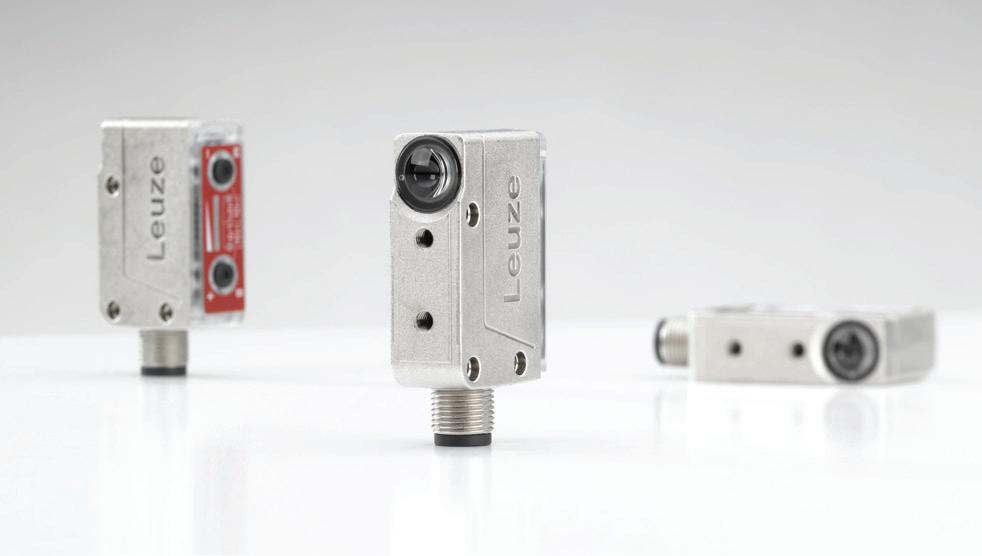
The KRT18B contrast sensors are easy to control, provid ing a continuous signal display in a bar graph on the rear of the housing. This enables flexible operating ranges of about 13 mm (±3 mm) and is designed to enable reliable operation even if the operating range between object and sensor fluctuates by about 20%.
Leuze electronic Pty Ltd www.leuze.com.au
NOVEMBER 2022 PROCESS TECHNOLOGY 23 www.ProcessOnline.com.au 9303P&SS-WNIPT6 Tel: (03) 9699 7355 www.pressureandsafetysystems.com.au Large raNge of SafeTy aNd ProceSS vaLveS IN STock for ImmedIaTe deLIvery. auSTraLIaN ageNT & STockIST Ari vAlves solutions for pipelines. • Steam • Oil & Gas • Chemicals • Process & Control • Mining • Water • Shipping Full Nozzle SaFety valve (API 526) ARI-REYCO™ Globe valve with bellow Seal FABA® triple oFFSet proceSS valve ZETRIX® NEW PRODUCTS
COMPRESSION LOAD CELL
The Lorenz RH10x compression load cell has a low-profile design to allow easy installation into industrial weighing systems for silos or tanks. The intrinsic design of this industrial load cell offers a well-aligned force distribution due to its spherical load button at the centre of the load cell. It also has a robust design with stainless steel construction and is hermetically sealed to IP68 rating. It can therefore be safely used in dusty and challenging industrial environments.
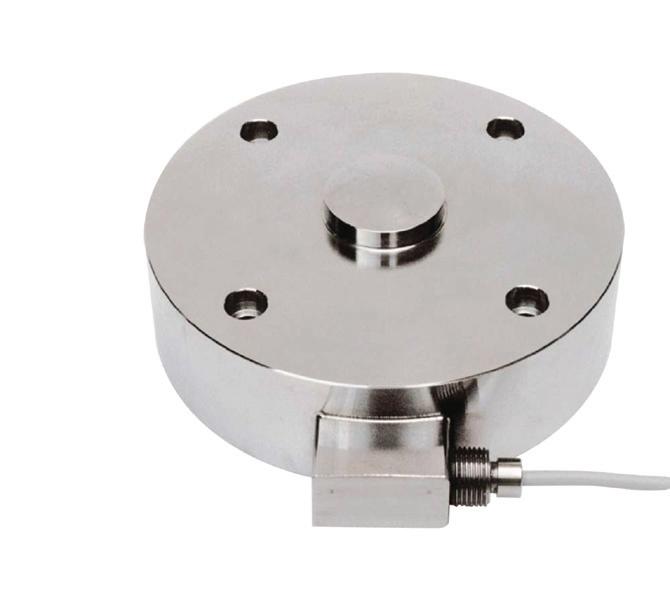
The RH10x load cell offers multiple nominal measurement ranges starting from 0–100 t to 0–1000 t. Despite its large measuring ranges, it provides a highly stable and measurement over the entire measuring range with an accuracy of better than 0.1%. It can also operate in an environment where sudden changes in temperature occur due to its low temperature sensitivity. Additionally, the RH10x can detect small changes in weight measurements due to its low measuring resolution of less than 0.2%.
This force measurement sensor is also intrinsically safe and has IeCEx certification for measurement in hazardous and explosive areas. This makes it suitable for weighing applications in mining and metals processing or in any applications where spontaneous dust explosions can occur. The load cells can also be supplied with mounting kits to reduce the influence of environmental factors.
Bestech Australia Pty Ltd www.bestech.com.au
VACUUM MANIFOLD WITH EJECTOR SYSTEM
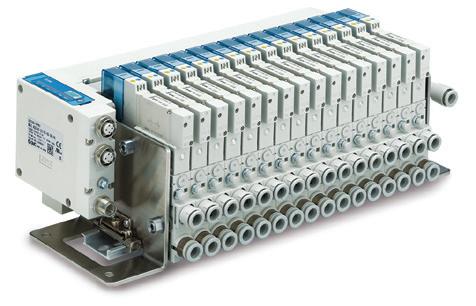
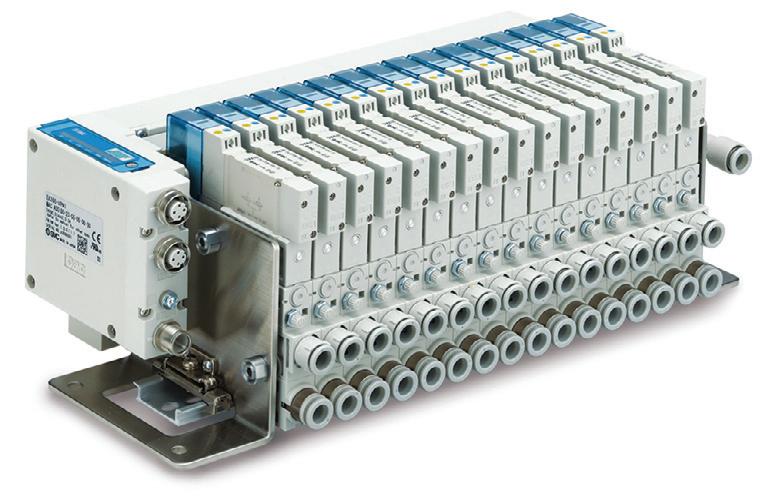
SMC Corporation’s ZKJ vacuum manifold with ejector system is Profinet-enabled. Other features include valve protection functionality, IP65 rating for dust and water jets and the ability to control up to 16 ejectors with a single manifold.
Since the ZKJ series supports Profinet no I/O unit is required.
MODULAR CONNECTORS
The Han-Modular Domino modules offer new possibilities for optimisation, including space and weight savings of up to 50%, thus helping to reduce CO2 footprint.
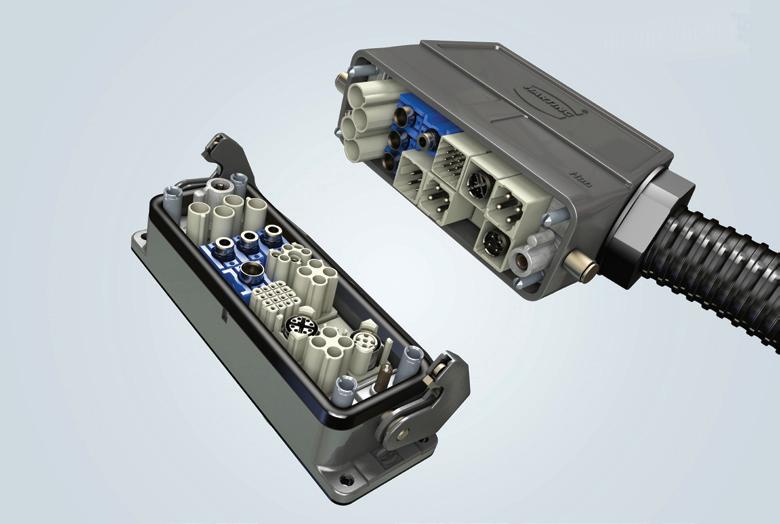
HARTING says the Domino module contributes to cost reduction and resource conservation because less energy and material are needed to manufacture smaller components. In logistics there is also a benefit, due to space and weight savings, as well as greater flexibility. Modularity is increased by the use of smaller components that can be arranged next to each other in hinged frames.
The Han-Modular Domino mating face is divided in two. Just as dominoes have two separate squares, a domino module is made up of two building blocks or ‘cubes’. The result is an almost square surface in which even larger contacts can be accommodated. The cubes support the configuration of customised connectors that are tailored to the requirements of a design. Power, signal, data or compressed air as well as male and female contacts can be combined in one module.
Overall, the number of required interfaces per unit is reduced. The connection technology becomes smaller and more lightweight; more modules and module types than before fit into one connector.
HARTING Pty Ltd www.harting.com.au
The ZKJ series also reduces air consumption by up to 90% due to an energy-saving function. A built-in check valve maintains vacuum pressure to reduce the use of compressed air and an integral pressure sensor monitors vacuum pressure to automatically turn off the supply valve upon reaching the set value. In the event of leaks, the supply valve will reactivate to increase vacuum pressure.
The normally-open supply valve ensures the work piece remains in vacuum in the event of an emergency stop or power failure (assuming air pressure continues).
Available in various nozzle diameters and suction flow rates for use in sectors such as automotive, machine tool, food, beverage, medical, pharmaceutical and packaging, the ZKJ series offers a maximum vacuum pressure of -89 kPa and low noise levels down to 52 dB.
SMC Australia | New Zealand www.smcanz.com
24 PROCESS TECHNOLOGY NOVEMBER 2022 www.ProcessOnline.com.au NEW PRODUCTS
SEVEN TIPS TO GETTING STARTED ON THE PATH TO DIGITISATION
Harry Mulder, Principal Automation Engineer, Beckhoff Automation
Many companies have heard about digitisation and believe it could benefit their operations but may be unsure of where to start.
So you’re convinced your operations need to be improved in order to remain competitive and relevant in your market place. You’ve noticed the competition in your marketspace getting ever fiercer and this shows no sign of abating. You know you need to become more efficient but aren’t sure how to do it.
Recent developments have highlighted how dependent companies are on a stable workforce. First there was the COVID-19 pandemic, where many workers were forced to isolate at home and unable to come to work. And more recently, we’ve seen how the acute lack of available skilled workers has made things all the more difficult for corporations.
These two factors have borne out how businesses can be crip pled by inadequate staffing. They have driven home the importance of automation and not being overly reliant on a manual workforce.
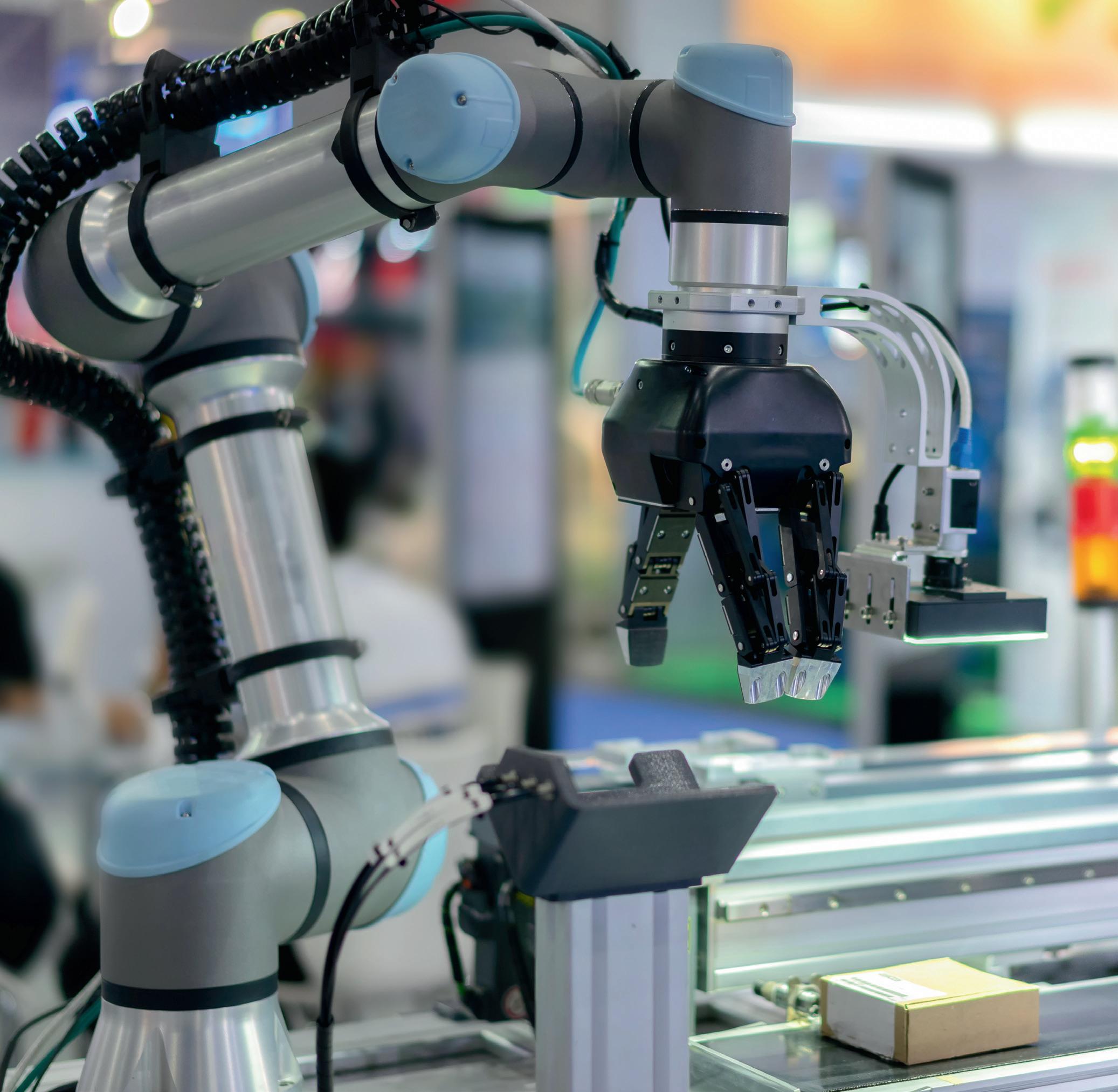
The digital transformation
Most businesses are well aware of these issues and are currently undergoing a ‘digital transformation’. Larger manufacturing and process industries are especially embracing digitisation and are accelerating their investment in it.
Most smaller companies have heard about digitisation and believe it could benefit their operations. However, many are very confused by it all, and are unsure of where to start.
If this is you, then be assured that you’re not alone! Below is an explanation of what digitisation means and some tips to help you get started on your path towards digitisation. The suggestions offered are deliberately kept very general as everyone’s journey will be very different.
NOVEMBER 2022 PROCESS TECHNOLOGY 25 www.ProcessOnline.com.au
iStock.com/nay Digitisation
Digitisation
Tip 1: Understanding what digitisation means
As with any major undertaking, it’s vital all implications of a project are known before committing to it. In the case of digitisation, its effects will be far reaching, making it all the more important that it is properly understood beforehand.
Digitisation is the transformation of processes away from manual, labour-intensive procedures, towards computer-based operations. This is done because the computerisation of tasks leads to improvements in efficiency: computer-based systems are able to produce very consistent output and can work longer hours, without the need for breaks, rest or downtime.
There is of course nothing new about adopting computers into the workplace for purposes of automation it’s been happening for decades. However, much of the automation carried out in the past was quite narrow in its focus, and often only computerised a small component of the overall process.
Digitisation, on the other hand, is much broader in its scope. It takes automation to a whole new level by seeking to modernise the entire process. It applies innovation and is not afraid of trying new techniques to solve old problems.
Technology is used extensively by digitisation to achieve its aims. Many of the technologies used are relatively new or emerging and include 3D printing (to make physical objects), robotics (to perform manual tasks) and artificial intelligence (AI), where computers can seemingly learn for themselves by applying machine learning (ML).
Generating data
Many of the benefits that emanate from digitisation stem from its ability to firstly generate masses of data (often referred to as ‘big data’, which is stored in the cloud) and then use computerised techniques to analyse it very closely. This in-depth analysis can detect inconsistencies and other anomalies during production, which can alert producers to potential problems. The extraction of useful data from the large mass of data is often referred to as ‘data mining’.
Modern technologies are constantly improving. They give us far greater sensing capabilities, so that we can get a much clearer picture of production. We also now have far greater data storage capacity, such as data warehousing in cyberspace, and have signifi cantly better analytical capabilities, many of which are cloud-based.
That we’re able to do this now so much more efficiently than in the past is what’s ushered in the whole concept of digitisation, which comes under the general umbrella of Industry 4.0.
Tip 2: Be prepared for some disruption
Implementing change within any business will create some unavoid able upheaval. Digitisation, given its complexity and comprehensive nature, can be especially disruptive to the norm. Allowances must be made for this, as production levels might be affected. Care should therefore be taken to not make unnecessary changes during times of high demand.
Digitalisation normally requires the installation of some ad ditional sensing and other equipment, as well as the upgrading of internal networks and internet connections. Also, once systems are active, some experimentation in processes will be required. This will generate some inevitable disturbances, although this dynamism is only temporary.
Tip 3: Treat digitisation as a process, not a one-off
Digitisation is essentially an exercise in continuous improvement. Attempting to improve processes will require some trial and error as adjustments are made to production. Some changes will work, some will not, and most will require further experimentation to achieve better outcomes. This process will be ongoing and usually lasts for the life of the equipment involved.
While there will be some costs associated with this experimenta tion, it must always be remembered that the continuous refinement of processes is what’s needed to become more competitive.
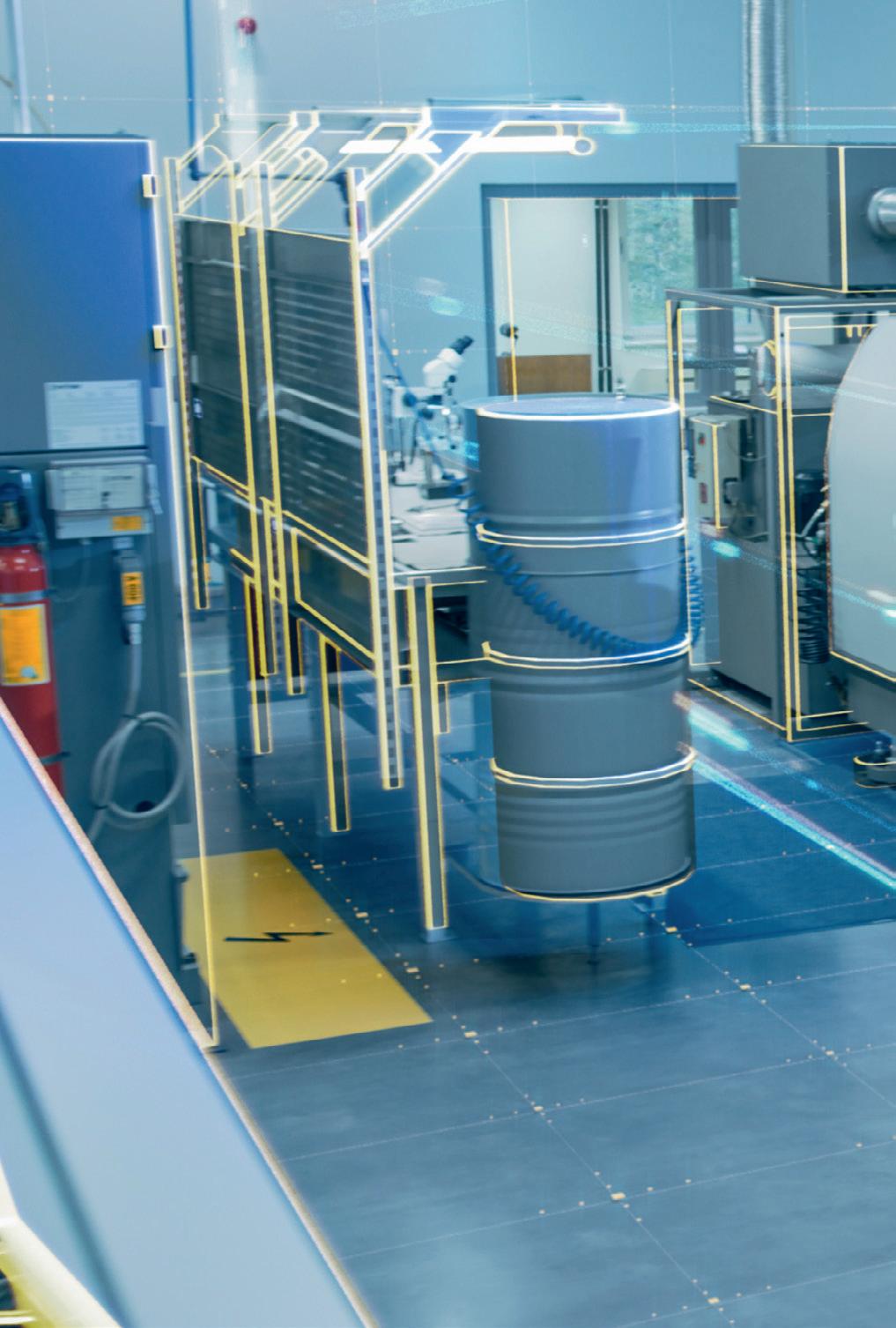
Tip 4: Get buy-in from staff
One vital aspect of any work carried out within a company is the buy-in from staff. This applies to everyone within the organisation, from senior management to those working on the floor. All should be well aware of what’s happening, when it’s happening and most importantly, understand why it needs to happen.
Support from upper management is very important as they have the greatest control over operations. Fortunately, recent surveys from manufacturing services company Jabil1 revealed that manage ment increasingly favours the digitisation of facilities as they can see the benefits of improving efficiency. They also understand the need to maintain competitiveness within the marketplace.
Some cultural adjustment may be required by some employees, particularly those involved in operations who may be concerned about their future job prospects or being made redundant by tech nology. But they have, and will continue to have, a vital role to play in digitisation, as their knowledge of the production processes is invaluable to the company. They may, however, need to learn some new skills as their job roles modernise.
26 PROCESS TECHNOLOGY NOVEMBER 2022 www.ProcessOnline.com.au
Tip 5: Have a clear objective in mind
Digitisation is generally not a silver bullet that can resolve a wide range of ills instantaneously! To be most effective, digitisation should be applied to one or two selected areas only, so as to limit the number of changes happening at once. Specific objectives, such as preset key performance indicators (KPIs), can be used to monitor for success.
Many of the projects involving digitisation that have failed in the past have done so because the scope of works has been too broad, and the attempts at change too wide ranging. This had the effect of undermining productivity by being too disruptive to the overall process.
A better way is to select a particular aspect and work exclusively on improving it. Only once there are material improvements in the results can other aspects in the overall process be considered for change.
As with any KPI, it’s important to have realistic timelines in which to see positive outcomes. Results can be elusive at times, as changes to processes can produce some unpredictable consequences.
Tip 6: Don’t be afraid to call in experts in the field
The reality is that digitisation requires a whole new range of skill sets. It needs sensor specialists to detect and measure operations, IT networking experts to collate and transport the data gathered to where it needs to be, security professionals to keep data safe, cyber know-how to store and retrieve the data to and from the cloud, and programming engineers to make it all happen. Even the initial scope of work will require expert knowledge, as will management of the project.
It’s highly unlikely that any one company will have the skills at the required level in-house to fulfil all these roles. Therefore it’s strongly recommended that external expertise, such as consultants,
be utilised for at least some of the job functions. In this way, companies can leverage off the experience of others, and thereby hasten their journey towards digitisation.
Tip 7: Be wary of buzzwords and jargon
The field of digitisation has created a whole new vocabulary of terms and phrases. The internet in particular is awash with buz zwords and jargon, seen in the marketing on some websites. Many of these terms are used loosely or misleadingly.
Some explanations of the more useful terms have been provided here, but it’s definitely best to rely on the experts in the field.
Conclusion
The process of digitisation is still seen as the best and most effective method of continuous improvement something that’s needed to ensure producers remain at the top of their game, both now and in the future. Ongoing improvement will become all the more important as competition increases due to international trade barriers coming down.
While many see the need for digitisation, some are still reluctant to become involved, primarily due to a lack of understanding. It’s hoped that some of the ideas presented here will go some way to clarifying the overall process.
Each point has been kept deliberately general, as everybody’s journey will be very different. All the best wishes for your dig itisation journey.
1. Jabil and Dimensional Research 2018, Trends in digital transformation , <<https://www.jabil.com/dam/jcr:41ad85b0-b74b-4004-807d-bc42b56c9e41/ jabil-2018-digital-transformation-report.pdf>>
Beckhoff Automation Pty Ltd www.beckhoff.com
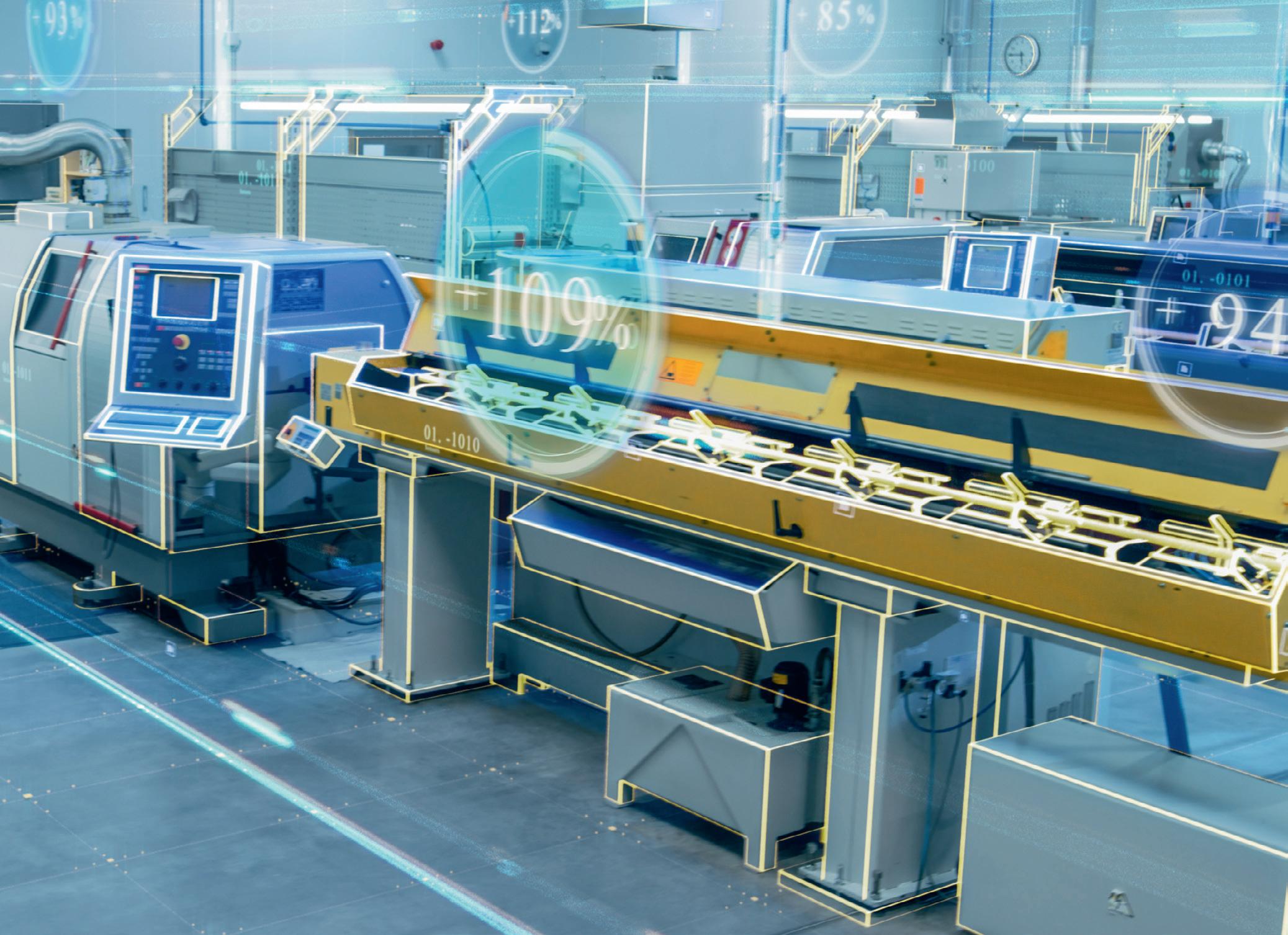
NOVEMBER 2022 PROCESS TECHNOLOGY 27 www.ProcessOnline.com.au
Digitisation iStock.com/gorodenkoff
MANY OF THE BENEFITS THAT EMANATE FROM DIGITISATION STEM FROM ITS ABILITY TO FIRSTLY GENERATE MASSES OF DATA ... AND THEN USE COMPUTERISED TECHNIQUES TO ANALYSE IT VERY CLOSELY.
TO BE MOST EFFECTIVE, DIGITISATION SHOULD BE APPLIED TO ONE OR TWO SELECTED AREAS ONLY, SO AS TO LIMIT THE NUMBER OF CHANGES HAPPENING AT ONCE.
IP67 ETHERNET SWITCHES
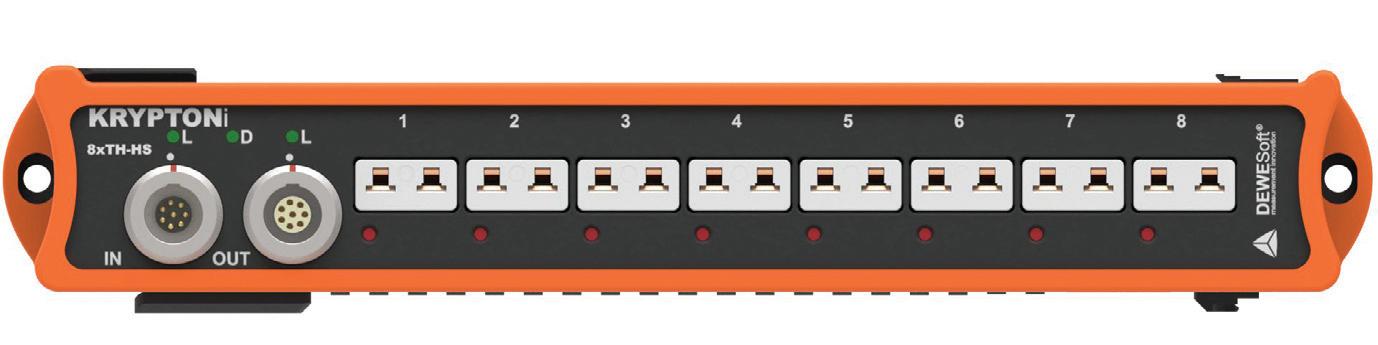
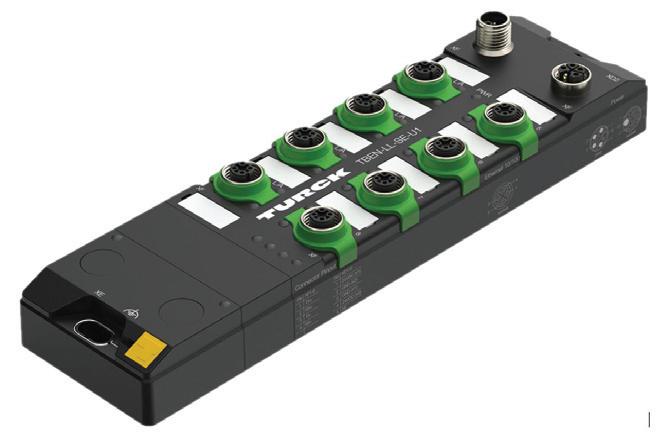
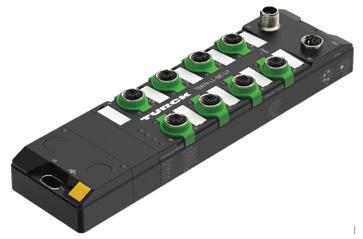
Two IP67 switches have been added to Turck’s Industrial Ethernet range, in both un managed and managed variants. The TBEN-Lx-SE-U1 unmanaged switches feature eight 100 Mb ports for the efficient networking of cells where managed functions are not required. Where only basic switch functions are needed the TBEN-Lx-SE-U1 offers a solution that is suitable for high volume applications such as networking stations inside an automation cell. Fully potted construction and a protection rating of up to IP69K allow it to be used in harsh environments without the need for protective enclosures. Short commissioning times are guaranteed as no configuration is required and the power supply is easily implemented with M12 or 7/8-inch connectors.
Turck is also expanding its offering of managed IP67 switches with the TBEN-LL-SE-M2, a variant with an M12 L-coded power supply. Besides offering eight 100 Mb ports, the device also comes with two Gigabit backbone ports. However, unlike the existing man aged switch, the added variant has M12-L coded power supply connectors. These can carry up to 16 A per voltage group. Its enhanced features with NAT routing, NTP and firewall enable the logical encapsulation of automation cells. Users can, for example, use the same IP addresses locally without any address conflicts. The firewall protects the automation network from external factors. Turck Australia Pty Ltd www.turck.com.au
WINDOWS RUGGED TABLET
The Winmate M140TG is a 14 ″ Intel Core i5-1135G7 Win dows rugged tablet that features a larger screen with opti cal bonding technology and an anti-glare coating, making the display readable in sunlight. It supports rain and glove touch capability, offering visibility and productivity in hostile environments and situations.
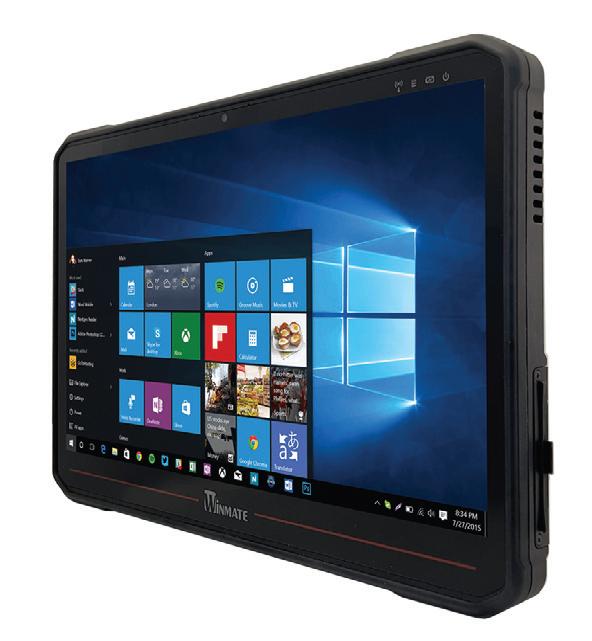
The M140TG industrial tablet can operate in tempera tures ranging from -20 to 60°C when charging or -10 to 50°C on battery. It offers the flexibility of use for a wide range of industrial sectors. The M140TG has an internal battery with a hot swap capability to support the never-power-down industrial tablet, making it suitable for situations where the device is pooled between workers or required across multiple work shifts.
The M140TG tablet comes with an optional kickstand/hard handle, and mounting choices making it easy to carry. It has also been independently tested to meets the IP65 protection and the MIL-STD-810H standard.
Backplane Systems Technology Pty Ltd www.backplane.com.au
THERMOCOUPLE AMPLIFIER
The Dewesoft KRYPTON range now offers an amplifier for thermocouple sensor inputs. These devices with TH-HS amplifier offer highspeed acquisition rates and channel-to-channel isolation for temperature measurements with thermocouple sensors, and universal thermocouple input for all thermocouple types: K, J, T, R, S, N, E, C and B.
The amplifier addresses the growing need for stable temperature measurements in an EMC-harsh environment, such as on the stator of an electric motor or near inverters. The amplifier doesn’t only improve upon the EMC immunity of the previous unit on the digital side but also uses a sharp analog antialiasing filter (3rd order, -3dB @ 1 kHz) and digital FIR filters to remove unwanted frequencies. The input connector is MINI TC. Sensor break detection is provided in the software and applies physical LED indicators.
A 24-bit ADC is used with sampling rates of up to 10 kS/s per channel. This enables use in dynamically demanding applications when recording transients of temperature shocks. A higher sampling rate also enables Dewesoft filtering technology, using digital FIR filters to reduce the noise floor down to -130 dB and reach a resolution below 1 µK.
Metromatics Pty Ltd www.metromatics.com.au
28 PROCESS TECHNOLOGY NOVEMBER 2022 www.ProcessOnline.com.au NEW PRODUCTS
EDGE IoT GATEWAY
Equipped with an Intel Celeron N6210 dual-core or Pentium N6415 quadcore processor, DDR4 memory and dual display interfaces (HDMI and DisplayPort), the UNO-22712G V2 is an edge IoT gateway in a compact, pocket-size form factor. Compared to the previous UNO-2271G model with an Intel Atom E3825 processor, the UNO-2271G V2 has four times higher performance.
For flexible configuration and deployment, the UNO-2271G V2 edge IoT gateway features a modular design with optimised I/O and can be easily integrated with an optional second-stack I/O extension module to support diverse operations, including equipment connectivity, process visualisation, environment management and dispatch management. Moreover, with the provision of an mPCIe slot on the base unit and an M.2 connector on the expansion kit, UNO-2271G V2 supports dual high-speed wireless communication via Wi-Fi, 4G and 5G technologies to enable long-distance data transmis sions and real-time networking.
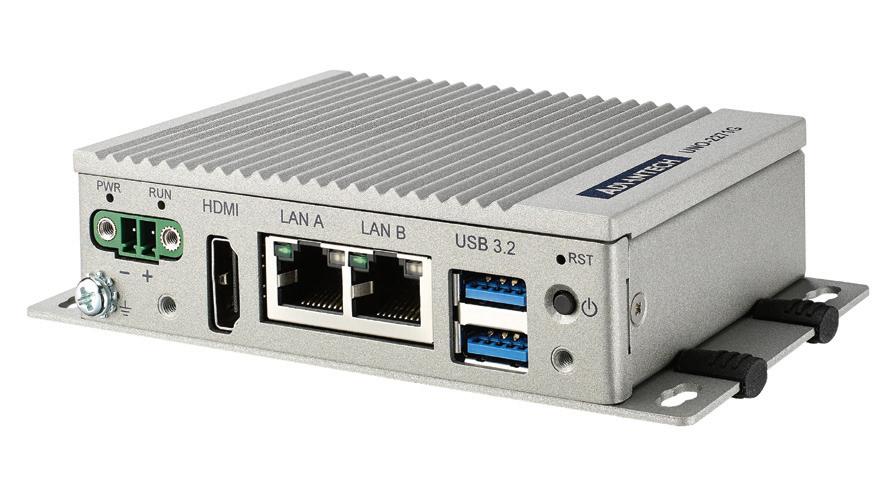
The UNO-2271G V2 can be installed with Advantech’s WISE-DeviceOn IoT device management software platform. This platform is engineered to facilitate centralised monitoring, device access/control and over-the-air software updates. Built-in Wi-Fi, 4G and 5G technologies offer scalable high-speed communication capabilities for real-time mobile networking and data transmissions. With the inclusion of WISE-DeviceOn, UNO-2271G V2 provides a 5G-ready IoT gateway that can be used to manage edge devices remotely, reducing downtime and maintenance costs while increasing processing efficiency and overall productivity.
Advantech Australia Pty Ltd www.advantech.net.au

NOVEMBER 2022 PROCESS TECHNOLOGY 29 www.ProcessOnline.com.au NEW PRODUCTS
SAFETY GATE LOCK FOR ETHERCAT P/FSOE
Euchner says its MGB2 Modular is now the world’s first guard locking device to support the safe EtherCAT protocol.
The Euchner MGB2 system, designed to protect safety doors and fences where there are dangerous machine movements, now supports EtherCAT P/FSoE. The modular design and the optional MSM submodules offer many variants, additional functions, different networking options and intelligent communication features for Industry 4.0 applications.
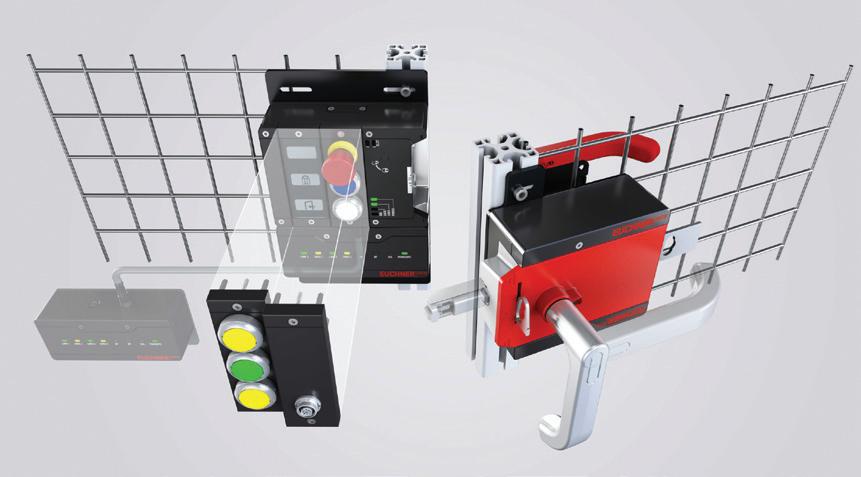
No two safety applications are the same. Some production pro cesses need an additional safety device such as an emergency stop to secure safety doors with guard locking, while others need request and acknowledgment buttons to be mounted directly onto the safety door. It’s also possible that, over time, new requirements may arise for safety door systems as a result of conversions or expansions to machines, installations and production lines.
The MGB2 Modular is therefore designed for versatility by spreading the individual functions across different modules. The three main func tions, bus communication, door monitoring and control and indication, are implemented in separate modules and submodules.
Treotham Automation Pty Ltd www.treotham.com.au
STRAIN GAUGE TRANSDUCER
MAGNETIC FLOWMETERS
Yokogawa has announced the release of the OpreX CA Series magnetic flowmeter, which succeeds the ADMAG CA Series and is being released as part of the OpreX field instruments range.
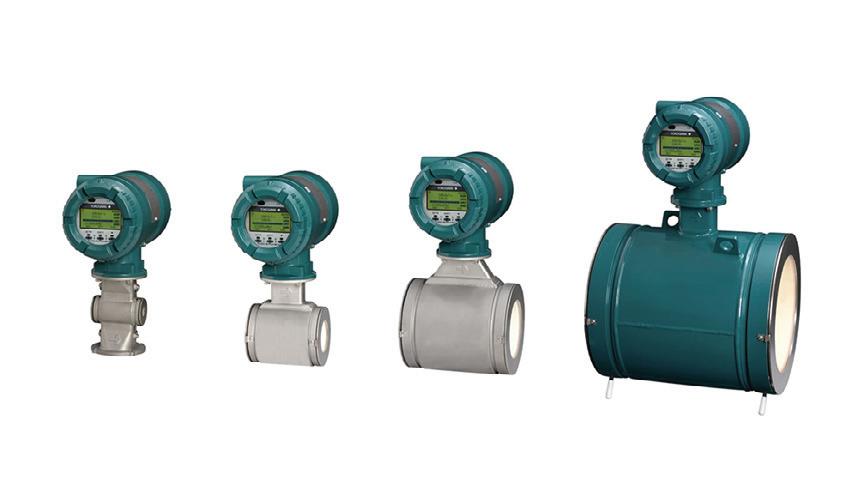
The capacitance-type magnetic flowmeters utilise electrodes mounted outside a ceramic measurement tube to measure the electromotive force generated by fluids passing through the tube, eliminating all direct contact between the electrodes and the fluid. In addition to this non-wetted electrode construction, the meters offer support for the widely used HART communica tions protocol and a choice of nine languages is now given for the user interface. As an optional feature, measurement data can be saved on a microSD card for viewing on a PC, and instrument setting data that is saved on a microSD card can be copied to other devices. The display is now equipped with a backlight function that improves visibility at night and in dark locations.
The flowmeters are also equipped with a function that can analyse and verify that they are in sound operating condition while mounted on a pipe. Inspection of magnetic circuits, excita tion circuits and arithmetic circuits, and the checking of device status alarms and soundness, can be performed in 6 min.
Measurement tubes in eight sizes ranging from 15 to 200 mm are available for use with the flowmeters, suiting a wide range of purposes. As they have the same face-to-face lengths as the ADMAG CA Series flowmeters, no additional work is required for in-place upgrades.
Yokogawa Australia Pty Ltd www.yokogawa.com/au
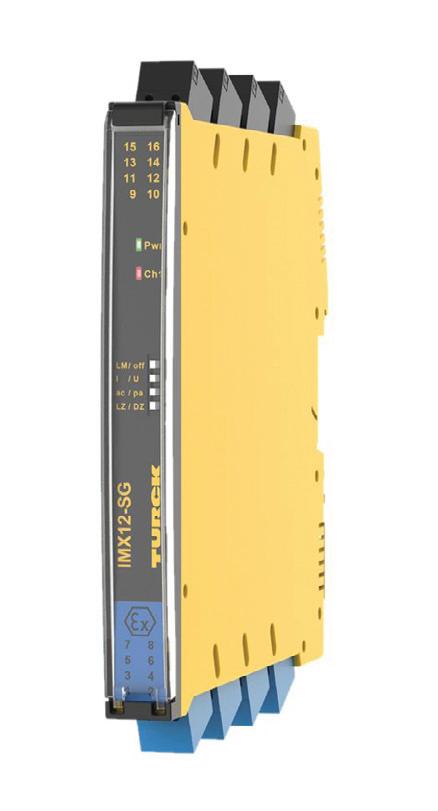
Turck has expanded its interface range with a fast strain gauge transducer for force measurement applications in hazardous areas. The IMX12-SG has a repeater function and can be used for signal conversion when the resistance changes on strain gauge bridges. It has a response time of less than 10 ms, a flexible output circuit configurable with DIP switches, and galvanic isolation, all within a slim line 12.5 mm housing — making the IMX12-SG suitable for applications with limited space available.
Turck’s IMX12-SG provides galvanic isolation between the hazardous and safe areas. This eliminates interference or equalisation currents that can result from stray voltages — a key safety advantage over Zener barrier solutions, which rely on a very well-maintained grounding concept.
As with all devices of the IMX12 series, operation in the Zone 2 hazardous area is permitted in a protective housing.
A wide supply voltage range of 10–30 VDC also enables use in applications with battery operation, such as temporary or mobile equipment. The operating temperature range of up to 70°C allows use in the direct proximity of machinery and motors.
Turck Australia Pty Ltd www.turck.com.au
30 PROCESS TECHNOLOGY NOVEMBER 2022 www.ProcessOnline.com.au NEW PRODUCTS
Industrial testing platform for clean water
Thanks to its rigorous regulations on discharging wastewater into rivers as well as its efficient wastewater treatment plants with multi-stage filters and biological purification systems, Germany can be proud of its high water quality and first-class drinking water. However, quality requirements are on the rise and water management is facing new challenges. On one hand, this is due to water shortages: while supply has been decreasing due to climate change, demand has been growing for example in agriculture and as a result of the widespread switch to the hydrogen economy.
Modern analysis methods are now able to detect the most miniscule concentrations of harmful substances in water that previously went unnoticed, including pharmaceutical and chemical residues (also known as micropollutants).
“The water quality in Germany is just as good as ever before,” said Dr Burkhardt Faßauer, head of the Circular Technologies and Water department at the Fraunhofer Institute for Ceramic Technologies and Systems IKTS. “However, we do need to prepare ourselves for the challenges of the future.”
Fraunhofer has now started a project that will take the treatment of industrial wastewater to the next level and should enable bodies of water and drinking water to be more efficiently protected. Another objective of this project is to collect recyclable materials from the wastewater.
“Some of the residuals or process chemicals in industrial wastewater can be reused in industry as raw materials. This holds true for various salts and metals, for example. We are developing processes to retrieve these raw materials from wastewater,” Faßauer said.
Fraunhofer researchers deployed a range of test containers on-site at the joint water treatment plant in Bitterfeld-Wolfen. This is one of the most modern wastewater treatment plants in central Germany. As well as community wastewater, the plant primarily treats industrial wastewater from just under 300 businesses in the Bitterfeld-Wolfen Chemical Park, one of the largest in Europe.
“Our on-site presence means that we have targeted, consistent access to the relevant amount of wastewater. As such, we are able to conduct our experiments on an almost industrial scale and under real-world conditions,” said André Wufka, Group Manager for Systems Engineering for Water and Wastewater.
A major advantage of the technology platform comes from its modular design. Aggregates and systems can be replaced at any time or moved to another location in the process. As such, the teams of experts can reproduce, analyse, reposition and optimise the technical processes at the wastewater treatment plant however they desire.
The team of scientists is using state-of-the-art equipment to tackle the issue of wastewater. They are continuing to develop existing processes, combining conventional methods to develop new processes and working on innovative and ideally disruptive technologies. An example of this is intelligent, switchable membranes that detect specific micropollutants and separate them out.
“We are testing, for example, the performance of new sensor systems that work on the basis of surface plasmon resonance (SPR) spectroscopy,” Wufka said. “In these systems, the pollutant molecules to be detected adhere to a nanostructured sensor substrate and when this happens, the light refraction changes. The sensor registers the change in the refractive index and can use this to measure the pollutant concentration in the water. This could be used to control a cleaning process.”
Fraunhofer experts are also tackling the problem of residues such as salts that accumulate during cleaning processes. These are often found in production wastewater, but even the cleaned water still contains a certain level of salts.
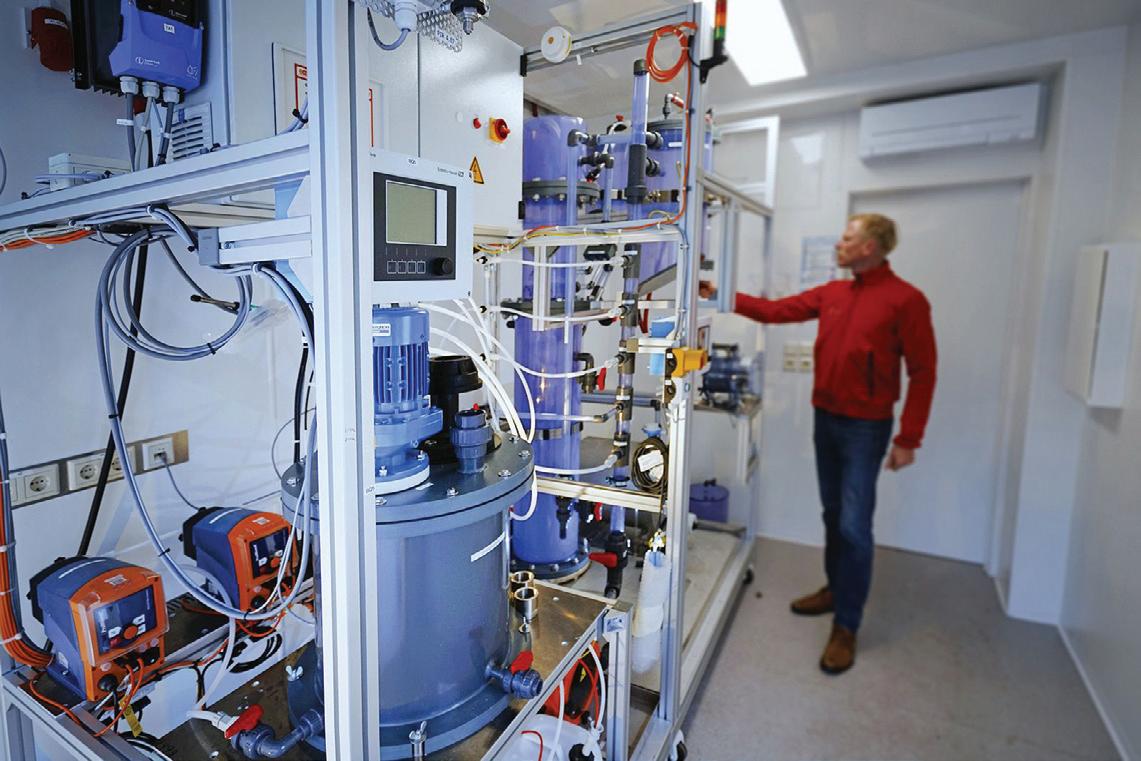
“If large quantities of these salts enter rivers, this can cause problems. During heatwaves such as those we’ve experienced this summer, river water levels drop, meaning that the concentration of substances present in the water increases,” Wufka said. “This can have serious consequences for flora and fauna in rivers.”
Fraunhofer IKTS researchers are therefore working with partner institutes to develop not only more effective solutions for removing salts from wastewater but also solutions for recycling these extracted salts.
The filter and cleaning technologies developed in the project benefit wastewater treatment plants but can also be directly used in industrial production. In this case, Fraunhofer researchers can make use of their technology platform’s flexibility to test suitable cleaning strategies for industrial customers’ specific problems or needs.
“Companies in the chemical industry, for instance, can set up a system that we developed for recovering raw materials from wastewater directly in their production hall,” Faßauer explained.
Fraunhofer Institute for Ceramic Technologies and Systems IKTS https://www.ikts.fraunhofer.de/en.html
NOVEMBER 2022 PROCESS TECHNOLOGY 31 www.ProcessOnline.com.au
In addition to membranes and biological and electrochemical methods, the researchers are also using the latest sensor technology.
research
Test container at the joint water treatment plant in Bitterfeld-Wolfen. © Fraunhofer IKTS.
UNDERSTANDING ACCELEROMETERS FOR VIBRATION MONITORING AND PREDICTIVE MAINTENANCE
With the availability of condition monitoring sensors and technology, we can better plan for maintenance by understanding the current state of the machinery.
Machine maintenance regimes regularly schedule in spections for wearing equipment and to replace them regardless of their potential to operate for a much longer time. This approach proves to be extremely costly due to additional capital investment and production loss resulting from a total shutdown. There is also a possibility that machinery failure might occur between the scheduled maintenance times, which further adds to the cost.
With the availability of condition monitoring sensors and tech nology, we can better plan for maintenance by understanding the current state of the machinery. Predictive maintenance is a
32 PROCESS TECHNOLOGY NOVEMBER 2022 www.ProcessOnline.com.au
iStock.com/DSCimage
technique that involves regular monitoring of machine conditions such as vibration, temperature, oil condition, etc. It allows the operators to predict potential failures and helps them to prioritise the maintenance of relevant parts before they break. Predictive maintenance aims to predict when equipment failure could occur based on historical data, reducing the likelihood of failure, lower ing maintenance costs and increasing the annual plant availability.
Any operating machinery generates vibration due to its linear or rotational motion. Problems arise when the measured vibration is trending higher than the baseline measurement. It generally in dicates potential faults, which may include misalignment of drive components, load asymmetry or damaged bearings.
Vibration monitoring is therefore commonly done as part of the predictive maintenance approach as it is non-invasive and can identify faults at their early stage of deterioration. It can also diagnose the severity of the damage and find the source and lead ing cause of failures.
Vibration measurement sensors such as accelerometers, vibra tion switches and mobile vibration meters form part of a condi tion monitoring system for predictive maintenance. The complete systems consist of sensors, sophisticated data acquisition systems and powerful monitoring software with complete analysis packages integrated into the whole plant.
Types of accelerometers
There are two types of accelerometers: AC-response accelerometers and DC-response accelerometers. AC-response accelerometers are commonly designed from piezoelectric materials that produce an electrical output proportional to the acceleration. The sensing ele ment looks like a source capacitor with a finite internal resistance which forms the RC time constant. For this reason, AC-response accelerometers are not suitable for measuring static acceleration such as gravity or centrifugal acceleration. DC-response accelerom eters can respond down to 0 Hz, making them ideal for measuring static and dynamic acceleration.
Vibration monitoring systems for condition monitoring usually rely on AC-responsive piezoelectric accelerometers due to their wide range of frequency responses to capture almost all machine vibration trends. However, MEMS capacitive DC accelerometers have started to gain popularity due to their flexibility and lower cost.
Modern MEMS accelerometers are closing the gap with pi ezoelectric accelerometers in terms of operating bandwidth and dynamic range, making them suitable for predictive maintenance applications. Compared with piezoelectric sensors, they offer faster signal recovery after a shock event, extremely stable measure ment, digital outputs and smaller size. MEMS accelerometers also have a built-in signal conditioning unit and potentially can be used to build intelligent, wireless, vibration-based condition monitoring systems.
Although MEMS accelerometers have potential as an excellent alternative to piezoelectric accelerometers due to their capability for future upgrading and signal conditioning capability, users should choose according to their requirements and after conducting suc cessful validation tests.
Signal processing in a MEMS accelerometer
Vibration analysis starts with pre-filtering a slight DC bias from accelerometer and velocity data to suit the time-domain and frequency-domain analysis. The signals are then passed to the high-pass filter to isolate the dynamic component of the data and clear the DC components from the signals. A numerical integration technique can be applied to this acceleration data to derive the speed component in a few iterations.
Once the data is pre-processed, analysis of acceleration and speed data over time can provide insights on the machinery per formance. Maximum peak value and RMS parameters can indicate warning conditions as they approach the threshold limit set by the equipment manufacturer.
Frequency domain analysis is commonly done using the fast Fourier transform (FFT) method. It can identify the root cause of the problem by examining the frequency and amplitudes of the relevant spectrum. For example, a high vibration amplitude on the rotation speed can represent motor imbalance, while vibration at specific frequencies can indicate bearing degradation and failures on the gear mesh.
Cabling and mounting
Cables and connectors are usually the weakest part of a measur ing system. Choosing a suitable cable is vital to ensure reliable measurement. Bending or tension on a coaxial cable can generate a signal that cannot be distinguished from sensor output, which produces erroneous results, especially when measuring low vibra tion with charge-type transducers. This problem can be solved by using a low-noise cable or clamping the cable on the test object.
Knowing the proper mounting techniques is as important as choosing the right type of accelerometers for condition monitoring applications. Condition monitoring accelerometers generally yield the best results when mounted on a smooth and flat-machined surface. The transmissibility of high-frequency signals can be further improved by improving the contact between the sensor and the mounting surface by applying a thin layer of silicon grease.
Closures
Every aspect of the measurement chain in rotating components is potentially a vibration monitoring point. Vibration measurement as a condition monitoring approach can effectively diagnose potential failure events and indicate operational health in rotating machinery; however, accelerometers must be correctly installed and integrated with a suitable signal conditioning and measurement system to filter unwanted signals. For example, the sensors are installed on the housing of the bearings or nearby points for vibration measure ment. They should be configured to allow 3-axis measurements at all bearings. The results should be referred to the reference value recommended by the ISO standards to assess the health of the machinery. The reference value differs for different machin ery types: for example, the vibration of a reciprocating engine is generally higher than that of rotating machinery.
Bestech Australia Pty Ltd www.bestech.com.au
NOVEMBER 2022 PROCESS TECHNOLOGY 33 www.ProcessOnline.com.au
Predictive maintenance
AS I SEE IT
NEW CHALLENGES, NEW SOLUTIONS: THE ROLE OF PROCESS AUTOMATION IN THE MINING INDUSTRY
Field instrumentation and other process automa tion technologies are widely used across every process in the mining industries from resource development to mine operation, to rail and port operations. However, the biggest challenge the instrumentation and process automation indus tries are facing is the shortage of semiconductor chips. Other major political events like the war in Ukraine and the relocation of manufacturing hubs from China due to pandemic uncertainty have disrupted the entire supply chain cycle, which is significantly affecting the industry’s ability to responding to demand within the mining market in Australia.
The focus on ‘net zero’ has increased the demand for base metals. However, base met als like lithium, rare earth, silicon, copper and alumina are not bulk resources like iron ore.
Base metals are discrete and available on very small scales and in patches, hence increasing operational costs. To address this issue, the mining industry’s priority is to focus on remote operation, collecting real-time data, supply chain management, workplace safety and environmental sustainability, which has resulted in promising opportunities for the adoption of Industry 4.0.
Over the last three years we have seen mounting pressure on the process automation industries and accelerating digital transformation. Industry 4.0 will take mining processes from mine to market to a whole new level. Industry 4.0 has given a refreshing heartbeat to the chal lenges within the mining process and has given a new ray of hope for the industry to operate 24/7 without human intervention. This means improved operating efficiency, higher productivity and monitoring of device status and predictive maintenance. Industry 4.0 also promises a high
level of IT and data security standards, open ing doors for decentralising measuring points, establishing a plant overview, monitoring plant status, running predictive maintenance and mobile asset audits, etc.
However, with every opportunity comes challenges. Currently in Australia, implement ing Industry 4.0 in the mining sector is a huge risk until the technology is proven and makes a high impact on small strategic projects. An other challenge is the legacy situation where a transfer from current infrastructure to new infrastructure is needed. There is significant pressure on process automation and instrumen tation manufacturers to propose products that can reduce the operation cost due to the high investment in CAPEX projects and low investment in OPEX. In addition, the shortage of Industry 4.0-skilled labour has kept the mining industry on the back foot when it comes to using the latest technology. This issue creates a barrier of uncertainty for the instrumentation and process automation industry to invest in introducing new and refreshing technologies in Australia.
But new challenges come with new solutions, and I’m confident that the instrumentation and process automation industries can overcome these challenges, with proper onboarding of the technology and by beginning with small-scale deployments. The process automation and in strumentation industries not only need to bring the technology that works day in day out, but also need to assess the value proposition and improvement it brings to the business. The in strumentation and process automation industries will have to work very closely with the mining industries to upskill their employees with proper training and development in new technology and make the supply chain more reliable.
Westwick-Farrow Media A.B.N. 22 152 305 336 www.wfmedia.com.au
Head Office Unit 7, 6-8 Byfield Street, North Ryde Locked Bag 2226, North Ryde BC NSW 1670 AUSTRALIA ph: +61 2 9168 2500
Editor Glenn Johnson pt@wfmedia.com.au
Publishing Director/MD Geoff Hird

Art Director/Production Manager
Julie Wright
Art/Production Linda Klobusiak
Circulation Dianna Alberry circulation@wfmedia.com.au
Copy Control Mitchie Mullins copy@wfmedia.com.au
Advertising Sales National Group Sales Manager Nicola Fender-Fox – 0414 703 780 nfender-fox@wfmedia.com.au Sandra Romanin – 0414 558 464 sromanin@wfmedia.com.au
Tim Thompson – 0421 623 958 tthompson@wfmedia.com.au

If you have any queries regarding our privacy policy please email privacy@wfmedia.com.au
Printed and bound by Bluestar Print Print Post Approved PP100007403 ISSN No. 0819-5447
All material published in this magazine is published in good faith and every care is taken to accurately relay information provided to us. Readers are advised by the publishers to ensure that all necessary safety devices and precautions are installed and safe working procedures adopted before the use of any equipment found or purchased through the information we provide. Further, all performance criteria was provided by the representative company concerned and any dispute should be referred to them.
Information indicating that products are made in Australia or New Zealand is supplied by the source company. Westwick Farrow P/L does not quantify the amount of local content or the accuracy of the statement made by the source.
34 PROCESS TECHNOLOGY NOVEMBER 2022 www.ProcessOnline.com.au
YEARS CELEBRATING
Contact the editor
Vikram Apte has a M.SC Instrumentation Degree from the Department of Instrumentation Science, Pune, and an MBA in International Marketing from Griffith University. He is currently working as Industry Manager for Mining, Minerals and Metals, and Oil and Gas at Endress+Hauser Australia.